Category: Ghost Stories

  • TikTok Deepfake Ghost Videos Are Getting Harder to Spot: Why Paranormal Footage Faces a New Credibility Crisis

    TikTok Deepfake Ghost Videos Are Getting Harder to Spot: Why Paranormal Footage Faces a New Credibility Crisis

    TikTok’s deepfake ghost trend matters because it attacks the weakest point in paranormal media at exactly the wrong time: trust in visual evidence. Once AI tools can produce convincing hauntings on demand, the old social contract around “caught on camera” footage begins to collapse. That does not just create better hoaxes. It changes how every future ghost clip will be judged.

    The direct answer is this: the current wave of TikTok ghost videos is being fueled by AI-assisted visual tools that can convincingly fabricate paranormal-looking footage. These clips are not simply cheap filter jokes. In many cases, they are sophisticated enough to blur the line between performance, deception, and viral storytelling.

    That makes the trend bigger than a platform fad. It signals a new phase in paranormal culture where the burden of proof around ghost footage becomes dramatically higher, and where audiences may start distrusting even sincere submissions because fabricated clips are now easier to make, harder to spot, and more algorithmically rewarding. That broader credibility problem connects directly to ongoing work around AI-generated content standards at NIST and provenance efforts such as the Content Authenticity Initiative.

    What This Story Actually Says

    Over late March and early April 2026, creators began circulating a new class of ghost-themed TikTok content built around advanced AI filters, face tracking, motion overlays, and deepfake-style compositing. Instead of obviously cartoonish effects, many of these tools can produce photorealistic apparitions integrated into a real environment.

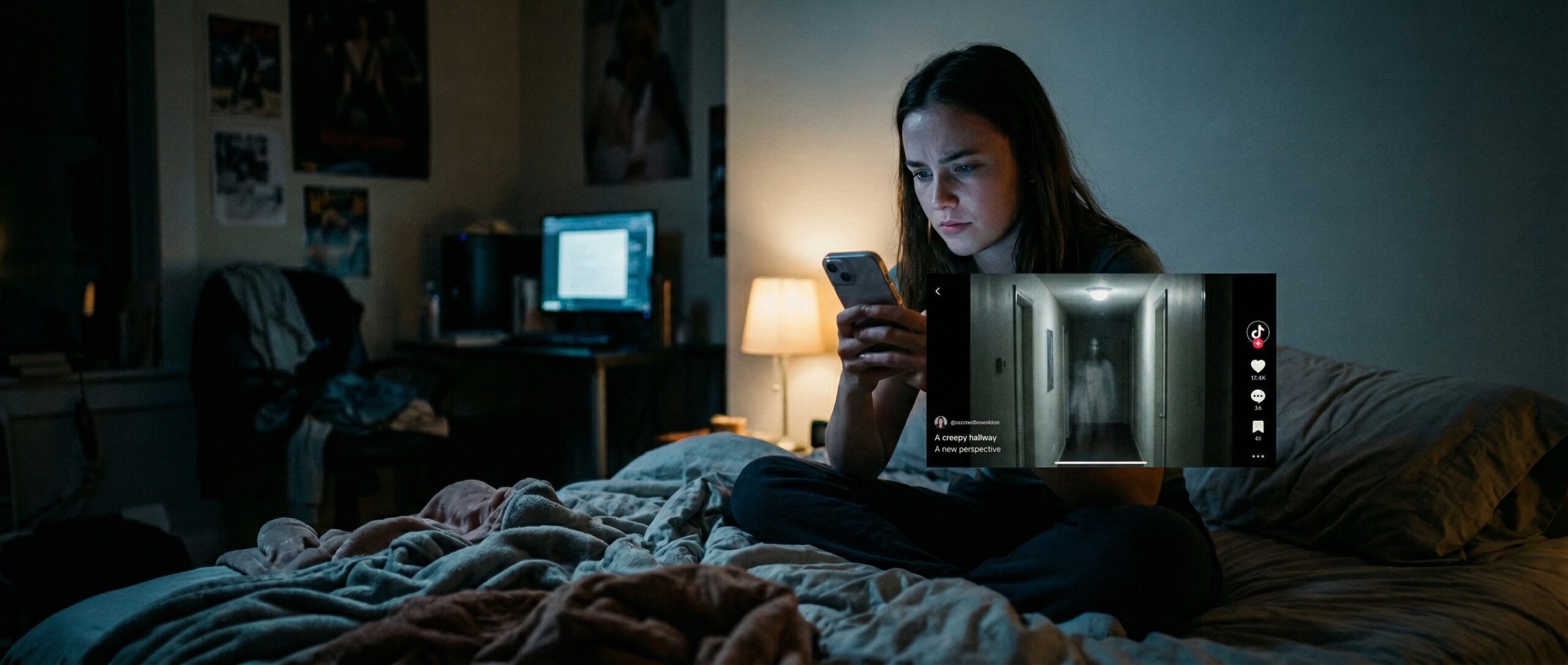
    That shift matters. Older ghost filters were usually visible as novelty effects. The new generation aims for plausibility. A translucent figure in the background, a movement at the end of a hallway, or a spectral face captured through a phone camera can now be generated with enough realism to trigger genuine uncertainty among viewers.

    This is why the issue has moved beyond prank culture. Once the tools become good enough, the distinction between entertainment and evidentiary contamination starts to break down.

    Why This Trend Is Spreading So Quickly

    Paranormal content already performs well because it offers fear, ambiguity, and shareability in a compact visual form. AI tools supercharge that formula by lowering the skill barrier. A creator no longer needs advanced editing knowledge to produce something eerie and convincing enough to go viral.

    Platforms reward this kind of content because it generates comments, dueling interpretations, and repeat viewing. “Is this real?” is one of the most engagement-rich questions a clip can provoke. Deepfake ghost footage is built to trigger exactly that response.

    There is also a cultural timing issue. Audiences are already primed for anxiety about AI deception. So when a ghost video looks just plausible enough, it enters a space where viewers are suspicious, fascinated, and emotionally available all at once. That combination helps the content spread faster than clear debunks can keep up.

    What the Evidence Actually Supports

    The strongest evidence supports the claim that AI-generated and AI-enhanced ghost footage is becoming a serious authenticity problem. It does not support the claim that the current trend has revealed genuine paranormal proof. What has been demonstrated is the capability to fabricate compelling visual experiences at scale.

    That is especially significant in the paranormal niche because witness footage has long been one of its most persuasive currencies. Once AI contamination becomes common, every clip inherits a new default question: was this captured, or was this manufactured?

    For investigators and audiences alike, provenance now matters as much as the image itself. Original file access, metadata, recording context, device history, and corroboration all become more important when the visual alone can no longer carry the claim. Readers interested in the bigger verification fight should also look at guidance from CISA and media-literacy work around synthetic content published by the Anti-Defamation League.

    What Skeptics and Digital Forensics Experts Would Say

    Skeptics would say the trend proves a point they have been making for years: visual evidence without chain of custody is weak evidence. Digital forensics researchers would add that the issue is not just detecting obvious fakes, but dealing with increasingly polished synthetic media that may leave few visible clues to casual viewers.

    Experts focused on provenance and watermarking would likely argue that this is exactly why platforms need better standards for AI-generated media. Without clear labeling, users are left navigating a space where the most emotionally effective deception often wins before correction catches up.

    And in the paranormal context, that can create a particularly corrosive effect. Communities built around testimonies and footage may become harder to trust even when contributors are acting in good faith.

    Why This Story Still Matters

    This trend matters because it changes the conditions under which future paranormal stories will be interpreted. The issue is no longer just whether a given clip is real. It is whether audiences can maintain any shared standard of authenticity once visually convincing fabrications become commonplace.

    It also matters because ghost content is only the low-stakes frontier of a broader synthetic media problem. If creators can make believable hauntings for engagement, the same techniques can be used in political, social, and crisis-driven contexts with much higher stakes.

    In that sense, the deepfake ghost trend is a cultural rehearsal. It teaches audiences what synthetic uncertainty feels like before the same tools are turned more aggressively toward truth-sensitive domains.

    The Bigger Pattern Behind the Deepfake Ghost Boom

    The bigger pattern is that paranormal media has become an early test bed for AI ambiguity. Ghost clips are ideal because they are supposed to be unclear, fleeting, and emotionally loaded. That makes them one of the easiest genres in which synthetic media can flourish without immediate collapse.

    As a result, paranormal communities may be among the first to feel the full credibility shock of generative media. Not because they are uniquely gullible, but because their evidence style was already built around ambiguity. AI simply industrializes that ambiguity.

    Final Assessment

    TikTok’s deepfake ghost wave is not just another social-media gimmick. It is a warning shot for paranormal media as a whole. The more realistic synthetic hauntings become, the less any single clip can stand on its own. The real story is not that AI has proven ghosts fake. It is that AI may force the entire paranormal ecosystem to rebuild how it thinks about evidence, authenticity, and belief.

    Frequently Asked Questions

    Are TikTok ghost videos now being made with AI?

    Yes. Many recent clips use AI-assisted tools, filters, and compositing techniques that can create far more convincing ghost imagery than older novelty effects.

    Why is this a problem for paranormal investigations?

    Because visual evidence becomes much harder to trust when believable fabrications can be created quickly and widely shared without clear provenance.

    Can viewers still tell what is fake?

    Sometimes, but not reliably. That is why metadata, source files, context, and digital forensics matter more than ever.

    Why does this matter beyond ghost videos?

    Because the same synthetic media techniques can be applied far beyond paranormal content, making this trend a preview of wider trust problems online.

    Related Articles

    This article was created using Media Blaster – Your content production specialist. Visit www.mediablaster.io for more information.
  • Mermaid Inn Haunted Hotel Buzz: Why Britain’s Most Famous Ghost Inn Never Stays Quiet for Long

    Mermaid Inn Haunted Hotel Buzz: Why Britain’s Most Famous Ghost Inn Never Stays Quiet for Long

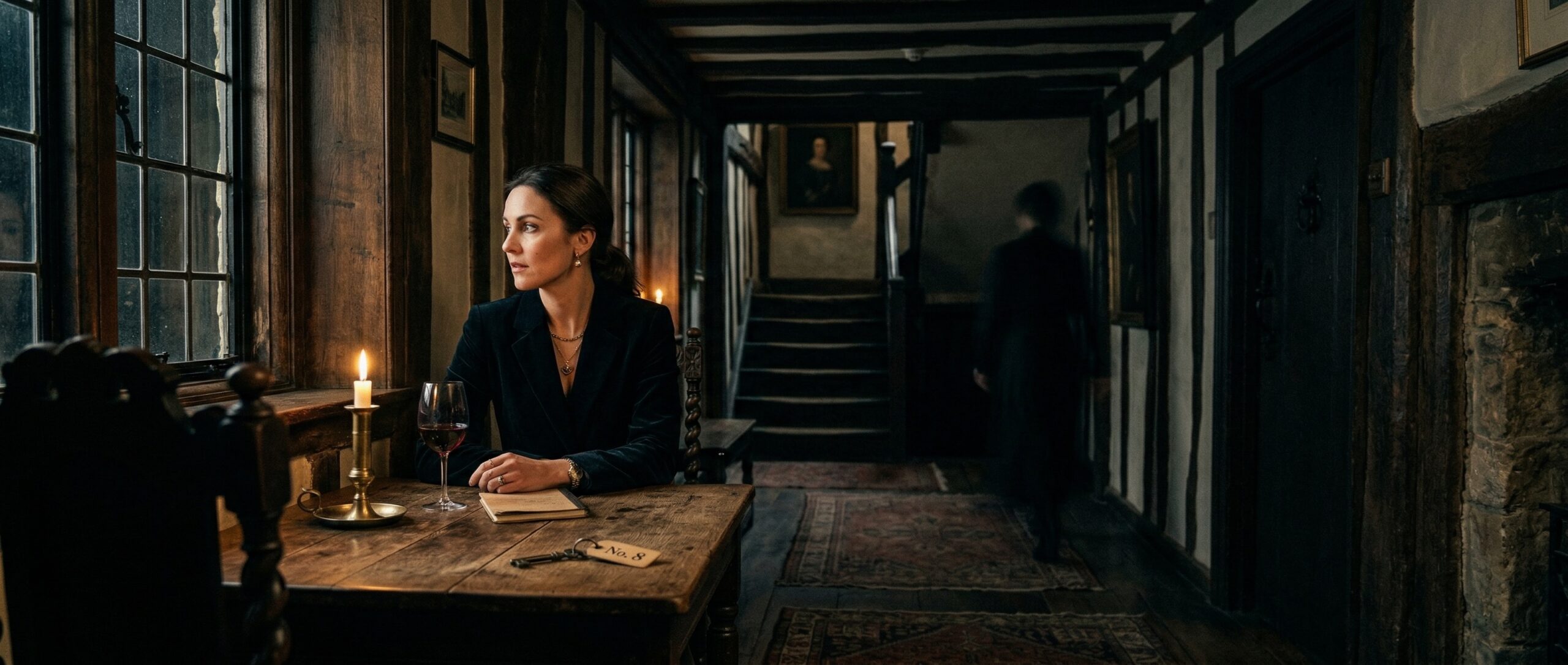
    The Mermaid Inn in Rye, East Sussex is back in the headlines, and that alone is enough to reignite one of Britain’s most durable paranormal-travel stories. Fresh mainstream coverage has revived interest in the inn’s long-running haunted reputation, with familiar elements returning to center stage: Room 17, secret passages, a lady in white, moving furniture, and the lingering sense that this is one of those rare old buildings whose ghost stories feel inseparable from the walls themselves.

    That is why this story matters. The Mermaid Inn is not just another allegedly haunted hotel. It is one of the UK’s most mythologized paranormal hospitality sites, and every time a major outlet reintroduces it through a present-day stay or first-person feature, the legend gets refreshed for a new audience.

    Why the Mermaid Inn Keeps Coming Back

    One reason the Mermaid Inn stays culturally alive is that it sits at the perfect intersection of ghost lore, heritage tourism, and old-English atmosphere. Haunted-hotel stories do not spread only because people believe in ghosts. They spread because they offer a complete experience package: history, architecture, folklore, suspense, and the possibility that an overnight stay could turn an ordinary trip into a personal encounter with the unexplained.

    The Mermaid Inn has that formula in abundance. It is old, visually distinctive, tied to local smuggling mythology, and dense with retellable details. That makes it ideal for modern paranormal travel media.

    What the Current Mermaid Inn Buzz Is Based On

    The latest surge appears to come from a new mainstream feature revisiting the inn’s haunted reputation through a contemporary visitor experience. The shareable details are exactly the ones you would expect to perform well online: the supposedly active Room 17, a rocking chair said to move on its own, the recurring “lady in white” motif, and stories of ghostly figures connected to the building’s long history.

    None of these are truly new claims in the strict evidentiary sense. What is new is the media framing. When a legacy haunting is reintroduced through fresh travel coverage, it becomes newly searchable, newly clickable, and newly discussable.

    That matters because old hauntings often survive not through continuous evidence, but through periodic reinjection into public attention.

    Why Haunted Inns Work So Well in the Public Imagination

    Hotels and inns are especially powerful in paranormal culture because they combine transience with intimacy. Guests sleep there. They are physically vulnerable there. They spend the night in unfamiliar rooms and often in old buildings full of sound, shadow, and suggestive architecture.

    That makes haunted-inn narratives unusually sticky. A ghost story in an old field is one thing. A ghost story in a room where you can spend the night is another.

    The Mermaid Inn benefits from this perfectly. Its appeal is not just “there may be ghosts here.” It is “you can personally enter the setting of the legend.”

    The Smuggling-Lore Advantage

    Part of what makes the Mermaid Inn so enduring is that it is not built on ghost stories alone. It is also attached to criminal folklore, especially old smuggling narratives tied to the Hawkhurst Gang and the broader romance of hidden routes, secret dealings, and violent history along the English coast.

    That historical texture matters because it gives the haunting lore a stronger dramatic foundation. Ghost stories rooted in smuggling, betrayal, violence, and concealed passageways feel more narratively complete than generic haunting tales. The past already sounds dangerous, so the supernatural overlay feels easier to accept.

    This is one reason haunted heritage sites with criminal backstories tend to perform so well in media. They have built-in narrative scaffolding.

    What Skeptics Would Say About the Mermaid Inn

    Skeptics would point out that famous haunted hotels often become self-reinforcing suggestion environments. People arrive expecting to feel something. They notice creaks, shadows, old furniture movement, drafts, and sleep-disrupted sensations more intensely than they would in an ordinary building. Once a location’s reputation becomes fixed, every ambiguous moment starts arriving pre-interpreted.

    That does not mean guests are inventing what they experienced. It means expectation and environment can work together in powerful ways.

    Old inns are especially vulnerable to this because they naturally contain uneven floors, aged wood, shifting temperatures, odd acoustics, and architectural quirks that can feel uncanny even without any paranormal explanation.

    Why This Story Still Matters

    For The Unexplained Company, the Mermaid Inn story matters because it shows how paranormal tourism sustains itself in 2026. The strongest haunted-location stories are no longer only local folklore. They are media loops. A place becomes famous, gets periodically rediscovered by mainstream outlets, and then re-enters digital circulation as both a travel destination and a supernatural narrative object.

    That process keeps legacy hauntings alive far beyond their original context. It also means that haunted hospitality stories now function as both folklore and lifestyle content.

    This overlaps with the same event-and-experience culture we explored in our article on paranormal event culture, our piece on the Oregon ghost conference story, and our coverage of the Oregon Ghost Conference’s wider cultural significance. The form changes, but the mechanism is similar: people want to experience the unexplained, not just read about it.

    Why the Mermaid Inn Is More Than a Simple Ghost Story

    The most interesting thing about the Mermaid Inn is that it works on multiple levels at once. For believers, it is an active haunted location. For tourists, it is an atmospheric heritage destination. For skeptics, it is a fascinating example of how suggestion, architecture, folklore, and media reinforcement create an unusually durable legend.

    That layered quality is exactly why it keeps resurfacing. The inn can satisfy almost every audience without needing definitive proof.

    Final Assessment

    The latest Mermaid Inn haunted-hotel buzz is less about new evidence than about the enduring power of a near-perfect paranormal setting. An old inn, secret passages, smuggling lore, ghost stories, and a modern media revival are more than enough to keep the legend alive.

    Whether the Mermaid Inn is truly haunted or simply one of Britain’s most effective folklore environments, it remains one of the strongest examples of how paranormal myth and tourism continue to reinforce one another.

    Frequently Asked Questions

    Why is the Mermaid Inn famous in paranormal culture?

    Because it combines a long-standing haunted reputation with historic architecture, smuggling lore, and repeated ghost stories tied to specific rooms and apparitions.

    Is there new evidence the Mermaid Inn is haunted?

    Not in any strong evidentiary sense. The current buzz is driven more by renewed media coverage and first-person travel storytelling than by newly verified paranormal proof.

    Why do haunted hotels attract so much attention?

    Because they offer a direct experience. People can physically stay in the location, which makes the haunting feel more personal and more emotionally real.

    What would skeptics say about reports from the Mermaid Inn?

    Skeptics would say the inn’s age, atmosphere, architecture, and powerful reputation create a strong suggestion environment where normal sensations can feel paranormal.

    Related Articles:

    This article was created using Media Blaster – Your content production specialist. Visit www.mediablaster.io for more information.
  • Viral Haunted House Detroit Hoax

    Viral Haunted House Detroit Hoax

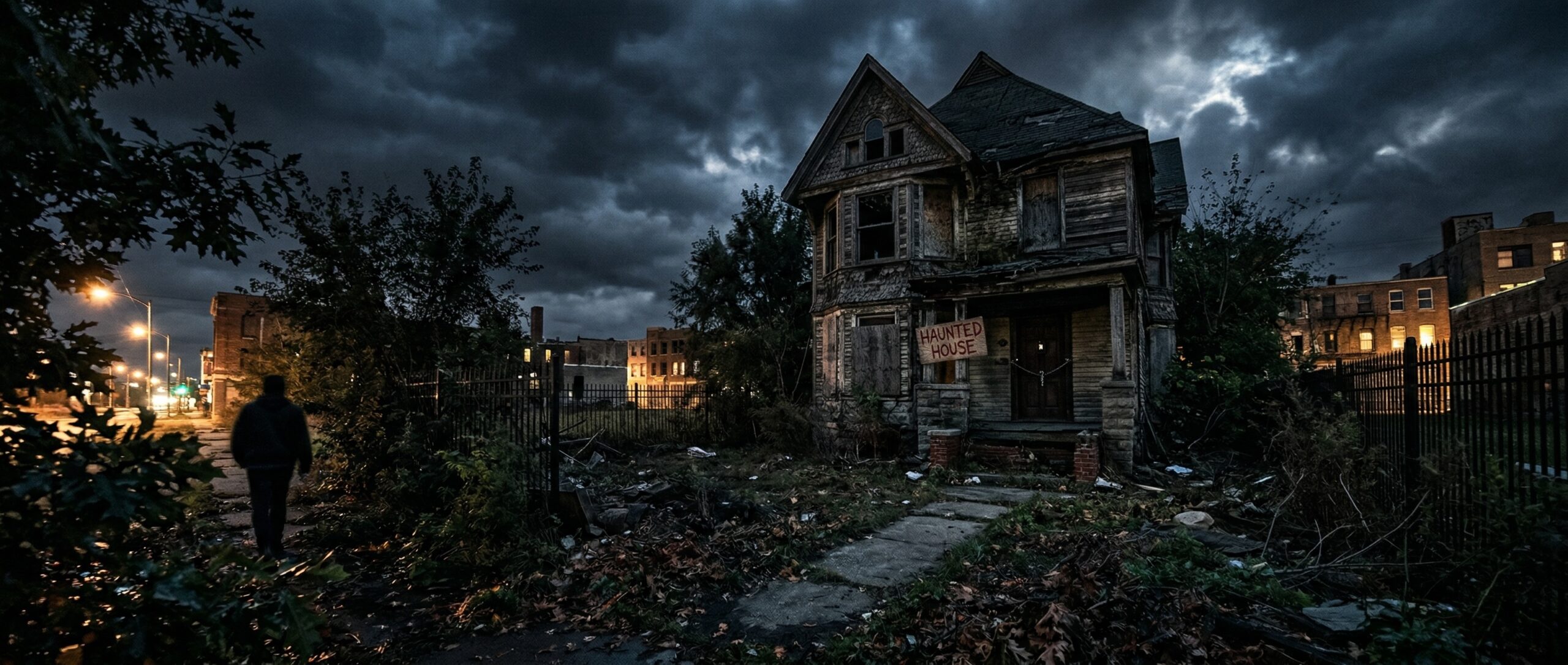
    A creepy mansion video that spread as a supposedly haunted house in the Philippines has been debunked, with reporting tracing the location back to an abandoned Victorian property in Detroit. That alone would make it a basic fact-check story—but the more interesting unexplained angle is how quickly a piece of eerie architecture became a paranormal legend once it was stripped of context, re-captioned, and enhanced for atmosphere. According to LatestLY fact check, this story is drawing attention well beyond its original niche.

    This is a very 2026 paranormal trend story: a visual object, ambiguous provenance, AI-enhanced edits, local rumor, viral reposting, and then a debunk that arrives after the myth has already done its cultural work.

    What Happened

    The haunting wasn’t in the house. It was in the feed. Reporting from Mumbaiker recap adds context to how the story is being framed.

    • Social platforms were flooded with short videos showing a dark, decaying mansion framed as a haunted site in the Philippines.
    • The clips often used dramatic audio, heavy color grading, and in some cases what viewers suspected were AI-enhanced visual edits.
    • LatestLY reported that the house was traced instead to Detroit, Michigan, not the Philippines.
    • According to the fact-check framing, the building had no verified record of gruesome crimes or established paranormal incidents matching the viral captions.
    • Search interest exploded around terms like “haunted house viral video,” “full video,” and location-based variations, showing how rumor-driven discovery now works.

    What Evidence Exists

    Here’s what is known: A creepy mansion video that spread as a supposedly haunted house in the Philippines has been debunked, with reporting tracing the location back to an abandoned Victorian property in Detroit. That alone would make it a basic fact-check story—but the more interesting unexplained angle is how quickly a piece of eerie architecture became a paranormal legend once it was stripped of context, re-captioned, and enhanced for atmosphere.

    The strongest evidence in stories like this is often not a final proof object, but a mixture of witness accounts, media framing, prior folklore, and the cultural weight of the subject itself. That is why separating verified facts from interpretation matters.

    Authoritative coverage and primary reporting should stay central to the analysis, including sources such as:

    What Skeptics or Investigators Say

    Researchers and skeptics have argued that unexplained stories often grow fastest when the emotional framing is stronger than the evidentiary record. That does not mean the story is meaningless. It means the burden of proof and the burden of interpretation are not the same thing.

    The most widely cited explanation is usually the least exotic one that still fits the known facts. But unresolved cases persist because the simplest explanation does not always feel emotionally complete to the audience following them.

    Why It Matters

    AI and editing tools are supercharging paranormal folklore
    Even when a clip is not fully AI-generated, enhancement tools can deepen shadows, smooth motion, and make ordinary decay feel uncanny.

    Local tagging creates instant ownership of a mystery
    By attaching the house to a specific country or region, creators trigger emotional investment and rapid resharing among local audiences.

    The architecture itself does half the storytelling
    A neglected Victorian mansion already carries cinematic haunted-house coding, so people fill in the rest.

    Hoax stories can outperform genuine paranormal claims
    Because they are optimized for virality rather than evidence, fake hauntings can spread farther than authentic eyewitness accounts ever do.

    This is a strong meta-story about the future of paranormal media
    The next generation of ghost stories may be born less from experiences in haunted places and more from algorithmic remix culture.

    The Bigger Unexplained Angle

    What gives this topic staying power is not just the headline claim, but the way it plugs into deeper themes: secrecy, folklore, institutional mistrust, symbolic fear, wonder, and the human tendency to keep revisiting mysteries that never fully resolve.

    That is exactly why the unexplained-wordpress standard requires more than a quick summary. Strong articles need context, internal discovery, authoritative links, explicit uncertainty, and sections that can stand on their own for readers and AI systems alike.

    Readers interested in the broader pattern should also see The Pentagon UFO Report and What It Still Can’t Explain, which connects this story to a larger unexplained.co theme.

    Frequently Asked Questions

    What is this story about?

    A creepy mansion video that spread as a supposedly haunted house in the Philippines has been debunked, with reporting tracing the location back to an abandoned Victorian property in Detroit. That alone would make it a basic fact-check story—but the more interesting unexplained angle is how quickly a piece of eerie architecture became a paranormal legend once it was stripped of context, re-captioned, and enhanced for atmosphere.

    Why is this getting attention now?

    Even when a clip is not fully AI-generated, enhancement tools can deepen shadows, smooth motion, and make ordinary decay feel uncanny.

    Is Viral Haunted House Detroit Hoax proven?

    No. These articles are written to separate what is verified, what is claimed, and what remains uncertain. Mystery does not automatically equal proof.

    What should readers focus on?

    Focus on the evidence, the source quality, the skeptical or conventional explanations, and why the story still resonates even when certainty is missing.

    Related Articles

    This article was created using Media Blaster – Your content production specialist. Visit www.mediablaster.io for more information.

  • Annabelle in Salem? Why the Warren Museum Story Is Exploding Online

    Annabelle in Salem? Why the Warren Museum Story Is Exploding Online

    Few paranormal stories spread faster than one involving Annabelle, the allegedly haunted doll long linked to Ed and Lorraine Warren. The latest twist is almost too perfectly calibrated for the internet: a proposal tied to a new Warren-branded museum could bring the doll to Salem, Massachusetts, the country’s most recognizable city for witchcraft lore and supernatural tourism. That possibility has turned a local planning story into a national obsession.

    At the center of the buzz is a proposal for The Haunted Warren Museum at 259 Essex Street in Salem. Reporting from Hearst Connecticut Media’s Middletown Press says city discussions moved forward on March 26, with plans that reportedly include 14 exhibit spaces dedicated to paranormal artifacts from around the world. The project has also drawn attention because it reportedly involves creator and entertainer Elton Castee through Haunted Warren Museum, LLC, giving the story a modern influencer-era dimension on top of the Warrens’ already famous legacy.

    Why Salem changes the scale of the story

    Annabelle is already one of the few occult objects that exists far beyond ghost-hunting circles. The doll’s reputation was built first through Warren case files and later magnified by books, television, and especially the Conjuring universe. Even people who know almost nothing about paranormal history often recognize the name. Put that level of pop-culture visibility into Salem, and the result is immediate attention from tourists, skeptics, believers, and local residents alike.

    Salem is not just another New England town with a haunted attraction. It is a place where the memory of the 1692 Salem witch trials coexists with a massive tourism economy built around the supernatural, folklore, and dark history. That makes the city an unusually potent backdrop for a Warren museum. A haunted object exhibit might feel niche somewhere else; in Salem, it becomes a direct addition to an already mature ecosystem of ghost tours, museums, seasonal events, and occult branding.

    The real issue is bigger than one doll

    That is why the proposed move has generated so much debate. Annabelle may be the headline magnet, but the deeper story is about what happens when legacy paranormal mythology meets city permitting, neighborhood concerns, and a hyper-commercial tourism district. According to the reporting around the proposal, discussion has focused less on whether the artifacts are genuinely supernatural and more on practical matters such as operating hours, crowd flow, security, and the effect a high-profile occult attraction could have on the surrounding area.

    In other words, this is not simply a ghost story. It is a story about how a famous paranormal brand attempts to scale into a destination business. The Warrens remain central figures in American haunting mythology, but their legacy now exists inside a much more contemporary media landscape, one shaped by viral clips, creator-driven promotion, and fandom culture. That combination makes the Salem museum proposal feel like a collision between old-school demonology lore and the logic of modern entertainment IP.

    Why Annabelle still works as a cultural symbol

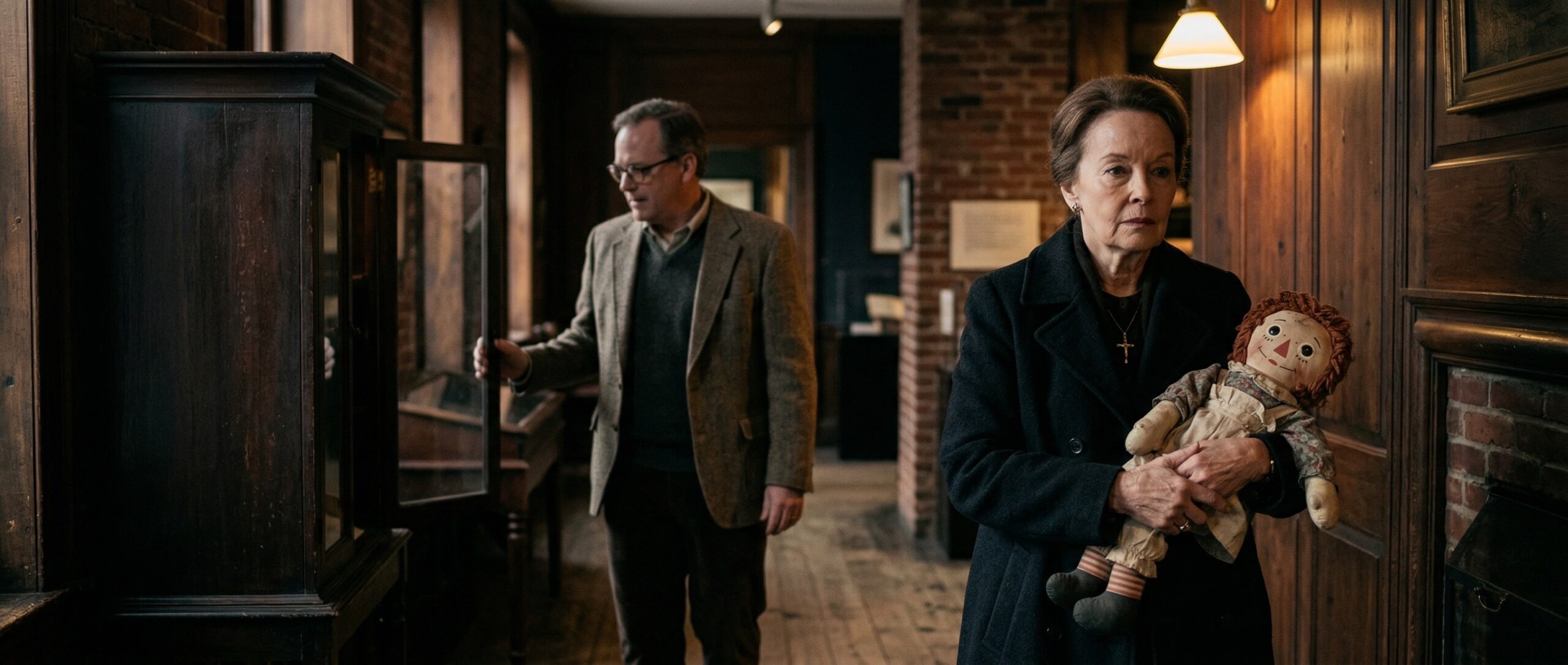
    Part of the reason the story has caught fire is that Annabelle functions as an unusually efficient symbol. The real artifact associated with the Warrens is a Raggedy Ann doll, while the film version transformed the concept into something far more visibly sinister. The gap between the historical object and the cinematic icon has only made the legend more durable. It allows believers to attach meaning to the original case while casual audiences respond to the broader mythology popularized by mainstream horror media.

    That kind of recognition matters in tourism. A museum full of lesser-known cursed items might draw dedicated paranormal fans, but Annabelle is the object that cuts through to everyone else. She is instantly legible, visually memorable, and easy to package in headlines, thumbnails, and social media debates. Salem, meanwhile, is one of the few places in the United States where that recognition can be converted almost immediately into foot traffic.

    The backlash is part of the attraction

    Stories like this also feed on resistance. The more residents worry about traffic, spectacle, or the continued commercialization of Salem’s supernatural identity, the more attention the museum receives. That tension keeps the story moving because it creates two narratives at once: a paranormal tourism expansion for fans and a civic debate for everyone else. The controversy is not separate from the attraction. It is part of what gives the museum proposal its public energy.

    There is also a broader question underneath the arguments about zoning and operations. What exactly is a Warren museum in 2026 supposed to be? Is it a preservation effort for artifacts tied to one of America’s most famous paranormal families, a theatrical attraction built for tourists, or a hybrid of both? Salem is an ideal place for that question because the city has spent decades navigating the line between historical memory and supernatural spectacle.

    What happens next

    For now, the proposal’s significance lies in how neatly it captures the current state of paranormal culture. Haunted objects are no longer just relics from old case files. They are brands, attractions, conversation pieces, and engines for viral storytelling. If Annabelle does end up in Salem, the city may become an even stronger center of haunted-object tourism than it already is. If the proposal stalls, the attention it has generated still proves the same thing: the American appetite for organized, commercialized encounters with the unexplained is only getting stronger.

    Either way, the story has already escaped the limits of local news. It now sits at the intersection of folklore, business, internet fame, and municipal politics. That is why the idea of Annabelle in Salem has spread so quickly. It does not just sound spooky. It sounds inevitable.

    Related Articles

    This article was created using Media Blaster – Your content production specialist. Visit www.mediablaster.io for more information.