Category: Mind Control

  • MKULTRA Mind Control: What the CIA Files Still Hide

    MKULTRA Mind Control: What the CIA Files Still Hide

    Key Takeaways

    • What happened: From 1953, the CIA ran Project MKULTRA, a vast behavioral modification effort that funded around 149 subprojects involving universities, hospitals, and clinics.
    • What evidence shows: Declassified CIA documents, congressional reports from the Rockefeller Commission and the Church Committee (1975–76), and survivor testimony confirm non-consensual experiments with LSD dosing, hypnosis, sensory deprivation, prolonged drug-induced sleep, and abusive electroshock treatments.
    • What remains uncertain: Major internal records were destroyed in 1973 by order of DCI Richard Helms, leaving questions about how many people were harmed, the full scope of contractor and institution involvement, and whether any meaningful mind-control technology was achieved.

    A Quiet Room, A Drink, and Cold War Shadows

    Picture this: November 1953. A government scientist named Frank Olson sits in a dimly lit room with colleagues, sipping a drink that’s been spiked with LSD without his knowledge. The air is thick with secrecy, the walls echoing the paranoia of the era. This was the Cold War—nuclear arms races, the Red Scare, fears of Soviet brainwashing techniques pushing the U.S. to extremes. Experiments unfolded in sterile hospital wards, university labs, and hidden safe houses. Subjects endured casual dosing, prolonged confinement, or ‘depatterning’ sessions that blurred the line between science and cruelty. The urgency felt real, but the human toll? That’s where the shadows deepen.

    What Witnesses and Analysts Report

    Survivors from sites like the Allan Memorial Institute describe lives shattered: persistent memory loss, personality shifts, erased skills, and Trauma that lingers decades later. Families stepped up, too—the Olson family, for instance, fought for answers after Frank’s covert LSD dosing led to his fatal fall from a New York hotel window on November 28, 1953. Their persistence, along with other testimonies, fueled the Rockefeller Commission and Church Committee inquiries in 1975–76. Independent voices like journalists John Marks and Stephen Kinzer have pieced together the puzzle, concluding that while MKULTRA backed unethical experiments, proof of reliable mind control is thin. And in our circles, you’ve heard the fringe takes—telepathy, remote viewing, even ‘ethereal bindings’—born from anecdotes and those yawning gaps in the record.

    Timelines, Tracks, and Hard Data

    The story unfolds in stark dates and figures, pieced from what’s left after the purges. Project MKULTRA kicked off in 1953 under CIA auspices, spearheaded by figures like Sydney Gottlieb. By 1973, Director Richard Helms ordered most files destroyed, hobbling later probes. Exposure came in 1975 with the Rockefeller Commission, followed by the Senate’s Church Committee hearings into 1976, which slammed the ethical lapses. Scale? Surviving docs point to 149 subprojects, roping in dozens of colleges (44 by one count), hospitals (12), and prisons. Key players: Dr. D. Ewen Cameron at McGill’s Allan Memorial Institute (Subproject 68), funded with about $69,000 through fronts from 1957–1964; George Hunter White running safe houses for dosing ops. Experiments cataloged include LSD on unwitting subjects, hypnosis, sensory deprivation, drug-induced comas, depatterning, and intense ECT. The Olson family got a $750,000 settlement in 1975. Primary docs? Hit the CIA FOIA Reading Room for declassified PDFs on MKULTRA—cite those subproject IDs for traction.

    Date Event Source
    1953 Project MKULTRA initiated by the CIA Declassified CIA documents
    November 28, 1953 Frank Olson’s death after covert LSD dosing Family testimony and investigations
    1973 Destruction of most MKULTRA files ordered by Richard Helms Congressional reports
    1975 Rockefeller Commission inquiry Public records
    1975–76 Church Committee hearings and reports Senate documents

    Official Story vs. What the Documents and People Suggest

    The CIA admits MKULTRA happened, has coughed up declassified files via FOIA, and owns the 1973 document bonfire. Their Inspector General flagged the unethical mess, and later statements echo that. Congress, through the Rockefeller and Church probes, blasted the non-consensual tests and noted how shredded records blocked a full reckoning. Implicated spots like universities and hospitals offer spotty acknowledgments—some defend, few fully own the methods. But survivors and families see it as targeted abuse with scars that endure; those missing files stoke suspicions of deeper cover-ups. Historians call it a ethical horror show with scant scientific wins—no solid operational mind control. In our community, the secrecy around psychic angles—like ties to later remote-viewing efforts—fuels theories, even if docs show more interest than proof.

    Open Questions and What to Watch Next

    What got torched in 1973? Could contractor stashes or foreign archives hold overlooked pieces? How many unwitting subjects suffered dosing or worse, and how many harms tie directly back? Did MKULTRA bleed into psychic programs like Stargate, masked under different labels? The Olson case still nags—who dosed him, why, and could fresh forensics flip the script? On redress: Which outfits owe survivors real access, apologies, or payouts, especially cross-border like at McGill? Dig in with FOIA hits to the CIA Reading Room—grab that MKULTRA PDF set and subproject IDs. Scan Senate hearings and Olson family archives for raw quotes. Keep eyes peeled; patterns emerge in the gaps.

    What It All Might Mean

    MKULTRA stands as a documented fact: CIA-funded from 1953, exposed in the ’70s, riddled with abusive experiments on the unwitting. The 1973 purge ensures we’ll never know the full scale or results, breeding rightful doubt. It forced changes in research ethics, eroded trust in power structures, and lingers in stories that mix hard truth with wild speculation. Think of Frank Olson’s fall on November 28, 1953, or a patient’s vanished memories—what else vanished with those files?

    Frequently Asked Questions

    MKULTRA was a real CIA program starting in 1953, confirmed by declassified documents and congressional reports like the Church Committee findings. It funded 149 subprojects involving non-consensual experiments on behavior modification.

    Declassified CIA files, survivor testimonies, and inquiries from the Rockefeller Commission and Church Committee detail experiments like LSD dosing, hypnosis, and electroshock without consent. Families like the Olsons provided key accounts that prompted public scrutiny.

    The CIA acknowledged the program and released some documents via FOIA, while admitting files were destroyed in 1973. Congressional committees condemned the ethical violations, and some families received settlements, like the Olsons’ $750,000 in 1975.

    Independent researchers find limited evidence that MKULTRA produced reliable mind-control techniques. The program’s secrecy and destroyed records leave room for speculation, including fringe ideas about psychic elements, but surviving data shows more failures than breakthroughs.

    Key uncertainties include the full scale of harm, what was lost in the 1973 document destruction, and potential overlaps with later psychic research programs. Cases like Frank Olson’s death continue to spark debate over hidden details.

    Start with FOIA requests to the CIA Reading Room for MKULTRA documents and subproject details. Review Senate hearing transcripts and archives from families like the Olsons for primary sources.
  • Havana Syndrome: The Directed Energy the Pentagon Denies

    Havana Syndrome: The Directed Energy the Pentagon Denies

    Key Takeaways

    • The public record shows the U.S. Army and industry partners advancing high-energy laser weapons, with programs fielding multiple 300 kW-class prototypes and pushing toward 500 kW–1 MW scales.
    • The best hard evidence supports pulsed radio-frequency (RF) energy as a plausible cause for some Havana Syndrome incidents, backed by National Academies findings and reports of U.S. investigators testing a pulsed-RF device in early 2026.
    • Major unresolved questions include attribution for the incidents, whether a single mechanism accounts for all heterogeneous cases, and any technical or operational links between military directed-energy programs and the implicated devices.

    A Night of Directional Sound and Quiet Machines

    Imagine it’s late in Havana, 2016, or perhaps a quiet street in Guangzhou a couple years later. A diplomat or intelligence officer pauses mid-step, struck by a sudden, piercing sound that seems to come from one direction—sharp, like a beam slicing through the air. Then comes the pressure, a heavy vibration building in the head, ear pain flaring, dizziness spinning the world off its axis. Tinnitus rings out, and for some, the fog lingers: cognitive haze, neurological complaints that stretch on for months or years.

    These aren’t abstract reports; they’re from people who’ve served their country, now grappling with unseen injuries. Families push for answers, medical care, recognition—advocacy groups and lawyers amplify the calls, demanding transparency amid a veil of national-security silence. The atmosphere crackles with tension: disciplined professionals reporting events that defy easy explanation, doctors puzzled by symptoms, institutions walking a tightrope between secrecy and accountability. Lives hang in the balance, careers disrupted, trust eroded.

    What Witnesses and Analysts Report

    Witnesses—embassy staff, service members, intelligence personnel—describe a consistent pattern: an acute, directional sensory event hits without warning. It’s often a perceived sound or vibration zeroed in from one side, followed by immediate head pressure, ear pain, vertigo. For some, these evolve into lasting issues like tinnitus, cognitive difficulties, neurological symptoms, as summarized by the National Academies.

    Clinicians and RF specialists weigh in with divided views. Some see the symptoms as biologically plausible, matching known bioeffects of pulsed RF energy—headaches, dizziness, even tissue interactions at certain frequencies. Others point to varied diagnoses across cases, suggesting multiple causes rather than one unified explanation. Through it all, affected individuals and advocacy groups hold firm: something real happened, marked by that telltale directionality and physical impact. They call for measurements, investigations, accountability—not dismissal.

    Timelines, Tracks, and Hard Data

    The trail of documents and announcements builds a clear picture of directed-energy advancements. Start with the Army’s Rapid Capabilities and Critical Technologies Office (RCCTO), which has publicly described shifting from 100 kW systems to four 300 kW-class prototypes under the Indirect Fire Protection Capability-High Energy Laser (IFPC-HEL) program, aiming for FY2024 timelines.

    Lockheed Martin’s October 10, 2023, contract announcement details developing and delivering up to four 300 kW-class solid-state laser systems for those IFPC-HEL prototypes. Broader efforts fall under the Office of the Under Secretary of Defense for Research and Engineering (OUSD(R&E)) High Energy Laser Scaling Initiative (HELSI), funding industry to scale from ~300 kW toward 500 kW and beyond.

    Industry players like nLIGHT have reported expansions toward 1 MW development, with Lockheed, General Atomics, and Dynetics involved in 300 kW-class demos and scaling. On the health incidents side, the National Academies’ December 5, 2020, report judged some symptoms consistent with directed, pulsed RF energy, urging better protocols.

    The Office of the Director of National Intelligence (ODNI) issued an unclassified Intelligence Community Assessment on Anomalous Health Incidents (AHIs) on March 1, 2023, deeming foreign adversary involvement ‘very unlikely’—a stance largely held in a December 2024 update, though some components revisited elements. A House Intelligence subcommittee’s interim report challenged parts of the 2023 ICA, pushing for more oversight. Early 2026 press from CNN and CBS revealed U.S. investigators acquired and tested a pulsed-RF device in ongoing probes.

    Program/Event Key Date Details
    IFPC-HEL Prototypes FY2024 Transition to four 300 kW-class systems (Army RCCTO)
    Lockheed Contract Oct 10, 2023 Development of 300 kW-class lasers
    HELSI Initiative Ongoing Scaling to 500 kW–1 MW (OUSD(R&E))
    National Academies Report Dec 5, 2020 Pulsed RF plausible for symptoms
    ODNI ICA Mar 1, 2023 Foreign involvement ‘very unlikely’
    Pulsed-RF Device Test Early 2026 U.S. investigators acquire and test device (press reports)

    Official Story vs. What the Data Suggests

    The Department of Defense and Army frame their directed-energy work—programs like HEL-TVD, IFPC-HEL, M-SHORAD, and HELSI—as straightforward defensive tools. These are high-energy lasers for countering drones or point defense, with public statements emphasizing kinetic and thermal effects at optical frequencies, high power levels aimed at destruction.

    Yet witnesses and independent findings pull in another direction. The National Academies pegged pulsed RF as plausible for some Havana-like cases, focusing on lower-power, non-thermal bioeffects—head pressure, auditory sensations. This contrasts with the ODNI’s 2023 assessment downplaying foreign roles, a view Congressional reviewers have pushed back against, highlighting tensions in the intelligence community’s conclusions.

    Overlap exists in the broad ‘directed energy’ label, but technically, these are worlds apart: military lasers are high-power beams for melting targets, while alleged RF devices might induce symptoms at distance without visible hardware. Recent reports of a recovered pulsed-RF device stir the pot, offering a tangible artifact but no clear ties to incidents or operators. The conflation of terms fuels confusion—does ‘directed energy’ mask deeper connections, or is it just semantic fog?

    What It All Might Mean

    Piecing it together, the firmest ground holds that the DoD is openly ramping up high-energy lasers to 300 kW and higher for battlefield roles. At the same time, scientific reviews and institutional probes affirm pulsed RF as a viable explanation for certain health incidents, now bolstered by 2026 testing of a relevant device.

    Questions linger large: Does one mechanism cover all varied AHIs? Can the recovered device mimic symptoms at real-world distances? Who might wield such tech—motives, access, delivery methods? And what classified details, if pried open through oversight, could reshape the story?

    For those tracking this, next steps matter: Push for declassified technical summaries, insist on RF/EM monitoring at vulnerable sites as the National Academies advised, and back independent lab tests to replicate bioeffects. The stakes are human—lives affected, security at risk—and policy: transparency could prevent escalation, or expose manipulations we’ve only glimpsed.

    Frequently Asked Questions

    Witnesses report sudden, directional sounds or sensations, followed by head pressure, ear pain, dizziness, and sometimes lasting neurological issues like tinnitus and cognitive fog, as detailed in National Academies summaries.

    The National Academies’ 2020 report found symptoms consistent with directed, pulsed RF energy. Early 2026 press reports indicate U.S. investigators tested a pulsed-RF device, adding a tangible data point, though causation and attribution remain open.

    Public materials frame programs like IFPC-HEL and HELSI as defensive weapons for countering drones, with no stated ties to health effects. Technical differences—high-power lasers vs. low-power RF—suggest separation, but overlaps in ‘directed energy’ terminology raise questions for further scrutiny.

    The ODNI’s 2023 assessment deemed foreign involvement ‘very unlikely,’ while the National Academies saw pulsed RF as plausible. Congressional reports have challenged the ODNI view, highlighting tensions and calling for more investigations.

    Priorities include installing continuous RF monitoring at at-risk sites, releasing declassified technical summaries, and conducting independent replication studies of bioeffects to clarify mechanisms and prevent future incidents.

  • Voice-to-Skull Weapons: Robert Duncan vs DARPA Claims

    Voice-to-Skull Weapons: Robert Duncan vs DARPA Claims

    Key Takeaways

    • Robert Duncan claims extensive experience in advanced defense research, describing methods that can manipulate perception, cognition, and create the sensation of hearing internal voices, as shared on the Danny Jones Podcast in November 2022.
    • Verifiable elements include DARPA’s public neural-interface programs like NESD, N3, and SUBNETS; the microwave-auditory Frey effect documented since 1962; and historical MKULTRA abuses revealed in the 1970s.
    • Unresolved aspects involve the absence of public evidence linking modern voice-to-skull technologies to operational DARPA or intelligence programs, thin documentation for some historical speech-transmission experiments, and the need to verify Duncan’s employment through FOIA requests.

    A Quiet Microphone, a Loud Confession

    The Danny Jones Podcast episode 160, released on November 8, 2022, unfolds in a straightforward studio setup, available on YouTube and Spotify. Len Ber and Robert Duncan speak openly about directed energy and internal voices, their voices steady against a backdrop of dim lighting and focused conversation. Ber shares his story through the lens of a self-reported Havana syndrome diagnosis, while Duncan positions himself as a Harvard-educated scientist with MIT ties and hands-on defense research. The three-hour exchange feels intimate, weaving technical details with personal accounts and sweeping allegations of misuse. It pulls you in, stirring curiosity about what hidden layers might lie beneath the surface, leaving a subtle tension in the air.

    What Witnesses and Analysts Report

    Robert Duncan speaks of his time in advanced defense research, detailing neuro-weapon techniques that he says can shift perception and generate internalized auditory experiences. Len Ber adds his own encounters, tying them to broader patterns. Across targeted individual communities, reports echo similar experiences: sharp clicks, persistent buzzing, sensations of directed energy, voices that seem to speak directly inside the head, disrupted thoughts, and the heavy toll of stigma—often dismissed as mental illness. These groups point to historical touchstones like MKULTRA for context, alongside lab phenomena such as the Frey effect and references to Sharp and Grove’s work. They push for medical and legal recognition, with bodies like the OHCHR noting petitions on electronic harassment claims. We hear the consistency in these accounts, the shared frustration, and the call for answers.

    Timelines, Tracks, and Hard Data

    Allan H. Frey’s 1962 paper in the Journal of Applied Physiology (17:689–692) first documented the microwave-auditory effect, where modulated electromagnetic energy triggers sound perception. DARPA’s programs, detailed on their website, include NESD aiming to read about 1×10^6 neurons and write to 1×10^5, alongside N3, Neuro-FAST, and SUBNETS with specific channel, volume, and time goals. The mid-1970s brought MKULTRA disclosures via the Church Committee, exposing U.S. government abuses in human-behavior research, with declassified CIA documents now public. References to Sharp and Grove at Walter Reed appear in secondary sources, claiming RF-based speech transmission in labs, though primary reports are scarce in peer-reviewed journals. A 2021 review confirms the Frey effect’s reproducibility but notes constraints like power needs and directionality for practical use. The podcast itself hit platforms on November 8, 2022. OHCHR filings catalog allegations of electronic harassment, framing them in human-rights terms.

    Metric Value Source
    Frey Effect Discovery Human auditory response to modulated EM energy Frey 1962, J Appl Physiol 17:689–692
    DARPA NESD Goals Read ≈1×10^6 neurons, write ≈1×10^5 neurons DARPA.mil program descriptions
    Sharp & Grove References Claimed RF speech transmission in lab Secondary literature on mid-1970s Walter Reed work
    Podcast Publication Episode #160, Nov 8, 2022 YouTube/Spotify listings

    Official Story vs. What the Data Suggests

    DARPA describes its neural research as geared toward medical advancements, focusing on therapeutic tools without mention of covert voice-to-skull systems. Scientific consensus views the Frey effect as a thermoacoustic process, replicable in labs but hampered by real-world hurdles like targeting precision and safety risks. Yet history shows patterns of abuse, from MKULTRA’s unethical experiments to the distrust they bred. Witnesses and communities link these dots to present-day claims, seeing lab proofs as signs of operational tech. Agencies push back, emphasizing that demos don’t translate to hidden, scalable weapons without massive infrastructure. Past oversteps warrant caution, but solid proof for today’s allegations demands traces like contracts or forensics.

    What It All Might Mean

    We have firm ground: the Frey effect works in controlled settings, DARPA openly funds neural interfaces, MKULTRA’s misdeeds are archived, and the podcast lays out Duncan and Ber’s claims plainly. Gaps persist—no public ties to operational internal-voice systems, missing primary docs for historical experiments, unverified details on Duncan’s roles. This matters because people describe genuine distress, and human-rights groups are listening; fair probes could clarify causes and offer relief. Moving forward, file FOIA requests for Duncan’s program links, get experts to map historical parameters against current tech, build checklists for RF and medical forensics, and talk to DARPA leads and independent engineers for clarity.

    Frequently Asked Questions

    Robert Duncan claims he worked in advanced defense research and knows of techniques that can alter perception, cognition, and create internal voices. He shared these on the Danny Jones Podcast in 2022, framing them as part of neuro-weapon development.

    The Frey effect, documented since 1962, shows microwaves can produce auditory sensations in labs. DARPA’s neural programs like NESD and N3 are public, and MKULTRA abuses are historical fact. However, direct proof of operational voice-to-skull systems in modern programs remains absent from public records.

    DARPA presents its work as medically focused, without referencing covert auditory weapons. Scientific reviews confirm lab phenomena but highlight practical barriers to remote deployment. Historical abuses fuel skepticism, yet agencies maintain that claims of current misuse lack forensic backing.

    Pursue FOIA requests for Duncan’s employment records and program ties. Commission technical briefs comparing historical experiments to modern capabilities. Develop protocols for medical and RF forensics, and seek interviews with DARPA managers and independent experts.

  • Montauk Project: What The Declassified Files Miss

    Montauk Project: What The Declassified Files Miss

    Key Takeaways

    • The dossier supports claims from witnesses like Preston B. Nichols, Al Bielek, Duncan Cameron, and Stewart Swerdlow, who describe experiments at Camp Hero involving a ‘Montauk Chair’ for mind-control amplification, time travel portals, and encounters with non-human creatures.
    • Documented elements include the real existence of Montauk Air Force Station (Camp Hero), decommissioned in 1981, and Cold War programs like MKULTRA that explored drugs, hypnosis, and sensory deprivation—though no public DoD records confirm the more exotic aspects.
    • Open questions remain around repressed memories, potential classified activities, and the lack of corroborating archives, leaving room for further investigation into whether these stories reflect hidden programs or cultural myth-making.

    A Coastline That Keeps Secrets

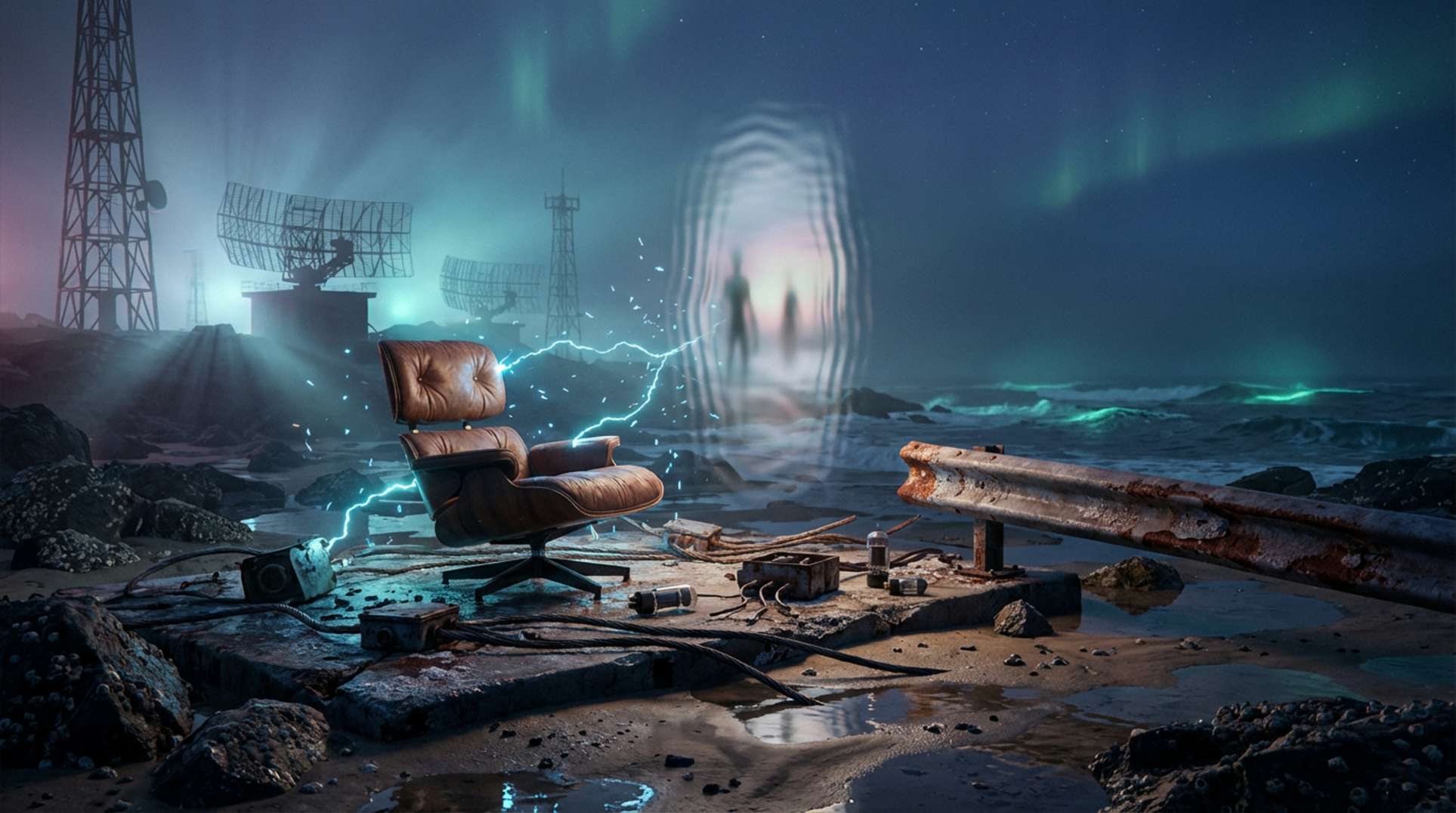
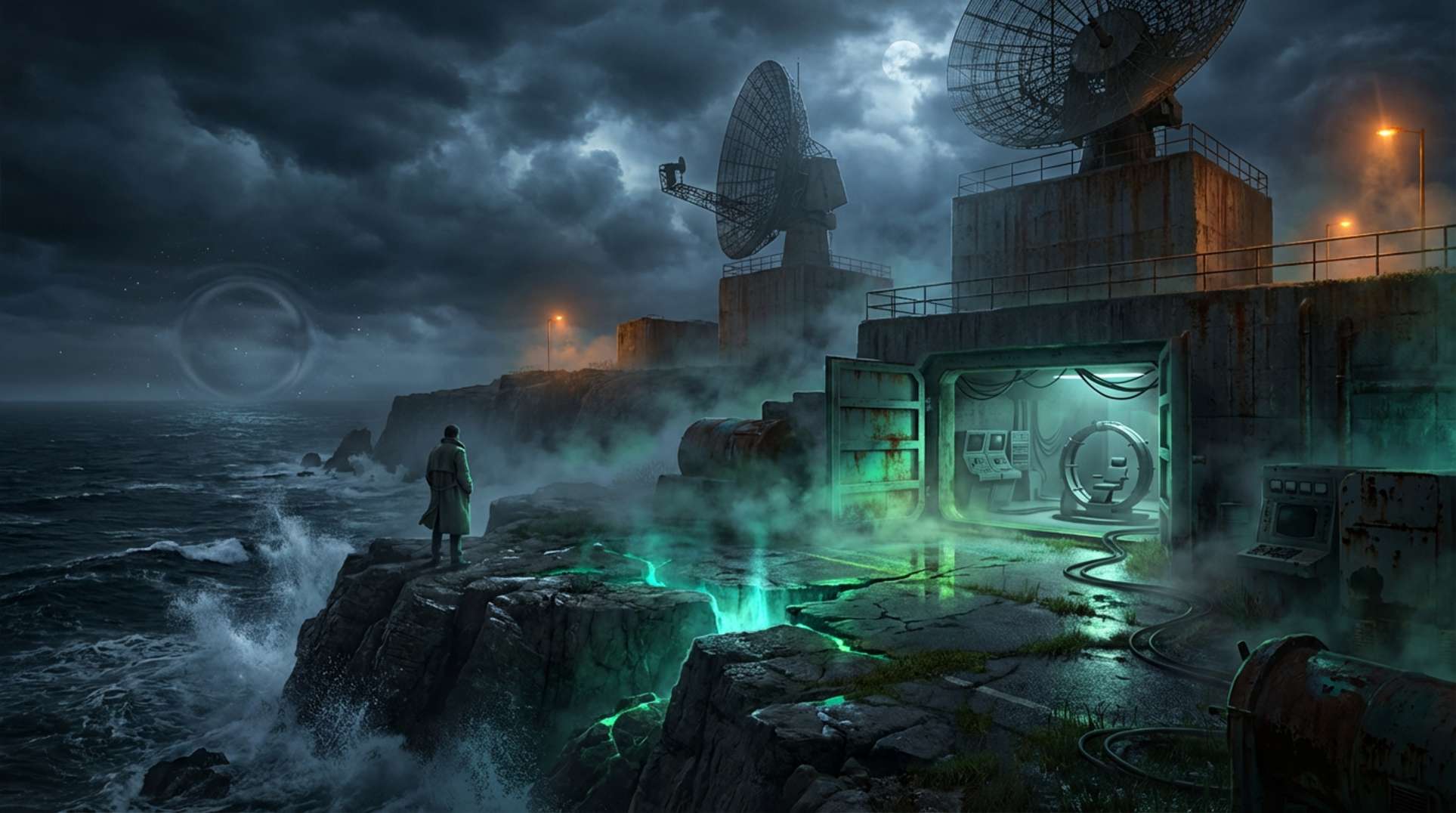
    As twilight settles over Montauk Point, the wind carries the sharp tang of salt mixed with the faint ozone of rusted electronics. Abandoned radar towers loom like forgotten sentinels against the darkening sky, their skeletal frames whispering of a bygone era when Cold War tensions hummed through underground bunkers. Here at the eastern tip of Long Island, Camp Hero State Park now overlays what was once Montauk Air Force Station—a coastal defense outpost decommissioned in 1981. Locals have long traded stories of strange lights and shadowy operations, blending the site’s real military history with rumors that refuse to fade. This backdrop of secrecy and isolation fueled narratives that seeped into popular culture, echoing in works like Stranger Things, where science, memory, and the unknown collide in ways that demand we question what lingers beneath the surface.

    What Witnesses and Analysts Report

    Primary voices in the Montauk narrative come from figures like Preston Nichols, Al Bielek, Duncan Cameron, and Stewart Swerdlow, many of whom accessed their accounts through hypnosis or regression therapy, surfacing what they describe as repressed memories. These testimonies center on a device called the Montauk Chair, said to amplify psychic abilities via electromagnetic fields from the base’s radar systems. Witnesses recount experiments on young subjects, remote viewing sessions, accidental rifts in time creating portals, and interactions with inter-dimensional beings—motifs that repeat across their stories.

    Over time, these claims spread through Nichols and Peter Moon’s 1992 book, The Montauk Project: Experiments in Time, as well as documentaries like Montauk Chronicles and discussions on platforms such as Metaphysical.tv. Community analysts see these overlaps as potential signs of corroboration, though some note how books, films, and local tales might shape or reinforce the details. We treat these as firsthand reports deserving scrutiny, separating core eyewitness elements from later expansions in the broader conversation.

    Timelines, Tracks, and Hard Data

    To ground the story, here’s a compact table of verifiable milestones and facts, drawn from public records and declassified sources:

    Key Data Point Details Source
    Decommission Date 1981 Official site histories / public records
    First Montauk Book Publication 1992 (The Montauk Project: Experiments in Time by Preston B. Nichols & Peter Moon) Book publication records
    MKULTRA Active Years Roughly 1950s–1964 Declassified CIA documents
    Primary Witnesses Preston Nichols, Al Bielek, Duncan Cameron, Stewart Swerdlow Testimonies in books and documentaries
    Current Site Status Camp Hero State Park New York State Parks records

    These points highlight strengths like confirmed Cold War programs and the site’s history, but gaps persist—many MKULTRA files were destroyed in 1973, and no public DoD documents link Camp Hero to portals or time experiments. Mainstream checks view the claims as unproven, yet the cultural ripple, including Stranger Things’ original ‘Montauk’ pitch, shows their staying power. To advance, consider this checklist: file FOIA requests for 1970s–1980s Camp Hero contracts and payroll; review local building permits and harbor manifests for signs of large subterranean work; search Brookhaven Lab or contractor records; and scan archives for vendor deliveries that might indicate unusual activity.

    Official Story vs. What the Data Suggests

    Official accounts describe Camp Hero as a standard radar and defense installation, with no DoD records acknowledging anything beyond routine operations before its 1981 closure. In contrast, witnesses tie the site’s hardware to amplified mind control, drawing parallels to documented CIA efforts in MKULTRA, ARTICHOKE, and BLUEBIRD, which explored hypnosis and sensory manipulation but stopped short of temporal or inter-dimensional tech.

    Community perspectives extend these threads, suggesting Montauk’s radar could have boosted psychic experiments into uncharted territory. Possible frames include a secret program with earthly aims that got mythologized over time, shared memories influenced by hypnosis and media, or true anomalies needing deeper digs into payrolls, permits, and logs to test the claims.

    What It All Might Mean

    At its core, Camp Hero’s existence and 1981 decommissioning are solid, as is the 1992 book that launched the Montauk tale and shaped shows like Stranger Things. We know U.S. agencies chased behavior control during the Cold War, with file destructions in 1973 creating blind spots. Yet the wilder elements—portals, creatures, time shifts—lack backing from available records, making contractor and permit logs prime targets for clarity.

    This matters because it probes the edges of government secrecy, the power of personal stories, and how they blend into myths that resonate today. For next steps, pursue those FOIA requests on contracts and payroll, check local manifests, interview former staff or families, and talk to experts on memory recovery. Readers, sift the evidence yourself—what patterns emerge when you line up the facts against the shadows?

    Frequently Asked Questions

    Public archives confirm Camp Hero’s role as a radar base and Cold War programs like MKULTRA that tested mind control methods, but no DoD records support claims of time travel, portals, or non-human entities. Witness testimonies provide the core narrative, yet gaps in destroyed files leave room for further archival searches.

    The show’s creators originally pitched it as ‘Montauk’ and drew from Long Island lore, including Montauk Project tales of psychic experiments and portals. This cultural echo highlights how local rumors shaped the series’ themes of government secrecy and superpowers.

    Figures like Preston Nichols, Al Bielek, Duncan Cameron, and Stewart Swerdlow report recovered memories of a ‘Montauk Chair’ amplifying psychic abilities, experiments on youth, time portals, and encounters with inter-dimensional beings. These accounts, often accessed via hypnosis, repeat similar motifs but lack independent documentary corroboration.

    Target FOIA requests for 1970s–1980s Camp Hero contracts, payroll, and contractor logs. Also, review local building permits, harbor manifests, and interview surviving personnel or families to uncover potential evidence of unusual activities.

    Agencies maintain Camp Hero was a standard defense site, with MKULTRA files documenting hypnosis and drugs but not exotic tech. Destroyed records and classification could explain discrepancies, or the stories might stem from mythologized memories influenced by media and lore.

  • CIA Séance with Sybil Leek: The Evidence They Hid?

    CIA Séance with Sybil Leek: The Evidence They Hid?

    Key Takeaways

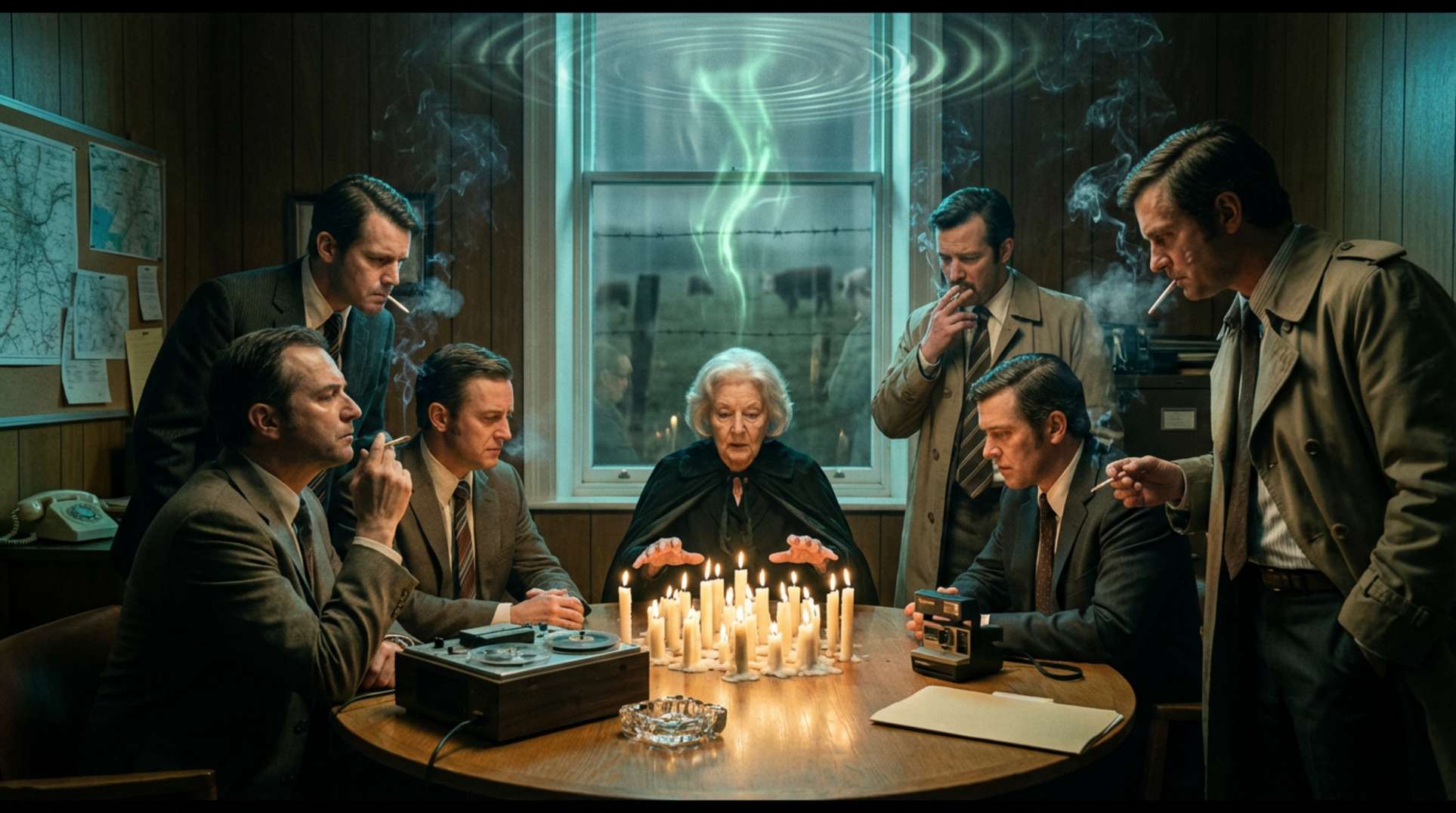
    • Community accounts claim a September 1972 séance attended by CIA and military intelligence officers with Sybil Leek, during which a voice calling itself ‘Caxuulikom’ allegedly said ‘Earth is a farm. You are the cattle.’
    • There is no publicly available contemporaneous transcript, official memo, or mainstream-press record that independently corroborates the specific 1972 séance or the ‘Caxuulikom’ utterance.
    • Government records confirm MK-era programs (MKULTRA, MKOFTEN/OFTEN) explored behavioral, pharmacological and some parapsychological topics in the late 1960s–early 1970s; however, the specific linkage between those programs and the Leek séance is unproven.

    A Candlelit Room, Men in Suits

    Picture a dim room in 1972, flickering candlelight casting long shadows on the walls. Sybil Leek, the English witch and author born in 1917, sits at the center, surrounded by men in sharp suits—said to be from CIA and military intelligence. According to community lore, a voice emerges during the séance, identifying as ‘Caxuulikom’ and declaring, ‘Earth is a farm. You are the cattle.’ These details come from anecdotal reports, not confirmed documents, painting a scene thick with Cold War tension and occult curiosity.

    What Witnesses and Analysts Report

    In UFO and paranormal circles, the story spreads through fringe writers, blogs, podcasts, and forums. They describe the 1972 séance with Leek and intelligence officers, highlighting the ‘Caxuulikom’ entity and its chilling farm metaphor. Many connect this to the supposed ‘Collins Elite’ think tank, framing some UAP as demonic rather than extraterrestrial. The ‘Earth-as-farm’ idea echoes older motifs from Charles Fort and New Age thought, which might explain its recurrence. These claims rely on secondary sources and community testimony—no original eyewitness statements or transcripts have surfaced publicly.

    Timelines, Tracks, and Hard Data

    Sybil Leek lived from February 22, 1917, to October 26, 1982, known for her occult writings. Jack Parsons, the rocket engineer and Thelema practitioner, was born October 2, 1914, and died June 17, 1952—his dual life in science and the occult is well-documented in institutional records. Project MKOFTEN appears in declassified DoD and CIA files as a program from the late 1960s to early 1970s, focusing on behavioral and toxicological experiments. Yet searches turn up no mainstream articles, memos, or archives confirming the 1972 séance, the ‘Caxuulikom’ quote, or a formal ‘Collins Elite.’

    Claimed Item Documentary Support
    Séance date (September 1972) Secondary sources and community claims; no primary documents
    Participants (CIA/military intelligence, Sybil Leek) Anecdotal reports; no authenticated records
    ‘Caxuulikom’ quote Community testimony; no transcripts or memos
    Collins Elite existence Oral claims and secondary synthesis; no archival proof

    Official Story vs. What the Data Suggests

    Declassified files from the CIA and DoD confirm MKULTRA-era programs delved into pharmacology, behavior mods, and parapsychology, though many were destroyed or redacted. JPL and Caltech records note Parsons’ rocketry work alongside his occult pursuits, without endorsing supernatural ties to UAP. No official documents back the 1972 séance details or ‘Collins Elite.’ Community views split: some see demonic forces in UAP, others view the tale as folklore or misplaced anecdote. Records prove government interest in the fringes, but speculation fills the gaps where proof ends.

    What It All Might Mean

    The firmest threads include Leek’s public occult role, proven U.S. experiments in parapsychology via MKOFTEN, and figures like Parsons blending science with the esoteric. Major holes persist—no primary docs for the séance or ‘Collins Elite.’ What if private papers or classified files hold memos from that era? Did MKOFTEN assign officers to occult meetings? FOIA requests targeting CIA, DoD offices, NARA, and private archives could uncover more—phrasing them for ‘parapsychological consultations 1970-1975’ might yield results. Readers, if you’ve got leads, let’s chase them.

    Frequently Asked Questions

    Community accounts describe a September 1972 séance attended by intelligence officers where ‘Caxuulikom’ spoke. No public transcripts or official memos confirm it, leaving the event in the realm of anecdotal reports.

    The quote circulates through fringe sources and forums, often linked to theories of demonic UAP. It lacks documentary backing like transcripts, but echoes older cultural motifs from writers like Charles Fort.

    Claims of this think tank come from oral histories and secondary accounts, tying it to occult UAP views. Archival searches find no evidence of its official existence or funding.

    Declassified records show MKULTRA and MKOFTEN explored parapsychology in the late 1960s–early 1970s. No direct links to the Leek séance appear, but the programs confirm interest in fringe topics.

    Targeted FOIA requests to CIA, DoD, and NARA for parapsychological records from 1970-1975 could help. Interviews with survivors or checks of private archives might reveal memos or notes.

  • Montauk Project: What Really Happened at Camp Hero

    Montauk Project: What Really Happened at Camp Hero

    Key Takeaways

    • Camp Hero, known as Montauk Air Force Station, operated as a real Cold War radar site from the 1950s until its 1981 decommissioning and transfer to New York State Parks.
    • Witnesses like Preston B. Nichols and Al Bielek have described underground experiments at Montauk involving mind control, time travel, and psychic amplification, with links to the 1943 Philadelphia Experiment.
    • No declassified documents confirm these exotic claims, but consistent testimonies, local reports of odd phenomena, and Cold War secrecy create unresolved mystery.
    • The Montauk legends inspired elements of Stranger Things, which shifted its setting from ‘Montauk’ to Indiana but retained themes of secret labs and psychic experiments.
    • Official narratives describe the site strictly as a defense installation, while alternative accounts highlight patterns in witness stories that echo known covert programs like MK-Ultra.

    Key Threads Behind the Montauk Legends

    Montauk believers paint a picture of a hidden world beneath a quiet radar station: secret bunkers buzzing with experiments that bent minds, time, and reality itself. Camp Hero, or Montauk Air Force Station, stands as a verified piece of Cold War history—a radar site active from the 1950s until its decommissioning and handover to New York State Parks in 1981. Yet, starting in the 1980s and 1990s, figures like Preston B. Nichols and Al Bielek stepped forward with accounts of underground programs delving into mind control, time travel, psychic enhancement, and ties to the infamous 1943 Philadelphia Experiment.

    No declassified files or solid artifacts back these bolder assertions. Still, the blend of documented military secrecy, persistent local sightings of strange events, and overlapping details in multiple testimonies opens a space official stories haven’t sealed shut. This article approaches both the records and the reports with the gravity they deserve, sifting through what’s known and what’s whispered.

    Beneath the Radar Domes at the End of the World

    Picture the easternmost tip of Long Island, where the Atlantic crashes against jagged cliffs under a veil of fog. Here sits Montauk Air Force Station, once called Camp Hero—a sentinel of coastal defense and radar surveillance through World War II and the Cold War. Decommissioned in 1981 and reborn as Camp Hero State Park, it’s now a place for hikers and birdwatchers, but the rusting radar dishes and abandoned towers whisper of something unfinished.

    Fenced-off areas still guard secrets, locals speak of eerie hums echoing from the ground, and tales persist of sealed bunkers lurking below the surface. This haunted landscape, where military precision met the wild unknown, birthed legends that refuse to fade. It’s no accident that Stranger Things, originally conceived under the title ‘Montauk,’ drew from this very soil—shifting its lab to Indiana but keeping the chill of hidden experiments and otherworldly breaches.

    What Witnesses, Researchers, and Experiencers Describe

    Preston B. Nichols, an electrical engineer who positioned himself as an insider, brought the Montauk Project into focus with his 1992 book ‘The Montauk Project: Experiments in Time.’ Drawing from what he called recovered, repressed memories, Nichols outlined a program that ramped up in the late 1960s and 1970s. At its heart: a ‘Montauk Chair’ in a Camp Hero bunker, built to boost psychic powers and manifest thoughts into tangible forms.

    These efforts, per Nichols and his circle, grew from mind control and conditioning into wilder territories—time manipulation, dimensional contact, weather control, and portals that occasionally unleashed entities or ‘strange beasts.’ Al Bielek added layers, claiming a past life as ‘Ed Cameron’ born in 1916, with direct involvement in the 1943 Philadelphia Experiment. He framed Montauk as an evolution of that wartime invisibility test, pushing boundaries into time-warping tech.

    Stewart Swerdlow and other voices from the community recount being pulled in as young subjects—children or teens subjected to trauma-driven mind control, psychic drills, and journeys through portals or to distant worlds. The fallout: shattered memories and ongoing turmoil. Broader lore weaves in Nazi scientists from Operation Paperclip, alien tech, invisibility schemes, and even Mars excursions. Researchers note recurring elements across these accounts: hidden labs, machine-linked psychics, tight secrecy, and the idea that the radar station masked a bolder agenda. These threads, far edgier than fiction, fed into Stranger Things’ portrayal of lab-bound kids and dark realms.

    Timelines, Paper Trails, and the Pieces We Can Actually Touch

    Camp Hero’s documented role as a Cold War radar and defense outpost runs from the 1950s to 1981, when it passed to New York State Parks. Official records hold firm on that. But the Montauk narrative introduces forks in the road, blending verifiable events with claims that veer off the map.

    In 1948, the U.S. government eyed Camp Hero for an animal disease lab, only to scrap it amid local pushback and build on Plum Island instead—hinting at unconventional research floated for the area. Nichols pins exotic gear installation to the late 1960s, diverging from the radar-only script. The Philadelphia Experiment, lore’s starting gun, lands on August 12, 1943, denied by the Navy but pivotal in Bielek’s and Nichols’ timelines.

    Nichols’ book hit shelves in 1992, a decade post-closure, pulling scattered rumors into a unified tale. Bielek’s ‘Ed Cameron’ birth in 1916 underscores the story’s reliance on alternate lives, clashing with public records. Here’s a snapshot of the key dates to track the overlaps and voids:

    Date Event
    1943 Philadelphia Experiment lore (August 12, denied by U.S. Navy)
    1948 Proposed animal disease lab at Camp Hero, abandoned and moved to Plum Island
    1950s–1981 Documented operations as radar surveillance and coastal defense site
    Late 1960s Alleged installation of exotic equipment in underground bunker (per Nichols)
    1981 Official decommissioning and transfer to New York State Parks
    1992 Publication of Nichols’ book ‘The Montauk Project: Experiments in Time’

    The Official Story and the Shadow Cast Just Beyond It

    Government and military accounts frame Montauk Air Force Station as nothing more than a WWII and Cold War radar outpost—no mind games, no time jumps, no psychic tech at Camp Hero. New York State Parks echoes this, presenting the site as a straightforward public space with no buried secrets active today.

    Mainstream sources, from Wikipedia to local archives, file the Montauk Project under unproven tales or folklore, citing zero backing documents for the wilder elements. Skeptics highlight timeline glitches, like Bielek’s conflicting identities, and the absence of relics such as the alleged ‘Montauk Chair’ or lab remnants.

    Yet proponents push back: black-budget ops don’t advertise, and history shows mind control efforts like MK-Ultra stayed hidden until leaks forced partial admissions. Local oddities—lights, hums, restricted zones—get chalked up to old gear by officials, but investigators read them as echoes of something deeper. Stranger Things spun this into pop culture gold, blending psychic kids and shadowy labs in a way that softens the edges but spotlights the concepts. So, does missing paperwork end the debate, or do these echoed testimonies and covert precedents point to radar as mere cover for greater ambitions on Long Island’s fringe?

    What Still Hides Under Camp Hero—and Why the Story Refuses to Die

    We’ve got solid ground on Montauk as a key radar and defense hub, wrapped up in 1981, and that fleeting 1948 plan for a disease lab that went elsewhere. The full Montauk Project saga, though, coalesced later through Nichols, Bielek, Swerdlow, and their peers—post-closure books and talks shaping a narrative of extreme experimentation.

    The unverified core—bunkered labs, psychic chairs, portals, time shifts, off-world trips, entities—rests on testimonies and pieced-together memories, not files or finds. Questions hang: Why the matching details from separate sources on trauma, training, and hidden spaces? Might advanced radar or electronic tests have sparked these interpretations? Or is the paper silence a hallmark of ultra-secret work?

    Stranger Things brought it to the masses, but the raw discourse thrives in books, raw interviews, and probes that test history’s edges. If you’re drawn deeper, check investigations like those from Rob Counts and The Metaphysical—keep your wits sharp, spot the patterns. Ultimately, Montauk challenges us: was it just a station shrouded in myth, or a glimpse into a mind war kept from view? The Cold War’s shadows remind us how much stays buried.

    Frequently Asked Questions

    The claims rely on testimonies from witnesses like Preston B. Nichols, Al Bielek, and Stewart Swerdlow, who describe consistent themes of underground experiments, mind control, and portals. No declassified documents or physical artifacts confirm the exotic elements, but local reports of strange phenomena and parallels to known programs like MK-Ultra add layers of intrigue. Official records only verify the site’s radar role, leaving the rest in the realm of personal accounts and patterns.

    According to lore from Bielek and Nichols, the 1943 Philadelphia Experiment—involving alleged time-warping and invisibility—was a precursor to Montauk’s programs. The U.S. Navy denies the experiment ever happened, and no hard evidence links it to Camp Hero. Still, witnesses frame Montauk as an expansion of that research, highlighting overlaps in themes of time manipulation and covert tech.

    Stranger Things drew inspiration from Montauk tales, originally titled ‘Montauk’ before moving to Indiana. It incorporates elements like secret labs, psychic children, mind control, and portals to other dimensions, echoing claims from Nichols and others. The show presents a fictionalized, toned-down version that has helped bring these ideas into mainstream awareness without confirming or debunking the original accounts.

    Officials describe Camp Hero as a decommissioned radar site now managed as a state park, with no secret activities. They attribute local reports of hums or restricted areas to decaying infrastructure. Mainstream sources view the project claims as unverified folklore, pointing to a lack of supporting documents.

    The story endures due to consistent witness testimonies, Cold War secrecy, and unanswered local anomalies that official narratives don’t fully explain. Echoes in pop culture like Stranger Things keep it alive, while known covert programs raise questions about what might remain hidden. It resonates with those tracking patterns in high-strangeness reports and government experimentation.

  • MKULTRA: What John Lisle Found in the Burned Files

    MKULTRA: What John Lisle Found in the Burned Files

    Key Takeaways

    • John Lisle, a Ph.D. historian of science at the University of Texas, has authored key books on U.S. intelligence, including “Project Mind Control: Sidney Gottlieb, the CIA, and the Tragedy of MKULTRA,” which draws on rare depositions to expose the program’s dark underbelly.
    • Declassified documents and Senate hearings confirm MKULTRA operated from 1953 to the early 1960s, with fallout until 1973, encompassing 149 subprojects across over 80 institutions, involving illegal experiments on unwitting subjects under Sidney Gottlieb’s direction, who later destroyed most records.
    • Survivor stories and patterns hint at a broader reach than surviving files show, with questions lingering about undisclosed victims, cultural impacts, and potential evolution into modern psychological operations.

    A Historian in the CIA’s Long Shadow

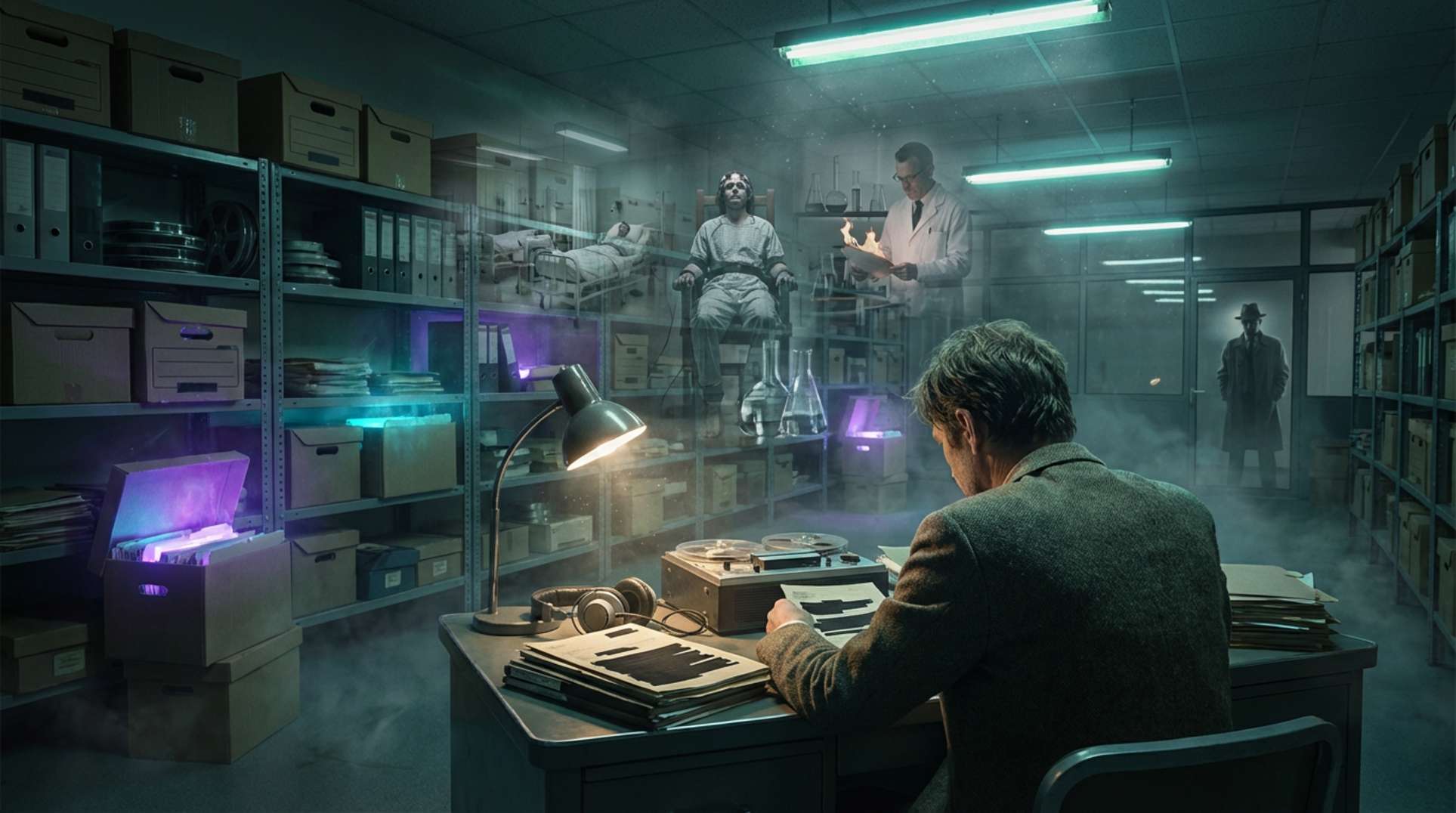
    Picture a quiet archive room at the University of Texas, where fluorescent lights hum over stacks of redacted memos and legal depositions. John Lisle, Ph.D. in history and now a professor of the history of science there, sifts through these fragments. His book, “Project Mind Control: Sidney Gottlieb, the CIA, and the Tragedy of MKULTRA,” pieces together what survived Sidney Gottlieb’s 1973 order to burn the files. These aren’t just dusty papers—they echo lives shattered by experiments hidden in plain sight. MKULTRA lingers not as ancient history, but as a thread pulling at today’s debates on secrecy and control.

    What Survivors, Researchers, and Cultural Insiders Describe

    Survivors from places like the Allan Memorial Institute in Canada recount experiences under Dr. Ewen Cameron that sound like science gone wrong. They describe “psychic driving”—endless audio loops paired with LSD and heavy electroshock, often without consent, leading to lasting memory loss and trauma. Many went in for standard psychiatric care and came out changed, their stories framing these as attempts to dismantle and reconstruct minds.

    Beyond the documented cases, independent researchers spot MKULTRA’s echoes in wider culture. Figures like Ken Kesey, who joined early LSD trials, tie into arguments that the program influenced the psychedelic movement—either by design or accident. Others point to Candy Jones’s claims of being a programmed courier or Charles Manson’s exposure to similar techniques in prison. In forums and documentaries, people connect these dots to modern psyops: media influence and subtle interrogation methods that skip the drugs but build on the same foundations. Lisle’s work touches the core history but stops short of these broader links, leaving them as patterns reported by those tracking the shadows.

    Timelines, Paper Trails, and What the Documents Actually Show

    John Lisle stands on solid ground with his Ph.D. from the University of Texas and his role as a professor there. His books, including “The Dirty Tricks Department” and “Project Mind Control: Sidney Gottlieb, the CIA, and the Tragedy of MKULTRA,” pull from declassified sources. MKULTRA kicked off in 1953, peaked in the early 1960s, and wrapped up with file destruction in 1973. Senate hearings in 1977 revealed 149 subprojects aimed at mind alteration, often testing drugs on people without their knowledge.

    The budget sat around $10 million then—about $87.5 million today. Over 80 institutions played roles, from universities to prisons, with at least 185 outside researchers involved, many unaware of the CIA connection. Gottlieb’s purge left holes, but Lisle’s use of later depositions fills some in, showing the program’s structure and reach.

    Metric Details
    Start/End Dates 1953 to early 1960s (activities to 1973)
    Number of Subprojects At least 149
    Institutions Involved Over 80 (30+ universities, hospitals, prisons, etc.)
    Outside Researchers At least 185
    Budget $10 million (approx. $87.5 million adjusted)

    The Official Story, and the Readings That Refuse to Stay Inside It

    According to CIA documents and Senate testimony, MKULTRA stemmed from Cold War paranoia about Soviet and Chinese brainwashing. They admit illegal tests on unwitting people but call it a contained effort, shut down long ago. Payouts like the $750,000 to Frank Olson’s family address specific tragedies, not a systemic issue.

    Survivors and researchers push back. Gottlieb’s 1973 file burn looks like a cover-up, hiding victims who never knew they were subjects. Stories from Allan Memorial clash with the ‘limited’ label, describing intense efforts to break personalities. With 149 subprojects across 80+ sites and 185 researchers, the scale suggests more than the papers show. Some see techniques resurfacing in today’s interrogation and influence strategies. Lisle, grounded in mainstream history, uses fresh depositions to reveal deeper ties to institutions, echoing community doubts without buying every theory. It’s a clash of sparse admissions against fragments of experience and secrecy’s patterns.

    The Gaps No One Can Honestly Close

    Gottlieb’s destruction of files in 1973 means even insiders can’t map the full picture. Senate hearings noted 149 subprojects and 80 institutions, but details on victims and methods vanished. Cases like Allan Memorial surfaced through survivor persistence and lawsuits, hinting at others lost to time.

    What hid in those burned papers? Could there be more victims with unexplained traumas? Partial evidence shows techniques like sensory deprivation feeding into modern manuals, but that’s documented continuity. Broader ideas—like programs morphing into cultural engineering—rest on community observations with thin trails. These voids aren’t accidents; they’re built-in, from choices made to erase the record.

    Why MKULTRA Still Refuses to Stay Buried

    MKULTRA stands as hard proof: a democracy ran mind-altering experiments on its own people, through trusted schools and hospitals. Lisle’s book, using unearthed depositions, spotlights Gottlieb and the human toll, sharpening the view of this hidden machine.

    Officials say it’s done and dusted, but survivors’ accounts and destroyed files keep questions alive. It shapes talks on everything from interrogation to media ops, showing such programs can happen—and did. Digging further isn’t chasing ghosts; it’s arming ourselves to spot when boundaries blur again, under fresh labels or in subtler ways.

    Frequently Asked Questions

    John Lisle is a Ph.D. historian and professor at the University of Texas, author of books like “Project Mind Control” on MKULTRA. His research uses rare depositions to detail the program’s structure and impacts, bridging official history with deeper questions about secrecy and experiments.

    Declassified documents and Senate hearings confirm 149 subprojects across over 80 institutions from 1953 to the 1960s, involving drug tests and behavioral modification on unwitting subjects. Sidney Gottlieb led it and destroyed most files in 1973, leaving gaps in the full record.

    Survivors describe intense, non-consensual experiments like psychic driving with LSD and electroshock, leading to lasting trauma. Officials frame MKULTRA as limited Cold War research, but the file destruction and institutional scale raise doubts about minimized harms and hidden victims.

    Patterns in modern interrogation and psyops manuals show echoes of MKULTRA methods like sensory deprivation. Community researchers suggest broader cultural impacts, though verifiable links are sparse due to destroyed records.

    The 1973 destruction of files by Gottlieb erased much of the evidence, making full reconstructions impossible. This leaves open issues like unidentified victims and potential program evolutions, fueled by survivor testimonies and partial documents.

  • Psychic Soldiers: Inside America’s Failed Superwarriors

    Psychic Soldiers: Inside America’s Failed Superwarriors

    You’ve heard the wild tales of America’s psychic soldiers, but the truth is a twisted mix of fact and fiction—yes, the U.S. military chased mind-over-matter warfare, yet the reality exposes a stranger, more grounded saga where flashy paranormal flops hid lasting shifts in elite training.

    • Key Takeaway: Jim Channon, a Vietnam War lieutenant colonel, wrote the First Earth Battalion operations manual in 1979, proposing a New Age-inspired unit of “supersoldiers” focused on non-lethal warfare, ESP, and ethical principles.
    • Key Takeaway: The U.S. Army ran Project Jedi at Fort Bragg and the U.S. government funded the separate Stargate Project (1970–1995), pouring about $20 million into remote viewing and psychic research in response to reported Soviet programs.
    • Key Takeaway: Most spectacular psychic feats—walking through walls, stopping animals’ hearts by staring, reliable ESP in combat—never panned out, but some of the softer ideas about human potential and non-lethal tactics influenced later Special Forces training and doctrine.

    The Hook: A war hero, a zero-casualty claim, and a manual for warrior monks

    Picture this: A battle-hardened Vietnam vet, medals pinned to his chest, sits in a sterile Pentagon room. He’s not plotting airstrikes. No. He’s doodling mandalas and outlining a squad of “warrior monks” who hug daily, read minds, and resolve wars without firing a shot. This isn’t some hippie fever dream—it’s 1979, and Lieutenant Colonel Jim Channon is dead serious. Fresh from two brutal tours in Vietnam, where he boasts his unit escaped without a single casualty (a claim the brass never bothered to verify, or so the records suggest), Channon taps into the Human Potential Movement. Counterculture vibes crash into military grit. The post-Vietnam Army is reeling—confidence shattered, soldiers broken. What if warriors could evolve? Become enlightened guardians? But lurking in the shadows: whispers of Soviet mind weapons. Generals sweat. Could the enemy be harnessing the unseen? Channon’s hand-illustrated manual for the First Earth Battalion drops like a bomb. Hugging rituals. ESP drills. Non-lethal showdowns. And yes, top brass like Albert Stubblebine actually try walking through walls, convinced it’s the edge they need. Absurd? Sure. But in that era of doubt and dread, it felt like survival.

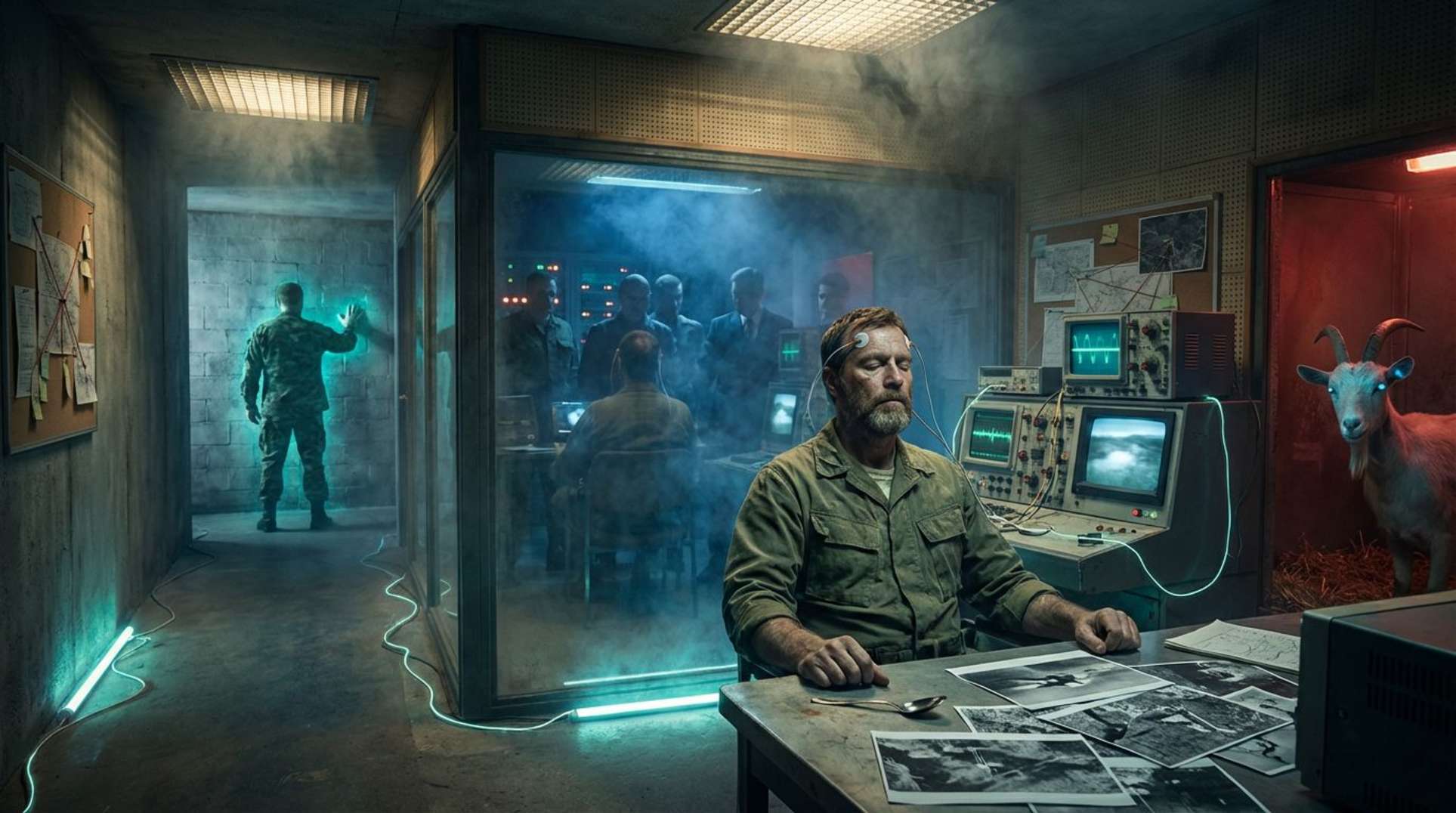
    Why do people think America trained an army of psychic super-soldiers?

    The legend spreads like wildfire online and in Hollywood flicks. Soldiers staring down goats until their hearts burst. Generals phasing through solid walls. CIA psychics lounging in U.S. bunkers, projecting their minds to spy on Soviet silos. Spoon-bending parties where officers twist metal with sheer will. It all paints this picture of a secret U.S. army of mind warriors, blending telepathy, out-of-body jaunts, and ethical mysticism into unbeatable supersoldiers. Channon’s First Earth Battalion manual fuels it, describing these non-lethal monks with godlike perception. Then there’s the blurred lines: Project Jedi’s Fort Bragg experiments, Stargate’s remote viewing ops—they morph into one massive “psychic warrior” conspiracy in the public eye. Intelligence folks hosting those cutlery-warping shindigs? Soldiers testing stares on animals? It’s the stuff of memes and midnight forums. And why not? Cold War paranoia made it believable—psychics breaching enemy lines without a trace, weaponizing thoughts amid nukes and spies. The myth thrives because it’s half-true weirdness, half-fantasy, perfectly tuned to question what the government hides.

    The hard evidence: What the First Earth Battalion, Project Jedi, and Stargate actually did

    The official narrative wants you to dismiss this as fringe nonsense, but dig into the declassified docs, and patterns emerge. These weren’t wild goose chases—they were structured programs with budgets, timelines, and evaluations. Let’s break it down.

    Jim Channon and the First Earth Battalion

    In 1979, Vietnam vet Jim Channon pens the First Earth Battalion manual, a wild blueprint for “warrior monks” blending New Age vibes with battlefield smarts. Inspired by the Human Potential Movement and his own combat scars, he pitches non-lethal tactics, ESP, and ethical codes. But here’s the catch: It never became a real unit. Just an unofficial think piece stirring Army debates.

    Project Jedi at Fort Bragg

    Distinct from CIA shadows, this Army Special Forces push at Fort Bragg toys with spoon-bending, sharpened senses, and psychic edges. Documentation is thin—mostly whispers and after-action notes—but it aimed to amp up soldiers’ mental game in a military wrapper.

    The CIA’s Remote Viewers: Stargate

    Starting in 1970 as SCANATE, funded by the CIA then shuffled to Army intel, Stargate runs until 1995. They train psychics for intel grabs on Soviet targets, logging thousands of sessions. Viewer Joseph McMoneagle claims 450 missions, like spotting a crashed Soviet plane. Total cost? $20 million. Reviews admit some stats tease anomalies, but nothing consistent or battle-ready. The CIA declassifies it in 1995, admitting it existed but flopped on proof.

    Program Mythical Claim What Actually Existed Evidence Type
    First Earth Battalion Army unit of psychic warrior monks killing with thoughts and phasing through obstacles Unofficial concept manual proposing non-lethal, ethical supersoldiers; no operational unit formed Declassified documents and Channon’s manual vs. memoirs
    Project Jedi Elite soldiers mastering wall-walking, animal-killing stares, and combat ESP Special Forces experiments in mental skills like perception and spoon-bending; limited scope Sparse official reports vs. anecdotes and secondary accounts
    Stargate Reliable psychic spies disrupting enemies and gathering flawless intel remotely 25-year program with remote viewing sessions for intelligence; inconsistent results Declassified CIA/DIA reviews and summaries vs. participant memoirs

    The Cold War psychic race: Why serious people funded strange experiments

    Don’t buy the line that this was all whimsy. The docs reveal a calculated hedge against Soviet shadows. U.S. intel buzzed with reports of Moscow dumping 60 million rubles yearly into “psychotronic” research around 1970. Researchers like H.E. Puthoff at SRI confirm: Stargate kicked off because the CIA feared the Reds were turning minds into weapons for espionage or psy-ops. The Federation of American Scientists backs it—America couldn’t risk a low-cost Soviet breakthrough in interrogations or hidden warfare. $20 million over 25 years? Pocket change next to nukes or jets. It let skeptics test without breaking the bank, probing if there was any edge in the unseen. From inside, it wasn’t sci-fi; it was smart paranoia, betting small to counter a potential game-wrecker. Why else would bureaucrats and brass keep it alive amid doubts?

    The skeptic’s view: Ridiculous boondoggle or misunderstood innovation?

    The official reports call it a bust—no reliable psychic intel from Stargate, leading to its 1995 shutdown. But connect the dots: Insiders like Edwin May, program director, admitted in his 1995 write-up that “the contemporary findings along with the output of the [Stargate] program do seem to indicate that something beyond odd statistical hiccups is taking place.” Anomalies lingered, splitting even the experts—noise or signal? Memoirs spice it with spoon-bending bashes and wall-walking flops, but those rest on shaky anecdotes, not ironclad proof. Skeptics rule: No goat-killing stares or mind weapons panned out. Yet, strip the woo, and real innovations hide. Mental drills, visualization, stress hacks—these echoed into modern Special Ops, emphasizing cognitive edge and non-lethal plays. The psychic dream flopped, but it pushed the military to redefine warriors as mind masters, not just muscle. Was it waste? Or a covert pivot toward ethical, brain-powered warfare that the brass won’t fully admit?

    From warrior monks to modern operators: What actually survived from the psychic soldier dream?

    Channon’s manual dreamed of hugging healers who protected without slaughter—non-lethal ethics, inner strength. The First Earth Battalion never deployed, but its echoes ripple. Special Forces doctrine absorbed non-lethal tools, psy-ops, and hearts-and-minds strategies, evolving from brute force. No direct handoff from Jedi or Stargate, but the vibe shifted: Mindfulness, resilience, awareness training now staples in elite units, minus the ESP hype. It was a sandbox for wild ideas, nudging the Army toward flexible, humane operators. Today’s warriors manage info wars and restraint—quiet legacies of that post-Vietnam rethink. The mind as weapon? It stuck, just not how they imagined.

    Conclusion: How America’s strangest military experiment quietly rewrote the rules

    Post-Vietnam scars and Soviet psychic scares birthed the First Earth Battalion blueprint, Project Jedi trials, and Stargate’s 25-year run—thousands of sessions, $20 million spent, all chasing mind miracles. Declassified files confess: No breakthroughs, just shutdowns in 1995. Channon sought humane supersoldiers through inner growth, but ESP fizzled. Still, the core idea endures—that battles hinge on minds, ethics, and unseen power. Forget the soldier glaring at a goat till it drops; picture the modern operator, mind sharpened like a blade, reshaping conflicts with subtlety the old guard never saw coming.

  • The Buzzer: Inside Russia’s Impossible-to-Kill UVB-76 Doomsday Signal

    The Buzzer: Inside Russia’s Impossible-to-Kill UVB-76 Doomsday Signal

    Spin your radio dial to 4625 kHz at nearly any hour, and you’ll hear it—a monotonous buzz, repeating 25 times per minute, occasionally interrupted by cryptic Russian words or numbers. The world knows it as UVB-76, “The Buzzer”: Russia’s most notorious numbers station. Born during the Cold War, it continues transmitting through the USSR’s collapse and various global crises. It’s the ghost signal that refuses to die, sending electronic pulses from somewhere between Moscow and the deepest Ural Mountain bunkers. For decades, analysts and conspiracy enthusiasts have suspected it’s less a relic and more a “dead hand,” a last-ditch doomsday fallback immune to ordinary destruction (Wired investigation).

    To grasp why this signal invokes fear and fascination, explore Russia’s Cold War paranoia and modern brinkmanship. UVB-76 represents a strategy based on deterrence and denial, serving as a backup if all else fails. Unlike hackable satellites or visible missile silos, this backup transmitter—buried in remote areas and possibly relocated among various underground sites—remains unkillable except by direct (and lethal) on-site destruction. The message: even if Moscow falls, the Buzzer will keep buzzing, transmitting its ominous message to Russia’s friends and (especially) its enemies.

    The Mysterious Operation of Numbers Stations

    Technically, what you hear is a numbers station, a clandestine shortwave broadcast class developed for espionage and wartime contingency. Numbers stations date back to World War I, transmitting encrypted codes and orders to field agents for decades. UVB-76 is especially eerie; its near-continuous buzzing has been heard since 1982, with rare voice interruptions. Station moves, frequency hops, and cryptic updates haven’t stopped it—much to the obsession of intelligence trackers and amateur radio enthusiasts (Reddit’s analysis).

    The Buzzer reportedly links to Russian military command structures, ready to send coded “dead man’s switch” orders to submarine or silo crews if regular command is lost—an omnipresent ghost that refuses to be silenced, even by nuclear attack. This relentless reliability explains why experts warn it is “impossible to destroy”—at least, not without extreme measures, as explored in crisis-time readiness resources and pop culture disaster scenarios.

    The Impossible Blackout: Survivability at Any Cost

    Why go to such lengths? It’s hardwired into Russia’s apocalyptic calculus: ensure there’s always a channel to order retaliation or issue codes, even if the entire chain of command vaporizes. This is the “Dead Hand” principle, where an automated or hard-to-kill system guarantees mutual destruction in a nuclear exchange—real-life insurance against the first-strike illusion (Economic Times). If that sounds like dystopian fiction, recall how real, sustained blackouts (see the three days of darkness legend or analysis of geomagnetic storm threats) expose the raw terror of systems that refuse to fade into the night.

    With redundant transmitters, deep underground command centers, and a process designed to survive sabotage and air raids, Russia’s Buzzer isn’t just an artifact—it’s a haunting soundtrack of Cold War paranoia, echoing through crises from Chernobyl to Crimea. Stubborn, analog, and immune to most modern cyber threats, it stands apart from headline-grabbing but surprisingly fragile doomsday “megaweapons.”

    Psy-ops, Paranoia, and the “Buzzer” Culture

    If you sense a psychological angle, you’re right. UVB-76’s buzz serves as much as a mind game as a technical signal. Observers note it is designed to keep enemies off balance, never certain if today’s transmission is just another buzz or the prelude to encoded orders. In the digital age—where asteroid near-misses and cosmic events mingle with nuclear threats—it has become a cultural meme. From YouTube streamers to prepper forums, the Buzzer resonates as an eerie soundtrack for a world teetering on the edge, merging the psychological Cold War artifact with modernity.

    For those exploring the rabbit hole, the fascination is endless: has the Buzzer ever sent wartime codes? Will it stop? Is it monitored by AI or cold-eyed officers ready to activate the doomsday switch if darkness envelops Moscow? While the West fixates on digital threats and cyberwarfare, the Buzzer’s analog, redundant simplicity remains unnervingly future-proof. Just listen, and ponder the implications for global security when your enemy remains prepared to communicate, regardless of circumstances. For more insights into what keeps the world awake at night, keep your signal tuned to Unexplained.co.

    The Ultimate Fallback: Buzzer, Survival, and the Weird Future

    As the Buzzer drones on, it’s more than a quirky radio curiosity—it’s a chilling testament of strategic resilience. Whatever occurs—cyberattacks, nuclear fire, or a blackout lasting far longer than three days of darkness—UVB-76 persists. In the hierarchy of indestructible weapons, sometimes the scariest threat isn’t the largest bomb, but that little red light that never blinks off. In a world consumed by uncertainty, the real message humming from Russia’s wilderness is clear: you can never silence the Buzzer.

  • Majestic 12 Exposed: The Secret Committee, Disinformation, and the Weaponization of Belief

    Majestic 12 Exposed: The Secret Committee, Disinformation, and the Weaponization of Belief

    In July 1947, a mysterious object crashed in the New Mexico desert. Before the debris cooled, President Truman, as the story goes, summoned twelve of America’s top scientists, military leaders, and intelligence experts. Their mission: analyze, contain, and exploit the biggest secret in history. Or so claimed the infamous Majestic 12 documents. For decades, rumors of MJ-12 echoed from intelligence circles to late-night AM radio. When the documents spread among ufologists in the 1980s, they seemed to provide undeniable proof: we were not alone, and the government had known—and concealed this—since the beginning.

    But truth lies buried under layers of cover stories, counter-stories, and psychological operations. Majestic 12, confirmed by the Federal Bureau of Investigation (FBI records), was a fabrication—intricate and designed to exploit fears of secrecy and otherness in Cold War America. Wikipedia details how the documents first arrived with TV producer Jaime Shandera on a mysterious film roll, filled with government memos and references to extraterrestrial technology and recovery teams. However, scrutiny soon unraveled those records, and successors like the Eisenhower Briefing. Linguistic inconsistencies, cut-and-paste signatures, and a complete absence of corroboration from authentic government records exposed their fraudulent nature. Yet, an entire subculture thrived around these alleged secrets.

    Psychological Warfare and the Birth of Disinformation in Ufology

    The story doesn’t conclude with debunking a simple hoax. As explained in the exposé by Ralph Steiner, Majestic 12 emerged alongside sophisticated psychological operations that weaponized uncertainty itself. “Control groups”—real or imagined—utilized forged documents not only to fuel UFO myths but also to undermine researchers, sow paranoia, and cultivate a culture of doubt. In their efforts, these groups created a playbook for manipulating whole information ecosystems, a strategy that far exceeded any single alien encounter. Similar methods, blending leaks with intricate rumors, echoed decades later in discussions about black-budget aerospace projects at Lockheed Martin’s Skunk Works or Soviet test ranges chronicled in Soviet archives.

    The Disinformation Blueprint: How Majestic 12 Became a Meme for the Masses

    What distinguishes the MJ-12 operation from earlier myths is its deliberate, viral spread of doubt and fabricated evidence. Instead of suppressing rumors, the creators learned to amplify them, turning conflicting narratives into psychological weapons. Posts and documentaries analyzing these documents—see thorough timelines at outlets like UFO Evidence—unveil a pattern of layered leaks, forged evidence, and planted memos mirroring confusion campaigns later used in everything from Cold War espionage to viral TikTok trends, such as those detailed in modern conspiracy rabbit holes.

    During the paranoid Eighties, with covert operations and psychological tactics infiltrating nightly news, Majestic 12 blurred the boundaries between truth and fiction. Even seasoned researchers—some with military ties—found themselves confused about reality. According to sources like the Tom Whitmore Blog, this ambiguity was the goal: a world where every individual becomes both investigator and suspect, where pursuing truth reveals yet more intricate layers of the puzzle.

    Legacy of Majestic 12: From UFO Cover-Ups to Mass Culture Manipulation

    Today, the myth of Majestic 12 persists—not just in UFO lore but also in how states, corporations, and TikTok influencers manipulate narratives. The leaked documents, although debunked, offered a psychological model for controlling stories in the digital age, from “hidden files” and whistleblower revelations to AI-generated leaks. In parallel, tactics now stir suspicion in a digital environment primed for mass manipulation, where a single seeded narrative can explode into global hysteria or obsession. This is evident in recent nuclear brinkmanship sagas like new revelations about North Korean satellites and ultra-secure black sites rivaling China’s secret facilities. The outcome reflects a form of psychological warfare that transcends its UFO origins—one that challenges our understanding of reality, staging, and authority.

    The Enduring Appeal—and Warning—of the Majestic 12 Saga

    What lessons arise from the Majestic 12 cover-up, beyond the wreckage of a crashed saucer? Secrets—real or imagined—hold more power when infused with uncertainty. A well-executed disinformation campaign proves more corrosive than a straightforward lie. Ultimately, the final cover-up transcends Roswell and MJ-12; it centers on the enduring struggle to distinguish fact from fiction in an age where information itself becomes the battleground. For the latest reporting and insights into the world’s most profound mysteries, keep a close eye on Unexplained.co. The battle for reality is just beginning.