Tag: alternative history

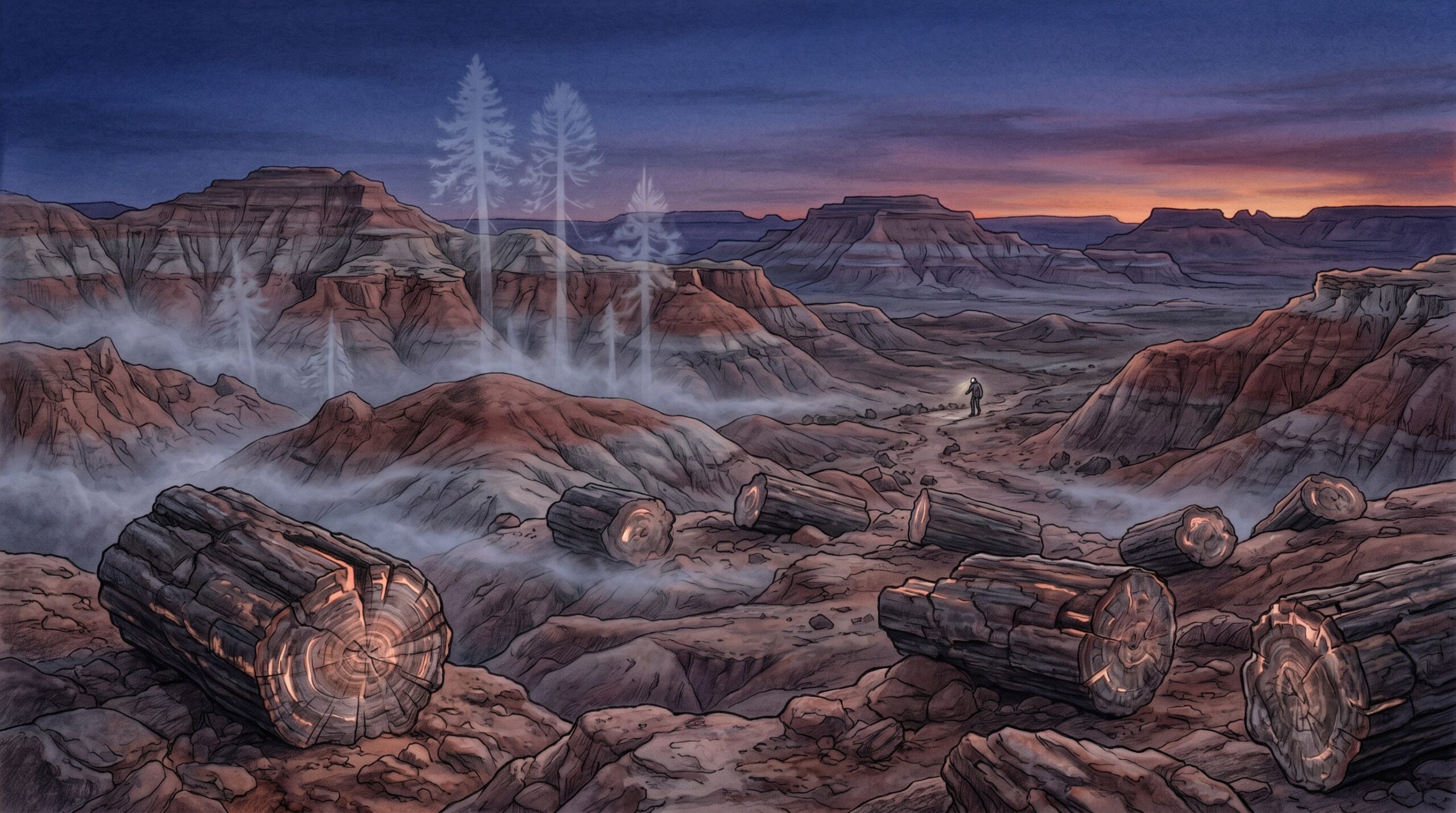
  • 225-Million-Year-Old Petrified Forest: Why Trees Turned to Stone Still Feel Impossible

    225-Million-Year-Old Petrified Forest: Why Trees Turned to Stone Still Feel Impossible

    Some stories do not arrive like normal news. They crawl in through a grainy clip, a half-panicked Reddit post, a search result that feels too fresh to be folklore, and suddenly 225 million year old petrified forest is not just a phrase on a screen — it is a door cracked open in the wall of ordinary reality.

    That is why this story is moving now. The fresh signal is not a laboratory announcement or a police file; it is the collision of social chatter, search interest, and a believer community already trained to notice patterns before institutions acknowledge them. A current source trail includes the r/AlternativeHistory post about a 225-million-year-old forest, corroborating search visibility through UFO Feed’s mirrored discussion of the 225-million-year-old forest claim, and wider background from the National Park Service on Petrified Forest National Park fossils. None of that proves the strangest version of the claim. It explains why people are leaning closer.

    For Unexplained readers, 225 million year old petrified forest also fits a larger map: 300 million year old wheel mystery, Sumerian seal VA 243, Stonehenge AI scan. The details change — a creature, a stone, a church warning, a forest road — but the emotional charge is the same. Something old seems to be pushing through a modern feed.

    The spell of a forest that became mineral

    The first thing believers notice is not the evidence package. It is the atmosphere. 225 million year old petrified forest carries the feeling of a message received from the edge: a report that sounds small until you imagine being there, alone, when the ordinary world stops behaving normally.

    That is the reason the story survives the first skeptical shrug. A strange post can be dismissed in seconds, but a vivid image keeps working on the mind after the tab closes. The shape in the yard, the sound in the trees, the stone that should not fit, the prophecy language that suddenly feels public — these are not just claims. They are scenes.

    Why deep time feels like forbidden history

    What makes the current wave sticky is specificity. The internet is full of generic mystery bait, but concrete details give believers something to hold: a place, a date, a witness, a source, a visual, a named tradition. Those details become hooks. People argue over them, remix them, search for them, and compare them against older cases.

    A good unexplained story does not need everyone to believe. It only needs enough people to feel that the official category is too small. Once that happens, the story starts behaving less like content and more like a signal flare.

    The real process that makes wood become stone

    Skeptics have a simpler framework. They see social traction, old folklore, misread context, suggestive imagery, and the human hunger for patterns. In many cases, that caution is warranted. Viral mystery culture rewards speed, emotion, and repetition long before it rewards verification.

    But skepticism does not erase the cultural question. Why this story, and why now? Why does 225 million year old petrified forest keep finding an audience at the exact moment people feel that institutions, science, churches, and media are all leaving something unsaid? That is the layer where the mystery keeps breathing.

    Why the mystery survives the explanation

    The most grounded reading is this: the current discussion around 225 million year old petrified forest is real, the sources show a live curiosity signal, and the strongest versions of the claim remain unconfirmed. The available material supports an article about why the story is spreading, what believers think they see in it, and why the unresolved pieces keep pulling people back.

    That may sound like a narrow conclusion, but it is exactly where many unexplained stories live. Not proven, not empty, not finished. The facts set the boundary. The feeling presses against it. Whether 225 million year old petrified forest becomes another internet flare-up or a lasting chapter in the unexplained archive depends on what surfaces next — and on whether readers decide the official explanation is large enough to hold what they sense in the dark.

    FAQ

    What is 225 million year old petrified forest?

    225 million year old petrified forest is the search phrase now gathering attention around this specific unexplained topic, combining a fresh online signal with an older mystery tradition or belief system.

    Why are people talking about it now?

    People are talking because Reddit, search results, and adjacent Instagram mystery tags are all feeding attention into the same lane. That is a trend signal, not proof.

    Is 225 million year old petrified forest confirmed?

    No public source trail confirms the most dramatic interpretation. The story is best read as a believer-first mystery with an evidence gap that still matters.

    Why does it fit Unexplained.co?

    It sits at the crossroads of folklore, internet signal, spiritual anxiety, and unresolved evidence — exactly where modern unexplained culture keeps producing its most persistent stories.
  • Peru Old Stonework Theory: Are the Andes Hiding a Lost Cast-Stone Technology?

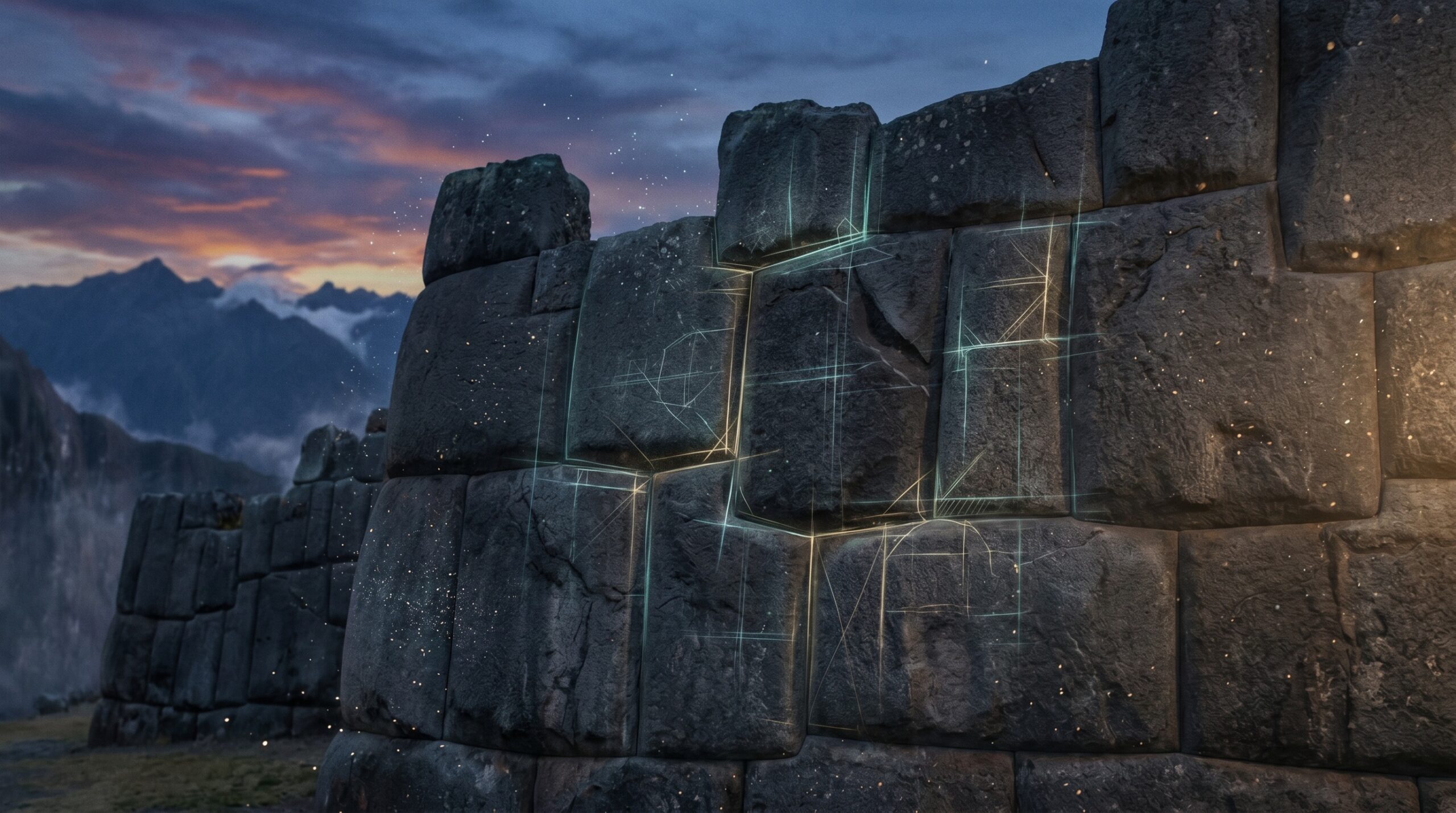
    Peru Old Stonework Theory: Are the Andes Hiding a Lost Cast-Stone Technology?

    Some stories do not arrive like normal news. They crawl in through a grainy clip, a half-panicked Reddit post, a search result that feels too fresh to be folklore, and suddenly Peru old stonework theory is not just a phrase on a screen — it is a door cracked open in the wall of ordinary reality.

    That is why this story is moving now. The fresh signal is not a laboratory announcement or a police file; it is the collision of social chatter, search interest, and a believer community already trained to notice patterns before institutions acknowledge them. A current source trail includes the r/AlternativeHistory thread claiming Peru’s old stonework is older, corroborating search visibility through a current YouTube discussion titled “There’s Proof the Old Stonework is Older”, and wider background from Wikipedia background on Sacsayhuamán. None of that proves the strangest version of the claim. It explains why people are leaning closer.

    For Unexplained readers, Peru old stonework theory also fits a larger map: Giant of Baalbek, Serapeum of Saqqara mystery, Sabu Disk mystery. The details change — a creature, a stone, a church warning, a forest road — but the emotional charge is the same. Something old seems to be pushing through a modern feed.

    The stones that make modern tools feel inadequate

    The first thing believers notice is not the evidence package. It is the atmosphere. Peru old stonework theory carries the feeling of a message received from the edge: a report that sounds small until you imagine being there, alone, when the ordinary world stops behaving normally.

    That is the reason the story survives the first skeptical shrug. A strange post can be dismissed in seconds, but a vivid image keeps working on the mind after the tab closes. The shape in the yard, the sound in the trees, the stone that should not fit, the prophecy language that suddenly feels public — these are not just claims. They are scenes.

    Why cast-stone theories refuse to disappear

    What makes the current wave sticky is specificity. The internet is full of generic mystery bait, but concrete details give believers something to hold: a place, a date, a witness, a source, a visual, a named tradition. Those details become hooks. People argue over them, remix them, search for them, and compare them against older cases.

    A good unexplained story does not need everyone to believe. It only needs enough people to feel that the official category is too small. Once that happens, the story starts behaving less like content and more like a signal flare.

    What the Andean sites actually show

    Skeptics have a simpler framework. They see social traction, old folklore, misread context, suggestive imagery, and the human hunger for patterns. In many cases, that caution is warranted. Viral mystery culture rewards speed, emotion, and repetition long before it rewards verification.

    But skepticism does not erase the cultural question. Why this story, and why now? Why does Peru old stonework theory keep finding an audience at the exact moment people feel that institutions, science, churches, and media are all leaving something unsaid? That is the layer where the mystery keeps breathing.

    Where lost technology ends and archaeology begins

    The most grounded reading is this: the current discussion around Peru old stonework theory is real, the sources show a live curiosity signal, and the strongest versions of the claim remain unconfirmed. The available material supports an article about why the story is spreading, what believers think they see in it, and why the unresolved pieces keep pulling people back.

    That may sound like a narrow conclusion, but it is exactly where many unexplained stories live. Not proven, not empty, not finished. The facts set the boundary. The feeling presses against it. Whether Peru old stonework theory becomes another internet flare-up or a lasting chapter in the unexplained archive depends on what surfaces next — and on whether readers decide the official explanation is large enough to hold what they sense in the dark.

    FAQ

    What is Peru old stonework theory?

    Peru old stonework theory is the search phrase now gathering attention around this specific unexplained topic, combining a fresh online signal with an older mystery tradition or belief system.

    Why are people talking about it now?

    People are talking because Reddit, search results, and adjacent Instagram mystery tags are all feeding attention into the same lane. That is a trend signal, not proof.

    Is Peru old stonework theory confirmed?

    No public source trail confirms the most dramatic interpretation. The story is best read as a believer-first mystery with an evidence gap that still matters.

    Why does it fit Unexplained.co?

    It sits at the crossroads of folklore, internet signal, spiritual anxiety, and unresolved evidence — exactly where modern unexplained culture keeps producing its most persistent stories.

  • 300 Million Year Old Wheel Mystery: Why the Ancient Wheel Claim Keeps Returning

    300 Million Year Old Wheel Mystery: Why the Ancient Wheel Claim Keeps Returning

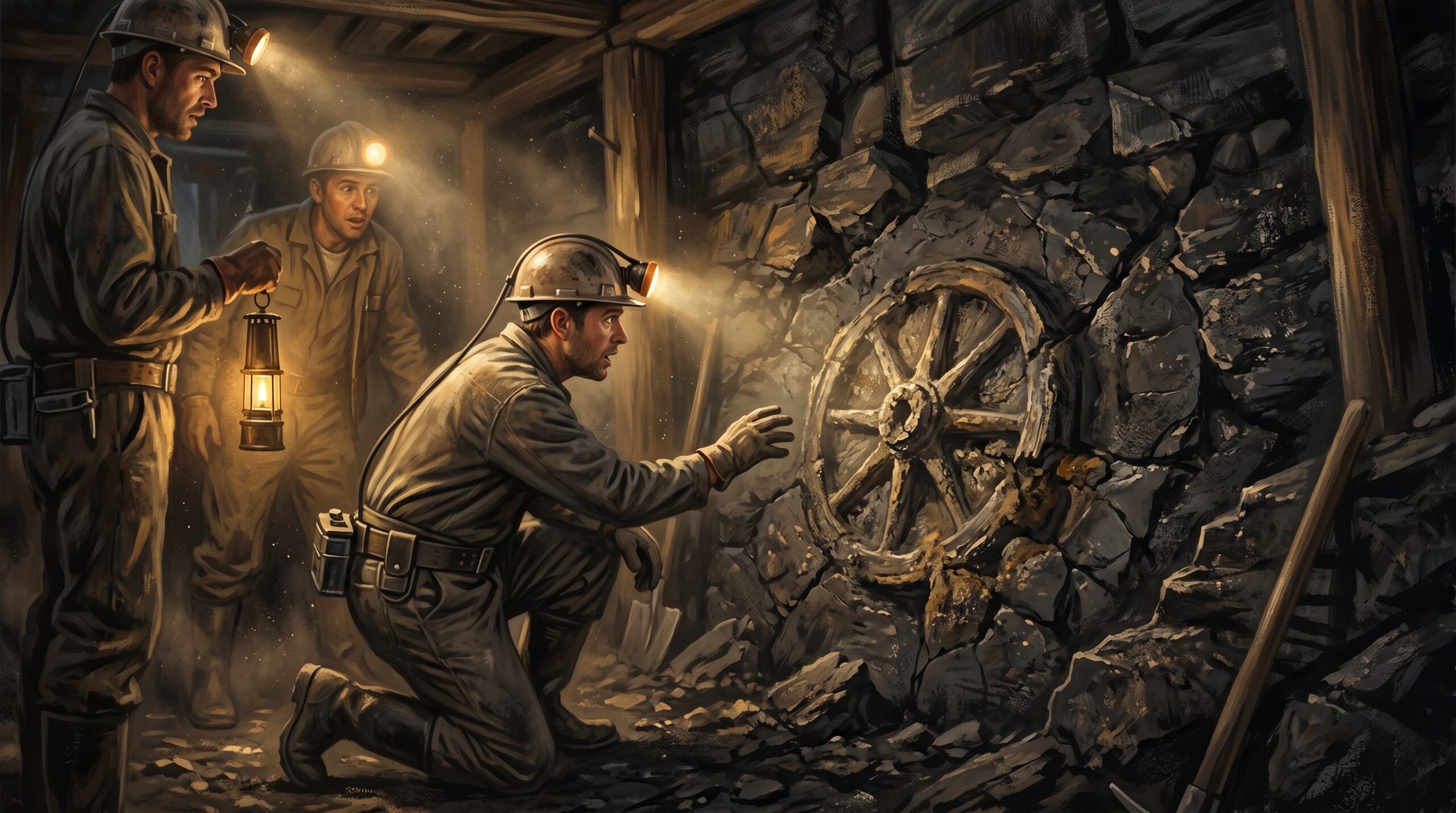
    Some stories never really die because the image at their center is too good to let go. A wheel — or what looks like a wheel — trapped inside rock so old it should predate humanity by an absurd margin is exactly that kind of image. It turns the whole official story of civilization into a trembling wall for one dangerous second. If the wheel is real, then history is wrong. If it is only an imprint, then something still made a shape that should not be there. Either way, the mind does not let it go easily.

    That is why the 300 million year old wheel mystery keeps surging back through alternative-history feeds. It does not arrive as a dry claim. It arrives as an accusation. Look at this, it says. Tell me the timeline is settled. Tell me no one is hiding anything. It belongs to the same emotional universe as ancient artifacts that seem to challenge accepted history, the same whispering corridor where people revisit the giant stone boxes at Saqqara and wonder whether old stonework is really as explained as textbooks insist.

    Why the wheel claim keeps coming back

    The recent revival is mostly social, not archaeological. A large Reddit post pushed the old mystery back into circulation, and from there the claim started moving again through the usual channels: alternative-history pages, short-form video, and the endless out-of-place-artifact ecosystem. Even when mainstream search results are thin, the legend keeps feeding itself because the premise is perfect viral fuel.

    That recirculation matters. Out-of-place artifact stories survive because they are less about one discovery than about a permanent mood of suspicion. Every time one returns, it reactivates the same thought: what if the human story is not just older than we think, but deliberately edited? That is why the wheel claim sits comfortably beside questions raised by pieces like the supposed hidden structures under Giza. These stories do not need universal evidence to spread. They need a vivid image and a public already hungry for hidden history.

    What believers say was found

    The claim usually points to an apparent wheel-like imprint reportedly discovered in a coal seam near Donetsk. In believer retellings, the age of the surrounding material is what gives the story its force. Coal suggests extreme age, and extreme age makes the shape feel catastrophic for accepted history. The legend then expands from there: perhaps an ancient technological civilization existed long before ours, perhaps catastrophic resets wiped it out, perhaps only fragments remain, perhaps those fragments are still being quietly explained away.

    The out-of-place-artifact world gives the story a permanent home. Overviews like the general OOPArt tradition help keep it alive, while retellings such as HowandWhys’ explanation of the claim and MysteryLores’ summary of the phenomenon keep giving new audiences a way in.

    Why out-of-place artifacts grip people so hard

    Because they compress an entire worldview into one object. If a wheel exists where no wheel should exist, then maybe civilization has been reset before. Maybe technological cultures rose and vanished. Maybe the official timeline is not a timeline at all but a cleaned-up story told after the fire. That is the seduction.

    The wheel mystery also carries a special psychological punch because wheels are unmistakably human-coded. A strange stone shape is one thing. A near-mechanical circle hidden in deep geological time is another. It feels intentional. It feels manufactured. It feels like a message from a civilization buried so deep that only a trace remains.

    What critics and geologists point to instead

    The grounded response is less cinematic. Critics usually argue that the alleged wheel is poorly documented, repeatedly recycled through secondhand retellings, and vulnerable to pattern recognition. Geological formations can create striking shapes, photos can flatten context, and internet retellings tend to harden uncertainty into certainty very quickly.

    Just as importantly, the public record around the find is not strong enough to establish the claim at the level believers often imply. There is no widely accepted scientific confirmation showing a manufactured wheel embedded in 300-million-year-old rock. The story survives far better in retellings than in formal documentation.

    Why the story still feels immortal

    And yet it will not go away. That is because the wheel is not just a claim anymore. It is a symbol. It stands for the possibility that history is thinner than it looks and that deep time might still be holding evidence of something civilization is not ready to absorb. Even if the original evidence remains weak, the emotional architecture of the story is almost indestructible.

    The best grounded answer is simple: there is no established evidence that a real manufactured wheel from 300 million years ago has been verified by mainstream science. What exists is a durable and highly shareable out-of-place-artifact legend built around a wheel-like formation and a much larger hunger for suppressed antiquity.

    But that answer is not the end of the story. It is the reason the story keeps returning. If the evidence were airtight, the mystery would be settled. If it were laughably bad, the mystery would vanish. Instead it remains in the unstable middle ground where alternative history thrives — just plausible enough in image, just weak enough in proof, and just haunting enough to make people wonder whether deep time is hiding more than bones and stone.