Tag: cryptids

  • Two New Loch Ness Reports Bring 2026 Sightings to 13—But What Was Actually Seen?

    Two New Loch Ness Reports Bring 2026 Sightings to 13—But What Was Actually Seen?

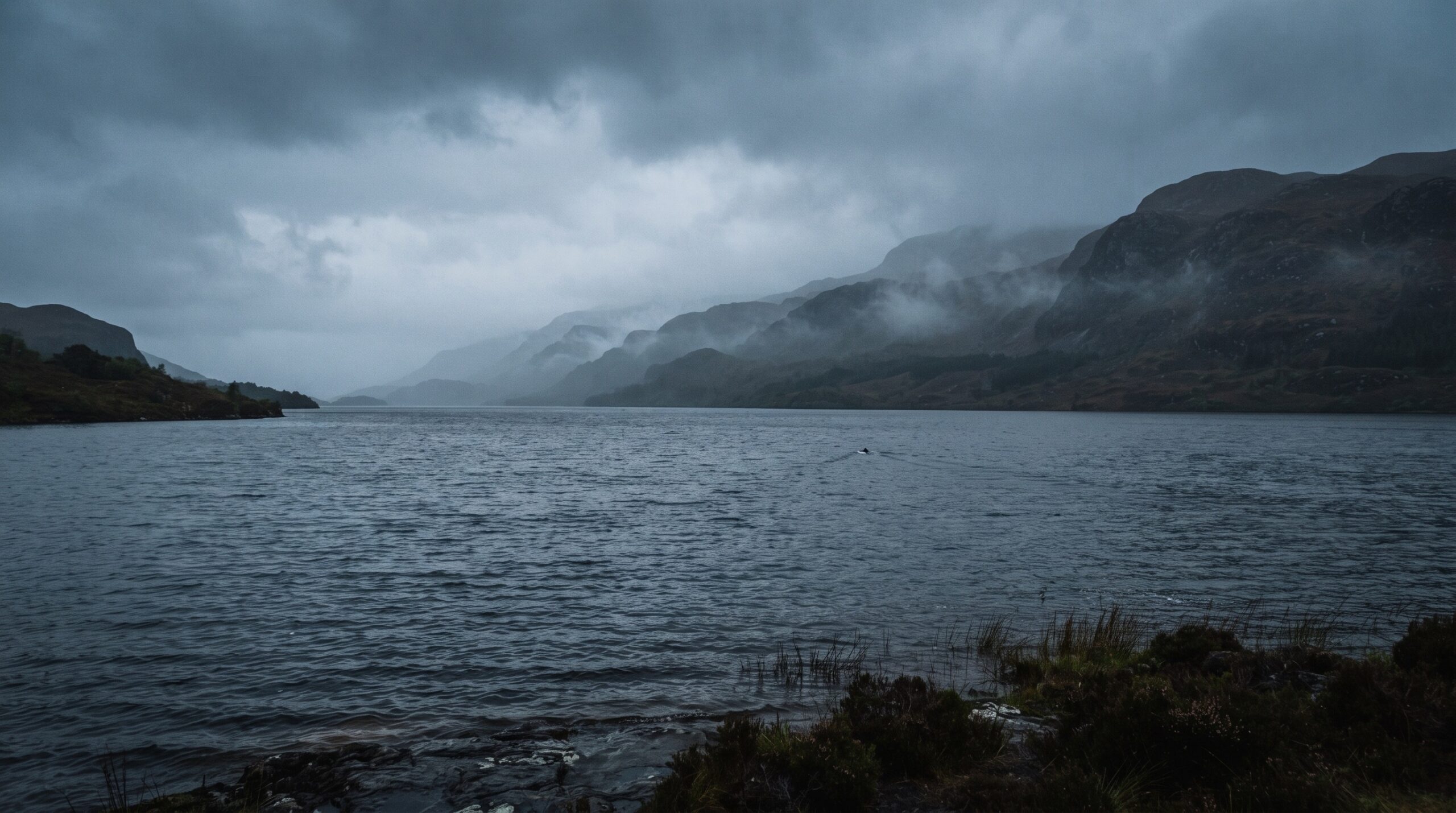
    Two more reported encounters have pushed the number of Loch Ness monster sightings recorded in 2026 to 13, according to a new report from the Inverness Courier. The number sounds dramatic. The evidence, however, remains much narrower: witness reports of something seen on or near the loch, not a photograph, recovered specimen, or independently verified creature.

    That tension is the real story. Nessie reports persist because the loch is enormous, visually deceptive, and culturally primed for interpretation. A wake, bird, boat, wave, seal, or floating debris can become a “monster” in seconds when the observer is looking across dark water and expecting the unexpected. Yet dismissing every report also goes beyond the evidence. The careful conclusion is that two people, or two groups, reported unusual observations; the identity of what they saw is unresolved.

    ## What the new reports add

    The current report identifies two further encounters and places them within the 2026 count. It does not turn the sightings into a confirmed biological discovery. Counts maintained by Nessie researchers are useful records of the legend’s continuing life, but they are not the same as a scientific census. Each entry reflects a report, and the quality of entries can vary from detailed imagery to a brief account made after the event.

    This is why the number 13 should be read as a reporting statistic. It tells us that interest and observation claims have continued through the year. It does not tell us that thirteen separate animals were present, or even that thirteen separate physical events have been independently established. A single disturbance can generate multiple accounts, while a genuine unusual sighting may leave no usable record at all.

    The distinction matters especially because the loch is a working, changing environment. Wind alters the surface. Light changes quickly. Boat wakes travel and intersect. Waterfowl and seals can appear and disappear in a way that seems impossible at distance. A witness can be sincere and still misidentify an ordinary cause. Sincerity is evidence that an experience occurred; it is not proof of the explanation attached to it.

    ## Why Loch Ness remains so difficult to read

    Loch Ness is long, deep, and often dark even in daylight. Its geography creates long sightlines broken by shoreline, weather, and reflections. The observer may see only a few seconds of movement before the surface closes. That gives a possible animal—or an ordinary object—just enough time to become a story without leaving enough information to settle the story.

    The psychology of ambiguous sightings is part of the mystery. Human perception is not a camera recording every detail equally. It is an active process that uses expectation, memory, and context to interpret incomplete signals. That does not mean witnesses are lying. It means two honest observers can describe the same vague shape differently, especially after the event has been discussed online or in news coverage.

    A related problem is retrospective sharpening. A person may initially report a wake or dark shape, then later remember a hump, neck, or body as the account is retold. The added details may feel like recovered memory, but they can also reflect the mind’s attempt to make an uncertain event coherent. Any responsible account should preserve what was reported without quietly upgrading uncertainty into anatomy.

    ## The difference between a report and evidence

    The earlier first reported Loch Ness sighting of 2026 shows how quickly a seasonal report can become part of a larger narrative. The new entries belong to that same tradition. They are evidence that someone made a claim about an observation. They are not yet evidence that a large unknown animal lives in the loch.

    Stronger evidence would require more than a rising count. Useful material might include original, time-stamped video; continuous footage showing the object’s scale and movement; multiple independent observers who recorded accounts before comparing them; environmental data; and a chain of custody for any physical sample. Even then, interpretation would remain necessary. A clear image can identify an object, but it cannot by itself establish a breeding population or a prehistoric survivor.

    This standard is not anti-mystery. It protects the mystery from being inflated beyond what the record can support. As with reports of sensed presences in extreme conditions, the experience can be meaningful and frightening while the external explanation remains open. The question is not whether a witness felt certain. It is what the available evidence can distinguish.

    ## What could explain the 13 reports?

    Several explanations can coexist. Some reports may involve ordinary wildlife, surface effects, boats, or floating material. Some may be mistakes produced by distance and poor visibility. Some may be embellished as they move through the media ecosystem. It is also possible that a small number describe observations that remain genuinely unidentified because the available information is too limited. “Unidentified” is a category of knowledge, not a species.

    That last possibility is often lost in the argument. A sighting can remain unresolved without being paranormal. The unresolved label simply means the report does not contain enough information to select confidently among competing explanations. It is the same discipline that keeps a blurry object from being called extraterrestrial merely because no one has identified it yet—a distinction explored in the wider problem of how ambiguous evidence becomes a UFO story.

    ## Why the count still matters

    The 13-report tally is still worth following because it documents a living folklore and a continuing observational challenge. Every new report offers an opportunity to ask better questions: Where exactly was the observer? How long did the event last? Was the water calm? Were boats nearby? Was the account recorded immediately? Is there original imagery rather than a repost? Those details can improve the record even when they do not reveal a monster.

    For readers, the most useful response is neither instant belief nor reflexive ridicule. Read the original report. Separate what the witness said from what later headlines imply. Look for scale, duration, distance, weather, and corroboration. If those details are missing, keep the conclusion proportional. The loch can remain strange without requiring a conclusion the evidence has not earned.

    The two new reports therefore deepen the cultural mystery more clearly than the biological one. They show that people are still watching the water and still encountering moments they cannot immediately explain. Whether those moments point to an animal, a misperception, a surface effect, or several different causes is still open.

    The next compelling development would not be sighting number 14. It would be a well-documented observation that preserves enough context for independent reviewers to test what happened.

    The accounts discussed here are unconfirmed witness reports, and the available evidence does not establish that the Loch Ness monster exists; readers should consider the evidence for themselves.
  • Two New Loch Ness Reports Bring 2026 Sightings to 13: But What Was Actually Seen?

    Two New Loch Ness Reports Bring 2026 Sightings to 13: But What Was Actually Seen?

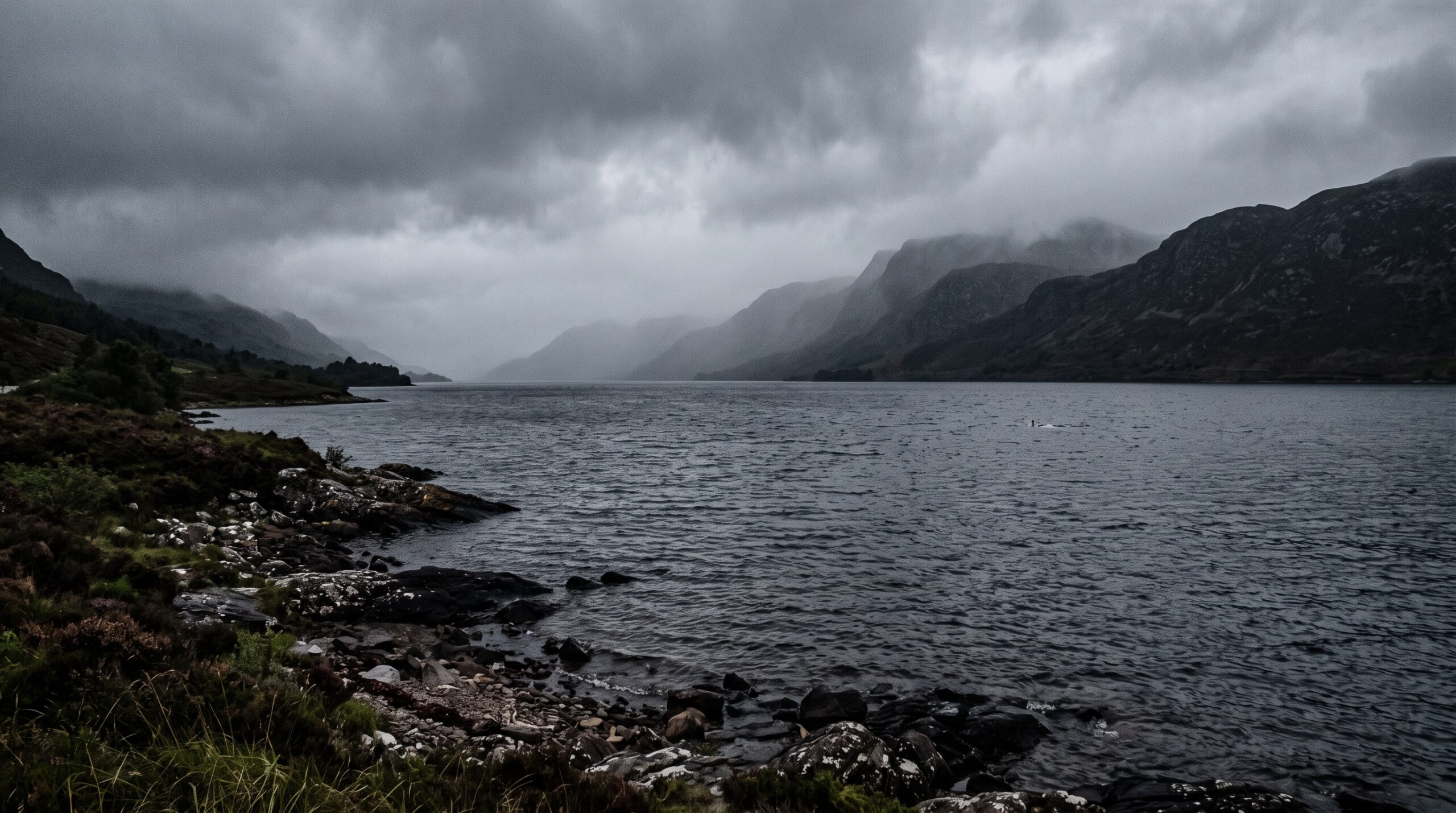
    Two more reported encounters have pushed the number of Loch Ness monster sightings recorded in 2026 to 13, according to a new report from the Inverness Courier. The number sounds dramatic. The evidence, however, remains much narrower: witness reports of something seen on or near the loch, not a photograph, recovered specimen, or independently verified creature.

    That tension is the real story. Nessie reports persist because the loch is enormous, visually deceptive, and culturally primed for interpretation. A wake, bird, boat, wave, seal, or floating debris can become a “monster” in seconds when the observer is looking across dark water and expecting the unexpected. Yet dismissing every report also goes beyond the evidence. The careful conclusion is that two people, or two groups, reported unusual observations, the identity of what they saw is unresolved.

    What the new reports add

    The current report identifies two further encounters and places them within the 2026 count. It does not turn the sightings into a confirmed biological discovery. Counts maintained by Nessie researchers are useful records of the legend’s continuing life, but they are not the same as a scientific census. Each entry reflects a report, and the quality of entries can vary from detailed imagery to a brief account made after the event.

    This is why the number 13 should be read as a reporting statistic. It tells us that interest and observation claims have continued through the year. It does not tell us that thirteen separate animals were present, or even that thirteen separate physical events have been independently established. A single disturbance can generate multiple accounts, while a genuine unusual sighting may leave no usable record at all.

    The distinction matters especially because the loch is a working, changing environment. Wind alters the surface. Light changes quickly. Boat wakes travel and intersect. Waterfowl and seals can appear and disappear in a way that seems impossible at distance. A witness can be sincere and still misidentify an ordinary cause. Sincerity is evidence that an experience occurred, it is not proof of the explanation attached to it.

    Why Loch Ness remains so difficult to read

    Loch Ness is long, deep, and often dark even in daylight. Its geography creates long sightlines broken by shoreline, weather, and reflections. The observer may see only a few seconds of movement before the surface closes. That gives a possible animal:or an ordinary object:just enough time to become a story without leaving enough information to settle the story.

    The psychology of ambiguous sightings is part of the mystery. Human perception is not a camera recording every detail equally. It is an active process that uses expectation, memory, and context to interpret incomplete signals. That does not mean witnesses are lying. It means two honest observers can describe the same vague shape differently, especially after the event has been discussed online or in news coverage.

    A related problem is retrospective sharpening. A person may initially report a wake or dark shape, then later remember a hump, neck, or body as the account is retold. The added details may feel like recovered memory, but they can also reflect the mind’s attempt to make an uncertain event coherent. Any responsible account should preserve what was reported without quietly upgrading uncertainty into anatomy.

    The difference between a report and evidence

    The earlier first reported Loch Ness sighting of 2026 shows how quickly a seasonal report can become part of a larger narrative. The new entries belong to that same tradition. They are evidence that someone made a claim about an observation. They are not yet evidence that a large unknown animal lives in the loch.

    Stronger evidence would require more than a rising count. Useful material might include original, time-stamped video, continuous footage showing the object’s scale and movement, multiple independent observers who recorded accounts before comparing them, environmental data, and a chain of custody for any physical sample. Even then, interpretation would remain necessary. A clear image can identify an object, but it cannot by itself establish a breeding population or a prehistoric survivor.

    This standard is not anti-mystery. It protects the mystery from being inflated beyond what the record can support. As with reports of sensed presences in extreme conditions, the experience can be meaningful and frightening while the external explanation remains open. The question is not whether a witness felt certain. It is what the available evidence can distinguish.

    What could explain the 13 reports?

    Several explanations can coexist. Some reports may involve ordinary wildlife, surface effects, boats, or floating material. Some may be mistakes produced by distance and poor visibility. Some may be embellished as they move through the media ecosystem. It is also possible that a small number describe observations that remain genuinely unidentified because the available information is too limited. “Unidentified” is a category of knowledge, not a species.

    That last possibility is often lost in the argument. A sighting can remain unresolved without being paranormal. The unresolved label simply means the report does not contain enough information to select confidently among competing explanations. It is the same discipline that keeps a blurry object from being called extraterrestrial merely because no one has identified it yet:a distinction explored in the wider problem of how ambiguous evidence becomes a UFO story.

    Why the count still matters

    The 13-report tally is still worth following because it documents a living folklore and a continuing observational challenge. Every new report offers an opportunity to ask better questions: Where exactly was the observer? How long did the event last? Was the water calm? Were boats nearby? Was the account recorded immediately? Is there original imagery rather than a repost? Those details can improve the record even when they do not reveal a monster.

    For readers, the most useful response is neither instant belief nor reflexive ridicule. Read the original report. Separate what the witness said from what later headlines imply. Look for scale, duration, distance, weather, and corroboration. If those details are missing, keep the conclusion proportional. The loch can remain strange without requiring a conclusion the evidence has not earned.

    The two new reports therefore deepen the cultural mystery more clearly than the biological one. They show that people are still watching the water and still encountering moments they cannot immediately explain. Whether those moments point to an animal, a misperception, a surface effect, or several different causes is still open.

    The next compelling development would not be sighting number 14. It would be a well-documented observation that preserves enough context for independent reviewers to test what happened.

    The accounts discussed here are unconfirmed witness reports, and the available evidence does not establish that the Loch Ness monster exists, readers should consider the evidence for themselves.

  • Fresno Nightcrawlers: Why the Walking-Pants Cryptid Is Haunting Feeds Again

    Fresno Nightcrawlers: Why the Walking-Pants Cryptid Is Haunting Feeds Again

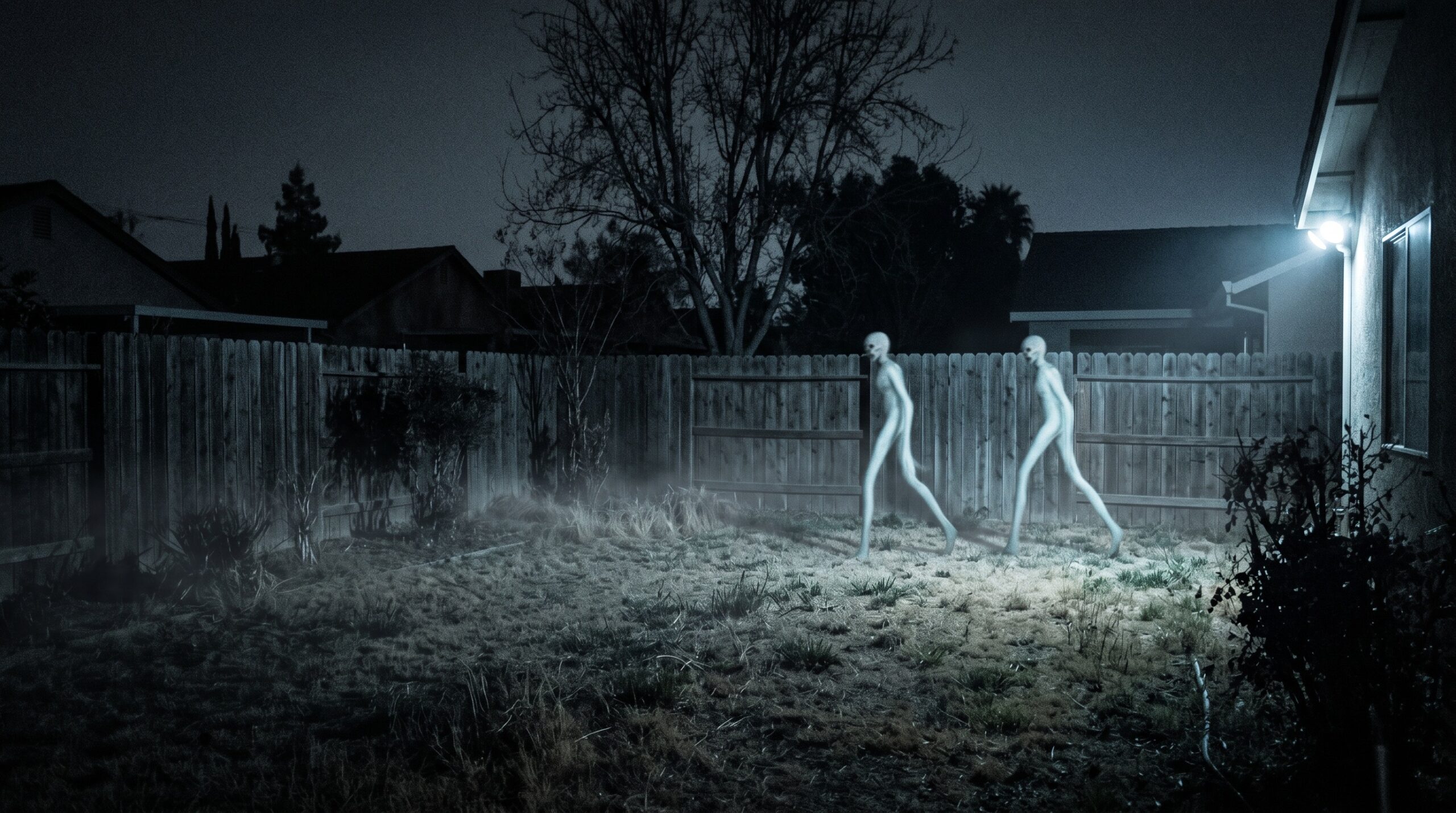
    Some stories do not arrive like normal news. They crawl in through a grainy clip, a half-panicked Reddit post, a search result that feels too fresh to be folklore, and suddenly Fresno Nightcrawlers is not just a phrase on a screen — it is a door cracked open in the wall of ordinary reality.

    That is why this story is moving now. The fresh signal is not a laboratory announcement or a police file; it is the collision of social chatter, search interest, and a believer community already trained to notice patterns before institutions acknowledge them. A current source trail includes a current r/cryptids discussion asking what Fresno Nightcrawlers are, corroborating search visibility through the Fresno Nightcrawlers overview circulating in search, and wider background from TikTok searches for the original Fresno Nightcrawlers video. None of that proves the strangest version of the claim. It explains why people are leaning closer.

    For Unexplained readers, Fresno Nightcrawlers also fits a larger map: recent cryptid sightings, Ohio Bigfoot flap, Loveland Frogman bill. The details change — a creature, a stone, a church warning, a forest road — but the emotional charge is the same. Something old seems to be pushing through a modern feed.

    Why the old footage still feels wrong

    The first thing believers notice is not the evidence package. It is the atmosphere. Fresno Nightcrawlers carries the feeling of a message received from the edge: a report that sounds small until you imagine being there, alone, when the ordinary world stops behaving normally.

    That is the reason the story survives the first skeptical shrug. A strange post can be dismissed in seconds, but a vivid image keeps working on the mind after the tab closes. The shape in the yard, the sound in the trees, the stone that should not fit, the prophecy language that suddenly feels public — these are not just claims. They are scenes.

    The shape that cryptid people cannot file away

    What makes the current wave sticky is specificity. The internet is full of generic mystery bait, but concrete details give believers something to hold: a place, a date, a witness, a source, a visual, a named tradition. Those details become hooks. People argue over them, remix them, search for them, and compare them against older cases.

    A good unexplained story does not need everyone to believe. It only needs enough people to feel that the official category is too small. Once that happens, the story starts behaving less like content and more like a signal flare.

    What skeptics say about the walking-pants video

    Skeptics have a simpler framework. They see social traction, old folklore, misread context, suggestive imagery, and the human hunger for patterns. In many cases, that caution is warranted. Viral mystery culture rewards speed, emotion, and repetition long before it rewards verification.

    But skepticism does not erase the cultural question. Why this story, and why now? Why does Fresno Nightcrawlers keep finding an audience at the exact moment people feel that institutions, science, churches, and media are all leaving something unsaid? That is the layer where the mystery keeps breathing.

    Why the Nightcrawlers keep coming back

    The most grounded reading is this: the current discussion around Fresno Nightcrawlers is real, the sources show a live curiosity signal, and the strongest versions of the claim remain unconfirmed. The available material supports an article about why the story is spreading, what believers think they see in it, and why the unresolved pieces keep pulling people back.

    That may sound like a narrow conclusion, but it is exactly where many unexplained stories live. Not proven, not empty, not finished. The facts set the boundary. The feeling presses against it. Whether Fresno Nightcrawlers becomes another internet flare-up or a lasting chapter in the unexplained archive depends on what surfaces next — and on whether readers decide the official explanation is large enough to hold what they sense in the dark.

    FAQ

    What is Fresno Nightcrawlers?

    Fresno Nightcrawlers is the search phrase now gathering attention around this specific unexplained topic, combining a fresh online signal with an older mystery tradition or belief system.

    Why are people talking about it now?

    People are talking because Reddit, search results, and adjacent Instagram mystery tags are all feeding attention into the same lane. That is a trend signal, not proof.

    Is Fresno Nightcrawlers confirmed?

    No public source trail confirms the most dramatic interpretation. The story is best read as a believer-first mystery with an evidence gap that still matters.

    Why does it fit Unexplained.co?

    It sits at the crossroads of folklore, internet signal, spiritual anxiety, and unresolved evidence — exactly where modern unexplained culture keeps producing its most persistent stories.