Tag: Eric Burlison

  • Trump Says UFO Files Are Coming: ‘Things You Wouldn’t Believe’ — What We Know

    Trump Says UFO Files Are Coming: ‘Things You Wouldn’t Believe’ — What We Know

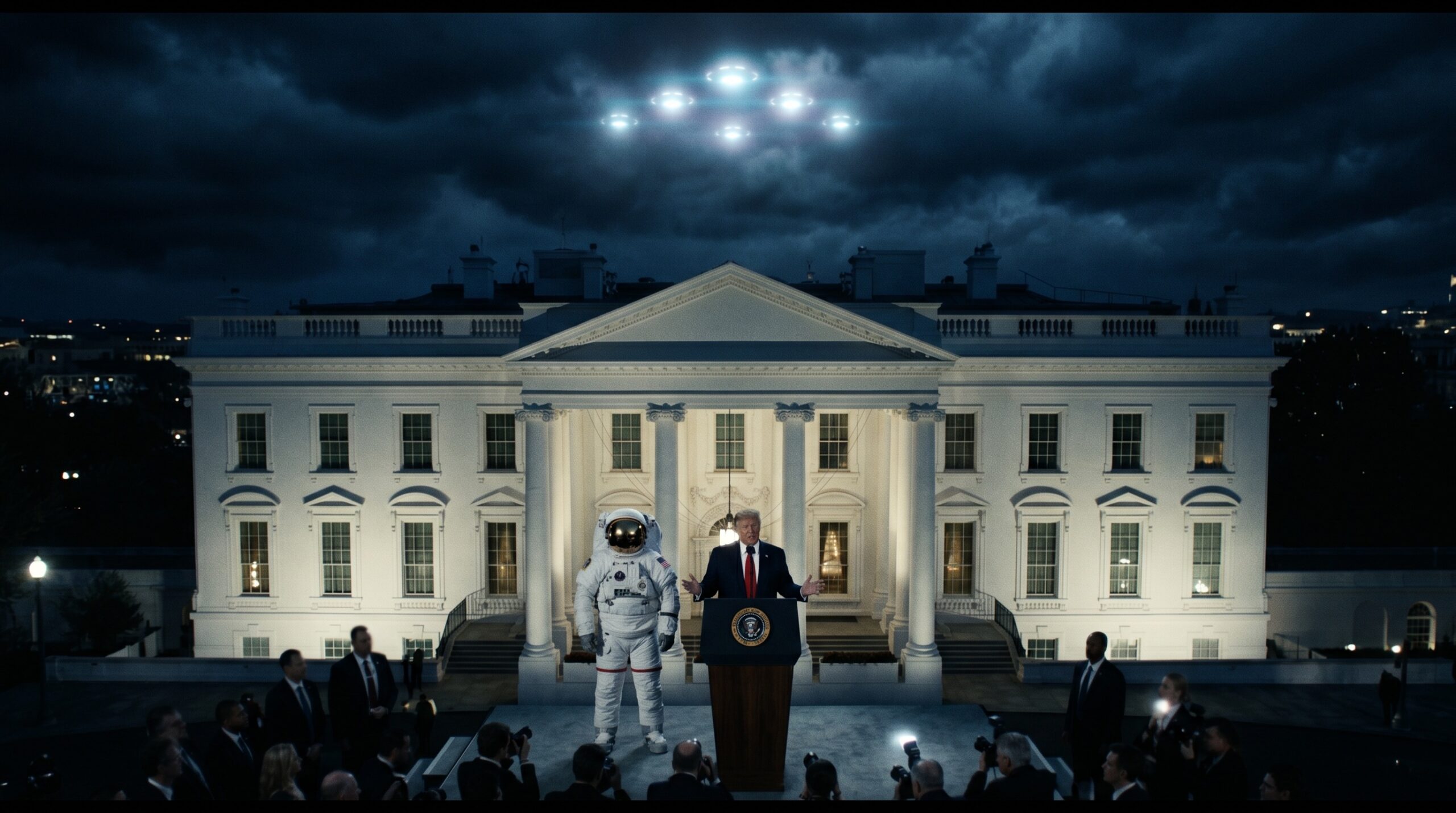
    Donald Trump stood behind a White House podium with the Artemis II astronauts beside him and delivered a line that sent UFO believers across every feed into overdrive — just weeks after the April 2026 White House document release, he doubled down: anything having to do with UFOs or related material is going to be released, and he thinks “a lot of it is going to be very interesting.” He had already said, in the same breath, that he’d interviewed pilots during his first term who saw “things you wouldn’t believe.” The cameras caught the astronauts. But the people locked into the disclosure conversation were locked onto the UFO words.

    This is not the first time Trump has teased a release. It is not the first time a politician has promised transparency while delivering timelines that evaporate. But the signal this time carries weight that older promises lacked. Eric Burlison has been telling anyone who will listen that closed-door Pentagon briefings showed classified UAP videos of objects “defying physics.” Steve Scalise reportedly called those same briefings “eye-opening.” And David Grusch — the man who forced this entire conversation into the congressional record — has been building public support for a release he warns will be “a hard pill to swallow.”

    What Trump Actually Said

    The setting gave the moment its gravity. Trump was introducing the Artemis II crew — the astronauts who will return humans to lunar orbit for the first time in half a century. But in the press conference that followed, the conversation pivoted before the questions even asked about aliens.

    Trump said: “We’re going to be releasing a lot of very interesting things… Anything having to do with UFOs or related material we are going to be releasing.” He paused, then added: “I think a lot of it is going to be very interesting.” He credited conversations with military pilots from his first term — pilots who, he said, “saw things you wouldn’t believe.”

    Newsweek and WSLS both published versions of the same quote within hours. Newsweek covered Trump’s statement about the UFO material and WSLS reported the context of the Artemis II press conference. The video clips spread across X and Reddit within the same hour.

    The words themselves are classic Trump: suggestive, non-specific, and impossible to pin on a date. But the people who have tracked disclosure from the inside say they hear something different underneath the rhetoric.

    What Files Could He Be Talking About?

    The Pentagon has more on UAPs than the public has ever seen. That is not speculation — it is documented. Congressman Eric Burlison has described SCIF briefings where classified UAP videos showed objects defying physics, and the broader recovery-program question remains unresolved. Steve Scalise reportedly called those briefings eye-opening, and the Office of the Director of National Intelligence has released summary reports identifying cases unexplained by any conventional explanation. And the AARO — the Pentagon’s own UAP task force — has compiled case files spanning years of military encounters.

    The question is not whether there is material. The question is how much of it will actually be released, and in what form.

    Trump’s framing — “anything having to do with UFOs or related material” — is sweeping enough to mean almost anything. A curated selection of declassified videos? A dump of raw intelligence? A formal report with findings he can call a “release”? Or a handful of videos the Pentagon has already reviewed and cleared for public consumption, dressed up as a landmark event?

    Grusch’s sworn statement before Congress outlined exactly the type of material believers are expecting — and what he described goes well beyond blurry cockpit footage.

    Grusch, Burlison, and the Disclosure Engine

    Trump’s comments did not land in a vacuum. They landed on top of a months-long disclosure push from the people most involved in driving it.

    David Grusch has been building toward this moment since his 2023 congressional appearance, where he testified under oath about alleged non-human programs and crash-retrieval operations. He has since warned that public disclosure will be “a hard pill to swallow” and that the American public needs to be prepared. His language has been deliberate: he is not promising a specific revelation, but he is signaling that what the government knows would fundamentally change how people think about humanity’s place in the cosmos.

    Eric Burlison has been the most aggressive advocate in Congress for full transparency. He has described SCIF briefings where lawmakers viewed videos of UAPs performing maneuvers that no known physics can explain. He has named specific objects and specific incidents and refused to back down from the language he uses to describe them. His most recent briefing — the one where he described an encounter involving military and intelligence personnel successfully luring and documenting a craft in controlled conditions — apparently reached Steve Scalise directly, which is why House leadership is now involved.

    Cybernews reported on the classified UAP videos shown in congressional briefings that Burlison says depict objects defying the known laws of physics.

    The alignment between Grusch’s public warnings, Burlison’s congressional pressure, and now Trump’s presidential promises creates a convergence that has not existed at any earlier point in the disclosure timeline. All three are working the same frequency at the same time.

    Why This Time Feels Different

    Previous disclosure promises have collapsed under their own weight. The Pentagon released those Navy videos, yes — but they went cold after the viral moment. Congress held hearings. Grusch testified. Then the news cycle moved on.

    What has changed is the narrative momentum.

    r/UFOs posts about Trump’s disclosure promises drew over 3,200 upvotes and 1,000 comments in a matter of hours, making them some of the most engaged threads in the subreddit’s history. The disclosure conversation stopped being an insider topic months ago — it became a feed topic, and feeds are where narratives gain momentum regardless of institutional speed. Goldie Hawn describing her alleged encounter on Jimmy Kimmel brought disclosure into daytime television. Burlison is talking about it in congressional briefings. Trump is talking about it at presidential press conferences. The narrative is moving from Washington to Hollywood to the world exactly as disclosure advocates have been trying to do it.

    What to Watch For

    The most important thing believers can do right now is manage expectations — not dismiss the signals, but understand how government releases work.

    A genuine disclosure event would include material that cannot be explained away as sensor artifacts, balloons, or optical illusions. It would confirm something that was previously only claimed in testimony. It would have specific, verifiable details that go beyond what has already been released through AARO and the ODNI reports.

    A managed disclosure event — and many disclosure advocates worry this is what happens — would look different. It would feature videos the Pentagon has already reviewed and cleared, with careful language attached, and a press release designed to answer the question without opening new ones.

    Watch for the difference. If the release is real, it will include specific incident data, pilot names, and radar confirmation. If it is managed, it will include language about “preliminary assessments” and “inconclusive data” and an invitation to stay tuned.

    What Is Actually Known

    Trump has said the Pentagon is preparing a UFO release. No date has been announced. No documents have been identified by title. Eric Burlison has seen classified UAP videos in a SCIF briefing that he says show objects defying physics. David Grusch has been warning that disclosure will be uncomfortable and that the evidence exists. These are all real, documented claims made by real people.

    What is not known is whether Trump’s promise translates into a specific release timetable, whether the material he is referring to is the same material Grusch and Burlison have described, or whether the public will receive anything beyond a small, carefully sanitized preview.

    For now, the pressure is real. The convergence is real. The material almost certainly exists in some form. Whether the release that Trump is promising matches the disclosure that believers are waiting for — that remains the biggest unanswered question.
  • Eric Burlison’s Mass-Witness UFO Event: The Claim That Military Personnel Lured and Documented a Craft

    Eric Burlison’s Mass-Witness UFO Event: The Claim That Military Personnel Lured and Documented a Craft

    They set the trap. They waited. And something showed up.

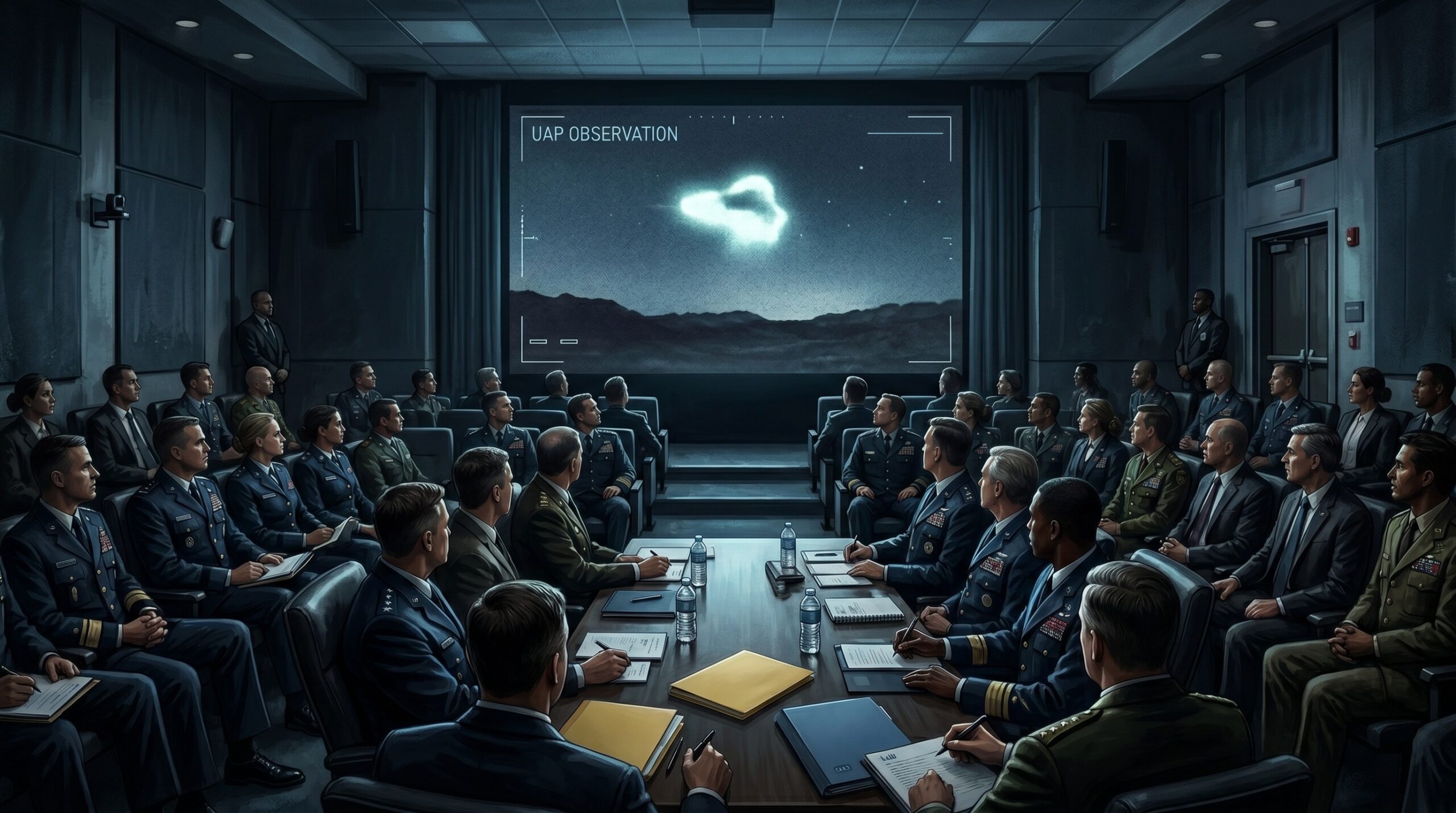
    That is the core of what Representative Eric Burlison told colleagues and reporters in recent days, and it is the reason UFO disclosure channels have been running hot ever since. According to Burlison, military and intelligence personnel recently orchestrated what he called a “perfect case scenario” designed to lure unidentified anomalous phenomena into a controlled environment. The operation was, in his words, “very successful.” It happened only a few months ago. And the briefing that followed was so compelling that it reached House Majority Leader Steve Scalise.

    For believers who have spent years watching Congress tiptoe around the topic, the tone of Burlison’s remarks feels different. This is not a vague reference to lights in the sky. This is a sitting congressman describing a deliberate, coordinated effort by military and intelligence personnel to document craft that were not supposed to exist. Burlison said there were so many witnesses that denial became impossible. ABC News coverage of the hearing first broke the story. He described the event as one that “no one could deny.” If his account is accurate, the implications are staggering: the U.S. government did not simply stumble across a UAP. It baited one.

    The idea of luring UFOs is not new to the community. For years, CE-5 practitioners and independent researchers have claimed that consciousness and intention can draw these objects closer. What makes Burlison’s claim explosive is the suggestion that the government tried the same approach using military assets and instrumentation. The result, he says, was a mass-witness event with multiple sensors, multiple personnel, and a chain of command that reached the highest levels of congressional leadership.

    The reaction online has been immediate and intense. Disclosure advocates say this is the closest Congress has come to acknowledging an active UAP engagement program. Pete Hegseth’s ongoing struggle to release military UFO videos has dominated headlines for weeks, but Burlison’s comments suggest something far more advanced than passive observation. If the military is actively luring and documenting these craft, then the entire disclosure conversation shifts from “what did they see” to “what are they doing about it.”

    Burlison also revealed that the FBI told him they will neither confirm nor deny an investigation into the broader pattern of missing and deceased scientists with UAP ties. That non-denial has only deepened the paranoia. Rival security contractors and missing laptops have already become part of the retrieval lore, and now the FBI’s refusal to comment is being read as confirmation that something is being hidden in plain sight.

    Skeptics and mainstream analysts urge caution. No video from the mass-witness event has been released. No independent verification of Burlison’s specific claims has surfaced. The congressman’s remarks were made in interviews and public statements, not under oath with supporting documents, as NewsNation summarized in its ongoing UFO congressional coverage. Critics note that the UAP conversation has seen similar dramatic promises before, only to dissolve into classified briefings that yield nothing public.

    Still, the details matter. Wikipedia background on Eric Burlison confirms he is not a fringe figure. He is a member of Congress with access to classified briefings. His decision to speak this openly about a lured craft, a mass witness event, and a briefing that reached Scalise suggests that the internal pressure for disclosure is becoming harder to contain. The Immaculate Constellation leak showed that documents exist. The Bluegill Triple Prime nuclear test reminded the community that the military has allegedly fired on these objects before. Now Burlison is describing a new phase: not shooting, but summoning.

    What happens next is unclear. Congress is demanding access to the materials. Believers are waiting for the video. And somewhere in the chain of command, a file exists that could either validate everything or vanish behind another wall of classification. For now, the only certainty is that the story has shifted. The question is no longer whether the phenomena are real. The question is who gets to control the encounter.

  • Matthew Sullivan UFO Whistleblower Death: Why Believers Call the Timing Impossible

    Matthew Sullivan UFO Whistleblower Death: Why Believers Call the Timing Impossible

    Disclosure culture has a new name to whisper, and it arrived with the kind of timing that makes believers go cold. The Matthew Sullivan UFO whistleblower death story is spreading because it sounds less like an isolated tragedy and more like another witness chair going empty a moment before the curtain rises.

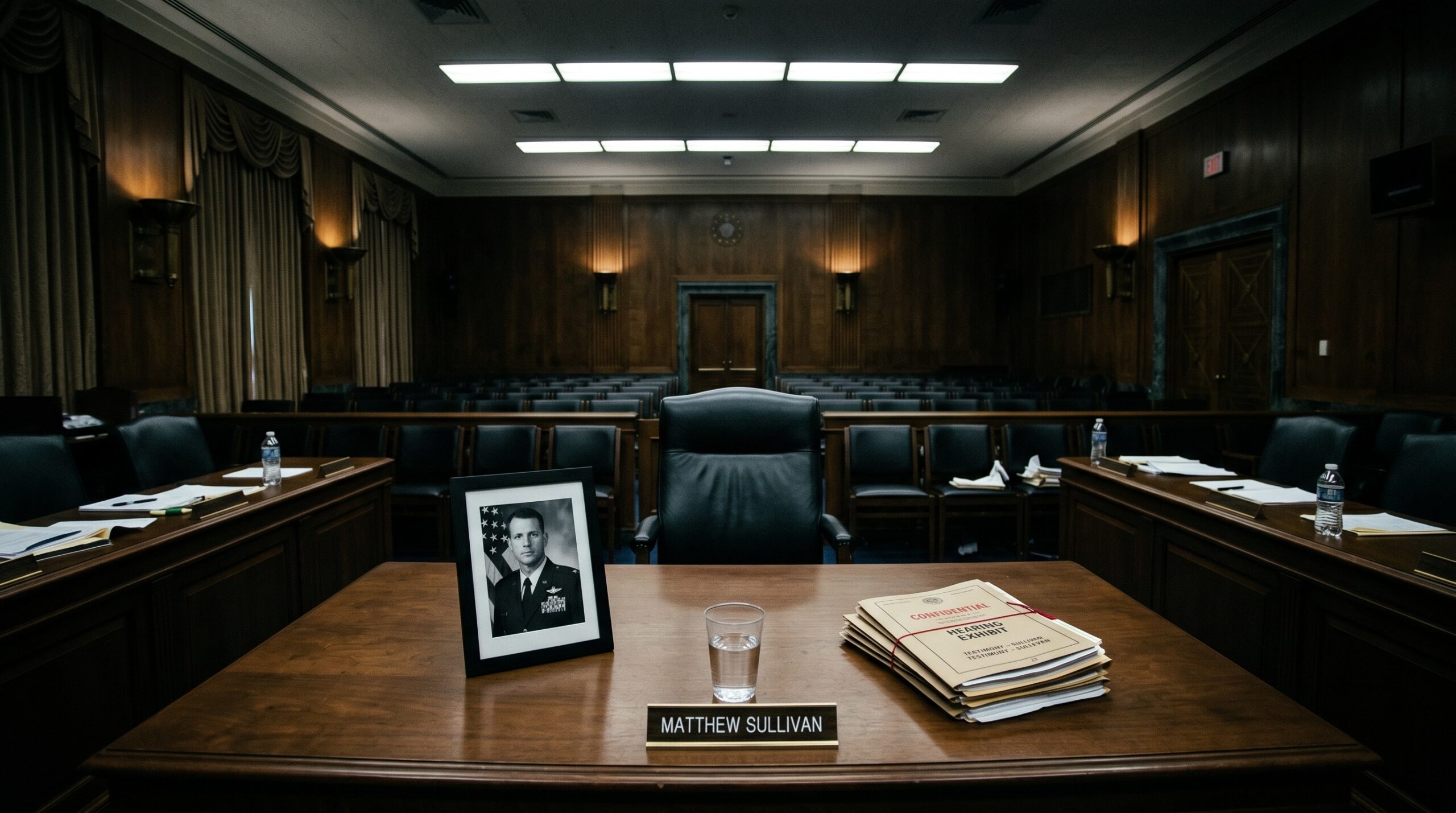
    The direct answer is that Matthew Sullivan is being discussed across UFO media after Rep. Eric Burlison and allied disclosure voices pointed to him as a former Air Force intelligence officer linked to sensitive knowledge who died before a hoped-for congressional interview. The current surge comes from a widely shared Reddit post about Sullivan’s credentials and timing, tabloid-style pickup from the Daily Mail’s report on the death being called suspicious, and follow-on amplification such as BroBible’s summary of the congressional alarm. None of that proves what Sullivan knew. It does explain why his name is now ricocheting through disclosure channels.

    The reason it lands so hard is simple: this story did not emerge in a vacuum. It emerged beside the Amy Eskridge case, the Steven Garcia disappearance narrative, and the larger cycle of online UFO leak mythology. Once those names are already circulating, a fresh death with even a partial whistleblower frame feels combustible by default.

    Why Sullivan’s name detonated across disclosure feeds

    The heart of the story is not only who Sullivan was said to be. It is when believers think the public was about to hear more from him. Disclosure audiences are intensely sensitive to timing. A witness who dies years after leaving a program is one thing. A witness who reportedly dies in the same emotional window as congressional pressure and new secrecy claims is something else entirely.

    That is why the case has been framed so aggressively online. Sullivan is being positioned less as a private citizen and more as a nearly opened vault. In the believer imagination, the most powerful stories are always the ones where the door was about to crack and then suddenly shut.

    What believers think he was about to reveal

    The online version of the case treats Sullivan as someone who moved close enough to the inner rooms of military secrecy to matter. In that telling, he was not just adjacent to UFO rumor but connected to the kind of classification layers disclosure activists think hide the real architecture of the phenomenon.

    That story remains compelling because it folds perfectly into the larger mood of 2026 disclosure culture: missing footage, dead researchers, nervous lawmakers, and a public beginning to suspect that key witnesses keep disappearing right before narrative thresholds. Whether or not that pattern is real, it is emotionally legible to the audience consuming it.

    Why the case landed inside the dead-scientist panic

    Believers did not need much to attach Sullivan to the wider missing-scientists panic. They were already primed. Over the past week, the disclosure internet has behaved like a system searching for names that fit an emerging shape. Sullivan fit that shape immediately: intelligence background, UFO proximity, suspicious framing, congressional mention, and a death that can be described as badly timed.

    Once that frame locks in, the story becomes more than biography. It becomes a confirmation object. Every new mention seems to validate the old fear that witnesses do not vanish randomly when the pressure around secrecy rises.

    What the public record can actually confirm

    This is where the drama narrows.

    Public reporting does support that Sullivan’s name has been raised by UFO-interested lawmakers and commentators as part of a suspicious death narrative. It also supports that the case is being discussed in direct connection with whistleblower culture and congressional interest. What is still missing in public view is hard documentation proving exactly what Sullivan was prepared to disclose, what a formal congressional interview would have contained, or that his death can be tied to anything beyond the suspicion now attaching to it.

    That does not kill the story. It explains the story’s power. Sullivan now lives in the most durable zone of disclosure lore: close enough to real institutions to feel credible, distant enough from public proof to stay explosive. For believers, that is often the sweet spot. It leaves the file open, the timing haunting, and the sense that another voice was lost just before it might have said too much.