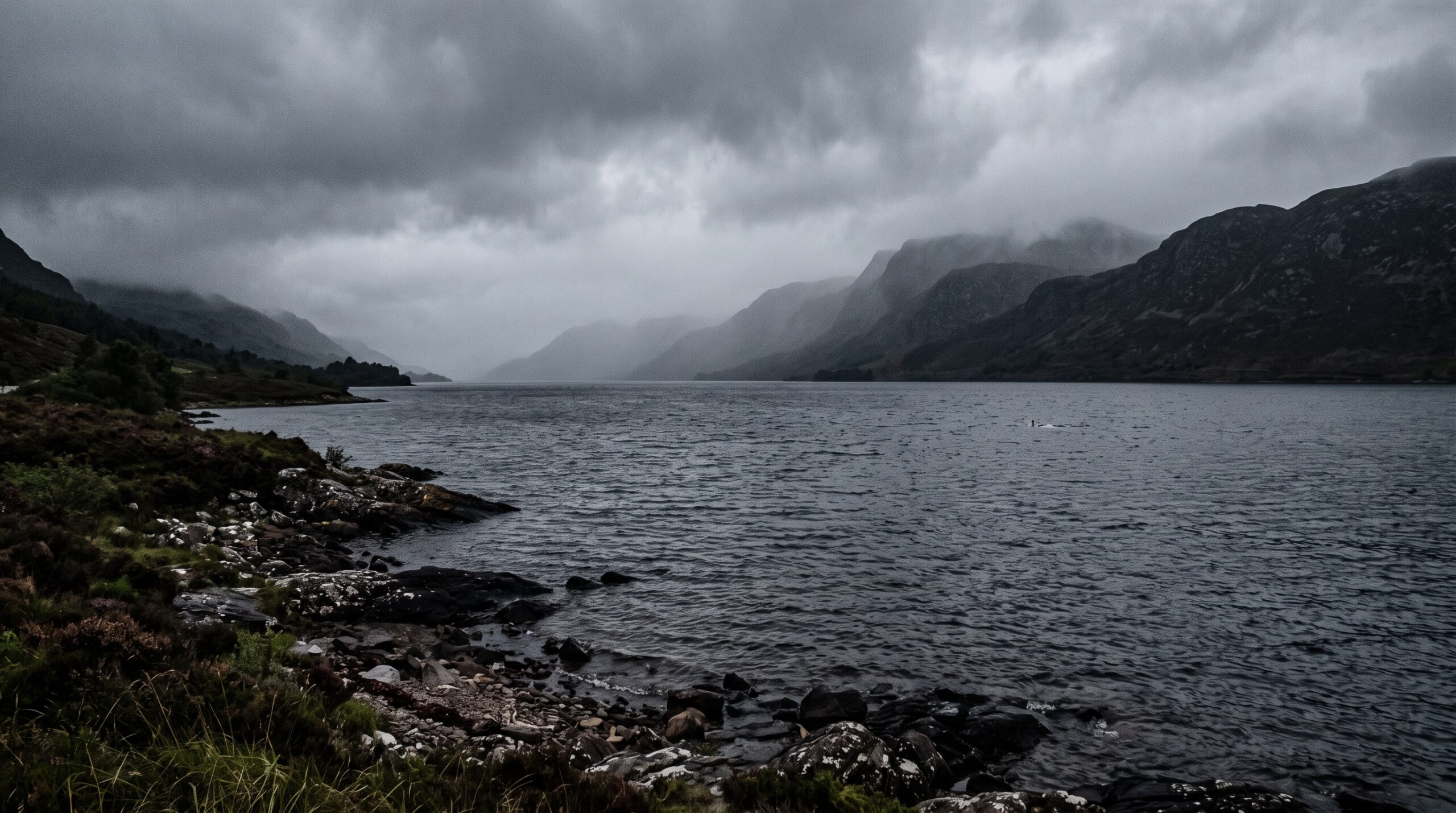
Two more reported encounters have pushed the number of Loch Ness monster sightings recorded in 2026 to 13, according to a new report from the Inverness Courier. The number sounds dramatic. The evidence, however, remains much narrower: witness reports of something seen on or near the loch, not a photograph, recovered specimen, or independently verified creature.
That tension is the real story. Nessie reports persist because the loch is enormous, visually deceptive, and culturally primed for interpretation. A wake, bird, boat, wave, seal, or floating debris can become a “monster” in seconds when the observer is looking across dark water and expecting the unexpected. Yet dismissing every report also goes beyond the evidence. The careful conclusion is that two people, or two groups, reported unusual observations, the identity of what they saw is unresolved.
What the new reports add
The current report identifies two further encounters and places them within the 2026 count. It does not turn the sightings into a confirmed biological discovery. Counts maintained by Nessie researchers are useful records of the legend’s continuing life, but they are not the same as a scientific census. Each entry reflects a report, and the quality of entries can vary from detailed imagery to a brief account made after the event.
This is why the number 13 should be read as a reporting statistic. It tells us that interest and observation claims have continued through the year. It does not tell us that thirteen separate animals were present, or even that thirteen separate physical events have been independently established. A single disturbance can generate multiple accounts, while a genuine unusual sighting may leave no usable record at all.
The distinction matters especially because the loch is a working, changing environment. Wind alters the surface. Light changes quickly. Boat wakes travel and intersect. Waterfowl and seals can appear and disappear in a way that seems impossible at distance. A witness can be sincere and still misidentify an ordinary cause. Sincerity is evidence that an experience occurred, it is not proof of the explanation attached to it.
Why Loch Ness remains so difficult to read
Loch Ness is long, deep, and often dark even in daylight. Its geography creates long sightlines broken by shoreline, weather, and reflections. The observer may see only a few seconds of movement before the surface closes. That gives a possible animal:or an ordinary object:just enough time to become a story without leaving enough information to settle the story.
The psychology of ambiguous sightings is part of the mystery. Human perception is not a camera recording every detail equally. It is an active process that uses expectation, memory, and context to interpret incomplete signals. That does not mean witnesses are lying. It means two honest observers can describe the same vague shape differently, especially after the event has been discussed online or in news coverage.
A related problem is retrospective sharpening. A person may initially report a wake or dark shape, then later remember a hump, neck, or body as the account is retold. The added details may feel like recovered memory, but they can also reflect the mind’s attempt to make an uncertain event coherent. Any responsible account should preserve what was reported without quietly upgrading uncertainty into anatomy.
The difference between a report and evidence
The earlier first reported Loch Ness sighting of 2026 shows how quickly a seasonal report can become part of a larger narrative. The new entries belong to that same tradition. They are evidence that someone made a claim about an observation. They are not yet evidence that a large unknown animal lives in the loch.
Stronger evidence would require more than a rising count. Useful material might include original, time-stamped video, continuous footage showing the object’s scale and movement, multiple independent observers who recorded accounts before comparing them, environmental data, and a chain of custody for any physical sample. Even then, interpretation would remain necessary. A clear image can identify an object, but it cannot by itself establish a breeding population or a prehistoric survivor.
This standard is not anti-mystery. It protects the mystery from being inflated beyond what the record can support. As with reports of sensed presences in extreme conditions, the experience can be meaningful and frightening while the external explanation remains open. The question is not whether a witness felt certain. It is what the available evidence can distinguish.
What could explain the 13 reports?
Several explanations can coexist. Some reports may involve ordinary wildlife, surface effects, boats, or floating material. Some may be mistakes produced by distance and poor visibility. Some may be embellished as they move through the media ecosystem. It is also possible that a small number describe observations that remain genuinely unidentified because the available information is too limited. “Unidentified” is a category of knowledge, not a species.
That last possibility is often lost in the argument. A sighting can remain unresolved without being paranormal. The unresolved label simply means the report does not contain enough information to select confidently among competing explanations. It is the same discipline that keeps a blurry object from being called extraterrestrial merely because no one has identified it yet:a distinction explored in the wider problem of how ambiguous evidence becomes a UFO story.
Why the count still matters
The 13-report tally is still worth following because it documents a living folklore and a continuing observational challenge. Every new report offers an opportunity to ask better questions: Where exactly was the observer? How long did the event last? Was the water calm? Were boats nearby? Was the account recorded immediately? Is there original imagery rather than a repost? Those details can improve the record even when they do not reveal a monster.
For readers, the most useful response is neither instant belief nor reflexive ridicule. Read the original report. Separate what the witness said from what later headlines imply. Look for scale, duration, distance, weather, and corroboration. If those details are missing, keep the conclusion proportional. The loch can remain strange without requiring a conclusion the evidence has not earned.
The two new reports therefore deepen the cultural mystery more clearly than the biological one. They show that people are still watching the water and still encountering moments they cannot immediately explain. Whether those moments point to an animal, a misperception, a surface effect, or several different causes is still open.
The next compelling development would not be sighting number 14. It would be a well-documented observation that preserves enough context for independent reviewers to test what happened.
The accounts discussed here are unconfirmed witness reports, and the available evidence does not establish that the Loch Ness monster exists, readers should consider the evidence for themselves.