Blog

  • 5 Disturbing Occult Crimes That Shocked the World

    5 Disturbing Occult Crimes That Shocked the World

    In the realm of true crime, some stories stand out not just for their brutality, but for their connection to the occult. This article delves into five of the most disturbing occult crimes that have left a lasting impact on society, revealing the dark underbelly of human nature.

    Key Takeaways

    • The influence of the occult can lead to horrific crimes.
    • Many of these cases involve individuals with troubled backgrounds.
    • The intersection of mental illness and criminal behavior is a recurring theme.
    • Societal reactions to these crimes often reflect broader cultural fears.

    1. The House of Horrors: Pazuzu Algarad

    Pazuzu Algarad, born John Lawson, transformed his North Carolina home into a nightmarish sanctuary for outcasts. His life was marked by emotional distress and a rejection of societal norms, leading him to embrace a dark lifestyle that included self-medication and bizarre beliefs about hygiene.

    • Background: Born in 1978, Pazuzu changed his name at 23, inspired by a demon from The Exorcist.
    • Lifestyle: He believed that dirt and natural oils made him stronger, bathing only once a year and filing his teeth into sharp points.
    • Crimes: In 2014, police discovered skeletal remains in his backyard, leading to charges of murder and accessory after the fact.
    • Outcome: Pazuzu died in prison in 2015, while his accomplices received lengthy sentences.

    2. The Craigslist Killer: Miranda and Elliot Barber

    Miranda Barber, alongside her husband Elliot, became infamous for their chilling crime spree that began shortly after their marriage. Their story is a harrowing example of how a troubled past can lead to a life of crime.

    • Background: Miranda had a traumatic childhood and claimed to have committed multiple murders while involved in a satanic cult.
    • The Crime: In November 2013, they lured Troy LaFerrera through a Craigslist ad, ultimately killing him in a brutal attack.
    • Aftermath: Both were arrested and sentenced to life without parole, marking the end of their reign of terror.

    3. The Fall River Murders

    The late 1970s saw a series of brutal murders in Fall River, Massachusetts, linked to a satanic cult. This period marked the beginning of the infamous satanic panic in America.

    • Victims: The murders included Dorene Lavesque, Barbara Raposa, and Karen Marsden, all of whom were young women with troubled lives.
    • Cult Connection: Carl Drew, a pimp and cult leader, was implicated in the murders, leading to a convoluted legal battle.
    • Cultural Impact: These crimes contributed to widespread fear and hysteria regarding satanic rituals in the U.S.

    4. The Tragic Story of Sherri D

    Sherri D was a loving wife and mother whose life was cut short by betrayal. Her story highlights the dark side of domestic relationships and the lengths some will go to escape their circumstances.

    • Disappearance: Sherri went missing in 1996 after being abducted by a woman posing as a security guard.
    • Murder Investigation: Her remains were found weeks later, leading to the discovery of a plot involving her husband Michael and his mistress.
    • Legal Consequences: Both were convicted of first-degree murder, revealing a shocking betrayal that shattered a family.

    5. The Grizzly Tale of Blake Lael

    Blake Lael’s life of privilege took a horrific turn when he committed one of California’s most violent murders. His story serves as a grim reminder of how mental health issues can manifest in tragic ways.

    • Background: Blake was a comic book writer with a seemingly perfect life until the birth of his daughter.
    • The Crime: In 2016, he murdered his wife Ayan in a fit of rage, leading to gruesome details that shocked the community.
    • Trial and Sentencing: Blake was convicted of first-degree murder and sentenced to life in prison, highlighting the tragic consequences of unchecked mental health issues.

    These five cases illustrate the disturbing intersection of the occult, mental illness, and crime. They serve as a chilling reminder of the darkness that can lurk beneath the surface of society, often hidden in plain sight. As we reflect on these stories, it’s crucial to consider the broader implications of such crimes and the societal fears they evoke.

  • Unraveling the Mysteries of Mars: New Hints of Ancient Life

    Unraveling the Mysteries of Mars: New Hints of Ancient Life

    Mars has long captivated our imagination, once envisioned as a vibrant world teeming with life. Recent discoveries, however, have reignited the debate about the potential for microbial life on the Red Planet, as scientists uncover tantalizing evidence that suggests Mars may have once harbored life.

    Key Takeaways

    • Mars was once covered in liquid water, a crucial element for life.
    • Recent findings from NASA’s Perseverance Rover hint at possible ancient microbial life.
    • The discovery of organic materials and phosphates raises questions about the planet’s past.
    • Ongoing research aims to determine the history and formation of these intriguing Martian rocks.

    The Evolution of Mars in Our Imagination

    Before the mid-20th century, Mars was often depicted as a world of complex life forms, from the malevolent Martians of H.G. Wells to the lush landscapes imagined by Edgar Rice Burroughs. However, as we began to explore Mars, it became clear that the planet is largely desolate and lifeless. Yet, the possibility of microbial life—either having existed in the past or still existing in some form—remains a tantalizing mystery.

    The Search for Life on Mars

    While no definitive evidence of life has been found on Mars, scientists have discovered several intriguing indicators that suggest life may have once thrived there. The key questions remain:

    1. Did life ever arise on Mars?
    2. Was it delivered from elsewhere?
    3. Is it still present today?

    Water: The Key to Life

    One of the most compelling pieces of evidence supporting the possibility of life on Mars is the historical presence of liquid water. Geological features such as dry river channels and sedimentary rocks indicate that Mars was once a wet planet. Recent findings from the Perseverance Rover have further bolstered this idea.

    The Perseverance Rover’s Discoveries

    On July 21, NASA’s Perseverance Rover collected its 22nd core sample from a rock in Jeziro Crater, an area that was once a river delta. This rock, nicknamed Cheyava Falls, exhibited signs of past interaction with liquid water and contained materials that fit the criteria for potential indicators of ancient microbial life. The rover’s SHERLOC instrument detected organic compounds, which are essential for life as we know it.

    The Chemistry of Life

    The presence of phosphates in Martian rocks is particularly significant. Phosphorus is a critical element for life, and its abundance on Mars raises the possibility that life could have existed there. The discovery of sulfate veins and hematite in the rock further suggests a complex history of chemical interactions that could have supported microbial life.

    Unraveling the Rock’s History

    While the findings are promising, scientists are still working to understand the full history of the Cheyava Falls rock. Questions remain about how it formed, whether it has been heated, and what its deeper history entails. The presence of olivine crystals, typically associated with volcanic activity, adds another layer of complexity to the rock’s story.

    Other Indicators of Life

    Mars has provided numerous hints of potential life, including:

    • Metabolism Detection: The Viking Landers detected signs of metabolism, though the results remain inconclusive.
    • Methane Plumes: Seasonal methane emissions suggest possible biological activity or volcanic processes.
    • Fossilized Microbial Mats: Curiosity Rover found structures resembling fossilized microbial mats, hinting at past life.
    • Ichnofossils: Potential fossilized traces of ancient microorganisms have been identified in Martian meteorites.

    The Bigger Picture: Life Beyond Earth

    The implications of finding life on Mars are profound. If microbial life were discovered on Mars, Venus, and Earth, it could suggest that life is common in the universe. This raises questions about the origins of life and whether it could have been transported between planets.

    Conclusion

    As we continue to explore Mars, each discovery brings us closer to understanding the planet’s past and the potential for life beyond Earth. The ongoing research and future sample return missions will be crucial in unraveling the mysteries of the Red Planet. The quest for knowledge about our universe is far from over, and the possibility of finding life on Mars remains an exciting frontier in science.

    Thanks for joining me on this exploration of Mars and its secrets. Stay tuned for more updates as we delve deeper into the fascinating world of space exploration!

  • The Rimac 2024: A Show of Military Might in the Pacific

    The Rimac 2024: A Show of Military Might in the Pacific

    In a stunning display of military power, the Rimac 2024 exercise has brought together the United States and 28 allied nations, including Australia, to showcase their capabilities in the Pacific. This unprecedented event serves as a reminder of the geopolitical tensions in the region, particularly with the rising assertiveness of China.

    Key Takeaways

    • Rimac 2024 is the largest military exercise in history, involving 29 nations.
    • The exercise aims to deter aggression and prepare for potential conflict in the Indo-Pacific region.
    • The U.S. Navy’s USS Carl Vinson plays a central role, showcasing advanced military technology and tactics.
    • The exercise highlights the importance of international alliances in maintaining peace and stability.

    A Show of Force

    The Rimac 2024 exercise, taking place around the Hawaiian Islands, is not just a routine military drill; it is a spectacular display of the world’s most lethal weaponry. The event is designed to send a clear message to potential adversaries: mess with us, and you will face dire consequences. Vice Admiral John Wade, who oversees the operation, emphasizes the need for readiness in a region fraught with challenges from nations like China, Russia, and North Korea.

    The Stakes in the Indo-Pacific

    The Indo-Pacific region is critical, with 50% of the world’s population and 80% of global trade passing through its waters. The U.S. and its allies are committed to preserving the integrity of this area, especially as China continues to assert its military presence. The exercise serves as a reminder of the potential for conflict and the importance of being prepared.

    Life Aboard the USS Carl Vinson

    Aboard the USS Carl Vinson, one of the U.S. Navy’s nuclear-powered supercarriers, life is a whirlwind of activity. With 5,000 sailors and around 80 aircraft, the ship operates 24/7. Captain Matthew Thomas, who commands the Vinson, reflects on his journey from aspiring pilot to leading one of the most formidable warships in the world. The ship’s capabilities allow it to operate anywhere international law permits, making it a vital asset in the Pacific.

    The Thrill of Flight

    The excitement of flying from the Vinson is palpable. Pilots like Lieutenant Hunter Culus, known by his call sign “Sugar Lips,” experience a mix of exhilaration and fear as they launch from the moving deck. The F-35C Lightning II, the most advanced stealth fighter, is a key player in this exercise, showcasing the U.S. military’s technological edge.

    Training for Real-World Scenarios

    Every flight during Rimac 2024 is purposeful, preparing pilots for potential real-world conflicts. The stakes are high, and the pilots are acutely aware that their training could one day translate into life-or-death situations. The Vinson is armed with a variety of weapons, including air-to-air missiles and smart bombs, ensuring it is ready for any mission.

    The Role of Allies

    The exercise also underscores the importance of international partnerships. Admiral Lisa Franchetti, the U.S. Chief of Naval Operations, emphasizes that the freedom of the seas is under threat and that maintaining strong alliances is crucial. As China continues to expand its military reach, the U.S. and its allies must work together to ensure stability in the region.

    The Response from China

    China’s response to the Rimac 2024 exercise has been one of skepticism. Retired Chinese Colonel Jabo downplays the significance of the U.S. military’s show of force, asserting that China is not intimidated. He argues that the U.S. may not have the unwavering support of its allies in a potential conflict, highlighting the complexities of international relations.

    Preparing for the Future

    As the Rimac 2024 exercise unfolds, the focus remains on deterring aggression and preparing for any eventualities. Vice Admiral Wade notes that the exercise is about building muscle memory and ensuring that the U.S. and its allies are ready to respond to threats. The stakes are high, and the need for cooperation among nations has never been more critical.

    Conclusion

    The Rimac 2024 exercise serves as a powerful reminder of the geopolitical tensions in the Indo-Pacific region. As nations navigate the complexities of international relations, the importance of military readiness and strong alliances cannot be overstated. The world watches closely as the U.S. and its allies demonstrate their commitment to maintaining peace and stability in a region that is increasingly under threat.

  • A Day of Chaos: The Assassination Attempt on Trump at the Butler Rally

    A Day of Chaos: The Assassination Attempt on Trump at the Butler Rally

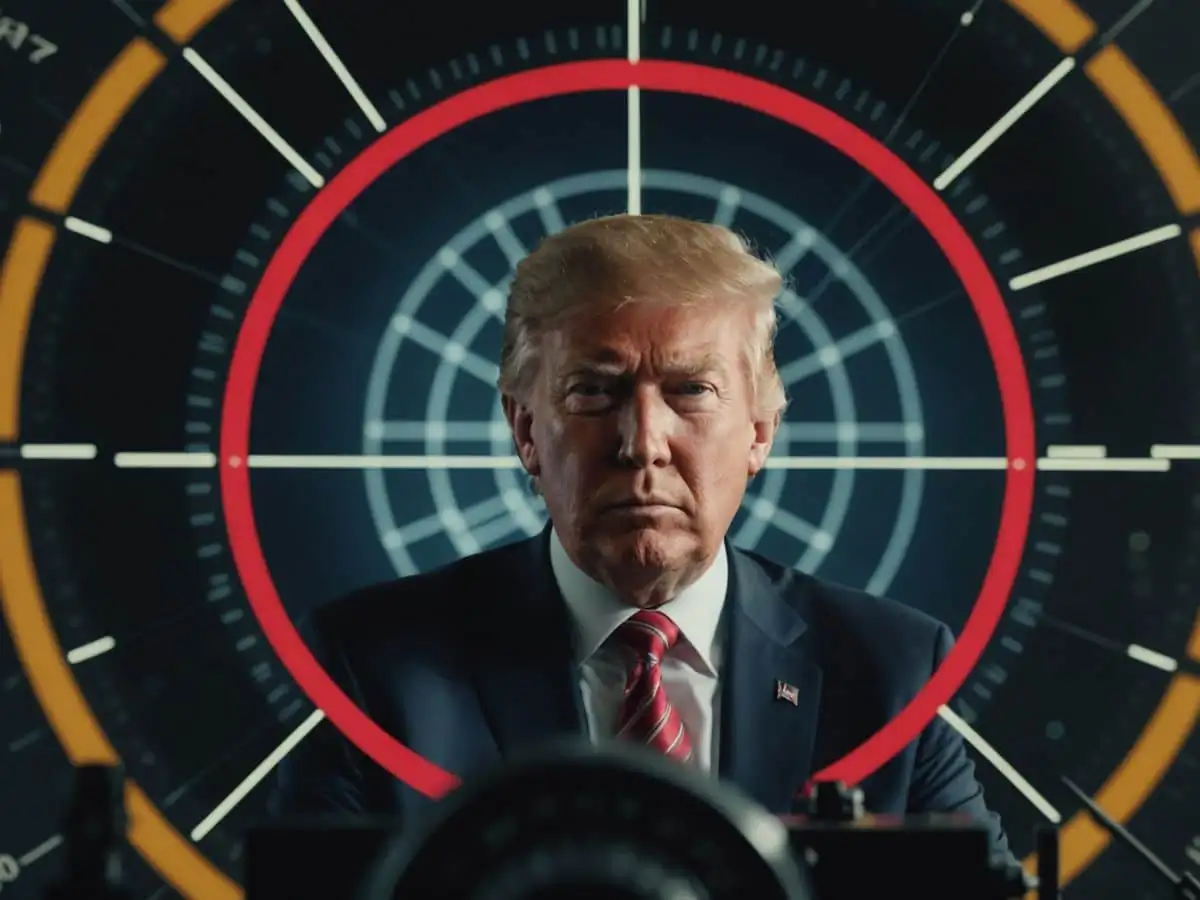
    On July 3rd, 2024, an announcement was made that former President Donald Trump would host a rally on July 13th at the Butler Farm Showgrounds in Kessing Township, Pennsylvania. This rally was a significant part of Trump’s campaign strategy to garner support in a key battleground state. However, the event took a shocking turn when an assassination attempt unfolded, marking a day of chaos and fear.

    Key Takeaways

    • Trump’s rally in Butler, Pennsylvania, was intended to boost his campaign.
    • An assassination attempt occurred, injuring Trump and several attendees.
    • Security lapses by the Secret Service raised serious concerns.
    • The shooter, Thomas Crooks, was identified and killed by a Secret Service sniper.

    The Build-Up to the Rally

    Preparations for the rally began on July 10th, with an advanced team setting up equipment in a large open field. Trump arrived on stage at approximately 6:03 p.m., where he began discussing the increase in illegal immigration during President Biden’s administration. As he spoke, the atmosphere was charged with anticipation and excitement from his supporters.

    The Assassination Attempt

    At around 8 minutes into Trump’s speech, chaos erupted as eight shots were fired into the crowd by Thomas Crooks. The gunfire injured Trump and three attendees before a Secret Service sniper fatally shot Crooks. Witnesses reported that rally-goers shouted for everyone to duck, highlighting the panic that ensued during this public assassination attempt.

    Security Measures and Lapses

    Despite the presence of Secret Service counter-snipers, significant security lapses were evident. The Secret Service had received multiple warnings about a suspicious individual, Crooks, prior to the shooting. Notably, Crooks was spotted outside a secured area and was flagged as suspicious by local police and counter-snipers, yet he was not apprehended before the attack.

    Timeline of Events Leading to the Shooting

    1. 5:06 PM – Crooks was spotted outside the secured area of the rally.
    2. 5:14 PM – A counter-sniper captured a photo of Crooks using a rangefinder.
    3. 5:52 PM – The Secret Service was informed about Crooks but lost sight of him.
    4. 5:33 PM – Trump’s convoy arrived at the rally.
    5. 6:03 PM – Trump began his speech.
    6. 8 Minutes In – The shooting occurred.

    The Aftermath

    Trump was shot in the upper right ear but was quickly shielded by his Secret Service agents. He was escorted off stage, visibly injured but still able to raise his fist and encourage the crowd. Tragically, Cory Comparator, a 50-year-old attendee, was killed while trying to protect his family from the gunfire. Two other attendees were critically injured but stabilized shortly after.

    Investigations and Reactions

    In the wake of the shooting, Secret Service Director Kimberly Cheel faced intense scrutiny during a Congressional hearing. Lawmakers from both parties demanded accountability for the security failures that allowed Crooks to carry out the attack. Cheel acknowledged the agency’s shortcomings and pledged to investigate the incident thoroughly.

    The Shooter’s Background

    Thomas Crooks, the 20-year-old gunman, was found to have explosives in his vehicle and a remote transmitter in his pocket. Investigators discovered that he had searched for information about Trump and other public figures, raising questions about his motives. A post attributed to him on a gaming platform hinted at his intentions for the day of the rally.

    Conclusion

    The assassination attempt on Trump at the Butler rally serves as a stark reminder of the vulnerabilities in security protocols during high-profile events. As investigations continue, the incident highlights the need for improved measures to protect public figures and ensure the safety of attendees at political gatherings. This event will undoubtedly be remembered as a significant moment in American political history, reflecting the ongoing tensions and challenges faced in today’s society.

  • U.S. and Iran’s Naval Tango: The Alborz Warship’s Red Sea Entry

    U.S. and Iran’s Naval Tango: The Alborz Warship’s Red Sea Entry

    In a tense political atmosphere, Venezuela recently held a presidential election that has sparked widespread controversy and allegations of fraud. President Nicolas Maduro was declared the winner, but the opposition and international observers have raised serious concerns about the legitimacy of the results. This article delves into the unfolding situation, the reactions from various stakeholders, and the implications for Venezuela’s future.

    Key Takeaways

    • Maduro’s Victory: Nicolas Maduro was declared the winner of the presidential election, despite opposition claims of widespread support for challenger Edmundo Gonzalez Urrutia.
    • International Concerns: U.S. Secretary of State Antony Blinken and several Latin American countries have expressed doubts about the election’s integrity.
    • Calls for Transparency: There are urgent calls for the Venezuelan electoral authorities to publish detailed voting data and ensure transparency.
    • Potential for Change: Despite the election’s irregularities, there is a glimmer of hope for a transition to democracy in Venezuela.

    The Election Results

    The Venezuelan National Electoral Council announced Maduro’s victory shortly after midnight, six hours after polls closed. This timing raised eyebrows, especially as the opposition claimed to be ahead in the vote count. Maduro’s rhetoric shifted from threats of violence if he lost to promises of peace and stability following the election.

    Opposition’s Response

    The opposition, led by Edmundo Gonzalez Urrutia, quickly rejected the results, asserting that they had won the election. They claimed overwhelming support across the country, emphasizing that the election was marred by irregularities and fraud. The opposition’s declaration of victory highlights the deep divisions within the country and the challenges facing any potential transition of power.

    International Reactions

    The international community has been closely monitoring the situation in Venezuela. U.S. Secretary of State Antony Blinken called for transparency and accountability from the electoral authorities, expressing serious concerns that the announced results do not reflect the will of the Venezuelan people. Several Latin American countries, including Chile, Peru, and Costa Rica, have also voiced skepticism regarding the election’s legitimacy.

    Allegations of Fraud

    Accusations of fraud have dominated discussions surrounding the election. Observers noted that the results contradicted exit polls and the evidence gathered during the voting process. The opposition had representatives at most polling stations, raising questions about the validity of the government’s claims. The lack of credible data from the electoral authorities has only fueled doubts about the announced results.

    The Path Forward

    Despite the election’s controversies, some analysts believe there is an opportunity for change in Venezuela. The significant voter turnout indicates a desire for a shift away from Maduro’s regime. However, the question remains whether Maduro will willingly relinquish power or if the international community will take decisive action to support a transition to democracy.

    The Role of Regional Powers

    Countries like Brazil and Colombia, which have historically had close ties to Maduro’s government, hold significant influence in this situation. Their responses to the election results could play a crucial role in shaping Venezuela’s political landscape. Observers hope that these nations will engage in private discussions with Maduro to emphasize the need for legitimate governance and respect for the people’s will.

    Conclusion

    Venezuela stands at a crossroads, with uncertainty looming over its political future. The recent election has exposed deep divisions within the country and raised critical questions about the integrity of its democratic processes. As the international community watches closely, the actions taken by regional powers and the response of the Venezuelan people will be pivotal in determining the path forward for this troubled nation.

  • The Hidden Loopholes: How Russia Continues to Profit from Fossil Fuels Amid Sanctions

    The Hidden Loopholes: How Russia Continues to Profit from Fossil Fuels Amid Sanctions

    The ongoing conflict in Ukraine has led to a complex web of sanctions against Russia, particularly targeting its fossil fuel exports. Despite these efforts, Russia has managed to generate substantial revenue, raising questions about the effectiveness of these sanctions and the loopholes that allow this to happen.

    Key Takeaways

    • Russia has earned approximately 700 billion euros from fossil fuel sales since the start of the Ukraine war.
    • Current sanctions have reduced Russia’s fossil fuel export revenues by about 12%, but further measures could increase this to 32%.
    • Loopholes in sanctions allow Russia to sell crude oil to countries like India, China, and Turkey, which then refine it into products sold to sanctioning nations.
    • The EU’s fear of rising energy prices has hindered more aggressive sanctions.

    The Financial Backbone of Russia’s War

    Russia’s economy is heavily reliant on fossil fuel exports, with nearly 50% of its tax revenues coming from oil, gas, and coal sales. Since the invasion of Ukraine, the country has reportedly made around 700 billion euros from these exports. While sanctions have had some impact, they have not sufficiently crippled Russia’s ability to finance its military operations.

    The Impact of Sanctions

    The sanctions imposed by Western nations have led to a 12% reduction in Russia’s fossil fuel export revenues, equating to about 3.4 billion euros per month. However, experts suggest that with more stringent sanctions, this figure could potentially drop by 32%, amounting to nearly 7 billion euros monthly.

    Despite these reductions, the sanctions have not fully addressed the loopholes that allow Russia to continue profiting from its oil sales. For instance, countries like India, China, and Turkey legally purchase Russian crude oil, refine it, and then sell the refined products to sanctioning countries, effectively circumventing the intended impact of the sanctions.

    The Role of Political Will

    One of the significant challenges in enforcing effective sanctions is the political will of Western nations. Concerns about rising energy prices have led to a reluctance to impose stricter measures. For example, the EU has refrained from capping natural gas imports from Russia, which has allowed gas flows to continue unabated.

    Case Studies: Bulgaria and Beyond

    Bulgaria serves as a notable example of how exemptions in sanctions can lead to increased reliance on Russian oil. Initially, Bulgaria’s dependence on Russian oil rose from 70% to 90% due to an exemption, but this has since changed, and the country is now at 0% reliance. This case illustrates that with the right policies, countries can reduce their dependence on Russian fossil fuels without significant economic repercussions.

    The Pain Threshold for Western Nations

    Western nations must confront the pain threshold associated with reducing reliance on Russian fossil fuels. The fear of price spikes has led to a cautious approach, but experts argue that these fears are often unfounded. Without a concerted effort to reduce dependence, countries will continue to purchase Russian fossil fuels, increasing their vulnerability to price manipulation by the Kremlin.

    Addressing the Loopholes

    To effectively combat the loopholes in the current sanctions, experts recommend banning the importation of oil products from refineries that use Russian crude. For instance, a refinery in India, part-owned by a sanctioned Russian company, could be targeted to prevent the flow of Russian oil products into the UK.

    The Shadow Fleet Dilemma

    The emergence of a shadow fleet—a collection of aging tankers used to transport Russian oil—poses another challenge. These vessels often lack proper safety measures and insurance, raising environmental concerns. Recent sanctions against these tankers have shown promise, with a significant reduction in the amount of Russian oil transported by sanctioned vessels.

    Conclusion

    The ongoing conflict in Ukraine and the associated sanctions against Russia highlight the complexities of global energy politics. While sanctions have had some success in reducing Russia’s fossil fuel revenues, significant loopholes remain. A more aggressive and coordinated approach is necessary to close these gaps and diminish Russia’s ability to finance its military operations through fossil fuel sales. The urgency of this issue cannot be overstated, as each day that passes allows Russia to continue profiting from its energy exports, further prolonging the conflict in Ukraine.

  • Current Affairs with a Twist: How Hidden Agendas Shape Our World

    Current Affairs with a Twist: How Hidden Agendas Shape Our World

    In today’s world, unseen forces often pull the strings behind major events. From the media we consume to the politics we follow, hidden agendas shape our reality. This article dives into the secret influences that mold our world, revealing the power plays behind the scenes.

    Key Takeaways

    • Media can shape our views and opinions through ownership and bias.
    • Political decisions are often influenced by lobbyists and hidden powers.
    • Economic crises can be driven by the interests of central banks and corporations.
    • Secret societies and exclusive clubs may have a significant impact on global affairs.
    • Misinformation spreads quickly, affecting how we perceive truth and reality.

    The Power of Media: Shaping Perceptions and Agendas

    Media icons controlling globe with hidden strings attached.

    We live in a world where media is everywhere. From TV to social media, it shapes how we see the world. Media has the power to control what we think is important. This is known as the agenda-setting role of the mass media. Let’s dive into how this works and why it matters.

    Political Puppetry: Who’s Really in Charge?

    Lobbyists and Their Influence

    Ever wonder why certain laws get passed while others don’t? It’s often because of lobbyists. These folks are paid to persuade politicians to support specific policies. They have deep pockets and lots of connections. Lobbyists can sway decisions that affect millions of people. It’s like a game of chess, and we’re the pawns.

    The Shadow Governments: Fact or Fiction?

    Is there a secret group controlling everything behind the scenes? Some say yes, others say no. Shows like Into the Parabnormal with Jeremy Scott dive into these theories. Whether you believe it or not, the idea of a shadow government is both fascinating and terrifying. Are we really in control, or just following a script?

    Election Interference: A Global Phenomenon

    Elections are supposed to be fair, right? But what if they’re not? From hacking to spreading fake news, election interference is a big deal. Countries around the world have faced this issue. It’s not just about who wins, but how they win. And that can change everything.

    We need to stay informed and question what we see. Only then can we understand who’s really pulling the strings.

    Economic Agendas: The Hidden Hands Behind Financial Crises

    The Role of Central Banks

    Alright, let’s dive into the world of central banks. These institutions are like the puppet masters of our economy. They control the money supply, set interest rates, and can even bail out banks when things go south. But who really benefits from their actions? It’s not always the everyday folks like us. Sometimes, it feels like they’re playing a game of chess, and we’re just the pawns.

    Corporate Interests and Economic Policies

    Ever wonder why certain laws get passed? Or why some industries get huge tax breaks? It’s all about corporate interests. Big companies have a lot of power and money, and they use it to influence economic policies. They lobby politicians, fund campaigns, and even write some of the laws themselves. It’s a bit like having the fox guard the henhouse, don’t you think?

    Cryptocurrencies: Disrupting the Status Quo

    Cryptocurrencies are shaking things up. They’re decentralized, meaning no single entity controls them. This is a big deal because it takes power away from traditional financial institutions. But it’s not all sunshine and rainbows. Cryptos can be volatile, and there’s a lot of debate about their future. Still, they offer a glimpse of what a more democratized financial system could look like.

    In the world of current affairs unmasked, it’s crucial to separate fact from fiction. Delve into controversial stories, explore societal challenges, and understand the hidden agendas at play. From Epstein Island to cyberpsychosis, the truth is often more complex than it seems.

    Let’s keep our eyes open and question everything out there. The financial world is full of twists and turns, and it’s up to us to stay informed and vigilant.

    Secret Societies and Their Influence on World Affairs

    Freemasons have been around for centuries, and their influence is still felt today. They are often seen as a secretive group with hidden agendas. But what do they really do? Some say they are just a fraternity that does charity work. Others believe they pull the strings behind major world events. The truth might be somewhere in between.

    The Illuminati is one of the most talked-about secret societies. Are they real, or just a myth? Some people think they control everything from the media to the government. Shows like The Secret Teachings with Ryan Gable dive deep into these theories. Whether you believe in them or not, the idea of a powerful, hidden group is fascinating.

    Think tanks and exclusive clubs might not be as secretive as the Freemasons or the Illuminati, but they still hold a lot of power. These groups bring together the brightest minds to discuss and shape policies. They might not be plotting world domination, but their influence on world affairs is undeniable.

    It’s important to question who is really making the decisions that affect our lives. Are they elected officials, or are they members of these secretive groups?

    In the end, secret societies and exclusive clubs add a layer of mystery to our world. They remind us that not everything is as it seems. And sometimes, the most powerful forces are the ones we don’t see.

    The Science of Deception: How Misinformation Spreads

    Psychological Tactics in Misinformation

    We all know how fast a virus spreads. But did you know that misinformation spreads just as quickly? Sometimes, we share false info without even realizing it. Misinformation perceived as a bigger informational threat can be just as harmful as the real thing. It’s like a game of telephone, where the message gets twisted as it goes along. The people behind these tactics know exactly how to play on our emotions and biases. They use fear, anger, and even hope to make us believe and share their lies.

    The Role of Algorithms in Spreading Fake News

    Ever wonder why you keep seeing the same fake news over and over? Blame the algorithms! Social media platforms use complex algorithms to decide what you see. These algorithms prioritize content that gets a lot of engagement, like shares and comments. Unfortunately, fake news often gets more attention than the truth. So, the more people interact with it, the more it spreads. It’s a vicious cycle that keeps feeding us the same false information.

    Combating Misinformation: What Can Be Done?

    So, how do we fight back? First, we need to be more skeptical about what we read and share. Check the source. Is it reliable? Does it have proper attribution? Second, we can use technology to our advantage. There are tools and apps designed to help identify fake news. Lastly, education is key. The more we know about how misinformation works, the better we can protect ourselves and others from it.

    In a world where social media has no filters, everyone’s their own content creator. This can be empowering but also dangerous. We must navigate this new environment carefully to avoid falling for misinformation.

    The Intersection of Religion and Politics

    Religion and politics are two topics that often stir up strong emotions. When they intersect, things can get even more complicated. Let’s dive into how these two powerful forces shape our world.

    Religious Lobbying and Policy Making

    Religious groups have a big say in politics. They lobby for laws that match their beliefs. This can be seen in debates over issues like abortion and same-sex marriage. The first amendment to the country’s constitution prevents the government from having any authority in religion, but that doesn’t stop religious groups from trying to influence policy.

    The Influence of Evangelical Movements

    Evangelical movements are especially powerful in the United States. They have a huge impact on elections and policy decisions. Politicians often seek their support to win votes. This influence can shape everything from education to healthcare policies.

    Religious Conflicts and Political Power

    Religious conflicts can lead to political power struggles. When different religious groups clash, it often spills over into politics. This can destabilize governments and lead to long-term conflicts. Understanding these dynamics is key to understanding many of the world’s political issues.

    Religion and politics are never good things to talk about at work, but they are crucial to understanding the world we live in. We may not always agree, but we should be able to have true dialogue about these important topics.

    In the end, the intersection of religion and politics is a complex and often controversial topic. But by exploring it, we can better understand the forces that shape our world.

    Environmental Agendas: The Politics of Climate Change

    Corporate Greenwashing

    We’ve all seen it—companies boasting about their eco-friendly initiatives. But are they genuine or just a marketing ploy? Many corporations claim to be green while continuing harmful practices. This tactic, known as greenwashing, misleads consumers and hides the truth about their environmental impact. It’s crucial to dig deeper and hold these companies accountable.

    The Role of International Agreements

    International agreements like the Paris Accord aim to combat climate change on a global scale. These agreements set targets for reducing greenhouse gas emissions. But are they effective? While some countries make significant strides, others lag behind, often due to political and economic interests. We need to push for stronger commitments and real action.

    Grassroots Movements and Their Impact

    Grassroots movements are the unsung heroes in the fight against climate change. From local clean-up drives to global protests, these movements raise awareness and demand action. They show that ordinary people can make a difference. By joining these efforts, we can collectively push for policies that protect our planet.

    Are we dealing with current affairs or cover-ups? The stories the mainstream media won’t touch reveal hidden truths in government-industry relations, dark money in politics, environmental crises, and health risks ignored by mainstream media.

    Climate change is a big deal, and it’s shaping our world in ways we can’t ignore. If you want to learn more about how politics play a role in this, check out our website. We have tons of articles, podcasts, and videos that dive deep into these topics. Don’t miss out on the chance to get informed and make a difference!

    Conclusion

    In the end, it’s clear that hidden agendas play a big role in shaping our world. From politics to media, these unseen forces influence our daily lives in ways we might not even realize. By staying informed and questioning the status quo, we can better understand the true motives behind the headlines. Whether it’s a conspiracy theory on Ground Zero Radio or a shocking revelation on The Twist News, there’s always more to the story than meets the eye. So, keep digging, stay curious, and never stop seeking the truth.

    Frequently Asked Questions

    What is Ground Zero Radio?

    Ground Zero Radio is an online radio station that dives deep into conspiracy theories, paranormal events, and current affairs. It’s perfect for those who love exploring the unexplained.

    How does media ownership affect news?

    Media ownership can lead to bias in news reporting. Owners may push their own agendas, influencing what stories are told and how they’re presented.

    What role does social media play in spreading propaganda?

    Social media can quickly spread propaganda by allowing anyone to share information. Sometimes, this information isn’t checked for accuracy, leading to misinformation.

    Are secret societies like the Illuminati real?

    The existence of secret societies like the Illuminati is a topic of debate. Some believe they have a significant impact on world events, while others think they’re just myths.

    How do central banks influence financial crises?

    Central banks can influence financial crises through their control of money supply and interest rates. Their decisions can either stabilize or destabilize economies.

    What can be done to combat misinformation?

    Combating misinformation involves fact-checking, promoting media literacy, and using algorithms to detect and reduce the spread of false information.

  • The Philadelphia Experiment: Unraveling the Mystery of the USS Eldridge

    The Philadelphia Experiment: Unraveling the Mystery of the USS Eldridge

    In the midst of World War II, a tale emerged that would capture the imagination of conspiracy theorists and paranormal enthusiasts alike: the Philadelphia Experiment. Allegedly involving the USS Eldridge, this supposed military project aimed to make a warship invisible and even teleport it across the ocean. But what really happened? Let’s dive into the bizarre story behind this infamous legend.

    Key Takeaways

    • The Philadelphia Experiment is said to involve the USS Eldridge, a WWII destroyer escort.
    • Allegations include invisibility and teleportation experiments conducted by the U.S. Navy.
    • Eyewitness accounts and subsequent investigations have led to skepticism about the event’s authenticity.
    • The story has inspired numerous books, movies, and conspiracy theories.

    The Origins of the Legend

    The story of the Philadelphia Experiment begins in the fall of 1943, during a time when the U.S. Navy was desperate to protect its convoys from German U-boats. The USS Eldridge, a destroyer escort, was allegedly chosen for a top-secret experiment aimed at rendering ships invisible to enemy radar and even teleporting them to safety.

    According to believers, the experiment was based on a variation of Albert Einstein’s unified field theory, which was purportedly used to bend light around the ship, creating an electromagnetic fog. Eyewitness Carlos Aende claimed to have seen the Eldridge engulfed in a greenish mist before it vanished from sight.

    The Experiment Unfolds

    In July 1943, the experiment reportedly took place at the Philadelphia Naval Yard. A skeleton crew of scientists and officers observed as powerful electromagnetic fields surrounded the Eldridge. Aende described the ship as being enveloped in a strange, fiery fog, leading to claims of both optical and radar invisibility.

    However, the experiment did not end well. As the Eldridge allegedly reappeared in Norfolk, Virginia, reports surfaced of horrific consequences for the crew. Survivors claimed that some men were fused to the ship’s structure, while others experienced severe psychological trauma due to exposure to the intense electromagnetic fields.

    The Aftermath and Cover-Up

    Following the experiment, the Navy reportedly covered up the incident. Crew members were told to keep quiet, and many were classified as missing in action. The story of the Philadelphia Experiment began to circulate, fueled by rumors and the mysterious disappearance of the USS Eldridge.

    In the years that followed, the tale gained traction, leading to books and documentaries exploring the alleged experiment. However, skepticism grew as more evidence suggested that the Eldridge was never in Philadelphia during the time of the supposed experiment.

    The Role of Morris K. Jessup

    Morris K. Jessup, a scientist and author, became one of the first investigators into the Philadelphia Experiment. His book, The Case for the UFO, drew attention to the mysterious annotations made by three individuals who claimed to have knowledge of the experiment. Jessup’s untimely death in 1959, ruled a suicide, only added to the intrigue surrounding the story.

    The Confession of Carl Allen

    In 1969, Carl Allen, who had previously claimed to be Carlos Aende, confessed that the entire story was a hoax. This revelation dealt a significant blow to the credibility of the Philadelphia Experiment narrative. Despite this, the legend continued to thrive, with new books and documentaries perpetuating the myth.

    Modern Perspectives

    Today, the Philadelphia Experiment is often regarded as a modern myth, a tale that reflects humanity’s fascination with invisibility and teleportation. While some elements of the story may have roots in real military practices, such as degaussing to protect ships from magnetic mines, the more fantastical claims of invisibility and teleportation remain unsubstantiated.

    Conclusion

    The Philadelphia Experiment serves as a fascinating case study in how legends can evolve and persist over time. Despite the lack of credible evidence supporting the claims of invisibility and teleportation, the story continues to captivate audiences, inspiring countless works of fiction and conspiracy theories. Whether a product of wartime paranoia or a genuine military experiment gone awry, the tale of the USS Eldridge remains an enduring mystery in the annals of American folklore.

  • Exploring the Hidden Depths: The Search for Life on Mars

    Exploring the Hidden Depths: The Search for Life on Mars

    When it comes to the search for life on Mars, we might be looking in the wrong place. While Mars has long been considered a prime candidate for hosting life, recent insights suggest that the most promising locations may lie beneath its surface, where conditions could still be favorable for life to exist.

    Key Takeaways

    • Mars had conditions similar to early Earth that could have supported life.
    • Evidence of methane in Mars’ atmosphere raises questions about potential life.
    • Jezero Crater is a key site for exploration, but other locations may be more promising.
    • The Deep Biosphere on Earth provides insights into potential life on Mars.
    • Volcanic springs and underground environments could harbor Martian life today.

    The Early Conditions of Mars

    In the first billion years of its existence, Mars was remarkably similar to early Earth. It had a thick atmosphere, a magnetic field, and bodies of liquid water, all of which are essential for life as we know it. These conditions allowed for the possibility of life emerging on its surface before the planet underwent drastic changes that rendered it inhospitable.

    The Search for Evidence

    NASA’s rovers, particularly Perseverance and Curiosity, are investigating sites like Jezero Crater, which once held a large body of water. The hope is to find signs of ancient life preserved in sediment. As of April 2024, Perseverance has collected 21 rock core samples, drilling just a few centimeters into the Martian surface. The presence of methane detected by Curiosity, which appears at night and is absent during the day, adds to the intrigue, as methane on Earth is primarily produced by living organisms.

    Why Mars Might Have Hosted Life

    Mars had several key factors that could have supported life:

    1. Water: Essential for all known life forms.
    2. Chemical Building Blocks: Volcanic activity and thermal vents could have provided the necessary minerals and chemicals.
    3. Selective Pressure: A cyclical environment that alternated between wet and dry conditions could have fostered the evolution of early life forms.

    These elements suggest that Mars was once habitable, but after 1-2 billion years, the planet’s water dried up, and its atmosphere was stripped away, leading to the barren landscape we see today.

    Jezero Crater vs. Other Locations

    While Jezero Crater is a focal point for exploration, it may not be the best place to search for the origins of life. It lacks deep thermal vents and volcanic springs, which are crucial for the formation of life. Instead, locations like Columbia Hills, which have these features, may be more promising.

    The Deep Biosphere: A Model for Martian Life

    On Earth, life exists in a vast ecosystem known as the Deep Biosphere, which thrives kilometers beneath the surface. This environment is characterized by:

    • High Temperatures and Pressures: Life has adapted to extreme conditions.
    • Slow Metabolic Processes: Organisms can survive for extended periods with minimal resources.
    • Diversity: The deep biosphere is home to a significant portion of Earth’s microbial life.

    This model suggests that if life ever formed on Mars, it could have retreated underground to escape harsh surface conditions, potentially thriving in a similar deep biosphere.

    The Potential for Life Beneath the Surface

    If life exists on Mars today, it is likely to be found deep beneath the surface, where it would be shielded from the planet’s harsh environment. Volcanic springs could serve as gateways to these underground ecosystems, providing nutrients and warmth necessary for life to survive.

    Conclusion

    The search for life on Mars is far from over. While Jezero Crater is an important site, the potential for life may lie deeper within the Martian crust. As we continue to explore and gather data, we may uncover evidence of a thriving ecosystem that has persisted beneath the surface for millions of years. The quest for Martian life is a reminder of the mysteries that still await us in our exploration of the cosmos.

  • The Enigmatic Black Sea: Unveiling Its Secrets and Mysteries

    The Enigmatic Black Sea: Unveiling Its Secrets and Mysteries

    The Black Sea, often seen as a serene vacation spot with its sun-kissed beaches and tranquil waters, holds a complex history filled with ancient secrets and geological wonders. This article delves into the fascinating transformation of the Black Sea from a freshwater lake to the salty sea we know today, exploring the mysteries that lie beneath its surface.

    Key Takeaways

    • The Black Sea was once a freshwater lake approximately 8,000 years ago.
    • A catastrophic flood may have transformed the Black Sea, leading to its current state.
    • The region is rich in archaeological significance, with evidence of ancient human settlements.
    • The Black Sea’s unique ecosystem includes hydrogen sulfide and methane, creating a dangerous yet intriguing environment.

    Chapter 1: The Black Sea’s Freshwater Origins

    The Black Sea, as we recognize it today, is a relatively recent formation. About 8,000 years ago, it was likely a freshwater lake with a significantly lower water level. During the Ice Age, the ocean levels dropped, leading to the formation of this ancient lake. Research conducted on drilling materials revealed the presence of freshwater mollusks, indicating that the fauna of the Black Sea was adapted to freshwater conditions.

    • Key Evidence of Freshwater Existence:
      • Organic remains found under the seabed, including shells of freshwater mollusks.
      • Geological data confirming the existence of ancient riverbeds, now submerged.

    Chapter 2: The Catastrophic Flood Hypothesis

    The transition from a freshwater lake to the Black Sea we know today is shrouded in mystery. One prominent theory suggests a catastrophic flood occurred around 7,500 years ago. This flood was believed to be triggered by a geological event that broke through the Bosporus barrier, allowing salty seawater to surge into the Black Sea Basin.

    • Flood Details:
      • The floodwaters rose at an astonishing rate, potentially flooding settlements and displacing populations.
      • The volume of water flowing into the Black Sea was equivalent to 2.5 Amazons.

    Chapter 3: The Legacy of Human Habitation

    The Black Sea region is one of the oldest areas of human expansion, with evidence of Neanderthals and Homo sapiens inhabiting the area. Archaeological findings suggest that the shores of the ancient freshwater lake were populated by early humans, who thrived along the riverbanks.

    • Archaeological Significance:
      • Numerous sites dating back to the Paleolithic era have been discovered.
      • The transition to the Neolithic period coincided with the end of the last glacial period, leading to significant cultural developments.

    Chapter 4: The Global Flood Connection

    The rapid flooding of the Black Sea may have influenced flood myths across various cultures. The biblical story of Noah’s Ark and similar tales from Greek and Sumerian mythology could have roots in the events surrounding the Black Sea flood. This connection raises questions about the universality of flood legends and their origins.

    • Cultural Parallels:
      • Similar flood myths exist in diverse cultures, suggesting a shared historical experience.
      • The timing of these myths aligns with the end of the last glacial period, hinting at a collective memory of catastrophic flooding.

    Chapter 5: The Black Sea’s Unique Ecosystem

    Today, the Black Sea is characterized by its unique and dangerous ecosystem. Below a depth of 150-200 meters, the water is saturated with hydrogen sulfide, creating a nearly lifeless environment. This phenomenon is linked to the historical flooding and the decomposition of organic matter.

    • Ecosystem Insights:
      • The upper layers of the Black Sea support diverse marine life, while the deeper layers are anoxic.
      • Methane emissions from the seabed contribute to the Black Sea’s complex chemical environment.

    In conclusion, the Black Sea is not just a beautiful vacation destination; it is a site of profound historical and geological significance. Its transformation from a freshwater lake to a salty sea, coupled with the mysteries of ancient human habitation and unique ecological conditions, makes it one of the most intriguing bodies of water on our planet. As research continues, we may uncover even more secrets hidden beneath its waves.