Blog

  • The Loss of The Golden Age and The Darkened Skies of Antiquity

    The Loss of The Golden Age and The Darkened Skies of Antiquity

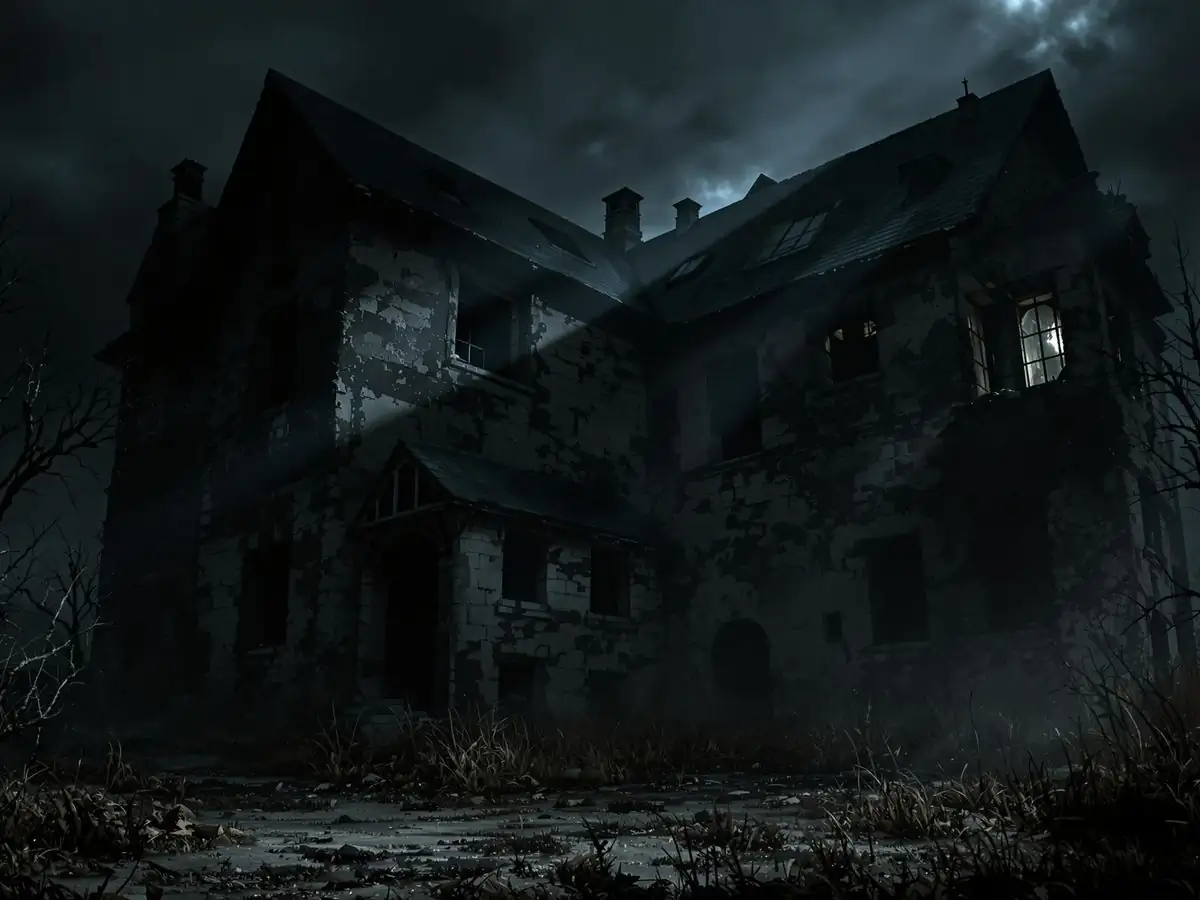
    In ancient narratives, the story of the darkened skies weaves a rich tapestry of myth, cosmic allegory, and spiritual transformation. This tale marks the end of the Golden Age under Saturn’s rule, a time characterized by harmony, abundance, and unity with the divine. As we delve into this mythological narrative, we uncover universal themes of cosmic upheaval, the loss of an ideal age, and the promise of renewal through divine intervention.

    Key Takeaways

    • The Golden Age symbolizes a period of perfection and harmony under Saturn’s rule.
    • The transition to a new era is marked by cosmic events and moral decline.
    • The figure of the Son of God represents hope and renewal across various cultures.
    • The narrative reflects real societal changes and the quest for meaning in adversity.

    The Golden Age Under Saturn

    The Golden Age is often depicted as a time of perfection where humanity thrived in a paradisiacal state. Under Saturn’s dominion, society flourished without the need for laws or labor. Saturn, known as Kronos in Greek mythology, was a wise and benevolent ruler, overseeing a world in perfect harmony with nature.

    This era symbolizes the zenith of human potential and the primordial unity between mankind and the divine. In esoteric traditions, Saturn’s rule is linked to discipline and cosmic balance, representing an age of innocence where mortality, greed, and suffering were unknown.

    The Darkened Skies: A Catastrophic Transition

    The narrative of the darkened skies signals the catastrophic end of this idyllic period. According to the myth, a celestial event marked this transition, causing the skies to darken, the earth to tremble, and the cosmic order to shatter. This upheaval is interpreted both literally and symbolically, representing planetary alignments, cosmic disasters, or moral decline.

    The darkened skies serve as a metaphor for humanity’s loss of direct connection to the divine, leading to chaos, toil, and division. This transition echoes the description of the five ages of man, where the Golden Age gives way to lesser epochs, culminating in the troubled Iron Age.

    The Arrival of the Son of God

    Amidst the turmoil, the narrative introduces the figure of the Son of God, a divine savior destined to restore balance and usher in a new era of spiritual enlightenment. This archetype is prevalent in many mythologies, symbolizing hope, renewal, and redemption.

    In Christian interpretations, the Son of God is associated with Jesus Christ, marking the end of an old covenant and the beginning of a new age of grace. Parallels can be drawn to other savior figures, such as Horus in Egyptian mythology and Krishna in Hinduism, each embodying the principle of divine intervention to restore cosmic order.

    The Cycle of Suffering and Resurrection

    The arrival of the Son of God often follows a pattern of suffering, sacrifice, and resurrection, reflecting the cyclical nature of life and the universe. As humanity grapples with the consequences of Saturn’s fall, they begin to believe that their actions affect the judgment of the Son of God. This belief leads to sacrifices made to appease divine anger, bridging the gap between humanity and the divine.

    Multiple Interpretations of the Myth

    The myth of the darkened skies and the end of Saturn’s rule can be interpreted on multiple levels. Saturn’s fall symbolizes the breaking of rigid cosmic cycles, while the transition from the Golden Age to an age of struggles mirrors humanity’s journey from innocence to self-awareness.

    The Son of God represents the inner self’s potential for transcendence and unity. The narrative encapsulates a theological framework of sin, judgment, and redemption, reflecting real societal changes such as the decline of agrarian societies and the collapse of ancient civilizations.

    Lessons from the Darkened Skies

    The story of the darkened skies continues to inspire and resonate, offering profound lessons about cycles of creation and destruction, the loss of innocence, and the hope for renewal. It encapsulates humanity’s enduring quest for meaning in the face of cosmic and personal trials.

    In a modern context, this myth reminds us of the interconnectedness of all things and the transformative power of spiritual awakening. The end of Saturn’s rule and the coming of the Son of God symbolize humanity’s eternal potential to rise above darkness and rediscover its divine origins.

    The Golden Epoch in Cultural Traditions

    In classical mythology, the Golden Epoch is famously described by Hesiod in his works. During this time, under Saturn’s rule, people lived in perfect harmony with nature. The concept of the Golden Age is echoed in various cultural traditions, such as the Sata Yuga in Hindu cosmology, representing a time of spiritual enlightenment and moral purity.

    Similarly, ancient Chinese traditions spoke of an age under the Yellow Emperor, characterized by harmony and innovation. In Christianity, the Garden of Eden embodies a comparable vision of innocence and divine connection.

    Conclusion: A Timeless Message

    The Golden Epoch represents humanity’s collective memory of a lost paradise and an innate longing for perfection. While the myth concludes with the decline of this ideal age due to human fallibility or cosmic cycles, it also holds the promise of renewal—a return to a state of grace through spiritual awakening or divine intervention. This timeless message transcends cultures and epochs, reminding us of our potential for growth and transformation in the face of adversity.

  • U.S. and Iran’s Naval Tango: The Alborz Warship’s Red Sea Entry

    U.S. and Iran’s Naval Tango: The Alborz Warship’s Red Sea Entry

    NASA has officially announced that the Sun has reached its peak in its 11-year cycle, marking the beginning of the solar maximum period of Solar Cycle 25. This event brings with it a series of fascinating phenomena that will impact our planet in the coming months.

    Key Takeaways

    • The Sun’s magnetic field has flipped, indicating the arrival of solar maximum.
    • Expect increased solar activity, including solar flares and coronal mass ejections.
    • The solar maximum period is expected to last for about a year.
    • Historical solar events have had significant impacts on Earth.
    • Solar activity has a minimal effect on global warming.

    On May 1st, 2024, a seemingly ordinary sunspot appeared on the eastern edge of the Sun. Initially, it was just another sunspot, but it quickly grew to a size 17 times larger than Earth. Scientists labeled it Active Region 3664, and it soon unleashed fierce solar flares, some powerful enough to trigger coronal mass ejections aimed straight at Earth. The result? One of the most dazzling aurora displays in recorded history, with vibrant lights stretching across the globe.

    According to NASA, this was the most powerful geomagnetic storm in 500 years, even rattling observatories deep underground. The Sun didn’t calm down after May; it continued to unleash bursts of M and mild X-class flares, keeping space weather experts on high alert.

    On October 3rd, the Sun released an enormous X9.0 flare, the strongest seen in seven years. Within a week, a powerful G4 geomagnetic storm hit Earth, lighting up the skies with vibrant auroras in places unaccustomed to such displays and disrupting radio communications.

    Understanding the Solar Cycle

    The Sun undergoes a dramatic transformation every 11 years, known as the solar cycle. This cycle involves changes in the Sun’s activity, magnetism, and appearance. The discovery of the solar cycle dates back to the late 1700s when astronomers noticed that sunspots appeared in a predictable pattern.

    • Solar Magnetic Field: The Sun’s magnetic field undergoes a complete reversal of polarity with each solar cycle, marking the solar maximum.
    • Solar Activity: Solar wind, flares, and coronal mass ejections reach their peak during the solar maximum.

    Currently, we are in Solar Cycle 25. Each cycle has unique characteristics, and while most follow the expected pattern, there have been unexplained periods of low solar activity, such as the Maunder Minimum (1645-1715) and the Dalton Minimum (1790-1830). These periods coincided with cooler global temperatures, raising questions about the relationship between solar activity and climate.

    The Current Solar Maximum

    Solar Cycle 25 began in December 2019, and predictions initially suggested it would be weaker than its predecessor. However, it has exceeded expectations, with the average daily sunspot number likely reaching 299 by August 2024, more than double the anticipated value. The solar maximum period has officially begun, but identifying the exact peak of activity will take time.

    Scientists expect the Sun to remain at its maximum phase for about another year before gradually sliding back to a quieter period known as the solar minimum. This means we can expect severe geomagnetic storms and spectacular auroral displays in the coming months.

    Historical Impacts of Solar Activity

    Significant solar storms have left lasting impacts on Earth. The Carrington Event of 1859 is the most famous, where a massive solar flare caused widespread disruptions to telegraph systems and illuminated the night sky with auroras as far south as the Caribbean.

    Other notable events include:

    • May 1921: The New York Railroad storm caused havoc on electrical infrastructure.
    • March 1989: A solar storm caused a major blackout in Quebec, Canada, affecting 6 million people.
    • Early 2022: A solar flare resulted in the loss of 40 newly launched Starlink satellites.

    Solar Activity and Global Warming

    A crucial question arises: does solar activity contribute to global warming? During solar maximum, there is a slight increase in solar radiation reaching Earth, but these variations are relatively small and have a limited impact on global temperatures. Historical data shows that while solar energy has fluctuated, global temperatures have risen markedly, indicating that the Sun is not the primary driver of the observed warming trend.

    The Beauty of Auroras

    One of the most exciting aspects of the solar maximum is the possibility of witnessing stunning auroras. When a coronal mass ejection collides with Earth’s magnetic field, it creates a mesmerizing display of lights. The best places to see these auroras include Canada, Alaska, Iceland, Norway, Sweden, Finland, Greenland, Tasmania, and southern parts of New Zealand.

    As we gear up for the solar maximum, it serves as a powerful reminder of our place within a vast, dynamic universe. The upcoming months promise to be filled with awe-inspiring solar phenomena that inspire us to look beyond our everyday routines.

  • House Committee Finds US Response To COVID-19 Pandemic Was ‘Deeply Flawed’

    House Committee Finds US Response To COVID-19 Pandemic Was ‘Deeply Flawed’

    In a significant development, lawmakers on Capitol Hill have been scrutinizing the U.S. response to the COVID-19 pandemic. The House Select Subcommittee on the Coronavirus has conducted extensive hearings and engaged with experts, culminating in a report that reveals critical insights into the pandemic’s management.

    Key Takeaways

    • The U.S. response to the pandemic was deemed “deeply flawed.”
    • COVID-19 likely emerged from a lab-related accident in Wuhan, China.
    • The six-foot social distancing guideline lacked scientific support.
    • School closures had detrimental effects on society.
    • Vaccines played a crucial role in saving millions of lives.

    The central conclusion of the report is stark: the U.S. response to the coronavirus pandemic was fundamentally flawed. This finding is backed by testimonies from key figures, including former CDC Director Robert Redfield, who suggested that COVID-19 likely resulted from an accidental lab leak rather than a natural spillover event.

    Emergence of COVID-19

    The report highlights that the origins of COVID-19 are still under investigation, but evidence points towards a possible lab-related accident at the Wuhan Institute of Virology. Redfield’s testimony has been pivotal in shaping this narrative, as he stated, “I came to believe and I still believe today that it indicates that COVID-19 more likely was the result of an accidental lab leak.”

    Social Distancing Guidelines

    Another critical finding of the report is the six-foot social distancing requirement. The committee concluded that this guideline was not supported by scientific evidence. Dr. Anthony Fauci, a prominent figure in the pandemic response, later admitted to this lack of scientific backing. This inconsistency raised questions about the effectiveness of the measures implemented during the pandemic.

    Impact of School Closures

    The report also delves into the harmful impacts of school closures on society. The decision to close schools has been criticized for its long-term effects on children’s education and mental health. The committee emphasized that these closures were not only detrimental to students but also to families and communities at large.

    Vaccine Mandates and Their Efficacy

    While the report criticized various aspects of the pandemic response, it acknowledged the significant role of vaccines. Vaccines have undoubtedly saved millions of lives by reducing the likelihood of severe disease and death. The report states, “It’s very clear that it saved millions of lives here and throughout the world.”

    Political Ramifications

    The investigation, led by House Republicans, has faced criticism for politicizing the pandemic. Lawmakers expressed concern that ongoing attacks on public health officials undermine public confidence in health institutions. This politicization complicates efforts to recruit and retain public health workers, which is crucial for effective pandemic management.

    Looking Ahead

    As the nation looks to the future, the report raises questions about the public health team choices of President-elect Donald Trump. The findings echo concerns about the qualifications and decisions of those in charge of managing public health crises.

    In conclusion, the House Select Subcommittee’s report serves as a critical reflection on the U.S. response to the COVID-19 pandemic. It highlights the need for a more scientifically grounded approach to public health and underscores the importance of learning from past mistakes to better prepare for future health crises.

  • U.S. Releases 14 Canadian Wolves Into The Wild And Saves $94 Billion

    U.S. Releases 14 Canadian Wolves Into The Wild And Saves $94 Billion

    In a remarkable turn of events, the reintroduction of just 14 Canadian wolves into Yellowstone National Park in 1995 sparked a transformation of the entire ecosystem. This initiative not only revived a dying landscape but also led to an economic miracle, saving the U.S. an astonishing $94 billion.

    Key Takeaways

    • The reintroduction of wolves changed the behavior of elk, leading to ecological restoration.
    • The return of wolves had a cascading effect on various species and the environment.
    • Economic benefits from wolf reintroduction include increased tourism and reduced costs in water treatment and road maintenance.

    The Early 1900s: A Dark Time for Wolves

    In the early 1900s, wolves were viewed as dangerous pests. The U.S. government employed official wolf killers, leading to the extinction of the last wolf pack in Yellowstone by 1926. This was celebrated as a victory, but it marked the beginning of ecological decline.

    The Elk Explosion

    Without wolves, the elk population skyrocketed. By the 1990s, there were about 19,000 elk in Yellowstone’s Northern range. These elk overgrazed, consuming young trees and shrubs, leading to a barren landscape.

    The Ecology of Fear

    Wolves do more than just hunt; they influence elk behavior. This phenomenon, known as the Ecology of Fear, means that elk avoid certain areas where wolves might ambush them. Without this natural predator, elk grazed freely, devastating the ecosystem.

    The Decision to Reintroduce Wolves

    The decision to bring back wolves was controversial. Ranchers feared for their livestock, and hunters worried about the elk population. However, scientists carefully selected Canadian wolves that were accustomed to hunting similar prey and had no history of conflict with humans.

    The Reintroduction Process

    In January 1995, 14 wolves were transported to Yellowstone. They were kept in acclimation pens before their release. Surprisingly, the wolves thrived, forming packs with unique personalities and hunting styles. The Druid Peak pack, led by a wolf known as 21M, became legendary for its size and behavior.

    The Trophic Cascade Effect

    The return of wolves initiated a trophic cascade. Elk populations began to decline, not just from hunting but also due to behavioral changes. They avoided valleys and riverbanks, allowing young trees to grow. This led to stabilized riverbanks, reduced erosion, and clearer rivers.

    The Return of Beavers

    With more trees, beavers returned to Yellowstone. In 1995, there was only one beaver colony; by 2012, there were nine. Beavers create wetlands that support diverse wildlife and improve water quality.

    Impact on Other Species

    Wolves also affected grizzly bears. Leftover elk carcasses from wolf kills provided a crucial food source for bears. Additionally, with fewer elk eating berry bushes, more berries grew, benefiting bears preparing for hibernation.

    Surprising Discoveries

    In 2017, scientists found that wolves might even influence Yellowstone’s supervolcano. Overgrazing by elk had compacted the soil, affecting heat dispersion. With wolves back, the soil became less compacted, allowing heat to disperse more evenly.

    The Coyote Conundrum

    Wolves also impacted coyotes, reducing their population by 50%. This led to an increase in small mammals, which in turn provided more food for birds of prey and other predators, creating a more stable food web.

    Economic Benefits

    The economic impact of the wolf reintroduction is staggering. Wolf watching alone generates about $35 million annually for local communities. Healthier forests capture carbon dioxide, reducing climate change impacts, while restored wetlands prevent flooding and improve water storage.

    Challenges and Controversies

    Despite successes, challenges remain. The shooting of the famous wolf 832F in 2012 highlighted the dangers wolves face outside park boundaries. This incident sparked debates about wolf conservation and hunting regulations.

    Resilience of Wolf Packs

    Research revealed that wolf packs are resilient. When an alpha wolf dies, the pack reorganizes and adapts, showcasing their remarkable social structure.

    Global Inspiration

    The success of the Yellowstone wolf project has inspired similar initiatives worldwide. Countries like Scotland and China are exploring wolf reintroduction to restore their ecosystems.

    Conclusion: Nature’s Healing Power

    The story of the 14 Canadian wolves is a testament to nature’s ability to heal itself when given a chance. Today, there are approximately 528 wolves in the greater Yellowstone ecosystem, attracting over 500,000 visitors annually. The reintroduction has not only restored the ecosystem but also saved billions of dollars, proving that sometimes, the best way to fix an ecosystem is to let nature take its course.

  • Asteroid Nearly Hits Earth in Siberia, With a 2nd Massive Asteroid Passing This Week

    Asteroid Nearly Hits Earth in Siberia, With a 2nd Massive Asteroid Passing This Week

    In a startling turn of events, a small asteroid made headlines as it nearly collided with Earth, lighting up the skies over Siberia. This incident, along with another massive asteroid passing by, has raised eyebrows and sparked discussions about potential apocalyptic signs.

    Key Takeaways

    • A small asteroid, C0WC5, entered Earth’s atmosphere, creating a bright fireball in Siberia.
    • A larger asteroid, 2020 XR, is set to pass Earth at a safe distance but is still considered potentially hazardous.
    • Current global events are being linked to biblical prophecies, raising concerns about the end times.

    The Asteroid Incident

    On Tuesday, a small asteroid known as C0WC5 was visible in Northern Siberia as it approached Earth. The European Space Agency alerted the public that this 27-inch asteroid would create a visible fireball upon entry. Fortunately, the impact was deemed harmless, and it entered Earth’s atmosphere in northeastern Siberia, producing a bright fireball that was witnessed by locals. This event marked the fourth detected asteroid strike of the year.

    Later this week, a much larger asteroid, 2020 XR, is expected to pass by Earth at a safe distance of 1.37 million miles. Despite this distance, it is still classified as potentially hazardous due to its proximity to our planet.

    Apocalyptic Events and Prophecies

    The world is currently experiencing a series of alarming events, including:

    • Historic weather disasters
    • Earthquakes
    • Droughts
    • Wildfires
    • Economic collapse
    • The rise of AI

    These occurrences have led many to speculate whether they are signs of the end times as described in biblical prophecies. In the book Revelation 911, Pastor Paul Begley and journalist Troy Anderson explore these connections, questioning if current events are indeed fulfilling biblical predictions.

    Political Turmoil in South Korea

    In a separate but equally concerning event, South Korea experienced a brief period of martial law that lasted just six hours. President Yun Suk-yeol suspended Parliament, banned political gatherings, and ended a doctor strike, citing vague threats from North Korea. This move sparked widespread outrage, leading to protests and calls for impeachment. The National Assembly ultimately voted to lift the martial law, highlighting the political chaos in the country.

    A Good Samaritan’s Heroic Act

    In Indiana, a Good Samaritan made headlines after discovering two infant girls left in car seats in a ditch. The babies, aged four and five months, were found in a stolen vehicle. The man, who was retrieving a package, immediately called 911, and police later confirmed the children were the missing girls. Authorities praised the Samaritan for his timely action, especially given the cold weather conditions.

    A Call to Action

    As these events unfold, there is a growing sense of urgency. The message is clear: if you haven’t given your life to Jesus Christ, now is the time to consider it. Many believe we are on the brink of the Rapture, and the signs are becoming increasingly evident. The prophecies in the Bible suggest that we are in an apocalyptic hour, and it is essential to be prepared.

    In conclusion, the recent asteroid events, political turmoil, and acts of heroism all contribute to a narrative that many are interpreting as a sign of the times. Whether these are indeed prophetic signs or simply coincidental events, they serve as a reminder of the unpredictability of our world and the importance of faith in uncertain times.

  • Buried Secrets of Chernobyl: 5 Mysterious Abandoned Artifacts

    Buried Secrets of Chernobyl: 5 Mysterious Abandoned Artifacts

    Hidden in the dense woods outside Pripyat lies one of the most unsettling remnants of the Chernobyl disaster: a colossal steel claw, frozen in its final act. The claw, once part of a crane used in the cleanup after Reactor Four exploded, has become an unintentional monument to the catastrophe—so radioactive that mere contact could be deadly.

    This digger claw, nicknamed “The Claw of Death,” began its terrible legacy in the chaotic weeks following April 26, 1986, when Chernobyl’s reactor erupted in an explosion of steam and flames. The blast was so intense it hurled control rods, fuel, and radioactive graphite blocks—some weighing hundreds of pounds—onto the rooftops surrounding the reactor building.

    This graphite, which had absorbed massive amounts of radiation from the reactor core, turned the rooftops into some of the most radioactive places on earth. Standing on these surfaces for even a minute would lead to fatal radiation sickness, the lethal doses accumulating faster than any protection could counter.

    In those early days, the Soviet cleanup teams faced a desperate dilemma: the graphite had to be moved to avoid further contamination, but neither humans nor most machines could survive prolonged exposure. Robots were deployed to remove the graphite, but they lasted only minutes before the intense radiation fried their circuits.

    With few other options, Soviet workers turned to machines like the crane, whose claw became part of the final line of defense in pushing radioactive debris back into the shattered core. Every time it grabbed another block, radiation accumulated in the steel. By the time it had completed its task, the claw was beyond rescue—a piece of machinery now nearly as radioactive as the debris it had moved.

    Afterward, cleanup teams transported it or perhaps abandoned it to a secluded part of the forest far from human habitation. But in 2019, archaeologist Robert Maxwell stumbled upon it during a private tour. Venturing into the forest with a Geiger counter, he came face to face with the claw’s eerie latent power. The counter screamed as he measured its radiation levels climbing past 39.8 micro Sieverts per hour—hundreds of times higher than safe background levels. In a single day, the claw radiates about 950 micro Sieverts, enough to put anyone near it at risk of serious illness.

    Maxwell’s encounter with the claw wasn’t without caution. He noted how radioactive dust can cling to surfaces or be inhaled, threatening anyone who lingers too long. Yet despite warnings and the claw’s infamy, it has continued to attract a few daring tourists. One particularly controversial photo shows two female visitors climbing inside the claw, grinning and posing for the camera as if it were an amusement park prop.

    Today, the claw sits undisturbed. Some locals believe it will remain there indefinitely—a machine that can no longer serve but cannot safely be removed.

    Key Takeaways

    • The Claw of Death is a chilling reminder of the Chernobyl disaster.
    • It became highly radioactive while moving debris from the reactor core.
    • The claw’s radiation levels are dangerously high, posing risks to anyone nearby.
    • Despite its dangers, it attracts adventurous tourists.
    • The claw remains abandoned in the forest, a haunting relic of the past.

    In the gray sand of the dark, dripping basement of Pripyat’s abandoned Jupiter Factory, something disturbing lies in wait. Vast containers of black and gray sand laced with radioactive elements seem to pulse with secrets buried in the shadows of Chernobyl. Was the sand part of a forgotten experiment? A relic of a darker purpose? What was such dangerously radioactive material doing in the basement of a supposedly civilian factory?

    Opened in 1980, the Jupiter Factory manufactured cassette recorders and home electronics. However, its official role seems to have been a cover for covert operations in semiconductor production, supporting Soviet military needs. Employing over 3,500 people at its peak, Jupiter remained partially active even after the 1986 Chernobyl disaster, quietly conducting radiological research before its final closure in 1996.

    As rumors grew about this hidden military lab, so did the interest surrounding its basement—a space now known for housing containers of a mysterious powder. The sand itself, a gray-black powder, is supposedly unnervingly radioactive, measured by some explorers at levels over 2500 micro Sieverts per hour. Analysis has shown that it contains elements directly linked to Chernobyl’s RBMK nuclear reactors, such as strontium-90, cesium-137, and plutonium.

    In a site already infamous for contamination, these readings rank among the most dangerous outside the reactor core. Adding to the mystery are shelves upon shelves of soil bags, clear and labeled around the sand. Some believe these samples were essential to Jupiter’s secondary mission to research radiation decontamination techniques in the exclusion zone’s early years.

    As Jupiter’s legacy fades into decay, the basement’s mysterious sand is a reminder of the factory’s ghostly double life. Was this gray sand simply a relic of Soviet-era decontamination tests, or was it one final mystery left beneath the quiet ruins of Pripyat?

    The A5 Button: A Catalyst of Catastrophe

    In the early hours of April 26, 1986, the reactor control room of Chernobyl’s Unit 4 pulsed with the glow of warning lights and the anxious murmurs of engineers. They were conducting a safety test to determine whether the reactor’s cooling pumps could continue running on residual turbine power in the event of a power outage. At the center of this controlled chaos was a single red button—the A5, designed as the ultimate fail-safe.

    Pressing this button should have shut down the reactor in seconds. Yet on this fateful night, no one knew it would act as a detonator. When reactor operator Leonid Toptunov broke the tamper-evident wax seal on the A5 button and pressed down, it initiated an emergency scram procedure designed to halt the nuclear reactions. However, the control rods had a critical design flaw, leading to an unexpected surge in reactivity.

    This surge sent the reactor’s power soaring out of control, causing the fuel rods to overheat and shatter, generating steam at a rate the reactor could not contain. The resulting pressure violently breached the reactor vessel, triggering explosions that ejected radioactive material and destroyed much of the building’s structure.

    Today, the A5 button exists only as an empty socket, a haunting reminder of the catastrophic sequence it once initiated. The button and its protective cover were likely removed as unofficial souvenirs during early cleanup operations after the disaster.

    The Haunting Basement of Pripyat Hospital

    The basement of Pripyat Hospital Number 126 holds no bodies, yet it remains one of the most haunting burial chambers in modern history. Here, beneath the crumbling Soviet-era hospital complex, lie the abandoned uniforms, helmets, and boots of the first firefighters who rushed to contain the Chernobyl disaster—items so radioactive that after nearly four decades, they can still deliver a lethal dose within hours.

    The hospital, once serving Pripyat’s 49,000 residents, became a site of tragedy as emergency workers faced radiation levels six to seven times the lethal dose. The basement transformed into one of the most dangerous places in Pripyat, filled with the remnants of those who bravely responded to the disaster.

    Modern-day visitors to the hospital basement report readings that still surge off the scale. Some disaster tourists have ventured into the basement, leaving with deadly souvenirs, including a firefighter’s helmet that disappeared, leaving behind only its highly radioactive straps.

    Room 3052: The Ominous Threat

    In the depths of the Chernobyl nuclear power plant lies Room 3052, where neutron counts signal potential nuclear reactions have been steadily climbing over the past four years. At the heart of the danger lies a chilling remnant of the 1986 disaster—a mass of radioactive corium, the same substance that formed the infamous elephant’s foot.

    This deadly mixture, weighing nearly 100 tons, surged through cracks and pipes, cooling into grotesque formations. Decades later, the peril of Chernobyl has not entirely subsided. Room 3052 confronts researchers with a growing puzzle and renewed danger as neutron counts continue to rise.

    Plans are underway to send robots into the room to drill into the formations and insert boron rods, which can absorb excess neutrons and halt the chain reactions. However, the material has become fragile over time, raising fears that any disturbance could release radioactive dust into the air.

    The story of Chernobyl is far from over. As the haunting relics of its past defy time, they serve as both a reminder and a warning. The forces unleashed that fateful night in 1986 remain a danger, still shaping the future in unforeseen ways.

    Which artifact from Chernobyl do you think holds the most untold secrets? Let me know in the comments!

  • Moloch Disclosed: What’s Hiding Behind The Dark God’s Evil Deeds?

    Moloch Disclosed: What’s Hiding Behind The Dark God’s Evil Deeds?

    Throughout history, certain names carry a weight that hangs heavy in the air. They are symbols, omens, and burdens carried through time. Moloch is perhaps one that hangs heavier than most. His story is one of fire, fear, and a price so steep it still chills the soul. But who or what was Moloch? Was he a god, a demon, or merely a dark reflection of humanity’s willingness to sacrifice everything in the name of power?

    Moloch’s reputation spans millennia, rooted in the ancient religions of the Near East. In the Hebrew Bible, he is condemned as a god worshiped by neighboring cultures who practiced child sacrifice. Over time, his image evolved from that of a deity to a demonic figure in Christian and occult traditions. To his followers, Moloch represented power and prosperity, but to his critics, he was a symbol of depravity and corruption—a dark mirror reflecting humanity’s worst instincts.

    Key Takeaways

    • Moloch’s origins trace back to the Canaanite pantheon.
    • He was associated with child sacrifice and brutal rituals.
    • His transformation from a god to a demon reflects changing societal values.
    • Modern interpretations link him to greed, ambition, and secret societies.

    The story of Moloch begins in the ancient Near East amidst the fertile lands of Canaan and surrounding regions. These societies were deeply rooted in agrarian cycles, where the promise of abundant harvests and protection from calamity often rested on the favor of their gods. Early texts suggest he was revered as a god of fire, his essence intertwined with the scorching flames that symbolize both destruction and renewal. It was believed that only through offerings of great value could his favor be secured, and the cost was often unimaginable.

    Moloch’s infamy is cemented in religious texts, most notably the Hebrew Bible, where he is portrayed as the god of a detested and forbidden practice. In Leviticus 18:21, the Israelites are warned not to give any of their children to be sacrificed to Moloch. Deuteronomy 12:31 goes further, condemning the neighboring tribes who burned their sons and daughters in fire to their gods. These passages paint a grim picture of Moloch’s worship, emphasizing the brutal act of child sacrifice as central to his rites. The imagery of flames consuming the innocent became a powerful symbol of corruption and idolatry.

    The figure of Moloch has sparked intense scholarly debate. Was he a literal deity worshiped by the Canaanites, or was his name a title symbolizing a type of ritual? Some scholars suggest that Moloch wasn’t a singular god but rather a representation of a specific form of sacrifice, with the term derived from the Hebrew word “melik,” meaning king, a word that means sacrifice in the closely related Punic language. Others argue that Moloch was personified over time, evolving into a feared symbol of human excess and depravity. Regardless of his origins, the name Moloch continues to evoke dread, embodying a dark chapter of ancient religious practices.

    Devotees believed that to gain Moloch’s favor, they had to offer their most precious gift: their children. The sacrifices were carried out with grim ceremony, often amidst chants and prayers meant to drown out the cries of the victims. These acts were seen not as barbaric but as sacred—a grim transaction meant to ensure the prosperity of the community. Moloch was thought to reward such sacrifices with bountiful harvests, victory in war, or protection from disaster.

    Central to Moloch’s worship were the imposing bronze idols said to represent the deity. These statues were often crafted with outstretched hands designed to cradle the sacrificial offering before it was consumed by fire. In some accounts, the hollow interiors of these idols were heated until they glowed red-hot, turning them into both symbols and instruments of destruction. Historical records describe rituals where children were placed into the idol’s hands, sliding into the flame below. The air would grow thick with smoke, the wails of mourners blending with the rhythmic chants of the priests. These rituals were not merely acts of devotion; they were spectacles of power meant to display humanity’s submission to the divine.

    Moloch’s transformation from a revered deity to a feared demon is a story shaped by time and theology. In the ancient world, Moloch was seen as a god of power and necessity, albeit one whose worship demanded horrifying sacrifices. However, as the Hebrew Bible condemned the practices associated with him, Moloch’s image began to shift. By the time of early Christianity, he was no longer seen as a god but as a demon—one of many fallen beings aligned with Satan himself. This demonization was a tool of moral and spiritual instruction, casting Moloch as a cautionary figure, a symbol of idolatry and human depravity.

    In the realm of demonology, Moloch has cemented his place as a high-ranking demon, often associated with greed, sacrifice, and corruption. His name is invoked in rituals of power and destruction, reflecting his origins as a force that demanded ultimate sacrifices. Demonologists describe him as a being of fire, wielding both physical and spiritual flame to consume and torment. He is said to tempt humans into acts of greed and betrayal, urging them to sacrifice their humanity for fleeting gains. In infernal hierarchies, Moloch represents the extreme cost of ambition—an eternal warning to those who seek power at any price.

    Conspiracy theories link him to secret societies and shadowy rituals, painting him as a patron of greed and sacrificial practices in the pursuit of power. In some occult texts, Moloch is invoked as a force of destruction, capable of obliterating obstacles in exchange for profound sacrifices. Meanwhile, in popular culture, his name is a shorthand for ruthless ambition, appearing in novels, films, and media as an archetype of unyielding greed and the loss of morality.

    Whether as a demonic force or a cautionary metaphor, Moloch’s influence remains alive in both the spiritual and cultural imagination. His name appears in conspiracy theories linking him to secretive rituals, shadowy elites, and the pursuit of unchecked power. Unlike his biblical condemnation as a demon or idol, Moloch has been reimagined as a symbol of the sacrifices made in the name of ambition, greed, and control. These narratives paint him not only as an ancient deity but as a dark force still lurking in the corridors of power—a reminder that humanity’s willingness to sacrifice remains as potent as ever.

    Perhaps the most infamous modern association with Moloch is the Bohemian Grove rituals, a highly secretive gathering of influential and political figures in Northern California. While officially dismissed as theatrical performances, the centerpiece of these rituals involves an owl statue often attributed to Moloch and a dramatic act involving the burning of a mock human effigy. The owl, a symbol of wisdom, has been reinterpreted as a stand-in for the ancient deity, sparking fears of occult practices among the global elite. These theories, fueled by leaked images and video footage, have made Moloch a haunting specter in discussions of power, secrecy, and morality.

    Moloch has also become a symbol of unchecked greed and corruption, often invoked in discussions of societal sacrifice. His name surfaces in political discourse, whether it’s the exploitation of labor, environmental destruction, or the pursuit of wealth at the expense of morality. Moloch’s fire becomes a fitting image for this modern greed—a consuming force that spares nothing in its hunger for more. In this context, Moloch’s ancient rituals echo chillingly in the sacrifices made today for the altar of ambition.

    These modern interpretations of Moloch carry striking parallels to his ancient worship. Then as now, people sought to appease forces they couldn’t fully control, offering sacrifices in exchange for security, prosperity, or power. Whether through fire or metaphorical flames, Moloch’s story reveals a timeless truth: the greater the ambition, the greater the cost. In both the rituals of the past and the systems of the present, the sacrifices may change, but the desperation remains the same—a reflection of humanity’s enduring fear of losing what we value most.

    Are these modern stories about Moloch merely reflections of our deepest anxieties about power and corruption, or do they hint at something far more insidious? A continuity of practices that have existed in the shadows for centuries? The truth may remain elusive, but one thing is clear: whether myth or reality, Moloch’s shadow stretches across time, heavy and unshaken, leaving an indelible mark on the human psyche.

    Moloch’s shadow looms large over history, theology, and culture. From the ancient rituals of fire and sacrifice to his transformation into a demon of greed and corruption, his legacy serves as a stark reminder of the costs humanity has been willing to pay in pursuit of power and prosperity. His name has become a symbol of the ultimate price—one paid with innocence and life itself. Whether invoked as a warning against idolatry in sacred texts or reimagined in modern conspiracy theories, Moloch endures as a figure of fascination and fear. His story is not just one of the past but a reflection of our ongoing struggles with ambition, morality, and the sacrifices we deem acceptable. Was Moloch truly a god, a demon, or merely a cautionary tale of humanity’s darkest instincts? His legacy forces us to confront uncomfortable questions about the nature of power, sacrifice, and our willingness to submit to forces beyond our control. As we close this chapter, one truth remains undeniable: Moloch’s story continues to hang heavy in the air like a storm that never breaks.

  • Something WEIRD is Going On!!!

    Something WEIRD is Going On!!!

    In a shocking turn of events, the disappearance of 30-year-old Hannah Kobayashi has captivated the public’s attention. After a series of strange messages and a tragic family loss, the search for Hannah has taken unexpected twists, raising questions about her well-being and choices.

    Key Takeaways

    • Hannah Kobayashi went missing after arriving at LAX from Hawaii.
    • Her father, Ryan, tragically died by suicide while searching for her.
    • Cryptic text messages from Hannah raised concerns about her safety.
    • Authorities believe Hannah may have crossed into Mexico voluntarily.

    The Mysterious Disappearance

    Hannah Kobayashi, an aspiring photographer, was on her way from Hawaii to New York City when she missed her connecting flight at Los Angeles International Airport (LAX) on November 8th. Initially, her family thought she would take a later flight, but things took a dark turn when they received alarming messages from her.

    On November 11th, Hannah’s family began receiving strange texts that were out of character for her. The messages included phrases like:

    • “Deep hackers wiped my identity.”
    • “Stole all my funds and I’m just really scared.”
    • “I risk my freedom if this goes wrong for me.”

    These messages raised immediate concerns among her loved ones, prompting them to flood the area with missing persons flyers.

    The Search Intensifies

    Hannah’s father, Ryan, traveled to Los Angeles to help search for his daughter. Sadly, nearly two weeks into the search, he was found dead near a parking lot close to LAX. The coroner ruled his death a suicide, leaving the family devastated.

    Ryan’s last words were a plea for Hannah to return, emphasizing how much she was loved. The family was left grappling with the loss while still searching for answers about Hannah’s whereabouts.

    Unraveling the Mystery

    As the investigation unfolded, authorities discovered that Hannah had been spotted multiple times in the Los Angeles area after her arrival. Video footage showed her boarding a Metro with an unidentified person. However, her last known location was at LAX, where she requested her luggage be returned before heading to Mexico.

    The LAPD reported that Hannah crossed the border into Mexico on November 12th, walking across with her luggage. They stated that she was not with anyone and that as an adult, she had the right to make her own choices.

    The Cryptic Messages

    The text messages sent by Hannah have raised eyebrows. They were filled with suspicious activity, including two Venmo transactions to individuals unknown to her family. This has led to speculation about whether she was a victim of foul play or if she was simply trying to escape her current situation.

    Family’s Desperate Search

    Hannah’s family, devastated by the loss of Ryan, has continued to search for her. They have expressed their deep concern for her safety and well-being. The LAPD has encouraged Hannah to reach out to her family, emphasizing that they are worried about her.

    Conclusion

    The case of Hannah Kobayashi is a tragic reminder of the complexities surrounding mental health, family dynamics, and the choices individuals make. While authorities believe she is safe in Mexico, the unanswered questions linger. The Kobayashi family continues to hope for Hannah’s return, holding onto the love and support that surrounds them during this difficult time.

  • “Dead Internet Theory”… Is Becoming Real

    “Dead Internet Theory”… Is Becoming Real

    The rise of Generative AI has sparked a growing concern about the authenticity of online content. The so-called “Dead Internet Theory” suggests that the internet is increasingly dominated by artificially generated content, leading to a landscape where genuine human interaction is overshadowed. This theory is gaining traction as we witness the proliferation of synthetic content and its impact on search engines and online engagement.

    Key Takeaways

    • The Dead Internet Theory posits that artificial content is outpacing human-generated content.
    • Major search engines may be serving a facade of depth with minimal real content.
    • The phenomenon is driven by greed and the pursuit of profit rather than deliberate government action.
    • Examples include the rise of fictional products like the Tesla Phone and Tesla House, which have no real existence but generate significant online interest.

    Understanding The Dead Internet Theory

    The Dead Internet Theory is a two-part claim. First, it asserts that the internet has been overtaken by artificially generated content, with bot interactions vastly outnumbering human ones. Second, it suggests that this shift has been orchestrated by state actors for dubious purposes. While the latter may be debated, the former is becoming increasingly evident.

    The term gained popularity through various online discussions and media coverage, particularly after a post by a user named Illuminati Pirate on Agora Roads. The theory has since evolved, with many believing that search engines like Google resemble Potemkin villages—structures designed to give an illusion of depth without real substance.

    The Role of Search Engines

    Search engines are now seen as tools that present a facade of comprehensive content while serving primarily synthetic material. This trend raises concerns about the quality and authenticity of information available online. The content served is often a fraction of what is claimed, leading to a skewed perception of the internet.

    The Tesla Phone Example

    A prime example of this phenomenon is the Tesla Phone. Elon Musk has publicly dismissed the idea of a Tesla-branded phone, stating it would be a significant undertaking that he would prefer to avoid. Despite this, the concept has gained traction online, with search interest spiking even before Musk’s comments.

    • Search Interest Timeline: The Google search interest for the Tesla Phone surged prior to Musk’s statements, indicating a disconnect between actual product development and online buzz.
    • Content Creation: Numerous channels have produced videos claiming the existence of a Tesla Phone, often using AI-generated content and voiceovers. These videos attract significant views, further perpetuating the myth.

    The Tesla House Phenomenon

    Similarly, the Tesla House has become a topic of interest despite having no legitimate connection to the company. Search interest for the Tesla House spiked without any substantial online presence or announcements from Tesla.

    • AI-Driven Content: Channels dedicated to discussing the Tesla House have proliferated, creating a flood of content that misleads viewers and skews search results.
    • Impact on Search Trends: The rise in search interest correlates with the increase in AI-generated videos, demonstrating how synthetic content can manipulate public perception and search engine algorithms.

    The Bigger Picture

    The implications of the Dead Internet Theory extend beyond just a few fictional products. The internet is increasingly filled with content that lacks authenticity, driven by a desire for profit rather than genuine engagement. This trend is not limited to Google or YouTube; it permeates various platforms, including Facebook and Instagram, where AI-generated influencers and fake content thrive.

    • Advertising Manipulation: Many of these videos feature deep-faked content, where celebrities promote non-existent products, further blurring the lines between reality and fabrication.
    • The Cycle of Deception: As more synthetic content is produced, it creates a self-reinforcing cycle where search engines serve this content to real users, perpetuating the illusion of a vibrant online ecosystem.

    Conclusion

    The Dead Internet Theory is not just a conspiracy; it reflects a growing reality where artificial content dominates the digital landscape. As the ratio of human-generated to synthetic content continues to decline, the internet risks becoming a hollow shell of its former self. The challenge lies in recognizing this shift and finding ways to counteract the influence of artificial content on our online experiences.

    In a world where questioning everything is essential, we must remain vigilant about the authenticity of the information we consume and share. The future of the internet depends on it.

  • Warning! Small Asteroid Detected Just Hours Before Impact Becomes 2024’s 4th ‘Imminent Impactor’

    Warning! Small Asteroid Detected Just Hours Before Impact Becomes 2024’s 4th ‘Imminent Impactor’

    On December 3rd, 2024, a small asteroid named C0WEPC5 was detected just hours before it entered Earth’s atmosphere, creating a breathtaking fireball over Northern Siberia. This event marked the fourth imminent impactor identified in 2024, showcasing both the progress and challenges in asteroid detection and planetary defense.

    Key Takeaways

    • C0WEPC5 was discovered just hours before impact.
    • The asteroid created a dazzling fireball over Siberia.
    • This was the fourth imminent impactor detected in 2024.
    • Advanced systems like NASA’s NEO Surveyor are crucial for tracking asteroids.

    Imagine standing outside, gazing at the night sky, when suddenly a brilliant streak of light flashes across it. That’s exactly what happened on December 3rd, 2024, when C0WEPC5 entered Earth’s atmosphere. This small asteroid, measuring about 27 inches wide, was discovered by scientists at the Kitt Peak National Observatory in Arizona, a hub for cutting-edge telescopes and space research.

    When it entered the atmosphere at 11:15 a.m. Eastern Time, it created a dazzling fireball that disintegrated harmlessly before reaching the ground. The European Space Agency even referred to it as a “nice fireball,” poetically describing the moment when a space rock meets Earth’s atmosphere in a fiery embrace.

    This incident was significant as it was the fourth imminent impactor detected in 2024. These asteroids are identified only shortly before they enter the atmosphere, making detection a serious challenge. Given their small size compared to the vastness of space and their extraordinary speeds, systems like the Asteroid Terrestrial Impact Last Alert System (ATLAS) and the Catalina Sky Survey are constantly scanning the heavens to ensure we are not caught off guard.

    The Science Behind Atmospheric Entry

    When an asteroid like C0WEPC5 enters Earth’s atmosphere, it travels at incredible speeds—up to 44,000 mph. As it plunges toward Earth, the air in front of it compresses and heats up to thousands of degrees, turning the rock into a glowing streak of light. This phenomenon is known as a fireball or bolide. C0WEPC5 burned up high in the atmosphere, releasing its energy harmlessly.

    For scientists, these moments serve as nature’s laboratory. By studying the brightness, sound, and fragments of fireballs, researchers can learn about the asteroid’s speed, composition, and even its journey through space. This knowledge is crucial because not all asteroids burn up safely. For instance, the Chelyabinsk meteor of 2013 exploded over Russia, injuring over 1,500 people and causing widespread damage.

    Advancements in Asteroid Detection

    One of the most exciting advancements in asteroid detection is the development of NASA’s NEO Surveyor, an upcoming infrared telescope designed to find asteroids that are difficult to spot with traditional methods. These dark asteroids, which do not reflect much sunlight, can still pose significant risks.

    In addition to C0WEPC5, three other imminent impactors were detected earlier in 2024, each with its own story and lessons:

    1. 2024 BX1 (January): A small rock measuring about 3.3 feet in diameter was detected well before its atmospheric entry above Berlin, Germany, creating a brief but stunning fireball.
    2. 2024 RW1 (September): This slightly larger asteroid streaked across the skies above the Philippines, creating a spectacular fireball that was widely captured on social media.
    3. 2024 UKQ (October 22): Detected just 2 hours before entering Earth’s atmosphere, this asteroid burned up harmlessly over the Pacific Ocean near Hawaii, showcasing the rapid response capabilities of modern monitoring systems.

    These events build confidence in the systems that protect Earth and demonstrate their capability to handle larger, more threatening objects in the future. The detection of these asteroids highlights the effectiveness of global monitoring networks like ATLAS and the European Space Agency’s Near Earth Object Coordination Center.

    Conclusion

    The discovery of asteroid C0WEPC5 and the science of asteroid detection remind us of the wonders of the cosmos and the importance of being prepared for potential threats. As we continue to advance our monitoring systems, we can better understand and protect our planet from the risks posed by near-Earth objects. Keep looking up and wondering about the infinite possibilities above us!