Blog

  • Anomalous Phenomena: Strange Events That Science Can’t Explain

    Anomalous Phenomena: Strange Events That Science Can’t Explain

    Despite the advancements in science and technology, there remain numerous phenomena that elude explanation. These mysterious events, ranging from eerie sounds to strange sightings, continue to captivate our imagination and challenge our understanding of the world. In this article, we explore some of these unexplained phenomena that have puzzled scientists and intrigued the public for years.

    Key Takeaways

    • Various unexplained phenomena, such as the Taos Hum and Bigfoot, continue to baffle scientists and the public alike.
    • Scientific investigations into these mysteries often yield inconclusive results, leaving room for speculation and debate.
    • Cultural and psychological factors play significant roles in how these phenomena are perceived and interpreted.
    • Despite the lack of concrete evidence, many people firmly believe in the existence of these mysterious occurrences.
    • The continuous exploration of these phenomena highlights the limits of our current scientific knowledge and the enduring allure of the unknown.

    The Enigma of the Taos Hum

    In the small town of Taos, New Mexico, a mysterious hum has baffled residents and visitors for years. This low-frequency noise, often described as a hum, whir, or buzz, is heard by only about 2% of the population. The origin of this sound remains unknown, leading to various theories and speculations.

    Possible Explanations

    Some believe the hum is caused by unusual acoustics in the area, while others suspect it might be a form of mass hysteria. There are also theories suggesting it could be related to secret government projects or even supernatural phenomena. Despite numerous investigations, no definitive source has been identified.

    Scientific Investigations

    Scientists have conducted various studies to pinpoint the source of the Taos Hum. These investigations have included sound measurements and interviews with those who hear the hum. However, the results have been inconclusive, with no consistent pattern or source found. This has led some researchers to consider the possibility that the hum might be a subjective experience rather than an objective sound.

    Cultural Impact

    The Taos Hum has become a part of local folklore, attracting curious tourists and researchers alike. It has also inspired numerous articles, documentaries, and even fictional stories. For the residents who hear it, the hum is more than just a curiosity; it is a constant presence that affects their daily lives. The mystery of the Taos Hum continues to intrigue and puzzle, making it one of the most fascinating unexplained phenomena in the world.

    Bigfoot: Myth or Reality?

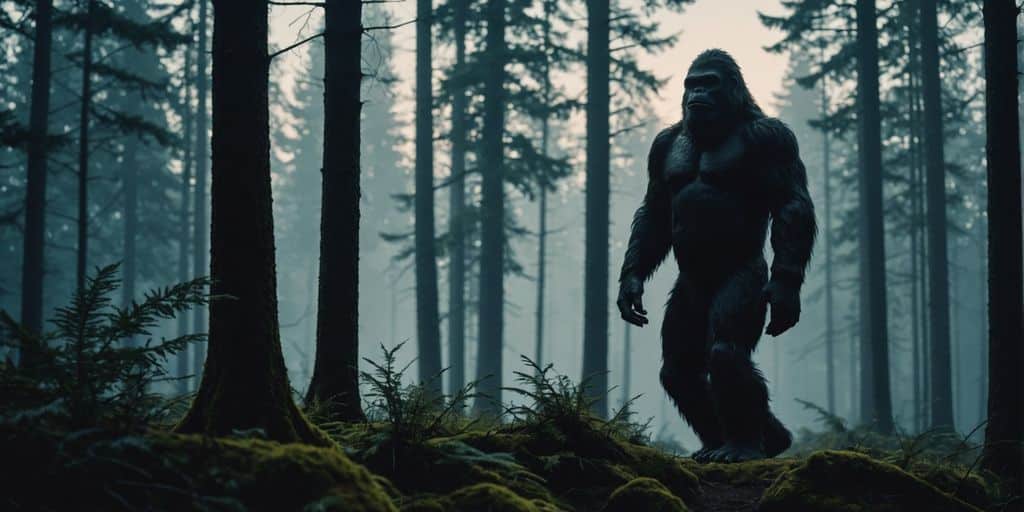
    Bigfoot, also commonly referred to as Sasquatch, is a large and hairy human-like mythical creature said to inhabit forests in North America, particularly in the Pacific Northwest. Despite numerous sightings and stories, the existence of Bigfoot remains unproven and highly debated.

    The Mystery of Intuition

    Intuition, often referred to as a gut feeling or a sixth sense, is a fascinating phenomenon that many people experience. Despite its common occurrence, the exact nature of intuition remains elusive.

    Unexplained Disappearances

    Throughout history, there have been numerous cases of people vanishing without a trace. These mysterious disappearances continue to baffle experts and captivate the public’s imagination. While some cases are eventually solved, many remain unsolved, leaving behind a trail of questions and theories.

    Ghosts: Fact or Fiction?

    From Shakespeare’s "Macbeth" to modern TV shows like "Medium," ghosts have always been a part of our culture. Many people claim to have seen ghosts, whether they are shadowy figures or loved ones who have passed away. Even though we don’t have solid proof that ghosts are real, people still report seeing, photographing, and even talking to them. Ghost hunters hope to one day prove that the dead can contact the living, solving this mystery once and for all.

    The Phenomenon of Déjà Vu

    Déjà vu is a French term that means "already seen." It describes the strange feeling that you have experienced something before, even though you know you haven’t. This sensation can be quite puzzling and mysterious.

    Psychological Theories

    Some psychologists believe that déjà vu happens because of a mix-up in the brain. When you see something, your brain might accidentally send the information to the memory part of your brain before you fully process it. This makes you feel like you are remembering something instead of experiencing it for the first time.

    Scientific Research

    Scientists have tried to study déjà vu to understand why it happens. They have used brain scans and other tools to see what is going on in the brain during these moments. However, the exact cause of déjà vu is still unknown. Some researchers think it might be related to how our brains store and retrieve memories.

    Cultural Interpretations

    In different cultures, déjà vu is explained in various ways. Some people think it is a sign of psychic abilities or a glimpse into a past life. Others believe it is just a trick of the mind. Despite the many theories, déjà vu remains one of those experiences that science can’t fully explain.

    The feeling of déjà vu can be both fascinating and unsettling, leaving us to wonder about the mysteries of our own minds.

    UFO Sightings and Alien Encounters

    Historical Sightings

    Throughout history, there have been numerous reports of unidentified flying objects (UFOs). These sightings often describe strange lights or objects in the sky that cannot be easily explained. One of the most famous incidents is the Roswell crash in 1947, where a mysterious object was said to have crashed in New Mexico. While the government claimed it was a weather balloon, many believe it was an alien spacecraft.

    Government Investigations

    Governments around the world have conducted investigations into UFO sightings. In the United States, the most well-known investigation was Project Blue Book, which ran from 1952 to 1969. This project aimed to determine if UFOs were a threat to national security and to scientifically analyze UFO-related data. Despite extensive research, many cases remain unexplained.

    Scientific Explanations

    Scientists have proposed various explanations for UFO sightings. Some suggest that these sightings could be natural phenomena, such as ball lightning or atmospheric anomalies. Others believe that some sightings could be advanced military aircraft that are not yet publicly known. However, a small percentage of sightings continue to defy explanation, leaving the possibility of extraterrestrial involvement open.

    The mystery of UFOs continues to captivate the public, with many people believing that we are not alone in the universe. Whether these sightings are natural, man-made, or something else entirely, the search for answers goes on.

    Near-Death Experiences and the Afterlife

    Near-death experiences (NDEs) are profound personal events that occur when someone is close to death. These experiences often include seeing a bright light, feeling a sense of peace, or encountering loved ones who have passed away. Many people report these experiences as life-changing. However, the scientific community remains divided on what causes NDEs and what they might mean about life after death.

    Psychic Powers and ESP

    Psychic powers and extra-sensory perception (ESP) are among the most debated topics in the realm of unexplained phenomena. Many people believe that these abilities, such as telepathy, clairvoyance, and precognition, allow individuals to access information beyond the normal sensory channels. Despite numerous claims and anecdotal evidence, the scientific community remains skeptical due to the lack of consistent, reproducible results under controlled conditions.

    The Body-Mind Connection

    The connection between the body and mind is a fascinating area of study that continues to intrigue scientists and medical professionals. Medical science is only beginning to understand how the mind influences the body. This connection is evident in various phenomena, such as the placebo effect, psychosomatic illnesses, and the benefits of mindfulness practices.

    The Mystery of Ball Lightning

    Among the most mysterious phenomena associated with lightning is the curious, rare, enigmatic peculiarityball lightning. This strange event has puzzled scientists and laypeople alike for centuries. Despite numerous sightings and reports, the exact nature and cause of ball lightning remain elusive.

    The Wow! Signal and Extraterrestrial Life

    Discovery of the Signal

    In 1977, while working on a SETI (Search for Extraterrestrial Intelligence) project, astronomer Jerry Ehman detected a strong radio signal using Ohio State University’s Big Ear radio telescope. The signal, which lasted for 72 seconds, was so remarkable that Ehman circled it on the data printout and wrote “Wow!” next to it, giving it the name Wow! Signal. This signal came from the direction of the constellation Sagittarius and was over 30 times stronger than typical background noise from space. Despite numerous attempts to detect it again, the signal has never been replicated, leaving scientists puzzled and intrigued.

    Scientific Investigations

    Scientists have conducted various studies to understand the origin of the Wow! Signal. They have considered natural sources like comets, asteroids, and even Earth-based interference, but none have provided a satisfactory explanation. The signal’s unique characteristics, such as its frequency and intensity, suggest it could be an artificial transmission, possibly from an extraterrestrial civilization. However, without additional data, this remains speculative.

    Implications for Extraterrestrial Life

    The Wow! Signal remains one of the most compelling pieces of evidence in the search for extraterrestrial intelligence. If it were indeed a message from another civilization, it would have profound implications for our understanding of life in the universe. It raises questions about the existence of other intelligent beings and their ability to communicate across vast distances. The mystery of the Wow! Signal continues to inspire both scientists and the public, fueling the quest to answer the age-old question: Did we receive an alien message?

    Conclusion

    Despite the incredible advancements in science and technology, there are still many phenomena that remain unexplained. From mysterious sounds and sightings to strange natural occurrences, these anomalies continue to baffle scientists and spark curiosity. They remind us that there is still so much to learn about our world and beyond. As we continue to explore and investigate, we may one day uncover the truths behind these mysteries. Until then, they serve as a fascinating reminder of the unknown and the endless possibilities that await discovery.

    Frequently Asked Questions

    What is the Taos Hum?

    The Taos Hum is a mysterious low-frequency sound heard by some residents and visitors in Taos, New Mexico. Only about 2% of the population reports hearing it, and its source remains unknown.

    Is there any scientific proof of Bigfoot?

    No, there is no scientific proof of Bigfoot. Despite numerous eyewitness accounts and some photos and videos, no physical evidence like bones or bodies has been found.

    What is intuition?

    Intuition is often described as a ‘gut feeling’ or a ‘sixth sense.’ It is when people feel they know something without having any logical reason for it. Scientists believe it may come from the brain processing information subconsciously.

    Can psychics really find missing people?

    There is no scientific evidence that psychics can find missing people. While some families consult psychics, police work and investigations usually solve these cases.

    Are ghosts real?

    The existence of ghosts has not been scientifically proven. Many people claim to have seen ghosts, but these experiences are often explained by psychological or environmental factors.

    What causes déjà vu?

    Déjà vu is the feeling that you have already experienced a situation. Scientists think it may be related to how the brain processes memories, but the exact cause is still unknown.

    Have UFOs been proven to be alien spacecraft?

    No, UFOs (Unidentified Flying Objects) have not been proven to be alien spacecraft. While many UFO sightings are reported, most are explained by natural or man-made objects.

    What is the Wow! Signal?

    The Wow! Signal is a strong radio signal detected in 1977 that some scientists think could be from an extraterrestrial source. However, it has never been detected again, and its origin remains a mystery.

  • What Science Says About Near Death Experiences

    What Science Says About Near Death Experiences

    Near-death experiences (NDEs) have fascinated people for centuries. These intense experiences often happen when someone is close to death, and they describe vivid and sometimes life-changing events. Scientists, doctors, and researchers have tried to understand NDEs through various studies and theories. This article explores what science says about near-death experiences, their common features, and the impact they have on individuals and society.

    Key Takeaways

    • Near-death experiences often include sensations like out-of-body experiences, moving through a tunnel, and seeing a bright light.
    • Historical and modern accounts of NDEs show that these experiences have been reported across different cultures and time periods.
    • Scientific explanations for NDEs include neurobiological and psychological theories, but there are also criticisms and counterarguments.
    • Cultural and religious interpretations of NDEs vary widely, with different beliefs influencing how these experiences are understood.
    • NDEs can have a significant impact on individuals, leading to changes in their psychological state and belief systems.

    The Phenomenon of Near Death Experiences

    Defining Near Death Experiences

    Near Death Experiences (NDEs) are profound personal events that occur when someone is close to death or in a situation where death seems imminent. These experiences often include sensations such as leaving the body, moving through a tunnel, or encountering a bright light. NDEs are intensely vivid and can be life-transforming. They usually happen during extreme physiological conditions like trauma or cardiac arrest.

    Historical Accounts

    The concept of NDEs is not new. Historical records show that people have been reporting these experiences for centuries. For instance, in the 1890s, French psychologist Victor Egger discussed climbers’ stories of panoramic life reviews during falls. In 1892, Albert Heim reported similar experiences among workers falling from scaffolds and soldiers injured in battle. These early accounts laid the groundwork for understanding NDEs as a clinical phenomenon.

    Modern-Day Reports

    Today, NDEs are more widely recognized and studied. In the U.S. alone, an estimated nine million people have reported having an NDE. These experiences often result from serious injuries affecting the body or brain. Modern research continues to explore the long-term transformational effects of NDEs, aiming to deepen our understanding of this fascinating phenomenon.

    Common Features of Near Death Experiences

    Out-of-Body Experiences

    One of the most frequently reported aspects of near-death experiences (NDEs) is the sensation of leaving one’s body. Individuals often describe observing their physical form from an external viewpoint, sometimes even witnessing medical professionals performing resuscitation efforts. This phenomenon is known as an out-of-body experience (OBE).

    The Tunnel and Light

    Another common element is the experience of moving through a tunnel or entering a darkness, often followed by a rapid movement towards a bright light. This light is sometimes perceived as a powerful, loving presence or even as beings dressed in white. Many describe this part of the NDE as profoundly peaceful and comforting.

    Life Review

    Many NDErs report a life review, where they see significant moments from their lives flash before their eyes. This review is often described as a comprehensive and instantaneous playback of one’s life events, providing deep insights and reflections. This experience can be both enlightening and emotional, leaving a lasting impact on the individual.

    Near-death experiences often include a sense of peace, well-being, and painlessness, creating a profound and transformative impact on those who experience them.

    Cultural and Religious Interpretations

    Western Religious Views

    In Western cultures, near-death experiences (NDEs) are often interpreted through the lens of Christianity. Many people report seeing a bright light or encountering deceased loved ones, which they interpret as angels or heavenly beings. This aligns with the Christian belief in an afterlife and the presence of guardian angels. Ground Zero: Aftermath has discussed these interpretations extensively, highlighting how they shape public perception.

    Eastern Philosophical Perspectives

    In Eastern philosophies, such as Hinduism and Buddhism, NDEs are often seen as glimpses into the cycle of reincarnation. People may report seeing deities or experiencing a sense of unity with the universe. These experiences are interpreted as signs of spiritual progress or karmic resolution. The emphasis is on the continuation of the soul’s journey rather than a final destination.

    Indigenous Beliefs

    Indigenous cultures have their own unique interpretations of NDEs. For example, some Native American tribes view these experiences as encounters with spirit guides or ancestors. These guides provide wisdom and guidance, helping individuals understand their purpose in life. The experiences are deeply personal and are often shared in community storytelling, reinforcing cultural values and beliefs.

    NDEs serve as a bridge between the physical and spiritual worlds, offering insights that transcend cultural boundaries.

    Impact on Individuals

    Person experiencing near-death event in a hospital setting.

    Psychological Aftereffects

    Near Death Experiences (NDEs) can lead to profound psychological changes. Many individuals report a greater appreciation for life, increased self-esteem, and heightened compassion for others. These experiences often result in a reduced fear of death, as individuals feel they have witnessed an afterlife. However, not all aftereffects are positive. Some people may experience symptoms of PTSD or depression, especially if their NDE was distressing.

    Changes in Belief Systems

    NDEs frequently alter an individual’s belief system. People often become more spiritual, though not necessarily more religious. They may develop a stronger sense of purpose and a desire to learn more about life and the universe. This shift in beliefs can sometimes lead to conflicts with previously held views or with the beliefs of those around them.

    Personal Testimonies

    Personal stories of NDEs are powerful and varied. Many individuals share their experiences on platforms like Ground Zero Radio, where they discuss how their NDEs have changed their lives. These testimonies often highlight a newfound sense of connection to something greater than themselves, as well as a commitment to living more meaningful and altruistic lives.

    The transformative power of NDEs lies in their ability to make individuals feel part of something greater, fostering a sense of unity and purpose.

    Near Death Experiences in Children

    Person near-death experience bright light impact individuals

    Unique Characteristics

    Near Death Experiences (NDEs) in children often differ from those in adults. Children’s NDEs are usually simpler and less detailed. They might describe meeting a loving being or seeing a bright light, but their accounts are often less influenced by cultural or religious expectations. Unlike adults, children rarely report a life review, where they see their past actions and experiences.

    Case Studies

    Several case studies highlight the unique aspects of children’s NDEs. For instance, a study by Melvin Morse explored the experiences of children who had been clinically dead. These children often described feelings of peace and seeing deceased relatives. One notable case involved a child who accurately described events happening in another room while they were unconscious, challenging the idea that NDEs are merely a reflection of cultural conditioning.

    Long-Term Effects

    The long-term effects of NDEs on children can be profound. Many children who experience NDEs report a decreased fear of death and a stronger belief in an afterlife. They might also show increased empathy and a sense of purpose. However, some children may struggle to understand or integrate their experiences, especially if they lack support from family or peers.

    The near-death experience in children can be a transformative event, shaping their views on life and death in significant ways.

    Near Death Experiences and the Medical Community

    Clinical Studies

    Near Death Experiences (NDEs) have been a subject of clinical studies for decades. Researchers have examined thousands of cases to understand the phenomenon better. One key finding is that NDEs often occur during reversible clinical death, such as cardiac arrest. Studies have shown that about 10-20% of people who come close to death report having an NDE.

    Medical Professionals’ Perspectives

    Medical professionals have varied perspectives on NDEs. Some view them as purely neurobiological events, while others consider the possibility of a non-material aspect of consciousness. Ground Zero Radio has featured numerous discussions with doctors and researchers who explore these differing viewpoints. The consensus is that understanding NDEs can improve patient care, especially for those who have experienced them.

    Ethical Considerations

    The medical community also grapples with ethical considerations related to NDEs. Questions arise about how to handle patients’ reports of these experiences and whether to incorporate them into medical practice. Ethical guidelines suggest that doctors should listen to and respect patients’ experiences, even if they don’t fully understand them. This approach can help in providing holistic care and support to patients recovering from life-threatening events.

    NDEs challenge our understanding of life and death, urging the medical community to consider both scientific and personal dimensions of these experiences.

    Debunking Myths About Near Death Experiences

    Common Misconceptions

    Many people believe that near-death experiences (NDEs) are proof of an afterlife or spiritual realm. However, scientific evidence suggests otherwise. NDEs are often thought to be unique, but they share many similarities with other altered states of consciousness, such as those induced by drugs or extreme stress.

    Scientific Evidence

    Research has shown that NDEs can be explained by neurobiological processes. For example, a lack of oxygen to the brain can cause hallucinations and out-of-body experiences. Studies have also found that certain drugs can induce experiences similar to NDEs, suggesting that these events are more about brain chemistry than the supernatural.

    Media Portrayals

    Movies and TV shows often dramatize NDEs, making them seem more mystical than they are. Shows like Ground Zero: Aftermath have popularized many myths about NDEs, but these portrayals are not based on scientific facts. It’s important to approach these media representations with a critical mind and understand that they are designed for entertainment, not education.

    Understanding the science behind NDEs can help demystify these experiences and provide a more grounded perspective. Always question what you see in the media and seek out credible sources for information.

    Future Directions in Near Death Experience Research

    Person floating above body with bright light

    Emerging Technologies

    The future of near-death experience (NDE) research is promising, especially with the advent of new technologies. Advanced brain imaging techniques like fMRI and EEG are providing deeper insights into what happens in the brain during an NDE. These technologies can help scientists understand the neurobiological underpinnings of these experiences. Additionally, virtual reality (VR) is being explored as a tool to simulate NDEs, which could offer a controlled environment for studying these phenomena.

    Interdisciplinary Approaches

    NDE research is becoming increasingly interdisciplinary, involving experts from fields such as neuroscience, psychology, and even quantum physics. This collaborative approach aims to provide a more comprehensive understanding of NDEs. For instance, psychologists are examining the emotional and cognitive aspects, while neuroscientists focus on the brain’s activity. This holistic view could lead to groundbreaking discoveries.

    Potential Discoveries

    The future holds the potential for significant discoveries in NDE research. One exciting area is the study of shared death experiences, where multiple people report similar experiences during a single event. Understanding these could offer clues about the nature of consciousness and its possible survival after death. Moreover, platforms like "Ground Zero with Clyde Lewis" are bringing these discussions into the public sphere, increasing awareness and interest in the topic.

    As we look to the future, the integration of emerging technologies and interdisciplinary approaches promises to unlock new dimensions in our understanding of near-death experiences.

    The Role of Near Death Experiences in Popular Culture

    Literature and Film

    Near Death Experiences (NDEs) have long fascinated writers and filmmakers. From classic novels to modern movies, the theme of NDEs often serves as a powerful plot device. Books like ‘Life After Life’ by Raymond Moody have popularized the concept, while films such as ‘Flatliners’ explore the boundaries between life and death. These stories captivate audiences by delving into the mysteries of what happens when we come close to dying.

    Television and Podcasts

    Television shows and podcasts have also embraced the topic of NDEs. Programs like ‘The OA’ and ‘I Survived… Beyond and Back’ offer dramatized and real-life accounts of NDEs, respectively. Podcasts such as ‘Ground Zero with Clyde Lewis‘ dive deep into personal testimonies and scientific discussions about these experiences. These platforms provide a space for people to share their stories and for audiences to explore the phenomenon from various angles.

    Public Perception

    Public perception of NDEs is shaped significantly by their portrayal in media. While some view these experiences as proof of an afterlife, others see them as fascinating psychological phenomena. The media’s portrayal can influence how seriously people take NDEs and whether they consider them spiritual events or mere brain activity. This duality keeps the conversation about NDEs alive and evolving, reflecting our ongoing quest to understand the unknown.

    NDEs in popular culture serve as a bridge between science and spirituality, challenging us to think about life, death, and what might lie beyond.

    Conclusion

    Near-death experiences (NDEs) continue to be a fascinating and mysterious phenomenon that captivates both scientists and the general public. While some view NDEs as evidence of an afterlife or spiritual realm, others see them as complex brain functions during critical moments. Despite extensive research, the exact nature of NDEs remains elusive. What is clear, however, is that these experiences often lead to profound changes in individuals’ lives, altering their perspectives and values. As science advances, we may get closer to understanding the true essence of NDEs, but for now, they remain one of life’s great mysteries, reminding us of the intricate connection between the mind and body.

    Frequently Asked Questions

    What is a near-death experience (NDE)?

    A near-death experience (NDE) is a profound event that happens when someone is close to dying or has been declared clinically dead but then comes back to life. People often report seeing a bright light, feeling a sense of peace, or having an out-of-body experience.

    What are common features of NDEs?

    Common features of NDEs include out-of-body experiences, traveling through a tunnel, seeing a bright light, meeting deceased loved ones, and having a life review where past events flash before their eyes.

    How do scientists explain NDEs?

    Scientists have several theories to explain NDEs. Some think they are caused by a lack of oxygen to the brain, while others believe they are the result of brain chemicals released during extreme stress. However, no single explanation is universally accepted.

    Do NDEs prove there is life after death?

    NDEs are not considered scientific proof of life after death. They are subjective experiences, and while they may suggest the possibility of an afterlife, they do not provide concrete evidence.

    Can children have NDEs?

    Yes, children can have NDEs. Their experiences are often similar to those of adults, but they may describe them differently due to their age and understanding.

    What impact do NDEs have on people’s lives?

    Many people who have NDEs report significant changes in their lives. They often become more spiritual, less afraid of death, and more appreciative of life. Some also experience changes in their beliefs and values.

    Are NDEs the same across different cultures?

    While many features of NDEs are similar across cultures, the specific details can vary. Cultural and religious beliefs often influence how people interpret and describe their experiences.

    What should I do if I want to learn more about NDEs?

    If you want to learn more about NDEs, you can read books, watch documentaries, or visit websites dedicated to near-death studies. Talking to people who have had NDEs and attending related conferences can also provide valuable insights.

  • End Times Prophecies: What Ancient Texts Say About Our Future

    End Times Prophecies: What Ancient Texts Say About Our Future

    Throughout history, people have been fascinated by the idea of the end times. Ancient texts from various cultures have tried to predict what will happen in the future. These prophecies come from different parts of the world and offer unique perspectives on how the world might end. From the ancient Babylonians to modern-day predictions, these prophecies continue to capture our imagination and influence our beliefs.

    Key Takeaways

    • Ancient texts from different cultures offer unique perspectives on the end times.
    • Babylonian prophecies have influenced modern beliefs about the future.
    • The Book of Revelation is filled with symbolism that has been interpreted in many ways.
    • Nostradamus’s predictions are both famous and controversial.
    • Scientific perspectives provide a different take on how the world might end.

    Ancient Babylonian Prophecies and Their Influence on Modern Beliefs

    The Role of Babylonian Astrology

    Ancient Babylonian astrology played a significant role in shaping their prophecies. The Babylonians believed that the positions of celestial bodies could predict future events. Astrologers were highly respected and their interpretations influenced both personal and state decisions. This practice has echoes in modern astrology, which continues to captivate many people today.

    Interpretations of the Enuma Elish

    The Enuma Elish, an ancient Babylonian creation myth, also contains elements of prophecy. This text describes the battle between the god Marduk and the chaos monster Tiamat, symbolizing the struggle between order and chaos. Some scholars suggest that the Enuma Elish influenced later apocalyptic literature, including parts of the Bible.

    Babylonian End Times Myths

    Babylonian myths about the end times often involved great floods or other natural disasters. These stories were not just tales of destruction but also of renewal and rebirth. The idea that the world would end in a cataclysmic event and then be reborn is a theme that appears in many cultures’ eschatological beliefs.

    The ancient Babylonian narrative serves as a powerful reminder of how fear can distort reality and lead to tragic outcomes. The interplay of witchcraft, societal norms, and the role of the priest highlights the complexities of human behavior in the face of the unknown.

    Ground Zero Radio often explores these ancient prophecies, drawing connections between past beliefs and modern interpretations. Their deep dives into the unexplained captivate those intrigued by the world’s mysteries.

    The Book of Revelation: Symbolism and Interpretations

    The Four Horsemen of the Apocalypse

    The Four Horsemen of the Apocalypse are among the most well-known symbols in the Book of Revelation. They represent conquest, war, famine, and death. Each horseman rides a different colored horse, symbolizing their unique roles in the end times. The imagery of the horsemen has been interpreted both literally and symbolically, with some seeing them as actual future events and others as representations of ongoing spiritual battles.

    The Mark of the Beast

    The Mark of the Beast is another significant symbol in Revelation. It is described as a mark that people will receive on their right hand or forehead, allowing them to buy and sell. The number associated with this mark is 666, which has led to much speculation and fear. Some interpret the mark as a literal future event, while others see it as a symbol of allegiance to evil forces.

    The New Jerusalem

    The New Jerusalem is depicted as a glorious city that will descend from heaven at the end of times. It represents the ultimate fulfillment of God’s promise to His people. The city is described in great detail, with streets of gold and gates made of pearls. This vision of the New Jerusalem offers hope and a promise of eternal peace for believers.

    The Book of Revelation uses symbolic language to unveil deeper spiritual realities, helping readers perceive the unseen world.

    The Book of Revelation is filled with vivid imagery and complex symbols that have fascinated and puzzled readers for centuries. Whether interpreted literally or symbolically, its messages continue to resonate with people today.

    Nostradamus: Predictions and Controversies

    Key Predictions and Their Fulfillment

    Nostradamus, a 16th-century French astrologer, is famous for his book Les Prophéties, a collection of 942 poetic quatrains. These quatrains are said to predict future events. Some of his most notable predictions include the rise of Napoleon, the Great Fire of London, and the French Revolution. Many believe his quatrains also foretold the 9/11 attacks, often citing the phrase ‘Ground Zero: Aftermath‘. However, the vague and symbolic nature of his writings makes it easy to interpret them in various ways.

    Skepticism and Criticism

    Despite his popularity, Nostradamus has faced significant skepticism. Critics argue that his quatrains are so ambiguous that they can be applied to almost any event. This phenomenon, known as the Texas Sharpshooter Fallacy, involves cherry-picking data to fit a specific narrative. Additionally, some scholars suggest that translations and interpretations of his work have been manipulated to make them appear more accurate.

    Nostradamus in Popular Culture

    Nostradamus’s influence extends beyond academic circles into popular culture. His predictions have been featured in movies, TV shows, and books. For instance, the 2009 film "2012" references his prophecies about the end of the world. His name has become synonymous with the idea of prophecy, often invoked in discussions about future events. Nostradamus’s legacy continues to captivate the public imagination, blending historical intrigue with modern-day speculation.

    Nostradamus’s quatrains, filled with cryptic language and symbolism, serve as a reminder of humanity’s enduring fascination with the unknown and the future.

    Mayan Calendar and the 2012 Phenomenon

    Understanding the Mayan Long Count

    The Mayan Long Count calendar is a complex system that tracks longer periods of time. It is composed of cycles called baktuns, each lasting about 394 years. The calendar’s end date, December 21, 2012, marked the completion of the 13th baktun, which some interpreted as a prediction of the end of the world.

    Debunking the 2012 Doomsday

    Despite widespread fears, the world did not end on December 21, 2012. Scholars and scientists clarified that the date simply represented the end of a cycle, not an apocalyptic event. Experts emphasized that the Mayans viewed time as cyclical, meaning the end of one cycle would naturally lead to the beginning of another.

    Cultural Impact of the 2012 Prophecy

    The 2012 phenomenon had a significant cultural impact, influencing movies, books, and media. Shows like Ground Zero with Clyde Lewis discussed various theories and interpretations, fueling public interest and debate. The event highlighted how ancient prophecies can capture modern imagination, even when misunderstood.

    Islamic Eschatology: Signs of the Day of Judgment

    Major and Minor Signs

    In Islamic eschatology, the signs of the Day of Judgment are divided into major and minor signs. Minor signs include everyday events and moral decay, while major signs are extraordinary events that signal the end times. Some of the major signs are:

    1. A huge black cloud of smoke covering the earth.
    2. Three major sinkings of the earth: one in the East, one in the West, and one in Arabia.
    3. The appearance of the false messiah, known as the Dajjal.
    4. The return of Isa (Jesus) to defeat the Dajjal.
    5. The release of Ya’jooj and Ma’jooj (Gog and Magog), who will cause widespread destruction.
    6. The sun rising from the West.
    7. The emergence of the Beast of the Earth to speak to people.
    8. The blowing of the trumpet, signaling the resurrection of the dead.

    The Role of the Mahdi

    The Mahdi is a significant figure in Islamic eschatology. He is believed to be a leader who will appear before the Day of Judgment to restore justice and faith. The Mahdi will work alongside Isa (Jesus) to defeat the Dajjal and bring peace to the world. His arrival is one of the major signs that the end times are near.

    Comparisons with Christian Eschatology

    Islamic and Christian eschatologies share some similarities, such as the belief in a false messiah and the return of Jesus. However, there are also differences. For instance, in Islam, the Mahdi plays a crucial role, whereas in Christianity, the focus is more on the second coming of Christ. Both religions emphasize the importance of moral conduct and faith in the face of the end times.

    The eventual release of Ya’jooj and Ma’jooj is one of the major signs of the approaching Day of Judgment, a time when they will surge forth in overwhelming numbers, causing chaos and destruction.

    Hindu End Times: The Kali Yuga

    Ancient symbols representing Hindu Kali Yuga end times prophecy.

    Characteristics of the Kali Yuga

    In Hindu beliefs, time is seen as a cycle made up of four ages, or Yugas. The last of these ages is the Kali Yuga, which many Hindus believe we are living in now. This age is marked by quarrel, hypocrisy, and decay. The four pillars of dharma, which are duty, truth, purity, and compassion, are said to be reduced to just one: truth. This means that during the Kali Yuga, people will mostly lose their sense of duty, purity, and compassion, holding on only to truth.

    Predictions from the Puranas

    The Puranas, ancient Hindu texts, provide detailed descriptions of the Kali Yuga. They predict that during this time, rulers will become unreasonable and will levy taxes unfairly. People will start lying and cheating, and there will be a general decline in morality. The environment will also suffer, with natural resources becoming scarce. One key prediction is the arrival of Kalki, the final avatar of Vishnu, who will come to restore righteousness.

    The Role of Kalki Avatar

    Kalki is believed to be the final avatar of the god Vishnu. He will appear on a white horse, wielding a sword, to end the Kali Yuga and bring in a new age of truth and righteousness. Kalki will defeat the forces of evil and restore balance to the world. This event will mark the end of the current cycle and the beginning of a new one, starting with the Satya Yuga, an age of purity and truth.

    The belief in Kalki’s arrival gives hope to many Hindus that even in times of great trouble, righteousness will eventually be restored.

    For more in-depth discussions on such topics, you can tune into shows like Ground Zero Radio, which often explore ancient prophecies and their relevance today.

    Jewish Eschatology: The Messianic Age

    Ancient scrolls with symbols and a glowing horizon

    The Coming of the Messiah

    In Jewish eschatology, the arrival of the Messiah is a central theme. This future leader, from the House of David, is expected to bring an era of peace and divine wisdom. The world will be filled with the knowledge of God, as waters cover the sea. This vision is deeply rooted in the Hebrew scriptures and has been a source of hope for generations.

    The Battle of Gog and Magog

    The end times also include a great battle known as the Battle of Gog and Magog. This conflict is seen as a final showdown between good and evil. According to the prophecies, God will intervene to protect Israel and bring about a new era of peace. This battle is mentioned in the Book of Ezekiel and has been interpreted in various ways over the centuries.

    The Resurrection of the Dead

    Another significant aspect of Jewish eschatology is the belief in the resurrection of the dead. In the Messianic Age, the righteous will be brought back to life to enjoy the blessings of the new world. This belief underscores the idea of divine justice and the ultimate reward for a life well-lived.

    The Messianic Age promises a future where peace and knowledge reign supreme, offering hope and inspiration to many.

    The themes of the Messianic Age have also been explored in modern media, including shows like Ground Zero with Clyde Lewis, which delve into various eschatological beliefs and their implications for our world today.

    Scientific Perspectives on the End of the World

    Ancient texts and scientific symbols predicting the end times

    Astrophysical Predictions

    Scientists have long pondered the ultimate fate of our universe. Theories such as the Big Rip, Big Crunch, Big Bounce, and Big Freeze (heat death) offer different scenarios for how the cosmos might end. In approximately 6 billion years, the Sun will turn into a red giant, making life on Earth impossible. Long before that, rising temperatures will render our planet uninhabitable. Eventually, the Sun will become a white dwarf, leaving Earth either swallowed up or charred.

    Global Catastrophic Risks

    Global catastrophic risks are events that could cause significant harm to human civilization. These include natural disasters like supervolcanoes and asteroid impacts, as well as human-made threats such as nuclear war and climate change. Here are some key risks:

    • Supervolcanoes: Massive eruptions could block sunlight, leading to a volcanic winter.
    • Asteroid Impacts: Large asteroids could cause widespread destruction and climate shifts.
    • Nuclear War: A large-scale nuclear conflict could result in a nuclear winter, drastically affecting global temperatures and agriculture.
    • Climate Change: Rising temperatures and sea levels could lead to severe weather events, loss of biodiversity, and displacement of populations.

    The Role of Human Activity

    Human activity plays a significant role in shaping the future of our planet. From deforestation to pollution, our actions have far-reaching consequences. The concept of Ground Zero: Aftermath explores the impact of human activities on the environment and the potential for recovery. Efforts to mitigate these effects include renewable energy, conservation, and sustainable practices.

    The future of our world depends on the choices we make today. By understanding the scientific perspectives on the end of the world, we can better prepare for and possibly prevent catastrophic outcomes.

    Modern Prophecies and Their Cultural Impact

    Predictions from Contemporary Figures

    In recent times, various figures have made bold predictions about the future. Some of these predictions have gained significant attention, influencing public opinion and even policy decisions. For instance, Edgar Whisenant’s book, "88 Reasons Why the Rapture is in 1988," became a bestseller, despite the event not occurring. This highlights how prophecy and history can sometimes blur, as people look for signs and patterns in current events.

    The Influence of Media

    Media plays a crucial role in shaping how modern prophecies are perceived. Television shows, movies, and books often dramatize these predictions, making them more accessible and engaging to the public. This can lead to a heightened sense of urgency or fear, as seen with the 2012 Mayan calendar phenomenon. The media’s portrayal of these events can sometimes overshadow scientific explanations, leading to widespread belief in the prophecy.

    Public Perception and Skepticism

    Public perception of modern prophecies varies widely. While some people take these predictions seriously, others view them with skepticism. The "Texas Sharpshooter Fallacy" is a common criticism, where people find patterns and connections in random data to support their beliefs. This skepticism is essential in maintaining a balanced view and preventing the spread of misinformation.

    Modern prophecies often reflect our deepest hopes and fears, acting as a mirror to our collective psyche. They challenge us to think critically about the future and our place in it.

    In conclusion, modern prophecies continue to captivate the public’s imagination, influenced by media and shaped by individual perceptions. Whether viewed as credible predictions or mere speculation, they play a significant role in our cultural landscape.

    Comparative Analysis of End Times Prophecies

    Common Themes Across Cultures

    End times prophecies, or eschatology, often share common themes across different cultures. Many prophecies predict a period of great turmoil followed by a renewal or rebirth. For instance, the Christian Book of Revelation speaks of the apocalypse and the subsequent establishment of a new heaven and earth. Similarly, Hindu beliefs describe the end of the Kali Yuga, a time of darkness, followed by a new age of truth and righteousness.

    Differences in Eschatological Views

    While there are common themes, the specifics of end times prophecies can vary widely. In Christianity, the focus is on the return of Jesus Christ and the final judgment. In contrast, Islamic eschatology emphasizes the coming of the Mahdi and the return of Jesus to defeat the false messiah. Meanwhile, Mayan prophecies, which gained widespread attention in 2012, are based on the cycles of their long count calendar and do not necessarily predict an apocalyptic end but rather a significant transformation.

    The Psychological Impact of Doomsday Beliefs

    Belief in end times prophecies can have a profound psychological impact. For some, these beliefs provide a sense of purpose and hope, especially in times of crisis. However, they can also lead to fear and anxiety. The idea that the world could end at any moment can be both motivating and paralyzing. Understanding these psychological effects is crucial for comprehending the full impact of eschatological beliefs on individuals and societies.

    The study of end times prophecies reveals much about human nature, our fears, and our hopes for the future. It challenges us to reflect on our place in the world and our responsibilities to one another.

    Summary Table of Key Differences

    Culture/Religion Key Figure(s) Main Event(s) Outcome
    Christianity Jesus Christ Apocalypse, Final Judgment New Heaven and Earth
    Islam Mahdi, Jesus Defeat of the false messiah Establishment of justice
    Hinduism Kalki Avatar End of Kali Yuga New Age of Truth
    Mayan None specific End of calendar cycle Transformation

    The comparative study of these prophecies highlights both the diversity and the commonality in human eschatological thought.

    Conclusion

    As we wrap up our exploration of end times prophecies, it’s clear that ancient texts offer a mix of hope, fear, and mystery about our future. These prophecies, whether from religious scriptures or ancient civilizations, reflect humanity’s deep-seated curiosity and concern about what lies ahead. While some predictions are dire, others promise renewal and salvation. Ultimately, these ancient visions remind us to reflect on our present actions and their impact on the future. Whether or not these prophecies come true, they encourage us to live thoughtfully and responsibly, cherishing the time we have and striving to make the world a better place for generations to come.

    Frequently Asked Questions

    What are some ancient Babylonian prophecies?

    Ancient Babylonian prophecies often involved astrology and myths like the Enuma Elish. These prophecies influenced later beliefs and practices.

    What is the Book of Revelation about?

    The Book of Revelation is a part of the Bible that talks about the end times using symbols like the Four Horsemen, the Mark of the Beast, and the New Jerusalem.

    Who was Nostradamus?

    Nostradamus was a French astrologer and seer who made many predictions about the future. Some people believe his prophecies have come true.

    What was the 2012 Mayan prophecy?

    The 2012 Mayan prophecy was based on the Mayan Long Count calendar, which ended a cycle in 2012. Some thought it predicted the end of the world, but this was debunked.

    What are the signs of the Day of Judgment in Islam?

    In Islamic belief, the Day of Judgment will be preceded by major and minor signs, including the appearance of the Mahdi and comparisons to Christian eschatology.

    What is the Kali Yuga in Hinduism?

    The Kali Yuga is the last of the four stages the world goes through in Hindu belief. It is characterized by strife and decay, and will end with the arrival of the Kalki Avatar.

    What does Jewish eschatology say about the end times?

    Jewish eschatology includes beliefs about the coming of the Messiah, the battle of Gog and Magog, and the resurrection of the dead.

    What do scientists say about the end of the world?

    Scientists talk about various end-of-world scenarios, including astrophysical events, global catastrophic risks, and the impact of human activity.

  • Top True Crime Podcasts You Can’t Miss This Year

    Top True Crime Podcasts You Can’t Miss This Year

    True crime podcasts have taken the world by storm, captivating listeners with gripping stories of mystery, murder, and intrigue. Whether you’re a seasoned true crime aficionado or just dipping your toes into the genre, there’s a podcast out there that will keep you on the edge of your seat. Here are the top true crime podcasts you can’t miss this year.

    Key Takeaways

    • “Serial” is a groundbreaking podcast that redefined the true crime genre.
    • “Crime Junkie” offers a mix of well-known and lesser-known cases, perfect for any true crime enthusiast.
    • “Morbid: A True Crime Podcast” combines humor and horror, making it a unique listen.
    • “My Favorite Murder” features hosts who share their favorite murder cases with a comedic twist.
    • “Dateline NBC” brings the popular TV show’s investigative journalism to the podcast format.

    1. Serial

    Microphone and Serial logo on dark background.

    We can’t talk about the best true crime podcasts without mentioning Serial. Its first season launched in October 2014 and is often credited with bringing the genre to the mainstream. The first season dives into the 1999 murder of Baltimore high school student Hae Min Lee and the controversial life-in-prison conviction of her ex-boyfriend, Adnan Syed. This conviction was overturned in 2022 after new evidence, including information on two other suspects, came to light. After 23 years in prison, Syed, who always maintained his innocence, was released.

    The second season of Serial took on an international scope, focusing on Sergeant Bowe Bergdahl, an American soldier held captive by the Taliban for five years. The third season shifted gears to explore the American justice system through various cases in Cleveland’s criminal courts.

    Serial is hosted by Sarah Koenig, who pieces together each season’s story. Just when you think you know what’s happening, you quickly learn that not everything is as it seems. Available on Apple Podcasts, Spotify, and Google Podcasts.

    2. Crime Junkie

    If you’re a true crime enthusiast, Crime Junkie is a must-listen. Hosted by Ashley Flowers and Brit Prawat, this podcast dives into some of the most intriguing and mysterious cases from different eras. Each week, they explore a new case, ranging from historical mysteries to recent convictions.

    One of the standout episodes covers the tragic story of Loren Donn Leslie, whose remains were discovered along Canada’s infamous Highway of Tears. This 450-mile stretch of road has been the site of numerous disappearances and murders, particularly of Indigenous women.

    Crime Junkie also features a unique segment called The Deck, where Ashley Flowers highlights cold cases using playing cards with images of missing and murdered individuals. These cards are distributed in prisons in the hope that inmates might provide crucial information.

    For those who enjoy a mix of storytelling and investigative journalism, Crime Junkie is a perfect fit. You can catch their episodes on various platforms, including Ground Zero Radio.

    3. Morbid: A True Crime Podcast

    Two podcast hosts discussing a true crime case intensely.

    If you enjoy your true crime with a side of humor, then Morbid: A True Crime Podcast is a must-listen. Hosted by Boston-based aunt-and-niece duo Alaina Urquhart and Ashleigh Kelley, this podcast covers a wide range of true crime cases. From infamous serial killers like Ted Bundy to lesser-known mysteries, they leave no stone unturned.

    One of the unique aspects of Morbid is the hosts’ ability to mix serious crime stories with light-hearted banter. This makes the podcast feel like you’re discussing true crime with friends. Their episodes on listener tales are particularly popular, featuring stories of crime, paranormal events, and downright weird happenings.

    The blend of spooky myths, creepy history, and haunted places keeps the content fresh and engaging.

    Available on Apple Podcasts, Spotify, and Google Podcasts, Morbid is perfect for those who like a mix of chills and chuckles.

    4. My Favorite Murder

    True-crime junkies who don’t take themselves too seriously should start here. MFM is a biweekly safe space for comedians/hosts Karen Kilgariff and Georgia Hardstark to break down the cases that keep them up at night, from the Golden State Killer to Black Dahlia and the Zodiac murders. The show’s devoted listeners, also known as “murderinos,” have made it one of the podcast world’s biggest hits, spawning a live show and a book: Stay Sexy & Don’t Get Murdered.

    True crime and comedy may not seem like a natural fit, but this mega-hit podcast proves that these two great tastes can taste great together. On it, hosts Karen Kilgariff and Georgia Hardstark take turns telling the stories of real world crimes, but it’s really their personalities and ability to find the humor in their stories while still honoring the victims that has turned the podcast into a sensation. As they say, SSDGM: Stay Sexy and Don’t Get Murdered.

    5. Dateline NBC

    Dateline NBC is a staple in the true crime podcast world, known for its gripping storytelling and in-depth investigations. This podcast brings you some of the most compelling crime stories, often featuring interviews with those directly involved in the cases.

    One of the standout episodes is "Ground Zero: Aftermath," which delves into the harrowing events and aftermath of 9/11. This episode provides a unique perspective on the tragedy, exploring the personal stories of those affected.

    Listeners can expect a mix of high-profile cases and lesser-known mysteries, all presented with the meticulous detail and journalistic integrity that Dateline NBC is known for. If you’re a fan of true crime, this podcast is a must-listen.

    6. Casefile

    Casefile podcast logo with crime scene tape.

    Casefile is a standout in the true crime podcast world. This Australian podcast dives deep into both well-known and obscure cases from around the globe. Each episode is meticulously researched, providing listeners with a comprehensive look at the crimes, the investigations, and the outcomes.

    One of the unique aspects of Casefile is its anonymous host, who narrates the stories with a calm and steady voice, allowing the facts to speak for themselves. This approach has garnered a dedicated following and critical acclaim.

    For those who enjoy a mix of storytelling and factual reporting, Casefile is a must-listen. The podcast covers a wide range of cases, from historical crimes to recent mysteries, ensuring there’s something for every true crime enthusiast.

    If you’re a fan of Ground Zero with Clyde Lewis, you’ll likely appreciate the detailed and thoughtful approach that Casefile brings to each episode. The podcast’s commitment to accuracy and depth makes it a reliable source for true crime stories.

    7. And That’s Why We Drink

    If you’re looking for a podcast where murder and the paranormal finally meet, then "And That’s Why We Drink" is for you. Hosted by Christine Schiefer and Em Schulz, this show offers a unique blend of chilling ghost stories and downright terrifying true crime tales. Grab your wine and milkshakes and join them every Sunday for a new episode that will keep you on the edge of your seat.

    8. Southern Fried True Crime

    If you’re curious about true crime cases in the South, Southern Fried True Crime has you covered. This podcast, hosted by Tennessee native Erica Kelley, tackles true crime stories based in the Southern U.S. The South is known for things like southern hospitality and sweet tea, but there’s also plenty of southern true crime to dive into. Kelley’s southern twang adds to the ambiance, bringing small-town crimes to light while also laying bare “how southern fried the justice system can be.”

    The podcast’s popularity speaks for itself—it has nearly 9,000 reviews on Apple Podcasts and an overall rating of 4.6/5 stars.

    Highlights

    • Erica Kelley, the host, is a native Tennessean.
    • The podcast covers true crime stories from the Southern U.S.
    • Kelley’s southern accent adds to the storytelling.
    • The show has nearly 9,000 reviews on Apple Podcasts with a 4.6/5 rating.

    9. Root of Evil

    "Root of Evil" is a gripping podcast that dives into one of America’s most infamous murders: the Black Dahlia case. Elizabeth Short, known as the Black Dahlia, was brutally murdered in Los Angeles in 1947, and her death has fascinated the public for decades.

    The podcast is subtitled The True Story of the Hodel Family and The Black Dahlia. It explores the dark and twisted history of the Hodel family, with many believing that Dr. George Hodel was the killer. This theory gained traction due to an investigation led by Hodel’s own son.

    What makes this podcast stand out is its use of never-before-heard archival audio and first-time interviews with the Hodel family. The series is hosted by Rasha Pecoraro and Yvette Gentile, the great-granddaughters of George Hodel. Over eight episodes, they delve deep into their family’s past, uncovering shocking secrets and trying to piece together the truth.

    This podcast is a must-listen for anyone interested in true crime and the mysteries that surround the Black Dahlia case. It offers a unique perspective by featuring the voices of those directly connected to the story.

    For those who are intrigued by the aftermath of such notorious crimes, "Root of Evil" is a perfect addition to your playlist. Don’t miss out on this compelling series that takes you to Ground Zero: Aftermath of one of the most chilling unsolved murders in American history.

    10. Criminal

    Criminal is a bi-monthly podcast that dives deep into the psychology and sociology behind criminal behavior. Fans of TV shows like Criminal Minds and Law and Order: Criminal Intent will find this podcast particularly engaging. But Criminal doesn’t just focus on the minds of criminals; it also explores the experiences of victims.

    One notable episode covers a 1973 bank robbery, providing an insightful look into the first documented case of Stockholm Syndrome, where hostages begin to identify with their captors. With over 32,000 ratings on Apple Podcasts and a 4.7/5 star rating, it’s clear that Criminal has captivated a large audience.

    You can listen to Criminal on Apple Podcasts, Spotify, and Stitcher. If you’re looking for more intriguing content, check out Ground Zero Radio, which also delves into the unexplained and mysterious aspects of our world.

    Criminal offers a unique perspective on true crime, making it a must-listen for anyone fascinated by the complexities of human behavior.

    Conclusion

    In a world where true crime stories captivate our imaginations, these podcasts stand out as must-listens for this year. They offer a mix of suspense, mystery, and real-life drama that keeps us on the edge of our seats. Whether you’re a seasoned true crime aficionado or just starting to explore the genre, there’s something on this list for everyone. So grab your headphones, settle in, and get ready to dive into some of the most gripping stories you’ll ever hear. Happy listening!

    Frequently Asked Questions

    What is the podcast ‘Serial’ about?

    ‘Serial’ dives into one story each season, exploring it in-depth. The first season investigates the murder of Hae Min Lee and the conviction of Adnan Syed.

    Who hosts ‘Crime Junkie’?

    ‘Crime Junkie’ is hosted by Ashley Flowers and Brit Prawat. They discuss various true crime cases, from missing persons to murders.

    What makes ‘Morbid: A True Crime Podcast’ unique?

    ‘Morbid’ combines true crime with a touch of humor. Hosts Alaina and Ash cover creepy and spooky cases with a lighthearted twist.

    How often is ‘My Favorite Murder’ released?

    ‘My Favorite Murder’ typically releases new episodes twice a week. Hosts Karen Kilgariff and Georgia Hardstark share their favorite murder cases and listener stories.

    Is ‘Dateline NBC’ available as a podcast?

    Yes, ‘Dateline NBC’ episodes are available as podcasts. You can listen to the audio versions of their TV episodes on various podcast platforms.

    What kind of cases does ‘Casefile’ cover?

    ‘Casefile’ focuses on solved and unsolved true crime cases from around the world. The anonymous host provides detailed storytelling and thorough research.

    What is the theme of ‘And That’s Why We Drink’?

    ‘And That’s Why We Drink’ mixes true crime and the paranormal. Hosts Em and Christine share spooky stories and true crime cases over drinks.

    Where can I listen to ‘Southern Fried True Crime’?

    You can listen to ‘Southern Fried True Crime’ on popular podcast platforms like Spotify, Apple Podcasts, and Google Podcasts. The show focuses on true crime stories from the southern United States.

  • The Ultimate Guide to Ghost Hunting: Tools, Tips, and Techniques

    The Ultimate Guide to Ghost Hunting: Tools, Tips, and Techniques

    Ghost hunting has always fascinated people. From spooky old houses to eerie battlefields, the quest to find ghosts is both thrilling and mysterious. This guide will help you understand the paranormal world, the tools you need, and the best techniques to use. Whether you’re a beginner or a seasoned ghost hunter, there’s something here for everyone.

    Key Takeaways

    • Ghost hunting combines excitement with a quest for understanding the unknown.
    • Different tools like EMF meters and digital recorders are essential for detecting paranormal activity.
    • Researching haunted locations and preparing a ghost hunting kit are crucial steps before any investigation.
    • Various techniques such as using trigger objects and conducting EVP sessions can help in communicating with spirits.
    • Being respectful and ethical during ghost hunts ensures a safe and responsible investigation.

    Understanding the Paranormal Realm

    Types of Entities You May Encounter

    When you step into the world of ghost hunting, you’ll come across various types of entities. These include ghosts, spirits, poltergeists, and demons. Each type has its own unique traits and ways of interacting with the living. Understanding these differences can help you better prepare for your investigations.

    Common Misconceptions About Ghosts

    Many people have misconceptions about ghosts. Some think they are always evil, while others believe they are just lost souls. The truth is, ghosts can be both good and bad, and they have different reasons for lingering in our world. It’s important to approach each investigation with an open mind.

    The Science Behind Paranormal Activity

    The science behind paranormal activity is still a mystery. Some researchers believe that ghosts are a result of energy that remains after a person dies. Others think that paranormal activity is linked to electromagnetic fields. While we may not have all the answers, the clash between monism and dualism continues to fuel the debate on whether paranormal activity is real or just a figment of our imagination.

    The supernatural world is full of surprises and mysteries. You need to be confident and patient to tackle even the most frustrating hauntings and spooky riddles.

    Essential Ghost Hunting Tools

    Essential ghost hunting tools on a table with eerie lighting.

    EMF Meters and Their Uses

    EMF meters are crucial for detecting electromagnetic fields, which are believed to be manipulated by ghosts. These devices help identify fluctuations in energy that might indicate paranormal activity. When using an EMF meter, ensure that readings are not coming from natural or manmade sources like electrical outlets or appliances.

    Digital Recorders for Capturing EVPs

    A digital recorder is a must-have for any ghost hunter. It captures Electronic Voice Phenomena (EVP), which are mysterious voices and sounds that our ears often miss. This lightweight, sturdy, easy-to-hold recorder is great for capturing EVPs. For the best results, use high-quality headphones to review your recordings.

    Infrared Cameras and Night Vision

    Infrared cameras are essential for capturing images in the dark. They reveal paranormal activity that remains hidden to the naked eye. Night vision capabilities allow you to see in complete darkness, making it easier to spot any unusual occurrences. Always ensure your camera is fully charged and ready to go before starting your investigation.

    Having the right tools can make all the difference in a successful ghost hunt. Equip yourself with these essential devices to enhance your chances of encountering the paranormal.

    Preparing for a Ghost Hunt

    Researching Haunted Locations

    Before you set out on your ghost-hunting adventure, it’s crucial to do your homework. Researching haunted locations can provide valuable insights into the history and reported paranormal activity of a site. Look for places with a rich history of hauntings and gather as much information as possible from books, online resources, and local folklore. Websites like Ground Zero Radio can be a great source of information and community discussions.

    Assembling Your Ghost Hunting Kit

    A well-prepared ghost hunter always has the right tools. Here’s a basic list of essential items for your ghost-hunting kit:

    • EMF Meter: Detects fluctuations in electromagnetic fields, which are believed to indicate paranormal activity.
    • Digital Recorder: Captures Electronic Voice Phenomena (EVPs) that might not be heard during the investigation.
    • Infrared Camera: Helps you see in the dark and capture images of potential apparitions.
    • Flashlight: A must-have for navigating dark locations safely.
    • Notebook and Pen: For jotting down observations and experiences.

    Safety Precautions and Legal Considerations

    Safety should always be your top priority. Make sure to follow these precautions:

    1. Never go alone: Always have at least one partner with you during a ghost hunt.
    2. Inform someone: Let a friend or family member know where you are going and when you expect to return.
    3. Respect private property: Always get permission before entering private property. Trespassing can lead to legal issues.
    4. Stay calm: Paranormal investigations can be intense. Stay calm and collected to ensure a safe experience for everyone involved.

    Remember, ghost hunting is not just about the thrill; it’s about respecting the unknown and conducting your investigation responsibly.

    Techniques for Detecting Paranormal Activity

    Using Trigger Objects

    Trigger objects are items placed in a haunted location to encourage spirits to interact. These objects can be anything from toys to personal belongings. The idea is that spirits might be drawn to familiar items, making it easier to detect their presence. Always document the placement and condition of the object before and after your investigation.

    Conducting EVP Sessions

    Electronic Voice Phenomena (EVP) sessions involve using digital recorders to capture sounds that are not audible to the human ear. To conduct an EVP session:

    1. Choose a quiet location.
    2. Ask clear, concise questions, leaving pauses for responses.
    3. Review the recordings for any unexplained sounds or voices.

    Spirit Box Communication

    A spirit box scans radio frequencies rapidly, creating a white noise background. Investigators listen for words or phrases that might be responses from spirits. This method is popular because it provides real-time feedback. Ground Zero Radio often discusses the effectiveness of spirit boxes in their broadcasts.

    Remember, the key to successful ghost hunting is patience and respect for the entities you are trying to communicate with.

    Analyzing Evidence

    Reviewing Audio and Video Recordings

    When you return from a ghost hunt, the first step is to review all your audio and video recordings. Patience is key here, as you might need to listen to hours of recordings to catch a single EVP (Electronic Voice Phenomenon). Use headphones to catch subtle sounds and look for any visual anomalies in your video footage.

    Identifying False Positives

    Not every strange sound or shadow is paranormal. It’s crucial to identify and rule out false positives. Common sources of false positives include:

    • Environmental noises (like wind or creaking floors)
    • Reflections or lens flares in your camera
    • Interference from electronic devices

    By carefully analyzing your evidence, you can separate the genuine paranormal activity from the ordinary.

    Documenting Your Findings

    Once you’ve reviewed your evidence, it’s time to document your findings. Keep a detailed log of all significant events, including the time, location, and any equipment used. This will help you track patterns and validate your findings. Ground Zero: Aftermath is a great example of a platform where investigators share their documented experiences.

    Thorough documentation not only helps in validating your findings but also adds credibility to your investigations. Always be meticulous in your notes and open to peer review.

    Famous Haunted Locations

    Haunted Houses and Mansions

    Haunted houses and mansions are often the first places that come to mind when thinking about ghost hunting. These locations are rich with history and are often the sites of tragic events, making them prime spots for paranormal activity. One of the most famous haunted mansions is the Winchester Mystery House in California, known for its confusing architecture and ghostly sightings.

    Abandoned Hospitals and Asylums

    Abandoned hospitals and asylums are some of the creepiest places to explore. These locations have seen a lot of suffering and death, which many believe contributes to their haunted nature. The Waverly Hills Sanatorium in Kentucky is a well-known haunted hospital where many ghost hunters have reported seeing apparitions and hearing unexplained noises.

    Historic Battlefields

    Historic battlefields are another type of haunted location that attracts ghost hunters. These sites are often the final resting places for many soldiers who died in battle, and their spirits are said to linger. The Gettysburg Battlefield in Pennsylvania is one of the most famous haunted battlefields in the United States. Visitors often report hearing the sounds of battle and seeing ghostly soldiers.

    Exploring these famous haunted locations can be both thrilling and eerie. Whether you’re a seasoned ghost hunter or a curious newbie, these sites offer a glimpse into the paranormal world. For more insights and stories about haunted locations, tune into shows like Ground Zero with Clyde Lewis.

    The Role of Skepticism in Ghost Hunting

    Balancing Belief and Skepticism

    In ghost hunting, it’s crucial to strike a balance between belief and skepticism. Blind belief can lead to misinterpretations, while extreme skepticism might cause you to miss genuine paranormal activity. A balanced approach helps in objectively analyzing the evidence collected during investigations.

    Debunking Myths and Hoaxes

    Ghost hunting is rife with myths and hoaxes. It’s essential to debunk these to maintain credibility. Use scientific methods and critical thinking to separate fact from fiction. For instance, many ghostly apparitions can be explained by natural phenomena like reflections or shadows.

    The Importance of Peer Review

    Peer review is vital in the field of ghost hunting. Sharing your findings with other investigators can provide new insights and help identify any errors. Online communities and forums, such as those on Ground Zero: Aftermath, are excellent platforms for peer review and discussion.

    Skepticism is not about disbelief; it’s about questioning and seeking evidence. This approach ensures that your ghost hunting efforts are grounded in reality and not swayed by unfounded claims.

    Ethical Considerations in Ghost Hunting

    Respecting the Deceased

    When ghost hunting, it’s crucial to show respect for the spirits you may encounter. Always approach investigations with a sense of reverence and humility. Remember, these entities were once living people with their own stories and emotions. Avoid provoking or mocking spirits, as this can lead to negative experiences for both you and the entities.

    Dealing with Property Owners

    Before conducting any investigation, always seek permission from property owners. Trespassing is not only illegal but also disrespectful. Explain your intentions clearly and ensure that the property owners are comfortable with your presence. This builds trust and can often lead to more fruitful investigations.

    Ethical Guidelines for Investigations

    Adhering to ethical guidelines is essential for maintaining the integrity of your ghost hunting activities. Here are some key points to consider:

    • Transparency: Be honest about your findings and avoid exaggerating evidence.
    • Confidentiality: Respect the privacy of property owners and any individuals involved in your investigations.
    • Safety: Prioritize the safety of your team and the property. Avoid actions that could cause harm or damage.

    Ethical ghost hunting is about more than just finding evidence; it’s about conducting investigations in a way that respects both the living and the deceased. By following these guidelines, you can ensure that your ghost hunting activities are both respectful and responsible.

    For more insights on ethical ghost hunting, tune into shows like Ground Zero with Clyde Lewis, where experts discuss the importance of maintaining ethical standards in paranormal investigations.

    Advanced Ghost Hunting Techniques

    Ghost hunter using advanced tools in a haunted place.

    Using Dowsing Rods and Pendulums

    Dowsing rods and pendulums have been used for centuries to locate water, minerals, and even spirits. These tools are believed to react to the presence of paranormal energy. Holding the rods or pendulum steady, ask questions and observe any movements. This technique requires patience and practice to interpret the subtle signals correctly.

    Thermal Imaging Cameras

    Thermal imaging cameras detect heat signatures, making them invaluable for spotting cold spots or unseen entities. These cameras can reveal temperature anomalies that might indicate a ghostly presence. When using a thermal camera, scan the area slowly and look for unusual cold spots that could suggest paranormal activity.

    Psychic Mediums and Sensitives

    Psychic mediums and sensitives claim to communicate with spirits directly. They can provide insights and messages from the other side. During an investigation, a medium might enter a trance-like state to connect with spirits. It’s important to create an environment that isolates the receiver from external influences, enhancing the possibility of communicating with spirits.

    Advanced ghost hunting techniques can significantly enhance your investigations, but they require practice and an open mind. Always document your findings meticulously and remain respectful of the entities you encounter.

    Ghost Hunting Groups and Communities

    Joining a Local Ghost Hunting Group

    Joining a local ghost hunting group can be a great way to start your journey into paranormal investigations. These groups often have experienced members who can guide you and share their knowledge. It’s a fantastic way to learn the ropes and get hands-on experience. Many groups also organize regular investigations at haunted locations, giving you the chance to participate in real-life ghost hunts.

    Online Communities and Forums

    If you don’t have a local group nearby, online communities and forums are excellent alternatives. Websites and social media platforms host numerous groups where you can discuss your experiences, ask questions, and share your findings. These online spaces are invaluable for connecting with like-minded individuals from around the world.

    Collaborating with Other Investigators

    Collaboration is key in the world of ghost hunting. Working with other investigators can provide new insights and techniques that you might not have considered. It also allows for a more thorough investigation, as different people can focus on various aspects of the hunt. Whether you’re part of a local group or an online community, collaborating with others can significantly enhance your ghost hunting experiences.

    Being part of a ghost hunting community not only enriches your knowledge but also provides a support system for sharing and validating your experiences.

    Documenting and Sharing Your Ghost Hunting Experiences

    Ghost hunter using tools in a dark, haunted house

    Creating a Ghost Hunting Journal

    Keeping a detailed journal is essential for any serious ghost hunter. Document everything meticulously during your ghost-hunting adventures. From the moment you start your investigation to any odd occurrences you notice, capture it! This helps in identifying patterns and making sense of your findings later.

    Sharing Findings on Social Media

    Social media platforms are great for sharing your ghost hunting experiences. You can join various paranormal groups and forums to discuss your findings. Remember to be respectful and considerate when sharing sensitive information.

    Publishing Articles and Books

    If you have gathered substantial evidence and experiences, consider publishing articles or even a book. This not only helps in sharing your knowledge but also adds credibility to your work. Many ghost hunters have turned their experiences into successful publications, contributing to the broader paranormal research community.

    Conclusion

    Ghost hunting is an exciting journey that blends curiosity, adventure, and a touch of the unknown. Whether you’re a seasoned investigator or just starting, the tools, tips, and techniques discussed in this guide can help you on your quest to uncover the mysteries of the paranormal. Remember, the key to a successful ghost hunt is to stay respectful, be patient, and always keep an open mind. Happy hunting!

    Frequently Asked Questions

    What is ghost hunting?

    Ghost hunting is the practice of investigating locations that are reported to be haunted by ghosts. People use various tools and techniques to detect and communicate with spirits.

    What tools do I need to start ghost hunting?

    Basic tools for ghost hunting include an EMF meter, a digital recorder, and an infrared camera. These tools help detect changes in energy, capture electronic voice phenomena (EVPs), and see in the dark.

    Is ghost hunting dangerous?

    Ghost hunting can be safe if you take proper precautions. Always go in groups, respect the locations, and follow legal guidelines. Never trespass on private property without permission.

    How do I capture EVPs?

    To capture EVPs, use a digital recorder and ask questions while recording. Play back the recording later to see if you captured any responses that you didn’t hear at the time.

    What are some common misconceptions about ghosts?

    Some common misconceptions include the belief that all ghosts are evil or that they only come out at night. In reality, ghosts can have various intentions and can appear at any time.

    Can anyone become a ghost hunter?

    Yes, anyone with an interest in the paranormal can become a ghost hunter. It’s important to do your research, use the right tools, and follow safety guidelines.

    What is an EMF meter and how does it work?

    An EMF meter measures electromagnetic fields, which can be affected by paranormal activity. Ghost hunters use it to detect energy changes that may indicate a ghost’s presence.

    Do ghost hunting apps work?

    The effectiveness of ghost hunting apps varies. While some apps might offer useful features like EVP recording, many are designed for entertainment and may not provide reliable results.

  • Unlocking the Mysteries of the Afterlife: How an EVP Recorder Can Help

    Unlocking the Mysteries of the Afterlife: How an EVP Recorder Can Help

    Exploring the unknown has always fascinated humanity. One intriguing aspect of this curiosity is the afterlife and the tools we use to connect with it. Among these, the Electronic Voice Phenomenon (EVP) recorder stands out. This article delves into how EVP recorders work, their history, and their role in paranormal investigations. We’ll also share real-life experiences and discuss the myths and ethical issues surrounding their use.

    Key Takeaways

    • EVP recorders capture unexplained voices from the spirit world, providing a potential link to the afterlife.
    • The history of EVP recordings dates back to early pioneers like Thomas Edison and has evolved with modern technology.
    • Using an EVP recorder involves setting up the device, conducting sessions, and analyzing the recordings for any paranormal activity.
    • Real-life experiences and famous recordings offer compelling evidence and personal stories of communication with spirits.
    • There are many myths and misconceptions about EVP recorders, but they continue to be a valuable tool for those exploring the paranormal.

    Understanding EVP Recorders: What Are They and How Do They Work?

    The Science Behind EVP Recorders

    Electronic Voice Phenomena (EVP) recorders are devices used to capture unexplained sounds and voices, often believed to be from the spirit world. EVP works by recording ambient noise or silence and then analyzing the audio for anomalies. These anomalies are thought to be voices or sounds from entities that have passed away. The science behind EVP is still debated, with skeptics attributing the sounds to radio interference or auditory pareidolia.

    Types of EVP Recorders

    There are several types of EVP recorders available, each with its own features:

    • Digital Recorders: These are the most common and offer high-quality recordings with easy playback and storage options.
    • Analog Recorders: Some investigators prefer these for their unique sound qualities, though they are less common today.
    • Specialized EVP Recorders: These devices are designed specifically for paranormal investigations and often include features like real-time playback and frequency scanning.

    Common Features and Specifications

    When choosing an EVP recorder, consider the following features:

    • High Sensitivity Microphone: Captures even the faintest sounds.
    • Noise Reduction: Helps to filter out background noise, making it easier to identify potential EVPs.
    • Long Battery Life: Essential for extended investigation sessions.
    • Storage Capacity: Ensure it has enough memory to store long recordings.

    Using an EVP recorder can be an exciting way to explore the unknown. Whether you’re a skeptic or a believer, these devices offer a unique glimpse into what might lie beyond our physical world. For those interested in diving deeper, Ground Zero Radio offers extensive discussions and resources on paranormal investigations.

    Historical Background of EVP Recordings

    Old EVP recorder emitting ghostly sound waves.

    Early Pioneers in EVP Research

    Electronic Voice Phenomena (EVP) refers to mysterious, often human-like sounds found in audio recordings, believed to be of supernatural origin. In the late 19th and early 20th centuries, the first attempts to record EVP were made using the basic recording technology of the time. Thomas Edison, the inventor of the phonograph, hypothesized that spirits could manipulate physical objects if they existed. He suggested that recording the voices of spirits using his phonograph might be possible, but no such device was ever completed or proven successful during his lifetime.

    Significant Milestones in EVP Technology

    In the 1930s, Attila von Szalay began conducting experiments specifically to capture EVP. Szalay recorded various sounds of speech and ambient noises using tape recording technology. Upon playback, he reported hearing voices and sounds not present when recording. Though mainstream science largely dismissed his work, it attracted the interest of other researchers and paranormal enthusiasts.

    During the 1960s and 70s, researchers such as Konstantin Raudive and Friedrich Jürgenson furthered the study of EVP. Jürgenson claimed to have captured the voices of deceased entities while recording bird songs, which led him to conduct more focused experiments. Raudive, a Latvian psychologist, was heavily influenced by Jürgenson’s work. He developed a method of recording that involved running a tape recorder in a quiet room, creating what came to be known as “Raudive Voices.”

    Modern Developments in EVP Recording

    The field of EVP research has since grown, with various techniques being developed to capture these mysterious sounds. Today, EVP is a significant aspect of paranormal research, with numerous groups and individuals worldwide dedicated to studying the phenomena. However, it’s important to note that EVP remains controversial, with skeptics attributing the sounds to radio interference, auditory pareidolia, or outright fraud.

    EVP is increasingly being used in hauntings investigations and can provide valuable cross-correspondence when used with clairvoyants, photography, and instrumentation.

    How to Use an EVP Recorder for Paranormal Investigations

    Setting Up Your EVP Recorder

    Before you start, make sure your EVP recorder is fully charged and has enough storage space. Find a quiet location with minimal background noise. This will help you capture clearer recordings. Place the recorder on a stable surface to avoid any movement that might create unwanted sounds.

    Conducting an EVP Session

    Begin by introducing yourself and stating the date and time. Politely ask any spirits present to communicate with you. Speak clearly and leave pauses between questions to give entities time to respond. Keep sessions short, around 10-15 minutes, to maintain focus and energy.

    Analyzing Your Recordings

    After the session, listen to your recordings in a quiet environment. Use headphones to catch subtle sounds. Mark any unusual noises or voices you hear. You can use audio software to enhance and isolate these sounds for better clarity.

    Remember, patience and respect are key when conducting EVP sessions. Treat the process with seriousness and an open mind.

    Real-Life Experiences: Capturing Voices from Beyond

    Famous EVP Recordings

    One of the most well-known EVP recordings is from the Ground Zero: Aftermath series. In this recording, a man who had passed away several months prior is heard speaking to his loved one during a séance. This recording, along with others, provides compelling evidence of life after death.

    Personal Stories from Paranormal Investigators

    Paranormal investigators often share their personal experiences with EVP recordings. For instance, one investigator recounted capturing the voice of a deceased child in an old, abandoned house. These personal stories add a human element to the scientific data, making the phenomenon more relatable.

    Case Studies and Documented Evidence

    Several case studies have documented the presence of EVP recordings. These studies often involve controlled environments where investigators ask specific questions and receive relevant responses from the spirit world. The consistency of these responses adds credibility to the recordings and supports the idea that EVP can capture voices from beyond.

    Debunking Myths and Misconceptions About EVP Recorders

    Electronic Voice Phenomena (EVP) recorders have fascinated many, but they are also surrounded by numerous myths and misconceptions. Let’s explore and debunk some of the most common ones.

    Common Skeptic Arguments

    One of the most frequent arguments skeptics make is that EVP recordings are just random noise. They believe that the sounds captured are not voices from beyond but rather the result of faulty equipment or environmental interference. However, many paranormal investigators argue that the consistency and clarity of some recordings suggest otherwise.

    Scientific Explanations vs. Paranormal Beliefs

    Scientists often attribute EVP to a phenomenon known as audio pareidolia, where the brain interprets random sounds as familiar patterns, like voices. On the other hand, paranormal enthusiasts believe that these recordings are genuine attempts at communication from the spirit world. This debate continues, with both sides presenting compelling points.

    Addressing Hoaxes and Fraud

    Unfortunately, the field of EVP is not immune to hoaxes and fraudulent activities. Some individuals have been caught manipulating recordings to create fake EVPs. This has led to increased skepticism and has made it more challenging for genuine researchers to be taken seriously. It’s crucial to approach EVP research with a critical mind and verify the authenticity of recordings.

    EVP recordings present investigators with the enigmatic task of deciphering fragmented messages from the beyond, offering a unique portal to historical and personal mysteries.

    The Role of EVP Recorders in Grief and Healing

    Person using EVP recorder in dimly lit room for afterlife.

    Connecting with Departed Loved Ones

    For many, the idea of using an EVP recorder to connect with departed loved ones offers a sense of comfort. These devices can capture voices that are believed to be from the other side, providing a tangible link to those who have passed away. This connection can be especially meaningful for those struggling with grief, as it offers a way to feel close to their loved ones again.

    Therapeutic Benefits of EVP

    Engaging in EVP sessions can have therapeutic benefits. The process of setting up the recorder, asking questions, and listening for responses can be a form of active mourning. It allows individuals to express their feelings and seek closure. Some find their spirituality deepened, understanding mortality in a new light. This can lead to a more profound sense of peace and acceptance.

    Ethical Considerations

    While the use of EVP recorders can be comforting, it’s important to consider the ethical implications. Respect for the departed and their families is paramount. It’s crucial to approach EVP sessions with sensitivity and care, ensuring that the process is not intrusive or disrespectful. Additionally, one must be cautious of the potential for hoaxes and fraud, which can exploit the vulnerable.

    The concept of EVP opens up compelling interpretations about life, death, and everything in between, resonating with our spiritual journeys and personal experiences, leading us towards deeper introspection.

    Advanced Techniques for Capturing Clear EVP

    Optimizing Your Recording Environment

    To capture the clearest Electronic Voice Phenomena (EVP), it’s crucial to optimize your recording environment. Choose a quiet location free from background noise. Turn off any electronic devices that might cause interference. Some investigators even use Faraday cages to block out radio signals.

    Using Software for Audio Enhancement

    Once you’ve captured your recordings, using software to enhance the audio can make a significant difference. Programs like Audacity or Adobe Audition allow you to filter out background noise and amplify faint sounds. Spectral analysis tools can help identify anomalies that might be EVPs.

    Interpreting Subtle Messages

    Interpreting EVPs can be challenging, especially when the messages are subtle. It’s essential to listen multiple times and possibly get a second opinion. Some investigators use forums or communities, like those found on "Ground Zero with Clyde Lewis," to share and analyze their findings. Patience and an open mind are key to understanding these mysterious communications.

    Capturing clear EVP requires a blend of the right environment, advanced software tools, and careful interpretation. With these techniques, you can enhance your chances of recording voices from beyond.

    Legal and Ethical Issues in EVP Recording

    Privacy Concerns

    When using an EVP recorder, it’s crucial to consider privacy. Recording without permission can lead to legal trouble. Always get consent from property owners and anyone present during the investigation. This ensures respect for personal boundaries and legal compliance.

    Respecting Spiritual Entities

    Respect is key when dealing with spiritual entities. Treating spirits with dignity is not just ethical but also helps in maintaining a positive environment. Avoid provoking or disrespecting entities, as this can lead to negative experiences.

    Legal Guidelines for Paranormal Investigations

    Different regions have varying laws regarding paranormal investigations. Familiarize yourself with local regulations to avoid legal issues. Some places may require permits or have restrictions on recording devices. Being informed helps in conducting investigations smoothly and legally.

    In the realm of paranormal investigations, shows like Ground Zero: Aftermath often highlight the importance of adhering to legal and ethical standards. This not only ensures the credibility of the investigation but also fosters a respectful approach to the unknown.

    The Future of EVP Technology

    EVP recorder in dark room capturing ghostly sounds.

    Innovations in Recording Devices

    The world of EVP recording is constantly evolving. New recording devices are being developed that are more sensitive and capable of capturing even the faintest of sounds. These advancements are making it easier for both amateur and professional paranormal investigators to capture potential EVP. Some of the latest devices include built-in noise filters and enhanced frequency ranges, which help in isolating possible spirit voices from background noise.

    Potential for AI in EVP Analysis

    Artificial Intelligence (AI) is starting to play a significant role in EVP analysis. AI algorithms can sift through hours of recordings much faster than a human can, identifying patterns and anomalies that might be missed otherwise. This technology can also help in distinguishing between genuine EVP and false positives caused by environmental factors. Ground Zero with Clyde Lewis has discussed the potential of AI in paranormal investigations, highlighting its ability to revolutionize the field.

    Expanding the Boundaries of Paranormal Research

    As technology advances, so does our ability to explore the unknown. Future developments in EVP technology could include real-time communication devices that allow investigators to interact with spirits as the recordings are being made. This could open up new avenues for research and provide more immediate feedback during investigations. The integration of other technologies, such as thermal imaging and electromagnetic field detectors, with EVP recorders could also provide a more comprehensive understanding of paranormal activities.

    The future of EVP technology is not just about capturing voices from beyond; it’s about enhancing our understanding of the afterlife and bridging the gap between the physical and the spiritual worlds.

    Community and Resources for EVP Enthusiasts

    Online Forums and Support Groups

    For those passionate about Electronic Voice Phenomena (EVP), online forums and support groups offer a great way to connect with like-minded individuals. These platforms provide a space to share experiences, ask questions, and learn from others. Ground Zero Radio is a popular online radio station that delves into paranormal events and conspiracy theories, making it a valuable resource for EVP enthusiasts.

    Workshops and Training Programs

    Participating in workshops and training programs can significantly enhance your EVP recording skills. These events often feature expert speakers and hands-on sessions, allowing you to gain practical experience. Look for local paranormal investigation groups or online courses that focus on EVP techniques and best practices.

    Recommended Reading and Equipment

    To deepen your understanding of EVP, consider exploring some recommended books and equipment. Here are a few suggestions:

    • Books: "The Ghost Hunter’s Guide" by Troy Taylor, "Electronic Voices: Contact with Another Dimension?" by Anabela Cardoso
    • Equipment: Digital voice recorders, noise-canceling headphones, and audio analysis software

    Engaging with the EVP community can provide invaluable insights and support, helping you to refine your techniques and expand your knowledge.

    Conclusion

    In conclusion, using an EVP recorder to explore the mysteries of the afterlife offers a unique and intriguing way to connect with what might lie beyond our physical existence. While skeptics may argue about the validity of the recordings, many find comfort and a deeper understanding of life and death through these experiences. Whether you are a believer or a skeptic, the journey of exploring EVPs can open your mind to new possibilities and perspectives. So, if you’re curious, why not give it a try? You might just find answers to questions you never thought to ask.

    Frequently Asked Questions

    What is an EVP recorder?

    An EVP (Electronic Voice Phenomenon) recorder is a device used to capture unexplained sounds and voices that some believe come from spirits or entities from the afterlife.

    How does an EVP recorder work?

    An EVP recorder works by recording ambient sounds. When the recordings are played back, some people claim to hear voices or noises that were not audible during the recording session.

    Are there different types of EVP recorders?

    Yes, there are various types of EVP recorders, including digital voice recorders and specialized devices designed specifically for paranormal investigations.

    Can anyone use an EVP recorder?

    Yes, anyone can use an EVP recorder. However, it helps to follow some guidelines and techniques to increase the chances of capturing EVP.

    What should I do if I capture an EVP?

    If you capture an EVP, carefully analyze the recording multiple times. Share it with others for different perspectives and consider consulting with experienced paranormal investigators.

    Are EVP recordings proof of the afterlife?

    EVP recordings are not scientifically proven to be evidence of the afterlife. Skeptics argue that the sounds could be due to radio interference or auditory pareidolia, where the brain interprets random sounds as voices.

    Can EVP recordings be faked?

    Yes, EVP recordings can be manipulated or faked. It’s important to approach this field with a critical mind and verify the authenticity of any recordings.

    Do EVP recorders have any practical applications beyond paranormal investigations?

    While primarily used for paranormal investigations, some people use EVP recorders for personal reasons, such as trying to connect with deceased loved ones or for spiritual exploration.

  • Investigating Paranormal Activity: Real Stories and Scientific Insights

    Investigating Paranormal Activity: Real Stories and Scientific Insights

    Paranormal activity has always fascinated humans, blending fear with curiosity. From ancient ghost stories to modern-day investigations, people have been intrigued by the unknown. This article dives into real stories and scientific insights to explore the world of the paranormal.

    Key Takeaways

    • Historical accounts of paranormal activity show that ghost stories and hauntings have been a part of human culture for centuries.
    • Modern technology has advanced paranormal investigations, allowing for more sophisticated tools like EMF meters and thermal cameras.
    • Scientific perspectives often offer psychological and environmental explanations for paranormal experiences, challenging the idea of ghosts.
    • Personal experiences and eyewitness accounts continue to fuel belief in the paranormal, even as skeptics seek to debunk these stories.
    • The media plays a significant role in shaping public perceptions of paranormal activity, often sensationalizing stories for entertainment.

    Historical Accounts of Paranormal Activity

    Famous Hauntings and Ghost Stories

    Throughout history, many famous hauntings and ghost stories have captured the public’s imagination. One of the most well-known is the tale of the Amityville Horror, where a family claimed their house was haunted by malevolent spirits. Another classic is the story of the Bell Witch, a sinister entity that tormented the Bell family in Tennessee during the early 19th century. These stories have not only become part of popular culture but have also sparked numerous books, movies, and TV shows.

    Early Documented Cases

    Early documented cases of paranormal activity date back centuries. In ancient Rome, Pliny the Younger wrote about a haunted house in Athens, describing ghostly apparitions and eerie noises. Similarly, in medieval Europe, many monasteries and castles were believed to be haunted by restless spirits. These early accounts often mixed superstition with genuine fear, creating a rich tapestry of paranormal lore.

    Cultural Interpretations of Paranormal Events

    Different cultures interpret paranormal events in unique ways. In Japan, the concept of yūrei, or vengeful spirits, is deeply rooted in folklore and has influenced many aspects of Japanese culture, from theater to literature. In contrast, Western cultures often view ghosts through the lens of Christianity, seeing them as souls trapped between heaven and hell. Ground Zero Radio frequently explores these cultural differences, offering listeners a broad perspective on paranormal phenomena.

    The fascination with paranormal activity is universal, transcending cultural and historical boundaries. Whether through ancient texts or modern media, these stories continue to captivate and mystify us.

    Modern-Day Paranormal Investigations

    Popular Paranormal TV Shows

    In recent years, paranormal TV shows have become incredibly popular. Shows like "Ghost Adventures" and "The UnXplained" have captivated audiences with their thrilling investigations. These shows often feature teams of investigators using various tools to detect paranormal activity. Top 10 paranormal shows often include a mix of ghost hunting, UFO sightings, and other unexplained phenomena.

    Technological Advances in Ghost Hunting

    Modern ghost hunting relies heavily on technology. Investigators use devices like EMF meters, thermal cameras, and digital audio recorders to capture evidence of paranormal activity. Some teams even use specialized equipment like the Spiritus Ghost Box, which scans radio frequencies to communicate with spirits. These tools help investigators gather data that might indicate the presence of ghosts or other entities.

    Ethical Considerations in Paranormal Research

    Paranormal research raises several ethical questions. Investigators must consider the impact of their work on the people and places they study. Respecting the privacy and beliefs of those involved is crucial. Additionally, the potential for causing fear or distress must be carefully managed. Ethical paranormal research aims to balance the quest for knowledge with respect for all parties involved.

    The rise of paranormal TV shows and advanced technology has made ghost hunting more accessible, but it also brings new ethical challenges.

    Scientific Perspectives on Paranormal Activity

    Psychological Explanations

    Many scientists believe that paranormal experiences can be explained by psychological factors. For instance, sleep paralysis, hallucinations, and the power of suggestion can make people think they have encountered ghosts or other supernatural entities. Our brains are wired to find patterns, even when none exist, which can lead to false perceptions of paranormal events.

    Environmental Factors

    Environmental conditions can also play a role in paranormal experiences. For example, high levels of electromagnetic fields (EMF) and infrasound can cause feelings of unease, dizziness, and even hallucinations. Some researchers use EMF meters to detect these fields during investigations. Ground Zero with Clyde Lewis often discusses how these environmental factors can influence our perceptions of the paranormal.

    Critiques of Paranormal Research

    Critics argue that paranormal research lacks scientific rigor. They point out that many investigations rely on anecdotal evidence and lack controlled experiments. Additionally, the use of technology in ghost hunting, while seemingly scientific, often lacks proper validation. This has led to the term "evidence-based spirituality," where technology is used to give a veneer of scientific legitimacy to spiritual claims.

    The quest to prove the existence of the paranormal often blurs the line between science and belief, making it a unique field of study that challenges conventional scientific methods.

    Personal Experiences and Eyewitness Accounts

    First-Hand Stories from Paranormal Investigators

    Paranormal investigators often share chilling tales of their encounters. These stories range from seeing apparitions to hearing unexplained noises. For instance, one investigator recounted a night in a haunted house where they felt an icy hand touch their shoulder. Such experiences are not uncommon and add a personal touch to the study of the paranormal.

    Eyewitness Testimonies

    Eyewitnesses play a crucial role in documenting paranormal activity. Their accounts provide valuable insights and often include detailed descriptions of what they saw or felt. A common theme in these testimonies is the feeling of being watched or sensing a presence. These real-life supernatural occurrences and paranormal encounters can be both fascinating and terrifying.

    Impact on Believers and Skeptics

    Personal experiences with the paranormal can have a profound impact on individuals. Believers often feel validated by their encounters, while skeptics may find their views challenged. The emotional and psychological effects of these experiences can be significant, leading some to become more open to the possibility of the supernatural.

    The Role of Media in Shaping Paranormal Beliefs

    Influence of Movies and TV Shows

    Movies and TV shows have a significant impact on how people perceive paranormal activities. Shows like Ground Zero: Aftermath and movies about ghosts and hauntings often blur the line between fiction and reality. These media portrayals can make paranormal events seem more believable, influencing viewers’ beliefs and perceptions.

    Social Media and Viral Paranormal Content

    Social media platforms are hotspots for sharing and discussing paranormal content. Viral videos of supposed ghost sightings or unexplained phenomena can quickly capture the public’s imagination. This rapid spread of information can lead to a surge in paranormal beliefs, as people are more likely to believe what they see shared by friends and family.

    Media Bias and Sensationalism

    Media outlets often sensationalize paranormal stories to attract viewers and readers. This can lead to exaggerated or misleading representations of paranormal events. While this can be entertaining, it also contributes to the spread of myths and misconceptions about the paranormal. It’s important to approach such stories with a critical mind and seek out reliable sources for information.

    Paranormal Activity in Different Cultures

    Ghostly figure in dark forest with glowing eyes

    Western vs. Eastern Beliefs

    In Western cultures, paranormal activity often revolves around ghosts and haunted locations. These stories are deeply rooted in folklore and are frequently depicted in movies and TV shows. In contrast, Eastern beliefs often focus on spirits and ancestors. For example, in Japan, the concept of yūrei, or ghost, is a common theme in literature and film. Both cultures share a fascination with the supernatural, but their interpretations and representations can be quite different.

    Indigenous Perspectives

    Indigenous cultures around the world have their own unique views on paranormal activity. Many Native American tribes believe in the presence of spirits in nature, such as in animals, trees, and rivers. These spirits are often seen as protectors or guides. Similarly, Aboriginal Australians have stories of the Dreamtime, a sacred era when ancestral spirits created the world. These beliefs highlight the deep connection between indigenous peoples and the natural world.

    Global Case Studies

    Paranormal activity is a global phenomenon, with reports coming from every corner of the world. In the United Kingdom, the Tower of London is famous for its ghost sightings, while in Mexico, the legend of La Llorona, the Weeping Woman, is a well-known tale of a ghostly figure who mourns her lost children. These case studies show that while the specifics of paranormal activity may vary, the human fascination with the unknown is universal.

    The diversity in paranormal beliefs across cultures underscores the rich tapestry of human imagination and the universal quest to understand the unknown.

    Technological Tools Used in Paranormal Investigations

    EMF Meters and Thermal Cameras

    Paranormal investigators often use EMF meters to detect changes in electromagnetic fields, which some believe indicate ghostly activity. Thermal cameras are also popular, as they can capture temperature variations that might suggest a presence.

    Audio Recording Devices

    One of the most common tools is the EVP recorder. This lightweight, sturdy, easy-to-hold recorder is great for capturing EVPs (electronic voice phenomena). These devices are excellent for interacting with ghosts and spirits, allowing investigators to capture unexplained sounds and voices.

    Software for Analyzing Paranormal Data

    Modern investigations also rely on software to analyze data collected during investigations. This software can help identify patterns and anomalies that might be missed by the human eye, providing a more thorough analysis of the evidence collected.

    Famous Paranormal Investigators and Their Contributions

    Paranormal investigators in forest with ghostly figure in background

    Ed and Lorraine Warren

    Ed and Lorraine Warren are perhaps the most well-known paranormal investigators in history. They founded the New England Society for Psychic Research in 1952. Their work inspired many movies, including ‘The Conjuring’ series. The Warrens investigated famous cases like the Amityville Horror and the Enfield Poltergeist. They believed in using both scientific tools and spiritual methods to understand paranormal events.

    Harry Price

    Harry Price was a British psychic researcher and author who gained fame in the early 20th century. He is best known for his investigation of Borley Rectory, often called the "most haunted house in England." Price was a pioneer in using scientific methods to study paranormal phenomena. He wrote several books on his findings, contributing significantly to the field.

    Modern Paranormal Researchers

    Today’s paranormal investigators use advanced technology to explore the unknown. Benny Ledford, Chief Investigator for the Southern Ghost Girls, uses a variety of gadgets, including EMF meters and thermal cameras. Nicole Strickland, leader of the San Diego Paranormal Research Society, customizes her approach based on the specific phenomena being investigated. Loyd Auerbach, a parapsychologist with over 40 years of experience, emphasizes the importance of human observation alongside electronic tools.

    The field of paranormal investigation continues to evolve, blending traditional methods with modern technology to uncover the mysteries of the unknown.

    These investigators have made significant contributions to our understanding of paranormal activity, each bringing their unique approach to the field. Whether through groundbreaking investigations or the use of new technologies, their work has left a lasting impact on both believers and skeptics alike.

    Debunking Myths and Misconceptions

    Ghostly figure in dark forest with eerie light

    Common Skeptical Arguments

    Many skeptics argue that paranormal activity is often a result of misinterpretations or hoaxes. They point out that most ghost sightings and other paranormal events can be explained by natural phenomena or psychological factors. For example, the feeling of a presence in a room can be attributed to infrasound, which is sound waves at frequencies below the range of human hearing.

    Debunked Paranormal Cases

    Several famous paranormal cases have been debunked over the years. One notable example is the Amityville Horror, where the supposed haunting was later admitted to be a hoax by the people involved. Similarly, many crop circles have been proven to be man-made, created by pranksters using simple tools.

    The Fine Line Between Myth and Reality

    It’s important to distinguish between what is real and what is a myth. Not all unexplained events are paranormal. Some can be attributed to scientific phenomena that we don’t fully understand yet. For instance, orbs in photographs are often just dust particles reflecting light, not ghostly apparitions. By applying critical thinking and scientific methods, we can separate fact from fiction.

    The Future of Paranormal Research

    Emerging Technologies

    The future of paranormal research is set to be revolutionized by emerging technologies. Advanced tools like AI and machine learning are being developed to analyze vast amounts of data collected during investigations. These technologies can help identify patterns and anomalies that might be missed by the human eye. Additionally, drones and other remote sensing devices are being used to explore hard-to-reach locations, providing new opportunities for gathering evidence.

    Potential Scientific Breakthroughs

    As technology advances, so does the potential for scientific breakthroughs in paranormal research. Researchers are exploring the use of quantum physics to explain paranormal phenomena, which could lead to a better understanding of the unexplained. Studies on the human brain and consciousness are also providing insights into how people perceive paranormal events, potentially bridging the gap between science and the supernatural.

    Ethical and Legal Challenges

    With the advancement of technology and new methods of investigation, ethical and legal challenges are becoming more prominent. Issues such as privacy, consent, and the potential for harm must be carefully considered. Paranormal researchers must navigate these challenges to ensure their work is conducted responsibly and ethically. Ground Zero Radio often discusses these topics, highlighting the importance of maintaining ethical standards in the pursuit of the unknown.

    The future of paranormal research holds exciting possibilities, but it also requires careful consideration of ethical and legal implications to ensure responsible exploration of the unknown.

    Conclusion

    In the end, investigating paranormal activity is a journey that blends real-life stories with scientific curiosity. While some people share chilling tales of ghostly encounters and mysterious events, scientists work hard to find logical explanations. This mix of belief and skepticism keeps the topic fascinating. Whether you’re a firm believer in the supernatural or a curious skeptic, the quest to understand the unknown continues to captivate our imaginations. As we keep exploring, we might find answers that bridge the gap between the paranormal and the scientific world.

    Frequently Asked Questions

    What is paranormal activity?

    Paranormal activity refers to events or phenomena that cannot be explained by current scientific understanding. This includes things like ghosts, UFOs, and other strange occurrences.

    How do paranormal investigators gather evidence?

    Paranormal investigators use various tools such as EMF meters, thermal cameras, and audio recorders to detect unusual activity. They also rely on personal experiences and eyewitness accounts.

    Are there scientific explanations for paranormal events?

    Yes, some scientists believe that psychological factors, environmental conditions, and even certain medical conditions can explain many paranormal experiences.

    What are some famous haunted locations?

    Some well-known haunted places include the Tower of London, the Winchester Mystery House, and the Eastern State Penitentiary. These sites have a long history of reported ghost sightings and strange occurrences.

    Can technology prove the existence of ghosts?

    While technology can capture unusual data, it hasn’t definitively proven the existence of ghosts. Many findings are still open to interpretation and debate.

    What role does media play in shaping paranormal beliefs?

    Media, including movies, TV shows, and social media, significantly influence public perceptions of paranormal activity. They often sensationalize stories, which can shape what people believe about the paranormal.

    Are there ethical concerns in paranormal investigations?

    Yes, ethical issues include respecting private property, not causing fear or panic, and being honest about findings. It’s important for investigators to conduct their work responsibly.

    Do different cultures have unique paranormal beliefs?

    Absolutely. Different cultures interpret paranormal events in various ways. For example, Western cultures might focus on ghosts, while some Eastern cultures might emphasize spirits or ancestral beings.

  • UFO Sightings: Examining the Evidence and Theories Behind Extraterrestrial Encounters

    UFO Sightings: Examining the Evidence and Theories Behind Extraterrestrial Encounters

    UFO sightings have intrigued and puzzled people for decades. From ancient records to modern-day encounters, these mysterious events have sparked countless theories and investigations. This article dives into the history, famous cases, myths, psychological impacts, and scientific perspectives on UFO sightings. By examining the evidence and exploring various theories, we aim to shed light on these enigmatic occurrences.

    Key Takeaways

    • UFO sightings have been reported throughout history, with notable cases in both ancient times and the 20th century.
    • Several famous UFO incidents, such as the Roswell Incident and Phoenix Lights, have captured public attention and sparked widespread debate.
    • Many myths and misconceptions about UFOs exist, often fueled by media portrayals and a lack of scientific evidence.
    • Belief in UFOs can significantly impact individuals and communities, influencing belief systems and social dynamics.
    • Advancements in technology have changed the way we detect, record, and share UFO sightings, but skepticism remains high in the scientific community.

    Historical Overview of UFO Sightings

    Bright UFO in night sky over rural area.

    Early Reports and Ancient Encounters

    The fascination with unidentified flying objects (UFOs) is not a modern phenomenon. Ancient texts and artwork from various cultures depict strange aerial phenomena that some interpret as early UFO sightings. For instance, ancient Indian texts describe flying machines called Vimanas, while medieval art often shows mysterious objects in the sky. These early reports suggest that humanity has long been intrigued by the unknown.

    The Modern Era: 20th Century Sightings

    The modern era of UFO sightings began in the mid-20th century, particularly after World War II. In 1947, pilot Kenneth Arnold reported seeing nine shiny objects flying near Mount Rainier, Washington, coining the term "flying saucers." This sighting sparked widespread interest and led to numerous reports of similar phenomena. The U.S. Air Force launched Project Blue Book, cataloging 12,618 sightings from 1947 to 1969. Despite concluding that most sightings were explainable, the project did not quell public curiosity.

    Government Investigations and Projects

    Governments worldwide have conducted various investigations into UFO sightings. The U.S. government’s Project Blue Book is one of the most well-known, but other projects like the Advanced Aviation Threat Identification Program (AATIP) have also delved into the mystery. These investigations often aimed to determine whether UFOs posed a threat, especially during the Cold War. While many findings were inconclusive, the sheer number of reports kept the topic alive in public discourse.

    The ongoing mystery of UFOs challenges our understanding of reality and invites us to explore the unknown with an open mind.

    Famous UFO Sightings Around the World

    Roswell Incident

    The Roswell Incident is perhaps the most famous UFO event in history. In 1947, a mysterious object crashed near Roswell, New Mexico. The U.S. military initially reported it as a "flying disc," but later retracted the statement, claiming it was a weather balloon. This incident sparked widespread speculation and conspiracy theories about extraterrestrial life. The Roswell site has since become ground zero for UFO enthusiasts and researchers.

    Phoenix Lights

    In 1997, thousands of people in Phoenix, Arizona, witnessed a series of strange lights in the night sky. The lights appeared in a V-shaped formation and hovered for several minutes before disappearing. Despite numerous eyewitness accounts, the U.S. military explained the phenomenon as flares dropped during a training exercise. However, many remain skeptical of this explanation, believing it to be one of the most compelling UFO sightings.

    Rendlesham Forest Incident

    The Rendlesham Forest Incident occurred in December 1980 near a U.S. Air Force base in Suffolk, England. Multiple military personnel reported seeing strange lights and a metallic object in the forest. Some even claimed to have touched the craft. The event was documented in official reports, but explanations ranged from a misidentified lighthouse to a secret military project. The incident remains one of the most well-documented and debated UFO encounters in history.

    The fascination with these famous UFO sightings continues to captivate the public, blending elements of mystery, skepticism, and wonder.

    Debunking the Myths Surrounding UFO Sightings

    Common Misconceptions

    Many people believe that UFO sightings are always linked to extraterrestrial beings. However, most sightings can be explained by natural phenomena, human-made objects, or even hoaxes. It’s crucial to approach these claims with a healthy dose of skepticism. For instance, weather balloons, drones, and even the planet Venus have been mistaken for UFOs.

    Role of Media in Shaping Public Perception

    The media plays a significant role in shaping how the public perceives UFO sightings. Shows like Ground Zero Radio often sensationalize these events, making them seem more mysterious than they are. This can lead to widespread misinformation and fear. It’s important to critically evaluate the sources of such information.

    Scientific Explanations

    Scientists have offered various explanations for UFO sightings. Many of these involve atmospheric phenomena, optical illusions, or human psychology. For example, the phenomenon known as "ball lightning" has been mistaken for a UFO. Additionally, psychological factors like pareidolia—the tendency to see patterns where none exist—can also explain many sightings.

    The mushrooming cultural influence of the great UFO awakening led Carl Jung to argue that these phenomena are modern myths rather than reality.

    In summary, while UFO sightings are fascinating, they are often not what they seem. By understanding the common misconceptions, the role of media, and scientific explanations, we can better discern fact from fiction.

    Psychological and Sociological Implications of UFO Sightings

    Impact on Belief Systems

    UFO sightings often intersect with existing spiritual and religious beliefs. People find comfort in the idea of benevolent extraterrestrial beings watching over humanity. This belief can act as a modern myth, filling a void left by traditional religions. It’s fascinating how these beliefs can shape our worldview and provide a sense of purpose.

    Social Dynamics and Community Formation

    The idea of UFOs can influence social dynamics in intriguing ways. Communities form around shared beliefs, creating a sense of belonging and identity. These groups often engage in discussions, meetings, and even conventions. This collective belief can foster both unity and division within society.

    Individual and Collective Psyche

    On an individual level, belief in UFOs can offer a sense of hope and wonder. It can also lead to cognitive dissonance when faced with conflicting information. Collectively, these beliefs can impact societal norms and values. The fascination with extraterrestrial life can drive scientific curiosity and technological advancements, but it can also lead to skepticism and ridicule.

    The belief in UFOs serves as a mirror, reflecting our deepest hopes, fears, and aspirations. It challenges us to think beyond our earthly confines and consider our place in the universe.

    The Role of Technology in UFO Sightings

    Advancements in Detection and Recording

    Technology has significantly advanced our ability to detect and record UFO sightings. Modern radar systems, high-resolution cameras, and satellite imagery have provided clearer and more reliable data. These tools have transformed UFO research, making it possible to capture detailed evidence that was previously unattainable. For instance, the Advanced Aviation Threat Identification Program (AATIP) utilized cutting-edge technology to investigate aerial phenomena.

    Influence of Social Media

    Social media platforms have played a crucial role in spreading information about UFO sightings. They allow witnesses to share their experiences instantly, reaching a global audience. This rapid dissemination of information can lead to increased public interest and further investigations. However, it also means that misinformation can spread just as quickly, complicating the task of discerning credible reports from hoaxes.

    Technological Hoaxes

    With the rise of technology, creating convincing hoaxes has become easier. Advanced software can generate realistic images and videos of UFOs, making it challenging to distinguish between genuine sightings and fabrications. Shows like Ground Zero with Clyde Lewis often discuss these technological hoaxes, highlighting the need for critical analysis and skepticism when evaluating UFO evidence.

    The intersection of technology and UFO sightings underscores the importance of using advanced tools responsibly and maintaining a critical eye towards the information we consume.

    The Scientific Community’s Perspective on UFO Sightings

    Skepticism and Demand for Evidence

    The scientific community has long approached UFO sightings with a healthy dose of skepticism. Many scientists demand strong evidence before accepting any claims of extraterrestrial encounters. This insistence on rigorous standards of evidence is crucial in separating fact from fiction. For instance, fuzzy videos and personal narratives, while engaging, are not enough to support extraordinary claims. The need for empirical data is paramount.

    Notable Scientific Investigations

    Over the years, there have been several notable investigations into UFO sightings. One such example is the Galileo Project, led by theoretical astrophysicist Avi Loeb. This initiative aims to search for potential evidence of alien technology here on Earth. Another significant effort is NASA’s recent study on unidentified aerial phenomena (UAPs), which reflects a shift in attitudes towards this once-taboo subject. The study, although modest in scope, aims to identify data sets that could advance our understanding of UAPs.

    Potential for Future Research

    The future of UFO research holds exciting possibilities. With advancements in technology, scientists are better equipped to investigate these phenomena. The involvement of reputable organizations like NASA brings a new level of credibility to the field. As more data becomes available, the potential for groundbreaking discoveries increases. The scientific community remains open to exploring these mysteries, provided the evidence meets the rigorous standards required for scientific inquiry.

    Theories Behind UFO Sightings

    UFO hovering over dark forest at night

    Extraterrestrial Hypothesis

    The most popular theory is the extraterrestrial hypothesis, which suggests that UFOs are spacecraft from other planets. This idea has been fueled by numerous sightings and reports, including the famous Roswell Incident. Proponents argue that the advanced technology observed in these sightings could not have been developed by humans.

    Interdimensional Theories

    Another intriguing theory is that UFOs are not from outer space but from other dimensions. This interdimensional theory posits that these objects can move between different realities, explaining their sudden appearances and disappearances. Some believe that these beings have found ways to traverse dimensions, making them appear as UFOs in our world.

    Secret Military Technology

    A more down-to-earth explanation is that many UFO sightings are actually secret military technology. Governments around the world have been known to develop advanced aircraft and drones, which could easily be mistaken for alien spacecraft. This theory gained traction during the Cold War when both the U.S. and the Soviet Union were developing cutting-edge technology in secrecy.

    As the new series of the BBC’s paranormal looks into alleged UFO sightings, one aerospace expert says accessible, modern technology puts us in a stronger position to understand these phenomena.

    While these theories offer different explanations, the true nature of UFOs remains a mystery. Each theory has its own set of believers and skeptics, making the topic endlessly fascinating and controversial.

    Media and Public Reactions to UFO Sightings

    UFO sighting over city skyline at night.

    Mainstream Media Coverage

    Mainstream media has played a significant role in shaping public perception of UFO sightings. News outlets often cover these events with a mix of skepticism and intrigue. For instance, the 2006 O’Hare International Airport sighting became the most-read story on The Chicago Tribune’s website, highlighting the public’s fascination with such phenomena. However, the Federal Aviation Administration (FAA) dismissed it as a “weather phenomenon,” showing the media’s tendency to balance sensationalism with official explanations.

    Alternative Media Platforms

    Alternative media platforms delve deeper into UFO sightings, often exploring theories that mainstream outlets avoid. Podcasts, YouTube channels, and specialized websites provide a space for enthusiasts to discuss and dissect sightings. Shows like "Into the Parabnormal" offer in-depth analyses and interviews with experts and witnesses, keeping the conversation alive and engaging a dedicated audience.

    Public Opinion and Cultural Impact

    Public opinion on UFO sightings is divided. Some people are skeptical, while others are convinced that these sightings are evidence of extraterrestrial life. This division is reflected in popular culture, where UFOs are a common theme in movies, TV shows, and books. The ongoing debate keeps the topic relevant and ensures that UFO sightings remain a part of our collective consciousness.

    The fascination with UFOs continues to captivate and divide public opinion, blending elements of science fiction and potential reality.

    Bold: The 2006 O’Hare International Airport sighting became the most-read story on The Chicago Tribune’s website.

    Italics: The Federal Aviation Administration (FAA) dismissed it as a “weather phenomenon.”

    The Future of UFO Sightings Research

    Potential for First Contact

    Are we on the brink of meeting extraterrestrial beings? The idea of first contact has fascinated us for decades. With the rapid development of technology, it’s not entirely out of the question. Imagine the advancements in the next 1,000 years, let alone 5,000 or 10,000 years! The possibilities are endless and could be incredible.

    Ethical and Technological Considerations

    As we move closer to potential contact, we must consider the ethical implications. How do we ensure planetary protection? This involves not only protecting Earth from possible extraterrestrial life forms but also preventing contamination of other solar system bodies by Earth life. It’s a delicate balance that requires careful planning and international cooperation.

    Speculative Scenarios

    What if we do make contact? The scenarios range from peaceful exchanges of knowledge to more apocalyptic outcomes. It’s crucial to prepare for all possibilities. We could see a new era of technological growth or face challenges that test our very survival. The future is uncertain, but one thing is clear: we must be ready for anything.

    The future of UFO research is filled with endless possibilities and challenges. As we continue to explore the unknown, we must remain open-minded and prepared for any outcome.

    Key Figures and Sources in UFO Research

    Influential Researchers and Whistleblowers

    Several individuals have significantly contributed to the field of UFO research. Robert Bigelow, a businessman, founded the National Institute for Discovery Science in 1995 to explore the possibility of alien life. This group included former astronauts and even a sitting U.S. senator, Harry Reid. Another key figure is Luis Elizondo, who led the Pentagon’s Advanced Aerospace Threat Identification Program (AATIP) starting in 2007. Elizondo has been vocal about the need for transparency in UFO investigations.

    Popular Culture Influences

    UFO research has also been shaped by popular culture. Shows like "The X-Files" and movies such as "Close Encounters of the Third Kind" have brought the topic into the mainstream. These media portrayals often blend fact and fiction, influencing public perception and interest in UFO phenomena.

    Notable Publications and Documentaries

    Numerous publications and documentaries have delved into the subject of UFOs. One notable example is the book "Ground Zero: Aftermath," which explores various UFO sightings and their implications. Documentaries like "Unacknowledged" and "The Phenomenon" have also provided in-depth looks at the evidence and theories surrounding UFO encounters.

    The ongoing fascination with UFOs is fueled by a mix of credible research, popular culture, and investigative journalism. This blend keeps the public intrigued and the debate alive.

    The Galactic Federation and UFO Religions

    Role in New Age Movements

    The concept of the Galactic Federation is popular in New Age circles. Many people claim to channel messages from these extraterrestrial beings, believing that the Federation is here to help humanity evolve spiritually. This idea has gained traction through books, seminars, and online communities. The Ashtar movement is studied by academics as a prominent form of UFO religion.

    Channeling and Contactee Experiences

    Channeling and contactee experiences are significant parts of the Galactic Federation narrative. Individuals claim to receive messages from extraterrestrial beings, often sharing these insights on shows like The Secret Teachings. These messages usually emphasize peace, technological advancement, and spiritual growth. However, the credibility of these claims is often questioned, with critics pointing out the lack of verifiable evidence.

    Criticism and Skepticism

    Many skeptics argue that the idea of a Galactic Federation sounds like something straight out of a sci-fi movie. They point out that most of the stories come from unreliable sources or people seeking attention. It’s crucial to question the credibility of these claims and not just accept them at face value. Critics often highlight the lack of tangible proof, arguing that if such an advanced civilization existed, we would have more concrete evidence by now.

    The belief in a Galactic Federation serves as a mirror, reflecting our deepest hopes, fears, and aspirations. It challenges us to think beyond our earthly confines and consider our place in the universe.

    Conclusion

    In the end, the topic of UFO sightings and extraterrestrial encounters remains a blend of mystery and speculation. While many stories and claims lack solid evidence, they continue to capture our imagination and spark curiosity. Whether it’s the idea of advanced alien civilizations or the possibility of first contact, these concepts push us to explore the unknown and question our place in the universe. As we advance in technology and science, perhaps one day we will uncover the truth. Until then, the fascination with UFOs and extraterrestrial life will keep us looking to the skies, wondering what might be out there.

    Frequently Asked Questions

    What is a UFO?

    A UFO stands for Unidentified Flying Object. It’s something seen in the sky that doesn’t have an easy explanation.

    When did the modern era of UFO sightings begin?

    The modern era of UFO sightings started after World War II, around the late 1940s.

    What was the Roswell Incident?

    The Roswell Incident refers to a 1947 event where an object crashed in Roswell, New Mexico. Some people think it was an alien spacecraft, but the government says it was a weather balloon.

    Are there scientific explanations for UFO sightings?

    Yes, many UFO sightings can be explained by natural phenomena, human-made objects, or even hoaxes.

    What is the Extraterrestrial Hypothesis?

    The Extraterrestrial Hypothesis suggests that some UFOs are actually spacecraft from other planets.

    How has the media influenced public perception of UFOs?

    The media has played a big role in shaping how people think about UFOs, often sensationalizing stories and spreading myths.

    What is Project Blue Book?

    Project Blue Book was a U.S. Air Force project that investigated UFO sightings from 1952 to 1969.

    What are some famous UFO sightings?

    Some famous UFO sightings include the Roswell Incident, the Phoenix Lights, and the Rendlesham Forest Incident.

  • Bigfoot Sightings: Are We Closer to Uncovering the Truth?

    Bigfoot Sightings: Are We Closer to Uncovering the Truth?

    For years, people have been fascinated by the mystery of Bigfoot. From ancient legends to modern-day sightings, stories of this elusive creature have captured our imaginations. Despite numerous investigations and countless hours of research, the truth about Bigfoot remains a mystery. Are we any closer to uncovering the truth?

    Key Takeaways

    • Bigfoot has been part of human folklore for centuries, with stories from Native American legends to modern encounters.
    • Scientific investigations, including DNA analysis and footprint evidence, have yet to provide conclusive proof of Bigfoot’s existence.
    • Numerous hoaxes have muddied the waters, making it difficult to separate fact from fiction.
    • Bigfoot has a significant presence in popular culture, featuring in movies, TV shows, books, and merchandise.
    • Theories about Bigfoot’s existence range from it being a surviving prehistoric ape to an interdimensional being.

    Historical Bigfoot Sightings

    Early Native American Legends

    Native American tribes have long spoken of a mysterious creature roaming the forests. Known by various names, these legends describe a large, hairy being that is both feared and respected. The stories often depict Bigfoot as a guardian of the forest, a creature that lives in harmony with nature.

    Pioneer Accounts

    As settlers moved westward, tales of Bigfoot sightings began to emerge. Pioneers reported encounters with a large, hairy creature that walked on two legs. These early accounts often described the creature as having a foul odor and deep-set eyes. One notable sighting occurred in 1978 in Ottosen, Iowa, where multiple witnesses, including children, claimed to see a "short, hairy, ape-like animal."

    Modern-Day Encounters

    In recent years, Bigfoot sightings have continued to capture the public’s imagination. From the dense forests of the Pacific Northwest to the rolling hills of Jefferson County, people have reported seeing a hairy, bear-like animal with glowing eyes. Despite numerous sightings and extensive searches, the elusive Bigfoot remains a mystery, vanishing into the shadows as quickly as it appears.

    The legend of Bigfoot, also commonly referred to as Sasquatch, continues to intrigue and mystify people around the world.

    Scientific Investigations into Bigfoot

    DNA Analysis

    Scientists have tried to uncover the truth about Bigfoot through DNA analysis. Hair samples, often thought to belong to Bigfoot, have been tested. However, most results show they come from common animals like deer or bears. Despite these findings, some researchers believe that science hasn’t yet caught up with the mystery of Bigfoot.

    Footprint Evidence

    Footprints are one of the most common pieces of evidence in Bigfoot investigations. These prints are often large and human-like but with some differences. Experts use plaster casts to preserve these prints for further study. While some footprints have been proven to be hoaxes, others remain unexplained, keeping the debate alive.

    Audio Recordings

    Audio recordings of howls and other strange sounds in the wilderness are also used as evidence. Some recordings have been analyzed and found to be heavily edited, creating hoaxes. However, there are cases of unexplained howls that experts have not ruled out as being Bigfoot calls. Shows like Ground Zero with Clyde Lewis often discuss these intriguing audio clips, adding to the ongoing mystery.

    The search for Bigfoot continues, driven by the hope that one day, science will uncover the truth behind this elusive creature.

    Debunking Bigfoot Hoaxes

    Famous Hoaxes

    Over the years, many Bigfoot sightings have been exposed as hoaxes. One of the most famous cases is the 1967 Patterson-Gimlin film, which some experts believe shows a man in a costume. Another well-known hoax involved a frozen Bigfoot body that turned out to be a rubber suit filled with animal parts.

    Techniques Used to Create Hoaxes

    Hoaxers often use various techniques to create fake Bigfoot evidence. These include:

    1. Costumes: People dress up in gorilla suits or other costumes to mimic Bigfoot.
    2. Footprint molds: Fake footprints are made using molds to leave tracks in the wilderness.
    3. Edited audio recordings: Some hoaxers manipulate sounds to create fake Bigfoot calls.

    Impact on Public Perception

    Hoaxes have a significant impact on how the public views Bigfoot sightings. They create skepticism and make it harder for genuine sightings to be taken seriously. Shows like Ground Zero Radio often discuss these hoaxes, further fueling public doubt.

    The repeated exposure to hoaxes can make people dismiss all Bigfoot sightings as fake, even when there might be some truth to the claims.

    Bigfoot in Popular Culture

    Movies and TV Shows

    Bigfoot has been a staple in movies and TV shows for decades. From the classic film "Harry and the Hendersons" to the more recent "Bigfoot Family," the creature has captured the imagination of audiences. TV shows like "Finding Bigfoot" have also contributed to the legend, with teams of investigators searching for evidence of the elusive creature. Bigfoot’s presence in media has helped keep the legend alive and thriving.

    Books and Comics

    The legend of Bigfoot extends beyond the screen and into the pages of books and comics. Titles like "Sasquatch: Legend Meets Science" and the graphic novel "Bigfoot: Sword of the Earthman" explore various aspects of the creature’s mythology. These works often blend scientific inquiry with imaginative storytelling, offering readers a diverse range of perspectives on Bigfoot.

    Merchandising

    Bigfoot’s popularity has also led to a wide array of merchandise. From T-shirts and mugs to action figures and board games, the creature’s image is used to sell a variety of products. One notable example is the "Bigfoot In The Woods T-Shirt," which features an iconic image of Bigfoot walking through the forest. This merchandising not only capitalizes on Bigfoot’s fame but also helps to perpetuate the legend in everyday life.

    Bigfoot’s influence in popular culture is undeniable, serving as a bridge between folklore and modern entertainment. The creature’s enduring presence in various media forms keeps the mystery alive and continues to captivate new generations.

    Theories About Bigfoot’s Existence

    Bigfoot silhouette in forest during dusk

    Surviving Gigantopithecus

    One popular theory suggests that Bigfoot could be a surviving Gigantopithecus, a giant ape species thought to have gone extinct thousands of years ago. Proponents of this idea argue that the dense forests and remote areas where Bigfoot is often reported could provide the perfect hiding spots for such a creature. Despite the lack of concrete evidence, this theory remains a favorite among those who believe in Bigfoot’s existence.

    Extraterrestrial Theories

    Another intriguing theory is that Bigfoot might be an extraterrestrial being. Some people believe that the creature’s elusive nature and the strange phenomena often reported during sightings, such as unexplained lights in the sky, suggest a connection to aliens. This theory, while more speculative, adds an extra layer of mystery to the Bigfoot legend.

    Interdimensional Being

    A more outlandish theory posits that Bigfoot could be an interdimensional being, capable of moving between our world and another dimension. This would explain why the creature is so hard to track and why physical evidence is so scarce. While this idea stretches the imagination, it highlights the lengths to which some will go to explain the enduring mystery of Bigfoot.

    Bigfoot Sightings Around the World

    North America

    In North America, Bigfoot, also known as Sasquatch, is a large, hairy, humanlike creature believed by some to exist in the northwestern United States and western Canada. Numerous sightings have been reported over the years, with some even captured on video. The dense forests and vast wilderness areas provide the perfect hiding spots for such an elusive creature.

    Asia

    Asia has its own version of Bigfoot, often referred to as the Yeti or the Abominable Snowman. Sightings are mostly reported in the Himalayan regions of Nepal, Bhutan, and Tibet. The Yeti is described as a large, ape-like creature that roams the snowy mountains. Despite many expeditions, concrete evidence remains elusive.

    Australia

    In Australia, the creature similar to Bigfoot is known as the Yowie. Sightings have been reported in the eastern parts of the country, particularly in the dense forests of Queensland and New South Wales. The Yowie is described as a tall, hairy creature with a distinct odor. While some believe in its existence, others think it might be a case of mistaken identity or folklore.

    Eyewitness Accounts of Bigfoot

    Bigfoot silhouette in forest during dusk

    Personal Testimonies

    Eyewitness accounts of Bigfoot are often the most compelling pieces of evidence for believers. These stories come from people of all walks of life, from hikers and hunters to everyday folks who claim to have had a close encounter with the elusive creature. One of the most famous testimonies comes from Roger Patterson and Bob Gimlin, who filmed what they believed to be Bigfoot in 1967. Their footage, known as the Patterson-Gimlin film, remains one of the most debated pieces of evidence to this day.

    Video and Photographic Evidence

    Over the years, numerous videos and photographs have surfaced, claiming to show Bigfoot. Some of these are blurry and inconclusive, while others have been analyzed extensively. For instance, the Patterson-Gimlin film has been scrutinized by experts and skeptics alike. Shows like Ground Zero with Clyde Lewis often feature discussions on the latest Bigfoot sightings and the authenticity of these visual pieces of evidence.

    Skeptical Perspectives

    Skeptics argue that eyewitness accounts are unreliable and that many videos and photos can be easily faked. They point out that human perception is flawed and that people can mistake bears or other animals for Bigfoot. Additionally, the history of Bigfoot research is filled with hoaxes and misidentifications, making it hard to separate fact from fiction. Despite this, the allure of Bigfoot continues to captivate the public’s imagination.

    The Role of Technology in Bigfoot Research

    Drones and Thermal Imaging

    Drones have become a game-changer in the search for Bigfoot. They can cover large areas quickly and access remote locations that are difficult for humans to reach. Thermal imaging technology, often attached to these drones, helps detect heat signatures of living creatures, making it easier to spot Bigfoot in dense forests or during nighttime.

    Motion-Activated Cameras

    Motion-activated cameras, also known as trail cams, are widely used by researchers. These cameras are set up in areas with frequent Bigfoot sightings and can capture images or videos when movement is detected. This method has provided some intriguing footage, though none have been conclusive.

    Crowdsourced Data

    Crowdsourcing has opened new avenues for Bigfoot research. Platforms like Ground Zero Radio encourage people to report sightings and share evidence. This collective effort helps researchers identify patterns and hotspots for Bigfoot activity. Crowdsourced data can be invaluable in narrowing down search areas and validating sightings.

    The use of advanced technology in Bigfoot research not only enhances our ability to gather evidence but also brings us closer to uncovering the truth about this elusive creature.

    Cultural Impact of Bigfoot

    Tourism and Local Economies

    Bigfoot has become a significant draw for tourists, boosting local economies in areas known for sightings. Towns like Willow Creek in California and Whitehall in New York have embraced their Bigfoot heritage, hosting festivals and opening museums. These events attract thousands of visitors each year, eager to explore the mystery and spend money on local businesses.

    Bigfoot Festivals

    Bigfoot festivals are a major part of the cultural landscape in many regions. These festivals feature guest speakers, merchandise, and even guided tours of supposed Bigfoot hotspots. They provide a platform for enthusiasts to share stories and theories, fostering a sense of community among believers and skeptics alike.

    Community Beliefs and Traditions

    In many communities, Bigfoot is more than just a legend; it’s a part of local tradition. Stories of encounters are passed down through generations, becoming a cultural touchstone. These tales often reflect the values and fears of the community, adding a layer of depth to the Bigfoot phenomenon.

    The legend of Bigfoot invites us to look closer, question more, and keep exploring. It’s not just about the answers; it’s about the thrill of the chase and the stories that bind us.

    Bigfoot and Environmental Conservation

    Habitat Preservation

    The search for Bigfoot often leads researchers into remote and pristine wilderness areas. These habitats are crucial not only for the potential existence of Bigfoot but also for countless other species. Protecting these areas ensures that they remain untouched by human development, preserving biodiversity and natural beauty.

    Impact on Wildlife

    The presence of Bigfoot, whether real or imagined, has sparked interest in the ecosystems where sightings occur. This attention can lead to increased efforts to study and protect local wildlife. For example, the show Ground Zero: Aftermath has highlighted how Bigfoot research can bring awareness to endangered species and their habitats.

    Conservation Efforts

    Many Bigfoot enthusiasts and researchers advocate for the conservation of forests and wilderness areas. They argue that preserving these environments is essential for the potential discovery of Bigfoot and the protection of our planet’s natural resources. This movement often collaborates with environmental organizations to promote sustainable practices and habitat conservation.

    The quest to find Bigfoot is more than just a search for a mythical creature; it’s a call to protect the wild places that make our world unique.

    Psychological Aspects of Bigfoot Belief

    Silhouette of Bigfoot in foggy forest, mysterious atmosphere.

    Cognitive Biases

    Belief in Bigfoot can be influenced by various cognitive biases. Confirmation bias is a key factor, where individuals tend to favor information that confirms their pre-existing beliefs. For instance, someone who believes in Bigfoot might interpret ambiguous sounds in the forest as evidence of the creature’s existence. Another bias at play is the availability heuristic, where people judge the likelihood of Bigfoot encounters based on how easily they can recall related stories or media portrayals.

    Social Influences

    Social dynamics play a significant role in shaping Bigfoot beliefs. Communities and groups often form around shared interests in Bigfoot, creating a sense of belonging and identity. These groups might engage in activities like expeditions, meetings, and online discussions. Shows like "Ground Zero: Aftermath" provide platforms for enthusiasts to share their experiences and theories, further reinforcing their beliefs.

    Emotional Impact

    The emotional aspect of believing in Bigfoot cannot be overlooked. For many, the idea of an undiscovered creature roaming the forests is thrilling and adds a sense of wonder to their lives. This belief can also provide comfort, offering an escape from the mundane aspects of daily life. On the flip side, skeptics might experience frustration or disbelief when confronted with Bigfoot claims, leading to heated debates and discussions.

    The belief in Bigfoot serves as a mirror, reflecting our deepest hopes, fears, and aspirations. It challenges us to think beyond the ordinary and consider the mysteries that still exist in our world.

    Conclusion

    The mystery of Bigfoot remains as elusive as ever. Despite numerous sightings and countless investigations, we still lack concrete evidence to prove the creature’s existence. Yet, this doesn’t stop people from searching and believing. The legend of Bigfoot continues to captivate our imaginations, driving us to explore the unknown and question what we think we know. Whether Bigfoot is a real creature hiding in the forests or simply a myth, the search itself speaks to our innate curiosity and desire for discovery. As technology advances and new methods of investigation emerge, who knows what we might uncover? Until then, the legend of Bigfoot will remain a fascinating enigma, inviting us to keep looking and never stop wondering.

    Frequently Asked Questions

    What is Bigfoot?

    Bigfoot, also known as Sasquatch, is a legendary creature said to inhabit forests, mainly in the Pacific Northwest region of North America. Descriptions often depict it as a large, hairy, bipedal humanoid.

    Are there any confirmed sightings of Bigfoot?

    While many people have reported seeing Bigfoot, there is no scientifically confirmed evidence to prove its existence. Most sightings are anecdotal and lack verifiable proof.

    What kind of evidence exists for Bigfoot?

    Evidence for Bigfoot includes eyewitness accounts, blurry photos and videos, footprints, and audio recordings of strange sounds. However, none of this evidence has been conclusively proven to be from Bigfoot.

    Have any scientific studies been conducted on Bigfoot?

    Yes, some researchers have conducted studies, including DNA analysis of hair samples and examinations of footprints. Despite these efforts, no conclusive evidence has been found to support the existence of Bigfoot.

    Why do people believe in Bigfoot?

    People believe in Bigfoot for various reasons, including personal experiences, cultural stories, and the allure of the unknown. The mystery and possibility of discovering a new species also fuel interest.

    Could Bigfoot sightings be hoaxes?

    Yes, many Bigfoot sightings and pieces of evidence have been proven to be hoaxes. People have faked footprints, photos, and videos to perpetuate the legend.

    What should I do if I think I saw Bigfoot?

    If you believe you’ve seen Bigfoot, try to document your experience with photos or videos and report it to local authorities or Bigfoot research organizations. They can help investigate and verify your sighting.

    How does Bigfoot impact popular culture?

    Bigfoot has had a significant impact on popular culture, inspiring movies, TV shows, books, and merchandise. The creature is a symbol of mystery and the unknown, captivating public imagination.

  • Essential Ghost Hunting Equipment for Every Paranormal Investigator

    Essential Ghost Hunting Equipment for Every Paranormal Investigator

    Ghost hunting has fascinated people for generations, blending curiosity with a touch of fear. Whether you’re a seasoned investigator or just starting out, having the right equipment is crucial. This guide will walk you through the essential tools every paranormal investigator should have to explore the unknown.

    Key Takeaways

    • EMF meters help detect electromagnetic anomalies that may indicate ghostly presence.
    • Digital voice recorders are essential for capturing EVPs, or electronic voice phenomena.
    • Infrared thermometers can identify sudden temperature drops, suggesting paranormal activity.
    • Night vision cameras allow you to see and record in low-light conditions, crucial for night investigations.
    • Spirit boxes scan radio frequencies to facilitate real-time communication with spirits.

    EMF Meters: Detecting Electromagnetic Anomalies

    EMF meter in haunted house detecting paranormal activity.

    How EMF Meters Work

    EMF meters are essential tools in ghost hunting. They measure electromagnetic fields, which are believed to indicate the presence of spirits. The idea behind their use is that paranormal phenomena, such as ghosts or spirits, might produce fluctuations or disturbances in the electromagnetic field. Understanding how these meters work can help you detect these anomalies more effectively.

    Interpreting EMF Readings

    Interpreting the readings from an EMF meter can be tricky. Not all fluctuations mean there’s a ghost nearby. It’s important to differentiate between natural sources of electromagnetic fields, like electrical outlets and appliances, and potential paranormal activity. Learning to read the meter accurately is key to successful ghost hunting.

    Best Practices for Using EMF Meters

    To get the best results from your EMF meter, follow these practices:

    • Calibrate your meter before each use to ensure accurate readings.
    • Avoid areas with high electrical interference, such as near power lines or large electronic devices.
    • Move slowly and methodically through the investigation area to detect any subtle changes in the electromagnetic field.

    Remember, an EMF reading alone doesn’t confirm a ghostly presence. Always use other tools and methods to support your findings.

    Digital Voice Recorders: Capturing Electronic Voice Phenomena (EVPs)

    Choosing the Right Recorder

    When selecting a digital voice recorder for ghost hunting, consider factors like battery life, storage capacity, and ease of use. A lightweight, sturdy, and easy-to-hold recorder is ideal for capturing EVPs during investigations. Look for models that offer high-quality audio recording and noise reduction features to ensure you capture clear sounds.

    Techniques for Recording EVPs

    To capture EVPs effectively, start by asking clear and concise questions. Leave pauses between questions to allow spirits time to respond. Conduct your sessions in quiet locations to minimize background noise. Using a digital voice recorder, you can document these sessions and later review the recordings for any unexplained sounds or voices.

    Analyzing Your Recordings

    After your investigation, carefully listen to your recordings using headphones. Pay attention to any unusual sounds or voices that were not heard during the session. It can be helpful to use audio editing software to amplify and isolate potential EVPs. Remember, patience and a critical ear are key when analyzing your recordings for evidence of paranormal activity.

    Capturing EVPs can be one of the most compelling pieces of evidence in a paranormal investigation. With the right equipment and techniques, you can document these mysterious voices and enhance your ghost hunting experience.

    Infrared Thermometers: Measuring Temperature Fluctuations

    Understanding Infrared Technology

    Infrared thermometers are essential for ghost hunters because they measure temperature from a distance. This is especially useful when investigating potentially haunted locations. These devices use infrared technology to detect heat emitted by objects, allowing you to measure temperature without direct contact.

    Identifying Cold Spots

    One of the most common signs of paranormal activity is a sudden drop in temperature. Ghosts are believed to draw energy from their surroundings, causing localized cold spots. Using an infrared thermometer, you can quickly identify these cold spots and document any unusual temperature fluctuations.

    Tips for Accurate Measurements

    To get the most accurate readings with your infrared thermometer, follow these tips:

    • Avoid reflective surfaces: Pointing the thermometer at metal or glass can give false readings.
    • Hold steady: Keep the device steady to ensure accurate measurements.
    • Check multiple areas: Scan different parts of the room to get a comprehensive understanding of temperature changes.

    An infrared meter measures temperature from a distance, which comes in handy while ghost hunting.

    By following these guidelines, you can effectively use an infrared thermometer to detect paranormal activity.

    Night Vision Cameras: Seeing in the Dark

    Night vision camera in dark haunted house for ghost hunting.

    Types of Night Vision Cameras

    Night vision cameras are essential for ghost hunting, allowing you to see in complete darkness. There are two main types: infrared (IR) cameras and thermal imaging cameras. IR cameras use infrared light to illuminate dark areas, while thermal cameras detect heat signatures.

    Setting Up Your Camera

    To get the best results, place your night vision cameras in areas with reported activity. Make sure to cover all angles and avoid pointing the camera directly at reflective surfaces. Use a tripod for stability and check the battery life before starting your investigation.

    Reviewing Footage

    After your investigation, carefully review the footage. Look for any unusual movements or anomalies. Pay special attention to areas where you felt a presence or experienced temperature changes. Tools like Ground Zero with Clyde Lewis can help analyze and interpret your findings.

    Spirit Boxes: Communicating with the Other Side

    Spirit box with waves, ghostly figure, dark background

    How Spirit Boxes Work

    A spirit box, also known as a ghost box, is a device that sweeps through radio frequencies, creating a field of white noise. Paranormal investigators believe that spirits use this energy to communicate. The SBox Ghost Scanner, for example, is a popular model that scans FM and AM bands to generate this static field. This static provides the energy spirits need to be heard.

    Conducting Spirit Box Sessions

    To conduct a spirit box session, follow these steps:

    1. Find a quiet location: Ensure minimal background noise to avoid false positives.
    2. Turn on the spirit box: Let it start sweeping through radio frequencies.
    3. Ask clear questions: Speak clearly and wait for responses. Be patient.
    4. Record the session: Use a digital recorder to capture any potential responses.

    Interpreting Responses

    Interpreting responses from a spirit box can be challenging. Listen carefully for direct answers to your questions. Sometimes, you might hear names, phrases, or even warnings. It’s essential to remain open-minded and consider all possibilities. Remember, ghost hunting EVP voicebox allows you to connect with spirits around you!

    Thermal Imaging Cameras: Visualizing Heat Signatures

    Thermal imaging cameras are essential for any serious paranormal investigator. These devices help you see heat signatures in complete darkness, making it easier to spot anomalies that might indicate a ghostly presence. Thermal cameras can detect temperature changes that are invisible to the naked eye, providing valuable data during investigations.

    Motion Detectors: Sensing Movement

    Motion detectors are a staple in any ghost hunter’s toolkit. These devices alert you to movement in a room by emitting a sound or light when they detect motion. They are essential for overnight paranormal surveillance. Let’s explore the different types of motion detectors and how to use them effectively.

    Types of Motion Detectors

    There are several types of motion detectors available, each with its own unique features:

    • Passive Infrared (PIR) Sensors: Detects body heat and movement.
    • Ultrasonic Sensors: Uses sound waves to detect motion.
    • Microwave Sensors: Emits microwaves and measures the reflection to detect movement.
    • Dual-Technology Sensors: Combines two types of sensors for more accurate detection.

    Setting Up Motion Sensors

    Setting up motion sensors correctly is crucial for accurate detection. Here are some best practices:

    1. Choose the Right Location: Place sensors in areas with high paranormal activity or where you suspect movement.
    2. Avoid Obstructions: Ensure there are no objects blocking the sensor’s field of view.
    3. Test the Sensors: Before starting your investigation, test the sensors to make sure they are working properly.
    4. Use Multiple Sensors: For larger areas, use multiple sensors to cover more ground.

    Interpreting Alerts

    Interpreting alerts from motion detectors can be tricky. Here are some tips:

    • Check for False Alarms: Sometimes, pets or drafts can trigger false alarms. Make sure to rule out these possibilities.
    • Look for Patterns: If the sensor goes off multiple times in a short period, it could indicate paranormal activity.
    • Combine with Other Equipment: Use motion detectors in conjunction with other tools like EMF meters and night vision cameras for more comprehensive evidence.

    Motion detectors are invaluable for ghost hunters, providing real-time alerts to any movement in the area. When used correctly, they can help you capture compelling evidence of paranormal activity.

    In the world of ghost hunting, having reliable motion detectors can make all the difference. Whether you’re investigating a haunted house or the site of a historical event like Ground Zero: Aftermath, these devices will be your eyes in the dark.

    REM Pods: Detecting Energy Disturbances

    How REM Pods Work

    The REM Pod is a unique tool in ghost hunting. It uses colored lights and audible tones to alert when the energy field around it is disturbed. REM stands for Radiating Electromagneticity. This device emits a low electromagnetic field, and any changes in this field, or even temperature, cause the REM Pod to light up and beep, signaling potential paranormal activity.

    Setting Up REM Pods

    Setting up a REM Pod is straightforward. Place the device in an area where you suspect paranormal activity. Ensure it’s on a flat surface and away from any electronic devices that might interfere with its readings. Turn it on and let it calibrate. Once set, any disturbance in the energy field will trigger the device.

    Analyzing REM Pod Data

    Interpreting the data from a REM Pod involves noting when and where the device is triggered. Keep a log of the times and conditions when the REM Pod lights up or beeps. This can help identify patterns or specific areas with higher paranormal activity. Consistency in data logging is key to understanding the disturbances detected by the REM Pod.

    Dowsing Rods: Traditional Tools for Ghost Hunting

    History of Dowsing Rods

    Dowsing rods have been used for centuries, originally to locate underground water, minerals, and other hidden objects. Over time, they have become a staple in paranormal investigations. Before modern technology, these simple tools were the go-to for many ghost hunters.

    Using Dowsing Rods in Investigations

    To use dowsing rods, hold one loosely in each hand, keeping them parallel to the ground. Walk slowly and ask questions, inviting spirits to move the rods in response. This method is believed to help communicate with the unseen.

    Interpreting Movements

    When the rods cross, it is often taken as a ‘yes’ answer, while rods moving apart can mean ‘no.’ Some investigators also use them to locate cold spots or areas with unusual energy. Remember, practice and patience are key to mastering this technique.

    Dowsing rods can be used to look for lost items, discover underground water, and locate buried metals, gemstones, and even ghosts. They are also used to communicate with spirits during investigations.

    SLS Cameras: Mapping the Unseen

    Technology Behind SLS Cameras

    The SLS (Structured Light Sensor) Camera is a unique tool that captures real-time, three-dimensional images of the environment. It works by projecting a pattern of infrared light onto surfaces and analyzing the reflected light to map out the space. When the camera detects a figure or shape that doesn’t align with the physical environment, it can potentially indicate the presence of a ghost.

    Setting Up SLS Cameras

    Setting up an SLS camera involves a few key steps:

    1. Choose a location: Identify "hot spots" or areas that seem to be most active based on prior research or witness interviews.
    2. Mount the camera: Secure the camera on a stable surface or tripod to avoid any movement that could distort the readings.
    3. Calibrate the device: Follow the manufacturer’s instructions to ensure the camera is properly calibrated for accurate readings.
    4. Monitor the feed: Use a connected device to monitor the live feed and watch for any anomalies.

    Interpreting SLS Data

    Interpreting the data from an SLS camera requires a keen eye. Figures or shapes that appear on the screen but are not visible to the naked eye could suggest paranormal activity. However, it’s important to rule out any false positives caused by reflective surfaces or other environmental factors. Always cross-reference with other equipment and data to confirm findings.

    The best evidence is something captured on video, making SLS cameras a valuable asset in any paranormal investigation.

    Flashlights: Essential for Safety and Investigation

    Choosing the Right Flashlight

    When selecting a flashlight for ghost hunting, it’s crucial to consider brightness, battery life, and durability. A headlamp is highly recommended as it keeps your hands free. The Fenix Flashlight HP25R Rechargeable Headlamp is a great choice, offering variable output from 4 to 1000 lumens and a low-output red LED to preserve night vision.

    Using Flashlights in Investigations

    Flashlights are not just for seeing in the dark; they can also be used to communicate with spirits. Some investigators use a technique where they ask spirits to turn the flashlight on or off as a form of interaction. This method, while not scientifically proven, is popular among many ghost hunters.

    Maintaining Your Equipment

    To ensure your flashlight is always ready, regularly check the batteries and keep a spare set on hand. Clean the lens and body to maintain optimal performance. Ground Zero Radio often emphasizes the importance of well-maintained equipment in their broadcasts, highlighting that even the best tools are useless if not properly cared for.

    A reliable flashlight is a ghost hunter’s best friend, providing both safety and a potential means of communication during investigations.

    Conclusion

    Ghost hunting is an exciting adventure that requires the right tools to uncover the mysteries of the paranormal. From EMF meters to night vision cameras, each piece of equipment plays a crucial role in detecting and documenting supernatural activity. By understanding how to use these tools effectively, you can enhance your investigations and increase your chances of encountering the unknown. Remember, the key to successful ghost hunting is not just having the right gear, but also being patient, observant, and respectful of the spirits you may encounter. Happy hunting!

    Frequently Asked Questions

    What is an EMF meter and how does it work?

    An EMF meter measures electromagnetic fields. Ghost hunters use it to detect changes in these fields, which might indicate the presence of a spirit.

    How can I choose the best digital voice recorder for capturing EVPs?

    Look for a recorder with good sound quality, long battery life, and enough storage. Some recorders also have noise-canceling features, which can help capture clearer EVPs.

    Why are infrared thermometers important in ghost hunting?

    Infrared thermometers help detect sudden drops in temperature, which some believe indicate paranormal activity. They allow you to measure temperature changes from a distance.

    What are the different types of night vision cameras?

    There are several types, including infrared, thermal, and low-light cameras. Each has its own strengths, so choose one based on your specific needs and budget.

    How do spirit boxes work?

    Spirit boxes scan through radio frequencies quickly. Paranormal investigators believe that spirits can use this energy to communicate, producing sounds or voices.

    What should I look for in a thermal imaging camera for ghost hunting?

    Choose a camera with high resolution and sensitivity. This helps you see fine details and slight temperature changes, which might indicate the presence of a ghost.

    Can motion detectors really sense paranormal activity?

    Motion detectors can sense movement in a room. While they can’t confirm paranormal activity on their own, they can alert you to unexplained movements.

    How do I use dowsing rods in ghost hunting?

    Hold the rods loosely in your hands and ask questions. The rods might move in response, which some believe is a way for spirits to communicate.