Blog

  • The Golden Age of Saturn: A Journey Through Myth and Literature

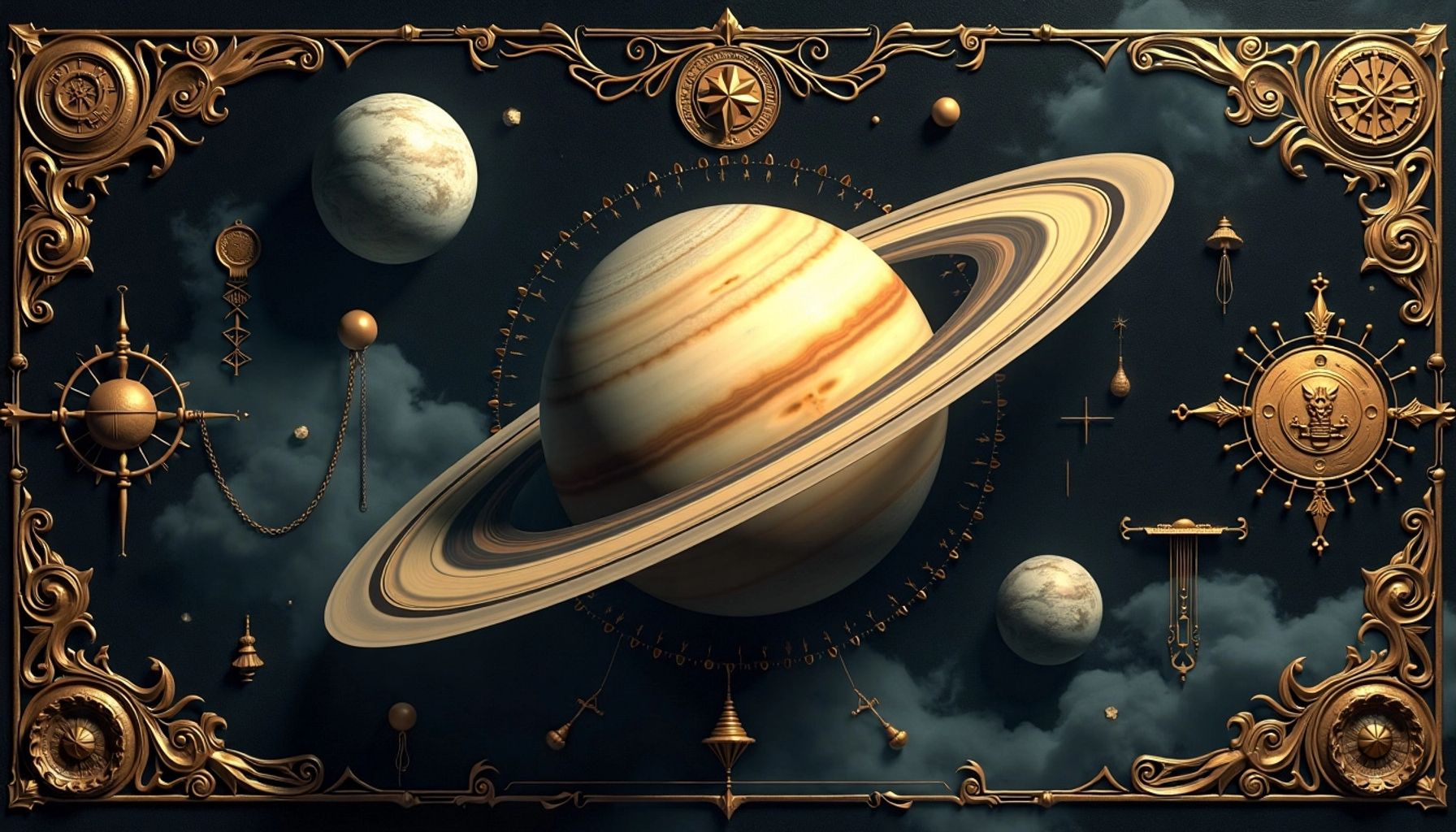
    The Golden Age of Saturn: A Journey Through Myth and Literature

    The concept of the Golden Age of Saturn symbolizes a time of peace, prosperity, and harmony before the advent of agriculture, war, and civilization. This era, often depicted in ancient Greek and Roman literature, reflects humanity’s longing for a simpler, more harmonious existence.

    Key Takeaways

    • The Golden Age represents an idealized past of peace and abundance.
    • Hesiod and Virgil are key figures in the exploration of this theme.
    • The narrative of decline from this golden era resonates through various literary works.

    The Origins of the Golden Age

    The Golden Age of Saturn is rooted in ancient mythology. It is said that during this time, men were made of gold, living in harmony without the burdens of toil and suffering. This idyllic period is often contrasted with the subsequent ages of silver, bronze, and iron, each representing a decline in human virtue and happiness.

    Hesiod’s Vision

    Hesiod, one of the most esteemed poets of Ancient Greece, provides our earliest and most vivid depictions of the Golden Age in his works, particularly in "Works and Days". He describes a time when:

    • Mortal men lived like gods without sorrow or toil.
    • The earth produced abundantly without cultivation.
    • This generation was honored as pure spirits after death, serving as guardians of humanity.

    Hesiod’s portrayal reflects the values of ancient Greek society, emphasizing harmony and a connection with nature. His narrative sets the stage for the exploration of this theme in later literature.

    Virgil’s Pastoral Poetry

    Fast forward to the Augustan age, where Virgil, in his Fourth Eclogue, offers a vision of cyclical time and the promise of a restored Golden Age. He writes:

    • A divine child will reign, bringing an end to the iron race and restoring peace.
    • Nature will flourish, producing abundant crops and flowers without cultivation.
    • The world will be free from alarm, and harmony will reign once more.

    Virgil’s work can be seen as both a reflection of his time and a prophetic vision, aligning with Emperor Augustus’ efforts to promote a new era of peace and prosperity.

    The Decline of Virtue

    The narrative of the Golden Age often includes a lamentation of humanity’s decline. As Hesiod describes, each subsequent generation becomes less noble:

    1. Silver Age: Characterized by foolishness and a lack of reverence for the gods.
    2. Bronze Age: Marked by violence and a love for war.
    3. Heroic Age: A noble but tragic era, where heroes meet their demise in battle.
    4. Iron Age: The current age, filled with strife, dishonor, and moral decay.

    This decline resonates deeply in classical literature, reflecting a collective yearning for a return to the simplicity and virtue of the Golden Age.

    The Utopian Vision

    The Golden Age is not merely a nostalgic longing; it embodies ideals of equality and communal ownership. Authors like Ovid and Pompeius Trogus echo this sentiment:

    • Ovid describes a time when men acted righteously without laws or punishment.
    • Trogus portrays Saturn as a just ruler, where no one was a servant, and all possessions were shared.

    These visions highlight a Roman admiration for justice and harmony, contrasting sharply with the complexities of their own society.

    The Astrological Perspective

    In the Middle Ages, the concept of the Golden Age evolved. Firmicus Maternus‘s Thema Mundi presents a structured astrological narrative, attributing the rise and fall of civilizations to planetary influences. This perspective emphasizes:

    • The rulership of Saturn during uncivilized times.
    • The transition to Jupiter for a more cultivated existence.
    • The eventual decline into chaos under Mercury.

    This astrological framework offers a rational approach to understanding human development, moving away from purely mythological narratives.

    The Christian Reinterpretation

    The Golden Age of Saturn also found new meaning in Christian thought. The narrative of a lost paradise parallels the Biblical story of Eden. The journey from innocence to a prophesied future of peace reflects a thematic continuum:

    • Paradise Lost: The ideal state of harmony and abundance.
    • Paradise Regained: The anticipated return to a state of grace and peace.

    This connection underscores the enduring relevance of the Golden Age motif across cultures and epochs.

    Conclusion

    The Golden Age of Saturn serves as a powerful symbol of humanity’s longing for a simpler, more harmonious existence. Through the works of Hesiod, Virgil, and others, we see a rich tapestry of ideals that reflect our deepest values and aspirations. Whether viewed through the lens of mythology, literature, or astrology, the Golden Age remains a poignant reminder of what once was and what could be again.
  • What The Ancestors Say About ‘The Great Serpent Mound’ Will Blow Your Mind

    What The Ancestors Say About ‘The Great Serpent Mound’ Will Blow Your Mind

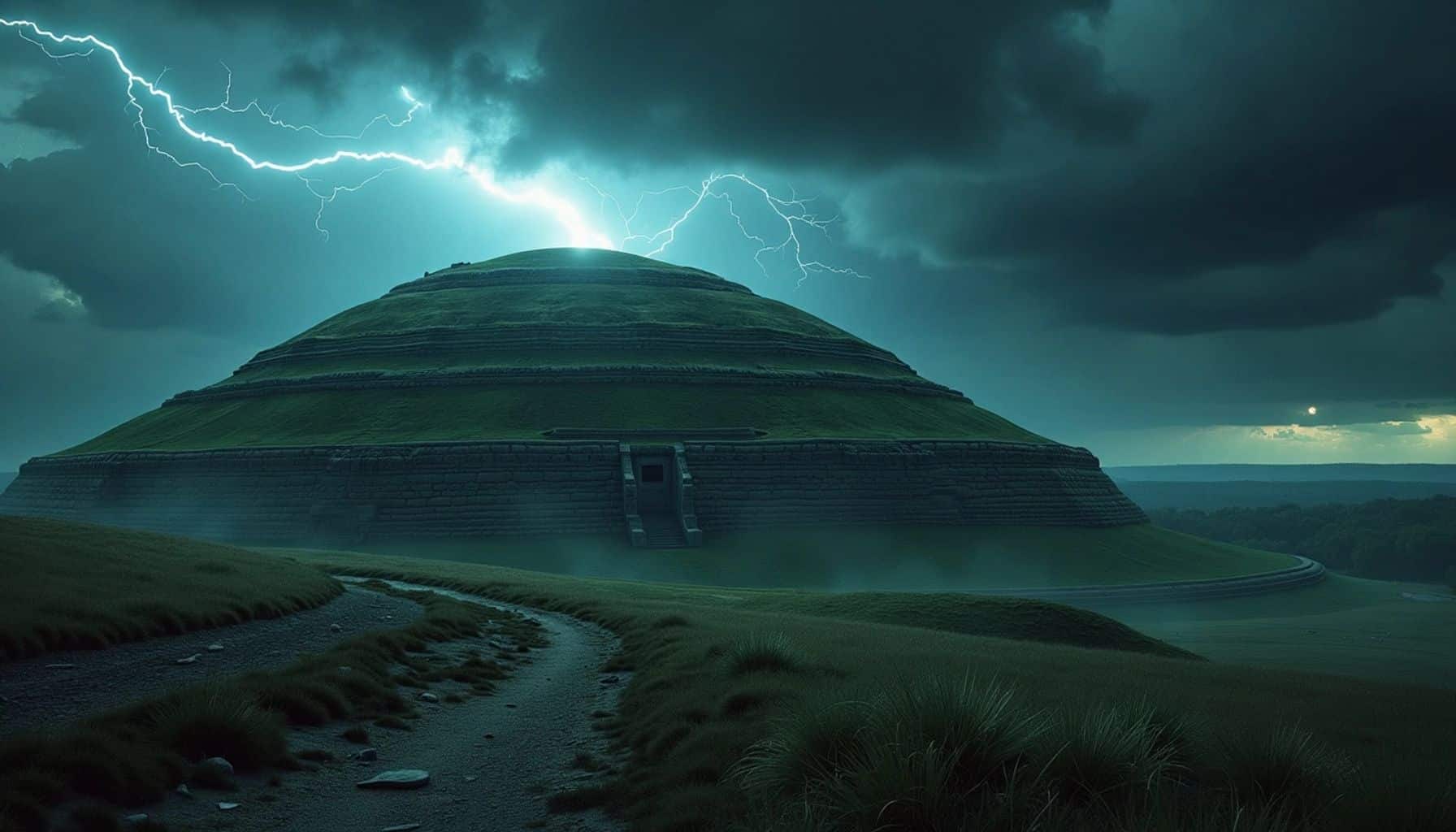
    In our world, thousands of years ago, ancient earthlings possessed remarkable knowledge. Through careful observations of the plasmatic sky, they harnessed energy to illuminate the darkness. Imagine the Great Serpent Mound, glowing brightly, visible even from space. Were they signaling the gods? Did they feel forgotten?

    Key Takeaways

    • The Great Serpent Mound is a prehistoric effigy mound in Ohio, stretching over 1,348 feet in length.
    • Its construction materials and alignment with celestial events raise questions about its purpose.
    • The mound’s location on a geological structure may enhance its electrical properties.
    • Local Native American tribes hold the mound as a significant spiritual symbol.

    The Great Serpent Mound: An Overview

    Located in Adams County, Ohio, the Great Serpent Mound is one of North America’s most intriguing prehistoric structures. This serpentine-shaped mound captivates archaeologists, historians, and enthusiasts alike. Its length of 1,348 feet and height of 3 feet make it a remarkable feat of ancient engineering.

    The mound is primarily composed of yellowish clay and ash, reinforced with a layer of rocks and soil. This unique composition has allowed it to withstand the test of time, preserving its intricate design for thousands of years. The stones used in its construction are believed to have been sourced locally, although the exact methods and tools used by the builders remain a topic of ongoing research and debate.

    Theories Surrounding The Mound

    One of the more recent theories about the Great Serpent Mound involves its electrical conduction properties. Some researchers suggest that the mound’s location and materials might enhance its ability to conduct electrical currents. This theory is partly based on the mound’s position on the edge of a geological structure known as the Serpent Mound crater, believed to be the result of an ancient meteor impact.

    The unique geological features of this area, including various minerals, could potentially influence the mound’s electrical properties. However, this remains largely unexplored and controversial.

    Spiritual Significance

    The Great Serpent Mound is situated on the edge of the Serpent Mound crater, a circular depression spanning several miles. This positioning has led to numerous theories about the mound’s purpose. Some researchers believe the builders chose this location due to its unique geological features, which may have held spiritual or ceremonial importance.

    The crater’s formation, likely from a meteor impact, could have been perceived as a powerful event by ancient peoples, prompting them to construct the mound in this specific spot.

    Mystical Experiences

    There have been various reports of the Serpent Mound being illuminated during certain celestial events. Some visitors claim to have seen the mound glowing or emitting light, especially during solstices and equinoxes. These sightings are often attributed to natural phenomena, such as the reflection of moonlight or the alignment of the sun with the mound’s features.

    Native American Perspectives

    Local Native American tribes, including the Mound Builders, hold the Serpent Mound in high regard. According to their oral traditions, the mound represents a powerful spiritual symbol, often associated with the Great Serpent, a significant figure in their cosmology.

    Modern interpretations, influenced by the electric universe theory, suggest that the mound’s design and location might be linked to ancient knowledge of electrical and magnetic forces. Opponents of this theory argue that the builders had an advanced understanding of these forces and incorporated them into the mound’s construction.

    Conclusion

    The Great Serpent Mound continues to be a source of fascination and mystery. Its construction, purpose, and significance are subjects of ongoing research and debate. While many questions remain unanswered, the mound stands as a testament to the ingenuity and spiritual depth of the ancient peoples who built it. Viewed through the lens of archaeology, geology, or speculative theories, the Serpent Mound remains an enduring symbol of human curiosity and our quest for understanding.

  • Anonymous Just Leaked The US Sent An Email Asking For The Resurrection Chamber Of Gilgamesh

    Anonymous Just Leaked The US Sent An Email Asking For The Resurrection Chamber Of Gilgamesh

    On December 13, 2018, the hacking group Anonymous made headlines once again with a shocking leak that stirred discussions across the internet. This time, the focus was on a set of emails allegedly obtained from a Freedom of Information Act request directed at the U.S. State Department. The emails contained a bizarre request for information regarding the resurrection chamber of Gilgamesh, the ancient Sumerian king, along with details about his body and the burial sites of the Nephilim, beings described in the Bible as giants or fallen angels.

    Key Takeaways

    • Anonymous leaked emails from the U.S. State Department.
    • The emails requested information about Gilgamesh’s resurrection chamber.
    • Speculation arose about government knowledge of ancient artifacts.
    • The Nephilim were also mentioned, adding to the intrigue.

    The leaked information quickly captured the imagination of people worldwide. It reignited old myths and led to speculation that the U.S. government might be aware of long-lost knowledge or artifacts that could reshape human history. The idea that the government could possess information about Gilgamesh and the Nephilim has proven too tantalizing for many to ignore.

    Anonymous, known for its decentralized structure and activist activities, has historically focused on exposing government and corporate secrets. However, this leak was unusual, even by their standards. It wasn’t just a release of classified emails related to political affairs or corporate misconduct; it delved into ancient mysteries and mythology, realms not typically associated with governmental transparency.

    The leaked email allegedly detailed a request from an unnamed individual or group for documents about a resurrection chamber supposedly linked to Gilgamesh. According to ancient Sumerian mythology, Gilgamesh was a demigod king whose epic tale is one of the oldest surviving pieces of literature. His exploits involve numerous feats of heroism, encounters with gods, and a quest for immortality.

    The Resurrection Chamber

    • Gilgamesh’s Legacy: Gilgamesh was 2/3 god and 1/3 man, and his story is a cornerstone of ancient literature.
    • No Known References: There is no known reference in Sumerian or Babylonian mythology to a resurrection chamber.
    • Speculative Theories: The idea intrigues those who believe ancient civilizations possessed knowledge or technologies beyond current understanding.

    The mention of the Nephilim in the leaked email only added to the intrigue. These beings are often described in biblical texts as a hybrid race, half divine and half human, existing before the great flood. Some theories suggest that the Nephilim were involved in constructing ancient megalithic structures using advanced technology or knowledge that has since been lost.

    For many, the leak seemed to validate long-standing beliefs that governments and powerful organizations are privy to knowledge about ancient civilizations and extraterrestrial beings that they deliberately withhold from the public. The reference to Gilgamesh raised eyebrows, as he was the king of Uruk, a city-state in ancient Mesopotamia, and his exploits are recounted in the Epic of Gilgamesh, dating back to the third millennium BCE.

    The Nephilim Connection

    • Biblical Origins: The Nephilim are mentioned in the Book of Genesis as the offspring of the sons of God and the daughters of men.
    • Hybrid Race: They are often interpreted as giants or fallen angels, fascinating theologians and historians alike.
    • Lost Knowledge: The idea that the U.S. government might possess information about their burial sites is both shocking and affirming for conspiracy theorists.

    The question of why the U.S. State Department would be involved in such a search adds another layer of mystery. Some speculate that the email may have been part of a secret project or investigation into ancient artifacts and beings, while others suggest it could be linked to ongoing efforts to uncover ancient technologies or knowledge that could profoundly impact modern science and politics.

    The Freedom of Information Act request, if genuine, suggests that certain factions within the government may indeed be exploring topics that many are unaware of. The idea that the U.S. government would be interested in Gilgamesh’s resurrection chamber or the burial sites of the Nephilim implies a broader investigation into humanity’s ancient past and the potential existence of lost knowledge or artifacts.

    Cultural Heritage and Repatriation

    • Return of Artifacts: In recent years, U.S. officials have made significant efforts to return stolen antiquities looted from Iraq during conflicts.
    • Cultural Significance: The return of these artifacts highlights the importance of preserving cultural heritage and the devastating impact of looting.
    • Diplomatic Gesture: The repatriation of items like cylinder seals and clay tablets symbolizes accountability and cooperation between nations.

    The looting of Iraq’s antiquities became widespread during and after the 2003 U.S.-led invasions. Thousands of priceless artifacts documenting the earliest developments of human civilization were stolen, destroyed, or sold on the black market. Recognizing the magnitude of the loss, U.S. authorities have played a role in repatriating looted Iraqi antiquities, working closely with Iraqi officials.

    One significant return occurred in 2021 when the U.S. government repatriated over 17,000 artifacts to Iraq, marking one of the largest returns of looted cultural property in history. These efforts not only help restore Iraq’s historical narrative but also bring some measure of justice for the destruction caused by war and looting.

    Conclusion

    The leak by Anonymous regarding the U.S. government’s interest in the resurrection chamber of Gilgamesh and the burial sites of the Nephilim has sparked a whirlwind of speculation and intrigue. While skeptics may dismiss such claims as baseless, the idea that powerful institutions have been hiding information about humanity’s origins and advanced ancient technologies resonates with many. As we continue to explore our past, the intersection of mythology, history, and modern governance remains a captivating subject worthy of further investigation.

  • What’s Hidden Inside The Deepest Hole On Earth?

    What’s Hidden Inside The Deepest Hole On Earth?

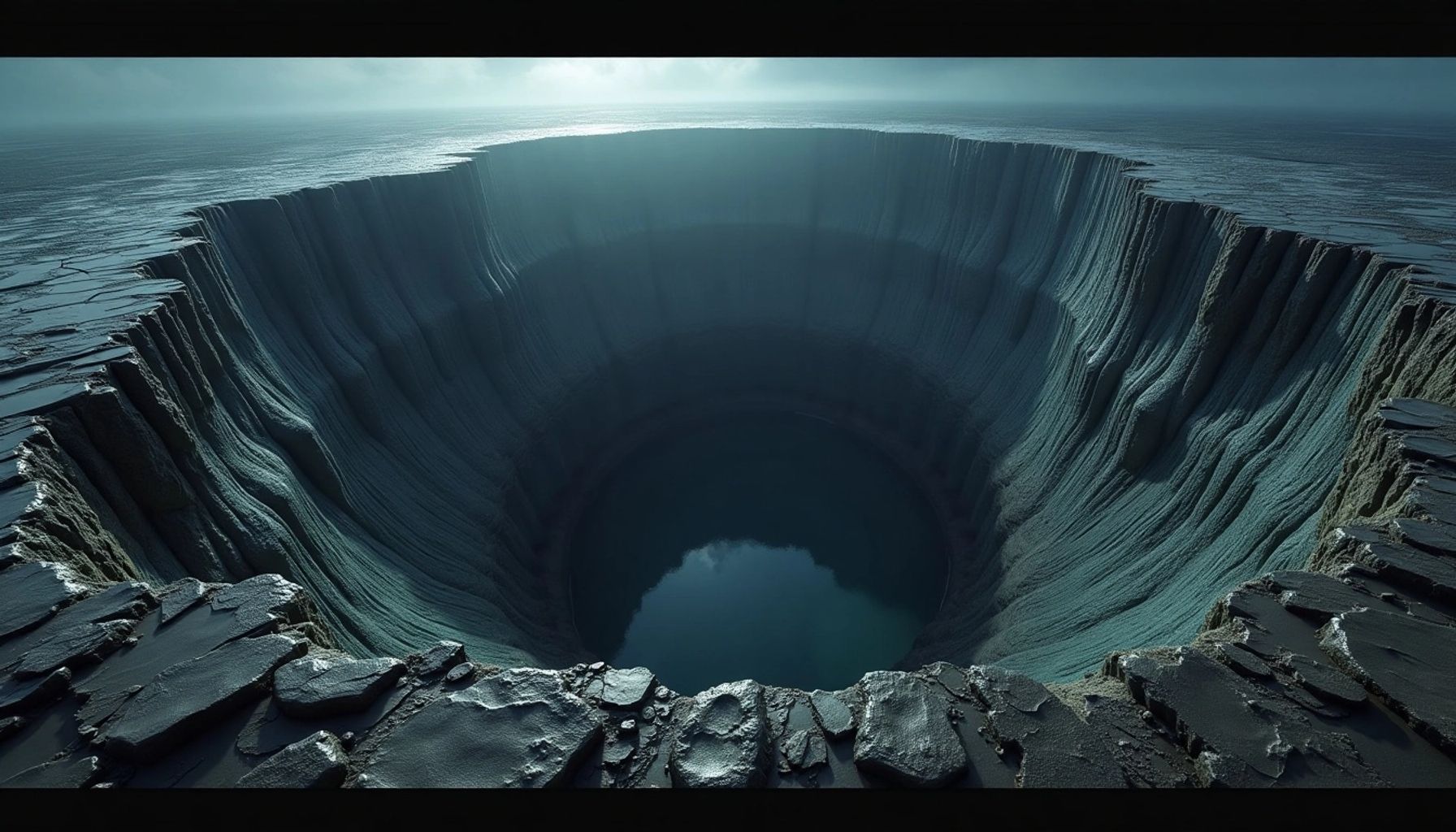
    The Kola Superdeep Borehole remains one of the most fascinating scientific endeavors in history. Initiated by the Soviet Union in the 1970s, this ambitious project aimed to drill as deep as possible into the Earth’s crust, uncovering secrets that lie beneath our feet. What they found was both astonishing and perplexing, leading to a mix of scientific discovery and urban legend.

    Key Takeaways

    • The Kola Superdeep Borehole is deeper than Mount Everest and the Mariana Trench.
    • Unexpected geological findings challenged existing scientific theories.
    • Urban legends emerged, claiming the discovery of hellish sounds and entities.

    The Ambitious Beginning

    In 1958, the United States launched Project Mohole, aiming to sample the Earth’s mantle by drilling into the ocean floor. However, funding issues halted the project in 1966. Inspired by American efforts, the Soviets initiated their own drilling project in 1970, known as the Kola Superdeep Borehole, located in Murmansk, Russia.

    The Drilling Process

    The Kola project aimed to reach a depth of 15 kilometers. The drilling rig was designed to extract core samples along the entire length of the drill shaft, allowing scientists to analyze the Earth’s composition in real-time. Initial drilling went smoothly, but as they reached deeper layers, challenges arose:

    1. Increased Density: At around 6.9 kilometers, the rock became denser, causing drill bits to break.
    2. High Temperatures: Scientists expected temperatures to reach about 100°C, but they encountered temperatures of 180°C at 12 kilometers, which was far beyond their predictions.
    3. Unexpected Findings: Instead of the anticipated basalt layers, they found granite deeper than expected, along with a surprising discovery of water at depths of 3 to 6 kilometers.

    The Mysteries Unveiled

    As drilling continued, the team faced numerous accidents and setbacks. One of the most significant incidents occurred in 1984 when a section of the borehole collapsed, erasing five years of work. Despite these challenges, the discoveries made were groundbreaking:

    • Porous Rock: The rock became more plastic-like at high temperatures, complicating drilling efforts.
    • Ancient Life: Tiny remains of plankton were found, dating back 2 billion years, indicating life existed at those depths.

    The Urban Legends

    The Kola Superdeep Borehole is not just a scientific marvel; it has also become the center of urban legends. One of the most notorious claims is that scientists recorded sounds from hell when they lowered a microphone into the borehole. According to the legend, the audio captured the screams of the damned, leading to widespread fear and fascination.

    The Truth Behind the Legend

    While the story of hellish sounds captivated many, investigations revealed that the audio was actually from a horror movie, not a scientific recording. The tale was further fueled by a Finnish newspaper article that misrepresented the events at the drilling site, leading to sensationalized reports.

    Conclusion: The Depths of Mystery

    The Kola Superdeep Borehole remains a testament to human curiosity and the quest for knowledge. Despite reaching only 0.2% of the Earth’s depth, the project yielded invaluable insights into our planet’s geology. While the urban legends surrounding the borehole may be exaggerated, the scientific discoveries continue to intrigue researchers and enthusiasts alike. The mysteries of the Earth’s depths may never be fully unraveled, but the Kola Superdeep Borehole will forever be a symbol of exploration and the unknown.

  • Unveiling The Mysteries: A Deep Dive Into The History Of Occultism

    Unveiling The Mysteries: A Deep Dive Into The History Of Occultism

    Occultism often conjures images of dark rituals and mysterious figures, shaped largely by Hollywood’s portrayal. However, the reality is far more complex and rich. This article explores the origins, evolution, and contemporary relevance of occultism, shedding light on its profound impact on society.

    Key Takeaways

    • Occultism originates from ancient religious thought and has evolved over centuries.
    • Key figures like Helena Blavatsky and Rudolf Steiner shaped modern occult practices.
    • The relationship between occultism and historical events, including its ties to Nazi ideology, is intricate and often misunderstood.
    • Today, occultism is intertwined with psychology and personal development, reflecting modern individualistic values.

    What Is Occultism?

    The term occultism derives from the Latin word occultus, meaning hidden or concealed. It refers to the knowledge of what is hidden, encompassing various mystical and esoteric traditions. Historically, occultism has been misunderstood, often labeled as sinful or forbidden. This misunderstanding stems from its portrayal in media, which tends to exaggerate and sensationalize its practices.

    The Origins Of Occultism

    European occultism has roots in ancient religious thought, often categorized as Western esotericism. Its sources include:

    • Gnosticism
    • Hermetic texts on alchemy and magic
    • Neoplatonism
    • Kabbalah

    A pivotal figure in this tradition is Hermes Trismegistus, a legendary figure whose teachings laid the groundwork for many esoteric practices. His influence can be seen in various occult orders that emerged throughout history, such as the Rosicrucians and the Order of the Golden Dawn.

    The Renaissance Era

    The Renaissance marked a significant resurgence in occultism. Secret societies flourished, attracting wealthy and educated individuals. Many members sought to advance socially, engaging in what could be likened to occult networking. This period saw a blending of natural sciences with spiritual beliefs, as practitioners sought to reconcile scientific discoveries with mystical insights.

    The 19th And 20th Centuries

    The late 19th and early 20th centuries witnessed another wave of interest in occultism, fueled by:

    • The rise of spiritualism in America
    • The influence of Helena Blavatsky and the Theosophical Society

    Blavatsky’s works introduced Western audiences to Eastern philosophies, igniting a fascination with spiritual practices previously unknown in the West. This era also saw the emergence of Rudolf Steiner, who founded Anthroposophy, integrating spiritual knowledge with practical applications in education and agriculture.

    Occultism And National Socialism

    The relationship between occultism and Nazi ideology is complex. While some Nazi leaders were drawn to occult symbols and practices, the regime also persecuted many practitioners. Hitler’s regime utilized propaganda to manipulate public perception, but it is crucial to understand that the atrocities committed were rooted in a diseased mindset rather than a direct influence of occult beliefs.

    The New Age Movement

    The 1960s brought about the New Age movement, which sought to explore beyond conventional understanding. This period saw a rise in interest in:

    • Shamanism
    • Transpersonal psychology
    • Psychoanalysis

    Figures like Carl Jung integrated psychological concepts with occult teachings, emphasizing the importance of individuation and self-discovery.

    Occultism Today

    In contemporary society, occultism has become more mainstream. Astrological forecasts and occult literature are widely available, reflecting a shift towards utilitarianism in spiritual practices. Knowledge is often valued for its practical applications, with a focus on personal development and social success.

    Conclusion

    Occultism is a unique phenomenon that seeks to reconcile the findings of natural sciences with spiritual knowledge. While its methods may not always align with scientific rigor, the influence of occult thought on literature, philosophy, and even scientific discovery is undeniable. As we continue to explore the mysteries of the subconscious and the unknown, the relevance of occultism remains significant in our quest for understanding.

  • Alien Messaging and A Signal Weirder Than Wow

    Alien Messaging and A Signal Weirder Than Wow

    Spooky season is nearly upon us, and what better way to set the mood than by diving into the intriguing world of extraterrestrial communication? The history of radio astronomy, particularly in the search for extraterrestrial intelligence (SETI), is filled with fascinating discoveries and puzzling signals. From the original concept of searching for narrowband signals at the 1420 MHz hydrogen line to the enigmatic signals that have baffled scientists for decades, the quest for alien contact continues to captivate our imagination.

    Key Takeaways

    • The concept of an alien beacon raises questions about energy requirements and technological capabilities.
    • Directional signaling may explain the silence of the galaxy.
    • The SHGb02+14a signal presents a compelling case for further investigation.

    The Concept of Alien Beacons

    The idea of an alien beacon is both thrilling and daunting. Cocconi and Morrison proposed that civilizations might send out powerful signals to announce their presence. However, such a beacon would require enormous amounts of energy. A narrowband signal is more efficient than a broadband one, but even then, the energy needed would far exceed Earth’s current production.

    To effectively communicate with the entire Milky Way, a civilization would need to maintain this beacon for millions of years. This raises the question: why would an advanced civilization invest so much time and resources into a project that could easily be a trap?

    The Directional Dilemma

    If a civilization were to send a signal, it might be more practical to direct it toward known planets with life. This would conserve energy and increase the chances of a response. However, this leads to another conundrum: if signaling is directional, how do civilizations detect each other?

    The answer may lie in leakage. Accidental detection of signals could lead to intentional communication. Yet, if aliens are aware of Earth’s biosignatures, how long would they keep a signal active without a response? Would they wait a billion years before trying again?

    The Forgotten Signal: SHGb02+14a

    Among the many signals detected, one stands out: SHGb02+14a. Discovered in March 2003 by the SETI@home project, this signal was observed three times, each time at the hydrogen line frequency of 1420 MHz. Unlike the famous Wow signal, SHGb02+14a has not received much attention, primarily due to its uncatchy name.

    Characteristics of SHGb02+14a

    • Location: Between the constellations Pisces and Aries, with no nearby stars within 1000 light-years.
    • Weakness: The signal was barely detectable, which paradoxically contributed to its dismissal.
    • Rapid Drift: The signal exhibited a rapid drift of 8 to 37 Hz per second, suggesting either intentional modulation or a high rotation rate of its source.

    The Implications of a Directional Signal

    The rapid drift of SHGb02+14a raises intriguing possibilities. If it were a signal from a rotating planet, it would imply an extraordinary rotation rate. However, it could also indicate a spacecraft or space station transmitting intentionally. The fact that it appeared consistently at 1420 MHz before drifting suggests a deliberate communication method.

    Despite its peculiarities, SHGb02+14a was deemed a poor candidate for SETI due to its weirdness. Critics argued it could be an artifact of random chance or cosmic noise. However, these explanations could dismiss any potential SETI signal, making it essential to revisit the data.

    The Search Continues

    As the Wow signal loses its status as the premier SETI candidate, SHGb02+14a deserves renewed attention. The absence of nearby stars in its region does not rule out the possibility of a distant source. In fact, a binary red dwarf star system, G73-11 A and B, is located just over 100 light-years away, providing a potential origin for the signal.

    Conclusion

    The quest for extraterrestrial communication is far from over. As we continue to explore the vastness of space, we must remain vigilant for signals that may have been overlooked. The universe is full of mysteries, and perhaps the next breakthrough in SETI will come from revisiting old data with fresh eyes.

    Thanks for joining this exploration into the weird and wonderful aspects of our universe. Stay curious!

  • Proof That Aliens Visited Earth?

    Proof That Aliens Visited Earth?

    Many people dismiss ancient astronaut theories as mere pseudo-science. However, this perspective overlooks a rich tapestry of human history. Across the globe, ancient civilizations have shared stories of visitors from other planets, suggesting a deeper connection between humanity and extraterrestrial life.

    Key Takeaways

    • Ancient cultures worldwide have legends of alien visitors.
    • The Dogon tribe in Africa has detailed knowledge of their extraterrestrial visitors.
    • Numerous modern sightings and incidents, like Roswell, fuel ongoing speculation about UFOs.

    Ancient Legends Of Alien Visitors

    From the Dogon tribe in Africa to the Mayan and Aztec civilizations, tales of ancient visitors abound. The Dogon, one of the oldest tribes, recounts stories of reptilian beings from a star system near Sirius. They possess knowledge about celestial bodies that modern science only confirmed years later.

    • Key Details from the Dogon:
      • Legends of giant reptilians.
      • Knowledge of a tiny star, the Nomo, which modern telescopes only discovered recently.
      • Celebrations every 40 years related to their celestial visitors.

    Gifts From The Stars

    These ancient visitors often brought gifts in the form of knowledge. The Dogon claim that the Nomo gifted them various plants, including hemp and strawberries. Such gifts were perceived as divine, leading many cultures to view these beings as godlike figures.

    • Notable Gifts:
      • Agriculture techniques.
      • Medicinal plants like cannabis.
      • Knowledge of celestial events.

    The Dogu Figures

    The Dogu, clay figures created over 10,000 years ago, may serve as commemorative artifacts of these visitors. Crafted with remarkable skill, some figures appear to be battle-scarred, possibly reflecting real encounters with these beings.

    Modern Sightings And Incidents

    The fascination with UFOs surged after the Roswell incident in 1947, where a supposed UFO crash led to widespread speculation about government cover-ups. Whistleblowers have claimed to work on reverse-engineering alien technology at Area 51.

    • Key Incidents:
      • Roswell (1947): Alleged UFO crash and government cover-up.
      • Aurora, Texas (1897): An alien craft reportedly crashed, and alien bodies were discovered.

    Eyewitness Accounts

    Numerous eyewitness accounts from credible sources have emerged over the years. For instance, in Zimbabwe, over 20 students witnessed a craft land near their school, yet many skeptics dismissed their claims as mass hysteria.

    • Westall High School Incident (1966):
      • Students and a teacher reported seeing a saucer-shaped craft.
      • The object was pursued by unidentified aircraft.

    The Pursuit Of Truth

    With thousands of testimonies from various disciplines, the existence of UFOs is becoming increasingly difficult to deny. Governments worldwide are slowly releasing information, suggesting that full disclosure is not a matter of if, but when.

    Conclusion

    The evidence of ancient visitors and modern sightings raises compelling questions about humanity’s place in the universe. As we continue to explore these mysteries, the truth may be closer than we think. The stories of our ancestors and the experiences of modern witnesses intertwine, creating a narrative that challenges our understanding of reality. Could it be that we are not alone?

  • The Strange Fate of Steel From 9/11

    The Strange Fate of Steel From 9/11

    The steel from the Twin Towers, once a symbol of architectural achievement, now serves as a poignant reminder of the tragic events of September 11, 2001. Over 2,200 fragments of this steel have been transformed into memorials across the globe, each piece telling a story of resilience, loss, and remembrance.

    Key Takeaways

    • The steel from the Twin Towers is less than 1% of the total 200,000 tons recovered.
    • It served both forensic and financial purposes after the tragedy.
    • Many fragments have been repurposed into memorials and significant artifacts.

    The Journey of the Steel

    After the collapse of the Twin Towers, the steel became a crucial element in understanding the events of that day. It was not only valuable as a material but also as forensic evidence. The deformed and severed pieces provided insights into the structural failures that occurred during the attacks.

    • Forensic Value: The steel helped reconstruct the details of the collapse with incredible accuracy.
    • Financial Value: It was the easiest material to sell for scrap, making it a financially valuable asset.

    The Recovery Process

    The recovery of the steel was a meticulous process. Every pound was accounted for, contrasting sharply with the narratives presented by memorials. The steel from the North Tower, for instance, was part of a core structure that stood for over 30 years before its tragic end.

    • Topping Out Ceremony: This ceremony marked the completion of the steel construction in the 1970s, symbolizing good luck for the building.
    • Collapse: On September 11, 2001, the North Tower collapsed in just 11 seconds, creating a massive heap of debris.

    The Aftermath

    In the days following the attacks, private construction companies mobilized to clear the debris. The steel was quickly transported to Fresh Kills landfill, where it faced challenges due to its weight.

    • Debris Management: Initially, all materials were piled together, but soon the steel was separated for its scrap value.
    • Scrap Market: Most of the steel ended up in international markets, primarily in India, China, and Turkey.

    Preserving History

    While much of the steel was sold for scrap, a significant portion was preserved for its historical value. An archive committee was formed to determine which pieces should be saved.

    • Selection Process: Architect Bartholomew Vanger led the effort to identify pieces that told the story of the World Trade Center.
    • Storage: The selected pieces were stored in Hangar 17 at JFK Airport, treated as archaeological artifacts rather than scrap.

    Transformation into Memorials

    The steel fragments have found new life as memorials across the United States and beyond. Each piece carries a story, often marked by ceremonies that reflect their significance.

    • USS New York: Some steel was melted down to create the USS New York, symbolizing strength forged through sacrifice.
    • Local Memorials: Fragments have been displayed in various towns, often accompanied by ceremonies that evoke a sense of connection to the events of 9/11.

    The Role of Memorials

    These memorials serve as a reminder of the events of 9/11, but they also raise questions about their placement and significance.

    • Criticism: Some argue that distributing memorials dilutes the impact of centralized sites like the 9/11 Memorial Museum.
    • Cultural Significance: The steel fragments have become relics, representing the collective memory of a nation.

    Conclusion

    The journey of the steel from the Twin Towers is a complex narrative of loss, resilience, and remembrance. Each fragment tells a story, connecting us to the past while reminding us of the importance of memorializing such significant events. As we reflect on these pieces, we honor the memories of those lost and the resilience of those who continue to remember.

  • Dark Tales From Arizona: Skinwalkers, Mogollon Monster, And The Lost Dutchman’s Gold

    Dark Tales From Arizona: Skinwalkers, Mogollon Monster, And The Lost Dutchman’s Gold

    In Arizona, dark legends intertwine with the landscape, revealing chilling tales of supernatural beings and hidden treasures. From the eerie Skinwalkers of Navajo folklore to the elusive Mogollon Monster and the cursed Lost Dutchman’s Gold Mine, these stories echo through the canyons and mountains, captivating the imagination and instilling fear.

    Key Takeaways

    • Skinwalkers are malevolent shape-shifters in Navajo culture.
    • The Mogollon Monster is a terrifying creature lurking in Arizona’s wilderness.
    • The Lost Dutchman’s Gold Mine is shrouded in mystery and rumored to be cursed.

    Skinwalkers: The Dark Shape-Shifters

    Skinwalkers, or Yei Naad Lushi, are deeply rooted in Navajo tradition. Unlike playful shape-shifters of European folklore, these beings embody pure evil. They are said to possess the ability to transform into animals, particularly those they share a spiritual connection with.

    • Transformation: The process is gruesome, twisting the witch’s humanity into something monstrous.
    • Predatory Nature: Skinwalkers prey on the weak, using mimicry to lure victims into isolated areas.
    • Cultural Taboos: The Navajo people speak of them in hushed tones, fearing their malevolent wrath.

    One chilling tale recounts a group of reckless Navajo teenagers who ventured into a known Skinwalker lair. Their laughter echoed through the canyon until a blood-curdling scream shattered the night. One of their own was dragged into darkness by a creature resembling a massive coyote, leaving the remaining teens paralyzed with fear.

    The Mogollon Monster: Terror in the Wilderness

    In the rugged wilderness of Arizona’s Mogollon Rim, a creature known as the Mogollon Monster lurks. Standing over 7 feet tall, this elusive being is said to move with eerie grace, making it nearly impossible to spot despite its size.

    • Physical Description: Resembles Bigfoot with shaggy hair and glowing eyes.
    • Aggressive Encounters: Unlike other Bigfoot sightings, encounters with the Mogollon Monster are often marked by aggression.
    • Eerie Sounds: Campers report hearing guttural growls and high-pitched screams echoing through the canyons.

    One fateful day, a group of hikers stumbled upon the creature. Its deafening roar sent chills down their spines, and as it charged toward them, they scattered in terror. One hiker, paralyzed by fear, found himself face-to-face with the creature, which hesitated before vanishing into the forest.

    The Lost Dutchman’s Gold Mine: A Cursed Treasure

    The Lost Dutchman’s Gold Mine is a tale of hidden riches and treachery, set against the backdrop of the Superstition Mountains. Jacob Waltz, known as the Dutchman, is said to have discovered a magnificent gold mine, but its location remains a mystery.

    • Cursed Legend: Many believe the mine is cursed, leading treasure seekers to their doom.
    • Treacherous Terrain: The mountains are unforgiving, with steep cliffs and flash floods posing constant dangers.
    • Mysterious Disappearances: Countless adventurers have vanished without a trace, leaving behind only whispers of their fate.

    Despite the dangers, the allure of the Lost Dutchman’s Gold Mine continues to captivate treasure hunters. Armed with maps and unwavering determination, they brave the rugged wilderness, hoping to uncover the secrets hidden within the mountains.

    Conclusion

    Arizona’s dark tales remind us of the mysteries that linger in the shadows. From the malevolent Skinwalkers to the terrifying Mogollon Monster and the cursed Lost Dutchman’s Gold Mine, these legends serve as a testament to the enduring power of belief. As we explore these haunted landscapes, we are left questioning our own reality and the forces that may still roam the earth.

    What do you think of these dark tales from Arizona? Share your thoughts, but remember to keep it friendly and respectful. Until next time, stay safe out there!

  • The Dark Side of Ancient Mesopotamia’s Magic and Demonology

    The Dark Side of Ancient Mesopotamia’s Magic and Demonology

    In the ancient civilizations of Babylonia and Assyria, magic and religion were deeply intertwined. The people of Chala viewed magic as a powerful tool, wielded by priests and sorcerers alike, to navigate the complexities of life, death, and the supernatural. This article explores the fascinating yet dark aspects of their magical practices and beliefs.

    Key Takeaways

    • Magic and religion were indistinguishable in ancient Mesopotamia.
    • Priests held significant power as both religious leaders and practitioners of magic.
    • Various rituals and spells were used to combat demons and diseases.
    • The concept of vampires and evil spirits was prevalent in Babylonian culture.
    • The legacy of Babylonian magic can be seen in modern practices.

    The Intertwining of Magic and Religion

    In ancient Mesopotamia, the lines between magic and religion were blurred. The asipu, a title for sorcerers, was part of the priesthood, indicating that magic was often employed for religious purposes. The priests, known as shangu maku, acted as gatekeepers between the human and divine realms.

    The literature of Chala is rich with references to magic, showcasing spells and incantations that resemble those used by medieval European magicians. This suggests that the magical practices of ancient Mesopotamia laid the groundwork for later magical traditions.

    The Role of Priests and Sorcerers

    The priesthood in Babylon was multifaceted, with various titles indicating different roles:

    • Asipu: Sorcerer or exorcist.
    • Shangu Maku: High priest.
    • Ishibu: Wizard or magician.
    • Mushu: Diviner.

    These priests performed rituals to invoke the gods and combat evil spirits. They were seen as powerful figures, capable of influencing the forces of nature and the supernatural.

    The Dark Side of Magic

    Magic in Babylon was not without its dangers. The baru, or seers, practiced divination, while the ishipu dealt with taboos and performed atonement rituals. However, the unprofessional sorcerers, often viewed with suspicion, faced dire consequences if accused of wrongdoing. The Code of Hammurabi even dictated harsh penalties for those found guilty of sorcery.

    Babylonian Vampires and Evil Spirits

    The concept of vampires was not foreign to the Babylonians. They believed in various malevolent spirits, including the seven evil spirits that tormented humanity. These spirits were often depicted as vampires, draining the life force from their victims. The ancient texts describe them as relentless and merciless, embodying the fears of the people.

    The Influence of Babylonian Magic on Modern Practices

    The magical practices of ancient Mesopotamia have left a lasting legacy. Many modern magical traditions can trace their roots back to Babylonian rituals. The use of names and incantations, believed to hold power, is a common thread that connects ancient and contemporary practices.

    Rituals and Spells

    Babylonian magic involved a variety of rituals and spells aimed at healing, protection, and divination. Some notable practices included:

    • Hepatoscopy: Divination through the examination of animal livers.
    • Exorcism: Rituals to cast out evil spirits.
    • Purification: Water rituals to cleanse individuals of curses.

    These rituals often involved intricate preparations and the use of specific ingredients believed to enhance their effectiveness.

    The Legacy of the Anunnaki

    The Anunnaki, a group of deities in Babylonian mythology, were often associated with magic and the supernatural. Their influence can be seen in various aspects of Babylonian life, from medicine to rituals. The belief in their power shaped the way people approached magic and the divine.

    Conclusion

    The magic and demonology of ancient Mesopotamia reveal a complex interplay between belief, power, and the supernatural. The legacy of these practices continues to resonate in modern magical traditions, reminding us of the enduring fascination with the mystical and the unknown. As we explore the dark side of ancient Mesopotamian magic, we uncover not only the fears and beliefs of a bygone era but also the roots of our contemporary understanding of magic and the supernatural.