Blog

  • Did Scientists Finally Solve the Wow! Signal?

    Did Scientists Finally Solve the Wow! Signal?

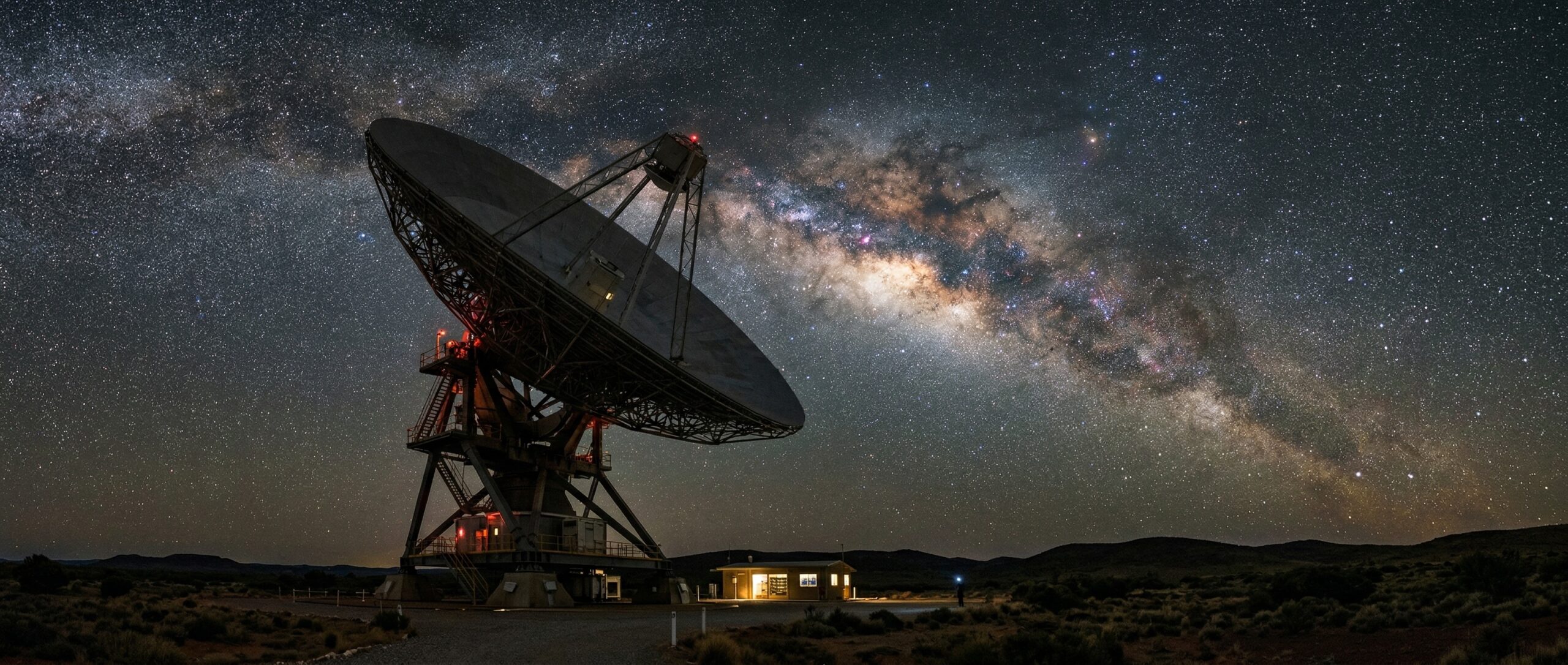
    One of the most iconic mysteries in extraterrestrial lore is back in the headlines. The 1977 Wow! signal — a 72-second radio burst that briefly looked like humanity’s best shot at hearing an alien transmission — is getting a fresh wave of attention after researchers proposed a new natural explanation based on similar signals found in archived Arecibo data.

    The new claim does not definitively close the case. But it does push the story into that perfect uncanny zone where scientific explanation and cosmic mystery overlap: maybe not aliens, but still strange enough to preserve the signal’s legendary status.

    What the New Wow! Signal Explanation Says

    The new attention comes from reporting on a study linked to the Arecibo Wow! project. According to Popular Mechanics, researchers revisiting signals near the 1420 MHz hydrogen line — the same general frequency region as the original Wow! signal — identified narrower, similar signals in archived observations from 2020.

    The authors propose that the original 1977 event may have been caused by a rare natural process: hydrogen clouds becoming suddenly brightened by an intense transient radiation source, possibly something like a magnetar flare or soft gamma repeater. If true, that would mean the famous signal was natural — but extraordinarily unusual.

    The underlying study, available as an arXiv preprint, does not read like a simple debunk. It is more of a plausible explanatory model for an event that has resisted easy categorization for decades.

    Why the Wow! Signal Still Has So Much Power

    The reason this story keeps resurfacing is simple: the Wow! signal is one of the few mysteries in radio astronomy that escaped the scientific archive and entered popular mythology.

    The basic narrative is irresistible:

    • a strange signal appears in 1977
    • it is strong, narrowband, and unusual enough to stand out dramatically
    • astronomer Jerry Ehman famously writes “Wow!” next to the printout
    • the signal is never repeated in exactly the same way
    • for decades, it becomes shorthand for “maybe we heard them”

    That emotional power is hard to erase, even when new science offers a non-alien explanation. The signal’s cultural legacy is not just about whether it came from intelligence. It is about what it felt like in the moment: a brief, electrifying crack in the ordinary noise of the universe.

    Natural Does Not Mean Uninteresting

    One reason the new explanation works so well as a story is that it preserves much of the awe. If a rare cosmic process involving hydrogen clouds and powerful transient radiation can mimic what once looked like a possible alien transmission, then the universe is still capable of producing events so uncanny they briefly feel intentional.

    That is part of why the Wow! signal remains such a powerful symbol. Even if it turns out not to be extraterrestrial communication, it still represents the moment when science touched something it did not yet understand — and the whole culture leaned forward.

    The Planetary Habitability Laboratory summary reinforces this tension: the proposed mechanism is plausible, but it does not strip the event of its mystery so much as relocate the mystery into astrophysics itself.

    How Mysteries Evolve

    The Wow! signal is also a textbook example of how unexplained phenomena mature over time. First there is the anomaly. Then the mythologizing. Then competing explanations. Then decades later, new data arrives and reframes the story — but rarely in a way that satisfies everyone emotionally.

    That is what is happening here. The signal may be moving from “possible extraterrestrial message” toward “rare and misunderstood natural event.” But those are not emotionally equivalent categories, which is why the debate remains alive.

    Why This Matters for The Unexplained World

    This story is ideal for The Unexplained Company because it sits right where wonder and evidence meet. It is science-forward, culturally familiar, and still sticky enough to spark debate.

    The better question is not just whether scientists solved the Wow! signal. It is why some mysteries remain powerful even after plausible explanations emerge.

    The answer may be that certain anomalies become symbols. The Wow! signal is one of them. It represents the possibility that the universe might speak once, briefly, and in a voice we almost recognize.

    For more evidence-based mystery coverage, read our stories on the Black Knight satellite myth, the 7910 kHz spy radio mystery, and the Mellon leak and high-def satellite UFO claims.

    This article was created using Media Blaster – Your content production specialist. Visit www.mediablaster.io for more information.


  • Why the Black Knight Satellite Myth Never Dies

    Why the Black Knight Satellite Myth Never Dies

    The Black Knight satellite conspiracy is trending again after fresh explainer coverage revived one of the most durable myths in UFO culture: the claim that an artificial object of extraterrestrial origin has been orbiting Earth for thousands of years. The theory ties together Nikola Tesla, mysterious radio signals, pre-space-age satellite rumors, delayed echoes, and NASA imagery into one long-running cosmic mystery.

    That is exactly why it keeps coming back. The Black Knight story is not a single event. It is a collage — a conspiracy built by stitching unrelated anomalies across more than a century into one seductive narrative about alien surveillance hiding in plain sight.

    What the Black Knight Satellite Theory Claims

    The basic claim is simple and irresistible: a dark, silent object of nonhuman origin has been circling Earth for thousands of years, quietly watching us from orbit. Depending on the version, it is described as an alien probe, an ancient monitoring device, or proof that humanity has been under observation long before the modern space age.

    As The Economic Times recently summarized, believers often tie the story to a 13,000-year-old orbital object, while mainstream explanations point instead to a chain of misunderstood events — especially debris and thermal insulation associated with NASA’s STS-88 mission.

    How the Myth Was Built

    The Black Knight legend survives because it pulls from multiple real incidents, each weird enough to sound meaningful when pulled out of context.

    • Nikola Tesla’s 1899 radio experiments: Tesla reported strange repeating signals, which later storytellers folded into alien-contact speculation.
    • Long-delayed radio echoes: unusual signal behavior in the early 20th century became fuel for theories about artificial objects in orbit.
    • Donald Keyhoe’s 1954 satellite claims: before the space age fully matured, public confusion about unidentified orbital objects fed the myth.
    • NASA’s 1998 STS-88 images: photographs showing a dark object above Earth became the most iconic “evidence” for the Black Knight theory.

    As Space.com explains, the object in the STS-88 imagery is widely understood to have been a thermal insulation blanket lost during a spacewalk, not extraterrestrial hardware.

    And yet the image still looks uncanny enough to keep the theory alive.

    Why Debunking Never Kills It

    This is what makes the Black Knight story such a perfect case study in conspiracy culture. It does not depend on one piece of evidence. It thrives by bundling ambiguity.

    That gives it three major advantages:

    • It stitches unrelated anomalies into a single grand narrative.
    • It weaponizes uncertainty. Old signals, poor-quality images, and misunderstood equipment all become proof-like fragments.
    • It survives debunking. In many cases, debunking gives it a fresh media cycle and introduces it to a new audience.

    That is why myths like this do not disappear. They mutate. Every new explainer, TikTok recap, Reddit thread, or UFO documentary gives the legend another generation of believers and skeptics to feed on.

    Tesla, NASA, and the Power of Pattern-Seeking

    The deeper appeal of the Black Knight myth is psychological as much as extraterrestrial. It gives people a way to connect scattered weirdness across time into one coherent, thrilling possibility.

    Tesla’s signal reports become prophetic. Delayed echoes become evidence of surveillance. A floating blanket becomes a silent alien machine. The result is less an argument than a mood: the sense that the truth has been visible for decades, if only you know how to connect the dots.

    As background summaries of the theory note, the Black Knight narrative is not based on one continuous line of evidence. It is a patchwork assembled after the fact. But for many people, that patchwork quality is part of the charm.

    Mystery, Mythmaking, and Media Literacy

    For The Unexplained Company, this story is valuable not just as a UFO article but as a media-literacy article. It lets us ask a better question than “is the Black Knight real?”

    The more interesting question is: why do some myths become effectively immortal?

    The answer may be that they balance wonder and plausibility in just the right way. The Black Knight is spooky but not absurd, debunked but not dead, familiar but still open enough to invite fresh speculation.

    That makes it the perfect evergreen conspiracy — one that keeps re-entering culture every time a new audience discovers the image, the Tesla story, or the idea that the most famous alien satellite in history may have been just a drifting space blanket.

    For a deeper dive, listen to our podcast episode: The Black Knight Satellite: Alien Probe or Space Myth?. You can also read related coverage on spy radio mysteries, aliens.gov and disclosure culture, and Bob Lazar and the return of classic UFO mythology.

    This article was created using Media Blaster – Your content production specialist. Visit www.mediablaster.io for more information.
  • Near-Death Experience Leads to Claimed Paranormal Powers

    Near-Death Experience Leads to Claimed Paranormal Powers

    A human-interest story with strong viral pull is circulating again through paranormal media: Louisa Peck, now 65, says a near-death experience in her 20s left her with lasting paranormal abilities, including the claimed ability to predict deaths and see ghosts. Mainstream outlets tend to frame it as a lifestyle oddity, but unexplained audiences hear something else entirely — a possible case of consciousness returning altered from the edge of death.

    The story works because it hits multiple fascination triggers at once: afterlife testimony, atheism-to-belief conversion, psychic awakening, and eerie anecdotal verification. Whether readers believe every detail or not, near-death experience accounts remain some of the most emotionally potent stories in the unexplained world.

    What Louisa Peck Says Happened

    According to a Yahoo recap and the original Need To Know report, Peck says she overdosed while clubbing in New York in her youth and went into cardiac arrest. During the event, she describes what sounds like a classic near-death narrative: leaving her body, feeling overwhelming peace, encountering ancestors, and being told, “You can’t stay, you’re not done yet,” before returning to consciousness while receiving CPR.

    That alone would be enough to make the story resonate with the large online audience drawn to NDE testimony. But Peck goes further. She says the years after the experience brought lasting changes: seeing ghosts, knowing intimate details about strangers, and in some cases predicting deaths before they happened.

    One of the most striking examples she gives is the claim that she foresaw an unborn nephew would not survive to full term. Stories like that are impossible to independently verify from media coverage alone, but they are exactly the kind of deeply personal, emotionally charged anecdote that makes NDE accounts spread so quickly.

    Why Near-Death Stories Never Fade

    Near-death experiences sit at a crossroads where skepticism and wonder meet. They are intimate enough to feel personal, dramatic enough to go viral, and emotionally serious enough that even skeptics often hesitate to dismiss them casually.

    They also bridge multiple audiences at once:

    • paranormal readers see evidence of ghosts, psi, and altered perception
    • spiritual audiences hear confirmation that consciousness survives bodily crisis
    • skeptical readers see a neurological mystery involving trauma, oxygen deprivation, or memory interpretation
    • general audiences are drawn in by the sheer emotional intensity of someone claiming to have died and come back changed

    Do Near-Death Experiences Change Perception?

    This is the larger question underneath the headlines. Even setting aside the strongest paranormal claims, many NDE experiencers report permanent aftereffects: reduced fear of death, heightened intuition, radical personality changes, spiritual awakening, or a sense that reality now contains layers other people cannot perceive.

    Peck’s story fits that pattern. Her account is not simply that she briefly visited another realm. It is that the experience reconfigured how she relates to the world afterward.

    That matters because one of the recurring ideas in NDE research is that these events are not always remembered as isolated incidents. They are often described as turning points that permanently alter belief, identity, and perception.

    As material collected by NDE Stories suggests, Peck has framed her experience as eliminating any doubt that a spiritual world coexists with ordinary life.

    Skepticism, Trauma, or Genuine Awakening?

    There are at least three broad ways stories like this get interpreted.

    The believer view: Peck really encountered a spiritual dimension, and the brush with death opened psychic perception that remains active decades later.

    The skeptical view: trauma, cardiac arrest, neurochemical changes, memory reconstruction, and later interpretation created a framework that feels paranormal but may have natural explanations.

    The middle view: near-death experiences may reveal something real about consciousness that science still struggles to explain, even if specific claims such as predicting deaths remain anecdotal and unproven.

    That third category is where many of these stories live. They resist easy proof, but they also resist easy dismissal.

    Why The Story Has Viral Potential

    The reason Louisa Peck’s account keeps recirculating is not simply that it is strange. It is that it invites readers to imagine themselves in the same position. What if death is not the end? What if consciousness returns changed? What if the real mystery is not the near-death episode itself, but what follows afterward?

    That makes the story powerful content even without hard evidence. It is less about proving every paranormal detail than about asking a deeper question: do near-death experiences permanently alter human perception?

    For more stories at the edge of consciousness and the unexplained, read our coverage of the 7910 kHz spy radio mystery, Bob Lazar and modern disclosure culture, and mythical Norse artifacts and the blur between legend and belief.

    This article was created using Media Blaster – Your content production specialist. Visit www.mediablaster.io for more information.
  • The Haunted House That Built Oregon’s Largest Ghost Conference

    The Haunted House That Built Oregon’s Largest Ghost Conference

    A local-feature story out of Oregon has turned into something bigger than a simple event preview. The Oregon Ghost Conference, often described as the state’s largest ghost-focused gathering, is now being framed through the haunted reputation of the Ermatinger House in Oregon City — giving the story an unusually rich blend of real history, place-based ghost lore, and a modern paranormal events ecosystem.

    At the center is Rocky Smith Jr., an Oregon City commissioner, teacher, ghost-tour operator, and founder of the conference, whose reported paranormal experiences at the historic house helped shape what would become one of the Northwest’s most recognizable ghost conventions.

    The Haunted Origin Story

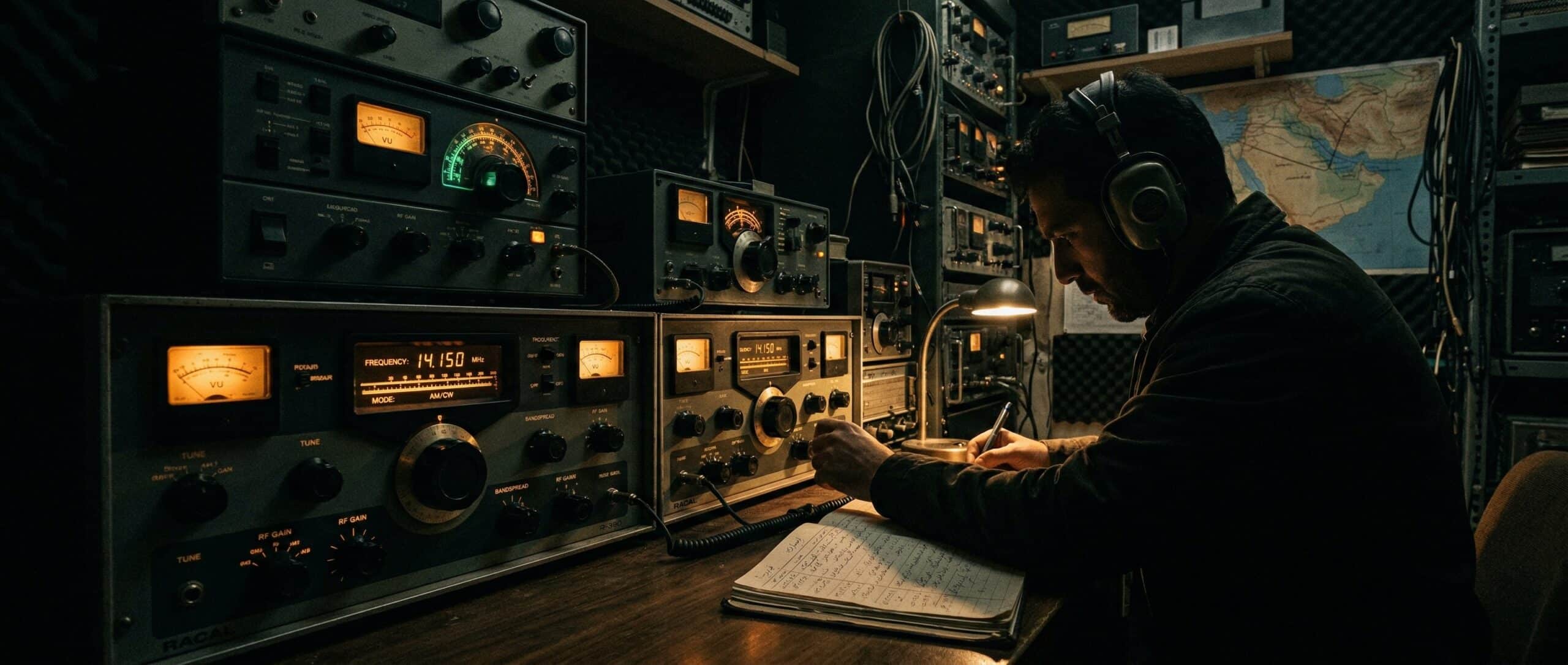
    According to OregonLive, the Ermatinger House in Oregon City played a major role in inspiring the Oregon Ghost Conference. Built in 1845, the house is one of Oregon’s oldest surviving homes and has long accumulated stories of unusual activity.

    Smith has said his interest in the paranormal deepened while working there in the 1990s. Reports tied to the house include oddly behaving doors, stories of spirits associated with the property, and recurring lore about a child spirit nicknamed “April”. Another long-circulating tale involves the spirit of a steamboat captain affecting dining room chairs inside the house.

    Whether one reads those accounts as paranormal evidence, folklore, or community storytelling, they helped transform the house from a neglected historic structure into a place people felt invested in preserving.

    From Haunted House to Conference Ecosystem

    That is what makes this story more than another ghost-tour feature. Smith’s involvement reportedly expanded from the house itself into ghost tours and eventually into the Oregon Ghost Conference, now a multi-day event featuring workshops, readings, demonstrations, paranormal investigations, walking tours, and theatrical séance experiences.

    According to the official Oregon Ghost Conference site, the 14th annual event is scheduled for March 27–29, 2026 in Seaside, Oregon, and is marketed as the Northwest’s largest paranormal convention.

    The event is also listed by the Seaside Civic & Convention Center, underscoring that this is no fringe back-room gathering. It has become part of Oregon’s wider tourism and event culture.

    Why This Matters

    The Oregon Ghost Conference story works because it hits several powerful themes at once:

    • The paranormal as community infrastructure: not just stories, but tours, conferences, preservation, and tourism.
    • Haunting as preservation pressure: ghost lore helped keep attention on a historic home that might otherwise have faded from public consciousness.
    • Broad audience appeal: this kind of event draws believers, skeptics, history buffs, curiosity-seekers, and cultural tourists.

    That combination makes it an especially strong trend story. A haunted building did not just inspire a few campfire tales. It helped seed an entire event ecosystem.

    Paranormal Culture as Place-Based Identity

    One reason this story resonates is that it turns the paranormal into something rooted in a real landscape. The Ermatinger House is not an abstract legend. It is a specific structure, in a specific city, with real preservation history and local civic significance.

    That place-based element makes the paranormal easier for wider audiences to engage with. Even people who do not believe in ghosts can understand why local legend, historical memory, tourism, and cultural identity feed one another.

    In that sense, the haunted reputation of the Ermatinger House does more than generate spooky stories. It helps create a narrative around Oregon City and the conference itself — one that connects local history with broader paranormal culture.

    The Bigger Shift in Paranormal Media

    Like other recent event stories in the unexplained world, this one suggests that paranormal culture is increasingly becoming organized, experiential, and communal. It is no longer just late-night radio and blurry footage. It is tours, preservation campaigns, conference tickets, séance performances, merch tables, and destination travel.

    That is part of why the Oregon Ghost Conference matters beyond Oregon. It shows how ghost lore can become social infrastructure — something that shapes local economy, cultural identity, and live-event programming all at once.

    For more stories about paranormal event culture and place-based high-strangeness, see our coverage of Strange & Extraordinary Fest in Austin, Obscura Paracon 2026, and Dead Horse Point and America’s most haunted remote locations.

    This article was created using Media Blaster – Your content production specialist. Visit www.mediablaster.io for more information.

  • Spy Radio Signal on 7910 kHz Revives the Numbers Station Mystery

    Spy Radio Signal on 7910 kHz Revives the Numbers Station Mystery

    A fresh Cold War-style mystery is crackling across the unexplained internet: a Persian-language numbers station reportedly appeared on shortwave frequency 7910 kHz shortly after the first U.S. and Israeli strikes on Iran on February 28, 2026. The signal features a male voice reading grouped numbers in Persian, with the word tavajjoh — meaning “attention” — repeated before message blocks.

    For conspiracy audiences, it feels like real-time spy fiction. For radio hobbyists and intelligence watchers, it feels even stranger: because numbers stations are one of those rare pieces of real-world weirdness that are simultaneously documented, historically linked to espionage, and almost never publicly explained.

    What Is Happening on 7910 kHz?

    According to Priyom’s tracking page for V32, the Persian-language numbers station was first logged on February 28, 2026, roughly 12 hours after the opening strikes in the Iran conflict. Hobbyists say the station uses the classic five-digit group format strongly associated with espionage numbers stations.

    As Weird Darkness summarized, the signal consists of a male Persian-speaking voice reading coded number groups, creating an unnerving effect that sounds like something preserved from the Cold War rather than a live broadcast tied to a modern conflict.

    Other reported details circulating through monitoring communities include:

    • the signal appears to air twice daily
    • later transmissions reportedly repeated earlier message sets
    • listeners noted format changes during the first week, including shifts in voice and message structure
    • at one point, hobbyists claimed to hear stray Windows computer sounds leaking into the broadcast

    That last detail only deepened the fascination: a shadowy wartime signal carrying five-digit codes is creepy enough, but hearing accidental computer noises behind the transmission makes it feel less like folklore and more like someone, somewhere, is running a very real clandestine system.

    Why Numbers Stations Still Fascinate People

    Numbers stations occupy a rare liminal category. They are not urban legends. They are real broadcasts, documented by shortwave listeners for decades. Yet their function remains mostly opaque to the public.

    Historically, numbers stations have been linked to intelligence services using one-way encrypted messages for field operatives. The logic is brutally simple: if an agent has the right key, a seemingly meaningless broadcast can carry specific instructions. If they do not, the message is practically useless.

    As Radio Free Europe/Radio Liberty reported, this Persian signal may be the first genuinely new numbers station in years, according to tracking communities. That alone would make it notable. The timing with the Iran conflict pushes it into another category entirely.

    Espionage, Not Paranormal — But Somehow Creepier

    The most grounded explanation is also the most unsettling: the 7910 kHz broadcast is exactly what it sounds like — a clandestine numbers station intended for operatives who already possess the decryption system.

    The more sensational explanation is that the signal reflects an emergency intelligence network activating in wartime, perhaps to avoid digital surveillance, internet disruption, or cyber-monitoring systems. In an era of encrypted apps, satellites, and AI-assisted tracking, the idea that intelligence agencies might still fall back on eerie voice broadcasts over shortwave radio sounds almost absurd — until you remember how hard such transmissions can be to trace and how impossible they are to decode without the proper key.

    That is why this story performs so well online. It is not folklore. It is not rumor built from a blurry light in the sky. It is a real signal, reportedly tied to a real geopolitical crisis, and no outsider can say with confidence who is sending it or who is meant to hear it.

    Why This Matters for The Unexplained World

    This story hits several of the strongest themes in modern unexplained media:

    • real-world weirdness: numbers stations have historical credibility
    • geopolitical urgency: wartime anomalies always carry more emotional weight
    • multiple framing angles: code-breaking, spycraft, psychological warfare, covert ops, and technological anachronism all collide here

    It also taps a wider modern anxiety: if this is how covert communication still works in certain situations, then the digital world may not be as all-seeing as people assume. Sometimes the oldest tools remain useful precisely because they sit below the threshold of modern attention.

    The Ghost Broadcast No One Can Decode

    The enduring power of the 7910 kHz mystery lies in that mix of reality and opacity. Numbers stations are among the few mysteries where the signal is real, the sound is documented, and the logic is plausible — but the meaning remains sealed shut.

    That makes them perfect for the current moment. They feel like artifacts from another age, but they keep resurfacing whenever the world gets tense enough to make old spycraft useful again.

    For more stories at the edge of geopolitics and the unexplained, read our coverage of the Mellon leak and alleged satellite UFO imagery, aliens.gov and the modern disclosure moment, and the illusion of disclosure.

    This article was created using Media Blaster – Your content production specialist. Visit www.mediablaster.io for more information.
  • Mythical Norse Artifacts Discovered in Viking Graves Confirm Icelandic Sagas

    Mythical Norse Artifacts Discovered in Viking Graves Confirm Icelandic Sagas

    Archaeologists excavating Viking graves have made a striking discovery: artifacts that appear to be physical representations of objects described in Norse mythology and Icelandic sagas. What once looked like ordinary grave goods may actually have been objects the Norse considered powerful, symbolic, and perhaps even mythically real.

    The finding adds a new layer to one of the oldest debates in Viking studies: where does legend end and lived belief begin? For centuries, texts like the Poetic Edda, the Prose Edda, and the Icelandic sagas have been treated as mixtures of history, religion, folklore, and literary embellishment. But discoveries like this suggest the Vikings may have carried the world of myth directly into burial ritual.

    What Archaeologists Found in Viking Graves

    According to Ancient Pages, archaeologists studying grave goods from Viking burials identified objects that may correspond to mythic items known from Norse sources. These were not necessarily the literal weapons of gods, but physical items whose design, placement, or symbolic role closely echoes the legendary objects found in saga literature.

    That matters because Viking burials were never random. Grave goods reflected status, identity, social role, and beliefs about the afterlife. If specific objects were intentionally chosen because they resembled items from Norse myth, then the people placing them in graves may have seen saga-world symbolism as materially important.

    Why This Discovery Matters

    The discovery is significant for several reasons:

    • It blurs the line between myth and reality: the Norse may not have treated their myths as distant stories, but as living parts of the world around them.
    • It strengthens saga credibility: Icelandic and Norse texts have repeatedly gained support from archaeology, even when scholars first treated them with skepticism.
    • It changes how we interpret grave goods: seemingly simple artifacts may carry mythological meaning that has been overlooked.
    • It deepens our picture of Viking belief: mythology may have shaped not just storytelling, but burial customs, identity, and ideas of power.

    As reference material on Norse mythology makes clear, objects in these traditions were rarely just objects. Weapons, amulets, rings, and crafted items often carried divine association, symbolic force, or links to fate and heroic memory.

    When Sagas and Archaeology Overlap

    This is far from the first time archaeology has pushed scholars to take saga traditions more seriously. Norse texts once viewed as semi-legendary have gained support through real-world discoveries ranging from settlement patterns to travel routes to the confirmed Viking presence in North America at L’Anse aux Meadows.

    In other words, saga literature is not simply fantasy. It preserves cultural memory, worldview, and in some cases historical realities later confirmed by excavation. That does not mean every supernatural claim in Norse literature is literally true — but it does mean archaeologists must be careful not to dismiss symbolic material too quickly.

    What the Vikings May Have Believed

    The most fascinating part of the new discovery is what it says about the Viking mind. The Norse did not divide religion, myth, and daily life in the same way modern people often do. Gods, omens, fate, magic, heroic ancestors, and sacred objects all existed within one connected worldview.

    If an object from a grave echoes an item described in myth, the point may not have been imitation for its own sake. It may have been an attempt to send the dead into the afterlife with power, protection, prestige, or symbolic continuity with heroic and divine models.

    This possibility aligns with wider research in Viking archaeology and belief, including studies of ritual burial, amuletic objects, and symbolic grave placement. As Oxford University Press commentary on Viking archaeology has noted, new excavations repeatedly force scholars to revise older, simpler models of the Viking Age.

    Buried Myth, Living Tradition

    For modern readers, the most provocative implication is this: the Norse may not have seen mythology as separate from reality. Their stories were not just told around fires. They shaped objects, burials, status, memory, and perhaps even the way people prepared for death.

    The result is a richer and stranger picture of Viking civilization. These were not people merely remembering legends. They may have been living inside them.

    For more unexplained archaeology, read our coverage of Israel’s ‘Stonehenge of the East’ and the newly discovered related sites, AI uncovering 303 new Nazca geoglyphs in Peru, and Bronze Age artifacts made from meteoritic iron.

    This article was created using Media Blaster – Your content production specialist. Visit www.mediablaster.io for more information.
  • Strange & Extraordinary Fest Shows How the Paranormal Is Becoming Event Culture

    Strange & Extraordinary Fest Shows How the Paranormal Is Becoming Event Culture

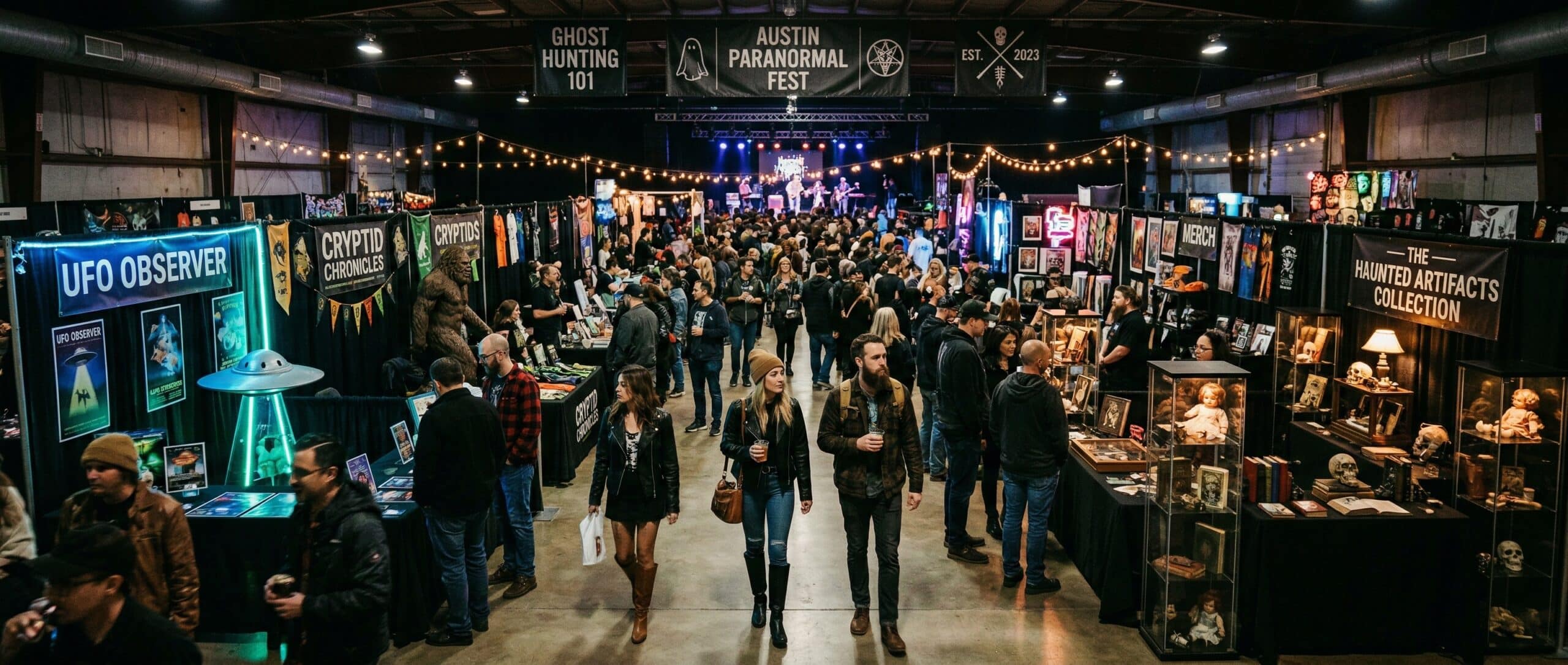
    Austin is getting a new paranormal-adjacent event, and the real story may be bigger than the festival itself. Strange & Extraordinary Fest, set for March 28, 2026 at KMFA Studios, is trending because it packages UFOs, ghosts, cryptids, folklore, haunted artifacts, and high-strangeness culture in a format that feels less like old-school niche fandom and more like a modern lifestyle event.

    That shift matters. The unexplained space is no longer living only in late-night radio, cable-TV ghost hunts, and internet message boards. It is becoming social, curated, marketable, and physically experiential — something audiences do not just watch, but attend, photograph, shop, and share.

    What Is Strange & Extraordinary Fest?

    According to CultureMap’s event listing, Strange & Extraordinary Fest is a single-day event at KMFA Studios in Austin on March 28, 2026. The program blends lectures, panels, podcasts, vendors, haunted-object displays, and VIP experiences under one umbrella of high-strangeness culture.

    The event promises:

    • lectures and discussions with paranormal and unexplained experts
    • panels and podcasts focused on UAPs/UFOs, ghosts, cryptids, and folklore
    • a Parapeculiar Haunted Mini-Museum featuring unusual artifacts
    • a Bizarre Bazaar marketplace
    • a VIP Séance Encounter closing experience

    As CultureMap’s feature coverage notes, the event reflects how paranormal media is being packaged for broader audiences in Austin’s culture scene.

    Why This Festival Matters Beyond Austin

    On the surface, this looks like a local event listing. But the deeper significance is cultural. Strange & Extraordinary Fest is a signal that the unexplained niche is changing form.

    Instead of isolated subcultures — UFO researchers in one lane, ghost-hunter fans in another, folklore obsessives somewhere else — these audiences are increasingly being brought together as one high-strangeness market.

    That matters because it shows three things happening at once:

    • The paranormal is being repackaged for wider audiences. Presentation matters more now: cleaner branding, stronger aesthetics, more social-media readiness.
    • High-strangeness is becoming event culture. It is no longer just something to read about or binge online. It is something you attend and experience in person.
    • The niche is broadening into lifestyle media. Haunted objects, folklore, oddities, vendors, podcasts, VIP rituals, and community identity now live in the same ecosystem.

    From Fringe Hobby to Marketable Experience

    For years, unexplained culture often lived in a fragmented media world: late-night AM radio, documentary specials, conspiracy forums, ghost tours, and scattered conventions. What events like this suggest is that the space is becoming more polished and commercially legible.

    That does not necessarily mean it is becoming less weird. If anything, it may mean weirdness is being curated more effectively.

    The official festival site at StrangeAndExtraordinaryFest.com leans directly into this blend of mystery, spectacle, and niche identity. Haunted artifacts, immersive oddity experiences, and personality-driven paranormal programming are now being framed in the same language used by boutique festivals and creator-led live events.

    Why The Unexplained World Is Moving This Way

    The timing makes sense. In 2026, unexplained media is thriving across multiple formats: YouTube documentaries, TikTok folklore channels, UAP hearings, horror podcasts, paranormal influencers, and event-based communities. Audiences no longer arrive through one doorway. They come through many.

    That creates fertile ground for crossover events like Strange & Extraordinary Fest, where someone interested in UFO disclosure can end up browsing haunted objects, and a ghost-story fan might sit in on a cryptid panel or folklore talk.

    In other words, the unexplained is becoming less siloed and more ecosystem-driven.

    The Bigger Trend: Paranormal as Live Brand Culture

    This may be the real takeaway. Strange & Extraordinary Fest is not just a quirky Austin weekend event. It is an example of how paranormal culture is evolving into a live-events brand category.

    That means:

    • more festivals
    • more curated marketplaces
    • more influencer-hosted discussions
    • more immersive museum-style experiences
    • more crossover between folklore, commerce, media, and performance

    For The Unexplained Company, that makes this story useful as more than a calendar note. It is a trend marker. The paranormal is no longer just content. It is becoming a scene.

    For more trend stories in the unexplained space, see our coverage of Obscura Paracon 2026, Mothman 2026, and the latest Loch Ness Monster sightings.

    This article was created using Media Blaster – Your content production specialist. Visit www.mediablaster.io for more information.
  • Israel’s ‘Stonehenge of the East’ Is Not Unique: AI Finds 28 Similar Sites

    Israel’s ‘Stonehenge of the East’ Is Not Unique: AI Finds 28 Similar Sites

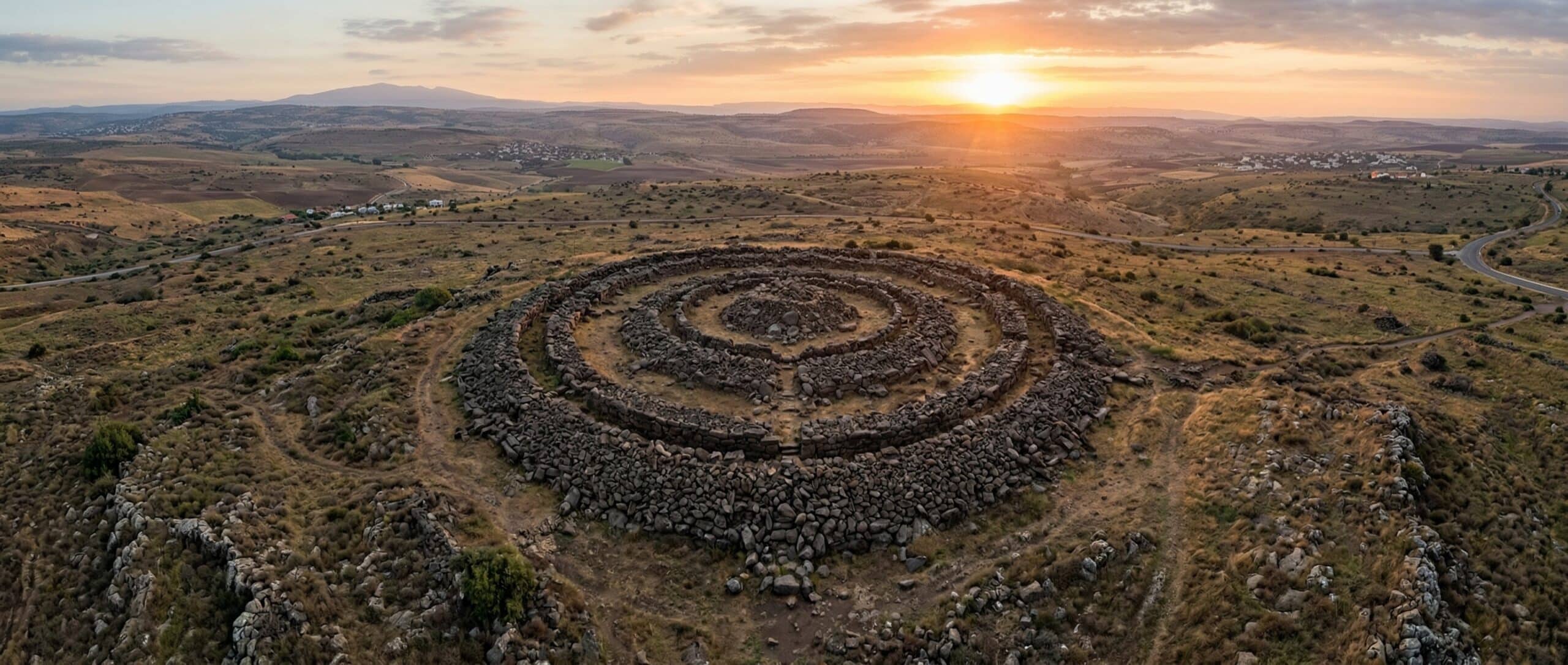
    A mysterious ancient stone structure in the Golan Heights that has intrigued researchers for decades — often called the ‘Stonehenge of the East’ or the ‘Wheel of Ghosts’ — may not be unique after all. New research has identified 28 similar sites within a 25-kilometer radius, dramatically reshaping how archaeologists understand one of the Levant’s strangest prehistoric monuments.

    For years, Rujm el-Hiri was treated as a singular enigma: an isolated ringed stone complex in the Golan Heights made of tens of thousands of tons of basalt. But artificial intelligence and high-resolution remote sensing have now revealed a broader pattern hidden across the landscape. Instead of one impossible mystery, researchers may be looking at an entire regional tradition.

    What Is Rujm el-Hiri?

    Rujm el-Hiri, also known as Gilgal Refaim, was first identified in 1968 through aerial military photography. The site consists of multiple concentric rings of basalt stones surrounding a central mound and is estimated to contain roughly 40,000 tons of rock. Depending on which interpretation archaeologists favor, it may date anywhere from about 6,500 to 3,500 years ago.

    Its strange circular design has inspired comparisons to Stonehenge, though the monument is structurally distinct. Over the years, researchers have suggested it may have served as a burial site, astronomical marker, ceremonial gathering place, territorial monument, or some combination of all four.

    According to The Times of Israel, the new findings challenge the long-standing assumption that Rujm el-Hiri was a one-off structure with a special, isolated purpose.

    How AI Found 28 More Sites

    The breakthrough came from a multidisciplinary team of archaeologists and physicists who used high-resolution satellite imagery from 2004 to 2024, including data analyzed through tools such as Google Earth Pro and CNES/Airbus platforms. Artificial intelligence was then used to process the imagery and enhance subtle traces of ancient human intervention.

    This mattered because seasonal vegetation, shadows, erosion, and terrain variation can obscure archaeological forms that are difficult to spot with the human eye alone. AI helped researchers isolate repeated circular patterns that resemble the layout of Rujm el-Hiri.

    As reported in the peer-reviewed PLOS ONE study, researchers documented 28 large circular structures in the immediate region, with additional comparable sites identified in Galilee and Lebanon.

    Why the Discovery Changes Everything

    This is the kind of finding that forces archaeologists to start over.

    • Rujm el-Hiri is not unique: It appears to be the most elaborate example of a much wider monument tradition.
    • Its purpose must be rethought: If dozens of similar sites exist, then explanations built around uniqueness become less persuasive.
    • Regional culture comes into focus: These structures may reflect a broader social, ritual, or funerary system across the southern Levant.
    • AI is rewriting field archaeology: Remote sensing is now surfacing patterns humans overlooked for decades.

    As The Jerusalem Post reported, researchers emphasized that Gilgal Refaim remains the most famous example, but it can no longer be treated as an anomaly.

    The Mystery of the ‘Wheel of Ghosts’ Deepens

    The nickname ‘Wheel of Ghosts’ has long added an aura of mystique to the site, especially among mystery writers and alternative-history enthusiasts. The name itself evokes ancient ritual, lost peoples, and forgotten cosmologies. But the real surprise may be even stranger than the myth: the site may have been part of an entire network of monumental circles spread across the region.

    That possibility raises new questions. Were these sites linked by shared religious beliefs? Did they mark seasonal gatherings, territorial boundaries, burial zones, or elite power centers? Were they built across centuries by related cultures, or do they represent repeated imitation of a sacred design?

    If one site was mysterious, 28 similar sites make the puzzle far larger.

    Ancient Mystery, Modern Detection

    This discovery also fits a growing pattern in archaeology: AI is not replacing archaeologists, but it is changing what they can see. The Nazca discoveries in Peru, hidden structures in desert landscapes, and now circular megalithic sites in the Levant all point to the same conclusion — large-scale pattern recognition is becoming one of the most powerful tools in ancient research.

    That matters because many ‘unique’ ancient sites may not be unique at all. They may only seem singular because the rest of their archaeological landscape remains partially invisible.

    In that sense, the new Rujm el-Hiri findings don’t solve the mystery. They make it bigger, older, and more culturally important than anyone expected.

    For more unexplained archaeology, read our coverage of AI discovering 303 new Nazca geoglyphs in Peru, Bronze Age artifacts made from meteoritic iron, and Piltdown Man and the greatest archaeological hoax in history.

    This article was created using Media Blaster – Your content production specialist. Visit www.mediablaster.io for more information.
  • AI Takes Flight Over Peru: 303 New Nazca Geoglyphs Discovered

    AI Takes Flight Over Peru: 303 New Nazca Geoglyphs Discovered

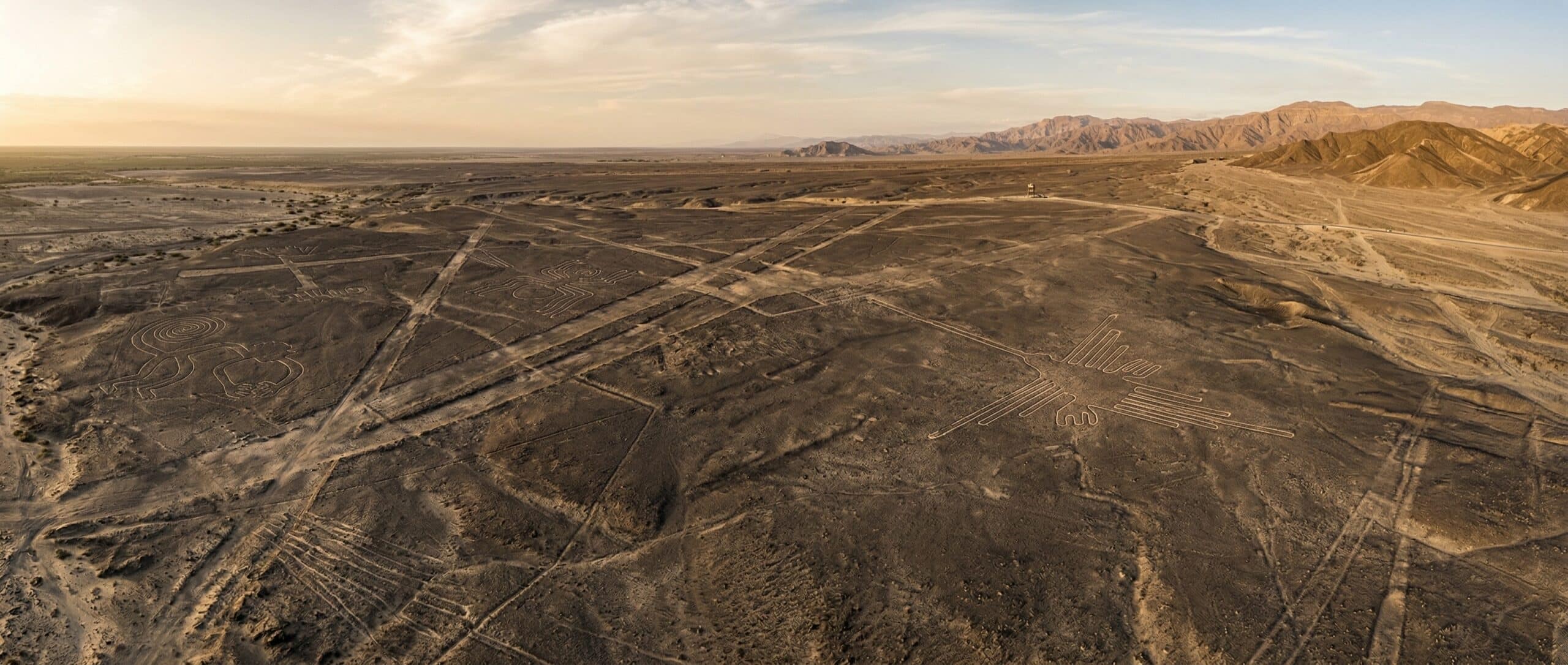
    A groundbreaking collaboration between archaeologists and artificial intelligence has led to the discovery of 303 new geoglyphs in Peru’s Nazca Desert — effectively doubling the previously known total in just six months. For a mystery that has fascinated researchers, tourists, and ancient-alien enthusiasts for generations, the find is one of the most important Nazca breakthroughs in decades.

    The Nazca Lines have puzzled researchers for over a century. These enormous geoglyphs, created by the Nazca civilization between roughly 200 BC and 650 AD, depict animals, plants, humanoid figures, and tools scratched into the desert surface. Visible best from the air, they have inspired theories ranging from ritual pathways to astronomical calendars to alien landing markers. Now, AI has revealed hundreds more — and forced archaeologists to rethink the scale of what the Nazca people were building.

    How 303 New Nazca Geoglyphs Were Found

    The discovery came through a collaboration led by Prof. Masato Sakai of Yamagata University’s Institute of Nazca in Peru, working with researchers and AI-assisted image analysis tools. Instead of relying only on slow, manual review of aerial images, the team trained artificial intelligence to scan vast amounts of visual data and flag likely geoglyph candidates for human verification.

    According to Yamagata University, the AI-assisted survey identified 1,309 likely candidates, and field investigation of roughly a quarter of them led to the confirmation of 303 previously unknown figurative geoglyphs in only six months.

    As The Guardian reported, the new figures include parrots, cats, monkeys, killer whales, and even decapitated heads — images that deepen the symbolic complexity of the Nazca landscape.

    Why This Discovery Matters

    This isn’t just a numbers story. The 303 new Nazca geoglyphs change how archaeologists think about the purpose, density, and social function of the lines.

    • Scale reconsidered: The Nazca people created far more geoglyphs than previously documented.
    • Purpose redefined: The sheer volume suggests these were not isolated ceremonial artworks, but part of a much broader cultural system.
    • Technology transformation: AI is now proving it can accelerate archaeological fieldwork in ways humans alone cannot.
    • Global implications: Similar machine-learning methods could soon be used to uncover hidden sites across deserts, forests, and buried ancient cities worldwide.

    As The Asahi Shimbun explained, the speed of the survey was possible because AI dramatically reduced the time needed to review aerial imagery and identify likely targets for on-site confirmation.

    Ancient Mystery, Modern Tools

    The Nazca Lines occupy a unique space in the unexplained world because they sit at the intersection of established archaeology and popular speculation. Mainstream researchers tend to interpret them as part of ritual, social, or territorial practices. But in pop culture, the lines became globally famous through fringe theories — especially the claim that they were designed for beings viewing Earth from the sky.

    This new discovery does not support ancient-alien claims. But it does make the mystery richer. If the Nazca civilization created this many geoglyphs across the desert, then the site may have functioned less like a singular masterpiece and more like a sprawling symbolic network encoded into the landscape.

    That matters because every new figure adds context. Some geoglyphs are large and geometric. Others are smaller and figurative. Together, they may reflect shifting social practices, pilgrimage routes, ceremonial zones, or messages intended for deities rather than human viewers.

    What AI Is Changing in Archaeology

    The Nazca breakthrough is also part of a larger story: artificial intelligence is rapidly becoming one of archaeology’s most powerful tools.

    AI can:

    • Analyze huge image archives faster than human teams
    • Spot faint patterns invisible to the naked eye
    • Prioritize likely discovery zones for field researchers
    • Help preserve fragile sites by reducing unnecessary disturbance

    As methods improve, archaeologists may use the same approach to detect buried cities, forgotten roads, ceremonial complexes, and damaged heritage sites across the world. In that sense, the new Nazca discoveries are not just about Peru — they may represent the early stages of a global shift in how we find the ancient past.

    The Nazca Mystery Deepens

    For decades, the Nazca Lines have been treated as one of the world’s most tantalizing ancient mysteries. This discovery doesn’t solve the riddle. It expands it.

    The more geoglyphs researchers find, the harder it becomes to reduce the site to a single explanation. Were these sacred pathways? Ceremonial signals? Community markers? Cosmic symbols? A mix of all of the above? The answer may be more complicated than anyone hoped.

    What is clear is this: the Nazca people were working on a scale and with an intention that modern researchers are only now beginning to grasp. And ironically, it took artificial intelligence — a technology of the future — to expose how much of the ancient world was still hidden in plain sight.

    For more on ancient mysteries and unexplained archaeology, see our coverage of Bronze Age treasure made from metal that fell from space, Piltdown Man and history’s greatest scientific hoax, and the latest government UFO disclosure claims.

    This article was created using Media Blaster – Your content production specialist. Visit www.mediablaster.io for more information.

  • The Mellon Leak: High-Def Satellite UFO Images That Could Change Everything

    The Mellon Leak: High-Def Satellite UFO Images That Could Change Everything

    On March 14, 2026, Christopher Mellona former Deputy Assistant Secretary of Defense for Intelligencemade a statement that could redefine one of the most debated questions of our time. According to Mellon, the U.S. government possesses massive collections of high-definition satellite imagery showing craft that are not made by humans.

    This is not blurry footage or distant lights. This is clear, detailed visual evidence captured from spaceobjects tracked across time, performing movements that no known aircraft can replicate.

    The Revelation

    Christopher Mellon, who served as Deputy Assistant Secretary of Defense for Intelligence during the Clinton and Bush administrations, told The New York Post that the government trove of UFO documents was massive and included photos and videos.

    As The Times of India reports, the United States federal government held evidence of UFOs, including satellite imagery of craft that appeared not to be manmade.

    As The US News Desk explains, this is not vague shapes or grainy dots. This is high-definition imagery captured from space.

    What the Satellite Systems Can Do

    The satellite systems in question can:

    • Track objects with extraordinary precision
    • Detect heat signatures from great distances
    • Monitor movement patterns across extended timeframes
    • Capture images at resolutions that can identify fine structural details

    Reported Craft Behaviors

    The objects captured in the imagery exhibit behaviors that defy known physics:

    • Instant acceleration without visible propulsion systems
    • Sharp turns at extreme speeds without losing momentum
    • Stationary hovering followed by sudden disappearance
    • Transition between air and space without structural change

    Mellon has stated that the government has satellite images of mysterious aerial crafts that dont look like anything weve built.

    Why This Changes Everything

    For decades, skepticism around UFOs has been fueled by poor-quality evidence. Mellon’s claim cuts through that narrativehes describing sharp, detailed, undeniable imagery.

    The key shift: The conversation is no longer about whether UAP are real. Its about why the evidence remains locked away.

    This changes the burden of explanation. Instead of skeptics demanding proof, its now the institutions holding that proof who must justify their silence.

    Why Are the Images Still Classified?

    Several possible explanations exist for keeping these images classified:

    1. National Security Risks: Releasing images could reveal satellite technical capabilities that cost billions to develop.

    2. Strategic Uncertainty: If objects are non-human, governments may not fully understand them and fear the implications of disclosure.

    3. Public Reaction: Confirmation could challenge religious beliefs, scientific frameworks, and geopolitical narratives worldwide.

    4. Internal Disagreement: Competing viewpoints within government about disclosurecreate confusion about what can and cannot be released.

    The Bigger Context

    Mellon’s statement comes amid heightened UFO disclosure activity:

    • The White House recently registered aliens.gov and alien.gov domains
    • President Trump has pledged to release Pentagon UFO files
    • AARO (All-domain Anomaly Resolution Office) has a caseload exceeding 2,000 documented incidents
    • Christopher Mellon has been one of the most consistent voices pushing for transparency in UAP investigations

    The question is no longer whether the government has evidence. The question is what that evidence showsand when the public will finally be allowed to see it.

    This story is developing. Check for updates on Trump promised UFO file release.

    Related Articles:

    This article was created using Media Blaster – Your content production specialist. Visit www.mediablaster.io for more information.