Blog

  • Unexplained Paranormal Activity: Exploring the Most Mysterious Incidents of Our Time

    Unexplained Paranormal Activity: Exploring the Most Mysterious Incidents of Our Time

    Ever wondered about those eerie stories that make your skin crawl? Unexplained paranormal activity has intrigued and puzzled us for ages. From ghostly encounters to mysterious lights, these tales have been passed down through generations, leaving us with more questions than answers. Whether you’re a skeptic or a believer, there’s no denying the allure of the unknown. Let’s dive into some of the most mysterious incidents that continue to baffle and fascinate.

    Key Takeaways

    • The Winchester Mystery House is a maze of architectural oddities, believed to be haunted by those killed by Winchester rifles.
    • The St. Louis Ghost Light remains an unsolved phenomenon, sparking both fear and curiosity among locals.
    • Zozo, a supposed demon, is said to communicate through Ouija boards, leading to terrifying experiences.
    • The Dyatlov Pass Incident involves the mysterious deaths of nine hikers, with theories ranging from avalanches to alien encounters.
    • The Philadelphia Experiment allegedly involved making a naval ship invisible, fueling endless conspiracy theories.

    The Enigma of the Winchester Mystery House

    Eerie view of the Winchester Mystery House at night.

    The Winchester Mystery House is not just a house; it’s a labyrinth of the unexplained, a testament to obsession and perhaps, a response to grief. Built by Sarah Winchester, the widow of rifle magnate William Wirt Winchester, this sprawling estate is a peculiar masterpiece of architecture, filled with oddities and mysteries that baffle visitors and historians alike.

    The Haunting Architecture

    The architecture of the Winchester Mystery House is as bewildering as its backstory. With over 160 rooms, many of which are never seen by the public, the house is a maze of staircases that lead to nowhere and doors that open into walls. This design was not merely whimsical; it was a calculated effort by Sarah to confuse and appease the spirits of those killed by Winchester rifles. Here are some notable features:

    • Doors that lead to blank walls.
    • Staircases that ascend and descend without purpose.
    • Windows overlooking other rooms instead of the outside.

    Sarah Winchester’s Legacy

    Sarah Winchester’s life was steeped in tragedy. After losing her husband and child, she believed she was cursed by the spirits of those who had died from her family’s firearms. This belief drove her to construct the house continuously, day and night, for 38 years. Her legacy is one of both sorrow and mystery, as she sought solace in the very walls that now haunt the living.

    Ghostly Encounters

    Visitors to the Winchester Mystery House often report eerie experiences that leave them questioning the nature of reality. Some common encounters include:

    • Unexplained footsteps echoing through empty halls.
    • Cold spots felt in various rooms, even on warm days.
    • Shadowy figures glimpsed from the corner of one’s eye.

    In the end, the Winchester Mystery House stands as a chilling reminder of the unexplained. It invites both skeptics and believers to ponder the thin line between life and the afterlife, leaving many to wonder if Sarah Winchester’s restless spirit still roams the halls, forever entwined in her architectural enigma.

    The St. Louis Ghost Light: A Beacon of Mystery

    Mysterious glowing orb in a dark forest road.

    In the small village of St. Louis, Saskatchewan, a mysterious phenomenon known as the Ghost Light has captured the imaginations of locals and visitors alike for decades. This eerie light, often described as a flickering orb, appears along the railway tracks, leaving many to ponder its origins.

    Origins of the Ghost Light

    The Ghost Light’s origins are steeped in local legend, with stories tracing back nearly a century. Some say it is the spirit of a train conductor who tragically lost his life while signaling for an oncoming train. Others believe it might be linked to a series of accidents that occurred on the tracks. Regardless of the source, the tales surrounding the light have only added to its mystique.

    Local Legends and Lore

    Over the years, numerous accounts have surfaced, detailing encounters with the Ghost Light. Here are a few notable legends:

    • The Lantern of Old Joe: A tale of a brakeman named Joe who died in a train accident, with witnesses claiming to see his lantern glowing along the tracks.
    • The Phantom Train: Reports of a ghostly train passing through the village, accompanied by the light, have been recounted by many.
    • The Lost Souls: Some believe the light is a guide for lost souls, helping them find their way.

    Scientific Investigations

    Despite the numerous sightings, scientific explanations have been elusive. Researchers have conducted various studies, attempting to uncover the truth behind the phenomenon. Here’s a summary of their findings:

    Year Investigation Findings
    1981 Initial Sightings Documented Eyewitness accounts prompted further study.
    1990 Scientific Analysis Attempted to capture the light with cameras; results inconclusive.
    2000 Advanced Technology Used Observations noted, but no definitive conclusions reached.

    While some speculate that natural phenomena, such as swamp gas or atmospheric conditions, could explain the light, no theory has fully satisfied those who have witnessed its glow.

    The St. Louis Ghost Light serves as a reminder of the mysteries that linger in our world, inviting curiosity and wonder. As long as the light continues to flicker, the stories will endure, captivating those who seek to understand the unknown.

    Zozo: The Demon of the Ouija Board

    The name Zozo sends chills down the spine of anyone familiar with the darker side of the Ouija board. This entity is said to be a malevolent spirit that can manipulate the board and its users, leading them into terrifying experiences. Many claim that once you make contact, it can become a persistent presence in your life.

    Historical Accounts of Zozo

    Zozo’s history is murky, with accounts dating back to the 19th century. The first notable mention appears in the book "The Ouija Board: The Most Dangerous Game" by Robert Murch, where he chronicles various encounters with this entity. Users often report similar experiences:

    • Unexplainable movements of the planchette.
    • Strange noises during sessions, often resembling whispers or laughter.
    • Feelings of dread or anxiety that linger long after the session ends.

    Modern-Day Encounters

    In recent years, Zozo has gained notoriety through social media and paranormal shows. Many individuals have shared their stories online, describing chilling encounters. Some common themes include:

    1. Possession-like symptoms: Users may feel an overwhelming sense of anger or sadness.
    2. Physical disturbances: Reports of objects moving or strange occurrences in the home.
    3. Psychological impacts: Increased anxiety or paranoia, often leading to sleepless nights.

    The Dangers of Ouija Boards

    The allure of the Ouija board is undeniable, but many experts warn against its use. Engaging with entities like Zozo can lead to:

    • Emotional distress: Users may find themselves plagued by nightmares or intrusive thoughts.
    • Spiritual repercussions: Some believe that contacting such entities can open portals to other realms, inviting unwanted attention.
    • Skepticism and belief: The debate continues on whether these experiences are psychological or genuinely paranormal.

    "The line between curiosity and danger can be thin, especially when it comes to the supernatural. Always approach with caution."

    In conclusion, whether you believe in the spirit of Zozo or not, the stories surrounding this entity serve as a reminder of the unknown and the potential consequences of dabbling in the paranormal.

    The Dyatlov Pass Incident: A Frozen Enigma

    Mysterious winter landscape of the Dyatlov Pass.

    In 1959, a group of nine experienced hikers embarked on a journey into the treacherous Ural Mountains of the Soviet Union. What began as a routine expedition turned into one of the most chilling mysteries in history. The circumstances surrounding their deaths remain unexplained, leaving behind a trail of theories and speculation.

    The Tragic Expedition

    The hikers, led by Igor Dyatlov, set out to conquer the challenging terrain, aiming for the highest hiking grade. They were well-prepared, but a snowstorm forced them off their intended path, leading them to camp on the slopes of Holat Syakhl, also known as Dead Mountain. As night fell, something went horribly wrong.

    • Initial Search: When the group failed to check in, search teams were dispatched.
    • Tent Discovery: Rescuers found their tent, cut from the inside, suggesting a frantic escape.
    • Body Recovery: Over time, bodies were found scattered across the mountainside, many in positions indicating they were trying to return to safety.

    Theories and Speculations

    The investigation into the incident has spawned numerous theories:

    1. Avalanche: Initially thought to be the cause, but evidence of typical avalanche signs was absent.
    2. Military Involvement: Speculation arose about a possible military test that went wrong.
    3. Paranormal Activity: Some believe supernatural forces may have played a role in their mysterious deaths.

    Recent Developments

    In recent years, renewed interest led to further investigations, including the reopening of the case by Russian authorities. Despite various theories, no single explanation has been universally accepted. The Dyatlov Pass incident remains a haunting enigma, captivating researchers and mystery enthusiasts alike.

    The truth behind the Dyatlov Pass incident may never be fully uncovered, but the chilling details continue to intrigue those who seek to understand the unknown.

    For more on this chilling tale, explore the depths of the Dyatlov Pass Incident.

    The Phantom Airship Mystery of the 1890s

    In the late 19th century, a wave of sightings across the United States sparked intrigue and speculation about mysterious flying objects. This phenomenon, often referred to as the Phantom Airship Mystery, captivated the public and left many wondering about the nature of these sightings. Was it a case of mass hysteria, or were there truly unknown crafts soaring through the skies?

    Eyewitness Accounts

    Reports from various locations described airships with glowing lights and strange shapes. Eyewitnesses often recounted similar details:

    • Glowing lights: Many described the airships as having bright, pulsating lights.
    • Silent flight: Despite their size, witnesses noted that these crafts made no sound as they glided through the air.
    • Unusual movements: The airships were said to maneuver in ways that defied conventional flight capabilities.

    Media Frenzy and Public Reaction

    The media played a significant role in amplifying the mystery surrounding these sightings. Newspapers across the country published sensational headlines that fueled public fascination. Some notable reactions included:

    • Skepticism: Many dismissed the sightings as hoaxes or misidentified natural phenomena.
    • Belief in extraterrestrial life: Others speculated that these airships were piloted by beings from other worlds.
    • Cultural impact: The mystery inspired stories, illustrations, and even early science fiction, embedding itself into popular culture.
    Theories Behind the Sightings

    As the sightings continued, various theories emerged to explain the phenomenon:

    1. Experimental aircraft: Some believed that the sightings were the result of secretive military or scientific experiments.
    2. Hot air balloons: Others suggested that the sightings could be attributed to hot air balloons, especially given the era’s fascination with flight.
    3. Mass hallucination: A psychological explanation posited that collective hysteria led people to see what they wanted to believe.

    The Phantom Airship Mystery remains one of those tantalizing questions that blur the lines between reality and imagination, leaving us to wonder what truly lurked in the skies during that enigmatic time.

    The Philadelphia Experiment: Fact or Fiction?

    Abandoned naval ship in fog with ghostly shadows.

    The Alleged Experiment

    In 1943, rumors began to swirl about a secret military project known as the Philadelphia Experiment. The story goes that the U.S. Navy attempted to render the USS Eldridge invisible to radar. According to the tales, the ship not only became invisible but also experienced bizarre side effects, including time travel and teleportation. Is this just a tale spun from the fabric of conspiracy, or is there a kernel of truth hidden within?

    Witness Testimonies

    Several supposed witnesses have come forward over the years, claiming to have seen the USS Eldridge disappear and reappear in a flash of light. Here’s a brief overview of some notable claims:

    1. Alfred Bielek: Claimed he was aboard the ship and witnessed its transformation.
    2. Carl Allen: Allegedly wrote a letter detailing the experiment shortly after it happened, describing the horrors faced by the crew.
    3. Military Officials: Some former Navy personnel have dismissed the claims, asserting that the technology described was far beyond the capabilities of the time.

    Debunking the Myth

    Skeptics argue that the story of the Philadelphia Experiment is a fabrication, fueled by science fiction and paranoia. Investigations into the claims reveal a lack of credible evidence. Key points include:

    • No official documentation: There are no records of such an experiment taking place.
    • Conflicting accounts: Many stories contradict each other, leading to confusion about the actual events.
    • Scientific impossibility: The technology required to achieve such feats was not available during the 1940s.

    The Philadelphia Experiment remains a tantalizing mystery, blending elements of science fiction with the allure of military secrecy.

    Conclusion

    While the tale of the Philadelphia Experiment captivates the imagination, it stands as a testament to how stories can evolve, fueled by fear and fascination with the unknown. Whether fact or fiction, it continues to be a topic of interest for conspiracy theorists and paranormal enthusiasts alike. For those intrigued by the subject, you might find the Philadelphia Experiment II film to be an interesting watch.

    The Haunting of the USS Eldridge

    The Ship’s Mysterious Past

    The USS Eldridge, a World War II naval destroyer escort, is shrouded in mystery and intrigue. Its history is marked by bizarre claims and rumored supernatural events. Commissioned in 1943, the ship was said to be involved in a secret military experiment known as the Philadelphia Experiment, where it allegedly became invisible to radar. This incident has fueled countless theories about its connection to paranormal phenomena.

    Paranormal Claims

    Many who have encountered the USS Eldridge or its lore report chilling experiences. Witnesses have described:

    • Unexplained noises echoing from the ship, even when it was docked and empty.
    • Sudden drops in temperature, making the air feel unnaturally cold.
    • Apparitions of crew members, dressed in naval uniforms, appearing and disappearing without a trace.

    These accounts have led to a growing interest in the ship’s haunted reputation, making it a popular site for paranormal investigations.

    Scientific Explanations

    While some dismiss the tales as mere folklore, others attempt to provide rational explanations. Scientists suggest:

    1. Electromagnetic fields from the ship’s machinery could cause disorienting sensations.
    2. Psychological factors, such as the power of suggestion, might lead people to perceive hauntings.
    3. Historical trauma associated with wartime experiences may contribute to the ship’s eerie atmosphere.

    Despite these theories, the legend of the USS Eldridge endures, captivating the imagination of those drawn to the unexplained.

    The tales surrounding the USS Eldridge remind us that not all mysteries can be solved, and sometimes, the unknown is far more compelling than the truth.

    The USS Eldridge is shrouded in mystery and intrigue, often linked to tales of time travel and paranormal events. If you’re curious about the strange happenings surrounding this naval ship, visit our website for more fascinating insights and exclusive content. Don’t miss out on the chance to explore the unknown!

    Conclusion

    As we wrap up our journey through these eerie tales, one thing is clear: the world is full of mysteries that defy explanation. From ghostly apparitions to strange lights in the sky, these stories remind us that there is still so much we don’t understand. Maybe it’s the thrill of the unknown that keeps us coming back for more, or perhaps it’s the hope that one day, we’ll find the answers we’ve been searching for. Until then, the unexplained will continue to captivate our imaginations and keep us wondering what lies beyond the veil of our everyday reality. So, whether you’re a skeptic or a believer, these tales of the paranormal invite us to question, explore, and maybe even embrace the mysteries that surround us.

    Frequently Asked Questions

    What is the Winchester Mystery House?

    The Winchester Mystery House is a huge, odd mansion in California. It was built by Sarah Winchester, who was the widow of a gun maker. People say it’s haunted because of its strange design and mysterious past.

    What causes the St. Louis Ghost Light?

    The St. Louis Ghost Light is a mysterious light in Saskatchewan, Canada. Some people think it’s a ghost, while others believe it’s a natural phenomenon. Scientists have tried to explain it, but it’s still a mystery.

    Who or what is Zozo?

    Zozo is said to be a demon that people contact through Ouija boards. Many stories about Zozo are creepy, and some people think it’s dangerous to try and talk to it.

    What happened at Dyatlov Pass?

    In 1959, nine hikers died mysteriously in Dyatlov Pass, Russia. Their deaths were strange, with no clear explanation. Many theories exist, but no one knows for sure what happened.

    What was the Phantom Airship Mystery?

    In the 1890s, many people reported seeing strange airships in the sky. These sightings were called the Phantom Airship Mystery. Some thought they were early airplanes, others believed they were something else entirely.

    Is the Philadelphia Experiment real?

    The Philadelphia Experiment is a story about a ship that supposedly became invisible during a Navy experiment. Many think it’s just a myth, as there’s no solid proof it ever happened.

  • Unveiling the Atlantis Myth: Exploring the Secrets Behind the Legendary Lost City

    Unveiling the Atlantis Myth: Exploring the Secrets Behind the Legendary Lost City

    Ever wonder if the Lost City of Atlantis was real? For centuries, this mysterious place has captured imaginations and sparked debates. First mentioned by the ancient philosopher Plato, Atlantis was said to be a powerful and advanced civilization that vanished overnight. While some folks think it’s just a story, others believe there’s truth behind the legend. In this article, we’ll dive into the origins, the theories, and the ongoing search for Atlantis. Whether it’s fact or fiction, the tale of Atlantis continues to fascinate.

    Key Takeaways

    • Atlantis is a legendary city first described by Plato, believed to have sunk into the ocean.
    • The myth of Atlantis has inspired countless theories about its possible location and existence.
    • Modern technology, like sonar and underwater robots, is used in the search for Atlantis.
    • Atlantis continues to influence popular culture, appearing in movies, books, and video games.
    • The story of Atlantis raises questions about ancient civilizations and their capabilities.

    The Enigmatic Origins of the Atlantis Myth

    Underwater ruins of a lost city evoking Atlantis myth.

    Plato’s Dialogues: Timaeus and Critias

    The tale of Atlantis first emerged from the mind of the ancient philosopher Plato. In his dialogues, Timaeus and Critias, he paints a vivid picture of a grand civilization that once thrived, only to be swallowed by the sea in a catastrophic event. Plato’s account, rich in detail, raises questions about whether Atlantis was purely fictional or rooted in historical truth.

    Ancient Texts and Legends

    Beyond Plato, various ancient texts hint at lost civilizations. From the tales of ancient Egypt to the myths of the Minoans, stories echoing Atlantis can be found across cultures. This suggests a shared human fascination with the idea of advanced societies that vanished without a trace.

    • Key texts include:
      • The writings of Diodorus Siculus
      • The story of the Minoan civilization
      • References in the works of Herodotus

    Theories of Atlantis’ Location

    Scholars and enthusiasts alike have proposed numerous theories regarding the possible location of Atlantis. Theories range from the Mediterranean to the depths of Antarctica, each with its own set of arguments and evidence.

    Proposed Location Description
    Mediterranean Sea Some suggest it was near Santorini or Crete.
    Caribbean Others argue for a site in the Caribbean.
    Antarctica A more radical theory posits it lies beneath the ice.

    The quest to pinpoint Atlantis continues, with each theory adding to the mystery surrounding this legendary city.

    The allure of Atlantis is not just in its potential existence, but in what it represents: the unexplained, the lost, and the enduring human desire to uncover the secrets of our past.

    The Lost City Beneath the Waves

    Discovery in the Azores Archipelago

    The Azores, a stunning archipelago in the North Atlantic, has recently become the focus of intense speculation and exploration regarding the legendary Atlantis. Researchers using advanced sonar technology have revealed what appears to be an extensive network of submerged structures. These findings suggest a civilization that might have thrived long before our known history.

    Sonar Technology and Deep-Sea Expeditions

    Modern explorations into the depths of the ocean are not for the faint of heart. Scientists and archaeologists are employing cutting-edge sonar technology to map the ocean floor, revealing potential remnants of Atlantis. The process involves:

    1. High-resolution sonar imaging to detect underwater anomalies.
    2. Remote-operated vehicles (ROVs) to explore these sites up close.
    3. Collaboration among experts from various fields like archaeology, marine biology, and geology.

    This multidisciplinary approach is crucial in piecing together the puzzle of Atlantis.

    The Submerged Structures of Atlantis

    What lies beneath the waves is both fascinating and perplexing. The submerged structures discovered so far are reminiscent of Plato’s descriptions:

    • Intricate canals that suggest advanced engineering.
    • Colossal temple-like edifices hinting at a once-thriving culture.
    • Sprawling city blocks, indicating a complex urban layout.

    As the ocean reveals its secrets, each discovery adds a new layer to the enigma of Atlantis, blurring the lines between myth and reality.

    The quest to uncover the truth about Atlantis is ongoing, and with every dive and sonar scan, we inch closer to understanding this lost civilization and its possible fate.

    Advanced Civilization or Mere Allegory?

    Underwater ruins with marine life, evoking the Atlantis myth.

    Technological Marvels of Atlantis

    The legend of Atlantis is often intertwined with tales of a society that possessed technology far beyond its time. Imagine a city where advanced farming techniques ensured food for all, and efficient water management systems kept the city thriving. The ancient artifacts and structures found in various parts of the world sometimes hint at such marvels, suggesting that Atlanteans might have harnessed unknown energies or technologies. Yet, these tales also raise questions: were these true advancements or merely the imaginative creations of storytellers?

    Philosophical Interpretations

    Plato’s dialogues, the Timaeus and Critias, introduced Atlantis not just as a city, but as a philosophical construct. Atlantis was perhaps more than a place; it was an idea. The story crafted by Plato might have been a metaphor for the hubris of civilizations, a cautionary tale warning against the excesses of power and wealth. Some scholars propose that Atlantis was never meant to be a real location but a narrative device to explore moral and philosophical lessons.

    Debates Among Historians

    The debate over Atlantis’ existence is as old as the story itself. Historians are divided: some argue that Atlantis was an actual place, possibly inspired by real events like the catastrophic eruption of Santorini. Others maintain that it was purely allegorical, a myth spun by Plato to illustrate his philosophical ideas. This ongoing debate keeps the mystery alive, as new theories and evidence continue to surface, challenging our understanding of history.

    The allure of Atlantis lies not just in its potential reality, but in the endless possibilities it represents. Whether Atlantis was a real city or a mere allegory, it continues to captivate the human imagination, urging us to explore the boundaries of our own understanding.

    Modern Pursuits of the Atlantis Legend

    Underwater ruins and marine life reminiscent of Atlantis.

    Maritime Archaeology Techniques

    In the mysterious depths of our oceans, maritime archaeologists are on a relentless quest to uncover the secrets of Atlantis. Using cutting-edge technology, these modern-day explorers dive into the unknown, seeking traces of a civilization that has eluded discovery for centuries. Sonar imaging and remote-operated vehicles (ROVs) are just some of the tools that allow researchers to explore underwater sites that were once inaccessible. These advancements have opened new chapters in the search for Atlantis, revealing potential clues hidden beneath layers of sediment and time.

    Documentaries and Media Exploration

    The allure of Atlantis has not escaped the attention of filmmakers and media enthusiasts. Documentaries like "Atlantis Rising" captivate audiences by combining historical narratives with thrilling underwater footage. Through these visual journeys, viewers are transported into a world where myth and reality intertwine. These productions not only entertain but also inspire a new generation of explorers eager to solve the mystery of the lost city.

    The Role of Technology in Unveiling Atlantis

    Today, technology plays a pivotal role in the search for Atlantis. From advanced mapping techniques to DNA analysis, the tools at our disposal are more sophisticated than ever before. These innovations allow scientists to piece together the puzzle of human history, offering tantalizing hints about where Atlantis might have been. As our understanding of the past grows, so does our hope of one day finding this legendary city beneath the waves.

    The quest for Atlantis is more than a search for a lost city; it’s a journey into the heart of human curiosity and ambition. Every discovery brings us closer to understanding not just Atlantis, but the story of our own civilization.

    Cultural Impact and Enduring Fascination

    Underwater ruins of a mythical lost city with coral.

    The tale of Atlantis has woven itself into the very fabric of our culture, igniting imaginations and inspiring countless interpretations. From literature to film, the legend of this lost city continues to enchant audiences, reflecting our deepest curiosities about civilization and its downfall.

    Atlantis in Popular Culture

    • Film: Disney’s animated feature “Atlantis: The Lost Empire” introduced a vibrant depiction of the lost city, captivating a new generation.
    • Literature: Jules Verne’s “Twenty Thousand Leagues Under the Sea” features Atlantis as the mysterious origin of Captain Nemo, intertwining adventure with myth.
    • Art: Thomas Cole’s painting series “The Course of Empire” includes haunting representations of desolation, believed to depict the fall of Atlantis.
    Medium Title Creator
    Literature Twenty Thousand Leagues Under the Sea Jules Verne
    Film Atlantis: The Lost Empire Disney
    Art The Course of Empire: Desolation Thomas Cole

    Artistic Representations Through the Ages

    Artists have long been drawn to the mystique of Atlantis, producing works that evoke its grandeur and tragedy. The myth’s allure is evident in:

    • Paintings: Capturing the beauty and eventual ruin of the city.
    • Sculptures: Representing the mythical figures associated with Atlantis.
    • Literature: Infusing narratives with philosophical reflections on civilization.

    The Myth’s Influence on Modern Thought

    The story of Atlantis serves as a cautionary tale, prompting discussions about:

    1. Human Hubris: The dangers of arrogance and the consequences of ignoring nature.
    2. Environmental Awareness: Lessons on sustainability and the fragility of civilizations.
    3. Philosophical Inquiry: Questions about the ideal society and our current trajectory.

    The enduring fascination with Atlantis reminds us that the greatest lessons often emerge from the shadows of myth and legend, urging us to reflect on our own world and its vulnerabilities.

    Lessons from Atlantis: Myth and Reality

    Moral Teachings and Philosophical Implications

    Atlantis, a tale spun by Plato, is more than just a story about a sunken city; it’s a reflection on human nature. The legend serves as a warning about the dangers of hubris and unchecked ambition. Plato crafted this narrative to remind us of the perils of excessive pride and greed. The story suggests that societies, no matter how advanced, can crumble if they lose sight of humility and balance.

    • Hubris and Downfall: The tale of Atlantis illustrates how arrogance can lead to a civilization’s demise.
    • Balance and Moderation: It emphasizes the need for moderation in the pursuit of power and wealth.
    • Respect for Nature: A reminder to cherish and protect the natural world, lest it turns against us.

    "In reflecting on Atlantis, we are reminded of the fragile nature of progress and the importance of living in harmony with our environment."

    Environmental and Climate Insights

    The story of Atlantis also speaks to environmental themes. The city’s downfall, as described by Plato, can be seen as a metaphor for the environmental challenges we face today. Rising waters and catastrophic events that led to its destruction serve as a stark reminder of nature’s power and the consequences of ignoring environmental stewardship.

    • Climate Change: The Atlantis myth can be interpreted as an early warning about the impacts of climate change.
    • Sustainable Practices: Encourages modern societies to adopt sustainable practices to prevent similar fates.
    • Resource Management: Highlights the need for responsible management of natural resources.

    The Legacy of Atlantis in Contemporary Society

    Atlantis continues to captivate our imagination, symbolizing both lost grandeur and the eternal quest for a utopian society. Its story is woven into our cultural fabric, influencing literature, film, and even scientific inquiry. The myth encourages us to ponder the balance between technological advancement and ethical responsibility.

    • Cultural Influence: Inspires countless works of fiction and art, keeping the legend alive in popular culture.
    • Technological Caution: Serves as a reminder that technological progress should be tempered with ethical considerations.
    • Philosophical Reflection: Invites us to reflect on what constitutes a perfect society and the values we hold dear.

    In essence, Atlantis is not just a lost city beneath the waves; it is a beacon of lessons from the past, urging us to tread carefully as we navigate the complexities of our modern world. By exploring the story of Atlantis, we gain insights into the human condition and the enduring struggle between ambition and morality.

    Explore the fascinating lessons from Atlantis, where myth meets reality. Dive into the depths of this ancient tale and discover what it can teach us today. Don’t miss out on more intriguing insights—visit our website to start your free trial and unlock a treasure trove of knowledge!

    Conclusion

    As we wrap up our journey into the mysteries of Atlantis, we’re left with more questions than answers. The allure of this legendary city continues to captivate our imaginations, drawing us into a world where myth and reality blur. While the evidence remains elusive, the search for Atlantis pushes the boundaries of our understanding, challenging us to rethink what we know about ancient civilizations. Whether Atlantis was a real place or a creation of Plato’s imagination, its story reminds us of the endless possibilities that lie beneath the waves. As explorers and researchers continue their quest, who knows what secrets the ocean might reveal next? The legend of Atlantis lives on, a testament to humanity’s unyielding curiosity and desire to uncover the unknown.

    Frequently Asked Questions

    What is the legend of Atlantis?

    Atlantis is a mythical city mentioned by Plato, a Greek philosopher. It’s said to have been a powerful and advanced civilization that mysteriously sank into the ocean.

    Where do people believe Atlantis was located?

    Theories suggest that Atlantis could be in the Atlantic Ocean, near the Azores, the Mediterranean Sea, or even Antarctica.

    Was Atlantis a real place?

    Nobody knows for sure if Atlantis was real or just a story. Some think it’s just a myth, while others believe it might have been based on real events.

    What did Atlantis look like according to Plato?

    Plato described Atlantis as a large island with concentric circles of land and water, beautiful buildings, and advanced technology.

    Why is the story of Atlantis still popular today?

    The mystery and adventure of finding a lost civilization captivate people’s imagination. It also raises questions about human history and ancient technology.

    How do researchers search for Atlantis now?

    Researchers use advanced technology like sonar and underwater robots to search the ocean floor for signs of Atlantis.

  • Unveiling the Truth: The Most Fascinating Alien Conspiracy Theories of Our Time

    Unveiling the Truth: The Most Fascinating Alien Conspiracy Theories of Our Time

    Ever wondered if we’re alone in the universe? Well, you’re not alone. People have been fascinated by the idea of aliens for ages. From mysterious lights in the sky to secret government bases, alien conspiracy theories have captured our imagination. Some folks are convinced there’s more to these stories than meets the eye. In this article, we’ll explore some of the most intriguing alien conspiracy theories out there. Whether you’re a believer or a skeptic, these tales are sure to get you thinking. Let’s dive into the unknown and uncover the mysteries that keep us guessing.

    Key Takeaways

    • Area 51 has long been a hotbed for alien conspiracy theories, with many believing it houses extraterrestrial technology.
    • The Roswell Incident in 1947 sparked widespread speculation about UFOs and government cover-ups.
    • Admiral Byrd’s expedition to Antarctica is shrouded in mystery, with claims of encounters with alien beings.
    • The Tic Tac UFO Encounter remains one of the most compelling and unexplained sightings by military personnel.
    • The Anunnaki are often cited in theories suggesting ancient aliens influenced early human civilizations.

    1. Area 51

    Tucked away in the Nevada desert, Area 51 has long been a magnet for conspiracy theories and UFO enthusiasts. Officially a U.S. Air Force facility, its true purpose remains shrouded in mystery. Many believe it harbors secrets of alien life and advanced technology.

    The Secrets Within

    Area 51’s reputation as a hub for extraterrestrial activity began in the 1980s when a man named Bob Lazar claimed to have worked on alien spacecraft at a site near Area 51 called S-4. According to Lazar, the U.S. government was reverse-engineering alien technology, using element 115, a substance he claimed powered the crafts. Despite his controversial claims, Lazar’s story catapulted Area 51 into the public consciousness, making it synonymous with UFOs.

    The Mystery Deepens

    The secrecy surrounding Area 51 has only fueled speculation. The closest public access point is 12 miles away, ensuring that the curious remain at a distance. This restricted access has led to many theories about what lies within its perimeter. Some suggest that not only alien technology but actual extraterrestrial beings are housed there, hidden from the world.

    Storming the Gates

    In 2019, a viral internet campaign titled "Storm Area 51" captured global attention. The idea was simple yet audacious: gather enough people to overwhelm security and uncover the secrets of Area 51. Though largely a joke, it highlighted the intense public interest and skepticism regarding the government’s transparency about extraterrestrial life.

    "The desert holds its secrets tightly, only whispering them to those who dare to believe."

    Area 51 remains a symbol of mystery and intrigue, a place where the boundary between reality and conspiracy blurs. Whether it is a site of alien encounters or merely a military testing ground, the fascination with Area 51 endures, inviting us to question what we know about the universe.

    2. Roswell Incident

    The Roswell Incident of 1947 remains one of the most talked-about and debated UFO events in history. It all began when a mysterious object crashed on a ranch near Roswell, New Mexico. The initial announcement from the Roswell Army Air Field stated they had recovered a "flying disc," but this was quickly retracted, claiming it was merely a weather balloon.

    The Initial Discovery

    In early July 1947, rancher Mac Brazel discovered unusual debris scattered across his property. Curious and puzzled by the materials, he reported the find to the local authorities. What followed was a whirlwind of military involvement and media frenzy.

    The Military’s Role

    The U.S. military swiftly intervened, collecting the debris and transporting it to secure locations. Speculations about what was found ranged from alien spacecraft to experimental military equipment. The military’s change of story from a "flying disc" to a "weather balloon" fueled suspicions of a cover-up.

    Jesse Marcel’s Testimony

    Jesse Marcel, an intelligence officer involved in the recovery, later contradicted the official story. In interviews, he claimed the materials were not from any known aircraft or balloon. His accounts, along with those of others connected to the incident, have kept the Roswell story alive.

    "The truth is out there, but what exactly happened at Roswell remains shrouded in mystery."

    The Conspiracy Theories

    Roswell has spawned countless conspiracy theories, suggesting everything from alien bodies being recovered to secret government projects. Some believe that the incident was part of a larger UFO conspiracy, involving hidden communications with extraterrestrial beings.

    The Legacy

    Today, Roswell is synonymous with UFO lore, attracting tourists and researchers alike. The incident has inspired books, movies, and documentaries, cementing its place in popular culture as a symbol of the unknown and the quest for truth.

    Whether a case of mistaken identity or a genuine encounter with the extraterrestrial, the Roswell Incident continues to captivate and mystify, leaving us wondering about what really happened on that fateful day in 1947.

    3. Immaculate Constellation

    In the shadowy corridors of conspiracy, whispers of the "Immaculate Constellation" have grown louder. This alleged Pentagon program is said to be at the heart of a covert operation to recover and study UFOs. The secrecy surrounding this program is staggering, with tales of hidden agendas and classified encounters that defy explanation.

    The Secretive Nature of the Program

    • Covert Operations: Rumors suggest that the Immaculate Constellation is involved in retrieving alien technology from crash sites worldwide.
    • Government Denials: Official statements dismiss these claims, labeling them as mere fabrications.
    • Whistleblower Revelations: Leaked documents and insider testimonies have fueled public intrigue, suggesting a deeper truth.

    The veil of secrecy is not just a barrier but a challenge to those seeking the truth. What lies behind the Immaculate Constellation could redefine our understanding of extraterrestrial life.

    Alleged Findings

    1. Advanced Technologies: Claims of reverse-engineering alien tech to develop new military capabilities.
    2. Unexplained Phenomena: Reports of unidentifiable aerial phenomena that elude conventional science.
    3. Global Impact: Speculation about international cooperation and conflict over these mysterious discoveries.

    The Immaculate Constellation remains a tantalizing mystery, a puzzle piece in the grand tapestry of UFO lore. As more whistleblowers step forward, the call for transparency grows stronger, urging governments to reveal what they truly know about the skies above.

    4. Tic Tac UFO Encounter

    Tic Tac UFO flying in a starry night sky.

    The Tic Tac UFO Encounter is one of the most intriguing and baffling events in recent UFO history. In November 2004, the USS Nimitz Carrier Strike Group was conducting routine training exercises off the coast of Southern California when they encountered something that defied explanation. Navy fighter pilots reported seeing a mysterious, white, Tic Tac-shaped object that moved at incredible speeds and demonstrated flight capabilities far beyond any known technology.

    The Encounter

    • Date and Location: November 2004, off the coast of Southern California.
    • Witnesses: Navy fighter pilots and radar operators aboard the USS Princeton and USS Nimitz.
    • Object Description: A white, oblong object resembling a Tic Tac, approximately 40 feet in length.

    Unexplained Maneuvers

    The object was captured on radar and infrared, performing maneuvers that seemed impossible. It hovered, darted, and changed direction with a speed and agility that left experienced pilots in awe. The Tic Tac UFO seemed to defy the laws of physics, accelerating from a standstill to hypersonic speeds in an instant, without any visible means of propulsion.

    Official Investigation

    This encounter attracted significant attention from both the military and the public. The All-domain Anomaly Resolution Office (AARO), led by Dr. Sean Kirkpatrick, has emphasized the incident’s importance in understanding unidentified aerial phenomena. Despite extensive analysis, the true nature of the Tic Tac UFO remains a mystery.

    The Tic Tac UFO Encounter challenges our understanding of technology and physics, leaving a trail of questions that continue to puzzle experts and enthusiasts alike.

    5. Admiral Byrd’s Expedition

    In the icy expanses of Antarctica lies a tale that continues to baffle and intrigue. Admiral Richard E. Byrd, a renowned American explorer, embarked on a mission that some believe was more than just a quest for geographical discovery. Many conspiracy theorists argue that Byrd’s expedition was a covert operation aimed at uncovering hidden secrets beneath the frozen continent.

    The Mysterious Mission

    Admiral Byrd’s journey, officially known as Operation Highjump, took place from 1946 to 1947. While the mission was publicly described as a scientific and military expedition, whispers of ulterior motives have persisted. Some suggest that the operation was an attempt to locate a clandestine Nazi base rumored to be established in Antarctica during World War II.

    Unexplained Phenomena

    Reports from the expedition include sightings of unidentified flying objects (UFOs) and strange atmospheric conditions that have fueled speculation for decades. Witnesses claimed to have seen flying discs maneuvering in ways that defied conventional understanding of aerodynamics.

    The Aftermath

    Upon returning, Admiral Byrd allegedly made cryptic statements hinting at the presence of "new enemies" that could fly from pole to pole at incredible speeds. These remarks were never fully explained, leading to further speculation about what Byrd and his team encountered in the icy wilderness.

    "The land beyond the poles is a world of mystery and wonder, where the boundaries of known science are constantly challenged."

    Legacy of Intrigue

    The story of Admiral Byrd’s expedition has become a cornerstone of Antarctic conspiracy theories. Whether a quest for scientific knowledge or a secretive mission with hidden agendas, Byrd’s journey remains shrouded in mystery, leaving us to ponder what truly lies beneath the Antarctic ice.

    6. Lost Giants of America

    Ancient skeletal remains in a forest setting.

    In the shadowy corners of history, whispers of giants roaming the ancient lands of America persist. These tales, often dismissed as mere folklore, have captured the imagination of many. But what if there’s more to these stories than just myth? Could it be that these giants were real, and their existence has been covered up over the centuries?

    Ancient Accounts

    From the Native American tribes to early explorers, numerous accounts describe encounters with towering beings. These narratives speak of giants with immense strength and size, who once dominated the landscape. Such stories have been passed down through generations, often dismissed by modern scholars as exaggerations or symbolic tales.

    Modern Discoveries

    In recent years, some intriguing discoveries have reignited interest in these ancient giants. Archaeologists have unearthed unusually large skeletal remains in various parts of the United States. These findings, often shrouded in mystery, suggest that there might be some truth to the legends. Yet, skeptics argue that these bones could belong to large animals or be the result of misidentification.

    Theories and Speculations

    Theories about the origins of these giants abound. Some suggest they were a race of prehistoric humans, while others propose more fantastical origins, such as extraterrestrial beings or ancient gods. These speculations, while thrilling, remain unproven and add to the enigma surrounding the giants.

    "The giants of America remain one of the most intriguing mysteries of our past, challenging our understanding of history and the boundaries of human imagination."

    The Great Cover-Up?

    Many conspiracy theorists believe that the existence of these giants has been deliberately obscured by mainstream historians and scientists. They argue that evidence is suppressed to maintain conventional narratives of human history. Whether this is true or not, the fascination with these colossal beings continues to grow, captivating those who seek to uncover the secrets of our ancient past.

    7. Anunnaki

    The Anunnaki, a term that echoes through the corridors of ancient lore, are often depicted as celestial beings who descended to Earth from the heavens. These enigmatic figures have been the subject of countless debates and theories, particularly among those who believe in the possibility of ancient astronauts.

    Who Were the Anunnaki?

    The Anunnaki are frequently described in ancient Mesopotamian texts as gods of the highest order, possessing immense power and knowledge. Their name, loosely translated, means "those who came from the heavens." According to legend, they were responsible for the creation of mankind, having engineered humans to serve as their labor force.

    The Sumerian Connection

    The Sumerians, one of the world’s earliest civilizations, are believed to have had direct interactions with the Anunnaki. Their advanced understanding of mathematics, astronomy, and engineering is often attributed to teachings from these celestial visitors. The Sumerian King List, a historical document, intriguingly records reigns of kings lasting tens of thousands of years, suggesting a possible divine or extraterrestrial influence.

    Zecharia Sitchin’s Theories

    Zecharia Sitchin, a prominent figure in the ancient astronaut theory, proposed that the Anunnaki hailed from a mysterious planet called Nibiru. He suggested that these beings genetically modified early humans to mine gold for them, a theory that has sparked both intrigue and controversy within the scientific community.

    The story of the Anunnaki challenges our understanding of history, inviting us to question the very origins of human civilization.

    The Legacy of the Anunnaki

    The influence of the Anunnaki is said to extend beyond mere mythology. Some theorists argue that remnants of their presence can be found in various religious texts and ancient artifacts worldwide. Whether they are mere myth or a forgotten chapter of human history, the Anunnaki continue to captivate and mystify those who dare to explore the unknown.

    In the realm of extraterrestrial exploration, the Anunnaki stand as a testament to humanity’s enduring curiosity about our place in the cosmos. Erich von Däniken, a well-known author, has extensively explored these ideas, suggesting that the Anunnaki might have shaped not just our history, but our very DNA.

    8. Langley Airforce Base

    Langley Airforce Base has long been a focal point for conspiracy theorists and UFO enthusiasts. Nestled in Hampton, Virginia, this base is not just a hub for military operations but a hotbed for alleged extraterrestrial activity. The mystery surrounding Langley deepens with every unexplained sighting and whispered rumor.

    The UFO Sightings

    Recent reports have reignited interest in Langley’s skies. On a crisp October night in 2024, a local fisherman captured footage of what many believe to be a UFO, hovering near the base. The video, which shows a series of colorful lights dancing erratically, has stirred both curiosity and skepticism.

    Analyzing the Evidence

    1. Light Patterns: Observers noted the lights resembled a string of Christmas lights, flickering in blues, reds, and greens.
    2. Object Size and Shape: The object appeared larger and more distinct than typical aircraft seen in the area.
    3. Authenticity Concerns: While some hail the video as groundbreaking, others argue it could be a cleverly orchestrated hoax.

    Community Reaction

    • Curiosity: Many locals are eager to uncover the truth behind the sighting.
    • Skepticism: Some suspect it might be a misinterpretation of known aerial technology.
    • Advocacy for Transparency: A growing number of individuals demand openness from the government regarding such phenomena.

    "The skies over Langley hold secrets that challenge our understanding of the universe. Whether these mysteries are man-made or otherworldly remains to be seen, but the quest for truth continues to captivate and confound."

    As investigations continue, Langley Airforce Base remains a symbol of the unknown, a place where the line between reality and conspiracy blurs. For those intrigued by UFO mysteries, Langley is a beacon of unanswered questions and endless possibilities.

    Stay tuned as the story unfolds, revealing the layers of secrecy that shroud this enigmatic base. The truth might just be out there, waiting to be discovered.

    9. Great Moon Hoax

    In August 1835, something truly bizarre gripped the public’s imagination. The New York Sun published a series of articles that claimed life had been discovered on the moon. This wasn’t just any life, but fantastical creatures like unicorns, two-legged beavers, and even "man-bats," which were said to fly and build temples. The audacity of these claims was matched only by the public’s eagerness to believe them.

    The story supposedly originated from the Edinburgh Journal of Science, where it was claimed that the renowned astronomer John Herschel had made these discoveries using a powerful new telescope while on an expedition in South Africa. However, the truth was far different. The articles were entirely fabricated by Richard Adams Locke, the Sun’s editor, as a satire of the era’s scientific and religious beliefs.

    The Public’s Reaction

    • The articles caused a sensation, with many readers accepting the outrageous claims as fact.
    • Some religious groups even began fundraising efforts to send Bibles to the moon’s supposed inhabitants.
    • Artists were commissioned to create illustrations of the lunar landscape, further fueling the frenzy.

    The Great Moon Hoax is a reminder that the thirst for the extraordinary often blinds us to the truth. It shows how easily a well-crafted story can captivate and deceive.

    Despite its eventual exposure as a hoax, the series of articles left a lasting impression on popular culture. It demonstrated how powerful media could be in shaping public perception, a lesson that resonates even today. This tale of lunar discovery wasn’t just about the moon; it was a reflection of the human desire to believe in the unbelievable, to find wonder in the stars.

    For those intrigued by the possibility of alien structures on the Moon, the hoax serves as a cautionary tale about distinguishing between fact and fantasy.

    10. UFO Crash Coverups

    Crashed UFO with glowing lights in a dark landscape.

    The world is rife with tales of UFO crashes that have supposedly been covered up by the powers that be. Perhaps the most famous of these is the Roswell incident of 1947, where debris found near a military base in New Mexico was swiftly dismissed as a weather balloon by the U.S. military. However, many believe it was an alien spacecraft. This marked the beginning of a long history of alleged coverups.

    The Roswell Incident

    • In 1947, reports emerged of a flying saucer crash in Roswell, New Mexico.
    • The U.S. military claimed it was merely a weather balloon.
    • Over time, conspiracy theorists argued that the government was hiding the truth about extraterrestrial life.

    Keyhoe’s Accusations

    In the 1950s, Donald Keyhoe, a prominent figure in UFO circles, accused the U.S. government of orchestrating a massive coverup. He claimed that a "silence group" was actively suppressing information about flying saucers and even speculated about the existence of an orbiting space base.

    Eyewitness Accounts

    Eyewitnesses have often reported strange occurrences following alleged UFO crashes:

    1. Raleigh, North Carolina: Witnesses saw sparks and a massive, silent aircraft.
    2. Capitol Hill, DC: Reports of a large, blazing aircraft in the sky.
    3. Denver, Colorado: A past UFO crash led to immediate military presence and power outages.

    "The truth is out there, but often obscured by shadows and secrecy. What we see might just be the tip of the iceberg, hiding a deeper reality beneath."

    Recent Developments

    With the rise of social media, more individuals are sharing their experiences and theories, fueling the ongoing debate about what really happens when UFOs crash. The lack of official information continues to spark curiosity and skepticism, leaving many to wonder what secrets are truly being kept from the public.

    11. Dulce Base

    In the shadowy world of alien conspiracy theories, few tales are as intriguing as that of the Dulce Base. Hidden beneath the Archuleta Mesa on the Colorado-New Mexico border, this subterranean facility is rumored to be a joint operation between humans and extraterrestrials. The whispers about Dulce Base are as chilling as they are fascinating.

    The Legend of Dulce

    The story of Dulce Base gained traction in the late 20th century, fueled by accounts from people like Phil Schneider, who claimed to have worked on the base. Schneider, a former government engineer, alleged that he witnessed alien entities during his time at Dulce and survived a harrowing underground battle. His mysterious death in 1996, ruled a suicide, only added to the allure and suspicion surrounding his claims.

    Alleged Activities

    According to conspiracy theorists, Dulce Base is not just a simple military installation. It is said to house:

    • Genetic experiments involving humans and aliens
    • Advanced technology projects beyond our current understanding
    • Secretive government and alien collaboration

    These claims, though unverified, continue to captivate those intrigued by the possibility of life beyond our planet.

    Evidence and Skepticism

    Despite the sensational stories, concrete evidence of Dulce Base remains elusive. Skeptics argue that the tales are nothing more than urban legends, fueled by paranoia and the human penchant for mystery. Yet, the lack of tangible proof does little to deter believers.

    "In the quiet corners of the world, where the ordinary meets the extraordinary, the truth often lies somewhere in between."

    For more insights into how conspiracy theories shape our understanding of complex issues, explore our collection of articles that delve into the psychological and media influences on these captivating narratives.

    12. Alien Abduction

    Mysterious night sky with UFO and silhouette of person.

    Alien abduction stories have fascinated and frightened people for decades, leading to countless debates about their authenticity. These tales often follow a similar pattern: individuals report being taken against their will by extraterrestrial beings, subjected to strange experiments, and then returned to Earth with missing time and fragmented memories.

    Common Features of Abduction Stories

    1. Missing Time: Many abductees speak of lost hours, waking up in a different location or at a different time than expected.
    2. Physical Marks: Strange bruises or marks often appear on the bodies of those who claim to have been abducted.
    3. Vivid Dreams or Nightmares: Some report recurring dreams or nightmares that seem to depict their abduction experience.

    Psychological Perspectives

    From a psychological angle, these experiences might be a way for individuals to cope with underlying trauma or stress. Some experts suggest that the consistency of these accounts across different cultures indicates a deeper psychological phenomenon.

    "The debate over the reality of alien abductions is far from settled. Whether you believe in extraterrestrial visitors or not, the stories and the methods used to uncover them, like hypnosis, offer a compelling glimpse into the complexities of the human mind."

    Influence of Media

    The portrayal of alien abductions in films and TV shows has significantly shaped public perception. Shows like "The X-Files" and movies like "Close Encounters of the Third Kind" have fueled imaginations and blurred the lines between fiction and reality.

    Notable Cases

    • Betty and Barney Hill: Their 1961 account remains one of the most famous abduction stories.
    • Travis Walton: His 1975 experience inspired the film "Fire in the Sky."
    • Kelly Cahill: An Australian woman whose 1993 encounter included multiple witnesses.

    While skepticism remains high, the allure of alien abductions continues to captivate our imagination, leaving us questioning the boundaries of reality and fiction. For those interested in the broader implications of these narratives, the article delves into the enduring fascination with alien autopsies, exploring the cultural impact and government secrecy surrounding such events.

    13. Mysterious Drones

    In recent times, the skies have become a stage for a new kind of mystery—mysterious drones. These aren’t your typical hobbyist devices; they are something far more enigmatic. Reports have been flooding in from various regions, particularly in New Jersey, where residents have witnessed these drones hovering ominously at night. The sightings have sparked curiosity and fear, leading to an ongoing investigation by the FBI.

    Unsettling Patterns

    • These drones often appear in clusters, moving in synchronized patterns that defy simple explanation.
    • Observers have noted their ability to remain airborne for extended periods without any visible source of power.
    • They frequently appear over sensitive areas, including military installations, raising questions about their purpose.

    Theories and Speculations

    1. Surveillance Operations: Some believe these drones are part of covert surveillance operations, possibly by foreign entities or even domestic agencies.
    2. Extraterrestrial Technology: A more outlandish theory suggests these drones might be using alien technology, hinting at a connection to UFO phenomena.
    3. Advanced Military Prototypes: Another theory is that they are advanced prototypes being tested by the military, explaining their sophisticated maneuvers.

    "The truth about these drones remains elusive, much like the Roswell incident, where official explanations often leave more questions than answers."

    As the mystery deepens, the public’s demand for answers grows louder. Are these drones a harbinger of new technology, a sign of extraterrestrial interest, or simply a misunderstood phenomenon? The answers remain up in the air, quite literally.

    14. The Secret Commonwealth

    The Secret Commonwealth is a term that whispers of hidden worlds and unseen entities. It is a concept that spans centuries, rooted deeply in folklore and the mystical beliefs of old. This idea paints a picture of an invisible society that coexists alongside our own, filled with otherworldly beings that interact with humans in mysterious ways.

    The Invisible World

    Imagine a world just out of sight, where creatures of legend roam freely. This hidden realm is said to be populated by fairies, spirits, and other ethereal beings. They are thought to influence our world in subtle ways, sometimes helping, sometimes hindering. The line between their world and ours is thin, and those who are sensitive might catch glimpses of these elusive entities.

    Encounters with the Unseen

    Throughout history, tales of encounters with the Secret Commonwealth abound. People have reported seeing strange lights in the woods, hearing voices in the wind, or feeling an unexplainable presence nearby. These experiences often leave a lasting impression, making believers out of skeptics.

    • Mysterious Lights: Many have witnessed flickering lights in the distance, often explained away as will-o’-the-wisps or fairy lights.
    • Whispering Winds: Some claim to hear whispers in the rustling leaves, as if the trees themselves are speaking.
    • Unseen Touch: A gentle brush on the skin, a sensation of being watched—these are signs that the Secret Commonwealth is near.

    The Role of Folklore

    Folklore plays a crucial role in keeping the legend of the Secret Commonwealth alive. Stories passed down through generations warn of the dangers and wonders of this hidden society. They teach us to respect the boundaries between our world and theirs, and to be wary of the tricks these beings might play.

    In the shadows of our world lies a realm of mystery and magic. The Secret Commonwealth serves as a reminder that not all is as it seems, and that the unknown may be closer than we think.

    The Secret Commonwealth remains a fascinating subject for those intrigued by the paranormal and the mystical. It challenges our understanding of reality and invites us to explore the boundaries of our imagination. Perhaps, in the quiet moments of the night, when the world is still, we might just sense the presence of this hidden world, waiting to be discovered.

    15. The Legend of the American Werewolf

    In the shadowy realms of folklore and myth, the tale of the American werewolf stands out as one of the most spine-chilling legends. This creature, a terrifying fusion of man and beast, has haunted the American imagination for centuries.

    Origins of the Werewolf Myth

    The legend of the werewolf, or lycanthrope, is not unique to America. It has deep roots in European folklore, where tales of humans transforming into wolves under the full moon have been told for generations. These stories were often used to explain the unexplainable, such as mysterious deaths or disappearances in rural communities.

    The American Twist

    What makes the American werewolf unique is its blend of indigenous folklore and European myths. Native American legends speak of skinwalkers, powerful beings capable of transforming into any animal they desire. When European settlers arrived, these tales intermingled, giving rise to a new, distinctly American version of the werewolf.

    Modern Sightings and Encounters

    Even today, reports of werewolf sightings continue to emerge from various parts of the United States. Witnesses describe encounters with large, wolf-like creatures that walk upright and possess an eerie intelligence. These modern sightings often occur in remote areas or during the dead of night, adding to the mystique and fear surrounding the legend.

    "In the quiet of the night, when the moon is high and the world is still, the werewolf roams. Its howl is a reminder of the wildness that still lurks in the shadows of our civilized world."

    Cultural Impact

    The werewolf legend has left a significant mark on American culture, inspiring countless books, movies, and TV shows. From classic horror films to modern-day thrillers, the werewolf continues to captivate our imagination, embodying the primal fears and desires that lie beneath the surface of our everyday lives.

    In exploring the legend of the American werewolf, we delve into a world where reality and myth blur, where the boundaries between human and animal are not as clear-cut as they seem. This legend, like many others, serves as a mirror, reflecting our deepest fears and the mysteries of the unknown.

    For more on how Jewish lore intertwines with antisemitic stereotypes to explore the origins of various spooky Halloween creatures, including goblins and witches, highlighting their cultural significance.

    16. FBI Investigates UFOs

    The FBI’s involvement in UFO investigations is shrouded in mystery, much like the phenomena they pursue. Over the decades, the agency has been drawn into the enigmatic world of unidentified flying objects (UFOs), often caught between public curiosity and government secrecy.

    Historical Context

    The roots of the FBI’s interest in UFOs trace back to the mid-20th century, a time when flying saucer sightings became a national obsession. The infamous Roswell incident in 1947 marked the beginning of a new era of extraterrestrial intrigue. As reports of strange objects in the sky multiplied, the FBI found itself in the thick of it, tasked with discerning fact from fiction.

    Notable Investigations

    1. Project Blue Book: A significant chapter in the history of UFO investigations, the FBI collaborated with the Air Force in this comprehensive study of UFO phenomena, which ran from 1952 to 1969.
    2. The 1950s Film Incident: A curious case where the FBI was involved in retrieving and analyzing a film of a supposed UFO, only to have parts of it mysteriously vanish.
    3. Recent Drone Sightings: In recent years, the FBI has been called to investigate mysterious drone sightings, particularly those spotted over New Jersey, raising questions about their origins and purposes.

    The Secrecy and Speculation

    Despite numerous investigations, the FBI has often been accused of withholding information. This has fueled conspiracy theories suggesting that the truth about UFOs is being concealed. The Pentagon’s recent report highlights ongoing efforts to address these mysteries, emphasizing the need for transparency in the face of public speculation.

    The FBI’s dance with the unknown continues to captivate the imagination, leaving a trail of questions that only deepen the enigma of UFOs. Whether these investigations will ever unveil the truth remains a question that lingers in the minds of many.

    17. The Mysterious Genius Who Patented the UFO

    In the shadowy corridors of history, few figures are as intriguing as Alexander Weygers, a man whose genius was both ahead of its time and cloaked in mystery. Weygers was not just an artist; he was an inventor whose ideas seemed to leap straight from the pages of science fiction.

    A Visionary’s Blueprint

    In the 1940s, Weygers designed a craft he called the "Discopter," a vertical takeoff and landing aircraft that bore a striking resemblance to what we now call a UFO. This invention was so advanced, it earned him a patent in 1944. His design detailed a saucer-shaped vehicle capable of hovering and moving in any direction, a concept that was revolutionary at the time.

    The Forgotten Inventor

    Despite his groundbreaking work, Weygers’ name faded into obscurity. Some say his ideas were too radical for the era, while others whisper about government interests possibly seizing his concepts for secretive projects. His story raises questions about the credibility of whistleblower testimonies and the potential use of disinformation to distract from true innovations.

    Legacy and Rediscovery

    In recent years, Weygers’ work has been rediscovered, sparking a renewed interest in his life and inventions. Art dealer Randy Hunter has been pivotal in bringing Weygers’ story back into the light, revealing a tale of creativity and mystery that continues to captivate those who encounter it.

    "In the end, Weygers’ legacy is a testament to the power of imagination and the enduring allure of the unknown. His Discopter remains a symbol of what could be, a bridge between the dreams of yesterday and the realities of tomorrow."

    18. The Unforgettable Tic Tac UFO Encounter

    In November 2004, something truly bizarre happened off the coast of Southern California. The USS Nimitz Carrier Group, during routine training exercises, stumbled upon an unidentified flying object that would leave an indelible mark on UFO lore. This event, often referred to as the Tic Tac UFO encounter, is named after the white, oblong shape of the object, reminiscent of the popular mint.

    A Mysterious Encounter

    The encounter began when radar operators aboard the USS Princeton, part of the Nimitz group, detected strange objects appearing at high altitudes before dropping suddenly to just above sea level. These objects moved at speeds and with agility that defied conventional aircraft capabilities. What made the incident even more chilling was the apparent intelligence behind the movements of these objects.

    Eyewitness Accounts

    Fighter pilots dispatched to intercept the object reported visual contact with a white, featureless craft, about 40 feet long, hovering erratically over the ocean. Attempts to engage the object were futile as it accelerated beyond the pilots’ capabilities, disappearing in the blink of an eye. The pilots’ onboard recording systems captured the encounter, providing some of the most compelling evidence of unidentified aerial phenomena.

    Aftermath and Implications

    The Tic Tac UFO incident has since become a significant focus of both governmental and public interest in UFOs. It has prompted numerous investigations and discussions about national security and the potential existence of advanced, non-human technology. The incident remains a cornerstone in the ongoing debate over the reality of UFOs, urging transparency and further inquiry into these mysterious phenomena.

    "The Tic Tac UFO encounter remains one of the most compelling and mystifying incidents in modern UFO history, challenging our understanding of what might be lurking in our skies."

    19. The Insane Space Capabilities of USA’s Most Powerful AI

    In the shadowy corridors of top-secret facilities, the U.S. government has been developing an artificial intelligence (AI) program that seems straight out of a sci-fi novel. This program, known as Sentient AI, is reputedly the most powerful AI ever created, boasting capabilities that stretch the imagination.

    A Glimpse Into Sentient AI

    Sentient AI isn’t your everyday software. It’s designed to autonomously control and direct satellites, effectively acting as a brain in the sky. Its primary function? To predict future events by analyzing massive amounts of data collected from various sources.

    • Autonomous Satellite Control: Sentient AI can independently maneuver satellites to gather data without human intervention.
    • Predictive Analysis: By processing vast datasets, it can forecast potential threats or significant events.
    • Data Synthesis: It combines information from different channels, creating a comprehensive picture of global activities.

    The Implications for National Security

    The potential applications of Sentient AI are vast, particularly in the realm of national security. It can:

    1. Identify threats before they materialize, providing a crucial advantage in defense strategies.
    2. Monitor global hotspots, offering real-time intelligence to decision-makers.
    3. Support military operations with precision data, enhancing mission success rates.

    Ethical Concerns and Oversight

    However, with great power comes significant responsibility. The deployment of such an advanced AI raises several ethical questions:

    • Privacy Invasion: The ability to monitor individuals and regions could lead to unprecedented invasions of privacy.
    • Autonomy Risks: How much control should an AI have? The potential for autonomous decision-making without human oversight is a concern.
    • Data Security: The handling and protection of sensitive data are paramount, given the volume of information processed.

    "In the age of digital surveillance, Sentient AI stands as a testament to the dual-edged sword of technological advancement. As it pushes the boundaries of what’s possible, it also challenges our notions of privacy and control."

    The notion of a Secret Space Program involving AI like Sentient adds another layer to conspiracy theories, suggesting that this technology could be part of a broader, hidden agenda. As we unravel these mysteries, the truth about Sentient AI’s capabilities remains as elusive as ever.

    20. The Darkest Secret Societies

    Secret societies have always been a source of fascination and fear. These clandestine groups, wrapped in layers of mystery, have been accused of pulling the strings behind major world events. But what do we really know about them?

    The Illuminati

    The Illuminati is perhaps the most notorious secret society, often linked to conspiracies involving world domination and alien influence. This group allegedly consists of influential people who are thought to control global affairs from the shadows.

    Freemasons

    The Freemasons, with their rich history dating back centuries, are often seen as a benign fraternity. However, rumors of their involvement in political schemes and hidden agendas persist. Their elaborate rituals and symbols only add to the intrigue.

    Skull and Bones

    Skull and Bones, a secret society at Yale University, has been the subject of many conspiracy theories. Members, known as "Bonesmen," include some of the most powerful figures in American politics and business, leading to speculation about their influence.

    "Behind closed doors, these societies may hold the keys to power and secrets that the world may never fully uncover."

    The Rosicrucians

    The Rosicrucians blend mysticism with secrecy, claiming to possess ancient knowledge that could change the world. Their influence is said to extend into various cultural and scientific fields, shrouded in an aura of mysticism.

    The Bilderberg Group

    Though not a traditional secret society, the Bilderberg Group’s annual meetings, attended by the elite from politics, business, and academia, are often criticized for their lack of transparency. The secrecy surrounding these meetings fuels speculation about their true purpose.

    These societies thrive on secrecy and control, leaving us to wonder what truths are hidden behind their locked doors.

    21. The Loss of The Golden Age

    In the mists of time, there lies a tale of a utopian era known as the Golden Age. This was a period where harmony reigned supreme, a time when the world basked in the glow of prosperity and peace under the rule of Saturn. According to ancient myths, this age was marked by an absence of war, suffering, and want. People lived in perfect unity with nature, and abundance was the norm. It was a world where laws were unnecessary because everyone lived in righteousness.

    The transition from the Golden Age to more chaotic times is often depicted as a cosmic shift, a fall from grace that led to the world’s current state of disorder. This transformation was not just a physical change but a spiritual one, as humanity’s connection with the divine weakened. The skies, once clear and bright, turned dark as the moral fabric of society began to unravel.

    • Saturn’s Rule: Known as Kronos in Greek mythology, Saturn was seen as a wise and just ruler. His era was one of enlightenment and balance.
    • The Fall: The end of the Golden Age brought about a loss of innocence. This was a time when greed and mortality entered the world, leading to the need for laws and governance.
    • Symbolism: The Golden Age symbolizes a longing for a return to simpler, more harmonious times, reflecting humanity’s eternal quest for meaning and order in a chaotic world.

    The loss of the Golden Age is not just a myth but a reflection of the human condition—a perpetual yearning for a past where peace and prosperity were not just dreams but reality.

    In the shadows of history, the end of this era serves as a poignant reminder of the fragility of utopia and the ever-present hope for renewal. As we ponder the mysteries of the past, we are reminded of the intriguing theories that continue to captivate our imagination, drawing us into the depths of the unknown.

    22. The Reincarnated Soul of an Ancient Egyptian Priestess

    In the realm of reincarnation tales, few stories are as intriguing as that of Omm Seti, a woman who claimed to be the reincarnated soul of an ancient Egyptian priestess. Her life was a tapestry woven with dreams, historical insights, and uncanny connections to the past.

    A Life Shaped by Ancient Memories

    Omm Seti, born Dorothy Eady in 1904, experienced a life-altering fall at the age of three. After this incident, she began to exhibit behaviors and knowledge that seemed beyond her years. Her fascination with ancient Egypt was not just a hobby; it was a vivid recollection of a life she insisted she had lived before.

    Uncanny Knowledge of Ancient Egypt

    As she grew, Dorothy’s knowledge of ancient Egyptian customs and language astounded experts. She claimed to remember her past life as a priestess in the temple of Seti I, detailing rituals and hieroglyphs with remarkable accuracy. Her insights were so profound that they even aided archaeologists in their research.

    The Temple of Seti I

    Omm Seti’s connection to the Temple of Seti I was more than spiritual. She provided descriptions of the temple that were later verified by archaeological findings. Her guidance led to the discovery of previously unknown chambers and artifacts, cementing her legacy in the field of Egyptology.

    "In a world where the past often remains a mystery, Omm Seti’s story challenges our understanding of history and the boundaries of the human soul."

    Legacy and Skepticism

    Despite the skepticism surrounding her claims, Omm Seti’s contributions to the study of ancient Egypt cannot be dismissed. Her story continues to captivate those who ponder the mysteries of life, death, and the possibility of rebirth.

    For those intrigued by the mysteries of ancient civilizations, Omm Seti’s tale offers a fascinating glimpse into the potential connections between past and present lives, urging us to question what we truly know about our own existence.

    23. The Dark Side of Hollywood

    Hollywood is often viewed as a land of dreams, where stars are born and legends are made. Yet, beneath this glamorous facade lies a shadowy world filled with secrets and whispers of dark rituals and hidden agendas.

    The Hidden Allegiances

    Many believe that Hollywood’s elite are part of secret societies that wield immense power and influence. These organizations allegedly engage in bizarre rituals, which some claim are designed to maintain control over their members and further their mysterious goals.

    • Secret Societies: Groups like the Illuminati are rumored to have deep connections with Hollywood’s most influential figures, pulling strings behind the scenes.
    • Rituals and Ceremonies: Strange ceremonies are said to be conducted, involving symbols and acts that are both ancient and obscure.
    • Symbolism in Films: Movies often contain hidden messages and symbols, which some argue are placed there by these secretive groups.

    Scandals and Cover-ups

    The entertainment industry is no stranger to scandal, but some stories suggest a deeper, more sinister layer of cover-ups.

    • Silenced Voices: Actors and filmmakers who attempt to speak out about these hidden truths often find their careers mysteriously derailed.
    • Mystery Deaths: Several high-profile deaths have been linked to these secret societies, with the official explanations often leaving more questions than answers.
    • Media Manipulation: The media is accused of playing a role in maintaining the status quo, ensuring that certain stories never see the light of day.

    "In the heart of Hollywood, where the lights shine bright, shadows loom even darker. The truth, some say, is stranger than fiction."

    The Price of Fame

    Fame and fortune come at a cost, and in Hollywood, that cost might be more than just privacy.

    1. Personal Sacrifices: Many stars are said to have sacrificed personal relationships and even moral values to achieve and maintain their status.
    2. Psychological Toll: The pressure to conform and succeed in this competitive environment can lead to severe mental health issues.
    3. Unseen Forces: Some claim that unseen forces guide the fates of those in Hollywood, determining who rises and who falls.

    In exploring a range of conspiracy theories, it’s clear that Hollywood’s dark side is a compelling narrative that continues to captivate the imagination. Whether these stories are true or merely the product of a vivid imagination, they certainly add an intriguing layer to the world of entertainment.

    24. The Mysterious Genius Who Patented the UFO

    In the world of unexplained phenomena, few stories captivate like that of the mysterious genius who dared to patent a UFO. This tale revolves around Alexander Weygers, an innovative mind whose work is often overshadowed by the enigma of flying saucers.

    The Visionary Behind the Disc

    Alexander Weygers was not just a sculptor but a visionary inventor. His fascination with flight led him to design a craft that eerily resembles the UFOs often reported in sightings. His creation, known as the "Discopter," was patented in 1944, long before the UFO craze took off.

    A Design Ahead of Its Time

    Weygers’ Discopter was a marvel of engineering, featuring a rotating disc that could hover and maneuver in ways that seemed otherworldly. This design, while revolutionary, was largely ignored by the mainstream, much like many other innovative rotating discs that matched UFO descriptions but were dismissed by authorities.

    The Legacy of a Forgotten Genius

    Despite the Air Force’s rejection of his ideas, Weygers’ work has left a lasting impression on those who delve into the history of UFOs. His Discopter stands as a testament to human ingenuity and the power of imagination.

    "In a world quick to dismiss the unconventional, Weygers’ legacy reminds us that today’s impossibilities could be tomorrow’s realities."

    Weygers’ story serves as a reminder of how easily groundbreaking ideas can be overlooked, only to be rediscovered and appreciated long after their inception. His life and work continue to inspire those who seek to understand the mysteries of the skies.

    25. The Unexplained Alien Bodies and More

    The mysteries surrounding alien bodies have captivated the imagination of conspiracy theorists and skeptics alike. Could these bodies be the missing link between humans and extraterrestrial life? As tales of alien encounters continue to emerge, the allure of the unexplained grows stronger.

    Government Cover-ups

    • Many believe that the government is hiding the existence of alien bodies to avoid public panic.
    • Speculations suggest that these bodies are stored in secret facilities, far from the public eye.
    • Alleged whistleblowers have come forward, claiming to have seen these mysterious entities firsthand.

    Eyewitness Accounts

    • Numerous individuals have reported seeing alien bodies, often describing them as humanoid but not quite human.
    • Some accounts describe advanced technology found alongside these bodies, hinting at a civilization far beyond our own.
    • Eyewitness testimonials are often dismissed, but their consistency across different cultures and times is intriguing.

    The Role of Media

    • Movies and TV shows have played a significant role in shaping public perception of alien bodies.
    • Fictional representations often blur the line between reality and imagination, feeding into conspiracy theories.
    • Despite skepticism, the fascination with extraterrestrial life remains strong, bolstered by media portrayals.

    In the shadowy world of UFOs and alien encounters, the truth is often stranger than fiction. The unexplained alien bodies continue to be a subject of intrigue, challenging our understanding of the universe and our place within it.

    In the realm of unexplained phenomena, the topic of alien bodies continues to spark curiosity and debate. If you’re eager to dive deeper into this fascinating subject and explore more intriguing insights, visit our website today! Discover a treasure trove of exclusive content and resources that will expand your understanding of the mysteries surrounding us.

    Conclusion

    As we wrap up our journey through the maze of alien conspiracy theories, one thing is clear: the allure of the unknown keeps us all guessing. Whether it’s tales of secret government cover-ups or mysterious sightings in the night sky, these stories captivate our imagination and challenge our understanding of reality. Are we alone, or is there more out there than meets the eye? The truth may be out there, but for now, it remains just out of reach, leaving us to ponder the possibilities and wonder what secrets the universe still holds.

    Frequently Asked Questions

    What is Area 51 known for?

    Area 51 is famous for being a secretive military base in Nevada, often linked to UFO sightings and alien conspiracy theories. People believe it houses alien technology and extraterrestrial beings.

    What happened during the Roswell Incident?

    In 1947, a mysterious object crashed in Roswell, New Mexico. The military said it was a weather balloon, but many think it was a UFO, sparking ongoing debates and conspiracy theories.

    Who are the Anunnaki?

    The Anunnaki are ancient gods from Mesopotamian mythology. Some conspiracy theories suggest they were aliens who visited Earth and influenced human civilization.

    What is the Immaculate Constellation theory about?

    The Immaculate Constellation theory suggests a secret government program to study and possibly retrieve UFOs and alien technology. It’s a topic of much debate and speculation.

    Why is the Tic Tac UFO Encounter significant?

    The Tic Tac UFO Encounter involved Navy pilots who spotted a mysterious flying object off the coast of California in 2004. It’s notable for its credible witnesses and unexplained nature.

    What are UFO crash coverups?

    UFO crash coverups are theories that governments hide evidence of UFO crashes to keep alien technology secret. The Roswell Incident is one of the most famous examples.

  • Unveiling the Mind: In-Depth Serial Killer Profiles and Their Chilling Patterns

    Unveiling the Mind: In-Depth Serial Killer Profiles and Their Chilling Patterns

    Ever wondered what goes on in the minds of serial killers? The topic is as chilling as it is intriguing. Serial Killer Profiles aren’t just about what these individuals did, but why they did it. From their twisted motivations to the patterns they follow, there’s a lot to unpack. This article dives into the eerie world of serial killers, examining their psychological makeup, the deception they weave, and the societal impacts they leave behind. Let’s explore the dark corners of their minds and see what makes them tick.

    Key Takeaways

    • Serial killers often have complex psychological profiles that include traits like narcissism and antisocial behavior.
    • Childhood trauma can play a significant role in shaping a serial killer’s motivations and actions.
    • Many serial killers lead double lives, appearing normal to friends and family while hiding their dark side.
    • The media plays a significant role in shaping public perceptions of serial killers, often glamorizing their crimes.
    • Criminal profiling has evolved over the years, aiding law enforcement in predicting and capturing these elusive criminals.

    The Enigmatic Minds of Serial Killers

    Shadowy figure in a dark, mysterious setting.

    Exploring Psychological Profiles

    Serial killers are often seen as enigmas, their minds a labyrinth of mystery. While many share common traits like a lack of empathy, impulsivity, and a need for control, each killer’s psychological profile is unique. Understanding these profiles is like piecing together a complex puzzle, revealing the dark motives that drive them. Researchers delve into personality disorders, such as psychopathy and sociopathy, to decode the behaviors and thoughts of these individuals. These disorders manifest in manipulation, charm, and sometimes violence, providing a chilling insight into their world.

    The Role of Childhood Trauma

    Childhood trauma is a recurring theme in the histories of many serial killers. Abuse, neglect, or exposure to violence during formative years can have profound effects on brain development and moral compass. This trauma often lays the groundwork for future violent behavior. It’s not uncommon for these individuals to have experienced severe emotional or physical abuse, shaping their path towards becoming predators. The scars of early life experiences can manifest in horrific ways, leading to a cycle of violence that seems almost predestined.

    Understanding Motivations

    Motivations behind serial killings can vary widely, from a desire for power and control to fulfilling deep-seated fantasies. Some killers are driven by sexual urges, others by a compulsion to dominate. For many, the act of killing provides a sense of thrill or satisfaction that they can’t find elsewhere. These motivations are often intertwined with their psychological makeup, creating a lethal combination of desire and opportunity. The complexity of these motivations challenges law enforcement and psychologists alike, as they seek to predict and prevent future crimes.

    The minds of serial killers remain one of the most perplexing areas of study, a shadowy realm where horror and psychology meet. Understanding these individuals not only helps in preventing future crimes but also provides a glimpse into the darkest corners of human nature.
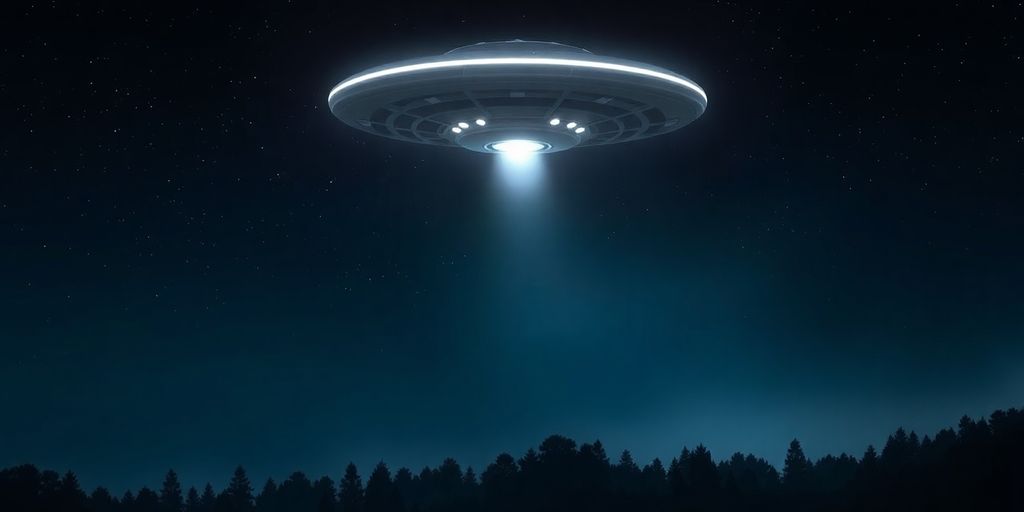
    Patterns of Deception and Manipulation

    The Art of Luring Victims

    Serial killers often exhibit a chilling ability to lure victims into their traps. This isn’t just about physical abduction but involves psychological manipulation. They craft elaborate stories or personas to gain trust. Many even exploit societal norms and expectations to make their approach seem harmless. For instance, some might pose as authority figures or offer help, playing on the victim’s sense of safety and gratitude.

    • Developing a trustworthy facade.
    • Exploiting vulnerabilities, like loneliness or need for assistance.
    • Using charm or deceit to disarm suspicions.

    Creating a Double Life

    A fascinating aspect of many serial killers is their ability to lead a double life. They often maintain a facade of normalcy, blending into society as seemingly ordinary citizens. This deception not only aids in evading law enforcement but also in gaining access to unsuspecting victims.

    • Maintaining stable jobs or relationships.
    • Participating in community activities.
    • Presenting as model citizens to avoid suspicion.

    In the eerie world of deception, the killer’s ability to mask their true nature is their most potent weapon, allowing them to strike repeatedly without immediate detection.

    Manipulating Law Enforcement

    Manipulating law enforcement is another sinister skill in a serial killer’s arsenal. They often follow the media coverage of their crimes closely, sometimes even communicating with the press or police to mislead investigations. This can involve planting false evidence or providing misleading tips, all to throw detectives off their trail.

    • Feeding misinformation to investigators.
    • Altering crime scenes to confuse forensic experts.
    • Engaging with media to create a false narrative.

    Serial killers’ ability to manipulate both their victims and the systems designed to catch them is a testament to their cunning and the chilling nature of their crimes. Understanding these patterns helps law enforcement develop better strategies to identify and capture these elusive predators. For instance, Geographic Information Systems (GIS) are now utilized to analyze the geographic patterns of offenders, especially serial killers, who frequently commit crimes in specific locations.

    The Dark Psychology Behind Serial Crimes

    Narcissism and Antisocial Behaviors

    Serial killers often exhibit narcissistic traits, believing they are superior and entitled to take control over others. This sense of grandiosity is coupled with a lack of empathy, making them indifferent to the suffering they cause. Antisocial behaviors are a hallmark, often manifesting as impulsivity and a disregard for societal norms. These individuals can be charming, using their charisma to manipulate those around them, but underneath lies a chilling detachment from humanity.

    The Influence of Fantasies

    Fantasies play a crucial role in the psyche of a serial killer. These vivid imaginations are not just idle daydreams; they are meticulously detailed scenarios that fuel their urge to kill. Often beginning in childhood or adolescence, these fantasies grow more elaborate over time, serving as a rehearsal for the actual crimes. They provide a sense of power and control, offering an escape from reality where the killer is the ultimate authority.

    Compulsions and Rituals

    Compulsions drive serial killers to commit their heinous acts repeatedly. These are not random; they follow a specific pattern or ritual that the killer feels compelled to complete. This ritualistic behavior can be seen as a way to achieve a sense of order or to fulfill a psychological need. For some, the ritual is as important as the murder itself, offering a sense of satisfaction and completeness.

    The dark allure of serial killers lies in their ability to hide in plain sight, living among us, yet driven by urges that are both terrifying and incomprehensible. Their crimes force us to confront the unsettling reality of what humans are capable of, leaving us both horrified and fascinated by their mysterious minds.

    Unraveling the Mysteries of Infamous Cases

    The BTK Killer’s Dual Existence

    The BTK Killer, Dennis Rader, is a chilling example of a predator hiding in plain sight. For decades, Rader lived a seemingly ordinary life as a family man and church leader in Wichita, Kansas. Meanwhile, he carried out a series of gruesome murders, taunting authorities with cryptic messages. His ability to maintain such a dual existence left the community in shock and fear. The unexplained ability to blend into society while committing heinous acts remains a subject of fascination.

    Ted Bundy’s Charismatic Facade

    Ted Bundy’s charm and good looks masked a sinister reality. Known for his charisma, Bundy used his persona to lure victims, often pretending to be injured to gain their trust. His trial became a media sensation, with many unable to reconcile his charming demeanor with the horrific crimes he committed. The disconnect between Bundy’s public persona and his dark deeds continues to perplex those who study his case.

    The Zodiac Killer’s Cryptic Messages

    The Zodiac Killer’s identity remains one of the most infamous unsolved mysteries in criminal history. Operating in Northern California during the late 1960s and early 1970s, the killer sent a series of cryptic letters to local newspapers, filled with ciphers and taunts. Despite numerous investigations and the killer’s own claims of responsibility for multiple deaths, the case remains open. The Zodiac Killer’s ability to elude capture and the unexplained nature of his cryptic communications continue to intrigue and baffle investigators and enthusiasts alike.

    The allure of these cases lies in the unanswered questions and the chilling possibility that the perpetrators might have walked among us, unnoticed. As investigators and the public delve into these mysteries, the line between myth and reality blurs, leaving us to wonder what truly lies beneath the surface of these infamous crimes.

    The Evolution of Criminal Profiling

    Shadowy figure with intense gaze in dark setting.

    In the early days, criminal profiling was more art than science. Investigators relied heavily on intuition and experience, piecing together details from crime scenes like a complex puzzle. But as crime grew more sophisticated, so did the methods to catch criminals. Profiling has evolved into a science, integrating psychology, behavioral analysis, and statistical data. Today, it’s not just about gut feelings; it’s about understanding the mind behind the crime.

    The FBI’s Behavioral Analysis Unit (BAU) is at the forefront of this evolution. They’ve transformed profiling into a systematic approach, analyzing crime scenes, interviewing suspects, and studying patterns. The BAU’s work has been pivotal in solving numerous high-profile cases, giving law enforcement a powerful tool to predict and prevent crimes. Their methods are a blend of traditional detective work and cutting-edge science, offering a glimpse into the minds of the most dangerous offenders.

    Despite its advancements, modern profiling isn’t without challenges. Biases and assumptions can skew profiles, leading to potential misjudgments. There’s also the ethical dilemma of balancing privacy with public safety. As technology advances, so do the methods of criminals, requiring constant adaptation and learning. Profilers must stay ahead of the curve, continuously refining their techniques to tackle new threats.

    Profiling is a dance between understanding the criminal mind and maintaining a moral compass, ensuring justice is served without compromising ethical standards.

    In a world captivated by true crime, the evolution of profiling reflects society’s relentless pursuit of justice, blending the old with the new to uncover the darkest corners of the human psyche.

    The Chilling Impact on Society

    Shadowy figure in an alley, evoking chilling feelings.

    Fear and Fascination with Serial Killers

    Serial killers have always been a source of both terror and intrigue. Their stories grip the public’s imagination, creating a paradoxical mix of fear and fascination. People find themselves drawn to the gruesome details and the psychological puzzles these criminals present. This duality is evident in the way society consumes media about these killers—books, documentaries, and podcasts thrive on their tales. The fear stems from the randomness of their crimes, while the fascination lies in understanding what makes them tick.

    • Serial killers challenge our sense of safety and security.
    • They tap into primal fears, reminding us of our vulnerability.
    • Their stories often highlight flaws in law enforcement and the justice system.

    Media’s Role in Shaping Perceptions

    The media plays a significant role in how serial killers are perceived by the public. Through sensationalized reporting and dramatized storytelling, the media can sometimes blur the lines between fact and fiction. This has led to a culture where serial killers are often mythologized, becoming larger-than-life figures in public consciousness.

    • Media coverage can lead to a distorted view of the prevalence of serial killers.
    • Documentaries and true crime shows can glamorize the killers, overshadowing the victims.
    • Social media platforms allow for widespread dissemination of information, often without verification.

    "In the age of information, the narrative of a serial killer can spread like wildfire, shaping perceptions and influencing public opinion."

    The Legacy of Infamous Killers

    Infamous serial killers leave a lasting legacy that extends beyond their crimes. They influence everything from criminal profiling techniques to popular culture. The stories of killers like the Zodiac Killer have become ingrained in society’s collective memory, often serving as cautionary tales or sources of dark entertainment.

    • Their stories can lead to increased awareness and advancements in forensic science.
    • They often become symbols of societal fears and anxieties.
    • Their legacies can impact how future cases are investigated and perceived.

    In many ways, the fascination with serial killers reveals more about society than the killers themselves. It highlights our enduring curiosity about the darker aspects of human nature and the complexities of the mind.

    The Intersection of Myth and Reality

    Dark alley with a shadowy figure under streetlight.

    Urban Legends and Serial Killers

    Serial killers often become the stuff of urban legends, their stories twisted and exaggerated over time. From the chilling tales of Jack the Ripper to modern-day monsters, these figures haunt the public imagination. Urban legends serve as cautionary tales, warning us of dangers lurking in the shadows. But sometimes, the lines blur, and these myths gain a foothold in reality, influencing how we perceive actual crimes.

    The Influence of Pop Culture

    Pop culture has a knack for mythologizing serial killers, turning them into larger-than-life figures. Movies, books, and TV shows often portray these criminals in a way that both fascinates and terrifies. This fascination with the macabre can distort the truth, creating a mythos around individuals who, in reality, are deeply disturbed. Yet, these portrayals also reflect societal fears and curiosities, feeding into the cycle of myth-making.

    Separating Fact from Fiction

    Distinguishing fact from fiction in the realm of serial killers is a daunting task. Many tales are embellished over time, creating a tangled web of truth and lies. This blend of fact and fiction can lead to misunderstandings about the nature of these criminals and their crimes. It’s crucial to approach these stories with a critical eye, questioning what we hear and seeking out the truth behind the legends.

    The dance between myth and reality is a delicate one, where stories can both illuminate and obscure the truth.

    Explore the fascinating blend of myth and reality with us! At Aftermath Media, we dive deep into the stories that shape our understanding of the world. Don’t miss out on our exclusive content and resources that can expand your knowledge. Visit our website today to start your journey!

    Conclusion

    In the shadowy corridors of the human psyche, the stories of serial killers continue to haunt us. These profiles, with their chilling patterns and unfathomable motives, remind us of the thin line between sanity and madness. As we peel back the layers of their minds, we are left with more questions than answers. What drives a person to such darkness? Is it nature, nurture, or something else entirely? While we may never fully understand, the pursuit of these answers keeps us on the edge, both terrified and fascinated. In the end, these tales are a stark reminder of the mysteries that lie within us all, waiting to be uncovered.

    Frequently Asked Questions

    What makes someone become a serial killer?

    Many serial killers have troubled backgrounds, often experiencing childhood trauma or abuse. They might also have certain personality traits like a lack of empathy or a need for control.

    How do serial killers choose their victims?

    Serial killers often select victims based on specific characteristics that fulfill their fantasies. Some may target people who are vulnerable or resemble someone from their past.

    Can serial killers be stopped before they kill?

    Early intervention and recognizing warning signs in behavior might help prevent future crimes. This involves paying attention to violent tendencies or unusual obsessions.

    What role does the media play in serial killer cases?

    The media can sometimes sensationalize serial killer stories, which may inadvertently glorify their actions. However, media coverage can also help raise public awareness and aid in capturing the killer.

    Why are people fascinated by serial killers?

    People are often drawn to the mystery and psychology behind serial killers. Understanding their motives and behaviors can be intriguing, though it’s important to remember the impact on victims and their families.

    How has criminal profiling evolved over time?

    Criminal profiling has shifted from relying on intuition to using scientific methods and data analysis. Profilers now study patterns and behaviors to predict and catch criminals more effectively.

  • Exploring the Flat Earth Conspiracy: Unraveling Myths and Realities in 2024

    Exploring the Flat Earth Conspiracy: Unraveling Myths and Realities in 2024

    The Flat Earth Conspiracy has been a topic of intrigue and debate for many years, capturing the imagination of those who question the very shape of our planet. Despite overwhelming scientific evidence supporting a spherical Earth, a community of believers continues to challenge this notion, fueled by theories of government cover-ups and manipulated data. In this article, we will delve into the origins of the Flat Earth belief, examine the scientific rebuttals, and explore the psychological and cultural factors that contribute to its persistence in 2024.

    Key Takeaways

    • The Flat Earth theory has ancient roots but has seen a modern resurgence, partly due to social media.
    • Scientific evidence overwhelmingly supports a spherical Earth, yet some continue to question it.
    • Psychological factors, such as cognitive dissonance, play a role in why people believe in the Flat Earth theory.
    • The Flat Earth movement has permeated popular culture, influencing films, music, and even celebrities.
    • The persistence of the Flat Earth belief poses challenges for education and public understanding of science.

    The Origins of the Flat Earth Conspiracy

    The Flat Earth Conspiracy is a tale woven through time, echoing ancient beliefs that refuse to fade away. It’s a mystery that intertwines history, psychology, and the power of modern communication.

    Ancient Beliefs and Modern Revival

    The idea of a flat Earth isn’t just a 21st-century phenomenon; it has roots that stretch back to ancient civilizations. Early cultures, lacking the scientific tools we have today, often viewed the Earth as flat. As time marched on, these notions were largely replaced by the spherical model, championed by thinkers like Pythagoras and Aristotle. Yet, in recent years, a resurgence of flat Earth beliefs has emerged, often fueled by a mix of skepticism towards mainstream science and a longing for community among believers.

    Key Figures in the Flat Earth Movement

    Several charismatic individuals have played pivotal roles in reviving the flat Earth theory:

    • Samuel Rowbotham: His book, "Zetetic Astronomy," published in 1865, laid the groundwork for modern flat Earth beliefs.
    • Eric Dubay: A contemporary figure, Dubay has a significant online presence, promoting flat Earth theories through social media and videos.
    • Mad Mike Hughes: The daredevil who aimed to prove the Earth’s flatness by launching himself in a homemade rocket, Hughes became a symbol of the movement’s extreme beliefs.

    The Role of Social Media in Spreading the Theory

    Social media has acted as a double-edged sword in the flat Earth narrative. On one hand, it allows for the rapid spread of information and community building among believers. On the other, it creates echo chambers where misinformation thrives. Platforms like YouTube and Facebook have become hotbeds for flat Earth discussions, where users can share theories, videos, and personal anecdotes, often reinforcing each other’s beliefs without critical scrutiny.

    In a world where information is abundant yet often misleading, the flat Earth conspiracy thrives on the allure of the unknown, challenging established truths and inviting followers into a realm of alternate realities.

    This intricate web of historical beliefs, influential figures, and modern technology continues to shape the flat Earth movement, making it a fascinating subject of exploration.

    Debunking the Myths: Scientific Perspectives

    Gravity and the Shape of the Earth

    The concept of gravity is often misinterpreted by Flat Earth proponents. They suggest that gravity is an illusion, yet gravity is a fundamental force that explains why objects fall towards the Earth. This force is responsible for the spherical shape of our planet, as it pulls matter into a ball. In fact, if the Earth were flat, gravity would cause objects at the edges to slide off. Here’s a simple breakdown of gravity’s role:

    • Mass Attraction: All objects with mass attract each other.
    • Earth’s Shape: Gravity pulls equally from all directions, forming a sphere.
    • Observable Effects: The behavior of objects in free fall confirms gravity’s existence.

    Satellite Imagery and Space Exploration

    Flat Earth believers often dismiss satellite images as fabrications. However, countless satellites orbit our planet, providing real-time images and data. These images are not just from one source; they come from various organizations worldwide, including NASA and private companies. Here’s a quick look at satellite functions:

    Satellite Type Purpose Example
    Communication Transmit signals GPS satellites
    Earth Observation Monitor climate Landsat satellites
    Scientific Research Study space Hubble Space Telescope

    The Physics of a Spherical Earth

    The physics behind a spherical Earth is supported by a variety of scientific principles. For instance, the Coriolis effect, which influences weather patterns and ocean currents, only occurs on a rotating sphere. Additionally, the way ships disappear over the horizon and the varied star constellations visible from different latitudes further prove the Earth’s curvature. Consider these points:

    1. Horizon Curvature: Objects disappear bottom-first as they move away.
    2. Star Visibility: Different stars are visible in the southern hemisphere compared to the northern.
    3. Airplane Flight Paths: Long-distance flights often take curved paths, which are shorter on a globe than a flat surface.

    Understanding the science behind our planet’s shape is not just about facts; it’s about recognizing the intricate web of evidence that supports a spherical Earth. In a world where misinformation spreads easily, it’s vital to rely on scientific inquiry and empirical evidence.

    The Psychology Behind Belief in Flat Earth

    Cognitive Dissonance and Conspiracy Theories

    When it comes to the Flat Earth theory, believers often experience cognitive dissonance. This is a psychological tension that arises when one’s beliefs are contradicted by evidence. To reconcile this discomfort, individuals may reject the evidence or seek out information that supports their existing beliefs. It’s like trying to fit a square peg into a round hole, and yet, they persist. This phenomenon is not unique to Flat Earth believers but is common in many conspiracy theories.

    The Appeal of Alternative Narratives

    Alternative narratives, like the Flat Earth theory, offer an intriguing escape from conventional science. These narratives provide a sense of belonging to a community that sees itself as ‘enlightened’ or possessing hidden truths. For some, the allure lies in the idea that they are privy to secrets that the majority of society is unaware of. This can be particularly enticing in an age where distrust in institutions is rampant.

    Psychological Profiles of Flat Earth Believers

    Flat Earth believers often share common psychological traits. Curiosity, skepticism towards mainstream narratives, and a preference for concrete, simple explanations over complex scientific reasoning are prevalent. These individuals may also exhibit a strong desire for certainty and control in a world they perceive as chaotic.

    The mind is a complex landscape, where belief can often overshadow fact, leading individuals down paths less traveled by logic. The Flat Earth theory, with its peculiar charm, continues to captivate those seeking clarity in a world of uncertainty.

    Flat Earth in Popular Culture

    Aerial view of a flat landscape under a blue sky.

    The Flat Earth theory, once a fringe idea, has surprisingly found its way into the mainstream. Its presence in popular culture raises eyebrows and questions about our collective understanding of reality. This phenomenon can be seen across various mediums, from music to film, where the concept of a flat Earth is explored, often with a mix of humor and skepticism.

    Movies and Documentaries

    • "Behind the Curve": A documentary that follows flat Earth believers, showcasing their community and the lengths they go to defend their beliefs.
    • "The Flat Earth Conspiracy": A film that delves into the origins and implications of the flat Earth movement, questioning how it has gained traction.
    • "The Hinge": A fictional take that explores a world where the flat Earth theory is taken seriously, leading to unexpected consequences.

    Influence on Music and Art

    • Songs: Artists like Flat Earth Society Orchestra have woven flat Earth themes into their lyrics, prompting listeners to reflect on the absurdity of the theory.
    • Visual Arts: Various artists use the flat Earth concept as a canvas to critique societal norms and question scientific authority, often blending humor with serious commentary.

    Celebrity Endorsements and Criticisms

    • Celebrities like Kyrie Irving have publicly expressed beliefs in flat Earth theories, sparking debates and discussions on social media. These endorsements often lead to backlash and ridicule, illustrating the divide between scientific consensus and popular belief.
    • Critics argue that such endorsements can mislead the public, especially younger audiences, into questioning established science.

    The intertwining of flat Earth beliefs with popular culture reflects a broader societal fascination with conspiracy theories, challenging the boundaries of reason and belief.

    The Impact of the Flat Earth Conspiracy on Society

    Aerial view of flat landscape and expansive sky.

    The Flat Earth conspiracy has seeped into various layers of society, creating ripples that extend beyond mere belief. This phenomenon has sparked debates that challenge educational systems, public trust, and the very fabric of scientific understanding.

    Educational Challenges and Misinformation

    The spread of Flat Earth theories poses significant challenges to education. Misinformation undermines the teaching of basic scientific principles, leading to:

    • Confusion among students about fundamental concepts like gravity and planetary motion.
    • Increased skepticism toward established scientific institutions, which can hinder educational progress.
    • Pressure on educators to address conspiracy theories in classrooms, often diverting time from standard curricula.

    The Intersection with Other Conspiracies

    Flat Earth beliefs often intertwine with other conspiracy theories, creating a complex web of distrust. This overlap can lead to:

    1. Heightened paranoia about governmental and scientific institutions.
    2. Increased engagement with other conspiratorial narratives, such as anti-vaccine movements or climate change denial.
    3. Formation of communities that reinforce these beliefs, creating echo chambers that further entrench misinformation.

    Public Perception and Media Representation

    Media plays a crucial role in shaping public perception of the Flat Earth movement. The portrayal of these beliefs can vary widely:

    • Sensationalized coverage can amplify the conspiracy, drawing in curious viewers and reinforcing the narrative.
    • Skeptical reporting can help debunk myths, but often fails to reach those already entrenched in the belief.
    • Documentaries and podcasts can either educate or mislead, depending on their approach to the subject.

    The media’s portrayal of the Flat Earth theory reflects broader societal tensions regarding trust in science and authority. As public discourse evolves, so too does the challenge of navigating fact and fiction in an era of misinformation.

    Exploring the Evidence: What Do Flat Earthers Claim?

    Aerial view of a flat landscape with clear horizon.

    The flat Earth movement is fueled by a series of claims that challenge the widely accepted scientific understanding of our planet. These assertions often hinge on a mix of skepticism towards established science and a belief in hidden truths. Let’s explore some of the core claims made by flat Earthers:

    Alleged NASA Cover-Ups

    1. NASA’s Deception: Flat Earthers argue that NASA fabricates images of Earth, presenting them as spherical when they are actually flat.
    2. Space Missions as Hoaxes: Many believe that missions like Apollo were staged to perpetuate the globe model.
    3. Lack of Authentic Evidence: Claims arise that there is insufficient authentic footage from space showing a round Earth.

    The Horizon Illusion

    • Flat Earthers often cite the horizon appearing flat as evidence of a flat Earth. They argue that if the Earth were truly spherical, the horizon would curve.
    • Some even suggest that the way ships disappear from view is a result of perspective, not curvature.

    Flight Paths and Navigation

    1. Unusual Flight Routes: They claim that certain flight paths, especially over polar regions, are illogical if the Earth is round.
    2. Navigation Systems: Some argue that GPS and other navigation systems would not function as they do on a spherical Earth.
    3. Allegations of Misinformation: Many flat Earthers believe that pilots and navigators are misled about the true nature of the Earth.

    The flat Earth theory thrives on a sense of mystery and the unexplained, drawing in those who feel disillusioned by mainstream science.

    In the face of extensive scientific evidence supporting a spherical Earth, these claims continue to circulate, often reinforced by communities on social media and various platforms. As we unravel these assertions, it’s essential to approach them with a critical mind, questioning the validity of the evidence presented.

    The Future of the Flat Earth Movement

    Aerial view of a flat landscape with clouds.

    As we look ahead, the Flat Earth movement stands at a crossroads, shrouded in intrigue and uncertainty. Will it fade into obscurity or gain momentum? The answers lie hidden beneath layers of belief and skepticism.

    Potential Growth or Decline

    The Flat Earth theory may experience either resurgence or decline based on several factors:

    • Social Media Influence: Platforms continue to amplify fringe theories, potentially drawing in new adherents.
    • Educational Responses: Increased scientific education could counteract the spread of misinformation.
    • Public Interest in Conspiracies: A growing fascination with conspiracies could sustain interest in Flat Earth.

    The Role of Technology in the Debate

    Technology plays a pivotal role in shaping the future of the Flat Earth movement:

    1. Virtual Reality: Offers immersive experiences that could either bolster or debunk claims.
    2. Social Media Algorithms: Tailor content to user preferences, potentially creating echo chambers.
    3. Debunking Tools: Advancements in scientific tools may provide clearer evidence against Flat Earth claims.

    Implications for Science Education

    The persistence of the Flat Earth movement poses challenges for science education:

    • Curriculum Development: Educators may need to address conspiracy theories directly in classrooms.
    • Critical Thinking Skills: Emphasizing critical thinking could empower students to analyze claims critically.
    • Public Engagement: Scientists and educators must engage with the public to combat misinformation.

    As we navigate the complexities of belief and skepticism, the future of the Flat Earth movement remains an enigmatic puzzle, one that continues to captivate and perplex.

    As we look ahead, the Flat Earth Movement continues to evolve, drawing in new followers and sparking fresh debates. If you’re curious about the latest developments and want to dive deeper into this fascinating topic, visit our website for exclusive insights and resources. Join the conversation today!

    Conclusion

    As we wrap up our journey into the flat Earth conspiracy, we’re left with more questions than answers. The mystery surrounding this theory continues to captivate and baffle, drawing in those who seek to challenge the mainstream narrative. Whether it’s the allure of hidden truths or the thrill of questioning the status quo, the flat Earth debate remains a fascinating topic. In a world filled with information and misinformation, the line between fact and fiction blurs, leaving us to ponder what we truly know about our planet. As we step away from this exploration, one thing is clear: the quest for understanding is as endless as the horizon itself.

    Frequently Asked Questions

    What is the Flat Earth theory?

    The Flat Earth theory is the belief that the Earth is flat rather than round. Supporters think that the planet is shaped like a disk or a plane.

    How did the Flat Earth idea start?

    The idea of a flat Earth goes back to ancient times. It became popular again in recent years, partly because of social media.

    Why do some people believe in a flat Earth?

    Some people believe in a flat Earth because they distrust scientific explanations or prefer alternative ideas.

    What do scientists say about the shape of the Earth?

    Scientists agree that the Earth is round. They have lots of proof, like pictures from space and studies of how things move.

    How does gravity work on a flat Earth?

    Gravity, as we understand it, wouldn’t work the same way on a flat Earth. Scientists say gravity pulls everything towards the center of the Earth, which helps keep its round shape.

    Are there any famous people who support the Flat Earth theory?

    Yes, some celebrities have shown interest in the Flat Earth theory, but many people and experts criticize these views.

  • Unraveling Historical Conspiracy Theories: Truths, Myths, and Their Impact on Society

    Unraveling Historical Conspiracy Theories: Truths, Myths, and Their Impact on Society

    Ever wonder why some stories from the past just won’t go away? Historical conspiracy theories are like that old pair of jeans you can’t bring yourself to throw out. They’re comfy, familiar, and somehow still fit into today’s world. These theories, whether about ancient aliens or secret societies, keep popping up, sparking debates and curiosity. Let’s dive into some of the most intriguing ones and see what they’re all about.

    Key Takeaways

    • Historical conspiracy theories often mix fact and fiction, making them hard to debunk.
    • Theories about aliens and secret societies have been around for ages and still capture the public’s imagination.
    • Media plays a big role in spreading and shaping these theories, often blurring the line between truth and myth.
    • Social media and the internet have amplified the reach and impact of conspiracy theories today.
    • Understanding why people believe in these theories can help address the misinformation they spread.

    The Enigma of Government Secrecy

    Mysterious figure near a government building at night.

    Alien Technology and National Security

    Ah, the age-old question: Are we alone in the universe? For decades, whispers have persisted about government cover-ups involving alien technology. Many believe that somewhere, hidden from public view, lies evidence of extraterrestrial life. The government, as the theory goes, is sitting on this information, citing national security concerns. Could it be possible that our own technological advancements have been influenced by otherworldly sources?

    But why the secrecy? Well, think about it: If the public were to suddenly learn that we are not alone, it could cause mass hysteria or even panic. Or maybe, just maybe, there’s a power play at work here, with governments wanting to harness alien tech for military supremacy. The truth, whatever it may be, remains locked behind classified documents and fortified walls.

    Public Demand for Transparency

    In recent years, there’s been a growing clamor for transparency. People want to know what their governments are hiding, and why. The rise of social media and independent journalism has fueled this demand, with whistleblowers and leaked documents adding fuel to the fire. Transparency isn’t just a buzzword; it’s a demand for accountability.

    • Increased Public Awareness: With access to more information, people are questioning official narratives.
    • Whistleblower Revelations: Individuals within the system are risking it all to reveal hidden truths.
    • Social Media Influence: Platforms like Twitter and Reddit have become hubs for conspiracy discussions.

    The push for transparency isn’t just about aliens or secret tech; it’s about the right to know and the power dynamics between governments and their citizens.

    The Role of Media in Shaping Perceptions

    The media, whether we like it or not, plays a massive role in how we perceive government secrecy. Sensational headlines and dramatic news reports can skew public perception, leading to misinformation and fear-mongering. On the flip side, responsible journalism can shed light on the truth, helping people separate fact from fiction.

    "In the shadowy world of government secrecy, the media acts as both a beacon of truth and a purveyor of myths."

    News outlets and journalists have the power to influence public opinion, for better or worse. It’s a double-edged sword that can either clarify or confuse, depending on the narrative they choose to present. As consumers of news, we must remain vigilant, questioning not just the government, but the media that reports on it.

    In this tangled web of secrecy and speculation, one thing is clear: the truth is out there, but finding it requires peeling back layers of myths and confronting uncomfortable realities.

    Unveiling the Shadows of Historical Narratives

    A dimly lit library with ancient books and candles.

    In the dim corners of our past, whispers of hidden truths and alternate realities beckon us to explore. What if history as we know it is merely a façade, a carefully crafted narrative designed to maintain control?

    The Great Rewrite Theory

    This theory suggests that powerful entities have manipulated our understanding of history to serve their interests. Key figures in this narrative include:

    • Anatoly Fomenko, a Russian mathematician, who argues that much of our ancient history is a fabrication.
    • Historical revisionism, where events are altered or erased to fit a desired narrative.
    • Cultural amnesia, where societies forget their true pasts, leading to a loss of identity.

    Lost Giants of America

    The idea of giants roaming the earth isn’t just a myth. Numerous accounts throughout history hint at the existence of colossal beings. Evidence of their presence includes:

    • Ancient texts describing encounters with giants.
    • Archaeological finds of oversized bones that challenge conventional anthropology.
    • Cultural artifacts depicting giant figures, suggesting they were once part of everyday life.

    Ukraine’s Darkest Secret

    One of the most haunting aspects of history is the events that remain unspoken. In Ukraine, the Volhynian massacres of 1943 reveal a tragic chapter often overlooked in mainstream narratives. The implications of these events include:

    • Ethnic tensions that have persisted into modern times.
    • Censorship of historical truths that prevent healing and understanding.
    • Lessons forgotten, as societies repeat past mistakes when they fail to recognize their history.

    The shadows of history hold secrets that challenge our perceptions of truth and morality. Only by confronting these shadows can we hope to understand the full tapestry of our past.

    The Intrigue of Ancient Civilizations

    Anunnaki: Forgotten Creators

    The Anunnaki, often depicted in ancient Sumerian texts, are believed by some to be extraterrestrial beings who played a role in the creation of humanity. These enigmatic figures have sparked countless debates and theories about their influence on early civilizations. What if they were more than mere myth? Could they have shared advanced knowledge with humanity? The implications of such a connection could reshape our understanding of human history.

    Bosnian Pyramids Discovery

    In recent years, the discovery of the Bosnian pyramids has stirred intrigue among historians and archaeologists alike. These structures, thought to be remnants of an ancient civilization, challenge established timelines and suggest that advanced societies existed long before we thought. The findings are mysterious, with claims of hidden tunnels and energy fields, leading many to wonder: What secrets do these pyramids hold?

    Florida’s Hidden Pyramids

    Florida, known for its sunny beaches, also harbors secrets beneath its surface. Reports of hidden pyramids have emerged, suggesting that ancient cultures may have thrived in this region long ago. The existence of these structures raises questions about the spread of civilizations and their architectural prowess. Are we on the brink of uncovering a lost chapter in American history?


    • Key Points of Interest:
      • The Anunnaki’s potential role in human creation.
      • The implications of the Bosnian pyramids on historical narratives.
      • The mystery surrounding Florida’s hidden pyramids.

    "The past is a tapestry of mysteries, woven with threads of truth and myth, waiting to be unraveled."

    As we explore these ancient wonders, the allure of the unknown continues to captivate our imagination, urging us to dig deeper into our shared history.

    The Mysteries of Unexplained Phenomena

    Ancient artifacts and manuscripts in a dimly lit room.

    Historical UFO Sightings

    Throughout history, the skies have been a stage for the unexplained. From ancient times to the present, people have reported seeing strange objects flying overhead. These sightings, often described as unidentified flying objects (UFOs), have sparked curiosity and fear alike. Could these be visitors from another world, or simply misidentifications of natural phenomena? Some notable historical sightings include:

    • 74 BC, Rome: A mysterious "spark" seen in the sky during a battle, described as a "flaming torch."
    • 1561, Nuremberg: A mass sighting of strange objects in the sky, depicted in a local newspaper.
    • 1897, USA: Reports of a "phantom airship" across several states, leaving many to wonder about its origin.

    The enigma of UFOs continues to captivate our imagination, challenging our understanding of the universe and our place within it.

    "In the vastness of the cosmos, are we truly alone, or is there something more out there waiting to be discovered?"

    Cryptids of the Internet

    In the digital age, tales of cryptids—creatures whose existence is unverified by science—have found a new home online. The internet is teeming with stories and sightings of these mysterious beings, ranging from the infamous Bigfoot to lesser-known entities like the Chupacabra. These accounts often raise questions about the line between myth and reality:

    • Bigfoot: Alleged sightings continue to surface, with blurry photos and shaky videos fueling the debate.
    • Chupacabra: Reports of this "goat-sucker" creature have circulated widely, especially in Latin America.
    • Mothman: A winged humanoid said to foretell disaster, with sightings reported globally.

    These cryptids, whether real or imagined, reflect our innate fascination with the unknown and our desire to find wonder in the unexplained.

    The Mysterious Stone of London

    Nestled in the heart of London is a stone that has baffled historians and locals alike. Known simply as the London Stone, this ancient artifact’s origins and purpose remain shrouded in mystery. Some believe it to be a druidic relic, while others suggest it is a Roman milestone. Its significance is as enigmatic as its history:

    • Age Unknown: The stone’s true age and origin are still subjects of debate among scholars.
    • Legends and Lore: Tales abound, claiming the stone holds the key to London’s safety, stating "So long as the Stone of Brutus is safe, so long shall London flourish."
    • Cultural Impact: Despite its obscurity, the stone has inspired literature and folklore, embedding itself in the city’s rich tapestry.

    As we ponder the mysteries of the London Stone, we are reminded that history is filled with puzzles waiting to be solved, inviting us to explore the boundaries of the known and the unexplained.

    The Influence of Secret Societies

    Secret societies have long held a grip on the imagination of the public, weaving a tapestry of intrigue and speculation. These groups, often shrouded in mystery, have been said to influence everything from politics to cultural trends. Their allure lies in the whispers of hidden agendas and the tantalizing thought that they may be pulling the strings behind the scenes.

    The Hidden Agendas of Secret Societies

    • Political Manipulation: Many believe that secret societies like the Freemasons or the Illuminati have a hand in shaping political landscapes. Allegations suggest they work behind closed doors to influence legislation and electoral outcomes.
    • Cultural Influence: From art to literature, secret societies are often accused of promoting certain ideologies or narratives that align with their interests, subtly steering public perception.
    • Social Control: Some theorists argue that these organizations seek to maintain societal order through manipulation and control, creating a divide between those in the know and the general populace.

    The Enigma of the Illuminati

    The Illuminati, perhaps the most famous of secret societies, has been at the center of countless conspiracy theories. Originally founded in the late 18th century, its name has become synonymous with hidden power and the manipulation of global events. Theories surrounding the Illuminati often include:

    1. Global Domination: Claims that they aim to establish a New World Order, controlling governments and economies.
    2. Cultural Subversion: Accusations of infiltrating entertainment and media to propagate their agenda.
    3. Ritualistic Practices: Speculations about secret rites and ceremonies that supposedly grant them power.

    Satanism and PSYOPS: Michael Aquino

    Michael Aquino, a controversial figure, is often linked to both military intelligence and occult practices. His founding of the Temple of Set has led to allegations of using psychological operations (PSYOPS) to further his agendas. Some key points include:

    • Duality of Purpose: Balancing military duties with occult practices, leading to questions about the ethics of such intersections.
    • Influence on Military Culture: His teachings have allegedly permeated certain military circles, raising eyebrows about the nature of loyalty and belief systems within the armed forces.
    • Public Perception: The media’s portrayal of Aquino and his beliefs has further complicated the public’s understanding of his impact.

    In a world where shadows loom large, the reality of secret societies often blurs the line between fact and fiction. Their influence, whether real or imagined, continues to captivate and terrify.

    The mysteries surrounding these organizations provoke curiosity and fear, reflecting our own desires for understanding in an often chaotic world. As we peel back the layers, we must ask: what truths lie beneath the surface of these enigmatic groups?

    To explore more about how secret societies shape our world, check out the hidden agendas of secret societies.

    The Power of Prophecies and Myths

    Ancient Prophecies and Modern Relevance

    Throughout history, prophecies have served as a lens through which humanity tries to understand its fate. These predictions, often cloaked in symbolism, resonate deeply within our collective psyche. Many cultures have their own prophetic traditions, leading to a rich tapestry of beliefs:

    • Mayan Calendar: Often misinterpreted as a doomsday prophecy.
    • Christian Revelation: Foretelling the end times with vivid imagery.
    • Norse Ragnarok: A tale of destruction and rebirth.

    The allure of these ancient predictions continues to captivate modern audiences, prompting us to reflect on our current circumstances.

    The Seven Seals of Revelation

    The Seven Seals in the Book of Revelation are perhaps one of the most enigmatic symbols of prophecy. Each seal reveals a different aspect of the apocalypse, reflecting humanity’s fears and hopes. Here’s a brief overview:

    Seal Number Description Symbolism
    1 The White Horse Conquest
    2 The Red Horse War
    3 The Black Horse Famine
    4 The Pale Horse Death
    5 Martyrs’ Cry Persecution
    6 Cosmic Disturbances Judgment
    7 Silence in Heaven Completion

    The Timeless Truth About Tyranny

    Prophecies often serve as warnings against tyranny, a theme that has echoed through time. Ancient philosophers like Aristotle warned of the dangers of oppressive rule, suggesting that tyranny is a recurring cycle in human history. This idea resonates today, as many people draw parallels between ancient warnings and modern governance.

    "In every age, the specter of tyranny looms large, reminding us of the fragile nature of freedom."

    As we navigate our complex world, the myths and prophecies of the past continue to shape our understanding of the present and future. They remind us of the power of belief and the potential for both destruction and renewal.

    The Digital Age and Conspiracy Theories

    Magnifying glass on a vintage map, exploring hidden secrets.

    In the vast expanse of the digital landscape, conspiracy theories have found fertile ground to thrive. With just a few clicks, misinformation can spread faster than wildfire, igniting suspicions and fears among the masses. This phenomenon is not just a modern occurrence; it’s a new chapter in a long history of societal mistrust.

    The Role of Social Media in Spreading Theories

    Social media platforms have become the primary breeding grounds for conspiracy theories. Here are some key points:

    • Instant Communication: Information can be shared in real-time, allowing theories to gain traction quickly.
    • Echo Chambers: Users often find themselves in bubbles where their beliefs are reinforced, making them less likely to question the validity of the information.
    • Viral Content: Sensational stories spread rapidly, often outpacing fact-checking efforts.

    AI and the Future of Misinformation

    Artificial intelligence is reshaping how we interact with information. Consider these aspects:

    • Content Generation: AI can create realistic yet false narratives, making it harder for users to discern truth from fiction.
    • Algorithm Influence: Algorithms prioritize engagement over accuracy, often promoting sensational content that fuels conspiracy theories.
    • Deepfakes: Technology that creates hyper-realistic fake videos can further muddy the waters of truth, leading to widespread distrust.

    The Psychology Behind Belief in Conspiracies

    Understanding why people believe in conspiracy theories is crucial. Here are a few psychological factors:

    1. Cognitive Bias: People tend to seek information that confirms their existing beliefs.
    2. Fear and Uncertainty: In times of crisis, individuals may turn to conspiracies as a way to make sense of chaotic events.
    3. Distrust of Authority: A history of government deception can lead to a general skepticism towards official narratives.

    In a world flooded with information, discerning fact from fiction has become a daunting task. The consequences of believing in conspiracy theories can be profound, affecting everything from public health to political engagement.

    The digital age has transformed the landscape of conspiracy theories, making them more pervasive and harder to combat. As we navigate this complex web of information, the importance of critical thinking and media literacy cannot be overstated.

    In today’s digital world, conspiracy theories spread faster than ever. With just a click, you can dive into a sea of information, but not all of it is true. It’s important to think critically and seek out reliable sources. If you’re curious about the hidden truths behind these theories, visit our website for exclusive content and insights that can help you understand the bigger picture. Don’t miss out on the chance to explore more!

    Conclusion

    In the end, the allure of conspiracy theories lies in their ability to weave together the known and the unknown, creating a tapestry that both intrigues and terrifies. These theories, whether about ancient aliens or secret societies, tap into our deepest fears and curiosities. They remind us that history is not just a series of events but a complex web of narratives, some true, some imagined. As we peel back the layers of these stories, we find ourselves questioning what we know and what we believe. The impact of these theories on society is profound, shaping our perceptions and sometimes even our realities. As we continue to explore these mysteries, let us do so with a critical mind and an open heart, acknowledging that the truth is often stranger than fiction.

    Frequently Asked Questions

    Why do people believe in conspiracy theories?

    People often believe in conspiracy theories because they want to make sense of complex events or feel like they have special knowledge. Sometimes, it helps them cope with their worries, even if it doesn’t actually make them feel better.

    How does the media affect our views on conspiracy theories?

    The media can shape our views by spreading stories that may not be true or by providing accurate information. It’s important to think about what we see and hear and decide what makes sense.

    Are there any real dangers to believing in conspiracy theories?

    Yes, believing in conspiracy theories can lead to mistrust in important things like science and government. It might also make people less likely to vote or take actions that help the community.

    Why do some people think the government hides information?

    Some people think the government hides information because they believe it wants to keep secrets for safety or control. This belief can grow when there’s a lack of trust or clear communication.

    How can we tell if a conspiracy theory is false?

    To tell if a conspiracy theory is false, check if there is reliable evidence and if experts agree. If a theory doesn’t have strong proof or seems too strange, it might not be true.

    What role does social media play in spreading conspiracy theories?

    Social media can quickly spread conspiracy theories because it allows people to share information fast. Sometimes, this information is not checked for truth, so it’s important to be careful about what we believe.

  • Unveiling the Secrets of Mysterious Creatures: Myths and Realities

    Unveiling the Secrets of Mysterious Creatures: Myths and Realities

    Ever wonder what lurks in the shadows of our imagination? Mysterious creatures have always been a part of our stories, blending myth and reality in fascinating ways. From the Loch Ness Monster to Bigfoot, these tales capture our curiosity and make us question what we know about the world. This article dives into the world of these elusive beings, exploring the myths and truths behind them.

    Key Takeaways

    • Mysterious creatures have been part of human folklore for centuries, sparking curiosity and debate.
    • Cryptids like Bigfoot and the Loch Ness Monster blur the line between myth and reality.
    • Mythical beings such as mermaids and unicorns symbolize deeper cultural beliefs and values.
    • Werewolves and vampires have evolved from ancient folklore to modern pop culture icons.
    • Secret societies and ghost stories add layers of mystery and intrigue to our understanding of the unknown.

    The Enigmatic World of Cryptids

    Misty forest with a shadowy cryptid silhouette.

    Cryptids, those elusive creatures that seem to dance on the edge of reality and myth, have long captivated our imaginations. From the depths of dark forests to the murky waters of lakes, these beings represent the unexplained mysteries of our world. Are they mere figments of folklore, or do they hold truths hidden in the shadows?

    Legends of the Loch Ness Monster

    Nessie, as she’s affectionately known, has become a symbol of mystery. Sightings date back to ancient times, with the first recorded mention in the 6th century. Here are some key points about this enigmatic creature:

    • Location: Loch Ness, Scotland
    • First Sightings: 565 AD (St. Columba)
    • Modern Popularity: 1930s, with the famous photograph

    Despite numerous investigations, no conclusive evidence has surfaced, leaving many to wonder: is she real or just a tale spun from the depths of human imagination?

    The Chupacabra: Myth or Reality?

    Originating from Puerto Rico in the 1990s, the Chupacabra is described as a blood-sucking creature, often targeting livestock. Key features include:

    • Appearance: Spiky back, red eyes, and a reptilian look
    • First Report: 1995
    • Cultural Impact: Spread across Latin America and into the United States

    The Chupacabra’s existence has sparked debates, with some attributing sightings to wild animals suffering from mange. Yet, the legend persists, feeding our fascination with the unknown.

    Bigfoot: The Elusive Giant

    Bigfoot, or Sasquatch, is perhaps the most famous cryptid in North America. Sightings have been reported across the continent, but what do we know?

    • Habitat: Forested regions, particularly in the Pacific Northwest
    • Reported Height: 6 to 9 feet tall
    • Evidence: Footprints, hair samples, and grainy photographs

    Despite extensive searches and investigations, Bigfoot remains a mystery, embodying the human spirit of exploration and the desire to uncover the unseen.

    The Mothman Prophecies

    The Mothman, a creature with glowing red eyes and large wings, first appeared in Point Pleasant, West Virginia, in the 1960s. Key aspects include:

    • First Sighting: 1966
    • Associated Events: Bridge collapse in 1967
    • Cultural Legacy: Books, movies, and ongoing fascination

    Many believe the Mothman serves as a harbinger of disaster, adding layers of intrigue to his legend.

    Cryptids remind us that there’s still much we don’t understand about our world, and perhaps, that’s what makes them so captivating.

    In conclusion, the world of cryptids is a tapestry woven with threads of mystery, fear, and fascination. Whether they exist or not, they challenge our perceptions and keep our imaginations alive. For those eager to explore more about these mysterious beings, Freaky Folklore offers chilling tales that delve into the depths of these legends.

    Unraveling the Mysteries of Mythical Beings

    Mythical creatures in a magical forest setting.

    The Sirens’ Song: Luring Sailors to Doom

    Sirens, with their enchanting voices, have long been the stuff of legend, luring sailors to their watery graves. These mythical creatures, often depicted as half-bird, half-woman, have roots in Greek mythology. Their songs were so irresistible that mariners would steer their ships towards the rocks, only to meet their doom. But what if the Sirens were more than just a myth? Some suggest they symbolize the dangers of temptation and the perilous allure of the unknown.

    Mermaids: Guardians of the Ocean

    Mermaids have captivated human imagination for centuries, depicted as beautiful beings with the upper body of a woman and the tail of a fish. They are often seen as protectors of the sea, guiding sailors through treacherous waters. In folklore, mermaids are sometimes benevolent, offering aid to those lost at sea. Yet, tales also speak of their darker side, where they drag unsuspecting victims into the depths. The duality of mermaids reflects our fascination with the sea’s beauty and its hidden dangers.

    The Djinn: Spirits of Fire and Air

    The Djinn, spirits born of smokeless fire, are a cornerstone of Middle Eastern mythology. These beings are said to possess incredible powers, from shape-shifting to granting wishes. Yet, they are not to be trifled with, as they can be both benevolent and malevolent. Djinn are often portrayed as living in a parallel world, unseen by humans but ever-present. Their existence raises questions about the unseen forces that might influence our world, much like the rare mythical creatures found in folklore across the globe.

    Unicorns: Symbols of Purity and Grace

    Unicorns, with their single spiraling horn, have become universal symbols of purity and grace. These mythical creatures have been depicted in art and literature throughout history, often associated with healing and magic. In the Middle Ages, unicorns were thought to be real, their horns believed to possess the power to neutralize poisons. Today, they continue to inspire wonder and awe, representing the unattainable and the mystical in a world grounded in reality.

    Mythical beings are more than just figments of imagination; they are reflections of our deepest fears and desires, embodying the mysteries of the unknown. They challenge us to explore the boundaries of what we know and dare us to dream beyond the confines of reality.

    The Haunting Lore of Werewolves

    Origins in Ancient Folklore

    The legend of werewolves stretches back to ancient times, with roots in various cultures. These tales often depict humans transforming into wolves under the full moon, driven by a curse or a bite. In many European traditions, werewolves were seen as a punishment for wrongdoings, a reflection of the darker sides of human nature. The transformation symbolizes a struggle between civilization and primal instincts.

    Transformation Myths Across Cultures

    The idea of shapeshifting is not limited to Europe. Across the globe, different cultures have their own versions of werewolf myths:

    • Norse Mythology: Warriors known as "berserkers" were said to wear wolf skins and channel the spirit of the wolf in battle.
    • Native American Legends: Some tribes speak of skinwalkers, witches who can turn into animals, including wolves.
    • African Folklore: The legend of the "werehyena" tells of people cursed to transform into hyenas.

    The Wolf Man in Popular Culture

    The werewolf has evolved into a staple of horror and fantasy in modern media. Movies like "The Wolf Man" have shaped public perception, blending horror with tragedy. This portrayal often emphasizes the internal conflict faced by the werewolf, caught between human and beast. The character of the wolf man serves as a metaphor for the struggle against one’s darker impulses.

    Real-Life Inspirations Behind the Legend

    The werewolf myth may have been inspired by real-life phenomena, such as:

    1. Lycanthropy: A psychological condition where individuals believe they can transform into wolves.
    2. Rabies: This disease can cause aggression and sensitivity to light, resembling some characteristics attributed to werewolves.
    3. Historical Accounts: Cases of wolf attacks on livestock and humans in rural areas may have contributed to the fear and fascination surrounding these legends.

    The werewolf legend serves as a haunting reminder of humanity’s struggle with its primal instincts and the thin line between man and beast.

    Vampires: From Folklore to Pop Culture

    Vampire in an ancient castle with flickering candlelight.

    Vampires have long haunted our imaginations, evolving from ancient tales into modern pop culture icons. These creatures, once rooted in fear and superstition, have transformed into symbols of desire and intrigue. Their stories traverse centuries, revealing a complex relationship with humanity’s deepest fears and fantasies.

    The Historical Dracula

    The legend of Dracula is perhaps the most famous vampire narrative. Originating from the historical figure Vlad the Impaler, this tale has morphed through literature and film. Bram Stoker’s 1897 novel immortalized Dracula, blending fact and fiction. Here are some key points about Dracula:

    • Vlad the Impaler: A 15th-century ruler known for his brutal methods.
    • Literary Impact: Stoker’s novel sparked a vampire craze in literature.
    • Cultural Legacy: Dracula has influenced countless adaptations in film, theater, and art.

    Vampires in Literature and Film

    Vampires have seeped into various forms of storytelling, each portrayal reflecting societal fears and desires. Some notable examples include:

    1. Nosferatu (1922): An early silent film that established the visual language of vampires.
    2. Interview with the Vampire (1976): Anne Rice’s novel introduced a more romanticized view of vampires.
    3. Twilight Series (2005-2008): This modern saga redefined vampires for a new generation, focusing on love and morality.

    The Science of Vampirism

    Interestingly, some scientists have explored the potential for a real-life basis for vampire legends. Conditions like porphyria, which affects the skin and can cause sensitivity to sunlight, have been suggested as explanations for vampire traits. Here’s a brief overview:

    Condition Symptoms Possible Connection to Vampirism
    Porphyria Sensitivity to sunlight May cause avoidance of sunlight
    Catalepsy Rigid body posture Resembling a corpse
    Rabies Aggression, aversion to water Similar behaviors to vampire lore

    Modern-Day Vampire Subcultures

    In today’s world, vampire subcultures continue to thrive. These communities often embrace the aesthetics and mythology of vampires, blending them with contemporary life:

    • Vampire LARPing: Role-playing games where participants embody vampire characters.
    • Goth Subculture: Many in this community adopt vampire-inspired fashion and lifestyles.
    • Vampire Fandom: Enthusiasts engage in conventions and fan fiction, expanding the vampire mythos.

    Vampires, whether in folklore or modern media, serve as mirrors reflecting our deepest fears and desires. They remind us of the thin line between life and death, reality and fantasy.

    The Secrets of Secret Societies

    Mysterious creatures in a shadowy forest landscape.

    Secret societies have always stirred curiosity, lurking in the shadows of history and power. These organizations often operate under a veil of secrecy, drawing in members through exclusive rituals and hidden knowledge. What lies beneath the surface of these clandestine gatherings?

    The Illuminati: Fact or Fiction?

    The Illuminati is perhaps the most infamous secret society, often depicted as a shadowy group manipulating global events. Many believe they still exist today, but the truth is tangled in myth and conspiracy. Here are some key points:

    • Alleged connections to powerful figures in politics and finance.
    • Claims of a New World Order aiming for global control.
    • Historical roots tracing back to the Bavarian Illuminati founded in 1776.

    Freemasons: Guardians of Ancient Knowledge

    The Freemasons, with their rich traditions and symbols, are often seen as keepers of ancient wisdom. Their rituals and degrees are shrouded in mystery, leading to speculation about their true purpose. Notable aspects include:

    • Use of symbols like the square and compass.
    • Emphasis on moral and ethical living among members.
    • Historical influence on political and social movements.

    The Rosicrucians: Mystical Brotherhood

    The Rosicrucians claim to possess esoteric knowledge that dates back to ancient times. Their teachings blend mysticism, science, and philosophy, creating a unique worldview. Important elements include:

    • Focus on spiritual enlightenment and personal transformation.
    • Alleged connections to alchemy and the occult.
    • The pursuit of hidden truths about the universe and humanity.

    The Influence of Secret Societies Today

    Despite their secretive nature, these societies have left indelible marks on modern culture and politics. Consider:

    • The ongoing debate about their influence on current global events.
    • The rise of conspiracy theories surrounding their activities.
    • The continued allure they hold for those seeking belonging and knowledge.

    In a world where information is power, the allure of secrecy can be intoxicating. The hidden agendas of these societies remind us that not everything is as it seems.

    Unraveling the truth behind these organizations is like piecing together a puzzle, where every revelation leads to more questions. As we explore the shadows of these secretive groups, we uncover the intricate web of history, culture, and the human desire for connection and understanding.

    Ghostly Apparitions and Haunted Places

    Famous Haunted Houses Around the World

    Across the globe, certain houses have become synonymous with eerie tales and ghostly sightings. These locations often draw thrill-seekers and paranormal enthusiasts alike. Some notable haunted houses include:

    • The Winchester Mystery House (California, USA): A labyrinth of rooms and staircases, rumored to be built to appease the spirits of those killed by Winchester rifles.
    • The Tower of London (England): A historic castle steeped in bloodshed, where the spirits of executed prisoners are said to roam.
    • The Myrtles Plantation (Louisiana, USA): Known as one of America’s most haunted homes, it’s said to be the resting place of former slaves.

    The Science of Ghost Hunting

    Ghost hunting has evolved into a mix of science and folklore. Investigators use various tools to capture evidence of the paranormal. Here are some common methods:

    1. Electronic Voice Phenomena (EVP): Recording devices capture unexplained voices or sounds.
    2. Infrared Thermometers: Sudden drops in temperature might indicate the presence of a spirit.
    3. Spirit Boxes: These devices scan radio frequencies to allow spirits to communicate.

    Real-Life Ghost Stories

    Many people claim to have encountered ghosts, leading to a rich tapestry of personal accounts. Here are a few chilling stories:

    • A woman in a historic hotel reports seeing a figure in the mirror that disappears when she turns around.
    • A family moves into a new home only to find their belongings rearranged at night, accompanied by the sound of children laughing.
    • A man experiences a cold breeze and whispers in his ear while exploring an abandoned asylum.

    In the shadows of our world, the past lingers, whispering secrets that refuse to fade.

    The Psychology of Fear and the Paranormal

    Understanding why we fear the paranormal involves a blend of psychology and cultural beliefs. Key factors include:

    • Fear of the unknown: The unpredictability of what lies beyond our understanding.
    • Cultural conditioning: Stories and beliefs passed down through generations shape our perceptions of ghosts.
    • Personal experiences: Individual encounters can create lasting impressions and fears.

    The exploration of ghostly apparitions and haunted places invites us to confront our deepest fears and curiosities about life after death. To delve deeper into the chilling tales of haunted houses, check out this collection of authentic ghost stories.

    Demons and the Occult: A Dark Exploration

    Demons have fascinated humanity for ages, lurking in the shadows of our fears and beliefs. These entities are often seen as manifestations of our darkest thoughts, reflecting the chaos that resides within.

    The Origins of Demonology

    Demonology, the study of demons, can be traced back to ancient civilizations. Various cultures have depicted demons as malevolent spirits influencing human behavior. Here are some key points about their origins:

    • Sumerians: Believed in evil spirits called "edimmu" that haunted the living.
    • Babylonians: Associated demons with illness and misfortune, often invoking rituals for protection.
    • Celtic Folklore: Blurred lines between demons and fairies, both seen as powerful forces in human affairs.

    Famous Demonic Possessions

    Throughout history, there have been chilling accounts of demonic possessions that continue to stir debate. Here are a few notable cases:

    1. The Exorcism of Anneliese Michel (1975): A young woman who underwent numerous exorcisms, ultimately leading to her tragic death.
    2. The Smurl Haunting (1974): A family in Pennsylvania experienced disturbing events attributed to a demonic presence.
    3. The Possession of Roland Doe (1949): This case inspired the film "The Exorcist," detailing the harrowing experience of a young boy.

    The Role of Demons in Religion

    Demons play significant roles in various religious beliefs, often serving as symbols of temptation and moral failure. Here’s how different faiths view them:

    • Christianity: Demons are fallen angels, often associated with Satan, tempting humans away from God.
    • Islam: Jinn are spirits that can be good or evil, with some believed to lead humans astray.
    • Hinduism: Asuras are powerful beings opposing the gods, often embodying chaos and destruction.

    The Occult in Modern Society

    The occult has seen a resurgence in contemporary culture, intertwining with the fascination for demons. Practices like tarot reading, astrology, and even certain forms of meditation have drawn interest. However, with this interest comes a warning:

    "Engaging with the occult can lead to unintended consequences, as the line between curiosity and danger is often thin."

    As we explore the mysteries surrounding demons and the occult, it becomes clear that these entities reflect our deepest fears and desires. They remind us of the shadows lurking within, urging caution as we navigate the enigmatic realms of the supernatural. For more on this captivating subject, check out our demonology articles that delve into the intricacies of these dark forces.

    Dive into the mysterious world of demons and the occult with us! Explore the hidden truths and dark secrets that lie beneath the surface. Don’t miss out on this thrilling journey—visit our website to learn more and start your adventure today!

    Conclusion

    In the end, the world of mysterious creatures, both mythical and real, continues to captivate our imaginations. These beings, whether lurking in the shadows of ancient folklore or whispered about in modern tales, remind us of the vast unknown that still surrounds us. As we peel back the layers of myth and reality, we’re left with more questions than answers, fueling our curiosity and wonder. The allure of the mysterious is a testament to our innate desire to explore the uncharted territories of our world and our minds. So, whether you’re a skeptic or a believer, the stories of these enigmatic creatures will always hold a special place in the tapestry of human culture, urging us to look beyond the ordinary and embrace the extraordinary.

    Frequently Asked Questions

    What are cryptids?

    Cryptids are mysterious creatures that some people believe exist, like Bigfoot or the Loch Ness Monster. They are often part of legends and stories, but there’s no scientific proof they are real.

    Are mermaids real?

    Mermaids are mythical creatures with the upper body of a human and the tail of a fish. They appear in many stories and legends, but there’s no evidence they exist in real life.

    What is a werewolf?

    A werewolf is a mythical creature that is said to change from a human into a wolf, usually during a full moon. It’s a popular character in stories and movies, but not real.

    Who was Dracula?

    Dracula is a fictional vampire created by author Bram Stoker in his 1897 novel. The character is based on legends of vampires and inspired by historical figures like Vlad the Impaler.

    What is the Illuminati?

    The Illuminati is a name given to various groups, real and imagined, that are said to control world events in secret. It originally referred to a real group in the 18th century but is now mostly part of conspiracy theories.

    Do ghosts exist?

    Ghosts are said to be the spirits of dead people that can appear to the living. Many people have stories about seeing ghosts, but there’s no scientific proof that they exist.

  • Exploring the Best Conspiracy Theory Movies: A Cinematic Journey into Deception and Intrigue

    Exploring the Best Conspiracy Theory Movies: A Cinematic Journey into Deception and Intrigue

    Conspiracy theory movies have always fascinated audiences with their gripping tales of intrigue and deception. These films often blur the lines between reality and fiction, making viewers question the world around them. From government cover-ups to secret societies, the genre explores a wide range of themes that captivate the imagination and spark debate. Whether you’re a seasoned fan or new to the genre, these movies offer a thrilling journey into the unknown.

    Key Takeaways

    • Conspiracy theory movies often mix fact and fiction, creating a thrilling narrative.
    • These films explore themes like government cover-ups and secret societies.
    • They challenge viewers to question reality and think critically about the world.
    • The genre includes a wide range of styles, from political thrillers to sci-fi.
    • Conspiracy theory movies remain popular for their suspenseful and engaging plots.

    1. All The President’s Men

    All The President’s Men is a cinematic masterpiece that peels back the layers of one of America’s most notorious political scandals: Watergate. This film, directed by Alan J. Pakula, doesn’t just recount events; it immerses viewers in the tense, shadowy world of investigative journalism. As you watch, you’re not just a spectator—you’re alongside reporters Bob Woodward and Carl Bernstein, played by Robert Redford and Dustin Hoffman, as they unravel a web of deceit that reaches the highest echelons of power.

    In an era where truth seemed malleable, this film stands as a testament to the power of journalism to challenge and expose hidden truths.

    The movie captures the relentless pursuit of truth, with every phone call and hushed meeting adding to the palpable tension. It’s a gripping narrative that showcases the meticulous work behind the headlines, how small leads can lead to seismic revelations. Pakula’s direction, combined with the lead actors’ compelling performances, creates a sense of paranoia and urgency that makes you question the very fabric of political integrity.

    Here’s what makes this film a standout:

    1. Authenticity: The film stays true to the real-life events, offering a detailed depiction of journalistic processes.
    2. Performances: Redford and Hoffman’s portrayals are not just believable—they’re immersive, making you feel the weight of their discoveries.
    3. Atmosphere: The film’s mood is tense and foreboding, reflecting the uncertainty and danger of the investigation.

    In today’s world, where the lines between fact and fiction often blur, "All The President’s Men" remains a powerful reminder of the importance of investigative journalism in uncovering the truths that some would prefer to keep hidden.

    2. Blow-Up

    "Blow-Up," directed by Michelangelo Antonioni, is a film that dances on the edge of reality and illusion. Set against the vibrant backdrop of 1960s London, it follows a fashion photographer, portrayed by David Hemmings, who stumbles upon a possible murder captured in the background of his photos. This discovery sends him spiraling into a world where perception is everything and nothing is as it seems.

    The film is a masterclass in visual storytelling, with Antonioni using minimal dialogue to let the images speak for themselves. The haunting score by Herbie Hancock adds layers of tension and mystery, enhancing the film’s enigmatic atmosphere. The 60s setting isn’t just a backdrop; it reflects the era’s cultural shifts and the blurred lines between reality and fantasy.

    Key Themes

    • Perception vs. Reality: The film challenges viewers to question what they see, highlighting how easily reality can be manipulated.
    • Isolation in Modernity: Despite the bustling setting, the protagonist is profoundly isolated, a commentary on urban life’s disconnect.
    • The Nature of Truth: As the protagonist digs deeper, the truth becomes more elusive, questioning the very nature of reality.

    Memorable Performances

    • David Hemmings shines as the disenchanted photographer, capturing the complexity of a man caught between curiosity and paranoia.
    • Vanessa Redgrave adds intrigue with her mysterious presence, leaving a lasting impression despite limited screen time.

    "Blow-Up" invites audiences to look beyond the surface, to see the unseen, and to question the certainty of their own perceptions.

    This film is not just a thriller; it’s a philosophical exploration that keeps you guessing long after the credits roll.

    3. Three Days Of The Condor

    In the shadowy world of espionage and deception, "Three Days of the Condor" stands as a classic in the conspiracy thriller genre. Directed by Sydney Pollack, this film masterfully captures the essence of paranoia and intrigue, pulling viewers into a web of suspense and danger.

    Caught in a deadly game of cat and mouse, Joe Turner, a CIA analyst played by Robert Redford, finds himself thrust into a world where trust is a luxury he can’t afford.

    Key Elements of the Film

    • Plot: The story kicks off with Turner returning from a lunch run, only to discover that his entire office has been wiped out. With no one to trust, he must unravel the conspiracy that threatens his life.
    • Characters: Turner is a relatable protagonist, an everyman caught in extraordinary circumstances. Faye Dunaway’s character, Kathy Hale, adds depth and complexity as she becomes an unexpected ally.
    • Themes: The film delves into themes of trust, betrayal, and the moral ambiguities of government actions.

    Memorable Performances

    • Robert Redford delivers a compelling performance as Turner, showcasing his transformation from a desk-bound analyst to a man on the run.
    • Faye Dunaway shines as Kathy Hale, whose evolving relationship with Turner adds layers to the story.
    • Max von Sydow provides a chilling portrayal of the assassin Joubert, embodying the cold, calculated nature of professional killers.

    Impact and Legacy

    "Three Days of the Condor" remains a standout for its tight script and suspenseful direction. The film’s exploration of ethical dilemmas and espionage’s dark side makes it a must-watch for fans of the genre. Its influence is evident in the way it has shaped the portrayal of conspiracy in cinema, leaving a lasting mark on the thriller landscape.

    In a world where appearances can be deceiving, "Three Days of the Condor" reminds us of the thin line between friend and foe, making it a timeless piece in the annals of cinematic history.

    For those intrigued by the bizarre conspiracy theories that often swirl around Hollywood, this film offers a tantalizing glimpse into the fictional yet eerily plausible world of covert operations and hidden agendas.

    4. The Conversation

    In Francis Ford Coppola’s gripping masterpiece, "The Conversation," we dive into a world where sound is as powerful as sight, weaving an intricate tale of paranoia and moral conflict. Released in 1974, this film eerily echoes the era’s distrust and suspicion, much like the moon landing conspiracy theories that continue to captivate public imagination.

    Gene Hackman stars as Harry Caul, a solitary surveillance expert who becomes entangled in a web of deceit and potential murder. His meticulous recording of a seemingly mundane conversation spirals into an obsession, driving him to question his own ethics and the intentions of his mysterious client.

    Key Elements:

    • Sound Design: The film’s use of audio, crafted by Walter Murch, is hauntingly precise, serving as both a narrative device and a reflection of Caul’s fractured psyche.
    • Moral Dilemmas: Caul’s journey delves into the murky waters of privacy invasion and the ethical boundaries of surveillance.
    • Paranoia: The film captures the essence of 1970s paranoia, with its shadowy figures and unseen threats lurking in every corner.

    "The Conversation" remains a timeless exploration of the human condition, questioning the very nature of truth and trust in a world where secrets are currency. It challenges viewers to ponder the implications of technology and privacy, making it as relevant today as it was upon its release.

    5. The Conformist

    Shadowy figure in vintage suit with tense atmosphere.

    In the shadowy corridors of 1930s fascist Italy, "The Conformist" unravels a tale of intrigue and moral ambiguity. Directed by Bernardo Bertolucci, this film is a visual masterpiece that delves into the psyche of Marcello Clerici, portrayed by Jean-Louis Trintignant. Clerici is a man on a quest for normalcy, willing to betray his own values to fit into a society driven by oppressive ideologies.

    Bertolucci’s direction, paired with Vittorio Storaro’s stunning cinematography, crafts a world where light and shadow dance in a haunting ballet, mirroring Clerici’s internal struggle. Every frame is meticulously composed, enhancing the film’s thematic depth and drawing the viewer into its enigmatic atmosphere.

    The narrative explores the psychological motivations behind Clerici’s actions, revealing traumatic events from his past that fuel his desperate need for acceptance. This introspective approach sets "The Conformist" apart from conventional political thrillers, offering a profound meditation on the costs of ideological conformity.

    The supporting cast, including Stefania Sandrelli as the naive wife and Dominique Sanda as the mysterious Anna, adds layers of complexity to the story. Anna’s character, in particular, challenges Clerici’s convictions, embodying the allure of nonconformity.

    "The Conformist" is a compelling examination of how political systems can manipulate individual desires and fears, raising timeless questions about complicity and moral compromise.

    For those intrigued by significant films that influenced cinematic form, "The Conformist" stands as a landmark, continuing to resonate with audiences who ponder the interplay between personal identity and political power. Its relevance endures, making it a must-watch for enthusiasts of conspiracy and psychological thrillers.

    6. Spotlight

    Journalists in a dark newsroom discussing an investigation.

    Spotlight, directed by Tom McCarthy, is an intense exploration of investigative journalism that pulls back the curtain on a scandal that shook the Catholic Church to its core. The film chronicles the real-life efforts of The Boston Globe’s Spotlight team, a group of dogged journalists who brought to light the systemic abuse within the church and the subsequent cover-up that shielded the offenders.

    The movie meticulously captures the essence of investigative reporting, highlighting the relentless pursuit of truth against formidable odds. Mark Ruffalo, Michael Keaton, Rachel McAdams, and Brian d’Arcy James deliver compelling performances, with Ruffalo’s portrayal of reporter Mike Rezendes standing out for its raw intensity and commitment.

    McCarthy’s direction is sharp and unobtrusive, allowing the gravity of the story to unfold naturally. The film excels in depicting the painstaking process of uncovering hidden truths, from long hours of research to the relentless chase of elusive leads. Its cinematography, understated yet effective, keeps the focus on the narrative’s substance rather than stylistic flair.

    Spotlight doesn’t just recount a series of events; it examines the broader societal and institutional failures that allowed such abuses to persist. This film is not just a story but a critical commentary on the mechanisms of power and secrecy.

    Spotlight serves as a powerful reminder of the vital role of investigative journalism in holding powerful institutions accountable. It underscores the importance of the press in revealing truths that those in power would prefer to keep hidden. This theme resonates deeply with anyone intrigued by the interplay between media, power, and public trust.

    For those captivated by films that delve into conspiracies, journalism, and the uncovering of hidden truths, Spotlight is an essential watch. Its dedication to accuracy, coupled with stellar performances and a gripping narrative, makes it a landmark in the genre.

    7. The Bourne Identity

    Jason Bourne in a shadowy alley during a tense moment.

    From the moment Jason Bourne wakes up with no memory, we’re plunged into a world of mystery and danger. This film, directed by Doug Liman, revolutionizes the spy thriller genre with its gripping blend of action and intrigue. As Bourne, played by Matt Damon, struggles to uncover his past, he discovers he’s not only highly skilled but also the target of relentless assassins.

    The movie stands out for its intense action sequences, including heart-stopping car chases and expertly choreographed fight scenes. These elements keep viewers on the edge of their seats, while the plot unfolds with twists that deepen the mystery surrounding Bourne’s identity.

    • Key Elements of The Bourne Identity:
      • Amnesia and Identity: Bourne’s journey is as much about self-discovery as it is about survival.
      • Espionage and Conspiracy: A hidden world of secretive government operations adds layers to the narrative.
      • Real-world Locations: The film’s setting across European cities adds authenticity and excitement.

    The Bourne Identity doesn’t just entertain; it invites audiences to question the nature of identity and the unseen forces that shape our lives.

    For fans of conspiracy thrillers, this film is a must-watch. Its innovative approach to storytelling and its thrilling pace make it a cornerstone in the genre, leaving a lasting impact on how espionage stories are told. The film’s exploration of secret societies and covert operations resonates with those intrigued by the blend of fact and fiction in media portrayals of conspiracy theories.

    With its engaging narrative and thought-provoking themes, The Bourne Identity remains a captivating cinematic experience.

    8. The X-Files

    Step into the world of "The X-Files," where every shadow hides a secret and every answer leads to more questions. This iconic series, which transitioned into a movie, captivated audiences with its blend of science fiction, horror, and mystery. The unexplained becomes the norm as FBI agents Mulder and Scully unravel cases that defy logic.

    The truth is out there, but finding it is a journey filled with danger and intrigue.

    Key Elements of "The X-Files"

    • Paranormal Cases: The series dives into a variety of phenomena, from alien abductions to government conspiracies. Each episode presents a new puzzle to solve, often leaving viewers questioning the boundary between reality and the unknown.
    • Character Dynamics: Mulder’s unwavering belief in the paranormal contrasts sharply with Scully’s scientific skepticism, creating a dynamic that drives the narrative forward.
    • Cultural Impact: "The X-Files" has left an indelible mark on pop culture, influencing countless other shows and films that explore the mysterious and the unexplained.

    The series’ enduring popularity lies in its ability to tap into our fascination with the unknown, making us wonder what truths might be lurking just beyond our understanding. The blend of eerie storytelling and character-driven drama ensures that "The X-Files" remains a staple for fans of the mysterious and the unexplained.

    9. Blow Out

    Blow Out is a thrilling dive into the world of sound, deception, and conspiracy. Directed by Brian De Palma, this 1981 classic stars John Travolta as Jack Terry, a sound technician whose accidental recording of a car accident leads him down a dark rabbit hole of political intrigue.

    Jack’s journey is one of obsession and danger. While working on a low-budget horror film, he captures more than just sound effects; he records what could be evidence of a political assassination. This discovery turns his world upside down, dragging him into a web of deceit and danger.

    In a world where every sound could be a clue, Jack must navigate a labyrinth of secrets and lies to uncover the truth. But at what cost?

    The film’s masterful use of sound design is not just for show; it plays a pivotal role in the narrative, reflecting Jack’s profession and the very essence of his investigation. Each sound, each whisper, is a piece of the puzzle that Jack must piece together, even as the stakes grow higher.

    De Palma’s direction, combined with Travolta’s compelling performance, creates an atmosphere of paranoia and suspense that keeps viewers on the edge of their seats. The film’s visual style, with its dramatic angles and vibrant colors, enhances the tension and underscores the themes of conspiracy and fear.

    For those intrigued by the intersection of media, politics, and suspense, "Blow Out" offers a gripping and intellectually stimulating experience. It’s a must-watch for anyone who enjoys a good conspiracy thriller, where the line between reality and illusion is constantly blurred.

    In his review, Richard Winters gives "Blow Out" a rating of 5 out of 10, highlighting Travolta’s role as Jack, who becomes entangled in a murder investigation. His portrayal of a man caught in a web of deceit and danger adds emotional depth to the film. Winters’ perspective offers an insightful look into the film’s impact and its place within the genre.

    10. The Manchurian Candidate

    A shadowy figure in a suit under moody lighting.

    The 1962 film The Manchurian Candidate, directed by John Frankenheimer, is a chilling dive into the world of political conspiracy and mind control. This film is an intense exploration of paranoia and manipulation, set against the backdrop of the Cold War.

    The story follows Raymond Shaw, a former Korean War POW, who returns home hailed as a hero. However, beneath this facade lies a dark truth—Shaw has been brainwashed by communist forces to become an unwitting assassin. His mother, Eleanor, a figure of ruthless ambition, orchestrates this web of deceit, using her son as a pawn in a larger political game.

    Major Bennett Marco, played by Frank Sinatra, is another veteran plagued by unsettling dreams that hint at the truth behind Shaw’s "heroism." As Marco digs deeper, he stumbles upon a conspiracy that threatens the very fabric of national security.

    The film’s atmosphere is thick with tension, a masterclass in creating suspense through its stark cinematography and haunting performances. Angela Lansbury’s portrayal of Eleanor Shaw is particularly memorable, embodying a chilling blend of maternal care and manipulative cunning.

    The film’s themes of mind control and political intrigue continue to resonate, drawing parallels to real-world events and conspiracies. The narrative’s exploration of hidden motives and potential cover-ups offers a profound commentary on the vulnerabilities within systems of power.

    The 2004 remake, directed by Jonathan Demme, brings the story into a modern context, swapping Cold War tensions for the complexities of a post-9/11 world. Here, the sinister forces behind Shaw’s conditioning are represented by a powerful corporation, Manchurian Global, reflecting contemporary fears of corporate overreach and political corruption.

    Both versions of The Manchurian Candidate serve as potent reminders of the thin line between reality and manipulation, urging audiences to question the narratives presented to them and consider the unseen forces at play in the corridors of power.

    In the world of political thrillers, "The Manchurian Candidate" stands out as a gripping tale of manipulation and intrigue. If you’re curious about the hidden truths behind such stories, visit our website for a treasure trove of fascinating insights and resources. Don’t miss out on the chance to explore more!

    Conclusion

    As we wrap up our cinematic journey through the world of conspiracy theory movies, it’s clear that these films do more than just entertain. They tap into our deepest fears and curiosities, making us question the very fabric of reality. Whether it’s shadowy government plots or hidden truths lurking beneath the surface, these stories remind us that the line between fact and fiction is often blurred. So next time you watch one of these films, remember: the truth might be stranger than fiction, and sometimes, it’s hiding in plain sight.

    Frequently Asked Questions

    What is a conspiracy theory movie?

    A conspiracy theory movie is a film that revolves around secret plots and hidden agendas, often involving government cover-ups or mysterious organizations. These films usually explore themes of deception and intrigue.

    Why are conspiracy theory movies popular?

    Conspiracy theory movies are popular because they keep audiences on the edge of their seats with suspenseful and thrilling storylines. They make viewers question reality and explore the idea of hidden truths.

    What makes ‘All The President’s Men’ a classic?

    ‘All The President’s Men’ is considered a classic because it masterfully depicts the real-life investigation of the Watergate scandal by journalists Woodward and Bernstein, highlighting the power of the press in uncovering the truth.

    Is ‘The Bourne Identity’ a conspiracy theory movie?

    Yes, ‘The Bourne Identity’ is a conspiracy theory movie. It follows the story of a man with amnesia who discovers he is part of a secret government program, leading to thrilling chases and uncovering hidden plots.

    Are conspiracy theory movies based on real events?

    Some conspiracy theory movies are inspired by real events or historical incidents, while others are purely fictional. They often exaggerate or create fictional elements to enhance the drama and intrigue.

    How do conspiracy theory movies impact viewers?

    Conspiracy theory movies can impact viewers by sparking curiosity and skepticism about the world around them. They encourage audiences to question authority and consider the possibility of hidden truths.

  • Unearthing the Secrets of Ancient Artifacts: A Journey Through Time

    Unearthing the Secrets of Ancient Artifacts: A Journey Through Time

    Ever wondered what stories ancient artifacts could tell if they could speak? From dusty tombs to sunken ships, these relics hold the key to our past. They whisper secrets of long-gone civilizations and forgotten times. This article takes you on a journey through time, exploring the mysteries and marvels of ancient artifacts. Whether it’s a peculiar tool or an ornate piece of jewelry, each artifact has a story waiting to be uncovered. Let’s dive into the world of ancient artifacts and see what secrets they reveal.

    Key Takeaways

    • Ancient artifacts provide a glimpse into the lives and cultures of past civilizations.
    • Many artifacts still baffle experts with their mysterious origins and purposes.
    • Discoveries of ancient relics can reshape our understanding of history.
    • Artifacts often hold spiritual or ritualistic significance for the cultures that created them.
    • The study of ancient artifacts continues to evolve with new technologies and methods.

    The Enigma of Ancient Artifacts

    Ancient artifacts displayed in a museum setting.

    Unraveling Hidden Mysteries

    Ancient artifacts hold a mysterious allure, often revealing secrets from times long past. These objects, crafted by hands that have long since turned to dust, whisper stories that are both fascinating and perplexing. What truly baffles us is their unexplained origins and purposes. Why, for instance, do some artifacts seem to possess knowledge far beyond their time? This question lingers in the minds of historians and archaeologists, as they attempt to decode the hidden messages left by our ancestors.

    Artifacts That Defy Explanation

    Some artifacts challenge our understanding of history, standing as anomalies that refuse to fit neatly into our established timelines. Consider the Antikythera mechanism, an ancient Greek device that resembles a complex clockwork computer. Found in a shipwreck, its purpose and the technology behind it remain a mystery. Similarly, the Bosnian pyramids, with their precise alignments and massive structures, raise questions about ancient engineering capabilities. These unexplained phenomena encourage us to rethink what we know about the past.

    The Role of Artifacts in Ancient Societies

    Artifacts were not mere objects; they played significant roles in the societies that created them. They served as tools, symbols of power, and conduits of spiritual or cultural significance. In ancient Egypt, for instance, artifacts were often buried with the dead to aid in their journey to the afterlife. Meanwhile, in Mesopotamia, tablets inscribed with laws and stories were crucial for maintaining order and passing down traditions. These items provide a glimpse into the values and beliefs of civilizations long gone, yet they also leave us pondering the mysteries they encapsulate.

    The enigma of ancient artifacts lies not just in their physical form, but in the untold stories they carry. As we unearth these relics, we step into a realm where history and mystery intertwine, inviting us to explore the depths of human ingenuity and imagination.

    Lost Civilizations and Their Treasures

    Ancient artifacts from lost civilizations displayed artistically.

    The Allure of Forgotten Empires

    Imagine stumbling upon a city lost to time, hidden beneath layers of earth and mystery. That’s what explorers and archaeologists dream of when they venture into the unknown. These forgotten empires, like Atlantis or Oak Island, captivate our imagination with tales of grandeur and mystery. The allure of these ancient worlds lies in their secrets, waiting to be uncovered. It’s not just about finding gold or jewels; it’s about piecing together the stories of human history, understanding how these civilizations thrived and why they vanished.

    Unearthing Hidden Cities

    Hidden beneath jungles, deserts, or even the sea, lost cities like Machu Picchu or Pompeii offer a glimpse into the past. Archaeologists, armed with modern technology, dig deep to reveal these ancient wonders. Ground-penetrating radar and satellite imagery help uncover what lies beneath, much like the ongoing quest at Oak Island. Each discovery is a puzzle piece, adding to our understanding of these once-great cities. The thrill of unearthing a hidden city is not just about the artifacts but about the stories they tell—stories of people who lived, loved, and lost.

    Treasures of the Lost World

    The treasures of lost civilizations are not just in their artifacts but in the knowledge they left behind. Ancient texts, tools, and structures offer insights into the technologies and cultures of the past. These treasures, whether physical or intellectual, challenge our understanding of history and push the boundaries of what we know. As we continue to explore and discover, the treasures of the lost world remind us of the richness of human history and the mysteries that still await. The journey is never-ending, and each find, like those on Oak Island, keeps the spirit of adventure alive.

    The Secrets Beneath the Sands

    Ancient artifacts buried in golden sands under sunlight.

    In the vast desert sands of Egypt, secrets lie buried, waiting to be discovered. The pyramids, those monumental structures, are just the tip of the iceberg. Beneath them, hidden chambers and tunnels whisper tales of pharaohs and gods. The Great Pyramid of Giza, with its precise alignment and mysterious voids, continues to baffle archaeologists. What treasures or knowledge does it still guard? Some believe that beneath the sands, entire cities remain, untouched by time, holding the keys to ancient wisdom.

    The Mysteries of Mesopotamia

    Mesopotamia, the cradle of civilization, is a land of endless mysteries. The ziggurats, towering above the plains, are not just architectural feats; they are symbols of a society that thrived thousands of years ago. In places like Ur and Babylon, archaeologists have unearthed tablets that detail everything from trade to astronomy. Yet, many questions remain. Who were the Anunnaki, the deities that the Sumerians revered? And what secrets are still locked within the cuneiform tablets?

    Hidden Relics of the Desert

    The deserts of the Middle East hold relics that defy explanation. From the enigmatic stone circles of Jordan to the lost cities of Arabia, these artifacts challenge our understanding of history. Could these be remnants of civilizations that predate known history? In the thrill of discovery, treasure hunters and archaeologists alike are drawn to these barren landscapes, hoping to uncover the stories written in the sands. Each find adds a piece to the puzzle, but the full picture remains elusive.

    Ancient Technologies and Their Mysteries

    Engineering Marvels of the Past

    Imagine a world where engineering feats were achieved without the aid of computers or modern machinery. Ancient builders left us with jaw-dropping wonders that continue to puzzle experts today. From the towering pyramids of Egypt to the stone terraces of Machu Picchu, these structures are not just impressive in scale but in precision and durability. How did they manage to lift and place such massive stones with such accuracy? The answer remains elusive, but these marvels stand as a testament to the ingenuity of our ancestors.

    The Puzzling Mechanics of Ancient Tools

    The tools of ancient civilizations were surprisingly sophisticated. For instance, the Antikythera mechanism, discovered in a shipwreck off the Greek island of Antikythera, is often hailed as the world’s first analog computer. This intricate device, dating back to 150-100 BC, could predict astronomical positions and eclipses. Similarly, the durability of Roman concrete, which has withstood the test of time far better than modern concrete, baffles scientists. What secret ingredients did they use? These ancient tools and materials challenge our understanding of technological progress.

    Lost Knowledge and Forgotten Innovations

    Many ancient technologies have been lost to time, leaving us only with fragments of their brilliance. The Baghdad Battery, an ancient Parthian artifact, suggests that early experiments with electricity might have occurred long before the modern era. What other innovations have slipped through the cracks of history? As we uncover more artifacts, we may find that our ancestors possessed knowledge that could revolutionize our modern world.

    These ancient technologies serve as a reminder that innovation is not a modern phenomenon. They invite us to explore the depths of human creativity and resilience, challenging us to rethink our assumptions about the past.

    The Spiritual and Ritualistic Significance of Artifacts

    Sacred Objects and Their Meanings

    Ancient artifacts often hold deep spiritual significance, acting as bridges between the earthly realm and the divine. These objects, whether they are intricately carved statues or simple tools, often bear symbols and inscriptions that convey sacred meanings. Artifacts like the Egyptian ankh or the Tibetan prayer wheels are not mere relics; they are tangible connections to the spiritual beliefs of their time. These objects were often used in daily rituals, serving as focal points for prayers or offerings, and they continue to captivate us with their mystical allure.

    Rituals Encoded in Stone

    Throughout history, stones have been used to immortalize rituals and beliefs. From the towering Moai statues of Easter Island to the enigmatic stone circles of Stonehenge, these structures are more than just architectural feats. They are encoded with the rituals and ceremonies of ancient societies, serving as lasting reminders of their spiritual practices. Scholars have long debated their exact purposes, but it’s clear these stones were central to religious and ceremonial life, possibly marking celestial events or serving as sacred gathering spots.

    The Spiritual Journey of Ancient Peoples

    The spiritual journey of ancient peoples is often reflected in the artifacts they left behind. These remnants reveal a profound connection to their surroundings and the cosmos. For instance, the intricate carvings on Mayan temples depict not only gods and myths but also astronomical knowledge that guided their spiritual practices. Similarly, the discovery of burial sites filled with pottery, jewelry, and ceremonial items suggests a belief in an afterlife, where these items would accompany the deceased on their spiritual journey. Such artifacts offer a glimpse into the deeply spiritual lives of ancient civilizations, reminding us of the universal quest for meaning and connection to the divine.

    Artifacts are not just remnants of the past; they are whispers of ancient voices, echoing the spiritual quests and rituals that shaped civilizations. As we unearth these treasures, we uncover not only the history of human belief but also the timeless quest for understanding our place in the universe.

    In the exploration of alien artifacts, we find parallels in our quest to understand the unknown, as these mysterious objects challenge our perception of history and humanity’s place in the cosmos.

    The Impact of Discoveries on Modern Understanding

    Ancient artifacts displayed in an archaeological setting.

    Rewriting History with New Finds

    Every time archaeologists pull something from the ground, it feels like a page of history is being rewritten. These discoveries can turn long-held beliefs upside down. For instance, the unearthing of ancient cities often reveals complexities in societal structures that we thought were exclusive to modern times. Here are a few notable examples:

    • The recent findings in the Bosnian pyramids suggest advanced civilizations existed much earlier than we thought.
    • The discovery of the Antikythera mechanism has changed our understanding of ancient Greek technology.
    • Artifacts from the Indus Valley civilization show a level of urban planning that rivals today’s cities.

    The Influence of Ancient Artifacts on Modern Science

    Ancient artifacts are not just remnants of the past; they serve as bridges to modern science. The knowledge embedded in these items can lead to breakthroughs in various fields. For example:

    • Medicine: Ancient herbal remedies are being studied to unlock new pharmaceutical drugs.
    • Engineering: Techniques used in ancient construction inspire modern architectural designs.
    • Astronomy: Artifacts like the Nazca Lines continue to intrigue scientists about ancient peoples’ understanding of celestial events.

    Cultural Insights from Unearthed Treasures

    When we discover an artifact, we often gain more than just historical data. These treasures provide a glimpse into the cultural practices of ancient societies. Here’s what they reveal:

    1. Religious beliefs: Items found in tombs often reflect the spiritual life of ancient peoples.
    2. Daily life: Tools and pottery give us insight into the daily activities and social structures.
    3. Trade and economy: The materials used in artifacts can indicate trade routes and economic systems.

    The past is not just a series of events; it’s a tapestry woven with the threads of countless lives. Each artifact is a story waiting to be told, revealing the mysteries of those who walked this earth long before us.

    The Ongoing Quest for Ancient Knowledge

    Modern Archaeology and Its Challenges

    In the shadow of towering pyramids and buried cities, modern archaeology stands as a testament to our relentless pursuit of knowledge. Today, archaeologists face a myriad of challenges that go beyond just digging in the dirt. From deciphering ancient scripts to preserving fragile relics, the task is as daunting as it is thrilling.

    • Technological Barriers: Despite advances, many archaeological sites remain inaccessible due to their remote locations or political instability.
    • Environmental Concerns: Climate change threatens to erode ancient sites faster than they can be studied.
    • Cultural Sensitivities: Balancing the scientific study with respect for local traditions and histories is crucial.

    "Each artifact unearthed is a whisper from the past, urging us to listen and learn."

    The Future of Artifact Exploration

    As we peer into the future, the tools of exploration are evolving. Satellite imagery and ground-penetrating radar are just the beginning. This new frontier promises to unveil secrets long hidden beneath layers of earth and time.

    1. Digital Archaeology: Virtual reconstructions allow us to explore sites without physical disturbance.
    2. Interdisciplinary Collaboration: Scientists, historians, and technologists work together to piece together the puzzle of our past.
    3. Citizen Science: Enthusiasts around the globe contribute to discoveries through digital platforms, broadening the scope of exploration.

    Preserving the Legacy of Ancient Civilizations

    Preservation is not merely about keeping artifacts safe; it’s about ensuring that the stories they tell are not lost to time. The legacy of ancient civilizations is a fragile tapestry, woven from the threads of countless generations.

    • Conservation Techniques: Innovative methods are being developed to protect artifacts from decay.
    • Education and Awareness: Engaging the public in preservation efforts helps safeguard our shared heritage.
    • Policy and Legislation: Stronger laws are needed to protect sites from looting and destruction.

    In our ongoing quest for ancient knowledge, we are reminded that every discovery is a bridge between the past and the future. As we continue to explore, let us do so with curiosity and respect, honoring the civilizations that paved the way for our own. For more insights into how early civilizations shaped our quest for knowledge, delve into the historical origins of scientific inquiry.

    The search for ancient knowledge is a journey that never ends. If you’re curious about the secrets of the past and want to explore fascinating insights, visit our website today! Discover exclusive content and resources that can help you unlock the mysteries of history. Don’t miss out on this chance to expand your understanding!

    Conclusion

    As we wrap up our journey through the echoes of time, it’s clear that ancient artifacts hold more than just historical value—they’re keys to mysteries that still baffle us today. Each artifact, whether a simple tool or a grand monument, whispers secrets of civilizations long gone, urging us to listen closely. The allure of these ancient wonders lies not just in their age or beauty, but in the stories they tell and the questions they raise. Who were the people who crafted these objects? What were their lives like? And what can they teach us about our own world? As we continue to unearth these relics, we are reminded that the past is never truly gone; it lingers in the shadows, waiting for us to uncover its secrets. So, let’s keep digging, keep questioning, and keep the spirit of discovery alive. After all, the past is a puzzle, and every piece we find brings us one step closer to understanding the full picture.

    Frequently Asked Questions

    What are ancient artifacts?

    Ancient artifacts are objects made or used by people in the past, often thousands of years ago. They can include tools, pottery, jewelry, and more, offering clues about how ancient cultures lived.

    Why are ancient artifacts important?

    Ancient artifacts help us understand how people lived long ago. They give us insights into their daily lives, beliefs, and technologies, helping us piece together the history of humanity.

    How do archaeologists find ancient artifacts?

    Archaeologists find ancient artifacts by digging at sites where people from the past lived. They carefully excavate the ground, using tools to uncover items without damaging them.

    What is the most famous ancient artifact?

    One of the most famous ancient artifacts is the Rosetta Stone, which helped experts learn to read Egyptian hieroglyphs. It’s a key to understanding ancient Egyptian writing.

    Can anyone find ancient artifacts?

    While anyone might stumble upon an ancient artifact, it’s best to leave excavation to experts. Archaeologists are trained to handle and study artifacts properly, ensuring they are preserved for research.

    What should I do if I find an ancient artifact?

    If you find an ancient artifact, it’s important to report it to local authorities or a museum. They can ensure it is studied and preserved properly, contributing to our understanding of history.

  • Unveiling the Shadows: Must-Read True Crime Books That Will Haunt You

    Unveiling the Shadows: Must-Read True Crime Books That Will Haunt You

    Ever find yourself glued to a true crime documentary, wondering how real life can be more chilling than fiction? True crime books have a way of pulling you into the gritty details of humanity’s darkest moments. They offer a peek into the minds of criminals and the tireless efforts of those who bring them to justice. Whether you’re a seasoned fan or new to the genre, the following ten books promise to keep you on the edge of your seat.

    Key Takeaways

    • “The Good Nurse” unravels the chilling story of a nurse who turned into a serial killer, showcasing the thin line between caregiver and murderer.
    • “Death in the Air” captures post-war London under the grip of killer smog and a serial killer, blending environmental disaster with true crime.
    • “Chasing the Devil” details the dogged pursuit of the Green River Killer, highlighting the dedication of law enforcement in solving cold cases.
    • “The Last Victim” offers a unique perspective into the minds of serial killers through the eyes of a college student who corresponded with them.
    • “Case Files of the NYPD” provides an insider look into New York’s most infamous crimes, revealing the evolution of criminal investigation over the years.

    1. The Good Nurse

    Imagine working in a hospital, a place where healing should be the norm, yet hidden within its sterile walls lurks a sinister figure. "The Good Nurse" is a chilling tale that uncovers the dark secrets of Charles Cullen, a registered nurse whose friendly demeanor masked a deadly intent. This true crime story, penned by Charles Graeber, takes you deep into the mind of a man who may be one of the most prolific serial killers in American history.

    Cullen’s reign of terror spanned over sixteen years across multiple hospitals in New Jersey and Pennsylvania. His weapon of choice? The very medications meant to save lives. As the bodies piled up, it seemed no one could connect the dots—until two determined detectives and a brave fellow nurse decided to take a stand.

    Key Elements of "The Good Nurse":

    • The Unseen Killer: Cullen’s ability to evade suspicion despite the growing number of patient deaths.
    • The Investigation: The relentless pursuit by law enforcement to bring Cullen to justice.
    • The Whistleblower: The courage of a nurse who risked everything to stop Cullen.

    "In the quiet corridors of the hospital, where whispers of death lingered, a nurse’s smile hid the darkest of intentions."

    For those fascinated by the macabre, "The Good Nurse" offers a haunting glimpse into the world of true crime, where trust is shattered, and the line between caregiver and killer blurs. If you’re intrigued by true crime podcasts that explore similar chilling tales, this book will certainly keep you on the edge of your seat.

    2. Death in the Air

    Foggy airfield with a lone airplane at dusk.

    In the eerie quiet of the night, a tale unfolds that chills the bones. Death in the Air dives into the unsettling world of unexplained deaths that have left families shattered and communities on edge. These cases, often wrapped in mystery, reveal the dark underbelly of human nature and the sinister forces that lurk in the shadows.

    Key Cases Explored

    1. The Disappearance of Flight 19: Five TBM Avenger torpedo bombers vanished during a training flight in 1945, leading to one of the most famous mysteries in aviation history.
    2. The Mysterious Death of Elisa Lam: Found in a water tank atop the Cecil Hotel, this case sparked numerous theories about her demise, from mental health struggles to supernatural involvement.
    3. The Unsolved Murders of the Black Dahlia: Elizabeth Short’s gruesome murder in 1947 remains one of the most infamous unsolved cases, captivating true crime enthusiasts for decades.

    Chilling Statistics

    Year Case Name Outcome
    1945 Flight 19 Disappearance
    2013 Elisa Lam Mysterious death
    1947 Black Dahlia Unsolved murder

    In the realm of true crime, some stories haunt us long after the last page is turned, leaving a lingering sense of dread and unanswered questions.

    3. Chasing the Devil

    Sheriff David Reichert’s journey in "Chasing the Devil" is nothing short of a real-life thriller. For eight grueling years, he was at the forefront of the hunt for the notorious Green River Killer. Imagine being the first detective on such a daunting case, where the body count kept rising, reaching 49 at its peak. This wasn’t just a case; it was a haunting obsession.

    The Relentless Pursuit

    • Dedication: Reichert’s commitment to justice saw him working tirelessly, often risking his own safety.
    • Connection with Families: He reached out to victims’ families, offering them hope and solace during their darkest times.
    • The Long Wait: Despite identifying the killer early on, proving it took over a decade, underscoring the complexities of forensic investigations.

    A Story of Resilience

    In the shadows of fear and uncertainty, those who chase the truth often walk a lonely path. But it’s their unwavering resolve that brings light to the darkest corners.

    Reichert’s story is not just about solving a case; it’s about the ethical complexities of true crime storytelling. The narrative sheds light on how these tales can shape public perception and the moral dilemmas faced by those who tell them. This book is a testament to the power of perseverance and the impact of keeping victims’ stories alive.

    4. The Last Victim

    Dimly lit room with an open tattered book.

    In "The Last Victim," Jason Moss takes readers on a chilling journey into the minds of some of America’s most notorious serial killers. The book begins with an unusual college assignment that spirals into a dangerous obsession. Moss, an ambitious eighteen-year-old, decides to correspond with infamous criminals like Jeffrey Dahmer, Charles Manson, Richard Ramirez, and John Wayne Gacy.

    The letters were meant to be a study, but they quickly became something much more sinister, leading Moss into the darkest corners of human nature.

    What makes this book truly haunting is Moss’s interaction with John Wayne Gacy. Gacy, known for his gruesome murders, invited Moss to visit him in prison, an offer that Moss couldn’t resist. This decision led to a face-to-face encounter with the killer, an experience that would leave a lasting impact on the young student.

    Key Elements of "The Last Victim"

    • Dangerous Correspondence: Moss’s letters reveal the manipulative and chilling personalities of the killers.
    • Psychological Insight: The book provides a rare glimpse into the psychological games played by these criminals.
    • Personal Risk: Moss’s venture was not without peril, as he navigated the thin line between fascination and danger.

    This gripping narrative is not just about the killers but also about Moss’s own descent into their world, making it a captivating and suspenseful read for true crime enthusiasts. It’s a story that lingers, a reminder of the thin veil between curiosity and peril.

    5. Case Files of the NYPD

    For over 175 years, the NYPD has been at the forefront of some of the most intriguing and spine-chilling cases in American history. This collection of true crime tales from the NYPD archives offers a gripping glimpse into the darker side of New York City. From notorious gangsters to elusive serial killers, these stories reveal the gritty reality of crime and justice in the Big Apple.

    Notable Cases

    1. The Son of Sam: A shadowy figure who terrorized the city for months, leaving a trail of fear and chaos. His capture was as unexpected as it was mundane—a parking ticket led to his downfall.
    2. The Black Dahlia: Though not directly solved by the NYPD, this infamous case still haunts the city, a reminder of the unsolved mysteries that lurk in its history.
    3. The Zodiac Copycat: An eerie echo of the infamous Zodiac Killer, this case baffled detectives and captured the public’s imagination.

    The pages of these case files are filled with tales of heroism and horror, where the line between good and evil blurs into shades of gray. The NYPD’s relentless pursuit of justice is a testament to their dedication and courage.

    Whether you’re a seasoned true crime aficionado or a newcomer to the genre, "Case Files of the NYPD" promises to keep you on the edge of your seat, exploring the fascinating and often chilling stories that have shaped New York’s history.

    6. True Crime Stories That Shocked America

    Explore the chilling stories that have left an indelible mark on the American psyche. These tales of crime and mystery are not just stories; they are reminders of the dark corners of human nature.

    A Glimpse into Darkness

    • The Zodiac Killer: A name synonymous with terror, the Zodiac Killer remains one of America’s most infamous unsolved mysteries. Operating in Northern California during the late 1960s and early 1970s, this elusive killer taunted police with cryptic messages and ciphers, leaving a trail of fear and speculation.
    • The Manson Family Murders: Led by the charismatic and deranged Charles Manson, this cult committed a series of brutal murders in the summer of 1969. The most notorious of these was the killing of actress Sharon Tate and her friends, which shocked the nation and symbolized the end of the 1960s’ peace and love era.
    • The JonBenét Ramsey Case: The mysterious death of six-year-old beauty queen JonBenét Ramsey in her family’s home in Boulder, Colorado, remains unsolved. The case captivated the public with its bizarre twists and media frenzy, raising questions about media ethics and the justice system.

    The Haunting Impact

    These stories are more than just tales of crime; they reflect societal fears and the complexities of human behavior. The fascination with such narratives often influences public perceptions of justice and morality, highlighting the need for sensitivity towards victims and the ethical responsibilities of storytellers.

    "True crime stories that shocked America are not just accounts of heinous acts; they are lenses through which we examine our deepest fears and societal flaws."

    Why We Can’t Look Away

    1. Intrigue and Mystery: The unsolved nature of many cases keeps the public engaged, as the mystery invites endless speculation and theories.
    2. Human Psychology: Understanding the minds behind these crimes provides insights into human behavior, often more terrifying than the acts themselves.
    3. Media Influence: The portrayal of these crimes in media shapes public perception, sometimes blurring the lines between fact and fiction.

    In the end, these stories serve as a stark reminder of the chilling reality that sometimes, truth is stranger—and scarier—than fiction.

    7. Horrific True Crime Stories Volume 1

    Get ready to be spooked with "Horrific True Crime Stories Volume 1," a collection that dives into some of the most chilling and unimaginable cases from around the world. This book is not for the faint-hearted, as it explores the depths of human depravity through stories that are as terrifying as they are true.

    Key Highlights

    • Unbelievable Cases: From stories of betrayal and murder to those of twisted minds, this book covers cases that defy comprehension.
    • Detailed Narratives: Each story is meticulously detailed to give readers a clear picture of the events, making you feel like you’re right there in the moment.
    • Psychological Insights: The book also delves into the psychological aspects of the criminals, offering a glimpse into what drives such horrific actions.

    "It’s like stepping into the mind of a monster, where reality is more terrifying than any fiction."

    For those who love a good scare, "Horrific True Crime Stories Volume 1" will keep you up at night, pondering the dark corners of human nature. And if you’re a fan of true crime podcasts, you might also enjoy "Buried Bones", which blends history with chilling crime stories, featuring insights from experts like Kate Winkler Dawson and Paul Holes.

    8. The Killer Book of Infamous Murders

    If you’re a fan of true crime, then "The Killer Book of Infamous Murders" is a must-read. This gripping collection dives into some of the most notorious murders that have shocked the world. Co-authored by Michael Philbin and Tom Philbin, this book doesn’t just recount the crimes, but it also offers fascinating insights into the minds of the killers and the circumstances surrounding their heinous acts.

    Why does this book stand out in the crowded true crime genre?

    • Incredible Stories: Each chapter delves into a different murder case, providing a detailed look at the events and the people involved.
    • Fascinating Facts: The book is peppered with intriguing trivia and lesser-known details that even the most avid true crime fan might not know.
    • Chilling Accounts: The narrative style is engaging, making you feel as though you’re right there at the scene.

    "The Killer Book of Infamous Murders" isn’t just a retelling of crimes; it’s a journey into the dark side of human nature, exploring what drives individuals to commit such unspeakable acts.

    For those who love to explore the darker corners of human history, this book offers a haunting glimpse into the world of infamous crimes. Whether it’s the chilling details or the psychological analysis, "The Killer Book of Infamous Murders" will keep you on the edge of your seat, questioning what you thought you knew about the most notorious murder cases.

    9. The Most Bizarre True Crime Stories Ever Told

    Eerie alley with shadows and a glowing street lamp.

    In the murky world of crime, some stories are so bizarre they defy belief. "The Most Bizarre True Crime Stories Ever Told" is a collection that dives into the strangest, most twisted cases that will leave you questioning reality. These tales aren’t just about crime; they’re about the human condition, exploring the lengths people will go to in the name of greed, revenge, or madness.

    Unforgettable Cases

    • The Man Who Lived Two Lives: Imagine leading a double life so convincing that even your closest family has no idea. This story explores the shocking revelation of a man who managed to juggle two entirely separate existences.
    • The Haunted Heist: A robbery gone wrong, where the stolen goods seemed cursed, leading to a series of mysterious deaths. Was it a string of bad luck, or something more sinister?
    • The Cult of Personality: A charismatic leader who convinced his followers to commit unthinkable acts. What drives people to surrender their will so completely?

    Twisted Motives

    1. Greed Beyond Measure: Some crimes are driven by greed so intense, it blinds the perpetrator to the consequences.
    2. Revenge Served Cold: Stories of vengeance that simmered for years before erupting in violence.
    3. Madness Unleashed: When mental illness spirals out of control, the results can be both tragic and terrifying.

    In the shadows of these stories, we find reflections of our deepest fears and darkest desires. They remind us that truth is often stranger than fiction, and sometimes, the most chilling tales are the ones that actually happened.

    For those who crave more spine-chilling tales, explore 26 gripping true crime documentaries that delve deeper into the human psyche, revealing the chilling truths behind infamous cases like the Menendez Brothers trial and the Murdaugh saga. These documentaries provide a haunting look at the real-life mysteries that continue to captivate and terrify.

    10. True Crime: Chilling Investigations Of Some Of Our Histories Most Unfamiliar True Crime Stories

    Mysterious figure in a dark alley with fog.

    In the vast world of true crime, some stories remain shrouded in mystery, lurking in the shadows of history. These tales, often overlooked, present chilling investigations that reveal the darker side of human nature. Unexplained disappearances, unsolved murders, and cryptic clues form the backbone of these narratives, drawing readers into a labyrinth of suspense and intrigue.

    • The Vanishing of the Sodder Children: On Christmas Eve in 1945, a fire destroyed the Sodder home in West Virginia. Five of the ten Sodder children were never found, leaving behind a haunting mystery that has puzzled investigators for decades.
    • The Hinterkaifeck Murders: In 1922, a family of six was brutally murdered on their Bavarian farmstead. The case remains unsolved, with theories ranging from a vengeful neighbor to supernatural forces.
    • The Disappearance of Dorothy Arnold: In 1910, Dorothy Arnold, a young New York socialite, vanished without a trace. Despite extensive searches and investigations, her fate remains one of the most perplexing mysteries of the 20th century.

    These stories not only captivate the imagination but also challenge our understanding of justice and truth. They remind us that the past holds secrets that may never be fully uncovered, leaving us to ponder the unknown.

    For those who find themselves drawn to the allure of true crime podcasts, these chilling accounts offer a glimpse into the complexities of crime and the human psyche. They are a testament to the enduring fascination with the unexplained and the relentless pursuit of answers in a world where not all mysteries are meant to be solved.

    Explore the dark and fascinating world of true crime with our collection of chilling investigations. Discover stories that are often overlooked and delve into the mysteries that surround them. Don’t miss out on the chance to learn more—visit our website for exclusive content and resources that will deepen your understanding of these gripping tales!

    Conclusion

    In the shadowy world of true crime, the stories we’ve explored are more than just tales of mystery and intrigue. They are windows into the darker corners of human nature, where the line between good and evil blurs. As you close this chapter, remember that these stories are not just about the crimes themselves, but about the people who lived through them, the investigators who sought justice, and the lingering questions that remain unanswered. These books invite you to step into a world where reality is often stranger than fiction, leaving you with a sense of unease that lingers long after the last page is turned. So, as you turn off the lights tonight, consider the shadows that dance on your walls, and wonder what stories they might tell.

    Frequently Asked Questions

    What is ‘The Good Nurse’ about?

    ‘The Good Nurse’ tells the chilling story of nurse Charlie Cullen, who is suspected of killing over 300 patients. It’s a tale of betrayal and the brave efforts of those who stopped him.

    What makes ‘Death in the Air’ unique?

    ‘Death in the Air’ explores a series of murders during London’s killer smog of 1952. It’s a gripping mix of historical events and crime investigation.

    Who is ‘Chasing the Devil’ about?

    ‘Chasing the Devil’ follows the relentless pursuit of the Green River Killer by Sheriff David Reichert, who was determined to bring the killer to justice.

    What is ‘The Last Victim’ about?

    ‘The Last Victim’ is a true story about a college student who corresponded with infamous serial killers, including John Wayne Gacy, and the dangerous situations that followed.

    What can I expect from ‘Case Files of the NYPD’?

    ‘Case Files of the NYPD’ offers a fascinating look at 175 years of crime in New York City, featuring notorious cases and the detectives who solved them.

    What is covered in ‘True Crime Stories That Shocked America’?

    This book covers some of the most shocking and bizarre true crime stories in American history, providing detailed accounts of each case.