Blog

  • Mystery Fireball Over Moscow and Trump’s Nuclear Threats: What’s Fact, What’s Alarm?

    Mystery Fireball Over Moscow and Trump’s Nuclear Threats: What’s Fact, What’s Alarm?

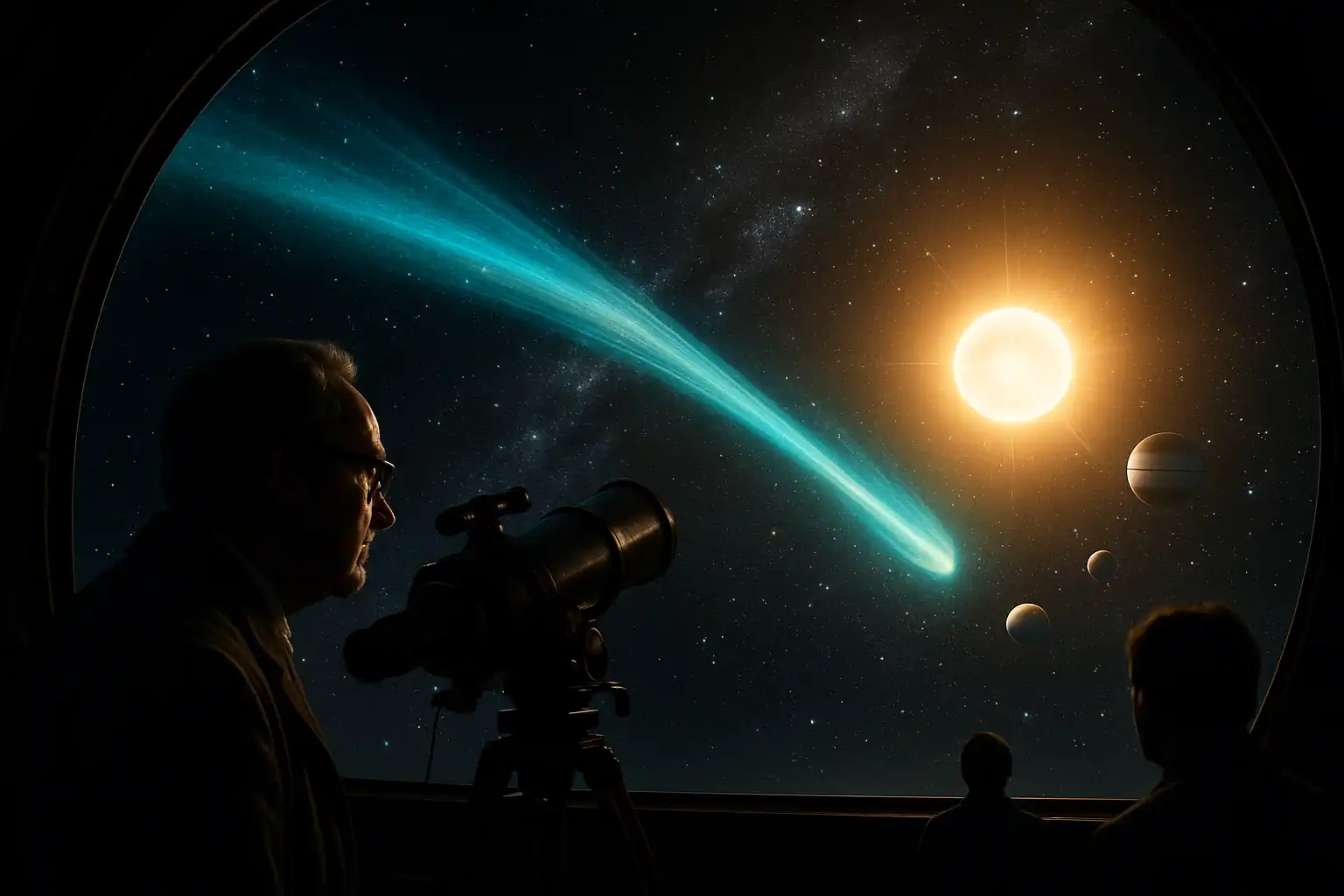
    Pre-dawn in Moscow, October 27: social feeds erupted as a surreal emerald streak lit the sky. Videos from residents across the city captured a green fireball blazing overhead, fragmenting and fading in a moment. Yet, it left an outsized mark on public anxiety. Timed within rising global tensions, the spectacle quickly blurred with rumor, stoking fears amid sharp exchanges between the Kremlin and Washington.

    Mystery Over Moscow: Scientific Insights and Public Jitters

    Multiple eyewitness reports and video evidence confirm the fireball’s passage over Moscow at 6:30 a.m. local time. Russian astronomers and experts cited in the USA Herald and TASS characterize the object as likely a small asteroid fragment or meteor. No damage occurred on the ground. Alexander Alekseyev, from the Tsiolkovsky State Cosmonautics Museum, points to heightened space activity as a potential factor, ruling out a military incident or crash. The glowing color—due to nickel or magnesium in the meteoroid—aligns with established science: meteors incandesce as they burn through the atmosphere, forming spectacular trails according to research.

    Despite scientific consensus, public speculation soared. Some residents linked the fireball to missile tests or even aliens—a reminder that current anxieties amplify natural events. Panic and rumor cycles around similar cosmic events also emerged, as analyzed in this planetary defense analysis.

    Fireball and Fallout: The Timing with Capital Emergencies

    The fireball arrived amid real emergencies. In mid-October, Moscow authorities raided undocumented migrants, raising the city’s emergency alert posture and uncovering thousands of violations during “Operation Nelegal 2024” according to Russia Matters. This hardening of the capital’s security coincided with government warnings about terrorism and sabotage. It also intersected with the city’s vulnerability to “spectacle over threat” cycles.

    Both Russian and international analysts observe that one unexplained event can heighten urban insecurity, particularly as information wars and disinformation swirl around official explanations. To understand how rumors can transform legitimate emergency preparedness into societal unease, consider the latest public reports on live emergency leaks and their surreal ripple effects.

    Trump’s Nuclear Gambit: Tightening the Escalation Ladder

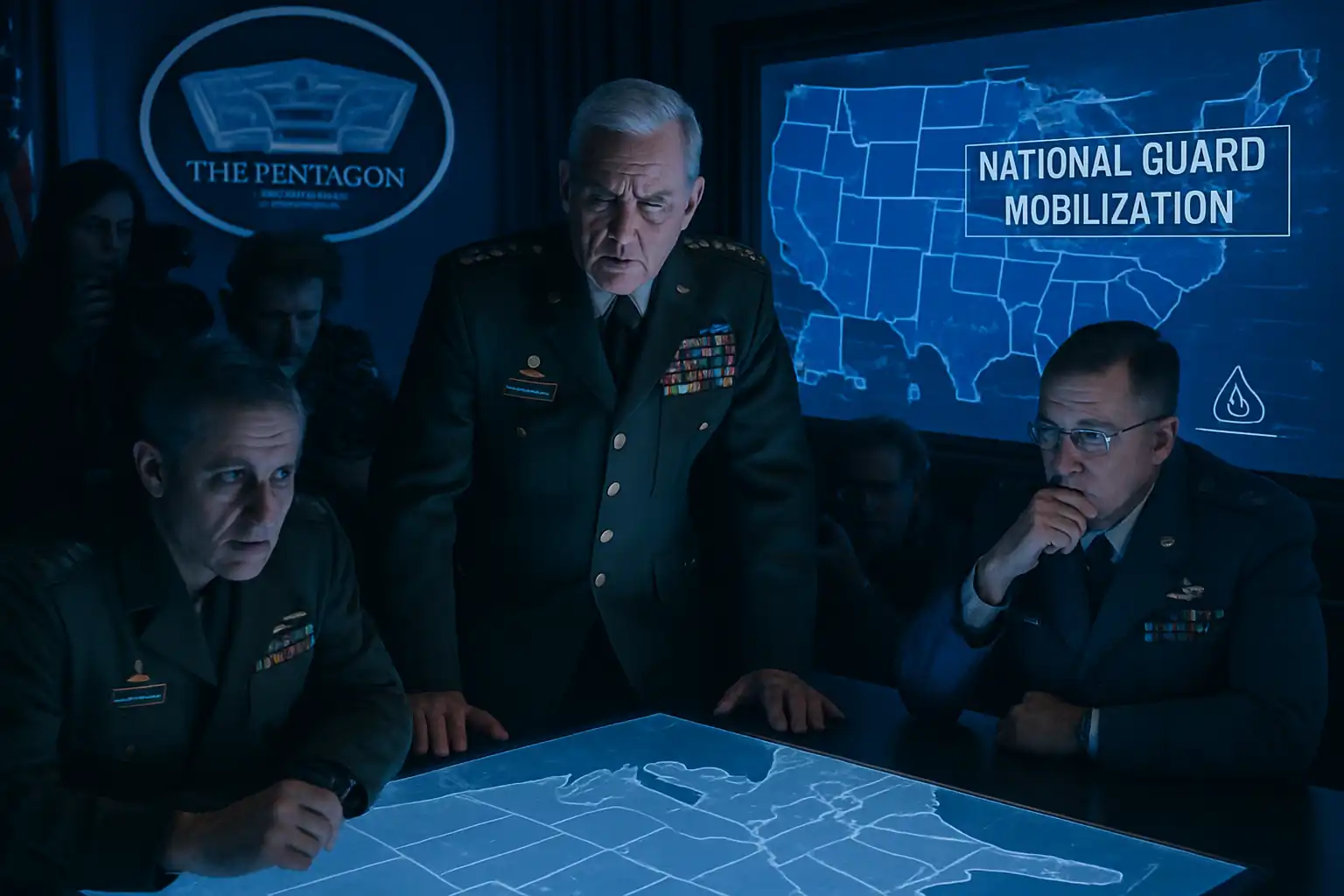
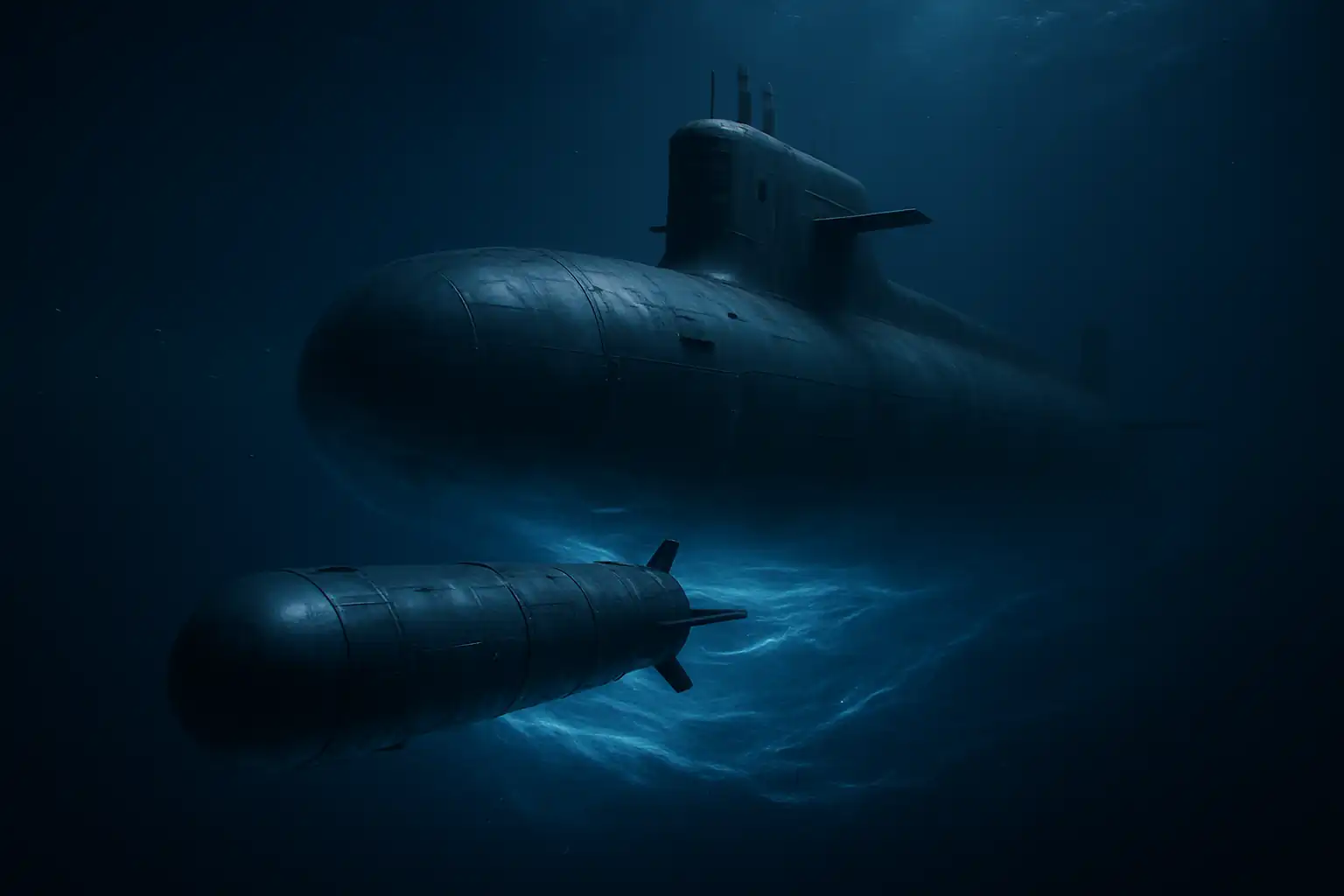
    As Moscow examined the skies, Washington focused on the growing standoff between former President Trump and the Kremlin. On August 2, Trump ordered two U.S. nuclear submarines to “move closer to Russia,” reacting to what he termed “provocative statements” by ex-president Medvedev. U.S. officials and security analysts, as reported by Reuters, framed the order as symbolic. The U.S. Navy keeps submarines within strike range, yet the rhetoric marked an escalation. Moscow’s initial response, according to archival coverage of past nuclear drills, focused on calm counter-messaging to avoid panic.

    This nuclear saber-rattling fits into a broader pattern of militarized posturing from both governments. The cascade of threats—some public and some coded in military movements—fuels the rumor cycles that make routine cosmic events seem ominous. Echoes of these escalation fears resonate throughout contemporary defense analysis, such as in exclusive risk briefings for policymakers and public watchdogs.

    Science, Speculation, and Why It Matters

    Mystery in the skies is familiar for Russia—home to events from the 2013 Chelyabinsk meteor to rumors of hidden weapons tests during the Cold War. The Moscow fireball underscores this truth: scientific reality and public perception rarely align. While experts agree the event was a harmless meteor, its emergence in a nervous city spawned speculative theories. The intersection of cosmic spectacle, urban anxiety, and political showdowns highlights the need for effective science communication and transparency—to prevent rumors from growing into real-world disturbances.

    Events like the Moscow fireball serve as stark reminders that in the era of viral media and geopolitical stress, facts and fears often blur. For ongoing analysis on planetary defense, urban psychology, and escalation gambits—plus insights into the latest cosmic oddities—bookmark Unexplained.co.

  • America’s China Playbook: The New Era of State Capitalism and the Risks to U.S. Markets

    America’s China Playbook: The New Era of State Capitalism and the Risks to U.S. Markets

    The United States, once a staunch free-market advocate, now increasingly adopts China’s economic strategies. Industrial policies—subsidies, trade barriers, and state intervention—are now mainstream. The Biden administration’s CHIPS and Science Act and Inflation Reduction Act (IRA) received bipartisan support and significant funding, mirroring strategies developed by Beijing over decades. According to Foreign Policy, these policies aim to boost U.S. manufacturing, safeguard supply chains from geopolitical risks, and outpace China in emerging industries.

    Subsidies, Semiconductors, and the China Template

    The allure and danger of competition fueled by subsidies are evident. The 2022 CHIPS Act allocated $39 billion for semiconductor manufacturing, targeting firms like TSMC. Meanwhile, the IRA unleashed hundreds of billions in clean energy tax credits. As Foreign Policy notes, these programs specifically counteract China’s massive state spending. Yet, U.S. subsidies remain a small fraction of China’s substantial outlays. The CHIPS Act is outmatched by China’s threefold spending on advanced chips, yet private manufacturing investment in the U.S. has surged, energizing strategic sectors and boosting the domestic economy.

    This industrial reshape carries risks. Subsidy races can breed overcapacity and market distortions, impacting global partners. Experts and critics of American dirigisme express fears about these unintended consequences in this geopolitical analysis.

    State Capitalism: A Model or a Mirage?

    The shift toward state capitalism signals a break from American tradition. According to the standard economic literature, state capitalism involves government steering of major industries and directing investments, aiming to utilize market forces for national objectives. China exemplifies this system, combining market incentives with strong state planning and creating national champions at competitors’ expense.

    Critics, from Milton Friedman to modern economists, caution that when governments choose winners—through subsidies, regulations, or ownership—market forces weaken. Competition diminishes while capital allocation becomes politicized. Recent U.S. policy shifts raise concerns that America may inherit not only China’s industrial strength but also its inefficiencies and vulnerabilities. Visible impacts include a sharp shift in American investment toward semiconductor fabs and clean technology, mirroring models in China that sometimes resulted in unsustainable debt and overcapacity.

    2024 Policy Impacts: Private Sector Booms, Long-Term Questions

    Has the economic playbook succeeded? The results are mixed. A RAND Corporation report indicates that “Bidenomics” has triggered a substantial rise in private manufacturing construction, offsetting pandemic-related declines in other sectors and boosting short-term growth. However, the report highlights cautionary tales from China: state interventions can lead to debt-driven bubbles or underutilized industries. China faced crises in 2023/24 when government efforts to support failing firms only concealed deeper weaknesses. U.S. policymakers are striving to avoid these dangers with stricter safeguards, yet the conflict between fostering innovation and crowding out market dynamism remains unresolved, especially in the electric vehicle sector—a hotbed of IRA subsidies and international tensions.

    This era of radical economic experimentation reflects earlier waves of urgent government actions seen in disaster preparedness campaigns or technological “Sputnik moments.” Archival risk reporting, such as this breakdown on emergency preparedness and science-driven scenario analysis, illustrates the broader cultural mood driving today’s state-led initiatives.

    Global Trade, Market Competition, and the Capitalism Debate

    The repercussions of state capitalism extend beyond U.S. borders. As Washington implements policies previously criticized as “picking winners,” allies and rivals scramble to mitigate the consequences of a global subsidy race. Europe, Japan, and South Korea voice concerns that U.S. clean energy credits and “friend-shoring” could disrupt existing trade systems, as noted by major global policy journals and domestic think tanks. The core worry? When the largest capitalist economy blurs public-private boundaries, it may undermine the global order that it historically championed, making American-style capitalism less distinct from China’s alternatives.

    What implications does this have for markets and the American way of life? The current boom might mask long-term threats to competition, innovation, and U.S. moral authority within global capitalism. For a deeper dive into shadow systems, backchannel dealings, and cultural impacts of economic changes, refer to explorations such as this psychological and real estate analysis and discussions on civil-military fusion trends.

    For ongoing insights into regulatory disruptions, state-market tensions, and whether capitalism can adapt, follow leaders in the newsroom and trusted sources like Unexplained.co.

  • 3I/ATLAS Update: Sudden Tail Reversal, Unprecedented Chemistry, and Global Alarm

    3I/ATLAS Update: Sudden Tail Reversal, Unprecedented Chemistry, and Global Alarm

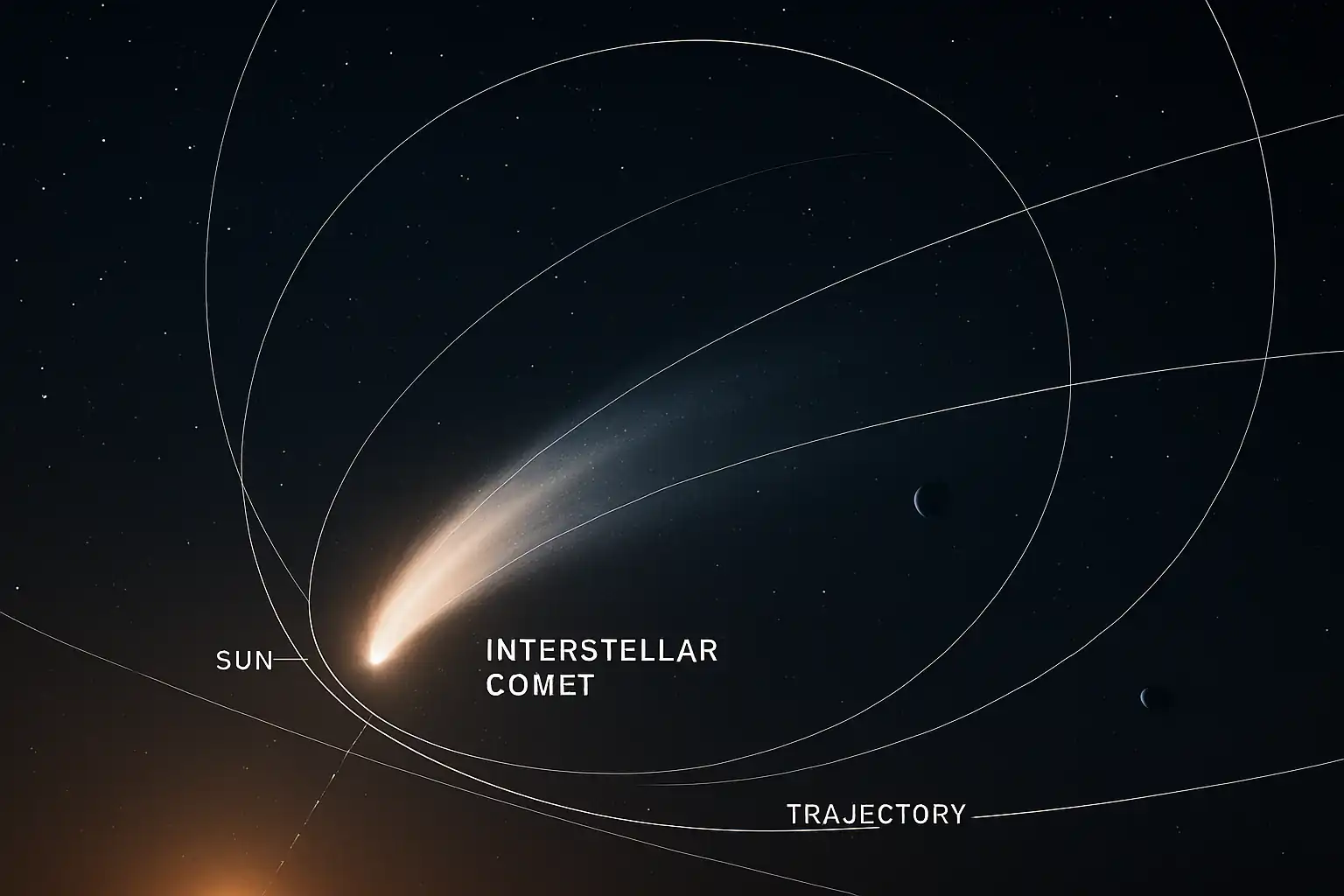
    Interstellar comet 3I/ATLAS defies expectations as it races through the solar system in October 2025. Discovered by the ATLAS survey telescope in Chile, this cosmic traveler exhibits a wild, hyperbolic trajectory. Most recently, after its closest solar approach, observers at the Keck II telescope confirmed a dramatic outburst, ejecting a plume of dust and forming a rare “anti-tail”—jets of material aimed toward the Sun. These findings, backed by canonical orbital records and direct observations, challenge long-standing models of cometary activity and prompted swift action from planetary defense agencies.

    Trajectory Mystery: Why 3I/ATLAS Refuses to Behave

    Unlike typical solar system comets, 3I/ATLAS races at an astonishing 210,000 km/h, its path unbound by the Sun’s gravity. However, a mid-October outburst left astronomers confused as NASA and global teams watched it develop a reverse tail near Mars. Orbit modeling from sources like Star Walk emphasizes its unpredictability, noting it won’t come closer than 1.8 AU to Earth while showcasing a dynamic “anti-tail” during its closest approach. This critical passage forced an unprecedented recalibration of its trajectory and ignited renewed debates about possible fragmentation. Notably, the early investigations into its risk profile remain vital for ongoing planetary defense strategies.

    Similar to other astronomical surprises—like geomagnetic disruptions (covered in this reality check)—this orbit positions 3I/ATLAS as a laboratory for limits in astronomical prediction rather than causing direct planetary panic.

    Error Code: Bizarre Chemistry and Artificiality Debates

    If the orbit astounds, the chemistry breeds controversy. According to an in-depth feature from UROUBC, spectrographic analysis in October revealed outgassed material rich in atomic nickel yet oddly lacking iron—a combination never before observed naturally. Even more perplexingly, the nickel appears chiefly in nickel tetracarbonyl (Ni(CO)4), a compound produced through human industrial processes. Some researchers, including Harvard’s Avi Loeb, argue this anomaly could indicate non-natural origins. Others suggest it reflects rare formation conditions in 3I/ATLAS’s home system. The debate continues, especially with prominent voices invoking comparisons to “Trojan horse” scenarios and manufactured alloys.

    Anomalous spectra evoke historical cases of scientific dissent and whistleblower revelations (as cataloged in this media censorship firestorm), where established views clash with open inquiry under public scrutiny.

    Global Response: Emergency Monitoring Goes Live

    3I/ATLAS’s rapid changes and unusual tail triggered alarms in public policy: the United Nations, alongside the International Asteroid Warning Network (IAWN), initiated a planetary defense campaign. As reported by the International Business Times, NASA and planetary defense partners initiated a months-long global observation drill coinciding with 3I/ATLAS’s perihelion. This marks the first coordinated early-warning response involving amateur astronomers, academic networks, and national emergency agencies for an interstellar object. The goal? To refine astrometric tracking and detection protocols, ensuring rapid global notification if a comet or asteroid poses a genuine threat. This groundbreaking campaign runs from November through January, echoing structured emergency drills previously reserved for earthbound disasters.

    While speculation continues—much like the supposed “man-made” chemistry—official agencies stress that there is no danger to Earth. Nonetheless, the 3I/ATLAS situation has expedited emerging planetary defense standards and protocols, paralleling previous exercises in response to potential impact threats (archived here).

    What It Means: The 3I/ATLAS Case as a Future Template

    3I/ATLAS isn’t merely a cosmic anomaly but a call to action for a new era of planetary preparedness. Its strange tail, Manhattan-size nucleus, and nickel-rich vapor cloud already shape debates on natural versus engineered origins, emergency response, and the need for transparency in major scientific discoveries. Interstellar visitors, like this one and past megastructures seen in other headline-grabbing moments (see this exploration of phenomenon and expectation), become landmarks for science, risk communication, and today’s rumor cycle.

    In this evolving landscape, what began as astronomical conjecture transforms into a testbed for global defense, open data, and epistemic humility. Ongoing analysis by Unexplained.co will explore how the saga of 3I/ATLAS may influence our cosmic vigilance and future science policy—regardless of how peculiar the universe becomes.

  • The Banned Interview: How a Retired Colonel’s Deleted Words Sparked a Censorship Firestorm

    The Banned Interview: How a Retired Colonel’s Deleted Words Sparked a Censorship Firestorm

    In October 2025, a video interview featuring retired U.S. Lieutenant Colonel Thomas Bearden—an engineer, physicist, and military insider—vanished from major platforms almost instantly. His explorations of unconventional physics and military technology, including speculation on Tesla’s experiments, have generated both intrigue and controversy. Hours after posting, YouTube removed the interview, sparking discussions about digital censorship and information control. Nevertheless, the interview remains on alternative video platforms, becoming a beacon for privacy advocates and conspiracy theorists alike.

    From Mass Deletion to Public Outcry: The Making of a Banned Interview

    The cycle surrounding the “banned” interview felt familiar. Social networks now enforce policies that empower them to swiftly remove videos violating community standards or containing sensitive military content. Yet, few removals create as much fallout as the Bearden incident. In his broadcast, Bearden discussed electromagnetic weapons, classified U.S. military projects, and practical uses of Tesla’s research. Within hours, reports on independent blogs and forums chronicled the deletion from mainstream channels and the viral spread of the video on “free speech” sites like BitChute. This case highlights broader patterns seen during recent government drills and crisis messaging, as examined in this analysis of live-TV mishaps.

    Military reports indicate that controversial interviews often face removal orders to prevent the unintentional release of sensitive tactics or insider knowledge. The complicated relationship among media, the military, and platforms’ self-regulation frequently results in rapid purging of interviews like Bearden’s, especially when they speculate on classified projects or question established policies, as discussed in field reports on national security communication.

    Why Military Voices Get Silenced: Security, Censorship, and Policy Triggers

    The speed of censorship surrounding military interviews is deliberate, not accidental. A February 2025 Military.com analysis reveals a wave of social media purges within the Pentagon. While ostensibly targeting diversity-focused content, this signals a broader effort to contain communication deemed “controversial” or “potentially compromising.” The report shows how public affairs directives require units to vet and often delete interviews or comments that could reveal sensitive internal debates, shifts in doctrine, personnel changes, or classified information. This mirrors platform policy shifts and dodged controversies noted in recent coverage of escalation risks.

    Military whistleblowers see their interviews removed for various reasons: national security, fear of demoralization, violation of non-disclosure agreements, or concerns that the content might incite public backlash or disseminate misinformation. However, delineating necessary secrecy from overreaching censorship remains contentious—especially as independent media and open-source investigators attempt to preserve deleted interviews, similar to the Bearden case.

    The Whistleblower Legacy: Deletion, Backlash, and Public Memory

    Deleted interviews have a long history in America’s military and political landscape. From Colonel John Paul Vann’s Vietnam-era critiques to digital-age whistleblowers listed on the canonical list of whistleblowers, the pressure to silence or at least slow the spread of inconvenient truths is longstanding. Recently, social media’s ability to amplify and erase voices has become a double-edged sword for those seeking transparency. Projects archiving banned content, and reports like this feature on scientific dissent, embody this dynamic: deleted content rarely stays gone for long, yet the official narrative remains closely monitored.

    As the Bearden interview saga unfolded, public debate centered on essential questions: What qualifies as legitimate defense secrecy versus information the public deserves? Who decides this? These aren’t just philosophical dilemmas; they are urgent issues in an era defined by hybrid threats, digital platforms, and government transparency campaigns—highlighted by the fallout from military leaks and controlled hints in archived “banned” conversations.

    Media Censorship and the Modern Escalation of Information Wars

    Censorship debates extend beyond the military. The history of media censorship shows that suppression of objectionable, sensitive, or “inconvenient” material cuts across government, religious, and corporate lines. Modern military censorship, especially, blurs the line between operational security and the urge to manipulate narratives. The risk of a chilling effect is significant: once censors act, independent reporting—as seen in projects like stealth technology briefings or reports on vanished oral histories—often fills the void.

    In an age marked by secrecy and surveillance, deleted interviews heighten both distrust and curiosity. The Bearden incident and the quick archiving of his claims illustrate the modern information war: wild speculation and serious inquiry often coexist. For curated context and analysis as censorship battles escalate, bookmark Unexplained.co—what disappears today may shape tomorrow’s debates.

  • Live TV Slips and the New Age of National Emergency Preparedness: What’s Really Being Revealed?

    Live TV Slips and the New Age of National Emergency Preparedness: What’s Really Being Revealed?

    Occasionally, a slip of the tongue or a vague remark on live TV stirs internet paranoia. In 2024, that paranoia is becoming reality. Viral television mishaps, highlighted in memorable live blunders, alongside coordinated disaster readiness campaigns, indicate a larger underlying issue beneath everyday business.

    Accidental Revelations on Live Television: The Year’s Biggest Gaffes

    The demand for uncovering hidden meanings in public mistakes has intensified. In 2024, political debates and breaking news segments produced an abundance of viral moments. Presenters and officials fumbled words, unexpectedly mentioned events, or let slip critical details before eager viewers. Reports from Express.co.uk spotlight hosts inadvertently “ruining surprises” or referencing emergencies better kept private. While seemingly harmless, these blunders fuel a growing climate of suspicion about what leaders know and what they are preparing viewers for.

    The trend of casual slips provoking widespread speculation isn’t new. However, today’s nonstop streaming environment ensures that every mistake is preserved and analyzed for hidden meanings. This pattern is evident in panic-fueled reactions to nuclear triad drills discussed in this archival report.

    Coordinated Government Drills: Are These “Slips” Accidental?

    Amidst viral TV fodder, substantial evidence reveals broad government preparedness efforts, particularly for discussing unpalatable emergencies on prime time. In 2024, FEMA and other agencies executed the Great ShakeOut, comprehensive tornado and earthquake drills, and National Emergency Preparedness campaigns across more than a dozen states. According to FEMA, these exercises simulate everything from natural disasters to grid attacks, training officials, citizens, schools, and hospitals in coordinated responses.

    The sophistication of these operations rivals scenarios imagined on social media, occurring alongside data-driven defense strategies. This is evident in U.S. military escalation modeling presented in a real-world risk analysis and interstellar “panic” reports found at planetary defense briefings.

    The White House and National Security Briefings: What’s Being Prepared?

    Official briefings in 2024 reveal an increasing urgency about national emergencies. Background press calls and White House statements, such as those in archived press calls, discuss interagency preparations for extreme weather, cyber threats, and mass disruptions. Officials now discuss continuity-of-government planning and rapid-response teams ready for “catastrophic impacts that may exceed their own ability to respond.” This indicates a shift in strategy, echoed by expert roundtables and scenario drills observed in new defense technology reporting and investigative notes on civil anxiety.

    U.S. continuity planning stems from decades of development and isn’t limited to nuclear threats. According to continuity of government doctrine, these protocols activate for various crises, from terror attacks to pandemics, aiming to minimize chaos under catastrophic conditions.

    Readiness, Rumor, and the Limits of Transparency

    Why does this matter? The intersection of live-TV mistakes, mass drills, and expanding emergency powers marks a new chapter in government-citizen relations. Drills and coordinated efforts, once rare, are now commonplace and readily memed after each blunder. Meanwhile, genuine uncertainty lingers about the level of transparency leaders maintain—particularly when scenarios evolve from everyday hurricanes or wildfires to cyber warfare, geomagnetic solar storms, or even unimaginable convergence events covered in archival reports.

    No matter the actual risk, the lesson is apparent: preparation, not panic, defines the new normal, and the boundaries between accident, warning, and message have never been more ambiguous. For a steady stream of curated context and essential news, visit Unexplained.co.

  • Russia’s Nuclear Triad Drill and Escalation Rhetoric: Inside Moscow’s War Games and the West’s Dwindling Security Guarantees

    Russia’s Nuclear Triad Drill and Escalation Rhetoric: Inside Moscow’s War Games and the West’s Dwindling Security Guarantees

    The Kremlin excels at creating drama. In late October 2025, Russia executed a massive nuclear triad exercise—a drill involving ICBMs, submarine-launched ballistic missiles, and air-launched cruise missiles. Vladimir Putin personally oversaw the test, which sent a clear message: Moscow’s nuclear arsenal is ready for escalation. Many Western analysts view the timing and intensity of this drill—along with saber-rattling rhetoric from Kremlin officials—as indicative of the deteriorating arms control climate and the delicate balance sustaining the post–Cold War order.

    Inside Russia’s Nuclear Triad Drill: Yars ICBMs, Sineva Missiles, and Tu-95 Bombers

    This drill went beyond routine exercises and showcased every nuclear aspect. A Newsweek report confirmed the launch of a Yars ICBM from Plesetsk Cosmodrome, the deployment of Tu-95MS bombers with air-launched cruise missiles, and a Sineva missile shot from the Barents Sea. This carefully coordinated effort demonstrated the integration of Russia’s three strategic delivery systems, outlined in nuclear doctrine research. The drill assessed command structures and operational crews, reaffirming that Moscow’s deterrent is operational.

    Western defense planners noted the symbolism. A parallel NATO exercise lingered, reflecting the artificial intelligence arms race as both sides displayed their escalation capabilities, following the collapse of arms verification protocols.

    Medvedev’s Nuclear Rhetoric: “USA at War with Russia”

    The hardware impresses, but the rhetoric chills. Dmitry Medvedev, deputy chair of Russia’s Security Council, asserted that “the United States is at war with Russia,” intensifying nuclear warnings and framing U.S. involvement as a pretext for escalation. His statements, featured in Reuters, reflect the Kremlin’s strategy of blending military displays with aggressive diplomacy. Analysts caution that Medvedev’s hawkish stance signifies greater frustrations related to Western support for Ukraine.

    These signals arise from a broader narrative—they resonate through Moscow’s official channels, fueled by ongoing geopolitical tensions. The messaging exploits anxieties from escalation pathways discussed in WW3 risk briefings, along with insider dialogues about command structures, surprise drills, and counterforce strategies.

    Frozen Arms Control: The New START Treaty in Crisis

    The stakes are rising amid disintegrating arms control. The New START treaty, once a framework for nuclear limits and verification, has effectively been suspended by Moscow since February 2023. A January 2025 U.S. State Department report reveals that while Russia claims compliance with treaty limits, it blocks all American inspections and data exchanges, leaving Washington without key compliance assurances (State Department 2024 update). With the treaty due to expire in 2026 and no successor planned, the superpowers face a growing trust deficit and a looming deadline.

    This “security vacuum” limits monitoring to national technical means—satellites, intelligence, and educated guesses. Such scenarios echo past arms control failures and recent assessments of global security instability, outlined in articles like summit risk reviews and reports related to defensive strategies, such as those found here on survival scenarios.

    Brinkmanship, Deterrence, and Global Fallout: Why It All Matters Now

    This situation involves more than mere saber rattling for nuclear strategists and concerned citizens. The nuclear triad’s integrity—its deployment across land, sea, and air—sustains second-strike capability, a crucial deterrent. It has also become political theater as trust deteriorates. U.S. and Russian officials warn that without verification transparency, accidental or intentional escalation is dangerously possible. This concern features prominently in discussions surrounding intelligence blind spots and the analysis of potential nuclear crisis scenarios seen in risk assessment platforms.

    Amid these maneuvers and statements, the global community contemplates the worst-case scenarios. As the last remnants of arms control fade, ongoing coverage from Unexplained.co will follow the escalation of the arms race, signaling by world powers, and the critical decisions facing military and political leaders on both sides.

  • 3I/ATLAS Panic: The Interstellar Comet Defying Expectation and Triggering Global Defense Drills

    3I/ATLAS Panic: The Interstellar Comet Defying Expectation and Triggering Global Defense Drills

    When astronomers spotted 3I/ATLAS slicing through our solar system, panic followed—at least among some in the astrophysics community. As the third confirmed interstellar object to enter our celestial neighborhood, this comet sparked global coordination efforts among scientists, triggered planetary defense drills, and raised existential questions that align with recent crisis analyses and philosophical investigations.

    Why 3I/ATLAS Is Unlike Any Visitor Before

    Officially, 3I/ATLAS is the third interstellar body observed and was discovered in July 2025 by the ATLAS survey telescope. Although confirmed to approach no closer than 1.8 astronomical units (about 270 million km) to Earth, scientists quickly noted anomalies in its chemical signature: recent spectroscopic campaigns showed the comet emitting nickel with significantly less iron than expected, a first in comet science. According to UROUBC, some researchers suggest this could indicate a technological—or at least non-natural—origin, echoing historical debates about objects like ‘Oumuamua.

    3I/ATLAS also challenged accepted knowledge by revealing an “anti-tail”—a rare jet of particles pointing toward the Sun instead of away—deepening the mystery and fueling online theories. Renowned Harvard scientist Avi Loeb has speculated about non-natural explanations, while NASA maintains a conservative view, stressing the need for more data and cautioning against quick conclusions (Daily Mail).

    Panic, Preparation, and Planetary Defense Networks

    The planetary defense community responded seriously. The International Asteroid Warning Network (IAWN) initiated a worldwide campaign to monitor the comet, resembling the measures typically employed for near-Earth asteroid threats. A Daily Mail investigation highlighted the comet’s “unique challenges” in predicting its motion—a reflection of unexpected orbital quirks as it rounded the Sun in October 2025. NASA launched multiple missions and coordinated international sky surveys, allowing 3I/ATLAS to serve as a live test of planetary defense protocols, similar to exercises used in risk briefings regarding nuclear scenarios or cyber attacks.

    Even as experts clarified there was “no immediate risk,” including an interstellar visitor in risk models signifies a shift in preparedness. This aligns with planetary shake-ups noted in recent cosmic coverage such as geomagnetic event reporting and comet impact analysis.

    Cometary Anomalies: Trajectory Shifts and the Search for Answers

    What’s driving the growing anxiety? Partly, it’s the erratic, difficult-to-model path that 3I/ATLAS traces through the solar system. IAWN officials described “unique challenges” for trajectory forecasts, necessitating the comet’s inclusion in the international Comet Astrometry Campaign. Scientists mentioned potential non-gravitational effects—like irregular outgassing or jet activity—rather than standard gravitational influences. This uncertainty, coupled with dramatic features like the anti-tail and a mass a million times greater than prior interstellar visitors, explains why 3I/ATLAS captured global scientific attention (Daily Mail).

    For planetary defense agencies, these anomalies underscore the limitations of current prediction models—prompting investment in observational accuracy, AI analytics, and expedited international data sharing. These efforts mirror strategies described in adaptive technology investigations and defense AI analysis.

    The Meaning (and Myth) of Interstellar Intruders

    Despite its spectacle, 3I/ATLAS serves as a teaching moment for the global scientific community. NASA’s position, reiterated in agency briefings, is that the comet poses no threat and will pass at a safe distance. However, focusing on chemical anomalies, orbital surprises, and planetary defense readiness reveals deeper uncertainties—both scientific and cultural. Interstellar objects like 3I/ATLAS confront us with how little we understand about what’s out there drifting between the stars (read a field report here).

    During an era dominated by technological anxiety and apocalyptic narratives—ranging from cosmic impacts to AI futures—the drama surrounding 3I/ATLAS highlights the challenge of embracing uncertainty rather than merely fearing potential collisions. For in-depth coverage of deep-space disruptions and civilization-scale surprises, bookmark Unexplained.co—where the next “panic” is likely already in the works.

  • Wolves, Warriors, and Witchcraft: The Enduring Power of Skinwalker Legends and Modern Encounters

    Wolves, Warriors, and Witchcraft: The Enduring Power of Skinwalker Legends and Modern Encounters

    Shapeshifters haunt the borderlands of myth, belief, and the unexplained. Few creatures captivate like the Navajo skinwalker. These legendary beings, feared as witches able to transform into wolves or other animals, have filled tales across the American Southwest for centuries. In a world eager to uncover hidden forces—be they cosmic, technological, or folkloric, as seen in this interstellar investigation—skinwalker stories endure with chilling intensity.

    Origins and Taboo: Navajo Skinwalkers as the Antithesis of Tradition

    In Navajo culture, skinwalkers (yee naaldlooshii) are not mere monsters—they are witches who betray the core values of their people. A detailed synthesis from Legends of America reveals they learn forbidden witchcraft. This often involves taboo rituals, using remains, and unspeakable acts against kin. Their transformation rituals grant the ability to become or possess wolves, coyotes, or other fearsome creatures. This marks a permanent break from traditional healing practices. Even today, many Navajo refuse to speak the word “skinwalker” to avoid invoking evil. This reflects a profound fear these legends inspire. Academic research on the canonical page for skin-walkers views these figures as the antithesis of healers, highlighting the cultural reluctance to share such stories with outsiders.

    This taboo runs deep; even casual talk of skinwalkers can elicit unease. Interviews recounted in investigations into belief and simulation illustrate this phenomenon. The notorious 1878 “Witch Purge” echoes in history, where accusations led to dire consequences within Navajo communities.

    Modern Mysteries: Skinwalker Ranch, Surveillance, and Scientific Debate

    Utah’s Skinwalker Ranch has emerged as ground zero for exploring these ancient legends in the 21st century. Investigators, backed by government funding, have reported everything from tales of bulletproof wolves to glowing orbs and cattle mutilations. As documented by VICE, modern surveillance efforts have flooded the ranch with sensors, cameras, and analysts. Yet, “the most scientifically studied site in paranormal history” remains a riddle. No conclusive evidence has validated these legends, but the site attracts UFO researchers, skeptics, and pop culture—drawing relentless attention akin to that seen in stealth technology analysis.

    Efforts to unravel the mystery range from AAWSAP-funded investigations to reality TV crews. These attempts have yielded ambiguous results and sparked debate about the nature of “proof” (see parallels with skepticism over asteroid threats in this archival field report).

    Global Shapeshifters: The Skinwalker and Its Mythic Kin

    While skinwalkers belong specifically to Navajo and Southwestern beliefs, the theme of dangerous shapeshifters resonates globally. Legends of America notes similar figures arise in Hopi, Apache, Ute, and Pueblo cultures—each with its own unique details. Anthropologists observe entities like tricksters or shapeshifters often serve as warnings for misfortune, much like skinwalkers. Across the globe, stories of werewolves, lycanthropes, and shamans able to transform into animals express a shared anxiety about the blurred lines between human and animal, good and evil.

    Importantly, as EBSCO Research discusses, the Navajo skinwalker is unique in its intentional choice of evil. Transformation arises from forbidden acts rather than accident or curse, setting them apart from European werewolves or African leopard men. This distinction and its social functions enhance cross-cultural studies of legends, influencing how stories evolve—sometimes giving birth to new urban legends.

    Why Skinwalkers Still Haunt Us: Power, Fear, and the Battle to Control Belief

    The persistence of skinwalker stories in contemporary culture reveals a fundamental desire for the uncanny. Especially when social anxiety or rapid change creates new wolves from old shadows. Pop culture’s embrace, through podcasts and Netflix, amplifies the legend. This sometimes frustrates Native communities who see precious traditions morph into entertainment. Cherokee scholar Adrienne Keene warns that excessive outsider fascination can erode the context and meaning that uphold resilient traditions (source). Still, parallels with modern belief phenomena—like paranoia-driven construction booms in billionaire bunkers or techno-surveillance in military intelligence fields—illustrate how the boundaries between myth, reality, and vigilance shift constantly.

    What does all this signify? At a minimum: Skinwalker lore encapsulates the tension between knowledge and taboo, history and innovation, fear and fascination. Whether viewed as supernatural threat, cultural narrative, or psychological archetype, these legends remain vital. They remind us that facing the unknown has always been part of the human experience. For more on the boundaries between legend, reality, and futurist unknown, see ongoing reports at Unexplained.co.

  • 3I/ATLAS Throws Planetary Defense for a Loop: Interstellar Object Triggers Global Asteroid Warning Network Response

    3I/ATLAS Throws Planetary Defense for a Loop: Interstellar Object Triggers Global Asteroid Warning Network Response

    Move over, Tunguska—there’s a new cosmic wildcard lighting up radar screens everywhere. The interstellar comet 3I/ATLAS has made headlines as a new visitor from beyond the solar system. It has upended the script for planetary defense. In a world increasingly alert to high-stakes surprises, see recent escalation coverage or even China’s adaptive drone tech here, 3I/ATLAS has forced the International Asteroid Warning Network (IAWN) to undertake unprecedented action: track an object from interstellar space in real time and respond to its unpredictable course corrections.

    A Cosmic First: Interstellar Object Added to Global Threat Drills

    When 3I/ATLAS was discovered by the Asteroid Terrestrial-impact Last Alert System (ATLAS), it appeared to be another fascinating but harmless cosmic interloper—think ʻOumuamua on steroids, not a threat to Earth. Everything changed in October 2025 when the IAWN announced a sweeping campaign to monitor the comet after early trajectory models proved unreliable. Medium reported that the object’s unpredictable path, its massive size (tens of billions of tons), and unfamiliar outgassing behavior led to its addition to the global threat tracking roster. Planetary defense agencies coordinated an observation blitz from November through January—an exercise usually reserved for asteroids on potential collision courses with Earth.

    This decision marked the first time a confirmed interstellar object triggered the planetary warning infrastructure, as documented in the process of asteroid impact prediction. The event reminds us that cosmic roulette isn’t solely sci-fi, and the science of warning and response is evolving rapidly.

    Trajectory Anomalies: Why 3I/ATLAS Is Confusing the Experts

    Part of the intrigue is that 3I/ATLAS hasn’t adhered to expectations. Astronomers anticipated a classic hyperbolic comet trajectory—blasting past the Sun, swinging by Mars, and continuing into deep space. Instead, teams noticed subtle yet significant course shifts. As noted by Daily Mail, NASA observed odd light behavior, flagging the comet for unpredictable orbital changes. Outgassing near the Sun is a standard explanation, but for 3I/ATLAS, its mass and speed introduce concerning non-gravitational acceleration—an issue often overlooked in regular comets but critical here due to the object’s interstellar velocity.

    The Minor Planet Center, supported by this field report, confirmed that even marginal shifts could challenge planetary defense systems. Experts highlight that the campaign isn’t about imminent danger, but training a global crisis response before such objects pose real threats—a theme echoed in broader risk management analysis.

    Black Swan Visitor: What Makes 3I/ATLAS Different?

    Why the hype? For one, 3I/ATLAS isn’t an ordinary rock. An Avi Loeb editorial details how the comet’s alignment with the ecliptic plane and lack of traditional emission patterns differentiates it from typical comets or asteroids. Multiple agencies—including ESA and NASA—joined IAWN in a months-long “Comet Astrometry Campaign,” rallying observatories worldwide for a planetary fire drill.

    This is real-world “black swan” risk management, not a rehearsal—an emerging theme shared by planetary defense strategists and cold-case analysts tracking phenomena as varied as geomagnetic disaster cycles to philosophical threats from AI and simulation theory. Even veteran doomsday-watchers admit: 3I/ATLAS injects chaos into our choreographed defense routines.

    What It Means: The New Normal for Planetary Defense Systems

    The takeaway? The tracking of 3I/ATLAS establishes a precedent: global defense, data sharing, and rapid response drills will likely become routine, not just for asteroids, but for strange, massive visitors from other solar systems. Outgassing, unpredictable navigation, and non-gravitational shifts require a next-gen playbook. For planetary defense, uncertainty is the new norm. This object might not hit us, but it’s already reshaping our readiness doctrine, as explored by initiatives like Unexplained.co and future-oriented strategy briefings.

    For those seeking more information on the fast-evolving world of celestial threats, follow new drills, risk analyses, and the cosmic oddities that now influence both science and policy. If anything, 3I/ATLAS is the universe’s latest lesson: when it comes to deep-space surprises, “expect the unexpected” isn’t a cliché; it’s a defense imperative.

  • China’s Chameleon Aircraft: Inside the Revolutionary Adaptive Camouflage Shaping Next-Gen Warfare

    China’s Chameleon Aircraft: Inside the Revolutionary Adaptive Camouflage Shaping Next-Gen Warfare

    If you thought invisibility cloaks belonged to fantasy, think again. In late 2024, Chinese engineers unveiled adaptive camouflage that advances chameleon-inspired technology into real-world military drones. This tech not only masks objects; it creates illusions instantly, transforming drones into flapping birds, shimmering fish, or disappearing specks against the sky. The concept echoes the slippery realities presented in simulation theory essays.

    New Materials and the Rise of Optical Camouflage

    The science behind China’s “chameleon” innovation relies on revolutionary materials. In December 2024, researchers at the University of Electronic Science and Technology in Chengdu announced a military-grade coating that rapidly changes color based on environmental light. According to The Intel Drop, the coating is dark, but upon light exposure, it shifts across a spectrum, mimicking local backgrounds. This self-adaptive tech draws upon donor-acceptor Stenhouse adducts and specialized organic dyes, as detailed by The Defense Post. Essentially, these substances create a mutable “skin” that enables military vehicles and uniforms to vanish or transform at will.

    Analysts understand that beyond color, China’s adaptive camouflage affects sensors across various spectra. The field of multispectral camouflage, as explored by stealth technology research, allows drones to evade detection visually as well as via radar and infrared, resembling iconic programs like the U.S. B-2 Stealth Bomber. These advances necessitate a reevaluation of traditional deterrence and surveillance methods—the challenges addressed in next-gen U.S. military tech reporting.

    Mimicry, Deception, and Illusion: Drones Disguised as Birds—or Nothing at All

    A captivating aspect of this leap is that drones don’t simply disappear. They can mimic various life forms convincingly. In 2025, elite Chinese special forces showcased “bird drones” with flapping wings indistinguishable from Eurasian tree sparrows, as highlighted by Newsweek. These biomimetic platforms integrate into China’s “Pigeon” program, designed to deceive pilots, radar operators, and potentially AI-based sensor systems.

    Military field reports support the biomimetic strategy: these drones blend into urban or rural landscapes by resembling region-specific animals. Their modular design facilitates rapid repairs and redeployment. This technology allows for animal illusions during reconnaissance, reverting to true stealth when necessary. As AS USA documents, these breakthroughs outperform earlier European biomimetic models and complicate detection protocols significantly.

    Adaptive camouflage transcends gimmickry; it heralds a future where “illusion warfare” outpaces conventional wisdom. The debates on the destructive potential of new military tech are covered in analyses of global defense fusion and the psychological dimensions of modern survivalism.

    Broadening the Battlefield: Multispectral Camouflage, Electronic Warfare, and the Human Factor

    China’s advances profoundly impact military doctrine. With multispectral camouflage, drones evade more than the naked eye—they resist detection by radar, FLIR, and LIDAR. Consequently, traditional early-warning networks and missile targeting systems confront unprecedented challenges. Emerging research (see The Defense Post) shows testing for adaptive coatings in various applications, including reconnaissance and offensive strikes. The boundaries between reality and projection, as illustrated by the chameleon’s design, become literal tools of warfare—a notion echoing military deception themes in coverage of escalation strategies.

    On the American side, R&D initiatives for countermeasures rely on AI-driven analytics and advanced signature detection. However, as highlighted in evidence-based disaster reporting, the public’s appetite for certainty and the limits of technological promises remain critical cultural and military flashpoints.

    The Illusion Wars: Why This Tech Matters for Global Stealth and Defense

    For U.S. and allied planners, China’s chameleon innovations pose urgent questions. If drones can morph or vanish at will, what do detection and deterrence mean? How do you defend against an enemy you can neither see nor confirm? Is it a drone, an animal, or an empty horizon? These issues transcend tactics; they probe the epistemological depths at the heart of intelligence and Unexplained.co’s ongoing reporting.

    For those exploring deception technology, illusion systems, and advanced camouflage, the message is clear: upcoming battles will unfold in domains between reality, fiction, and what we can verify exists. For more on illusion warfare, examine archival footage of mystifying unknowns or the future of American power reflected in this field report. The playground of invisibility is open—and it’s not a game any longer.