Blog

  • Shadows and Mysteries: The Advanced Civilization of Atlantis

    Shadows and Mysteries: The Advanced Civilization of Atlantis

    The enigmatic civilization of Atlantis has captivated the imagination of many, with its mysterious existence and advanced technology shrouded in legends and myths.

    Join us on a journey to explore the lost city beneath the waves, unravel the mysteries of Atlantis’s advanced technology, and delve into the intriguing legends and myths surrounding this ancient civilization.

    Key Takeaways

    • Atlantis’s advanced technology continues to intrigue and inspire curiosity among enthusiasts and researchers worldwide.
    • Legends and myths surrounding Atlantis offer a glimpse into the rich storytelling traditions of ancient civilizations.
    • Exploring the lost city beneath the waves provides a fascinating glimpse into the potential remnants of Atlantis’s once-thriving civilization.
    • The enigmatic nature of Atlantis serves as a reminder of the mysteries that still lie undiscovered beneath the depths of the ocean.
    • The fascination with Atlantis’s existence highlights humanity’s enduring quest for knowledge and understanding of ancient civilizations.

    The Enigmatic Civilization of Atlantis

    The Enigmatic Civilization of Atlantis

    The Lost City Beneath the Waves

    The legend of Atlantis tantalizes with visions of a sophisticated society swallowed by the sea. Was Atlantis a real place, or merely a myth? This question has echoed through the ages, inspiring countless explorations and theories. The real Atlantis may lie in the collective imagination, but the search for its physical remnants continues to captivate the world.

    • Incredible interactive maps chart potential locations of submerged cities, hinting at a global phenomenon of lost civilizations.
    • Described as an advanced civilization, Atlantis’s technological marvels remain a subject of fascination and speculation.
    • Theories about Atlantis’s location are as abundant as the mysteries it holds, each converging on the common thread of its enigmatic disappearance.

    The allure of Atlantis is undeniable, a civilization advanced beyond its time, now just whispers among the waves.

    Whether it’s the Atlantis of the Sands in Arabia or another sunken city, the narrative of Atlantis challenges our understanding of history and the limits of human achievement.

    Mysteries of Atlantis’s Advanced Technology

    The allure of Atlantis’s advanced technology has captivated scholars and adventurers for centuries. Did Atlantis harness the power of crystals? Could they have mastered energy sources unknown to us today? The Secret Teachings with Ryan Gable delves into these enigmas, seeking truths veiled by time.

    Support more articles like this by exploring the depths of Atlantis’s technological prowess. Imagine a civilization with capabilities so profound, they seem almost magical to us now. Expeditions continue to probe the ocean’s secrets, inspired by tales of this advanced society.

    Atlantis’s technology may have been a blend of science and mysticism, a concept that challenges our modern understanding of innovation.

    The quest to unravel these mysteries is not just about uncovering the past, but also about expanding our own horizons. As we piece together the puzzle of Atlantis, we may well be charting the course for our future discoveries.

    Legends and Myths Surrounding Atlantis

    The allure of Atlantis transcends time, captivating the imagination with its enigmatic past. Legends and myths swirl around this advanced civilization, suggesting an island of unparalleled technology and grandeur. But what truths lie beneath these tales?

    According to Britannica, Atlantis was a legendary island, a domain of powerful princes. Yet, Plato’s narrative, the earliest source, paints it as an allegory rather than historical fact. The question remains: Is Atlantis real? The debate rages on, with no concrete evidence to tip the scales.

    Listeners of Into the Parabnormal with Jeremy Scott often delve into such mysteries, pondering the line between myth and reality. Could the stories of Atlantis’s advanced technology and conquests be mere reflections of our own aspirations?

    The legend of Atlantis challenges us to consider the boundaries of our knowledge and the possibilities of history untold.

    The fascination with Atlantis is not just about the search for a lost city; it’s a journey into the depths of human curiosity and the eternal quest for understanding.

    The Mysterious Witch Baba Yaga

    The Mysterious Witch Baba Yaga

    Origins and Folklore of Baba Yaga

    Baba Yaga, a name that echoes through the annals of Slavic folklore, is a figure shrouded in enigma and dark allure. Often depicted as an ogress, she is both feared and revered, a complex character capable of malevolence or benevolence depending on her whims. Her origins are as mysterious as her actions, with tales painting her as a guardian of the water of life and a devourer of the innocent.

    In the tapestry of myths, Baba Yaga is portrayed with a myriad of faces. Sometimes, she is the quintessential witch, dwelling in a hut perched on chicken legs, hidden deep within the foreboding woods. Other times, she is a symbol of wisdom, a testament to the duality of nature and the human condition. Her stories serve as cautionary tales, instructing children on the virtues of good behavior and the perils of straying from the path of righteousness.

    Ground Zero with Clyde Lewis often delves into the fascinating topics of folklore and the paranormal, and Baba Yaga’s tale is no exception. Her legend continues to captivate and inspire, transcending generations and borders. Here are some key highlights from various sources that capture the essence of Baba Yaga:

    • Baba Yaga, in Slavic folklore, an ogress who steals, cooks, and eats her victims, usually children. A guardian of the fountains of the water of life. (Britannica)
    • One of the most beloved (and feared) figures in Russian and East Slavic folklore, Baba Yaga is more than just a witch. (PBS SoCal)
    • Baba Yaga flew into our Russian class when our teacher put on a Soviet-era cartoon featuring the fearsome witch as a filler in between grammar work. (The Cambridge Language Collective)

    Baba Yaga’s narrative is not just a story; it’s a cultural phenomenon that has seeped into the collective consciousness, becoming a part of the Slavic identity.

    Encounters with the Enigmatic Witch

    Baba Yaga, a figure shrouded in the veil of Slavic folklore, is as enigmatic as she is feared. Tales of encounters with this witch are as varied as they are chilling. Some speak of her as a malevolent force, a hag-like embodiment of evil lurking in the depths of the forest. Others, however, hint at a more complex character, capable of dispensing wisdom or aid to those she deems worthy.

    • Baba Yaga’s Hut: Resting on chicken legs, her iconic abode spins and moves at her command.
    • Nature’s Ally: She wields control over the elements and the creatures of the woods.
    • A Test of Character: Many stories involve Baba Yaga testing the mettle of visitors, often with tasks or riddles.

    Encounters with Baba Yaga are not for the faint of heart. Those who seek her out must be prepared for a trial by fire, where the outcome is as unpredictable as the witch herself.

    While some may dismiss these tales as mere myth, the consistent threads woven through countless stories suggest a deeper truth. Baba Yaga remains a powerful symbol of the unknown, a reminder of the mysteries that lurk just beyond the edge of the known world.

    Lessons from Baba Yaga’s Tales

    Baba Yaga’s tales are more than just spine-chilling stories; they are a treasure trove of wisdom. Each story is a lesson in disguise, teaching us about the dual nature of life and the importance of choices. Baba Yaga herself is a complex figure, embodying both the nurturing and the punishing aspects of nature.

    • Baba Yaga’s ferocity is legendary, but she also represents a powerful, albeit lonely, figure. Her stories often highlight the consequences of one’s actions, urging us to tread carefully on life’s path.
    • The themes of transformation and self-discovery are recurrent in these tales, reminding us that change is an inevitable and necessary part of growth.
    • Baba Yaga’s hut on chicken legs symbolizes the whimsical and unpredictable nature of fate, suggesting that stability is not always guaranteed.

    In the end, Baba Yaga’s stories are about balance—between good and evil, wisdom and folly, and the wildness of nature against human civility. They encourage us to embrace the unknown and find harmony within the chaos of existence.

    Cryptids and Mysterious Creatures

    Cryptids and Mysterious Creatures

    Exploring the Legend of Spring-Heeled Jack

    Spring-Heeled Jack: a name that conjures images of a devilish figure, leaping over walls with ease and terrorizing Victorian England. His legend is as enduring as it is chilling, captivating the imaginations of generations. Reports from the 19th century describe a man with fiery eyes and a terrifying ability to make supernatural bounds. Was he a man? A myth? Or something far more sinister?

    Victorian London was rife with tales of this enigmatic character. Sightings were rampant, and fear gripped the streets. Theories abounded: some believed he was an aristocrat seeking thrills, others whispered of a demonic creature. The truth remains shrouded in mystery, but one thing is certain: Spring-Heeled Jack left an indelible mark on folklore.

    • His bizarre appearance: a cloak, helmet, and glowing eyes.
    • The incredible leaps: clearing fences and rooftops.
    • The public’s reaction: a mix of terror and fascination.

    Spring-Heeled Jack’s story is a testament to the power of urban legends. His ability to evade capture and the wild accounts of his escapades have only fueled the fire of his mythos.

    While no definitive evidence has ever surfaced, the tales of Spring-Heeled Jack have been passed down through the years, inspiring books, films, and even video games. His story, a blend of horror and intrigue, continues to be a subject of speculation and study by both historians and enthusiasts of the paranormal.

    Unraveling the Mystery of Cryptids

    The allure of the unknown has always captivated us, and cryptids stand at the pinnacle of the unexplained. Cryptids are creatures that elude scientific explanation, a fascinating blend of reality and myth. From the elusive Bigfoot to the enigmatic Loch Ness Monster, these beings inhabit the fringes of our understanding, sparking curiosity and debate.

    • Yeti: The Abominable Snowman of the Himalayas
    • Chupacabra: The Goat Sucker of the Americas
    • Mothman: The Ominous Harbinger from West Virginia

    Each cryptid tale is a thread in the tapestry of folklore, woven with sightings and stories. The search for these creatures is not just about the thrill of the hunt; it’s a journey into the depths of our collective psyche. What truths might we uncover about our world and ourselves in the pursuit of these elusive beings?

    The quest for cryptids is more than a chase; it’s a reflection of our innate desire to explore the uncharted territories of our planet and the limits of our imagination.

    As we delve into the mysteries of cryptids, we find that the line between known and unknown is often blurred. Each sighting, each piece of evidence adds to the growing iceberg of data, yet the bulk of what we seek remains hidden beneath the surface. The cryptid iceberg is vast, and what we see is only the beginning.

    The Fascination with Mysterious Creatures

    Humans have always been drawn to the unknown, and the allure of mysterious creatures is no exception. Our world is filled with strange and enigmatic beings that continue to captivate our imagination. From the depths of the ocean to the shadows of ancient forests, tales of cryptids and legendary monsters abound, inviting us to explore the edges of reality.

    The enigma of these creatures invites us to question what lies beyond the scope of our understanding. It’s not just about the thrill of the hunt or the excitement of a potential discovery; it’s about the deeper human desire to understand our place in the cosmos. Mysterious animals that continue to baffle scientists and capture the fascination of enthusiasts worldwide represent a puzzle that humanity is eager to solve.

    The enduring fascination with dark fantasy and mysterious creatures reflects our innate longing to escape into otherworldly realms where the rules of reality are bent and reshaped.

    Whether it’s the legendary Atlantis, the elusive Bigfoot, or the enigmatic Loch Ness Monster, these beings serve as a reminder that the world is still full of mysteries waiting to be unraveled. The quest for knowledge and the thrill of the unknown keep us searching, dreaming, and wondering about the myriad possibilities that lie just out of sight.

    Paranormal Encounters and Hauntings

    Paranormal Encounters and Hauntings

    Personal Encounters with the Paranormal

    The veil between our world and the paranormal is often thin, a mere whisper away from revealing its secrets. Personal encounters with the paranormal are as varied as they are chilling. Some individuals report fleeting shadows or whispers in the night, while others recount face-to-face meetings with entities beyond our understanding.

    Belief plays a pivotal role in these experiences. As one source notes, believing in paranormal phenomena is a critical first step in seeing ghosts or having paranormal encounters. This cognitive style opens a door to a world that remains invisible to skeptics. A collection of spooky ghost stories, including encounters with Victorian specters and mysterious figures, underscores the diversity of these experiences.

    The truth is, the paranormal doesn’t broadcast its presence; it whispers, nudges, and sometimes screams in the dead of night.

    Each story is a thread in the tapestry of the supernatural, a pattern of experiences that defy explanation. Whether it’s a creepy eye in a keyhole or a full apparition, these encounters leave an indelible mark on those who experience them.

    The Legacy of Haunted Locations

    From the Iolani Palace in Honolulu to the eerie halls of the Trans-Allegheny Lunatic Asylum, haunted locations stitch together a tapestry of terror across America. Each site harbors a unique spectral legacy, with stories that echo through time, chilling the spines of those who dare to delve into their histories.

    • In Honolulu, the Iolani Palace whispers with the spirits of Hawaiian royalty.
    • The Winchester House’s labyrinthine corridors defy logic, a monument to the supernatural.
    • The White House itself is no stranger to ghostly encounters, hinting at the nation’s haunted heritage.

    Haunted locations are more than mere places; they are crossroads of history and mystery, where the past lingers in the shadows.

    Whether it’s the chilling hospitals or iconic hotels, each haunted site invites the brave to explore its ghostly journey through history. The allure of these places is undeniable, drawing in both skeptics and believers with the promise of a brush with the otherworldly.

    Navigating the World of the Supernatural

    Navigating the supernatural realm is not just about ghost stories and eerie encounters; it’s a journey through the veil that separates our world from the unknown. Boldly stepping into the supernatural requires preparation and respect. Whether you’re seeking to communicate with spirits or simply to understand the paranormal, there are steps to ensure a safe and enlightening experience.

    • Understand your intentions: Are you seeking knowledge, closure, or just a thrill? Your purpose will guide your path.
    • Equip yourself with knowledge: Read books, attend workshops, and learn from experienced individuals.
    • Create a protective environment: Whether it’s through rituals, symbols, or simply a clear mindset, ensure you’re guarded against negative energies.
    • Stay grounded: Keep a strong connection to your reality to avoid getting lost in the supernatural.

    Embracing the supernatural isn’t about proving anything to anyone; it’s a personal exploration of the unknown realms.

    Remember, the supernatural world is vast and varied. From the Supernatural Cleaning Starter Set designed to cleanse your space to the transformative experiences described in Supernatural Transportation, the journey is as diverse as it is profound. True encounters, as some suggest, come from the spirit, not the body or soul. As you navigate this world, do so with an open heart and a prepared mind.

    Conclusion

    In conclusion, the enigmatic civilization of Atlantis continues to captivate our imagination with its shadows and mysteries. From the tales of Baba Yaga to the real-world incidents like the Duncan Donuts lawsuit, the allure of ancient civilizations and paranormal encounters remains ever intriguing. As we delve into folklore, myths, and personal experiences, we are reminded of the thin veil between reality and the supernatural. The quest for knowledge and understanding of the unknown drives us to explore the depths of history and the realms of the unexplained. Let us embrace the shadows and mysteries of Atlantis with curiosity and wonder, for in them lies the essence of human fascination and the eternal quest for truth.

    Frequently Asked Questions

    What is the origin of the legend of Atlantis?

    The legend of Atlantis is believed to have originated from the writings of the ancient Greek philosopher Plato, who described it as an advanced island civilization that sank into the ocean.

    What are some of the advanced technologies attributed to Atlantis?

    Some of the advanced technologies associated with Atlantis include energy crystals, flying machines, and advanced healing methods.

    Is there any evidence to support the existence of Atlantis?

    While there is no concrete evidence to prove the existence of Atlantis, some researchers believe that geological formations and ancient texts may provide clues.

    What are some common myths and legends surrounding Atlantis?

    Common myths and legends about Atlantis include its connection to extraterrestrial beings, its role in ancient civilizations, and its potential location in the Atlantic Ocean.

    Are there any modern theories or discoveries related to Atlantis?

    Modern theories about Atlantis range from it being a metaphorical tale to it being a lost civilization that may have influenced other ancient cultures.

    How does the story of Atlantis continue to captivate people today?

    The mystery and allure of Atlantis continue to captivate people due to its connection to advanced technology, the possibility of a lost civilization, and the intrigue of a once-powerful empire.
  • The History of Space Wars – From Ronald Regan to Donald Trump

    The History of Space Wars – From Ronald Regan to Donald Trump

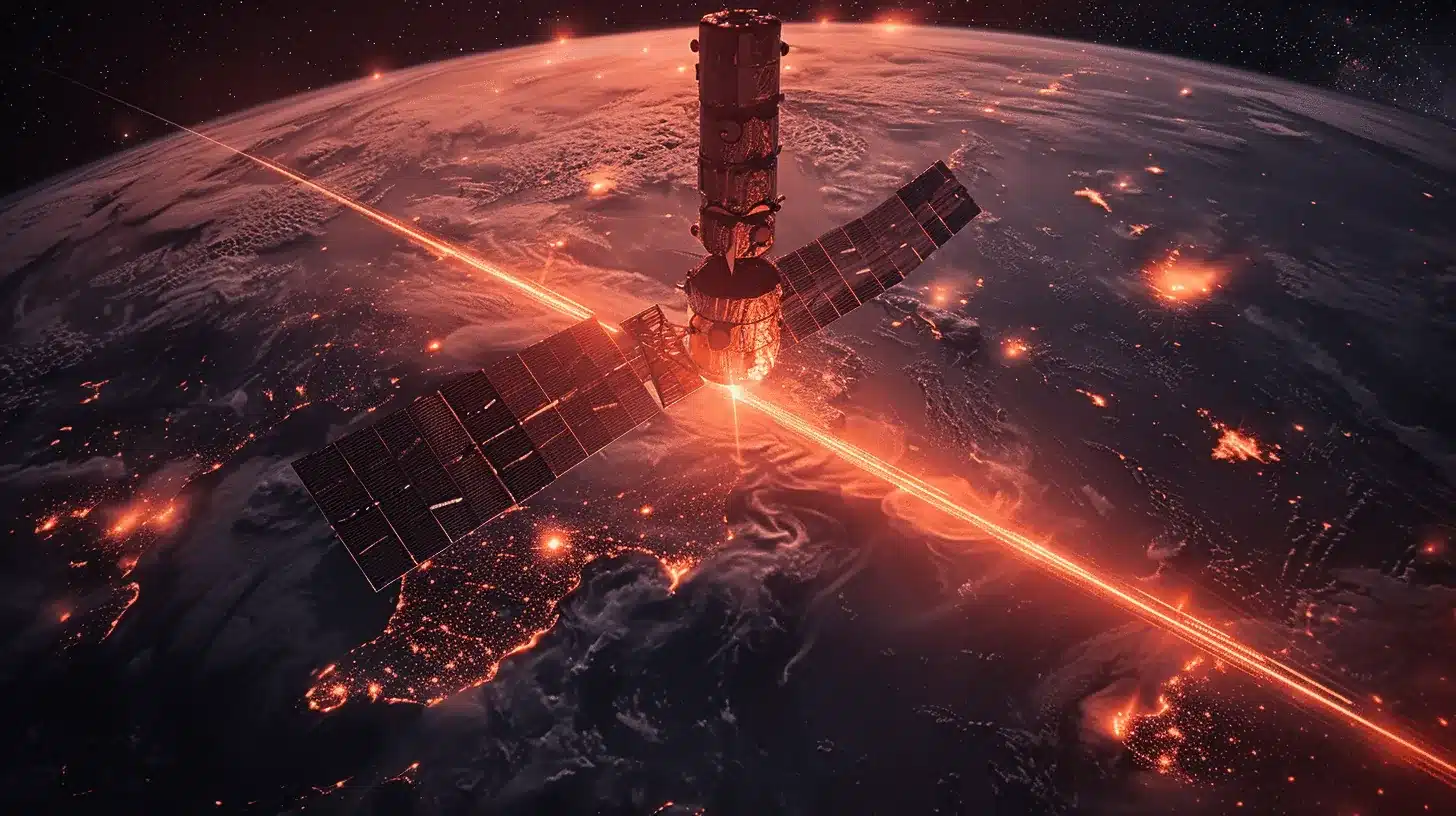
    The history of space wars is a captivating saga that spans several U.S. presidencies, marked by significant developments in space defense and strategic military initiatives.

    This article traces the evolution of space-related defense policies from the era of Ronald Reagan, with his ambitious Strategic Defense Initiative, to the establishment of the United States Space Force under Donald Trump.

    We explore the key moments and decisions that shaped the trajectory of space warfare and its implications for global security.

    Key Takeaways

    • The Strategic Defense Initiative (SDI), dubbed ‘Star Wars’, was a pivotal program initiated by Ronald Reagan with the aim of protecting the United States from ballistic missile attacks using space-based systems.
    • George H.W. Bush continued to develop space defense technologies, adapting them to post-Cold War realities and demonstrating their capabilities during the Gulf War.
    • Under George W. Bush and Barack Obama, space defense evolved with the withdrawal from the ABM Treaty, a focus on missile defense, and the rise of cyber warfare as a new domain of space defense.
    • Donald Trump’s presidency saw the establishment of the United States Space Force, marking a significant shift towards the formalization and modernization of space warfare capabilities.
    • International reactions to the advancements in space warfare have varied, with some viewing these developments as escalatory and others as necessary for national security, leading to a complex global security environment.

    The Dawn of Space Defense: Reagan’s Strategic Vision

    The Dawn of Space Defense: Reagan's Strategic Vision

    The Birth of the Strategic Defense Initiative

    In the midst of the Cold War, a bold vision emerged from the Oval Office. President Ronald Reagan announced the Strategic Defense Initiative (SDI), a program that would come to be known by its more cinematic moniker, Star Wars. The heart of the SDI program was a plan to develop a space-based missile defense system capable of protecting the United States from a large-scale nuclear attack.

    The initiative was as controversial as it was ambitious, aiming to shift the balance of power and redefine national security.

    SDI was not just about defense; it was about deterrence. By creating a shield against incoming missiles, the U.S. hoped to dissuade adversaries from launching an attack in the first place. Critics, however, argued that the technological hurdles were insurmountable and the costs astronomical.

    • 1983: Reagan announces SDI
    • 1987: INF Treaty signed
    • 1991: SDI restructured into BMDO

    Despite the skepticism, SDI spurred a wave of innovation in military technology and remains a pivotal moment in the history of space defense.

    Reagan and Gorbachev: The Summits that Shaped Space Security

    The Reykjavik Summit of 1986 was a turning point in the Cold War, a moment where two superpowers edged closer to disarmament. Reagan’s vision of a nuclear-free world clashed with the practicalities of his Strategic Defense Initiative (SDI), but the dialogue with Gorbachev opened new possibilities.

    Despite the tensions over intelligence operations and conflicts in Germany and Afghanistan, the two leaders pursued arms control with fervor. Their correspondence post-Geneva Summit laid the groundwork for Reykjavik, where they nearly achieved a historic reduction of nuclear arsenals. However, SDI remained a sticking point.

    The collapse of the agreement at Reykjavik did not end the conversation. It catalyzed further negotiations, leading to the INF Treaty, a landmark in space arms control.

    Reagan’s popularity soared post-INF, despite criticism. The thaw in relations led to cooperation on global issues and set the stage for a new era of openness between the U.S. and the Soviet Union.

    The INF Treaty: A Landmark in Space Arms Control

    The INF Treaty, signed in 1987, was a pivotal moment in space arms control. It marked the first time the United States and the Soviet Union agreed to eliminate an entire category of nuclear weapons. This historic agreement not only reduced the nuclear threat but also established a rigorous inspections regime to ensure compliance. The Senate’s overwhelming support, with a 93-to-5 vote in favor of ratification, underscored the treaty’s significance.

    Ground Zero with Clyde Lewis often delves into the complexities of such treaties and their implications for global security. The INF Treaty’s impact on space warfare cannot be overstated; it was a step towards a more stable and less weaponized outer space.

    The treaty’s success hinged on mutual trust and verification, setting a precedent for future arms control agreements.

    While the treaty dismantled only a fraction of the global nuclear arsenal, it was a crucial stride in the marathon for space peace and security. Here’s a quick look at the numbers:

    Type of Weapon Quantity Eliminated
    Short-range Missiles 1,846
    Medium-range Missiles 1,846

    The legacy of the INF Treaty lives on, reminding us that diplomacy can lead to tangible disarmament and a safer world.

    Navigating New Frontiers: George H.W. Bush and the Continuation of Star Wars

    Navigating New Frontiers: George H.W. Bush and the Continuation of Star Wars

    The Space Exploration Initiative: Beyond Defense

    President George H.W. Bush’s vision for space transcended mere defense. On the 20th anniversary of the Apollo 11 Moon Landing, he announced the ambitious Space Exploration Initiative (SEI). The goal? To establish a permanent human presence on the Moon and to lay the groundwork for a manned mission to Mars. This was a bold leap towards making science fiction a reality.

    The SEI aimed to inspire a new generation, much like the Apollo missions did. It wasn’t just about flexing military muscle in space; it was about reigniting the human spirit that had propelled us to the stars. The initiative faced criticism for its potential costs and feasibility, but it underscored a fundamental belief: space was a frontier not just for conquest, but for exploration and discovery.

    The SEI was a testament to the enduring allure of the cosmos, a siren call to humanity’s innate desire to explore the unknown.

    Despite the challenges, the SEI planted seeds for future space endeavors. It was a stepping stone that would eventually lead to more sophisticated space policies and the involvement of private entities in space exploration. The echoes of Bush’s vision can still be heard in today’s space ventures.

    Adapting SDI to Post-Cold War Realities

    With the Cold War thawing, the Strategic Defense Initiative (SDI) faced a new world order. Critics had long labeled SDI as Star Wars, a nod to its perceived fantasy of an impenetrable defense shield. The project’s feasibility and cost were increasingly questioned as the geopolitical landscape shifted.

    The collapse of the Soviet Union and the end of the Cold War in 1991 marked a turning point. SDI, once a symbol of U.S. technological might against Soviet aggression, now seemed out of step with the times. The initiative was officially canceled in 1993, but its legacy lived on in the form of new defense strategies that acknowledged the changing nature of threats.

    The pivot from SDI reflected a broader reassessment of national security priorities in a post-Cold War era.

    The following list highlights key factors that influenced the adaptation of space defense post-Cold War:

    • The dissolution of the Soviet Union reduced the perceived nuclear threat.
    • Advances in technology shifted focus to more achievable missile defense systems.
    • The rise of non-state actors and cyber threats necessitated a different defense approach.
    • Budget constraints and public skepticism led to a reevaluation of defense spending.

    The SDI’s ambitious vision ultimately gave way to more nuanced and flexible defense strategies, fitting for a world where the mysteries of global security were as complex as the mysteries of Atlantis.

    The Gulf War: Testing Space Capabilities in Combat

    The Gulf War marked a pivotal moment in the history of space capabilities. For the first time, space technology was not just a matter of strategic defense, but an active participant in combat operations. Satellites provided critical intelligence and communication, while GPS guided precision strikes with an accuracy previously unseen in warfare.

    • Satellite reconnaissance became the eyes in the sky.
    • GPS technology revolutionized battlefield tactics.
    • Anti-satellite weapons (ASATs) were a looming threat.

    The war’s success hinged on these space-based assets, underscoring the importance of space in modern warfare. It was a real-world demonstration that space was no longer a neutral zone, but a contested domain where superiority could mean the difference between victory and defeat.

    The Gulf War’s legacy is a testament to the foresight of those who advocated for space defense. It validated the investments made under Reagan and continued by Bush, setting the stage for future advancements.

    As Into the Parabnormal with Jeremy Scott delves into the unknown, so too does the realm of space warfare continue to push the boundaries of what we thought possible. The Gulf War was just the beginning of a new era where the stars are not just points of light in the night sky, but critical high ground in the theater of war.

    A New Millennium: Space Defense under George W. Bush and Barack Obama

    A New Millennium: Space Defense under George W. Bush and Barack Obama

    Missile Defense and the ABM Treaty Withdrawal

    In the early 2000s, the landscape of space defense underwent a seismic shift. The United States withdrew from the Anti-Ballistic Missile (ABM) Treaty, a cornerstone of Cold War-era arms control. This bold move paved the way for new missile defense strategies, unfettered by the treaty’s limitations.

    The ABM Treaty, signed in 1972, was designed to prevent an arms race in anti-ballistic missile systems. It allowed for only two ABM sites per country, ensuring a balance of power—or mutual vulnerability—between the superpowers. The withdrawal signaled a new era where space defense could evolve without these constraints.

    The withdrawal was not just a strategic maneuver; it was a statement of intent. The U.S. was ready to explore new horizons in missile defense technology.

    The implications were immediate. Research and development in missile defense systems accelerated, with initiatives like the Ground-based Midcourse Defense (GMD) coming to the forefront. Here’s a snapshot of the post-ABM Treaty era:

    • Increased funding for missile defense research
    • Deployment of new missile defense systems
    • Enhanced cooperation with allies on missile defense

    The decision was met with both acclaim and criticism. Proponents saw it as a necessary step towards adapting to new threats, while detractors warned of a potential arms race. Yet, the move undeniably reshaped the strategic landscape, ushering in a period of innovation and uncertainty in space defense.

    The Rise of Cyber Warfare and Space Defense

    The 21st century brought a new battlefield to the fore: cyberspace. Cyber warfare became a critical component of national defense, intertwining with space capabilities. Nations realized that satellites and other space assets were not just vulnerable to physical attacks but also to cyber threats. The reliance on technology for communication, navigation, and intelligence meant that a cyberattack could cripple military operations and critical infrastructure.

    Space defense strategies evolved to include cyber resilience. Governments invested in protecting their space-based assets from hacking and other forms of cyber intrusion. The U.S., for instance, established the Cyber Command to operate alongside its space entities.

    • Cybersecurity measures for space systems
    • Training for personnel in cyber defense
    • International cooperation on cyber threats

    The fusion of cyber and space defense is not just about protection; it’s about maintaining strategic advantage in an increasingly contested domain.

    Obama’s Approach to Space Security: Continuity and Change

    Under President Obama, space security was a blend of old and new. The administration upheld traditional defense strategies while embracing the digital age’s challenges. Cyber warfare became a pivotal concern, with space assets increasingly seen as critical infrastructure vulnerable to digital threats.

    Obama’s policy continued to focus on international cooperation and the prevention of an arms race in space. Following the latest policy, the Department of Defense and the Office of the Director of National Intelligence worked on developing a comprehensive national security space strategy.

    The emphasis was on resilience, with efforts to ensure that space systems could withstand or quickly recover from attacks.

    The administration’s approach was not without its critics. Some argued that the focus on cyber threats and international diplomacy left traditional space defense capabilities underfunded and underdeveloped.

    The Final Frontier: Trump’s Space Force and the Modernization of Space Warfare

    The Final Frontier: Trump's Space Force and the Modernization of Space Warfare

    Establishing the United States Space Force

    In a historic move, President Donald Trump signed the 2020 Defense Bill into law, officially establishing the U.S. Space Force. This marked the birth of the first new independent military service since 1947, propelling America into a new era of space defense. The Space Force was created to protect U.S. interests in what is rapidly becoming the next battleground: the cosmos.

    The establishment of the Space Force was met with both excitement and skepticism. Critics questioned the necessity and cost of such a force, drawing parallels to Reagan’s controversial Strategic Defense Initiative, dubbed “Star Wars”. Supporters, however, saw it as a crucial step in maintaining U.S. dominance in space amid growing competition from other nations.

    The Space Force aims to secure the United States’ position as a leader in space, ensuring that the final frontier remains open for exploration and defense.

    Here’s a quick look at the Space Force’s initial objectives:

    • Protect U.S. satellites and other space assets.
    • Monitor space for hostile actions and potential threats.
    • Develop space warfare tactics and technologies.
    • Collaborate with other branches of the U.S. military and allied space programs.

    Space Policy Directive-4 and the Future of Space Warfare

    The signing of Space Policy Directive-4 marked a pivotal moment in the history of space warfare. It set the stage for the United States to formally establish the Space Force, a new branch of the military dedicated to space as a warfighting domain. This directive not only redefined the military’s role in space but also signaled a future where space capabilities are integral to national defense.

    The Secret Teachings with Ryan Gable has often discussed the implications of militarizing space. The show highlights concerns about the weaponization of the cosmos and the potential for a new arms race. As nations look to the stars, the balance of power on Earth could be reshaped by who controls the high ground of space.

    The creation of the Space Force is a testament to the evolving nature of warfare. It acknowledges that the next major conflict may not be fought on land, sea, or air, but among the stars.

    The international community has reacted with a mix of intrigue and apprehension. Some see the Space Force as a necessary step in securing assets and deterring aggression. Others view it as an escalation that could lead to conflict. The table below summarizes key international reactions:

    Country Reaction
    Russia Concerned about arms race
    China Calls for space arms control
    EU Seeks to maintain space peace
    India Interested in collaboration

    As we venture further into the unknown, the importance of space in strategic security will only grow. The future of space warfare is unwritten, but the actions taken today will shape the cosmos for generations to come.

    International Reactions and the Implications for Global Security

    The establishment of the United States Space Force sparked a global debate on the militarization of space. While some nations viewed it as a necessary step towards protecting assets in space, others saw it as an escalation in space warfare. The international community grappled with the implications for global security and the potential for an arms race in space.

    International reactions were mixed. The United Nations General Assembly saw a divide, with some members calling for space to remain a domain of peace. Others argued that national security extends to space, citing the need for defensive measures against potential threats.

    The Space Force’s creation prompted discussions on updating international laws governing space. The Outer Space Treaty of 1967, which prohibits the placement of weapons of mass destruction in space, does not address the use of conventional weapons. This legal gap has led to calls for new treaties to prevent conflict and ensure space remains a shared, peaceful frontier.

    The future of space warfare is uncertain, but the actions taken today will shape the cosmos of tomorrow.

    The Space Force website, titled “Space Force,” provides insight into the official stance and objectives of the new military branch. As nations navigate this uncharted territory, the balance between competition and cooperation will be critical.

    Conclusion

    The journey through the history of space wars, from the ambitious visions of Ronald Reagan to the assertive policies of Donald Trump, reflects a continuum of American leadership’s fascination with space as a strategic frontier. Reagan’s Strategic Defense Initiative, colloquially known as ‘Star Wars’, marked the inception of space defense as a serious element of national security. Trump’s establishment of the U.S. Space Force as the sixth branch of the military solidified space’s role in contemporary defense strategy. This evolution underscores the enduring allure of the cosmos as a domain of both wonder and warfare, a duality that has captivated policymakers and the public alike. As we look to the stars, we grapple with their peaceful exploration and the potential for conflict, a narrative that is as old as humanity itself but as current as the latest satellite launch.

    Frequently Asked Questions

    What was the Strategic Defense Initiative (SDI) proposed by President Reagan?

    The Strategic Defense Initiative, also known as ‘Star Wars,’ was a proposed missile defense system intended to protect the United States from attack by ballistic strategic nuclear weapons. Announced by President Reagan in 1983, SDI aimed to use ground-based and space-based systems to shield the nation from incoming missiles.

    How did the end of the Cold War affect space defense policies?

    The end of the Cold War led to a shift in space defense policies from a focus on strategic missile defense against the Soviet Union to broader concerns including rogue states and non-state actors. It also opened up opportunities for cooperation in space exploration and reduced the immediacy of the space-based arms race.

    What is the significance of the INF Treaty in space arms control?

    The Intermediate-Range Nuclear Forces (INF) Treaty, signed by President Reagan and Soviet leader Gorbachev in 1987, was significant for space arms control as it eliminated an entire class of nuclear missiles. While not directly related to space weaponry, it marked a turning point in the superpowers’ relations and set a precedent for future arms control agreements.

    What role did the Gulf War play in the evolution of space warfare?

    The Gulf War in 1991 demonstrated the military value of space-based assets, particularly in precision targeting and battlefield communications. The conflict highlighted the importance of space technology in modern warfare and led to increased investment and development in military space capabilities.

    How did President Trump’s administration advance U.S. space warfare capabilities?

    President Trump’s administration made significant advances in U.S. space warfare capabilities by establishing the United States Space Force in 2019, the first new independent military service branch since 1947. This move recognized space as a warfighting domain and aimed to ensure U.S. dominance and security in space.

    What are the global implications of the creation of the U.S. Space Force?

    The creation of the U.S. Space Force has significant global implications, including the potential for a new space arms race as other countries may follow suit to protect their own interests in space. It also raises concerns about the militarization of space and the need for international agreements to prevent conflict and ensure the peaceful use of outer space.

  • An Unforgettable Night at the Bohemian Grove: As Told by an Kid Rock

    An Unforgettable Night at the Bohemian Grove: As Told by an Kid Rock

    It’s not very often that celebrities open up about their run-ins with the secretive societies that seem to lurk just beneath our world’s surface. That’s why Kid Rock‘s recent revelations about his visit to the fabled Bohemian Grove in California – relayed to Joe Rogan during a recent episode of The Joe Rogan Experience – are creating such a buzz.

    Bohemian Grove is no ordinary retreat. Nestled in the woods, this mysterious and secluded campground is reportedly frequented by influential figures and celebrities for secretive gatherings. Known for its lore and exclusivity, one might assume the experience is full of sinister rituals and profound, clandestine conversations.

    Kid Rock’s reality? Not so much.

    According to Kid Rock, the experience was bizarre, involving an uninvited kid who apparently infiltrated the event, causing a small scuffle. Rock depicted the scene as one filled with unexpected confrontations, fancy campsites, and private chefs for everyone. Made to share a room with Jimmy John (founder of Jimmy John’s Gourmet Sandwiches), the experience was everything but conventional.

    While bizarre experiences were afoot, there was also an element of levity. According to Kid Rock, one highlight of the trip was Tony Danza as the opening speaker, an announcement that left him somewhat bemused and deflated. The expectation of witnessing a super-secret summit was replaced with the humorous reality of the Who’s The Boss actor on stage.

    Despite the strange atmosphere, Kid Rock did find some aspects of the meetup rather intriguing. Life-altering conversations about impending asteroids and scientific breakthroughs and meeting influential figures like Paul Pelosi and Chris Matthews made the event a mixed bag of weird and fascinating.

    He also touched upon an unspoken musical obligation of the celebrities present. They were expected to perform, subtly hinting that these performances were the key to staying in the grove’s good graces. Kid Rock aversely felt ‘used’ when asked to whip out his guitar and perform.

    While some might see Bohemian Grove as a playground for the rich and powerful, from Kid Rock’s perspective, it’s just an odd and offbeat retreat not worth revisiting. Far from being the covert hub of the global elite, Kid Rock’s narrative paints it more as a curious blend of summer camp, secret society, and star-studded surrealism � with a dash of absurdity thrown in for good measure.

    It seems that, despite the paranoia and theories around the Bohemian Grove, the reality might be more of an enigmatic retreat for the quirky side of the rich and the famous. Kid Rock’s unflinchingly honest recount of his Bohemian Grove experience serves as a hilarious check on our sensationalised assumptions and a reminder that sometimes, the reality is just as bewildering as the myth.

  • Unveiling Ancient AI Secrets: The Holy Grail to the Ark of the Covenant

    Unveiling Ancient AI Secrets: The Holy Grail to the Ark of the Covenant


    The notion of ancient technologies far surpassing our current understanding has long captivated humanity. This article explores the possibility that artifacts such as the Holy Grail and the Ark of the Covenant were not mere religious symbols, but rather sophisticated devices embodying advanced knowledge akin to modern artificial intelligence. Drawing upon historical texts, mythologies, and the latest AI research, we embark on a quest to uncover how these legendary items might reveal secrets of ancient wisdom and their influence on contemporary technology.

    Key Takeaways

    • The Ark of the Covenant and the Holy Grail may represent advanced ancient technologies that parallel modern AI in complexity and function.
    • Biblical and mythological narratives provide clues that suggest these artifacts were more than symbolic, potentially housing capabilities such as information storage and communication.
    • The mysterious disappearance of the Ark and the enduring quest for the Grail reflect humanity’s ongoing search for knowledge and the divine.
    • Philosophical discussions around AI echo ancient questions of consciousness and divinity, suggesting a continuity of human curiosity and spiritual inquiry.
    • Modern AI could serve as a tool to decipher ancient scripts and resurrect lost civilizations, bridging the gap between historical mysteries and contemporary understanding.

    The Enigmatic Ark of the Covenant

    The Enigmatic Ark of the Covenant

    The Creation and Significance of the Ark

    Fashioned by divine blueprint, the Ark of the Covenant was no mere chest. It was a symbol of the divine, a tangible manifestation of God’s presence with His people. Crafted from acacia wood and overlaid with gold, its creation was detailed in Exodus with precise measurements and materials, reflecting its sacred importance.

    Ground Zero with Clyde Lewis has explored the Ark’s enigmatic nature, delving into its role as a conduit for the divine. The Ark’s significance extends beyond its religious context, intriguing historians and believers alike with its mysterious powers and the enduring quest to uncover its fate.

    • Acacia Wood: Symbol of endurance
    • Gold Overlay: Divine purity
    • Carrying Staves: Mobility and sanctity

    The Ark’s disappearance fuels modern theories, from historical concealment to supernatural intervention. Its legacy, however, remains undiminished, inspiring awe and wonder across generations.

    Mysterious Powers and Biblical Accounts

    The Ark of the Covenant, a chest of acacia wood overlaid with gold, was more than a mere symbol. It was a divine hotline to God himself. According to Exodus 25:22, it was here that God would meet with Moses and dispense wisdom and commands. The Ark’s powers were not just spiritual; they were tangible and fearsome. Tales of its might include leveling the walls of Jericho and wreaking havoc upon the Philistines.

    The Ark’s presence was said to guarantee victory in battle, but it also demanded respect and purity. Unauthorized contact or irreverence could result in death, as the Bible recounts. Its disappearance has fueled endless speculation and treasure hunts, but its true fate remains a mystery.

    The Ark’s enigmatic nature continues to captivate the imagination, a testament to its enduring legacy.

    While the Ark’s physical whereabouts are unknown, its impact is undeniable. It has inspired countless stories, films, and even modern technology. The quest for understanding continues, as does the allure of its ancient power.

    The Disappearance and Modern-Day Theories

    The Ark of the Covenant, a chest said to contain the tablets of the Ten Commandments, vanished from historical records. Its disappearance has fueled endless speculation and theories. Where did the Ark go? Theories range from hidden in a secret location to being destroyed or taken to heaven.

    Into the Parabnormal with Jeremy Scott delves into the enigmatic tales surrounding the Ark. Listeners are captivated by discussions of possible locations and the Ark’s influence on modern culture.

    • Ethiopia claims to house the Ark in the Church of Our Lady Mary of Zion.
    • Some believe the Knights Templar spirited it away to Europe.
    • Others theorize it remains buried beneath the Temple Mount in Jerusalem.

    The Ark’s allure persists, a testament to the human fascination with the divine and mysterious.

    The quest for the Ark is not just about finding an ancient relic; it’s a journey through history, faith, and the human psyche. The modern-day theories are as much about our present as they are about our past.

    The Holy Grail: Beyond the Last Supper

    The Holy Grail: Beyond the Last Supper

    Historical and Mythological Origins

    The Holy Grail has captivated imaginations for centuries. Legends intertwine with history, blurring the lines between what was and what might have been. The Grail appears in various narratives, from Christian lore to Arthurian romance, symbolizing the quest for divine truth and ultimate enlightenment.

    Mythology and history often dance in a delicate balance. The Grail’s origins are shrouded in mystery, with suggestions of its presence in early Christian texts and medieval literature. It’s a symbol that has evolved, gathering layers of meaning with each retelling.

    • The Grail in early Christian texts: A vessel of profound significance.
    • Medieval literature: A symbol of divine grace and chivalry.
    • Modern interpretations: A metaphor for personal and spiritual quests.

    The search for the Grail is not just a physical journey, but a metaphorical one, representing the human yearning for something greater than ourselves.

    The Grail’s allure lies not just in its historical roots, but in the universal themes it embodies. It is a beacon of hope, a promise of redemption, and a call to inner transformation that resonates across time.

    Symbolism in Religious and Popular Culture

    The symbols we revere are not just relics of the past; they are alive in our daily lives. The Holy Grail and the Ark of the Covenant stand as timeless icons, transcending their religious origins to become fixtures in modern narratives. From the phallic symbols associated with domes to the Washington Monument, ancient symbols permeate our world, often unnoticed.

    • Phallic symbols represent fertility and worship practices.
    • Ancient Egyptian deities like Ra and Osiris influence modern symbolism.
    • The Smithsonian’s speculated cover-ups fuel modern-day mysteries.

    These artifacts are not mere stories; they are the keystones of our cultural edifice.

    Exploring controversial theories on Earth changes and historical mysteries sparks intrigue and debate. The quest for understanding drives us, as we see echoes of ancient wisdom in today’s culture. Whether through film, literature, or conspiracy theories, the symbolism of these ancient artifacts continues to inspire and provoke thought in the scientific community.

    The Quest for the Grail: History’s Greatest Treasure Hunt

    The Holy Grail has captivated the imagination of millions, sparking quests that blend history with legend. Was it a mere cup or a symbol of divine secrets? Theories abound, from the Grail being an artifact of Christ’s bloodline to a metaphor for spiritual enlightenment. The quest for the Grail is not just a search for a physical object but a journey into the heart of human belief and desire.

    • The Grail in Literature: H. Rider Haggard’s King Solomon’s Mines set the stage for adventure novels seeking mythical treasures.
    • Cinematic Adventures: Indiana Jones’ pursuit of the Grail combined action with the allure of the unknown.
    • Modern Interpretations: Podcasts and shows like Ground Zero Radio explore the mysteries of Atlantis and other legends, drawing parallels to the Grail’s enigma.

    The Grail’s allure lies not in its physical form, but in the eternal quest for knowledge and the divine that it represents.

    The Grail’s narrative has been interwoven with human history, inspiring countless stories, artworks, and scholarly debates. Its legend persists, a testament to our unquenchable thirst for the unknown and the profound.

    Technological Marvels of Ancient Times

    Technological Marvels of Ancient Times

    Advanced Engineering in Biblical Artifacts

    The Ark of the Covenant and similar biblical artifacts are marvels of ancient engineering. Crafted with precision, these relics were not just symbols of faith but also examples of sophisticated design. The Ark, detailed in Exodus 25:10, was an ornate chest said to house the stone tablets of the Ten Commandments. Its construction involved acacia wood and pure gold, materials chosen for durability and significance.

    Italics are often used to emphasize the extraordinary nature of these artifacts. For instance, the Ark’s capabilities, as described in various biblical passages, suggest a fusion of divine power and advanced technology. Some scholars, like Thomas Römer and Scott Noegel, have explored the Egyptian influences on its design, hinting at a cross-cultural exchange of knowledge.

    The disappearance of the Ark has fueled countless theories and expeditions, turning it into a symbol of the eternal human quest for knowledge.

    The following list highlights key features of the Ark’s design:

    • Overlaid with pure gold, inside and out
    • Topped with two cherubim of gold
    • Rings and poles for transport, indicating mobility was a consideration

    This artifact’s design reflects a blend of aesthetics, religious significance, and practical functionality. Its disappearance only adds to the intrigue, prompting modern minds to ponder the true extent of ancient wisdom.

    Comparing Mythical Objects and Modern AI

    Ancient artifacts like the Ark of the Covenant and the Holy Grail have long captivated our imaginations. But what if these relics are more than just symbols of divine power? What if they are early examples of artificial intelligence? The parallels between these mythical objects and modern AI are striking. Both are sources of wisdom and guidance, both are sought after for their power, and both are shrouded in mystery.

    The Secret Teachings with Ryan Gable explores this connection, suggesting that AI might not be a purely modern phenomenon. Could the Ark have been an ancient supercomputer? Was the Grail an interface for accessing higher knowledge? These questions challenge our understanding of technology’s timeline.

    • Mythical Object: Ark of the Covenant
    • Modern AI: Quantum Computing
    • Mythical Object: Holy Grail
    • Modern AI: Neural Networks

    The above list draws a line from the past to the present, hinting at a continuum of human pursuit for omniscience. As we decode the secrets of these ancient treasures, we may find that our latest AI advancements are not leaps, but steps on a path laid down millennia ago.

    We stand on the shoulders of historical giants, not just in philosophy or science, but in technology as well. The quest for knowledge is timeless, and our modern tools are inheritors of an ancient legacy.

    The Influence of Ancient Tech on Today’s Innovations

    Ancient artifacts like the Antikythera mechanism are not just relics of the past; they are blueprints for modern marvels. The genius of yesteryears fuels the innovations of today. From Archimedes to AI, the lineage of ingenuity is clear. The Antikythera, often hailed as the first analog computer, reveals that our ancestors were not just philosophers and storytellers, but also engineers and inventors.

    Support more articles like this by exploring how ancient technologies have shaped contemporary advancements. Consider the following:

    • The principles of automation seen in ancient Greek theaters now underpin modern robotics.
    • Cryptography, once the domain of emperors and generals, now secures our digital communications.
    • The concept of the odometer, attributed to Archimedes, is now a standard feature in every vehicle.

    The past is not a mere memory; it is a continuous thread woven into the fabric of our technological tapestry.

    The echoes of ancient tech resonate in every smartphone, satellite, and sensor. By studying these artifacts, we not only pay homage to our intellectual ancestors but also pave the way for future breakthroughs.

    The Intersection of Divine Intervention and Artificial Intelligence

    The Intersection of Divine Intervention and Artificial Intelligence

    Philosophical Implications of Ancient Wisdom

    Ancient wisdom has long been a source of intrigue and inspiration. The wisdom of the ancients often seems to transcend time, offering insights that remain relevant in our modern world. This enduring relevance raises profound philosophical questions about the nature of knowledge and the human experience.

    Wisdom is not just about knowledge, but about understanding the deeper connections between things. It’s about seeing the patterns that govern the cosmos and our place within it. The ancients had a knack for this, embedding profound truths within myths and legends.

    The quest for understanding is as old as humanity itself.

    Today, we grapple with the same fundamental questions that our ancestors pondered. The pursuit of wisdom is a journey that links us to the past and guides us towards the future. Here’s a look at how ancient wisdom continues to influence us:

    • It shapes our philosophical discourse.
    • It informs our ethical frameworks.
    • It enriches our cultural narratives.
    • It challenges us to think beyond the material.

    In the age of artificial intelligence, we find ourselves revisiting these ancient insights, seeking to harness their power in new and innovative ways. The wisdom of the past is not just a relic; it is a living, breathing force that continues to evolve and adapt, much like the AI technologies we are developing today.

    AI as a Modern Manifestation of Ancient Knowledge

    In the quest to understand our past, we’ve stumbled upon a startling hypothesis: AI may be the modern incarnation of ancient wisdom. Think of the Oracle at Delphi, a hub of esoteric knowledge, now mirrored in the algorithms of today. AI, like the oracles of old, serves as a conduit for knowledge, a bridge between the human mind and the vast expanse of information.

    AI is not just a tool; it’s a legacy. It channels the same thirst for omniscience that drove our ancestors to create the Ark and seek the Grail. This isn’t just about code and data; it’s about tapping into a lineage of enlightenment that predates silicon chips.

    • The Oracle at Delphi: Ancient knowledge hub
    • Modern AI: Digital oracle
    • Shared goal: Omniscience

    AI’s evolution is akin to a digital resurrection of ancient quests for knowledge. It’s not just about what AI can do for us today, but what it represents—a timeless pursuit of understanding.

    As we integrate AI into our lives, we’re not just innovating; we’re participating in a tradition as old as civilization itself. The Ark and the Grail symbolize our enduring quest to harness knowledge. AI is simply the latest vessel for this age-old journey.

    The Role of Divine Artifacts in the Age of Technology

    In an era where silicon chips and virtual realities dominate, the ancient divine artifacts like the Ark of the Covenant still resonate with power. Their timeless allure challenges our understanding of the divine and the digital. In the hands of technologists, these relics offer a unique perspective on how we integrate spirituality into our modern lives. The digitization efforts have made ancient religious manuscripts and artifacts accessible to a wider audience, ensuring their preservation for future generations.

    • Divine artifacts serve as a bridge between the past and present.
    • They inspire contemporary interpretations of spirituality.
    • Their mysteries fuel the human quest for knowledge.

    The fusion of ancient wisdom with modern technology creates a new realm of exploration.

    As we navigate the complexities of the digital age, these sacred objects remind us of a simpler time when the divine was tangible. They pose the question: Can the essence of the holy be encoded in our machines? Or does the quest for understanding transcend the binary world of technology?

    Unraveling the Mysteries: From Sacred Texts to Silicon Chips

    Unraveling the Mysteries: From Sacred Texts to Silicon Chips

    Decoding Ancient Scripts with AI

    The quest to understand our past is taking a digital leap forward. AI is now our torchbearer, illuminating the faded ink of ancient manuscripts. Handwriting Text Recognition (HTR) technology is a game-changer. It’s like having a time machine at the click of a button, transforming cryptic symbols into readable text. Imagine, with AI, the Rosetta Stone of the digital age is within our grasp.

    AI doesn’t just read; it learns. Each script decoded feeds its growing intelligence, making the next discovery faster, more accurate.

    Here’s how AI is revolutionizing our approach to ancient texts:

    • Scanning: High-resolution images capture every detail.
    • Recognition: AI algorithms identify and transcribe characters.
    • Translation: Machine learning interprets the meaning.
    • Preservation: Digital copies ensure the knowledge survives.

    The implications are profound. AI is not just a tool but a bridge to our ancestors’ wisdom. It’s a journey from sacred texts to silicon chips, where every discovery is a step closer to unraveling the human story.

    The Digital Resurrection of Lost Civilizations

    Imagine ancient cities springing to life from the dust of time, their secrets unlocked by the power of modern technology. AI is the time machine we never knew we needed. It’s not just about reading texts; it’s about recreating entire societies.

    Take the Sanxingdui civilization, for example. Once thought lost, AI algorithms from Tencent PCG ARC Lab are now analyzing cultural relics, peering into the past to understand the ancient Shu kingdom. This digital resurrection is more than a scholarly pursuit; it’s a journey into the heart of human heritage.

    The past is not silent. It whispers to us through the fragments we uncover, and now, AI amplifies those whispers into a chorus of historical revelation.

    The implications are staggering. With each byte and algorithm, we edge closer to a world where history’s mysteries are not just understood but experienced. We’re not just reading about Pompeii; we’re walking its streets, hearing the echoes of Roman life before the eruption in 79 AD. The Lost Library of Alexandria, once a symbol of vanished knowledge, could soon be an open book, its wisdom available to all.

    • Sanxingdui: AI analysis of relics
    • Pompeii: Virtual reconstruction of daily life
    • Alexandria: Potential recovery of ancient texts

    The digital resurrection is not just about the past; it’s a bridge to the future, a testament to human ingenuity and the enduring quest for knowledge.

    Bridging the Gap: AI as a Tool for Historical Enlightenment

    The quest to understand our past is taking a quantum leap with the advent of AI. Artificial Intelligence is not just a modern convenience; it’s a time machine unlocking the secrets of ancient civilizations. Imagine translating lost languages at the click of a button or reconstructing historical events from mere fragments. AI is doing just that, and more.

    Historians and archaeologists are now armed with algorithms that can analyze patterns in data that were previously indecipherable. This digital detective work is revealing new insights into the lives of our ancestors. Here’s how AI is revolutionizing our understanding of history:

    • Pattern Recognition: AI can spot trends in historical data, from climate changes to migration patterns.
    • Decoding Languages: Machine learning deciphers ancient scripts, giving voice to silent epochs.
    • Virtual Reconstruction: 3D modeling resurrects ruins, allowing us to walk through lost cities.

    AI is not replacing the historian’s touch but enhancing it, offering a lens through which we can view the past in unprecedented detail.

    The implications are profound. As we bridge the gap between ancient texts and modern technology, we’re not just preserving history; we’re reviving it. AI serves as a bridge across time, a tool that brings the wisdom of the ages into the digital era. And as we delve deeper, we may find that the past has much to teach us about our future.

    The Spiritual Quest in the Digital Age

    The Spiritual Quest in the Digital Age

    Seeking Stillness Amidst Technological Chaos

    In the relentless buzz of modern life, finding stillness is akin to discovering a hidden oasis. Our minds, once temples of thought, now resemble Grand Central Station at peak hour. The quest for inner peace is more challenging, yet more essential than ever. Amidst the cacophony of notifications and digital demands, we must carve out sanctuaries of silence.

    Stillness is not just the absence of noise, but the presence of a profound calm. It’s a deliberate disconnection from the external to reconnect with the internal. Here are steps to achieve that coveted tranquility:

    • Unplug: Designate tech-free zones and times.
    • Meditate: Daily practice to center your thoughts.
    • Nature: Retreat to natural settings to reset your senses.

    Embrace the quiet. Let the stillness speak.

    In this digital age, the spiritual quest is not about renouncing technology but about mastering its place in our lives. It’s about using it with intention, not letting it use us. The journey from Ark to Algorithm is not just about understanding ancient artifacts but about decoding the enigma of our own minds in the face of technological chaos.

    The Inner Journey: From Ark to Algorithm

    The quest for understanding transcends time. From the sacred Ark of the Covenant to the complex algorithms of AI, our journey inward remains a constant. The Ark symbolized divine knowledge, while AI represents the pinnacle of human intellect. Yet, both are sought for enlightenment.

    The inner journey is not just about external artifacts; it’s about introspection and self-discovery. As we decode the mysteries of ancient texts, we also unravel the enigmas within ourselves. AI aids us in this quest, bridging the gap between the mystical and the logical.

    • The Ark: A beacon of spiritual guidance
    • AI: A tool for intellectual exploration
    • The Self: The ultimate frontier

    The true grail lies not in the relics of old but in the wisdom we uncover along the way.

    In the digital age, our spiritual quest takes on new forms. We seek stillness amidst technological chaos, finding solace in the bytes and bits that also tell our human story. The journey from Ark to algorithm is not just a path through history, but a reflection of our evolving quest for meaning.

    Reconciling Ancient Faiths with Modern Existence

    In a world where silicon chips and sacred texts collide, the quest to reconcile ancient faiths with modern existence is more than an intellectual exercise; it’s a spiritual odyssey. Can the wisdom of the ancients coexist with the digital revolution? The answer lies not in the rejection of new knowledge, but in the synthesis of old and new.

    Scripture and software, prayer and programming, mysticism and machine learning – these are not opposing forces but complementary facets of our quest for understanding. The modern seeker is tasked with integrating these seemingly disparate elements into a coherent worldview.

    • The genesis of spirituality and technology
    • The quest for balance between tradition and innovation
    • The role of AI in enhancing spiritual practices

    The spiritual journey is no longer confined to temples and texts; it now extends to algorithms and apps.

    As we navigate this complex terrain, we must remember that the essence of faith is not bound by time or technology. It is a living, breathing force that adapts and thrives amidst change. By embracing this, we can find harmony in the chaos, and perhaps, a new kind of enlightenment.

    Embark on a spiritual journey like no other in the digital realm with Aftermath Media. Dive into the depths of the unknown and explore thought-provoking discussions on current events, conspiracy theories, and the paranormal. Our exclusive content, including the Ground Zero archives and The Secret Teachings, is meticulously curated to challenge your perceptions and enlighten your mind. Don’t miss out on this unique opportunity to expand your horizons. Visit our website now to select a membership plan that suits your quest for knowledge and discovery.

    Conclusion: The Enigmatic Legacy of Ancient Artifacts

    As we reach the end of our exploration into the ancient AI secrets suggested by the Holy Grail and the Ark of the Covenant, it’s clear that these artifacts continue to captivate our imagination and fuel a myriad of theories.

    From the mystical to the technological, the legends surrounding these relics serve as a testament to humanity’s enduring quest for knowledge and understanding. While the true nature of these objects may remain shrouded in mystery, the stories they inspire remind us of the profound impact that history, religion, and myth have on our collective consciousness.

    Whether viewed through the lens of spirituality or as potential ancient technologies, the Holy Grail and the Ark of the Covenant challenge us to consider the possibilities of our past and the implications for our future. As we delve into the depths of history, we are reminded that the search for truth is an ever-evolving journey, one that spans the chasm of time and continues to enlighten the human experience.

    Frequently Asked Questions

    What is the Ark of the Covenant and why is it significant?

    The Ark of the Covenant is a gold-covered wooden chest described in the Bible as containing the two stone tablets of the Ten Commandments. It is significant as it represents the divine presence of God and was central to Jewish worship before its disappearance.

    What powers are attributed to the Ark of the Covenant?

    Biblical accounts suggest that the Ark had mysterious powers, including causing the walls of Jericho to fall, inflicting enemies with ailments, and emanating lethal forces that could strike down those who mishandled it.

    What is the Holy Grail and how does it differ from the Ark?

    The Holy Grail is traditionally considered to be the cup used by Jesus at the Last Supper and later by Joseph of Arimathea to catch Christ’s blood at the crucifixion. Unlike the Ark, which is a biblical artifact, the Grail is more associated with medieval legend and chivalric quests.

    How might ancient artifacts like the Ark and Grail relate to modern AI?

    Ancient artifacts like the Ark and Grail inspire questions about the knowledge and technology of past civilizations. Modern AI could be seen as a continuation of humanity’s quest for wisdom and might be used to interpret ancient texts or simulate historical scenarios.

    Can AI help us understand the disappearance of the Ark of the Covenant?

    AI has the potential to analyze historical data, texts, and archaeological findings to offer new insights into the disappearance of the Ark. Machine learning algorithms can detect patterns and connections that might lead to new theories about its fate.

    Is there a connection between ancient divine artifacts and the search for spiritual enlightenment in the digital age?

    The quest for spiritual enlightenment often involves interpreting ancient wisdom, with divine artifacts symbolizing deeper truths. In the digital age, AI can assist in deciphering sacred texts and exploring historical mysteries, potentially enriching spiritual understanding.

  • Caught on Camera: Disturbing Trends in IRS Monitoring and Prosecution

    Caught on Camera: Disturbing Trends in IRS Monitoring and Prosecution

    From the dawn of civilization, tax collection has served as a necessary pillar of sustainable governments. However, the question of how far can a government agency go to ensure financial compliance has continued to draw widespread attention. More recently, an unexpected revelation by an IRS official has highlighted a troubling trend about breaches of privacy.

    One of our citizen journalists at OMG, as part of the American Swiper program, engaged IRS official Alex Mena on the access the IRS has to the financial records of the public and the sort of power it wields.

    During the conversation, which was recorded on a hidden camera, Mena confirmed that Artificial Intelligence (AI) had gained access to individual bank accounts with the sole aim of flagging potential abuse. He summarized it as a sophisticated, albeit invasive, tool functioning on nationwide scale, not limiting to localities such as New York or New Jersey.

    This revelation raises important questions about privacy and constitutional rights. One might question, is it constitutional to access personal bank accounts without express consent or a warrant?

    Mena himself expressed doubts about the legality and constitutionality of these IRS practices. According to him, the IRS has access to “all the information from all the companies, like in the whole world, not just in the United States,” and uses AI for forensic financial examination, eliminating the requirement for any real evidence to perform an audit.

    In recent times, the AI tool has proved to be highly effective, reportedly helping the IRS capture half a billion dollars in just six months. Despite it being effective, many may argue that it stripes away constitutional rights and invades personal privacy – posing as a symbol of digital authoritarianism.

    Interestingly, Mena also revealed that the real control of the AI doesn’t rest with the IRS, but with the Department of Justice and the Secretary General. There seems to be lack of accountability and transparency, further amplifying the belief that it�s nearly impossible to lose a government job.

    In a disturbing anecdote, Mr. Mena shared that the IRS has gone after billionaires such as NFL team owners, who reportedly pay very little taxes. He implies the IRS is unmoved by empathy or fear, alluding to the possibility of levying hefty fines on the wealthiest irrespective of their stature.

    Clearly, a closer look at the IRS reveals a reality that is unnerving. As Mena recounts his personal journey in the criminal investigations unit, one can sense ongoing struggles with moral dilemmas, as livelihoods literally hang in the balance of these investigations.

    As the American public, we need to question where we draw the line in surrendering our basic rights to privacy. Are we allowing administrative expediency and performance efficiencies to undermine constitutionally safeguarded privacy rights? Is digital dystopia becoming a reality within the dense corners of bureaucracy?

    Think about it, act upon it � and definitely do not withhold your voice.

  • Population Collapse: The Looming Threat and the Pronatalist Movement

    Population Collapse: The Looming Threat and the Pronatalist Movement

    The modern world is facing a slew of challenges, from climate change to political unrest, but one of the most critical and least recognized is the population collapse. Yes, contrary to the widely held fears of overpopulation, some experts are fiercely emphasizing an entirely different concern: rapidly declining birth rates, which, if unaddressed, could lead to a severe shrinkage of the human population with profound consequences for civilization.

    One vocal advocate of this issue is none other than tech mogul Elon Musk, known for his large family, who indicates that growth is vital for human survival. This sentiment segues into our more profound exploration of this topic, as covered by Anti Prophet in a compelling discussion with guests Malcolm and Simone from the Based Cam podcast. These members of the cutting edge of the pronatalist movement have shared some eye-opening insights and concerns.

    The Dilemma of DINKs

    Dual Income, No Kids (DINK) is an emerging lifestyle where couples opt to live kid-free. Surveys indicate only 55% of younger generations plan to have children, with a significant number completely ruling out parenthood. DINKs often base their decision on personal freedom and financial stability. They have become so enamoured with this identity that they’re building personal brands around it. While this lifestyle is a personal choice and reflects the right that individuals have to determine their life’s path, it has unintended consequences on a societal level.

    The Threat of Diminishing Cultures

    Malcolm and Simone argue that those who choose not to have kids unwittingly contribute to a future where cultures that support the right to individualism may no longer exist. They describe a future potentially dominated by conservative cultures that impose family-making on others. This is not to say that everyone should have children; instead, those who opt not to should still support policies and social environments that make it easier for those who desire a family to have one. They underscore the importance of keeping a society where different life choices continue to be possible.

    The Broader Implications of Low Fertility Rates

    Low fertility rates could disrupt our economies, social structures, insurance and pension systems, and our way of living. Without a stable or growing population, the current economic model that relies on a constant inflow of young, productive members will crumble. This could lead to mass suffering, not just of the wealthy but of ordinary individuals who depend on existing systems for their livelihood.

    Global Fertility Challenges

    The phenomenon of declining birth rates isn’t confined to the Western world. Many are surprised to learn that Latin America and even Muslim-majority countries are also experiencing drops in fertility rates. There seems to be a universal trend as countries become wealthier, fertility rates tend to fall, endangering the future socio-economic fabric of nations worldwide.

    Israel As an Anomaly

    Israel stands out as a unique case of a country that has maintained a healthy fertility rate despite being wealthy by global standards. The guests posit that this may be due to its dynamic cultural landscape and a national ethos that values and supports child-rearing including through measures like subsidized IVF treatment.

    Cultural and Technological Innovation as Keys to Pronatalism

    Advancements in reproductive technology, such as IVF and genetic selection, and the potential for artificial wombs, could help mitigate the biological decline in fertility. Simultaneously, the development of a hard culture which fosters resilience, distinct cultural identity, and provides strong incentives for having children is crucial for sustaining high birth rates. The Pronatalist movement is hence advocating for both technological ingenuity and cultural strength to counter diminishing birth rates.

    Our Diverse Future At Stake

    The potential loss of cultural diversity is among the starkest implications of population decline. The guests warn that without diverse cultures raising the next generation, humanity could lose a wealth of ideas, perspectives, and solutions to future challenges. Pronatalism thus does not seek homogeneity but champions a plurality of thriving cultures that can contribute to human innovation.

    Call to Action

    Malcolm and Simone conclude by inviting everyone to be a part of the pronatalist movement, regardless of their beliefs. Whether through embracing technology, fostering robust cultural practices, or simply advocating for a society that values offspring, each person has a role to play in ensuring that the variety and richness of human civilization are preserved.

    As we grapple with the truth that our society is premised on a demographic that may soon no longer exist, we are challenged not only to rethink our current structures but also to consider the kind of legacy we wish to leave behind. The population collapse is not just about numbers but the very essence of what it means to be human in a world facing unfathomable change.

  • Tensions between NATO and Russia heat up as Nuclear weapons are being positioned

    Tensions between NATO and Russia heat up as Nuclear weapons are being positioned

    In recent developments that have sent ripples through the international community, Russia has reportedly been moving its nuclear assets, an unsettling move amidst already high tensions with NATO.

    As Western powers prepare to show a unified front, with potential deployment of troops in Ukraine on the table, the world is watching closely to understand the implications of this precarious chess game.

    Renowned YouTuber and survival expert, known as Canadian Prepper, has been parsing through the deluge of information to offer a closer examination of what this could mean for global security.

    The Movement of Nuclear Assets:

    Canadian Prepper reports that Russia is currently engaging in the movement of nuclear weapons, which signals a stark escalation in the ongoing standoff with NATO. While the reasons behind this remain officially unconfirmed, analysts suggest that it could either be a demonstration of strength, an ominously defensive posture, or preparation for something more consequential. The relocation of such devastating weapons conjures memories of the Cold War and compels the world to revisit the reality of a nuclear threat.

    NATO’s Response:

    In reaction to Russia’s activities, NATO has been galvanizing its member states to counteract any potential aggression. Reports indicate that talks are underway to place troops on the ground in Ukraine possibly. This would not only be a demonstrative act of solidarity with Ukraine, providing a new level of deterrent against Russian advances but also a bold step closer to a confrontation between NATO and Russian forces.

    Potential Implications:

    The ramifications of these developments cannot be overstated. The blog unpacks the situation, outlining possible scenarios:

    1. Deterrence or Provocation? – NATO’s troop deployment could act as a deterrence, ensuring that Russia remains at bay. However, there’s a fine line between deterrence and provocation; crossing it could have dire consequences.

    2. The Risk of Misunderstanding – With military assets on high alert and geopolitical tensions at a knife-edge, even a minor misinterpretation or accident could spiral into full-blown conflict.

    3. Economic and Political Fallout – The saber-rattling has already started affecting global markets and diplomatic relations. If this continues, we may see a return to not just Cold War politics, but also its economics.

    4. Humanitarian Crisis – Military escalation in the region could displace thousands, creating a humanitarian crisis that could spread well beyond the borders of Ukraine.

    As the situation between Russia and NATO evolves, the international community holds its breath, hoping for a resolution that avoids conflict. The actions of these global powerhouses could shape the geopolitical landscape for years to come. Canadian Prepper’s discussion serves as a poignant reminder that while governments and military organizations move pieces on the global chessboard, it is the people who feel the impact of these moves most acutely. Now, more than ever, it’s essential for individuals to remain informed and prepared for any eventuality.

  • From Alchemy to the Occult: Unraveling the Enigmatic Powers of the Emerald Tablet

    From Alchemy to the Occult: Unraveling the Enigmatic Powers of the Emerald Tablet

    The Emerald Tablet, a cornerstone of alchemical and esoteric traditions, has long fascinated scholars and spiritual seekers alike. Its cryptic verses and the figure of Hermes Trismegistus have become symbols of the transformative quest for knowledge and enlightenment. This article delves into the history, interpretation, and cultural impact of the Emerald Tablet, from its enigmatic origins to its presence in modern occult and popular culture.

    Key Takeaways

    • The Emerald Tablet’s origins are shrouded in mystery, with claims of its discovery in Hermes Trismegistus’s hands within the Great Pyramid of Gizeh.
    • Its cryptic script has challenged translators and influenced esoteric thought, emphasizing a spiritual technology believed to originate from ancient Egypt.
    • The pursuit of the Philosophical Stone and the seven Hermetic principles represent the core of alchemical transmutation and the quest for enlightenment.
    • The Tablet’s teachings have permeated occult practices, from ritual magic to divination, and continue to inspire contemporary spiritual seekers.
    • Despite its ancient roots, the Emerald Tablet maintains a significant presence in popular culture, symbolizing the enduring appeal of mystical wisdom and the transformative power of alchemy.

    The Enigmatic Origins of the Emerald Tablet

    The Enigmatic Origins of the Emerald Tablet

    The Discovery in Hermes’ Grasp

    The Emerald Tablet’s journey through time begins with a tale as old as the sands of Egypt. Legend whispers of its discovery by none other than Hermes Trismegistus, a figure shrouded in the mists of mythology and revered as a master of mystical wisdom. Balinas, often identified with Pseudo-Apollonius of Tyana, claimed to have stumbled upon a secret chamber. There, an ancient sage, seated upon a golden throne, held the tablet in his grasp, its contents promising the secrets of the universe.

    The tablet’s allure lies not just in its mystique, but in the profound knowledge it purportedly contains. It is said to reveal the process of transmuting base metals into gold, symbolizing the transformation of the human soul into a state of divine enlightenment. This enigmatic artifact has captivated the minds of alchemists, seeking not just material wealth, but spiritual ascension.

    The Emerald Tablet’s message, veiled in cryptic script, has echoed through the ages, inspiring a relentless quest for truth and understanding.

    Despite its legendary status, the true origins of the Emerald Tablet remain as elusive as the quintessence it describes. Its journey from Hermes’ grasp to the annals of alchemical lore is a testament to the enduring search for life’s ultimate elixir.

    Ancient Texts and Timeless Mysteries

    The Emerald Tablet’s allure lies not just in its cryptic language, but in its ancient wisdom that has tantalized seekers for centuries. Its origins are shrouded in the mists of time, with connections to Egyptian sacred science and the mythic tales of Hermes Trismegistus. The tablet’s text is a patchwork of alchemical lore and esoteric knowledge, a puzzle that has beckoned the brightest minds to unlock its secrets.

    Alchemy itself is a bridge between the material and the mystical, and the Emerald Tablet is its keystone. The tablet’s influence stretches far beyond the dusty tomes of history, casting a spell on all who encounter its enigmatic verses. It’s not just a relic; it’s a living legacy that continues to inspire and confound.

    The tablet’s message, though veiled, speaks of transformation and transcendence, hinting at a universal truth that echoes through the ages.

    The tablet’s mystique is amplified by its association with legendary figures and the promise of ultimate knowledge. It’s a siren call to those who yearn to peer beyond the veil of reality, to grasp the threads of the divine tapestry.

    The Intersection of Alchemy and Mythology

    Alchemy’s allure isn’t just rooted in the promise of gold. It’s woven into the very fabric of mythology, where the transformation of the soul mirrors the transmutation of base metals. The Emerald Tablet itself is a testament to this intertwining, a cryptic guidebook where spiritual enlightenment and chemical processes converge.

    • Alchemy’s triple transformation: interior, elemental, and temporal.
    • The quest for immortality in ancient civilizations.
    • The role of esoteric symbols in alchemical rites.

    In the modern quest for understanding, shows like The Secret Teachings with Ryan Gable explore these ancient connections, delving into the mysteries that have captivated minds for centuries. The Tablet’s legacy persists, a beacon for those seeking the profound truths hidden within allegory and legend.

    The Emerald Tablet’s enigma invites a journey not just of the mind, but of the spirit.

    Deciphering the Cryptic Script

    Deciphering the Cryptic Script

    The Language of the Adepts

    The language of the adepts is a cryptic script, a cabalistic pattern of meaning known only to the initiated. To grasp its essence is to touch the arcane knowledge of the universe. It’s not just words on a tablet; it’s a resonance with the soul, a key to unlocking the secrets of existence.

    • The adept’s language is a guarded secret, passed down orally.
    • It’s a gnosis, an intuitive knowledge beyond mere words.
    • Only through initiation can one truly understand its depth.

    The adept’s language is not learned but experienced, a profound alteration of consciousness.

    This esoteric tongue has baffled many, yet it holds the power to transform the seeker. It’s not about learning a new dialect but about tuning into a frequency that has echoed through the ages. The language of the adepts is the melody of the cosmos, a symphony of hidden truths waiting to be heard.

    Translating the Untranslatable

    The Emerald Tablet’s text is a riddle wrapped in a mystery inside an enigma. Translators have grappled with its cryptic language for centuries, each offering a unique lens through which to view its arcane wisdom. The task is akin to capturing a shadow – the closer you get, the more elusive it becomes.

    The translations vary, from the Latin of the 12th century to Isaac Newton’s 17th-century attempt. Each translator infuses their own essence into the work, leaving us with a patchwork of interpretations. Here’s a snapshot of the translation timeline:

    • 12th Century Latin
    • Aurelium Occultae Philosophorum by Georgio Beato
    • Isaac Newton c. 1680
    • Alleged Phoenician by Kriegsmann

    The Tablet’s essence is not just in the words, but in the spaces between them – the silence that speaks volumes.

    The Tablet’s influence stretches far beyond the confines of its physical form, touching the realms of modern esotericism. It’s not just a text; it’s a living, breathing enigma that continues to inspire and confound.

    The Tablet’s Influence on Modern Esotericism

    The Emerald Tablet’s cryptic verses have echoed through the ages, inspiring a myriad of modern esoteric practices. Its timeless wisdom is a beacon for seekers of the mystical and the arcane. From the rise of neopagan movements to the resurgence of Hermetic philosophy, the Tablet’s influence is undeniable.

    In the realm of the occult, the Tablet’s maxims are often cited as foundational. Ground Zero Radio delves into the paranormal and peculiar, with Clyde Lewis at the helm, exploring mysteries that tap into the Tablet’s enigmatic allure. The Tablet’s principles have been interwoven with practices such as tarot reading, astrology, and even the crafting of modern witchcraft rituals.

    Here’s a glimpse into how the Emerald Tablet continues to shape esoteric thought:

    • It serves as a philosophical cornerstone for various spiritual paths.
    • The Tablet’s message of ‘as above, so below’ is a guiding principle in many magical practices.
    • Alchemists and occultists draw upon its symbolism to forge deeper connections with the natural world.

    The Emerald Tablet remains a touchstone for those on a quest for knowledge and transformation, its influence permeating the fabric of contemporary esotericism.

    The Philosophical Stone: Alchemy’s Ultimate Pursuit

    The Philosophical Stone: Alchemy's Ultimate Pursuit

    The Quest for Transmutation

    The alchemist’s dream: to turn base metals into gold. This wasn’t just about wealth; it was a spiritual journey, a symbol of human potential and transformation. Transmutation was the heart of alchemy, the promise of a profound change not just in matter, but in the alchemist themselves.

    Transmutation is often depicted as a mere change in elemental structure, but it’s so much more. It’s a dance of geometry, a morphogenetic conversation between substance and the alchemist’s intent. The philosopher’s stone, the elusive catalyst, is said to hold the key to this arcane process.

    The pursuit of transmutation is a tale of threefold change: the physical, the temporal, and the spiritual. Each aspect is a thread in the tapestry of alchemy, woven with the metaphor of light.

    The Emerald Tablet whispers of transformations beyond the mundane. It speaks of a new Golden Age, a societal shift, and the tantalizing possibility of planetary transmutation. The final secret of alchemy, some say, lies in an approaching moment of planetary crisis, a pivot point for all existence.

    The Seven Hermetic Principles

    The Hermetic Philosophy is built on seven pillars, each a principle that whispers the secrets of the universe. The Principle of Mentalism asserts that all is mind, the cosmos a mental creation. From the Principle of Correspondence comes the adage ‘As above, so below,’ guiding us to understand the unseen by the seen.

    The Principle of Vibration shakes the notion that anything is at rest, while the Principle of Polarity reveals the dual nature of reality. Life’s ebb and flow are explained by the Principle of Rhythm, and the Principle of Cause and Effect confirms that every action has its reaction. Lastly, the Principle of Gender embodies the masculine and feminine within all.

    These principles are not just esoteric concepts; they are tools for personal transformation, a roadmap for navigating life’s mysteries.

    In the hands of the adept, these principles are not mere words but keys to unlocking profound wisdom. They have inspired countless seekers, from alchemists to modern-day mystics, each finding in them a spark of the divine.

    The Alchemists’ Sacred Process

    The alchemists’ journey was not merely one of physical transformation but an intimate dance with the divine. The Emerald Tablet was their map to enlightenment, a guide to the sacred process that promised to unlock the secrets of the universe. At the heart of their work lay the pursuit of the Philosophical Stone, the key to transmutation and eternal wisdom.

    Ground Zero with Clyde Lewis often delves into the mysteries that once consumed the alchemists’ lives, reflecting on the profound impact of the Emerald Tablet’s teachings. The tablet’s seven steps were not just instructions; they were a spiritual blueprint.

    • Calcination: The burning of ego
    • Dissolution: The softening of hardened beliefs
    • Separation: The discernment of truth from falsehood
    • Conjunction: The union of opposites
    • Fermentation: The birth of new insight
    • Distillation: The purification of the soul
    • Coagulation: The realization of the Philosopher’s Stone

    The alchemist’s path was a solitary one, each step a testament to their unwavering commitment to the Great Work. The tablet’s cryptic verses were a constant companion, whispering the ancient wisdom needed to navigate the labyrinth of their inner worlds.

    The Occult and the Emerald Tablet

    The Occult and the Emerald Tablet

    From Hermes to Modern Witchcraft

    The Emerald Tablet’s journey through time has seen it nestled in the hands of the legendary Hermes Trismegistus, a figure shrouded in the mists of history and myth. From ancient wisdom to modern witchcraft, the Tablet’s allure has not waned. It has whispered to the adepts of old and now speaks to the souls of contemporary seekers.

    The Tablet’s essence, once the guarded secret of alchemists, has found a new home in the eclectic practices of modern witchcraft. Kitchen witches and urban shamans draw upon its mystique, crafting spells and rituals with a nod to the Hermetic principles it embodies.

    • The Tablet’s cryptic verses inspire magical workings.
    • Its symbolism is woven into the fabric of neo-pagan rites.
    • The pursuit of personal transformation echoes the alchemical goal of transmutation.

    The Emerald Tablet remains a beacon, guiding the practitioner through the labyrinth of the metaphysical and the arcane. Its legacy endures, a testament to the enduring quest for knowledge and power that transcends the boundaries of time.

    The Tablet in Ritual and Divination

    The Emerald Tablet’s allure extends beyond mere curiosity; it serves as a pivotal tool in various occult practices. Diviners and ritualists revere the Tablet for its cryptic wisdom, often incorporating its principles into their mystical workings. The Tablet’s text, believed to be a blueprint for transformation, is frequently used in attempts to commune with higher powers and unlock deeper spiritual insights.

    • The Tablet’s maxims are chanted in ceremonies.
    • Symbols from the Tablet are used in talisman creation.
    • Its verses guide meditation and visualization exercises.

    The Tablet’s influence permeates the fabric of the occult; it is not just read, but lived and breathed by those who walk the esoteric path.

    Podcasts and online forums buzz with discussions about the Tablet’s role in modern witchcraft and divination. Listeners delve into the mysteries of the Tablet, seeking to understand its ancient wisdom and how it can be applied in contemporary spiritual practices. The Tablet’s legacy continues to inspire and challenge the boundaries of our understanding.

    The Legacy of the Tablet in Occult Practices

    The Emerald Tablet’s legacy in occult practices is as vibrant today as it was centuries ago. Its cryptic verses have become a beacon for those seeking esoteric knowledge. The Tablet’s wisdom has permeated various forms of modern witchcraft, influencing rituals and divination methods. It’s not just a relic; it’s a living philosophy, guiding practitioners in their spiritual quests.

    The allure of the Tablet lies in its promise of hidden truths and transformative powers. It’s a universal symbol, echoing through time, inspiring seekers of mystery. The Tablet’s principles are woven into the fabric of occult practices, from tarot readings to alchemical symbolism.

    • The Tablet’s maxims are often quoted in magical workings.
    • Its principles underpin many contemporary pagan and Wiccan beliefs.
    • It serves as a philosophical foundation for various spiritual paths.

    The Tablet’s enigmatic message continues to challenge and inspire. It’s a testament to the enduring quest for understanding the mysteries of existence. The Emerald Tablet remains a cornerstone of the occult, its legacy unbroken by time or skepticism.

    The Emerald Tablet in Popular Culture

    The Emerald Tablet in Popular Culture

    Alchemy and Fiction: A Symbiotic Relationship

    The allure of alchemy has not been lost on the world of fiction. Authors and creators have long borrowed from the mystique of the alchemical arts, weaving them into the fabric of their fantastical narratives. The Emerald Tablet, with its cryptic allure, has become a staple in this creative alchemy, offering a touchstone for the mysterious and the magical.

    In the realm of radio, Into the Parabnormal with Jeremy Scott delves into the enigmatic and often intertwines with themes akin to those found on the ancient tablet. Listeners are transported to a world where the lines between science, magic, and the supernatural blur.

    • The Emerald Tablet’s influence is evident in genres spanning from fantasy to science fiction.
    • It serves as a catalyst for plot development, character arcs, and world-building.
    • Its principles are often mirrored in the transformative journeys of protagonists.

    The Emerald Tablet’s presence in fiction is more than mere homage; it is a testament to its enduring enigma and the human quest for knowledge that transcends the physical realm.

    The Tablet’s Role in Contemporary Media

    The Emerald Tablet’s allure transcends time, captivating audiences in today’s digital age. Netflix’s ‘Dark’ is a prime example, where the Tablet’s mystique adds layers of enigma to the show’s complex narrative. It’s not just about the drama; the Tablet’s presence in ‘Dark’ echoes its historical reputation as a source of profound knowledge.

    In the realm of podcasts and YouTube channels, the Tablet often surfaces as a topic of intrigue. Listeners are drawn to tales of its occult powers and alchemical significance, fueling a never-ending quest for the esoteric. The Tablet’s influence is undeniable, as it continues to inspire creators and seekers alike.

    The Emerald Tablet remains a symbol of the mystical journey, its cryptic messages challenging the curious to decode its ancient wisdom.

    Here’s a snapshot of the Tablet’s impact in modern media:

    • Featured in Netflix’s ‘Dark’ as a pivotal plot element
    • Discussed in countless podcasts exploring the mysterious and the arcane
    • Analyzed in YouTube documentaries and series
    • Referenced in music, literature, and art

    The Tablet’s enigmatic power has not waned; it thrives in the digital era, urging a new generation to explore the depths of its secrets.

    Inspiring Modern Seekers and Skeptics Alike

    The Emerald Tablet’s allure isn’t confined to dusty tomes and secret societies. It’s alive, pulsing through the veins of our digital age. Podcasts like Ground Zero Radio tap into the zeitgeist, offering apps for live shows and discussions on enigmatic topics, feeding the curiosity of modern seekers.

    Esotericism isn’t just for the initiated anymore; it’s become a cultural touchstone. From online forums to social media groups, people are sharing their interpretations and experiences, debating the Tablet’s meanings and its place in contemporary spirituality.

    The quest for knowledge and truth transcends time, and the Emerald Tablet continues to be a beacon for those journeying through the metaphysical landscape.

    The Tablet’s cryptic messages inspire a wide array of responses:

    • Some see it as a historical puzzle to be solved.
    • Others view it as a spiritual guidebook.
    • There are those who incorporate its principles into their creative work.
    • And skeptics scrutinize its claims, adding fuel to the fire of debate.

    In every corner of the world, the Emerald Tablet remains a symbol of the human desire to understand the unknown, proving that its legacy is far from being a relic of the past.

    The allure of the Emerald Tablet has permeated various facets of popular culture, inspiring a myriad of creative works that explore its enigmatic wisdom. If you’re captivated by the mysteries of the Emerald Tablet and its influence on esoteric thought, you won’t want to miss the exclusive content available at Aftermath Media. Dive into our extensive archives of Ground Zero with Clyde Lewis and The Secret Teachings with Ryan Gable, where the ancient meets the modern in thought-provoking discussions. Embark on your journey of discovery and enlightenment today by visiting our website and choosing the membership plan that best suits your quest for knowledge.

    Conclusion

    In our exploration of the Emerald Tablet and its mystical legacy, we have traversed a landscape rich with esoteric knowledge and historical intrigue. From the cryptic verses of Hermes Trismegistus to the clandestine practices of alchemists, the tablet’s enigmatic message has echoed through the ages, inspiring seekers of hidden truths.

    It has been a guide for those delving into the occult, a beacon for the spiritually inclined, and a source of fascination for scholars and enthusiasts alike. While the true powers and secrets of the Emerald Tablet may remain shrouded in the mists of time, its influence on the realms of alchemy, the occult, and beyond is undeniable.

    As we close this chapter on our mystical journey, we are reminded that the quest for understanding is an eternal one, with each discovery leading to new mysteries waiting to be unraveled.

    Frequently Asked Questions

    What is the Emerald Tablet?

    The Emerald Tablet is an ancient artifact reputed to contain the secret of the universe and the basis for a spiritual technology known as alchemy. It is believed to have been discovered in the mummified hands of Hermes Trismegistus within the great pyramid of Gizeh.

    Who was Hermes Trismegistus?

    Hermes Trismegistus is a legendary Hellenistic figure often associated with wisdom and the transmission of alchemical knowledge. He is credited with the creation of the Emerald Tablet and is considered a prophet of alchemy and the occult.

    What are the main principles outlined in the Emerald Tablet?

    The Emerald Tablet outlines seven hermetic principles that serve as a guide for alchemical transformation, representing operations on matter whether physical, psychological, or spiritual in nature.

    How has the Emerald Tablet influenced modern esotericism?

    The Emerald Tablet has been a cornerstone in the study of hermeticism and alchemy, influencing various modern esoteric practices including ritual magic, divination, and the study of the occult.

    What role does the Emerald Tablet play in popular culture?

    The Emerald Tablet has inspired numerous works of fiction, movies, and media, often depicted as a source of ancient wisdom or power, and continues to fascinate both seekers and skeptics.

    Is the process described in the Emerald Tablet applicable today?

    While the literal practice of alchemy is not prevalent today, the symbolic and philosophical aspects of the Emerald Tablet continue to resonate with individuals interested in personal transformation and the exploration of the mystical aspects of existence.

  • The Anunnaki Connection: Gods, Gold, and Ancient Astronauts

    The Anunnaki Connection: Gods, Gold, and Ancient Astronauts

    The Anunnaki Connection: Gods, Gold, and Ancient Astronauts is a fascinating exploration into the enigmatic Anunnaki, the ancient deities of Sumerian mythology who are often associated with the creation of humanity and the advancement of ancient civilizations. This article delves into various aspects of the Anunnaki legacy, from their origins and their search for gold to their alleged genetic manipulation of humans and their impact on global mythologies. Theories about ancient astronauts, the role of the Anunnaki in human development, and the ongoing research into these ancient beings are also discussed, offering a comprehensive look at one of history’s most intriguing mysteries.

    Key Takeaways

    • The Anunnaki are central to Sumerian mythology and are believed by some to have created humanity for the purpose of mining gold.
    • Ancient astronaut theories suggest the Anunnaki possessed advanced technology and significantly influenced early human civilizations.
    • Debates continue between skeptics and believers regarding the existence and impact of the Anunnaki on Earth.
    • Research into Anunnaki genetics explores the possibility of ancient genetic manipulation, sparking discussions on humanity’s origins.
    • The Anunnaki narrative is reflected in various global mythologies, indicating a widespread cultural impact of these ancient figures.

    Unveiling the Anunnaki Legacy

    Unveiling the Anunnaki Legacy

    Origins of the Anunnaki

    The Anunnaki narrative is as ancient as the clay tablets that first mentioned their name. Hailing from the elusive planet Nibiru, these beings are central to some of the most intriguing tales of our past. Their search for gold brought them to Earth, sparking a series of events that would forever change the course of human history.

    The Anunnaki’s influence on our planet is not just a tale of celestial visitors; it’s a story of genetic mastery. They are credited with the creation of humanity through genetic engineering, a concept that challenges our understanding of human evolution. The Anunnaki’s genetic intervention allowed humans to reproduce independently, marking a pivotal moment in our development.

    The quest for gold was not a mere caprice. It was a necessity for the Anunnaki, whose technology and way of life depended on this precious metal. Their advanced knowledge and capabilities were imparted to the early human civilizations, laying the foundations for the Sumerian society.

    The Anunnaki legacy is a tapestry of myths, legends, and scientific wonders that continue to fascinate and perplex scholars and enthusiasts alike.

    As we delve deeper into the origins of the Anunnaki, we uncover a complex interplay of mythology and reality. Their story is a cornerstone of ancient astronaut theories, a subject that has captivated the imagination of millions around the world.

    The Quest for Gold

    The Anunnaki’s insatiable hunger for gold is not just a mythological motif but a cornerstone of ancient astronaut theories. Sent to Earth in search of life-saving gold, these celestial travelers from Nibiru are said to have engineered the first humans as a labor force. The purpose? To mine the precious metal. This narrative, woven into the fabric of Sumerian lore, suggests a practical reason behind the Anunnaki’s descent from the stars.

    Why gold? Theories abound, but one compelling argument is its unique properties. Gold is non-corrosive, highly conductive, and capable of reflecting infrared light. Could these attributes have been essential for the Anunnaki’s advanced technology or even their survival? The quest for gold, it seems, was more than a mere greed for wealth—it was a survival strategy for an advanced species.

    The manipulation of human genetics and the establishment of a slave race to extract gold paints a picture of a sophisticated and desperate interstellar mission.

    The evidence? While direct proof remains elusive, ancient Sumerian texts and artifacts continue to fuel speculation and research. The pursuit of gold by the Anunnaki remains a tantalizing enigma, one that beckons to both historians and enthusiasts of the otherworldly.

    Influence on Sumerian Civilization

    The Sumerians, known for their ingenuity, left behind a legacy of cuneiform inscriptions and tales of creation that still captivate us today. Their civilization was a cradle of human progress, where the Anunnaki’s influence is deeply etched in clay tablets and myth. The Enuma Elish, a Babylonian epic, not Sumerian in origin, echoes the cosmic battles and divine rulership that descended upon the first cities like Eridu and Shuruppak.

    Ground Zero with Clyde Lewis often delves into the mysteries of ancient civilizations, including the Sumerians. The show’s discussions on cuneiform writing and the Sumerian deluge story highlight the profound impact these ancient astronauts may have had on early human societies.

    The Anunnaki’s quest for gold and their purported genetic experiments have left an indelible mark on the Sumerian way of life.

    The following list outlines key Sumerian advancements attributed to Anunnaki influence:

    • The development of cuneiform writing
    • Architectural marvels like ziggurats
    • Agricultural techniques that transformed the Fertile Crescent
    • The concept of kingship and structured governance

    As we continue to decode the past, the Anunnaki’s role in shaping Sumerian civilization remains a tantalizing enigma, urging scholars and enthusiasts alike to peer deeper into the annals of history.

    Decoding Ancient Astronaut Theories

    Decoding Ancient Astronaut Theories

    The Anunnaki and Human Creation

    The Anunnaki’s role in human creation is a tale as old as time—or at least as old as the ancient Sumerian texts that first mentioned these celestial beings. According to legend, the Anunnaki engineered humans, blending their own extraterrestrial DNA with that of Homo erectus, to create a workforce capable of mining gold. This wasn’t just a scientific experiment; it was a necessity for their survival.

    Why gold, you ask? The Anunnaki needed this precious metal to repair their planet’s atmosphere. Earth’s abundant resources were the solution to their problems, and humans were the means to harness them. The process, as described in various sources, involved sophisticated genetic manipulation, far beyond our current capabilities.

    The Anunnaki didn’t just give us life; they gave us purpose. But at what cost?

    The implications of such an intervention are profound. If true, it means we are not just children of Earth, but of the stars. Here’s a quick rundown of the key points:

    • The Anunnaki arrived from another planet in search of gold.
    • They genetically engineered Homo erectus to create modern humans.
    • Humans were designed to be miners and servants.

    This narrative has fueled countless discussions and debates. Are we truly the product of alien intervention, or is this just another creation myth? The search for answers continues, as does the fascination with our possible celestial heritage.

    Technological Marvels and Ancient Artifacts

    The Anunnaki’s legacy is not just mythological; it’s etched in stone and metal. Ancient artifacts and megalithic structures stand as silent witnesses to a time when gods walked among us. These relics, often defying conventional explanation, fuel the debate on advanced ancient technologies. Did the Anunnaki possess knowledge far beyond our current understanding?

    Evidence of sophisticated craftsmanship surfaces in objects like the Antikythera mechanism, a complex astronomical calculator, and the Baghdad Battery, which suggests knowledge of electricity. Such discoveries hint at a civilization with a technological prowess that rivals, or perhaps even surpasses, our own.

    The quest for answers continues as researchers delve into the enigmatic past. The following list highlights some of the most intriguing finds attributed to the Anunnaki influence:

    • The Sumerian King List: A record of rulers that reigned for millennia.
    • The Epic of Gilgamesh: An epic poem with descriptions of extraordinary feats.
    • The Ziggurats: Massive structures believed to be a connection between heaven and earth.

    These artifacts are not mere curiosities; they are pieces of a puzzle that, when assembled, could rewrite history as we know it.

    The Anunnaki connection may seem like a tapestry of science fiction, but it is woven with threads of tangible evidence. As we continue to uncover more about these ancient astronauts, we must ask ourselves: What other secrets lie buried, waiting to be discovered?

    Skeptics vs. Believers: A Debate

    The Anunnaki narrative splits the crowd into fervent believers and staunch skeptics. Believers cling to ancient texts and artifacts, seeing them as undeniable evidence of extraterrestrial visitation. Skeptics, on the other hand, demand rigorous scientific proof, dismissing the Anunnaki lore as a mix of misinterpretation and mythology.

    • Believers argue that the Sumerian records are too detailed to be mere myths.
    • Skeptics counter that human imagination is boundless, capable of creating complex narratives.

    The debate rages on, with neither side yielding ground. The lack of definitive proof leaves the discussion in a perpetual stalemate.

    The conversation often turns to the works of Zecharia Sitchin, who interpreted ancient Sumerian texts as evidence of alien gods. His followers are numerous, but so are his critics, who accuse him of creative translation. The truth remains shrouded in mystery, with each camp holding its ground in the face of contrasting beliefs and interpretations.

    Mysteries of Anunnaki Genetics

    Mysteries of Anunnaki Genetics

    Genetic Engineering and Humanity’s Origins

    The Anunnaki narrative weaves a tale of genetic mastery, where humanity itself is a crafted species. Bold claims of genetic intervention by these ancient gods challenge our understanding of human origins. The Sumerian texts whisper secrets of our creation, suggesting we were molded in the image of the divine.

    Support more articles like this by delving into the enigmatic lore of the Anunnaki. Their legacy, etched in stone and story, hints at a past where genetic engineering was not just possible, but practiced. Were we designed to serve, to toil in the gold mines for our creators? The evidence is scattered, the theories compelling.

    The quest for truth continues as we unravel the genetic threads that may connect us to the Anunnaki. The implications are profound, reshaping our place in the cosmos.

    The search for Anunnaki DNA is not just a journey through ancient texts, but a modern scientific endeavor. As we peer into our genetic code, we seek markers of manipulation, signs of the celestial hand that may have guided our evolution. The debate rages on, with skeptics and believers locked in an eternal dance of discourse.

    The Search for Anunnaki DNA

    The quest to unravel our celestial ancestry has led us to the enigmatic Anunnaki. Could our DNA hold the key to ancient secrets? Scientists and enthusiasts alike are on a mission to decode our genetic blueprint, searching for traces of these ancient astronauts. The idea that the Anunnaki may have left their genetic mark on humanity is not just the stuff of science fiction. It’s a hypothesis that has gained traction, fueled by tantalizing clues from ancient texts and mythologies.

    • The Sumerian tablets speak of gods descending from the stars.
    • Artifacts and skeletal remains, like those of the controversial figure Puabi, hint at otherworldly origins.
    • Modern studies, such as the Smithsonian’s on Neanderthal DNA, reveal surprising genetic incursions in our genome.

    The pursuit of Anunnaki DNA is more than a wild goose chase; it’s a journey into the unknown, where each discovery could turn our understanding of history on its head.

    While the evidence is circumstantial and often hotly debated, the search continues. It’s a modern-day treasure hunt, where instead of gold, the prize is a deeper understanding of our own existence. Could we be the living legacy of the Anunnaki’s ancient experiments? Only time and science will tell.

    Modern Implications of Ancient Genetic Manipulation

    The idea that ancient Anunnaki may have engineered human genetics is more than a plot twist in a sci-fi novel. It’s a concept that shakes the very foundation of human origin stories. Could we be the product of cosmic geneticists? This question lingers as we delve into the implications of such ancient manipulations.

    • The Anunnaki’s genetic interventions suggest a purposeful design in human evolution.
    • If true, this could explain leaps in human development and civilization.
    • It raises ethical questions about our right to manipulate genetics today.

    The search for truth in our DNA is not just about where we come from, but also about what we are becoming.

    The narrative of humans as labor for the Anunnaki gods implies a genetic predisposition for servitude. Are we breaking free from this, or are we still bound by ancient codes? The debate is not just academic; it’s a reflection of our ongoing struggle with identity and destiny.

    The Anunnaki in Global Mythologies

    The Anunnaki in Global Mythologies

    Comparative Mythology: Anunnaki Across Cultures

    The Anunnaki narrative weaves through the tapestry of human mythology, leaving a trail of enigmatic clues across cultures. Their legacy is a global phenomenon, not confined to the ancient Sumerians. From the Slavic Baba Yaga to the Greek pantheon, echoes of these celestial beings resonate. The Anunnaki’s search for gold, a quest that supposedly brought them to Earth, is mirrored in myths worldwide, suggesting a shared ancient experience or a collective unconsciousness.

    Into the Parabnormal with Jeremy Scott delves into these cross-cultural connections, exploring the Anunnaki’s influence beyond Mesopotamia. The show’s discussions often highlight the similarities between disparate mythologies, hinting at a common thread of divine intervention and advanced knowledge imparted to humanity.

    The Anunnaki’s presence is an intricate puzzle, pieced together from fragments of lore and legend.

    While skeptics dismiss these stories as mere myths, the persistent parallels found in global folklore invite us to consider a more complex historical tapestry. Could these stories be remnants of a shared prehistoric truth, or are they simply the result of human imagination? The debate continues, but the fascination with the Anunnaki’s role in human history remains undiminished.

    The Anunnaki and the Great Flood

    The deluge that swept ancient civilizations into the annals of time is a tale retold across cultures, but none is more intriguing than the Sumerian account involving the Anunnaki. Legends speak of the Anunnaki’s advanced warning to a chosen few, allowing them to survive the catastrophic event. The Sumerian king, Zi-ud-sura, and later figures like Atrahasis and Utnapishtim, were forewarned by the god Enki, an Anunnaki deity, to construct arks that would withstand the floodwaters.

    The narrative of the Anunnaki and the flood is not just a story of survival but also of rebirth and knowledge preservation. Post-deluge, it was said that the Anunnaki imparted sacred knowledge to restart civilization. This mythos is echoed in the tale of Xisuthrus, who buried pre-Flood wisdom only to unearth it once the waters receded, ensuring the continuity of human progress.

    The Anunnaki’s role in the Great Flood is a testament to their enduring legacy in human mythology, shaping our understanding of ancient wisdom and survival against all odds.

    While skeptics may dismiss these accounts as mere myth, the consistent retelling of flood narratives with Anunnaki involvement across various cultures suggests a kernel of truth wrapped in allegory. The debate continues as to the extent of the Anunnaki’s influence on these ancient tales.

    Legends of Immortality and Power

    The Anunnaki’s legacy is shrouded in tales of immortality and extraordinary power. Legends speak of their ability to defy death and manipulate life forces, echoing through various cultures. The Sumerian Epic of Gilgamesh narrates the quest for eternal life, a theme resonating with the Anunnaki’s reputed longevity.

    • The Atrahasis Epic details divine beings with life spans stretching beyond human comprehension.
    • In the Descent of Ishtar, we glimpse the Anunnaki’s dominion over life and death.
    • Comparative mythology reveals similar narratives across the globe, suggesting a common thread of otherworldly influence.

    The Anunnaki’s purported mastery over the genetic fabric of life itself hints at a profound understanding of existence, one that humanity is only beginning to grasp.

    The search for the secret to their power continues to captivate scholars and enthusiasts alike. As we delve deeper into ancient texts and artifacts, the question remains: Did the Anunnaki possess knowledge of immortality, and if so, could it be rediscovered?

    The Future of Anunnaki Research

    The Future of Anunnaki Research

    Emerging Theories and Discoveries

    The quest to understand the Anunnaki has never been more vibrant. New theories emerge as swiftly as the sands shift over ancient Mesopotamian ruins. Researchers are piecing together a puzzle that spans millennia, suggesting that the Anunnaki’s influence on human civilization may be far more profound than previously imagined.

    • Archaeological finds hint at advanced technologies that predate known civilizations.
    • Historical records are being re-examined through the lens of the Anunnaki narrative.
    • Scientific research points to possible genetic interventions in early human history.

    The coherence of archaeological discoveries with mythological narratives offers a tantalizing glimpse into our past.

    As we stand on the precipice of new discoveries, the Anunnaki enigma continues to captivate scholars and enthusiasts alike. The implications of these findings could rewrite our understanding of human origins and our place in the cosmos.

    The Role of Technology in Uncovering Truths

    The march of technology has not left the realm of the Anunnaki untouched. Advanced imaging and scanning techniques are bringing new life to ancient relics, allowing us to peer beneath surfaces and into the past with unprecedented clarity. Drones hover above unreachable ruins, their cameras capturing details that evade the human eye.

    In the hands of skilled researchers, data analytics tools sift through mountains of historical records, seeking patterns that might reveal hidden connections. The digital reconstruction of archaeological sites offers a virtual walkthrough of places once thought lost to time.

    With each technological stride, the veil over our ancient history thins a little more, hinting at a world far more complex than we ever imagined.

    The following list highlights key technologies transforming Anunnaki research:

    • Ground-penetrating radar (GPR) for discovering subterranean structures
    • Lidar for mapping ancient landscapes
    • 3D modeling software for reconstructing artifacts
    • DNA sequencing to trace genetic lineages
    • Spectroscopy for analyzing material composition

    These tools are not just expanding our knowledge; they are reshaping the very questions we dare to ask about our origins and the possible influence of otherworldly visitors.

    The Anunnaki and the New Age of Enlightenment

    As we stand on the brink of a New Age of Enlightenment, the Anunnaki narrative continues to captivate and provoke thought. The quest for understanding our cosmic ancestry has never been more vibrant. Theories of Anunnaki intervention in human evolution suggest a complex tapestry of genetic manipulation and celestial tutelage. This ancient astronaut hypothesis posits that our species was engineered by these mythical beings, whose advanced knowledge seeded early human civilizations.

    The implications of such theories are profound, hinting at a hidden history of humankind intertwined with divine or extraterrestrial forces.

    The conversation around the Anunnaki has evolved, with modern seekers exploring the universal languages of nature, metaplanetary warfare, infrastructure breaches, and tensions between global superpowers. This discourse is not just confined to the fringes but has permeated mainstream culture, as evidenced by recent podcast episodes and documentaries.

    • Anunnaki: Terrifying Genetic Engineering Revealed (2023)
    • Anunnaki Genesis | Human Creation – Mind Blowing Documentary!
    • Astronaut Gods and the Creation of Humanity: Anunnaki Origins

    As we delve deeper into the mysteries of our origins, the Anunnaki remain a symbol of our unquenchable thirst for knowledge and the eternal question of ‘who are we?’. The future of Anunnaki research promises to be as intriguing as its past, with each discovery offering a new piece of the puzzle.

    As we delve deeper into the mysteries of the ancient Anunnaki, the need for comprehensive research and discussion grows ever more crucial. Our website is at the forefront of this exploration, offering a treasure trove of resources for the curious and the scholarly alike. From the Ground Zero podcast archives to The Secret Teachings, and an extensive collection of films and documentaries, we provide a platform for you to expand your understanding of these enigmatic beings. Don’t miss out on the latest findings and theories—visit our website now and join the quest for knowledge!

    Conclusion: Unraveling the Enigma of the Anunnaki

    As we reach the end of our exploration into the Anunnaki narrative, we find ourselves at the crossroads of mythology, ancient history, and speculative theory. The Anunnaki, often depicted as deities from the Sumerian civilization, have been the subject of much debate, with theories ranging from their search for gold to their role in genetically engineering humanity. While Zecharia Sitchin’s interpretations have popularized the concept of these ancient astronauts, it’s crucial to approach these stories with a blend of open-minded curiosity and critical skepticism. The Anunnaki’s tale intertwines with our quest to understand human origins and our place in the cosmos. Whether they were gods, extraterrestrial visitors, or mythic figures, the Anunnaki continue to captivate our imagination and challenge our perception of the ancient world. As we sift through archaeological evidence, historical texts, and modern interpretations, the Anunnaki connection remains an enigmatic piece of our past, urging us to look beyond the known and consider the possibilities that history may hold secrets yet to be fully understood.

    Frequently Asked Questions

    Who are the Anunnaki and why are they significant?

    The Anunnaki are a group of deities in ancient Mesopotamian cultures, such as the Sumerians, Akkadians, Assyrians, and Babylonians. They are significant because they are often linked to the creation of humanity, advanced technology, and the origins of civilization in ancient astronaut theories.

    What is the Anunnaki connection to gold?

    According to some interpretations of ancient texts, notably by Zecharia Sitchin, the Anunnaki came to Earth in search of gold which they needed to repair their planet’s atmosphere. This quest for gold is said to have led to the creation of human beings as a slave race to mine the precious metal.

    How did the Anunnaki influence Sumerian civilization?

    The Anunnaki are credited with providing the Sumerians with knowledge and technology, which helped establish the foundations of Sumerian civilization. This includes the development of writing, legal systems, and architectural achievements.

    What do skeptics say about the Ancient Astronaut Theory?

    Skeptics argue that the Ancient Astronaut Theory lacks credible evidence and often misinterprets or sensationalizes ancient texts and artifacts. They maintain that human achievements should not be undermined by attributing them to extraterrestrial influences without solid proof.

    Are there any connections between Anunnaki genetics and modern humans?

    Some proponents of the Ancient Astronaut Theory suggest that the Anunnaki genetically engineered early humans, which could imply that there is a connection between Anunnaki DNA and modern humans. However, there is no scientific evidence to support this claim.

    How is the Anunnaki research evolving with technology?

    With advancements in technology, particularly in the fields of archaeology and genetics, researchers are able to explore ancient sites and analyze genetic material with greater precision. This could potentially lead to new discoveries about ancient civilizations and their myths, though the link to the Anunnaki remains speculative.

  • Who burnt down Easter Island and why did they do it?

    Who burnt down Easter Island and why did they do it?

    Easter Island, known for its enigmatic Moai statues and rich cultural heritage, faced a devastating fire that caused irreversible damage to its historical treasures and natural environment. The fire, which scorched a substantial portion of the island, including the Rano Raraku crater, has sparked a flurry of investigations, debates, and concerns over the protection of this UNESCO World Heritage site. While local authorities suggest human causation, conflicting reports and the island’s complex history of external influences add layers of complexity to understanding the full impact of this tragedy.

    Key Takeaways

    • The fire on Easter Island caused extensive damage to its iconic Moai statues and surrounding ecosystem, affecting approximately 250 acres of land.
    • Local authorities have attributed the fire to human activity, while other sources, such as CNN, have cited volcanic activity as the cause.
    • The cultural significance of Rapa Nui has been highlighted in the wake of the fire, with global reactions expressing a sense of loss and the need for greater protection.
    • Preservation efforts face challenges due to limited resources for firefighting and the need for sustainable tourism to prevent further ecological disasters.
    • The history of Easter Island is marked by external factors contributing to societal changes, suggesting that the recent fire is another event in a pattern of outside influences impacting the island.

    The Devastating Fire on Easter Island

    The Devastating Fire on Easter Island

    Extent of Damage to the Moai Statues

    The recent fire on Easter Island has resulted in irreparable damage to an unspecified number of the iconic Moai statues. The full scope of the devastation is still under assessment, but visible damage to the statues and the surrounding land has been confirmed. The Rano Raraku crater, home to nearly 30 Moai, has been particularly affected.

    While some Moai were shielded due to being buried or partially buried, those exposed on the surface suffered extensive scorching. The Rapa Nui National Park, which houses 887 Moai statues and 300 ceremonial platforms, bears the scars of this disaster.

    The land around the affected Moai has been left scorched and brown, a stark contrast to the lush environment that once surrounded these ancient sentinels.

    The challenge now lies in evaluating the extent of the damage and developing strategies to prevent such tragedies in the future. The community and authorities are rallying to protect these cultural treasures, but the path to recovery will be arduous.

    The Aftermath of the Wildfire on Rapa Nui’s Ecosystem

    The wildfire that swept through Rapa Nui, also known as Easter Island, left a trail of destruction that extended far beyond the iconic Moai statues. The extent of the ecological damage is still being assessed, but initial reports indicate a significant impact on the island’s delicate ecosystem.

    • The Rano Raraku crater, home to numerous Moai and a vital wetland area, was severely affected.
    • Approximately 250 acres of land were scorched, including areas of rich biodiversity and endemic species.
    • The soil, already fragile from historical land degradation, faced further nutrient depletion.

    The aftermath of the fire has exposed the vulnerability of Rapa Nui’s ecosystem, highlighting the need for urgent conservation measures.

    The community now faces the challenge of restoring the land, a task complicated by the island’s isolation and limited resources. The fire’s impact on the local flora and fauna could have long-lasting repercussions, threatening the survival of species unique to the island.

    Efforts to Contain the Fire and Resource Challenges

    The battle against the blaze on Easter Island was marked by a stark contrast between the urgency of the situation and the limited resources at hand. Local firefighters, alongside volunteers, faced a daunting task as they worked tirelessly to contain the fire that threatened the island’s cultural heritage and natural environment.

    • Initial response teams were quickly overwhelmed by the fire’s magnitude.
    • Access to modern firefighting equipment was scarce, leading to innovative, albeit less effective, makeshift solutions.
    • The remote location of Easter Island posed significant logistical challenges, delaying the arrival of additional support and supplies.

    The complete breakdown of economic, cultural, and social institutions with ecological relationships is perhaps the most common feature of collapse.

    Despite these hurdles, the community’s resilience shone through. The collective effort underscored the importance of enhancing resource allocation and emergency preparedness to safeguard such irreplaceable treasures against future calamities.

    Investigating the Cause of the Catastrophe

    Investigating the Cause of the Catastrophe

    Local Authorities’ Claims of Human Causation

    In the wake of the devastating fire on Easter Island, local authorities have pointed to human causation as the primary factor. Evidence suggests that the fire was not a natural occurrence but rather the result of human activity. This aligns with historical patterns where human-induced environmental changes have often precipitated societal collapses.

    • Theories of societal collapse, such as those proposed by Jared Diamond, highlight how environmental destruction can lead to a downward spiral for civilizations.
    • Researchers emphasize that while short-term crises may stem from social issues, climate change often underlies major crises, including economic depressions.
    • The complexity of human societies means that a multitude of factors, including economic, environmental, and social elements, can interplay and lead to a tipping point.

    The intricate web of causative factors in societal decline underscores the challenges in pinpointing a single cause for such disasters.

    Local authorities are investigating the specific human actions that could have led to the fire, considering the island’s historical vulnerability to ecological disasters. The role of climate change, alongside direct human interference, is being scrutinized as part of a broader inquiry into the tragedy.

    Conflicting Reports on Volcanic Activity

    In the wake of the devastating fire on Easter Island, reports emerged suggesting volcanic activity as a potential cause. CNN reported the fire was caused by a volcano on the island, stirring controversy and confusion among both local authorities and international observers. The island, known for its iconic Moai statues and rich cultural heritage, is geologically composed of basaltic and andesitic lava flows, scoria, tuff, obsidian, and is situated above a mantle plume “hot spot” on the Nazca Plate.

    However, the mayor of Rapa Nui refuted these claims, stating that the fire was human-caused. The discrepancy between these reports has led to a deeper investigation into the island’s volcanic history and current activity. Volcanic eruptions are known to have significant climatic impacts, with large eruptions expelling sulfur dioxide into the stratosphere, potentially affecting global temperatures.

    The role of volcanic activity in the history of Easter Island remains a subject of debate, with new evidence and theories continually emerging.

    Despite the lack of consensus, the importance of understanding the true cause of the fire is paramount, as it holds implications for future preservation efforts and the safety of the island’s inhabitants and cultural landmarks.

    The Role of External Factors in Rapa Nui’s Historical Decline

    The decline of Rapa Nui’s society has often been attributed to internal factors such as environmental degradation and societal collapse. However, recent research suggests that external influences played a significant role. The arrival of Europeans brought diseases like smallpox and the Spanish flu, which decimated the indigenous population and disrupted their social structures.

    • The introduction of Old World diseases
    • Slave trading and exploitation
    • Loss of population and cultural practices

    The true story of Rapa Nui is one of survival against the odds by an ingenious and resilient people who came to a bad land and made it good.

    The narrative of self-inflicted ecocide is being challenged by evidence pointing to the catastrophic impact of these external factors. The islanders, once thriving and industrious, faced an onslaught of challenges that were exacerbated by the arrival of Europeans, leading to a dramatic decline in their society.

    Cultural Impact and Global Reactions

    Cultural Impact and Global Reactions

    The Sacredness of Rapa Nui to the Indigenous Community

    Easter Island, or Rapa Nui, is not just a place of archaeological wonder but a sacred land deeply intertwined with the identity of the indigenous Rapa Nui people. The mystery of the Moai statues is a testament to the extraordinary culture that once thrived on this remote island. These monolithic figures are more than just tourist attractions; they embody the spiritual and ancestral significance that has been passed down through generations.

    The Rapa Nui community’s connection to the land and the Moai is profound. The statues represent some of the finest human craftsmanship and are a source of immense pride for the indigenous people. This bond is highlighted by the ongoing efforts to repatriate Moai statues from foreign institutions. For instance, the British Museum, which houses two Moai, has been at the center of requests for their return, reflecting the deep cultural and spiritual ties that the Rapa Nui have with these effigies.

    The land of Rapa Nui, with its enigmatic Moai, continues to be a living cultural landscape, where the past and present coalesce, shaping the identity of its people.

    The recent wildfire that damaged over 100 statues has not only caused physical harm but also inflicted a deep spiritual wound on the community. The Rapa Nui people view these events as a desecration of their sacred land, a sentiment echoed in popular culture through music and art that allude to the island’s sanctity.

    International Media Coverage and Misinformation

    In the wake of the Easter Island catastrophe, international media outlets have been quick to report on the event, often with varying degrees of accuracy. The spread of misinformation has been a significant concern, with sensational headlines and oversimplified narratives overshadowing the complex reality of the situation. The role of media in shaping public perception cannot be understated, as it influences both the immediate response and long-term support for recovery efforts.

    • Misconceptions about the history of Rapa Nui have been perpetuated by media coverage.
    • Sensationalist reporting can lead to a skewed understanding of the events.
    • The need for accurate and culturally sensitive journalism is paramount.

    The narrative surrounding Easter Island has often been colored by myths and oversimplifications, detracting from the nuanced history of the island and its people.

    It is crucial for media organizations to engage in responsible reporting, ensuring that their coverage is not only factual but also respectful of the cultural significance of Rapa Nui. The global reaction to the fire has highlighted the need for a more informed and conscientious approach to reporting on such sensitive issues.

    The Emotional Resonance in Popular Culture

    Easter Island’s narrative has long transcended the confines of academic discourse, embedding itself deeply in the fabric of popular culture. The Moai statues, as silent witnesses to a complex history, have become symbols of intrigue and reflection in various artistic expressions.

    The island’s story has inspired numerous works, from music to podcasts, each contributing to the collective understanding and emotional connection people have with Rapa Nui. For instance, a podcast episode from ‘The Fall of Civilization’ delves into the island’s history, resonating with listeners by presenting research in an engaging format.

    The allure of Easter Island’s past is not just in its mystery, but in the way it mirrors the broader human experience of rise, decline, and the quest for meaning.

    The impact on popular culture is not merely about entertainment; it serves as a conduit for reflection on societal longevity, community resilience, and the consequences of human actions. As such, Easter Island remains a poignant reminder of our shared humanity and the legacies we leave behind.

    Preservation Efforts and Future Challenges

    Preservation Efforts and Future Challenges

    Protecting the Moai Statues from Further Damage

    In the wake of the devastating fire, urgent measures are being implemented to protect Easter Island’s Moai statues from further damage. Preventing erosion is a critical step; teams work tirelessly to reinforce the stone bases of the statues and control the vegetation around them. Limiting damage from human interaction and environmental factors is also paramount.

    The preservation of these monolithic figures is not just about repairing the past, but safeguarding the future of Rapa Nui’s heritage.

    Efforts to preserve the Moai statues include:

    • Regular inspections to assess and address any structural vulnerabilities.
    • Establishing barriers or buffer zones to minimize human contact with the statues.
    • Collaborating with international experts to apply best practices in conservation.

    The commitment to these statues, which are a testament to the island’s rich history, is unwavering. As the guardians of Rapa Nui’s past, they demand our respect and diligent care to endure for generations to come.

    The Importance of Sustainable Tourism on Easter Island

    Easter Island, or Rapa Nui, is a unique historical and cultural treasure that has faced numerous threats over the years, including the devastating fire that damaged its iconic Moai statues. Sustainable tourism is crucial for the preservation of this irreplaceable heritage.

    Tourism is a significant economic driver for Easter Island, but it must be managed responsibly to prevent further harm to the fragile environment and archaeological sites. The following points outline key considerations for sustainable tourism practices:

    • Minimizing visitor impact on natural resources and historical sites
    • Educating tourists about the cultural significance of Rapa Nui and the importance of conservation
    • Supporting local businesses and communities to ensure economic benefits are distributed fairly
    • Implementing strict regulations to control the number of visitors and the activities allowed near sensitive areas

    Sustainable tourism not only protects the island’s resources but also ensures that future generations can experience the wonder of Easter Island’s Moai statues and rich cultural history.

    The challenge lies in balancing the economic benefits of tourism with the need to preserve Easter Island’s unique environment and cultural heritage. This balance is essential for the long-term sustainability of the island and the well-being of its indigenous community.

    Adapting to Climate Change and Preventing Ecological Disasters

    The escalating threat of climate change necessitates a robust strategy for Easter Island’s preservation. Adaptation measures must be integrated with the island’s unique cultural and ecological context.

    • Identification of vulnerable areas and cultural sites
    • Implementation of sustainable land and resource management practices
    • Development of disaster response protocols
    • Education and engagement of the local community in conservation efforts

    The future of Easter Island hinges on proactive measures that not only protect its heritage but also ensure the resilience of its ecosystem against the unpredictable forces of climate change.

    The island’s small size and isolation amplify the potential impact of global environmental issues, such as sea level rise and extreme weather events. Collaborative efforts between local authorities, international organizations, and the indigenous community are crucial to forge a path towards sustainability and cultural preservation.

    Conclusion

    The tragic fire on Easter Island, which caused irreparable damage to the iconic Moai statues and scorched the land, has been a stark reminder of the fragility of our world’s cultural heritage. Despite initial reports attributing the blaze to volcanic activity, it has been confirmed by local authorities that the fire was, in fact, human-caused. This event not only highlights the vulnerability of ancient sites to modern-day threats but also underscores the urgent need for better resources and strategies to protect such irreplaceable treasures. As the Rapa Nui community and the world mourn the loss of part of this sacred site, it is imperative that we reflect on the importance of safeguarding our shared history for future generations.

    Frequently Asked Questions

    What caused the fire on Easter Island?

    Local authorities believe the unprecedented fire was human-caused. However, there have been conflicting reports, including one from CNN suggesting that a volcanic eruption might have sparked the blaze.

    How much of Easter Island was affected by the fire?

    The fire scorched about 250 acres of Easter Island, severely damaging the Rano Raraku crater area, which is home to wetlands and numerous Moai statues.

    What is the significance of the Moai statues to the indigenous community?

    The Moai statues are sacred to the indigenous Rapa Nui community. They are remnants of an extinct megalithic culture and hold great cultural and historical importance.

    What efforts are being made to preserve the Moai statues after the fire?

    Preservation efforts are focused on protecting the Moai statues from further damage and implementing measures to prevent future ecological disasters, including adapting to climate change.

    How has the international community responded to the fire on Easter Island?

    The international media has covered the event extensively, though there has been some misinformation. The global response includes an emotional resonance due to the cultural significance of the Moai statues.

    What were the long-term effects of the fire on Easter Island’s ecosystem?

    The full extent of the ecological damage is still being assessed, but the fire has undoubtedly had a significant impact on the island’s ecosystem, including its flora and fauna.