Author: Daniel Mercer

  • Trump’s Speech on Iran Shows Political Pressure to End War, Not New Policy

    Trump’s Speech on Iran Shows Political Pressure to End War, Not New Policy

    Donald Trump’s recent speech on Iran made headlines not for what it announced, but for what it revealed. According to Bloomberg’s reporting, the president struck a triumphant tone while pointing to a longer conflict ahead—a gap between rhetoric and reality that carries genuine strategic significance. The speech contained no major new policy initiatives, no fresh diplomatic breakthroughs, and no operational surprises. Yet it still matters. What the speech signals is that political pressure to end the war is building, and that pressure is now shaping how the administration communicates about the conflict to both domestic and international audiences.

    This kind of moment—where what is not said becomes as important as what is—offers a window into the political logic driving geopolitical messaging in real time. It suggests that even without concrete policy changes, the way leaders frame an ongoing conflict can reveal underlying currents in how they view its future. For readers trying to understand the broader debate over Iran and U.S. foreign policy, the speech deserves careful analysis not because it announced something new, but because it exposed something about the political environment in which decisions are being made.

    A Speech That Signaled More Than It Said

    The core puzzle of Trump’s Iran speech is this: Why would a speech with no major news warrant serious attention? The answer lies in understanding how political communication works in wartime. Leaders do not only speak to announce new decisions. They also speak to shape expectations, reassure constituencies, and signal priorities to allies, adversaries, and domestic audiences simultaneously.

    In this case, the president delivered what appeared to be a victory speech—confident, declarative, and framed around American strength and resolve. Yet the Bloomberg reporting identified a tension at the heart of that messaging. While Trump adopted a triumphant tone, he simultaneously acknowledged that the war would be longer than the rhetoric suggested. This contradiction is not a minor rhetorical slip. It is a signal that the political environment around the conflict has shifted.

    The absence of new announcements becomes meaningful precisely because the speech was expected—by analysts, by political observers, by the media—to contain something substantive. When a president takes time to address a major foreign policy issue and delivers no new policy, that itself communicates something. It suggests that concrete options may be limited, that internal debate may be unresolved, or that political calculation is favoring messaging over action for now.

    What the Reporting Reveals About Political Pressure

    Bloomberg’s framing of the speech hinges on a single crucial observation: the gap between the president’s triumphant tone and the lack of substantive news is itself the story. This is not cynicism about political rhetoric. It is a disciplined analytical approach that takes seriously how leaders communicate and what those communications reveal about the political pressures they face.

    The Trump administration is operating in a political environment where ending the war with Iran has become a priority worth signaling, even if concrete steps are not yet being announced. This distinction matters. A speech designed primarily to project strength while avoiding new commitments suggests that the administration is managing competing pressures: the desire to maintain a strong public posture on Iran, balanced against growing political attention to the duration and costs of the conflict.

    By pointing to a longer war while maintaining a triumphant frame, the president was doing several things at once. He was reassuring supporters that the conflict remains winnable and that American resolve is firm. He was also, implicitly, preparing audiences for an extended engagement—a realistic acknowledgment that quick resolution is unlikely. And he was avoiding new military or diplomatic commitments that might complicate his political position.

    This kind of careful rhetorical positioning reflects real political pressure. It is not the speech of an administration fully confident in its war strategy or eager to deepen the conflict. Instead, it reads as a speech designed to hold a political line while the ground beneath it shifts.

    Why a Speech Without New News Still Matters

    Geopolitical analysis often focuses on concrete policy decisions: new sanctions, military deployments, diplomatic initiatives, formal statements of strategy. These are important. But they are not the only way that statecraft happens. Political signaling, tone, and framing matter because they shape how conflicts are understood and how they evolve.

    Consider how wartime speeches function in the broader ecology of political communication. A president cannot announce every policy shift through a formal address. Some decisions require quiet diplomacy, internal debate, or conditions to ripen. But a public speech, especially one on a major geopolitical issue, is a tool for setting the agenda and shaping perceptions. It is a way to signal to allies that certain options are being considered, to allies that the administration is thinking seriously about the conflict’s trajectory, and to domestic voters that their concerns are being heard.

    In this case, the absence of new policy is actually informative. It tells us that the Trump administration, despite having ample opportunity to unveil a fresh initiative, chose instead to focus on tone and framing. That choice suggests something about where the administration’s thinking stands: perhaps the options are still being evaluated, perhaps there is internal disagreement about the right path forward, or perhaps the administration is waiting for conditions on the ground to shift before announcing new steps.

    The triumphant rhetoric matters for another reason: it shows how the administration wants the conflict to be understood. A victory-focused frame suggests confidence, strength, and control. But it also risks creating expectations that may become harder to sustain if the war continues longer than the public messaging suggests. This is where the reported tension between the triumphant tone and the acknowledgment of a longer war becomes politically significant. The administration is trying to maintain a strong public image while preparing audiences for an extended engagement. That is the work of political management under pressure.

    The Broader Context of Pressure to End the War

    Understanding the speech’s significance requires placing it in the larger political and strategic context. The war with Iran is not abstract or distant for American voters, policymakers, and allies. It carries real costs: human, financial, and political. The longer the conflict continues, the more these costs accumulate, and the more pressure builds on leaders to justify its continuation or to seek an end.

    This pressure manifests in multiple ways. Voters begin to question the war’s necessity and duration. Congress may become less willing to fund open-ended military engagement. Allies may become skeptical about the strategy. International institutions and diplomats may push for negotiated settlement. Military and intelligence communities may stress the limits of force and the importance of diplomatic off-ramps. All of these pressures create a political environment in which leaders must carefully manage how they talk about the conflict.

    Trump’s speech, with its combination of triumphant rhetoric and acknowledgment of a longer war, fits into this environment. It is a response to pressure without conceding that pressure. By maintaining a strong public posture while signaling realism about duration, the administration is trying to navigate between different constituencies and political demands. The speech says, in effect: We are winning, but we are also realistic about how long this will take.

    This kind of balanced messaging is common in wartime politics. Leaders use it to maintain political support for ongoing conflicts while preparing publics for extended engagement. It is a way of managing expectations and building the political case for endurance. But it is also a sign that the pressure to end the war is real and growing.

    Implications for Foreign Policy Messaging

    What does this speech mean for how the Trump administration will communicate about Iran and foreign policy more broadly? First, it suggests that the administration recognizes the political importance of framing. The choice to deliver a major speech, even one without new policy announcements, demonstrates that how the conflict is perceived matters. Political leaders invest in rhetorical strategy because it affects their political position and their ability to sustain policies.

    Second, the gap between rhetoric and substance suggests that the administration may be in a holding pattern on Iran policy. There may be internal debates about the right path forward, or the administration may be waiting for conditions to shift before announcing new initiatives. In the meantime, speeches serve to maintain the political position and manage expectations.

    Third, the speech reflects an effort to balance multiple audiences simultaneously. The triumphant rhetoric speaks to supporters who want to see strength and resolve. The acknowledgment of a longer war speaks to voters and policymakers who are concerned about the costs and duration of the conflict. By combining these elements, the administration is trying to hold a political coalition together while the pressure around the conflict continues to build.

    For the broader landscape of U.S. foreign policy, this pattern has implications. It suggests that even major geopolitical conflicts are subject to political pressure and domestic political calculation. Leaders cannot ignore the political costs of endless wars. This does not mean the war will end soon or that political pressure will automatically force a change in policy. But it does suggest that political messaging around the conflict will continue to evolve, and that paying attention to how leaders frame these issues can reveal important truths about the political environment in which decisions are made.

    What to Watch Next

    The speech matters, but it is not the end of the story. Readers interested in understanding the trajectory of Trump administration policy on Iran should watch for several indicators in the coming weeks and months.

    First, watch for concrete policy moves. Speeches without new announcements can be purely rhetorical, or they can be the opening move in a larger strategic shift. If new diplomatic initiatives, military posture changes, or sanctions adjustments follow, that would suggest the speech was part of a broader repositioning. If no such moves materialize, the speech will likely be remembered mainly as an effort to manage political messaging around an ongoing conflict.

    Second, track whether political and strategic pressure to end the war becomes more explicit. Will members of Congress, allies, or key constituencies begin to more openly call for a negotiated settlement? Will the administration’s rhetoric shift further toward acknowledging the limits of military force? These signals would suggest that the pressure identified in the speech is intensifying and affecting how the conflict is being discussed.

    Third, pay attention to changes in tone and coalition messaging. Speeches that signal political pressure often precede shifts in how administrations communicate. If the triumphant rhetoric begins to give way to more cautious or nuanced messaging, that would be a sign that political calculation is shifting. Similarly, if key figures in the Trump administration begin to emphasize diplomacy, off-ramps, or negotiation more prominently, that would suggest a strategic reorientation.

    Finally, watch for diplomatic signaling from other actors. Are allies beginning to position themselves as mediators or advocates for negotiation? Are there quiet diplomatic channels opening between the U.S. and Iran? Is the international community positioning itself to support a negotiated settlement if the political will materializes? These moves would suggest that the pressure identified in Trump’s speech is being translated into concrete diplomatic positioning.

    The speech itself does not confirm that any of these changes will occur. But it does provide a window into the political environment in which such changes would take place. By understanding what the speech signaled—that political pressure to end the war is building—readers can better evaluate future developments and understand the larger strategic context in which they unfold.

    Frequently Asked Questions

    What was the main point of Trump’s speech on Iran?

    Based on the reporting available, the main significance of the speech was not a new policy announcement but rather the way it revealed political pressure around ending the war. The speech combined triumphant rhetoric with an acknowledgment that the conflict would be longer than the rhetoric suggested, signaling the political environment in which the administration is operating.

    Did Trump announce anything new about Iran?

    No. The speech contained no major new policy initiatives, diplomatic breakthroughs, or operational announcements. The significance of the speech lies in what it signals about political pressure and strategic messaging rather than in any fresh policy development.

    Why does the speech matter if nothing changed?

    Speeches matter in geopolitics for reasons beyond policy announcements. They can reveal political pressures, signal strategic priorities, shape how conflicts are understood, and indicate the political environment in which decisions are made. In this case, the speech’s importance lies in what it reveals about pressure to end the war, not in what it changes about policy.

    What does the triumphant tone suggest?

    The triumphant tone suggests confidence and strength on the surface. However, the reporting also noted that the president acknowledged a longer war ahead. This combination—confidence framed alongside realism about duration—suggests the administration is trying to balance different political pressures while managing expectations.

    Is this a sign that U.S. policy on Iran is changing?

    The provided reporting does not support that conclusion. The safer interpretation is that the speech reflects political pressure and strategic signaling rather than a confirmed policy shift. While the speech may signal an openness to change, it does not itself constitute evidence that policy has changed.

    Why is Bloomberg’s reporting important to understanding this speech?

    Bloomberg’s framing is important because it highlights the gap between the speech’s triumphant tone and its lack of substantive new announcements. This analytical approach helps readers understand that the real story is not what was announced but what the speech reveals about the political pressures surrounding the conflict.

  • EU Lawmakers Press China on Unsafe Products and Market Access in Rare Beijing Visit

    EU Lawmakers Press China on Unsafe Products and Market Access in Rare Beijing Visit

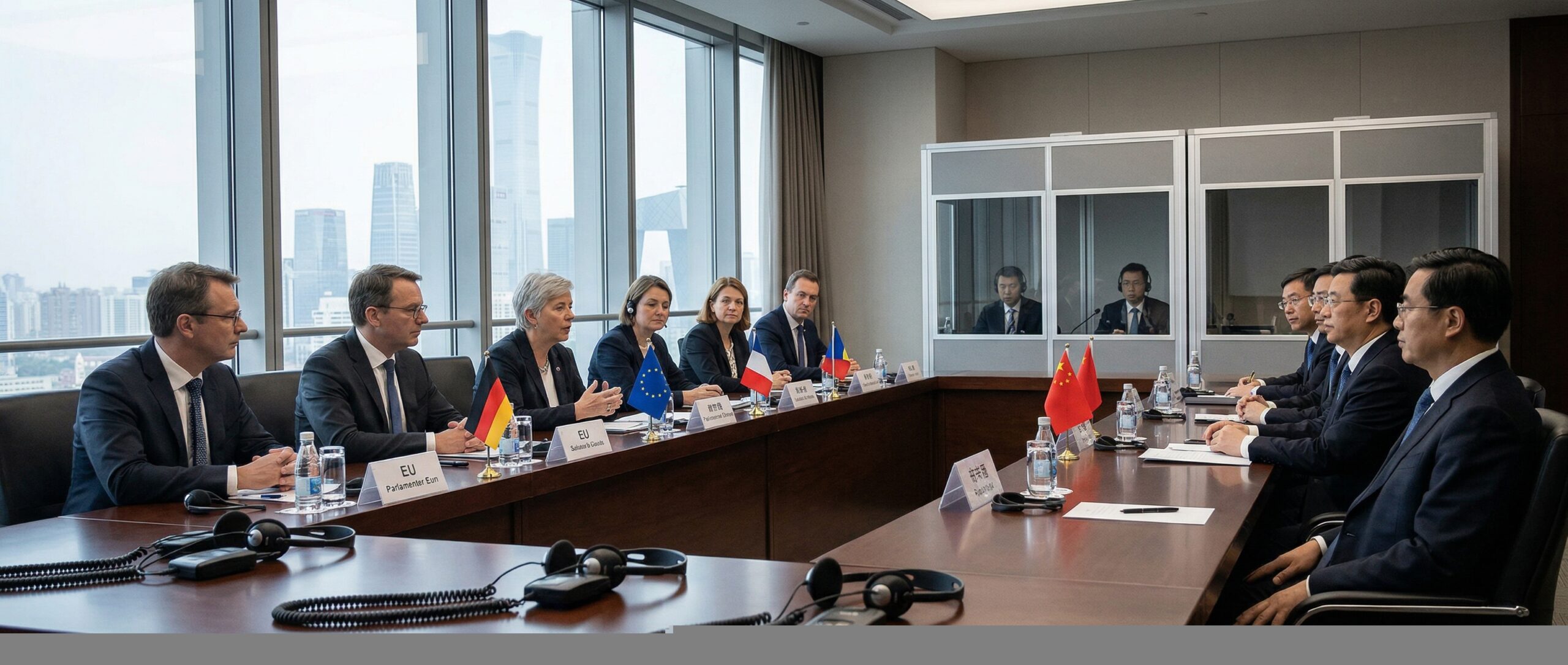
    A rare European parliamentary visit to Beijing has become a platform for direct pressure on China over two interconnected concerns: a reported surge of unsafe products entering the European Union and insufficient market access for European companies in China. According to reporting from Reuters, EU lawmakers used the high-level exchange to challenge both consumer safety failures and barriers to European business expansion on the Chinese market.

    The timing and rarity of the visit underscore its diplomatic significance. This marks the first European parliamentary visit to China in eight years—a gap that makes the current engagement both notable and loaded with implications about the state of EU-China relations. Rather than serving as a ceremonial photo opportunity, the delegation appears to have seized the uncommon opportunity to confront unresolved trade and regulatory disputes directly with Chinese counterparts.

    For readers following EU-China relations, consumer safety, supply-chain regulation, or international trade policy, this exchange reveals how closely linked these issues have become. The visit also demonstrates that despite ongoing geopolitical tensions, both sides continue to see value in direct parliamentary-level dialogue.

    What Happened in Beijing

    EU lawmakers traveling to Beijing this week raised concerns with Chinese officials about dangerous products reaching European consumers and European firms struggling to gain meaningful market access in China. The two issues were presented not as separate complaints but as connected dimensions of a broader trade and regulatory problem.

    The visit itself is the foundation of the story. According to Reuters reporting, this is the first time the European Parliament has sent a delegation to China in eight years. That long interval between high-level parliamentary visits reflects the volatility and complexity of EU-China relations—a relationship that oscillates between cooperation and confrontation depending on the political winds.

    By selecting this rare moment to focus on unsafe products and market access, EU lawmakers signaled that these are no longer peripheral grievances but central issues worthy of direct political engagement at the highest level.

    Why This Visit Matters

    An eight-year gap between parliamentary delegations is striking. In the normal rhythm of international relations, regular parliamentary exchanges are routine. Their absence suggests either a breakdown in dialogue or a deliberate cooling of formal ties. The resumption of such a visit, therefore, carries symbolic weight beyond the immediate agenda items.

    Rare visits can signal one of two things: either a thawing of relations and a genuine effort to rebuild ties, or the opposite—a recognition that problems have become so serious or unresolved that direct political pressure is necessary. In this case, the evidence points to the latter. EU lawmakers are using the visit as a direct diplomatic channel precisely because standard channels and lower-level negotiations have not resolved these concerns.

    The rarity also amplifies the message. When a delegation makes the journey after an eight-year hiatus, it suggests the issues on the table warrant that exceptional effort. For Chinese officials, receiving such a delegation and listening to these concerns indicates that Brussels considers the relationship important enough to invest in active engagement, even when disputes run deep.

    Unsafe Products and Consumer Safety in the EU

    The consumer safety dimension of this dispute reflects a real and documented pattern. The reported concern is not about a single recalled product but a broader surge of dangerous goods entering European markets. These might include items that fail to meet EU safety standards, lack proper certification, or pose direct risks to consumers—from faulty electrical equipment to goods with banned substances.

    For EU regulators, this is not merely a technical compliance issue. It touches on fundamental questions of market oversight, import enforcement, and the EU’s ability to protect its citizens. When unsafe products flood the market, they expose European consumers to risk while also creating competitive disadvantages for legitimate European and international manufacturers who comply with safety standards.

    The scale of the problem appears significant enough to warrant raising it at the parliamentary level. EU lawmakers are not typically involved in day-to-day product recalls or customs enforcement, so their involvement here suggests the issue has reached a political threshold. Whether through regulatory gaps, enforcement challenges, or volume of problematic shipments, the unsafe products concern has become urgent enough for politicians to weigh in directly.

    By pressing China on this issue, EU lawmakers are essentially asking Beijing to take responsibility for ensuring that products manufactured or shipped from Chinese territory meet European safety standards—or, at minimum, to work more closely with EU regulators to prevent dangerous goods from entering European supply chains.

    Market Access and the Broader Trade Dispute

    The second issue raised during the Beijing visit—limited market access for European companies in China—points to a deeper structural tension in EU-China trade relations. While the EU generally maintains relatively open markets for Chinese goods and services, European firms often face significant barriers when trying to expand into China. These barriers might take the form of regulatory requirements, foreign ownership restrictions, technological transfer demands, or simply bureaucratic obstacles.

    What makes this issue particularly potent is that EU lawmakers are linking it directly to the unsafe products concern. In effect, they are arguing that while Chinese manufacturers have relatively easy access to European markets, European companies do not enjoy the same access in reverse. This asymmetry creates a perception of unfair trade dynamics and has become a recurring complaint in EU policy circles.

    The connection between the two issues is not merely rhetorical. By pairing market access demands with consumer safety complaints, EU lawmakers are framing the conversation around reciprocity and mutual responsibility. They are saying, in essence: if Chinese producers benefit from the openness of European markets, then China should reciprocate by allowing European firms meaningful market access and by ensuring that products entering the EU meet European standards.

    This approach transforms what could be dismissed as two separate trade grievances into a coherent argument about fair competition and mutual respect for regulatory standards.

    What This Reveals About EU-China Relations

    The Beijing visit and the issues raised during it offer a window into the current state of one of the world’s most consequential economic relationships. EU-China ties are characterized by a fundamental tension: both sides benefit enormously from trade and economic cooperation, yet both also harbor serious concerns about fairness, access, and strategic interests.

    The fact that EU lawmakers are using a rare parliamentary visit to press these complaints indicates that traditional diplomatic channels and technical negotiations have not fully resolved them. This does not necessarily mean relations are collapsing, but it does suggest that frustration on the European side has reached a point where political pressure is needed.

    The rarity of the visit, combined with its focus on concrete grievances, also suggests that both sides still see value in dialogue. If EU-China relations were truly frozen, a parliamentary delegation would not make the journey. The very fact of the visit, despite tensions, indicates that Brussels and Beijing recognize the relationship is too important to let deteriorate completely. At the same time, the specific issues being raised make clear that cooperation cannot be taken for granted.

    This dynamic—ongoing engagement mixed with persistent friction—is likely to define EU-China relations for the foreseeable future. Neither side appears ready for a complete break, but neither is willing to overlook significant disputes in the name of smoother relations.

    What Happens Next

    The immediate aftermath of the Beijing visit will offer clues about whether the EU’s pressure is likely to produce concrete results. Readers should watch for several signals: whether Chinese officials respond publicly to the concerns raised, whether either side announces follow-up commitments or technical working groups to address product safety or market access, and whether this rare visit leads to more regular parliamentary engagement or remains an exception.

    It is also worth observing whether the EU frames these issues as linked or allows them to be separated into different policy channels. Keeping them connected—market access for EU firms only if unsafe products are addressed—is a form of diplomatic leverage. Letting them become separate issues could weaken the EU’s negotiating position.

    For European companies, consumers, and policymakers, the Beijing exchange is not just a news event but a signal that trade and regulatory disputes with China remain at the top of EU political agendas. Whether the result is meaningful change or merely reiteration of familiar complaints will become clearer in the weeks and months ahead.

    Frequently Asked Questions

    Why are EU lawmakers pressing China on unsafe products?

    EU lawmakers are concerned about a reported surge of dangerous products entering the European Union. By raising this issue during their rare visit to Beijing, they are pushing China to take direct responsibility for ensuring that products manufactured or exported from Chinese territory meet European safety standards.

    Why is this Beijing visit unusual?

    According to Reuters reporting, this is the first European parliamentary visit to China in eight years. The long gap between such high-level parliamentary delegations makes this visit notable as a marker of both diplomatic engagement and the persistently strained nature of EU-China relations.

    What other issue did EU lawmakers raise?

    Beyond product safety, EU lawmakers also pressed China on insufficient market access for European companies. They argued that while Chinese firms have relatively open access to European markets, European businesses face significant barriers when trying to expand into China.

    Is this mainly a trade story or a consumer-safety story?

    It is both. The reporting links consumer safety concerns in the EU with broader trade concerns about market access in China. EU lawmakers are intentionally framing these issues as connected, arguing that reciprocal market access and product safety responsibility should go hand in hand.

    Did the visit lead to any immediate agreement or policy change?

    According to available reporting, the visit itself has not been reported to produce a concrete agreement or policy change. Rather, it served as an opportunity for EU lawmakers to apply direct political pressure on these long-standing concerns.

    Why does this matter to people outside the EU and China?

    Because it affects global supply chains, consumer safety standards, and the trajectory of the world’s most important economic relationship. How the EU and China resolve disputes over product safety and market access influences trade patterns, regulatory standards, and the broader state of international economic relations.

  • Why Drugmakers Are Delaying European Launches as U.S. Pricing Pressure Reshapes Global Access

    Why Drugmakers Are Delaying European Launches as U.S. Pricing Pressure Reshapes Global Access

    A pharmaceutical company decides to delay a new medicine’s launch in France. Another reconsiders rollout timing in Germany. The reason, according to Reuters reporting, is not medical setback or regulatory rejection. Instead, drugmakers are watching U.S. pricing pressure and potential policy shifts, and those concerns are now rippling across the Atlantic into European access decisions. This is more than a business story about market timing. It reveals how pricing politics in one major country can quietly reshape who gets treated first, which regions wait longer, and whether cost-control policies in the U.S. become a hidden factor in European health access.

    The development puts a spotlight on a largely invisible mechanism in global pharmaceutical strategy: launch sequencing. When a company delays or reconsidering entry into one market, it is not simply postponing a sale. It is choosing to prioritize some patients over others, to invest resources in certain regions before others, and to place its bets on which markets will reward its investment most fairly. In this case, the bet appears tied to what happens next in American drug pricing policy.

    For patients in Europe, healthcare systems already stretched by cost pressures, and policymakers trying to balance access with sustainability, the implications are significant. If drugmakers are already adjusting European strategy based on U.S. pricing concerns, the real-world consequence could be delayed access to new treatments across some of the world’s largest and most organized health systems.

    What Is Happening: The Reuters Report on Launch Delays

    According to Reuters reporting from March 31, 2026, some pharmaceutical companies are delaying or reconsidering their European launches. The trigger, companies and sources indicated, is concern about pricing pressure tied to the U.S. political environment and anticipated shifts in drug pricing policy. These are not withdrawal decisions or complete market abandonments. Rather, they are strategic pauses—moments when drugmakers are choosing to wait, to watch, to recalibrate before committing resources to European rollout.

    Why this matters extends beyond corporate earnings reports. Launch timing determines which patients access new medicines first. It shapes which markets are treated as priorities and which as secondary. It can influence whether a treatment reaches a 60-year-old in Spain before a 60-year-old in the United States, or vice versa. When companies delay launches in response to one market’s policy environment, they are effectively making allocation decisions that affect real people in other regions.

    The stakes are especially high for Europe because the continent is already grappling with aging populations, rising healthcare costs, and pressure to control medicine expenses. European health systems—including the U.K.’s NHS, Germany’s public system, and France’s social insurance model—rely on timely access to innovation to serve patients effectively. A delay in launching a new cancer treatment, a novel diabetes therapy, or an advanced antibiotic can mean months or years of patients going without that option.

    Understanding Launch Sequencing and Why It Matters

    To understand why Reuters’ reporting is significant, it helps to understand what launch sequencing is and how it functions in pharmaceutical strategy. When a company develops a new drug, it does not typically introduce it simultaneously across all global markets. Instead, it sequences the rollout: prioritizing some countries before others based on regulatory approval timing, market size, pricing expectations, competitive landscape, and expected returns on investment.

    A company might launch in the United States first because that market often offers the highest prices and fastest regulatory approval. It might then move to Western Europe, where prices are typically lower due to health system price negotiations, but markets are large and affluent. Emerging markets might come later because regulatory pathways take longer or because the company wants to establish pricing precedent in richer markets first.

    This sequencing is not random. It reflects strategic decisions about where a company will invest capital, where it expects to make profit, and where it needs to establish market position quickly. When that sequencing changes—when a company delays or postpones launch in a given region—it signals that the expected return or risk profile in that market has shifted.

    The patient-access consequence is direct. If a drugmaker delays launching a new Alzheimer’s therapy in Germany by six months because of concern about U.S. pricing policy, German patients with Alzheimer’s are waiting six months longer. If another company reconsiders launch timing in Italy, Italian patients face uncertainty about when they might access that treatment. These delays accumulate. They extend waiting times. They can shift which patients get access first, creating an unplanned—and largely invisible—tier system of access across regions.

    Importantly, delayed launch is not the same as a drug being unavailable. Patients might still access medicines through other channels—import from neighboring countries, clinical trials, or compassionate-use programs. But delay creates friction, inequity, and uncertainty. It means patients, physicians, and health systems cannot plan around the medicine’s availability. It means some regions effectively become secondary priorities in a company’s global rollout strategy.

    How U.S. Pricing Pressure Crosses Borders Into European Decisions

    The mechanism connecting U.S. drug pricing policy to European launch decisions is less obvious than it might seem. The United States and Europe operate separate health systems with different regulatory pathways, pricing structures, and reimbursement processes. European countries often negotiate drug prices centrally; the U.S. largely does not. European approval by the European Medicines Agency differs from FDA approval. On paper, what happens in Washington should not directly affect what happens in Berlin or Amsterdam.

    But pharmaceutical companies operate globally. A drugmaker’s financial performance, shareholder expectations, and long-term investment strategy are informed by projected revenues across all markets. When pricing pressure rises in the United States—whether from political pressure, regulatory threats, or competitive dynamics—it affects the company’s expected global profit margins. If a company anticipates that U.S. pricing policy will constrain American revenues, it often recalculates the expected return from other markets to compensate.

    That recalculation can lead to strategic delays elsewhere. A company might reason: “If U.S. pricing is going to be lower than we projected, we need to maximize returns in Europe. But if European pricing is also likely to face pressure as a secondary effect—through health system cost-control measures inspired by American policy, through public pressure, or through political concern about access—we should delay our European launch until we see how U.S. policy actually settles. That way, we can time our European entry when we have better information about the actual pricing environment we will face.”

    This is not speculation about how companies think. This is standard pharmaceutical strategy. Companies operate on the principle that revenues and pricing pressures in one market inform decisions elsewhere. Launch timing is one of the primary tools companies use to manage that complexity. By delaying European launches while monitoring U.S. pricing developments, drugmakers are essentially putting their global rollout on hold until they see how American policy uncertainty resolves.

    The spillover effect is significant because Europe represents a large share of global pharmaceutical revenue. If multiple companies delay launches in response to the same U.S. pricing concern, the cumulative effect on European patient access could be substantial. Patients across multiple therapeutic areas might face delays in access to new treatments simultaneously, creating a cascade effect that extends beyond any single drug or company.

    The Real-World Access Stakes for Patients and Health Systems

    When launch delays happen, the consequences are not abstract. They are lived by patients, managed by physicians, and absorbed by health systems already under strain. A patient with a rare cancer waiting for a recently approved therapy faces not just delay but also uncertainty. A health system like the German statutory insurance system, which plans budgets and access pathways around anticipated new treatments, must suddenly revise those plans. Physicians who might have had a new tool in their clinical toolbox for six months longer must continue managing patients with older therapies.

    Europe is particularly sensitive to these delays because European health systems have historically depended on predictable access to innovation. Many European countries negotiate prices based on assumptions about when new drugs will become available. If launches are delayed, that throws off health system planning. It can also intensify price negotiations because health systems become less willing to pay premium prices for medicines that were supposed to arrive on schedule.

    There is also a public trust dimension. When patients learn that a new treatment is available somewhere in the world but not available to them because of business decisions related to American pricing politics, trust in equitable access can erode. Patients may question why their location, their nationality, or their market size makes them less of a priority. European political leaders may face pressure to intervene or regulate more aggressively. The issue becomes not just one of pharmaceutical strategy but of fairness, access equity, and the relationship between patients and the systems meant to serve them.

    Smaller European countries may be especially vulnerable to deprioritization. If a drugmaker is already delaying launches in Western Europe because of U.S. pricing uncertainty, smaller markets with lower revenue potential—like Denmark, Belgium, or Hungary—may face even longer waits or may be skipped entirely in an initial rollout. That creates a two-tiered access system where geography and market size determine timing of access to innovation. It is a hidden access issue that rarely makes headlines but affects real patients in real health systems.

    What This Reveals About Pharmaceutical Economics and Incentives

    The story of delayed European launches illuminates a deeper tension in pharmaceutical markets: the relationship between pricing policy, profit incentives, and the spread of innovation globally. When a government imposes pricing pressure—whether through regulation, reference pricing, or negotiation power—drugmakers do not simply accept lower profits. Instead, they adjust their strategy across multiple dimensions: research investment, launch timing, which markets to prioritize, how aggressively to compete.

    Launch sequencing is one of the primary adjustment mechanisms. By delaying launches in certain markets, companies can manage their financial exposure, maintain some pricing power, and concentrate their commercial resources where they expect the best returns. It is a rational business response to an uncertain environment. But it is also a response with health policy consequences that policy makers do not always anticipate.

    The tension is real: governments want to control drug prices to protect their health budgets and make medicines affordable. But price controls can inadvertently create incentives for companies to avoid or delay markets where they cannot achieve their target returns. That means some patients in price-controlled markets end up waiting longer for access than they would in an uncontrolled market. It is a tradeoff that policy makers often do not discuss openly because it challenges the assumption that price control has no downside.

    The Reuters reporting on European launch delays suggests that this tradeoff is not theoretical. It is already happening. Drugmakers are already adjusting their global strategy in response to pricing pressure. Whether this trend accelerates, stabilizes, or reverses depends partly on what happens next with U.S. pricing policy and partly on how aggressive European pricing pressure becomes in response.

    What to Watch: The Next Developments in This Story

    Several key developments could shape how this story unfolds in the coming months and years. First is clarity on U.S. drug pricing policy. If the political environment around drug pricing stabilizes—if clear policy emerges—companies can make more confident launch decisions. If uncertainty persists, companies are likely to maintain their cautious posture, and European delays could extend or deepen.

    Second is whether other companies begin announcing similar delays or reconsiderations. Reuters reported that some drugmakers are already doing this, but if the trend becomes more widespread or visible, it could trigger political attention and pressure in Europe. European policymakers may push back against what they perceive as retaliation for price controls, potentially leading to regulatory or policy countermeasures.

    Third is whether European patient advocates and health systems begin publicly raising concerns about delayed access. If these delays start affecting patients with serious conditions, media coverage could amplify the issue and create pressure on both drugmakers and European policymakers to find solutions.

    Fourth is whether the delays actually result in access postponement or whether alternative pathways—early access programs, clinical trials, parallel trade from other markets—allow patients to access medicines despite the official launch delays. If patients can still access treatments despite delays, the issue becomes less urgent. If patients truly cannot access medicines they need, pressure will mount.

    Finally, watch whether the U.S. and European pharmaceutical markets begin to diverge more sharply. If European launches consistently lag U.S. launches, or if some medicines are launched in the U.S. but not in Europe at all, that signals a more fundamental shift in how companies prioritize global markets. It would mean U.S. patients increasingly get access to innovation before European patients, a shift that would have political implications on both sides of the Atlantic.

    Frequently Asked Questions

    Why are drugmakers delaying European launches?

    According to Reuters, some companies are delaying or reconsidering launches while they watch pricing pressure and possible policy changes linked to the U.S. political environment. Companies are essentially pausing their European rollout to see how U.S. pricing policy develops before committing resources to new markets.

    How can U.S. drug pricing policy affect Europe?

    Because pharmaceutical companies plan launches across multiple markets, pressure in one major market can influence where they prioritize timing, pricing, and rollout strategy elsewhere. If U.S. pricing pressure reduces expected revenues, companies may delay launches in other regions to reassess their global profitability.

    Does a delayed launch mean patients cannot get the drug at all?

    Not necessarily. The research points to delayed or reconsidered launches, which means access may come later or vary by market rather than disappearing entirely. However, patients may face months or years of waiting for access that might have been available sooner without the delay.

    Why does launch timing matter for health access?

    Launch timing helps determine which patients get access first and which countries or systems wait longer. Delays can affect real-world treatment availability, physician decision-making, and health system planning. They can also create geographic inequity in access to new therapies.

    Is this mainly a business story or a health story?

    It is both, but the health impact is central because pricing and rollout decisions can change patient access and public trust in medicine availability. What begins as a corporate strategy decision ultimately affects whether patients can access treatments they need.

    What is launch sequencing in pharmaceuticals?

    Launch sequencing is the order and timing in which a company introduces a medicine in different markets. Companies use it to manage pricing, regulatory challenges, and revenue considerations. Changing the sequence—such as delaying European launches—can reshape access timelines across regions.

    What should readers watch next?

    Key developments include whether more companies announce launch delays, whether U.S. pricing policy becomes clearer, whether European patient access concerns intensify and draw media attention, and whether the U.S. and European pharmaceutical markets begin diverging significantly in terms of medicine availability and timing.

  • Trump Says Securing Strait of Hormuz Is ‘Not for Us,’ Signaling Broader Alliance Tensions Over Iran

    Trump Says Securing Strait of Hormuz Is ‘Not for Us,’ Signaling Broader Alliance Tensions Over Iran

    President Donald Trump’s latest remarks about the Strait of Hormuz have reignited a central tension underlying U.S. strategy in the Middle East: who should bear the burden of containing Iran and protecting one of the world’s most vital maritime chokepoints. In comments signaling frustration with allied partners, Trump said securing the Strait of Hormuz is “not for us,” while simultaneously criticizing allies for not doing more to support the U.S. war effort against Iran.

    The statement captures a larger argument about burden-sharing, regional security coordination, and the limits of American willingness to shoulder military and diplomatic responsibility alone. The Strait of Hormuz is not merely a strategic location—it is a global economic chokepoint through which roughly one-fifth of the world’s oil passes. Any security crisis there ripples through energy markets, shipping routes, and the financial systems that depend on stable supply chains.

    Trump’s remarks, reported by AP News, underscore a widening gap between Washington’s expectations of its allies and the willingness of those partners to commit resources and political capital to the Iran confrontation. The comment is less about a single waterway and more about who pays, who protects, and who risks in a prolonged regional conflict.

    Why the Strait of Hormuz Matters

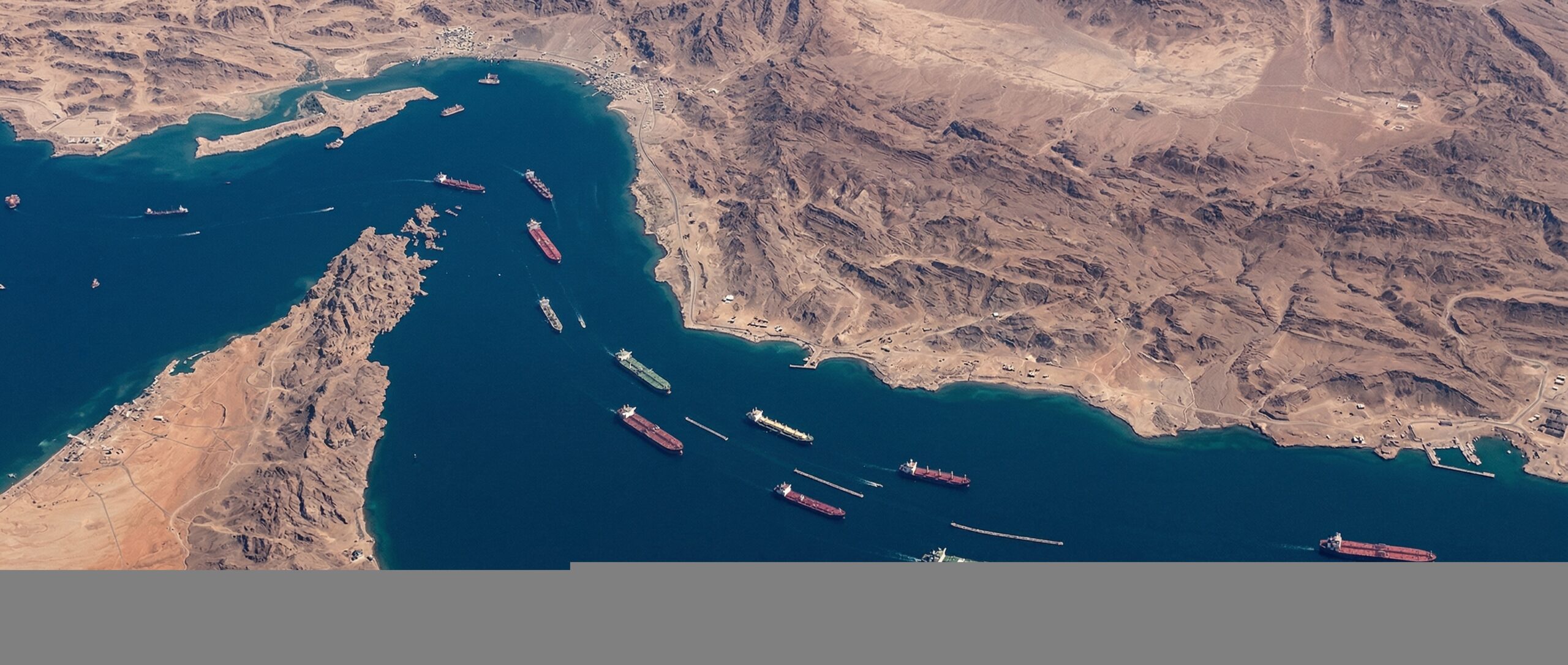
    The Strait of Hormuz is a 21-mile-wide passage of water connecting the Persian Gulf to the Gulf of Oman and the Arabian Sea. Its narrowness and geography make it one of the world’s most strategically important maritime corridors. Roughly 20 percent of global oil supplies pass through the Strait each day, moving from the world’s largest oil producers in the Gulf to markets across Asia, Europe, and beyond.

    For decades, the Strait has been treated as a critical geopolitical chokepoint. Control of, or disruption to, shipping through the waterway carries immediate consequences for energy prices, international trade, and regional security. During periods of heightened tension between the U.S. and Iran, the Strait has repeatedly become a flashpoint. Threats to block the passage or attacks on shipping have been used as negotiating tools and sources of strategic leverage.

    Any security debate about the Strait, therefore, extends far beyond military operations. Maritime insurance costs, oil futures markets, and corporate supply-chain planning all react to uncertainty in the region. A single incident—a collision, an attack on a vessel, or military posturing—can trigger cascading economic effects felt in markets thousands of miles away.

    The Alliance Dispute Underlying the Headline

    Trump’s comment about the Strait being “not for us” is best understood in the context of his broader criticism of allies. The President has expressed frustration that partners in the Middle East and Europe are not contributing enough to the confrontation with Iran. This reflects a longstanding tension in U.S. foreign policy: how much should America’s allies share in the costs and risks of regional conflicts that may not directly threaten them to the same degree they threaten the United States.

    The issue is not simply one of military hardware or troop deployments. It is also about political will, financial commitment, and willingness to accept the diplomatic and economic consequences of confrontation with Iran. Gulf allies such as Saudi Arabia and the United Arab Emirates have their own security concerns and trade relationships to balance. European partners have pursued diplomatic engagement with Iran alongside American pressure. These divergent approaches create friction.

    By framing the security of the Strait as “not for us,” Trump is signaling that responsibility should be more evenly distributed. The phrasing carries both a military and a political implication: he is suggesting that allies who benefit from the free flow of shipping and energy through the Strait should do more to ensure that flow remains secure. The criticism is rooted in a burden-sharing argument that has become increasingly prominent in Trump’s approach to alliances across multiple regions.

    This reframing of responsibility—away from automatic American leadership and toward shared accountability—represents a significant rhetorical shift. It signals that the U.S. may be less willing to unilaterally shoulder the costs of maintaining regional stability, and that it expects partners to step up or face reduced American commitment.

    Implications for the Broader War Effort Against Iran

    The tension over the Strait of Hormuz reflects a deeper uncertainty about how the U.S. and its allies will approach the Iran conflict going forward. Sustained military, diplomatic, or economic pressure on Iran requires coordination. Without allied support—whether in the form of military assistance, economic sanctions enforcement, or public backing—American policy becomes harder to sustain and more costly to implement.

    Trump’s comments suggest that this coordination is under strain. If allies perceive that the U.S. expects them to do more without offering greater incentives or security guarantees, cooperation could fracture. Conversely, if the U.S. reduces its own commitment to protecting the Strait and regional shipping, it risks creating a vacuum that could be filled by Iran or other actors.

    The issue also touches on questions of deterrence. A credible security presence in the region—whether through military assets, joint patrols, or coordinated defense arrangements—depends partly on allied participation. If that participation is perceived as inadequate, the deterrent effect may weaken, potentially encouraging more aggressive Iranian behavior or attacks on shipping.

    Over the long term, the dispute may reshape how the U.S. coordinates with allies in the Middle East. It could lead to new agreements on burden-sharing, changes in military postures, or a redrawing of expectations about who is responsible for what. Or it could lead to further fragmentation, with allies pursuing their own strategies and the U.S. operating more independently.

    Why Markets and Shipping Watchers Should Care

    The significance of Trump’s remarks extends beyond diplomacy and military strategy into economics and trade. Shipping companies, insurers, oil traders, and multinational corporations that rely on Middle Eastern energy and Asian manufactured goods all depend on the Strait of Hormuz remaining open and secure. Uncertainty about security there translates directly into business risk.

    When tensions rise around the Strait, several cascading effects typically follow. Maritime insurance premiums increase, reflecting higher risk. Oil prices become more volatile as traders worry about potential supply disruptions. Shipping routes may be rerouted around the Cape of Good Hope at the southern tip of Africa, adding time and cost to journeys. Supply-chain managers build in buffers and contingencies, raising operating costs across industries.

    The alliance tension that Trump’s comments highlight adds another layer of uncertainty. If the U.S. and its allies are not coordinating effectively on Strait security, the risk of miscalculation—or of a security vacuum that creates opportunity for Iranian action—rises. This uncertainty itself can affect market behavior. Investors and business planners adjust positions and strategies based on perceived risk, and that adjustment affects capital flows, commodity prices, and corporate decisions about investment and expansion.

    For business readers and market participants, the story is not primarily about Trump’s rhetoric. It is about what that rhetoric signals about the credibility and coordination of the security umbrella that protects one of the world’s most important commercial arteries. Any question mark over that protection is a question mark over global trade stability.

    What to Watch Next

    The immediate question is whether Trump or other senior U.S. officials will elaborate on the burden-sharing dispute and what specific actions or commitments the U.S. is seeking from allies. Will the administration issue formal demands? Will it tie aid or security guarantees to compliance with those demands?

    Equally important is how allies respond. Public statements from Gulf partners and European nations about their commitment to Strait security and Iran containment will signal whether Trump’s criticism triggers a shift in behavior or if it merely becomes another data point in an ongoing disagreement about burden-sharing.

    Watch also for whether the Strait of Hormuz becomes a more explicit focal point of U.S. policy planning and public messaging. If the administration makes Strait security a centerpiece of its Iran strategy, that could lead to new military deployments, joint task forces, or formal agreements with allies. Conversely, if Trump moves on to other issues, the remark may fade without leading to major policy changes.

    Finally, track Iranian responses and behavior. If Tehran perceives that U.S. and allied coordination on Strait security is weakening, that could embolden more aggressive posturing or attacks on shipping. Conversely, if the U.S. and allies present a united front, deterrence may be reinforced. The balance of these dynamics will help determine whether the Strait remains a stable corridor for global commerce or becomes a flashpoint for escalation.

    Frequently Asked Questions

    What did Trump say about the Strait of Hormuz?

    He said securing the Strait of Hormuz is “not for us,” while criticizing allies for not doing more to support the U.S. war effort against Iran. The comments suggest Trump believes the burden of securing this vital waterway should be more evenly shared among nations that benefit from its security.

    Why is the Strait of Hormuz important?

    The Strait of Hormuz is a strategically vital maritime chokepoint through which approximately 20 percent of the world’s oil supply passes daily. Any instability or disruption there has immediate implications for energy prices, international shipping, and global economic stability.

    Why does this comment matter beyond politics?

    Because the Strait’s security directly affects international shipping, energy markets, and the broader risk environment around the Iran conflict. Business readers, traders, and supply-chain managers all face uncertainty and potential cost increases when security at the Strait is questioned.

    Is this mainly a military story or a diplomatic one?

    It is both. The remark touches on military burden-sharing, diplomatic coordination among allies, and the politics of how to respond to Iran. It reflects disagreement about who should contribute what to a sustained regional security effort.

    Who is Trump blaming?

    According to the reporting, Trump is blaming allies he says have not done enough to support the U.S. effort against Iran. He did not name specific countries in the reported comments, but the criticism is directed at partners in the Middle East and beyond.

    Does this mean the U.S. will not help secure the Strait?

    The provided reporting does not establish a formal policy change or withdrawal of U.S. commitment. Rather, Trump’s comment frames the issue as a burden that should not fall on the U.S. alone. It is best understood as a signal of frustration and a call for allies to do more, not necessarily as an announcement that America is stepping back.

    How could this affect global shipping?

    Any instability or uncertainty around the Strait of Hormuz can increase concern about shipping disruptions, raise maritime insurance costs, affect oil prices, and disrupt supply chains. If allied coordination on Strait security weakens, the risk of incidents increases, which would ripple through global commerce.

  • How Russia’s Federal Security Service Is Tightening Its Grip on Society

    How Russia’s Federal Security Service Is Tightening Its Grip on Society

    Russia’s Federal Security Service is expanding its surveillance and control powers in ways that reach far beyond traditional security concerns, according to fresh reporting from Bloomberg. The development signals a deepening of state intrusion into economic and social life—and a narrowing of space for dissent within Vladimir Putin’s Russia.

    The practical significance is clear: as the FSB’s authority expands, so does the state’s ability to monitor, influence, and suppress activity across Russian society. For analysts tracking Russia’s internal politics and geopolitical risk, the move represents another step in the consolidation of power that has defined Putin’s governance model for more than two decades.

    Understanding what is changing inside Russia’s security apparatus—and why it matters—requires looking at both the immediate policy shift and what it reveals about the structure of Putin’s rule and the increasing centrality of security services to maintaining it.

    What Bloomberg Reports Is Changing Inside Russia

    Bloomberg’s reporting indicates that Russia’s Federal Security Service is expanding sweeping surveillance powers in ways that extend the state’s reach into economic and social life. This is not a modest adjustment to existing capabilities. The reporting frames the development as part of a broader tightening of internal control—a deepening of state oversight that goes beyond the traditional domain of security and intelligence work.

    The immediate implication is that more of Russian society will fall under the observation and potential regulation of the security apparatus. Citizens, businesses, and institutions operating in Russia’s economic and social spheres now face a more expansive state presence. The mechanism is surveillance; the objective appears to be identifying and suppressing any risk of dissent to Putin’s rule.

    This expansion is not happening in isolation. It reflects a pattern of state consolidation that has accelerated under Putin’s tenure, with security institutions moving from the periphery of governance into its center.

    Why the FSB Matters in Putin’s System

    To understand the significance of the FSB’s expanded powers, it helps to understand what the agency is and why it holds such a central position in Russian governance.

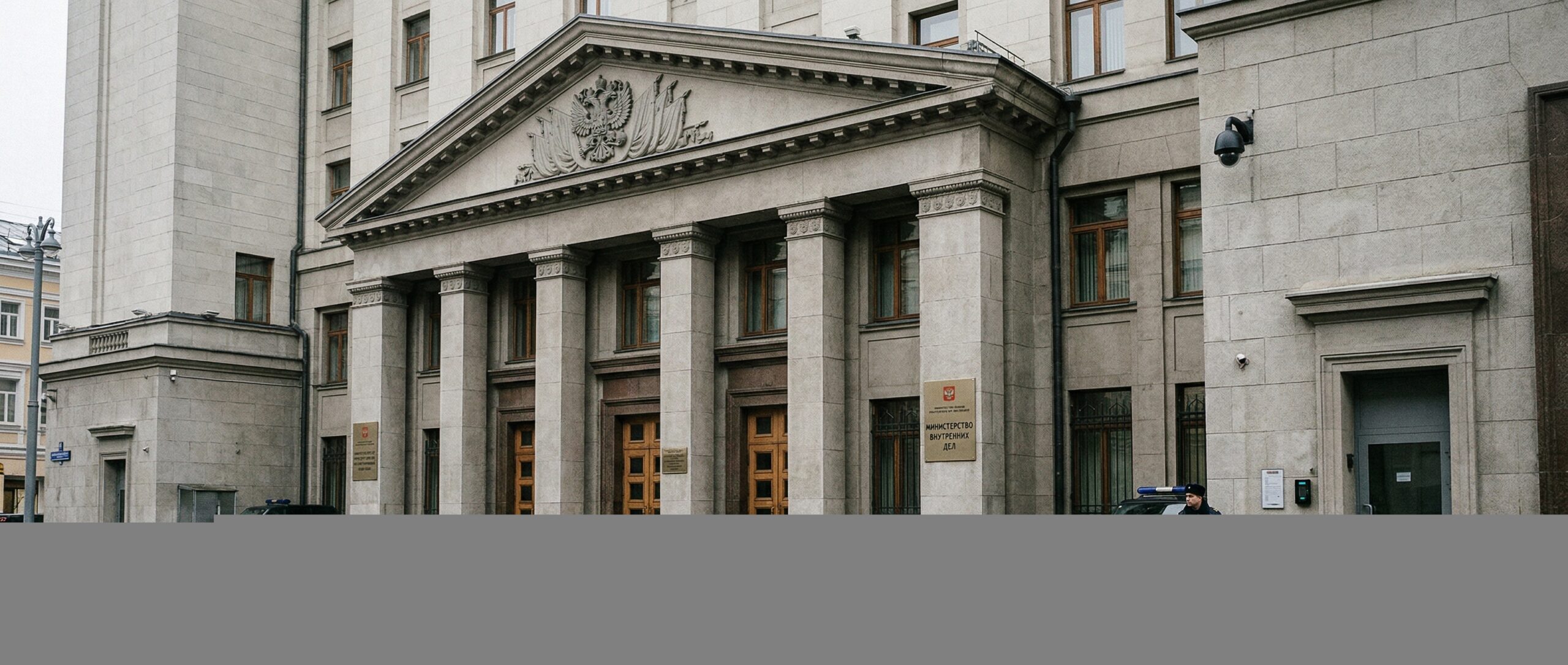
    The Federal Security Service, or FSB, is Russia’s main domestic security agency. It is the successor to the Soviet KGB and retains much of the institutional culture and operational reach of its predecessor. Within Putin’s political system, the FSB serves as a pillar of state power—the institution tasked with identifying threats to the regime and suppressing them before they can take organized form.

    Putin himself spent sixteen years working for the KGB and later led the FSB before his rise to the presidency. That background is not incidental to understanding how Russia is governed. The security services are not simply one agency among many in Russia’s bureaucracy; they are foundational to how the state maintains control and how the regime processes political risk.

    When the FSB’s surveillance powers expand, it means the state’s ability to enforce loyalty and discourage opposition also expands. It creates more vectors for the regime to detect dissent, pressure individuals and institutions into compliance, and preempt organized resistance before it forms. In a political system built around control and risk prevention, expanded security authority is consistent with the broader project of regime consolidation.

    How Surveillance Reaches Beyond Politics

    What distinguishes this reported expansion from routine security work is its scope. The research indicates that the state’s reach is deepening not only into political opposition and activism, but also into economic and social life more broadly.

    This distinction matters because it suggests the FSB is not simply watching overt dissidents or tracking opposition organizations. Instead, the surveillance apparatus is being woven more tightly into the fabric of everyday Russian life and institutional activity. That creates several consequences.

    First, it expands the state’s ability to identify potential dissent before it becomes explicit or organized. People and institutions operating in Russia now face the awareness that their economic and social activity is subject to state scrutiny. That awareness alone can shape behavior—encouraging self-censorship, discouraging independent organizing, and making individuals and businesses more likely to avoid any activity that might draw official attention.

    Second, it gives the state more leverage over institutions and individuals. If the FSB has visibility into economic and social activity, it can use that information to apply pressure, demand compliance, or extract cooperation from people and organizations that have little incentive to resist a security agency.

    Third, it blurs the line between security work and social control. The FSB is no longer simply a counterintelligence and counterterrorism agency; it is becoming an instrument for managing the state’s relationship with society as a whole.

    What This Says About Putin’s Governing Strategy

    The expansion of FSB surveillance powers fits a recognizable pattern in how Putin’s Russia is governed. The direction of travel is consistently toward deeper state intrusion, greater centralization of power, and a larger role for security institutions in political and social life.

    This is not a new pattern, but the latest reporting suggests it is intensifying. Suppressing dissent appears to be a central objective, not a side effect. And the strategy for suppressing dissent is increasingly to embed state oversight so deeply into society that dissent becomes not just dangerous but logistically difficult—because potential dissenters operate under constant awareness of state scrutiny and have little protected space in which to organize.

    Viewed from this perspective, the FSB’s expanding surveillance capabilities represent another building block in a broader model of governance: one that privileges control over openness, conformity over pluralism, and regime stability over institutional independence or public deliberation.

    What makes this model resilient, from the regime’s perspective, is that it does not require constant active repression. It works through prevention—by making dissent seem impossible before it ever forms. The expanded surveillance capacity is an investment in that preventive apparatus.

    Why This Matters for Russia Watchers and the Outside World

    For readers outside Russia, the significance of the FSB’s expanded powers might not be immediately obvious. Why should people in other countries care about changes to Russia’s security apparatus?

    The answer lies in how internal control systems affect state behavior and political risk. A regime that is focused on suppressing internal dissent and tightening control over society is making a statement about its priorities and its fears. It suggests a leadership that is concerned about instability, worried about the regime’s resilience, and willing to invest heavily in preventing challenge from within.

    That has implications for geopolitical analysis. A regime focused primarily on internal control and dissent suppression may behave differently internationally than one confident in its domestic legitimacy. It may be more aggressive in foreign policy to rally nationalist sentiment at home. It may be more resistant to international pressure because domestic audiences have little independent information on which to base alternative views. It may double down on policies that enhance centralized control rather than shift course in response to changing circumstances.

    Additionally, the story is relevant for analysts and investors assessing political risk in Russia. The expansion of surveillance and state control is a signal about how the regime sees its own stability. It suggests that internal pressures exist and that the regime believes investment in security and control infrastructure is necessary to manage them.

    For businesses and institutions operating in Russia, the practical consequence is that regulatory oversight and state surveillance will likely become more intrusive. That is a risk factor for operations, compliance, and exposure to official pressure.

    What Remains Uncertain

    It is important to be clear about what the provided reporting does specify and what remains unclear. Bloomberg’s coverage indicates that the FSB is expanding surveillance powers and that the reach extends into economic and social life. That much is grounded in reported research.

    What the reporting does not detail are the specific legal mechanisms of the expansion, the exact enforcement procedures, or the granular operational details of how the new powers will be implemented. The research summary does not break down which sectors or institutions are being targeted, what specific surveillance technologies are being deployed, or how quickly the expansion is occurring.

    The safest and most accurate interpretation based on the available information is that the trend is toward more surveillance, more state oversight, and more embedding of security authority into economic and social life. Beyond that, the reporting invites further investigation and explanation rather than definitive conclusions about specific mechanisms or timelines.

    Frequently Asked Questions

    What is the FSB in Russia?

    The FSB, or Federal Security Service, is Russia’s main domestic security agency. It is the successor to the Soviet KGB and is responsible for counterintelligence, counterterrorism, and internal security within Russia. In the context of this reporting, the FSB is the institution expanding surveillance powers and deepening state control over Russian society.

    Why does the FSB tightening its grip matter?

    Expanded FSB surveillance powers matter because they allow the state to monitor more of society, suppress dissent more effectively, and deepen Vladimir Putin’s control over Russian institutions and daily life. The development represents a consolidation of power within the security apparatus and a narrowing of space for independent activity or opposition.

    Is this only about political opposition?

    No. The reporting indicates that the state’s reach is extending into economic and social life as well, not just political activity. This suggests a broader pattern of state oversight and control that affects businesses, institutions, and citizens across multiple domains of Russian life.

    Why is this significant for geopolitics readers?

    It matters for geopolitical analysis because it reveals how Russia is governed internally and what that may signal about regime stability, policy priorities, and international behavior. Regimes focused on internal control and dissent suppression may behave differently internationally and may be less responsive to external pressure or incentives for policy change.

    What does Bloomberg’s reporting indicate?

    Bloomberg’s reporting indicates that Russia’s Federal Security Service is expanding sweeping surveillance powers and extending its influence further into economic and social life. The development is framed as part of a broader effort to tighten state control and suppress potential dissent to Putin’s rule.

    What is the main takeaway from this development?

    The main takeaway is that Putin’s Russia appears to be tightening internal control by giving its security apparatus a larger and more intrusive role in monitoring and constraining society. The expansion of FSB surveillance is not an isolated policy change but part of a broader consolidation of power within the security services and a deepening of state oversight over Russian life.

  • China Welcomes EU Lawmakers for First Time in Eight Years, Signaling Diplomatic Reset

    China Welcomes EU Lawmakers for First Time in Eight Years, Signaling Diplomatic Reset

    After eight years without a visit from European lawmakers, China has opened its doors to members of the European Parliament, a development that carries significant weight in the fraught relationship between Beijing and the European Union. The move marks a rare moment of diplomatic engagement in a relationship that has been defined more recently by tension, retaliatory sanctions, and mutual accusation.

    According to Bloomberg reporting on the visit, China’s decision to host the European lawmakers comes after retaliatory sanctions between the two sides were lifted last year. The timing matters because it signals that both China and the European Union appear willing to test a more stable footing, even if the broader relationship remains complicated and contested.

    The visit is not a dramatic turning point, but it is a meaningful signal. In the realm of high-level diplomacy, reopening a channel after it has been frozen for nearly a decade suggests intent. For readers watching China-EU relations, understanding what this visit represents—and what it does not—is essential to grasping where the relationship is headed.

    What Happened: The Visit and Its Context

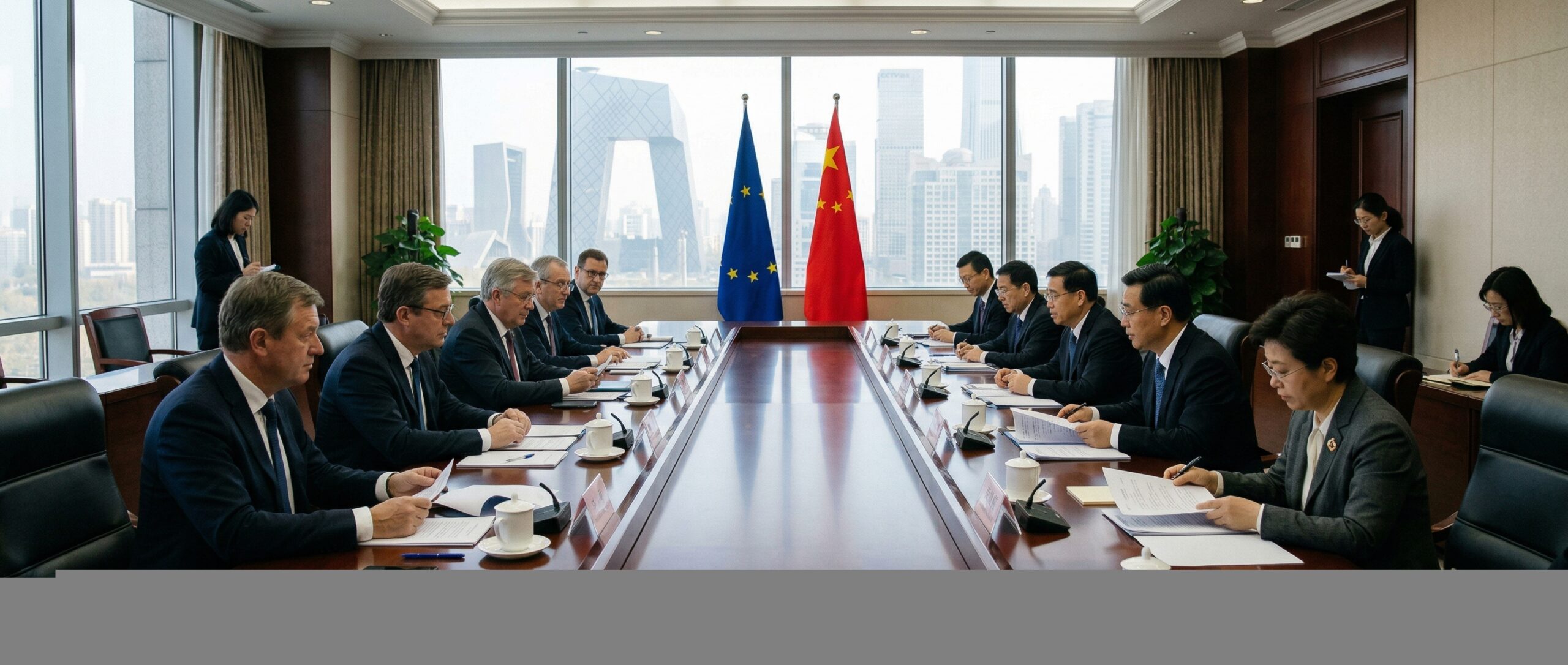
    China welcomed a delegation of European lawmakers this week, marking the first such visit in eight years. The event itself is straightforward: lawmakers traveled to Beijing, met with Chinese officials, and engaged in what is typically described as high-level dialogue. But the context is what makes the visit noteworthy.

    The relationship between China and the European Union had deteriorated enough over the past several years that direct parliamentary contact essentially ceased. The freeze was not accidental; it reflected real tensions over human rights concerns, trade practices, sanctions, and broader geopolitical alignment. When official channels go silent for that long, reopening them sends a message.

    Last year, retaliatory sanctions that had been imposed between the two sides were lifted. That development created diplomatic space—a moment when both parties signaled they were willing to move past the most acute phase of confrontation. The current visit to Beijing appears to be a follow-up to that thaw, a way of testing whether the relationship can stabilize without resolving every underlying disagreement.

    Why Eight Years Without a Visit Matters

    The length of the hiatus is itself significant. Eight years is a substantial gap in diplomatic engagement between major global powers. It reflects a relationship that had moved beyond routine disagreement into something closer to deliberate avoidance. During that time, tensions accumulated rather than being managed through direct conversation.

    The lifting of retaliatory sanctions last year suggested a recognition on both sides that the escalation was unsustainable. Neither China nor the European Union achieved their objectives through confrontation, and the costs of continued friction were mounting. The current visit can be understood as a careful test of whether de-escalation can become normalized.

    It is important to note that the return of European lawmakers to Beijing does not mean the underlying tensions have vanished. Trade disputes, human rights concerns, and strategic rivalry remain. What the visit suggests is that both sides are willing to manage these tensions through dialogue rather than through the absence of contact.

    Why Beijing May Want Better Ties With Europe Now

    China’s decision to invite European lawmakers reflects a strategic calculation. The European Union represents a major economic bloc and geopolitical player. Maintaining channels of communication with the EU serves China’s interests in several ways.

    First, stability with Europe reduces diplomatic pressure. When the relationship is completely frozen, China faces criticism and coordinated action from EU member states and institutions. By reopening engagement, Beijing can reduce that pressure and create space for negotiation on trade and other issues.

    Second, Europe remains important to China’s broader strategic interests. The EU is not aligned with China, but it is also not formally aligned against China in the way some other powers are. That ambiguous positioning gives China incentive to keep ties workable. A completely broken relationship with Europe pushes the EU closer to other partners and reduces Beijing’s influence.

    Third, the timing suggests China may be pursuing a broader diplomatic offensive aimed at stabilizing relationships with major partners. The visit fits into a pattern of engagement rather than isolation, which may reflect Beijing’s assessment that confrontation on multiple fronts is costly.

    Why European Lawmakers Matter in This Story

    The visit is specifically of European lawmakers, not EU trade negotiators or business delegations. This distinction carries diplomatic meaning. Lawmakers represent the political dimension of the relationship, not merely the commercial one.

    Parliamentary engagement signals formal political contact at a level below heads of state but well above routine diplomacy. When lawmakers visit, they carry political legitimacy and represent not just individual governments but also broader political constituencies. Their presence in Beijing indicates that China is willing to engage with Europe’s political institutions and representatives, not just its executive branch.

    This matters because it suggests the relationship is being reset at the political level, not just the bureaucratic level. Lawmakers influence policy and public opinion in their home countries. Their visit to China and their conversations with Chinese officials create opportunities for dialogue that can shape how Europe perceives China and vice versa.

    The Broader Significance for Global Relations

    Why should readers beyond the geopolitics community care about this visit? Because China-EU relations affect more than just trade and diplomacy between those two actors.

    The relationship influences how Europe aligns itself in a world where China and Western democracies are competing for influence and advantage. A stable China-EU relationship means the EU is less likely to align completely with the United States against China, and vice versa. It creates space for independent European agency rather than forcing countries into binary choices.

    For businesses, diplomats, and policy officials tracking China-EU relations, the visit is also significant because it may herald a period of more regular contact and potentially fewer sudden escalations. That stability is valuable, even if underlying disagreements persist.

    At the same time, readers should be cautious about overclaiming the significance of the visit. A single delegation of lawmakers is not the same as a complete reset of relations. The visit is a beginning, not an ending. It opens a channel; it does not resolve the tensions that closed it in the first place.

    What Comes Next: Signs to Watch

    The real test of whether this visit represents a durable shift will come in the weeks and months that follow. Several developments are worth monitoring.

    First, watch for follow-up visits. If the current delegation is followed by additional exchanges—Chinese officials visiting Europe, more European lawmakers returning to Beijing—then the pattern suggests a normalization of engagement. A single visit could be symbolic theater; a series of visits becomes routine diplomatic practice.

    Second, pay attention to whether the engagement leads to concrete policy movement. Do conversations between lawmakers translate into discussions about trade, sanctions relief, or other substantive issues? Or does the visit remain a gesture without follow-through? The difference between symbolic engagement and meaningful engagement matters.

    Third, consider how both sides characterize the visit in their public messaging. Are Chinese officials saying they want broader engagement with Europe, or are they framing this as a one-off event? Are European officials treating this as the beginning of a new phase or as a limited diplomatic courtesy? The rhetoric will reveal how serious both sides are about resetting the relationship.

    Finally, track whether the visit leads to more regular parliamentary dialogue or to other forms of resumed contact. Does it become a precedent for more engagement, or does it remain an isolated moment?

    Understanding the Visit in Context

    To make sense of why China welcomes European lawmakers after eight years, it helps to understand the journey that led to this moment. The visit did not occur in a vacuum; it emerged from a specific historical context and reflects current strategic calculations.

    The relationship between China and Europe has been complicated for years. Issues ranging from trade imbalances to technology competition to human rights concerns have created friction. But the scale of the current diplomatic effort suggests both sides are trying to manage these disagreements rather than allow them to fester.

    The lifting of retaliatory sanctions last year was the first concrete sign that both parties were ready to move past the worst of the escalation. This week’s visit represents the next step: direct, high-level political engagement aimed at rebuilding communication channels.

    The visit also reflects a broader reality about how major powers navigate disagreement. Even when they compete and contest each other’s interests, they benefit from maintaining communication. The absence of dialogue does not resolve conflicts; it often intensifies them. By reopening communication, China and the European Union are acknowledging that ongoing confrontation serves neither side well.

    Frequently Asked Questions

    Why is China welcoming EU lawmakers important?

    Because it marks the first such visit in eight years and signals that Beijing is trying to stabilize relations with the European Union. In diplomatic terms, reopening a frozen channel is significant because it represents a choice by both parties to engage rather than avoid each other. The visit suggests that both sides see value in direct communication, even if underlying disagreements persist.

    What changed in China-EU relations?

    The most notable recent change is that retaliatory sanctions between the two sides were lifted last year. This created diplomatic opening that had not existed for years. The current visit appears to be Beijing and Brussels testing whether they can build on that thaw and establish a more stable, regular pattern of engagement. However, many of the underlying tensions—trade disputes, technology competition, human rights concerns—remain unresolved.

    Does this mean China and the EU are back to normal relations?

    Not necessarily. The visit signals improved willingness to engage in direct dialogue, but it does not mean the relationship has fully reset or that all tensions have been resolved. This is a step toward normalization, not normalization itself. Both sides are testing the waters; whether they can build sustained, functional relations remains to be seen.

    Why are lawmakers part of this story?

    Because European lawmakers represent an important political channel between Europe and China. Parliamentary delegations carry political legitimacy and influence policy in their home countries. When lawmakers visit Beijing, it signals that China is willing to engage at the political level, not just through trade or bureaucratic channels. This form of contact is more significant than routine diplomatic meetings because it involves figures with real influence over policy and public opinion.

    What is China trying to achieve?

    Based on the reporting and context, China appears to be seeking better and more stable ties with the EU. This could include reducing diplomatic pressure, creating space for negotiations on trade and other issues, and maintaining influence with a major global player. By reopening engagement, Beijing signals it prefers a workable relationship with Europe to continued confrontation.

    What should readers watch next?

    Watch for follow-up visits between Chinese and European officials, whether the engagement leads to concrete policy changes, how both sides characterize the visit in public messaging, and whether the pattern becomes a new normal of regular parliamentary dialogue. These indicators will reveal whether the current visit represents a genuine shift in relations or remains a limited diplomatic gesture.

    Conclusion: A Signal, Not a Solution

    China’s decision to host European lawmakers after eight years is ultimately a signal rather than a solution. It demonstrates that both Beijing and Brussels recognize the cost of prolonged confrontation and see value in reopening lines of communication. The visit suggests a possible trajectory toward more stable relations, but it does not guarantee that such stability will materialize.

    For readers tracking China-EU relations, the visit is worth attention precisely because it is modest. It is not a dramatic breakthrough or a complete reconciliation. Instead, it is a careful, incremental step toward rebuilding a relationship that had deteriorated significantly. In geopolitics, such steps often matter more than the grand gestures that dominate headlines.

    The real significance of this week’s visit will become clear only in retrospect, as readers see whether it marks the beginning of sustained engagement or remains a brief moment of civility in an otherwise tense relationship. For now, what matters is understanding what the visit represents: an acknowledgment by both sides that the alternative—complete diplomatic freeze—is less attractive than the risks and complications of direct engagement.

  • ICE Custody Deaths Reach 14 in 2026: Why Repeated Deaths Are Becoming a Legitimacy Crisis

    ICE Custody Deaths Reach 14 in 2026: Why Repeated Deaths Are Becoming a Legitimacy Crisis

    On a day in late March 2026, another person died while held in U.S. immigration custody. A Mexican immigrant was found unresponsive at the Adelanto ICE Processing Center in California, according to a report from Reuters. The death was reported, documented, and added to a growing tally. By the end of March, it marked the 14th death in ICE custody in 2026 alone—a pace that, if sustained, would surpass the record-breaking death toll of 2025.

    But here is what makes this death different from the headlines of years past: it is no longer shocking. It is no longer an aberration. It is becoming routine enough to track by the month, and in that shift from tragedy to pattern, the real story emerges. When deaths in custody occur with such regularity, the question is no longer simply what happened to one person. The question becomes whether the system itself can be trusted to protect the people it holds.

    This is the legitimacy crisis now reshaping the conversation around U.S. immigration detention.

    The Latest Death and the Rising 2026 Toll

    According to Reuters reporting, the detainee at Adelanto was found unresponsive at the facility. The circumstances surrounding the death were reported through official channels, but the immediate focus has shifted quickly to the broader context: this death is the 14th in ICE custody since the start of 2026, and it arrives in a year that is already tracking toward severe consequences for the immigrants detained in the American immigration system.

    The Adelanto ICE Processing Center, located in California’s high desert, has become a focal point in recent reporting. The facility, like many immigration detention centers across the United States, holds people awaiting immigration proceedings or deportation. It is operated under ICE authority, and conditions within it—including medical response, oversight, and day-to-day care—fall under federal responsibility.

    The 2026 death toll reaching 14 by late March is not a statistic to skim past. It suggests that whatever conditions or failures led to deaths in 2025 have not been remedied. Instead, they appear to be persisting, accelerating, or compounding.

    Why the Death Count Is Drawing Wider Concern

    A single death in custody is a tragedy. But a pattern of deaths becomes something else entirely: it becomes evidence of a system under stress, or a system failing to fulfill its basic function of care.

    The concern now extends beyond advocates and families. Scrutiny is coming from official channels, cross-border critics, and observers focused on government accountability. Mexican officials have criticized the conditions and response, signaling that the issue has diplomatic dimensions as well. When Mexico, a neighboring nation, is publicly questioning the safety of its nationals in U.S. detention, it suggests that the problem is no longer internal or hidden—it is visible to external observers as a pattern of repeated harm.

    This visibility matters because it shapes how people understand the legitimacy of the institution itself. Legitimacy is not abstract. It is the public’s confidence that a system will do what it says it will do and will treat the people within it according to basic standards of care and safety. When a detention system appears repeatedly unable to prevent deaths, that confidence erodes. Families lose trust. Governments lose confidence. The general public begins to question whether a system that keeps producing fatal outcomes deserves continued operation in its current form.

    The shift from isolated incident to systemic concern is crucial. For years, individual custody deaths were reported, investigated, and sometimes settled with compensation to families. Each was treated as a unique tragedy. But when the annual death toll reaches 31—the highest in two decades, according to Reuters—the narrative cannot hold. The deaths are no longer exceptions. They are the rule.

    The 2025 Benchmark and 2026’s Dangerous Pace

    Understanding why 2026 is so alarming requires understanding 2025 first. According to Reuters reporting, 2025 saw 31 deaths in ICE custody, which the outlet noted was the highest level in two decades. That single year represented a dramatic escalation. It suggested something had changed in the detention system—whether in medical response, facility conditions, staffing, or the vulnerability of the population being detained.

    The 2026 toll reaching 14 by late March means the year is already tracking toward a similar or worse outcome. If the March pace continues, 2026 could see 50 or more deaths by December. That would represent not a continued crisis but an accelerating one.

    The comparison matters not because higher numbers are inherently more devastating—each death represents a person and a family—but because it raises an urgent question: what is the detention system doing to prevent deaths, and why is prevention failing?

    Medical Care, Oversight, and the Question of Preventability

    The scrutiny now focusing on ICE detention centers is zeroing in on three operational areas: detention conditions, medical response, and oversight mechanisms.

    Detention conditions refer to the physical environment and living standards within facilities. Reports have raised concerns about overcrowding, sanitation, and access to basic necessities in some immigration detention centers. These conditions can contribute to illness, stress, and complications for people with underlying health vulnerabilities.

    Medical response is the second area. In a custody setting, detainees depend entirely on facility staff to recognize health emergencies and provide appropriate care. If medical personnel are understaffed, undertrained, or lacking resources, response times can lengthen and outcomes can worsen. The fact that a person was found unresponsive at Adelanto raises immediate questions: How long had they been unresponsive before being discovered? Was emergency medical care called immediately? What was the response time? These details, when fully reported, will matter for understanding whether the death was preventable.

    Oversight refers to the systems meant to monitor facility conditions and ensure compliance with detention standards. This includes ICE’s internal review processes, external inspections, medical audits, and accountability mechanisms. If oversight is weak or delayed, problems can fester undetected and corrections can be slow to implement.

    The reporting available does not yet establish a definitive cause for each death or prove that all 31 deaths in 2025 or the 14 in 2026 resulted from the same failure. But the pattern is consistent enough to warrant institutional concern. When multiple people die in custody within a single year, and when the facilities involved are under the same federal authority, the implication is that something systemic may need attention.

    The Legitimacy Question: Why This Matters Beyond Immigration Policy

    Immigration detention is, fundamentally, a question of how a state treats the most vulnerable people in its custody—people without political voice, without citizenship, often without ready access to legal representation or advocacy. How a government treats such people is a measure of its institutional character.

    When that treatment involves repeated deaths, the institution’s legitimacy is at stake. Legitimacy is the condition by which a government or system retains public trust and voluntary compliance. It rests on the perception that the institution operates within accepted norms and fulfills its obligations.

    A detention system that cannot prevent deaths—or that normalizes them—fails a basic test of legitimacy. Citizens may accept a certain level of risk in many contexts, but detention is not a risk anyone chooses. People are detained by state authority, held in state facilities, and given no choice about whether to participate. In that context, the state has an heightened duty of care. When that duty appears unmet, legitimacy fractures.

    This fracture becomes visible in several ways. Families of detainees lose faith in official channels. Medical professionals working within facilities may lose confidence in their ability to provide adequate care. Consular officials from allied nations begin raising public concerns. Civil liberties organizations increase scrutiny. Media coverage intensifies. Eventually, the accumulation of lost confidence can force institutional reform, policy change, or restructuring of how detention operates.

    That process is beginning now. The pattern of deaths in 2025 and the continued toll in 2026 are not being ignored. They are being noticed, questioned, and used as evidence that change may be necessary.

    Reactions and Scrutiny From Mexico and Beyond

    One sign that the legitimacy question is becoming real is the involvement of external observers and governments. Mexican officials have publicly criticized the detention death and the conditions that may have contributed to it. This is significant because it means the issue has crossed from being an internal U.S. concern to being a matter of diplomatic attention.

    When the government of Mexico raises concerns about the treatment of its nationals in U.S. detention, it reflects several things: first, that families and advocates in Mexico are making their concerns known to their own government; second, that the issue is serious enough to merit official response; and third, that U.S. detention practices now have a reputation that Mexico feels obliged to address publicly.

    This external scrutiny can intensify accountability. Official responses become necessary. Investigations may be opened. Policy questions are asked at higher levels of government. The isolated incident, through the force of pattern and external attention, becomes a matter of institutional review.

    What to Watch Next

    The story of ICE custody deaths is not resolved by a single report or a single month’s tally. The following weeks and months will be important for understanding whether this pattern continues or whether new measures take effect.

    Watch whether additional information emerges about the Adelanto death—medical details, facility conditions, response protocols, and any investigations launched. Watch whether facility-level changes are announced or whether ICE issues new medical standards for its detention centers. Watch whether the 2026 death toll continues to rise and whether it accelerates or stabilizes.

    Watch also whether state and federal officials respond to the pattern with concrete policy changes or whether the response remains at the level of investigation and review. Watch whether advocacy organizations and media outlets maintain focus on the issue or whether it recedes from public attention. Watch whether Mexican officials and other consular representatives intensify their scrutiny or whether diplomatic concerns fade.

    Most importantly, watch whether the deaths themselves continue. That will be the truest measure of whether anything has changed.

    Frequently Asked Questions

    What happened at the Adelanto ICE Processing Center?

    According to Reuters reporting, a Mexican immigrant died after being found unresponsive at the facility in California in late March 2026. The immediate cause and full circumstances of the death are still being documented.

    How many people have died in ICE custody in 2026 so far?

    Reuters reported that the latest death brings the 2026 total to at least 14 by late March. This pace suggests the year could see significant mortality if the rate continues.

    How many ICE custody deaths were there in 2025?

    Reuters reported that 31 people died in ICE custody in 2025, which was the highest annual total in two decades.

    Why are ICE custody deaths being described as a legitimacy issue?

    Because repeated deaths in custody raise questions about whether the detention system can reliably protect the people it holds. When a state institution repeatedly fails to prevent deaths among people in its custody, public trust in that institution erodes. This erosion of confidence is what is meant by a legitimacy crisis—the institution loses credibility and public faith in its basic function.

    Is the cause of the latest death known?

    The person was found unresponsive according to available reporting, but the full medical cause of death has not been publicly detailed in the available sources.

    What are critics focusing on?

    The main areas of scrutiny are detention conditions (physical environment and living standards), medical response (whether adequate care is provided when health emergencies occur), and oversight mechanisms (whether systems are in place to monitor facilities and prevent deaths).

    Why does this matter beyond immigration policy?

    It speaks directly to how a state treats vulnerable people in its custody and whether it can maintain basic standards of safety and accountability. The pattern of deaths raises fundamental questions about institutional responsibility, government trustworthiness, and the fate of people detained without choice in state facilities.

    Who is criticizing the detention death?

    Mexican officials have publicly criticized the case and the conditions surrounding it. The criticism reflects concerns from families and advocates who have raised alarms with their own government.

    Does the issue have cross-border attention?

    Yes. The involvement of Mexican officials and the public statements from Mexico signal that the issue is being watched and questioned at the diplomatic level, not just by U.S. advocates and media.

  • Leaked Hungary-Russia Audio Exposes Critical Fracture in EU Sanctions Unity

    Leaked Hungary-Russia Audio Exposes Critical Fracture in EU Sanctions Unity

    A single audio recording has pulled back the curtain on a private conversation that is now reverberating through the halls of power across Europe, threatening to redefine the continent’s internal battle lines. The leaked discussion, as reported by Reuters, features Hungary’s Foreign Minister Péter Szijjártó talking with his Russian counterpart, Sergei Lavrov, about the European Union’s sanctions policy against Moscow.

    The immediate fallout has been swift and severe. The revelation has ignited fierce criticism from other EU capitals, particularly from staunch supporters of Ukraine like Poland and the Czech Republic, transforming what might have been a bilateral scandal into a profound stress test for the European Union’s cohesion and strategic credibility.

    The Leak: What Was Said and Why It Matters Immediately

    The core of the controversy, first detailed by Reuters, is the content of the audio itself: Hungary’s top diplomat was engaged in a discussion with Russia’s foreign minister about the very sanctions the EU has imposed as its primary tool to pressure Moscow over the war in Ukraine. While the full, specific transcripts have not been publicly released in their entirety, the mere act of discussing the bloc’s collective punitive measures with the targeted adversary is seen as a severe breach of diplomatic trust and bloc solidarity.

    The reaction was immediate. According to Bloomberg, the leak prompted a wave of condemnation from other member states. Officials in Warsaw and Prague, long critical of Budapest’s perceived soft line on Russia, pointed to the recording as evidence of Hungary acting as a potential conduit for Moscow’s preferences within the EU. This swift backlash underscores that the incident is not being treated as a mere diplomatic faux pas, but as a direct challenge to the integrity of the EU’s common foreign policy.

    Beyond the Scandal: The Real Test of EU Cohesion

    To understand the gravity of the leak, one must look beyond the scandalous headlines to the foundational principle it undermines: EU common foreign and security policy. The bloc’s power, particularly in a geopolitical confrontation with a major power like Russia, hinges on its ability to present a united front. Sanctions are most effective when they are seen as airtight and non-negotiable, backed by the collective economic weight of 27 nations.

    Private discussions about these sanctions with the very country they target violate the spirit, if not always the precise letter, of sincere cooperation among member states. This transforms EU sanctions policy from a tool of external pressure into an internal loyalty test. It raises a critical question: can the EU maintain a credible, unified strategy if one of its members appears to be negotiating the terms of that strategy with the adversary behind closed doors? The leak forces this uncomfortable question to the forefront of every EU council meeting.

    Hungary’s Position: Context and Controversy

    Hungary’s stance within the EU is not new, but the leak dramatically sharpens the existing tensions. Since Russia’s full-scale invasion of Ukraine in 2022, Budapest has repeatedly delayed or watered down successive EU sanctions packages. Prime Minister Viktor Orbán’s government has consistently cited Hungary’s heavy dependence on Russian energy and the need to protect its national economy as reasons for its skepticism.

    This pattern of divergence is well-documented. However, the leaked audio suggests a shift from public disagreement and tactical vetoes to what critics see as active coordination with Moscow. The timing is also politically charged, coming just before a consequential Hungarian national election, where the government’s stance on the war and relations with Russia are key campaign issues. The incident thus sits at the volatile intersection of domestic politics and EU collective action.

    Strategic Implications: Leverage, Trust, and Europe’s Credibility

    The second-order consequences of the leak are perhaps more significant than the immediate political firestorm. Firstly, it directly weakens the EU’s collective leverage. When negotiating with Moscow, European diplomats rely on the implicit threat of sustained, unified economic pressure. Perceived internal divisions signal to the Kremlin that the bloc’s resolve may be fracturing, potentially encouraging it to wait out European disunity rather than alter its course in Ukraine.

    Secondly, it erodes strategic trust among member states. The EU functions on a complex system of political give-and-take, but a fundamental assumption is that, on core security issues, all members are ultimately pulling in the same direction. This leak seeds doubt about that assumption, making future consensus on sensitive foreign policy issues even harder to achieve. It feeds into a broader debate about whether the EU can ever become a truly unified geopolitical actor, or whether it will remain hamstrung by divergent national interests and threat perceptions.

    What Happens Next: Scenarios and Consequences

    The path forward is uncertain, but several potential consequences are already being discussed in Brussels and other capitals. While a swift, dramatic punishment like activating Article 7—which can ultimately suspend a member’s voting rights—is considered unlikely due to its high political bar, Hungary faces other forms of fallout. Expect increased diplomatic isolation within council meetings, where trust is currency.

    More concretely, the incident could accelerate discussions among other member states about using procedural workarounds to bypass Hungarian vetoes on future sanctions packages or other foreign policy decisions. Furthermore, the EU may link Hungary’s continued obstruction more explicitly to the release of billions in frozen EU cohesion funds, using financial leverage to enforce political alignment. The leak will also undoubtedly influence the upcoming Hungarian election campaign and cast a long shadow over future EU summits dedicated to security and support for Ukraine.

    Frequently Asked Questions

    What was in the leaked Hungary-Russia audio?

    The leaked audio, as reported by Reuters, features Hungary’s Foreign Minister Péter Szijjártó discussing EU sanctions policy with his Russian counterpart, Sergei Lavrov. The specific details of the discussion have not been fully disclosed, but the mere act of discussing the bloc’s sanctions with Moscow is seen as a breach of diplomatic trust.

    Why is this leak such a big deal for the EU?

    It suggests a member state is not fully aligned with the EU’s common foreign policy and may be coordinating with a geopolitical adversary on the bloc’s primary external pressure tool. This undermines unity, weakens strategic credibility, and turns sanctions into an internal political issue.

    Has Hungary blocked EU sanctions before?

    Yes. Hungary has frequently used its veto or threat of veto to delay, water down, or extract concessions in exchange for agreeing to EU sanctions packages against Russia, often citing energy security and economic protection.

    What can the EU do about Hungary’s actions?

    Options range from political pressure in council meetings to more formal procedures like Article 7 (which can suspend rights) though that is a high bar. More likely are continued diplomatic isolation, linkage to EU funding, or procedural changes to bypass vetoes in specific areas.

    How does this affect the war in Ukraine?

    It indirectly affects the war by testing the unity and credibility of the Western alliance supporting Ukraine. If EU sanctions are perceived as porous or negotiable behind closed doors, it weakens the economic pressure on Russia and Europe’s overall geopolitical stance.

    Did Hungary break EU law?

    It’s unlikely to be a clear legal breach of EU treaties, which protect national control over foreign policy. However, it likely violates the political principle of sincere cooperation and the expectation of united action in foreign affairs, which is a serious political transgression.