Blog

  • Two U.S. Military Aircraft Shot Down in Iran Conflict as Escalation Intensifies, One Crew Member Missing

    Two U.S. Military Aircraft Shot Down in Iran Conflict as Escalation Intensifies, One Crew Member Missing

    Two U.S. military aircraft were shot down in separate incidents on Friday as tensions in the Iran conflict sharply escalated, according to reporting from AP News. One of the downed aircraft was a fighter jet shot down in Iran. At least one crew member remains missing, transforming what could have been a distant military statistic into an immediate human crisis and a stark signal that the conflict has entered a more dangerous phase.

    The shootdowns represent far more than the loss of military hardware. They mark a visible threshold in the escalation—a moment when what had been an intense but contained conflict began to carry greater operational risk, immediate personnel concerns, and the potential for further rapid developments. For readers following the Iran situation, this is the kind of battlefield development that changes the tenor of a war narrative.

    The significance extends beyond Friday’s incidents. The loss of two aircraft in separate incidents signals an environment of heightened military activity and suggests that U.S. forces are operating in conditions of considerable danger. A missing crew member transforms the story from a hardware loss into a search and rescue concern with profound human stakes.

    What Happened on Friday

    Two U.S. military planes were shot down in separate incidents on Friday, marking a major escalation in active military operations. One of the aircraft was specifically identified as a fighter jet shot down in Iran. The second aircraft was also lost in a separate incident, though the provided reporting does not detail the location or circumstances of that second shootdown with the same specificity.

    The loss of personnel accompanies the aircraft losses. At least one crew member is missing following the incidents. This detail elevates the immediate urgency of the situation and introduces a search and rescue dimension to what might otherwise be analyzed purely as an operational or strategic development.

    These shootdowns did not occur in isolation. They unfolded within an ongoing escalation in the conflict involving Iran and U.S. military forces. The combination of two aircraft losses, one specifically in Iran, and missing personnel indicates that the conflict has moved into a phase characterized by more direct and dangerous military engagement.

    Why This Marks an Escalation

    In active conflicts, aircraft losses function as major indicators of operational risk. A single shootdown can signal danger to air operations; two shootdowns in one day suggest either a significant shift in air defense capability, a more intense operational tempo, or both. The implications ripple through military planning, risk assessment, and strategic calculations on all sides.

    The missing crew member adds another layer of significance. Personnel losses make a conflict more immediate and more difficult to contain. When crew members are missing, search and rescue operations become a secondary imperative, and the human dimension of the conflict becomes impossible to abstract away. For military leadership, families, and the broader public, a missing service member transforms the narrative from military statistics into a concrete, urgent crisis.

    Strategically, the incidents suggest that the conflict has intensified rather than stabilized. Aircraft shootdowns are rarely routine events. They typically indicate either a major operational move, a significant change in air defense posture, or a deliberate escalation. The fact that two were lost on the same day—in separate incidents—indicates a conflict environment that has become measurably more dangerous for U.S. forces.

    The broader consequence is increased uncertainty. When escalation markers like these appear, they often precede further developments. Military responses, diplomatic repositioning, and public messaging all shift in reaction to such incidents. The conflict’s scope and intensity become harder to predict, and the room for de-escalation typically narrows.

    The Conflict Context Around Iran

    The shootdowns did not emerge from a calm situation. They occurred within an ongoing conflict tied to Iran that has been building in intensity. The incidents are part of a larger military and geopolitical pattern rather than an isolated event.

    Understanding why these particular shootdowns matter requires recognizing the broader context: tensions involving Iran and U.S. military forces carry regional and international consequences. Iran sits at the intersection of multiple security concerns—regional conflicts, energy security, proxy warfare, and direct military confrontation. When U.S. aircraft are shot down in or near Iran, the implications extend beyond the immediate military dimension.

    The reporting suggests that tension is intensifying rather than easing. This is a critical distinction for readers. The shootdowns are not aberrations in an otherwise stable situation; they are data points in a trajectory toward greater danger. For policymakers, military planners, and international observers, the question has shifted from whether escalation is occurring to how far it will advance.

    What Is Known and What Remains Unclear

    It is important to separate confirmed facts from open questions, particularly when a developing story involves military operations and missing personnel.

    What is confirmed: Two U.S. military aircraft were shot down on Friday in separate incidents. One of the aircraft was a fighter jet shot down in Iran. At least one crew member is missing. These facts are the foundation of the story.

    What remains unconfirmed: The exact circumstances of both incidents are not specified in available reporting. The identities of the aircraft types involved are not fully detailed beyond the identification of one as a fighter jet. The complete status of all crew members is unknown; the reporting indicates at least one is missing, but does not provide full personnel accountability. The immediate cause of the shootdowns—whether from air defense systems, other aircraft, or other means—is not specified in the provided reporting.

    This distinction matters because it shapes how readers should interpret the incident. The shootdowns are confirmed; the full story is still developing. Readers encountering this news should expect additional details to emerge as the situation unfolds. The initial reporting provides the core facts, but the complete picture will likely require follow-up coverage.

    Military and Strategic Implications

    Aircraft shootdowns carry consequences that extend well beyond the immediate incident. For military operations, such losses can affect operational posture and mission planning. Commanders must reassess the risk environment and adjust tactics accordingly. If U.S. aircraft are being shot down more readily than expected, air operations may be curtailed, modified, or repositioned.

    The incidents also influence perceptions of risk for all U.S. forces in the region. When aircraft are lost, the calculus of operating in that theater changes for other assets—ground forces, naval vessels, intelligence platforms, and logistical operations. The shootdowns create a new baseline of risk that shapes subsequent military decisions.

    From a strategic standpoint, escalation can narrow diplomatic room significantly. When military incidents of this magnitude occur, diplomatic channels face pressure. The opportunity for negotiation and de-escalation contracts as military responses become more likely. The broader conflict may accelerate in intensity or scope as a result.

    Additionally, such incidents often trigger public and political attention in ways that make backing down diplomatically more difficult. Once shootdowns occur, domestic constituencies in the United States and Iran become invested in how the conflict develops. The political pressure to respond can limit options for both sides.

    Why Readers Should Keep Following This Story

    The missing crew member alone ensures that updates will follow. Search and rescue operations, personnel accountability, and the fate of missing service members typically generate rapid updates and sustained coverage. This human dimension keeps the story in active development.

    The conflict context also suggests that further developments may follow quickly. Escalation patterns in military conflicts rarely stabilize immediately after a significant incident. Rather, incidents tend to provoke responses, which then generate counter-responses. The shootdowns may be a marker of a new phase rather than an isolated event.

    New details will likely emerge that could affect the assessment of the incident’s scale and consequences. Additional information about the circumstances of the shootdowns, the status of missing personnel, and the military response could reshape understanding of what happened and why it matters. Readers should expect the story to evolve significantly over the coming hours and days.

    Frequently Asked Questions

    What happened to the two U.S. aircraft?

    According to the reporting, two U.S. military planes were shot down in separate incidents on Friday. One of the aircraft was specifically identified as a fighter jet shot down in Iran. The circumstances of both shootdowns and the exact location of the second incident are not fully detailed in the available reporting.

    Was one of the aircraft shot down in Iran?

    Yes. The reporting confirms that one fighter jet was shot down in Iran, indicating direct military engagement in Iranian airspace or territory.

    Is anyone missing after the shootdowns?

    Yes. At least one crew member is missing according to the provided reporting. The complete status of all personnel involved in both incidents is not yet fully accounted for in available sources.

    Why does this matter?

    Aircraft shootdowns signal a serious escalation in military conflict. They represent a major operational loss, indicate a dangerous environment for U.S. forces, and raise immediate concerns about personnel safety. The incidents also carry broader military, strategic, and geopolitical consequences that can affect how the conflict develops.

    Is this the start of a larger war?

    The provided reporting does not characterize these incidents as the start of a larger war. It does indicate that they are part of an ongoing escalation in the conflict involving Iran. The safest framing is that the conflict has intensified, but the long-term scope depends on how the situation develops.

    What details are still unclear?

    The exact circumstances of both incidents remain unclear. The identities and technical specifications of the aircraft are not fully specified beyond identifying one as a fighter jet. The complete status of all crew members, the specific cause of the shootdowns, and the location of the second incident are not detailed in the available reporting.

    Where can I read the original reporting?

    The AP News article provides the primary reporting on these shootdowns and is the most directly relevant source for readers seeking the latest information.
  • Trump’s Speech on Iran Shows Political Pressure to End War, Not New Policy

    Trump’s Speech on Iran Shows Political Pressure to End War, Not New Policy

    Donald Trump’s recent speech on Iran made headlines not for what it announced, but for what it revealed. According to Bloomberg’s reporting, the president struck a triumphant tone while pointing to a longer conflict ahead—a gap between rhetoric and reality that carries genuine strategic significance. The speech contained no major new policy initiatives, no fresh diplomatic breakthroughs, and no operational surprises. Yet it still matters. What the speech signals is that political pressure to end the war is building, and that pressure is now shaping how the administration communicates about the conflict to both domestic and international audiences.

    This kind of moment—where what is not said becomes as important as what is—offers a window into the political logic driving geopolitical messaging in real time. It suggests that even without concrete policy changes, the way leaders frame an ongoing conflict can reveal underlying currents in how they view its future. For readers trying to understand the broader debate over Iran and U.S. foreign policy, the speech deserves careful analysis not because it announced something new, but because it exposed something about the political environment in which decisions are being made.

    A Speech That Signaled More Than It Said

    The core puzzle of Trump’s Iran speech is this: Why would a speech with no major news warrant serious attention? The answer lies in understanding how political communication works in wartime. Leaders do not only speak to announce new decisions. They also speak to shape expectations, reassure constituencies, and signal priorities to allies, adversaries, and domestic audiences simultaneously.

    In this case, the president delivered what appeared to be a victory speech—confident, declarative, and framed around American strength and resolve. Yet the Bloomberg reporting identified a tension at the heart of that messaging. While Trump adopted a triumphant tone, he simultaneously acknowledged that the war would be longer than the rhetoric suggested. This contradiction is not a minor rhetorical slip. It is a signal that the political environment around the conflict has shifted.

    The absence of new announcements becomes meaningful precisely because the speech was expected—by analysts, by political observers, by the media—to contain something substantive. When a president takes time to address a major foreign policy issue and delivers no new policy, that itself communicates something. It suggests that concrete options may be limited, that internal debate may be unresolved, or that political calculation is favoring messaging over action for now.

    What the Reporting Reveals About Political Pressure

    Bloomberg’s framing of the speech hinges on a single crucial observation: the gap between the president’s triumphant tone and the lack of substantive news is itself the story. This is not cynicism about political rhetoric. It is a disciplined analytical approach that takes seriously how leaders communicate and what those communications reveal about the political pressures they face.

    The Trump administration is operating in a political environment where ending the war with Iran has become a priority worth signaling, even if concrete steps are not yet being announced. This distinction matters. A speech designed primarily to project strength while avoiding new commitments suggests that the administration is managing competing pressures: the desire to maintain a strong public posture on Iran, balanced against growing political attention to the duration and costs of the conflict.

    By pointing to a longer war while maintaining a triumphant frame, the president was doing several things at once. He was reassuring supporters that the conflict remains winnable and that American resolve is firm. He was also, implicitly, preparing audiences for an extended engagement—a realistic acknowledgment that quick resolution is unlikely. And he was avoiding new military or diplomatic commitments that might complicate his political position.

    This kind of careful rhetorical positioning reflects real political pressure. It is not the speech of an administration fully confident in its war strategy or eager to deepen the conflict. Instead, it reads as a speech designed to hold a political line while the ground beneath it shifts.

    Why a Speech Without New News Still Matters

    Geopolitical analysis often focuses on concrete policy decisions: new sanctions, military deployments, diplomatic initiatives, formal statements of strategy. These are important. But they are not the only way that statecraft happens. Political signaling, tone, and framing matter because they shape how conflicts are understood and how they evolve.

    Consider how wartime speeches function in the broader ecology of political communication. A president cannot announce every policy shift through a formal address. Some decisions require quiet diplomacy, internal debate, or conditions to ripen. But a public speech, especially one on a major geopolitical issue, is a tool for setting the agenda and shaping perceptions. It is a way to signal to allies that certain options are being considered, to allies that the administration is thinking seriously about the conflict’s trajectory, and to domestic voters that their concerns are being heard.

    In this case, the absence of new policy is actually informative. It tells us that the Trump administration, despite having ample opportunity to unveil a fresh initiative, chose instead to focus on tone and framing. That choice suggests something about where the administration’s thinking stands: perhaps the options are still being evaluated, perhaps there is internal disagreement about the right path forward, or perhaps the administration is waiting for conditions on the ground to shift before announcing new steps.

    The triumphant rhetoric matters for another reason: it shows how the administration wants the conflict to be understood. A victory-focused frame suggests confidence, strength, and control. But it also risks creating expectations that may become harder to sustain if the war continues longer than the public messaging suggests. This is where the reported tension between the triumphant tone and the acknowledgment of a longer war becomes politically significant. The administration is trying to maintain a strong public image while preparing audiences for an extended engagement. That is the work of political management under pressure.

    The Broader Context of Pressure to End the War

    Understanding the speech’s significance requires placing it in the larger political and strategic context. The war with Iran is not abstract or distant for American voters, policymakers, and allies. It carries real costs: human, financial, and political. The longer the conflict continues, the more these costs accumulate, and the more pressure builds on leaders to justify its continuation or to seek an end.

    This pressure manifests in multiple ways. Voters begin to question the war’s necessity and duration. Congress may become less willing to fund open-ended military engagement. Allies may become skeptical about the strategy. International institutions and diplomats may push for negotiated settlement. Military and intelligence communities may stress the limits of force and the importance of diplomatic off-ramps. All of these pressures create a political environment in which leaders must carefully manage how they talk about the conflict.

    Trump’s speech, with its combination of triumphant rhetoric and acknowledgment of a longer war, fits into this environment. It is a response to pressure without conceding that pressure. By maintaining a strong public posture while signaling realism about duration, the administration is trying to navigate between different constituencies and political demands. The speech says, in effect: We are winning, but we are also realistic about how long this will take.

    This kind of balanced messaging is common in wartime politics. Leaders use it to maintain political support for ongoing conflicts while preparing publics for extended engagement. It is a way of managing expectations and building the political case for endurance. But it is also a sign that the pressure to end the war is real and growing.

    Implications for Foreign Policy Messaging

    What does this speech mean for how the Trump administration will communicate about Iran and foreign policy more broadly? First, it suggests that the administration recognizes the political importance of framing. The choice to deliver a major speech, even one without new policy announcements, demonstrates that how the conflict is perceived matters. Political leaders invest in rhetorical strategy because it affects their political position and their ability to sustain policies.

    Second, the gap between rhetoric and substance suggests that the administration may be in a holding pattern on Iran policy. There may be internal debates about the right path forward, or the administration may be waiting for conditions to shift before announcing new initiatives. In the meantime, speeches serve to maintain the political position and manage expectations.

    Third, the speech reflects an effort to balance multiple audiences simultaneously. The triumphant rhetoric speaks to supporters who want to see strength and resolve. The acknowledgment of a longer war speaks to voters and policymakers who are concerned about the costs and duration of the conflict. By combining these elements, the administration is trying to hold a political coalition together while the pressure around the conflict continues to build.

    For the broader landscape of U.S. foreign policy, this pattern has implications. It suggests that even major geopolitical conflicts are subject to political pressure and domestic political calculation. Leaders cannot ignore the political costs of endless wars. This does not mean the war will end soon or that political pressure will automatically force a change in policy. But it does suggest that political messaging around the conflict will continue to evolve, and that paying attention to how leaders frame these issues can reveal important truths about the political environment in which decisions are made.

    What to Watch Next

    The speech matters, but it is not the end of the story. Readers interested in understanding the trajectory of Trump administration policy on Iran should watch for several indicators in the coming weeks and months.

    First, watch for concrete policy moves. Speeches without new announcements can be purely rhetorical, or they can be the opening move in a larger strategic shift. If new diplomatic initiatives, military posture changes, or sanctions adjustments follow, that would suggest the speech was part of a broader repositioning. If no such moves materialize, the speech will likely be remembered mainly as an effort to manage political messaging around an ongoing conflict.

    Second, track whether political and strategic pressure to end the war becomes more explicit. Will members of Congress, allies, or key constituencies begin to more openly call for a negotiated settlement? Will the administration’s rhetoric shift further toward acknowledging the limits of military force? These signals would suggest that the pressure identified in the speech is intensifying and affecting how the conflict is being discussed.

    Third, pay attention to changes in tone and coalition messaging. Speeches that signal political pressure often precede shifts in how administrations communicate. If the triumphant rhetoric begins to give way to more cautious or nuanced messaging, that would be a sign that political calculation is shifting. Similarly, if key figures in the Trump administration begin to emphasize diplomacy, off-ramps, or negotiation more prominently, that would suggest a strategic reorientation.

    Finally, watch for diplomatic signaling from other actors. Are allies beginning to position themselves as mediators or advocates for negotiation? Are there quiet diplomatic channels opening between the U.S. and Iran? Is the international community positioning itself to support a negotiated settlement if the political will materializes? These moves would suggest that the pressure identified in Trump’s speech is being translated into concrete diplomatic positioning.

    The speech itself does not confirm that any of these changes will occur. But it does provide a window into the political environment in which such changes would take place. By understanding what the speech signaled—that political pressure to end the war is building—readers can better evaluate future developments and understand the larger strategic context in which they unfold.

    Frequently Asked Questions

    What was the main point of Trump’s speech on Iran?

    Based on the reporting available, the main significance of the speech was not a new policy announcement but rather the way it revealed political pressure around ending the war. The speech combined triumphant rhetoric with an acknowledgment that the conflict would be longer than the rhetoric suggested, signaling the political environment in which the administration is operating.

    Did Trump announce anything new about Iran?

    No. The speech contained no major new policy initiatives, diplomatic breakthroughs, or operational announcements. The significance of the speech lies in what it signals about political pressure and strategic messaging rather than in any fresh policy development.

    Why does the speech matter if nothing changed?

    Speeches matter in geopolitics for reasons beyond policy announcements. They can reveal political pressures, signal strategic priorities, shape how conflicts are understood, and indicate the political environment in which decisions are made. In this case, the speech’s importance lies in what it reveals about pressure to end the war, not in what it changes about policy.

    What does the triumphant tone suggest?

    The triumphant tone suggests confidence and strength on the surface. However, the reporting also noted that the president acknowledged a longer war ahead. This combination—confidence framed alongside realism about duration—suggests the administration is trying to balance different political pressures while managing expectations.

    Is this a sign that U.S. policy on Iran is changing?

    The provided reporting does not support that conclusion. The safer interpretation is that the speech reflects political pressure and strategic signaling rather than a confirmed policy shift. While the speech may signal an openness to change, it does not itself constitute evidence that policy has changed.

    Why is Bloomberg’s reporting important to understanding this speech?

    Bloomberg’s framing is important because it highlights the gap between the speech’s triumphant tone and its lack of substantive new announcements. This analytical approach helps readers understand that the real story is not what was announced but what the speech reveals about the political pressures surrounding the conflict.

  • U.S. Fighter Jet Goes Down in Iran With One Crew Member Rescued

    U.S. Fighter Jet Goes Down in Iran With One Crew Member Rescued

    A U.S. fighter jet has gone down in Iran, and one crew member has been rescued, according to AP sources reporting on the incident. The event carries immediate significance beyond the emergency itself: the incident is being described as the first loss of an American aircraft in Iranian territory, a development that underscores the strategic tensions between the United States and Iran and raises questions about operational risk and military posture in the region.

    For readers following U.S. national security developments, this is more than a routine aircraft incident. An American military aircraft operating in or going down over Iranian territory is inherently consequential, given the long history of military and political friction between the two countries. The rescue of the crew member provides an immediate human dimension to the story, but the broader context—that this marks the first American aircraft loss inside Iran—gives the event historical and geopolitical weight that will likely shape news cycles and policy discussions in the days ahead.

    The incident raises urgent questions about what happened, why it happened, and what comes next. While some details have emerged through reporting, much remains unclear, and distinguishing between what is confirmed and what remains unknown is essential for understanding the true scope of the event.

    What Happened in Iran

    A U.S. aircraft went down in Iranian territory, and one crew member was rescued following the incident, according to AP sources. The reporting identifies the event as the first loss of an American aircraft in Iranian territory, a distinction that elevates the significance of what might otherwise be described as a military accident or operational incident.

    The immediate detail that matters most to those concerned with crew safety is the successful rescue. One crew member was recovered after the aircraft went down, a fact that indicates rapid response capabilities or favorable circumstances in an otherwise serious situation. However, the provided reporting does not offer additional operational details about how the rescue was carried out, how quickly it occurred, or what the condition of the rescued crew member is.

    Beyond the human element, the core fact is stark: an American fighter jet has now been lost inside Iran. That reality sits at the intersection of military operations, territorial sovereignty, and the broader U.S.-Iran security relationship. It is not simply an aviation incident; it is a strategic event.

    Why This Incident Matters Beyond the Headline

    An aircraft loss inside Iran carries consequences that extend far beyond the immediate crash. The strategic significance of the event lies in several interconnected dimensions.

    First, the incident represents a direct American military presence or operation that has resulted in a tangible loss inside Iranian territory. This is not a theoretical debate about military posture or diplomatic tension; it is a concrete development with physical consequences. For policymakers, military planners, and security analysts, an aircraft loss in a hostile or contested area raises immediate questions about operational risk, rules of engagement, and the wisdom of current military activities.

    Second, the designation of this as the first American aircraft loss in Iranian territory gives the event historical weight. It is a threshold moment in U.S.-Iran military history, even if the underlying cause remains unknown. That framing means the incident will likely be referenced in future discussions about U.S. military operations in the Middle East, the risks of escalation, and the boundaries of acceptable operational activity near or inside Iranian airspace.

    Third, the event touches on the emotional and political stakes of the U.S.-Iran relationship. American military losses, even when rescues are successful, can affect domestic political sentiment, military planning, and diplomatic posture. Iran’s role in the incident—whether passive, as the location where the aircraft went down, or active in some unconfirmed way—will shape how the story develops and how governments respond.

    The incident is not isolated. It is the kind of military development that can have ripple effects across military operations, intelligence assessments, policy reviews, and international relations. Readers following Middle East conflicts, military affairs, or U.S. foreign policy should expect this story to deepen and expand in the coming days.

    What Is Confirmed and What Remains Unclear

    Clarity about what is known and what is not known is essential for making sense of this incident responsibly.

    Confirmed facts: A U.S. fighter jet went down in Iran. One crew member was rescued. The incident is being reported as the first loss of an American aircraft in Iranian territory. These details come from AP sources and represent the core reporting available on the incident.

    Unclear or unconfirmed: The cause of the incident has not been established in the available reporting. Whether the aircraft was shot down, suffered mechanical failure, collided with terrain, or went down for another reason entirely is not confirmed. The specific type of aircraft, beyond being identified as a U.S. fighter jet, is not detailed in the provided research. The broader context of the mission—what the aircraft was doing, where it was headed, or what the operational objectives were—is not provided. Whether there were other crew members involved, and if so, their status, is not detailed. The official response from the U.S. military, Iran, or other relevant parties is not included in the supplied reporting.

    Readers should be cautious about filling in these gaps with assumptions. The cause is often the most speculated-upon detail after an aircraft incident, but until confirmed by official sources or solid reporting, any explanation remains conjecture. The same applies to questions about the mission itself or any broader military operation it may have been part of.

    The U.S.-Iran Security Context

    To understand why this incident resonates beyond the immediate facts, it is necessary to understand the relationship between the United States and Iran.

    The United States and Iran are adversarial actors with a long and complicated history of military, political, and diplomatic friction. This history includes military confrontations, sanctions, diplomatic ruptures, and periods of heightened tensions punctuated by occasional negotiations. The two countries maintain fundamentally opposed interests across the Middle East, and military incidents between them—or involving American aircraft near Iranian territory—carry outsized significance because of this broader relationship.

    An American aircraft loss inside Iran is not simply a technical or operational matter. It is inherently sensitive because it involves American military capability being lost in a country that the United States views as a strategic adversary. Iran, in turn, will view the incident through its own strategic lens, evaluating what it means for American military posture, deterrence capabilities, and regional intentions.

    This context explains why a single aircraft incident can become a major news story with geopolitical implications. In a region where military and political tensions are already elevated, even a discrete incident can affect calculations about risk, deterrence, capability, and resolve. Readers trying to understand the incident should keep this broader relationship in mind: it is the reason a crash report becomes a national security story.

    What the Rescue Means

    The successful rescue of one crew member is the immediate human centerpiece of this story, and it deserves careful attention.

    From a humanitarian standpoint, the rescue represents a positive outcome for the individual crew member involved. Military aviation is inherently dangerous, and incidents that result in successful rescue and recovery are categorically better than scenarios in which crew members are lost or captured. The fact that a rescue occurred suggests either that the crew had time to eject or evacuate, or that response capabilities were positioned to effect recovery quickly.

    From an operational standpoint, the rescue detail tells us something about the incident’s severity and the response mechanisms available. However, the provided reporting does not offer the specifics that would allow readers to assess exactly how serious the situation was for the crew or how the rescue was accomplished. Was the aircraft in a remote location or populated area? How quickly was the crew member located and recovered? Were there complications? These details remain unknown based on the current reporting.

    An important unanswered question for readers is whether there were other crew members involved in the incident and, if so, what their status is. The reporting confirms one crew member was rescued, but it does not clarify whether that was the only crew member or whether additional personnel were involved. This is the kind of follow-up detail that typically emerges as the story develops and official statements are issued.

    Why This Could Shape the Next News Cycle

    High-profile military incidents involving the United States, Iran, and sensitive geography typically generate significant follow-up reporting and official response. Readers should expect this story to evolve.

    In the near term, look for official statements from the U.S. Department of Defense, the military services involved, and potentially the State Department or White House. These statements will likely provide additional details about the incident, the crew member’s status, and any official characterization of what happened. Iranian authorities may also issue statements, and their framing of the incident could affect broader diplomatic and military considerations.

    Beyond official channels, the military and intelligence community will be conducting internal reviews and investigations. Why did the aircraft go down? Were there warning signs or failures that should have been caught earlier? What does the incident tell us about current operational procedures, aircraft maintenance, or crew training? These institutional questions will generate reporting and analysis in the coming days and weeks.

    The incident may also prompt scrutiny of U.S. military operations in the region more broadly. Are current operations being conducted safely? Are the risks being managed appropriately? Is the mission worth the hazards involved? These are the kinds of questions that surface after significant military incidents, and they can shape public opinion, political debate, and policy decisions.

    For readers, the key takeaway is that this story is not finishing today. The immediate rescue detail is important, but the broader investigation, official response, and policy implications will likely unfold over days and weeks. Following this story through those developments will provide insight into how the U.S. military, government, and Iran navigate a consequential incident.

    Frequently Asked Questions

    What happened to the U.S. fighter jet in Iran?

    According to AP sources, a U.S. aircraft went down in Iran and one crew member was rescued after the incident.

    Was anyone rescued after the incident?

    Yes. The reporting confirms that one crew member was rescued following the aircraft going down.

    Is this the first American aircraft loss in Iran?

    The research indicates that the incident marks the first loss of an American aircraft in Iranian territory, according to the reporting. This distinction gives the event significant historical and geopolitical weight.

    Do we know why the jet went down?

    Not from the currently available reporting. The cause of the incident has not been confirmed. Whether the aircraft experienced mechanical failure, was shot down, collided with terrain, or went down for another reason is not established in the provided sources.

    Why does this story matter beyond the crash itself?

    Because it involves a U.S. aircraft going down in Iran, it carries military and geopolitical significance beyond the immediate rescue operation. It represents a threshold event in U.S.-Iran military history, raises questions about operational risk and military posture, and could shape policy and diplomatic discussions in the weeks ahead.

    Who reported the incident?

    The primary source for this reporting is AP News, which broke the story through its reporting infrastructure. The details cited here come from AP sources covering the incident.

    Is there more information about the crew or aircraft?

    The currently available reporting confirms that one crew member was rescued and identifies the aircraft as a U.S. fighter jet. Additional specifics about the crew member’s identity or condition, the exact type of aircraft, or other operational details have not been provided in the reporting sourced for this article. As the story develops, more details are likely to emerge.

  • U.S. Launches Rescue Operation After Iranian State TV Claims Fighter Jet Went Down Over Southwest Iran

    U.S. Launches Rescue Operation After Iranian State TV Claims Fighter Jet Went Down Over Southwest Iran

    The U.S. military has launched a rescue operation after Iranian state media claimed an American fighter jet went down over southwest Iran, with at least one crew member reported to have ejected. The incident, first surfaced through AP-source reporting, represents an immediate operational and diplomatic flashpoint in an already volatile region. What remains unclear—and what the coming hours may reveal—is the cause of the aircraft loss, the full status of the crew, and whether this isolated incident will reshape broader U.S.-Iran military calculations.

    For readers following developments in the Middle East and U.S. military operations, the distinction between what has been claimed, what the U.S. military response suggests, and what remains unconfirmed is critical. The story is developing rapidly, and understanding the layers of reporting, attribution, and strategic implication requires careful reading of early information.

    What Happened

    According to Iranian state media and Iranian state TV, an American fighter jet went down over southwest Iran. The same reports state that at least one crew member ejected from the aircraft. The U.S. military, in response to these claims, has launched a rescue operation.

    This sequence of events—state media claim followed by U.S. military response—is what is currently known. The U.S. military response itself is the clearest confirmed action in the reporting. That the U.S. is mounting a rescue operation indicates the military is treating the situation as urgent and credible enough to commit resources to crew recovery.

    The timing matters. The report emerged as a fresh development on April 3, 2026, and is still actively unfolding. Early reporting in conflict situations often contains incomplete information, and details are likely to change or clarify as the rescue operation continues and more official information becomes available.

    What Is Known and What Remains Unconfirmed

    A careful separation of fact from claim is essential when reading this story. Iranian state media made the initial report about the aircraft going down. The U.S. military’s decision to launch a rescue operation is the most solidly confirmed development, as it represents direct U.S. military action in response to the reported incident.

    What has not been confirmed in the provided reporting: the specific cause of the aircraft loss, the exact type of aircraft involved, the full status or number of crew members, the precise location within southwest Iran, or any official U.S. military statement on the incident itself. These details matter enormously for understanding what happened and why, and they are likely to emerge as the situation develops.

    The distinction is important because state media reporting during military incidents—particularly involving adversarial nations—often serves multiple purposes beyond simple fact-reporting. In this case, Iranian state TV’s claim about an American aircraft going down represents a public statement with potential diplomatic and propaganda dimensions. That does not mean the report is false, but it means readers should expect more information and official clarification before treating all details as independently verified fact.

    Why the U.S. Rescue Operation Matters

    The launch of a rescue operation is not a minor administrative response. It represents a significant commitment of U.S. military resources and reflects an urgent operational priority: the safety and recovery of aircrew. When the U.S. military mounts a rescue effort in foreign airspace—particularly over Iranian territory—it signals that the situation is being treated as serious and immediate.

    From a purely human standpoint, the rescue operation is the story’s most consequential element. If crew members have ejected or the aircraft has gone down, their survival and recovery become the immediate imperative. Rescue operations in hostile or contested territory are complex, high-risk undertakings that require rapid coordination, precise intelligence, and sustained effort.

    From an operational standpoint, the U.S. military response demonstrates how quickly a localized incident can trigger broader military mobilization. The decision to launch a rescue effort, even amid unconfirmed details, reflects the seriousness with which the military treats potential aircrew emergencies. This operational readiness is itself a significant aspect of the story, as it shows the level of alert and response capability maintained in the region.

    Broader Military and Diplomatic Implications

    An aircraft loss over Iranian territory is not simply a tactical incident. It carries strategic weight that extends far beyond the immediate circumstances of the flight. U.S.-Iran tensions have long been a central feature of Middle East security calculations, and incidents involving military assets can rapidly escalate both threat perceptions and diplomatic stakes.

    The reported loss of an American fighter jet over Iran—should it be confirmed—represents a potential shift in the operational environment. Aircraft incidents in contested or sensitive airspace can trigger a cascade of responses: diplomatic protests, military posturing, force repositioning, and changed threat assessments. Even a single incident can heighten the risk of miscalculation or unintended escalation, particularly when initial details are contested or unclear.

    For policymakers and military planners on both sides, the incident will likely prompt immediate questions: How did the aircraft go down? Was it mechanical failure, weather, hostile action, or pilot error? Were there any Iranian military actions involved? How does the U.S. military view Iranian conduct in relation to the incident? These questions, once answered, could influence broader strategic calculations about force posture, operational rules of engagement, and the overall risk of conflict in the region.

    The incident also carries implications for allied nations in the region, partner forces, and international observers tracking U.S.-Iran military dynamics. A credible aircraft loss changes the calculus of who is willing to operate where, how risky certain missions are perceived to be, and what level of military capability each side is willing to deploy in contested areas.

    How to Read Early Reporting Carefully

    In situations like this, where a military incident is still unfolding and attributed primarily to state media and limited official sources, readers benefit from understanding the nature and limits of early reporting.

    First, distinguish claims from verified action. The Iranian state media claim about the aircraft is distinct from the U.S. military’s decision to launch a rescue operation. The rescue operation is a confirmed U.S. action. The aircraft loss is a claimed Iranian account that the U.S. has not yet independently confirmed in public statements.

    Second, understand why state media reporting requires caution in conflict settings. State television and official government media outlets often serve as instruments of public communication during military incidents, but they also serve diplomatic, propaganda, and narrative purposes. Early claims about military engagements, aircraft losses, or casualties made by state media can be accurate, partially accurate, or inaccurate—sometimes all three over the course of hours as new information emerges or official positions shift.

    Third, expect details to change. The type of aircraft, the circumstances of the loss, the number of crew members, their current status, and the precise location of the incident are all details that typically become clearer and more specific as rescue operations continue and official investigations begin. Early reports are often incomplete and sometimes incorrect in particulars, even when the core fact—that an incident occurred—is genuine.

    Reading this story well means staying alert to updates, noting which details are coming from which sources, and being skeptical of early specificity about causes or outcomes that have not yet been independently verified by multiple credible sources.

    What Happens Next

    The most likely near-term developments will focus on a handful of critical updates: the status of the crew members involved, whether they are recovered safely, official confirmation of the aircraft type, and any statement from the U.S. military or Department of Defense clarifying what happened and how the incident occurred.

    If the rescue operation succeeds in locating and recovering crew members, that will be the dominant story development. If official U.S. sources provide details about the cause of the aircraft loss—mechanical failure, adverse weather, or any other factor—that will reshape understanding of the incident and its strategic implications.

    Readers should also watch for any official Iranian response beyond state media claims. While state TV made the initial announcement, official diplomatic or military channels may provide additional detail, formal statements, or serve as a avenue for de-escalation or further tension depending on how the incident and recovery operation unfold.

    The broader question is whether this incident becomes a contained tactical event or signals a shift in the regional security environment. That determination will emerge over days and weeks as the full picture becomes clear and as policymakers on both sides respond to what actually happened and what it means for the future operational environment.

    Frequently Asked Questions

    What happened to the American fighter jet over Iran?

    According to Iranian state media cited in current reporting, an American fighter jet went down over southwest Iran and at least one crew member ejected. The U.S. military has launched a rescue operation in response.

    Has the U.S. confirmed the cause of the incident?

    Not in the available reporting. The key confirmed development is that the U.S. military launched a rescue operation after the Iranian state media claim. The cause of the aircraft going down has not been independently confirmed by U.S. military sources.

    Where did the incident happen?

    According to the reports, the incident occurred over southwest Iran.

    Why is the U.S. carrying out a rescue operation?

    The rescue operation indicates the U.S. military is responding urgently to a reported aircraft loss and possible crew emergency. Rescue operations typically prioritize the safety and recovery of aircrew as the immediate operational imperative.

    Does this mean tensions between the U.S. and Iran are rising?

    The incident has the potential to affect U.S.-Iran tensions and military calculations in the region. However, the available reporting does not establish whether this represents a broader escalation or a contained tactical incident. That determination will likely emerge as more details become clear.

    What should readers watch for next?

    The most important follow-up details will be the crew’s status and whether they are recovered safely, official U.S. military confirmation of the aircraft type, clarity on the cause of the incident, and any formal statement from the Department of Defense or other official U.S. sources about what happened and the outcome of the rescue operation.

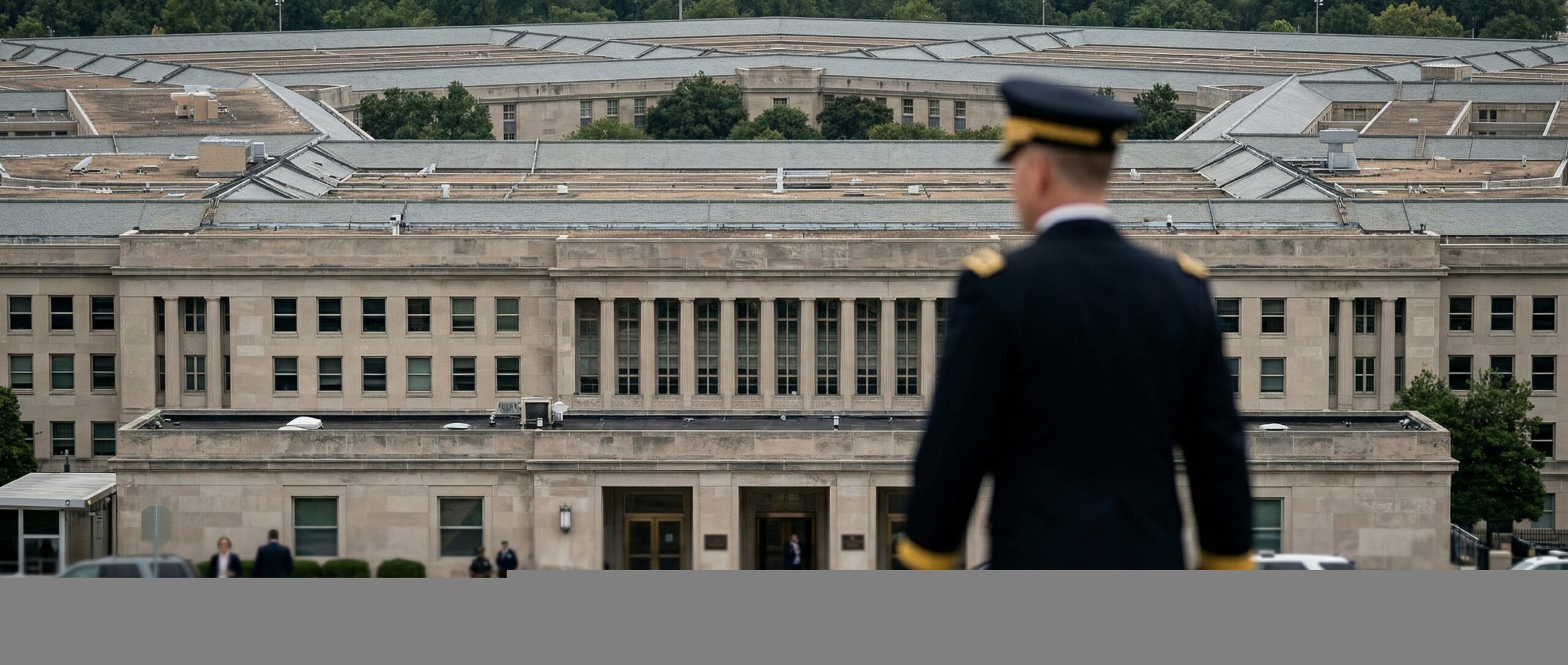
  • Hegseth Asks Army’s Top Uniformed Officer to Step Down During Iran War

    Hegseth Asks Army’s Top Uniformed Officer to Step Down During Iran War

    Defense Secretary Pete Hegseth has asked the Army’s top uniformed officer to step down, according to the Pentagon, which did not explain the reason for the departure request. The announcement, which surfaced Thursday, lands in the middle of active U.S. military operations against Iran, transforming what might otherwise be routine personnel news into a development with immediate national security implications.

    The timing alone distinguishes this move from typical military leadership changes. Wartime command transitions carry weight that peacetime shifts do not. When a senior officer is asked to leave during an active conflict, observers—both domestic and international—read it as a potential signal about strategy, morale, confidence, or broader shifts in how the Pentagon is managing the war effort. Yet without an official explanation, the actual reasons remain unknown, leaving questions about whether this is an isolated personnel decision or the beginning of a larger leadership restructuring.

    The lack of transparency surrounding the request has already sharpened public interest in what happens next and what it might reveal about the current state of military leadership and civil-military relations under the Trump administration.

    What Happened

    On Thursday, the Pentagon confirmed that Hegseth requested the Army’s top uniformed officer step down from his position. The confirmation came through official Pentagon channels but included no explanation for why the Defense Secretary made the request. This absence of detail is notable: when military leadership changes occur without stated rationales, they tend to generate more scrutiny and speculation than moves accompanied by clear reasoning.

    The reporting indicates that Hegseth asked the officer to step down rather than describing the departure as a resignation or planned retirement. That distinction matters, as it suggests the action was initiated by civilian leadership rather than the officer’s own decision. Such requests from a Defense Secretary to a top uniformed officer represent a significant exercise of civil authority over the military.

    The Pentagon’s announcement confirmed the basic facts but stopped short of providing any public justification. No mention was made of performance issues, policy disagreements, strategic realignment, or any other potential reason for the request. For readers and observers seeking to understand the move, that silence has become part of the story itself.

    Why the Timing Matters

    Senior military leadership changes during wartime are never purely administrative matters. The United States is currently engaged in military operations against Iran, making this development far more consequential than it would be during a period of relative peace. Wartime command stability affects not only military operations but also morale among troops, confidence in the chain of command, and how allies and adversaries interpret American resolve and preparedness.

    The Army is the institutional foundation of U.S. ground combat operations, strategic planning, and force readiness. Its top uniformed officer—typically the Sergeant Major of the Army or equivalent senior enlisted leader—represents a critical link between the civilian Pentagon leadership and the broader enlisted force. A change at this level, especially one that appears unexpected or unexplained, can ripple through the entire institution.

    During an active war, such personnel transitions raise legitimate questions: Is the change connected to how the conflict is being managed? Does it signal a new strategic direction? Is there internal disagreement about military operations or policy that prompted the move? Does it reflect confidence in current command, or a loss of it?

    Without an explanation, readers and policymakers cannot answer these questions definitively. That ambiguity is precisely why the timing makes the move strategically important. In wartime, clarity about leadership is typically valued; its absence can invite concern.

    What We Know and What Remains Unclear

    The confirmed facts are narrow but clear: the Pentagon stated that Hegseth asked the Army’s top uniformed officer to step down. The request was confirmed as accurate. No reason was publicly provided by Pentagon officials.

    Beyond those basic points, much remains unknown. The available reporting does not establish whether the move is connected to the officer’s performance, a policy disagreement, strategic repositioning ahead of potential escalation in the Iran war, internal Pentagon politics, or another cause entirely. Readers should be cautious about claims of a motive, as the current reporting does not confirm one.

    It is also unclear whether this departure request signals the beginning of broader leadership changes at the Pentagon or stands as an isolated decision. A single personnel move might indicate a targeted change for specific reasons; multiple moves in quick succession would suggest a more systematic reshuffling of military leadership. Until additional reporting emerges, that distinction cannot be made with confidence.

    The identity and personal background of the officer in question also matters for full context, but readers should rely on clearly sourced reporting for those details rather than assumptions. What we can say with certainty is that the Pentagon confirmed the request and provided no public explanation.

    The Broader National Security Stakes

    Military leadership changes during wartime carry implications that extend well beyond the individual officers involved. They affect command continuity, institutional morale, and public perceptions of Pentagon stability and competence. They can also influence how U.S. military strategy is perceived by allies and adversaries.

    The Army has a central role in U.S. military operations against Iran. Senior enlisted leadership—particularly at the highest levels—shapes how policies are communicated to and executed by the force. A change at that level, especially one lacking a clear explanation, can create uncertainty about priorities, readiness, or leadership direction.

    From a civil-military relations perspective, the move also carries meaning. Defense Secretary Hegseth, a former military officer himself, exercising authority to ask a senior uniformed leader to step down is a legitimate exercise of civilian control over the military. But the manner in which such decisions are communicated—whether they are explained to the force and the public, or left opaque—affects perceptions of whether civilian leadership is acting decisively based on clear rationale or making changes that signal internal discord.

    The Pentagon’s handling of the announcement will likely shape how the military community and policy observers interpret the move. Transparency typically builds confidence; silence or vagueness can invite concern or speculation about what prompted the change.

    How to Read This Move Without Overreaching

    As this story develops, it is important to maintain a disciplined analytical approach. Several interpretive errors are easy to fall into:

    Do not assume a reason without evidence. The Pentagon has not provided an explanation, so claims about why the officer was asked to step down should be treated as speculation unless they are supported by subsequent reporting from credible sources.

    Distinguish between a personnel change and a confirmed policy shift. A single leadership departure, even a significant one, does not automatically confirm that broader military strategy or war policy is changing. One affects people; the other affects decisions and operations. They may be connected, but that connection should be established through reporting, not assumed.

    Focus on what is institutionally significant rather than what is personally dramatic. The fact that a top Army officer is being asked to step down matters because of what it signals about Pentagon priorities and command during wartime. That institutional significance is the story, not personal details or speculation about conflicts.

    Watch for follow-up reporting. If the Pentagon provides a reason later, if additional military departures follow quickly, or if lawmakers or military officials respond publicly, those developments will either clarify or complicate the initial picture. Until then, the honest answer to many questions is that information is still limited.

    What to Watch Next

    Several developments could change how this story is understood and could provide the missing context readers are seeking:

    Pentagon explanation: Will Hegseth or other Defense Department officials provide a reason for the request in subsequent statements or congressional testimony? An explanation offered later would significantly alter how the move is interpreted.

    Additional military departures: If other senior military officers announce departures in the days or weeks ahead, it would suggest a broader Pentagon reshuffling rather than an isolated personnel decision. That pattern would raise different questions about leadership strategy and military command restructuring.

    Congressional response: Will lawmakers—particularly those on defense committees—seek explanation from the Pentagon about the move? Congressional scrutiny often prompts more detailed official responses than routine press releases provide.

    Military community reaction: How do other senior officers, military analysts, and enlisted leadership respond to the news? Public reaction from within the military community can signal whether the move is seen as routine, concerning, or part of a broader realignment.

    Connection to Iran war strategy: Will any subsequent reporting establish whether the change is connected to U.S. military operations or strategy against Iran, or whether it reflects internal Pentagon dynamics separate from the war?

    Readers should monitor credible news sources covering defense and military policy for these follow-up details. A story that begins with a confirmed fact and significant unknowns often becomes clearer as reporting deepens.

    Frequently Asked Questions

    What did Pete Hegseth ask the Army officer to do?

    According to the Pentagon, he asked the Army’s top uniformed officer to step down from his position.

    Did the Pentagon say why the officer was asked to leave?

    No. The Pentagon confirmed that Hegseth made the request but did not provide a reason or explanation for the departure.

    Why is this announcement significant?

    Because it happened while the United States is waging active military operations against Iran. A senior military leadership change during wartime carries greater strategic weight than a comparable change during peacetime would, as it affects command stability, morale, and perceptions of Pentagon priorities during an ongoing conflict.

    Is this connected to the war with Iran?

    The timing overlaps with the active U.S. military operations against Iran, but the provided reporting does not state a specific connection or establish that the personnel move is directly related to Iran war strategy or operations.

    Does this mean there is a broader shakeup at the Pentagon?

    It is too early to say. The current reporting confirms one leadership change request but does not establish whether additional military personnel changes are planned or underway. That would only be clear if a pattern of departures emerges in subsequent reporting.

    What should readers watch for next?

    Any official Pentagon explanation for the move, reports of additional military leadership changes, congressional inquiries into the decision, statements from other military officials, and any reporting that connects the personnel change to broader military strategy or the war against Iran.

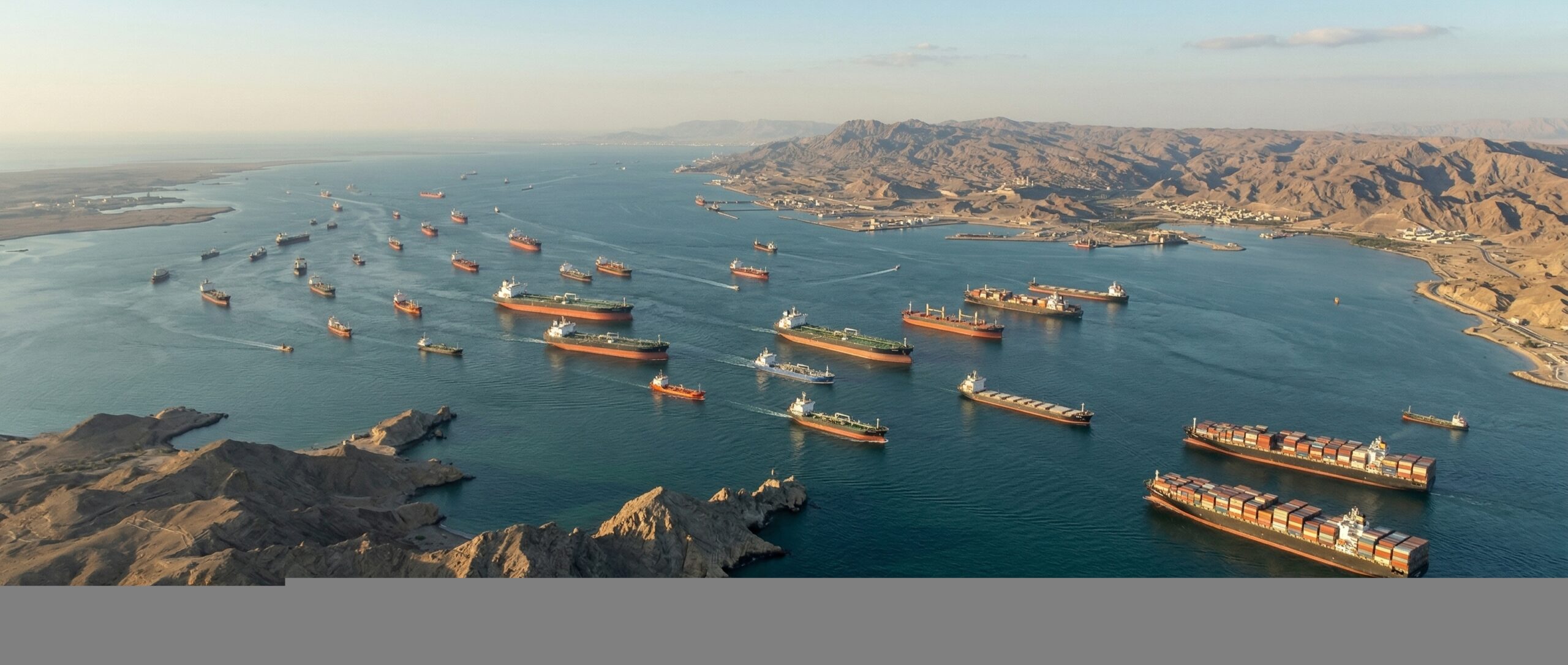
  • More Than 40 U.S. Allies Prepare Contingency Plan for Strait of Hormuz Amid Trump’s Iran War

    More Than 40 U.S. Allies Prepare Contingency Plan for Strait of Hormuz Amid Trump’s Iran War

    More than 40 U.S. allied governments met Thursday to discuss contingency plans for the Strait of Hormuz, according to Bloomberg reporting, signaling that international concern over the waterway has grown beyond bilateral U.S.-Iran tensions into a broader geopolitical and economic security issue.

    The meeting represents a coordinated response to crisis conditions in one of the world’s most critical shipping chokepoints, triggered by escalating tensions linked to the Trump administration’s war on Iran. The fact that so many governments are preparing fallback strategies suggests they are bracing for a scenario in which ordinary commercial and naval access to the strait becomes unreliable or constrained.

    This development carries weight far beyond maritime policy. The Strait of Hormuz is not simply another waterway. It is the passage through which roughly one-fifth of the world’s traded oil flows, along with significant volumes of liquefied natural gas and other goods. Any prolonged disruption there can trigger ripples across global supply chains, energy markets, and the economies of nations that depend on steady shipping routes. The allied meeting is a signal that governments worldwide are taking the possibility of such disruption seriously.

    What the Allied Meeting Reveals About the Crisis

    The convergence of more than 40 governments around Strait of Hormuz contingency planning is itself a form of communication. It tells the Trump administration that the international community views the crisis as a systemic threat, not merely a regional confrontation. It tells energy and shipping markets that preparation for disruption is underway at the highest diplomatic levels. And it tells Iran and other actors that the fallout from any further escalation would be treated as an international security matter requiring coordinated response.

    According to the Bloomberg report, the allies met to discuss how to reopen or stabilize the waterway if conditions deteriorate further. This framing is crucial: the governments involved are not discussing whether to intervene militarily or take unilateral action. They are discussing contingency planning—the preparatory work that happens before a crisis becomes acute. It is a defensive posture, not an offensive one, but it underscores how seriously allied capitals are treating the risks.

    The timing of the meeting, coming during an active escalation phase, reflects the urgency with which allied governments are viewing the threat. When more than 40 nations coordinate on a single waterway, it signals that the issue has moved beyond the margins of diplomatic conversation into active crisis management mode.

    Why the Strait of Hormuz Is a Global Pressure Point

    Understanding why this meeting matters requires understanding what makes the Strait of Hormuz uniquely important to global commerce and security. The strait is a narrow passage of water between Iran and Oman, roughly 21 miles wide at its narrowest point. Despite its small geographic footprint, it is the world’s most critical oil chokepoint.

    Approximately one-fifth of all globally traded oil passes through the Strait of Hormuz each day. For context, that amounts to roughly 21 million barrels per day during normal trade conditions. The strait also carries significant volumes of liquefied natural gas and other energy products. For many countries—particularly in Europe, Asia, and parts of the developing world—this waterway is not an optional route. It is the primary access point to energy supplies that power economies and heat homes.

    Because the strait is so narrow and its strategic importance so outsized, any disruption there creates immediate market reactions. Energy prices rise, insurance costs for shipping increase, and supply chains that depend on predictable delivery schedules face delays and uncertainty. The economic effects spread quickly because energy and shipping are foundational inputs to nearly every other sector of the global economy.

    This is why contingency planning around the Strait of Hormuz is not merely a naval or security concern. It is an economic security issue that touches inflation, employment, consumer prices, and investment decisions across the world. When more than 40 governments coordinate on the strait, they are signaling that they understand the systemic risks involved.

    What the Allies Are Signaling to Trump

    The allied meeting carries a diplomatic message as well as a practical one. By coordinating openly on a contingency plan for the strait, allied governments are communicating several things to Washington and other key actors. First, they are saying that the international community is preparing for outcomes it cannot control and may not have chosen. Second, they are signaling that any disruption to the strait will be treated as an international problem requiring a multilateral response, not a bilateral U.S.-Iran matter to be resolved only between Washington and Tehran.

    Third, and perhaps most importantly, the coordination itself is a message to the Trump administration about the scale of international concern. When allied governments invest diplomatic capital in meeting to discuss contingency plans, it is often because they are worried that existing policy is moving in a direction they view as risky. The meeting does not necessarily mean allies oppose U.S. policy on Iran. It means they are preparing for consequences that extend beyond the immediate U.S.-Iran relationship.

    This kind of coordination also reflects a historical pattern in international security. When multiple governments begin contingency planning around a single issue, it is usually because they believe the status quo is unstable and that preparation is prudent. It is a form of insurance diplomacy—positioning themselves to respond effectively if a feared scenario unfolds.

    The Broader Systems Consequences

    The significance of the Strait of Hormuz crisis extends well beyond the waterway itself. A disruption there would ripple through multiple interconnected systems that most people do not think about until supply chains break or prices spike.

    Energy markets would face immediate pressure. Oil prices would likely rise sharply because traders would factor in the risk of sustained supply disruption. Natural gas markets, particularly liquefied natural gas that serves Europe and Asia, would experience similar volatility. Insurance and shipping costs would increase as companies priced in the risk of transit delays or rerouting. Some shipments might need to take alternate routes around Africa, adding weeks to transit time and significant cost.

    Manufacturing and supply chains would feel downstream effects. Just-in-time manufacturing systems, which depend on predictable delivery of inputs, would face disruptions. Companies that source raw materials from the Middle East or ship goods through the strait would experience delays. Inflation could accelerate if energy costs rise and stay elevated. Consumer prices for goods dependent on stable shipping and energy costs would increase.

    For developing economies and countries dependent on energy imports, a Strait of Hormuz disruption could be catastrophic. Nations that lack energy reserves or alternative supply routes could face shortages. The economic damage could extend beyond shipping and energy into broader development challenges.

    This is why the allied meeting matters so much. Governments are not meeting to discuss a minor maritime logistics issue. They are preparing for a scenario that could affect inflation, employment, investment, and geopolitical stability across multiple regions. The crisis highlights how a regional conflict can become a systemic threat when it involves chokepoints in global infrastructure.

    What to Watch Next

    The story around the Strait of Hormuz contingency planning is still developing. Several developments will be worth monitoring in the coming weeks and months. First, watch whether the allies move from discussion to a concrete, detailed action plan. Contingency planning can remain at the level of diplomatic conversation, or it can evolve into specific operational procedures and agreements. If governments begin signing formal agreements or establishing coordination mechanisms, it would signal a higher level of readiness.

    Second, monitor whether the Strait of Hormuz crisis worsens or stabilizes. If tensions escalate further and access to the waterway becomes actually constrained, the contingency planning could shift from theoretical to operational. Conversely, if diplomatic channels produce a de-escalation, the urgency around contingency planning may ease. Watch for announcements from Washington, Tehran, or allied capitals about negotiations or policy shifts.

    Third, pay attention to how Trump, Iran, and allied governments communicate about the crisis publicly and privately. Official statements from allied governments will reveal how seriously they are treating the situation. Any hardening or softening of rhetoric from the Trump administration or Iran could signal whether further escalation is likely. Private diplomatic channels are harder to observe, but any breakthroughs or setbacks will likely become visible eventually.

    Finally, watch energy and shipping markets for signs of pricing pressure or supply concerns. Market behavior often reflects private sector assessments of risk. If oil prices rise or shipping costs spike on the back of Hormuz concerns, it will be a signal that businesses believe disruption is a real possibility.

    Frequently Asked Questions

    What is the Strait of Hormuz?

    The Strait of Hormuz is a narrow waterway between Iran and Oman that connects the Persian Gulf to the Gulf of Oman and the Arabian Sea. Despite its small geographic size—roughly 21 miles wide at its narrowest point—it is the world’s most critical oil chokepoint. Approximately one-fifth of all globally traded oil passes through the strait each day, making it essential to global energy security and commerce.

    Why are U.S. allies preparing a contingency plan?

    Allied governments are responding to the escalating crisis linked to the Trump administration’s war on Iran. They are concerned that tensions could disrupt access to the Strait of Hormuz, which would affect shipping, energy flows, and trade worldwide. By preparing contingency plans, the allies are positioning themselves to respond effectively if disruption occurs and seeking to coordinate their response with other governments.

    Does this mean the allies are launching a military operation?

    No. Based on the available reporting, the allies are discussing contingency planning, which is a preparatory diplomatic and strategic step. Contingency planning involves developing procedures and agreements for how to respond if a particular scenario unfolds. It is not the same as launching or confirming a military operation. The distinction is important: the allies are preparing for a possible crisis, not executing an operational response.

    Why does the Strait of Hormuz matter globally?

    Because the strait is a critical route for shipping and energy transport, disruption there has effects far beyond the Middle East. A significant constraint on traffic through the strait would raise global oil prices, disrupt supply chains, increase shipping costs, and potentially trigger inflation. Countries across Europe, Asia, Africa, and the Americas depend on stable access to the waterway because of its importance to energy supplies and international trade.

    What does the meeting signal to Trump?

    The meeting signals that many allied governments are deeply concerned about the crisis and its potential consequences. It communicates that allies are preparing for outcomes that extend beyond the immediate U.S.-Iran relationship and that any disruption will be treated as an international security matter requiring multilateral coordination. It is also a subtle message that the international community is bracing for fallout from continued escalation.

    What should readers watch next?

    Monitor whether allies move from contingency discussion to concrete operational agreements. Watch for signs of escalation or de-escalation in the Strait of Hormuz crisis. Pay attention to official statements from the Trump administration, Iran, and allied governments. Also observe energy and shipping markets for pricing signals that suggest business confidence in or concern about disruption to the waterway.

    The Road Ahead

    The meeting of more than 40 U.S. allied governments around Strait of Hormuz contingency planning is significant precisely because it is not dramatic. There is no military operation announced, no intervention declared. Instead, there is careful, methodical preparation for a scenario that governments hope does not occur but are taking seriously enough to plan for.

    This kind of coordination is how the international system works when it works well: governments acknowledge a shared risk, communicate across borders, and prepare collectively for adverse outcomes. Whether this particular effort prevents a crisis or merely manages the fallout from one remains to be seen. What is clear is that the Strait of Hormuz crisis has moved from a bilateral U.S.-Iran concern into a multilateral geopolitical and economic security issue. The allied meeting is evidence that the world is paying attention and preparing accordingly.

    For readers following U.S.-Iran tensions and their global consequences, this is a development worth taking seriously. It suggests that the crisis is deeper and more consequential than headlines about military tensions alone might indicate. The stakes involve shipping routes, energy security, supply chains, and the stability of systems that billions of people depend on. When more than 40 governments coordinate on a single waterway, it is a sign that the pressure is building and the international system is bracing for impact.

  • Iran War Exposes Frailties of No-Hire U.S. Economy

    Iran War Exposes Frailties of No-Hire U.S. Economy

    The United States economy is facing a stress test it may not have been built to endure. Fresh Reuters reporting reveals that U.S. job growth is slowing to a virtual standstill, a development that by itself might warrant cautious attention. But this labor-market weakness arrives at a moment when the Iran war is already straining confidence and forcing policymakers and investors to reassess the resilience of the broader economy. The convergence of these two forces—stubborn weakness in hiring and elevated geopolitical risk—is exposing structural fragility that many analysts and officials may have underestimated.

    The immediate narrative is straightforward: American businesses are hiring far less aggressively than they were even months ago. What makes this development consequential now, however, is that a labor market already operating near its floor is colliding with an environment of heightened uncertainty. In normal times, a slowing in job creation might be absorbed as a temporary adjustment. In an era defined by the Iran conflict and its potential for economic disruption, the same slowdown looks like a warning signal that the system has less capacity to absorb further shocks.

    This is not simply an employment story. It is a story about how geopolitical stress lays bare the vulnerabilities of an already stretched economy, and why that matters for everyone from wage earners to Wall Street.

    What the Labor Market Slowdown Reveals

    Job growth in the United States has been a bright spot in economic reporting for years, even as other indicators showed signs of softening. But that narrative is shifting. The Reuters reporting indicates that hiring has decelerated dramatically, approaching what economists sometimes describe as a “no-hire” economy—a state in which businesses remain so cautious about the future that they significantly constrain new employment even in the absence of an outright recession.

    A “no-hire” economy does not necessarily mean that companies are laying off workers en masse or that unemployment is spiking. Rather, it describes an environment of extreme caution in which employers treat every hiring decision as discretionary, defer wage growth, and rely more heavily on existing staff stretched across growing responsibilities. It is the labor market equivalent of an organization in defensive mode.

    Why this matters now is the crucial context. Before the Iran war escalated, a slowdown in job growth might have been interpreted as a cyclical adjustment or a sign that the labor market was finally cooling after years of tightness. Today, that same slowdown carries a different weight. It suggests that the U.S. economy was already fragile before geopolitical tensions spiked, and those tensions are likely to make businesses even more reluctant to commit resources to expansion or hiring.

    The timing compounds the concern. Policymakers and investors were already grappling with questions about the sustainability of growth and the strength of consumer demand. Weak hiring accelerates those doubts. When labor-market momentum stalls in an already uncertain environment, the natural response from both business leaders and financial markets is to become more conservative. That conservatism, in turn, becomes self-reinforcing: cautious hiring begets cautious spending, which justifies further caution in hiring.

    Why Geopolitical Stress Sharpens the Focus on Labor Weakness

    The Iran war did not cause the slowdown in American job growth, but it is making that slowdown impossible to ignore or rationalize away. This distinction is important. The underlying weakness in the labor market reflects genuine caution among American businesses about the economic outlook—caution that predates the current escalation of Middle Eastern tensions. What the war does is remove any remaining excuse for policymakers and investors to treat that weakness as manageable.

    Geopolitical shocks work through multiple channels. The most direct is supply chain disruption: conflict in the Middle East has historically raised energy prices and created logistical challenges that ripple through global commerce. The less visible but potentially more damaging channel operates through confidence and expectations. When businesses are uncertain about geopolitical developments, they defer decisions. They postpone hiring, delay capital investment, and reduce inventories. That behavioral shift can persist even if the direct economic impact of the conflict remains limited.

    What makes the current moment particularly fragile is that American businesses are entering a period of elevated geopolitical risk from a position of already weakened labor-market momentum. In economic terms, this is a poor place to absorb a shock. An economy with strong job growth, rising wages, and robust hiring has more cushion to absorb supply disruptions or a temporary hit to confidence. It can weather uncertainty because the underlying trends are supportive. An economy in which hiring is already near a standstill has far less such cushion. Every incremental slowdown matters more. Every unexpected event becomes harder to absorb without triggering broader damage.

    Policymakers and investors are attuned to this dynamic. They understand that weak job growth in normal times might be tolerable, but weak job growth alongside geopolitical stress is a different story entirely. It raises the question of whether the economy can maintain stable growth, employment, and financial conditions through a period of sustained uncertainty. The answer is no longer obvious.

    Who Bears the Most Acute Risk

    The consequences of a no-hire economy converging with geopolitical stress are not distributed evenly. American workers are among the first to feel the pressure. In an environment where hiring is cautious, job seekers face longer searches and less bargaining power for wage growth. Workers already employed become vulnerable to reductions in hours or benefits. Young people and those without strong networks or credentials face particular headwinds in a market where employers are selective and conservative.

    Employers themselves occupy an uncomfortable middle ground. Smaller and mid-sized businesses, especially those with exposure to supply chains affected by Middle Eastern conflict, face compounding uncertainty. They must decide whether to maintain current staffing levels, reduce headcount to preserve cash, or continue hiring despite the uncertain environment. That calculus is difficult in any circumstance; it is nearly paralyzing when geopolitical risk is simultaneously rising.

    Investors are watching closely because labor-market weakness is a leading indicator of broader economic stress. A slowdown in job growth often precedes declines in consumer spending, corporate earnings, and overall growth. For those managing equity and bond portfolios, the combination of weak hiring and geopolitical risk is a red flag. It suggests that the economy may be more vulnerable to a significant downturn than headline figures might imply. The Iran war, in this context, is not simply a geopolitical event; it is a stress test that reveals how much margin for error remains in the financial system.

    Policymakers face their own difficult terrain. The Federal Reserve must weigh whether to maintain its current interest-rate posture or adjust policy in response to labor-market weakness. Too tight a policy stance could tip the economy toward recession; too loose a stance could allow inflation to reaccelerate if the war drives up energy prices. Meanwhile, Congress and the executive branch must consider whether fiscal support is warranted to cushion the economy against the dual pressures of weak hiring and geopolitical uncertainty. None of these decisions are straightforward when the underlying data is ambiguous and the external environment is volatile.

    The Broader Question of Economic Resilience

    The story of weak job growth exposed by the Iran war is ultimately a story about the resilience of the American economic system. For years, policymakers have operated on the assumption that the U.S. economy is structurally sound—that even if growth is not robust, the underlying fundamentals are strong enough to absorb shocks and recover. The current convergence of labor-market weakness and geopolitical stress is testing that assumption in real time.

    What the data suggests is that the economy may be less resilient than it appears. A labor market operating near a standstill is not the foundation of a system that can easily withstand additional pressure. When job growth is anemic, consumer confidence typically erodes more quickly. Spending softens. Business investment declines. Financial conditions tighten. These dynamics can feed on themselves, creating a vicious cycle that is hard to break once it starts.

    The Iran war is acting as a stress test precisely because it is raising the stakes at a moment when the system is already showing signs of strain. If the conflict remains limited in scope and duration, the economy may navigate the current period without major damage. But if the conflict widens, energy prices spike further, or confidence deteriorates more sharply, the weak labor market becomes a vulnerability rather than merely a headline to monitor. The combination of the two forces—one domestic, one geopolitical—is more consequential than either would be in isolation.

    This is what analysts mean when they speak of economic fragility. It is not a collapse or a crisis in the conventional sense. It is a state in which the economy has less margin for error, fewer resources to deploy in response to shocks, and greater vulnerability to negative feedback loops. A labor market near a standstill, operating in an environment of elevated geopolitical risk, is a textbook example of that fragility.

    What Can and Cannot Be Concluded

    It is important to be precise about what the current reporting establishes and what it does not. The Reuters reporting makes clear that U.S. job growth is slowing to a virtual standstill and that this weakness is occurring in the context of the Iran war. It also frames this combination as revealing vulnerabilities in the American economy that deserve scrutiny from policymakers, investors, and analysts.

    What cannot be concluded from the current reporting alone is precisely how the war will affect job creation going forward, or what specific policy responses are warranted. The research does not provide granular employment numbers, sector-by-sector breakdowns, or forecasts of future hiring. It does not claim that the war is directly causing job losses, only that it is sharpening attention on existing labor-market weakness. It does not specify whether the slowdown is temporary or structural, though the framing suggests concern that it may represent a more durable shift in business behavior.

    The careful reader should treat this article not as a prediction of imminent economic collapse, but as a signal that a previously overlooked vulnerability is now impossible to ignore. The labor market was slowing before the war. The war is simply making that slowdown matter more because it raises the cost of economic fragility. The distinction is important and worth preserving.

    What Comes Next

    The implications of this convergence will likely shape the news cycle for months to come. Market watchers will closely monitor future employment reports to determine whether the slowdown is accelerating or stabilizing. Policymakers will face increasing pressure to respond with either fiscal stimulus or monetary accommodation. Investors will reassess their exposure to sectors and assets most vulnerable to a sustained period of labor-market weakness and geopolitical uncertainty.

    The story will also become more complex as time passes. The immediate focus is on the labor market as a barometer of economic health. But if hiring weakness persists, attention will likely shift to what it means for consumer spending, corporate profitability, and financial stability. If the Iran conflict escalates, energy prices could become a more pressing concern, potentially overriding labor-market dynamics in the near term. The interaction of these forces will determine whether the current period of anxiety gives way to adaptation or to something more serious.

    What readers should understand is that this is not a routine employment update. It is a moment in which domestic economic weakness and geopolitical stress are converging in ways that expose the fragility of systems that may have appeared more resilient than they actually are. That matters for anyone trying to understand the economy, the markets, and the stakes of the moment.

    Frequently Asked Questions

    What does a “no-hire” economy mean?

    A no-hire economy describes a labor market characterized by extremely weak or nearly stalled hiring activity, even without outright employment collapse. Businesses remain so cautious about future prospects that they treat new hiring as discretionary and significantly constrain recruitment efforts. Workers remain employed, but new opportunities become scarce and wage growth typically stalls.

    Why does the Iran war matter for the U.S. economy?

    Geopolitical shocks like the Iran war affect economies through multiple channels: potential supply chain disruptions, energy price volatility, and most importantly, shifts in business confidence and hiring behavior. When uncertainty rises, companies postpone decisions and become more conservative. This matters most when the underlying economy is already weak, because there is less margin for error.

    Is U.S. job growth really stopping?

    The Reuters reporting indicates that job growth is slowing to a virtual standstill, which signals very weak momentum rather than a complete halt. Hiring is not at zero, but it is moving in a direction that concerns analysts and policymakers, particularly given the concurrent geopolitical environment.

    Who should pay attention to this story?

    Policy analysts, investors, business leaders, job seekers, and anyone interested in understanding the economic implications of the Iran war should track this development. The story is relevant to financial markets, labor policy, consumer spending expectations, and broader assessments of economic vulnerability.

    Is the war directly causing the slowdown in hiring?

    The provided research does not establish direct causation. The slowdown in job growth reflects caution among American businesses that predates the current escalation of Middle Eastern tensions. The war is making that existing weakness more consequential by raising the stakes and reducing tolerance for economic fragility.

    Why does this matter more now than it would have before the war?

    Weak job growth in isolation might be manageable or temporary. But weak job growth occurring simultaneously with elevated geopolitical risk significantly reduces the economy’s capacity to absorb shocks. The combination makes labor-market weakness harder to dismiss and raises legitimate concerns about broader economic resilience.

  • Russia Plans New Ukraine Offensive as World Attention Shifts to Iran

    Russia Plans New Ukraine Offensive as World Attention Shifts to Iran

    A disputed claim over a single eastern Ukrainian town may be less important than what it signals about Russia’s strategy: Moscow appears to be testing whether a crowded global agenda creates room for a new military push in Ukraine, even as international attention increasingly turns toward Iran.

    According to reporting from Bloomberg, Russia is preparing to intensify its war effort in Ukraine at a moment of competing global crises. The immediate flashpoint is Kupyansk, a town in eastern Ukraine where Vladimir Putin publicly highlighted Russian military success, only to face an immediate public challenge from Volodymyr Zelenskiy, who responded with a video address filmed from the town itself. Beyond the headline dispute lies a broader strategic question: whether Russia believes the divided focus of the international community creates a window for escalation.

    The story matters not only for what it reveals about the current battlefield but for what it shows about how global attention—and its absence—can shape the trajectory of ongoing conflicts. Understanding what has been reported, why the timing matters, and what the implications could be requires looking past the single town to the geopolitical context surrounding it.

    What the Bloomberg Report Says

    The reporting centers on Russia’s apparent preparation for a new phase of military intensity in Ukraine. The development gained immediate public visibility through competing claims about control of Kupyansk, a town in the Kharkiv region of eastern Ukraine. Putin’s public assertion about Russian success in seizing the town became a focal point precisely because Zelenskiy did not issue a routine denial from a distant location—he responded directly from Kupyansk with a video address, effectively contesting the claim on the ground.

    This public exchange over territorial control is significant because it illustrates how modern warfare includes a strong messaging component. Battlefield claims serve multiple purposes: they can boost military morale, signal strength to allies and adversaries, shape public perception of momentum, and influence the international narrative around the conflict. When Putin makes a public claim about seizing territory and the Ukrainian president immediately contradicts him from that same location, the dispute itself becomes part of the story.

    The key point from the reporting is that the Kupyansk control claim remains disputed. It has not been settled by independent verification or military analysis presented in the research. Rather, the competing claims from both leaders represent two versions of events, each designed to communicate a particular strategic message about who holds the upper hand.

    Why Kupyansk Matters

    Kupyansk is not a random eastern Ukrainian town suddenly thrust into headlines. Its location and role in the broader conflict make it strategically relevant to the war in eastern Ukraine. The town has become a symbol of the territorial competition that defines the Russia-Ukraine war, and its mention in high-level political messaging signals that both sides view it as significant to their narrative about control and momentum.

    When Putin chose to highlight Kupyansk as evidence of Russian military success, he was not picking an obscure location. The choice reflected an assessment that the town mattered enough to showcase as a win. Zelenskiy’s immediate response from the town—rejecting the claim with a video address—was equally deliberate. It was a direct refutation not just in words but in presence, showing Ukrainian leadership willing to be in the contested area itself.

    This back-and-forth between leaders reveals how the battlefield and the information war are intertwined. A town can be important not only for its military value but for what claiming or defending it symbolically means. The public nature of the exchange means both sides are competing not just for physical territory but for the international audience’s understanding of who controls what, who is advancing, and who is credible.

    The Timing: Why Iran Matters to the Ukraine War Story

    The article’s emphasis on global attention shifting toward Iran is not suggesting that the two conflicts are equivalent or directly connected. Rather, it reflects a strategic reality of modern geopolitics: when multiple crises demand international attention simultaneously, the distribution of that attention shapes how each crisis is covered, how it is prioritized in diplomacy, and what strategic windows actors perceive.

    As international focus increasingly turns toward Iran—whether due to regional developments, nuclear negotiations, or other major events—the resources devoted to covering, analyzing, and diplomatically engaging with the Ukraine war may be correspondingly stretched. This is not a cause-and-effect relationship that will directly change the battlefield, but it does change the strategic context in which decisions are made.

    For Moscow, if there is a perception that world attention is divided and that Ukraine coverage is being crowded out by Iran-focused reporting, that could inform calculations about the strategic timing of a military escalation. Leaders sometimes assess that moments of international distraction create opportunities—either because adversaries will be less focused, because diplomatic response will be slower, or because domestic political pressure to intervene will be reduced. Whether or not this calculation is accurate, the logic behind it shapes behavior.

    The point is not that Iran and Ukraine are competing directly for causality, but that shifts in the global information and diplomatic environment can affect how conflicts unfold and are perceived. A war that commands the headlines operates in a different strategic context than one that shares international attention with multiple other crises.

    What a New Offensive Could Mean

    If Russia is indeed preparing to intensify military operations in Ukraine, the implications would be significant for the eastern part of the country, where much of the recent fighting has been concentrated. An escalated offensive could mean increased pressure on Ukrainian forces, potential territorial gains for Russian forces, or an attempt to shift the momentum of a conflict that has been characterized by grinding, attritional warfare.

    The reported development raises questions about Russian strategic thinking. Is Moscow trying to achieve specific battlefield objectives before potential diplomatic initiatives? Is the timing designed to create a new crisis that reshapes international pressure on Ukraine or changes the terms of potential negotiations? Is there an assessment within Russian leadership that current global conditions—with attention split and international consensus fractured—create a favorable window for action?

    For Ukraine, a renewed Russian offensive would mean intensified strain on military resources, pressure on civilian populations in affected areas, and a potentially more urgent situation requiring international support and attention. For Ukrainian allies providing military and economic aid, such a development would likely trigger reassessments of what support levels are needed and how urgent the situation has become.

    The uncertainty here is important to underscore: the research indicates reporting and strategic assessment rather than confirmed operational details. The phrase “plans new offensive” reflects what has been reported or assessed, not a fully transparent picture of Russian intentions or capabilities.

    How the Information Battle Shapes Perception

    In modern warfare, control over the narrative can be as strategically important as control over territory. When Putin makes a public claim about seizing Kupyansk, he is attempting to shape international perception of Russian military success and momentum. When Zelenskiy responds with a video from the town, he is using his own body and presence as evidence against the claim. Both are engaging in what might be called battlefield messaging—using public statements and visual communication to influence how the conflict is understood and perceived.

    This messaging battle is not separate from the military conflict; it is part of it. International audiences, policymakers, and even military analysts rely heavily on leader statements, news reporting, and visual documentation to understand what is actually happening on the ground. When competing claims emerge from authoritative sources, the ambiguity itself becomes strategically useful—some audiences believe Putin, others believe Zelenskiy, and the dispute itself fills news cycles and shapes debate.

    For readers trying to understand the conflict, this dynamic presents a challenge: territorial control claims should be treated with appropriate skepticism until they are corroborated by multiple independent sources or verified by international observers. A leader’s public claim about control, while newsworthy, is not the same as verified information. The distinction matters both for accurate understanding and for recognizing how leaders use public statements as strategic tools.

    What to Watch Next

    As this story develops, several key indicators will help clarify what is actually happening and what it means for the broader conflict. First is whether independent reporting and military analysis confirm that Russia is indeed preparing a broader offensive beyond the Kupyansk area. A single disputed town claim is different from confirmed evidence of a coordinated escalation across multiple fronts.

    Second is how the Kupyansk dispute itself evolves. Will independent observers or additional reporting clarify who actually controls the town? Will the situation stabilize, or will it remain contested and disputed? How both sides continue to present the situation will reveal something about their confidence in their actual position versus their confidence in their ability to shape narrative.

    Third is whether international attention remains divided between Ukraine and Iran, and if so, how that affects diplomatic response and international support for Ukraine. A conflict that commands sustained international attention operates differently than one that is competing with other crises for headlines and policy focus.

    Finally, watch for signals from Russia about its strategic intentions. Escalating military activity is one signal; public statements from military or political leaders about objectives would be another; and any movement toward or away from diplomatic engagement would provide additional context for what Moscow’s current strategy actually is.

    Frequently Asked Questions

    What is Russia reportedly planning in Ukraine?

    According to Bloomberg reporting, Russia is preparing to intensify its war effort in Ukraine. This represents an apparent shift toward greater military activity at a moment when global attention is increasingly focused on other crises, particularly developments in Iran.

    Why is Kupyansk mentioned in the story?

    Kupyansk is a town in eastern Ukraine that became a flashpoint in the public messaging battle between Russia and Ukraine. Putin highlighted it as evidence of Russian military success, while Zelenskiy immediately challenged that claim by addressing international audiences from the town itself. This makes it a symbol of both territorial competition and information warfare in the conflict.

    Did Russia definitely seize Kupyansk?

    No. The provided reporting indicates that Putin made a public claim about seizing Kupyansk, but Zelenskiy immediately challenged that claim, including by appearing in a video from the town. The claim should be treated as disputed rather than verified. Competing assertions from both sides do not constitute independent confirmation of control.

    Why does the story mention Iran?

    The story mentions Iran because the reported development occurs at a moment when international media and diplomatic attention is increasingly focused on events in Iran. When multiple major crises compete for global attention simultaneously, it affects how each is covered, how resources are allocated, and what strategic opportunities actors may perceive. The timing matters to understanding Russia’s possible strategic calculation.

    How does this affect the wider Russia-Ukraine war?

    If Russia intensifies military operations as reported, it could increase pressure on Ukrainian forces in eastern Ukraine and signal a new phase of conflict. It may also indicate Russian strategic thinking about global attention and perceived windows for military action. The precise military outcomes are not established, but the development is significant as both a battlefield indicator and a geopolitical signal.

    Is this mainly a battlefield story or a geopolitical story?

    It is both, but the strongest framing is geopolitical. While the immediate focus is on a disputed territorial claim in eastern Ukraine, the broader significance lies in how it reflects Russian strategic thinking about timing, global attention, and opportunity. The battlefield development is important precisely because of what it signals about Russia’s broader assessment of the moment.

    Why is the Putin-Zelenskiy exchange important?

    The public exchange shows how modern warfare includes a significant information and messaging component. When leaders make competing claims about territorial control, they are engaged in a battle over narrative and perception, not just military outcomes. The fact that Zelenskiy responded from the contested location itself underscores how both sides use public communication as a strategic tool in the conflict.

    For more detailed reporting on this development, see Bloomberg’s coverage of Russia and Ukraine’s reported military escalation.

  • Trump’s Strait of Hormuz Remarks Signal Energy Security Concerns as Iran War Continues

    Trump’s Strait of Hormuz Remarks Signal Energy Security Concerns as Iran War Continues

    A single shipping corridor in the Middle East has emerged as a focal point for concerns about global oil supply, U.S. fuel prices, and the geopolitical consequences of the ongoing war on Iran. President Donald Trump’s recent comments about countries that depend on oil flowing through the Strait of Hormuz are drawing attention not because of the quote alone, but because they signal how tightly linked Middle East conflict, energy security, and consumer economics have become.

    The political and economic stakes of this moment extend far beyond any single remark. The Strait of Hormuz represents a critical vulnerability in global energy systems, and any instability in the region can quickly translate into price pressure at the pump for millions of Americans. Understanding what Trump said, why it matters, and what it reveals about energy security in a time of regional conflict requires unpacking both the immediate news and the broader strategic context.

    What Trump Said and Why It Drew Attention

    According to reporting from AP News, Trump told countries that depend on oil from the Strait of Hormuz that they “must grab it and cherish it.” The comment landed in the context of rising U.S. gas prices and the continuing military conflict involving Iran, creating a moment where foreign policy, energy markets, and domestic political pressure converged.

    The remarks appear designed to reassure Americans and international partners that the U.S. administration is focused on energy security even as regional tensions persist. By invoking the Strait of Hormuz by name, Trump is drawing public attention to a strategic resource that many people outside policy circles may not fully understand. The comment is relatively brief, but it carries weight because it explicitly acknowledges the connection between Middle East stability, oil supply, and the concerns of ordinary consumers worried about fuel costs.

    The timing matters. Gas prices have been a consistent source of political pressure, and framing the administration’s approach to regional conflict through an energy-security lens allows Trump to connect foreign policy decisions to kitchen-table economics. The remark also signals to international observers that the U.S. is aware of the strategic importance of this waterway and is monitoring the situation closely.

    Why the Strait of Hormuz Is So Important

    For readers unfamiliar with the geography and economics of global energy markets, the Strait of Hormuz might seem like an obscure geographic feature. In reality, it is one of the world’s most critical chokepoints for oil supply, and its strategic importance cannot be overstated.

    The Strait of Hormuz is a narrow waterway between Iran and Oman that connects the Persian Gulf to the Gulf of Oman and the Arabian Sea. It is roughly 21 miles wide at its narrowest point, and this confined passage handles an enormous share of the world’s seaborne oil trade. Estimates suggest that approximately one-third of all globally traded oil passes through the Strait each day. For many countries, particularly in Asia and Europe, the Strait is the primary route for importing crude oil and refined petroleum products.

    This concentration of energy traffic through a single geographic chokepoint creates inherent vulnerability. Any disruption to shipping in the Strait—whether from military conflict, accidents, sanctions enforcement, or political instability—can immediately affect global oil prices. Because oil markets respond quickly to perceived supply risks, even the threat of disruption can drive prices higher before any actual interruption to shipments occurs.

    The countries most directly dependent on the Strait include major global economies like Japan, South Korea, India, and several European nations. For these countries, any threat to the security of this passage is not an abstract geopolitical concern; it is a direct threat to their energy supply and economic stability. The Strait’s importance also means that disruption there can ripple through global markets, affecting fuel prices in the United States and elsewhere even if a particular country does not directly import oil from the Persian Gulf.

    How the War on Iran Changes the Energy Picture

    The Strait of Hormuz sits at the intersection of geopolitics and energy security because Iran borders the waterway and has historically used the threat of disrupting traffic there as a tool of leverage during periods of conflict or international tension. The ongoing war on Iran makes concerns about Strait security more immediate and tangible.

    During military conflicts in the Middle East, the risk calculation for shipping companies and oil traders shifts. Insurance costs for vessels transiting the Strait can rise. Some shipping companies choose alternative, longer routes to avoid the perceived risk, which increases costs and can constrain supply to markets. Even without an actual disruption, these behavioral changes can create upward pressure on oil prices.

    The connection between regional conflict and oil prices is well understood by markets and policymakers. When tensions rise in the Middle East, traders immediately begin factoring in a risk premium—essentially pricing in the possibility that supplies might be disrupted. This premium can persist for weeks or months, even if no actual disruption occurs. It is one way that geopolitical risk becomes economic risk almost instantaneously.

    For the United States, which has been focused on managing public concern about rising gas prices, the implications are significant. Higher oil prices feed into higher gas prices at the pump, which affects consumer sentiment and becomes a political issue. This is why Trump’s comment about the Strait is tied to U.S. domestic economic anxiety. By appearing to take seriously the strategic importance of this waterway and the need to protect oil supplies flowing through it, the administration is trying to signal that it is aware of and managing the energy security risk posed by the conflict.

    What Trump May Be Trying to Accomplish Politically

    The political dimension of Trump’s comment should not be overlooked. The statement appears designed to accomplish several things simultaneously: reassure American consumers that the administration is focused on energy security, signal to international partners that the U.S. is committed to protecting global oil supply, and frame the broader conflict in terms that connect directly to everyday economic concerns.

    Energy prices have long been a driver of public opinion and political outcomes. When consumers see rising gas prices, they often blame the sitting administration, regardless of the underlying causes. This is particularly true during periods of international conflict, when the connection between geopolitics and fuel costs becomes more visible to ordinary people. By emphasizing the Strait of Hormuz and its importance to global oil markets, Trump is essentially saying to the American public: “We understand what is at stake here, and we are thinking about how to protect your interests.”

    There is also an implicit message to countries that depend on the Strait—particularly allies—that the U.S. is aware of and concerned about their energy security. This can be a way of signaling commitment to regional stability and protection of critical infrastructure, even amid broader conflicts.

    It is important to distinguish between the political messaging and the actual market or security impact. The comment itself does not change the military situation or eliminate the risk of disruption to the Strait. Rather, it reflects an awareness of the strategic stakes and an attempt to shape public and international expectations about how the administration views energy security in the context of regional conflict.

    Who Is Exposed If the Strait of Hormuz Is Disrupted

    Understanding vulnerability requires identifying the specific groups and systems that would feel the impact first if the Strait faced serious disruption.

    Countries that import significant quantities of oil through the Strait—including Japan, South Korea, India, and several European nations—would face the most immediate pressure. For these economies, alternative energy sources cannot be accessed quickly enough to replace a sudden loss of supply through the Strait. They would face either rapidly rising energy costs or potential shortages, either of which would ripple through their economies.

    Global oil markets would experience sharp price movements. Traders would likely bid up the price of oil aggressively in response to any verified disruption, as they compete for available supplies and price in the risk of further problems. Consumers in the United States and worldwide would see these price increases reflected at the pump.

    Shipping companies and maritime operators would face increased insurance costs, potential rerouting of vessels to longer and more expensive routes, and possible physical risks if military conflict intensifies. Some shipping operators might choose to pause operations in the region temporarily until conditions stabilize.

    U.S. consumers would ultimately feel the effects through higher gas and diesel prices. Even though the United States does not import large quantities of oil from the Persian Gulf directly, the global nature of oil markets means that disruption there affects prices everywhere. This is one reason why Middle East energy security is a U.S. national interest, and why Trump’s comment linking the Strait to broader U.S. concerns about gas prices reflects an understanding of how interconnected energy markets have become.

    What to Watch Next

    The immediate focus for observers should be on several indicators that will help clarify whether the situation is moving toward stability or further risk.

    Further statements from Trump, his administration, or other U.S. officials about the Strait or energy security could provide more detail about how the U.S. plans to approach these concerns. Will the administration take concrete steps to ensure freedom of navigation in the Strait? Will there be efforts at diplomatic de-escalation regarding Iran that could reduce tensions around this chokepoint?

    Signs of escalation or de-escalation in the war on Iran will matter significantly. Any military action that directly affects shipping in the Strait, or any statements from Iranian officials about potential disruption, would immediately shift market expectations and public concern. Conversely, any diplomatic progress or statements suggesting a reduction in conflict could ease some of the risk premium currently in oil prices.

    Oil and gas price expectations will reflect market assessment of these risks in real time. Traders and analysts will be monitoring both the price of crude oil futures and retail gas prices to gauge how much risk the market is pricing in. Significant movements in these prices, or statements from energy analysts about expected price trajectories, will provide signals about how the market is assessing the energy security risk posed by the ongoing conflict.

    The Strait of Hormuz will remain a live geopolitical and energy-security issue for as long as Middle East conflict continues and oil remains a critical global energy source. Trump’s remarks underscore how quickly a regional military conflict can connect to global economic outcomes and consumer welfare.

    Frequently Asked Questions

    What did Trump say about countries that rely on oil from the Strait of Hormuz?

    According to AP News reporting, Trump told those countries that they “must grab it and cherish it.” The comment appears aimed at reassuring both Americans and international partners that the administration is focused on protecting energy supplies flowing through this critical waterway.

    Why is the Strait of Hormuz so important?

    The Strait of Hormuz is a major oil shipping chokepoint through which approximately one-third of the world’s seaborne oil trade passes daily. Because so much of the global oil supply depends on this narrow passage between Iran and Oman, any disruption there can quickly affect oil prices worldwide and ripple through energy markets and consumer fuel costs.

    How does the war on Iran relate to gas prices?

    The conflict raises concern about possible disruption to oil shipping and supply through the Strait of Hormuz. When geopolitical risk increases in the Middle East, oil traders typically add a risk premium to prices, which can drive up oil and gas prices even before any actual disruption occurs. This is why regional military conflicts often feed into higher fuel prices for consumers.

    Is this about U.S. domestic politics or foreign policy?

    It is both. Trump’s remarks connect geopolitical risk to the domestic political concern about rising gas prices. By emphasizing the strategic importance of the Strait of Hormuz, the administration is attempting to frame its approach to Middle East conflicts in terms that directly relate to American consumer economics.

    Who would be affected if the Strait of Hormuz faced disruption?

    Multiple groups would feel the impact. Countries that depend on the Strait for oil imports—including Japan, South Korea, India, and several European nations—would face immediate supply pressure. Global oil markets would experience sharp price increases. Shipping operators would face higher costs and risks. Ultimately, U.S. consumers and consumers worldwide would see higher fuel prices as the global oil market responded to any disruption.

    Does the reporting say oil shipments have already been cut off?

    No. The provided reporting reflects concern and strategic context around the Strait of Hormuz and the ongoing war on Iran, but it does not indicate that an actual disruption to oil shipments has already occurred. The focus is on the political and economic implications of the vulnerability this chokepoint represents.

  • Reuters Video: A Global Source of Trusted News Footage in the Modern Media Landscape

    Reuters Video: A Global Source of Trusted News Footage in the Modern Media Landscape

    In a media environment crowded with clips, reposts, and unverified visuals, Reuters Video stands out as a quiet reminder that source quality still matters. It is not a single viral moment or breaking-news update, but rather the infrastructure behind how trusted visual reporting moves from journalists in the field to audiences and publishers worldwide.

    Reuters Video is Reuters’ video news offering, built around footage captured by award-winning Reuters journalists working across the globe. The service operates as part of the broader news supply chain, helping move verified visual material from reporters to downstream publishers, broadcasters, and audiences seeking credible documentation of events. In practical terms, that makes it a key piece of the system that shapes how people encounter and understand news visually.

    The topic has surfaced in fresh high-trust news reporting and speaks to a broader shift in how news organizations compete on trust and reliability. As video has become central to contemporary news discovery, Reuters Video reflects the enduring importance of established news organizations in a fragmented information ecosystem—and raises important questions about what makes visual reporting credible.

    What Reuters Video Is

    Reuters Video is straightforward in concept but significant in scope: it is Reuters’ video news offering, centered on footage captured by Reuters journalists stationed around the world. Unlike a single clip or viral moment, it is a persistent service designed to provide verified visual coverage to a wide range of users—from individual news consumers to digital publishers, broadcasters, and other media organizations.

    The service draws on the reporting of Reuters’ journalist network, which includes award-winning reporters and camera operators working in different regions and covering a variety of beats. That global footprint means Reuters Video reflects events across multiple continents and stories, rather than focusing on a single region or topic. A user accessing the service might find footage of political developments in one region, weather events in another, and business or human-interest stories from elsewhere—all verified by Reuters’ reporting standards.

    For many people, Reuters Video may be encountered indirectly: a clip embedded in a news article, footage licensed by a broadcaster, or visual material that appeared in their social media feed and came from Reuters’ distribution. But the service itself operates as a formal offering, a video pipeline that organizations and individuals can access directly for news footage.

    Why Trusted Video Matters Now

    Video has become the primary way many people encounter news. Platforms prioritize visual content, algorithms amplify moving images, and audiences often make initial judgments about stories based on the footage they see. This shift has created both opportunity and risk: visual reporting can convey truth and context quickly, but it can also spread misinformation just as fast.

    In that environment, a trusted source becomes more valuable, not less. When audiences and publishers encounter a clip, knowing its origin matters. Did it come from a journalist on the scene, or is it a repost of uncertain origin? Was it contextualized by reporting, or is it floating without verification? These questions sound technical, but they shape what people believe and how they understand events.

    Reuters Video addresses this need by offering footage that carries the institution’s reputation for verification and accuracy. The footage is not pulled from social media or anonymous sources; it comes from Reuters’ own journalists. That provenance is not flashy or dramatic, but in an era of fragmented information, it is increasingly rare and valuable. The service reflects a broader principle: that credibility is a competitive advantage, and that audiences still care about knowing where their news comes from.

    How Reuters Video Fits Into the News Ecosystem

    Reuters Video does not operate in isolation. It is part of the broader Reuters news operation and also functions within a larger news ecosystem where multiple organizations, platforms, and audiences share and consume visual reporting.

    For downstream publishers—digital outlets, broadcasters, and websites—Reuters Video serves a practical purpose: it provides reliable footage for stories they are covering. Rather than relying on social media clips or unverified sources, publishers can license or embed footage they know has been verified by Reuters journalists. That reduces the risk of spreading misinformation and gives their audiences confidence in the visual reporting they are seeing.

    For newsrooms themselves, Reuters Video helps coordinate the flow of reporting. When a Reuters journalist captures footage in the field, that material becomes part of the broader newsroom’s resource library. Editors can access and publish it quickly, supporting multiple stories and platforms. In an environment where news breaks at scale and speed, that kind of internal distribution system matters enormously.

    At the audience level, Reuters Video represents a choice point. People encountering news have options: they can seek out verified sources like Reuters, or they can accept whatever clip appears in their feed. By maintaining a credible video offering, Reuters Video encourages the former choice. It also serves researchers, fact-checkers, and others who need reliable documentation of events for verification or analysis.

    The Global Reach Behind the Footage

    One of Reuters Video’s distinguishing features is its global scope. The footage does not come from a single bureau or region but from Reuters journalists stationed around the world. That geographic breadth is part of the service’s value proposition and reflects Reuters’ long history as a global news organization.

    Global coverage means that Reuters Video can provide documentation of events across different regions and time zones. When a story breaks in one part of the world, Reuters journalists on the ground can capture footage and feed it into the newsroom’s video system. Other newsrooms can then access that material for their own coverage. This real-time distribution of verified video from multiple locations strengthens the overall reliability and completeness of global news reporting.

    That global reach also helps Reuters Video serve diverse audiences and publishers. A local news outlet in one country might use Reuters Video footage to contextualize international stories. A broadcaster in another region might license material to cover news that happened far from its home base. A researcher might access footage to study how events were documented across different sources. The breadth of the offering reflects Reuters’ mission to provide comprehensive reporting, but applied to video specifically.

    What the Current Reporting Signals

    The topic of Reuters Video has surfaced in fresh high-trust news reporting, which signals its relevance to the current news cycle. However, it is important to note that this is not about a specific operational change, crisis, or breaking development within Reuters itself. Rather, the surfacing of the topic reflects broader interest in how news organizations deliver credible visual content and how audiences access trusted footage in an environment increasingly dominated by video.

    That timing matters because it speaks to deeper questions about media trust and information quality. As platforms continue to prioritize video, as misinformation spreads through visual clips, and as audiences struggle to assess the credibility of what they see, the infrastructure behind trusted video becomes more visible and more important. Reuters Video, in that context, is not a new phenomenon, but its relevance to current conversations about news credibility and global reporting is clear.

    The article framework here is not built on a single incident or announcement, but on the sustained importance of Reuters Video as a service and on the broader significance of trusted visual reporting in modern news cycles.

    Why This Matters Beyond the Headline

    Understanding Reuters Video matters because it reveals something important about how news actually works. News is not just words or even stories; it is also visual evidence and documentation. The way that evidence is gathered, verified, packaged, and distributed shapes what people know and believe about the world.

    Reuters Video is one piece of that infrastructure, but it is a significant one. It represents the continuing role of established news organizations in a fragmented media landscape. It demonstrates that credibility and verification still have value, even in an era when anyone can post a video online. And it shows how institutional reporting—the work of journalists on the ground, editors verifying material, newsrooms coordinating coverage—translates into the visual content that reaches audiences.

    For news consumers, Reuters Video is a way to access footage they can trust. For publishers, it is a source they can rely on without compromising their standards. For the news ecosystem as a whole, it is evidence that the traditional functions of journalism—verification, distribution, and credibility—remain essential even as formats and platforms change. The technology may shift, but the principle endures: audiences need sources they can trust, and Reuters Video is one way that trust is maintained and delivered.

    What to Watch Next

    As media continues to evolve, Reuters Video and similar trusted video offerings will likely play an increasingly visible role in how news is distributed and consumed. Several trends worth monitoring include the way global footage is cited in major news cycles, the continued emphasis on trusted visual reporting as platforms and publishers contend with misinformation, and how audiences discover and engage with verified video sources.

    Watch for cases where Reuters Video footage is directly credited or embedded in major news stories—those moments reveal how the service is being used in practice and how important trusted sources have become. Look for continued investment by news organizations in video verification and distribution, a sign that institutions recognize the competitive importance of credible visual reporting. And stay alert to how global footage shapes the news cycle itself, influencing which stories reach audiences and how those stories are understood.

    The broader question, ultimately, is whether audiences will continue to value verified sources in a media environment that offers unlimited free content. Reuters Video’s existence and use suggest the answer is yes—but that question will continue to be tested and refined as technology, platforms, and news consumption habits evolve.

    Frequently Asked Questions

    What is Reuters Video?

    Reuters Video is Reuters’ video news offering, featuring footage captured by Reuters journalists around the world. It serves as a source of verified visual news material for publishers, broadcasters, and audiences.

    Why does Reuters Video matter?

    It matters because trusted video plays a major role in how news is documented, verified, and distributed to audiences. In an environment full of unverified clips and misinformation, a credible source helps audiences and publishers understand what is happening and why.

    Who produces Reuters Video footage?

    The footage is captured by Reuters journalists, including award-winning reporters and camera operators working around the globe. These journalists produce the material that feeds into the broader Reuters Video offering.

    Is Reuters Video only for one region or topic?

    No. Reuters Video is described as global in scope, with footage captured from around the world covering a wide range of news topics and regions.

    Is this about a specific breaking news event?

    Not based on current reporting. The topic is Reuters Video itself and its role in the broader news ecosystem, rather than a specific breaking incident.

    Why is this relevant to readers who just want the news?

    Because Reuters Video is part of the system that helps deliver credible visual reporting, which shapes how many people encounter and understand news. Understanding where news comes from and how it is verified is part of being an informed news consumer.

    How can I access Reuters Video?

    You can view Reuters Video directly on Reuters’ platform, where footage is organized by topic and region. The service is also available to publishers and broadcasters who license footage for their own coverage.