Author: Art Grindstone

  • Rising Tensions: The Implications of Chinese and Russian Military Cooperation Near Alaska

    Rising Tensions: The Implications of Chinese and Russian Military Cooperation Near Alaska

    In a significant development for North American security, the North American Aerospace Defense Command (NORAD) intercepted two Chinese and two Russian bombers near Alaska. This unprecedented event coincided with President Joe Biden’s address to the nation, raising alarms about the growing military collaboration between these two nations.

    Key Takeaways

    • First Joint Operation: This marks the first time Russian and Chinese bombers operated together near Alaska.
    • Military Response: U.S. and Canadian jets were deployed to intercept the bombers.
    • Increased Activity: Officials anticipate more Chinese aircraft activity in the Arctic region.
    • Strategic Concerns: The collaboration between China and Russia poses a significant threat to North American security.

    The Incident

    On the day of President Biden’s speech, NORAD detected and intercepted two Chinese H-6 long-range nuclear-capable bombers and two Russian T-95 bombers. While these aircraft remained in international airspace, their presence was alarming, marking a new chapter in military dynamics in the Arctic region. The intercept was executed by U.S. Air Force F-16 and F-35 jets, alongside Canadian F-18 jets, showcasing a coordinated defense response.

    Implications of the Joint Operation

    The joint operation of Russian and Chinese bombers is not merely a coincidence. U.S. Northern Command officials have indicated that this collaboration is indicative of a broader strategy by Beijing to leverage Moscow’s military capabilities to gain access to airspace and waters near Alaska and the Arctic Circle. This partnership is particularly concerning given the increasing military presence of both nations in the region.

    Historical Context

    Historically, Russian military aircraft have been spotted near Alaska, but the recent appearance of Chinese bombers is a new and troubling development. Earlier this month, four Chinese warships were also reported in international waters near Alaska, further highlighting the growing military activity in the region.

    The Arctic’s Strategic Importance

    The Arctic is becoming increasingly significant due to the melting ice caps, which are opening new shipping lanes and attracting interest from global powers. Although China is not an Arctic state, it has declared itself a near-Arctic state and is actively seeking greater influence in the region. This ambition raises concerns about governance and control over these vital areas.

    National Security Concerns

    In light of these developments, both the United States and Canada have heightened their military alertness. The collaboration between China and Russia in the Arctic is viewed as a direct challenge to the existing international order, with both nations seeking to reshape the geopolitical landscape to their advantage.

    Conclusion

    The interception of Chinese and Russian bombers near Alaska is a stark reminder of the evolving security landscape in the Arctic. As military cooperation between these two nations intensifies, it poses significant challenges for North American defense strategies. The situation calls for increased vigilance and a reassessment of military readiness in the face of these emerging threats.

  • The Rising Tensions in the Pacific: A Closer Look at U.S. Military Strategy Against North Korea and Its Allies

    The Rising Tensions in the Pacific: A Closer Look at U.S. Military Strategy Against North Korea and Its Allies

    The geopolitical landscape in the Pacific is rapidly evolving, with the United States taking decisive steps to counter threats from North Korea, China, and Russia. As tensions rise, the U.S. military presence in the region is becoming increasingly significant, with a focus on ensuring stability and security for its allies, Japan and South Korea.

    Key Takeaways

    • The U.S. has stationed 82,500 troops in Japan and South Korea to deter North Korean aggression.
    • North Korea is ramping up its nuclear and missile programs in response to U.S. military exercises.
    • The internal stability of North Korea is deteriorating, posing potential risks for the Kim regime.
    • The U.S. is enhancing military cooperation with regional allies to strengthen deterrence against North Korea.

    U.S. Military Presence in the Pacific

    The U.S. military maintains a robust presence in the Pacific, with 54,000 troops in Japan and 28,500 in South Korea. This strategic positioning serves as a critical deterrent against North Korean threats. The sheer number of U.S. forces in the region complicates any military calculations by North Korea, which boasts over 1 million troops but lacks the technological edge of the U.S. military.

    North Korea’s Response

    In light of the U.S. military’s show of force, North Korea is increasingly focusing on its nuclear weapons and ballistic missile programs. Kim Jong-un recognizes that numerical superiority is insufficient against advanced military technology. As a result, North Korea is also becoming a significant arms supplier to Russia amid the ongoing conflict in Ukraine, further complicating the security dynamics in the region.

    The Decline of the Kim Dynasty

    While the Kim regime appears stable from the outside, internal pressures are mounting. The collapse of the state rationing system and widespread economic malaise are eroding the foundations of the Kim Dynasty. Reports indicate that over 80% of North Koreans do not consume enough protein, highlighting the dire state of food security in the country. The regime’s inability to meet basic needs is leading to growing discontent among the populace.

    The Role of Propaganda and Control

    Despite the regime’s efforts to maintain control through propaganda, the effectiveness of these measures is waning. Young North Koreans are increasingly indifferent to the state’s brainwashing efforts, with many expressing a desire to learn more about the outside world. This shift poses a significant threat to the regime, as the fear and loyalty that once sustained it are beginning to erode.

    The Future of North Korea

    The potential for a popular revolt against the Kim regime is a growing concern for the U.S. and its allies. Should the regime collapse, questions arise about who would take power next. Kim Jong-un’s daughter is being groomed as a potential successor, but the dynamics of succession in North Korea are fraught with uncertainty and historical precedent suggests that power struggles are likely.

    U.S. Strategic Initiatives

    In response to these evolving threats, the U.S. Department of Defense has announced a regional sustainment framework aimed at enhancing military capabilities in the Indo-Pacific. This initiative focuses on developing maintenance and repair capabilities closer to where they are needed, thereby increasing the readiness of U.S. forces and their allies.

    Conclusion

    The situation in the Pacific is complex and fluid, with the U.S. taking proactive measures to counter threats from North Korea and its allies. As the Kim regime faces internal challenges and external pressures, the potential for significant changes in the region remains high. The U.S. commitment to its allies and the strategic military presence in the Pacific will be crucial in navigating these turbulent waters.

  • The Humanitarian Crisis at the Border: A Closer Look at Open Borders and Its Consequences

    The Humanitarian Crisis at the Border: A Closer Look at Open Borders and Its Consequences

    The ongoing situation at the U.S.-Mexico border has escalated into a significant humanitarian crisis, affecting not only migrants but also American citizens. As the government grapples with the implications of open borders, the consequences are becoming increasingly dire for communities across the nation.

    Key Takeaways

    • Open borders have led to a surge in drug-related deaths among Americans.
    • The housing market is experiencing unprecedented challenges due to population growth.
    • Proposed amnesty measures could have far-reaching implications for American society.

    The Drug Crisis

    The images emerging from the border are shocking and cannot be ignored. The humanitarian crisis is not just about the migrants; it also highlights a devastating drug epidemic affecting Americans. In the past year, nearly 100,000 Americans have succumbed to drug overdoses, primarily due to fentanyl smuggled across the border. This alarming statistic underscores the urgent need for a reevaluation of our border policies.

    • Fentanyl Seizures: Recent statistics indicate that fentanyl seizures at the southern border have more than doubled compared to last year. This increase poses a significant threat to communities, particularly affecting young people in their prime.

    The Housing Market Crisis

    The ramifications of open borders extend beyond health crises. The median price of a new home in the U.S. has skyrocketed to nearly six times the median household income. This unprecedented situation is largely attributed to the influx of new residents, which has exacerbated the already strained housing market.

    • Population Growth: Since 1990, the U.S. population has increased by approximately 100 million people. This rapid growth, coupled with current immigration policies, has led to severe overcrowding and increased demand for housing.

    The Proposed Solutions

    In response to the challenges posed by open borders, some lawmakers are advocating for amnesty for millions of undocumented immigrants. This proposal raises significant concerns about its implications for American citizens.

    • Amnesty for Criminals: The proposed amnesty could extend to individuals with criminal backgrounds, including gang members. This raises the question: how does this benefit American citizens?
    • Economic Impact: Critics argue that inviting millions of low-skilled workers into the country will not drive economic growth. Instead, it may strain public resources and welfare systems, leading to increased costs for taxpayers.

    The Political Landscape

    The current administration’s approach to immigration and border control has sparked intense debate. Some politicians frame the issue as a matter of human infrastructure, suggesting that the influx of immigrants will bolster the economy. However, this perspective is met with skepticism by many who question the long-term viability of such policies.

    • Human Infrastructure vs. Individual Rights: The term “human infrastructure” has been used to justify policies that many believe undermine the rights and well-being of American citizens. Critics argue that individuals should not be viewed merely as tools for political gain.

    The Future of Immigration Policy

    As the situation at the border continues to evolve, the implications for American society are profound. The proposed policies could reshape the demographic landscape and alter the political balance in the country.

    • Voting Rights for Immigrants: If amnesty is granted, millions of undocumented immigrants could gain the right to vote, potentially shifting the political landscape in favor of the Democratic Party.
    • Public Health Concerns: The ongoing pandemic has further complicated the immigration debate, with some lawmakers prioritizing the enforcement of vaccine mandates over addressing the influx of undocumented immigrants.

    Conclusion

    The humanitarian crisis at the border is a complex issue that requires careful consideration of its far-reaching consequences. As the government navigates these challenges, it is crucial to prioritize the well-being of both migrants and American citizens. The future of immigration policy will undoubtedly shape the nation for years to come, and it is imperative that we approach this issue with a balanced perspective that considers the needs of all individuals involved.

  • The Rise of a New Financial Order: Understanding the Implications of Digital IDs and Tokenization

    The Rise of a New Financial Order: Understanding the Implications of Digital IDs and Tokenization

    In a world increasingly driven by technology, the emergence of a new international monetary system is on the horizon. Investigative journalist Whitney Webb warns that this system, built on blockchain technology, aims for total surveillance and control over our lives. As we navigate these changes, understanding the implications of digital IDs and the tokenization of natural resources becomes crucial.

    Key Takeaways

    • The new financial system is designed for total surveillance and control.
    • Digital IDs are essential for participation in the economic system.
    • Tokenization of natural resources could lead to commoditization by the wealthy.
    • A significant crisis may be needed to implement this new system.

    The New Financial Governance System

    Whitney Webb highlights that the current financial system is on the brink of a major transformation, reminiscent of the changes that followed World War II. The proposed new system is not just a minor adjustment but a complete overhaul, aiming to replace the existing Bretton Woods framework with a blockchain-based model. This shift is being driven by global elites, including influential figures like French President Emmanuel Macron and Klaus Schwab of the World Economic Forum.

    The goal of this new system is clear: total surveillance. By implementing digital IDs, authorities can track every transaction and movement of individuals, effectively micromanaging their activities. This system is marketed as a means of inclusion, but in reality, it creates a scenario where those who do not participate are excluded from essential services and economic opportunities.

    The Role of Digital IDs

    Digital IDs are positioned as a necessary tool for financial inclusion, allowing individuals to access services that require legal identification. However, Webb argues that this is a deceptive narrative. The reality is that without a digital ID, individuals risk being rendered invisible in the eyes of the state and the private sector. This creates a surveillance state where participation is mandatory, and non-compliance leads to exclusion.

    1. Surveillance: Digital IDs enable tracking of personal data, including travel, health, and financial history.
    2. Exclusion: Those without digital IDs are effectively cut off from the economic system.
    3. Control: The system allows for unprecedented control over individuals based on their activities and behaviors.

    Tokenization of Natural Resources

    Another alarming aspect of this new financial order is the push for the tokenization of natural resources. Webb warns that everything from forests to rivers could be commoditized, allowing the wealthy to own and trade these assets. This commoditization is not just about financial gain; it represents a broader trend of control over the natural world.

    • Tokenization: The process of converting natural assets into tradable digital tokens.
    • Commoditization: The transformation of natural resources into financial products for the elite.
    • Control: The ultimate goal is to exert dominance over both the economy and the environment.

    The Catalyst for Change

    Webb suggests that a significant crisis, akin to World War II, may be necessary to catalyze the transition to this new financial system. The idea is that a major event will create a sense of urgency, compelling the masses to accept the new governance model. This problem-reaction-solution framework has been historically used to implement sweeping changes in society.

    1. Crisis: A large-scale event will trigger the need for a new system.
    2. Acceptance: The public will be more likely to accept drastic changes in the face of crisis.
    3. Implementation: The new system will be presented as a solution to the problems created by the crisis.

    The Future of Financial Sovereignty

    As we move towards this new financial landscape, the concept of financial sovereignty is at risk. The narrative surrounding digital currencies and blockchain technology is often framed as a solution to current economic challenges. However, Webb warns that this could lead to a debt-based monetary system that perpetuates control rather than liberating individuals.

    • Debt Control: The new system may use debt as a means of control over individuals and nations.
    • Market Framing: The transition will likely be marketed as a free-market solution to environmental issues.
    • AI and Automation: The integration of AI into financial systems could further distance accountability from human actors.

    Conclusion

    Whitney Webb’s insights into the impending changes in our financial system serve as a wake-up call. The rise of digital IDs and the tokenization of natural resources pose significant threats to individual freedoms and the environment. As we stand on the brink of this new order, it is essential to remain vigilant and informed about the developments that could shape our future. The commoditization of everything, driven by the elite, could lead to a world where control and surveillance are the norms. Staying aware of these changes is crucial for safeguarding our rights and freedoms in the coming years.

  • Unveiling the Mysteries of Ancient Engineering and Out-of-Place Artifacts

    Unveiling the Mysteries of Ancient Engineering and Out-of-Place Artifacts

    In a world filled with remarkable feats of engineering, the ancient structures of our ancestors often leave us in awe. From the Great Wall of China to the lesser-known walls of Benin in Nigeria, these monumental constructions tell stories of human ingenuity and ambition. This article explores the fascinating history behind these ancient wonders and the enigmatic artifacts that challenge our understanding of the past.

    Key Takeaways

    • The Walls of Benin dwarf the Great Wall of China in scale and complexity.
    • Out-of-place artifacts (OPARTs) raise questions about our historical timeline.
    • Numerous accounts suggest the existence of ancient giants and advanced technologies.

    The Walls of Benin: A Marvel of Ancient Engineering

    The Walls of Benin, located in southwestern Nigeria, are a testament to the engineering prowess of an ancient kingdom. Stretching over 9.3 miles of intercity walls and an astonishing 99,900 miles of outer walls, they are recognized as the world’s largest earthwork constructed before the mechanical era. The Guinness Book of Records has described these walls as a monumental achievement, yet they remain relatively unknown compared to their more famous counterparts.

    Historical accounts from the 1500s by Portuguese explorer Duarte Pacho Pereira and Dutch explorer Derk Ritters provide insight into the walls’ impressive structure. Ritters described them as “very high, very thick walls of Earth with a deep broad ditch around them, dry and full of high trees.” The construction of these walls is estimated to have required a labor force of around 5,000 men, potentially completed in just 97 days. However, this estimate has faced scrutiny, particularly regarding the time needed to excavate the earth.

    The Enigma of Out-of-Place Artifacts

    Out-of-place artifacts, or OPARTs, are items that challenge our understanding of history and technology. One notable example is a bronze artifact found on the island of Samos in Greece, which some believe depicts an ancient submarine rather than a horse-drawn carriage. This artifact, along with others, raises intriguing questions about the technological capabilities of ancient civilizations.

    Another fascinating OPART is a religious idol that some speculate may represent a form of paragliding. These interpretations, while imaginative, highlight the potential for ancient peoples to possess knowledge and technologies that we have yet to fully understand.

    The Search for Ancient Giants

    Throughout history, there have been numerous accounts of ancient giants. Reports of their discovery often coincide with the activities of the Smithsonian Institute, which has been accused of suppressing evidence of these finds. One such case is the Calaveras Skull, discovered in California in 1866, which was believed to be evidence of prehistoric humans coexisting with mastodons and mammoths. Despite its significance, the skull’s authenticity has been debated, and it has largely been dismissed by mainstream archaeology.

    Another compelling story involves the discovery of a two-headed giant known as Capua. This giant was said to have been found in 1673 and later became a popular attraction in the UK. Despite its intriguing history, the giant’s remains have largely vanished from public discourse, raising questions about the motivations behind such disappearances.

    The Ocean’s Secrets: UFOs and Underwater Discoveries

    In recent years, there has been a growing interest in the possibility of unidentified submerged objects (USOs). Captain Vladimir Picoto, chairman of a Russian public research organization, has claimed that billions spent on space exploration might be better allocated to investigating the depths of our oceans. Reports from naval operations have documented encounters with mysterious crafts that can travel at incredible speeds underwater.

    These accounts suggest that a significant portion of UFO sightings may actually be related to underwater phenomena. Former USSR Captain Vladimir Aaza noted that about 50% of UFO encounters are linked to the oceans, indicating a hidden world beneath the waves that remains largely unexplored.

    Conclusion

    The exploration of ancient engineering feats and out-of-place artifacts continues to captivate our imagination. The Walls of Benin stand as a monumental achievement, while OPARTs challenge our understanding of history. As we delve deeper into the mysteries of our past, we may uncover truths that reshape our perception of human civilization and its capabilities. The stories of ancient giants and the secrets of the ocean remind us that there is still much to learn about our world and the remarkable beings that once inhabited it.

  • The Enigmatic Resurrection Tales of the Blackfoot Confederacy

    The Enigmatic Resurrection Tales of the Blackfoot Confederacy

    Before the establishment of law and order in Canada by the North-West Mounted Police in 1874, the southern Alberta plains were a wild and perilous territory. Dominated by the Blackfoot Confederacy, this region was rich in culture, tradition, and a deep connection to the supernatural. The Blackfoot people, composed of the Siksika, Blood, and Piegan tribes, lived a life intertwined with the buffalo hunt, family, and warfare, all while believing in the power of spirits and the possibility of resurrection.

    Key Takeaways

    • The Blackfoot Confederacy was a powerful alliance of three tribes: Siksika, Blood, and Piegan.
    • Their culture revolved around buffalo hunting, family, and warfare, with a strong belief in the supernatural.
    • Resurrection stories are a significant part of Blackfoot folklore, illustrating their deep spiritual beliefs.

    The Blackfoot Confederacy: A Brief Overview

    The Blackfoot Confederacy was a formidable force on the northwestern prairies, fiercely defending their hunting grounds against various enemies. Their lives were steeped in tradition, with a strong emphasis on family, hunting, and spiritual beliefs. The Blackfoot accepted the supernatural as an integral part of their existence, believing that spirits influenced their daily lives and could even bring the dead back to life.

    The Power of Spirit Protectors

    One of the most fascinating aspects of Blackfoot culture is the belief in spirit protectors. These supernatural entities, often associated with animals or natural elements, were thought to provide personal protection through rituals such as fasting and dreaming. The Blackfoot believed that with the right guidance from these spirits, it was possible for the recently deceased to return from the dead.

    Resurrection Stories: A Window into Blackfoot Beliefs

    The Blackfoot resurrection tales are rich with symbolism and moral lessons. One notable story involves a grieving husband who journeys to the Great Sand Hills to find his deceased wife. Guided by a ghostly chief, he learns rituals and songs that ultimately allow him to bring her back to the land of the living. This tale emphasizes the importance of following spiritual guidance and the deep connections between life and death in Blackfoot culture.

    Another compelling story features two brothers, Wolf Tail and Bull Turns Round. After a tragic misunderstanding leads to Bull Turns Round’s death, he is resurrected by the Underwater People, showcasing the belief that powerful spirits can intervene in the mortal realm. This narrative highlights themes of betrayal, revenge, and the supernatural.

    The Eerie Tale of Calf Shirt

    Among the most chilling resurrection stories is that of Calf Shirt, a Blood war chief known for his strength and bravery. After a violent confrontation with whisky traders, Calf Shirt was killed but had promised his wives he would return to life. Following his death, rituals were performed to bring him back, and in a moment of horror, his body began to move, causing panic among the onlookers. This story illustrates the deep-seated beliefs in the power of medicine and the fear of the unknown.

    The Impact of Colonialism on Blackfoot Traditions

    The arrival of the North-West Mounted Police in 1874 marked a significant turning point for the Blackfoot Confederacy. The establishment of law and order disrupted their traditional way of life, including the whisky trade that had devastating effects on their society. As the Blackfoot were encouraged to abandon their warlike lifestyle, many of their ancient tales of resurrection and the supernatural began to fade into obscurity.

    Conclusion: A Legacy of Mystery and Tradition

    The resurrection tales of the Blackfoot Confederacy serve as a poignant reminder of a rich cultural heritage that once thrived on the Canadian prairies. These stories, filled with elements of mystery and the supernatural, reflect the deep spiritual beliefs of the Blackfoot people. As we explore these narratives, we gain insight into a fascinating past that continues to resonate in the memories of Blackfoot storytellers and the pages of history.

  • Escalation in the Middle East: The Tipping Point of Conflict

    Escalation in the Middle East: The Tipping Point of Conflict

    In recent developments from Beirut, tensions between Israel and Hezbollah have reached a critical juncture following a tragic rocket strike that resulted in numerous civilian casualties. This incident marks a significant escalation in the ongoing conflict, raising concerns about the potential for further violence in the region.

    Key Takeaways

    • Hezbollah denies responsibility for the recent rocket strike on a soccer field.
    • The incident is the most serious since confrontations began nearly 10 months ago.
    • Israel’s response could determine the trajectory of the conflict.
    • Both sides have been focusing attacks on military targets, but civilian casualties are rising.
    • The situation is precarious, with potential for an all-out war.

    The Incident and Its Implications

    The recent rocket strike targeted a soccer field where children were playing, leading to a mass casualty event. Hezbollah has claimed responsibility for attacks in the Syrian-occupied Golan Heights but has distanced itself from this particular incident. The denial is significant, as it suggests a desire to maintain the unwritten rules of engagement that have governed the conflict for months, where both sides have primarily targeted military installations.

    The implications of this incident are profound. With civilian casualties at an all-time high in a single strike, the question arises: How will Israel respond? The potential for escalation looms large, as many analysts believe this could be a tipping point in the ongoing conflict.

    Recent Trends in Violence

    In the weeks leading up to this incident, there has been a noticeable uptick in violence along the Israel-Lebanon border. The conflict has seen sporadic escalations, with both sides engaging in cross-border fire. Israel has indicated a willingness to widen the conflict if Hezbollah does not retreat from the border.

    Hezbollah officials have warned that if negotiations to end the Gaza war stall, they will escalate their actions not just from Lebanon but also from other fronts, including Iraq and Yemen. This interconnectedness of conflicts in the region underscores the complexity of the situation.

    Israel’s Response and Military Strategy

    Following the rocket strike, Israeli military officials convened to assess the situation. Reports indicate that there have been approximately 30 casualties, including children. Israeli Foreign Minister Israel Katz stated that Hezbollah has “crossed all red lines,” signaling a potential shift in Israel’s military strategy.

    Israel has been operating under a strategy of restraint in Southern Lebanon, but the current situation may force a reevaluation. The Israeli military is reportedly overstretched, managing ongoing operations in Gaza while also addressing threats from the north. This dual-front conflict complicates Israel’s military response and strategy.

    The Path Forward

    As the situation develops, both sides are bracing for potential escalations. The Israeli government has indicated that it is prepared for an all-out war, a sentiment echoed by Hezbollah’s recent actions. The coming days will be crucial in determining the trajectory of this conflict.

    • Will Israel target Hezbollah positions deeper within Lebanon?
    • How will Hezbollah respond to Israeli military actions?
    • Can diplomatic efforts to cease hostilities be revived?

    The answers to these questions will shape the future of the region and the lives of countless civilians caught in the crossfire. As tensions rise, the international community watches closely, hoping for a resolution that can bring lasting peace to a region long plagued by conflict.

  • Trump Assassination Attempt Sparks Wave of Conspiracy Theories

    Trump Assassination Attempt Sparks Wave of Conspiracy Theories

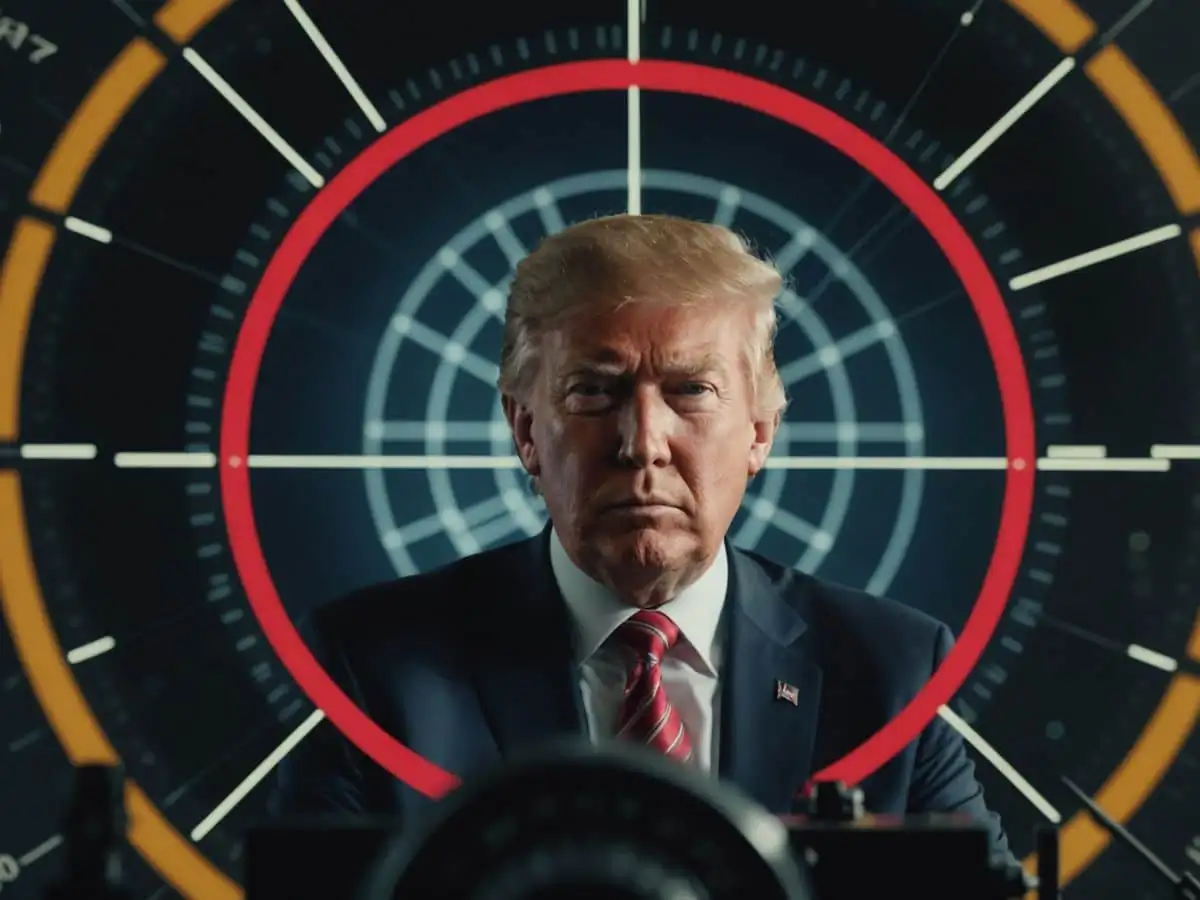
    The recent assassination attempt on former President Donald Trump during a rally in Pennsylvania has ignited a flurry of conspiracy theories and misinformation. The incident, which resulted in the death of a rally attendee and injuries to Trump and two others, has left authorities and the public grappling with a barrage of speculative claims and baseless accusations.

    Key Takeaways

    • Former President Donald Trump was injured in an assassination attempt at a Pennsylvania rally.
    • The gunman, Thomas Matthew Crooks, was killed by Secret Service agents.
    • The incident has sparked numerous conspiracy theories and misinformation.
    • Authorities are investigating the motives behind the attack.

    The Incident

    On a Saturday afternoon in Butler, Pennsylvania, shots were fired at a rally where Donald Trump was speaking. The former president was seen grabbing his right ear as security agents rushed to protect him. The gunman, identified as 20-year-old Thomas Matthew Crooks, was shot and killed by the Secret Service. A rally attendee was also killed, and two others were critically injured.

    Conspiracy Theories Emerge

    The assassination attempt has quickly become a breeding ground for conspiracy theories. Prominent Republicans, including Georgia Representative Marjorie Taylor Greene, have suggested that the incident was part of a larger, more sinister plot. Greene’s comments on social media have fueled speculation, despite a lack of evidence.

    Baseless Accusations

    • Famous Names: Unsubstantiated claims have linked the shooting to figures like the Soros family, Barack Obama, Hillary Clinton, and Mike Pence. These names are often targets of conspiracy theorists who believe in a secretive globalist force controlling the world.
    • Government Agencies: Agencies such as the Israeli Secret Service, the Iranian government, and the CIA have also been baselessly implicated.

    Misleading Information

    Biden’s Comments Taken Out of Context

    President Joe Biden condemned the attack and called for unity. However, some of his comments before the shooting have been taken out of context to suggest he wanted Trump killed. These claims are unsupported by evidence.

    Movement in the Crowd

    Right-wing commentators have pointed to the movement of the rally crowd and photographers as evidence of a setup. These claims lack any supporting evidence.

    Secret Service Under Scrutiny

    Questions have been raised about the Secret Service’s handling of security at the event. Viral posts have falsely claimed that a Secret Service sniper had Crooks in their sight for three minutes but was not given the order to shoot. These claims originated from unreliable sources and have no basis in fact.

    BlackRock Ad Controversy

    Thomas Matthew Crooks appeared in a 2022 advertisement for BlackRock, which has been seized upon by conspiracy theorists. BlackRock confirmed Crooks’ appearance in the ad but stated that he was not paid or hired as an actor. The company has removed the video from circulation out of respect for the victims.

    Conclusion

    The assassination attempt on Donald Trump has not only shocked the nation but also opened the floodgates for a torrent of conspiracy theories and misinformation. As authorities continue to investigate, the public is urged to rely on verified information and avoid spreading baseless claims.

    Sources

  • Exploring the Unknown: The Science Behind Paranormal Activities

    Exploring the Unknown: The Science Behind Paranormal Activities

    Exploring the unknown has always fascinated people. Paranormal activities, like ghost sightings and unexplained events, capture our imagination. But what is the science behind these mysterious occurrences? This article dives into the psychology, technology, and history of paranormal activities to uncover the truth.

    Key Takeaways

    • Psychology plays a big role in how we perceive paranormal experiences, often influenced by cognitive bias, suggestion, and sleep-related issues.
    • Electromagnetic fields (EMF) are often linked to ghost sightings, but scientific studies offer mixed results on this connection.
    • Historical cases like the Cottingley Fairies and modern investigations show how science tries to explain or debunk paranormal claims.
    • Media, including movies, TV shows, and social media, greatly influence our beliefs in the paranormal.
    • Advancements in technology, such as AI and ghost-hunting gadgets, are shaping the future of paranormal research.

    The Role of Psychology in Paranormal Experiences

    Cognitive Bias and Perception

    Our brains are wired to find patterns, even when none exist. This is called cognitive bias. When something unexpected happens, like a sudden noise or a shadow, our minds try to make sense of it. We might see a ghost when it’s just a trick of the light. This is how our perception can fool us.

    The Power of Suggestion

    Ever notice how ghost stories seem more real when you’re in a spooky place? That’s the power of suggestion at work. If someone tells us a place is haunted, we’re more likely to believe it. Our minds can even create paranormal experiences based on what we expect to see or hear.

    Sleep Paralysis and Hallucinations

    Sleep paralysis is a creepy experience where you wake up but can’t move. Many people report seeing figures or feeling a presence in the room. This can lead to hallucinations that feel very real. It’s no wonder that sleep paralysis is often linked to stories of alien abductions and ghost sightings.

    Since early childhood, Carl Jung experienced paranormal phenomena, that is, phenomena that are beyond the scope of scientific understanding.

    Understanding these psychological factors helps us see that many paranormal experiences have natural explanations. Our brains are powerful, but they can also play tricks on us.

    Electromagnetic Fields and Paranormal Activity

    Many believe that electromagnetic fields (EMF) can cause paranormal experiences. Some theories suggest that high EMF levels can make people feel uneasy or even see ghosts. This idea is popular in shows like Ground Zero with Clyde Lewis and Into the Parabnormal with Jeremy Scott.

    Scientists have conducted studies to see if there’s a link between EMF and paranormal activity. Some found that places with high EMF levels often report more ghost sightings. However, other studies argue that the EMF levels needed to cause these effects are much higher than what we usually encounter.

    Ghost hunters use EMF detectors to find paranormal activity. These gadgets measure the electromagnetic fields in an area. If the readings spike, it might mean a ghost is nearby. But remember, other things like faulty wiring can also cause high EMF levels.

    It’s fascinating how technology and the paranormal world intersect. Shows like Ground Zero Radio dive deep into these mysteries, making us question what we know.

    Historical Cases and Scientific Investigations

    The Cottingley Fairies case is one of the most famous examples of early 20th-century paranormal claims. Two young girls, Elsie Wright and Frances Griffiths, took photographs of what they claimed were fairies in their garden. These photos gained widespread attention and even fooled some experts of the time. However, the girls later admitted that the photos were faked using paper cutouts. This case highlights how easily people can be convinced by seemingly credible evidence.

    Harry Price was a well-known figure in the world of paranormal research. He founded the National Laboratory of Psychical Research in London to investigate paranormal phenomena using scientific methods. Price’s work included testing mediums and investigating haunted locations. Despite his efforts to use scientific procedures, his work was often met with skepticism. Yet, his contributions laid the groundwork for future paranormal investigations.

    Today, paranormal research has evolved with the advent of new technologies. Modern investigators use a variety of tools, from EMF meters to thermal cameras, to detect paranormal activity. While the field still faces criticism for its lack of replicable evidence, the use of advanced technology has brought a new level of sophistication to investigations. We continue to explore the unknown, blending traditional methods with cutting-edge technology to uncover the mysteries of the paranormal.

    The Influence of Media on Paranormal Beliefs

    Paranormal in Pop Culture

    We’ve all seen it: ghosts, aliens, and mysterious creatures popping up in movies, TV shows, and books. Pop culture loves the paranormal. These stories captivate us and make us wonder about the unknown. They shape our beliefs and sometimes even make us question reality. From classics like “Ghostbusters” to modern hits like “Stranger Things,” the media keeps our fascination with the paranormal alive.

    Impact of Movies and TV Shows

    Movies and TV shows have a huge impact on how we view the paranormal. They can make the unbelievable seem real. Special effects and compelling storytelling draw us in. We start to believe in the possibility of ghosts, aliens, and other supernatural phenomena. It’s not just entertainment; it’s a powerful tool that shapes our perceptions and beliefs.

    Social Media and Viral Phenomena

    Social media has taken paranormal beliefs to a whole new level. Viral videos of supposed ghost sightings or UFOs spread like wildfire. People share their own experiences, and suddenly, everyone is talking about it. Platforms like YouTube, TikTok, and Instagram make it easy for these stories to reach millions. This constant exposure reinforces our belief in the paranormal.

    The media’s influence on our beliefs is undeniable. It shapes how we see the world and what we consider possible. If you enjoy exploring these topics, support more articles like this to keep the conversation going.

    Technological Advances in Paranormal Research

    Paranormal research with ghostly figure and scientific tools

    Ghost Hunting Gadgets

    In recent years, ghost hunting has become more high-tech. We now have gadgets like EMF meters, thermal cameras, and digital voice recorders. These tools help us detect and record paranormal activity. EMF meters measure electromagnetic fields, which some believe are linked to ghost sightings. Thermal cameras can spot cold spots, which are thought to be signs of ghostly presence. Digital voice recorders capture EVPs, or electronic voice phenomena, which are mysterious sounds or voices that some say are from spirits.

    Role of Artificial Intelligence

    Artificial Intelligence (AI) is making waves in paranormal research. AI can analyze large amounts of data quickly, spotting patterns that humans might miss. For example, AI can sift through hours of audio recordings to find EVPs. It can also analyze video footage for anomalies. This tech is helping us move from guesswork to more data-driven investigations. The Paradigm Shift in paranormal research is here, thanks to AI.

    Future of Paranormal Investigations

    The future looks exciting for paranormal research. We might see even more advanced gadgets and AI tools. Imagine using drones to explore haunted locations or virtual reality to recreate paranormal events. These advancements could help us understand the unknown better. As we embrace new tech, we might finally answer the age-old question: is paranormal activity real or just myths?

    The Paradigm Shift in paranormal research is not just about new gadgets. It’s about using science to explore the unknown. This shift is helping us move beyond superstition and folklore to find real answers.

    Paranormal Phenomena and Natural Explanations

    Ever notice how ghost stories often happen during storms? Weather can play tricks on our senses. High humidity, for example, can make us feel uneasy. Thunderstorms can create low-frequency sounds that we can’t hear but can feel, making us think something spooky is happening.

    Our brains are powerful but sometimes they mess up. Sleep paralysis is a big one. You wake up but can’t move, and it feels like someone is in the room. It’s scary but totally natural. Hallucinations can also happen when we’re super tired or stressed. Our minds can create images and sounds that aren’t really there.

    Let’s bust some myths! Ever heard that mirrors are portals to other worlds? Nope, just reflections. Or that creaky floors mean ghosts? It’s usually just the house settling. Many parapsychological phenomenon can be explained by science. We just need to look closer.

    Sometimes, what we think is paranormal is just our brain or environment playing tricks on us. It’s fascinating how much we can explain with science.

    Exploring the unknown is exciting, but it’s also important to remember that not everything is supernatural. There’s a lot of cool science behind what we experience. So next time you hear a bump in the night, think about the natural causes first. You might be surprised at what you find!

    Ever wondered if there’s a natural reason behind those spooky stories? Dive into the world of paranormal phenomena and discover the science that might explain them. Our experts break down the mysteries and offer insights you won’t find anywhere else. Don’t miss out on exclusive content and in-depth research. Visit our website to start your journey today!

    Conclusion

    In the end, the world of paranormal activities remains a fascinating blend of mystery and science. While many experiences can be explained by psychological or environmental factors, there are still countless stories that defy easy answers. Shows like Ground Zero Radio and podcasts such as Into The Parabnormal keep the curiosity alive, diving deep into the unknown and offering a platform for those who have encountered the inexplicable. Whether you’re a skeptic or a believer, the exploration of the paranormal challenges us to keep questioning and seeking the truth. As science continues to evolve, who knows what answers we might uncover about these strange phenomena?

    Frequently Asked Questions

    What is Ground Zero Radio?

    Ground Zero Radio is an online radio station that delves into conspiracy theories, paranormal events, and current affairs. It captivates listeners who are curious about the world’s mysteries.

    What is the focus of the show ‘Into The Parabnormal’?

    ‘Into The Parabnormal’ explores everything between the paranormal and abnormal. Hosted by Jeremy Scott, the show dives deep into fringe subjects that often get censored or banned from mainstream media.

    Can paranormal experiences be explained by science?

    Many paranormal experiences can be explained by science. For example, psychological factors like cognitive bias and the power of suggestion, as well as physical factors like electromagnetic fields, can make people think they are experiencing something supernatural.

    What are some famous historical cases of paranormal investigations?

    Famous cases include the Cottingley Fairies, investigated by Sir Arthur Conan Doyle, and the work of Harry Price with the National Laboratory of Psychical Research. These cases often blend folklore with scientific inquiry.

    How does media influence beliefs in the paranormal?

    Media, including movies, TV shows, and social media, play a big role in shaping people’s beliefs about the paranormal. They can make supernatural events seem more real and widespread than they actually are.

    What tools do modern paranormal researchers use?

    Modern paranormal researchers use various gadgets like EMF meters, night vision cameras, and even artificial intelligence to investigate supernatural claims. These tools help them gather data and analyze it scientifically.

  • Unraveling the Shadows: The Shocking Events Surrounding the Trump Assassination Attempt

    Unraveling the Shadows: The Shocking Events Surrounding the Trump Assassination Attempt

    In a shocking turn of events, the assassination attempt on Donald Trump has unveiled a web of suspicious connections and alarming security failures. New evidence from the U.S. Congress has shed light on previously hidden details, raising questions about the motives behind the attack and the effectiveness of the Secret Service.

    Key Takeaways

    • Suspicious Financial Moves: Austin Private Wealth’s put option on Trump Media just before the assassination attempt raised eyebrows.
    • Drone Surveillance: The shooter used a drone to gather intelligence, highlighting significant security lapses.
    • Mental Health Concerns: The shooter’s history of mental health issues and troubling behavior were overlooked.
    • Secret Service Failures: Requests for additional security for Trump were denied, leading to serious questions about the agency’s priorities.

    The Financial Maneuvering

    One of the most alarming revelations was the connection between the shooter and Austin Private Wealth, a Texas-based investment firm. Just a day before the assassination attempt, the firm filed for a put option on 12 million shares of Trump Media and Technology Group. This move appeared to be a calculated bet on the company’s value dropping if Trump were killed.

    • Screenshots of the put option circulated on social media, causing a frenzy of speculation, but mysteriously disappeared shortly after.
    • Austin Private Wealth later claimed the filing was due to a clerical error, stating they only held 1,200 shares instead of 12 million.

    Despite their explanation, the timing of the filing raised suspicions about potential market manipulation.

    The Shooter’s Connection to Black Rock

    The plot thickened when it was revealed that the shooter had appeared in a commercial for Black Rock, a multinational investment company. Following the backlash, Black Rock quickly pulled the ad and condemned the assassination attempt. This connection raised questions about the extent of Black Rock’s involvement and whether there were deeper ties between the investment firm and the shooter.

    A Calculated Attack

    Before the attack, the shooter, Matthew Crooks, employed a DJI camera drone to survey the rally site, gathering real-time intelligence. This calculated move allowed him to plan his attack with precision.

    • Federal Aviation Administration records indicated a temporary flight restriction was in place over the rally site, yet Crooks managed to bypass these security measures.
    • The Secret Service had spotted Crooks targeting Trump 20 minutes before the first shots were fired but failed to act.

    The Timeline of Events

    To understand the gravity of the situation, we need to look at the timeline of events leading up to the shooting:

    1. 5:10 PM: Crooks identified as a person of interest.
    2. 5:30 PM: Crooks spotted with a rangefinder.
    3. 5:52 PM: Secret Service snipers see Crooks on a rooftop.
    4. 6:02 PM: Trump takes the stage.
    5. 6:12 PM: Crooks fires his first shots.

    The Secret Service’s failure to act on the information they had raises serious questions about their operational effectiveness.

    Mental Health and Warning Signs

    Crooks’ father had expressed concerns about his son’s mental health, alerting the police to his erratic behavior. This call for help was tragically overlooked, leading to devastating consequences.

    • Crooks had a history of major depressive disorder and had previously threatened violence in high school, which was dismissed by officials.
    • Investigators later discovered that Crooks idolized previous shooters, indicating a disturbing pattern of behavior.

    The Secret Service Under Fire

    In the aftermath of the shooting, it was revealed that the Secret Service had repeatedly denied requests for additional security measures for Trump, despite escalating threats. This has led to a crisis of confidence in the agency’s ability to protect American leaders.

    • Congressman Brendan Boyle publicly called for the resignation of the Secret Service director, citing unacceptable operational failures.
    • Trump himself expressed frustration over not being warned about the potential threat before the rally.

    Conspiracy Theories and Speculation

    As news of the shooting spread, social media was flooded with conspiracy theories. One sensational claim involved a supposed Instagram account belonging to Crooks, which was later debunked as a fake.

    • The FBI’s investigation into Crooks’ motivations revealed a lack of significant online presence, further deepening the mystery surrounding him.

    Conclusion

    The shocking events surrounding the assassination attempt on Donald Trump have raised serious questions about the effectiveness of the Secret Service and the alarming connections between financial interests and violent acts. As investigations continue, the public is left grappling with the implications of these revelations and the urgent need for reform in protecting American leaders.