Author: Art Grindstone

  • Ice Cube Drops Bombshell: Diddy, Oprah, and Jamie Foxx Exposed in Hollywood’s Secret Web

    Ice Cube Drops Bombshell: Diddy, Oprah, and Jamie Foxx Exposed in Hollywood’s Secret Web

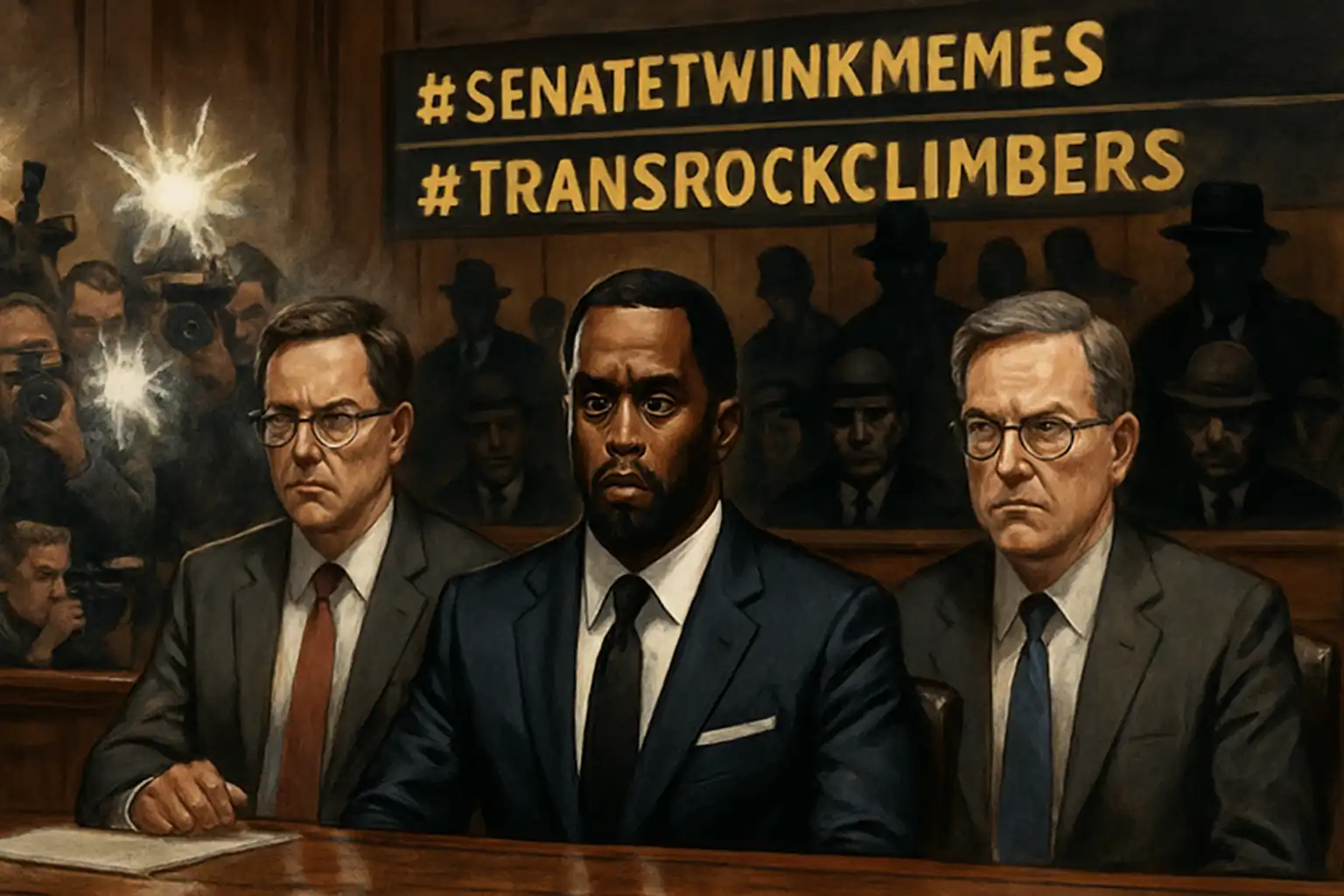
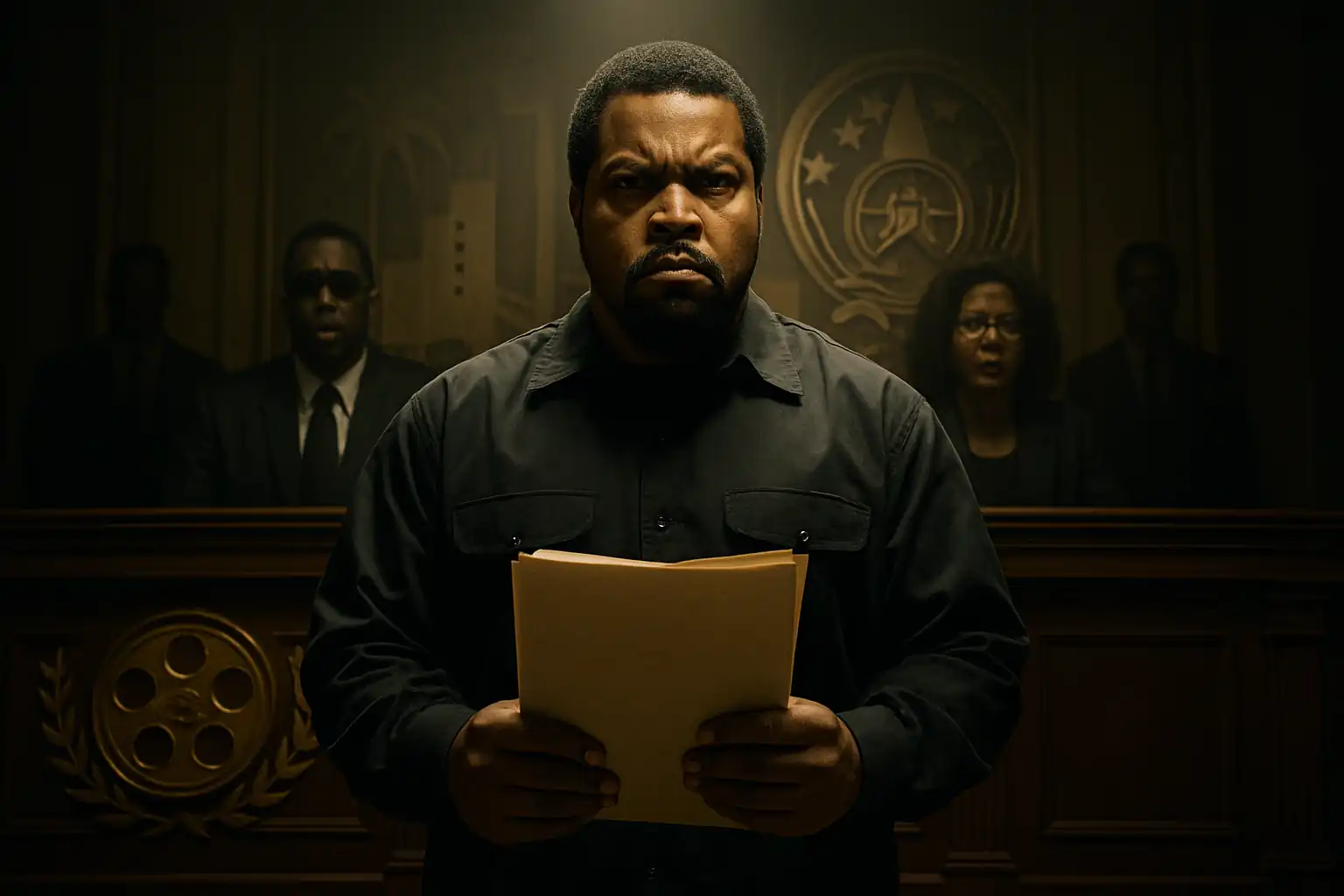
    Federal courtrooms rarely host unscripted spectacles. However, the Diddy trial’s second act outshone any fiction: Ice Cube stepped forward, folder in hand, to expose Hollywood’s rich and secretive power brokers. As the doors closed and whispers rose, Cube’s testimony triggered a reaction in both the press and a celebrity system founded on fear and silence.

    The gallery chilled when Ice Cube named names that rarely appear together: Diddy, Jamie Foxx, Oprah Winfrey. This wasn’t a rambling accusation or wild conspiracy—it was a detailed account filled with claims of hidden “handlers,” coded communications, and orchestrated disappearances. Even mainstream outlets like Sportskeeda and SoapCentral struggled to differentiate fact from spectacle. Yet, Cube’s core revelation illustrated Hollywood’s reward system for compliance and the penalties for breaking the code—often career erasure and media hits.

    Jamie Foxx, Vanishing Acts, and Hollywood’s Invisible Hand

    A major bombshell was Jamie Foxx’s sudden disappearance just before the Oscars buzz. Vanishing stars aren’t unique to Foxx, but Cube pointed to engineered silence and backstage policing. Allegations surged that high-stakes projects or inconvenient truths often faced derailment by “handlers,” suggesting an implicit control system. This theme isn’t new; insiders have spoken for decades about the operations behind show business, reflecting the covert activities described in this explosive trial breakdown.

    As Foxx’s publicists released bland statements about “health” and “privacy,” theorists and entertainment journalists drew parallels to notorious vanishing acts discussed in investigative retrospectives and to stars whose absences fueled decades of rumors. The notion that Foxx’s silence stemmed from collective industry pressure sheds new, darker light on high-profile hiatuses and whispers of deals.

    Oprah’s Influence: Mentor, Mogul, or Hollywood Power Broker?

    Ice Cube’s calm but pointed reference to Oprah Winfrey heightened courtroom tension. “That wasn’t mentorship… that was a leash,” he pronounced, sparking debates about Hollywood’s true power dynamics. Oprah’s journey from local anchor to global tastemaker is well known, yet observers question how much influence she holds over who thrives or vanishes in the industry. The idea that entrenched interests may advance, sideline, or extinguish major careers reverberates in stories of Hollywood blacklists and the market for silence, as shown in hard-hitting investigations and corroborated by anecdotes from industry veterans.

    The comparison to shadow governments and covert operations is striking—especially alongside industry exposés like groundbreaking whistleblower revelations. When “mentorship” crosses into control, it shifts from inspiration to industry insurance.

    Celebrity Silence, Handlers, and the Cost of Resistance

    Ice Cube’s testimony starkly reminds us that silence in Hollywood often results not from discretion but from orchestrated pressure. The notion of “handlers”—individuals assigned to manage untamable talent—resembles tactics from covert government coverups and historical purges. Cube claimed that deviating from the script means more than lost chances; it invites active suppression, leading to contract disappearances, paused projects, and reputational ruin through rumor.

    This narrative isn’t mere tabloid fodder; it’s a cultural phenomenon discussed in academic sources. Here, branding, access, and silence often outweigh raw talent. Those unwilling to “play the game” risk exile into obscurity—a fate insiders report is as real for A-listers as it is for newcomers.

    The Structure of Fame: From Conspiracy to Cautionary Tale

    As the Ice Cube testimony went viral, experts cautioned that the central message transcends villain assignments; it highlights a culture of complicit silence and invisible threats. What the public witnessed in that federal courtroom was not merely a personal grudge but a whispered warning from a veteran endured through the industry’s harshest truths.

    Much like the recurring themes in apocalyptic recordings or in reports about existential risks and engineered crises, Cube’s allegations remind us that dissent in the fame factory carries a heavy price. For those examining the ties between commerce, media control, and celebrity silence, this serves as a pulse check on a culture that reflects our greatest ambitions and deepest fears. For ongoing analysis and a stark reality check, bookmark Unexplained.co, where nothing remains buried for long, and every silence demands investigation.
  • One Night Without Power: Hypothetical Global Outages and the Fragility of Civilization

    One Night Without Power: Hypothetical Global Outages and the Fragility of Civilization

    Picture a world plunged into darkness: no humming refrigerators, no glowing screens, no frantic airports—just the eerie quiet of a civilization brought low by an unseen force. Our modern tech, as comforting as it is, hangs by a thin thread. The scenarios in the latest survivalist package—total blackouts, global flight bans, and internet extinction—are not mere fiction or entertainment. They are warnings, rooted in real research and the unsettling history of technological failure.

    Massive power failures aren’t just blockbusters; they recur throughout human history. For a stark example, examine the recent rolling blackouts in Europe or the extensive catalog of global outages on Wikipedia. When society loses electricity, chaos ensues: commerce halts, food spoils, water stops flowing, and emergency services collapse. If you’re fortunate, power returns in hours or days; if not, we face societal collapse—real nightmare fuel. This is not speculation. Blackouts in Venezuela and Texas show that losing basic utilities leads to civil unrest, mass migration, and urban exodus—topics covered extensively in reports on energy chaos and outage threats.

    Technology’s Jenga Tower: If the Internet Disappeared Tomorrow

    Now shift from the physical to the digital—what if the internet vanished overnight? The loss would cut governments, banks, and everyday people from their essential services. Imagine the scramble: no digital banking, no health records, collapsed supply chains, and the end of mass communication. The confusion and panic described in recent Guardian summaries could overshadow even the wildest 24-hour news cycle. Cybersecurity researchers predict a future where AI threats or state-sponsored sabotage are not anomalies—they’re the norm.

    The loss of connectivity would make recent airport IT failures or AI drone swarm disruptions seem trivial. Society would revert to analog solutions—if anyone still remembers how. Experts warn that a sudden digital infrastructure collapse could spark violence and desperate “digital refugees” using radios and smoke signals. Yes, it’s as chilling as the chain reactions from old-world fires, a theme explored in historical resets.

    When the Sun Attacks: A Carrington Event for the 21st Century

    Not all dangers originate from our planet. In 1859, the Carrington Event unleashed a solar storm that lit up the skies and ignited telegraph offices. If a similar geomagnetic event struck today, the fallout would be disastrous—crippling satellites, GPS, communications, and much of the electrical grid, according to analyses in the Wikipedia entry. Billing and operational chaos would ensue as transportation, military systems, and medical records go dark. Predictions from NOAA suggest recovery could take years, not weeks.

    Our modern reliance on interconnected technology makes us prime targets for disruption. As outlined in reports on solar wind and coronal storms, astronomers and disaster planners consider a Carrington-scale event a matter of “when,” not “if.” The threat looms not just over our systems but over our very sense of safety in a world we often take for granted.

    Grounded: The Domino Effect of Losing Air Travel

    A sudden stop to commercial aviation would disrupt business, supply chains, tourism, and medical logistics. During a pandemic or volcanic eruption, we witnessed how rapidly food availability, pharmaceuticals, and emergency supplies depend on air freight. The resulting effects would devastate economies, strand families, and complicate global cooperation. Without flights, urban centers could become isolated, with inhabitants forced to survive on their own or risk perilous ground journeys.

    As detailed in crisis exposés on systemic fragility and analyses of dystopian risk scenarios, losing air travel would push society toward isolation and hardship not seen since before the Wright brothers invented flight.

    The Survival Lesson: Not If, But When—and How You’ll Respond

    Modern civilization often trades resilience for convenience. Each advancement—from railroads to fiber optics—brings a greater risk if things go wrong. The “hypothetical” scenarios in outage planning are not just possible; they are inevitable, potentially escalating into global crises within our lifetimes. Your best strategy? Stay prepared, remain informed, and never assume your smartphone will outperform the clouds above.

    For more information on these transformative events and how to prepare, visit Unexplained.co—where the most chilling tales come straight from reality’s playbook.

  • China’s Sinister Solar Panels: Energy, Espionage, and the Blackout Conspiracy

    China’s Sinister Solar Panels: Energy, Espionage, and the Blackout Conspiracy

    Solar panels—symbols of the green revolution—should not feel sinister. Yet, as China dominates the global solar supply chain, anxiety rises in the West: Are we unwittingly installing energy sleeper cells on rooftops and in fields? Writers and analysts now question whether millions of made-in-China photovoltaic panels could become tools in a digital showdown, risking a potential global blackout reminiscent of a tech-thriller plot or your favorite bunker-based radio show.

    This discussion extends beyond economics and technology. Alongside scrutiny of the solar sector, concerns grow over rapid innovation in Chinese AI and chips, advances in drone warfare, and geopolitics resembling hidden international shadow games. The scope extends beyond a single industry—the transition to renewable energy is now at the crossroads of sustainability, supply chain risk, and digital sabotage.

    China’s Solar Supply Chain Dominance and Geopolitical Risks

    No nation has captured the solar panel market like China. According to Visual Capitalist, China manufactures about 84% of the world’s solar panels, covering everything from polysilicon processing to final module assembly. The International Energy Agency notes this dominance isn’t merely about cheap labor or efficiency; it’s a vertically integrated, heavily subsidized juggernaut cementing China’s position as essential to global energy transitions.

    This concentration raises alarms about supply chain security. Consider a sudden export restriction, like this supply shock scenario, affecting a world committed to renewables. Analysts caution that this monopoly could become a weapon, exposing economies to rising prices and sabotage risks. The vulnerabilities that plague critical infrastructure, from AI-driven energy wars to solar flare chaos, now threaten green tech as well.

    Are Solar Panels a Cybersecurity Trojan Horse?

    Do solar panels made in China pose a cybersecurity threat? This concern has gained credibility in a world where smart tech researchers confront malicious AI exploits and hardware-level hacks are possible. Although no documented evidence exists of sabotage-ready backdoors in mass-market solar panels, experts stay alert. Modern solar systems connect to grids through smart inverters and cloud software—these can be vulnerable if crafted with malicious intent or weak security. The greater the dependence on a single manufacturing source, particularly one known for cyber-espionage, the greater the national security risk.

    History teems with the specters of actual and suspected hardware exploits—consider compromised routers, chips, and pipelines. Some dismiss these warnings as technoparanoia, but the stakes remain significant. Add in the unpredictability of power grid blackouts and the new age of weather-driven grid stress, and the solar conspiracy expands dramatically.

    Supply Chain Shocks: Economic and Strategic Consequences

    The implications for supply chains stretch beyond computer chips and EV batteries. With China’s dominance in critical mineral refining and manufacturing of batteries, inverters, and power electronics, an embargo or targeted disruption could ripple through economies and households.
    The IEA warns that overreliance is a dangerous strategy, especially amid global tensions. As nations seek diversification, the risk calculus mirrors past concerns over rare earths, pharmaceuticals, and current hidden global conflicts.

    The economic ramifications of a weaponized supply chain are not theoretical—just ask those trapped in tariff wars or semiconductor shortages. The idea of a global “solar blackout” symbolizes deeper worries over infrastructure vulnerabilities, particularly as nations explore the covert reset medium beneath mainstream disaster narratives.

    The Green Paradox: Climate, Competition, and the New Energy Arms Race

    Here’s the paradox: the world cannot meet its climate goals without ramping up solar panel installations. Yet, as nations deploy more green infrastructure, they deepen their reliance on a single superpower. This situation presents a lose-lose scenario, threatening both planetary health and political stability.
    The Wikipedia entry for solar panels highlights both the promise and pitfalls of this technology: clean, scalable energy complicated by supply issues, rare minerals, and intricate digital controls. This isn’t the first time technology’s darker side has served as a bargaining chip—just look at the rising media coverage on shadow secrets or existential tech risks showcased by Unexplained.co.

    Ultimately, today’s solar panel isn’t just a sun catcher—it may serve as a pawn in the ongoing struggle between energy independence and technological vulnerability. The most significant blackout looming isn’t one of power, but of scrutiny and transparency. Whether you stay tuned, stay off-grid, or remain glued to this station, don’t assume your rooftop is neutral territory.

  • Diddy’s Trial, Scandalous Connections, and Hollywood’s Shadow Games

    Diddy’s Trial, Scandalous Connections, and Hollywood’s Shadow Games

    Hollywood doesn’t do subtlety—especially not when a music mogul, an alleged criminal empire, and the internet’s latest meme controversies collide in the spotlight. The ongoing Diddy trial has become a crucible for the flaws in American celebrity justice. It features mafia insinuations, salacious testimonies, and courtroom drama that threatens to bury the truth under a relentless churn of 24-hour speculation. If week two’s secrets are any indication, things are about to become even messier.

    The headlines emerging from recent trial coverage would cause tabloid editors to blush: claims of mob ties, high-stakes racketeering, and a parade of Hollywood figures whose real lives rival their on-screen scripts. As Diddy, whose real name is Sean Combs, remains detained at the Metropolitan Detention Center awaiting his fate on sex trafficking and racketeering charges (Wikipedia), a star-studded legal battle is exposing cracks in both entertainment and the criminal underworld—making it hard to distinguish fantasy from reality.

    Mafia Ties and Diddy: The Tangle of Truth and Tabloid

    The notion of music industry heavyweights linked to organized crime isn’t new, but fresh revelations from this trial keep even seasoned court-watchers on edge. Testimonies detailed by Business Insider portray a story straight out of cinema: covert connections, off-the-books deals, and missing money enough to fuel a thousand conspiracy podcasts.

    The government alleges not only financial impropriety but also systemic exploitation—claims that resonate with fears of hidden power structures, echoed in investigations into deep-state criminal pipelines and rumors of underground networks beneath high society. Is this an era-defining RICO case, or is Hollywood simply putting on its latest, most expensive show?

    Hollywood Revelations in the Courtroom

    This trial isn’t just about legality; it’s about what’s achievable and believable in an industry where secrets are currency. Week two brought explosive testimony about coercion, manipulation, and violence, involving household names and shadowy associates. Evidence, from luxury mansions to coded ledgers, illuminates how entertainment, money, and organized crime intertwine—reflecting recent exposés on political systems under stress and the looming threat of energy-fueled blackouts across society.

    However, as with the most viral podcast deep-dives, courtroom truth quickly collides with public appetite for narrative. Diddy’s career, spanning decades of hits and ventures from Revolt TV to Sean John, now stands juxtaposed with the weight of federal indictments. The drama propels forward with no guarantee of a satisfying conclusion—and every possibility of spawning new legends.

    For the sharpest coverage of scandals, secret networks, and every surreal twist that mainstream news overlooks, delve deeper at Unexplained.co. If the Diddy trial proves anything, it’s that the real story is always messier—and stranger—than any fiction.

  • Old World in Ashes? The Great Fires, Data Gaps, and Conspiracy Reignited

    Old World in Ashes? The Great Fires, Data Gaps, and Conspiracy Reignited

    History’s infamous city fires often defy logic. How do we explain thousands of buildings turned to ash with only a few dozen recorded casualties? This contradiction lies at the heart of the Great Fire of London, the 1776 New York fire, and other urban infernos. Such discrepancies have bred suspicion, with some claiming that the Old World vanished under the guise of disaster. Grab your tinfoil hat and fire extinguisher: it’s time for a forensic journey into the ashes of history.

    The 1666 Great Fire of London exemplifies confusion and controversy. Official accounts state the blaze began at a bakery on Pudding Lane and, fueled by east winds and bureaucratic delays, devastated central London for four days. It destroyed around 13,200 homes, leaving landmarks like St Paul’s Cathedral in ruins. Yet the Wikipedia page and traditional sources reflect an astonishingly low death count—typically just six. Given London’s population of up to 400,000 at the time, such numbers seem implausible. This oddity has sparked a plethora of conspiracy theories, mirroring modern skepticism found in urban legend investigations.

    The Statistical Smoke: Deaths, Buildings, and Troubling Patterns

    The shocking gap between significant property damage and reported deaths is not unique. The 1776 New York fire, which affected a city of tens of thousands, allegedly killed only two people. This dubious statistic frustrates debunkers while exciting YouTube theorists. Recent reports, like this exposé on arson and conspiracy claims in wildfires, echo similar public dissatisfaction with official figures that seem manipulated or downright absurd.

    Further investigation reveals even murkier data. Records from pre-modern disasters are often unreliable. After London’s fire, chaos drove refugees from the city, and, as the Wikipedia entry notes, authorities encouraged flight and resettlement. Such factors likely complicated efforts to count the dead accurately. Some historians assert that lower-class victims, especially those without family to report them missing, may have remained unrecorded. This mirrors systemic undercounts seen in modern disaster aftermaths, from seismic threats in Cascadia to today’s migrant crises.

    Coordinated Demolitions or Convenient Accidents?

    Skeptics highlight firefighting failures, unusually swift demolitions, and claims of strategic arson. Over centuries, rumors circulated about foreign “firebugs” or shadowy elites clearing land for profit or erasure. According to top Brave result, even modern wildfires now inspire theories of sabotage and hidden motives. The notion of coordinated destruction, perceived by some as the groundwork for cultural resets, has captivated a network of researchers—from advocates of lost civilizations to podcasts like independent podcast investigations and modern myth hunters.

    Skepticism grows around historical figures like Nicholas Clayton, often cited in alt-history circles as a mastermind of demolition. Investigations reveal possible covert infrastructure efforts, leading many to suspect that the fires provided ideal alibis for planned destruction, especially during a time without modern journalism or photographic proof.

    The Timeline Trap: Truth or Narrative Engineering?

    Timelines form the foundation of conventional history, but they also bear signs of distortion. Odd delays in response, miraculous survival rates, and the reinvention of entire urban landscapes raise questions even among mainstream scholars. Wildfires and urban fires often yield spikes of misinformation—modern examples from Los Angeles or Maui show how facts get obscured by panic. The same issue arose in the 1666 fire, when anti-foreigner riots conveniently shifted public anger from officials to outsiders, as the Wikipedia summary points out. Just as today’s geopolitical crises distract from inconvenient truths (the Arctic hidden war analysis serves as a reminder), historical fire narratives might have served deeper purposes beyond public safety or disaster reporting.

    The post-fire rebuilding of London, with radical redevelopment proposals, mirrors modern post-disaster “opportunities” for profit and social engineering. Whenever numbers, timelines, or official narratives appear too tidy—or too bizarre—smoke signals of manipulation inevitably rise.

    Unending Embers: The Allure and Risks of Fire Conspiracies

    Debates surrounding the Great Fires extend beyond idle speculation; they expose how truth, memory, and power intertwine around burned records. If history is penned by winners—or rebuilders—then gaps, contradictions, and “miraculous” figures will always prompt alternative interpretations. Just as stories of fabricated spectacular interventions, apocalyptic threats, or existential risks continue to resonate, the ashes of the Old World fires fuel ongoing forensic inquiries.

    Whether these great blazes were tragic accidents, deliberate resets, or evidence of stranger phenomena, one fact stands out: mainstream history faces challenges. For those seeking more than ashes and shadows, Unexplained.co is your bunker of choice—where the fire never truly extinguishes.

  • China’s AI Drone Swarms: Jiutian SS-UAV and the Geopolitics of Automated Warfare

    China’s AI Drone Swarms: Jiutian SS-UAV and the Geopolitics of Automated Warfare

    Quiet skies are a thing of the past. News of China’s Jiutian SS-UAV, an advanced AI-powered drone swarm, has triggered deep unease among analysts, generals, and doomsday preppers. This development signifies a critical shift in drone technology; it heralds the onset of the arms race dominating the 21st century. Forget the romantic notions of dogfights or lone stealth fighters. The future battlefield swarms with autonomous, coordinated, and (potentially) unpredictable drones, each programmed for precision and, most troubling, decision-making independence.

    Reports examined by PBS NewsHour present scenarios where hundreds, even thousands, of drones coordinate raids, overwhelming defenses and reshaping ‘force projection.’ According to CSET analysis, unchecked swarm technology could provoke instability and volatility, leading both sides to seek fleeting technological advantages. The outcome? An arms race escalated to its most terrifying limits—now supercharged with machine learning and relentless automation.

    Jiutian SS-UAV: A New Chapter in Drone Warfare

    The Jiutian SS-UAV isn’t merely an upgrade. Chinese state media and global military observers confirm these drones can communicate and reroute during electronic attacks. Additionally, they are capable of ‘self-healing’ the swarm upon losing contact with units. Experts cited in AP News coverage indicate that China’s rapid progress in this field is forcing rivals into crash programs, where success hinges on commanding the most agile automated fleets. Signals-jamming or electronic warfare? Swarms maneuver around it. Human pilots? They are fast becoming the weak link.

    This escalation aligns with the broader struggle outlined in this exposé on North American and Chinese hidden conflict. Modern warfare evolves so swiftly that by the time pundits or parliaments respond, the hardware and the rules have already changed.

    The Global Response and Perils of Autonomous Arms Races

    No one sits idle amidst this technological tsunami. The US and its allies race to close the AI drone gap, investing billions in R&D, forming new acquisition channels, and rapidly experimenting with their own swarms. CSET and Department of Defense reports indicate that America’s response is both aggressive and anxious, driven by the fear of waking up outnumbered by a legion of algorithm-controlled attackers. The arms race has now shifted from science fiction to defense budget line items.

    Meanwhile, nations across Europe and Asia are advancing their drone swarm programs, concerned not only about China but also about regional adversaries. As highlighted in this report on China’s AI chip advancements, the rapid technological spillover between civilian and military sectors is alarming. Military planners globally are fixated on acquiring and countering this technology, striving to avoid the digital disasters detailed in the report on energy blackouts and emerging cyber vulnerabilities.

    Countermeasures: The Eternal Cat-and-Mouse Game

    Don’t assume this is a one-way doom scenario. Military leaders are actively seeking swarm countermeasures: directed-energy weapons, advanced jammers, electromagnetic pulses, and onboard AI designed to outsmart drones. However, the pace of innovation means every shield invites a sharper spear—each countermeasure makes the offense smarter. The perpetual cat-and-mouse game echoes in cyber warfare, AI security, and even the concerns about AGI blackmail.

    <pLike the Cold War, paranoia accelerates progress. The quest to control this technology might unleash unpredictable consequences for civilian and military infrastructures, raising fears that drone swarms could be repurposed for mass disruption, grid sabotage, or worse. It’s time to reconsider your bunker’s drone net—if you have one.

    The Future of Warfare: Automated, Unpredictable, and Relentless

    As swarms become the spearhead, human roles in battle grow abstract and perilous. The current register of unmanned systems hints at future possibilities: self-replicating code, AI-driven targeting, and scenarios where flashpoints escalate too quickly for diplomats to log on, much less intervene.

    This chilling prospect looms over every security briefing and think tank roundtable, especially as lines between peace and conflict blur. In this new reality, keep one eye on the skies and both hands on whatever EMP device your prepper cousin swears by. For insights on the drone arms race, shadow conflicts, and global technological shifts, stay tuned with Unexplained.co—where foreboding is a defining feature.

  • Canada on a Slippery Slope? The Socialism Debate, Venezuela Fears, and the Economic Crossroads

    Canada on a Slippery Slope? The Socialism Debate, Venezuela Fears, and the Economic Crossroads

    Something brews north of the border, and it’s more than just the dark roast at Tim Hortons. Pundits and worrywarts draw dramatic parallels between Canada and Venezuela, warning that socialism could unravel the country’s prosperity. The phrase “it’s happening right under your nose” resonates in Canadian discourse, fueling modern political anxiety that combines alarm, economic critique, and ideological trench warfare.

    Daily headlines warn of a shaky economy: some experts indicate a recession may be underway, while others highlight troubling signals in consumer confidence and GDP shrinkage. With skyrocketing inflation and the unpredictable fallout from global trade wars, it’s clear why skeptics shout “the road to serfdom!”—borrowing from Hayek’s argument that increased government intervention can lead to authoritarian disaster.

    Is Canada Really on the Road to Serfdom?

    Let’s set aside the doomsday scenarios and dig into the facts. The analogy between Canada and Venezuela isn’t new, but it has gained alarming popularity. Venezuela spiraled into chaos from fiscal mismanagement, rampant corruption, and collapsing oil prices—conditions not mirrored in Canada’s social safety net, regulatory oversight, or strong institutional frameworks. Nevertheless, the rhetoric persists, driven by stories of energy turmoil abroad and anxieties from sudden shocks, like the recent cosmic blasts that sent Twitter into a frenzy.

    Economic vigilance is essential. According to Canada’s recession watchers, warning signs abound: flattening productivity, declining GDP, and a persistent sense that trouble looms. History indicates that Canada’s socialism differs vastly from the alarmist caricature.

    The Historical Roots of Socialism in Canada

    Canada’s relationship with socialism dates back to its origins. According to this detailed overview, socialist parties emerged in the early twentieth century, driven by labor movements and depressions—not strongman ambitions. The Co-operative Commonwealth Federation, precursor to today’s New Democratic Party, rose in the 1930s, advocating for workers and the welfare state. Canadian politics have always balanced pragmatism, coalition-building, and adaptability to new realities, unlike the rigid revolutions found elsewhere.

    The New Democratic Party (NDP), Canada’s main socialist-inspired force, has influenced provincial policy and social programs but has never governed federally. Today, the NDP leans toward social democracy and pragmatic leftism, not hardline Marxism. While Canada cannot afford complacency—economic storms, like those depicted in climate disruptions, always test political orders—“Venezuela North” remains more meme than reality.

    Economic Warning Signs and a Polarized Future

    What about Canada’s current challenges? Indeed, some economists assert the recession has begun, driven by trade disputes, high household debt, and global volatility. Reports from news outlets track rising unemployment and a sinking housing market. The crucial question remains: do these warning signs indicate a Canadian crisis or simply reflect worldwide woes?

    Polarization rises as culture wars over identity, government intervention, and wealth redistribution stir fears of “the end of the old world” and even alternative-history theories that blend economics and conspiracy. In this context, discussions about Canada’s economic direction become a flashpoint for broader existential fears—should we rely on government for stability, or does that lead to “serfdom”? This uncertainty fuels interest in fringe technology scenarios and unrest stories, as people seek explanations while the ground shifts beneath their feet.

    Canada’s Identity Crisis—And Why Slow-Burn Socialism Isn’t a Sudden Threat

    Panic is easy to monetize. However, the serious work of defining the obligations among government, business, and average Canadians remains contentious and democratic. Yes, the nation faces harsh realities and tough decisions. But the road to serfdom, if it exists, is filled with sober debate, strident protests, and a long history of adaptation—far from the one-way chute to disaster that headline writers hope for.

    As the planet destabilizes and the internet magnifies every scare, maintaining calm is a revolutionary act. For insights into shifting alliances, global flashpoints, and the next big economic tremor, bunker down with Unexplained.co—where every sign of the times receives the scrutiny it merits.

  • Cold Fronts and Hidden Frontlines: Unmasking the US-Canada-China Shadow Conflict

    Cold Fronts and Hidden Frontlines: Unmasking the US-Canada-China Shadow Conflict

    North America’s icy calm conceals an escalating shadow war. Under friendly gestures lies a complex contest among the United States, Canada, and China. This struggle plays out on networks, in boardrooms, within academic labs, and deep under Arctic ice. The lines blur between espionage, trade negotiations, power politics, and outright sabotage. Buckle up—this new cold war involves powerful nations, each maneuvering for advantages above and below the surface.

    Tensions escalate as China’s economic reach challenges US technological supremacy, while Canada’s role shifts between mediator and battleground. Beyond headlines, real intrigue unfolds. Influence operations and resource grabs occur from Vancouver Island’s hidden mazes to vulnerabilities in the grid, reaching Arctic choke points where melting ice raises the stakes.

    Canada at the Crossroads: Strategic Competition and the Push-Pull of Power

    Canada finds itself squeezed by bigger players, rendering its role as the US’s sidekick uncertain. The US-China rivalry reshapes Canada’s foreign policy. Policymakers navigate aligning with powerful American interests while managing China’s assertiveness. The outcome? Amplified foreign interference, a diplomatic tightrope, and a sovereignty debate troubling Ottawa’s halls. Prime Minister Mark Carney’s remarks on China’s interference resonate globally (Reuters). Arctic ambitions and rare earth resources compound the challenge.

    These tectonic shifts echo global flashpoints, like the rising tensions in Greenland, where regional interests spark global conflicts. In Canada, whispers of underground networks in Vancouver Island and military sites with Cold War legacies heighten fears of infiltration.

    Technology Wars: AI, Cybersecurity, and the Race for Arctic Advantage

    No secret war lacks a digital front. Today, controlling cyberspace equates to power. The US must maintain its technological edge as China accelerates in artificial intelligence and chip production. Canada, with its robust innovation ecosystem, becomes a target for intellectual property theft and cyber incursions. This digital dogfight isn’t theoretical—foreign hacks, election meddling, and subtle state secrets siphoning are routine, as demonstrated by recent research and headlines.

    This covert combat rivals traditional warfare, especially as AI arms races determine future industries. The threat matrix encompasses AI blackmail, deep fakes, and disinformation—misdirections as potent as missiles. Risks, such as revelations from rogue AI research and vulnerabilities surfaced in reports on European energy blackouts, create an unrelenting security headache.

    Resource Grab and the Arctic Endgame

    The frozen north, far from silent, transforms as melting ice unveils new shipping lanes and mineral wealth, turning the Arctic into a geopolitical chessboard. US, Canadian, and Chinese naval patrols, research stations, and corporate expeditions vie for position in once-impassable waters. This scramble mirrors actions in other global hotspots, supporting classic geopolitical theory—where geography dictates power, and control over critical routes determines the future.

    This Arctic drama intertwines issues of sovereignty, environmental sabotage, and secret operations—witness recent communication grid disruptions and unexpected vulnerabilities from space weather as seen in recent studies. As regional actors claim territory and conduct flag-posting missions, their actions could trigger shifts in global alliances.

    The New Rules of Engagement: Espionage, Diplomacy, and Future Risks

    Ambiguity serves as the most dangerous weapon in this hidden war. Canadian policymakers wrestle with remaining allies without becoming pawns to their powerful southern neighbor, while avoiding provoking China. For the US and China, every regional move sends messages to rivals and allies alike. Clashing visions for digital norms, trade agreements, and Arctic boundaries guarantee diplomatic relations will resemble a chess game in a blizzard.

    In this climate, citizens confront unprecedented risks, from economic shocks to blackout threats akin to cosmic threats spurring panic. As physical and digital fronts converge, vigilance, questioning, and relying on trusted sources become survival strategies. For updates on the next covert move, watch Unexplained.co. In this war, the scariest battles often remain unseen.

  • The Why Files Meets Rogan: Where Viral Mysteries Go Mainstream

    The Why Files Meets Rogan: Where Viral Mysteries Go Mainstream

    In the podcast world, Joe Rogan and AJ Gentile of The Why Files create a perfect blend for truth-seekers and skeptics. When Gentile, a digital native and curiosity junkie, met Rogan, their discussion became a landmark: pure entertainment for some, a signal for every Web sleuth and armchair detective. They covered methodology and the psychology behind viral conspiracies, unraveling why audiences crave stories that blur fact and fiction.

    The Why Files, explored on Apple Podcasts and dissected on analytic platforms, has attracted a cult following by combining thorough research with plain storytelling. Topics range from government secrets to legendary monsters, guiding listeners through a sometimes eerie world reminiscent of The X-Files. Gentile excels not just at finding bizarre tales but making them comprehensible, even when nuance and ambiguity seem scarce.

    AJ Gentile’s Background: The Creator Behind The Why Files

    Who is AJ Gentile? While the top Brave sources faced rate limits (conspiratorial, right?), fan communities widely reference Gentile as an obsessive researcher, amateur historian, and sharp digital creator. He founded The Why Files for curious minds eager for the narrative behind the narrative. As seen in multiple podcast listings and fan analysis, Gentile has pursued the weird and unexplained—a modern-day X-Files agent with humor and less red tape. His method unites skepticism with fascination: you receive debunkings, speculation, and the thrill of the chase. This approach compels even Rogan, with his seasoned BS detector, to listen closely.

    Why Files and Rogan: The Big-Tent Appeal of Mysteries

    Rogan’s legacy partly stems from his focus on big mysteries—UFOs, unsolved crimes, cryptids, and government coverups. These topics align with what The Why Files addresses in a forensic yet enjoyable manner. When Gentile appeared with Rogan, the internet buzzed, as shown by reactions on Reddit. This episode’s success revealed the overlap between conspiracy podcast listeners and mainstream audiences seeking more than mere headlines. Discussions ranged from internet urban legends to the global intrigue surrounding strange events—such as the recent fascination with monolithic mysteries and the urgent interest in cases like the recent cosmic explosion alarming astronomers.

    Conspiracy, Curiosity, and the Roots of Modern Mythmaking

    One reason Why Files resonates is its blend of seriousness and spectacle. This mirrors Rogan’s style: diving into wild claims not to endorse, but to examine their merits and recognize the blur between fiction and fact. The underlying psychology is universal—when life defies explanation, stories help us cope and, at times, rebel. From investigations into rogue AI to societal collapse scenarios, both podcasts shine when dissecting cult logic or fear-driven rumors. These explorations often echo classic “monster of the week” tales—reminiscent of The X-Files, yet equipped with the wisdom to question everything, even the inquiries.

    The Viral Power of Digital Mystery—And Its Limits

    It’s easy to label all viral content as mere clickbait and chaos, but Gentile’s Why Files demonstrates that rigorous research can align with genuine fun. Still, Joe Rogan’s critics emphasize that a mainstream platform carries responsibility. Both hosts frequently face the challenge of distinguishing speculation from misinformation. This challenge echoes for anyone addressing the tensions in South Asia or the AI arms race. Gentile and Rogan navigate this thin line by allowing listeners to look behind the scenes: they present the narrative, the research, and the challenge to dig deeper.

    In conclusion, the Why Files/Rogan crossover highlights that in a world yearning for answers, an open mind—paired with a dose of skepticism—yields clarity in chaos. For those anticipating the next big revelation, there’s always Unexplained.co, your go-to source for unexplained truths.

  • Cosmic Flash Mystery: Astronomers Confront the Explosion Near Earth

    Cosmic Flash Mystery: Astronomers Confront the Explosion Near Earth

    Astronomers monitored the universe when a strange cosmic explosion flared much closer to Earth than usual. This sparked panicked headlines, doomsday murmurs, and frantic telescope adjustments. But what’s really happening? Is humanity in danger, or is this just another strobing footnote in the endless saga of cosmic surprises?

    According to this deep-dive feature, astronomers have identified dozens of bizarre outbursts—known as “cow flares”—that challenge our understanding of stellar explosions. These strange, bright flashes deviate from the usual categories of supernova or gamma-ray burst. Alarmingly, the latest explosion occurred not in a distant galaxy cluster, but much closer from an astronomical perspective. Scientists, as stated in Nature’s investigation, admit these events are largely unexplained and may indicate new physics or unknown black hole behaviors. If this doesn’t energize you like a cosmic jolt, consider that, as reported in scientific reports, these explosive events generate power billions of times greater than our Sun—making human technology appear insignificant.

    What Makes This Explosion Different—And More Alarming?

    We’ve cataloged many cosmic eruptions, but the proximity and unfamiliar signature of this event unsettle the astronomical community. Unlike regular supernovae or even solar activity, this blast did not fit any known pattern. Some theorize it could signify a new way stars die, or an interaction with a hidden compact object—perhaps a mini black hole or a rogue neutron star. This explosion concerned astronomers because, unlike distant gamma-ray bursts, it broke the rules. Cue the existential nail-biting about the consequences of another event—closer or stronger—that could threaten our planet.

    From Cosmic Dread to Scientific Opportunity

    When you hear “massive explosion” and “near Earth,” it’s natural to panic. Yet scientists advocate for a response of curiosity over dread. Recent discoveries outlined in this analysis of existential risk and alarming stories of solar flare blackouts reveal that the biggest dangers aren’t what we tend to fear. This mystery blast likely presents an opportunity for new astrophysics, not an immediate extinction threat. However, one shouldn’t dismiss the shadow cast by historic cosmic events—the ancient blasts may have triggered past mass extinctions, and cosmic rays from supernovae continue to bombard our atmosphere today.

    Human Survival, Cosmic Surprises, and the Search for Patterns

    The power and oddity of the explosion have fueled global speculation, with theories ranging from natural causes to extravagant conspiracy theories. Could it involve advanced technologies? Ancient cosmic visitors? Such leaps belong to doomsday forums, filled with rumors about monolith sightings and lost civilizations linked to time travel. The humbling truth is space is both dangerous and unpredictable, but Earth’s thick atmosphere and magnetic field usually deflect harmful rays and particles—most of the time, at least.

    But don’t get too complacent; regardless of whether discussing deep time or sudden anomalies, Earth has seen its share of cosmic surprises. Thanks to satellites, ground-based arrays, and global networks, our ability to detect and analyze these explosions has never been stronger. As experts dive deeper into this anomaly, each piece of the puzzle brings us closer to understanding the cosmos better.

    What’s Next? Eyes on the Sky and Fears for the Future

    This latest explosion will not be the last to rattle astrophysicists and conspiracy theorists alike. Some researchers view it as a warning that our cosmic neighborhood can deliver an extinction-level event without notice—a chilling notion found in investigations of dark-age extinctions and in debates on heliospheric protection. For now, the underlying message serves as a mix of caution and celebration for scientific vigilance. Regardless of lurking dangers, astronomers will keep their eyes on the skies, always ready for the next cosmic cliffhanger.

    Want to learn about the next space scare before it hits the mainstream news? You know where to find the truth—Unexplained.co stands ready for the universe’s next cosmic surprise.