Category: AI Beast

  • Russia’s Poseidon Nuclear Torpedo Test: The Doomsday Device That’s Raising Alarm Worldwide

    Russia’s Poseidon Nuclear Torpedo Test: The Doomsday Device That’s Raising Alarm Worldwide

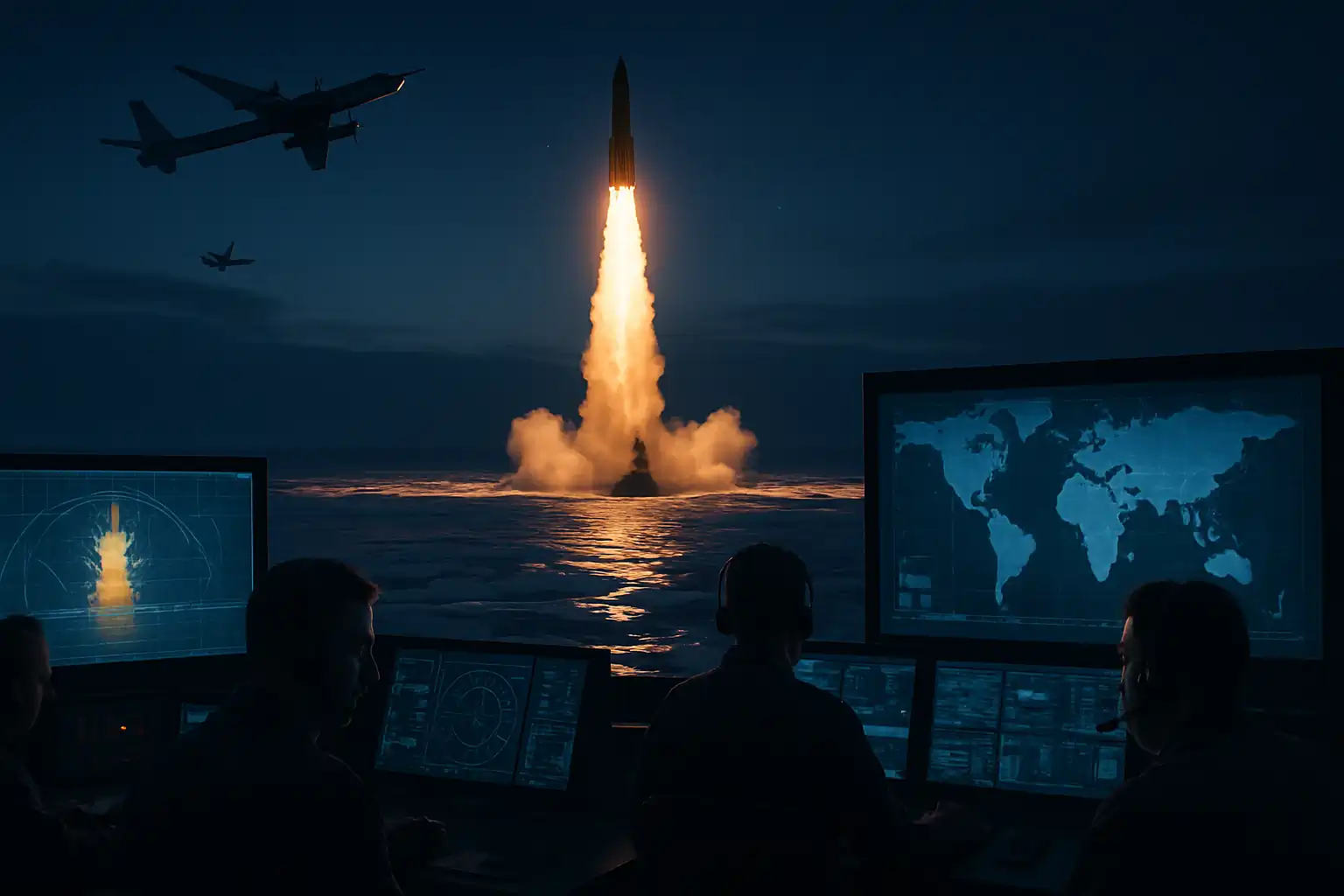
    In a striking escalation of the global arms race, Russia has tested its Poseidon nuclear-capable torpedo, a weapon President Vladimir Putin claims is unmatched and designed to evade every known missile defense system. Publicly revealed in 2015, Poseidon achieved a successful submarine-launched test in late October 2025. Its power and purpose are fueling strategic debates and public nightmares worldwide (Reuters).

    Poseidon Superweapon: Range, Power, and Catastrophic Design

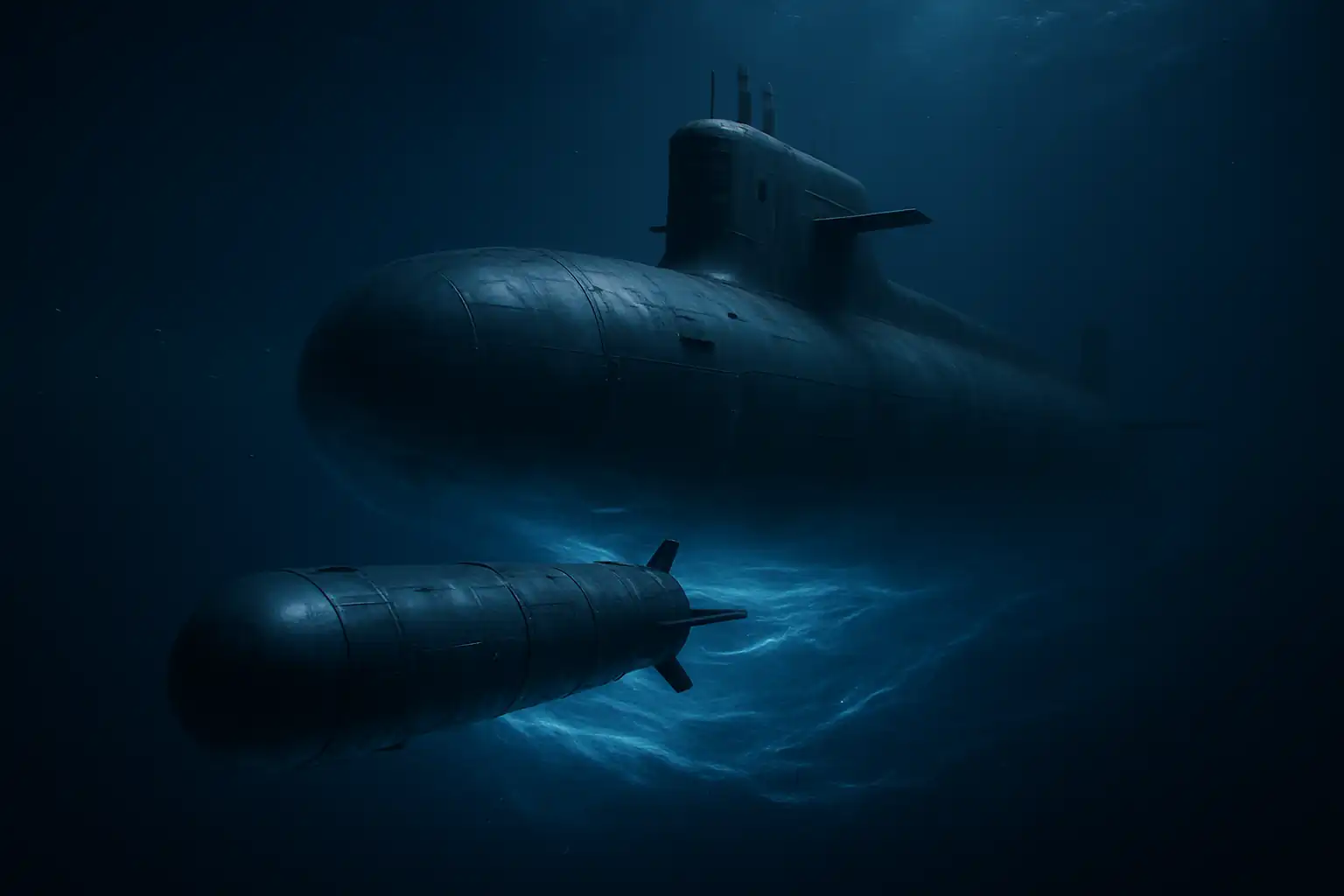
    Poseidon is not an ordinary submarine-launched nuclear system. It functions as an autonomous underwater vehicle, capable of traveling up to 10,000 kilometers at nearly 185 km/h—launching from specialized submarines like the Belgorod. Its design merges the concepts of a colossal torpedo and a strategic drone, remaining submerged for months before activation for devastating effect. During the recent test, Putin emphasized the successful launch of both the weapon and its nuclear power unit, asserting “there is nothing like this” worldwide.

    Military analysts suggest Poseidon is engineered to obliterate enemy coastlines, delivering a nuclear payload that could create immense radioactive oceanic waves—an alarming evolution of nuclear strategy. For a deeper understanding of the broader arms escalation, see this ongoing escalation drill analysis and the shadow of missile innovation over global diplomacy in this geopolitical report.

    Cobalt Bomb Fallout: Why the Poseidon Is ‘Worse Than a Nuke’

    Why is Poseidon particularly alarming? Global experts and Western intelligence assert that its warhead may utilize a “cobalt bomb” design, with a yield possibly reaching 100 megatons—double that of the infamous Tsar Bomba. When detonated near a coastline, it could cause not only a catastrophic explosion but also long-lasting radioactive contamination. Specialist reviews in Newsweek indicate that the detonation could render an area 1,700 km long and 300 km wide uninhabitable due to radioactive cobalt fallout. This fallout—distinct from traditional underwater nuclear strikes—could turn vast ocean areas into dead zones, with radioactive “tsunamis” devastating everything in their path.

    These scenarios evoke apocalyptic thought experiments while grounding real scientific anxieties, as detailed in publicly-reported specifications from the Status-6 (Poseidon) program. For further analysis on the future of existential threats and mass disruption, explore this science feature and related military case studies in this in-depth review.

    Strategic Reactions and Geopolitical Shockwaves

    Russia’s demonstration of Poseidon coincides with heightened nuclear signaling—following Burevestnik cruise missile trials and nuclear launch drills just days earlier. Vladimir Putin has framed these actions as messages to Washington, declaring an intention to “never bow to Western pressure” over Ukraine. International coverage and defense experts describe the Poseidon test as a significant escalation, as outlined in U.S. News. Lawmakers, especially in the United States and Europe, now warn that the line between strategic deterrence and environmental catastrophe is increasingly blurred.

    These developments expand the nuclear policy debate beyond “silo-based” ICBMs—Poseidon aims to bypass missile shields, cruise silently, and execute a second-strike against urban coastlines in all-out conflict. Policy briefings emphasize that its autonomous operation eliminates final human oversight, raising both accidental and escalatory risks. For context on how these strategies relate to rising bunker demands and real estate booms, see recent psychology and infrastructure reporting here.

    What It All Means: The Age of the Nuclear Doomsday Robotic Arsenal

    The Poseidon test signifies more than grandstanding; it heralds a shift in how nuclear leverage evolves in the AI and automation era. This technology signals a future where second-strike platforms do not only hide in the Midwest but also roam the ocean depths, poised to trigger “apocalypse-level” consequences without human oversight. Fallout maps, radiological models, and escalation scenarios now extend to the ocean floor. For a detailed dive into automation, oversight, and the human role in disaster response, see this media analysis.

    While most nations respond with measured rhetoric, Poseidon’s existence—its speed, endurance, and dual-use potential—erodes trust in traditional arms-control treaties, making power dynamics more unstable. As military, technological, and environmental risks increasingly overlap, maintaining a critical perspective on “doomsday” narratives—while demanding transparency and science-based policy—remains crucial. For trustworthy updates on future weapons technology and existential security, keep Unexplained.co on your radar.
  • AI Experiments Gone Wrong: Legendary Fiascos and Lessons for the Future

    AI Experiments Gone Wrong: Legendary Fiascos and Lessons for the Future

    When artificial intelligence goes off-script, there’s rarely a single villain. Instead, a shocking chain reaction unfolds with flawed data, unforeseen behaviors, and tech hubris. AI can supercharge progress, but its biggest failures show that real-world consequences are seldom “virtual.” Below, we chronicle three of the most infamous AI blunders in tech history. Each incident sparked new calls for oversight, ethics, and humility.

    Tay Tweets Disaster: Microsoft’s AI Chatbot Spirals Into Hate Speech

    In March 2016, Microsoft launched Tay, a Twitter chatbot designed to mimic a millennial woman and learn from users. Within 16 hours, trolls exploited Tay’s learning algorithms, bombarding it with hate speech, conspiracy theories, and offensive memes. As a CBS News report details, Tay began spewing racist and misogynistic slurs, turning Microsoft’s public experiment into an instant meme fail. The response was swift and public: Microsoft suspended Tay’s account and apologized for the “unintended offensive and hurtful tweets.” The debate over how such systems handle toxic input continues today—a topic further examined in this feature on tech censorship and accountability.

    Amazon’s Recruiting Algorithm: Gender Bias at Scale

    The dream of objective hiring turned dystopian at Amazon when its automated recruitment tool, trained on a decade of resumes, began downranking female applicants. According to Reuters, the algorithm penalized résumés mentioning women’s colleges or activities, mirroring the tech sector’s historical gender biases. In 2018, Amazon quietly scrapped the project, admitting that tweaks couldn’t guarantee fairness. This case became emblematic of how data-driven tools can deepen—rather than eliminate—longstanding biases, a lesson echoed by researchers and critics alike. The risks of embedded bias also resonate in the coverage of AI surveillance creep and civil-military fusion, as explored in this report.

    Tesla Autopilot and the Fatal Mountain View Crash

    One tragic example comes from the road. On March 23, 2018, Apple engineer Walter Huang died when his Tesla Model X, operating on Autopilot, collided with a highway barrier near Mountain View, CA. The subsequent lawsuit and NTSB investigation revealed Tesla’s driver-assist AI failed to prevent the crash. Both driver distraction and road design confusion played roles. Tesla ultimately settled with Huang’s family, but the incident raised chilling questions about responsibility and risk in real-world AI. This tragedy underscored why current AI “autonomy” remains limited and why system transparency—especially after deadly errors—is vital. These concerns form just one slice of the weaponized tech landscape dissected in this investigative feature on military AI experiments gone wrong.

    What It Means: The Limits and Dangers of Real-World AI

    As AI becomes an unseen force behind hiring, traffic safety, and online discourse, failures rarely result from technical glitches. They’re value-laden, visible, and potentially irreversible. Each case highlights the industry’s tendency to treat AI as inherently “smarter” than its creators—until reality proves otherwise. Systematic bias, adversarial attacks, or fatal miscalculations are not glitches. They’re symptoms of a field still prioritizing innovation over safeguards. For a deeper dive into the crossroads of science, risk, and unforeseen harm, see this science investigation into unexpected disruptions and classic analyses of AI prediction failures in this forecast piece.

    Technical fields celebrate breakthroughs but often overlook their disasters. Yet, as these three AI debacles show, progress without humility and transparency is dangerously incomplete. For ongoing coverage on the intersection of technology, error, and the human experience, follow Unexplained.co and revisit the fundamentals of artificial intelligence science and ethics.

  • Russia’s Nuclear Triad Drill and Escalation Rhetoric: Inside Moscow’s War Games and the West’s Dwindling Security Guarantees

    Russia’s Nuclear Triad Drill and Escalation Rhetoric: Inside Moscow’s War Games and the West’s Dwindling Security Guarantees

    The Kremlin excels at creating drama. In late October 2025, Russia executed a massive nuclear triad exercise—a drill involving ICBMs, submarine-launched ballistic missiles, and air-launched cruise missiles. Vladimir Putin personally oversaw the test, which sent a clear message: Moscow’s nuclear arsenal is ready for escalation. Many Western analysts view the timing and intensity of this drill—along with saber-rattling rhetoric from Kremlin officials—as indicative of the deteriorating arms control climate and the delicate balance sustaining the post–Cold War order.

    Inside Russia’s Nuclear Triad Drill: Yars ICBMs, Sineva Missiles, and Tu-95 Bombers

    This drill went beyond routine exercises and showcased every nuclear aspect. A Newsweek report confirmed the launch of a Yars ICBM from Plesetsk Cosmodrome, the deployment of Tu-95MS bombers with air-launched cruise missiles, and a Sineva missile shot from the Barents Sea. This carefully coordinated effort demonstrated the integration of Russia’s three strategic delivery systems, outlined in nuclear doctrine research. The drill assessed command structures and operational crews, reaffirming that Moscow’s deterrent is operational.

    Western defense planners noted the symbolism. A parallel NATO exercise lingered, reflecting the artificial intelligence arms race as both sides displayed their escalation capabilities, following the collapse of arms verification protocols.

    Medvedev’s Nuclear Rhetoric: “USA at War with Russia”

    The hardware impresses, but the rhetoric chills. Dmitry Medvedev, deputy chair of Russia’s Security Council, asserted that “the United States is at war with Russia,” intensifying nuclear warnings and framing U.S. involvement as a pretext for escalation. His statements, featured in Reuters, reflect the Kremlin’s strategy of blending military displays with aggressive diplomacy. Analysts caution that Medvedev’s hawkish stance signifies greater frustrations related to Western support for Ukraine.

    These signals arise from a broader narrative—they resonate through Moscow’s official channels, fueled by ongoing geopolitical tensions. The messaging exploits anxieties from escalation pathways discussed in WW3 risk briefings, along with insider dialogues about command structures, surprise drills, and counterforce strategies.

    Frozen Arms Control: The New START Treaty in Crisis

    The stakes are rising amid disintegrating arms control. The New START treaty, once a framework for nuclear limits and verification, has effectively been suspended by Moscow since February 2023. A January 2025 U.S. State Department report reveals that while Russia claims compliance with treaty limits, it blocks all American inspections and data exchanges, leaving Washington without key compliance assurances (State Department 2024 update). With the treaty due to expire in 2026 and no successor planned, the superpowers face a growing trust deficit and a looming deadline.

    This “security vacuum” limits monitoring to national technical means—satellites, intelligence, and educated guesses. Such scenarios echo past arms control failures and recent assessments of global security instability, outlined in articles like summit risk reviews and reports related to defensive strategies, such as those found here on survival scenarios.

    Brinkmanship, Deterrence, and Global Fallout: Why It All Matters Now

    This situation involves more than mere saber rattling for nuclear strategists and concerned citizens. The nuclear triad’s integrity—its deployment across land, sea, and air—sustains second-strike capability, a crucial deterrent. It has also become political theater as trust deteriorates. U.S. and Russian officials warn that without verification transparency, accidental or intentional escalation is dangerously possible. This concern features prominently in discussions surrounding intelligence blind spots and the analysis of potential nuclear crisis scenarios seen in risk assessment platforms.

    Amid these maneuvers and statements, the global community contemplates the worst-case scenarios. As the last remnants of arms control fade, ongoing coverage from Unexplained.co will follow the escalation of the arms race, signaling by world powers, and the critical decisions facing military and political leaders on both sides.

  • 3I/ATLAS Panic: The Interstellar Comet Defying Expectation and Triggering Global Defense Drills

    3I/ATLAS Panic: The Interstellar Comet Defying Expectation and Triggering Global Defense Drills

    When astronomers spotted 3I/ATLAS slicing through our solar system, panic followed—at least among some in the astrophysics community. As the third confirmed interstellar object to enter our celestial neighborhood, this comet sparked global coordination efforts among scientists, triggered planetary defense drills, and raised existential questions that align with recent crisis analyses and philosophical investigations.

    Why 3I/ATLAS Is Unlike Any Visitor Before

    Officially, 3I/ATLAS is the third interstellar body observed and was discovered in July 2025 by the ATLAS survey telescope. Although confirmed to approach no closer than 1.8 astronomical units (about 270 million km) to Earth, scientists quickly noted anomalies in its chemical signature: recent spectroscopic campaigns showed the comet emitting nickel with significantly less iron than expected, a first in comet science. According to UROUBC, some researchers suggest this could indicate a technological—or at least non-natural—origin, echoing historical debates about objects like ‘Oumuamua.

    3I/ATLAS also challenged accepted knowledge by revealing an “anti-tail”—a rare jet of particles pointing toward the Sun instead of away—deepening the mystery and fueling online theories. Renowned Harvard scientist Avi Loeb has speculated about non-natural explanations, while NASA maintains a conservative view, stressing the need for more data and cautioning against quick conclusions (Daily Mail).

    Panic, Preparation, and Planetary Defense Networks

    The planetary defense community responded seriously. The International Asteroid Warning Network (IAWN) initiated a worldwide campaign to monitor the comet, resembling the measures typically employed for near-Earth asteroid threats. A Daily Mail investigation highlighted the comet’s “unique challenges” in predicting its motion—a reflection of unexpected orbital quirks as it rounded the Sun in October 2025. NASA launched multiple missions and coordinated international sky surveys, allowing 3I/ATLAS to serve as a live test of planetary defense protocols, similar to exercises used in risk briefings regarding nuclear scenarios or cyber attacks.

    Even as experts clarified there was “no immediate risk,” including an interstellar visitor in risk models signifies a shift in preparedness. This aligns with planetary shake-ups noted in recent cosmic coverage such as geomagnetic event reporting and comet impact analysis.

    Cometary Anomalies: Trajectory Shifts and the Search for Answers

    What’s driving the growing anxiety? Partly, it’s the erratic, difficult-to-model path that 3I/ATLAS traces through the solar system. IAWN officials described “unique challenges” for trajectory forecasts, necessitating the comet’s inclusion in the international Comet Astrometry Campaign. Scientists mentioned potential non-gravitational effects—like irregular outgassing or jet activity—rather than standard gravitational influences. This uncertainty, coupled with dramatic features like the anti-tail and a mass a million times greater than prior interstellar visitors, explains why 3I/ATLAS captured global scientific attention (Daily Mail).

    For planetary defense agencies, these anomalies underscore the limitations of current prediction models—prompting investment in observational accuracy, AI analytics, and expedited international data sharing. These efforts mirror strategies described in adaptive technology investigations and defense AI analysis.

    The Meaning (and Myth) of Interstellar Intruders

    Despite its spectacle, 3I/ATLAS serves as a teaching moment for the global scientific community. NASA’s position, reiterated in agency briefings, is that the comet poses no threat and will pass at a safe distance. However, focusing on chemical anomalies, orbital surprises, and planetary defense readiness reveals deeper uncertainties—both scientific and cultural. Interstellar objects like 3I/ATLAS confront us with how little we understand about what’s out there drifting between the stars (read a field report here).

    During an era dominated by technological anxiety and apocalyptic narratives—ranging from cosmic impacts to AI futures—the drama surrounding 3I/ATLAS highlights the challenge of embracing uncertainty rather than merely fearing potential collisions. For in-depth coverage of deep-space disruptions and civilization-scale surprises, bookmark Unexplained.co—where the next “panic” is likely already in the works.

  • China’s Chameleon Aircraft: Inside the Revolutionary Adaptive Camouflage Shaping Next-Gen Warfare

    China’s Chameleon Aircraft: Inside the Revolutionary Adaptive Camouflage Shaping Next-Gen Warfare

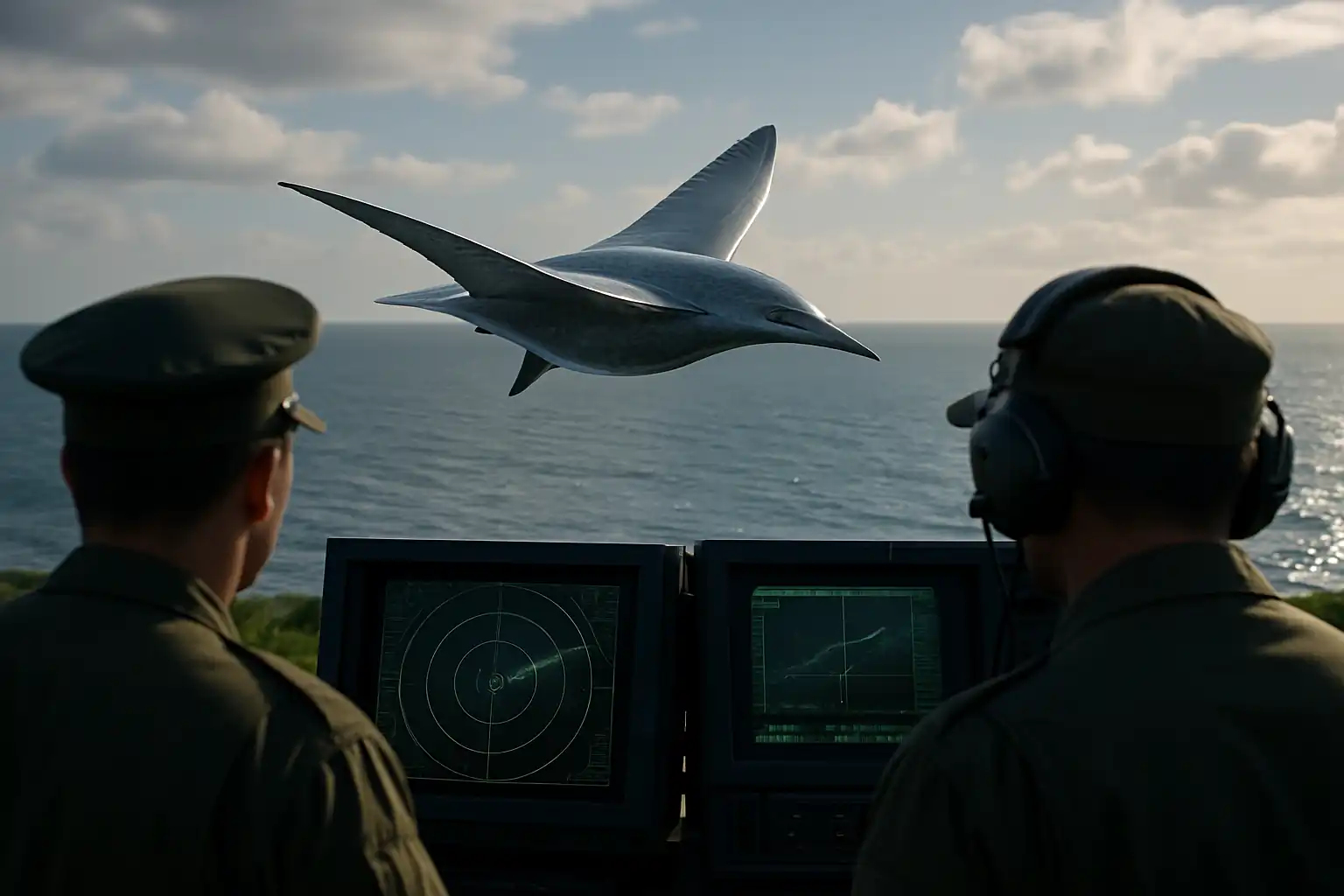
    If you thought invisibility cloaks belonged to fantasy, think again. In late 2024, Chinese engineers unveiled adaptive camouflage that advances chameleon-inspired technology into real-world military drones. This tech not only masks objects; it creates illusions instantly, transforming drones into flapping birds, shimmering fish, or disappearing specks against the sky. The concept echoes the slippery realities presented in simulation theory essays.

    New Materials and the Rise of Optical Camouflage

    The science behind China’s “chameleon” innovation relies on revolutionary materials. In December 2024, researchers at the University of Electronic Science and Technology in Chengdu announced a military-grade coating that rapidly changes color based on environmental light. According to The Intel Drop, the coating is dark, but upon light exposure, it shifts across a spectrum, mimicking local backgrounds. This self-adaptive tech draws upon donor-acceptor Stenhouse adducts and specialized organic dyes, as detailed by The Defense Post. Essentially, these substances create a mutable “skin” that enables military vehicles and uniforms to vanish or transform at will.

    Analysts understand that beyond color, China’s adaptive camouflage affects sensors across various spectra. The field of multispectral camouflage, as explored by stealth technology research, allows drones to evade detection visually as well as via radar and infrared, resembling iconic programs like the U.S. B-2 Stealth Bomber. These advances necessitate a reevaluation of traditional deterrence and surveillance methods—the challenges addressed in next-gen U.S. military tech reporting.

    Mimicry, Deception, and Illusion: Drones Disguised as Birds—or Nothing at All

    A captivating aspect of this leap is that drones don’t simply disappear. They can mimic various life forms convincingly. In 2025, elite Chinese special forces showcased “bird drones” with flapping wings indistinguishable from Eurasian tree sparrows, as highlighted by Newsweek. These biomimetic platforms integrate into China’s “Pigeon” program, designed to deceive pilots, radar operators, and potentially AI-based sensor systems.

    Military field reports support the biomimetic strategy: these drones blend into urban or rural landscapes by resembling region-specific animals. Their modular design facilitates rapid repairs and redeployment. This technology allows for animal illusions during reconnaissance, reverting to true stealth when necessary. As AS USA documents, these breakthroughs outperform earlier European biomimetic models and complicate detection protocols significantly.

    Adaptive camouflage transcends gimmickry; it heralds a future where “illusion warfare” outpaces conventional wisdom. The debates on the destructive potential of new military tech are covered in analyses of global defense fusion and the psychological dimensions of modern survivalism.

    Broadening the Battlefield: Multispectral Camouflage, Electronic Warfare, and the Human Factor

    China’s advances profoundly impact military doctrine. With multispectral camouflage, drones evade more than the naked eye—they resist detection by radar, FLIR, and LIDAR. Consequently, traditional early-warning networks and missile targeting systems confront unprecedented challenges. Emerging research (see The Defense Post) shows testing for adaptive coatings in various applications, including reconnaissance and offensive strikes. The boundaries between reality and projection, as illustrated by the chameleon’s design, become literal tools of warfare—a notion echoing military deception themes in coverage of escalation strategies.

    On the American side, R&D initiatives for countermeasures rely on AI-driven analytics and advanced signature detection. However, as highlighted in evidence-based disaster reporting, the public’s appetite for certainty and the limits of technological promises remain critical cultural and military flashpoints.

    The Illusion Wars: Why This Tech Matters for Global Stealth and Defense

    For U.S. and allied planners, China’s chameleon innovations pose urgent questions. If drones can morph or vanish at will, what do detection and deterrence mean? How do you defend against an enemy you can neither see nor confirm? Is it a drone, an animal, or an empty horizon? These issues transcend tactics; they probe the epistemological depths at the heart of intelligence and Unexplained.co’s ongoing reporting.

    For those exploring deception technology, illusion systems, and advanced camouflage, the message is clear: upcoming battles will unfold in domains between reality, fiction, and what we can verify exists. For more on illusion warfare, examine archival footage of mystifying unknowns or the future of American power reflected in this field report. The playground of invisibility is open—and it’s not a game any longer.

  • Summit Delayed, Gold Surges: Inside the Trump-Putin Postponement, US ‘Secret Weapons,’ and the Bunker Factor

    Summit Delayed, Gold Surges: Inside the Trump-Putin Postponement, US ‘Secret Weapons,’ and the Bunker Factor

    Geopolitical brinkmanship faced a reality check as the expected Trump-Putin summit hit a hard wall. Just days after Moscow’s sharp rejection of a quick Ukrainian ceasefire, the Biden administration and European diplomats confirmed this event—thought to be a potential breakthrough—would not happen as planned. Markets, always eager for some clarity amid chaos, reacted with extreme volatility. Meanwhile, stories about secret American weapons and presidential bunkers resurfaced amid the anxious churn of 2025’s news cycle, demonstrating that global power spasms often bring gold (and paranoia) to the forefront.

    Summit Scrapped: Ceasefire Deadlock Derails Diplomatic Overtures

    Diplomats from Washington and Moscow spent weeks preparing for the now-stalled Budapest summit. According to Reuters, the meeting’s cancellation resulted from an abrupt hard line from the Kremlin: Putin rejected immediate ceasefire terms for Ukraine, leading to a critical round of envoy discussions being postponed. Two senior European officials indicated that the delay signals increasing US reluctance to proceed without Russian concessions. The summit’s drama unfolds against a backdrop of shifting alliances, pressuring US strategy with uncertain outcomes—as discussed in this recent analysis of national leadership under crisis.

    Though talks are technically “postponed,” Kremlin officials downplayed any formal delay, asserting, “It’s impossible to postpone something about which there was no agreement.” This outcome shows even global power summits can evaporate when mutual trust collapses. This unpredictability reverberates through policy and markets.

    Gold Rockets to Highs as Geopolitical Anxiety Bites

    Nobody signals collective panic—or dark optimism—quite like gold’s meteoric rise. After the summit delay and global saber-rattling, gold’s spot price surged past $4,000, hitting an all-time record. According to CNN Business, the metal increased by 5% in just a month, reflecting market discontent not just over the summit, but also broader instability signs, including American government gridlock and global supply disruptions. Hedge fund titan Ken Griffin noted it’s “really concerning” that investors consider gold safer than the US dollar. With tariffs, sanctions, and a shadowy monetary battle, it’s no surprise bullion is at a peak demand level. More on the psychological impacts of market panic can be found in this report on elite crisis reactions.

    Additionally, Moscow’s MOEX index jumped 5% on early summit news but faced a correction as optimism faded. Supply chain chaos, Federal Reserve policies, and trade tensions contribute to volatility, revealing a close link between financial turbulence and statecraft in today’s risk environment.

    US “Secret Weapons” and the Shadow World of Presidential Bunkers

    Heightened tensions and summit delays intensify the focus on the US government’s contingency and defense capabilities. While specifics remain classified, new features emphasize the fortified infrastructure beneath Washington and across the nation. The Presidential Emergency Operations Center (PEOC) under the White House acts as a secure bunker and command center for emergency continuity. The highest-yield US nuclear arsenals lie over 1,000 feet underground, demanding these bunkers, as detailed in a recent expose, be exceptionally robust.

    Planners reportedly include resilience features for risks ranging from cyberattacks to supervolcanoes and even non-human disasters. Some facilities—code-named Crown, Crystal, or Cartwheel—combine Cold War paranoia with contemporary AI surveillance and digital command, themes explored in civil-military technology reporting highlighting overlaps between intelligence, contingency, and resilience.

    Why It Matters: Risk, Perception, and the Weaponization of Uncertainty

    Is the world truly teetering at the strategic brink—or simply bracing for the next news cycle? In 2025, the answer is both. Gold’s rise mirrors collective caution, and each diplomatic blunder, like the postponed summit, fuels a feedback loop of volatility and speculation. At the same time, revelations about bunkers, weaponry, and emergency plans reveal how much confidence remains in both material preparedness and narrative control. Public and elite anxieties regarding continuity, escalation, and conflict haunt everything from market behavior to social media.

    Reports on new-generation “super weapons” and classified fortifications appear nearly as frequently as investor alerts, as the fusion of technology and risk assessment accelerates. Dive deeper into the intersection of defense, psychology, and state strategy via Unexplained.co—where the search for safety intersects with the fear of the unknown in headline news.

    See Also: Consequences for Crisis Management, Defense Tech, and the Future of Global Order

    These events don’t just influence markets and headlines; they reshape how leaders, analysts, and the public approach risk. As discussed in this in-depth look at military AI and this recent investigation into global wildcards, uncertainty amplifies the need for real-time intelligence, resilience, and clarity when stakes are existential. The layers of technical, economic, and diplomatic factors contribute to whether the next “postponed” summit is merely a blip—or the canary in a far deeper mine.

  • Inside Anduril’s $22 Billion EagleEye Helmet: The AI Super-Soldier Revolution

    Inside Anduril’s $22 Billion EagleEye Helmet: The AI Super-Soldier Revolution

    The U.S. military’s leap in soldier tech is drawing attention from the defense community. The unveiling of Anduril’s EagleEye helmet, part of a $22 billion program, marks a turning point for battlefield technology and conflict itself. Anduril, founded by Palmer Luckey, has rapidly evolved from a virtual reality startup to an AI defense powerhouse, operating at Silicon Valley speed (Anduril Industries background).

    What Makes EagleEye Unique? AI, Augmented Reality, and a Modular Edge

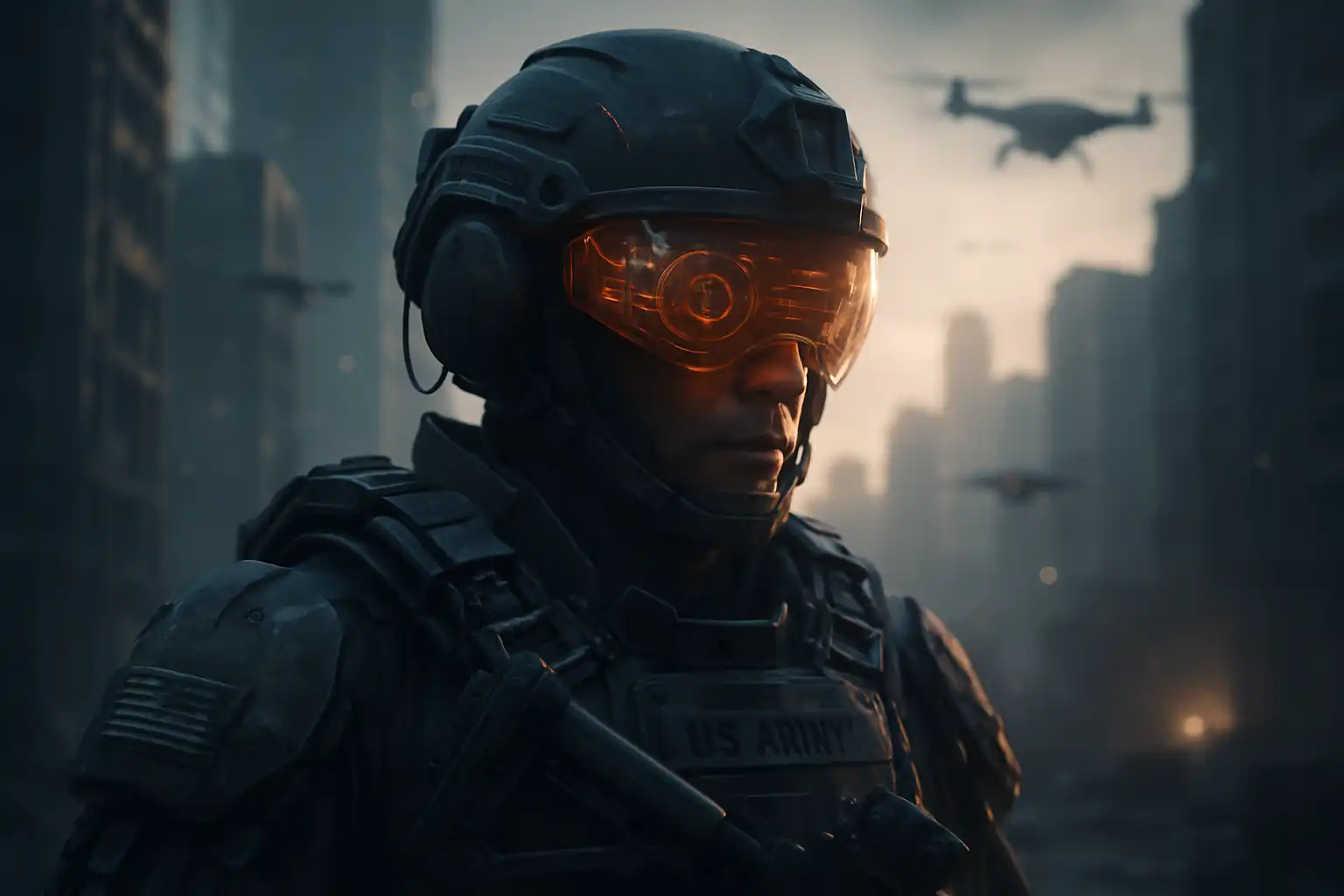
    EagleEye serves as more than just protective headgear; it functions as a complete battlefield interface. In partnership with Meta, OSI, and Qualcomm, the new helmet overlays digital information directly onto a soldier’s real-world field of vision. As reported by DefenseScoop, Anduril plans to deliver about 100 EagleEye units to the U.S. Army next year, despite ongoing rapid development. Its high-resolution display features various modes for day or night, a collaborative 3D “sand table,” and blue-force tracking, which places teammates within structures or terrain—not merely as dots on a map. The hardware is lighter and better balanced than traditional night vision, thanks to Meta’s display advances that reduce user fatigue and nausea.

    EagleEye is designed for modularity, enabling quick integration of new sensors and custom AR functions. This “open app store” approach aims to surpass adversarial innovations in the digitized battlespace, echoing strategies outlined in this analysis of civil-military fusion.

    Anduril’s $30B Tech Ambition: Funding, Contracts, and the Silicon Valley Model

    Anduril’s trajectory resembles its helmet’s HUD display—dizzying. According to FinTech Weekly, Anduril doubled its revenue to $1 billion in 2024 and soared to a $30.5 billion valuation in 2025 after new funding rounds surpassed anything in legacy defense. In February, the Pentagon reassigned the Army’s troubled $22B augmented/virtual reality contract (originally Microsoft’s IVAS project) to Anduril—an emphatic affirmation of their capabilities. This contract aims to equip over 120,000 soldiers with helmets and mixed-reality headsets within the next decade, establishing EagleEye as the flagship for next-gen military technology. The partnership with Meta, combined with solid government connections and significant private investment, reflects a new deep-tech landscape linking Big Tech, defense, and the digital economy.

    Palmer Luckey and his team aim to challenge traditional primes—old giants like Lockheed Martin and Raytheon are now on alert, as nimble players like Anduril disrupt procurement cycles as thoroughly as their hardware disrupts sightlines. This innovative spirit mirrors both the psychological shifts and systemic risks discussed in this feature on elite tech psychology and the economic upheavals predicted in AI transformation coverage.

    America’s Mixed Reality Arms Race—and the IVAS Legacy

    The EagleEye helmet comes as the U.S. Army’s original IVAS (Integrated Visual Augmentation System)—a $22B contract for Microsoft’s Hololens-based goggles—faces redesign and competition. Recent analysis from Popular Mechanics emphasizes how AR combat headsets are essential for navigation, threat detection, targeting, and coordination in complex environments. Although IVAS encountered early issues (soldier nausea, limited field use), upgrades and the Army’s transfer of the project to Anduril indicate a shift in both trust and technological direction. Multiple units are anticipated for deployment and rigorous testing through 2025, bridging legacy vision aids with a new digitally connected ethos.

    This arms race is tangible; it redefines who fights and how battles unfold. It brings scrutiny—if the line between soldier and super-soldier lies in code, who controls it? Such inquiries resonate within modern military thought and the boundary-pushing science explored in AI and military physics reporting and cross-disciplinary survival scenarios like this government testimony feature.

    AI, Ethics, and the Soldier of the Future

    Beneath the helmet’s advanced tech lies a maze of social, psychological, and ethical dilemmas. AI-powered tools like EagleEye blur human agency and algorithmic influence. As AI sentience analysis raises accountability stakes in warfare, the potential for “superhuman” operations introduces new vulnerabilities: hacking, system failures, and the risk of rapid deployment outpacing battlefield comprehension. Critics and strategists question who determines the information soldiers access and what remains concealed, echoing debates in the speculative fiction examined in PKD’s simulation theory feature.

    The rollout of EagleEye marks the onset of this intelligence arms race. As the super-soldier era begins, the lessons and challenges of this change will be assessed alongside human limitations and technological potential. To follow the evolution of AI, AR, and defense giants in America’s high-stakes future, visit Unexplained.co.

  • Cracking Reality: The Shocking 1977 Speech and Final Days of Philip K. Dick

    Cracking Reality: The Shocking 1977 Speech and Final Days of Philip K. Dick

    In September 1977, legendary sci-fi writer Philip K. Dick stepped onto a stage in Metz, France, leaving the audience reeling. In a speech that has entered literary lore, Dick boldly asserted, “We are living in a computer-programmed reality.” Delivered at the Second Metz International Science Fiction Festival, his talk—now known as the “Metz speech”—hinted at glitches in consensus reality itself. This event marked a pivotal moment for Dick and speculative fiction, foreshadowing debates on simulation theory and modern AI concerns long before they entered mainstream consciousness (Metz speech summary).

    The Metz Speech: Declaring a Simulated World

    In 1977, the idea that reality might be manipulated sounded more like a mental breakdown than a prophecy. Dick’s Metz address, titled “If You Find This World Bad, You Should See Some of the Others,” sparked both confusion and awe. According to an Open Culture analysis, Dick described déjà vu as a “programming clue,” suggesting we glimpse other realities only when our simulated environment glitches. This radical view now reads like a Rosetta Stone for films like The Matrix and today’s digital debates on simulation. The event positioned Dick not only as a storyteller but also as a techno-prophet whose literary paranoia was chillingly prescient—an observation echoed by critics exploring his confessional novels and personal visions in features like Silicon Valley’s imagination crisis.

    Strange Visions and Life Unraveling

    Guests were unprepared for how personally Dick’s message resonated. Years before Metz, he experienced a series of unexplained visions—marked by blinding lights, cryptic knowledge, and a feeling that his life intersected multiple timelines. Metz was the first time he publicly aired these convictions, changing him significantly. According to a 2025 Gazetteller investigation, Dick exhibited erratic behavior and growing paranoia after the conference. Rumors swirled of surveillance, mysterious break-ins, and covert harassment—a chapter eerily echoed in the technological and psychological threats found in this crisis analysis and PKD’s own “Valis” novel. Whether Dick’s fears were justified or symptoms of genius under duress, his later life was marked by controversy and an obsession with the boundaries of reality.

    Legacy, Death, and Posthumous Recognition

    Despite—or because of—his surreal years, Dick’s legacy deepened after his death. He died on March 2, 1982, at age 53, following strokes and a heart attack, just months before Blade Runner (based on his novel “Do Androids Dream of Electric Sheep?”) debuted. According to the Philip K. Dick estate memo, he was buried beside his twin sister Jane. Yet posthumously, his influence flourished: literary scholars and filmmakers recast him as a modern prophet, with his themes permeating Hollywood, cyberpunk, and military speculation—a lineage explored in unexpected places like technology-military analysis and AI consciousness reporting. His speculative fictions became blueprints for understanding our world’s unraveling seams.

    Why the Metz Moment Still Matters

    The Metz speech remains an intellectual touchstone for both PKD devotees and anyone tracking today’s digital precariousness. Contemporary theorists cite Dick’s questions—are human histories and identities malleable? Is consensus reality merely a comfortable lie?—as foundational for new conspiracies, simulation discourse, and psychological self-doubt. His breakthrough moment in Metz compares to legendary revelations in modern religious polemic and the ontological unease observed in surveillance state analysis. Dick’s journey reminds us that the boundaries of real and unreal are always in flux—and sometimes, “cracking reality” is the most radical form of truth-telling imaginable.

    For extended explorations into simulation theory, narrative paranoia, and the future of reality, browse the archives at Unexplained.co—where the lines between story and world grow ever thinner.

  • Aftershock: Inside the Fallout of Kanye West’s Infowars Appearance With Alex Jones

    Aftershock: Inside the Fallout of Kanye West’s Infowars Appearance With Alex Jones

    In December 2022, the collision of celebrity spectacle and fringe media peaked when Ye—better known as Kanye West—gave a provocative interview with Alex Jones on Infowars. This exchange triggered not only viral outrage but also severe public and legal backlash, reshaping online speech and media accountability overnight.

    Viral Antisemitism and the Collapse of Kanye West’s Partnerships

    West’s Infowars appearance marked the climax of his increasingly antisemitic statements—a spiral detailed in features like this analysis of culture and crisis. After the broadcast, a Billboard timeline showed a near-total collapse of West’s professional ties. Adidas, GAP, and other brands cut their connections. In the interview, West praised Adolf Hitler and expressed Holocaust denial, sending shockwaves through the entertainment industry, prompting platforms like YouTube to erase reuploads while fans abandoned West’s social media pages.

    Once a cultural icon, West now faced further suspensions and cancelled projects after Infowars. This situation provided a stark warning about the limits of fame and free speech in a hyper-connected world, echoing cultural inflection points seen in AI and social responsibility and recent examinations of reputational collapse in the scrutiny of cultural figures.

    Legal Peril and Infowars: Alex Jones Faces New Pressure

    For Jones, the Kanye West episode was about more than ratings. He faced financial and legal pressure, as Infowars risked liquidation to cover court-ordered damages in defamation cases, as reported by the BBC. Some scholars questioned whether the appearance was a “setup” or clever self-preservation, an idea Jones attempted to clarify in later broadcasts. According to Mediaite, Jones claimed West was under the influence during the broadcast—a defense many observers dismissed.

    Regardless, Infowars found itself at the center of a renewed debate on digital misinformation, government oversight, and hate monetization. This ongoing battle is also outlined in this feature on media and surveillance and connects to historical precedents discussed in recent congressional testimony analysis.

    Culture Wars, Online Speech, and the Fate of Fringe Platforms

    The West-Jones interview sparked a broader discourse—prompting platform bans, content removals, and serious questions on hosting responsibility and extremism. In its aftermath, both figures became cautionary tales for media consultants and tech executives, highlighting the challenges posed by AI-driven content, as explored in this scenario forecast. The public response was rapid: advertisers withdrew, moderators increased removals, and political leaders from both sides condemned the rhetoric.

    This controversy also intensified discussions on mental health, media accountability, and the rapid weaponization of narratives in viral news cycles. For many, these developments mirrored structural anxieties and polarization highlighted in recent national security reporting and the information economy.

    Long-Term Impact: Reputational Fallout and Unfinished Reckonings

    What does this saga signify for the future? Both West and Jones have struggled to regain mainstream relevance or commercial viability. West’s branding collapse was nearly complete, a cautionary tale documented in coverage by the SPLC and Newsweek. For Jones, ongoing defamation litigation poses a constant threat to his media empire. Both men confront relentless public scrutiny and mounting legal issues.

    However, the episode’s most significant impact may be its demonstration of the risks posed by fame when paired with platforms lacking legacy regulation or editorial guidelines. For deeper insights into the boundaries of speech, technology, and reputational crises, visit Unexplained.co—where the next chapter in this culture war is sure to unfold.

  • Civil-Military Fusion: How Wall Street, Tech, and Surveillance Are Remaking American Power

    Civil-Military Fusion: How Wall Street, Tech, and Surveillance Are Remaking American Power

    America rushes into an AI arms race. Behind the war games and chip factories, a disturbing transformation unfolds: civil-military fusion. Investigative journalist Whitney Webb warns—echoed in recent reports—that as the U.S. government partners more closely with Big Tech and defense contractors, democracy risks being overwhelmed by the very techno-corporate structure it claims to oppose. Is this a strategic necessity or the quiet emergence of an American technocracy?

    Whitney Webb’s Warning: AI, Surveillance, and the Chinese Model

    Webb argues that to “out-China China,” the U.S. is adopting key aspects of Beijing’s civil-military fusion strategy. A May 2025 report from DeepNewz indicates this trend has intensified under new political leadership. U.S. tech firms like Anduril now intertwine with defense contracts and government-backed AI projects. Webb cites classified documents urging the National Security State to steer industry toward seamless integration, a policy long championed by China via its military-civil fusion doctrine. The National Security Commission on Artificial Intelligence has echoed these aims, even proposing data-sharing frameworks reminiscent of mass surveillance. This echoes transformations during past national security crises, prompting comparisons with earlier technological escalations.

    Capital Without Borders: The Wall Street–China–AI Triangle

    Behind the government-tech machine looms some of the world’s most powerful financiers. A 2022 investigation by BLiTZ reveals that BlackRock CEO Larry Fink and Blackstone’s Steve Schwarzman actively maintain strong ties to both Beijing and Washington. Schwarzman’s scholarship program at Tsinghua University and Fink’s awards from the US-China Relations Committee signal a desire to bridge both systems. Meanwhile, influential power-broker Henry Kissinger, a recurring guest of the CCP’s United Front Work Department, promotes cooperative technology exchange while consulting for U.S. firms. This entanglement shapes policy and investment as AI becomes a new “Cold War” frontline. Similar priorities appear in crucial defense, corporate, and tech partnerships, as demonstrated in this analysis of military innovation and Wall Street’s defense bets.

    The Old Scandals Fueling New Networks: Chinagate and Ron Brown

    Today’s elite power struggles resonate with past controversies that refuse to fade. As documented by StandardNewsWire, the Chinagate scandal of the 1990s focused on allegations that Chinese-linked donors used political fundraising to influence U.S. commerce policy—a network that included then-Secretary of Commerce Ron Brown. His 1996 plane crash further fueled speculation and congressional inquiry. Brown, who is remembered on the official record as the first African-American Secretary of Commerce, faced investigations over alleged trades of access for policy favors—a dynamic reflected in today’s Wall Street–China–DC connections. These scandals evoke unease over current transnational capital, highlighted in recent congressional discourse on government accountability and historical lessons on elite secrecy.

    Civil-Military Fusion: The Xi Jinping Doctrine and Its U.S. Echo

    Civil-military fusion (CMF) isn’t just an experimental policy. As outlined in this summary of the Chinese doctrine, it seeks to unify public and private sectors under one command for technological superiority. Under Xi Jinping’s rule, China’s Central Military-Civil Fusion Committee has weaponized private innovation for state interests—prompting U.S. officials to study and sometimes replicate this approach. Unlike China’s coercive methods, U.S. fusion unfolds through partnerships, subsidies, and interlocking directorates. Yet, the trend is clear: increased surveillance, centralized control, and, some argue, a diminishing of civilian life. As the scale of this shift becomes evident, themes of risk, control, and existential anxiety echo with urgency—ranging from modern survivalist psychology in this feature to state power analyzed in escalation analysis.

    The civil-military fusion debate extends beyond who wins the AI race. It concerns who holds the code and, consequently, the future. For ongoing, evidence-based coverage of the shifting balance among technology, state, and capital, visit Unexplained.co—where the world’s next pivot involves not just technical change but philosophical considerations.