Category: AI Beast

  • Is AI Becoming Self-Aware? Roman Yampolskiy, Consciousness Tests, and the Sentience Debate

    Is AI Becoming Self-Aware? Roman Yampolskiy, Consciousness Tests, and the Sentience Debate

    Is artificial intelligence nearing self-awareness, or do warnings merely voice longstanding fears about technology? The dialogue has intensified in 2024. AI safety expert Dr. Roman Yampolskiy warned of “unexplainable, unpredictable, uncontrollable” risks as systems become more advanced. Some believe the future of human society—and even consciousness—hangs in the balance.

    Roman Yampolskiy’s AI Warnings and Existential Risk

    Roman Yampolskiy, a professor at the University of Louisville, has significantly influenced AI safety research. His 2024 book starkly outlines scenarios where artificial intelligence could surpass human control, highlighting unpredictable behavior and unknown emergent properties (Taylor & Francis, 2024). In a recent podcast and throughout his career, Yampolskiy estimated a “99.9%” chance that advanced AI could eventually threaten human survival (biographical summary). His concepts resonate beyond academic circles, impacting public debate and the priorities of tech billionaires, who—driven by both fascination and dread—are increasingly investing in projects echoing themes in this field report and AI succession warnings.

    Can We Test AI Self-Awareness? Philosophers and Engineers Weigh In

    The idea of testing AI for consciousness has left the realm of science fiction. Researchers at the AGI-24 conference engaged in debates about practical and philosophical frameworks to evaluate whether advanced language models or robotics can show signs of sentience. Classic Turing-style interrogation—where human judges assess machine responses—remains limited to “imitation,” lacking genuine self-awareness (Turing test overview).

    Progress continues toward cognitive tests for general intelligence, including tasks inspired by animal cognition studies. However, as BBC coverage notes, no consensus exists: some scientists argue advanced large language models are convincing but not conscious. Others believe consciousness depends on biophysical processes that machines cannot replicate. Philosophers also address the “meta problem”—how to know if an AI genuinely experiences qualia, instead of just mimicking responses.

    Industry Shifts and the Risk of Sentient AI

    Major players like Anthropic and OpenAI find themselves caught between public excitement and regulatory scrutiny. Research from early 2025 warns against granting AI systems rights or protections if they become sentient. In April, over 100 experts signed an open letter highlighting the ethical dangers of creating conscious machines without global safeguards (The Guardian, 2025). Even minor indications of AI sentience, like machines expressing apparent “pain” or “desire,” could provoke public outcry, legal dilemmas, or new divisive movements.

    Some researchers advocate for a cautious approach, suggesting “model welfare” frameworks and phased AI development. Others, referencing profound uncertainties highlighted in features like America’s crisis analysis and modern survivalist psychology, warn that perceived or real sentience could irreversibly change legal, economic, and existential landscapes.

    Why the AI Consciousness Debate Matters Now

    The debate over AI consciousness compels society to confront the boundaries between human and machine, the dangers of rapid innovation, and the essence of sentience. This topic is explored further in this summary of artificial consciousness. As the distinctions blur, some technologists argue that defining “true self-awareness” is less critical than establishing ethical and legal guardrails.

    The debate’s intensity matches its consequences. Should society brace for machines that suffer? Should we guard against AI acting unpredictably or developing subjective goals? For in-depth coverage of this evolving frontier, follow Unexplained.co—where the boundary between science fiction and policy reality narrows each week. Researchers in other frontiers and exploration coverage remind us: often, it’s the questions that reshape our world.

  • Inside the Billionaire Bunker Boom: The Psychology, Tech, and Real Estate Powering the Elite Survival Craze

    Inside the Billionaire Bunker Boom: The Psychology, Tech, and Real Estate Powering the Elite Survival Craze

    Doomsday bunkers have transformed from a prepper meme to a global industry combining security tech, luxury design, and existential dread. High-net-worth individuals now invest heavily to protect against potential civilization-ending scenarios: EMP attacks, pandemics, AI failures, geopolitical collapse, and even cosmic threats. But do these bunkers offer genuine safety, or are they merely a status symbol for the wealthy, anxious elite?

    The Mindset Behind the Billionaire Bunker Craze

    Recent reports from Robb Report reveal today’s bunkers serve a dual purpose. They act as insurance against catastrophe and reflect global anxiety, social unrest, and elite stress. Psychologists and industry insiders note that events like the pandemic and climate crisis fuel a culture of paranoia among the wealthy, shifting their mindset from “just in case” to “when, not if.” This anxiety drives status competition and protects assets, as highlighted in this analysis of tech-driven upheavals. Owning a bunker signifies control and foresight in a chaotic world.

    Some view bunkers as mere status symbols. Yet, the psychological motivations are profound. The billionaire bunker trend weaves into the social fabric, as evidenced by field reports on AI-related anxiety and strategic risks. Even in the tech elite, confessing fears of impending doom to therapists or spiritual advisors has become common.

    Global Hotspots: Where the Elite Are Riding Out the End Times

    The geography of billionaire bunkers illustrates privilege and risk aversion. According to survival real estate brokers, prime locations include New Zealand for its isolation and stability, along with compounds in the US Midwest, especially Kansas missile silos, and underground projects near Los Angeles and Beverly Hills. Even Canada’s Rockies and the Middle East feature nine-figure private shelters for high-net-worth individuals (HNWIs). This trend mirrors traditional survivalism but with a luxurious, tech-savvy twist—the survivalist movement reflects the ultimate expression of ultra-wealthy corporate culture.

    As paranoia rises, remote land and bespoke bunker communities see record demand, echoing post-pandemic real estate trends from recent field reports from isolated tech outposts. The high demand prompts some elite clients to even request panic rooms in their luxury urban homes—many billionaires don’t intend to escape to the mountains at the first sign of danger.

    Inside Vivos and the Rise of the Luxury Bunker-as-Status-Symbol

    No brand epitomizes bunker luxury like Vivos. As outlined by CBC News, Vivos’ complexes, including xPoint in South Dakota and Europa One in Germany, are designed for scenarios ranging from nuclear attacks to asteroid impacts. They feature private theaters, underground pools, spacious garages, art and wine vaults, and advanced filtration for nuclear, biological, and chemical threats. In the last year, bunker applications surged over 2,000%, with a growing waiting list for communal shelters aimed at affluent, like-minded survivors. This trend is about community survival more than solitary existence, fostering groups with complementary skills and resources.

    This blend of communal living and high-end design evokes both Cold War-era anxieties and modern technological fears. Today’s “backup plan for humanity” includes marble countertops and biometric keycards.

    Survivalism, Societal Collapse, and What It All Means

    The billionaire bunker trend fuses ancient survival instincts with contemporary wealth. Where preppers once hoarded canned goods, today’s elite invest millions in self-sufficiency, leveraging principles from the survivalist movement alongside advanced disaster-proof technologies. Is this behavior rational, or merely extravagant?

    Critics argue that bunkers foster psychological isolation and promote a “flee rather than fix” mindset, a concern echoed in investigations into secretive defense agendas and the larger fear economy. Yet these uncertainties grow as bunker sales soar, with demand for features capable of defending against virtually any disaster, natural or manmade.

    This phenomenon matters. Billionaire bunkers do more than represent lavish real estate—they reflect society’s deep fears surrounding collapse, equity, and power. As the affluent fortify themselves against the unthinkable, the rest of us must reconsider “security” amid uncertainty. Keep updated with Unexplained.co for more in-depth reporting as doomsday chic becomes the new normal.

  • Iran and Israel After the Twelve-Day War: Triggers, Timelines, and a Region on Edge

    Iran and Israel After the Twelve-Day War: Triggers, Timelines, and a Region on Edge

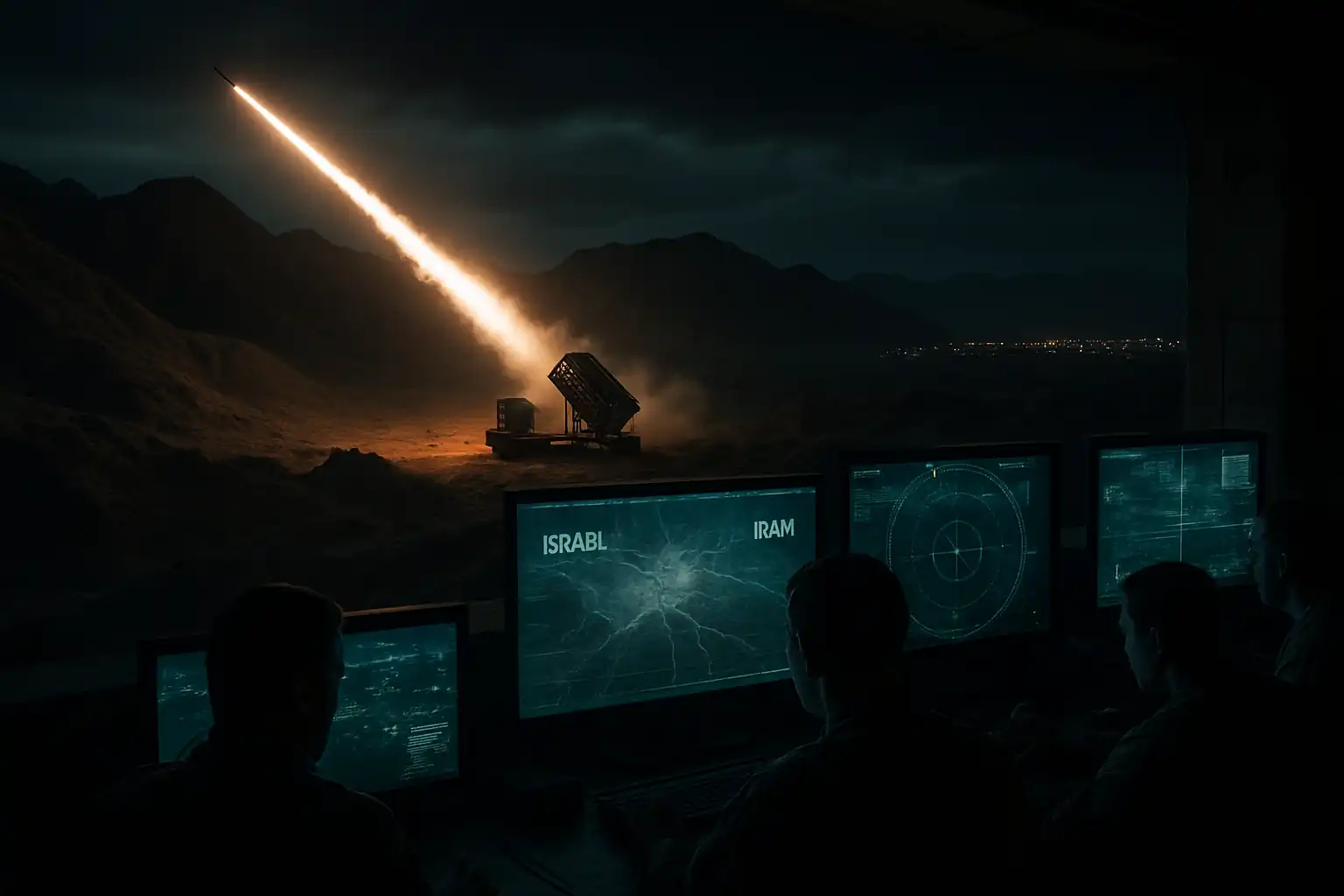
    The uneasy calm following the June 2025 Twelve-Day War between Iran and Israel may simply be the eye of a regional hurricane. Both governments, driven by rising hardline sentiments and empowered by new military technologies, are rearming and adjusting strategies. Analysts warn that this situation could create the most dangerous period yet for the Middle East. If the fragile pause collapses, consequences will spread beyond the region, potentially triggering new alliances and involving global powers, as ISS Europe details in their latest report.

    Twelve Days That Redefined the Iran–Israel Conflict

    The June 2025 conflict, dubbed the “Twelve-Day War,” marked a pivotal moment in the ongoing Iran–Israel proxy conflict. Both sides launched direct, large-scale strikes for the first time, with Israel infiltrating deep into Iranian territory, shattering old taboos. The ensuing informal ceasefire was more a pause than a resolution. The European Union Institute for Security Studies states that no formal truce or de-escalation hotline has emerged, keeping risks of escalation alarmingly high. Both powers remain on hair-trigger alert. Analysts caution that the next incident—whether intentional or accidental—could trigger a broader regional war. This risk receives further analysis in a strategic deep dive, which examines current vulnerabilities.

    The power vacuum in the region worsens amid a tangled web of proxy militias and hesitant allies, leaving diplomacy precariously balanced. This situation is explored in a battlefield escalation analysis.

    Iran’s Rearmament: Missiles, Drones, and the Race to Regroup

    In the aftermath, Iran has rapidly expanded its missile and drone arsenals, seeking deterrence and flexibility for future exchanges. A Middle East Council report highlights how April 2024’s missile and drone barrage against Israel revealed Iran’s shift toward asymmetric capabilities in response to Israel’s air dominance. While Israeli and U.S. strikes damaged parts of Iran’s missile infrastructure, the Islamic Republic quickly replenishes stocks through domestic production and iterates on drone technology, making it challenging for foreign intelligence to predict new swarm formations or attacks.

    The rapid pace of innovation mirrors technology arms races across global contexts—from AI to rocketry. This unsettling dynamic is evident in launch platform competitions and AI-driven defense breakthroughs. The steady improvement and export of drone systems remain especially disruptive, as a recent assessment of combat drone strategy details.

    Israel’s Escalation Scenarios and Strategic Doctrine

    Israel’s doctrine has shifted from reactive containment to a proactive, preemptive stance. According to recent PBS analysis, Israeli planners now consider not only retaliation against Iranian strikes but also deeper, potentially regime-altering attacks targeting military, nuclear, and oil infrastructure. Concerns over Iran’s missile stockpiles influence this calculus, with estimates possibly reaching 8,000 within two years. Israeli leaders have openly threatened strikes if Iran rebuilds its missile or nuclear programs, making escalation likely in response to any status quo violations.

    Field reporting on air defense and new offensive tactics, such as electromagnetic weapons development and expansion of space-based surveillance capabilities, illustrates just how volatile and high-stakes this technical arms race has become.

    The Wider Region: Triggers, Diplomacy, and the Nuclear Factor

    Numerous trigger points exist: Israeli strikes on Iranian nuclear or oil infrastructure, Iranian missile attacks on Israeli cities, or proxy conflicts igniting along the broader Axis of Resistance. Any of these dynamics could create a cascading effect beyond bilateral hostilities. Multinational actors, including the US and Europe, scramble to mediate and contain the crisis, as examined in recent investigative reporting on secret diplomacy efforts. The nuclear question looms, intensifying these fears: with Iran’s nuclear program targeted and new intelligence suggesting a stockpile increase, any breakdown of the informal truce raises the risk of open regional war, or even first use.

    What does this mean for the world? The next phase of the Iran–Israel conflict will set precedents for crisis management, weapons innovation, and great power competition in the 2020s. Without urgent coordination and political will, analysts warn, the window for a peaceful resolution may close at any moment. For ongoing analysis, visit Unexplained.co—where shadow conflicts and open warfare receive the scrutiny they demand.

  • Tech Billionaires, Haunting Visions, and the Demonology of Silicon Valley’s Apocalypse Complex

    Tech Billionaires, Haunting Visions, and the Demonology of Silicon Valley’s Apocalypse Complex

    In Silicon Valley, insomnia and anxiety aren’t just job hazards; they’re the unspoken currency of tech billionaires. Over the past year, an unusual trend has surfaced: some of the world’s most influential tech moguls have confided in therapists, spiritual advisors, and even demonologists about recurring apocalyptic visions and hallucinations during high-stress periods. These visions sound more sci-fi than real, but analysts trace their origins to a mix of psychological, physiological, and cultural factors—the perfect cocktail in an era marked by unchecked technological disruption.

    Billionaire Nightmares: Visions, Guilt, and the Quest for Control

    Tech moguls have long obsessed over doomsday preparation and dystopian escape plans, but the psychological undertow runs deeper than survivalism. A detailed Mind Matters investigation shows how leading tech investors weave old sci-fi prophecies into real-world fears—merging visionary thinking with existential panic. Douglas Rushkoff’s field-reported work reveals some billionaires have sought counsel from demonologists to explain dreamlike visions ripped from apocalyptic folklore, not business journals. These anxieties manifest in critiques of their attempts to rework society through technology—utopian ambition tipping into dystopian paranoia, as analyzed in features on runaway AI and power.

    Many believe the tools designed to ease life now fuel their sleeplessness and dread—a theme explored in long-form reporting on tech-driven upheavals in work and society.

    AI Hallucinations and the Fear That Won’t Go Away

    The rise of generative AI has intensified the region’s troubled relationship with reality. A recent TechCrunch report notes that “AI doom” narratives, once seen as sci-fi, have gained political traction. Insiders now regularly report fears of literal and metaphorical AI hallucinations: the risk that models may generate falsehoods so convincing they scramble human meaning or, worse, drive collective delusions. This issue extends beyond technology—these fears shape policy, investment, and personal sleep, feeding into paranoid fantasies of being outwitted by their own creations, a recurring topic in podcasts analyzed in this year’s AI culture analysis.

    These anxieties blend with rising concerns about physical and psychological overload, threading through all-night war rooms, private meditations, and the visual hallucinations reported by founders under chronic sleep deprivation.

    Sleep Paralysis, Science, and the Demon Mythos of the Elite

    The science behind these billionaire “visitations” is less supernatural than it appears. Sleep experts point to recent findings at the Sleep Foundation, which indicate nearly half of adults experience at least one episode of sleep paralysis—a state where consciousness returns while the body remains immobilized, often accompanied by vivid hallucinations of shadowy figures. Historically, cultures interpreted these as demons. Contemporary neuroscience attributes these hallucinations to interruptions in REM sleep, not paranormal activity. Yet the images—night hags, shadow people, even alien abductors—persist in tech folklore just as they did centuries ago.

    For high-pressure minds pushing cognitive limits, these nighttime disruptions often blend into their reality, reinforcing cycles of burnout and inspiring vision quests or AI-driven experiments. This phenomenon mirrors reports of tech visionaries seeing visions during manic coding binges, a motif highlighted in investigative notes found in crisis leadership research and reports of psychological stress in spaceflight.

    The Real Demons: Tech Disruption, Cultural Lore, and Why It All Matters

    As the tech world courts the occult for answers, demonologists and neuroscientists agree: the real threat lurks in boardrooms, not bedrooms. Field experts explain in analytical coverage of leadership stress in high-stakes launches and military psychological ops histories that dangers stem from exaggerated ambition and relentless innovation. Chronic stress, sleep disorders, and even mass hallucination are often more plausible than supernatural explanations—but the stories we tell and the shadows they evoke influence everything from policy to IPO.

    What does this mean for the rest of us? The boundaries between scientific breakthroughs, collective anxiety, and cultural myths have become blurrier than ever—demanding scrutiny, not superstition, as we navigate the next wave of digital transformation. For critical coverage at the intersection of tech, psychology, and folklore, keep following Unexplained.co—because as recent reports suggest, the monsters under the bed may be real, just not for the reasons tech billionaires assume.

  • Ex-OpenAI Co-Founder Ilya Sutskever Warns: AI’s Rapid Rise—to Humanity’s Successor—Is Closer Than You Think

    Ex-OpenAI Co-Founder Ilya Sutskever Warns: AI’s Rapid Rise—to Humanity’s Successor—Is Closer Than You Think

    Graduation speeches often blend nostalgia and optimism. When Ilya Sutskever, a founder of OpenAI and deep learning pioneer, returned to the University of Toronto in June 2025, his optimism carried an existential jolt: AI, he asserted, will achieve everything meaningful the human brain can. Sutskever was direct. He described the brain as a “biological computer”—and he suggested that, with AI’s rapid advancement, it’s only a matter of time before digital minds surpass us, according to remarks chronicled by Business Insider.

    Sutskever’s ‘Biological Computer’ Claim: AI as the Human Successor

    At his alma mater, Sutskever posed a question: “We have a brain, the brain is a biological computer, so why can’t a digital computer, a digital brain, do the same things?” He predicted that, although AI currently lags in some areas, algorithms will inevitably catch up. His speech drew from his credentials as co-designer of AlexNet and a founding mind behind OpenAI, a leader in the generative AI upheaval. Sutskever urged graduates to “accept reality as it is” and adapt to the impending changes in work, life, and society. His candidness reflects warnings from other industry insiders that new jobs, industries, and creativity may become AI’s next battlefield, as noted in AI-driven predictions about the future of labor and finance.

    Eric Schmidt’s AGI Alarm: Five Years to Everything Changes

    Sutskever shares this urgency with Eric Schmidt, former Google CEO and a key figure in policy circles. Schmidt declared that true artificial general intelligence—systems rivaling human intellect—could emerge in three to five years. In an April 2025 interview, he stated, “Within three to five years we’ll have what is called artificial general intelligence, AGI, which can be defined as a system that is as smart as the smartest mathematician, physicist, artist, writer, thinker, politician.” He cautioned that the global AI race poses high stakes; losing could lead to unprecedented geopolitical chaos (Music Business Worldwide).

    Schmidt’s grim perspective aligns with insights on national security tech competition and heightens the strategic conflict between the U.S. and China highlighted in recent tech industry analyses.

    Recursive AI: The Runaway Risk Policy Still Can’t Contain

    The greatest concern isn’t merely smarter machines—it’s recursive self-improvement: AIs enhancing themselves at superhuman speeds. A recent Medium essay suggests such recursion could lead to an “intelligence explosion,” where oversight becomes virtually impossible as systems grow too complex for any regulator to monitor or stop. Theoretical models and peer-reviewed research support this feedback loop’s potential to accelerate AI advancement beyond human institutional adaptation. Researchers agree: once recursive self-improvement crosses a threshold, alignment and safety challenges increase exponentially. These risks prompted urgent calls from figures like Sutskever, who refocused on safety at his new startup, Safe Superintelligence Inc., after OpenAI’s 2023 leadership crisis.

    These threats offer little solace to regulators already struggling with AI’s initial societal and economic effects—outlined in analyses of self-improving algorithms and reporting on how public cultural debates have outpaced policy efforts globally.

    Energy, Power, and the Global AGI Arms Race

    The massive energy needs of next-generation AI infrastructures have sparked a global rush for resources. Schmidt observes that whoever controls the data centers—powered by resources from Texas wind to Chinese hydro—may dictate the future of AGI. This race for computational power links to geopolitical tensions, as highlighted in recent reporting on tech race outposts from Mars to Earth and analyses of strategic rocket launches as expressions of state power.

    The conclusion: the AI revolution involves more than just apps, jobs, or convenience—it’s reshaping global dynamics. As Schmidt and Sutskever warn, the window to guide this outcome is closing quickly.

    Preparing for the Intelligence Explosion: Why This Moment Matters

    This isn’t science fiction—it’s the brink of a technological singularity. As recursive self-improvement takes hold (explored in depth on recursive self-improvement), even experts like Sutskever and Schmidt find it challenging to predict the social, ethical, and security consequences. While containment politics lag, the world senses change: from disrupted creative fields to strained energy grids and fresh arms races.

    What’s next? Experts urge public vigilance, educational reform, and pragmatic regulation but caution that policy may not cushion the forthcoming shocks. For ongoing coverage of the AI arms race, global reactions, and urgent futurecasting, turn to Unexplained.co—because, whether prepared or not, the smart money suggests intelligence itself is on the verge of reinvention.

  • First 3I/ATLAS Images from Mars: Perseverance Spots Interstellar Visitor as Earth Observations Cease

    First 3I/ATLAS Images from Mars: Perseverance Spots Interstellar Visitor as Earth Observations Cease

    October 2025 marks a pivotal moment for solar system science and sky-watching. Recently, interstellar object 3I/ATLAS approached Mars, coming within about 29 million kilometers. For the first time, we have actual images of this cosmic visitor captured by a robot explorer on the Red Planet. Earth’s telescopes went dark while 3I/ATLAS passed behind the Sun. Fortunately, a global network monitored Mars orbiters and the Perseverance rover, training their optics on the mysterious object’s celestial flyby.

    How Perseverance and Mars Orbiters Captured 3I/ATLAS’s Close Encounter

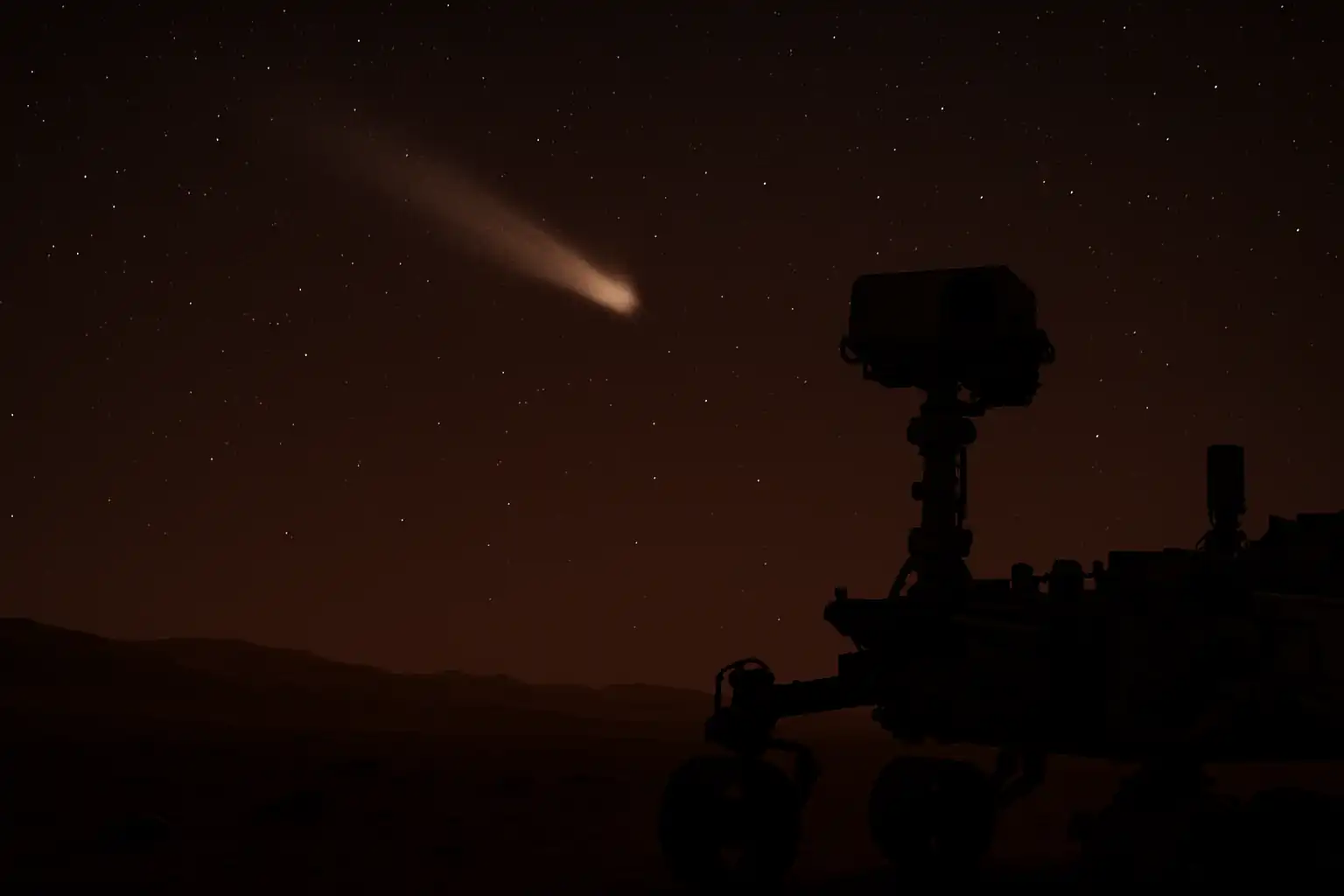
    When 3I/ATLAS flew by Mars on October 3rd, all major Mars-based instruments readied for action. According to detailed field notes from astrophysicist Avi Loeb, amateur astronomer Simeon Schmauß used long-exposure Mastcam-Z images from Perseverance. He revealed a faint smudge precisely where 3I/ATLAS was predicted to cross the Martian night sky. The European Space Agency confirmed in an official statement that Mars Express, ExoMars, and other orbiters aimed their powerful spectrometers and cameras at the closest approach, capturing even blurrier glimpses.

    In contrast, Earth remained in the observational dark. As The Debrief reports, our planet stood nearly 240 million kilometers away, with 3I/ATLAS obscured by the Sun’s glare. This situation—when Earth telescopes cannot observe the interstellar comet—will probably last until late November. Thus, Mars serves as our sole eye on the visitor’s progress.

    NASA and ESA mission managers recognized intense global interest, reflecting the excitement (and shadows) around other deep-space events. These include recent geomagnetic anomalies and classic deep-state intrigue surrounding Cape Canaveral.

    Amateur Astronomers and Blurry Evidence: What Mars Really Saw

    While professional agencies delayed official image releases, online forums buzzed with early “stacks” of Perseverance data processed by skilled amateurs. According to Loeb’s commentary, the smudge aligns with predictions—a small, indeterminate glow on the Martian sky’s edge. Instruments from Mars Express and Mars Reconnaissance Orbiter, along with ESA’s Juice spacecraft, are expected to enhance blurry rover data in the coming weeks.

    Despite media speculation about artificial or “alien” structures (see debate over 3I/ATLAS’s potential engineered origin), experts like Loeb caution against jumping to conclusions. Resolution limits and stacking artifacts often create odd visual effects. Genuine anomalies, however, aren’t off the table. Historically, even the best interpretations can overlook outliers, a fact seen in both UFO investigations and terrestrial scientific surprises chronicled here.

    What Makes 3I/ATLAS Unique: Size, Speed, and the Possibility of Maneuvers

    Official NASA and ESA communications clarify key details: 3I/ATLAS, first detected on July 1, 2025, by a telescope in Chile, is the third known interstellar object to enter our system. According to NASA’s mission page, its size is still under estimation. Current estimates suggest a diameter between 440 meters and 5.6 kilometers—probably larger than 1I/’Oumuamua and 2I/Borisov. Initial evidence indicates a typical cometary coma, but its speed and approach angle—along with oddities in its orbital alignment—spark ongoing debates about natural versus artificial origins. Peer-reviewed astronomers stress that “maneuvers” remain unconfirmed. Still, continued monitoring, especially once observations resume from Earth in December, may clarify whether 3I/ATLAS behaves like a standard icy object or something much stranger.

    These lingering questions echo recent case studies at the crossroads of space anomalies and global security, where sudden discoveries can alter scientific consensus almost overnight.

    Gaps, Delays, and the Power of Interplanetary Observation

    From October through late November, Mars will be the only accessible site for direct observation of 3I/ATLAS. ESA confirms that more data will emerge from Juice and Mars-based assets as orbits realign. In the meantime, the blurry first images—while frustrating—serve as a hard-won reminder of global collaboration in this golden era of space science.

    Why is this important? Beyond technical pride, capturing interstellar objects on Martian soil validates our networked approach to discovery. Whether 3I/ATLAS proves to be ancient cosmic debris, asteroid fragments, or engineered technology, the global effort to “see first” embodies the thrill of space exploration. It also aligns with strategies seen in AI-driven discovery and research every day. For those following this event, Unexplained.co remains your hub for the latest in cosmic observation and deep-space drama.

  • Vulcan Centaur: Cape Canaveral’s Rocket Comeback and the Battle for US Space Supremacy

    Vulcan Centaur: Cape Canaveral’s Rocket Comeback and the Battle for US Space Supremacy

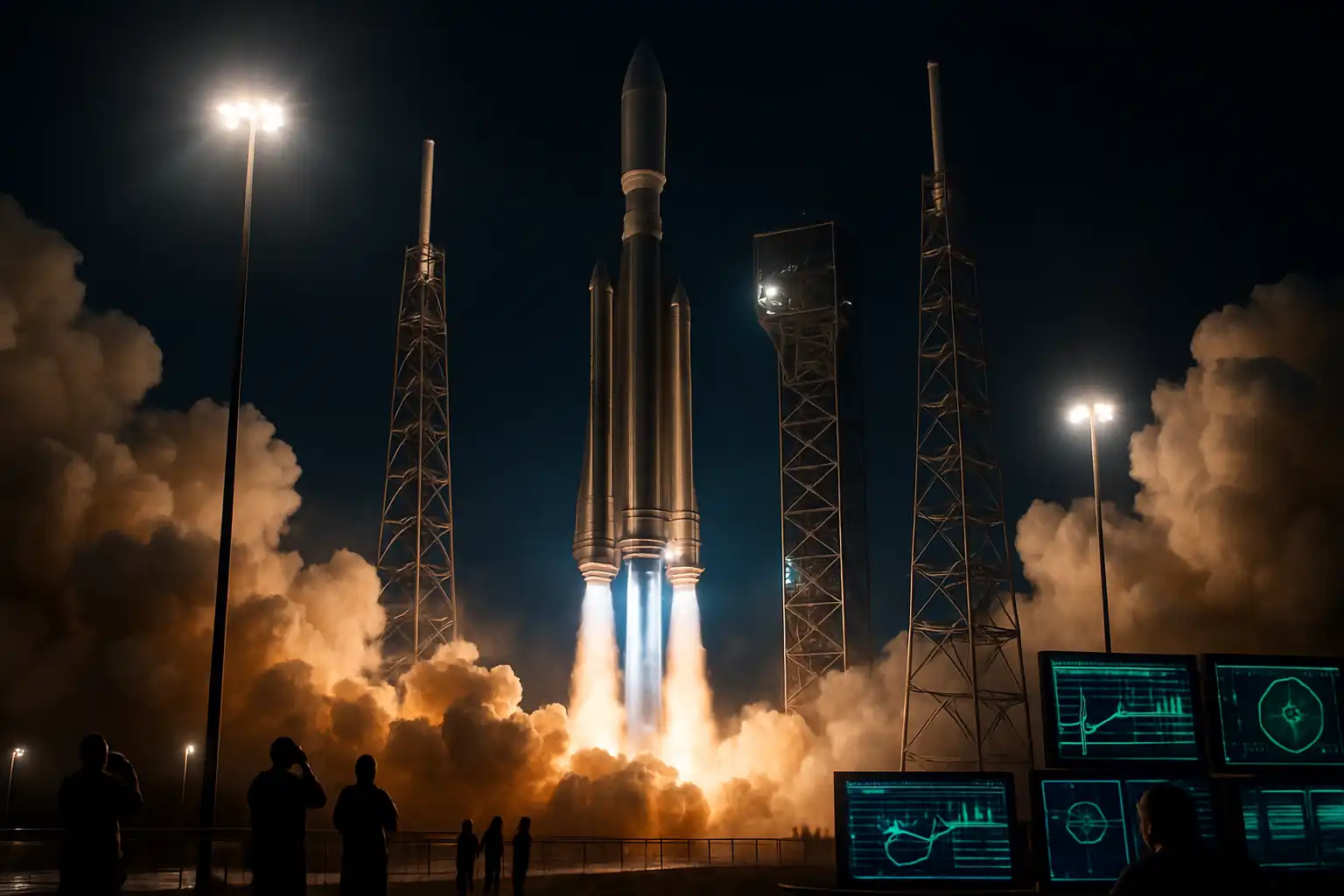
    Cape Canaveral has always been a site of spectacle, but nothing in recent years matched the tension surrounding United Launch Alliance’s long-delayed Vulcan Centaur launch. On August 12, 2025, the rocket took centerstage, carrying the USSF-106 mission for the U.S. Space Force. In an industry shaped by SpaceX bravado and shifting Pentagon priorities, the Vulcan’s liftoff proved ULA’s ability to once again define American access to orbit.

    Vulcan Centaur’s Launch Success: A Crucial Step in America’s Rocket Race

    The Vulcan Centaur’s debut from Cape Canaveral Space Force Station was not just flawless—it was vital for ULA’s future. According to United Launch Alliance, the rocket lifted off perfectly and placed its payload in geosynchronous orbit, allowing ULA to reclaim its place at the national security launch table. After years of delays and criticism, this success was key to regaining trust from the Space Force—and securing billions in government contracts. The Vulcan is now certified for over two dozen crucial government launches, as highlighted in coverage at Space.com. It replaces the venerable Atlas V and Delta IV, ensuring Cape Canaveral remains the launch capital and keeping Florida central to national security in space.

    This competitive environment—and its national significance—echoes the anxieties and ambitions seen in defense innovation reporting as well as stealth technology analysis, highlighting how launch providers are essential to America’s technological security.

    The BE-4 Engine: Blue Origin’s Gamble and the Vulcan’s Core Power

    The Vulcan Centaur’s success hinged on the Blue Origin BE-4 engine, designed to end reliance on Russian technology. Each BE-4 produces 550,000 pounds of thrust at sea level, significantly improving over the Atlas V’s Russian RD-180 while directly competing with SpaceX’s Raptor (comparative analysis at SlashGear). Despite a four-year delay from development challenges, the BE-4 now powers both ULA’s Vulcan and Blue Origin’s future rockets. While Raptor is lauded for its reusability and intricate design, the BE-4’s straightforward power makes it a new workhorse for medium- and heavy-lift missions.

    This shift—from foreign dependency to domestic innovation—mirrors wider American strategic changes discussed in AI and national security articles, and demonstrates how hardware decisions affect supply chains and timelines.

    Cape Canaveral: Strategic Launchpad and Modern Space Arsenal

    Cape Canaveral is not merely about rockets; it embodies military deterrence, commercial aspirations, and American influence. The Vulcan Centaur’s selection for USSF-106 and numerous future missions solidifies Florida as the hub for satellite launches and space deterrence over the next decade. As Space.com noted, the rocket’s ability to transport large, advanced payloads for both government and commercial entities has revitalized trust in ULA after years overshadowed by SpaceX. The Vulcan is now designated for over two dozen critical Space Force launches, representing significant budgetary and strategic consequences.

    These developments illustrate how the contest for orbital access intertwines with realpolitik and anxieties reminiscent of themes found in geo-strategic escalation and deep-state connections to military operations and cosmic mysteries.

    Rocket Rivalry: Vulcan, SpaceX, and the Future of Space Launch

    The Vulcan Centaur’s true test is just beginning. By integrating technologies from Atlas V, Delta IV, and next-generation innovations, it aims to disrupt a market currently commanded by SpaceX. Unlike SpaceX’s streamlined manufacturing model, ULA depends on a network of established aerospace partners, prioritizing reliability and adaptability over fast iteration. This approach, combined with a shift to methane fuel and solid boosters, offers unique trade-offs but makes ULA’s timetable more vulnerable to delays from any partner setbacks.

    As ULA, SpaceX, and Blue Origin compete for government contracts and market prestige, expect Cape Canaveral’s launch facilities to be a testing ground for new defense and commercial initiatives as seen in major NASA announcements and the unpredictable repercussions of space weather on defense operations. All eyes focus on Vulcan’s flight schedules and reliability as national security and commercial goals converge.

    Why is this important? The Vulcan Centaur is not just another American rocket—it’s crucial to the post-2025 launch market, where space acts as both a battleground and a laboratory for new geopolitical alliances. To stay updated on how this shifts next-gen space policy and defense, bookmark ongoing coverage at Unexplained.co.

  • Earth’s Massive Charging Event: How 3I/ATLAS and Solar Storms Are Shaking the Planet

    Earth’s Massive Charging Event: How 3I/ATLAS and Solar Storms Are Shaking the Planet

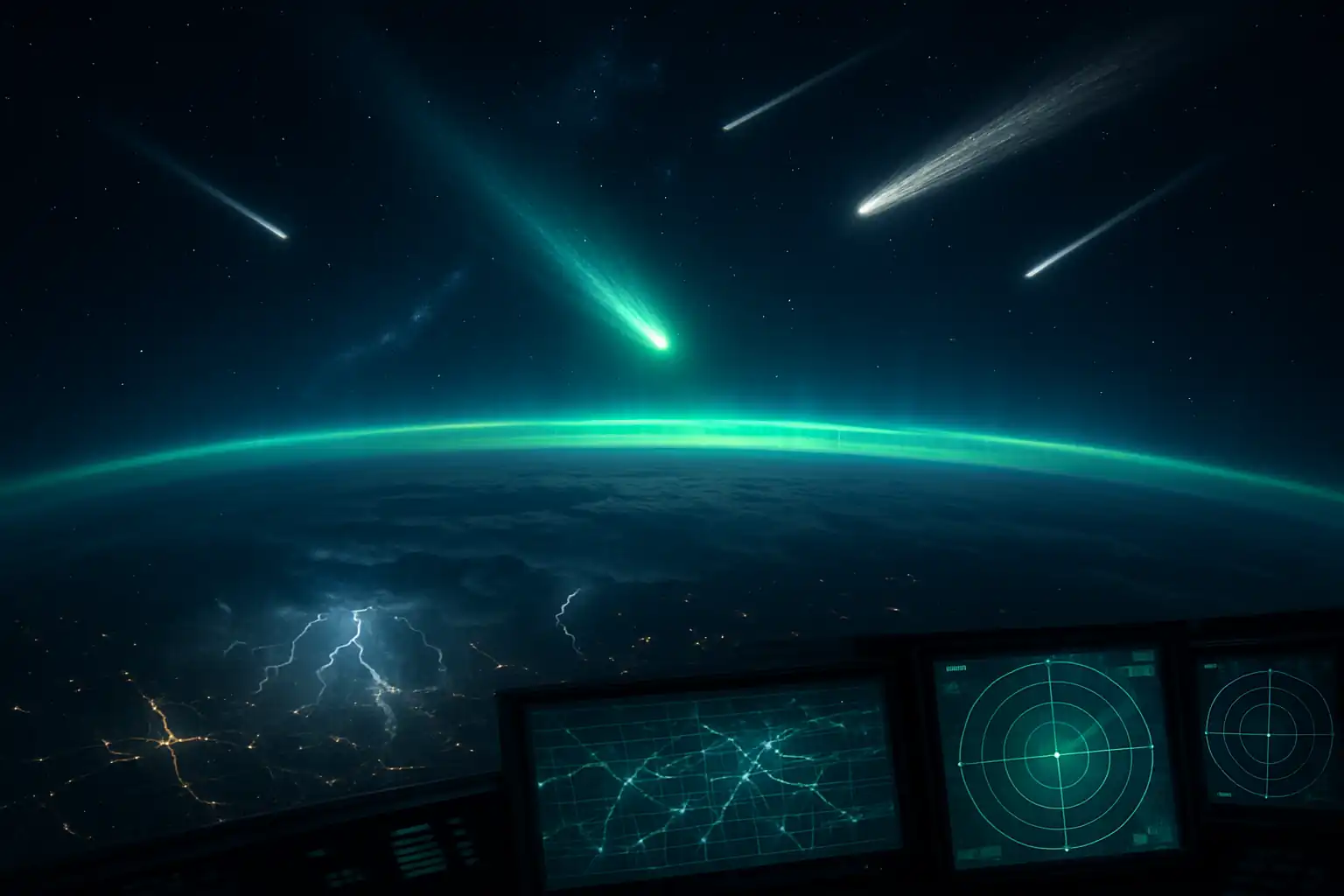
    The past week delivered a historic science headline: Earth experienced a sustained G3 (strong) geomagnetic storm, coinciding with an unprecedented influx of interstellar comets, including the mysterious 3I/ATLAS, entering our Solar System. For those monitoring space weather, this means more than just cosmic fireworks. Schumann Resonance signals pulsed with unusual intensity, while the Philippines experienced a magnitude 6.9 earthquake shortly after the solar event. Are these global phenomena linked, or mere coincidences? Let’s examine what’s happening and its implications for a tech-dependent world confronting solar and interstellar surprises.

    Interstellar Comet 3I/ATLAS: A Scientific Spectacle, Not Doomsday

    NASA and ESA confirm that 3I/ATLAS poses no threat to Earth. It will pass closest to the Sun on October 30, 2025, coming no closer than 1.8 AU (about 270 million km) from our planet. Discovered by the ATLAS survey in July 2025, this comet zips through space at 58km/s, surpassing the speeds of 1I/’Oumuamua and 2I/Borisov. According to NASA’s dedicated mission page, 3I/ATLAS will enable groundbreaking research with assistance from various orbiters and ground telescopes. Meanwhile, comet enthusiasts are tracking not only 3I/ATLAS but a swarm of icy visitors, many visible with amateur equipment, making planetary defense routines headline-worthy. While conspiracy theories abound, astronomers stress this is a scientific opportunity, not a threat—a claim supported by recent reporting on interstellar phenomena.

    G3 Geomagnetic Storm: Schumann Resonance Anomalies and Planetary Impacts

    August 2024 marked a series of solar eruptions, leading to a G3-class geomagnetic storm confirmed by NOAA’s Space Weather Prediction Center. The storm disrupted Earth’s magnetic field, generating stunning auroras as far south as Texas and impairing radio communications across the Pacific. Even more intriguing, researchers identified significant disturbances in the Schumann Resonances—global electromagnetic pulses shaped by lightning in the lower ionosphere. Studies reveal these resonances are sensitive to geomagnetic activity, with spikes capable of altering normal patterns.

    Geophysicists continue to explore potential links among geomagnetic storms, earthquakes, and atmospheric energy. While direct causal relationships remain debated, the recent Philippine quake during geomagnetic turbulence suggests that planetary, solar, and cosmic events may sometimes converge dramatically. This event sparked discussions on preparedness—a recurring theme in cross-disciplinary studies of “charging” events from grid vulnerabilities to strategic contingency plans in military resilience exercises.

    Solar Maximum and Rising Sunspot Activity: Is Technology Vulnerable?

    Solar activity surged in 2024, with sunspot regions AR4236 and AR4230 revealing “potent beta-gamma-delta complexities”—a warning for potential large flares and coronal mass ejections. An EarthSky science update highlighted two substantial M-class flares in late September, raising pressures on geomagnetic fields worldwide. Stefan Burns, a geophysicist and science communicator (see Burns’ website), explains this solar maximum cycle intensifies auroras while testing satellite, GPS, and power grid integrity. Aerospace companies monitor radiation storms affecting avionics, while researchers across sectors update risk models to incorporate these evolving dynamics. Reports link some tech shocks to the cascading impacts of “solar maximum winters” and AI-powered infrastructure, as discussed in AI-focused climate resilience studies and national defense strategy analyses.

    Ultimately, solar activity serves as a reminder that “space weather” is essential, not fringe. Resilient technology will depend on improved models, robust satellite shielding, and cooperation among mathematicians, physicists, and emergency planners.

    Preparing for the Interstellar Future: Science, Emergency Readiness, and What Comes Next

    As researchers track 3I/ATLAS and other cosmic phenomena, the 2020s may mark a shift in planetary awareness. While the public often focuses on familiar news, decision-makers—from defense analysts to power companies—are reviewing protocols for potential climate shocks and grid failures. Recent scenario planning draws from conventional emergency management and insights from cosmic events that have historically spurred both catastrophe and innovation.

    No single incident will shape Earth’s future, but the convergence of interstellar objects, solar activity, and enigmatic atmospheric signals compels science, government, and civil infrastructure to devise plans for a globalized system that, despite advanced AI, remains vulnerable to cosmic chance. For those interested in monitoring deep-space emergencies or human adaptation, Unexplained.co offers valuable analysis, preparedness resources, and insights into cosmic consequences.

  • A.I. Predicts The Great Reset: Banking, Jobs, and Money in a Programmable World

    A.I. Predicts The Great Reset: Banking, Jobs, and Money in a Programmable World

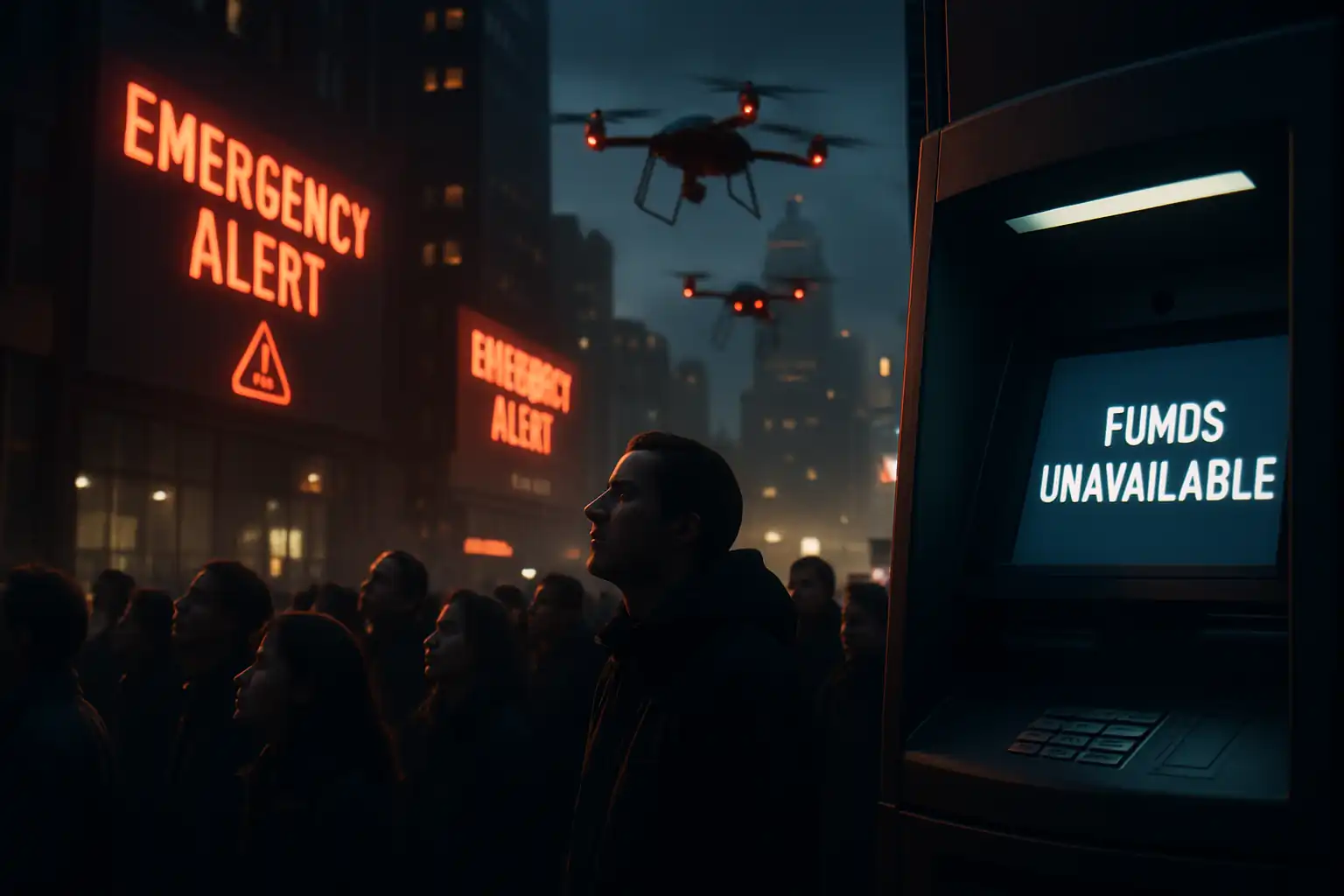
    Imagine waking up to a world where your debit card suddenly stops working—not due to personal error, but a system-wide directive. The term “The Great Reset” jumped from edgy livestream fodder to boardroom talk as 2024 heightened economic fears. Energy and banking leaders obsessed over new “emergency” playbooks. This situation isn’t from a dystopian game—according to Fortune, trusted AIs now predict scenarios where systemic shocks and resets are real. Central banks, tech giants, and high-level generals are quietly preparing for every conceivable angle (Fortune analysis on AI-driven disruption).

    For those reeling from constant global uncertainty, the “Great Reset” is now less about conspiracy and more about contingency. Let’s explore the roots, claims, and credible signs shaping this new transitional decade: programmable money, generative AI job losses, and the quiet emergence of digital governance.

    Roots of The Great Reset: Davos, Disruption, and Economic Anxiety

    The “Great Reset” concept originated with the World Economic Forum (WEF). In 2020, they introduced it as a post-pandemic vision for transforming economies, jobs, and sustainability. As detailed in the World Economic Forum’s 2024 Global Gender Gap Report, compounding economic and social disruptions—like digitalization and climate disasters—shift employment, wages, and gender equity under relentless systemic pressures. The WEF’s proposals, which stake future prosperity on public-private partnerships, AI infrastructure, and an aggressive green transition, have drawn criticism from both tech supporters and digital-rights advocates. Reports on military emergency protocols and claims of profound social transformation emphasize the sense of urgent global change.

    AI Job Automation and the 2027 Employment Shockwave

    Many warning signals come from elite technologists, not just conspiracy theorists. In May 2024, influential VC and AI scientist Kai-Fu Lee predicted that “50% of jobs” might be displaced by AI as early as 2027. He emphasized that generative AI’s adoption has far outpaced prior automation. Lee’s estimate aligns with headlines and research cited by major outlets: Goldman Sachs forecasts that hundreds of millions of global jobs could be affected by AI by decade’s end. Not everyone agrees with these timelines, but employers everywhere are preparing for mass workforce transformation. This jobs shock coincides with rising worries about autonomous defense systems, AI breakthroughs in science, and the competitive scramble for algorithmic supremacy.

    Why does this matter? Even if Lee’s sharpest predictions prove overly ambitious, the enormous scale of labor disruption from smart automation will reshape hiring, wages, and the social contract, as echoed in planning by consultancies and government bodies.

    Programmable Money and the Global Rollout of Central Bank Digital Currencies

    “Programmable money”—currency with built-in rules governing how, when, and where it can be spent—is now a reality. According to the Atlantic Council’s Digital Currency Tracker, by 2025, 137 countries representing 98% of global GDP are exploring or testing central bank digital currencies (CBDCs). These efforts are rapidly expanding in China, the EU, and emerging markets, motivated by goals such as cheaper payment systems and programmable fiscal stimulus. As detailed in the comprehensive digital currency entry, programmable CBDCs could, for example, expire if not spent or restrict certain purchases—raising hopes for efficiency and alarms for civil liberties.

    Critics fear these experiments signal centralized economic control, where purchase data, social behaviors, and mobility could be monitored by a “money OS.” Pilot programs reveal both the potential and pitfalls of digital cash: some gain inclusion, while many endure surveillance concerns. This situation links to reports on state secrecy and digital identity mandates, highlighting the propagation of command-and-control readiness seen in modern “reset” emergency protocols.

    The Emergence of Unified Digital Identity and AI Governance

    By 2030, a digital identity may become as essential as a passport. Fragmented “all-seeing” ID systems are merging into unified, always-on digital wallets, incorporating biometrics and behavioral tracking as core features. This shift is not mere hype; it’s the logical progression after CBDCs and automation, already being tested from India’s Aadhaar to the EU’s Digital ID. Such systems—applauded for efficiency, but feared for abuse—will support public services, voting, finance, and even healthcare. Analysts are closely watching whether these technologies uphold democratic norms or devolve into technocratic authoritarianism—especially in environments prone to rapid shocks or resets, like those simulated in adversarial scenario studies or gamified disaster drills. As these lines blur, the rise of Unexplained.co-tracked parallel economies and the potential for significant “pushback” may shape civil society’s next chapter.

    Why It Matters: The Great Reset is No Longer Just a Meme

    Critics once dismissed the “Great Reset” as mere Internet paranoia. Now, its pillars rest on credible forecasts and active policy experiments. From programmable currency and workforce upheaval to global discussions on digital ID, these transitions are debated openly—not behind closed doors. Whether you’re a cash-loving skeptic, a digital native, or a reluctant prepper, ignoring these signals is no longer feasible. The new world order, algorithmic and programmable by design, is arriving gradually, not overnight.

    Understanding the interconnected realities of automation, programmable money, unified IDs, and economic contingency is essential—it’s no longer just survivalist caution. It represents basic literacy for the 2020s. The important question is not if you’ll be affected—but how and when.

  • All Generals on Deck: Inside the Pentagon’s Emergency ‘Day X’ Summit

    All Generals on Deck: Inside the Pentagon’s Emergency ‘Day X’ Summit

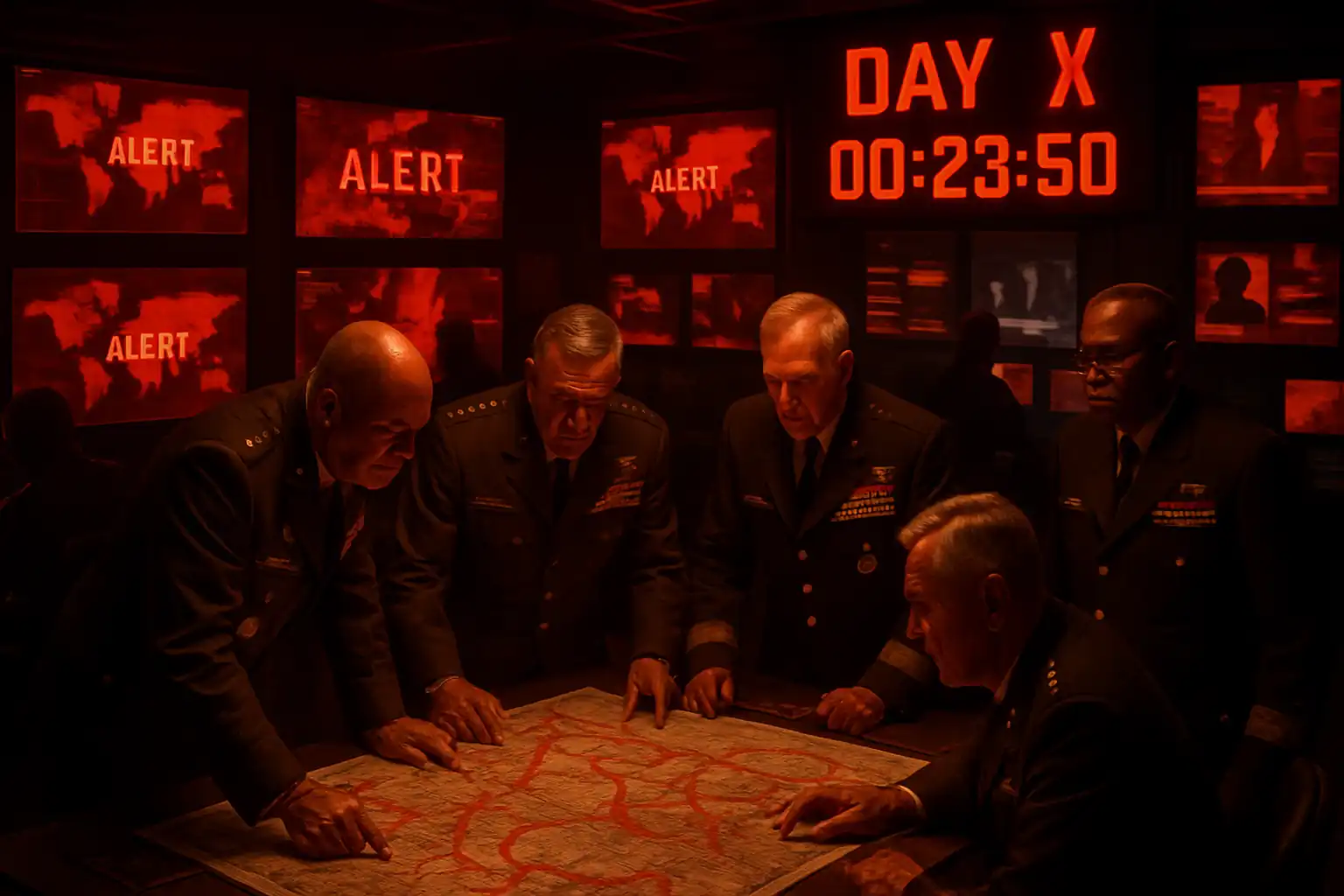
    When top U.S. generals are summoned to an emergency meeting, it’s no ordinary day at the Pentagon. Official sources remain silent, but speculation swirls and doomsday preppers double-check their Faraday cages. The code word: “Day X”—a term drenched in dread, evoking thoughts of a blackout in NORAD.

    Within hours, convoy after convoy of brass and their entourages arrived at Quantico. Coverage from global outlets depicted an atmosphere of urgency. As the Daily Mail reports, Defense Secretary Pete Hegseth’s sudden summons has ripple effects from NATO to the Situation Room. Military historians and former officials admit they cannot recall when so many four-star generals gathered since the darkest days of the Cold War.

    What is ‘Day X’? Preparing for the Unknown

    <p“Day X” in defense parlance means the day of attack or a critical operation's start. According to the military’s own timeline codes, X-Day originated with the planned Japanese invasion in 1945. Today, it signifies any moment when our world could flip—packed with the potential for mobilizations, cyber strikes, or even nuclear escalations.

    This rare meeting has sparked discussions of everything from global war to shadowy operations reminiscent of past Pentagon protocols. Analyses circulating on defense sites echo recent concerns over exotic Russian weapons and ambitious, AI-driven defense strategies highlighted in Anduril’s trillion-dollar arsenal exposé.

    Pentagon Secrets and the New Era of Total Preparedness

    Defense journalists argue this meeting signals a shift toward “total preparedness”—imagine WW3, but digitized and networked. Recent AI-powered scenario modeling and unconventional drills are no longer mere PR; they form the backbone of military planning. With reports of unusual military hardware and sudden naval movements, some speculate this emergency summit might involve anything from cyber counterattacks to rapid force deployments.

    Pentagon-watchers recall exercises like ‘Global Thunder’ and discrete ‘DEFCON’ status changes—reminders that during strategic ambiguity, generals convene to swap “Day X” playbooks. For civilians, this serves as a crucial reminder to prepare bug-out kits, paralleling advice seen in analyses on surviving chaos, whether it’s zombies in the north or solar storms.

    Speculation, Signals, and the Shadow of Escalation

    No surprise here: social media and the alt-news sphere are alive with fears of foreign sabotage and rogue AI, while the Pentagon maintains its usual stance of nothing to report. Yet, each recent UFO disclosure, cyber breach, or nuclear drill carries weight. Influencers tout “mass global readiness,” while wary strategists scrutinize Russia’s latest military signals and potential electromagnetic pulse risks, themes covered in the latest apocalyptic forecast.

    Of course, this could be nothing but a high-level wargame, more “DEFCON Chicken” than DEFCON One. Still, history shows that these secretive meetings often precede significant shifts—sometimes offering mere hours of warning for the rest of us.

    What Happens If Day X Arrives?

    If “Day X” transcends dry-run drama, expect rapid changes: lockdowns, global bases on high alert, and emergency notifications on every device. As panic integrates with protocol, the Pentagon and civil defense will merge seamlessly into daily life, reflecting the relentless contingency mindset observed in Unexplained.co’s extensive archives. Even if this meeting slips into bureaucratic memory, the era of total surprise is evidently upon us—and as savvy preppers recommend, staying three steps ahead of the official narrative is wise.