Category: Ancient Civilizations

  • Iceland’s Most Famous Ghost Story

    Iceland’s Most Famous Ghost Story

    The tale of Oddur and Sólveig from Miklabær is one of Iceland’s most captivating ghost stories. Originating in the 1770s, this narrative has evolved over centuries, transforming from a tragic love story into a sensationalized ghost tale. The truth, however, is far more intriguing than the myths that surround it.

    Key Takeaways

    • The story revolves around Oddur, a priest, and his secret mistress, Sólveig.
    • Sólveig’s tragic fate leads to haunting events that span decades.
    • The tale reflects themes of love, loss, and societal pressures.

    The Origins of the Story

    Oddur was the priest of Miklabær, born to a bishop at Hólar. His father was concerned about Oddur’s unmarried status and the rumors of his affair with Sólveig, a peasant maid. To remedy this, he arranged a marriage for Oddur with Guðrún, the daughter of a prominent local figure.

    • Guðrún: A virgin, deemed a suitable match.
    • Sólveig: Oddur’s long-time mistress, devastated by the news of his marriage.

    Sólveig’s Despair

    Sólveig’s reaction to Oddur’s marriage was one of utter despair. Feeling betrayed and heartbroken, she threatened to take her own life. Concerned for her safety, the community placed her under suicide watch.

    In 1778, Sólveig managed to escape her watch and tragically ended her life by slitting her throat. A farm boy witnessed this horrific act and rushed to her side, reading her last rites. Oddur, upon hearing the news, was so overcome with grief that he fainted.

    The Aftermath of Sólveig’s Death

    During his blackout, Oddur claimed to have dreamt of Sólveig, who asked him to ensure she was buried in a cemetery. However, Oddur’s father, the bishop, denied this request, stating it was against religious law to bury a suicide in holy ground. Instead, Sólveig was laid to rest just outside the cemetery, facing the wrong way.

    • Oddur’s Guilt: He was deeply affected by Sólveig’s death, leading to erratic behavior and alcohol abuse.
    • Haunting Dreams: Sólveig began to haunt Oddur in his dreams, vowing that he would not find peace either.

    Oddur’s Mysterious Disappearance

    Ten years after Sólveig’s death, Oddur’s life took a darker turn. After a night of drinking with the sheriff, he rode home alone, only to vanish without a trace. His family found his horse and belongings, but Oddur was nowhere to be found.

    • Search Efforts: A search party of over 40 people scoured the area, but Oddur remained missing.
    • Rumors: Speculation arose that Sólveig had dragged him to her grave, fulfilling her haunting promise.

    The Unraveling of the Truth

    For 159 years, the story of Oddur and Sólveig morphed into various ghost tales. However, in 1901, the discovery of a skeleton during a grave digging revealed new insights. The remains were found facing the wrong way, leading to further investigation.

    In 1937, a psychic claimed that Sólveig had revealed the truth about Oddur’s fate. She stated that he had drowned in a pit, and his remains were still there. This revelation prompted a search for Sólveig’s bones, which were found buried in her clothing chest, alone.

    The Final Resting Place

    Sólveig was finally given a proper burial on July 11, 1937, in Glaumbær, attended by a full church of mourners. The truth about Oddur’s fate remains murky, with some believing he had taken his own life and was secretly buried to ensure he could rest in holy ground.

    • Sólveig’s Grave: Located in Glaumbær, it has become a site of respect and remembrance.

    This haunting tale of love, betrayal, and tragedy continues to resonate in Icelandic culture, reminding us of the complexities of human emotions and the stories that shape our history.
  • U.S. and Iran’s Naval Tango: The Alborz Warship’s Red Sea Entry

    U.S. and Iran’s Naval Tango: The Alborz Warship’s Red Sea Entry

    How much more is there to the world than meets the eye? We may prefer the comfort that comes from believing we understand the world, but every once in a while, something strange occurs that causes us to wonder just how much more may be going on out of view. England, with its long recorded history and rich mythology, is home to a trove of curious stories that invoke this very question. Some of them delve into an area we would call the paranormal.

    In this article, we explore several of England’s most renowned paranormal events and legendary entities, from a haunting tale of a ghost army to a vile witch said to prowl the night countryside, and the story behind what may be the most famous photograph of an alleged ghost ever taken.

    Key Takeaways

    • England is rich in ghost stories and supernatural events.
    • The Brown Lady of Raynham Hall is one of the most famous ghost sightings.
    • Black Anis is a notorious witch figure in English folklore.
    • The Devil’s Footprints remain an unsolved mystery.
    • Madame Pigot is a tragic spirit bound to the earth.

    The Brown Lady Of Raynham Hall

    England is littered with purportedly haunted locations, and nearly every one claims to be the most haunted. However, few can demonstrate sightings of a ghost dating back nearly 200 years, with a photograph to match. Such is the case for the Brown Lady of Raynham Hall, whose photograph is widely considered to be one of the most famous images of an alleged ghost ever taken.

    Raynham Hall, a nearly 400-year-old country house in Norfolk, has a rich history. In December 1835, during Christmas festivities hosted by Sir Charles and Lady Townshend, guests reported seeing an apparition of a lady in a dated brown brocade dress. This marked the first known sighting of the Brown Lady.

    • Key Sightings:
      • Colonel Loftus and Mr. Hawkins witnessed the ghost during their stay.
      • The ghost was identified with a portrait of a lady in a brown satin dress.

    The legend persisted into the 20th century, culminating in a famous photograph taken by Captain Hubert C. Provand in 1936. The image captured a vapory form coalescing into the shape of a woman gliding down the stairs. This photograph became internationally famous, raising questions about the identity of the lady in the portrait.

    The Legend Of Black Anis

    In central England, residents have long told disturbing tales of Black Anis, a malicious entity said to live in a cave marked by an oak tree. Described as a tall, monstrous old woman with deathly blue skin and iron claws, Black Anis is regarded as a witch or demon who primarily hunts children.

    • Characteristics:
      • Tall, old woman with long white teeth.
      • Wears a skirt made of the skins of her victims.

    According to folklore, she would howl from miles away, prompting locals to lock their doors and place protective herbs around their homes. The legend of Black Anis has evolved over centuries, with some claiming she could transform into a cat.

    The Devil’s Footprints

    In February 1855, a mysterious phenomenon known as the Devil’s Footprints puzzled residents of Devon. After a night of snowfall, tracks appeared across the landscape, leading to widespread speculation about their origin.

    • Key Features:
      • Horseshoe-shaped tracks too close together for a horse.
      • Tracks crossed obstacles like walls and rivers without deviation.

    Theories ranged from the supernatural to the mundane, including the possibility of a hoax or the tracks of various animals. Despite numerous investigations, the true nature of the Devil’s Footprints remains unsolved, leaving a lingering sense of mystery.

    The Tragic Tale Of Madame Pigot

    In Shropshire, the spirit known as Madame Pigot is said to be bound to the earth due to a tragic past. Legend has it that she was married to Squire Pigot, who neglected her during childbirth, leading to both her and the child’s death.

    • Haunting Behavior:
      • Wanders the area, often seen near a specific hill.
      • Sometimes appears to riders, clinging to them until they pass a stream.

    Despite attempts by local clergymen to put her spirit to rest, sightings of Madame Pigot continue to this day, with reports of her wandering along the A41 route.

    Conclusion

    These stories remind us that even in a world dominated by reason and science, there are still mysteries that defy explanation. Whether it’s the haunting presence of the Brown Lady, the sinister legend of Black Anis, the enigma of the Devil’s Footprints, or the tragic tale of Madame Pigot, England’s supernatural history continues to captivate and intrigue. As we explore these tales, we are left to wonder: how much more is there to the world than meets the eye?

  • America’s Most Famous Ghosts: Legends That Haunt Us

    America’s Most Famous Ghosts: Legends That Haunt Us

    In the realm of the supernatural, few tales captivate the imagination like those of ghosts. From the eerie whispers of the past to the chilling encounters that defy explanation, America is home to some of the most famous ghost stories. This article delves into the legends of Resurrection Mary, the Dark Watchers, and the Bell Witch, exploring their origins and the mysteries that surround them.

    Key Takeaways

    • Resurrection Mary: A ghostly hitchhiker from Chicago, known for her tragic backstory and mysterious appearances.
    • Dark Watchers: Tall, shadowy figures seen in California, often described as observing hikers from a distance.
    • Bell Witch: A notorious haunting in Tennessee, marked by strange occurrences and a spirit that claimed to have caused a man’s death.

    Resurrection Mary: The Vanishing Hitchhiker

    The story of Resurrection Mary begins in 1939 with a young man named Gerard Palas. After a night of dancing at the Liberty Grove Hall, he encountered a beautiful girl in a white ball gown. They danced, shared a kiss, and when he offered her a ride home, she requested a detour down Archer Avenue.

    As they approached Resurrection Cemetery, she suddenly asked him to stop. She exited the car and ran across the road, vanishing before reaching the cemetery gates. The next day, Palas learned from the girl’s mother that she had died in a car accident years earlier. This encounter marked the beginning of numerous sightings of Resurrection Mary, a ghostly figure often described as a young woman in a white dress.

    Characteristics of Resurrection Mary

    • Appearance: Blonde hair, pale skin, and a white or yellowed prom dress.
    • Behavior: Often seen dancing alone or appearing suddenly to drivers on Archer Avenue.
    • Encounters: Many drivers report picking her up, only for her to vanish near the cemetery.

    The Dark Watchers: Shadows in the Mountains

    In the Santa Lucia Mountains of California, a mysterious phenomenon known as the Dark Watchers has intrigued locals and visitors alike. These tall, shadowy figures, often described as humanoid, are said to stand motionless on high rocks, observing passersby before disappearing without a trace.

    Key Features of the Dark Watchers

    • Height: Up to 10 feet tall.
    • Appearance: Featureless, often wearing hats and cloaks.
    • Behavior: Rarely interact with humans, appearing mostly at dawn or dusk.

    The legend of the Dark Watchers dates back at least a century, with references in literature by Robinson Jeffers and John Steinbeck. Their true nature remains a mystery, with theories ranging from supernatural beings to mere optical illusions.

    The Bell Witch: A Haunting Legacy

    The Bell Witch haunting is one of America’s most famous ghost stories, originating in Tennessee between 1817 and 1821. The Bell family experienced strange occurrences, including unexplained noises, physical attacks, and even the death of John Bell, who was allegedly poisoned by the spirit.

    Notable Events in the Bell Witch Legend

    1. Initial Sightings: John Bell encounters a strange creature on his property.
    2. Disturbing Noises: The family hears knocking, scratching, and chains rattling.
    3. Physical Attacks: Family members, especially Betsy, are scratched and slapped.
    4. John Bell’s Death: A vial of poison is found in his room, with the spirit claiming responsibility.

    The Bell Witch is often associated with Kate Batts, a neighbor who allegedly cursed John Bell. The haunting attracted visitors and even a future president, Andrew Jackson, who found the spirit more terrifying than the British army.

    Conclusion

    These ghostly tales, whether rooted in tragedy or folklore, continue to haunt the American landscape. From Resurrection Mary’s tragic fate to the enigmatic Dark Watchers and the malevolent Bell Witch, these stories remind us of the mysteries that linger in the shadows. Whether you believe in ghosts or not, the legends endure, captivating our imaginations and inviting us to explore the unknown.

  • 5 Darkest Cases Of Vampires Throughout History

    5 Darkest Cases Of Vampires Throughout History

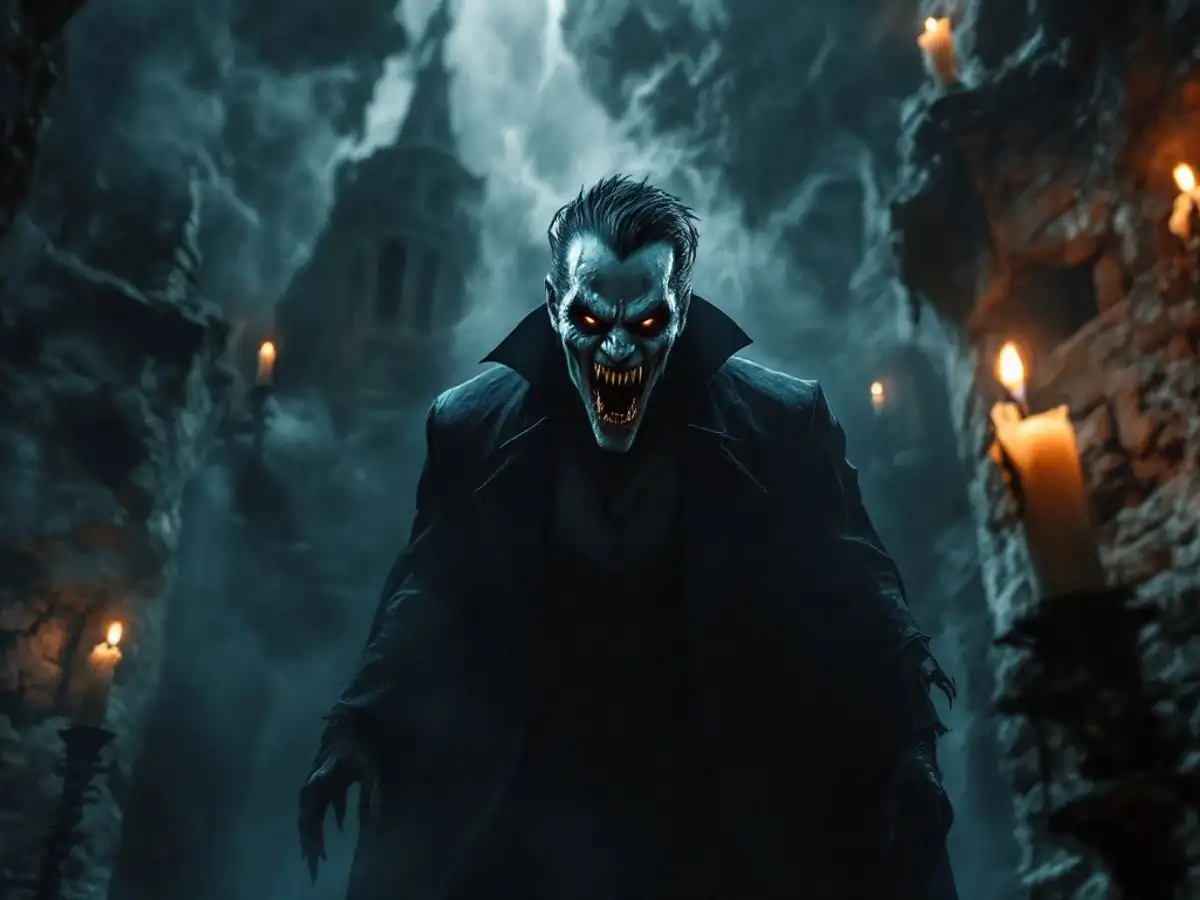
    Throughout history, the tales of vampires have captivated our imaginations. From folklore to real-life events, these stories often blur the lines between myth and reality. In this article, we explore five of the darkest cases of vampires that have left a chilling mark on history.

    Key Takeaways

    • Vampires have roots in real-life events.
    • Historical vampire hysteria gripped Europe in the 1700s.
    • Each case reveals unique and terrifying details.

    The Rise Of Vampire Hysteria

    In the 1700s, Europe was gripped by vampire hysteria. People feared that the dead would rise from their graves to prey on the living. This fear led to numerous investigations and gruesome actions taken against the deceased.

    Case 5: Peter Plogojowitz

    In 1725, in the village of Kissava, Serbia, a farmer named Peter Plogojowitz died but did not stay dead. Three days after his burial, he appeared to his son, demanding food. When the son refused him, he mysteriously died the next day. Over the following days, nine more villagers died, all claiming to have been visited by Peter in their dreams.

    • Investigation: A local priest alerted authorities, leading to an exhumation of Peter’s body.
    • Findings: Peter’s corpse was found perfectly preserved with blood on his mouth.
    • Action Taken: A stake was driven through his heart, and his body was burned to ashes. The other victims were buried with garlic and whitethorn to prevent further hauntings.

    Case 4: Myslata Of Blow

    The tale of Myslata of Blow is equally chilling. After his death, Myslata was said to wander the streets, calling out to those he recognized. The townspeople, terrified, decided to take action.

    • Exhumation: His body was dug up, and a stake was driven through his heart.
    • Outcome: Despite this, Myslata returned in a horrifying state, frightening villagers to death.
    • Final Resolution: An executioner was called to pierce his body with several stakes and burn it, ending the terror.

    Case 3: Johannes Cuntius

    In 1582, the village of Celesia faced a nightmare when Johannes Cuntius, a respected citizen, died after a horse accident. Shortly after, townspeople reported visits from his ghost, characterized by a foul smell and cold breath.

    • Community Response: After several complaints, the villagers decided to exhume his body.
    • Findings: Cuntius’s body was found with fresh blood in his veins, leading to a swift decision.
    • Action Taken: His body was burned and hacked to pieces, ending the ghostly visits.

    Case 2: The Vampire Of Croglin Grange

    The Vampire of Croglin Grange is one of Britain’s most famous vampire legends. The story begins with the Cranwell siblings, who moved into a house near a churchyard.

    • The Attack: One night, Miss Cranwell was attacked by a vampire, leaving her with severe neck wounds.
    • The Brothers’ Revenge: After recovering, her brothers sought revenge. They waited for the vampire to return and shot it as it entered their home.
    • Discovery: The next day, they found a disturbed grave in the churchyard, leading to the vampire’s remains being burned.

    Case 1: Elizabeth Bathory

    Elizabeth Bathory, born in 1560, is often regarded as the most vicious female serial killer in history. She believed that bathing in the blood of young girls would preserve her youth.

    • Background: Elizabeth was a member of the Bathory family, ruling Transylvania. She married at a young age but took numerous lovers while her husband was away.
    • Crimes: Reports of her sadistic activities began to surface, with accounts of her torturing and killing young girls.
    • Investigation: In 1610, authorities began investigating her, leading to her confinement.
    • Death: Elizabeth died in solitary confinement in 1614, leaving behind a legacy of horror.

    These five cases illustrate the dark and terrifying history of vampires, rooted in real events and fears. The legends may have evolved over time, but the chilling tales continue to haunt our imaginations. Thank you for exploring these dark stories with us!

  • The Legendary St. Louis, Saskatchewan Ghost Light/Ghost Train

    The Legendary St. Louis, Saskatchewan Ghost Light/Ghost Train

    In the heart of Saskatchewan lies the village of St. Louis, a place steeped in mystery and legend. Known for its eerie ghost light, this phenomenon has captivated locals and visitors alike for nearly a century. The story of the ghost light is intertwined with tragedy, making it a compelling tale worth exploring.

    Key Takeaways

    • The ghost light is linked to a tragic incident involving a railway worker in the 1920s.
    • Witnesses report seeing both white and red lights along the old rail bed.
    • The village of St. Louis embraces its ghostly reputation, with local businesses capitalizing on the legend.
    • Future investigations are planned to capture better footage of the ghost light.

    The Legend Of The Ghost Light

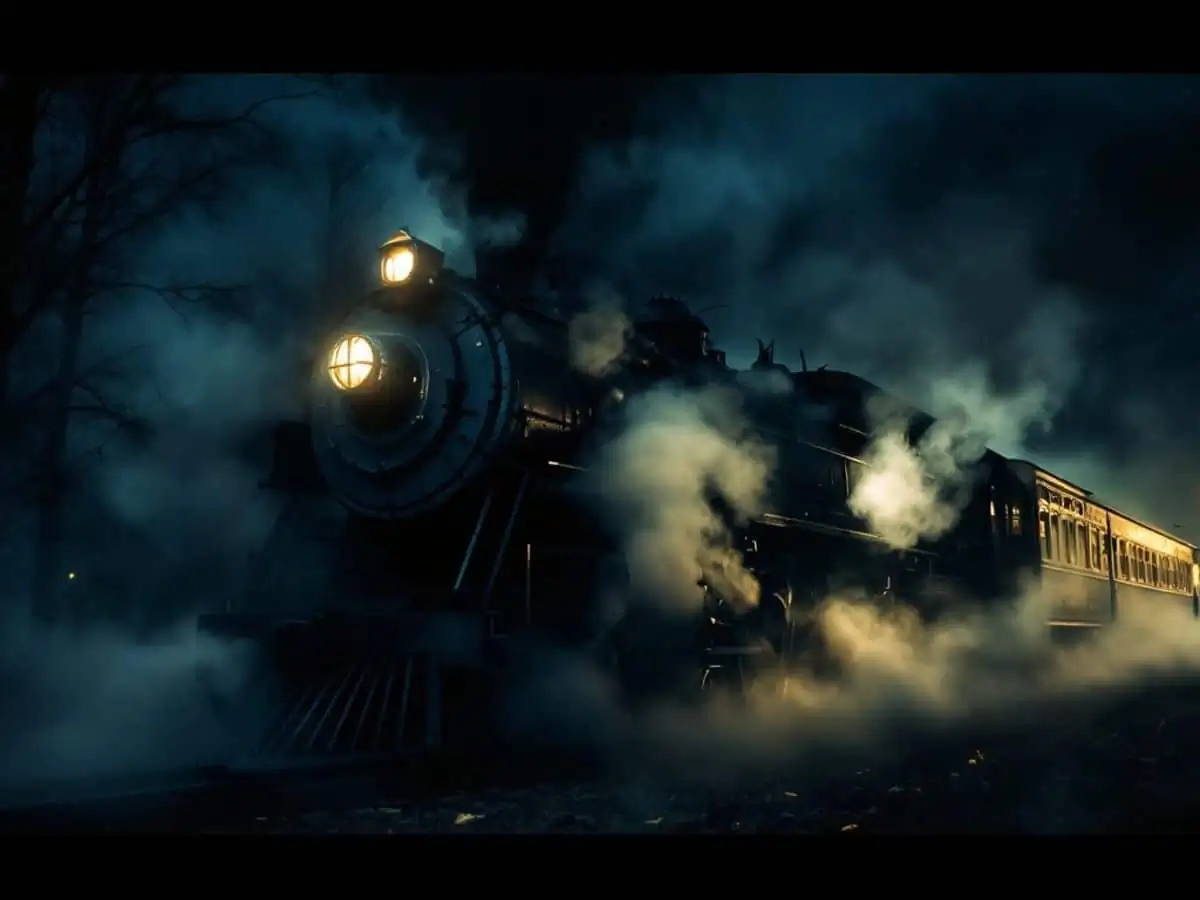
    The legend of the St. Louis ghost light dates back to the 1920s. According to local lore, a train was stopped on the old Canadian National Railway line. A railway worker, tragically, was decapitated by the very train he had exited. Since that fateful day, people have reported seeing mysterious lights along the old rail path.

    Witnesses describe the lights as bright orbs that appear suddenly, often moving along the tracks. Some have seen a red or orange light, while others report a white light. The most common interpretation is that the white light represents the ghost train, while the red light is thought to be the lantern of the headless railway worker.

    Eyewitness Accounts

    Many locals have shared their experiences with the ghost light. Here are a few notable accounts:

    1. A Close Encounter: One resident recounted seeing a light approach from behind, only to vanish into the woods after passing by.
    2. The Flashlight Illusion: Another witness described a light that appeared to bob and linger, resembling someone walking down the tracks with a flashlight.
    3. Triangular Lights: A visitor reported seeing three orange lights in a triangular formation before a large white light appeared and then disappeared right in front of them.

    These accounts highlight the variety of experiences people have had, adding to the mystique of the ghost light.

    The Village Of St. Louis

    St. Louis is not just known for its ghost light; it has a rich history. Located about 35 kilometers south of Prince Albert, the village was settled in the late 1800s. It played a significant role during the Northwest Rebellion of 1885 and is home to archaeological sites with indigenous artifacts.

    Visitors to St. Louis can enjoy local attractions, including:

    • Bison Sculpture: A large sculpture in Antiquis Bison Park.
    • River Road Pizzeria: A local eatery known for its delicious pizza and ghost light stories.

    The Ghost Light Phenomenon

    The ghost light has gained recognition beyond Saskatchewan. It was featured on the TV series Unsolved Mysteries and even appeared on a Canada Post stamp in 2014. Despite some attempts to debunk the phenomenon, many locals firmly believe in its authenticity.

    In the early 2000s, two students claimed to have explained the lights as reflections from distant vehicle headlights. However, this theory has been widely disputed. Locals argue that the lights have been seen long before cars were common in the area.

    Scientific Explanations

    While many believe the ghost light is supernatural, some scientific explanations exist. One popular theory suggests that the lights are caused by the natural combustion of flammable gases that leak from the ground. This phenomenon can create glowing orbs that appear to float in the air.

    Future Investigations

    The fascination with the St. Louis ghost light continues. Plans are underway for further investigations, including a trip with better equipment to capture clearer footage. A group from Saskatoon aims to explore the area more thoroughly, hoping to uncover more about this enduring mystery.

    Conclusion

    The ghost light of St. Louis, Saskatchewan, is a captivating blend of history, tragedy, and the supernatural. As locals and visitors share their experiences, the legend continues to grow. Whether you believe in the paranormal or not, the stories surrounding this ghost light are sure to intrigue anyone who hears them.

    Stay tuned for more updates and investigations into this fascinating phenomenon!

  • Demons: Are They Real? – A Deep Dive into Demonology and the Occult

    Demons: Are They Real? – A Deep Dive into Demonology and the Occult

    The exploration of demons has captivated humanity for centuries. From ancient folklore to modern psychology, the concept of demons evokes a range of emotions and beliefs. This article delves into the nature of demons, their historical significance, and their impact on human consciousness.

    Key Takeaways

    • Demons are viewed as both metaphors for human consciousness and as real entities.
    • Belief in demons transcends cultures and religions.
    • The invocation of demons has been a serious practice throughout history.
    • Modern psychology is beginning to acknowledge the possibility of demonic possession.

    Understanding Demons

    The term demon often conjures fear and dread. But what are demons really? Are they mere figments of our imagination, or do they exist in a different reality? Notable figures like William Butler Yeats, Carl Jung, and Dante believed in the existence of demons, suggesting that these entities are rooted in something more than superstition.

    On one level, demons serve as a metaphor for the darker aspects of human consciousness. They represent our fears, anxieties, and the unsettling mysteries of our psyche. On another level, many cultures view demons as real, non-human entities that interact with humanity.

    The Cultural Significance of Demons

    Belief in demons is a universal phenomenon. Every culture has acknowledged the existence of non-human intelligences, often malevolent, that dwell in an invisible realm. These entities can manifest in our reality, causing chaos and misfortune.

    In Celtic folklore, the line between demons and fairies is often blurred. Both are seen as entities that can influence human lives, and their effects are taken seriously. The ancient Babylonian belief that demons inhabit dark, abandoned places has persisted through the ages, influencing modern ghost hunting practices.

    The Invocation of Demons

    Throughout history, the act of invoking demons has been approached with caution. In the Renaissance, educated individuals began to see demons as tools for magic and witchcraft. They believed that these entities could provide knowledge about the future or even assist in spiritual warfare. However, summoning demons is fraught with danger, as it can lead to dire consequences for the magician.

    The Abyss and Its Dangers

    The abyss is often depicted as a realm of chaos and horror, where demons reside. This concept has evolved over time, but it remains a powerful symbol of the unknown. The demon Koronzon, for example, is known as the lord of chaos and is feared by even the most experienced magicians. The abyss represents the last gateway from the material world into chaos, where untapped powers lie hidden.

    Demons in Modern Psychology

    In recent years, some medical professionals have begun to acknowledge the possibility of demonic possession. Cases of individuals exhibiting behaviors that cannot be explained by traditional psychology have led to a renewed interest in the subject. Richard Gallagher, a psychiatrist, has publicly stated that he believes in the reality of demonic possession, citing cases where individuals displayed knowledge and abilities beyond their normal capacities.

    The Intersection of Science and the Supernatural

    The relationship between demons and the human psyche is complex. Carl Jung viewed demons as manifestations of neuroses and complexes, suggesting that they represent the darker aspects of our consciousness. This perspective aligns with the idea that demons can influence our thoughts and behaviors, often leading to moral degradation.

    Conclusion

    The question of whether demons are real remains open to interpretation. While some view them as psychological constructs, others believe in their tangible existence. The experiences of individuals, both historical and contemporary, suggest that demons may indeed be a part of our reality. Whether they are manifestations of our fears or actual entities, one thing is clear: the fascination with demons continues to endure, inviting us to explore the depths of our consciousness and the mysteries of the unknown.

  • What They Discovered in the Vatican Shocks the Whole World

    What They Discovered in the Vatican Shocks the Whole World

    The Vatican, a place steeped in history and mystery, has long been a source of intrigue. Hidden within its archives are extraordinary artifacts and secrets that challenge our understanding of history and faith. From the infamous Codex Gigas to the prophetic sarcophagus of Saint Malachy, these discoveries reveal a complex narrative that the Vatican has kept under wraps.

    Key Takeaways

    • The Codex Gigas, or Devil’s Bible, features a chilling depiction of the devil.
    • A cursed portrait of an antipope is hidden away to avoid discord.
    • The sarcophagus of Saint Malachy contains prophecies about future popes.
    • The Lost Gospel of Peter offers an alternative view of Jesus’s life.
    • The Vatican’s archives may hold records of paranormal phenomena.

    The Codex Gigas: The Devil’s Bible

    The Codex Gigas, often referred to as the Devil’s Bible, is one of the most unsettling artifacts in the Vatican. This massive manuscript contains a full-page illustration of the devil, which has been known to chill those who gaze upon it. The reasons for the Vatican’s caution in revealing such artifacts are clear; they challenge the very foundations of established beliefs.

    The Cursed Portrait of the Antipope

    In a quieter section of the Vatican’s art collection hangs a cursed portrait of an antipope. This figure rose in defiance of the legitimate pope during a tumultuous period in church history. The portrait is believed to bring misfortune to those who view it, and its deteriorating condition reflects the decline of the antipope’s legacy. This hidden piece serves as a grim reminder of a controversial chapter that many within the church prefer to forget.

    The Prophetic Sarcophagus of Saint Malachy

    Deep beneath the Vatican lies the sarcophagus of Saint Malachy, an Irish saint known for his prophetic abilities. Legend has it that he foresaw the succession of popes until the end of the world. His prophecies, recorded in cryptic phrases, predict significant events in the papacy, culminating in a final prophecy about Peter the Roman, whose reign is said to align with the apocalypse. This artifact raises questions about the church’s selective memory regarding its past.

    The Lost Gospel of Peter

    Rumors circulate about the Lost Gospel of Peter, believed to be an ancient manuscript written by Saint Peter himself. This gospel presents a markedly different version of Jesus’s life, emphasizing his struggles and doubts. If authentic, it could shake the foundations of Christian doctrine, suggesting that early church authorities curated the biblical narratives to fit a specific agenda.

    Paranormal Records and Miracles

    Beyond historical artifacts, the Vatican is rumored to house a treasure trove of documents detailing miracles and paranormal phenomena. These accounts captivate both believers and skeptics, offering a space for debate about the intersection of faith and the supernatural. The narratives surrounding these records blur the lines between history and folklore, enriching the cultural tapestry of the church.

    The Doctrine of Discovery

    Another controversial aspect of Vatican history is the Doctrine of Discovery, a set of papal decrees from the 15th century that justified the colonization of lands inhabited by non-Christians. This doctrine has had lasting effects, leading to widespread exploitation and the ongoing struggle of indigenous communities to reclaim their rights.

    Exorcisms and the Supernatural

    The Vatican is also rumored to engage in exorcism practices, with a chamber beneath St. Peter’s Basilica dedicated to these rituals. This secretive nature fuels speculation about the church’s activities and its potential concealment of controversial practices.

    The Haunted Apostolic Palace

    The Apostolic Palace, the official residence of the pope, is said to be haunted by the ghost of Pope Alexander VI, known for his corruption. Sightings of his spirit are accompanied by a chilling presence, suggesting a connection to the church’s turbulent history.

    The Curse of the Judas Coins

    Within the Vatican’s vaults lies the 30 pieces of silver paid to Judas for betraying Jesus. This relic is believed to carry a heavy burden of misfortune, affecting all who come into contact with it. The legend surrounding these coins adds another layer of intrigue to the Vatican’s collection.

    The Disappearance of Emanuela Orlandi

    The unresolved disappearance of Emanuela Orlandi, a young resident of Vatican City, has fueled supernatural rumors. Despite extensive searches, no trace of her has been found, adding to the mystery surrounding the Vatican’s hidden truths.

    Extraterrestrial Technology

    Some conspiracy theorists suggest that the Vatican may be hiding extraterrestrial technology. They argue that the church possesses evidence of advanced civilizations and technologies, which it keeps secret to control global understanding of life beyond Earth.

    Conclusion

    The Vatican’s extensive archives and historical treasures house genuine artifacts of significant cultural value. However, the focus on dramatized stories often overshadows the more substantial aspects of its collections. As we explore these tales, we navigate a complex landscape where reality and fiction intertwine, revealing the church’s ongoing struggle between transparency and secrecy. The Vatican remains a source of fascination, attracting scholars and skeptics eager to uncover the truths hidden within its walls.

  • Terror & Revelry: Pagan Roots of Halloween | The Thinning Veil | Liminal Monsters & Magic

    Terror & Revelry: Pagan Roots of Halloween | The Thinning Veil | Liminal Monsters & Magic

    As October approaches, the ancient Gaelic festival of Samhain beckons, marking the transition from summer to winter. This time of year is steeped in rich traditions and beliefs, where the veil between our world and the spirit realm is believed to thin, allowing supernatural entities to roam freely. The ancients took great care to protect themselves from these dark forces, leading to the vibrant customs we now associate with Halloween.

    Key Takeaways

    • Samhain marks the end of the harvest and the beginning of winter.
    • The festival is rooted in ancient Gaelic mythology and rituals.
    • Supernatural beings were believed to be more active during this time.
    • Modern Halloween traditions have origins in Samhain practices.

    The Significance Of Samhain

    Samhain, meaning “Summer’s End,” is celebrated on October 31st. It symbolizes the end of the harvest season and the onset of winter. The ancient Celts believed that during this time, the boundary between the living and the dead was blurred, allowing spirits to return to the earthly realm. This belief is reflected in various Celtic tales where characters encounter otherworldly beings.

    The Veil Between Worlds

    The concept of a thin veil is central to Samhain. It is said that during this festival, the laws of nature are suspended, allowing for supernatural occurrences. The goddess of winter, Cailleach, and the goddess of spring, Brigid, are two aspects of the same Earth deity, representing the cyclical nature of life and death.

    Rituals And Celebrations

    Samhain was not just a time for reflection; it was also a time for celebration. The festival included feasting, games, and gatherings of tribes. It was a jubilant affair, marking the end of the work season and the beginning of a period of rest. The ancient Celts would light bonfires, believed to ward off evil spirits and provide warmth during the cold months ahead.

    The Role Of Bonfires

    Bonfires played a significant role in Samhain celebrations. They were thought to have protective qualities, and offerings were often thrown into the flames. The act of burning was seen as a way to communicate with the spirit world, and the smoke was believed to purify and ward off malevolent forces.

    Supernatural Threats

    With the thinning of the veil, the ancients believed that various supernatural threats emerged. Spirits were thought to roam freely, and precautions were taken to protect against them. People would dress in costumes to disguise themselves from these entities, a practice that has evolved into modern Halloween costumes.

    Ancestor Veneration

    Samhain was also a time to honor ancestors. The belief that the dead would return home led to preparations such as setting a place at the dinner table for them. This practice is echoed in various cultures, including the Mexican Day of the Dead, highlighting the universal theme of honoring those who have passed.

    Divination And Magic

    The festival was a time for divination, as the thinning veil allowed for greater access to spiritual energies. Various methods were employed to predict the future, including the manipulation of objects in fire. This practice reflects a deep connection to the supernatural and the belief in the power of magic during this time.

    Shapeshifting And Transformation

    Samhain is also associated with shapeshifting, where individuals could transform into animals or other forms. This belief is evident in various mythologies, including the werewolf lore that has become a staple of Halloween. The idea of transformation speaks to the deeper themes of identity and the duality of human nature.

    The Witch And Modern Halloween

    The figure of the witch has evolved significantly over time. Originally seen as a wise woman or healer, the witch became a symbol of fear and persecution during the rise of Christianity. Today, the witch is celebrated as part of Halloween, embodying the spirit of the ancient practices that once honored the cycles of nature.

    Conclusion

    Samhain, with its rich tapestry of traditions and beliefs, serves as a reminder of our connection to the past. The customs we celebrate today during Halloween are deeply rooted in ancient practices that honored the cycles of life, death, and rebirth. As we embrace the festivities, we also acknowledge the wisdom of our ancestors and the enduring power of the natural world.

  • The Haunting Evolution of Halloween: From Ancient Rituals to Modern Celebrations

    The Haunting Evolution of Halloween: From Ancient Rituals to Modern Celebrations

    Halloween is a night steeped in history, where the boundary between the living and the dead blurs. Originating from ancient Celtic traditions, this festival has transformed over centuries into a celebration filled with costumes, candy, and community spirit. Let’s explore the eerie origins and the evolution of Halloween.

    Key Takeaways

    • Halloween’s roots trace back to the ancient Celtic festival of Samhain.
    • The festival evolved through Roman and Christian influences.
    • Modern Halloween traditions include trick-or-treating and costume parties.

    The Ancient Origins of Halloween

    Halloween, or Samhain, was a significant festival for the ancient Celts. It marked the end of the harvest and the onset of winter. During this time, the veil between the living and the dead was believed to be at its thinnest. The Celts honored their ancestors and warded off malevolent spirits with bonfires and offerings.

    • Bonfires: Massive fires were lit on hilltops to guide lost souls and keep darker forces at bay.
    • Costumes: People donned animal skins and masks to confuse wandering spirits.
    • Offerings: Food and drink were left out to appease the restless dead.

    The Roman Influence

    As the Romans conquered Celtic lands, they integrated their own customs with those of the Celts. This blending of traditions enriched the festival.

    • Pomona: The Roman goddess of fruit and harvest influenced the incorporation of apples into Samhain rituals, symbolizing divination and the future.
    • Felia: A Roman festival honoring the dead mirrored the customs of Samhain, reinforcing the connection between life and death.

    The Christianization of Samhain

    In the 7th century, the Christian Church sought to transform Samhain into a Christian observance. Pope Boniface IV established All Saints’ Day on November 1st, aligning it with Samhain.

    • All Hallows’ Eve: The night before All Saints’ Day became known as All Hallows’ Eve, later shortened to Halloween.
    • All Souls’ Day: Following All Saints’ Day, this day was dedicated to praying for souls in purgatory, further intertwining Christian beliefs with ancient customs.

    The Medieval Era and Folk Customs

    During medieval times, Halloween evolved into a night of dualities, where sacred and profane traditions coexisted.

    • Souling: The practice of wandering door-to-door for soul cakes in exchange for prayers for the dead emerged, echoing older customs.
    • Guising: Children dressed in costumes, reciting verses for treats, a precursor to modern trick-or-treating.

    The American Transformation

    In the 19th century, Irish and Scottish immigrants brought Halloween traditions to America, where they began to evolve.

    • Community Celebrations: Halloween shifted from solemn remembrance to a festive community event, focusing on fun and mischief.
    • Trick-or-Treating: The practice of trick-or-treating emerged, allowing children to collect candy instead of performing tricks.

    The 20th Century: Mischief to Family Fun

    By the early 20th century, Halloween had gained a reputation for mischief, leading communities to seek safer celebrations.

    • Organized Events: Schools and organizations began hosting parades, parties, and contests to channel youthful energy into creative outlets.
    • Trick-or-Treating: This practice became a structured way for children to enjoy Halloween, focusing on treats rather than tricks.

    The Influence of Media

    As Halloween continued to evolve, the influence of media played a significant role in shaping its modern identity.

    • Hollywood Horror: Films and television shows introduced iconic characters and stories, intertwining Halloween with popular culture.
    • Jack-o’-Lanterns: The tradition of carving pumpkins became a staple, rooted in ancient folklore but popularized in America.

    Conclusion: A Night of Transformation

    Halloween has journeyed from ancient rituals to a modern celebration filled with laughter and light. Yet, beneath the surface, the echoes of its dark origins remain. As you celebrate this Halloween, remember the rich history that shapes this night of fun and fright. Embrace the shadows and the light, for they are intertwined in the dance of Halloween.

  • The Dark Truth of Halloween: Demons, Pagan Rituals, False Gods

    The Dark Truth of Halloween: Demons, Pagan Rituals, False Gods

    Halloween is a time of celebration, but its origins are steeped in ancient rituals and beliefs that many may not fully understand. This article delves into the dark history of Halloween, exploring its pagan roots, the influence of Celtic traditions, and the intertwining of these practices with Christian observances.

    Key Takeaways

    • Halloween has pagan origins linked to the Celtic festival of Samhain.
    • The festival marked the end of the harvest season and the beginning of winter.
    • Many Halloween traditions were Christianized over time, leading to the modern celebration.
    • The practices of honoring the dead and divination are deeply rooted in ancient customs.

    The Origins Of Halloween

    Halloween, or Hallowe’en, is celebrated on October 31st, marking the eve of All Saints’ Day. Its roots can be traced back to Samhain, an ancient Celtic festival that began on October 31st and ended on November 2nd. This three-day period was believed to be when the veil between life and death was thinnest, allowing spirits to cross over into the physical world.

    During Samhain, large bonfires were lit, often made from the bones of the dead, to ward off evil spirits. Animal sacrifices were made to appease Celtic gods, seeking their favor for the coming year. The Celts wore costumes, often made from animal pelts, to disguise themselves from any spirits they may have wronged in life.

    The Transition To Christianity

    As Christianity spread, many pagan traditions were absorbed into Christian practices. Pope Gregory III moved All Saints’ Day to November 1st, likely to overshadow the pagan festival of Samhain. October 31st became known as All Saints’ Eve, which eventually morphed into Halloween.

    This blending of traditions raises questions about the true nature of Halloween. While it is often seen as a secular celebration today, its origins are deeply rooted in pagan rituals and beliefs.

    The Role Of Divination

    Divination was a significant aspect of Samhain celebrations. The Celts engaged in various practices to predict the future, including the popular activity of apple bobbing, which was believed to reveal romantic interests for the coming year. Spirits were called upon for guidance, and the outcomes influenced the sacrifices made to appease the gods.

    The Tale Of Stingy Jack

    One of the most famous legends associated with Halloween is that of Stingy Jack. This tale illustrates how pagan traditions were woven into the fabric of Halloween. Jack was a clever drunkard who tricked the devil multiple times, ultimately leading to his eternal wandering after death. He was given a glowing ember from hell, which he placed inside a carved turnip, creating the first jack-o’-lantern.

    This story reflects the merging of Celtic beliefs with Christian narratives, showcasing how ancient customs can evolve into new traditions.

    The Influence Of Catholicism

    The Catholic Church’s attempts to replace pagan practices with Christian observances have led to a complex relationship with Halloween. The celebration of All Saints’ Day included the distribution of soul cakes, which were given to the poor in exchange for prayers for the dead. This practice mirrors ancient customs of honoring the deceased and highlights the ongoing influence of pagan beliefs within Christian traditions.

    Conclusion

    Halloween serves as a reminder of the thin line between life and death, good and evil. While it is often celebrated with fun and festivities, understanding its origins reveals a darker truth. The blending of pagan rituals with Christian beliefs has created a holiday that is both a celebration and a cautionary tale.

    As we approach Halloween, it is essential to reflect on its history and the spiritual implications it carries. The only true light in this world comes from a relationship with the divine, not from the shadows of ancient practices. Embrace the truth and seek understanding in the works of the Bible, for therein lies the path to true enlightenment.