Category: Ancient Civilizations

  • Is THIS Why Ancient Civilizations Were MORE ADVANCED Than Us?!

    Is THIS Why Ancient Civilizations Were MORE ADVANCED Than Us?!

    Did you ever wonder why ancient civilizations built monumental structures like the pyramids? This article explores the intriguing idea that these civilizations may have been more advanced than we realize, revealing hidden knowledge and technology that has been obscured over time.

    Key Takeaways

    • Ancient civilizations had advanced technology and knowledge.
    • Many historical narratives have been manipulated or erased.
    • Structures like pyramids and stone circles served purposes beyond what we understand today.
    • The connection between sound, energy, and ancient architecture is profound.

    The Mystery of Ancient Structures

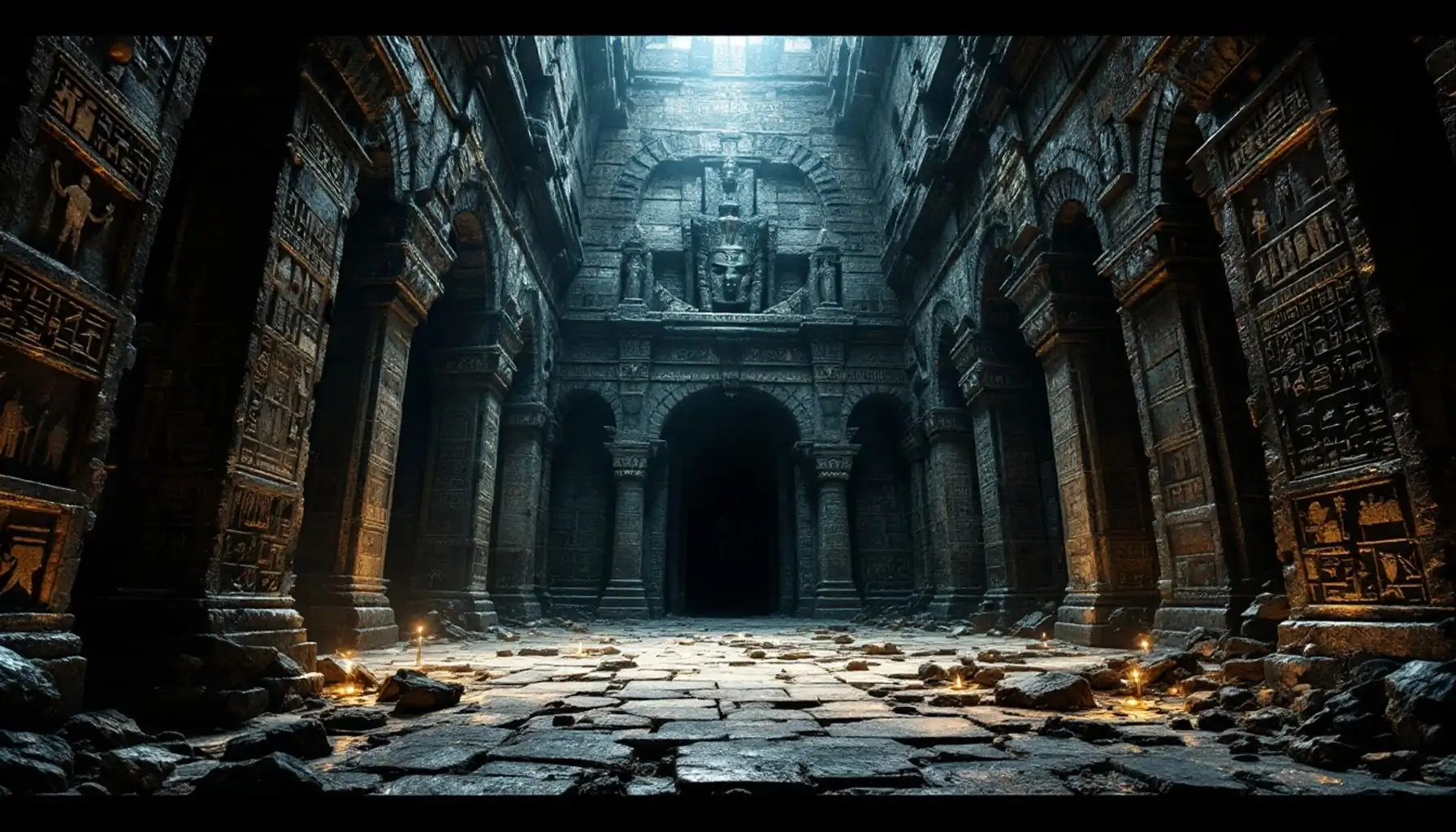
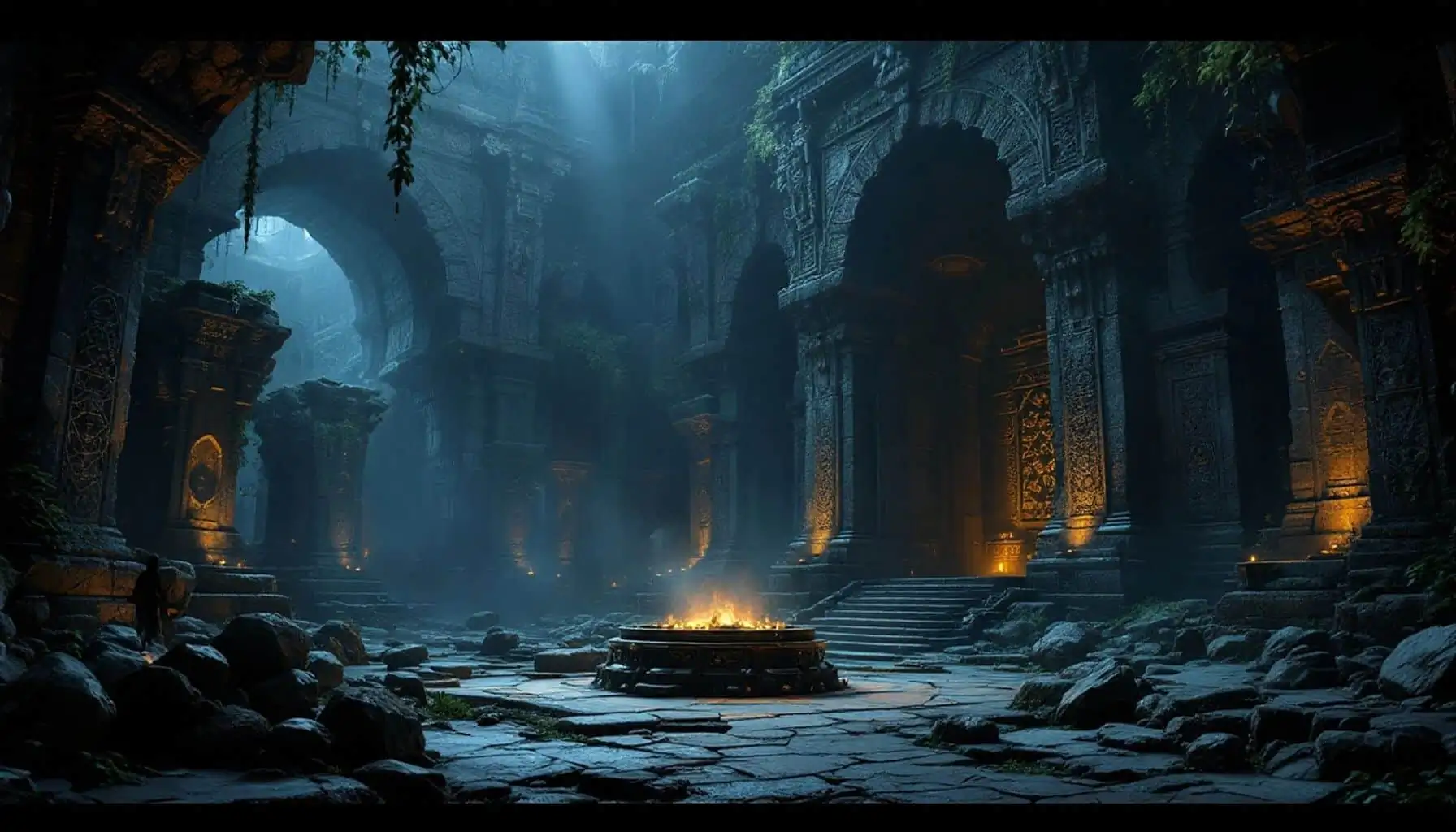
    Ancient civilizations left behind incredible structures that continue to baffle historians and archaeologists. From the pyramids of Egypt to the stone circles of Southern Africa, these constructions raise questions about the capabilities of our ancestors. How did they build such massive structures with seemingly primitive tools?

    Many believe that these civilizations possessed knowledge and technology that has been lost to time. The idea that they were more advanced than we are today is not just a theory; it’s a perspective that challenges our understanding of history.

    Manipulated History

    It’s alarming to consider that much of what we know about history may be manipulated. For instance, the Tartarian Empire, once a significant global power, has largely been erased from modern history. This raises the question: what else have we been misled about?

    • Evidence of Erased History: Large buildings often have their lower floors buried in mud, suggesting a history of cataclysmic events that have been glossed over.
    • Hidden Knowledge: Ancient texts and religious scriptures contain insights that could illuminate our understanding of these civilizations.

    Advanced Technology and Knowledge

    The ancient world was not as primitive as we’ve been led to believe. Many structures were designed with a purpose that transcends mere shelter or worship. They were likely built to harness energy from the Earth.

    1. Energy Harnessing: Structures like the pyramids may have served as energy generators, utilizing the Earth’s natural electromagnetic fields.
    2. Sound and Vibration: The ancient civilizations understood the power of sound and vibration. They built structures that could amplify these energies, creating a network of energy sources.

    The Role of Sound in Ancient Architecture

    Sound is a powerful force that has been largely overlooked in modern architecture. Ancient civilizations may have used sound to manipulate energy and create structures that resonated with the Earth’s frequencies.

    • Acoustic Properties: Many ancient stones have unique acoustic properties, ringing like bells when struck. This suggests they were used in ways we are only beginning to understand.
    • Sacred Geometry: The use of sacred geometry in construction indicates a deep understanding of the universe’s laws, allowing them to create structures that harmonized with natural energies.

    The Connection to Modern Technology

    Interestingly, the principles used by ancient civilizations can be seen in modern technology. For example, the concept of a motherboard in electronics mirrors the layout of ancient cities, suggesting a continuity of knowledge through the ages.

    • Silica and Energy: The most advanced technology today is silicon-based, which was abundant in ancient structures. This raises questions about the potential for ancient civilizations to have stored and transmitted energy in ways we are just beginning to explore.

    Conclusion: Rediscovering Our Past

    As we delve deeper into the mysteries of ancient civilizations, it becomes clear that there is much we have yet to learn. The more we uncover, the more we realize how much knowledge has been hidden from us. Understanding our past is crucial for shaping our future. By reconnecting with this ancient wisdom, we can unlock new potentials for humanity.

    In a world where information is often manipulated, it’s essential to question the narratives we’ve been taught. The ancient civilizations were not just primitive societies; they were advanced cultures with knowledge that could benefit us today. Let’s continue to explore and learn from the past, for it holds the keys to our future.
  • Unveiling Hermeticism: The Mystical Philosophy of Hermes Trismegistus

    Unveiling Hermeticism: The Mystical Philosophy of Hermes Trismegistus

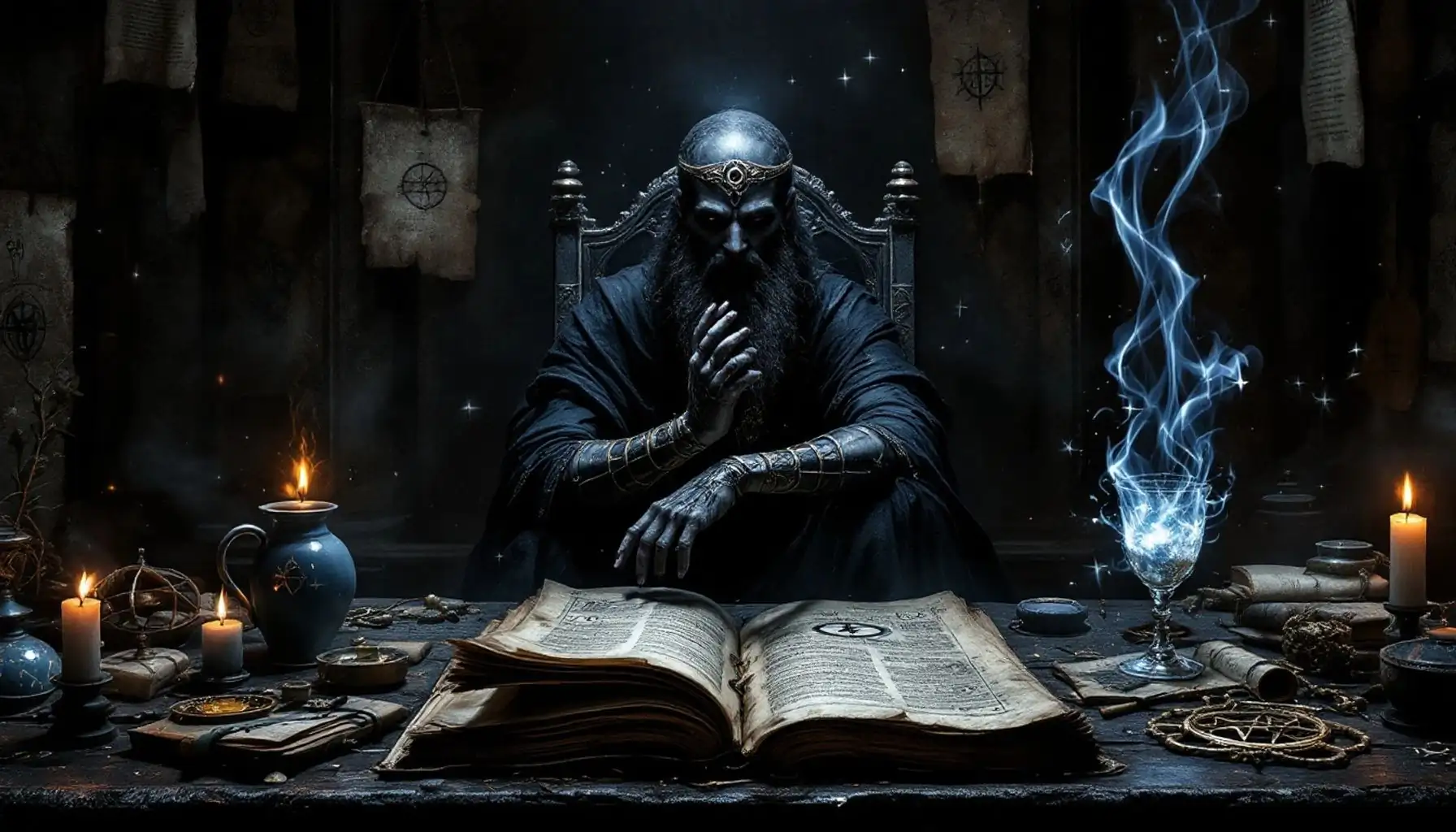
    Hermeticism, often overshadowed by mainstream religious traditions, offers a unique blend of philosophy, spirituality, and esoteric knowledge. Rooted in the teachings attributed to Hermes Trismegistus, this ancient system intertwines Greek philosophy, Egyptian religion, and various mystical traditions. In this exploration, we delve into the core concepts of Hermeticism and its enduring influence on Western thought.

    Key Takeaways

    • Hermeticism combines elements of Greek philosophy, Egyptian religion, and mysticism.
    • The Hermetica, a collection of texts, serves as the foundation of Hermetic teachings.
    • Key themes include cosmology, the nature of humanity, and the pursuit of divine knowledge.
    • Hermetic practices emphasize personal transformation and ascension.

    The Origins of Hermeticism

    Hermeticism is named after Hermes Trismegistus, a mythical figure who embodies the fusion of the Egyptian god Thoth and the Greek god Hermes. This synthesis reflects a rich tapestry of cultural and philosophical influences. The Hermetica, a vast body of texts attributed to Hermes, serves as the cornerstone of this tradition.

    The Hermetica: A Treasure Trove of Knowledge

    The Hermetica comprises various writings, including philosophical dialogues and technical treatises. These texts cover a wide range of topics, from astrology and alchemy to the nature of the cosmos and the divine. Scholars categorize them into two main types:

    1. Technical Texts: Focus on practical knowledge, such as astrology, alchemy, and magical practices.
    2. Philosophical Texts: Explore the structure of the universe, the nature of humanity, and the divine.

    Despite their categorization, these texts often intertwine, reflecting the holistic nature of Hermetic thought.

    Cosmology and the Nature of God

    At the heart of Hermeticism lies a profound understanding of cosmology. The Hermetic texts describe a dualistic view of existence, where the material world and the divine are interconnected. The supreme God, often referred to as the Father, transcends all forms and concepts. In contrast, the Demiurge or Craftsman is responsible for the creation of the material world, akin to Plato’s idea of a divine craftsman.

    Humanity’s Divine Nature

    Hermeticism posits that humans possess a dual nature: a mortal body and an immortal soul. This belief echoes the biblical notion of being created in the image of God. The texts emphasize that while our physical existence is bound by fate, our true essence is divine and capable of transcending earthly limitations.

    The Role of Fate

    Fate, in Hermetic thought, is a cosmic force that governs the material world. It is closely tied to the movements of celestial bodies, which influence human lives. However, Hermetic teachings assert that while fate controls our physical existence, it does not dictate our spiritual essence. The divine aspect of humanity can break free from fate through knowledge and self-awareness.

    The Path to Ascension

    Central to Hermeticism is the concept of ascension—the journey of the soul towards reunification with the divine. This process involves a transformative experience often referred to as rebirth. The texts outline various practices and rituals that facilitate this ascension, emphasizing the importance of knowledge and purification.

    1. Knowledge: Understanding one’s true divine nature is the first step towards ascension.
    2. Purification: Engaging in rituals and practices that cleanse the soul of ignorance and earthly desires.
    3. Rituals of Rebirth: Specific hymns and prayers guide the initiate through the process of transformation.

    Hermetic Communities and Practices

    While Hermeticism lacks the formal structure of organized religions, it likely fostered communities centered around shared texts and practices. These gatherings may have resembled philosophical discussion groups or reading circles, where individuals sought deeper understanding and personal transformation.

    Conclusion: The Enduring Legacy of Hermeticism

    Hermeticism offers a rich philosophical framework that continues to resonate in contemporary spiritual and philosophical discussions. Its emphasis on personal transformation, the pursuit of knowledge, and the interconnectedness of all existence provides a pathway for individuals seeking a deeper understanding of themselves and the cosmos. As we explore the teachings of Hermes Trismegistus, we uncover timeless wisdom that invites us to embark on our own journey of ascension and self-discovery.

  • The Creepy History of Vampires

    The Creepy History of Vampires

    Vampires have long captivated our imaginations, especially during the Halloween season. From the chilling tales of Dracula to modern interpretations, the lore surrounding these creatures has evolved significantly over centuries. This article explores the origins, cultural significance, and transformation of vampire legends through time.

    Key Takeaways

    • Vampires have ancient roots in various cultures.
    • The modern vampire mythos emerged in 18th-century Europe.
    • Literature, especially Bram Stoker’s “Dracula,” solidified the vampire’s place in popular culture.
    • Vampires symbolize deeper societal anxieties and themes.

    The Ancient Roots of Vampires

    The concept of vampires isn’t new. Ancient civilizations had their own interpretations of blood-sucking entities. For instance:

    • Mesopotamia: Creatures like the lilitu, female demons that craved blood, particularly that of infants.
    • Greece: The lamia, a monster that haunted children at night.

    These early depictions laid the groundwork for what we now recognize as vampires.

    The Evolution of the Vampire Myth

    As we moved into the 18th century, the vampire began to take on a more defined form. Scholars like Nick Groom suggest that the vampire evolved as Enlightenment rationality met Eastern European folklore. This period saw:

    • Grave Chewers: Reports of corpses found consuming their own shrouds, leading to fears of vampirism.
    • Physical Contamination: The idea that vampires could infect others through blood.

    Notable Historical Figures

    Several historical figures contributed to the vampire mythos:

    1. Vlad the Impaler: A Romanian ruler whose brutal reputation inspired Bram Stoker’s Dracula.
    2. Elizabeth Bathory: A Hungarian noblewoman rumored to bathe in the blood of virgins to maintain her youth.

    These figures blurred the lines between myth and reality, fueling the vampire legend.

    The Vampire Craze of the 18th Century

    The 1700s witnessed a vampire epidemic in Europe, with numerous reported sightings and cases. Two notable examples include:

    • Peter Plogojowitz: After his death, nine people died mysteriously, leading locals to believe he had returned as a vampire.
    • Arnold Paole: A soldier whose death was followed by several mysterious deaths in his village, prompting exhumation and staking.

    These events sparked intense debates among theologians and scientists about the nature of vampires.

    Vampires in Literature

    The vampire’s literary journey began in earnest during the 19th century. Key works include:

    • “The Vampire” by John William Polidori (1819): Often considered the first vampire fiction.
    • “Dracula” by Bram Stoker (1897): This novel defined the modern vampire archetype, introducing many tropes still prevalent today.

    Stoker’s Dracula is a complex character, embodying both charm and horror, and has influenced countless adaptations in film and literature.

    The Cultural Impact of Vampires

    Vampires have transcended their folkloric origins to become symbols of various societal anxieties. They often represent:

    • Fear of the Other: Stoker’s Dracula reflects xenophobia towards Eastern Europeans in Victorian England.
    • Sexuality and Repression: The vampire’s allure often intertwines with themes of seduction and danger.

    Modern Interpretations

    In contemporary culture, vampires have taken on new forms, as seen in:

    • Twilight: A romanticized portrayal that diverges from traditional horror.
    • The Vampire Diaries: A series that explores themes of identity and belonging.

    These modern interpretations show how the vampire myth continues to evolve, reflecting current societal issues.

    Conclusion

    The vampire is a creature of endless fascination, evolving through centuries of folklore, literature, and cultural shifts. From ancient demons to modern romantic figures, vampires remain a staple of Halloween and popular culture. As we celebrate this spooky season, we engage with a myth that has shaped and reshaped itself through time, reflecting our deepest fears and desires.

    For a deeper dive into the earliest vampire literature, check out the companion video on the Esoterica channel. Happy Halloween!

  • The Discovery of ‘The Tomb of Osiris’ in Egypt: January 1st, 1898

    The Discovery of ‘The Tomb of Osiris’ in Egypt: January 1st, 1898

    In 1898, a significant archaeological event unfolded at Umm El Qa’ab in Abydos, Egypt. French archaeologist Émile Amélineau led an excavation that would claim to uncover the tomb of the god Osiris. This discovery sparked excitement and skepticism, revealing the complexities of early Egyptology.

    Key Takeaways

    • Émile Amélineau’s excavation in 1898 claimed to find the tomb of Osiris.
    • The discovery included a beautifully crafted basalt sarcophagus.
    • Skepticism arose regarding the authenticity of the findings.
    • Flinders Petrie later re-examined the site, revealing critical overlooked artifacts.
    • The site evolved into a significant pilgrimage location dedicated to Osiris.

    The Excavation Begins

    On New Year’s Day 1898, Amélineau announced his groundbreaking find. He believed he had discovered the tomb of Osiris, a claim that resonated with the millennial belief in the god’s burial site. The excavation was marked by a rush to clear the tomb, leading to the disregard of many artifacts that could have provided deeper insights into the site.

    The Basalt Sarcophagus

    Among the most striking finds was a large, intricately designed basalt sarcophagus. This object depicted Osiris on his deathbed, surrounded by symbols of protection and power. The sarcophagus was found lying on its side, adorned with carvings of lions and hawks, representing the god Horus, the son of Osiris.

    Skepticism and Controversy

    Despite the initial excitement, skepticism quickly emerged. Notably, a skull found in the tomb was later identified as belonging to a woman, challenging Amélineau’s claims. Critics, including the renowned archaeologist Flinders Petrie, questioned the validity of the findings. Petrie was eager to excavate the site himself, and in 1899, he was granted permission to do so.

    Flinders Petrie’s Re-examination

    Petrie’s excavation revealed that Amélineau had overlooked many significant artifacts. Among these were a human arm adorned with gold and turquoise jewelry and various objects linked to King Djer, a ruler from the First Dynasty. Petrie’s meticulous work led to the conclusion that the tomb attributed to Osiris was, in fact, the tomb of Djer.

    The Transformation of the Site

    Interestingly, the tomb of Djer was later transformed into a ritual site dedicated to Osiris during the Middle Kingdom. Pilgrims flocked to the site, believing it to be the resting place of the god. This transformation highlights the evolving significance of the site over time, as it became a focal point for worship and pilgrimage.

    The Legacy of Osiris

    The association of the site with Osiris continued well into Egypt’s late period, even surviving the Persian invasion. The tomb’s importance was marked by the construction of stele and other monuments, emphasizing its sacred status. The 13th Dynasty saw further developments, including the addition of a staircase that Amélineau initially discovered.

    Conclusion

    While Émile Amélineau may not have been the most skilled archaeologist, his discovery of the tomb of Osiris set the stage for future explorations and interpretations of ancient Egyptian history. His findings, though flawed, opened the door to a deeper understanding of the cultural and religious significance of the site. The story of the tomb of Osiris is a fascinating chapter in the annals of Egyptology, illustrating the challenges and triumphs of uncovering the past.

  • Jimmy Page Opens Up About His Occult Practices…

    Jimmy Page Opens Up About His Occult Practices…

    Jimmy Page, the legendary guitarist of Led Zeppelin, has long been enveloped in rumors of his fascination with the occult. In a recent revealing discussion, he sheds light on his deep connection to mystical practices, particularly his ties to Aleister Crowley. This exploration unveils how these beliefs influenced his life and music, from purchasing Crowley’s infamous Boleskine House to embedding mystical symbols in Led Zeppelin’s albums.

    Key Takeaways

    • Jimmy Page’s interest in the occult began in his youth, influenced by both Eastern and Western mysticism.
    • His connection to Aleister Crowley shaped his artistic vision and personal philosophy.
    • Page’s purchase of Boleskine House, Crowley’s former residence, deepened the intrigue surrounding his occult practices.
    • Led Zeppelin’s music and imagery often reflect occult themes, contributing to the band’s legendary status.

    The Early Years: A Seeker of Mysticism

    Born in 1944 in England, Jimmy Page displayed an early talent for the guitar. His relentless passion led him to become a session musician in the 1960s, where he honed his craft. However, Page was not just a prodigious guitarist; he was a seeker of deeper truths.

    During the 1960s, a time of profound change, many were exploring alternative spiritualities. Page, however, gravitated towards the darker, more esoteric aspects of mysticism. His early fascination with the occult took root as he immersed himself in the writings of obscure thinkers, particularly Aleister Crowley, a figure who would profoundly influence his life.

    Aleister Crowley: The Wickedest Man

    Crowley, often labeled as the wickedest man in the world, rejected conventional religious beliefs to pursue a life steeped in esoteric magic. His philosophy, encapsulated in the phrase “Do what thou wilt shall be the whole of the law,” resonated deeply with Page. This idea of personal freedom and self-exploration aligned with Page’s artistic ambitions.

    • Crowley’s Influence: Page collected rare editions of Crowley’s works, building an impressive library of esoteric literature.
    • Personal Experiences: He sought out experiences that would deepen his connection to mystical forces, reflecting the broader cultural movement of the time.

    The Rise of Led Zeppelin: A Mystical Journey

    As Led Zeppelin rose to fame, Page’s occult interests became increasingly intertwined with his music. The band’s meteoric success was accompanied by whispers of dark magic and secret rituals. Page’s obsession with Crowley and the occult began to shape not only his personal life but also the band’s artistic direction.

    • Symbols and Imagery: The famous Zoso symbol associated with Page on Led Zeppelin’s fourth album has been interpreted as having occult significance. Its true meaning remains a mystery, adding to the band’s allure.
    • Lyrics and Themes: Songs like “Stairway to Heaven” and “The Battle of Evermore” are often scrutinized for their occult themes, reflecting Page’s deep involvement with esoteric knowledge.

    Boleskine House: A Haunting Legacy

    In 1970, Page purchased Boleskine House, Crowley’s former residence on the shores of Loch Ness. This mansion, steeped in dark history, became a focal point of speculation regarding Page’s occult practices.

    • Haunted Reputation: Boleskine House was rumored to be haunted, with tales of supernatural occurrences adding to its mystique.
    • Personal Connection: Page described the house as a place imbued with a certain energy, further fueling the rumors surrounding his fascination with the occult.

    The Dark Side of Fame

    As Led Zeppelin’s fame grew, so did the rumors of a curse associated with the band. Tragic events in the lives of its members led some to speculate that Page’s occult interests had dire consequences.

    • Tragedies: The car accident involving Robert Plant and the untimely death of his son, along with John Bonham’s tragic fate, fueled the narrative of a curse.
    • Mystique and Silence: Page remained largely silent on these rumors, allowing the mystique surrounding him to grow.

    The Legacy of Jimmy Page

    While Jimmy Page’s fascination with the occult adds a layer of intrigue to his persona, it is essential to recognize his monumental contributions to music. As the driving creative force behind Led Zeppelin, he revolutionized rock music, blending various genres into a sound that shaped generations.

    • Musical Genius: From the iconic riffs of “Whole Lotta Love” to the delicate fingerpicking in “Stairway to Heaven,” Page’s influence is unmatched.
    • Cultural Impact: His exploration of esoteric topics reflects a deep curiosity about the world, pushing boundaries not just in music but in life.

    In conclusion, the legend of Jimmy Page is a testament to the power of music to transcend time and mystery. His legacy will resonate for generations, proving that true magic lies not in the occult but in his unparalleled talent and creativity.

  • The Conjuring: The History of Malthus (The Annabelle Demon) | Horror History

    The Conjuring: The History of Malthus (The Annabelle Demon) | Horror History

    In the chilling world of horror, few entities are as notorious as the demon Malthus, intricately linked to the infamous Annabelle doll. This blog post delves into the dark history of Malthus, exploring its origins, its sinister influence in the Conjuring Universe, and the terrifying events that have unfolded around it.

    Key Takeaways

    • Malthus is an Earl of Hell, often associated with manipulation and possession.
    • The demon’s lore is rooted in ancient texts, including the Dead Sea Scrolls and The Lesser Key of Solomon.
    • Malthus preys on the vulnerable, using deception to achieve its goals.
    • The Annabelle doll serves as a vessel for Malthus, amplifying its power and reach.

    The Origin Of Malthus

    To understand Malthus, we must journey back to ancient texts. The demon is first mentioned in The Devil’s Welcome, a spellbook that outlines the Rite of Evocation. This rite involves summoning evil spirits, and Malthus is one of the most malevolent among them.

    The Dead Sea Scrolls, discovered in 1947, hint at the existence of demons like Malthus, suggesting a long history of malevolence. The scrolls date back to around 20 BCE, making them some of the oldest references to such entities.

    Malthus In The Lesser Key Of Solomon

    Malthus is classified as an Earl of Hell in The Lesser Key of Solomon, a 17th-century grimoire detailing various demons. This book serves as a significant source of lore for the Conjuring franchise, listing 72 demons, each with specific roles in the hierarchy of Hell.

    Interestingly, Malthus is depicted not as a ram-like creature but as a wicked figure with a hoarse voice. This portrayal contrasts with the cinematic representation, where Malthus is often associated with a cult known as the Disciples of Ram.

    The Disciples Of Ram

    The Disciples of Ram are a cult that worships Malthus, performing rituals to summon the demon. The evocation page in The Devil’s Welcome states that blood must be shed to summon Malthus, emphasizing the dark nature of these rituals. The cult’s followers embody the uncleanliness required for such a summoning, making them prime targets for Malthus’s manipulation.

    Haunting The Mullins Family

    Malthus’s early interactions with humanity began with the Mullins Family. After the tragic loss of their daughter, Annabelle, the family became vulnerable to Malthus’s influence. The demon exploited their grief, leading them to believe they could communicate with their deceased daughter through the Annabelle doll.

    This manipulation marked the beginning of a terrifying infestation, where Malthus used the guise of the Mullins’ daughter to gain strength. The family’s hope turned into horror as they realized the entity was not their child but a malevolent force seeking to claim their souls.

    Adoption By The Higgins Family

    Years later, the Annabelle doll found its way to the Higgins Family, where it continued its reign of terror. Janice, a young girl with polio, became Malthus’s next target. The demon used Janice’s vulnerability to manipulate her, leading to a series of horrifying events that culminated in possession.

    Malthus’s tactics included isolating Janice and exploiting her emotional state, showcasing the demon’s cunning nature. The possession of Janice marked a significant turning point, allowing Malthus to expand its influence further.

    The Summoning Ritual

    The summoning ritual performed by Janice and her cult boyfriend involved a blood sacrifice, fulfilling the requirements to awaken Malthus. This act of desperation unleashed a wave of supernatural occurrences, leading to chaos in the Higgins household.

    Malthus’s power grew as it manipulated the Annabelle doll, causing unexplainable events and terrorizing the family. The demon’s ability to deceive and manipulate was on full display, showcasing its true nature as a master of lies.

    Terrorizing The Form Family

    The Form family soon became the next victims of Malthus’s wrath. After acquiring the Annabelle doll, Mia Form experienced a series of terrifying events, including a fire and the doll’s unexplainable movements. Malthus’s influence was evident as it sought to claim Mia’s soul, using her maternal instincts against her.

    The demon’s tactics mirrored those used on previous victims, demonstrating its adaptability and cunning. Malthus’s ultimate goal remained the same: to possess and manipulate those it targeted.

    Annabelle Comes Home

    In the film Annabelle Comes Home, Malthus’s story continues as it seeks to escape its confines. The Warrens, who have secured the doll, face the demon’s wrath as it attempts to unleash chaos once more. The film highlights the ongoing battle between good and evil, with Malthus representing the relentless pursuit of souls.

    Malthus’s Future

    As the Conjuring Universe expands, the future of Malthus remains uncertain. The demon’s ability to adapt and learn from its encounters makes it a formidable foe. With the potential for new stories and characters, Malthus’s legacy of terror is far from over.

    In conclusion, Malthus stands as a testament to the enduring power of evil in the horror genre. Its intricate history, rooted in ancient texts and modern storytelling, continues to captivate audiences. As we explore the depths of the Conjuring Universe, one thing is clear: Malthus is a demon that will not be easily forgotten.

  • “I WILL NOT Go Into These Mountains ALONE” (The Story of The MOST HAUNTED Mountain Range in America)

    “I WILL NOT Go Into These Mountains ALONE” (The Story of The MOST HAUNTED Mountain Range in America)

    The Superstition Mountains, located just outside Phoenix, Arizona, are notorious for their haunting tales and treacherous terrain. This mountain range is not just a beautiful landscape; it’s a place steeped in mystery, danger, and paranormal activity. Join us as we explore the chilling stories that make these mountains some of the most haunted in America.

    Key Takeaways

    • The Superstition Mountains are known for their paranormal activity and dangerous hiking conditions.
    • Local legends involve lost gold, massacres, and mysterious disappearances.
    • The area is rich in history, with ties to the Apache tribes and early gold seekers.

    The Infamous Superstition Mountains

    As a professional guide, Corey Daniel emphasizes that the Superstition Mountains are the one place he will not venture into alone. This mountain range is infamous for its haunting atmosphere and perilous trails. Even during the day, the environment feels charged with a spiritual energy that can be both awe-inspiring and frightening.

    A Guide’s Perspective

    Corey, a local expert, leads us through the wilderness, sharing his extensive knowledge of the area. He demonstrates survival skills, like preparing prickly pear cactus for consumption, showcasing his deep connection to the land. However, as we hike deeper, an unsettling feeling permeates the air. The mountains have witnessed countless tragedies, and their history is laden with dark tales.

    The Geological History

    The Superstition Mountains are formed from five interconnecting volcanic calderas, remnants of explosive geological activity from millions of years ago. This rugged terrain is considered one of the roughest in the lower 48 states, with numerous hikers meeting tragic fates each year. The area is not just dangerous; it’s also steeped in legends of lost gold and mysterious disappearances.

    The Legend of Lost Gold

    The stories surrounding the Superstition Mountains often center on the Peralta family, who allegedly discovered a gold mine in the mid-1800s. However, the irony lies in the fact that no gold has ever been found within the mountains themselves. Instead, the legends persist, fueled by tales of treasure hunters who have vanished without a trace.

    Apache Myths and Massacres

    The Apache tribes refer to these mountains as the abode of the thunder gods. Historical accounts tell of a massacre involving the Peralta family, where hundreds of men were killed by the Apaches. This event has left a lingering energy in the area, with many claiming to experience paranormal phenomena at the massacre grounds.

    The Lost Dutchman Mine

    One of the most famous legends is that of Jacob Waltz, known as the Lost Dutchman. He allegedly discovered a gold mine in the mountains but took the location to his grave. His deathbed revelation about the mine’s location has led countless treasure hunters to search for it, often with fatal consequences. The allure of hidden riches continues to draw people into the mountains, despite the dangers.

    Paranormal Encounters

    The Superstition Mountains are not just a treasure hunter’s paradise; they are also a hotspot for paranormal activity. Stories abound of alien encounters, giant bones, and mysterious portals. Locals recount tales of strange lights and unexplainable phenomena, adding to the mountains’ eerie reputation.

    The Role of Nature

    Corey shares insights into the natural environment, explaining how the unique geological features contribute to the area’s mystique. The mountains can create sudden weather changes, leading to dangerous flash floods. This unpredictability has claimed lives and contributed to the legends of those who have gone missing.

    The Spiritual Connection

    Many believe that the Superstition Mountains hold a spiritual significance. Native American tribes have long regarded the area as sacred, filled with stories of creation and ancient beings. The mountains are said to be a place where the veil between worlds is thin, allowing for encounters with the supernatural.

    Conclusion

    The Superstition Mountains are a captivating blend of beauty, danger, and mystery. With their rich history and haunting tales, they continue to intrigue adventurers and paranormal enthusiasts alike. As Corey wisely states, this is one mountain range that demands respect. Whether you’re drawn by the legends of lost gold or the thrill of the unknown, the Superstitions are a place where the past and present collide, leaving an indelible mark on all who dare to explore them.

  • Mountain Witches and Folklore

    Mountain Witches and Folklore

    Welcome to an enchanting exploration of Mountain Witches and their captivating folklore. These elusive figures have long captivated imaginations, weaving tales of mystery and magic that span centuries and cultures. From ancient myths to modern interpretations, the stories of mountain witches reveal deep connections to nature, societal fears, and the supernatural.

    Key Takeaways

    • Mountain witches embody the duality of nature: both nurturing and dangerous.
    • Their stories vary across cultures, reflecting local beliefs and landscapes.
    • They often serve as symbols of societal norms and the consequences of defiance.

    The Origins And Symbolism Of The Mountain Witch

    The archetype of the mountain witch is complex. Traditionally, witches were believed to possess supernatural powers, often gained through pacts with dark forces. The mountain witch, in particular, symbolizes the chaotic and untamed aspects of nature. Mountains, seen as mysterious and isolated, became the perfect backdrop for legends about witches who lived beyond the bounds of ordinary society.

    In many ways, the mountain witch reflects humanity’s fear of the unknown and the wild forces of nature. In premodern Europe, where agricultural societies thrived, mountains were often viewed as hostile environments. Thus, mountain witches became embodiments of the unpredictable and chaotic elements of the natural world.

    Key Themes And Variations In Mountain Witch Folklore

    Mountain witch stories vary widely, but several common themes emerge:

    1. Guardians of Hidden Knowledge
      In many tales, mountain witches are depicted as wise women, keepers of ancient knowledge about herbs and nature. They often possess the ability to heal as well as harm. For instance, in Scandinavian folklore, witches were believed to control the weather, using their powers to summon storms or sunshine.
    2. Malevolent Witches and The Perils of The Mountains
      While some mountain witches are portrayed as benevolent, many are depicted as dangerous figures who prey on travelers. In German folklore, the Harz Mountains are home to the Brocken witches, who gather during Walpurgis Night to practice dark magic.
    3. Shape-Shifting and Connection to Nature
      A common theme is the ability to shapeshift. Witches often transform into animals, such as wolves or birds of prey, emphasizing their connection to the wild and untamed aspects of nature.
    4. Witch Sabbaths and Ritual Gatherings
      The idea of the witches’ Sabbath, a ritual gathering on mountain peaks, is iconic. These gatherings were believed to be chaotic events where witches danced, feasted, and communed with spirits, often depicted as blasphemous inversions of Christian practices.

    Regional Examples Of Mountain Witches

    Mountain witches appear in various cultures, each with unique characteristics:

    • Baba Yaga (Slavic Folklore): A powerful figure often depicted as a crone living in a hut on chicken legs. She embodies both danger and wisdom, serving as a guardian of knowledge.
    • The Witch of Snowdon (Welsh Folklore): Known as the Cailleach, she controls the weather and seasons, embodying both destruction and renewal.
    • The Witch of Ben Macdui (Scottish Folklore): Associated with the haunting figure known as the Big Gray Man, reflecting the deep connection between mountains and the supernatural.

    The Cultural Significance Of Mountain Witches

    The mountain witch archetype reflects the complex relationship between European societies and their natural landscapes. These figures symbolize humanity’s fear and fascination with the unknown. They challenge societal norms, often existing outside the bounds of civilization, and their knowledge of nature gives them both power and respect.

    Mountain witches serve as cautionary tales, embodying the dangers of straying too far from societal safety. They represent a tension between human control and the untameable forces of nature, making them enduring figures in folklore.

    Conclusion

    Mountain witches remain potent symbols of mystery and power in folklore. Whether seen as malevolent forces or wise guardians of nature, they embody humanity’s complex relationship with the natural world. Through their stories, we glimpse the fears, hopes, and beliefs shaped by the rugged landscapes of Europe, reminding us of the enduring power of folklore to reflect our deepest connections to nature and the unknown.

  • The Dark History of Witches | Shocking Story You’ve Never Heard

    The Dark History of Witches | Shocking Story You’ve Never Heard

    Witches have long captivated our imaginations, weaving through folklore and modern media alike. Their history is a tapestry of reverence, fear, and transformation, reflecting societal changes over centuries. From ancient practices to modern interpretations, the story of witches is as complex as it is fascinating.

    Key Takeaways

    • The term “witch” originates from the Old English word “wīcce,” meaning wise.
    • Ancient Mesopotamia laid the groundwork for early witchcraft beliefs.
    • The Celtic lands celebrated witches as wise healers connected to nature.
    • Voodoo emerged in the Caribbean, blending African and European traditions.
    • The witch hunts of medieval Europe marked a dark chapter in history.
    • The Salem Witch Trials exemplified mass hysteria and societal paranoia.
    • Romanticism revived interest in the mystical and esoteric.
    • Modern witchcraft embraces nature, spirituality, and community.

    Ancient Origins of Witchcraft

    The roots of witchcraft can be traced back over 4,000 years to ancient Mesopotamia. Here, practitioners used incantations and rituals to combat malevolent forces. The mclo series of tablets reveals how these early societies viewed witchcraft as both a source of fear and a means of healing.

    • Key Figures: Ishtar (goddess of love) and Marduk (god of creation).
    • Practices: Sympathetic magic and folk remedies.

    The Celtic Connection

    In the ancient Celtic lands, witches were revered as wise individuals deeply connected to the rhythms of nature. They celebrated four major festivals:

    1. Samhain (October 31) – Marks the end of harvest and the beginning of winter.
    2. Imbolc (February 1) – Celebrates renewal and purification.
    3. Beltane (May 1) – Welcomes the summer season with fire and fertility.
    4. Lughnasadh (August 1) – A harvest festival giving thanks for the earth’s bounty.

    Witches played crucial roles in these rituals, acting as guides between the living and the dead.

    Voodoo: A Caribbean Tradition

    The arrival of Africans in the Caribbean led to the emergence of Voodoo, a complex belief system blending African spirituality with European traditions. Voodoo practitioners, or vodouists, interact with spirits known as luas through rituals that celebrate life and community.

    • Misconceptions: Voodoo is often misrepresented in Western media as dark magic, but it fundamentally celebrates life and interconnectedness.

    The Dark Era of Witch Hunts

    The 15th to 17th centuries marked a grim period in Europe, characterized by widespread witch hunts fueled by fear and religious fervor. The Catholic Church viewed witchcraft as heresy, leading to brutal persecutions.

    • Key Text: The Malleus Maleficarum (1487) advocated for severe punishments.
    • Estimated Deaths: Between 40,000 and 100,000 people lost their lives during this hysteria.

    The Salem Witch Trials

    In 1692, the small Puritan village of Salem, Massachusetts, became the epicenter of witchcraft accusations. Social tensions and religious fervor led to a frenzy of accusations, resulting in the execution of 19 individuals and the pressing of Giles Corey.

    • Key Factors: Fear of the devil, social disputes, and the influence of local authorities.
    • Outcome: The trials ended in 1693, leaving a lasting impact on American history.

    Romanticism and the Revival of Mysticism

    The late 18th to mid-19th centuries saw a resurgence of interest in the mystical and esoteric. Romanticism embraced ancient wisdom and spiritual connection, leading to the rise of spiritualism and the exploration of the supernatural.

    • Key Figures: Writers like Edgar Allan Poe and Mary Shelley infused their works with themes of the mystical.

    Modern Witchcraft: A New Era

    Today, witchcraft has evolved into a diverse and vibrant movement. The neopagan revival honors ancient traditions while embracing modern spirituality. Practices like Wicca celebrate the balance of male and female energies, focusing on nature and personal autonomy.

    • Key Elements: Rituals, community, and reverence for the earth.
    • Misrepresentation: Modern witches often combat stereotypes perpetuated by media portrayals of dark magic.

    Conclusion

    The history of witches is not just a relic of the past; it is a living testament to the enduring power of the mystical. As we navigate the complexities of witchcraft today, we must remember that magic is about connecting with nature and honoring the power within us all.

    Join us in exploring this captivating journey into the dark history of witches, where every whisper in the wind holds a story waiting to be told.

  • The Enigmatic World Of Witchcraft: A Journey Through History

    The Enigmatic World Of Witchcraft: A Journey Through History

    Witchcraft has long captivated the human imagination, intertwining with cultural beliefs and societal norms across the globe. This exploration delves into the multifaceted nature of witchcraft, its historical significance, and its evolving perception in modern society.

    Key Takeaways

    • Witchcraft varies significantly across cultures and time periods.
    • Historical witch hunts were often fueled by societal fears and scapegoating.
    • Modern interpretations of witchcraft include both benign practices and darker associations.
    • The role of women in witchcraft has been both empowering and perilous.

    The Definition Of Witchcraft

    Witchcraft is a broad term that encompasses various practices and beliefs. It can be difficult to define precisely due to its cultural and social variations. In many traditional societies, particularly in Africa and among Native American communities, witchcraft is often associated with malevolent practices aimed at harming others. Conversely, in contemporary Western contexts, especially among younger urban populations, witchcraft may refer to positive practices within modern paganism, such as healing and divination.

    Historical Context

    Historically, the concept of witchcraft has been deeply rooted in the conflict between good and evil. In the Western world, this notion gained traction with the Old Testament’s prohibitions against witchcraft. The early modern period saw a surge in witchcraft beliefs, often sanctioned by the Church, leading to widespread witch hunts and trials, particularly in Protestant Europe. These events were characterized by intense fear, scapegoating, and tragic consequences, including torture and execution.

    The Role Of Medical Professionals

    Interestingly, medical practitioners played a significant role in the witchcraft controversies of 17th-century New England. Physicians and surgeons were often the arbiters of what constituted natural versus supernatural ailments. They were involved in legal proceedings, autopsies, and even the imprisonment of accused witches. This intersection of medicine and witchcraft highlights the complexities of societal beliefs during this tumultuous period.

    The Nature Of Spells

    A defining characteristic of witchcraft is the ability to cast spells. Spells can take many forms, including:

    • Verbal incantations: Words or phrases spoken to invoke magical effects.
    • Ritual actions: Physical acts performed to channel magical energy.
    • Magical objects: Items inscribed with runes or sigils believed to hold power.

    These spells can range from benign to malevolent, with some practices, like necromancy, delving into darker realms.

    Witch Hunts And Their Consequences

    The fear of witchcraft has led to numerous witch hunts throughout history. The 15th century marked a peak in witchcraft hysteria, with tens of thousands executed across Europe. The infamous Malleus Maleficarum, a witch-hunting manual, outlined how to identify and punish witches, predominantly targeting women. This period solidified the stereotype of the witch as a female figure, often associated with evil.

    Modern Witchcraft

    In the mid-20th century, a resurgence of interest in witchcraft emerged, particularly with the rise of Wicca and other neopagan movements. These contemporary practices often emphasize empowerment, particularly for women, and align with liberal ideals such as environmentalism and feminism. The portrayal of witches in popular media, such as Buffy the Vampire Slayer and Harry Potter, has further fueled interest in witchcraft, making it more accessible and appealing to a broader audience.

    Witchcraft Accusations Today

    Despite the progress made, accusations of witchcraft persist in some societies, often leading to violence and even murder. Countries like Ghana, India, and Tanzania still witness witchcraft-related violence, frequently linked to personal disputes or societal tensions. In the UK, cases of child abuse related to witchcraft beliefs have also been reported, highlighting the ongoing challenges faced by vulnerable individuals.

    Conclusion

    Witchcraft remains a powerful and complex subject, deeply embedded in human history and culture. Its evolution from a feared practice to a symbol of empowerment reflects broader societal changes. Whether viewed through a historical lens or as a contemporary practice, witchcraft continues to intrigue and provoke thought, reminding us of the delicate balance between belief and reality.