Category: Ancient Civilizations

  • What Actually Happened To Amelia Earhart?

    What Actually Happened To Amelia Earhart?

    As the sun rose on July 2nd, 1937, Amelia Earhart faced a dire situation. With fuel running low and no land in sight, her final flight became a tragic tale of miscommunication and navigational errors that could have been avoided with a better understanding of physics and technology.

    Key Takeaways

    • Amelia Earhart aimed to be the first woman to fly around the world.
    • Her flight plan involved crossing the vast Pacific Ocean, requiring precise navigation.
    • Communication failures and equipment issues contributed to her disappearance.
    • Understanding radio technology and navigation could have changed the outcome.

    The Ambitious Journey

    Amelia Earhart was not just a pilot; she was a pioneer. Her goal was to become the first female pilot to circumnavigate the globe. Unlike previous aviators who took safer northern routes, Earhart chose a more challenging path close to the Equator, which included a perilous crossing of the Pacific Ocean.

    On July 2, 1937, she took off from Lae, New Guinea, in her Lockheed Electra. The Pacific Ocean, vast and unforgiving, loomed ahead. Earhart had stripped her plane of unnecessary weight, even removing insulation, which made communication with her navigator, Fred Noonan, difficult. She was determined to succeed, believing that extra supplies would only add to her worries.

    The Flight Plan

    Earhart’s flight plan was ambitious. She aimed to reach Howland Island, a tiny speck in the ocean, for refueling. The island was only about two kilometers long and less than one kilometer wide, making it a challenging target to locate.

    To navigate, Earhart and Noonan relied on a method called dead reckoning. They calculated their position based on speed, time, and wind conditions. However, they also needed to account for celestial navigation, using the stars to determine their location. This method, while effective, could lead to errors over long distances.

    The Role of Radio Technology

    In 1937, radio technology was still in its infancy. Earhart’s plane was equipped with multiple antennas for communication, but the technology was not foolproof. She had a high-power transmitter, but her trailing antenna was not optimal for long-distance communication.

    As they flew, Earhart reported her altitude and speed but failed to acknowledge warnings about stronger headwinds. This oversight would prove critical. The radio communication system was supposed to help her navigate, but it was fraught with issues.

    The Critical Decision

    As the flight progressed, Earhart faced a crucial decision. With no sight of Howland Island and fuel running low, she had to choose whether to continue searching or turn back. Her last known transmission indicated she was circling but could not hear the Itasca, the ship stationed at Howland to assist her.

    Communication Failures

    The communication breakdown was significant. Earhart’s radio messages were not being received properly by the Itasca. She requested a bearing on her position, but the ship could not provide one due to the frequency issues. The confusion was compounded by the fact that Earhart and the Itasca were operating on different time zones, leading to further miscommunication.

    The Final Moments

    In her last transmission, Earhart reported her position and the desperate situation: “We must be on you but cannot see you. Gas is running low.” This was the last anyone heard from her. Despite extensive search efforts, no trace of Earhart, Noonan, or the Electra was ever found.

    Lessons Learned

    The story of Amelia Earhart is not just about a tragic flight; it highlights the importance of knowledge and responsibility in aviation. Earhart’s lack of understanding of radio systems and the Itasca’s failure to correct her mistakes contributed to the disaster. In challenging endeavors, having the right knowledge and taking responsibility for communication and navigation is crucial to avoid chaos and ensure safety.

    In retrospect, there were several factors that, if handled differently, could have led to a successful landing. Earhart’s story serves as a reminder of the complexities of aviation and the critical role of technology in navigation.

    This tragic event continues to captivate the world, reminding us of the risks and challenges faced by pioneers like Amelia Earhart.

  • The **UNTOLD STORY** of Winchester Mystery House

    The **UNTOLD STORY** of Winchester Mystery House

    The Winchester Mystery House is a fascinating architectural marvel shrouded in mystery and legend. Built by Sarah Winchester, the widow of the rifle magnate William Wirt Winchester, this sprawling estate is often associated with ghost stories and supernatural lore. However, the true story of Sarah and her home is far more complex and intriguing than the myths that surround it.

    Key Takeaways

    • Sarah Winchester faced immense personal tragedy, influencing her architectural pursuits.
    • The house’s design reflects Sarah’s evolving vision and her struggles with grief.
    • Despite its haunted reputation, the house’s true history reveals a woman of compassion and creativity.

    The Legend Of Sarah Winchester

    The legend surrounding the Winchester Mystery House begins with Sarah Winchester, who was born in 1839 in New Haven, Connecticut. After marrying William Wirt Winchester in 1862, Sarah experienced profound loss, including the deaths of her child and husband. Following these tragedies, she sought the guidance of a psychic medium, who allegedly told her that she was haunted by the spirits of those killed by her husband’s firearms. This led to the belief that she must build a house to confuse these spirits.

    A Labyrinthine Home

    In 1884, Sarah moved to San Jose, California, purchasing a farmhouse that would become the Winchester Mystery House. She employed a team of carpenters to expand the home, creating a labyrinth of rooms, corridors, and staircases that often led to nowhere. This design was not merely for confusion; it was a reflection of Sarah’s grief and her desire to keep busy.

    • Construction Features:
      • Rooms: 160
      • Doors: 2,000
      • Windows: 10,000
      • Fireplaces: 47
      • Stairways: 40
      • Bedrooms: 40
      • Bathrooms: 13
      • Kitchens: 6
      • Elevators: 3

    The Impact Of Tragedy

    Sarah’s life was marked by continuous loss. After the death of her husband in 1881, she inherited a fortune and half of the Winchester Repeating Arms Company. This wealth allowed her to pursue her passion for architecture, but it was also a means of coping with her grief. The construction of the house became a therapeutic outlet for her, as she poured her emotions into its design.

    Architectural Evolution

    Sarah’s approach to building was unique. She did not follow a master plan; instead, she added rooms and features as she saw fit. This resulted in a home that was both beautiful and bewildering. The house included features like:

    • Staircases that led to nowhere
    • Doors that opened to walls
    • Windows that faced into other rooms

    These peculiarities were not just whimsical; they were a reflection of Sarah’s changing needs and desires as she aged and her health declined.

    The Earthquake and Its Aftermath

    In 1906, the San Francisco earthquake devastated the region, causing significant damage to the Winchester Mystery House. Sarah, then 67, chose not to rebuild but to repair the existing structure. This decision further contributed to the house’s confusing layout, as many features were sealed off or left incomplete.

    A Life of Philanthropy

    Despite her reclusive nature, Sarah Winchester was known for her generosity. She anonymously donated to various causes, including aid for those affected by the 1906 earthquake. Her contributions to the community were significant, yet she preferred to remain out of the spotlight.

    The Legacy of Sarah Winchester

    Sarah Winchester passed away in 1922, leaving behind a legacy that was both misunderstood and misrepresented. The house, once considered worthless, became a tourist attraction, drawing visitors intrigued by its haunted reputation. Today, the Winchester Mystery House stands as a testament to Sarah’s life—a complex woman who channeled her grief into a remarkable architectural achievement.

    Conclusion

    The story of the Winchester Mystery House is not just about ghosts and legends; it is about a woman’s resilience in the face of tragedy. Sarah Winchester’s life and her home reflect a journey of loss, creativity, and compassion. As we explore this architectural wonder, we uncover the untold story of a remarkable woman who defied the odds and left an indelible mark on history.

  • Florida Has Pyramids – Hidden History of Old Florida

    Florida Has Pyramids – Hidden History of Old Florida

    Florida is often seen as a flat, sun-soaked paradise, but beneath its surface lies a hidden history of ancient pyramids. This article explores the intriguing evidence of pyramidal structures scattered across the state, challenging conventional narratives and uncovering a forgotten past.

    Key Takeaways

    • Florida’s state seal once depicted mountains that were actually pyramids.
    • The term “pyramid” is often avoided in American archaeology.
    • Ancient pyramids in Florida show similarities to those in Egypt and Mesoamerica.
    • Many structures were destroyed or repurposed by settlers.
    • Evidence suggests a rich pre-Columbian civilization existed in Florida.

    The Mystery of Florida’s State Seal

    In the original state seal of Florida, mountains are depicted in the background. However, Florida has no true mountains; its highest points are merely hills. This raises questions about why these mountains were included in the seal until 1985. The truth is, these mountains were not mountains at all—they were pyramids.

    Pyramids Hidden in Plain Sight

    Florida is home to numerous pyramidal structures, some comparable in size to those found in Giza and the Yucatan. Yet, the term “pyramid” is rarely used in American archaeological discourse. Instead, these structures are often referred to as mounds or middens. This reluctance to use the correct terminology obscures the existence of advanced pre-Columbian civilizations that may have influenced cultures worldwide.

    The Cover-Up of Ancient Civilizations

    The avoidance of the term “pyramid” is not merely a linguistic choice; it reflects a deeper reluctance to acknowledge the existence of a sophisticated civilization that predates known cultures like the Maya and Aztecs. This civilization, often referred to as a root race, is believed to have spread agriculture, written language, and pyramid construction across the globe.

    The Impact of Conquistadors

    The first accounts of Florida’s indigenous people came from Spanish conquistadors, who sought gold and glory. Their narratives painted the native populations as savage, conveniently ignoring their rich cultural heritage. By the time the English took control in 1763, the indigenous Floridians had been decimated, and much of their history was lost.

    The Transformation of Pyramids

    The pyramids of Florida were not always mere piles of rubble. They likely had colorful facades, similar to ancient structures worldwide. Unfortunately, by the time English settlers arrived, many of these structures had been defaced or destroyed. Settlers often repurposed materials from these mounds for construction, further erasing the evidence of Florida’s ancient past.

    Misunderstanding Burial Grounds

    Many mounds are protected as indigenous burial sites, but archaeologists argue that these structures were not originally built for burials. Instead, they were later used as such by cultures that did not understand their original purpose. This misinterpretation contributes to the ongoing obscurity surrounding Florida’s ancient pyramid builders.

    Astrological Alignments

    The pyramids and structures in Florida exhibit the same astrological alignments found in ancient sites around the world. These alignments suggest a sophisticated understanding of astronomy and a shared tradition of pyramid building that spanned the globe.

    Artistic Representations vs. Reality

    Artistic depictions of ancient Florida often rely on politically motivated archaeology or biased accounts from conquistadors. These representations may not accurately reflect the true nature of the cultures that once thrived in the region.

    The Maya Connection

    Despite claims that the Maya never reached Florida, artifacts linked to Maya culture have been discovered in the state. Unique pottery, such as the mammoth tetrapods, has been found in burial mounds, indicating a strong connection between the two cultures. Additionally, pottery with Mayan glyphs has been unearthed, further supporting the idea of a shared heritage.

    The Enigma of Shell Middens

    Many of Florida’s mounds are constructed from shells, often dismissed as trash piles. However, these shell mounds were built using materials that could create durable forms of concrete. The construction methods used in Florida mirror those found in ancient civilizations worldwide, challenging the notion that material alone defines a structure’s significance.

    The Power of Crystalline Structures

    The materials used in ancient constructions, such as limestone and shells, possess crystalline properties that can respond to sound and vibration. This suggests that these structures may have been designed with advanced knowledge of energy and resonance, further complicating our understanding of their purpose.

    Conclusion

    Florida’s hidden history is rich with evidence of ancient pyramids and advanced civilizations. As we uncover these truths, we challenge the narratives that have long obscured the state’s past. The story of Florida is not just one of sun and sand; it is a tale of lost knowledge and forgotten cultures that once thrived in harmony with the land.

  • U.S. and Iran’s Naval Tango: The Alborz Warship’s Red Sea Entry

    U.S. and Iran’s Naval Tango: The Alborz Warship’s Red Sea Entry

    NASA has officially announced that the Sun has reached its peak in its 11-year cycle, marking the beginning of the solar maximum period of Solar Cycle 25. This event brings with it a series of fascinating phenomena that will impact our planet in the coming months.

    Key Takeaways

    • The Sun’s magnetic field has flipped, indicating the arrival of solar maximum.
    • Expect increased solar activity, including solar flares and coronal mass ejections.
    • The solar maximum period is expected to last for about a year.
    • Historical solar events have had significant impacts on Earth.
    • Solar activity has a minimal effect on global warming.

    On May 1st, 2024, a seemingly ordinary sunspot appeared on the eastern edge of the Sun. Initially, it was just another sunspot, but it quickly grew to a size 17 times larger than Earth. Scientists labeled it Active Region 3664, and it soon unleashed fierce solar flares, some powerful enough to trigger coronal mass ejections aimed straight at Earth. The result? One of the most dazzling aurora displays in recorded history, with vibrant lights stretching across the globe.

    According to NASA, this was the most powerful geomagnetic storm in 500 years, even rattling observatories deep underground. The Sun didn’t calm down after May; it continued to unleash bursts of M and mild X-class flares, keeping space weather experts on high alert.

    On October 3rd, the Sun released an enormous X9.0 flare, the strongest seen in seven years. Within a week, a powerful G4 geomagnetic storm hit Earth, lighting up the skies with vibrant auroras in places unaccustomed to such displays and disrupting radio communications.

    Understanding the Solar Cycle

    The Sun undergoes a dramatic transformation every 11 years, known as the solar cycle. This cycle involves changes in the Sun’s activity, magnetism, and appearance. The discovery of the solar cycle dates back to the late 1700s when astronomers noticed that sunspots appeared in a predictable pattern.

    • Solar Magnetic Field: The Sun’s magnetic field undergoes a complete reversal of polarity with each solar cycle, marking the solar maximum.
    • Solar Activity: Solar wind, flares, and coronal mass ejections reach their peak during the solar maximum.

    Currently, we are in Solar Cycle 25. Each cycle has unique characteristics, and while most follow the expected pattern, there have been unexplained periods of low solar activity, such as the Maunder Minimum (1645-1715) and the Dalton Minimum (1790-1830). These periods coincided with cooler global temperatures, raising questions about the relationship between solar activity and climate.

    The Current Solar Maximum

    Solar Cycle 25 began in December 2019, and predictions initially suggested it would be weaker than its predecessor. However, it has exceeded expectations, with the average daily sunspot number likely reaching 299 by August 2024, more than double the anticipated value. The solar maximum period has officially begun, but identifying the exact peak of activity will take time.

    Scientists expect the Sun to remain at its maximum phase for about another year before gradually sliding back to a quieter period known as the solar minimum. This means we can expect severe geomagnetic storms and spectacular auroral displays in the coming months.

    Historical Impacts of Solar Activity

    Significant solar storms have left lasting impacts on Earth. The Carrington Event of 1859 is the most famous, where a massive solar flare caused widespread disruptions to telegraph systems and illuminated the night sky with auroras as far south as the Caribbean.

    Other notable events include:

    • May 1921: The New York Railroad storm caused havoc on electrical infrastructure.
    • March 1989: A solar storm caused a major blackout in Quebec, Canada, affecting 6 million people.
    • Early 2022: A solar flare resulted in the loss of 40 newly launched Starlink satellites.

    Solar Activity and Global Warming

    A crucial question arises: does solar activity contribute to global warming? During solar maximum, there is a slight increase in solar radiation reaching Earth, but these variations are relatively small and have a limited impact on global temperatures. Historical data shows that while solar energy has fluctuated, global temperatures have risen markedly, indicating that the Sun is not the primary driver of the observed warming trend.

    The Beauty of Auroras

    One of the most exciting aspects of the solar maximum is the possibility of witnessing stunning auroras. When a coronal mass ejection collides with Earth’s magnetic field, it creates a mesmerizing display of lights. The best places to see these auroras include Canada, Alaska, Iceland, Norway, Sweden, Finland, Greenland, Tasmania, and southern parts of New Zealand.

    As we gear up for the solar maximum, it serves as a powerful reminder of our place within a vast, dynamic universe. The upcoming months promise to be filled with awe-inspiring solar phenomena that inspire us to look beyond our everyday routines.

  • Buried Secrets of Chernobyl: 5 Mysterious Abandoned Artifacts

    Buried Secrets of Chernobyl: 5 Mysterious Abandoned Artifacts

    Hidden in the dense woods outside Pripyat lies one of the most unsettling remnants of the Chernobyl disaster: a colossal steel claw, frozen in its final act. The claw, once part of a crane used in the cleanup after Reactor Four exploded, has become an unintentional monument to the catastrophe—so radioactive that mere contact could be deadly.

    This digger claw, nicknamed “The Claw of Death,” began its terrible legacy in the chaotic weeks following April 26, 1986, when Chernobyl’s reactor erupted in an explosion of steam and flames. The blast was so intense it hurled control rods, fuel, and radioactive graphite blocks—some weighing hundreds of pounds—onto the rooftops surrounding the reactor building.

    This graphite, which had absorbed massive amounts of radiation from the reactor core, turned the rooftops into some of the most radioactive places on earth. Standing on these surfaces for even a minute would lead to fatal radiation sickness, the lethal doses accumulating faster than any protection could counter.

    In those early days, the Soviet cleanup teams faced a desperate dilemma: the graphite had to be moved to avoid further contamination, but neither humans nor most machines could survive prolonged exposure. Robots were deployed to remove the graphite, but they lasted only minutes before the intense radiation fried their circuits.

    With few other options, Soviet workers turned to machines like the crane, whose claw became part of the final line of defense in pushing radioactive debris back into the shattered core. Every time it grabbed another block, radiation accumulated in the steel. By the time it had completed its task, the claw was beyond rescue—a piece of machinery now nearly as radioactive as the debris it had moved.

    Afterward, cleanup teams transported it or perhaps abandoned it to a secluded part of the forest far from human habitation. But in 2019, archaeologist Robert Maxwell stumbled upon it during a private tour. Venturing into the forest with a Geiger counter, he came face to face with the claw’s eerie latent power. The counter screamed as he measured its radiation levels climbing past 39.8 micro Sieverts per hour—hundreds of times higher than safe background levels. In a single day, the claw radiates about 950 micro Sieverts, enough to put anyone near it at risk of serious illness.

    Maxwell’s encounter with the claw wasn’t without caution. He noted how radioactive dust can cling to surfaces or be inhaled, threatening anyone who lingers too long. Yet despite warnings and the claw’s infamy, it has continued to attract a few daring tourists. One particularly controversial photo shows two female visitors climbing inside the claw, grinning and posing for the camera as if it were an amusement park prop.

    Today, the claw sits undisturbed. Some locals believe it will remain there indefinitely—a machine that can no longer serve but cannot safely be removed.

    Key Takeaways

    • The Claw of Death is a chilling reminder of the Chernobyl disaster.
    • It became highly radioactive while moving debris from the reactor core.
    • The claw’s radiation levels are dangerously high, posing risks to anyone nearby.
    • Despite its dangers, it attracts adventurous tourists.
    • The claw remains abandoned in the forest, a haunting relic of the past.

    In the gray sand of the dark, dripping basement of Pripyat’s abandoned Jupiter Factory, something disturbing lies in wait. Vast containers of black and gray sand laced with radioactive elements seem to pulse with secrets buried in the shadows of Chernobyl. Was the sand part of a forgotten experiment? A relic of a darker purpose? What was such dangerously radioactive material doing in the basement of a supposedly civilian factory?

    Opened in 1980, the Jupiter Factory manufactured cassette recorders and home electronics. However, its official role seems to have been a cover for covert operations in semiconductor production, supporting Soviet military needs. Employing over 3,500 people at its peak, Jupiter remained partially active even after the 1986 Chernobyl disaster, quietly conducting radiological research before its final closure in 1996.

    As rumors grew about this hidden military lab, so did the interest surrounding its basement—a space now known for housing containers of a mysterious powder. The sand itself, a gray-black powder, is supposedly unnervingly radioactive, measured by some explorers at levels over 2500 micro Sieverts per hour. Analysis has shown that it contains elements directly linked to Chernobyl’s RBMK nuclear reactors, such as strontium-90, cesium-137, and plutonium.

    In a site already infamous for contamination, these readings rank among the most dangerous outside the reactor core. Adding to the mystery are shelves upon shelves of soil bags, clear and labeled around the sand. Some believe these samples were essential to Jupiter’s secondary mission to research radiation decontamination techniques in the exclusion zone’s early years.

    As Jupiter’s legacy fades into decay, the basement’s mysterious sand is a reminder of the factory’s ghostly double life. Was this gray sand simply a relic of Soviet-era decontamination tests, or was it one final mystery left beneath the quiet ruins of Pripyat?

    The A5 Button: A Catalyst of Catastrophe

    In the early hours of April 26, 1986, the reactor control room of Chernobyl’s Unit 4 pulsed with the glow of warning lights and the anxious murmurs of engineers. They were conducting a safety test to determine whether the reactor’s cooling pumps could continue running on residual turbine power in the event of a power outage. At the center of this controlled chaos was a single red button—the A5, designed as the ultimate fail-safe.

    Pressing this button should have shut down the reactor in seconds. Yet on this fateful night, no one knew it would act as a detonator. When reactor operator Leonid Toptunov broke the tamper-evident wax seal on the A5 button and pressed down, it initiated an emergency scram procedure designed to halt the nuclear reactions. However, the control rods had a critical design flaw, leading to an unexpected surge in reactivity.

    This surge sent the reactor’s power soaring out of control, causing the fuel rods to overheat and shatter, generating steam at a rate the reactor could not contain. The resulting pressure violently breached the reactor vessel, triggering explosions that ejected radioactive material and destroyed much of the building’s structure.

    Today, the A5 button exists only as an empty socket, a haunting reminder of the catastrophic sequence it once initiated. The button and its protective cover were likely removed as unofficial souvenirs during early cleanup operations after the disaster.

    The Haunting Basement of Pripyat Hospital

    The basement of Pripyat Hospital Number 126 holds no bodies, yet it remains one of the most haunting burial chambers in modern history. Here, beneath the crumbling Soviet-era hospital complex, lie the abandoned uniforms, helmets, and boots of the first firefighters who rushed to contain the Chernobyl disaster—items so radioactive that after nearly four decades, they can still deliver a lethal dose within hours.

    The hospital, once serving Pripyat’s 49,000 residents, became a site of tragedy as emergency workers faced radiation levels six to seven times the lethal dose. The basement transformed into one of the most dangerous places in Pripyat, filled with the remnants of those who bravely responded to the disaster.

    Modern-day visitors to the hospital basement report readings that still surge off the scale. Some disaster tourists have ventured into the basement, leaving with deadly souvenirs, including a firefighter’s helmet that disappeared, leaving behind only its highly radioactive straps.

    Room 3052: The Ominous Threat

    In the depths of the Chernobyl nuclear power plant lies Room 3052, where neutron counts signal potential nuclear reactions have been steadily climbing over the past four years. At the heart of the danger lies a chilling remnant of the 1986 disaster—a mass of radioactive corium, the same substance that formed the infamous elephant’s foot.

    This deadly mixture, weighing nearly 100 tons, surged through cracks and pipes, cooling into grotesque formations. Decades later, the peril of Chernobyl has not entirely subsided. Room 3052 confronts researchers with a growing puzzle and renewed danger as neutron counts continue to rise.

    Plans are underway to send robots into the room to drill into the formations and insert boron rods, which can absorb excess neutrons and halt the chain reactions. However, the material has become fragile over time, raising fears that any disturbance could release radioactive dust into the air.

    The story of Chernobyl is far from over. As the haunting relics of its past defy time, they serve as both a reminder and a warning. The forces unleashed that fateful night in 1986 remain a danger, still shaping the future in unforeseen ways.

    Which artifact from Chernobyl do you think holds the most untold secrets? Let me know in the comments!


  • Warning! Small Asteroid Detected Just Hours Before Impact Becomes 2024’s 4th ‘Imminent Impactor’

    Warning! Small Asteroid Detected Just Hours Before Impact Becomes 2024’s 4th ‘Imminent Impactor’

    On December 3rd, 2024, a small asteroid named C0WEPC5 was detected just hours before it entered Earth’s atmosphere, creating a breathtaking fireball over Northern Siberia. This event marked the fourth imminent impactor identified in 2024, showcasing both the progress and challenges in asteroid detection and planetary defense.

    Key Takeaways

    • C0WEPC5 was discovered just hours before impact.
    • The asteroid created a dazzling fireball over Siberia.
    • This was the fourth imminent impactor detected in 2024.
    • Advanced systems like NASA’s NEO Surveyor are crucial for tracking asteroids.

    Imagine standing outside, gazing at the night sky, when suddenly a brilliant streak of light flashes across it. That’s exactly what happened on December 3rd, 2024, when C0WEPC5 entered Earth’s atmosphere. This small asteroid, measuring about 27 inches wide, was discovered by scientists at the Kitt Peak National Observatory in Arizona, a hub for cutting-edge telescopes and space research.

    When it entered the atmosphere at 11:15 a.m. Eastern Time, it created a dazzling fireball that disintegrated harmlessly before reaching the ground. The European Space Agency even referred to it as a “nice fireball,” poetically describing the moment when a space rock meets Earth’s atmosphere in a fiery embrace.

    This incident was significant as it was the fourth imminent impactor detected in 2024. These asteroids are identified only shortly before they enter the atmosphere, making detection a serious challenge. Given their small size compared to the vastness of space and their extraordinary speeds, systems like the Asteroid Terrestrial Impact Last Alert System (ATLAS) and the Catalina Sky Survey are constantly scanning the heavens to ensure we are not caught off guard.

    The Science Behind Atmospheric Entry

    When an asteroid like C0WEPC5 enters Earth’s atmosphere, it travels at incredible speeds—up to 44,000 mph. As it plunges toward Earth, the air in front of it compresses and heats up to thousands of degrees, turning the rock into a glowing streak of light. This phenomenon is known as a fireball or bolide. C0WEPC5 burned up high in the atmosphere, releasing its energy harmlessly.

    For scientists, these moments serve as nature’s laboratory. By studying the brightness, sound, and fragments of fireballs, researchers can learn about the asteroid’s speed, composition, and even its journey through space. This knowledge is crucial because not all asteroids burn up safely. For instance, the Chelyabinsk meteor of 2013 exploded over Russia, injuring over 1,500 people and causing widespread damage.

    Advancements in Asteroid Detection

    One of the most exciting advancements in asteroid detection is the development of NASA’s NEO Surveyor, an upcoming infrared telescope designed to find asteroids that are difficult to spot with traditional methods. These dark asteroids, which do not reflect much sunlight, can still pose significant risks.

    In addition to C0WEPC5, three other imminent impactors were detected earlier in 2024, each with its own story and lessons:

    1. 2024 BX1 (January): A small rock measuring about 3.3 feet in diameter was detected well before its atmospheric entry above Berlin, Germany, creating a brief but stunning fireball.
    2. 2024 RW1 (September): This slightly larger asteroid streaked across the skies above the Philippines, creating a spectacular fireball that was widely captured on social media.
    3. 2024 UKQ (October 22): Detected just 2 hours before entering Earth’s atmosphere, this asteroid burned up harmlessly over the Pacific Ocean near Hawaii, showcasing the rapid response capabilities of modern monitoring systems.

    These events build confidence in the systems that protect Earth and demonstrate their capability to handle larger, more threatening objects in the future. The detection of these asteroids highlights the effectiveness of global monitoring networks like ATLAS and the European Space Agency’s Near Earth Object Coordination Center.

    Conclusion

    The discovery of asteroid C0WEPC5 and the science of asteroid detection remind us of the wonders of the cosmos and the importance of being prepared for potential threats. As we continue to advance our monitoring systems, we can better understand and protect our planet from the risks posed by near-Earth objects. Keep looking up and wondering about the infinite possibilities above us!

  • California’s 7.0 Earthquake: What You Need To Know

    California’s 7.0 Earthquake: What You Need To Know

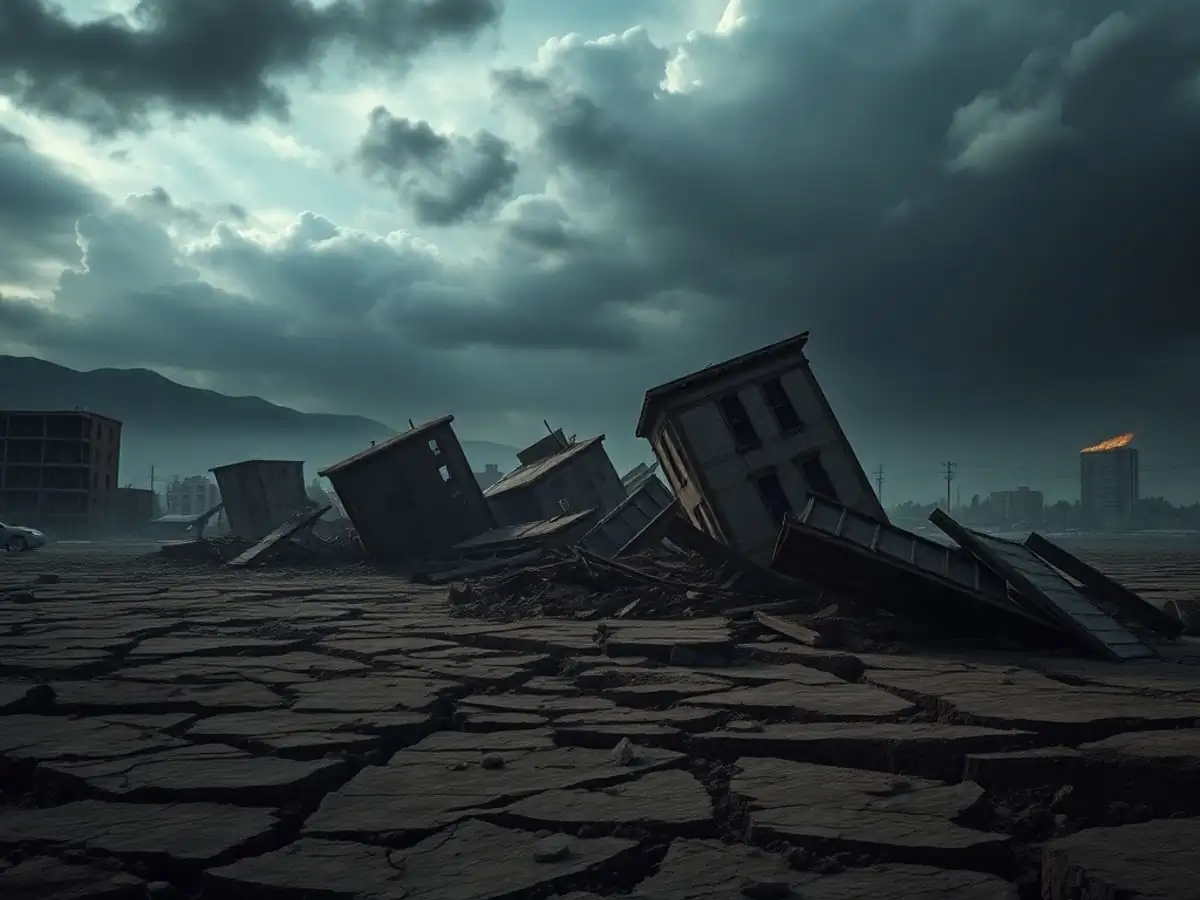
    A magnitude 7.0 earthquake struck off the coast of Northern California, triggering significant aftershocks and a rare tsunami warning. This seismic event has raised concerns and prompted discussions about the region’s tectonic activity and preparedness for such natural disasters.

    Key Takeaways

    • A 7.0 magnitude earthquake occurred off Northern California’s coast.
    • Over 10 aftershocks, including a 5.0 magnitude quake, have been reported.
    • A tsunami warning was issued for coastal areas, including the San Francisco Bay Area.
    • The earthquake is part of the Pacific Rim’s Ring of Fire, a highly active seismic region.
    • This is the strongest earthquake in Northern California in over 30 years.

    Overview Of The Earthquake

    On the morning of the earthquake, the tremors were felt as far away as the San Francisco Bay Area. The quake’s epicenter was located near Eureka, California, close to the Oregon border. The seismic activity has raised alarms due to its strength and the potential for aftershocks.

    Understanding The Seismic Activity

    The earthquake occurred along a strike-slip fault, where tectonic plates slide past each other. This specific fault is not the infamous San Andreas Fault but is part of the Cascadia subduction zone. Here are some key points about the region’s seismic activity:

    1. Tectonic Plates: The North American Plate and the Pacific Plate converge in this area, creating a highly active seismic environment.
    2. Frequency of Earthquakes: While smaller quakes (magnitude 4 and 5) are common, significant earthquakes like this 7.0 are rare, occurring approximately every 20 to 30 years.
    3. Historical Context: The last major earthquake of this magnitude in Northern California was over 30 years ago, making this event particularly noteworthy.

    Aftershocks and Tsunami Warnings

    Following the initial quake, numerous aftershocks were recorded, with the strongest being a 5.0 magnitude quake shortly after the main event. The tsunami warning was issued due to the potential for localized tsunamis, although the earthquake’s offshore location helped mitigate the risk to populated areas.

    • Aftershock Details: Over 10 aftershocks have been reported, with magnitudes ranging from 4.0 to 5.0.
    • Tsunami Alerts: Alerts were quickly disseminated to residents in Northern California and southern Oregon, emphasizing the importance of preparedness in seismic regions.

    Damage Reports

    Initial reports from the affected areas indicate structural damage, particularly in Ferndale, where buildings experienced significant impacts. Here are some observations:

    • Structural Damage: The Victoria Inn in Ferndale reported collapsed doors and shattered glass, with items falling off shelves in various establishments.
    • Community Impact: Residents experienced panic and confusion as the earthquake struck, leading to concerns about safety and emergency preparedness.

    Conclusion

    The recent 7.0 earthquake off the coast of Northern California serves as a stark reminder of the region’s seismic risks. With the potential for aftershocks and the need for ongoing vigilance, residents are encouraged to stay informed and prepared for future seismic events. As we monitor the situation, it is crucial to understand the geological factors at play and the importance of community readiness in the face of natural disasters.

  • Brian Cox Warns: Betelgeuse Supernova Explosion Imminent

    Brian Cox Warns: Betelgeuse Supernova Explosion Imminent

    The universe is a vast and mysterious place, and sometimes it throws us a curveball that can be both fascinating and frightening. Recently, renowned physicist Brian Cox has raised alarms about the Betelgeuse star, a massive red supergiant located in the constellation Orion. This star, which is nearing the end of its life, is expected to explode as a supernova, and its proximity to Earth has sparked widespread interest and concern.

    Key Takeaways

    • Betelgeuse is a red supergiant star located about 700 light years from Earth.
    • The star has shown signs of instability, including a significant dimming event in 2019.
    • While a supernova is not expected for another 100,000 years, its behavior raises questions about its future.
    • The explosion will be visible from Earth and will provide a unique opportunity for scientific study.

    What Is Betelgeuse?

    Betelgeuse, also known as Alpha Orionis, is one of the most recognizable stars in our night sky. It is classified as a red supergiant and is located in the constellation Orion, marking the Hunter’s left shoulder. With a radius approximately 700 to 1,000 times that of our sun and a mass 15 to 20 times greater, Betelgeuse is a true giant.

    The star’s life is driven by the balance between nuclear fusion pushing outward and gravitational forces pulling inward. However, as its fuel dwindles, Betelgeuse has become unstable, leading to dramatic changes in brightness, temperature, and size.

    The Great Dimming of Betelgeuse

    In late 2019, Betelgeuse experienced a phenomenon known as the Great Dimming, where its brightness unexpectedly decreased by nearly 40%. This event captured the attention of both professional astronomers and casual stargazers alike. The sudden dimming raised questions about whether it was a precursor to a supernova.

    Several theories emerged to explain this dimming:

    1. Dust Ejection: One theory suggests that Betelgeuse ejected a massive cloud of dust, blocking some of its light from reaching Earth.
    2. Convective Cells: Another theory posits that large convective cells on the star’s surface cooled temporarily, causing the dimming.

    The Role of the Hubble Space Telescope

    The Hubble Space Telescope played a crucial role in monitoring Betelgeuse during the Great Dimming. Observations revealed that the star had ejected a significant amount of hot material, which cooled and condensed into a dust cloud. This event was one of the largest of its kind ever observed in a star of Betelgeuse’s size.

    What Happens Next?

    As scientists continue to study Betelgeuse, they are using advanced hydrodynamic simulations to model its internal processes. These simulations indicate that convection within the star is becoming increasingly turbulent, leading to erratic behavior. The cooling of Betelgeuse’s outer layers is also a natural progression for a red supergiant, but it has become more pronounced in recent years.

    When Will Betelgeuse Explode?

    The question of when Betelgeuse will go supernova intrigues both scientists and the public. Current research suggests that the star could explode within the next 100,000 years. While this may seem like a long time, it is a blink of an eye in cosmic terms. The University of California, Berkeley, and other institutions are studying Betelgeuse’s life cycle to better understand its future.

    The Impact of a Supernova

    When Betelgeuse finally erupts, the explosion will be visible from Earth, shining as brightly as the moon for several weeks. This event will provide an unprecedented opportunity for scientists to study the processes involved in stellar explosions. Supernovae play a crucial role in the creation and dissemination of heavy elements essential for life.

    Despite the spectacle, there is little cause for concern regarding the impact of Betelgeuse’s supernova on Earth. The explosion will not pose any danger to life on our planet, as the radiation will be too weak to affect the atmosphere or humans.

    Conclusion

    The potential explosion of Betelgeuse is a reminder of the dynamic and ever-changing nature of the universe. While it may not pose a direct threat to us, it certainly captures our imagination and curiosity. As we look to the stars, we are reminded of our place in the cosmos and the wonders that await us in the future. What do you think about Betelgeuse going boom? Share your thoughts in the comments!

  • NASA Reveals Why The Mars Helicopter Crashed – The First Air Crash Investigation on Another World

    NASA Reveals Why The Mars Helicopter Crashed – The First Air Crash Investigation on Another World

    This morning, NASA made history by unveiling the results of the first air crash investigation on another planet. The Ingenuity Mars Helicopter, which exceeded expectations during its three-year mission, faced a tragic end due to navigation challenges in a visually bland terrain.

    Key Takeaways

    • Ingenuity flew 72 times over three years before its crash.
    • The crash was caused by the navigation system’s inability to track features in a featureless landscape.
    • Investigators used onboard data and surface images to determine the cause of the crash.
    • Future Mars helicopters may require more robust navigation systems and power management.

    Ingenuity’s Journey

    Ingenuity was designed to be lightweight and simple, allowing it to fit inside the Perseverance rover. Initially, it was meant to conduct a few test flights, but it ended up flying 72 times, showcasing remarkable technological advancements.

    The Crash Investigation

    The investigation revealed that the crash occurred due to visually bland terrain. Without GPS on Mars, Ingenuity relied on onboard navigation systems, including accelerometers, gyroscopes, and a downward-facing camera to identify features on the surface. During the final flights, the helicopter traversed a dune field that lacked distinct features, leading to a loss of control.

    How They Reached Their Conclusion

    Investigators faced unique challenges in analyzing the crash. Unlike Earth, where investigators can examine wreckage and black boxes, they had to rely on:

    • Event logs: The onboard computer recorded error messages indicating a lack of features for navigation.
    • Surface images: Post-landing images showed marks from the landing legs and broken rotor blades.

    Unfortunately, the event log was truncated due to a loss of power just before landing, leaving gaps in the data.

    The Final Flights

    The last series of flights (70, 71, and 72) were critical. During these flights, Ingenuity encountered a featureless dune sea, which complicated navigation. After an emergency landing, the helicopter had to perform an orientation flight to determine its position. However, it struggled to track the surface features, leading to a sideways landing at a speed of approximately 2.5 m/s.

    The Damage

    Upon landing, the helicopter twisted, causing the landing legs to dig into the surface. Investigators noted that:

    • Three rotor blades broke about 60% of the way out.
    • One rotor blade snapped off completely and was found some distance away.

    The damage was not due to contact with the surface but rather the dynamic forces during landing, which caused the rotor blades to bend and break.

    Power Loss and Navigation Challenges

    Another mystery was the loss of contact just before landing. Investigators suspect a brownout situation, where the helicopter requested more power than the batteries could provide. This raises questions about the navigation system’s power requirements and whether it contributed to the crash.

    Lessons for Future Missions

    The investigation highlighted several lessons for future Mars helicopters:

    1. Robust Navigation Systems: Future designs should better handle featureless terrains.
    2. Power Management: Prioritize power for avionics to prevent total system failure during critical moments.
    3. Improved Logging: Enhanced data logging could provide more insights during investigations.

    Ingenuity’s Legacy

    As of now, Ingenuity remains on the Martian surface, still communicating with Perseverance. It is expected to continue taking readings and storing images for up to 20 years, potentially providing valuable data for future missions. The full investigation report will be released next month, and the findings will undoubtedly influence the design of future aerial vehicles on Mars.

    This investigation marks a significant milestone in space exploration, showcasing the challenges and triumphs of navigating another world. Stay tuned for more updates as we learn from Ingenuity’s journey and prepare for the next steps in Martian exploration.

  • A HUGE Underwater Volcano JUST EXPLODED Near The Mariana Trench

    A HUGE Underwater Volcano JUST EXPLODED Near The Mariana Trench

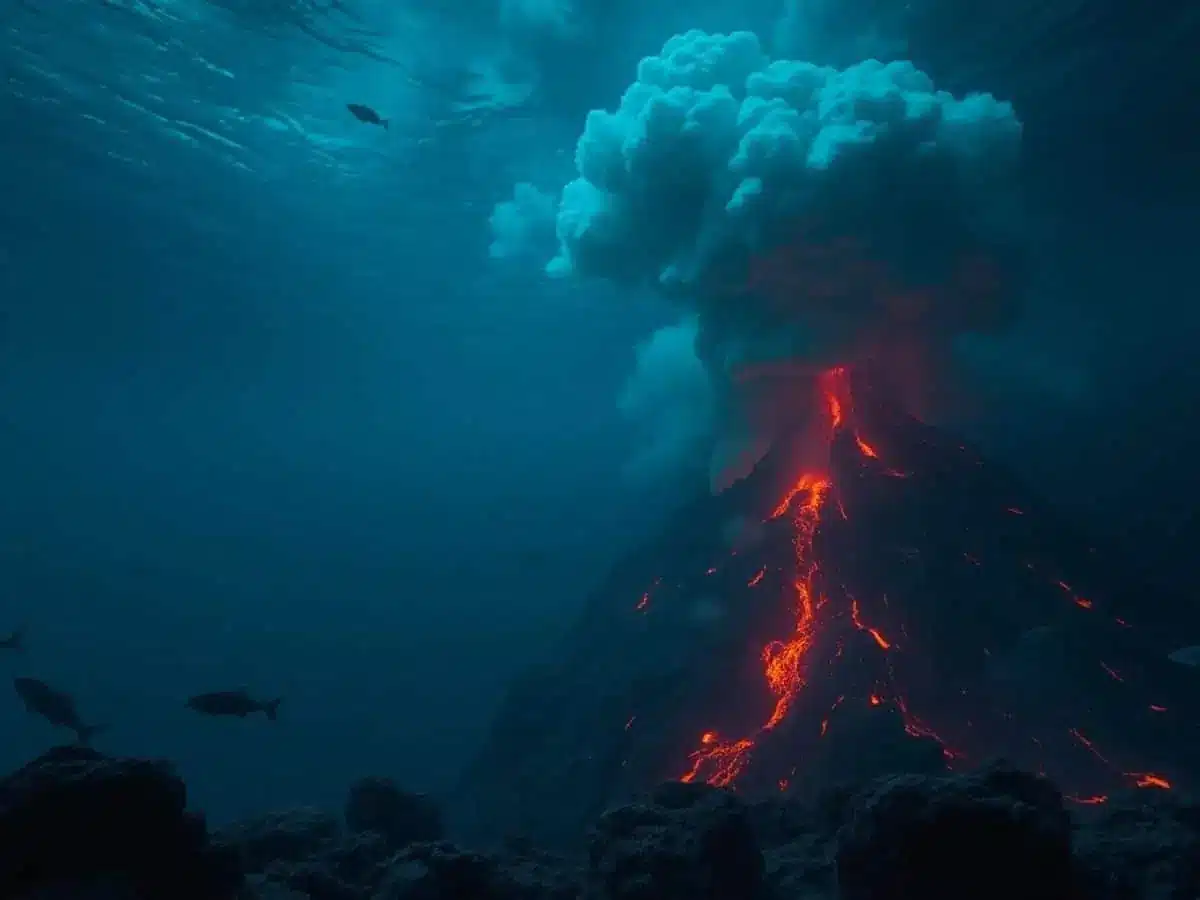
    Beneath the vast expanse of the ocean lies a hidden world of untamed geological activity. Submarine volcanoes, often overlooked, are powerful forces shaping our planet. Recently, an underwater volcano erupted dramatically, reminding us of the dynamic processes beneath the waves. Let’s explore this event and its implications.

    Key Takeaways

    • Location: AI Seamount, part of the Mariana volcanic arc.
    • Recent Activity: Eruptions detected from October 2022 to April 2024.
    • Potential Hazards: Submarine eruptions can trigger tsunamis and alter marine ecosystems.
    • Scientific Importance: Provides insights into submarine volcanism and Earth’s geological processes.

    Understanding Submarine Volcanoes

    Submarine volcanoes are among the most enigmatic geological features on Earth. They can alter ecosystems, influence climate, and even trigger tsunamis. AI Seamount, located in the Western Pacific Ocean, is one such volcano. It lies approximately 11 miles southeast of the northernmost island of the Mariana archipelago and is classified as a submarine volcano, sitting 450 feet deep in the Pacific Ocean.

    The Mariana Arc, where AI Seamount is located, is formed by the Pacific Plate being driven beneath the Philippine Sea Plate. This tectonic activity generates magma that rises to the surface, creating a chain of volcanic islands and seamounts. AI Seamount has a history of eruptions, with notable events recorded in 1969, 2001, and 2014.

    Recent Eruptions and Monitoring

    Recent eruptions of AI Seamount were detected from mid-October 2022 to May 2023, and again from December 2023 to April 2024. The most recent signs of unrest began in August 2024, with satellite imagery revealing weak activity, including plumes of discolored water.

    The US Geological Survey and the Pacific Tsunami Warning Center monitored these eruptions using seismic and hydroacoustic systems. Initial signs included low-frequency earthquakes and underwater explosions, indicating magma movement beneath the seamount.

    The Nature of Submarine Eruptions

    Submarine eruptions differ significantly from terrestrial eruptions due to the immense pressure of the overlying seawater. This pressure suppresses the explosive release of gases from magma, often resulting in less dramatic eruptions. However, when magma interacts with seawater, it can lead to violent explosions known as freatomagmatic eruptions. These explosions occur when the rapid cooling of magma by seawater creates steam that expands explosively.

    Submarine eruptions can also produce pillow lavas, bulbous formations created when lava cools rapidly upon contact with water. The implications of a significant eruption extend beyond the immediate vicinity, potentially triggering tsunamis and altering marine habitats.

    Potential Impacts of Eruptions

    A massive eruption from a submarine volcano like AI Seamount could have profound effects:

    • Tsunamis: Displacement of large volumes of water could generate tsunamis, devastating coastal communities.
    • Marine Ecosystems: Lava flows and ash deposition could destroy marine habitats, while the release of nutrients might stimulate biological productivity over time.
    • Geological Changes: Eruptions could alter the seafloor’s topography, creating new landforms and affecting ocean currents.
    • Socioeconomic Disruptions: Coastal economies reliant on fishing, tourism, or shipping could face significant disruptions.

    Scientific Opportunities

    On a positive note, a large eruption would provide an unprecedented opportunity for scientific study. Observing the event and its aftermath could enhance our understanding of submarine volcanism, tectonics, and the deep-sea environment. However, studying submarine volcanoes presents challenges due to their remote locations and harsh conditions.

    Challenges in Monitoring Submarine Volcanoes

    Monitoring submarine volcanoes like AI Seamount is logistically and financially demanding. The open ocean environment complicates the deployment and maintenance of monitoring equipment. Technological limitations also hinder the study of submarine eruptions. While advancements in underwater vehicles and sonar technology have improved ocean exploration, much of the deep sea remains uncharted.

    Conclusion

    AI Seamount is a striking example of the dynamic geological processes shaping our planet. Its recent eruption underscores the complexity of submarine volcanism and highlights the importance of continued research and monitoring. By studying such events, scientists can unravel the mysteries of the deep ocean and better prepare for the potential hazards posed by undersea volcanoes.

    Do you think AI Seamount is capable of producing a massive eruption in the future? Leave a reply in the comment section!