Category: Paranormal

  • The Philip Experiment: Did a 1970s Séance Group Create Its Own Haunting?

    The Philip Experiment: Did a 1970s Séance Group Create Its Own Haunting?

    Few paranormal stories hit harder than the ones that sound reproducible. That is why the Philip Experiment ghost story refuses to die. A group of ordinary people gathered in the 1970s, invented a fake dead man, sat around a table feeding him attention, and then claimed the room began to answer back.

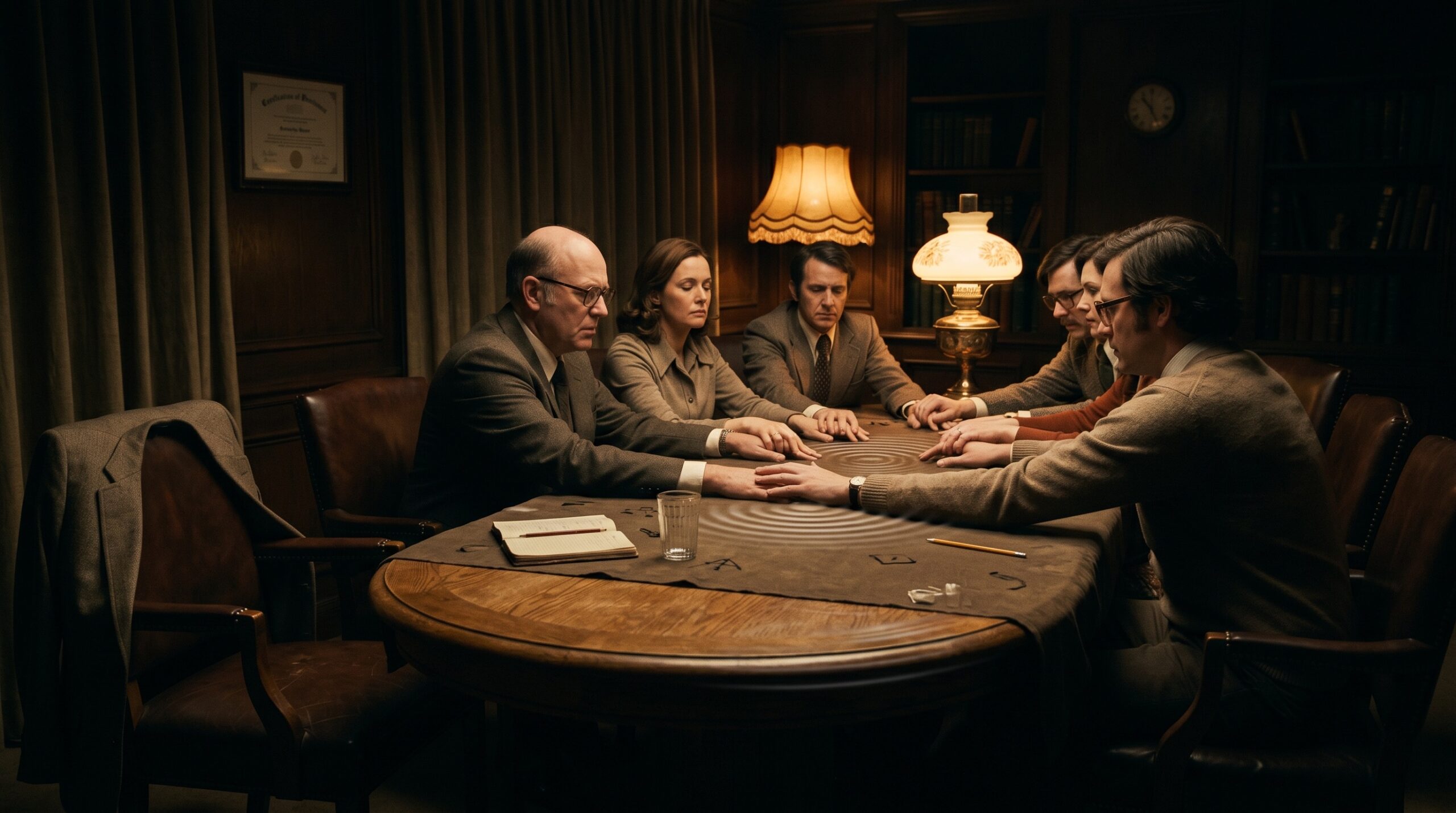
    The quick answer is that the Philip Experiment was a Toronto-area psychical research project in which participants created a fictional 17th-century character named Philip Aylesford and then held séance-style sessions until knocks, table movement, and apparent responses seemed to appear. The broad outline preserved by the standard historical summary of the Philip Experiment, retellings such as the long-running “how to create a ghost” explainer, and new social-media fascination after a viral reel treating the case like a real-world tulpa event have made it feel uncannily modern again.

    What makes the case so unnerving is not that a haunting may have happened. It is that the haunting, if anything happened at all, seems to have been invited into being by design.

    Why the Philip Experiment still feels dangerous

    Most ghost stories begin with a place. A house, a hospital, a battlefield, a hallway where something lingers. The Philip Experiment begins with intention. That is the part that gets under the skin. The group did not stumble into a presence. They sat down and tried to manufacture one.

    That idea has only become more potent in the internet age. A story about collective attention shaping reality lands differently now than it did in the 1970s. People raised on tulpas, egregores, manifestation discourse, and memetic ritual do not hear the Philip case as a quaint paranormal curiosity. They hear it as a prototype.

    It sits naturally beside stories like Antoine’s ghost photo, the Riverview pentagram image, and modern jinn obsession narratives. In each case, the real hook is not only whether the phenomenon is objectively real. It is whether attention itself starts to behave like a door.

    What the group said happened in the room

    The core setup is one of the strangest in paranormal history. Participants built out Philip Aylesford as a fully fictional biography — a man who never existed — and then focused on him through repeated group sessions. Later accounts say the group experienced raps, apparent yes-or-no responses, and table activity strong enough to turn a made-up ghost into a lasting legend.

    That structure is why believers remain fascinated. If a haunted house answers back, maybe the house was always carrying something. But if a nonexistent ghost begins producing effects, the implication feels darker. It suggests that concentrated belief, emotional energy, or some unknown group dynamic might be able to sculpt a presence where there was none before.

    Even readers who doubt every paranormal claim can feel why the story travels. It turns the séance from a method of contact into a method of construction. That is a much more unsettling possibility.

    Why tulpa culture keeps reviving the case

    The Philip Experiment has become internet-native because its logic matches the way online occult culture already thinks. Communities now talk casually about thoughtforms, entities fed by repetition, and symbols that gain force as more people participate in them. Philip sounds like a retro version of that entire worldview.

    Once framed that way, the old experiment stops looking dusty. It looks prophetic. A circle of people in a room rehearsing a fictional being into apparent existence feels like an analog ancestor of the modern belief that stories, symbols, and coordinated minds can thicken into something with agency.

    That is also why the case keeps pulling in readers who are not traditional ghost believers. It touches psychology, ritual, folklore, performance, and the uncomfortable suspicion that consciousness may be stranger in groups than it is alone.

    What the experiment can and cannot prove

    This is where the atmosphere gives way to limits.

    The Philip Experiment is a real story with real participants and documented claims. It is not, however, a settled proof that a ghost was literally created. Group expectation, unconscious movement, suggestibility, performance effects, selective memory, and the theatrical conditions of the séances all offer grounded ways to interpret what happened. The fictional nature of Philip makes the story more provocative, but not automatically more evidential.

    Still, that uncertainty is exactly why the case survives. It cannot be locked down cleanly either way. If nothing paranormal happened, the experiment still exposed how weird collective human behavior can become around ritual. If something did happen, then the implications are enormous. Either way, the room did not feel empty for long, and that is enough to keep Philip Aylesford wandering through the modern imagination like a ghost that may have been built rather than born.

  • Musallat and the Jinn Obsession Story Spreading Across the Internet

    Musallat and the Jinn Obsession Story Spreading Across the Internet

    Some hauntings are frightening because something appears in the room. The musallat jinn phenomenon is frightening because it suggests something has chosen the room, chosen the body, and may not be leaving.

    That is why the word musallat lands so hard online. Across TikTok clips, horror explainers, possession threads, and comment sections full of people swapping family warnings, the term is used to describe a jinn attachment defined not by one sudden shock but by obsession, oppression, and relentless proximity. In plain search terms, the musallat jinn phenomenon is the internet’s name for stories in which a jinn is believed to latch onto a person, household, or sleep state in a way that feels invasive, personal, and spiritually dangerous.

    And once you step into that rabbit hole, the story escalates fast. The fear is not just that a jinn exists. It is that it can fix its attention on someone. That it can follow. That what begins as dread, nightmares, paralysis, whispers, sexual menace, or irrational panic might not be random at all, but the first sign that the boundary has already been crossed.

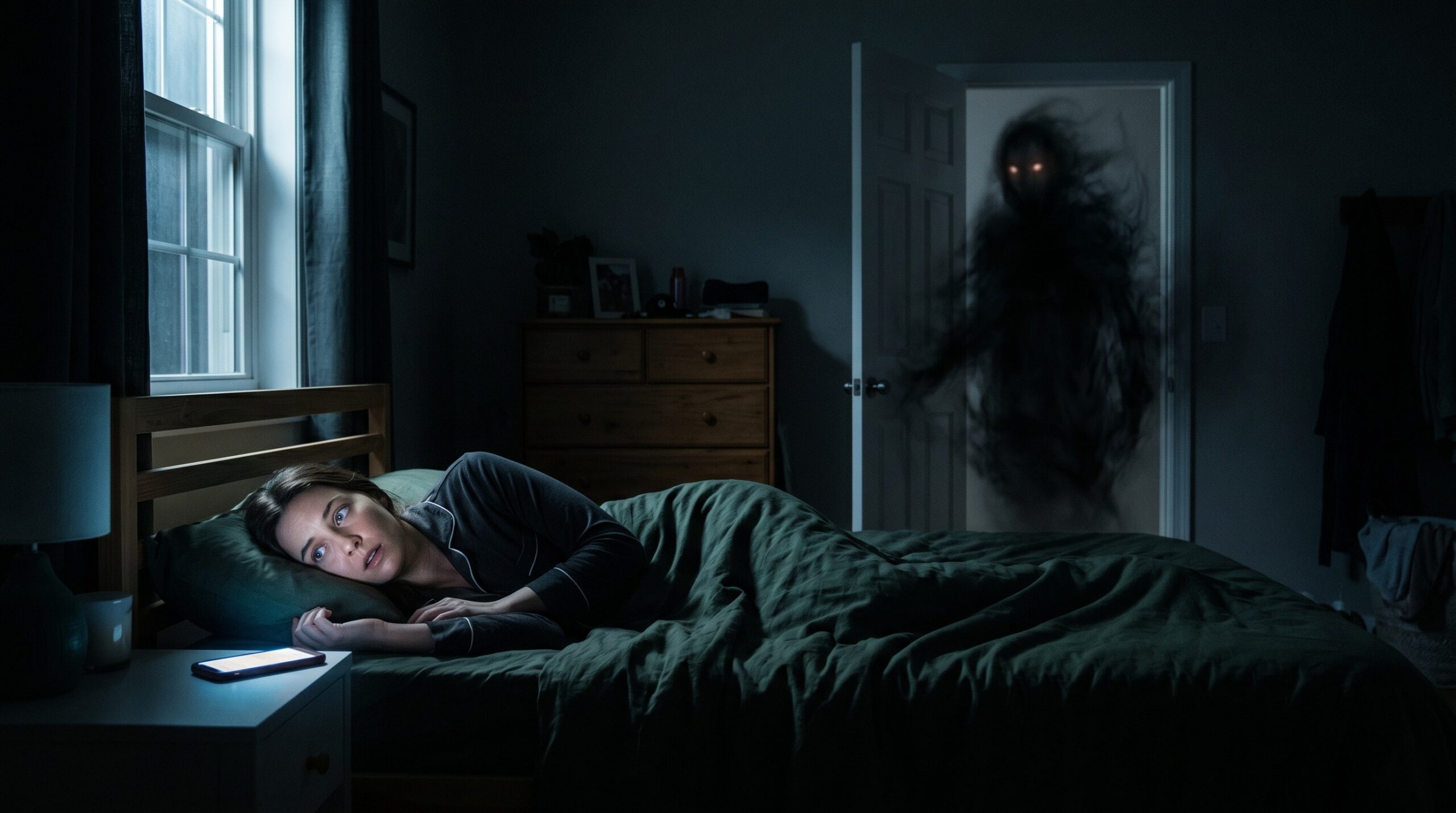
    This is the part believers and doom-scrollers alike find hard to shake. A ghost story can feel local. A demon story can feel theatrical. Musallat stories feel intimate. They are about being singled out. They carry the ancient horror of possession but filter it through modern habits of isolation: the sleepless bedroom, the phone screen glowing at 3 a.m., the viral clip with thousands of comments insisting, with unnerving certainty, that they have seen this pattern before.

    What people mean when they say musallat

    The term does not circulate online as a tidy academic category. It circulates as a warning.

    When people invoke musallat in internet discussion, they usually mean a hostile or obsessive spiritual attachment, often involving a jinn understood to be pressing in on a person’s life, mind, sleep, relationships, or body. The emphasis is not merely “there is a jinn.” The emphasis is “this presence is targeting someone and wearing them down.” That distinction matters, because it explains why the phrase carries more panic than ordinary supernatural talk.

    Within wider jinn lore, the category of dangerous or rebellious entities is already familiar. Readers trying to map the older cosmology often end up at references on figures like the ifrit in Britannica, where the jinn world appears not as a single flat concept but as a layered field of volatile beings, moral ambiguity, and spiritual threat. Musallat stories plug directly into that worldview. They are rarely told as neutral encounters. They are told as escalating pressure.

    That is one reason the phenomenon thrives online. The internet loves labels that feel both ancient and freshly dangerous. “Musallat” sounds specific, heavy, and inherited. It arrives with the authority of tradition, but it also behaves perfectly in a short-form horror ecosystem where people want a word that instantly turns vague terror into a named pattern.

    Why the internet cannot stop spreading it

    The musallat jinn phenomenon was almost built for algorithmic fear.

    A short clip can do the first half of the job. Someone whispers that they woke unable to move. Someone else shows a hallway, a dark doorway, a distorted face, or a half-heard sound from another room. Then the comments take over: This is jinn. This is attachment. This is musallat. Do not answer if it calls your name. Do not sleep without protection. The result is a folklore engine that runs in real time.

    TikTok’s own explainer-style content on what a jinn entity is helps show how the concept gets flattened and recirculated for mass audiences, while viral fear clips like “it’s a jinn guys run” demonstrate the much rougher version: panic first, lore second, certainty everywhere. Together they create the modern life of the story.

    That online life is not trivial. It changes the emotional scale. In a village, a possession rumor might belong to one family line, one healer, one local event. Online, the same pattern appears global. A teenager in London, a student in Karachi, a horror fan in Texas, and an insomniac in Jakarta can all stare at the same clip and feel they are looking at the same invisible category. The internet turns regional spiritual language into shared nocturnal infrastructure.

    The effect resembles what happens with old protective traditions and occult objects that survive because people still want a barrier between themselves and unseen attack. That instinct is why stories about ancient demon traps in Mesopotamia or the charged symbolism of Ottoman talismanic shirts still resonate now. Different cultures, different artifacts, same stubborn human impulse: if the unseen can reach in, then surely some ritual can push back.

    Why musallat feels worse than a normal haunting

    Most modern paranormal content teaches viewers to fear the moment of manifestation: the shadow in the corner, the door moving, the figure caught on camera. Musallat stories push the terror deeper. They are about occupation.

    That shift is everything.

    An ordinary ghost tale gives the listener distance. The entity may appear, but it is still “over there.” Musallat narratives close that distance until the horror becomes bodily and routine. The signs people list are often intensely personal: pressure on the chest, erotic dreams, compulsive fear, hearing a name called, a crushing sense of being watched while half-awake, sudden aversion to prayer, fractured sleep, or the feeling that one’s will is being eroded by repetition. Whether those experiences are interpreted as spiritual, neurological, psychological, or all three at once, the narrative form is stronger because it invades the private mechanics of selfhood.

    This is also why musallat stories merge so easily with sleep-paralysis lore. Few experiences feel more like supernatural assault than waking inside your own body and finding it unresponsive. A piece like this discussion of jinn imagery during sleep paralysis and REM states shows how readily these experiences are framed through spiritual language when the event itself already feels invasive, hyper-real, and impossible to dismiss in the moment. The body freezes; the imagination does not.

    For believer-first audiences, that overlap does not reduce the fear. It can intensify it. The possibility that certain altered states are precisely where a hostile presence presses closest only makes the old warnings feel more relevant.

    The occult aesthetic of being singled out

    There is another reason the musallat jinn phenomenon keeps growing: it offers an explanation for dread that feels larger than stress but more personal than abstract evil.

    A lot of online horror now is about systems — simulations, liminal spaces, cursed media, surveillance, hidden programs. Musallat is more primitive and more intimate than that. It says the danger is not in the system. The danger is in the attention. Something has noticed you.

    That is why the stories often blur into rules, cautions, and tiny domestic rituals. Keep certain verses close. Avoid certain places. Do not sleep in a state of spiritual neglect. Do not respond to voices in empty rooms. Do not treat recurring dreams as meaningless. Even for people who do not fully believe, these story-fragments have force because they offer a script for moments that otherwise feel shapeless.

    The same emotional architecture appears in older magical spaces like Rome’s alchemical Porta Magica, where symbols seem to promise access and protection at once. What makes musallat different is that it strips away the monument and leaves only the exposed person. The battlefield is the bedroom, the mirror, the night terror, the marriage, the mind.

    That is modern enough to go viral and old enough to feel inherited.

    Why these stories spread even among people who are not sure they believe

    The internet is full of people who say they are skeptical right before admitting they still will not watch certain clips alone.

    Musallat survives in that territory because it is emotionally legible even to outsiders. You do not need to know the full theology of jinn to understand the dread of persistent unseen attention. You do not need a formal doctrine of possession to understand why repeated sleep terror, sexual menace in dreams, abrupt personality change, or a house soaked in tension can start to feel narratively connected.

    In that sense, musallat functions less like a niche term and more like a sticky interpretive frame. It gathers scattered experiences under one name. Once a name exists, more people notice the pattern. Once more people notice the pattern, the name acquires even more authority. That is how internet folklore hardens.

    It also helps that the story lives at the intersection of ancient cosmology and digital intimacy. The same feeds that deliver beauty tutorials and football clips also deliver whispered exorcism stories and midnight testimonies. That collision makes the old fear feel current. The musallat jinn phenomenon is not archived belief. It is live belief, performed and reinforced in public.

    Even communities centered on totally different mysteries understand the attraction of that kind of ongoing, immersive narrative. The appeal is not far from why the still-active spectacle of the Heaven’s Gate website remaining online continues to disturb people: the feeling that a belief system did not end when modernity told it to end.

    The grounded view, and why it still does not fully kill the story

    A grounded reading of the musallat jinn phenomenon has to admit several layers at once.

    First, jinn belief is part of a serious and long-standing religious and cultural framework, not just a meme factory for internet horror. Second, many of the experiences now folded into musallat talk — especially night terror, chest pressure, sensed presence, and waking immobilization — overlap strongly with known sleep phenomena, stress states, trauma responses, and the frightening cognitive spillover of REM disturbance. Third, once a person is immersed in a spiritually charged interpretive community, ambiguous experiences can become easier to read as attachment, obsession, or attack.

    None of that erases the force of the phenomenon. It explains why the stories remain persuasive.

    The musallat jinn phenomenon spreads because it gives terrifying experiences a shape, a villain, and a logic. For some people, that logic feels spiritually true. For others, it is a folklore vessel carrying sleep terror, grief, anxiety, and inherited fear in a language vivid enough to survive translation onto social media. Either way, the pattern is real in the only sense viral mysteries need in order to endure: people keep experiencing something, naming it, and warning each other.

    And that may be why musallat stories remain harder to dismiss than generic internet horror. They do not just offer a jump scare. They offer an interpretation of vulnerability itself. Maybe the source is spiritual. Maybe it is neurological. Maybe the most disturbing cases live in the unstable territory where belief, bodily experience, and old warnings overlap. What keeps the story alive is that, in the dark hours when people feel watched, chosen, or pinned in place, that distinction can stop feeling theoretical very quickly.

  • Why the Riverview Hospital Pentagram Photo Feels Like the Start of a Haunting

    Why the Riverview Hospital Pentagram Photo Feels Like the Start of a Haunting

    Some places look haunted even before anyone tells you the stories. Then there are places like Riverview Hospital, where one strange image can make the whole building feel newly dangerous. That is why the riverview hospital pentagram photo lingers in people’s minds: it appears to show a large star-shaped symbol marked outside a hospital already wrapped in whispers, and the combination feels less like random decay than the opening scene of something ritualistic.

    The direct answer is simple enough to say early: the image that keeps circulating from Riverview seems to show a prominent geometric symbol on the ground outside the property, and viewers cannot agree whether it is a pentagram, a Star of David, or some rough hybrid created by angle, weathering, and expectation. But that uncertainty is exactly what gives the photo its charge. If it were clearly one thing, the mystery would shrink. Instead, it sits in that unnerving zone where a haunted location and a loaded symbol begin amplifying each other.

    The central image, preserved in this widely shared Flickr photo, does not need motion, witnesses, or a full occult backstory to hit hard. It only needs the right setting. A symbol in a parking lot means one thing outside a strip mall. Outside an institution associated with confinement, suffering, rumor, and ghost stories, it feels like a message. Believers do not look at it and see simple geometry. They see intent.

    That is how the rabbit hole opens so fast. Was it drawn as part of a ritual? Was it a dare, a prank, a piece of trespasser folklore, or a deliberate attempt to make an already notorious site feel even more cursed? And if the symbol was placed there by someone who wanted attention, why does the image still feel unsettling long after the act itself would have been finished? Riverview does what the best haunted places always do: it turns a static object into a story engine.

    Why Riverview makes the symbol feel bigger than it is

    Abandoned hospitals carry a special kind of dread. They are not just ruined buildings. They are spaces people instinctively associate with restraint, diagnosis, sedation, grief, and the possibility that terrible things happened behind locked doors. Once a location has that emotional charge, every stain, broken window, and scrap of graffiti starts to look like evidence of something continuing after the institution itself died.

    That atmosphere matters here. Riverview has been described in haunted-travel coverage such as this piece on the former Virginia psychiatric hospital’s reputation, and whether readers take every haunting claim literally is almost secondary. The reputation does the work. The site arrives preloaded with dread, so a symbol on the pavement does not stay a symbol for long. It becomes a clue.

    This is why believers respond so strongly to images like this. A haunting is rarely built from one airtight piece of evidence. It is built from accumulation: a place with a dark backstory, a photo with visual tension, a symbol with old spiritual associations, and a public already primed to imagine that certain buildings hold onto what happened inside them. The same emotional logic is what gives pieces like Antoine’s Restaurant ghost photo their staying power. One image can become an entire atmosphere if the setting is right.

    Pentagram or Star of David?

    The argument over what the Riverview marking actually is may be the most important part of the whole story.

    Call it a pentagram and the image immediately tilts toward the occult. Pentagrams are so deeply embedded in horror culture that many people react before they even count the points. They do not just see a star. They see summoning, ritual, protection circles gone wrong, teenage occult experiments, black candles, whispers in condemned corridors. That reaction is emotional, cultural, and automatic.

    But many viewers do not see a five-pointed figure at all. They see a six-pointed star or an overlapping-triangle design more consistent with a Star of David. That matters because the Star of David has a long and distinct history that is not reducible to horror-movie symbolism. It can be religious, cultural, historical, and identity-based. The second someone says, “Wait, that may not be a pentagram,” the story changes. The image stops being only ominous and becomes contested.

    And contested symbols are often more potent than obvious ones. Once the internet starts arguing over shape and meaning, the photo becomes harder to file away. The mystery gains layers. Was the mark misread because people expected occult imagery at a haunted hospital? Was a six-pointed design turned into a pentagram in retellings because “pentagram outside haunted asylum” sounds like instant folklore? Or does the roughness of the symbol invite projection from both sides?

    That tension is what links the Riverview image to other symbol-heavy mysteries. In stories like Porta Magica, Rome’s alchemical door, symbols feel powerful because they suggest hidden intent even when the full meaning remains out of reach. People do not just want to know what a sign is. They want to know who put it there, what they believed, and what they were trying to open.

    The real rabbit hole is intent

    A star on the ground is not automatically supernatural. But a star on the ground at a haunted hospital instantly raises the question of purpose.

    That is where the Riverview photo becomes sticky in the believer imagination. If the mark was casual graffiti, why choose that form? If it was ritual theater, why choose that location? If it was meant as a joke, why does the joke still land with such force years later? People are drawn less to the geometry itself than to the possibility that somebody wanted the site to feel activated.

    This is also why occult language enters the conversation so quickly. A shape associated with ritual, laid against a site associated with trauma, creates the sense that old energy is being invited, channeled, mocked, or awakened. Even readers who do not fully buy that idea understand its dramatic logic. Haunted architecture plus deliberate symbol equals a story people cannot resist finishing in their heads.

    There is a deeper cultural habit at work too. We tend to treat old institutions as containers. We imagine they hold memory, suffering, and residue. Add a symbol and suddenly the place does not just contain the past; it appears to have been addressed. That leap from “abandoned” to “engaged” is where folklore catches fire. It is the same instinct that drives fascination with protective signs, seals, and charged markings in stories about ancient demon traps in Mesopotamia or hidden symbolic intent in the Great Seal bug Soviet listening device. A symbol can make people feel that a surface has become an interface.

    Why images like this survive online

    Most eerie photos die quickly because they give away too much or too little. The Riverview symbol image survives because it gives viewers just enough to argue over.

    It is clear enough to provoke a strong first impression and unclear enough to support multiple readings. That balance is perfect for haunted-internet longevity. One person sees proof of trespasser occultism. Another sees misidentified geometry. Another sees the entire thing as emotionally charged but mundane. The debate keeps the image alive because every interpretation makes the hospital itself feel more legendary.

    There is also something primal about symbols in ruined places. They suggest that even after institutions fail, people keep coming back to mark the ground, leave warnings, test boundaries, or rehearse old fears. Some symbols are widely read as signs of unity or connection, as broad guides such as this explainer on symbol meanings and unity note, but once those shapes appear in abandoned spaces, their emotional register changes. Context bends meaning. A figure associated with harmony in one setting can feel ominous in another.

    That may be the cleanest way to understand why the riverview hospital pentagram photo keeps pulling readers in. It may not be terrifying because of what the symbol objectively is. It may be terrifying because of where it appears and what kind of place Riverview has become in the public imagination.

    What can actually be said about the photo

    Grounding the story at the end does not make it less interesting. It just narrows what the photo can honestly carry. The available image does appear to show a large star-like marking outside Riverview Hospital, but from the photo alone, there is no public chain of evidence that establishes who made it, when it was made, or what the maker intended. The strongest supported claim is also the one that explains the image’s durability: people are reacting to a real symbol at a real site with a haunted reputation, not to a fully documented occult incident.

    That also means the meaning of the mark remains open. Depending on how a viewer reads the geometry, it may resemble a pentagram, a Star of David, or an imprecise star drawn without any consistent symbolic program behind it. Riverview’s reputation as a haunted former hospital makes the darker interpretation feel immediate, and that is why the image keeps circulating. But the photo does not settle ritual intent, supernatural activity, or a single agreed symbol. It leaves the hospital where the most memorable haunted places always seem to live: in the space between what is visible on the ground and what people feel when they look at it.

  • Schumann Resonance Panic: Is Earth’s Heartbeat Spiking?

    Schumann Resonance Panic: Is Earth’s Heartbeat Spiking?

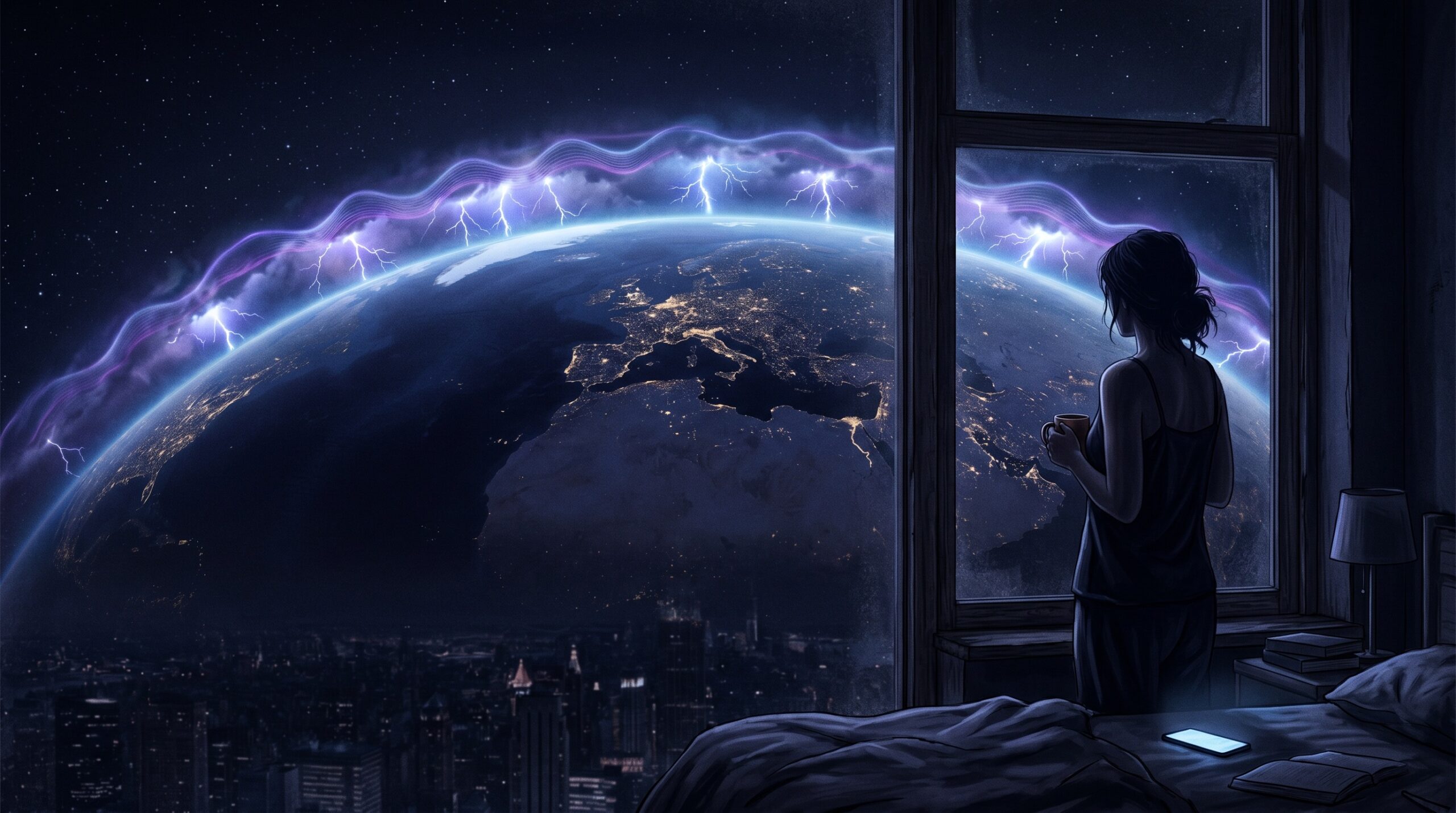
    What if the reason so many people cannot sleep is not stress, screens, hormones, or bad habits at all, but the planet itself pulsing differently under our feet? That is the idea pulling thousands of people into the Schumann resonance panic now spreading across conspiracy, spiritual, and paranormal circles — the fear that Earth’s so-called heartbeat is spiking and human bodies are being forced to feel it.

    To believers, this does not sound like fringe nonsense. It sounds like one more hidden system the public was never meant to understand. The charts look dramatic. The timing feels uncanny. Sleepless nights, ringing ears, anxious surges, strange dreams, chest pressure, emotional crashes — all of it gets folded into one electrifying possibility: maybe the planet is changing frequency, and maybe the body notices before the experts admit it.

    That is why the story is moving so fast. A Daily Mail report on Schumann resonance and insomnia claims, a UNILAD explainer on the recent resonance panic, and a NOAA overview of lightning and atmospheric electricity all feed the same conversation from different angles. Online, those angles blur into a single emotional question: if Earth’s frequency really is surging, how could people not be feeling it?

    Why believers think this is bigger than bad sleep

    The power of this story is that it turns ordinary suffering into a planetary event.

    A bad night can always be explained away. A month of weird sleep can be blamed on modern life. But when people see “Schumann resonance spike” charts at the same time they feel wired, exhausted, dizzy, or emotionally volatile, the experience suddenly acquires a larger meaning. Their symptoms stop feeling isolated. They become synchronized.

    That is the emotional engine behind this panic. Believers are not just looking for data. They are looking for pattern, and Schumann resonance offers one of the most seductive patterns available: a measurable planetary signal that appears to line up with invisible but deeply felt bodily distress. It is the same attraction that keeps stories like Comet 3I/ATLAS & The 25 Hz Spike circulating. Once people suspect the sky, the Earth, and the nervous system may be talking to each other, every spike feels personal.

    Why the charts feel so convincing

    Most viral conspiracy ideas fail because they only offer mood. This one offers pictures.

    Shared Schumann resonance charts look like evidence even before most people understand what they are seeing. Bright bands, dense blocks, sudden intensity, strange-looking gaps — visually, they feel like alarms. A person does not need a background in atmospheric science to look at one of these images and think something unusual is happening.

    That is why chart culture matters here. In believer spaces, the chart is not just a measurement. It is a warning flare. It tells people that their insomnia might not be personal at all. It might be environmental, cosmic, even apocalyptic in a softer New Age sense — not the end of the world by fire, but the beginning of a planetary shift the body cannot ignore.

    That tension is what ties this panic to other viral “cosmic effects” narratives, including Planetary Parade 2026: Cosmic Shift or Optical Trick?. The deeper belief is that human consciousness and planetary conditions move together, and mainstream explanations are always too narrow to capture what people are really feeling.

    The rabbit hole underneath the insomnia theory

    Once you go a little deeper, the story stops being about sleep and becomes a theory of hidden influence.

    For some believers, Schumann resonance is not just a natural electromagnetic phenomenon. It is proof that the body is far more porous than modern institutions want to admit. If frequencies can affect mood, sleep, focus, and emotion, then what else might frequency do? Could governments know more about bioelectromagnetic sensitivity than they say? Could mass stress events be intensified by changes in the planet’s field? Could so-called awakening symptoms be less mystical than they sound — and more physical?

    This is where the insomnia panic merges with wellness language, spiritual language, and conspiratorial language all at once. In one corner, people talk about ascension symptoms and energetic upgrades. In another, they talk about hidden research, suppressed truth, and establishment refusal to study what would disrupt the official model of human biology. The theories vary, but the emotional core is the same: something real is happening, people can feel it, and the mainstream explanation does not satisfy.

    That instinct also helps explain why older resonance stories such as Earth’s Heartbeat on Overdrive keep resurfacing whenever a new spike appears. Each new chart is treated like another breadcrumb in a longer trail that believers think science has not properly followed.

    Why so many people say they feel it in the body

    The symptom lists are part of why this story sticks.

    Insomnia alone would not have been enough. But the online conversation rarely stops at insomnia. It expands into ear ringing, vivid dreams, headaches, nausea, anxiety, heart palpitations, racing thoughts, emotional rawness, and the strange sensation that something is simply “off.” Once enough people report the same bundle of experiences, the theory begins to harden into common sense inside the community.

    And that is where the panic becomes socially self-sustaining. Someone sees a chart, then checks their body. Someone feels bad, then checks the chart. Someone sees both and posts, “Anyone else feeling this?” Then hundreds of people answer yes. A loose hunch becomes a wave. A wave becomes testimony. Testimony becomes a belief system.

    For believers, this collective reporting does not feel like coincidence. It feels like confirmation. If bodies all over the world seem to be reacting at once, then the simplest explanation becomes the one nobody in authority wants to say out loud: the signal is real, the effects are real, and the institutions are either blind to it or refusing to deal with it.

    What the credible facts actually show

    Here is the firmer ground. Schumann resonance is real. It refers to extremely low-frequency electromagnetic resonances generated in the cavity between Earth’s surface and the ionosphere, with lightning activity playing a major role in exciting those frequencies. So the phenomenon itself is not made up, and the charts people share are not pure fantasy.

    What is not established is the stronger leap now circulating online: that recent Schumann resonance spikes directly caused widespread insomnia, ear ringing, anxiety, or other human symptoms in a clear and measurable way. Public reporting and basic scientific explanations support the existence of the atmospheric phenomenon, but they do not currently prove that a dramatic-looking chart equals a biologically meaningful human event. A rough night, a viral chart, and thousands of matching anecdotes can feel like a pattern without proving causation.

    That leaves the story exactly where believers and skeptics keep colliding. One side sees a real planetary signal and a wave of human reactions that feel too synchronized to dismiss. The other sees a real atmospheric phenomenon wrapped in interpretation, expectation, social contagion, and a very human hunger for hidden meaning. For now, the evidence supports the existence of Schumann resonance itself — and the panic around it. Whether the planet is truly disturbing human sleep, or people are building a powerful story around a real but misunderstood signal, is still for each reader to decide.

  • Antoine’s Restaurant Ghost Photo: What the Viral New Orleans Images Really Show

    Antoine’s Restaurant Ghost Photo: What the Viral New Orleans Images Really Show

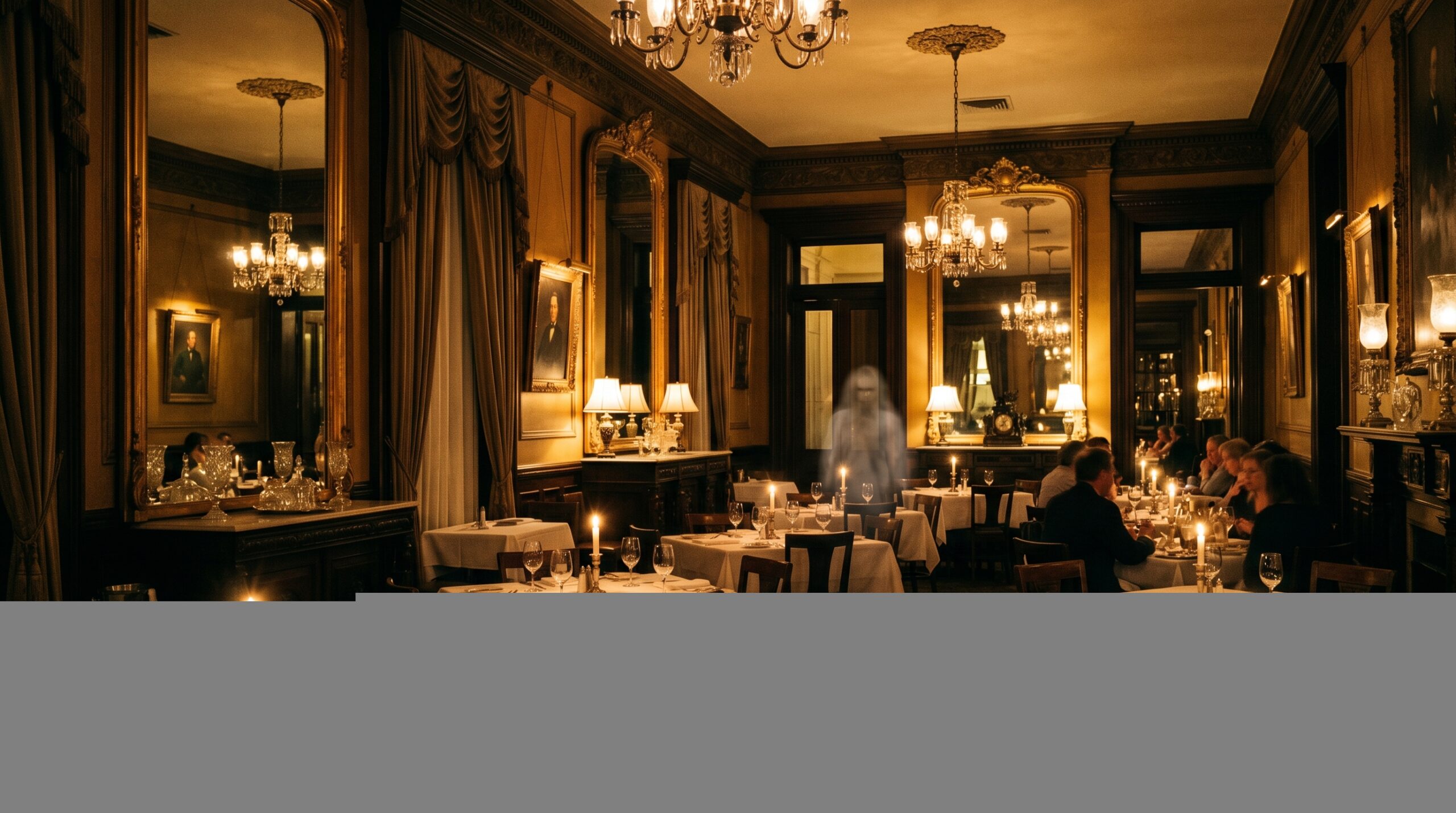
    Antoine’s Restaurant is the kind of place that seems built to attract a ghost story even before anyone lifts a camera. It is one of New Orleans’ most famous old dining rooms, wrapped in the French Quarter’s atmosphere of age, ritual, and rumor. Now it has become the setting for a viral image sequence after a Reddit post shared three photos reportedly taken in succession at Antoine’s and asked whether one of them captured a ghostly figure.

    The honest answer is more restrained than the comment sections. The photo sequence is real in the basic sense that people are sharing an actual set of images from a recognizable place, and the middle of the claim is easy to understand: in one frame, some viewers believe they can make out a faint person-shaped form that seems absent, or at least far less obvious, in the others. But as evidence of an apparition, the case is disputed and weak. What the public version shows is an ambiguous visual anomaly in a dim historic interior, not proof that a spirit stepped into the room.

    People are talking about it now for obvious reasons. The Reddit thread gained strong traction, New Orleans already carries a global reputation for hauntings, and Antoine’s has exactly the right blend of elegance and age to make a strange image feel culturally preloaded. The available evidence, though, points in a more familiar direction. A human-like shape appears to emerge in one photo of a short sequence, and that is precisely the kind of circumstance where reflections, brief movement, low-light rendering, and plain old pattern recognition can do persuasive work.

    What is the Antoine’s ghost photo people are sharing?

    The viral claim centers on a short sequence of three photographs said to have been taken one after another inside Antoine’s Restaurant in New Orleans. In the online telling, two of the images appear ordinary while one seems to contain an extra figure or pale form standing in the scene. That is enough to trigger the classic ghost-photo reaction: zooming in, circling shadows, comparing frames, arguing over posture, clothing, and whether the “person” looks transparent.

    A sequence like that always gives a case a little extra dramatic force. One image can be dismissed as a blur or a trick of lighting. Three images, especially when presented as consecutive shots, suggest a before-and-after puzzle. If the figure only appears once, viewers naturally start asking what entered the frame and then vanished.

    But that same detail cuts both ways. A one-frame appearance is not what only a ghost would do. It is also what reflections do. It is what a passing diner or server can do in low light. It is what a phone camera can do when exposure shifts from one shot to the next. A sequence can make an image more interesting without making it much more conclusive.

    That is where this case seems to live. The appeal is immediate. The evidentiary value is limited.

    Why Antoine’s carries so much haunted weight

    To understand why this image spread so quickly, it helps to understand the setting. Antoine’s is not just a restaurant; it is one of those New Orleans institutions that feels stitched into the city’s self-mythology. Historic restaurants in the French Quarter are never just places to eat. They are memory theaters: rooms full of old mirrors, heavy drapery, polished surfaces, family history, formal service, and the sense that many lives have passed through before yours.

    New Orleans has spent generations turning that atmosphere into cultural language. Ghost tours, haunted-hotel lore, stories of old residences and courtyards, whispered accounts tied to bars and dining rooms—these are not fringe additions to the city’s image. They are part of how visitors and even many locals are taught to read the place. In New Orleans, a strange sound in a new building might be a plumbing issue. In an old French Quarter room, it arrives already dressed as a story.

    Restaurants carry a particular kind of supernatural charge because they are intimate public spaces. People linger in them. They celebrate in them. They return year after year. Staff and patrons build up layers of anecdote. Candlelight, mirrors, glassware, framed portraits, and low interior light all contribute to the sense that a room has depth beyond what the camera catches cleanly. Even without believing in ghosts, most people understand why a historic restaurant would feel more haunted than, say, a chain store parking lot.

    That matters here. Antoine’s did not become viral only because of what appears in the image. It became viral because of where the image was taken.

    What does the three-photo sequence actually show?

    Publicly, the claim is not especially complicated. Viewers compare the three shots and focus on a section of the room where one image seems to contain a human-shaped form. Depending on how the image is cropped, compressed, or brightened, the shape can read as a person in old-fashioned attire, a pale torso, someone standing half out of frame, or simply a patch of contrast that begins to resemble a body once the viewer is told what to look for.

    That last point is crucial. Human beings are astonishingly quick to identify bodies, faces, and posture. It is one of the brain’s great survival shortcuts. We do not wait for complete information if a scene offers even partial cues—a shoulder-like slope, the suggestion of a head, the contour of arms, a patch of darkness where legs should be. We assemble the rest almost instantly.

    This tendency, often discussed under the broad umbrella of pareidolia, does not mean people are foolish. It means people are normal. The same mental habit that lets us recognize a friend across a room from almost no detail can also convince us that random visual noise forms a person. In a haunted setting, with a caption already framing the image as possible evidence, that tendency becomes even stronger.

    So what does the sequence prove? Very little. It shows that one frame in a set looks odd enough to invite comparison. It does not show that the “figure” was an independent being in the room.

    Could a camera artifact create a ghostly person?

    Yes, and that is probably the most important thing to keep in mind.

    Historic restaurant interiors are unusually good at producing deceptive images. They tend to contain reflective surfaces, layered lighting, low ambient illumination, moving people, polished wood, glass, mirrors, metallic decor, and deep shadows. Modern phone cameras are powerful, but in exactly these conditions they also make interpretive choices on the fly—blending exposures, brightening darker regions, sharpening edges, suppressing noise, and sometimes turning a fleeting visual event into something stranger than the eye itself perceived.

    Several ordinary mechanisms could produce a one-frame “ghost” effect:

    • A person briefly crossing part of the scene. If someone moved just outside the photographer’s main awareness, the camera might capture only part of that body, softened by motion or dim light.
    • A reflection from glass or a mirror. Historic dining rooms often contain surfaces that bounce fragments of the room back into the image from angles the photographer is not consciously tracking.
    • Exposure differences between successive shots. In low light, small changes in camera settings can cause a shadowed area to open up or flatten, making a shape appear and disappear.
    • Image stacking and computational processing. Phone cameras often combine information rapidly, and those decisions are not always intuitive when people or reflective highlights are involved.
    • Compression and reposting artifacts. Once an image moves through social platforms, details can harden, smear, or block up in ways that make ambiguous forms look more distinct than they were in the original.

    None of these explanations is glamorous, but all of them are common. More importantly, they are common in exactly the kind of scene Antoine’s appears to provide.

    Why one strange frame can feel more persuasive than it is

    A ghost image only has to do one thing well: suggest a person without fully resolving into one. If it is too vague, it gets ignored. If it is too sharp, people start looking for signs of editing or staging. The most durable paranormal photos usually occupy the middle ground, where the shape is clear enough to feel intentional and unclear enough to resist being settled.

    For outside reporting and background, start with The Reddit thread sharing the Antoine’s photo sequence and NOLA.com on the city’s haunted restaurants.

    That is why sequences like this spread so effectively. They invite the viewer to become a detective. You compare the photos. You look for what changed. You start treating the anomaly as a clue rather than as a flaw in the image. And once that process begins, the room’s atmosphere does the rest.

    New Orleans gives such images an extra charge because the city is already culturally legible as haunted. A similar anomaly in a convention-center lobby might get shrugged off. At Antoine’s, it feels like confirmation of something the setting has been hinting all along. The location does narrative work before the evidence does factual work.

    This is also why haunted-venue images so often outlive stronger but duller explanations. People do not remember the histogram or the shutter behavior. They remember that it happened in New Orleans, in an old restaurant, in a room that looked like it had seen a century of toasts and farewells.

    Does Antoine’s history make the ghost claim stronger?

    Only in the loosest cultural sense.

    Antoine’s long history and New Orleans’ wider haunted reputation absolutely help explain why the images resonated. They provide context, mood, and symbolic weight. They also mean many viewers come to the photo already primed to accept the possibility that the room contains more than the living.

    But a location’s reputation does not authenticate a specific image. A building can have decades of ghost stories attached to it and still produce a completely mundane photograph. In fact, famous haunted locations often generate weaker evidence rather than stronger evidence because expectation shapes interpretation so aggressively. People notice every creak, every reflection, every odd shadow. Once a place is known for hauntings, ordinary anomalies stop arriving as ordinary anomalies.

    That does not make the lore irrelevant. The lore is part of the story. New Orleans’ haunted-restaurant culture has real cultural force. It affects tourism, memory, storytelling, and how people inhabit historic spaces. But it should be treated as context, not as proof.

    What would make this case more convincing?

    If someone wanted to move this from viral curiosity to something more substantial, the next steps would be technical, not mystical.

    The strongest upgrades would include the original image files, not screenshots or compressed reposts; metadata showing exact timestamps and device details; a clear reconstruction of where the photographer stood for each shot; documentation of mirrors, windows, reflective frames, or glass in the room; and testimony from anyone else present about whether another diner or server briefly entered the scene.

    It would also help to know whether the figure-like shape appears only in one compressed version or also in the highest-quality original. Sometimes an anomaly grows more convincing as a picture degrades, which is the opposite of what you would want from real evidence.

    Without those details, outside viewers are left doing what internet viewers always do: interpreting from the copy of the copy. That can sustain fascination, but it cannot support much confidence.

    Why people keep staring at the image anyway

    Because it lands in the exact sweet spot where a ghost story becomes pleasurable to think about.

    The sequence does not look absurd. It does not collapse instantly into an obvious prank. It offers just enough shape, just enough place-specific mood, and just enough uncertainty to keep the mind circling. If you are inclined to believe, it feels like a fleeting capture of something that should not be there. If you are skeptical, it still presents a satisfying visual puzzle.

    And beneath both reactions is something older than internet virality. People have always been drawn to the idea that certain places store emotion, memory, or residue. Restaurants like Antoine’s intensify that intuition because they are built around repetition: the same rooms, the same rituals, generations of arrivals and departures. Even people who do not believe in spirits often speak as if old rooms absorb human presence.

    A photo like this hooks us because it seems to offer a tiny rupture in the ordinary record. The camera, that supposedly indifferent witness, appears to have caught more than the eye meant to. Whether the cause is paranormal or photographic, the emotional effect is the same for a moment: the room looks less empty than it should.

    So is it a ghost?

    Probably not in any evidentiary sense that would satisfy a careful observer.

    The most responsible conclusion is that the Antoine’s Restaurant sequence is an intriguing but unverified set of images from a location already famous for haunting lore. The “figure” could be a reflection, a transient person-shaped blur, a low-light artifact, or a case of viewers assembling a body out of incomplete visual information. Nothing publicly available rules those explanations out, and nothing publicly available pushes the image beyond them.

    A third useful reference is Antoine’s official history page.

    That is less dramatic than declaring the case solved either way. It is also more honest. The picture sequence is not worthless; it tells us something real about how haunted imagery works, why New Orleans remains such fertile ground for supernatural stories, and how quickly a single odd frame can become a collective experience online. What it does not tell us, at least not yet, is that a ghost at Antoine’s has been photographed.

    Readers who want to continue can also explore Heaven’s Gate Website Still Online? The 1997 Cult Site That Never Went Away.

    If the image endures, that will likely be the reason. Not because it proves the impossible, but because it captures the much more familiar moment when atmosphere, expectation, and ambiguity lock together perfectly. In a city like New Orleans, sometimes that is all a ghost story needs.

  • Skinwalkers Caught on Camera? What Viral Videos Usually Show

    Skinwalkers Caught on Camera? What Viral Videos Usually Show

    The short answer is no: viral “skinwalkers caught on camera” clips almost never amount to credible proof that a supernatural shape-shifter has been filmed. Most are murky, unverified videos—something moving strangely at the edge of headlights, an animal glimpsed in bad light, a staged scare, an edited short, or footage too chaotic to assess with confidence. But that does not make the phenomenon uninteresting. What these clips reveal, more often than anything paranormal, is the collision between a real Indigenous tradition, internet horror culture, and the very human tendency to find certainty inside a blur.

    That tension is why the subject keeps resurfacing. A skinwalker, in its original cultural context, is not just another spooky creature from a comment section. The online version of the term has drifted into a catch-all label for anything in the dark that looks wrong. To understand why these videos spread so quickly—and why they feel persuasive in the moment—you have to separate the folklore, the internet mythology, and the evidence.

    For more context on the broader mystery, see Heaven’s Gate Website Still Online? The 1997 Cult Site That Never Went Away and Ancient Demon Traps in Mesopotamia? The Bowls Buried Beneath the House.

    What a skinwalker means in traditional belief

    When people online say “skinwalker,” they are usually borrowing a term from Navajo tradition. In that context, it refers to a malevolent witch associated with taboo acts, harmful power, and transformation. It is not a generic monster category, and many Navajo people have made clear that outsiders often sensationalize the idea, strip it from its cultural meaning, and turn it into entertainment.

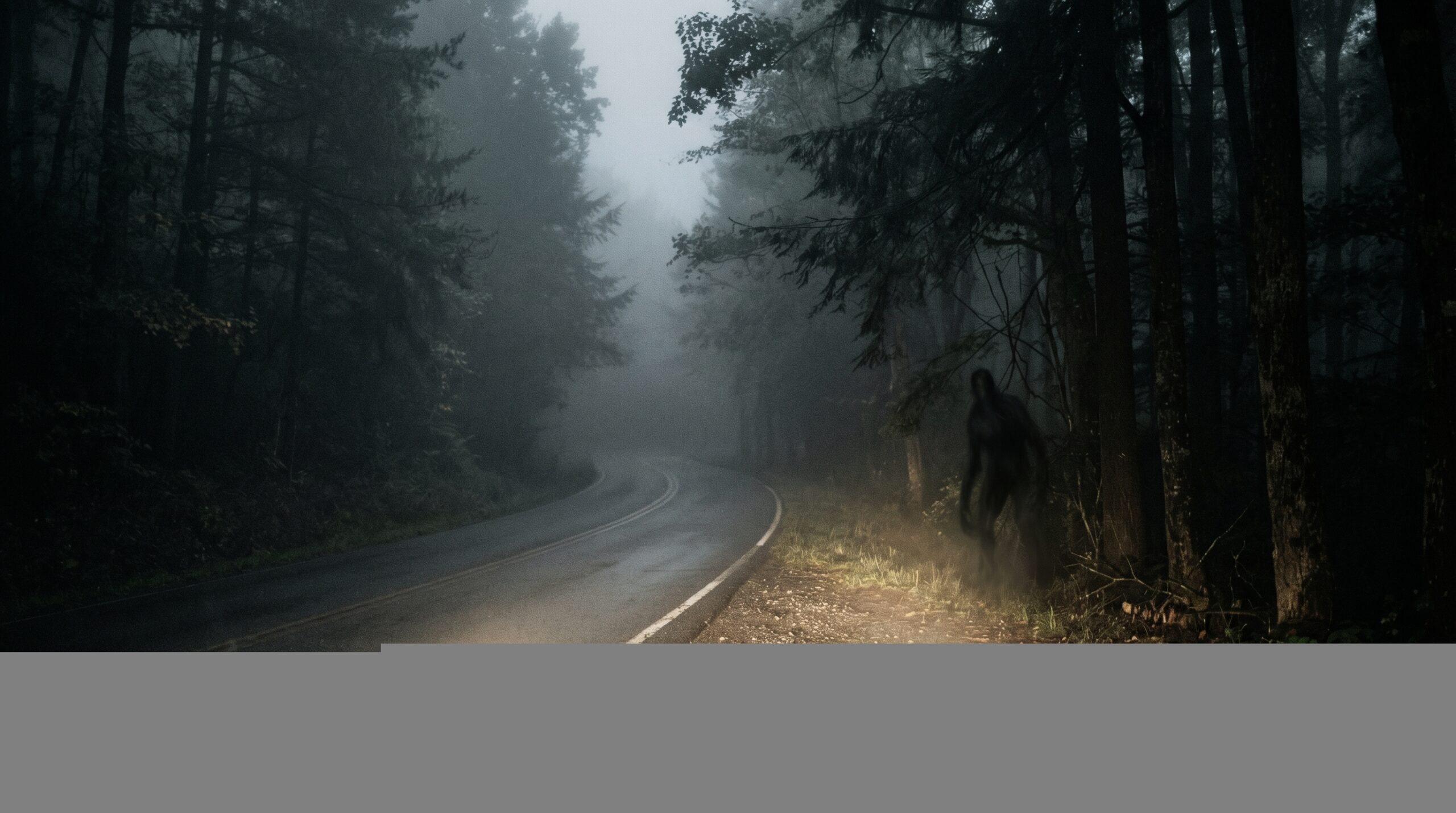
    That distinction matters. Much of what circulates online under the skinwalker label has only a loose connection, if any, to the original belief. On social media, the word now gets applied to almost anything uncanny: a deer moving strangely, a figure crouched beside a road, an animal with mange, a face warped by headlights, or a prank video with distorted audio and a hard cut at exactly the right moment. In practice, “skinwalker” has become shorthand for a particular feeling—something almost familiar, and therefore deeply unsettling.

    So if the question is whether skinwalkers are really being caught on camera, the first honest answer is this: the traditional belief is real as a matter of culture and spiritual tradition. The viral video category is something else entirely, shaped far more by modern folklore than by documented supernatural evidence.

    Why so many videos get labeled that way

    The phrase “caught on camera” sounds decisive before a viewer has seen a single frame. It suggests proof, or at least a breakthrough. Then the footage begins: night woods, a shaky beam of light, someone breathing too hard behind the phone. By the time the clip ends, the label has already done half the work.

    Most videos described as skinwalker footage share the same anatomy:

    • poor lighting or night filming
    • sudden zooms and shaky camera movement
    • a subject visible only briefly
    • distorted, amplified, or emotionally charged audio
    • an isolated setting such as a roadside, field, or tree line
    • an abrupt ending before the viewer can fully orient themselves

    Those details are not just common; they are ideal conditions for mythmaking. Ambiguity invites interpretation. A deer moving awkwardly because it is startled, injured, or caught mid-turn can look eerily wrong for a split second. A person crawling, twitching, or framed from an odd angle can seem inhuman with very little encouragement. Once viewers enter the clip expecting horror, their minds begin filling in the missing pieces.

    Why Appalachia keeps getting pulled into the story

    Appalachia is not the traditional home of skinwalker belief, yet it has become one of the internet’s favorite backdrops for skinwalker stories. That says less about Navajo tradition than it does about the way online horror works.

    In the popular imagination, Appalachia already carries a heavy atmosphere: narrow roads, deep woods, old mountains, isolated homes, inherited lore, and the feeling that some places are best left alone. Social media has exaggerated those qualities into a ready-made stage set. Once that happened, videos from the region began attracting imported labels, including “skinwalker,” even when the original folklore behind the term had nothing to do with Appalachia.

    This blending reflects a broader internet habit. Regional ghost stories, cryptid legends, witch beliefs, and Indigenous traditions get folded together into one giant supernatural mood board. The result is a flood of “Appalachian skinwalker” stories that may feel vivid and persuasive while remaining culturally imprecise. Often, they tell you more about how digital folklore spreads than about any one tradition on its own terms.

    What skeptics usually think they are seeing

    For all the dread these clips can generate, the skeptical explanations are often strikingly ordinary.

    Common explanations include:

    • ordinary animals filmed from poor angles
    • deer, coyotes, dogs, or bears affected by disease or injury
    • low-light distortion and phone-camera compression
    • staged or edited clips designed to go viral
    • people performing for the camera
    • misidentified sounds, especially foxes, bobcats, deer, and owls

    The sound element matters more than many viewers realize. A scream in the woods can feel like instant proof that something unnatural is nearby, but several common animals produce calls that sound almost absurdly eerie. Foxes can sound uncannily human. Deer can make harsh, explosive noises. Owls and other night birds can create calls that, stripped of context, feel tailor-made for a horror soundtrack.

    The same goes for the visuals. A mangy coyote in poor light, a deer half-turned in headlights, or a person lit by one moving flashlight can look grotesque on a phone screen. Add compression artifacts, a caption that frames the scene as forbidden evidence, and a few panicked reactions in the comments, and the mundane explanation can lose the race almost immediately.

    Why the footage still feels convincing

    Even when a rational explanation is available, these videos often land with a real jolt.

    Part of the reaction is biological. Human beings are wired to detect threat quickly, especially in low visibility. If something in the dark moves in a way that seems off, the brain reacts before it analyzes. Better to overread danger than miss it.

    Part of it is cultural. Horror films, creepypasta, paranormal television, and short-form video have taught viewers a recognizable visual language of dread: jerky movement, too-still faces, limbs that seem too long, animal behavior that reads as strangely deliberate, a sudden cry from just beyond the frame. Phone footage can reproduce those cues by accident. Once it does, viewers are already halfway into the story.

    And then there is the crowd effect. People rarely watch these clips alone anymore. They watch with captions, reposts, stitched reactions, and comment sections full of certainty. Once thousands of viewers insist a video shows a skinwalker, the label becomes sticky. The clip stops being raw footage and starts becoming collective narrative.

    Readers who want to compare this story with outside reporting can start with Wikipedia on the skin-walker tradition and Britannica on the Navajo people.

    How much of this is modern folklore?

    A great deal of it.

    Folklore is not only the old stories passed down around fires or preserved in archives. It is also what people repeat, reshape, and invest with meaning in the present. By that standard, “skinwalkers caught on camera” is one of the internet’s most efficient folklore machines.

    A clip appears. Someone supplies the label. Others add warnings, secondhand accounts, and bits of supposed local knowledge. Soon the video is no longer just a fragment of unclear footage. It becomes part of a shared story world, with its own familiar beats: the lonely road, the bad signal, the headlights, the thing that looks almost human, the terrified whisper, the cut to black.

    That does not make the phenomenon false in a cultural sense. On the contrary, it shows how myths are still being built in public, one upload at a time. The supernatural claim may be weak, but the folklore is very real.

    The trouble with using one word for every eerie sighting

    There is also a cost to how casually the term gets used. Treating every unsettling video as a “skinwalker” sighting erases the specificity of the Navajo concept and flattens other local traditions as well. Appalachia has its own body of ghost stories, strange-animal tales, death omens, and haunted-place lore. Rural America more broadly is full of stories about shapeshifters, witches, mimic voices, and unnamed things in the woods. Those traditions may share a mood, but they are not interchangeable.

    The internet tends to collapse them anyway because shorthand spreads faster than nuance. One familiar label can travel across platforms in minutes. A careful explanation rarely does. But if the goal is understanding rather than just a thrill, that shortcut leaves too much out.

    Has any skinwalker video been proven authentic?

    No widely circulated skinwalker video has emerged as clear, independently verified proof of a supernatural shape-shifter. That is the simplest and most accurate answer.

    Some clips remain unresolved in the weaker sense that no one can say with certainty what appears in them. But unresolved is not the same as paranormal. In many cases, the footage is simply too poor to analyze well. And when that happens, uncertainty tends to benefit the most dramatic explanation, because mystery is shareable in a way ordinary answers are not.

    That pattern shows up across paranormal media. Lack of closure is often treated as evidence, when it usually means the evidence is not strong enough to support a conclusion at all.

    Why people keep looking anyway

    Because the fear at the center of these clips is an old one.

    A creature that imitates the natural world while getting something subtly wrong is one of horror’s most durable ideas. It touches a deep unease: that the familiar can be worn like a disguise. The skinwalker label intensifies that fear because it implies intention. Not just a shadow in the woods, but something watching, choosing, and presenting itself in the wrong shape.

    That is part of why these videos thrive in short-form feeds. They do not have to hold up under careful scrutiny. They only have to trigger recognition, dread, and curiosity for a few seconds. For that brief window, they can feel overwhelmingly persuasive.

    What remains uncertain

    What is not uncertain is that social media holds a vast archive of eerie, low-quality footage. It does. What remains uncertain is whether any particular clip captures something beyond misidentification, performance, editing, or visual distortion. So far, the public evidence does not support that conclusion.

    There is also a more cultural kind of uncertainty worth acknowledging. In communities shaped by strong local traditions, some people do not treat these subjects as entertainment at all. They may not want to debate them, document them, or define them neatly. They may simply avoid certain stories, certain places, or certain names. That does not validate the viral videos, but it does help explain why dismissive coverage can miss the seriousness folklore still carries for the people closest to it.

    What to believe when a clip goes viral

    Start with caution. Ask what the video actually shows before accepting the caption that arrived with it. Look at the lighting, distance, movement, sound, possible edit points, and whether the source can be traced. Be especially skeptical of footage presented as instant proof.

    It also helps to notice what the clip is doing psychologically. Most viral skinwalker videos spread not because they establish facts, but because they combine old fears, cultural shorthand, and digital ambiguity into a format built to travel.

    If you want to keep going, Oarfish Sea Serpent Theory: Could This Deep-Sea Fish Explain the Legend? expands the picture from another angle.

    So no: there is no solid body of footage proving that skinwalkers have been caught on camera. What exists instead is a growing archive of modern legend-making—real tradition at the root, internet distortion layered over it, and a very old fear lingering at the center of the frame. That may be less sensational than the caption promises, but it is the more honest story.

  • St. Mary’s Paranormal Pajama Party Shows How Haunted Tourism Is Evolving

    St. Mary’s Paranormal Pajama Party Shows How Haunted Tourism Is Evolving

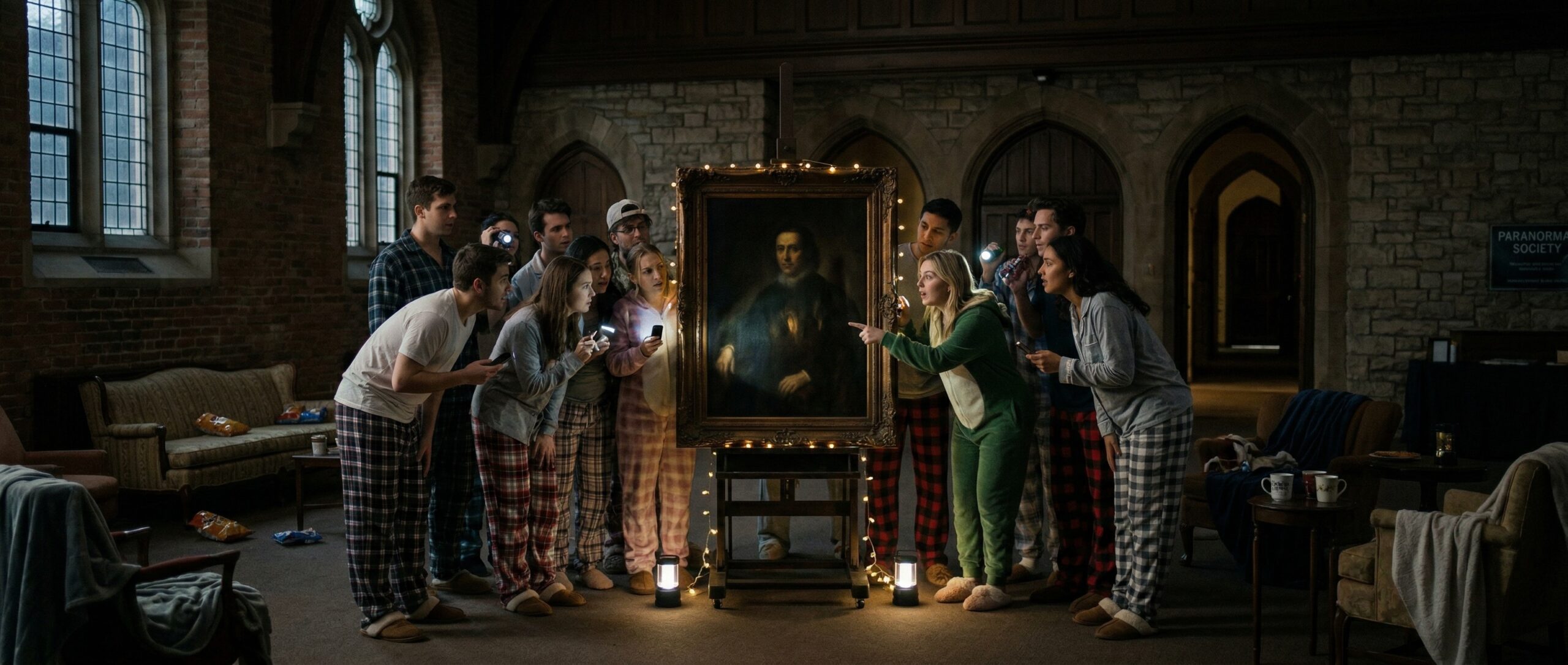
    There was a time when haunted tourism mostly meant walking through an old building, hearing a few stories, and leaving with a souvenir. Events like the Paranormal Painting Pajama Party at St. Mary’s Art Center in Virginia City, Nevada show how much that formula has changed. This is no longer just about listening to ghost lore. It is about staying overnight, participating in an investigation, making art from the experience, and turning the entire evening into a personal story.

    According to The Comstock Chronicle, St. Mary’s Art Center partnered with Women Investigating Ghost Sightings for the March 27–29 event. Guests were invited into the historic building after hours for structured paranormal investigation and an overnight stay, then encouraged to create artwork inspired by the mood of the building and whatever they believed they experienced there. It sounds playful on the surface, but it says a great deal about where paranormal culture is heading.

    A haunted experience built around participation

    St. Mary’s is unusually well suited to this kind of event. The center operates inside a former 1876 hospital, which gives it emotional weight before any ghost story is told. Old hospitals naturally attract narratives of unfinished business, loss, and residual presence. They feel different from ordinary historic homes because their original purpose was already bound up with vulnerability and crisis.

    The building’s present identity adds another layer. St. Mary’s Art Center is both a preservation site and a creative space, which makes the pajama-party format more than a gimmick. The event combines investigation with artistic response, turning the night into something part ghost hunt, part sleepover, part workshop. Guests are not just being shown a haunting. They are being asked to interpret it.

    Why haunted tourism is changing

    This matters because it reflects a broader transformation in the paranormal economy. Audiences increasingly want more than passive consumption. They do not just want to hear that a place is haunted; they want to enter it after dark, test the claim for themselves, compare impressions with strangers, and leave with evidence, artwork, or at least a memorable story. The experience itself becomes the product.

    That model fits perfectly with contemporary digital culture. An ordinary ghost tour may be enjoyable, but an overnight paranormal painting event inside a historic hospital is highly shareable. It gives visitors a narrative arc, visual texture, and social-media-friendly details from the moment they arrive. Pajamas soften the tone, ghost hunting adds suspense, and the art-making component gives attendees something tangible to carry home beyond photos or video clips.

    It also shows how operators are broadening the audience for paranormal events. Traditional ghost tourism often targets dedicated believers, history buffs, or Halloween-season visitors. An event like this reaches all of them while also appealing to people who like immersive experiences, creative workshops, and destination travel with an offbeat edge. Haunted tourism is becoming less siloed and more hybrid.

    The business of atmosphere

    Virginia City has long understood how to market its mining-era history, and St. Mary’s fits neatly into that larger landscape. The town’s appeal is built on a mixture of preserved architecture, Old West identity, and persistent legends of hauntings. What the Paranormal Painting Pajama Party adds is a newer kind of event design: not simply presenting a haunted location, but packaging it as an interactive themed environment. That is a different business strategy from the older museum-or-walking-tour model.

    The concept also reflects the growth of what can fairly be called the paranormal experience economy. Across the United States, historic buildings and folklore-rich destinations are increasingly being monetized through immersive overnight events, paranormal investigations, themed dinners, and niche retreats. What once lived at the edges of tourism now behaves like an adaptable event category.

    That does not make the supernatural claims any more or less true. What it does change is the way audiences relate to them. The visitor is no longer a spectator watching a ghost story from the outside. They are placed inside the story and encouraged to participate in producing its meaning.

    Why this format appeals right now

    The St. Mary’s event works because it understands a modern audience’s appetite for mood, novelty, and self-directed mystery. It offers fear without overwhelming darkness, creativity without abandoning the paranormal hook, and enough intimacy to make the night feel personal. That combination is powerful. It turns haunting from a fixed tale into a social experience people can narrate afterward as their own.

    In that sense, the Paranormal Painting Pajama Party is not just a quirky local event. It is a sign of how haunted culture is evolving. The future of paranormal tourism may not belong only to the loudest ghost tours or the scariest haunted houses. It may belong to places that can create more layered, participatory, emotionally textured experiences around the same old question: what, if anything, is still here?

    Related Articles

    This article was created using Media Blaster – Your content production specialist. Visit www.mediablaster.io for more information.

  • Annabelle in Salem? Why the Warren Museum Story Is Exploding Online

    Annabelle in Salem? Why the Warren Museum Story Is Exploding Online

    Few paranormal stories spread faster than one involving Annabelle, the allegedly haunted doll long linked to Ed and Lorraine Warren. The latest twist is almost too perfectly calibrated for the internet: a proposal tied to a new Warren-branded museum could bring the doll to Salem, Massachusetts, the country’s most recognizable city for witchcraft lore and supernatural tourism. That possibility has turned a local planning story into a national obsession.

    At the center of the buzz is a proposal for The Haunted Warren Museum at 259 Essex Street in Salem. Reporting from Hearst Connecticut Media’s Middletown Press says city discussions moved forward on March 26, with plans that reportedly include 14 exhibit spaces dedicated to paranormal artifacts from around the world. The project has also drawn attention because it reportedly involves creator and entertainer Elton Castee through Haunted Warren Museum, LLC, giving the story a modern influencer-era dimension on top of the Warrens’ already famous legacy.

    Why Salem changes the scale of the story

    Annabelle is already one of the few occult objects that exists far beyond ghost-hunting circles. The doll’s reputation was built first through Warren case files and later magnified by books, television, and especially the Conjuring universe. Even people who know almost nothing about paranormal history often recognize the name. Put that level of pop-culture visibility into Salem, and the result is immediate attention from tourists, skeptics, believers, and local residents alike.

    Salem is not just another New England town with a haunted attraction. It is a place where the memory of the 1692 Salem witch trials coexists with a massive tourism economy built around the supernatural, folklore, and dark history. That makes the city an unusually potent backdrop for a Warren museum. A haunted object exhibit might feel niche somewhere else; in Salem, it becomes a direct addition to an already mature ecosystem of ghost tours, museums, seasonal events, and occult branding.

    The real issue is bigger than one doll

    That is why the proposed move has generated so much debate. Annabelle may be the headline magnet, but the deeper story is about what happens when legacy paranormal mythology meets city permitting, neighborhood concerns, and a hyper-commercial tourism district. According to the reporting around the proposal, discussion has focused less on whether the artifacts are genuinely supernatural and more on practical matters such as operating hours, crowd flow, security, and the effect a high-profile occult attraction could have on the surrounding area.

    In other words, this is not simply a ghost story. It is a story about how a famous paranormal brand attempts to scale into a destination business. The Warrens remain central figures in American haunting mythology, but their legacy now exists inside a much more contemporary media landscape, one shaped by viral clips, creator-driven promotion, and fandom culture. That combination makes the Salem museum proposal feel like a collision between old-school demonology lore and the logic of modern entertainment IP.

    Why Annabelle still works as a cultural symbol

    Part of the reason the story has caught fire is that Annabelle functions as an unusually efficient symbol. The real artifact associated with the Warrens is a Raggedy Ann doll, while the film version transformed the concept into something far more visibly sinister. The gap between the historical object and the cinematic icon has only made the legend more durable. It allows believers to attach meaning to the original case while casual audiences respond to the broader mythology popularized by mainstream horror media.

    That kind of recognition matters in tourism. A museum full of lesser-known cursed items might draw dedicated paranormal fans, but Annabelle is the object that cuts through to everyone else. She is instantly legible, visually memorable, and easy to package in headlines, thumbnails, and social media debates. Salem, meanwhile, is one of the few places in the United States where that recognition can be converted almost immediately into foot traffic.

    The backlash is part of the attraction

    Stories like this also feed on resistance. The more residents worry about traffic, spectacle, or the continued commercialization of Salem’s supernatural identity, the more attention the museum receives. That tension keeps the story moving because it creates two narratives at once: a paranormal tourism expansion for fans and a civic debate for everyone else. The controversy is not separate from the attraction. It is part of what gives the museum proposal its public energy.

    There is also a broader question underneath the arguments about zoning and operations. What exactly is a Warren museum in 2026 supposed to be? Is it a preservation effort for artifacts tied to one of America’s most famous paranormal families, a theatrical attraction built for tourists, or a hybrid of both? Salem is an ideal place for that question because the city has spent decades navigating the line between historical memory and supernatural spectacle.

    What happens next

    For now, the proposal’s significance lies in how neatly it captures the current state of paranormal culture. Haunted objects are no longer just relics from old case files. They are brands, attractions, conversation pieces, and engines for viral storytelling. If Annabelle does end up in Salem, the city may become an even stronger center of haunted-object tourism than it already is. If the proposal stalls, the attention it has generated still proves the same thing: the American appetite for organized, commercialized encounters with the unexplained is only getting stronger.

    Either way, the story has already escaped the limits of local news. It now sits at the intersection of folklore, business, internet fame, and municipal politics. That is why the idea of Annabelle in Salem has spread so quickly. It does not just sound spooky. It sounds inevitable.

    Related Articles

    This article was created using Media Blaster – Your content production specialist. Visit www.mediablaster.io for more information.

  • Is Syracuse University Haunted? Why the Campus Ghost Story Keeps Growing

    Is Syracuse University Haunted? Why the Campus Ghost Story Keeps Growing

    Syracuse University does not trade on a single defining ghost story in the way some older campuses do. What gives the school its reputation is something more durable: a steady accumulation of eerie claims, historic buildings, cemetery lore and student testimony that keeps the question alive from one class year to the next. A recent Daily Orange feature gave that conversation fresh momentum by treating the campus as neither a joke nor a proven paranormal hotspot, but as a place where enough unsettling stories circulate to make the label stick.

    That framing matters. The modern internet loves a haunting that feels close at hand. A ruined asylum is atmospheric, but a working university is more relatable: late nights, old stone buildings, half-believed rumors, and the kind of emotional intensity that makes every odd sound feel loaded. Syracuse fits that pattern unusually well.

    Why Syracuse keeps attracting ghost lore

    Part of the answer is physical. Syracuse University has the kind of architecture that naturally collects legend. The Hall of Languages, the first building constructed on campus, dates to the early 1870s and still anchors the university with its Second Empire silhouette, towers and long institutional memory. Crouse College, with its dramatic Victorian Gothic look and castle-like presence, only deepens that atmosphere. Even before any ghost story is told, the setting does some of the work.

    Then there is proximity. Syracuse students are not walking through a sealed-off academic museum. They move through a living city with its own folklore, and one of the most persistent local touchpoints is Oakwood Cemetery, the historic cemetery bordering the university area. It has long been part of the city’s haunted reputation, which means campus lore never stays confined to lecture halls and dorms. The edge between university life and local legend is thin.

    That is why Syracuse ghost talk tends to spread as a network rather than a single headline mystery. A sound heard in one residence hall, a figure glimpsed near an older building, a strange feeling during a walk by the cemetery, an upperclassman retelling an old story to a first-year student — this is how campus mythology survives. It moves socially before it moves journalistically.

    A campus haunting built on repetition, not proof

    The most interesting thing about Syracuse’s paranormal reputation is that it does not depend on a definitive case file. It grows through repetition. Students arrive, hear that certain places are “known” for activity, test the claim for themselves and then add new details, skeptical or not. That cycle is more powerful than one dramatic incident because it keeps the story current.

    The Daily Orange piece captured that well by approaching the subject as a ghost-hunt question rather than a solved mystery. That tone mirrors how many people now engage with paranormal claims online. They do not necessarily need to believe in a full supernatural explanation. They just need enough uncertainty for the story to remain entertaining, discussable and a little unnerving.

    Universities are perfect environments for that kind of folklore. Students are sleep-deprived, stressed, socially primed for suggestion and constantly occupying spaces with layered histories. A creaking stairwell or an unexplained noise in a high-rise dorm can become a shared narrative almost instantly. Once that narrative sticks, every new class inherits it.

    Why haunted-college stories resonate now

    Syracuse is part of a broader shift in how paranormal stories circulate. Haunted places are no longer just isolated tourist attractions with ticket booths and velvet ropes. Increasingly, ordinary institutions with enough age, symbolism and rumor density are treated as active mystery zones. Colleges are especially suited to that because they combine youth culture with ritual, tradition and architecture built to outlast generations.

    That makes the Syracuse story more than a local curiosity. It is also a case study in how belief and atmosphere work online. The question “Is Syracuse University haunted?” invites endless low-stakes participation. Alumni can add memories. Current students can compare rumors. Skeptics can argue that old buildings and suggestion explain everything. Believers can point to the sheer number of recurring claims. Everyone has a lane into the conversation.

    And that is exactly why the story keeps growing. A haunting does not need universal proof to become culturally real. It only needs a setting that feels charged, a body of stories that refuses to disappear, and a community willing to keep asking whether something strange is going on after dark.

    At Syracuse, that formula is already in place.

    Related Articles

    This article was created using Media Blaster – Your content production specialist. Visit www.mediablaster.io for more information.