Category: Strange Tales

  • The Ghost Village of Lübbey: Why a Forgotten Turkish Settlement Keeps Returning in Strangeness Feeds

    The Ghost Village of Lübbey: Why a Forgotten Turkish Settlement Keeps Returning in Strangeness Feeds

    There are hundreds of ghost towns on Earth, and most of them have a clear story. An earthquake leveled them. A mine closed. War drove the population out. But Lübbey, a village tucked into the hills of southwest Turkey, does not have one of those stories. The people left. They left behind their homes, their furniture, and the debris of daily life. And no single catastrophe explains why.

    That absence of explanation is exactly what has made the village a recurring subject on r/HighStrangeness, abandoned-places forums, and the growing online subculture that is fascinated by the geography of disappearance.

    What Lübbey Is

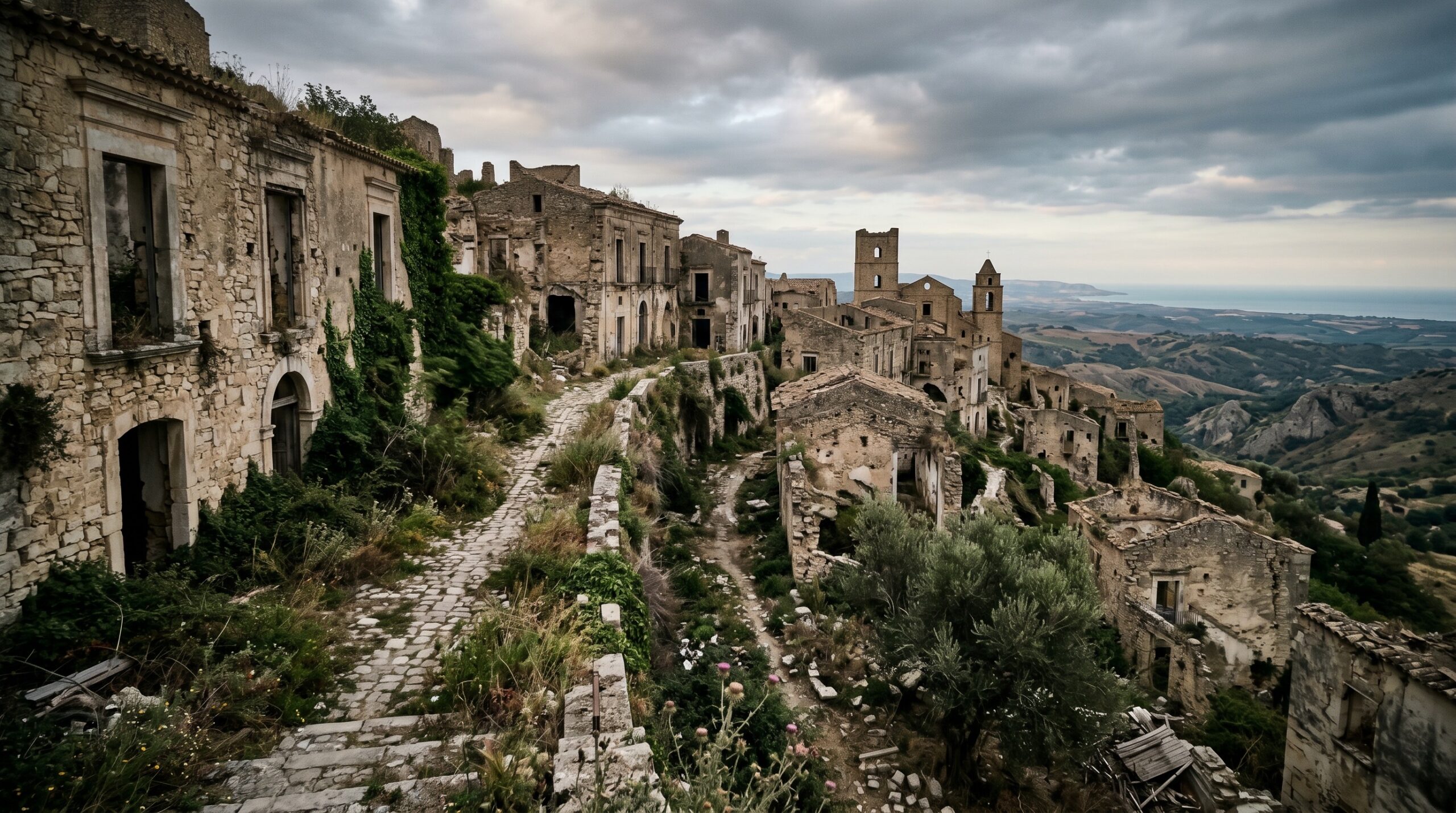
    Lübbey sits in the Muğla province of Turkey, near the tourist coastline that draws millions of visitors every year to resorts, boat tours, and archaeological sites. Step inland, past the beach roads, and you enter a different landscape: old stone houses, crumbling walls, and the kind of structural abandonment that happens when a whole community decides to walk away at once.

    The village is not completely empty. Some structures have collapsed entirely. Others stand with roofs caving in but walls still intact. Inside several of them, you can still see the traces of the people who lived there — broken windows, collapsed floors, and the skeletal remains of lives that ended without the ceremony of evacuation.

    Why It Feels Unsettling

    What draws people to the ghost-village category online is the gap between the physical evidence and the narrative. In most abandoned communities, you can point to a single cause and say, “That is what did it.” In Lübbey, the cause appears to be nothing more than a slow, collective decision that nobody remembers clearly. The younger generation moved toward the coast for work. The older generation followed. And at some point — nobody can say exactly when — the village became a place that people visited rather than lived in.

    But the unsettling quality of the images that circulate — the half-collapsed roofs, the empty stone rooms that still look like someone should be sitting in them — has a way of making the mundane feel like a mystery. There are photographs showing rooms with items still on shelves and walls that still carry wallpaper patterns. The village has not been stripped clean by scavengers. It has been left exactly as it was when the last person walked out. Lübbey sits in the Muğla province of Turkey, a region more famous for its resort towns but its forgotten interior draws its own kind of visitor.

    How It Became an Internet Subject

    Lübbey is not famous. It has no Wikipedia entry in English, no National Geographic feature, no documentary crew has set up inside one of the stone houses overnight. What it has is a post on r/HighStrangeness that described it as “a place the modern world literally bypassed” — and that framing struck a chord. The post earned hundreds of upvotes because the phrase captures something that resonates with people who are drawn to the edges of civilization.

    The idea that there are places where modernity stopped, that a village simply evaporated without a dramatic cause, is unsettling in a way that manufactured haunted houses are not. It is the quietness of the abandonment that makes it interesting. Nobody was driven out by ghosts or curses or chemical spills. They just left. And what they left behind still looks like life frozen mid-sentence.

    The Grounded View

    Here is what is almost certainly true: Lübbey’s abandonment was economic and demographic, not supernatural. Rural depopulation is a documented phenomenon across much of Turkey, particularly in coastal provinces where the tourism economy pulls people away from inland communities. The stone houses were built for a lifestyle that no longer exists. When the younger generation found work in Fethiye or Bodrum, the village lost its reason to exist.

    What this does not explain is the emotional weight of the photographs. Something about seeing the physical remains of a community that quietly dissolved, with its belongings still stacked on shelves and the walls still standing, produces a feeling that is hard to pin down. For people who are drawn to other abandoned places — like the $130 million UAE mansion left to the jinn, or the séance group that may have manufactured its own haunting — the quietness is the point. That feeling keeps the village appearing in strangeness feeds long after any conventional explanation has been offered.

    Whether you think the emotional pull of an abandoned place carries meaning is probably a question you already know the answer to.

    FAQ

    Where is the ghost village of Lübbey? Lübbey is located in Muğla province in southwest Turkey, inland from the Mediterranean coast near Fethiye.

    Why was Lübbey abandoned? The village was gradually depopulated as residents moved to nearby coastal cities for work and modern amenities. No single disaster caused the abandonment.

    Is the village dangerous to visit? Some structures have partially collapsed and the village is largely unmaintained. Visitors should exercise caution when exploring the ruins.

  • Area 51 Earthquake Swarm 2026: 17 Quakes in 24 Hours Over Groom Lake

    Area 51 Earthquake Swarm 2026: 17 Quakes in 24 Hours Over Groom Lake

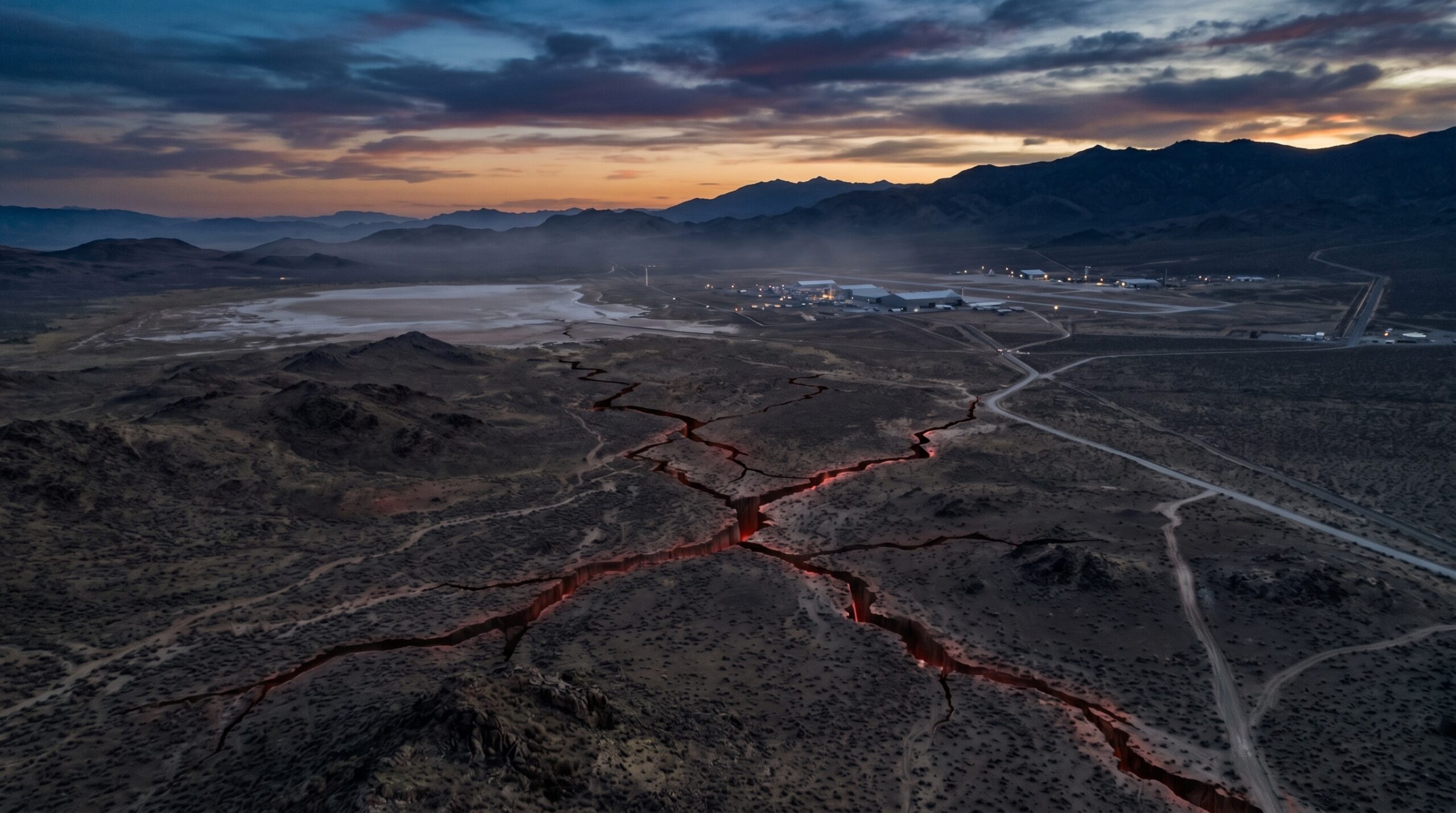
    The ground beneath Groom Lake shook seventeen times in twenty-four hours. Low magnitudes. Tight cluster. One of the most heavily guarded geographic points on the planet, and the earth itself was moving.

    For geologists in Nevada, this was a standard seismic event along the Bare Mountain fault. For the millions of people who have spent the last year watching the Area 51 earthquake swarm unfold in real time, something else entirely. The quakes hit during a period when Congress is actively demanding UFO file releases, when lawmakers say they have seen classified videos of objects that “defy physics,” and when the cultural energy around disclosure is at its highest point in modern memory.

    The timing is what matters here. Not the magnitudes. The timing.

    The Swarm in Numbers

    Newsweek and Popular Science both confirmed the seismic cluster near Area 51 — 17 registered events within approximately 24 hours, all within a tight radius of Groom Lake. Over one hundred people reported feeling the quakes. The USGS aftershock forecast put the probability of another magnitude 3.0 or higher earthquake at 54 percent in the same region.

    The magnitudes themselves were small. Most registered between 2.0 and 3.0 on the Richter scale. Earthquakes of that size would not cause structural damage. They would not be widely felt outside the immediate area. But a swarm — a cluster of tremors concentrated in one location over a compressed timeframe — is different from a single event. A swarm signals that the fault is actively adjusting, that the stress patterns beneath the surface are unsettled.

    The USGS mapped every event. Every coordinate is public. Every tremor sits squarely in the Nevada desert, within miles of the facility that has housed American aerospace testing for over seventy years.

    What the Science Says

    Nevada sits on a complex web of fault lines. The Bare Mountain fault runs through the region west of the Amargosa Valley, and it is known to produce seismic swarms. Seismologists will tell you that a swarm is normal fault behavior — stress accumulates, the rock fractures in multiple small events, the energy releases in a cluster rather than one large rupture.

    It happens throughout the Great Basin. It happens with no connection to human activity. It happens because the ground in that part of Nevada has been moving for millions of years and will continue to move.

    The USGS has a 54 percent forecast for a magnitude 3.0 or greater event in the same area. That means the fault is still adjusting — the swarm may not be over.

    Why the Area 51 Connection Captures People

    There is no geological reason to connect these earthquakes to what happens inside the perimeter fence. But there are a hundred other reasons why people will not treat this as just another fault-line adjustment.

    Area 51 is not a normal coordinate. It is the most famous restricted airspace in the world. It has housed experimental aircraft testing since the 1950s. It is where the U-2 spy plane was validated and where the F-117 Nighthawk was secretly engineered at night. It is the place people reference when they talk about recovered non-human technology — whether that claim is verified or not, the cultural weight of the name carries the story forward regardless.

    When the ground shakes there, the question that forms is not geological. It is narrative. What is happening underground? What testing is in progress? Did something trigger this, or is the earth simply doing what the earth does in Nevada?

    People who track disclosure narratives see another signal in the noise. The earthquakes hit at exactly the moment when congressional representatives are talking about UFO videos in SCIF briefings. When Trump is saying files are coming. When the entire energy around Area 51 and non-human disclosure has reached its highest temperature in years.

    Earthquakes and Military Secrets: A Long History

    The connection between seismic activity and underground military activity is not purely theoretical. The Nevada Test Site — which sits near the same geological region — was the location of hundreds of underground nuclear tests between 1951 and 1992. Each underground detonation registered on seismographs. Some induced their own minor seismic events. The geology of south-central Nevada has been shaped by human testing as much as by natural tectonics.

    There is no public record linking the current swarm to any specific underground activity. There is also no reason to assume the area beneath Groom Lake is geologically quiet. The Bare Mountain fault existed long before the fence went up around Area 51, and it will exist long after.

    The earthquakes have already been connected by conspiracy feeds to the April 2026 Nellis AFB sighting just a few days earlier, creating a narrative of heightened activity across military airspace in Nevada. Within hours, the seismic swarm had generated over 1,100 upvotes and 300 comments focused on what the earthquakes represented, not just where they happened. The conversation was never about the science. It was about the story the science was interrupting.

    The Story Inside the Swarm

    The earthquakes will fade from the news cycle. Like the Iran-Turkey drought weather weapon theory, this swarm will be read through the lens of secrecy. The USGS will publish its standard assessment. The fault will settle or continue settling, and nobody will think about it again until the next cluster.

    But inside the disclosure narrative, the swarm will take on a life of its own. It will become part of the larger story about what is happening at Area 51, about what the base contains, about whether the timing of seventeen earthquakes on one of the most active disclosure weekends of the decade is a coincidence or a surface-level signal of something that has been moving underground for a very long time.

    What Is Actually True

    Seventeen earthquakes occurred near Groom Lake in approximately 24 hours. The USGS confirmed and mapped them. They were low-magnitude events consistent with a seismic swarm on the Bare Mountain fault. Over one hundred people reported feeling them. The USGS forecasts a continued probability of further events in the region.

    None of these facts connect to anything happening inside the Area 51 perimeter. None of them confirm or contradict any claim about what the base contains. What they do represent is a moment when a piece of the earth moved at a moment when the cultural conversation about what is hidden beneath that earth was already at full intensity.

    Believers read it as a signal. Geologists read it as a fault adjustment. Both readings are internally consistent with the facts as they are publicly available. The question of which reading carries more weight depends entirely on how much faith you place in the idea that something important happens — and has always happened — in the closed airspace above Groom Lake.

  • Fresno Nightcrawlers: Why the Walking-Pants Cryptid Is Haunting Feeds Again

    Fresno Nightcrawlers: Why the Walking-Pants Cryptid Is Haunting Feeds Again

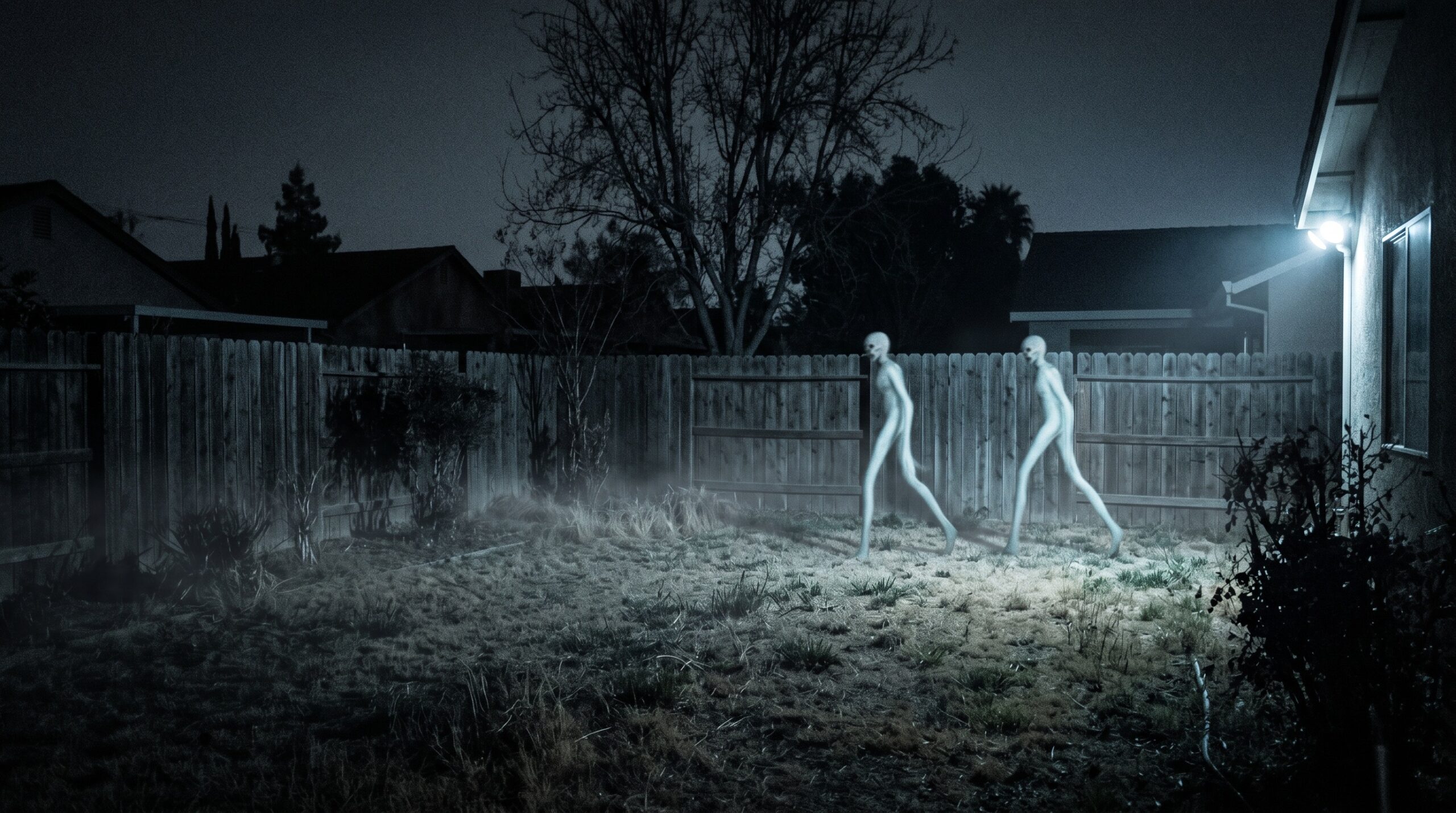
    Some stories do not arrive like normal news. They crawl in through a grainy clip, a half-panicked Reddit post, a search result that feels too fresh to be folklore, and suddenly Fresno Nightcrawlers is not just a phrase on a screen — it is a door cracked open in the wall of ordinary reality.

    That is why this story is moving now. The fresh signal is not a laboratory announcement or a police file; it is the collision of social chatter, search interest, and a believer community already trained to notice patterns before institutions acknowledge them. A current source trail includes a current r/cryptids discussion asking what Fresno Nightcrawlers are, corroborating search visibility through the Fresno Nightcrawlers overview circulating in search, and wider background from TikTok searches for the original Fresno Nightcrawlers video. None of that proves the strangest version of the claim. It explains why people are leaning closer.

    For Unexplained readers, Fresno Nightcrawlers also fits a larger map: recent cryptid sightings, Ohio Bigfoot flap, Loveland Frogman bill. The details change — a creature, a stone, a church warning, a forest road — but the emotional charge is the same. Something old seems to be pushing through a modern feed.

    Why the old footage still feels wrong

    The first thing believers notice is not the evidence package. It is the atmosphere. Fresno Nightcrawlers carries the feeling of a message received from the edge: a report that sounds small until you imagine being there, alone, when the ordinary world stops behaving normally.

    That is the reason the story survives the first skeptical shrug. A strange post can be dismissed in seconds, but a vivid image keeps working on the mind after the tab closes. The shape in the yard, the sound in the trees, the stone that should not fit, the prophecy language that suddenly feels public — these are not just claims. They are scenes.

    The shape that cryptid people cannot file away

    What makes the current wave sticky is specificity. The internet is full of generic mystery bait, but concrete details give believers something to hold: a place, a date, a witness, a source, a visual, a named tradition. Those details become hooks. People argue over them, remix them, search for them, and compare them against older cases.

    A good unexplained story does not need everyone to believe. It only needs enough people to feel that the official category is too small. Once that happens, the story starts behaving less like content and more like a signal flare.

    What skeptics say about the walking-pants video

    Skeptics have a simpler framework. They see social traction, old folklore, misread context, suggestive imagery, and the human hunger for patterns. In many cases, that caution is warranted. Viral mystery culture rewards speed, emotion, and repetition long before it rewards verification.

    But skepticism does not erase the cultural question. Why this story, and why now? Why does Fresno Nightcrawlers keep finding an audience at the exact moment people feel that institutions, science, churches, and media are all leaving something unsaid? That is the layer where the mystery keeps breathing.

    Why the Nightcrawlers keep coming back

    The most grounded reading is this: the current discussion around Fresno Nightcrawlers is real, the sources show a live curiosity signal, and the strongest versions of the claim remain unconfirmed. The available material supports an article about why the story is spreading, what believers think they see in it, and why the unresolved pieces keep pulling people back.

    That may sound like a narrow conclusion, but it is exactly where many unexplained stories live. Not proven, not empty, not finished. The facts set the boundary. The feeling presses against it. Whether Fresno Nightcrawlers becomes another internet flare-up or a lasting chapter in the unexplained archive depends on what surfaces next — and on whether readers decide the official explanation is large enough to hold what they sense in the dark.

    FAQ

    What is Fresno Nightcrawlers?

    Fresno Nightcrawlers is the search phrase now gathering attention around this specific unexplained topic, combining a fresh online signal with an older mystery tradition or belief system.

    Why are people talking about it now?

    People are talking because Reddit, search results, and adjacent Instagram mystery tags are all feeding attention into the same lane. That is a trend signal, not proof.

    Is Fresno Nightcrawlers confirmed?

    No public source trail confirms the most dramatic interpretation. The story is best read as a believer-first mystery with an evidence gap that still matters.

    Why does it fit Unexplained.co?

    It sits at the crossroads of folklore, internet signal, spiritual anxiety, and unresolved evidence — exactly where modern unexplained culture keeps producing its most persistent stories.

  • Nellis AFB UFO Sighting April 2026: Why the Nevada Video Has Believers Locked In

    Nellis AFB UFO Sighting April 2026: Why the Nevada Video Has Believers Locked In

    Nevada’s most watched sky has produced another visitor, and this time the internet was already recording.

    On April 19, 2026, a video began circulating that claims to show an unidentified object hovering near Nellis Air Force Base, the sprawling military complex northeast of Las Vegas that has been at the center of American airpower and UFO speculation for generations. The clip is brief, shot in daylight, and shows a dark, disc-like shape suspended above the desert floor near the base perimeter. Within hours it had migrated from a single TikTok account to Reddit, Twitter, and every UFO aggregation channel that monitors the Nevada corridor.

    For believers, Nellis is not random. The base sits in the same state as Area 51, the Nevada Test and Training Range, and some of the most restricted airspace on Earth. Pilots train there. Experimental aircraft fly there. And for decades, witnesses have reported objects that do not match any known platform performing maneuvers no human pilot could survive. Chuck Clark’s legendary Area 51 footage set the template for this kind of sighting: a grainy clip, a military backdrop, and a silence from official channels that speaks louder than any press release.

    The April 19 video arrives with all of those ingredients, first surfacing in a Reddit thread on the Nellis AFB sighting. The object in the frame holds its position without visible means of propulsion. There is no rotor wash, no contrail, no wing structure. It simply hangs in the air above one of the most sensitive military installations in the United States. Commenters on the original post described goosebumps, and a TikTok clip of the Nellis AFB object amplified the footage. Others said the shape reminded them of the 2007 Costa Rica sighting that refused to die: a metallic disc tilting in daylight, captured on an early flip phone, still debated nearly two decades later.

    But the Nellis clip also carries a flaw that skeptics have seized immediately. In the upper corner of the video, a computer cursor is visible. That single detail has launched a secondary war in the comment sections. Detractors say the footage is a screen recording of a digital rendering, not a live capture. Defenders argue that military monitoring stations often record screens, and that a cursor does not disprove the underlying footage any more than a watermark disproves a photograph. The debate has become its own phenomenon, with each side digging in and the video continuing to spread regardless.

    Wikipedia on Nellis Air Force Base notes the base has said nothing about the incident. The base public affairs office has not issued a statement, which is standard procedure but also standard fuel for suspicion. In the vacuum, the community fills the silence with context. The Bluegill Triple Prime nuclear test allegedly concealed a shootdown in 1962. The Kuwait white orb incident showed how military-adjacent footage can circulate for years without official acknowledgment. Nellis has its own history of unexplained radar returns and pilot encounters that never received public explanation.

    The geographic context adds another layer. Las Vegas is forty minutes away. Millions of people live within sight of the flight paths that curve over the base. If an object was hovering in daylight near the perimeter, the question is not just what it was, but who else saw it. So far, no corroborating witnesses have emerged with additional angles, but the video is only days old. In previous cases, secondary footage has surfaced weeks later, sometimes confirming the original and sometimes exposing it.

    For the UFO community, the Nellis clip arrives at a moment of peak sensitivity. Congressional hearings are ongoing. Whistleblowers are speaking out. And the public appetite for military-base sightings has never been higher. Whether this particular video withstands scrutiny or collapses under it, the pattern is clear: the Nevada sky remains the most productive source of unexplained footage on the planet. Something keeps showing up there. The only variable is whether the cameras are rolling when it does.

  • Ohio School TikTok Skinwalker: The Viral Video That Has Everyone Asking What Was Walking Outside That School at Night?

    Ohio School TikTok Skinwalker: The Viral Video That Has Everyone Asking What Was Walking Outside That School at Night?

    Something was moving in the dark outside that Ohio school—and someone caught it on camera. When a viral TikTok surfaced in February 2026, it didn’t take long for the internet to reach a verdict: skinwalker. Within weeks, millions had seen the footage, forums were ablaze, and even mainstream outlets were asking the same unsettling question. What exactly was walking near that school at night? iHorror on TikTok skinwalker hysteria is one of the main outside reports driving that part of the discussion.

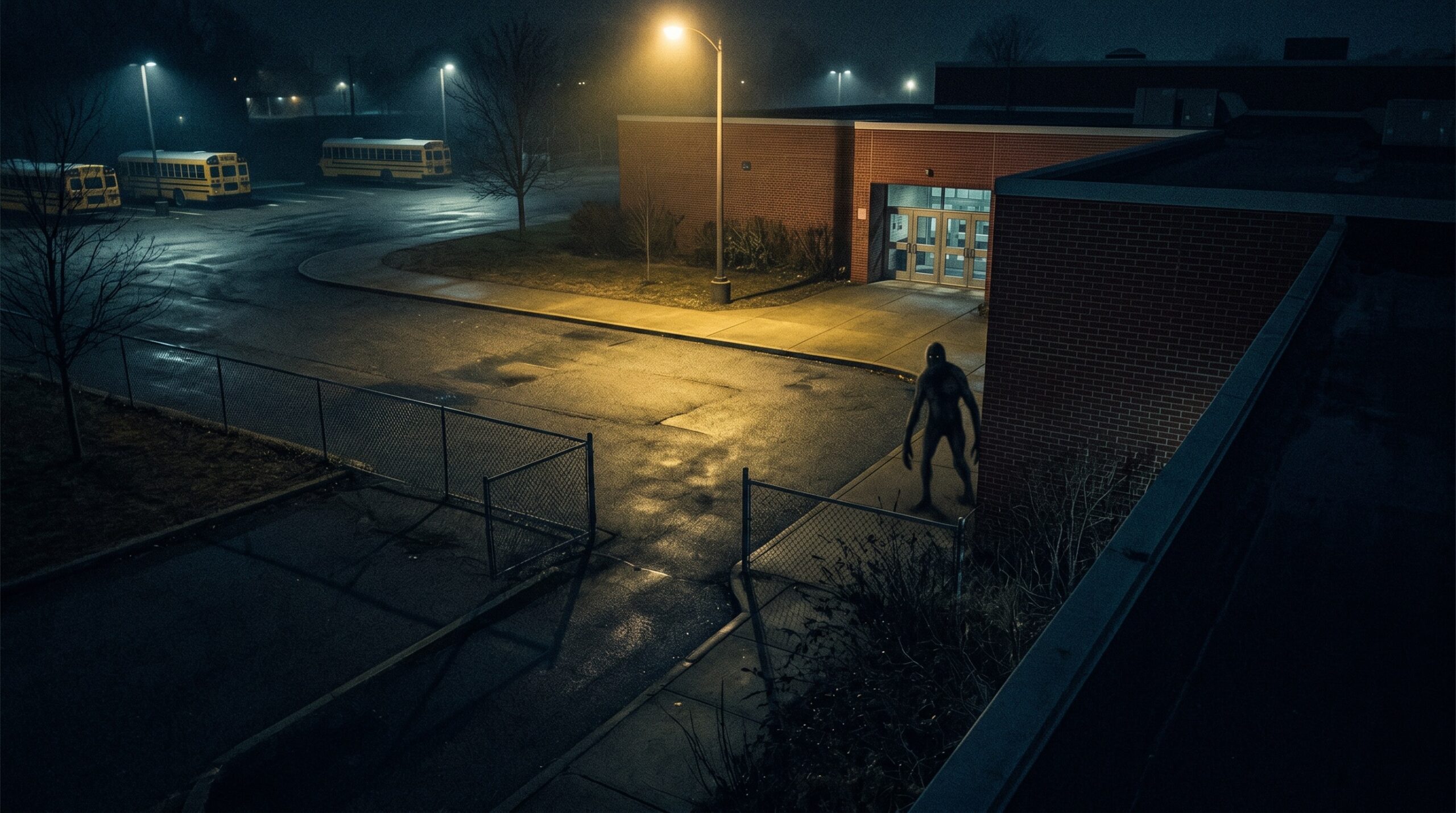
    The video, posted anonymously to TikTok in mid-February, appears to capture grainy CCTV footage from the exterior of a school building somewhere in Ohio. The timestamp reads like a punch to the gut: 3:47 AM. In the footage, a figure moves across the frame with a gait that several viewers described as “fundamentally wrong”—too tall, too thin, moving in a way that seemed to defy normal human locomotion. The poster’s caption, since deleted in a wave of attention, reportedly read: “Something is wrong in our town.”

    Within days, the video had accumulated several million views. By the time TikTok’s algorithm finished with it, the conversation had shifted from “creepy video” to something far more specific—and far more disturbing. TikTok skinwalker videos is one of the main outside reports driving that part of the discussion.

    The TikTok That Started It All

    The original TikTok video was uploaded with minimal context, which only amplified the mystery. A dark parking lot. A school building silhouetted against a moonlit sky. And then—that movement. The figure enters the frame from the left side, walking with long, deliberate strides toward the right edge before disappearing behind a structure. At no point does the figure turn, look at the camera, or break its stride. It simply passes through, as if it knows exactly where it’s going.

    What makes the footage particularly unsettling isn’t just the figure itself—it’s the way the figure moves. In the grainy night-vision resolution, legs appear to bend at angles that don’t quite match typical human locomotion. The proportions seem off: the torso too long, the limbs too angular. Someone watching it reported feeling a visceral sense of unease they couldn’t explain.

    “They know,” one commenter wrote beneath the reshared video. “They know exactly where they’re going. That’s what makes it so wrong.”

    The video gained traction on TikTok through a series of duets and stitches—other creators reacting to the footage, adding their own commentary, sometimes their own theories. Within two weeks, the original post had been viewed an estimated eight million times across multiple shares. The account that posted it went private, then deleted entirely. The same vacuum of context that surrounded the Oklahoma mystery animal attack—where an attacker was never identified despite injuries and DNA evidence—also applies here: anonymity amplifies both fear and credibility in equal measure.

    The Spread to Twitter and Mainstream

    By late March, the video had migrated to Twitter, where it found an entirely new audience. The transition from TikTok to Twitter is a pattern often seen with viral content—the TikTok audience tends to be younger, more meme-literate, while Twitter draws a crowd more inclined toward longer analysis and debate. This video seemed to bridge that gap, spawning threads that analyzed every frame, every pixel, every possible mundane explanation.

    One particularly viral thread garnered over two million views, breaking down the footage frame by frame and concluding—reluctantly—that nothing in the video suggested a human figure. Another user compiled comparisons with known skinwalker sightings, creating what became a reference post for the emerging discourse.

    Mainstream outlets began covering the phenomenon in early April. iHorror’s April 2026 piece, titled “TikTok’s Skinwalker Obsession Has Gone Full CCTV Hysteria,” documented the spread and attempted to contextualize why this particular video had resonated so deeply. Local Ohio news stations ran segments. National mystery-focused publications picked up the story. The pattern was familiar to anyone who’s watched viral paranormal content unfold before—but this time felt different.

    Why? Part of it has to do with the setting. A school. At night. The implications alone are enough to generate anxiety. But beyond that, the video’s ambiguity meant that no one could definitively say what they were looking at. That uncertainty is precisely what keeps these conversations burning.

    Why the “Skinwalker” Label Matters

    The word “skinwalker” carries weight. It isn’t a term that internet culture invented or diluted—it comes from Navajo mythology, describing a practitioner of witchcraft who has the ability to shapeshift into animals, particularly wolves, coyotes, and other creatures. In the traditional understanding, a skinwalker is never merely an animal in disguise. It retains something fundamentally inhuman—the way it moves, the way it watches, the wrongness that radiates from it even in animal form.

    When viewers described the Ohio school figure as moving with a “wrong” gait, they were invoking this exact cultural memory. The figure didn’t walk like a person pretending to be something else. It moved like something that had never been a person at all—something wearing a shape that only approximated humanity. This distinction matters enormously to those who study the skinwalker phenomenon.

    The comparison to other footage intensified the speculation. When the Alberta valley Bigfoot footage surfaced, viewers immediately drew parallels—not to Bigfoot, but to the same category of encounter. The uncanny, the unverifiable, the deeply unsettling footage that defies easy categorization. These videos don’t prove anything, but they share something important: the feeling they produce is real, even if the explanation is uncertain.

    Believers in the skinwalker concept have a framework for understanding this footage. They would argue that the figure’s behavior—walking purposefully past the school at 3:47 AM, never breaking stride, never acknowledging the camera—fits a pattern. Skinwalkers, in the folklore, are said to be drawn to places of significance, to circle and observe. The school, in this reading, isn’t just a random location. It’s a gathering point for young people, for potential victims, for something the entity might view as prey or territory.

    The skeptic’s counter-argument—that the label is applied too broadly, that any dark unclear footage gets labeled “skinwalker” now—has merit. Internet paranormal culture does have a tendency to over-apply dramatic terminology. But the response from believers is equally valid: when you see something that genuinely unsettles you, you reach for the language that most precisely captures that feeling. For many viewers, “skinwalker” was the only phrase that fit.

    What the Video Actually Shows

    It’s worth being clear about what the video does and doesn’t show.

    The footage is grainy, captured on what appears to be a standard school security camera operating in low-light or night-vision mode. The figure that crosses the frame is visible only as a dark silhouette against a lighter background. At no point does the footage clearly reveal a face, hands, or any of the details that would allow for confident identification.

    Could it be a person? Yes. A maintenance worker, a security guard, a teenager sneaking out to meet friends. The school is a location where humans have every reason to be present, even at 3:47 AM. A person walking normally, even purposefully, could produce something like this if the footage were degraded enough by the camera quality.

    Could it be an animal? A deer caught in the camera’s field of view might create strange elongated shapes in night vision. The proportions that seem “wrong” to human eyes might simply be an animal’s legs and body rendered poorly by low-resolution equipment.

    Could it be a衣架—a clothing rack, a decorative structure, something that caught the wind or the camera’s glitch in a way that produced a moving silhouette? Some users have floated this possibility, though it doesn’t account for the consistent movement across multiple frames.

    The honest assessment is this: the video does not contain enough information to definitively identify what it shows. The ambiguity is genuine, not manufactured. The figure could be human. It could be animal. It could be something else entirely. The footage doesn’t prove anything—and that’s precisely what keeps the conversation alive.

    Video analysis communities have made various attempts to enhance the footage, to pull details from the grain, to compare pixel patterns. Some analyses have suggested the figure’s height exceeds normal human parameters. Others have noted that the movement pattern doesn’t match typical human walking gait under careful frame-by-frame review. None of these analyses are conclusive, but together they build a picture of genuine ambiguity—footage that resists easy explanation.

    Why This Story Won’t Fade

    The Ohio school skinwalker video is not going to disappear from the cultural conversation, and there are structural reasons for that.

    Platform algorithms are designed to amplify content that generates strong emotional responses. Mystery. Unease. Fear. The video produces all three in viewers who encounter it unprepared. When content performs well by these metrics, platforms reward it with more distribution. The result is a self-reinforcing cycle: more people see it, more people discuss it, more people create derivative content about it.

    But beyond the algorithmic mechanics, there’s something else at work. The skinwalker concept is tied to real cultural folklore—real enough that the Navajo Nation has historically asked that outsiders not engage with or sensationalize skinwalker stories. When a video like this goes viral, it brings that folklore into mainstream conversation in a way that feels both thrilling and disrespectful, depending on your perspective.

    This pattern of viral paranormal content isn’t new, but each iteration seems to generate more intensity than the last. Something about our current cultural moment—the isolation of recent years, the erosion of trust in institutions, the sense that the world might contain more than we were taught—makes us hungry for mystery. We want there to be something beyond the mundane. We want the dark to hold secrets. The Loch Ness Monster sightings that continue to arrive every year—including the first 2026 report from the Caledonian Canal in March—demonstrate that this appetite for cryptid mystery isn’t fading.

    And so the debate continues, months later, still unresolved. The video sits on servers, archived and reshared, watched by new audiences who find it through different pathways each time. Forums continue to analyze it. Skeptics continue to propose mundane explanations. Believers continue to feel, in their bones, that something was out there that night.

    Something was out there that night. That much, at least, the footage does show.

    Frequently Asked Questions

    What is a skinwalker?

    A skinwalker is a figure from Navajo mythology—specifically from the tradition of the Navajo people (Diné). In the traditional understanding, a skinwalker is a person who has gained supernatural powers through witchcraft and can shapeshift into animals, most commonly wolves, coyotes, foxes, and crows. The term is often used more broadly in paranormal culture to describe any entity that appears to mimic human or animal form while possessing something fundamentally “wrong” or otherworldly.

    Was the Ohio school video verified?

    The video has not been officially verified by any authority. The school has not publicly confirmed or denied the footage’s authenticity, and the original poster’s account has been deleted. Attempts by journalists and researchers to identify the school or confirm the video’s origins have not produced definitive results.

    What do skeptics say about the video?

    Skeptics have proposed several mundane explanations: the figure could be a person walking normally, an animal rendered indistinguishably by low-quality footage, or an inanimate object caught in a way that produced a moving silhouette. Video quality limitations—CCTV grain, night-vision distortion—make it impossible to clearly identify details that would allow for definitive explanation either way.

    Why did this video go so viral?

    The video’s virality is attributed to several factors: the inherently unsettling setting (a school at night), the genuine ambiguity of the footage (which resists easy debunking), the emotional response it generates in viewers, and the role of platform algorithms in amplifying mystery and shock content. The spread from TikTok to Twitter to mainstream outlets followed a pattern commonly seen with viral paranormal content.

    Has this happened before with other videos?

    Yes. The skinwalker phenomenon has produced numerous viral videos over the years, from dashcam footage to security camera captures. The pattern of a grainy, ambiguous video generating massive online discussion and debate is well-established in paranormal internet culture. Each new video adds to the corpus of footage that believers point to when making their case.
  • The Alberta Bigfoot Mystcam Video: Why the Valley Figure Has Cryptid Watchers Locked In

    The Alberta Bigfoot Mystcam Video: Why the Valley Figure Has Cryptid Watchers Locked In

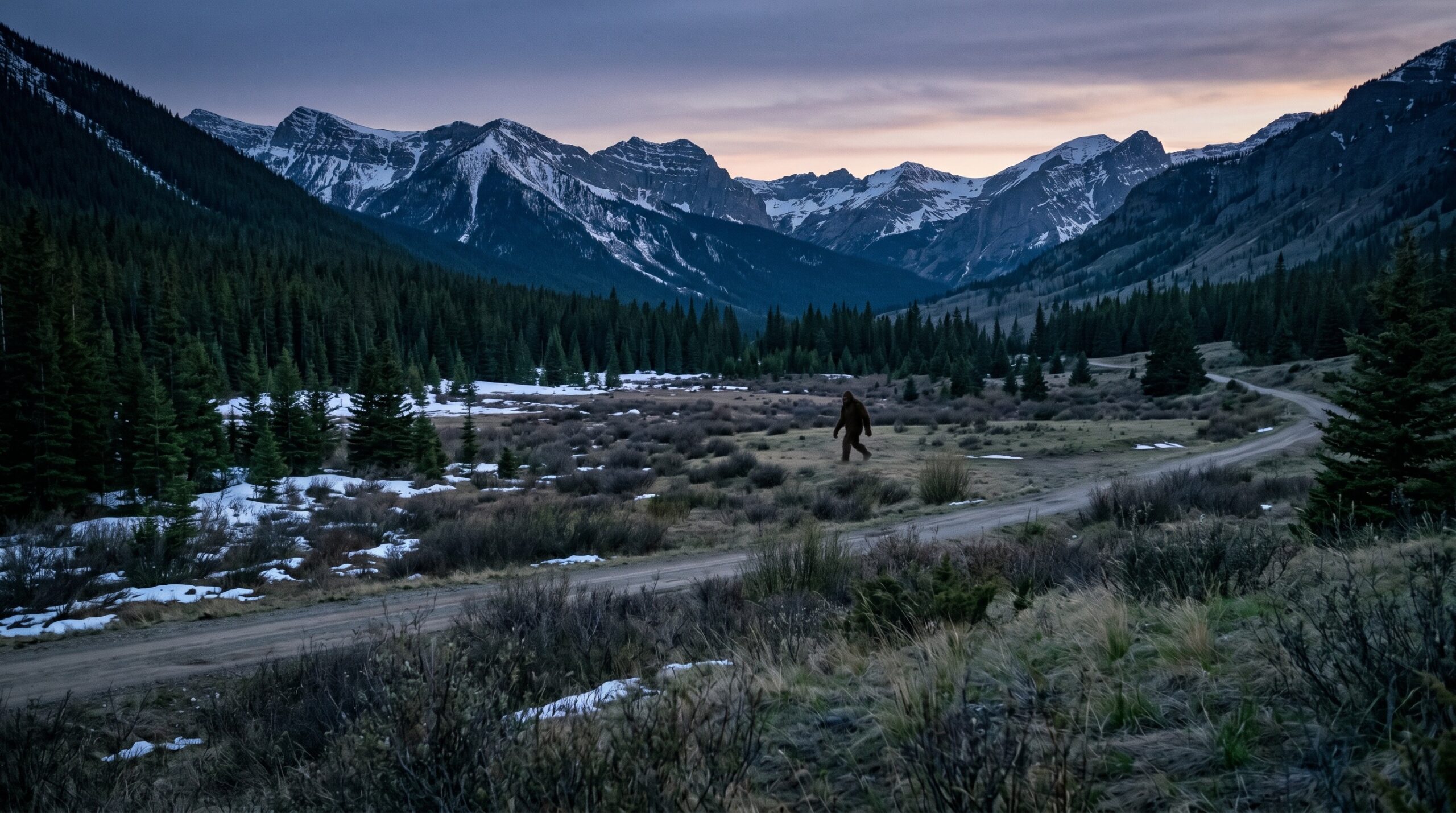
    Bigfoot believers are used to tree lines, blur, and excuses. That is why the new Alberta Bigfoot Mystcam video is hitting so hard. The figure in the viral clip is not hidden deep in branches or passing for half a second between leaves. It is out in the open, moving through a valley as if it does not care whether anyone believes what they are seeing.

    The immediate answer is that the Mystcam Alberta video is a viral cryptid clip showing what appears to be a tall upright figure crossing remote terrain in Alberta, Canada, and it has spread because daylight, distance, and open ground make the footage feel more dramatic than the average Bigfoot reel. The main traction is coming from the widely shared Instagram post describing the Alberta valley figure, supporting chatter in Reddit spaces like this Cryptozoology repost of the same description, and adjacent coverage such as recent reporting on Alberta Bigfoot-style sightings in Canada. None of that proves the clip is authentic. It does explain why believers are staring at it like a possible daylight gift.

    The strongest emotional hook is simple: the thing in the valley does not seem furtive. It seems present. And for anyone who has spent years consuming almost-sightings, that difference feels enormous.

    Why this Alberta clip feels different to believers

    Believers do not only want a creature. They want exposure. They want the kind of moment where the witness does not have the forest to hide behind and the figure does not have darkness to blame.

    That is exactly what the Alberta clip appears to offer. Open terrain changes the psychology of the footage. In the mind of a Sasquatch believer, a distant figure in dense trees can always be dismissed as a person, a stump, or a trick of branches. A distant figure moving with purpose across broad country feels much harder to file away.

    That is why the clip is already being folded into the same online appetite that keeps skinwalkers caught on camera, sea-serpent explanations through oarfish, and even remote-worker mysteries like the Northwest Territories drillers UFO sighting alive for weeks after first contact. Remote landscapes make mystery feel cleaner. The background itself seems to testify.

    What the Mystcam video appears to show

    The clip being circulated with the Mystcam label shows a dark upright form moving through an Alberta valley far from obvious roads or other people. The body language is what keeps believers engaged. The stride looks smooth. The figure does not appear to scramble or flail. It seems to cover ground with the kind of calm that makes viewers project confidence onto it.

    That projection matters. Bigfoot footage is often judged emotionally before it is judged analytically. If a clip feels too performative, audiences dismiss it as costume theater. If it feels detached, almost indifferent to the camera, believers read that as authenticity. The Alberta figure benefits from exactly that mood.

    It also fits an old Canadian Sasquatch fantasy: that the vastness of western wilderness still hides something bipedal, intelligent, and deeply adapted to terrain humans only visit. A figure crossing open ground in Alberta is not just a video. It is the cinematic version of an old frontier suspicion.

    Why Canada remains fertile ground for Sasquatch stories

    Canada’s role in Bigfoot lore is not an accident. Scale helps. So do forests, mountains, oil fields, logging routes, and immense areas where rumor can move faster than verification. Alberta in particular sits in the kind of mental geography cryptid culture loves: rugged enough to feel unknowable, documented enough to make any sighting sound consequential.

    That is why a single clip can explode even when provenance is thin. People already believe the landscape could hold the story. The video only has to feel like a glimpse rather than a case closed.

    What the footage does not settle

    The Alberta Mystcam video may be eerie, but eerie is not the same thing as authenticated. There is still no solid public chain of custody, no confirmed original uploader with verifiable context, and no independent evidence that the figure is anything more than a human, costume, or manipulated clip. Viral reach should not be mistaken for field documentation.

    But the absence of certainty is part of the engine here. The footage lives in that sweet spot where it is exposed enough to feel bold and vague enough to remain arguable. For cryptid watchers, that can be more addictive than proof. A fully solved clip dies fast. A figure walking calmly across an Alberta valley, too far away to pin down and too visible to ignore, can haunt a feed for a very long time.

  • Oklahoma Mystery Animal Attack DNA Results: Why the Dogman Story Spread Anyway

    Oklahoma Mystery Animal Attack DNA Results: Why the Dogman Story Spread Anyway

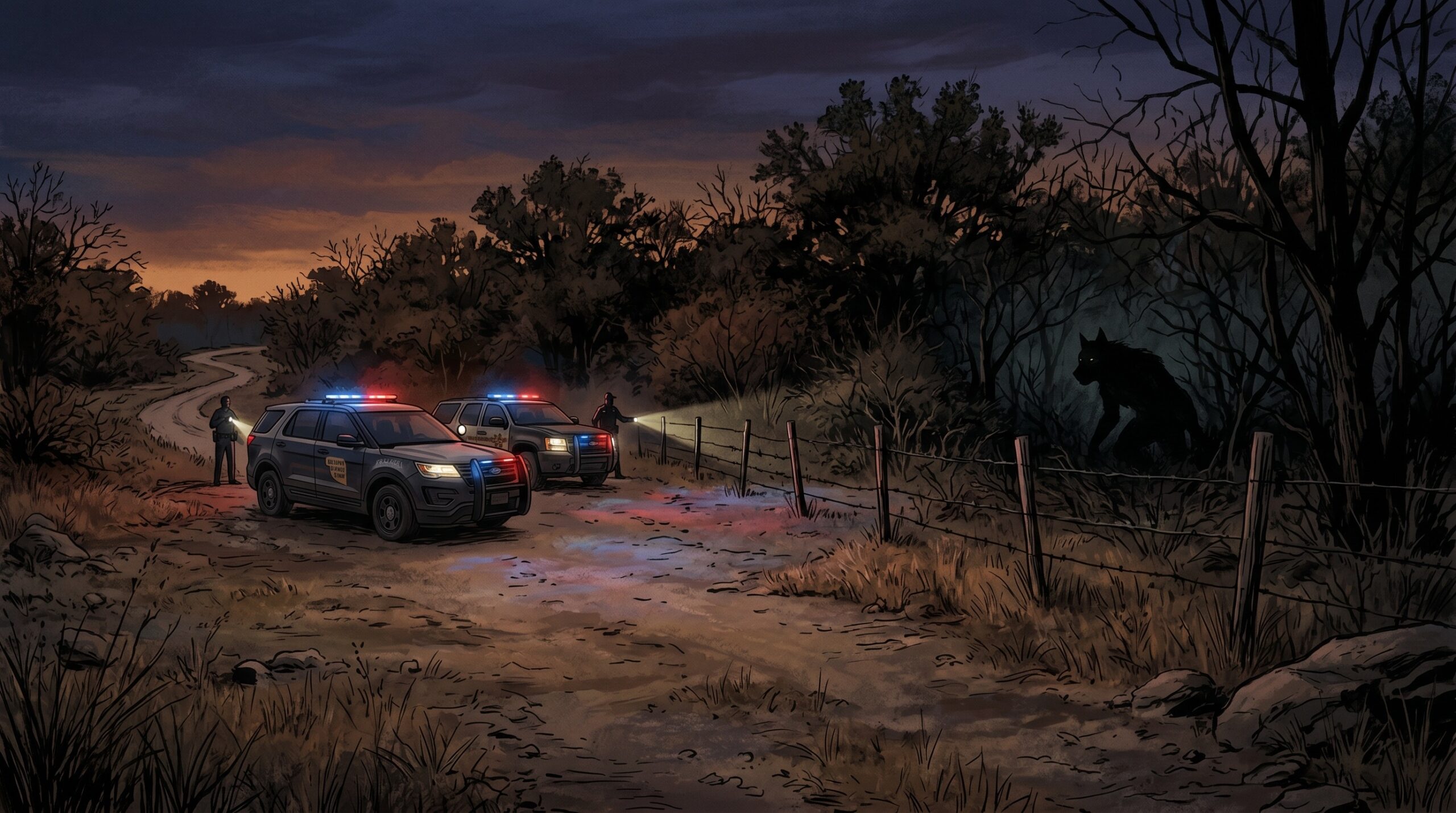
    The story was almost built to become legend. A woman in Oklahoma is attacked. The attacker is not clearly identified. The details sound violent, confused, and just strange enough to leave a gap in the mind. Once that kind of gap opens online, something always comes crawling into it. This time, it was Dogman.

    Before the evidence had time to settle, cryptid feeds were already running with the darker version of the story: a massive canine thing, too aggressive to be ordinary, too uncanny to stay inside wildlife logic. In the same internet climate that keeps stories like Dogman folklore alive and gives eerie side-life to Not-Deer encounters, the Oklahoma attack did not need much fuel. It needed fear, ambiguity, and one missing answer.

    That is exactly what it got. And because 2026 is already saturated with cryptid recirculation — from revived Bigfoot flaps to pieces like the latest chupacabra-style returns — the story spread at speed.

    Why the Oklahoma attack ignited cryptid feeds

    Real attacks create a different kind of internet energy than folklore alone. They come with stakes, injuries, police language, local confusion, and the constant possibility that the official answer will feel smaller than the fear people already felt. That is why the Oklahoma case detonated in cryptid spaces. It was not a campfire story. It was a frightening real-world event into which old monster language could be poured almost instantly.

    The early reporting came through outlets covering the mauling as a genuine emergency, including Fox 23’s initial report on the unidentified attack and broader national coverage such as The Independent’s summary of the injuries and aftermath. Once the facts entered circulation, cryptid forums and Reddit threads did what they always do: they started translating fear into folklore.

    What happened to Alicia Maxey

    Alicia Maxey was reported to have suffered serious injuries in a violent attack near Blanco, Oklahoma. In the earliest coverage, the attacker was not clearly identified, and that uncertainty became the hinge on which the entire mystery swung.

    For ordinary readers, that meant a frightening local story. For cryptid believers, it meant open territory. The lack of immediate certainty gave the story its supernatural voltage. If officials did not know what attacked her, the imagination stepped in first.

    How Dogman got attached to the case

    Dogman speculation did not appear because anyone presented conclusive evidence of a cryptid. It appeared because the story matched the emotional pattern Dogman lore feeds on: rural darkness, sudden violence, canine features, and an atmosphere of something not fully explainable. Reddit threads in cryptid communities and Dogman forums quickly framed the attack as a possible real-world encounter rather than an animal-control case.

    The internet is especially good at doing this when a real emergency contains just enough ambiguity to support myth. A witness description becomes a legend fragment. A delayed answer becomes proof of concealment. A bad night in Oklahoma becomes a new chapter in a monster file people have already been waiting to add to.

    What the DNA results actually said

    Then came the part that usually kills a cryptid story — at least in theory. The update reported by Sharon A. Hill’s review of the case and the speculation wave, and then sharpened by the local report on the sheriff’s DNA findings, pointed toward a domestic dog rather than a cryptid assailant.

    That is the grounded answer now available in the public record. The DNA update does not support a Dogman attack. It points to a far more ordinary — if still terrifying — explanation.

    Why the story will probably keep mutating online

    Because ordinary explanations do not erase extraordinary feelings. The DNA result may narrow the factual case, but it does not erase the emotional sequence that made the story spread: a brutal attack, an unknown assailant, fear in the dark, and a public hungry for creatures that might still be out there. Once a real event enters cryptid culture, it rarely exits cleanly.

    The most careful conclusion is simple. A real attack happened. Cryptid communities rapidly attached Dogman theory to it. The later DNA reporting points toward a domestic dog, not a supernatural or undiscovered beast. But the story will keep circulating anyway, because online folklore is less interested in closure than in atmosphere.

    That is the real lesson of the Oklahoma case. The monster came first in the imagination, even before the evidence had finished speaking. And once that happens, the internet does not merely report a story. It breeds a second one in parallel — darker, stranger, and much harder to put back in the cage.

  • The Mongolian Death Worm: Why the Gobi’s Most Famous Cryptid Still Refuses to Die

    The Mongolian Death Worm: Why the Gobi’s Most Famous Cryptid Still Refuses to Die

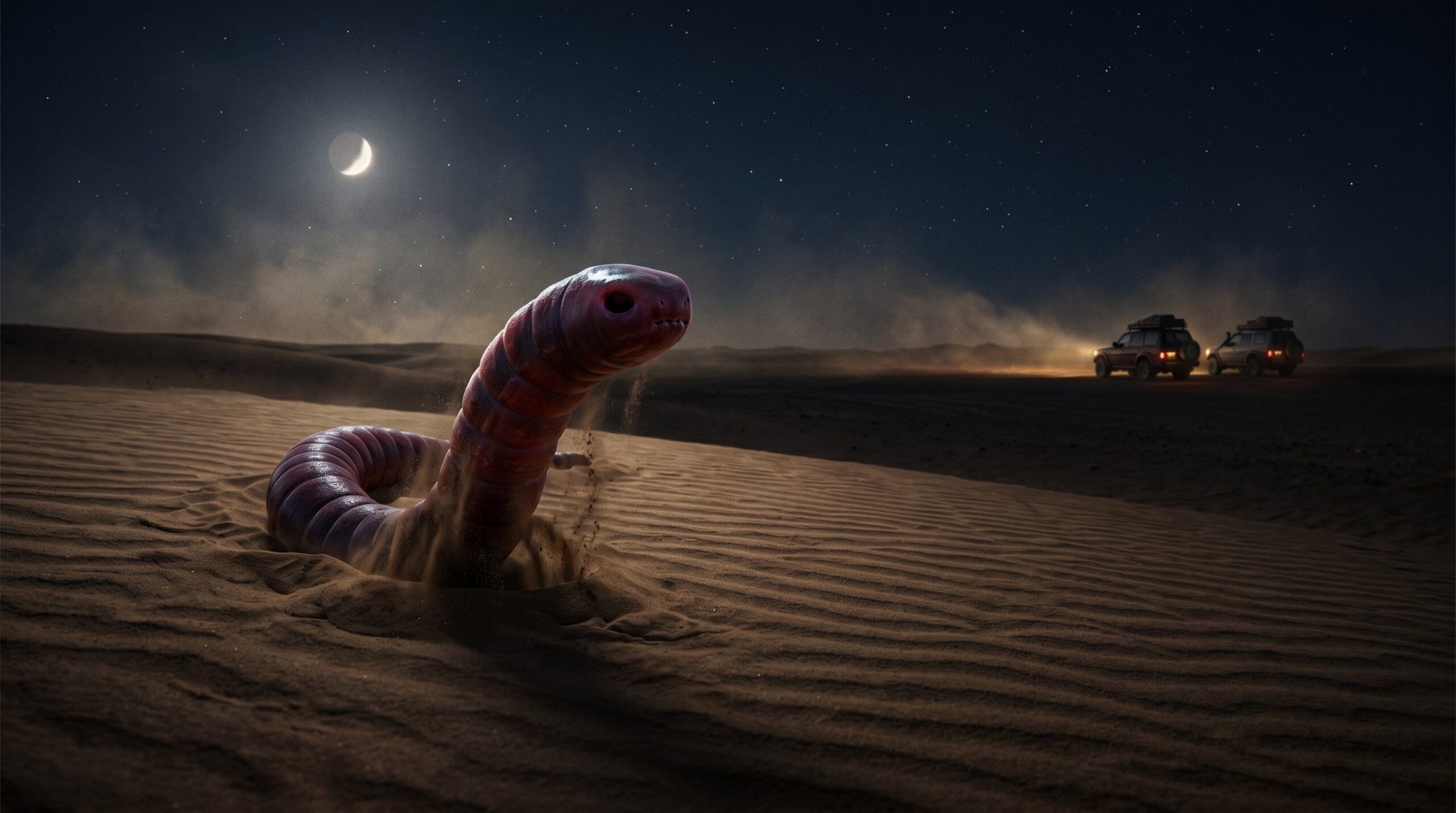
    There are cryptids you can imagine spotting at the edge of a forest. Then there is the Mongolian death worm, a thing people describe as if the desert itself grew fangs. Thick, red, subterranean, and supposedly capable of killing from a distance, the creature survives in the imagination because it does not feel like an animal story. It feels like a punishment story tied to a landscape so empty that anything hidden beneath it starts to feel plausible.

    The direct answer is that the Mongolian death worm, often linked to the name olgoi-khorkhoi, is a famous cryptid from the Gobi Desert said to live under the sand and kill animals or people with venom, electricity, or both depending on the telling. The legend is circulating again because cryptid audiences on Reddit are actively re-arguing the case in threads like this recent Cryptozoology debate, reference sources such as updated death-worm case files, and broader explainers like the modern history of the hunt for the creature keep bringing it back for new readers. That is not proof of an undiscovered predator. It is proof that the legend still has bite.

    What gives the creature such staying power is that it is not majestic. It is ugly, buried, and close to the ground. That makes it feel older than myth and meaner than folklore.

    Why the death worm still crawls through modern cryptid culture

    The death worm has everything a durable cryptid needs: a vivid local name, a merciless environment, horrifying powers, and just enough expedition lore to keep the story half-attached to investigation. Unlike Bigfoot, it does not need charisma. Unlike lake monsters, it does not need spectacle. It only needs the suspicion that the desert is large enough to keep one brutal secret.

    That suspicion fits neatly beside stories readers already know, like the Alberta Bigfoot Mystcam video, the sea-serpent theories built around oarfish, and viral skinwalker sightings. In each case the landscape does half the storytelling. Mystery clings harder in places that already feel too large to fully search.

    What the legend says the creature can do

    Descriptions vary, but the death worm is usually imagined as a thick, red, wormlike or sausage-shaped animal living beneath desert sand. Some accounts say it can spit venom. Others say it kills through electrical discharge. In the most memorable versions, the attack happens so fast the victim barely has time to understand what rose beneath the surface.

    That elasticity has helped the legend survive. If the details never harden completely, the creature can keep evolving with each new retelling. A nomadic terror becomes a pulp-monster. A pulp-monster becomes a cryptozoology obsession. The emotional core stays the same: something hostile moves under the sand where human eyes fail.

    Why the Gobi makes believers hesitate before dismissing it

    The Gobi does important work for the legend. A story like this set in suburbia would collapse instantly. Set in one of the world’s harshest and most sparsely populated regions, it gains room to breathe. Believers do not need to prove the worm. They only need to point to distance, difficulty, and how little of any desert is truly watched.

    That is why the death worm remains irresistible to a certain type of reader. It turns geography into an accomplice. The desert does not just host the creature. It protects the idea of it.

    What the evidence still does not give us

    For all its power as legend, the Mongolian death worm remains unverified. No accepted specimen, no confirmed footage, and no scientific documentation have closed the case in favor of a real unknown species. Investigators and writers have collected anecdotes, but anecdotes are not zoology.

    Still, the legend is not nothing. It preserves how a region imagines danger, concealment, and what the land might still withhold. Maybe the death worm is only folklore sharpened by desert fear. Maybe it is a cryptid that modern evidence has never caught. Either way, a creature said to wait beneath the Gobi like a buried weapon is never going to vanish completely. Some stories are too well adapted to the terrain.

  • The Kuwait White Orb Ocean UFO: Why the Clip Will Not Stay Buried

    The Kuwait White Orb Ocean UFO: Why the Clip Will Not Stay Buried

    Some UFO stories hover in the sky. The unnerving ones go into the water. That is why the Kuwait white orb ocean UFO story keeps resurfacing. A bright object over dark sea, a descent into the water, a reappearance, and the old suspicion that whatever is watching this planet may be using the oceans as cover.

    The direct answer is that the Kuwait white orb story revolves around claims that lawmakers or witnesses were shown footage of a white orb moving into and back out of the ocean off Kuwait, and the case keeps regaining traction whenever underwater UAP talk surges. The story’s modern life is being sustained by reports such as Sky News on the orb discussed in a congressional context, broader framing from Popular Mechanics on underwater UFO concerns, and ongoing rediscovery through community threads like the recurring Reddit debate about the alleged clip. That still leaves major gaps in what the public can independently verify. It also explains why the story will not die.

    The ocean changes everything. A light in the sky suggests distance. A light going into the sea suggests infrastructure, concealment, and somewhere to disappear to.

    Why the Kuwait orb keeps coming back

    Ocean-UFO stories carry a heavier charge than ordinary sightings because they imply durability. If something can move through the air and then treat the sea like an open doorway, believers do not imagine a random anomaly. They imagine a system.

    That is the emotional engine driving the Kuwait story. It is not just a clip of a strange light. It is a myth of access. The orb appears to slip between domains most of us already treat as sealed off from ordinary human scrutiny. That instantly makes it feel more advanced, more secretive, and more threatening than a conventional light-in-the-sky report.

    It also plugs naturally into the same disclosure mood that powers stories like Eric Davis and the alleged recovered craft from the oceans, the Immaculate Constellation leak, and video-heavy sightings from remote work sites. Once the believer feed starts talking about oceans, bases, retrievals, and withheld video, the Kuwait orb becomes less like a single report and more like one tile in a giant hidden map.

    What the congressional story actually says

    The strongest reason the Kuwait case has lasted is that it is not merely a random social clip. It became attached to the more serious language of hearings, briefings, and official awareness. Once a story crosses into that territory, even indirectly, it gains a different sort of gravity online.

    For believers, congressional mention acts like a credibility amplifier even when the public still lacks the full underlying evidence. The phrase “shown to Congress” has enormous myth-making power. It implies there is always one more room, one more screen, one more closed briefing where the real version of the story lives.

    That dynamic helps explain why the alleged Kuwait footage never really disappears. Every new round of disclosure talk brings it back because it sits at the intersection of two irresistible ideas: secret video and underwater access.

    Why ocean UFO stories hit harder than sky sightings

    People already accept that the oceans are one of the last places on Earth where enormous things can remain hidden. Add the UFO question to that landscape and the imagination runs almost automatically. Deep water means darkness, military traffic, incomplete mapping, and long traditions of sailors and pilots reporting things that do not behave correctly.

    So when a story like Kuwait enters the feed, believers do not hear it as one weird object. They hear it as confirmation that the real mystery was always below the surface. The orb is fascinating, but what it implies is the real hook: if something can enter the ocean cleanly and leave it again, then the water itself stops being background and becomes possible territory.

    What remains missing from the case

    The Kuwait white orb story is emotionally powerful, but the public record is still thin. There is no universally accepted, high-resolution, independently authenticated release that settles the footage once and for all. Much of the story’s force comes from secondhand description, fragmented circulation, and the prestige effect of congressional association rather than from a fully open evidentiary file.

    That does not erase the case. It simply defines its current status. The orb remains one of those disclosure-era stories that lives in the gap between rumor and proof. For believers, that gap is not a weakness. It is part of the fascination. An object dropping into black water and rising out again is already the kind of image that colonizes the imagination. Add secrecy, officials, and ocean depth to it, and the clip becomes almost impossible for the modern UFO culture to let go of.

  • Why Samuel Bateman Still Haunts the FLDS Story

    Why Samuel Bateman Still Haunts the FLDS Story

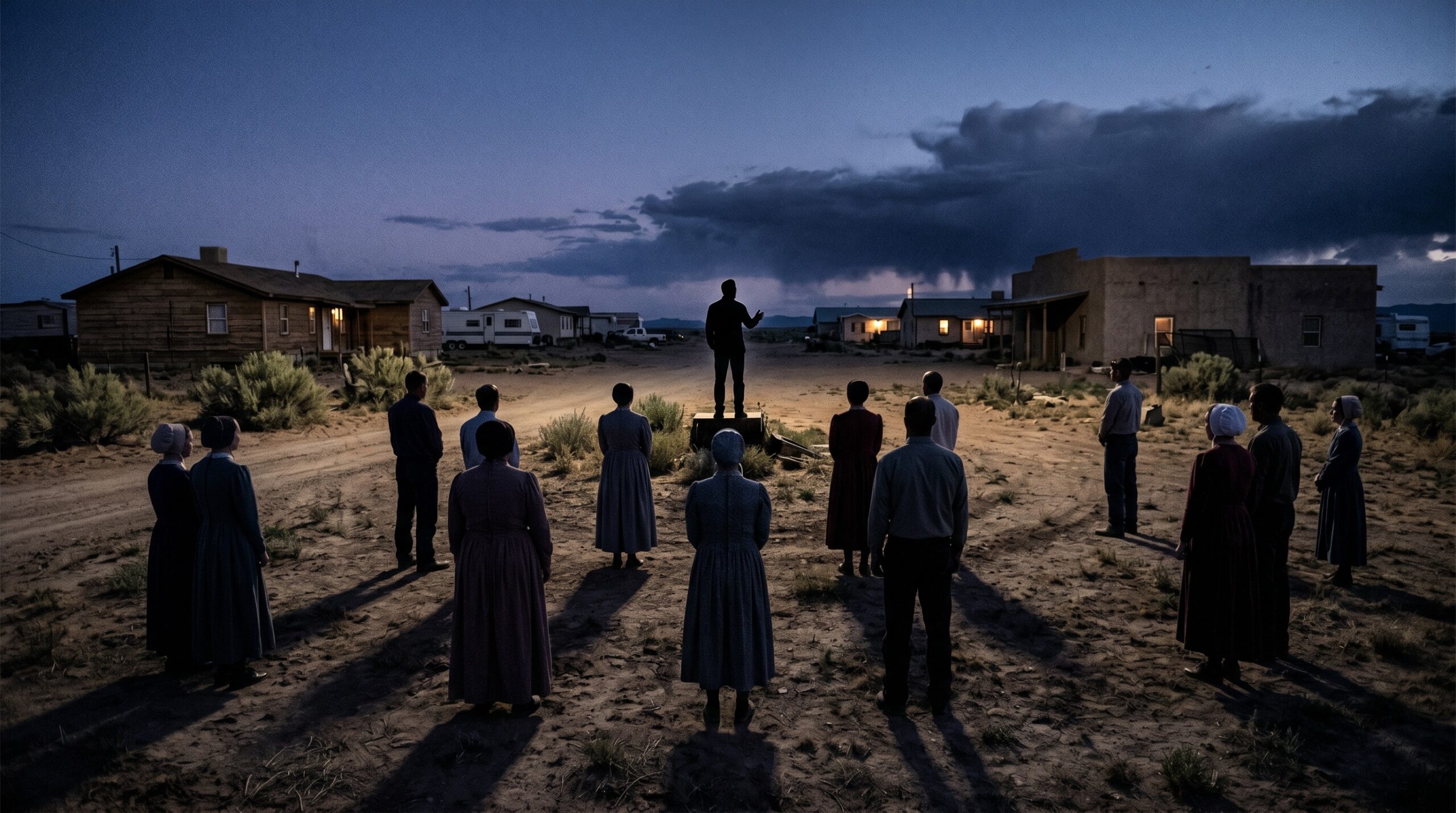
    Some men do not enter a broken religious world like strangers. They enter like echoes. That is the feeling around the Samuel Bateman false prophet story, and it is why Netflix’s Trust Me: The False Prophet lands with such a cold aftertaste. Bateman does not feel like a random criminal who wandered into the FLDS orbit. He feels like the kind of figure that a splintered prophetic culture keeps generating when fear, authority, and apocalyptic certainty have already prepared the ground.

    That is the hook people cannot shake. In the public imagination, Samuel Bateman is not just another disgraced leader. He is a prophet after the prophets, a man who stepped into an already haunted succession crisis and claimed there was still one more hidden line of authority, one more chosen remnant, one more secret path to survival. In communities shaped by revelation, exile, and obedience, that claim can hit with the force of destiny.

    The reason the story is spreading again now is obvious enough. Netflix has put the case back into circulation through its Tudum feature on Trust Me: The False Prophet and a separate release-date and trailer page. But the deeper reason people keep falling down the rabbit hole is older than any streaming platform. Bateman touches a nerve that never really healed inside the FLDS story: if one prophet falls, how many more can rise from the debris and claim they alone still hold the keys?

    That is why this case feels bigger than one documentary. To believers, ex-believers, cult-watchers, and people drawn to high-control religious mysteries, Bateman represents a chilling possibility: maybe the most dangerous phase of a movement is not its peak under one famous leader, but its fragmented aftermath, when authority splinters into private revelations and nobody outside the inner circle can easily see where the new center of power has formed.

    Why Samuel Bateman hits an old FLDS nerve

    The FLDS world already carried the ingredients for a figure like Bateman to matter.

    This was not a blank landscape. It was a community tradition marked by prophetic succession, absolute obedience, family separation, spiritual ranking, and the belief that salvation could depend on staying loyal to the right man at the right moment. Once a movement is structured around divine authority embodied in a single leader, every rupture leaves behind both trauma and opportunity. The fall of one prophet does not necessarily kill the pattern. It can make the pattern more volatile.

    That is why Bateman is so disturbing. He appears in the public record not as a novelty, but as a continuation. The names change, the factions shift, and the geography moves, but the underlying script remains terrifyingly familiar: a man claims special revelation, casts himself as the vessel for God’s final instruction, and gathers the vulnerable by insisting that everyone else has already gone astray.

    In that sense, the story sits close to why readers remain fascinated by belief systems that continue recruiting through their afterimage. Even when the original center collapses, the emotional architecture can survive. A doctrine does not have to be healthy to stay alive. It only has to leave behind enough fear, longing, and sacred legitimacy for someone else to weaponize.

    Who Samuel Bateman is, and why “false prophet” stuck

    Samuel Bateman is a fundamentalist Mormon splinter leader whose name became nationally known through reporting on his claims of prophetic authority and the criminal allegations surrounding him. The phrase “false prophet” attached itself to Bateman so quickly because the word captures more than public scandal. It captures betrayal inside a system that already treats prophecy as the highest currency.

    When a secular politician lies, people call him corrupt. When a businessman lies, people call him fraudulent. But when a man claims divine authority over salvation, marriage, obedience, and destiny, and then that authority is exposed through coercion or abuse allegations, “false prophet” is the phrase that carries the right weight. It is theological and psychological at the same time.

    The documentary framing works because Bateman seems to embody the nightmare version of splinter revelation. According to mainstream reporting, including Rolling Stone’s feature on the case and the documentary, his rise is inseparable from the broader history of fundamentalist Mormon power struggles. He is not frightening because he invented charisma from nothing. He is frightening because he appears to have understood exactly how prophetic charisma survives collapse.

    How splinter prophecy becomes a hiding place for new authority

    This is the part outsiders often underestimate.

    People imagine that once a notorious sect leader is disgraced, followers simply wake up and leave. Real life is much darker and messier than that. Closed religious cultures do not just produce belief. They produce habits of belief. They produce reflexes of obedience, concepts of chosenness, and a worldview in which suffering can be reinterpreted as proof that one is on the right path.

    That makes splinter groups especially dangerous. A fragmented movement can feel more intimate, more purified, and more urgent than the larger body it broke away from. The leader no longer has to persuade the whole world. He only has to persuade a remnant that it has been specially selected to carry the final truth after everyone else failed.

    This is why the Bateman story unnerves people who study cults. It resembles the same mechanism that makes sealed, taboo institutions radiate power online, whether readers are obsessing over viral incursions into Scientology spaces or older cases where trust itself becomes the delivery system for hidden control, as in the Great Seal listening-device story. Once authority is wrapped in secrecy and sacred meaning, ordinary warning signs stop behaving like warning signs.

    Bateman’s power, in that sense, was never just personal. It was environmental. He emerged in a religious ecosystem where revelation had already been taught as real, hierarchy had already been sanctified, and obedience had already been bound to eternal stakes. That is what gives the case its larger horror.

    Why the Netflix documentary is reopening the rabbit hole now

    Netflix is not creating the mystery, but it is giving the mystery a new doorway.

    The streaming effect matters because it introduces Bateman to viewers who know only the broad outlines of FLDS history: Warren Jeffs, isolated compounds, prophetic power, child marriage allegations, and a world of rules enforced through fear and divine command. What Trust Me: The False Prophet appears to do, based on the Netflix materials and follow-on reporting, is show that the story did not simply end when the most famous names left the headlines.

    That is a powerful revelation for general audiences. It tells viewers that the FLDS saga is not a closed historical chapter. It is a live aftershock field. The old structures may fracture, but the hunger for revelation, the pressure of loyalty, and the authority of inherited fear can still create new centers of gravity.

    Reporting beyond the documentary also sharpens that sense. People’s coverage of details left out of the documentary gives the case an even more unsettling contour, because it suggests that no single film can capture the full texture of what such a group does to people from the inside. Every major cult story has this quality in the end: what shocks the public most is often only the visible edge.

    Why Bateman feels like a haunting, not just a headline

    The reason Samuel Bateman lingers is that he activates an old American fear: the fear that revelation can be privatized and turned into a weapon behind closed doors.

    The United States has always had a shadow tradition of self-anointed prophets, end-times visionaries, desert sects, hidden compounds, and leaders who promise a purified path through a corrupt age. Bateman slips naturally into that lineage. He does not just symbolize abuse allegations or prosecutorial records. He symbolizes the recurring possibility that a failed prophecy does not end the prophetic impulse. It scatters it.

    That makes his story feel almost spectral. He arrives after an earlier collapse, gathers a smaller chosen circle, and reactivates the same architecture of dread. To outsiders, that may seem irrational. To people who understand high-control belief worlds, it is almost grimly logical. Once sacred authority has been detached from accountability, it can migrate.

    There is also a visual and emotional layer here that matters. Fundamentalist prophetic culture often borrows legitimacy from signs, garments, language, ritual seriousness, and the aura of divine appointment. That is one reason stories of sacred authority objects, from relics to royal garments treated like vessels of heavenly protection, fascinate readers so deeply. The costume of legitimacy is never just aesthetic. It is part of the control system.

    What is documented, and what remains unresolved

    Here the grounded frame matters.

    The broad public record is not mysterious about the basic stakes. Samuel Bateman became the subject of national reporting and criminal proceedings tied to allegations involving underage girls and his claimed spiritual authority. Netflix, People, and Rolling Stone are not inventing a folklore figure; they are covering a documented modern case whose details intersect with the larger history of FLDS splinter leadership.

    What should be handled carefully is the temptation to inflate every cult story into a totalizing myth where every whisper is known, every inner teaching is mapped, and every follower’s psychology can be neatly summarized from the outside. The central facts are already disturbing enough. Bateman appears to have claimed prophetic legitimacy inside a vulnerable splinter environment and used that role in ways that led to grave allegations and public reckoning. That is the documented core.

    What remains unresolved is the deeper social wound the documentary is exposing. If Samuel Bateman still haunts the FLDS story, it is because he reveals how a shattered prophetic system can keep producing successors long after outsiders think the danger has passed. The names may change. The headlines may fade. But as long as revelation, fear, and total obedience remain available as tools, another voice can always step into the silence and claim it was chosen by God.