A kidnapped woman escaped sex trafficking en route to Canada by stabbing her captor on the Pennsylvania Turnpike, exposing how traffickers exploit interstate highways for covert victim transport.
This case reveals systemic risks in long-distance travel, including drugging and restraints, underscoring patterns in organized networks that use borders and infrastructure to evade detection.
Strengthening personal preparedness—through situational awareness, self-defense tactics, and digital security measures—can empower individuals to disrupt these hidden pipelines and protect against targeting.
A Desperate Break on the Open Road
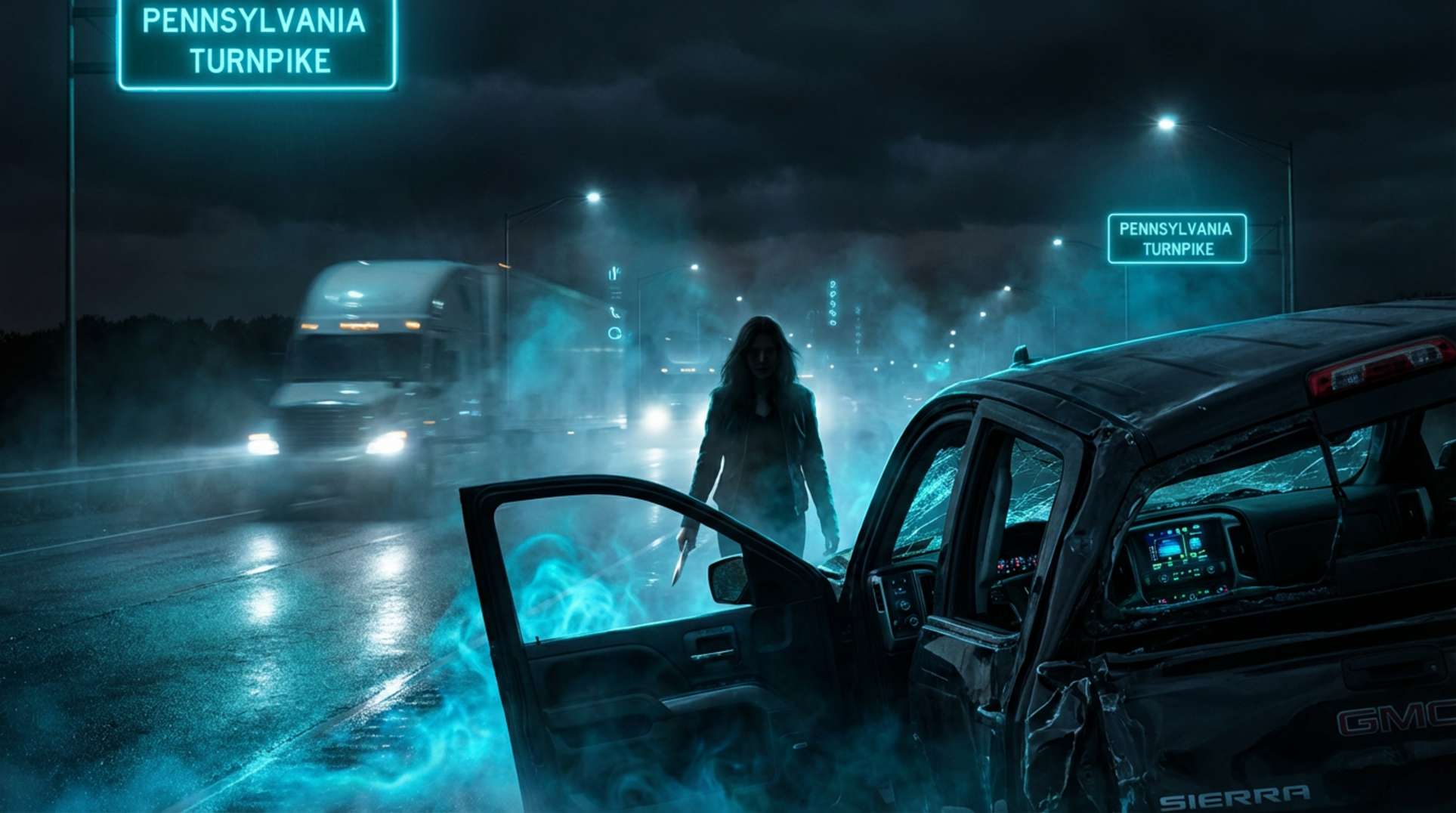
Picture the Pennsylvania Turnpike at dusk: endless lanes carving through hills, trucks blending into the flow. That’s where one woman’s nightmare shifted. Kidnapped from Reno, she was drugged, zip-tied, and hauled east in a GMC Sierra, bound for Canada’s sex trade circuits. But she fought back—grabbing a knife, stabbing the driver, and halting the truck. State police pieced it together: an organized run, using America’s highways as silent conduits for human cargo. It’s the kind of story that lingers, not just for the escape, but for what it uncovers about the shadows moving alongside us.
These aren’t random abductions; they’re calculated. The victim reported being targeted, subdued with drugs to dull resistance, and restrained for the long haul. The route? From Nevada across states, aiming for the northern border where enforcement thins. It’s a tactic I’ve tracked in similar accounts—traffickers treating interstates like veins, pumping victims toward international handoffs. This one broke the pattern, but it reminds us: these operations hide in plain sight, relying on speed and the anonymity of the road.
Unmasking the Systemic Web: Highways as Trafficking Arteries
In my years digging into overlooked connections—from anomalous sightings to covert programs—I’ve learned patterns repeat. Here, it’s the infrastructure itself: the Pennsylvania Turnpike, a major corridor, becomes a vulnerability. Traffickers scout routes that minimize stops, timing crossings to slip past patrols. Borders like the U.S.-Canada line aren’t barriers; they’re gateways for those who know the gaps. Add in drugs for control and zip ties for restraint, and you’ve got a system designed to move people undetected, often starting with lures in rideshares or vulnerable spots.
What makes this urgent? It’s current, it’s real, and it ties into broader pipelines. Reports like this one highlight how routine travel—long drives, shared rides—can turn into traps. The Turnpike incident isn’t isolated; it’s a node in a network where victims are funneled north, away from origin points. Spotting these threads means looking beyond the surface: who owns the vehicles, what digital trails lead to recruiters, and how borders facilitate the endgame.
Building Your Defenses: Survival and Security Tactics
If you’re tuned into the unexplained, you already question the official narrative. Apply that to personal risk: this story calls for action. On the physical side, hone situational awareness—watch for red flags in vehicles, like unexpected route changes or companion behaviors. Discreet self-defense? Think pepper spray, a tactical pen, or yes, a knife if legal—tools that fit in a pocket but deliver in a pinch. Under restraint? Practice mental escape planning: identify weak points like loose ties or driver distractions, and signal for help subtly, maybe by forcing a stop or alerting passersby.
Don’t overlook the data layer. Traffickers hunt online; counter it with hardened habits—use secure apps for real-time location sharing with trusted contacts, document vehicle plates and descriptions before any ride, and minimize your digital footprint to starve predators of targeting info. Pre-plan emergency signals, like coded texts or apps that trigger alerts. This isn’t about living in fear; it’s about reclaiming control, turning potential vulnerabilities into strengths. The Turnpike survivor did it—her story shows the way forward.
Frequently Asked Questions
A woman from Reno was kidnapped, drugged, and zip-tied in a GMC Sierra headed to Canada for sex trafficking; she escaped by stabbing the driver, prompting a police response and arrest.
Interstates like the Turnpike serve as fast, low-visibility routes for moving victims across states and borders, allowing traffickers to blend in and evade routine checks.
Build awareness of surroundings, carry discreet defenses like spray or knives, practice restraint escapes, and use pre-planned signals to alert others during travel.
Predators use online data to target victims; secure location-sharing, documenting identifiers, and reducing digital exposure limit their access and enhance real-time protection.
Absolutely—it’s part of systemic pipelines exploiting U.S. infrastructure and Canadian borders for quick, covert victim transport, connecting to ongoing organized networks.
All six cases involve video or audio evidence that leaves more questions than answers, with official explanations often challenged by inconsistencies.
Footage includes hotel CCTV, airport security, church surveillance, personal phone recordings, home videos, and YouTube uploads, spanning vanishings and murders.
Online communities and families point to gaps like possible staging, hidden threats, or institutional oversights, keeping these mysteries active despite partial resolutions.
These clips highlight the limits of surveillance in uncovering truth, urging continued scrutiny for accountability.
What These Haunting Clips Have in Common
These six cases linger because they blend hard evidence with stubborn unknowns. Each one has video or audio that captures a pivotal moment, yet none is fully wrapped up in the public eye. Official lines offer some closure—runaways, accidents, mental health crises, random killings—but cracks remain, fueling debates in forums and podcasts.
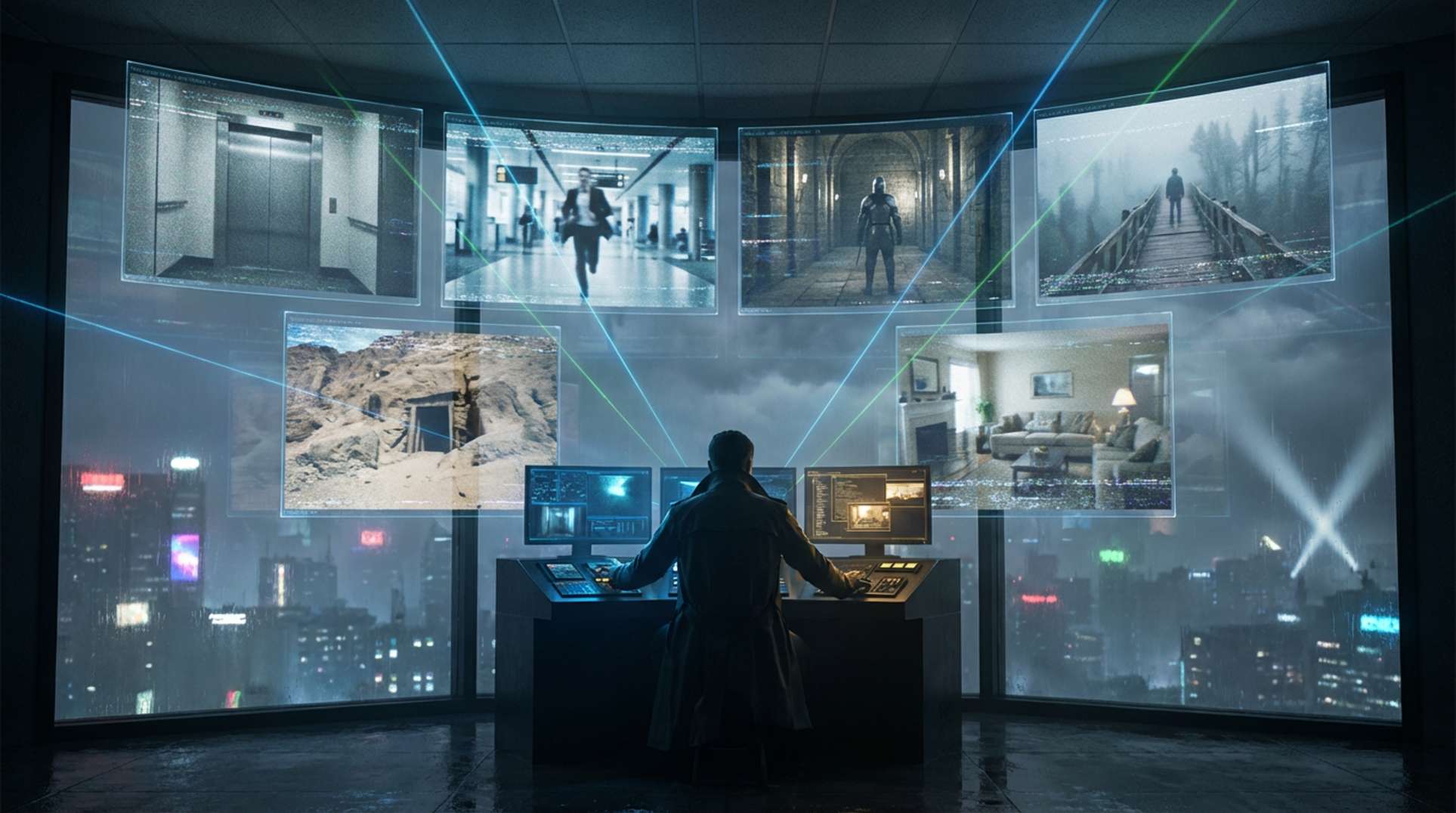
The recordings vary widely: home tapes from Alissa Turney’s family life, Kenny Veach’s YouTube posts about desert oddities, Elisa Lam’s elevator CCTV at the Cecil Hotel, Lars Mittank’s airport dash on security cams, Missy Bevers’ killer caught on church surveillance, and the chilling phone audio from the Delphi murders.
Institutions push straightforward stories, but inconsistencies—like odd behaviors, timeline glitches, or overlooked details—keep investigators and online groups digging. These aren’t settled files; they’re open wounds.
Frozen Frames at the Edge of Vanishing
Imagine the grainy feed from the Cecil Hotel elevator, January 31, 2013. Elisa Lam steps in, hits a string of buttons, then hides in the corner, peeking out with frantic gestures. The clip runs about 2 minutes and 27 seconds, her movements growing erratic before she vanishes from view.
Shift to Varna Airport, July 8, 2014. Lars Mittank, caught on CCTV, suddenly breaks into a sprint, abandoning his luggage and papers. He bolts from the terminal into nearby fields, gone in an instant.
Early morning at Creekside Church, Texas, April 18, 2016. A figure in tactical gear prowls the halls around 4:20 a.m., hammering at doors and glass. Soon after, Missy Bevers arrives for her class and meets her end.
On Liberty German’s phone, February 13, 2017, near Delphi, Indiana: shaky footage of a man on the bridge, his voice steady—“down the hill”—right before she and Abigail Williams are killed.
Cases like Alissa Turney and Kenny Veach add layers with personal recordings and online uploads, dissected endlessly for clues that footage alone can’t provide.
What Viewers, Families, and Online Sleuths Say They’re Seeing
In Alissa Turney’s case, her half-sister Sarah has shared family recordings made by their adoptive father, Michael Turney, through podcasts and social media. Many hear control and possible abuse in those secret tapes, rejecting the runaway label. Reddit threads and true crime groups highlight Michael’s shifting stories and surveillance habits as red flags.
Kenny Veach’s YouTube video about the “M Cave”—a spot that allegedly vibrated his body—has sparked debates among hikers and anomaly trackers. Some link it to military secrets near Nellis Air Force Base, while others point to his comments suggesting depression or a planned exit. Fellow explorers share tales of similar desert vibrations, blurring natural and strange explanations.
Elisa Lam’s elevator footage divides viewers: some spot her evading a pursuer, others tie it to her bipolar disorder or meds. A vocal group invokes the Cecil Hotel’s grim past for paranormal angles, seeing more than coincidence in her gestures.
Lars Mittank’s mother described his paranoid calls before the airport footage shows him fleeing. Online breakdowns suggest psychosis from a head injury, or real threats like traffickers from a prior fight. The sudden run fuels ideas of pursuit beyond the frame.
For Missy Bevers, communities dissect the suspect’s gait and gear in the church video, suspecting a faked limp or deliberate disguise. Many argue it points to someone who knew her, staging the scene.
In the Delphi murders, the “Bridge Guy” clip from Liberty’s phone has locals and web sleuths profiling his build and voice. Families praise her quick thinking in recording it, while analysts see hints of calculation in his calm command.
Across these, observers often spot masking—disguises, off-camera threats, or staging—that challenges simple readings.
Timelines, Screens, and the Hard Edges of Each Case
Name(s)
Date
Location
Type of Footage
Key Discovery
Official Status
Alissa Turney
May 17, 2001
Phoenix, Arizona
Family home recordings
Note claiming runaway status; no body found
Initially runaway, reopened as possible homicide in 2008; Michael Turney arrested 2020, acquitted 2023
Kenny Veach
November 10, 2014
Near Nellis Air Force Base, Nevada
YouTube video
Cell phone near abandoned mine shaft; no body
Missing person, likely accident or suicide
Elisa Lam
January 31, 2013 (footage); February 19, 2013 (body)
Cecil Hotel, Los Angeles, California
Hotel elevator CCTV
Body in rooftop water tank
Accidental drowning, influenced by bipolar disorder
Lars Mittank
July 8, 2014
Varna Airport, Bulgaria
Airport CCTV
Belongings left behind; no body
Missing person
Missy Bevers
April 18, 2016
Creekside Church, Midlothian, Texas
Church surveillance
Body found at scene
Unsolved homicide
Abigail Williams and Liberty German (Delphi murders)
February 13, 2017
Near Monon High Bridge, Delphi, Indiana
Victim’s phone recording
Bodies found next day
Richard Allen arrested 2022; trial pending
These summaries draw from public records. Full files hold more, but releases are selective, aimed at tips or optics.
Official Stories Beside the Theories That Won’t Go Away
Phoenix Police first pegged Alissa Turney as a runaway based on Michael’s note and report. But Sarah Turney’s push, highlighting recordings of control and odd behavior, led to a 2008 reopening and 2020 charges. Michael’s 2023 acquittal left legal closure, yet family and public suspicion endure over unproven abuse claims.
Nevada officials see Kenny Veach’s case as a desert mishap or suicide, with no proof of his “M Cave.” Yet explorers argue it could be a real anomaly or base secret, and his mental state doesn’t explain the missing body fully.
LAPD ruled Elisa Lam’s death accidental, tied to bipolar disorder, with clean toxicology on illegals. Viewers counter with footage quirks like timestamps and tank access doubts, plus hotel history fueling otherworldly ideas.
Bulgarian authorities treat Lars Mittank as a missing person, possibly self-vanished amid paranoia from injury. His calls suggest real fears—maybe from fight fallout—clashing with the voluntary angle.
Midlothian Police keep Missy Bevers’ murder open, not committing to burglary or hit. Online views lean toward targeted, citing the intruder’s deliberate moves as staging by an acquaintance.
Indiana State Police credit the Delphi footage for Allen’s 2022 arrest, but locals question gaps like accomplices. For years, many sensed a community insider, and trial waits test the narrative.
Patterns emerge: officials favor mental health or mishap, while others see secrecy or mismatches in the evidence.
The Frames We Don’t See: Gaps, Missing Context, and Lingering Questions
What do Michael Turney’s full recordings hold, and why did shared clips build suspicion without legal weight? Gaps between public shares and investigator knowledge keep Alissa Turney’s story open.
Was Kenny Veach’s “M Cave” real, imagined, or lost? His phone by the mine marks the end, but the hike’s middle remains blank.
Elisa Lam’s clip shows odd doors and gestures—what preceded it off-camera? Withheld footage or blind spots at the Cecil fuel doubts.
Lars Mittank’s run begs: what triggered it? Injury explains some, but no sightings since widen the mystery.
Missy Bevers’ intruder moves casually—disguise or tactic? External cams might clarify entry and exit, if they exist.
Liberty German’s full 43 seconds: what’s withheld? It shapes the Delphi case, yet public snippets leave questions on scene details.
Every clip is cropped, compressing truth into fragments where key moments hide.
Why These Unfinished Stories Still Matter
Surveillance blankets our world, yet these cases defy resolution, exposing video’s limits as proof. Public scrutiny has real effects: Sarah Turney’s work revived Alissa’s file, Delphi tips led to an arrest.
Blind trust in officials risks ignoring anomalies; unchecked speculation drowns victims in noise. Balance honors both.
Keep watching—not for thrills, but to demand more releases, cold-case reviews, better evidence handling.
These aren’t just clips; they’re echoes of lives cut short. The gaps reflect flaws in our systems, and in how we chase understanding.
Frequently Asked Questions
Yes, all six cases are documented vanishings and murders with publicly available footage and official records. They span from 2001 to 2017 across various U.S. locations and one in Bulgaria, each with video evidence that’s been analyzed extensively.
Families and online communities point to inconsistencies like unusual behaviors in footage, timeline discrepancies, and potential staging. For instance, in Elisa Lam’s case, viewers question video edits and tank access; in Alissa Turney’s, family recordings suggest abuse not fully addressed in court.
Officials often stick to explanations involving accidents, mental health, or random crime, as in Kenny Veach’s likely mishap or Elisa Lam’s accidental drowning. However, public pressure has led to actions like reopening Alissa Turney’s case and arresting a suspect in the Delphi murders.
The footage is often partial, edited, or lacks context for events before or after the clips. This creates blind spots, such as unseen interactions in Lars Mittank’s airport run or withheld portions of the Delphi recording, keeping debates alive.
Yes, advocacy like Sarah Turney’s for Alissa and tips from the Delphi video contributed to reopened investigations and an arrest. It shows how community analysis can pressure institutions for more accountability.
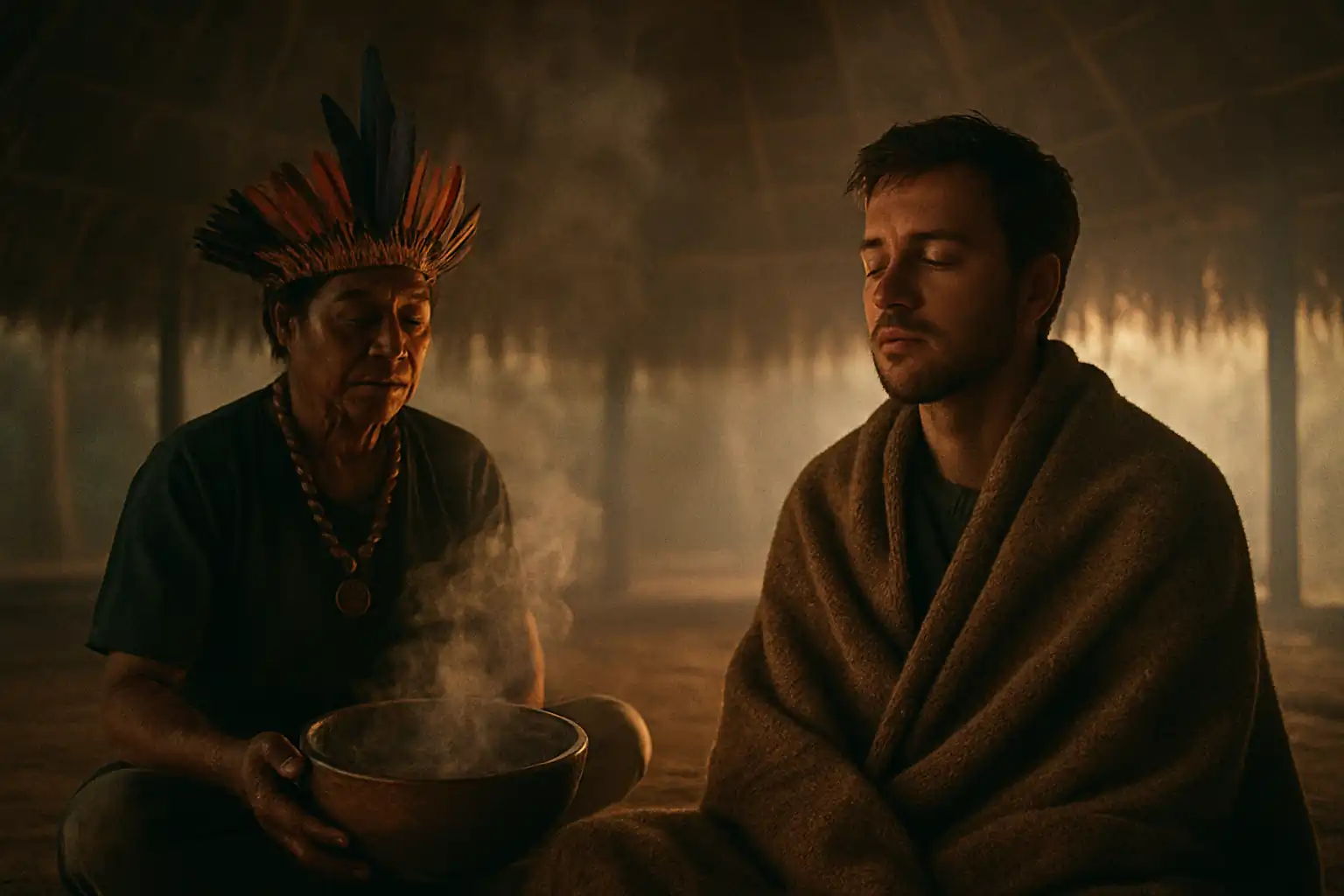
Ayahuasca occupies an unsettling space where ancient ritual meets modern tourism. This Amazonian brew, crafted from Banisteriopsis caapi and DMT-containing leaves, has attracted thousands to ceremonies and many more to clinical trials. This surge has produced two parallel narratives: researchers highlighting both benefits and transient harms, alongside media stories of ceremonies ending in trauma or death.
Distinguishing fact from fiction requires three elements: rigorous epidemiology, transparent forensic reporting, and clear operational standards. Evidence showcases both intense subjective experiences and consistent physiological responses. However, most reported fatalities lack forensic evidence directly linking them to the brew. When operators mix adjuncts, neglect medical screenings, or delay emergency care, tragic events become preventable and legal consequences follow swiftly.
Global Ayahuasca Survey findings: what 11,000 respondents reveal about adverse effects and context
The largest public dataset on modern ayahuasca use comes from the Global Ayahuasca Survey, which gathered responses from over 11,000 participants from 2017 to 2019. The adverse-effect analysis published in November 2022 synthesizes work across various countries. Authors indicate that common physical effects include vomiting, diarrhea, and temporary increases in heart rate; a significant minority reported psychologically challenging experiences. The paper crucially emphasizes context: unsupervised ceremonies and concurrent use of serotonergic medications—SSRIs or SNRIs—correlate with higher rates of adverse events. While the study does not identify acute pharmacologic toxicity as a common cause of death, it notes risk factors operators must screen for and mitigate (Global Ayahuasca Survey, PLOS Global Public Health, Nov 16, 2022).
Nonprofit reviews and forensic analyses add complexity to the narrative. The International Center for Ethnobotanical Education, Research and Service (ICEERS) cataloged numerous deaths reported in the media, ultimately concluding that no autopsy or toxicology report definitively links a death to acute intoxication from traditional ayahuasca preparations. Many reported fatalities involve co-factors—poly-substance use, preexisting cardiac conditions, trauma, or procedural errors like electrolyte imbalance from excessive fluid intake or purging. ICEERS’ meticulous re-examination reveals that reports claiming “ayahuasca killed” tend to oversimplify a complex set of antecedents into a singular cause (ICEERS, June 2023).
Pharmacology and mechanisms: DMT, MAOIs, interactions, and cardiac stress
Ayahuasca’s bioactive composition combines N,N-dimethyltryptamine (DMT) with monoamine oxidase inhibitors (MAOIs) derived from the Banisteriopsis vine, facilitating oral psychoactivity. This chemistry introduces two central hazards. First, dangerous interactions with SSRIs or certain migraine medications can lead to serotonin syndrome. Second, intense vomiting and autonomic arousal may destabilize patients with undiagnosed cardiovascular conditions. Toxicologists point to further complexity when nontraditional admixtures—synthetic tryptamines or ceremonial adjuncts like kambo—complicate toxicology and heighten acute risk.
Operational failures and legal lessons: the Brandon Begley wrongful-death verdict
Medical ambiguity does not absolve negligence. In a prominent U.S. case, a jury issued a multimillion-dollar wrongful-death verdict on May 15, 2024, finding that Soul Quest Church of Mother Earth and its leader failed to exercise reasonable care during a 2018 retreat that resulted in Brandon Begley’s death. Trial evidence highlighted a series of operational failures—concurrent administration of kambo, instructions leading to excessive fluid intake, delayed emergency calls, and inadequate medical screening—which jurors found causally linked to fatal hyponatremia. This verdict underscores an essential point: even though autopsies rarely indicate pure ayahuasca toxicity, negligent practices during ceremonies can and do lead to civil and criminal liability (Filter, June 5, 2024).
Ritual context matters: traditional practice versus commodified retreats
Anthropologists stress that ayahuasca originated in tightly regulated ceremonial practices with experienced vegetalistas who enforced dietary rules, contraindications, and integration methods. When retreat markets commodify ceremonies, these safeguards can erode. The Global Ayahuasca Survey directly links context to outcomes: greater rates of adverse events occur in non-traditional or unsupervised settings. Ceremonies involving risky adjuncts—repeated electrolyte-depleting purges, kambo rituals, or unmonitored poly-substance exposure—increase risks and shrink margins for error.
Best practices follow the clinicians’ checklist: medical screening for cardiac or psychiatric vulnerabilities, explicit contraindication lists (especially regarding serotonergic medications), on-site trained medical staff, a low threshold for emergency intervention, and structured support post-ceremony. These measures minimize both physiological harm and long-term psychological consequences.
Why journalists and scientists must adopt a measured vocabulary
Journalists and researchers should avoid binary narratives that either sacralize ayahuasca as a cure-all or demonize it as inherently dangerous. Coverage should prioritize primary sources: autopsy and toxicology reports, trial evidence, and peer-reviewed epidemiological studies. In cases of conflicting data, it’s vital to report uncertainties and reference the best available evidence. Avoid sensationalizing a symbolic panic; instead, contextualize adverse events within the operational frameworks that led to them. For insights on how symbolic incidents fuel public panic, see reporting that explores narrative amplification across technological and cultural crises (an investigative summary).
Practical policy steps: screening, reporting, and regulation to reduce preventable deaths
Evidence supports specific interventions. Regulators and health authorities should implement standardized medical screenings, require ceremonial operators to maintain emergency contact protocols and on-site medical personnel, and establish forensic reporting standards so coroners publish transparent autopsy and toxicology results in cases related to ceremonies. Insurers and licensing bodies should establish minimum standards for retreat centers, explicitly prohibiting risky adjuncts without medical oversight. These measures align with epidemiological recommendations and legal precedents that penalize negligent actions.
For clinicians and scientists, the way forward involves well-controlled clinical trials with ethical oversight, transparent adverse-event reporting, and open sharing of protocols—practices that protect participants and inform public policy.
Why this matters: what the ayahuasca debate reveals about medicalization and modern spirituality
The ayahuasca narrative highlights a broader dilemma: how can societies integrate traditional medicines into contemporary clinical and commercial frameworks without compromising safety, cultural respect, and accountability? The stakes are high: avoidable deaths, legal action, and diminished trust in legitimate research. Evidence indicates ayahuasca possesses profound effects and identifiable risk factors; with thorough screening, proper supervision, and effective regulation, we can harness its therapeutic potential while minimizing harm.
For further contextual reporting on the interplay of technology, ritual symbolism, and public response, explore investigatory and archival works that detail how narratives shape policy pressures and myths (an investigative case study, an archival breakdown, and a related ethics dossier).
Conclusion: honest reporting, stronger standards, and cultural humility
Ayahuasca’s unique and powerful effects warrant neither blind adoration nor instinctive vilification. Comprehensive surveys indicate frequent but generally non-lethal adverse effects while identifying predictable risk factors; forensic analyses show that fatalities reported by the media often obscure intricate causes; and legal cases demonstrate that negligent practices lead to significant consequences. The prudent approach necessitates rigorous screening, mandatory emergency protocols, standardized forensic reporting, and respect for Indigenous knowledge. This combination safeguards therapeutic potential while protecting lives.
For a detailed botanical and cultural overview of the brew, refer to the comprehensive ayahuasca profile available through an authoritative encyclopedia entry (the ayahuasca botanical and cultural overview). For ongoing curated timelines and investigative packages, visit Unexplained.co to stay updated on developments and forensic reporting in this evolving field.
In 2025, Netflix’s “Monster: The Ed Gein Story” sparked a fresh fascination with the infamous serial killer from Plainfield, Wisconsin. While the streaming giant showcases high production value and an all-star cast, critics argue the show distorts facts into spectacle, overshadowing what truly made Ed Gein one of history’s most disturbing criminals (Rolling Stone). The result: a disturbing, oddly sympathetic portrait thick with inaccuracies and missed contextual opportunities.
Netflix’s Monster: Between Fact, Fiction, and Exploitation
Reviewers such as Rolling Stone and The Guardian contend that the series, led by Ryan Murphy, takes liberties: fabricating interviews, exaggerating Gein’s cultural impact, and sensationalizing his relationship with his mother Augusta beyond historical evidence. Netflix urges viewers to “sympathize” with Gein, portrayed by Charlie Hunnam, even though the show dwells on lurid details. Gein lived as a reclusive farmhand under the shadow of a domineering parent, but Netflix invents or amplifies much, including unmapped events in police files. This scenario reflects how popular myth and horror media fusion permeates reality, akin to nuanced analyses seen in myth-versus-history reporting or debates on technological regulation in AI risk narratives.
The Disturbing Facts: Grave Robbing, Murder, and Macabre Crafts
The grim reality, documented in Britannica and exhaustive police records, is more nightmarish. Ed Gein murdered two women—Mary Hogan and Bernice Worden—between 1954 and 1957. However, his grave robbing and the grotesque trophies found in his farmhouse riveted investigators and shocked the nation. Gein’s home held masks and furniture crafted from human skin, stitched body parts, and grim keepsakes. Despite Netflix’s dramatic embellishments (and, at times, misplaced humor), the evidence indicated a pathological obsession stemming from Gein’s isolated upbringing, psychological trauma, and disturbed fixation on his deceased mother.
For a penetrating account of similar convergences between fact and obsession, see this investigative history feature—a reminder that reality often surpasses fiction, especially in America’s rural heartland.
How the Real Ed Gein Rewired American Horror
Netflix’s show accurately identifies the Butcher of Plainfield’s significant influence on pop culture, but the true impact goes deeper. Gein’s crimes inspired Norman Bates in “Psycho,” Leatherface in “The Texas Chain Saw Massacre,” and Buffalo Bill in “The Silence of the Lambs.” As Rolling Stone and academic reviews assert, screenwriters and psychologists remain fascinated by how one man’s crimes could birth numerous cultural nightmares. However, the show blurs fact and invention, dramatizing motives (like cannibalism and necrophilia) never fully substantiated by historical records. This convergence of hype and horror is not unique, as explored in speculative reporting on media-driven mystery narratives and cycles of public anxiety.
What Netflix Misses: Mental Illness, Justice, and the Lure of Macabre Myth
To its credit, “Monster” attempts to immerse the viewer in Gein’s world—an environment steeped in isolation, trauma, and religious extremism. Yet, experts emphasize that Netflix neglects the most crucial truth: Ed Gein was declared insane, spending his days in psychiatric institutions, not prison. Importantly, there’s no evidence he killed anyone except Hogan and Worden, despite the show’s implications of a higher body count and influence over other killers. Often, the drama prioritizes shock—and viewer engagement—over nuanced history. The real Ed Gein’s legacy, explored in neuropsychological reviews and archival crime coverage, remains one of enduring public obsession, distorted by pop culture and the digital age’s binge-watching culture.
For more in-depth explorations of where fact meets speculation, archival footage, and reporting that rigorously separates fiction from reality, explore Unexplained.co. As collective memory blends with entertainment, distinguishing the historical Gein from Netflix’s monster becomes increasingly vital.
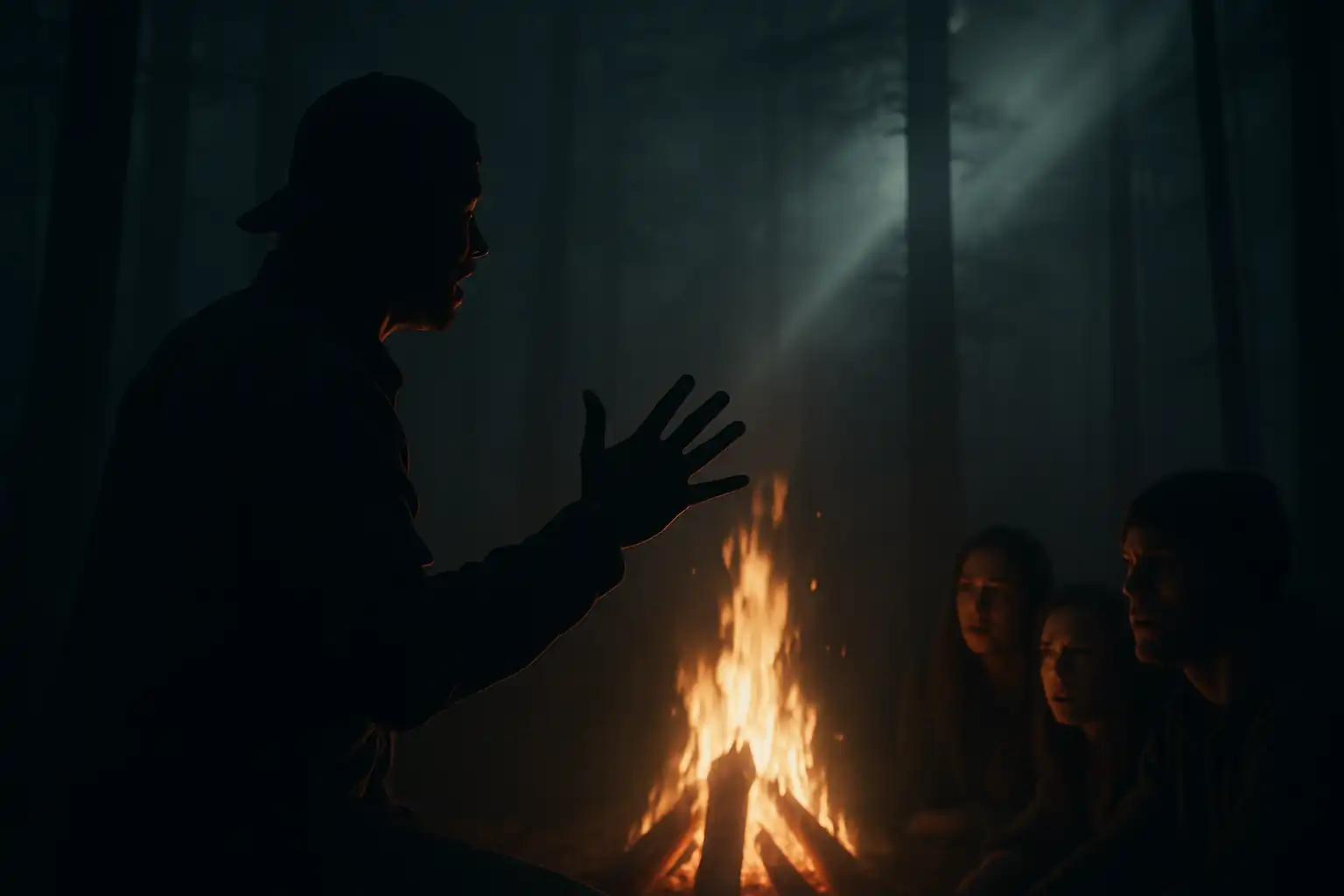
Few voices command a fireside like Jonathan Allen, aka MrBallen. He fuses real victim-centered true crime with chilling campfire vibes. MrBallen’s channel and podcast boast millions of fans and tens of millions of monthly views. As a former Navy SEAL, his near-death experience in Afghanistan preceded his storytelling career. He has become the internet’s keeper of the “strange, dark, and mysterious.” In a 2025 roundtable with Shawn Ryan, he shared two outstanding campfire horrors that left even the toughest listeners wide-eyed (YouTube: Campfire Episode).
“The Broken Tent” and Survival Against the Unknown
One of MrBallen’s most unsettling recent tales, remastered in 2024 for his podcast, is “The Broken Tent.” Four friends camped in a Finnish forest, expecting nothing more than mosquitoes. Instead, their first night turned into a hellish encounter—something or someone prowled just beyond the tent, focusing on the group (“an unwanted visitor that would pay them a horrifying price,” as stated in his podcast). The eerie stillness, sudden movement, and aftermath left survivors and listeners rattled (Amazon Music: Camping Horror Vol. V).
This tale echoes real-world paranoia from contemporary Cold War settings (this analysis of revived U.S. bases) and blends real and psychological terror dissected in technology risk features. The campfire may seem safe, but as MrBallen illustrates, nature often offers no guarantees.
Disappearance in Alaska: The Kevin O’Keefe Mystery
Another chilling story defining MrBallen’s brand is the vanishing of Kevin O’Keefe. In a remote Alaskan park, the hiker set off but went missing under inexplicable circumstances. Exhaustive searches failed to uncover answers. Alaskan wilderness lore—where geography seems sentient—left more questions than solutions (Amazon Music: Camping Horror Vol. V).
The terrifying, unsolved aspect taps into our deepest anxieties, paralleling modern missing ship narratives and occult legend reporting. O’Keefe’s case stands out not just for the facts, but for the existential dread it invokes—a motif at the heart of all impactful campfire tales, revisited frequently by MrBallen.
Unsolved Mysteries and Community Obsession
MrBallen’s genius lies in curating unsolved mysteries and tales of elusive resolutions. His community on YouTube and Reddit passionately debates these stories, ranking classics like “Tripwire” (footsteps in the dark) and “The Woman in Black” (the line between sleep paralysis and haunting). Meanwhile, platforms like Ballen Studios expand his catalog with graphic novels and podcasts (Ballen Studios), showing how this media-savvy Navy SEAL has forged a new brand of campfire storytelling. This applies not only to ghostly narratives but also to our collective fascination with strange disappearances and unsolved phenomena, evident in investigative notes on timeline controversies and speculative reporting on iconic UFO mysteries.
Why These Tales Haunt Us: The Enduring Power of the Campfire Lens
Why do these stories resonate so deeply? Experts highlight our neurological wiring—campfire stories evolved to bond, warn, and prepare for existential threats. MrBallen’s style, blending verified accounts with a touch of the unexplainable, updates this tradition for the digital age. His fusion of fact, atmosphere, and ambiguity has established his platforms as benchmarks of modern horror. As noted in Beacons, MrBallen’s delivery “straddles the line between outright terror and social catharsis.” For those seeking deeper rabbit holes that transcend algorithms, explore the relentless context and extensive archives at Unexplained.co.
In the pantheon of American monsters, few names evoke horror and fascination like Albert Fish. Branded by the press as the Gray Man, the Brooklyn Vampire, and the Boogeyman, his life and crimes captured the deepest terrors of early 20th-century America. He was a serial killer and cannibal—the kind of shadow parents invoked to frighten children—a real monster behind cautionary tales.
Abuse and Orphanage Trauma: How Albert Fish Was Forged
Born in 1870, Hamilton Howard Fish—later Albert—faced a childhood that read as a primer for trauma, as described by ThoughtCo. After his father’s death at five, his mother placed him in Saint John’s Orphanage in Washington, D.C. There, workers regularly beat him. Rather than escape, Fish later admitted that he grew to crave the pain, laying the groundwork for a lifelong sadomasochism that drove his criminal behavior. His family’s history of mental illness, combined with the brutality he suffered in childhood, created a dangerous mix familiar to experts. This early life of pain and humiliation in the orphanage illustrates how cycles of abuse can lead to notoriety and evil.
The theme of generational trauma isn’t unique to Fish. Today, researchers and commentators focus on how cycles of violence and unmanaged psychological wounds warp communities—as explored in analyses of hidden societal conflict.
Obsession, Sadism, and The Limits of Human Depravity
Albert Fish’s crimes revolved around an obsession with pain—both inflicting and receiving it. EBSCO Research explains that his sadomasochistic tendencies echoed criminal norms, merging sexuality with torture, mutilation, and cannibalism (EBSCO Research). While appearing frail and grandfatherly, Fish’s monstrous impulses hid beneath a benign façade. Even after having six children, a brief phase of normalcy quickly succumbed to his dark obsessions. He wrote obscene letters to strangers, engaged in self-torture, and targeted the most vulnerable—children—whom he lured, brutalized, and, in notorious instances, cannibalized.
Tragically, Fish’s depravity surfaced during a period of significant social upheaval, when many Americans faced larger existential threats and global instability. This climate mirrors the atmosphere described in accounts of crisis and chaos. His methods pushed societal boundaries and sparked new conversations about child safety and the psychology of evil itself.
The Boogeyman Archetype: Fear, Cannibalism, and the Press
Fish’s capture, trial, and confessions deepened his legend as a living Boogeyman. According to People magazine’s crime report, his most infamous crime involved the 1928 murder and cannibalization of Grace Budd—a case he boasted about in a letter to her family. The letter revealed details so appalling that its contents disturb to this day. At trial, Fish claimed responsibility for the deaths of at least three children and possibly dozens more, though the true count remains uncertain. His trial captivated the nation, with psychiatric witnesses clashing with prosecutors over whether Fish was criminally insane or irredeemably evil. Despite his legal team’s efforts, Fish was convicted and executed by electric chair in 1936 at Sing Sing Prison.
These revelations solidified Fish’s reputation as “the most vicious child-slayer in criminal history,” confirming what countless American parents already suspected: real monsters do exist among them. The case transformed perceptions of trust, childhood innocence, and journalistic boundaries—as seen in subsequent cultural reckonings chronicled in features on collective fear and transformation. Fish’s archetype would resonate through generations in horror fiction and urban legend, even as society continued to grapple with its own capacity for violence and panic.
Madness, Myth, and Lessons for Modern Society
Psychoanalysts and legal experts have dissected Fish’s psyche for decades since his execution, as noted in LinkedIn’s clinical summary (psychological analysis). Many concluded he suffered from severe mental illness—psychosis, sadism, and possible schizophrenia—all aggravated by childhood trauma and institutional abuse. Others argue Fish embodied something older and more primal: society’s fear of the stranger, the bedtime story brought to life.
The enduring terror of Albert Fish isn’t just his crimes; it’s what those crimes reveal about society’s dark fringes. As the world shifts beneath waves of unpredictability—evident in everything from global panic drills to survival stories in preparation guides—Fish’s legacy serves as a stark reminder that evil, when unchecked by vigilant systems of care, doesn’t simply dwell in fairytales. It emerges, chillingly human, from ordinary places.
To confront future threats—be they lone monsters or systemic evils—readers should consult ongoing investigations and perspectives at Unexplained.co. The real boogeymen may wear new faces, but the need for thoughtful analysis, skepticism, and collective courage never fades.
In a city built on chance, the events of October 1, 2017, defied the odds. A lone gunman, Stephen Paddock, fired over a thousand rounds into the Route 91 Harvest music festival crowd, turning a night of music into the deadliest mass shooting by one individual in American history. Sixty people died; hundreds more were injured. For many, fear struck immediately. For others, like Jesse Welles, fear arrived later—not from gunfire, but from the unsettling gaps in the narrative that followed.
Jesse Welles’ account, typical among survivors haunted by the events, transcends the usual calculus of tragedy. The first shock comes from violence. The second, deeper shock arises from the uneasy realization that full understanding, or truth, remains forever elusive. The official account is cold, simple: Paddock, a wealthy and unremarkable retiree, calmly amassed a sniper’s arsenal in his Mandalay Bay suite and executed the attack before ending his own life. Motive: undetermined. Case closed? Not for many.
Conspiracy, Speculation, and the Nature of Modern Trauma
No sooner had the smoke cleared than the internet began to fill the blanks with various theories. According to Wikipedia’s archive of shooting conspiracies, amateur investigators and provocateurs instantly challenged the official timeline. Theories proliferated: multiple shooters, deep plots, government psy-ops—it felt as if an invisible hand dialed up the nation’s paranoia, playing off a cultural climate already steeped in suspicion. Mass trauma in America involves not just what happens but also our struggle to find meaning together afterwards.
Part of the reason, as noted in analyses like this psychology-focused article, is that incomprehensible acts demand equally impossible explanations. With Paddock’s motives inscrutable, and the sheer scale of his actions defying easy comprehension, the mind rushes to fill the void. The social media landscape amplifies suspicion, creating a conspiracy ouroboros—growing as official documents are sealed or redacted.
Victims and survivors, like Jesse Welles, face a quieter trauma: the fallout from unanswered questions. What did Welles hear that terrified her more than the event itself? Sometimes it’s the dead air of government silence, the feeling that certain pieces don’t fit—a sentiment echoed in exposés about other high-profile cover-ups and “case closed” declarations in national tragedies.
The Role of the Official Story and Public Trust
Paddock’s life, as documented on Wikipedia, reveals a deeply isolated figure: a compulsive gambler, meticulous, devoid of warning signs for mass violence. He planned the attack over months, even researching other music festivals as potential targets. Yet his motives, connections, and final thoughts remain opaque. Authorities, after exhaustive investigation, claimed thoroughness. For many, this lack of closure does little to restore public trust.
From Las Vegas to the global arena—whether navigating superpower standoffs or preparing for worst-case scenarios—suspicion thrives in vacuums left by authority. Every “official story,” no matter how meticulously constructed, can feel unsatisfying to a public accustomed to leaks, whistleblowers, and the certainty that powers hide secrets just off-screen.
From Personal Fear to Collective Myth: The Aftermath of the Unexplained
What Jesse Welles and many others heard afterward wasn’t new gunfire but echoes of national unease—a chilling void where answers ought to reside. The Vegas massacre is not just a tragedy; it serves as a case study on how uncertainty can spread, and how the pursuit of a coherent narrative often takes on a life of its own. Surviving such an event involves not just dodging bullets—it means navigating the shadow world of rumor, doubt, and troubling knowledge that follows.
For those grappling with unspoken truths from Vegas—and everywhere else the truth still hides in plain sight—resources exist for the curious and concerned. Whether you pursue mysteries old or new with the fervor of a podcast junkie, a prepper, or a skeptic, bookmark Unexplained.co for a deeper exploration beyond the headlines and whisper networks. Ultimately, what haunts may not be the event itself but the chilling possibility of what we still cannot—or will not—know.
The Bosnian War etched sorrow into Sarajevo’s history, and the aftermath left scars that may never heal. The infamous Sniper Alley represented horror, but grim rumors soon surfaced. Wealthy foreigners allegedly paid to hunt humans—a notion so monstrous it haunts survivors, journalists, and the global public. How much is rooted in fact, and how much stems from conflict-induced trauma and survivor guilt, magnified by an eager world?
Chilling accounts emerged after the war’s official end, as Wikipedia notes over 100,000 dead amidst chronicled genocide, mass rape, and ethnic cleansing. Into the power vacuum, rumors sprawled: international visitors, including the wealthy and morally questionable, paid for access to Sarajevo’s siege, leading to a so-called “human safari.” The new documentary The Human Hunters of Sarajevo presents testimonies aiming to distinguish fact from atrocity.
Sniper Alley, Survivor Testimony, and Persistent Rumors
For years, “sniper tourism” became Sarajevo’s open secret. Controversial films and shaken witnesses, including Mirsad Sijarić—director of the National Museum of Bosnia and Herzegovina and Sniper Alley survivor—describe a city where life turned into a perilous game of chance. Sijarić appears in True Crime Reports, providing a personal account of the terror of arbitrary killings and the struggle to recount Sarajevo’s history without abandoning authenticity.
Initially whispered amid a fraying society, the rumors painted a grotesque picture of “safaris” for select foreign clients. Documentary evidence, including recent witness accounts and interviews with former intelligence officers, lend grim credence to these claims. Critics, including some Bosnian Serb veterans, vehemently reject this narrative as cruel propaganda or myth-making. What remains undisputed is the trauma of Sniper Alley, a stage for authentic horror and the world’s darker projections.
War, Wealth, and the Rise of the Human Safari Legend
The “human safari” myth did not arise in isolation. The Bosnian War provided fertile ground for urban legends, as desperation fueled exploitation by local and foreign actors. Journalists like Azem Kurtić reported the chaotic swirl of post-war confusion, black market activities, and a foreign presence throughout the besieged capital. Speculation blossomed that some outsiders pursued more than humanitarian missions or journalistic fame.
Balkan media turned the story into a national fixation—examined in works like “Sarajevo Safari” and analyzed as an extension of the “monster outside” myth by psychologists. Interactive exhibitions and podcasts like these accounts perpetuate the debate, intertwining survivor testimony, rumor, and cultural memory in the court of public opinion.
The Psychology of Atrocity: Trauma, Truth, and Urban Panics
The harsh realities of the Balkan wars left Bosnia with collective trauma unmatched by few regions globally. Psychological studies and post-conflict horror narratives show societies recovering from systemic violence are especially vulnerable to urban myths—stories amplifying collective fear while rationalizing unthinkable actions.
Sarajevo’s “hunting” legend functions as both a warning and relief for survivor guilt, even as robust documentation proves elusive. Some international observers draw parallels to dark events elsewhere—like possibly unacknowledged actions lurking beneath official histories—while others view it as an allegory for war’s predations. When law and order collapse, the unthinkable walks in daylight, sometimes disguised as a tourist.
Fact, Speculation, and the Limits of What We Can Know
More than a quarter-century after the guns fell silent in Sarajevo, institutions and exposés still explore whether these narratives hold truth, self-protective myth, or a mixture of both. Like pop culture’s eerie predictions or fears of global chaos, the human safari legend persists because it taps into our primal fear that civilization’s facades are merely skin deep.
If answers remain murky, questions persist: Who would commodify that level of suffering—and who decides which stories are real? For relentless exploration amidst darkness, few rival Unexplained.co—because not every mystery should stay buried, and not every legend can be easily dismissed.
Before the Netflix true-crime era, Adolfo Constanzo became a legend on both sides of the border—a conjurer, a cult kingpin, and the architect of shocking drug war atrocities in Mexico’s history. Known as “El Padrino” (“The Godfather”) to his followers, Constanzo led a powerful narco-satanist cult that combined cartel violence with a belief in black magic and human sacrifice. The result was a terrifying storm that still unsettles seasoned investigators.
Born in Miami to a Cuban exile, Constanzo grew up in a household blending Catholic ritual with Vodou and folk magic. He served Mass as an altar boy while apprenticing with local sorcerers and exploring the infamous African diaspora faith of Palo Mayombe. Soon, he migrated to Mexico City, where his talents for spiritual manipulation—bolstered by animal sacrifices, secretive graveyard rituals, and a chilling ability to charm the wealthy—connected him with Mexico’s most ruthless drug traffickers. His most trusted lieutenant, Sara Aldrete, became known as the cult’s “Godmother.” (Wikipedia)
Sorcery, Cartels, and the Rise of the “Godfather”
Constanzo’s early years mixed heartbreak with dark mentorship. After landing in Puerto Rico and later Miami, he absorbed a potent mix of Catholic iconography and occult spirituality—a blend that attracted Mexico’s crime lords. By adulthood, Constanzo ran a lucrative business offering “magical services” to the ultra-wealthy, promising protection, luck, and invincibility through ritual sacrifice. Animals were slaughtered for these ceremonies, but as The Vintage News recounts, rituals darkened over time. Clients—hitmen, traffickers, and corrupt law enforcement—flocked to Constanzo, believing his nganga (cauldron) held divine powers. His magical displays were theatrical, violent, and, according to believers, effective.
Human Sacrifice on the Border: From Ritual to Horror
Escalation was inevitable. Casting spells for luck with chickens and goats no longer satisfied Mexico’s most ambitious cartels. Constanzo’s cult incorporated human bones—raided from graveyards—into their nganga, crossing the ultimate threshold: live human sacrifice. Victims were kidnapped, tortured, and killed in rituals meant to bolster the cult’s spiritual “shield” and gain favor with supernatural forces. The most infamous killing involved American student Mark Kilroy, shocking both the U.S. and Mexico and bringing the cult’s horror to global attention. The Matamoros case exposed the dark consequences of crime syndicates investing in supernatural protection and blurred the lines between narco ambition and mystical insanity. The chilling crime scenes stirred comparisons to moments of mass panic found in this deep dive on collapse scenarios and echoed disturbing roots of human ritual detailed in exposés on ancient fire conspiracies.
Palo Mayombe: The Occult Engine of Narco Satanism
Palo Mayombe was central to this reign of terror, an Afro-Caribbean religion rooted in powerful spirits and material rituals—for a price. Infused with cartel paranoia and greed, Palo Mayombe’s magic became a tool for intimidation and ruthless dominance. As detailed in All Things Interesting, Constanzo convinced gang leaders their safety depended on ritual offerings. Eventually, these cartels made animal and human sacrifice just another operational expense. The legacy of narco-satanist violence persists, inspiring modern law enforcement horror and criminal imitators, as outlined in deep-state narco exposés and criminal evolution accounts.
A Bloody Aftermath: Echoes of the Cult in Cartel Violence
The grim discoveries at Rancho Santa Elena—chopped bones, blood-soaked altars, tomes of black magic—stopped Constanzo’s rise, but not before he claimed over 20 victims. The story’s repercussions still resonate, highlighting how superstition, criminality, and cult devotion create a monster more deadly than any lone cartel boss. The disturbing aftermath parallels the paranoia-tainted world of celebrity handlers and echoes the shadowy reach of deep-state conspiracy, as seen in this mafia trial analysis. Today’s borderland violence still reverberates with echoes of Constanzo’s blend of superstition and brutality—a history retold with chilling clarity in the archives of Unexplained.co.
Hollywood doesn’t do subtlety—especially not when a music mogul, an alleged criminal empire, and the internet’s latest meme controversies collide in the spotlight. The ongoing Diddy trial has become a crucible for the flaws in American celebrity justice. It features mafia insinuations, salacious testimonies, and courtroom drama that threatens to bury the truth under a relentless churn of 24-hour speculation. If week two’s secrets are any indication, things are about to become even messier.
The headlines emerging from recent trial coverage would cause tabloid editors to blush: claims of mob ties, high-stakes racketeering, and a parade of Hollywood figures whose real lives rival their on-screen scripts. As Diddy, whose real name is Sean Combs, remains detained at the Metropolitan Detention Center awaiting his fate on sex trafficking and racketeering charges (Wikipedia), a star-studded legal battle is exposing cracks in both entertainment and the criminal underworld—making it hard to distinguish fantasy from reality.
Mafia Ties and Diddy: The Tangle of Truth and Tabloid
The notion of music industry heavyweights linked to organized crime isn’t new, but fresh revelations from this trial keep even seasoned court-watchers on edge. Testimonies detailed by Business Insider portray a story straight out of cinema: covert connections, off-the-books deals, and missing money enough to fuel a thousand conspiracy podcasts.
The government alleges not only financial impropriety but also systemic exploitation—claims that resonate with fears of hidden power structures, echoed in investigations into deep-state criminal pipelines and rumors of underground networks beneath high society. Is this an era-defining RICO case, or is Hollywood simply putting on its latest, most expensive show?
Hollywood Revelations in the Courtroom
This trial isn’t just about legality; it’s about what’s achievable and believable in an industry where secrets are currency. Week two brought explosive testimony about coercion, manipulation, and violence, involving household names and shadowy associates. Evidence, from luxury mansions to coded ledgers, illuminates how entertainment, money, and organized crime intertwine—reflecting recent exposés on political systems under stress and the looming threat of energy-fueled blackouts across society.
However, as with the most viral podcast deep-dives, courtroom truth quickly collides with public appetite for narrative. Diddy’s career, spanning decades of hits and ventures from Revolt TV to Sean John, now stands juxtaposed with the weight of federal indictments. The drama propels forward with no guarantee of a satisfying conclusion—and every possibility of spawning new legends.
For the sharpest coverage of scandals, secret networks, and every surreal twist that mainstream news overlooks, delve deeper at Unexplained.co. If the Diddy trial proves anything, it’s that the real story is always messier—and stranger—than any fiction.