Blog

  • The Creepy History of Vampires

    The Creepy History of Vampires

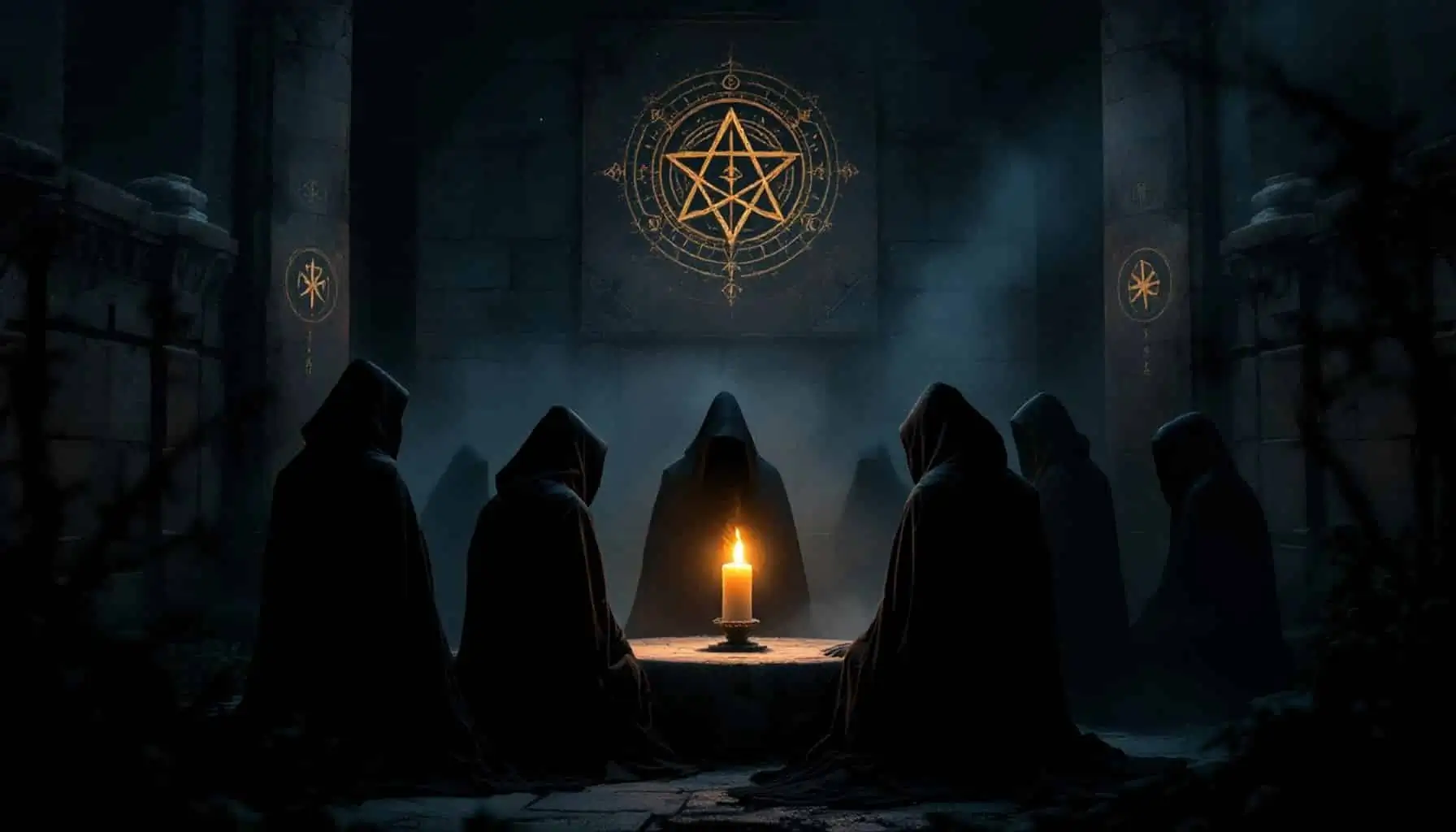
    Vampires have long captivated our imaginations, especially during the Halloween season. From the chilling tales of Dracula to modern interpretations, the lore surrounding these creatures has evolved significantly over centuries. This article explores the origins, cultural significance, and transformation of vampire legends through time.

    Key Takeaways

    • Vampires have ancient roots in various cultures.
    • The modern vampire mythos emerged in 18th-century Europe.
    • Literature, especially Bram Stoker’s “Dracula,” solidified the vampire’s place in popular culture.
    • Vampires symbolize deeper societal anxieties and themes.

    The Ancient Roots of Vampires

    The concept of vampires isn’t new. Ancient civilizations had their own interpretations of blood-sucking entities. For instance:

    • Mesopotamia: Creatures like the lilitu, female demons that craved blood, particularly that of infants.
    • Greece: The lamia, a monster that haunted children at night.

    These early depictions laid the groundwork for what we now recognize as vampires.

    The Evolution of the Vampire Myth

    As we moved into the 18th century, the vampire began to take on a more defined form. Scholars like Nick Groom suggest that the vampire evolved as Enlightenment rationality met Eastern European folklore. This period saw:

    • Grave Chewers: Reports of corpses found consuming their own shrouds, leading to fears of vampirism.
    • Physical Contamination: The idea that vampires could infect others through blood.

    Notable Historical Figures

    Several historical figures contributed to the vampire mythos:

    1. Vlad the Impaler: A Romanian ruler whose brutal reputation inspired Bram Stoker’s Dracula.
    2. Elizabeth Bathory: A Hungarian noblewoman rumored to bathe in the blood of virgins to maintain her youth.

    These figures blurred the lines between myth and reality, fueling the vampire legend.

    The Vampire Craze of the 18th Century

    The 1700s witnessed a vampire epidemic in Europe, with numerous reported sightings and cases. Two notable examples include:

    • Peter Plogojowitz: After his death, nine people died mysteriously, leading locals to believe he had returned as a vampire.
    • Arnold Paole: A soldier whose death was followed by several mysterious deaths in his village, prompting exhumation and staking.

    These events sparked intense debates among theologians and scientists about the nature of vampires.

    Vampires in Literature

    The vampire’s literary journey began in earnest during the 19th century. Key works include:

    • “The Vampire” by John William Polidori (1819): Often considered the first vampire fiction.
    • “Dracula” by Bram Stoker (1897): This novel defined the modern vampire archetype, introducing many tropes still prevalent today.

    Stoker’s Dracula is a complex character, embodying both charm and horror, and has influenced countless adaptations in film and literature.

    The Cultural Impact of Vampires

    Vampires have transcended their folkloric origins to become symbols of various societal anxieties. They often represent:

    • Fear of the Other: Stoker’s Dracula reflects xenophobia towards Eastern Europeans in Victorian England.
    • Sexuality and Repression: The vampire’s allure often intertwines with themes of seduction and danger.

    Modern Interpretations

    In contemporary culture, vampires have taken on new forms, as seen in:

    • Twilight: A romanticized portrayal that diverges from traditional horror.
    • The Vampire Diaries: A series that explores themes of identity and belonging.

    These modern interpretations show how the vampire myth continues to evolve, reflecting current societal issues.

    Conclusion

    The vampire is a creature of endless fascination, evolving through centuries of folklore, literature, and cultural shifts. From ancient demons to modern romantic figures, vampires remain a staple of Halloween and popular culture. As we celebrate this spooky season, we engage with a myth that has shaped and reshaped itself through time, reflecting our deepest fears and desires.

    For a deeper dive into the earliest vampire literature, check out the companion video on the Esoterica channel. Happy Halloween!

  • The P Diddy Situation Is Everything Wrong With Hollywood

    The P Diddy Situation Is Everything Wrong With Hollywood

    The recent scandal surrounding P Diddy has unveiled the dark underbelly of Hollywood, exposing a culture rife with abuse and manipulation. As allegations mount, the truth about the celebrity elite is finally coming to light, revealing a disturbing reality that has long been hidden.

    Key Takeaways

    • P Diddy faces multiple allegations of sexual assault and misconduct.
    • The investigation began with a lawsuit from his ex-girlfriend, Cassandra Ventura.
    • Numerous women have come forward with similar accusations.
    • The scandal highlights a troubling culture within Hollywood.

    The Beginning of the Scandal

    The P Diddy situation began to unravel in November 2023 when his ex-girlfriend, Cassandra Ventura, filed a lawsuit accusing him of misconduct. The case was settled quickly, but it opened the floodgates for more allegations.

    Cassandra’s swift settlement was not an admission of guilt, but it left a stain on Diddy’s reputation. Soon after, two more women came forward with shocking claims of abuse and sexual assault dating back to the early 1990s.

    Disturbing Allegations

    1. Joy Dickerson: Alleged that Diddy drugged and assaulted her when she was just 19.
    2. Lizard Garder: Claimed she and a friend were drugged and assaulted by Diddy and another man when she was only 16.

    These allegations were just the tip of the iceberg. By December 2023, another woman accused Diddy of gang and sex trafficking, detailing a harrowing experience that further tarnished his image.

    Diddy’s Response

    In response to the mounting allegations, Diddy took to social media, claiming he was the victim of a character assassination. He stated, “Enough is enough. I did not do any of these awful things being alleged. I will fight for my name, my family, and for the truth.”

    However, friends of Diddy hinted at a darker reality. Usher, in a past interview, described living with Diddy and witnessing unsettling activities, suggesting that the allegations might have merit.

    The Investigation Expands

    As more women came forward, the investigation intensified. In February 2024, the producer of Diddy’s album filed a $30 million lawsuit, claiming he was drugged and assaulted. This lawsuit included shocking details about Diddy’s alleged behavior, including drugging guests and filming sexual acts.

    The Raid

    On March 25, 2024, Diddy’s homes in Los Angeles and Miami were raided by the Department of Homeland Security. Authorities seized evidence, including over 1,000 bottles of baby oil and lubricant, which raised eyebrows about the nature of his parties.

    The Culture of Abuse

    The allegations against Diddy reveal a troubling culture within Hollywood, where power dynamics often lead to abuse. Reports suggest that drugs were used to facilitate these parties, with cocktails designed to keep participants engaged for hours.

    The Fallout

    As the scandal continues to unfold, Diddy’s career hangs in the balance. He faces serious charges, including sex trafficking and racketeering, and could potentially face life in prison.

    The fallout has been swift, with many celebrities distancing themselves from him. Justin Bieber, once a close associate, is reportedly in shock over the revelations.

    Conclusion

    The P Diddy situation serves as a stark reminder of the dark realities lurking behind the glitz and glamour of Hollywood. As more victims come forward, it becomes increasingly clear that the celebrity culture is fraught with manipulation and abuse. The truth is finally unraveling, and it’s time for the industry to confront its demons.

  • Lost Civilization Exposed In Antarctica?

    Lost Civilization Exposed In Antarctica?

    Antarctica, a land shrouded in mystery, is home to vast, untouched landscapes and secrets waiting to be uncovered. With its extreme conditions and isolation, it serves as a perfect backdrop for theories about ancient civilizations and extraterrestrial artifacts.

    Key Takeaways

    • Antarctica is one of the most unexplored regions on Earth.
    • The Lanan Antenna, discovered at the bottom of the Antarctic sea, raises questions about its origins.
    • The possibility of ancient civilizations existing beneath the ice could rewrite history.

    The Mysterious Landscape of Antarctica

    Antarctica covers about 52 million square miles, making it one of the largest deserts on the planet. Its harsh environment makes exploration incredibly challenging. Yet, this very isolation may have preserved ancient relics and technologies, possibly even alien artifacts.

    The Discovery of the Lanan Antenna

    In a remarkable find, the Lanan Antenna was discovered resting at the bottom of the Antarctic sea. This artifact was first photographed by the Alanan, a nearly 2,000-ton icebreaker, at a depth of nearly 4,000 meters. The antenna resembles a mix between a TV and telemetry antenna, sparking curiosity about its purpose and origin.

    • Key Facts About the Lanan Antenna:
      • Discovered in 1964 by the Alanan.
      • Initially a U.S. Navy cargo ship, later reclassified for oceanographic research.
      • First public mention appeared in the New Zealand Herald in December 1964.

    Connections to the Black Knight Satellite

    Interestingly, the Black Knight Satellite, an object in polar orbit, has been labeled by many as an artificial alien satellite. Could there be a connection between this satellite and the Lanan Antenna? The idea that these two objects might be communicating raises intriguing questions about extraterrestrial technology.

    Theories and Speculations

    In 1968, author Brad Steiger suggested that the Alanan had photographed an extraordinary piece of machinery. Despite attempts to debunk the antenna’s artificial nature, many remain skeptical. Theories abound regarding its true identity:

    1. An Alien Artifact
    2. A Natural Formation
    3. A Remnant of an Ancient Civilization

    The Search for Ancient Ruins

    The possibility of ancient ruins beneath the ice is compelling. If proven, it could challenge our understanding of human history. Many believe that structures like the Great Pyramids and megaliths in Jordan and China could be older than currently accepted timelines.

    • Potential Ancient Ruins in Antarctica:
      • Fortress of Sacsayhuamán: Speculated to be over 2 miles in length.
      • Erosion-Resistant Structures: Could indicate advanced engineering capabilities.

    The Peri Reis Map

    The Peri Reis Map has long been debated as evidence of Antarctica’s landmass before it was covered in ice. If true, it suggests that advanced civilizations existed long before our current understanding of history.

    Unexplored Anomalies

    Antarctica is not just a frozen wasteland; it may hold many unexplored anomalies. The extreme cold and remoteness make it a perfect hiding place for secrets of the past. The potential for discovering advanced technology or remnants of ancient civilizations is tantalizing.

    Conclusion

    The mysteries of Antarctica continue to captivate researchers and enthusiasts alike. The Lanan Antenna and the possibility of ancient ruins beneath the ice challenge our understanding of history and technology. As exploration efforts continue, we may one day uncover the secrets that lie beneath the ice, potentially rewriting the narrative of human civilization.

    The quest for knowledge about our origins is ongoing, and Antarctica may hold the key to unlocking the past.

  • “WARNING: A Complete FINANCIAL LOCKDOWN Is Next”

    “WARNING: A Complete FINANCIAL LOCKDOWN Is Next”

    In a world increasingly dominated by digital currencies, Whitney Webb sheds light on the looming threat of a financial lockdown. This event, driven by crises and geopolitical tensions, could usher in a new era of economic control through Central Bank Digital Currencies (CBDCs).

    Key Takeaways

    • Crisis as a Catalyst: Major events, such as immigration crises or cyber attacks, may be used to justify the implementation of CBDCs.
    • Problem-Reaction-Solution: The establishment often creates problems to push their desired solutions, such as digital currencies.
    • Global Banking Instability: Current banking issues signal a potential collapse, paving the way for a financial reset.
    • Gold’s Resurgence: As traditional currencies falter, gold is becoming a safe haven for investors.
    • Surveillance and Control: CBDCs may serve as tools for increased government surveillance and control over citizens.

    The Role of Crisis in Financial Transformation

    Whitney Webb argues that the onboarding of CBDCs will likely be forced through a crisis. Events like immigration crises or geopolitical conflicts can be leveraged to manufacture consent for digital IDs and currencies. The narrative will be framed around security, suggesting that these measures are necessary to protect citizens from perceived threats.

    The Problem-Reaction-Solution Framework

    This framework is a recurring theme in global events. The establishment creates a problem, elicits a reaction from the public, and then offers a solution that aligns with their agenda. For instance, the World Economic Forum has warned of potential catastrophic cyber events, which could serve as a pretext for implementing CBDCs.

    Banking Instability: A Prelude to Change

    The current state of the banking system is precarious. Major banks are facing significant challenges, and regional banks are not faring much better. This instability could lead to a financial collapse, which would create the perfect environment for a reset. As traditional banking falters, the push for digital currencies will intensify.

    Gold: The Safe Haven

    In times of economic uncertainty, gold has proven to be a reliable asset. Over the last decade, gold prices have more than doubled, and it is on track to be one of the best-performing asset classes this year. Investors are increasingly turning to gold as a hedge against inflation and economic instability.

    The Dangers of CBDCs

    While CBDCs are marketed as tools for financial inclusion, they may actually serve as instruments of surveillance and control. Countries like Nigeria have attempted to implement CBDCs by drastically reducing cash circulation, but public resistance suggests that these systems are viewed with skepticism. The fear is that CBDCs will enable governments to monitor and control financial transactions more closely.

    The Future of Money

    As the global financial landscape shifts, the potential for a complete financial lockdown looms large. Cyber attacks may be used as a justification for transitioning to a fully digital currency system. This shift would render cash obsolete and place unprecedented control in the hands of governments and financial institutions.

    Conclusion

    The warnings from Whitney Webb are clear: a financial lockdown is not just a possibility; it is a looming reality. As crises unfold and the banking system shows signs of instability, the push for CBDCs will likely accelerate. It is crucial for individuals to stay informed and prepared for the changes that lie ahead.

    In this rapidly evolving landscape, diversifying investments and understanding the implications of digital currencies will be essential for financial security.

  • The Legend of the American Werewolf on the Loose!

    The Legend of the American Werewolf on the Loose!

    In the dense forests of Kentucky, a chilling legend lurks. Known as the Barilla, this creature has haunted campers and locals alike, with tales of fatal encounters and mysterious livestock killings. Join us as we explore the eerie stories and eyewitness accounts surrounding this American werewolf.

    Key Takeaways

    • The Barilla is described as a bipedal creature with wolf-like features.
    • Eyewitness accounts reveal a consistent description of the creature.
    • The legend has roots in local folklore and Native American tales.
    • Reports of livestock killings have fueled the mystery surrounding the Barilla.

    The Barilla: A Terrifying Encounter

    In the summer of 1999, Jason Caldwell and his friends embarked on a camping trip in the Daniel Boone National Forest. What was meant to be a fun outing turned into a nightmare when Jason spotted a tall, gray creature lurking nearby. Standing between six and seven feet tall, it had a long muzzle and an aggressive demeanor. The fear was palpable, and the group quickly decided to leave the area, never to return.

    Local Legends and Eyewitness Accounts

    Mount Sterling, Kentucky, is steeped in history and folklore. Many locals have their own stories of encounters with the Barilla. Jeff Caldwell, Jason’s father, recounted a chilling experience from 1996 when he saw a similar creature crossing the road. The consistent descriptions from various witnesses have led to a growing belief in the creature’s existence.

    The Role of Cryptozoologists

    Ron Coffey, a well-known cryptozoologist, has dedicated his life to studying the Barilla. He explains that the name originated in 1972 when a farmer described a creature that was half bear and half gorilla. This description caught the media’s attention, and the legend of the Barilla was born. Ron emphasizes that while many dismiss the idea of werewolves, the Barilla’s characteristics align closely with those of a werewolf.

    The Nature of the Barilla

    Witnesses describe the Barilla as having:

    • A height of about two meters.
    • A coat of black and silver fur.
    • A wolf-like face with long arms and sharp claws.

    Ron Coffey believes that the Barilla is more aggressive than other cryptids, making it a creature to be feared. He recalls his own terrifying childhood encounter, which ignited his passion for uncovering the truth behind this legend.

    The 2012 Attacks

    In 2012, reports of violent attacks attributed to the Barilla resurfaced. Livestock were found mauled, with no signs of consumption, leading many to believe the creature was killing for sport. This wave of attacks created panic in the community, prompting residents to take extra precautions to protect their animals.

    The Historical Context

    The legend of the Barilla is intertwined with Kentucky’s rich history. The area was once home to early settlers who brought their folklore and superstitions with them. The stories of the Barilla echo those of other legendary creatures, such as the Wendigo and the Skinwalker, suggesting a deep-rooted cultural significance.

    The Science Behind the Legend

    While many believe in the Barilla, skeptics argue that sightings could be attributed to misidentified animals, such as bears. Biologist John Cox suggests that the return of black bears to Kentucky coincides with the first modern sightings of the Barilla. He emphasizes the importance of physical evidence in proving the existence of such creatures.

    The Ongoing Search

    Despite the skepticism, Ron Coffey and Jason Caldwell continue their quest to find evidence of the Barilla. They venture into the woods, armed with cameras and plaster for casting tracks, hoping to uncover proof of the creature’s existence. Their determination reflects the enduring allure of the Barilla legend.

    Conclusion: Monster or Myth?

    The Barilla remains a captivating mystery in Kentucky. Whether a product of folklore or a real creature, its legend continues to intrigue locals and visitors alike. As stories of strange encounters persist, the question remains: is the Barilla a monster lurking in the shadows, or simply a figment of imagination?

  • The Discovery of ‘The Tomb of Osiris’ in Egypt: January 1st, 1898

    The Discovery of ‘The Tomb of Osiris’ in Egypt: January 1st, 1898

    In 1898, a significant archaeological event unfolded at Umm El Qa’ab in Abydos, Egypt. French archaeologist Émile Amélineau led an excavation that would claim to uncover the tomb of the god Osiris. This discovery sparked excitement and skepticism, revealing the complexities of early Egyptology.

    Key Takeaways

    • Émile Amélineau’s excavation in 1898 claimed to find the tomb of Osiris.
    • The discovery included a beautifully crafted basalt sarcophagus.
    • Skepticism arose regarding the authenticity of the findings.
    • Flinders Petrie later re-examined the site, revealing critical overlooked artifacts.
    • The site evolved into a significant pilgrimage location dedicated to Osiris.

    The Excavation Begins

    On New Year’s Day 1898, Amélineau announced his groundbreaking find. He believed he had discovered the tomb of Osiris, a claim that resonated with the millennial belief in the god’s burial site. The excavation was marked by a rush to clear the tomb, leading to the disregard of many artifacts that could have provided deeper insights into the site.

    The Basalt Sarcophagus

    Among the most striking finds was a large, intricately designed basalt sarcophagus. This object depicted Osiris on his deathbed, surrounded by symbols of protection and power. The sarcophagus was found lying on its side, adorned with carvings of lions and hawks, representing the god Horus, the son of Osiris.

    Skepticism and Controversy

    Despite the initial excitement, skepticism quickly emerged. Notably, a skull found in the tomb was later identified as belonging to a woman, challenging Amélineau’s claims. Critics, including the renowned archaeologist Flinders Petrie, questioned the validity of the findings. Petrie was eager to excavate the site himself, and in 1899, he was granted permission to do so.

    Flinders Petrie’s Re-examination

    Petrie’s excavation revealed that Amélineau had overlooked many significant artifacts. Among these were a human arm adorned with gold and turquoise jewelry and various objects linked to King Djer, a ruler from the First Dynasty. Petrie’s meticulous work led to the conclusion that the tomb attributed to Osiris was, in fact, the tomb of Djer.

    The Transformation of the Site

    Interestingly, the tomb of Djer was later transformed into a ritual site dedicated to Osiris during the Middle Kingdom. Pilgrims flocked to the site, believing it to be the resting place of the god. This transformation highlights the evolving significance of the site over time, as it became a focal point for worship and pilgrimage.

    The Legacy of Osiris

    The association of the site with Osiris continued well into Egypt’s late period, even surviving the Persian invasion. The tomb’s importance was marked by the construction of stele and other monuments, emphasizing its sacred status. The 13th Dynasty saw further developments, including the addition of a staircase that Amélineau initially discovered.

    Conclusion

    While Émile Amélineau may not have been the most skilled archaeologist, his discovery of the tomb of Osiris set the stage for future explorations and interpretations of ancient Egyptian history. His findings, though flawed, opened the door to a deeper understanding of the cultural and religious significance of the site. The story of the tomb of Osiris is a fascinating chapter in the annals of Egyptology, illustrating the challenges and triumphs of uncovering the past.

  • The Secret Commonwealth: The Hidden World They Don’t Want You to Know

    The Secret Commonwealth: The Hidden World They Don’t Want You to Know

    In this captivating documentary, Paul Wallis delves into the enigmatic revelations of Robert Kirk from the 17th century. Kirk’s work unveils a hidden realm of non-human entities—elves, fauns, and fairies—who may have been influencing humanity for centuries. This exploration raises questions about the nature of these beings and their impact on our world.

    Key Takeaways

    • Robert Kirk’s research reveals a hidden world of non-human beings.
    • His mysterious death raises questions about the forces he was exposing.
    • The parallels between ancient folklore and modern alien encounters.

    The Life of Robert Kirk

    Robert Kirk, a 17th-century minister, was not just a preacher; he was a scholar and a translator. He dedicated his life to understanding the spiritual and supernatural phenomena surrounding him. His background in theology and his passion for Bible translation led him to explore the paranormal aspects of the scriptures.

    Kirk’s interest in the Second Sight—a term used to describe the ability to perceive beyond normal human senses—was sparked by stories from his parishioners. These accounts of remote viewing and encounters with non-human entities fueled his research, culminating in his book, The Secret Commonwealth of Elves, Fauns, and Fairies.

    The Mysterious Death of Kirk

    In 1692, Kirk was found dead under suspicious circumstances. While the coroner ruled it as death by natural causes, local lore suggested he was silenced to protect the secrets he was uncovering. Many believed he was killed or abducted by the very beings he sought to expose. This mystery adds a chilling layer to his already intriguing narrative.

    The Secret Commonwealth

    Kirk’s book, published posthumously in 1815, describes a range of non-human beings, which he referred to as Sith. This term, derived from ancient Celtic, signifies a realm of entities that exist alongside humanity, often unseen. Kirk argued that these beings were not mere folklore but represented real encounters experienced by people throughout history.

    Characteristics of the Sith

    • Shapeshifting Abilities: Some beings could manipulate their appearance and blend in with humans.
    • Predatory Nature: Certain entities were described as preying on humans, deriving sustenance from fear or bodily essence.
    • Cold Indifference: Many of these beings exhibited a lack of empathy towards humans, treating them as mere subjects of interest.

    Parallels with Modern Encounters

    Kirk’s observations resonate with contemporary accounts of alien encounters. The themes of abduction, manipulation, and the allure of higher intelligence echo in both ancient and modern narratives. Kirk believed that these beings might reside in subterranean bases, a notion that aligns with various global abduction stories.

    Theological Implications

    Kirk’s work was not just about documenting encounters; it was deeply theological. He drew connections between his findings and biblical texts, suggesting that these non-human entities might exist in a realm between human and angelic. His insistence on the reality of these beings challenged the prevailing views of his time, risking his safety and reputation.

    A Call to Listen

    Paul Wallis emphasizes the importance of listening to these stories without ridicule. He encourages us to explore our own experiences and those of our communities. By sharing and validating these narratives, we may uncover a deeper understanding of the non-human company that surrounds us.

    Conclusion

    Robert Kirk’s legacy invites us to reconsider the boundaries of reality. His work challenges us to explore the hidden dimensions of our world and to acknowledge the stories that have been passed down through generations. As we delve into the Secret Commonwealth, we may find that the line between myth and reality is thinner than we think.

    In a world filled with unexplained phenomena, perhaps it’s time to open our minds and listen to the whispers of the past, for they may hold the keys to understanding our present and future.

  • UFO Whistleblower Reveals ‘Immaculate Constellation’ Retrieval Program

    UFO Whistleblower Reveals ‘Immaculate Constellation’ Retrieval Program

    A recent revelation from journalist Michael Shellenberger has brought to light a secret UFO retrieval program named Immaculate Constellation. This program, allegedly launched after 2017, has sparked significant interest and controversy, especially given the Pentagon’s denial of its existence. As Congress continues to investigate these claims, the implications of this whistleblower’s testimony could reshape our understanding of unidentified aerial phenomena (UAP).

    Key Takeaways

    • Immaculate Constellation is the name of a secret UAP retrieval program.
    • The Pentagon denies the program’s existence, raising questions about transparency.
    • Congressional investigations are ramping up, fueled by whistleblower testimonies.
    • The importance of specific program names for effective Freedom of Information Act (FOIA) requests.

    The Whistleblower’s Revelation

    The name Immaculate Constellation was revealed by a government whistleblower, marking a significant moment in the ongoing discourse about UAPs. This program is said to be a part of a larger, unacknowledged special access program. The implications of this revelation are profound, as it suggests that there may be more to the UAP phenomenon than previously acknowledged.

    Pentagon’s Denial

    Despite the whistleblower’s claims, the Pentagon has firmly denied any knowledge of the Immaculate Constellation program. This denial raises eyebrows, especially considering the increasing number of reports and testimonies from credible sources. The Pentagon’s stance may indicate a deeper level of secrecy surrounding UAP investigations.

    Congressional Investigations

    Congress has been actively pursuing information regarding UAPs, particularly following the testimony of whistleblower Dave Grusch. Grusch’s allegations have prompted further inquiries, but many members of Congress report facing significant obstacles in their investigations. The lack of transparency from the Department of Defense (DoD) has led to frustration among lawmakers.

    The Importance of Specific Names

    One critical aspect of pursuing information about secret programs is the ability to make effective FOIA requests. Without specific names, such as Immaculate Constellation, it becomes nearly impossible to obtain relevant documents. This highlights the importance of whistleblower testimonies in uncovering hidden information.

    Historical Context

    Historically, significant revelations about government programs have often come to light through persistent investigation and public pressure. The Church Committee, for example, uncovered numerous CIA and FBI abuses, largely due to specific information that allowed for targeted inquiries. The current situation with UAPs may follow a similar trajectory, but it will require sustained effort from both Congress and the public.

    The Role of Public Interest

    Public interest in UAPs has surged, particularly following high-profile hearings and media coverage. This growing curiosity may pressure Congress to take more decisive action in uncovering the truth. However, as history shows, uncovering government secrets can be a slow and arduous process.

    Conclusion

    The revelation of the Immaculate Constellation program adds another layer to the complex narrative surrounding UAPs. As Congress continues to investigate, the interplay between public interest, whistleblower testimonies, and government transparency will be crucial in determining how much information is ultimately revealed. The journey toward understanding UAPs is just beginning, and it promises to be a fascinating one.

  • The Disturbing Case of The Ammons Family Haunting

    The Disturbing Case of The Ammons Family Haunting

    In late 2011, the Ammons family moved into a modest home in Gary, Indiana, seeking a fresh start. What they found instead was a nightmare that would haunt them and leave a mark on the community. This is the chilling account of their experiences with the supernatural.

    Key Takeaways

    • The Ammons family experienced a series of terrifying paranormal events shortly after moving into their new home.
    • Local authorities and community members witnessed strange occurrences, lending credibility to the family’s claims.
    • The haunting escalated to the point where the family sought help from religious leaders and psychics.

    A New Beginning Turns Dark

    The Ammons family, consisting of Latoya Ammons, her three children, and her mother Rosa Campbell, were excited about their new home at 3860 Carolina Street. Initially, everything seemed normal. However, within weeks, they began to notice unsettling phenomena.

    One morning, Latoya woke up to find the front porch swarming with flies, an odd sight for December. Despite their efforts to eliminate the pests, the flies returned, hinting at something sinister lurking within the house.

    Unexplained Noises and Shadows

    As the days passed, the family began to hear footsteps coming from the basement at night. Initially dismissing it, they soon found an open door leading to the dark, ominous space below. The unease grew when Latoya witnessed a shadowy figure emerging from her closet, leaving muddy footprints behind.

    Despite the growing fear, the family felt trapped, unable to leave due to financial constraints. They rationalized the events, thinking they were merely nuisances rather than signs of a haunting.

    The Haunting Escalates

    Things took a terrifying turn during a gathering in March 2012. Latoya’s daughter inexplicably floated above the bed, shocking everyone present. This incident marked a turning point, as friends and family began to distance themselves from the Ammons, fearing the supernatural.

    Desperate for help, Latoya and Rosa reached out to local churches. They were told their home was under demonic occupation, with psychics claiming there were as many as 200 demons present.

    Attempts to Cleanse the Home

    Following the advice of psychics, Latoya created an altar in the basement and performed cleansing rituals. For a brief period, the family experienced peace, but it was short-lived. Latoya’s children began to exhibit strange behaviors, including conversations with unseen entities.

    The youngest boy claimed he had come to kill, while the older brother was thrown from a closet by an unseen force. Latoya herself began to feel possessed, experiencing rapid temperature changes and shaking.

    Medical Intervention and Chaos

    In April 2012, the family sought medical help. During a doctor’s visit, the youngest son began to curse in a deep, guttural voice, and both boys lost consciousness. The chaotic scene led to a call for emergency services, raising suspicions of child abuse.

    Despite evaluations showing no signs of abuse, the Department of Child Services (DCS) decided to take custody of the children, citing concerns for their safety.

    A Priest’s Intervention

    On April 20, 2012, a hospital chaplain contacted Reverend Michael Magano, who had never performed an exorcism but felt compelled to help. Upon visiting the Ammons’ home, he witnessed strange occurrences, including footprints appearing out of thin air.

    After interviewing the family, he concluded that they were indeed being tormented by demons. He performed a minor exorcism, which seemed to provide temporary relief.

    The Major Exorcism

    Eventually, Reverend Magano received permission from the Catholic Church to perform a full exorcism. During the ritual, Latoya convulsed violently, experiencing pain akin to childbirth. They identified one demon, Beelzebub, often associated with flies, which had plagued the family since their arrival.

    After three exorcisms, Latoya felt a sense of relief. The family moved to Indianapolis, where they began to rebuild their lives.

    A New Chapter

    In November 2012, Latoya regained custody of her children. Although they faced challenges, they eventually found peace. The new tenants of the Ammons’ former home reported no paranormal activity, suggesting that the family’s ordeal had come to an end.

    Conclusion

    The Ammons family’s haunting remains a topic of debate. Skeptics argue it was a hoax or collective hysteria, while others believe they were victims of malevolent forces. Regardless, their story serves as a chilling reminder of the unknown, leaving many to wonder what truly lurks in the shadows of our homes.

  • Unveiling The Truth: Matt Pines Discusses UAP Legislation and Langley Incidents

    Unveiling The Truth: Matt Pines Discusses UAP Legislation and Langley Incidents

    In a recent episode of The Good Trouble Show, Matt Ford interviewed Matt Pines, diving deep into the controversial topics surrounding Unidentified Aerial Phenomena (UAP) legislation and the recent drone incidents over Langley Air Force Base. The discussion highlighted the complexities of UAPs, the implications of government secrecy, and the urgent need for transparency in national security matters.

    Key Takeaways

    • Possibility of Non-Human Technology: Pines suggests that some UAPs may represent technologies of non-human origin.
    • Government Programs: There are indications that the U.S. government is involved in crash retrieval and reverse engineering of UAPs.
    • Drone Incursions: Recent drone activities over military installations raise significant national security concerns.
    • Need for Reporting Protections: Legislation is needed to protect pilots who report UAP sightings from potential repercussions.

    The Nature of UAPs

    Pines expressed a high likelihood that some UAPs are technologies not of this Earth. He emphasized the importance of grounding beliefs in hard evidence. Until tangible proof is available for independent evaluation, speculation remains just that—speculation.

    Government Involvement

    The conversation turned to allegations from whistleblower David Grusch regarding crash retrieval and back engineering programs. Pines noted that while these claims are provocative, they are not far-fetched given the government’s acknowledgment of possessing exotic technologies. He pointed out that the Arrow program was designed to explore these very issues, including crash retrieval and fundamental research.

    The Langley Incidents

    In December, several unmanned drones were reported over Langley Air Force Base, raising alarms about security protocols. This incident has been discussed in Congress, with officials questioning how these drones managed to breach sensitive airspace. The implications are serious, as these drones could represent a national security threat.

    Witness Accounts

    Ross Coulthart, a special correspondent, interviewed a witness who described seeing large, orange orb-like objects hovering over Langley. The witness noted that these objects had no visible means of propulsion, challenging the narrative that they were merely drones. This incident is part of a larger pattern of unexplained aerial phenomena occurring near military installations across the U.S.

    The Role of Legislation

    The need for legislative action is pressing. Congressman Glenn Grman is advocating for protections for pilots who report UAP sightings, aiming to reduce the stigma associated with such reports. This is crucial for ensuring that credible sightings are documented and investigated.

    Bureaucratic Challenges

    Pines discussed the bureaucratic hurdles that often prevent transparency. Government officials may downplay UAP incidents to avoid accountability. This reluctance to acknowledge potential threats complicates the national security landscape, especially when foreign adversaries may exploit these gaps.

    Conclusion

    The conversation between Matt Ford and Matt Pines sheds light on the urgent need for transparency regarding UAPs and drone incursions. As the government grapples with these issues, the public deserves clarity and honesty about what is happening in our skies. The implications of these discussions extend beyond mere curiosity; they touch on national security, technological advancement, and the very nature of our understanding of aerial phenomena.

    The time for open dialogue is now. The truth about UAPs may be stranger than fiction, but it is a truth that must be confronted head-on.