Blog

  • Capturing Bigfoot and the Patterson-Gimlin Film: Why the Debate Never Really Ends

    Capturing Bigfoot and the Patterson-Gimlin Film: Why the Debate Never Really Ends

    The new documentary Capturing Bigfoot has reopened the most famous argument in all of cryptid culture: whether the 1967 Patterson-Gimlin film captured a real unknown creature at Bluff Creek or one of the greatest hoaxes in American folklore. That debate is not new, but the documentary gives it fresh life by revisiting the personalities, mythmaking, and possible “trial run” material surrounding Roger Patterson and the footage that believers still treat as the strongest visual evidence for Sasquatch.

    Here is what is known: the Patterson-Gimlin film remains the centerpiece of Bigfoot evidence culture because it is vivid, iconic, and unresolved. Skeptics argue it is a costume performance or a product of motivated mythmaking. Believers argue the movement, proportions, and historical persistence of the footage still resist easy dismissal. The new documentary matters because it reframes the film not only as evidence, but as a cultural object shaped by showmanship, storytelling, and legacy media.

    What the Patterson-Gimlin Film Is

    The Patterson-Gimlin film was captured in 1967 near Bluff Creek, California, and allegedly shows a large, hair-covered bipedal figure walking across a clearing before turning toward the camera. For generations of Bigfoot believers, this figure — often called “Patty” — has stood as the most persuasive visual artifact in all of Sasquatch lore.

    The reason the footage endures is simple: it does not look like a vague shadow or distant blob. It looks like something present, embodied, and strange. That makes it more potent than thousands of stories that offer only noise, traces, or hearsay.

    What the New Documentary Changes

    The current wave of interest comes from Capturing Bigfoot, which screened at SXSW and reportedly revisits both the footage and the man behind it, Roger Patterson. Coverage has emphasized the possibility of newly surfaced material tied to a “trial run,” as well as a more complex portrait of Patterson as a storyteller, operator, and cultural self-mythologizer rather than a simple field investigator.

    That angle is important because it changes the central question. Instead of asking only whether the film is real, it asks what kind of person Patterson was and how much of the Bigfoot legend was shaped by performance, ambition, and the desire to create an unforgettable image.

    That makes this not just a cryptid story, but a media history story.

    Why the Film Still Works on People

    What makes the Patterson-Gimlin film so durable is that it sits in an uncomfortable middle zone. It is too clear to dismiss casually, but too context-dependent to prove cleanly. The strongest Bigfoot stories live in that zone — not obvious enough to end debate, but strong enough that debate never ends.

    Believers often point to the figure’s gait, proportions, arm length, shoulder movement, and apparent muscle or body mass as reasons the film feels difficult to fake convincingly. Skeptics counter that confidence in these details is often shaped by what viewers want to see, and that costume possibilities should not be underestimated, especially when myth and commerce are involved.

    The most widely cited explanation is still that the film reflects some kind of staged performance, but the reason that explanation has never fully erased belief is that the footage remains unusually memorable. It does not vanish from the imagination once seen.

    What Evidence Exists Beyond the Film?

    This is where the Bigfoot debate becomes much weaker. Outside the Patterson-Gimlin footage, the broader Sasquatch world is filled with witness reports, footprint casts, blurry clips, vocalization claims, and long regional traditions — but not with widely accepted biological proof. No body, no unambiguous DNA trail, and no specimen have settled the matter.

    That makes the film culturally overburdened. It has to carry more evidentiary weight than any single piece of footage reasonably should. The documentary seems to understand that. By revisiting the film through the lens of authorship, myth, and performance, it highlights how much of Bigfoot culture depends on one visual moment continuing to feel unresolved.

    For readers interested in how cryptid stories persist through folklore and repetition, the pattern is similar to what we explored in our Loch Ness coverage: strong imagery can outlive the weakness of the underlying evidence.

    What Skeptics and Supporters Each Miss

    Skeptics sometimes underestimate how emotionally unusual the film still feels even after decades of analysis. Supporters sometimes underestimate how powerful mythmaking can be when a story has commercial value, cultural timing, and a memorable image at its center.

    That is why the case remains alive. Each side sees a different problem. One sees a fake that should already be settled. The other sees a genuine anomaly unfairly dismissed by elite certainty. The documentary thrives in that gap.

    Why This Matters Now

    The resurgence of interest around Capturing Bigfoot shows that the Patterson-Gimlin film is no longer just a weird relic of 1960s cryptid culture. It has become an enduring American myth object — part evidence debate, part folklore archive, part documentary obsession, part performance history.

    That matters because the unexplained is not sustained by proof alone. It is sustained by artifacts that remain culturally active. The Patterson-Gimlin film is one of the clearest examples of that. Even people who think it is fake continue to watch it, discuss it, and reinterpret it. Very few pieces of “evidence” survive that long without collapsing.

    FAQ

    Frequently Asked Questions

    What is the Patterson-Gimlin film?

    It is a 1967 film shot at Bluff Creek, California, allegedly showing a Bigfoot-like creature walking across a clearing. It remains the most famous visual evidence in Sasquatch lore.

    Why is Capturing Bigfoot getting attention?

    Because it revisits the film with new documentary framing, reported additional material, and a deeper examination of Roger Patterson as both investigator and mythmaking personality.

    Do experts agree the Patterson-Gimlin film is real?

    No. The film remains heavily disputed. Skeptics generally view it as a hoax or staged performance, while supporters argue the movement and anatomy remain difficult to explain away.

    Why does the debate never end?

    Because the footage is clear enough to remain memorable but not decisive enough to settle the question. It lives in the exact zone where mystery culture thrives.

    Related Articles:

    This article was created using Media Blaster – Your content production specialist. Visit www.mediablaster.io for more information.
  • Congressman Eric Burlison Says Secret UFO Videos “Defy Logic” — What That Really Means for Disclosure

    Congressman Eric Burlison Says Secret UFO Videos “Defy Logic” — What That Really Means for Disclosure

    Rep. Eric Burlison’s latest comments about classified UFO footage have reignited one of the central tensions in the entire UAP disclosure era: the suspicion that the public is being asked to debate the weakest evidence while the strongest material remains behind classified walls. According to Burlison, some of the unreleased videos he has heard about or seen involve orb-like objects that appear stationary and then move in ways that seem to “defy logic.”

    That does not prove nonhuman technology. But it does something almost as important in the current media environment: it reinforces the claim that lawmakers may be seeing a very different layer of evidence than the public. For readers trying to understand why this matters, the issue is not whether Burlison has solved the UFO question. It is whether congressional interest, restricted access, and escalating rhetoric are turning classification itself into one of the most powerful forces in the disclosure story.

    Who Is Eric Burlison in the UAP Debate?

    Burlison has emerged as one of several lawmakers willing to speak openly about unidentified anomalous phenomena while maintaining a posture that sounds more cautious than evangelical. That positioning matters. A congressman who sounds skeptical but intrigued can move the story further than a full believer, because the claim arrives wrapped in institutional credibility rather than obvious enthusiasm.

    This is part of why Burlison’s comments landed so strongly. He did not frame the matter as settled. He framed it as unresolved but hard to dismiss — which is exactly the tone that keeps modern disclosure stories alive.

    What the Secret Video Claim Actually Suggests

    Here is what is known: Burlison has described reportedly extraordinary footage involving glowing orb-like objects and movements that seem difficult to reconcile with ordinary expectations. The stronger interpretation is that he is hinting at technology beyond current known systems. The more cautious interpretation is that he is describing something unusual without sufficient context for public evaluation.

    That gap matters. In the current UAP environment, public debate often revolves less around direct proof than around asymmetry of access. Officials, contractors, whistleblowers, and lawmakers appear to be operating within partially overlapping information systems, while the public is left with fragments and statements.

    As broader reporting from outlets such as Newsweek and The New York Times has shown, the disclosure story is now driven as much by institutional tension and declassification politics as by footage itself.

    Why ‘Defy Logic’ Is Such a Powerful Phrase

    What makes this case unusual is the wording. “Defy logic” is stronger than saying something is unidentified. It implies behavior so unexpected that ordinary explanatory habits fail. That phrase is almost custom-built for disclosure culture because it hints at profound anomaly without committing to a final conclusion.

    It also performs another function: it transforms the hidden footage into a psychological object. People begin imagining evidence stronger than anything they have personally seen. In that way, classification becomes part of the story’s emotional power.

    That does not mean Burlison is misleading anyone. It means that every comment about unreleased material now enters an ecosystem where secrecy itself amplifies belief.

    What Evidence Exists — and What Doesn’t

    The strongest evidence available to the public is still incomplete. What exists in public view includes pilot testimony, declassified military videos, congressional hearings, inspector-general controversy, and a widening chorus of officials saying the issue merits serious review. What does not yet exist is a publicly released body of indisputable footage that settles the matter once and for all.

    That is why stories like this remain volatile. Believers interpret restricted access as proof that the most important evidence is hidden. Skeptics see a pattern of dramatic claims repeatedly outpacing the open record.

    Both reactions are understandable. The problem is that the current disclosure environment rewards assertion faster than verification.

    What Skeptics and Investigators Would Say

    Researchers and skeptics have argued that classified footage can sound more impressive in description than it would appear under full evidentiary scrutiny. Context matters: sensor mode, range, platform behavior, compression artifacts, and operator interpretation can all distort intuitive judgments about what a video shows.

    At the same time, investigators who take UAP seriously argue that repeated institutional concern is itself meaningful. If elected officials and defense-linked insiders continue to push for access, then something about the underlying record is at minimum unusual enough to sustain pressure.

    That is where the story sits: between an evidence deficit and a credibility surplus.

    Why This Matters for the Disclosure Story

    Burlison’s remarks matter because they push the modern UFO conversation deeper into a paradox. The public wants evidence. The institutions closest to the strongest alleged evidence keep implying that it exists while withholding it. That creates a debate structure no one can win cleanly.

    For The Unexplained Company, this is the real significance of the story. The question is no longer just “are UFOs real?” It is “what happens when classification becomes the center of the myth?” Once that happens, secrecy does not reduce belief. It expands it.

    Readers who want to trace that broader pattern should compare this with our piece on the Mellon leak and our article on the so-called UFO metal tested in a real lab. Across these cases, the recurring theme is the same: the strongest claims increasingly live just outside direct public inspection.

    FAQ

    Frequently Asked Questions

    What did Eric Burlison say about secret UFO videos?

    He said some reported UAP footage shows orb-like objects and movements that appear to “defy logic,” suggesting behavior he finds difficult to explain.

    Does this prove alien technology?

    No. Burlison’s remarks increase intrigue, but they do not constitute direct public proof of nonhuman technology.

    Why do comments like this matter so much?

    Because they reinforce the idea that the public may be debating incomplete evidence while lawmakers and officials are seeing stronger classified material.

    What is the main skeptical response?

    Skeptics argue that descriptions of secret footage can sound more dramatic than the material would appear under full technical review, especially without context.

    Related Articles:

    This article was created using Media Blaster – Your content production specialist. Visit www.mediablaster.io for more information.
  • Area 51 Time Dilation Facility Claim: What the Viral Bodycam Leak Says — and Why People Believe It

    Area 51 Time Dilation Facility Claim: What the Viral Bodycam Leak Says — and Why People Believe It

    A viral Area 51 story is making the rounds again, this time built around allegedly leaked bodycam footage in which a trespasser claims he discovered a secret “time dilation facility” linked to the Nevada base. The footage is unverified, the claim is extraordinary, and the story still spread fast because it combines everything the modern conspiracy internet responds to instantly: a sealed military site, strange technical language, official-looking video, and the promise that hidden programs are exploring physics the public is not supposed to know about.

    Here is the clearest answer: there is no verified evidence that Area 51 contains a literal time-dilation chamber or temporal experiment facility. What exists is a viral story built from leak aesthetics, secrecy symbolism, and a concept borrowed from real physics but repurposed into a black-project narrative. That does not make the story culturally unimportant. In fact, it helps explain exactly why it took off.

    https://www.youtube.com/watch?v=HgWjtNfyMeY

    What the Area 51 Time Dilation Claim Actually Says

    The story circulating online centers on allegedly leaked bodycam footage involving a trespasser near or around Area 51 who calmly tells officers that the base is connected to time loops or time dilation rather than ordinary classified aerospace work. In the most dramatic versions of the rumor, the facility is framed as a place where time behaves differently or is being manipulated through hidden research.

    This is an ideal conspiracy format because it fuses three powerful motifs at once: the mythology of Area 51, the authority-signaling aesthetics of bodycam-style footage, and the use of scientific language that sounds just credible enough to stick in the mind. As outlets like Newsweek and Popular Mechanics have documented over the years, Area 51 already occupies a unique place in the public imagination because real military secrecy and speculative folklore have been intertwined there for decades.

    Why Area 51 Is the Perfect Setting for a Story Like This

    Area 51 functions as a myth engine. It is one of the few real places on Earth where almost any extraordinary story sounds emotionally plausible before anyone checks the evidence. That is because the site has long represented the overlap between black-budget research, inaccessible military space, UFO secrecy, and the suspicion that the public sees only a sanitized fraction of what really happens.

    In that setting, “time dilation facility” is not just a phrase. It is a narrative trigger. It sounds scientific, forbidden, and cinematic all at once.

    This is also why a similar claim would likely die quickly if attached to an ordinary office park, factory, or university lab. Area 51 supplies the atmosphere the story needs. The place is doing half the work.

    What Time Dilation Really Means in Physics

    One reason the story travels so well is that time dilation is a real concept in physics. In Einstein’s theory of relativity, time can pass differently depending on speed and gravity. But that does not mean secret bases are casually generating science-fiction time loops inside desert hangars.

    This distinction matters. Conspiracy stories often borrow real scientific terms and relocate them into hidden-program narratives. That move gives the rumor a layer of technical legitimacy without requiring the claim itself to be demonstrated.

    In other words, the term is real. The leap from the term to the viral claim is not.

    What Evidence Exists — and What Does Not

    Here is what is known: the story appears to be driven by online circulation of alleged footage and secondhand reporting, not by verified government records, named technical sources, or documented program disclosures. There is no public evidence showing a real temporal research installation at Area 51.

    The strongest evidence in the story is not physical proof. It is narrative fit. The claim feels like it belongs in the Area 51 mythos, which makes it emotionally convincing to audiences already primed for secrecy-based explanations.

    That does not mean every witness account must be false. But it does mean the burden of proof here is extremely high and currently unmet.

    Why People Believe Stories Like This

    What makes this case unusual is not the evidence, but how neatly it aligns with modern internet belief habits. The story offers:

    • official-looking footage that implies authenticity
    • secret-base context that implies hidden capability
    • scientific wording that implies technical plausibility
    • redaction and uncertainty that imply a cover-up

    That is an almost perfect formula for viral conspiracy engagement. Viewers do not need proof to become interested. They only need enough unresolved texture to feel that the truth may be just out of reach.

    What Skeptics Would Say

    Skeptics would argue that this is a textbook example of how modern rumor culture works: attach a dramatic claim to a culturally loaded site, add a fragment of shaky or partial “evidence,” and let the audience do the rest. They would also note that extraordinary claims about hidden physics demand extraordinary evidence, not just uncanny presentation.

    Researchers and skeptics have argued for years that Area 51 stories often succeed because the base contains something very real — secrecy — but that secrecy is broad enough to absorb almost any invented or exaggerated narrative. Once a place becomes a cultural symbol, it starts attracting stories regardless of whether the facts support them.

    Why This Story Still Matters

    Even if the claim never produces credible proof, it matters as a culture signal. It shows how conspiracy media now blends real science vocabulary, official aesthetics, and military mythology into rapid-fire belief objects that spread before verification can catch up.

    That is especially important for The Unexplained Company because it reveals how mystery culture evolves. Today’s strange stories do not always come from long investigations or gradual folklore growth. Sometimes they appear as prepackaged viral artifacts designed to exploit familiar symbols immediately.

    For readers interested in similar disclosure-era patterns, see our article on alleged high-definition satellite UFO imagery in the Mellon leak story and our investigation into the so-called UFO metal that finally received serious lab attention. In each case, the central tension is the same: the public is invited to believe that the most important evidence exists, but remains just outside reach.

    FAQ

    Frequently Asked Questions

    Is there real evidence of a time dilation facility at Area 51?

    No verified public evidence has been released showing that Area 51 contains a literal time-dilation facility. The current story is based on unverified footage and viral retellings.

    Why does the claim sound believable to so many people?

    Because it combines a real secretive location, official-looking footage, scientific language, and a long history of UFO and black-project mythology around Area 51.

    What is time dilation in real science?

    Time dilation is a genuine concept from relativity describing how time can pass differently depending on speed or gravity. That does not mean the viral claim about a hidden Area 51 time-loop facility is supported.

    Could the footage still be authentic even if the claim is wrong?

    Yes. A video can be real while the interpretation attached to it is exaggerated, mistaken, or fictional. That is common in conspiracy-driven media cycles.

    Related Articles:

    This article was created using Media Blaster – Your content production specialist. Visit www.mediablaster.io for more information.

  • St. Mary’s Paranormal Pajama Party Shows How Haunted Tourism Is Evolving

    St. Mary’s Paranormal Pajama Party Shows How Haunted Tourism Is Evolving

    There was a time when haunted tourism mostly meant walking through an old building, hearing a few stories, and leaving with a souvenir. Events like the Paranormal Painting Pajama Party at St. Mary’s Art Center in Virginia City, Nevada show how much that formula has changed. This is no longer just about listening to ghost lore. It is about staying overnight, participating in an investigation, making art from the experience, and turning the entire evening into a personal story.

    According to The Comstock Chronicle, St. Mary’s Art Center partnered with Women Investigating Ghost Sightings for the March 27–29 event. Guests were invited into the historic building after hours for structured paranormal investigation and an overnight stay, then encouraged to create artwork inspired by the mood of the building and whatever they believed they experienced there. It sounds playful on the surface, but it says a great deal about where paranormal culture is heading.

    A haunted experience built around participation

    St. Mary’s is unusually well suited to this kind of event. The center operates inside a former 1876 hospital, which gives it emotional weight before any ghost story is told. Old hospitals naturally attract narratives of unfinished business, loss, and residual presence. They feel different from ordinary historic homes because their original purpose was already bound up with vulnerability and crisis.

    The building’s present identity adds another layer. St. Mary’s Art Center is both a preservation site and a creative space, which makes the pajama-party format more than a gimmick. The event combines investigation with artistic response, turning the night into something part ghost hunt, part sleepover, part workshop. Guests are not just being shown a haunting. They are being asked to interpret it.

    Why haunted tourism is changing

    This matters because it reflects a broader transformation in the paranormal economy. Audiences increasingly want more than passive consumption. They do not just want to hear that a place is haunted; they want to enter it after dark, test the claim for themselves, compare impressions with strangers, and leave with evidence, artwork, or at least a memorable story. The experience itself becomes the product.

    That model fits perfectly with contemporary digital culture. An ordinary ghost tour may be enjoyable, but an overnight paranormal painting event inside a historic hospital is highly shareable. It gives visitors a narrative arc, visual texture, and social-media-friendly details from the moment they arrive. Pajamas soften the tone, ghost hunting adds suspense, and the art-making component gives attendees something tangible to carry home beyond photos or video clips.

    It also shows how operators are broadening the audience for paranormal events. Traditional ghost tourism often targets dedicated believers, history buffs, or Halloween-season visitors. An event like this reaches all of them while also appealing to people who like immersive experiences, creative workshops, and destination travel with an offbeat edge. Haunted tourism is becoming less siloed and more hybrid.

    The business of atmosphere

    Virginia City has long understood how to market its mining-era history, and St. Mary’s fits neatly into that larger landscape. The town’s appeal is built on a mixture of preserved architecture, Old West identity, and persistent legends of hauntings. What the Paranormal Painting Pajama Party adds is a newer kind of event design: not simply presenting a haunted location, but packaging it as an interactive themed environment. That is a different business strategy from the older museum-or-walking-tour model.

    The concept also reflects the growth of what can fairly be called the paranormal experience economy. Across the United States, historic buildings and folklore-rich destinations are increasingly being monetized through immersive overnight events, paranormal investigations, themed dinners, and niche retreats. What once lived at the edges of tourism now behaves like an adaptable event category.

    That does not make the supernatural claims any more or less true. What it does change is the way audiences relate to them. The visitor is no longer a spectator watching a ghost story from the outside. They are placed inside the story and encouraged to participate in producing its meaning.

    Why this format appeals right now

    The St. Mary’s event works because it understands a modern audience’s appetite for mood, novelty, and self-directed mystery. It offers fear without overwhelming darkness, creativity without abandoning the paranormal hook, and enough intimacy to make the night feel personal. That combination is powerful. It turns haunting from a fixed tale into a social experience people can narrate afterward as their own.

    In that sense, the Paranormal Painting Pajama Party is not just a quirky local event. It is a sign of how haunted culture is evolving. The future of paranormal tourism may not belong only to the loudest ghost tours or the scariest haunted houses. It may belong to places that can create more layered, participatory, emotionally textured experiences around the same old question: what, if anything, is still here?

    Related Articles

    This article was created using Media Blaster – Your content production specialist. Visit www.mediablaster.io for more information.
  • Why the Tel Aviv Crow Swarm Became a Harbinger-of-Doom Story Online

    Why the Tel Aviv Crow Swarm Became a Harbinger-of-Doom Story Online

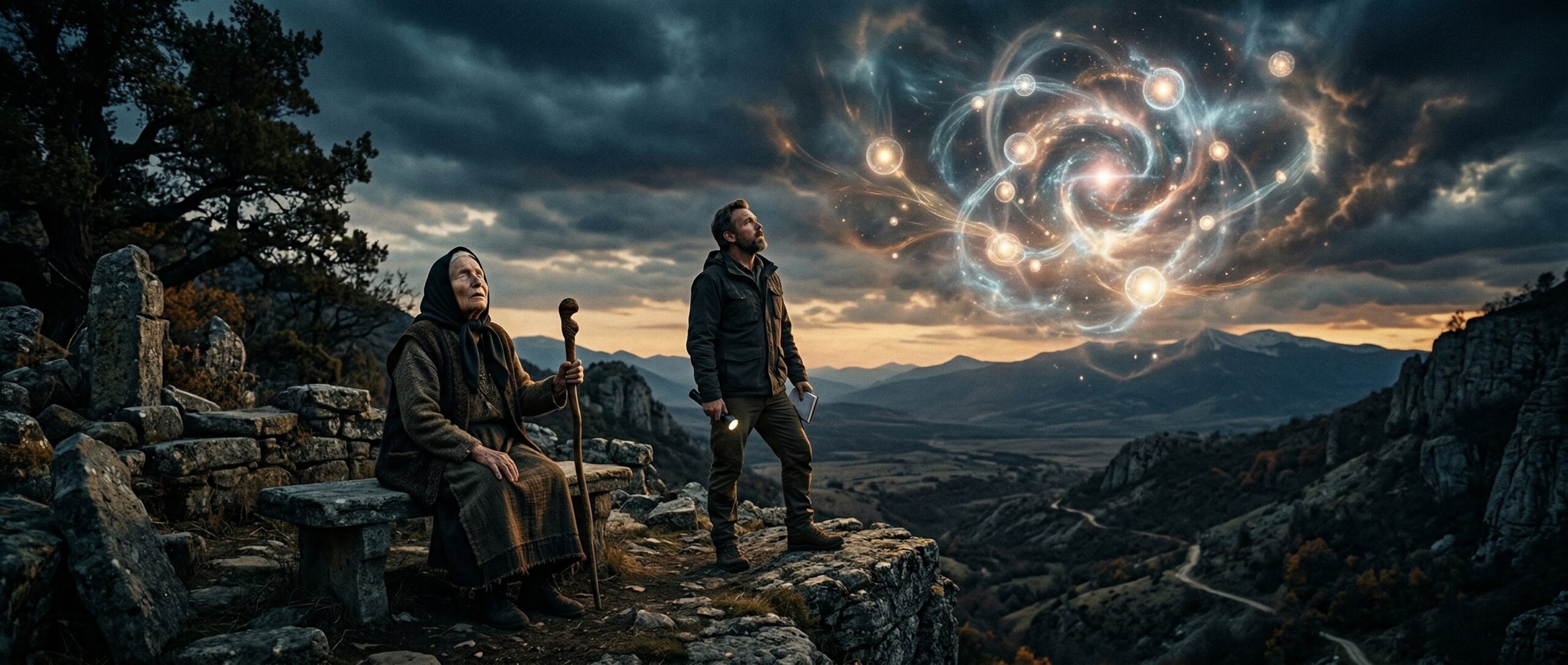
    A viral video of thousands of crows swirling over Tel Aviv sparked immediate claims that the scene was a supernatural warning, a biblical sign, or a “harbinger of doom.” Here is the clearest answer: the footage appears to show a real and visually dramatic bird swarm, but the most likely explanation is natural migration and urban flocking behavior rather than evidence of anything paranormal. What turned the clip into an unexplained story was not proof of an omen, but the speed with which fear, symbolism, and geopolitical anxiety attached themselves to the image.

    That distinction matters because the Tel Aviv crow video sits at the intersection of two very old human habits. The first is reading meaning into the sky when events on the ground already feel unstable. The second is treating unusual animal behavior as a message rather than a pattern. In moments of social tension, those instincts become stronger, and the internet accelerates them.

    The clip gained traction after NewsX reported on the viral reaction, noting that viewers were linking the footage to current regional tensions and framing it as a possible prophecy sign. That reaction is what made the video newsworthy. The birds were real. The “doom” interpretation was cultural.

    What happened in the Tel Aviv crow swarm video?

    The footage shows a dense black flock moving through the skyline around Tel Aviv high-rises, creating the kind of visual effect that immediately looks uncanny on social media. The dark mass of birds appears to fold and reform in waves, making the sky itself seem unstable for a few seconds. That alone is enough to trigger an emotional response even before viewers attach a theory to it.

    In another context, the same video might have been shared as an urban wildlife curiosity or a dramatic migration clip. Instead, it spread during a period of heightened emotional and political tension, which meant many people did not experience it as neutral footage. They experienced it as charged imagery. That helps explain why so many captions and reposts moved quickly toward apocalyptic language.

    It is also important to separate what is visible from what is inferred. What is visible is a very large flock of birds. What is inferred is everything else: that the birds were behaving unnaturally, that they were responding to hidden forces, or that the scene had prophetic significance. The internet often collapses those two categories into one, but editorially they should stay separate.

    Why did so many people call it a harbinger of doom?

    Crows and ravens have carried symbolic weight for centuries. In folklore, religion, literature, and war imagery, black birds are often associated with death, judgment, catastrophe, and messages from beyond the ordinary world. Once those meanings already exist in the cultural background, a huge swarm over a major city does not arrive as blank visual information. It arrives preloaded with interpretation.

    That is why the “harbinger of doom” label attached so quickly. Social platforms reward emotionally intense framing, and apocalyptic language is one of the fastest ways to turn an ambiguous clip into a shareable narrative. A dramatic sky scene over Tel Aviv was almost guaranteed to attract biblical references, omen talk, and prophecy discourse from users already primed to see global instability through symbolic signs.

    This is not new behavior. Ancient cultures often treated unusual bird movement as significant. Augury, omen reading, and symbolic sky interpretation are old habits, not fringe inventions of the modern internet. What has changed is the distribution speed. A visual that once would have circulated locally now reaches millions of viewers in hours, and each viewer can add their own interpretive layer on top.

    The most widely cited explanation is bird migration and urban flocking

    The strongest non-mystical explanation is also the most straightforward one: Israel sits on one of the world’s most important migration corridors, and large bird movements are part of the ecological reality of the region. Organizations such as Nature Israel have long highlighted the scale of seasonal migration through the country, with huge numbers of birds passing through the area during peak movement periods.

    That broader migration context matters because it makes the Tel Aviv scene unusual in appearance without making it scientifically extraordinary. A dramatic flock can still be real, striking, and uncommon to the average viewer while remaining fully consistent with known animal behavior. The unexplained feeling often comes from unfamiliarity, not from lack of explanation.

    There is also specific behavioral context for crows themselves. The Cornell Lab of Ornithology has documented how crows can gather in large communal roosts and travel in conspicuous numbers, especially in environments where food sources, safety, and urban structures shape flock movement. On video, those patterns can look far more ominous than they do in ordinary field observation because city skylines compress scale and contrast.

    What evidence exists for a supernatural interpretation?

    At the moment, there is no strong evidence that the Tel Aviv crow swarm was paranormal, prophetic, or otherwise beyond conventional explanation. There is a visually powerful clip, a wave of symbolic interpretation, and a long cultural history of treating black birds as signs. That is enough to fuel belief and discussion. It is not enough to establish a supernatural event as fact.

    This is where editorial discipline matters. A mysterious-looking image is not the same thing as mystery proven. The strongest evidence in this case is evidence of response: how people reacted, what they projected onto the clip, and why the symbolic framing spread so efficiently. The supernatural claim rests on interpretation, not on any verified anomaly in bird behavior.

    That does not make the story empty. It simply changes what the story is really about. The deeper unexplained question is not whether crows can move in large groups. They can. The more revealing question is why so many viewers were ready to treat the image as a warning from the sky.

    What skeptics and investigators would say

    A skeptical reading would emphasize three things. First, large bird gatherings are well documented, especially in migration-heavy regions. Second, emotionally loaded contexts make ordinary events seem unusually meaningful. Third, social media captions shape perception before viewers have time to ask basic factual questions. Once a clip is framed as a prophecy sign, many viewers no longer approach it as raw footage. They approach it as evidence for a conclusion that has already been suggested to them.

    Investigators or media-literate analysts would likely add a fourth point: the power of the clip lies in its ambiguity. It is dramatic enough to feel uncanny and ordinary enough to support a natural explanation. That combination is exactly what makes a story durable. If the answer were too obvious, it would not spread. If the evidence for the extraordinary were stronger, the debate would look very different. Instead, the video occupies the fertile middle ground where myth, symbolism, and rational explanation can all coexist long enough to generate attention.

    Why this story matters beyond one viral clip

    The Tel Aviv crow swarm is important because it shows how quickly modern media can transform a natural event into a symbolic crisis. A single piece of real footage became, within hours, a debate about prophecy, fear, war, and meaning. That is not just a bird story. It is a case study in how unexplained narratives are built in real time.

    It also reveals something about the current emotional atmosphere online. In periods of uncertainty, people do not simply watch strange images. They recruit them. They search for signs, frameworks, and warnings that help them narrate the instability they already feel. The sky becomes part of the story they believe history is telling.

    That is why the Tel Aviv video resonated. It provided a perfect symbolic canvas: black birds, a major city, a tense backdrop, and enough visual drama to feel mythic. The most likely explanation may be migration and flock behavior, but the reason the clip spread is that it satisfied a different need entirely. It looked like meaning.

    Final assessment

    So what was the Tel Aviv crow swarm: omen or migration? Based on what is currently known, migration and ordinary bird behavior remain the most credible explanation. But that does not erase the cultural power of the clip. What makes this case unusual is not the existence of a flock. It is the speed with which a natural event was absorbed into prophecy discourse and treated as a warning sign by viewers around the world.

    In that sense, the mystery is not really in the birds. It is in the human impulse to turn unsettling images into messages. That impulse is ancient, and the internet has only made it faster.

    Frequently Asked Questions

    Was the Tel Aviv crow swarm really a supernatural omen?

    Based on what is currently known, there is no strong evidence that the flock was supernatural. The most credible explanation is ordinary bird movement amplified by a highly emotional context and symbolic interpretation online.

    Why did people call the birds a harbinger of doom?

    Crows have long been associated in folklore and religious symbolism with death, warning, and catastrophe. When a dramatic swarm appears over a major city during a tense moment, many viewers naturally interpret it through those older symbolic frameworks.

    What is the scientific explanation for the Tel Aviv crow video?

    The most widely cited explanation is seasonal bird migration and large-scale flocking behavior in a region known for intense migratory movement. Urban perspective and skyline contrast can also make a normal flock look much more uncanny on video.

    Related Articles

    This article was created using Media Blaster – Your content production specialist. Visit www.mediablaster.io for more information.
  • Annabelle in Salem? Why the Warren Museum Story Is Exploding Online

    Annabelle in Salem? Why the Warren Museum Story Is Exploding Online

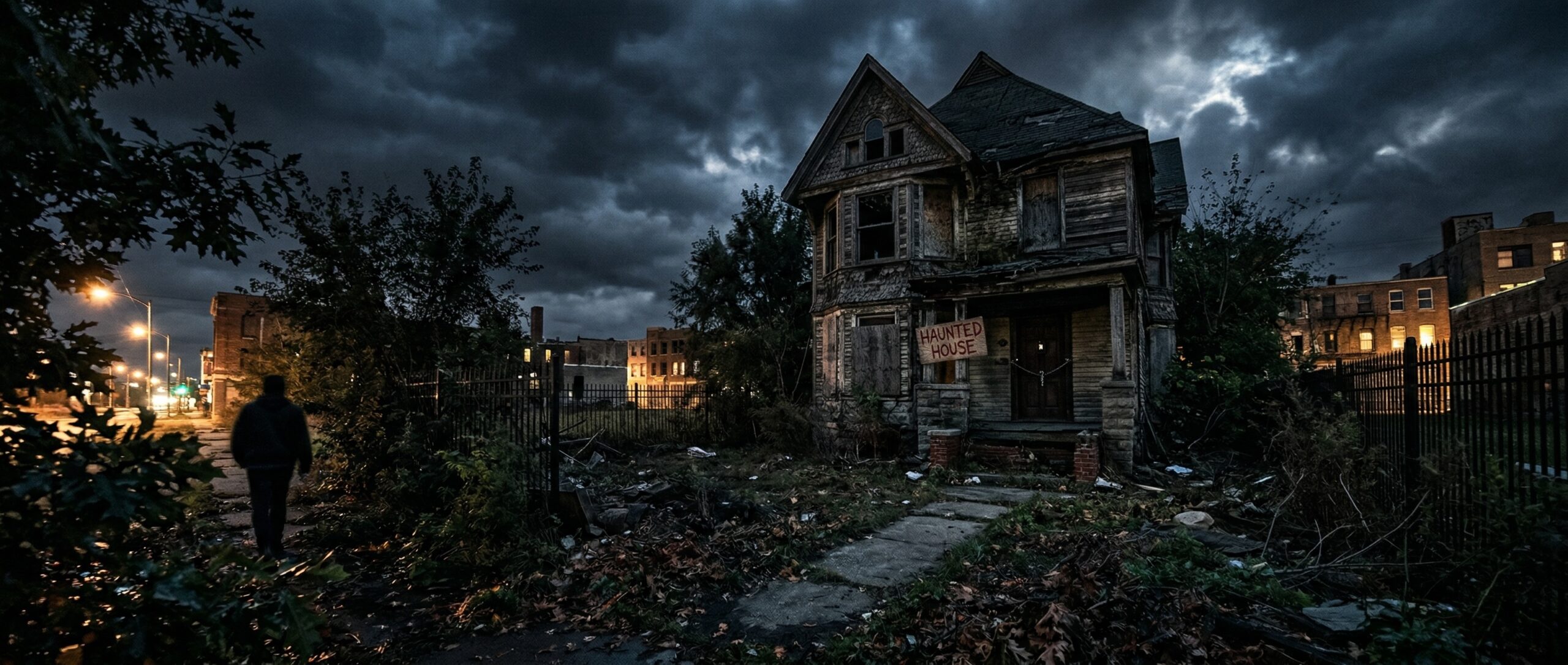
    Few paranormal stories spread faster than one involving Annabelle, the allegedly haunted doll long linked to Ed and Lorraine Warren. The latest twist is almost too perfectly calibrated for the internet: a proposal tied to a new Warren-branded museum could bring the doll to Salem, Massachusetts, the country’s most recognizable city for witchcraft lore and supernatural tourism. That possibility has turned a local planning story into a national obsession.

    At the center of the buzz is a proposal for The Haunted Warren Museum at 259 Essex Street in Salem. Reporting from Hearst Connecticut Media’s Middletown Press says city discussions moved forward on March 26, with plans that reportedly include 14 exhibit spaces dedicated to paranormal artifacts from around the world. The project has also drawn attention because it reportedly involves creator and entertainer Elton Castee through Haunted Warren Museum, LLC, giving the story a modern influencer-era dimension on top of the Warrens’ already famous legacy.

    Why Salem changes the scale of the story

    Annabelle is already one of the few occult objects that exists far beyond ghost-hunting circles. The doll’s reputation was built first through Warren case files and later magnified by books, television, and especially the Conjuring universe. Even people who know almost nothing about paranormal history often recognize the name. Put that level of pop-culture visibility into Salem, and the result is immediate attention from tourists, skeptics, believers, and local residents alike.

    Salem is not just another New England town with a haunted attraction. It is a place where the memory of the 1692 Salem witch trials coexists with a massive tourism economy built around the supernatural, folklore, and dark history. That makes the city an unusually potent backdrop for a Warren museum. A haunted object exhibit might feel niche somewhere else; in Salem, it becomes a direct addition to an already mature ecosystem of ghost tours, museums, seasonal events, and occult branding.

    The real issue is bigger than one doll

    That is why the proposed move has generated so much debate. Annabelle may be the headline magnet, but the deeper story is about what happens when legacy paranormal mythology meets city permitting, neighborhood concerns, and a hyper-commercial tourism district. According to the reporting around the proposal, discussion has focused less on whether the artifacts are genuinely supernatural and more on practical matters such as operating hours, crowd flow, security, and the effect a high-profile occult attraction could have on the surrounding area.

    In other words, this is not simply a ghost story. It is a story about how a famous paranormal brand attempts to scale into a destination business. The Warrens remain central figures in American haunting mythology, but their legacy now exists inside a much more contemporary media landscape, one shaped by viral clips, creator-driven promotion, and fandom culture. That combination makes the Salem museum proposal feel like a collision between old-school demonology lore and the logic of modern entertainment IP.

    Why Annabelle still works as a cultural symbol

    Part of the reason the story has caught fire is that Annabelle functions as an unusually efficient symbol. The real artifact associated with the Warrens is a Raggedy Ann doll, while the film version transformed the concept into something far more visibly sinister. The gap between the historical object and the cinematic icon has only made the legend more durable. It allows believers to attach meaning to the original case while casual audiences respond to the broader mythology popularized by mainstream horror media.

    That kind of recognition matters in tourism. A museum full of lesser-known cursed items might draw dedicated paranormal fans, but Annabelle is the object that cuts through to everyone else. She is instantly legible, visually memorable, and easy to package in headlines, thumbnails, and social media debates. Salem, meanwhile, is one of the few places in the United States where that recognition can be converted almost immediately into foot traffic.

    The backlash is part of the attraction

    Stories like this also feed on resistance. The more residents worry about traffic, spectacle, or the continued commercialization of Salem’s supernatural identity, the more attention the museum receives. That tension keeps the story moving because it creates two narratives at once: a paranormal tourism expansion for fans and a civic debate for everyone else. The controversy is not separate from the attraction. It is part of what gives the museum proposal its public energy.

    There is also a broader question underneath the arguments about zoning and operations. What exactly is a Warren museum in 2026 supposed to be? Is it a preservation effort for artifacts tied to one of America’s most famous paranormal families, a theatrical attraction built for tourists, or a hybrid of both? Salem is an ideal place for that question because the city has spent decades navigating the line between historical memory and supernatural spectacle.

    What happens next

    For now, the proposal’s significance lies in how neatly it captures the current state of paranormal culture. Haunted objects are no longer just relics from old case files. They are brands, attractions, conversation pieces, and engines for viral storytelling. If Annabelle does end up in Salem, the city may become an even stronger center of haunted-object tourism than it already is. If the proposal stalls, the attention it has generated still proves the same thing: the American appetite for organized, commercialized encounters with the unexplained is only getting stronger.

    Either way, the story has already escaped the limits of local news. It now sits at the intersection of folklore, business, internet fame, and municipal politics. That is why the idea of Annabelle in Salem has spread so quickly. It does not just sound spooky. It sounds inevitable.

    Related Articles

    This article was created using Media Blaster – Your content production specialist. Visit www.mediablaster.io for more information.
  • Is Syracuse University Haunted? Why the Campus Ghost Story Keeps Growing

    Is Syracuse University Haunted? Why the Campus Ghost Story Keeps Growing

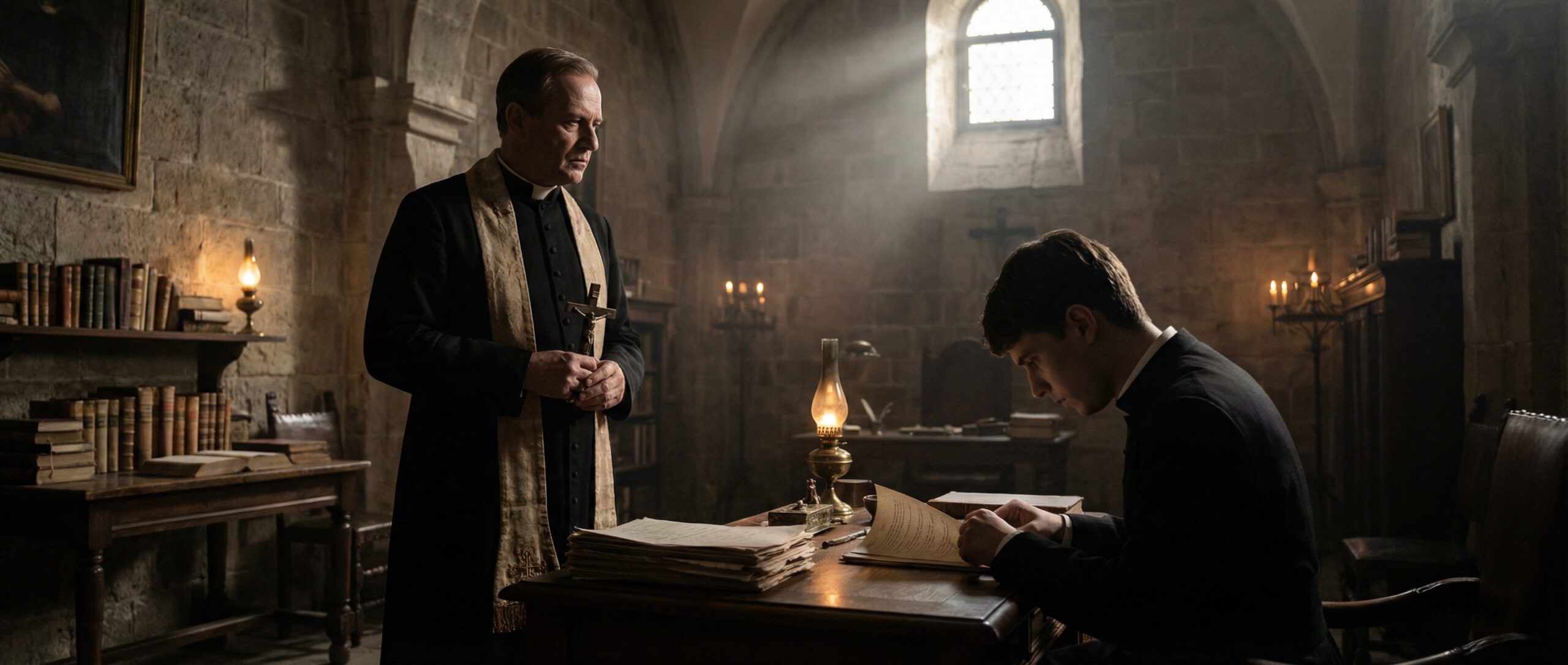
    Syracuse University does not trade on a single defining ghost story in the way some older campuses do. What gives the school its reputation is something more durable: a steady accumulation of eerie claims, historic buildings, cemetery lore and student testimony that keeps the question alive from one class year to the next. A recent Daily Orange feature gave that conversation fresh momentum by treating the campus as neither a joke nor a proven paranormal hotspot, but as a place where enough unsettling stories circulate to make the label stick.

    That framing matters. The modern internet loves a haunting that feels close at hand. A ruined asylum is atmospheric, but a working university is more relatable: late nights, old stone buildings, half-believed rumors, and the kind of emotional intensity that makes every odd sound feel loaded. Syracuse fits that pattern unusually well.

    Why Syracuse keeps attracting ghost lore

    Part of the answer is physical. Syracuse University has the kind of architecture that naturally collects legend. The Hall of Languages, the first building constructed on campus, dates to the early 1870s and still anchors the university with its Second Empire silhouette, towers and long institutional memory. Crouse College, with its dramatic Victorian Gothic look and castle-like presence, only deepens that atmosphere. Even before any ghost story is told, the setting does some of the work.

    Then there is proximity. Syracuse students are not walking through a sealed-off academic museum. They move through a living city with its own folklore, and one of the most persistent local touchpoints is Oakwood Cemetery, the historic cemetery bordering the university area. It has long been part of the city’s haunted reputation, which means campus lore never stays confined to lecture halls and dorms. The edge between university life and local legend is thin.

    That is why Syracuse ghost talk tends to spread as a network rather than a single headline mystery. A sound heard in one residence hall, a figure glimpsed near an older building, a strange feeling during a walk by the cemetery, an upperclassman retelling an old story to a first-year student — this is how campus mythology survives. It moves socially before it moves journalistically.

    A campus haunting built on repetition, not proof

    The most interesting thing about Syracuse’s paranormal reputation is that it does not depend on a definitive case file. It grows through repetition. Students arrive, hear that certain places are “known” for activity, test the claim for themselves and then add new details, skeptical or not. That cycle is more powerful than one dramatic incident because it keeps the story current.

    The Daily Orange piece captured that well by approaching the subject as a ghost-hunt question rather than a solved mystery. That tone mirrors how many people now engage with paranormal claims online. They do not necessarily need to believe in a full supernatural explanation. They just need enough uncertainty for the story to remain entertaining, discussable and a little unnerving.

    Universities are perfect environments for that kind of folklore. Students are sleep-deprived, stressed, socially primed for suggestion and constantly occupying spaces with layered histories. A creaking stairwell or an unexplained noise in a high-rise dorm can become a shared narrative almost instantly. Once that narrative sticks, every new class inherits it.

    Why haunted-college stories resonate now

    Syracuse is part of a broader shift in how paranormal stories circulate. Haunted places are no longer just isolated tourist attractions with ticket booths and velvet ropes. Increasingly, ordinary institutions with enough age, symbolism and rumor density are treated as active mystery zones. Colleges are especially suited to that because they combine youth culture with ritual, tradition and architecture built to outlast generations.

    That makes the Syracuse story more than a local curiosity. It is also a case study in how belief and atmosphere work online. The question “Is Syracuse University haunted?” invites endless low-stakes participation. Alumni can add memories. Current students can compare rumors. Skeptics can argue that old buildings and suggestion explain everything. Believers can point to the sheer number of recurring claims. Everyone has a lane into the conversation.

    And that is exactly why the story keeps growing. A haunting does not need universal proof to become culturally real. It only needs a setting that feels charged, a body of stories that refuses to disappear, and a community willing to keep asking whether something strange is going on after dark.

    At Syracuse, that formula is already in place.

    Related Articles

    This article was created using Media Blaster – Your content production specialist. Visit www.mediablaster.io for more information.
  • Anna Paulina Luna’s UFO Disclosure Push Could Change the UAP Debate

    Anna Paulina Luna’s UFO Disclosure Push Could Change the UAP Debate

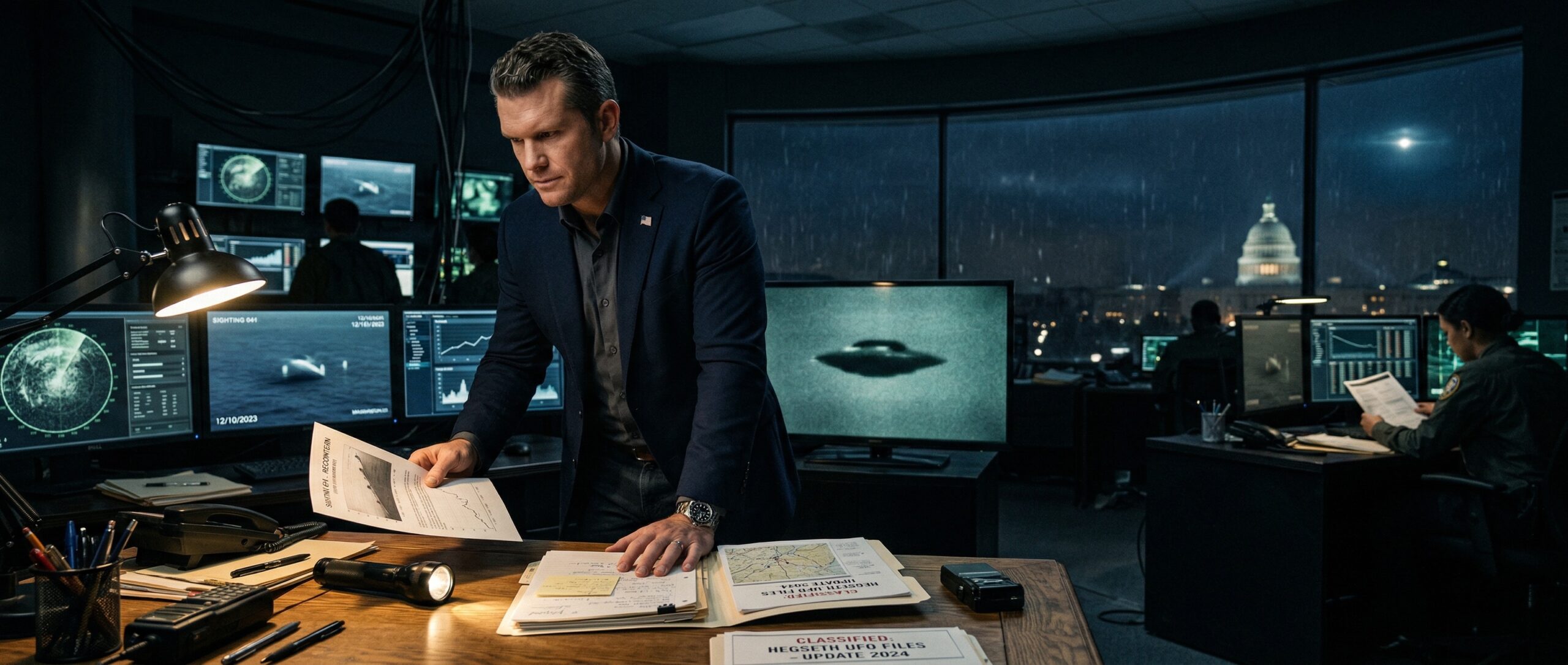
    Rep. Anna Paulina Luna is becoming one of the most visible political figures in the modern UFO disclosure fight, and that matters because she is not speaking from the margins. As chair of the House Oversight Committee’s Task Force on the Declassification of Federal Secrets, Luna is operating from inside a part of Congress built to pressure federal agencies for records, testimony, and accountability. Her recent remarks suggest lawmakers have already seen material they cannot easily explain, and she is signaling that more could become public once declassification procedures catch up.

    That is a notable shift in tone. For years, Washington’s UAP debate has lurched between sensational claims and institutional caution, with the Pentagon trying to keep the subject inside official channels while public distrust continues to grow. Luna is now pushing in the opposite direction. She has said Congress has viewed footage the government still considers unexplained, and she has framed the next phase of disclosure as less about speculation and more about getting records out into the open.

    The broader backdrop is already well established. The Pentagon’s All-domain Anomaly Resolution Office, or AARO, was created to centralize investigation of unexplained objects seen in air, space, and undersea environments. At the same time, the House Oversight Committee has remained one of the main venues where lawmakers press agencies over transparency, secrecy, and whistleblower claims tied to UAP incidents. Luna is trying to use that machinery not just to ask questions, but to force movement.

    Disclosure may be messier than believers expect

    One of the most important parts of Luna’s position is not the promise of release itself, but the warning attached to it. Even if records are declassified, that does not mean the public will get a neat government conclusion explaining exactly what every object was. In fact, the likelier outcome may be a large release of documents, video, and supporting material that raises the level of public scrutiny without resolving the mystery.

    That possibility cuts in two directions. For disclosure advocates, any release would be a major victory because it would move the conversation away from pure rumor and toward primary material. For skeptics, though, a records dump without firm conclusions could look like more ambiguity rather than clarity. Luna appears to understand that tension. Her message is not simply that answers are coming. It is that more evidence may come, and the fight over what it means could intensify.

    That distinction matters because recent official reviews have already shown how hard it is to satisfy either side. The Pentagon has repeatedly said many UAP cases are unresolved because of limited data, not because they prove extraordinary origins. Its historical review on U.S. government involvement with UAP claims leaned heavily toward debunking longstanding allegations of hidden crash-retrieval programs, while still acknowledging persistent reporting and ongoing public interest. That left disclosure supporters convinced the government was still withholding too much, and critics of the movement convinced the hype had outrun the evidence.

    Luna’s clash with AARO raises the stakes

    Luna is not only promising transparency. She is also escalating the political conflict around who should control the story. Reports tied to her recent comments suggest she wants AARO disbanded or defunded, a dramatic position that turns a policy disagreement into an institutional showdown. If that pressure continues, the argument will no longer be limited to whether unexplained objects exist. It will become a fight over whether the Pentagon’s current disclosure framework has any credibility left on Capitol Hill.

    That is a serious accusation, even if it is being delivered in the language of political combat. AARO was supposed to reassure the public that sightings were being cataloged through an official investigative process. But many in the disclosure camp see the office as too cautious, too controlled, and too close to the defense bureaucracy it is meant to scrutinize. Luna’s posture speaks directly to that frustration. She is effectively betting that public appetite for transparency now outweighs institutional patience.

    Her role also gives the issue more staying power than yet another viral UFO clip. Congressional interest means hearings, records requests, staff reviews, and procedural fights can keep the subject alive long after the headlines fade. Even people who doubt the extraterrestrial angle should pay attention to that. The UAP story is no longer just about strange objects. It is about secrecy, national-security oversight, and whether elected officials believe they are getting the full story from defense and intelligence agencies.

    Why this could reshape the UAP conversation

    The significance of Luna’s push is not that it proves any one theory about UFOs. It is that she is helping move the debate into a more consequential arena. When lawmakers publicly say they have seen unexplained material, and when they pair that with demands for declassification, the burden on federal agencies changes. They are no longer responding only to internet speculation or entertainment media. They are being challenged by members of Congress who can turn curiosity into formal pressure.

    That does not guarantee a dramatic revelation. It does, however, make the next stage of the UAP debate harder to dismiss. If Luna succeeds in forcing new disclosures, the result may be a fresh wave of analysis, argument, and skepticism rather than a single definitive answer. But even that would be a major change. For decades, the UFO subject survived on stories about what the government might be hiding. The more records Congress pulls into public view, the more the argument shifts from rumor to evidence, however incomplete that evidence may be.

    The real question now is whether Luna can convert high-profile rhetoric into durable action. If she can, the UAP issue may stop being a recurring spectacle and start looking more like a long-running oversight battle with political consequences. That alone would change the conversation.

    Related Articles

    This article was created using Media Blaster – Your content production specialist. Visit www.mediablaster.io for more information.

  • Bill Maher Says UFO Skeptics Now Sound Like the Conspiracy Theorists

    Bill Maher Says UFO Skeptics Now Sound Like the Conspiracy Theorists

    Bill Maher’s latest comments about UFOs landed because they captured something bigger than a joke. On Real Time, Maher argued that the people still dismissing UFO reports out of hand are starting to sound like the conspiracy theorists now. Coming from a political comedian long associated with reflexive skepticism, the remark hit a nerve because it suggested the cultural center of the debate may have shifted.

    For years, the safest mainstream position was ridicule. UFO talk was treated as a playground for blurry videos, abduction tales, and late-night-radio mythmaking. Maher’s argument was that this framework no longer matches the facts on the ground. The current UAP conversation includes military pilots, congressional hearings, sensor data, and repeated official acknowledgments that some incidents remain unresolved. Once that changes, he implied, automatic dismissal starts looking less like rigor and more like habit.

    His comments circulated widely after a Fox News report highlighted his line that the skeptics are now beginning to sound unreasonable. Maher did not claim proof of extraterrestrial life. What he did suggest is that the old social script—smirk first, ignore details later—has become harder to sustain now that the issue is regularly discussed by lawmakers, former intelligence officials, and defense insiders.

    The stigma around UFOs has weakened dramatically

    That is what makes Maher’s intervention matter. He is not a paranormal broadcaster speaking to an already sympathetic audience. He is a mainstream figure with a reputation for mocking sloppy thinking. When someone in that lane starts treating UFO ridicule as outdated, it signals that the old taboo is losing its grip.

    The change did not happen overnight. In 2023, former intelligence official David Grusch testified before Congress alongside former Navy pilot Ryan Graves and retired Cmdr. David Fravor during a widely watched House Oversight hearing on UAPs. That testimony did not settle the mystery, but it changed the venue. The issue was no longer confined to fringe documentaries or niche podcasts. It had moved into open political dispute.

    NASA added to that normalization when it released its independent UAP study, arguing for better data collection and more serious scientific engagement rather than ridicule or sensationalism. Again, that did not validate exotic explanations. But it did undermine the idea that the entire subject is beneath serious attention.

    When skepticism becomes reflex instead of analysis

    The sharpest edge in Maher’s argument is that it does not reject skepticism. It accuses a certain kind of skeptic of turning skepticism into dogma. There is a difference between demanding evidence and refusing to look at evidence because the subject has been culturally tagged as unserious. Maher was pointing at that divide.

    That charge hurts because skepticism has long claimed the moral high ground in UFO debates. For decades, the skeptic’s role was easy to understand: separate science from fantasy, evidence from folklore, and misidentification from wishful thinking. But once military pilots, radar operators, intelligence personnel, lawmakers, and federal agencies all say some incidents remain genuinely unresolved, the automatic sneer starts to look less like critical thinking and more like a social reflex left over from a previous era.

    This is why the cultural politics of the issue matter almost as much as the sightings themselves. The UAP debate is no longer just about whether unusual objects are in the sky. It is also about who gets to decide what counts as a respectable question. Maher’s comments resonated because they challenged an old hierarchy in which curiosity was embarrassing and dismissal was sophisticated by default.

    The mainstreaming of UFO talk is now impossible to ignore

    Maher’s remarks also fit into a broader pattern. UFO and UAP discussion is moving further into the mainstream not just through government channels but through entertainment, politics, and everyday media discourse. That does not mean consensus is forming around what the phenomena are. It means the social cost of discussing them seriously is dropping.

    That shift is exactly why the current moment feels different from older UFO waves. In previous decades, the topic usually surged through tabloids, speculative television, or isolated incidents. Now it is sustained by institutional friction: oversight hearings, competing official narratives, whistleblower claims, and arguments over whether the Pentagon has been sufficiently transparent. Public figures like Maher are responding to that environment, not creating it out of thin air.

    The result is a strange inversion. The believer-skeptic divide has not disappeared, but the burden of explanation is moving. Dismissing everything outright is no longer the intellectually lazy-free option it once was. Maher’s point, stripped of the punchline, is that a serious person should update their priors when the evidence landscape changes.

    That does not prove aliens. It does, however, explain why a line like his suddenly feels plausible to millions of viewers. The argument over UFOs is no longer happening at the edge of culture. It is happening in the center of it.

    Related Articles

    This article was created using Media Blaster – Your content production specialist. Visit www.mediablaster.io for more information.

  • World War 3, Iran, and Prophecy: The Investigation Into Why Apocalyptic Theories Keep Converging Here

    World War 3, Iran, and Prophecy: The Investigation Into Why Apocalyptic Theories Keep Converging Here

    Every generation gets at least one geopolitical flashpoint that conspiracy culture begins treating as the place where history, religion, and catastrophe finally merge. Right now, for a huge section of the internet, that flashpoint is Iran. Not because Iran is the only unstable actor in the world, but because it sits at the crossroads of World War 3 fears, biblical and Islamic end-times speculation, proxy-war escalation, energy shock scenarios, and a long-running conviction that prophecy and geopolitics are not separate systems at all.

    This pillar investigation looks at why Iran keeps appearing at the center of World War 3 prophecy narratives, how modern conspiracy culture connects military escalation to religious expectation, and why so many audiences now treat a Middle East crisis not just as a political event, but as a possible sign that prophetic timelines are accelerating.

    Why Iran Became the Center of the World War 3 Prophecy Narrative

    Iran occupies a uniquely unstable symbolic position in global anxiety. It is not merely a nation-state in conflict with its rivals. In the imagination of conspiracy culture, Iran is a hinge point: a place where energy chokepoints, regional war, nuclear escalation, proxy conflict, intelligence intrigue, and ancient prophetic language all appear to overlap.

    That is what gives the topic such unusual emotional force. A border dispute somewhere else may feel strategic. Iran feels apocalyptic.

    The reason is not only military. It is narrative. Iran already sits inside decades of Western prophecy commentary, anti-globalist fear, biblical speculation, and civilizational rhetoric. Once military tensions rise, the prophecy machine activates almost automatically.

    The World War 3 Framework: Why Iran Keeps Looking Like the Trigger

    For many people searching terms like “World War 3 and Iran prophecy,” the question is not whether the world is unstable. It is whether Iran is the event horizon that could turn instability into something irreversible.

    We have already covered the strategic side of this in World War 3? The Three Theaters That Could Ignite a Global Conflict, which laid out how multiple conflict zones could combine into a larger war structure. Iran matters in that framework because it touches:

    • Israel and regional escalation
    • U.S. military commitments
    • proxy groups across multiple borders
    • oil routes and energy pricing
    • nuclear rhetoric and deterrence language
    • Russian and Chinese strategic calculations

    If you were designing the perfect scenario for apocalyptic speculation, you would build something that looked very much like an Iran-centered escalation map.

    Iran in Prophecy Culture: Why Political Analysis Is Never Enough

    This is where the story leaves conventional foreign-policy commentary and enters the much stranger terrain of prophetic geopolitics. For many audiences, especially in the Christian conspiracy ecosystem, Iran is not just a modern state. It is a prophetic actor.

    Depending on the interpretive tradition, Iran gets tied into:

    • Ezekiel war speculation
    • end-times alliance theories
    • Jerusalem-centered escalation models
    • Armageddon preconditions
    • the return of temple, Antichrist, or tribulation frameworks

    Even when specific theological mappings are debated, the emotional function is the same: Iran becomes one of the few places in the world where military headlines are treated as possible prophecy updates.

    That is why ordinary escalation stories suddenly produce extraordinary audience reactions. Readers are not just asking what happened. They are asking whether a prophetic threshold has been crossed.

    The Israel-Iran Axis and the Theology of Escalation

    The Israel-Iran relationship supercharges the prophecy layer in a way few other geopolitical rivalries can. A conflict involving shipping routes or sanctions may be important, but once Israel and Iran are placed in direct or proxy confrontation, the event is no longer read only through strategy. It is read through sacred geography.

    That is one reason pieces like Iran and Israel After the Twelve-Day War: Triggers, Timelines, and a Region on Edge matter so much. The military logic is real, but the cultural afterlife of that logic is often even more powerful. People map symbolism onto battlefield movement almost immediately.

    For conspiracy audiences, the escalation is not just alarming. It feels narratively inevitable.

    Why Prophecy Content Thrives When War Feels Plausible

    Prophecy spikes during periods of geopolitical stress because prophecy offers what normal analysis cannot: an emotional theory of inevitability. Military experts talk about incentives, deterrence, factions, red lines, and logistics. Prophecy culture talks about destiny.

    That difference matters because anxiety wants shape. A strategic briefing can explain risk, but a prophetic interpretation can explain meaning. For a frightened public, meaning is often more powerful than evidence.

    This is why modern prophecy content is so algorithmically successful. It takes complicated conflict and translates it into a narrative of signs, thresholds, and cosmic timing. The audience no longer has to track dozens of military variables. It only has to ask: is this the sign we were warned about?

    The Conspiracy Layer: Is War Being Managed Toward a Script?

    For true conspiracy audiences, the prophecy angle rarely stops at interpretation. It becomes suspicion. The question changes from “Does this fulfill prophecy?” to “Are elites managing events in ways that deliberately activate prophecy expectations?”

    This is where the story becomes much darker.

    In that frame, Iran is not just an adversary. It is a symbolic trigger point inside a much larger script — one involving:

    • energy manipulation
    • security-state expansion
    • mass fear conditioning
    • religious polarization
    • economic shock preparation
    • the manufacturing of consent through apocalyptic framing

    This does not require a literal cabal reading prophecy charts in a bunker. It only requires systems of power to understand that prophecy language mobilizes people.

    And once you accept that, even partially, every military escalation begins to feel like it might be both real conflict and symbolic theater at the same time.

    Why Iran Outperforms Other Conflict Zones in End-Times Speculation

    Many regions are unstable. Not all of them produce this much prophecy intensity. Iran does for several reasons:

    • it is tied to Israel in public imagination
    • it intersects with oil and global markets
    • it carries decades of U.S. adversarial narrative weight
    • it sits close to sacred geography in prophecy culture
    • it is easy for both secular analysts and religious interpreters to slot into bigger narratives

    This is also why Iran-centered fear can quickly spread into unrelated areas like finance, crypto panic, prepper culture, and spiritual countdown communities. Once the symbolic engine starts, it drags other sectors with it.

    Readers tracking the financial side of end-times anxiety should also revisit Gold at $5,000 & Ghost Fleets: What Elites See Coming and Gold Over $5,000: The Financial War Markets Hide From You, both of which show how geopolitical fear often bleeds into predictive economic narratives.

    The Religious Overlay: Christian, Islamic, and New Age Interpretations

    Another reason this topic is so sticky is that Iran can be integrated into multiple prophetic systems at once. In Christian prophecy culture, Iran often appears inside end-times war maps and Jerusalem-centered conflict scenarios. In some Islamic eschatological discussions, regional conflict takes on its own symbolic significance. In New Age and fringe spirituality circles, war in the Middle East is often framed as part of a broader planetary transition or consciousness purge.

    That means the same event can be consumed through radically different metaphysical lenses while still producing the same emotional output: history feels accelerated.

    That shared acceleration effect is what makes Iran such a durable prophecy node.

    What the Skeptics Get Right

    A serious investigation has to say this clearly: Iran is also the perfect target for narrative overreach. It is possible to over-symbolize every missile strike, over-read every political speech, and force prophecy onto events that are better explained by deterrence, revenge, regional competition, and domestic politics.

    Skeptics are right to warn that not every crisis in the Middle East is evidence of biblical fulfillment or elite scripting. Conflict in the region is real enough without adding supernatural scaffolding to every escalation.

    But skepticism alone does not explain why these prophecy narratives keep returning so powerfully. To understand that, you have to look beyond factual correction and into the emotional infrastructure of fear.

    Our Investigation: Why These Narratives Refuse to Die

    The reason World War 3, Iran, and prophecy keeps returning as a combined search theme is that it satisfies three deep psychological needs at once:

    1. It simplifies chaos. Prophecy organizes geopolitical complexity into an intelligible story.
    2. It gives fear a destination. Instead of diffuse anxiety, people get a named hotspot.
    3. It transforms politics into meaning. War stops being only about power and becomes about destiny.

    That is a potent combination. It turns ordinary geopolitical analysis into something spiritually and emotionally totalizing.

    This is also why Iran keeps outperforming many other flashpoints in apocalyptic discourse. It is not just a conflict zone. It is a symbolic machine.

    So Is Iran Really the Prophetic Trigger for World War 3?

    The honest answer is that no one knows. There is no clean bridge from modern military reporting to prophetic certainty. But there is a very real bridge from fear to interpretation, and from interpretation to belief. That bridge is what people are actually walking when they search for this topic.

    Some readers will take that as proof that prophecy is unfolding. Others will see it as evidence that the internet has become an apocalypse amplifier. Both views miss something important: the power of this story lies not only in what may happen next, but in how millions of people are already being taught to read current events as if the script has begun.

    FAQ

    Frequently Asked Questions

    Why is Iran so often linked to World War 3 prophecy?

    Because Iran sits at the intersection of Middle East conflict, Israel-focused escalation, oil and energy concerns, and long-running end-times interpretations in both religious and conspiracy cultures.

    Do biblical prophecy watchers specifically focus on Iran?

    Yes. Many prophecy interpreters connect Iran to broader end-times war theories, especially those involving Israel, regional alliances, and Jerusalem-centered escalation.

    Does this mean World War 3 is inevitable?

    No. Prophecy narratives often treat geopolitical stress as confirmation of a larger timeline, but that is not the same thing as objective inevitability. Military reality is still shaped by strategy, deterrence, and political choices.

    Why do conspiracy audiences connect war and prophecy so easily?

    Because prophecy gives chaotic world events a sense of hidden structure, while conspiracy thinking adds the belief that powerful actors may already understand or exploit that structure.

    What is the biggest takeaway from the Iran prophecy narrative?

    The biggest takeaway is that Iran functions as both a real geopolitical flashpoint and a symbolic trigger in modern apocalyptic culture. The overlap between those two roles is what makes the story so powerful.

    Related Articles:

    This article was created using Media Blaster – Your content production specialist. Visit www.mediablaster.io for more information.