Blog

  • The Top 10 Conspiracy Theories That Will Blow Your Mind

    The Top 10 Conspiracy Theories That Will Blow Your Mind

    Conspiracy theories have always fascinated and intrigued people, offering alternative explanations to events and phenomena that challenge the official narrative. In this article, we will explore the top 10 conspiracy theories that will blow your mind. From secret societies controlling the world to government mind control experiments, these theories will make you question everything you thought you knew.

    Key Takeaways

    • Conspiracy theories offer alternative explanations to events and challenge the official narrative.
    • The Illuminati, Bilderberg Group, and Skull and Bones are secret societies believed to control the world.
    • Project MKUltra, HAARP, and the Montauk Project are government mind control experiments.
    • Conspiracy theories make us question everything we thought we knew.
    • Exploring conspiracy theories can be both fascinating and mind-blowing.

    The Secret Society Controlling the World

    The Illuminati: Puppet Masters or Myth?

    The Illuminati, a secret society rumored to control the world, has been the subject of much speculation and debate. While some dismiss it as a myth, others believe that it holds immense power and influence. One of the key aspects of the Illuminati is its alleged ability to manipulate world events and shape the course of history. Whether true or not, the idea of a shadowy organization pulling the strings behind the scenes is a chilling thought.

    The Bilderberg Group: Global Elite or Just a Club?

    The Bilderberg Group is a secretive organization that has sparked numerous conspiracy theories. Global elite or just a club? That is the question that has haunted researchers for decades. The group consists of influential politicians, business leaders, and academics from around the world, who meet annually to discuss global issues behind closed doors. Critics argue that the Bilderberg Group exercises undue influence over world affairs, shaping policies and decisions in their favor. However, supporters argue that the meetings are simply a platform for informal discussions and networking.

    Some conspiracy theorists believe that the Bilderberg Group is part of a larger agenda to establish a New World Order. They claim that the group’s ultimate goal is to create a global government that would control every aspect of society. While these claims may seem far-fetched, the secrecy surrounding the group’s meetings has only fueled speculation and mistrust.

    It is important to note that there is limited concrete evidence to support these conspiracy theories. The Bilderberg Group operates behind closed doors, making it difficult to verify the claims made by critics. However, the lack of transparency has only added to the allure and mystique surrounding the group.

    In conclusion, the Bilderberg Group remains a controversial and enigmatic organization. Whether it is a global elite manipulating world events or simply a club for influential individuals to network and exchange ideas, the true nature of the group may never be fully known.

    Skull and Bones: The Power Behind the Presidents

    The secret society known as Skull and Bones has long been rumored to have a significant influence on the highest levels of power in the United States. Founded in 1832 at Yale University, this exclusive organization has counted numerous influential figures among its members, including presidents, politicians, and business leaders. While the true extent of their power remains shrouded in secrecy, there are those who believe that Skull and Bones plays a key role in shaping the course of history.

    Government Mind Control Experiments

    Project MKUltra: Uncovering the Truth

    The dark and twisted world of Project MKUltra is a chilling reminder of the lengths governments will go to control the human mind. This top-secret CIA program, which operated from the 1950s to the 1970s, aimed to develop mind control techniques through the use of drugs, hypnosis, and other sinister methods.

    • The victims of MKUltra were often unaware of their participation, subjected to unimaginable psychological torture in the name of science.
    • The program’s experiments were conducted in secret locations, hidden from public scrutiny and accountability.
    • Subliminal messaging and psychological manipulation were key tools used to break down the minds of unsuspecting individuals.

    Beware the power of the mind, for it can be easily manipulated and controlled. The revelations of Project MKUltra serve as a stark reminder of the dangers that lurk behind closed doors.

    HAARP: Weather Manipulation or Mind Control?

    The HAARP (High-Frequency Active Auroral Research Program) facility in Alaska has long been the subject of intense speculation and conspiracy theories. Some believe that HAARP is not just a research facility but a powerful tool for weather manipulation and even mind control.

    Weather Manipulation: One of the main theories surrounding HAARP is that it has the ability to control the weather. Proponents of this theory argue that the facility’s high-frequency radio waves can manipulate the ionosphere, leading to changes in weather patterns. They point to instances of unusual weather events occurring near HAARP as evidence of its capabilities.

    Mind Control: Another disturbing theory suggests that HAARP is involved in mind control experiments. It is speculated that the facility’s radio waves can be used to influence human brain activity, potentially leading to behavior manipulation and even thought control.

    While these theories may sound far-fetched, they have gained traction among conspiracy theorists who believe in the existence of secret government programs and hidden agendas.

    Tip: It’s important to approach these theories with skepticism and critically evaluate the evidence presented. While there may be unanswered questions surrounding HAARP, it’s essential to rely on credible sources and scientific research to separate fact from fiction.

    Government mind control experiments have long been a topic of intrigue and speculation. From the infamous MKUltra program to alleged covert operations conducted by intelligence agencies, the idea of controlling the human mind has captivated the imaginations of many. At Aftermath Media, we delve deep into the world of parapolitics, UFOs, and conspiracies, providing you with the ultimate resource for uncovering hidden truths. Visit our website to explore a wealth of articles, videos, and resources that shed light on the mysteries of government mind control experiments and other intriguing topics. Join us on this journey of discovery and uncover the secrets that lie beneath the surface.

    Conclusion

    In a world filled with secrets and manipulation, the conspiracy theories explored in this article offer a glimpse into the dark underbelly of power. From the mysterious Illuminati to the enigmatic Bilderberg Group and the influential Skull and Bones, it is clear that a secret society may indeed be pulling the strings behind the scenes. The government’s involvement in mind control experiments, such as Project MKUltra, HAARP, and the Montauk Project, raises disturbing questions about the extent of their control over our thoughts and actions. While some may dismiss these theories as mere speculation, the evidence and testimonies presented here cannot be easily ignored. Beware, for the truth may be more unsettling than we dare to imagine.

    The Secret Society Controlling the World

    What is the Illuminati?

    The Illuminati is a secret society that is believed to control world events and manipulate governments for their own gain.

    Is the Illuminati real?

    The existence of the Illuminati is a subject of debate and speculation. Some believe it is a real organization, while others think it is just a myth.

    What is the Bilderberg Group?

    The Bilderberg Group is an annual conference where influential politicians, business leaders, and academics gather to discuss global issues. Some believe it is a secret society that controls world events.

    Are the members of the Bilderberg Group the global elite?

    The members of the Bilderberg Group are influential individuals from various fields, but whether they represent the global elite is a matter of interpretation.

    What is Skull and Bones?

    Skull and Bones is a secret society at Yale University. It is rumored to have powerful connections and influence over political and economic affairs.

    Do members of Skull and Bones hold power over the presidents?

    There is speculation that members of Skull and Bones have held influential positions in politics, including the presidency, but the extent of their power is unclear.

  • Aliens Among Us: Government Cover-ups Revealed

    Aliens Among Us: Government Cover-ups Revealed

    The Mysterious Disappearances

    Vanished without a Trace

    In the dark corners of our world, some disappear without a trace. They are swallowed by the shadows, leaving behind only questions and a haunting sense of mystery. These vanishings defy explanation, defying the limits of our understanding. The enigma of these disappearances lingers, like a puzzle waiting to be solved.

    Unexplained Abductions

    Unexplained abductions have long been a source of fear and fascination. People mysteriously vanish without a trace, leaving behind loved ones desperate for answers. These cases defy rational explanations, leaving investigators baffled and the public in a state of unease. The government, known for its secrecy and cover-ups, has been accused of silencing content related to these abductions, further fueling speculation and conspiracy theories.

    The Silent Witnesses

    In the dark corners of our world, some have witnessed the unimaginable. They are the silent witnesses, the ones who have seen things that defy logic and reason. These brave souls have encountered beings from beyond our realm, beings that possess knowledge and wisdom far beyond our own. But their encounters come at a price, for they are forever haunted by the secrets they hold.

    Government Conspiracies

    Top-Secret Alien Projects

    Deep within the hidden depths of government facilities, there exists a realm of secrecy and intrigue. It is here that the most classified projects are undertaken, projects that delve into the unknown and explore the unfathomable. These top-secret alien projects are shrouded in darkness, hidden from the prying eyes of the public. They are a gateway to an otherworldly dimension, a realm beyond our comprehension.

    Covering Up Extraterrestrial Encounters

    The government’s involvement in extraterrestrial encounters goes far beyond what the public knows. While they claim to have no knowledge of alien activity, unique perspectives reveal a different story. Whistleblowers have come forward with shocking accounts of their involvement in covering up these encounters. These brave individuals have risked everything to expose the truth, shedding light on the dark secrets hidden by the government.

    The Men in Black

    The Men in Black, a mysterious group of individuals who operate in the shadows, have long been associated with government cover-ups and extraterrestrial encounters. These enigmatic figures, dressed in black suits and sunglasses, are said to appear after UFO sightings or encounters with aliens. They are known for their intimidating presence and their ability to silence witnesses through threats and intimidation. The Men in Black are believed to be part of a secret organization that works to suppress information about alien activity on Earth. Their actions are shrouded in secrecy, and their true motives remain unknown.

    Strange Phenomena

    Unidentified Flying Objects


    Unidentified Flying Objects, or UFOs, have long been a subject of fascination and speculation. These mysterious aerial phenomena have captured the attention of both scientists and conspiracy theorists alike. Countless eyewitness accounts and unexplained sightings have fueled the belief that we are not alone in the universe. But what if these UFOs are more than just extraterrestrial visitors? What if they are something far more sinister?

    Crop Circles: Messages from Beyond

    Crop circles have long been a subject of fascination and intrigue. These intricate patterns mysteriously appear overnight in fields, leaving scientists and skeptics baffled. Ground Zero for crop circle activity is typically in rural areas, where unsuspecting farmers wake up to find their crops transformed into elaborate designs. The origins of these formations remain a mystery, with theories ranging from elaborate hoaxes to extraterrestrial communication. While skeptics dismiss crop circles as human-made creations, believers argue that the complexity and precision of these designs suggest a higher intelligence at work.

    The Bermuda Triangle Enigma

    The Bermuda Triangle, a region in the western part of the North Atlantic Ocean, has long been shrouded in mystery and intrigue. Ships and planes have vanished without a trace, leaving behind a trail of unanswered questions and bewildered investigators. The disappearances in this enigmatic triangle have baffled experts for decades, defying rational explanation. Some believe that supernatural forces are at play, while others attribute the incidents to natural phenomena. Regardless of the cause, the Bermuda Triangle continues to captivate the imagination of those who dare to explore its depths.

    Infiltration of Power

    Alien Influence in Politics

    Politics, a realm of power and manipulation, has long been infiltrated by alien forces. These extraterrestrial beings, with their advanced technology and hidden agendas, have managed to establish a covert presence within the highest echelons of government. Their influence extends far beyond what the average citizen can comprehend, shaping policies and decisions that affect the entire world. The true extent of their control remains shrouded in secrecy, but whispers of their existence persist.

    Secret Alien Societies

    Deep within the shadows of society, there exists a hidden world that few are aware of. These secret alien societies operate in the darkest corners, manipulating the course of human history. Their existence is shrouded in mystery, their motives unknown. They are the puppet masters, pulling the strings from behind the scenes, orchestrating events to further their own agenda. It is a chilling thought, knowing that the fate of humanity may be in the hands of beings from beyond our world.

    The Puppet Masters

    As we delve deeper into the world of government cover-ups and alien infiltration, we uncover a sinister force that operates in the shadows: the parapolitical entities. These clandestine organizations, hidden from public view, hold immense power and influence over our political systems. They manipulate governments, control key decision-makers, and shape the course of human history. Their motives remain shrouded in mystery, but their actions speak volumes. The puppet masters pull the strings, orchestrating a grand scheme that goes far beyond our comprehension.

    The Truth Revealed

    Whistleblowers Expose Government Secrets


    The world as we know it is not what it seems. Deep within the corridors of power, hidden from the prying eyes of the public, lies a dark secret. Whistleblowers, brave individuals who have dared to defy the system, have come forward to expose the truth. They have risked everything to reveal the Aftermath Media of government cover-ups and conspiracies. These courageous individuals have faced threats, intimidation, and even death, but their determination to bring the truth to light remains unwavering.

    Decoding Alien Messages

    As we delve deeper into the mysteries of extraterrestrial communication, one thing becomes clear: decoding alien messages is no easy task. The complexity and enigmatic nature of these messages have left even the most brilliant minds baffled. But why are these messages so difficult to decipher? The answer lies in their summary.

    The Final Revelation

    As the truth about government cover-ups and alien infiltrations is slowly unveiled, one can’t help but question the authenticity of political news. Are we truly being informed, or are we being manipulated by hidden forces? The answer may lie in the shadows, where secrets are whispered and power is wielded. Political news becomes a mere facade, a carefully crafted narrative designed to distract and deceive. But for those who dare to dig deeper, the unsettling truth awaits.

    Welcome to the article section of Aftermath Media, where we uncover the truth behind the most intriguing parapolitics, UFO sightings, and conspiracies. In this article, titled ‘The Truth Revealed’, we delve deep into the hidden secrets that have been kept from the public eye. Prepare to have your mind blown as we expose the shocking revelations that will leave you questioning everything you thought you knew. Don’t miss out on this eye-opening journey into the unknown. Visit Aftermath Media today and explore the ultimate resource for parapolitics, UFO’s, and conspiracies.

    The Final Revelation

    As we delve deeper into the world of Aliens Among Us, the truth becomes more elusive and the darkness more palpable. The mysterious disappearances, government conspiracies, strange phenomena, and infiltration of power all point to a sinister reality lurking beneath the surface. Whistleblowers have risked everything to expose the government’s secrets, decoding alien messages that reveal a chilling truth. The final revelation awaits those brave enough to confront the unknown. Will you dare to uncover the truth?

  • Taryn Manning and the Mystery of “Gold Juice” in Hollywood

    Taryn Manning and the Mystery of “Gold Juice” in Hollywood

    In a startling revelation on Whitney Cummings’ podcast, Taryn Manning discussed a mysterious element known as “gold juice,” which she claims is a key factor in the extraordinary success of some Hollywood stars. This term, unfamiliar until Manning’s mention, has sparked numerous conspiracy theories in the entertainment industry.

    The Enigma of “Gold Juice”

    Manning, known for her role in “Orange Is the New Black,” was candid about being offered this enigmatic “gold juice” several times during her career. She observed her co-stars undergoing changes after consuming it, describing the experience as “scary” and “real.” This admission has led to rampant speculation among fans, with theories ranging from connections to the Illuminati to a potential metaphor for unseen powers in Hollywood.

    Fan Theories and Speculations

    The online community has been abuzz with theories. Some fans speculate that “gold juice” could be a code for Illuminati influences, while others suggest it might refer to a physical substance used in cosmetic procedures. However, these theories remain unverified and add to the growing mystique surrounding Manning’s comments.

    The Broader Implications

    Manning’s remarks, while intriguing, highlight the often-hidden and speculative aspects of fame and success in Hollywood. Her refusal to engage with “gold juice” and the subsequent changes she noted in others who did, paint a complex picture of the pressures and unknowns within the entertainment industry.

  • The Mandela Effect: A Glitch in the Matrix?

    The Mandela Effect: A Glitch in the Matrix?

    The Mysterious Mandela Effect

    Collective False Memories

    People experiencing these false memories are certain that it is the world that has changed, not their own minds. Some even believe they have slipped into a parallel reality that explains these subtle but unnerving shifts. Many people remember the name of this famous vampire book and franchise being ‘Interview with a Vampire,’ instead of Interview With the Vampire.

    Parallel Universes Colliding

    Some objects just seem to have a shaky relationship to corporeal manifestation in this plane of existence. You know the kind – elastic hair bands that come and go as they please, half a pair of socks that goes missing out of the dryer, or in this case a Lego block that seems to have been summoned into existence out of nothing. It’s easy to ignore with small and inexpensive items but every now and again it happens to something too expensive to be casually explained away or to something so unique it doesn’t seem possible there could be more than one.

    Manipulation of Reality

    The concept of reality manipulation is both intriguing and unsettling. It suggests that our perception of the world can be altered, manipulated, or even controlled by external forces. This idea challenges the very foundation of our understanding of what is real and raises unsettling questions about the nature of our existence. Are we mere pawns in a grand cosmic game? Is there a hidden agenda behind these manipulations? The Mandela Effect, with its collective false memories, is just one example of how our reality can be distorted.

    The Sinister Agenda

    The Mandela Effect is not just a strange phenomenon or a collective false memory. It goes deeper than that. There seems to be a sinister agenda behind it, manipulating our reality and distorting our memories. But what could this agenda be? Who is behind it? And why are they doing it? These questions remain unanswered, shrouded in mystery and darkness.

    Unexplained Phenomena

    The Berenstain Bears Conspiracy

    The Berenstain Bears Conspiracy is a prime example of the Mandela Effect in action. Many people vividly remember the popular children’s book series being called ‘The Berenstein Bears,’ with an ‘e’ instead of an ‘a.’ But when they look it up online—all the covers and posters and listings use the letter ‘a’. But why do so many people remember something else?  And how do you account for all the instances when it is seen in print? Like many similar Mandela effects, people have gathered online to share memories and evidence that they say prove their version of events. They point to clips from old newspapers that used the article ‘a’ in their headlines or text, or a ‘cornucopia’ logo of Fruit of the Loom clothing, and lines from a variety of famous songs and beloved movies.

    The Curious Case of Nelson Mandela

    The Mandela Effect is a term for a common fact that many people remember having been very different. It’s named for the former president of South Africa, freedom fighter Nelson Mandela, who a disconcerting number of people remember having died in prison. Mandela Effects include things like the spelling of the children’s book series the Berenstain Bears, the idea that there was ever a “cornucopia” logo of Fruit of the Loom clothing, and lines from a variety of famous songs and beloved movies. These “Mandela Effects” Are Making People Genuinely Doubt Reality.

    The Shifting Geographical Maps

    The Mandela Effect extends beyond false memories and parallel universes. One of the strangest aspects of this phenomenon is the shifting geographical maps. People have reported that the maps they once knew and studied have changed, with countries and continents appearing in different locations. It’s as if the very fabric of our reality is being altered. This unsettling occurrence has left many questioning their own perception of the world and wondering what other changes may be happening around them.

    The Missing Time

    If you’re bad with navigating then every place is a place that can disappear, but sometimes there are places that disappear not just from you personally but even from the memories of people who were there with you. You have a great time, try to go back but it’s vanished and nowhere to be found, so you try to ask your companions if they know how to get there but it’s a sea of blank faces, except for maybe one who shares the memory but also can’t find any proof it was real.

    Mind Control and Memory Manipulation

    Government Experiments Gone Wrong

    In the dark corners of secret laboratories, government scientists have been conducting experiments that push the boundaries of reality. These experiments, shrouded in mystery and secrecy, have unleashed forces beyond their control. Loeylane is just one of the unsuspecting victims caught in the web of these sinister trials. Her mind has become a playground for manipulation and distortion, as her memories are twisted and reshaped. The consequences of these experiments are far-reaching, affecting not only the individuals involved but the very fabric of our collective consciousness.

    The Power of Suggestion

    The power of suggestion is a dark force that can manipulate our thoughts and perceptions. It has the ability to plant false memories in our minds, leading us to question our own reality. One example of this is the Jeffrey Epstein scandal, which has captivated the world with its shocking revelations. The media’s portrayal of the events and the constant exposure to information about the scandal have influenced our collective consciousness, shaping our beliefs and memories. We must be cautious of the power of suggestion and question the validity of our memories.

    The Mandela Effect and Hypnosis

    The Mandela Effect and Hypnosis is a perplexing combination that delves into the depths of the human mind. It is a phenomenon where a significant number of people firmly believe in events that never actually occurred. Hypnosis plays a mysterious role in shaping these false memories, creating a distorted reality. Memories that were never achieved become ingrained in the collective consciousness, blurring the line between fact and fiction. The power of suggestion intertwines with the enigmatic nature of the Mandela Effect, leaving us questioning the very fabric of our existence.

    The Erasure of Collective Consciousness

    For many years, our consciousness has been hijacked by societal and cultural programming, religion, the media, and familial and ancestral trauma. We have been living in a world where our thoughts and beliefs are not our own. But what if there is something more sinister at play? What if our collective consciousness is being intentionally erased?

    Reality Glitches and Time Anomalies

    The Butterfly Effect

    The Butterfly Effect is a phenomenon that suggests that small, seemingly insignificant actions can have far-reaching and unpredictable consequences. It is based on the idea that a butterfly flapping its wings in one part of the world can cause a chain reaction of events that ultimately leads to a major change in another part of the world. This concept challenges the notion of linear cause and effect, highlighting the interconnectedness and complexity of the universe.

    The Time Travel Paradox

    Reality glitches and time anomalies are phenomena that defy the laws of physics and challenge our understanding of the universe. They are like cracks in the fabric of reality, revealing glimpses of a hidden world beyond our comprehension. One such anomaly is the Time Travel Paradox, a mind-bending concept that raises profound questions about causality and the nature of time itself. It is a paradox that arises when a person travels back in time and does something that prevents their own existence. This creates a paradoxical loop where the past is changed, but the future remains unchanged. It is a perplexing enigma that leaves us questioning the very foundations of reality.

    The Ripple Effect

    The Ripple Effect is a phenomenon that sends shockwaves through the fabric of reality. It is a disturbance in the space-time continuum that causes strange activity and unexplained anomalies. People have reported witnessing objects disappearing and reappearing, time loops, and sudden shifts in their surroundings. This eerie phenomenon has left many questioning the nature of our existence and the boundaries of reality.

    The Distorted Space-Time Continuum

    Some objects just seem to have a shaky relationship to corporeal manifestation in this plane of existence. You know the kind – elastic hair bands that come and go as they please, half a pair of socks that goes missing out of the dryer, or in this case a Lego block that seems to have been summoned into existence out of nothing. It’s easy to ignore with small and inexpensive items but every now and again it happens to something too expensive to be casually explained away or to something so unique it doesn’t seem possible there could be more than one.

    Welcome to Aftermath Media, the ultimate resource for parapolitics, UFO’s, and conspiracies. In this article section, we will explore the fascinating world of reality glitches and time anomalies. From unexplained phenomena to strange occurrences, we delve into the mysteries that challenge our understanding of reality. Join us on this mind-bending journey as we uncover the truth behind these enigmatic phenomena. Visit our website to discover more captivating articles and delve deeper into the realm of parapolitics, UFO’s, and conspiracies.

    The Mandela Effect: A Glitch in the Matrix?

    In a world filled with unexplained phenomena and mysterious occurrences, the Mandela Effect stands out as a truly perplexing phenomenon. From collective false memories to parallel universes colliding, the concept of the Mandela Effect challenges our understanding of reality. It raises questions about the manipulation of our memories and the existence of sinister agendas. The examples of glitches in real life, such as the Berenstain Bears conspiracy and the curious case of Nelson Mandela, further add to the intrigue. Mind control, memory manipulation, and the erasure of collective consciousness are all potential factors contributing to this strange phenomenon. Additionally, reality glitches and time anomalies, like the butterfly effect and the distorted space-time continuum, suggest that our perception of time and space may not be as stable as we believe. As we delve deeper into the mysteries of the Mandela Effect, we are left with a sense of unease and uncertainty, questioning the very fabric of our existence. Are we living in a glitched matrix, where reality is not what it seems? Only time will tell.

  • Surviving the Post-Apocalyptic World

    Surviving the Post-Apocalyptic World

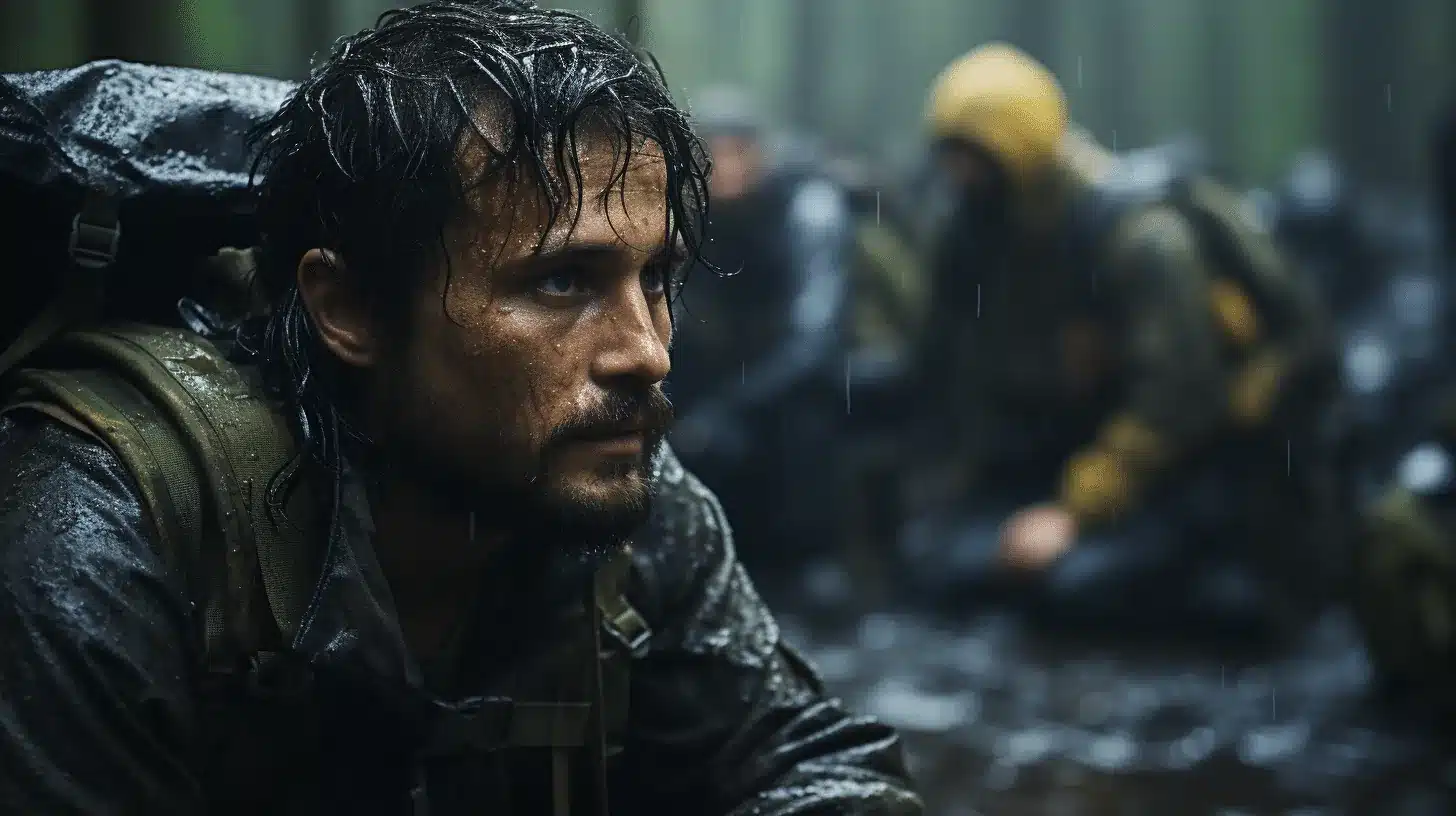
    Surviving in a post-apocalyptic world involves learning unique skills and strategies. This article covers key aspects such as adapting to the new world order, essential survival skills, community building, navigating harsh environments, finding shelter, water, and food, and self-defense techniques. We’ll also discuss thriving in a post-apocalyptic economy through bartering, sustainable food sources, and scavenging. Lastly, the importance of mental and emotional well-being, coping with adversity, and fostering resilience and adaptability in a chaotic world will be addressed.

    Key Takeaways

    • Understanding the new world order is essential for post-apocalyptic survival.
    • Mastering essential survival skills, such as foraging and building shelter, is crucial.
    • Building a strong community provides safety and support in a post-apocalyptic world.
    • Finding safe shelter and clean water sources are top priorities in the wasteland.
    • Developing effective self-defense strategies and choosing the right weapons is necessary for survival.

    The Basics of Post-Apocalyptic Survival

    Mastering Essential Survival Skills

    In a post-apocalyptic world, mastering essential survival skills is crucial for your survival. These skills will not only help you navigate the new world order but also ensure your safety and well-being. Here are some key skills you need to focus on:

    1. First Aid: Knowing how to administer basic first aid can mean the difference between life and death. Learn how to treat wounds, perform CPR, and handle medical emergencies.
    2. Fire Starting: Fire is essential for warmth, cooking, and signaling for help. Learn different methods of starting a fire, such as using flint and steel or creating a friction fire.
    3. Shelter Building: Knowing how to build a shelter is crucial for protection against the elements. Learn how to construct a sturdy shelter using natural materials or repurposed items.
    4. Navigation: Being able to navigate without the use of GPS or maps is a valuable skill. Learn how to read the stars, use a compass, and navigate using landmarks.
    5. Self-Defense: In a post-apocalyptic world, threats are everywhere. Learn self-defense techniques to protect yourself from dangerous individuals and wild animals.

    Remember, mastering these essential survival skills will greatly increase your chances of survival in the post-apocalyptic world.

    Building a Strong Community

    Building a strong community is crucial for survival in a post-apocalyptic world. In this new world order, where trust is scarce and danger lurks around every corner, having a group of like-minded individuals to rely on can mean the difference between life and death. A strong community provides safety in numbers and the ability to pool resources and skills. Together, you can defend against threats, share knowledge and expertise, and support each other in times of need.

    Navigating the Wasteland

    Finding Safe Shelter

    In a post-apocalyptic world, finding safe shelter is crucial for survival. With the collapse of society, traditional homes may no longer be safe or accessible. Scouting for secure locations, such as underground bunkers or fortified buildings, is essential. These structures provide protection against external threats and offer a sense of security. Additionally, camouflage can be used to blend in with the surroundings and avoid detection by potential dangers. Remember, staying hidden and out of sight is key to staying safe.

    Locating Clean Water Sources

    In a post-apocalyptic world, finding clean water is crucial for survival. Without access to clean water, dehydration and waterborne diseases can quickly become life-threatening. Here are some strategies to help you locate clean water sources:

    1. Natural Water Sources: Look for rivers, lakes, and streams. These natural water sources are more likely to be clean and safe to drink from. However, it’s important to purify the water before consuming it to remove any potential contaminants.
    2. Rainwater Collection: Collecting rainwater can be an effective way to obtain clean water. Set up rain barrels or use tarps to collect rainwater during rainfall events.
    3. Water Filtration: Invest in a reliable water filtration system. This can help remove impurities and make water safe for drinking. Portable water filters or purification tablets are also useful for on-the-go water purification.
    4. Water Conservation: Practice water conservation techniques to make the most of limited water resources. This includes using water sparingly, reusing water when possible, and fixing any leaks or water wastage.

    Remember, clean water is essential for survival, so it’s important to prioritize finding and purifying water in a post-apocalyptic world.

    Foraging for Food in a Barren Landscape

    In a post-apocalyptic world, finding food can be a daunting task, especially in a barren landscape. However, with the right knowledge and skills, you can increase your chances of survival. Here are some strategies to help you forage for food:

    • Scavenging: Explore abandoned buildings and areas that may still have edible items. Be cautious and check for signs of spoilage or contamination.
    • Wild Edibles: Learn to identify edible plants and mushrooms in your area. Look for resources like berries, nuts, and roots that can provide sustenance.
    • Hunting and Trapping: If you have the means, hunting and trapping can provide a more substantial source of food. Learn basic hunting techniques and set up traps to catch small game.

    Remember, it’s important to prioritize safety and avoid consuming anything that you’re unsure of. Always be cautious and use your best judgment when foraging for food in a post-apocalyptic landscape.

    Defending Yourself Against Threats

    Choosing the Right Weapons

    When it comes to surviving in a post-apocalyptic world, choosing the right weapons is crucial. Weapons not only provide a means of self-defense, but they can also be used for hunting and gathering resources. It’s important to consider factors such as versatility, reliability, and availability when selecting your arsenal. Look for weapons that are easy to handle and maintain, as well as ones that can be easily repaired or modified. Remember, in a world where resources are scarce, every weapon counts.

    Developing Effective Self-Defense Strategies

    In a post-apocalyptic world, developing effective self-defense strategies is crucial for survival. With the constant threat of danger and the need to protect oneself and loved ones, it’s important to be prepared. Here are some key strategies to consider:

    1. Stay Alert: Always be aware of your surroundings and potential threats. Pay attention to any suspicious activity or individuals.
    2. Master Basic Self-Defense Techniques: Learn basic self-defense moves such as blocking, striking, and escaping from holds. These skills can help you fend off attackers and buy time to escape.
    3. Use Improvised Weapons: In a world where traditional weapons may be scarce, it’s important to be resourceful. Look for everyday objects that can be used as weapons, such as a sturdy stick or a heavy object.

    Remember, self-defense is not just about physical strength, but also about mental preparedness and quick thinking. As Ground Zero with Clyde Lewis says, “In a post-apocalyptic world, your survival depends on your ability to adapt and defend yourself.”

    Identifying and Avoiding Dangerous Individuals

    In a post-apocalyptic world, it is crucial to be able to identify and avoid dangerous individuals. These individuals may pose a threat to your safety and well-being, and it is important to stay vigilant and take necessary precautions.

    Thriving in a Post-Apocalyptic Economy

    Bartering and Trading for Goods

    In a post-apocalyptic economy, bartering and trading become essential for acquiring goods and resources. The traditional concept of money no longer holds value, and instead, people rely on a system of exchange. Bartering allows individuals to trade items they have for items they need, creating a mutually beneficial arrangement. It’s important to assess the value of the items you possess and negotiate fair trades. Building relationships with other survivors is crucial, as trust and reputation play a significant role in successful bartering. Remember, in this new world, cooperation and resourcefulness are key to survival.

    Support more articles like this.

    Creating a Sustainable Food Source

    Creating a sustainable food source is crucial for long-term survival in a post-apocalyptic world. With limited resources and unpredictable conditions, relying on traditional farming methods may not be feasible. Instead, survivors must adapt and innovate to ensure a steady supply of food.

    One effective strategy is to utilize hydroponics, a soil-less method of growing plants. By using nutrient-rich water and artificial lighting, hydroponics allows for year-round cultivation in controlled environments. This not only maximizes crop yields but also conserves water and space.

    Another option is to forage for edible plants in the surrounding area. Learning to identify wild edible plants and mushrooms can provide a valuable source of nutrition. However, it is essential to research and understand which plants are safe to consume and how to properly prepare them.

    Additionally, hunting and fishing can supplement the diet. Learning basic hunting and fishing techniques, as well as understanding local wildlife and water sources, can greatly increase the chances of success.

    Remember, creating a sustainable food source requires adaptability, resourcefulness, and a willingness to learn new skills. By combining different methods and constantly seeking innovative solutions, survivors can ensure their long-term survival.

    Utilizing Scavenging Techniques

    Scavenging is a crucial skill in a post-apocalyptic world. It involves searching abandoned buildings and areas for valuable resources and necessities. Exploring these locations can provide you with essential items like clean water, food, and medical supplies. It’s important to be thorough and methodical in your search, as you never know what you might find. Keep an eye out for items that can be used for bartering or trading, as they can be valuable assets in a post-apocalyptic economy. Remember, every item you scavenge could be a lifeline in this new world.

    Maintaining Mental and Emotional Well-being

    Coping with Loss and Grief

    Coping with loss and grief is an essential aspect of surviving in a post-apocalyptic world. The harsh realities of this new world can be overwhelming, and it’s important to find healthy ways to process and navigate through the emotions that come with loss. Here are some strategies to help you cope:

    • Allow yourself to grieve: It’s natural to feel sadness and pain when you lose someone or something important. Give yourself permission to grieve and acknowledge your emotions.
    • Seek support: Surround yourself with a strong community of like-minded individuals who can provide emotional support and understanding.
    • Find purpose: In a chaotic world, finding purpose can give you a sense of direction and motivation. Explore activities or causes that align with your values and give you a sense of fulfillment.
    • Practice self-care: Take care of your physical and mental well-being. Engage in activities that bring you joy and help you relax.

    Remember, coping with loss and grief is a journey, and it’s okay to seek professional help if needed.

    Finding Purpose in a Chaotic World

    In a post-apocalyptic world, finding purpose can be a challenge. With the collapse of society and the loss of familiar structures, it’s easy to feel lost and adrift. However, it’s important to remember that even in the midst of chaos, there are opportunities to create meaning and find fulfillment. Here are a few ways to find purpose in a chaotic world:

    Building Resilience and Adaptability

    In a post-apocalyptic world, resilience and adaptability are key to survival. The ability to bounce back from adversity and adjust to new circumstances can make all the difference. Here are some strategies to help you build resilience and adaptability:

    • Embrace change: The world has changed, and so must you. Be open to new ideas and ways of doing things.
    • Develop problem-solving skills: In a world where resources are scarce, being able to find creative solutions to challenges is crucial.
    • Stay mentally and emotionally strong: Coping with loss and grief is a reality in this new world. Find healthy ways to process your emotions and stay mentally resilient.

    Remember, survival in a post-apocalyptic world requires not only physical strength but also the ability to adapt and thrive in a constantly changing environment. As Jeremy Scott from Into the Parabnormal says, “Resilience is not about being unbreakable, but about bouncing back stronger.”

    Conclusion

    Surviving in a post-apocalyptic world hinges on being resourceful, adaptable, and prepared. Key survival tactics include scavenging for essentials, securing clean water, antiviral supplies, and utilizing abandoned resources. Emphasizing renewable energy, like solar power, aids in building a sustainable future. Unity and cooperation are vital in facing threats, particularly from zombies. Staying informed, alert, and together enhances survival prospects, enabling the rebuilding of a new world. Embrace resilience and vigilance in navigating this challenging landscape.

  • Left Behind and Beyond: Exploring the Rise of the Antichrist in Modern Media

    Left Behind and Beyond: Exploring the Rise of the Antichrist in Modern Media

    The Antichrist theme, with its mysterious and captivating nature, is widely featured in various media, drawing audience attention with its intrigue. From ancient religious texts to modern-day popular culture, the Antichrist has fascinated and intrigued people for centuries.
    This article examines the Antichrist’s increasing presence in modern media, exploring its origins, psychological impact, controversies, and related debates.

    Key Takeaways

    • The Antichrist mythology has evolved from ancient religious texts to becoming a prominent figure in modern popular culture.
    • The fear factor associated with the Antichrist captivates our imagination, making it a symbol of rebellion and power.
    • Interpreting the Antichrist from different perspectives leads to controversies and debates surrounding its existence and influence.
    • The Antichrist has made its way into various forms of media, including literature, movies, music, art, video games, and comics, reflecting societal anxieties and cultural interpretations.
    • The concept of the Antichrist is deeply rooted in Christian eschatology and end times prophecies, contributing to its enduring presence in modern media.

    The Origins of the Antichrist Mythology

    Ancient Religious Texts and Prophecies

    The concept of the Antichrist has its roots in ancient religious texts and prophecies. In these texts, there are references to a figure who will rise to power and oppose the forces of good. Christian eschatology, which is the study of the end times, has also played a significant role in shaping the mythology of the Antichrist. The idea of a powerful and malevolent figure who will bring about the end of the world has captured the imagination of people for centuries. This mythology has evolved, with different interpretations and depictions of the Antichrist in literature.

    The Influence of Christian Eschatology

    In Christian eschatology, the Antichrist is believed to be a figure who will rise to power in the end times and deceive many. This belief has influenced the portrayal of the Antichrist in literature throughout history.

    One example of the Antichrist in literature is the character of Damien Thorn in the novel ‘The Omen‘ by David Seltzer. Damien is portrayed as the son of Satan and is destined to bring about the apocalypse. This portrayal draws on the biblical prophecies of the Antichrist and adds a modern twist.

    Another influential work is ‘Paradise Lost‘ by John Milton, which presents the story of Lucifer’s fall from grace and his role as the ultimate antagonist to God. This epic poem explores the themes of rebellion and the corrupting influence of power, which are often associated with the Antichrist.

    The influence of Christian eschatology on the portrayal of the Antichrist in literature highlights the enduring fascination with this figure and its symbolic significance in exploring themes of good versus evil, power, and the end of the world.

    The Evolution of the Antichrist in Literature

    The concept of the Antichrist has a long history in literature, dating back to ancient religious texts and prophecies. In these texts, the Antichrist is often portrayed as a figure of evil and destruction, who will bring about the end of the world. Christian eschatology, which focuses on the study of the end times, has also played a significant role in shaping the portrayal of the Antichrist in literature. Over time, the depiction of the Antichrist in literature has evolved, reflecting the changing beliefs and fears of society.

    In early literature, the Antichrist was often depicted as a powerful and charismatic leader who would deceive people with his charm and false promises. However, as society became more secular and skeptical, the portrayal of the Antichrist shifted to emphasize his dark and malevolent nature. In modern literature, the Antichrist is often portrayed as a symbol of rebellion and power, representing the darker aspects of human nature.

    The evolution of the Antichrist in literature mirrors the evolution of society’s fears and anxieties. As societal concerns change, so does the portrayal of the Antichrist. From ancient religious texts to modern novels, the Antichrist continues to captivate our imagination and serve as a reflection of our deepest fears and desires.

    The Antichrist in Popular Culture

    From Books to Movies: The Antichrist’s Journey

    The portrayal of the Antichrist has made its way from the pages of books to the big screen, captivating audiences with its dark and intriguing storyline. Movies like ‘The Omen’ and ‘Rosemary’s Baby‘ have brought the Antichrist to life, showcasing the battle between good and evil in a thrilling and suspenseful way. These films have not only entertained viewers but have also sparked discussions and debates about the nature of evil and the role of the Antichrist in popular culture.

    In addition to movies, the Antichrist has also found its way into television series, such as ‘American Horror Story: Apocalypse‘ and ‘Good Omens’. These shows have further explored the mythology surrounding the Antichrist, delving into themes of power, temptation, and the ultimate battle between heaven and hell. With their captivating storylines and complex characters, these TV series have contributed to the ongoing fascination with the Antichrist in modern media.

    The journey of the Antichrist from books to movies and TV shows is a testament to its enduring appeal and the timeless fascination with the battle between good and evil. Whether portrayed as a charismatic leader or a terrifying force, the Antichrist continues to captivate our imagination and challenge our beliefs about the nature of evil.

    The Antichrist in Music and Art

    Music and art often express complex emotions, and the Antichrist theme is a prime example. In music, it symbolizes rebellion and explores evil and temptation, with bands like Black Sabbath and Marilyn Manson using it to shock and provoke. In art, the Antichrist appears in different styles, from paintings to sculptures, exploring good versus evil and often depicted as powerful and seductive. This theme in music and art challenges us to think about evil and human nature.

    The Antichrist in Video Games and Comics

    Video games and comics have also embraced the concept of the Antichrist, offering unique and interactive experiences for audiences. In video games, players can take on the role of the Antichrist or face off against this formidable antagonist. Games like ‘Darksiders’ and ‘Devil May Cry’ explore the dark and supernatural themes associated with the Antichrist, immersing players in epic battles between good and evil.

    Comics, on the other hand, have delved into the Antichrist mythology through iconic characters like ‘Hellboy’ and ‘Spawn’. These comics depict the Antichrist as a complex and morally ambiguous figure, challenging traditional notions of good and evil. The visual storytelling and intricate plotlines in comics allow for a deeper exploration of the Antichrist’s character and the consequences of their actions.

    >> Get GROUND ZERO: AFTERMATH – Support more articles like this.

    The Psychological Appeal of the Antichrist

    The Fear Factor: Why the Antichrist Captivates Our Imagination

    The concept of the Antichrist has long been a source of fear and fascination. It taps into our deepest anxieties about the end of the world and the battle between good and evil. The idea of a powerful and charismatic figure who embodies pure evil captures our imagination and keeps us on the edge of our seats. From biblical prophecies to modern literature and movies, the Antichrist has become a popular and enduring symbol of darkness and destruction. Whether it’s the fear of the unknown or the thrill of exploring the darker side of human nature, the Antichrist continues to captivate audiences around the world.

    The Antichrist as a Symbol of Rebellion and Power

    The concept of the Antichrist has long been associated with rebellion and power. In popular culture, the Antichrist is often portrayed as a charismatic and influential figure who challenges authority and seeks to overthrow the established order. This portrayal taps into our fascination with rebellion and our desire to see the underdog rise up against the powers that be.

    One example of this portrayal can be found in the podcast ‘The Secret Teachings with Ryan Gable‘. In an episode titled ‘The Antichrist: A Symbol of Rebellion and Power’, Gable explores the historical and cultural significance of the Antichrist archetype. He delves into the origins of the myth and its evolution in literature, as well as its psychological appeal to individuals and society as a whole.

    Gable argues that the Antichrist represents the ultimate symbol of rebellion and power, embodying our collective desire for freedom and the overthrow of oppressive systems. By examining the Antichrist myth through a cultural and psychological lens, Gable sheds light on why this archetype continues to captivate our imagination and provoke intense debates and controversies.

    The Antichrist as a Reflection of Societal Anxieties

    The concept of the Antichrist has long been a source of fascination and fear in popular culture. It serves as a reflection of societal anxieties, tapping into our deepest fears and concerns. Through various mediums such as literature, movies, music, and video games, the Antichrist embodies the collective unease of a society grappling with its own uncertainties.

    The portrayal of the Antichrist often highlights themes of rebellion and power. This figure represents a force that challenges established norms and authority, appealing to those who feel marginalized or oppressed. The Antichrist becomes a symbol of defiance and liberation, offering a sense of empowerment to individuals who may feel powerless in their own lives.

    Moreover, the Antichrist serves as a mirror to societal anxieties. It reflects the fears and uncertainties of a particular time and place. Whether it’s political unrest, economic instability, or cultural shifts, the Antichrist embodies these concerns and magnifies them, providing a cathartic outlet for individuals to confront and process their own anxieties.

    In conclusion, the Antichrist’s enduring presence in modern media is a testament to its psychological appeal. It taps into our deepest fears, offers a sense of rebellion and power, and reflects the anxieties of our society. By exploring the rise of the Antichrist in popular culture, we gain insight into the collective psyche and the cultural landscape of our time.

    Controversies and Debates Surrounding the Antichrist

    Interpreting the Antichrist: Different Perspectives

    When it comes to interpreting the Antichrist, there are various perspectives that people hold. Some view the Antichrist as a literal figure who will rise to power in the end times, while others see it as a symbolic representation of evil and corruption. One interesting perspective is presented by Jeremy Scott in his podcast Into the Parabnormal with Jeremy Scott. Scott explores the idea that the Antichrist is not a single individual, but rather a collective consciousness that manifests in different forms throughout history. This perspective challenges traditional interpretations and offers a fresh take on the Antichrist mythos.

    In his podcast, Scott delves into the historical and cultural context surrounding the Antichrist, examining how different societies and belief systems have shaped the concept. He explores the idea that the Antichrist is not limited to any specific religion or culture, but is a universal archetype that transcends boundaries. Scott’s unique perspective sheds light on the complexity and diversity of interpretations surrounding the Antichrist.

    While some may dismiss these alternative perspectives as mere speculation, they provide valuable insights into the human fascination with the Antichrist. By exploring different viewpoints, we can gain a deeper understanding of the psychological and sociological factors that contribute to the enduring popularity of the Antichrist in modern media and culture.

    The Antichrist in Conspiracy Theories

    Conspiracy theories have always been a part of popular culture, and the Antichrist is no exception. Some conspiracy theorists believe that powerful individuals or secret societies are working behind the scenes to bring about the rise of the Antichrist. They claim that these individuals manipulate world events, control governments, and use symbolism to communicate their plans. While these theories may seem far-fetched to some, they have gained a significant following and continue to spark debates and discussions.

    One popular conspiracy theory suggests that the Antichrist will rise to power through a global government or New World Order. Supporters of this theory point to various historical events and symbols as evidence of a hidden agenda. They argue that the Antichrist will use technology, surveillance, and mind control to establish a totalitarian regime.

    It’s important to note that these conspiracy theories are not supported by mainstream scholars or experts. They are often based on speculation, misinterpretation of religious texts, and a distrust of authority. However, they serve as a fascinating example of how the Antichrist mythos has captured the imagination of some individuals and fueled their beliefs.

    The Antichrist and the End Times Prophecies

    The concept of the Antichrist is closely tied to end times prophecies, which predict a period of great turmoil and the ultimate battle between good and evil. In various religious texts and beliefs, the Antichrist is seen as a figure who will rise to power and deceive many, leading humanity astray. This idea has captured the imagination of people throughout history and has been depicted in various forms of media.

    One of the most well-known end times prophecies is found in the book of Revelation in the Bible. It describes the rise of the Antichrist as a charismatic leader who will gain a large following and bring about chaos and destruction. This prophecy has been interpreted and reimagined in different ways by different religious groups and scholars.

    In popular culture, the Antichrist is often portrayed as a powerful and sinister figure who embodies evil and rebellion. They are depicted as having supernatural abilities and a charismatic personality that attracts followers. This portrayal reflects the fear and fascination that people have with the idea of a figure who can challenge the established order and bring about the end of the world.

    The Antichrist and end times prophecies have also been the subject of numerous conspiracy theories. Some believe that powerful individuals or secret societies are working towards the rise of the Antichrist and the fulfillment of these prophecies. These theories often involve complex interpretations of historical events and symbols, adding to the intrigue and mystery surrounding the Antichrist.

    While the concept of the Antichrist and end times prophecies may be controversial and debated among different religious and cultural groups, it continues to captivate our imagination and spark discussions about the nature of good and evil, the future of humanity, and the ultimate fate of the world.

    Conclusion

    In conclusion, the rise of the Antichrist in modern media has captivated audiences and sparked intriguing discussions about the portrayal of evil and the end times. From literature to film and television, the concept of the Antichrist continues to be a compelling and thought-provoking subject. As society grapples with the complexities of good and evil, the Antichrist remains a symbol of fear, fascination, and controversy. It is clear that the Antichrist narrative will continue to evolve and influence popular culture for years to come.

  • Prophecies for 2024: Baba Vanga, Nostradamus and Edgar Cayce

    Prophecies for 2024: Baba Vanga, Nostradamus and Edgar Cayce


    As tensions between nations escalate, the world holds its breath, anticipating the outbreak of World War 3. The geopolitical landscape is fraught with rivalries and power struggles, creating a volatile environment where a single spark could ignite a catastrophic conflict. The stakes are high, with global superpowers vying for dominance and smaller nations caught in the crossfire. The world watches anxiously as the tension rises, knowing that the consequences of this conflict could be devastating.

    The Trigger Event: Sparking the Conflict

    The trigger event that ignited the flames of World War 3 was the Islamic empires’ restriction on Christian pilgrimage to the Holy Land. This restriction created deep resentment and tension between the Christian and Islamic worlds. The Crusades were a direct result of this conflict, as Christian nations sought to regain access to the sacred sites in Jerusalem. The Crusades marked the beginning of a long and bloody war that would shape the course of history.

    The Major Players in World War 3

    Superpowers Collide: USA vs China

    The clash between the United States and China is a high-stakes battle for global dominance. Both superpowers are ramping up their military and diplomatic efforts in Asia as they seek to outdo each other. The US, in a ‘once in a generation effort’, is boosting its military ties in the region to counter China’s growing influence. This escalating rivalry has the potential to reshape the geopolitical landscape and impact nations around the world. As tensions rise, the world watches with bated breath to see how this clash of titans unfolds.

    The European Union’s Role in the Conflict

    The European Union (EU) plays a crucial role in the cataclysmic conflict of World War 3. As a political and economic union comprising 27 member states, the EU wields significant influence on the global stage. In the face of escalating tensions, the EU has been actively engaged in diplomatic efforts to de-escalate the situation and promote peace. Through its collective security and defense policies, the EU aims to ensure the stability and security of its member states and the wider region.

    The EU has also been instrumental in providing humanitarian aid and support to affected regions. It has mobilized resources and coordinated relief efforts to assist impacted communities. Additionally, the EU has implemented economic sanctions and trade restrictions to exert pressure on aggressor nations and deter further escalation of the conflict.

    In the words of The Secret Teachings with Ryan Gable, ‘The European Union’s involvement in World War 3 highlights the importance of international cooperation and diplomacy in times of crisis.’ The EU’s role in this conflict underscores the complex dynamics and interconnectedness of global politics and the need for collaborative efforts to maintain peace and stability.

    Russia’s Ambitions and Involvement

    Russia plays a significant role in the cataclysmic conflict of World War 3. With its vast territory and military might, Russia has its own ambitions and interests in the outcome of the war. One of Russia’s main objectives is to expand its influence and regain its status as a global superpower. The country seeks to assert its dominance in Eastern Europe and Central Asia, aiming to establish a sphere of influence over neighboring countries. Additionally, Russia has been actively involved in supporting proxy forces and engaging in cyber warfare to destabilize its adversaries. The involvement of Russia in World War 3 adds another layer of complexity to the already volatile global situation.

    The Battlefield: Global Hotspots

    The Middle East: A Powder Keg

    The Middle East has long been a region of intense geopolitical tensions and conflicts. With its rich history, diverse cultures, and strategic location, it has become a powder keg waiting to explode. The ongoing power struggles, religious rivalries, and territorial disputes have created a volatile environment that could easily ignite a global conflict. The presence of major world powers and their competing interests further complicates the situation, turning the region into a battleground for proxy wars. The Middle East is a ticking time bomb, and the consequences of its explosion would be catastrophic.

    Asia-Pacific: A Region on the Brink

    The Asia-Pacific region is a powder keg of geopolitical tensions and economic rivalries. With major powers like China, the United States, and Japan vying for influence, the stakes are high. Business leaders in the region are on the brink of a historic moment in the battle against inequality.

    How they respond could have far-reaching consequences for the future. According to a report by PwC, the Net Zero Economy Index Asia Pacific Cut 2023, the region has the potential to lead the world in transitioning to a sustainable and inclusive economy. This is a critical opportunity for countries in the region to address pressing issues such as climate change, poverty, and social inequality.

    By embracing sustainable practices and investing in green technologies, the Asia-Pacific region can not only mitigate the risks of conflict but also pave the way for a brighter and more prosperous future.

    Europe: Caught in the Crossfire

    As World War 3 unfolds, Europe finds itself in a precarious position, caught in the crossfire of global powers. With its strategic location and historical significance, Europe becomes a battleground for competing interests. The major players in the conflict, such as the United States, China, and Russia, vie for control and influence over European nations.

    Support more articles like this.

    Weapons of Mass Destruction: Unleashing Hell

    Nuclear Armageddon: The Ultimate Threat

    The threat of nuclear weapons is a grave concern in the context of World War 3. International bodies and proliferation experts warn that the danger of nuclear weapons use is higher than it’s been in decades. The destructive power of these weapons is unimaginable, capable of wiping out entire cities and causing long-lasting environmental damage. The potential for accidental or intentional use of nuclear weapons is a constant source of anxiety for the global community. Efforts to prevent nuclear proliferation and promote disarmament are crucial in order to avoid the catastrophic consequences of a nuclear Armageddon.

    Biological Warfare: Silent and Deadly

    Biological warfare is a terrifying form of warfare that utilizes deadly pathogens and toxins to cause widespread destruction and death. These weapons can be invisible and silent, making them difficult to detect and defend against. The use of biological weapons poses a significant threat to both military forces and civilian populations. The Biological Weapons Convention (BWC), also known as the Biological and Toxin Weapons Convention (BTWC), is a disarmament treaty that effectively bans biological and toxin weapons by prohibiting their development, production, acquisition, transfer, stockpiling, and use.

    Peace with Biological Weapons

    Opened for signature in 1972 and ratified by 188 countries, the BWC represents a landmark agreement in disarmament history. It prohibits the development and use of these devastating weapons and compels nations to destroy any existing stockpiles. The BWC aims to foster global security and peace, emphasizing that the use of biological weapons is utterly reprehensible.

    The Threat Remains

    Despite the BWC’s achievements, the threat of biological warfare persists. Advancements in biotechnology make it easier for rogue states and terrorist organizations to develop and deploy these weapons. Vigilance and international cooperation are essential to counter this menace, ensuring robust measures are in place to prevent proliferation.

    In conclusion, while progress has been made in curbing the use of biological weapons, the evolving threat landscape requires continuous efforts to guarantee a safer world for future generations.

    Cyber Attacks: The New Battlefield

    In this digital age, cyber attacks have emerged as a new form of warfare. With nations increasingly reliant on technology, cyber threats loom large, capable of disrupting vital infrastructure and eroding public trust. In 2023, India faced a wave of cyber attacks, resulting in compromised data and operations. As technology evolves, so too do the tactics and tools involved in cyber warfare. Experts highlight that generative AI could redefine the battlefield, making cyber attacks more sophisticated and harder to detect.

    The Human Cost: Lives Lost and Nations Destroyed

    Millions Dead: The Toll of World War 3

    World War 3 has left a devastating trail of destruction, with millions of lives lost in its wake. The scale of the conflict is unprecedented, surpassing even the deadliest wars in history. Entire cities lie in ruins, and communities once thriving have crumbled. The human cost is immeasurable, leaving behind a legacy of pain and suffering that will echo through generations.

    The toll of World War 3 extends beyond mere loss of life. Its economic repercussions are catastrophic, plunging global markets into turmoil and driving nations toward the brink of collapse. Infrastructure has been obliterated, complicating rebuilding efforts. Meanwhile, the refugee crisis has reached alarming proportions, with millions displaced from their homes, seeking refuge in overcrowded camps. The social fabric of societies has been torn apart, forcing communities to grapple with the aftermath of these tragic events.

    In the face of such devastation, the international community must unite to support those affected by World War 3. Humanitarian assistance is vital to alleviating suffering and rebuilding shattered lives. Diplomatic initiatives must also be ramped up, with a focus on finding peaceful resolutions and preventing future conflicts. Only through collective action and cooperation can we hope to forge a world where the horrors of World War 3 are permanently relegated to the past.

    Refugee Crisis: Displaced and Desperate

    The refugee crisis spurred by World War 3 has prompted unprecedented displacement and despair. Millions of people have fled their homes, seeking safety and refuge across borders or continents. The scale of this humanitarian crisis is staggering, with Syria alone accounting for around 25% of the global refugee population.

    As of mid-2023, 6.49 million Syrians have been displaced. This highlights the magnitude of the humanitarian challenges that lie ahead. The ramifications of the refugee crisis extend beyond immediate needs, straining host countries and creating significant social, economic, and political challenges.

    Economic Collapse: The Aftermath of Destruction

    The economic collapse that follows the devastation of World War 3 is nothing short of catastrophic. Nations that once thrived are now in ruins, grappling with shattered economies. The loss of infrastructure, resources, and skilled labor leaves countries struggling to rebuild. Hyperinflation creates skyrocketing prices and renders currencies worthless. The global financial system is in disarray, with banks failing and markets spiraling out of control. It’s a bleak and desperate time for the survivors.

    In the aftermath, nations face a myriad of challenges. Unemployment soars as businesses crumble and industries collapse. The lack of jobs spirals into widespread poverty and social unrest, while governments struggle to provide basic services to their citizens. Food shortages become a grim reality as agricultural production falters and supply chains break down. People are forced to ration their essentials and search for scraps to survive.

    The collapse also triggers geopolitical transformations. Power dynamics shift dramatically as previously dominant nations lose their grip, while emerging powers seize opportunities to assert themselves. Alliances are formed and dismantled as countries scramble to secure resources and stabilize their economies. The global order, as we know it, will be forever altered.

    Rebuilding from this economic wreckage will be monumental. It requires not just reconstruction efforts but the healing of societies and the restoration of trust. International cooperation and assistance will play a crucial role in this process. Investment in infrastructure, education, and healthcare is essential to lay the groundwork for sustainable growth. While the journey is long and fraught with challenges, determination and resilience may allow nations to rise from the ashes and build a better future.

    The Endgame: Seeking Peace in the Chaos

    Diplomatic Efforts: Can Talks Prevent Disaster?

    Amid the chaos of World War 3, diplomatic efforts stand as a beacon of hope. As nations grapple with the fallout of conflict, leaders from across the globe gather for high-stakes negotiations. Their mission: secure a peaceful resolution and stave off further calamity.

    These diplomatic initiatives are not without their obstacles. Deep-rooted hostilities, conflicting interests, and power struggles could threaten any prospect for progress. But the alternative? Unthinkable. The world cannot afford to let war consume more lives and nations.

    International organizations such as the United Nations are key players in this diplomatic dance. They serve as neutral grounds for dialogue and mediation, uniting representatives from diverse sides. These organizations work tirelessly to bridge divides and establish common ground.

    But can mere talks avert disaster? The answer is complicated. While diplomacy offers pathways to peace, it necessitates genuine commitment and a willingness to compromise. It demands that leaders prioritize the welfare of their people over personal ambitions. It’s about recognizing our shared humanity and understanding that warfare is not the solution.

    With immense challenges ahead, the world closely watches these diplomatic ventures—part hope, part skepticism. The stakes are high, and failing to succeed could have dire consequences. However, if these talks prosper, they present the chance to save lives, rebuild nations, and create a future free from the scourge of a third world war.

    The Role of International Organizations

    International organizations are pivotal in alleviating the impact of World War 3 while striving for peace. Their platforms enable crucial dialogue and analysis on the conflict, illuminating the complexities of the war’s impact on nations. They also facilitate diplomatic efforts by bringing representatives from varying nations together to seek peaceful resolutions, playing an instrumental role in rebuilding efforts.

    Rebuilding Nations: From Ashes to Hope

    After the devastation of World War 3, the arduous task of reconstruction falls to governments, aid organizations, and resilient communities. The journey toward recovery is long, but it isn’t devoid of hope. Governments and organizations have mobilized resources to provide immediate relief and essential support to those affected. Focus is not only on immediate needs but also on laying the groundwork for long-term recovery. Amidst the many challenges, a glimmer of hope emerges as communities rally together to rebuild and restore what was lost.

    In chaos and uncertainty, finding peace may feel impossible, but there are organizations dedicated to exposing the truth behind cryptic politics and conspiracies affecting our world. For insights, exploration, and discourse on these pressing issues, visit Unexplained.co today to join the national conversation.

    In Conclusion

    World War 3—The Cataclysmic Conflict That Rattles Nations has scrutinized the possible causes, consequences, and implications of what looms as a global conflict. From the devastating effects inflicted upon human lives and infrastructure to social and economic chaos, this article has cast light on the catastrophic nature of such an event. It is paramount for nations to prioritize diplomacy, peace-building, and international collaboration in order to avert such a dire conflict. History’s lessons must guide us toward a future defined by stability and peace.

    Frequently Asked Questions

    What were the main causes of World War 3?

    The main causes of World War 3 included escalating tensions between superpowers, a trigger event that sparked the conflict, and the ambitions and involvement of major players like the USA, China, Russia, and the European Union.

    Which regions were the major battlegrounds in World War 3?

    The major battlegrounds in World War 3 included the Middle East, Asia-Pacific, and Europe.

    What were the weapons of mass destruction used in World War 3?

    The weapons of mass destruction utilized in World War 3 included nuclear weapons, biological warfare, and cyber attacks.

    How many lives were lost in World War 3?

    Millions of lives were lost in World War 3, resulting in unimaginable humanitarian costs.

    What were the consequences of World War 3?

    The consequences of World War 3 included a severe refugee crisis, economic collapse, and the obliteration of entire nations.

    Were there any efforts to seek peace during World War 3?

    Absolutely, there were extensive diplomatic efforts alongside the involvement of international organizations committed to fostering peace and facilitating post-war recovery.

  • U.S. and Iran’s Naval Tango: The Alborz Warship’s Red Sea Entry

    U.S. and Iran’s Naval Tango: The Alborz Warship’s Red Sea Entry

    In the intricate chessboard of Middle Eastern geopolitics, the recent maneuver of Iran’s Alborz warship entering the Red Sea marks a significant strategic move, echoing the rising tensions in a region already brimming with complex conflicts.

    This development, reported by the semi-official Tasnim news agency, unfolds against the backdrop of the ongoing Israel-Hamas war and the increasing concerns over maritime security, particularly in one of the world’s most vital shipping lanes.

    The Alborz’s deployment not only underscores Iran’s assertive naval strategy but also serves as a critical indicator of the shifting power dynamics and maritime challenges in the Red Sea, impacting global trade routes and regional stability.

    Iran’s Maritime Strategy Amidst Regional Tensions

    In a significant development reported by the semi-official Tasnim news agency, Iran’s Alborz warship entered the Red Sea, a move that comes at a time of heightened tensions in the region. This strategic entry into one of the world’s most crucial shipping lanes occurs amidst the ongoing Israel-Hamas war and reports of vessel attacks by forces with alleged ties to Tehran.

    While the specific mission of the Alborz remains undisclosed, it’s essential to note that since 2009, Iranian warships have been actively operating in international waters. Their roles range from securing shipping routes, combating piracy, to other undisclosed tasks. This deployment is part of Iran’s broader strategy to assert its maritime presence and safeguard its interests in pivotal waterways.

    Yemen’s Houthi Involvement and Global Trade Implications

    Yemen’s Iran-backed Houthis have escalated the situation by targeting vessels in the Red Sea since November, in a show of support for Hamas. This has compelled major shipping companies to alter their routes, opting for the longer journey around Africa’s Cape of Good Hope instead of the shorter Suez Canal route, which handles a significant portion of global trade.

    The Alborz warship’s entry into the Red Sea via the Bab al-Mandab Strait, as reported by Tasnim, raises questions about the timing and intent of this maneuver. Social media buzz with unconfirmed reports of its arrival adds to the speculation surrounding this development.

    Iranian Naval Exercises: A Display of Strength

    In a display of military collaboration, a warship, likely the Alborz, participated in a joint naval drill with Russia and China in the Gulf of Oman, showcasing Iran’s growing naval capabilities and its strategic alliances.

    The Alvand class destroyer, to which Alborz belongs, has been integral to the Iranian navy’s operations. As part of the 34th fleet, alongside the Bushehr support vessel, it has patrolled critical regions like the Gulf of Aden and the Bab Al-Mandab Strait since at least 2015.

    In contrast, the US Fifth Fleet has refrained from commenting on the Iranian vessel’s movements, highlighting the cautious approach adopted by the US in responding to Iran’s naval activities.

    Response to Houthi Attacks

    In a direct response to the Houthi rebels’ recent attacks on a Maersk container vessel, the company temporarily halted its operations in the Red Sea. This incident underscores the escalating maritime security concerns in the region.

    Iran’s Navy head, Shahram Irani, and Defense Minister, Mohammad Reza Ashtiani, have made strong statements regarding Iran’s operations in the Red Sea, asserting a stance of regional dominance.

    US Naval Movements: The USS Gerald R. Ford

    In a parallel development, the USS Gerald R. Ford, America’s most advanced aircraft carrier, is set to depart the Mediterranean Sea. Deployed near Israel following the Hamas attacks, this carrier’s movement, as reported by ABC News, is part of the routine schedule but holds significance in the current geopolitical context.

    Despite the USS Gerald Ford’s departure, the US maintains a robust military presence in the region, with cruisers, destroyers, and additional fighter jets stationed in the Mediterranean.

    Iran’s Continued Maritime and Regional Strategy

    Iran continues to project its influence in the Middle East, as evidenced by the Alborz’s passage through the Bab al-Mandab Strait and the continued activity of Iranian-backed groups in the region. The departure of the USS Gerald Ford from the Mediterranean is viewed with interest by Iran, as it seeks to manage its conflict against Israel and maintain its regional influence.

    Conclusion

    The entry of the Iranian warship Alborz into the Red Sea is a calculated move in a region rife with geopolitical complexities. It not only signifies Iran’s naval capabilities but also reflects the broader strategic contestation in the Middle East, involving key global powers and regional actors. As tensions continue, the naval movements of countries like Iran and the US will be closely monitored for their implications on regional stability and global maritime security.

  • Dystopian Visions: The Must-Read Post-Apocalyptic Books of Our Time

    Dystopian Visions: The Must-Read Post-Apocalyptic Books of Our Time

    In a world plagued by uncertainty and the ever-looming threat of disaster, post-apocalyptic literature has emerged as a captivating genre that explores the depths of human resilience and the fragility of society. From desolate landscapes to oppressive regimes, these dystopian visions offer a chilling glimpse into what could be our future. In this article, we will delve into four must-read post-apocalyptic books of our time: The Road, Station Eleven, The Handmaid’s Tale, and Brave New World.

    Key Takeaways

    • The Road: A Haunting Tale of Survival
    • Station Eleven: A Story of Art and Resilience
    • The Handmaid’s Tale: A Chilling Warning
    • Brave New World: A Futuristic Nightmare
    • Themes of oppression, resilience, and the human condition are prevalent in these books.

    The Road: A Haunting Tale of Survival

    The Bleak Landscape of a Post-Apocalyptic World

    In a post-apocalyptic world, the landscape is a haunting reminder of the devastation that has occurred. Desolate and barren, it stretches as far as the eye can see, with crumbling buildings and overgrown vegetation. The once bustling cities are now ghost towns, with only remnants of the past remaining. It is a world devoid of life and hope, where survival is a constant struggle.

    Amidst this bleakness, some seek solace in the darkness. They find refuge in the underground, hidden from the dangers that lurk above. These underground communities are like beacons of light in a sea of darkness, providing a glimmer of hope in an otherwise desolate world.

    But even in the face of such despair, some refuse to give up. They fight against the odds, determined to find a way to rebuild and restore what has been lost. They are the ones who hold on to the belief that there is still hope, that humanity can rise from the ashes and create a better future.

    As Ryan Gable, host of ‘The Secret Teachings with Ryan Gable‘, puts it, ‘In a post-apocalyptic world, the landscape may be bleak, but it is also a canvas for resilience and the human spirit.’ It is in this desolation that the true strength of humanity is revealed, as individuals come together to overcome the challenges that lie ahead.

    The Unbreakable Bond Between Father and Son

    In “The Road“, the relationship between the father and son is at the heart of the story. Survival in a post-apocalyptic world is not just about physical strength, but also about the emotional connection between loved ones. The bond between the father and son is tested time and again as they navigate through the bleak landscape. Despite the hardships they face, their love for each other remains unwavering.

    The father serves as a protector and guide for his son, teaching him important skills for survival. He instills in him a sense of hope and the belief that they are the “good guys”. Their relationship is a source of inspiration and serves as a reminder of the power of love and resilience in the face of adversity.

    • The father’s unwavering dedication to his son is a testament to the strength of the human spirit.
    • The son’s innocence and vulnerability highlight the importance of protecting and nurturing the next generation.
    • Their bond serves as a beacon of hope in a world consumed by darkness and despair.

    The Moral Dilemmas of Desperation

    In a post-apocalyptic world, where resources are scarce and survival is a constant struggle, individuals are faced with moral dilemmas that test their humanity. The desperation to survive often leads to difficult choices and ethical conflicts. Should one steal to feed their family? Is it justified to sacrifice the well-being of others for personal gain? These are the questions that plague the characters in post-apocalyptic novels, forcing them to confront their own values and question the boundaries of right and wrong.

    One of the key moral dilemmas explored in these books is the concept of trust. In a world where betrayal and deception are common, characters must decide who to trust and how much to trust them. The consequences of misplaced trust can be dire, leading to loss of life or endangering the survival of the group. This constant uncertainty creates a tense atmosphere where every decision carries weight and the wrong choice can have devastating consequences.

    Another moral dilemma that arises in post-apocalyptic literature is the question of justice. In a society where law and order have collapsed, individuals are left to define their own sense of justice. Should criminals be punished? Is revenge an acceptable form of justice? These questions challenge the characters’ moral compass and force them to grapple with the complexities of a world without rules.

    The moral dilemmas of desperation in post-apocalyptic books serve as a reflection of our own society’s ethical challenges. They force us to examine our own values and question what we would do in similar circumstances. These stories remind us of the fragility of our moral convictions and the difficult choices we may be faced with in a world turned upside down.

    The Hopeful Glimmers in a Dark World

    In the midst of the despair and desolation of a post-apocalyptic world, there are still moments of hope that shine through. These glimmers of light serve as reminders that even in the darkest times, humanity can find strength and resilience.

    One such glimmer is the unwavering love and bond between the characters. Despite the harsh conditions they face, they remain committed to protecting and supporting each other. This demonstrates the power of human connection and the lengths people will go to for the ones they care about.

    Another source of hope is the small acts of kindness and compassion that emerge. In a world where survival is the priority, these acts may seem insignificant, but they hold immense value. Whether it’s sharing limited resources, offering a helping hand, or simply showing empathy, these gestures remind us of the goodness that still exists in humanity.

    Additionally, there are instances of resilience and determination that inspire hope. Characters who refuse to give up, who continue to fight against all odds, become beacons of hope for others. Their unwavering spirit serves as a reminder that even in the face of adversity, there is always a glimmer of hope.

    While the world may be bleak and the challenges overwhelming, these hopeful glimmers remind us that even in the darkest of times, there is still room for hope and the possibility of a better future.

    Station Eleven: A Story of Art and Resilience

    The Devastating Collapse of Civilization

    In Station Eleven, the collapse of civilization is depicted in a haunting and realistic manner. The sudden disappearance of electricity, communication, and transportation plunges the world into chaos. People are left to fend for themselves, struggling to find food, water, and shelter. The breakdown of society leads to violence and lawlessness, as desperate individuals fight for survival. The once bustling cities become ghost towns, with only remnants of the past remaining. It is a stark reminder of how fragile our modern civilization truly is.

    The Power of Art in a Desolate World

    In a desolate world, where hope seems lost and darkness prevails, art emerges as a powerful force that can ignite the human spirit. Through paintings, music, and performances, artists are able to transcend the harsh reality and create moments of beauty and inspiration. Art becomes a beacon of light, reminding us of our shared humanity and the resilience of the human spirit.

    Art has the ability to heal and bring solace in the midst of chaos. It provides an escape from the harshness of the world, allowing individuals to find solace and comfort in the beauty of artistic expression. In a desolate world, where survival is the primary focus, art becomes a form of therapy, offering a much-needed respite from the hardships of daily life.

    Art also serves as a means of communication and connection in a post-apocalyptic society. When words fail to convey the depth of emotions, art steps in to bridge the gap. It speaks to the universal language of the heart, transcending barriers and bringing people together. Through art, individuals are able to express their innermost thoughts and feelings, fostering a sense of community and understanding.

    In a world stripped of its former glory, art becomes a symbol of hope and resilience. It reminds us that even in the darkest of times, beauty can still be found. Artistic creations serve as a testament to the indomitable spirit of humanity, inspiring us to persevere and strive for a better future. As the world rebuilds itself, art will continue to play a vital role in shaping the new society, reminding us of the power of creativity and imagination.

    Remember, in a world where everything has changed, the bonds we form with others become our lifelines, sustaining us through the harshest of circumstances.

    The Quest for Meaning in a Post-Apocalyptic Society

    In a post-apocalyptic society, where chaos and despair reign, the search for meaning becomes even more crucial. Survivors are faced with the daunting task of finding purpose and hope amidst the ruins.

    Get Ground Zero: Aftermath and support more articles like this.

    One way to find meaning is through the pursuit of knowledge. In a world stripped of its former glory, learning becomes a form of resistance. Whether it’s preserving books or sharing stories, the quest for knowledge keeps the flame of humanity alive.

    Another avenue for finding meaning is through community and connection. In a world where trust is scarce, forming bonds with fellow survivors becomes essential. Together, they can support and uplift each other, reminding themselves of their shared humanity.

    Lastly, finding meaning in a post-apocalyptic society can also come from the act of creation. Whether it’s art, music, or even rebuilding society, the power of creation brings a sense of purpose and fulfillment. It is a testament to the resilience of the human spirit.

    The Handmaid’s Tale: A Chilling Warning

    The Oppression of Women in a Dystopian Society

    In a dystopian society, women often face extreme oppression and control. Their rights and freedoms are stripped away, leaving them powerless and vulnerable. They are subjected to strict rules and regulations that dictate every aspect of their lives, from their appearance to their behavior. Women are treated as objects, valued only for their reproductive capabilities.

    In Margaret Atwood’s novel, The Handmaid’s Tale, the protagonist Offred is forced into a role as a handmaid, whose sole purpose is to bear children for the ruling class. She is stripped of her name, her identity, and her autonomy. Her body becomes a commodity, used solely for reproduction.

    The oppression of women in dystopian societies serves as a stark warning of the dangers of unchecked power and the potential consequences of a society that devalues and dehumanizes a specific gender. It highlights the importance of fighting for gender equality and the protection of women’s rights in our own world.

    The Struggle for Identity and Freedom

    In “The Handmaid’s Tale,” Margaret Atwood explores the oppression of women in a dystopian society. Set in the Republic of Gilead, women are stripped of their rights and reduced to their reproductive functions. They are assigned roles as Handmaids, whose sole purpose is to bear children for the ruling class. This chilling portrayal serves as a stark reminder of the importance of gender equality and the constant need to fight for women’s rights.

    The protagonist, Offred, embodies the struggle for identity and freedom. She is torn between conforming to the oppressive regime and holding onto her individuality. Through her journey, Atwood highlights the resilience and strength of the human spirit in the face of adversity.

    Key Takeaways:

    • “The Handmaid’s Tale” explores the oppression of women in a dystopian society.
    • The novel serves as a reminder of the importance of gender equality.
    • Offred’s story represents the struggle for identity and freedom in a repressive regime.

    The Relevance of Margaret Atwood’s Vision Today

    Margaret Atwood’s dystopian novel, The Handmaid’s Tale, continues to resonate with readers today. The story depicts a society where women are oppressed and stripped of their rights, serving as a chilling warning of the dangers of authoritarianism and the fragility of human rights.

    Atwood’s vision of a society where women are reduced to their reproductive capabilities is a stark reminder of the ongoing struggles for gender equality. The novel serves as a powerful critique of the objectification and subjugation of women, highlighting the importance of fighting for women’s rights and autonomy.

    The Handmaid’s Tale also raises questions about the role of religion in society and the potential for religious extremism to erode individual freedoms. Atwood’s portrayal of a theocratic regime serves as a cautionary tale, urging readers to remain vigilant against the encroachment of religious fundamentalism on personal liberties.

    In today’s political climate, where debates over reproductive rights, gender equality, and religious freedom continue to dominate public discourse, The Handmaid’s Tale serves as a timely reminder of the importance of protecting and preserving human rights and the dangers of complacency.

    Brave New World: A Futuristic Nightmare

    The Dehumanization of Society

    In Aldous Huxley’s Brave New World, the concept of dehumanization is explored in a chilling and thought-provoking manner. The novel presents a future society where humans are genetically engineered and conditioned to fit into specific social roles. This extreme level of control and manipulation strips individuals of their autonomy and uniqueness, reducing them to mere cogs in a well-oiled machine.

    One of the most striking aspects of this dehumanization is the loss of individuality. In the World State, everyone is conditioned to conform to societal norms and values, erasing any sense of personal identity. People are assigned specific roles and are conditioned to be content with their predetermined place in society. This uniformity eliminates diversity and stifles creativity, resulting in a homogenous and sterile world.

    The dehumanization depicted in Brave New World serves as a cautionary tale, highlighting the dangers of sacrificing individuality and freedom for the sake of stability and efficiency. It raises important questions about the ethical implications of genetic engineering and the potential consequences of a society that prioritizes conformity over individuality.

    The Illusion of Happiness

    In “Brave New World,” Aldous Huxley presents a chilling vision of a society where happiness is manufactured and controlled. The citizens of this dystopian world are conditioned from birth to believe that they are happy, but in reality, their happiness is shallow and devoid of true meaning. The government uses advanced technology and genetic engineering to manipulate the minds and emotions of its citizens, ensuring that they remain content and obedient.

    This concept of manufactured happiness raises important questions about the nature of human existence and the value of individuality. Are we truly happy if our happiness is artificially induced? Can we find fulfillment and purpose in a world where our emotions and desires are predetermined?

    Ground Zero with Clyde Lewis explores the themes of “Brave New World” in a thought-provoking episode titled “The Illusion of Happiness.” Clyde Lewis delves into the dangers of a society that prioritizes pleasure and conformity over personal freedom and genuine human connection. He examines the parallels between Huxley’s dystopia and our own world, where technology and consumerism often serve as distractions from deeper existential questions.

    Join Clyde Lewis as he uncovers the dark underbelly of a society obsessed with happiness and conformity. Discover the hidden truths behind the illusion of happiness and explore the implications for our own lives and society as a whole.

    The Loss of Individuality

    In “Brave New World”, one of the most chilling aspects of the dystopian society is the complete loss of individuality. In this world, people are genetically engineered and conditioned to fit into specific social classes, with no room for personal identity or uniqueness. Each person is assigned a specific role in society, and their thoughts and desires are carefully controlled and manipulated.

    This loss of individuality is exemplified by the use of names in the novel. Instead of having unique names, people are given generic labels such as “Alpha”, “Beta”, or “Gamma”. This dehumanizes them and reduces them to mere cogs in the machine of the society.

    Furthermore, personal relationships and emotions are discouraged in this dystopian world. People are conditioned to prioritize the needs of the society over their own desires, leading to a lack of genuine human connection and intimacy.

    The loss of individuality in “Brave New World” serves as a warning about the dangers of sacrificing personal freedom and identity for the sake of societal stability and control.

    The Ethical Implications of Genetic Engineering

    Genetic engineering has opened up a world of possibilities, but it also raises important ethical questions. One of the key concerns is the potential for playing with nature and altering the fundamental building blocks of life. Manipulating genes can lead to unforeseen consequences and unintended outcomes.

    In addition, genetic engineering raises concerns about the unequal distribution of advancements. Will only the wealthy have access to genetic enhancements, creating a greater divide between the haves and have-nots?

    Furthermore, there are concerns about the long-term effects of genetic engineering on the environment. Altering the genetic makeup of organisms could have unintended consequences for ecosystems and biodiversity.

    It is crucial that we carefully consider the ethical implications of genetic engineering and ensure that it is used responsibly and for the benefit of all. Only through thoughtful consideration and regulation can we navigate this brave new world of possibilities.

    In Conclusion

    In conclusion, the post-apocalyptic genre has captivated readers for decades with its dark and thought-provoking narratives. From classics like 1984 and Brave New World to modern masterpieces like The Hunger Games and Station Eleven, these books transport us to bleak and desolate worlds where survival is paramount. They serve as cautionary tales, reminding us of the fragility of our society and the consequences of our actions. Whether you’re a fan of dystopian fiction or new to the genre, these must-read post-apocalyptic books are sure to leave a lasting impression.

  • Top 8 Must-Watch Apocalypse Movies

    Top 8 Must-Watch Apocalypse Movies

    Apocalypse movies are a thrilling and thought-provoking genre that explores the end of the world and the struggle for survival. From post-apocalyptic wastelands to zombie outbreaks, these movies captivate audiences with their intense action and gripping storylines. In this article, we will countdown the top 10 must-watch apocalypse movies that will leave you on the edge of your seat. So grab some popcorn and get ready for a wild ride!

    Key Takeaways

    • Apocalypse movies are a thrilling and thought-provoking genre.
    • They explore the end of the world and the struggle for survival.
    • These movies captivate audiences with intense action and gripping storylines.
    • The top 10 must-watch apocalypse movies will leave you on the edge of your seat.
    • Get ready for a wild ride!

    The Road

    A Post-Apocalyptic Journey of Survival

    In the film The Road, based on the award-winning novel by Cormac McCarthy, a father and his young son trek across a post-apocalyptic wasteland, facing deprivation, danger, and the collapse of civilization itself. The film stands out for its sense of bleakness and despair, which is tempered by genuine human relationships and emotions at its core. Despite the hopeless nature of the world depicted, the film never loses sight of the humanity and love shared between the characters.

    To survive in this desolate world, the father and son must navigate through a landscape devoid of resources and filled with threats. They encounter other survivors, some of whom have resorted to extreme measures to maintain their humanity. The film explores the lengths people will go to in order to survive and the resilience of the human spirit.

    The Road is a thought-provoking and emotionally gripping film that reminds us of the importance of compassion and connection in the face of adversity.

    Ground Zero with Clyde Lewis

    Based on the Award-Winning Novel by Cormac McCarthy

    The Road (2009) is a post-apocalyptic film that stands out for its sense of bleakness and despair, while also highlighting genuine human relationships and emotions. The story follows a father and his young son as they trek across a wasteland, facing deprivation, danger, and the collapse of civilization. Despite the hopeless nature of the world depicted, the film never loses sight of the humanity and love shared between the characters. Directed by John Hillcoat and starring Viggo Mortensen and Kodi Smit-McPhee, The Road takes viewers on a harrowing journey into a parabnormal world. Into the Parabnormal with Jeremy Scott explores the film’s themes of survival, resilience, and the lengths people will go to maintain their humanity.

    Tip: The Road is a must-watch for fans of post-apocalyptic movies who appreciate a balance between despair and hope.

    Mad Max: Fury Road

    A High-Octane Action Thriller in a Wasteland

    Mad Max: Fury Road is a genre-breaking movie that revolutionized the sci-fi and action film genres. With its cutting-edge special effects, sound design, and compelling story, it explores issues of reality, control, and technology in a way that was ahead of its time. Set in a dystopian post-nuclear war wasteland, the film follows Max, a wanderer in a world where people fight for precious resources. The themes of survival, revenge, and sacrifice are expertly interwoven into the film’s narrative. Mad Max: Fury Road is a heart-pumping thrill ride, filled with high-octane car chases and thrilling action scenes that leave audiences on the edge of their seats. It is a true masterpiece of visual storytelling that captures the brutal and beautifully realized world of the Mad Max franchise.

    Directed by George Miller

    Mad Max: Fury Road is a 2015 Australian post-apocalyptic action film co-written, co-produced, and directed by George Miller. Miller collaborated with…

    28 Days Later

    A Terrifying Zombie Outbreak

    28 Days Later is a haunting and intense zombie movie that takes a unique approach to the genre. Unlike traditional zombies, the infected in this film are not undead but rather rage-filled maniacs. The story follows Jim, a coma patient who wakes up in a seemingly empty London, and his small group of survivors. It explores the lengths people will go to maintain their humanity in the face of a devastating virus. With its gripping storyline, atmospheric cinematography, and thought-provoking themes, 28 Days Later is a must-watch for fans of the apocalypse genre.

    Directed by Danny Boyle

    Danny Boyle is a highly acclaimed director known for his unique storytelling and visually stunning films. With ’28 Days Later’, Boyle delivers a terrifying zombie outbreak that will keep you on the edge of your seat. The film explores the dark side of humanity and the lengths people will go to survive. If you’re a fan of intense and suspenseful movies, ’28 Days Later’ is a must-watch.

    Support more articles like this.

    Children of Men

    A Bleak Future Without Children

    In a dystopian future, the human race is facing its greatest threat: the inability of women to bear children. This devastating reality has pushed humanity to the brink of extinction. But amidst the despair, there is one man who embarks on a mission to protect a miraculously pregnant woman. Clive Owen delivers a powerful performance as a bureaucrat tasked with escorting her to safety. Through intense action sequences and thrilling plot twists, Children of Men shows us the lengths one will go to find hope in a desperate world.

    Starring Clive Owen

    In the movie Children of Men, Clive Owen delivers a captivating performance as a bureaucrat tasked with escorting a miraculously pregnant woman to safety. Set in a dystopian future where the human race is facing extinction due to the inability of women to bear children, the film explores the desperate fight for survival in a world on the brink of collapse. With intense action sequences, thrilling plot twists, and emotionally compelling performances, Children of Men showcases the resilience of the human spirit in the face of adversity.

    I Am Legend

    The Last Man on Earth

    In the movie ‘I Am Legend’, Will Smith delivers a powerful performance as the last man on Earth. Set in a post-apocalyptic world ravaged by a deadly virus, Smith’s character, Robert Neville, must navigate the desolate streets of New York City, searching for a cure while fighting off hordes of infected creatures. The film explores themes of isolation, survival, and the lengths one will go to protect those they love. With intense action sequences and a thought-provoking storyline, ‘I Am Legend’ is a must-watch for fans of the apocalypse genre.

    Starring Will Smith

    Will Smith is a versatile actor known for his charismatic performances. One of his notable films is I Am Legend, a 2007 American post-apocalyptic action thriller directed by Francis Lawrence. In this film, Smith portrays the last man on Earth, struggling to survive in a world overrun by mutants. I Am Legend explores themes of isolation, survival, and the human spirit. It is a gripping and intense film that keeps viewers on the edge of their seats. You can stream it on various platforms such as Paramount+, YouTube, Pluto, Roku Channel, and Amazon Prime Video.

    The Book of Eli

    A Post-Apocalyptic Quest for a Sacred Book

    In the post-apocalyptic world of The Book of Eli, Eli (Denzel Washington) embarks on a journey to safeguard a sacred book that holds the key to humanity’s future. Pursued relentlessly by Carnegie (Gary Oldman), a power-hungry despot, Eli must navigate a thrilling cat-and-mouse dynamic. This movie stands out for its seamless blend of action-packed sequences and deep philosophical undertones. It entertains with thrilling plot twists and intense fight scenes while also leaving viewers reflecting on the importance of knowledge and purpose.

    Starring Denzel Washington

    In the post-apocalyptic world of The Book of Eli, Denzel Washington delivers a captivating performance as Eli, a lone traveler on a mission to protect a sacred book that holds the key to humanity’s future. Pursued by the power-hungry Carnegie, played by Gary Oldman, Eli must navigate a dangerous landscape filled with thrilling action sequences and philosophical undertones. This film seamlessly blends intense fight scenes with thought-provoking themes, leaving viewers reflecting on the importance of knowledge and the consequences of its misuse.

    Snowpiercer

    A Revolution on a Train in a Frozen World

    Set in a frozen Earth where humanity’s survival rests on a perpetually moving train, Snowpiercer effectively explores themes of class struggle, social inequality, climate change, and the human will to survive. Directed by Bong Joon-ho, this disaster film offers a visually stunning and thought-provoking experience. The train itself becomes a microcosm of society, with each car representing a different social class. This setup creates a tense and gripping narrative as the lower-class passengers in the tail section, led by Curtis (Chris Evans), revolt against the oppressive regime (Ed Harris, Tilda Swinton) that controls their lives.

    Directed by Bong Joon-ho

    Directed by Bong Joon-ho, Snowpiercer offers a visually stunning and thought-provoking experience. The train itself becomes a microcosm of society, with each car representing a different social class. This setup creates a tense and gripping narrative as the lower-class passengers in the tail section revolt against the oppressive regime that controls their lives. Snowpiercer is a thrilling and action-packed film that explores themes of social inequality and revolution. It is a must-watch for fans of dystopian movies.

    Dawn of the Dead

    Surviving a Zombie Apocalypse in a Shopping Mall

    In the thrilling movie Dawn of the Dead, a group of survivors led by a nurse and a cop seek refuge in a shopping mall surrounded by hordes of flesh-eating zombies. This intense film not only provides heart-pounding action but also offers a subtle critique of consumerism and society’s obsession with material possessions. As the survivors navigate the mall, they must strategize and secure each floor, working their way up to safety. Along the way, they gather essential supplies to sustain themselves. The shopping mall becomes both a battleground and a temporary sanctuary in their fight for survival.

    Directed by George A. Romero

    Dawn of the Dead is a thrilling remake of the George A. Romero classic. Directed by Zack Snyder, this film injects pure adrenaline into the zombie genre. Instead of Romero’s shambling corpses, Snyder introduces aggressive flesh-eaters that go from zero to 100 in an instant. The heart-pounding opening throws you into a chaotic ride as a group of survivors led by a nurse and a cop seek refuge in a shopping mall surrounded by hordes of flesh-eating zombies. Like its predecessor, Dawn of the Dead succeeds in its social commentary, subtly critiquing consumerism and the reliance on external forces to solve our problems.

    In Conclusion

    Apocalypse movies have always captivated audiences with their thrilling and terrifying depictions of the end of the world. From the forces of heaven turning against humanity in Legion to the dystopian future of The Terminator, these films take us on a rollercoaster ride of survival, terror, and fatalistic humor. Whether you’re a fan of post-apocalyptic tales, psychological thrillers, or visionary science fiction classics, there’s something on this list for everyone. So grab some popcorn, buckle up, and immerse yourself in the ultimate cinematic journey through the end times!