Blog

  • Secrets Under the Runway: The Denver Airport Enigma

    Secrets Under the Runway: The Denver Airport Enigma

    The Denver Airport has long been the subject of fascination and speculation. From conspiracy theories to hidden messages in artwork, the airport has captured the imagination of many. In this article, we will explore the mysterious origins of the Denver Airport, its unusual architecture, the secret societies and organizations associated with it, and the hidden agendas and government cover-ups that surround it. Brace yourself for a journey into the enigmatic world of the Denver Airport.

    Key Takeaways

    • The Denver Airport is surrounded by numerous conspiracy theories and urban legends.
    • The artwork at the airport contains hidden messages and symbolism.
    • There are underground tunnels and bunkers beneath the airport.
    • The airport’s architecture is unique and filled with symbolism.
    • Secret societies like the Freemasons and the Illuminati are said to have a presence at the airport.

    The Mysterious Origins of the Denver Airport

    Conspiracy Theories and Urban Legends

    Conspiracy theories and urban legends have long surrounded the Denver Airport, fueling speculation and intrigue. One popular theory suggests that the airport is a secret headquarters for the New World Order, a shadowy organization bent on global domination.

    Another theory claims that the airport’s artwork contains hidden messages and symbols, hinting at a deeper meaning. And then there’s the belief that the airport is home to underground tunnels and bunkers, possibly serving as a refuge in the event of a catastrophe.

    These theories have captured the imagination of many, including Jeremy Scott, host of the podcast ‘Into the Parabnormal with Jeremy Scott‘. Scott has dedicated episodes of his show to exploring the mysteries of the Denver Airport, delving into the various conspiracy theories and urban legends that surround it.

    The Hidden Messages in the Artwork

    The artwork at the Denver Airport has long been a subject of fascination and speculation. Many believe that the murals and sculptures contain hidden messages and symbols that reveal a deeper meaning. While some dismiss these claims as mere conspiracy theories, others argue that there is evidence to support these interpretations.

    One of the most famous murals at the airport is titled ‘In Peace and Harmony with Nature.’ It depicts a scene of destruction and chaos, with a city in ruins and children holding extinct animals. Some interpret this as a warning about environmental destruction and the consequences of ignoring nature.

    Another controversial mural is ‘Children of the World Dream of Peace.’ It shows children from different cultures wearing gas masks and standing in front of a burning city. This has led to theories that the mural represents a dystopian future or even a prediction of a global catastrophe.

    The artwork at the Denver Airport continues to spark debate and intrigue. Whether these murals and sculptures hold hidden messages or are simply the creations of talented artists, they add to the enigma and mystery surrounding the airport.

    The Underground Tunnels and Bunkers

    Deep beneath the Denver Airport lies a network of mysterious underground tunnels and bunkers. These hidden structures have sparked countless conspiracy theories and urban legends.

    Some believe that they are part of a secret government facility, while others speculate about their connection to the New World Order or even extraterrestrial collaboration.

    While the true purpose of these tunnels remains unknown, there are several theories about their function. Some suggest that they serve as a secret transportation system for high-ranking officials or as a secure storage facility for classified information.

    Others believe that they are part of a larger underground network connecting major cities across the country.

    Despite the lack of concrete evidence, the existence of these underground tunnels continues to fuel speculation and intrigue. Whether they are a remnant of the Cold War era or part of a more sinister agenda, the secrets hidden beneath the Denver Airport are a captivating enigma that may never be fully decoded.

    The Strange Murals and Sculptures

    The murals and sculptures at the Denver Airport have long been a subject of fascination and speculation. One of the most famous pieces is the controversial ‘Blucifer’ sculpture, a giant blue horse with glowing red eyes.

    This sculpture has inspired numerous conspiracy theories, with some claiming that it represents the Four Horsemen of the Apocalypse or even a symbol of the Illuminati.

    Another mural, titled ‘In Peace and Harmony with Nature,’ depicts a disturbing scene of destruction and environmental devastation, leading to theories about hidden messages and agendas. The artwork at the Denver Airport is certainly thought-provoking and open to interpretation.

    The Unusual Architecture of the Denver Airport

    The Grand Terminal and its Unique Design

    The Grand Terminal of the Denver Airport is a marvel of architectural design. With its sweeping roof structure and expansive spaces, it is a sight to behold. But there is more to this terminal than meets the eye. Hidden within its walls are secret passageways and hidden rooms, adding an air of mystery to the already intriguing airport.

    The unique design of the terminal has sparked countless theories and speculation about its true purpose. From its unusual layout to its intricate artwork, every aspect of the Grand Terminal has a story to tell.

    The Symbolism in the Roof Structure

    The roof structure of the Denver Airport is not just a functional design element, but it is also filled with symbolism. It is said to resemble the snow-capped peaks of the Rocky Mountains, paying homage to the natural beauty of Colorado.

    However, some conspiracy theorists believe that there is a deeper meaning behind the roof structure.

    One theory suggests that the roof is shaped like a swastika, a symbol associated with the Nazi regime. This has led to speculation about hidden agendas and secret societies at the airport.

    While there is no concrete evidence to support these claims, they continue to fuel the mystery surrounding the Denver Airport.

    Another interpretation of the roof structure is that it represents a series of runways, symbolizing the airport’s function as a major transportation hub. This interpretation aligns with the airport’s role as one of the busiest airports in the United States.

    It’s important to note that these interpretations are speculative and have not been officially confirmed. However, they add to the intrigue and fascination surrounding the Denver Airport.

    • The Secret Teachings with Ryan Gable: In a podcast episode titled ‘Decoding the Denver Airport Enigma,’ Ryan Gable explores the symbolism in the roof structure and discusses various theories surrounding its meaning.

    The Unexplained Runways and Taxiways

    The Denver Airport is known for its unusual runways and taxiways that have sparked curiosity and speculation. Here are some intriguing facts about these mysterious features:

    1. Complex Layout: The Denver Airport has a complex layout of runways and taxiways that seem to defy conventional airport design. The arrangement of these paths has led to theories about hidden meanings and secret codes.
    2. Unusual Patterns: The runways and taxiways at the Denver Airport form intricate patterns that some believe are deliberate and significant. These patterns include symbols and shapes that have been interpreted in various ways.
    3. Hidden Messages: Some people claim that the runways and taxiways at the Denver Airport contain hidden messages and symbols that are part of a larger conspiracy. These messages are said to be encoded in the layout and alignment of the paths.
    4. Unexplained Purpose: Despite the speculation, the true purpose of the unusual runways and taxiways remains a mystery. The airport authorities have not provided any official explanation for their design choices.

    The Bizarre Blue Mustang Sculpture

    The Bizarre Blue Mustang Sculpture at the Denver Airport is one of the most iconic and controversial pieces of artwork in the world. Standing at 32 feet tall and weighing 9,000 pounds, this imposing sculpture depicts a rearing blue horse with glowing red eyes. It is hard to miss as you drive into the airport.

    The sculpture, officially titled ‘Mustang’ but often referred to as ‘Blucifer,’ has sparked numerous theories and urban legends. Some believe that it is cursed, bringing bad luck to those who encounter it. Others speculate that it is a symbol of the apocalypse or a representation of the Four Horsemen of the Apocalypse.

    Despite its eerie appearance, the Blue Mustang Sculpture has become a beloved symbol of the Denver Airport. It has even inspired merchandise, including t-shirts and keychains. Visitors are often drawn to take photos with this enigmatic and mysterious artwork.

    Support more articles like this.

    The Secret Societies and Organizations at the Denver Airport

    The Freemasons and their Influence

    The Freemasons have long been associated with secret societies and mysterious rituals. While their influence at the Denver Airport is often exaggerated, there are some interesting connections. For example, the airport’s dedication stone, which is located in the main terminal, bears the Masonic square and compass symbol.

    This has led to speculation about the Freemasons’ involvement in the airport’s construction and their potential influence over its operations.

    It’s important to note that the Freemasons are a fraternal organization with a long history, and their symbols are often used in public buildings as a nod to their traditions and values.

    However, some conspiracy theorists believe that the presence of Masonic symbols at the Denver Airport is evidence of a deeper, hidden agenda.

    While there is no concrete evidence to support these claims, the Freemasons’ influence and symbolism at the Denver Airport continue to be a subject of fascination and speculation.

    The New World Order Connection

    The Denver Airport has long been associated with conspiracy theories and speculation about its connection to the New World Order. According to some theorists, the airport’s unusual architecture and artwork contain hidden messages and symbols that reveal a sinister agenda. One theory suggests that the airport is a hub for the secret society known as the Illuminati, who are believed to be working towards a global government.

    Another theory proposes that the airport’s underground tunnels and bunkers are used for clandestine meetings and operations. While these claims may seem far-fetched, they continue to capture the imagination of those who believe in a shadowy world order.

    In addition to the architectural elements, there are also alleged connections between the airport and extraterrestrial beings. Some conspiracy theorists claim that the Denver Airport is a meeting place for aliens and that the government is collaborating with them.

    These theories are fueled by the presence of unusual artwork, such as the infamous blue mustang sculpture with glowing red eyes, which some believe represents a demonic entity or an alien creature. While there is no concrete evidence to support these claims, they add to the mystique and intrigue surrounding the Denver Airport.

    It’s important to note that these conspiracy theories and speculations are not supported by credible sources or official statements. They are the product of imagination and a desire to uncover hidden truths.

    However, they serve as a reminder of the power of storytelling and the allure of mystery. The Denver Airport will likely continue to be a subject of fascination and speculation for years to come.

    The Illuminati Symbolism

    The Denver Airport has long been associated with conspiracy theories and secret societies, and one of the most intriguing aspects is the alleged Illuminati symbolism. Some believe that the airport’s layout and artwork contain hidden messages and symbols related to the Illuminati, a secret society believed to control world events. While there is no concrete evidence to support these claims, they continue to fuel speculation and intrigue.

    • The airport’s iconic blue horse sculpture, known as “Blucifer,” is often cited as a symbol of the Illuminati. Its glowing red eyes and imposing presence have led some to believe that it represents a dark force at work.
    • The airport’s murals, particularly the controversial “Children of the World Dream of Peace,” have also been interpreted as containing Illuminati symbolism. The mural depicts a diverse group of children and animals, but some see hidden messages related to the New World Order and global control.
    • The layout of the airport itself has been analyzed for hidden symbols. Some claim that the runways and taxiways form a shape resembling a swastika, a symbol associated with the Illuminati and Nazi Germany. However, this interpretation is highly speculative and not supported by any credible evidence.

    While the alleged Illuminati symbolism at the Denver Airport may be intriguing, it is important to approach these claims with skepticism. Conspiracy theories often thrive on speculation and imagination rather than concrete evidence. Nevertheless, the allure of secret societies and hidden agendas continues to captivate the public’s imagination.

    The Alleged Alien Collaboration

    The Denver Airport has long been a hotbed for conspiracy theories, and one of the most intriguing is the alleged alien collaboration. According to some theorists, the airport is not only a hub for human travel but also a meeting place for extraterrestrial beings.

    These theorists claim that there are hidden underground facilities where aliens and government officials work together on secret projects. While there is no concrete evidence to support these claims, they continue to capture the imagination of believers.

    One popular radio show, Ground Zero with Clyde Lewis, has even dedicated episodes to exploring the alleged alien collaboration at the Denver Airport.

    The Hidden Agendas and Government Cover-ups

    The DIA as a FEMA Camp

    The claim that the Denver International Airport (DIA) is a FEMA camp is a popular conspiracy theory that has gained traction in recent years. According to this theory, the airport is supposedly a secret detention center operated by the Federal Emergency Management Agency (FEMA) to house and control dissidents in times of crisis. However, there is no credible evidence to support this claim.

    It is important to note that FEMA camps are a real thing, but they are not secret or hidden. They are established by FEMA in partnership with local authorities to provide temporary shelter and assistance during emergencies such as natural disasters or mass migrations. These camps are open to the public and are meant to provide a safe and secure environment for those in need.

    The idea that the DIA is a FEMA camp likely stems from the airport’s large size and complex underground infrastructure. Some conspiracy theorists believe that the airport’s underground tunnels and bunkers are used for nefarious purposes, such as housing prisoners or conducting secret experiments. However, these claims are purely speculative and lack any credible evidence.

    In reality, the DIA is a major international airport that serves millions of passengers each year. Its unique architecture and artwork have sparked curiosity and fueled conspiracy theories, but there is no concrete evidence to support the idea that it is anything more than an airport. It is important to approach these conspiracy theories with skepticism and rely on factual information when evaluating claims about the DIA or any other topic.

    The Conspiracy of the Underground Base

    The Denver Airport has long been the subject of conspiracy theories, and one of the most intriguing is the alleged existence of an underground base. According to some theorists, beneath the airport lies a secret facility that is used for covert operations and government experiments.

    This underground base is said to be connected to a network of tunnels that stretch for miles, allowing for easy access to other secret locations. While there is no concrete evidence to support these claims, the idea of a hidden underground base adds to the mystery and intrigue surrounding the Denver Airport.

    The Sinister Purpose of the Murals

    The murals at the Denver International Airport have long been a subject of controversy and speculation. Some believe that these artworks contain hidden messages and symbols that hint at a dark and sinister purpose.

    One of the most famous murals, created by artist Leo Tanguma, depicts a scene of destruction and despair, with children and animals suffering. This mural has been interpreted as a representation of the apocalypse and a warning about the dangers of war and environmental destruction.

    The Suppressed Information about the Construction

    The construction of the Denver Airport has been shrouded in secrecy and controversy. While official records state that the airport was built to replace the old Stapleton Airport and accommodate the growing number of passengers, there are persistent rumors of a hidden agenda. Some believe that the airport was actually built as a cover for a secret underground base or a FEMA camp.

    These theories gained traction due to the massive scale of the construction project and the presence of underground tunnels and bunkers. However, there is no concrete evidence to support these claims.

    Welcome to the world of hidden agendas and government cover-ups. At Aftermath Media, we are dedicated to providing you with the ultimate resource for parapolitics, UFOs, and conspiracies. Our website is a treasure trove of information, uncovering the truth behind the mysteries that surround us.

    Whether you’re a curious skeptic or a true believer, we invite you to explore our articles, videos, and podcasts that delve deep into the unknown. Join us on this journey of discovery and uncover the secrets that the powers-that-be don’t want you to know. Visit Aftermath Media today and unlock the truth.

    Conclusion

    The mystery of the D.B. Cooper skyjacking continues to captivate the public’s imagination even after 50 years. The enigmatic hijacker, who disappeared into thin air after parachuting from a plane with a ransom of $200,000, has become a legendary figure in American folklore. Despite extensive investigations and countless theories, Cooper’s true identity and fate remain unknown.

    The case has inspired books, documentaries, and even a podcast, keeping the story alive and fueling speculation. While the FBI officially suspended active investigation in 2016, the search for answers continues among dedicated investigators and armchair detectives.

    The Cooper hijacking had a lasting impact on airport security, prompting significant upgrades and stricter measures to ensure passenger safety.

    Today, metal detectors, baggage inspections, and other security protocols are standard procedures thanks to the audacious act of a man who vanished without a trace. The secrets under the runway of the Denver Airport may never be fully decoded, but the allure of the enigma lives on.

    Frequently Asked Questions

    What are some popular conspiracy theories about the Denver Airport?

    Some popular conspiracy theories about the Denver Airport include claims of underground tunnels and bunkers, hidden messages in the artwork, and connections to secret societies and organizations.

    What is the significance of the blue mustang sculpture at the Denver Airport?

    The blue mustang sculpture at the Denver Airport is known for its eerie appearance and has been associated with conspiracy theories. It is said to represent the Four Horsemen of the Apocalypse and is believed to be cursed.

    Are there really underground tunnels and bunkers at the Denver Airport?

    There have been claims of underground tunnels and bunkers at the Denver Airport, but there is no concrete evidence to support these theories. The airport has stated that the tunnels are used for transportation and utility purposes.

    What is the New World Order connection to the Denver Airport?

    Some conspiracy theorists believe that the Denver Airport is connected to the New World Order, a secretive global organization. They claim that the airport’s unusual architecture and artwork contain hidden messages and symbols related to the New World Order’s agenda.

    Are there any suppressed information about the construction of the Denver Airport?

    There have been claims of suppressed information about the construction of the Denver Airport, but these are largely based on speculation and conspiracy theories. The airport has provided public information about its construction and development.

    Is there any evidence of government cover-ups at the Denver Airport?

    There is no concrete evidence of government cover-ups at the Denver Airport. Claims of government involvement in secret agendas and conspiracies are largely speculative and not supported by factual evidence.

  • From Bilderberg to Davos: Stories of Secret Elite Meetings

    From Bilderberg to Davos: Stories of Secret Elite Meetings

    Secret elite meetings have long been a topic of fascination and speculation. From the Bilderberg Group to the World Economic Forum in Davos, these gatherings of global leaders and influential individuals have shaped the course of history and influenced global policies. In this article, we will explore the origins of these secret elite meetings, delve into the secretive nature of the Bilderberg Group and the annual gathering in Davos, and examine the power and influence these meetings hold. We will also discuss the selection process for attendees and the impact these meetings have on shaping global agendas and policies. Finally, we will examine the criticisms surrounding these meetings and the alternatives that have emerged in response. Join us as we uncover the stories behind these secret elite meetings and their impact on the world.

    Key Takeaways

    • Secret elite meetings like the Bilderberg Group and the World Economic Forum in Davos have played a significant role in shaping global agendas and policies.
    • These meetings are known for their secretive nature, with strict confidentiality rules and limited media access.
    • Attendees of these meetings include global leaders, influential individuals from various sectors, and representatives from powerful organizations.
    • Decisions made behind closed doors at these meetings can have a significant impact on global politics and the economy.
    • Critics argue that these meetings lack transparency and democracy, leading to concerns about the concentration of power and influence.

    The Origins of Secret Elite Meetings

    The Birth of the Bilderberg Group

    The Bilderberg Group, known for its secretive nature, traces its origins back to a conference organized by Prince Bernhard of the Netherlands in 1954. The conference took place at the Hotel de Bilderberg near Arnhem, which belonged to Prince Bernhard at the time. The Bilderberg Group’s first institutional brochure was published in 1975, describing it as an independent, self-financing, not-for-profit foundation aligned with the strategic needs of European business leaders. The strategic plan to create the Bilderberg Club originated at the Council on Foreign Relations (CFR), a private U.S. think tank founded in 1921. The CFR has been described as a shadow government in the United States. The genesis of the Bilderberg Club can be traced back to a study group at the CFR, which was later developed into what it is today. Into the Parabnormal with Jeremy Scott

    The Inception of the World Economic Forum

    The World Economic Forum (WEF) was established in 1971 by economist Klaus Schwab. Originally known as the European Management Conference, the organization quickly gained prominence and transformed into the WEF. It has become one of the most influential political and economic hubs in the world. Ernst Wolff, a German journalist and financial expert, raises questions about how Schwab managed to elevate his Swiss foundation to such heights. Were there powerful forces supporting him behind the scenes?

    The Evolution of Elite Gatherings

    Over the years, secret elite meetings have evolved in both scope and influence. These gatherings, once shrouded in mystery, have become highly anticipated events that shape global agendas and policies. From the Bilderberg Group to the World Economic Forum, the power and influence of these meetings cannot be underestimated.

    Inside the Bilderberg Group

    The Secretive Nature of the Meetings

    The secret elite meetings, such as the Bilderberg Group and the World Economic Forum, are shrouded in secrecy and mystery. These gatherings are invitation-only, with strict rules on confidentiality and media access. The locations of the meetings are often undisclosed until the last minute, adding to the air of exclusivity and intrigue. Participants are forbidden from discussing the details of the meetings with the media or the public, creating an environment where important decisions can be made behind closed doors.

    The Attendees: Who’s Who in the Elite Circle

    The attendees of secret elite meetings read like a Who’s Who of the political and corporate elite. Prominent figures such as Angela Merkel, Nicolas Sarkozy, Tony Blair, Gordon Brown, José Manuel Barroso, and Bill Gates have all been part of these exclusive gatherings. These meetings have laid the foundations for a closely linked network of influential individuals that have had a decisive influence on the course of the world. It’s no wonder that these meetings attract attention and speculation. One radio show, ‘Ground Zero with Clyde Lewis,’ has even delved into the mysterious origins and impact of these elite gatherings. With such high-profile attendees, it’s no wonder that these meetings have become a topic of intrigue and fascination.

    Controversies and Conspiracy Theories

    Controversies and conspiracy theories have always surrounded secret elite meetings like the Bilderberg Group and the World Economic Forum. One of the most enduring conspiracy theories is the Illuminati conspiracy theory, which suggests that a secret society controls world events and influences governments. Despite a lack of concrete evidence, this theory continues to captivate the public’s imagination. Conspiracy theories challenge our beliefs and remind us that truth can be stranger than fiction.

    Unveiling the World Economic Forum

    The Annual Gathering of Global Leaders

    Every year, the World Economic Forum (WEF) hosts the Annual Meeting of the World Economic Forum, also known as the Davos Summit. This prestigious event brings together more than 100 governments, major international organizations, the top 1,000 global companies, and other influential institutions. The meeting serves as a platform for promoting public-private partnerships at the highest level.

    At the Annual Meeting, global leaders discuss a wide range of topics, with a particular focus on new technologies and their impact on decision-making and global partnerships. The WEF believes that these meetings are crucial for shaping the global agenda and fostering collaboration among key stakeholders.

    Here are some key highlights of the Annual Gathering of Global Leaders:

    • More than 100 governments and major international organizations participate
    • The top 1,000 global companies are represented
    • The meeting focuses on new technologies and their impact
    • Public-private partnerships are promoted

    As the world’s most influential leaders gather in Davos, they have the opportunity to shape policies and initiatives that can have a significant impact on the global economy and society as a whole. The Annual Meeting of the World Economic Forum is a unique platform where leaders come together to address pressing global challenges and explore innovative solutions.

    The Agenda: Shaping the Global Economy

    The agenda of secret elite meetings, such as the World Economic Forum, goes beyond mere discussions. It aims to shape the global economy in profound ways. Here are some key aspects:

    1. Policy-making: These meetings bring together influential leaders from various sectors to discuss and make decisions on economic policies that impact nations and industries.
    2. Collaboration: The forum provides a platform for collaboration between governments, businesses, and civil society organizations, fostering partnerships that drive economic growth and development.
    3. Innovation: Participants explore innovative ideas and solutions to address global economic challenges, paving the way for technological advancements and sustainable practices.
    4. Globalization: The agenda promotes globalization by encouraging international trade, investment, and cooperation, aiming to create a more interconnected and prosperous world.

    Tip: The decisions made during these meetings can have far-reaching consequences, shaping the economic landscape for years to come.

    The agenda of secret elite meetings is not limited to economic matters alone. It also encompasses discussions on social and environmental issues, recognizing the interconnectedness of these factors in shaping the global economy.

    The Impact of Davos on Policy-making

    The annual meeting of the World Economic Forum in Davos has a significant impact on policy-making at a global level. Here are some key ways in which Davos influences policy:

    • High-level discussions: The meeting brings together leaders from governments, international organizations, and major companies, providing a platform for in-depth discussions on pressing global issues.
    • Public-private partnerships: Davos promotes the concept of public-private partnerships as a means to address complex challenges. It emphasizes the importance of collaboration between governments and businesses in finding solutions.
    • Agenda-setting: The agenda of the Davos meeting often sets the tone for global policy discussions throughout the year. The topics and themes discussed at Davos can shape the priorities of governments and international organizations.
    • Networking and influence: Davos is known for its networking opportunities, allowing participants to connect with influential individuals from various sectors. These connections can lead to partnerships, collaborations, and even policy influence.

    Support more articles like this.

    Power and Influence at Secret Elite Meetings

    Behind Closed Doors: Decision-making

    Behind closed doors, the decision-making process at secret elite meetings is shrouded in mystery. Powerful individuals from various sectors come together to discuss and shape global agendas. Here’s a glimpse into how decisions are made:

    • Confidential discussions: Participants engage in confidential discussions, allowing for frank exchanges of ideas and perspectives.
    • Consensus-building: Decision-making often involves consensus-building, where participants work towards finding common ground and reaching agreements.
    • Influence of lobbyists: Lobbyists and corporate interests play a significant role in shaping decisions, as they advocate for their agendas and try to sway the opinions of attendees.

    Tip: Decision-making at these meetings can have far-reaching implications, influencing global politics and policies.

    The closed-door nature of these meetings has led to criticism and concerns about transparency and democracy. However, they continue to be influential gatherings where key decisions are made.

    The Role of Lobbyists and Corporate Interests

    Lobbyists and corporate interests play a significant role in secret elite meetings, exerting their influence behind closed doors. These powerful entities have the resources and connections to shape global agendas and policies to their advantage. They use their lobbying power to push for policies that benefit their industries and protect their interests. Corporate stakeholders from industries such as oil, agri-business, and finance are often present at these meetings, seeking to further their own agendas. The presence of lobbyists and corporate interests raises concerns about the influence they have on decision-making processes and the potential for conflicts of interest.

    The Influence on Global Politics

    Secret elite meetings have a significant influence on global politics. These gatherings bring together powerful individuals from various sectors, including government, business, and academia, to discuss and shape policies that have far-reaching implications. Decision-making behind closed doors allows for candid conversations and strategic planning that can shape the direction of global affairs. Lobbyists and corporate interests also play a role in these meetings, using their influence to push for policies that align with their agendas. The decisions made at these meetings can have a direct impact on global economies, international relations, and the overall balance of power.

    The Elitist Club: Who Gets Invited?

    The Selection Process: Criteria and Exclusivity

    The selection process for secret elite meetings is highly exclusive and carefully curated. Only a select few individuals are invited to attend these gatherings, and the criteria for selection are often shrouded in secrecy. Exclusivity is a key aspect of these meetings, as they are designed to bring together the most influential and powerful individuals from various fields. The attendees are typically leaders from politics, business, academia, and civil society who have demonstrated exceptional achievements and influence in their respective domains.

    The process of invitation is often based on personal connections and networks, with current attendees having the power to nominate potential new members. This ensures that the gatherings remain exclusive and limited to a select group of individuals who are considered to be the most influential and connected in the world. The secretive nature of the selection process adds to the allure and mystique surrounding these elite meetings, fueling speculation and curiosity about who gets invited and why.

    The Power of Networking and Connections

    Networking and connections play a crucial role in secret elite meetings. It is through these networks that influential individuals come together to shape global agendas and policies. Building relationships and establishing connections with like-minded individuals allows participants to exchange ideas, share information, and collaborate on projects that have far-reaching implications.

    In these exclusive gatherings, networking is not just about making small talk and exchanging business cards. It is about forging alliances and strengthening existing power structures. The connections made at these meetings can have a significant impact on the allocation of resources, policy-making decisions, and even global politics.

    To be invited to these elite gatherings, individuals often need to have a track record of influence and access to resources. It is not just about who you know, but also about what you can bring to the table. Those who have the ability to mobilize support, shape public opinion, or control key industries are highly sought after.

    In addition to the formal networking opportunities, there are also informal networks that exist outside of the official agenda. These informal networks, often formed during social events or private meetings, can be just as influential as the formal discussions. It is in these informal settings that deals are made, alliances are formed, and strategies are devised.

    While networking and connections are essential for the success of these secret elite meetings, they also raise concerns about transparency and democracy. Critics argue that these gatherings perpetuate a system of elitism and exclusivity, where decisions are made behind closed doors and without the input of the wider public. As a result, there has been a growing movement towards grassroots movements and counter-summits that aim to challenge the power dynamics of these elite gatherings.

    The Elusive Invitation

    Getting an invitation to a secret elite meeting is no easy feat. It’s not like receiving a regular party invitation in the mail. Only a select few are chosen to attend these exclusive gatherings, and the criteria for selection are often shrouded in secrecy. Connections and networking play a crucial role in securing an invitation. Being part of influential circles and having powerful contacts increases your chances of being invited. But even then, there’s no guarantee. The organizers carefully curate the guest list to ensure a mix of influential individuals from various sectors. It’s a privilege to be invited, and those who receive the coveted invitation know they are part of an elite group.

    The Impact of Secret Elite Meetings

    Shaping Global Agendas and Policies

    Secret elite meetings have a significant impact on shaping global agendas and policies. These closed-door gatherings bring together influential leaders from various sectors to discuss and strategize on pressing global issues. Through their discussions and interactions, decisions are made that have far-reaching implications for economies, politics, and societies around the world.

    The Criticisms: Lack of Transparency and Democracy

    The lack of transparency and democracy in secret elite meetings has been a major point of criticism. Critics argue that these meetings are held behind closed doors, away from public scrutiny, which raises concerns about accountability and decision-making processes. The secretive nature of these gatherings has led to suspicions and conspiracy theories about the true intentions and actions of the attendees.

    Moreover, the selection process for participants in these meetings has been questioned. The criteria for invitation and the exclusivity of these events raise questions about fairness and representation. Some argue that these meetings primarily serve the interests of a select few, reinforcing existing power structures and excluding diverse perspectives.

    In response to these criticisms, grassroots movements and counter-summits have emerged as alternatives to challenge the influence of secret elite meetings. These movements aim to promote transparency, inclusivity, and democratic decision-making processes. They seek to empower individuals and communities to have a voice in shaping global agendas and policies.

    As Ryan Gable, host of ‘The Secret Teachings with Ryan Gable‘, points out, ‘It is essential to question the lack of transparency and democratic principles in these elite gatherings. By doing so, we can strive for a more equitable and accountable global governance system.’

    The Alternatives: Grassroots Movements and Counter-Summits

    While secret elite meetings like the Bilderberg Group and the World Economic Forum in Davos may dominate the headlines, there are alternative movements and gatherings that offer a different perspective. Grassroots movements and counter-summits have emerged as platforms for those who believe in a more inclusive and democratic approach to global decision-making. These movements aim to challenge the power dynamics and lack of transparency associated with elite gatherings. Here are a few examples of grassroots movements and counter-summits that have gained attention:

    1. Five grassroots climate justice movements COP28 could learn from: From Pakistan to Paraguay, these campaigns are trying to bring about changes in communities at the front line of the crisis.
    2. People’s Summit: Held parallel to the G20 Summit, the People’s Summit brings together activists, social movements, and organizations to discuss alternative visions for a more just and sustainable world.
    3. World Social Forum: The World Social Forum is an annual gathering of civil society organizations, activists, and intellectuals who come together to discuss and strategize on global issues.

    These grassroots movements and counter-summits provide a platform for marginalized voices and offer an alternative to the closed-door meetings of the elite. They emphasize the importance of inclusivity, transparency, and grassroots participation in shaping global agendas and policies.

    Secret elite meetings have a profound impact on the world, shaping the course of politics, economics, and society. These clandestine gatherings, held behind closed doors, bring together influential individuals from various sectors to discuss and strategize on global issues. The decisions made in these meetings often have far-reaching consequences, affecting the lives of ordinary people. If you want to uncover the truth behind these secret elite meetings and explore the hidden forces that shape our world, visit Aftermath Media. As the ultimate resource for parapolitics, UFOs, and conspiracies, Aftermath Media provides in-depth analysis, investigative reports, and thought-provoking content. Discover the untold stories and connect the dots to gain a deeper understanding of the forces at play. Join us on this journey of uncovering the truth and challenging the status quo. Visit Aftermath Media today!

    Unveiling the Tapestry of Global Elites

    In the intricate web of global governance, the threads of the Bilderberg Group, the World Economic Forum, and other elite gatherings weave a complex tapestry of power and influence. From the inception of the European Management Symposium to the high-profile assemblies in Davos, these meetings have been a stage for the world’s most influential figures to shape policies and strategies behind closed doors. The interplay between organizations like the CFR and the Trilateral Commission highlights a network that extends its reach into the highest echelons of politics, finance, and industry. As we’ve seen, the participants of these secretive summits often hold pivotal roles in steering global agendas, from climate change initiatives to economic frameworks. While the veil of secrecy remains a point of contention, the impact of these elite conclaves on our world is undeniable, prompting us to question the balance of power in a democratic society. In the end, understanding these gatherings is crucial to comprehending the forces that mold our collective future.

    Frequently Asked Questions

    What is the Bilderberg Group?

    The Bilderberg Group is a secretive annual conference attended by approximately 130-140 political leaders, experts, and influential individuals from the fields of politics, finance, industry, and academia. The meetings are closed to the public and the media, leading to speculation and conspiracy theories about their agenda and influence.

    Who attends the Bilderberg meetings?

    The attendees of the Bilderberg meetings include current and former political leaders, business executives, financiers, academics, and influential individuals from various fields. The participants are invited based on their expertise, influence, and potential to contribute to the discussions.

    What is the purpose of the Bilderberg meetings?

    The purpose of the Bilderberg meetings is to facilitate informal discussions on important global issues and promote dialogue between different sectors of society. The meetings aim to foster understanding, build relationships, and explore potential solutions to challenges facing the world.

    Are the decisions made at Bilderberg meetings binding?

    No, the Bilderberg meetings do not have the authority to make binding decisions. The discussions at the meetings are informal and serve as a platform for exchanging ideas and perspectives. Any decisions or actions resulting from the meetings depend on the individual participants and their respective positions of influence.

    What are the criticisms of the Bilderberg Group?

    Critics of the Bilderberg Group argue that the meetings lack transparency and democratic accountability. They claim that the closed-door nature of the meetings allows for undue influence and decision-making by a select few, without the input or scrutiny of the public. Conspiracy theories also abound, suggesting secretive agendas and global control.

    Are there any alternatives to the Bilderberg meetings?

    Yes, there are alternative gatherings and counter-summits organized by grassroots movements, activists, and civil society organizations. These events aim to provide a more inclusive and transparent platform for discussing global issues and promoting democratic participation in decision-making processes.

  • The Phantom Time Hypothesis: Did the Early Middle Ages Really Exist?

    The Phantom Time Hypothesis: Did the Early Middle Ages Really Exist?

    The Phantom Time Hypothesis proposes that a significant portion of the Early Middle Ages was fabricated, including the non-existence of Charlemagne and the addition of 297 fictitious years to the historical timeline.

    This controversial theory challenges the conventional understanding of history and has sparked intense debate among scholars and historians. Despite its contentious nature, the hypothesis has garnered attention and raised thought-provoking questions about the accuracy of historical chronology and the manipulation of time.

    In this article, we will explore the key takeaways from each section of the Phantom Time Hypothesis.

    Key Takeaways

    • The Phantom Time Hypothesis challenges the conventional understanding of history by proposing the fabrication of a significant portion of the Early Middle Ages, including the non-existence of Charlemagne and the addition of 297 fictitious years.
    • Key proponents of the Phantom Time Hypothesis, such as Heribert Illig and Dr. Hans-Ulrich Niemitz, have presented arguments based on discrepancies in historical chronology, astronomical alignments, and archaeological anomalies.
    • The examination of evidence related to the Phantom Time Hypothesis includes the calendar argument, archaeological anomalies, document discrepancies, and the questioning of astronomical alignments, raising doubts about the accuracy of historical timelines.
    • The historical context and possible motivations behind the Phantom Time Hypothesis involve the role of the Holy Roman Empire and alleged reasons for time fabrication, shedding light on the socio-political influences on historical narratives.
    • Scholarly critique and counterarguments against the Phantom Time Hypothesis emphasize the scholarly perspective in debunking the hypothesis and the consensus on medieval chronology, highlighting the skepticism and critical analysis within the academic community.

    Unveiling the Phantom Time Hypothesis

    The Birth of a Controversial Theory

    The Phantom Time Hypothesis, first popularized by Heribert Illig in the 1990s, has sparked intrigue and skepticism in equal measure. One notable exploration of this theory can be found in The Secret Teachings with Ryan Gable, where the concept of phantom time is examined in depth.

    Illig’s hypothesis challenges the traditional chronology of the early Middle Ages, proposing that a significant portion of this historical period may have been fabricated. This provocative idea has led to reevaluating historical records and prompted lively debates among scholars and enthusiasts alike.

    Key Proponents and Their Arguments

    The Phantom Time Hypothesis has sparked intense debate among historians, archaeologists, and scholars. Proponents of the hypothesis, such as Heribert Illig and Hans-Ulrich Niemitz, argue that the early Middle Ages were fabricated, pointing to discrepancies in historical records and astronomical data.

    They propose that the years AD 614 to 911 never actually occurred, suggesting a conspiracy to manipulate the timeline for political and religious reasons. This controversial theory challenges conventional historical narratives and raises questions about the accuracy of our understanding of the past. Some key arguments put forth by proponents include:

    • Discrepancies in historical documents and artifacts
    • Anomalies in astronomical alignments
    • Alleged political and religious motivations for time fabrication

    While the hypothesis has garnered attention, it has also faced significant skepticism and critique from mainstream scholars and historians. The debate surrounding the Phantom Time Hypothesis continues to intrigue and divide the academic community, shedding light on the complexities of historical interpretation and the pursuit of truth.

    Examining the Evidence

    Chronological Conundrums: The Calendar Argument

    The calendar argument is at the heart of the Phantom Time Hypothesis, challenging the accuracy of historical timelines. German historian Heribert Illig argues that the Julian and Gregorian calendars present mathematical discrepancies, with the Julian calendar stating a full year is 365.25 days long, while the Gregorian calendar claims it’s 11 minutes shorter.

    Illig also points out that Roman architecture in 10th century western Europe appears too modern for its supposed time period. These discrepancies raise questions about the validity of historical dating systems and the events they claim to represent. Illig’s theory challenges the traditional understanding of historical chronology and invites a critical reexamination of the calendar’s role in shaping our perception of the past.

    Archaeological Anomalies and Document Discrepancies

    The Phantom Time Hypothesis has sparked debates and skepticism among historians worldwide. While some proponents argue for the existence of a ‘missing’ time period, many historians have raised compelling counterarguments. Recorded dates of solar eclipses and documented histories from other parts of the world have been used to challenge the hypothesis.

    Additionally, the well-documented conflicts in the Byzantium and Islamic regions during the alleged ‘missing’ time period raise questions about the plausibility of the hypothesis. These historical and astronomical discrepancies invite a critical examination of the proposed time fabrications.

    Astronomical Alignments: Do the Stars Lie?

    The alignment of ancient monuments has long been a subject of fascination and debate. Recent experiments using the Rome Reborn model and the Stellarium program have shed light on the true purpose behind these alignments.

    Refuting previous claims, these experiments revealed that the alignment was not merely to flatter emperors or mark specific dates, but rather to revere celestial phenomena.

    For example, the alignment of the monuments allowed for an awe-inspiring effect of standing on axis with two monuments and witnessing the solar disk touch the top of the obelisk, a phenomenon that occurred 239 days of the year. This sheds new light on the significance of ancient astronomical alignments and their connection to celestial reverence.

    It’s a fascinating glimpse into the ancient understanding of the cosmos and the role of celestial bodies in their culture.

    Historical Context and Possible Motivations

    The Role of the Holy Roman Empire

    The Byzantine Empire, a center of culture and innovation, played a pivotal role in shaping the global economy and political dynamics. Its conflicts with the West underscored its importance, while the Macedonian Renaissance renewed classical knowledge and supported the arts.

    Emperor Basil II’s rule demonstrated the empire’s enduring power and influence, despite facing new threats and territorial losses.

    The struggle for survival culminated in the face of the Ottoman expansion and the iconic siege. This historical backdrop sets the stage for the controversial claims of the Phantom Time Hypothesis, which challenges the traditional chronology of the early Middle Ages.

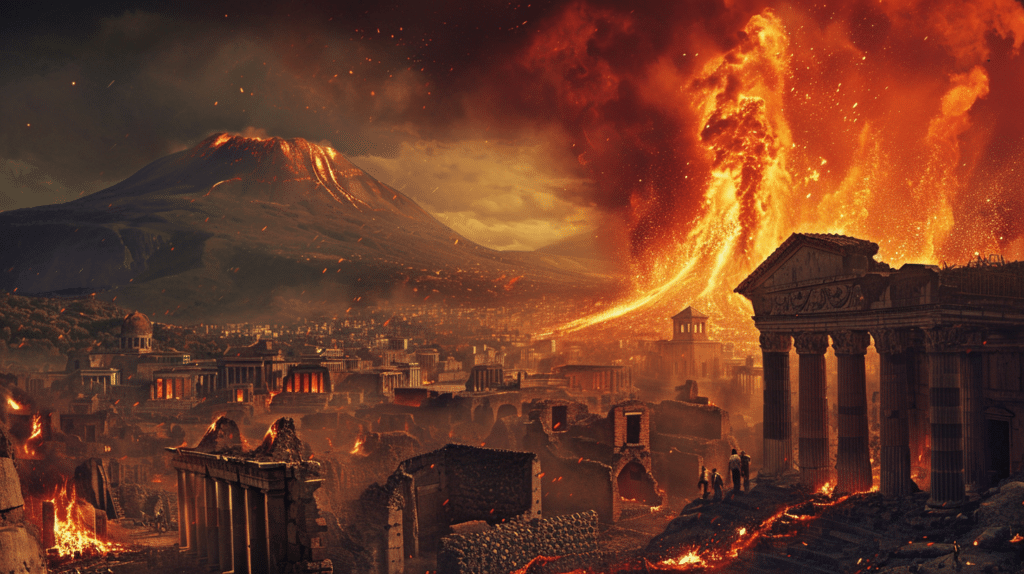
    The hypothesis suggests that historical events and figures, including Holy Roman Emperor Charlemagne, may have been part of a fabricated narrative, adding an extra 297 years to history. This provocative theory questions the reliability of medieval dating systems and written history, presenting a compelling argument for reevaluating our understanding of this pivotal period in history.

    Alleged Reasons for Time Fabrication

    The alleged reasons for time fabrication are as intriguing as they are controversial. According to the Phantom Time Hypothesis, the Holy Roman Empire, along with key world rulers, conspired to alter the dating system for significant historical and symbolic reasons.

    This theory, proposed by Heribert Illig, suggests that the calendar was manipulated to make it appear as if a new millennium had begun in 1000 AD, rather than 996. The motive behind this alleged manipulation was to imbue the year 1000 with greater significance, aligning it with the millennial year.

    These claims have sparked widespread debate and have even made their way Into the Parabnormal with Jeremy Scott. While the evidence remains contentious, the implications of such a conspiracy are nothing short of extraordinary.

    Counterarguments and Scholarly Critique

    Debunking the Hypothesis: A Scholarly Perspective

    Most historians worldwide are critical of the Phantom Time Hypothesis. Countless historians have chosen to argue it have used recorded dates of solar eclipses to do so, along with documented histories from other parts of the world that overlap the
    “missing” time periods.

    It is also worth noting that a counterargument could exist, as the Byzantium and Islamic regions were at war during the period, which was well documented. Additionally, graffiti left by ancient Greek tourists in the even older Egyptian Tomb of Ramses V includes scribblings that provide evidence of the time period.

    These counterarguments shed light on the complexity of historical analysis and the need for comprehensive evidence in scholarly critique.

    The Consensus on Medieval Chronology

    The consensus among scholars and historians is clear: the Phantom Time Hypothesis is met with skepticism and scholarly critique.

    However, the hypothesis has gained attention in popular culture and alternative history circles, with mentions in various media outlets and shows like Ground Zero with Clyde Lewis. While the scholarly community remains unconvinced, the hypothesis continues to spark curiosity and debate among enthusiasts of historical mysteries.

    Cultural Impact and Legacy

    The Hypothesis in Popular Culture

    The Phantom Time Hypothesis has captured the imagination of popular culture, sparking curiosity and intrigue. From online forums to podcasts, the theory has become a topic of fascination for many.

    Enthusiasts and skeptics alike engage in lively debates, exploring the implications of a potentially altered historical timeline. This hypothesis has even inspired merchandise, with fans proudly displaying their interest in alternative historical theories. Get a Ground Zero T-Shirt, Hoodie or Hat!

    Influence on Alternative History and Conspiracy Theories

    The Phantom Time Hypothesis has sparked intense debate within the realm of alternative history and conspiracy theories. Its controversial nature has led to widespread speculation and fascination, drawing attention from both skeptics and believers.

    This hypothesis has become a focal point for those intrigued by the possibility of hidden agendas and historical manipulation. The allure of uncovering secrets and challenging established chronology has contributed to its enduring impact on alternative historical narratives.

    Exploring Similar Historical Theories

    Other Contested Periods in History

    While the Phantom Time Hypothesis is one of the most debated historical theories, it is not the only one to challenge conventional chronology. Other contested periods in history include the Iranian Plateau – Central Asia, Indus Valley – South Asia, and Pre-Columbian Civilizations of America.

    These periods have also sparked scholarly discussions and alternative viewpoints, shedding light on the complexity of historical dating and interpretation. Exploring these contested periods offers a fascinating glimpse into the diverse perspectives on ancient history and the challenges of unraveling the past.

    Comparing Methodologies and Outcomes

    When comparing methodologies and outcomes of similar historical theories, it’s important to consider the diverse range of approaches and techniques used.

    Each theory offers unique insights and challenges, providing an outlook for future research directions and possible applications. By examining the qualitative points and structured content of these theories, we gain a deeper understanding of their impact and relevance.

    This comparative analysis supports more articles like this, encouraging further exploration and discussion of controversial historical hypotheses.

    In the realm of historical theories, there is a fascinating exploration of similar events that have shaped our understanding of the world. From ancient civilizations to modern-day mysteries, the quest for knowledge continues to uncover intriguing parallels and connections. If you’re intrigued by the enigmatic nature of history and the unexplained phenomena that have captivated human curiosity, visit Aftermath Media –

    The Ultimate Resource for Parapolitics, UFO’s and Conspiracies. Delve into a world of thought-provoking content and join the conversation on the most compelling topics of our time.

    The Phantom Time Hypothesis: A Controversial Theory

    In conclusion, the Phantom Time Hypothesis challenges the conventional timeline of history, suggesting that the Early Middle Ages may have been fabricated.

    This theory, proposed by German historian Heribert Illig, claims that Charlemagne and 297 years of history never existed. While the hypothesis has sparked debate and skepticism among historians, it has also garnered some support. Dr. Hans-Ulrich Niemitz’s paper further questions the traditional chronology, adding to the intrigue surrounding this controversial topic.

    Whether the theory holds merit or not, the Phantom Time Hypothesis continues to provoke curiosity and critical analysis, inviting us to reconsider the historical narrative we have long accepted as fact.

    Frequently Asked Questions

    What is the Phantom Time Hypothesis?

    The Phantom Time Hypothesis is a theory that suggests 297 years of early medieval history, including the existence of Charlemagne, were fabricated and did not actually occur.

    Who proposed the Phantom Time Hypothesis?

    The Phantom Time Hypothesis was proposed by German historian Heribert Illig in the 1990s.

    What is the evidence for the Phantom Time Hypothesis?

    The evidence includes discrepancies in the calendar, archaeological anomalies, and astronomical alignments that are claimed to support the theory.

    What is the role of the Holy Roman Empire in the Phantom Time Hypothesis?

    The Holy Roman Empire is suggested to have played a significant role in the fabrication of time and history according to the hypothesis.

    How do historians critique the Phantom Time Hypothesis?

    Historians critique the hypothesis by citing documented histories, solar eclipse records, and archaeological evidence that contradict the claims of the theory.

    What is the cultural impact of the Phantom Time Hypothesis?

    The hypothesis has influenced alternative history and conspiracy theories, and has been a topic of interest in popular culture due to its controversial nature.

  • The Mud Flood Enigma: Uncovering Evidence of a Cataclysmic Past

    The Mud Flood Enigma: Uncovering Evidence of a Cataclysmic Past

    The Mud Flood Enigma: Uncovering Evidence of a Cataclysmic Past explores the intriguing theory of a catastrophic mud flood event that may have occurred in the past. This article delves into the mysteries, geological evidence, cultural imprints, and controversies surrounding the enigmatic mud flood. Through a comprehensive investigation, we aim to shed light on this captivating phenomenon and its potential impact on history and society.

    Key Takeaways

    • The mud flood theory presents compelling anomalies in architecture, indicating signs of sudden burial and sedimentation.
    • Eyewitness accounts and historical records provide valuable insights into the cultural imprints of a forgotten disaster, offering clues to the potential occurrence of a cataclysmic event.
    • Geological evidence, including stratigraphic layers and comparative analysis, supports the possibility of a mud flood catastrophe in the past, challenging traditional chronology.
    • Mythology, legends, and reconstruction efforts in post-mud flood societies contribute to the cultural significance of the mud flood and its impact on alternative history.
    • The controversies and debates surrounding the mud flood theory highlight the challenges in separating fact from fiction, as mainstream science clashes with fringe theories and conspiracy narratives.

    The Mystery of the Mud Flood

    Tracing the Origins of the Mud Flood Theory

    The Mud Flood theory traces its origins to the 19th century, where researchers and historians began to uncover unusual anomalies in architecture and urban landscapes. These discoveries led to the formulation of a controversial theory that suggests a cataclysmic event buried entire cities under layers of mud. Eyewitness accounts and historical records provide compelling evidence, supporting more articles like this.

    Anomalies in Architecture: Signs of Sudden Burial

    The sudden burial of entire structures has left behind a trail of architectural anomalies that defy conventional explanations. From buildings partially submerged in mud to inexplicable shifts in foundation levels, these enigmatic signs point to a cataclysmic event that reshaped the landscape. Into the Parabnormal with Jeremy Scott delves into the perplexing world of buried architecture, uncovering the mysteries hidden beneath the earth’s surface. Join us as we explore the enigmatic remnants of a forgotten disaster and unravel the secrets of the mud-soaked past.

    Eyewitness Accounts: Historical Records and Folklore

    Eyewitness accounts and historical records provide compelling evidence of the cataclysmic mud flood. Stories passed down through generations and documented accounts paint a vivid picture of the sudden burial and its aftermath. The cultural imprints of this forgotten disaster are etched in the fabric of our history, leaving behind a legacy of mystery and intrigue. Get a Ground Zero T-Shirt, Hoodie or Hat!

    Geological Puzzles and Mud Flood Evidence

    Stratigraphic Layers and Sudden Sedimentation

    Stratigraphic layers provide a glimpse into the past, revealing evidence of sudden sedimentation and upheaval. The abrupt deposition of layers suggests a cataclysmic event, challenging conventional timelines and geological processes. Fossils, artifacts, and architectural remnants embedded within these layers offer intriguing clues, prompting further investigation. Exploring these layers is like unraveling a geological mystery, with each sedimentary stratum holding secrets of a forgotten disaster.

    Dating the Disaster: Chronological Challenges

    Dating the Disaster: Chronological Challenges

    The dating of the mud flood disaster presents significant challenges, leading to debates and alternative theories. Some researchers have delved into ancient texts and esoteric knowledge to unravel the mysteries surrounding this cataclysmic event. One such source, The Secret Teachings with Ryan Gable, explores the enigmatic nature of the mud flood and its impact on history. Gable’s work sheds light on the complexities of dating such a disaster and the implications it holds for our understanding of the past.

    Comparative Analysis with Known Cataclysms

    Stratigraphic Layers and Sudden Sedimentation provide crucial clues to the cataclysmic event. Comparative Analysis with Known Cataclysms reveals striking similarities, challenging conventional timelines. This comparison highlights the need for a reevaluation of historical records and geological data. It prompts a reexamination of our understanding of past cataclysms and their impact on human history.

    Cultural Imprints of a Forgotten Disaster

    Mythology and Legends: Echoes of a Mud-Soaked World

    Mythology and legends from various cultures around the world contain intriguing echoes of a mud-soaked world, hinting at a cataclysmic event that left a lasting impact. These ancient stories often speak of floods, buried cities, and the sudden destruction of civilizations. The common themes in these myths provide compelling evidence of a shared cultural memory of a forgotten disaster. From the epic of Gilgamesh to the story of Noah’s Ark, these legends offer a glimpse into a world shaped by a catastrophic event, leaving behind a legacy of mystery and intrigue.

    Reconstruction Efforts in Post-Mud Flood Societies

    After the devastation of the mud flood, societies faced the monumental task of rebuilding and recovering. Reconstruction efforts were marked by resilience and resourcefulness, as communities banded together to restore their way of life. The challenges were immense, from reclaiming buried structures to reestablishing infrastructure. In the aftermath, cultural imprints of the disaster became ingrained in the fabric of society, shaping art, folklore, and collective memory. Survivors’ accounts and oral traditions provided a glimpse into the harrowing experiences, while also preserving the resilience and determination of those who endured. Reconstruction efforts in post-mud flood societies were a testament to human perseverance and the enduring spirit of community.

    The Role of the Mud Flood in Alternative History

    The Mud Flood theory has sparked intense debate and speculation within the realm of alternative history. Many enthusiasts and researchers have delved into this enigma, seeking to uncover the truth behind this mysterious event. Ground Zero with Clyde Lewis has featured thought-provoking discussions on the Mud Flood theory, shedding light on its potential cultural and historical significance. The intersection of alternative history and the Mud Flood theory continues to captivate the imagination of those intrigued by unconventional narratives and historical anomalies.

    Controversies and Debates Surrounding the Mud Flood

    Mainstream Science vs. Fringe Theories

    When it comes to the Mud Flood theory, the clash between mainstream science and fringe theories is a hot topic. While mainstream science dismisses the idea as a mere conspiracy, fringe theories propose compelling evidence that challenges the status quo. The debate rages on, with each side presenting their arguments and counter-arguments. Here are a few key points to consider:

    • Mainstream science relies on established geological and historical frameworks, dismissing the notion of a cataclysmic mud flood.
    • Fringe theories highlight anomalies in architecture and historical records, suggesting a sudden burial event that defies conventional explanations.
    • It’s important to approach this debate with an open mind, considering all perspectives and evidence before drawing conclusions.

    In the midst of this clash, separating fact from fiction becomes a daunting task. The controversy surrounding the Mud Flood theory continues to fuel discussions and intrigue researchers and enthusiasts alike.

    The Mud Flood and Conspiracy Theories

    Conspiracy theories surrounding the mud flood have sparked intense debates and skepticism. While some believe in hidden agendas and cover-ups, others dismiss these theories as unfounded. The allure of conspiracy narratives often overshadows the search for factual evidence, making it challenging to separate truth from speculation. It’s important to approach these theories with critical thinking and a discerning eye, considering multiple perspectives and verifiable sources. Engaging in open dialogue and respectful discourse can lead to a better understanding of the complexities surrounding this controversial topic.

    Challenges in Separating Fact from Fiction

    When delving into the world of the Mud Flood enigma, it’s essential to navigate through the maze of information with a critical eye. Here are a few tips to help you separate fact from fiction:

    • Cross-Referencing: Verify claims and accounts by cross-referencing multiple sources to ensure accuracy and reliability.
    • Critical Analysis: Approach controversial theories with a critical mindset, evaluating evidence and considering alternative perspectives.
    • Questioning Narratives: Challenge narratives that seem too simplistic or one-sided, and seek out complexities that may reveal a more nuanced truth.

    In the realm of historical mysteries, separating fact from fiction is a captivating journey that requires discernment and an open mind.

    The controversies and debates surrounding the mud flood have sparked intense discussions and speculation within the realm of parapolitics and conspiracy theories. As we delve deeper into this enigmatic phenomenon, it becomes evident that there are diverging perspectives and interpretations regarding its origins and implications. At Aftermath Media, we are committed to unraveling the mysteries that captivate our collective curiosity. Join us in exploring the enigmatic world of parapolitics, UFOs, and conspiracies.

    Uncovering the Mysteries of the Mud Flood

    In conclusion, the journey to uncover evidence of a cataclysmic past has been nothing short of extraordinary. From the enigmatic disappearance of the Magi of the Mists to the discovery of ancient artifacts, the truth behind human myths has been brought to light. The cataclysmic past holds secrets that continue to captivate and intrigue, shedding light on civilizations long forgotten. As we delve deeper into the mysteries of the past, the evidence of a world-changing event becomes more apparent, challenging our understanding of history and the forces that shaped our planet. The quest for knowledge and truth is an ongoing adventure, and the revelations uncovered thus far are just the beginning of a remarkable journey into the unknown.

    Frequently Asked Questions

    What is the Mud Flood theory?

    The Mud Flood theory suggests that a catastrophic event involving massive amounts of mud and sediment buried entire cities and civilizations in the past.

    Is there geological evidence of the Mud Flood?

    Yes, there are geological puzzles and evidence such as stratigraphic layers and sudden sedimentation that support the Mud Flood theory.

    What role does mythology play in the Mud Flood theory?

    Mythology and legends provide echoes of a mud-soaked world, offering cultural imprints of a forgotten disaster.

    How is the Mud Flood theory perceived by mainstream science?

    Mainstream science often contrasts with fringe theories regarding the Mud Flood, leading to controversies and debates.

    Are there challenges in separating fact from fiction in the study of the Mud Flood?

    Yes, there are significant challenges in separating fact from fiction, especially when it comes to the controversies and debates surrounding the Mud Flood theory.

    What efforts have been made to reconstruct post-Mud Flood societies?

    Reconstruction efforts have been made to understand and rebuild societies that were affected by the Mud Flood, shedding light on the cultural imprints of the disaster.

  • The Roanoke Island Mystery: Beyond the Lost Colony

    The Roanoke Island Mystery: Beyond the Lost Colony

    The Roanoke Colony, also known as the ‘Lost Colony,’ is one of the most enduring mysteries in American history. In 1587, a group of English settlers arrived on Roanoke Island, off the coast of North Carolina, to establish a permanent colony.

    However, when a supply ship returned three years later, the colony was abandoned entirely with no trace of the settlers.

    To this day, the fate of the Roanoke Colony remains a mystery, with the word “Croatoan” carved into a post as the sole clue left behind. This article delves into the historical context, archaeological findings, and various theories that attempt to explain what really happened to the colonists.

    Key Takeaways

    • The Lost Colony of Roanoke is an iconic historical mystery involving the disappearance of English settlers in 1587, with the enigmatic word “Croatoan” as the only clue.
    • Local folklore and legends, such as the Roanoke River Monster and the Witch of Roanoke, add a layer of cultural mystique to the mystery.
    • Archaeological discoveries, including colonial-era pottery, suggest possible integration of the colonists with Native American communities.
    • Modern investigations utilize advancements in forensic science and historical records to offer new perspectives on the mystery.
    • Despite extensive research and numerous theories, the ultimate fate of the Roanoke settlers remains an unsolved enigma in American history.

    The Mysterious Disappearance of the Lost Colony

    The Founding of Roanoke Island

    The colonists settled on what is now Roanoke Island in North Carolina, and their vanishing act has left researchers in a constant quest for answers. The lone trace they left behind was the word “Croatoan” carved into a post, deepening the mystery.

    Recent archaeological excavations led by the First Colony Foundation have cast fresh light on this age-old puzzle. The foundation’s team uncovered remnants of colonial-era pottery near a Native American village site, hinting at the possibility that the Roanoke Colony survivors may have fragmented into various groups and integrated with the indigenous people. The Secret Teachings with Ryan Gable

    The Vanishing Act

    The mystery of the Lost Colony’s disappearance deepens with each passing year. It’s a story of hope, despair, and the unknown, echoing through American history as a captivating, unsolved riddle.

    The Bermuda Triangle, notorious for unexplained disappearances of ships and planes, holds a mystery as deep as the ocean itself. Imagine a clear day at sea, where suddenly, navigation instruments fail, radios go silent, and the familiar horizon seems to shift. Ships and aircraft, caught in this enigmatic trap, vanish without a trace, fueling tales of intrigue and mystery.

    Theories abound, from magnetic anomalies disrupting compasses to otherworldly forces at play. The line between reality and legend blurs, leaving us with more questions than answers. Into the Parabnormal with Jeremy Scott explores the working theories on this captivating enigma.

    Theories and Speculations

    The mystery of the Lost Colony has sparked numerous conspiracy theories and speculations. From government cover-ups to mythical creatures, the range of theories is vast. Some believe in the involvement of cryptid creatures and legends, while others explore the possibility of otherworldly realms. The search for answers continues to uncover new insights and perspectives, shedding light on this enduring mystery.

    Unraveling the Clues: Archaeological Discoveries

    Excavations at Roanoke Island

    The enigma surrounding the Lost Colony of Roanoke, established in 1585, has held historians and archaeologists in its thrall for centuries. The colonists settled on what is now Roanoke Island in North Carolina, and their vanishing act has left researchers in a constant quest for answers. Recent archaeological excavations led by the First Colony Foundation have cast fresh light on this age-old puzzle.

    The foundation’s team uncovered remnants of colonial-era pottery near a Native American village site, hinting at the possibility that the Roanoke Colony survivors may have fragmented into various groups and integrated with the indigenous population. The presence of European ceramics for food preparation and storage suggests that long-term residents once inhabited the area.

    These findings have persuaded some experts that they may have finally unraveled the mystery of the Lost Colony, while others remain skeptical. Alternative theories, such as the idea that the settlers relocated to Croatoan Island as hinted by the carving, still hold ground. Despite the ongoing debate, these findings provide compelling new insights into the fate of the Roanoke Colony.

    Artifacts and Evidence

    After uncovering a wealth of artifacts and evidence, the mystery of the Lost Colony deepens. The discovery of a piece of pottery on Hatteras Island in 2015 has reignited interest and speculation about the fate of the missing settlers. Despite these findings, the fate of the Roanoke Colony remains a puzzle, leaving us with more questions than answers. Get a Ground Zero T-Shirt, Hoodie or Hat!

    Insights from Historical Accounts

    The historical accounts of Roanoke Island are imbued with an otherworldly atmosphere, with tales of spectral sightings and inexplicable events adding to its enigmatic allure within the realm of local legends and folklore. The site is said to be a haunting reminder of the past, where the ghostly presence of the Wreck of the Old 97 lingers, intertwining a tragic train disaster with ghostly folklore. Additionally, researcher Matthew Pawelski used computer modeling and imaging to make precise comparisons of wreckage and known details of a lost former Civil War naval vessel refitted for commercial use, shedding new light on historical mysteries.

    Theories and Speculations: What Really Happened?

    The Native American Connection

    The fate of the Lost Colony may have intertwined with nearby Native American communities, leading to various theories and speculations. Some suggest voluntary assimilation, while others propose hostile encounters with Native Americans or Spaniards. Disease, famine, and the possibility of getting lost at sea are also considered. The enduring fascination with these theories continues to fuel modern investigations and support more articles like this.

    European Intrigue

    Theories of European involvement in the Roanoke Island mystery have sparked intrigue and speculation. Some believe that political agendas and power struggles may have played a role in the colony’s disappearance. Others suggest covert operations and clandestine activities. Ground Zero with Clyde Lewis explores these theories and delves into the enigmatic web of European intrigue surrounding the Lost Colony.

    The Lost Colony Legacy

    The mystery of the Lost Colony of Roanoke, also known as the “Lost Colony,” is shrouded in mystery and intrigue. It is a tale that has captivated historians and conspiracy theorists alike. The disappearance of these early English settlers serves as a reminder of the challenges and uncertainties faced by those who ventured into uncharted territories. While the ultimate truth behind the colonists’ fate may forever elude us, ongoing research and archaeological investigations offer hope for unravelling this centuries-old enigma.

    The Search for Answers: Modern Investigations

    Advancements in Forensic Science

    Advancements in forensic science have revolutionized modern investigations, providing new tools and techniques for uncovering long-standing mysteries. Computer modeling and imaging are used to make precise comparisons of wreckage and known details of historical events, shedding light on the truth behind enigmatic disappearances.

    These advancements have opened up new perspectives on age-old cases, offering fresh insights and possibilities for solving the most perplexing mysteries. The use of cutting-edge technology has transformed the way we approach historical records, allowing us to revisit and reinterpret them with a new lens of understanding. With these advancements, the search for answers continues, fueled by the promise of unlocking the secrets of the past.

    New Perspectives on the Mystery

    The search for answers continues as modern investigations shed new light on the Roanoke Island mystery. Advancements in forensic science have provided valuable tools for re-examining historical evidence and artifacts. With a fresh perspective, researchers are revisiting historical records, uncovering overlooked details, and challenging long-held assumptions. These modern investigations offer a glimpse into the evolving understanding of the lost colony and the events surrounding its disappearance.

    Revisiting Historical Records

    The search for answers continues as historians and researchers delve deeper into the historical records of Roanoke Island. New perspectives and insights are being uncovered, shedding light on the events that transpired centuries ago. Through meticulous analysis and comparison, the pieces of this enigmatic puzzle are slowly coming together.

    Theories and speculations are being reevaluated, offering a fresh perspective on the enduring mystery. As modern investigations progress, the past is being revisited with a keen eye for detail and a determination to uncover the truth. The journey to unravel the secrets of the Lost Colony is an ongoing quest, fueled by the curiosity and dedication of those who seek to understand this captivating chapter of history.

    In the world of modern investigations, the search for answers is an ongoing journey. From parapolitics to UFOs and conspiracies, the quest for truth takes us to the depths of mystery and intrigue. At Aftermath Media, we are dedicated to unraveling the enigmas that captivate our curiosity. Join us in exploring the unexplained and uncovering the hidden truths that shape our understanding of the world.

    Unraveling the Enigma of the Lost Colony

    The mystery of the Lost Colony of Roanoke remains a puzzle, one that continues to captivate our collective imagination. The disappearance of these early English settlers serves as a reminder of the challenges and uncertainties faced by those who ventured into uncharted territories. While the ultimate truth behind the colonists’ fate may forever elude us, ongoing research and archaeological investigations offer hope for unravelling this centuries-old enigma.

    Frequently Asked Questions

    What was the fate of the Lost Colony of Roanoke?

    The fate of the Lost Colony of Roanoke remains a mystery. The colonists vanished without a trace, leaving behind only the word

  • Historical Conspiracies: The Real Story Behind the Assassination of Julius Caesar

    Historical Conspiracies: The Real Story Behind the Assassination of Julius Caesar

    The assassination of Julius Caesar is a historical event that continues to captivate and intrigue us to this day. The conspiracy and subsequent murder of one of Rome’s most iconic figures have sparked numerous debates and theories. In this article, we delve into the real story behind the assassination of Julius Caesar, exploring the motives, aftermath, and deciphering ancient sources to separate fact from fiction.

    Key Takeaways

    • The assassination of Julius Caesar was a result of a complex conspiracy involving multiple individuals and motives.
    • The aftermath of Caesar’s assassination led to Rome’s tumultuous transition and the rise of Augustus.
    • Deciphering ancient sources such as Suetonius, Plutarch, and Cassius Dio provides valuable insights into the historical event.
    • The sociopolitical climate of Caesar’s Rome played a significant role in the conspiracy and its execution.
    • Separating myth from reality in historical conspiracies like the assassination of Julius Caesar is essential for understanding the true narrative.

    The Ides of March: A Date with Destiny

    The Omens Before the Fall

    Before the fateful day of the Ides of March, ominous signs and portents filled the air, foretelling the impending doom. The people of Rome whispered of strange happenings, from the haunting cries of nocturnal birds to the eerie visions in the night sky. The sacred animals refused to eat, and the earth trembled with an unsettling unease. These unsettling omens cast a shadow of fear and uncertainty over the city, as whispers of impending catastrophe spread like wildfire. The tension in the air was palpable, and the people of Rome could not shake the feeling that something dreadful was about to unfold.

    The Senate’s Conspiracy

    The Senate’s conspiracy against Julius Caesar was a complex web of motives and alliances. While the official narrative presents a united front, the reality was far more intricate. The Senate, a disunited body of self-interested, wealthy, and mistrustful aristocrats, was unwilling to risk their own prospects. This led to a greater chance of success for the conspiracy, as the fewer who knew, the greater the chance of success. The rewards and risks of betrayal by colleagues played a significant role, whether through torture, fear of torture, or promised reward. This intricate web of motives and alliances is explored in depth on Ground Zero with Clyde Lewis.

    The Fatal Stab: Who Held the Dagger?

    The fatal stab that ended Julius Caesar’s life was delivered by multiple conspirators, including Brutus and Cassius. The narrow space in the Senate offered little room for escape or rescue, allowing the conspirators to carry out their plan swiftly. By the time Caesar’s loyal guards could come to his defense, it was too late. The fatal stab marked the tragic end of Caesar’s life and the beginning of a tumultuous period in Rome’s history.

    Unraveling the Motives: Power, Envy, or Republic?

    Fear of a Dictator: Senators’ Dilemma

    The Senate faced the rewards and risks of betrayal by colleagues, including torture, fear of torture, and promised rewards. This disunited body of self-interested aristocrats was unwilling to risk their own prospects, presenting a virtuous, selfless front. The conspiracy involved very few, and not all need have been directly in touch with each other, increasing the chance of success. Previous attempts had foundered when faced with the rewards and risks of betrayal by colleagues. Caligula’s insults and mockery also fueled resentment and motivation for the conspiracy.

    Brutus’ Betrayal: An Act of Patriotism?

    Brutus’ betrayal of Julius Caesar has been a subject of intense debate, with conflicting views on whether it was an act of patriotism or personal ambition. While some argue that Brutus acted out of genuine concern for the Republic, others point to the rewards and risks of betrayal by colleagues. The Senate’s disunity and self-interest played a significant role, with aristocrats unwilling to risk their own prospects. Chaerea’s resentment of Caligula’s insults and mockery sheds light on the complex motives behind political betrayals. The conflicting accounts of historical sources add layers of intrigue to the true nature of Brutus’ betrayal.

    Cassius’ Envy: Personal Vendetta in Play

    Cassius’ envy and resentment towards Caesar ran deep, fueled by a desire for power and influence. His personal vendetta against Caesar drove him to conspire against the leader, seeking to eliminate the Imperial family and secure his own position. The chaos following the assassination revealed the extent of Cassius’ ambitions and the risks he was willing to take. The story of Cassius’ envy and betrayal sheds light on the complex motives behind the conspiracy, revealing the intricate web of power, envy, and ambition in ancient Rome. Support more articles like this.

    The Aftermath: Rome’s Tumultuous Transition

    The Power Vacuum and Ensuing Chaos

    After the demise of Caesar, Rome was thrown into a state of disarray, leading to a power vacuum that sparked chaos and uncertainty. The struggle for control and leadership intensified, as competing factions vied for dominance in the wake of Caesar’s absence. The city was engulfed in political turmoil, with shifting allegiances and clandestine plots adding to the atmosphere of instability. As Rome grappled with the aftermath of Caesar’s assassination, the once mighty empire found itself teetering on the brink of an uncertain future.

    The Rise of Augustus: From Chaos to Order

    After the chaos following Caesar’s assassination, Augustus emerged as the leader of Rome, bringing stability and order to the city. His reign marked a transition from tumult to tranquility, as he consolidated power and implemented reforms to restore the republic. Augustus’ strategic vision and political acumen reshaped Rome’s governance, laying the foundation for a new era of prosperity and peace. His legacy as the first Roman Emperor continues to shape our understanding of ancient history and the dynamics of power.

    The Legacy of Caesar: How Rome Remembered

    After the death of Julius Caesar, Rome’s memory of him was complex and multifaceted. His assassination left a lasting impact on the city, shaping the way he was remembered for centuries to come. Here are a few key aspects of how Rome remembered Julius Caesar:

    • Divine Honors: Following his death, Julius Caesar was deified, and his cult became an integral part of Roman religious life. Temples and altars were dedicated to him, and libation-offerings were made in his honor.
    • State Oaths: From 12 BC, state oaths were sworn by the genius of Augustus as the living emperor, solidifying his place in Roman society and governance.
    • Municipal Cult: There is abundant evidence of municipal cult to Augustus in Italy and elsewhere, organized and financed locally. This demonstrates the widespread reverence and adoration for Julius Caesar and his legacy.

    Rome’s remembrance of Julius Caesar was a blend of religious devotion, political symbolism, and cultural influence, shaping the city’s identity for generations to come.

    Deciphering Ancient Sources: Fact vs. Fiction

    Suetonius and Plutarch: Biographers with Bias?

    When examining the works of Suetonius and Plutarch, it’s important to consider the biases that may have influenced their narratives. Suetonius, for example, lost access to official archives and had to rely on second-hand accounts, leading to potential inaccuracies and misrepresentations. Plutarch, on the other hand, wrote with a moralistic purpose, often portraying historical figures in a favorable or unfavorable light based on his own ethical standards. Both biographers may have unintentionally shaped their accounts to fit their own perspectives, resulting in a narrative that reflects their biases.

    It’s crucial to approach their works with a critical eye, recognizing that their portrayals of historical events and figures may be influenced by personal biases. By acknowledging these biases, readers can gain a more nuanced understanding of the historical accounts provided by Suetonius and Plutarch.

    Get a Ground Zero T-Shirt, Hoodie or Hat!

    The Accounts of Cassius Dio: A Historian’s Perspective

    Cassius Dio, a historian of ancient Rome, provides a unique perspective on the assassination of Julius Caesar. His work, written over 180 years after the event, offers valuable insights into the historical context and the motivations of the conspirators. Dio’s detailed chronology and analysis shed light on the complex web of political intrigue and personal ambitions that led to Caesar’s downfall. His account, although written centuries ago, continues to be a crucial source for understanding this pivotal moment in Roman history. Cassius Dio’s perspective offers a fascinating glimpse into the intricacies of power and betrayal in ancient Rome.

    Shakespeare’s ‘Julius Caesar’: Where History Meets Drama

    Shakespeare’s portrayal of Julius Caesar in his famous play is a blend of historical accuracy and dramatic storytelling. The play delves into the complex web of political intrigue and personal ambition that surrounded Caesar’s assassination. It offers a compelling insight into the characters’ motivations and the societal tensions of ancient Rome. Through vivid language and powerful dialogue, Shakespeare brings to life the timeless themes of power, betrayal, and the consequences of unchecked ambition. The play continues to captivate audiences with its enduring relevance and thought-provoking narrative. It serves as a bridge between history and art, shedding light on the human drama behind the historical events.

    The Sociopolitical Climate of Caesar’s Rome

    The Populares vs. Optimates: An Eternal Struggle

    The Populares and Optimates were locked in an eternal struggle for power and influence in Caesar’s Rome. This clash between the common people and the aristocracy shaped the political landscape of the time. The tension between the two factions led to a constant battle for control and dominance, with each side vying for the support of the Roman public.

    The struggle between the Populares and Optimates reflected the larger societal conflict between the elite and the common citizens. It was a battle for the direction and governance of Rome, with far-reaching implications for the future of the Republic.

    In this environment, the Roman public played a crucial role, caught between the competing interests of the Populares and Optimates. Their involvement, whether passive or active, had a significant impact on the course of events and the outcome of the power struggle.

    As the struggle for power intensified, the lines between democracy and republic became blurred, leading to a complex and multifaceted political landscape. The battle for hearts and minds became a central focus, shaping the future of Rome and setting the stage for the rise of Augustus and the transformation of the Roman Republic.

    Caesar’s Reforms: Progress or Power Grab?

    Caesar’s reforms sparked intense debate among the Roman elite and the public. Some hailed his initiatives as progressive steps toward a more equitable society, while others viewed them as a cunning power grab. The restructuring of the Senate, expansion of the Empire, and legislative affairs were all central to his agenda. Into the Parabnormal with Jeremy Scott

    The Roman Public’s Role: Passive Observers or Active Participants?

    The Roman public played a complex role in the events surrounding the assassination of Julius Caesar. While some were passive observers, others were active participants, shaping the course of history through their actions and reactions. Here are a few key points to consider:

    • Public Opinion: The Roman public’s sentiments and reactions to political events had a significant impact on the unfolding of the conspiracy and its aftermath.
    • Civil Unrest: The public’s response to Caesar’s assassination sparked civil unrest and political turmoil, highlighting their active involvement in the events.
    • Influence of Propaganda: The manipulation of public opinion through propaganda and rhetoric played a crucial role in shaping the narrative of Caesar’s assassination and its aftermath.

    Understanding the dynamics of the Roman public’s role provides valuable insights into the complexities of this historical conspiracy.

    Conspiracy Theories: Separating Myth from Reality

    The Myth of the Sole Assassin: Debunking Simplistic Narratives

    The assassination of Julius Caesar has long been shrouded in mystery and intrigue, with many theories attributing the act to a single, shadowy figure. However, historical evidence suggests a more complex reality, challenging the simplistic narrative of a lone assassin. Here are some key points to consider:

    • Conspiracy of Few: The conspiracy likely involved very few individuals, each with their own motives and connections. The limited knowledge among conspirators increased the chances of success, making it a carefully orchestrated plan.
    • Senate’s Complicity: Some members of the Senate, known for their self-interest and sycophancy, attempted to claim credit for the assassination or distance themselves from it. This highlights the political complexities and power struggles within the Roman elite.
    • Modern Interpretations: The influence of contemporary thought has shaped modern interpretations of the assassination, leading to a variety of theories and perspectives that continue to captivate historians and enthusiasts alike.

    In unraveling the myth of the sole assassin, it becomes clear that the assassination of Julius Caesar was a multifaceted event, driven by intricate political dynamics and personal ambitions.

    Ancient Propaganda: How Stories Were Spun

    Ancient propaganda played a crucial role in shaping the narrative surrounding Julius Caesar’s assassination. The stories were carefully crafted to influence public opinion and justify the actions of those involved. Subtle exaggerations and selective omissions were used to sway the masses. Additionally, rumors and misinformation were spread to create confusion and doubt. It’s a reminder that the manipulation of information is not a new phenomenon, and it continues to impact historical interpretations today.

    Modern Interpretations: The Influence of Contemporary Thought

    The influence of contemporary thought on historical conspiracies is a fascinating subject. In the realm of alternative perspectives, one notable source is The Secret Teachings with Ryan Gable. This platform delves into the intersection of historical events and modern interpretations, shedding light on intriguing connections and thought-provoking analyses.

    Listeners are treated to a diverse range of topics, from scientific materialism to the evolution of societal norms. The show’s exploration of historical narratives and their impact on present-day ideologies offers a unique lens through which to view the past and present.

    In the realm of historical analysis, The Secret Teachings with Ryan Gable provides a thought-provoking platform for understanding the complexities of historical events and their enduring influence on contemporary thought.

    Conspiracy theories have long been a topic of intrigue and controversy. Separating myth from reality is a daunting task, especially in the realm of parapolitics, UFOs, and conspiracies. At Aftermath Media, we delve deep into these enigmatic subjects, providing the ultimate resource for those seeking to uncover the truth. Explore our website for in-depth analysis, compelling evidence, and thought-provoking discussions. Join us in unraveling the mysteries that captivate our collective imagination.

    The Real Story Behind the Assassination of Julius Caesar

    In conclusion, the assassination of Julius Caesar was a result of a complex conspiracy involving officers of the Praetorian Guard, senators, and courtiers. The plot may have been an opportunity to restore the Roman Republic and aristocratic privileges, but it was ultimately thwarted by the Praetorians who chose Caligula’s uncle, Claudius, as the next emperor. This event marked the official end of the Julii Caesares in the male line, although the Julio-Claudian dynasty continued to rule until the demise of Caligula’s nephew, the emperor Nero. The assassination of Julius Caesar remains a significant historical event that shaped the course of Roman history and politics.

    Frequently Asked Questions

    What were the omens before the fall of Julius Caesar?

    The omens before the fall of Julius Caesar included strange occurrences such as the spontaneous combustion of a sacrifice, the appearance of a ghostly army, and the sighting of a lion in the Capitol.

    Who were the main conspirators in the assassination of Julius Caesar?

    The main conspirators in the assassination of Julius Caesar were members of the Roman Senate, including prominent figures such as Brutus and Cassius.

    What were the motives behind the assassination of Julius Caesar?

    The motives behind the assassination of Julius Caesar were driven by a fear of dictatorship, envy of Caesar’s power, and a desire to restore the Roman Republic.

    How did the assassination of Julius Caesar impact Rome’s transition?

    The assassination of Julius Caesar led to a power vacuum and ensuing chaos in Rome, ultimately paving the way for the rise of Augustus and the establishment of order.

    What are some modern interpretations of the assassination of Julius Caesar?

    Modern interpretations of the assassination of Julius Caesar explore the influence of contemporary thought on historical events and the portrayal of the conspiracy in literature and media.

    Were there any conspiracy theories surrounding the assassination of Julius Caesar?

    Yes, there have been conspiracy theories surrounding the assassination of Julius Caesar, including the debunking of simplistic narratives and the influence of ancient propaganda.

  • Navigating the New World: Essential Survival Skills for Post-Apocalyptic Scenarios

    Navigating the New World: Essential Survival Skills for Post-Apocalyptic Scenarios

    In a post-apocalyptic world, survival skills are essential for navigating the new world and ensuring the safety and well-being of oneself and others. This article explores the key survival skills for post-apocalyptic scenarios, including food sourcing and foraging, building secure shelters, self-defense and security measures, and off-the-grid power generation.

    These skills are crucial for individuals to thrive in a world without the comforts of modern society, and they provide the necessary knowledge to adapt and overcome the challenges of a post-apocalyptic environment.

    Key Takeaways

    • Food Sourcing and Foraging
    • Building Secure Shelters
    • Self-Defense and Security Measures
    • Off-the-Grid Power Generation
    • Adaptability and Resourcefulness

    Essential Survival Skills for Post-Apocalyptic Scenarios

    Food Sourcing and Foraging

    In a post-apocalyptic world, your supermarket is the wild. Foraging is your new shopping spree. Learn to identify edible plants and mushrooms, but beware of poisonous look-alikes. Remember, nature is your pantry now.

    When in doubt, follow the universal edibility test. If it looks good, smells good, and a small portion doesn’t irritate, you might have found a meal.

    Master the art of trapping and hunting. Small game can be a reliable food source. Here’s a quick list to get you started:

    • Learn to set snares for rabbits and squirrels.
    • Fishing can be a tranquil yet fruitful endeavor.
    • Insects are high in protein; don’t discount them.

    Preservation is key. Smoking, drying, and salting can make your food last. Start a survival garden. Seeds are gold; protect them like your life depends on it because it does.

    Building Secure Shelters

    In a world turned upside down, your home is your fortress. Safety starts with a secure shelter. Constructing a robust refuge is not just about piling up logs; it’s about strategic planning and execution. Start by choosing a discreet location, away from potential threats and prying eyes.

    • Location: Elevated areas prevent flooding and offer a strategic view.
    • Materials: Use sturdy, fire-resistant materials.
    • Design: Think defensibility, with minimal entry points.

    Remember, the simpler, the better. A complicated structure can become a liability.

    Your shelter is your survival hub. It must be built to withstand not just the elements, but any unwelcome visitors.

    Consider the climate when designing your shelter. Insulation is key in cold environments, while ventilation is a must in hotter regions. And don’t forget to camouflage! Blending in with the surroundings can make your shelter virtually invisible.

    Lastly, always have a contingency plan. If your shelter is compromised, know where to go next. Survival is about adaptability. Stay sharp, stay safe.

    Self-Defense and Security Measures

    In a post-apocalyptic world, your safety is paramount. Equipping yourself with self-defense skills is not just smart; it’s necessary. From hand-to-hand combat to strategic planning, you need to be prepared for anything.

    Awareness is your first line of defense. Always be conscious of your surroundings and potential threats. This isn’t paranoia; it’s survival. Learn to trust your instincts. If something feels off, it probably is.

    Here’s a quick rundown of security measures to consider:

    • Martial Arts: Pick a style that suits you and practice regularly.
    • Weapons Training: Know how to handle knives, guns, and improvised weapons.
    • Environmental Hazards: Use the terrain to your advantage; understand how to navigate and utilize it against threats.
    • Companion Coordination: If you’re not alone, work out signals and strategies with your group.

    Remember, the goal isn’t to fight; it’s to survive. Avoid confrontation when possible, but be ready to defend yourself if necessary.

    Finally, don’t underestimate the value of a secure shelter. A well-fortified base can deter many threats. Combine physical fortifications with smart tactics, and you’ll increase your chances of staying safe in a dangerous new world.

    Off-the-Grid Power Generation

    When the grid goes down, you’re on your own. Generating your own power is not just a skill; it’s a lifeline. Solar panels and wind turbines might spring to mind, but there’s more to off-grid energy than sunny days and blustery afternoons.

    Start by understanding the basics. Solar power requires photovoltaic cells, and wind energy hinges on turbines. But remember, energy storage is key. Without batteries to store what you generate, you’re only powered when the sun shines or the wind blows. Consider a dual system for redundancy.

    Here’s a quick rundown of power sources:

    • Solar: Harness the sun, even on cloudy days.
    • Wind: Ideal for open, high-wind areas.
    • Hydro: If you’re near running water, a micro-hydro generator is a steady source.
    • Biofuel: Generate gas from organic waste.

    Don’t forget maintenance. Off-grid systems require regular checks to ensure efficiency and longevity.

    Dive into DIY guides like ‘DIY Solar Power for Beginners’ or ‘The Official U.S. Army Survival Guide’. They’re treasure troves of practical advice. And remember, practice makes perfect. Start small, scale up, and always have a backup plan.

    Conclusion

    In conclusion, navigating the new world requires essential survival skills for post-apocalyptic scenarios. From practical water collection to fortifying and defending your home, from foraging for food to first aid and medical treatments, the key to survival lies in self-sufficiency and preparedness. This comprehensive guide provides step-by-step strategies and techniques for off-the-grid living, ensuring that you are equipped to thrive in the face of long-term crises. Whether it’s building community resilience or honing wilderness survival skills, this guide is a valuable resource for anyone seeking to navigate the challenges of a post-apocalyptic world.

    Frequently Asked Questions

    What are the essential survival skills for post-apocalyptic scenarios?

    The essential survival skills for post-apocalyptic scenarios include food sourcing and foraging, building secure shelters, self-defense and security measures, and off-the-grid power generation.

    How can I prepare for long-term survival in a post-apocalyptic scenario?

    To prepare for long-term survival in a post-apocalyptic scenario, it is important to learn practical water collection, storing, growing, hunting, and foraging for food, first aid and medical treatments, and techniques for fortifying and defending your home.

    What resources are available for learning survival skills?

    There are various resources available, including books on prepping, survivalist guides, and online courses that teach practical skills such as water collection, food sourcing, shelter building, and self-defense.

    What are some recommended books for learning survival skills?

    Some recommended books for learning survival skills include “Prepper’s Long-Term Survival Guide: Food, Shelter, Security, Off-the-Grid Power and More Life-Saving Strategies for Self-Sufficient Living” and “Bushcraft 101: A Field Guide to the Art of Wilderness Survival.”

    How can I build off-the-grid power generation systems?

    You can build off-the-grid power generation systems using renewable energy sources such as solar panels, wind turbines, and hydroelectric generators. It is important to learn the techniques and tactics for setting up and maintaining off-the-grid power systems.

    What are some common challenges in post-apocalyptic scenarios?

    Some common challenges in post-apocalyptic scenarios include access to clean water, food scarcity, security threats, and the need for self-sufficiency in energy and resources. It is important to be prepared for these challenges and learn practical survival skills to overcome them.

  • Off-the-Grid: Power Generation for Post-Apocalyptic Life

    Off-the-Grid: Power Generation for Post-Apocalyptic Life

    The need for off-the-grid power generation and survival strategies becomes paramount in a post-apocalyptic world. This article explores renewable energy solutions, challenges in post-apocalyptic scenarios, and essential survival strategies for self-sufficient living.

    With a focus on key takeaways, readers will gain insights into crucial aspects of power generation and survival in a post-apocalyptic setting.

    Key Takeaways

    • Renewable energy solutions are essential for off-the-grid power generation, including solar, wind, and biomass energy sources.
    • Energy storage and management are critical in ensuring a reliable power supply in post-apocalyptic scenarios, emphasizing the importance of battery and utility-scale energy storage options.
    • Grid instability poses a significant challenge in post-apocalyptic settings, requiring innovative solutions such as smart grid integration and decentralized energy systems.
    • Water collection and purification are vital for survival, highlighting the need for sustainable water sources and purification methods in self-sufficient living environments.
    • Food sourcing and preservation techniques are crucial for long-term sustenance, emphasizing the importance of hunting, foraging, and food preservation methods in post-apocalyptic settings.

    Off-the-Grid Power Generation

    Renewable Energy Solutions

    Imagine a life where you’re the master of your power supply. Renewable energy isn’t just eco-friendly; it’s a matter of survival in a post-apocalyptic world. Solar panels and wind turbines become your new best friends, harnessing the sun and gales to keep the lights on and the water hot. But don’t forget about hydropower.

    • small-scale turbines can turn a trickling stream into a powerhouse.

    Energy independence means taking control of your future. It’s about being smart with what you’ve got and making it work for you.

    Biomass is another ace up your sleeve. Converting organic waste into energy could be the difference between a warm meal and an empty stomach. And let’s talk storage – batteries are the unsung heroes, storing excess power for when the sun sets or the wind dies down. Here’s a quick rundown of the most practical off-grid energy solutions:

    • Solar power: Your day-time dynamo.
    • Wind power: For those breezy days and nights.
    • Hydropower: Every drop counts.
    • Biomass: Waste not, want not.
    • Mechanical power: Good old-fashioned muscle.

    Remember, in a world where the grid is a distant memory, these renewable sources aren’t just alternatives; they’re your lifelines.

    Energy Storage and Management

    When the grid goes down, your survival could hinge on your ability to store and manage power. Think beyond the grid. Solar panels and wind turbines are great, but without proper storage, they’re like a water reservoir with a leak.

    • Battery – Utility Scale: Store that precious energy for when the sun sets and the wind calms.
    • Pumped Hydro Storage (PHS): Use gravity to your advantage.
    • Compressed Air Energy Storage (CAES): It’s like a giant, underground wind tank.

    Energy management is not just about having power; it’s about knowing how to ration it, to extend its lifespan when every watt counts.

    Energy Returned on Energy Invested (EROEI) is a key metric. It’s the bang for your buck in the energy world. High EROEI means more energy is produced than consumed in the process. Solar and wind are champions here. But remember, safety and research are paramount. A poorly managed system isn’t just inefficient; it could be dangerous.

    Grid Instability and Solutions

    You’ve tackled the challenges of renewable energy and storage, but what happens when the grid itself becomes as unstable as the world around you? Grid instability is no joke in a post-apocalyptic scenario. It’s the difference between light and dark, warmth and cold, safety and vulnerability.

    Support more articles like this by learning how to manage energy when traditional systems fail. Consider these strategies:

    • Distributed Generation: Create a network of small-scale power generation units. This can range from solar panels on every rooftop to wind turbines dotting the landscape.
    • Smart Grid Technology: Use intelligent systems to predict and respond to energy demands and outages, ensuring a more resilient power supply.
    • Demand Reduction: Sometimes, the best offense is a good defense. Reduce energy consumption through efficiency and conservation measures.

    Remember, the goal is to stay powered, not just to have power. It’s about creating a system that’s as tough and adaptable as you are in the face of uncertainty.

    With the right approach, you can turn grid instability from a potential disaster into a manageable inconvenience. And isn’t that what survival is all about?

    Survival Strategies for Self-Sufficient Living

    Water Collection and Purification

    In a world where the tap no longer runs, water is your lifeline. You need to know how to collect and purify it. Rainwater harvesting is a simple start: gutters, barrels, and a bit of know-how. But remember, not all water is safe. Boiling is your friend, killing most nasties lurking in the liquid. Chemical purification, think bleach or iodine, is another layer of safety. But what about the long haul? Distillation units can be DIY’d from basic materials, ensuring a steady supply of the good stuff.

    When it comes to water storage, think dark, cool, and airtight. Light and heat are the enemies of clean water storage.

    Here’s a quick checklist for your post-apocalyptic H2O kit:

    • Rainwater catchment system (gutters, barrels)
    • Boiling equipment (pot, fire source)
    • Chemical purifiers (bleach, iodine tablets)
    • Distillation setup (condenser coil, collection vessel)
    • Storage containers (preferably opaque, with tight lids)

    Remember, in a pinch, nature provides. Plants can be a source of moisture, and morning dew is a gift. Use cloth to absorb it, then wring out the bounty. Every drop counts when you’re off the grid.

    Food Sourcing and Preservation

    In the post-apocalyptic world, your survival hinges on your ability to source and preserve food. Scavenging may be your first instinct, but it’s not sustainable. You’ll need to get creative.

    Start a garden with heirloom seeds to ensure a renewable food supply. Learn to can, dry, and smoke your harvest for the lean times ahead.

    Fishing and hunting are skills to hone, but remember, conservation is key to avoid depleting resources. Here’s a quick guide to preservation methods:

    • Canning: Seals food in airtight containers
    • Drying: Removes moisture to inhibit bacteria
    • Smoking: Imparts flavor and extends shelf life
    • Salting: Draws out moisture and preserves

    Remember, your food is your lifeline. Protect it as fiercely as you would your own life.

    Medical Treatments and First Aid

    In a world where the nearest hospital is likely a pile of rubble, you’re the doctor now. Building a first aid kit is easy! Start with the essentials: bandages, antiseptic wipes, and pain relievers. Remember, improvisation is key. Got a bandana? It’s a tourniquet. A sock? That’s a splint buddy.

    Knowledge is your best tool. Learn basic first aid and practice it. You never know when you’ll need to stitch a wound or set a bone.

    Keep your kit stocked and ready. Check expiration dates and replenish supplies regularly. Here’s a simple checklist for your post-apocalyptic first aid arsenal:

    • Bandages and gauze
    • Antiseptic wipes and creams
    • Painkillers (aspirin, ibuprofen)
    • Tweezers and scissors
    • Needle and thread (for sutures)
    • Splints
    • Tourniquets

    Infections are the silent killers. Clean water and hygiene are as crucial as the first aid kit itself. Boil water to sterilize instruments. And remember, prevention is better than cure. Stay safe, stay vigilant, and stay healthy.

    Challenges in Post-Apocalyptic Scenarios

    Community Building and Defense

    In the aftermath, your survival hinges on more than just stockpiles and shelters. Community is your lifeline. It’s about pooling resources, sharing skills, and creating a collective resilience that no lone wolf can match. Think of it as your post-apocalyptic tribe. Here’s how to start:

    • Identify like-minded survivors. Trust is the foundation.
    • Establish a common ground, be it a shared location or a set of survival principles.
    • Organize roles based on individual strengths—defense, food production, medical care.
    • Regularly train and prepare for potential threats together.

    Remember, communication is key. Without it, even the strongest walls crumble. And don’t be fooled, no fortress is impregnable. > But together, you stand a chance. A community that learns and adapts together, survives together.

    Preservation of Knowledge and Skills

    In a world turned upside down, your brain is your best survival tool. Knowledge is power, and in a post-apocalyptic scenario, it’s your lifeline. You’ll need to become a jack-of-all-trades, mastering skills that were once taken for granted. Think tinkering, repairing, and repurposing instead of buying new. Embrace the DIY spirit; it’s not just a hobby, it’s a necessity.

    Remember, the key to preserving knowledge is sharing it. Create a community library, exchange skills, and keep the flame of human ingenuity alive.

    The skills of our ancestors are making a comeback. Gardening, hunting, and cooking from scratch are no longer quaint pastimes but essential for survival. Here’s a quick list to get you started:

    • Learn to purify and store water
    • Grow your own food and understand basic agriculture
    • Master the art of food preservation
    • Acquire basic medical knowledge and first aid
    • Develop mechanical and electrical repair skills

    Don’t let the digital age fool you; books are invaluable. Stock up on manuals and guides that cover a wide range of topics. From building shelters to identifying edible plants, these resources will be worth their weight in gold.

    Coping with Social Disorder

    In the aftermath of collapse, you’ll find that trust is a currency as valuable as any other. You can’t go it alone; community is your lifeline. But building trust takes more than a handshake—it’s a skill, honed by shared experiences and mutual support. Here’s a quick guide to fostering trust in a world turned upside down:

    • Communicate openly: Honesty is your best policy. Share information, listen actively, and be transparent.
    • Share resources: Generosity breeds loyalty. Pool your skills and supplies for the greater good.
    • Establish common goals: Unity is strength. Work together towards shared objectives to build solidarity.
    • Resolve conflicts: Disputes will arise. Address them fairly and swiftly to prevent festering wounds.
    • Build routines: Predictability creates comfort. Establish routines that reinforce stability and cooperation.

    Remember, in a world stripped of law and order, your survival may depend on the strength of your social bonds. Cultivate them like your life depends on it—because it does.

    Conclusion

    In conclusion, the article “Off-the-Grid: Power Generation and Energy Solutions for Post-Apocalyptic Life” provides a comprehensive guide to preparing for long-term crises and social collapse. From practical water collection to fortifying and defending your home, the article covers essential strategies for self-sufficient living. Additionally, it delves into off-the-grid power generation, renewable energy integration, and energy storage solutions. With a focus on community-building and survival tactics, this article equips readers with life-saving strategies for a self-sufficient and sustainable lifestyle.

    Frequently Asked Questions

    What are the best renewable energy solutions for off-the-grid power generation?

    The best renewable energy solutions for off-the-grid power generation include solar, wind, and hydroelectric power. These sources provide sustainable and reliable energy for self-sufficient living.

    How can energy be stored and managed in off-the-grid scenarios?

    Energy can be stored and managed using battery storage systems, compressed air energy storage (CAES), and pumped hydro storage (PHS). These methods ensure continuous energy availability even during periods of low renewable energy generation.

    What are the main challenges in dealing with grid instability in post-apocalyptic scenarios?

    The main challenges in dealing with grid instability include managing fluctuating energy supply, maintaining grid stability without centralized control, and ensuring energy security in the absence of traditional grid infrastructure.

    What are the best strategies for water collection and purification in self-sufficient living?

    The best strategies for water collection and purification include rainwater harvesting, well water extraction, and the use of filtration and purification systems to ensure safe and clean drinking water.

    How can individuals source and preserve food in post-apocalyptic scenarios?

    Individuals can source and preserve food through gardening, hunting, foraging, and techniques such as canning, drying, and fermentation to ensure long-term food security and sustainability.

    What medical treatments and first aid strategies are essential for survival in off-the-grid living?

    Essential medical treatments and first aid strategies include basic wound care, emergency response training, herbal remedies, and the stockpiling of essential medications and supplies for managing common health issues in self-sufficient living.

  • The Real Dracula: Separating Vlad the Impaler from Myth

    The Real Dracula: Separating Vlad the Impaler from Myth

    Vlad the Impaler, often associated with the fictional character Dracula, has a legacy shrouded in myths and legends. As we delve into the historical accounts and separate fact from fiction, we uncover a different perspective of this notorious figure. Join us as we unveil the truth behind Vlad the Impaler and his enduring legacy.

    Key Takeaways

    • Debunking Myths About Bram Stoker’s Dracula
    • Fact: Vlad The Impaler Was an Important Commander and Ruler
    • Confronting Exaggerations of His Brutality
    • Understanding Historical Sources for Accurate Depiction
    • Origins of ‘Dracula’ and ‘The Impaler’ Titles

    Unveiling the Truth vs. Myth

    Debunking Myths About Bram Stoker’s Dracula

    Think you know Dracula? Think again. Bram Stoker’s iconic vampire bears little resemblance to the historical Vlad the Impaler. Stoker’s fiction is just that: fiction. He cherry-picked details to craft a horror legend, not a history lesson. So, let’s sink our teeth into the real story.

    Into the Parabnormal with Jeremy Scott might have you believe in the supernatural, but separating fact from Stoker’s fantasy requires a clear head. Here’s a quick rundown to set the record straight:

    • Fiction: Vlad the Impaler was a bloodthirsty vampire.
    • Fact: He was a 15th-century prince with a reputation for harsh justice.
    • Exaggeration: His brutality was beyond human comprehension.
    • Reality: His actions were often in line with the cruel standards of his time.

    Stoker didn’t write with a history book open. His Dracula is a mosaic of myth, not a portrait of Vlad.

    Remember, the origins of ‘Dracula’ and ‘The Impaler’ titles are rooted in history, not horror. Vlad III’s nickname, Dracula, means ‘son of the dragon,’ a nod to his father’s order of chivalry. ‘The Impaler’? A grim title, but one earned through warfare tactics, not undead escapades. So next time you hear a bump in the night, don’t blame Vlad—blame Bram.

    Fact: Vlad The Impaler Was an Important Commander and Ruler

    Step into the shoes of a 15th-century Wallachian. Imagine a land where the shadow of the Ottoman Empire looms large. Here, Vlad III, known as Vlad the Impaler, stands as a bulwark against encroaching powers. His rule wasn’t just about impalements; it was about strategy, leadership, and national identity.

    Vlad’s military tactics were pivotal in keeping his realm safe. He didn’t shy away from harsh methods, but remember, this was an era where brutality was a language of power. His enemies painted him as a monster, yet many Romanians view him as a hero, a defender of their land.

    • Military Achievements: Repelled Ottoman invasions, strengthened Wallachian autonomy.
    • Political Acumen: Maintained internal stability amidst nobility conflicts.
    • Cultural Impact: Became a symbol of resistance and national pride.

    His reign was a complex tapestry of war, politics, and the struggle for sovereignty.

    As you peel back the layers of myth, you find a leader who was as much a product of his time as he was a shaper of history. Vlad the Impaler’s legacy is a testament to the multifaceted nature of historical figures, often lost in the fog of legend and fear.

    Confronting Exaggerations of His Brutality

    You’ve heard the tales: Vlad the Impaler, a heartless monster delighting in pain and suffering. But let’s cut through the myths. The Middle Ages were brutal times, and leaders like Vlad had to be tough to survive. His reputation for cruelty may well have been inflated by his enemies—a common tactic to discredit a formidable opponent.

    Consider this: many rulers of the era used fear as a tool to maintain power. It wasn’t about mindless brutality; it was about sending a message. Vlad’s harsh methods might seem extreme, but they were not unusual for the time. His actions need to be viewed in the context of his era, not by modern standards.

    While we can’t whitewash his actions, it’s important to recognize the possibility of exaggeration and misinformation by those who stood to gain from his infamy.

    Here’s a quick list to keep in mind when evaluating Vlad’s legacy:

    • Context is key: Judge actions within the historical period.
    • Sources matter: Seek primary accounts over hearsay.
    • Enemy propaganda: Consider the bias of those spreading tales.
    • Fear as governance: A common medieval strategy.
    • Not a ‘mindless brute’: A calculated ruler in turbulent times.

    Understanding Historical Sources for Accurate Depiction

    You’re on a quest for truth, and it’s not a simple one. Historical sources are your map and compass in the murky forest of the past. To understand Vlad the Impaler, you must become a detective of history. Start by questioning everything. Why was a particular event recorded in a certain way? Who held the pen, and what was their motive? Context is your best friend here.

    Consider the source’s origin—were they friend or foe to Vlad? This could color their stories with bias. Cross-checking facts across various primary sources is like triangulating your position; it gives you a firmer footing. Remember, history isn’t just statements—it’s evidence. Narratives without a documentary base are whispers in the wind.

    In the end, it’s about letting the documents speak for themselves. Quoting sources abundantly is the most honest way to unravel the psychological mystery of Vlad III Dracula.

    Lastly, don’t be swayed by the added layers of horror that modern retellings might impose. Stick to the facts, and let the evidence guide you to the real Dracula, beyond the myths and the legends.

    Origins of ‘Dracula’ and ‘The Impaler’ Titles

    Ever wondered how Vlad III came to be known as Dracula and ‘The Impaler’? It’s a tale where history trumps horror. Vlad’s father, Vlad II, was a member of the Order of the Dragon, earning him the name ‘Dracul’. In old Romanian, this meant ‘dragon’. Vlad III, as his son, was dubbed ‘Dracula’, translating to ‘son of the dragon’.

    The moniker ‘The Impaler’ was a grim testament to Vlad’s preferred method of punishment. His reputation for impaling his enemies was notorious, and the title stuck as firmly as his stakes.

    • Order of the Dragon: Vlad II’s induction
    • ‘Dracul’: Meaning ‘dragon’
    • ‘Dracula’: ‘Son of Dracul’ or ‘son of the dragon’
    • ‘The Impaler’: A title born from brutality

    The origins of these names are steeped in history, not just horror fiction. They reflect a legacy that’s both fascinating and fearsome.

    For a deeper dive into the myths and truths behind Vlad the Impaler, tune into The Secret Teachings with Ryan Gable. It’s where the lines between history and horror show blur, and the real story of Dracula comes to life.

    The Real Dracula: Unveiling the Truth vs Myth

    In the exploration of Vlad the Impaler, we have delved into the murky waters of history and legend, seeking to separate fact from fiction. From the bloodthirsty reputation to the inspiration for Bram Stoker’s Dracula, the story of Vlad the Impaler has captivated us for centuries. As we confront the exaggerations of his brutality and scrutinize historical sources, we uncover a complex and fascinating figure whose legacy blurs the lines between myth and reality. Join us as we unravel the truth behind the enigmatic Vlad the Impaler and his enduring impact on history and folklore.

    Frequently Asked Questions

    What motivated some historians to brand “Vlad The Impaler” as a hero rather than a villain?

    Some historians view Vlad The Impaler as a hero due to his defense of Wallachia against the Ottoman Empire and his reputation for enforcing justice and order in his realm.

    Are there any descendants of “Vlad The Impaler” alive today?

    There are no verified direct descendants of Vlad The Impaler alive today. His bloodline has been the subject of much speculation and legend, but conclusive evidence of living descendants remains elusive.

    What is the origin of the titles ‘Dracula’ and ‘The Impaler’?

    The title ‘Dracula’ is derived from Vlad III’s patronymic name, ‘Dracul,’ which means ‘dragon’ or ‘devil’ in Romanian. The title ‘The Impaler’ refers to Vlad’s infamous method of execution, impaling his enemies on stakes.

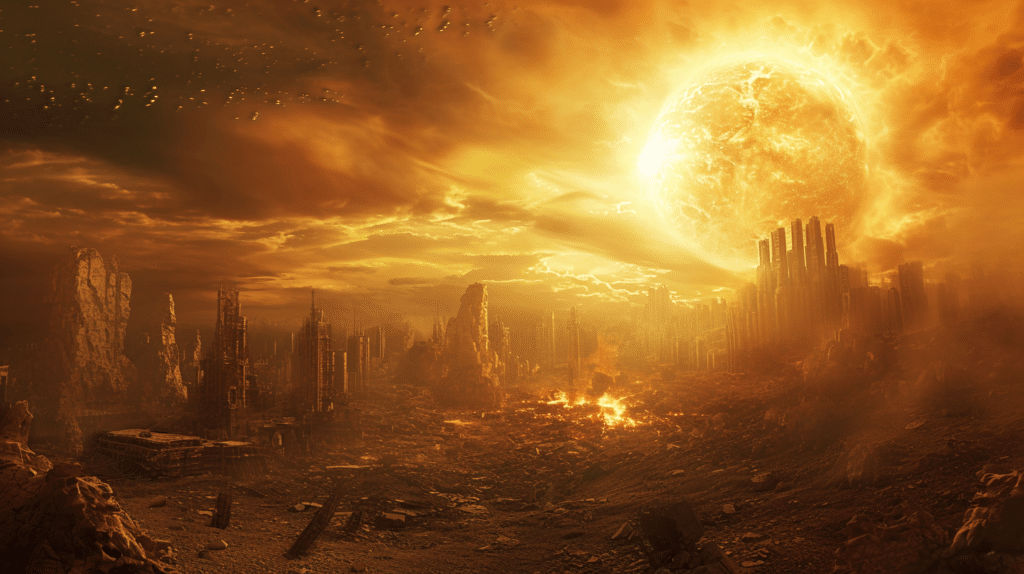
    Was Vlad The Impaler the inspiration for Bram Stoker’s novel ‘Dracula’?

    While Vlad The Impaler may have influenced certain aspects of Bram Stoker’s portrayal of Dracula, the link between the historical figure and the fictional character is not as clear-cut as popularly believed. Stoker drew from various sources and folklore to create his iconic vampire character.

    What are the primary historical sources for understanding Vlad The Impaler’s life and reign?

    The primary historical sources for Vlad The Impaler’s life include accounts from his contemporaries, such as chroniclers and diplomats, as well as documents from the time period. These sources provide valuable insights into Vlad’s rule and the events of his era.

    How did Vlad The Impaler evolve from a warlord to a count in modern media representations?

    In modern media, Vlad The Impaler’s image has undergone a transformation, with portrayals ranging from a fearsome warlord to a sophisticated count with vampiric traits. This evolution reflects the blending of historical facts, folklore, and literary interpretations over time.

  • The Shroud of Turin: Medieval Hoax or Authentic Relic?

    The Shroud of Turin: Medieval Hoax or Authentic Relic?

    The Shroud of Turin has long been a subject of fascination and controversy, with debates ranging from its authenticity to its historical significance.

    This ancient relic, believed by many to be the burial cloth of Jesus Christ, has sparked scientific, religious, and historical inquiries for centuries. As we delve into the enigma of the Shroud of Turin, we uncover a tapestry of mysteries, challenges, and enduring questions that continue to captivate the world.

    Key Takeaways

    • The Shroud of Turin remains a captivating enigma, sparking debates and inquiries across scientific, religious, and historical domains.
    • Radiocarbon dating in 1988 concluded that the Shroud originated in the medieval period, but critiques and discrepancies challenge this verdict.
    • The anatomical consistencies of the Man of the Shroud’s image have perplexed researchers, leading to diverse theories about its creation.
    • The Shroud’s documented history and medieval narratives provide a rich backdrop for understanding its journey through the ages.
    • The Shroud’s role in Christianity and its impact on faith continue to intertwine skepticism and devotion, shaping its religious significance.

    Unveiling the Mystery: What Is the Shroud of Turin?

    A Sacred Enigma: The Shroud’s Description

    The Holy Shroud, also known as the Sacra Sindone, is a remarkable length of linen cloth bearing a faint image of a man’s front and back. This image is believed to be the miraculous imprint of Jesus of Nazareth, wrapped in the shroud after his crucifixion. The shroud measures approximately 4.4 by 1.1 meters and is woven in a three-to-one herringbone twill composed of flax fibrils.

    The most distinctive characteristic of the shroud is the faint, brownish image of a naked man, which is more discernible in a black and white photographic negative than in its natural sepia color. This effect was discovered in 1898 by Secondo Pia, who produced the first photographs of the shroud. The nature and history of the shroud have sparked extensive controversies in both scholarly literature and the popular press, making it a subject of enduring debate and fascination.

    Chronicles of Existence: The Shroud’s Documented History

    The documented history of the Shroud of Turin is a fascinating journey through time, filled with mystery and intrigue. From its obscure origins to its appearance in the 14th century, the shroud’s whereabouts and custodians remain shrouded in uncertainty. The Byzantine emperors were said to have possessed a burial cloth, possibly the same shroud, before it vanished during the Sack of Constantinople in 1204. Reports of Jesus’s burial shroud and its veneration in various locations add to the enigma surrounding its history. The lack of definite historical records prior to the 14th century only deepens the mystery, leaving us with more questions than answers.

    The Science Speaks: Radiocarbon Dating and Analysis

    Carbon-14 Testing: The 1988 Verdict

    The 1988 verdict from the carbon-14 testing has sparked debates and controversies surrounding the authenticity of the Shroud of Turin. Some intriguing insights into this mystery can be found in the podcast Into the Parabnormal with Jeremy Scott. Listen in to explore the scientific and historical perspectives on this enigmatic relic, and uncover the fascinating critiques of the radiocarbon results. The quest for answers continues, and this podcast offers a unique lens through which to view the ongoing investigations.

    Debates and Discrepancies: Critiques of Radiocarbon Results

    The radiocarbon dating of the Shroud of Turin has been a topic of intense debate and scrutiny. While the 1988 verdict placed the shroud’s origin in the medieval period, subsequent research has raised significant questions about the accuracy of this dating. Ground Zero with Clyde Lewis has highlighted the discrepancies in the radiocarbon dating area, shedding light on the complexities and controversies surrounding this enigmatic relic. The critiques of radiocarbon results have prompted a reevaluation of the shroud’s age and authenticity, challenging long-held assumptions and inspiring further investigation. As new findings continue to emerge, the mystery of the Shroud of Turin remains a captivating puzzle that captivates both skeptics and believers alike.

    Imprints of the Past: Examining the Shroud’s Image

    The Man of the Shroud: Anatomical Consistencies

    Anatomical forensics have been the focus of numerous studies, delving into the consistency of the image on the shroud and the nature of the wounds depicted. While initial findings by Yves Delage in 1902 declared the image anatomically flawless, subsequent studies have presented compelling arguments both for its authenticity and for its forgery. The ongoing debate surrounding the shroud’s image invites contemplation and scrutiny, challenging our understanding of history and faith. Get a Ground Zero T-Shirt, Hoodie or Hat!

    Mysterious Formation: Theories Behind the Image’s Creation

    The formation of the image on the Shroud of Turin has sparked numerous theories and debates. Some of the hypotheses on the image’s origin include: _Painting _Acid pigmentation _Medieval photography _Dust-transfer technique _Bas-relief _Maillard reaction. These theories offer diverse perspectives on how the enigmatic image may have been created, shedding light on the ongoing mystery surrounding the Shroud.

    Historical Perspectives: The Shroud Through the Ages

    Medieval Narratives: The Shroud’s Journey

    The Shroud’s journey begins in the village of Lirey, France, around the years 1353 to 1357, where it appeared bearing the image of a crucified man. Owned by French knight Geoffroi de Charny, the shroud’s historical records trace back to this time period. The Bishop of Troyes, Pierre d’Arcis, who had jurisdiction over the church in Lirey, wrote extensively about the shroud in 1390, adding to its historical significance. The shroud’s origins and early history continue to be a subject of extensive scholarly and popular debate, adding to its mystique and intrigue.

    Sacred or Scam? Historical Accusations of Forgery

    The Shroud of Turin has been the subject of historical accusations of forgery, sparking debates and skepticism. The authenticity of the shroud has been questioned, with some pointing to the medieval narratives and the sale of its fragments as relics. The Pray Codex, a medieval manuscript, has also generated debate among believers, adding to the mystery surrounding the shroud. The accounts of the wood of the cross and the sale of its fragments have enriched the historical narrative, raising questions about the true origins of the shroud.

    Religious Significance: Faith and Skepticism Intertwined

    A Symbol of Devotion: The Shroud’s Role in Christianity

    The Shroud of Turin, also known as the Holy Shroud, is a revered length of linen cloth bearing a faint image of the front and back of a man. It has been venerated for centuries, particularly by the Catholic Church, as the actual burial shroud of Jesus of Nazareth. The image on the shroud is believed to be the miraculous imprint of Jesus’s body after his crucifixion. This relic has garnered devotion from various Christian denominations, including Anglicans, Methodists, and Catholics. Pope Francis referred to it as an ‘icon of a man scourged and crucified,’ emphasizing its significance in Christian faith.

    The Shroud of Turin has been a subject of devotion and controversy, with its authenticity remaining a matter of faith and skepticism. Its image, discovered in 1898 by Secondo Pia, has sparked debates and discussions among believers and skeptics alike. The shroud’s portrayal of the suffering of the innocent has made it an icon of both God’s love and human sin, as emphasized by Pope Francis. This relic has transcended denominational boundaries, attracting veneration from various Christian traditions, including Catholics, Lutherans, and Baptists.

    The Secret Teachings with Ryan Gable explores the enigmatic nature of the Shroud of Turin, delving into its historical significance and the intertwining of faith and skepticism surrounding this ancient relic. Join us as we uncover the mysteries and controversies surrounding the Holy Shroud, shedding light on its role in Christianity and its impact on believers and skeptics alike.

    Skeptics and Believers: The Shroud’s Impact on Faith

    The Shroud of Turin holds a revered place in the religious beliefs of Christians from various traditions, including Catholics, Lutherans, Methodists, and more. Its image is even worn as a Holy Face Medal by some Catholics. The Catholic Church has refrained from passing judgment on its authenticity, allowing the shroud’s religious significance to endure through the centuries. This enduring faith has sparked ongoing debates and discussions, intertwining skepticism with unwavering devotion. The Shroud of Turin continues to bridge the gap between faith and science, inviting contemplation and inquiry into its mysterious origins and profound impact.

    Modern Investigations: The Ongoing Quest for Answers

    Advanced Imaging Techniques: A New Look at an Old Relic

    The quest for answers regarding the Shroud of Turin continues with advanced imaging techniques providing a new perspective on this ancient relic. Researchers have employed cutting-edge image and text analysis to unravel the mysteries surrounding the Shroud’s image. Hypotheses on the image’s origin, including painting, acid pigmentation, medieval photography, dust-transfer technique, bas-relief, and the Maillard reaction, have been thoroughly examined. Additionally, fringe theories such as images of coins, flowers, and writing, as well as the Pray Codex and radiation processes, have sparked further debate and investigation. These modern investigations shed light on the complexities of the Shroud of Turin, offering both skeptics and believers new insights into its enigmatic nature.

    Pollens and Paints: Traces of the Shroud’s Travels

    The Shroud of Turin has been the subject of extensive scientific analysis, shedding light on its mysterious journey through time. Modern digital image processing has revealed no images of flowers, coins, or other objects on the shroud, challenging previous hypotheses. Italian researchers have also examined the DNA found on the shroud, uncovering traces of 19 different substances.

    Additionally, the presence of iron oxide and other pigments suggests the possibility of painting on the linen, raising questions about the authenticity of the shroud’s image. Skeptics point to forensic blood tests disputing the blood’s authenticity and the neatness of the blood flows, adding to the debate surrounding this enigmatic relic. For more in-depth analysis and intriguing discoveries about the Shroud of Turin, support more articles like this.

    In the world of modern investigations, the quest for answers is ongoing and ever-evolving. From parapolitics to UFO sightings and conspiracies, the search for truth knows no bounds. At Aftermath Media, we are dedicated to providing the ultimate resource for those seeking to delve deeper into these enigmatic realms. Explore our extensive collection of articles, videos, and podcasts to uncover the hidden truths and untold stories. Join us in unraveling the mysteries that captivate our curiosity and challenge the status quo.

    The Shroud of Turin: A Fascinating Enigma

    The Shroud of Turin continues to captivate the imagination of scholars, scientists, and believers alike. Its mysterious origins, intricate details, and controversial history have sparked endless debates and investigations. While some argue for its authenticity, citing compelling evidence and historical significance, others remain skeptical, pointing to scientific findings and historical context. The enigmatic nature of the Shroud of Turin ensures that it will remain a topic of intrigue and discussion for years to come, inviting further exploration and discovery. As the single most studied artifact in human history, the Shroud of Turin stands as a testament to the enduring allure of ancient mysteries and the quest for truth.

    Frequently Asked Questions

    Is the Shroud of Turin authentic?

    The authenticity of the Shroud of Turin has been a subject of debate for centuries. While some believe it to be the burial cloth of Jesus, others argue that it is a medieval forgery. The scientific and religious communities continue to explore this mystery.

    What is the significance of the Shroud of Turin in Christianity?

    The Shroud of Turin is considered by many Christians to be a sacred relic that bears the image of Jesus Christ. It is believed to be the burial cloth that covered Jesus after his crucifixion, making it a symbol of devotion and faith.

    What is the scientific evidence regarding the age of the Shroud of Turin?

    The most famous scientific test conducted on the Shroud of Turin is the carbon-14 dating, which suggested that the cloth originated in the medieval period. However, this result has been met with criticism and continues to be a topic of debate.

    How was the image on the Shroud of Turin formed?

    The formation of the image on the Shroud of Turin remains a mystery. Various theories have been proposed, including radiation, scorching, and artistic techniques. Scientists and researchers continue to investigate the nature of the image’s formation.

    What are the historical narratives surrounding the Shroud of Turin?

    The historical accounts of the Shroud of Turin trace its journey through the medieval period and beyond. These narratives include stories of its display, veneration, and accusations of forgery, providing a rich tapestry of historical perspectives.

    What are the modern investigations and advancements in the study of the Shroud of Turin?

    Modern investigations into the Shroud of Turin have utilized advanced imaging techniques and scientific analyses to gain new insights into its origins and characteristics. These studies have uncovered traces of pollens and paints, shedding light on the relic’s historical travels.