Blog

  • Deutsche Bahn Gets More Investment and Bookings, But Can It Win Back Public Trust?

    Deutsche Bahn Gets More Investment and Bookings, But Can It Win Back Public Trust?

    Germany’s state-backed rail operator Deutsche Bahn is benefiting from a surge in bookings as the Easter holiday approaches, driven partly by rising fuel prices that are making trains more attractive to travelers. The development is encouraging on the surface, but it masks a much larger and more difficult challenge: restoring public trust in a rail system that has suffered years of decline and now requires deep infrastructure modernization.

    The immediate news is straightforward. According to recent reporting, Deutsche Bahn is receiving more investment even as bookings run higher than expected, suggesting that circumstances are aligning to create a moment of commercial opportunity for the company. Yet this moment reveals a tension that will define Deutsche Bahn’s future: a temporary uptick in demand does not solve the structural problems that have eroded passenger confidence over a long period.

    For readers paying attention to German public infrastructure, transport policy, or simply trying to understand whether their rail system is getting better, the Deutsche Bahn story offers an important lesson about the difference between funding announcements and actual service improvement. It is a story about investment, infrastructure, and public trust—and why all three must work together.

    The Short-Term Boost: Why Bookings Are Rising Now

    The timing of Deutsche Bahn’s stronger-than-expected bookings is not random. Easter travel is a traditional peak season for German rail, and this year the surge in demand appears particularly pronounced. More significantly, the price of fuel has risen, making alternative transport options like driving less economical or appealing. When the cost of filling a car’s tank climbs, the relative value of a train ticket improves, and some travelers switch modes accordingly.

    This is straightforward consumer behavior. Higher fuel prices shift the calculation for budget-conscious passengers, and Deutsche Bahn is the primary rail operator across Germany’s national network, so it benefits directly from this shift. The booking increase is real and measurable in immediate commercial terms.

    But here is where the story becomes more complex: a surge in bookings driven by fuel prices and seasonal travel patterns does not necessarily indicate that passengers have regained confidence in Deutsche Bahn as a service provider. Passengers are making a rational choice based on cost, not a vote of trust. That distinction matters enormously when considering what happens next.

    The Deeper Problem: An Aging Network and a Fractured Reputation

    Beneath the encouraging headline about more bookings lies the reality that Deutsche Bahn has been struggling for years. The company operates an aging rail network that reflects decades of underinvestment and deferred modernization. Tracks need replacement. Trains need updating. Stations need renovation. The infrastructure problem is both visible and felt by passengers on every journey.

    More important than the physical state of the network, however, is the damage to public perception. Deutsche Bahn’s long period of decline has created a deep well of skepticism among passengers and the German public. Delays are common. Service quality is inconsistent. Reliability—the single most important metric for a rail operator—has deteriorated to the point where many travelers simply do not expect their train to arrive on time or operate without problems.

    This erosion of trust did not happen overnight. It accumulated through repeated negative experiences. A passenger who has experienced multiple delays, overcrowded trains, poor communication, and deteriorating conditions is not reassured by news of investment. That passenger wants to see tangible improvement in everyday service, not promises about future modernization.

    This is the structural challenge Deutsche Bahn faces. It is not enough to attract passengers during a moment of high fuel prices. The company must prove that it can deliver reliable, punctual, comfortable service consistently. Until it does, public trust will remain fragile and conditional.

    Why Investment Matters—and Why It Is Not a Quick Fix

    More funding for Deutsche Bahn is important and necessary. Capital investment can support the modernization of aging infrastructure, the purchase of new trains, the upgrading of signals and safety systems, and the renovation of stations and platforms. Over time, well-directed investment can materially improve a rail network’s capacity, reliability, and passenger experience.

    But investment is not magic. Money alone does not instantly restore a damaged system or rebuild eroded trust. Between the decision to spend and the moment a passenger benefits from improved service, there is a long chain of execution: planning, procurement, construction, testing, and deployment. Projects run late. Costs exceed budgets. Technical challenges emerge. The timeline from investment commitment to visible passenger improvement can span years.

    Moreover, investment addresses the hardware of the rail system—the tracks, trains, and infrastructure. It is necessary but not sufficient. Passenger trust also depends on software: operational management, workforce training, customer service, communication during disruptions, and a demonstrated commitment to punctuality and reliability. An investor can buy new trains; only management and staff can ensure they run on time and carry passengers safely and comfortably.

    This complexity is why the current wave of bookings, while commercially welcome, may not be the turning point Deutsche Bahn’s defenders hope it represents. The test will come when passengers compare their experience over months and years to their expectations. If investment is beginning to produce visible, everyday improvements—fewer delays, better-maintained trains, more responsive customer service, more reliable information—then public trust may begin to recover. If the experience remains inconsistent or deteriorates further, investment will be seen as inadequate or poorly executed, and skepticism will deepen.

    Public Trust: The Real Measure of Recovery

    For Deutsche Bahn, public trust is not a soft metric or a matter of public relations. It is existential. A rail operator whose passengers do not believe it will deliver reliable service faces a vicious cycle: skeptical travelers choose alternatives when available, reducing revenue and capacity; reduced demand makes it harder to justify investment and operational improvements; service quality stagnates or worsens; trust erodes further.

    Conversely, a rail operator that demonstrates consistent reliability, responsiveness, and improvement can attract and retain passengers, generate revenue, justify further investment, and create a virtuous cycle of improvement. Deutsche Bahn is currently caught between these cycles, with the outcome still uncertain.

    The reporting on Deutsche Bahn’s current situation highlights the perspective of individual passengers who are making choices based on their experience and expectations. These travelers do not care primarily about investment announcements or corporate strategy. They care about whether their train arrives on time, whether the seats are clean, whether the staff is helpful, and whether they can rely on the service for their daily needs. If Deutsche Bahn can deliver on these basics consistently, trust will follow. If it cannot, no amount of investment will create the confidence the company needs.

    What This Means for Germany’s Transport System and Mobility

    The stakes in Deutsche Bahn’s recovery extend beyond the company itself. As Germany’s primary rail operator and a central pillar of the national transport system, Deutsche Bahn’s performance affects mobility across the entire country. If trains are reliable and attractive, more people will choose rail over personal vehicles. This has environmental benefits, reduces congestion on roads, and improves quality of life in cities and regions.

    Conversely, if rail remains unreliable and untrustworthy, passengers will continue to choose cars, further burdening road infrastructure and increasing emissions. The long-term sustainability of Germany’s transport system depends partly on whether its rail network can become a genuinely attractive alternative to private vehicle use.

    This is why Deutsche Bahn’s investment and its ability to restore public trust are not purely commercial matters. They are questions about the country’s transport future, environmental goals, and the quality of public service. A well-functioning rail system is a public good, and Deutsche Bahn is the institution responsible for delivering it.

    What to Watch in the Months Ahead

    The current surge in Deutsche Bahn bookings provides a natural starting point for monitoring whether the company is genuinely improving. Several key signals will indicate whether this is a temporary Easter bump or the beginning of a durable turnaround.

    First, will bookings remain strong beyond the Easter period and after fuel prices potentially moderate? Sustained demand would suggest that passengers are developing confidence in the service, not just responding to temporary price signals. A sharp drop in bookings after Easter would indicate that the surge was seasonal and circumstantial rather than reflective of improved service quality.

    Second, will investment translate into tangible, visible improvements in passenger experience? Fewer delays, better-maintained equipment, more reliable information, and clearer communication during disruptions are the kinds of changes passengers notice and judge. Conversely, continued deterioration or stagnation would signal that investment is not producing results.

    Third, how will public perception evolve? Will passengers who have experienced repeated poor service begin to see evidence of improvement? Will media coverage and public discourse shift from skepticism toward cautious optimism? These soft signals of trust are harder to measure than booking numbers, but they are crucial indicators of whether Deutsche Bahn is winning back the confidence it has lost.

    The immediate outlook remains uncertain. Deutsche Bahn has an opportunity to use this moment of increased ridership as a foundation for broader improvement. But opportunity is not the same as outcome. What matters now is execution: whether the company can convert investment into service improvements, whether management and staff can consistently deliver reliability, and whether passengers can begin to trust their railway again.

    Frequently Asked Questions

    Why is Deutsche Bahn getting more bookings now?

    The reporting indicates that bookings are stronger than expected as Easter approaches, and rising fuel prices are playing a significant role. When fuel costs climb, trains become a more economical choice for travelers, shifting demand toward rail transport. Additionally, Easter is traditionally a peak travel period in Germany.

    Does more investment mean Deutsche Bahn is fixed?

    No. While investment is important and necessary for modernizing the aging rail network, funding alone does not resolve Deutsche Bahn’s fundamental challenges. The company still faces significant structural problems, including aging infrastructure and a damaged reputation built up over years of unreliable service. Investment must be coupled with effective operational management and consistent service improvement to create lasting change.

    Why is public trust such a big issue for Deutsche Bahn?

    Deutsche Bahn has suffered a long decline in service quality and reliability, and passengers remember these experiences. Trust for a rail operator depends on delivering reliable, punctual, and comfortable service consistently. Without rebuilding that trust through demonstrated improvement, passengers will continue to view the company skeptically and seek alternatives when available. Public confidence is essential for the company’s commercial success and its role in Germany’s transport system.

    Is this story mainly about rail travel demand or infrastructure?

    It is both, but the deeper issue is infrastructure and service quality. The current surge in bookings is the immediate news event, but it highlights a larger structural challenge: whether Deutsche Bahn can modernize its aging network, improve daily service quality, and rebuild passenger trust. Demand is temporary; infrastructure and reliability are permanent concerns.

    What is making trains more attractive to German travelers right now?

    Rising fuel prices are a key factor. As the cost of driving increases, the relative value of train travel improves, encouraging some travelers to switch to rail. Additionally, Easter travel is a traditional peak season for rail journeys. These circumstances are creating temporary conditions favorable to rail demand, though they do not necessarily reflect underlying changes in passenger confidence.

    What would count as real progress for Deutsche Bahn?

    Real progress would be visible improvements in reliability, punctuality, service quality, and passenger experience. This includes fewer delays, better-maintained trains and stations, more responsive customer service, clearer communication during disruptions, and a measurable shift toward consistent performance. Only when passengers experience these improvements regularly will public trust begin to recover meaningfully.

  • Dollar’s War Bounce Seen as Temporary as Safe-Haven Appeal Erodes, Reuters Poll Shows

    Dollar’s War Bounce Seen as Temporary as Safe-Haven Appeal Erodes, Reuters Poll Shows

    The U.S. dollar has posted a modest rebound since the U.S.-Israeli war on Iran began a little over a month ago, the kind of move that would normally signal investor confidence in American assets during times of geopolitical stress. But according to currency strategists surveyed by Reuters, that strength is likely to fade. The reason: the dollar’s traditional safe-haven appeal—the automatic assumption that investors will rush to U.S. assets when conflict erupts—appears to be weakening.

    This shift matters far beyond foreign-exchange markets. It suggests that investors may be reassessing where they park capital during periods of uncertainty and conflict. If the dollar is no longer the default refuge it once was, that could reshape how markets price geopolitical risk going forward.

    The recent war-driven bounce, in other words, masks a deeper trend that strategists believe will ultimately pull the currency lower. Understanding that distinction—between a short-term tactical move and a durable structural change—is key to making sense of where the dollar is headed and what it says about investor behavior in an increasingly uncertain world.

    The Dollar’s War-Driven Rebound Meets Strategist Skepticism

    When geopolitical tensions spike, the U.S. dollar typically benefits. The logic is straightforward: in a crisis, investors seek safety, and the dollar has long been treated as the world’s safest asset. American government debt is seen as the ultimate backstop. U.S. financial markets are the deepest and most liquid on Earth. So when conflict breaks out—whether in the Middle East, Eastern Europe, or elsewhere—money tends to flow into dollars first.

    The recent war on Iran followed this familiar script. As tensions escalated, the dollar moved higher. Yet a Reuters poll of currency strategists suggests this rebound should not be mistaken for a turning point in the longer-term outlook. Strategists surveyed still expect the dollar to weaken, even after the war-driven bounce. In other words, the recent strength has not changed the fundamental bearish view.

    This apparent contradiction—a short-term rally occurring within a broader downtrend—is not unusual in currency markets. War can create immediate safe-haven flows that lift the dollar temporarily, even if the underlying economic or geopolitical environment continues to weigh on it over time. What matters is what happens next: does the rebound hold, or does it fade as the immediate shock passes?

    The strategists in the Reuters poll are betting on the latter. That forecast rests on a specific diagnosis: the dollar’s broad safe-haven appeal is eroding, making it less likely to sustain gains even amid geopolitical stress.

    What Safe-Haven Appeal Really Means—and Why It’s Fading

    To understand why the erosion of safe-haven appeal matters, it helps to be clear about what the term means in practice. A safe-haven currency is one that investors turn to when they want to reduce risk. It has nothing to do with profit-seeking or economic growth. Instead, it is about parking money in an asset perceived as stable, deep, and protected from the immediate effects of conflict or financial crisis.

    For decades, the U.S. dollar has been the quintessential safe-haven currency. When bond markets seize up, when emerging-market currencies become unstable, when military conflict creates uncertainty—investors have historically moved into dollars. This behavior is self-reinforcing: because everyone believes the dollar is safe, it becomes safe, because demand keeps it stable and liquid.

    But that consensus, strategists now believe, is starting to fray. There are several reasons why. One is the sheer size of U.S. fiscal deficits, which raises questions about the long-term stability of dollar-denominated assets. Another is the proliferation of alternative hedging strategies and currency options that give investors more choices than they had in the past. A third is geopolitical fragmentation: if the world is splitting into competing blocs, the dollar’s universal appeal as a neutral safe haven becomes less automatic.

    It is important to note that erosion of safe-haven appeal does not mean the dollar will lose all its protective qualities. Safe-haven status is not binary; it exists on a spectrum. The dollar can remain relatively attractive during crises even if it is less attractive than it used to be. But a weaker safe-haven bid is a weaker bid nonetheless, and that creates room for the currency to fall over time, even amid geopolitical turbulence.

    What the Reuters Poll Tells Us About the Dollar’s Next Move

    The Reuters poll is the central evidence for this shift in strategist thinking. By surveying a broad range of currency strategists and consolidating their views, Reuters provides a snapshot of professional market expectations at a specific moment in time. In this case, the poll shows that despite the recent war-driven rebound, strategists still expect the dollar to weaken.

    This is a meaningful signal. Polls of strategists are not perfect forecasting tools—no poll is—but they do aggregate the views of professionals whose livelihood depends on reading markets correctly. If strategists still expect weakness despite a rally, it suggests they do not believe the recent strength represents a durable shift in sentiment.

    The poll’s framing around safe-haven erosion is particularly instructive. Rather than simply saying the dollar will fall, the strategists are explaining why they think it will fall even amid geopolitical stress. That reasoning—that the traditional safe-haven mechanism is losing power—is the key insight. It elevates the story beyond a single currency call and connects it to a broader change in how markets are pricing risk.

    That said, it is crucial to understand that a strategist poll reflects expectations, not certainties. Markets can and do surprise. A major escalation in geopolitical conflict could temporarily boost the dollar again, despite strategists’ bearish view. Economic data could shift sentiment. The point is that the Reuters poll captures informed professional opinion at a moment in time, not a guaranteed market outcome.

    Why This Story Matters Beyond Currency Markets

    The strategists surveyed by Reuters are not simply making a technical call about dollar-yen or dollar-euro exchange rates. They are signaling a potential shift in how investors behave during periods of geopolitical stress. That is a story with implications for markets far beyond foreign exchange.

    If the dollar is no longer the automatic first choice in crises, investors will need to find alternatives. Some money might flow into other currencies perceived as stable, like the Swiss franc or Japanese yen. Some might seek refuge in commodities, particularly gold, which has also traditionally served as a crisis hedge. Some might stay in equities or bonds, betting that the most profitable response to conflict is to stay diversified rather than flee entirely.

    Each of these choices leads to different market outcomes. If capital rotates away from dollars and into commodities, we might expect gold prices to rise and energy markets to tighten. If it flows into alternative currencies, we might see pressure on the dollar against a broader basket of peers. If it moves into equities, we might see the risk-on trade accelerate even amid geopolitical tension.

    The broader point is that the dollar’s role as the default safe-haven asset has shaped market behavior for decades. If that role is weakening, it opens up new possibilities for how investors will respond to the next geopolitical shock. That uncertainty itself is significant, because markets function best when behavior is predictable. A less reliable safe-haven mechanism means less predictability, which means wider ranges of possible outcomes.

    What Investors Should Watch Next

    The Reuters poll captures a moment in time, but markets are dynamic. Several indicators will reveal whether the strategist view is holding up or whether sentiment is shifting.

    The most obvious signal is the dollar’s performance itself. If the currency continues to weaken despite recent strength, that would support the Reuters framing. If it holds its gains or moves higher, that would suggest the safe-haven bid is proving more durable than strategists expected.

    Another key indicator is how the dollar performs in the next geopolitical shock. The blueprint is not predicting an immediate breakdown in safe-haven flows, but rather a gradual erosion. The true test will come when the next war, financial crisis, or geopolitical flashpoint occurs. Do investors still rush into dollars, or do they diversify their hedges more broadly? The answer will tell us whether safe-haven appeal is merely weakening at the margin or fundamentally changing.

    It is also worth watching the broader currency market. If strategists’ views about safe-haven erosion are correct, we might see shifts in how investors price other currencies and assets. Gold could outperform. Emerging-market currencies might prove more resilient in crises than they have historically. The Swiss franc or other alternative safe havens could attract more capital. These cross-market signals would help confirm or challenge the Reuters poll’s framing.

    Finally, future Reuters polls and similar strategist surveys will indicate whether the current view is holding or changing. If the dollar continues to rebound over the coming weeks and months, strategists might revise their expectations upward. Conversely, if the dollar resumes weakening, strategists might double down on the safe-haven erosion thesis.

    The Bottom Line: A Shift in How Markets Price Geopolitical Risk

    The U.S. dollar’s recent rebound since the war on Iran began is real, but it appears to be a tactical bounce within a longer-term downtrend. That framing matters because it separates short-term noise from structural change. According to the Reuters poll, strategists believe the broad safe-haven appeal that has traditionally supported the dollar during crises is weakening. That shift could reshape how investors respond to geopolitical stress in the years ahead.

    For traders, that means treating the recent dollar strength with caution. For macro investors, it suggests the need to rethink crisis hedging strategies and consider alternatives to dollar-based safe-haven plays. For geopolitics watchers, it signals that markets may be adapting to a world of greater fragmentation and uncertainty, where the old certainties—like automatic dollar strength in crises—are no longer as reliable.

    The practical significance is that if the dollar’s safe-haven appeal continues to erode, future geopolitical shocks may produce different market reactions than investors have come to expect. That unpredictability, more than any single currency move, may be the most important takeaway from the Reuters poll and the shift it represents.

    Frequently Asked Questions

    Why is the U.S. dollar rebounding?

    According to Reuters reporting, the dollar has seen a modest rebound since the war on Iran began, likely tied to short-term safe-haven demand. During geopolitical crises, investors historically move into dollars as a perceived stable asset, which can create upward pressure on the currency even if longer-term fundamentals remain weak.

    Will the dollar’s rebound last?

    Reuters strategists expect the rebound to fade. The view is based on the belief that the dollar’s broader safe-haven appeal is eroding, making it less likely to sustain gains even during geopolitical stress. While the short-term bounce is real, strategists expect weakness to resume over a longer timeframe.

    What does safe-haven appeal mean?

    Safe-haven appeal refers to the tendency of investors to move capital into an asset or currency perceived as stable and protected during periods of uncertainty or conflict. The U.S. dollar has traditionally served this role because of the size and depth of U.S. financial markets and the perceived stability of U.S. government debt.

    What is the Reuters poll saying about the dollar?

    The Reuters poll found that currency strategists largely maintained their long-held view that the dollar will weaken over time, despite the recent war-driven rebound. The poll indicates that strategists believe the dollar’s safe-haven appeal is weakening, which is expected to pull the currency lower even amid geopolitical stress.

    Why does this matter to markets?

    If the dollar is no longer the automatic first choice during crises, that could change how investors react to future geopolitical shocks. It may lead to diversification of safe-haven flows into alternative currencies, commodities, or assets. This shift has implications for how prices across multiple asset classes respond to geopolitical risk.

    Is this a prediction or a confirmed trend?

    The strategist view is a forecast based on a Reuters poll and should be treated as an informed expectation rather than a certainty. While strategists have professional expertise and market data to draw upon, polls reflect opinions at a point in time and markets can always produce unexpected outcomes or reversals.

  • EU Lawmakers Press China on Unsafe Products and Market Access in Rare Beijing Visit

    EU Lawmakers Press China on Unsafe Products and Market Access in Rare Beijing Visit

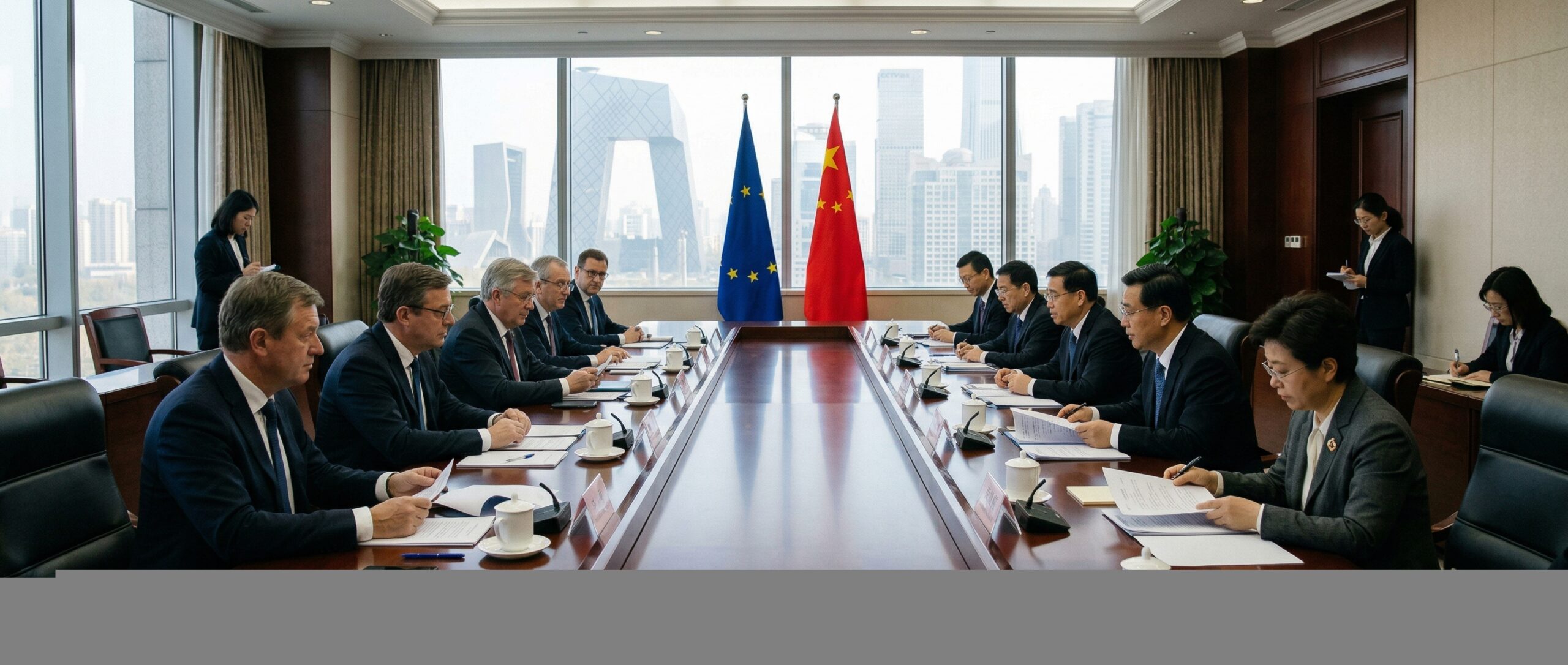
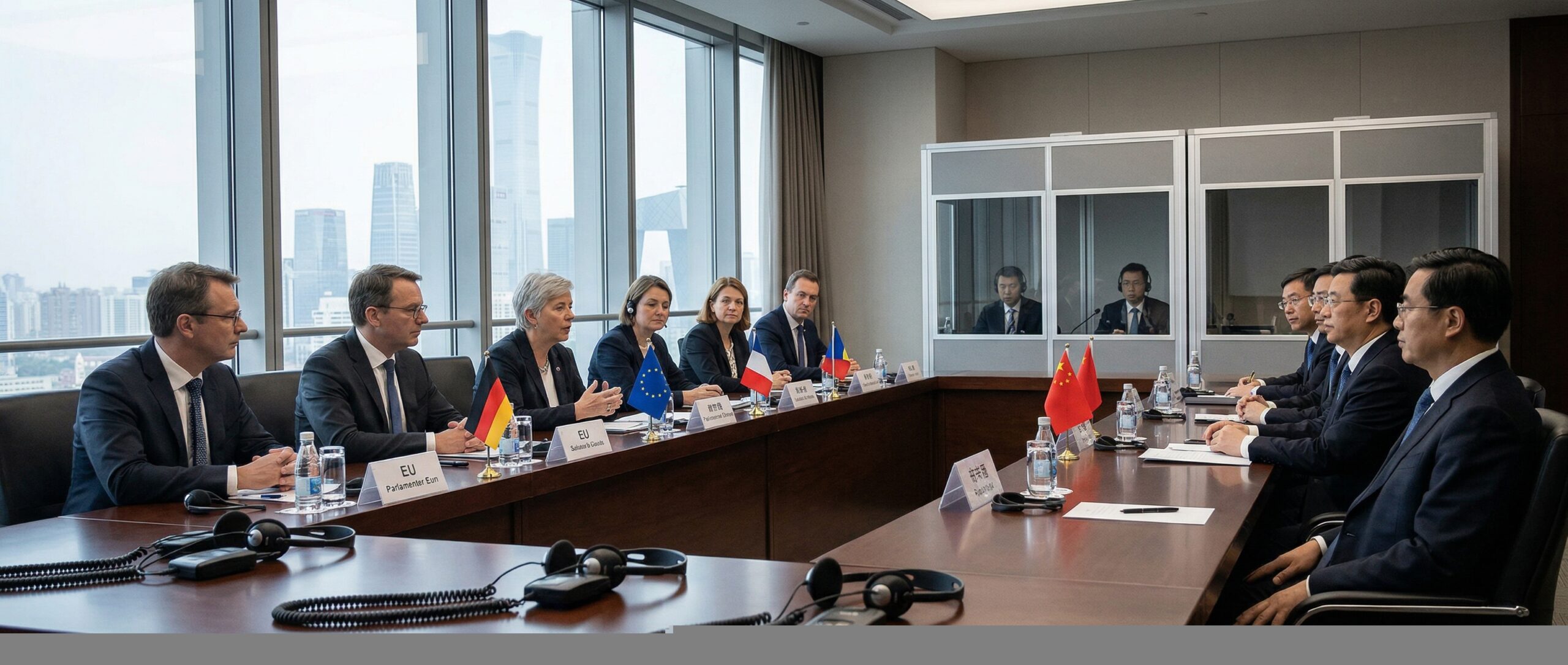
    A rare European parliamentary visit to Beijing has become a platform for direct pressure on China over two interconnected concerns: a reported surge of unsafe products entering the European Union and insufficient market access for European companies in China. According to reporting from Reuters, EU lawmakers used the high-level exchange to challenge both consumer safety failures and barriers to European business expansion on the Chinese market.

    The timing and rarity of the visit underscore its diplomatic significance. This marks the first European parliamentary visit to China in eight years—a gap that makes the current engagement both notable and loaded with implications about the state of EU-China relations. Rather than serving as a ceremonial photo opportunity, the delegation appears to have seized the uncommon opportunity to confront unresolved trade and regulatory disputes directly with Chinese counterparts.

    For readers following EU-China relations, consumer safety, supply-chain regulation, or international trade policy, this exchange reveals how closely linked these issues have become. The visit also demonstrates that despite ongoing geopolitical tensions, both sides continue to see value in direct parliamentary-level dialogue.

    What Happened in Beijing

    EU lawmakers traveling to Beijing this week raised concerns with Chinese officials about dangerous products reaching European consumers and European firms struggling to gain meaningful market access in China. The two issues were presented not as separate complaints but as connected dimensions of a broader trade and regulatory problem.

    The visit itself is the foundation of the story. According to Reuters reporting, this is the first time the European Parliament has sent a delegation to China in eight years. That long interval between high-level parliamentary visits reflects the volatility and complexity of EU-China relations—a relationship that oscillates between cooperation and confrontation depending on the political winds.

    By selecting this rare moment to focus on unsafe products and market access, EU lawmakers signaled that these are no longer peripheral grievances but central issues worthy of direct political engagement at the highest level.

    Why This Visit Matters

    An eight-year gap between parliamentary delegations is striking. In the normal rhythm of international relations, regular parliamentary exchanges are routine. Their absence suggests either a breakdown in dialogue or a deliberate cooling of formal ties. The resumption of such a visit, therefore, carries symbolic weight beyond the immediate agenda items.

    Rare visits can signal one of two things: either a thawing of relations and a genuine effort to rebuild ties, or the opposite—a recognition that problems have become so serious or unresolved that direct political pressure is necessary. In this case, the evidence points to the latter. EU lawmakers are using the visit as a direct diplomatic channel precisely because standard channels and lower-level negotiations have not resolved these concerns.

    The rarity also amplifies the message. When a delegation makes the journey after an eight-year hiatus, it suggests the issues on the table warrant that exceptional effort. For Chinese officials, receiving such a delegation and listening to these concerns indicates that Brussels considers the relationship important enough to invest in active engagement, even when disputes run deep.

    Unsafe Products and Consumer Safety in the EU

    The consumer safety dimension of this dispute reflects a real and documented pattern. The reported concern is not about a single recalled product but a broader surge of dangerous goods entering European markets. These might include items that fail to meet EU safety standards, lack proper certification, or pose direct risks to consumers—from faulty electrical equipment to goods with banned substances.

    For EU regulators, this is not merely a technical compliance issue. It touches on fundamental questions of market oversight, import enforcement, and the EU’s ability to protect its citizens. When unsafe products flood the market, they expose European consumers to risk while also creating competitive disadvantages for legitimate European and international manufacturers who comply with safety standards.

    The scale of the problem appears significant enough to warrant raising it at the parliamentary level. EU lawmakers are not typically involved in day-to-day product recalls or customs enforcement, so their involvement here suggests the issue has reached a political threshold. Whether through regulatory gaps, enforcement challenges, or volume of problematic shipments, the unsafe products concern has become urgent enough for politicians to weigh in directly.

    By pressing China on this issue, EU lawmakers are essentially asking Beijing to take responsibility for ensuring that products manufactured or shipped from Chinese territory meet European safety standards—or, at minimum, to work more closely with EU regulators to prevent dangerous goods from entering European supply chains.

    Market Access and the Broader Trade Dispute

    The second issue raised during the Beijing visit—limited market access for European companies in China—points to a deeper structural tension in EU-China trade relations. While the EU generally maintains relatively open markets for Chinese goods and services, European firms often face significant barriers when trying to expand into China. These barriers might take the form of regulatory requirements, foreign ownership restrictions, technological transfer demands, or simply bureaucratic obstacles.

    What makes this issue particularly potent is that EU lawmakers are linking it directly to the unsafe products concern. In effect, they are arguing that while Chinese manufacturers have relatively easy access to European markets, European companies do not enjoy the same access in reverse. This asymmetry creates a perception of unfair trade dynamics and has become a recurring complaint in EU policy circles.

    The connection between the two issues is not merely rhetorical. By pairing market access demands with consumer safety complaints, EU lawmakers are framing the conversation around reciprocity and mutual responsibility. They are saying, in essence: if Chinese producers benefit from the openness of European markets, then China should reciprocate by allowing European firms meaningful market access and by ensuring that products entering the EU meet European standards.

    This approach transforms what could be dismissed as two separate trade grievances into a coherent argument about fair competition and mutual respect for regulatory standards.

    What This Reveals About EU-China Relations

    The Beijing visit and the issues raised during it offer a window into the current state of one of the world’s most consequential economic relationships. EU-China ties are characterized by a fundamental tension: both sides benefit enormously from trade and economic cooperation, yet both also harbor serious concerns about fairness, access, and strategic interests.

    The fact that EU lawmakers are using a rare parliamentary visit to press these complaints indicates that traditional diplomatic channels and technical negotiations have not fully resolved them. This does not necessarily mean relations are collapsing, but it does suggest that frustration on the European side has reached a point where political pressure is needed.

    The rarity of the visit, combined with its focus on concrete grievances, also suggests that both sides still see value in dialogue. If EU-China relations were truly frozen, a parliamentary delegation would not make the journey. The very fact of the visit, despite tensions, indicates that Brussels and Beijing recognize the relationship is too important to let deteriorate completely. At the same time, the specific issues being raised make clear that cooperation cannot be taken for granted.

    This dynamic—ongoing engagement mixed with persistent friction—is likely to define EU-China relations for the foreseeable future. Neither side appears ready for a complete break, but neither is willing to overlook significant disputes in the name of smoother relations.

    What Happens Next

    The immediate aftermath of the Beijing visit will offer clues about whether the EU’s pressure is likely to produce concrete results. Readers should watch for several signals: whether Chinese officials respond publicly to the concerns raised, whether either side announces follow-up commitments or technical working groups to address product safety or market access, and whether this rare visit leads to more regular parliamentary engagement or remains an exception.

    It is also worth observing whether the EU frames these issues as linked or allows them to be separated into different policy channels. Keeping them connected—market access for EU firms only if unsafe products are addressed—is a form of diplomatic leverage. Letting them become separate issues could weaken the EU’s negotiating position.

    For European companies, consumers, and policymakers, the Beijing exchange is not just a news event but a signal that trade and regulatory disputes with China remain at the top of EU political agendas. Whether the result is meaningful change or merely reiteration of familiar complaints will become clearer in the weeks and months ahead.

    Frequently Asked Questions

    Why are EU lawmakers pressing China on unsafe products?

    EU lawmakers are concerned about a reported surge of dangerous products entering the European Union. By raising this issue during their rare visit to Beijing, they are pushing China to take direct responsibility for ensuring that products manufactured or exported from Chinese territory meet European safety standards.

    Why is this Beijing visit unusual?

    According to Reuters reporting, this is the first European parliamentary visit to China in eight years. The long gap between such high-level parliamentary delegations makes this visit notable as a marker of both diplomatic engagement and the persistently strained nature of EU-China relations.

    What other issue did EU lawmakers raise?

    Beyond product safety, EU lawmakers also pressed China on insufficient market access for European companies. They argued that while Chinese firms have relatively open access to European markets, European businesses face significant barriers when trying to expand into China.

    Is this mainly a trade story or a consumer-safety story?

    It is both. The reporting links consumer safety concerns in the EU with broader trade concerns about market access in China. EU lawmakers are intentionally framing these issues as connected, arguing that reciprocal market access and product safety responsibility should go hand in hand.

    Did the visit lead to any immediate agreement or policy change?

    According to available reporting, the visit itself has not been reported to produce a concrete agreement or policy change. Rather, it served as an opportunity for EU lawmakers to apply direct political pressure on these long-standing concerns.

    Why does this matter to people outside the EU and China?

    Because it affects global supply chains, consumer safety standards, and the trajectory of the world’s most important economic relationship. How the EU and China resolve disputes over product safety and market access influences trade patterns, regulatory standards, and the broader state of international economic relations.

  • Fujitsu Reportedly Planning 1.4-Nanometre AI Chips as Semiconductor Race Intensifies

    Fujitsu Reportedly Planning 1.4-Nanometre AI Chips as Semiconductor Race Intensifies

    Fujitsu Ltd. is reportedly setting its sights on developing 1.4-nanometre advanced AI chips, according to reporting from Nikkei carried by TradingView News. The reported move places the Japanese technology company squarely in the competition for the next frontier of semiconductor capability, a development that speaks to broader industry shifts in how advanced chips are designed and the strategic importance of chip-making in the age of artificial intelligence.

    While the initial reporting is focused on Fujitsu’s reported plans, the significance extends beyond a single company initiative. The push toward 1.4-nanometre chip development reflects where the technology industry is heading: smaller, more efficient semiconductors that can power increasingly demanding AI workloads. For investors, tech industry observers, and readers interested in how global competition over advanced semiconductors is shaping up, the Fujitsu development offers a concrete signal of where major players are investing their resources and engineering focus.

    Understanding what this reported development means requires some unpacking of both the technical landscape and the strategic context in which it sits. This article explains what was reported, why 1.4-nanometre chips matter, and what Fujitsu’s reported move suggests about the direction of semiconductor competition.

    What Was Reported

    According to reporting from Nikkei carried by TradingView News via Reuters, Fujitsu is set to develop 1.4-nanometre advanced AI chips. The report marks a notable signal from one of Japan’s largest technology companies about where it sees the future of semiconductor development heading.

    It is important to note that the provided research frames this as reported news rather than an official company announcement. Fujitsu has not yet made a formal public statement confirming or elaborating on these plans in the materials available. The reporting comes from Nikkei, a highly credible business news outlet in Japan, and the item has been carried through Reuters-syndicated distribution channels, which adds institutional weight to the initial report. Readers should understand this as a reported development rather than a confirmed product launch or finalized commercial roadmap.

    The timing of this report places it within the current technology news cycle, making it immediately relevant to anyone tracking semiconductor industry developments, AI hardware investment, and Fujitsu’s strategic positioning. For investors holding Fujitsu Ltd (TSE:6702) stock or tracking the company’s technology roadmap, the report represents an important data point about where management sees competitive opportunity.

    Why 1.4-Nanometre Chips Matter

    To understand why a report about 1.4-nanometre chip development is significant, it helps to first understand what the number refers to and why it matters in semiconductor design.

    In semiconductor manufacturing, the nanometre number refers roughly to the size of features that can be etched onto a silicon chip. Smaller numbers generally indicate more advanced chip designs, where more transistors can fit into the same physical space. This matters for several practical reasons: smaller feature sizes typically mean faster processors, lower power consumption, and the ability to pack more computing capability into smaller packages.

    For AI specifically, advanced chips are foundational. Training large language models, running inference at scale, and powering the data centres that support AI services all depend on chips that can process vast amounts of data quickly and efficiently. As AI demand has grown, so has the pressure on chipmakers to advance to smaller node sizes, which in turn improve performance and reduce the energy cost of running these systems. A company developing chips at the 1.4-nanometre level is working at the frontier of what is currently possible in chip design and manufacturing.

    The scale itself makes the development noteworthy even without full technical specifications. Reaching 1.4 nanometres requires mastering extraordinarily complex manufacturing processes, advanced materials science, and precision engineering. It is not a trivial undertaking, and it signals that a company like Fujitsu sees enough strategic value in the effort to invest significant resources in it.

    What This Suggests About Fujitsu’s Strategy

    Fujitsu’s reported push into 1.4-nanometre AI chips should be understood as part of a broader strategic positioning, not just as an isolated technology development. The company has long positioned itself as an enterprise technology and systems solutions provider, with historical strengths in servers, supercomputing, and high-performance computing systems. A move into advanced AI chip development fits naturally within that legacy while addressing the urgent market demand for better AI hardware.

    The decision to focus on AI chips specifically is revealing. Rather than pursuing 1.4-nanometre development across a broad range of applications, the reported focus on AI suggests Fujitsu is zeroing in on the market segment with the most immediate growth and strategic importance. AI infrastructure is where computing investment is concentrated today, and chip capability is a bottleneck that limits how fast companies can deploy new AI services. By developing chips specifically targeted at AI workloads, Fujitsu may be positioning itself to serve data centre operators, cloud providers, and enterprises building out their own AI infrastructure.

    The move also reflects a longer-term bet on Japan’s role in advanced semiconductor manufacturing. While much of the global attention on chip development focuses on the United States and Taiwan, Japan remains a significant player in semiconductor technology and manufacturing. A major Japanese company like Fujitsu investing in next-generation chip development sends a signal about confidence in Japan’s continued relevance in this critical technology area.

    The Broader Semiconductor and AI Competition

    Fujitsu’s reported development sits within a much larger competitive landscape. The global race for advanced semiconductors has become increasingly intense, driven in large part by demand for AI hardware but also by broader considerations of national technology security and economic competitiveness.

    Several forces are driving this competition. First, AI systems depend fundamentally on chip performance. Every major technology company—from cloud providers to AI software companies—needs access to advanced chips to build and deploy their products. This creates constant pressure on chip designers and manufacturers to advance to smaller nodes and improve performance. Second, advanced chip manufacturing is concentrated in a small number of companies and countries, making semiconductor capability a strategic resource. The United States, Taiwan, South Korea, and Japan all have significant interests in maintaining or advancing their positions in chip design and manufacturing.

    Within this context, a report that a major Japanese technology company is developing 1.4-nanometre chips matters because it reflects how seriously companies across geographies are taking the challenge of remaining competitive at the frontier of semiconductor capability. It is not a story about a single product; it is a signal about where the industry’s investment and engineering focus is concentrated.

    The stakes are substantial. Companies that succeed in developing chips at advanced nodes gain significant advantages: they can offer better performance, lower power consumption, and more efficient AI infrastructure to their customers. Customers and investors naturally prefer working with partners who have access to cutting-edge hardware. This creates a reinforcing cycle where advanced chip capability attracts business, which in turn funds further research and development.

    What Readers Should Watch Next

    The initial report is only the beginning of a story that will likely unfold over months or years. Several developments are worth watching to understand whether Fujitsu’s reported plans translate into meaningful commercial reality and competitive impact.

    First, look for any official confirmation or expansion on the reported development from Fujitsu itself. Company statements, investor presentations, or detailed announcements could provide clarity on the current state of the project, the expected timeline, and the specific applications Fujitsu is targeting. Confirmation from the company would add significant credibility to the initial report.

    Second, watch for additional reporting that provides technical details, production timelines, or partnerships. Industry publications and business journalists often follow up on initial reports with deeper analysis that includes interviews with sources and more granular information about the development roadmap. Such reporting would help readers understand how far along the development is and when chips might become commercially available.

    Third, pay attention to any announcements about partnerships or customer commitments. If Fujitsu is developing 1.4-nanometre chips for AI applications, the company will eventually need to demonstrate that customers are interested in purchasing or licensing the technology. Early customer wins or partnership announcements would be strong signals that the development is progressing and has market potential.

    Finally, consider the broader competitive responses from other chipmakers. If Fujitsu is publicly signalling a move into 1.4-nanometre development, competitors will take notice. Watch for announcements from other companies in the semiconductor space about their own plans at similar or even more advanced nodes. The competitive landscape will reveal a lot about the pace and direction of industry development.

    Frequently Asked Questions

    What did Nikkei report about Fujitsu?

    Nikkei reported that Fujitsu is set to develop 1.4-nanometre advanced AI chips. The report was carried by TradingView News via Reuters-syndicated distribution.

    Why is a 1.4-nanometre chip development significant?

    A 1.4-nanometre node represents work at the leading edge of semiconductor design. Chips at this scale can pack more transistors into smaller spaces, resulting in improved performance and energy efficiency—capabilities that are critical for AI systems and future computing infrastructure.

    Is Fujitsu already making these chips?

    The provided research indicates that Fujitsu is reported to be developing 1.4-nanometre chips, not that the chips are already in production or commercially available. Readers should understand this as a reported development plan rather than confirmation of a finished product.

    Why does this matter for AI?

    AI systems depend on advanced chips for speed and efficiency. Training and deploying large language models, running inference at scale, and operating data centres all require high-performance semiconductors. Any advance in chip capability at the leading edge directly impacts the performance and cost-effectiveness of AI infrastructure.

    What does this mean for Japan’s tech sector?

    The reported development is another signal of Japan’s continued involvement in advanced semiconductor technology and competition. It suggests that Japanese technology companies like Fujitsu are actively investing in next-generation capabilities rather than ceding ground to competitors in other regions.

    Where is this news coming from?

    The report originates from Nikkei, a major Japanese business news outlet, and is being distributed through TradingView News and Reuters-syndicated channels. This distribution through credible news and data platforms adds weight to the initial reporting.

  • China’s Oil Vulnerability and Hidden Advantage: Why It May Weather a Strait of Hormuz Disruption Better Than Expected

    China’s Oil Vulnerability and Hidden Advantage: Why It May Weather a Strait of Hormuz Disruption Better Than Expected

    China faces a paradox at one of the world’s most critical oil chokepoints. As the largest buyer of oil passing through the Strait of Hormuz, it is deeply exposed to disruption of this vital waterway. Yet according to recent reporting, China is also the most prepared among major oil importers to function without it. Understanding this tension is essential for anyone tracking energy security, geopolitical risk, and the fragility of global supply chains.

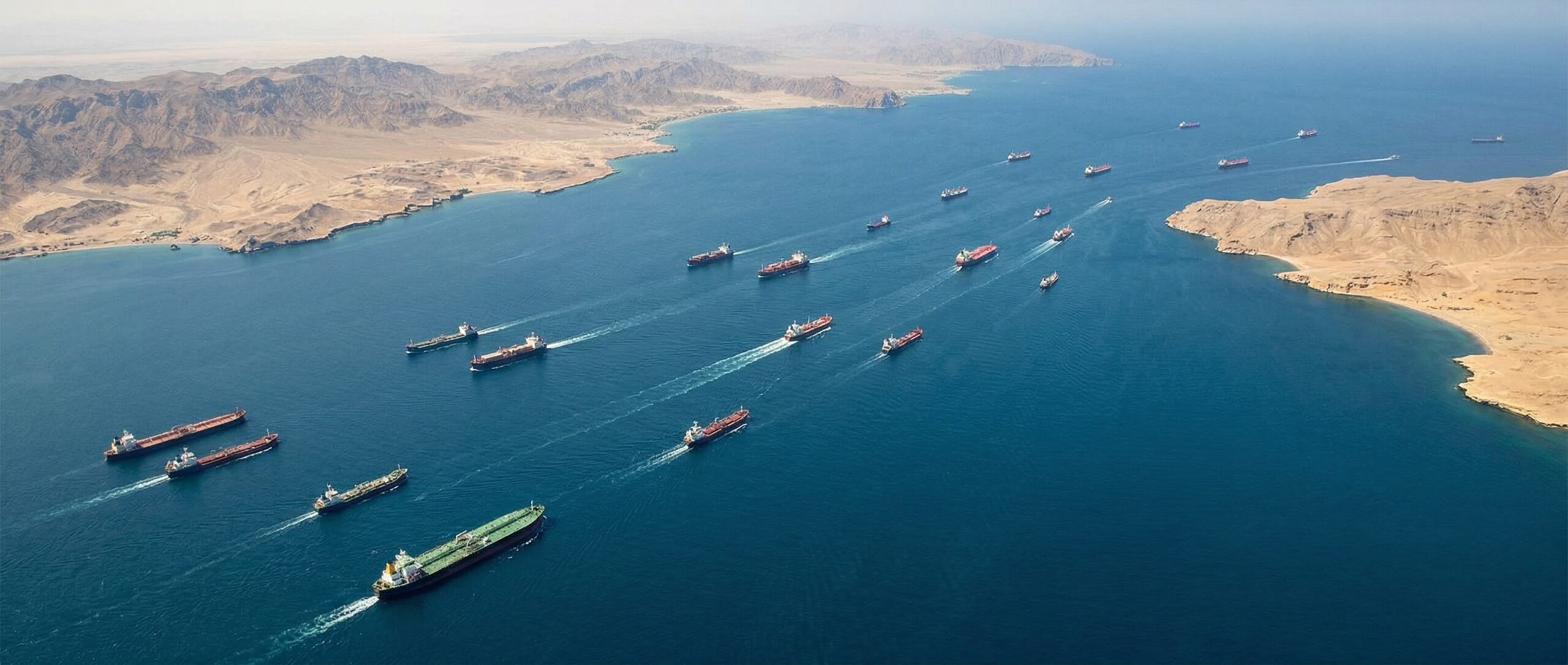
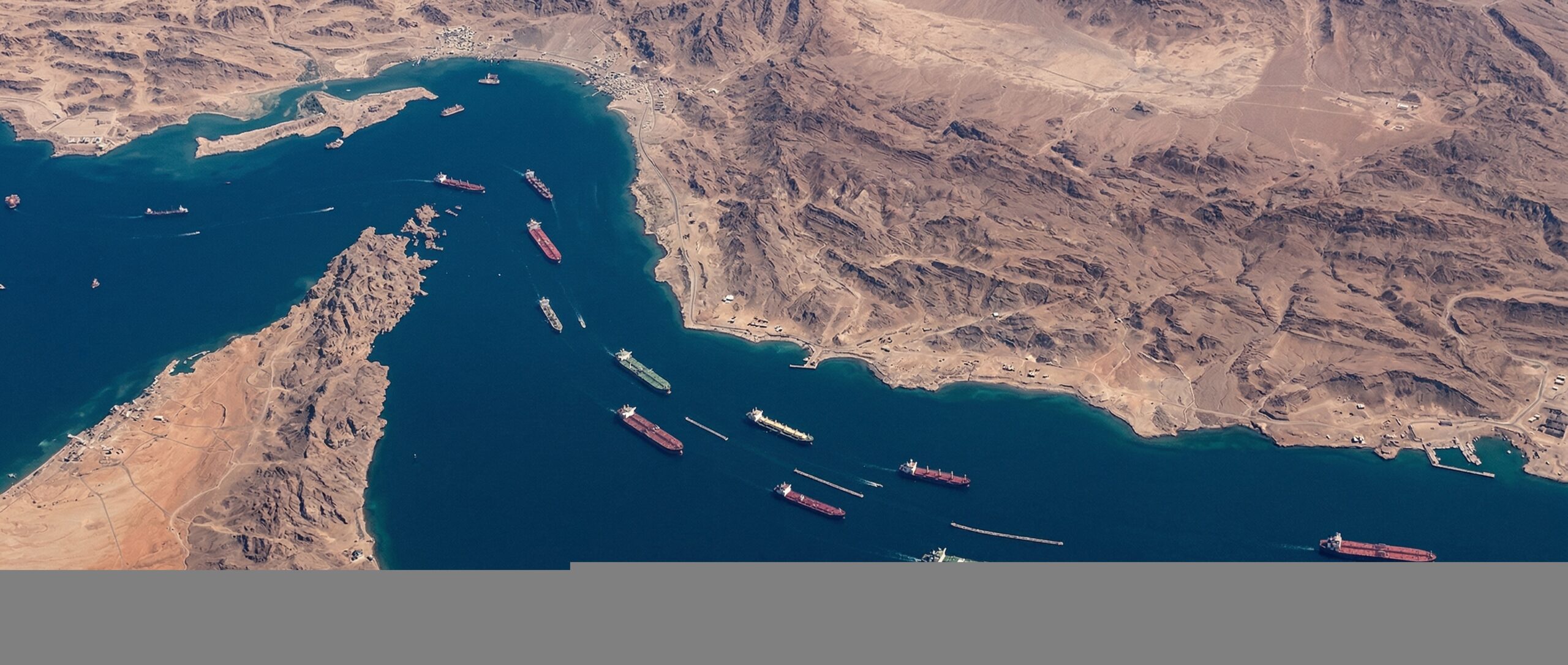
    The Strait of Hormuz connects the Persian Gulf to the Gulf of Oman and the Arabian Sea, serving as the passage for roughly one-third of all seaborne traded oil globally. For China, the stakes are even higher. A significant portion of China’s imported oil flows through this narrow strait, making energy security at Hormuz a central concern for Chinese planners and policymakers. But that dependence does not tell the whole story.

    The strategic insight emerging from current analysis is that China, despite being the top buyer of Hormuz-linked oil, has built an energy security posture designed to absorb the shock of a disruption. This is a story about how vulnerability and preparedness can coexist in modern energy strategy, and why the global implications of that balance matter.

    The Core Question: What Happens If Hormuz Is Disrupted?

    The Strait of Hormuz is more than a shipping route; it is a chokepoint in the circulatory system of global energy flows. At its narrowest point, the strait is only 21 miles wide, and the navigable shipping lanes are even narrower. This geographic constraint has made Hormuz one of the world’s most strategically important and vulnerable passages for oil transport. Any disruption—whether from military conflict, accident, sanctions, or political crisis—can ripple through global energy markets within days.

    China’s connection to this vulnerability is direct and substantial. China is the largest single buyer of oil that passes through the Strait of Hormuz, making it the country with the most at stake if the waterway is compromised. This is not a minor source of supply for China; crude oil imported through Hormuz represents a critical portion of the energy that powers Chinese industry, transportation, and electricity generation.

    The risk being discussed here is not a confirmed shutdown or military blockade, but rather the potential for disruption. Historical incidents—attacks on tankers, naval standoffs, missile tests near shipping lanes—have demonstrated how quickly a chokepoint can become a crisis. For a country as energy-dependent and economically integrated into global trade as China, even a temporary disruption creates cascading effects: rising oil prices, supply uncertainty, delayed production, and broader economic slowdown.

    Why China Is Exposed

    China’s exposure to Hormuz-linked oil flows is structural and difficult to escape in the short term. China imports roughly 70 percent of its crude oil from abroad, and a significant fraction of those imports transit through the Strait of Hormuz. This creates real vulnerability: if the strait is blocked or severely disrupted, China faces the immediate problem of finding alternative sources and routes, a process that cannot happen instantly.

    The economic consequences of such disruption would be severe. Oil price shocks ripple through manufacturing, transportation, power generation, and consumer prices. For China, which is the world’s largest manufacturing hub and a major energy consumer, even a brief supply interruption can amplify across the economy. Refineries may have to reduce output or shift to costlier alternative crudes. Power plants reliant on oil may struggle. The uncertainty alone affects business planning, investment decisions, and confidence in supply security.

    Beyond the immediate economic impact, a Hormuz disruption would underscore a fundamental strategic vulnerability: China’s energy security depends partly on the stability of a region where China has limited direct control. The Middle East remains the largest source of China’s imported oil, and the Strait of Hormuz is the natural exit for that supply. This geographic reality has driven Chinese energy policy for decades, but it also explains why the question of preparedness has become increasingly central to Chinese strategic planning.

    Why China May Be Better Prepared Than Many Expect

    Here is where the story takes an analytical turn. According to reporting from Reuters, China is described as the most prepared among major oil buyers to do without Hormuz-linked oil. This claim might seem counterintuitive given China’s top-buyer status, but it reflects a strategic distinction between raw dependence and built-in resilience.

    China’s preparedness rests on several strategic pillars that have been developed over years of deliberate energy-security planning. First, China has invested heavily in supply diversification. Rather than relying on a single source region, China has cultivated oil imports from Russia, Central Asia, Africa, and other producers outside the Middle East. This geographic spread means that even if one major route is compromised, alternative supplies and routes remain available.

    Second, China maintains substantial strategic petroleum reserves. These reserves are held in storage facilities across the country and serve as a buffer against supply shocks. In the event of a disruption, these reserves can be released gradually to meet immediate demand while alternative supply arrangements are activated. The size and accessibility of these reserves give China a time cushion that other major importers may lack.

    Third, China has invested in alternative supply routes and infrastructure designed to bypass or reduce dependence on maritime passages through chokepoints like Hormuz. Pipelines from Russia, Central Asia, and other neighbors provide overland alternatives. While these pipelines have capacity constraints and their own geopolitical complexities, they offer options that pure Hormuz dependence would not provide.

    The combination of these measures—diversified sourcing, strategic reserves, alternative routes, and ongoing energy-security planning—creates what analysts describe as relative preparedness. This does not mean China is immune from a Hormuz disruption or that it would face no economic pain. Rather, it means China has built redundancy and flexibility into its energy system in a way that reduces the immediate impact and extends the time available for adaptation.

    The Broader System Consequences

    Understanding China’s position is not merely an exercise in Chinese energy policy; it has implications for the entire global energy system. China’s size in the global economy and its role as a manufacturing center means that supply shocks affecting China ripple outward quickly. If China is better positioned than other major importers to absorb a Hormuz disruption, that shifts the expected cascading effects of such an event.

    Other major oil importers face different constraints. Japan, South Korea, and Europe also depend significantly on Hormuz-linked oil, but their energy-security infrastructure differs from China’s. They may have less strategic storage capacity, fewer alternative pipeline routes, or different geopolitical relationships that limit diversification options. If China can sustain supply through alternative means while other importers struggle, the geopolitical leverage and market dynamics of a crisis shift accordingly.

    Moreover, a disruption at Hormuz would affect global oil prices regardless of individual countries’ preparedness. If one-third of globally traded oil cannot flow through the strait, prices rise for everyone. But the magnitude and duration of that price shock depends partly on how quickly major buyers can stabilize their own supply. If China, as the largest buyer of Hormuz oil, can do so relatively quickly, the shock may be less severe than if China faced severe shortages and was forced into emergency market purchases at peak prices.

    This dynamic illustrates why energy security is not just a national interest but a systems question. The preparedness of the largest player affects the stability of the entire market. China’s investments in resilience thus have global consequences, even if the immediate motivation is national interest.

    What the Reporting Implies, and What It Does Not

    It is important to be precise about what the characterization of China as prepared actually means, and what it does not mean. The claim is fundamentally about relative preparedness, not absolute immunity. China is better positioned than many other major importers to manage without Hormuz-linked oil, but that does not mean disruption would be painless or that China would face no economic consequences.

    Strategic reserves can be drawn down, but they are finite. Alternative supply routes have capacity limits. Diversification reduces but does not eliminate vulnerability. The point is that China has built structures and options that allow it to sustain supply and adapt, whereas a country with no alternatives would face an immediate and severe crisis.

    There are also uncertainties that deserve acknowledgment. The precise size, accessibility, and release strategy of China’s strategic reserves are not fully transparent in public reporting. The capacity of alternative pipeline routes and the geopolitical constraints on their use can change. And the nature of a hypothetical disruption matters greatly; a complete blockade for an extended period would test even well-prepared infrastructure far more severely than a brief interruption.

    The reporting framework emphasizes preparedness and resilience, not inevitability of impact. Readers should interpret this as an analysis of how China’s strategic positioning reduces the immediate shock of a disruption, not as a claim that China would be unaffected or that global energy markets would stabilize quickly.

    Why This Story Belongs in Geopolitics, Not Just Energy Coverage

    On the surface, this is an energy-market story: oil flows, chokepoints, supply diversification. But the deeper significance is geopolitical. The Strait of Hormuz is not just a shipping lane; it is a strategic chokepoint where national interests, military power, and international leverage converge. Control over oil supply is control over economic stability and national power. Preparation for disruption is an exercise in statecraft and strategic planning.

    China’s energy-security posture reflects broader strategic thinking about power, resilience, and independence. By investing in supply diversification, storage capacity, and alternative routes, China is not just solving a logistics problem; it is reducing its vulnerability to coercion and disruption by hostile actors or unstable events. This is energy security as geopolitical strategy.

    Conversely, the focus on Hormuz as a critical chokepoint reflects the reality that oil supply remains a lever of international power. Countries and non-state actors have repeatedly used the threat or reality of disrupting Hormuz to pursue political and strategic objectives. The fact that China is working to reduce its vulnerability to such disruption is itself a statement about how it views the landscape of global power and risk.

    For readers tracking geopolitical trends, this story signals that major powers are responding to chokepoint vulnerabilities with strategic planning and infrastructure investment. It also suggests that the impact of potential disruptions is not uniformly distributed; some countries are building resilience while others remain more exposed. This unevenness matters for how crises develop and resolve.

    What Readers Need to Know

    The central takeaway is a combination of two realities: China is highly exposed to Hormuz-linked oil flows, but China is also unusually prepared for a disruption relative to other major importers. This is not a story where vulnerability and preparedness cancel each other out. Rather, it is a story about how a major economy can be both deeply dependent on a critical chokepoint and strategically positioned to reduce the impact of its disruption.

    For energy-market followers, the implication is that a Hormuz disruption would likely cause global oil prices to spike, but that China might stabilize relatively faster than expected, which could influence how the broader market shock develops. For geopolitical analysts, the story reinforces that major powers are actively planning for and investing in resilience against systemic shocks. For business and policy professionals, it underscores the importance of supply-chain diversification and contingency planning in a world where chokepoints remain critical vulnerabilities.

    The broader lesson is that dependence and disruption risk are not binary questions; they are matters of degree, and the degree can be shaped by strategic planning, investment, and foresight. China’s position in the Strait of Hormuz story is not one of passive vulnerability but of active management of complex geopolitical and energy-security challenges.

    Frequently Asked Questions

    Why is the Strait of Hormuz important to China?

    Because China is the top buyer of oil passing through the strait, any disruption could affect a major source of supply. A significant portion of China’s imported oil—and China imports roughly 70 percent of its crude oil—flows through this narrow waterway. This makes Hormuz a chokepoint in China’s energy security.

    Can China survive without the Strait of Hormuz?

    The reporting suggests China is better prepared than many buyers to function without that oil in the medium term, but that does not mean disruption would be painless or irrelevant. China has strategic reserves, alternative supply routes, and diversified sourcing that provide options, but complete immunity is not realistic. A disruption would still create economic costs and market disruptions.

    What makes China more prepared than other countries?

    According to the analysis, China has built a more resilient energy-security posture through supply diversification from Russia, Central Asia, and Africa; substantial strategic petroleum reserves held in storage facilities; and alternative pipeline routes that bypass maritime chokepoints. These measures work together to reduce immediate vulnerability, though they have limits.

    Is China less dependent on oil from Hormuz than it looks?

    China remains the top buyer of oil passing through the strait, so the dependence is real and substantial. However, the strategic point is that preparedness and resilience can reduce the impact of disruption. China is not less dependent in absolute terms, but it is better equipped to manage the consequences of disruption than many other major importers.

    Why does this matter beyond China?

    The Strait of Hormuz is a global chokepoint carrying roughly one-third of all seaborne traded oil. Any disruption there affects energy prices worldwide and can trigger cascading economic effects. Moreover, how the largest buyer of Hormuz oil responds to a potential disruption influences market stability and the broader geopolitical implications of such an event.

    Is this a news event or an analysis piece?

    This is a geopolitical analysis grounded in current reporting about China’s energy security and its position relative to the Strait of Hormuz. The topic is timely because it addresses both immediate chokepoint vulnerabilities and longer-term strategic planning in a world where energy security remains central to national power.

  • Why Drugmakers Are Delaying European Launches as U.S. Pricing Pressure Reshapes Global Access

    Why Drugmakers Are Delaying European Launches as U.S. Pricing Pressure Reshapes Global Access

    A pharmaceutical company decides to delay a new medicine’s launch in France. Another reconsiders rollout timing in Germany. The reason, according to Reuters reporting, is not medical setback or regulatory rejection. Instead, drugmakers are watching U.S. pricing pressure and potential policy shifts, and those concerns are now rippling across the Atlantic into European access decisions. This is more than a business story about market timing. It reveals how pricing politics in one major country can quietly reshape who gets treated first, which regions wait longer, and whether cost-control policies in the U.S. become a hidden factor in European health access.

    The development puts a spotlight on a largely invisible mechanism in global pharmaceutical strategy: launch sequencing. When a company delays or reconsidering entry into one market, it is not simply postponing a sale. It is choosing to prioritize some patients over others, to invest resources in certain regions before others, and to place its bets on which markets will reward its investment most fairly. In this case, the bet appears tied to what happens next in American drug pricing policy.

    For patients in Europe, healthcare systems already stretched by cost pressures, and policymakers trying to balance access with sustainability, the implications are significant. If drugmakers are already adjusting European strategy based on U.S. pricing concerns, the real-world consequence could be delayed access to new treatments across some of the world’s largest and most organized health systems.

    What Is Happening: The Reuters Report on Launch Delays

    According to Reuters reporting from March 31, 2026, some pharmaceutical companies are delaying or reconsidering their European launches. The trigger, companies and sources indicated, is concern about pricing pressure tied to the U.S. political environment and anticipated shifts in drug pricing policy. These are not withdrawal decisions or complete market abandonments. Rather, they are strategic pauses—moments when drugmakers are choosing to wait, to watch, to recalibrate before committing resources to European rollout.

    Why this matters extends beyond corporate earnings reports. Launch timing determines which patients access new medicines first. It shapes which markets are treated as priorities and which as secondary. It can influence whether a treatment reaches a 60-year-old in Spain before a 60-year-old in the United States, or vice versa. When companies delay launches in response to one market’s policy environment, they are effectively making allocation decisions that affect real people in other regions.

    The stakes are especially high for Europe because the continent is already grappling with aging populations, rising healthcare costs, and pressure to control medicine expenses. European health systems—including the U.K.’s NHS, Germany’s public system, and France’s social insurance model—rely on timely access to innovation to serve patients effectively. A delay in launching a new cancer treatment, a novel diabetes therapy, or an advanced antibiotic can mean months or years of patients going without that option.

    Understanding Launch Sequencing and Why It Matters

    To understand why Reuters’ reporting is significant, it helps to understand what launch sequencing is and how it functions in pharmaceutical strategy. When a company develops a new drug, it does not typically introduce it simultaneously across all global markets. Instead, it sequences the rollout: prioritizing some countries before others based on regulatory approval timing, market size, pricing expectations, competitive landscape, and expected returns on investment.

    A company might launch in the United States first because that market often offers the highest prices and fastest regulatory approval. It might then move to Western Europe, where prices are typically lower due to health system price negotiations, but markets are large and affluent. Emerging markets might come later because regulatory pathways take longer or because the company wants to establish pricing precedent in richer markets first.

    This sequencing is not random. It reflects strategic decisions about where a company will invest capital, where it expects to make profit, and where it needs to establish market position quickly. When that sequencing changes—when a company delays or postpones launch in a given region—it signals that the expected return or risk profile in that market has shifted.

    The patient-access consequence is direct. If a drugmaker delays launching a new Alzheimer’s therapy in Germany by six months because of concern about U.S. pricing policy, German patients with Alzheimer’s are waiting six months longer. If another company reconsiders launch timing in Italy, Italian patients face uncertainty about when they might access that treatment. These delays accumulate. They extend waiting times. They can shift which patients get access first, creating an unplanned—and largely invisible—tier system of access across regions.

    Importantly, delayed launch is not the same as a drug being unavailable. Patients might still access medicines through other channels—import from neighboring countries, clinical trials, or compassionate-use programs. But delay creates friction, inequity, and uncertainty. It means patients, physicians, and health systems cannot plan around the medicine’s availability. It means some regions effectively become secondary priorities in a company’s global rollout strategy.

    How U.S. Pricing Pressure Crosses Borders Into European Decisions

    The mechanism connecting U.S. drug pricing policy to European launch decisions is less obvious than it might seem. The United States and Europe operate separate health systems with different regulatory pathways, pricing structures, and reimbursement processes. European countries often negotiate drug prices centrally; the U.S. largely does not. European approval by the European Medicines Agency differs from FDA approval. On paper, what happens in Washington should not directly affect what happens in Berlin or Amsterdam.

    But pharmaceutical companies operate globally. A drugmaker’s financial performance, shareholder expectations, and long-term investment strategy are informed by projected revenues across all markets. When pricing pressure rises in the United States—whether from political pressure, regulatory threats, or competitive dynamics—it affects the company’s expected global profit margins. If a company anticipates that U.S. pricing policy will constrain American revenues, it often recalculates the expected return from other markets to compensate.

    That recalculation can lead to strategic delays elsewhere. A company might reason: “If U.S. pricing is going to be lower than we projected, we need to maximize returns in Europe. But if European pricing is also likely to face pressure as a secondary effect—through health system cost-control measures inspired by American policy, through public pressure, or through political concern about access—we should delay our European launch until we see how U.S. policy actually settles. That way, we can time our European entry when we have better information about the actual pricing environment we will face.”

    This is not speculation about how companies think. This is standard pharmaceutical strategy. Companies operate on the principle that revenues and pricing pressures in one market inform decisions elsewhere. Launch timing is one of the primary tools companies use to manage that complexity. By delaying European launches while monitoring U.S. pricing developments, drugmakers are essentially putting their global rollout on hold until they see how American policy uncertainty resolves.

    The spillover effect is significant because Europe represents a large share of global pharmaceutical revenue. If multiple companies delay launches in response to the same U.S. pricing concern, the cumulative effect on European patient access could be substantial. Patients across multiple therapeutic areas might face delays in access to new treatments simultaneously, creating a cascade effect that extends beyond any single drug or company.

    The Real-World Access Stakes for Patients and Health Systems

    When launch delays happen, the consequences are not abstract. They are lived by patients, managed by physicians, and absorbed by health systems already under strain. A patient with a rare cancer waiting for a recently approved therapy faces not just delay but also uncertainty. A health system like the German statutory insurance system, which plans budgets and access pathways around anticipated new treatments, must suddenly revise those plans. Physicians who might have had a new tool in their clinical toolbox for six months longer must continue managing patients with older therapies.

    Europe is particularly sensitive to these delays because European health systems have historically depended on predictable access to innovation. Many European countries negotiate prices based on assumptions about when new drugs will become available. If launches are delayed, that throws off health system planning. It can also intensify price negotiations because health systems become less willing to pay premium prices for medicines that were supposed to arrive on schedule.

    There is also a public trust dimension. When patients learn that a new treatment is available somewhere in the world but not available to them because of business decisions related to American pricing politics, trust in equitable access can erode. Patients may question why their location, their nationality, or their market size makes them less of a priority. European political leaders may face pressure to intervene or regulate more aggressively. The issue becomes not just one of pharmaceutical strategy but of fairness, access equity, and the relationship between patients and the systems meant to serve them.

    Smaller European countries may be especially vulnerable to deprioritization. If a drugmaker is already delaying launches in Western Europe because of U.S. pricing uncertainty, smaller markets with lower revenue potential—like Denmark, Belgium, or Hungary—may face even longer waits or may be skipped entirely in an initial rollout. That creates a two-tiered access system where geography and market size determine timing of access to innovation. It is a hidden access issue that rarely makes headlines but affects real patients in real health systems.

    What This Reveals About Pharmaceutical Economics and Incentives

    The story of delayed European launches illuminates a deeper tension in pharmaceutical markets: the relationship between pricing policy, profit incentives, and the spread of innovation globally. When a government imposes pricing pressure—whether through regulation, reference pricing, or negotiation power—drugmakers do not simply accept lower profits. Instead, they adjust their strategy across multiple dimensions: research investment, launch timing, which markets to prioritize, how aggressively to compete.

    Launch sequencing is one of the primary adjustment mechanisms. By delaying launches in certain markets, companies can manage their financial exposure, maintain some pricing power, and concentrate their commercial resources where they expect the best returns. It is a rational business response to an uncertain environment. But it is also a response with health policy consequences that policy makers do not always anticipate.

    The tension is real: governments want to control drug prices to protect their health budgets and make medicines affordable. But price controls can inadvertently create incentives for companies to avoid or delay markets where they cannot achieve their target returns. That means some patients in price-controlled markets end up waiting longer for access than they would in an uncontrolled market. It is a tradeoff that policy makers often do not discuss openly because it challenges the assumption that price control has no downside.

    The Reuters reporting on European launch delays suggests that this tradeoff is not theoretical. It is already happening. Drugmakers are already adjusting their global strategy in response to pricing pressure. Whether this trend accelerates, stabilizes, or reverses depends partly on what happens next with U.S. pricing policy and partly on how aggressive European pricing pressure becomes in response.

    What to Watch: The Next Developments in This Story

    Several key developments could shape how this story unfolds in the coming months and years. First is clarity on U.S. drug pricing policy. If the political environment around drug pricing stabilizes—if clear policy emerges—companies can make more confident launch decisions. If uncertainty persists, companies are likely to maintain their cautious posture, and European delays could extend or deepen.

    Second is whether other companies begin announcing similar delays or reconsiderations. Reuters reported that some drugmakers are already doing this, but if the trend becomes more widespread or visible, it could trigger political attention and pressure in Europe. European policymakers may push back against what they perceive as retaliation for price controls, potentially leading to regulatory or policy countermeasures.

    Third is whether European patient advocates and health systems begin publicly raising concerns about delayed access. If these delays start affecting patients with serious conditions, media coverage could amplify the issue and create pressure on both drugmakers and European policymakers to find solutions.

    Fourth is whether the delays actually result in access postponement or whether alternative pathways—early access programs, clinical trials, parallel trade from other markets—allow patients to access medicines despite the official launch delays. If patients can still access treatments despite delays, the issue becomes less urgent. If patients truly cannot access medicines they need, pressure will mount.

    Finally, watch whether the U.S. and European pharmaceutical markets begin to diverge more sharply. If European launches consistently lag U.S. launches, or if some medicines are launched in the U.S. but not in Europe at all, that signals a more fundamental shift in how companies prioritize global markets. It would mean U.S. patients increasingly get access to innovation before European patients, a shift that would have political implications on both sides of the Atlantic.

    Frequently Asked Questions

    Why are drugmakers delaying European launches?

    According to Reuters, some companies are delaying or reconsidering launches while they watch pricing pressure and possible policy changes linked to the U.S. political environment. Companies are essentially pausing their European rollout to see how U.S. pricing policy develops before committing resources to new markets.

    How can U.S. drug pricing policy affect Europe?

    Because pharmaceutical companies plan launches across multiple markets, pressure in one major market can influence where they prioritize timing, pricing, and rollout strategy elsewhere. If U.S. pricing pressure reduces expected revenues, companies may delay launches in other regions to reassess their global profitability.

    Does a delayed launch mean patients cannot get the drug at all?

    Not necessarily. The research points to delayed or reconsidered launches, which means access may come later or vary by market rather than disappearing entirely. However, patients may face months or years of waiting for access that might have been available sooner without the delay.

    Why does launch timing matter for health access?

    Launch timing helps determine which patients get access first and which countries or systems wait longer. Delays can affect real-world treatment availability, physician decision-making, and health system planning. They can also create geographic inequity in access to new therapies.

    Is this mainly a business story or a health story?

    It is both, but the health impact is central because pricing and rollout decisions can change patient access and public trust in medicine availability. What begins as a corporate strategy decision ultimately affects whether patients can access treatments they need.

    What is launch sequencing in pharmaceuticals?

    Launch sequencing is the order and timing in which a company introduces a medicine in different markets. Companies use it to manage pricing, regulatory challenges, and revenue considerations. Changing the sequence—such as delaying European launches—can reshape access timelines across regions.

    What should readers watch next?

    Key developments include whether more companies announce launch delays, whether U.S. pricing policy becomes clearer, whether European patient access concerns intensify and draw media attention, and whether the U.S. and European pharmaceutical markets begin diverging significantly in terms of medicine availability and timing.

  • Trump Says Securing Strait of Hormuz Is ‘Not for Us,’ Signaling Broader Alliance Tensions Over Iran

    Trump Says Securing Strait of Hormuz Is ‘Not for Us,’ Signaling Broader Alliance Tensions Over Iran

    President Donald Trump’s latest remarks about the Strait of Hormuz have reignited a central tension underlying U.S. strategy in the Middle East: who should bear the burden of containing Iran and protecting one of the world’s most vital maritime chokepoints. In comments signaling frustration with allied partners, Trump said securing the Strait of Hormuz is “not for us,” while simultaneously criticizing allies for not doing more to support the U.S. war effort against Iran.

    The statement captures a larger argument about burden-sharing, regional security coordination, and the limits of American willingness to shoulder military and diplomatic responsibility alone. The Strait of Hormuz is not merely a strategic location—it is a global economic chokepoint through which roughly one-fifth of the world’s oil passes. Any security crisis there ripples through energy markets, shipping routes, and the financial systems that depend on stable supply chains.

    Trump’s remarks, reported by AP News, underscore a widening gap between Washington’s expectations of its allies and the willingness of those partners to commit resources and political capital to the Iran confrontation. The comment is less about a single waterway and more about who pays, who protects, and who risks in a prolonged regional conflict.

    Why the Strait of Hormuz Matters

    The Strait of Hormuz is a 21-mile-wide passage of water connecting the Persian Gulf to the Gulf of Oman and the Arabian Sea. Its narrowness and geography make it one of the world’s most strategically important maritime corridors. Roughly 20 percent of global oil supplies pass through the Strait each day, moving from the world’s largest oil producers in the Gulf to markets across Asia, Europe, and beyond.

    For decades, the Strait has been treated as a critical geopolitical chokepoint. Control of, or disruption to, shipping through the waterway carries immediate consequences for energy prices, international trade, and regional security. During periods of heightened tension between the U.S. and Iran, the Strait has repeatedly become a flashpoint. Threats to block the passage or attacks on shipping have been used as negotiating tools and sources of strategic leverage.

    Any security debate about the Strait, therefore, extends far beyond military operations. Maritime insurance costs, oil futures markets, and corporate supply-chain planning all react to uncertainty in the region. A single incident—a collision, an attack on a vessel, or military posturing—can trigger cascading economic effects felt in markets thousands of miles away.

    The Alliance Dispute Underlying the Headline

    Trump’s comment about the Strait being “not for us” is best understood in the context of his broader criticism of allies. The President has expressed frustration that partners in the Middle East and Europe are not contributing enough to the confrontation with Iran. This reflects a longstanding tension in U.S. foreign policy: how much should America’s allies share in the costs and risks of regional conflicts that may not directly threaten them to the same degree they threaten the United States.

    The issue is not simply one of military hardware or troop deployments. It is also about political will, financial commitment, and willingness to accept the diplomatic and economic consequences of confrontation with Iran. Gulf allies such as Saudi Arabia and the United Arab Emirates have their own security concerns and trade relationships to balance. European partners have pursued diplomatic engagement with Iran alongside American pressure. These divergent approaches create friction.

    By framing the security of the Strait as “not for us,” Trump is signaling that responsibility should be more evenly distributed. The phrasing carries both a military and a political implication: he is suggesting that allies who benefit from the free flow of shipping and energy through the Strait should do more to ensure that flow remains secure. The criticism is rooted in a burden-sharing argument that has become increasingly prominent in Trump’s approach to alliances across multiple regions.

    This reframing of responsibility—away from automatic American leadership and toward shared accountability—represents a significant rhetorical shift. It signals that the U.S. may be less willing to unilaterally shoulder the costs of maintaining regional stability, and that it expects partners to step up or face reduced American commitment.

    Implications for the Broader War Effort Against Iran

    The tension over the Strait of Hormuz reflects a deeper uncertainty about how the U.S. and its allies will approach the Iran conflict going forward. Sustained military, diplomatic, or economic pressure on Iran requires coordination. Without allied support—whether in the form of military assistance, economic sanctions enforcement, or public backing—American policy becomes harder to sustain and more costly to implement.

    Trump’s comments suggest that this coordination is under strain. If allies perceive that the U.S. expects them to do more without offering greater incentives or security guarantees, cooperation could fracture. Conversely, if the U.S. reduces its own commitment to protecting the Strait and regional shipping, it risks creating a vacuum that could be filled by Iran or other actors.

    The issue also touches on questions of deterrence. A credible security presence in the region—whether through military assets, joint patrols, or coordinated defense arrangements—depends partly on allied participation. If that participation is perceived as inadequate, the deterrent effect may weaken, potentially encouraging more aggressive Iranian behavior or attacks on shipping.

    Over the long term, the dispute may reshape how the U.S. coordinates with allies in the Middle East. It could lead to new agreements on burden-sharing, changes in military postures, or a redrawing of expectations about who is responsible for what. Or it could lead to further fragmentation, with allies pursuing their own strategies and the U.S. operating more independently.

    Why Markets and Shipping Watchers Should Care

    The significance of Trump’s remarks extends beyond diplomacy and military strategy into economics and trade. Shipping companies, insurers, oil traders, and multinational corporations that rely on Middle Eastern energy and Asian manufactured goods all depend on the Strait of Hormuz remaining open and secure. Uncertainty about security there translates directly into business risk.

    When tensions rise around the Strait, several cascading effects typically follow. Maritime insurance premiums increase, reflecting higher risk. Oil prices become more volatile as traders worry about potential supply disruptions. Shipping routes may be rerouted around the Cape of Good Hope at the southern tip of Africa, adding time and cost to journeys. Supply-chain managers build in buffers and contingencies, raising operating costs across industries.

    The alliance tension that Trump’s comments highlight adds another layer of uncertainty. If the U.S. and its allies are not coordinating effectively on Strait security, the risk of miscalculation—or of a security vacuum that creates opportunity for Iranian action—rises. This uncertainty itself can affect market behavior. Investors and business planners adjust positions and strategies based on perceived risk, and that adjustment affects capital flows, commodity prices, and corporate decisions about investment and expansion.

    For business readers and market participants, the story is not primarily about Trump’s rhetoric. It is about what that rhetoric signals about the credibility and coordination of the security umbrella that protects one of the world’s most important commercial arteries. Any question mark over that protection is a question mark over global trade stability.

    What to Watch Next

    The immediate question is whether Trump or other senior U.S. officials will elaborate on the burden-sharing dispute and what specific actions or commitments the U.S. is seeking from allies. Will the administration issue formal demands? Will it tie aid or security guarantees to compliance with those demands?

    Equally important is how allies respond. Public statements from Gulf partners and European nations about their commitment to Strait security and Iran containment will signal whether Trump’s criticism triggers a shift in behavior or if it merely becomes another data point in an ongoing disagreement about burden-sharing.

    Watch also for whether the Strait of Hormuz becomes a more explicit focal point of U.S. policy planning and public messaging. If the administration makes Strait security a centerpiece of its Iran strategy, that could lead to new military deployments, joint task forces, or formal agreements with allies. Conversely, if Trump moves on to other issues, the remark may fade without leading to major policy changes.

    Finally, track Iranian responses and behavior. If Tehran perceives that U.S. and allied coordination on Strait security is weakening, that could embolden more aggressive posturing or attacks on shipping. Conversely, if the U.S. and allies present a united front, deterrence may be reinforced. The balance of these dynamics will help determine whether the Strait remains a stable corridor for global commerce or becomes a flashpoint for escalation.

    Frequently Asked Questions

    What did Trump say about the Strait of Hormuz?

    He said securing the Strait of Hormuz is “not for us,” while criticizing allies for not doing more to support the U.S. war effort against Iran. The comments suggest Trump believes the burden of securing this vital waterway should be more evenly shared among nations that benefit from its security.

    Why is the Strait of Hormuz important?

    The Strait of Hormuz is a strategically vital maritime chokepoint through which approximately 20 percent of the world’s oil supply passes daily. Any instability or disruption there has immediate implications for energy prices, international shipping, and global economic stability.

    Why does this comment matter beyond politics?

    Because the Strait’s security directly affects international shipping, energy markets, and the broader risk environment around the Iran conflict. Business readers, traders, and supply-chain managers all face uncertainty and potential cost increases when security at the Strait is questioned.

    Is this mainly a military story or a diplomatic one?

    It is both. The remark touches on military burden-sharing, diplomatic coordination among allies, and the politics of how to respond to Iran. It reflects disagreement about who should contribute what to a sustained regional security effort.

    Who is Trump blaming?

    According to the reporting, Trump is blaming allies he says have not done enough to support the U.S. effort against Iran. He did not name specific countries in the reported comments, but the criticism is directed at partners in the Middle East and beyond.

    Does this mean the U.S. will not help secure the Strait?

    The provided reporting does not establish a formal policy change or withdrawal of U.S. commitment. Rather, Trump’s comment frames the issue as a burden that should not fall on the U.S. alone. It is best understood as a signal of frustration and a call for allies to do more, not necessarily as an announcement that America is stepping back.

    How could this affect global shipping?

    Any instability or uncertainty around the Strait of Hormuz can increase concern about shipping disruptions, raise maritime insurance costs, affect oil prices, and disrupt supply chains. If allied coordination on Strait security weakens, the risk of incidents increases, which would ripple through global commerce.

  • Europe Blocks U.S. Military Access Over Trump’s Iran War, Threatening NATO Cohesion

    Europe Blocks U.S. Military Access Over Trump’s Iran War, Threatening NATO Cohesion

    European NATO allies are increasingly unwilling to support Donald Trump’s military involvement in Iran, and the resistance now extends to blocking or limiting U.S. military access tied to the conflict. The development, reported by Bloomberg on March 31, marks a significant strain on alliance cohesion at a moment when coordinated security policy is supposed to be NATO’s core strength.

    The dispute signals something deeper than disagreement over one military campaign. It raises urgent questions about whether NATO can absorb major political divisions during an active conflict, and what happens when European members refuse cooperation that American planners consider strategically essential. If the resistance hardens, the fallout could extend far beyond operational constraints and into the strategic trust that has underpinned transatlantic security for decades.

    What Europe is Blocking and Why It Matters

    According to fresh reporting from Bloomberg, European NATO members are increasingly reluctant to enable deeper U.S. military involvement in the Iran conflict. The reported pressure includes restricting or denying U.S. military access that would be used in connection with that effort.

    This is not a debate over whether to support an ally. It is a direct statement of refusal. European governments are essentially saying: we will not provide the facilities, airspace, or operational cooperation that would make your Iran war easier to conduct.

    Why this matters requires understanding what military access means in alliance politics. When the United States plans military operations, it often relies on forward bases, overflight rights, port access, and intelligence sharing from allied nations. These are not luxuries. They are force multipliers that determine whether operations are feasible, cost-effective, and sustainable. When allies withdraw or restrict access, they are constraining not just tactics but strategy.

    More importantly, they are sending a political signal. Public or semi-public disputes over military access are inherently corrosive to alliance credibility. If allies are openly refusing cooperation on a major U.S. priority, other partners and adversaries alike will notice. They will wonder whether NATO members can be counted on to coordinate during crises, or whether alliance promises are conditional on political agreement about each conflict.

    How the Dispute Is Straining NATO

    NATO was built on a premise that has held for more than seven decades: coordinated defense and shared security commitments. Article 5—the mutual defense clause—is the alliance’s centerpiece. But Article 5 assumes that members will work together on strategy and operations, not just invoke a treaty when attacked.

    The Iran dispute tests that assumption. European allies are not invoking NATO against the United States. They are simply refusing to participate in what they see as a unilateral U.S. military venture. But their refusal is creating institutional strain because it undermines the implicit social contract of the alliance: if you are willing to lead, we are willing to follow; if we follow, you respect our boundaries.

    When one member publicly resists involvement in another member’s military plans, it sends ripples through the entire alliance structure. Other partners begin calculating their own room for disagreement. Adversaries begin testing whether the alliance is actually unified or merely a collection of governments with diverging interests.

    Visible splits also damage deterrence. NATO’s strategic value depends partly on the perception that it speaks with one voice on core security issues. If that perception fractures, the alliance’s ability to deter adversaries weakens, even if no operational capability has changed.

    Why European Allies Are Pushing Back

    The research indicates that European members are increasingly unwilling to be drawn deeper into Trump’s approach to the Iran conflict. But the specific drivers of this resistance deserve careful attention.

    One factor is likely political distance. European governments may view Trump’s Iran strategy as more aggressive or escalatory than they are comfortable supporting. NATO allies include countries with complex relationships with Iran, including economic and diplomatic interests that deeper military involvement could jeopardize.

    Another factor is the perception of strategic burden-sharing. European allies have repeatedly expressed concern that the United States drives military policy without adequately consulting partners or accounting for European interests. If Trump is pursuing an Iran war without broad alliance consensus, European governments may feel they have the right to say no.

    There is also the question of restraint versus escalation. Some European allies may believe that the most responsible path forward involves diplomatic off-ramps rather than deepening military commitment. That belief does not necessarily mean they are abandoning security interests. It means they are choosing a different strategy.

    Critically, the research does not provide a fully detailed breakdown of European motivations. The available reporting shows resistance and hardened stances, but not necessarily the complete strategic calculus behind each government’s position. The article therefore frames the pushback as reluctance to deepen involvement without overstating motives that are not fully documented.

    What This Could Mean for U.S. Military Operations

    When allies restrict military access, the immediate consequence is operational. U.S. commanders and planners lose options. They may need to reroute aircraft, find alternative basing, or accept greater logistical complexity. These constraints do not necessarily make operations impossible, but they make them harder and often more expensive.

    More broadly, restricted access creates planning uncertainty. If the United States cannot count on European cooperation, it must design operations on the assumption that such cooperation will not be available. That changes force posture, timing, and risk calculus.

    The political signal, however, may matter as much as the operational constraint. If Europe’s resistance becomes widely known, it sends a message to regional actors, other allies, and domestic audiences in the United States that the alliance is divided. That political fragmentation can undermine the strategic leverage that military capability alone provides.

    For U.S. policymakers, the situation creates a difficult choice: proceed with operations despite European resistance and accept the diplomatic cost, or scale back ambitions to preserve alliance unity. Neither option is costless. The first damages alliance credibility. The second requires acknowledging that NATO partners can constrain U.S. strategy.

    The Broader System Consequence: A Stress Test for NATO

    The most significant aspect of this dispute is not the immediate military access question. It is what the dispute reveals about NATO’s ability to maintain cohesion during major strategic disagreements.

    Historically, NATO has weathered policy disagreements. Members did not always agree on Bosnia, Kosovo, Iraq, or Afghanistan. But those disputes typically occurred within a framework where the alliance as a whole was engaged. The current situation is different: one member is pursuing a military strategy that other members are openly resisting.

    If this pattern continues and spreads, it could redefine how NATO functions. Instead of an alliance that coordinates major security decisions, NATO could become a collective identity that members invoke selectively while pursuing divergent strategies. That would be a fundamental shift in what the alliance means.

    The stakes extend beyond Iran. If Europe successfully resists involvement in this conflict, it sets a precedent for future disputes. Will European allies resist again on the next major U.S. military initiative? Will the alliance fragment into coordinated blocs rather than a unified structure?

    These questions are not rhetorical. They go to the heart of whether NATO can function as a coherent security organization in an era when members have increasingly divergent views about when military force is appropriate.

    What to Watch Next

    Several developments will signal whether this dispute is a temporary friction or a sign of deeper rupture.

    First, whether Europe’s resistance hardens or softens. If European governments continue to restrict military access and maintain public opposition to the Iran conflict, the alliance rift will deepen. If European governments find a compromise that allows limited U.S. operations in exchange for political concessions, the dispute may be containable.

    Second, whether the restriction changes actual access, coordination, or public messaging. Right now, the resistance is reported and acknowledged. But does it actually alter U.S. military plans or operations? Does public acknowledgment of the dispute lead to further fragmentation, or does it prompt negotiation and resolution?

    Third, whether the conflict spills over into broader NATO policy disagreements. If disputes about military access to Iran expand into disagreements about NATO strategy in Europe, the Arctic, or Asia, the implications for alliance unity become more severe.

    Finally, watch for shifts in messaging from both sides. If U.S. officials begin framing this as a European failure, or if European leaders begin openly questioning NATO’s value, those rhetorical shifts will signal that the alliance is entering a more confrontational phase.

    Frequently Asked Questions

    What are European NATO allies blocking?

    According to recent reporting, European NATO members are increasing their resistance to involvement in Trump’s Iran military campaign and are reportedly limiting or restricting U.S. military access tied to that conflict. This includes access to bases, airspace, facilities, or other operational support that would be used in connection with the Iran effort.

    Why does this matter for NATO?

    NATO is built on coordinated security policy and mutual commitment among members. When a major military alliance member faces open resistance from other members on a significant security initiative, it signals a breakdown in the coordination that underpins alliance credibility. This kind of visible disagreement can weaken the alliance’s ability to deter adversaries and maintain strategic unity.

    Is Europe leaving NATO over this?

    No. The resistance reported indicates that European members are unwilling to participate in or support this particular military effort. That is different from withdrawing from the alliance. However, if such resistance becomes a pattern, it could signal deeper questions about whether the alliance can maintain unified security policy.

    How does this affect the United States?

    If military access is restricted, U.S. military planning becomes more complicated. Operations may require alternative basing, longer supply lines, or different timing. More broadly, the political cost of the conflict rises when major allies openly resist involvement, because it signals that the U.S. is acting without alliance consensus.

    Why are European allies pushing back?

    The available reporting indicates that allies are increasingly reluctant to get involved in what they may view as Trump’s escalatory approach to Iran. This could reflect concerns about strategy, burden-sharing, diplomatic interests, or a preference for restraint over escalation. The research does not provide a fully detailed breakdown of each government’s specific motives, but the pattern suggests a preference for distance from deeper military commitment.

    What is the broader significance of this dispute?

    Beyond the immediate issue of military access, this dispute serves as a stress test for NATO’s institutional durability. It raises questions about whether the alliance can absorb major policy disagreements during active conflicts, and what happens when members refuse cooperation on initiatives their partners consider strategically important. The answer to those questions will likely shape how NATO functions in future crises.

  • How Russia’s Federal Security Service Is Tightening Its Grip on Society

    How Russia’s Federal Security Service Is Tightening Its Grip on Society

    Russia’s Federal Security Service is expanding its surveillance and control powers in ways that reach far beyond traditional security concerns, according to fresh reporting from Bloomberg. The development signals a deepening of state intrusion into economic and social life—and a narrowing of space for dissent within Vladimir Putin’s Russia.

    The practical significance is clear: as the FSB’s authority expands, so does the state’s ability to monitor, influence, and suppress activity across Russian society. For analysts tracking Russia’s internal politics and geopolitical risk, the move represents another step in the consolidation of power that has defined Putin’s governance model for more than two decades.

    Understanding what is changing inside Russia’s security apparatus—and why it matters—requires looking at both the immediate policy shift and what it reveals about the structure of Putin’s rule and the increasing centrality of security services to maintaining it.

    What Bloomberg Reports Is Changing Inside Russia

    Bloomberg’s reporting indicates that Russia’s Federal Security Service is expanding sweeping surveillance powers in ways that extend the state’s reach into economic and social life. This is not a modest adjustment to existing capabilities. The reporting frames the development as part of a broader tightening of internal control—a deepening of state oversight that goes beyond the traditional domain of security and intelligence work.

    The immediate implication is that more of Russian society will fall under the observation and potential regulation of the security apparatus. Citizens, businesses, and institutions operating in Russia’s economic and social spheres now face a more expansive state presence. The mechanism is surveillance; the objective appears to be identifying and suppressing any risk of dissent to Putin’s rule.

    This expansion is not happening in isolation. It reflects a pattern of state consolidation that has accelerated under Putin’s tenure, with security institutions moving from the periphery of governance into its center.

    Why the FSB Matters in Putin’s System

    To understand the significance of the FSB’s expanded powers, it helps to understand what the agency is and why it holds such a central position in Russian governance.

    The Federal Security Service, or FSB, is Russia’s main domestic security agency. It is the successor to the Soviet KGB and retains much of the institutional culture and operational reach of its predecessor. Within Putin’s political system, the FSB serves as a pillar of state power—the institution tasked with identifying threats to the regime and suppressing them before they can take organized form.

    Putin himself spent sixteen years working for the KGB and later led the FSB before his rise to the presidency. That background is not incidental to understanding how Russia is governed. The security services are not simply one agency among many in Russia’s bureaucracy; they are foundational to how the state maintains control and how the regime processes political risk.

    When the FSB’s surveillance powers expand, it means the state’s ability to enforce loyalty and discourage opposition also expands. It creates more vectors for the regime to detect dissent, pressure individuals and institutions into compliance, and preempt organized resistance before it forms. In a political system built around control and risk prevention, expanded security authority is consistent with the broader project of regime consolidation.

    How Surveillance Reaches Beyond Politics

    What distinguishes this reported expansion from routine security work is its scope. The research indicates that the state’s reach is deepening not only into political opposition and activism, but also into economic and social life more broadly.

    This distinction matters because it suggests the FSB is not simply watching overt dissidents or tracking opposition organizations. Instead, the surveillance apparatus is being woven more tightly into the fabric of everyday Russian life and institutional activity. That creates several consequences.

    First, it expands the state’s ability to identify potential dissent before it becomes explicit or organized. People and institutions operating in Russia now face the awareness that their economic and social activity is subject to state scrutiny. That awareness alone can shape behavior—encouraging self-censorship, discouraging independent organizing, and making individuals and businesses more likely to avoid any activity that might draw official attention.

    Second, it gives the state more leverage over institutions and individuals. If the FSB has visibility into economic and social activity, it can use that information to apply pressure, demand compliance, or extract cooperation from people and organizations that have little incentive to resist a security agency.

    Third, it blurs the line between security work and social control. The FSB is no longer simply a counterintelligence and counterterrorism agency; it is becoming an instrument for managing the state’s relationship with society as a whole.

    What This Says About Putin’s Governing Strategy

    The expansion of FSB surveillance powers fits a recognizable pattern in how Putin’s Russia is governed. The direction of travel is consistently toward deeper state intrusion, greater centralization of power, and a larger role for security institutions in political and social life.

    This is not a new pattern, but the latest reporting suggests it is intensifying. Suppressing dissent appears to be a central objective, not a side effect. And the strategy for suppressing dissent is increasingly to embed state oversight so deeply into society that dissent becomes not just dangerous but logistically difficult—because potential dissenters operate under constant awareness of state scrutiny and have little protected space in which to organize.

    Viewed from this perspective, the FSB’s expanding surveillance capabilities represent another building block in a broader model of governance: one that privileges control over openness, conformity over pluralism, and regime stability over institutional independence or public deliberation.

    What makes this model resilient, from the regime’s perspective, is that it does not require constant active repression. It works through prevention—by making dissent seem impossible before it ever forms. The expanded surveillance capacity is an investment in that preventive apparatus.

    Why This Matters for Russia Watchers and the Outside World

    For readers outside Russia, the significance of the FSB’s expanded powers might not be immediately obvious. Why should people in other countries care about changes to Russia’s security apparatus?

    The answer lies in how internal control systems affect state behavior and political risk. A regime that is focused on suppressing internal dissent and tightening control over society is making a statement about its priorities and its fears. It suggests a leadership that is concerned about instability, worried about the regime’s resilience, and willing to invest heavily in preventing challenge from within.

    That has implications for geopolitical analysis. A regime focused primarily on internal control and dissent suppression may behave differently internationally than one confident in its domestic legitimacy. It may be more aggressive in foreign policy to rally nationalist sentiment at home. It may be more resistant to international pressure because domestic audiences have little independent information on which to base alternative views. It may double down on policies that enhance centralized control rather than shift course in response to changing circumstances.

    Additionally, the story is relevant for analysts and investors assessing political risk in Russia. The expansion of surveillance and state control is a signal about how the regime sees its own stability. It suggests that internal pressures exist and that the regime believes investment in security and control infrastructure is necessary to manage them.

    For businesses and institutions operating in Russia, the practical consequence is that regulatory oversight and state surveillance will likely become more intrusive. That is a risk factor for operations, compliance, and exposure to official pressure.

    What Remains Uncertain

    It is important to be clear about what the provided reporting does specify and what remains unclear. Bloomberg’s coverage indicates that the FSB is expanding surveillance powers and that the reach extends into economic and social life. That much is grounded in reported research.

    What the reporting does not detail are the specific legal mechanisms of the expansion, the exact enforcement procedures, or the granular operational details of how the new powers will be implemented. The research summary does not break down which sectors or institutions are being targeted, what specific surveillance technologies are being deployed, or how quickly the expansion is occurring.

    The safest and most accurate interpretation based on the available information is that the trend is toward more surveillance, more state oversight, and more embedding of security authority into economic and social life. Beyond that, the reporting invites further investigation and explanation rather than definitive conclusions about specific mechanisms or timelines.

    Frequently Asked Questions

    What is the FSB in Russia?

    The FSB, or Federal Security Service, is Russia’s main domestic security agency. It is the successor to the Soviet KGB and is responsible for counterintelligence, counterterrorism, and internal security within Russia. In the context of this reporting, the FSB is the institution expanding surveillance powers and deepening state control over Russian society.

    Why does the FSB tightening its grip matter?

    Expanded FSB surveillance powers matter because they allow the state to monitor more of society, suppress dissent more effectively, and deepen Vladimir Putin’s control over Russian institutions and daily life. The development represents a consolidation of power within the security apparatus and a narrowing of space for independent activity or opposition.

    Is this only about political opposition?

    No. The reporting indicates that the state’s reach is extending into economic and social life as well, not just political activity. This suggests a broader pattern of state oversight and control that affects businesses, institutions, and citizens across multiple domains of Russian life.

    Why is this significant for geopolitics readers?

    It matters for geopolitical analysis because it reveals how Russia is governed internally and what that may signal about regime stability, policy priorities, and international behavior. Regimes focused on internal control and dissent suppression may behave differently internationally and may be less responsive to external pressure or incentives for policy change.

    What does Bloomberg’s reporting indicate?

    Bloomberg’s reporting indicates that Russia’s Federal Security Service is expanding sweeping surveillance powers and extending its influence further into economic and social life. The development is framed as part of a broader effort to tighten state control and suppress potential dissent to Putin’s rule.

    What is the main takeaway from this development?

    The main takeaway is that Putin’s Russia appears to be tightening internal control by giving its security apparatus a larger and more intrusive role in monitoring and constraining society. The expansion of FSB surveillance is not an isolated policy change but part of a broader consolidation of power within the security services and a deepening of state oversight over Russian life.

  • China Welcomes EU Lawmakers for First Time in Eight Years, Signaling Diplomatic Reset

    China Welcomes EU Lawmakers for First Time in Eight Years, Signaling Diplomatic Reset

    After eight years without a visit from European lawmakers, China has opened its doors to members of the European Parliament, a development that carries significant weight in the fraught relationship between Beijing and the European Union. The move marks a rare moment of diplomatic engagement in a relationship that has been defined more recently by tension, retaliatory sanctions, and mutual accusation.

    According to Bloomberg reporting on the visit, China’s decision to host the European lawmakers comes after retaliatory sanctions between the two sides were lifted last year. The timing matters because it signals that both China and the European Union appear willing to test a more stable footing, even if the broader relationship remains complicated and contested.

    The visit is not a dramatic turning point, but it is a meaningful signal. In the realm of high-level diplomacy, reopening a channel after it has been frozen for nearly a decade suggests intent. For readers watching China-EU relations, understanding what this visit represents—and what it does not—is essential to grasping where the relationship is headed.

    What Happened: The Visit and Its Context

    China welcomed a delegation of European lawmakers this week, marking the first such visit in eight years. The event itself is straightforward: lawmakers traveled to Beijing, met with Chinese officials, and engaged in what is typically described as high-level dialogue. But the context is what makes the visit noteworthy.

    The relationship between China and the European Union had deteriorated enough over the past several years that direct parliamentary contact essentially ceased. The freeze was not accidental; it reflected real tensions over human rights concerns, trade practices, sanctions, and broader geopolitical alignment. When official channels go silent for that long, reopening them sends a message.

    Last year, retaliatory sanctions that had been imposed between the two sides were lifted. That development created diplomatic space—a moment when both parties signaled they were willing to move past the most acute phase of confrontation. The current visit to Beijing appears to be a follow-up to that thaw, a way of testing whether the relationship can stabilize without resolving every underlying disagreement.

    Why Eight Years Without a Visit Matters

    The length of the hiatus is itself significant. Eight years is a substantial gap in diplomatic engagement between major global powers. It reflects a relationship that had moved beyond routine disagreement into something closer to deliberate avoidance. During that time, tensions accumulated rather than being managed through direct conversation.

    The lifting of retaliatory sanctions last year suggested a recognition on both sides that the escalation was unsustainable. Neither China nor the European Union achieved their objectives through confrontation, and the costs of continued friction were mounting. The current visit can be understood as a careful test of whether de-escalation can become normalized.

    It is important to note that the return of European lawmakers to Beijing does not mean the underlying tensions have vanished. Trade disputes, human rights concerns, and strategic rivalry remain. What the visit suggests is that both sides are willing to manage these tensions through dialogue rather than through the absence of contact.

    Why Beijing May Want Better Ties With Europe Now

    China’s decision to invite European lawmakers reflects a strategic calculation. The European Union represents a major economic bloc and geopolitical player. Maintaining channels of communication with the EU serves China’s interests in several ways.

    First, stability with Europe reduces diplomatic pressure. When the relationship is completely frozen, China faces criticism and coordinated action from EU member states and institutions. By reopening engagement, Beijing can reduce that pressure and create space for negotiation on trade and other issues.

    Second, Europe remains important to China’s broader strategic interests. The EU is not aligned with China, but it is also not formally aligned against China in the way some other powers are. That ambiguous positioning gives China incentive to keep ties workable. A completely broken relationship with Europe pushes the EU closer to other partners and reduces Beijing’s influence.

    Third, the timing suggests China may be pursuing a broader diplomatic offensive aimed at stabilizing relationships with major partners. The visit fits into a pattern of engagement rather than isolation, which may reflect Beijing’s assessment that confrontation on multiple fronts is costly.

    Why European Lawmakers Matter in This Story

    The visit is specifically of European lawmakers, not EU trade negotiators or business delegations. This distinction carries diplomatic meaning. Lawmakers represent the political dimension of the relationship, not merely the commercial one.

    Parliamentary engagement signals formal political contact at a level below heads of state but well above routine diplomacy. When lawmakers visit, they carry political legitimacy and represent not just individual governments but also broader political constituencies. Their presence in Beijing indicates that China is willing to engage with Europe’s political institutions and representatives, not just its executive branch.

    This matters because it suggests the relationship is being reset at the political level, not just the bureaucratic level. Lawmakers influence policy and public opinion in their home countries. Their visit to China and their conversations with Chinese officials create opportunities for dialogue that can shape how Europe perceives China and vice versa.

    The Broader Significance for Global Relations

    Why should readers beyond the geopolitics community care about this visit? Because China-EU relations affect more than just trade and diplomacy between those two actors.

    The relationship influences how Europe aligns itself in a world where China and Western democracies are competing for influence and advantage. A stable China-EU relationship means the EU is less likely to align completely with the United States against China, and vice versa. It creates space for independent European agency rather than forcing countries into binary choices.

    For businesses, diplomats, and policy officials tracking China-EU relations, the visit is also significant because it may herald a period of more regular contact and potentially fewer sudden escalations. That stability is valuable, even if underlying disagreements persist.

    At the same time, readers should be cautious about overclaiming the significance of the visit. A single delegation of lawmakers is not the same as a complete reset of relations. The visit is a beginning, not an ending. It opens a channel; it does not resolve the tensions that closed it in the first place.

    What Comes Next: Signs to Watch

    The real test of whether this visit represents a durable shift will come in the weeks and months that follow. Several developments are worth monitoring.

    First, watch for follow-up visits. If the current delegation is followed by additional exchanges—Chinese officials visiting Europe, more European lawmakers returning to Beijing—then the pattern suggests a normalization of engagement. A single visit could be symbolic theater; a series of visits becomes routine diplomatic practice.

    Second, pay attention to whether the engagement leads to concrete policy movement. Do conversations between lawmakers translate into discussions about trade, sanctions relief, or other substantive issues? Or does the visit remain a gesture without follow-through? The difference between symbolic engagement and meaningful engagement matters.

    Third, consider how both sides characterize the visit in their public messaging. Are Chinese officials saying they want broader engagement with Europe, or are they framing this as a one-off event? Are European officials treating this as the beginning of a new phase or as a limited diplomatic courtesy? The rhetoric will reveal how serious both sides are about resetting the relationship.

    Finally, track whether the visit leads to more regular parliamentary dialogue or to other forms of resumed contact. Does it become a precedent for more engagement, or does it remain an isolated moment?

    Understanding the Visit in Context

    To make sense of why China welcomes European lawmakers after eight years, it helps to understand the journey that led to this moment. The visit did not occur in a vacuum; it emerged from a specific historical context and reflects current strategic calculations.

    The relationship between China and Europe has been complicated for years. Issues ranging from trade imbalances to technology competition to human rights concerns have created friction. But the scale of the current diplomatic effort suggests both sides are trying to manage these disagreements rather than allow them to fester.

    The lifting of retaliatory sanctions last year was the first concrete sign that both parties were ready to move past the worst of the escalation. This week’s visit represents the next step: direct, high-level political engagement aimed at rebuilding communication channels.

    The visit also reflects a broader reality about how major powers navigate disagreement. Even when they compete and contest each other’s interests, they benefit from maintaining communication. The absence of dialogue does not resolve conflicts; it often intensifies them. By reopening communication, China and the European Union are acknowledging that ongoing confrontation serves neither side well.

    Frequently Asked Questions

    Why is China welcoming EU lawmakers important?

    Because it marks the first such visit in eight years and signals that Beijing is trying to stabilize relations with the European Union. In diplomatic terms, reopening a frozen channel is significant because it represents a choice by both parties to engage rather than avoid each other. The visit suggests that both sides see value in direct communication, even if underlying disagreements persist.

    What changed in China-EU relations?

    The most notable recent change is that retaliatory sanctions between the two sides were lifted last year. This created diplomatic opening that had not existed for years. The current visit appears to be Beijing and Brussels testing whether they can build on that thaw and establish a more stable, regular pattern of engagement. However, many of the underlying tensions—trade disputes, technology competition, human rights concerns—remain unresolved.

    Does this mean China and the EU are back to normal relations?

    Not necessarily. The visit signals improved willingness to engage in direct dialogue, but it does not mean the relationship has fully reset or that all tensions have been resolved. This is a step toward normalization, not normalization itself. Both sides are testing the waters; whether they can build sustained, functional relations remains to be seen.

    Why are lawmakers part of this story?

    Because European lawmakers represent an important political channel between Europe and China. Parliamentary delegations carry political legitimacy and influence policy in their home countries. When lawmakers visit Beijing, it signals that China is willing to engage at the political level, not just through trade or bureaucratic channels. This form of contact is more significant than routine diplomatic meetings because it involves figures with real influence over policy and public opinion.

    What is China trying to achieve?

    Based on the reporting and context, China appears to be seeking better and more stable ties with the EU. This could include reducing diplomatic pressure, creating space for negotiations on trade and other issues, and maintaining influence with a major global player. By reopening engagement, Beijing signals it prefers a workable relationship with Europe to continued confrontation.

    What should readers watch next?

    Watch for follow-up visits between Chinese and European officials, whether the engagement leads to concrete policy changes, how both sides characterize the visit in public messaging, and whether the pattern becomes a new normal of regular parliamentary dialogue. These indicators will reveal whether the current visit represents a genuine shift in relations or remains a limited diplomatic gesture.

    Conclusion: A Signal, Not a Solution

    China’s decision to host European lawmakers after eight years is ultimately a signal rather than a solution. It demonstrates that both Beijing and Brussels recognize the cost of prolonged confrontation and see value in reopening lines of communication. The visit suggests a possible trajectory toward more stable relations, but it does not guarantee that such stability will materialize.

    For readers tracking China-EU relations, the visit is worth attention precisely because it is modest. It is not a dramatic breakthrough or a complete reconciliation. Instead, it is a careful, incremental step toward rebuilding a relationship that had deteriorated significantly. In geopolitics, such steps often matter more than the grand gestures that dominate headlines.

    The real significance of this week’s visit will become clear only in retrospect, as readers see whether it marks the beginning of sustained engagement or remains a brief moment of civility in an otherwise tense relationship. For now, what matters is understanding what the visit represents: an acknowledgment by both sides that the alternative—complete diplomatic freeze—is less attractive than the risks and complications of direct engagement.