Blog

  • France and Italy Push Back on U.S. Military Operations as Trump Criticizes NATO Allies Over Iran War

    France and Italy Push Back on U.S. Military Operations as Trump Criticizes NATO Allies Over Iran War

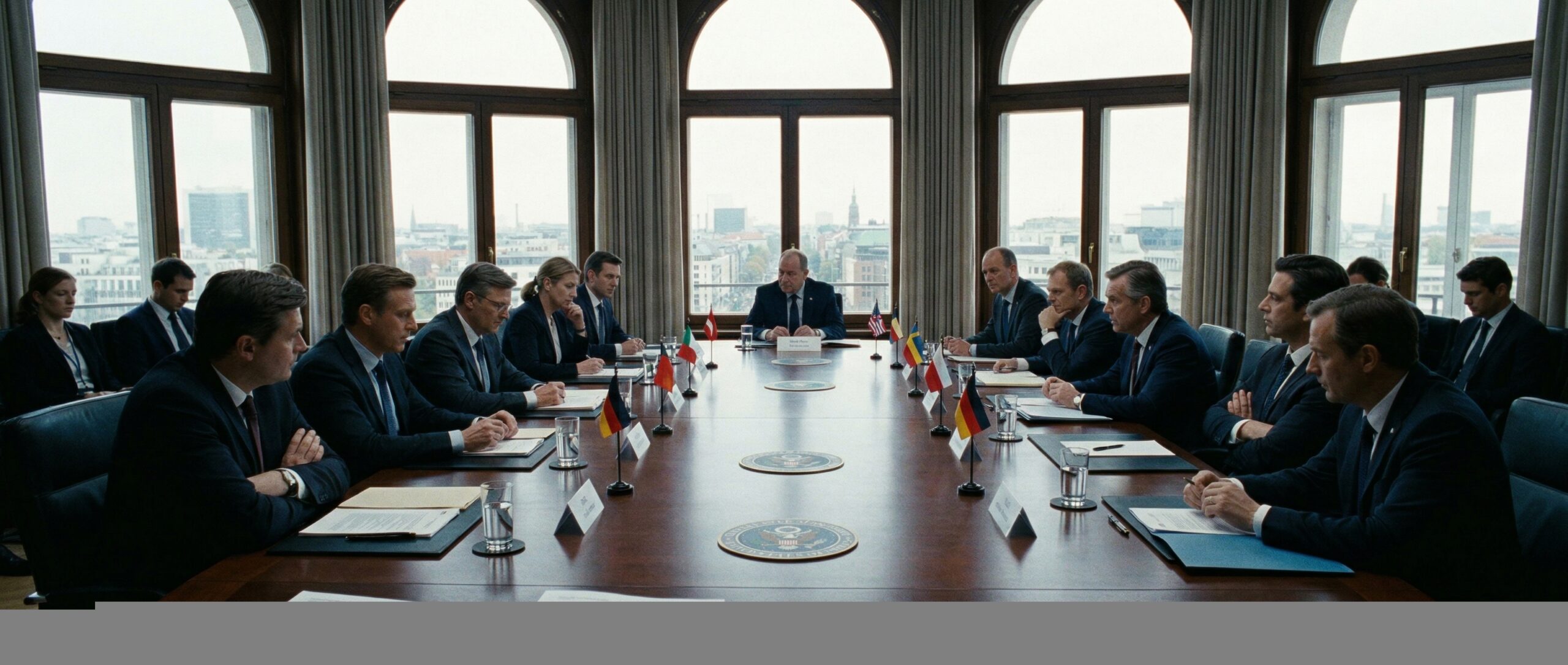
    France and Italy are reported to have pushed back against some U.S.-Israeli military operations tied to the monthlong war in Iran, according to reporting by Reuters, even as Donald Trump publicly criticized European NATO allies for being unhelpful. The combination of diplomatic resistance from two major European powers and direct criticism from the former U.S. president underscores a widening political divide within the Western coalition at a moment when alliance unity is already being tested by the escalating conflict.

    The reported pushback represents more than a minor diplomatic disagreement. It signals that the Western response to the Iran war is not as unified as public statements might suggest, and raises fundamental questions about how aligned allied military coordination, political strategy, and risk tolerance actually are. In a conflict that touches on regional stability, escalation dynamics, and European security interests, divisions among longtime partners carry real consequences.

    The episode also illustrates a broader pattern: when the United States and its European allies face a regional military crisis, consensus often fractures along different strategic assumptions and political priorities. France and Italy’s reported hesitation may reflect concern about the scope of operations, escalation risks, or the broader consequences of deeper involvement in the conflict. Trump’s criticism adds a domestic U.S. political dimension to an already sensitive transatlantic issue, potentially amplifying tensions and making it harder for diplomats to resolve disagreements quietly.

    What Reuters Reported About France and Italy

    According to Reuters sources, France and Italy have resisted aspects of U.S.-Israeli military operations connected to the Iran war. The reporting is important to read carefully: the article refers to some U.S.-Israeli military operations, not necessarily all actions or all European states. This distinction matters because it prevents overstating the scope of disagreement while still acknowledging that reported friction exists among significant alliance members.

    The nature of the pushback itself remains somewhat opaque in available reporting. France and Italy could be objecting to specific operations on military grounds, raising concerns about collateral damage or unintended consequences, or pushing back on the strategic rationale for certain actions. They may also be expressing concern about escalation or about being drawn into a conflict without clear limits or exit strategies. The exact form of the resistance—whether through formal diplomatic channels, quiet pressure, or public statement—is not fully specified in the available reporting.

    What is clear is that two of Europe’s most influential nations apparently see reason to object to at least some elements of how the U.S. and Israel are conducting operations. Their willingness to resist, even if the resistance has limits, signals that consensus on military strategy is not as complete as the formal alliance framework might suggest.

    Trump’s Criticism and Its Weight in the Alliance

    Donald Trump’s public criticism of NATO allies as unhelpful in the Iran war adds another layer to the story. His remarks suggest frustration with Europe’s role—or lack thereof—in the conflict and frame the European position as insufficient commitment rather than legitimate strategic disagreement. When a leading U.S. political figure voices such criticism publicly, it can reshape how the story is interpreted in Washington and European capitals alike.

    Trump’s comments matter politically because they amplify the sense of division. Rather than allowing disagreement to be resolved through quiet diplomatic channels, public criticism can harden positions on both sides and make compromise more difficult. It also signals to allies that the United States may view their caution as disloyalty rather than as a reasonable difference in strategic assessment. This dynamic has historically complicated U.S.-European relations during military conflicts in the Middle East, where threat perception and risk tolerance often diverge.

    The timing of Trump’s criticism alongside Reuters’ reporting of French and Italian pushback creates a particular moment of tension: Europe is expressing caution, and influential voices in the United States are responding not with diplomatic engagement but with public rebuke. This pattern can deepen alliance friction if left unmanaged.

    Signs of Strain in the Western Response to Iran War

    The reported pushback from France and Italy is part of a larger story about the state of Western unity during the Iran war. The conflict is testing how much alignment actually exists among the United States, Israel, and its European allies on military strategy, escalation thresholds, and the acceptable scope of operations.

    Historically, the U.S. and European allies have often differed on the pace, scope, and risks of military action in Middle East conflicts. NATO cohesion can come under pressure when allies disagree over direct involvement in an external war. What distinguishes this moment is that the disagreement is emerging not after a conflict has lingered for years, but during its initial phase, suggesting that the foundational differences in strategic outlook are deep enough to surface quickly.

    European governments face a complex calculation. They want to maintain solidarity with the United States and Israel, but they are also balancing escalation risk, regional consequences, and potential blowback that could affect their own security. A military operation that seems necessary and proportionate to decision-makers in Washington or Tel Aviv may look riskier from the perspective of European capitals concerned about broader regional instability or their own exposure to retaliation.

    The fact that this disagreement is surfacing publicly, through Reuters reporting, suggests it is significant enough that sources are willing to describe it to the press. Diplomats typically keep alliance disputes quiet unless they believe the public needs to understand the depth of disagreement or unless one side wants to build political pressure for a policy shift.

    Why France and Italy’s Position Carries Weight

    France and Italy are not peripheral players in European foreign policy or NATO. Both nations carry substantial political weight within the alliance system and in European strategic thinking. France, in particular, has a history of independent-minded foreign policy and significant military and diplomatic capacity. Italy is a major economy and a strategically located NATO member with long-standing interests in Mediterranean and Middle Eastern affairs.

    When such influential European powers express reported reservations about U.S.-Israeli operations, their position matters because it can shift the broader European consensus. Other European governments may be watching to see how France and Italy’s stance develops and whether it reflects concerns they share. The reported pushback may signal that European hesitation is broader than the limited reporting suggests, or it may reflect France and Italy’s particular strategic concerns and threat assessments.

    Their reported resistance also matters because it can affect how NATO functions as a practical alliance. If France and Italy are not comfortable providing support or cooperation for certain operations, that limits NATO’s operational role in the conflict and potentially constrains U.S. options for logistics, intelligence sharing, or other forms of alliance coordination on European territory.

    Immediate Implications and What to Watch

    The reported disagreement between France and Italy on one side and U.S.-Israeli military operations on the other is not static. Several developments bear watching as the Iran war continues.

    First, monitor whether the reported pushback actually alters coordination around U.S.-Israeli operations. If France and Italy’s resistance is largely symbolic or rhetorical, it may have limited practical impact. But if their concerns lead to concrete changes in how operations are planned or carried out, or if they result in reduced European support or cooperation, the implications for alliance military coordination could be significant.

    Second, watch for further comments from French and Italian governments, U.S. officials, NATO leadership, and other European allies. How these actors respond to Reuters’ reporting will signal whether the disagreement is hardening or whether diplomats are working to contain it. Public statements from officials can either escalate tension or suggest that quieter negotiations are underway.

    Third, pay attention to whether this episode affects European consensus on the Iran war more broadly. If France and Italy’s reported pushback encourages other European governments to express similar reservations, it could materially constrain the Western response. Conversely, if other major European powers distance themselves from the French and Italian position, it may isolate those two countries and weaken their leverage.

    Finally, consider the longer-term implications for NATO cohesion and U.S.-European relations. Alliance friction during one conflict can create precedent and patterns for future disagreements. If the current dispute is managed poorly or if fundamental differences in strategic outlook remain unresolved, it could complicate Western responses to future crises.

    Frequently Asked Questions

    What is the main development in this Reuters report?

    Reuters reported that France and Italy pushed back against some U.S.-Israeli military operations as concern over the Iran war grew. This was paired with Donald Trump’s public criticism of European NATO allies as unhelpful, highlighting divisions within the Western alliance.

    Why is Donald Trump mentioned in the story?

    Trump’s criticism of NATO allies matters because it adds a domestic U.S. political dimension to the diplomatic disagreement and can amplify tension rather than resolve it. When leading political figures publicly rebuke allies, it can harden positions and make quiet resolution more difficult.

    Does this mean all of Europe opposes U.S. military action?

    No. The Reuters reporting specifically mentions France and Italy as expressing pushback against some operations. This does not mean all European countries hold the same view or that European consensus is completely fractured. It signals that significant European powers have reservations, but the scope of broader European opinion is not fully established by this reporting.

    Why does this matter beyond the immediate war report?

    The disagreement suggests the Western response to the Iran war is not fully unified. Divisions among allies on military strategy, risk tolerance, and the scope of operations can affect actual military coordination, diplomatic effectiveness, and how the conflict develops. Alliance unity is not automatic; it must be maintained and renegotiated as circumstances change.

    Is this a confirmed policy split?

    The provided reporting indicates that France and Italy have pushed back against some operations and that Trump has criticized European allies. This establishes reported disagreement but does not necessarily constitute a formal rupture in alliance policy. The dispute could be resolved through diplomacy, or it could deepen. The current status is one of reported friction, not confirmed permanent split.

    What makes France and Italy important in this context?

    France and Italy are significant European powers with substantial military, diplomatic, and economic capacity. Their reported resistance carries more weight than a similar disagreement from a smaller or less influential nation because their views can shift broader European consensus and can materially affect NATO operations and cooperation.

    What should readers watch next?

    Pay attention to further statements from France, Italy, the U.S., NATO leadership, and other European allies. Watch whether the disagreement affects actual military coordination or European support for operations. Monitor whether other major European powers align with or distance themselves from the French and Italian position. These signals will indicate whether the division is widening, narrowing, or being managed through diplomacy.


  • How a Possible Iran War Off-Ramp Repriced Global Markets in Hours

    How a Possible Iran War Off-Ramp Repriced Global Markets in Hours

    Wall Street rallied, the dollar weakened, and oil-related inflation fears eased—all within hours of traders beginning to speculate that the Iran conflict might have a potential off-ramp. The speed of the repricing was striking not because any single market moved dramatically, but because multiple asset classes shifted in coordinated ways based on nothing more than tentative de-escalation hopes. That reaction, reported by Reuters and Bloomberg late in March, offers a window into how geopolitical risk now transmits through the global economy with unusual velocity.

    The story matters less as a trading recap than as a signal of market fragility and sensitivity. When a war that may not even resolve suddenly changes expectations across stocks, currencies, energy prices, and inflation forecasts simultaneously, it reveals something important about how the modern financial system prices geopolitical uncertainty. A hint of peace can move trillions of dollars in valuation in a matter of hours.

    For investors, policymakers, and anyone tracking the real-world consequences of conflict-driven economic shocks, this repricing event is instructive. It shows the chain by which battlefield uncertainty translates into inflation expectations, currency flows, and equity valuations. It also highlights the risk: if geopolitical sentiment can swing this fast in one direction, it can swing just as fast in the other.

    What Markets Moved, and Why

    According to Reuters reporting on Wall Street activity, traders began positioning for a possible de-escalation path in the Iran conflict, driving equities higher. The logic was straightforward: if the war risk eases, some of the premium built into energy prices, inflation expectations, and risk aversion can come out of the market. That logic cascaded across asset classes.

    The dollar, typically a safe-haven currency that rises when investors fear trouble, weakened as the geopolitical temperature appeared to cool. Reuters reported that the dollar dropped as traders reassessed safe-haven positioning, meaning investors were pulling back from defensive currency positions and moving capital into riskier assets. That reversal of safe-haven demand is a powerful signal: it says market participants believe the immediate threat environment has shifted.

    Bloomberg’s coverage of late-March market moves noted that a rebound in equities coincided with the easing of war-related shock fears. Stocks that had been pressured by inflation concerns tied to potential oil disruption began to recover. It was not a shock move upward—it was a systematic repricing of downside risk in conflict-exposed sectors and a broadening of confidence in less-defensive positions.

    The timing matters. These moves happened not because any geopolitical conflict had been resolved, but because market participants were responding to the possibility of resolution. That is a crucial distinction and one that reveals how forward-looking asset pricing can be in a high-uncertainty environment.

    The Transmission Chain: From War Expectations to Macro Pricing

    To understand why a possible off-ramp in the Iran conflict can move global stocks, the dollar, and inflation expectations, it helps to trace the chain of transmission. It is not a direct line from military developments to market prices; instead, it flows through several critical intermediaries.

    Start with oil. The Iran conflict creates concerns about energy supply disruption, transport risk through key shipping lanes, and geopolitical premium in crude prices. When investors fear that the conflict could widen or persist, they price in higher expected oil costs. That expectation is not just important for energy traders; it ripples through the entire economy.

    Higher oil prices feed into inflation expectations. Central banks, businesses, and households all adjust their outlooks for price growth when energy costs are elevated or rising. That inflation expectation then influences other asset classes. Stocks become less attractive if investors expect higher inflation to erode returns or prompt aggressive rate hikes. Bonds become cheaper as real yields compress. The dollar can move in either direction depending on whether the inflation expectation raises or lowers the perceived appeal of dollar-denominated assets and real returns.

    A possible off-ramp to the Iran conflict reverses this sequence. If the conflict risk eases, expected oil prices can moderate. Lower oil expectations reduce inflation pressure. That, in turn, eases pressure on central banks to keep rates elevated longer or to shock the economy with sharp tightening. Equities become more attractive again. Safe-haven demand for the dollar diminishes because the risk environment feels less threatening. Risk appetite can expand across the board.

    This is not speculation on the mechanics; it is the observable chain that played out in late March. Traders were not waiting for oil prices to fall before repricing stocks. They were repricing expectations of what oil would do, and that change in expectation immediately moved equities and currencies. That speed is what makes this repricing event so significant.

    Why This Repricing Matters Beyond a Single Trading Day

    It would be easy to dismiss the late-March market move as a routine bounce or the kind of tactical rebalancing that happens constantly in financial markets. But the underlying story is more substantial. The fact that a geopolitical headline—and not even a confirmed resolution, but merely speculation about one—could move global asset prices across multiple markets in hours reveals something important about the current state of the global economy.

    First, it shows that geopolitical risk is now a live variable in mainstream macro pricing, not a background concern relegated to emerging-market specialists or military analysts. Major asset classes, major currencies, and major commodities are all sensitized to conflict headlines. That was not always the case to this degree.

    Second, it reveals the leverage and interconnectedness in the global system. A change in expected energy costs, via a change in geopolitical risk, can alter valuation assumptions across stocks, bonds, currencies, and commodities nearly simultaneously. That level of linkage suggests that if repricing were to reverse—if de-escalation hopes were dashed and conflict risk spiked again—the reversal could be just as fast and potentially more disruptive.

    Third, the speed of repricing suggests that investors are operating with heightened sensitivity to new information. Markets are not slowly repricing; they are snapping to new signals quickly. That can be efficient, but it can also mean that confidence can shift rapidly and that positions can unwind quickly if sentiment changes.

    What This Means for Investors, Policymakers, and the Real Economy

    For investors, the takeaway is clear: geopolitical risk is a material factor in portfolio construction and positioning. It is not enough to monitor traditional macro indicators like growth, unemployment, and inflation. Conflict headlines, de-escalation rumors, and changes in war expectations can reprice assets within hours. That requires active monitoring and the willingness to adjust positioning based on geopolitical developments as well as economic data.

    For policymakers, the repricing event is a reminder that wars and conflicts are not solely security or humanitarian matters; they are also macroeconomic events. A conflict that spikes oil prices, raises inflation expectations, and reduces business and consumer confidence can be as economically disruptive as a severe recession. Central banks, finance ministries, and international organizations need to account for geopolitical shocks in their forecasts and policy frameworks.

    For businesses and households, the rapid repricing highlights the vulnerability of the global supply chain and energy system to geopolitical disruption. Companies dependent on imported energy or materials sourced from conflict-adjacent regions face faster changes in input costs and financing conditions. Households face faster shifts in energy prices and inflation expectations. The repricing in late March was only speculative de-escalation; a return to conflict escalation could reverse gains and create fresh pressure on costs and confidence.

    The Uncertainty Built Into the Market Response

    It is important to ground this analysis in a clear acknowledgment of what is and is not known. The market move in late March was a response to speculation about a possible off-ramp, not to a confirmed de-escalation, a ceasefire agreement, or any resolution of underlying tensions. Reuters and Bloomberg reported that traders were betting on the possibility of reduced conflict, not that the conflict was ending.

    That distinction matters enormously. A market that prices in the possibility of de-escalation is also a market that can reprice rapidly if that possibility appears to fade. If subsequent reporting suggests that de-escalation hopes were premature or if military developments reverse course, the repricing could just as easily move in the opposite direction. Stocks could fall, the dollar could strengthen, and oil could spike higher again.

    The market move should be read as a signal of how sensitive current pricing is to geopolitical narratives, not as confirmation of an improved or resolved situation. The underlying conflict remains active and uncertain. The transmission mechanisms linking war expectations to energy, inflation, and asset prices remain in place. A shift in sentiment could reverse the moves within the same timeframe they occurred.

    What to Watch Next

    If the repricing is to hold or deepen, several indicators will need to remain supportive. Oil prices are the most direct signal. If crude continues to ease toward levels consistent with reduced conflict risk, the repricing narrative holds. If oil reverses higher or spikes on new escalation concerns, markets will likely reprice the risk premium back in.

    The dollar is another key barometer. If the dollar remains soft and safe-haven flows stay muted, that suggests investors remain confident in de-escalation and are comfortable taking on more risk. A sharp dollar rally would suggest a return to safe-haven positioning and conflict risk concerns.

    Equity market breadth and persistence are also important. The late-March rally needs to show staying power. If gains fade quickly or if the rally is concentrated in a narrow set of stocks while the majority struggle, that would suggest the repricing was more tactical positioning than a fundamental reassessment of risk.

    Finally, watch official statements, diplomatic reporting, and military activity for any new signals on whether de-escalation negotiations are genuine or whether the conflict remains on a trajectory toward wider escalation. The market repriced on speculation; actual developments will either validate or reverse that repricing.

    Frequently Asked Questions

    Why did markets rally on Iran war de-escalation hopes?

    Because even a possible off-ramp can reduce fears of oil disruption, inflation pressure, and broader risk aversion, which supports stocks and eases demand for safe-haven assets like the dollar. If investors believe conflict risk is easing, they can shift capital into riskier, higher-yielding positions.

    Why did the dollar fall when war risk eased?

    The dollar is often used as a safe-haven asset during periods of conflict or uncertainty. As investors became more confident about de-escalation, they had less need to hold defensive dollar positions and could move capital into riskier assets instead. That shift away from safe-haven positioning naturally weakened the dollar.

    Does this mean the Iran war is over?

    No. The reporting indicates speculation about a possible off-ramp and a market response to that possibility, not a confirmed end to the conflict or any official de-escalation. The underlying situation remains uncertain.

    How does the Iran conflict affect oil prices?

    War expectations can raise concerns about supply disruption and transport risk, which can push oil prices higher or keep them elevated. Hopes of de-escalation can ease those concerns and allow oil prices to moderate. The Iran conflict affects key energy infrastructure and shipping routes, making it a material factor in energy pricing.

    Why are stocks reacting to a geopolitical headline?

    Because geopolitical risk directly affects expectations for inflation, interest rates, energy costs, and investor confidence—all of which influence stock valuations. When a conflict reduces or seems likely to reduce, those pressures ease, making equities more attractive.

    What does this say about the global economy?

    It suggests the global economy is highly sensitive to geopolitical shocks, with market pricing able to adjust very quickly when conflict expectations change. This sensitivity reveals both the interconnectedness of global markets and the fragility of the current macro environment.

    What should readers watch next?

    Oil prices, dollar direction, and whether the stock rally maintains breadth are the clearest signals of whether the repricing is lasting. Official statements on de-escalation negotiations, military activity, and any new geopolitical developments will also be critical in determining whether the repricing holds or reverses.

  • ICE Custody Deaths Reach 14 in 2026: Why Repeated Deaths Are Becoming a Legitimacy Crisis

    ICE Custody Deaths Reach 14 in 2026: Why Repeated Deaths Are Becoming a Legitimacy Crisis

    On a day in late March 2026, another person died while held in U.S. immigration custody. A Mexican immigrant was found unresponsive at the Adelanto ICE Processing Center in California, according to a report from Reuters. The death was reported, documented, and added to a growing tally. By the end of March, it marked the 14th death in ICE custody in 2026 alone—a pace that, if sustained, would surpass the record-breaking death toll of 2025.

    But here is what makes this death different from the headlines of years past: it is no longer shocking. It is no longer an aberration. It is becoming routine enough to track by the month, and in that shift from tragedy to pattern, the real story emerges. When deaths in custody occur with such regularity, the question is no longer simply what happened to one person. The question becomes whether the system itself can be trusted to protect the people it holds.

    This is the legitimacy crisis now reshaping the conversation around U.S. immigration detention.

    The Latest Death and the Rising 2026 Toll

    According to Reuters reporting, the detainee at Adelanto was found unresponsive at the facility. The circumstances surrounding the death were reported through official channels, but the immediate focus has shifted quickly to the broader context: this death is the 14th in ICE custody since the start of 2026, and it arrives in a year that is already tracking toward severe consequences for the immigrants detained in the American immigration system.

    The Adelanto ICE Processing Center, located in California’s high desert, has become a focal point in recent reporting. The facility, like many immigration detention centers across the United States, holds people awaiting immigration proceedings or deportation. It is operated under ICE authority, and conditions within it—including medical response, oversight, and day-to-day care—fall under federal responsibility.

    The 2026 death toll reaching 14 by late March is not a statistic to skim past. It suggests that whatever conditions or failures led to deaths in 2025 have not been remedied. Instead, they appear to be persisting, accelerating, or compounding.

    Why the Death Count Is Drawing Wider Concern

    A single death in custody is a tragedy. But a pattern of deaths becomes something else entirely: it becomes evidence of a system under stress, or a system failing to fulfill its basic function of care.

    The concern now extends beyond advocates and families. Scrutiny is coming from official channels, cross-border critics, and observers focused on government accountability. Mexican officials have criticized the conditions and response, signaling that the issue has diplomatic dimensions as well. When Mexico, a neighboring nation, is publicly questioning the safety of its nationals in U.S. detention, it suggests that the problem is no longer internal or hidden—it is visible to external observers as a pattern of repeated harm.

    This visibility matters because it shapes how people understand the legitimacy of the institution itself. Legitimacy is not abstract. It is the public’s confidence that a system will do what it says it will do and will treat the people within it according to basic standards of care and safety. When a detention system appears repeatedly unable to prevent deaths, that confidence erodes. Families lose trust. Governments lose confidence. The general public begins to question whether a system that keeps producing fatal outcomes deserves continued operation in its current form.

    The shift from isolated incident to systemic concern is crucial. For years, individual custody deaths were reported, investigated, and sometimes settled with compensation to families. Each was treated as a unique tragedy. But when the annual death toll reaches 31—the highest in two decades, according to Reuters—the narrative cannot hold. The deaths are no longer exceptions. They are the rule.

    The 2025 Benchmark and 2026’s Dangerous Pace

    Understanding why 2026 is so alarming requires understanding 2025 first. According to Reuters reporting, 2025 saw 31 deaths in ICE custody, which the outlet noted was the highest level in two decades. That single year represented a dramatic escalation. It suggested something had changed in the detention system—whether in medical response, facility conditions, staffing, or the vulnerability of the population being detained.

    The 2026 toll reaching 14 by late March means the year is already tracking toward a similar or worse outcome. If the March pace continues, 2026 could see 50 or more deaths by December. That would represent not a continued crisis but an accelerating one.

    The comparison matters not because higher numbers are inherently more devastating—each death represents a person and a family—but because it raises an urgent question: what is the detention system doing to prevent deaths, and why is prevention failing?

    Medical Care, Oversight, and the Question of Preventability

    The scrutiny now focusing on ICE detention centers is zeroing in on three operational areas: detention conditions, medical response, and oversight mechanisms.

    Detention conditions refer to the physical environment and living standards within facilities. Reports have raised concerns about overcrowding, sanitation, and access to basic necessities in some immigration detention centers. These conditions can contribute to illness, stress, and complications for people with underlying health vulnerabilities.

    Medical response is the second area. In a custody setting, detainees depend entirely on facility staff to recognize health emergencies and provide appropriate care. If medical personnel are understaffed, undertrained, or lacking resources, response times can lengthen and outcomes can worsen. The fact that a person was found unresponsive at Adelanto raises immediate questions: How long had they been unresponsive before being discovered? Was emergency medical care called immediately? What was the response time? These details, when fully reported, will matter for understanding whether the death was preventable.

    Oversight refers to the systems meant to monitor facility conditions and ensure compliance with detention standards. This includes ICE’s internal review processes, external inspections, medical audits, and accountability mechanisms. If oversight is weak or delayed, problems can fester undetected and corrections can be slow to implement.

    The reporting available does not yet establish a definitive cause for each death or prove that all 31 deaths in 2025 or the 14 in 2026 resulted from the same failure. But the pattern is consistent enough to warrant institutional concern. When multiple people die in custody within a single year, and when the facilities involved are under the same federal authority, the implication is that something systemic may need attention.

    The Legitimacy Question: Why This Matters Beyond Immigration Policy

    Immigration detention is, fundamentally, a question of how a state treats the most vulnerable people in its custody—people without political voice, without citizenship, often without ready access to legal representation or advocacy. How a government treats such people is a measure of its institutional character.

    When that treatment involves repeated deaths, the institution’s legitimacy is at stake. Legitimacy is the condition by which a government or system retains public trust and voluntary compliance. It rests on the perception that the institution operates within accepted norms and fulfills its obligations.

    A detention system that cannot prevent deaths—or that normalizes them—fails a basic test of legitimacy. Citizens may accept a certain level of risk in many contexts, but detention is not a risk anyone chooses. People are detained by state authority, held in state facilities, and given no choice about whether to participate. In that context, the state has an heightened duty of care. When that duty appears unmet, legitimacy fractures.

    This fracture becomes visible in several ways. Families of detainees lose faith in official channels. Medical professionals working within facilities may lose confidence in their ability to provide adequate care. Consular officials from allied nations begin raising public concerns. Civil liberties organizations increase scrutiny. Media coverage intensifies. Eventually, the accumulation of lost confidence can force institutional reform, policy change, or restructuring of how detention operates.

    That process is beginning now. The pattern of deaths in 2025 and the continued toll in 2026 are not being ignored. They are being noticed, questioned, and used as evidence that change may be necessary.

    Reactions and Scrutiny From Mexico and Beyond

    One sign that the legitimacy question is becoming real is the involvement of external observers and governments. Mexican officials have publicly criticized the detention death and the conditions that may have contributed to it. This is significant because it means the issue has crossed from being an internal U.S. concern to being a matter of diplomatic attention.

    When the government of Mexico raises concerns about the treatment of its nationals in U.S. detention, it reflects several things: first, that families and advocates in Mexico are making their concerns known to their own government; second, that the issue is serious enough to merit official response; and third, that U.S. detention practices now have a reputation that Mexico feels obliged to address publicly.

    This external scrutiny can intensify accountability. Official responses become necessary. Investigations may be opened. Policy questions are asked at higher levels of government. The isolated incident, through the force of pattern and external attention, becomes a matter of institutional review.

    What to Watch Next

    The story of ICE custody deaths is not resolved by a single report or a single month’s tally. The following weeks and months will be important for understanding whether this pattern continues or whether new measures take effect.

    Watch whether additional information emerges about the Adelanto death—medical details, facility conditions, response protocols, and any investigations launched. Watch whether facility-level changes are announced or whether ICE issues new medical standards for its detention centers. Watch whether the 2026 death toll continues to rise and whether it accelerates or stabilizes.

    Watch also whether state and federal officials respond to the pattern with concrete policy changes or whether the response remains at the level of investigation and review. Watch whether advocacy organizations and media outlets maintain focus on the issue or whether it recedes from public attention. Watch whether Mexican officials and other consular representatives intensify their scrutiny or whether diplomatic concerns fade.

    Most importantly, watch whether the deaths themselves continue. That will be the truest measure of whether anything has changed.

    Frequently Asked Questions

    What happened at the Adelanto ICE Processing Center?

    According to Reuters reporting, a Mexican immigrant died after being found unresponsive at the facility in California in late March 2026. The immediate cause and full circumstances of the death are still being documented.

    How many people have died in ICE custody in 2026 so far?

    Reuters reported that the latest death brings the 2026 total to at least 14 by late March. This pace suggests the year could see significant mortality if the rate continues.

    How many ICE custody deaths were there in 2025?

    Reuters reported that 31 people died in ICE custody in 2025, which was the highest annual total in two decades.

    Why are ICE custody deaths being described as a legitimacy issue?

    Because repeated deaths in custody raise questions about whether the detention system can reliably protect the people it holds. When a state institution repeatedly fails to prevent deaths among people in its custody, public trust in that institution erodes. This erosion of confidence is what is meant by a legitimacy crisis—the institution loses credibility and public faith in its basic function.

    Is the cause of the latest death known?

    The person was found unresponsive according to available reporting, but the full medical cause of death has not been publicly detailed in the available sources.

    What are critics focusing on?

    The main areas of scrutiny are detention conditions (physical environment and living standards), medical response (whether adequate care is provided when health emergencies occur), and oversight mechanisms (whether systems are in place to monitor facilities and prevent deaths).

    Why does this matter beyond immigration policy?

    It speaks directly to how a state treats vulnerable people in its custody and whether it can maintain basic standards of safety and accountability. The pattern of deaths raises fundamental questions about institutional responsibility, government trustworthiness, and the fate of people detained without choice in state facilities.

    Who is criticizing the detention death?

    Mexican officials have publicly criticized the case and the conditions surrounding it. The criticism reflects concerns from families and advocates who have raised alarms with their own government.

    Does the issue have cross-border attention?

    Yes. The involvement of Mexican officials and the public statements from Mexico signal that the issue is being watched and questioned at the diplomatic level, not just by U.S. advocates and media.

  • Leaked Hungary-Russia Audio Exposes Critical Fracture in EU Sanctions Unity

    Leaked Hungary-Russia Audio Exposes Critical Fracture in EU Sanctions Unity

    A single audio recording has pulled back the curtain on a private conversation that is now reverberating through the halls of power across Europe, threatening to redefine the continent’s internal battle lines. The leaked discussion, as reported by Reuters, features Hungary’s Foreign Minister Péter Szijjártó talking with his Russian counterpart, Sergei Lavrov, about the European Union’s sanctions policy against Moscow.

    The immediate fallout has been swift and severe. The revelation has ignited fierce criticism from other EU capitals, particularly from staunch supporters of Ukraine like Poland and the Czech Republic, transforming what might have been a bilateral scandal into a profound stress test for the European Union’s cohesion and strategic credibility.

    The Leak: What Was Said and Why It Matters Immediately

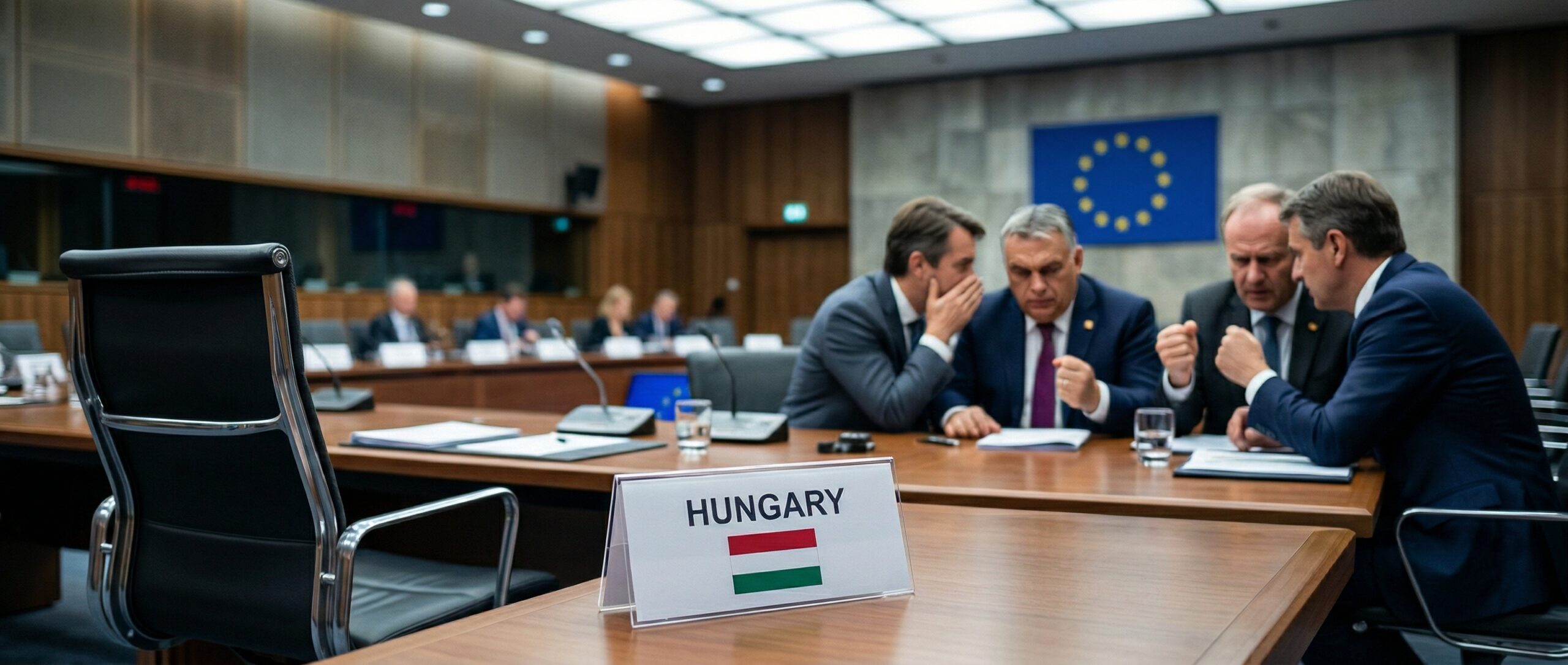
    The core of the controversy, first detailed by Reuters, is the content of the audio itself: Hungary’s top diplomat was engaged in a discussion with Russia’s foreign minister about the very sanctions the EU has imposed as its primary tool to pressure Moscow over the war in Ukraine. While the full, specific transcripts have not been publicly released in their entirety, the mere act of discussing the bloc’s collective punitive measures with the targeted adversary is seen as a severe breach of diplomatic trust and bloc solidarity.

    The reaction was immediate. According to Bloomberg, the leak prompted a wave of condemnation from other member states. Officials in Warsaw and Prague, long critical of Budapest’s perceived soft line on Russia, pointed to the recording as evidence of Hungary acting as a potential conduit for Moscow’s preferences within the EU. This swift backlash underscores that the incident is not being treated as a mere diplomatic faux pas, but as a direct challenge to the integrity of the EU’s common foreign policy.

    Beyond the Scandal: The Real Test of EU Cohesion

    To understand the gravity of the leak, one must look beyond the scandalous headlines to the foundational principle it undermines: EU common foreign and security policy. The bloc’s power, particularly in a geopolitical confrontation with a major power like Russia, hinges on its ability to present a united front. Sanctions are most effective when they are seen as airtight and non-negotiable, backed by the collective economic weight of 27 nations.

    Private discussions about these sanctions with the very country they target violate the spirit, if not always the precise letter, of sincere cooperation among member states. This transforms EU sanctions policy from a tool of external pressure into an internal loyalty test. It raises a critical question: can the EU maintain a credible, unified strategy if one of its members appears to be negotiating the terms of that strategy with the adversary behind closed doors? The leak forces this uncomfortable question to the forefront of every EU council meeting.

    Hungary’s Position: Context and Controversy

    Hungary’s stance within the EU is not new, but the leak dramatically sharpens the existing tensions. Since Russia’s full-scale invasion of Ukraine in 2022, Budapest has repeatedly delayed or watered down successive EU sanctions packages. Prime Minister Viktor Orbán’s government has consistently cited Hungary’s heavy dependence on Russian energy and the need to protect its national economy as reasons for its skepticism.

    This pattern of divergence is well-documented. However, the leaked audio suggests a shift from public disagreement and tactical vetoes to what critics see as active coordination with Moscow. The timing is also politically charged, coming just before a consequential Hungarian national election, where the government’s stance on the war and relations with Russia are key campaign issues. The incident thus sits at the volatile intersection of domestic politics and EU collective action.

    Strategic Implications: Leverage, Trust, and Europe’s Credibility

    The second-order consequences of the leak are perhaps more significant than the immediate political firestorm. Firstly, it directly weakens the EU’s collective leverage. When negotiating with Moscow, European diplomats rely on the implicit threat of sustained, unified economic pressure. Perceived internal divisions signal to the Kremlin that the bloc’s resolve may be fracturing, potentially encouraging it to wait out European disunity rather than alter its course in Ukraine.

    Secondly, it erodes strategic trust among member states. The EU functions on a complex system of political give-and-take, but a fundamental assumption is that, on core security issues, all members are ultimately pulling in the same direction. This leak seeds doubt about that assumption, making future consensus on sensitive foreign policy issues even harder to achieve. It feeds into a broader debate about whether the EU can ever become a truly unified geopolitical actor, or whether it will remain hamstrung by divergent national interests and threat perceptions.

    What Happens Next: Scenarios and Consequences

    The path forward is uncertain, but several potential consequences are already being discussed in Brussels and other capitals. While a swift, dramatic punishment like activating Article 7—which can ultimately suspend a member’s voting rights—is considered unlikely due to its high political bar, Hungary faces other forms of fallout. Expect increased diplomatic isolation within council meetings, where trust is currency.

    More concretely, the incident could accelerate discussions among other member states about using procedural workarounds to bypass Hungarian vetoes on future sanctions packages or other foreign policy decisions. Furthermore, the EU may link Hungary’s continued obstruction more explicitly to the release of billions in frozen EU cohesion funds, using financial leverage to enforce political alignment. The leak will also undoubtedly influence the upcoming Hungarian election campaign and cast a long shadow over future EU summits dedicated to security and support for Ukraine.

    Frequently Asked Questions

    What was in the leaked Hungary-Russia audio?

    The leaked audio, as reported by Reuters, features Hungary’s Foreign Minister Péter Szijjártó discussing EU sanctions policy with his Russian counterpart, Sergei Lavrov. The specific details of the discussion have not been fully disclosed, but the mere act of discussing the bloc’s sanctions with Moscow is seen as a breach of diplomatic trust.

    Why is this leak such a big deal for the EU?

    It suggests a member state is not fully aligned with the EU’s common foreign policy and may be coordinating with a geopolitical adversary on the bloc’s primary external pressure tool. This undermines unity, weakens strategic credibility, and turns sanctions into an internal political issue.

    Has Hungary blocked EU sanctions before?

    Yes. Hungary has frequently used its veto or threat of veto to delay, water down, or extract concessions in exchange for agreeing to EU sanctions packages against Russia, often citing energy security and economic protection.

    What can the EU do about Hungary’s actions?

    Options range from political pressure in council meetings to more formal procedures like Article 7 (which can suspend rights) though that is a high bar. More likely are continued diplomatic isolation, linkage to EU funding, or procedural changes to bypass vetoes in specific areas.

    How does this affect the war in Ukraine?

    It indirectly affects the war by testing the unity and credibility of the Western alliance supporting Ukraine. If EU sanctions are perceived as porous or negotiable behind closed doors, it weakens the economic pressure on Russia and Europe’s overall geopolitical stance.

    Did Hungary break EU law?

    It’s unlikely to be a clear legal breach of EU treaties, which protect national control over foreign policy. However, it likely violates the political principle of sincere cooperation and the expectation of united action in foreign affairs, which is a serious political transgression.

  • The Decisive Days: Why the Iran War’s Next 72-96 Hours Could Trigger a Wider Conflict

    The Decisive Days: Why the Iran War’s Next 72-96 Hours Could Trigger a Wider Conflict

    The war against Iran may be entering its most dangerous phase yet. U.S. officials are no longer talking in diplomatic abstractions—they are naming a narrow window in which the conflict either stabilizes or widens sharply, with consequences that could reach oil markets, shipping lanes, and civilian populations across the region.

    Fresh reporting from Reuters confirms U.S. Defense Secretary Pete Hegseth has stated the next several days in the war will be “decisive,” warning that if Tehran does not agree to a deal, the conflict will intensify materially. This is not routine posturing. It marks an explicit operational inflection point, tying the future trajectory of the war directly to the outcome of a rapidly closing diplomatic channel.

    The stakes extend far beyond the battlefield. Attacks on civilian infrastructure are raising urgent war crime concerns, oil facilities are under direct threat, and the security of the Strait of Hormuz—a chokepoint for a fifth of the world’s oil transit—hangs in a precarious balance.

    The Decisive Window: What U.S. Officials Are Signaling

    The language from the Pentagon has shifted from general deterrence to specific timeline warnings. In a briefing reported by Reuters, Defense Secretary Hegseth framed the coming days as a potential turning point, explicitly linking the possibility of intensification to Tehran’s willingness to negotiate. This specificity signals elevated urgency within U.S. military and diplomatic circles.

    The warning is a clear message: the current operational tempo is not sustainable in a holding pattern. Either diplomacy yields a tangible result that allows for de-escalation, or the United States and its allies are prepared to broaden the scope of military operations. This moves the conversation from theoretical red lines to a concrete, time-bound decision node.

    Escalation Triggers: What Could Broaden the War

    The primary trigger, as cited by U.S. officials, is diplomatic collapse. Should negotiations fail outright, the stated consequence is a material intensification of the conflict. This could manifest in several ways, each carrying significant risk of regional spillover.

    One critical pathway is the expansion of targeting beyond purely military objectives. Growing concern over attacks on civilian infrastructure—such as power grids, communication hubs, or transportation networks—fundamentally changes the nature of the conflict. Such actions deepen the humanitarian impact, create massive displacement, and dramatically increase international diplomatic friction.

    Simultaneously, strikes on oil production and refining facilities present a direct threat to global energy markets. Hitting these nodes not only serves a military-strategic purpose but also draws in a wider array of economic stakeholders, from multinational energy companies to oil-importing nations, potentially compelling new forms of intervention.

    Shipping Under Siege: The Hormuz Vulnerability

    The strategic geography of the conflict makes the Strait of Hormuz its most critical and vulnerable pressure point. While global attention has been focused on disruptions in the Red Sea, security experts warn that Hormuz presents a far more difficult operational challenge.

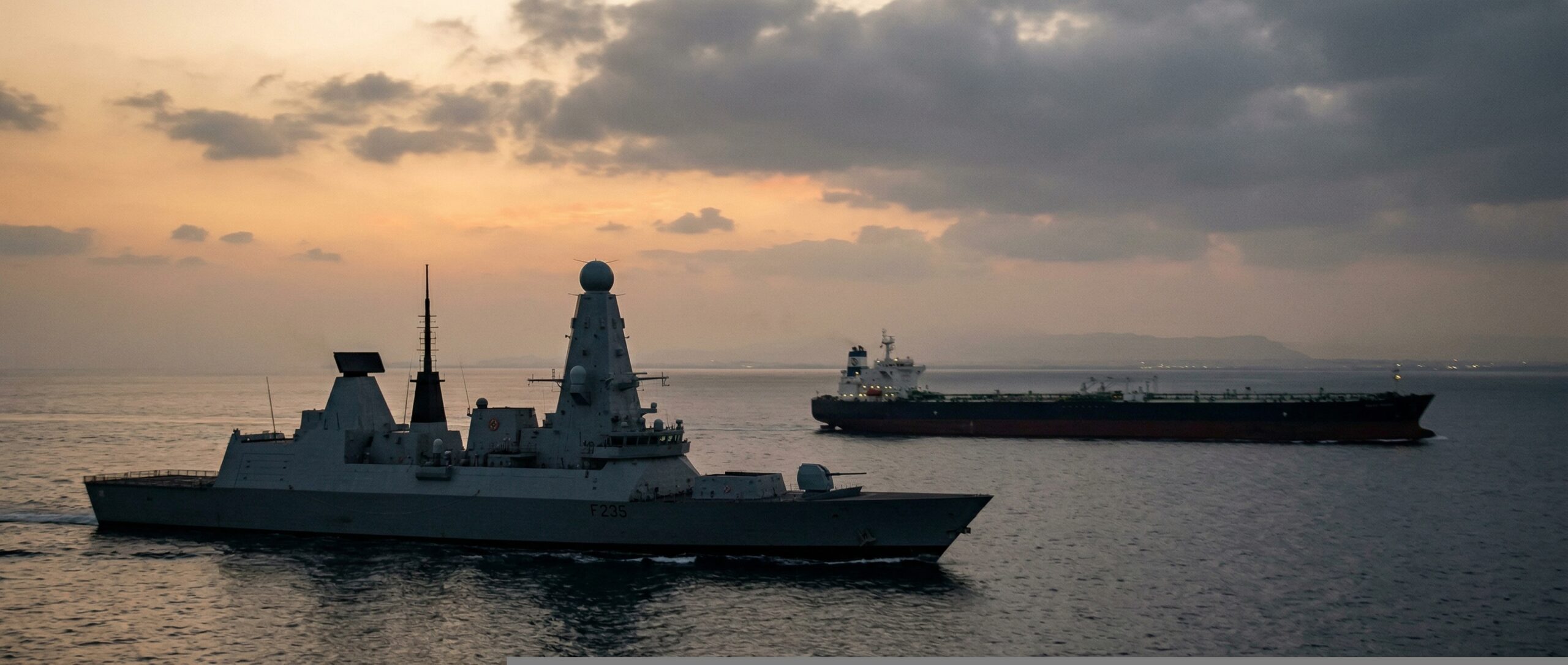
    Western naval powers struggled to secure the Red Sea against sustained attacks, demonstrating the limits of even robust military deployments in protecting commercial shipping. The Strait of Hormuz, however, is a narrower, more congested, and more strategically vital artery. According to Reuters analysis, securing Hormuz will be harder. Disruption here—even partial or temporary—would have immediate and severe consequences for global oil and liquefied natural gas (LNG) transit, triggering price spikes, rerouting delays, and soaring maritime insurance costs.

    The current force posture in the region, already stretched by concurrent missions, may be insufficient to guarantee safe passage through this chokepoint if the conflict escalates significantly. This vulnerability is a key factor in the global economic risk assessment.

    Civilian Infrastructure and the War Crime Question

    The targeting of civilian installations introduces a grave legal and humanitarian dimension. International humanitarian law, the framework governing armed conflict, is built on principles of distinction and proportionality. Attacks must distinguish between military objectives and civilian objects, and any incidental harm to civilians must not be excessive relative to the concrete military advantage anticipated.

    Determining when an attack on infrastructure crosses into war crime territory is context-dependent and legally complex. As Reuters explains in a detailed analysis, the threshold is not automatic. It requires examining the intended target’s function, the expected civilian impact, and whether precautions were taken. Nevertheless, a pattern of strikes on dual-use or primarily civilian infrastructure creates a strong presumption of violations, intensifies global condemnation, and complicates any future diplomatic resolution.

    The Deterrence Failure: What This Moment Reveals

    The explicit timeline warning from Washington suggests that prior deterrence frameworks have not held as intended. Deterrence operates on the credibility of a threatened response convincing an adversary to refrain from action. The widening scope of attacks on infrastructure and the direct challenge to Hormuz shipping indicate that adversaries are not being constrained by existing red lines.

    This moment may reflect a broader breakdown in escalation management—a situation where neither side’s signals are being interpreted as intended, or where the perceived costs of inaction now outweigh the risks of further escalation. It reveals a dangerous gap between the declared consequences and the actual constraints on behavior, pushing the conflict into a more unpredictable and volatile phase.

    What Happens Next: Scenarios and Consequences

    Outcomes in the next 72 to 96 hours remain uncertain, but three broad scenarios define the horizon. First, a diplomatic breakthrough could occur, leading to a ceasefire framework or a substantive de-escalation agreement that reduces the operational tempo. This remains the stated goal but appears least likely given the current rhetoric.

    Second, diplomatic failure could trigger the warned-of intensification. This would likely see an expansion of air campaigns, more direct targeting of strategic economic assets, and a concerted effort by one or both sides to gain decisive military advantage, with significant regional spillover.

    A third, hybrid outcome is also plausible: a state of continued, targeted strikes alongside ongoing but stalled negotiations. This would create a prolonged period of elevated conflict, constant crisis management, and sustained economic uncertainty without a clear off-ramp.

    Global Ripple Effects: Energy, Markets, and Supply Chains

    The immediate economic transmission channel is energy. The threat to Hormuz and direct attacks on oil facilities inject massive volatility into crude oil and natural gas markets. Prices can swing wildly on news of a single incident near the chokepoint.

    Beyond spot prices, the commercial response is immediate. Shipping companies may reroute vessels, add war-risk insurance premiums that can skyrocket overnight, or suspend transits altogether. This disrupts just-in-time supply chains for energy and other commodities, affecting everything from manufacturing to consumer goods prices globally.

    Business leaders with exposure to Middle East logistics, energy procurement, or regional markets are watching with acute concern. The next few days will determine whether this remains a contained, albeit severe, regional conflict or becomes a global economic shock event.

    Frequently Asked Questions

    Why are the next few days critical in the Iran war?

    U.S. Defense Secretary Pete Hegseth has stated that the next several days will be “decisive,” warning that if Tehran does not agree to a deal, the conflict will intensify materially. This represents a narrowing window where either diplomacy succeeds or broader military escalation becomes more likely.

    What does it mean for the Iran war to ‘widen’?

    Widening means the conflict expands beyond its current scope—potentially through more intense strikes, attacks on civilian and oil infrastructure, regional spillover into neighboring areas, and direct threats to critical shipping lanes like the Strait of Hormuz.

    How is the Strait of Hormuz at risk?

    The Strait of Hormuz is a critical chokepoint for global oil and gas transit. Reporting indicates that Western powers struggled to secure the Red Sea against attacks, and Hormuz presents an even more difficult operational environment. Disruption here could have immediate global energy consequences.

    Are attacks on civilian infrastructure considered war crimes?

    Not automatically. International humanitarian law requires that attacks distinguish between military and civilian targets, and that civilian infrastructure attacks must meet specific legal thresholds—such as proportionality and military necessity—to potentially constitute war crimes. Context and intent matter significantly.

    How could this affect global oil prices?

    Threats to Hormuz shipping and attacks on oil facilities directly impact supply security. Even the credible threat of disruption can drive price volatility, increased shipping insurance costs, and supply chain rerouting—all of which affect global energy markets.

    What did Pete Hegseth say about the Iran war?

    U.S. Defense Secretary Pete Hegseth said the next few days in the war against Iran would be “decisive” and warned that the conflict could intensify if Tehran does not make a deal, according to Reuters reporting.

    What are the possible outcomes in the next week?

    Three broad scenarios: diplomatic breakthrough leading to de-escalation; diplomatic failure triggering wider military conflict with regional and economic spillover; or a hybrid outcome of continued strikes alongside ongoing but stalled negotiations.

  • Nvidia’s $2 Billion Marvell Investment: A Power Play for AI Infrastructure Control

    Nvidia’s $2 Billion Marvell Investment: A Power Play for AI Infrastructure Control

    A $2 billion check is more than an investment; it’s a map of the future. According to reports from Reuters and Bloomberg, Nvidia has invested $2 billion in Marvell Technology and announced a deep partnership. But to view this merely as a financial transaction is to miss the point entirely. This is a definitive consolidation move, a strategic play that extends Nvidia’s control from the core GPU into the very architectural standards that define modern AI deployment.

    The immediate outcome is clear: Marvell is now integrated into Nvidia’s AI platform ecosystem via NVLink Fusion. The deeper implication is that the foundation of the AI era is being built by an increasingly small circle of companies, tightening the industry around a tightly controlled stack of core providers. For developers, enterprises, and investors, this deal signals a pivotal shift in who holds the keys to the AI kingdom.

    The $2 Billion Signal: More Than a Financial Deal

    The facts, as reported, are straightforward: Nvidia has made a $2 billion strategic investment in Marvell Technology. Simultaneously, the companies announced a deeper partnership that sees Marvell join Nvidia’s AI ecosystem. This isn’t passive venture capital; it’s an active alignment of roadmaps and priorities. The investment creates deep financial ties, ensuring Marvell’s future is closely woven into Nvidia’s strategic vision.

    The significance, however, lies in the structure of the partnership. Marvell is integrating via NVLink Fusion, connecting its connectivity and custom silicon solutions directly to Nvidia’s GPU and platform ecosystem, including its AI factory and AI-RAN ecosystems. This transforms Marvell from a standalone supplier into a component of a larger, Nvidia-defined architecture. The deal is a clear indicator that the battle in AI is shifting from individual component performance to controlling the entire infrastructure stack.

    NVLink Fusion: The Technical Glue of a Consolidating Stack

    Understanding this deal requires understanding NVLink Fusion. It is Nvidia’s proprietary technology and partnership ecosystem designed to enable high-speed, direct connections between its GPUs and other critical hardware components in a data center. Think of it not just as a cable, but as a standardized handshake and a high-speed highway that only approved partners can build on.

    By bringing Marvell—a key player in custom chips, networking, and connectivity—into this ecosystem, Nvidia is formally tying Marvell’s technology to its own platform. This integration promises customers more streamlined deployment and better-optimized performance between Nvidia GPUs and Marvell’s networking solutions. However, it also means that Marvell’s success in the AI space becomes increasingly dependent on its adherence to Nvidia’s standards. Control over such interconnect standards is synonymous with control over ecosystem access, making NVLink Fusion the technical foundation of this consolidation.

    From GPU Giant to Platform Gatekeeper: Nvidia’s Expanding Empire

    This move is the latest chapter in Nvidia’s strategic evolution from a dominant GPU manufacturer to a full-stack platform gatekeeper. The company’s historical dominance in parallel computing hardware provided the initial beachhead. Its acquisition of Mellanox in 2019 laid the groundwork for owning the data center networking stack, a critical layer for scaling AI workloads.

    Now, with the Marvell partnership, Nvidia is extending its influence deeper into custom silicon and connectivity—components essential for building massive, efficient “AI factories.” By aligning Marvell’s expertise in custom ASICs and connectivity with its own GPU and software (CUDA) platform, Nvidia is fortifying a ‘full-stack’ advantage. This makes it increasingly difficult for competitors to offer a viable, end-to-end alternative that matches the promised integration and performance of the Nvidia ecosystem.

    The Consolidation Trend: A Narrowing Field of Infrastructure Providers

    The Nvidia-Marvell alliance is a prime example of a broader, accelerating trend: the consolidation of AI infrastructure around a few powerful gatekeepers. The early cloud and IT infrastructure eras were characterized by a more fragmented landscape of specialized vendors. The AI buildout, however, due to its complexity and performance demands, is concentrating power in the hands of those who can control the critical layers of the stack.

    This creates a narrowing field. While competitors like AMD and Intel offer strong GPU alternatives, and Broadcom remains a powerhouse in networking, the strategic partnership model exemplified by this deal raises the bar. Competing now requires not just a superior chip, but an entire, interoperable ecosystem of hardware and software. Cloud providers like AWS, with their custom Trainium and Inferentia chips, represent an alternative vertical integration model, but for the broader market, the choice is increasingly between a few dominant platform plays.

    The Double-Edged Sword: Convenience vs. Dependency

    For the primary stakeholders—AI developers and enterprise customers—this consolidation presents a clear trade-off. On one hand, deeper integration between key components like GPUs and networking chips can significantly simplify deployment. It can reduce compatibility headaches, improve performance through optimized pathways, and accelerate time-to-value for complex AI projects. This is the compelling convenience of a well-integrated stack.

    On the other hand, this convenience comes with the risk of increased dependency. Adopting a consolidated solution from a dominant vendor like Nvidia can lead to vendor lock-in, reducing a company’s leverage and flexibility. If the entire infrastructure is built on one company’s standards, switching costs become prohibitive, and the ability to negotiate or seek alternative, potentially cost-optimized solutions diminishes. Companies must carefully balance the immediate benefits of integration against the long-term strategic risks of reduced vendor diversity.

    Looking Ahead: Power, Interoperability, and the Architecture of AI

    The long-term implications of this consolidation extend beyond procurement contracts. It raises fundamental questions about power and influence over AI’s trajectory. Who gets to define the interoperability standards of tomorrow? Will the future be built on open, competing standards, or on proprietary, vertically integrated stacks?

    This deal suggests a move toward the latter. As control over the physical and architectural layers of AI infrastructure concentrates, so does the power to shape the ecosystem’s evolution. This could potentially stifle innovation from startups that cannot afford to integrate with or challenge these walled gardens. Conversely, it could accelerate innovation within those gardens, focusing immense resources on solving the hardest scaling problems. The Nvidia-Marvell partnership is a key data point in this ongoing story, a clear signal that the architecture of AI is being written by an increasingly powerful few.

    Frequently Asked Questions

    What is NVLink Fusion?

    NVLink Fusion is Nvidia’s technology and partnership ecosystem designed to enable high-speed, direct connections between its GPUs and other critical hardware components, such as networking chips and custom silicon, within an AI data center. Marvell joining this ecosystem means its technology is now formally integrated into this Nvidia-defined architecture.

    Why is Nvidia investing in Marvell instead of just partnering?

    The $2 billion investment creates deep financial alignment, ensuring Marvell’s roadmap and priorities are closely tied to Nvidia’s ecosystem. It’s a commitment that goes beyond a standard partnership, signaling a long-term strategic union to customers and the market.

    Who are the main competitors to this Nvidia-Marvell alliance?

    Key competitors include other providers of AI accelerator chips, like AMD and Intel, and networking and custom silicon companies, like Broadcom. Competing cloud providers, such as AWS with its custom Trainium and Inferentia chips, also represent an alternative model of vertical integration.

    Does this deal mean Nvidia now controls everything in AI hardware?

    Not everything, but it significantly expands Nvidia’s sphere of control from the core GPU to critical surrounding infrastructure like networking and connectivity. Control over these layers and the standards that tie them together, like NVLink, is what defines platform power.

    How does this affect the cost of building AI?

    In the short term, it could lower integration costs and complexity for customers buying into the Nvidia stack. In the long term, reduced competition could potentially slow price declines or limit alternative, cost-optimized solutions.

    Is this consolidation good or bad for AI innovation?

    It’s a trade-off. Consolidation can accelerate innovation by focusing resources on solving complex integration problems within a single, powerful ecosystem. However, it can also stifle innovation by raising barriers to entry for startups and reducing the diversity of technological approaches in the market.

  • The Choke Point: How China’s Rare Earth Processing Dominance Shapes U.S.-China Competition

    The Choke Point: How China’s Rare Earth Processing Dominance Shapes U.S.-China Competition

    The engine of an F-35 fighter jet and the motor of a Tesla share a hidden vulnerability: a dependency on a group of metals processed overwhelmingly in one country. This is the reality of the rare earth supply chain, where China’s near-monopoly on processing has evolved from a commercial concern into a central pressure point in the escalating U.S.-China strategic rivalry.

    Rare earth elements—a set of 17 metals crucial for creating high-strength permanent magnets and advanced components—are the invisible backbone of modern technology. They are essential for everything from smartphones and electric vehicles to wind turbines and precision-guided weapons. While these elements are not geologically rare, the industrial capacity to refine and process them is dangerously concentrated.

    This concentration is no longer a background trade issue; it is a visible source of geopolitical leverage. As the United States and its allies pursue strategic decoupling across multiple sectors, their profound dependence on Chinese-controlled supply chains for materials critical to national security and advanced manufacturing creates a significant vulnerability that directly shapes bargaining power in the broader great-power competition.

    The Leverage Point: Understanding Rare Earth Dominance

    To understand the strategic choke point, one must first distinguish between mining and processing. While rare earth ore is mined in several countries, including the United States and Australia, the far more complex, capital-intensive, and environmentally challenging stage of separating and refining these elements into usable materials is dominated by China. According to analysis from the Council on Foreign Relations, China controls approximately 60% of global mining but a staggering 90% of the processing capacity.

    China achieved this dominance over decades through sustained state investment, lower operational costs, and historically less stringent environmental regulations for the often-toxic processing byproducts. This created a global dependency: even ore mined in the Western hemisphere is frequently shipped to China for refining before being manufactured into components elsewhere.

    From Trade Commodity to Strategic Weapon

    The perception of rare earths has shifted from a mere industrial input to a strategic asset. This shift was previewed in 2010 during a territorial dispute with Japan, when China reportedly halted rare earth exports to the country—an early demonstration of the supply chain’s potential as a coercive tool.

    In the current climate of U.S.-China tension, this processing control translates into latent leverage. The threat of restricting exports, imposing tariffs, or simply prioritizing domestic Chinese industries allows Beijing to wield influence in negotiations spanning trade, technology, and security. As noted by the Center for Strategic and International Studies, recent Chinese moves to tighten export controls and consolidate the industry signal an active management of this strategic advantage. The dependency creates a structural imbalance: the U.S. and its allies require these materials for core industrial and defense functions, giving China a powerful, non-military card to play in geopolitical bargaining.

    Why It Matters: Defense, Tech, and the Energy Transition

    The stakes of this dependency are concrete and high. Rare earth elements, particularly neodymium and dysprosium, are indispensable for the powerful, lightweight magnets used in critical applications:

    • National Security: They are essential for jet engines (like those in the F-35), missile guidance systems, satellite communications, and advanced radar. A disruption would directly impair the production and maintenance of U.S. defense systems.
    • Advanced Technology: The motors in electric vehicles (EVs), the actuators in computer hard drives, and the speakers in smartphones all rely on rare earth magnets. The entire trajectory of the EV transition is tied to these materials.
    • Energy Transition: The powerful permanent magnets in direct-drive wind turbines require tons of rare earth materials per unit. Thus, global green energy ambitions are, ironically, partly dependent on this concentrated supply chain.

    A significant supply disruption would not merely inconvenience consumers with higher-priced gadgets; it could stall defense programs and slow the deployment of climate-critical infrastructure, affecting strategic autonomy on multiple fronts.

    The U.S. and Allied Response: Building Alternative Chains

    Recognizing the vulnerability, the United States and its allies are now scrambling to build resilient, non-Chinese supply chains. The U.S. response is multifaceted:

    Washington has invoked the Defense Production Act to prioritize domestic mining and processing projects, provided substantial subsidies and loans for critical mineral development, and forged international partnerships. The Department of Defense has funded projects to establish domestic processing capabilities for heavy rare earth elements.

    Allies are simultaneously mobilizing. Australia, with significant rare earth reserves, is investing in downstream processing. Canada and the European Union are also launching initiatives to map resources and support strategic projects. However, the challenges are immense. Building new mines and processing facilities is a capital-intensive process that can take a decade or more. Stringent Western environmental regulations, while necessary, increase costs and complexity compared to China’s established infrastructure. As the CFR analysis underscores, diversification is a long-term project requiring sustained political will and investment.

    The Broader Strategic Picture: Supply Chains as Geopolitics

    The rare earth dilemma is a case study in a larger phenomenon: how economic interdependence, once celebrated, can become a strategic liability during geopolitical confrontation. It mirrors the earlier crisis in semiconductor supply chains, revealing how concentrated choke points in globalized production networks can be exploited.

    This has accelerated the policy concepts of ‘friend-shoring’—relocating supply chains to allied nations—and strategic decoupling. The goal is not necessarily to achieve complete autarky, which is likely impossible, but to reduce critical dependencies to a manageable level. The rare earth challenge shows that achieving strategic autonomy in the 21st century requires not just technological innovation, but also the painstaking reconstruction of industrial supply chains for foundational materials.

    Frequently Asked Questions

    What are rare earth elements and why are they critical?

    Rare earths are a group of 17 metallic elements essential for producing the high-strength permanent magnets and advanced components used in everything from smartphones and electric vehicles to wind turbines and precision-guided weapons.

    Why does China control the rare earth supply chain?

    China invested heavily in mining and processing over decades, benefiting from lower costs and less stringent environmental regulations, which allowed it to become the dominant global processor even for ore mined elsewhere.

    How does China use rare earths as leverage?

    By controlling the processing bottleneck, China can influence the supply of critical components. The threat of export restrictions or tariffs gives it bargaining power in wider geopolitical or trade negotiations.

    What is the U.S. doing to reduce its dependence?

    The U.S. is invoking the Defense Production Act, providing subsidies for domestic projects, and partnering with allies like Australia and Canada to develop alternative mining and processing capacity.

    Can the U.S. quickly replace Chinese rare earth processing?

    No. Building new mines and processing facilities is capital-intensive, time-consuming (often a decade), and faces environmental and regulatory hurdles, making diversification a long-term project.

    How does this issue affect the average consumer?

    Supply disruptions could increase prices and limit the availability of products like electric vehicles, smartphones, and other electronics that rely on rare earth components.

    Is this just about trade, or is it a national security issue?

    It is fundamentally a national security issue. Dependence on a strategic rival for materials critical to defense systems and key industrial sectors directly impacts a nation’s strategic autonomy and resilience.