Author: Elena Voss

  • Fresno Nightcrawlers: Why the Walking-Pants Cryptid Is Haunting Feeds Again

    Fresno Nightcrawlers: Why the Walking-Pants Cryptid Is Haunting Feeds Again

    Some stories do not arrive like normal news. They crawl in through a grainy clip, a half-panicked Reddit post, a search result that feels too fresh to be folklore, and suddenly Fresno Nightcrawlers is not just a phrase on a screen — it is a door cracked open in the wall of ordinary reality.

    That is why this story is moving now. The fresh signal is not a laboratory announcement or a police file; it is the collision of social chatter, search interest, and a believer community already trained to notice patterns before institutions acknowledge them. A current source trail includes a current r/cryptids discussion asking what Fresno Nightcrawlers are, corroborating search visibility through the Fresno Nightcrawlers overview circulating in search, and wider background from TikTok searches for the original Fresno Nightcrawlers video. None of that proves the strangest version of the claim. It explains why people are leaning closer.

    For Unexplained readers, Fresno Nightcrawlers also fits a larger map: recent cryptid sightings, Ohio Bigfoot flap, Loveland Frogman bill. The details change — a creature, a stone, a church warning, a forest road — but the emotional charge is the same. Something old seems to be pushing through a modern feed.

    Why the old footage still feels wrong

    The first thing believers notice is not the evidence package. It is the atmosphere. Fresno Nightcrawlers carries the feeling of a message received from the edge: a report that sounds small until you imagine being there, alone, when the ordinary world stops behaving normally.

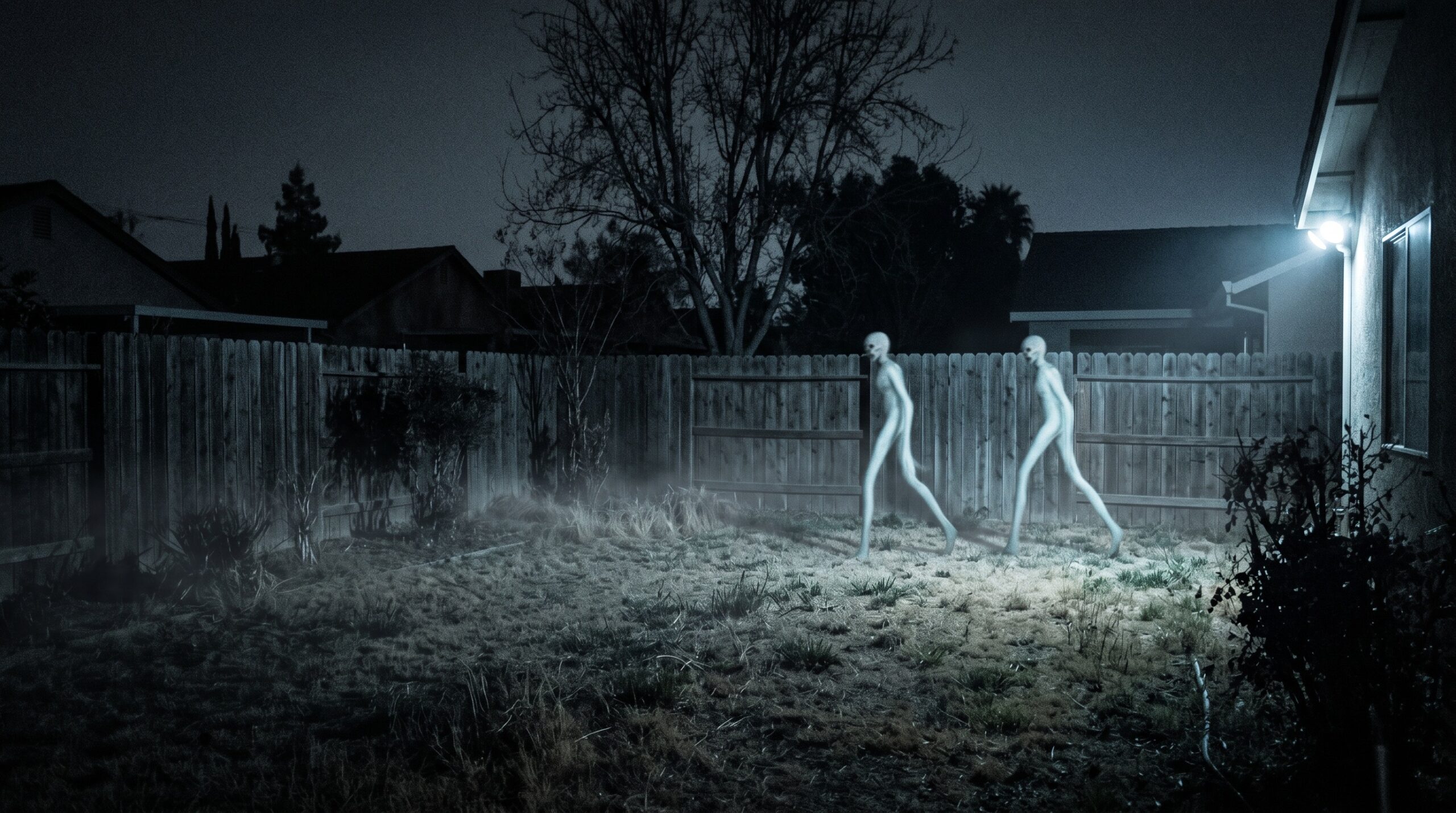
    That is the reason the story survives the first skeptical shrug. A strange post can be dismissed in seconds, but a vivid image keeps working on the mind after the tab closes. The shape in the yard, the sound in the trees, the stone that should not fit, the prophecy language that suddenly feels public — these are not just claims. They are scenes.

    The shape that cryptid people cannot file away

    What makes the current wave sticky is specificity. The internet is full of generic mystery bait, but concrete details give believers something to hold: a place, a date, a witness, a source, a visual, a named tradition. Those details become hooks. People argue over them, remix them, search for them, and compare them against older cases.

    A good unexplained story does not need everyone to believe. It only needs enough people to feel that the official category is too small. Once that happens, the story starts behaving less like content and more like a signal flare.

    What skeptics say about the walking-pants video

    Skeptics have a simpler framework. They see social traction, old folklore, misread context, suggestive imagery, and the human hunger for patterns. In many cases, that caution is warranted. Viral mystery culture rewards speed, emotion, and repetition long before it rewards verification.

    But skepticism does not erase the cultural question. Why this story, and why now? Why does Fresno Nightcrawlers keep finding an audience at the exact moment people feel that institutions, science, churches, and media are all leaving something unsaid? That is the layer where the mystery keeps breathing.

    Why the Nightcrawlers keep coming back

    The most grounded reading is this: the current discussion around Fresno Nightcrawlers is real, the sources show a live curiosity signal, and the strongest versions of the claim remain unconfirmed. The available material supports an article about why the story is spreading, what believers think they see in it, and why the unresolved pieces keep pulling people back.

    That may sound like a narrow conclusion, but it is exactly where many unexplained stories live. Not proven, not empty, not finished. The facts set the boundary. The feeling presses against it. Whether Fresno Nightcrawlers becomes another internet flare-up or a lasting chapter in the unexplained archive depends on what surfaces next — and on whether readers decide the official explanation is large enough to hold what they sense in the dark.

    FAQ

    What is Fresno Nightcrawlers?

    Fresno Nightcrawlers is the search phrase now gathering attention around this specific unexplained topic, combining a fresh online signal with an older mystery tradition or belief system.

    Why are people talking about it now?

    People are talking because Reddit, search results, and adjacent Instagram mystery tags are all feeding attention into the same lane. That is a trend signal, not proof.

    Is Fresno Nightcrawlers confirmed?

    No public source trail confirms the most dramatic interpretation. The story is best read as a believer-first mystery with an evidence gap that still matters.

    Why does it fit Unexplained.co?

    It sits at the crossroads of folklore, internet signal, spiritual anxiety, and unresolved evidence — exactly where modern unexplained culture keeps producing its most persistent stories.

  • Peru Old Stonework Theory: Are the Andes Hiding a Lost Cast-Stone Technology?

    Peru Old Stonework Theory: Are the Andes Hiding a Lost Cast-Stone Technology?

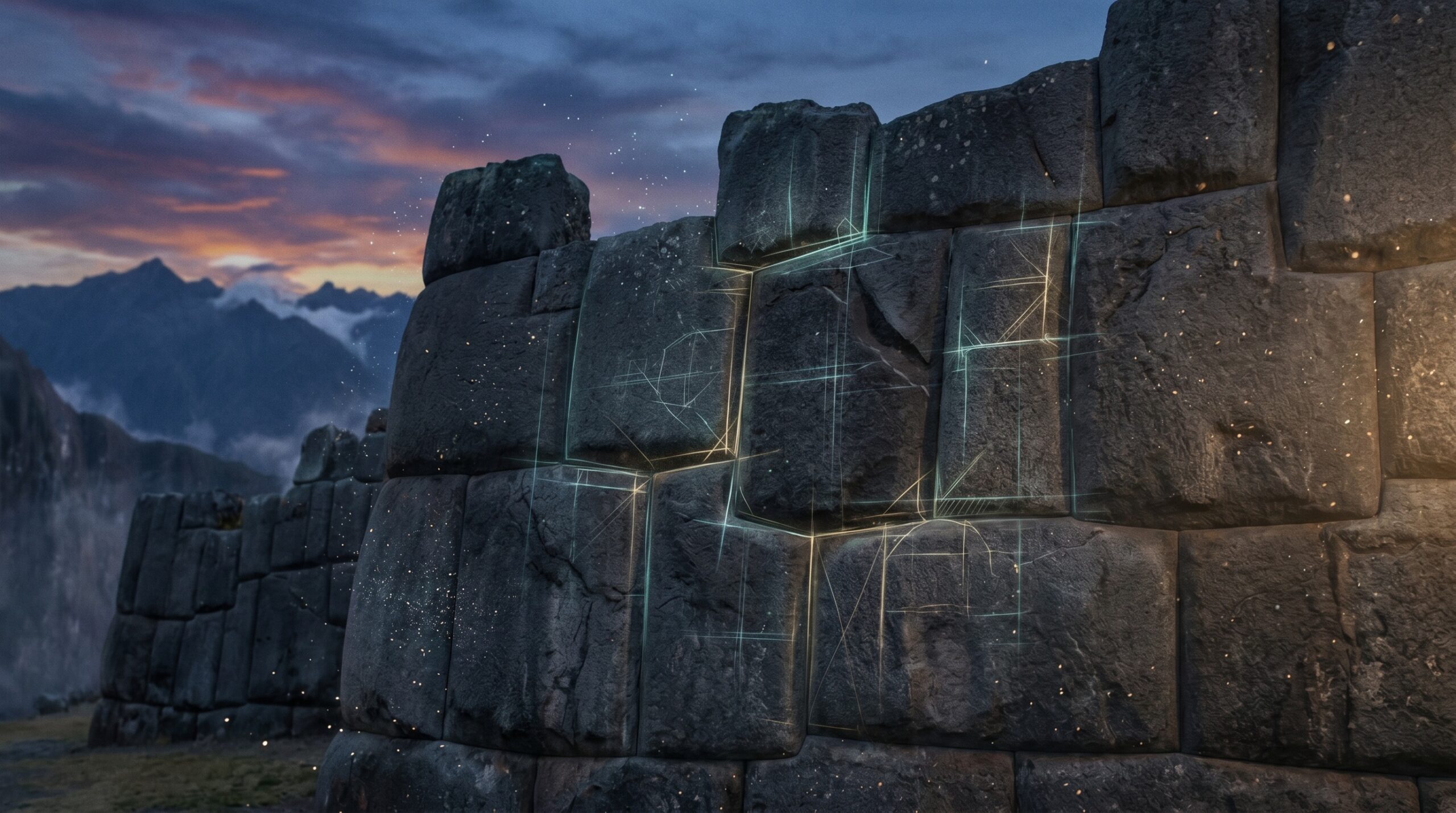
    Some stories do not arrive like normal news. They crawl in through a grainy clip, a half-panicked Reddit post, a search result that feels too fresh to be folklore, and suddenly Peru old stonework theory is not just a phrase on a screen — it is a door cracked open in the wall of ordinary reality.

    That is why this story is moving now. The fresh signal is not a laboratory announcement or a police file; it is the collision of social chatter, search interest, and a believer community already trained to notice patterns before institutions acknowledge them. A current source trail includes the r/AlternativeHistory thread claiming Peru’s old stonework is older, corroborating search visibility through a current YouTube discussion titled “There’s Proof the Old Stonework is Older”, and wider background from Wikipedia background on Sacsayhuamán. None of that proves the strangest version of the claim. It explains why people are leaning closer.

    For Unexplained readers, Peru old stonework theory also fits a larger map: Giant of Baalbek, Serapeum of Saqqara mystery, Sabu Disk mystery. The details change — a creature, a stone, a church warning, a forest road — but the emotional charge is the same. Something old seems to be pushing through a modern feed.

    The stones that make modern tools feel inadequate

    The first thing believers notice is not the evidence package. It is the atmosphere. Peru old stonework theory carries the feeling of a message received from the edge: a report that sounds small until you imagine being there, alone, when the ordinary world stops behaving normally.

    That is the reason the story survives the first skeptical shrug. A strange post can be dismissed in seconds, but a vivid image keeps working on the mind after the tab closes. The shape in the yard, the sound in the trees, the stone that should not fit, the prophecy language that suddenly feels public — these are not just claims. They are scenes.

    Why cast-stone theories refuse to disappear

    What makes the current wave sticky is specificity. The internet is full of generic mystery bait, but concrete details give believers something to hold: a place, a date, a witness, a source, a visual, a named tradition. Those details become hooks. People argue over them, remix them, search for them, and compare them against older cases.

    A good unexplained story does not need everyone to believe. It only needs enough people to feel that the official category is too small. Once that happens, the story starts behaving less like content and more like a signal flare.

    What the Andean sites actually show

    Skeptics have a simpler framework. They see social traction, old folklore, misread context, suggestive imagery, and the human hunger for patterns. In many cases, that caution is warranted. Viral mystery culture rewards speed, emotion, and repetition long before it rewards verification.

    But skepticism does not erase the cultural question. Why this story, and why now? Why does Peru old stonework theory keep finding an audience at the exact moment people feel that institutions, science, churches, and media are all leaving something unsaid? That is the layer where the mystery keeps breathing.

    Where lost technology ends and archaeology begins

    The most grounded reading is this: the current discussion around Peru old stonework theory is real, the sources show a live curiosity signal, and the strongest versions of the claim remain unconfirmed. The available material supports an article about why the story is spreading, what believers think they see in it, and why the unresolved pieces keep pulling people back.

    That may sound like a narrow conclusion, but it is exactly where many unexplained stories live. Not proven, not empty, not finished. The facts set the boundary. The feeling presses against it. Whether Peru old stonework theory becomes another internet flare-up or a lasting chapter in the unexplained archive depends on what surfaces next — and on whether readers decide the official explanation is large enough to hold what they sense in the dark.

    FAQ

    What is Peru old stonework theory?

    Peru old stonework theory is the search phrase now gathering attention around this specific unexplained topic, combining a fresh online signal with an older mystery tradition or belief system.

    Why are people talking about it now?

    People are talking because Reddit, search results, and adjacent Instagram mystery tags are all feeding attention into the same lane. That is a trend signal, not proof.

    Is Peru old stonework theory confirmed?

    No public source trail confirms the most dramatic interpretation. The story is best read as a believer-first mystery with an evidence gap that still matters.

    Why does it fit Unexplained.co?

    It sits at the crossroads of folklore, internet signal, spiritual anxiety, and unresolved evidence — exactly where modern unexplained culture keeps producing its most persistent stories.

  • Iran-Turkey Drought and the Weather Weapon Theory Spreading Across Conspiracy Channels

    Iran-Turkey Drought and the Weather Weapon Theory Spreading Across Conspiracy Channels

    Tehran was dying of thirst. Then the bombs fell on the American bases, and the skies opened.

    That is the narrative currently spreading through conspiracy channels, alternative news feeds, and Middle East watcher accounts, and it is built on a sequence of events that feels too dramatic to be coincidence. For years, Iran and Turkey have suffered through severe drought. In November 2025, Iran’s President Pezeshkian announced that Tehran could no longer remain the capital; the city of ten million was running out of water, a crisis Scientific American covered in depth. The drought was not merely an inconvenience. It was an existential threat, forcing the leadership of a major nation to consider abandoning its seat of power.

    Then, in April 2026, strikes targeted U.S. military installations in the region. In the days that followed, heavy rains began falling across Iran and Turkey. Rivers that had been dry for months swelled. Reservoirs began to refill. And online, a theory took shape: the drought had been engineered, and the rain was the off-switch.

    The weather weapon claim is not new. For decades, conspiracy researchers have pointed to classified programs and alleged atmospheric manipulation technologies as evidence that nation-states can control precipitation. The most famous name in this lore is HAARP, the High-frequency Active Auroral Research Program,, a former U.S. military installation in Alaska that conspiracy theorists have long claimed is capable of modifying weather, triggering earthquakes, and disrupting communications. The scientific community insists HAARP was designed for ionospheric research and cannot control regional rainfall. The conspiracy community insists that if the public knew what the classified successor programs could do, the debate would end.

    What makes the Iran-Turkey theory compelling to believers is the timing and the locations. Conspiracy channels claim that weather-changing facilities were operating out of bases in Arab countries, and that the strikes on U.S. positions disabled or disrupted those facilities. Once the transmitters went offline, the natural weather patterns reasserted themselves and the rains returned. It is a clean story with a clear cause and effect, which is exactly why it is spreading so fast.

    The historical context adds weight. Weather modification has been attempted by militaries before. The United States ran Operation Popeye during the Vietnam War, seeding clouds to extend monsoon seasons and disrupt enemy supply lines. The Soviet Union experimented with ionization technology to clear clouds for military parades. And in recent years, countries including China and the United Arab Emirates have openly deployed cloud-seeding programs to increase rainfall. The line between admitted weather influence and alleged weather weaponry is thinner than most governments acknowledge.

    For believers, the Iran scenario fits a larger pattern of covert environmental warfare. The Doomsday Clock sits at eighty-five seconds to midnight, and climate manipulation is increasingly discussed as a frontier of conflict alongside nuclear and cyber weapons. If a nation could control the rain over an enemy state, it would hold a weapon more devastating than sanctions. Drought destroys agriculture, collapses economies, and triggers mass migration without a single soldier crossing a border.

    Skeptics and meteorologists offer a simpler explanation, pointing to BBC reporting on Iran drought and seasonal variability. The rains that followed the April strikes were part of seasonal weather patterns that had been delayed by natural atmospheric variability. Correlation is not causation, they argue, and the conspiracy timeline ignores decades of regional water mismanagement, overuse, and natural climate fluctuation. The drought did not begin when a weather weapon was turned on, and it did not end when one was turned off. It is a complex environmental crisis with complex causes.

    But the believers are not asking for peer-reviewed papers. They are asking why the rain arrived so suddenly, and why it followed military action so closely. Kim Clement’s old Iran prophecy has been circulating again in religious and conspiracy circles, adding a spiritual dimension to the geopolitical tension. And the Ghost Murmur rescue reminded the world that strange technology and hidden operations are already active in the region.

    The truth likely lies somewhere between meteorology and paranoia. What is undeniable is that Tehran faced a water catastrophe, that military strikes occurred, and that the rains came hard and fast in their wake. Whether those three facts are connected by human design or by the randomness of atmospheric physics is the question that will keep the theory alive. For now, the only certainty is that whoever controls the rain controls the future. And nobody admits to holding that switch.

  • Nellis AFB UFO Sighting April 2026: Why the Nevada Video Has Believers Locked In

    Nellis AFB UFO Sighting April 2026: Why the Nevada Video Has Believers Locked In

    Nevada’s most watched sky has produced another visitor, and this time the internet was already recording.

    On April 19, 2026, a video began circulating that claims to show an unidentified object hovering near Nellis Air Force Base, the sprawling military complex northeast of Las Vegas that has been at the center of American airpower and UFO speculation for generations. The clip is brief, shot in daylight, and shows a dark, disc-like shape suspended above the desert floor near the base perimeter. Within hours it had migrated from a single TikTok account to Reddit, Twitter, and every UFO aggregation channel that monitors the Nevada corridor.

    For believers, Nellis is not random. The base sits in the same state as Area 51, the Nevada Test and Training Range, and some of the most restricted airspace on Earth. Pilots train there. Experimental aircraft fly there. And for decades, witnesses have reported objects that do not match any known platform performing maneuvers no human pilot could survive. Chuck Clark’s legendary Area 51 footage set the template for this kind of sighting: a grainy clip, a military backdrop, and a silence from official channels that speaks louder than any press release.

    The April 19 video arrives with all of those ingredients, first surfacing in a Reddit thread on the Nellis AFB sighting. The object in the frame holds its position without visible means of propulsion. There is no rotor wash, no contrail, no wing structure. It simply hangs in the air above one of the most sensitive military installations in the United States. Commenters on the original post described goosebumps, and a TikTok clip of the Nellis AFB object amplified the footage. Others said the shape reminded them of the 2007 Costa Rica sighting that refused to die: a metallic disc tilting in daylight, captured on an early flip phone, still debated nearly two decades later.

    But the Nellis clip also carries a flaw that skeptics have seized immediately. In the upper corner of the video, a computer cursor is visible. That single detail has launched a secondary war in the comment sections. Detractors say the footage is a screen recording of a digital rendering, not a live capture. Defenders argue that military monitoring stations often record screens, and that a cursor does not disprove the underlying footage any more than a watermark disproves a photograph. The debate has become its own phenomenon, with each side digging in and the video continuing to spread regardless.

    Wikipedia on Nellis Air Force Base notes the base has said nothing about the incident. The base public affairs office has not issued a statement, which is standard procedure but also standard fuel for suspicion. In the vacuum, the community fills the silence with context. The Bluegill Triple Prime nuclear test allegedly concealed a shootdown in 1962. The Kuwait white orb incident showed how military-adjacent footage can circulate for years without official acknowledgment. Nellis has its own history of unexplained radar returns and pilot encounters that never received public explanation.

    The geographic context adds another layer. Las Vegas is forty minutes away. Millions of people live within sight of the flight paths that curve over the base. If an object was hovering in daylight near the perimeter, the question is not just what it was, but who else saw it. So far, no corroborating witnesses have emerged with additional angles, but the video is only days old. In previous cases, secondary footage has surfaced weeks later, sometimes confirming the original and sometimes exposing it.

    For the UFO community, the Nellis clip arrives at a moment of peak sensitivity. Congressional hearings are ongoing. Whistleblowers are speaking out. And the public appetite for military-base sightings has never been higher. Whether this particular video withstands scrutiny or collapses under it, the pattern is clear: the Nevada sky remains the most productive source of unexplained footage on the planet. Something keeps showing up there. The only variable is whether the cameras are rolling when it does.

  • The Milano Cortina Olympics Cauldron and the Viral ‘Satanic Symbolism’ Debate That Won’t Stop

    The Milano Cortina Olympics Cauldron and the Viral ‘Satanic Symbolism’ Debate That Won’t Stop

    When the Milano Cortina 2026 Winter Olympics cauldron was unveiled, critics were quick to identify what they described as unmistakable occult symbolism embedded within its design — including an “eye” at the flame’s center, numerologically significant ring counts, and alleged astrological referencing. The International Olympic Committee and the design team insist the cauldron represents Italian craftsmanship and the duality of the two host cities. But for a growing community of researchers, believers, and pattern-seekers, the IOC’s explanation only deepens the mystery. The question of intentionality — whether the designers knowingly embedded esoteric symbols or whether observers are seeing patterns where none exist — remains unanswered.

    BBC on Olympics cauldron controversy is one of the main outside reports driving that part of the discussion.

    When the Olympic cauldron for the Milano Cortina 2026 Winter Games was unveiled, it was supposed to be a moment of civic pride — a gleaming symbol of unity, athletic excellence, and Italian engineering. Instead, within hours of the reveal, social media erupted with accusations that the cauldron’s intricate ring-and-flame design contained unmistakable references to satanic symbology, astrological motifs, and occult geometry. What looked like a modern artistic achievement to some looked like a ritual invitation to others. And the IOC says it was all just design. But to the thousands who shared their concerns online, the story isn’t that simple. This is the controversy that refuses to die. BBC on Olympics cauldron controversy is one of the main outside reports driving that part of the discussion.

    The Unveiling That Started It All

    A Modern Olympic Torch Takes Shape

    The cauldron was revealed during a carefully choreographed ceremony in Milan’s Piazza del Duomo, attended by Italian dignitaries, Olympic officials, and members of the design team behind the project. Created by a consortium led by a renowned Italian industrial design studio — whose previous work spans automotive aesthetics to architectural installations — the cauldron immediately drew attention for its unconventional form. Rather than the classic torch-and-bowl silhouette that has defined Olympic cauldrons for decades, the Milano Cortina design featured a complex arrangement of interlocking metallic rings converging toward a central flame, with an unusual “eye” — a circular aperture — at the flame’s heart. The dual-flame concept was explicitly framed as a tribute to Italy’s two host cities, Milano and Cortina d’Ampezzo, linked visually by the geometric lattice that suspended the flames.

    The craftsmanship was undeniable. The rings were machined to micron precision, their surfaces catching light in ways that seemed to animate the structure as observers moved around it. But it was precisely this geometric precision — the flawless ratios, the calculated angles — that would soon become the source of the controversy.

    Immediate Social Media Reaction

    Within forty-eight hours of the unveiling, the design had been dissected, annotated, and debated across social media platforms. The first viral threads appeared on X (formerly Twitter), where users overlayed the cauldron image with geometric guides and symbol charts. “Look at the proportions,” wrote one early poster, screenshotting the central aperture alongside comparative imagery from occult literature. “This isn’t coincidence. This is calculation.”

    Reddit communities were particularly active. Threads on r/conspiracy and r/UnexplainedMysteries accumulated thousands of comments within the first week, with users cataloguing what they believed were specific symbolic elements. The central flame’s resemblance to an eye or pupil generated some of the earliest concern — a comparison that would only intensify as more observers added their interpretations. By the end of the first week, the Milano Cortina cauldron had become one of the most debated Olympic design reveals in the Games’ modern history.

    From Niche Forums to Mainstream Headlines

    What began in conspiracy communities did not stay there. Italian mainstream media picked up the story within days — first tabloids, then cable news segments, then full op-ed spreads in publications like Corriere della Sera and La Repubblica. The framing varied: some outlets treated the concerns with outright derision, while others approached the controversy as a genuine cultural phenomenon worth documenting. Politicians from center-right parties made public comments about the design, suggesting it reflected poorly on the institutions that had approved it. A prominent cardinal at the Vatican declined to comment directly but was reported by sources close to the Holy See as having viewed imagery of the cauldron with evident concern.

    The speed of escalation stunned even veteran observers of Olympic politics. The Milano Cortina cauldron had become a fault line — and the earthquake was only beginning.

    What Critics Say They Found

    The Central Flame and the “Occult Eye”

    The most persistent criticism centers on the cauldron’s central aperture, which critics describe as resembling nothing so much as an eye — specifically, an all-seeing eye positioned at the core of the Olympic flame. Detractors note that the “pupil” effect is enhanced by the way light passes through the structure, creating an iris-like ring around a dark center when viewed from certain angles. Comparisons immediately surfaced to the Eye of Providence, the Masonic Eye of Providence, and — in more extreme interpretations — to Luciferian iconography featuring the “light-bringer” at the center of fallen hierarchies.

    Supporters of the symbolic reading point to the geometric ratios governing the aperture’s placement. Critics argue that the mathematics are too precise, too deliberately calibrated, to represent an accident of engineering. “No designer makes an ‘oops’ at this scale,” one vocal analyst wrote in a widely-shared thread. “When every dimension lines up with symbolic tradition, you’re not looking at coincidence. You’re looking at intention.”

    Astrological Referencing in the Ring Structure

    Beyond the central eye, critics identified what they describe as zodiacal symbols embedded within the interlocking ring structure. Careful analysis — shared across multiple platforms — suggested that the lattice connecting the rings to the central flame contained angular relationships matching the twelve divisions of the zodiac. Some observers claimed to identify specific astrological glyphs within the metalwork, hidden in plain sight to anyone who knew how to look.

    The astrological angle proved particularly resonant given the longstanding relationship between Western esoteric traditions and astrological symbolism. Proponents of the symbolic reading note that the use of astrological motifs in high-profile institutional design is not unprecedented — a point they argue is itself evidence that such embedding can be deliberate. Historical analysis of how planetary and zodiacal references have appeared in everything from cathedral architecture to government iconography informs their contention that the Milano Cortina design follows an established esoteric tradition. The critics point to similar debates around the Ottoman sultans’ talismanic shirts as evidence that such questions about symbolic intent in design are not merely paranoid fantasies but legitimate areas of inquiry.

    The critics’ case draws on a rich vein of symbolic literacy that spans centuries. As one researcher noted in a widely-circulated essay, the question is not whether such symbols can appear accidentally, but whether this particular configuration represents their deliberate invocation. The precision of the Milano Cortina design, they argue, answers that question in the affirmative.

    The Number of Rings and Numerical Significance

    One of the most discussed aspects of the cauldron involves the number of rings — a detail that, for many critics, represents the smoking gun of the entire controversy. Observers noted that the design incorporated either five or seven interlocking rings (depending on how one counts the visible structural layers), a number that carries enormous significance in Western occult traditions. The number five is foundational to Pythagorean numerology, appears in ceremonial magic circles, and figures prominently in grimoire tradition. The number seven carries its own weight — seven classical planets, seven days of creation, seven deadly sins, seven sacraments.

    Critics also pointed to alleged Fibonacci sequences embedded in the ring diameters and spacing. The Fibonacci sequence — wherein each number is the sum of the two preceding it — has long been claimed by esoteric traditions as a key to understanding natural and cosmic order. Whether the Milano Cortina design’s proportions actually follow the Fibonacci sequence with any mathematical precision became a matter of heated debate, with analysts on both sides producing competing measurements and analyses.

    The bilateral symmetry of the design drew additional criticism, with some observers noting that perfectly symmetrical designs often carry ritualistic significance in magical traditions. “Symmetry is a language,” one commenter wrote. “When you speak it this fluently, people are going to ask what you’re saying.”

    Historical Precedent — Olympic Symbolism Through the Ages

    The controversy did not emerge in a vacuum. Observers were quick to note that the Olympic Games have long drawn from symbolic traditions that blur the line between civic celebration and ritual practice. The ancient Olympics were embedded in Greek religious life, dedicated to Zeus and intertwined with mystery traditions that persisted across the Mediterranean world. The modern Games, revived in 1896, inherited this sacred geography even as they transformed into a global sporting enterprise.

    Past Olympic symbols have attracted criticism before. The 1936 Berlin Games, designed by Werner March, incorporated architectural elements that critics later argued reflected Nazi esoteric interests. The 1972 Munich Olympics, tragically overshadowed by terrorist violence, also featured design elements that some researchers later argued contained coded symbolism. The torch relay itself — with its ancient fire carried across continents in ceremonial procession — carries inherently ritualistic connotations that the Olympics has never fully shed.

    The use of fire as a central Olympic symbol places the Milano Cortina controversy in a long tradition. Fire has always occupied a special place in human spiritual imagination — a transformative force that burns away the old and reveals the new. For those who take the critics’ concerns seriously, the choice of fire as the Olympics’ central element was never merely athletic or civic. It was always symbolic. And a symbol, once embedded, can carry meanings its institutional creators may not intend — or may intend all too well.

    The IOC Response

    Official Dismissal and Design Intent

    The International Olympic Committee moved quickly to address the controversy, releasing an official statement that emphasized the design’s artistic and civic intent. “The Milano Cortina cauldron is a celebration of Italian design excellence, reflecting the dynamism and duality of two extraordinary host cities,” the statement read. “The geometric elements were developed in collaboration with the design team to create a visually striking structure that honors both tradition and innovation.”

    The design team elaborated, describing the interlocking rings as a metaphor for connection — between athletes, nations, and the Italian landscape — and the central aperture as a practical consequence of engineering requirements related to airflow and flame stability. The “eye” effect, they maintained, was a coincidence of form following function. Italian officials echoed these points in subsequent press conferences, emphasizing the cauldron’s sustainable materials, its connection to Italian manufacturing heritage, and its role in what they described as a historic moment for Italian sport.

    The Problem With “It’s Just Art”

    For many critics, the official explanation only deepened the mystery. The problem, they argued, is not that the design lacks artistic merit — it obviously does not. The problem is that institutional framing cannot override visceral response. When thousands of observers independently arrive at similar symbolic interpretations, the dismissive response “it’s just art” fails to engage with what those observers actually see and feel.

    The gap between institutional language and public reception has proven consistently problematic in similar controversies. The IOC’s credibility has been battered by multiple scandals in recent decades — corruption allegations, doping institutionalization, human rights concerns surrounding host city selections — and many observers approach official IOC statements with inherent skepticism. When the organization that presided over a bidding process riddled with corruption allegations insists that a design controversy is “just art,” the explanation lands differently than it might have decades earlier.

    Silence and Escalation

    Compounding the controversy was what the IOC did not say. The official statement addressed the design’s intent and the aesthetics of the interlocking rings but did not directly engage with any of the specific symbols critics identified. The central aperture was explained only as an engineering necessity. The ring count was not addressed. Astrological references were not acknowledged or denied — simply ignored.

    For critics, this silence spoke volumes. Interpreting institutional silence as implicit confirmation is a well-established pattern in communities that track elite symbolism. When an institution refuses to address specific symbolic claims, the reasoning goes, it is either because the claims are too absurd to warrant response — or because addressing them would require acknowledging what they already know. The IOC’s failure to engage directly with the symbolism debate, critics argue, leaves the question permanently open.

    A History of Institutional Non-Denial

    The IOC is not the only institution to face questions about symbolism while responding with carefully worded non-denials. The parallels to other controversies are striking. When allegations about elite symbolism surface — whether involving architectural features, corporate logos, or cultural events — institutions consistently respond with emphasis on benign intent while declining to address specific symbolic elements. This pattern, observers note, has become a genre unto itself.

    The phenomenon recalls the Philip Experiment, an unsettling case study in how institutions and communities interact around questions of the paranormal. Just as researchers in that episode confronted an entity whose existence seemed to require institutional acknowledgment, so too do critics of the Milano Cortina design confront an institution whose silence may be more revealing than its words. When the official response to a pressing question is strategic absence, those asking the question are left to draw their own conclusions — and many are doing exactly that.

    Why This Story Resonates

    The Olympics as Cultural Battleground

    The Olympic Games have always been more than a sporting event. Since their modern revival, they have served as a canvas for national prestige, ideological competition, and cultural negotiation. Every four years — now every two, accounting for Summer, Winter, and Youth editions — the Games concentrate enormous global attention on a single host nation, a single city, and a set of symbols designed to represent universal ideals. This concentration of meaning makes the Olympics a natural battleground for larger cultural conflicts.

    The 2026 Winter Games arrive at a particularly fraught moment. Post-pandemic trust in institutions has eroded across Western societies. Economic anxiety, political polarization, and the rapid diffusion of information (and misformation) through algorithmic platforms have created an environment in which institutional claims face unprecedented skepticism. In this context, a controversy about Olympic symbolism was perhaps almost inevitable. The Milano Cortina design gave an already-distrustful public something to focus their concerns on — a concrete, visual target that could be analyzed, shared, and debated.

    Pattern Recognition in the Digital Age

    Humans are pattern-seeking creatures. This capacity for pattern recognition is what allowed our ancestors to survive in hostile environments, identifying predators by subtle signs of movement, predicting weather changes from cloud formations, and reading social cues in complex group dynamics. But the same capacity that serves us so well also leaves us vulnerable to false positives — seeing connections that do not exist, inferring intention where only randomness operates.

    In online communities dedicated to symbolic analysis, these pattern-recognition skills are cultivated and refined. Members learn to identify geometric relationships, numerological significance, and iconographic parallels across disparate sources. The resulting “symbolic literacy” is genuine in its own right — scholars of art history, religious studies, and esotericism employ similar analytical tools. But when applied to ambiguous stimuli — and the Milano Cortina cauldron is deliberately complex — pattern recognition can generate compelling interpretations that rest on foundations of sand.

    The viral spread of the cauldron controversy was in part a product of this cultivated pattern recognition. Observers who had spent years learning to decode symbols approached the design with a knowledge base that made certain readings inevitable. Whether those readings reflect the design’s intent or the observers’ preparation remains the central unresolved question.

    Faith, Ritual, and the Olympics

    The Olympic Games are, at their foundation, a ritual. The torch relay, the opening ceremony, the cauldron lighting, the athlete’s oath — these are not merely theatrical elements but performative acts that constitute the Games as a meaningful event. The tradition of the Olympic flame stretches back to ancient Olympia, where a sacred fire burned in the temple of Hera. This fire was carried by priests who maintained strict ritual purity during the ceremony.

    When an event so saturated in ritual history hosts a design that critics claim contains esoteric symbolism, the reaction is not surprising. For those who take the sacred dimensions of the Olympics seriously — and many do, even if they would not use the word “sacred” — the presence of occult elements would be troubling regardless of whether those elements were intentional. The boundary between “sacred” and “occult,” after all, is often a matter of institutional framing rather than inherent property. What one tradition venerates, another may consider forbidden.

    The critics’ position rests on a genuine symbolic logic. If the Olympics borrows from sacred tradition, the argument goes, it also opens itself to borrowing from traditions those sacred traditions consider transgressive. The design team may not have intended such borrowing — but the result, if the critics are right, is the same.

    The Mainstreaming of Occult Aesthetics

    The controversy reflects broader cultural currents that have accelerated in the twenty-first century. Occult and astrological imagery has migrated from fringe subcultures into mainstream fashion, music, technology design, and corporate branding. What was once hidden is now displayed openly. Astrology apps fill smartphone screens. Occult symbols decorate clothing lines. Esoteric geometry appears in corporate logos and architectural facades.

    For some, this normalization represents progress — a healthy reclaiming of suppressed traditions. For others, it represents a dangerous dilution of boundaries that were meant to keep certain knowledge contained. The Milano Cortina controversy sits at this crossroads. If occult symbolism can appear in an Olympic cauldron — arguably the most globally visible ritual object in contemporary civic life — then the question of what that symbolism means, and who put it there, becomes impossible to ignore.

    What Remains Unresolved

    The Designer’s Silence

    One of the most conspicuous aspects of the ongoing controversy is the relative silence from the design studio itself. Following the initial press conferences at the unveiling, the designers have not given extended interviews addressing the symbolic allegations. No follow-up statements have been issued. No representatives have appeared on podcasts or talk shows to walk through the design process in detail.

    Critics have noted this silence with suspicion. If the design is genuinely innocent, they ask, why not simply explain it? The engineering rationale for the central aperture could be demonstrated through wind tunnel tests. The ring proportions could be published as technical specifications. The absence of such explanation leaves room for speculation: non-disclosure agreements with the IOC, institutional pressure to avoid fueling controversy, or something else entirely. Until the designers speak in detail, the silence itself becomes a piece of evidence.

    The Question of Intentionality

    The dispute over intentionality may be the controversy’s most enduring dimension. Was the Milano Cortina cauldron designed with deliberate reference to occult symbolism? Or does it merely happen to contain elements that can be read symbolically by observers primed to see them?

    The evidence on both sides is incomplete. Geometric analysis has produced results that both support and undermine the claim of deliberate embedding. The design team’s history does not clearly indicate prior interest in esoteric traditions, nor does it rule such interest out. The IOC’s carefully worded statement suggests awareness of the controversy without acknowledging its substance.

    Intentionality is notoriously difficult to prove or disprove in matters of symbolic design. The history of art is full of works whose meanings were transformed by their audiences — sometimes with the complicity of their creators, sometimes without. The Milano Cortina cauldron may join this history as another case where meaning escaped the artist’s intention and lodged itself in the public imagination. Or it may be remembered as a rare documented instance of deliberate esoteric embedding in a major institutional symbol. The evidence, for now, permits both conclusions.

    Will the Cauldron Be Changed?

    As of this writing, no official process to alter or replace the cauldron has been announced. The Milano Cortina Games are scheduled to proceed with the current design, and the cauldron has been installed at its intended location in the Olympic Park. Official statements have maintained that the design will proceed unchanged, barring any unforeseen technical issues.

    Historical precedent for Olympic symbol changes due to public controversy is sparse. While individual elements have been modified over the years for practical reasons, no Olympic cauldron has been retired specifically because of symbolic controversy. The Milano Cortina cauldron would set a new precedent if that changes — and the absence of any such change suggests that, for better or worse, the current design will stand.

    For those who view the cauldron as tainted, this permanence is itself significant. It signals that the concerns raised by critics have not been deemed sufficient to warrant action. It also means the symbol will remain present throughout the Games, a focus for continued controversy among those who cannot separate the sporting event from its most contested piece of material culture.

    The Ongoing Conversation

    The communities that sparked the controversy have not dispersed. Discord servers and Telegram channels dedicated to analyzing the Milano Cortina design remain active, with new members joining regularly and veteran analysts continuing to post updated interpretations. The conversation has evolved beyond the initial viral moment into something more sustained — a research community maintaining attention on a symbol they believe the world should understand differently.

    For these communities, the Milano Cortina controversy is not an isolated incident but one data point in a larger pattern. They see elite symbolism everywhere — in corporate branding, in political iconography, in the built environment. The cauldron fits a framework they have been developing for years, a way of reading the world that treats visible symbols as surface indices of hidden power structures. Whether that framework is correct is, again, a question of intentionality that may never be definitively resolved.

    What seems certain is that the Milano Cortina Games themselves will unfold under the shadow of this controversy. For athletes who have trained for years to compete on this stage, for organizers who have worked to deliver a celebration of human athletic achievement, and for the millions who will watch from around the world, the question of what the cauldron really means will linger — unanswered, unanswerable, and impossible to ignore.

    Frequently Asked Questions

    Was the Milano Cortina cauldron deliberately designed with occult symbols?

    The International Olympic Committee and the design team maintain that the cauldron’s geometric elements are artistic choices representing Italian craftsmanship and the duality of the host cities. Critics argue that the precision of the design, including the central “eye” aperture, specific ring counts, and alleged zodiacal references, point to deliberate symbolic embedding. The question of intentionality remains unresolved.

    What symbols did critics identify in the cauldron design?

    Critics identified several elements they consider significant: a central aperture resembling an “eye” reminiscent of the Eye of Providence and Masonic symbolism; a ring structure with alleged astrological and zodiacal references; and ring counts of five or seven, numbers considered numerologically significant in occult traditions. Some observers also claim to identify Fibonacci sequences and sacred geometry in the design’s proportions.

    Has the IOC responded to the symbolic allegations?

    The IOC released a statement emphasizing the design’s artistic intent and connection to Italian craftsmanship but did not directly address specific symbolic claims. Critics note that the statement’s silence on particular elements — the central aperture, the ring count, the alleged astrological references — leaves the symbolic interpretation permanently open.

    Could the cauldron be changed before the 2026 Games?

    As of this writing, no changes to the cauldron design have been announced, and the structure has been installed at the Olympic Park. Historical precedent for altering Olympic symbols due to symbolic controversy is virtually non-existent, making a last-minute redesign unlikely.

    Why did this controversy spread so quickly?

    The controversy spread rapidly due to the combination of the Olympics’ global visibility, the design’s geometric complexity (which invited detailed analysis), and the existing online communities dedicated to symbolic decoding. Post-pandemic institutional distrust and algorithmic amplification on social media platforms also accelerated the debate’s spread from niche forums to mainstream headlines.

    Are there historical precedents for Olympic symbols drawing occult symbolism accusations?

    Yes. Previous Olympic designs — including architectural elements from the 1936 Berlin Games and ceremonial designs from the 1972 Munich Olympics — have attracted similar criticism over the years. The Olympics’ roots in ancient Greek religious tradition, combined with the inherently ritualistic nature of the torch relay and cauldron lighting, have made it a consistent target for symbolic analysis.

    If you found this investigation compelling, explore more stories where hidden symbolism meets institutional design: the Philip Experiment, when researchers tried to create a ghost and ended up confronting questions about the nature of belief itself, and the Celtic carnyx, an ancient war trumpet whose sound was said to terrify enemies and whose modern revival raises fascinating questions about how ancient symbols return to modern life.

  • Drones over New Jersey Critical Infrastructure

    Drones over New Jersey Critical Infrastructure

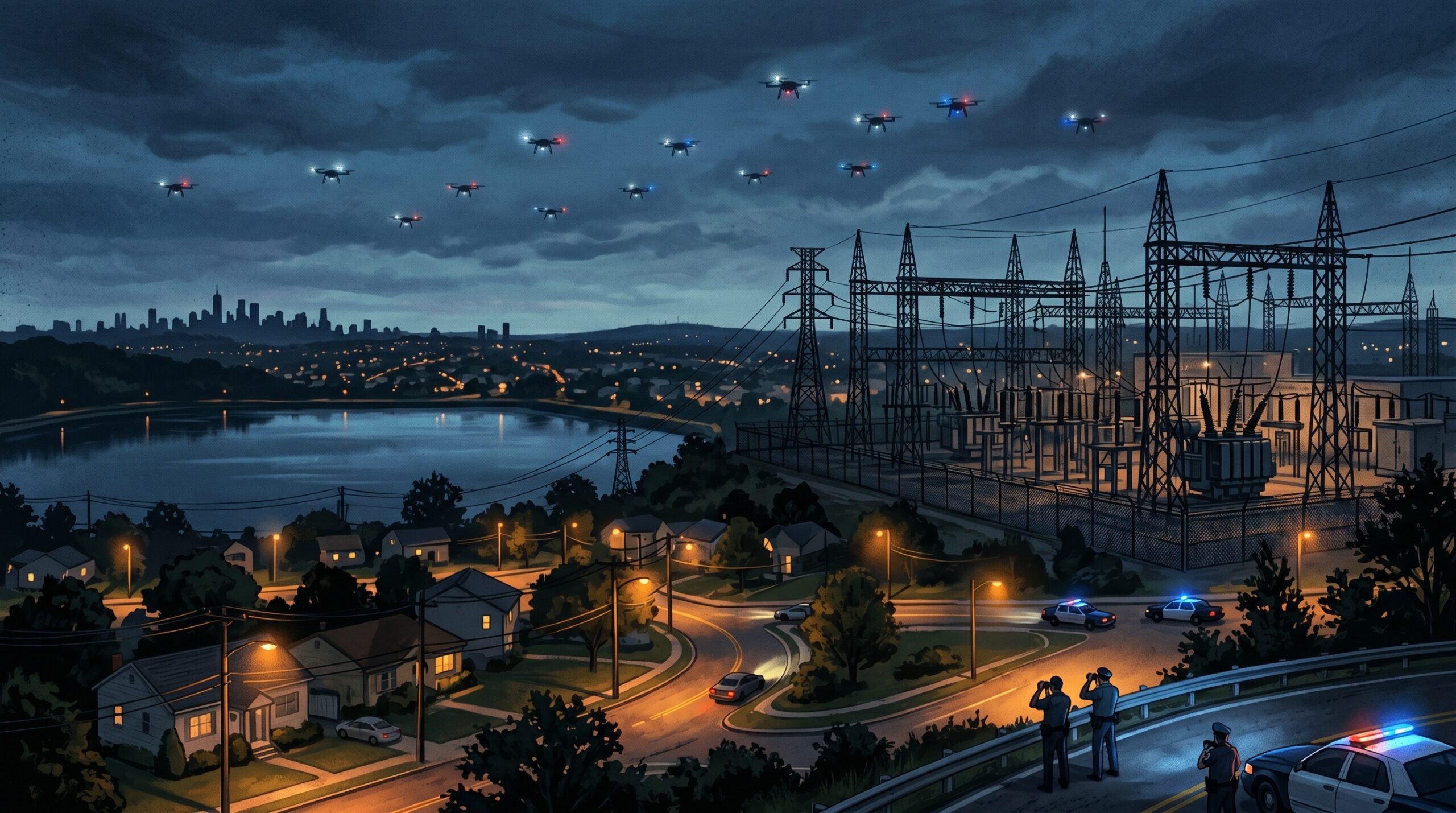
    The first reports were easy to dismiss. Drones near airports are common enough that they generate their own category of Federal Aviation Administration enforcement action. But the reports that began filtering in from New Jersey in mid-April 2026 were different in two ways that made them harder to set aside: the drones were hovering over water reservoirs, power substations, and research laboratories — not airports — and some of the aircraft involved appeared to have been previously reported stolen.

    By the end of the week, Senator Tom Cotton of Arkansas had introduced legislation allowing critical infrastructure operators to take direct action against unauthorized drones. The New York Times had published an investigation. And investigators were quietly beginning to ask questions that they were not, at least initially, prepared to answer on the record. Sources: Chemical-spraying drones reported stolen in New Jersey Senator Cotton pushes bill on drone countermeasures.

    What Started the Reports

    The pattern began to emerge in late March 2026, when utility workers at a water reservoir in central New Jersey noticed a multirotor aircraft with an unusually large payload capacity hovering low over the reservoir surface. The drone appeared to be spraying something — the workers described a fine mist that caught the light in a way that ordinary agricultural spraying equipment does not. The aircraft left the area before law enforcement could respond.

    Over the following two weeks, similar reports came in from multiple locations across New Jersey. A power substation operator reported a drone conducting what appeared to be a systematic inspection of the facility’s exterior equipment. A research laboratory reported an overflight that lasted more than forty minutes. In each case, the drone’s design was described as professional-grade — not the kind of consumer multirotor that has become common in recreational use — and in at least two cases, the aircraft involved had serial numbers that matched drones reported stolen from private operators in the preceding months.

    The stolen aircraft connection is what transformed this from a nuisance drone reporting issue into something that federal investigators took seriously. A drone that has been reported stolen and then reappears over critical infrastructure is not a recreational flyer making a mistake. It is evidence of deliberate operational use by someone who had reason to obtain the aircraft through theft rather than purchase.

    The Chemical Spraying Allegation

    The water reservoir overflights have generated the most concern, for reasons that are not hard to understand. Municipal water supplies are critical infrastructure in the most literal sense — contamination of a reservoir can affect hundreds of thousands of people within hours. The reports from utility workers describing a fine mist with unusual optical properties have not been confirmed by laboratory analysis of water samples, but investigators have not ruled out the possibility that something was applied to the reservoir that should not have been.

    The pattern of unusual aerial phenomena affecting critical infrastructure is not new. What makes the New Jersey reports distinct is the combination of the spraying allegation with the stolen aircraft detail and the apparent deliberate targeting of multiple infrastructure types in a concentrated geographic area over a short period of time. A recreational flyer making unauthorized overflights of one or two facilities might be dismissed as a nuisance. A coordinated campaign of overflights targeting water, power, and research facilities simultaneously is something else.

    Senator Cotton’s Response and the Legislative Push

    Cotton’s bill, introduced in the Senate in late April, would expand the legal authority of critical infrastructure operators to take physical action against drones operating in unauthorized proximity to their facilities. The current legal framework — which treats unauthorized drones primarily as an FAA enforcement matter — is insufficient, Cotton argued in his accompanying statement, to address the threat posed by “hostile or不明” aerial systems over sensitive installations.

    The bill’s language was notable for its careful hedging. Rather than attributing the New Jersey incidents to any specific actor or motivation, Cotton’s statement described a “pattern of activity that demands a policy response regardless of who is responsible.” That formulation left open whether the drones were operated by a foreign state, a domestic actor, or something else entirely, while still creating a legal mechanism for infrastructure operators to respond more directly than the current framework allows.

    For observers who have followed the UAP-related legislative discussions that have been underway in Congress since 2023, Cotton’s bill represents a particular kind of attention: not the abstract interest of Congressional hearings, but the concrete pressure of an infrastructure operator community that wants legal clarity about what they can do when something appears over their facility that they cannot identify.

    How This Compares to Last Year’s Drone Panic

    The New Jersey incidents are not the first time a wave of drone reports has generated this kind of political response. In February 2024, a similar — though smaller — cluster of drone sightings near critical infrastructure in Pennsylvania generated enough public concern that the Pennsylvania Emergency Management Agency convened a special briefing for state legislators. The 2024 episode was ultimately attributed to a combination of misidentified commercial aircraft, authorized law enforcement operations, and a small number of genuinely unidentified aerial phenomena.

    The 2026 New Jersey cluster differs from the 2024 episode in at least three ways that matter: the scale of the infrastructure targeting is larger, the chemical spraying allegation is new, and the stolen aircraft connection has introduced a traceable-evidence element that the 2024 episode lacked. Whether those differences reflect a genuinely more serious situation or simply a more dramatic story that has attracted more attention is something that the ongoing investigation is meant to determine.

    The Attribution Problem

    The stolen aircraft detail creates a traceable evidence problem that is unusual in UAP investigations. Most aerial phenomena are difficult to attribute precisely because they are brief, ambiguous, and leave little physical evidence. A drone that was reported stolen, by contrast, has a paper trail — the original owner, the report of theft, the serial number that appears in the FAA registration database. If investigators can establish the chain of custody between the theft and the overflights, they can begin to narrow down who was operating the aircraft and why.

    Whether that investigation will produce a public result is a separate question. The intelligence and law enforcement communities have historically been reluctant to publicly attribute UAP incidents to specific actors unless they are prepared to take action, in part because premature attribution can compromise sources and methods that are more valuable intact than disclosed. The New Jersey case may be different — the infrastructure element gives law enforcement a clearer jurisdictional basis for investigation than most UAP incidents — but it may also be managed through channels that do not produce public reports.

    What Remains Unknown

    The honest answer to that question is: almost everything. Whether the spraying allegation has any basis in physical evidence; whether the stolen aircraft connection can be traced to a specific operator; whether the pattern of overflights reflects coordinated action or a coincidence of independent actors; and whether the eventual explanation is mundane, adversarial, or something that does not fit neatly into either category.

    What is clear is that something happened over New Jersey’s critical infrastructure in April 2026 that was serious enough to generate a Senate bill, a New York Times investigation, and a quiet but intensive federal investigation. That combination does not happen for ordinary recreational drone overflights. What it does happen for — and what the eventual explanation turns out to be — remains to be seen.

    Sources: New York Times reporting on New Jersey drone incidents (April 2026); Senator Tom Cotton Senate remarks and bill text; PBS reporting on the 2024 Pennsylvania drone panic; FAA registration database.

  • David Wilcock Death: Why the UFO Writer’s Final Hours Are Already Turning Into Myth

    David Wilcock Death: Why the UFO Writer’s Final Hours Are Already Turning Into Myth

    Some deaths hit the internet like news. Others arrive like an omen. That is what the David Wilcock death story felt like inside UFO and paranormal circles this week: not a quiet obituary, but a shockwave moving through livestreams, Telegram channels, grief posts, and the old half-spiritual, half-conspiratorial language Wilcock helped popularize for years.

    The immediate answer is that David Wilcock is being widely reported as dead, and the reason the story is spreading so fast is that he occupied a strange, powerful place in modern high-strangeness culture: part UFO commentator, part metaphysical performer, part end-times interpreter. A fast-moving Reddit thread announcing the report to UFO audiences, early mainstream pickup from Hindustan Times on the Boulder-area death probe, and even the bare-bones biographical record at Wikipedia’s profile of Wilcock have all fed the same reaction: believers are not just mourning a media figure, they are trying to decode the timing.

    That reaction makes sense once you understand what Wilcock represented. He belonged to the same ecosystem that keeps stories like Amy Eskridge’s last text messages, Jeremy Corbell’s “Sleeping Dog” trailer, and the Steven Garcia missing-person case circulating long after ordinary news cycles should have buried them. In that world, a death never stays only a death for very long.

    Why the news hit the UFO world like a ritual alarm

    Wilcock spent years speaking to audiences already primed to read hidden meaning into timing, symbols, institutions, and sudden reversals. When a figure like that dies, the community reaction follows an almost liturgical pattern: shock first, then tribute, then suspicion, then story-building. Every fragment gets treated like a shard from something bigger.

    That is why the first wave of posts did not sound like conventional celebrity mourning. They sounded feverish, almost apocalyptic. People were not only asking what happened. They were asking what it meant, who benefits from the timing, and whether the loss fits a darker pattern inside a culture already obsessed with suppression, disclosure, and spiritual warfare.

    Why Wilcock mattered to believers in hidden-history media

    For believers, Wilcock was never just another commentator. He was part of the bridge between old New Age metaphysics and modern disclosure culture. He talked like someone trying to weave ET contact, secret power structures, ascension language, and intelligence intrigue into one continuous fabric. You did not have to agree with him to feel the force of that role.

    That role matters now because it changes the emotional shape of the story. If an ordinary podcaster dies, the internet grieves and moves on. If someone long associated with prophecy-coded interpretations of current events dies suddenly, the reaction mutates. Followers start reading the event the same way they once read his broadcasts: as a signal wrapped inside a public incident.

    How online grief turned into suspicion within hours

    The suspicion arrived almost immediately because UFO culture has spent the last two weeks marinating in stories about dead scientists, missing insiders, unreleased videos, and names pulled from the shadows. In that atmosphere, even unrelated tragedies get absorbed into the same imaginative machinery.

    That does not make the suspicion factual. It explains why it was predictable. A community already living inside the emotional weather of hidden wars and suppressed truths was always going to interpret Wilcock’s reported death through that lens. The mood came preloaded.

    What is actually known so far

    This is where the fog has to thin.

    As of now, the strongest public point is that Wilcock’s death is being widely reported and actively discussed across both mainstream and fringe channels. Public reports have described an investigation, but they do not establish a broader conspiracy or prove the event belongs in the same category as the disclosure-linked cases believers keep invoking. The online reaction is real. The mythology forming around it is real. The leap from grief and timing to hidden-cause certainty is still a leap.

    That unresolved gap is why the story will keep growing. Wilcock spent years teaching audiences how to read events symbolically. In death, he is being read that way himself. Whether this becomes a memorial, a cautionary tale, or another sealed room in UFO culture will depend on what confirmed facts arrive next — and on how badly believers want the ending to mean more than the public record can yet support.

  • Joshua LeBlanc’s Tesla Death: A NASA Engineer Working on Nuclear Propulsion Found Burned in Alabama

    Joshua LeBlanc’s Tesla Death: A NASA Engineer Working on Nuclear Propulsion Found Burned in Alabama

    The last confirmed sign of Joshua LeBlanc was that he did not show up for work. A NASA electrical engineer based in Huntsville, Alabama, with a security clearance and a focus on nuclear propulsion projects, LeBlanc had vanished from his home without the usual signs of departure. When his Tesla was found days later on a rural road outside the city, it had burned to a condition that took investigators time to even identify it. What they found inside, once they could get close enough to examine, was LeBlanc’s body. And now his death is part of something larger: a federal review looking at whether there is a pattern connecting scientists connected to classified aerospace programs who have died or disappeared under unusual circumstances.

    Huntsville is not an ordinary city for aerospace research. The Marshall Space Flight Center, nearby classified facilities, and the concentration of contractors working on propulsion, aerospace, and advanced weapons programs have long made it a city where the normal rules of public information have always operated in tension with classified realities. A nuclear propulsion engineer from that world vanishing and then burning inside a Tesla is the kind of story that would generate rumors anywhere. In Huntsville, with its particular history and population of people who understand exactly what kinds of programs operate in the surrounding landscape, the rumors have an additional weight.

    An engineer at the edge of classified propulsion

    Joshua LeBlanc’s professional profile, as it has emerged through early reporting, describes a man working on projects that sit at the boundary between what is publicly acknowledged and what remains classified. Nuclear propulsion research for aerospace applications is not science fiction — it has been a persistent subject of classified development since the Cold War — but it is also precisely the kind of work that intersects with questions about what the government has learned from recovered technologies.

    The intersection is what keeps the conspiracy-adjacent research community focused on cases like this one. Propulsion systems that do not match known human engineering, or that seem to draw on principles not yet publicly understood, have been a persistent feature of the UFO retrieval and reverse-engineering narrative. Scientists working in propulsion research, especially in proximity to programs that are suspected of handling recovered technology, occupy a uniquely sensitive position. They know things that cannot be shared. And in the wrong circumstances, that knowledge becomes dangerous.

    The discovery of the Tesla

    What made LeBlanc’s case initially unusual was the gap between his disappearance and the discovery of his vehicle. He had been reported missing by his family after failing to appear for work — a breakdown in routine that drew immediate attention in a community where people with security clearances are trained to maintain strict schedules and accountability. When the Tesla was eventually located on a rural road, its condition immediately raised questions that investigators have been working to answer: how did it catch fire, what was the timeline, and was LeBlanc alive or dead when the fire started?

    Daily Mail coverage has not fully resolved the questions. The vehicle burned extensively enough that forensic reconstruction has taken time. The body inside was in a condition that required careful forensic work to identify and characterize. And the circumstances — a Tesla, a rural road, a nuclear propulsion engineer — have generated the kind of speculation that follows cases where the institutional context and the personal outcome feel deeply mismatched.

    This is the part of the story that people in the disclosure community keep returning to. A man working on one of the most sensitive categories of aerospace research, with access to classified programs, goes missing and is found dead in a burned vehicle. The official investigation is ongoing. The federal review of similar cases is looking at LeBlanc alongside other scientists. And the pattern that review is examining — multiple researchers with access to classified aerospace or UFO-adjacent programs, dying or vanishing in ways that resist easy explanation — is what keeps the story from settling into ordinary narrative.

    The federal inquiry and what it means

    The decision to review LeBlanc’s death alongside other similar cases — scientists connected to aerospace, propulsion, and UFO-adjacent research who have died or disappeared — represents a shift in how these patterns are being treated at official levels. For years, Orange County Register coverage of disclosure advocates argued that individual deaths were being dismissed individually, preventing anyone from seeing the larger picture. The current federal review is an acknowledgment that the picture may be worth looking at collectively.

    That shift does not prove anything about causation. Natural deaths, accidents, and unrelated circumstances can produce patterns that look significant when viewed selectively. But the fact that the review is happening at all — and that LeBlanc’s name has surfaced inside it alongside other cases that have drawn attention from Carl Grillmair and researchers like Jesse Michels — is what has generated the current intensity of interest in what actually happened in Huntsville.

    What is clear is that a NASA engineer with classified propulsion expertise is dead, that the circumstances do not match the ordinary expectations for how someone in his position and with his background would die, and that the federal review will eventually produce findings that either resolve or deepen the mystery surrounding his death.

  • The Alberta Bigfoot Mystcam Video: Why the Valley Figure Has Cryptid Watchers Locked In

    The Alberta Bigfoot Mystcam Video: Why the Valley Figure Has Cryptid Watchers Locked In

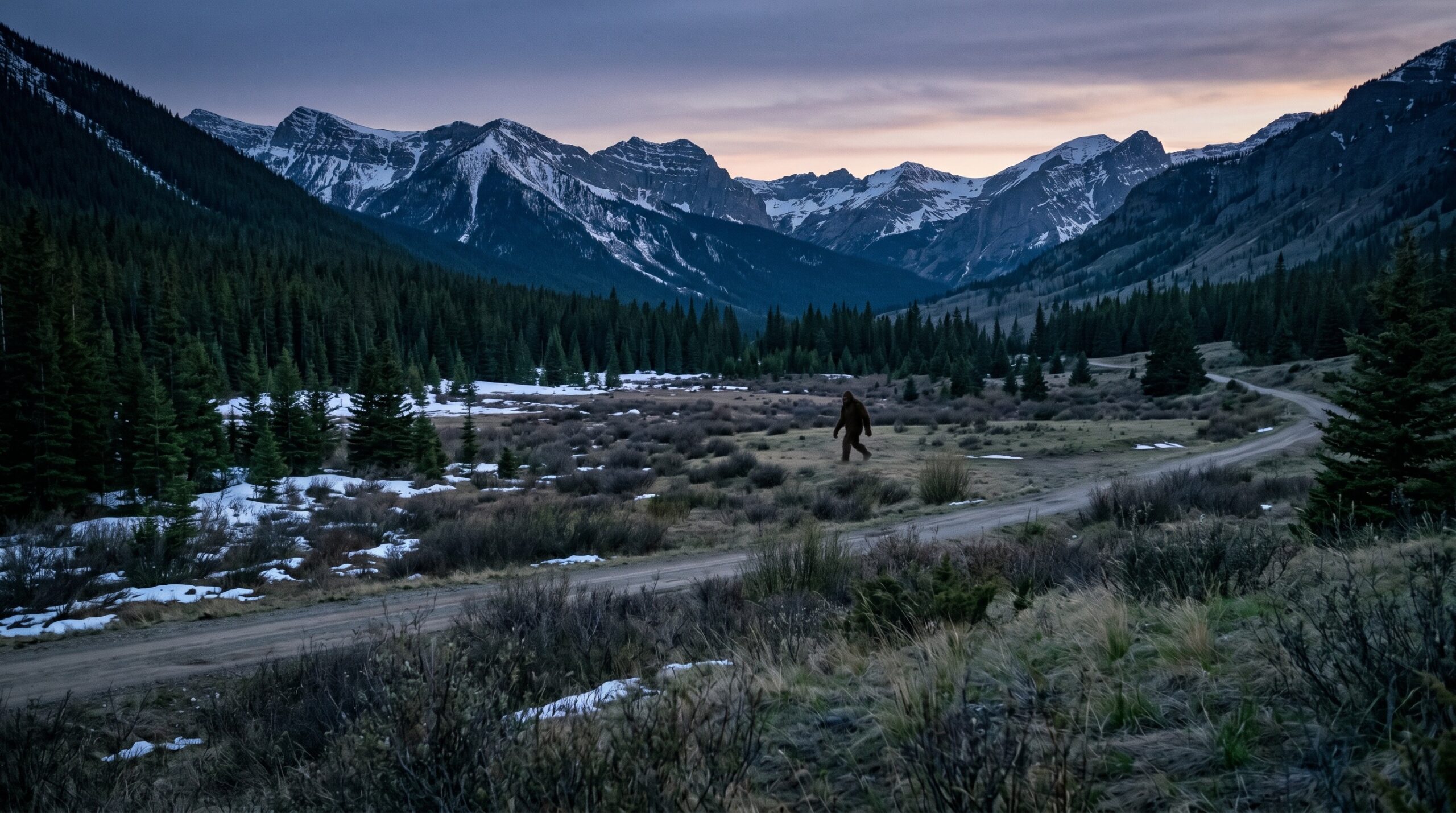
    Bigfoot believers are used to tree lines, blur, and excuses. That is why the new Alberta Bigfoot Mystcam video is hitting so hard. The figure in the viral clip is not hidden deep in branches or passing for half a second between leaves. It is out in the open, moving through a valley as if it does not care whether anyone believes what they are seeing.

    The immediate answer is that the Mystcam Alberta video is a viral cryptid clip showing what appears to be a tall upright figure crossing remote terrain in Alberta, Canada, and it has spread because daylight, distance, and open ground make the footage feel more dramatic than the average Bigfoot reel. The main traction is coming from the widely shared Instagram post describing the Alberta valley figure, supporting chatter in Reddit spaces like this Cryptozoology repost of the same description, and adjacent coverage such as recent reporting on Alberta Bigfoot-style sightings in Canada. None of that proves the clip is authentic. It does explain why believers are staring at it like a possible daylight gift.

    The strongest emotional hook is simple: the thing in the valley does not seem furtive. It seems present. And for anyone who has spent years consuming almost-sightings, that difference feels enormous.

    Why this Alberta clip feels different to believers

    Believers do not only want a creature. They want exposure. They want the kind of moment where the witness does not have the forest to hide behind and the figure does not have darkness to blame.

    That is exactly what the Alberta clip appears to offer. Open terrain changes the psychology of the footage. In the mind of a Sasquatch believer, a distant figure in dense trees can always be dismissed as a person, a stump, or a trick of branches. A distant figure moving with purpose across broad country feels much harder to file away.

    That is why the clip is already being folded into the same online appetite that keeps skinwalkers caught on camera, sea-serpent explanations through oarfish, and even remote-worker mysteries like the Northwest Territories drillers UFO sighting alive for weeks after first contact. Remote landscapes make mystery feel cleaner. The background itself seems to testify.

    What the Mystcam video appears to show

    The clip being circulated with the Mystcam label shows a dark upright form moving through an Alberta valley far from obvious roads or other people. The body language is what keeps believers engaged. The stride looks smooth. The figure does not appear to scramble or flail. It seems to cover ground with the kind of calm that makes viewers project confidence onto it.

    That projection matters. Bigfoot footage is often judged emotionally before it is judged analytically. If a clip feels too performative, audiences dismiss it as costume theater. If it feels detached, almost indifferent to the camera, believers read that as authenticity. The Alberta figure benefits from exactly that mood.

    It also fits an old Canadian Sasquatch fantasy: that the vastness of western wilderness still hides something bipedal, intelligent, and deeply adapted to terrain humans only visit. A figure crossing open ground in Alberta is not just a video. It is the cinematic version of an old frontier suspicion.

    Why Canada remains fertile ground for Sasquatch stories

    Canada’s role in Bigfoot lore is not an accident. Scale helps. So do forests, mountains, oil fields, logging routes, and immense areas where rumor can move faster than verification. Alberta in particular sits in the kind of mental geography cryptid culture loves: rugged enough to feel unknowable, documented enough to make any sighting sound consequential.

    That is why a single clip can explode even when provenance is thin. People already believe the landscape could hold the story. The video only has to feel like a glimpse rather than a case closed.

    What the footage does not settle

    The Alberta Mystcam video may be eerie, but eerie is not the same thing as authenticated. There is still no solid public chain of custody, no confirmed original uploader with verifiable context, and no independent evidence that the figure is anything more than a human, costume, or manipulated clip. Viral reach should not be mistaken for field documentation.

    But the absence of certainty is part of the engine here. The footage lives in that sweet spot where it is exposed enough to feel bold and vague enough to remain arguable. For cryptid watchers, that can be more addictive than proof. A fully solved clip dies fast. A figure walking calmly across an Alberta valley, too far away to pin down and too visible to ignore, can haunt a feed for a very long time.

  • MKUltra Didn’t Stop: The Claim That CIA Mind Control Programs Just Got More Advanced

    MKUltra Didn’t Stop: The Claim That CIA Mind Control Programs Just Got More Advanced

    The CIA’s own internal documents describe experiments that read like the plot of a dystopian novel. LSD administered to unsuspecting subjects. Hypnotic conditioning under interrogation. Drug combinations designed to produce amnesia and behavioral compliance. The program’s name was MKUltra, and it ran from the early 1950s until its apparent cancellation in 1973 — or so the official history says. A persistent community of researchers, declassified document analysts, and people who say they were subjects inside the program have long argued that the cancellation was administrative cover for a program that simply went deeper underground and became more sophisticated. The documents that keep emerging from archives suggest they may not be wrong.

    The latest development is HBO’s announced limited series on MKUltra, which is bringing renewed attention to a story that has oscillated between dismissed conspiracy theory and documented historical atrocity. What the series will dramatize is already well-established in declassified form: the CIA conducted illegal human experiments on a massive scale, using civilians, military personnel, and inmates as test subjects, with the goal of developing techniques for controlling human behavior. What is less clear — and what the HBO project may or may not address — is whether the program continued after 1973 under a different structure, with more advanced tools, and with the same fundamental goals.

    What the documents show

    The declassified MKUltra files are fragmentary by design. CIA director Richard Helms ordered the program’s records destroyed in 1973, apparently to protect its details from the Church Committee investigation that was already examining CIA abuses. What survived was a partial paper trail — enough to establish the scope of the program, the range of techniques it explored, and the identity of some of the researchers and institutions involved.

    The surviving documents show experiments with LSD, hypnosis, sensory deprivation, electromagnetic stimulation, and various drug combinations. They show that the program operated with the involvement of academic institutions, hospitals, and private research firms — many of whom did not fully understand that their work was part of a CIA operation. They show that the program’s goals included not just behavioral modification but the development of techniques for extracting information, implanting suggestions, and creating subjects who could be activated or deactivated without their awareness.

    What the documents do not clearly show — because they were destroyed or never recorded in accessible form — is whether the program achieved its goals, and what happened to the techniques that were developed. That is the space where the conspiracy theory and the documented history overlap. The absence of evidence is not evidence of absence. And the nature of the program — covert, illegal, designed to be undetectable — means that the absence of a complete paper trail is exactly what you would expect even if the program had continued indefinitely.

    The continuation argument

    Researchers who argue that MKUltra continued after 1973 make several interconnected claims. First, they note that the program’s stated goals — behavioral control, information extraction, the development of compliant subjects — are goals that intelligence agencies do not simply abandon because a congressional investigation makes them uncomfortable. Second, they point to documented cases of apparent behavioral modification technology appearing in the decades after 1973, including cases involving public figures whose behavior changed dramatically under unexplained circumstances. Third, they argue that the sophistication of hospice nurses who report visions at the threshold of death, modern surveillance and neurotechnology has created capabilities that the original MKUltra researchers could only have dreamed of — capabilities that would be difficult to justify deploying openly, and therefore would be ideally suited to continuation under covert operational parameters.

    The HBO series is reportedly focused on the historical program rather than contemporary continuation claims. But the attention the project is generating has re-energized the broader community of researchers who argue that the real story of MKUltra is not what happened in the 1950s and 1960s, but what has been happening since — with tools that are exponentially more powerful than the ones the original program used.

    What modern tools change

    The original MKUltra experiments were crude by contemporary standards. LSD was administered in laboratory settings. Hypnosis was attempted with mixed results. Drug combinations produced unpredictable effects. The program was essentially running experiments with the basic science of neurochemistry before the field had developed the tools to understand what it was actually doing.

    Modern neuroscience has those tools now. fMRI allows researchers to observe brain activity in real time with unprecedented precision. Targeted pharmacological agents can modulate neurotransmitter systems with a specificity that 1950s researchers could not have imagined. Optogenetics allows the activation or suppression of specific neural circuits. Brain-computer interfaces are developing rapidly enough that DARPA has an entire program dedicated to neural enhancement and control technologies.

    Each of these capabilities was on the theoretical horizon of MKUltra researchers. Each of them is now a working technology. And each of them, in the hands of a covert program with the same goals as the original MKUltra, would represent an advance that the 1973 investigators could not have anticipated. That is the argument that continuation advocates are making: not that the program definitely continued, but that the capabilities it was trying to develop now exist, and that their existence makes the question of whether they were developed under covert continuation more urgent to answer.

    Why this story persists

    MKUltra occupies a particular place in American conspiracy culture precisely because it is both documented and incomplete. The documented part — that the CIA conducted illegal human experiments on a massive scale — is settled history. The incomplete part — what exactly was done, to whom, with what effects, and whether it continued — is what keeps the story alive. Every new document that surfaces, every new researcher who connects MKUltra to contemporary surveillance capabilities, every HBO project that brings the basic story to a new audience, reinforces the sense that the official history is not the full history. The Great Seal Bug — a Soviet listening device hidden inside a wooden plaque presented to the US Embassy — demonstrates how far intelligence agencies will go to maintain covert access.

    That sense has a specific weight in the UFO and disclosure community, where the question of government capabilities and hidden programs has always been live. People who are already inclined to believe that the government has hidden information about non-human technology are not inclined to believe that it stopped experimenting with human consciousness once the MKUltra files were partially destroyed. The Philip Experiment and other historical attempts to create paranormal phenomena also documented: if the government can hide recovered spacecraft, it can certainly hide a behavioral modification program.

    Whether that reasoning is sound is a separate question from whether the continuation claims are correct. But the persistence of the MKUltra story — and the renewed attention generated by the HBO series — reflects a genuine uncertainty about what the government’s behavioral modification capabilities actually are, and what they have actually been used for, that the declassified archives have not yet resolved.