Author: Elena Voss

  • Kola Superdeep ‘Screams From Hell’: The Hoax and the Real Discoveries Beneath the Earth

    Kola Superdeep ‘Screams From Hell’: The Hoax and the Real Discoveries Beneath the Earth

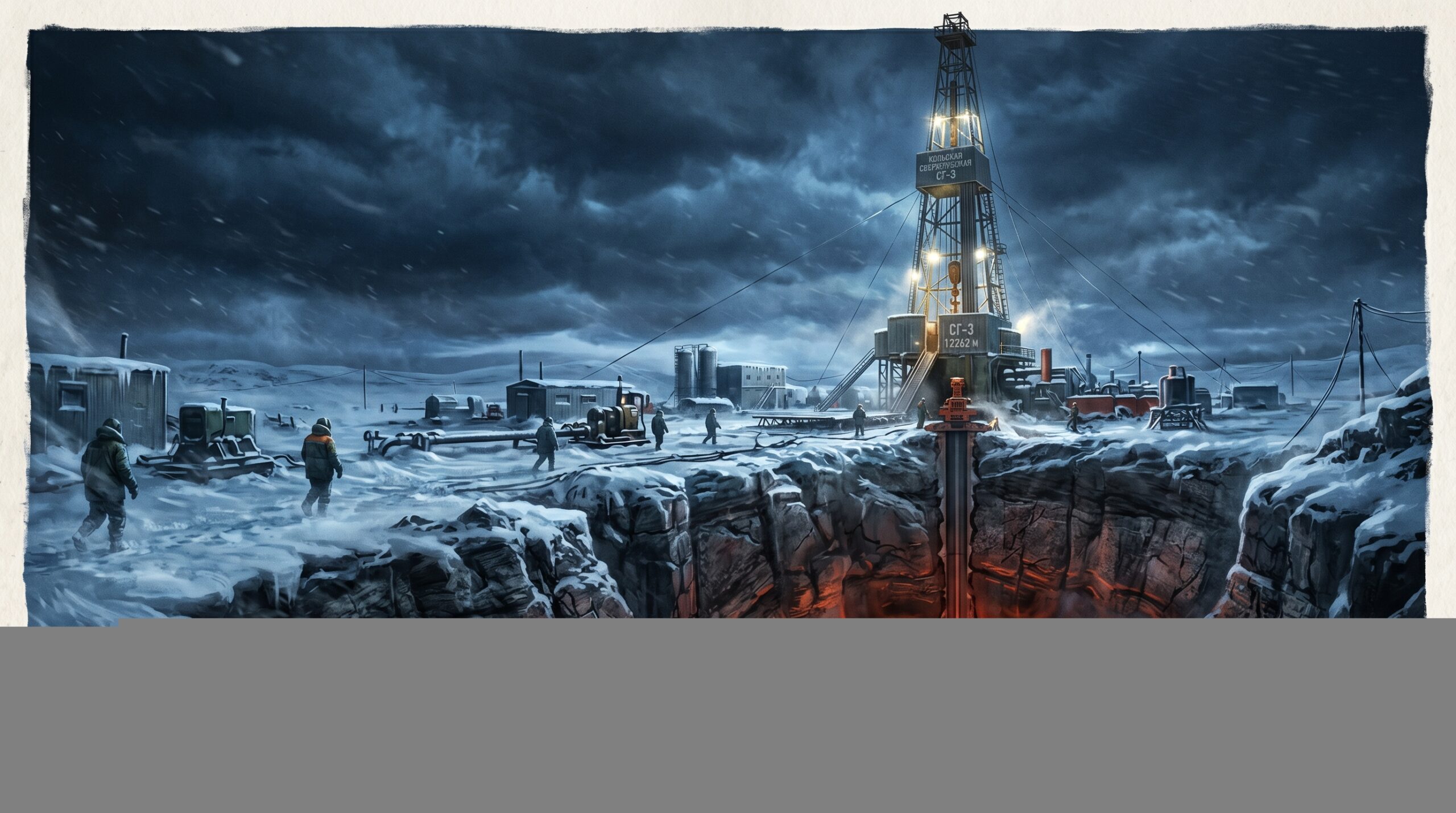
    No, the Kola Superdeep Borehole did not capture literal screams from hell. The famous story about Soviet scientists drilling so deep they recorded the cries of the damned is a hoax—or, at minimum, a legend built from invented details, theatrical audio, and years of sensational retelling rather than credible scientific evidence.

    What keeps the tale alive is that the real project was already dramatic before folklore ever touched it. On the Kola Peninsula in Russia, Soviet researchers spent years drilling deeper into Earth’s crust than anyone had before. They pushed past 12 kilometers into heat and pressure that strained both machinery and expectation. They found temperatures higher than predicted, deep rock behaving in surprising ways, and evidence that complicated older assumptions about the crust. The myth is false. The setting that produced it was extraordinary.

    For more context on the broader mystery, see Second Sphinx Under Giza? What the Claim Says, What the Scans Show, and What Remains Unproven and Ancient Demon Traps in Mesopotamia? The Bowls Buried Beneath the House.

    What the “screams from hell” story actually claims

    The familiar version has the shape of a campfire story told with laboratory equipment. Soviet scientists drill into the Earth, lower microphones or sensitive instruments into the shaft, and hear human screams rising from below. In some versions they have broken into a hidden chamber of torment. In others, the researchers panic, the project is shut down, and officials scramble to suppress the truth.

    The story spread through sermons, paranormal books, tabloids, radio shows, chain emails, and later online videos and social-media retellings. It was often paired with a supposed recording presented as proof.

    That recording is one of the clearest signs the tale is not real. Investigations and repeated debunkings have linked the audio to fabricated or repurposed sound material used for dramatic effect, not to a documented experiment at Kola. The legend survives because it is vivid and easy to repeat, not because the evidence behind it is strong.

    What the Kola Superdeep Borehole really was

    The Kola Superdeep Borehole was not a mining project and not a literal attempt to drill into hell or even into Earth’s mantle. It was a Soviet scientific drilling effort that began in 1970 near the border with Norway. Its purpose was to study the continental crust at depths no one had reached before.

    Instead of carving out a giant pit, researchers drilled a narrow borehole downward in stages, using specialized equipment to collect samples and data from an environment of extreme pressure and heat. The deepest branch, SG-3, reached 12,262 meters—about 40,230 feet—in 1989. That remains the depth record for a man-made borehole.

    The number sounds almost unreal, but on a planetary scale it is still tiny: a deep scratch in the crust, not a breach into some hidden underworld. That contrast helps explain why the project has been so widely misunderstood. “Deepest hole on Earth” sounds apocalyptic. The actual science was narrower, more technical, and no less impressive.

    Where the hell story came from

    The broad path of the hoax is fairly well known, even if individual versions differ. A major source was a sensational account that circulated in religious media in the late 1980s and early 1990s. The story often invoked unnamed Finnish or Norwegian sources, vague Soviet testimony, and supposed confirmation of biblical imagery. None of it held up under scrutiny.

    The tale spread because it fused several powerful themes into one neat package: Cold War secrecy, fear of forbidden science, literalist religion, and the ancient image of a descent into the underworld. The details shifted from telling to telling, which is usually a sign of folklore rather than reporting. Depth measurements changed. Scientists’ reactions changed. In some versions there were demons; in others, only the voices.

    There was no stable, well-documented incident at the center. There was a rumor designed—almost perfectly—to travel.

    What scientists really found underground

    If the hoax promised horror, the actual findings offered something stranger and more enduring: a glimpse of how unfamiliar the deep crust becomes once ordinary human intuition gives out.

    One of the biggest surprises was temperature. Scientists expected intense heat at great depth, but the borehole became even hotter than many had predicted. By around 12 kilometers down, temperatures reached roughly 180 degrees Celsius. That was far beyond what the team had hoped to manage easily with the drilling technology of the time. At those temperatures, rock became harder to handle and drilling became far more difficult, helping bring the project to an end.

    Researchers also found that the deep crust did not behave exactly as some standard models had suggested. Rather than presenting itself as a cleanly layered, easily predictable structure, the rock environment proved more fractured and complex, shaped by pressure, fluids, and heat over immense spans of time.

    Another striking finding involved water. Scientists found evidence of water deep in the crust—not as underground caverns full of free-flowing liquid, but as water bound within minerals and released under extreme conditions. That challenged simpler ideas about how dry the deep crust should be.

    They also identified microscopic fossils of ancient marine plankton in rocks several kilometers down. That did not mean life was somehow thriving at those depths. It meant rocks formed from ancient seabed sediments had, over geologic time, been buried far deeper than many people would intuitively imagine. Even so, it is easy to see why the detail felt uncanny to the public. Fossils buried miles beneath the surface sound almost mythic, even when the explanation is entirely geological.

    Readers who want to compare this story with outside reporting can start with Wikipedia on the Kola Superdeep Borehole and Britannica on the Kola Peninsula.

    Why the real discoveries still felt eerie

    The Kola project has always carried an uncanny edge because deep drilling lies far outside normal human experience. We know what caves feel like. We know what mountains look like. Very few people can picture a narrow shaft dropping more than 12 kilometers through hot, compressed rock in complete darkness.

    That imaginative gap leaves room for older language to rush in: abyss, underworld, forbidden depth, gates of hell. Those metaphors are ancient. Kola simply gave them a modern industrial setting of steel, cables, drilling mud, and Soviet machinery.

    This is why saying “the story is false” never quite kills it. The project still feels as if it touched a zone beyond ordinary human belonging—not because it found the supernatural, but because it revealed how alien the deep Earth already is.

    Why the project actually stopped

    The end of the borehole did not require a paranormal explanation. The real reasons were technical, environmental, and political.

    As temperatures climbed and the rock became more difficult to manage, drilling grew increasingly punishing. At the same time, the Soviet Union was nearing collapse, and economic support for expensive research projects was eroding. Work slowed, and the site was eventually abandoned in the 1990s.

    So there was no dramatic cover-up needed. The project stopped because the drilling conditions were brutal and the state that funded the effort was coming apart.

    What scholars and skeptics say about the legend

    Skeptics have been blunt for years: there is no credible evidence that the Kola project recorded screams from hell. The story fails basic tests of sourcing, consistency, and documentation. It rests on anecdote, recycled rumor, and theatrical audio—not on published scientific records or trustworthy eyewitness reporting.

    From the perspective of folklore and media history, the tale behaves exactly like a modern legend. It takes a real place, adds supernatural stakes, and compresses the result into something that can be retold in a single breath. It also flatters the audience with the feeling of access to forbidden knowledge supposedly hidden by authorities.

    That does not mean the people who repeat it are foolish. It means the story is effective. Durable myths usually survive because they express deeper anxieties and desires: fear of punishment, fear of scientific arrogance, fascination with what lies beneath us, and the hope that modern technology might accidentally confirm ancient beliefs.

    What remains uncertain

    There is still room for uncertainty in the Kola story, but not in the supernatural sense. Geologists continue to debate details of deep crustal interpretation, and the Kola data remains part of a larger effort to understand how Earth’s outer layers behave under extreme conditions. Deep geology is technically demanding, and not every implication is simple.

    But the central sensational claim is not genuinely open. There is no serious scientific uncertainty about whether Kola recorded hellish screams. No credible evidence supports that story.

    The real uncertainty lies in the Earth itself: how heat, fluids, stress, and mineral change interact over immense depths and timescales. Those questions are slower, harder, and less cinematic than the hoax. They are also real.

    The bottom line

    The “screams from hell” story keeps resurfacing because it attaches the supernatural to a genuine scientific landmark. If the borehole were fictional, the story would collapse much faster. Because the place is real, the myth has a permanent anchor.

    But the truth is more interesting than the legend gives it credit for. The Kola Superdeep Borehole did not uncover the voices of the damned. It revealed a planet hotter, wetter, and more geologically complicated than many earlier models had assumed.

    If you want to keep going, Doomsday Clock at 85 Seconds to Midnight: What the Warning Really Means expands the picture from another angle.

    That is why the real story deserves to outlast the hoax. It is a record of human curiosity pushed to an extreme: scientists drilling deeper than anyone had before, discovering that the crust was harsher and less predictable than expected, and finally running up against the limits of technology, money, and environment. In the end, Kola did not prove that hell is real. It showed how quickly the Earth itself becomes strange once we go deep enough.

  • Skinwalkers Caught on Camera? What Viral Videos Usually Show

    Skinwalkers Caught on Camera? What Viral Videos Usually Show

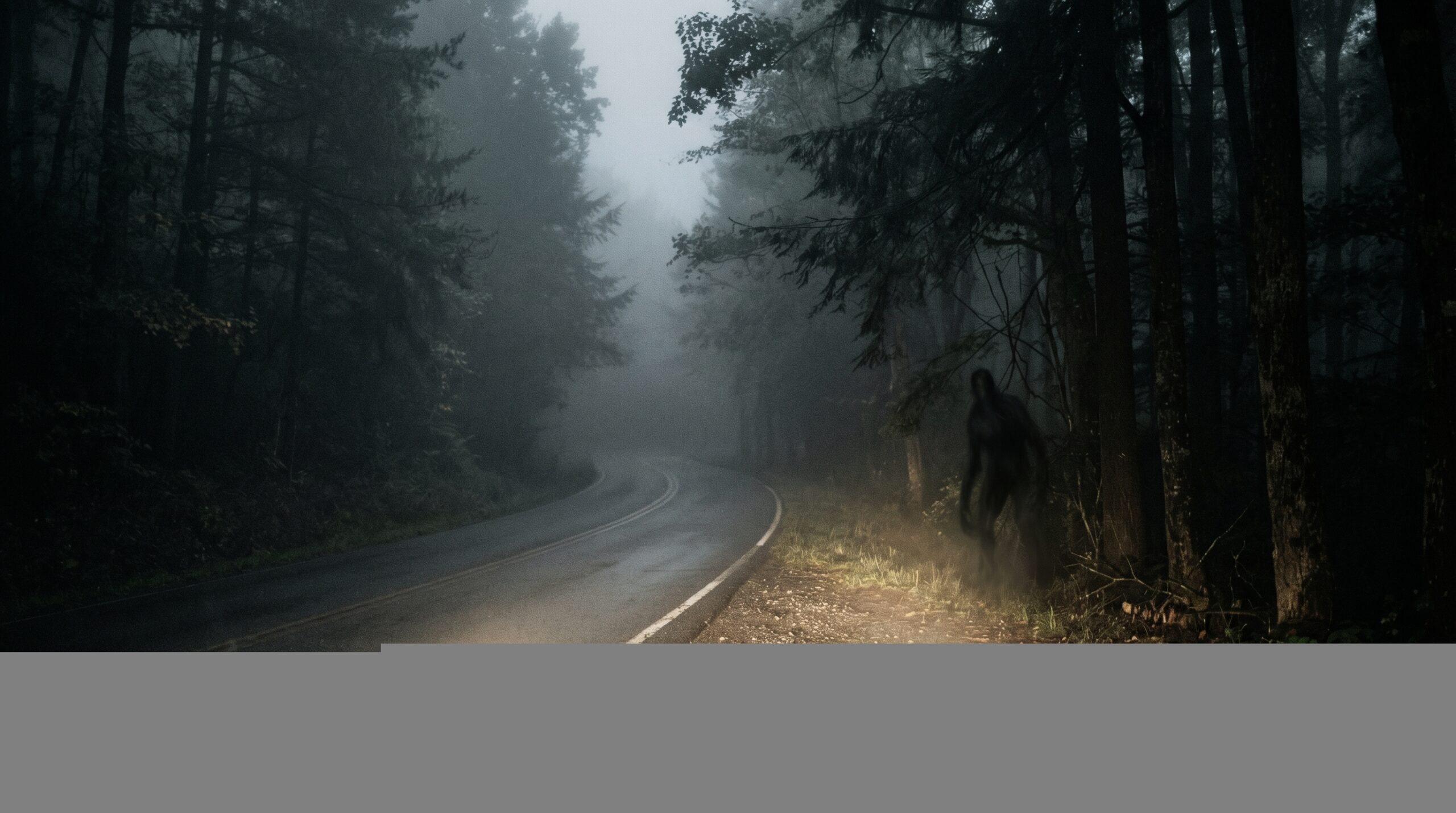
    The short answer is no: viral “skinwalkers caught on camera” clips almost never amount to credible proof that a supernatural shape-shifter has been filmed. Most are murky, unverified videos—something moving strangely at the edge of headlights, an animal glimpsed in bad light, a staged scare, an edited short, or footage too chaotic to assess with confidence. But that does not make the phenomenon uninteresting. What these clips reveal, more often than anything paranormal, is the collision between a real Indigenous tradition, internet horror culture, and the very human tendency to find certainty inside a blur.

    That tension is why the subject keeps resurfacing. A skinwalker, in its original cultural context, is not just another spooky creature from a comment section. The online version of the term has drifted into a catch-all label for anything in the dark that looks wrong. To understand why these videos spread so quickly—and why they feel persuasive in the moment—you have to separate the folklore, the internet mythology, and the evidence.

    For more context on the broader mystery, see Heaven’s Gate Website Still Online? The 1997 Cult Site That Never Went Away and Ancient Demon Traps in Mesopotamia? The Bowls Buried Beneath the House.

    What a skinwalker means in traditional belief

    When people online say “skinwalker,” they are usually borrowing a term from Navajo tradition. In that context, it refers to a malevolent witch associated with taboo acts, harmful power, and transformation. It is not a generic monster category, and many Navajo people have made clear that outsiders often sensationalize the idea, strip it from its cultural meaning, and turn it into entertainment.

    That distinction matters. Much of what circulates online under the skinwalker label has only a loose connection, if any, to the original belief. On social media, the word now gets applied to almost anything uncanny: a deer moving strangely, a figure crouched beside a road, an animal with mange, a face warped by headlights, or a prank video with distorted audio and a hard cut at exactly the right moment. In practice, “skinwalker” has become shorthand for a particular feeling—something almost familiar, and therefore deeply unsettling.

    So if the question is whether skinwalkers are really being caught on camera, the first honest answer is this: the traditional belief is real as a matter of culture and spiritual tradition. The viral video category is something else entirely, shaped far more by modern folklore than by documented supernatural evidence.

    Why so many videos get labeled that way

    The phrase “caught on camera” sounds decisive before a viewer has seen a single frame. It suggests proof, or at least a breakthrough. Then the footage begins: night woods, a shaky beam of light, someone breathing too hard behind the phone. By the time the clip ends, the label has already done half the work.

    Most videos described as skinwalker footage share the same anatomy:

    • poor lighting or night filming
    • sudden zooms and shaky camera movement
    • a subject visible only briefly
    • distorted, amplified, or emotionally charged audio
    • an isolated setting such as a roadside, field, or tree line
    • an abrupt ending before the viewer can fully orient themselves

    Those details are not just common; they are ideal conditions for mythmaking. Ambiguity invites interpretation. A deer moving awkwardly because it is startled, injured, or caught mid-turn can look eerily wrong for a split second. A person crawling, twitching, or framed from an odd angle can seem inhuman with very little encouragement. Once viewers enter the clip expecting horror, their minds begin filling in the missing pieces.

    Why Appalachia keeps getting pulled into the story

    Appalachia is not the traditional home of skinwalker belief, yet it has become one of the internet’s favorite backdrops for skinwalker stories. That says less about Navajo tradition than it does about the way online horror works.

    In the popular imagination, Appalachia already carries a heavy atmosphere: narrow roads, deep woods, old mountains, isolated homes, inherited lore, and the feeling that some places are best left alone. Social media has exaggerated those qualities into a ready-made stage set. Once that happened, videos from the region began attracting imported labels, including “skinwalker,” even when the original folklore behind the term had nothing to do with Appalachia.

    This blending reflects a broader internet habit. Regional ghost stories, cryptid legends, witch beliefs, and Indigenous traditions get folded together into one giant supernatural mood board. The result is a flood of “Appalachian skinwalker” stories that may feel vivid and persuasive while remaining culturally imprecise. Often, they tell you more about how digital folklore spreads than about any one tradition on its own terms.

    What skeptics usually think they are seeing

    For all the dread these clips can generate, the skeptical explanations are often strikingly ordinary.

    Common explanations include:

    • ordinary animals filmed from poor angles
    • deer, coyotes, dogs, or bears affected by disease or injury
    • low-light distortion and phone-camera compression
    • staged or edited clips designed to go viral
    • people performing for the camera
    • misidentified sounds, especially foxes, bobcats, deer, and owls

    The sound element matters more than many viewers realize. A scream in the woods can feel like instant proof that something unnatural is nearby, but several common animals produce calls that sound almost absurdly eerie. Foxes can sound uncannily human. Deer can make harsh, explosive noises. Owls and other night birds can create calls that, stripped of context, feel tailor-made for a horror soundtrack.

    The same goes for the visuals. A mangy coyote in poor light, a deer half-turned in headlights, or a person lit by one moving flashlight can look grotesque on a phone screen. Add compression artifacts, a caption that frames the scene as forbidden evidence, and a few panicked reactions in the comments, and the mundane explanation can lose the race almost immediately.

    Why the footage still feels convincing

    Even when a rational explanation is available, these videos often land with a real jolt.

    Part of the reaction is biological. Human beings are wired to detect threat quickly, especially in low visibility. If something in the dark moves in a way that seems off, the brain reacts before it analyzes. Better to overread danger than miss it.

    Part of it is cultural. Horror films, creepypasta, paranormal television, and short-form video have taught viewers a recognizable visual language of dread: jerky movement, too-still faces, limbs that seem too long, animal behavior that reads as strangely deliberate, a sudden cry from just beyond the frame. Phone footage can reproduce those cues by accident. Once it does, viewers are already halfway into the story.

    And then there is the crowd effect. People rarely watch these clips alone anymore. They watch with captions, reposts, stitched reactions, and comment sections full of certainty. Once thousands of viewers insist a video shows a skinwalker, the label becomes sticky. The clip stops being raw footage and starts becoming collective narrative.

    Readers who want to compare this story with outside reporting can start with Wikipedia on the skin-walker tradition and Britannica on the Navajo people.

    How much of this is modern folklore?

    A great deal of it.

    Folklore is not only the old stories passed down around fires or preserved in archives. It is also what people repeat, reshape, and invest with meaning in the present. By that standard, “skinwalkers caught on camera” is one of the internet’s most efficient folklore machines.

    A clip appears. Someone supplies the label. Others add warnings, secondhand accounts, and bits of supposed local knowledge. Soon the video is no longer just a fragment of unclear footage. It becomes part of a shared story world, with its own familiar beats: the lonely road, the bad signal, the headlights, the thing that looks almost human, the terrified whisper, the cut to black.

    That does not make the phenomenon false in a cultural sense. On the contrary, it shows how myths are still being built in public, one upload at a time. The supernatural claim may be weak, but the folklore is very real.

    The trouble with using one word for every eerie sighting

    There is also a cost to how casually the term gets used. Treating every unsettling video as a “skinwalker” sighting erases the specificity of the Navajo concept and flattens other local traditions as well. Appalachia has its own body of ghost stories, strange-animal tales, death omens, and haunted-place lore. Rural America more broadly is full of stories about shapeshifters, witches, mimic voices, and unnamed things in the woods. Those traditions may share a mood, but they are not interchangeable.

    The internet tends to collapse them anyway because shorthand spreads faster than nuance. One familiar label can travel across platforms in minutes. A careful explanation rarely does. But if the goal is understanding rather than just a thrill, that shortcut leaves too much out.

    Has any skinwalker video been proven authentic?

    No widely circulated skinwalker video has emerged as clear, independently verified proof of a supernatural shape-shifter. That is the simplest and most accurate answer.

    Some clips remain unresolved in the weaker sense that no one can say with certainty what appears in them. But unresolved is not the same as paranormal. In many cases, the footage is simply too poor to analyze well. And when that happens, uncertainty tends to benefit the most dramatic explanation, because mystery is shareable in a way ordinary answers are not.

    That pattern shows up across paranormal media. Lack of closure is often treated as evidence, when it usually means the evidence is not strong enough to support a conclusion at all.

    Why people keep looking anyway

    Because the fear at the center of these clips is an old one.

    A creature that imitates the natural world while getting something subtly wrong is one of horror’s most durable ideas. It touches a deep unease: that the familiar can be worn like a disguise. The skinwalker label intensifies that fear because it implies intention. Not just a shadow in the woods, but something watching, choosing, and presenting itself in the wrong shape.

    That is part of why these videos thrive in short-form feeds. They do not have to hold up under careful scrutiny. They only have to trigger recognition, dread, and curiosity for a few seconds. For that brief window, they can feel overwhelmingly persuasive.

    What remains uncertain

    What is not uncertain is that social media holds a vast archive of eerie, low-quality footage. It does. What remains uncertain is whether any particular clip captures something beyond misidentification, performance, editing, or visual distortion. So far, the public evidence does not support that conclusion.

    There is also a more cultural kind of uncertainty worth acknowledging. In communities shaped by strong local traditions, some people do not treat these subjects as entertainment at all. They may not want to debate them, document them, or define them neatly. They may simply avoid certain stories, certain places, or certain names. That does not validate the viral videos, but it does help explain why dismissive coverage can miss the seriousness folklore still carries for the people closest to it.

    What to believe when a clip goes viral

    Start with caution. Ask what the video actually shows before accepting the caption that arrived with it. Look at the lighting, distance, movement, sound, possible edit points, and whether the source can be traced. Be especially skeptical of footage presented as instant proof.

    It also helps to notice what the clip is doing psychologically. Most viral skinwalker videos spread not because they establish facts, but because they combine old fears, cultural shorthand, and digital ambiguity into a format built to travel.

    If you want to keep going, Oarfish Sea Serpent Theory: Could This Deep-Sea Fish Explain the Legend? expands the picture from another angle.

    So no: there is no solid body of footage proving that skinwalkers have been caught on camera. What exists instead is a growing archive of modern legend-making—real tradition at the root, internet distortion layered over it, and a very old fear lingering at the center of the frame. That may be less sensational than the caption promises, but it is the more honest story.

  • Immaculate Constellation UFO Leak: What the Claim Is and Why People Are Arguing About It

    Immaculate Constellation UFO Leak: What the Claim Is and Why People Are Arguing About It

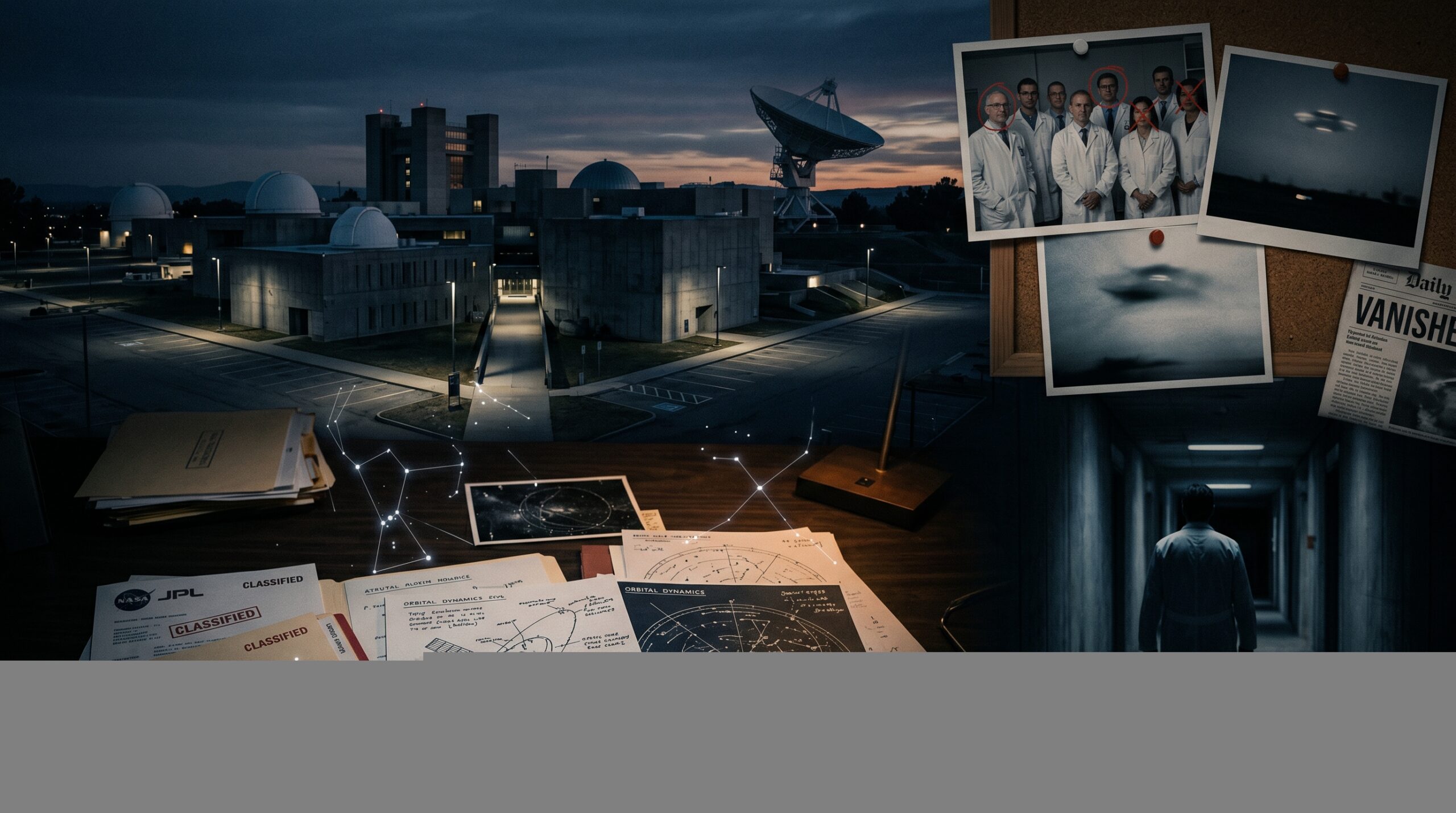
    The so-called Immaculate Constellation UFO leak arrived with all the elements that make a modern mystery hard to ignore: an official-sounding name, a striking image often described as the “Star” UAP, and the suggestion that something important has slipped out from behind a classified curtain. That combination helps explain why people are talking about it. What it does not do is settle whether the leak points to anything verified.

    At the center of the story is an alleged body of leaked material—documents, screenshots, images, or references said to connect to a hidden UFO- or UAP-related effort, system, or repository. Supporters see that material as another sign that significant information is being withheld from the public. Skeptics see a familiar pattern: dramatic branding attached to evidence with an uncertain origin. Based on the public record, the cautious view is still the strongest one. The claim is intriguing, but the evidence available in public remains too incomplete to treat as established fact.

    For more context on the broader mystery, see James Clapper UFO Retrieval Program Allegations: What Is Claimed and What Is Still Missing and Kacey Musgraves UFO Sighting: What She Said She Saw From the Plane.

    What people mean when they say “Immaculate Constellation”

    Part of the phrase’s power is its tone. It sounds like the sort of label that might appear on a briefing slide, a compartmented program, or an internal database. In the world of military rumor and intelligence speculation, that matters. A vague claim about secret UFO files is easy to dismiss. A claim tied to a memorable, specific name feels organized, intentional, and therefore more believable.

    That is one reason the story has traveled so quickly. Even people with little interest in UFO history can understand the broad outline: somewhere, supposedly, there exists a named program, archive, or tracking system tied to hidden information about unusual aerial phenomena. The problem is that the public version of the story tends to arrive in fragments. People encounter an isolated screenshot, an image stripped of its original context, or a summary of what unnamed insiders allegedly said. By the time the material spreads widely, it can be difficult to tell what is firsthand, what is secondhand, and what has simply been repeated until it feels solid.

    Why the “Star” UAP image became the center of the story

    Mysteries move faster when they can be reduced to a shape. The object often called the “Star” UAP gave the leak a visual identity, and that matters more than many people realize. A strange image can do in seconds what pages of argument cannot: fix itself in the imagination.

    That does not make the image worthless. In some cases, unusual imagery does deserve serious analysis. But it does help explain why this picture became the emotional core of the story. Images create confidence before they earn it. A viewer feels as if they are seeing the thing itself, when they may actually be looking at a compressed repost, a frame taken out of sequence, a distorted angle, or an ordinary object made unfamiliar by distance, lighting, and optics.

    This is why provenance matters so much. A startling image with no reliable chain of custody tells us far less than a less dramatic image with a clear source, timestamp, and original file. In UFO culture, the order often gets reversed: the stranger the image looks, the faster the surrounding context evaporates.

    What supporters think the leak could mean

    For believers and disclosure advocates, Immaculate Constellation fits neatly into a larger story that has been building for years. In that view, governments and contractors possess more information about unusual aerial or anomalous objects than they have admitted publicly, and leaks are not isolated curiosities but small breaches in a wall of secrecy.

    From that perspective, the existence of a named leak and a recognizable image carries weight even if the material is incomplete. Supporters argue that recurring hints, internal labels, and similar claims surfacing from different corners of the UFO world may point to an underlying reality that official channels are not fully acknowledging. To them, the untidiness of the story can even feel authentic. If sensitive material were really slipping out, they argue, it would likely appear in fragments rather than in a tidy, fully documented release.

    That is the strongest version of the case in favor, and it should be stated fairly. It is not unreasonable to think governments classify unusual intelligence. It is not unreasonable to suspect that some information reaches the public in distorted or partial form. What does not automatically follow is that every compelling leak is genuine.

    What skeptics say is still missing

    Skeptics tend to ask less glamorous but more decisive questions. Where did the material come from? Who handled it first? Is the original file available? Can metadata be examined? Has any independent analyst confirmed that the image was not edited, re-captioned, or pulled from another context? Does the program name appear in primary documentation, or only in retellings?

    Those questions may sound flat beside the romance of secrecy, but they are what separate a lead from a legend.

    The history of UFO media is crowded with suggestive fragments that gained more meaning than they could support. A mysterious label turns out to be informal shorthand. A striking image becomes a misidentified object, a reflection, or a rendering presented as evidence. A claim survives because people keep citing one another instead of tracing the material back to its source. Skeptics do not need to prove every detail false to make the larger point. They only need to show that the evidence currently available does not justify the confidence some people place in it.

    Why named leaks feel so persuasive

    Immaculate Constellation is not only a UFO story. It is also a lesson in how credibility forms in public. Named leaks have unusual force because they sit in the space between rumor and documentation. They feel more precise than gossip but less constrained than official records. That makes them perfect engines for speculation.

    A memorable label gives people something to search, debate, and repeat. It also creates the illusion of shared understanding. Two people can talk about “Immaculate Constellation” as if they are discussing a settled fact when each may have encountered a different version of the claim.

    Readers who want to compare this story with outside reporting can start with Wikipedia overview of UFO conspiracy theories and Popular Mechanics on the history of official UFO investigation.

    This pattern is common in conspiracy-adjacent culture. Once a phrase becomes stable, the evidence attached to it can remain unstable for a very long time. The name persists because it is memorable. The details keep shifting underneath it.

    How to judge a leak like this without flattening the mystery

    The smartest way to approach a claim like this is neither full belief nor reflexive contempt. It is to ask what would actually make the case stronger.

    For a leak involving supposed UFO imagery or secret program references, stronger evidence would include:

    • original files rather than reposted screenshots
    • a documented chain of custody
    • metadata that independent analysts can examine
    • corroboration from more than one credible source
    • confirmation that the program name appears in authentic records
    • context showing where, when, and how the image was captured

    Until material like that appears, the story belongs in a familiar middle category: compelling enough to discuss, too uncertain to present as fact.

    That middle ground frustrates people, but it is where many modern UFO controversies actually live. Readers want a clean ending—revelation or debunking, truth or fraud. Real information rarely behaves so neatly. Evidence surfaces unevenly. Communities overinterpret scraps. Skeptics may correctly identify the weaknesses without being able to explain every detail. The result is not clarity but suspended judgment.

    Why this story landed in a wider UFO moment

    Timing matters. Public interest in UAPs has grown in recent years through government hearings, whistleblower claims, declassified videos, and continuing arguments over what official agencies know. New claims no longer arrive in a vacuum. They land in a culture already primed to connect dots.

    In that atmosphere, even a disputed image can feel like one more piece of a pattern. A name that might once have disappeared into obscure message boards can now circulate across forums, podcasts, social feeds, and video clips in a matter of hours. The leak becomes larger than the underlying material. It becomes a symbol of a bigger unresolved question: are people catching glimpses of a hidden archive, or watching internet culture build coherence out of ambiguity?

    That tension is what gives the story its staying power. The argument is not just about one image or one label. It is about whether today’s disclosure culture is exposing buried information or becoming better at repackaging uncertainty.

    What remains uncertain

    Several basic points are still unsettled. Based on public discussion alone, it is unclear whether “Immaculate Constellation” is a genuine official term, a rumor organized around a suggestive phrase, or a label that has expanded beyond whatever it originally referred to. It is also unclear whether the widely circulated imagery is best understood as authentic anomalous material, a misidentified object, or an image whose meaning has been inflated through reposting.

    That uncertainty should not be used as proof in either direction. Lack of confirmation does not make a claim false. But it does place clear limits on what can be said honestly.

    The bottom line

    The Immaculate Constellation UFO leak is compelling for the same reason it remains unresolved. It has the architecture of a durable mystery: a memorable name, a vivid image, and just enough apparent structure to suggest hidden significance.

    For supporters, it may look like another crack in a wall of secrecy. For skeptics, it is a reminder that provenance matters more than atmosphere. For everyone else, the most reasonable position is patience. The story may eventually gain stronger documentation, or it may settle into the long archive of half-substantiated UFO lore.

    If you want to keep going, Second Sphinx Under Giza? What the Claim Says, What the Scans Show, and What Remains Unproven expands the picture from another angle.

    For now, the clearest way to understand it is as a live controversy rather than a revelation. Something is being claimed. Something visual has plainly captured the public imagination. But the evidence needed to move from fascination to confidence is still missing, and that gap is the real story.