Category: Ancient Civilizations

  • The Adam & Eve Story: Chan Thomas and the CIA

    The Adam & Eve Story: Chan Thomas and the CIA

    The Adam & Eve Story by Chan Thomas and its connection to the CIA is a fascinating topic that challenges conventional history and explores the theory of Earth’s recycling. The implications of Thomas’ work and the CIA’s classification of it raise intriguing questions about ancient civilizations and the secrets they may hold.

    Key Takeaways

    • The Adam & Eve Story challenges conventional history and presents a theory of Earth’s recycling.
    • Chan Thomas’ work raises questions about ancient civilizations and the knowledge they may possess.
    • The CIA’s classification of Chan Thomas’ work adds a layer of mystery and intrigue to the story.
    • Exploring the connections between Chan Thomas, the CIA, and ancient history reveals hidden truths and possibilities.
    • The Adam & Eve Story sheds light on the potential impact of ancient civilizations beyond what is commonly known.

    The Adam & Eve Story: Chan Thomas and the CIA

    The Adam & Eve Story: Chan Thomas and the CIA

    The Intriguing Theory of Earth’s Recycling

    Imagine a world where ancient civilizations hold secrets beyond our textbooks. Chan Thomas dared to propose such a world. His theory? Earth recycles itself, with cataclysmic events reshaping our planet’s history. Boldly challenging the status quo, Thomas’s ideas captivated minds and stirred controversy.

    Into the Parabnormal with Jeremy Scott delved into these concepts, exploring the possibility of recurring pole shifts and the evidence supporting them. The show’s discussions often highlight the unconventional, the overlooked, and the outright mysterious.

    Earth’s stability is a myth. Our planet has undergone numerous transformations, and it may be gearing up for another.

    Why did the CIA classify Thomas’s work? Perhaps the truth is too disruptive, or maybe it’s just too close to home. Here’s a snapshot of the buzz his work created:

    • The swift classification of “The Adam & Eve Story”
    • The ripple effect through conspiracy theory circles
    • The persistent quest for declassified information

    The story of Adam and Eve is not just a biblical tale; it’s a narrative that may hold deeper truths about our world’s cyclical nature.

    Challenging Conventional History

    Chan Thomas didn’t just stir the pot; he flipped it over. His work suggests that ancient civilizations played a more significant role than our history books admit. Boldly challenging the status quo, Thomas’s narrative hints at secrets known only to the elite.

    Pole shifts, a concept often relegated to the fringes of science, were central to Thomas’s theory. The idea that Earth undergoes catastrophic resets, wiping the slate clean, is as unsettling as it is fascinating. This theory puts a spin on our understanding of history, suggesting that what we know is just the tip of the iceberg.

    The CIA’s involvement adds another layer of intrigue. Why would a government agency classify a book on ancient history and geology? Here’s a list of possible reasons:

    • Protecting national security
    • Preventing public panic
    • Controlling historical narratives
    • Hiding evidence of past advanced civilizations

    The truth, it seems, is not just out there; it’s buried under layers of secrecy and perhaps, under our very feet.

    The CIA’s Classification of Chan Thomas’ Work

    The CIA’s swift move to classify Chan Thomas’ book, The Adam and Eve Story, sparked a wildfire of speculation. Why would the agency shroud a book in secrecy? Theories abound, from protecting national security to suppressing earth-shattering truths about ancient civilizations and catastrophic pole shifts. The ‘partially declassified’ document available on the CIA’s website only adds to the mystery, fueling debates and conspiracy theories.

    • The CIA’s classification raises questions.
    • The ‘partially declassified’ status intrigues researchers.
    • Speculation includes national security and hidden truths.

    The truth remains elusive, buried under layers of redaction and silence.

    Curiosity about what’s hidden in the redacted sections continues to grow. Is it simply a matter of national security, or is there more to the story? The debate rages on, with each redacted line a potential clue to a greater puzzle. Support more articles like this to keep the quest for knowledge alive.

    Conclusion

    In conclusion, the story of Chan Thomas and the CIA sheds light on the intriguing concept of Earth’s recycling and challenges conventional history. Thomas suggests that ancient civilizations may have had a more significant impact than what is portrayed in our textbooks. The partially declassified file on the CIA website hints at hidden information about pole shifts and ancient civilizations. This narrative opens up a realm of possibilities and invites further exploration into our planet’s history and the mysteries that lie within.

    Frequently Asked Questions

    What is the Adam & Eve Story by Chan Thomas about?

    The Adam & Eve Story by Chan Thomas explores the intriguing theory of Earth’s recycling and challenges conventional history, suggesting that ancient civilizations may have had a more significant impact than commonly believed.

    Why was Chan Thomas’ work classified by the CIA?

    The CIA classified Chan Thomas’ work, ‘The Adam & Eve Story,’ which raised questions and sparked curiosity among researchers and conspiracy theorists.

    What is the significance of Chan Thomas’ theories on pole shifts?

    Chan Thomas’ theories on pole shifts in ‘The Adam & Eve Story’ offer a unique perspective on potential catastrophic events and the Earth’s geological history.

    Did Chan Thomas aim to reveal hidden information about ancient civilizations?

    Chan Thomas’ work hints at the possibility that there are undisclosed details about ancient civilizations that the elite may possess but have not shared with the public.

    How does Chan Thomas’ work challenge mainstream narratives?

    Chan Thomas challenges mainstream narratives by presenting alternative theories about Earth’s history, pole shifts, and the role of ancient civilizations, inviting readers to question established beliefs.

    Where can I find more information about Chan Thomas and ‘The Adam & Eve Story’?

    For further exploration of Chan Thomas and ‘The Adam & Eve Story,’ consider delving into related podcasts, conspiracy theory discussions, and online resources that delve into the intriguing aspects of his work.

  • Charles Hapgood & the Earth Crust Displacement Theory

    Charles Hapgood & the Earth Crust Displacement Theory

    The Earth Crust Displacement Theory, popularized by Charles Hapgood, delves into the catastrophic past of our planet. This theory suggests that the Earth’s crust has shifted multiple times in history, leading to significant global changes. Let’s explore key takeaways from different sections of the article.

    Key Takeaways

    • Unveiling the Earth’s catastrophic past through the Earth Crust Displacement Theory sheds light on the cycle of pole shift catastrophes that have impacted the planet over time.
    • Exploring ancient mysteries reveals hidden knowledge of elite circles and the truth about pole shifts, along with the CIA’s involvement in concealing information.
    • Navigating the impending catastrophe involves understanding predictions of world leaders, evidence of coral invasion, and insights from artificial intelligence.
    • Journeying through historical enigmas uncovers secrets of Atlantis, the oldest fort in Siberia, and technosignatures in the search for extraterrestrial life.
    • Current events and future forecasts highlight warnings of impending WWIII, analysis of lost Flight MH370, and the impact of democracy’s decline.

    Unveiling the Earth’s Catastrophic Past

    Unveiling the Earth's Catastrophic Past

    The Earth’s Stability Deception

    The Earth beneath our feet seems steadfast and unmovable. Yet, this perception is a masterful deception. Biologists uncovering dinosaur nurseries suggest a different story—one of a planet that has witnessed great upheavals. The concept of a stable Earth is a myth taught in schools, but the truth is far more dynamic.

    Pole shift catastrophes are not just the stuff of wild speculation; they are a recurring phenomenon in Earth’s history. The evidence is there, from ancient biological findings to modern-day research. Yet, there’s a veil of secrecy, with whispers of classified information and hidden truths.

    • The CIA’s partially declassified files hint at a deeper knowledge.
    • Charles Hapgood’s work, while groundbreaking, may have been a red herring.
    • Ancient civilizations may hold clues, yet the elite guard these secrets closely.

    The certainty of Earth’s coming catastrophe is not a matter of ‘if’, but ‘when’.

    As we peel back the layers of misinformation, we inch closer to understanding the true nature of our planet’s tumultuous past—and potentially catastrophic future.

    The Cycle of Pole Shift Catastrophes

    Imagine a world where the ground beneath your feet isn’t as solid as you think. Pole shifts are not just theories; they are cataclysmic events that have the power to reshape continents and obliterate civilizations. Every 12,900 years, the Earth undergoes a dramatic transformation, a cycle of destruction and rebirth that is as predictable as it is devastating.

    The evidence is undeniable, etched into the very fabric of our planet.

    Consider the last great upheaval, approximately 12,800 years ago, likely triggered by a comet. The aftermath? Tsunamis, mass extinctions, and the fall of empires relegated to the realm of myth. Researchers and enthusiasts, like Graham Hancock, have brought these events into the public eye, sparking a resurgence of interest and debate.

    • Evidence of Pole Shifts:
      • Magnetic and geophysical changes
      • Huge earthquakes and tsunamis
      • Shifts in latitude and altitude
      • Mass extinctions

    The cycle is as relentless as it is cyclical, and the next shift could be closer than we think. As we piece together the past, we may just find the keys to our future survival.

    The Impact of Comets on Earth’s History

    Comets have long been harbingers of change, streaking across our skies with a brilliance that has both awed and alarmed humanity. Their impact on Earth’s history is undeniable, shaping not only our celestial observations but also our very existence.

    Comets are not mere cosmic ornaments; they are potent forces of nature. They have been implicated in mass extinctions, including the event that likely ended the reign of the dinosaurs. The evidence suggests a cycle of destruction and rebirth, with comets playing a pivotal role.

    • Comets as catalysts for change
    • Agents of mass extinctions
    • Harbingers of new beginnings

    The scars on our planet tell a story of celestial upheaval, a narrative written in the language of craters and ash layers.

    The fascination with these celestial bodies is not just a matter of historical curiosity. It is a quest to understand the forces that have shaped our world and will continue to do so. As we gaze up at the night sky, we are reminded that the universe is not just vast and mysterious, but also intimately connected to the path of life on Earth.

    Exploring Ancient Mysteries and Modern Revelations

    Exploring Ancient Mysteries and Modern Revelations

    The Hidden Knowledge of Elite Circles

    Beneath the veneer of history, a clandestine truth lurks. Elite circles have long harbored knowledge that could unravel the fabric of our understanding of ancient civilizations. The recent unsealing of Jeffrey Epstein’s documents hints at the breadth of these circles. While the secrets remain shrouded, the implications are profound.

    • The elite’s grasp on forbidden knowledge is not new. It’s a tale as old as time, whispered in corridors of power.
    • Unearthed texts and artifacts suggest a deliberate concealment of our planet’s catastrophic past.
    • The implications are staggering, yet the full extent of this hidden wisdom is jealously guarded.

    The certainty of Earth’s coming catastrophe is a common thread in these circles. Yet, the common man remains in the dark.

    The veil of secrecy is slowly lifting, revealing a mosaic of half-truths and enigmas. The elite’s monopoly on this knowledge is a testament to their influence. But as more information comes to light, the call for transparency grows louder. Will the guardians of ancient secrets yield, or will they tighten their grip?

    The Truth About Pole Shifts

    The concept of pole shifts is not just a fringe theory; it’s a topic of intense debate and fascination. The Earth is not as stable as we’ve been led to believe. Pole shifts have the potential to cause global catastrophes, reshaping continents and triggering tsunamis. Despite the veil of secrecy, information seeps through the cracks. Into the Parabnormal with Jeremy Scott delves into these enigmatic events, offering insights that challenge the mainstream narrative.

    The cycle of pole shift catastrophes is a ticking clock, marking the end of civilizations every few millennia.

    Researchers like Graham Hancock and Ben Davidson suggest that comets may play a role in triggering these shifts. The CIA’s partially declassified files on ‘The Adam and Eve Story’ hint at a hidden history of pole shifts, with implications that are both profound and unsettling. Here’s a snapshot of the most engaged topics around pole shifts:

    • The Certainty of Earth’s Coming Catastrophe
    • Common Pole Shift Questions
    • The Great Disaster on Earth’s Doorstep

    The elite may hold the keys to this ancient knowledge, but the truth has a way of emerging, one piece at a time. As we piece together the past, we prepare for the future, armed with understanding rather than fear.

    The CIA’s Involvement in Concealing Information

    The CIA’s involvement in concealing information about Earth’s crust displacement and pole shifts is a tale shrouded in secrecy. Whispered among conspiracy theorists and researchers alike, the agency’s actions raise eyebrows and questions. Why the relocation of their headquarters to higher ground near Denver? What did they know about the impending dangers of coastal regions?

    Chan Thomas‘s work, ‘The Adam and Eve Story’, partially declassified on the CIA’s website, hints at hidden truths. The narrative of slow, gradual shifts, as promoted by Charles Hapgood, is now under scrutiny. Could it be a deliberate misdirection?

    The elite hold knowledge of ancient civilizations that we do not, suggesting a deeper understanding of Earth’s catastrophic cycles.

    Retired naval officers flock to specific mountainous areas, and YouTube videos on the North Magnetic Pole’s movement gain traction. The pieces of the puzzle are aligning, but the full picture remains elusive. Here’s a snapshot of the discourse:

    • The sudden pole shift catastrophe and its implications
    • The strategic relocations by government agencies
    • The public’s growing interest in Earth’s magnetic anomalies

    The truth is out there, and it seems the CIA might be holding more cards than they’re letting on. The question is, how much of the iceberg is still submerged?

    Navigating the Impending Catastrophe

    Navigating the Impending Catastrophe

    Predictions of World Leaders

    World leaders have long been privy to information that shapes their decisions and forecasts. Alfred Wegener, a name synonymous with groundbreaking theories, once faced skepticism for his continental drift hypothesis. Today, we see a similar pattern with the concept of Earth crust displacement. Leaders whisper of impending catastrophes, echoing the cycle of pole shifts that have long been a subject of elite knowledge.

    Pole shift evidence is not just a matter of academic debate; it’s a concern that has infiltrated the highest echelons of power. From the coral invasions signaling Earth’s magnetic field anomalies to the cryptic warnings about WWIII, there’s a sense that we’re on the brink of a major upheaval. The elite’s guarded secrets suggest a deeper understanding of Earth’s catastrophic past—and possibly its future.

    The certainty of Earth’s coming catastrophe is not to be taken lightly.

    Predictions aren’t just fear-mongering; they’re based on patterns observed through history. Whether it’s the analysis of coral growth patterns or the strategic movements of global powers, there’s a method to the madness. Here’s a snapshot of the concerns raised by those in the know:

    • Coral invasions indicative of magnetic field shifts
    • Strategic military movements hinting at geopolitical tensions
    • AI insights confirming the validity of pole shift theories

    The whispers of world leaders may seem like the stuff of conspiracy, but they’re grounded in a reality that’s been meticulously documented and fiercely debated. As we navigate the murky waters of these predictions, one thing is clear: the Earth’s history is far more tumultuous than we ever imagined.

    Evidence of Coral Invasion

    Coral reefs, often seen as the barometers of ocean health, are now sending a dire message. Evidence of coral invasion in unexpected regions suggests a dramatic shift in sea temperatures. This phenomenon is not just a curiosity—it’s a warning sign of Earth’s shifting crust, a concept Charles Hapgood brought to light decades ago.

    Ground Zero with Clyde Lewis has delved into the implications of such invasions, hinting at a larger pattern of global change. As corals migrate, they leave behind a trail of ecological disruption, a tangible reminder of the Earth’s dynamic nature.

    The migration of corals is a silent alarm, echoing the ancient cycles of catastrophe.

    While skeptics dismiss the idea of crust displacement, the corals seem to tell a different story—one of adaptation and survival in a rapidly changing world. The evidence is not just anecdotal; it’s etched in the very fabric of marine life, urging us to pay attention before it’s too late.

    Insights from Artificial Intelligence

    Artificial Intelligence (AI) is not just transforming our future; it’s shedding light on our ancient past. AI algorithms are now contributing to the understanding of the Earth Crust Displacement theory, offering predictions and analyses that were once beyond human capability. The Secret Teachings with Ryan Gable delves into these insights, exploring how AI might be the key to unlocking the mysteries of pole shifts.

    The Secret Teachings with Ryan Gable emphasizes the role of AI in piecing together historical puzzles. AI’s data-crunching prowess allows for the examination of patterns that human scholars might miss. This could lead to breakthroughs in our knowledge of ancient civilizations and their demise.

    AI’s potential in predicting future catastrophes cannot be overstated. Its ability to analyze vast amounts of data might one day provide us with the warning signs we desperately need.

    While AI’s role in this field is still evolving, its contributions are already significant. It’s an exciting time for researchers and enthusiasts alike, as we stand on the brink of potentially revolutionary discoveries.

    Journey Through Historical Enigmas

    Journey Through Historical Enigmas

    Unraveling the Secrets of Atlantis

    The allure of Atlantis has captivated scholars and dreamers alike. Was it a hub of advanced civilization, or merely a myth? Evidence suggests a sophisticated society once thrived—and then vanished. Could Earth Crust Displacement shed light on this enigma?

    • Theories abound, from catastrophic events to alien involvement.
    • Artifacts and texts hint at a culture steeped in technology and wisdom.
    • Hapgood’s theory posits a sudden, cataclysmic shift that could have submerged Atlantis.

    The quest for truth continues, as each discovery peels back a layer of mystery.

    The debate rages on, with support more articles like this to fuel the exploration of our planet’s hidden chapters. Atlantis remains an emblem of our quest for understanding—lost worlds, and the fragility of civilizations.

    The Oldest Fort in Siberia

    Siberia, a land of mystery and extreme conditions, is home to a discovery that challenges our understanding of history. The oldest fort in Siberia suggests a sophisticated level of organization far earlier than previously thought. This ancient stronghold, nestled in the icy embrace of the Russian landscape, stands as a testament to human resilience and ingenuity.

    Archaeologists are buzzing with excitement as they piece together the story of this enigmatic structure. Its walls, though worn by time, still whisper secrets of a past civilization:

    • The fort’s strategic location
    • The materials used in construction
    • The cultural implications of such an advanced fortification

    The implications of this discovery are profound, hinting at a complex society capable of architectural feats in an era often underestimated.

    As we delve deeper into the fort’s history, we uncover layers of human endeavor that paint a picture of a people both resourceful and determined. The fort’s existence raises questions about trade, warfare, and the spread of knowledge across the harsh Siberian landscape. This is a story still unfolding, a historical puzzle that beckons us to solve.

    Technosignatures: Alien Search Beyond Our Galaxy

    The quest for extraterrestrial intelligence has taken a turn towards the stars beyond our own galaxy. The Breakthrough Listen Project is at the forefront, scanning the cosmos for signals that defy natural explanation – technosignatures. These are the fingerprints of advanced civilizations, and their discovery could redefine our place in the universe.

    Alien technosignatures are more likely to be found on oxygen-rich planets, a recent study suggests. Oxygen abundance in a planet’s atmosphere could be a beacon, signaling the presence of technological life. This new research guides alien hunters on where to focus their telescopes, aiming to unravel the mysteries of life beyond Earth.

    The search is not just about finding aliens; it’s about understanding the evolution of the cosmos and our own technological capabilities in comparison.

    The Breakthrough Listen Project is not alone in this cosmic endeavor. Numerous initiatives scan the sky, each hoping to catch a glimpse of something extraordinary. Here’s a snapshot of the efforts:

    • Breakthrough Listen Project: Scanning the Milky Way and beyond.
    • SETI@home: Crowdsourcing computing power for data analysis.
    • TESS Mission: Hunting exoplanets that may harbor life.

    The implications of finding a technosignature are profound. It would not only confirm the existence of extraterrestrial intelligence but also offer insights into the technologies they might use. Could they be harnessing energy from their star, or communicating across vast interstellar distances? The possibilities are as limitless as the universe itself.

    Current Events and Future Forecasts

    Current Events and Future Forecasts

    Warnings of Impending WWIII

    The specter of global conflict looms large. Defense secretaries speak of a ‘pre-war world as military leaders hint at conscription. Tensions in the Middle East simmer, threatening to boil over. Are we on the precipice of World War Three? Experts weigh in, their verdicts tinged with caution and concern.

    • Europe’s plight: Predictions suggest a harrowing time for Europe before a potential resolution in 2028.
    • Leaders’ warnings: World leaders have not shied away from voicing the proximity of war.
    • Coral invasion: An unusual metaphor for defenselessness, coral invading Europe symbolizes unpreparedness for the shifts to come.

    The narrative of an impending catastrophe is not new. Yet, the current geopolitical chessboard seems to align ominously with prophecies of old.

    The discourse is rife with conspiracy and speculation. From pole shifts to the decline of democracy, the threads weave a tapestry of an uncertain future. As citizens, we must sift through the noise, seeking truth amidst the clamor of doomsday predictions.

    Analysis of Lost Flight MH370

    The mystery of Flight MH370 has captivated the world since its disappearance in 2014. Satellite images and conspiracy theories abound, but the truth remains elusive. Some claim to have spotted unidentified aerial phenomena (UAPs) circling the aircraft, suggesting otherworldly interference. Others point to more earthly explanations, such as mechanical failure or human error.

    Evidence is scarce, and the lack of concrete answers has only fueled speculation. The incident has become a modern enigma, with numerous books, documentaries, and articles attempting to unravel the puzzle. The following points highlight key aspects of the ongoing investigation:

    • The initial search and rescue efforts
    • The role of international agencies in the investigation
    • Theories surrounding the aircraft’s final moments
    • The impact on aviation safety and protocol

    The search for MH370 is not just about finding an airplane. It is about seeking closure for families and ensuring the safety of future flights.

    Despite extensive efforts, the final resting place of MH370 remains unknown. The saga of the lost flight continues to be a sobering reminder of our vulnerabilities, even in an age of advanced technology and interconnectedness.

    The Impact of Democracy’s Decline

    The bedrock of democracy is trembling as authoritarianism gains ground. A recent POLITICO.eu report paints a grim picture: democracy is not just slipping; it’s under siege. The rise of hard-line rule is not a blip but a trend, signaling a shift in the global political landscape.

    Freedom is at stake, and with it, the values that underpin democratic societies. The decline of democracy isn’t just about politics; it’s about the erosion of civil liberties, the suppression of dissent, and the weakening of institutions meant to protect us.

    • The surge of authoritarianism is global.
    • Civil liberties are being eroded.
    • Democratic institutions are weakening.

    The implications are profound: a world where power is unchecked and voices are silenced.

    The decline of democracy is a warning, a call to action for those who believe in the principles of liberty and justice. It’s a battle not just for the present, but for the future of our world.

    Conclusion

    In conclusion, the Earth Crust Displacement Theory proposed by Charles Hapgood presents a fascinating perspective on the cyclical catastrophes that have shaped our planet’s history. Through the exploration of evidence from various sources and researchers like Chan Thomas and Major White, we are reminded of the potential impact of pole shifts on Earth and the recurring nature of these cataclysmic events. As we delve into the mysteries of ancient civilizations, tsunamis, and mass extinctions, we are faced with the sobering reality of Earth’s vulnerability to cosmic forces. The ongoing discussions and research surrounding pole shifts serve as a reminder of the importance of understanding our planet’s past to prepare for its future.

    Frequently Asked Questions

    What is the Earth Crust Displacement Theory proposed by Charles Hapgood?

    The Earth Crust Displacement Theory suggests that the Earth’s crust has shifted in the past, leading to catastrophic events like pole shifts and mass extinctions.

    How does the Earth’s stability deception play a role in understanding ancient mysteries?

    The Earth’s stability deception refers to the misconception that the Earth’s surface is always stable, hiding the reality of cyclic catastrophes like pole shifts throughout history.

    What evidence supports the Cycle of Pole Shift Catastrophes theory?

    Evidence such as geological records, ancient myths, and scientific studies indicate a pattern of recurring pole shift catastrophes in Earth’s history.

    What is the significance of comets in Earth’s history according to the Earth Crust Displacement Theory?

    Comets are believed to have played a role in triggering catastrophic events like pole shifts and impacting the course of Earth’s history.

    How did Charles Hapgood contribute to the study of pole shifts and ancient mysteries?

    Charles Hapgood’s research and writings, including ‘Earth’s Shifting Crust,’ have influenced the understanding of pole shifts and the impact of cyclic catastrophes on ancient civilizations.

    What role did the CIA play in concealing information related to pole shifts and Earth’s history?

    There are speculations that the CIA may have been involved in hiding information related to pole shifts and ancient mysteries, potentially to control or manipulate certain narratives.

  • The Lost Empire of Tartaria: Between Myth and History

    The Lost Empire of Tartaria: Between Myth and History

    The Lost Empire of Tartaria has long been shrouded in mystery, with legends and myths surrounding its existence. However, recent historical evidence and architectural marvels have sparked interest in this enigmatic empire. Let’s delve into the key takeaways from exploring the Lost Empire of Tartaria.

    Key Takeaways

    • The Lost Empire of Tartaria is a subject of both legends and myths, adding to its mysterious allure.
    • Recent historical evidence has shed light on the existence of Tartaria, sparking curiosity and further exploration.
    • The architectural marvels associated with Tartaria showcase advanced engineering and design capabilities of the empire.
    • Tartarian culture and society had intricate social structures, rich art and literature, and notable technological advancements.
    • The enigmatic disappearance of Tartaria has led to various theories and speculations, leaving a legacy that continues to influence historical discussions.

    The Mysterious Lost Empire of Tartaria

    The Mysterious Lost Empire of Tartaria

    Legends and Myths

    The concept of Tartaria often evokes images of a vast and powerful empire shrouded in mystery. Legends speak of a civilization that spanned continents, with a reach as far-reaching as the tales that surround it. These stories, passed down through generations, paint a picture of a land rich in culture and resources, yet its very existence remains a topic of debate among historians and enthusiasts alike.

    Mythology and folklore are rife with references to Tartaria, suggesting a society that was both enlightened and enigmatic. Tales of advanced technology, grand cities, and a sophisticated social hierarchy tantalize the imagination, but concrete evidence is elusive. The allure of Tartaria lies not just in its supposed grandeur, but in the persistent question: did it ever truly exist?

    • Tartarian Influence:
      • Alleged global reach
      • Cultural impact
      • Architectural legacy

    The enigma of Tartaria is a puzzle that history has yet to solve, leaving us to wonder about the truths hidden within the myths.

    Historical Evidence

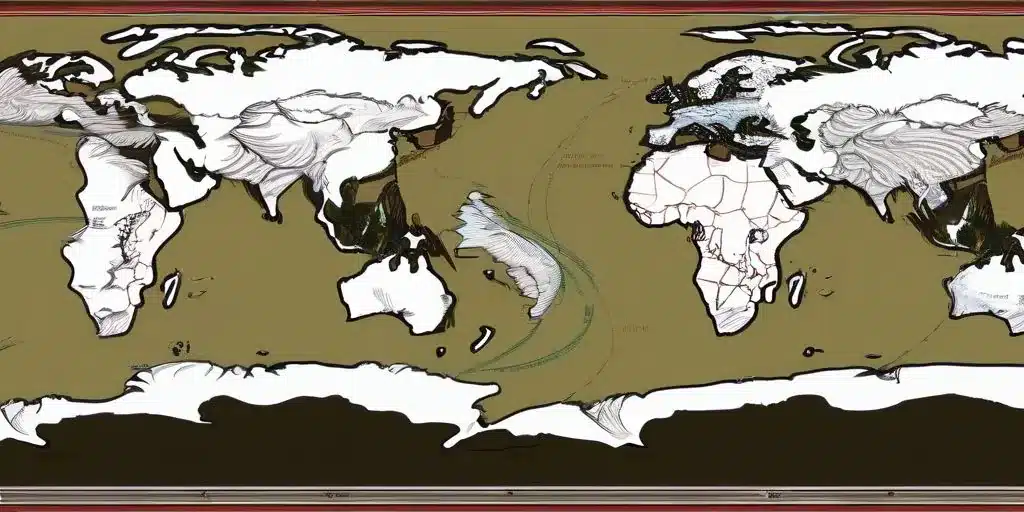
    The quest for historical evidence of Tartaria is as intriguing as it is contentious. Scholars are divided, with some asserting that Tartaria was a vast empire spanning Eurasia, while others dismiss it as a mere cartographic error. Yet, the debate rages on, fueled by tantalizing clues scattered throughout ancient texts and maps.

    The Secret Teachings with Ryan Gable has delved into this enigma, suggesting that conventional history may have overlooked or even suppressed details about this mysterious civilization. The show posits that Tartaria’s influence was far-reaching, potentially shaping the course of history in ways we are only beginning to understand.

    The absence of concrete evidence does not equate to the absence of history.

    Despite the lack of definitive proof, the following points continue to intrigue researchers and enthusiasts alike:

    • The consistent depiction of a vast Tartarian region on historical maps.
    • References to Tartarian architecture and technology in travelers’ accounts.
    • The mysterious symbols and scripts associated with Tartarian artifacts.

    The search for Tartaria’s historical footprint is a journey through a labyrinth of myths, legends, and fragmented records. It challenges us to look beyond the accepted narrative and consider the possibility of a lost empire that once commanded awe and respect across the ancient world.

    Architectural Marvels

    The empire of Tartaria, shrouded in mystery, is said to have boasted architectural wonders that defy explanation. Bold stone structures, intricate carvings, and grandiose cityscapes are whispered to have dotted the landscape. These tales of magnificence are not without merit, as some researchers point to existing edifices that bear a striking resemblance to the Tartarian style.

    • The Winter Palace in Saint Petersburg, Russia
    • The Red Fort in Delhi, India
    • The ruins of Ani in Turkey

    Each of these sites exhibits characteristics that fuel speculation about a Tartarian blueprint. Skeptics argue that these are merely coincidences or the result of convergent architectural evolution. Yet, the allure of a lost empire’s hand in shaping global aesthetics persists.

    The grandeur of Tartaria’s supposed constructions speaks to a civilization that valued artistry and power. The silence of the ruins may hold whispers of a forgotten past, urging us to look closer and question the narratives of history.

    The debate continues, with each discovery adding a piece to the puzzle. Was Tartaria a real empire with a legacy etched in stone, or is it a construct of romanticized history? The search for truth marches on, as does the legend of Tartaria’s architectural marvels.

    Exploring Tartarian Culture and Society

    Exploring Tartarian Culture and Society

    Social Structures

    The social fabric of Tartaria was as intricate as the patterns on their famed tapestries. Power was hierarchical, yet there existed a surprising fluidity within the ranks. Nobles and commoners alike had roles to play, each contributing to the empire’s stability. The nobility wielded influence, but it was the artisans, traders, and scholars who propelled Tartarian society forward.

    At the heart of Tartarian social structure was the family unit. Extended families often lived together, sharing resources and responsibilities. This collective living arrangement fostered a strong sense of community and mutual support. Below is a snapshot of the typical Tartarian family hierarchy:

    • Patriarch/Matriarch: The head of the family, often the eldest or most respected member.
    • Spouses and Children: Immediate family members with clearly defined roles.
    • Extended Kin: Cousins, aunts, uncles, and grandparents contributing to the household.
    • Servants and Apprentices: Non-family members working and learning within the family compound.

    Tartarian society was not static; it thrived on the exchange of ideas and goods. Trade routes crisscrossed the empire, bringing not only wealth but also cultural exchanges that enriched Tartarian life.

    Despite the grandeur of their empire, Tartarians valued simplicity in their personal lives. Homes were functional yet comfortable, reflecting the practical nature of its people. The social order was maintained through a combination of tradition, respect for authority, and communal cooperation.

    Art and Literature

    The Tartarian Empire’s cultural richness was mirrored in its art and literature. Vibrant tapestries of history were woven through their storytelling, poetry, and visual arts. Their literature, now shrouded in mystery, is believed to have influenced generations beyond their time.

    • Epic poems celebrated heroes and battles.
    • Philosophical texts pondered existence and society.
    • Visual arts ranged from intricate miniatures to grand frescoes.

    Tartarian art was not just a feast for the eyes; it was a dialogue with the soul.

    Scholars speculate that Tartarian libraries were treasure troves of human thought and emotion. Yet, much of this legacy is lost, leaving us to piece together fragments from the past. The mention of the Tartarian Empire in a BitChute video titled ‘THE TARTARIAN EMPIRE – FULL THEORY EXPLAINED‘ suggests a lingering fascination with their cultural achievements.

    Technological Advancements

    The Tartarian Empire, often shrouded in mystery, was not just a marvel of architecture but also a beacon of innovation. Their technological prowess was said to rival that of contemporary civilizations. Advances in engineering, agriculture, and military tactics are often attributed to the Tartarians, suggesting a society that valued progress and ingenuity.

    One notable invention was the Tartarian plow, which revolutionized farming practices of the time. Its design allowed for deeper soil penetration, increasing crop yields and fostering agricultural sustainability. The military sector saw the introduction of advanced weaponry and strategic defense systems, which contributed to the empire’s formidable reputation.

    Communication was another area where Tartaria excelled. The use of intricate signaling systems and the development of an early postal service facilitated swift information exchange across vast distances. This not only bolstered trade but also helped in maintaining a cohesive empire.

    The legacy of Tartarian technology can still be felt today, as many of their innovations laid the groundwork for future developments.

    While the full extent of Tartarian technological achievements remains a topic of debate among historians, the evidence points to a civilization far ahead of its time.

    The Enigmatic Disappearance of Tartaria

    The Enigmatic Disappearance of Tartaria

    Theories and Speculations

    Theories about Tartaria’s disappearance are as varied as they are fascinating. Was it a natural disaster or a gradual decline? Some speculate a cataclysmic event, while others suggest a slow erosion of power. Here are a few popular theories:

    • A massive earthquake that reshaped the region.
    • Invasion by a more powerful empire.
    • Economic collapse due to trade route disruptions.
    • A pandemic that decimated the population.

    Each theory has its proponents and detractors, but the truth remains elusive. Support more articles like this to keep the quest for knowledge alive.

    The enigma of Tartaria’s vanishing act continues to captivate historians and enthusiasts alike. The lack of concrete evidence only adds to the mystery, fueling endless speculation and debate.

    Possible Explanations

    The disappearance of Tartaria has baffled historians and enthusiasts alike. Was it a gradual decline or a sudden vanishing? Theories abound, from natural disasters to economic collapse. Some suggest a conspiracy of silence, where powerful nations erased Tartaria from history books. Others believe it simply fragmented into smaller states, absorbed by expanding empires.

    Into the Parabnormal with Jeremy Scott delved into the enigma, proposing that Tartaria’s advanced technology might have threatened established powers, leading to its deliberate suppression. Could this be the missing piece of the puzzle?

    The truth may be shrouded in time, but the quest for answers continues to ignite imaginations worldwide.

    While no single explanation can be pinpointed, the legacy of Tartaria lives on, inspiring countless discussions and debates. Here’s a list of the most popular theories:

    • Natural disasters disrupting the societal order
    • Economic turmoil leading to a gradual decline
    • Conquest by emerging empires
    • A deliberate historical cover-up
    • Technological suppression by threatened nations

    Each theory carries its own weight, and perhaps the real answer is a combination of these factors. The mystery of Tartaria remains, a tantalizing riddle for the modern age.

    Legacy and Influence

    The legacy of Tartaria is a tapestry of intrigue and inspiration. Its influence permeates modern culture, often in subtle ways. From architecture to folklore, the echoes of this enigmatic empire are still felt today.

    Architectural styles across Eurasia bear the hallmark of Tartarian grandeur, suggesting a widespread impact on urban development. The myths and legends that sprang from Tartarian lore continue to captivate storytellers and audiences alike.

    • Tartarian motifs in contemporary design
    • Influence on urban legends and folklore
    • Inspirational role in alternative history narratives

    The fascination with Tartaria challenges us to look beyond the known, to question history, and to imagine what might have been.

    Scholars and enthusiasts debate the extent of Tartaria’s reach, but one thing is certain: its story has not been forgotten. It lives on in the collective imagination, a lost empire that still captures the hearts of those who dare to dream of a world that might have existed.

    Conclusion

    In conclusion, the Lost Empire of Tartaria remains a captivating enigma that blurs the lines between myth and history. As we delved into the depths of this mysterious empire, we encountered a tapestry of stories, beliefs, and speculations that continue to intrigue and fascinate. From the whispers of a lost civilization to the echoes of forgotten glory, Tartaria’s legacy lingers in the realms of both the tangible and the fantastical. As we navigate the blurred boundaries of truth and legend, one thing remains certain – the allure of Tartaria will continue to beckon curious minds to explore its hidden secrets and unravel the mysteries of a bygone era.

    Frequently Asked Questions

    What is the Lost Empire of Tartaria?

    The Lost Empire of Tartaria refers to a mysterious civilization that is believed to have existed in Central Asia, but its existence is debated among historians and researchers.

    Are there any historical records of Tartaria?

    There are limited historical records and references to Tartaria in various sources, but the exact nature and extent of the empire remain unclear.

    What are some architectural marvels associated with Tartaria?

    Tartaria is often linked to elaborate architectural structures and designs, with some theories suggesting advanced building techniques and unique styles.

    What were the social structures like in Tartarian society?

    The social structures of Tartarian society are not well-defined, but some speculate a hierarchical system with distinct roles and classes.

    Did Tartaria have any notable contributions to art and literature?

    There are claims of Tartaria’s influence on art and literature, with some pointing to unique artistic expressions and cultural achievements.

    Were there any technological advancements attributed to Tartaria?

    Speculations exist about technological advancements in Tartaria, including innovative tools, engineering feats, and scientific knowledge.

  • From Alchemy to the Occult: Unraveling the Enigmatic Powers of the Emerald Tablet

    From Alchemy to the Occult: Unraveling the Enigmatic Powers of the Emerald Tablet

    The Emerald Tablet, a cornerstone of alchemical and esoteric traditions, has long fascinated scholars and spiritual seekers alike. Its cryptic verses and the figure of Hermes Trismegistus have become symbols of the transformative quest for knowledge and enlightenment. This article delves into the history, interpretation, and cultural impact of the Emerald Tablet, from its enigmatic origins to its presence in modern occult and popular culture.

    Key Takeaways

    • The Emerald Tablet’s origins are shrouded in mystery, with claims of its discovery in Hermes Trismegistus’s hands within the Great Pyramid of Gizeh.
    • Its cryptic script has challenged translators and influenced esoteric thought, emphasizing a spiritual technology believed to originate from ancient Egypt.
    • The pursuit of the Philosophical Stone and the seven Hermetic principles represent the core of alchemical transmutation and the quest for enlightenment.
    • The Tablet’s teachings have permeated occult practices, from ritual magic to divination, and continue to inspire contemporary spiritual seekers.
    • Despite its ancient roots, the Emerald Tablet maintains a significant presence in popular culture, symbolizing the enduring appeal of mystical wisdom and the transformative power of alchemy.

    The Enigmatic Origins of the Emerald Tablet

    The Enigmatic Origins of the Emerald Tablet

    The Discovery in Hermes’ Grasp

    The Emerald Tablet’s journey through time begins with a tale as old as the sands of Egypt. Legend whispers of its discovery by none other than Hermes Trismegistus, a figure shrouded in the mists of mythology and revered as a master of mystical wisdom. Balinas, often identified with Pseudo-Apollonius of Tyana, claimed to have stumbled upon a secret chamber. There, an ancient sage, seated upon a golden throne, held the tablet in his grasp, its contents promising the secrets of the universe.

    The tablet’s allure lies not just in its mystique, but in the profound knowledge it purportedly contains. It is said to reveal the process of transmuting base metals into gold, symbolizing the transformation of the human soul into a state of divine enlightenment. This enigmatic artifact has captivated the minds of alchemists, seeking not just material wealth, but spiritual ascension.

    The Emerald Tablet’s message, veiled in cryptic script, has echoed through the ages, inspiring a relentless quest for truth and understanding.

    Despite its legendary status, the true origins of the Emerald Tablet remain as elusive as the quintessence it describes. Its journey from Hermes’ grasp to the annals of alchemical lore is a testament to the enduring search for life’s ultimate elixir.

    Ancient Texts and Timeless Mysteries

    The Emerald Tablet’s allure lies not just in its cryptic language, but in its ancient wisdom that has tantalized seekers for centuries. Its origins are shrouded in the mists of time, with connections to Egyptian sacred science and the mythic tales of Hermes Trismegistus. The tablet’s text is a patchwork of alchemical lore and esoteric knowledge, a puzzle that has beckoned the brightest minds to unlock its secrets.

    Alchemy itself is a bridge between the material and the mystical, and the Emerald Tablet is its keystone. The tablet’s influence stretches far beyond the dusty tomes of history, casting a spell on all who encounter its enigmatic verses. It’s not just a relic; it’s a living legacy that continues to inspire and confound.

    The tablet’s message, though veiled, speaks of transformation and transcendence, hinting at a universal truth that echoes through the ages.

    The tablet’s mystique is amplified by its association with legendary figures and the promise of ultimate knowledge. It’s a siren call to those who yearn to peer beyond the veil of reality, to grasp the threads of the divine tapestry.

    The Intersection of Alchemy and Mythology

    Alchemy’s allure isn’t just rooted in the promise of gold. It’s woven into the very fabric of mythology, where the transformation of the soul mirrors the transmutation of base metals. The Emerald Tablet itself is a testament to this intertwining, a cryptic guidebook where spiritual enlightenment and chemical processes converge.

    • Alchemy’s triple transformation: interior, elemental, and temporal.
    • The quest for immortality in ancient civilizations.
    • The role of esoteric symbols in alchemical rites.

    In the modern quest for understanding, shows like The Secret Teachings with Ryan Gable explore these ancient connections, delving into the mysteries that have captivated minds for centuries. The Tablet’s legacy persists, a beacon for those seeking the profound truths hidden within allegory and legend.

    The Emerald Tablet’s enigma invites a journey not just of the mind, but of the spirit.

    Deciphering the Cryptic Script

    Deciphering the Cryptic Script

    The Language of the Adepts

    The language of the adepts is a cryptic script, a cabalistic pattern of meaning known only to the initiated. To grasp its essence is to touch the arcane knowledge of the universe. It’s not just words on a tablet; it’s a resonance with the soul, a key to unlocking the secrets of existence.

    • The adept’s language is a guarded secret, passed down orally.
    • It’s a gnosis, an intuitive knowledge beyond mere words.
    • Only through initiation can one truly understand its depth.

    The adept’s language is not learned but experienced, a profound alteration of consciousness.

    This esoteric tongue has baffled many, yet it holds the power to transform the seeker. It’s not about learning a new dialect but about tuning into a frequency that has echoed through the ages. The language of the adepts is the melody of the cosmos, a symphony of hidden truths waiting to be heard.

    Translating the Untranslatable

    The Emerald Tablet’s text is a riddle wrapped in a mystery inside an enigma. Translators have grappled with its cryptic language for centuries, each offering a unique lens through which to view its arcane wisdom. The task is akin to capturing a shadow – the closer you get, the more elusive it becomes.

    The translations vary, from the Latin of the 12th century to Isaac Newton’s 17th-century attempt. Each translator infuses their own essence into the work, leaving us with a patchwork of interpretations. Here’s a snapshot of the translation timeline:

    • 12th Century Latin
    • Aurelium Occultae Philosophorum by Georgio Beato
    • Isaac Newton c. 1680
    • Alleged Phoenician by Kriegsmann

    The Tablet’s essence is not just in the words, but in the spaces between them – the silence that speaks volumes.

    The Tablet’s influence stretches far beyond the confines of its physical form, touching the realms of modern esotericism. It’s not just a text; it’s a living, breathing enigma that continues to inspire and confound.

    The Tablet’s Influence on Modern Esotericism

    The Emerald Tablet’s cryptic verses have echoed through the ages, inspiring a myriad of modern esoteric practices. Its timeless wisdom is a beacon for seekers of the mystical and the arcane. From the rise of neopagan movements to the resurgence of Hermetic philosophy, the Tablet’s influence is undeniable.

    In the realm of the occult, the Tablet’s maxims are often cited as foundational. Ground Zero Radio delves into the paranormal and peculiar, with Clyde Lewis at the helm, exploring mysteries that tap into the Tablet’s enigmatic allure. The Tablet’s principles have been interwoven with practices such as tarot reading, astrology, and even the crafting of modern witchcraft rituals.

    Here’s a glimpse into how the Emerald Tablet continues to shape esoteric thought:

    • It serves as a philosophical cornerstone for various spiritual paths.
    • The Tablet’s message of ‘as above, so below’ is a guiding principle in many magical practices.
    • Alchemists and occultists draw upon its symbolism to forge deeper connections with the natural world.

    The Emerald Tablet remains a touchstone for those on a quest for knowledge and transformation, its influence permeating the fabric of contemporary esotericism.

    The Philosophical Stone: Alchemy’s Ultimate Pursuit

    The Philosophical Stone: Alchemy's Ultimate Pursuit

    The Quest for Transmutation

    The alchemist’s dream: to turn base metals into gold. This wasn’t just about wealth; it was a spiritual journey, a symbol of human potential and transformation. Transmutation was the heart of alchemy, the promise of a profound change not just in matter, but in the alchemist themselves.

    Transmutation is often depicted as a mere change in elemental structure, but it’s so much more. It’s a dance of geometry, a morphogenetic conversation between substance and the alchemist’s intent. The philosopher’s stone, the elusive catalyst, is said to hold the key to this arcane process.

    The pursuit of transmutation is a tale of threefold change: the physical, the temporal, and the spiritual. Each aspect is a thread in the tapestry of alchemy, woven with the metaphor of light.

    The Emerald Tablet whispers of transformations beyond the mundane. It speaks of a new Golden Age, a societal shift, and the tantalizing possibility of planetary transmutation. The final secret of alchemy, some say, lies in an approaching moment of planetary crisis, a pivot point for all existence.

    The Seven Hermetic Principles

    The Hermetic Philosophy is built on seven pillars, each a principle that whispers the secrets of the universe. The Principle of Mentalism asserts that all is mind, the cosmos a mental creation. From the Principle of Correspondence comes the adage ‘As above, so below,’ guiding us to understand the unseen by the seen.

    The Principle of Vibration shakes the notion that anything is at rest, while the Principle of Polarity reveals the dual nature of reality. Life’s ebb and flow are explained by the Principle of Rhythm, and the Principle of Cause and Effect confirms that every action has its reaction. Lastly, the Principle of Gender embodies the masculine and feminine within all.

    These principles are not just esoteric concepts; they are tools for personal transformation, a roadmap for navigating life’s mysteries.

    In the hands of the adept, these principles are not mere words but keys to unlocking profound wisdom. They have inspired countless seekers, from alchemists to modern-day mystics, each finding in them a spark of the divine.

    The Alchemists’ Sacred Process

    The alchemists’ journey was not merely one of physical transformation but an intimate dance with the divine. The Emerald Tablet was their map to enlightenment, a guide to the sacred process that promised to unlock the secrets of the universe. At the heart of their work lay the pursuit of the Philosophical Stone, the key to transmutation and eternal wisdom.

    Ground Zero with Clyde Lewis often delves into the mysteries that once consumed the alchemists’ lives, reflecting on the profound impact of the Emerald Tablet’s teachings. The tablet’s seven steps were not just instructions; they were a spiritual blueprint.

    • Calcination: The burning of ego
    • Dissolution: The softening of hardened beliefs
    • Separation: The discernment of truth from falsehood
    • Conjunction: The union of opposites
    • Fermentation: The birth of new insight
    • Distillation: The purification of the soul
    • Coagulation: The realization of the Philosopher’s Stone

    The alchemist’s path was a solitary one, each step a testament to their unwavering commitment to the Great Work. The tablet’s cryptic verses were a constant companion, whispering the ancient wisdom needed to navigate the labyrinth of their inner worlds.

    The Occult and the Emerald Tablet

    The Occult and the Emerald Tablet

    From Hermes to Modern Witchcraft

    The Emerald Tablet’s journey through time has seen it nestled in the hands of the legendary Hermes Trismegistus, a figure shrouded in the mists of history and myth. From ancient wisdom to modern witchcraft, the Tablet’s allure has not waned. It has whispered to the adepts of old and now speaks to the souls of contemporary seekers.

    The Tablet’s essence, once the guarded secret of alchemists, has found a new home in the eclectic practices of modern witchcraft. Kitchen witches and urban shamans draw upon its mystique, crafting spells and rituals with a nod to the Hermetic principles it embodies.

    • The Tablet’s cryptic verses inspire magical workings.
    • Its symbolism is woven into the fabric of neo-pagan rites.
    • The pursuit of personal transformation echoes the alchemical goal of transmutation.

    The Emerald Tablet remains a beacon, guiding the practitioner through the labyrinth of the metaphysical and the arcane. Its legacy endures, a testament to the enduring quest for knowledge and power that transcends the boundaries of time.

    The Tablet in Ritual and Divination

    The Emerald Tablet’s allure extends beyond mere curiosity; it serves as a pivotal tool in various occult practices. Diviners and ritualists revere the Tablet for its cryptic wisdom, often incorporating its principles into their mystical workings. The Tablet’s text, believed to be a blueprint for transformation, is frequently used in attempts to commune with higher powers and unlock deeper spiritual insights.

    • The Tablet’s maxims are chanted in ceremonies.
    • Symbols from the Tablet are used in talisman creation.
    • Its verses guide meditation and visualization exercises.

    The Tablet’s influence permeates the fabric of the occult; it is not just read, but lived and breathed by those who walk the esoteric path.

    Podcasts and online forums buzz with discussions about the Tablet’s role in modern witchcraft and divination. Listeners delve into the mysteries of the Tablet, seeking to understand its ancient wisdom and how it can be applied in contemporary spiritual practices. The Tablet’s legacy continues to inspire and challenge the boundaries of our understanding.

    The Legacy of the Tablet in Occult Practices

    The Emerald Tablet’s legacy in occult practices is as vibrant today as it was centuries ago. Its cryptic verses have become a beacon for those seeking esoteric knowledge. The Tablet’s wisdom has permeated various forms of modern witchcraft, influencing rituals and divination methods. It’s not just a relic; it’s a living philosophy, guiding practitioners in their spiritual quests.

    The allure of the Tablet lies in its promise of hidden truths and transformative powers. It’s a universal symbol, echoing through time, inspiring seekers of mystery. The Tablet’s principles are woven into the fabric of occult practices, from tarot readings to alchemical symbolism.

    • The Tablet’s maxims are often quoted in magical workings.
    • Its principles underpin many contemporary pagan and Wiccan beliefs.
    • It serves as a philosophical foundation for various spiritual paths.

    The Tablet’s enigmatic message continues to challenge and inspire. It’s a testament to the enduring quest for understanding the mysteries of existence. The Emerald Tablet remains a cornerstone of the occult, its legacy unbroken by time or skepticism.

    The Emerald Tablet in Popular Culture

    The Emerald Tablet in Popular Culture

    Alchemy and Fiction: A Symbiotic Relationship

    The allure of alchemy has not been lost on the world of fiction. Authors and creators have long borrowed from the mystique of the alchemical arts, weaving them into the fabric of their fantastical narratives. The Emerald Tablet, with its cryptic allure, has become a staple in this creative alchemy, offering a touchstone for the mysterious and the magical.

    In the realm of radio, Into the Parabnormal with Jeremy Scott delves into the enigmatic and often intertwines with themes akin to those found on the ancient tablet. Listeners are transported to a world where the lines between science, magic, and the supernatural blur.

    • The Emerald Tablet’s influence is evident in genres spanning from fantasy to science fiction.
    • It serves as a catalyst for plot development, character arcs, and world-building.
    • Its principles are often mirrored in the transformative journeys of protagonists.

    The Emerald Tablet’s presence in fiction is more than mere homage; it is a testament to its enduring enigma and the human quest for knowledge that transcends the physical realm.

    The Tablet’s Role in Contemporary Media

    The Emerald Tablet’s allure transcends time, captivating audiences in today’s digital age. Netflix’s ‘Dark’ is a prime example, where the Tablet’s mystique adds layers of enigma to the show’s complex narrative. It’s not just about the drama; the Tablet’s presence in ‘Dark’ echoes its historical reputation as a source of profound knowledge.

    In the realm of podcasts and YouTube channels, the Tablet often surfaces as a topic of intrigue. Listeners are drawn to tales of its occult powers and alchemical significance, fueling a never-ending quest for the esoteric. The Tablet’s influence is undeniable, as it continues to inspire creators and seekers alike.

    The Emerald Tablet remains a symbol of the mystical journey, its cryptic messages challenging the curious to decode its ancient wisdom.

    Here’s a snapshot of the Tablet’s impact in modern media:

    • Featured in Netflix’s ‘Dark’ as a pivotal plot element
    • Discussed in countless podcasts exploring the mysterious and the arcane
    • Analyzed in YouTube documentaries and series
    • Referenced in music, literature, and art

    The Tablet’s enigmatic power has not waned; it thrives in the digital era, urging a new generation to explore the depths of its secrets.

    Inspiring Modern Seekers and Skeptics Alike

    The Emerald Tablet’s allure isn’t confined to dusty tomes and secret societies. It’s alive, pulsing through the veins of our digital age. Podcasts like Ground Zero Radio tap into the zeitgeist, offering apps for live shows and discussions on enigmatic topics, feeding the curiosity of modern seekers.

    Esotericism isn’t just for the initiated anymore; it’s become a cultural touchstone. From online forums to social media groups, people are sharing their interpretations and experiences, debating the Tablet’s meanings and its place in contemporary spirituality.

    The quest for knowledge and truth transcends time, and the Emerald Tablet continues to be a beacon for those journeying through the metaphysical landscape.

    The Tablet’s cryptic messages inspire a wide array of responses:

    • Some see it as a historical puzzle to be solved.
    • Others view it as a spiritual guidebook.
    • There are those who incorporate its principles into their creative work.
    • And skeptics scrutinize its claims, adding fuel to the fire of debate.

    In every corner of the world, the Emerald Tablet remains a symbol of the human desire to understand the unknown, proving that its legacy is far from being a relic of the past.

    The allure of the Emerald Tablet has permeated various facets of popular culture, inspiring a myriad of creative works that explore its enigmatic wisdom. If you’re captivated by the mysteries of the Emerald Tablet and its influence on esoteric thought, you won’t want to miss the exclusive content available at Aftermath Media. Dive into our extensive archives of Ground Zero with Clyde Lewis and The Secret Teachings with Ryan Gable, where the ancient meets the modern in thought-provoking discussions. Embark on your journey of discovery and enlightenment today by visiting our website and choosing the membership plan that best suits your quest for knowledge.

    Conclusion

    In our exploration of the Emerald Tablet and its mystical legacy, we have traversed a landscape rich with esoteric knowledge and historical intrigue. From the cryptic verses of Hermes Trismegistus to the clandestine practices of alchemists, the tablet’s enigmatic message has echoed through the ages, inspiring seekers of hidden truths.

    It has been a guide for those delving into the occult, a beacon for the spiritually inclined, and a source of fascination for scholars and enthusiasts alike. While the true powers and secrets of the Emerald Tablet may remain shrouded in the mists of time, its influence on the realms of alchemy, the occult, and beyond is undeniable.

    As we close this chapter on our mystical journey, we are reminded that the quest for understanding is an eternal one, with each discovery leading to new mysteries waiting to be unraveled.

    Frequently Asked Questions

    What is the Emerald Tablet?

    The Emerald Tablet is an ancient artifact reputed to contain the secret of the universe and the basis for a spiritual technology known as alchemy. It is believed to have been discovered in the mummified hands of Hermes Trismegistus within the great pyramid of Gizeh.

    Who was Hermes Trismegistus?

    Hermes Trismegistus is a legendary Hellenistic figure often associated with wisdom and the transmission of alchemical knowledge. He is credited with the creation of the Emerald Tablet and is considered a prophet of alchemy and the occult.

    What are the main principles outlined in the Emerald Tablet?

    The Emerald Tablet outlines seven hermetic principles that serve as a guide for alchemical transformation, representing operations on matter whether physical, psychological, or spiritual in nature.

    How has the Emerald Tablet influenced modern esotericism?

    The Emerald Tablet has been a cornerstone in the study of hermeticism and alchemy, influencing various modern esoteric practices including ritual magic, divination, and the study of the occult.

    What role does the Emerald Tablet play in popular culture?

    The Emerald Tablet has inspired numerous works of fiction, movies, and media, often depicted as a source of ancient wisdom or power, and continues to fascinate both seekers and skeptics.

    Is the process described in the Emerald Tablet applicable today?

    While the literal practice of alchemy is not prevalent today, the symbolic and philosophical aspects of the Emerald Tablet continue to resonate with individuals interested in personal transformation and the exploration of the mystical aspects of existence.

  • Who burnt down Easter Island and why did they do it?

    Who burnt down Easter Island and why did they do it?

    Easter Island, known for its enigmatic Moai statues and rich cultural heritage, faced a devastating fire that caused irreversible damage to its historical treasures and natural environment. The fire, which scorched a substantial portion of the island, including the Rano Raraku crater, has sparked a flurry of investigations, debates, and concerns over the protection of this UNESCO World Heritage site. While local authorities suggest human causation, conflicting reports and the island’s complex history of external influences add layers of complexity to understanding the full impact of this tragedy.

    Key Takeaways

    • The fire on Easter Island caused extensive damage to its iconic Moai statues and surrounding ecosystem, affecting approximately 250 acres of land.
    • Local authorities have attributed the fire to human activity, while other sources, such as CNN, have cited volcanic activity as the cause.
    • The cultural significance of Rapa Nui has been highlighted in the wake of the fire, with global reactions expressing a sense of loss and the need for greater protection.
    • Preservation efforts face challenges due to limited resources for firefighting and the need for sustainable tourism to prevent further ecological disasters.
    • The history of Easter Island is marked by external factors contributing to societal changes, suggesting that the recent fire is another event in a pattern of outside influences impacting the island.

    The Devastating Fire on Easter Island

    The Devastating Fire on Easter Island

    Extent of Damage to the Moai Statues

    The recent fire on Easter Island has resulted in irreparable damage to an unspecified number of the iconic Moai statues. The full scope of the devastation is still under assessment, but visible damage to the statues and the surrounding land has been confirmed. The Rano Raraku crater, home to nearly 30 Moai, has been particularly affected.

    While some Moai were shielded due to being buried or partially buried, those exposed on the surface suffered extensive scorching. The Rapa Nui National Park, which houses 887 Moai statues and 300 ceremonial platforms, bears the scars of this disaster.

    The land around the affected Moai has been left scorched and brown, a stark contrast to the lush environment that once surrounded these ancient sentinels.

    The challenge now lies in evaluating the extent of the damage and developing strategies to prevent such tragedies in the future. The community and authorities are rallying to protect these cultural treasures, but the path to recovery will be arduous.

    The Aftermath of the Wildfire on Rapa Nui’s Ecosystem

    The wildfire that swept through Rapa Nui, also known as Easter Island, left a trail of destruction that extended far beyond the iconic Moai statues. The extent of the ecological damage is still being assessed, but initial reports indicate a significant impact on the island’s delicate ecosystem.

    • The Rano Raraku crater, home to numerous Moai and a vital wetland area, was severely affected.
    • Approximately 250 acres of land were scorched, including areas of rich biodiversity and endemic species.
    • The soil, already fragile from historical land degradation, faced further nutrient depletion.

    The aftermath of the fire has exposed the vulnerability of Rapa Nui’s ecosystem, highlighting the need for urgent conservation measures.

    The community now faces the challenge of restoring the land, a task complicated by the island’s isolation and limited resources. The fire’s impact on the local flora and fauna could have long-lasting repercussions, threatening the survival of species unique to the island.

    Efforts to Contain the Fire and Resource Challenges

    The battle against the blaze on Easter Island was marked by a stark contrast between the urgency of the situation and the limited resources at hand. Local firefighters, alongside volunteers, faced a daunting task as they worked tirelessly to contain the fire that threatened the island’s cultural heritage and natural environment.

    • Initial response teams were quickly overwhelmed by the fire’s magnitude.
    • Access to modern firefighting equipment was scarce, leading to innovative, albeit less effective, makeshift solutions.
    • The remote location of Easter Island posed significant logistical challenges, delaying the arrival of additional support and supplies.

    The complete breakdown of economic, cultural, and social institutions with ecological relationships is perhaps the most common feature of collapse.

    Despite these hurdles, the community’s resilience shone through. The collective effort underscored the importance of enhancing resource allocation and emergency preparedness to safeguard such irreplaceable treasures against future calamities.

    Investigating the Cause of the Catastrophe

    Investigating the Cause of the Catastrophe

    Local Authorities’ Claims of Human Causation

    In the wake of the devastating fire on Easter Island, local authorities have pointed to human causation as the primary factor. Evidence suggests that the fire was not a natural occurrence but rather the result of human activity. This aligns with historical patterns where human-induced environmental changes have often precipitated societal collapses.

    • Theories of societal collapse, such as those proposed by Jared Diamond, highlight how environmental destruction can lead to a downward spiral for civilizations.
    • Researchers emphasize that while short-term crises may stem from social issues, climate change often underlies major crises, including economic depressions.
    • The complexity of human societies means that a multitude of factors, including economic, environmental, and social elements, can interplay and lead to a tipping point.

    The intricate web of causative factors in societal decline underscores the challenges in pinpointing a single cause for such disasters.

    Local authorities are investigating the specific human actions that could have led to the fire, considering the island’s historical vulnerability to ecological disasters. The role of climate change, alongside direct human interference, is being scrutinized as part of a broader inquiry into the tragedy.

    Conflicting Reports on Volcanic Activity

    In the wake of the devastating fire on Easter Island, reports emerged suggesting volcanic activity as a potential cause. CNN reported the fire was caused by a volcano on the island, stirring controversy and confusion among both local authorities and international observers. The island, known for its iconic Moai statues and rich cultural heritage, is geologically composed of basaltic and andesitic lava flows, scoria, tuff, obsidian, and is situated above a mantle plume “hot spot” on the Nazca Plate.

    However, the mayor of Rapa Nui refuted these claims, stating that the fire was human-caused. The discrepancy between these reports has led to a deeper investigation into the island’s volcanic history and current activity. Volcanic eruptions are known to have significant climatic impacts, with large eruptions expelling sulfur dioxide into the stratosphere, potentially affecting global temperatures.

    The role of volcanic activity in the history of Easter Island remains a subject of debate, with new evidence and theories continually emerging.

    Despite the lack of consensus, the importance of understanding the true cause of the fire is paramount, as it holds implications for future preservation efforts and the safety of the island’s inhabitants and cultural landmarks.

    The Role of External Factors in Rapa Nui’s Historical Decline

    The decline of Rapa Nui’s society has often been attributed to internal factors such as environmental degradation and societal collapse. However, recent research suggests that external influences played a significant role. The arrival of Europeans brought diseases like smallpox and the Spanish flu, which decimated the indigenous population and disrupted their social structures.

    • The introduction of Old World diseases
    • Slave trading and exploitation
    • Loss of population and cultural practices

    The true story of Rapa Nui is one of survival against the odds by an ingenious and resilient people who came to a bad land and made it good.

    The narrative of self-inflicted ecocide is being challenged by evidence pointing to the catastrophic impact of these external factors. The islanders, once thriving and industrious, faced an onslaught of challenges that were exacerbated by the arrival of Europeans, leading to a dramatic decline in their society.

    Cultural Impact and Global Reactions

    Cultural Impact and Global Reactions

    The Sacredness of Rapa Nui to the Indigenous Community

    Easter Island, or Rapa Nui, is not just a place of archaeological wonder but a sacred land deeply intertwined with the identity of the indigenous Rapa Nui people. The mystery of the Moai statues is a testament to the extraordinary culture that once thrived on this remote island. These monolithic figures are more than just tourist attractions; they embody the spiritual and ancestral significance that has been passed down through generations.

    The Rapa Nui community’s connection to the land and the Moai is profound. The statues represent some of the finest human craftsmanship and are a source of immense pride for the indigenous people. This bond is highlighted by the ongoing efforts to repatriate Moai statues from foreign institutions. For instance, the British Museum, which houses two Moai, has been at the center of requests for their return, reflecting the deep cultural and spiritual ties that the Rapa Nui have with these effigies.

    The land of Rapa Nui, with its enigmatic Moai, continues to be a living cultural landscape, where the past and present coalesce, shaping the identity of its people.

    The recent wildfire that damaged over 100 statues has not only caused physical harm but also inflicted a deep spiritual wound on the community. The Rapa Nui people view these events as a desecration of their sacred land, a sentiment echoed in popular culture through music and art that allude to the island’s sanctity.

    International Media Coverage and Misinformation

    In the wake of the Easter Island catastrophe, international media outlets have been quick to report on the event, often with varying degrees of accuracy. The spread of misinformation has been a significant concern, with sensational headlines and oversimplified narratives overshadowing the complex reality of the situation. The role of media in shaping public perception cannot be understated, as it influences both the immediate response and long-term support for recovery efforts.

    • Misconceptions about the history of Rapa Nui have been perpetuated by media coverage.
    • Sensationalist reporting can lead to a skewed understanding of the events.
    • The need for accurate and culturally sensitive journalism is paramount.

    The narrative surrounding Easter Island has often been colored by myths and oversimplifications, detracting from the nuanced history of the island and its people.

    It is crucial for media organizations to engage in responsible reporting, ensuring that their coverage is not only factual but also respectful of the cultural significance of Rapa Nui. The global reaction to the fire has highlighted the need for a more informed and conscientious approach to reporting on such sensitive issues.

    The Emotional Resonance in Popular Culture

    Easter Island’s narrative has long transcended the confines of academic discourse, embedding itself deeply in the fabric of popular culture. The Moai statues, as silent witnesses to a complex history, have become symbols of intrigue and reflection in various artistic expressions.

    The island’s story has inspired numerous works, from music to podcasts, each contributing to the collective understanding and emotional connection people have with Rapa Nui. For instance, a podcast episode from ‘The Fall of Civilization’ delves into the island’s history, resonating with listeners by presenting research in an engaging format.

    The allure of Easter Island’s past is not just in its mystery, but in the way it mirrors the broader human experience of rise, decline, and the quest for meaning.

    The impact on popular culture is not merely about entertainment; it serves as a conduit for reflection on societal longevity, community resilience, and the consequences of human actions. As such, Easter Island remains a poignant reminder of our shared humanity and the legacies we leave behind.

    Preservation Efforts and Future Challenges

    Preservation Efforts and Future Challenges

    Protecting the Moai Statues from Further Damage

    In the wake of the devastating fire, urgent measures are being implemented to protect Easter Island’s Moai statues from further damage. Preventing erosion is a critical step; teams work tirelessly to reinforce the stone bases of the statues and control the vegetation around them. Limiting damage from human interaction and environmental factors is also paramount.

    The preservation of these monolithic figures is not just about repairing the past, but safeguarding the future of Rapa Nui’s heritage.

    Efforts to preserve the Moai statues include:

    • Regular inspections to assess and address any structural vulnerabilities.
    • Establishing barriers or buffer zones to minimize human contact with the statues.
    • Collaborating with international experts to apply best practices in conservation.

    The commitment to these statues, which are a testament to the island’s rich history, is unwavering. As the guardians of Rapa Nui’s past, they demand our respect and diligent care to endure for generations to come.

    The Importance of Sustainable Tourism on Easter Island

    Easter Island, or Rapa Nui, is a unique historical and cultural treasure that has faced numerous threats over the years, including the devastating fire that damaged its iconic Moai statues. Sustainable tourism is crucial for the preservation of this irreplaceable heritage.

    Tourism is a significant economic driver for Easter Island, but it must be managed responsibly to prevent further harm to the fragile environment and archaeological sites. The following points outline key considerations for sustainable tourism practices:

    • Minimizing visitor impact on natural resources and historical sites
    • Educating tourists about the cultural significance of Rapa Nui and the importance of conservation
    • Supporting local businesses and communities to ensure economic benefits are distributed fairly
    • Implementing strict regulations to control the number of visitors and the activities allowed near sensitive areas

    Sustainable tourism not only protects the island’s resources but also ensures that future generations can experience the wonder of Easter Island’s Moai statues and rich cultural history.

    The challenge lies in balancing the economic benefits of tourism with the need to preserve Easter Island’s unique environment and cultural heritage. This balance is essential for the long-term sustainability of the island and the well-being of its indigenous community.

    Adapting to Climate Change and Preventing Ecological Disasters

    The escalating threat of climate change necessitates a robust strategy for Easter Island’s preservation. Adaptation measures must be integrated with the island’s unique cultural and ecological context.

    • Identification of vulnerable areas and cultural sites
    • Implementation of sustainable land and resource management practices
    • Development of disaster response protocols
    • Education and engagement of the local community in conservation efforts

    The future of Easter Island hinges on proactive measures that not only protect its heritage but also ensure the resilience of its ecosystem against the unpredictable forces of climate change.

    The island’s small size and isolation amplify the potential impact of global environmental issues, such as sea level rise and extreme weather events. Collaborative efforts between local authorities, international organizations, and the indigenous community are crucial to forge a path towards sustainability and cultural preservation.

    Conclusion

    The tragic fire on Easter Island, which caused irreparable damage to the iconic Moai statues and scorched the land, has been a stark reminder of the fragility of our world’s cultural heritage. Despite initial reports attributing the blaze to volcanic activity, it has been confirmed by local authorities that the fire was, in fact, human-caused. This event not only highlights the vulnerability of ancient sites to modern-day threats but also underscores the urgent need for better resources and strategies to protect such irreplaceable treasures. As the Rapa Nui community and the world mourn the loss of part of this sacred site, it is imperative that we reflect on the importance of safeguarding our shared history for future generations.

    Frequently Asked Questions

    What caused the fire on Easter Island?

    Local authorities believe the unprecedented fire was human-caused. However, there have been conflicting reports, including one from CNN suggesting that a volcanic eruption might have sparked the blaze.

    How much of Easter Island was affected by the fire?

    The fire scorched about 250 acres of Easter Island, severely damaging the Rano Raraku crater area, which is home to wetlands and numerous Moai statues.

    What is the significance of the Moai statues to the indigenous community?

    The Moai statues are sacred to the indigenous Rapa Nui community. They are remnants of an extinct megalithic culture and hold great cultural and historical importance.

    What efforts are being made to preserve the Moai statues after the fire?

    Preservation efforts are focused on protecting the Moai statues from further damage and implementing measures to prevent future ecological disasters, including adapting to climate change.

    How has the international community responded to the fire on Easter Island?

    The international media has covered the event extensively, though there has been some misinformation. The global response includes an emotional resonance due to the cultural significance of the Moai statues.

    What were the long-term effects of the fire on Easter Island’s ecosystem?

    The full extent of the ecological damage is still being assessed, but the fire has undoubtedly had a significant impact on the island’s ecosystem, including its flora and fauna.

  • The Real Secret History of Bitcoin

    The Real Secret History of Bitcoin

    Bitcoin has revolutionized the financial world since its inception in 2009, offering a decentralized alternative to traditional fiat currencies. Its history is shrouded in mystery and intrigue, with its anonymous creator, Satoshi Nakamoto, leaving behind a legacy that continues to spark curiosity and debate.

    This article delves into the secret history of Bitcoin, exploring its origins, technological advancements, socioeconomic impact, and the various controversies that have surrounded it. Join us as we unravel the enigmatic tapestry of Bitcoin and speculate on its future in the ever-evolving landscape of finance.

    Key Takeaways

    • Bitcoin’s creation by the elusive Satoshi Nakamoto marked the beginning of a new era in decentralized digital currency.
    • The cryptocurrency’s growth from an obscure concept to a mainstream financial asset highlights its significant impact on global finance.
    • Bitcoin’s underlying technology, blockchain, has introduced a secure and transparent method for transaction processing and record-keeping.
    • Despite its promise of financial freedom, Bitcoin has faced regulatory challenges, legal hurdles, and environmental concerns due to its energy-intensive mining process.
    • The future of Bitcoin is subject to speculation, with potential scaling solutions and increased institutional investment shaping its role in the financial world.

    Unraveling the Enigma: The Origins of Bitcoin

    Unraveling the Enigma: The Origins of Bitcoin

    The Quest for Decentralized Currency

    The dream of a decentralized currency has been a beacon for freedom-seekers and innovators alike. Bitcoin emerged as the embodiment of this dream, a currency untethered from the whims of centralized authorities. Its decentralized nature means no single entity can control or manipulate it, echoing the ethos of a network of independent villages rather than a singular ruling kingdom.

    Decentralization is not just a buzzword; it’s the core of Bitcoin’s revolutionary appeal. The European Central Bank acknowledges Bitcoin’s roots in the Austrian school of economics, particularly Friedrich von Hayek’s vision of a free monetary market. Pioneers like Wei Dai and Nick Szabo laid the groundwork, but it was Satoshi Nakamoto’s genius that brought Bitcoin to life.

    Bitcoin’s creation marked the beginning of a new era in financial sovereignty, challenging the status quo and offering a glimpse of a world where money is truly by the people, for the people.

    The early attempts at digital currencies faced hurdles: centralized control, double-spending issues, and vulnerability to attacks. Yet, Bitcoin learned from these failures, crafting a system resilient to such flaws. The journey to Bitcoin’s inception is a tale of trial, error, and ultimate triumph.

    • The Secret Teachings with Ryan Gable delves into the mysteries and the unconventional paths that led to the creation of Bitcoin, shedding light on the lesser-known stories behind its rise.

    As we stand at the dawn of a new financial era, Bitcoin’s history serves as a testament to human ingenuity and the relentless pursuit of decentralization. It’s a history not just of technology, but of the human spirit’s unyielding desire for autonomy and empowerment.

    Satoshi Nakamoto: The Mysterious Mastermind

    The creator of Bitcoin, known as Satoshi Nakamoto, is a puzzle wrapped in an enigma. No one knows the true identity of this mastermind, and that’s by design. Nakamoto’s anonymity has sparked endless speculation and conspiracy theories. But why the secrecy? Some believe it was to protect the decentralized nature of Bitcoin, ensuring no single figure could control or influence its trajectory.

    Anonymity may also have been a shield against potential legal issues or to prevent any one individual from becoming a target. Nakamoto’s involvement with Bitcoin ceased in late 2010, leaving the burgeoning digital currency in the hands of a passionate community.

    • The quest for privacy
    • The protection of decentralization
    • The avoidance of influence and control

    Nakamoto’s departure was as mysterious as their arrival, leaving a legacy that continues to shape the financial world.

    The Genesis Block: A New Financial Dawn

    On January 3, 2009, a quiet revolution began with the mining of the genesis block, the very first block on the Bitcoin blockchain. This event marked the birth of a new era in finance, one that promised autonomy from traditional banking systems. The genesis block, also known as Block 0, is hardcoded into Bitcoin’s software, symbolizing the foundation upon which the entire Bitcoin network is built.

    The creation of the genesis block was a deliberate and revolutionary act, embedding a message that highlighted the flaws of the existing financial system.

    The message contained within the genesis block was a headline from The Times: “Chancellor on brink of second bailout for banks.” This not only served as proof of the block’s creation date but also as a poignant commentary on the economic turmoil of the time. It was a clear signal that Bitcoin was poised to challenge the status quo.

    • The genesis block is unique as it does not reference a previous block.
    • It includes an unspendable subsidy, a quirk that remains a topic of curiosity.

    The implications of this new ‘digital gold’ were vast, and the journey from obscurity to mainstream acceptance was about to begin. The genesis block was more than just the start of a blockchain; it was the first step towards a financial revolution.

    The Evolution of Bitcoin: From Obscurity to Mainstream

    The Evolution of Bitcoin: From Obscurity to Mainstream

    Early Adoption and the Cypherpunk Movement

    The early days of Bitcoin were steeped in the ideals of the cypherpunk movement, a group of activists advocating for strong cryptography and privacy-enhancing technologies as a path to social and political change. Bitcoin’s genesis was less about creating a new currency and more about the manifestation of this ideology. A small, tight-knit community of cryptographers and developers, including notable figures like Hal Finney, were among the first to recognize Bitcoin’s potential.

    Ground Zero with Clyde Lewis often delves into the mysterious and the unexplained, echoing the sentiments of early Bitcoin adopters who saw the cryptocurrency as a tool for liberation from traditional financial systems. The cypherpunk movement’s fingerprints are all over Bitcoin’s DNA, from its decentralized nature to its trustless transactions.

    Bitcoin’s early adoption was not just a technological breakthrough but a cultural phenomenon.

    The following list captures the essence of Bitcoin’s early days:

    • The quest for a decentralized currency free from government control.
    • The creation of a system where privacy is paramount.
    • A community that valued open-source development and peer-to-peer interaction.
    • The first real-world transaction: buying two pizzas for 10,000 BTC.

    These milestones were not just steps in Bitcoin’s development; they were leaps towards a future where financial sovereignty could be a reality for anyone with an internet connection.

    The Silk Road: Bitcoin’s Infamous Association

    The Silk Road was an online black market, a pivotal moment in Bitcoin’s history. It showcased the cryptocurrency’s ability to facilitate anonymous transactions. Bitcoin became the currency of choice for this digital den of iniquity. The marketplace, operating from 2011 until its shutdown in 2013, was a hotbed for illicit trade, primarily drugs.

    Anonymity was the selling point, but it also cast a shadow over Bitcoin, linking it to criminal activities in the public eye. The Silk Road saga ended with the FBI’s seizure of the platform and the arrest of its founder, but the narrative had a lasting impact:

    • Bitcoin’s association with illegal activities raised regulatory eyebrows.
    • It sparked a debate on the ethics of digital privacy.
    • The event tested Bitcoin’s resilience as a decentralized network.

    The Silk Road controversy illuminated the darker side of technological freedom, questioning the limits of online anonymity.

    Despite the notoriety, Bitcoin survived, evolving beyond its early stigma to gain wider acceptance. Yet, the Silk Road remains a cautionary tale of the potential misuse of groundbreaking technology.

    Mainstream Acceptance and the Rise of Cryptocurrency Exchanges

    As the world grappled with the concept of digital currency, Bitcoin’s journey from the fringes to the financial mainstream was nothing short of remarkable. Cryptocurrency exchanges emerged as bustling hubs of activity, where enthusiasts and investors alike could trade, speculate, and secure their digital fortunes. The rise of platforms like Coinbase and Binance signaled a new era of accessibility, transforming Bitcoin from an enigmatic digital token into a household name.

    Into the Parabnormal with Jeremy Scott became a phrase synonymous with the exploration of Bitcoin’s more unconventional and mysterious aspects. As Bitcoin’s popularity soared, so did the number of brick-and-mortar stores and online businesses accepting it, proudly displaying “Bitcoin Accepted Here” signs.

    The introduction of Bitcoin ETFs in the United States marked a significant milestone, reflecting a growing institutional endorsement.

    Yet, the path to acceptance was not without its challenges. Regulatory scrutiny intensified, with agencies like the SEC targeting exchanges and raising questions about the sale of unregistered securities. This tug-of-war between innovation and regulation continues to shape the narrative of Bitcoin’s quest for mainstream legitimacy.

    The Technological Underpinnings of Bitcoin

    The Technological Underpinnings of Bitcoin

    Understanding Blockchain: The Backbone of Bitcoin

    Blockchain is the beating heart of Bitcoin. Imagine a digital ledger, transparent and incorruptible, recording every transaction in a chain of blocks. It’s a revolutionary system that ensures trust without the need for a central authority.

    • Each block contains transaction data, a timestamp, and a link to the previous block.
    • This chain forms an unbreakable record of all transactions, visible to anyone but unchangeable.
    • The decentralized nature of blockchain makes Bitcoin resilient to fraud and censorship.

    Blockchain technology is not just the foundation of Bitcoin; it’s the blueprint for a new era of digital trust.

    The security of blockchain comes from its network of users. Each transaction is verified by a consensus of participants, making it nearly impossible to alter any information. With blockchain, Bitcoin offers a decentralized alternative to traditional banking, empowering users to control their own finances.

    Mining for Gold: How Bitcoin Transactions Work

    Bitcoin mining is like a digital gold rush. Miners compete to solve complex puzzles, securing the blockchain and minting new coins. It’s a race against time and energy, where the fastest rigs earn the biggest rewards. But it’s not just about speed; it’s about verification and trust.

    • Broadcasting: Transactions are broadcast to the network, awaiting confirmation.
    • Verification: Miners check if the sender has the funds and the right to send them.
    • Mining: A miner solves the puzzle and adds a new block, sealing transactions in digital amber.

    Because mining is challenging and takes time, it secures the system. It’s hard to fake transactions because you’d need to control more than half of the mining power, which is incredibly difficult and expensive. This process is known as Proof of Work (PoW), and it’s what keeps Bitcoin’s ledger tamper-resistant.

    Bitcoin also has a built-in scarcity: only 21 million coins will ever exist. This limit is designed to prevent inflation and potentially increase value as demand grows.

    Mining isn’t just about creating new bitcoins. It’s about maintaining the integrity of the entire system. Without miners, the blockchain would be vulnerable to attack and manipulation. They are the gatekeepers of the cryptocurrency world, ensuring every transaction is legitimate and every bitcoin is earned.

    Security Measures and Cryptographic Foundations

    Bitcoin’s fortress is its cryptography. Complex algorithms turn data into unreadable text, a process only reversible with a unique key. This digital alchemy is the bedrock of Bitcoin’s security, ensuring that only the rightful owner can access their funds. It’s a world where every transaction is a sealed vault, opened only by the magic of mathematics.

    • Cryptographic Hash Functions: Transform data into a fixed-size hash.
    • Public Key Cryptography: Enables secure communication in the presence of third parties.
    • Digital Signatures: Confirm the authenticity of a message or document.

    Bitcoin’s security isn’t just about keeping funds safe; it’s about trust in the system. Without these cryptographic underpinnings, Bitcoin would be a house of cards.

    Investors must be vigilant, choosing platforms with robust security to shield their digital treasures from cyber-thieves. The cryptographic code is Bitcoin’s silent guardian, a watchful protector against the chaos of the digital realm.

    Bitcoin’s Socioeconomic Impact and Controversies

    Bitcoin's Socioeconomic Impact and Controversies

    The Libertarian Dream: Financial Freedom or Anarchy?

    Bitcoin emerged as a beacon of hope for those dreaming of financial sovereignty. A currency free from the clutches of central banks and governments. But is it a libertarian utopia or a step towards anarchy? The decentralization of money, as Bitcoin proposes, has roots in the Austrian school of economics. Friedrich von Hayek’s vision in ‘The Denationalization of Money’ advocated for a free market in money’s production and management.

    Early adopters were often libertarians and anarchists, drawn to the idea of transactions without governmental interference. Yet, critics like Paul Krugman see Bitcoin as a haven for skeptics and criminals. The Economist describes Bitcoin as a “techno-anarchist project to create an online version of cash.” This ideological battleground raises the question: Does Bitcoin pave the way for financial freedom or does it open the gates to lawless chaos?

    Bitcoin’s rise challenges the status quo, igniting debates on freedom versus regulation.

    The following points highlight the divergent views on Bitcoin’s role:

    • A tool for empowering individuals and protecting against monetary manipulation.
    • A potential catalyst for illicit activities, lacking oversight.
    • A philosophical statement against centralized control, resonating with those who distrust the establishment.

    Regulatory Battles and Legal Challenges

    The path of Bitcoin through the legal and regulatory landscapes is a minefield of complexity. Governments grapple with the decentralized nature of cryptocurrency, trying to fit a square peg into the round hole of traditional financial systems. The U.S. treads a fine line, aiming to regulate without stifling innovation. Yet, no concrete legislation has emerged as of early 2024.

    Regulatory risk looms large, with the status of Bitcoin as a non-security being a fragile stance that could shift with the political winds. The legal status of Bitcoin varies wildly across the globe, making a unified approach to regulation a Herculean task.

    The use of Bitcoin can be criminalized, and the closure of exchanges in a country could effectively ban it.

    Despite the challenges, the future of Bitcoin regulation is a hotbed for speculation, with far-reaching implications beyond finance. Support more articles like this to stay informed on the ever-evolving narrative of Bitcoin’s place in the world.

    Environmental Concerns: The Energy Consumption Debate

    Bitcoin’s carbon footprint is a hot topic, sparking debates and regulatory scrutiny. Mining consumes 0.4% of global electricity, with about half sourced from fossil fuels. This energy use is often likened to entire countries, such as Greece or the Netherlands.

    E-waste is another concern. Mining hardware has a short lifespan, leading to significant electronic waste. Critics argue that the environmental cost of Bitcoin is too high, while supporters claim it’s less wasteful than traditional banking.

    Bitcoin’s energy debate is complex, with no easy answers. It’s a balancing act between innovation and sustainability.

    Here’s a snapshot of Bitcoin’s environmental impact:

    • Electricity Consumption: 0.4% of global usage
    • Greenhouse Gas Emissions: 0.2% of global total
    • Fossil Fuel Dependency: Approximately 50%
    • Electronic Waste: Comparable to small countries

    The Future of Bitcoin: Speculations and Predictions

    The Future of Bitcoin: Speculations and Predictions

    Scaling Solutions and the Quest for Stability

    Bitcoin’s journey towards stability and scalability is akin to walking a tightrope. The balance between maintaining decentralization and handling increased transaction volume is delicate. Innovations like the Lightning Network promise to alleviate congestion by creating a second layer for transactions, while others propose on-chain scaling. Here’s a snapshot of the scaling debate:

    • Lightning Network: Off-chain solution for faster, smaller transactions.
    • SegWit (Segregated Witness): Reduces transaction size to fit more into a block.
    • Big Block Proposals: Increase block size to store more transactions.

    The quest for a scalable Bitcoin is not just about technology; it’s about the vision for Bitcoin’s future.

    The BSV blockchain is a notable example, aiming for massive on-chain scaling. Critics argue that larger blocks centralize mining power, while proponents believe it’s essential for global adoption. The debate rages on, but one thing is clear: Blockchain’s ability to scale and remain stable is the bedrock of its success.

    Institutional Investment and the Role of Governments

    The dance between Bitcoin and institutional investors is a tango of risk and reward. Governments, once wary, are now recognizing Bitcoin’s potential. Some, like Iran, use it to skirt sanctions, while others, like the US, hold billions in Bitcoin assets. The role of governments is pivotal, shaping the cryptocurrency landscape through regulation and adoption.

    Regulation is a double-edged sword. It can stifle innovation but also bring legitimacy and efficiency to crypto markets. A study by UF News suggests that the most regulated coins create the most efficient markets. This is a crucial insight for investors navigating the volatile seas of cryptocurrency.

    Choosing the right platform for Bitcoin investment is not just about fees or features. It’s about security and trust. Investors must be vigilant, researching platforms and following best practices to safeguard their digital treasures.

    The interplay of institutional investment and government action will continue to mold the future of Bitcoin. As the stakes get higher, the need for a balanced approach becomes more evident.

    Bitcoin’s Place in the Evolving World of Finance

    As the world of finance continues to evolve, Bitcoin remains a hot topic of debate. Will it become the currency of the future or a historical footnote? Its journey, marked by the amazing power of technology and human creativity, encourages us to embrace new possibilities.

    Bitcoin’s global impact is undeniable, presenting a world of both possibilities and challenges. It has transcended its role as a mere currency, envisioning a future where it influences various aspects of our lives.

    Despite potential hurdles like volatility and regulatory uncertainties, Bitcoin’s integration into the wider financial landscape is a complex yet fascinating endeavor. Staying informed and cautious is crucial as we navigate this uncharted territory.

    Bitcoin’s future is not just about currency; it’s about the potential to reshape our financial interactions and societal structures.

    As we speculate on Bitcoin’s future, we must consider the balance between innovation and the need for stability in the financial system. The quest for this balance will determine Bitcoin’s ultimate role in finance.

    As we delve into the enigmatic realm of cryptocurrency, the future of Bitcoin remains a hotbed of speculation and debate. Will it become the ultimate digital gold standard, or face regulatory challenges that could stifle its growth? Join the conversation and explore the myriad of possibilities on our website, where we dissect the latest trends and predictions. Don’t miss out on the opportunity to be part of this financial revolution—visit our site now to learn more and share your own insights on the future of Bitcoin.

    Unveiling the Enigma: The Real Secret History of Bitcoin

    As we draw the curtains on our exploration of Bitcoin’s clandestine past, it’s clear that the cryptocurrency’s journey is as complex as it is fascinating. From the enigmatic Satoshi Nakamoto to the myriad of conspiracy theories and legal battles, Bitcoin’s history is a tapestry woven with innovation, mystery, and a touch of the surreal. Despite the controversies and the sometimes shadowy associations, Bitcoin has undeniably reshaped our understanding of money and privacy in the digital age. It stands as a testament to the power of decentralized technology and the enduring quest for financial autonomy. Whether you’re a skeptic or a believer, one thing is certain: Bitcoin’s story is far from over, and its impact will continue to be felt across the globe for years to come. For those who wish to delve deeper, sources like Judmayer et al. (2017) and Bernard (2017) offer a scholarly peek into the crypto-phenomenon, while the tales of exploding toilets and spectral chain gangs remind us that reality can be stranger than fiction. As we navigate this new era of money, let’s keep our minds open to the endless possibilities that lie ahead.

    Frequently Asked Questions

    Who is Satoshi Nakamoto?

    Satoshi Nakamoto is the pseudonymous individual or group credited with creating Bitcoin. Their true identity remains unknown, and they were involved in the project until late 2010.

    What was the purpose of creating Bitcoin?

    Bitcoin was created as a decentralized digital currency, free from the control of any single entity, with the aim to enable peer-to-peer transactions without the need for intermediaries.

    What is the Genesis Block?

    The Genesis Block is the first block in the Bitcoin blockchain, mined by Satoshi Nakamoto in 2009. It marks the beginning of the Bitcoin network.

    How does Bitcoin use blockchain technology?

    Bitcoin utilizes blockchain technology to maintain a secure and decentralized record of all transactions. Each block contains a list of transactions and is linked to the previous block, creating a chain.

    What are the main controversies surrounding Bitcoin?

    Bitcoin has been associated with various controversies, including its use on the Silk Road marketplace, regulatory battles, legal challenges, and environmental concerns due to its energy consumption.

    What does the future hold for Bitcoin?

    The future of Bitcoin is subject to speculation. Predictions include scaling solutions for stability, increased institutional investment, and evolving government roles in cryptocurrency regulation.

  • Art Bell: A Tribute to the Legendary Voice of the Paranormal and Unexplained

    Art Bell: A Tribute to the Legendary Voice of the Paranormal and Unexplained

    The prospect of a climate apocalypse has become a pressing concern in recent years, as scientific evidence increasingly points to the severe consequences of unchecked global warming. The potential for irreversible damage to our planet’s ecosystems and the well-being of future generations has sparked a sense of urgency among climate scientists, policymakers, and activists alike. This article delves into the critical thresholds of climate change, explores strategies for mitigation and adaptation, and discusses whether there is still room for optimism in the face of potential disaster.

    Key Takeaways

    • By 2035, we may reach a critical point of no return in climate action, after which limiting global warming to 1.5°C may no longer be possible.
    • Irreversible changes to the Earth’s climate system are being driven by human activities such as deforestation and fossil fuel consumption.
    • A paradigm shift towards ‘apocalyptic optimism’ may be necessary to foster progress and inspire collective action against climate change.

    The Tipping Point: Understanding the Critical Thresholds of Climate Change

    The 2035 Deadline: A Point of No Return?

    We’re on the brink, folks. Scientists have circled 2035 on the calendar as the year we might cross a critical threshold. After that, stopping a 2-degree Celsius rise in Earth’s temperature becomes a pipe dream. This isn’t science fiction; it’s a countdown to potential disaster.

    We’re not just up against the clock; we’re up against our own legacy of deforestation and fossil fuel addiction. It’s a legacy that’s pushing us closer to the edge.

    Here’s the kicker: it’s not just about the temperature. It’s the domino effect – one disaster triggering another. We can’t afford to ignore the warnings any longer.

    • Key Takeaways:
      • 2035: The potential point of no return.
      • 2-degree Celsius rise: The line we must not cross.
      • Action required: Urgent and decisive.

    We’ve got to flip the script. It’s time for bold moves and a new narrative. ‘Apocalyptic optimism’ might sound like an oxymoron, but it’s the mindset we need to adopt. We can change the ending of this story, but only if we start rewriting it now.

    Irreversible Changes and the 2-Degree Celsius Benchmark

    We’re standing on a precipice, folks. The 2-degree Celsius mark isn’t just a number; it’s a line in the sand that Mother Nature drew with a shaky hand. Cross it, and we’re not just talking about longer summers or milder winters. We’re talking about a domino effect of catastrophic events that could reshape our world as we know it.

    The principles of climate science have been clear: once we hit that 2-degree increase, we’re looking at irreversible changes. Coastal cities could become modern Atlantises, and extreme weather could go from headline news to just another Tuesday. The data doesn’t lie, and it’s begging us to pay attention.

    The Paradigm Shift we need is monumental. It’s not just about switching off lights or cycling to work. It’s about transforming how we live, how we consume, how we think about our place on this planet. Here’s a snapshot of what we’re up against:

    • Heatwaves: Multiplication factor of 5x or more
    • Floods: Coastal areas at severe risk
    • Storms: Increased intensity and frequency

    We can’t afford to be passive spectators in this unfolding drama. It’s time to take the stage and act.

    The study led by UK and Netherlands scientists rings an alarm for 2035, a year that could mark a point of no return. If we don’t pivot now, we might just find ourselves in a future where the term ‘natural disaster’ loses all meaning because there’s nothing ‘natural’ about the chaos we’ve unleashed.

    The Role of Deforestation and Fossil Fuels in Climate Dynamics

    We’ve got ourselves into a real pickle with deforestation and burning fossil fuels. It’s like we’re on a runaway train heading for a cliff, and the brakes are busted. Scientists are clear: we need to stop burning fossil fuels. The thickening blanket of greenhouse gases is our own doing, and it’s heating up our planet at an alarming rate.

    But here’s the kicker: even if we cut out the pollution, we’re still in for a rough ride. Gaseous sulfur dioxide, a major pollutant from fossil fuels, hangs around for just days. When we cut the pollution, the impact is almost immediate. Unlike carbon dioxide, which can last for centuries in our atmosphere, we can see quick changes if we act fast.

    Let’s talk numbers. Deforestation and fossil fuel emissions are the main culprits behind the rapid increase in greenhouse gases. It’s not just about the air we breathe; it’s about the entire climate system. Here’s a snapshot of the problem:

    • Greenhouse Gas Emissions: Skyrocketing due to human activities.
    • Deforestation: Stripping away our planet’s lungs, contributing to CO2 levels.
    • Fossil Fuels: The addiction we need to kick, for our climate’s sake.

    We’re at a crossroads. Every moment we delay, the closer we get to a climate point of no return. It’s time to take decisive action.

    We can’t afford to ignore the signs. The urgent discussions around apocalyptic disasters illustrate just how fragile our world is. It’s a wake-up call we all need to hear. We’re in this together, and it’s time to rally and turn the tide on climate change.

    Navigating the Climate Crisis: Strategies for Mitigation and Adaptation

    Economic Impacts: Weighing Costs Against Climate Action

    We’re at a crossroads, folks. The climate crisis isn’t just about polar bears and melting ice caps; it’s making a serious dent in our wallets. Economic impacts are real and escalating. But what’s the price tag on the end of the world? We can’t afford to ignore the costs of inaction.

    Let’s break it down. We’ve got floods wiping out crops, hurricanes demolishing homes, and wildfires torching timber. These aren’t just headlines; they’re invoices being billed to our future. And the longer we wait, the steeper the cost. Yet, some argue that the price of mitigation might be too high. Can we really put a price on a livable planet?

    Here’s the kicker: investing in climate action can actually save us money in the long run. Think about it. Renewable energy prices are dropping like leaves in autumn. Energy efficiency is the gift that keeps on giving, slashing bills left and right. And let’s not forget the green jobs bonanza. We’re talking about a whole new economy here, folks!

    • Renewable Energy: Cheaper than ever, and getting more affordable by the day.
    • Energy Efficiency: Cut costs and carbon footprints at the same time.
    • Green Jobs: A surge in employment opportunities in sustainable industries.

    We’re not just saving the planet; we’re investing in our own prosperity. It’s a win-win if we play our cards right.

    So, let’s roll up our sleeves and get to work. We can’t let the financial titans and media manipulation shape our future. It’s time to take control of our destiny and make smart, sustainable choices that will pay off for generations to come.

    Global Disasters and the Urgency of Decisive Measures

    We’re at a crossroads, folks. The planet’s sending SOS signals, and we’re the only ones who can answer the call. Climate change isn’t waiting around for us to get our act together. It’s here, it’s real, and it’s wreaking havoc. From wildfires to hurricanes, the evidence is undeniable. We’ve seen the studies, like the one from Earth System Dynamics on August 30, 2018, screaming for immediate action.

    Our response? It’s got to be swift, it’s got to be strong. We’re talking about a full-scale mobilization, tackling emissions, switching to renewables, and adapting our infrastructure. The cost of inaction is catastrophic, while the price of prevention is a bargain.

    • Cut emissions: Transition to clean energy.
    • Adapt infrastructure: Make cities resilient.
    • Economic overhaul: Invest in green tech.

    We’re in this together, and the time to act is slipping through our fingers like sand in an hourglass.

    Let’s not find ourselves looking back, wishing we’d done more. The future’s not set in stone, and we’ve got the chisel. Let’s carve out a path that leads to survival, not regret.

    ‘Apocalyptic Optimism’: A New Narrative for Climate Progress

    We’ve been down the doom-laden path, painting pictures of a world on fire, seas swallowing cities, and skies choked with smoke. But now, we’re flipping the script. We’re embracing ‘Apocalyptic Optimism’—the belief that, despite the dire forecasts, we have the power to pivot. It’s not just about survival; it’s about thriving in the face of adversity.

    We’re not just passive observers; we’re active participants in shaping our future. Organizations and initiatives dedicated to tackling climate issues are stepping up, and their strides mirror our collective resolve. It’s time we further empower ourselves through informed action.

    We’re crafting a new narrative, one where each action we take is a step towards a more hopeful horizon.

    Here’s the thing: optimism isn’t about ignoring the challenges. It’s about harnessing our collective energy to overcome them. We’re rolling up our sleeves, ready to tackle what comes our way. And yes, there’s a deadline. The 2035 marker looms, but it’s not a countdown to the end—it’s a call to action.

    • Embrace renewable energy
    • Innovate sustainable practices
    • Educate and empower communities

    These aren’t just bullet points; they’re our battle cry against the ticking clock. We’re not waiting for a hero to save us. We’re the heroes, each and every one of us, wielding the will to forge a better path. So let’s write this story together—one of resilience, innovation, and, above all, unwavering optimism.

    The Tipping Point: Understanding the Critical Thresholds of Climate Change

    The 2035 Deadline: A Point of No Return?

    We’re racing against a clock that’s ticking faster than ever. By 2035, scientists warn we could hit a climate point of no return. Imagine a world where the thermostat’s broken, and we can’t turn it back down. That’s the future we’re facing if we don’t act now.

    Irreversible changes are looming. Rising temperatures, melting ice caps, and extreme weather patterns could become our new normal. It’s not just about polar bears and icebergs; it’s about our homes, our food, and our very survival.

    We can’t afford to ignore the signs any longer.

    We’re standing at the precipice of potentially irreversible climate change—the evidence is overwhelming: if we continue on our current trajectory, the world as we know it could face catastrophic transformations. By 2035, we must drastically cut emissions to avoid environmental collapse and secure a livable planet for future generations.

    In Conclusion: A Call to Action Amidst the Climate Crisis

    As we face the daunting challenges of the climate crisis, it’s crucial that we unite to explore effective strategies for mitigation and adaptation. Our platform at Unexplained.co offers a wealth of resources, including podcasts, documentaries, and expert discussions that empower you to take informed action and contribute to the collective effort against climate change.

    Frequently Asked Questions

    What is the 2035 deadline in the context of climate change?

    The 2035 deadline refers to a critical point identified by scientists, beyond which it may become extremely unlikely to prevent the Earth’s temperature from rising by 2 degrees Celsius. This threshold is significant because surpassing it could trigger catastrophic climate-related disasters globally.

    How can deforestation and fossil fuels affect climate change?

    Deforestation and the burning of fossil fuels are major contributors to climate change. They release large amounts of greenhouse gases, such as carbon dioxide, into the atmosphere, leading to a greenhouse effect that causes global temperatures to rise. This can result in severe environmental impacts, including extreme weather events and loss of biodiversity.

    What is ‘Apocalyptic Optimism’ in the context of climate change?

    ‘Apocalyptic Optimism’ is a narrative that acknowledges the grave potential outcomes of climate change but focuses on a positive and proactive approach. It emphasizes the possibility of avoiding disaster by taking decisive and effective actions to mitigate climate change and adapt to its impacts.

  • Unearthing the Bosnian Pyramids: Europe’s Oldest Monuments?

    Unearthing the Bosnian Pyramids: Europe’s Oldest Monuments?

    The Bosnian Pyramids, a controversial topic among historians and archaeologists, have stirred significant debate regarding their authenticity and origins. Nestled in the heart of Bosnia, these structures, if man-made, could potentially rewrite European history by being older than the famed pyramids of Egypt. This article delves into the enigma of the Bosnian Pyramids, examining the evidence, the skepticism, and the implications of these mysterious formations.

    Key Takeaways

    • The Bosnian Pyramids have sparked debates about whether they are Europe’s oldest man-made monuments, potentially predating the Egyptian pyramids and Stonehenge.
    • Skeptics question the authenticity of the pyramids, suggesting they may be natural formations, while proponents argue for their man-made origins.
    • Excavation efforts have yielded findings that contribute to the ongoing discussion, but conclusive evidence remains elusive.
    • The controversy over the Bosnian Pyramids has cultural and nationalistic implications, affecting local communities and the perception of history.
    • Future research and excavation work face challenges but also offer opportunities to uncover more about these enigmatic structures and their impact on heritage.

    The Mystery of the Bosnian Pyramids

    The Mystery of the Bosnian Pyramids

    Debating the Authenticity

    The Bosnian Pyramids, a topic of hot debate, stir the pot of archaeological norms. Are they Europe’s oldest monuments or a grand geological coincidence? Skeptics and enthusiasts clash over this question. The pyramids, located near the town of Visoko, have been touted as ancient man-made structures, potentially predating Egypt’s by thousands of years. Yet, no concrete evidence has surfaced to sway the scientific community at large.

    Italics are reserved for the Visoko Pyramids, a term that has become synonymous with mystery and controversy. Tour guides, like the one offering a mystical journey through the energy park of southern Europe, capitalize on the intrigue, promising experiences like the Underground Labyrinth Ravne.

    • Claims of ancient civilizations and advanced technology
    • Dismissals citing natural formation and pareidolia
    • A polarized public, lured by the promise of discovery

    The debate is not just academic; it’s a battle for history’s narrative.

    The lack of definitive artifacts or inscriptions leaves the door wide open for interpretation. Proponents point to the pyramid-shaped hills’ alignment and the existence of tunnels as signs of human intervention. Critics, however, demand more substantial proof. The truth remains buried, awaiting excavation or dismissal.

    Historical Context and Significance

    The Bosnian Pyramids, a topic that has stirred the pot of historical debate, sit in the heart of the Balkans. Their discovery has challenged conventional timelines of human civilization. Are they truly Europe’s oldest monuments? The Bosnian Valley of the Pyramids consists of five structures, with the Pyramid of the Sun at the forefront, suggesting a complex society long before recorded history.

    The significance of these structures extends beyond their potential age. If man-made, they could rewrite the narrative of early human engineering and societal development. The region, steeped in history, now faces a new chapter as these pyramids could place Bosnia on the map of ancient monumental achievements.

    The pyramids’ existence raises questions about the Europe we thought we knew. They beckon us to reconsider our past, with implications that ripple through the annals of world history.

    Skeptics question the legitimacy of these claims, while proponents point to the intricate network of tunnels and the meticulous orientation of the pyramids. The debate is far from settled, but the intrigue is undeniable. As excavations continue, each layer of soil turned may bring us closer to understanding the true context of these enigmatic structures.

    Excavation Efforts and Findings

    The quest to understand the Bosnian Pyramids has led to extensive excavation efforts. Teams of archaeologists and volunteers have dug into the Visoko valley, unearthing more than just dirt and stone. They’ve found artifacts that suggest a complex society once thrived here.

    • Amulets and pottery hint at daily life and spiritual practices.
    • Stone tools and vessels reveal a snapshot of ancient technology.
    • Reports of giant human remains fuel legends and debate.

    The findings challenge our perceptions of European prehistory, hinting at a civilization that may have rivaled Egypt’s in antiquity.

    Skeptics question the validity of these discoveries, while proponents argue they could rewrite history. The debate rages on, but one thing is certain: the Bosnian Pyramids continue to captivate the imagination of people around the world, much like the unexplained phenomena and current affairs that Ground Zero Radio delves into.

    Architectural Wonders or Natural Formations?

    Architectural Wonders or Natural Formations?

    Geological Perspectives

    The Bosnian Pyramids have sparked intense debate among geologists. Are they natural formations or human-made marvels? The hills in Visoko, Bosnia, known as the Bosnian Pyramids, exhibit a peculiar geometric symmetry that has fueled speculation and research. Geologists argue that the formations are the result of natural processes. They point to the fact that the region’s complex geology, shaped over millions of years, can create such pyramid-like shapes without human intervention.

    Erosion, tectonic activities, and sedimentation patterns are often cited as the key natural forces at play. These processes can lead to the formation of sharply defined structures that may resemble pyramids to the untrained eye. However, the resemblance to actual pyramids built by ancient civilizations is purely coincidental, according to mainstream geological opinion.

    The debate hinges on distinguishing between what nature can sculpt on its own and what requires the guiding hand of human ingenuity.

    Supporters of the man-made theory often cite the presence of concrete-like material and the alignment of the pyramids with celestial bodies. Yet, geologists counter that similar alignments can be found in natural landscapes and that the so-called concrete could be naturally occurring sedimentary rock. The controversy continues, with each side presenting evidence to support their claims.

    Claims of Man-Made Structures

    The Bosnian Pyramids have sparked intense debate over their origins. Proponents of the man-made theory point to the precise geometry and orientation of the structures. Evidence suggests these are not whims of nature, but products of human ingenuity. Critics, however, demand more concrete proof.

    Ground Zero with Clyde Lewis has featured discussions that challenge mainstream archaeological narratives. The show’s exploration into alternative histories echoes the sentiments of those who see the Bosnian Pyramids as remnants of a lost civilization.

    • Geometric Consistency: The angles and shapes of the pyramids align too perfectly to be natural formations.
    • Orientation: The pyramids are aligned with celestial bodies, a common trait in ancient constructions.
    • Subterranean Tunnels: Extensive networks below the pyramids suggest purposeful design.

    The Bosnian Pyramids continue to confound experts and laypeople alike. Their true nature remains a tantalizing mystery, inviting more scrutiny and research.

    Tourism and Controversy

    The Bosnian Pyramids have become a magnet for tourists, drawn by the allure of mystery and the promise of witnessing history firsthand. Visitors flock to the site, eager to explore the enigmatic hills and the tunnels beneath. Yet, this influx of tourism is not without its detractors. Critics argue that the commercialization of the site undermines scientific inquiry and exploits local heritage for profit.

    Geological Perspectives

    • Some experts insist the formations are natural.
    • Others see evidence of human engineering.

    The debate rages on, with the Bosnian Pyramids sitting at the heart of a cultural and academic tug-of-war. As the controversy fuels both tourism and skepticism, the question remains: are we witnessing a profound historical discovery or a cleverly marketed natural wonder?

    The impact on the local economy is undeniable, with businesses thriving on the curiosity of outsiders. Yet, the true cost of this boom remains to be seen.

    Support more articles like this by staying informed and engaged with the unfolding story of the Bosnian Pyramids. Your interest drives research and dialogue, shaping the narrative of our past.

    Deciphering the Past: Artifacts and Tunnels

    Deciphering the Past: Artifacts and Tunnels

    Uncovered Relics

    The Bosnian Pyramids continue to surprise us with their hidden treasures. Artifacts unearthed from the site suggest a complex society, possibly predating known ancient civilizations. Among the discoveries are intricate carvings, pottery shards, and tools that defy simple explanation. These relics are not just objects; they are storytellers of a forgotten time.

    The Secret Teachings with Ryan Gable has often discussed the implications of such findings. They challenge our understanding of history and beckon us to look deeper. The artifacts raise questions: Who were the people that left them behind? What secrets of their lives are yet to be revealed?

    The significance of these relics cannot be overstated. They are keys to unlocking a past shrouded in mystery.

    The list of artifacts includes:

    • Decorative amulets
    • Statues of deities
    • Stone vessels
    • Pottery with unknown symbols

    Each item adds a piece to the puzzle of the Bosnian Pyramids’ true origin. As the excavation continues, the anticipation grows. What will be discovered next?

    The Network of Underground Tunnels

    Beneath the Bosnian Pyramids lies a labyrinth of tunnels, shrouded in mystery and steeped in intrigue. Excavations have revealed an extensive network, snaking below the surface like the veins of a sleeping giant. These subterranean passages are not mere cracks in the earth but appear to be deliberate constructs, their purpose lost to time.

    Archaeologists and enthusiasts alike ponder the function of these tunnels. Were they conduits for water, pathways for ancient ceremonies, or perhaps something more arcane? The answers remain as elusive as the shadows that dance upon the tunnel walls.

    • The tunnels’ dimensions vary, with some passages wide enough to walk through upright.
    • Evidence of human activity, such as tool marks and pottery shards, has been found within.
    • Certain sections seem to have been sealed deliberately, hinting at hidden chambers or protected secrets.

    The air within the tunnels is heavy with the weight of untold stories, each turn a potential revelation in the saga of these enigmatic structures.

    The discovery of these tunnels has not only sparked the imagination but also controversy. Skeptics question the authenticity of the tunnels as part of the pyramid complex, while others see them as a crucial piece of the puzzle. The debate rages on, but one thing is certain: the Bosnian Pyramids’ underground tunnels are a marvel that challenges our understanding of the past.

    Potential Implications for History

    The discovery of the Bosnian Pyramids could rewrite history books. If proven to be man-made, they might be Europe’s oldest known pyramids, predating those in Egypt. This revelation would not only shift our understanding of European prehistory but also challenge the established narrative of human civilization’s development.

    Into the Parabnormal with Jeremy Scott has delved into similar historical anomalies, suggesting that our past may be far more complex than we realize. The Bosnian Pyramids, with their intricate network of tunnels and potential artifacts, could be another piece in this grand puzzle.

    The implications are vast: from technology to spirituality, the pyramids could reveal lost knowledge.

    The debate continues, but the potential for groundbreaking historical insight remains undeniable. Here’s a quick list of what the Bosnian Pyramids might tell us:

    • New insights into ancient engineering techniques
    • Evidence of previously unknown cultural interactions
    • Clues to the spiritual beliefs and practices of ancient Europeans

    The Bosnian Pyramids stand at the crossroads of history and mystery, beckoning us to uncover their secrets.

    The Debate Among Experts

    The Debate Among Experts

    Skeptics vs. Proponents

    The Bosnian Pyramids divide opinion sharply. Skeptics dismiss them as natural formations, while proponents hail them as ancient man-made marvels. The debate rages on, with each side armed with compelling arguments.

    • Skeptics point to geological evidence, claiming the hills are simply the result of unique erosion patterns.
    • Proponents counter with symmetry and orientation, features they say nature could not replicate.

    The intensity of the debate often overshadows the need for objective scientific inquiry.

    The implications for history are profound if the proponents are correct. Yet, the skeptics demand irrefutable evidence. The quest for truth continues, as both camps scrutinize every detail, from soil samples to satellite imagery.

    Scientific Investigations

    The Bosnian pyramids have been a hotbed for debate, with scientific scrutiny intensifying over the years. Direct studies by geologists and archaeologists have largely concluded that the hills are natural formations, specifically flatirons. Despite this, the allure of mystery keeps the conversation alive.

    • Geological analysis has been at the forefront, examining soil composition and stratification.
    • Archaeological surveys have aimed to uncover any human involvement.
    • Comparative studies with known pyramids have sought similarities and differences.

    The quest for truth is as steep as the slopes of Visoko.

    The scientific community remains divided, with a clear consensus yet to emerge. The implications of these investigations are profound, potentially rewriting European history. As the research continues, the world watches, eager for definitive answers.

    Cultural and Nationalistic Implications

    The Bosnian Pyramids have become a symbol of national pride for many in Bosnia, intertwining archaeology with nationalism. The influence of nationalism on different heritage sites within the former Yugoslavian region is evident, as it shapes perceptions and narratives. This phenomenon is not unique to Bosnia; it echoes across the globe, where historical sites become focal points of cultural identity and political rhetoric.

    • The Bosnian Pyramids as a symbol of national pride
    • Influence on heritage narratives
    • Comparison with other regional sites

    The debate over the pyramids’ authenticity often transcends scientific discourse, entering the realm of cultural identity. For some, the pyramids are a source of pride, a reclaiming of historical significance in a post-conflict society. For others, they represent a contentious manipulation of history for nationalistic ends. The Bosnian Pyramids stand at the crossroads of science and nationalism, their true story perhaps as enigmatic as their origin.

    The Future of the Bosnian Pyramids

    The Future of the Bosnian Pyramids

    Ongoing Research and Excavations

    The quest to unravel the secrets of the Bosnian Pyramids continues with vigor. Excavations persist year-round, with volunteers and experts from around the globe joining forces. The Archaeological Park: Bosnian Pyramid of the Sun Foundation spearheads these efforts, tirelessly working to shed light on the enigmatic structures.

    Recent digs have unearthed intriguing finds, hinting at a complex history beneath our feet. Osmanagich, the driving force behind the research, remains optimistic about future revelations. The official web page teems with updates, inviting the curious to delve into the ongoing saga of discovery.

    The Bosnian Pyramids, a conundrum wrapped in layers of soil and skepticism, beckon the bold to decipher their tales.

    As the debate rages on, the site has become a beehive of activity, with each shovel of earth potentially rewriting history. The list of artifacts and features discovered grows, fueling both academic curiosity and public imagination:

    • Ancient pottery shards
    • Man-made tunnels
    • Structural stone blocks
    • Organic material for carbon dating

    The implications of these findings are profound, challenging preconceived notions of European prehistory. The research at the Bosnian Pyramids is not just an excavation of land, but an excavation of human understanding.

    Challenges and Opportunities

    The quest to unravel the secrets of the Bosnian Pyramids is fraught with challenges. Skepticism from the scientific community casts a shadow over the project, while funding remains a perennial hurdle. Yet, the potential discoveries could redefine European history.

    • Funding: Securing consistent financial support is crucial.
    • Skepticism: Overcoming doubt is key to gaining credibility.
    • Preservation: Balancing excavation with conservation.
    • Collaboration: Engaging experts from various fields can enrich research.

    The interplay between skepticism and discovery is the crucible in which the future of the Bosnian Pyramids will be forged.

    Opportunities abound for those willing to look beyond the controversy. The site could offer invaluable insights into ancient civilizations, and the tourism it generates can bolster the local economy. The Bosnian Pyramids stand at a crossroads between past mysteries and future revelations.

    Impact on Local Communities and Heritage

    The Bosnian Pyramids have become a focal point for both local pride and economic revitalization. Tourism has surged, with visitors eager to explore the mystery for themselves. This influx has led to job creation and a boost in local businesses. However, not all impacts are positive.

    Preservation of the site is a growing concern. As more people flock to the area, the risk of damage to the pyramids and surrounding environment increases. Local communities are now at a crossroads, balancing the benefits of tourism with the need to protect their heritage.

    • Economic Impact: Increased tourism has led to new opportunities for local entrepreneurs.
    • Cultural Preservation: Efforts to safeguard the integrity of the site are paramount.
    • Community Engagement: Locals are involved in discussions about the future of the pyramids.

    The Bosnian Pyramids have stirred a sense of wonder and possibility, but the true test lies in managing this heritage responsibly.

    The enigmatic Bosnian Pyramids continue to captivate the imagination of researchers and enthusiasts alike. As we delve deeper into their mysteries, the potential for groundbreaking discoveries grows. To stay abreast of the latest findings and theories, visit our website and explore a treasure trove of information. From in-depth analysis to thought-provoking documentaries, our archives are a gateway to expanding your knowledge on this fascinating subject. Don’t miss out on the journey of discovery—join our community today and be part of the conversation shaping the future of the Bosnian Pyramids.

    Conclusion: The Enigma of the Bosnian Pyramids

    The Bosnian Pyramids, if proven to be man-made structures, could rewrite the history of early European civilization, challenging our understanding of ancient human capabilities. The debate over their authenticity has captivated scholars and enthusiasts alike, sparking a quest for truth amidst the hills of Visoko. While skeptics question the evidence, supporters point to similarities with other ancient megalithic sites, such as Göbekli Tepe and Stonehenge. As excavations and research continue, the potential discovery of Europe’s oldest monuments stands as a testament to humanity’s enduring quest to uncover its past. Whether these formations are the work of nature or the legacy of a forgotten civilization, the Bosnian Pyramids remain a fascinating enigma, inviting us to keep an open mind as we unearth the layers of history.

    Frequently Asked Questions

    Are the Bosnian Pyramids considered Europe’s oldest monuments?

    The Bosnian Pyramids, if authentic, could potentially be among Europe’s oldest known monuments. However, their age and authenticity are subjects of debate among experts.

    What is the historical significance of the Bosnian Pyramids?

    If proven to be man-made, the Bosnian Pyramids would significantly impact our understanding of European prehistoric civilizations and their capabilities in monument construction.

    What have the excavation efforts revealed about the Bosnian Pyramids?

    Excavation efforts have led to the discovery of underground tunnels and chambers, as well as stone blocks that some claim indicate man-made construction, though these findings are contentious.

    Why do some experts believe the Bosnian Pyramids are natural formations?

    Geologists argue that the hills’ shape can be attributed to natural geological processes, such as erosion and tectonic movements, rather than human engineering.

    What artifacts have been found in the Bosnian Pyramid area?

    Various artifacts have been uncovered, including stone tools, pottery, and decorative items, which some interpret as evidence of human activity related to the pyramids.

    What impact has the discovery of the Bosnian Pyramids had on local communities?

    The site has become a popular tourist destination, providing economic benefits to local communities, but it has also sparked controversy and skepticism within the scientific community.

  • Ghosts of the Pacific: The San Pedro Haunting Phenomenon

    Ghosts of the Pacific: The San Pedro Haunting Phenomenon

    The San Pedro Haunting Phenomenon is a captivating subject that delves into the mysterious and chilling accounts of ghostly presences and paranormal activities along the Pacific coastline.

    This article explores the rich tapestry of historical hauntings, personal experiences, cultural influences, and the ongoing debate between skeptics and believers. San Pedro’s spectral legacy is intertwined with its maritime history, local folklore, and the modern-day allure of ghost tourism, making it a fascinating case study for those intrigued by the supernatural.

    Key Takeaways

    • San Pedro’s haunting reputation is steeped in maritime history and local folklore, with landmarks and docks having their own ghostly legends.
    • Personal testimonies from residents and visitors contribute to the area’s eerie ambiance, with psychic and medium communications often validating these experiences.
    • The cultural context of San Pedro’s hauntings is influenced by local myths and global paranormal phenomena, adding depth to the ghost stories.
    • The debate over the existence of ghosts in San Pedro is fueled by scientific skepticism, psychological theories, and the thriving ghost tourism industry.
    • Despite skepticism, the persistent accounts of paranormal encounters and the cultural significance of these stories continue to fascinate and terrify.

    Unveiling the Shadows: A History of San Pedro’s Haunted Past

    Unveiling the Shadows: A History of San Pedro's Haunted Past

    The Origins of San Pedro’s Ghostly Reputation

    San Pedro’s spectral lore is as deep as the Pacific waters that hug its shores. Whispers of the past echo through the streets, where each corner seems to hold a story steeped in the supernatural. It’s a place where the veil between worlds appears thinner, a phenomenon that has intrigued both residents and visitors alike.

    Into the Parabnormal with Jeremy Scott has delved into these eerie tales, uncovering a history that intertwines with the very essence of San Pedro. From the wails of lost sailors to the silent sentinels of its historic buildings, the town’s haunted reputation is not just hearsay—it’s a palpable part of its identity.

    • The headless torso, a ghastly sight, said to roam the halls of a notable site.
    • A friendly gentleman, his touch light, caresses the hair of those he delights.
    • Annabel Lee’s spirit, forever near, inspires fear and fascination year after year.

    San Pedro’s hauntings are not mere fabrications; they are the living history of a town where the paranormal is just another thread in the cultural tapestry.

    Skeptics may scoff, but the sheer volume of encounters cannot be easily dismissed. The town’s ghostly reputation is a mosaic of personal experiences, historical events, and cultural beliefs that continue to attract the curious and the brave.

    Historic Haunts: Landmarks with a Paranormal Pedigree

    San Pedro’s spectral allure isn’t just folklore; it’s etched into the very fabric of the town’s historic landmarks. From the whispers of the past to the shadows that seem to move on their own, visitors and locals alike report a chilling presence at various sites. Here’s a glimpse into the ghostly grandeur that haunts the halls of San Pedro’s heritage:

    • The Warner Grand Theatre, where the echoes of bygone performances still reverberate.
    • The Point Fermin Lighthouse, with tales of a forlorn keeper’s spirit still tending the beacon.
    • The Sunken City ruins, where the ground gave way and left behind a legacy of loss and lingering apparitions.

    Each location carries its own tragic or poignant backstory, much like the infamous Old City Jail in Charleston, which is said to be haunted by the spirits of inmates who met their demise within its walls. In San Pedro, these stories are not mere entertainment; they are a bridge to the past, a reminder of those who once walked these streets.

    The air in San Pedro carries a weight, a palpable sense of the historical encounters that refuse to be forgotten. It’s as if the town itself is a custodian of memories, some too restless to remain untold.

    Whether it’s the stern ghost of Madame Talvande at the Sword Gates House or the spectral sailors by the docks, San Pedro’s haunted history is a mosaic of mystery and memory. It’s a place where the past is never truly gone, and the present is always watching its back.

    Tales from the Deep: Maritime Spirits and Dockside Legends

    San Pedro’s waterfront whispers with the echoes of the past, where spectral sailors and ghostly galleons are said to roam. Dockworkers and fishermen share tales of phantom ships, vanishing as quickly as they appear in the misty harbor. These stories, passed down through generations, have become as much a part of the local heritage as the salty sea air itself.

    The Old Exchange and Provost Dungeon, a site steeped in the history of pirates and prisoners, is notorious for its paranormal activity. Visitors report eerie moans and the clinking of chains long after dark, suggesting that some souls remain anchored to their former lives.

    • The spirit of Annabel Lee, said to inspire Poe’s haunting poetry, is rumored to wander the Unitarian Church Graveyard.
    • Sightings of maritime apparitions have been reported along the docks, with some claiming to witness entire crews of ghostly figures.
    • The legend of the mystical Firebird at sea adds a mythical dimension to San Pedro’s ghostly lore.

    In the dead of night, the waterfront becomes a stage for the supernatural, where the line between reality and legend blurs.

    Skeptics may dismiss these stories as mere superstition, but for those who’ve felt the chill of an unseen presence or heard the inexplicable sound of footsteps on an empty deck, the ghosts of San Pedro are all too real. The allure of these tales continues to captivate the imagination, ensuring that the maritime spirits of San Pedro will not soon be forgotten.

    Eerie Encounters: Personal Testimonies of the Paranormal

    Eerie Encounters: Personal Testimonies of the Paranormal

    Residents’ Chilling Accounts

    The whispers of the past echo through the streets of San Pedro, where residents have shared their own eerie experiences. From an apparition resembling an old man sitting on the floor, to a floating head in the attic, these experiences defy all logical explanation. The Haunting in San Pedro is not just a tale; it’s a collection of personal encounters that send shivers down the spine.

    San Pedro’s ghostly encounters are not limited to the dead of night. Daylight hours have their share of unexplained shadows and whispers. Here’s a snapshot of the chilling phenomena reported by locals:

    • Sudden drops in temperature
    • Unseen hands touching or pushing
    • Objects moving on their own
    • Disembodied voices and laughter

    The air in San Pedro seems charged with the supernatural, a place where the veil between worlds is thin.

    Skeptics may dismiss these stories as mere superstition, but for those who have felt the cold touch of the unseen, the hauntings are all too real. The town’s history is alive and well, and it seems some of its former residents are not ready to leave just yet.

    Visitors’ Spine-Tingling Experiences

    San Pedro’s spectral allure isn’t limited to its residents; visitors too have felt the icy touch of the otherworldly. Many recount an inexplicable chill or the sensation of being watched, despite being alone. One notable site, often whispered about on Ground Zero with Clyde Lewis, is where guests report encounters with the apparitions of a headless torso and a friendly gentleman known to caress the hair of female guests.

    The San Pedro hauntings are not just stories; they are experiences that linger in the minds of those who visit, long after they’ve left.

    These encounters are not isolated incidents but part of a pattern that has intrigued and terrified visitors for years:

    • A headless apparition that seems to guard the grounds of a historic landmark.
    • The friendly specter whose presence is often accompanied by a gentle touch.
    • Unseen whispers that echo through the corridors of San Pedro’s storied buildings.

    Skeptics may dismiss these tales as mere flights of fancy, but the consistency of the stories suggests something more. Whether it’s the power of suggestion or a genuine brush with the paranormal, San Pedro continues to captivate the imagination of all who tread its haunted paths.

    Psychic Impressions and Medium Communications

    San Pedro’s spectral tales aren’t just hearsay; they’re often reinforced by those claiming psychic abilities. Mediums have long been part of the narrative, offering insights into the unseen. On The Secret Teachings with Ryan Gable, discussions delve into the metaphysical aspects of these hauntings, suggesting a deeper connection between our world and the one beyond.

    • Psychic readings have revealed consistent themes:
      • Unresolved past events
      • Messages from maritime souls
      • Energetic imprints at historic sites

    The veil between worlds seems thinnest in San Pedro, where psychic phenomena are as rich as the local folklore.

    Skeptics may scoff, but many residents and visitors report validations of these psychic communications, adding a compelling layer to the haunting chronicles of San Pedro. Whether it’s through tarot, séances, or clairvoyant visions, the stories continue to fascinate and chill those who dare to explore them.

    Cultural Context: Folklore and Superstition in San Pedro

    Cultural Context: Folklore and Superstition in San Pedro

    Influence of Local Myths on Haunting Beliefs

    San Pedro’s spectral tales are not mere fabrications; they are the lifeblood of the community’s identity. Local myths have shaped the very essence of what it means to be haunted in San Pedro. From the whispers of maritime spirits to the legends of ancient curses, these stories are interwoven with the town’s history and culture.

    • The belief in ghostly apparitions is often rooted in the town’s folklore.
    • Myths serve as cautionary tales, warning the living of the consequences of past actions.
    • Supernatural occurrences are sometimes seen as messages from the past, urging reflection and respect for tradition.

    San Pedro’s hauntings are not just about the ghosts; they are about the collective memory and the shared experiences that bind the community together.

    Skeptics may dismiss these tales as mere superstitions, but for the residents of San Pedro, they are a testament to the town’s rich heritage. Each story, whether verified or not, contributes to the haunting atmosphere that envelops the town after dusk.

    The Role of Cultural Heritage in Ghost Stories

    San Pedro’s spectral tales are more than mere ghost stories; they are a tapestry of cultural heritage. Each phantom whisper carries the weight of tradition and history. From the Slavic Baba Yaga to the Southern ‘granny witch,’ folklore shapes our perception of the paranormal. It’s not just about the chills and thrills; it’s about connecting with our ancestors’ wisdom and warnings.

    • The Baba Yaga teaches caution and morality.
    • Southern ‘granny witches’ blend superstition with practicality.
    • Maritime legends warn of the sea’s dangers.

    These stories resonate with us because they are imbued with the essence of our cultural identity.

    Skeptics may dismiss these as mere tales, but for many, they are a link to a past that still echoes in the present. The debate over the reality of hauntings often overlooks this crucial aspect. Whether or not ghosts exist, the stories we tell about them reveal much about our collective psyche and the values we hold dear.

    Comparative Analysis of San Pedro Hauntings and Global Phenomena

    San Pedro’s spectral tales echo global ghost lore, yet harbor unique whispers of the past. Ghosts are universal, but each culture dresses them in different shrouds. In San Pedro, maritime spirits loom as large as the ships they once sailed, a stark contrast to the forest phantoms of Eastern Europe or the urban legends of bustling Asian cities.

    San Pedro’s hauntings resonate with stories worldwide, yet they’re steeped in the local maritime history and culture. The ghostly sailors of the Pacific share a kinship with the Flying Dutchman and other nautical myths, but their tales are firmly anchored in the port’s own misty docks.

    • The Kuchisake Onna of Japan, with her malevolent smile, finds a distant cousin in the mournful wails of San Pedro’s weeping apparitions.
    • The Shadow People, a phenomenon reported globally, also creep through the alleys of San Pedro, as if the city’s fog summons these elusive figures.
    • The Toyols of Southeast Asia, mischievous child-spirits, mirror the playful yet unsettling presence felt at San Pedro’s haunted landmarks.

    While skeptics may dismiss these encounters as figments of the imagination, believers find solace in the shared human experience of the paranormal. Whether it’s a smartphone capturing a fleeting shadow or a medium channeling a long-lost mariner, the quest to understand the unseen binds us across cultures and oceans.

    In the end, the ghosts of San Pedro are not just echoes of the city’s past but are part of a global chorus of the unexplained. They remind us that the veil between worlds is thin everywhere, and perhaps, just perhaps, there’s truth in the tales that transcend time and tide.

    Skeptics and Believers: The Debate Over San Pedro’s Hauntings

    Skeptics and Believers: The Debate Over San Pedro's Hauntings

    Scientific Explanations for Paranormal Activity

    Skeptics often turn to science for explanations of the paranormal. Cold drafts, low-frequency sounds, and even mold can create sensations that mimic ghostly encounters. These natural phenomena can trigger feelings of unease or the sensation of being watched. For instance, infrasound, which is sound below the range of human hearing, can cause feelings of anxiety and even induce hallucinations.

    • Infrasound: Below 20 Hz, can cause unease, anxiety, or hallucinations.
    • Electromagnetic Fields (EMFs): High levels can lead to reports of ghost sightings or feelings of presence.
    • Mold: Certain types can cause psychological effects, including fear and delirium.

    The power of suggestion also plays a significant role. A room’s history or a spine-chilling story can prime individuals to expect paranormal activity, which in turn makes them more likely to interpret ordinary occurrences as supernatural.

    While these explanations may not satisfy every believer, they offer a grounded perspective that challenges the ghostly narratives woven into San Pedro’s fabric. The debate continues, but science provides a compelling counter-narrative to the tales of the spectral.

    The Psychological Impact of Ghost Stories

    Ghost stories do more than send shivers down our spines; they tap into the psychological fabric of our minds. The allure of the paranormal can be linked to our innate curiosity and the thrill of exploring the unknown. But there’s more to it than just the thrill. Ghost stories can influence our perceptions of reality, shaping how we interpret unexplained phenomena.

    • Ghost narratives often reflect cultural anxieties and moral lessons.
    • They can serve as a cathartic release for our deepest fears.
    • The stories may reinforce or challenge societal norms.

    The impact of ghost stories extends beyond mere entertainment; they can have profound effects on our mental health. For some, they provide a safe space to confront fears indirectly. For others, they might trigger anxiety or even phobias. The power of a ghost story lies in its ability to evoke a visceral, emotional response, which can be as varied as the audience itself.

    The fascination with ghost stories is a testament to their enduring impact on the human psyche.

    Whether you’re a skeptic or a believer, the psychological impact of ghost stories is undeniable. They compel us to question our understanding of the world and our place within it. As we delve into tales of the supernatural, we’re not just indulging in fiction; we’re engaging in a complex psychological dance with the unknown.

    The Thriving Industry of Ghost Tourism in San Pedro

    San Pedro’s spectral allure has given rise to a booming ghost tourism sector. Thrill-seekers and paranormal enthusiasts flock to the area, eager to brush shoulders with the otherworldly. Ghost tours have become a staple, weaving through historic sites and spilling chilling tales under the cloak of night. These tours don’t just entertain; they educate, immersing visitors in the rich tapestry of local lore and legend.

    Support more articles like this by delving into the ghostly economy. The industry not only captivates the imagination but also invigorates the local economy, with businesses ranging from haunted accommodations to eerie eateries thriving on the supernatural hype.

    The allure of the unknown beckons, and San Pedro answers the call with a diverse array of paranormal experiences that promise to send shivers down your spine.

    Here’s a snapshot of the ghost tourism impact:

    • Haunted hotel bookings: Skyrocketing during peak ghost-hunting season.
    • Paranormal paraphernalia: Shops report increased sales of ghost-hunting gadgets.
    • Themed events: A calendar peppered with spooky festivals and gatherings.

    The debate may rage on between skeptics and believers, but one thing is certain: the ghost stories of San Pedro are a powerful draw, and the city’s haunted heritage continues to enchant and engage visitors from around the globe.

    The enigmatic tales of San Pedro’s hauntings continue to stir the debate between skeptics and believers. Are you brave enough to delve into the mysteries and form your own opinion? Visit our website to explore a treasure trove of podcasts, documentaries, and discussions that will challenge your perceptions and perhaps sway your stance. Don’t just listen to the stories—become part of the conversation. Click here to uncover the secrets of San Pedro’s hauntings and join a community of inquisitive minds seeking the truth.

    Conclusion: Unveiling the Mysteries of the San Pedro Haunting

    The San Pedro haunting phenomenon, with its rich tapestry of ghostly apparitions and paranormal encounters, has captivated the imagination of both locals and visitors alike. From the eerie figures seen at midnight to the whispers of history that seem to permeate the air, these spectral tales are more than mere folklore—they are a testament to the area’s vibrant cultural and historical legacy. Whether it’s the headless torso that haunts a notable site or the gentle spirit that caresses the hair of female guests, each story adds a layer to the enigmatic charm of San Pedro. While skeptics may dismiss these occurrences, the sheer volume of eyewitness accounts and the emotional resonance of these experiences cannot be easily ignored. As we delve into the mysteries of the Pacific, we are reminded that sometimes, the most enthralling stories are those that exist just beyond the veil of the known, inviting us to explore the depths of the human psyche and the possibility of realms unseen. So, as the sun sets on the horizon and the shadows lengthen, one can’t help but wonder what secrets the ghosts of San Pedro might reveal to the curious and the brave.

    Frequently Asked Questions

    What are the origins of San Pedro’s haunted reputation?

    San Pedro’s haunted reputation stems from its rich maritime history and numerous historic landmarks, where tales of ghostly apparitions and supernatural occurrences have been passed down through generations.

    Can visitors experience paranormal activity in San Pedro?

    Yes, many visitors report spine-tingling experiences and eerie encounters, especially near historic sites and docks where maritime spirits are said to linger.

    Are there any famous ghost stories associated with San Pedro?

    San Pedro has several famous ghost stories, including the apparitions of sailors and the legendary ‘headless torso’ seen at notable haunted locations.

    What role does folklore play in San Pedro’s hauntings?

    Local myths and folklore significantly influence San Pedro’s haunting beliefs, with cultural superstitions and stories shaping the narrative of paranormal phenomena in the area.

    Is there a scientific explanation for the hauntings in San Pedro?

    Skeptics argue that paranormal activity can often be explained by scientific phenomena, psychological factors, or the power of suggestion, rather than actual ghosts.

    How does ghost tourism impact San Pedro?

    Ghost tourism thrives in San Pedro, attracting enthusiasts and curious visitors alike, contributing to the local economy and preserving the area’s eerie tales and historic charm.

  • Dr. John Philip Nichols in the Shadow of the Octopus Conspiracy

    Dr. John Philip Nichols in the Shadow of the Octopus Conspiracy

    The article ‘Unraveling the Truth: Dr. John Philip Nichols in the Shadow of the Octopus Conspiracy’ delves into the enigmatic figure of Dr. John Philip Nichols and the infamous Octopus Conspiracy. With a focus on Nichols’ alleged connections to a vast and shadowy network of power and influence, the article explores the intricate web of conspiracy theories, media portrayals, and the societal impact of such narratives. As the investigation unfolds, it confronts the challenges faced by journalists and whistleblowers, the role of technology and critical thinking, and the enduring legacy of suspicion that such conspiracies foster within society and popular culture.

    Key Takeaways

    • Dr. John Philip Nichols’ life and his possible role within the Octopus Conspiracy remain shrouded in mystery, sparking debate over whether he was a mastermind or merely a pawn in a larger scheme.
    • The Octopus Conspiracy theory suggests a complex network of global influence and covert operations, with Nichols purportedly at its center, influencing public perception and raising questions about the nature of power.
    • Investigative journalists and whistleblowers face significant obstacles, including disinformation and secrecy, as they strive to piece together the puzzle of the Octopus Conspiracy and its implications.
    • The Octopus Conspiracy has left a legacy of suspicion, influencing society and culture, and serving as a reminder of the psychological lure of the unexplained and the power of conspiracy theories to grip the public imagination.
    • Future research into conspiracies like the Octopus will benefit from advancements in investigative techniques, technology, and efforts to educate the public on critical thinking and media literacy, potentially leading to a deeper understanding of such phenomena.

    The Enigmatic Dr. John Philip Nichols: Mastermind or Pawn?

    The Enigmatic Dr. John Philip Nichols: Mastermind or Pawn?

    The Beginnings of a Conspiracy Theorist

    Dr. John Philip Nichols’ journey into the heart of conspiracy theories began with a mind ripe for skepticism. Drawn to the enigmatic and the unexplained, his intellectual curiosity soon dovetailed with a growing distrust of mainstream narratives. Nichols’ early life remains shrouded in mystery, fueling speculation about his formative influences.

    Conspiracy theorists, like Nichols, often share a psychological profile marked by a deep-seated need for understanding and control in a seemingly chaotic world. This quest for hidden truths can become an all-consuming passion, leading them down rabbit holes of complex, interconnected theories.

    • Early fascination with alternative explanations
    • Discontent with official accounts
    • The allure of being ‘in the know’

    Nichols’ path was not just a personal odyssey but a reflection of a broader cultural phenomenon. His story resonates with those who feel disenfranchised by the ‘official’ version of events and seek solace in the solidarity of like-minded individuals.

    Nichols’ Alleged Connections to the Octopus

    Dr. John Philip Nichols’ name is often whispered in the same breath as the Octopus conspiracy. But what ties him to this enigmatic network? Rumors swirl of Nichols’ involvement in clandestine operations, his name popping up in hushed conversations and controversial broadcasts. One such mention comes from Ground Zero with Clyde Lewis, where conspiracy theories often take center stage.

    • Nichols’ expertise in psychological operations.
    • His presence in circles where the Octopus is a frequent topic.
    • Alleged meetings with key figures linked to the network.

    The truth remains shrouded in secrecy, with more questions than answers.

    The web of the Octopus is complex, and Nichols’ place within it is yet to be fully unraveled. As the investigation continues, the public’s fascination grows. Is Nichols the mastermind he’s made out to be, or merely a pawn in a larger game?

    Public Perception and Media Portrayal

    Dr. John Philip Nichols’ tale is a media mosaic, pieced together with snippets of truth and swathes of speculation. Public opinion is polarized, with some viewing him as a cunning architect of conspiracy, while others see a scapegoat for the unexplained. The media’s role? A double-edged sword, cutting through the silence but casting shadows of doubt.

    Media narratives shape our understanding, often blurring the lines between fact and fiction. Consider the case of Amy Berg, whose documentaries have swayed public narratives and exposed real conspiracies, juxtaposed against the sensationalism that sometimes accompanies investigative journalism.

    • The media’s influence is undeniable.
    • It can vindicate the innocent.
    • Yet, it can also perpetuate myths.

    In the court of public opinion, Nichols’ story is a cautionary tale of perception’s power over truth.

    The question remains: How much of what we ‘know’ is engineered by the media’s hand? As we delve deeper into the Octopus Conspiracy, the distinction between reality and portrayal becomes increasingly nebulous.

    The Octopus Conspiracy: Unveiling the Network


    Origins and Evolution of the Octopus Theory

    The Octopus Conspiracy theory is as slippery and enigmatic as the creature it’s named after. It began as a tangled web of suspicions and whispers, a narrative that claimed to connect disparate global events under one sinister umbrella. The theory posits that a secret cabal, with tentacles reaching into governments, corporations, and the criminal underworld, manipulates world events for its own shadowy purposes.

    Conspiracy theorists argue that the Octopus’s influence can be traced back to historical events, evolving over time to adapt to the changing landscape of global power. The theory has morphed with each passing decade, absorbing new elements like a sponge, from Cold War espionage to modern-day cyber surveillance.

    • The 1980s: Emergence of the theory amid Cold War paranoia.
    • The 1990s: Expansion into technology and finance sectors.
    • The 2000s: Incorporation of terrorism and global crises.
    • The 2010s and beyond: Adaptation to digital espionage and misinformation.

    The Octopus theory is not just a static set of beliefs; it’s a living, breathing organism that grows and changes with the times.

    Despite its seemingly ludicrous nature, the theory has found a foothold in the public imagination. It’s been featured in documentaries, such as the Netflix series titled ‘What Happened to Danny Casolaro?’ which explores the mysterious death of a journalist investigating the conspiracy. The allure of the Octopus lies not just in its explanations for the inexplicable but in its reflection of our deepest anxieties about the unseen forces shaping our world.

    Key Players and Alleged Operations

    The Octopus Conspiracy is a web of intrigue with tentacles reaching far and wide. At its heart, key players maneuver in the shadows, their identities often shrouded in mystery. Alleged operations range from financial fraud to espionage, ensnaring unwitting pawns in a global game of power and deceit.

    Support more articles like this by delving into the complex network of individuals and entities implicated in the Octopus. Here’s a snapshot of the alleged operations:

    • Financial scams and money laundering
    • Political manipulation and influence peddling
    • Covert intelligence activities
    • Cyber warfare and hacking

    The true extent of the Octopus’s reach remains elusive, as layers of secrecy make it a formidable challenge to unravel.

    Each thread pulled could lead to another maze of connections, with the risk of misinformation ever-present. The pursuit of truth is a relentless endeavor, demanding vigilance and discernment in the face of obfuscation.

    Skeptics and Believers: The Debate Continues

    The Octopus Conspiracy has long been a source of fascination and skepticism. Believers argue that the evidence is overwhelming, pointing to a web of connections and coincidences that cannot be ignored. Skeptics, however, caution against jumping to conclusions, emphasizing the need for hard evidence over hearsay.

    • Believers cite Ground Zero Radio as a platform that explores cosmic cycles and geopolitical tensions, aligning with the Octopus narrative.
    • Skeptics raise questions about the validity of such sources, urging a more critical approach to conspiracy theories.

    The truth remains elusive, shrouded in a fog of disinformation and secrecy.

    The debate is not just about the existence of the Octopus; it’s a battle over the nature of truth itself. Can we trust our sources? Are we seeing patterns where none exist? The Octopus Conspiracy challenges us to discern fact from fiction in a world brimming with unverified claims.

    Investigative Challenges: Piecing Together the Puzzle


    The Role of Journalists and Whistleblowers

    In the labyrinth of the Octopus Conspiracy, journalists and whistleblowers are the torchbearers of truth. Whistleblowers, armed with insider knowledge, often take colossal risks to shed light on dark corners of corruption and deceit. Their revelations can be the catalyst for journalistic inquiry, sparking investigations that unravel the complex webs spun by conspiratorial powers.

    Journalists, on the other hand, are the craftsmen of narrative and context. They sift through the noise, connecting the dots presented by whistleblowers, to present a coherent picture to the public. Their work is a blend of skepticism and dogged determination, often facing the twin demons of censorship and retaliation. Yet, their role is pivotal in transforming whispers of wrongdoing into substantiated exposés.

    The pursuit of truth is not without its perils. The path is fraught with legal battles, personal sacrifices, and the ever-looming threat of disinformation. But it is a path that must be trodden for the sake of transparency and accountability.

    The symbiotic relationship between these two roles is best illustrated by the following points:

    • Whistleblowers provide the initial spark that ignites investigative journalism.
    • Journalists validate and amplify whistleblower claims, often at great personal cost.
    • Together, they contribute to the public discourse, shaping societal understanding of the conspiracy.

    In the age of information overload, their combined efforts are the beacon that guides us through the fog of secrecy.

    Obstacles in Uncovering the Truth

    The quest to expose the Octopus Conspiracy is fraught with hurdles. Key evidence remains elusive, often buried under layers of secrecy. Witnesses are scarce, and those with information fear retribution. The complexity of the network itself is a formidable barrier, with its tentacles allegedly extending into government, finance, and the criminal underworld.

    The Secret Teachings with Ryan Gable often highlights the difficulty of discerning fact from fiction in such a convoluted saga. Listeners are left to wonder what’s real as they navigate a maze of claims and counterclaims.

    • Skepticism from the public and authorities
    • Intimidation and silencing of potential sources
    • The challenge of verifying the credibility of information

    The truth is a mosaic of fragmented pieces, each one hard to place without the full picture.

    The digital age brings both boon and bane; while information is more accessible, so too is disinformation. Sorting through the noise to find the signal is a modern-day Herculean task. The stakes are high, and the path to clarity is anything but straight.

    The Impact of Disinformation and Secrecy

    In the labyrinth of conspiracy theories, disinformation acts as a master of puppets, pulling the strings of public opinion and obscuring the truth. The Octopus Conspiracy, shrouded in secrecy, becomes a fertile ground for such deception. The spread of false information not only muddies the waters but also fuels a climate of distrust, making the search for veracity all the more arduous.

    The challenge is discerning fact from fiction in a sea of manufactured realities.

    The role of technology in amplifying disinformation cannot be overstated. With each click and share, misinformation spreads like wildfire, complicating the task of investigators and researchers. The public, bombarded with conflicting narratives, finds itself in a quagmire of skepticism and confusion.

    • The deliberate spreading of lies disguised as truth threatens democracy.
    • Advances in technology threaten to outpace our ability to filter truth from lies.
    • The psychological impact of disinformation leads to a polarized society.

    In the end, the Octopus Conspiracy remains an enigma, its tentacles reaching far and wide, entangling fact, fiction, and the minds of the masses. The quest for truth becomes a battle against the octopus of disinformation, a battle that is as much about information literacy as it is about uncovering secrets.

    The Legacy of Suspicion: Impact on Society and Culture

    The Legacy of Suspicion: Impact on Society and Culture

    Conspiracy Theories and Their Grip on the Public

    Conspiracy theories are not just fringe beliefs; they have a powerful hold on the public imagination. During times of uncertainty, these theories multiply, offering alternative narratives that promise to make sense of a chaotic world. The allure of the hidden and the forbidden is irresistible to many, leading to a proliferation of ideas that challenge the official story.

    Ground Zero Radio is a prime example of a platform where conspiracy theories thrive. Shows delve into paranormal events and historical mysteries, captivating listeners with tales that blur the lines between fact and fiction. The hosts, including figures like David Masters and Vinny Eastwood, guide audiences through the enigmatic world of the unexplained.

    The impact of conspiracy theories on society is profound. They shape perceptions, influence decisions, and can even alter the course of history.

    Conspiracy theories often find fertile ground in spiritual communities, where the search for deeper meaning can intersect with the sensational claims of conspiritualists. The result is a complex web of belief and skepticism, where truth becomes a commodity to be traded in the marketplace of ideas.

    The Octopus in Popular Culture and Fiction

    The tendrils of the Octopus conspiracy have slithered their way into the realm of popular culture and fiction, gripping the imagination of audiences worldwide. The true crime documentary, The True Story Behind American Conspiracy: The Octopus Murders, is a chilling example, based on journalist Danny Casolaro’s mysterious death while investigating ‘The Octopus’. This narrative has inspired a myriad of creative works, from novels to films, each exploring the dark corners of power and secrecy.

    The Octopus motif has become a symbol for complex, shadowy networks in storytelling. Writers and directors weave tales of intrigue, where the ‘Octopus’ represents the unseen forces manipulating society. The creature’s many arms aptly symbolize the sprawling influence of such conspiracies, reaching into various aspects of life.

    The allure of the Octopus conspiracy in fiction lies in its ability to embody the unknown and the fears it evokes. It’s a canvas for the projection of our deepest anxieties about the world we live in.

    The following list highlights how the Octopus has been portrayed in different media:

    • In literature, it’s often the clandestine cabal pulling the strings behind global events.
    • On screen, it morphs into the villainous organization with a plan for world domination.
    • In video games, players might find themselves unraveling an Octopus-like conspiracy layer by layer.

    The Octopus conspiracy’s presence in popular culture serves as a testament to its enduring fascination. It’s a concept that resonates with our collective psyche, tapping into the universal fear of the unseen and the power it holds.

    The Psychological Lure of the Unexplained

    Humans are drawn to the unexplained like moths to a flame. Conspiracy theories thrive on cognitive biases, mental shortcuts that allow us to make sense of the world. One such bias, ‘proportionality bias,’ leads people to believe big events must have big causes. The Octopus Conspiracy, with its intricate web of deceit, offers just that—a grand explanation for the world’s mysteries.

    The allure of the forbidden also plays a role. Forbidden thoughts, like the secrets purportedly held by the Octopus, are tantalizing. They promise knowledge beyond the ordinary, a peek behind the curtain of reality. This seductive quality can transform the curious into believers.

    • The need for control and understanding
    • The comfort of ‘insider’ knowledge
    • The community found in shared beliefs

    These factors create a potent psychological cocktail that can ensnare even the most rational minds. The Octopus Conspiracy, like all grand theories, offers a narrative that simplifies the chaos of life. It’s a story that, once believed, is hard to let go.

    Beyond the Shadows: The Future of Conspiracy Research


    Advancements in Investigative Techniques

    The pursuit of truth has been turbocharged by modern investigative techniques. Data analytics and AI are the new sherlocks of the digital age, sifting through mountains of information to detect patterns invisible to the naked eye. Forensic science has leapt forward, with DNA analysis turning whispers of evidence into shouts of certainty.

    • Data Mining: Unearthing hidden connections in vast data sets.
    • Social Media Analysis: Tracking digital footprints to uncover leads.
    • Enhanced Surveillance: High-tech tools that extend the eyes and ears of investigators.

    The integration of technology in investigations has not only expedited the process but also raised the accuracy of findings to unprecedented levels.

    Ground Zero Radio offers shows on conspiracy theories, paranormal events, and current affairs. Deep dives into mysteries with engaging storytelling. Tune in for thought-provoking content. This is the kind of resource that can both inform and inspire, providing a platform for the curious and the skeptical alike to explore the depths of the Octopus Conspiracy and beyond.

    The Role of Technology in Unraveling Conspiracies

    In the digital age, technology has become a double-edged sword in the fight against conspiracy theories. Data analytics and machine learning are now pivotal in identifying patterns and connections that might take humans years to uncover. For instance, algorithms can sift through massive amounts of data to spot unusual trends or relationships indicative of a conspiracy.
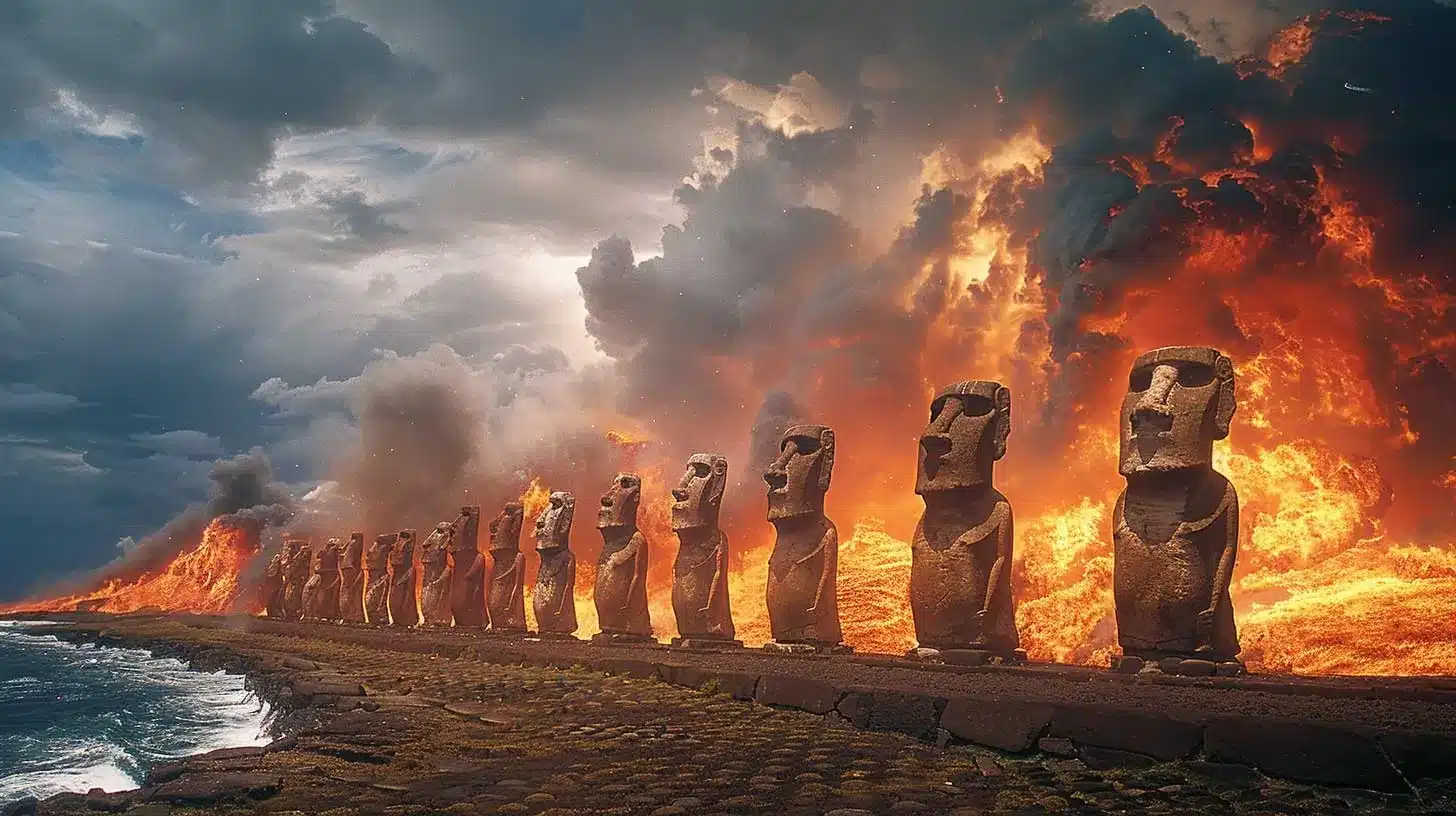
    Social media platforms, once a breeding ground for misinformation, are now harnessing AI to flag and remove false content. However, the same platforms are also vital for whistleblowers and truth-seekers to share their findings.

    • Key Technological Tools:
      • Data Mining Software
      • AI-driven Content Moderation
      • Encrypted Communication Channels
      • Open-source Intelligence (OSINT) Tools

    The challenge lies not just in gathering information, but in discerning the signal from the noise.

    The future of conspiracy research is inextricably linked to tech advancements. As we develop more sophisticated tools, the veil of secrecy becomes thinner. Yet, the question remains: Can technology keep up with the ever-evolving nature of conspiracies? Only time will tell, but one thing is certain—the quest for truth has a new ally in the digital realm.

    Educating the Public on Critical Thinking and Media Literacy

    In a world awash with information, the ability to discern fact from fiction is paramount. Critical thinking is not just a skill, it’s a necessity. By educating the public on media literacy, we empower individuals to navigate the complex media landscape with a discerning eye.

    Ground Zero Radio explores a myriad of topics, reminding us of the importance of questioning and understanding the media we consume. It’s not just about being skeptical; it’s about being informed and making connections that are not immediately obvious.

    • Understand the source of information
    • Recognize bias and agendas
    • Check for corroborating evidence
    • Question the context

    In the pursuit of truth, one must be willing to challenge their own beliefs and the narratives presented to them.

    As we look to the future, the role of education in fostering these skills becomes increasingly significant. We must strive to create a society that values truth and is resilient against the tides of disinformation.

    As we delve into the enigmatic realm of conspiracy research, we invite you to join us on a journey Beyond the Shadows. Our website is a treasure trove of knowledge, featuring over a decade of riveting discussions, in-depth analysis, and a vast array of documentaries that will challenge your perspective and enlighten your understanding. Don’t let the truth elude you any longer. Visit our Ground Zero and The Secret Teachings archives, and immerse yourself in the world’s most compelling secrets. Take the first step towards uncovering the hidden narratives that shape our reality by clicking here.

    Conclusion: The Octopus Unveiled

    In the labyrinth of conspiracy theories, Dr. John Philip Nichols stands as a pivotal figure, shrouded in the enigma of the Octopus Conspiracy. Throughout our investigation, we’ve peeled back layer upon layer of speculation and intrigue, striving to separate fact from fiction. While the truth may be elusive, one thing is certain: the story of Nichols and the Octopus Conspiracy captivates the imagination and serves as a stark reminder of the power of narrative in shaping our understanding of history. Whether Nichols was a mastermind or merely a man caught in the crosshairs of a larger scheme remains a topic of heated debate. Yet, as we close this chapter, we are reminded that the search for truth is often as complex and multifaceted as the conspiracies themselves. It is through this lens that we must continue to scrutinize the shadows of history, ever vigilant in our quest to unravel the mysteries that lie within.
    Frequently Asked Questions

    Who was Dr. John Philip Nichols?

    Dr. John Philip Nichols was a controversial figure alleged to have connections to the Octopus conspiracy, a complex web of purported global criminal activities and cover-ups.

    What is the Octopus conspiracy?

    The Octopus conspiracy refers to a theory that suggests a secret organization or network is involved in various international espionage and criminal activities, manipulating world events for their own gain.

    Did Nichols operate alone or as part of a larger network?

    Allegations suggest that Nichols was part of a larger network, but it is debated whether he was a mastermind or merely a pawn within this organization.

    What challenges do investigators face in uncovering the truth about the Octopus conspiracy?

    Investigators face obstacles such as disinformation, secrecy, and the complex and far-reaching nature of the alleged conspiracy, making it difficult to discern fact from fiction.

    How has the Octopus conspiracy impacted society and culture?

    The Octopus conspiracy has contributed to a culture of suspicion and has been referenced in popular culture and fiction, reflecting society’s fascination with and fear of covert operations and unexplained phenomena.

    What is the future of conspiracy research in light of technological advancements?

    Technological advancements are expected to improve investigative techniques, but there is also a need to educate the public on critical thinking and media literacy to discern credible information from conspiracy theories.