Category: Ancient Civilizations

  • Countdown to Catastrophe: The Real Risks of a Global Pandemic

    Countdown to Catastrophe: The Real Risks of a Global Pandemic

    The prospect of a climate apocalypse has become a pressing concern in recent years, as scientific evidence increasingly points to the severe consequences of unchecked global warming. The potential for irreversible damage to our planet’s ecosystems and the well-being of future generations has sparked a sense of urgency among climate scientists, policymakers, and activists alike. This article delves into the critical thresholds of climate change, explores strategies for mitigation and adaptation, and discusses whether there is still room for optimism in the face of potential disaster.

    Key Takeaways

    • By 2035, we may reach a critical point of no return in climate action, after which limiting global warming to 1.5°C may no longer be possible.
    • Irreversible changes to the Earth’s climate system are being driven by human activities such as deforestation and fossil fuel consumption.
    • A paradigm shift towards ‘apocalyptic optimism’ may be necessary to foster progress and inspire collective action against climate change.

    The Tipping Point: Understanding the Critical Thresholds of Climate Change

    The 2035 Deadline: A Point of No Return?

    We’re on the brink, folks. Scientists have circled 2035 on the calendar as the year we might cross a critical threshold. After that, stopping a 2-degree Celsius rise in Earth’s temperature becomes a pipe dream. This isn’t science fiction; it’s a countdown to potential disaster.

    The consequences are clear: act now or face irreversible damage to our environment. We’re looking at a future where ‘extremely unlikely’ could become ‘impossible.’

    We’re not just up against the clock; we’re up against our own legacy of deforestation and fossil fuel addiction. It’s a legacy that’s pushing us closer to the edge.

    Here’s the kicker: it’s not just about the temperature. It’s the domino effect—one disaster triggering another. We can’t afford to ignore the warnings any longer.

    • Key Takeaways:
      • 2035: The potential point of no return.
      • 2-degree Celsius rise: The line we must not cross.
      • Action required: Urgent and decisive.

    We’ve got to flip the script. It’s time for bold moves and a new narrative. ‘Apocalyptic optimism’ might sound like an oxymoron, but it’s the mindset we need to adopt. We can change the ending of this story, but only if we start rewriting it now.

    Irreversible Changes and the 2-Degree Celsius Benchmark

    We’re standing on a precipice, folks. The 2-degree Celsius mark isn’t just a number; it’s a line in the sand that Mother Nature drew with a shaky hand. Cross it, and we’re not just talking about longer summers or milder winters. We’re talking about a domino effect of catastrophic events that could reshape our world as we know it.

    The principles of climate science have been clear: once we hit that 2-degree increase, we’re looking at irreversible changes. Coastal cities could become modern Atlantises, and extreme weather could go from headline news to just another Tuesday. The data doesn’t lie, and it’s begging us to pay attention.

    The Paradigm Shift we need is monumental. It’s not just about switching off lights or cycling to work. It’s about transforming how we live, how we consume, and how we think about our place on this planet. Here’s a snapshot of what we’re up against:

    • Heatwaves: Multiplication factor of 5x or more
    • Floods: Coastal areas at severe risk
    • Storms: Increased intensity and frequency

    We can’t afford to be passive spectators in this unfolding drama. It’s time to take the stage and act.

    The study led by UK and Netherlands scientists warns of an impending crisis in 2035, a year that could mark a crucial turning point. If we don’t pivot now, we might find ourselves in a future where the term ‘natural disaster’ loses all meaning because there’s nothing ‘natural’ about the chaos we’ve unleashed.

    The Role of Deforestation and Fossil Fuels in Climate Dynamics

    We’ve got ourselves into a real pickle with deforestation and burning fossil fuels. It’s like we’re on a runaway train heading for a cliff, and the brakes are busted. Scientists are clear: we need to stop burning fossil fuels. The thickening blanket of greenhouse gases is our own doing, and it’s heating up our planet at an alarming rate.

    But here’s the kicker: even if we cut out the pollution, we’re still in for a rough ride. Gaseous sulfur dioxide, a major pollutant from fossil fuels, hangs around for just days. So, when we cut the pollution, the impact is almost immediate. Unlike carbon dioxide, which can last for centuries in our atmosphere, we can see quick changes if we act fast.

    Let’s talk numbers. Deforestation and fossil fuel emissions are the main culprits behind the rapid increase in greenhouse gases. And it’s not just about the air we breathe; it’s about the entire climate system. Here’s a snapshot of the problem:

    • Greenhouse Gas Emissions: Skyrocketing due to human activities.
    • Deforestation: Stripping away our planet’s lungs, contributing to CO2 levels.
    • Fossil Fuels: The addiction we need to kick for our climate’s sake.

    We’re at a crossroads. Every moment we delay, the closer we get to a climate point of no return. It’s time to take decisive action.

    We can’t afford to ignore the signs. The discussions about our fragile world and its impending disasters serve as a stark reminder of how urgent these issues are. We’re in this together, and it’s time to rally and turn the tide on climate change.

    Navigating the Climate Crisis: Strategies for Mitigation and Adaptation

    Economic Impacts: Weighing Costs Against Climate Action

    We’re at a crossroads, folks. The climate crisis isn’t just about polar bears and melting ice caps; it’s hitting our wallets hard. Economic impacts are real and escalating. But what’s the price tag on the end of the world? We can’t afford to ignore the costs of inaction.

    Let’s break it down. We’ve got floods wiping out crops, hurricanes demolishing homes, and wildfires torching timber. These aren’t just headlines; they’re invoices being billed to our future. And the longer we wait, the steeper the cost. Yet, some argue that the price of mitigation might be too high. Can we really put a price on a livable planet?

    Here’s the kicker: investing in climate action can actually save us money in the long run. Think about it. Renewable energy prices are dropping like leaves in autumn. Energy efficiency is the gift that keeps on giving, slashing bills left and right. And let’s not forget the green jobs bonanza. We’re talking about a whole new economy here, folks!

    • Renewable Energy: Cheaper than ever, and getting more affordable by the day.
    • Energy Efficiency: Cut costs and carbon footprints at the same time.
    • Green Jobs: A surge in employment opportunities in sustainable industries.

    We’re not just saving the planet; we’re investing in our own prosperity. It’s a win-win if we play our cards right.

    So, let’s roll up our sleeves and get to work. We can’t let the financial titans and media manipulation shape our future. It’s time to take control of our destiny and make smart, sustainable choices that will pay off for generations to come.

    Global Disasters and the Urgency of Decisive Measures

    We’re at a crossroads, folks. The planet’s sending SOS signals, and we’re the only ones who can answer the call. Climate change isn’t waiting around for us to get our act together. It’s here, it’s real, and it’s wreaking havoc. From wildfires to hurricanes, the evidence is undeniable. We’ve seen the studies, like the one from Earth System Dynamics on August 30, 2018, screaming for immediate action.

    Our response? It’s got to be swift, it’s got to be strong. We’re talking about a full-scale mobilization. We need to slash emissions, switch to renewables, and adapt our cities. And we can’t forget the economic angle. The cost of inaction? Catastrophic. The price of prevention? A bargain in comparison.

    • Cut emissions: Transition to clean energy.
    • Adapt infrastructure: Make cities resilient.
    • Economic overhaul: Invest in green tech.

    We’re in this together, and the time to act is slipping through our fingers like sand in an hourglass.

    Let’s not find ourselves looking back, wishing we’d done more. The future’s not set in stone, and we’ve got the chisel. Let’s carve out a path that leads to survival, not regret.

    ‘Apocalyptic Optimism’: A New Narrative for Climate Progress

    We’ve been down the doom-laden path, painting pictures of a world on fire, seas swallowing cities, and skies choked with smoke. But now, we’re flipping the script. We’re embracing ‘Apocalyptic Optimism’—the belief that, despite the dire forecasts, we have the power to pivot. It’s not just about survival; it’s about thriving in the face of adversity.

    Into the Parabnormal and Everything Out There—these aren’t just shows, they’re symbols of our insatiable curiosity and our refusal to accept a predetermined fate. We’re not just passive observers; we’re active participants in shaping our future.

    We’re crafting a new narrative, one where each action we take is a step towards a more hopeful horizon.

    Here’s the thing: optimism isn’t about ignoring the challenges. It’s about harnessing our collective energy to overcome them. We’re rolling up our sleeves, ready to tackle what comes our way. And yes, there’s a deadline. The 2035 marker looms, but it’s not a countdown to the end—it’s a call to action.

    • Embrace renewable energy
    • Innovate sustainable practices
    • Educate and empower communities

    These aren’t just bullet points; they’re our battle cry against the ticking clock. We’re not waiting for a hero to save us. We’re the heroes, each and every one of us, armed with the will to forge a better path. So let’s write this story together—one of resilience, innovation, and, above all, unwavering optimism.

    The Tipping Point: Understanding the Critical Thresholds of Climate Change

    The 2035 Deadline: A Point of No Return?

    We’re racing against a clock that’s ticking faster than ever. By 2035, scientists warn we could hit a climate point of no return. Imagine a world where the thermostat’s broken, and we can’t turn it back down. That’s the future we’re facing if we don’t act now.

    Irreversible changes are looming. Rising temperatures, melting ice caps, and extreme weather patterns could become our new normal. It’s not just about polar bears and icebergs; it’s about our homes, our food, and our very survival.

    We can’t afford to ignore the signs any longer.

    We’re standing at the precipice of potentially irreversible climate change—the evidence is overwhelming: if we continue on our current trajectory, the world as we know it could face catastrophic transformations. By 2035, we must drastically cut emissions to avoid environmental collapse and secure a livable planet for future generations.

    In Conclusion: A Call to Action Amidst the Climate Crisis

    As we face the daunting challenges of the climate crisis, it’s crucial that we unite to explore effective strategies for mitigation and adaptation. Our platform at Unexplained.co offers a wealth of resources, including podcasts, documentaries, and expert discussions that empower you to take informed action. Join our community of proactive individuals by signing up for a free trial at Aftermath Media, and start making a difference today. Together, we can navigate this crisis and build a sustainable future for all.

    Frequently Asked Questions

    What is the 2035 deadline in the context of climate change?

    The 2035 deadline refers to a critical point identified by scientists, beyond which it may become extremely unlikely to prevent the Earth’s temperature from rising by 2 degrees Celsius. This threshold is significant because surpassing it could trigger catastrophic climate-related disasters globally.

    How can deforestation and fossil fuels affect climate change?

    Deforestation and the burning of fossil fuels are major contributors to climate change. They release large amounts of greenhouse gases, such as carbon dioxide, into the atmosphere, leading to a greenhouse effect that causes global temperatures to rise. This can result in severe environmental impacts, including extreme weather events and loss of biodiversity.

    What is ‘Apocalyptic Optimism’ in the context of climate change?

    ‘Apocalyptic Optimism’ is a narrative that acknowledges the grave potential outcomes of climate change but focuses on a positive and proactive approach. It emphasizes the possibility of avoiding disaster by taking decisive and effective actions to mitigate climate change and adapt to its impacts.
  • Near-Earth Objects: The Ongoing Threat of an Asteroid Impact

    Near-Earth Objects: The Ongoing Threat of an Asteroid Impact

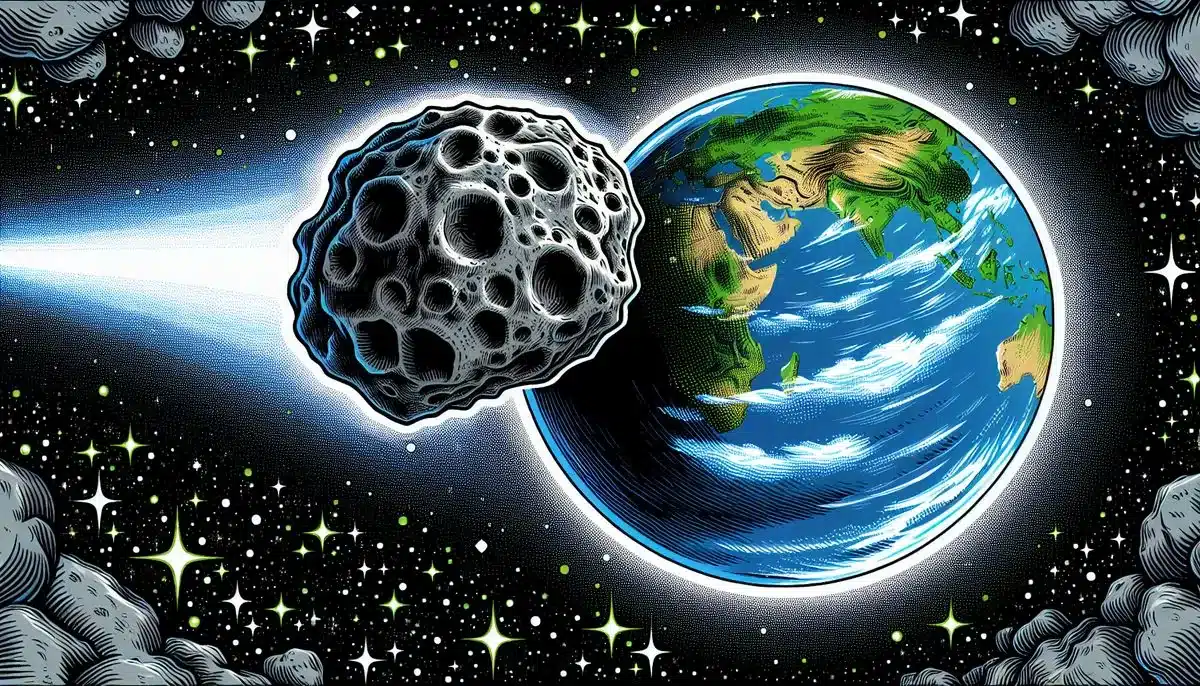
    The possibility of an asteroid impact on Earth is a topic that has garnered increasing attention and concern. Near-Earth Objects (NEOs), such as asteroids and comets with orbits that bring them into close proximity with our planet, pose a potential threat to our safety and security. The need for monitoring these celestial bodies, assessing their impact hazard, and developing mitigation strategies is crucial for planetary defense. This article delves into the ongoing efforts to safeguard Earth from these cosmic intruders and explores the challenges and strategies involved in defending our planet.

    Key Takeaways

    • Advanced monitoring and assessment of Near-Earth Objects (NEOs) are crucial for predicting potential asteroid threats and implementing early warning systems.
    • Developing and testing asteroid mitigation strategies, such as deflection techniques, are essential to prevent catastrophic impacts on Earth.
    • International cooperation and coordination, led by agencies like NASA’s Planetary Defense Coordination Office, are vital for a unified global response to the threat of asteroid impacts.

    The Celestial Sentry: Monitoring the Skies for Asteroid Threats

    Impact Hazard Assessment

    We’re on the lookout, always scanning the cosmos for potential threats. Asteroids, unpredictable and swift, could pose a real danger to our planet. But how do we assess the risk? It’s a complex dance of science and statistics. We’ve got networks like the Asteroid Property Inference Network (APIN) crunching data to make sense of the chaos. They take into account everything from size to speed, angle of approach to composition. It’s about piecing together a cosmic jigsaw puzzle with the safety of Earth hanging in the balance.

    Support more articles like this by diving into the nitty-gritty of asteroid impact assessment. We’re talking about a robust framework that’s constantly evolving, improving our chances of spotting a needle in the haystack of space. Here’s a snapshot of what we consider:

    • Orbital parameters: Where’s it heading?
    • Likelihood of impact: What are the odds?
    • Potential impact locations: Where could it hit?

    Our early warning systems are our first line of defense. They’re our celestial sentinels, keeping watchful eyes on the skies. With them, we stand a chance to prepare and, if necessary, act to protect our home.

    Remember, the goal is to never be caught off guard. We’re in this together, and with continued vigilance, we can keep Earth out of harm’s way.

    Size Matters

    When we talk about asteroids, size really does matter. We’re not just shooting the breeze like on Ground Zero Radio; this is serious cosmic business. A rock measuring a kilometer or more across could spell global disaster. Think nuclear winter without the nukes. It’s not science fiction, it’s a science fact, and we’ve got 854 of these behemoths on our radar.

    The bigger they are, the harder they hit. That’s not just a catchy phrase from “Ground Zero with Clyde Lewis”, it’s the grim reality of asteroid impacts. But don’t just take our word for it, the numbers speak for themselves. Here’s a quick rundown of the potential impact effects based on size:

    • Small (under 25 meters): Localized damage, mostly burns up in the atmosphere.
    • Medium (25-140 meters): Can destroy a city or cause massive tsunamis.
    • Large (140 meters to 1 kilometer): Regional devastation, climate effects.
    • Gigantic (1 kilometer and above): Global catastrophe, potential for mass extinction.

    We’re in this together, folks. It’s not just about “Everything Out There”; it’s about protecting our home. We need to keep our eyes on the sky and our minds on the mission.

    So, while you’re tuning into “Into the Parabnormal” for your nightly dose of the unexplained, remember that some threats are very much explained, and undeniably real. It’s up to us to monitor, prepare, and act.

    Impact Probability

    We’re in the business of cosmic odds. Scientists crunch numbers to predict the chances of an asteroid hitting Earth. It’s a complex dance of physics and probabilities. The smaller the odds, the bigger our sigh of relief. But even a tiny chance can’t be ignored when the stakes are planetary survival.

    Ground Zero with Clyde Lewis often dives into the topic, stirring up our cosmic curiosity with tales of near-misses and what-ifs. It’s not just about the thrill; it’s about understanding the risks lurking in the vastness of space.

    Here’s a snapshot of impact probabilities:

    • 1979 XB: Below 1e-6
    • Apophis (2068): Increased from 2.3 to 3.9 in a million

    We can’t predict the future, but we can prepare for it. Early warning systems and mitigation strategies are our best bet against these celestial bullets.

    Remember, it’s not about fear-mongering. It’s about being informed and ready. After all, knowledge is our first line of defense in the cosmic shooting gallery.

    Early Warning Systems

    We’ve got our eyes on the skies, folks! Early warning systems are our first line of defense against the surprise party no one wants—an asteroid impact. These systems are like the high-tech bouncers of our planet, scanning for uninvited space rocks that might crash our global shindig.

    Here’s the deal: we’re not just sitting ducks. We’ve got a whole arsenal of NEO tracking programs—ATLAS, Pan-STARRS, and NEO Surveyor, just to name a few. These programs are the celestial sentinels, keeping watch and ready to sound the alarm.

    But it’s not just about having the tech; it’s about using it right. The International Asteroid Warning Network (IAWN) is on it, coordinating a global response like a well-oiled machine. They run drills, collect data, and make sure we’re all on the same page if a real threat comes knocking.

    And let’s not forget The Secret Teachings—knowledge is power, right? By educating ourselves and staying informed, we’re all part of the planetary defense team. So, let’s keep our ears to the ground (or rather, our telescopes to the heavens) and stay vigilant. Because when it comes to protecting our home, every second counts.

    Defending Our Planet: Strategies and Challenges in Asteroid Mitigation

    Mitigation Strategies

    When it comes to saving our planet from a rogue asteroid, we’ve got a few tricks up our sleeve. We’re not sitting ducks! From the brute force of a kinetic impactor to the subtle nudge of a gravity tractor, our mitigation strategies are as diverse as they are ingenious. Here’s a quick rundown:

    • Kinetic Impactor: Slamming a spacecraft into an asteroid to knock it off course.
    • Gravity Tractor: Using a spacecraft’s gravity to gently pull an asteroid into a safer orbit.
    • Nuclear Detonation: Setting off a nuke near the asteroid to alter its trajectory.

    Each method has its pros and cons, but the goal is the same: change the asteroid’s path and keep Earth safe. It’s like a cosmic game of billiards, with higher stakes.

    We’re in a race against time and space, and our planetary defense is the finish line.

    The Nuclear Option against asteroids might sound like science fiction, but it’s a real consideration. Imagine launching a mass to ram into the targeted asteroid at high speed, nudging it off its trajectory. It’s a delicate balance of force and precision, and we’re getting better at it every day.

    NASA’s Planetary Defense Coordination Office

    We’ve got our eyes on the skies, and so does NASA’s Planetary Defense Coordination Office (PDCO). Established in 2016, the PDCO is our celestial shield, leading the charge against potential asteroid threats. Their mission is clear: anticipate and respond. With kinetic interceptors tested and ready, they’re like the goalies of the galaxy, blocking cosmic shots that come our way.

    Into the Parabnormal with Jeremy Scott often dives into the mysteries of space, including the work done by the PDCO. It’s not just about having the tech; it’s about having the plan. And NASA’s got plans aplenty. Here’s a quick rundown of their strategies:

    • Kinetic impactors: Ramming speed to knock asteroids off course.
    • Gravity tractors: Spacecrafts that tug asteroids away using gravitational pull.
    • Nuclear options: As a last resort, to blow potential threats to smithereens.

    The PDCO isn’t just about brute force. It’s about smart, calculated defense. It’s about ensuring that the only impacts we experience are the ones we choose to make on the world, not the other way around.

    With international cooperation, the PDCO isn’t going it alone. They’re part of a global network, all working to keep Earth safe. Because when it comes to planetary defense, it’s all hands on deck. And that’s a challenge we’re ready to meet, head-on.

    The Role of International Cooperation

    We’re in this together, and when it comes to defending Earth from asteroids, no country can go it alone. International cooperation is key. Just look at the DART mission’s success—it was a team effort with the European Space Agency (ESA) and the Italian Space Agency (ASI) pitching in. We’re talking about a global defense network that’s more than just a space mission; it’s a bond between nations.

    We’re building a safety net that spans the globe, ready to catch any cosmic threats.

    But it’s not just about sharing tech and data. Legal eagles from around the world are hashing out how to use existing laws—or even craft new ones—to legitimize actions like a nuclear defense mission. Imagine the UN Security Council stepping in to declare an asteroid a “threat to peace”. That’s the kind of clout we need to make bold moves without breaking the law.

    Here’s a snapshot of our united front:

    • NASA (USA)
    • ESA (European Union)
    • ASI (Italy)
    • JAXA (Japan)
    • Roscosmos (Russia)

    And that’s just the tip of the iceberg. We’ve got a whole constellation of agencies, each playing their part in this cosmic dance. It’s a complex jig, but we’re all learning the steps. Because when that asteroid comes calling, we’ll answer with one voice: not today!

    Potential Threats and Future Concerns

    We’re living in an era of The Paradigm Shift. The way we view and handle near-Earth objects is transforming before our eyes. We can’t afford to ignore the asteroid threat. It’s not just about the big Hollywood-style doomsday scenarios; it’s about understanding the real risks and preparing accordingly.

    Here’s the thing: asteroids don’t care about our plans. They’ve been whizzing past Earth for eons, and it only takes one to change our world forever. We’ve got to stay vigilant, keep our eyes on the skies, and work together to ensure our safety.

    • Impact Hazard Assessment: A continuous process, evolving with new data.
    • Size Matters: Even small asteroids can cause significant damage.
    • Impact Probability: Calculating the odds, preparing for the unexpected.
    • Early Warning Systems: Our first line of defense against incoming threats.

    We’re in this together, and the stakes couldn’t be higher. Let’s not wait for a wake-up call from the cosmos to take action.

    As we look to the future, we must consider the unknowns. What if our detection systems miss a stealthy asteroid? What if international cooperation falters in the face of a real threat? These are not just hypotheticals; they’re potential realities that we must address head-on. With every new discovery, every technological advance, we’re rewriting the playbook on planetary defense. It’s a game of cosmic chess, and Earth’s safety is the king we must protect at all costs.

    As we navigate the complexities of protecting our planet from potential asteroid impacts, it’s crucial to stay informed and engaged. Our website offers a wealth of resources, including podcasts, documentaries, and expert analyses that delve into the strategies and challenges of asteroid mitigation. To empower yourself with knowledge and join a community dedicated to defending Earth, visit our website and start your free trial of Ground Zero: Aftermath today. Together, we can ensure a safer future for our planet.

    Conclusion: Vigilance in the Void

    The cosmos is a vast expanse of unpredictable movements, and among these celestial dances, near-Earth objects (NEOs) pose a silent, yet ever-present threat to our planet. While the likelihood of a catastrophic asteroid impact is low, the consequences would be unimaginable, making it imperative that we continue to invest in early detection and mitigation strategies. Agencies like NASA’s Planetary Defense Coordination Office are at the forefront of this battle, tracking and characterizing potentially hazardous asteroids. As we advance technologically, our ability to defend against these cosmic threats will improve, but it requires sustained effort and global cooperation. The universe may be indifferent to our existence, but we are not powerless. By remaining vigilant and prepared, we can ensure that the story of humanity is not cut short by a rogue rock from the void.

    Frequently Asked Questions

    What is a Near-Earth Object (NEO)?

    A Near-Earth Object (NEO) is an asteroid or comet with an orbit that brings it into or through a zone roughly extending from about 30 million miles to 121 million miles away from the Sun, meaning that it can come close to Earth’s orbit and potentially pose an impact risk.

    How are potentially hazardous asteroids monitored?

    Potentially hazardous asteroids are monitored through a network of ground-based telescopes and space-based observatories. Scientists use advanced modeling to estimate trajectories, predict close approaches, and assess impact probabilities to determine if they pose a threat to Earth.

    What can be done to prevent an asteroid impact on Earth?

    Preventing an asteroid impact involves early detection and developing mitigation strategies. Options include deflection, where the trajectory of the asteroid is altered using various methods such as a kinetic impactor, or destruction, where the asteroid is broken into smaller pieces that burn up in Earth’s atmosphere.

  • Solar Storms: Could a Massive Flare Destroy Modern Civilization?

    Solar Storms: Could a Massive Flare Destroy Modern Civilization?

    Solar storms, the intense bursts of radiation and charged particles from the sun, pose a significant but often underestimated threat to modern civilization. As we delve into the intricate nature of solar storms and their potential to wreak havoc on our technologically dependent society, it’s crucial to understand their formation, historical impacts, and the extent to which our infrastructure is at risk. Moreover, by examining the sheer power of these cosmic events and their possible consequences, we can explore protective measures that could shield our civilization from such a potentially catastrophic occurrence.

    Key Takeaways

    • Solar storms have the potential to severely disrupt modern infrastructure, including power grids, communication systems, and satellites, which could lead to widespread chaos and economic damage.
    • The energy released by a massive solar flare can exceed the explosive power of billions of nuclear bombs, highlighting the immense force that solar storms can unleash upon Earth.
    • While solar storms do not pose a direct physical threat to human life, the secondary effects of a significant storm—such as the loss of critical services and systems—could indirectly result in mass casualties and societal breakdown.

    The Invisible Threat from Above: Understanding Solar Storms

    What Are Solar Storms and How Do They Form?

    We’re all in this together, staring up at the same sky, but there’s more going on up there than meets the eye. Solar storms are like the sun’s temper tantrums, and they can throw a cosmic fit that might just rattle our world. These storms are born from the sun’s complex magnetic field, which gets all twisted as the sun spins faster at its equator than at its poles. Imagine the sun wearing a giant, invisible magnetic belt that’s constantly getting tangled up. When the tension becomes too much, the sun lets loose solar flares or coronal mass ejections (CMEs).

    • Solar flares are intense bursts of radiation that can disrupt radio communications on Earth.
    • CMEs are massive bubbles of gas and magnetic fields that can cause geomagnetic storms upon hitting Earth’s magnetic field.

    It’s not just about pretty auroras; these solar outbursts can mess with our entire way of life.

    And get this, these solar flares, CMEs, and geomagnetic storms may influence human behavior and societal unrest. Historical patterns and modern observations suggest a correlation, sparking debate in the scientific community. So next time you’re feeling a bit off, maybe you can blame it on the sun’s mood swings!

    The Historical Impact of Solar Storms on Earth

    We’ve seen the power of solar storms etched into history, and it’s a tale that’s both fascinating and a bit terrifying. Take the Carrington Event: a massive solar storm that struck in 1859, leaving its mark not just in the skies, but on our technology too. Telegraph systems went haywire, with sparks flying and fires igniting. It was a wake-up call, showing us that the sun’s temper could have real-world consequences.

    Fast forward to 1989, and we’re reminded again of our vulnerability. A solar storm took down the Hydro-Quebec power network, plunging over 6 million people into darkness for 9 hours. It’s not just a story from the past; these events are warnings for the future. Our modern world, with its digital heartbeat, could be at risk from these celestial outbursts.

    But it’s not all doom and gloom. We can learn from these events, and The Secret Teachings of history show us that preparation and understanding can make all the difference. By studying the impact of solar storms, like the increased radiocarbon in tree rings, we’re unlocking new ways to predict and protect against these invisible threats.

    Our connection to the cosmos is more than just stargazing; it’s a critical part of safeguarding our way of life.

    Assessing the Vulnerability of Modern Infrastructure

    We’re all in this together, facing the invisible threat of solar storms. But let’s talk about our lifelines: electricity and the internet. Imagine a world where a solar storm knocks out everything we rely on. No lights, no communication, no emergency services. It’s not just a scene from a sci-fi movie; it’s a real possibility. Our modern infrastructure is like a house of cards, and a solar storm could be the gust that sends it tumbling down.

    Everything Out There is connected. A solar storm’s impact on one part of the grid can trigger a cascade of failures. The Planetary Society warns that the effects would vary greatly around the world. Some regions could be plunged into darkness for months. Hospitals, airports, stock markets—all frozen in time. The internet isn’t safe either. Those deep sea cables carrying our data? They’re vulnerable too.

    Here’s a snapshot of what we’re up against:

    • Power Grids: The backbone of our civilization, yet so fragile.
    • Communication Networks: From cell phones to GPS, all at risk.
    • Emergency Services: When seconds count, what if they’re offline?

    We’ve seen the chaos a blackout can cause. Now, scale that up to a global event. That’s the havoc a solar storm could wreak.

    No country is fully prepared for this eventuality. Our medical infrastructure, dependent on electricity and the internet, would be in disarray. The chaos in hospitals is unimaginable. And it’s not just about the financial toll; it’s about lives at stake. We’re playing with fire, and we might not be able to control the burn.

    The Catastrophic Potential of a Superflare

    Comparing Solar Flares and Nuclear Explosions

    When we think of explosions, nuclear bombs often come to mind as the pinnacle of destructive power. Yet, the sun has a trump card up its sleeve: solar flares. These colossal eruptions dwarf even the mightiest human-made bombs. NASA has been keeping an eye on solar flares and has found that the energy they release can be equivalent to a billion one-megaton nuclear bombs. That’s not a typo, folks—a billion! But here’s the kicker: we’re not just talking about a one-off blast. Solar flares are part of a larger phenomenon known as solar storms, which can unleash a series of effects on Earth.

    The real danger isn’t the flare itself, but the solar storm it can trigger.

    While a nuclear explosion is a localized event, a solar storm has the potential to cause widespread technological disruption. Imagine a world where satellites tumble out of the sky, power grids fizzle out, and the internet—our digital lifeline—goes dark. It’s a domino effect that starts with a solar flare and ends with modern civilization taking a knee. We’ve seen hints of this in the past, but the full extent of a solar storm’s wrath remains a chilling unknown.

    The Domino Effect: From Power Grids to Emergency Services

    Imagine a row of dominoes, each representing a critical component of our society’s infrastructure. Now picture a solar storm as the flick that sends them all tumbling down. We’re talking about a scenario where our power grids are Ground Zero, the first to fall. This isn’t science fiction; it’s a real threat that could plunge us into darkness.

    The impact on emergency services would be immediate and devastating. Hospitals, fire departments, and police stations all rely on electricity and communications to operate effectively. Without power, their ability to respond to crises is crippled. It’s a chilling thought, but one we must face head-on.

    Ground Zero Radio and other programs like The Paradigm Shift, Ground Zero with Clyde Lewis, and Into the Parabnormal often discuss the potential consequences of such events. They remind us that our modern world is more fragile than we like to admit. Here’s a snapshot of what we could expect:

    • Widespread power outages
    • Communications breakdown
    • Transportation chaos
    • Financial system disruption
    • Healthcare services collapse

    We can’t afford to ignore the warnings. The time to bolster our defenses and prepare for the worst is now.

    The question isn’t if a solar superstorm will hit, but when. And when it does, the domino effect will test the resilience of our civilization like never before.

    Is There a Way to Protect Our Civilization from Solar Havoc?

    We’ve seen what a major solar storm could do to our planet, and it’s not pretty. But we’re not sitting ducks. There are steps we can take to shield our society from the sun’s wrath. Here’s the kicker: our atmosphere and magnetosphere are our first line of defense against solar energetic particles (SEP) and galactic cosmic rays (GCR). They’re the unsung heroes, silently batting away the harmful stuff the sun hurls at us.

    But when it comes to our man-made marvels, like satellites and power grids, we need a bit more than nature’s barriers. We’re talking about hardening our infrastructure, folks. Imagine a world where our satellites have their own mini-magnetospheres, and our power grids are designed to laugh in the face of a solar tantrum. It’s not science fiction; it’s science possibility.

    We can’t prevent solar storms, but we can prepare for them.

    Here’s a quick rundown of what we can do:

    • Develop advanced forecasting systems to predict solar storms
    • Upgrade satellite technology with better shielding
    • Reinforce power grids and have backup systems in place
    • Educate the public and emergency services on solar storm procedures

    It’s a tall order, but hey, we’ve faced bigger challenges before. And if we pull this off, we’ll not only protect our way of life but also prove that human ingenuity knows no bounds. So let’s get to work, shall we?

    The sun’s immense power harbors the potential for solar superflares that could disrupt our way of life. Understanding these cosmic phenomena is crucial, and our website offers a treasure trove of information on such astronomical events. Dive into our extensive archives, explore thought-provoking documentaries, and stay informed with our latest podcast episodes. Don’t let curiosity fade into the darkness of the unknown; visit our website now to illuminate your mind with the secrets of the cosmos. Your journey into the vast universe begins with a click.

    The Verdict on Solar Storms: A Threat to Civilization?

    In conclusion, while solar storms may not pose a direct threat to human life, their potential to wreak havoc on our modern, interconnected world is undeniable. NASA’s research underscores the staggering energy released by solar flares—equivalent to billions of nuclear bombs—and the consequent risk to our critical infrastructure. The 2003 ‘Hallowe’en’ solar storms serve as a stark reminder of this vulnerability, having disrupted a myriad of space-based systems and technologies. As we continue to rely heavily on satellites, power grids, and the internet, the threat of a massive solar storm looms large, capable of causing extensive financial damage and indirectly endangering lives. The sobering reality is that our society is not fully prepared for such an eventuality, and the time to bolster our defenses against these celestial tempests is now. The celestial dance of solar energy is a beautiful yet fearsome reminder of nature’s might, and it behooves us to heed its potential for disruption with the respect and preparation it demands.

    Frequently Asked Questions

    What are solar storms and how do they affect Earth?

    Solar storms, also known as geomagnetic storms, are disturbances in Earth’s magnetosphere caused by solar wind and solar flares. They can affect satellite operations, power grids, and communication systems. In severe cases, they have the potential to disrupt essential services and damage electronic infrastructure.

    Can a solar storm really destroy modern civilization?

    While a solar storm itself cannot destroy civilization, its effects on our technology-dependent society can be catastrophic. A powerful enough storm could knock out power grids, disable satellites, and interrupt communication, leading to widespread chaos and potential loss of life due to the disruption of critical services.

    Is there a way to protect our civilization from solar storms?

    Protection against solar storms involves hardening electrical grids, developing more robust satellites, and improving forecasting methods to provide early warnings. Governments and organizations are working on strategies to mitigate the effects, but a perfect defense system is not yet in place.

  • The Sixth Extinction: Are Humans the Next to Disappear?

    The Sixth Extinction: Are Humans the Next to Disappear?

    The article ‘The Sixth Extinction: Are Humans the Next to Disappear?’ explores the pressing issue of the ongoing sixth mass extinction event, which is unique in Earth’s history due to its primary cause: human activities. As we delve into the causes and consequences of this biodiversity crisis, we also examine the potential of technology, conservation efforts, and individual actions to prevent further damage and possibly reverse some of the current negative trends. The article aims to highlight the stakes of this extinction event, not only for countless species around the globe but also for humanity itself, which is deeply intertwined with the natural world.

    Key Takeaways

    • The sixth mass extinction is primarily driven by human activities, distinguishing it from the previous five natural events.
    • The loss of biodiversity and the extinction of species could have catastrophic global impacts, including on human societies.
    • Combating this crisis requires a multifaceted approach, including technological innovation, conservation efforts, and individual responsibility.

    The Looming Shadow of the Sixth Extinction

    Understanding the Past to Predict the Future

    We’ve always been fascinated by The Secret Teachings of history. They whisper tales of epochs long gone and the creatures that once roamed Earth. Now, we’re piecing together these ancient puzzles, trying to foresee our own fate. Are we writing the final chapter of humanity?

    Looking back, we’ve learned that life on Earth has been punctuated by mass extinctions. Five major ones, to be exact. Each brought about by cataclysmic events that reshaped the very fabric of existence. Today, we stand on the precipice of the sixth. But this time, it’s not an asteroid or volcanic eruptions; it’s us. Our fingerprints are all over this impending doom.

    We’re not just passive observers in this unfolding drama. We’re the lead actors, and the stage is set for a tragedy of our own making.

    Everything Out There is changing, and it’s changing fast. Species are vanishing at an alarming rate, ecosystems are collapsing, and the delicate balance of nature is teetering on the brink. We’re not just losing animals and plants; we’re losing the intricate web of life that sustains us all.

    • The Permian Extinction wiped out 96% of marine species.
    • The Cretaceous-Paleogene Extinction claimed the mighty dinosaurs.
    • Now, the Anthropocene Extinction could claim us.

    The past is a mirror reflecting our potential future. If we’re smart, we’ll take a long, hard look. Will we learn from it, or will we become a mere footnote in Earth’s extensive history?

    Human Activities: The Catalyst for Catastrophe

    We’ve set the stage for a disaster of our own making. Climate change, deforestation, pollution – these are not just buzzwords. They are the grim reality of our impact on the planet. Our fingerprints are all over this impending sixth extinction. We are at Ground Zero, and it’s not just a figure of speech. It’s a literal hotspot where the consequences of our actions are most acutely felt.

    Ground Zero with Clyde Lewis isn’t just a show; it’s a reflection of our times. On Ground Zero Radio, discussions about the paranormal and the unexplained often mirror the chaos we’ve unleashed on the natural world. The biodiversity crisis isn’t a distant threat; it’s unfolding before our eyes, and Ground Zero with Clyde Lewis is where these critical conversations happen.

    Our actions have set off a cascade effect, where one species’ loss spirals into another’s. We’re not just losing animals; we’re losing the intricate web of life that sustains us all.

    Here’s a snapshot of the damage:

    • Climate change
    • Biodiversity loss
    • Habitat destruction

    These aren’t isolated issues; they’re interconnected, each exacerbating the other. It’s a complex puzzle where every missing piece puts the entire picture at risk. And the most tragic part? We hold the missing pieces. It’s time we put them back before it’s too late.

    The Biodiversity Crisis and Its Global Impacts

    We’re in the thick of it now, folks. The biodiversity crisis isn’t just a buzzword; it’s the harsh reality we’re facing. Our planet’s health is waning, and it’s not just about saving the polar bears or the bees. It’s about us, too. Every species lost is a thread pulled from the web of life that sustains us all.

    Let’s break it down. The ‘Big Three’ culprits of biodiversity loss are habitat destruction, invasive species, and overexploitation. These aren’t just random acts of nature; they’re the consequences of our actions. We’ve turned forests into parking lots, introduced predators into fragile ecosystems, and fished the oceans dry. And the effects? They’re catastrophic.

    • Habitat Destruction: Our relentless expansion consumes the natural world.
    • Invasive Species: Unchecked, they decimate native populations.
    • Overexploitation: We take more than the Earth can replenish.

    We’re at a crossroads. The path we choose now will determine the legacy we leave for future generations.

    The stakes are sky-high. We’re not just talking about the loss of cute animals or scenic landscapes. We’re talking about the collapse of ecosystems, food insecurity, and the spread of diseases. It’s a domino effect that could topple the very pillars of our survival. And yet, amidst the doom and gloom, there’s a glimmer of hope. Awareness is growing, and with it, the potential for change. We can’t turn back time, but we can steer the ship in a new direction. It’s on us to join the conversation and take action before it’s too late.

    Humanity on the Brink: What’s at Stake?

    The Domino Effect of Losing Species

    We’re in the thick of it now, folks. The domino effect of losing species is not just a theory; it’s happening before our eyes. When one species vanishes, it’s not an isolated event. It triggers a chain reaction that can topple ecosystems and shake the very foundations of life as we know it. The extinction of species can disrupt the food chain, leading to loss of biodiversity and loss of ecosystem services. This is the harsh reality we’re facing, and it’s time for a The Paradigm Shift in how we view our role in nature.

    Consider the American Bison: once a keystone species, its near disappearance had profound effects on humans who depended on it. Now, we’re seeing similar patterns globally, with predators and prey alike. The loss of a predator, for instance, can lead to a trophic cascade, an ecological phenomenon that ripples through the food web, causing unforeseen consequences. We’re stepping Into the Parabnormal, where the rules we thought governed nature are being rewritten by our own hands.

    Our health, our survival, it’s all interconnected with the fate of other species. As they disappear, so too does a piece of our world, a piece of us.

    It’s not just about the animals; it’s about us too. Infectious diseases rise, our food sources dwindle, and our livelihoods are threatened. We’re not just observers; we’re participants, and it’s time to act. The stakes couldn’t be higher.

    Can Technology and Conservation Save Us?

    We’re in a race against time, and technology might just be our best bet. Bioengineering is emerging as a conservation tool, potentially turning the tide against extinction. RealClearScience tells us that as the sixth mass extinction accelerates, bioengineering could be key. But it’s not just about the high-tech stuff. Conservation efforts, though currently falling short, have made a dent. E.O. Wilson noted a 20% reduction in extinction rates for land-dwelling vertebrates, thanks to these efforts.

    We’ve got a four-pronged strategy to combat species loss, but we need to ramp it up. Conservationists are working tirelessly, restoring ecosystems and communicating the urgency. It’s a collective push, from grassroots to global initiatives. Here’s what’s happening on the ground:

    • Better communication in the conservation sector
    • Nature-based solutions to climate change
    • Boosting biomass without sacrificing diversity
    • Community-led river corridor restoration

    We’re making strides, but we’re not there yet. The biodiversity crisis demands more from us—more innovation, more action, more commitment.

    The question remains: Can we harness technology and conservation to save ourselves? It’s a daunting task, but we’re not short on heroes. Activists, scientists, and everyday folks are stepping up. It’s on us to support these efforts and drive change. After all, if we can’t save the myriad of species we share this planet with, what hope do we have for ourselves?

    The Role of Individual Action in Preventing Extinction

    We’ve got a planet to save, and it’s not just the job of governments or big organizations. It’s on us, too. Every action counts, and it’s the collective efforts of individuals that can make a real difference. We’re talking about simple, everyday choices that add up. Choices like reducing waste, supporting conservation efforts, and spreading awareness. It’s about making conscious decisions that favor sustainability over convenience.

    • Reduce: Cut down on single-use plastics and unnecessary consumption.
    • Reuse: Opt for products that can be used multiple times.
    • Recycle: Properly sort and recycle to minimize waste.
    • Educate: Learn and inform others about the importance of biodiversity.
    • Support: Back conservation groups and sustainable practices.

    We’re in this together, and it’s the small steps we take that pave the way for a brighter future. Let’s not wait for someone else to lead the charge. It’s our home, our responsibility.

    Remember, extinction doesn’t happen overnight. It’s a gradual process, often accelerated by our own actions. But just as we have the power to harm, we also have the power to heal. By choosing to live more mindfully, we can help protect endangered species and their habitats. It’s not just about the animals and plants; it’s about preserving the intricate web of life that sustains us all.

    As we stand at a pivotal moment in history, the choices we make today will shape the future of our planet and humanity itself. It’s time to engage, to learn, and to act. Dive into the depths of knowledge with Ground Zero: Aftermath, where unlimited podcasts, radio, movies, and more await to challenge your perceptions and inspire action. Don’t let this moment pass you by. Visit our website now to start your free trial and join a community committed to making a difference. The future is in our hands; let’s shape it together.

    Conclusion

    As we stand on the precipice of the Anthropocene era, the evidence of a sixth mass extinction is both compelling and alarming. Unlike the five previous extinction events Earth has weathered, this crisis is largely of our own making. Human activities have accelerated the loss of species at a rate that is unprecedented in Earth’s history. Studies, such as those published in Science Advances and Biological Reviews, underscore the severity of the situation, indicating that we are witnessing a ‘biological annihilation’ of wildlife. The gravity of this loss extends beyond the natural world; it threatens the very fabric of human civilization, as the irreversible nature of extinction means we are eroding the biodiversity that sustains us. However, this is not just a tale of doom. It is a call to action. The power of storytelling, as seen in works like ‘The Sixth Extinction,’ can galvanize social change and motivate us to take urgent steps to preserve the remaining threads of life on our planet. As we confront this existential challenge, the question remains: will we heed the warnings and act in time, or will humans be the authors of not just the sixth extinction, but potentially our own?

    Frequently Asked Questions

    What is the Sixth Extinction?

    The Sixth Extinction refers to the ongoing mass extinction event caused primarily by human activities. It is characterized by the unprecedented rate at which species are disappearing due to habitat destruction, climate change, pollution, and overexploitation.

    How is the Sixth Extinction different from previous extinctions?

    Unlike the five previous mass extinctions that were natural in their causes, the Sixth Extinction is largely driven by humans. It’s happening at a much faster rate and could have more devastating consequences for both biodiversity and humanity.

    Can we prevent the Sixth Extinction?

    While the situation is dire, many scientists believe that immediate and concerted conservation efforts, changes in consumption patterns, and sustainable development can mitigate the effects of the Sixth Extinction and preserve Earth’s biodiversity.

  • Decoding the Paranormal: Inside the World’s Most Haunted Locations

    Decoding the Paranormal: Inside the World’s Most Haunted Locations

    In the exploration of the world’s most haunted locations, we delve into the chilling tales and mysterious phenomena that have captivated the imagination of many. From historical residences to ancient prisons, these sites are not just mere tourist attractions but gateways to understanding the unexplained and the paranormal. Each location offers a unique glimpse into the spectral world, providing both believers and skeptics alike with experiences that challenge the boundaries of our understanding.

    Key Takeaways

    • The Whaley House, Eastern State Penitentiary, the Tower of London, and the Catacombs of Paris are among the world’s most haunted locations, each with its own unique and chilling history.
    • These sites are renowned for their paranormal activities and have been the subject of numerous investigations and studies, attracting both researchers and thrill-seekers.
    • Exploring these haunted locations provides a deeper insight into the cultural and historical narratives that shape our perception of the paranormal.

    The Haunting of the Whaley House: America’s Most Ghostly Residence

    A Saga of Tragedy and the Paranormal

    The Whaley House in San Diego, California, is not just a historic site; it’s a nexus of grief and ghostly encounters. The Whaley family’s history is marred by untimely deaths and the infamous execution of a criminal on the property. These events have sown the seeds of a paranormal legacy that makes the Whaley House a prime spot for those who chase the whispers of the past.

    Eyewitness Accounts and Paranormal Investigations

    Visitors and paranormal experts alike report shadowy figures and eerie sounds that echo through the halls. The house has been a feature on many ghost-hunting circuits, including the popular show Into the Parabnormal with Jeremy Scott. These investigations aim to peel back the layers of mystery shrouding the old Whaley residence.

    Historical Insights and Ghostly Legends

    The lore surrounding the Whaley House is as rich as it is chilling. Legends of the Whaley family and their spectral continuance are a staple of local folklore. Every creak and groan of the house is said to tell the old tales of tragedy and encounters from beyond the grave, making it a historian’s and ghost seeker’s delight.

    Exploring the Shadows of Eastern State Penitentiary

    A History of Hauntings

    Once a fortress of despair, Eastern State Penitentiary now stands as a monument to the paranormal. Its walls echo with tales of former inmates whose spirits seem tethered to the crumbling cellblocks. Visitors often report eerie encounters, from whispers in the dark to sudden chills, making it a prime spot for those intrigued by the afterlife.

    Notorious Spirits and Spooky Tales

    The prison’s most infamous ghost, believed to be gangster Al Capone, reportedly haunts his old cell. Witnesses claim to hear sobbing and see fleeting shadows. Other spirits, like the locksmith overwhelmed by agonizing screams during a repair, add layers to the chilling narrative of this haunted landmark.

    Paranormal Activities and Visitor Experiences

    Ghost tours and paranormal investigations are popular here, drawing enthusiasts eager to explore haunting paranormal events. Equipment often captures unexplained phenomena, from EVPs to thermal anomalies, offering a tantalizing glimpse into the unknown. Whether skeptic or believer, the penitentiary challenges visitors to confront their fears and question the reality of everything out there.

    The Mysterious Aura of the Tower of London

    Royal Ghosts and Historic Hauntings

    The Tower of London, with its deep history of royal bloodshed and tragic events, is a hotspot for paranormal enthusiasts. We’ve all heard the chilling tales of Anne Boleyn and Lady Jane Grey, whose spirits are said to roam the ancient halls. This iconic location draws us into its past, where each stone seems to whisper secrets of the old monarchy.

    Chilling Stories from the Tower

    Imagine walking through the corridors where countless individuals met their untimely fates. The air feels heavy with the echoes of the past. It’s not just stories; it’s as if the walls themselves hold memories of screams and silent whispers. These tales are not for the faint-hearted but for those who seek to uncover the layers of history and mystery that the Tower offers.

    Investigating the Paranormal: Evidence and Encounters

    We’re not just about stories; we seek evidence. Paranormal investigations here have turned up numerous findings that challenge our understanding of the ‘normal.’ From sudden cold spots to unexplained sounds, the Tower of London proves to be a ground for encounters that defy explanation. It’s a journey into the unknown, and we’re here to explore every shadowy corner.

    The Eerie Silence of the Catacombs of Paris

    Legends Beneath the City

    Beneath the vibrant streets of Paris, a different world exists. The Catacombs, an underground ossuary, stretch over 200 miles and are the final resting place for millions. Here, history and legend intertwine, creating a tapestry of chilling tales and eerie experiences. Visitors often report an unsettling silence, broken only by the echoes of their footsteps or the distant, unexplained whispers of the past.

    Encounters in the Endless Tunnels

    As you wander through the seemingly endless tunnels, it’s not uncommon to feel watched. Eyewitnesses recount encounters with apparitions, such as the well-dressed man from the 19th century who silently observes passersby. These stories are not just tales; they are shared experiences of those who dare to explore the depths. This section of the Catacombs has been featured on Ground Zero with Clyde Lewis, highlighting its paranormal significance.

    The Science and Spirituality of Paranormal Phenomena

    The Catacombs of Paris offer a unique intersection of science and spirituality. Researchers and spiritualists alike seek to understand the phenomena reported here. Whether it’s the sudden temperature drops or the EVP (Electronic Voice Phenomenon) recordings that seem to capture voices from the beyond, the Catacombs challenge our understanding of the paranormal. Here, science and the supernatural coexist, inviting both skeptics and believers to ponder the mysteries hidden beneath Paris.

    Venture into the depths of history with our latest article, ‘The Eerie Silence of the Catacombs of Paris’. This chilling exploration is just a glimpse of the intriguing content you can find on our website. Dive deeper into the mysteries of the past and present by visiting our extensive archives. Don’t miss out on our exclusive content—sign up today and start your FREE trial at Ground Zero: Aftermath!

    Conclusion

    As we’ve ventured through the eerie corridors and shadowy corners of the world’s most haunted locations, it’s clear that these places offer more than just spine-chilling tales. They are a profound testament to the mysteries that still elude our understanding and a reminder of the thin veil between the known and the unknown. Whether you’re a skeptic or a believer, the stories of these haunted sites challenge us to consider the possibilities of the paranormal. They invite us to explore, to question, and perhaps, to believe. So, as you reflect on the tales of apparitions, unexplained phenomena, and ghostly whispers, remember that the world is filled with mysteries waiting to be unraveled. The question remains—do you dare to delve deeper?

    Frequently Asked Questions

    What are the most common signs of paranormal activity?

    Common signs include unexplained noises, sudden temperature drops, visual apparitions, and objects moving on their own.

    Can paranormal activity be scientifically proven?

    While some researchers attempt to use scientific methods to investigate paranormal phenomena, conclusive scientific proof remains elusive, and the field is often regarded with skepticism.

    What should I do if I think my house is haunted?

    Keep a detailed log of occurrences, reach out to a paranormal investigation team for a professional assessment, and ensure to rule out any rational explanations for the events.

  • The Science Behind Paranormal Investigations: What’s Real?

    The Science Behind Paranormal Investigations: What’s Real?

    Paranormal investigations have always intrigued the human mind, blending the realms of mystery and science. While many are fascinated by ghostly tales and eerie experiences, the scientific community seeks to uncover the truth behind these phenomena. This article delves into the scientific tools and techniques used in paranormal investigations, explores psychological explanations for paranormal experiences, examines historical case studies, and discusses the role of media in shaping paranormal beliefs.

    Key Takeaways

    • Scientific tools like EMF meters, infrared thermography, and audio recording devices are commonly used in paranormal investigations to detect anomalies.
    • Psychological factors such as the power of suggestion, sleep paralysis, and cognitive biases can often explain paranormal experiences.
    • Media, including TV shows, social media, and movies, play a significant role in shaping and perpetuating beliefs in the paranormal.

    Scientific Tools and Techniques in Paranormal Investigations

    When it comes to paranormal investigations, we rely on a variety of scientific tools and techniques to gather data and explore the unknown. Let’s dive into some of the key equipment we use to detect and document paranormal activity effectively.

    Electromagnetic Field (EMF) Meters

    EMF meters are essential in our toolkit. These devices measure fluctuations in electromagnetic fields, which some believe are associated with paranormal activity. EMF meters help us identify unusual spikes that could indicate the presence of something otherworldly. While skeptics argue these readings can be caused by mundane sources, we find them invaluable for initial sweeps of haunted locations.

    Infrared Thermography

    Infrared thermography allows us to see temperature variations in the environment. Ghost hunters often report cold spots as a sign of paranormal presence. Using infrared cameras, we can visualize these temperature changes and correlate them with other evidence. This technique is particularly useful in dark or low-light conditions, making it easier to spot anomalies that might otherwise go unnoticed.

    Audio Recording Devices

    Capturing Electronic Voice Phenomena (EVP) is another cornerstone of our investigations. We use sensitive audio recording devices to pick up sounds that are not audible to the human ear. These recordings are then analyzed for any unexplained voices or noises. The thrill of discovering an EVP can be quite exhilarating, adding another layer to our quest to understand everything out there.

    Using these tools, we aim to bring a more objective and data-driven approach to paranormal investigation. While the debate between skeptics and believers continues, our goal is to explore the unknown with an open mind and a scientific lens.

    Psychological Explanations for Paranormal Experiences

    Dimly-lit room with ghostly figures and scientific equipment, blending eerie atmosphere with scientific analysis.

    The Power of Suggestion

    Ever notice how we sometimes see things just because someone else mentioned it? That’s the power of suggestion at work. When we’re told a place is haunted, our minds start to play tricks on us. Our brains are wired to fill in the gaps, especially when we’re in a spooky setting. This can lead to experiences that feel very real, even if there’s nothing there.

    Sleep Paralysis and Hypnagogic Hallucinations

    Ever wake up and feel like you can’t move? That’s sleep paralysis. It’s often accompanied by hypnagogic hallucinations, which are vivid and sometimes terrifying. People might see shadowy figures or feel a presence in the room. This can easily be mistaken for a paranormal encounter, but it’s just our brains playing tricks on us during the transition between sleep and wakefulness.

    Cognitive Biases and Pattern Recognition

    Our brains love to find patterns, even when there aren’t any. This is called cognitive bias. We might see a face in the shadows or hear a voice in the static. It’s just our minds trying to make sense of random stimuli. This tendency can make us more likely to believe in paranormal phenomena, especially if we already have a paranormal belief.

    It’s fascinating how our minds can create such convincing experiences. Understanding these psychological factors can help us separate what’s real from what’s imagined.

    Historical Case Studies in Paranormal Research

    Harry Price and the National Laboratory of Psychical Research

    Harry Price was a pioneer in paranormal research. He founded the National Laboratory of Psychical Research in 1925. This lab was ground zero for many investigations into the supernatural. Price used scientific methods to test spiritualist mediums and ghostly phenomena. His work laid the foundation for modern paranormal investigations.

    The Cottingley Fairies

    In 1917, two young girls in England claimed to have photographed fairies. These photos caused a sensation. Even Sir Arthur Conan Doyle, the creator of Sherlock Holmes, believed they were real. However, the girls later admitted the photos were faked. This case shows how easily people can be fooled by suggestion and desire to believe.

    The Enfield Poltergeist

    The Enfield Poltergeist case took place in the late 1970s in London. A family reported strange occurrences like furniture moving and knocking sounds. Paranormal investigators, including Ed and Lorraine Warren, studied the case. While some believe it was a hoax, others think it was genuine. This case remains one of the most famous in paranormal history.

    These historical cases remind us that the line between reality and the supernatural is often blurred. They also highlight the importance of scientific rigor in paranormal research.

    The Role of Media in Shaping Paranormal Beliefs

    Impact of Paranormal TV Shows

    We’ve all seen those late-night paranormal TV shows. They can be super entertaining, but they also play a huge role in shaping our beliefs about the supernatural. The media played a significant role in sensationalizing stories about ghosts, UFOs, and other paranormal phenomena. Shows like “Ghost Hunters” and “The X-Files” have made us more open to the idea that the paranormal might be real. But let’s not forget, these shows are designed to entertain, not necessarily to inform.

    Social Media and Viral Ghost Stories

    Social media has taken paranormal storytelling to a whole new level. Platforms like YouTube, TikTok, and Instagram are flooded with videos claiming to show real ghosts or unexplained phenomena. These viral ghost stories can spread like wildfire, making it hard to separate fact from fiction. Ground Zero Radio and other online platforms often discuss these viral stories, adding fuel to the fire. It’s fascinating how quickly a spooky video can go viral and make us question what’s real and what’s not.

    Movies and Pop Culture Influence

    Movies have a massive impact on our beliefs about the paranormal. From classics like “The Exorcist” to modern hits like “Paranormal Activity,” films have a way of making the supernatural feel real. They tap into our deepest fears and curiosities, making us more susceptible to believing in the paranormal. The Paradigm Shift in how we consume media has only amplified this effect. With streaming services, we can binge-watch horror movies and paranormal documentaries, further blurring the lines between reality and fiction.

    It’s amazing how much the media can influence our beliefs. Whether it’s through TV shows, social media, or movies, the portrayal of the paranormal can make us question our understanding of reality.

    The media plays a significant role in shaping our beliefs about the paranormal. From sensationalized news stories to captivating documentaries, the portrayal of supernatural phenomena can deeply influence public perception. If you’re eager to delve deeper into these intriguing topics, visit our website and unlock a world of exclusive content, educational resources, and VIP access to live events. Start your journey of discovery today!

    Conclusion

    In conclusion, the science behind paranormal investigations reveals a fascinating intersection between belief, technology, and human perception. While many people are captivated by ghost stories and the allure of the supernatural, scientific scrutiny often provides alternative explanations grounded in psychology, environmental factors, and the limitations of human senses. Shows like “Ghost Hunters” and the proliferation of ghost-hunting groups underscore the public’s enduring fascination with the paranormal. However, as Carl Sagan pointed out, it’s crucial to maintain a critical perspective and appreciate scientific methods for problem-solving. Whether one is a skeptic or a believer, understanding the scientific approach to paranormal phenomena enriches our comprehension of these mysterious experiences and highlights the importance of questioning and investigating the unknown.

    Frequently Asked Questions

    What scientific tools are commonly used in paranormal investigations?

    Paranormal investigators often use tools such as Electromagnetic Field (EMF) meters, infrared thermography, and audio recording devices to detect and record potential paranormal activity.

    Can psychological factors explain paranormal experiences?

    Yes, psychological factors such as the power of suggestion, sleep paralysis, hypnagogic hallucinations, and cognitive biases can all contribute to experiences that people interpret as paranormal.

    How has media influenced public beliefs in the paranormal?

    Media, including TV shows, social media, and movies, has played a significant role in shaping public beliefs about the paranormal. These platforms often sensationalize and popularize paranormal phenomena, making them more widely accepted or believed.

  • Paranormal Hotspots: Places You Must Visit for a Supernatural Experience

    Paranormal Hotspots: Places You Must Visit for a Supernatural Experience

    If you’re fascinated by the unknown and eager to explore places where the veil between the natural and supernatural seems thin, you’re in for a treat. The world is brimming with locations that are reputed to be haunted or are hotspots for paranormal activity. From historic prisons to mysterious oceanic regions, these places offer a thrilling experience for those brave enough to visit. In this article, we will delve into some of the most infamous paranormal hotspots that you must visit for a supernatural experience.

    Key Takeaways

    • Eastern State Penitentiary is renowned for its eerie history and numerous ghost sightings, making it a must-visit for paranormal enthusiasts.
    • The Bermuda Triangle remains one of the most mysterious places on Earth, with countless unexplained disappearances and intriguing scientific theories.
    • The Winchester Mystery House is famous for its architectural oddities and ghostly encounters, offering a unique blend of history and the supernatural.

    The Haunting of Eastern State Penitentiary

    Dimly lit corridor of Eastern State Penitentiary with eerie shadows and an ominous atmosphere.

    History and Hauntings

    The Eastern State Penitentiary (ESP) is a former American prison in Philadelphia, Pennsylvania. It housed more than 75,000 inmates over 142 years, from 1829 to 1971. The prison was known for its strict rules, influenced by Quaker beliefs, which encouraged isolation and punishment. Guards hooded inmates whenever they left their cells, and the only light source was a skylight, believed to bring prisoners “the light of God.” Despite no executions ever taking place here, eerie noises like disembodied laughter and pacing footsteps are often reported.

    Famous Ghost Sightings

    One of the most famous ghost sightings at ESP is that of Al Capone, who spent eight months here. Visitors and staff have reported seeing his ghost in his cell. Shadowy figures and apparitions are also common, with some claiming to have seen a ghostly figure in the guard tower. The annual Terror Behind the Walls event features 15 haunted attractions, making it a must-visit for those seeking a supernatural experience.

    Visitor Experiences

    Visitors often describe their experiences at ESP as chilling and unforgettable. Many report feeling an unsettling presence as they walk through the historic cells. Some have even claimed to hear whispers and see shadowy figures darting around corners. The guided tours, available year-round, offer a deep dive into the prison’s haunted history. If you’re visiting in October, don’t miss the Halloween celebrations, which are a highlight of the year.

    If you’re into the paranormal, Eastern State Penitentiary is a must-visit. The combination of history and hauntings makes it a unique experience that you won’t forget.

    For more spooky adventures, check out the podcast “Into the Parabnormal.”

    Exploring the Mysteries of the Bermuda Triangle

    Unexplained Disappearances

    The Bermuda Triangle, often referred to as the Devil’s Triangle, has been a focal point of mystery and intrigue for decades. Ships and planes have vanished without a trace, leaving behind no evidence or clues. One of the most famous cases is the disappearance of Flight 19, a group of five U.S. Navy bombers that vanished during a training mission. The area has been a hot topic on shows like “Ground Zero Radio” and “The Secret Teachings,” where experts and enthusiasts alike try to decode the unknown.

    Scientific Theories

    Scientists have proposed various theories to explain the Bermuda Triangle’s mysteries. Some suggest that natural phenomena like methane hydrates or magnetic anomalies could be responsible. Others believe that human error and unpredictable weather conditions play a significant role. Despite numerous investigations, no single theory has been universally accepted. This enigma continues to captivate us, much like other legendary enigmas like the Voynich Manuscript and Stonehenge.

    Paranormal Investigations

    Paranormal investigators have long been fascinated by the Bermuda Triangle. Shows like “The Paradigm Shift” and “Ground Zero with Clyde Lewis” often explore the supernatural aspects of this area. Some theories even suggest that the Triangle is a portal to another dimension or a hotspot for extraterrestrial activity. Whether you believe in the paranormal or not, the Bermuda Triangle remains one of the most intriguing mysteries of our time.

    The Bermuda Triangle is a place where science and the supernatural collide, making it a must-visit for anyone interested in the unknown. From unexplained disappearances to scientific and paranormal investigations, this area continues to mystify and captivate us.

    For those who are curious about everything out there, the Bermuda Triangle offers a unique blend of mystery and adventure. Whether you’re a skeptic or a believer, this enigmatic region is sure to leave you questioning the boundaries of reality.

    The Enigma of the Winchester Mystery House

    Architectural Oddities

    The Winchester Mystery House is a marvel of architectural oddities. Sarah Winchester, widow of rifle magnate William Wirt Winchester, transformed an eight-room farmhouse into a sprawling 160-room mansion. The house boasts 10,000 windows, 13 bathrooms, six kitchens, and 47 stairways—some leading to nowhere. Rumors suggest Sarah built this maze to evade vengeful spirits. It’s a place where logic takes a backseat, and mystery reigns supreme.

    Sarah Winchester’s Legacy

    Sarah Winchester’s legacy is as enigmatic as the house itself. After losing her husband and child, she was told by a seer that her family was cursed by the spirits of those killed by Winchester rifles. To appease these spirits, she embarked on a never-ending construction project. For 38 years, the house was under constant renovation, costing around $5.5 million. Sarah’s story is a blend of tragedy, superstition, and relentless determination.

    Ghostly Encounters

    Visitors and paranormal investigators alike have reported numerous ghostly encounters in the Winchester Mystery House. From cold spots to eerie sounds, the mansion is a hotspot for supernatural activity. Shows like Into the Parabnormal with Jeremy Scott have featured the house, adding to its haunted reputation. Whether you’re a skeptic or a believer, the Winchester Mystery House offers an unforgettable experience filled with spine-tingling moments.

    The Ghostly Legends of the Tower of London

    Historical Executions and Hauntings

    The Tower of London complex became the final resting place for many people of historical significance. The site of imprisonment and executions for more than 900 years, it’s known especially for its ghostly sightings of English royalty. Anne Boleyn, the second wife of Henry VIII, was beheaded in 1536 on the Tower Green. Her ghost is said to haunt the space today. Lady Arbella Stuart, imprisoned for following her heart rather than the rules, starved herself to death in 1615 inside the Queen’s House. Several other spirits are rumored to still haunt the grounds.

    Famous Ghosts

    For decades, both guests and staff at this Gothic Revival castle have reported seeing apparitions and hearing strange voices, footsteps, and closing doors around the property. The “Lady in White” is thought to be the ghost of a maid who died of influenza in the early 20th century, while the spirit of Casa Loma’s original owners, Sir Henry Pellatt and his wife Lady Mary, are rumored to still wander the halls. Anne Boleyn is one of the most famous ghosts, often seen carrying her head under her arm.

    Tourist Tales and Experiences

    Visitors to the Tower of London have shared numerous eerie tales. Some have reported feeling an unexplained chill, while others have heard the sound of a piper’s tunes echoing through the halls. Many believe it comes from the ghost of a piper who died in the castle while investigating a series of tunnels that had been discovered—they were later resealed, but his tunes can still be heard on quiet nights. A ghostly drummer has also been spotted along the battlements and was known to appear prior to an attack.

    The Tower of London is not just a historical monument; it’s a place where the past and the supernatural coexist, offering a unique experience for those brave enough to explore its haunted halls.

    The Ghostly Legends of the Tower of London are some of the most intriguing tales you’ll ever hear. From the mysterious apparitions of Anne Boleyn to the chilling whispers of long-dead prisoners, these stories captivate the imagination. Dive deeper into these eerie accounts and uncover the hidden truths behind them by visiting our website. Unlock a world of intriguing insights and exclusive content that you won’t find anywhere else.

    Conclusion

    Exploring paranormal hotspots around the world offers an intriguing blend of history, culture, and spine-chilling excitement. From haunted forests to ghostly inns, these locations provide a unique way to experience the supernatural. Whether you’re a seasoned paranormal investigator or a curious traveler, there’s something profoundly captivating about stepping into places shrouded in mystery and legend. As you plan your next eerie adventure, remember to respect local customs and approach each site with an open mind. After all, the true essence of these paranormal hotspots lies not just in the ghost stories, but in the rich tapestry of human experience and folklore that they represent. So pack your bags, ready your spirit, and embark on a journey that promises to be as enlightening as it is thrilling.

    Frequently Asked Questions

    What is Ground Zero Radio?

    Ground Zero Radio is an online radio station focusing on conspiracy theories, paranormal events, and current affairs. It is known for its deep dives into the unexplained, captivating those intrigued by the world’s mysteries.

    Who is the host of ‘Everything Out There’?

    ‘Everything Out There’ is hosted by Steve Stockton. The show features discussions on various paranormal topics, including interviews with guests who share their experiences and knowledge.

    What kind of content can I expect from ‘Tails Told in the Dark’?

    ‘Tails Told in the Dark’ is a YouTube channel that focuses on horror narrations, mythology, and cryptids. The channel is known for its captivating storytelling and deep dives into spooky and mysterious topics.

  • The Hidden History: Lesser-Known Events That Shaped Our World

    The Hidden History: Lesser-Known Events That Shaped Our World

    History is a tapestry woven with countless remarkable and lesser-known events. By exploring these hidden gems, we gain a deeper understanding of the world’s rich heritage and the extraordinary individuals who shaped it. This article delves into some of the most fascinating yet often overlooked historical events, innovators, cultural shifts, and mysteries, inviting us to marvel at the stories that lie forgotten or untold.

    Key Takeaways

    • Exploring lesser-known historical events reveals the profound impact they had on shaping nations and societies.
    • Unsung innovators and pioneers often contribute significantly to advancements and cultural developments, despite remaining in the shadows of more well-known figures.
    • Mysteries and conspiracies, whether resolved or not, continue to intrigue and invite deeper investigation into the past.

    The Forgotten Battlefields: Conflicts That Changed Nations

    The War of Jenkins’ Ear: A Prelude to Global Conflict

    Ever heard of the War of Jenkins’ Ear? It’s a fascinating yet often overlooked conflict. This war between Britain and Spain in the 18th century was sparked by the severing of British Captain Robert Jenkins’ ear. Believe it or not, this small incident escalated into a major conflict that eventually merged into the larger War of Austrian Succession. It’s a classic example of how minor events can lead to significant historical shifts.

    The Taiping Rebellion: A Civil War That Shook China

    The Taiping Rebellion was one of the deadliest civil wars in history, yet it’s not widely known outside of China. This mid-19th century conflict was led by Hong Xiuquan, who believed he was the younger brother of Jesus Christ. The rebellion aimed to overthrow the Qing Dynasty and establish a Heavenly Kingdom. The scale of this war was immense, with millions of lives lost and the course of Chinese history forever altered.

    The Anglo-Zanzibar War: The Shortest War in History

    Did you know the shortest war in history lasted just 38 minutes? The Anglo-Zanzibar War of 1896 was a brief but intense conflict between the British Empire and the Sultanate of Zanzibar. The war was triggered by the death of the pro-British Sultan and the succession of his anti-British cousin. The British, not keen on losing control, launched a swift attack. The Sultan’s forces were quickly overwhelmed, and the war ended almost as soon as it began. It’s a stark reminder of the blurred line between diplomacy and military action.

    These forgotten battles may not be as famous as others, but they played crucial roles in shaping the nations involved. They remind us that history is full of unexpected twists and turns, often driven by seemingly minor events.

    Unsung Innovators: Pioneers Who Altered the Course of History

    Ada Lovelace: The Enchantress of Numbers

    Ada Lovelace, often known as the first computer programmer, was a visionary. She saw the potential of Charles Babbage’s Analytical Engine beyond mere calculations. Her notes included what is considered the first algorithm intended for a machine. Lovelace’s work laid the groundwork for modern computing, yet she remains a relatively obscure figure in history.

    Nikola Tesla: The Man Who Lit Up the World

    Nikola Tesla was a genius inventor whose work with alternating current (AC) changed the world. He held over 300 patents and his innovations in electrical engineering are still in use today. Tesla’s rivalry with Thomas Edison is legendary, but it’s Tesla’s visionary ideas that continue to influence technology. If you want to dive deeper into his life, check out “The Secret Teachings with Ryan Gable.”

    Hedy Lamarr: Hollywood Star and Inventor

    Hedy Lamarr wasn’t just a glamorous actress; she was also a brilliant inventor. During World War II, she co-invented a frequency-hopping system to prevent torpedo jamming. This technology laid the foundation for modern Bluetooth and Wi-Fi. Lamarr’s dual legacy in entertainment and technology makes her a true unsung hero.

    Cultural Shifts: Movements That Redefined Societies

    The Harlem Renaissance: A Flourishing of African American Culture

    In the early 20th century, Harlem became the epicenter of a cultural revolution. This period, known as the Harlem Renaissance, saw a remarkable outpouring of artistic expression from African American writers, musicians, and artists. Jazz and blues filled the air, while literature and visual arts explored themes of racial pride and social justice. It was a paradigm shift that challenged the mainstream narratives and expanded our perspectives on African American culture.

    The Meiji Restoration: Japan’s Leap into Modernity

    The Meiji Restoration of 1868 was a transformative period in Japanese history. It marked the end of centuries of feudal rule and the beginning of rapid modernization. Japan adopted Western technologies and governmental structures, propelling itself into the modern age. This era was a turning point that redefined Japan’s cultural and economic landscape, making it a formidable global power.

    The Green Revolution: Transforming Agriculture Worldwide

    The Green Revolution, which began in the 1940s, revolutionized global agriculture. Through the introduction of high-yield crop varieties and advanced farming techniques, food production soared. This movement not only alleviated hunger in many parts of the world but also transformed agricultural practices. It was a paradigm shift that had profound implications for global food security and economic development.

    By actively seeking alternative sources of information, engaging in discussions, conducting independent research, and reflecting on personal biases, we can navigate the complex landscape of history more effectively.

    Mysteries and Conspiracies: Events Shrouded in Secrecy

    Collage of historical images with old documents, maps, and shadowy figures on a dark background.

    The Disappearance of the Roanoke Colony

    What happened to the Roanoke Colony? It’s a question that has puzzled historians for centuries. The settlers vanished without a trace, leaving behind only the word “Croatoan” carved into a tree. Was it a clue or a red herring? We may never know. This mystery has been a hot topic on shows like Ground Zero with Clyde Lewis and Into the Parabnormal with Jeremy Scott.

    The Tunguska Event: An Explosion in the Siberian Sky

    In 1908, a massive explosion rocked the remote Tunguska region of Siberia. Trees were flattened over an area of 800 square miles. Was it a meteor? A comet? Or something more sinister? Theories abound, but no definitive answer has been found. This event has been discussed extensively on Ground Zero Radio and The Secret Teachings.

    The Philadelphia Experiment: A Naval Enigma

    Did the U.S. Navy really make a ship disappear in 1943? The Philadelphia Experiment is one of the most controversial military projects ever rumored. According to some, the USS Eldridge was rendered invisible—or even teleported. Fact or fiction? The debate continues. This enigma has been a staple on Everything Out There and Into the Parabnormal.

    Dive into the enigmatic world of ‘Mysteries and Conspiracies: Events Shrouded in Secrecy’ and uncover the hidden truths that lie beneath the surface. At Aftermath Media, we bring you exclusive content, in-depth research, and unparalleled insights into the most intriguing topics. Don’t miss out on our premium resources and live events that will keep you on the edge of your seat. Join us today and start your journey towards enlightenment!

    Conclusion

    History is a tapestry woven with countless remarkable and lesser-known events. By exploring these hidden gems, we gain a deeper understanding of the world’s rich heritage and the extraordinary individuals who shaped it. These fascinating historical events invite us to dive into the past and marvel at the remarkable stories that often lie forgotten or untold. Let them serve as a reminder that history is full of surprises, waiting to be discovered and shared with the world.

    Frequently Asked Questions

    What is Ground Zero Radio?

    Ground Zero Radio is an online radio station, focusing on conspiracy theories, paranormal events, and current affairs. Known for its deep dives into the unexplained, it captivates those intrigued by the world’s mysteries.

    What are some symptoms of electromagnetic hypersensitivity?

    Symptoms of electromagnetic hypersensitivity include headaches, chronic fatigue, rashes, and concentration problems. It has been recognized as a handicap in France since 2015.

    Who are some of the unsung innovators mentioned in the article?

    The article highlights Ada Lovelace, Nikola Tesla, and Hedy Lamarr as unsung innovators who significantly altered the course of history.

  • Paranormal Hotspots: The Most Haunted Places in the World

    Paranormal Hotspots: The Most Haunted Places in the World

    The world is full of eerie and mysterious places that seem to be touched by the supernatural. From ancient prisons to dense forests, these locations have become infamous for their ghostly apparitions and unexplained phenomena. Buckle up as we embark on a spine-chilling journey exploring ten of the most haunted places on Earth, each with its own hair-raising history and spine-tingling tales.

    Key Takeaways

    • Eastern State Penitentiary is one of America’s most haunted locations, boasting numerous reports of ghostly activity.
    • The Catacombs of Paris house the remains of over six million people and are known for their eerie atmosphere and paranormal sightings.
    • Aokigahara Forest in Japan, also known as the ‘Suicide Forest,’ is infamous for its tragic history and numerous reports of hauntings.

    1. Eastern State Penitentiary

    History

    Built in 1829, Eastern State Penitentiary in Philadelphia, Pennsylvania, was the first prison to introduce solitary confinement—a method that, instead of recreating well-adjusted citizens, effectively drove inmates into the arms of madness. Bravo, right?

    Haunting Tales

    This frightening fortress is regarded as one of the most haunted locations in America. Paranormal reports have been frequent since the 1940s, but they reached a fever pitch after the prison closed in 1971. Those brave enough to wander its halls report eerie sounds, shadowy figures, and ghostly apparitions popping up at every turn.

    Notable Inmates

    The prison has housed notorious criminals, including Al Capone and Willie Sutton, a bank robber with a flair for the dramatic. Capone’s cell has become a favored haunt for ghost hunters and thrill-seekers alike—a chilling reminder of the past that refuses to die.

    Modern-Day Spookiness

    Today, the penitentiary draws numerous visitors on haunted tours. The excitement is palpable, especially during the annual Halloween event that attracts thousands—proof that ghosts have a better marketing strategy than some businesses!

    If you’re into ghost stories and legendary locales, this is a bucket-list destination. Word on the street is that paranormal enthusiasts can’t get enough of this place—talk about grave passion!

    Conclusion

    Whether you’re a history buff or a thrill-seeker, Eastern State Penitentiary offers a unique experience that merges history and the supernatural in a delightful cocktail of chills. It’s where the past refuses to rest!

    2. The Catacombs of Paris

    A Bone-Chilling Labyrinth

    Buried 20 meters underground, the Paris Catacombs are a literal bone-chilling labyrinth housing the remains of millions. Originally mined in the 13th century, they transformed into a mass grave in the 18th century when cemeteries overflowed. Designing a public space around a bunch of bones? Now that’s a statement! As you venture down, prepare for a chill in the air and be greeted by the haunting inscription: “Stop! This is the empire of death.”

    Not for the Faint of Heart

    The Catacombs are not just a fright fest; they are genuinely spooky. Scattered throughout the extensive underground tunnels lie the remains of over six million souls. While you can tour some areas, be careful—these paths are not for the faint-hearted. Midnight explorers, beware! Legends speak of voices luring you deeper into the catacombs, assuring you will lose your way.

    A Haunting Experience

    Currently, around a mile of this subterranean maze is open for tourists. Half a million adventurous souls visit each year—but they are dwarfed by the wraiths and ghouls that await their chance for revenge on the living.

    The Catacombs are essential for any paranormal enthusiast. The haunting experience offers a fascinating glimpse into Paris’s dark and twisted history.

    For more spine-tingling tales, check out The Secret Teachings with Ryan Gable.

    3. Aokigahara Forest

    The Haunted Reputation

    Aokigahara Forest, also dubbed the Suicide Forest, is infamous for its tragic history and chilling atmosphere. Nestled at the base of Mount Fuji, this dense wood has become the dark site of over 500 reported suicides since the 1950s—yikes! Some attribute this grim statistic to myths about demons lurking in the shadows while others blame the funky magnetic properties of iron underground that seem to mess with compasses. Who knows what spirits might be lurking among the trees?

    The Eerie Atmosphere

    Strolling through Aokigahara, you’ll notice an eerie stillness, characterized by dense trees, twisted roots, and a canopy that blocks out much of the sunlight. Sounds delightful, don’t you think? With such a claustrophobic feeling of encroaching darkness, it’s no wonder this eerie place fuels so many ghost stories.

    The Tragic History

    To add to the unsettled ambiance, approximately 30 people take their lives here each year. Personal belongings and makeshift memorials scatter this forest, and even local authorities conduct searches to find and remove bodies—talk about a heavy atmosphere!

    Visiting Aokigahara

    For the brave adventurer willing to visit, Aokigahara offers an experience riddled with unease. The forest is navigable via several trails, and guided tours exist for the less daring explorer. However, always remember the forest’s dark history and show the necessary respect.

    Aokigahara Forest isn’t for those with weak hearts. This haunted spot boasts a tragic and eerie reputation—one of the most chilling places on Earth!

    4. Hoia-Baciu Forest

    The Creepy Origins

    Hoia-Baciu’s very name stems from a creepy mystery surrounding a shepherd and his flock of 200 sheep who vanished without a trace. Then there was the event in 1968 when a military technician spotted something mysterious—a UFO? Hoia-Baciu has since captured the imagination of ghost hunters worldwide and rumors abound about its portal-like nature.

    Paranormal Encounters

    Reports indicate peculiar experiences for visitors, including sudden anxiety, rashes, and an overwhelming sense of dread. It’s like entering a haunted video game where the environment actively conspires against you!

    Activities and Tours

    Do you want to brave the Hoia-Baciu Forest? Numerous guided night tours provide a supervised chance to explore this sinister landscape. Just ensure you have some hiking boots on because the adventure runs around the clock!

    With rumors of disappearances and unexplained phenomena, Hoia-Baciu continues to allure as one of the world’s most haunted locations.

    5. Island of the Dolls

    The Legend

    Isla de las Munecas, or the Island of the Dolls, is a breathtakingly creepy destination on Lake Teshuilo near Mexico City. This island wasn’t initially intended for tourists. Don Julian Santana Barrera, the island’s caretaker, discovered a drowned girl and, in his quest to appease her spirit, began hanging dolls from trees—all in the name of respect, mind you.

    The Hauntings

    Visitors frequently report unsettling experiences, with claims that the dolls’ eyes follow them and whispers are heard at night. Spooky! And let’s not forget Don Julian’s ghost, who reportedly hangs around to continue his eerie tribute.

    The Experience

    Exploring this island feels like stepping onto a horror movie set. The mutilated dolls swaying in the breeze create an unsettling atmosphere where reality and the paranormal blur together.

    The Island of the Dolls embodies how legends and paranormal activities can turn a place into a spine-chilling destination.

    Getting There

    Accessible by boat from Xochimilco, this haunting destination is perfect for those seeking an adventure into epic chills. But beware—this is no regular tourist stop. Prepare yourself for an unforgettable experience.

    6. Raynham Hall

    Raynham Hall, located in Norfolk, England, stands regal on a stunning 7,000-acre estate, but it also cradles dark tales. Built around 1620, this estate is home to the infamous “Brown Lady,” believed to be Lady Dorothy Walpole. Her tragic tale unfolds in a web of infidelity and imprisonment, leading to a haunting legacy.

    The Brown Lady

    The legend of the Brown Lady looms large over Raynham Hall—her spirit is often seen roaming the halls even today. A famous photograph captured in 1936 has sparked fascination and debates that continue among ghost enthusiasts to this day.

    The Haunting

    Numerous reports of paranormal phenomena abound, from unexplained footsteps to chilling drops in temperature. Visitors often claim to have seen her floating through the hallways, her face lit with a ghostly glow.

    The allure of Raynham Hall lies not just in its beauty but in the spine-chilling stories that echo through its corridors. Paranormal enthusiasts flock to its haunted halls to connect with its tragic history.

    7. Winchester Mystery House

    The Origin of the Mystery

    The Winchester Mystery House in San Jose, California, is a sprawling, eccentric mansion built by Sarah Winchester to avoid the spirits of the souls claimed by her husband’s rifles. Over 38 years, what began as a petite farmhouse morphed into a bewildering 160-room labyrinth—talk about a homeowner’s nightmare!

    Architectural Oddities

    With 10,000 windows and doors that lead to nowhere, the design is said to have been dictated by the spirits themselves during seances. This architectural anomaly is a magnet for those with ghosts on the brain looking to score creepy Instagram shots!

    The Haunting Today

    Many believe the Winchester Mystery House is still haunted today. So much so that the “Walk With Spirits” tour challenges you to decide for yourself if the house’s eerie atmosphere and offbeat design truly add up to hauntings.

    Its unique design and ghostly legends make it a can’t-miss one-stop shop for paranormal activity!

    8. Gettysburg Battlefield

    The Bloodiest Battle

    Gettysburg is notorious for being one of the bloodiest battles in American history, resulting in around 50,000 fatalities in just three days. Let that sink in for a moment—many of these soldiers never received proper burials, their souls supposedly wandering the fields, searching for their lost comrades.

    Phantom Soldiers

    Visitors to the battlefield report sighting ghostly soldiers—some on horseback, others appearing in formation. Gettysburg isn’t just a historical site; it’s where the echoes of war still vibrate through the air.

    Ghosts of Downtown

    Even downtown Gettysburg is deemed a paranormal hotspot. Ghostly children have been spotted playing near the National Soldiers’ Orphans Homestead, and the true haunting tale of Jennie Wade—the battle’s only civilian casualty—adds to the area’s ghostly lore.

    The spine-tingling atmosphere of Gettysburg makes it a must-visit for anyone interested in the paranormal. When history and ghost stories intertwine, the result is an unforgettable experience!

    9. Tower of London

    A Fortress of Fear

    The Tower of London, an 11th-century castle, carries a reputation as one of the most haunted locations in the UK, and rightly so! Originally a place of oppression and execution, it now hosts at least 13 confirmed ghosts—from queens to explorers who met untimely ends within its walls.

    The Ghosts of the Tower

    The Tower is known for its grim history, with prisoners enduring torture and executions under its stern watch. Ghosts of all ages linger here, from headless figures to two young princes who mysteriously vanished in 1483.

    The Ravens’ Curse

    Don’t forget to spot the ravens that guard the Tower; according to legend, if they ever leave, the kingdom shall fall into chaos. Talk about high stakes!

    A Paranormal Tourist Attraction

    The Tower of London remains a top tourist destination, charming visitors with history, captivating tales, and ghost stories. It’s time to collect your ghost hunting badge!

    With a history of torture and execution going back over 900 years, the Tower of London is viewed by many as one of the most haunted places in the world. Built by William the Conqueror in 1078, it’s a site that has seen countless stories play out.

    10. Edinburgh Castle

    A Fortress of Phantoms

    Perched atop Castle Rock, Edinburgh Castle isn’t just a historic fortress; it’s a hotbed for paranormal activity. With a legacy dating back to the Iron Age, its halls are teeming with supernatural tales. Ghostly figures from various conflicts, a ghost dog, and maybe even a bagpiper echoing down the halls await all those daring enough to investigate.

    The Unluckiest Prisoner

    Perhaps one of the eeriest tales is of the ‘Unluckiest Prisoner,’ who attempted a poorly thought-out escape in a wheelbarrow of excrement. Spoiler alert: he didn’t make it and his vengeful ghost now haunts the dungeons.

    Eerie Experiences

    Guests have reported spine-chilling encounters, including sighting shadowy figures, hearing unexplained noises, and feeling watched by unseen eyes. In a place drenched with history, it’s the ghosts who often steal the show.

    Musical Apparitions

    Add to this the phantom sounds of bagpipes and drummers filling the air, creating an eerie soundtrack to the already hair-raising backdrop.

    For any paranormal enthusiast, Edinburgh Castle is a must-visit! Its rich history and endless ghostly experiences offer a fascinating, if spine-chilling, adventure.

    If you’re keen on aviation—the real deal behind unexplained phenomena—check out Unexplained.co for even more stories that range from bizarre to spine-tingling!

    Conclusion

    Exploring the world’s most haunted places offers a thrilling glimpse into the unknown, beautifully weaving together history, folklore, and the supernatural. From eerie forests to haunted hotels, these paranormal hotspots not only captivate the imagination but also challenge our understanding of reality. Whether you’re a veteran ghost hunter or a curious adventurer, these locations promise unforgettable experiences. Dive into these mysteries, keep an open mind, and be ready to tread cautiously—who knows what stories lie in wait for you?

    Frequently Asked Questions

    What is considered a haunted location?

    Hauntings usually stem from historical events that left strong emotional imprints. Tragedy, joy, or unexplained circumstances can set the stage for ghostly appearances.

    Can anyone visit these haunted attractions?

    Most of these haunted sites welcome visitors, each with its own set of horror-themed expectations. Just remember to be respectful—spirits often prefer good manners!

    How can I safely explore these haunted locales?

    Always respect local myths and customs, and try to visit with a friend. If the spectral activity starts to feel too real, an escape plan could come in handy!

  • Exploring the Unknown: The Most Haunted Places on Earth

    Exploring the Unknown: The Most Haunted Places on Earth

    For thrill-seekers and paranormal enthusiasts, there is nothing quite like embarking on a journey to explore the most haunted places in the world. These eerie destinations are steeped in legends, mysteries, and tales of restless spirits that continue to haunt the living. Allow us to take you on a spine-tingling tour of some of the most haunted locations across the globe. From ancient castles to abandoned asylums, prepare to be both fascinated and frightened as we delve into the supernatural.

    Key Takeaways

    • Discover the haunted history and ghostly legends of ancient castles, where phantoms are said to roam the halls.
    • Explore abandoned asylums that echo with the whispers and shadows of their tragic pasts.
    • Learn about haunted hotels, mystical sites, and the eerie tales that make these locations some of the most spine-chilling places on Earth.

    The Eerie Allure of Ancient Castles

    Edinburgh Castle, Scotland: A Fortress of Phantoms

    Edinburgh Castle is not just a stunning architectural marvel; it’s also Scotland’s top tourist destination. Despite the stories of being haunted, visitors flock here to experience its panoramic views and rich history. The castle is said to be haunted by numerous spirits, including a headless drummer and a phantom piper. The eerie atmosphere is palpable, making it a must-visit for those intrigued by the paranormal.

    Bran Castle, Romania: The Legend of Dracula’s Lair

    Bran Castle, often linked to the Dracula legend, is a place where history and myth intertwine. This ancient fortress is believed to have been the home of Vlad the Impaler, the real-life inspiration for Dracula. The castle’s dark corridors and hidden passages add to its mystical allure. Visitors often report feeling a chilling presence, especially in the dungeon where Vlad is said to have imprisoned his enemies.

    Château de Brissac, France: The Tragic Tale of the Green Lady

    Château de Brissac is not just a beautiful Renaissance castle; it’s also home to the ghost of the Green Lady. The tragic tale behind this haunting involves a love affair gone wrong, leading to a gruesome murder. The Green Lady is often seen wandering the castle’s halls, her moans echoing through the night. This haunting adds a layer of mystery to an already fascinating historical site.

    Abandoned Asylums: Echoes of the Past

    Waverly Hills Sanatorium, USA: Shadows of Suffering

    Waverly Hills Sanatorium is a place where the past refuses to stay buried. This former tuberculosis hospital in Kentucky is notorious for its inhumane conditions. Patients were subjected to experimental treatments, and many never left. Today, it’s a hotspot for paranormal activity, with visitors reporting shadowy figures and disembodied voices. It’s like stepping into a real-life horror movie.

    Beechworth Lunatic Asylum, Australia: Whispers in the Night

    Beechworth Lunatic Asylum in Victoria, Australia, is another eerie location. Opened in 1867, it housed thousands of patients over the years, many of whom endured unspeakable suffering. The asylum finally closed in 1995, but the spirits of former patients are said to linger. People have reported hearing whispers and seeing apparitions, making it a must-visit for any ghost hunter.

    Trans-Allegheny Lunatic Asylum, USA: Spirits of the Forgotten

    The Trans-Allegheny Lunatic Asylum in West Virginia is a massive structure with a dark history. Designed to hold 250 patients, it housed over 2,400 at its peak. The severe overcrowding led to inhumane conditions, with patients kept in cages and subjected to brutal treatments. The asylum closed in 1994, but the souls of some patients are said to linger. Visitors often report strange noises and ghostly apparitions.

    These asylums are not just relics of the past; they are Ground Zero for paranormal activity. Whether you’re a fan of Ground Zero Radio or shows like The Paradigm Shift and Ground Zero with Clyde Lewis, these haunted locations offer a glimpse into the darker side of human history. For those brave enough to explore, the echoes of the past are waiting to be heard.

    For more spine-chilling tales, tune into podcasts like Into the Parabnormal and Everything Out There. You never know what you might discover in these haunted halls.

    Haunted Hotels: Restless Nights Await

    A haunted hotel corridor with flickering lights and shadowy figures, creating an atmosphere of mystery and fear.

    For thrill-seekers and paranormal enthusiasts, there’s nothing quite like spending a night in a haunted hotel. These eerie establishments are steeped in legends and ghostly tales that promise to keep you up all night. Let’s dive into some of the most haunted hotels around the world.

    The Stanley Hotel, USA: Inspiration for The Shining

    The Stanley Hotel in Estes Park, Colorado, is famous for inspiring Stephen King’s novel, The Shining. Guests have reported hearing voices from beyond and seeing apparitions in the hallways. The hotel’s ghost tours are a must for anyone looking to experience its haunted history firsthand.

    The Langham Hotel, England: A Ghostly Guest List

    Located in London, The Langham Hotel is known for its impressive list of ghostly residents. From a German prince who jumped to his death to a doctor who murdered his wife, the hotel’s history is as dark as it is fascinating. Visitors often report strange occurrences, like flickering lights and unexplained cold spots.

    Fairmont Banff Springs Hotel, Canada: The Bride’s Eternal Dance

    Nestled in the Canadian Rockies, the Fairmont Banff Springs Hotel is home to the tragic tale of a bride who died on her wedding day. Guests have claimed to see her dancing in her wedding gown in the ballroom. The hotel also offers ghost tours that delve into its spooky past.

    If you’re brave enough to spend a night in one of these haunted hotels, be prepared for an experience that will challenge your perception and ignite your curiosity. Whether it’s the eerie allure of The Stanley Hotel or the tragic tale of the Fairmont Banff Springs Hotel, these destinations promise a night you won’t soon forget.

    Mystical Sites and Their Ghostly Legends

    The Catacombs of Paris, France: The Empire of the Dead

    Beneath the bustling streets of Paris lies a hidden world, the Catacombs. This underground ossuary holds the remains of over six million people. As we wander through the dimly lit tunnels, we can’t help but feel the chill of countless souls. The walls are lined with bones, creating an eerie atmosphere that has inspired many ghost stories. Voices beyond the veil are often reported, making it a hotspot for paranormal enthusiasts.

    Aokigahara Forest, Japan: The Sea of Trees and Lost Souls

    Aokigahara, also known as the Sea of Trees, is infamous for its dark history. Located at the base of Mount Fuji, this dense forest is a place where many have gone to end their lives. The forest’s silence is unsettling, broken only by the occasional rustle of leaves. Visitors often report feeling a sense of dread and disorientation. Some even claim to see apparitions of those who have passed. It’s a place where the line between the living and the dead seems to blur.

    The Tower of London, England: Echoes of Executions

    The Tower of London is not just a historic landmark; it’s also one of the most haunted places in England. With a history of torture and executions, it’s no wonder that spirits linger here. From the ghost of Anne Boleyn to the mysterious White Lady, the tower is filled with tales of restless souls. As we explore its ancient halls, we can’t shake the feeling that we’re not alone. The Tower’s dark past continues to cast a long shadow, making it a must-visit for those intrigued by the paranormal.

    Explore the eerie allure of mystical sites and their ghostly legends with us. Dive deep into the unknown and uncover the secrets that lie beneath the surface. Our exclusive content and expert insights will leave you spellbound. Don’t miss out on this journey into the supernatural.

    Conclusion

    Exploring the most haunted places on Earth offers a unique blend of history, mystery, and spine-tingling excitement. From ancient castles echoing with the whispers of long-departed souls to abandoned asylums where the past seems to linger in every shadow, these locations provide a fascinating glimpse into the unknown. Whether you are a skeptic or a believer, the stories and legends surrounding these haunted sites continue to captivate and terrify those brave enough to explore them. As you embark on your own ghostly adventures, remember to tread lightly and respect the spirits that may still linger in these eerie locales. After all, the world of the paranormal is as unpredictable as it is intriguing, and you never know what you might encounter.

    Frequently Asked Questions

    What makes a place haunted?

    A place is often considered haunted if it has a history of paranormal activity, such as ghost sightings, unexplained noises, or other supernatural occurrences. These places usually have a backstory involving tragic events, deaths, or other unsettling histories that contribute to their eerie reputation.

    Can anyone visit these haunted locations?

    Many haunted locations are open to the public and even offer guided tours. However, some sites may have restricted access due to safety concerns or private ownership. It’s always best to check ahead and respect any rules or guidelines set by the owners or caretakers of the property.

    Is it safe to explore haunted places?

    Exploring haunted places can be safe if proper precautions are taken. Always go with a group, follow any guidelines provided by tour operators or property owners, and avoid trespassing on private property. Additionally, be mindful of your surroundings and any potential hazards, such as unstable structures or uneven terrain.