Category: Ancient Civilizations

  • The Divine Watchers: Exploring the Angel Statues of Russia

    The Divine Watchers: Exploring the Angel Statues of Russia

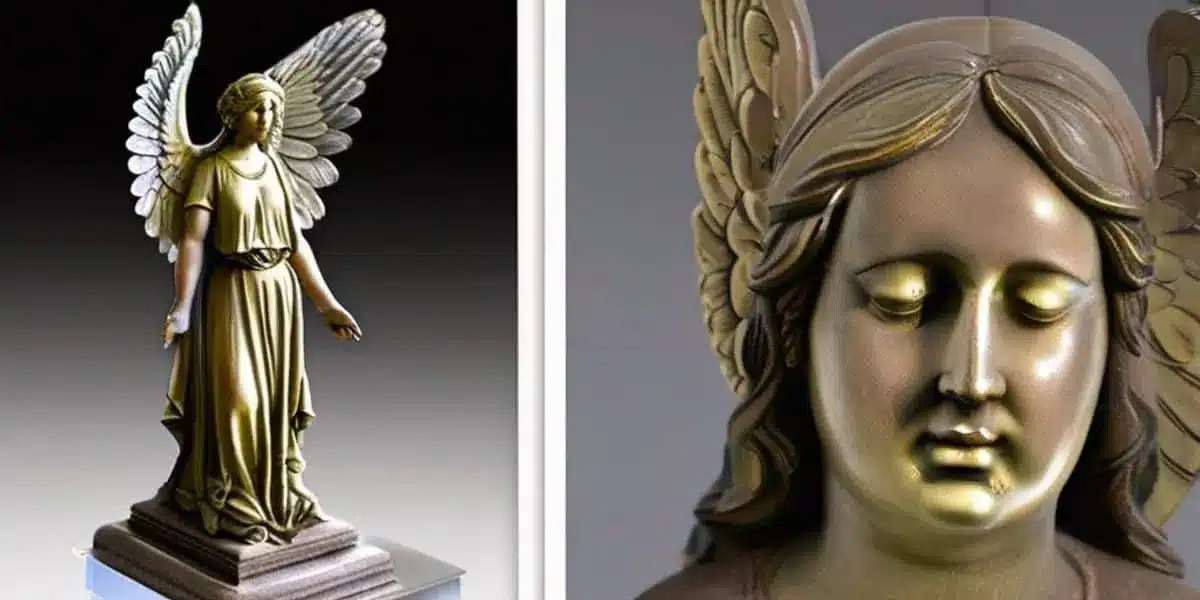
    Russia’s angel statues stand as silent guardians of history and culture, their stone wings outstretched in an eternal promise of protection and guidance. These celestial sculptures are not merely ornamental; they are steeped in the rich tapestry of Russian lore, embodying tales of faith, artistry, and national identity. As we explore the angelic watchers that grace the landscapes of Russia, we delve into the historical significance, architectural marvels, and the profound stories etched into their stone visages.

    Key Takeaways

    • Angel statues in Russia are deeply rooted in the country’s history, serving as both spiritual protectors and symbols of artistic expression.
    • Each region boasts its own unique interpretation of angelic guardians, reflecting local traditions and historical contexts.
    • The architectural styles of Russian angel statues range from Byzantine to modern, showcasing the evolution of art and religion.
    • Legends and personal anecdotes surrounding these statues provide insight into the cultural and mythological importance of angelic figures in Russian society.
    • Tourists can engage with these divine watchers through a curated experience, which includes understanding conservation efforts and respecting the cultural significance of the statues.

    Guardians in Stone: The Angelic Sentinels of Russian Landscapes

    Guardians in Stone: The Angelic Sentinels of Russian Landscapes

    Historical Significance of Angel Statues in Russia

    The angel statues of Russia stand as silent witnesses to the nation’s tumultuous history. Carved from stone and marble, these celestial guardians have watched over the Russian landscape for centuries. Their presence is a testament to the deep-rooted spirituality that permeates Russian culture.

    From the earliest days of the Kievan Rus’ to the modern Russian Federation, angel statues have been more than mere decorations. They symbolize protection, hope, and a connection to the divine. In times of war and peace, these stone sentinels have offered comfort to the weary and inspiration to the faithful.

    The angelic figures are not just sculptures; they are a bridge between the earthly and the ethereal.

    Each region boasts its own unique guardians, reflecting local history and beliefs. The diversity of styles and stories behind these statues is as vast as Russia itself. Here’s a glimpse into the variety:

    • The Archangel Michael, dominating the skyline of Moscow
    • The serene angels of the Novgorod region
    • The intricate angels adorning the churches of St. Petersburg

    These divine watchers have not only shaped the spiritual landscape but also the artistic one. Their influence is evident in the works of renowned sculptors and the architectural marvels they grace. As we delve deeper into their history, we uncover layers of meaning and artistry that continue to captivate and intrigue.

    Regions and Their Celestial Protectors

    Across the vast expanse of Russia, angel statues stand as silent guardians, each region boasting its own celestial protector. From the Buryat steppes to the bustling streets of Moscow, these divine watchers are as diverse as the landscapes they oversee. In Siberia, the sky is seen as a great tent held aloft by the North Star, with angels akin to a herd of celestial horses tethered to this cosmic pole.

    The Secret Teachings with Ryan Gable often delves into the esoteric symbolism found in such imagery, revealing layers of meaning that resonate with the spiritual seeker. These angelic figures are not mere stone; they are imbued with the stories and beliefs of the people.

    Cats, guardians of thresholds in their own right, mirror the role of these angelic statues: silent, watchful, and ever-present at the crossroads of the mundane and the mystical.

    The angel statues are not only spiritual sentinels but also cultural touchstones, reflecting the rich tapestry of Russian folklore and tradition. Here’s a glimpse into the regions and their heavenly guardians:

    • Siberia: The North Star’s steadfast angels
    • Moscow: Urban angels watching over the city’s dynamism
    • Rural Russia: Folkloric figures guarding the countryside

    Each statue tells a story, a frozen moment of divine intervention, a stone-carved lesson in virtue and vice. They stand, not just as art, but as pillars of cultural identity, shaping the spiritual landscape of a nation.

    Architectural Styles and Artistic Merits

    The angel statues of Russia are not just silent sentinels; they are masterpieces of sacred architecture. Each statue tells a story, woven into the very fabric of Russian culture. From the early-medieval influences to the modern abstract interpretations, these celestial figures reflect a rich tapestry of artistic expression.

    • Early Russian angel statues often bore a solemn, Byzantine influence, their faces etched with eternity.
    • The Baroque period introduced fluidity and drama, angels seemingly caught mid-flight.
    • Soviet times saw a shift towards minimalism, stripping back to essentials.
    • Today, contemporary artists blend past and present, creating angels that speak to the soul of the modern observer.

    The diversity in style is a mirror to the evolution of Russian spirituality and aesthetics.

    The artistic merits of these statues are not just in their form, but also in their ability to evoke emotion and contemplation. They stand as guardians of history, each curve and contour a chapter in Russia’s storied past.

    Whispers of the Divine: Stories and Myths Behind the Statues

    Whispers of the Divine: Stories and Myths Behind the Statues

    Legends of the Watchers: From Folklore to Urban Tales

    The angel statues of Russia are not just silent sentinels of stone; they are steeped in myth and legend. Each statue tells a story, a blend of historical fact and imaginative fiction. From the Nephilim’s angelic fathers to the Slavic witch Baba Yaga, these tales have been passed down through generations, evolving with each retelling.

    • Who Are the Nephilim? – The Fallen Angels left their human bodies and became demons.
    • Baba Yaga – A witch of the woods, both feared and revered, capable of good or evil based on one’s actions.
    • The Watchers – Divine beings who descended from heaven, intertwining with human history and spirituality.

    The whispers of the divine are not confined to the past; they echo in the present, shaping cultural identity and spiritual beliefs. The statues, more than mere representations, are a testament to the enduring power of these stories. They remind us that the line between the earthly and the ethereal is as delicate as a sculptor’s chisel on stone.

    The angelic figures that tower above us are not just guardians of the land; they are guardians of our collective imagination, keepers of our most ancient stories.

    Personal Accounts and Anecdotes

    Angel statues in Russia are not just silent sentinels; they are the keepers of countless personal tales. Each statue is a repository of emotions, memories, and stories, passed down through generations or whispered in the hush of a snow-draped square. One such story is ‘Riding with Reg,’ a tale often recounted to wide-eyed grandchildren, about a celestial journey on the wings of a stone guardian. It’s these narratives that weave the fabric of Russian folklore, intertwining with the lives of those who seek solace in their presence.

    The angel statues stand as silent witnesses to the ebb and flow of human life, each one holding a universe of stories untold.

    Locals often share their experiences, some recounting eerie encounters at midnight, where the chime of a clock heralds the march of spectral figures. Others speak of serendipitous moments, where the sight of an angelic figure brought comfort during times of sorrow. Here’s a glimpse into the personal connections people have with these divine watchers:

    • A grandmother’s tale of good luck charms and fortune-telling, hinting at a mystical connection with the statues.
    • A man’s vivid memory of his mother’s encounter with a spirit, believed to be an omen, near an angel statue.
    • Stories of love and loss, where the statues serve as a backdrop to life’s most poignant moments.

    These anecdotes are not just stories; they are the living breath of Russian culture, a testament to the enduring bond between the celestial and the terrestrial.

    Cultural Impact and Modern Interpretations

    Angel statues in Russia are not just relics of the past; they’ve evolved into symbols of contemporary culture. Their presence is felt far beyond the confines of churchyards and city squares. In modern times, these celestial figures have infiltrated art, literature, and even digital media, reflecting the nation’s enduring fascination with the divine.

    Angel statues have become a canvas for public sentiment, capturing the spirit of the times. They serve as silent witnesses to history, often becoming focal points for collective memory and reflection. Here’s how they resonate today:

    • As icons of heritage and identity in a rapidly changing society
    • As inspirations for modern artists and storytellers
    • As metaphors in political and social discourse

    Their silent stone gazes offer a sense of continuity amidst the chaos of modern life.

    The reinterpretation of these statues in contemporary art and media underscores their adaptability and the human desire to find meaning in tradition. Whether through avant-garde installations or digital reinterpretations, the angelic forms continue to captivate and provoke thought, proving that their impact transcends time.

    The Craft of Creation: Sculptors and Their Heavenly Inspirations

    The Craft of Creation: Sculptors and Their Heavenly Inspirations

    Famous Russian Sculptors and Their Works

    Russia’s landscape is dotted with the divine touch of its sculptors. Ernst Neizvestny stands tall among them, his works a testament to the human spirit. His ‘Tree of Life’ at the Ascent to Heaven monument is a powerful symbol of growth and resilience. Another name that echoes through the ages is that of the creator of the Alexander Column, Montferrand. This towering tribute to Emperor Alexander I is a marvel of engineering and artistry.

    The Solovetsky Stone in Saint Petersburg, a poignant reminder of the victims of political repression, was sculpted by the hands of Yevgeny Ukhnalyov. It’s not just a stone; it’s a silent sentinel of history. Sculpture in Russia is a dialogue between the past and the present, the earthly and the divine.

    The craft of these artists is not just in shaping stone, but in capturing the essence of Russian soul.

    Here’s a glimpse at some of the masterpieces and their creators:

    • Ernst Neizvestny – ‘Tree of Life’, Ascent to Heaven monument
    • Montferrand – Alexander Column
    • Yevgeny Ukhnalyov – Solovetsky Stone

    Each piece tells a story, each curve and contour a language of its own. To walk among these statues is to walk with the watchers, to feel the weight of their wings and the depth of their gaze.

    Influence of Religion and Mysticism on Sculpture

    The divine in stone is not just an artistic expression but a mystical communion. Russian sculptors, steeped in religious tradition and mysticism, often sought to imbue their works with spiritual essence. The act of sculpting an angel was more than carving marble; it was a ritual of awakening.

    In the crafting of angel statues, the sculptor’s chisel was guided by more than just skill. It was the invisible hand of faith shaping the stone. The Ground Zero with Clyde Lewis episode discussing the animation of cult statues highlights this mystical process. Sculptors created a sympathetic link with the divine, using tokens and symbols to align with celestial energies.

    • The use of theurgic talismans in statue animation.
    • Aligning with the deity’s essence through symbols.
    • Entheogenic plants in rituals to awaken statues.

    The sculptor’s studio transforms into a sacred space, where the boundaries between the material and the ethereal dissolve.

    The influence of religion and mysticism on Russian sculpture is undeniable. It is a dance of the tangible with the intangible, where every stroke of the hammer and cut of the chisel is a step closer to the divine.

    The Process of Envisioning and Crafting Angel Statues

    The creation of an angel statue is a dance between the divine and the earthly. Sculptors begin with inspiration, often drawn from mythology or personal spiritual experiences. The transformation of raw materials into celestial forms is nothing short of alchemy.

    • First, a concept is envisioned, sometimes in dreams or through meditation.
    • Next, sketches and models bring the vision closer to reality.
    • The selection of materials is crucial, as they must convey the ethereal nature of angels.
    • Carving or casting, the sculptor infuses life into stone or metal, guided by intuition and skill.

    The final piece is not just art; it’s a portal to the divine, a tangible connection to the otherworldly.

    Each statue holds a story, a whisper of the divine. Take Benjamin Victor’s clay sculpture, The Angel, which seems to defy gravity, a testament to the sculptor’s ability to capture the essence of the divine watchers.

    A Journey Through Time: The Evolution of Angelic Imagery

    A Journey Through Time: The Evolution of Angelic Imagery

    Early Representations in Russian Art

    The dawn of Russian angelic artistry is a tale woven into the fabric of the nation’s history. Angels, as divine messengers, were not merely religious symbols but also emblems of morality and guidance. These celestial figures graced the walls of ancient churches and the pages of illuminated manuscripts. Their depictions, steeped in Byzantine influences, evolved over time to reflect Russia’s unique spiritual and cultural identity.

    Early Russian art saw angels as ethereal beings, often portrayed with a solemn grace. They served as a bridge between the heavens and the earthly realm, their images inspiring awe and reverence. The artists of the time, many of whom remain anonymous, channeled their devout faith into creating these sacred icons. Their work laid the groundwork for centuries of artistic tradition, a legacy that continues to enchant to this day.

    • Angels in frescoes and icons were not just art; they were part of spiritual life.
    • Craftsmanship was influenced by Byzantine art, yet distinctly Russian.
    • Angel statues began as wooden figures, later transitioning to stone.

    The angel statues of Russia stand as silent witnesses to the nation’s enduring faith and artistic fervor.

    As we delve deeper into the annals of Russian art, we uncover a rich tapestry of angelic imagery. From the earliest wood carvings to the grand stone sculptures that watch over modern cities, these divine watchers have been a constant, comforting presence in the Russian landscape.

    Transition in Symbolism During Political Changes

    The ebb and flow of Russia’s political tides have left indelible marks on its angelic iconography. During the Soviet era, religious symbols were suppressed, replaced by the state’s atheistic ideology. Yet, the angel statues stood resilient, their faces weathering the storm of regime change. Post-Soviet Russia witnessed a renaissance of religious expression, and with it, a revival of angelic symbolism.

    The fallen angel statue, a poignant emblem of rebellion and artistic prowess, encapsulates this shift. Once a symbol of divine guardianship, it now also represents the eternal struggle between good and evil, a nod to the nation’s tumultuous history.

    The transformation of angel statues in Russia is a mirror to its societal metamorphosis, reflecting the nation’s journey through times of upheaval.

    As Russia navigates its modern identity, these celestial sentinels continue to evolve. They are no longer just religious icons but cultural touchstones that embody the nation’s complex narrative.

    Contemporary Angel Statues and Their Significance

    Today’s angel statues in Russia are more than mere stone; they are a blend of tradition and modernity. Contemporary sculptors infuse new life into age-old symbols, crafting figures that resonate with today’s seekers of beauty and spirituality. These modern creations are not just static representations; they are dynamic conversations between the past and the present.

    Italics are used to emphasize the transformative power of these statues, as they embody both historical reverence and present-day relevance. They stand as silent witnesses to the evolution of Russian culture, reflecting the changing values and aesthetics of society.

    • The materials used have evolved, embracing new technologies.
    • Designs often incorporate elements of the surrounding environment.
    • Angel statues now serve as focal points for community gatherings.

    The significance of these statues extends beyond their physical form; they are markers of cultural identity and spiritual aspiration.

    Each statue tells a story, a narrative woven from the threads of Russian history and the personal touch of the sculptor. They are not just sculptures; they are sentinels of the collective consciousness, inspiring awe and contemplation in the hearts of onlookers.

    Visiting the Divine Watchers: A Tourist’s Guide

    Visiting the Divine Watchers: A Tourist's Guide

    Must-See Angel Statues in Russia

    Russia’s landscapes are dotted with celestial sentinels, each telling a story etched in stone. The ‘Millennium of Russia‘ monument stands as a testament to this, with its 128 historic figures and an angel blessing a kneeling woman, symbolizing the nation’s rich past. Here are a few divine watchers you simply can’t miss:

    • The Archangel Michael presides over the Kremlin, a fierce protector in bronze.
    • Saint Petersburg’s Peter and Paul Cathedral is graced by an angelic spire, reaching for the heavens.
    • In Novgorod, witness the Millennium monument’s angel, a beacon of Russian pride and history.

    While these statues offer a glimpse into the spiritual and artistic heritage of Russia, they also pose questions about the mystique surrounding their origins. Each statue carries with it legends, some whispered by the wind, others told by the people who hold them dear.

    These stone guardians are not just sculptures; they are the silent narrators of Russia’s soul, standing vigilant through the passage of time.

    As you plan your visit, remember that these statues are more than tourist attractions; they are a pilgrimage to the heart of Russian culture.

    Preservation Efforts and Conservation Challenges

    The battle to preserve Russia’s angel statues is as fierce as the stories they inspire. Conservation is key, yet challenges abound. Weather, pollution, and neglect have left their marks. But it’s not just natural elements that threaten these stone guardians. Recent events underscore the urgency: Estonia’s prime minister made Russia’s wanted list for destroying memorials, while Lithuania removed dozens of Soviet-era sculptures. These actions signal a broader conflict over historical memory and its physical manifestations.

    Preservation requires a multifaceted approach. Local communities, government bodies, and international organizations must collaborate to safeguard these treasures. Funding is crucial, yet often scarce. Here’s a snapshot of the efforts:

    • Documentation: Recording the statues’ conditions and histories.
    • Restoration: Meticulous work to repair and maintain.
    • Education: Raising public awareness about the statues’ value.
    • Legislation: Enforcing laws to protect against vandalism and neglect.

    The silent whispers of the past call for our action today. To ignore them is to risk losing a piece of our shared heritage.

    The path forward is fraught with obstacles, but the resolve to protect Russia’s divine watchers remains steadfast. Their stories, etched in stone, must endure for generations to come.

    Experiencing the Statues: Tips for Travelers

    When venturing to witness the angelic guardians of Russia, pack for the journey, not just the destination. Weather can be unpredictable, and the locations of these statues often require a bit of a trek. Comfortable shoes are a must, and layers are your friend.

    Respect the sanctity of the sites. Many of these statues are not just artistic marvels but also hold religious significance. Keep noise to a minimum and follow any posted guidelines.

    Embrace the stories each statue whispers. Let the history and myths enhance your experience.

    Here’s a quick checklist for your angelic adventure:

    • Research the history and legends before visiting.
    • Plan your route and transportation in advance.
    • Check the local weather and dress accordingly.
    • Bring a camera, but remember to experience the moment.
    • Stay hydrated and pack snacks for energy.

    Lastly, if you’re moved by the beauty or spirituality of these statues, consider supporting local preservation efforts. Your visit can contribute to the enduring legacy of Russia’s divine watchers.

    Embark on a mystical journey with our ‘Visiting the Divine Watchers: A Tourist’s Guide’ and uncover the secrets that await. Dive into the depths of history, conspiracy, and the paranormal at your own pace. Don’t miss out on the wealth of knowledge housed in our Ground Zero and The Secret Teachings podcast archives, along with over 200 documentaries and lectures available at your fingertips. Ready to explore the unknown? Visit our website now and start your adventure into the extraordinary!

    Conclusion

    As our journey through the angelic realms of Russia’s statues comes to a close, we are reminded of the profound impact these divine watchers have on the cultural and spiritual landscape of the nation. From the grandeur of Moscow’s towering figures to the serene guardianship of smaller sculptures nestled in remote villages, each statue tells a story of faith, artistry, and history. They stand not only as silent sentinels of the past but also as beacons of inspiration for the present, inviting onlookers to ponder the celestial and the eternal. Whether you are a devout believer, an art enthusiast, or simply a curious traveler, the angel statues of Russia offer a unique window into the soul of a nation that reveres the transcendent and the beautiful. As we bid farewell to these stone-carved seraphs, we carry with us the reminder that, in the words of Dostoevsky, ‘beauty will save the world’—a sentiment echoed in the silent hymn of Russia’s divine watchers.

    Frequently Asked Questions

    What is the historical significance of angel statues in Russia?

    Angel statues in Russia have a rich historical significance, often serving as spiritual symbols and protectors over the regions where they are erected. They reflect the deep Orthodox Christian faith of the country and are frequently found in cemeteries, churches, and public spaces, commemorating historical events, honoring saints, and representing guardianship.

    Can you share some stories or myths behind the Russian angel statues?

    Many Russian angel statues are shrouded in local myths and folklore. Legends often speak of the angels as divine watchers who protect the cities and their inhabitants. Some stories suggest that the statues come to life at night to ward off evil spirits, while others recount miracles attributed to the presence of these celestial figures.

    Who are some famous Russian sculptors known for their angel statues?

    Famous Russian sculptors who have contributed significantly to the creation of angel statues include Bogdan Saltanov, known for his religious art, and Georg J. Lober, who, although not Russian, has works that resonate with the Russian artistic style. Their sculptures often reflect the intricate details and deep symbolism characteristic of Russian art.

    How have angel statues evolved in Russia over time?

    Angel statues in Russia have evolved from early Byzantine and Orthodox styles to incorporate various artistic movements such as Realism and Modernism. Political changes, especially during the Soviet era, also influenced the symbolism and purposes of these statues, shifting from purely religious to more secular and memorial roles.

    What are some must-see angel statues in Russia for tourists?

    Tourists should consider visiting the angel statues at the Novodevichy Cemetery in Moscow, the Bronze Horseman in Saint Petersburg, and the Guardian Angel of Russia in Magadan. Each of these statues not only showcases artistic brilliance but also holds significant cultural and historical value.

    Are there preservation efforts for the angel statues in Russia?

    Yes, there are preservation efforts for angel statues in Russia, often led by local governments, cultural heritage organizations, and religious institutions. These efforts include regular maintenance, restoration projects, and protection measures to ensure that these statues endure as both cultural artifacts and spiritual symbols for future generations.
  • Unlocking the Mysteries of Coral Castle Through Enthralling Photos

    Unlocking the Mysteries of Coral Castle Through Enthralling Photos

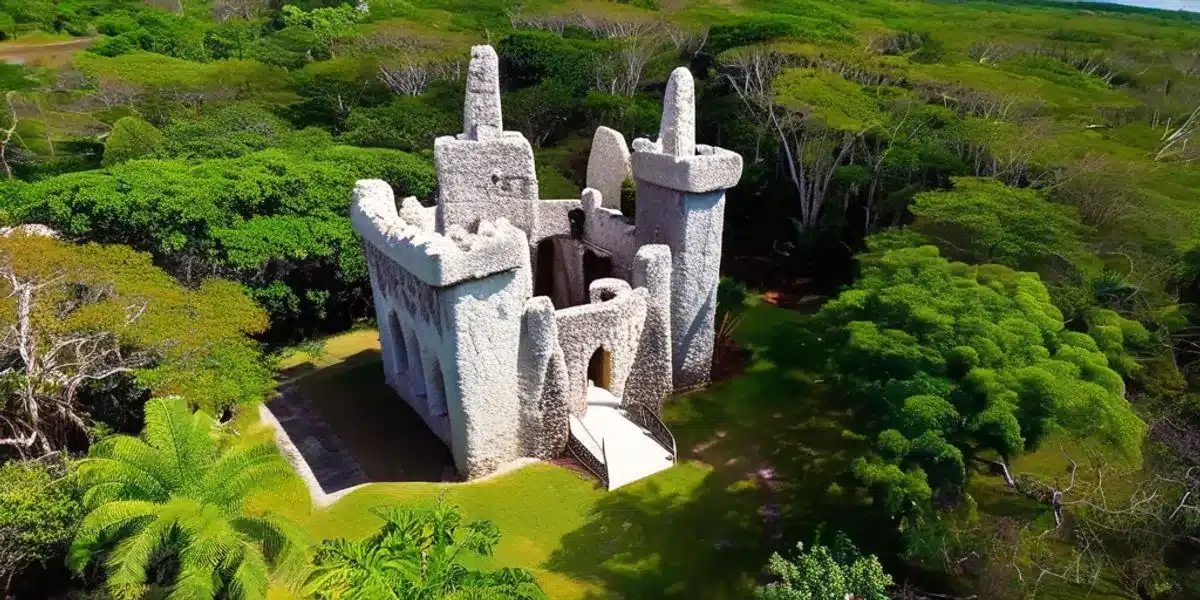
    Coral Castle, an enigmatic stone structure in Florida, has intrigued visitors and researchers alike with its mysterious origins. Built by the Latvian-American Edward Leedskalnin in the early 20th century, this architectural marvel is made up of numerous megalithic stones, some weighing several tons. The construction methods used by Leedskalnin, who worked alone and mostly at night, have led to numerous theories, ranging from ancient sciences to supernatural influences. This article, accompanied by enthralling photos, aims to unlock the secrets of Coral Castle and delve into the legacy it has left behind.

    Key Takeaways

    • Edward Leedskalnin single-handedly constructed Coral Castle, raising questions about the methods he used to manipulate massive stones.
    • Photographic evidence showcases the intricate stonework and the gravity-defying structures that define Coral Castle’s unique aesthetic.
    • Several theories on the castle’s construction point to potential uses of magnetism and earth’s energy grid, as well as comparisons to ancient building techniques.
    • Coral Castle’s influence extends into literature, pop culture, and has inspired educational outreach, preservation, and modern architectural designs.
    • Visitors and staff provide personal accounts and interviews that highlight the mystical and purportedly healing aspects of the castle’s ambiance.

    The Enigma of Edward Leedskalnin’s Architectural Marvel

    The Enigma of Edward Leedskalnin's Architectural Marvel

    The Man Behind the Mystery

    Edward Leedskalnin remains an enigmatic figure, shrouded in the same mystery as the Coral Castle itself. A Latvian immigrant, Leedskalnin single-handedly built the Coral Castle in Florida, claiming no assistance. His methods and motivations are a source of speculation and awe.

    Leedskalnin’s life was as intriguing as his creation. He was a private man, with few records of his personal affairs. Yet, his legacy is a monumental testament to his secretive craft. Some believe he possessed knowledge of magnetism and ancient building techniques, which he used to construct the castle.

    • Born: January 12, 1887, Latvia
    • Emigrated to America: Circa 1912
    • Began construction: 1923
    • Coral Castle completion: 1951

    Despite his humble beginnings, Leedskalnin’s architectural feat continues to baffle experts and enthusiasts alike.

    Visitors to the Coral Castle are often struck by the sheer scale of the stones and the precision of their placement. How one man could achieve this remains a puzzle. Theories abound, from supernatural assistance to undiscovered technology, but the truth may be locked forever in the past, with only the silent stones as witnesses.

    Intricate Stonework and Gravity-Defying Structures

    Edward Leedskalnin’s Coral Castle remains a testament to architectural genius. Each stone, a puzzle piece in a grand enigma. Visitors marvel at the colossal coral blocks, perfectly balanced without mortar. How did one man achieve this alone? Theories abound, but answers elude.

    Precision was key. Leedskalnin’s tools were rudimentary, yet the structures are masterfully crafted. A feat that challenges modern machinery. The nine-ton gate that moves with a touch is a highlight, defying gravity and expectation.

    The beauty of Coral Castle is not just in its structures, but in the questions they raise.

    The park features various notable elements:

    • The two-story castle tower
    • A perfectly balanced stone gate
    • A Polaris telescope
    • Numerous carvings and furniture pieces

    Each element is a testament to Leedskalnin’s secretive methods, which he took to his grave. The castle’s allure lies not only in its visual splendor but also in the enduring mystery of its creation.

    Theories on Construction Techniques

    The construction of Coral Castle remains one of the modern world’s most beguiling enigmas. How did one man carve over 1,100 tons of coral rock into a monumental castle? Theories abound, from traditional stonemasonry to paranormal intervention. Some suggest Edward Leedskalnin possessed knowledge of magnetism and earth’s energy grid, harnessing these forces to lift and maneuver the massive stones with ease.

    Support more articles like this by exploring the various hypotheses that have captivated the curious minds of many. Was it ancient wisdom, alien technology, or sheer human ingenuity? The list of possibilities continues to grow:

    • Use of simple tools like levers and tripods
    • Application of magnetic currents
    • Assistance from extraterrestrial beings
    • Knowledge of Earth’s ley lines

    The truth may be as elusive as the shadows at dusk, but the quest to unlock it is as steadfast as the castle’s walls.

    Photographic Journey Through Coral Castle

    Photographic Journey Through Coral Castle

    Capturing the Essence of the Stone Garden

    Coral Castle’s stone garden is a symphony of enigmatic beauty, each limestone block a note in Edward Leedskalnin’s architectural opus. Visitors are often struck by the serene yet potent atmosphere, a testament to the creator’s singular vision. The garden’s essence is elusive, a puzzle inviting photographers to capture its spirit through their lenses.

    Into the Parabnormal with Jeremy Scott delved into the mysteries of Coral Castle, exploring the whispers of the past etched in stone. The show’s exploration mirrors the journey of photographers as they seek to frame the garden’s soul in a single shot.

    • The Silent Flora: A study in stillness, the garden’s plants stand as silent witnesses to history.
    • The Whispering Walls: Tales of love and loss seem to echo off the coral surfaces.
    • The Enigmatic Edifices: Each structure a riddle, challenging the observer to decipher its purpose.

    The stone garden of Coral Castle beckons with a quiet intensity, daring the onlooker to uncover its secrets and immortalize them in a moment of captured time.

    The Allure of the Coral Gates and the Polaris Telescope

    The Coral Gates stand as silent sentinels, guarding the enigmatic realm of Coral Castle. Crafted from the same stone as the castle walls, they beckon visitors with their mysterious charm. Photographs capture their timeless elegance, frozen moments of a bygone era. The Polaris Telescope, a testament to Edward Leedskalnin’s ingenuity, points steadfastly towards the North Star, a celestial guide through the ages.

    • The Coral Gates, weighing several tons, swing open with a gentle push.
    • The Polaris Telescope, precisely aligned, never fails to inspire awe.
    • Each stone, each carving, tells a story, waiting to be discovered through the lens.

    The allure of these structures is not just visual but visceral, a connection to the past that resonates with every visitor.

    Amidst the stone garden, the gates and telescope stand as monuments to human curiosity and the pursuit of beauty. They challenge the observer to ponder the secrets they hold, secrets that have sparked countless theories and discussions. From the Ground Zero Radio website to the musings of Harvard astronomers, the quest for understanding the unknown drives us, much like it did Leedskalnin when he created this architectural wonder.

    Seasonal Changes and Timeless Beauty

    Coral Castle’s allure transcends the seasons, each bringing its own unique touch to the stone structures. Summer’s heat radiates off the oolitic limestone, while winter’s mild chill gives the gardens a serene stillness. Spring showers the castle with vibrant life, and autumn’s gentle decay adds a layer of nostalgia. The Eternal beauty of the castle remains, unaffected by the passage of time.

    The castle’s charm is not just in its enigma but in its ability to evolve with the seasons while maintaining its mystique.

    Visitors often recount how the changing seasons seem to cast new light on the castle’s secrets. Theories abound, from the practical to the paranormal, with some even discussed on The Secret Teachings with Ryan Gable. Each theory offers a new perspective, a fresh way to see the castle’s timeless beauty.

    • Summer: Intense heat and vibrant skies
    • Autumn: Subtle changes, a hint of melancholy
    • Winter: Quietude and reflection
    • Spring: Renewal and bursts of color

    No matter the season, Coral Castle stands as a testament to the genius of Edward Leedskalnin and the enduring power of mystery.

    Unraveling the Secrets of Coral Castle’s Creation

    Unraveling the Secrets of Coral Castle's Creation

    Investigating the Tools and Methods

    The quest to understand how Edward Leedskalnin single-handedly constructed Coral Castle leads us to a toolbox of mystery. Did he use simple tools, mystical knowledge, or a combination of both? His secretive nature left many scratching their heads.

    Ground Zero with Clyde Lewis once speculated on the use of magnetism and harmonic sound frequencies. But without concrete evidence, the debate rages on. Here’s a snapshot of the speculated tools and methods:

    • Traditional hand tools (hammers, chisels)
    • Makeshift tripods and pulleys
    • Magnetic currents and Earth’s energy
    • Acoustic levitation theories

    The precision of the stonework challenges our understanding of what one man can achieve. The lack of definitive answers only adds to the allure of Coral Castle.

    Each theory offers a tantalizing piece of the puzzle, yet the full picture remains elusive. The enigma of Coral Castle continues to captivate the curious and the skeptical alike.

    The Role of Magnetism and Earth’s Energy Grid

    Coral Castle’s creator, Edward Leedskalnin, was a man shrouded in mystery, much like the methods he used to construct his limestone marvel. Magnetism and Earth’s energy grid are often cited as key elements in his building process. Leedskalnin himself claimed to understand the laws of weight and leverage well. He even suggested he had knowledge of the ancient Egyptians’ building techniques.

    Some enthusiasts believe Leedskalnin harnessed the earth’s magnetic field to move and carve the massive coral blocks. This theory is bolstered by his numerous writings on magnetic currents. While mainstream science remains skeptical, the idea that Earth’s invisible forces played a role continues to captivate imaginations.

    The enigmatic nature of Coral Castle’s construction invites us to explore the unseen and ponder the possibilities of hidden knowledge.

    The concept of an energy grid, a geometric pattern of energy lines encircling the globe, is another piece of the puzzle. Proponents argue that Leedskalnin built Coral Castle on one of these lines, tapping into a source of power that defies conventional understanding.

    • Magnetic currents and their potential use
    • Earth’s energy grid and its mysterious influence
    • Leedskalnin’s secretive methods

    These elements combine to form a narrative as compelling as any modern tale of intrigue. They beckon us to look beyond the visible and question the boundaries of human capability.

    Comparing Historical and Modern Building Practices

    The construction of Coral Castle remains a testament to the ingenuity of historical building practices. Edward Leedskalnin’s methods contrast sharply with today’s technology-driven construction. In the past, builders relied on simple tools and the raw strength of human and animal labor. Modern techniques, however, harness the power of machinery and advanced materials. This juxtaposition highlights the evolution of building practices over time.

    Contrast in architecture not only showcases the capabilities of different eras but also emphasizes the connection between them. While we marvel at the precision of laser-cut stone today, there’s a certain mystique to the hand-carved blocks of Coral Castle that no machine can replicate.

    • Historical Building Practices:
      • Use of simple tools
      • Manual labor
      • Intuitive knowledge of materials
    • Modern Building Practices:
      • Advanced machinery
      • Computer-aided design (CAD)
      • Use of synthetic materials

    The simplicity of the past meets the complexity of the present, creating a dialogue between the two that enriches our understanding of architecture.

    The Cultural Impact and Legacy of Coral Castle

    The Cultural Impact and Legacy of Coral Castle

    Coral Castle in Literature and Pop Culture

    Coral Castle has intrigued minds and inspired creativity across various forms of media. Its enigmatic presence resonates through pages and screens, captivating audiences worldwide. In literature, the castle’s mystique has been woven into storylines, offering a backdrop for romance, fantasy, and mystery. Pop culture references are a testament to its pervasive allure, with mentions in TV shows, movies, and even anime.

    Enchanted Fandoms and Owlcrate are just a couple of examples where Coral Castle’s essence is encapsulated in thematic book boxes, stirring the imagination of readers. The castle’s influence extends beyond the tangible, as it becomes a symbol of the arcane and the unexplained in modern storytelling.

    • The Vermilion Emporium by Jamie Pacton
    • Garden of the Cursed by Katy Rose Pool
    • To Kiss a Prince by Breck Suzanne

    Coral Castle continues to cast its spell, leaving an indelible mark on the canvas of popular culture.

    Educational Outreach and Preservation Efforts

    Coral Castle’s allure extends beyond its mysterious origins; it serves as a beacon for educational enrichment. Preservationists and educators collaborate to bring the castle’s lessons to life. Initiatives include interactive tours, workshops, and educational series tailored for all ages, ensuring the marvel of Leedskalnin’s work endures.

    Engaging the next generation, programs are designed to spark curiosity and foster a deeper appreciation for history and architecture.

    Efforts to safeguard the castle are ongoing. Conservation specialists work meticulously to maintain the integrity of the stone structures against the elements. This dedication ensures that Coral Castle remains not just a testament to one man’s enigmatic achievements, but a classroom without walls for perpetual learning.

    • Interactive Tours: Hands-on experiences bring the castle’s story to life.
    • Workshops: Skills and crafts of the past demystified for modern minds.
    • Educational Series: Learning adventures that captivate and educate.

    The commitment to education and preservation at Coral Castle mirrors the passion of its creator. It’s a place where the past is not just remembered, but actively taught and preserved for future generations to wonder and learn.

    Inspiring Modern Architects and Sculptors

    Coral Castle has left an indelible mark on the world of architecture and art. Edward Leedskalnin’s masterpiece continues to inspire modern creators, challenging them to think beyond conventional construction methods. Architects and sculptors often cite the castle as a muse, sparking innovation in their own designs.

    • Yasmeen Lari, Pakistan’s first female architect, speaks of the castle’s influence on her award-winning work.
    • Ground Zero Radio explores the castle’s mysterious allure, captivating its audience with tales of Leedskalnin’s enigmatic methods.

    The castle’s legacy is not just in stone, but in the minds it continues to enchant.

    The cultural resonance of Coral Castle is evident in its frequent mentions across various media platforms. From podcasts discussing its enigmatic creator to educational programs that dissect its construction, the castle’s impact is far-reaching. It serves as a testament to the power of one man’s vision and the enduring curiosity it can ignite.

    Visitor Experiences and Personal Accounts

    Visitor Experiences and Personal Accounts

    Firsthand Descriptions of the Castle’s Ambiance

    Visitors to Coral Castle often speak of an atmosphere that defies explanation. Whispers of the past seem to echo through the stone corridors, inviting a sense of wonder and mystery. Small groups huddle, sharing their awe in hushed tones, as they meander through the garden of monolithic sculptures.

    • The air is thick with intrigue, as if Edward Leedskalnin himself might round a corner, trowel in hand.
    • Sunlight plays off the coral surfaces, casting otherworldly shadows that dance with the time of day.
    • The weight of silence is palpable, punctuated only by the soft click of a camera shutter or the distant laughter of children.

    The castle’s ambiance is a tapestry of sensory experiences, each thread woven with the enigmatic creator’s legacy.

    Each visitor’s encounter is unique, yet a common thread binds them—a feeling of stepping into a realm where the ordinary rules of life are suspended. The castle’s ambiance is not just seen or heard, but felt deep within the bones.

    Interviews with Long-Time Guides and Staff

    The guides and staff at Coral Castle are the keepers of its deepest secrets. Their stories weave the fabric of the castle’s enigmatic history. Each guide brings a unique perspective, shaped by years of exploring every nook and cranny. They share tales of Edward Leedskalnin’s solitary toil, the whispers of past visitors, and the inexplicable occurrences that keep the legend alive.

    • Long-time guide, Maria, recalls the first time she felt the castle’s ‘energy’—a moment that transformed her skepticism into wonder.
    • Jack, a maintenance worker for over a decade, speaks of the odd magnetic anomalies he’s encountered while repairing the ancient stones.
    • Emma, who has welcomed guests for years, shares the profound impact the castle has had on her life, likening it to a ‘silent mentor’.

    The castle’s allure isn’t just visual; it’s visceral. It resonates with those who walk its grounds, leaving an indelible mark on their souls.

    The collective insights of these veterans paint a picture of a place not just built, but imbued with mystery. Their interviews are not just retellings, but revelations, offering glimpses into the heart of Coral Castle’s enduring enigma.

    The Mystical and Healing Aspects Reported by Guests

    Coral Castle has long been a source of fascination, not just for its architectural wonders, but for the healing experiences some visitors claim to have felt within its walls. Guests often speak of a palpable energy, a vibration that seems to resonate with the very core of their being. This isn’t just hearsay; people from all walks of life have shared personal accounts of a sense of peace and rejuvenation during their visit.

    • A sense of calm and tranquility
    • Reports of physical ailments diminishing
    • Feelings of being ‘recharged’ or ‘aligned’

    While skeptics may dismiss these experiences as placebo, those who have felt the castle’s embrace argue there’s something more profound at work.

    Listeners of Ground Zero Radio have drawn parallels between the castle’s enigmatic aura and the topics explored on the show. The castle’s allure, much like the station’s content, taps into a deep human desire to connect with the mysterious and the unexplained. Whether it’s the alignment with Earth’s energy grid or simply the power of belief, Coral Castle continues to be a place of wonder and potential healing for many.

    Dive into the heart of intriguing discussions and personal stories with our ‘Visitor Experiences and Personal Accounts’ section. Whether you’re fascinated by conspiracy theories, the paranormal, or current events, our community’s firsthand accounts will captivate your curiosity. Don’t just take our word for it; join the conversation and share your own experiences. Visit our website now to explore the archives and become part of our ever-growing family of inquisitive minds.

    Conclusion: The Enigma of Coral Castle

    As we conclude our photographic journey through the enigmatic Coral Castle, it’s clear that this architectural marvel remains shrouded in mystery and allure. The stone structures, carved with such precision, continue to challenge our understanding of what one man, Edward Leedskalnin, could achieve with primitive tools. Theories abound, from the use of magnetic currents to ancient building techniques, yet no definitive explanation has surfaced. What is certain is that Coral Castle stands as a testament to human ingenuity and perhaps, to secrets still waiting to be unlocked. It invites us to look beyond the visible, to consider the power of determination, and to marvel at the beauty that can arise from the most profound of mysteries. As we leave behind the stone gates and whispering walls, we carry with us the enchanting images and the lingering questions that make Coral Castle a true wonder of the modern world.

    Frequently Asked Questions

    What is Coral Castle and who built it?

    Coral Castle is an architectural marvel located in Florida, USA, built by Edward Leedskalnin between 1923 and 1951. It is renowned for its massive coral blocks, some weighing several tons, meticulously placed without the use of modern machinery.

    How did Edward Leedskalnin construct Coral Castle?

    The construction techniques Edward Leedskalnin used remain a mystery. He claimed to know the secrets of the ancient pyramids’ construction and worked alone, mostly at night, leading to much speculation on his methods.

    Are there any theories on how Coral Castle was built?

    Numerous theories exist about how Coral Castle was built, ranging from the use of magnetism and Earth’s energy grid to ancient building techniques and even supernatural assistance. However, no definitive explanation has been proven.

    What are some notable features of Coral Castle?

    Coral Castle boasts many intriguing features, including a nine-ton gate that moves with a light touch, a Polaris telescope, and various stone furniture pieces, all carved from coral rock.

    Has Coral Castle influenced modern architecture or culture?

    Coral Castle has inspired artists, architects, and storytellers alike. It appears in literature, documentaries, and is a subject of interest in popular culture due to its mysterious origins and unique construction.

    Can visitors tour Coral Castle and what can they expect?

    Yes, Coral Castle is open to the public for tours. Visitors can explore the stone garden, marvel at the gravity-defying structures, and learn about Edward Leedskalnin’s life and the various legends surrounding the castle’s creation.

  • Uncovering the Divine: The Discovery of a Russian Angel Statue

    Uncovering the Divine: The Discovery of a Russian Angel Statue

    The recent discovery of a Russian Angel statue has captivated the attention of historians, art enthusiasts, and the general public alike. This find not only sheds light on the rich tapestry of Russian religious art but also sparks conversations about the role of such artifacts in contemporary culture. The unearthed sculpture, with its intricate details and historical significance, offers a unique window into the past and its influence on the present.

    Key Takeaways

    • The Russian Angel statue represents a significant archaeological find, unveiling a piece of Russia’s angelic art legacy within a historical and cultural framework.
    • Experts have conducted extensive archaeological examinations, employing modern technology to date and preserve the statue, while exploring its religious and cultural symbolism.
    • The discovery has generated considerable media coverage and scholarly debate, particularly concerning the statue’s authenticity and its broader historical implications.
    • Conservation efforts are underway to restore and maintain the statue, with conservators facing unique challenges and sharing their triumphs in preserving this piece of history.
    • The statue’s discovery has far-reaching implications, influencing modern art and architecture, inspiring educational programs, and potentially impacting contemporary spiritual practices.

    The Enigmatic Emergence of the Russian Angel

    The Enigmatic Emergence of the Russian Angel

    The Initial Discovery: Unearthing the Statue

    In the quiet embrace of the Russian countryside, a discovery stirred the souls of historians and art lovers alike. A serendipitous find by a local farmer unearthed what would soon be recognized as a divine treasure: an angel statue, its wings enveloped in earth, its gaze frozen in time. The revelation was as unexpected as it was profound, echoing the mystique of the Statue of Jupiter from the Getty Museum, discovered centuries ago on imperial grounds.

    The excavation site quickly became a hive of activity, with archaeologists and curious onlookers converging to witness the emergence of the celestial figure. The statue’s extraction was methodical, each movement a delicate dance between reverence and scientific precision.

    The angel’s countenance, once liberated from its earthen shroud, seemed to whisper tales of a bygone era, its silent lips a gateway to the past.

    As the news spread, the air buzzed with questions. How old was this effigy? What secrets did it hold? The answers lay dormant, nestled within the craftsmanship of the sculpture, waiting to be awakened by the touch of modern inquiry.

    Historical Context: Russia’s Angelic Artifacts

    The discovery of the Russian angel statue is not an isolated event. Russia’s history is rich with angelic artifacts, each telling a story of faith and artistry. The Novgorod school of the fifteenth century is a prime example, where icons were crafted to convey messages of hope and divine presence.

    In the realm of religious art, conflict and creation often intertwine. The simultaneous rise of religious conflicts and the production of sacred art in Russia prompts a deeper look into the cultural significance of these artifacts. The angel statue, like many before it, may be a product of such historical complexities.

    The angel’s emergence is a window into the past, offering insights into the spiritual life of ancient Russia.

    While the statue’s style and craftsmanship draw attention, its true value lies in the connection to a tradition of religious expression. This tradition spans centuries, echoing the spiritual quests of generations. The angel’s silent testimony stands as a guardian of history, inviting us to explore the depths of Russia’s sacred art heritage.

    Artistic Significance: Analyzing the Sculpture’s Style

    The Russian Angel statue stands as a testament to the iconographic language of its era. Its style, reminiscent of Byzantine art, suggests a static, symbolic representation of the divine. The exaggerated and simplified facial features echo early icon painting manuals, hinting at a blend of realism and abstraction.

    • The use of color is bold, not mimicking nature but suggesting movement and rhythm.
    • Symbolism is personal, yet resonates with the illogical and fantastic.
    • The statue’s style reinforces its enigmatic presence, an undertone of yearning and loss palpable in its detached form.

    The sculpture’s style is not just a visual feast but a narrative woven in stone, capturing the essence of its time while inviting interpretation.

    The artistic significance of the Russian Angel statue is not merely in its form but in the cultural and historical narratives it embodies. It stands as a bridge between the past and the present, between the tangible and the ethereal.

    Deciphering the Divine: Insights into the Angel’s Origins

    Deciphering the Divine: Insights into the Angel's Origins

    Archaeological Investigations: Dating and Preservation

    The unveiling of the Russian Angel statue sparked a flurry of scientific inquiry. Archaeologists leaped into action, employing cutting-edge technology to unravel the statue’s age and origins. X-ray fluorescence and diffraction tests, akin to those used by the Kunsthistorisches Museum to date the Vienna lance, became pivotal in this pursuit. The statue’s composition whispered secrets of its past, suggesting a creation timeline that defied initial estimates.

    Italics were not merely for emphasis but a tool in the scientific arsenal, as metallurgical analysis revealed the intricate alloy used in the statue’s craftsmanship. This blend of metals, unique to a specific historical period, provided a chronological anchor for the artifact.

    Preservation efforts were equally meticulous. A bulleted list encapsulates the steps taken to safeguard the angel for posterity:

    • Stabilization of the statue’s structure to prevent further degradation
    • Careful cleaning of surface contaminants
    • Climate-controlled environments to halt the advance of time
    • Regular monitoring for signs of deterioration

    The interplay between science and history was never more poetic. In the hands of conservators, the angel was not just preserved but reborn, its legacy etched into the future.

    The Smithsonian Institution’s Human Origins Program underscores the importance of dating methods as a cornerstone of studying the past. This statue’s journey through time, now anchored in scientific evidence, continues to captivate and mystify.

    Cultural Connections: Religious Symbolism in Russian Lore

    The discovery of the Russian Angel statue has reignited interest in the nation’s rich tapestry of religious symbolism. Russian lore is steeped in the divine, with icons and artifacts that have carried spiritual significance through the centuries. The Novgorod school, for instance, is renowned for its 15th-century icons that emphasize light as a symbol of hope and the divine.

    The Secret Teachings with Ryan Gable often explores the mystical and esoteric aspects of such artifacts, delving into their hidden meanings and cultural importance. This statue, too, may hold secrets yet to be uncovered, resonating with the spiritual quests of seekers and scholars alike.

    The angel’s emergence prompts a re-examination of traditional narratives, inviting us to explore the interplay between art, religion, and history.

    Russian religious art is not just about aesthetics; it’s a dialogue with the divine. The statue’s style, possibly dating back to a significant period in Russian history, could offer insights into the spiritual life of the time. Here’s a glimpse into the symbolism often found in Russian religious art:

    • Light: Represents hope and the divine presence
    • Prophets: Symbolize the living and the dead
    • Forbidden thoughts: Reflect the struggle between conscience and temptation

    Each element tells a part of a larger story, one that the Russian Angel statue is now a part of. As we continue to unravel the statue’s origins, we may find that it speaks not only to the past but also to contemporary spiritual practices and beliefs.

    Comparative Analysis: Similar Finds Across the Globe

    The Russian Angel is not an isolated phenomenon. Statues with spiritual significance emerge worldwide, each telling a unique story. From the serene stone guardians of East Asia to the intricate wooden carvings of Africa, these artifacts resonate with local beliefs and customs.

    The global tapestry of divine sculptures is rich and varied. Here’s a snapshot:

    • Japan: Bosatsu figures, embodying compassion.
    • India: Exquisite depictions of deities like Vishnu.
    • Mexico: Majestic Mayan stelae, steeped in cosmology.

    These finds are not mere relics; they are a bridge to understanding ancient cultures and shared human experiences.

    The Russian Angel’s discovery prompts us to reflect on our own interpretations of the divine. It challenges us to consider the common threads that link disparate cultures. As we delve into the origins of these sacred objects, we uncover a universal narrative of faith and artistry that transcends borders and epochs.

    The Angel in the Public Eye: Reception and Controversies

    The Angel in the Public Eye: Reception and Controversies

    Media Frenzy: Coverage of the Angel Statue

    The discovery of the Russian Angel statue sparked a media storm. News outlets from around the globe were quick to pick up the story, each adding their own spin to the enigmatic find. Television specials, live broadcasts, and social media buzz turned the statue into an overnight sensation.

    The coverage ranged from factual reporting to wild speculation. Some sources questioned the authenticity of the find, while others delved into the potential supernatural implications. The public’s appetite for the mysterious was evident, as ratings and shares soared whenever the angel graced the screen.

    The angel’s emergence became a cultural phenomenon, transcending the usual archaeological circles and captivating the imagination of the masses.

    Amidst the frenzy, experts and enthusiasts alike scrambled to separate fact from fiction. The statue’s origins, age, and significance became topics of heated debate. Here’s a snapshot of the media impact:

    • Viral hashtags: #RussianAngelMystery, #HeavenlyFind
    • Top news features: CNN, BBC, The Guardian
    • Social media: Over 1 million mentions across platforms in the first 24 hours

    The statue’s discovery was not just a historical event; it was a media spectacle that highlighted society’s enduring fascination with the divine.

    Scholarly Debates: Authenticity and Historical Accuracy

    The discovery of the Russian Angel statue sparked a fiery debate among scholars. Is it a genuine relic or an elaborate hoax? This question has divided the academic community. On one side, historians argue for its authenticity based on stylistic comparisons with known artifacts. On the other, skeptics point to inconsistencies in the statue’s patina and carving techniques.

    Experts have scrutinized every detail, from the archaicism of its inscriptions to the mineral composition of the stone. The debate isn’t just academic; it touches on national pride and the integrity of historical narratives.

    • Historians’ Viewpoint: Authenticity
      • Stylistic similarities with other artifacts
      • Correlation with historical records
      • Support from local lore
    • Skeptics’ Perspective: Hoax
      • Inconsistencies in patina and carving
      • Lack of provenance documentation
      • Anomalies in material analysis

    The statue’s enigma continues to captivate the public imagination, challenging our understanding of the past.

    The controversy has even reached popular media, with shows like Ground Zero Radio discussing the statue alongside other mysteries. The outcome of this debate may forever change our perception of historical truth.

    Public Fascination: Exhibitions and Cultural Impact

    The unveiling of the Russian Angel statue sparked a cultural phenomenon. Museums clamored to display the celestial find, leading to a series of blockbuster exhibitions. The public couldn’t get enough, flocking to venues in droves, hungry for a glimpse of the divine.

    One standout event, GODDESSES, AMAZONS, and MOTHERS, showcased the statue alongside contemporary interpretations of femininity and strength. The exhibition offered the original perspectives of seven international artists, each weaving a tapestry of female identity.

    The angel’s presence transcended mere art, becoming a symbol of hope and resilience in modern times.

    The cultural impact was undeniable. Discussions about the angel permeated social media, academic circles, and coffee shop conversations alike. Here’s a snapshot of the statue’s journey:

    • Montr�al Museum of Fine Arts: Record-breaking attendance
    • Schirn Kunsthalle Frankfurt: Featured in ‘World in Turmoil’ exhibit
    • Sturm Gallery: A triumphant debut, praised by German critics

    The statue’s influence even reached the realm of pop culture, inspiring fashion, literature, and film. Its legacy, as both an artifact and an icon, continues to unfold.

    Behind the Scenes: The Conservation Efforts

    Behind the Scenes: The Conservation Efforts

    Restoration Techniques: Preserving the Past

    The meticulous process of restoring the Russian Angel statue is a dance between art and science. Conservators delicately balance traditional methods with modern innovations to ensure the Angel’s legacy endures. Techniques vary, from gentle cleaning to structural repairs, each tailored to the statue’s unique needs.

    • Preservation steps include:
      • Surface cleaning to remove centuries of grime
      • Stabilization of fragile areas
      • Inpainting to address areas of paint loss
      • Protective coatings to shield from environmental damage

    In the realm of conservation, every action is reversible, a principle that honors the artifact’s integrity. Support more articles like this by understanding the dedication behind each restored masterpiece.

    The Angel’s revival is not just about aesthetics; it’s about reconnecting with history and safeguarding it for future generations.
    The Role of Technology in Art Conservation

    Art conservation is entering a new era, thanks to cutting-edge technology. 3D imaging and printing are revolutionizing the way we preserve history. Conservators can now create precise replicas and restore damaged parts of artifacts with unprecedented accuracy.

    Ground Zero with Clyde Lewis discussed how digital tools are transforming the field. They enable detailed analysis and facilitate remote collaborations among experts worldwide. Here’s how technology is shaping the future of art conservation:

    • Digital Documentation: High-resolution scans create a digital archive for future generations.
    • Structural Analysis: Non-invasive techniques assess the internal condition of artifacts.
    • Restoration Simulation: Virtual models test restoration methods before physical work begins.
    • Environmental Monitoring: Sensors track conditions to prevent further degradation.

    Embracing technology does not mean abandoning traditional methods. It’s about enhancing them to ensure the longevity of cultural treasures.

    The synergy of old and new preserves our past for the future. As we continue to uncover the layers of history, technology stands as our steadfast ally in the quest to save art from the ravages of time.

    Challenges and Triumphs: Stories from the Conservators

    Conservators face a unique blend of challenges and triumphs. Each artifact whispers a different story, demanding a tailored approach. The Russian Angel statue was no exception. Its preservation required a delicate balance of science and artistry. Patience and precision were paramount.

    • Initial assessments revealed extensive damage.
    • Meticulous cleaning took countless hours.
    • Advanced techniques restored lost details.

    The journey from ruin to revival is a testament to the conservators’ dedication.

    Successes were celebrated with each layer of grime removed, each feature brought back to life. Yet, the work was fraught with setbacks. Unpredictable reactions to treatments, budget constraints, and the sheer scale of the project tested the team’s resolve. But their commitment never wavered, culminating in a restored masterpiece that bridged past and present.

    The Angel’s Legacy: Future Implications of the Discovery

    The Angel's Legacy: Future Implications of the Discovery

    Influence on Modern Art and Architecture

    The discovery of the Russian Angel statue has sent ripples through the realms of modern art and architecture. Artists and architects alike draw inspiration from its enigmatic beauty, incorporating elements of its design into contemporary works. The statue’s influence is evident in the resurgence of neoclassical motifs and the subtle infusion of spiritual symbolism in public spaces.

    • The Angel’s Echo in Modern Designs:
      • Revival of neoclassical aesthetics
      • Integration of spiritual motifs
      • Influence on public art installations

    The statue’s stylistic elements have become a touchstone for cultural expression, blending the ancient with the avant-garde. Its impact extends beyond visual arts, stirring a renewed interest in incorporating historical narratives into modern contexts.

    The Angel’s legacy challenges the boundaries of time, proving that art is a continuum that constantly evolves yet remains rooted in the past.

    As the statue garners attention, it also sparks debates on the authenticity of ‘inspired’ works. Yet, it is undeniable that the Russian Angel has carved its niche in the ever-changing landscape of art and architecture, promising to inspire future generations.

    Educational Outreach: Programs and Scholarships

    The discovery of the Russian Angel statue has sparked a wave of educational initiatives. Scholarships and programs are now emerging, aiming to inspire a new generation of historians, archaeologists, and artists. These opportunities are not just about financial aid; they’re gateways to hands-on experience with ancient artifacts and modern conservation techniques.

    Educational programs are taking shape in various forms:

    • Workshops on art history and archaeology
    • Internships at museums and dig sites
    • Lecture series by leading experts

    These programs are designed to ignite passion and provide practical skills, ensuring the Angel’s legacy educates and enriches.

    The scholarships, on the other hand, target students from diverse backgrounds, encouraging inclusivity in the field of historical studies. They are a testament to the belief that every curious mind deserves a chance to explore the mysteries of the past.

    The Statue’s Role in Contemporary Spiritual Practices

    The discovery of the Russian Angel statue has sparked a renaissance in spiritual practices. Modern seekers of the divine are turning to the statue as a symbol of inspiration and contemplation. In a world where the tangible and the mystical intertwine, the statue serves as a bridge to the transcendent.

    • Podcasts and online forums buzz with discussions about the statue’s impact on personal faith journeys.
    • Artisans craft replicas, infusing homes with a sense of the sacred.
    • Spiritual retreats incorporate the statue’s imagery, offering a focal point for meditation and prayer.

    The statue’s presence in contemporary spirituality is a testament to the enduring human quest for connection with the divine.

    The statue’s influence extends beyond traditional religious boundaries, inviting a diverse audience to explore the depths of their own spirituality. From the curious to the devout, the Russian Angel has become a beacon for those seeking to enrich their spiritual lives. As it stands, the statue is not just a relic of the past, but a living icon that continues to shape the spiritual landscape of today.

    The discovery of the Angel’s Legacy is a monumental event that has the potential to reshape our understanding of history and the cosmos. As we stand on the brink of new horizons, it’s crucial to delve deeper into the implications of this discovery. To join the conversation and explore the vast array of topics related to the Angel’s Legacy, we invite you to visit our website. Engage with our extensive archives, listen to thought-provoking podcasts, and watch enlightening documentaries. Don’t miss out on the opportunity to expand your knowledge and be part of this groundbreaking journey. Visit us now and become a part of the legacy!

    Embracing the Mystical: The Russian Angel Statue Unveiled

    In the journey to uncover the divine, the discovery of the Russian Angel Statue stands as a testament to the enduring allure of religious art and its capacity to inspire awe. This remarkable find not only enriches our understanding of Russian iconography but also ignites the imagination, inviting us to explore the depths of spirituality and history. As we reflect on the intricate craftsmanship and the profound symbolism embodied in this celestial figure, we are reminded of the universal quest for meaning and the transcendent beauty that connects us across time and cultures. The Russian Angel Statue, with its silent yet powerful presence, beckons us to pause and consider the ethereal aspects of our existence, offering a glimpse into the sacred that continues to enchant and enlighten seekers of the mystical.

    Frequently Asked Questions

    Where was the Russian Angel statue discovered?

    The exact location of the discovery has not been disclosed to the public to preserve the integrity of the archaeological site and to prevent any unauthorized disturbances.

    How old is the Russian Angel statue?

    Archaeological investigations are currently underway to accurately date the statue. Preliminary estimates suggest it could be several centuries old, but further analysis is required for a definitive age.

    What is the historical significance of the Russian Angel statue?

    The statue is believed to be an important artifact that could provide insights into the religious and artistic practices of the region during the time it was created. Its style and symbolism may offer new perspectives on the cultural and spiritual life of past societies.

    Has the statue been linked to any known myths or legends?

    While research is still ongoing, some scholars speculate that the statue may be connected to Slavic folklore or represent a figure from local religious narratives. More concrete connections will be established as the origins of the statue are further deciphered.

    What controversies have arisen since the discovery of the statue?

    Debate among historians and art experts has emerged regarding the authenticity of the statue, its historical context, and the implications of its style. Some controversies also revolve around the potential impact of the statue on contemporary spiritual practices and art.

    What are the future plans for the Russian Angel statue?

    The statue is slated for restoration and preservation, with plans to eventually display it in a museum where it can be studied and appreciated by the public. Educational programs and scholarly research are also anticipated to further explore its significance.

  • Hidden in Plain Sight: Decoding The Freemason Secrets

    Hidden in Plain Sight: Decoding The Freemason Secrets

    Freemasonry, a fraternity shrouded in secrecy and rich with tradition, has captured the imaginations of many. From its obscure origins to its enduring presence in contemporary society, the Freemasons have long been the subject of intrigue and speculation. This article delves into the enigmatic world of Freemasonry, exploring its history, symbols, and the impact it has had on the world. We decode the secrets that have kept this society at the center of conspiracy theories and examine its role in modern times.

    Key Takeaways

    • Freemasonry evolved from medieval stonemasons to a society with intricate rituals and symbols, reflecting a complex moral and ethical philosophy.
    • Despite conspiracy theories, contemporary Freemasonry focuses on charitable work and community service, maintaining a significant social presence.
    • Freemasonry’s future hinges on its ability to adapt and remain relevant in a rapidly changing world, preserving its heritage while embracing new generations.

    The Enigmatic Origins and Evolution of Freemasonry

    From Stonemasons to Secret Society: The Birth of Freemasonry

    We’ve all heard whispers of secret societies and covert gatherings. But how did the Freemasons, once humble stonemasons, evolve into the enigmatic organization we speculate about today? Our journey begins in the shadows of history, where skilled masons formed guilds to protect their craft’s secrets. These guilds laid the foundation for what would become Freemasonry.

    As the guilds grew, so did their influence. They began to accept members not tied to the stonemason trade, expanding their reach and mystique. The transformation from a stonemason’s guild to a secret society wasn’t overnight. It was a gradual shift, shrouded in the very secrecy that now defines them.

    The Secret Teachings with Ryan Gable often explores the intricate tapestry of Freemasonry’s evolution. The show delves into the layers of symbolism and ritual that became the Masonic language. It’s a language that speaks in signs and symbols, not words—a language that we’re still trying to fully decipher.

    Our past is not just a timeline of events. It’s a map of symbols, each with a story waiting to be told.

    The allure of Freemasonry lies in its ability to remain hidden in plain sight. It’s a testament to the power of tradition and the human fascination with the unknown. As we decode the secrets of Freemasonry, we’re not just uncovering history; we’re unlocking a piece of ourselves.

    Symbols and Rituals: Unveiling the Masonic Language

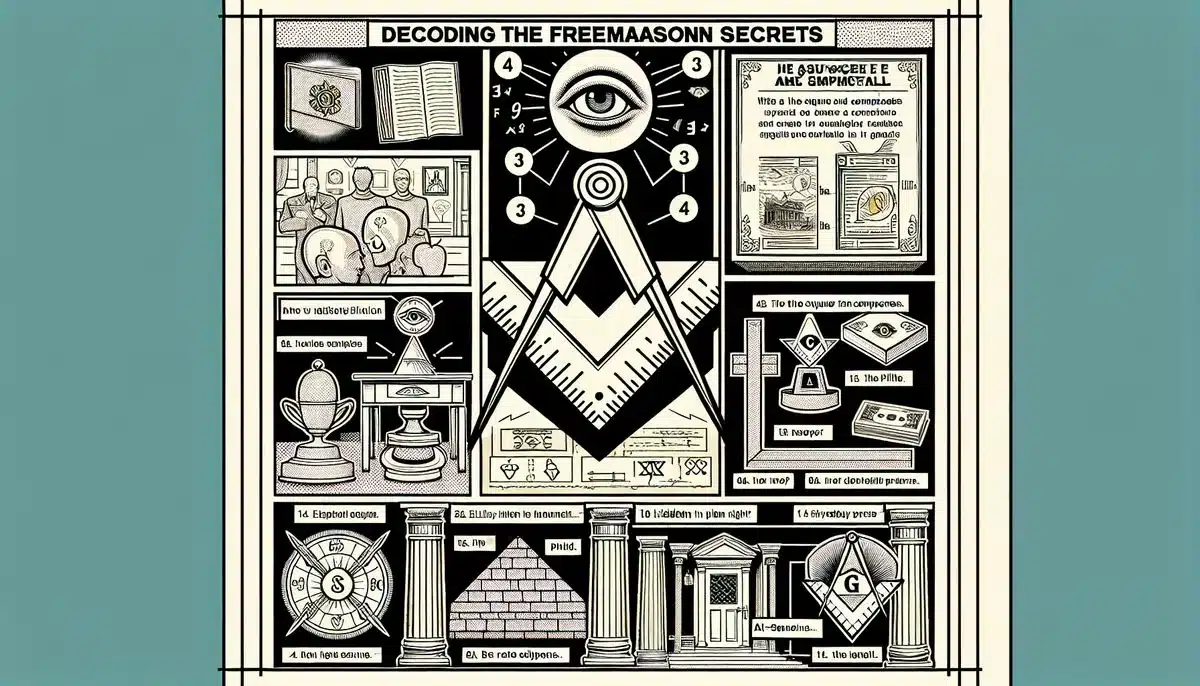
    We’ve all heard whispers about the Freemasons, haven’t we? But let’s dive deeper into the heart of their enigma: the symbols and rituals. These aren’t just fancy handshakes and cryptic insignia; they’re the threads weaving the very fabric of The Secret Teachings. The Square and Compass, for instance, isn’t just a logo; it’s a complex symbol of morality and divine geometry.

    The Emerald Tablet, a symbol of alchemy and mysticism, holds ancient wisdom on transmutation and enlightenment.

    But it’s not all ancient history. The Freemasons have adapted over time, experiencing The Paradigm Shift from literal stone masonry to moral and spiritual edification. Here’s a quick rundown of some key Masonic symbols:

    • Square and Compass: Represents the convergence of matter and spirit.
    • All-Seeing Eye: Symbolizes the Great Architect’s omniscience.
    • Gavel: Embodies the power to shape one’s destiny.

    These symbols and their hidden meanings are passed down through generations, not just as relics, but as living lessons. They’re a language, a way to communicate ideals and values across the ages. And while some may see them as mere decoration, those in the know understand their profound significance.

    Influence and Intrigue: Freemasons in the Fabric of History

    We’ve seen them woven into the tapestry of history, their symbols etched in the cornerstones of monumental buildings. The Freemasons, often shrouded in mystery, have been influential players on the world’s stage. Their reach extends beyond architecture into the very halls of power. From the drafting of constitutions to the secret meetings that have shaped nations, their fingerprints are subtle but indelible.

    Elite circles hold hidden knowledge, some say, of ancient civilizations and Earth’s catastrophic past. Could this be the reason for their enduring influence? The Illuminati, a name that stirs the imagination, began as freethinkers and intellectuals. They infiltrated Masonic lodges, spreading ideas that were revolutionary at the time. The list of alleged members reads like a who’s who of history’s elite, fueling endless speculation and conspiracy theories.

    • The Illuminati’s beliefs in secularism and civil rights
    • Their rapid spread through Masonic lodges
    • Suppression by conservative forces

    We’re not just talking about a social club; we’re discussing a network that may have shaped the modern world.

    As we decode the secrets of Freemasonry, we must tread carefully between fact and fiction. The allure of the forbidden has always captivated us, but it’s the pursuit of truth that enlightens our path.

    Contemporary Freemasonry and Its Place in Modern Society

    The Public Face of Freemasonry: Charity and Community Service

    We Masons take pride in our philanthropic endeavors. Acts of charity, community service, and good deeds are not just about giving back; they’re about growing as individuals and strengthening our bonds with the community. It’s a reflection of our love for humanity and a path to self-improvement.

    Our lodges across the globe are beacons of support, often involved in local initiatives that make a real difference. Here’s a snapshot of the impact we’ve made:

    • Funding scholarships for deserving students
    • Supporting disaster relief efforts worldwide
    • Providing free child identification programs

    We don’t just build temples of stone; we strive to build a stronger society.

    The Grand Lodge of New York alone exemplifies this spirit, with countless hours and funds dedicated to uplifting those in need. It’s not about the recognition; it’s about the genuine desire to help. And while conspiracy theories may swirl around us, the truth is much simpler and far more benevolent.

    Conspiracy Theories and Pop Culture: Separating Fact from Fiction

    We’ve all heard the whispers of secret societies and their covert operations, echoing through the halls of history and into the chambers of our modern world. Conspiracy theories, like the Octopus Conspiracy, grip society with hidden narratives. They weave through the fabric of our reality, challenging us to discern the threads of truth from the tapestry of tall tales. Shows like Ground Zero Radio and podcasts such as "Ground Zero with Clyde Lewis" and "Into the Parabnormal" delve into these enigmas, offering a platform for discussion and debate. But it’s not just about the thrill of the unknown; it’s about understanding the impact these stories have on our collective psyche.

    We’re drawn to the mysterious, the unexplained, the ‘Everything Out There’ that defies our conventional wisdom. It’s a human trait, an innate curiosity that drives us to explore the edges of our knowledge.

    Yet, amidst this exploration, we must tread carefully. The allure of the forbidden, the seduction of the secret, can lead us down a rabbit hole of misinformation. It’s our responsibility to navigate these waters with a critical eye, separating the grains of truth from the chaff of fiction. Here’s a quick rundown of why these theories persist:

    • Human nature’s fascination with mystery
    • The simplicity of blaming a single entity for complex issues
    • The psychological comfort in ‘knowing’ the unknown

    Conspiracy theories will always be a part of our cultural landscape, but it’s up to us to approach them with skepticism and a demand for evidence. After all, the truth is out there, but it’s often hidden in plain sight.

    The Future of Freemasonry: Adapting to a Changing World

    We’re at a crossroads, fellow seekers. The world’s not what it used to be, and neither is Freemasonry. We’ve seen our fair share of conspiracy theories, some as wild as those on Ground Zero with Clyde Lewis. But we’re more than just whispers in the dark. We’re a brotherhood, evolving with the times.

    Our traditions are steeped in history, yet we’re not stuck in the past. We’re adapting, embracing the digital age while holding true to our core values. It’s a delicate balance, but one we’re navigating with care.

    • We’re modernizing our outreach, connecting with communities online.
    • Our charitable work continues, now amplified by social media’s reach.
    • Education and mentorship have gone virtual, breaking down barriers of distance.

    We’re not just building temples of stone; we’re building bridges to the future.

    The road ahead is uncharted, but we’re ready. With every step, we’re writing a new chapter in the grand tome of Freemasonry, ensuring our relevance in a world that’s constantly changing.

    Contemporary Freemasonry continues to intrigue and inspire individuals seeking a deeper understanding of its rich traditions and its role in today’s world. Whether you’re a long-time member or newly curious about the craft, our website offers an exclusive glimpse into the world of Freemasonry. Dive into our extensive archives, listen to thought-provoking podcasts, and watch enlightening documentaries. Ready to explore the secrets and teachings of Freemasonry? Visit our website now and start your journey with a FREE trial of Ground Zero: Aftermath!

    Conclusion: The Enigma of Freemasonry Unveiled

    As we draw the curtains on our exploration of Freemasonry’s veiled secrets, we are reminded of the human penchant for mystery and the allure of the unknown. Ground Zero Radio, with its penchant for delving into the arcane, has provided a backdrop for our journey into the heart of this enigmatic society. The Freemasons, much like the Illuminati, have captivated the imagination with their clandestine rituals and alleged influence on global affairs. While some view these societies with suspicion and fear, attributing to them a vast array of conspiracies, it’s crucial to approach such topics with a discerning mind. The allure of hidden knowledge and the simplification of complex issues into digestible narratives have a powerful grip on our collective consciousness. Yet, as we’ve seen, the truth is often more nuanced and multifaceted than the myths that surround it. Whether the Freemasons are simply a fraternal organization with a penchant for privacy or the keepers of profound secrets, their legacy continues to spark debate, inspire curiosity, and, perhaps most importantly, remind us of the enduring human desire to uncover what lies hidden in plain sight.

    Frequently Asked Questions

    What is the origin of Freemasonry?

    Freemasonry’s origins are shrouded in mystery, but it is generally believed to have evolved from medieval stonemason guilds into a fraternal organization with its own rituals and symbols. It became formally organized in the early 18th century with the establishment of the Grand Lodge of England.

    How does modern society perceive Freemasonry?

    In contemporary times, Freemasonry is often seen as a philanthropic and social organization. While some view it with suspicion due to its secretive nature, many recognize its contributions to charity and community service. Pop culture also reflects a fascination with Masonic rituals and conspiracy theories.

    What is the future of Freemasonry?

    The future of Freemasonry may involve adapting to societal changes, embracing transparency, and attracting younger members. While the organization faces challenges due to declining membership and misconceptions, it continues to focus on its core values of brotherhood, integrity, and personal growth.

  • Voices from Beyond: Exploring the World’s Most Haunting Paranormal Events​

    Voices from Beyond: Exploring the World’s Most Haunting Paranormal Events​

    The intrigue of the paranormal has always captivated human imagination, with tales of ghostly apparitions and unexplained phenomena sending shivers down our spines. ‘Voices from Beyond: Exploring the World’s Most Haunting Paranormal Events’ delves into this mysterious realm, presenting an array of chilling encounters and historical enigmas that continue to elude explanation. From the legacy of Eastern European folklore’s Baba Yaga to the modern perplexities of Havana Syndrome, this article seeks to unravel the stories that lie at the edge of reality and reason, beckoning us to question what lies beyond the veil of the known world.

    Key Takeaways

    • Paranormal events are deeply rooted in cultural folklore and personal experiences, often blurring the lines between myth and reality.
    • Modern encounters with the unexplained challenge our understanding of the world, prompting both skepticism and belief in the supernatural.
    • The exploration of paranormal phenomena serves as a reminder of the vast unknowns that persist in our world, igniting curiosity and fear.

    Unveiling the Shadows: A Journey Through Haunted Histories

    The Enigma of Eastern European Folklore: Baba Yaga’s Legacy

    We’ve all huddled around the campfire, swapping tales that send shivers down our spines. But none quite stir the imagination like the Slavic legend of Baba Yaga. She’s the witch of the woods, the one who rides in a mortar wielding a pestle, her hut perched on chicken legs. This isn’t just a story to tuck kids in at night; it’s a cultural touchstone that has survived centuries.

    Why does Baba Yaga endure? Perhaps it’s her dual nature, capable of both harm and help, reflecting life’s unpredictable twists. Or maybe it’s the sheer thrill of the unknown that Baba Yaga represents, a figure that defies easy categorization and keeps us guessing.

    • Baba Yaga’s Hut: A Symbol of Mystery
    • The Mortar and Pestle: Tools of Transformation
    • The Chicken-Legged Abode: Crossing into the Otherworld

    In our quest for the paranormal, we’re drawn to figures like Baba Yaga because they offer a glimpse into a world beyond our own, where magic is real and anything is possible.

    The Mysteries Beyond podcast delves into topics like these, inviting us to join a community that’s not afraid to explore the edges of our reality. It’s not just about the scare; it’s about understanding our deepest fears and fascinations. Baba Yaga, with her enigmatic legacy, beckons us to keep questioning, keep wondering, and yes, keep fearing a little too.

    The Mystery of Spring-heeled Jack: Victorian England’s Phantom

    We’ve all heard whispers of a figure leaping through the foggy alleyways of Victorian London. Spring-heeled Jack, a name that sends shivers down the spine of any enthusiast of the eerie and unexplained. This phantom, with his fiery eyes and supernatural agility, became the stuff of urban legend, bounding over rooftops and terrifying unsuspecting passersby.

    But what do we really know about this enigmatic specter? Was he a man, a myth, or something far more sinister? On Into the Parabnormal with Jeremy Scott, tales of Spring-heeled Jack are often recounted, leaving listeners pondering the line between myth and reality.

    • His reported ability to leap great heights and distances
    • The chilling descriptions of his appearance: clawed hands and eyes that "resembled red balls of fire"
    • The widespread panic he caused, leading to increased police patrols

    We may never fully understand the mystery that is Spring-heeled Jack, but the thrill of the chase keeps us coming back for more.

    Whether you’re a skeptic or a believer, the tale of Spring-heeled Jack is a captivating chapter in the annals of the paranormal. It’s a story that continues to inspire curiosity and debate, ensuring that his legend will leap on in our imaginations for generations to come.

    Appalachian Witchcraft: Tales of Granny Witches and Their Craft

    We’ve all heard whispers of the granny witches, haven’t we? Those wise women of the Appalachian mountains, guardians of The Secret Teachings and age-old remedies. They’re the keepers of a craft so deeply woven into the hills that it’s become as much a part of the landscape as the mist-shrouded peaks themselves. Their stories are our stories, passed down through generations like precious heirlooms.

    • Granny witches often served as the community’s healers and midwives.
    • They were known for their herbal knowledge and folk remedies.
    • Their practices included creating charms and reading signs.

    These women weren’t just healers; they were the living embodiment of Appalachian resilience and wisdom. Their craft was a blend of tradition and necessity, a way to keep the community thriving against all odds. And while some may dismiss their practices as mere superstition, those who’ve felt the warmth of a healing poultice or the comfort of a well-timed word know better.

    Their legacy isn’t just in what they did, but in the strength they’ve left behind.

    As we delve into their tales, we’re not just exploring quaint stories of the past. We’re uncovering a vital part of our heritage, one that continues to echo through the hollers and over the ridge-tops. It’s a journey of discovery, of connecting with a part of ourselves that modern life often overlooks. So let’s turn the page, and step into a world where every plant, every stone, and every whisper of wind might just hold a secret waiting to be revealed.

    Echoes of the Unseen: Personal Encounters and Modern Mysteries

    The Haunting of Bridge Street: A Child’s Paranormal Experiences

    We’ve all heard the tales, whispers of the supernatural that send shivers down our spines. But the story of Bridge Street is one that sticks with you, long after the echoes fade. A child’s encounter with the unknown, a narrative so chilling it turns skeptics into believers.

    • The house on Bridge Street, where a young soul felt an ‘airy’ presence, became a playground for the paranormal.
    • Unseen figures, a sense of being watched, and a family’s history with spiritualism painted a haunting picture.
    • The clock striking midnight wasn’t just a signal of time, but a cue for spectral figures to parade down the hallway.

    It’s these personal encounters that truly test our understanding of reality. On The Secret Teachings with Ryan Gable, similar stories are dissected, offering insights into a world that exists just beyond our perception. Are we truly alone, or is there more to this life than meets the eye?

    In the stillness of the night, when the world is quiet, that’s when the veil thins and the past comes whispering. No gadgets or gizmos, just the raw, inexplicable experiences of those who’ve glimpsed the other side.

    Bridge Street may be one location, but it’s a microcosm of the paranormal experiences shared across the globe. Each story, a thread in the tapestry of the unexplained, challenges us to open our minds and consider the possibilities.

    The Duncan Donuts Debacle: A Bizarre Tale of the Unexpected

    We’ve all heard tales of haunted houses and ghostly encounters, but the Duncan Donuts Debacle takes the cake for sheer oddity. Imagine sitting down with your coffee and donut, only to have your peaceful snack interrupted by an exploding toilet! That’s right, folks, we’re not making this up. A Florida man found himself in a sticky situation when the restroom facilities at a Duncan Donuts went haywire, launching debris and unspeakables in every direction.

    The aftermath was nothing short of a paranormal event, with the poor guy seeking $50,000 in damages. But here’s the kicker: employees knew about the problem! Previous incidents had been reported, yet no action was taken. It’s like they were waiting for some kind of spectral plumber to fix the issue from the beyond.

    We’re used to discussing ghosts and ghouls, but this incident adds a whole new layer to the term ‘haunted’.

    On Ground Zero with Clyde Lewis, a show no stranger to the strange, this story would fit right in. And if you’re a fan of the unexplained, you’ve likely tuned into Ground Zero Radio, where the bizarre is everyday fare. Here’s a quick list of other ‘haunted’ happenings that pale in comparison to our donut disaster:

    • A whispering wind chime with no breeze in sight
    • A TV turning on to static at the witching hour
    • Your cat staring intently at an empty corner (classic)

    In the end, this Duncan Donuts incident might not involve spirits or specters, but it’s certainly a haunting experience for anyone involved. And it’s a stark reminder that sometimes, the most unexpected events can leave us questioning the fabric of our reality.

    The Havana Syndrome: A Modern Technological Haunting

    We’ve all heard the whispers of The Paradigm Shift, but nothing quite compares to the chilling reality of the Havana Syndrome. It’s like something straight out of "Ground Zero with Clyde Lewis" or "Into the Parabnormal". Imagine, diplomats and spies, plagued by a mysterious illness, with symptoms so bizarre they could be ripped from the pages of "Everything Out There".

    The symptoms? A cocktail of headaches, dizziness, and a persistent ringing in the ears. It’s a modern haunting, not by ghosts, but by something potentially more sinister: technology.

    • Headaches
    • Dizziness
    • Ringing in the ears

    We’re not talking about a simple glitch in the matrix here. This is real, tangible, and frighteningly unexplained.

    Theories abound, from sonic attacks to psychological warfare. It’s a puzzle that has stumped experts and conspiracy theorists alike. And let’s not forget, this all started in Cuba, a place shrouded in its own enigmatic history.

    A collection of podcasts exploring paranormal, supernatural, and mysterious phenomena, challenging conventional beliefs and inviting listeners on a captivating journey into the unknown.

    Dive into the enigmatic world of ‘Echoes of the Unseen: Personal Encounters and Modern Mysteries’ and unravel the secrets that lie just beyond the veil of the known. Our archives are a treasure trove of thought-provoking discussions, in-depth analysis, and eye-opening documentaries that will challenge your perception of reality. Don’t let curiosity be your guide alone; become a part of our community today. Visit our website and start your FREE trial of Ground Zero: Aftermath to begin your journey into the extraordinary. Your adventure into the unknown awaits!

    Conclusion: The Eternal Enigma of the Paranormal

    As we draw the curtains on our exploration of the world’s most haunting paranormal events, it’s clear that the allure of the unexplained continues to captivate and mystify us. From the eerie tales of Baba Yaga in Slavic folklore to the chilling accounts of ghostly apparitions in San Jose, these stories stretch the boundaries of our understanding and challenge the skeptic in us all. Ground Zero Radio and channels like Tails Told in the Dark remind us that the fascination with the paranormal isn’t just about fear—it’s about the human desire to connect with something beyond our reality. Whether it’s through the spine-tingling narrations of Cassie or the bizarre incidents discussed by Wes and Ron, we find ourselves drawn to these narratives that defy conventional explanation. Despite advances in science and technology, the paranormal remains an enigma, a realm where the whispers from beyond beckon us to listen, question, and perhaps, believe. As we continue to seek answers, let us embrace the mystery with an open mind, for it is in the unknown that our imaginations find their truest freedom.

    Frequently Asked Questions

    What are some of the world’s most haunting paranormal events?

    Some of the world’s most haunting paranormal events include Eastern European folklore such as Baba Yaga, Victorian England’s phantom Spring-heeled Jack, tales of Granny Witches in Appalachia, mysterious hauntings like the one on Bridge Street, bizarre incidents like the Duncan Donuts Debacle, and contemporary enigmas like the Havana Syndrome.

    How do paranormal experiences affect individuals?

    Paranormal experiences can have a profound impact on individuals, often leaving them with a sense of unease, curiosity, or fear. Personal encounters with the unexplained can lead to a lifelong fascination with the paranormal, as well as a desire to understand or explain these phenomena.

    Can paranormal events be explained by science?

    While some paranormal events can be debunked or explained through scientific means, many remain unexplained due to their mysterious nature. The field of paranormal investigation seeks to understand these phenomena, often using both scientific methods and anecdotal evidence to study occurrences that challenge our current understanding of the world.

  • Unveiling the Truth: Top 5 Conspiracy Theories of the 21st Century

    Unveiling the Truth: Top 5 Conspiracy Theories of the 21st Century

    In a world teeming with mysteries and unexplained phenomena, conspiracy theories have woven their intricate webs through the fabric of modern society. These theories challenge official narratives, question perceived realities, and often spark heated debates. In the 21st century, a plethora of conspiracy theories have captured the public’s imagination, ranging from covert government operations to alien encounters. This article delves into the top five conspiracy theories that have dominated discourse and fueled the curiosity of skeptics and believers alike.

    Key Takeaways

    • The 9/11 Truth Movement questions the official account of the September 11 attacks, suggesting government complicity or cover-up of certain facts.
    • The New World Order theory posits the existence of a secretive elite with a master plan to rule the world through an authoritarian world government.
    • Chemtrails conspiracy theorists believe that the contrails left by aircraft are actually chemical or biological agents deliberately sprayed for unknown purposes.

    1. 9/11 Truth Movement

    We’ve all heard the whispers and seen the shadows of doubt cast over the tragic events of September 11, 2001. The 9/11 Truth Movement isn’t just a fringe group of skeptics; it’s a community that seeks answers to the burning questions that still smolder in the aftermath of that day. They’re not content with the official narrative, and they’re digging for the truth beneath the rubble.

    At the heart of this movement are radio shows like Ground Zero Radio, where voices like Clyde Lewis challenge the status quo and fuel the fire of inquiry. Ground Zero with Clyde Lewis isn’t just about conspiracy theories; it’s a platform for the unheard and a beacon for those who demand more than just what they’re told.

    • The Octopus Conspiracy theory, with its tentacles in society and culture, evolves through history, impacting public perception and challenging truth in a web of secrecy and disinformation.

    We’re not conspiracy theorists; we’re truth-seekers. We question, we research, and we don’t settle for anything less than the full story. The 9/11 Truth Movement is our collective journey towards uncovering what really happened, one piece of evidence at a time.

    2. New World Order

    We’ve all heard whispers of a shadowy cabal pulling the strings of global politics, but what if there’s a grain of truth in the tales? Enter the New World Order conspiracy, a theory that suggests a secretive power elite is plotting to rule the world under a totalitarian government. The idea isn’t new, but it’s gained traction in the 21st century, fueled by political events and a growing distrust in institutions.

    Listeners of Ground Zero with Clyde Lewis might find the topic familiar, as it often graces the airwaves alongside discussions of the paranormal and the occult. The show, along with others like “The Paradigm Shift” and “Into the Parabnormal”, dives deep into the murky waters of conspiracy, offering a platform for alternative perspectives.

    Here’s a quick rundown of why this theory keeps us up at night:

    • The belief in an all-seeing, all-knowing group manipulating world events.
    • The fear of losing personal freedoms to a global regime.
    • The suspicion of international summits and treaties as fronts for sinister agendas.

    We’re not saying we buy into it hook, line, and sinker, but we can’t deny the allure of the unknown. The New World Order theory is a rabbit hole many have tumbled down, searching for the ultimate truth behind the world’s power dynamics.

    Whether fact or fiction, the New World Order remains a compelling narrative that captures our collective imagination. It’s a reminder that sometimes, the most outlandish stories have the power to reflect our deepest anxieties about the future.

    3. Chemtrails

    We’ve all looked up at the sky and seen those streaks of white trailing behind aircraft. Some of us shrug it off as normal exhaust from jet engines, but others suspect something more sinister. Chemtrails, as they’re called, are believed by some to be a covert operation to control weather, manipulate the environment, or even affect human health. But what’s the truth behind these sky-high suspicions?

    • What are chemtrails? The term refers to the visible trails left by aircraft, which conspiracy theorists claim contain chemical or biological agents.
    • The purpose? Theories range from weather modification and population control to psychological manipulation.
    • The evidence? Skeptics argue that what we’re seeing is simply ‘contrails’ – condensation trails that are a normal byproduct of high-flying aircraft.

    While the debate rages on, with no conclusive evidence to support the chemtrail theory, it’s clear that the skies above us continue to be a source of mystery and controversy. Support more articles like this by staying curious and questioning the world around us. Remember, the truth is often stranger than fiction, but it’s our job to discern fact from fantasy.

    As we continue to gaze upward, let’s not forget to keep our feet firmly on the ground, seeking credible sources and scientific explanations for the phenomena we witness in the skies.

    4. Moon Landing Hoaxes

    We’ve all heard the whispers and seen the grainy footage that fuels the fire of moon landing skeptics. Did we really land on the moon, or was it the greatest hoax ever pulled on humanity? The debate rages on, with conspiracy theorists claiming that the landings were staged by the government to win the space race. It’s a tale that’s been spun for decades, and it’s one that Into the Parabnormal with Jeremy Scott has delved into, dissecting every shadow and flag flutter.

    But let’s take a step back and look at the facts. The evidence supporting the moon landings is overwhelming, and yet, a small but vocal group continues to sow doubt. Here’s a quick rundown of their main arguments:

    • The flag appears to wave in the vacuum of space.
    • There are no stars visible in the photos.
    • The shadows are inconsistent, suggesting multiple light sources.

    Each of these points has been debunked by experts, but the allure of the conspiracy remains strong. It’s a topic that’s been covered extensively on shows like Everything Out There, where the strange and unexplained are the bread and butter.

    We’re drawn to the unknown, the unexplained, the what-ifs. But sometimes, the truth is right in front of us, waiting to be acknowledged.

    As we continue to explore the cosmos, these theories serve as a reminder of our natural skepticism and our endless quest for the truth. Whether you’re a believer or a skeptic, the moon landing conspiracy is a fascinating study of human psychology and our desire to question everything.

    5. Illuminati

    We’ve all heard whispers of the Illuminati, the shadowy group that conspiracy theorists believe pull the strings of world events from behind the scenes. The Secret Teachings of this group are said to influence everything from politics to pop culture, and their symbols are everywhere if you know where to look.

    • The Illuminati and their alleged control over the world.
    • Symbols and signs hidden in plain sight.
    • The Secret Teachings and their impact on society.

    We’re on the hunt for the truth, peeling back layers of secrecy to understand the power they wield.

    Even before the revolution, America was a nation of conspiracy theories, and the Illuminati have been a recurring character in this narrative. Both the Illuminati and the Freemasons continue to make appearances in conspiracy theories even today. The middle of the 19th century also saw thousands of Americans rallying against these secret societies, fearing their influence on the republic. Fast forward to the 21st century, and the fascination hasn’t waned; it’s only morphed into more complex and widespread theories.

    Dive into the enigmatic world of the Illuminati with our comprehensive collection at Ground Zero: Aftermath. Uncover the mysteries and explore thought-provoking discussions on this secret society’s influence throughout history. Don’t miss out on the chance to access exclusive content and join a community of inquisitive minds. Visit our website now to start your FREE trial and begin your journey into the unknown.

    Conclusion: The Enduring Allure of Conspiracy Theories

    As we wrap up our exploration of the top 5 conspiracy theories of the 21st century, it’s clear that the human fascination with the unknown and unexplained remains as strong as ever. From the enigmatic Black Knight Satellite to the intricate web of government cover-ups, these theories captivate our imagination and reflect our collective skepticism towards authority. Ground Zero Radio and its hosts, like Wes Scott and Ron Patton, serve as modern-day mythmakers, weaving tales that challenge our perceptions of reality. While some theories may seem outlandish, they often stem from a kernel of truth or a genuine anomaly that science has yet to fully explain. It’s important to approach these theories with a critical eye, yet also with an openness to the possibility that there is more to our world than meets the eye. Whether seeking entertainment or enlightenment, delving into conspiracy theories can be a thought-provoking journey into the depths of human curiosity and the uncharted territories of our existence.

    Frequently Asked Questions

    What is the 9/11 Truth Movement?

    The 9/11 Truth Movement is a collective of individuals and organizations that question the official account of the September 11, 2001, attacks on the World Trade Center and the Pentagon. They seek to uncover alleged inconsistencies, unexplained events, and potential cover-ups in the government’s explanation.

    What do people mean by ‘New World Order’ in conspiracy theories?

    In conspiracy theories, the term ‘New World Order’ refers to a secretive power elite with a globalist agenda conspiring to eventually rule the world through an authoritarian world government, which would replace sovereign nation-states and other checks and balances in international power struggles.

    Are chemtrails real, and what do conspiracy theorists claim they are for?

    Chemtrails refer to the conspiracy belief that the long-lasting trails left by aircraft in the sky consist of chemical or biological agents deliberately sprayed for purposes undisclosed to the general public. Theorists speculate that these could be for geoengineering, biological warfare, or population control, among other things. However, the scientific community widely accepts that these trails are normal contrails, which are simply condensation from aircraft engines.

  • Conspiracy Confessions: Investigating the Most Controversial Theories in History

    Conspiracy Confessions: Investigating the Most Controversial Theories in History

    Delving into the shadowy realm of conspiracy theories, ‘Conspiracy Confessions: Investigating the Most Controversial Theories in History’ aims to shed light on the truths and myths that have captivated and confounded humanity. From the notorious enigma of Epstein Island to the bizarre incident of exploding toilets, the article explores the intersection of the paranormal, the occult, and historical conspiracies. Through a blend of skepticism and open-mindedness, the article navigates the murky waters of these theories, seeking to understand their psychological impact and cultural significance.

    Key Takeaways

    • An exploration of conspiracy theories reveals a complex web of truth, fiction, and psychological impact, often influenced by cultural and societal factors.
    • The paranormal and occult have a longstanding connection with conspiracy theories, reflecting deep-seated human fears and curiosities about the unknown.
    • Investigating and understanding controversial theories can offer insights into human behavior, belief systems, and the mechanisms of misinformation and manipulation.

    Unraveling the Tangled Web: A Deep Dive into Notorious Conspiracy Theories

    The Enigma of Epstein Island: Separating Fact from Fiction

    We’ve all heard the whispers, the rumors that swirl like mist around Epstein Island. It’s a place shrouded in mystery, where the rich and powerful are said to have indulged in the unthinkable. But let’s cut through the fog and look at the facts. The Octopus Conspiracy, with Dr. John Philip Nichols at its center, influences public perception and raises questions about power. Investigative challenges persist in unraveling the mystery, leaving a legacy of suspicion.

    • Epstein Island, a name that echoes with allegations of scandal.
    • Power players from various spheres have been linked to the island.
    • Separating truth from hearsay is a Herculean task.

    We’re not here to peddle rumors. We’re here to dissect them, to peel back the layers of the story until we reach the core. What’s fact? What’s fiction? That’s what we’re determined to find out.

    It’s easy to get caught up in the sensationalism, to let the italics of intrigue color our judgment. But we owe it to ourselves to remain grounded, to demand evidence before passing judgment. The truth is often less glamorous than the conspiracy, but it’s always more valuable.

    The Explosive Allegations and the Power Elite

    We’ve all heard whispers of the elite’s untouchable status, but when explosive allegations hit the airwaves, we sit up and listen. Take Ground Zero Radio, for instance, where the line between the haves and the have-nots is dissected nightly. The power elite don’t play by the same rules, and that’s not just speculation—it’s a pattern repeated throughout history.

    • The Rockefeller family’s support for the Soviet Union.
    • The ‘Amazon.com of Drugs’—the Silk Road takedown.
    • Epstein Island’s guest list and the assumptions that follow.

    Each story, a thread in the tapestry of control and manipulation. And when you tune into Ground Zero with Clyde Lewis, you’re not just a listener; you’re part of a community that dares to question the narrative. Support more articles like this, and together, we’ll keep pulling at the threads until the whole web unravels.

    We’re not conspiracy theorists; we’re truth-seekers in a world where the truth is often stranger than fiction.

    The Curious Case of the Exploding Toilets: When Conspiracies Flush Out Reality

    We’ve all heard tales that seem too bizarre to be true, but what happens when those tales come from the bathroom? Imagine sitting down for a peaceful moment, only to be met with an explosion that leaves you covered in… well, let’s not get into the details. This is the reality some faced with the exploding toilets conspiracy. It’s a story that reeks of urban legend, yet it’s grounded in actual incidents.

    Everything Out There isn’t always as it seems, and sometimes, the truth is stranger than fiction. Take Paul Carawak’s case, for example. He’s the guy who sued for $50,000 after a toilet at a Dunkin’ Donuts allegedly went kaboom beneath him. It’s a messy situation, literally and figuratively, that makes us question the safety of our most private moments.

    We’re living in a world where the line between fact and farce is as thin as toilet paper. And when that line breaks, we’re left with stories that flush out the reality of our modern lives.

    Here’s a quick rundown of what we know:

    • Toilets have exploded, causing injury and distress.
    • Victims have sought legal action, like Carawak.
    • These incidents have sparked debates and, yes, conspiracy theories.

    Exploring the world of cults, conspiracy theories, and espionage, we’re revealing the manipulation of belief systems and the impact on global events through psychological warfare and propaganda. It’s a wild ride, and we’re here to navigate it with you, one flushed conspiracy at a time.

    Psychological Impact: The Trauma Behind the Bizarre

    We’ve all heard the whispers of conspiracy theories, the kind that send shivers down your spine. But what’s often overlooked is the psychological impact these tales have on those who believe them. Conspiracy theories thrive on cognitive biases, mental shortcuts that allow us to make sense of the world. ‘Proportionality bias’ leads people to believe that big events must have big causes, fueling the fire of conspiracy.

    The mind seeks patterns, even where none exist.

    Consider the hikers with unexplained injuries or the Big Grey Man sightings. These mysteries can cause real distress, leading to a cocktail of fear, paranoia, and a relentless search for answers. It’s not just about the thrill of the unknown; it’s about the human need to make sense of the world, even if it means embracing the outlandish.

    • The need for closure drives us to fill in the gaps.
    • Our brains are wired to seek explanations, no matter how far-fetched.
    • The emotional toll can be heavy, with believers often feeling isolated or ridiculed.

    In the end, we’re all trying to navigate a world that’s stranger than fiction. And sometimes, the truth is not just out there, it’s buried deep within our own psyche, waiting to be understood.

    The Occult and the Unseen: Exploring the Paranormal Nexus with Conspiracy

    Tarot Terror: The Fear of the Forbidden Cards

    We’ve all heard whispers about the mystical tarot, but what’s the real deal behind these enigmatic cards? Tarot packs a punch in the paranormal community, stirring up a cocktail of curiosity and caution. Some folks swear by their predictive power, while others wouldn’t touch them with a ten-foot crystal wand. It’s a paradox that’s as old as the cards themselves.

    Into the Parabnormal with Jeremy Scott delves into the heart of this mystery, peeling back the layers of lore and legend. Here’s a quick rundown of what makes tarot tick for so many:

    • Mystique: The allure of the unknown draws seekers in.
    • Guidance: Believers find personal insights and direction.
    • Fear: The ‘forbidden’ aspect can evoke trepidation.
    • Culture: Tarot’s rich history is intertwined with art and storytelling.

    Tarot isn’t just a game of chance; it’s a dance with the arcane. Whether you’re a skeptic or a believer, the cards hold a mirror to our deepest thoughts and fears.

    So, do you dare to draw from the deck, or does the very thought send shivers down your spine? The tarot’s tale is one of fascination and foreboding, a path some travel for enlightenment, and others avoid, fearing the shadows it may cast. But one thing’s for sure: the tarot’s enigma isn’t fading anytime soon.

    Baba Yaga and the Cryptid Connection: Myth or More?

    We’ve all heard whispers of the witch in the woods, the one with a hut on chicken legs. Baba Yaga, a figure shrouded in mystery, embodies both malevolence and benevolence, challenging protagonists in folklore. But what about her connection to cryptids? These elusive creatures, like Bigfoot and the Loch Ness Monster, continue to spark debates and ignite the imagination. They bridge the mundane and supernatural, captivating us with their enduring allure.

    Cryptids and mystic beings aren’t just tales to tell in the dark; they’re a testament to the human spirit’s quest for the unknown. Despite a lack of concrete evidence, the search for these beings persists, driven by an insatiable curiosity. Could there be truth to the tales of Baba Yaga and her cryptid counterparts, or are they merely figments of our collective imagination?

    We may never fully understand the phenomena behind these legends, but the journey of exploration is a reward in itself.

    Consider the following points that keep our fascination alive:

    • The mystery of unexplained sightings and encounters.
    • The psychological impact of folklore on our perception of reality.
    • The role of cultural heritage in preserving these stories.

    Whether we’re dealing with a Slavic witch or a North American Sasquatch, the cryptid connection invites us to question and explore. It’s a journey that takes us beyond the known, into a realm where myth might just meet reality.

    Empathic Encounters: The Paranormal and the Pineal Gland

    We’ve all heard whispers of the pineal gland being the gateway to higher consciousness, but what’s the truth? Does the pineal gland prove the existence of a soul? The connection to DMT and the ‘third eye’ is a hot topic, sparking debates and The Secret Teachings alike. Yet, the theory remains unproven, leaving us to ponder the potential of our own biology.

    The Paradigm Shift in understanding consciousness is upon us, and it’s leading us Into the Parabnormal. We’re not just talking about spooky stories; we’re diving into the essence of what makes us tick. Could the pineal gland be the key to unlocking our empathic abilities?

    • The pineal gland’s role in sleep and mood regulation
    • Alleged connection to psychic phenomena
    • The controversial fluoride debate and its effects

    The pineal’s connection to DMT is an unproven theory right now. With regard to untethering the “soul,” it is almost impossible to shake the convincing …

    We’re on a quest for answers, and the journey is just as thrilling as the destination. Whether we’re tapping into the unknown or debunking myths, one thing’s for sure: our curiosity is the compass leading the way.

    The Haunting of Bridge Street: A Child’s Perspective on Ghostly Visions

    We’ve all heard the spooky tales, but what happens when the supernatural becomes a child’s reality? On Bridge Street, the whispers of the past didn’t just echo in the ears of the young; they paraded down the hallway at the stroke of midnight. Every creak and shadow held a story, a glimpse into a world where the veil between the living and the departed seemed paper-thin.

    Ghosts, they say, are just stories. But the kids of Bridge Street knew better. They didn’t need convincing because they saw with eyes unclouded by skepticism. Their accounts, chilling and pure, challenge our understanding of reality, pushing us to explore mysteries beyond the veil of the everyday world.

    • The clock strikes twelve, and the spirits walk.
    • A child’s innocent gaze meets the unknown.
    • The air, heavy with secrets, whispers truths only the young can hear.

    In the stillness of the night, the children of Bridge Street were the keepers of secrets, the silent witnesses to the dance of shadows and light.

    As we delve into these encounters, we’re not just chasing ghosts; we’re unraveling the fabric of our perception. The Bridge Street hauntings remind us that sometimes, the most profound truths come from the mouths of babes, and the most authentic experiences are those we can’t explain away.

    Dive into the enigmatic world of the paranormal and conspiracy theories with our extensive collection at Ground Zero: Aftermath. Unravel the mysteries of ‘The Occult and the Unseen’ as you explore over a decade of riveting podcasts, radio shows, and films. Don’t let the truth remain hidden; sign up today for a FREE trial and begin your journey into the paranormal nexus. Visit our website and start your adventure into the unknown!

    Conclusion: The Labyrinth of Truth and Myth

    As we’ve journeyed through the shadowy corridors of history’s most controversial conspiracy theories, we’ve encountered tales that stretch from the cryptic whispers of Ground Zero Radio to the perplexing anecdotes of exploding toilets at Dunkin’ Donuts. The enigmatic figures of Epstein Island and the mystical allure of tarot cards have woven a tapestry of intrigue and skepticism. We’ve pondered the psychological impact of paranormal experiences and the societal implications of conspiracism, a mind virus threatening the fabric of our open societies. Our exploration has not been about validating or debunking these theories but about understanding the human propensity to seek patterns and meaning in the chaos of existence. In the end, the quest for truth is as much about the journey as it is about the destination. It’s a reminder that in the maze of human belief, the line between reality and fiction is often as elusive as the conspiracies themselves. As John Stuart Mill aptly noted, the ‘collision with error’ produces a ‘livelier impression of truth,’ urging us to remain vigilant, curious, and critically engaged.

    Frequently Asked Questions

    What is Ground Zero Radio, and what topics does it cover?

    Ground Zero Radio is an online radio station that focuses on conspiracy theories, paranormal events, and current affairs. It’s known for its deep dives into the unexplained and captivates those intrigued by the mysteries of the world.

    What sparked the lawsuit against Dunkin’ Donuts in Florida?

    A man in Florida is suing Dunkin’ Donuts for $50,000 in damages after an incident where a toilet at one of their locations allegedly exploded, covering him in debris, feces, and urine. The lawsuit claims the store was aware of the issue due to prior incidents.

    What are some common themes in paranormal and conspiracy discussions?

    Common themes include the examination of cryptids and mythological figures like Baba Yaga, the impact of fluoride on the pineal gland and psychic abilities, and personal encounters with the paranormal, often from childhood experiences.

  • Decoding the Unknown: Top 10 Unresolved Mysteries of the World

    Decoding the Unknown: Top 10 Unresolved Mysteries of the World

    The world is full of enigmas that have puzzled humanity for centuries. Some of these mysteries have become legendary, sparking curiosity, debate, and a multitude of theories. In ‘Decoding the Unknown: Top 10 Unresolved Mysteries of the World,’ we delve into these perplexing questions that remain unanswered. From the ominous Bermuda Triangle to the enigmatic Voynich Manuscript, these top ten mysteries continue to captivate and mystify us. As we explore each one, we’ll attempt to unravel the threads of the unknown that have weaved their way through history and into the present day.

    Key Takeaways

    • The Bermuda Triangle remains one of the most infamous maritime mysteries, with numerous ships and aircraft disappearing under mysterious circumstances.
    • The Voynich Manuscript is a cryptic book that, despite the efforts of many cryptologists and historians, continues to defy interpretation with its unknown language and illustrations.
    • The legend of the Lost City of Atlantis has intrigued scholars for millennia, with debates ongoing about whether it was a real place or merely a philosophical allegory by Plato.

    1. The Bermuda Triangle

    We’ve all heard the tales, right? Ships and planes vanishing without a trace in the infamous Bermuda Triangle. It’s the kind of stuff that has us tuning into Into the Parabnormal to get our fix of the unexplainable. But what’s really going on in that stretch of sea?

    • Some say it’s magnetic anomalies messing with navigation systems.
    • Others whisper about underwater alien bases.
    • And then there are those who just blame it on human error or bad weather.

    The truth? It’s still out there, eluding even the most dogged of truth-seekers.

    The Missing 411 phenomenon explores unexplained disappearances in wilderness areas, sparking conspiracy theories and paranormal speculations. Cases defy natural explanations, fueling public fascination and debate. Just like the Triangle, it’s a mystery that keeps us guessing and, let’s be honest, a little bit thrilled at the unknown.

    2. The Voynich Manuscript

    We’ve all heard whispers of the Voynich Manuscript, a book that baffles the brightest minds. Its pages are filled with unknown symbols, illustrations of exotic plants, and astronomical charts that lead nowhere. A riddle wrapped in a mystery inside an enigma, this manuscript is a lock without a key.

    Into the Parabnormal with Jeremy Scott delved into the depths of this enigmatic puzzle, stirring the curiosity of many. Here’s what we know:

    • Authored by an unknown scribe in the 15th century.
    • Composed in an undecipherable language or code.
    • Contains detailed botanical drawings of non-existent species.

    The manuscript has been studied by cryptographers, linguists, and historians, yet it remains as elusive as ever. Could it be the work of an ancient secret society? A lost language? Or simply a clever hoax?

    We may never unravel the secrets of the Voynich Manuscript, but the quest for understanding is a journey worth taking.

    The allure of the unknown keeps us coming back for more, and the Voynich Manuscript is a testament to the human spirit’s unyielding desire to decode the undecipherable. It’s a puzzle that invites us to explore, to question, and to marvel at the complexities of our world.

    3. The Zodiac Killer

    We’ve all heard the chilling tales, the cryptic messages, and the taunting letters sent to the press. The Zodiac Killer’s identity remains one of the most elusive puzzles in criminal history. We’re on the hunt for answers, but this predator’s mask of mystery refuses to slip.

    Ground Zero with Clyde Lewis has delved into the depths of this enigma, stirring discussions and theories that keep us on the edge of our seats. The Zodiac’s ciphers, his brazen public interactions, and the sheer audacity of his crimes make him a figure of dark fascination.

    • The Lake Berryessa attack
    • The cryptic 340-character cipher
    • The killer’s self-designed symbol

    Each clue seems to lead to a dead end, a maze constructed by a mastermind of terror. The Zodiac Killer’s shadow looms large over the American psyche, a specter of the unknown that continues to captivate and horrify us.

    We’re not just spectators in this twisted game; we’re part of a collective that seeks to unravel the truth behind the mask. The question is, will we ever really know who the Zodiac was, or is the answer destined to remain just out of reach, a piece of the past that refuses to be decoded?

    4. The Lost City of Atlantis

    We’ve all heard the whispers of a city submerged in the depths, a place of untold wonders and secrets. The Lost City of Atlantis has captured our imaginations for centuries, and it’s no wonder why. Tales of advanced civilization, incredible technology, and a tragic end have kept the legend alive. But what’s fact, and what’s fiction?

    • Plato’s Dialogues: The first mention of Atlantis comes from the Greek philosopher Plato. He described it as a powerful and advanced kingdom that fell out of favor with the gods and sank into the ocean.
    • The Secret Teachings: Some believe that Atlantis was a hub of spiritual knowledge, with insights that could transform our understanding of the world.
    • Modern Searches: Despite numerous expeditions, Atlantis remains elusive, with no concrete evidence to pinpoint its existence.

    The mystery surrounding the lost city of Atlantis has been there for several hundred years. There are many stories about this city lost underwater. Could it be that this enigmatic place was more than just a myth? Perhaps it was a lesson on the hubris of man, a reminder that even the greatest of civilizations can disappear without a trace. As we continue to search for answers, Atlantis remains one of the world’s most enduring enigmas.

    5. The Mary Celeste

    We’ve all heard the tales that send shivers down our spines, the kind that podcasts explore, delving into the paranormal, supernatural, and conspiracy theories. The Mary Celeste, an enigmatic ghost ship, is one such tale that has baffled minds for over a century. Found adrift in the Atlantic Ocean in 1872, her cargo intact and no sign of the crew, the mystery of the Mary Celeste remains unsolved to this day.

    What could have happened to the crew? Speculation runs wild with theories ranging from mutiny and piracy to alien abduction. Here’s a quick rundown of the most popular theories:

    • Mutiny or foul play among the crew
    • Pirate attack and subsequent abduction
    • Seizure by a sea monster or giant squid
    • Encounter with a waterspout or freak storm
    • Ingestion of contaminated food leading to hallucinations
    • Abduction by extraterrestrial beings

    Each theory is as compelling as it is perplexing, inviting us to ponder the limits of our understanding.

    Despite numerous investigations and scientific studies, the fate of the crew is a riddle wrapped in a mystery inside an enigma. The Mary Celeste stands as a testament to the sea’s secrets, a haunting reminder that some things may forever be beyond our grasp.

    6. The Wow! Signal

    We’ve all heard the tales, but the Wow! Signal remains one of the most intriguing cosmic mysteries. Imagine, a strong narrowband radio signal detected by the Big Ear radio telescope in 1977, and to this day, it’s the only such signal from deep space that’s remained unexplained. Could it have been a message from an extraterrestrial civilization? We’re still scratching our heads over this one.

    Let’s talk about Ground Zero Radio. It’s where the curious minds converge, especially when it comes to the unexplained. The show, hosted by Clyde Lewis, dives deep into the unknown, and the Wow! Signal has been a hot topic. It’s not just about the signal itself, but the implications it carries for humanity and our place in the cosmos. The Paradigm Shift is real, and it’s discussions like these on ‘Ground Zero with Clyde Lewis’ that keep the fire of curiosity burning.

    • The date: August 15, 1977
    • The time: 11:16 PM (EDT)
    • The place: Ohio State University
    • The duration: 72 seconds

    This wasn’t just a blip on the radar; it was a full-fledged anomaly that’s had us talking for decades. And while we’ve sent our own messages into the void, none have sparked a conversation quite like this. We’re part of a cosmic story, and the Wow! Signal is a chapter we’re still trying to read.

    7. The Dyatlov Pass Incident

    We’ve all heard the chilling tale of the Dyatlov Pass Incident, where nine Russian hikers met their mysterious end in the Ural Mountains. It’s a story that has us scratching our heads, pondering theories from the plausible to the outlandish. Could it have been a yeti, a secret military experiment, or something even more bizarre?

    The facts are as sparse as they are intriguing. In February 1959, the group set up camp on a slope, only to flee into the subzero night without proper clothing or gear. Their bodies were found scattered, with injuries that left even seasoned investigators baffled.

    • Some had severe trauma, akin to a car crash.
    • Others showed signs of radiation.
    • One hiker was missing her tongue.

    Speculation runs rampant, but concrete answers evade us. We’re left with a patchwork of clues that don’t quite fit together. It’s like trying to solve a puzzle with half the pieces missing.

    In our quest to decode the unknown, we can’t help but be drawn to such enigmas. They beckon us with the promise of answers that always seem just out of reach.

    Despite numerous investigations and theories, the Dyatlov Pass Incident remains an enigma wrapped in a riddle, shrouded by the cold Russian winter. It’s a stark reminder of nature’s power and the fragility of human life. As we explore alien contact, solar flares, and astronaut encounters, we realize that some mysteries, like the Dyatlov Pass, may never be unraveled.

    8. The Oak Island Money Pit

    We’ve all heard the tales, right? The Oak Island Money Pit, a place shrouded in legend and mystery. For over two centuries, this enigmatic site has lured treasure hunters and curious minds alike. We’re talking about a pit so maddening, it seems to swallow up fortunes and lives without a trace. It’s the ultimate challenge for anyone who believes in Everything Out There.

    • The Money Pit was discovered in 1795.
    • Numerous expeditions have failed to retrieve the treasure.
    • Theories about the pit’s contents range from pirate booty to ancient manuscripts.

    The more we dig, the more the mystery deepens. It’s as if the island guards its secrets with a stubbornness that defies human persistence.

    Despite all the advanced technology at our disposal, the Money Pit remains an enigma. Is it a natural phenomenon, a man-made treasure trove, or a clever hoax? We’re still scratching our heads, trying to piece together the puzzle that has become a legend in its own right. The allure of the unknown keeps us coming back, year after year, expedition after expedition. Who knows? Maybe one day, we’ll crack the code of the Oak Island Money Pit and finally answer the question that has haunted us for ages: What’s really down there?

    9. The Stonehenge

    We’ve all heard the whispers about Stonehenge, that colossal mystery standing tall on the Salisbury Plain. Who built it? Why? It’s a puzzle that has stood the test of time, quite literally. These massive stones, arranged in a circle, have been keeping their secrets for over 5,000 years.

    Was it a temple for sun worship, a healing center, or a burial site? Maybe it was all three, or perhaps something entirely different. Theories abound, but hard evidence is as elusive as ever. We can’t help but marvel at the ingenuity of our ancestors, hauling these giant sarsen stones from miles away without the wheel or metal tools.

    • Some say it’s aligned with the solstices.
    • Others whisper about ancient aliens.
    • And then there are those who believe it’s just the remnants of a lost civilization that we know too little about.

    We stand in awe, our imaginations running wild with each visit, each picture, each story passed down through generations.

    If you’re as fascinated by the unknown as we are, support more articles like this by sharing and engaging with our content. Together, we can keep exploring the mysteries that make our world so incredibly intriguing.

    10. The Loch Ness Monster

    We’ve all heard the tales, whispered in the dark corners of the world where myth and reality blur. The Loch Ness Monster, or ‘Nessie’ as affectionately known, has captured our imaginations and stirred our curiosity for decades. Is it a prehistoric beast or merely a trick of the light? The Scottish Highlands hold this secret close, shrouded in the mist of Loch Ness.

    Exploring the world of cryptids isn’t just about proving the existence of a creature; it’s about the journey through folklore, the thrill of the chase, and the stories that survive the test of time. Nessie isn’t just a monster; she’s a symbol of the unknown that lurks in the depths of our planet—and our minds.

    • The first recorded sighting dates back to 565 AD.
    • Modern interest was sparked by a 1933 newspaper article.
    • Countless expeditions have tried and failed to uncover the truth.

    We dive into the murky waters, not just in search of a legend, but to understand the cultural impact and the ongoing debate on cryptid existence. The Loch Ness Monster remains an enigma, a creature of both science and myth, a mystery we’re all a part of.

    Whether you’re a skeptic or a believer, one thing is certain: the story of the Loch Ness Monster continues to enchant and perplex us. As we stand on the shores of Loch Ness, we can’t help but wonder what secrets lie beneath the surface.

    Dive into the enigmatic waters of the Loch Ness Monster with our extensive collection of podcasts, documentaries, and radio shows. Unravel the mysteries of Nessie and other paranormal phenomena at Ground Zero: Aftermath. Don’t let this adventure slip away! Visit our website now to start your FREE trial and explore the depths of the unknown.

    Unveiling the Enigma: A Journey Through the World’s Enduring Mysteries

    As we draw the curtains on our exploration of the world’s most perplexing mysteries, we’re reminded that the unknown continues to captivate and intrigue us. From the eerie tales of Ground Zero Radio to the chilling accounts of paranormal encounters, our quest for understanding remains unquenched. The stories we’ve delved into, ranging from the explosive mishap at a Duncan Donuts to the cryptic allure of Baba Yaga, reinforce the notion that reality can be stranger than fiction. While we may not have unraveled all the enigmas, the journey through these top 10 unresolved mysteries has been a thrilling testament to the human spirit’s insatiable curiosity. As we ponder the tales of cyber psychosis and the whispers of conscience, let us embrace the mystery, for it is in the search for answers that we often find the most profound questions. Until the next cryptic tale beckons, keep your mind open and your sense of wonder alive.

    Frequently Asked Questions

    What is the Bermuda Triangle and why is it famous?

    The Bermuda Triangle, also known as the Devil’s Triangle, is a region in the western part of the North Atlantic Ocean where a number of aircraft and ships are said to have disappeared under mysterious circumstances. It is famous for these unexplained disappearances, which have led to speculation about paranormal or extraterrestrial causes, although most scientists attribute the incidents to natural phenomena and human error.

    Has the Voynich Manuscript been deciphered?

    The Voynich Manuscript is an illustrated codex hand-written in an unknown writing system, dated to the early 15th century. Despite numerous attempts by cryptographers and scholars, the manuscript has not been definitively deciphered, and its origin, authorship, and purpose remain a mystery.

    What is known about the Zodiac Killer?

    The Zodiac Killer is a serial killer who operated in Northern California in the late 1960s and early 1970s. The killer’s identity remains unknown, and he is known for sending cryptic letters and ciphers to the press and police, claiming to reveal his identity. Despite extensive investigations, the case remains one of the most infamous unsolved criminal mysteries in American history.

  • The Priory of Sion: Fact or Fiction?

    The Priory of Sion: Fact or Fiction?

    The Priory of Sion has long been shrouded in mystery, with its purported ancient origins and secretive activities sparking the imaginations of conspiracy theorists, historians, and the general public alike. This article seeks to delve into the enigmatic world of the Priory of Sion, exploring its alleged historical connections, cultural impact, and the fine line between what may be fact and what is most certainly fiction, especially as popularized by works like Dan Brown’s ‘The Da Vinci Code’.

    Key Takeaways

    • The Priory of Sion is a subject of great debate, with some asserting its ancient origins while others dismiss it as a modern fabrication or a work of fiction.
    • Connections between the Priory of Sion, the Knights Templar, and other secret societies are often sensationalized in popular culture, despite a lack of concrete historical evidence.
    • The narrative of the Priory of Sion continues to captivate the public imagination, influencing literature, entertainment, and contemporary conspiracy theories.

    Unraveling the Enigma of the Priory of Sion

    The Origins and Claims of the Secret Society

    We’ve all heard whispers of secret societies, cloaked in mystery and steeped in lore. The Priory of Sion stands tall among them, a group shrouded in enigma. Claims of guarding the bloodline of Jesus and Mary Magdalene have tantalized seekers of truth for years. But what’s the real story?

    Let’s break it down. The Priory of Sion burst into the public eye with claims of ancient roots and grandiose purposes. They professed to protect secrets capable of shaking the very foundations of Christianity. Yet, as we peel back the layers, the line between historical fact and skillful fiction blurs.

    • The Priory’s alleged mission: to safeguard the descendants of Christ.
    • Their supposed enemies: forces within the Roman Catholic Church.
    • The tantalizing artifact at the heart of it all: the Holy Grail.

    In our quest for clarity, we’ve tuned into The Secret Teachings with Ryan Gable. The show delves deep, dissecting fact from fanciful fiction. It’s a treasure trove for the curious mind, echoing our own skepticism and thirst for the unvarnished truth. The Secret Teachings doesn’t just scratch the surface; it digs into the historical bedrock in search of answers.

    The Priory of Sion’s narrative is as captivating as it is controversial. It’s a tale that has inspired countless debates, books, and even blockbuster movies. But at its core, is it a well-crafted legend or a slice of hidden history? That’s the question we’re here to explore.

    As we continue to investigate, remember that the allure of the Priory is not just in its supposed secrets, but in the enduring human desire to believe in something larger than ourselves. The Priory of Sion, real or not, serves as a mirror reflecting our own fascination with the unknown.

    Distinguishing Fact from Dan Brown’s Fiction

    We’ve all been there, curled up with a good book, our imaginations running wild. Dan Brown’s The Da Vinci Code is no exception. It’s a whirlwind of art history, secret societies, and hidden symbols. But let’s not get it twisted

    • the Priory of Sion is not the all-powerful cabal Brown’s novel suggests.

    In reality, the Priory’s existence is shrouded in much more mundane mystery. The society’s claims of guarding ancient secrets and bloodlines are thrilling, but lack substantial evidence. We’re all about exploring mysteries, like the Missing 411 vanishings or the Voynich Manuscript’s enigmatic symbols, but we also crave the truth.

    Here’s a quick rundown of what we know:

    • The Priory of Sion was a real organization, but…
    • Its historical significance is greatly exaggerated in popular fiction.
    • No credible historical link to the Knights Templar has been proven.

    In our quest for knowledge, we tune into shows like Into the Parabnormal and Everything Out There to feed our curiosity. But when it comes to the Priory of Sion, separating fact from fiction is key to understanding the true story.

    The Role of the Priory in Popular Culture

    We’ve seen it all over the place, haven’t we? The Priory of Sion has become a staple in the world of conspiracy theories and entertainment. It’s the secret society everyone loves to speculate about. From books to documentaries, the Priory has been portrayed as this mystical group with ties to everything from the Knights Templar to the Holy Grail.

    • Books: The Da Vinci Code, Holy Blood, Holy Grail
    • Films: The Da Vinci Code, National Treasure
    • Documentaries: The Real Da Vinci Code, Bloodline

    But let’s not get carried away. While it’s fun to dive into these stories, we’ve got to keep our feet on the ground. The Priory’s presence in pop culture often blurs the lines between historical facts and creative liberties. We’re exploring the Octopus Conspiracy, cult manipulation, and conspiracy theories, revealing the blurred lines between reality and belief in a web of intrigue and deception.

    The truth is, much of what we see is a mix of myth and reality, a concoction designed to captivate and entertain. And boy, does it work!

    The Historical Intersection of the Priory and the Knights Templar

    Exploring the Alleged Connections

    We’ve all heard the whispers linking the Knights Templar to the Freemasons. But what’s the real scoop? Let’s dive into the murky waters of history and sift through the myths. Are the Templars and Masons brothers-in-arms or is it all just a tall tale? The connections between these two groups are often shrouded in mystery, and separating fact from fiction is no small feat.

    The Knights Templar, famed for their role in the Crusades, have long been associated with various secret societies. The Freemasons, known for their charitable work and influence, are frequently mentioned in the same breath. But is there any concrete evidence? The truth is, most claims of a direct link are based on circumstantial evidence or outright fabrications.

    • The Templars were dissolved in the 14th century.
    • Freemasonry’s historical records date back to the late 16th century.
    • No verifiable documents connect the two before the 18th century.

    We’re left with more questions than answers. The allure of a hidden connection tantalizes us, but the hard evidence remains elusive.

    In our quest to uncover the truth, we must tread carefully. Freemasonry’s historical influence, charitable work, and modern adaptation are explored, debunking conspiracy theories and emphasizing its enduring legacy and societal impact. Yet, the legend of the Templars continues to inspire and mystify. It’s a puzzle that history buffs and conspiracy theorists alike are eager to solve.

    The Modern Mythos: Templars, Freemasons, and Conspiracies

    We’ve all heard the whispers of secret societies, the hushed tales of the Knights Templar, and their alleged ties to the Freemasons. It’s a narrative that’s been spun for centuries, a The Paradigm Shift in conspiracy lore. But let’s cut through the noise and look at the facts.

    The hand of the Templars, many believe, can be found in everything from Cathar heresy to Masonic conspiracies. Yet, the truth is often less cinematic. The Templars were dissolved in the 14th century, and while Freemasonry emerged later, concrete links between the two are tenuous at best. Here’s a quick rundown of what we know:

    • The Knights Templar were a medieval military order.
    • Freemasonry is a fraternal organization that arose in the late 16th century.
    • Claims of direct lineage are largely based on speculation and myth.

    The Knights Templar still inspire popular culture, but separating fact from fiction is crucial.

    The allure of these stories is undeniable. They speak to a human need for mystery and a sense of connection to the past. But as we delve deeper, it’s important to remain grounded in reality. The Templars’ history is rich enough without needing to embellish it with unfounded conspiracies.

    Assessing the Evidence: Scholarly Perspectives on the Link

    We’ve dug deep into the archives, scoured the academic journals, and listened to the experts. The consensus? It’s complicated. Scholars are divided on the Priory of Sion’s connection to the Knights Templar. Some argue there’s a historical thread, while others dismiss it as a modern fabrication. Let’s break it down:

    • Historical Skeptics: They demand hard evidence. Documents, artifacts, or credible contemporary accounts. Without these, they see the Priory as a myth.
    • Modern Believers: They point to circumstantial evidence and patterns in art and literature. For them, the absence of evidence isn’t evidence of absence.

    We’re in a maze of theories and interpretations, each turn promising truth or leading to another dead end.

    The debate echoes larger questions about history and belief. Are we chasing ghosts through the corridors of time, or is there a hidden truth waiting to be uncovered? The search continues, and we’re all part of this historical detective story.

    The Cultural Impact and Legacy of the Priory of Sion

    Influence on Literature and Entertainment

    We’ve seen the Priory of Sion’s influence seep into the pages of bestsellers and the frames of blockbuster films. The Da Vinci Code stands out as a cultural phenomenon, with protagonists unraveling the Priory’s secrets and sparking a global conversation. The allure of the Priory has not only captivated readers but also inspired a wave of mystery and intrigue across various media.

    • Books: From historical novels to conspiracy thrillers, authors have woven the enigmatic society into their narratives.
    • Films: Directors have brought the shadowy world of the Priory to life on the silver screen, often blending fact with creative license.
    • Theater: Stage adaptations have invited audiences to experience the suspense and drama of the Priory’s legend firsthand.

    The search for truth behind the Priory’s mythos continues to fuel our collective imagination, challenging us to discern reality from fiction.

    Whether it’s through the written word, the visual spectacle of cinema, or the intimate setting of a theater, the Priory of Sion remains a tantalizing topic. It’s a testament to our enduring fascination with the unknown and the power of storytelling to transform historical whispers into modern myths.

    The Priory’s Place in Contemporary Conspiracy Theories

    We’ve seen it time and again: conspiracy theories grip society, shaping perceptions and influencing media. The Priory of Sion is no exception, finding its way into the heart of modern myth-making. Shows like Ground Zero Radio delve into the mysteries, often blurring the lines between historical fact and tantalizing fiction. It’s a complex web of belief that intertwines with popular culture, making it hard to discern where one ends and the other begins.

    The allure of the Priory is undeniable. It’s a secret society shrouded in enigma, a treasure trove for the conspiracy-minded. From whispers of hidden knowledge to the guardianship of sacred relics, the narrative is ripe for speculation. And speculate we do, with a fervor that’s as infectious as it is bewildering.

    • The Octopus Conspiracy theory
    • The Templar and extraterrestrial connections
    • Medieval witchcraft and the modern interpretations

    The Priory captivates the imagination, offering an escape into a world where the lines between past and present, reality and myth, are deliciously blurred.

    Whether it’s the alleged ties to the Knights Templar or the supposed lineage of Jesus, the Priory of Sion feeds into a larger narrative that resonates with many. It’s a story that has been retold and reimagined across generations, each iteration adding a new layer to the legend.

    The Search for Truth: How the Priory Captivates the Imagination

    We’ve all felt the pull of a good mystery, the allure of secret societies and hidden truths. The Priory of Sion is no exception, gripping us with tales of ancient secrets and lost wisdom. Our quest for understanding is never-ending, and the Priory stands as a testament to that hunger for the unknown.

    Ground Zero with Clyde Lewis often delves into the enigmatic, and it’s no surprise that the Priory of Sion has been a topic of discussion. The show’s exploration of such mysteries exemplifies our collective fascination with the Priory and its supposed history.

    • The Priory’s influence on literature and entertainment
    • Its role in contemporary conspiracy theories
    • The ongoing debate among scholars and enthusiasts

    The influence of popular culture in shaping our understanding of the past cannot be overstated. The Priory of Sion, a secret society central to Brown’s novel, is a prime example of this phenomenon.

    Whether fact or fiction, the Priory of Sion captures our imagination, challenging us to separate truth from myth. It’s a journey that’s both thrilling and enlightening, as we piece together the puzzle of history’s most captivating enigma.

    The enigmatic Priory of Sion has long captivated historians and conspiracy theorists alike, leaving an indelible mark on our cultural consciousness. Its legacy, shrouded in mystery, continues to inspire debate and curiosity. To delve deeper into the secrets and stories that have shaped this legendary order, visit our website. Embark on a journey through history and uncover the truths that lie hidden beneath centuries of speculation. Don’t miss out on this opportunity to explore the profound cultural impact and enduring legacy of the Priory of Sion. Click here to learn more and join the conversation.

    Conclusion: The Enigmatic Legacy of the Priory of Sion

    The Priory of Sion, a name that evokes images of ancient secrets and clandestine societies, has captured the imagination of millions. From the bloodline of Jesus to the shadowy connections with the Knights Templar, the Priory has been at the center of some of the most tantalizing conspiracy theories in history. Despite the lack of concrete evidence and the debunking of many claims, the allure of the Priory persists. It is a testament to our fascination with the unknown and the power of storytelling to transform historical footnotes into legends. Whether fact or fiction, the Priory of Sion remains an enduring symbol of mystery and intrigue that continues to inspire curiosity and debate. As we peel back the layers of myth and reality, we are reminded that history is often stranger and more compelling than any work of fiction.

    Frequently Asked Questions

    Is the Priory of Sion a real historical organization?

    The Priory of Sion is widely considered to be a hoax, created in the 20th century by a Frenchman named Pierre Plantard. Historical evidence for its existence prior to this is lacking, and most scholars regard the organization as fictional.

    How did the Priory of Sion become popular in modern culture?

    The Priory of Sion gained widespread attention in modern culture largely due to the publication of the book ‘The Da Vinci Code’ by Dan Brown, which fictionalized the society as an ancient and secretive brotherhood with connections to the Holy Grail and the bloodline of Jesus Christ.

    What is the connection between the Priory of Sion and the Knights Templar?

    The connection between the Priory of Sion and the Knights Templar is part of the mythos popularized by conspiracy theories and fictional works. Historically, there is no credible evidence to support a direct link between the two organizations.

  • The Illuminati: Unraveling the Myths and Realities

    The Illuminati: Unraveling the Myths and Realities

    The Illuminati has long been a subject of fascination and controversy, entwined with conspiracy theories and tales of secret world domination. Originally an Enlightenment-era secret society, the Bavarian Illuminati’s legacy has been vastly exaggerated and mythologized over the centuries. This article aims to dissect the layers of myth to reveal the historical truths about the Illuminati and explore why the concept continues to captivate the public imagination.

    Key Takeaways

    • The historical Bavarian Illuminati was a genuine secret society founded in the 18th century with Enlightenment ideals, but it was short-lived and disbanded within the same century.
    • The modern iteration of the Illuminati in pop culture and conspiracy theories is a far cry from its historical counterpart, often serving as a scapegoat for unexplained or controversial world events.
    • The enduring fascination with the Illuminati is reflective of a deeper human tendency to seek explanations for the unknown and to find patterns in chaos, often leading to the creation of elaborate myths and conspiracy theories.

    The Illuminati: From Enlightenment to Endless Conspiracies

    The Birth and Dissolution of the Bavarian Illuminati

    We’ve all heard the whispers of a shadowy organization pulling the strings of global events. But let’s get real – the original Illuminati was less about world domination and more about book club meetings with a rebellious twist. Founded in 1776 by Adam Weishaupt, this group of Enlightenment enthusiasts in Bavaria was the Ground Zero with Clyde Lewis of its day – a hub for radical ideas and free thought.

    Boldly challenging the status quo, they gathered in secret, not because they were plotting to control monarchies or birth new world orders, but to discuss progressive ideals like reason and secularism. Their secrecy was not for malice but for survival, as their ideas were a direct affront to the Catholic Church and the Bavarian government.

    However, the party didn’t last long. By 1785, the Bavarian government, feeling threatened, outlawed the group and put an end to their meetings. The Illuminati was officially disbanded, and its members were forced back into the shadows, not as puppeteers of society but as outcasts.

    • Mystery and Secrecy: The allure of the unknown.
    • Historical Context: A time of intellectual upheaval.
    • Government Suppression: The swift end to the society.

    We often find ourselves drawn to the idea of secret societies and hidden knowledge. The Illuminati’s brief existence and sudden dissolution only add to the enigma, leaving us to wonder what could have been if they had continued to meet and share their revolutionary ideas.

    The Resurgence in Pop Culture and Conspiracy Theories

    We’ve seen it all, haven’t we? The Illuminati, once a historical footnote, has exploded into a cultural phenomenon. The Paradigm Shift in our digital age has given rise to a new era where conspiracy theories spread like wildfire. It’s not just about secret societies anymore; it’s a full-blown spectacle.

    The fascination with the Illuminati conspiracy isn’t just a fluke—it’s a reflection of our times. Books, movies, the internet… they’ve all played their part in sensationalizing the myth. But why? Maybe it’s because we love a good mystery, or perhaps it’s the allure of ‘forbidden knowledge’ that keeps us hooked.

    We’re drawn to the shadows, to the idea that there’s more to the world than meets the eye.

    Here’s a quick rundown of how the Illuminati has infiltrated pop culture:

    • Books: Thrillers and novels painting the Illuminati as puppeteers of world events.
    • Movies: Blockbusters with secret codes and hidden societies at their heart.
    • Internet: Forums and websites dedicated to ‘uncovering’ the Illuminati’s influence.

    It’s a mix of paranoia, distrust, and a human penchant for finding patterns in chaos. The Illuminati conspiracy theory provides a convenient scapegoat for the world’s ills and a tangible target for skepticism about authority. But let’s not forget, amidst the noise and the theories, to distinguish the historical facts from the fictional embellishments.

    Distinguishing Historical Facts from Fictional Embellishments

    We’ve all heard the whispers of the Illuminati’s enigmatic presence in modern times. Symbols, influential figures, and alleged connections that seem to weave through the fabric of society like a shadowy tapestry. But let’s get real for a second. We’re here to cut through the noise, to separate the wheat from the chaff.

    Critical analysis and skepticism are our tools in this quest. We’re not just swallowing every tale hook, line, and sinker. No, we’re here to question, to probe, and to demand evidence. Conspiracy theories? They’re a dime a dozen. But credible, verifiable facts? Those are the gold nuggets we’re panning for.

    • Myth and Misdirection: A smokescreen of misinformation.
    • Tinfoil Tales: Sensational stories with little grounding.
    • Celebrity Connections: Questionable claims of high-profile involvement.

    We’re on a mission to debunk the bunk and shine a light on the truth.

    So, let’s dive in. Let’s explore these tales with a discerning eye. The Illuminati may be a favorite topic for the rumor mill, but we’re not here to fuel fantasies. We’re here to find the facts, to understand the history, and to know the difference between what’s real and what’s been conjured up by imaginations running wild.

    The Lure of Secret Societies and Modern Mythmaking

    Psychology Behind the Conspiracy: Why We Love a Good Mystery

    We’re all drawn to the unknown, the hidden, the secrets that seem just out of reach. It’s why we lean in when someone whispers, I’ve got a story you won’t believe.’ Our brains are wired to solve puzzles, to connect dots that may not even be there. The Illuminati? It’s the Into the Parabnormal of secret societies, a tale that has morphed and expanded with each telling.

    Why do we cling to these stories? They give us a sense of control, a narrative to explain the inexplicable. In a world that often feels chaotic, conspiracy theories offer a script where everything has a reason, every event is part of a larger plan. It’s comforting, in a way, to think that there are no coincidences, that someone is pulling the strings—even if it’s a shadowy cabal.

    We’re not just passive consumers of these tales; we’re co-creators. Each time we share a story, add a detail, or speculate on a missing piece, we’re building the legend. And what a legend it has become.

    Consider the highlights from the world of conspiracies:

    The Role of Media in Perpetuating the Illuminati Legend

    We’ve all seen it unfold, the media’s fascination with secret societies like the Illuminati. It’s not just about the shadowy figures and whispered plots; it’s the allure of the unknown that keeps us glued to our screens. Shows like Ground Zero Radio and its host, Clyde Lewis, delve into the mysteries that surround these enigmatic groups, feeding our curiosity and, sometimes, our fears.

    The media acts as a catalyst, transforming obscure historical references into modern myths that captivate audiences worldwide. From books to blockbuster movies, the Illuminati narrative has been sensationalized to the point where distinguishing fact from fiction becomes a Herculean task.

    • Internet forums and social media platforms are rife with self-proclaimed Illuminati insiders.
    • Satirical takes and commercialization in entertainment muddy the waters even further.
    • The lack of verifiable evidence doesn’t deter the spread of wild theories.

    We’re drawn to the idea of a grand scheme, a hidden hand guiding global events. It’s a compelling story, but without solid proof, it remains just that – a story.

    Exploring the influence of secret societies throughout history, from the Bavarian Illuminati to modern-day networks like the Bilderberg Group, unveils hidden symbols and doctrines. Yet, the impact on global events is often overstated. The media’s role? To keep the legend alive, ensuring that the Illuminati remains a staple of conspiracy and intrigue.

    Analyzing Claims and Evidence: The Search for the Truth

    We’ve all heard the whispers of secret societies and the Illuminati’s supposed grip on world events. But when we peel back the layers of rumor and speculation, what’s left? We must scrutinize the evidence with a critical eye and separate the wheat from the chaff.

    Shows like The Secret Teachings with Ryan Gable and podcasts such as ‘Everything Out There’ have fueled the fire of conspiracy theories. They dissect every possible angle, often blurring the lines between reality and fiction. But it’s our job to question, to analyze, and to demand proof.

    • The Secret Teachings: A deep dive into the unknown, questioning established narratives.
    • Everything Out There: Explores the fringes of knowledge, often without the burden of proof.

    We tread carefully on the tightrope of truth, aware that one misstep can plunge us into a sea of misinformation.

    The journey for truth is never straightforward. It’s a labyrinth where each turn can either lead to clarity or further entangle us in the web of myths. Let’s navigate this maze together, with open minds and the courage to accept the truth, wherever it may lead us.

    Delve into the enigmatic world of secret societies and the art of modern mythmaking with our exclusive content at Aftermath Media. Unravel the mysteries that have captivated the minds of many and join a community that values the exploration of hidden truths. Embark on a journey through our extensive archives of podcasts, radio shows, films, and documentaries. Don’t miss out on the opportunity to expand your horizons. Visit our website and start your free trial of Ground Zero: Aftermath today!

    Conclusion: The Illuminati – A Tapestry of Truth and Tale

    The Illuminati, a name that conjures images of shadowy figures orchestrating global events, has been a source of fascination and fear for centuries. Originating as a real group in the 18th century, the Bavarian Illuminati’s goals were enlightenment and societal reform, but their dissolution only fueled the fires of myth. Today, the Illuminati is often depicted as a powerful cabal, yet evidence of such a group’s existence remains elusive. Our journey through history and modern interpretations reveals a complex narrative woven from fact, fiction, and the human penchant for mystery. While the allure of the Illuminati reflects our quest to uncover hidden truths, it also serves as a reminder of our tendency to find patterns and connections, sometimes where none exist. The modern mythos of the Illuminati, while enthralling, is more a cultural phenomenon than a verifiable reality, embodying our collective desire to make sense of the world’s intricacies.

    Frequently Asked Questions

    Was the Bavarian Illuminati a real organization?

    Yes, the Bavarian Illuminati was a real secret society founded in 1776 that promoted enlightenment ideals. However, it was disbanded by the end of the 18th century and any modern claims of its existence are not based on documented historical evidence.

    Why has the myth of the Illuminati persisted into modern times?

    The myth of the Illuminati persists due to the allure of secret societies, the human fascination with conspiracy theories, and the influence of popular culture that has fictionalized the concept, leading to widespread speculation and mythmaking.

    Is there any evidence of a modern Illuminati controlling world events?

    There is no credible evidence to support the existence of a modern Illuminati controlling world events. The concept has become more of a cultural meme or symbol in conspiracy theory culture than a tangible entity.