Category: Ancient Civilizations

  • Unveiling the Mysteries of Ancient Engineering and Out-of-Place Artifacts

    Unveiling the Mysteries of Ancient Engineering and Out-of-Place Artifacts

    In a world filled with remarkable feats of engineering, the ancient structures of our ancestors often leave us in awe. From the Great Wall of China to the lesser-known walls of Benin in Nigeria, these monumental constructions tell stories of human ingenuity and ambition. This article explores the fascinating history behind these ancient wonders and the enigmatic artifacts that challenge our understanding of the past.

    Key Takeaways

    • The Walls of Benin dwarf the Great Wall of China in scale and complexity.
    • Out-of-place artifacts (OPARTs) raise questions about our historical timeline.
    • Numerous accounts suggest the existence of ancient giants and advanced technologies.

    The Walls of Benin: A Marvel of Ancient Engineering

    The Walls of Benin, located in southwestern Nigeria, are a testament to the engineering prowess of an ancient kingdom. Stretching over 9.3 miles of intercity walls and an astonishing 99,900 miles of outer walls, they are recognized as the world’s largest earthwork constructed before the mechanical era. The Guinness Book of Records has described these walls as a monumental achievement, yet they remain relatively unknown compared to their more famous counterparts.

    Historical accounts from the 1500s by Portuguese explorer Duarte Pacho Pereira and Dutch explorer Derk Ritters provide insight into the walls’ impressive structure. Ritters described them as “very high, very thick walls of Earth with a deep broad ditch around them, dry and full of high trees.” The construction of these walls is estimated to have required a labor force of around 5,000 men, potentially completed in just 97 days. However, this estimate has faced scrutiny, particularly regarding the time needed to excavate the earth.

    The Enigma of Out-of-Place Artifacts

    Out-of-place artifacts, or OPARTs, are items that challenge our understanding of history and technology. One notable example is a bronze artifact found on the island of Samos in Greece, which some believe depicts an ancient submarine rather than a horse-drawn carriage. This artifact, along with others, raises intriguing questions about the technological capabilities of ancient civilizations.

    Another fascinating OPART is a religious idol that some speculate may represent a form of paragliding. These interpretations, while imaginative, highlight the potential for ancient peoples to possess knowledge and technologies that we have yet to fully understand.

    The Search for Ancient Giants

    Throughout history, there have been numerous accounts of ancient giants. Reports of their discovery often coincide with the activities of the Smithsonian Institute, which has been accused of suppressing evidence of these finds. One such case is the Calaveras Skull, discovered in California in 1866, which was believed to be evidence of prehistoric humans coexisting with mastodons and mammoths. Despite its significance, the skull’s authenticity has been debated, and it has largely been dismissed by mainstream archaeology.

    Another compelling story involves the discovery of a two-headed giant known as Capua. This giant was said to have been found in 1673 and later became a popular attraction in the UK. Despite its intriguing history, the giant’s remains have largely vanished from public discourse, raising questions about the motivations behind such disappearances.

    The Ocean’s Secrets: UFOs and Underwater Discoveries

    In recent years, there has been a growing interest in the possibility of unidentified submerged objects (USOs). Captain Vladimir Picoto, chairman of a Russian public research organization, has claimed that billions spent on space exploration might be better allocated to investigating the depths of our oceans. Reports from naval operations have documented encounters with mysterious crafts that can travel at incredible speeds underwater.

    These accounts suggest that a significant portion of UFO sightings may actually be related to underwater phenomena. Former USSR Captain Vladimir Aaza noted that about 50% of UFO encounters are linked to the oceans, indicating a hidden world beneath the waves that remains largely unexplored.

    Conclusion

    The exploration of ancient engineering feats and out-of-place artifacts continues to captivate our imagination. The Walls of Benin stand as a monumental achievement, while OPARTs challenge our understanding of history. As we delve deeper into the mysteries of our past, we may uncover truths that reshape our perception of human civilization and its capabilities. The stories of ancient giants and the secrets of the ocean remind us that there is still much to learn about our world and the remarkable beings that once inhabited it.

  • The Enigmatic Resurrection Tales of the Blackfoot Confederacy

    The Enigmatic Resurrection Tales of the Blackfoot Confederacy

    Before the establishment of law and order in Canada by the North-West Mounted Police in 1874, the southern Alberta plains were a wild and perilous territory. Dominated by the Blackfoot Confederacy, this region was rich in culture, tradition, and a deep connection to the supernatural. The Blackfoot people, composed of the Siksika, Blood, and Piegan tribes, lived a life intertwined with the buffalo hunt, family, and warfare, all while believing in the power of spirits and the possibility of resurrection.

    Key Takeaways

    • The Blackfoot Confederacy was a powerful alliance of three tribes: Siksika, Blood, and Piegan.
    • Their culture revolved around buffalo hunting, family, and warfare, with a strong belief in the supernatural.
    • Resurrection stories are a significant part of Blackfoot folklore, illustrating their deep spiritual beliefs.

    The Blackfoot Confederacy: A Brief Overview

    The Blackfoot Confederacy was a formidable force on the northwestern prairies, fiercely defending their hunting grounds against various enemies. Their lives were steeped in tradition, with a strong emphasis on family, hunting, and spiritual beliefs. The Blackfoot accepted the supernatural as an integral part of their existence, believing that spirits influenced their daily lives and could even bring the dead back to life.

    The Power of Spirit Protectors

    One of the most fascinating aspects of Blackfoot culture is the belief in spirit protectors. These supernatural entities, often associated with animals or natural elements, were thought to provide personal protection through rituals such as fasting and dreaming. The Blackfoot believed that with the right guidance from these spirits, it was possible for the recently deceased to return from the dead.

    Resurrection Stories: A Window into Blackfoot Beliefs

    The Blackfoot resurrection tales are rich with symbolism and moral lessons. One notable story involves a grieving husband who journeys to the Great Sand Hills to find his deceased wife. Guided by a ghostly chief, he learns rituals and songs that ultimately allow him to bring her back to the land of the living. This tale emphasizes the importance of following spiritual guidance and the deep connections between life and death in Blackfoot culture.

    Another compelling story features two brothers, Wolf Tail and Bull Turns Round. After a tragic misunderstanding leads to Bull Turns Round’s death, he is resurrected by the Underwater People, showcasing the belief that powerful spirits can intervene in the mortal realm. This narrative highlights themes of betrayal, revenge, and the supernatural.

    The Eerie Tale of Calf Shirt

    Among the most chilling resurrection stories is that of Calf Shirt, a Blood war chief known for his strength and bravery. After a violent confrontation with whisky traders, Calf Shirt was killed but had promised his wives he would return to life. Following his death, rituals were performed to bring him back, and in a moment of horror, his body began to move, causing panic among the onlookers. This story illustrates the deep-seated beliefs in the power of medicine and the fear of the unknown.

    The Impact of Colonialism on Blackfoot Traditions

    The arrival of the North-West Mounted Police in 1874 marked a significant turning point for the Blackfoot Confederacy. The establishment of law and order disrupted their traditional way of life, including the whisky trade that had devastating effects on their society. As the Blackfoot were encouraged to abandon their warlike lifestyle, many of their ancient tales of resurrection and the supernatural began to fade into obscurity.

    Conclusion: A Legacy of Mystery and Tradition

    The resurrection tales of the Blackfoot Confederacy serve as a poignant reminder of a rich cultural heritage that once thrived on the Canadian prairies. These stories, filled with elements of mystery and the supernatural, reflect the deep spiritual beliefs of the Blackfoot people. As we explore these narratives, we gain insight into a fascinating past that continues to resonate in the memories of Blackfoot storytellers and the pages of history.

  • The Enigmatic Black Sea: Unveiling Its Secrets and Mysteries

    The Enigmatic Black Sea: Unveiling Its Secrets and Mysteries

    The Black Sea, often seen as a serene vacation spot with its sun-kissed beaches and tranquil waters, holds a complex history filled with ancient secrets and geological wonders. This article delves into the fascinating transformation of the Black Sea from a freshwater lake to the salty sea we know today, exploring the mysteries that lie beneath its surface.

    Key Takeaways

    • The Black Sea was once a freshwater lake approximately 8,000 years ago.
    • A catastrophic flood may have transformed the Black Sea, leading to its current state.
    • The region is rich in archaeological significance, with evidence of ancient human settlements.
    • The Black Sea’s unique ecosystem includes hydrogen sulfide and methane, creating a dangerous yet intriguing environment.

    Chapter 1: The Black Sea’s Freshwater Origins

    The Black Sea, as we recognize it today, is a relatively recent formation. About 8,000 years ago, it was likely a freshwater lake with a significantly lower water level. During the Ice Age, the ocean levels dropped, leading to the formation of this ancient lake. Research conducted on drilling materials revealed the presence of freshwater mollusks, indicating that the fauna of the Black Sea was adapted to freshwater conditions.

    • Key Evidence of Freshwater Existence:
      • Organic remains found under the seabed, including shells of freshwater mollusks.
      • Geological data confirming the existence of ancient riverbeds, now submerged.

    Chapter 2: The Catastrophic Flood Hypothesis

    The transition from a freshwater lake to the Black Sea we know today is shrouded in mystery. One prominent theory suggests a catastrophic flood occurred around 7,500 years ago. This flood was believed to be triggered by a geological event that broke through the Bosporus barrier, allowing salty seawater to surge into the Black Sea Basin.

    • Flood Details:
      • The floodwaters rose at an astonishing rate, potentially flooding settlements and displacing populations.
      • The volume of water flowing into the Black Sea was equivalent to 2.5 Amazons.

    Chapter 3: The Legacy of Human Habitation

    The Black Sea region is one of the oldest areas of human expansion, with evidence of Neanderthals and Homo sapiens inhabiting the area. Archaeological findings suggest that the shores of the ancient freshwater lake were populated by early humans, who thrived along the riverbanks.

    • Archaeological Significance:
      • Numerous sites dating back to the Paleolithic era have been discovered.
      • The transition to the Neolithic period coincided with the end of the last glacial period, leading to significant cultural developments.

    Chapter 4: The Global Flood Connection

    The rapid flooding of the Black Sea may have influenced flood myths across various cultures. The biblical story of Noah’s Ark and similar tales from Greek and Sumerian mythology could have roots in the events surrounding the Black Sea flood. This connection raises questions about the universality of flood legends and their origins.

    • Cultural Parallels:
      • Similar flood myths exist in diverse cultures, suggesting a shared historical experience.
      • The timing of these myths aligns with the end of the last glacial period, hinting at a collective memory of catastrophic flooding.

    Chapter 5: The Black Sea’s Unique Ecosystem

    Today, the Black Sea is characterized by its unique and dangerous ecosystem. Below a depth of 150-200 meters, the water is saturated with hydrogen sulfide, creating a nearly lifeless environment. This phenomenon is linked to the historical flooding and the decomposition of organic matter.

    • Ecosystem Insights:
      • The upper layers of the Black Sea support diverse marine life, while the deeper layers are anoxic.
      • Methane emissions from the seabed contribute to the Black Sea’s complex chemical environment.

    In conclusion, the Black Sea is not just a beautiful vacation destination; it is a site of profound historical and geological significance. Its transformation from a freshwater lake to a salty sea, coupled with the mysteries of ancient human habitation and unique ecological conditions, makes it one of the most intriguing bodies of water on our planet. As research continues, we may uncover even more secrets hidden beneath its waves.

  • Paranormal Hotspots: The Most Haunted Places in America

    Paranormal Hotspots: The Most Haunted Places in America

    The United States is home to some of the spookiest and most haunted locations in the world. From eerie battlefields to haunted hotels, these places are filled with ghostly tales and paranormal activity. Join us as we explore the most haunted places in America, where history and the supernatural come together in the most chilling way.

    Key Takeaways

    • Gettysburg, Pennsylvania, is known for its haunted battlefield and ghostly encounters at places like the Jennie Wade House and Sachs Covered Bridge.
    • New Orleans is a hotspot for paranormal activity, with famous haunted locations such as the LaLaurie Mansion, St. Louis Cemetery No. 1, and Hotel Monteleone.
    • Alcatraz Island in San Francisco is notorious for its ghostly inmates, with sightings reported in Cell Block D, the prison’s hallways, and the Warden’s House.
    • Savannah, Georgia, is often called America’s most haunted city, with spooky sites like the Sorrel-Weed House, Colonial Park Cemetery, and the Marshall House Hotel.
    • The Stanley Hotel in Estes Park, Colorado, inspired Stephen King’s ‘The Shining’ and is famous for hauntings in Room 217, phantom children, and ghostly concerts in the ballroom.

    The Ghosts of Gettysburg, Pennsylvania

    Gettysburg is one of the most haunted places in America. The Battle of Gettysburg in 1863 left thousands of soldiers dead, and many believe their spirits still linger. Visitors often report ghostly encounters and strange phenomena throughout the town and battlefield.

    New Orleans: A City of Spirits

    New Orleans, known for its lively music and unique food, also has a spooky side. The city is filled with ghost stories and haunted places. Let’s dive into some of the most famous haunted spots in New Orleans.

    The Infamous LaLaurie Mansion

    The LaLaurie Mansion is one of the most haunted places in New Orleans. The mansion has a dark history, and many believe it is haunted by the spirits of those who suffered there. Visitors have reported hearing strange noises and seeing ghostly figures. It’s a must-visit for any ghost hunter.

    Ghostly Encounters at St. Louis Cemetery No. 1

    St. Louis Cemetery No. 1 is the oldest graveyard in the city. It’s known for its eerie legends and voodoo connections. The cemetery is said to be haunted by hundreds of ghosts, including the famous Voodoo Queen, Marie Laveau. Walking through the cemetery, you might feel a chill or see a shadowy figure out of the corner of your eye.

    The Haunted Hotel Monteleone

    Hotel Monteleone is not just a place to stay; it’s a place to experience the paranormal. Guests have reported seeing ghostly children playing in the halls and hearing unexplained noises. The hotel even has a special room, the Carousel Bar, where many have felt a ghostly presence. If you’re brave enough, spend a night here and see if you encounter anything supernatural.

    New Orleans is a city where the past and the supernatural come together, creating a unique and spooky atmosphere. Whether you’re a believer or a skeptic, the haunted spots in this city are sure to give you chills.

    For more spooky stories and paranormal discussions, check out “Into the Parabnormal with Jeremy Scott” and “Ground Zero with Clyde Lewis.” They cover everything from ghost stories to UFO sightings, making sure you know about everything out there.

    San Francisco’s Eerie Alcatraz Island

    Alcatraz Island is notorious for its haunted history. Cell Block D is said to be the most haunted area of the prison. Inmates and guards have reported hearing eerie whispers and feeling sudden cold spots. Some even claim to have seen shadowy figures lurking in the cells. It’s a spine-chilling experience that makes you question reality.

    Walking through the hallways of Alcatraz, you can’t help but feel a sense of dread. The corridors are filled with stories of ghostly apparitions and unexplained noises. Visitors often report hearing footsteps echoing through the empty halls. It’s as if the spirits of former inmates are still roaming the prison, unable to find peace.

    The Warden’s House on Alcatraz Island is another hotspot for paranormal activity. People have reported seeing ghostly figures in the windows and hearing strange noises coming from inside. The house, now in ruins, adds to the eerie atmosphere. It’s a must-visit for anyone interested in the supernatural.

    Alcatraz Island is a place where history and the paranormal intersect, making it a fascinating destination for ghost hunters and history buffs alike.

    For more spine-tingling tales and haunted locations, support more articles like this on Ground Zero Radio.

    Savannah, Georgia: America’s Most Haunted City

    Savannah is a city that wears its haunted history on its sleeve. The Sorrel-Weed House is one of the most famous haunted locations here. Visitors often report seeing ghostly apparitions and hearing unexplained noises. It’s a must-visit for any ghost hunter.

    Colonial Park Cemetery is another hotspot for paranormal activity. This cemetery is the final resting place for many of Savannah’s earliest residents. People have reported seeing shadowy figures and hearing eerie whispers among the tombstones. It’s a place where history and the supernatural collide.

    The Marshall House Hotel is not just a place to stay; it’s an experience. Guests have reported seeing ghostly figures in the hallways and hearing strange noises at night. Some even claim to have felt a ghostly touch. If you’re brave enough, spend a night here and see for yourself.

    Savannah’s haunted locations are not just stories; they are experiences waiting to be had. Tune into “The Secret Teachings with Ryan Gable” for more spine-chilling tales and paranormal insights.

    The Mysteries of Salem, Massachusetts

    Salem, Massachusetts, is best known for the witch trials that led to the execution of 19 people. This town has a long-standing reputation as one of the most haunted places in the U.S. Some say the ghosts of those killed during the trials still linger. Salem draws ghost hunters from all over the world.

    The Haunting of the Stanley Hotel in Estes Park, Colorado

    Haunted Stanley Hotel with ghostly apparitions in Colorado

    Room 217: The Most Haunted Room

    Room 217 is the star of the show at the Stanley Hotel. This room is famous for inspiring Stephen King’s novel, The Shining. Guests have reported seeing ghostly figures and hearing strange noises. Stay here if you dare!

    Phantom Children in the Halls

    The sound of children running and laughing in the halls is a common occurrence. But here’s the twist: there are no kids around. These phantom children are said to be the spirits of past guests who never left.

    The Ghostly Concerts in the Ballroom

    The ballroom is another hotspot for paranormal activity. Visitors have heard mysterious piano music playing, even when the room is empty. Some say it’s the ghost of a former employee who loved to play the piano.

    The Stanley Hotel is said to be one of the most haunted places in America. Oddly, the hotel connects Stephen King’s The Shining to another unexpected film: Dumb and Dumber.

    The Chilling Stories of Eastern State Penitentiary, Philadelphia

    Eastern State Penitentiary in Philadelphia is one of the most haunted places in America. This 1829 prison, known locally as ESP, was originally designed to focus on reform over punishment. However, it quickly became a house of horrors. The prison’s isolated location and 30-foot fortress walls made it a perfect setting for eerie tales. Reports of shadowy figures, cackling voices, and ghostly guards have given this place a spine-chilling reputation. Let’s dive into some of the most famous hauntings at this notorious site.

    Eastern State Penitentiary in Philadelphia is known for its eerie tales and ghostly sightings. If you’re fascinated by haunted places and want to dive deeper into these chilling stories, visit our website. We offer exclusive content, including articles, podcasts, and videos that you won’t find anywhere else. Don’t miss out on the chance to explore the unknown!

    Conclusion

    Exploring America’s haunted hotspots offers a thrilling peek into the unknown. From ghostly apparitions in old hotels to eerie sounds in abandoned asylums, these places are steeped in mystery and history. Whether you’re a seasoned ghost hunter or just curious, visiting these sites can be both spine-chilling and enlightening. So, pack your bags, grab your EMF meter, and get ready for an adventure into the paranormal. Who knows, you might just come back with a ghost story of your own!

    Frequently Asked Questions

    What makes Gettysburg, Pennsylvania, a paranormal hotspot?

    Gettysburg is known for its haunted battlefield, the Jennie Wade House, and the Sachs Covered Bridge, where many people report seeing ghostly soldiers and hearing unexplained noises.

    Why is New Orleans considered a city of spirits?

    New Orleans is famous for its haunted locations like the LaLaurie Mansion, St. Louis Cemetery No. 1, and the Hotel Monteleone. These places are known for ghost sightings and eerie events.

    What are some ghost stories from Alcatraz Island in San Francisco?

    Alcatraz Island is known for ghostly activities in Cell Block D, haunted hallways, and sightings in the Warden’s House. Visitors often report feeling cold spots and hearing strange sounds.

    What makes Savannah, Georgia, the most haunted city in America?

    Savannah is filled with haunted places like the Sorrel-Weed House, Colonial Park Cemetery, and the Marshall House Hotel. Many people have experienced paranormal activities in these locations.

    Why is the Stanley Hotel in Estes Park, Colorado, famous for hauntings?

    The Stanley Hotel is known for Room 217, phantom children in the halls, and ghostly concerts in the ballroom. It’s a popular spot for ghost hunters and fans of the paranormal.

    What are some eerie tales from Eastern State Penitentiary in Philadelphia?

    Eastern State Penitentiary has stories of Al Capone’s haunted cell, shadowy figures in Cellblock 12, and ghostly wails from Cellblock 6. It’s considered one of the most haunted places in the U.S.

  • Decoding Conspiracy Theories: Fact or Fiction?

    Decoding Conspiracy Theories: Fact or Fiction?

    Conspiracy theories have always fascinated people, from ancient times to the modern era. These theories often suggest that there are hidden forces controlling events and that the truth is being kept from the public. But why do people believe in them, and what impact do they have on society? This article explores the psychology behind conspiracy theories, their historical context, the role of media, and how to critically evaluate them.

    Key Takeaways

    • Conspiracy theories often arise from cognitive biases and the human need to make sense of uncertainty and fear.
    • Historical events, from ancient times to the Cold War and beyond, have been fertile ground for conspiracy theories.
    • Social media and alternative media platforms play a significant role in spreading and sustaining conspiracy theories.
    • Debunking conspiracy theories requires critical thinking, understanding logical fallacies, and assessing the credibility of sources.
    • Conspiracy theories can lead to political polarization, public health risks, and a general distrust in institutions.

    The Psychology Behind Conspiracy Theories

    Cognitive Biases and Heuristics

    We all have mental shortcuts, or heuristics, that help us make quick decisions. Sometimes, these shortcuts lead us to believe in conspiracy theories. For example, confirmation bias makes us seek out information that supports what we already think. This can make us more likely to believe in unveiling the secrets of government cover-ups.

    The Role of Uncertainty and Fear

    When we feel uncertain or scared, we look for explanations to make sense of the world. Conspiracy theories offer simple answers to complex problems. They can make us feel like we have control, even when we don’t. This is why during times of crisis, like a pandemic, conspiracy theories often spread quickly.

    Social Identity and Groupthink

    We all want to belong to a group. Sometimes, believing in conspiracy theories can make us feel part of a special community. Groupthink can make us ignore evidence that contradicts our beliefs. This can strengthen our commitment to the conspiracy theory and make us distrust outsiders even more.

    Understanding why we believe in conspiracy theories can help us make better decisions and avoid falling into the trap of misinformation.

    Historical Context of Conspiracy Theories

    Ancient and Medieval Conspiracies

    Conspiracy theories aren’t new. They go way back to ancient times. People in ancient Rome believed that powerful groups were secretly controlling events. In medieval Europe, rumors about secret societies and hidden plots were common. These early theories often revolved around current affairs or cover ups.

    Cold War Era Theories

    The Cold War was a hotbed for conspiracy theories. With the world divided into two superpowers, people were suspicious of hidden agendas. The fear of nuclear war and espionage led to many wild theories. Some believed that governments were hiding the truth about alien encounters. The Cold War era was a breeding ground for mistrust and speculation.

    Modern-Day Conspiracies

    Today, conspiracy theories are more widespread than ever. The internet has made it easy to spread ideas quickly. From 9/11 to COVID-19, people are constantly questioning the official stories. Social media plays a huge role in spreading these theories. It’s important to be critical and evaluate the information we come across.

    Media’s Influence on Conspiracy Theories

    The Role of Social Media

    Social media has a huge role in spreading conspiracy theories today. Platforms like Facebook and Twitter make it easy for false information to go viral. Why do some conspiracy theories stay popular on social media? It’s because these platforms reward sensational content with likes and shares. This makes it harder to combat misinformation.

    Mainstream Media and Misinformation

    Mainstream media isn’t off the hook either. News outlets sometimes cover conspiracy theories to attract viewers. This can make the theories seem more credible. Both authoritarian and democratic regimes have used conspiracy theories to suppress the truth. The media’s focus on these stories can make us think they’re more common than they are.

    The Rise of Alternative Media

    Alternative media outlets have also contributed to the spread of conspiracy theories. These sources often claim to offer the “real” truth that mainstream media won’t cover. This can make people more skeptical of traditional news sources. The rise of alternative media has made it easier for conspiracy theories to gain traction.

    In today’s digital age, it’s crucial to be aware of how media influences our beliefs. Always question the sources and look for evidence before accepting any claim.

    Debunking Common Conspiracy Theories

    Moon Landing Hoax

    We’ve all heard the claim that the moon landing was faked. But let’s get real. NASA’s Apollo missions were tracked by multiple countries, including the Soviet Union. They had every reason to call out a hoax if there was one. Plus, the technology to fake such a massive event just didn’t exist in 1969. Shows like Ground Zero Radio and The Secret Teachings have discussed these points in detail.

    9/11 Inside Job

    The idea that 9/11 was an inside job is another popular theory. However, extensive investigations, including the 9/11 Commission Report, found no evidence supporting this claim. The sheer number of people required to pull off such a conspiracy without a single leak is mind-boggling. For more insights, check out Everything Out There.

    COVID-19 and Vaccination Myths

    COVID-19 brought a wave of conspiracy theories, especially about vaccines. But the science is clear: vaccines save lives. The rapid development of COVID-19 vaccines was due to unprecedented global collaboration and funding, not some sinister plot. Trust the experts and the data, not the myths. If you want to support more articles like this, stay informed and share credible sources.

    The Impact of Conspiracy Theories on Society

    Political Polarization

    Conspiracy theories can drive a wedge between people. They often create an “us vs. them” mentality. This can lead to political polarization. When people believe in different realities, it’s hard to find common ground. Shows like The Paradigm Shift often discuss how these theories can divide us.

    Public Health Risks

    Believing in conspiracy theories can be dangerous for our health. For example, myths about vaccines can stop people from getting vaccinated. This can lead to outbreaks of diseases. Podcasts like Into the Parabnormal have episodes that debunk these myths.

    Trust in Institutions

    Conspiracy theories can erode trust in important institutions. When people believe that the government or media is lying, they stop trusting them. This can make it hard to get accurate information. The Secret Teachings with Ryan Gable often explores how this lack of trust affects society.

    Conspiracy theories can change how we see the world. They can make us doubt everything and everyone. This can be harmful to our society.

    Case Studies: Famous Conspiracy Theories

    The assassination of President John F. Kennedy in 1963 has sparked countless conspiracy theories. Some believe it was an inside job, while others think it was the work of foreign agents. The Warren Commission concluded that Lee Harvey Oswald acted alone, but many remain skeptical. Shows like Ground Zero with Clyde Lewis often explore these theories in depth.

    Area 51 has long been the subject of alien and UFO conspiracy theories. People claim the U.S. government is hiding evidence of extraterrestrial life there. The secrecy surrounding the base fuels these beliefs. Podcasts like Into the Parabnormal with Jeremy Scott delve into these mysteries, offering various perspectives.

    The Illuminati is often cited as a secret society aiming to control world events. Some believe they are behind major political and economic changes. The idea of a New World Order, where a single government rules the world, is a common theme. These theories are frequently discussed on platforms like Ground Zero with Clyde Lewis.

    How to Critically Evaluate Conspiracy Theories

    Magnifying glass examining conspiracy theory web.

    Assessing Sources and Evidence

    First, we need to check where the information is coming from. Is it a reliable source? Look for evidence that supports the claims. Reliable sources often have a history of accuracy. If the source is sketchy, the theory might be too.

    Understanding Logical Fallacies

    Next, let’s talk about logical fallacies. These are errors in reasoning that weaken arguments. Common ones include ad hominem attacks and false dilemmas. Knowing these can help us spot weak points in conspiracy theories.

    Developing Critical Thinking Skills

    Finally, we need to sharpen our critical thinking skills. Ask questions. Why do people believe this? What evidence is there? Shows like “Ground Zero with Clyde Lewis” can be entertaining, but we should always think critically about the content.

    Critical thinking isn’t just about doubting everything; it’s about questioning and seeking the truth. Let’s be smart about what we believe.

    When evaluating conspiracy theories, it’s crucial to ask the right questions and seek reliable sources. Don’t just accept information at face value; dig deeper and think critically. For more tips and in-depth resources, visit our website and explore our extensive library of articles, podcasts, and videos.

    Conclusion

    In the end, conspiracy theories are a fascinating part of our culture. They make us question what we know and push us to seek the truth. While some theories might have a grain of truth, many are just stories spun from fear or misunderstanding. It’s important to stay curious but also critical. Always check the facts and think for yourself. Remember, the truth is out there, but it’s up to us to find it.

    Frequently Asked Questions

    What is a conspiracy theory?

    A conspiracy theory is a belief that certain events or situations are secretly manipulated behind the scenes by powerful groups or individuals.

    Why do people believe in conspiracy theories?

    People often believe in conspiracy theories due to cognitive biases, fear of uncertainty, and the influence of social identity and groupthink.

    How has social media impacted the spread of conspiracy theories?

    Social media has made it easier for conspiracy theories to spread quickly and reach a larger audience, often without fact-checking.

    Can conspiracy theories be harmful?

    Yes, conspiracy theories can lead to political division, harm public health, and erode trust in institutions.

    What are some famous conspiracy theories?

    Some famous conspiracy theories include the moon landing hoax, the 9/11 inside job theory, and COVID-19 vaccination myths.

    How can I evaluate the truth of a conspiracy theory?

    To evaluate a conspiracy theory, check the sources and evidence, be aware of logical fallacies, and develop critical thinking skills.

  • Planetary Defense: Preparing for the Next Asteroid Impact

    Planetary Defense: Preparing for the Next Asteroid Impact

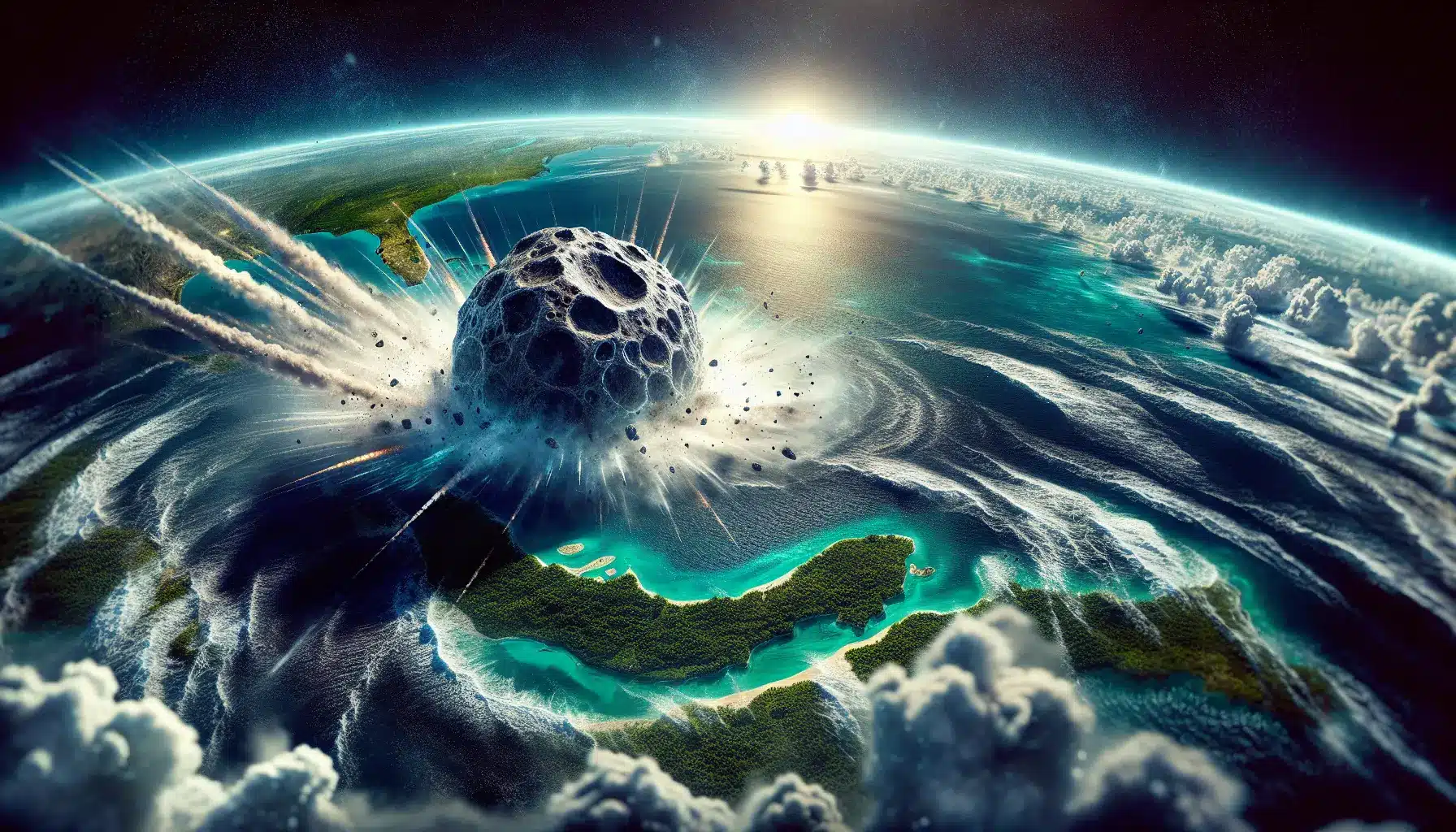
    Imagine a colossal object 6 miles wide hurling through space at 12 miles per second toward Earth. This is not science fiction; it happened 66 million years ago when an asteroid slammed into what is now the Yucatan Peninsula, forming the Chicxulub crater and triggering a mass extinction event. Today, our planet continues to be threatened by near-Earth objects (NEOs), including asteroids and comets. While NASA and other space agencies have made significant strides in tracking and understanding these potential threats, the risk remains. Advanced technology is at work to monitor and mitigate these threats, from kinetic strikes to gravity tractors. Humanity is developing strategies to protect our world from these stellar invaders. But what would happen if another Chicxulub-sized asteroid were on a collision course with Earth today? How prepared are we for such a catastrophic event? Join us to learn about planetary defense—the history, science, and future against such impressive threats.

    Key Takeaways

    • The Chicxulub impact 66 million years ago caused the extinction of about 75% of all species on Earth.
    • Near-Earth objects (NEOs) include asteroids and comets that pose potential threats to our planet.
    • NASA and other agencies are actively tracking NEOs and developing strategies for planetary defense.
    • Advanced technologies, including artificial intelligence, are enhancing our ability to detect and track these celestial bodies.

    The Chicxulub Impact: A Catastrophic Event

    66 million years ago, an event occurred on Earth that was so catastrophic that it changed the course of life on the planet. The asteroid, about 6 miles in diameter, slammed into the Yucatan Peninsula in present-day Mexico, forming what we now call the Chicxulub crater. The immediate aftermath was nothing short of apocalyptic. The collision released energy equivalent to billions of nuclear bombs, caused forest fires and tsunamis, and threw huge amounts of debris into the atmosphere.

    The impact’s most significant and long-lasting effect was the release of dust, soot, and sulfur aerosols into the atmosphere. These particles created a global cloud that blocked sunlight for an extended period, a phenomenon often referred to as “impact winter.” New research has shed light on the critical role of fine dust particles in this cataclysmic event. A study published in October 2023 found that fine dust, particularly particles between 0.8 and 8 micrometers in diameter, played a significant role in abrupt climate change.

    The Role of Near-Earth Objects (NEOs)

    So, what are near-Earth objects? NEOs are asteroids, comets, and other celestial bodies whose orbits bring them close to Earth. These objects vary in size from small harmless rocks to massive bodies capable of causing global catastrophes. Asteroids are the rocky remnants of the early solar system, mostly found in the asteroid belt between Mars and Jupiter. Comets, on the other hand, originate from the outer regions of the solar system and are composed of ice, dust, and rocky material.

    The danger posed by these objects depends on their size and trajectory. While most NEOs are too small to cause significant damage, some, like the Chicxulub impactor, are capable of causing global catastrophes. To mitigate these risks, space agencies such as NASA and the European Space Agency have developed extensive programs to track and detect NEOs. Telescopes around the world are constantly scanning the sky, identifying and cataloging objects that are approaching Earth’s orbit.

    Advancements in Detection and Tracking

    One of the key instruments in this work is the Wide-field Infrared Survey Explorer, which has been repurposed for the NEOWISE mission. Hundreds of near-Earth asteroids have been discovered and characterized using this space telescope. The role of artificial intelligence in detecting unobserved asteroids is becoming increasingly important. In May 2024, an AI-based algorithm known as Tracklet-less Heliocentric Orbit Recovery (THOR) detected more than 27,000 previously unobserved asteroids in archival telescope images.

    This artificial intelligence tool analyzes huge amounts of data, identifying and tracking objects with remarkable efficiency. It can process up to 1.7 billion points of light in a single telescope image, connecting them into asteroid trajectories. The Vera C. Rubin Observatory, set to begin operation next year, will further enhance our ability to detect NEOs, equipped with advanced artificial intelligence software.

    Planetary Defense Strategies

    To protect Earth from potential asteroid impacts, scientists have developed several planetary defense mechanisms. Each is designed to prevent potential collisions. One of the main methods is the kinetic impact strategy, which involves sending a spacecraft to collide with an asteroid at high speed, altering its trajectory. This method relies on momentum transfer to move an asteroid into a safer orbit. NASA’s 2022 mission, the Double Asteroid Redirection Test (DART), was the first test of this method.

    Another proposed method is the gravity tractor, which uses the gravitational pull of a spacecraft to slowly change the trajectory of an asteroid over time. By maintaining a stable position near an asteroid, the spacecraft’s gravity can gradually alter the object’s trajectory. Although this method is still theoretical and has not yet been tested in space, it is a promising approach for dealing with potential threats identified in advance.

    In extreme cases, however, nuclear explosions could be used to deflect or destroy an asteroid. This approach involves detonating a nuclear device at a safe distance from the asteroid, vaporizing part of its surface and creating a recoil effect that moves the asteroid off course. However, this method is controversial due to the potential risks and legal implications of using nuclear weapons in space.

    The Importance of International Cooperation

    To prepare for potential asteroid impacts, international space agencies regularly conduct simulations and drills. These exercises help refine detection, tracking, and deflection strategies. Planetary defense is a global issue that requires cooperation and coordination among countries. For example, in 2021, NASA participated in an international planetary defense exercise organized by the International Asteroid Warning Network and the United Nations Office for Outer Space Affairs.

    As we continue to develop and refine our planetary defense strategies, international cooperation and technological advances will play a key role in protecting our world from any space-based threats. Understanding the diverse nature of the objects that threaten us is essential for ensuring a safer future for generations to come.

  • The Earth’s Inner Core: A Shift in Motion and Its Implications

    The Earth’s Inner Core: A Shift in Motion and Its Implications

    Recent discoveries have revealed that the Earth’s inner core has slowed down and is now rotating in the opposite direction. This significant change, observed by researchers from the University of Southern California, has raised concerns about its potential impact on Earth’s magnetic field and, consequently, on our planet’s defenses against solar radiation.

    Key Takeaways

    • The Earth’s inner core is a solid iron sphere about the size of Pluto, located at the center of the Earth.
    • Changes in the inner core’s rotation can affect the strength and structure of Earth’s magnetic field.
    • The sun is currently undergoing a pole reversal, which could coincide with changes in the Earth’s core.
    • A weakened magnetic field may disrupt satellite communications, power grids, and increase exposure to harmful solar radiation.
    • Scientists are actively researching these phenomena to understand their implications better.

    Understanding the Earth’s Inner Core

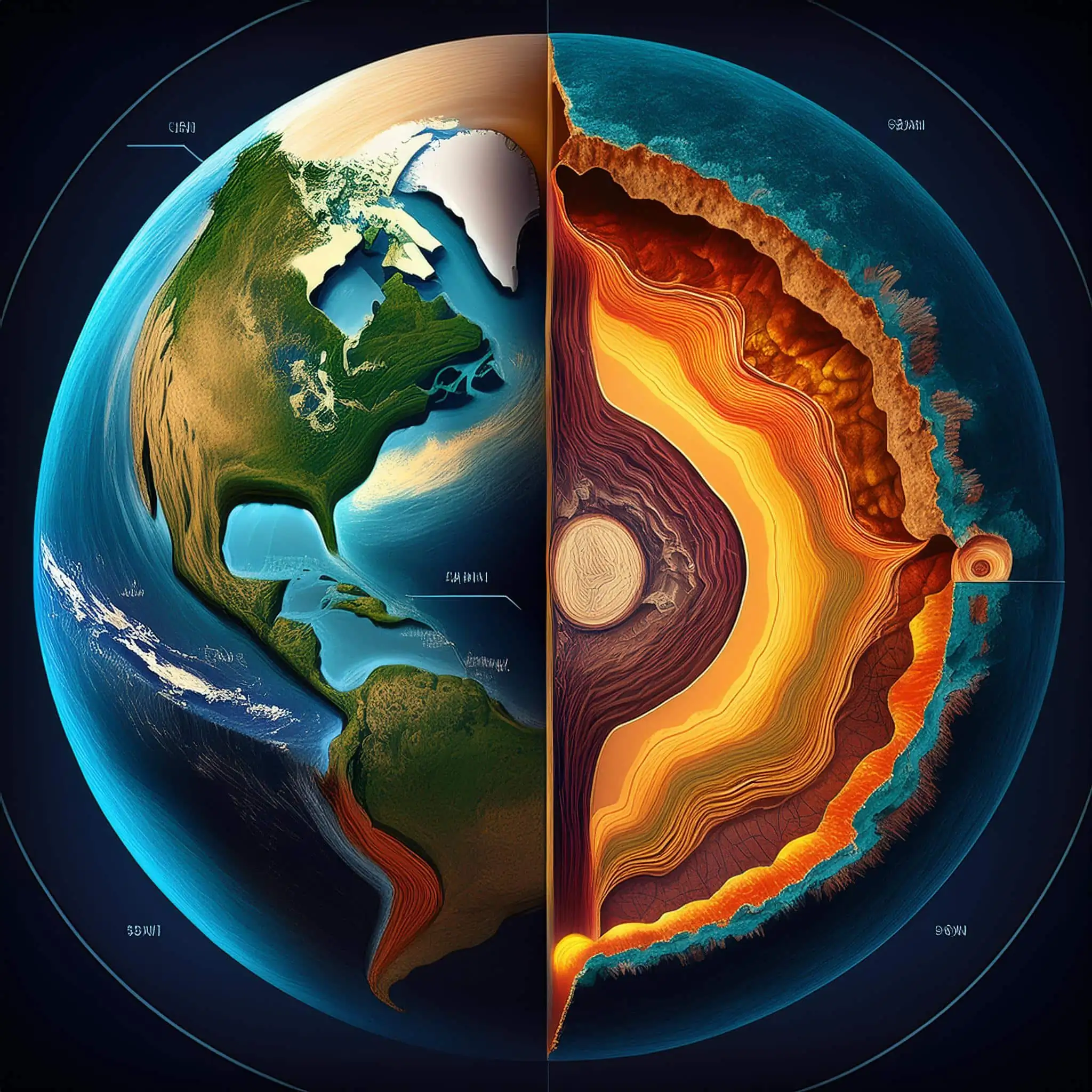
    The Earth’s composition is more complex than it appears, consisting of three main layers: the crust, mantle, and core. The core, which is the hottest part of the planet, is located approximately 5,180 kilometers deep and is primarily made of iron and nickel. Surrounding the solid inner core is a liquid outer core, which allows the inner core to spin independently.

    Danish seismologist Inge Lehmann discovered the inner core in 1936, and since then, scientists have debated its rotation speed and direction. Due to the challenges of observing the Earth’s deep interior, most studies rely on seismic wave variations to gather data.

    Recent Findings on Core Rotation

    In 2023, a promising model suggested that the inner core had previously spun faster than the Earth but had recently slowed down. New evidence published in the journal Nature indicates that the solid inner core’s rotation speed has been gradually decreasing relative to the Earth’s surface. This research supports the idea that the core’s deceleration is part of a long-term pattern of alternating speeds.

    Dr. John Yelland, a professor of Earth Sciences, stated that this new evidence solidifies the argument regarding the inner core’s behavior. However, the implications of this slowdown remain a topic of debate among scientists.

    Impact on Earth’s Magnetic Field

    The rotation of the inner core can influence the behavior of the molten iron in the outer core. Even slight changes in the core’s rotation can lead to alterations in the flow of molten iron, affecting the strength and orientation of the magnetic field. For instance, if the inner core slows down or changes direction, it could disrupt convection patterns in the outer core, leading to fluctuations in the magnetic field.

    A weaker magnetic field could have several consequences:

    • Increased solar radiation reaching the Earth’s surface.
    • Disruptions in satellite communications and navigation systems.
    • Potential health risks due to higher exposure to harmful radiation.

    The Sun’s Pole Reversal and Its Connection

    Currently, the sun is undergoing a pole reversal, a natural cycle that occurs approximately every 11 years. During this phase, the sun’s magnetic poles switch places, leading to increased solar activity, including solar flares and coronal mass ejections. The timing of this solar activity coinciding with changes in the Earth’s inner core raises concerns about the potential weakening of our planet’s magnetic defenses.

    If a powerful solar flare were to occur while the Earth’s magnetic field is weakened, it could have severe implications for technology and life on Earth. While the probability of such an event is low, scientists emphasize the importance of being prepared.

    Conclusion

    The changes occurring within the Earth’s inner core and their potential impact on the magnetic field warrant close monitoring and research. While the flipping of the Earth’s poles is a gradual process and part of the planet’s natural cycle, understanding these phenomena is crucial for safeguarding our technology and health. As scientists continue to study the Earth’s magnetic field, we gain valuable insights into its influence on our world and the challenges we may face in the future.

  • The Lasting Impact of the New Madrid Earthquake: A Historical Perspective

    The Lasting Impact of the New Madrid Earthquake: A Historical Perspective

    The New Madrid earthquake series of 1811-1812 remains one of the most significant seismic events in American history. Spanning several months, these earthquakes not only reshaped the landscape but also left a lasting impact on the region and its inhabitants. This article delves into the details of the earthquakes, their aftermath, and the ongoing discussions among scientists regarding their effects today.

    Key Takeaways

    • The New Madrid earthquakes began in December 1811 and continued into early 1812.
    • The seismic activity was felt as far away as the White House and Boston.
    • The earthquakes caused significant geological changes, including the formation of Real Foot Lake.
    • Modern scientists debate the connection between historical and contemporary seismic activity in the region.

    The Earth Shakes: A Historical Overview

    The New Madrid earthquakes commenced in December 1811, starting with a powerful quake in Northeast Arkansas. This initial tremor was so intense that it was felt nearly 1,000 miles away, even reaching the White House. The seismic activity was unprecedented, causing the mighty Mississippi River to flow backward temporarily and creating new waterfalls as the ground shifted.

    The town of New Madrid, Missouri, was particularly hard hit, with many structures destroyed and the landscape forever altered. The earthquakes continued for several weeks, culminating in a series of significant aftershocks that further devastated the region. By the end of January 1812, the seismic activity had not subsided, leading to a massive quake near the junction of the Ohio and Mississippi rivers.

    Geological Consequences

    The New Madrid seismic zone is characterized by a network of faults, remnants from the breakup of the supercontinent Rodinia over 750 million years ago. These ancient rifts have left weak spots in the Earth’s crust, making the region susceptible to seismic activity. The earthquakes triggered the Real Foot fault, located about 15 miles south of New Madrid, resulting in the uplift that created Real Foot Lake.

    The aftermath of the earthquakes was catastrophic. In St. Louis, Missouri, approximately 160 miles away, buildings suffered severe damage, and chimneys collapsed in Cincinnati, Ohio, 400 miles away. Remarkably, even residents in Montreal, Canada, felt the tremors, showcasing the vast reach of the seismic waves.

    Ongoing Seismic Activity

    Since 1974, seismologists have recorded around 200 small earthquakes annually in the New Madrid seismic zone. Some researchers suggest that up to 30% of these could be aftershocks from the 1811-1812 earthquakes. Aftershocks are the Earth’s way of releasing built-up stress from the main quake, and they can persist for years, if not centuries, in regions with low tectonic activity.

    However, not all scientists agree on the connection between historical and contemporary earthquakes. While some argue that the aftershocks are remnants of the past, others believe that the seismic activity in the region is independent and not directly related to the events of 200 years ago.

    The Science Behind Earthquakes

    Earthquakes occur when tectonic plates shift, releasing energy that has been stored for extended periods. This energy release can be catastrophic, leading to destruction and loss of life. The strength of an earthquake is measured using the moment magnitude scale, which has largely replaced the older Richter scale.

    The most powerful earthquake recorded in history occurred in Chile in 1960, with a magnitude of 9.5. Such powerful quakes can significantly alter the Earth’s rotation and even affect the length of a day. Fortunately, earthquakes of such magnitude are rare, and the geological conditions necessary for a magnitude 15 earthquake are not present on Earth.

    Preparing for Future Earthquakes

    Given the history of seismic activity in the New Madrid region, preparedness is crucial. Residents are encouraged to have emergency plans in place, including knowing how to respond during an earthquake. The official advice is to “drop, cover, and hold on,” staying low to the ground and seeking shelter under sturdy furniture until the shaking stops.

    Conclusion

    The New Madrid earthquakes of 1811-1812 serve as a stark reminder of the power of nature and the importance of understanding seismic activity. As scientists continue to study the region, the debate over the connection between historical and modern earthquakes remains ongoing. By learning from the past, we can better prepare for the future and mitigate the risks associated with these natural disasters.

  • Unveiling the Mystery of the Eye of the Sahara: Earth’s Geological Wonder

    Unveiling the Mystery of the Eye of the Sahara: Earth’s Geological Wonder

    The Eye of the Sahara, also known as the Richat Structure, is a remarkable geological formation that has captivated scientists and enthusiasts alike. With its concentric circles visible from space, it has been the subject of various theories regarding its origin, including comparisons to the mythical city of Atlantis. This article delves into the enigmatic history and significance of the Eye of the Sahara, exploring its formation, the region’s climatic past, archaeological discoveries, and modern implications for science and tourism.

    Key Takeaways

    • The Richat Structure is a unique geological formation with various theories about its origin, including volcanic activity and meteorite impacts.
    • Evidence of the Sahara’s lush past is documented by fossils and isotope analysis, revealing a dramatic shift from savannah to desert.
    • Archaeological findings around the Eye of the Sahara suggest the presence of ancient civilizations, challenging the perception of the Sahara as uninhabited.
    • Recent studies on star dunes in the Sahara provide new insights into their age and formation, with implications for climate science.
    • Conservation efforts and tourism are vital for preserving the Eye of the Sahara, balancing the need for protection with educational and economic opportunities.

    The Richat Structure: Unraveling the Origins of the Eye of the Sahara

    The Richat Structure: Unraveling the Origins of the Eye of the Sahara

    Geological Marvel: A Brief Overview

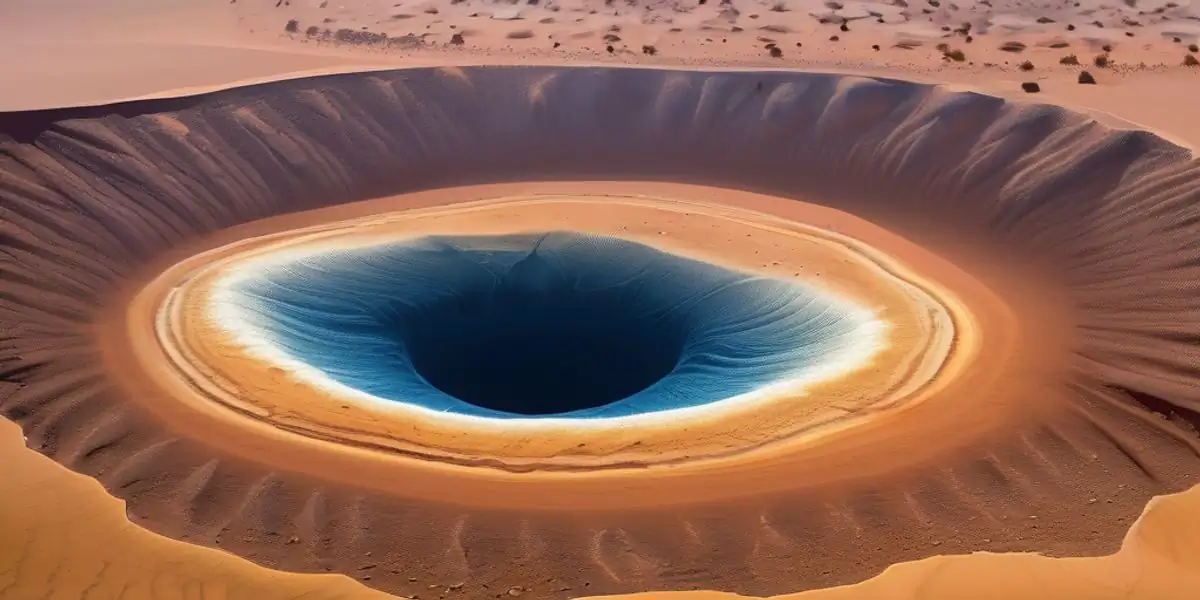
    The Eye of the Sahara, also known as the Richat Structure, is a spectacular and enigmatic formation visible from space. This colossal bullseye etched into the Earth’s crust defies easy explanation, captivating scientists and enthusiasts alike.

    The Richat Structure stands out as a geological enigma. Its concentric circles span approximately 40 kilometers in diameter, creating a visual spectacle in the vast expanse of the Sahara Desert. Despite its prominence, the origins of this structure remain a topic of debate among geologists.

    Theories about its formation range from volcanic activity to the impact of a meteorite. However, recent studies suggest a more complex geological history involving erosion and the unique layering of rocks.

    • The outer ring is the oldest, estimated to be about 600 million years old.
    • Subsequent layers appear progressively younger towards the center.
    • The youngest rocks at the center are around 100 million years old.

    The Eye of the Sahara is not just a marvel to behold; it’s a window into Earth’s deep past, offering clues to the planet’s geological evolution.

    While the Richat Structure’s true story is still being pieced together, its sheer size and distinct shape continue to intrigue and inspire. It’s a testament to the planet’s dynamic history, a history that is still being written beneath our feet.

    Decoding the Circular Mystery: Formation Theories

    The Eye of the Sahara, a geological enigma, has puzzled scientists for decades. What natural forces carved this massive circular structure into the desert? Theories abound, but consensus remains elusive. Some suggest an eroded volcanic dome, others a product of sedimentary layering and uplift. The debate rages on, with each hypothesis offering a unique glimpse into Earth’s dynamic processes.

    Italics for emphasis on Ground Zero with Clyde Lewis often explores such mysteries, delving into the unknown with a blend of science and speculation. The Richat Structure’s formation theories include:

    • Erosion patterns from ancient water flows
    • Wind sculpting over millennia
    • Geological folding and uplift
    • Impact from celestial bodies

    The Richat Structure stands as a testament to Earth’s ever-changing landscape, its origins as much a riddle as its striking appearance.

    Ancient Impacts: Meteorite or Volcanic Activity?

    The Eye of the Sahara, a geological masterpiece, has long puzzled scientists. Was it a meteorite or volcanic activity that sculpted this enigmatic structure? Evidence leans towards a volcanic origin. Studies suggest no impact crater or extraterrestrial material. Instead, volcanic rocks and deep-sea tephra from the Azores hint at a fiery past.

    Formation theories are diverse, but volcanic activity is a strong contender. The Richat Structure’s concentric rings may have been shaped by erosion, not a cosmic collision. This theory is supported by the absence of shock metamorphism typically associated with meteorite impacts.

    The debate isn’t settled, but volcanic activity is the frontrunner in this geological detective story.

    Here’s a quick comparison of the two theories:

    • Meteorite Impact: Requires evidence of shock metamorphism, extraterrestrial material, and a distinct crater shape.
    • Volcanic Activity: Indicated by local volcanic rocks, absence of impact signs, and geological consistency with known volcanic formations.

    The Sahara’s Green Past: Climate Change and Desertification

    The Sahara's Green Past: Climate Change and Desertification

    From Lush Savannah to Arid Desert: A Timeline

    The Sahara’s transformation from a verdant savannah to the arid desert we know today is a tale of climatic shifts. Fossils and isotope analysis paint a picture of a once-green Sahara, teeming with life and waterways. Here’s a snapshot of this dramatic change:

    • 10,000 years ago: Lush vegetation and abundant wildlife.
    • 5,500 years ago: Climate begins to dry, desertification sets in.
    • 3,000 years ago: Sahara as we know it emerges, a vast desert.

    The Sahara’s past is a reminder of Earth’s dynamic nature, constantly reshaping life’s canvas.

    Support more articles like this by delving into the mysteries of our planet. The Sahara’s green past is not just a curiosity—it’s a critical piece of the puzzle in understanding global climate patterns and their impact on human civilizations.

    Fossil Evidence: Life in Ancient Sahara

    The Sahara Desert, now a vast expanse of sand and scorching sun, was once a thriving ecosystem. Fossils tell a tale of transformation, from lush greenery to arid wasteland. These relics of the past are not mere stones; they are the echoes of ancient rivers and lakes that once nurtured life.

    Fossils unearthed from the Sahara’s depths reveal a diverse cast of characters. Among them, the mighty whales that swam in prehistoric waters, now turned to desert. A family’s quest to understand their history led to the discovery of these giants, as documented in a NOVA – PBS SoCal title, shedding light on the evolution of these majestic creatures.

    The Sahara’s secrets are not confined to its sands. They whisper of a time when the desert was home to thriving life, a chapter long closed but not forgotten.

    The evidence is clear in the geological record:

    • Aquatic life that once flourished
    • Ancient civilizations that rose and fell
    • Climates that shifted dramatically

    These findings challenge our perception of the Sahara as a barren wasteland, revealing a past teeming with activity and life.

    Isotope Analysis: Deciphering Environmental Shifts

    Isotope analysis is like a time machine for geologists. By examining the ratios of certain isotopes in sediment layers, scientists can reconstruct past climates. This technique has revealed a Sahara once teeming with life, a stark contrast to the arid expanse we see today.

    Isotopes are like nature’s ledger, recording environmental changes in stone. The Sahara’s transformation from lush savannah to desert is etched in these atomic signatures. Researchers have pieced together a timeline of climatic shifts, providing a window into Earth’s dynamic history.

    The Sahara’s story is written in its sands, and isotopes are the ink.

    Understanding these shifts is crucial. It informs us about Earth’s climate resilience and human adaptation to changing environments. The Sahara’s past greenery is not just a curiosity—it’s a lesson in the planet’s capacity for change.

    Hidden Treasures: Archaeology and the Eye of the Sahara

    Hidden Treasures: Archaeology and the Eye of the Sahara

    Unearthing Lost Civilizations: Settlements and Artifacts

    The Sahara’s sands whisper tales of bygone eras. Archaeologists have unearthed settlements and artifacts that map out ancient civilizations once thriving in the Eye of the Sahara. These discoveries paint a picture of a region bustling with life, trade, and culture.

    Settlements, now buried, reveal sophisticated urban planning. Artifacts, from pottery to tools, offer a glimpse into daily life and craftsmanship. The Garamantes civilization, known for its advanced agricultural practices, is one such example. Their ingenuity in harnessing the harsh desert environment is nothing short of remarkable.

    • The Tassili n’Ajjer region in Algeria is a treasure trove of prehistoric rock art.
    • Fossils and isotope analysis shed light on the Sahara’s lush past.
    • The Richat Structure’s concentric rings continue to puzzle and fascinate researchers.

    The Eye of the Sahara holds keys to understanding human adaptation and resilience in the face of changing climates. Its secrets, slowly revealed through ongoing research, challenge our perceptions of the past.

    As we piece together these fragments of history, we gain not only knowledge but also a profound respect for the ingenuity of our ancestors. The Eye of the Sahara is not just a geological wonder; it’s a testament to human survival and innovation.

    Cultural Insights: Understanding Sahara’s Inhabitants

    The Sahara is not just a vast expanse of sand; it’s a canvas of human history. Germa, the capital of the Garamantes Kingdom, was a hub of culture and trade, a testament to the Sahara’s vibrant past. The Garamantes were pioneers, their society a melting pot of Berber traditions, African influences, and external interactions.

    Archaeology paints a picture of a sophisticated civilization. Tassili n’Ajjer’s rock art in Algeria is a gallery of prehistoric life, showcasing the creativity and resilience of ancient Saharans. These artworks are not mere decorations; they are narratives of survival, adaptation, and expression.

    The Richat Structure, often compared to the mythical Atlantis, is surrounded by tales and speculation. Its concentric rings are not the work of ancient gods but the result of natural geological processes.

    The Sahara’s story is one of change and continuity. As we peel back the layers of sand, we uncover the legacies of those who thrived in this formidable landscape. Their stories challenge the perception of the Sahara as an uninhabitable wasteland.

    The Richat Structure and Atlantis: Fact or Fiction?

    The Eye of the Sahara, also known as the Richat Structure, has long captivated the imagination of scholars and enthusiasts alike. Its striking resemblance to the fabled city of Atlantis has sparked a myriad of theories. Could this be the site of the lost civilization? Despite its allure, scientific evidence suggests otherwise. The Richat Structure is a deeply eroded dome, revealing Earth’s geological history rather than an ancient metropolis.

    Atlantis remains a tantalizing myth, but the Richat Structure’s true marvel lies in its natural formation. Archaeological efforts have found no evidence of manmade structures or artifacts within its core. This absence of human relics points to a simpler explanation: the Eye is a product of Earth’s geological processes, not a sunken city.

    The concentric circles of the Richat Structure are a geological wonder, not the remnants of an ancient civilization.

    While the allure of Atlantis persists, the Richat Structure stands as a testament to Earth’s dynamic nature. It’s a geological masterpiece, sculpted by time and the elements, rather than the hands of an ancient society. Here’s a quick look at the evidence:

    • No prehistoric artifacts found in inner depressions
    • Lack of midden deposits or manmade structures
    • Geological analysis points to natural formation

    The Eye of the Sahara remains an enigma, but its connection to Atlantis is one of fiction, not fact. It’s a reminder of our planet’s incredible ability to shape awe-inspiring landscapes that can stir the human spirit and ignite the imagination.

    Modern Mysteries: The Science of Sahara’s Star Dunes

    Modern Mysteries: The Science of Sahara's Star Dunes

    Star Dunes Explained: Nature’s Majestic Sand Sculptures

    Imagine towering pyramids of sand, stretching their arms towards the sky like colossal starfish. These are star dunes, Earth’s tallest sand formations, some reaching a staggering 300 meters high. Their beauty is matched only by their mystery.

    Formed by the whims of shifting winds, star dunes are a testament to nature’s artistic prowess. They are not just Earth-bound; these celestial shapes also grace the deserts of Mars and the moon Titan, hinting at universal sculpting forces.

    Star dunes are geological storytellers, whispering tales of ancient winds and timeless landscapes.

    Professor Geoff Duller’s recent study sheds light on these enigmatic giants, revealing their age and intricate formation process. His work is a leap forward in understanding these natural wonders that have long challenged our geological assumptions.

    Here’s a quick snapshot of where star dunes can be found:

    • Sand seas of Africa
    • Arabian deserts
    • China’s vast expanses
    • North America’s arid regions

    These dunes are not just static sculptures; they evolve, shift, and tell a story of a planet’s climatic past and present. As we unravel their secrets, we gain insights into the very fabric of Earth’s and other worlds’ environmental tapestry.

    Age and Formation: Recent Discoveries and Revelations

    The mystery of star dunes has puzzled scientists for years. Now, a groundbreaking study has shed light on their age and formation. Researchers from Aberystwyth University, Birkbeck, and UCL have used advanced luminescence dating techniques to reveal that some sections of the Lala Lallia dune system are a mere 13,000 years old, with the youngest parts forming astonishingly within the last millennium.

    Star dunes, often seen as static and ancient, are proving to be more dynamic than previously thought. The revelation that these dunes could form so rapidly challenges our understanding of geological time scales.

    The implications of these findings are vast, hinting at a more complex and active Sahara than we ever imagined.

    Here’s a quick look at the age range of the dunes:

    • Oldest sections: Approximately 13,000 years old
    • Youngest parts: Formed within the last 1,000 years

    This discovery not only provides insights into the Sahara’s past but also raises questions about the future of these magnificent structures in the face of climate change.

    Implications for Climate Science: What Dunes Tell Us

    Star dunes, the majestic sculptures of the Sahara, whisper secrets of Earth’s past to those who can interpret their language. Scientists have unveiled the internal structure of these dunes, revealing a history of environmental shifts and climate change. The study of star dunes not only decodes their age but also their movement, which has been a steady march westward at about 50cm each year.

    The technique used to date the dunes is groundbreaking. By estimating when sand grains were last exposed to daylight, researchers can determine the dune’s age. This method hinges on the sand’s ability to absorb and later release radiation under lab conditions. The findings? A rapid growth spurt of a 100m high dune within the last 1000 years, hinting at a past where wetter conditions and vegetation may have stabilized the landscape.

    The implications for climate science are profound. Star dunes serve as a record of past wind patterns and environmental conditions, offering a window into how our planet’s climate system has evolved.

    Understanding these ancient giants is not just an academic exercise. It provides valuable insights into the Earth’s climate engine, informing predictions and preparations for future shifts. Here’s a snapshot of what the dunes reveal:

    • Evidence of a dramatic growth phase in the last millennium
    • A migration pattern influenced by changing wind directions
    • Clues to historical periods of increased rainfall and vegetation

    The Sahara’s star dunes are more than just a natural wonder; they are a chronicle of Earth’s climatic tale, waiting to be read by those keen enough to listen.

    The Eye of the Sahara Today: Conservation and Tourism

    The Eye of the Sahara Today: Conservation and Tourism

    Protecting a Geological Wonder: Conservation Efforts

    The Eye of the Sahara, a geological marvel, demands our stewardship. Conservationists and geoscientists are joining forces to safeguard this natural treasure. Preservation is key to ensuring that future generations can marvel at its grandeur. Initiatives are underway to minimize human impact and study the Richat Structure’s delicate ecosystem.

    Into the Parabnormal with Jeremy Scott has highlighted the importance of such efforts, sparking curiosity and concern among its listeners. The show’s discussions underscore the need for a balance between exploration and conservation.

    The Richat Structure’s preservation is not just about protecting land; it’s about preserving a story written in stone.

    Efforts include:

    • Monitoring human activity to prevent degradation
    • Promoting sustainable tourism practices
    • Encouraging educational programs to raise awareness

    These steps are vital for the Eye of the Sahara to continue captivating us with its mysteries and beauty.

    The Eye as a Destination: Balancing Tourism and Preservation

    The Eye of the Sahara, a geological marvel, beckons the curious and the adventurous. As tourism to this enigmatic landmark grows, a delicate balance must be struck. Preservation of the Richat Structure is paramount, ensuring future generations can marvel at its grandeur. Yet, the allure of exploration and discovery cannot be stifled. It’s a dance between conservation and curiosity, one that requires careful choreography.

    The Secret Teachings with Ryan Gable often highlights the importance of such sites, emphasizing the need for responsible tourism. Visitors are encouraged to tread lightly, leaving only footprints in the sand. Here are a few guidelines to consider:

    • Respect the natural environment and local customs.
    • Support eco-friendly tours and local businesses.
    • Minimize your ecological footprint by reducing waste and conserving water.

    The Richat Structure stands as a testament to Earth’s dynamic history. Its preservation is a collective responsibility, one that we must all take seriously.

    As we embrace the Eye of the Sahara as a destination, let us not forget that its true value lies beyond the reach of any camera lens. It is a chapter in our planet’s story, and we are but transient narrators. Let us narrate wisely.

    Educational Opportunities: Promoting Geoscience Awareness

    The Eye of the Sahara is not just a marvel to behold; it’s a geological classroom waiting to be explored. Educational initiatives are key to unlocking the secrets of this natural wonder for future generations. By integrating geoscience into school curricula and public programs, we can foster a deeper understanding of our planet’s history and processes.

    • School Partnerships: Collaborations with universities such as Cardiff University and Queen Mary University of London offer students hands-on experience in the field.
    • Public Outreach: Engaging talks and interactive exhibits at museums and science centers bring the Eye of the Sahara to life for people of all ages.
    • Online Resources: A wealth of information is available through podcasts, virtual tours, and educational websites, making learning accessible to a global audience.

    Embracing these opportunities can inspire a new wave of geologists, ecologists, and conservationists. The Eye of the Sahara is more than just a sight to see; it’s a place to learn and be amazed.

    As we promote geoscience awareness, we must remember that every curious mind is a potential steward of the Earth. The mystery of the Eye of the Sahara beckons, inviting us to look closer and discover more.

    The Eye of the Sahara, a geological marvel, beckons the curious and the adventurous. Today, it stands not only as a testament to the Earth’s natural history but also as a hub for conservation efforts and sustainable tourism. As we strive to preserve this wonder for future generations, we invite you to explore its mysteries and embrace its beauty. Discover more about the Eye of the Sahara and how you can contribute to its conservation by visiting our website. Let’s journey together into the heart of the Sahara and ensure its legacy endures.

    Unraveling the Enigma of the Eye of the Sahara

    The Eye of the Sahara, a beguiling geological formation, has long captivated scientists and enthusiasts alike with its enigmatic presence in the vast desert landscape. As we conclude our exploration of this Earthly marvel, we are reminded of the dynamic and ever-changing nature of our planet. The concentric rings and unique structure of the Eye not only offer a window into the geological processes that have shaped our world over millions of years but also challenge our perceptions of desolate landscapes like the Sahara. From the potential connections to ancient civilizations to the modern scientific revelations about the age and formation of nearby star dunes, the Eye of the Sahara stands as a testament to the Earth’s hidden wonders. It beckons further inquiry and respect for the intricate history etched into our planet’s surface, ensuring that the allure of this geological wonder will continue to inspire and intrigue for generations to come.

    Frequently Asked Questions

    What is the Richat Structure and why is it called the Eye of the Sahara?

    The Richat Structure, also known as the Eye of the Sahara, is a prominent circular geological formation in the Sahara Desert. It is called the Eye of the Sahara due to its eye-like appearance when viewed from space. The structure spans approximately 40 kilometers in diameter and has raised many questions about its formation, with theories ranging from volcanic activity to meteorite impact.

    How was the Sahara’s climate different in the past?

    The Sahara was once a lush savannah teeming with life, as evidenced by fossil records. It underwent significant climate change and desertification, transforming into the arid desert we see today. Isotope analysis has provided insights into these environmental shifts.

    What archaeological discoveries have been made at the Richat Structure?

    Archaeological finds around the Richat Structure suggest the presence of settled communities in ancient times. Artifacts and structures unearthed in the area reveal the existence of past civilizations, offering a glimpse into the rich history of the Sahara.

    What are star dunes, and what have recent studies revealed about them?

    Star dunes are large, pyramid-shaped sand dunes with arms that radiate from a central point. Recent studies, including those on the Lala Lallia sand sea in Morocco, have uncovered secrets about their age, formation, and the role they play in our understanding of past climate and wind conditions.

    How are conservation efforts being implemented for the Richat Structure?

    Conservation efforts for the Richat Structure involve protecting the geological wonder from environmental degradation and human interference. Efforts include promoting geoscience awareness, managing tourism sustainably, and ensuring that the site remains a valuable resource for scientific research and education.

    Is there a connection between the Richat Structure and Atlantis?

    The Richat Structure has been speculated to resemble Plato’s description of Atlantis due to its concentric rings. However, the geographical setting and geological evidence suggest that the structure is the result of natural processes rather than the remains of a lost civilization. While intriguing, the connection to Atlantis remains a topic of debate among enthusiasts and scholars.
  • Surviving the Apocalypse: A Comprehensive Guide

    Surviving the Apocalypse: A Comprehensive Guide

    In an unpredictable world, the threat of an apocalypse, whether through natural disasters, man-made catastrophes, or supernatural events, can no longer be ignored. Preparing for such scenarios requires a comprehensive understanding of survival skills, building sustainable shelters, securing food sources, and maintaining mental health. This guide aims to equip you with the knowledge and strategies needed to survive and thrive in a post-apocalyptic landscape.

    Key Takeaways

    • Understanding the different types of apocalypses is crucial for tailored survival strategies.
    • Essential survival skills include first aid, water purification, and basic self-defense techniques.
    • Building a sustainable shelter involves choosing the right location and maintaining the structure.
    • Securing food sources through foraging, hunting, and long-term storage is vital for survival.
    • Maintaining mental health and forming community alliances are key to enduring the challenges of a post-apocalyptic world.

    Understanding Different Types of Apocalypses

    Natural Disasters

    When we think of apocalypses, natural disasters often come to mind first. These can range from earthquakes and tsunamis to volcanic eruptions and hurricanes. Mother Nature can be both beautiful and terrifying. It’s crucial to understand the specific threats in your region and prepare accordingly. For instance, if you live in an earthquake-prone area, having a plan for immediate evacuation and securing heavy furniture can save lives.

    Man-Made Catastrophes

    Human actions can also lead to apocalyptic scenarios. Think nuclear wars, chemical spills, or even large-scale cyber-attacks. These events can disrupt society on a massive scale. The Secret Teachings with Ryan Gable often discusses the potential for man-made disasters and how to prepare for them. Stockpiling essential supplies and having a communication plan can make a significant difference.

    Supernatural Events

    While less likely, supernatural events can’t be entirely ruled out. From zombie outbreaks to alien invasions, these scenarios are popular in fiction but can offer valuable lessons in preparedness. Shows like The Secret Teachings with Ryan Gable delve into these topics, providing insights and strategies for even the most fantastical situations. Always keep an open mind and be ready for the unexpected.

    In any apocalyptic scenario, knowledge and preparation are your best defenses. Stay informed, stay prepared, and stay safe.

    Essential Survival Skills

    First Aid and Medical Knowledge

    In an apocalypse, knowing how to treat injuries can be the difference between life and death. Basic first aid skills are crucial. We need to learn how to clean and dress wounds, perform CPR, and manage fractures. Having a well-stocked medical kit is essential. Don’t forget to include items like bandages, antiseptics, and pain relievers.

    Finding and Purifying Water

    Water is life. In a post-apocalyptic world, finding and purifying water is a top priority. We can collect rainwater, find natural springs, or even use dew. To make water safe, we can boil it, use water purification tablets, or filter it through a clean cloth. Remember, hydration is key to survival.

    Basic Self-Defense Techniques

    Protecting ourselves is non-negotiable. Learning basic self-defense techniques can help us fend off threats. We should practice moves like punches, kicks, and blocks. Using everyday items as weapons, like sticks or rocks, can also be effective. Staying alert and aware of our surroundings is our first line of defense.

    In a world where danger lurks around every corner, mastering these essential survival skills can keep us one step ahead.

    Building a Sustainable Shelter

    Choosing the Right Location

    When it comes to building a sustainable shelter, location is everything. We need to find a spot that’s safe from natural disasters, away from potential threats, and close to essential resources like water and food. Look for elevated areas to avoid flooding and places with natural barriers for added protection. Remember, a good location can make or break our survival chances.

    Constructing a Shelter from Scratch

    Building a shelter from scratch might sound daunting, but it’s doable with the right approach. Start by gathering materials like wood, leaves, and stones. Use sturdy branches for the frame and cover it with leaves or tarps for insulation. If possible, dig a trench around the shelter to divert rainwater. Here’s a quick list of materials to consider:

    • Wood and branches
    • Leaves and tarps
    • Stones
    • Rope or vines

    Maintaining Your Shelter

    Once our shelter is up, maintaining it is crucial. Regularly check for any damage and repair it immediately. Keep the area around the shelter clean to avoid attracting pests. A well-maintained shelter can significantly increase our comfort and safety. Also, consider adding improvements like a rainwater collection system or solar panels for energy. Don’t forget to stock up on essential supplies like blankets and first aid kits.

    Building a sustainable shelter is not just about construction; it’s about creating a safe haven where we can thrive despite the odds. Get a Hoodie or T-Shirt and support us!

    Securing Food Sources

    Surviving the apocalypse means we need to be smart about our food sources. Let’s dive into the essentials of securing food in a post-apocalyptic world.

    Foraging for Edible Plants

    Foraging is a skill we all need to master. Identifying safe plants is crucial. We don’t want to end up eating something toxic. Look for common edible plants like dandelions, clover, and wild berries. Always remember to cross-check with a reliable guide.

    Hunting and Fishing

    Trapping, hunting, and fishing will be our go-to methods for protein. Small game like rabbits and squirrels are easier to catch. Fishing can be a reliable source of food if we’re near water bodies. Make sure to learn how to set traps and use fishing gear effectively.

    Long-Term Food Storage

    Stockpiling non-perishable items is a must. Think beans, rice, and canned goods. Proper storage is key to prevent spoilage. Use airtight containers and keep them in a cool, dry place. This way, we ensure our food lasts longer and stays safe to eat.

    In a world where resources are scarce, our ability to secure and store food will determine our survival. Let’s be prepared and stay vigilant.

    Creating a Defense Strategy

    When the world goes sideways, equipping oneself with the necessary skills to defend against physical threats is essential. We need to be ready to protect ourselves and our loved ones from any danger that comes our way. Let’s dive into how we can create a solid defense strategy.

    Navigating Post-Apocalyptic Landscapes

    Using Maps and Compasses

    In a post-apocalyptic world, GPS might be a thing of the past. Knowing how to read maps and use a compass is crucial. We need to get our hands on topographic maps of our area. These maps show the terrain and can help us avoid dangerous zones. Compasses are our best friends here. They don’t rely on batteries and can guide us through the most treacherous landscapes. Remember, practice makes perfect. Let’s not wait until we’re in a dire situation to learn these skills.

    Recognizing Safe and Unsafe Areas

    Identifying safe zones is a matter of life and death. We should look for areas with natural resources like water and food. Avoid places with high population density; they can be hotspots for conflict and disease. Ground Zero with Clyde Lewis often discusses the importance of understanding our surroundings. We need to be observant and cautious. If something feels off, it probably is. Trust our instincts.

    Traveling in Different Terrains

    Different terrains present different challenges. Forests can provide cover but are also home to wild animals. Deserts are harsh and require us to carry extra water. Urban areas might have supplies but can be dangerous due to other survivors. Shows like Into the Parabnormal and Everything Out There give us insights into navigating these terrains. We should always have a plan and be prepared for the unexpected.

    In the end, our ability to navigate post-apocalyptic landscapes will determine our survival. Let’s stay informed, stay prepared, and stay safe.

    Maintaining Mental Health

    Person meditating in a serene environment with an apocalyptic background, symbolizing mental peace amidst chaos.

    Dealing with Isolation

    Isolation can be one of the toughest challenges in a post-apocalyptic world. Self-care is essential for maintaining good mental health, especially during times of stress and trauma. This can include getting enough sleep, eating a balanced diet, and finding ways to stay active. Remember, we’re all in this together, even if it feels like we’re alone.

    Coping Mechanisms for Stress

    Stress is inevitable, but how we handle it makes all the difference. Techniques like deep breathing, meditation, and even simple exercises can help. It’s crucial to find what works best for us. Sometimes, just talking about our fears and anxieties can be a huge relief.

    Building a Support Network

    Even in the direst situations, forming connections with others can provide emotional support and practical help. A strong support network can make a world of difference. Whether it’s through forming alliances or just having a buddy to talk to, don’t underestimate the power of community.

    In the end, our mental health is just as important as our physical health. Taking steps to maintain it can make surviving the apocalypse a bit more bearable.

    Communication and Signal Techniques

    Using Radios and Other Devices

    In a post-apocalyptic world, staying connected is crucial. Radios are a reliable way to communicate when other methods fail. Keep batteries with your radio. The last thing you want is to presume you’re prepared when you’re really not. Walkie-talkies and satellite phones are also great alternatives. Remember, everyone in the household should have a communication system to stay in touch.

    Creating Visual Signals

    Sometimes, technology fails, and we need to rely on more primitive methods. Visual signals can be lifesavers. Use mirrors, flares, or even large ground symbols to communicate over distances. Make sure your signals are clear and easily recognizable. This can be especially useful when coordinating with others or signaling for help.

    Establishing Communication Protocols

    Having a plan is essential. Set up a communication system with your family and friends. Share secret locations and codes to ensure messages are understood only by intended recipients. This is especially important in a world where trust is scarce. A well-thought-out plan can make all the difference in a crisis.

    In times of chaos, a solid communication plan can be the difference between life and death. Make sure everyone knows their role and how to use the tools at their disposal.

    Ground Zero Radio often discusses strategies for pandemic preparedness, emphasizing the importance of engaging with media and using technology for early detection. This is a reminder of how crucial communication is in any survival scenario.

    Adapting to a New World Order

    Understanding New Social Structures

    When the old world crumbles, new social structures will emerge. We need to be adaptable and open-minded. The Paradigm Shift will be challenging, but it’s essential for survival. We’ll see new leaders rise and different forms of governance take shape. It’s crucial to understand and navigate these changes to find our place in the new order.

    Bartering and Trade Systems

    Money might lose its value, but bartering will become the new norm. Trading goods and services will be our way to get what we need. We’ll need to learn the art of negotiation and understand the value of different items. The Secret Teachings of bartering can be a lifesaver. Stock up on valuable items that can be traded, like medical supplies, tools, and non-perishable food.

    Rebuilding Society

    Rebuilding society from the ground up will be a monumental task. We’ll need to focus on creating sustainable communities. This means working together, sharing resources, and supporting each other. It’s about more than just survival; it’s about thriving in a new world. We’ll need to establish new norms, laws, and ways of living that reflect our collective experiences and lessons learned from the apocalypse.

    In the face of adversity, our greatest strength will be our ability to adapt and rebuild. The collapse of the old world is not the end, but a new beginning. Let’s embrace the challenge and create a better future together.

    Medical Emergencies and Health Care

    Treating Common Injuries

    In an apocalypse, hospitals and emergency services will likely be wiped out or severely understaffed. Therefore, our survival could depend on our ability to provide first aid and treat injuries. A fully stocked cache of first aid supplies is mandatory. We need everything to treat a variety of ailments, from basic bumps and bruises to life-threatening bleeding with a tourniquet. Here’s a list for what you need to put in your emergency kit:

    • Adhesive bandages, such as Band-Aids
    • Gauze
    • Medical tape
    • Antibiotics
    • Antiviral drugs
    • Ibuprofen (non-steroidal anti-inflammatory drug (NSAID))

    Preventing Disease Outbreaks

    In a post-apocalyptic world, disease outbreaks can be just as deadly as any other threat. We need to be vigilant about hygiene and sanitation. Regular hand washing, using clean water, and proper waste disposal are crucial. Stock up on disinfectants and sanitizers. If someone shows symptoms of a contagious disease, isolate them immediately to prevent the spread.

    Creating a Medical Kit

    A well-prepared medical kit can be a lifesaver. Besides the basics, consider adding items like a thermometer, tweezers, and a first aid manual. Training in first aid and CPR could allow us to save someone’s life. Now is the time to seek training if we haven’t already. Remember, our medical kit should also include essential medications and prescriptions.

    In challenging times, knowing what to do can make all the difference. Practice your first aid skills regularly and keep your medical kit updated.

    Transportation and Mobility

    When the world as we know it ends, getting around becomes a whole new ball game. We need to be smart about our choices and ready to adapt to whatever comes our way. Choosing the right vehicle can make or break our survival chances. Let’s dive into the essentials.

    Choosing the Right Vehicle

    In a post-apocalyptic world, our vehicle is our lifeline. We need something reliable, fuel-efficient, and capable of handling rough terrains. Think about diesel-powered vehicles. Hoarding gasoline won’t work; the chemicals that once kept it fresh will degrade it in time. Diesel, on the other hand, has a longer shelf life and is more widely available in a crisis. Plus, diesel engines are generally more durable and can handle a variety of fuels, including biodiesel.

    Maintaining and Repairing Vehicles

    Keeping our ride in top shape is crucial. Regular maintenance checks can prevent breakdowns at the worst possible times. Learn basic repair skills and keep a toolkit handy. Here’s a quick checklist:

    • Check oil levels and change oil regularly
    • Inspect and replace air filters
    • Keep an eye on tire pressure and tread
    • Ensure the battery is charged and connections are clean
    • Stock up on spare parts like belts, hoses, and fuses

    Alternative Modes of Transportation

    When fuel runs out or vehicles break down, we need backup options. Bicycles are a great alternative – they’re quiet, don’t require fuel, and can navigate through tight spaces. Horses can also be a valuable asset, especially in rural areas. They’re reliable and can carry heavy loads. Don’t forget about good old-fashioned walking. It might be slow, but it’s the most reliable form of transportation we have.

    In a world where the petroleum-derived synthetic rubber used on car and bicycle tyres would cease to exist, we must be prepared to adapt and innovate. No more food deliveries, no more quick getaways. If oil disappeared tomorrow, food production and transportation would be severely impacted. We need to be ready for that reality.

    By being prepared and adaptable, we can ensure our mobility and increase our chances of survival in any apocalyptic scenario.

    Learning from Historical Apocalypses

    Case Studies of Past Civilizations

    We’ve seen civilizations rise and fall throughout history. The collapse of the Roman Empire, the Mayan civilization, and even more recent events like the fall of the Soviet Union offer valuable lessons. Understanding these events helps us prepare for future apocalyptic scenarios. Each of these collapses had unique causes, but common themes like resource depletion, political instability, and external threats are evident.

    Lessons Learned from History

    History teaches us that no civilization is immune to collapse. By studying past apocalypses, we can identify patterns and warning signs. For instance, the Roman Empire’s fall was due to a combination of economic troubles, military defeats, and internal corruption. Recognizing these signs in our own society can help us take preventive measures.

    Applying Historical Knowledge to Modern Scenarios

    We can apply historical knowledge to modern scenarios by creating contingency plans based on past events. For example, the Mayans faced severe droughts that led to their downfall. Today, we can develop better water management systems to avoid a similar fate. By learning from history, we can build a more resilient future.

    History doesn’t just repeat itself; it offers a roadmap for survival. By understanding the past, we can better navigate the challenges of the future.

    Throughout history, humanity has faced numerous apocalyptic events that have shaped our world. By studying these historical apocalypses, we can gain valuable insights into our past and better prepare for the future. Dive deeper into these intriguing topics and more by exploring our exclusive content at Aftermath Media. Join us today and unlock a world of hidden truths and unparalleled knowledge.

    Conclusion

    Surviving the apocalypse may seem like a daunting task, but with the right preparation and mindset, it is entirely possible. This comprehensive guide has covered various aspects of survival, from securing food and water supplies to establishing shelter and defense strategies. Remember, the key to surviving any catastrophic event is to stay informed, remain adaptable, and keep a positive attitude. While the scenarios discussed may be frightening, being prepared can make all the difference. Stay vigilant, stay prepared, and most importantly, stay hopeful. The end of the world doesn’t have to mean the end of humanity.

    Frequently Asked Questions

    What are the most common types of apocalypses?

    The most common types of apocalypses include natural disasters, man-made catastrophes, and supernatural events.

    What essential survival skills should I learn?

    You should learn first aid and medical knowledge, how to find and purify water, and basic self-defense techniques.

    How do I choose the right location for a shelter?

    When choosing a location for a shelter, consider factors such as proximity to water sources, natural protection, and distance from potential threats.

    What are the best methods for securing food in an apocalypse?

    The best methods for securing food include foraging for edible plants, hunting and fishing, and long-term food storage.

    How can I maintain my mental health during an apocalypse?

    To maintain mental health, it’s important to deal with isolation, develop coping mechanisms for stress, and build a support network.

    What should be included in a medical kit for emergencies?

    A medical kit should include items such as bandages, antiseptics, pain relievers, medical tools, and any necessary prescription medications.

    How do I navigate post-apocalyptic landscapes?

    Navigating post-apocalyptic landscapes involves using maps and compasses, recognizing safe and unsafe areas, and being prepared to travel in different terrains.

    What are the key elements of a defense strategy in an apocalypse?

    Key elements of a defense strategy include fortifying your shelter, having weapons and tools for defense, and forming alliances for community defense.