Category: Ancient Civilizations

  • The Oldest Monotheistic Religion Has The Most Diabolical Hell You Can Imagine

    The Oldest Monotheistic Religion Has The Most Diabolical Hell You Can Imagine

    Zoroastrianism, one of the oldest organized faiths, dates back approximately 3,500 years to ancient Persia. Once the state religion of the Persian Empire, it has survived through centuries of change and persecution, continuing to influence major world religions today.

    Key Takeaways

    • Zoroastrianism is one of the oldest monotheistic religions.
    • The religion emphasizes the eternal struggle between good and evil.
    • Zoroastrian hell is depicted as a place of severe and specific punishments.
    • The Book of Arda Viraf provides a detailed account of the afterlife in Zoroastrian belief.

    The Historical Context of Zoroastrianism

    Zoroastrianism flourished under the Persian Empire, founded by Cyrus the Great. This empire allowed for religious independence, which aligned with Zoroastrian principles. The religion’s core tenets, such as the law of Asher (truth and righteousness), spread along the Silk Road, influencing various cultures.

    At its peak, Zoroastrianism shaped the beliefs of many, including concepts of a single God, judgment, heaven, and hell. The Avesta, a collection of sacred texts, is the primary source of Zoroastrian beliefs, detailing the teachings of the prophet Zoroaster.

    The Nature of Good and Evil

    Zoroastrianism teaches that humans are constantly faced with choices between good (Asher) and evil (Druj). The consequences of these choices lead to either heaven or hell. Truthfulness is a core value, while deceit, murder, and laziness are significant transgressions that can lead to dire consequences.

    Zoroastrian Hell: A Diabolical Realm

    Hell in Zoroastrianism is not a singular place but is divided into sections based on the nature of one’s sins. Here’s a brief overview of what one might encounter:

    • Slanderers: A specific area for those who have lied.
    • Murderers: A section dedicated to those who have taken lives.
    • General Sinners: A vast pit of darkness for the most egregious offenders.

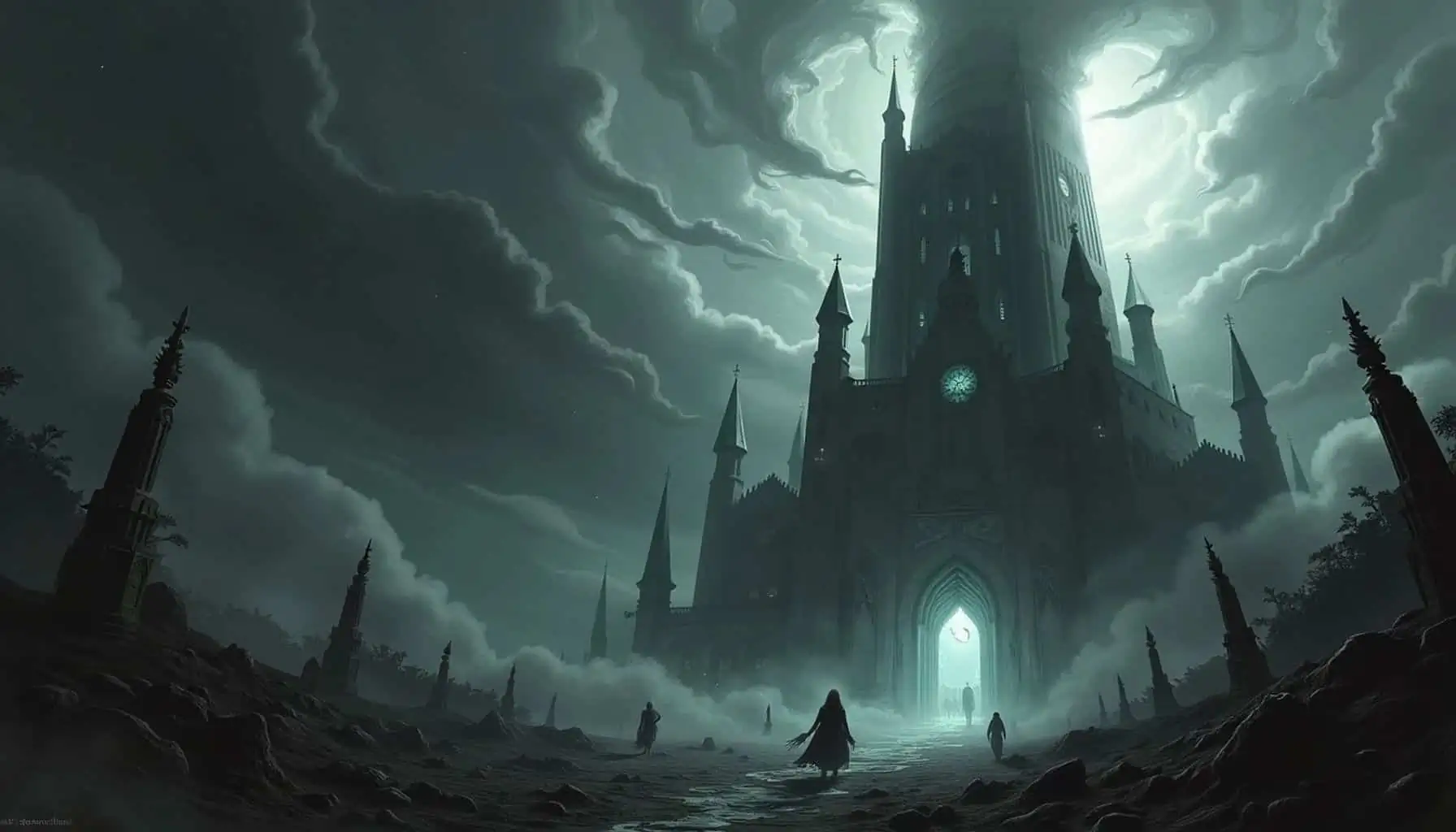
    The imagery of hell is vivid and terrifying. It is described as a fiery abyss, filled with demons enforcing eternal torment. The chief devil, Ashma, plays a role in this dark landscape, though interpretations of his role vary.

    The Book of Arda Viraf

    To understand Zoroastrian hell, one must look at the Book of Arda Viraf. This text narrates the journey of a devout Zoroastrian, Viraf, who travels through the afterlife to prove the existence of heaven and hell. Written in Middle Persian, it offers a detailed account of the torments awaiting the wicked.

    Key Elements of Viraf’s Journey:

    1. The Bridge of Judgment: Souls must cross this bridge, which determines their fate.
    2. Heavenly Realms: Those who lived moral lives, even outside Zoroastrianism, can find peace here.
    3. The Descent into Hell: Viraf’s experience in hell is extensive, revealing the horrors that await the damned.

    The Torments of Hell

    Viraf’s journey through hell is marked by elaborate and gruesome punishments:

    • Souls drowning in a river of tears: This river symbolizes the grief of the living for the departed.
    • Encounters with grotesque figures: Souls face manifestations of their evil deeds, such as a hideous woman representing their sins.
    • Physical tortures: Various punishments include being consumed by demons, enduring extreme temperatures, and suffering from self-inflicted wounds.

    The Moral Implications

    The Book of Arda Viraf serves as a moral guide, emphasizing the importance of ethical conduct. It warns that failing to live righteously leads to horrific consequences in the afterlife. The text intertwines elements from various cultural beliefs, reflecting a timeless quest for spiritual understanding.

    Conclusion

    Zoroastrianism, with its rich history and complex beliefs, offers a unique perspective on morality, the afterlife, and the eternal struggle between good and evil. Its depiction of hell serves as a stark reminder of the consequences of one’s actions, urging followers to lead a life of truth and righteousness. The vivid imagery and detailed accounts in the Book of Arda Viraf continue to resonate, highlighting the enduring legacy of this ancient faith.
  • U.S. and Iran’s Naval Tango: The Alborz Warship’s Red Sea Entry

    U.S. and Iran’s Naval Tango: The Alborz Warship’s Red Sea Entry

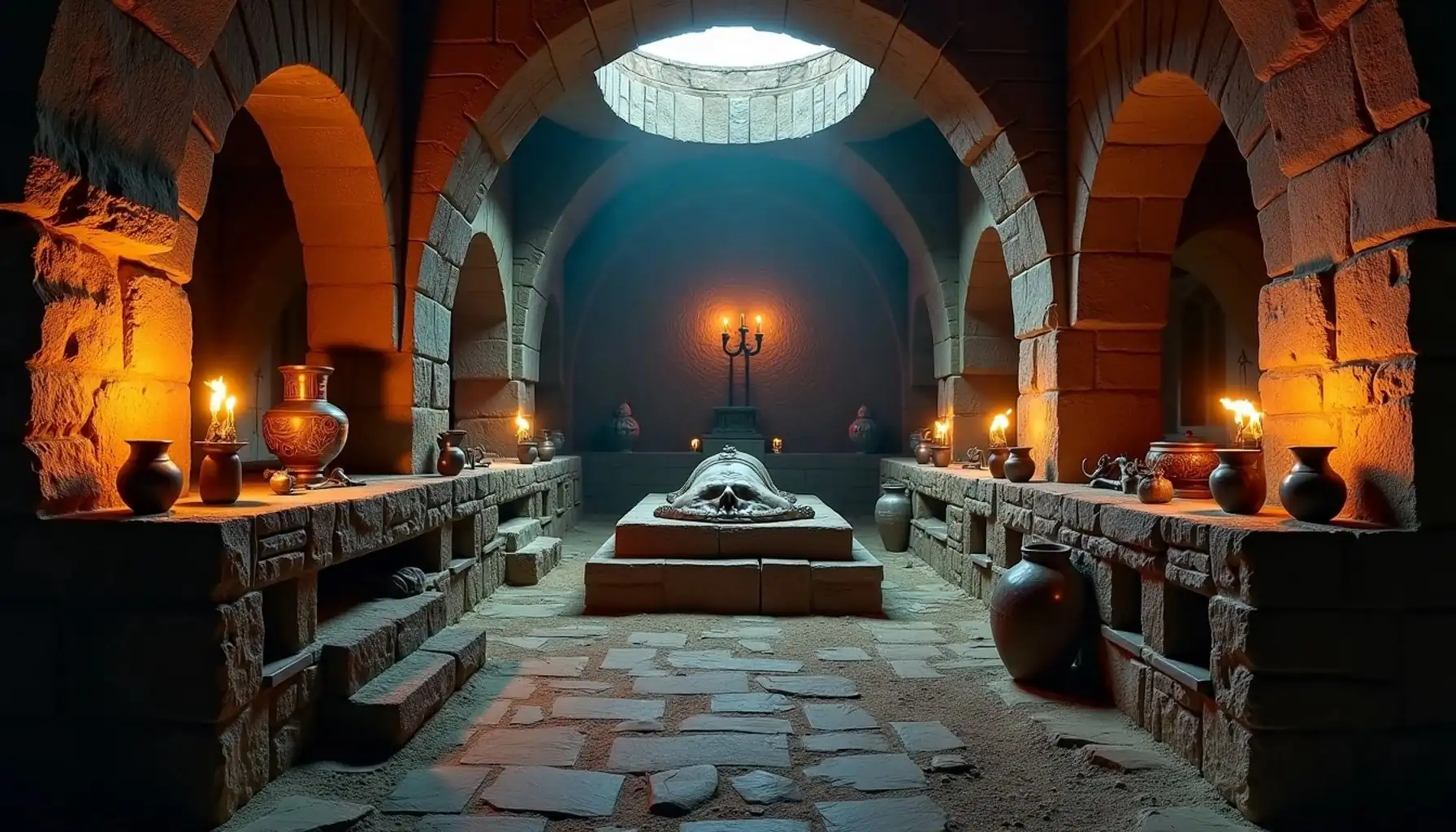
    In the heart of Anyang, China, a remarkable archaeological discovery has rewritten our understanding of ancient history. The tomb of Fu Hao, a revered priestess and military leader, remained untouched for over 3,000 years until its excavation in the 1920s. This treasure trove not only revealed her incredible wealth but also challenged long-held beliefs about China’s historical isolation.

    Key Takeaways

    • Fu Hao’s tomb is the only unlooted royal tomb from the Shang dynasty.
    • The tomb contained over 1900 treasures, including weapons, bronze vessels, and jade artifacts.
    • Fu Hao was a prominent military leader, leading significant campaigns during her time.
    • The discovery of oracle bones provides insights into her life and the Shang dynasty’s practices.
    • The tomb’s contents suggest extensive trade networks existed long before the Silk Road.

    The Discovery of Fu Hao’s Tomb

    In 1976, archaeologists stumbled upon a lone tomb in a farmer’s field in Anyang. This tomb, unlike the 15,000 others found in the area, was unique as it had never been looted. As excavations progressed, it became clear that they had uncovered the largest unlooted Shang tomb ever found, comparable to the tomb of Egypt’s Tutankhamun.

    A Wealth of Treasures

    The tomb was packed with treasures, including:

    • Finely carved jade creatures and figurines
    • Bone and ivory artifacts
    • Thousands of cowrie shells
    • Over 100 weapons, including battle axes and daggers
    • Intricately made bronze vessels

    These items indicated that Fu Hao was not just a royal figure but a leading military commander, as evidenced by the sheer number of weapons found in her tomb.

    The Warrior Queen

    Fu Hao was one of the three main wives of King Wu Ding and was believed to have commanded an army of 13,000 troops. The presence of over 100 different weapons in her tomb suggests her active involvement in military campaigns. Archaeologists have even found a unique bronze axe, indicating her high rank and warrior status.

    Insights from Oracle Bones

    The Shang dynasty was one of the first civilizations to develop writing, primarily through oracle bones. These bones contained inscriptions that recorded questions posed to ancestors, revealing much about Fu Hao’s life, including her military campaigns and personal health. Approximately 330 divinations feature Fu Hao, providing a glimpse into her significant role in Shang society.

    Human Sacrifice and Rituals

    The tomb also contained the remains of 16 individuals, believed to be sacrificed at Fu Hao’s burial. This practice aligns with the Shang dynasty’s reputation for human sacrifice, often involving prisoners of war. The scale of these sacrifices suggests a society deeply entrenched in ritualistic practices.

    The Bronze Age Metropolis

    Fu Hao’s tomb revealed nearly 500 bronze artifacts, showcasing the Shang’s advanced bronze-making techniques. The bronzes were not only status symbols but also used in ritual ceremonies. Interestingly, while gold was available in China, it was notably absent from Fu Hao’s tomb, indicating a cultural preference for bronze.

    Trade Connections

    The discovery of jade and cowrie shells in Fu Hao’s tomb suggests extensive trade networks existed long before the Silk Road. The jade, sourced from Xinjiang, and the cowrie shells, possibly from as far as Africa, indicate that the Shang dynasty was not isolated but engaged in significant trade with distant regions.

    The Legacy of Fu Hao

    Fu Hao’s tomb has provided invaluable insights into the Shang dynasty, revealing a complex society with advanced technology, military prowess, and extensive trade networks. Her legacy as a warrior queen and a key figure in Chinese history continues to inspire and intrigue scholars and enthusiasts alike. The treasures found in her tomb not only highlight her wealth but also the cultural richness of the Shang dynasty, making her one of the most extraordinary women of the ancient world.

  • What Burned and Melted This Pyramid of Egypt?

    What Burned and Melted This Pyramid of Egypt?

    In recent discussions surrounding ancient architecture, a viral photo has sparked curiosity and confusion about a pyramid in Egypt. Many have speculated wildly about its condition, leading to a mix of theories that range from the plausible to the downright absurd. Let’s dive into the truth behind this intriguing subject.

    Key Takeaways

    • The pyramid in question is the Pyramid of Senusret II, not a burned structure.
    • Misinterpretations stem from artificially enhanced images.
    • The pyramid’s dark appearance is due to weathered mud bricks, not fire or melting.
    • The construction techniques used were advanced for their time, utilizing local materials effectively.

    The Viral Photo

    The image circulating on social media depicts a pyramid that appears to be burned and melted. This has led to various theories, including claims of solar flares, nuclear explosions, and even ancient trees disguised as pyramids. But what’s the reality?

    The Pyramid of Senusret II

    The structure in question is the Pyramid of Senusret II, located at El Lahun in Egypt. Built during the 12th Dynasty (around 1897-1878 BC), it was originally known as Cers Red Shines. The name reflects its intended appearance, which has drastically changed over the millennia.

    Misleading Imagery

    The viral photo has been artificially enhanced, leading to misconceptions about the pyramid’s condition. The top appears darker than the surrounding rubble, but this is due to the decayed mud bricks that make up the pyramid’s core. In reality, the structure has not been burned or melted.

    Construction Techniques

    The pyramid was built on a natural limestone mound, which was shaped before construction began. Here’s a brief overview of the construction process:

    1. Foundation: Large limestone cross walls were built onto a platform.
    2. Core Material: Gaps between the walls were filled with mud bricks made from a mixture of earth and straw.
    3. Casing: Originally, the pyramid was cased with fine limestone, giving it a smooth appearance.

    The Damage Over Time

    The outer casing stones were scavenged during the 19th Dynasty, exposing the softer mud bricks to the elements. This exposure has led to the dilapidated appearance we see today. The erosion and decay of the mud bricks contribute to the darker color at the top of the pyramid.

    Theories and Speculations

    The internet is rife with wild theories about the pyramid’s condition. Here are some of the more outlandish claims:

    • Solar Flares: Some believe a solar flare caused the damage, but this is scientifically implausible.
    • Power Plant Meltdown: The idea that the pyramids were ancient power plants is a stretch, given the materials used.
    • Nuclear Bomb: Claims of a nuclear explosion are equally unfounded, as they would have left more widespread damage.
    • Comet Strikes: While interesting, there’s no evidence to support this theory.

    The Real Mysteries of the Pyramid

    Despite the misconceptions, the Pyramid of Senusret II is a fascinating structure with its own set of mysteries. The granite sarcophagus found within is a marvel of ancient engineering, showcasing remarkable precision. However, it raises questions:

    • Was it ever used for a burial?
    • Why is there no evidence of a lid?

    Conclusion

    The Pyramid of Senusret II is not a burned or melted structure but rather a testament to ancient Egyptian engineering. Its current state is a result of natural decay and the removal of its protective casing. While the allure of ancient mysteries captivates many, it’s essential to distinguish between fact and fiction. The real stories of ancient Egypt are rich and complex, and they deserve our attention without the distraction of unfounded theories.

    Thank you for exploring this fascinating topic with us!

  • The Unsettling Catacombs of Paris – The Empire of The Dead

    The Unsettling Catacombs of Paris – The Empire of The Dead

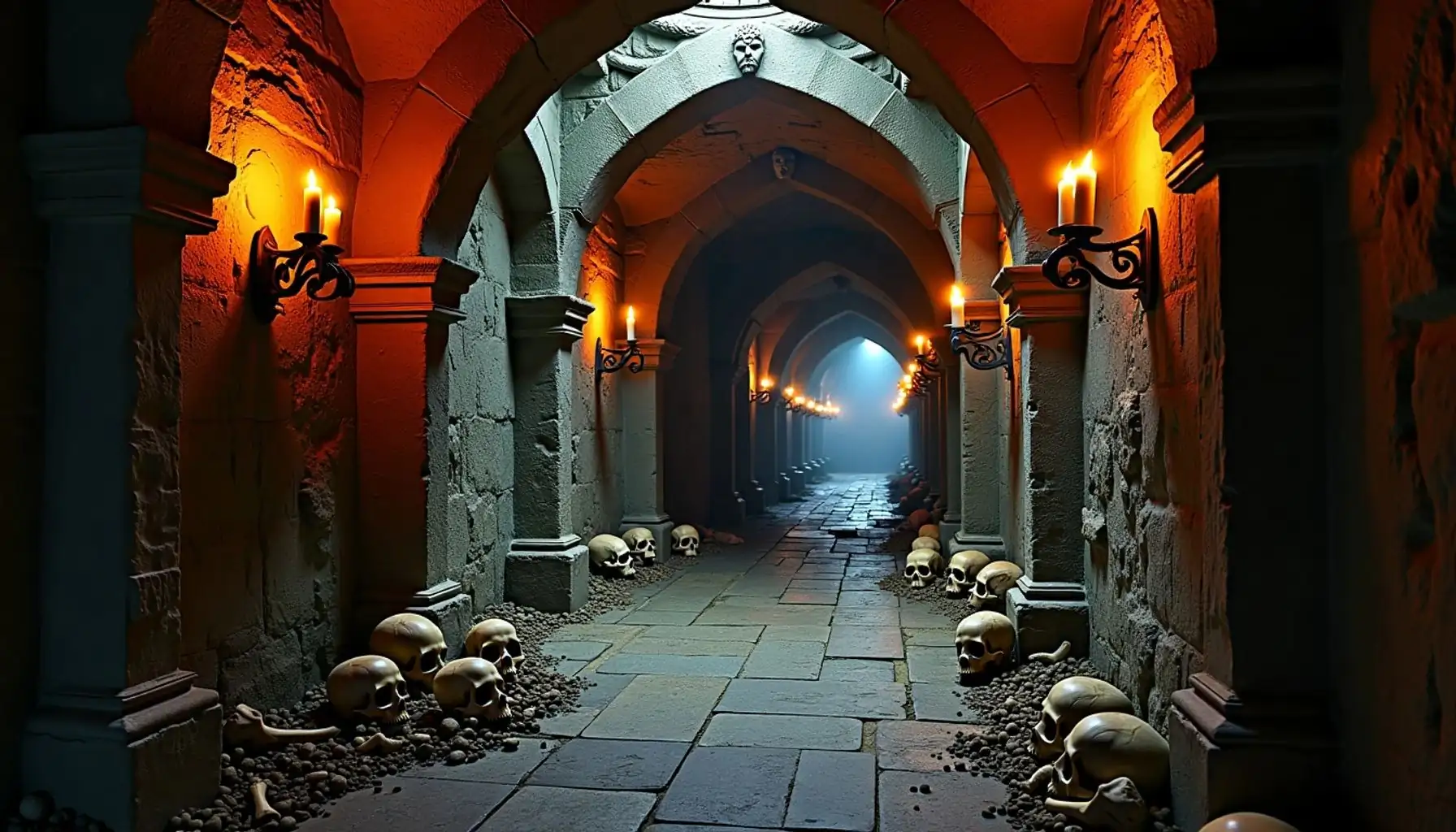
    Paris, often celebrated as the city of love and lights, hides a darker secret beneath its streets. The Catacombs of Paris, known as the Empire of the Dead, form a vast underground labyrinth that houses the remains of millions. This eerie ossuary offers a glimpse into the city’s history and the challenges of managing the dead in a bustling metropolis.

    Key Takeaways

    • The Catacombs stretch over 200 miles, with only a small section open to the public.
    • Approximately 6 to 7 million bodies were relocated to the Catacombs in the late 18th century.
    • The tunnels date back to ancient Roman times, originally used for limestone mining.
    • Access to most of the Catacombs is illegal, with police patrolling the area to prevent unauthorized exploration.
    • Flooding is a significant danger, making navigation treacherous.

    A Brief History of The Catacombs

    The Catacombs of Paris began as limestone quarries in ancient Roman times. As the city expanded, the need for burial space grew. By the late 1700s, Paris faced a crisis: cemeteries were overflowing, leading to unsanitary conditions. To address this, the government decided to relocate the remains of the deceased to the underground tunnels, a process that took about 12 years.

    The Structure of The Catacombs

    The Catacombs consist of:

    • Tunnels: Over 200 miles of interconnected pathways.
    • Chambers: Large rooms that house the bones of the deceased.
    • Quarries: Originally mined for limestone, these areas now serve as ossuaries.

    Despite their vastness, only two kilometers are accessible to the public. The rest remains largely unmapped and illegal to enter, with authorities actively seeking to close off access points.

    The Danger of Exploration

    Exploring the Catacombs is not for the faint-hearted. Many adventurers, known as cataphiles, venture into the depths armed with headlamps and homemade maps. However, the risk of getting lost is high. The tunnels can descend up to 300 feet underground, and without a reliable light source, one could easily become disoriented in the pitch darkness.

    Moreover, flooding is a real threat. During heavy rains, water can rise quickly, sometimes reaching waist height. Explorers are advised to flee to the nearest exit, but navigating the maze-like structure can be a daunting task.

    The Found Footage Mystery

    One of the most chilling stories associated with the Catacombs is the found footage from the 1990s. A man exploring the tunnels became lost and dropped his camera while fleeing from an unknown terror. The footage shows him panicking and running, but he disappears without a trace. This incident has sparked numerous theories:

    1. Lost in the Maze: He may have panicked after losing his way.
    2. Chased by a Threat: Perhaps he encountered someone dangerous.
    3. Flooding: He could have been fleeing from rising water levels.
    4. Paranormal Encounter: Some speculate he may have experienced a supernatural event.

    The Cultural Significance

    The Catacombs are not just a burial site; they are a testament to Paris’s history and the evolution of its urban landscape. The use of limestone, a durable and versatile building material, has shaped the city’s architecture for centuries. The Catacombs also played a role during the French Revolution, serving as secret meeting places for revolutionaries.

    Conclusion

    The Catacombs of Paris are a haunting reminder of the city’s past and the delicate balance between life and death. While they attract thrill-seekers and history buffs alike, the dangers lurking in the shadows serve as a stark warning. Whether you view them as a historical marvel or a chilling underworld, the Catacombs remain an integral part of Paris’s identity, waiting to be explored—if you dare.

  • The Worst Place on Earth to Be Shipwrecked

    The Worst Place on Earth to Be Shipwrecked

    In the summer of 1815, Captain James Riley found himself lost off the coast of Africa, enveloped in a thick fog. His ship, the Commerce, crash-landed on an unknown shore, leading to a horrifying series of events that would change his life forever.

    Key Takeaways

    • Captain James Riley’s early life and determination to go to sea.
    • The harrowing shipwreck and its aftermath.
    • The brutal captivity and eventual rescue in Morocco.

    Captain James Riley: A Life at Sea

    Captain James Riley was born on October 27, 1777, in Middletown, Connecticut. Growing up in a large family during the American Revolutionary War, he faced hardships early on. By the age of 10, he was working on a neighboring farm, leaving little time for school. Despite these challenges, he developed a passion for the sea, fueled by stories of adventure and exploration.

    At 15, Riley left the farm to pursue a life at sea. He started as a cabin boy, working his way up through the ranks to become a ship captain by the age of 20. His career took him around the world, but it was not without its challenges. In January 1808, his ship was seized by the French, leaving him broke and stranded in France until 1809.

    The Fateful Voyage

    After marrying and having four children, Riley returned to the sea, determined to rebuild his fortune. In May 1815, he was hired to captain the Commerce, a two-masted ship. The journey began smoothly, but disaster struck when the ship encountered thick fog while navigating near the Canary Islands.

    Riley, unable to see, lost his bearings and ended up 120 miles off course. After several days of navigating through the fog, the Commerce ran aground on an unknown shore. The crew quickly gathered supplies, but the situation was dire.

    Encountering Hostility

    As the crew made it to the beach, they were met by a local man of Arab descent, who began gathering their belongings. Riley, sensing danger, ordered his men to prepare for a possible confrontation. Despite their efforts to communicate peacefully, the situation escalated when the local people returned with weapons.

    The crew was outnumbered and faced the threat of being captured. In a desperate attempt to negotiate, Riley offered the locals money in exchange for their freedom. However, the situation turned deadly when one of Riley’s crew members, Antonio, was killed.

    The Struggle for Survival

    With their supplies stolen and no means of escape, Riley and the remaining crew members took to a longboat, drifting for nine days without food or water. They eventually landed near the Sahara Desert in Morocco, where they faced extreme heat and harsh conditions.

    Riley’s hope was to find a friendly tribe, but instead, they encountered the Sahrawi people, who treated them brutally. The crew suffered from starvation, dehydration, and abuse, leading to the deaths of several members.

    A Desperate Bargain

    Months later, Riley managed to communicate with a nomad named Sidi Hamet, convincing him to buy the crew and take them to the nearest city. Sidi agreed, but only if Riley could promise him money and a gun upon arrival. This was a risky gamble, as Riley had no way of knowing if he could fulfill that promise.

    During their journey to the city of Mogador, Riley wrote a heartfelt letter detailing their plight, hoping to appeal to the compassion of the British consul. Sidi took the letter into the city, and after a tense wait, he returned with a British merchant named William Willshire, who agreed to pay for the crew’s freedom.

    A New Beginning

    Riley’s ordeal ended, but not without a heavy toll. He returned to America weighing just 90 pounds, a shadow of his former self. The experience transformed him into an abolitionist, and he published a book about his captivity, titled “Sufferings in Africa,” which gained significant attention and changed perceptions about slavery in America.

    Riley’s story is a testament to resilience and the human spirit’s capacity to endure unimaginable hardships. He returned to the sea but died in 1840, likely due to health issues stemming from his time in captivity. His legacy lives on, inspiring future generations to fight against injustice and advocate for freedom.

  • 5 Unsolved And Creepy Mysteries Of The Wild West

    5 Unsolved And Creepy Mysteries Of The Wild West

    The Wild West is a realm of legends, where cowboys, gunslingers, and hidden treasures intertwine in a tapestry of tall tales. Amidst the chaos of cattle rustlers and outlaws, some mysteries have slipped through the cracks of history, remaining unsolved and shrouded in intrigue.

    Key Takeaways

    • Butch Cassidy’s fate remains uncertain, with conflicting accounts of his death.
    • Chief Cochise’s life and burial are steeped in mystery.
    • The Lost Cement Mine is a legendary treasure that has never been found.
    • Albert Fountain and his son vanished without a trace, leaving behind unanswered questions.
    • Rumors of a lost Spanish galleon in the desert continue to captivate treasure hunters.

    Butch Cassidy: The Legend Lives On

    Butch Cassidy, the infamous outlaw, is perhaps best known from the film featuring Paul Newman and Robert Redford. The story goes that Cassidy and his partner fled to Bolivia to escape the law after a spree of robberies in the 1890s.

    However, the narrative doesn’t end there. Cassidy’s sister, Lula, claimed to have encountered him long after his supposed death in 1908. Reports suggest he attended a family reunion in 1925, raising eyebrows about the authenticity of his demise.

    Historical documents indicate that Cassidy may have survived a shootout with Bolivian authorities, with some believing he lived out his days in places like Paraguay or even Spokane, Washington. The Pinkerton detective agency continued their search for him well into the 20th century, convinced he was still alive.

    Chief Cochise: A Figure Shrouded in Mystery

    Chief Cochise is a prominent figure in the history of the Chiricahua Apaches, yet much of his life remains a mystery. Known for his leadership during conflicts with European settlers, little is documented about his early years.

    Cochise passed away in 1874, shortly after a peace treaty was established. His burial site, hidden in the Dragoon Mountains, is known only to a select few. Legends suggest that his dog and horse were killed to prevent them from serving as reminders of his death.

    The Lost Cement Mine: A Treasure Hunter’s Dream

    The Lost Cement Mine is a tale that has captivated treasure hunters for generations. Accounts vary on how it was discovered, but all agree on one thing: it was rich in gold.

    • Discovery Accounts:
      1. Two men escaping to California in 1857 stumbled upon the mine while resting by a stream.
      2. Mark Twain recounted a story of three German brothers hiding in the mountains who found the gold.

    Despite numerous expeditions, the mine remains elusive. Some believe it was hidden well, while others think it may have been lost to time.

    Albert Fountain: The Disappearance That Haunts

    Albert Fountain was a man of many titles: soldier, senator, and journalist. In February 1896, he and his eight-year-old son, Henry, vanished while traveling from Lincoln, New Mexico, to Mesilla.

    Witnesses reported seeing them followed by a group of riders, but no physical evidence was ever found. The only clue was a blood-soaked handkerchief discovered with their wagon. Speculation about their fate ranges from cattle rustler retaliation to involvement from a local land developer.

    The Lost Ship in the Desert: A Pirate’s Tale

    In the 1870s, rumors swirled about a lost Spanish galleon in the Colorado desert. A treasure hunter named Charlie Cluster claimed to have found a well-preserved ship, but no treasure was ever recovered.

    The Salton Sink, a geological depression, raises questions about the ship’s journey. Some theorize that it could have made its way up the Gulf of California before running aground, leaving the crew to perish in the desert.

    Conclusion

    The Wild West is filled with intriguing stories and enigmas that continue to spark curiosity. As we delve deeper into history, perhaps one day we will unlock the secrets behind these unsolved mysteries. Keep your curiosity alive and continue exploring the captivating tales of our past!

  • Homeless Man Accidently Creates Europe’s Most Dangerous Cemetery

    Homeless Man Accidently Creates Europe’s Most Dangerous Cemetery

    In November 1999, a chilling event unfolded in Edinburgh, Scotland, at the infamous Greyfriars Kirkyard. A minister, Colin Grant, was called to perform an exorcism in a cemetery with a dark history. What transpired that night would leave a lasting mark on the cemetery’s already eerie reputation.

    Key Takeaways

    • Greyfriars Kirkyard is built over a mass grave of tortured souls.
    • Colin Grant, a psychic minister, was hired for an exorcism.
    • A homeless man’s fall into the mausoleum triggered a series of paranormal events.
    • Colin’s failed exorcism led to a shocking photograph capturing a mysterious figure.

    The Dark History of Greyfriars Kirkyard

    Greyfriars Kirkyard is one of the oldest cemeteries in Edinburgh, known for its Gothic architecture and haunting atmosphere. However, beneath its serene surface lies a dark history. The cemetery is built over a mass grave where thousands of people were tortured and starved to death centuries ago.

    In the late 1600s, Lord George McKenzie, a notorious figure, was responsible for the brutal treatment of the Covenanters, a group that opposed the king’s religious laws. After torturing and executing many, their bodies were unceremoniously dumped into a mass grave, which would later be covered by the cemetery.

    The Night of the Exorcism

    On a cold November night, Colin Grant entered the cemetery, accompanied by a journalist and a photographer. He was there to confront the spirit of George McKenzie, believed to be responsible for a series of paranormal disturbances following a homeless man’s fall into the mausoleum.

    Colin felt an overwhelming sense of dread as he approached the mausoleum. Despite his psychic abilities, he hesitated, feeling the weight of the spirits trapped within. Instead of entering, he decided to perform a ritual in a nearby field, hoping to free the tortured souls.

    The Ritual and Its Consequences

    For hours, Colin walked in circles, chanting prayers and flicking holy water. The journalist and photographer watched, unsure of what to make of his actions. As the night wore on, Colin appeared increasingly haggard, yet he felt compelled to try again.

    He set up a circle of candles in front of the church, chanting louder as the candles flickered mysteriously. Suddenly, he collapsed, repeating, “This is going to kill me.” The journalist rushed to his side, but the photographer noticed something strange in her camera.

    The Mysterious Photograph

    After taking a picture of Colin during his ritual, the photographer saw a figure in the church window behind him. The church was supposed to be empty, yet the image showed a shadowy figure looking out. This photograph sparked speculation about the true nature of the events that unfolded that night.

    Colin’s health deteriorated after the incident, and he would soon die under mysterious circumstances. The photograph remains unexplained, adding to the cemetery’s reputation as one of the most haunted places in the world.

    Conclusion

    Greyfriars Kirkyard continues to draw visitors, many of whom report strange occurrences, including scratches and feelings of being watched. The spirit of George McKenzie is considered one of the most dangerous poltergeists, and the cemetery’s dark history only adds to its allure. Whether you believe in the supernatural or not, the chilling tales of Greyfriars Kirkyard are sure to send shivers down your spine.

  • Something Weird Is Happening On Jupiter

    Something Weird Is Happening On Jupiter

    Something strange is unfolding on Jupiter, the largest planet in our solar system. As we delve deeper into its mysteries, we uncover astonishing facts that challenge our understanding of this gas giant. From its tumultuous history to its bizarre atmospheric phenomena, Jupiter continues to surprise us.

    Key Takeaways

    • Jupiter’s gravity played a crucial role in shaping the solar system.
    • The planet has a vast ocean of liquid hydrogen beneath its clouds.
    • Jupiter’s core is more complex than previously thought, possibly due to ancient collisions.
    • The planet generates a powerful magnetic field, affecting its atmospheric dynamics.

    The Formation of Jupiter

    In the early days of the solar system, Jupiter was a massive force. As it gained mass, it began to disrupt the formation of other planets. Imagine Jupiter as a colossal space Roomba, sweeping through the debris of the early solar system, flinging asteroids and other celestial bodies in all directions. This gravitational pull halted the growth of nearby planets, including Mars, which never reached its full potential.

    The Role of Saturn

    Interestingly, it was the formation of Saturn that altered Jupiter’s path. As these two giants drew closer, their gravitational forces began to interact, accelerating their orbits and pushing them back to the outer solar system. This cosmic dance allowed for the formation of Earth and other inner planets.

    The Atmosphere of Jupiter

    Most of us learned that Jupiter is a dense ball of gas with a small rocky core. However, this is only partially true. The outer layer consists of thick clouds filled with ammonia and water, floating in a hydrogen and helium atmosphere. Water vapor was first detected on Jupiter in 1995, revealing that it contains millions of times more water than Earth, despite making up only 0.25% of its atmosphere.

    The Water Cycle on Jupiter

    The water on Jupiter exists in a unique cycle. In the upper atmosphere, water ice crystals interact with ammonia, creating a slushy mixture that leads to electrifying lightning storms. This mixture eventually falls as rain, evaporates, and rises again, perpetuating the cycle.

    The Great Red Spot

    One of Jupiter’s most famous features is the Great Red Spot, a storm larger than Earth. This storm extends deep into the atmosphere, reaching temperatures and pressures that create a unique environment. The storm’s height and depth are staggering, absorbing UV light and contributing to its distinctive color.

    The Liquid Hydrogen Ocean

    Beneath the clouds lies the largest ocean in the solar system—an ocean of liquid hydrogen. This ocean is about 20,000 km deep, far deeper than Earth’s oceans. The extreme pressure at these depths causes hydrogen to transition into a state known as metallic hydrogen, which exhibits conductive properties similar to metals.

    The Core of Jupiter

    Jupiter’s core is not as solid as once believed. Recent research suggests that the transition between liquid metallic hydrogen and the solid core is gradual, creating a fuzzy boundary. This could be a result of a massive collision in the solar system’s early days, which may have scattered and diluted the core.

    The Magnetic Field

    Jupiter’s immense gravity generates a powerful magnetic field, about 20 times stronger than Earth’s. This magnetic field extends far into space, influencing the orbits of its moons and creating unique phenomena like the Great Blue Spot, a magnetic anomaly that adds to the planet’s strangeness.

    The Cyclones of Jupiter

    At Jupiter’s North Pole, a ring of perpetual hurricanes surrounds a massive central storm. These storms are unlike anything seen on Earth, showcasing the planet’s chaotic atmospheric dynamics. The infrared images captured by the Juno spacecraft reveal a mesmerizing yet terrifying view of these cosmic storms.

    Conclusion

    Jupiter is a planet of contradictions and mysteries. Its complex atmosphere, powerful magnetic field, and unique core challenge our understanding of gas giants. As we continue to explore this fascinating planet, we may uncover even more secrets that reshape our view of the solar system. Stay tuned for more discoveries as we venture deeper into the cosmos!

  • Scientists Baffled by a Newly Discovered Human Species Living Underground

    Scientists Baffled by a Newly Discovered Human Species Living Underground

    A remarkable scientific discovery has emerged from China, where researchers have found the skull of what they believe to be a new species of human. This astonishing find could redefine our understanding of human evolution and our closest relatives. The implications of this discovery are profound, challenging everything we thought we knew about our ancient ancestors.

    Key Takeaways

    • Discovery of a new human species, possibly our closest relative.
    • The skull exhibits a mix of ancient and modern human features.
    • Findings challenge existing theories about human evolution.

    The Dragon Man Skull

    The Dragon Man skull, discovered in Harbin, China, has left scientists in awe. Unearthed in the 1930s, it resurfaced in 2018, revealing a unique blend of ancient and modern human traits. This skull, dating back at least 146,000 years, showcases a brain size comparable to modern humans but features a robust brow ridge and large teeth. This discovery introduces Homo longi, a potential new branch in our evolutionary tree, possibly even closer to us than Neanderthals.

    Homo Naledi: A Hidden Society

    In 2013, scientists uncovered Homo naledi in South Africa’s Rising Star Cave System. This species, with a brain only one-third the size of ours, was found in a chamber suggesting complex burial practices. Over 1,500 fossil fragments from at least 15 individuals were discovered, indicating a sophisticated social structure.

    The Hobbit: Homo Floresiensis

    The discovery of Homo floresiensis, or the Hobbit, in 2003 on Flores Island, Indonesia, turned heads. Standing at just 3.5 feet tall, these small humans lived between 50,000 and 100,000 years ago. Despite their size, they crafted tools and hunted, showcasing remarkable survival skills. The mystery of how they ended up on such an isolated island continues to intrigue researchers.

    Denisovans: The Ultimate Underground Crew

    Denisovans, discovered in Siberia’s Denisova Cave, are another fascinating find. First identified in 2008, they lived around 160,000 years ago at high altitudes, showcasing advanced hunting and tool-making skills. Their remains, including a juvenile girl’s finger bone, have reshaped our understanding of human ancestry.

    Homo Erectus: The Game Changer

    Homo erectus roamed the Earth from about 2 million to 100,000 years ago. Discovered in Indonesia, they were the first ancestors to exhibit modern human-like traits. Fossils found in the Joudian Caves near Beijing indicate they were not just temporary dwellers but established communities, utilizing fire and tools.

    The Dolly Skull: A Brain Twister

    The Dolly skull, found in Shanxi Province, China, has puzzled scientists since its discovery in 1978. Dating back 200,000 years, it features a mix of Homo erectus and early Homo sapiens traits, complicating our understanding of human evolution in East Asia.

    Neanderthals: The Original Underground Dwellers

    Neanderthals were not just cave dwellers; they transformed caves into homes. Evidence from various sites shows they had designated areas for sleeping, cooking, and tool-making. Their burial practices, often including flowers, suggest a complex social structure and emotional depth.

    Homo Luzonensis: The Island Mystery

    Discovered in 2007 in the Philippines, Homo luzonensis presents a unique case. With remains dating back 67,000 years, these small individuals were only about 4 feet tall. Their mix of ancient and modern traits raises questions about their origins and how they reached the island.

    Homo Antecessor: The Cultural Puzzle

    Found in Spain’s Gran Dolina cave, Homo antecessor lived around 800,000 years ago. Their remains suggest they were skilled hunters and tool users, sparking debates about their place in the human lineage.

    Homo Sapiens Idaltu: The Ancient Cousins

    In 1997, researchers discovered Homo sapiens idaltu in Ethiopia, dating back 160,000 years. These ancient humans exhibit a mix of modern and archaic features, prompting discussions about their relationship to contemporary humans.

    Early Modern Humans: Thriving Underground

    Homo sapiens, our direct ancestors, were thriving in caves as far back as 300,000 years ago. Sites like Jebel Irhoud in Morocco reveal that these early humans created social hubs, possibly for rituals and community gatherings.

    The Mystery of Homo Rensus

    The Homo rensus skull, discovered in Zambia in 1921, has puzzled scientists due to its mix of traits resembling both Homo heidelbergensis and modern humans. This species lived between 300,000 and 125,000 years ago, bridging gaps in our understanding of human evolution.

    Homo Georgicus: The Early Outliers

    Homo georgicus, found in Georgia, dates back 1.8 million years. Despite their small brain size, they were adept tool users, showcasing early social behaviors.

    The Peeking Man: A Cave Dweller

    Peeking Man, discovered in the Joudian Caves, dates back 700,000 to 300,000 years. Evidence suggests they were skilled at using fire and tools, indicating a sophisticated understanding of their environment.

    Homo Rudolensis: The Indiana Jones of Early Humans

    Discovered in Kenya, Homo rudolensis lived between 1.9 to 2.4 million years ago. Their unique mix of features continues to challenge our understanding of human evolution.

    Homo Habilis: The Tool Makers

    Homo habilis, discovered in Tanzania, lived around 2.3 to 1.65 million years ago. They were not just surviving but thriving, using caves for shelter and crafting tools.

    Australopithecus Afarensis: The Early Ancestors

    Australopithecus afarensis, including the famous Lucy, roamed East Africa 3.7 to 3 million years ago. Their small stature and limited brain size highlight the diversity of early human ancestors.

    Homo Gorgonensis: The Original Cave Dwellers

    Homo gorgonensis, discovered in South Africa, lived between 1.8 to 2 million years ago. Their cave-dwelling habits suggest they may have used these spaces for social interactions.

    Conclusion

    The discovery of these underground-dwelling human species not only enriches our understanding of human evolution but also challenges long-held beliefs about our ancestors. As research continues, we may uncover even more about the complex tapestry of human history.

  • 3 Haunted Amusement Parks That Will Give You Chills

    3 Haunted Amusement Parks That Will Give You Chills

    Amusement parks are often associated with fun, laughter, and thrilling rides. However, some parks carry a darker history that adds an eerie twist to the excitement. In this article, we explore three haunted amusement parks that are not just about the rides but also about the ghostly tales that linger in the air.

    Key Takeaways

    • Gulliver’s Kingdom: A failed park with a dark past, linked to a doomsday cult.
    • Six Flags Over Texas: Home to the ghost of a little girl named Annie.
    • Dorney Park: A historic park with multiple paranormal encounters.

    Gulliver’s Kingdom: A Dark Legacy

    Gulliver’s Kingdom, located at the foot of Mount Fuji in Japan, opened in 1997. It was designed to stimulate the local economy but was overshadowed by its disturbing history. The park was built near the compound of the Aum Shinrikyo cult, infamous for the 1995 Tokyo Subway sarin attack.

    • Key Features: 147 ft statue of Gulliver, themed around Jonathan Swift’s novel.
    • Challenges: Low attendance, lack of rides, and proximity to the notorious Aokigahara Forest, known as the suicide forest.

    Despite its whimsical theme, the park struggled to attract visitors. Many reported feeling uneasy while walking through its pastel-colored streets. After just four years, Gulliver’s Kingdom closed its doors, leaving behind a haunting atmosphere.

    Urban explorers later ventured into the abandoned park, claiming to experience strange occurrences, such as feeling watched and hearing laughter. The park was demolished in 2007, but its ghostly reputation lingers.

    Six Flags Over Texas: The Ghost of Annie

    Opened in 1961, Six Flags Over Texas is the first park in the Six Flags chain. It has welcomed millions of visitors over the decades, but one ghostly presence stands out: a little girl named Annie.

    • Legend: Annie is said to have drowned in a creek where the park now stands in the 1920s.
    • Sightings: Guests and staff have reported seeing her ghost in various attractions, particularly near the Texas Giant roller coaster.

    Annie is known as a mischievous spirit, playing tricks like flickering lights and whispering playful messages. A local paranormal group even recorded a mysterious voice saying, “Let me play with your hair.” Her presence adds an unexpected thrill to the park, proving that some of the biggest scares come from beyond the grave.

    Dorney Park: A Haunted History

    Dorney Park in Allentown, Pennsylvania, has been entertaining guests since 1884. With a rich history, it is home to one of the oldest carousels in the country, which is said to be haunted.

    • Haunted Carousel: The antique carousel, built in 1921, is rumored to be haunted by the ghost of Mrs. Müller, who loved to ride a specific horse.
    • Paranormal Investigations: In 2021, a paranormal team investigated the park, uncovering multiple eerie encounters.

    During their investigation, they heard unexplained noises and recorded voices asking to take photos. The team also felt sudden cool breezes and captured EVPs (Electronic Voice Phenomena) indicating a presence.

    Dorney Park embraces its haunted reputation, promoting ghostly tales and incorporating them into their Halloween attractions. This unique approach adds to the park’s charm and allure.

    Conclusion

    These three amusement parks offer more than just rides; they provide a glimpse into the supernatural. From the haunted remnants of Gulliver’s Kingdom to the playful spirit of Annie at Six Flags and the ghostly encounters at Dorney Park, these locations remind us that sometimes, the thrill of the unknown can be just as exciting as the rides themselves. Whether you’re a thrill-seeker or a ghost enthusiast, these parks are sure to leave you with chills.