Category: Ancient Civilizations

  • Mad Mike Hughes: The Daredevil Who Reached for the Stars

    Mad Mike Hughes: The Daredevil Who Reached for the Stars

    In a world where dreams of space travel often seem reserved for the elite, Mad Mike Hughes dared to challenge the status quo. A self-taught rocket builder and daredevil, Mike’s journey was as wild as it was tragic, culminating in a quest to prove the Earth’s shape. This blog post explores his life, his outrageous stunts, and the legacy he left behind.

    Key Takeaways

    • Mike Hughes was a passionate daredevil who built his own rockets.
    • He aimed to prove the Earth was flat through his homemade rocket launches.
    • His final launch ended in tragedy, but his adventurous spirit lives on.

    The Early Years: A Need for Speed

    From a young age, Mike was drawn to speed. By just two months old, he was attending car races with his father. At 12, he began dirt bike racing, eventually turning professional in 1974. Despite his success, Mike was more interested in the thrill than the accolades, famously tossing his trophies aside.

    • 1974: Goes pro in ice speedway racing.
    • 1994: Moves to Las Vegas, attempts to qualify for the Winston Cup series.
    • 2002: Sets a Guinness World Record for the longest limousine jump.

    The Leap into Rocketry

    After years of stunts, Mike’s ambitions grew. He wanted to build a rocket to measure the curvature of the Earth. Inspired by a desire to prove the Earth was flat, he began teaching himself rocketry. His journey caught the attention of Waldo Stakes, a self-taught rocket designer, who became Mike’s chief engineer.

    • 1,500 hours: Time spent learning to build rockets.
    • X2 Sky Limo: Mike’s first rocket, which flew 1,374 feet but crashed on landing.

    The Flat Earth Mission

    Mike’s belief in a flat Earth was central to his mission. He wanted to see the world from above and prove his theory. He famously stated, “I expect to see a flat disc up there… if it’s a round ball, I’ll come down and say, ‘Hey guys, I’m bad, it’s a ball.’” This open-mindedness set him apart from many of his peers.

    The Launches: A Rollercoaster of Events

    Mike’s rocket launches were filled with challenges and setbacks. His first significant launch in 2014 ended with a crash landing that left him injured but undeterred. He continued to push boundaries, raising funds and gathering support from the Flat Earth community.

    • 2016: Raises $310,000 for his next rocket.
    • 2018: Launches Liberty 1, reaching 1,875 feet but sustaining injuries.

    The Final Countdown

    On February 22, 2020, Mike prepared for his most ambitious launch yet, aiming for 5,000 feet. Despite numerous delays and mechanical issues, he remained optimistic. Tragically, during the launch, a malfunction caused the rocket to crash, resulting in Mike’s untimely death.

    Legacy of a Daredevil

    Mike Hughes may have left this world, but his spirit of adventure and determination continues to inspire. He embodied the idea that anyone can pursue their dreams, no matter how outrageous they may seem. His story serves as a reminder of the importance of questioning everything and living life to the fullest.

    • Quotes from Mike: “If you’re not scared to death, you’re an idiot.”
    • Final Thoughts: Mike’s life was a testament to the human spirit’s desire to explore and push boundaries, even in the face of danger.

    In the end, Mad Mike Hughes was more than just a flat Earth advocate; he was a symbol of adventure, curiosity, and the relentless pursuit of dreams. His legacy will continue to spark conversations and inspire future generations of daredevils and dreamers alike.

  • The Terrifying Secret Cult of the Beast by Aleister Crowley

    The Terrifying Secret Cult of the Beast by Aleister Crowley

    Deep in the shadows of esoteric traditions lies a forbidden order, shrouded in mystery and fear. Whispered among occult circles, this secretive cult is said to venerate a force older than time itself, an entity of overwhelming power and malevolence. Those who dare to seek its truths are drawn into rituals that defy human understanding, unraveling the fabric of reality and exposing a darkness few survive.

    Key Takeaways

    • Aleister Crowley, a notorious figure in occult history, performed dark rituals at Boleskine House.
    • The Dragon Cult worships Tiamat, a primordial goddess of chaos.
    • Mysterious discoveries, like a tapestry, hint at ancient practices and connections to Crowley.
    • The legacy of Boleskine House continues to intrigue modern occultists.

    Boleskine House: The Centre of Esoteric Power

    Nestled in the Scottish Highlands, Boleskine House is steeped in dark energy and mystery. This isolated mansion, near the murky waters of Loch Ness, became infamous as the residence of Aleister Crowley, a magician and occultist known for his controversial rituals.

    Crowley, born in 1875, rebelled against his strict Christian upbringing. He dedicated his life to studying ancient religions and ceremonial magic, ultimately founding the religion of Thelema. His motto, “Do what thou wilt shall be the whole of the law,” emphasized personal freedom and self-discovery.

    In 1899, Crowley purchased Boleskine House, drawn to its remote location. He believed it would provide the perfect setting for his most powerful rituals. However, the house already had a disturbing reputation, with local legends of unexplained phenomena and dark figures.

    The Abrahm Ritual

    At Boleskine, Crowley attempted the Abrahm Ritual, a complex and lengthy rite designed to invoke a magician’s guardian angel. This ritual, if performed incorrectly, could open portals to malevolent entities. Unfortunately, Crowley never completed it, leading to a series of strange occurrences: servants vanished, visitors experienced terrifying phenomena, and Crowley himself felt dark presences.

    After leaving Boleskine in 1913, rumors persisted that Crowley had inadvertently opened gateways to chaos, allowing dark forces to seep into our reality.

    The Dragon Cult

    Interest in Boleskine House surged over the years, particularly among those seeking answers to its dark legends. In 1964, three American students stumbled upon a mysterious bundle in the nearby forest. Inside, they found a tapestry adorned with symbols of dragons and serpents, along with strange inscriptions.

    This tapestry led journalist Frederick William Holliday to investigate further. He uncovered unsettling connections to a secret cult that worshipped Tiamat, the Sumerian goddess of chaos. Reports indicated that this cult engaged in dark rituals, including human sacrifices, to invoke Tiamat’s power.

    Tiamat: The Cosmic Serpent of Chaos

    Tiamat is a central figure in ancient Mesopotamian mythology, embodying primordial chaos. In the Enuma Elish, she is depicted as a massive sea serpent, representing the raw forces that existed before creation. Tiamat’s desire for revenge against the younger gods led to a climactic battle with Marduk, who ultimately defeated her.

    Even in defeat, Tiamat’s essence symbolizes the potential for chaos and upheaval. For modern occultists, invoking Tiamat represents tapping into the primal forces of the cosmos, harnessing them for transformation.

    Asian Dragons and Esoteric Symbolism

    The tapestry’s dragons also hold significant meaning. In Asian mythology, dragons symbolize control over natural forces, contrasting with their often chaotic representation in Western cultures. The presence of lotus flowers on the tapestry suggests that cult members sought not only power but also spiritual enlightenment, bridging the gap between the physical and cosmic realms.

    Crowley and The Dragon Cult

    While it’s unclear how directly Crowley was involved with the Dragon Cult, his fascination with serpentine deities and chaotic forces suggests a connection. His rituals at Boleskine aimed to summon beings from higher dimensions, including Lamb, an entity reminiscent of modern extraterrestrial figures.

    Crowley’s incomplete rituals may have inadvertently opened gateways to chaotic forces, linking his magical practices to the worship of primordial chaos. This connection raises questions about the extent of Crowley’s involvement with the Dragon Cult.

    Conclusion

    Today, Boleskine House remains shrouded in mystery, even after much of it was destroyed by fire in 2015. Stories of dark rituals and the worship of Tiamat continue to captivate modern occultists. Could the Dragon Cult still exist, operating quietly in the shadows?

    Frederick William Holliday’s investigation left more questions than answers. The tapestry’s symbols, the rituals of sacrifice, and Tiamat’s enigmatic figure continue to fascinate those who dare to explore the dark forces lurking beyond the veil. Perhaps one day, the true nature of the Dragon Cult and its connection to Aleister Crowley will be unveiled, revealing secrets long hidden in the shadows.

  • The Enigmatic Churches of Lalibela: Monolithic Wonders of Ethiopia

    The Enigmatic Churches of Lalibela: Monolithic Wonders of Ethiopia

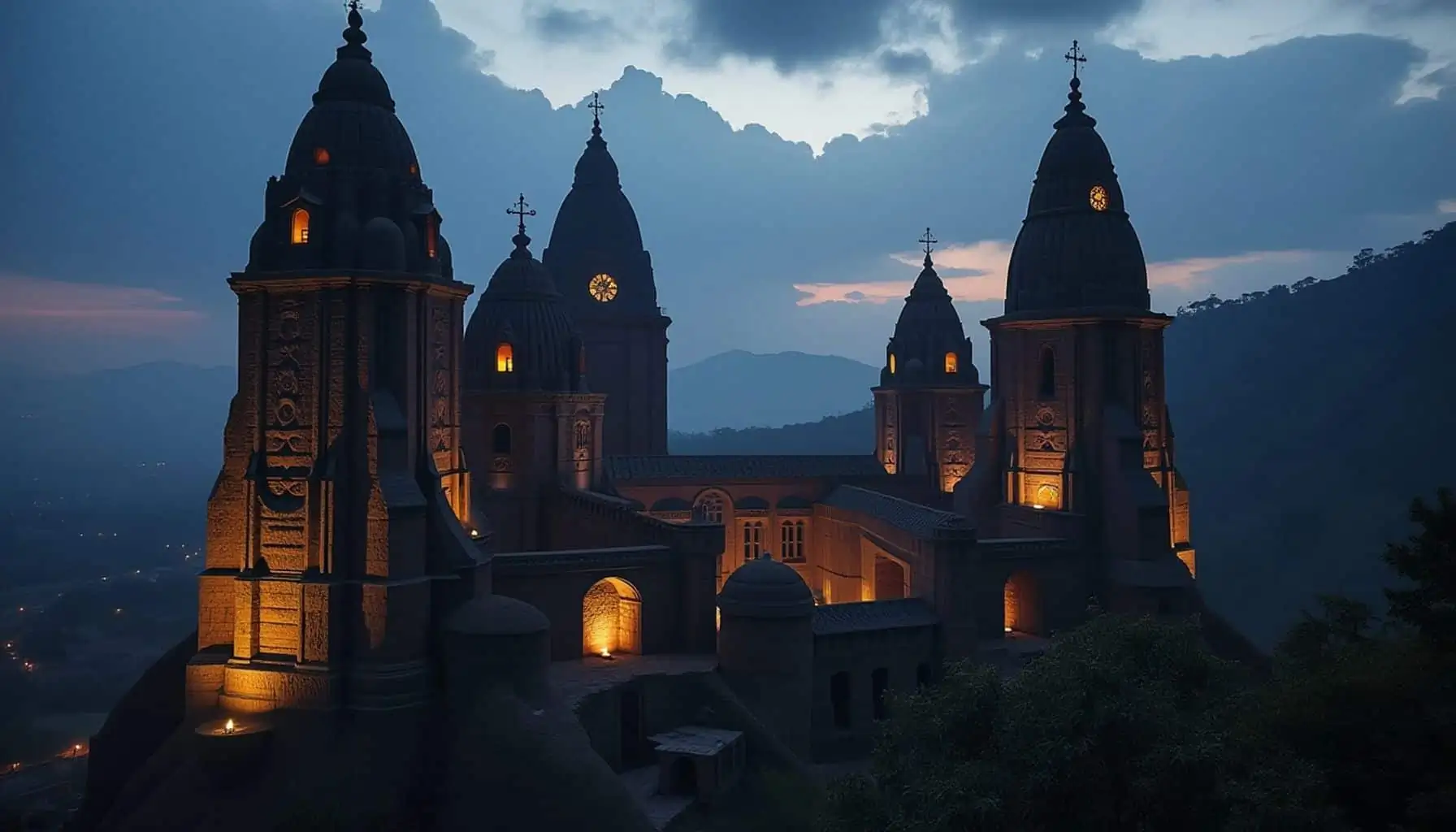
    The Churches of Lalibela are a breathtaking testament to the ingenuity and devotion of medieval Ethiopian Christians. Carved directly into the bedrock, these 11 monolithic churches were commissioned by King Lalibela in the late 12th and early 13th centuries. They serve as a spiritual haven for Ethiopian Orthodox Christians, especially for those unable to make pilgrimages to the Holy Land due to historical conflicts.

    Key Takeaways

    • Location: High in the Ethiopian highlands.
    • Construction: 11 monolithic churches carved from bedrock.
    • Purpose: Serve as a New Jerusalem for Ethiopian Christians.
    • Timeframe: Construction took approximately 24 years.
    • Techniques: Primarily hand tools were used, raising questions about the methods.

    The Architectural Marvel

    The churches of Lalibela are not just places of worship; they are architectural wonders. Carved from a single piece of bedrock, the construction involved a meticulous subtractive process. This means that material was carefully removed to create intricate designs, doors, windows, and columns. The scale and precision of this work are mind-boggling, especially considering the tools available at the time.

    The Construction Process

    1. Planning and Design: The planning of these churches was extensive. The layout was designed to replicate the holy sites of Jerusalem, providing a spiritual alternative for Ethiopian Christians.
    2. Excavation Techniques: The exact methods used for excavation remain a mystery. Historians speculate that some form of machine boring technique may have been employed, but most agree that the work was done by hand.
    3. Labor Force: Skilled laborers worked in two shifts, day and night, completing a 24-hour cycle of labor. This dedication is a testament to their commitment to faith.

    The Myths Surrounding Lalibela

    Several legends surround the creation of these churches:

    • Divine Inspiration: One popular legend claims that King Lalibela was inspired by a divine vision during a pilgrimage to Jerusalem, where he was instructed by Christ to build a new holy city in Ethiopia.
    • Angelic Assistance: Another myth suggests that angels assisted in the construction, working alongside human laborers during the night to expedite the process.

    The Mystery of Excavated Rock

    A lingering question is what happened to all the excavated bedrock. Some theories suggest it was used to create trenches and tunnels connecting the churches, while others propose it was transported far from the site. The sheer volume of rock removed adds another layer of intrigue to this historical site.

    Enduring Legacy

    Today, the churches of Lalibela remain active places of worship and significant pilgrimage destinations. They reflect the enduring legacy and cultural importance of Ethiopian Christianity. The churches are not only architectural marvels but also symbols of faith and resilience.

    Conclusion

    The creation of the Lalibela churches involved immense labor, skill, and devotion. They continue to inspire awe and reverence, drawing visitors from around the world. The myths and mysteries surrounding their construction only add to their allure, making them a fascinating subject of study and admiration. What do you think about these incredible structures? Share your thoughts in the comments below!

  • U.S. and Iran’s Naval Tango: The Alborz Warship’s Red Sea Entry

    U.S. and Iran’s Naval Tango: The Alborz Warship’s Red Sea Entry

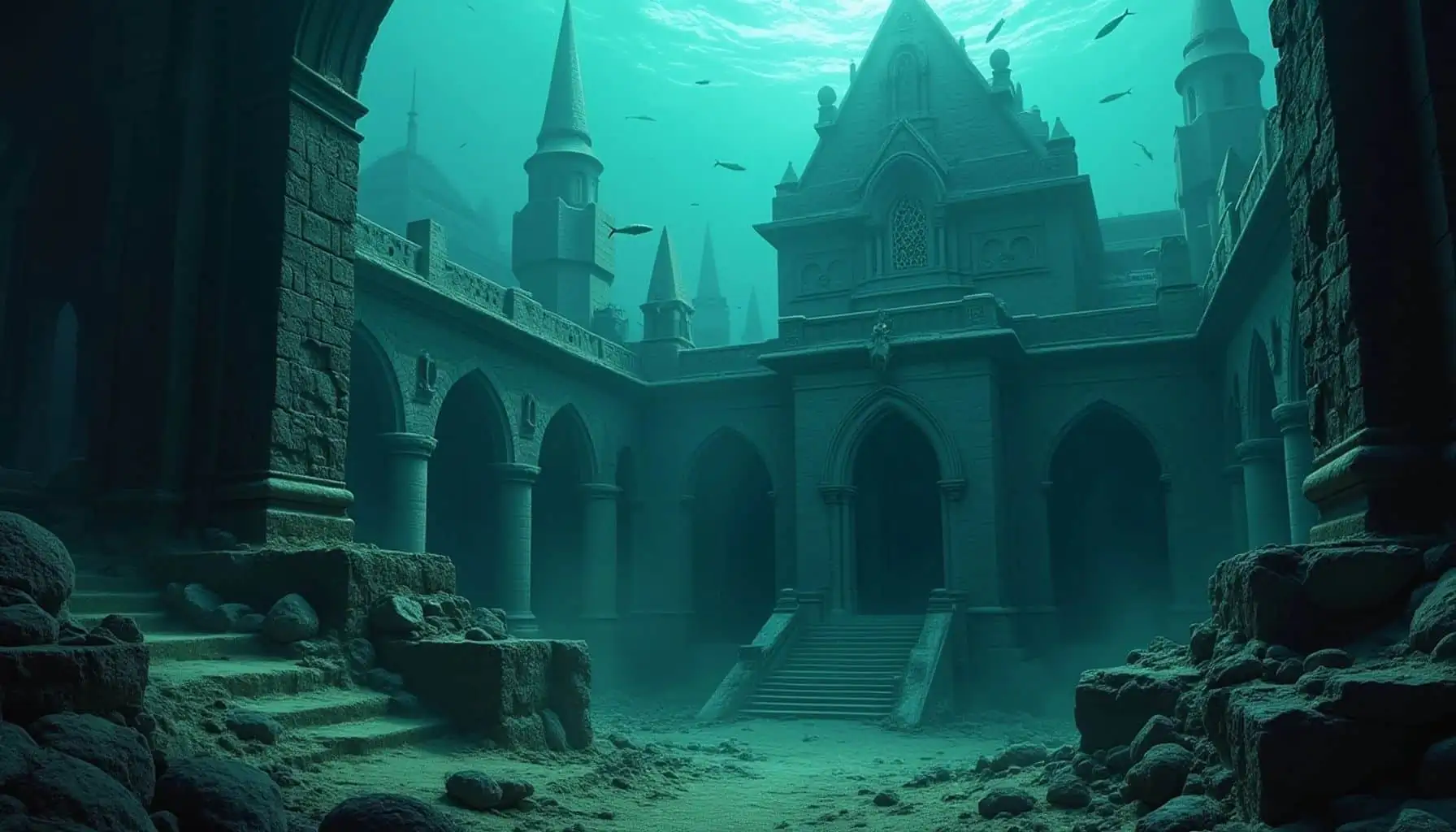
    Egypt’s underwater city of Thonis-Heracleion, once thought to be a mere legend, has emerged from the depths of the Mediterranean, revealing secrets of ancient Egypt. This remarkable discovery has transformed our understanding of history, showcasing a bustling metropolis that thrived long before Alexandria.

    Key Takeaways

    • Thonis-Heracleion was a vital port city before Alexandria’s rise.
    • The city was submerged due to land subsidence, not just sea level rise.
    • Artifacts found include colossal statues, coins, and sarcophagi.
    • The underwater ruins of Alexandria reveal Cleopatra’s palace and the Lighthouse of Alexandria.
    • Advanced technology is crucial for underwater archaeology.

    The Discovery of Thonis-Heracleion

    For centuries, the lost city of Thonis-Heracleion was shrouded in mystery. Located near the Nile River’s mouth, it was mentioned only in rare inscriptions. However, in the early 2000s, underwater archaeologist Frank Goddio and his team unveiled this submerged city, transforming it from myth to reality.

    Thonis-Heracleion served as a primary port for Greek trade, bustling with commerce, culture, and religion. It was a significant center for the worship of the god Amun, hosting grand ceremonies like the annual Mysteries of Osiris, celebrating resurrection and renewal.

    Artifacts and Insights

    The ruins of Thonis-Heracleion lie about 6.5 km off the coast, submerged under 30 to 45 feet of water. The discoveries include:

    • Giant Statues: Towering over 5 meters, these statues depict Egyptian gods and pharaohs, showcasing the city’s cultural melting pot.
    • Coins and Weights: Gold coins and stone weights provide insights into the trade networks that supported the city’s economy.
    • Sarcophagi: Dozens of small limestone sarcophagi likely held mummified animals, indicating the city’s spiritual significance.
    • Shipwrecks: Over 64 ancient shipwrecks have been found, weaving a narrative of commerce and devotion.

    Parallels with Pompeii

    The story of Thonis-Heracleion draws interesting parallels with Pompeii. While Pompeii was buried in volcanic ash, Thonis succumbed to rising waters and earthquakes. Both cities lay forgotten for centuries, their rediscoveries offering snapshots of ancient life. Pompeii reveals Roman life, while Thonis provides insights into ancient Egyptian civilization.

    The Ruins of Alexandria

    Moving on to another significant discovery, the submerged ruins of Cleopatra’s palace offer a fascinating glimpse into the past. This palace was once a bustling center of political and cultural activity, home to Cleopatra VII, the last pharaoh of Egypt. The underwater excavations have unearthed:

    • Magnificent Statues: Statues depicting Egyptian gods and possibly Cleopatra herself.
    • Everyday Items: Pottery, glassware, and coins that paint a vivid picture of life in ancient Alexandria.

    Alexandria’s Cultural Significance

    Founded by Alexander the Great in 331 BCE, Alexandria quickly became a crucial trade hub. Its strategic location connected trade routes from Europe, Asia, and Africa, making it a melting pot of cultures. The port served as a vital conduit for Egypt’s grain shipments to Rome, essential for the Empire’s stability.

    Among Alexandria’s marvels was the Pharos Lighthouse, one of the Seven Wonders of the Ancient World. This engineering masterpiece guided ships safely into the harbor and symbolized the city’s affluence.

    Technological Advancements in Archaeology

    The exploration of Alexandria’s underwater ruins showcases the evolution of underwater archaeology. Using state-of-the-art technology, including submersible robots and sonar mapping, archaeologists can uncover ancient urban landscapes. This advancement parallels the groundbreaking exploration of the Titanic wreck, breathing life back into ancient cities.

    The Antikythera Mechanism

    One of the most astonishing artifacts discovered is the Antikythera Mechanism, often hailed as the world’s first analog computer. Dating back to around 100 BCE, this device was designed to predict lunar and solar eclipses and track the cycles of the Olympic Games. Its complexity showcases a level of technological sophistication that seems centuries ahead of its time.

    Conclusion

    The underwater ruins of Thonis-Heracleion and Alexandria continue to captivate and enlighten us. They offer a mosaic of insights into ancient civilizations, revealing the interconnectedness of cultures and the fleeting nature of human achievements. As we dive deeper into these mysteries, we uncover not just artifacts, but the stories of those who came before us, reminding us of the rich tapestry of human history.

  • Sahara Turns Green: Should We Celebrate or Worry?

    Sahara Turns Green: Should We Celebrate or Worry?

    The Sahara Desert, known for its relentless sun and vast stretches of sand, is undergoing a remarkable transformation. Recent satellite images from NASA reveal a surprising shift: the largest hot desert in the world is turning green. This unexpected change raises questions about climate change and its implications for the region.

    Key Takeaways

    • The Sahara Desert is experiencing significant greening due to heavy rainfall.
    • This phenomenon is linked to climate change, altering weather patterns in North Africa.
    • While the greenery may seem positive, it signals deeper environmental issues.

    The Sahara: A Historical Perspective

    The Sahara Desert spans over 9 million square kilometers across North Africa. Once, it was a lush landscape filled with lakes, rivers, and forests. Today, it stands as one of the driest regions on Earth. However, this transformation is not entirely new. Thousands of years ago, the Sahara was a vibrant ecosystem, and now, it appears to be reverting to its roots.

    The Current Transformation

    NASA’s satellite images show a dramatic shift in the Sahara’s landscape. Over the past few months, heavy rainfall has led to an explosion of plant life across the desert, particularly in Morocco, Algeria, Tunisia, and Libya. These areas, typically barren, are now sprouting green shoots, indicating a significant change in the environment.

    The Role of Climate Change

    While the Sahara’s greening may seem like a positive development, it is essential to understand the underlying causes. Climate change is altering storm patterns in Africa, pushing storm systems northward. As a result, regions that usually receive little rain are now experiencing unprecedented rainfall.

    • Rainfall Statistics:
      • North Africa received a year’s worth of rainfall in just a few days.
      • Areas like Niger, Chad, Sudan, Libya, and Egypt have seen over 400% of their typical rainfall since July.

    This sudden influx of water has led to catastrophic flooding, affecting approximately 4 million people in the region. The Sahara is now about six times wetter than it should be, raising concerns about the long-term implications of such drastic changes.

    The Ripple Effect

    Interestingly, while some areas are experiencing excessive rainfall, others are suffering from drought. Countries like Nigeria and Cameroon are receiving 50% to 80% less rainfall than usual. This imbalance highlights the complex nature of climate change and its impact on different regions.

    Conclusion: A Cause for Concern

    The greening of the Sahara Desert is a fascinating phenomenon, but it is not a cause for celebration. Instead, it serves as a stark reminder of the ongoing effects of climate change. As weather patterns continue to shift, the consequences for both the environment and human populations could be severe. The Sahara’s transformation is a warning sign, urging us to pay attention to the broader implications of our changing climate.

  • The Mysterious Origin of the Sumerians

    The Mysterious Origin of the Sumerians

    The Sumerians, a remarkable ancient civilization, are often credited with laying the foundations of urban culture and writing in Mesopotamia. Despite their significance, the origins of the Sumerians remain shrouded in mystery, sparking debates among scholars for over a century.

    Key Takeaways

    • The Sumerians were not the first inhabitants of Mesopotamia but are the earliest known ethnic group.
    • They developed one of the first fully developed writing systems and built some of the earliest cities.
    • The origins of the Sumerians are still debated, with various hypotheses regarding their arrival in Mesopotamia.

    The Sumerians: A Brief Overview

    The Sumerians are often recognized as pioneers in several fields, including writing, urban planning, and timekeeping. They inhabited the region known as Sumer, where they created a distinctive culture and language. The Sumerian language, deciphered through cuneiform texts, has no known relatives, adding to the enigma surrounding their origins.

    The Debate on Origins

    The question of the Sumerians’ origins is complex. Scholars have proposed several theories:

    1. Long-Term Inhabitants: Some believe the Sumerians were already in Mesopotamia during the Ubaid period, contributing to the region’s early development.
    2. Recent Arrivals: Others argue that the Sumerians arrived shortly before the emergence of their writing system, adopting existing names and technologies from earlier inhabitants.
    3. Amalgamation of Groups: A third hypothesis suggests that the Sumerians were a mix of various groups who migrated to Mesopotamia over centuries, gradually forming a common culture and language.

    Archaeological Evidence

    The earliest evidence of Sumerian presence is found in logographic texts dating back to around 3600 BCE. Archaeological findings indicate a seamless transition from Ubaid to Uruk material culture, suggesting continuity rather than an influx of new groups. However, the lack of direct evidence before this period complicates the narrative.

    Language and Culture

    The Sumerian language is unique and isolated, with no known relatives. Attempts to connect it to modern languages have not been convincing. The Sumerians referred to their language as “Emma gear,” meaning native tongue, which does not provide clues about its origins.

    The Role of Genetics

    Recent genetic studies on the Marsh Arabs, who live in the region once inhabited by the Sumerians, suggest they may be descendants of the Sumerians. However, the genetic evidence is still inconclusive, and more research is needed to understand the Sumerians’ lineage.

    Conclusion

    The origins of the Sumerians remain one of ancient history’s great mysteries. While various theories exist, none provide definitive answers. As research continues, we may uncover more about this fascinating civilization and its place in the tapestry of human history.

    If you found this exploration of the Sumerians intriguing, consider sharing your thoughts and supporting further discussions on ancient history.

  • The Location of El Dorado Is on These Old Maps

    The Location of El Dorado Is on These Old Maps

    The quest for gold has always captivated explorers, especially during the Age of Exploration. Among the most famous legends is that of El Dorado, the mythical City of Gold. Although it was never found, maps from the 16th to the 18th centuries depicted its supposed location, raising questions about the truth behind this elusive city.

    Key Takeaways

    • El Dorado was a significant motivator during the Age of Exploration.
    • Sir Walter Raleigh led notable expeditions in search of the city.
    • Maps from the era often depicted El Dorado, influencing public perception.
    • The legend of El Dorado continues to impact modern culture.

    The Allure of Gold

    Gold has been a symbol of wealth and power throughout history. During the Age of Exploration, the search for gold drove many expeditions. El Dorado, often referred to as the City of Gold, became a focal point for adventurers.

    Sir Walter Raleigh’s Expeditions

    One of the most famous figures associated with the search for El Dorado is Sir Walter Raleigh. An English adventurer and favorite of Queen Elizabeth I, Raleigh was knighted in 1585. He was granted a charter to settle in the New World, but his ventures often ended in failure.

    In 1595, Raleigh embarked on an expedition to find El Dorado, inspired by tales from captured Spaniards. He believed the city was located near Lake Parime. Although he returned empty-handed, he remained convinced that the city was just out of reach.

    The Myth of Manoa

    Raleigh combined stories of El Dorado with another mythical city, Manoa. He described Manoa as a grand city, claiming it was founded on a vast lake. His writings fueled the legend, making many believe in the existence of El Dorado.

    The Role of Cartographers

    The maps created during this period played a crucial role in perpetuating the myth of El Dorado. The first notable map was published in 1598 by Dutch cartographer Jodocus Hondius. This map reported discoveries from Raleigh’s voyages, although the exact source of Hondius’s information remains unclear.

    • Key Cartographers and Their Contributions:
      • Jodocus Hondius: Published the first map depicting El Dorado.
      • Willem Janszoon Blaeu: Created a 1621 map that further popularized the legend.
      • Hessel Gerritsz: Contributed to the spread of El Dorado’s image on maps.

    The Decline of the Legend

    Despite numerous expeditions, El Dorado was never found. Raleigh made one last attempt in 1617, which ended tragically. His friend, Lawrence Camis, violated peace treaties with Spain, leading to Raleigh’s execution. This marked a significant decline in the search for El Dorado.

    Lasting Impact on Maps

    Even after the myth faded, El Dorado continued to appear on maps well into the mid-18th century. The illustrations led many to believe in its existence, despite the lack of evidence. It wasn’t until Alexander Von Humboldt’s expedition from 1799 to 1804 that the myth was thoroughly debunked.

    The Legacy of El Dorado

    Although El Dorado no longer appears on modern maps, its legacy endures. Today, nearly 50 cities and towns share its name, a testament to the enduring fascination with the legend. The story of El Dorado continues to inspire literature, film, and art, reminding us of humanity’s relentless pursuit of wealth and adventure.

    If you enjoyed this exploration of El Dorado, consider subscribing for more intriguing stories from history!

  • Ancient Bowl Discovered at Pumapunku Appears Sumerian in Origin! The Fuente Magna Bowl

    Ancient Bowl Discovered at Pumapunku Appears Sumerian in Origin! The Fuente Magna Bowl

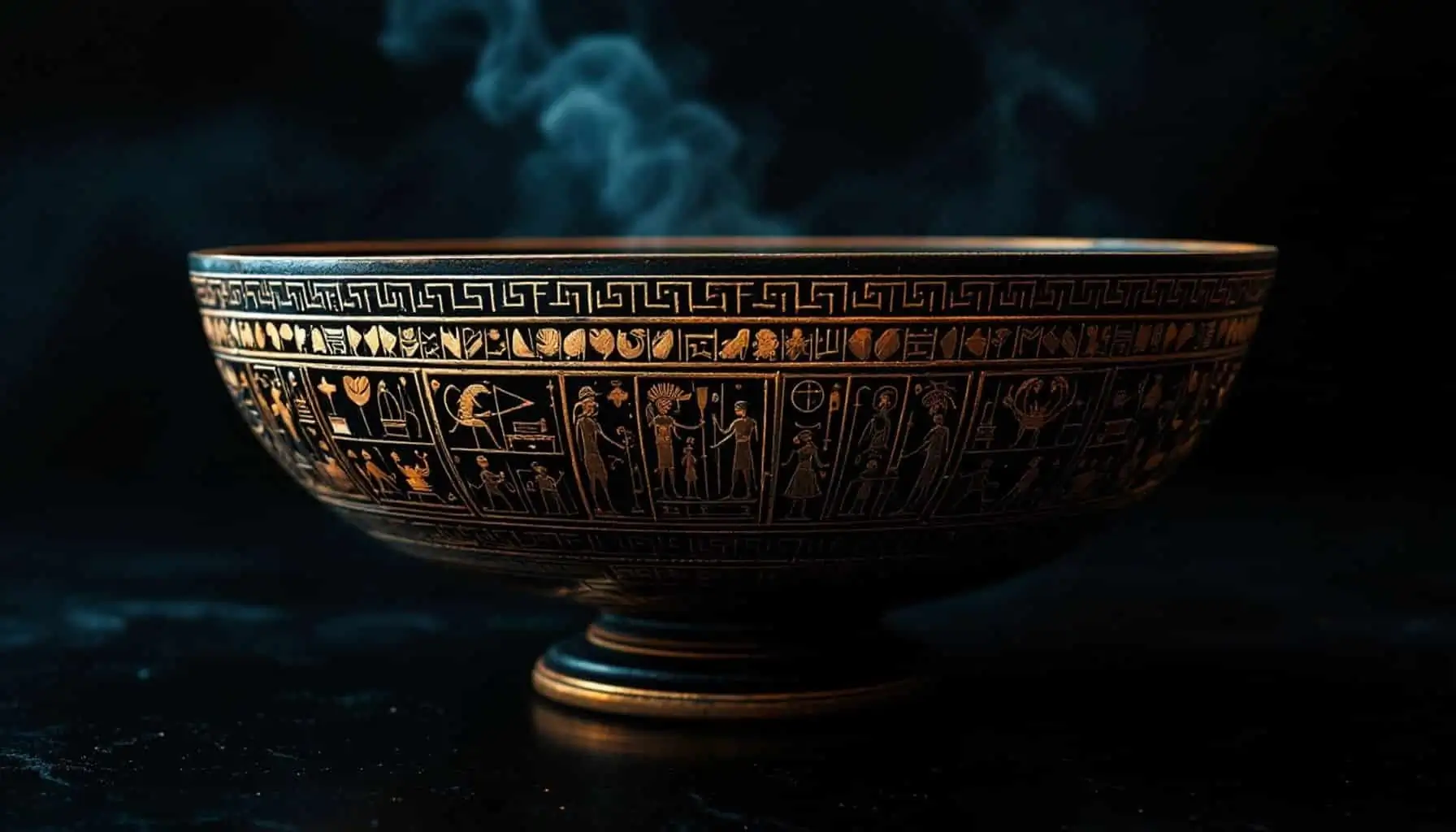
    A remarkable discovery has emerged from Pumapunku, where an ancient bowl known as the Fuente Magna has sparked intrigue among historians and archaeologists alike. This artifact, featuring inscriptions that resemble ancient Sumerian symbols, raises questions about the connections between distant civilizations.

    Key Takeaways

    • The Fuente Magna is often referred to as the “Rosetta Stone of the Americas.”
    • Inscriptions on the bowl resemble ancient Sumerian writing.
    • The artifact was discovered in 1958 near Lake Titicaca in Bolivia.
    • Theories suggest possible cultural connections between Mesopotamia and South America.

    The Fuente Magna: An Overview

    Discovered in 1958 by a local farmer, the Fuente Magna is a large stone vessel that has become a focal point of debate within the archaeological community. Found near Lake Titicaca in Bolivia, its unusual inscriptions have led to numerous studies and controversies.

    The bowl features a mix of linear glyphs and wedge-like symbols, leading to speculation about its origins. Some researchers, including Dr. Clyde Winters, suggest that the inscriptions may be Proto-Sumerian, a script used in Mesopotamia over 5,000 years ago.

    Inscriptions and Their Significance

    The inscriptions on the Fuente Magna are particularly noteworthy. They include:

    • Linear Glyphs: Resembling ancient Sumerian writing.
    • Wedge-Like Symbols: Similar to cuneiform, the writing system of ancient Mesopotamia.

    These features have led to various theories about the bowl’s origins and its potential connections to ancient civilizations.

    Theories of Cultural Connection

    The resemblance of the Fuente Magna’s inscriptions to ancient Sumerian writings has prompted several theories:

    1. Direct Contact: Some researchers propose that Sumerians or related cultures may have had contact with South American civilizations.
    2. Convergent Evolution: Others argue that the similarities could be coincidental, resulting from different cultures independently developing similar writing systems.
    3. Modern Forgery: Critics caution that the lack of solid provenance raises the possibility of modern forgeries.

    Controversies Surrounding the Artifact

    The Fuente Magna’s discovery is shrouded in mystery. Various accounts suggest it was unearthed accidentally, and its current location in a museum in La Paz adds to the intrigue. The circumstances of its discovery and the lack of clear provenance complicate efforts to authenticate the artifact.

    Conclusion

    The Fuente Magna remains an enigmatic artifact that continues to puzzle researchers. Whether it represents a genuine link between ancient civilizations or is merely a remarkable coincidence, it serves as a reminder of the complexities and mysteries of human history. What do you think about this fascinating discovery? Share your thoughts in the comments below!

  • Struck by a 125 Foot High Wave; Canada’s Recent Tsunami

    Struck by a 125 Foot High Wave; Canada’s Recent Tsunami

    In the early afternoon of December 4, 2007, a serene day at Chehalis Lake turned catastrophic. A massive landslide triggered a tsunami, creating a wave that reached heights of 128 feet. This event not only reshaped the landscape but also posed a significant threat to nearby communities.

    Key Takeaways

    • Date of Event: December 4, 2007
    • Location: Chehalis Lake, British Columbia
    • Wave Height: 128 feet (38 meters)
    • Speed of Wave: 59 mph (95 km/h)
    • Damage: 10,000 trees, three campsites, and a boat launch destroyed
    • No Casualties: No human lives lost due to the time of year

    The Landslide That Started It All

    On that fateful day, the tranquility of Chehalis Lake was shattered by a loud roar. A section of the mountainside east of Mount Ora collapsed, generating a landslide that moved at an astonishing speed of 134.2 km/h. This landslide was not just a minor event; it was a massive geological shift that would have dire consequences.

    The Tsunami’s Impact

    The landslide generated a tsunami that advanced across Chehalis Lake at a speed of 59 mph. Within just 30 seconds, the towering wave crashed against the eastern shoreline. Here’s a breakdown of the wave’s journey:

    1. Initial Impact: 30 seconds to reach the eastern shoreline.
    2. Northern Point: Another 15 seconds to hit the northernmost point of the lake.
    3. River Surge: 15 seconds later, the wave traveled half a kilometer up the Chehalis River.
    4. Continued Destruction: Over the next 3.25 minutes, the wave swept away thousands of coniferous trees lining the valley walls.
    5. Final Surge: The wave reached the southern end of the lake, partially surging over the downstream portion of the Chehalis River.

    Despite the extensive damage, including the destruction of three campsites and a boat launch, no lives were lost. The cold December weather had kept recreational activities at bay, which likely prevented potential casualties.

    The Aftermath: Log Jam and Flood Risk

    In the wake of the tsunami, thousands of floating logs formed a log jam, resembling a beaver dam. This created a new risk: a potential outburst flood that could threaten communities downstream. Fortunately, efforts to remove the debris blocking the river’s path were successful, alleviating the immediate danger.

    Why Did This Happen?

    The cause of the landslide and subsequent tsunami is complex. Typically, such events in Alaska or Canada are linked to retreating glaciers. However, in this case, no nearby glaciers had recently retreated. Instead, the region’s steep and rugged topography played a significant role.

    • Historical Context: The area had been glacier-free for about 10,500 years.
    • Pre-existing Conditions: Ground imagery revealed extensional cracks, indicating a slow landslide had been occurring unnoticed.
    • Triggering Factors: The heaviest rainfall in 13 months lubricated the landslide block, leading to the catastrophic collapse.

    Conclusion

    The Chehalis Lake tsunami serves as a stark reminder of nature’s power. While the immediate impact was devastating, the lack of casualties highlights the importance of timing and environmental conditions. As we reflect on this event, it’s crucial to understand the geological factors that contribute to such disasters, ensuring we remain vigilant in monitoring and preparing for future occurrences.

  • The First Ancient Humans Suddenly Disappeared And Archaeologists Can’t Figure Out Why

    The First Ancient Humans Suddenly Disappeared And Archaeologists Can’t Figure Out Why

    In a groundbreaking exploration of ancient civilizations, archaeologists are grappling with the sudden disappearance of advanced peoples who predate even the Egyptians. This article delves into the enigmatic ruins of Göbekli Tepe and Derinkuyu, revealing the mysteries surrounding these ancient sites and the cultures that once thrived there.

    Key Takeaways

    • Göbekli Tepe is the oldest known megalithic site, dating back over 11,000 years.
    • The site challenges traditional timelines of human development, suggesting advanced civilizations existed much earlier than previously thought.
    • Derinkuyu is an extensive underground city that may have served as a refuge during cataclysmic events.
    • Theories about the disappearance of these civilizations range from natural disasters to advanced technology.

    The Discovery of Göbekli Tepe

    In 1963, a routine archaeological survey in southeastern Turkey uncovered Göbekli Tepe, a site that would change our understanding of early human civilization. Initially thought to be a medieval cemetery, further excavations revealed massive stone structures, some reaching heights of 18 feet and weighing up to 50 tons. These stones were intricately carved with depictions of animals and humanoid figures.

    Radiocarbon dating placed Göbekli Tepe’s construction between 9,600 and 8,200 BCE, making it over 5,000 years older than Stonehenge. This discovery raised profound questions: Who built this monumental structure, and how did they manage to create such intricate designs without advanced tools or writing?

    Theories About Göbekli Tepe’s Purpose

    As archaeologists debated the purpose of Göbekli Tepe, several theories emerged:

    1. Religious Center: Some believe it served as one of the world’s first religious sites, a place of worship for early organized belief systems.
    2. Astronomical Observatory: Others speculate it was aligned with celestial events, indicating a sophisticated understanding of astronomy.

    The Vulture Stone and Cataclysmic Events

    In 2017, researchers Martin Sweatman and Demetrios Sitos proposed that the Vulture Stone at Göbekli Tepe contained encoded information about ancient constellations. They suggested that the carvings recorded a significant event: the Younger Dryas impact, a period of sudden global cooling marked by catastrophic climate changes.

    This theory implies that not only did a sophisticated civilization exist over 12,000 years ago, but they also had the capability to record astronomical events with precision. This raises questions about the builders’ advanced knowledge and why they vanished from history.

    The Underground City of Derinkuyu

    In addition to Göbekli Tepe, the underground city of Derinkuyu offers further insights into ancient civilizations. Rediscovered in 1963, Derinkuyu is a marvel of engineering, capable of sheltering up to 20,000 people. Carved from soft volcanic rock, it features an extensive network of tunnels, churches, and living quarters.

    The origins of Derinkuyu are shrouded in mystery, but it is believed to have been constructed by the Phrygians in the 8th century BCE. The city served as a refuge during invasions and natural disasters, showcasing the ingenuity of ancient societies in adapting to their environments.

    The Lycians: A Lost Civilization?

    The Lycians, known for their unique tombs and vibrant culture, also present a fascinating case. Their intricate rock-cut tombs and architectural feats raise questions about how such a civilization achieved these wonders. The myths and legends surrounding the Lycians may hold clues to their advanced societal structures and eventual disappearance.

    Conclusion

    The mysteries surrounding Göbekli Tepe, Derinkuyu, and the Lycians challenge our understanding of early human history. As archaeologists continue to explore these ancient sites, they uncover evidence of advanced civilizations that thrived long before recorded history. The enigma of their sudden disappearance remains, inviting further investigation into the depths of our past. Understanding these lost civilizations is crucial to piecing together the story of humanity and our shared heritage.