Category: Ancient Civilizations

  • Exploring Anti-Dark Matter And Quasi-Stars: The Universe’s Hidden Mysteries

    Exploring Anti-Dark Matter And Quasi-Stars: The Universe’s Hidden Mysteries

    The universe is a vast and complex place, filled with wonders and mysteries that continue to baffle scientists. In this exploration, we delve into the intriguing concepts of anti-dark matter and quasi-stars—objects that may have existed in the past or could emerge in the future. These ideas challenge our understanding of cosmic evolution and the fundamental nature of matter.

    Key Takeaways

    • Quasi-stars may have existed in the early universe, potentially leading to the formation of black holes.
    • Dark matter’s role in stellar evolution remains largely unknown, but it could influence the behavior of neutron stars.
    • Primordial black holes are candidates for dark matter and may leave unique geological evidence on celestial bodies like the moon.

    The Fate Of Stars

    The universe is comfortably familiar in many ways. We have our sun, a star that will eventually transition through various phases: from a red giant to a white dwarf, and ultimately to a black dwarf. This final stage, a permanent cinder with no residual heat, has never been observed because the universe isn’t old enough for any white dwarfs to have cooled down completely.

    The Concept Of Quasi-Stars

    One fascinating object that may have existed in the early universe is the quasi-star. These stars formed under conditions vastly different from today. When the first stars were born, a protostar could gain enough mass to collapse into a black hole. Unlike modern supernovae, the outer layers of these stars might have absorbed the shock of this collapse, allowing them to remain intact.

    • Formation Conditions: The early universe was primarily composed of hydrogen and helium, with no heavier elements. This lack of contamination is crucial for understanding the formation of quasi-stars.

    Population III Stars

    Quasi-stars may be examples of Population III stars, which are long extinct. These stars went supernova, enriching the universe with heavier elements. The James Webb Space Telescope aims to glimpse these ancient stars, potentially revealing insights into the universe’s early history.

    The Role Of Dark Matter

    Dark matter’s influence during the formation of quasi-stars is still a mystery. The early universe was compact, with significant gravitational forces at play. Dark matter, which exerts gravity, may have played a role in the formation of these unique stars. However, the exact nature of dark matter remains elusive.

    Neutron Stars And Dark Matter

    Neutron stars, often considered the remnants of massive stars, may also hold clues about dark matter. These incredibly dense objects could trap dark matter particles, leading to potential annihilation and heat production. This raises the question: Does dark matter interact with itself?

    • Key Considerations:
      • Neutron stars could act as laboratories for studying dark matter.
      • If dark matter is its own antiparticle, neutron stars might produce heat through annihilation processes.

    The Search For Primordial Black Holes

    Another intriguing possibility is the existence of primordial black holes formed in the early universe. These tiny black holes could account for dark matter and may have left unique geological signatures on celestial bodies like the moon.

    • Potential Evidence:
      • Researchers are looking for small craters on the moon that differ from typical asteroid impacts.
      • These craters could indicate past interactions with primordial black holes.

    Conclusion

    The exploration of anti-dark matter and quasi-stars opens up new avenues for understanding the universe. While many questions remain unanswered, ongoing research and advanced telescopes like the James Webb Space Telescope may soon provide the insights needed to unravel these cosmic mysteries. As we continue to study the universe, we may find that the answers to our questions are as fascinating as the questions themselves.

  • The SHOCKING Truth About the Dog Demons of the Anunnaki

    The SHOCKING Truth About the Dog Demons of the Anunnaki

    In ancient Babylon, dogs were viewed in a complex light, often classified as monsters to be avoided. This article delves into the mythology surrounding dogs in Mesopotamian civilization, exploring their roles, symbolism, and the intriguing legends that shaped their perception.

    Key Takeaways

    • Dogs were seen as monsters in ancient Babylon.
    • The Molossus breed was used for protection during battles.
    • Dogs were associated with the Hounds of Marduk and the Anunnaki.
    • Legends depict dogs in a negative light, often as demons.

    The Dog’s Role in Babylonian Society

    The Babylonians had a unique relationship with dogs. Despite having an excellent breed known as the Molossus, they were not fond of depicting them in art. Instead, dogs were often viewed with disdain, classified as creatures to be avoided. This perception is intriguing, especially considering their protective qualities.

    During battles, the Molossus breed was left behind to guard families. This practice highlights the duality of dogs in Babylonian culture: protectors at home but viewed as monsters in society.

    The Hounds of Marduk

    In Babylonian mythology, dogs were often linked to the Hounds of Marduk, a significant figure among the Anunnaki. These dogs were believed to have a deeper connection to the divine, serving as guardians against evil forces. However, the legends surrounding them often painted a darker picture.

    The Demonization of Dogs

    The negative portrayal of dogs can be traced back to various legends. One such story involves a shepherd tormented by dogs. In his desperation, he prayed to the god Aah for protection. The response was a command to overcome the dogs, suggesting that they were not merely companions but also threats.

    This narrative reflects a broader theme in Babylonian mythology, where dogs were often demonized. The demon Pazuzu, known as the king of the winds, further contributed to this negative image, associating dogs with chaos and destruction.

    The Language of Dogs

    Interestingly, the names given to dogs in Babylonian culture reveal much about their perception. Names like He Ran and Bared suggest mischievous and aggressive traits. These names were not just identifiers but also reflected the cultural attitudes towards dogs.

    The bilingual nature of Babylonian script, with its Samarian roots, adds another layer of complexity. The meanings behind these names often hinted at a darker side, reinforcing the idea that dogs were seen as more than just animals—they were symbols of chaos.

    Conclusion

    The mythology of dogs in ancient Babylon is a fascinating study of how culture shapes perception. While they served as protectors, their portrayal as monsters and demons reveals a complex relationship with humanity. The legacy of these beliefs continues to influence how we view dogs today, reminding us of the intricate tapestry of history and mythology that surrounds our four-legged companions.

  • Archaeologists Uncover The Dark Truth Of Neanderthal Ancestry

    Archaeologists Uncover The Dark Truth Of Neanderthal Ancestry

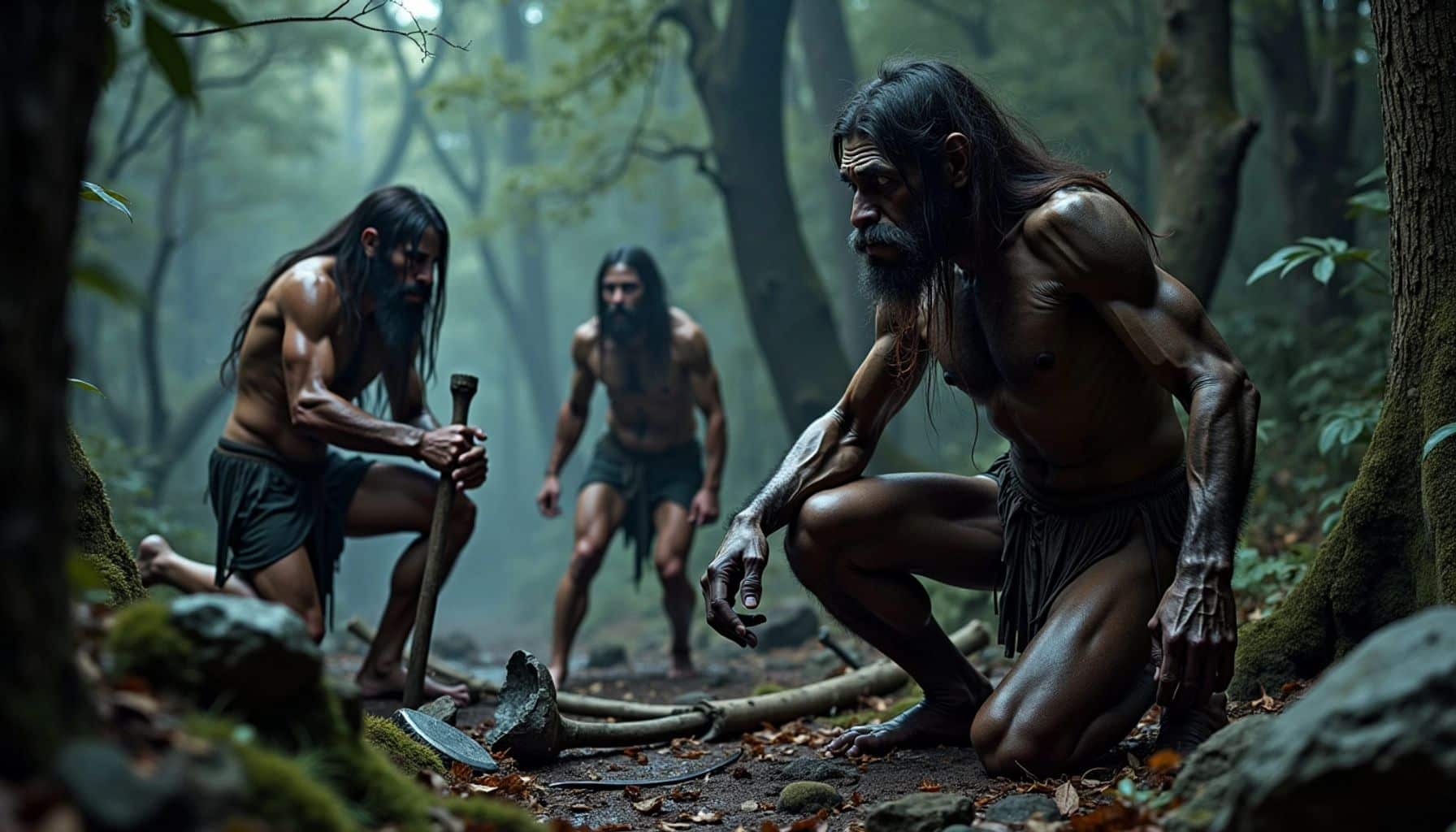
    For much of the last century, Neanderthals were depicted as brutish, primitive beings. However, recent research reveals a more complex picture of these ancient humans, including their interactions with early Homo sapiens. This article delves into the fascinating findings about Neanderthal ancestry, interbreeding, and the implications for modern humans.

    Key Takeaways

    • Neanderthals were not the brutish creatures once thought; they had complex cultures and physical traits similar to modern humans.
    • Interbreeding between Neanderthals and Homo sapiens contributed to the genetic makeup of contemporary humans.
    • Environmental changes and volcanic eruptions played significant roles in the extinction of Neanderthals.

    The Misconception of Neanderthals

    For decades, Neanderthals were portrayed as knuckle-dragging brutes, living in caves and exhibiting savage behavior. This image was largely shaped by early reconstructions that depicted them as incomplete and primitive. However, recent 3D reconstructions of Neanderthal skeletons, particularly from La Chapelle-aux-Saints in France, show that they were fully erect and possessed a range of human-like traits.

    Neanderthal Ancestry

    Neanderthals, scientifically known as Homo neanderthalensis, diverged from modern humans around 500,000 years ago. They largely disappeared from Europe and Asia by 40,000 years ago. Today, many scientists classify them as a subspecies of modern humans, recognizing the overlap in morphology and genetics.

    Blood Type Discoveries

    Recent studies have revealed that Neanderthals had a full range of modern human blood types. For instance:

    • A Neanderthal woman from Siberia’s Denisova Cave had type A blood.
    • Another from Chagoskaya Cave had type A as well, while a third from Vindija Cave had type B.

    This challenges the previous assumption that all Neanderthals were type O, suggesting a more complex genetic background.

    Interbreeding: A Genetic Exchange

    The interbreeding between Neanderthals and early modern humans has left a lasting impact on our genetic makeup. Studies indicate that:

    • There was a significant gene flow between the two species, with Neanderthal Y chromosomes becoming extinct and replaced by those of modern humans.
    • Neanderthal mitochondrial DNA also suffered a similar fate, indicating that both male and female Neanderthals contributed to the gene pool of modern humans.

    The Hypothetical Encounter

    Imagine a Neanderthal woman, adapted to the cold, meeting a tall Homo sapiens man. Their differences were stark, yet they shared a primal connection. This encounter symbolizes the blending of two worlds, where curiosity and survival instincts led to interbreeding.

    Cultural Exchanges

    Cultural anthropology suggests that when two distinct populations meet, they often exchange women as a means of forging alliances. This practice likely occurred between Neanderthals and Homo sapiens, facilitating genetic exchange and cultural integration.

    The Role of Environmental Changes

    Neanderthals were resilient, having survived multiple ice ages. However, around 40,000 years ago, a series of volcanic eruptions in Europe may have drastically affected their populations. Research indicates:

    • The eruptions led to a significant reduction in plant life, impacting the food sources for Neanderthals.
    • The harsh environmental changes left little time for recovery, contributing to their eventual extinction.

    Conclusion

    The story of Neanderthals is one of complexity and interconnection. They were not merely primitive beings but rather a species that shared the Earth with early modern humans, contributing to our genetic legacy. As we continue to uncover the mysteries of our shared history, it becomes clear that the past is far richer than we once believed.

    Until next time, remain curious and keep questioning the narratives of our human ancestry.

  • How Covert Warfare changed History

    How Covert Warfare changed History

    Covert warfare has played a significant role in shaping historical events across the globe. From ancient times to modern conflicts, the secretive nature of these operations has influenced wars, political landscapes, and even societal perceptions. This article explores how covert warfare has evolved and its impact on history.

    Key Takeaways

    • Covert warfare has roots in ancient espionage and secret missions.
    • World War II marked the rise of modern espionage agencies and tactics.
    • The Cold War highlighted the importance of intelligence, leading to famous spies and advanced technology.
    • Covert operations have been crucial in conflicts in the Middle East, affecting regional stability.
    • Cyber warfare has transformed espionage, creating new challenges and opportunities for covert operations.

    The Origins of Covert Warfare

    Silhouette of a soldier in an urban setting.

    Early Examples of Espionage

    Covert warfare has roots that stretch back to ancient times. Espionage was often used to gain an advantage over enemies. For instance, in ancient China, spies were employed to gather information about rival states. These early efforts laid the groundwork for modern intelligence practices.

    The Role of Intelligence in Ancient Wars

    In many ancient conflicts, intelligence played a crucial role. Leaders like Sun Tzu emphasized the importance of knowing the enemy. The use of spies and informants was common, and their information could turn the tide of battle.

    Secret Missions in Medieval Times

    During the medieval period, covert operations became more organized. Kings and queens often sent agents to gather intelligence or sabotage enemy plans. For example, the British plots against Napoleon involved secret missions that aimed to destabilize his rule. These covert actions were essential in shaping the outcomes of various conflicts.

    Covert warfare has always been a tool for nations to influence events without direct confrontation.

    Time Period Notable Covert Actions
    Ancient China Use of spies in warfare
    Medieval Europe British plots against Napoleon
    American Revolution French support for American rebels

    Covert Operations in World War II

    The Birth of Modern Espionage Agencies

    During World War II, many countries developed new spy agencies to gather intelligence and conduct covert operations. The United States created the Office of Strategic Services (OSS), while Britain had its Special Operations Executive (SOE). These organizations were crucial in planning and executing secret missions that would change the course of the war.

    Notable Spy Missions

    Several key missions during the war showcased the effectiveness of covert operations. For example, Operation Fortitude was a major deception plan that misled the Germans about the location of the D-Day invasion. This operation involved fake armies and misleading information, which played a significant role in the success of the Allied forces.

    Impact on War Outcomes

    The impact of covert operations on the outcomes of World War II was profound. They not only provided vital intelligence but also disrupted enemy plans through sabotage and espionage. Resistance movements in occupied countries, like the French Resistance, conducted sabotage against German supply lines, which helped the Allies during major offensives.

    Covert operations during World War II demonstrated that intelligence and deception could be as powerful as traditional military force.

    Operation Name Description Outcome
    Operation Fortitude Deception plan for D-Day Successful Allied invasion
    Operation Overlord The actual D-Day invasion Liberation of Western Europe
    SOE Missions Support for resistance movements in Europe Disruption of enemy forces

    In summary, the covert operations of World War II laid the groundwork for modern espionage and demonstrated the importance of intelligence in warfare.

    The Cold War and Espionage

    The Rise of the CIA and KGB

    During the Cold War, two major intelligence agencies emerged: the CIA in the United States and the KGB in the Soviet Union. These organizations were crucial in gathering information and conducting covert operations. The rivalry between these agencies led to a series of secret missions that shaped global politics.

    Famous Double Agents

    Double agents played a significant role during this time. Some notable figures include:

    • Kim Philby: A British intelligence officer who worked for the KGB.
    • Aldrich Ames: A CIA officer who spied for the Soviets.
    • Robert Hanssen: An FBI agent who provided secrets to Russia.

    These individuals caused major damage to their respective agencies and shifted the balance of power.

    Technological Advancements in Spycraft

    The Cold War also saw significant advancements in technology for espionage. Notable developments included:

    • Spy Satellites: These were used for surveillance and gathering intelligence from space.
    • Listening Devices: Improved technology allowed for better eavesdropping on communications.
    • Cryptography: Enhanced methods for secure communication became essential.

    These innovations changed the landscape of intelligence gathering.

    The Cold War was not just a battle of weapons, but also a battle of wits, where information was as powerful as any missile.

    Overall, the Cold War era was marked by intense espionage activities that not only influenced military strategies but also shaped international relations for decades to come.

    Covert Warfare in the Middle East

    Operations in the Gulf War

    During the Gulf War, covert operations played a crucial role in shaping the conflict. These secret missions were vital for gathering intelligence and executing strategic strikes against enemy forces. The U.S. and its allies used various tactics, including surveillance and sabotage, to weaken Iraqi capabilities.

    The Role of Special Forces

    Special Forces units were essential in conducting covert operations. They carried out missions that included:

    • Reconnaissance to gather vital information
    • Targeted strikes against key enemy leaders
    • Disruption of supply lines to hinder enemy movement

    These operations often went unnoticed by the public, allowing for strategic advantages without revealing intentions.

    Impact on Regional Stability

    The use of covert warfare in the Middle East has had lasting effects on regional stability. While some operations aimed to promote peace, others have led to increased tensions. For instance, Israel’s long history of pulling off complex attacks has resulted in retaliatory actions from neighboring countries, creating a cycle of conflict.

    Covert operations can sometimes achieve short-term goals but may lead to long-term instability in the region.

    Overall, covert warfare in the Middle East illustrates the delicate balance between achieving military objectives and maintaining peace.

    Cyber Warfare and Modern Espionage

    Silhouette of a person at a computer in a dark room.

    The Evolution of Cyber Tactics

    Cyber warfare has changed the way nations conduct espionage. Today, hackers can infiltrate systems from thousands of miles away, making it easier to steal sensitive information. Countries now invest heavily in cyber capabilities to protect their data and disrupt their enemies.

    Notable Cyber Espionage Cases

    Some famous cases include:

    • The 2020 SolarWinds attack: This incident involved hackers believed to be linked to a foreign government infiltrating a widely used software.
    • The Equifax breach: Personal data of millions was stolen, highlighting vulnerabilities in corporate security.

    The Future of Digital Covert Operations

    As technology advances, so do the methods of cyber warfare. Future operations may involve:

    1. Increased use of artificial intelligence.
    2. More sophisticated phishing attacks.
    3. Greater reliance on social media for misinformation.

    In the world of espionage, the line between defense and offense is becoming increasingly blurred. Nations must adapt to the evolving threat landscape to stay secure.

    The Ethical Implications of Covert Warfare

    Moral Dilemmas in Espionage

    Covert warfare raises many moral questions. When is it right to spy? Some argue that it’s acceptable to protect a nation, while others believe it can lead to abuse of power. The challenge is to find a balance between national security and ethical behavior.

    Legal Boundaries and International Law

    Countries have laws about what spies can and cannot do. These laws are meant to protect both the nation and its citizens. However, if you win the war, there are few ethical and no legal implications. If you lose, the people who did that stuff will be put up against a wall and shot. This creates a risky environment for those involved in covert operations.

    Public Perception and Controversies

    The public often has mixed feelings about covert actions. Some see them as necessary for safety, while others view them as wrong. This can lead to controversies that affect how people view their government. For example, when covert actions are revealed, they can damage trust between the government and its citizens.

    Covert actions can be a double-edged sword; they may protect a nation but can also lead to significant ethical concerns.

    Summary

    In summary, the ethical implications of covert warfare are complex. They involve moral dilemmas, legal boundaries, and public perception. Understanding these factors is crucial for evaluating the role of covert operations in modern warfare.

    Covert Warfare in Popular Culture

    Espionage in Film and Literature

    Covert warfare has been a popular theme in movies and books. Many stories explore the thrilling world of spies and secret missions. From classic films like North by Northwest to modern franchises like James Bond, these narratives often highlight the tension and excitement of espionage.

    The Influence of Media on Public Perception

    The media plays a crucial role in shaping how people view covert operations. News reports and documentaries can either glamorize or criticize espionage activities. For instance, the portrayal of spies in popular culture often leads to a fascination with their skills and lifestyles, while also raising questions about ethics and morality.

    Real-Life Inspirations for Fictional Spies

    Many fictional spies are inspired by real-life figures. Characters like Jason Bourne and Jack Ryan draw from actual intelligence agents and their experiences. This connection between reality and fiction helps to create a more engaging narrative, making audiences wonder about the true nature of covert operations.

    Covert operations often blur the lines between right and wrong, leading to complex moral questions that resonate in both fiction and reality.

    Film/Book Title Spy Character Real-Life Inspiration
    Casino Royale James Bond Sidney Reilly
    The Bourne Identity Jason Bourne David Cornwell (John le Carré)
    Tinker Tailor Soldier Spy George Smiley Kim Philby

    In conclusion, covert warfare has significantly influenced popular culture, creating a lasting impact on how society perceives espionage and its implications. The blend of fact and fiction continues to captivate audiences, making them question the realities behind the stories they enjoy.

    Highlights

    • Mind control in popular culture is often depicted in various narratives, showcasing the complexities of covert systems and their effects on individuals and society.

    Conclusion

    In summary, covert warfare has played a significant role in shaping history. From secret operations in World War II to the Cold War, these hidden actions have influenced many events. They have shown how nations can use stealth to achieve their goals without direct conflict. As we look back, it’s clear that these tactics have changed the way wars are fought and how countries interact. Understanding this history helps us see the importance of covert operations in today’s world, where they continue to be a vital part of national security strategies.

    Frequently Asked Questions

    What is covert warfare?

    Covert warfare refers to secret military operations that are not openly acknowledged. These operations can include spying, sabotage, and other actions aimed at influencing events without revealing the country’s involvement.

    How has covert warfare changed over time?

    Covert warfare has evolved from simple spying in ancient times to complex operations involving technology and intelligence agencies today. Each war has introduced new methods and strategies.

    What role did covert operations play in World War II?

    During World War II, covert operations were crucial. They involved espionage and sabotage that helped influence the outcomes of battles and the overall war.

    What are some famous examples of covert operations?

    Famous covert operations include the CIA’s involvement in the overthrow of Iran’s government in 1953 and the secret missions of the Special Operations Executive during World War II.

    How does modern technology affect covert warfare?

    Modern technology, especially in cyber warfare, has changed covert operations significantly. Today, hacking and digital espionage play a big role in gathering intelligence and influencing events.

    What are the ethical concerns surrounding covert warfare?

    Ethical concerns include the potential for harm to innocent people, violations of international law, and the lack of transparency in government actions.

  • The Most Shocking Conspiracy Theories of All Time

    The Most Shocking Conspiracy Theories of All Time

    Conspiracy theories have always intrigued people, often blending fact and fiction in surprising ways. From government secrets to mysterious societies, some theories have even turned out to be true. This article explores the most shocking conspiracy theories that have captivated public attention over the years.

    Key Takeaways

    • Not all conspiracy theories are false; some have been proven true over time.
    • Government cover-ups often fuel speculation and distrust among the public.
    • Secret societies, like the Illuminati, continue to spark curiosity and debate.
    • Historical events can reveal hidden agendas and shocking truths.
    • Social media plays a huge role in spreading conspiracy theories quickly.

    Government Cover-Ups and UFOs

    UFO above a government building at night.

    Roswell Incident: The Birth of UFO Conspiracies

    In 1947, something mysterious crashed in Roswell, New Mexico. Initially, the government claimed it was a flying saucer, but later said it was just a weather balloon. This incident sparked endless theories about UFOs and government cover-ups. Many believe that the truth about what really happened is still hidden.

    Area 51: Secrets of the Nevada Desert

    Area 51 is a highly secretive military base in Nevada. It has long been linked to UFO sightings and alien technology. The government has kept its activities under wraps, leading to speculation about what really goes on there. Some say it’s a testing ground for advanced aircraft, while others think it’s hiding extraterrestrial secrets.

    Recent UFO Disclosures: What We Know Now

    In recent years, the U.S. government has released information about UFO sightings, including videos taken by military pilots. These disclosures have reignited public interest in UFOs. Many people are now asking: What are they hiding? The truth about UFOs may be more complex than we think.

    The fascination with UFOs and government cover-ups shows how conspiracies took root in our culture. UFO hunters and anti-vaxxers might seem like modern phenomena, but they both take inspiration from a little-known anti-science movement.

    Summary

    • Roswell Incident: Initial claims of a UFO crash, later retracted.
    • Area 51: A secretive military base linked to UFOs.
    • Recent Disclosures: Government releases spark renewed interest in UFOs.

    Understanding these events helps us see how conspiracy theories can shape public perception and belief.

    The Mystery of Secret Societies

    Secret societies have always sparked curiosity and intrigue. These groups, often hidden from the public eye, have been linked to many important events throughout history. Here, we explore some of the most famous secret societies and their alleged roles in shaping our world.

    The Illuminati: Fact or Fiction?

    The Illuminati is perhaps the most well-known secret society. Many believe it controls world events from behind the scenes. However, the truth is often more complicated. Here are some key points about the Illuminati:

    • Origins: Founded in 1776 in Bavaria, Germany.
    • Goals: Initially aimed to promote Enlightenment ideals.
    • Conspiracy Theories: Over time, it has been linked to various global conspiracies.

    Freemasons: Guardians of Ancient Secrets

    Freemasonry is another prominent secret society. It has a rich history and is known for its rituals and symbols. Here are some facts:

    • Membership: Open to men of good character, regardless of religion.
    • Rituals: Involves secret handshakes and symbols.
    • Influence: Many historical figures, including presidents, have been Freemasons.

    Skull and Bones: The Elite Brotherhood

    Skull and Bones is a secret society at Yale University. It has gained a reputation for its powerful members. Here’s what you should know:

    • Founded: In 1832, it is one of the oldest secret societies in the U.S.
    • Membership: Limited to 15 new members each year, often from elite backgrounds.
    • Secrecy: The society’s activities and rituals are kept highly confidential.

    Secret societies often thrive on mystery and secrecy, leading to endless speculation and conspiracy theories. Their influence on history is undeniable, but separating fact from fiction can be challenging.

    In conclusion, secret societies continue to fascinate and provoke debate. Whether they are seen as protectors of ancient knowledge or mere myths, their impact on society is significant. Understanding their history helps us grasp the complexities of our world.

    Historical Conspiracies That Turned Out to Be True

    Table with documents and photographs in a dimly lit room.

    Throughout history, some conspiracy theories have proven to be true, revealing shocking secrets and hidden agendas. Here are three notable examples:

    Operation Paperclip: Recruiting Nazi Scientists

    Operation Paperclip was a secret program where the U.S. government brought over 1,600 German scientists, engineers, and technicians to America after World War II. This operation aimed to harness their expertise, especially in rocketry and aeronautics, to gain an advantage in the Cold War. The program was controversial because many of these individuals had been members of the Nazi Party.

    MK-Ultra: The CIA’s Mind Control Experiments

    The MK-Ultra project was a covert CIA program that began in the 1950s, focusing on mind control and psychological manipulation. The agency conducted experiments on unwitting subjects, using drugs like LSD to explore ways to control human behavior. This program was kept secret for years until it was exposed in the 1970s, leading to public outrage and calls for accountability.

    Watergate Scandal: Political Espionage Uncovered

    The Watergate scandal is one of the most famous political conspiracies in American history. It involved a break-in at the Democratic National Committee headquarters and a subsequent cover-up by President Nixon’s administration. Investigative journalism revealed the truth, leading to Nixon’s resignation in 1974. This scandal highlighted the dangers of political corruption and the importance of a free press.

    In summary, these historical conspiracies show that sometimes, the truth is stranger than fiction. They remind us to question the narratives presented to us and to seek out the hidden stories behind major events.

    Unsolved Mysteries and Disappearances

    The Vanishing of Flight MH370

    The disappearance of Flight MH370 on March 8, 2014, remains one of the greatest aviation mysteries. The plane vanished while flying from Kuala Lumpur to Beijing, and despite extensive search efforts, only a few pieces of debris have been found. Key points include:

    • Last communication: The last message from the cockpit was "Good night, Malaysian three seven zero."
    • Search efforts: The search area covered over 120,000 square kilometers, making it one of the most extensive in aviation history.
    • Theories: Various theories exist, ranging from hijacking to mechanical failure, but none have been proven.

    The Disappearance of Amelia Earhart

    Amelia Earhart, the first female aviator to fly solo across the Atlantic, disappeared on July 2, 1937, during her attempt to circumnavigate the globe. Her fate remains a mystery, with several theories:

    1. Crash and sink: Many believe she ran out of fuel and crashed into the ocean.
    2. Captured by the Japanese: Some theories suggest she was captured by Japanese forces in the Pacific.
    3. Survival on an island: Others think she may have survived on a deserted island, but no evidence has been found.

    The Lost Colony of Roanoke

    The Lost Colony of Roanoke is a historical mystery that dates back to 1587 when a group of English settlers vanished from Roanoke Island, North Carolina. Key details include:

    • First settlement: The colony was established by Sir Walter Raleigh.
    • Mysterious disappearance: When John White returned from England three years later, he found the colony deserted with only the word "CROATOAN" carved into a tree.
    • Theories: Theories range from integration with local tribes to death from starvation or disease.

    Mysterious disappearances often leave behind more questions than answers, captivating our imagination and challenging investigators to uncover the truth. The cases of Flight MH370, Amelia Earhart, and the Lost Colony of Roanoke continue to baffle experts and enthusiasts alike.

    Modern-Day Conspiracy Theories

    9/11: Inside Job or Terrorist Attack?

    The events of September 11, 2001, have led to numerous conspiracy theories. Some believe it was an inside job orchestrated by the U.S. government to justify wars in the Middle East. Others argue it was a genuine terrorist attack by Al-Qaeda. The debate continues, with many questioning the official narrative.

    COVID-19: Pandemic or Plannedemic?

    The COVID-19 pandemic has sparked a wave of conspiratorial thinking. Some people think the virus was deliberately created or released to control the population. Others believe that governments are using the pandemic to increase their power. This theory has gained traction, especially among those who distrust pharmaceutical companies and government agencies.

    The Great Reset: Global Control Agenda

    The Great Reset is a proposal by the World Economic Forum to rebuild the economy sustainably after the pandemic. Critics argue that it is a cover for a global control agenda. They believe it aims to limit personal freedoms and increase government oversight. This theory has gained popularity, especially among those wary of globalism.

    In today’s world, conspiracy theories often thrive on social media, where misinformation spreads quickly and easily.

    Key Points to Consider:

    • Distrust in Authorities: Many conspiracy theories arise from a general distrust in governments and institutions.
    • Psychological Needs: Believing in conspiracies can fulfill emotional needs for certainty and control.
    • Social Media Influence: Platforms like Facebook and Twitter can amplify these theories, making them more visible.
    Theory Popularity Level Key Beliefs
    9/11 Inside Job High Government involvement in the attacks
    COVID-19 Plannedemic Very High Virus created for control
    Great Reset Control Agenda Moderate Global elites aiming for increased control

    The Influence of Media on Conspiracy Theories

    The Role of Social Media in Spreading Conspiracies

    Social media has changed how we share information. It allows conspiracy theories to spread quickly. Many people find it easier to believe in conspiracies when they see them online. Here are some ways social media impacts conspiracy theories:

    • Rapid Sharing: Information can go viral in minutes.
    • Echo Chambers: People often only see views that match their own.
    • Influencer Impact: Popular figures can sway opinions.

    Hollywood’s Take on Conspiracy Theories

    Movies and TV shows often portray conspiracy theories, making them more popular. They can make wild ideas seem believable. Some common themes include:

    1. Government Secrets: Films often show hidden truths.
    2. Alien Encounters: Many stories involve extraterrestrial life.
    3. Historical Events: Movies sometimes twist real events into conspiracies.

    The Impact of Documentaries on Public Perception

    Documentaries can shape how people view conspiracy theories. They often present information in a compelling way. Here’s how they influence viewers:

    • Emotional Engagement: Documentaries can evoke strong feelings.
    • Credibility: Well-researched films can lend legitimacy to theories.
    • Discussion Starters: They encourage conversations about controversial topics.

    The media plays a crucial role in how conspiracy theories are perceived. When people see these ideas in movies or online, it can make them more likely to believe in them.

    In summary, the influence of media on conspiracy theories is significant. From social media to Hollywood, various platforms shape our understanding and beliefs about these theories. The fascination with unexplained events continues to grow, fueled by the media’s portrayal of these topics.

    Paranormal and Extraterrestrial Theories

    Alien Abductions: Real or Imagined?

    Alien abduction stories have been a hot topic for many years. Some people believe they have been taken by aliens, while others think these tales are just made up. Many claim to have vivid memories of their experiences. Here are some key points about alien abductions:

    • Common Themes: Many stories include bright lights, strange beings, and lost time.
    • Psychological Explanations: Some experts suggest that sleep paralysis or vivid dreams could explain these experiences.
    • Cultural Impact: Movies and books have popularized the idea of alien abductions, making them a part of modern folklore.

    Crop Circles: Messages from Beyond

    Crop circles are large patterns created in fields, often attributed to aliens. While some are proven hoaxes, others remain unexplained. Here’s what we know:

    • Origins: The phenomenon began in the late 1970s in England.
    • Art or Alien Communication? Some believe they are messages from extraterrestrials, while others see them as art.
    • Scientific Studies: Researchers have studied crop circles, but many remain skeptical about their origins.

    The Black Knight Satellite: Alien Probe or Space Debris?

    The Black Knight Satellite is a mysterious object that some believe is an alien probe. Here are the main points:

    • History: Theories about the satellite date back to the 1950s.
    • Sightings: Astronauts have reported seeing it during space missions.
    • Debunking: Many scientists argue it’s just space debris, but the mystery continues to intrigue.

    The world of the paranormal is filled with stories that challenge our understanding of reality. Whether real or imagined, these tales captivate our imagination and spark curiosity about what lies beyond our world.

    In conclusion, the fascination with paranormal and extraterrestrial theories reflects our desire to understand the unknown. From alien abductions to mysterious satellites, these stories continue to inspire debate and wonder.

    Explore the fascinating world of paranormal and extraterrestrial theories! If you’re curious about the mysteries of the universe, visit our website for exclusive insights and resources. Don’t miss out on the chance to dive deeper into these intriguing topics. Join us today!

    Conclusion

    In conclusion, conspiracy theories have always sparked curiosity and debate. While many seem unbelievable, some have turned out to be true, revealing hidden truths about our world. These theories remind us to question what we hear and seek the truth, even when it’s hard to find. As we continue to explore these mysteries, it’s important to keep an open mind and think critically about the information we encounter. The journey to uncover the truth can be just as fascinating as the theories themselves.

    Frequently Asked Questions

    What are some famous conspiracy theories?

    Some well-known conspiracy theories include the Roswell incident, the idea that the moon landing was faked, and theories surrounding 9/11.

    Are conspiracy theories real?

    Some conspiracy theories have turned out to be true, like Operation Paperclip, where the U.S. secretly brought Nazi scientists to America.

    Why do people believe in conspiracy theories?

    People often believe in conspiracy theories because they want to make sense of confusing events or they feel powerless.

    How do conspiracy theories spread?

    Conspiracy theories can spread quickly through social media, news outlets, and word of mouth.

    What impact do conspiracy theories have on society?

    Conspiracy theories can create mistrust in governments and institutions, and sometimes lead to real-world consequences.

    Can conspiracy theories be harmful?

    Yes, some conspiracy theories can lead to harmful actions, such as violence or discrimination against certain groups.

  • Lost Civilizations: The Truth Behind the Myths

    Lost Civilizations: The Truth Behind the Myths

    Lost civilizations have always sparked our curiosity, blending history with mystery. These ancient societies, often shrouded in myths and legends, tell us much about human culture and our past. This article takes a closer look at some of these fascinating civilizations, their achievements, and the truths hidden behind the myths that surround them.

    Key Takeaways

    • Ancient civilizations, like the Indus Valley and Minoans, left behind remarkable legacies that continue to influence us today.
    • Myths such as Atlantis and stories of the Anasazi reveal how ancient societies faced challenges that resonate with modern issues.
    • Technological advancements in ancient cultures show that they were more innovative than we often give them credit for.
    • Climate change played a significant role in the decline of many ancient societies, offering lessons for our current environmental challenges.
    • Archaeological discoveries continue to uncover the secrets of lost civilizations, helping us piece together our shared history.

    The Enigmatic World of Ancient Civilizations

    Unraveling the Mysteries of Lost Cultures

    Ancient civilizations are like puzzles waiting to be solved. Many of their secrets are hidden in the ruins and artifacts left behind. These remnants tell us about their daily lives, beliefs, and technologies. Here are some key points:

    • Artifacts: Tools, pottery, and jewelry reveal daily life.
    • Architecture: Structures like pyramids and temples show engineering skills.
    • Written Records: Ancient texts provide insights into their thoughts and culture.

    The Role of Mythology in Understanding Ancient Societies

    Myths and legends play a crucial role in understanding ancient cultures. They often explain natural events and human experiences. Here are some examples:

    • Creation Stories: Many cultures have tales about how the world began.
    • Heroic Legends: Stories of heroes often reflect societal values.
    • Moral Lessons: Myths often teach important lessons about life and behavior.

    Technological Marvels of the Ancient World

    Ancient civilizations achieved remarkable technological feats. Their innovations still amaze us today. Here are a few examples:

    • The Wheel: Revolutionized transport and trade.
    • Irrigation Systems: Allowed farming in dry areas.
    • Pyramids: Showed advanced knowledge of engineering and mathematics.

    Ancient civilizations remind us that our past holds many secrets. By studying them, we can learn about our own society and its future.

    Forgotten Empires and Their Legacies

    The Rise and Fall of the Indus Valley Civilization

    The Indus Valley Civilization was one of the earliest urban cultures, thriving around 2500 BCE. This civilization is known for its advanced city planning and drainage systems. Key features include:

    • Well-planned cities like Harappa and Mohenjo-Daro.
    • A sophisticated drainage system that was ahead of its time.
    • Trade networks that extended to Mesopotamia.

    Despite its achievements, the civilization mysteriously declined around 1900 BCE, possibly due to climate change or resource depletion.

    Mysterious Disappearance of the Anasazi

    The Anasazi, or Ancestral Puebloans, inhabited the Four Corners region of the United States. They are famous for their cliff dwellings and intricate pottery. However, by the late 13th century, they vanished from their settlements. Possible reasons for their disappearance include:

    1. Drought and water scarcity.
    2. Social strife and conflict.
    3. Migration to more hospitable areas.

    The Influence of the Minoans on Modern Culture

    The Minoans, who lived on the island of Crete, are often credited with being one of the first advanced civilizations in Europe. They are known for their impressive palaces, such as Knossos, and their vibrant frescoes. Their legacy includes:

    • The development of trade routes across the Mediterranean.
    • Influences on Greek mythology, particularly the story of the Minotaur.
    • Contributions to art and architecture that resonate in modern designs.

    In summary, these forgotten empires have left behind legacies that continue to shape our understanding of history and culture today. Their stories remind us of the complexities of human civilization and the factors that lead to both success and decline.

    Ancient Civilizations and Their Advanced Technologies

    Engineering Feats of the Egyptians

    The ancient Egyptians are renowned for their incredible engineering skills. They built massive structures like the Great Pyramid of Giza, which still stands today. Here are some key points about their engineering:

    • Precision: The pyramids were constructed with remarkable accuracy, aligning perfectly with the cardinal points.
    • Materials: They used limestone and granite, transporting these heavy stones over long distances.
    • Techniques: Theories suggest they used ramps and levers to lift the stones into place.

    Astronomical Knowledge of the Mayans

    The Mayans had a deep understanding of astronomy, which they used to create their calendars. Their knowledge included:

    1. Solar and Lunar Cycles: They tracked the movements of the sun and moon.
    2. Eclipses: They could predict solar and lunar eclipses with great accuracy.
    3. Star Alignments: Their temples were often aligned with celestial bodies, showing their advanced knowledge of the night sky.

    The Architectural Wonders of Ancient Rome

    Ancient Rome is famous for its architectural innovations that have influenced modern design. Some of their key contributions include:

    • Concrete: They developed a strong form of concrete that allowed for larger structures.
    • Arches and Domes: The use of arches enabled the construction of grand buildings like the Colosseum.
    • Aqueducts: They built extensive aqueduct systems to transport water, showcasing their engineering prowess.

    Ancient civilizations were not just primitive societies; they were capable of creating technological marvels that still amaze us today. Their innovations laid the groundwork for many modern technologies we use now.

    Civilization Key Technology Impact
    Egyptians Pyramids Architectural marvels that inspire awe
    Mayans Calendars Advanced understanding of astronomy
    Romans Concrete Foundation for modern construction techniques

    The Impact of Climate Change on Ancient Societies

    Ancient ruins surrounded by lush greenery and dark clouds.

    How Climate Shifts Led to the Decline of Ancient Civilizations

    Climate change has played a significant role in the rise and fall of many ancient civilizations. Dramatic shifts in climate often led to food shortages, which in turn caused social unrest and the eventual collapse of societies. For example:

    • The Maya civilization faced severe droughts that contributed to their decline.
    • The Indus Valley Civilization experienced changes in monsoon patterns, affecting agriculture.
    • The Anasazi people abandoned their settlements due to prolonged droughts.

    Adaptation Strategies of Early Societies

    Ancient societies developed various strategies to cope with climate changes. Some of these included:

    1. Water management systems like aqueducts and reservoirs.
    2. Crop rotation and diversification to ensure food security.
    3. Migration to more favorable climates when local conditions became unsustainable.

    Lessons for Modern Times from Ancient Climate Challenges

    The experiences of ancient civilizations offer valuable lessons for today. As we face our own climate challenges, we can learn from their successes and failures. For instance:

    • Sustainable practices can help mitigate the effects of climate change.
    • Community cooperation is essential for adapting to environmental shifts.
    • Preserving biodiversity can enhance resilience against climate impacts.

    Understanding how ancient societies responded to climate change can guide us in addressing our current environmental crises. The past holds important lessons for our future.

    Cultural Interactions and Exchanges Among Ancient Civilizations

    Collage of ancient ruins and artifacts from lost civilizations.

    Trade Routes and Cultural Diffusion

    Trade routes were essential for the exchange of goods and ideas among ancient civilizations. These routes helped shape cultures and societies. Here are some key points about their impact:

    • Silk Road: Connected East and West, facilitating trade between China and Europe.
    • Trans-Saharan Trade: Linked North Africa with sub-Saharan Africa, spreading goods like gold and salt.
    • Maritime Routes: Enabled trade across the Mediterranean, influencing cultures from Greece to Egypt.

    Shared Religious Beliefs and Practices

    Many ancient civilizations shared similar religious beliefs and practices, which often influenced one another. Some examples include:

    1. Polytheism: Most ancient cultures worshipped multiple gods, often with overlapping attributes.
    2. Rituals and Festivals: Many societies celebrated similar agricultural festivals, reflecting their dependence on farming.
    3. Mythology: Stories of gods and heroes often crossed cultural boundaries, enriching each civilization’s lore.

    Influence of Ancient Civilizations on Each Other

    The interactions among ancient civilizations led to significant influences, including:

    • Architecture: The Greeks influenced Roman architecture, evident in the use of columns and arches.
    • Writing Systems: The Phoenician alphabet influenced Greek and Latin scripts, shaping modern writing.
    • Technological Advances: Innovations in agriculture and engineering spread through cultural exchanges, improving societies.

    The dynamics of cultural exchange in ancient times constitutes a vital aspect of societal development, shaping identities, belief systems, and knowledge transfer.

    Understanding these interactions helps us appreciate the complexity of ancient societies and their legacies that continue to influence us today.

    The Role of Archaeology in Uncovering Ancient Secrets

    Significant Archaeological Discoveries

    Archaeology helps us learn about ancient civilizations through their remains. Some important discoveries include:

    • The Rosetta Stone: This stone helped decode Egyptian hieroglyphs.
    • Machu Picchu: A lost city of the Incas found in Peru.
    • Pompeii: A Roman city preserved by volcanic ash.

    Methods and Technologies in Modern Archaeology

    Today, archaeologists use various tools to uncover the past:

    1. Ground-penetrating radar: This helps find buried structures.
    2. Drones: They capture aerial views of sites.
    3. 3D scanning: This creates detailed models of artifacts.

    Challenges Faced by Archaeologists Today

    Despite advancements, archaeologists face many challenges:

    Archaeology is not just about digging; it’s about connecting the past to the present. Understanding ancient cultures helps us learn about ourselves today.

    Myths and Legends: Windows into Ancient Civilizations

    The Legend of Atlantis

    The story of Atlantis is one of the most famous myths. It describes a powerful civilization that supposedly sank into the ocean. Many believe this tale might be based on real events, possibly linked to volcanic eruptions or tsunamis. The idea of a lost city continues to fascinate people today.

    Mythical Creatures in Ancient Lore

    Ancient cultures often spoke of mythical creatures. Here are a few notable examples:

    • Dragons: Found in many cultures, they symbolize power and wisdom.
    • Unicorns: Represent purity and grace, often depicted in European folklore.
    • Chimeras: These creatures, with parts from different animals, show the imagination of ancient storytellers.

    The Power of Oral Traditions in Preserving History

    Oral traditions have been crucial in keeping the stories of ancient civilizations alive. They allow cultures to pass down their history, values, and beliefs through generations. These stories often blend fact and fiction, making them both entertaining and educational.

    Oral traditions serve as a bridge between the past and present, helping us understand the lives of those who came before us.

    In this section, we will explore some of the most amazing myths and legends from around the world—legends that may hold truths that can unlock the secrets of ancient civilizations.

    Explore the fascinating myths and legends that offer a glimpse into ancient civilizations. These stories not only entertain but also reveal the values and beliefs of people from long ago. Want to dive deeper? Visit our website for more amazing insights and resources!

    Conclusion

    In conclusion, the stories of lost civilizations are not just tales of the past; they are reminders of our shared human journey. Each civilization, from the majestic Maya to the mysterious Atlantis, teaches us valuable lessons about resilience, innovation, and the consequences of neglecting our environment. As we uncover more about these ancient cultures, we realize that their legacies still influence us today. By studying their rise and fall, we can better understand our own society and perhaps avoid repeating their mistakes. The quest to learn about these lost worlds continues, inviting us to explore and appreciate the rich tapestry of human history.

    Frequently Asked Questions

    What are lost civilizations?

    Lost civilizations are ancient societies that have disappeared over time, leaving behind ruins and artifacts. They are often studied to understand human history better.

    Why do civilizations fall?

    Civilizations can fall for many reasons, like natural disasters, wars, or climate change. Sometimes, they also decline due to internal problems like social unrest or economic issues.

    How do we learn about these ancient cultures?

    We learn about lost civilizations through archaeology, which involves digging up and studying old sites and objects. Historians also look at myths and stories from those times.

    Is there evidence of advanced technology in ancient civilizations?

    Yes, many ancient cultures had impressive technologies for their time. For example, the Egyptians built massive pyramids, and the Romans created complex roads and aqueducts.

    What role do myths play in understanding lost civilizations?

    Myths can give us insights into the beliefs, values, and experiences of ancient people. They often reflect how these societies viewed the world around them.

    Are there any famous lost civilizations?

    Yes, some well-known lost civilizations include the Maya, the Indus Valley, and Atlantis. Each of these has unique stories and mysteries surrounding their disappearance.

  • What Are Secret Government Projects Hiding?

    What Are Secret Government Projects Hiding?

    In a world filled with secrets and hidden agendas, government projects often spark curiosity and speculation. This article delves into various secret government initiatives, exploring their origins, impacts, and the controversies that surround them. From covert operations to mysterious societies, we will uncover the layers of secrecy that have shaped history and continue to influence our understanding of the world today.

    Key Takeaways

    • Operation Paperclip brought former Nazi scientists to the U.S. after WWII.
    • The Vril Society was linked to mystical beliefs and advanced technologies.
    • Covert warfare has changed the course of history in significant ways.
    • UFO sightings have led to numerous government cover-up theories.
    • Black ops projects raise ethical questions about government secrecy.

    Operation Paperclip: The Secret Recruitment of Nazi Scientists

    After World War II, the U.S. government made a controversial decision to recruit over 1,500 German scientists, engineers, and technicians. This operation, known as Operation Paperclip, aimed to leverage their expertise for American advancements, especially in the fields of rocketry and military technology.

    The Origins and Objectives of Operation Paperclip

    The origins of Operation Paperclip can be traced back to the end of World War II in 1945. The U.S. was eager to prevent these skilled individuals from falling into Soviet hands. The main objectives included:

    • Advancing U.S. military technology
    • Gaining knowledge in aerospace engineering
    • Countering Soviet influence in science and technology

    Key Figures and Their Contributions

    Among the notable figures recruited were:

    • Wernher von Braun: A leading rocket engineer who played a crucial role in developing the U.S. space program.
    • Walter Schreiber: A medical scientist involved in unethical human experiments during the war.

    These individuals contributed significantly to projects like the Apollo moon landing and the development of missile technology.

    Controversies and Ethical Implications

    The recruitment of these scientists raised serious ethical questions. Many were linked to war crimes, and the U.S. government created false records to grant them security clearances. This led to public outcry and debates about morality in the pursuit of national security.

    The decision to hire former Nazis highlights the complex moral dilemmas faced by governments in times of crisis.

    In summary, Operation Paperclip remains a controversial chapter in U.S. history, illustrating the lengths to which the government would go to secure technological superiority, even at the cost of ethical integrity.

    The Vril Society: Mystical Beliefs and Advanced Technologies

    Underground facility with advanced technology and mystical symbols.

    Origins and Beliefs of the Vril Society

    The Vril Society was a secret group that emerged in Germany during the early 20th century. They believed in a mystical energy called Vril, which they thought could be harnessed for various purposes, including advanced technology and healing. This society was often linked to occultism in Nazism, as many of its members were fascinated by ancient myths and spiritual practices.

    Alleged Connections to Nazi Germany

    Some theories suggest that the Vril Society had connections to the Nazi regime. They allegedly influenced certain Nazi leaders, who were interested in their ideas about technology and power. This connection has fueled speculation about how these beliefs may have shaped some of the Nazi’s technological advancements during World War II.

    Impact on Modern Conspiracy Theories

    The Vril Society has become a popular topic in modern conspiracy theories. Many believe that their ideas about energy and technology have influenced various secret projects and even UFO sightings. Here are some key points about their impact:

    • Mystical energy theories continue to attract attention.
    • The idea of secret societies influencing governments remains popular.
    • Many conspiracy theories link the Vril Society to hidden technologies.

    The Vril Society represents a fascinating intersection of mysticism and technology, showing how beliefs can shape historical narratives and modern conspiracies.

    Covert Warfare: Shaping History from the Shadows

    Silhouette of a figure near a government building.

    Covert warfare has been a crucial part of global conflicts, often influencing events without public knowledge. These secret operations can change the course of history.

    Historical Examples of Covert Warfare

    1. Operation Northwoods: A plan to stage fake terrorist attacks to justify military action against Cuba.
    2. Project Azorian: An attempt to recover a sunken Soviet submarine, showcasing the lengths to which the CIA would go for intelligence.
    3. Operation Gold: The first covert CIA operation of the Cold War aimed at tapping Soviet communications in Berlin.

    Techniques and Strategies Used

    • Espionage: Stealing state secrets to gain an advantage.
    • Propaganda: Manipulating public opinion to support government actions.
    • Economic Sanctions: Using financial pressure to influence other nations.
    Operation Name Year Objective
    Operation Northwoods 1962 Justify military intervention in Cuba
    Project Azorian 1970-1974 Recover a sunken Soviet submarine
    Operation Gold 1954 Intercept Soviet communications

    Impact on Modern Conflicts

    Covert operations have shaped modern conflicts by creating distrust and altering political landscapes. They often lead to conspiracy theories that fuel public skepticism about government actions.

    In the shadows of power, covert warfare reveals the hidden battles that shape our world. Understanding these operations is key to grasping the complexities of international relations.

    By examining these covert actions, we can better understand the unseen forces that influence global events and the unexplained network of power behind them.

    Government Cover-Ups: The Truth About UFOs

    Historical UFO Sightings and Government Responses

    The topic of UFOs has intrigued people for decades. Many believe that the government is hiding information about these mysterious sightings. Some of the most famous incidents include:

    • Roswell Incident (1947): A rancher found debris, leading to claims of a military cover-up.
    • Phoenix Lights (1997): Thousands witnessed lights in a V-shape; the military claimed they were flares, but many disagreed.
    • USS Nimitz Encounter (2004): Navy pilots encountered a fast-moving object, captured on video, raising national security concerns.

    Declassified Documents and Leaks

    In recent years, declassified documents have revealed that the U.S. government has been studying unidentified aerial phenomena (UAP) for years. This has led to speculation about what they might know. Here’s a brief overview of some key findings:

    Year Event Description
    1947 Roswell Debris found, military involvement suspected
    1997 Phoenix Lights Mass sighting, military explanation questioned
    2004 Nimitz Encounter Navy pilots report fast-moving object

    Public Perception and Media Representation

    The ongoing dialogue about UFOs has changed how the public views these phenomena. Many people are now more open to the idea that we might not be alone in the universe. This shift in perception is crucial as it encourages more people to explore the mysteries of the cosmos.

    The fascination with UFOs is not just about the sightings; it’s about what they represent in our quest for knowledge about the universe.

    In conclusion, the debate over UFOs is far from over. Whether you’re a believer or a skeptic, the search for answers continues. The government’s top secret investigations into UFO sightings suggest that there may be more to the story than we know.

    Black Ops Projects: Unveiling the Hidden Missions

    Black Ops projects are secret missions often conducted by government agencies like the CIA. These operations are usually hidden from the public and involve risky tasks to gather intelligence, influence global politics, or eliminate threats. These covert missions can change the course of history.

    Famous Black Ops Projects

    1. Operation Gold: This was an attempt to tap into Soviet communications during the Cold War. A tunnel was dug under Berlin, but it was discovered by the Soviets before it could be fully utilized.
    2. Operation Merlin: The CIA tried to mislead Iran’s nuclear program by providing them with fake nuclear blueprints. Unfortunately, the plan backfired when the Iranians realized the blueprints were flawed.
    3. Project Azorian: This ambitious project aimed to recover a sunken Soviet submarine. Although it was complicated and ultimately unsuccessful, it showcased the lengths to which the CIA would go for intelligence.

    Ethical and Legal Concerns

    • Lack of Transparency: Many of these operations are conducted without public knowledge, raising questions about accountability.
    • Human Rights Violations: Some missions have led to significant ethical dilemmas, including the potential for harm to innocent people.
    • International Law: Many black ops projects operate in a gray area of legality, often violating international laws.

    Impact on International Relations

    Black Ops projects can have lasting effects on global politics. They can:

    • Destabilize Regions: Covert actions can lead to unrest and conflict in targeted countries.
    • Influence Public Opinion: Propaganda and misinformation can sway public perception in favor of or against certain governments.
    • Create Distrust: When these operations are revealed, they can lead to a breakdown of trust between nations.

    The world of black ops is a complex web of secrecy and intrigue, where the stakes are high and the consequences can be far-reaching. Understanding these hidden missions is crucial to grasping the full picture of global politics.

    Project Name Year Outcome
    Operation Gold 1954 Partially successful
    Operation Merlin Late 1990s Backfired
    Project Azorian 1960s Unsuccessful

    The Role of Secret Societies in Government Projects

    Historical Influence of Secret Societies

    Secret societies have been part of history for centuries, often influencing political events from behind the scenes. These groups operate in secrecy, making it hard to know their true impact. Some notable examples include:

    • The Freemasons: Known for their networking and influence in politics.
    • The Illuminati: Often linked to conspiracy theories about world control.
    • The Knights Templar: Played a significant role in the Crusades and European politics.

    Modern-Day Secret Societies and Their Alleged Power

    In today’s world, secret societies still exist and are believed to have significant influence. They often operate through:

    1. Networking: Members help each other in business and politics.
    2. Influence: They may sway decisions in government and corporations.
    3. Secrecy: Their hidden nature makes it difficult to track their actions.

    Debunking Myths and Separating Fact from Fiction

    While many believe that secret societies control everything, the truth is often less dramatic. Here are some common myths:

    • Myth: They control world events.
    • Fact: They may influence, but not control.
    • Myth: All members are powerful elites.
    • Fact: Membership varies widely.

    Understanding the role of secret societies requires a careful look at both history and modern events. They are often more about networking and influence than outright control.

    Psychic Espionage: The Stargate Project and Beyond

    Origins and Objectives of the Stargate Project

    The Stargate Project began in the 1970s as a secret CIA program aimed at exploring psychic abilities, particularly remote viewing. This technique was thought to allow individuals to perceive distant locations or events using only their minds. The project was initiated during the Cold War, as the U.S. government wanted to investigate whether psychic phenomena could be used for intelligence purposes.

    Techniques and Success Rates

    The Stargate Project employed various methods to train participants in remote viewing. Some of the key techniques included:

    • Meditation to enhance focus and clarity.
    • Visualization exercises to help participants picture the target locations.
    • Feedback sessions to improve accuracy based on previous attempts.

    Despite these efforts, the project faced skepticism. Many concluded that the results were not reliable enough to justify continued funding. The project was officially terminated in 1995 after nearly two decades of research.

    Public and Scientific Reactions

    The public reaction to the Stargate Project has been mixed. Some view it as a fascinating exploration of the mind, while others see it as a waste of taxpayer money. Scientific communities have largely dismissed remote viewing as unproven, often citing a lack of rigorous evidence. However, the project has inspired numerous conspiracy theories and discussions about government cover-ups related to psychic research.

    The Stargate Project remains a captivating example of how far governments will go to explore the unknown, blending science with the supernatural.

    Explore the fascinating world of psychic espionage, including the secrets of the Stargate Project and what lies beyond. If you’re curious about uncovering hidden truths and gaining deeper insights, visit our website for exclusive content and resources. Don’t miss out on the chance to expand your knowledge!

    Conclusion

    In conclusion, the world of secret government projects is filled with mystery and intrigue. From hidden technologies to covert operations, these projects often remain in the shadows, leaving us to wonder what is truly happening behind closed doors. While many theories exist, the truth can be hard to pin down. The stories of groups like the Vril Society and events like Operation Highjump remind us that the quest for knowledge and understanding is ongoing. As we continue to explore these hidden realms, we must remain curious yet cautious, always seeking the truth while questioning the narratives presented to us.

    Frequently Asked Questions

    What was Operation Paperclip?

    Operation Paperclip was a secret U.S. program after World War II that brought German scientists to America to help with technology and military projects.

    Who were the key people involved in Operation Paperclip?

    Some important figures included Wernher von Braun, a rocket scientist, who played a big role in developing the U.S. space program.

    What is the Vril Society?

    The Vril Society was a group that believed in advanced technologies and ancient civilizations, often linked to conspiracy theories about Nazi Germany.

    How has covert warfare affected history?

    Covert warfare has shaped many historical events by influencing wars and political situations without the public knowing.

    What are government cover-ups regarding UFOs?

    Government cover-ups about UFOs involve secret investigations and reports that have been hidden from the public, leading to many conspiracy theories.

    What are Black Ops projects?

    Black Ops projects are secret missions conducted by government agencies that often involve risky operations to gather intelligence or carry out specific goals.

  • Mysterious Disappearances That Still Haunt Us

    Mysterious Disappearances That Still Haunt Us

    Throughout the ages, disappearances have sparked curiosity and concern, leaving families and communities searching for answers. From famous figures like Amelia Earhart to entire colonies that vanished, these mysteries continue to intrigue us. This article explores some of the most puzzling cases of people who disappeared without a trace, examining the theories, challenges, and emotional impacts that these cases have on loved ones.

    Key Takeaways

    • Mysterious vanishings have occurred throughout history and still happen today.
    • Famous cases, like Amelia Earhart and Malaysia Airlines Flight MH370, remain unresolved.
    • Theories about these disappearances range from abduction to supernatural causes.
    • Challenges in investigations include lack of evidence and unreliable witnesses.
    • The emotional toll on families is profound, as they seek closure and support.

    Historical Cases of Unexplained Disappearances

    Mysterious forest path with abandoned shoes in mist.

    The Vanishing of Amelia Earhart

    Amelia Earhart, a famous aviator, disappeared on July 2, 1937, while trying to fly around the world. Despite many search efforts, no trace of her or her plane has ever been found. This mystery has led to various theories, including the possibility of a crash or even capture by foreign forces.

    The Disappearance of the Roanoke Colony

    In 1587, a group of settlers vanished from Roanoke Island, leaving behind only the word "CROATOAN" carved into a tree. The fate of these settlers remains a mystery, with theories ranging from integration with local tribes to a tragic fate.

    The Mary Celeste Mystery

    The Mary Celeste was a ship found adrift in 1872, with no crew on board. The ship was in good condition, and personal belongings were left behind. Theories about what happened include piracy, mutiny, or even supernatural events. This case continues to baffle historians and enthusiasts alike.

    These historical disappearances remind us that some mysteries may never be solved, leaving us with more questions than answers.

    Summary Table of Historical Disappearances

    Case Year Key Details
    Amelia Earhart 1937 Disappeared during a flight around the world
    Roanoke Colony 1587 Settlers vanished, leaving only a clue
    Mary Celeste 1872 Ship found adrift with no crew

    These cases highlight the mysteries that continue to intrigue us, as we seek to understand what truly happened to those who vanished without a trace.

    Modern-Day Unsolved Disappearances

    The Case of Madeleine McCann

    Madeleine McCann vanished from her family’s holiday apartment in Portugal on May 3, 2007. Despite extensive searches and media coverage, her whereabouts remain unknown. This case has sparked numerous theories about what might have happened, from abduction to accidental death.

    The Vanishing of Malaysia Airlines Flight MH370

    On March 8, 2014, Malaysia Airlines Flight MH370 disappeared while flying from Kuala Lumpur to Beijing. Despite a massive search operation, only a few pieces of debris have been found. The mystery surrounding its disappearance continues to baffle experts and the public alike.

    The Disappearance of Lars Mittank

    Lars Mittank, a German man, went missing in 2014 while on vacation in Bulgaria. After a strange incident at the airport, he fled into the woods and has not been seen since. His case raises questions about mental health and the pressures of travel.

    The stories of these missing individuals remind us that the unknown can be haunting. Families are left with unanswered questions, and the search for closure continues.

    Summary Table of Cases

    Case Year Location Status
    Madeleine McCann 2007 Portugal Unsolved
    Malaysia Airlines Flight MH370 2014 Indian Ocean Unsolved
    Lars Mittank 2014 Bulgaria Unsolved

    Theories and Speculations

    Eerie forest path shrouded in mist at dusk.

    Abduction Hypotheses

    One of the most common ideas about mysterious disappearances is that they involve abduction. This can range from criminal kidnappings to more unusual theories like alien abductions. The lack of physical evidence often makes these theories hard to prove or disprove. Here are some points to consider:

    • Many cases have no witnesses.
    • Physical clues are often missing.
    • Theories can vary widely, from criminal acts to supernatural events.

    Voluntary Disappearances

    In some situations, people may choose to disappear on their own. This could be for personal reasons such as:

    1. Escaping debt.
    2. Starting a new life.
    3. Avoiding legal issues.

    While this theory can explain some cases, it often leaves families and investigators searching for answers.

    Supernatural Explanations

    Some believe that supernatural forces might be involved in certain disappearances. These theories can include:

    • Ghostly interventions.
    • Mysterious portals or dimensional shifts.
    • Otherworldly beings.

    While these ideas are intriguing, they are usually the hardest to support with solid evidence.

    The baffling nature of these disappearances challenges our notions of what is possible and reminds us of the ever-present mysteries that surround us. They serve as a reminder of how much we still don’t know about the world, despite our advances in technology and understanding.

    In summary, the theories surrounding mysterious disappearances are as varied as the cases themselves. Each theory offers a different perspective, but none have provided definitive answers, leaving many questions unanswered. The mysterious disappearances of individuals like Amelia Earhart and Madeleine McCann continue to captivate the public and challenge investigators, as highlighted in discussions about unsolved crimes that still baffle investigators.

    Investigative Challenges

    Lack of Physical Evidence

    One of the biggest hurdles in solving mysterious disappearances is the lack of physical evidence. Without tangible clues, investigators often find themselves at a standstill. Many cases have little to no forensic material to analyze, making it hard to piece together what happened. For example, in the case of the Yuba County Five, the absence of any physical traces has left many questions unanswered.

    Witness Reliability Issues

    Another challenge is the reliability of witnesses. Eyewitness accounts can vary greatly, leading to confusion and misdirection in investigations. Factors such as stress, memory recall, and even personal biases can affect what witnesses report. This was evident in the case of Madeleine McCann, where conflicting statements from witnesses complicated the investigation.

    Technological Limitations

    Despite advancements in technology, some cases still face technological limitations. Not all areas have access to modern investigative tools, and older cases may lack the digital records that could help solve them. For instance, the disappearance of Lars Mittank occurred in a time when surveillance technology was not as advanced as it is today.

    The challenges faced in these investigations remind us that the truth can often be elusive, leaving families and communities searching for answers.

    Summary of Investigative Challenges

    Challenge Description
    Lack of Physical Evidence Limited forensic material to analyze.
    Witness Reliability Issues Conflicting eyewitness accounts complicate investigations.
    Technological Limitations Insufficient access to modern investigative tools in some areas.

    The Emotional Impact on Families

    Emotional Toll on Loved Ones

    The disappearance of a loved one can create a deep emotional wound that never fully heals. Families often experience:

    • Uncertainty about what happened
    • Grief that can turn into anger or guilt
    • A constant feeling of hopelessness

    The Search for Closure

    Finding closure is a challenging journey for families. Many go through:

    1. Endless searching for answers
    2. Seeking support from others in similar situations
    3. Participating in awareness campaigns to keep the case alive

    Community Support and Awareness

    Communities often rally around families of the missing. This support can include:

    • Organizing search parties
    • Holding vigils to honor the missing
    • Spreading awareness through social media and local events

    The emotional impact of a disappearance can ripple through families and communities, leaving a lasting mark on everyone involved. The pain of not knowing can be unbearable, yet the hope for answers keeps many going.

    In many cases, the emotional toll is compounded by the lack of physical evidence, making it even harder for families to find peace. The ongoing search for answers can feel like a never-ending battle, but the support from the community can provide some comfort during these difficult times.

    Famous Disappearances in Popular Culture

    The Mystery of D.B. Cooper

    D.B. Cooper is a name that sparks curiosity and intrigue. In 1971, he hijacked a plane, demanded a ransom, and then vanished after parachuting away. His identity remains unknown, and many theories surround his fate. This case has inspired countless books, movies, and even TV shows, making it a staple in popular culture.

    The Enigma of the Bermuda Triangle

    The Bermuda Triangle is infamous for mysterious disappearances of ships and planes. Over the years, many have vanished without a trace in this area. Some believe it’s due to natural phenomena, while others think it’s something more supernatural. Here are some notable incidents:

    Year Incident Description
    1918 USS Cyclops A navy cargo ship that disappeared with 309 men aboard.
    1945 Flight 19 A group of five TBM Avenger torpedo bombers that went missing during a training flight.
    1918 The Ellen Austin A ship that found another abandoned ship in the Triangle but lost it again.

    The Legend of the Lost Colony

    The Lost Colony of Roanoke is one of America’s oldest mysteries. In 1587, a group of settlers vanished from Roanoke Island, leaving behind only the word "Croatoan" carved into a tree. This disappearance has led to many theories, including integration with local tribes or even a tragic fate. The mystery continues to captivate historians and enthusiasts alike.

    The stories of these disappearances remind us that some mysteries may never be solved, leaving us to wonder what truly happened.

    These cases not only haunt our imaginations but also reflect our fascination with the unknown. They serve as reminders that sometimes, the truth is stranger than fiction.

    Unresolved Mysteries That Continue to Intrigue

    The Yuba County Five

    The case of the Yuba County Five involves five young men who mysteriously vanished in 1978. They were last seen leaving a basketball game, and their disappearance sparked a massive search. Despite extensive efforts, only some of their belongings were found, leading to many theories about what happened to them.

    The Springfield Three

    In 1992, three women disappeared from a home in Springfield, Missouri. The Springfield Three case remains unsolved, with no leads or evidence to explain their disappearance. The community still remembers them, and many hope for answers.

    The Flannan Isles Lighthouse Keepers

    The Flannan Isles Lighthouse Keepers vanished in 1900 under strange circumstances. When a relief boat arrived, it found the lighthouse empty, with no sign of the keepers. Theories range from a storm to supernatural events, but the truth remains elusive.

    Key Points to Remember

    • Mysterious disappearances often leave families and communities searching for answers.
    • Investigations can take years, with many cases still open.
    • Theories about these cases can be as varied as the people involved.

    Conclusion

    These unresolved mysteries remind us that not all questions have answers. The stories of the Yuba County Five, the Springfield Three, and the Flannan Isles Lighthouse Keepers continue to haunt us, leaving us to wonder what truly happened. Every state harbors unpleasant secrets, and these cases are just a few examples of the many that remain unsolved.

    There are many mysteries in the world that still puzzle us today. From strange events to unexplained phenomena, these questions keep our curiosity alive. If you want to dive deeper into these intriguing topics, visit our website for more exciting insights and resources!

    Conclusion

    In conclusion, mysterious disappearances continue to puzzle and fascinate us. These cases leave deep scars on families and communities, as the quest for answers persists. By exploring these strange vanishings, we hope to bring attention to a subject that keeps us curious and longing for resolution. The journey to find the truth is still ongoing, but with hard work and collaboration, we can remain hopeful that one day, these mysteries will be unraveled.

    Frequently Asked Questions

    What are mysterious disappearances?

    Mysterious disappearances happen when people go missing without leaving any clues. These events leave families and investigators searching for answers.

    Can you give examples of famous unsolved cases?

    Sure! Some well-known cases include Amelia Earhart’s disappearance, the mystery of the Roanoke Colony, and the case of Madeleine McCann. These stories continue to fascinate many.

    What makes a disappearance mysterious?

    A disappearance is considered mysterious when there’s no clear reason or evidence explaining why someone vanished. Often, there are no witnesses or clues, making it very puzzling.

    Are there cases where people disappear without a trace?

    Yes, many cases involve people who go missing without any sign of what happened. This makes it hard for investigators to find out the truth.

    Why do some disappearances remain unsolved for a long time?

    Some cases stay unsolved due to lack of evidence, unreliable witnesses, or limits in technology. As time passes, clues can fade, making it even harder to solve these mysteries.

    How do families deal with the disappearance of a loved one?

    Families often face a lot of emotional pain when someone goes missing. They search for answers and rely on community support to help them cope with their loss.

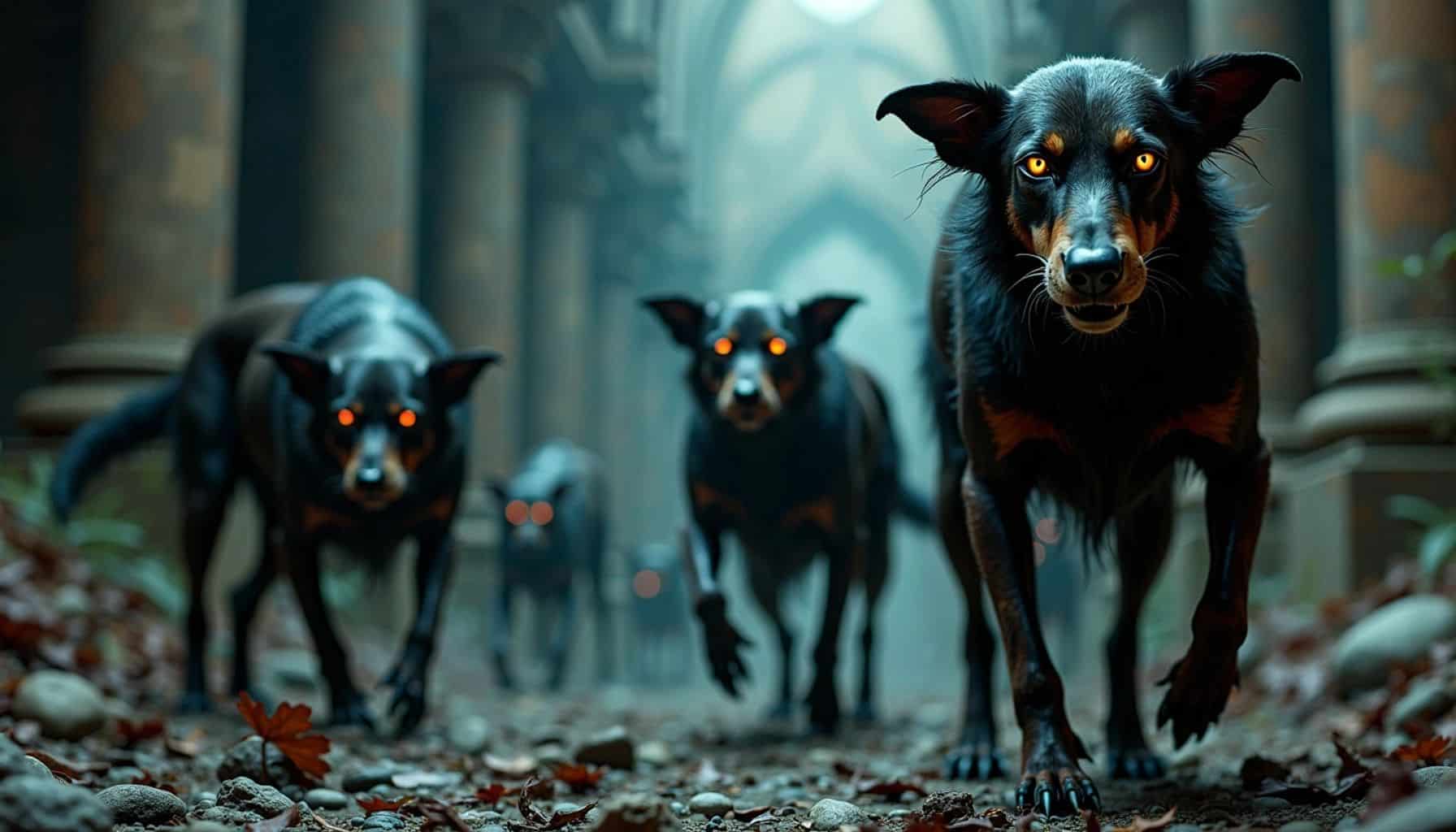
  • Is Time Travel Real? Theories That Suggest It Could Be

    Is Time Travel Real? Theories That Suggest It Could Be

    Time travel is a concept that has fascinated people for generations, appearing in countless stories and movies. But what does science really say about it? In this article, we will explore various theories and ideas that suggest time travel might be possible, from Einstein’s theories to the mysteries of wormholes and the many-worlds interpretation. Let’s dive into the science behind time travel and see what theories might make it a reality.

    Key Takeaways

    • Einstein’s theory of relativity suggests that time can change based on speed and gravity.
    • Wormholes could theoretically connect different points in time and space.
    • The grandfather paradox raises questions about changing the past.
    • The many-worlds interpretation proposes that every choice creates a new universe.
    • Time travel has influenced culture, inspiring movies, books, and discussions about its implications.

    The Science Behind Time Travel

    Einstein’s Theory of Relativity

    Einstein’s theory of relativity is a key part of understanding time travel. It suggests that time is not fixed; it can change based on how fast you are moving. For example, if you travel close to the speed of light, time will slow down for you compared to someone who stays still. This effect is known as time dilation. Astronauts in space experience this phenomenon, aging slightly less than their peers on Earth.

    Quantum Mechanics and Time Travel

    Quantum mechanics adds another layer to the discussion of time travel. It introduces ideas like entanglement and superposition, which challenge our traditional views of time. Some scientists believe that these quantum effects could allow for time travel, but the details are still unclear. The concept of fringe science often comes into play here, as it explores theories that push the boundaries of our understanding of reality.

    The Grandfather Paradox

    The grandfather paradox is a famous thought experiment in time travel. It raises the question: What happens if you go back in time and accidentally prevent your grandfather from having children? If that were to happen, you would never be born, which means you couldn’t have traveled back in time in the first place. This paradox highlights the complex relationship between cause and effect in time travel scenarios.

    The grandfather paradox challenges our understanding of reality and causality, making time travel a fascinating yet complicated topic.

    Wormholes: Gateways to Different Times

    What Are Wormholes?

    Wormholes are theoretical passages through space-time that could connect distant points in the universe. They are often described as shortcuts that might allow for time travel. Imagine a tunnel with two ends; if you could travel through it, you might reach a different time or place much faster than traveling through normal space.

    Theoretical Possibilities

    1. Einstein’s Theory: According to Einstein’s theory of relativity, wormholes could exist based on the laws of physics.
    2. Time Dilation: If one end of a wormhole is moved at high speeds, time would pass differently at each end, potentially allowing for time travel.
    3. Exotic Matter: Creating a stable wormhole might require a special type of matter with negative energy, often called "exotic matter."

    Challenges and Limitations

    • Stability Issues: Most scientists believe that wormholes would be too unstable for anything to pass through.
    • Negative Energy: The amount of negative energy needed to keep a wormhole open is still a mystery.
    • Travel Limitations: Even if we could create a wormhole, we might only be able to travel back to the time it was created, not before.

    The question remains: will we be able to travel in time in wormholes? Currently, time travel through wormholes remains a theoretical possibility. While Einstein’s theories suggest it could work, we have yet to find a real wormhole.

    Time Travel in Popular Culture

    Futuristic cityscape with swirling time portals.

    Time travel has captured the imagination of many, appearing in various forms of media. From movies to books, the concept has evolved into a fascinating genre. Here’s a closer look at how time travel is portrayed in popular culture.

    Movies and TV Shows

    • Doctor Who: This long-running series features the Doctor, a Time Lord who travels through time and space in the TARDIS.
    • Back to the Future: A classic film where Marty McFly travels back to the 1950s using a DeLorean car.
    • Interstellar: This film explores time dilation and its effects on space travel.

    Books and Literature

    • A Christmas Carol by Charles Dickens: This story features a character who travels to the future to learn about his fate.
    • The Time Machine by H.G. Wells: A pioneering work that introduces the concept of a machine that can travel through time.
    • Harry Potter and the Prisoner of Azkaban: This book includes a time-turner that allows characters to revisit past events.

    Impact on Society

    Time travel stories often spark discussions about the nature of time and reality. They challenge our understanding of cause and effect, leading to intriguing debates.

    Time travel narratives encourage us to think about our choices and their consequences, making them more than just entertainment.

    In conclusion, time travel in popular culture not only entertains but also provokes thought about our existence and the universe. It remains a captivating topic that continues to inspire creativity and curiosity.

    The Many-Worlds Interpretation

    Parallel Universes

    The Many-Worlds Interpretation (MWI) of quantum mechanics suggests that every possible outcome of a quantum event actually happens, but in different, parallel universes. This means that there are countless versions of reality existing simultaneously. For example, if you flip a coin, one universe will see it land heads up, while another will see it land tails up.

    Quantum Immortality

    One fascinating idea related to MWI is quantum immortality. This concept proposes that if you were to face a life-threatening situation, you would continue to exist in a universe where you survived. This raises questions about the nature of life and death, suggesting that we might never truly die, but rather shift to a universe where we continue to live.

    Implications for Time Travel

    The implications of the Many-Worlds Interpretation for time travel are profound. If a time traveler were to go back in time, they might not change their original timeline but instead create a new branch of reality. This means that the traveler could interact with their past self without causing paradoxes, as they are in a different universe altogether.

    The idea of multiple realities opens up exciting possibilities for understanding time travel and our existence.

    Summary

    In summary, the Many-Worlds Interpretation offers a unique perspective on time travel and existence. It suggests that every choice creates a new universe, leading to endless possibilities. This interpretation challenges our understanding of reality and encourages us to think beyond the limits of our current knowledge.

    Key Points

    • Many-Worlds Interpretation suggests multiple realities.
    • Quantum immortality implies survival in alternate universes.
    • Time travel could create new branches of reality without paradoxes.

    Time Travel Conspiracies

    Government Cover-Ups

    Many believe that governments are hiding secrets about time travel. Some conspiracy theorists argue that there are classified projects aimed at exploring time travel technology. This has led to speculation about whether time travelers have already visited us. Here are some notable claims:

    • The Montauk Project: Allegations of secret experiments involving time travel and mind control.
    • John Titor: A self-proclaimed time traveler from 2036 who warned about future disasters.
    • Area 51: Often linked to UFOs, some suggest it may also be a site for time travel research.

    Famous Alleged Time Travelers

    There have been multiple accounts of people who allegedly traveled through time reported by the press or circulated on the internet. Some of the most famous claims include:

    1. John Titor: Claimed to be a soldier from the future.
    2. Andrew Basiago: Claims to have participated in a government time travel program.
    3. The Time Traveler Convention: An event that invites time travelers to meet, though no one has shown up.

    Public Perception and Skepticism

    Despite the intriguing stories, many remain skeptical about time travel conspiracies. Here are some common points of skepticism:

    • Lack of scientific evidence supporting time travel.
    • Many stories are often dismissed as urban legends.
    • The idea of time travel raises complex questions about causality and reality.

    The fascination with time travel reflects our desire to understand the unknown and explore possibilities beyond our current reality. It challenges us to think about the nature of time itself and what it means to travel through it.

    Technological Advances and Time Travel

    Futuristic time machine with swirling light trails.

    Current Research and Developments

    Scientists are exploring various theories about time travel, and some advancements in technology are making it more intriguing. Here are a few key areas of research:

    • Einstein’s Theory of Relativity: This theory suggests that time can be affected by speed and gravity. For example, if you travel close to the speed of light, time moves slower for you compared to someone on Earth.
    • Quantum Mechanics: This field studies the behavior of tiny particles and suggests that time might not be as straightforward as we think. Some scientists believe that particles can exist in multiple states at once, hinting at the possibility of time travel.
    • Wormholes: These are theoretical passages through space-time that could connect distant points in time and space. While they are still just a concept, they spark the imagination about how time travel could work.

    Future Prospects

    The future of time travel research is exciting, with many possibilities:

    1. Advancements in Particle Physics: As we learn more about particles, we might discover new ways to manipulate time.
    2. Space Travel: Future technologies could allow us to travel at speeds close to light, potentially enabling time travel.
    3. Artificial Intelligence: AI could help us analyze complex data and develop new theories about time travel.

    Ethical Considerations

    As we explore time travel, we must also think about the ethical implications:

    • Changing History: If time travel becomes possible, what happens if someone changes a significant event in the past?
    • Personal Impact: How would time travel affect individuals and their relationships?
    • Societal Effects: Would time travel create inequalities, with some people having access to it while others do not?

    The idea of time travel raises many questions about our understanding of time and reality. As technology advances, we may find ourselves closer to answering these questions than ever before.

    Highlight

    Time travel is certainly possible if you reach the speed of light, but nothing with mass can reach that speed. This means that while we can explore the concept, practical time travel remains a challenge for the future.

    Philosophical and Theoretical Implications

    Presentism vs. Eternalism

    The debate between presentism and eternalism is central to understanding time travel. Presentism argues that only the present is real, while eternalism suggests that past and future events exist in a real sense. This raises questions about whether time travel is even possible. If only the present is real, then traveling to the past or future would be impossible. However, some philosophers argue that even if past and future events don’t exist, we can still have truths about them. This leads to intriguing discussions about the nature of time and existence.

    The Nature of Time

    Time is often viewed as a straight line, but some theories suggest it might be more complex. For instance, the Many-Worlds Interpretation of quantum mechanics proposes that every decision creates a new universe. This means that every possible outcome exists in its own universe, leading to a branching of timelines. This idea challenges our traditional understanding of time and reality, suggesting that our choices might lead to entirely different worlds.

    Philosophical Paradoxes

    Time travel introduces several philosophical paradoxes. One famous example is the grandfather paradox: if you travel back in time and prevent your grandfather from meeting your grandmother, you would never be born. This contradiction raises questions about causality and free will. Some philosophers argue that if time travel were possible, it might be structured in a way that prevents such paradoxes from occurring. This leads to a fascinating exploration of how time travel could coexist with our understanding of free will and causality.

    The exploration of time travel not only challenges our understanding of physics but also invites us to rethink our beliefs about existence and reality.

    Summary of Key Points

    • Presentism vs. Eternalism: Only the present is real vs. all times exist.
    • Nature of Time: Time may not be linear; choices could create new universes.
    • Philosophical Paradoxes: Time travel raises questions about causality and free will.
    Concept Presentism Eternalism
    Reality of Time Only present is real Past and future exist
    Time Travel Impossible Possible
    Philosophical Issues Causality and existence Nature of reality

    Historical Perspectives on Time Travel

    Ancient Myths and Legends

    Many ancient cultures have stories that hint at the idea of time travel. For example, in Hindu mythology, the tale of King Raivata Kakudmi describes how he travels to meet the creator Brahma and returns to find that many ages have passed on Earth. Similarly, the Japanese story of Urashima Tarō tells of a fisherman who visits an undersea palace and returns home 300 years later, only to find everything changed.

    Medieval and Renaissance Views

    During the Medieval and Renaissance periods, thinkers began to explore the concept of time more deeply. Some believed in the possibility of traveling through time, often linking it to religious or philosophical ideas. For instance, the philosopher Augustine of Hippo discussed the nature of time in his writings, pondering how the past, present, and future coexist.

    Modern Scientific Thought

    In modern times, the idea of time travel has evolved significantly. With the advent of Einstein’s Theory of Relativity, scientists began to consider time as a dimension that could be manipulated. This led to various theories about how time travel might be possible, including the use of wormholes and other cosmic phenomena.

    The journey through time has fascinated humanity for centuries, blending myth, philosophy, and science into a captivating narrative.

    Summary of Key Historical Perspectives

    Period Key Ideas
    Ancient Myths Stories of characters traveling through time, such as King Raivata and Urashima Tarō.
    Medieval/Renaissance Philosophical discussions on the nature of time by thinkers like Augustine of Hippo.
    Modern Science Theoretical frameworks like Einstein’s relativity that explore the possibility of time travel.

    Understanding these historical perspectives helps us appreciate how the concept of time travel has evolved and continues to inspire both scientific inquiry and creative storytelling.

    Time travel has fascinated people for ages, sparking imaginations and debates. From ancient myths to modern science fiction, the idea of moving through time has been explored in many ways. If you’re curious about the deeper meanings and theories behind time travel, visit our website for more insights and resources. Join us on this exciting journey!

    Conclusion

    In summary, the idea of time travel captivates our imagination and raises many questions about the nature of time and reality. While science fiction often portrays time travel as a simple jump from one moment to another, real science presents a more complex picture. Theories like Einstein’s relativity suggest that time can bend and stretch, allowing for some fascinating possibilities. However, actual time travel, especially to the past, remains a tricky topic filled with paradoxes and uncertainties. As we continue to explore the universe and our understanding of physics, who knows what discoveries await us? The dream of time travel may not be as far-fetched as it seems, and the journey into the unknown continues.

    Frequently Asked Questions

    What is time travel?

    Time travel is the idea of moving between different points in time, similar to how we move through space.

    Is time travel scientifically possible?

    Some scientists believe time travel might be possible based on theories like Einstein’s relativity, but it’s very complex.

    What is the grandfather paradox?

    The grandfather paradox is a famous idea in time travel discussions where a time traveler could accidentally prevent their own existence.

    What are wormholes?

    Wormholes are theoretical passages through space-time that could connect distant points in time and space.

    How does time travel appear in movies?

    Movies often show characters using machines or special devices to travel back and forth in time, creating exciting adventures.

    Are there any real-life examples of time travel?

    While no one has traveled through time like in movies, scientists have shown that time can behave differently under certain conditions.

  • Top 5 Conspiracy Theories That Turned Out to Be True

    Top 5 Conspiracy Theories That Turned Out to Be True

    Conspiracy theories can sound like wild stories, but sometimes they turn out to be true. Over the years, several theories that once seemed unbelievable have been proven right. This article looks at five of these surprising truths, revealing secrets that were once hidden from the public eye.

    Key Takeaways

    • Operation Paperclip brought Nazi scientists to America after World War II.
    • The Tuskegee Syphilis Study involved unethical treatment of African American men.
    • MKUltra was a secret CIA program that tested mind control techniques.
    • The Watergate Scandal exposed serious political corruption in the U.S. government.
    • The Iran-Contra Affair revealed illegal arms sales and funding of rebel groups.

    1. Operation Paperclip

    Operation Paperclip was a secret program by the U.S. government after World War II. Its goal was to recruit German scientists, engineers, and technicians to work for the U.S. military and intelligence agencies. This operation aimed to gain an edge in the Cold War.

    Key Points:

    • Recruitment of Experts: Many of the recruited individuals were former members of the Nazi party.
    • Focus on Rocket Technology: A significant number of these scientists worked on rocket technology, which was crucial for the U.S. space program.
    • Ethical Concerns: The operation raised ethical questions about employing individuals with Nazi ties.

    Impact on Space Exploration:

    Year Event Description
    1949 V-2 Rocket Tests German scientists helped develop the U.S. missile program.
    1969 Moon Landing Contributions from these scientists were vital for NASA’s success.
    1970s Space Shuttle Program Continued influence in aerospace technology.

    The decision to bring these scientists to America was controversial, but it undeniably shaped the future of U.S. technology and military capabilities.

    In conclusion, Operation Paperclip not only helped the U.S. gain technological advancements but also sparked debates about morality and the lengths to which a nation will go to secure its interests.

    2. Tuskegee Syphilis Study

    Group of men from the Tuskegee Syphilis Study.

    The Tuskegee Syphilis Study was a shocking medical experiment that lasted from 1932 to 1972. It involved over 600 African American men who were misled into thinking they were receiving free healthcare. Instead, they were part of a study to observe the effects of untreated syphilis.

    Key Facts

    • The study was conducted by the U.S. Public Health Service.
    • Participants were not informed about their diagnosis or the true purpose of the study.
    • Even after penicillin became a standard treatment in the 1940s, the men were denied proper care.

    Impact of the Study

    The Tuskegee Syphilis Study had a lasting impact on medical ethics and trust in healthcare. It led to significant changes in how research is conducted, including:

    1. Informed consent became a requirement for medical studies.
    2. Ethical guidelines were established to protect participants.
    3. Increased awareness of racial disparities in healthcare.

    The Tuskegee Syphilis Study serves as a reminder of the importance of ethical standards in medical research.

    Conclusion

    This study is a dark chapter in American history, highlighting the need for transparency and respect in medical practices. It remains a crucial lesson in the ongoing fight for equality in healthcare.

    3. MKUltra

    Dark laboratory with vintage equipment and shadowy figure.

    Overview

    MKUltra was a secret CIA program that ran from 1953 to 1973, focusing on mind control and human behavior. The goal was to find effective methods for interrogation and information extraction.

    Key Aspects of MKUltra

    • Truth Serums: Researchers explored drugs that could make people more willing to share secrets.
    • Hypnosis: The program also looked into using hypnosis as a way to extract information.
    • Ethical Concerns: Many experiments involved administering drugs like LSD to unwitting subjects, raising serious ethical questions.

    Impact and Legacy

    MKUltra has left a lasting mark on public perception of government experiments. It serves as a reminder of the potential for abuse in secret programs.

    The revelations about MKUltra highlight the importance of ethical standards in research and the need for transparency in government actions.

    Conclusion

    MKUltra is a chilling example of how far some agencies will go in the name of national security. The program’s legacy continues to fuel discussions about ethics in science and government accountability.

    4. Watergate Scandal

    The Watergate Scandal was a major political event that involved a series of illegal activities by members of President Richard Nixon’s administration. It began with a break-in at the Democratic National Committee headquarters in 1972 and led to a cover-up that ultimately forced Nixon to resign in 1974.

    Key Events

    1. Break-in at Watergate: On June 17, 1972, five men were arrested for breaking into the Democratic National Committee headquarters.
    2. Cover-up Attempts: Nixon and his aides tried to hide their involvement, leading to a series of lies and deceit.
    3. Investigations: Journalists and Congress investigated the scandal, uncovering evidence of wrongdoing.

    Impact on Politics

    The Watergate Scandal had a lasting impact on American politics, including:

    • Increased skepticism towards government officials.
    • Stricter campaign finance laws.
    • A push for greater transparency in government.

    The Watergate Scandal revealed the dangers of unchecked power and the importance of accountability in government.

    Conclusion

    The Watergate Scandal is a reminder of how vital it is for citizens to hold their leaders accountable. It changed the way Americans view their government and highlighted the need for transparency and honesty in politics.

    5. Iran-Contra Affair

    The Iran-Contra Affair was a major political scandal in the 1980s involving the U.S. government. It revealed how the National Security Council (NSC) secretly sold weapons to Iran, which was under an arms embargo, and used the profits to fund Contra rebels in Nicaragua. This operation was kept hidden from Congress and the public.

    Key Events

    1. Secret Arms Sales: The U.S. sold weapons to Iran, hoping to secure the release of American hostages held by Hezbollah.
    2. Funding the Contras: Profits from the arms sales were funneled to the Contras, a rebel group fighting the Sandinista government in Nicaragua.
    3. Exposure: The scandal came to light in 1986, leading to investigations and hearings.

    Impact

    • Political Fallout: The affair led to several convictions of government officials, although many were later pardoned.
    • Public Trust: It damaged public trust in the government, raising questions about accountability and transparency.
    • Legislation Changes: The scandal prompted changes in laws regarding covert operations and arms sales.

    The Iran-Contra Affair serves as a reminder of the complexities and ethical dilemmas in government operations. It highlights the importance of oversight and the potential consequences of secretive actions.

    Year Event
    1985 Arms sales to Iran begin
    1986 Scandal exposed
    1987 Congressional hearings start
    1991 Key figures pardoned

    The Iran-Contra Affair was a major political scandal in the 1980s that involved secret arms sales to Iran, which was under an arms embargo, to fund Contra rebels in Nicaragua. This controversial operation raised serious questions about government transparency and accountability. To learn more about this fascinating topic and explore other intriguing insights, visit our website and start your free trial today!

    Final Thoughts

    In conclusion, the world of conspiracy theories is both fascinating and complex. While many theories seem unbelievable, some have turned out to be true, revealing hidden truths about our history and society. These stories remind us to question what we hear and to seek the truth, even when it’s hard to find. As we continue to explore these theories, let’s stay curious and open-minded, always looking for evidence and understanding the bigger picture.

    Frequently Asked Questions

    What is Operation Paperclip?

    Operation Paperclip was a secret program where the U.S. brought German scientists, engineers, and other experts to America after World War II to help with military and space projects.

    What happened during the Tuskegee Syphilis Study?

    The Tuskegee Syphilis Study was a terrible experiment where hundreds of African American men were misled and not treated for syphilis so that researchers could learn more about the disease.

    What was MKUltra?

    MKUltra was a secret CIA program that tried to explore mind control and used various methods, including drugs, to test its effects on people without their knowledge.

    What was the Watergate Scandal?

    The Watergate Scandal involved a break-in at the Democratic National Committee headquarters and a cover-up by President Nixon’s administration, leading to his resignation.

    What was the Iran-Contra Affair?

    The Iran-Contra Affair was a political scandal where the U.S. secretly sold arms to Iran and used the money to fund Contra rebels in Nicaragua, despite a ban on such funding.

    Why do people believe in conspiracy theories?

    People might believe in conspiracy theories because they feel uncertain about the world, want to find simple explanations for complex issues, or feel a need to belong to a group that shares their beliefs.