Category: Articles

  • The Third Secret of Fatima: What the Vatican Has Hidden for Over a Century

    The Third Secret of Fatima: What the Vatican Has Hidden for Over a Century

    On May 13, 1917, three shepherd children—Lucia dos Santos, Jacinta Marto, and Francisco Marto—reported seeing a “lady brighter than the sun” in a hollow near Fátima, Portugal. Over the next six months, Our Lady of Fátima would deliver three secrets that would spark decades of speculation, conspiracy theories, and questions about what the Vatican has truly kept hidden from the world.

    Check out Unexplained History for a detailed breakdown of the event!

    The Three Secrets of Fátima Revealed

    The First Secret: A Vision of Hell

    The first secret of Fátima was a terrifying vision of hell. Lucia reported seeing “a sea of fire” where demons and souls writhed in agony. This apocalyptic vision was meant to emphasize the consequences of humanity straying from faith. But it was the second and third Fátima secrets that would truly capture the world’s imagination—and fuel conspiracy theories for generations.


    The Second Secret: World War II and Russia’s Conversion

    The second secret of Our Lady of Fátima delivered an eerily accurate prophecy. The children were told that World War I would soon end, but “if [people] do not cease offending God, a worse war will break out during the pontificate of Pius XI.”

    The prophecy came true. World War II erupted. But the Fátima prophecy went further, calling for the consecration of Russia to the Immaculate Heart of Mary to prevent its errors from spreading. This has led endless debate: Was the “conversion of Russia” truly accomplished, or does the secret point to future events still unfolding?

    The Third Secret of Fatima: The Great Cover-Up

    What Was Actually Revealed in 2000

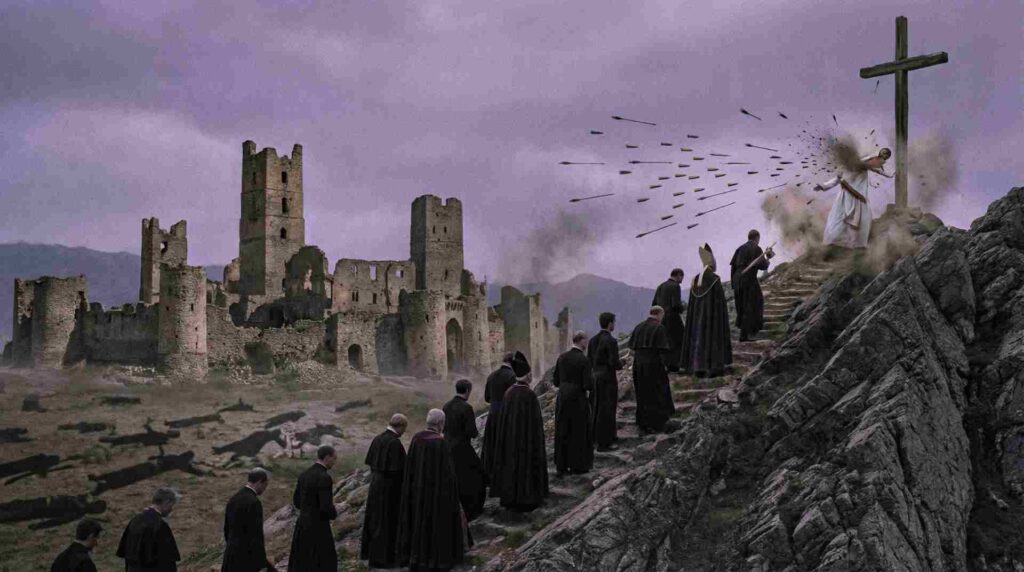
    In June 2000, the Vatican finally released what they claimed was the complete text of the third secret of Fátima. It described an angel with a flaming sword, the persecution of Christians, and the assassination of a “Bishop in White”—interpreted as the 1981 assassination attempt on Pope John Paul II.

    But skeptics immediately questioned: Is this the full secret?

    The Conspiracy: Is There a Missing Fourth Secret?

    Numerous researchers and theologians have argued that the third secret of Fátima released by the Vatican is incomplete. Sister Lucia reportedly wrote the secret on four sheets of paper, yet the Vatican published only three. Some conspiracy theorists suggest the authentic third secret of Our Lady of Fátima contains:

    • The complete collapse of the Catholic Church from within
    • Apostasy affecting the highest levels of the hierarchy
    • Nuclear catastrophe triggered by human hands
    • The arrival of the Antichrist in Rome

    Cardinal Oddi, a close friend of Pope John Paul II, allegedly stated before his death that the published version was “not the complete secret.”

    The 1917 Fátima Prophecy: End Times Connections

    The Miracle of the Sun

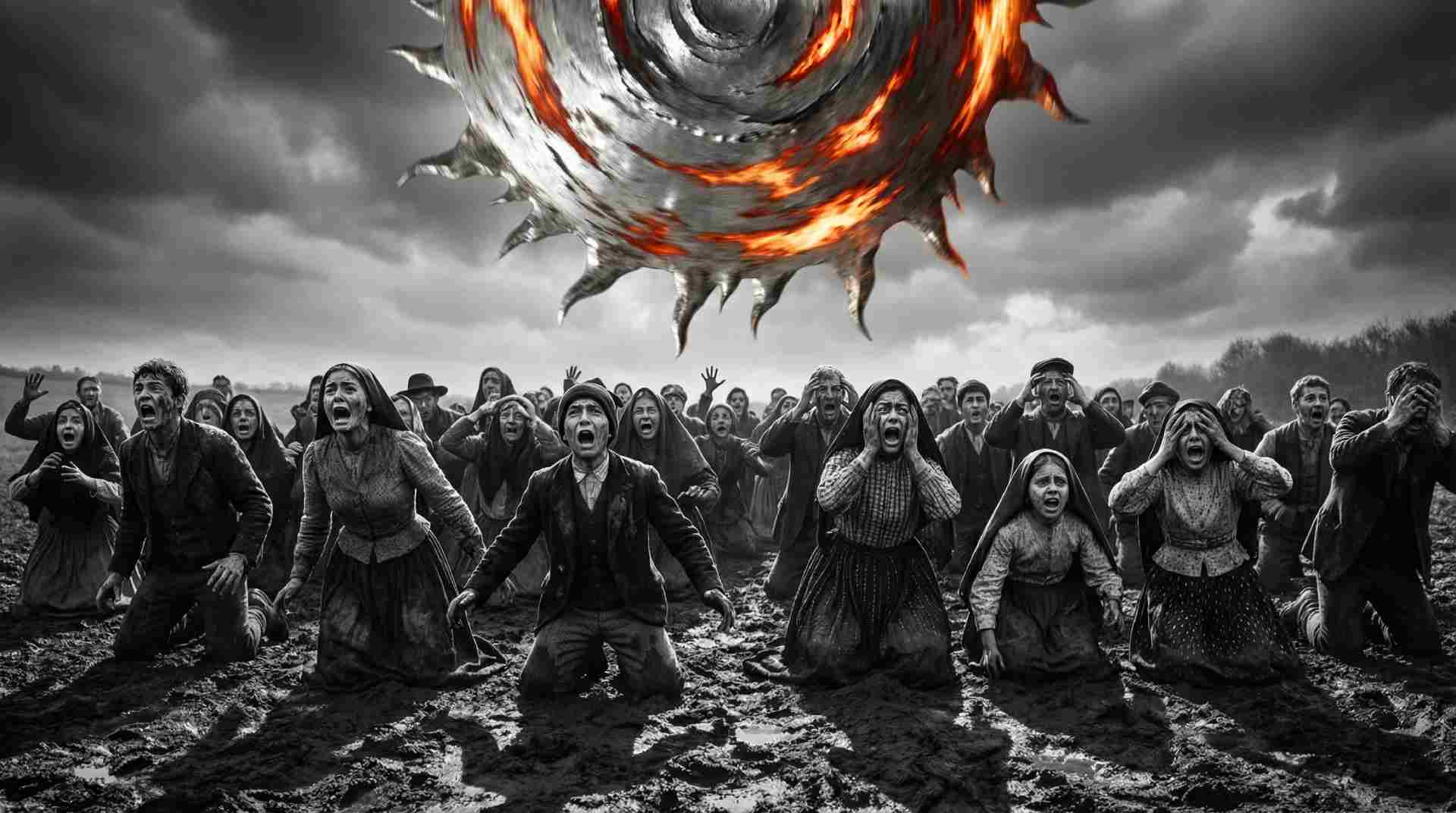
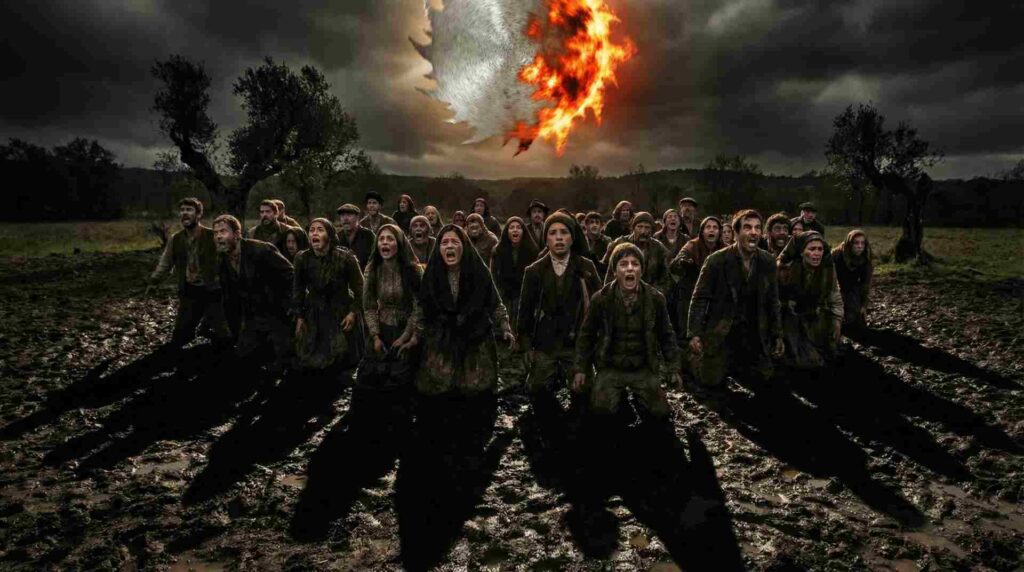
    On October 13, 1917—the final apparition—over 70,000 witnesses reported seeing the sun “dance” in the sky, spin, and plunge toward the earth. This “Miracle of the Sun” validated the children’s visions but left scientists baffled. How could three uneducated peasant children predict a celestial phenomenon witnessed by thousands?

    Jacinta and Francisco’s Mysterious Deaths

    Both younger visionaries died within two years of the apparitions—victims of the Spanish Flu pandemic. Jacinta specifically predicted her own death, claiming she would die alone but Francisco would wait for her. Before dying, Jacinta reportedly received additional secrets about the end times that were never revealed to Lucia or made public.

    What Is the Real Third Secret of Fatima?

    The Vatican’s Documented Suppression

    The Vatican sat on the third secret of Fátima for 83 years. Even after the 2000 release, documents remain sealed in the Holy Office archives. Why such prolonged secrecy? Conspiracy researchers point to:

    • Sister Lucia’s alleged silencing by Church authorities
    • Confiscated letters and diaries
    • The consistent refusal to consecrate Russia specifically in union with all bishops
    • The appearance of secret societies within the Catholic hierarchy after Vatican II

    The Fatima Prophecy and Modern Events

    Russia’s Role: Fulfilled or Ignored?

    Skeptics argue that the 1984 consecration performed by Pope John Paul II was invalid—Russia was never mentioned by name. Since then, Russia has indeed spread its “errors” globally. Some Fatima conspiracy theorists connect this to:

    • The rise of secular communism in the West
    • The degradation of traditional Christian values
    • Geopolitical conflicts leading toward nuclear confrontation

    Jacinta’s Vision: “A Time When the Faith Will Vanish”

    Before her death, Jacinta Marto delivered a chilling additional prophecy: “A time will come when the faith will vanish even from Italy. The Church will be darkened.” For conspiracy-minded readers, this points directly to apostasy within the Catholic Church hierarchy itself—a theme echoed in the suppressed portions of the third secret.

    Conclusion: The Secret Yet to Be Revealed

    The third secret of Fátima remains one of Catholicism’s most tantalizing mysteries. Whether the Vatican possesses the complete text, whether Sister Lucia was silenced, or whether the final revelation points to apocalyptic events still ahead—these questions continue to drive global speculation.

    What is undeniable: three children in 1917 predicted a world war, the rise of Soviet Russia, and an assassination attempt on a future pope. If they were right about those details, what else might the third secret of Our Lady of Fátima contain that we haven’t been told?

    The secrets of Fátima continue to whisper across time, challenging believers and conspiracy theorists alike to question what power structures have hidden—and what future events may yet fulfill the final prophecy.

    Check out Unexplained History for a detailed breakdown of the event!

  • The Ultimate Prepper Tool – AI for Apocalyptic Survival Situations

    The Ultimate Prepper Tool – AI for Apocalyptic Survival Situations

    If the worst case scenario happens and the Internet or power grid goes down for months, maybe years?   Would you know how to make medicine or mechanical devices without the help of the Internet?

    In this video, Matthew Berman gives you a full tutorial on how to make the ultimate prepper knowledge base.

  • Pole Shift Now:  Signs of a Coming Cataclysm

    Pole Shift Now: Signs of a Coming Cataclysm

    The prospect of a climate apocalypse has become a pressing concern in recent years, as scientific evidence increasingly points to the severe consequences of unchecked global warming. The potential for irreversible damage to our planet’s ecosystems and the well-being of future generations has sparked a sense of urgency among climate scientists, policymakers, and activists alike. This article delves into the critical thresholds of climate change, explores strategies for mitigation and adaptation, and discusses whether there is still room for optimism in the face of potential disaster.

    Key Takeaways

    • By 2035, we may reach a critical point of no return in climate action, after which limiting global warming to 1.5°C may no longer be possible.
    • Irreversible changes to the Earth’s climate system are being driven by human activities such as deforestation and fossil fuel consumption.
    • A paradigm shift towards ‘apocalyptic optimism’ may be necessary to foster progress and inspire collective action against climate change.

    The Tipping Point: Understanding the Critical Thresholds of Climate Change

    The 2035 Deadline: A Point of No Return?

    We’re on the brink, folks. Scientists have circled 2035 on the calendar as the year we might cross a critical threshold. After that, stopping a 2-degree Celsius rise in Earth’s temperature becomes a pipe dream. This isn’t science fiction; it’s a countdown to potential disaster.

    The study from the UK and Netherlands is clear: act now or face irreversible consequences. We’re talking about a future where ‘extremely unlikely’ becomes ‘impossible.’

    We’re not just up against the clock; we’re up against our own legacy of deforestation and fossil fuel addiction. It’s a legacy that’s pushing us closer to the edge.

    Here’s the kicker: it’s not just about the temperature. It’s the domino effect—one disaster triggering another. We can’t afford to ignore the warnings any longer.

    • Key Takeaways:
      • 2035: The potential point of no return.
      • 2-degree Celsius rise: The line we must not cross.
      • Action required: Urgent and decisive.

    We’ve got to flip the script. It’s time for bold moves and a new narrative. ‘Apocalyptic optimism’ might sound like an oxymoron, but it’s the mindset we need to adopt. We can change the ending of this story, but only if we start rewriting it now.

    Irreversible Changes and the 2-Degree Celsius Benchmark

    We’re standing on a precipice, folks. The 2-degree Celsius mark isn’t just a number; it’s a line in the sand that Mother Nature drew with a shaky hand. Cross it, and we’re not just talking about longer summers or milder winters. We’re talking about a domino effect of catastrophic events that could reshape our world as we know it.

    The principles of climate science have been clear: once we hit that 2-degree increase, we’re looking at irreversible changes. Coastal cities could become modern Atlantises, and extreme weather could go from headline news to just another Tuesday. The data doesn’t lie, and it’s screaming for us to pay attention.

    The Paradigm Shift we need is monumental. It’s not just about switching off lights or cycling to work. It’s about transforming how we live, how we consume, and how we think about our place on this planet. Here’s a snapshot of what we’re up against:

    • Heatwaves: Multiplication factor of 5x or more
    • Floods: Coastal areas at severe risk
    • Storms: Increased intensity and frequency

    We can’t afford to be passive spectators in this unfolding drama. It’s time to take the stage and act.

    The study led by UK and Netherlands scientists rings an alarm for 2035, a year that could mark a point of no return. If we don’t pivot now, we might just find ourselves in a future where the term ‘natural disaster’ loses all meaning because there’s nothing ‘natural’ about the chaos we’ve unleashed.

    The Role of Deforestation and Fossil Fuels in Climate Dynamics

    We’ve got ourselves into a real pickle with deforestation and burning fossil fuels. It’s like we’re on a runaway train heading for a cliff, and the brakes are busted. Scientists are clear: we need to stop burning fossil fuels. The thickening blanket of greenhouse gases is our own doing, and it’s heating up our planet at an alarming rate.

    But here’s the kicker: even if we cut out the pollution, we’re still in for a rough ride. Gaseous sulfur dioxide, a major pollutant from fossil fuels, hangs around for just days. So, when we cut the pollution, the impact is almost immediate. Unlike carbon dioxide, which can last for centuries in our atmosphere, we can see quick changes if we act fast.

    Let’s talk numbers. Deforestation and fossil fuel emissions are the main culprits behind the rapid increase in greenhouse gases. And it’s not just about the air we breathe; it’s about the entire climate system. Here’s a snapshot of the problem:

    • Greenhouse Gas Emissions: Skyrocketing due to human activities.
    • Deforestation: Stripping away our planet’s lungs, contributing to CO2 levels.
    • Fossil Fuels: The addiction we need to kick for our climate’s sake.

    We’re at a crossroads. Every moment we delay, the closer we get to a climate point of no return. It’s time to take decisive action.

    We can’t afford to ignore the signs. The urgent discussions surrounding climate devastation remind us of the fragility of our world. We’re in this together, and it’s time to rally and turn the tide on climate change.

    Navigating the Climate Crisis: Strategies for Mitigation and Adaptation

    Economic Impacts: Weighing Costs Against Climate Action

    We’re at a crossroads, folks. The climate crisis isn’t just about polar bears and melting ice caps; it’s hitting our wallets hard. Economic impacts are real and escalating. But what’s the price tag on the end of the world? We can’t afford to ignore the costs of inaction.

    Let’s break it down. We’ve got floods wiping out crops, hurricanes demolishing homes, and wildfires torching timber. These aren’t just headlines; they’re invoices being billed to our future. And the longer we wait, the steeper the cost. Yet, some argue that the price of mitigation might seem too high. Can we really put a price on a livable planet?

    Here’s the kicker: investing in climate action can actually save us money in the long run. Think about it. Renewable energy prices are dropping like leaves in autumn. Energy efficiency is the gift that keeps on giving, slashing bills left and right. And let’s not forget the green jobs bonanza. We’re talking about a whole new economy here, folks!

    • Renewable Energy: Cheaper than ever, and getting more affordable by the day.
    • Energy Efficiency: Cut costs and carbon footprints at the same time.
    • Green Jobs: A surge in employment opportunities in sustainable industries.

    We’re not just saving the planet; we’re investing in our own prosperity. It’s a win-win if we play our cards right.

    So, let’s roll up our sleeves and get to work. We can’t let the financial titans and media manipulation shape our future. It’s time to take control of our destiny and make smart, sustainable choices that will pay off for generations to come.

    Global Disasters and the Urgency of Decisive Measures

    We’re at a crossroads, folks. The planet’s sending SOS signals, and we’re the only ones who can answer the call. Climate change isn’t waiting around for us to get our act together. It’s here, it’s real, and it’s wreaking havoc. From wildfires to hurricanes, the evidence is undeniable. We’ve seen the studies, like the one from Earth System Dynamics on August 30, 2018, screaming for immediate action.

    Our response? It’s got to be swift, it’s got to be strong. We need to mobilize fully. We need to slash emissions, switch to renewables, and adapt our cities. And we can’t forget the economic angle. The cost of inaction? Catastrophic. The price of prevention? A bargain in comparison.

    • Cut emissions: Transition to clean energy.
    • Adapt infrastructure: Make cities resilient.
    • Economic overhaul: Invest in green tech.

    We’re in this together, and the time to act is slipping through our fingers like sand in an hourglass.

    Let’s not find ourselves looking back, wishing we’d done more. The future’s not set in stone, and we’ve got the chisel. Let’s carve out a path leading to survival, not regret.

    ‘Apocalyptic Optimism’: A New Narrative for Climate Progress

    We’ve been down the doom-laden path, envisioning a world engulfed in flames, seas swallowing cities, and skies thick with smoke. But now, we’re flipping the script. We’re embracing ‘Apocalyptic Optimism’—the belief that, despite the grim forecasts, we have the power to pivot. It’s not just about survival; it’s about thriving amid adversity.

    Into the Parabnormal and Everything Out There—these aren’t just shows; they’re symbols of our insatiable curiosity and our refusal to accept a predetermined fate. We’re not merely passive observers; we’re active participants in shaping our future.

    We’re crafting a new narrative, one where each action we take brings us closer to a more hopeful horizon.

    Here’s the thing: optimism isn’t about ignoring the challenges. It’s about harnessing our collective energy to overcome them. We’re rolling up our sleeves, ready to tackle what comes our way. And yes, there’s a deadline. The 2035 marker looms, but it’s not a countdown to the end—it’s a call to action.

    • Embrace renewable energy
    • Innovate sustainable practices
    • Educate and empower communities

    These aren’t just bullet points; they’re our battle cry against the ticking clock. We’re not waiting for a hero to save us. We’re the heroes, each and every one of us, armed with the will to forge a better path. So let’s write this story together—one of resilience, innovation, and unwavering optimism.

    The Tipping Point: Understanding the Critical Thresholds of Climate Change

    The 2035 Deadline: A Point of No Return?

    We’re racing against a clock that’s ticking faster than ever. By 2035, scientists warn we could reach a climate point of no return. Imagine a world where the thermostat’s broken, and we can’t turn back the heat. That’s the future we’re facing if we don’t act now.

    Irreversible changes are looming. Rising temperatures, melting ice caps, and extreme weather patterns could become our new normal. It’s not just about polar bears and icebergs; it’s about our homes, our food, and our very survival.

    We can’t afford to ignore the signs any longer.

    As we face the daunting challenges of the climate crisis, it’s crucial that we come together to explore effective strategies for mitigation and adaptation. Our platform at Unexplained.co offers a wealth of resources, including podcasts, documentaries, and expert discussions that empower you to take informed action. Join our community of proactive individuals by signing up for a free trial at Aftermath Media, and start making a difference today. Together, we can navigate this crisis and create a sustainable future.

    Frequently Asked Questions

    What is the 2035 deadline in the context of climate change?

    The 2035 deadline refers to a critical point identified by scientists, beyond which it may become extremely unlikely to prevent the Earth’s temperature from rising by 2 degrees Celsius. This threshold is significant as surpassing it could trigger catastrophic climate-related disasters globally.

    How can deforestation and fossil fuels affect climate change?

    Deforestation and burning fossil fuels are major contributors to climate change. They release large amounts of greenhouse gases, particularly carbon dioxide, into the atmosphere, leading to a greenhouse effect that causes global temperatures to rise. This can result in severe environmental impacts, including extreme weather events and loss of biodiversity.

    What is ‘Apocalyptic Optimism’ in the context of climate change?

    ‘Apocalyptic Optimism’ is a narrative that acknowledges the grave potential outcomes of climate change but focuses on a positive and proactive approach, emphasizing the possibility of avoiding disaster through decisive actions to mitigate climate change and adapt to its impacts.

  • Unlocking the Mystery: Top 10 Conspiracy Theories That Shook the World​

    Unlocking the Mystery: Top 10 Conspiracy Theories That Shook the World​

    The prospect of a climate apocalypse has become a pressing concern in recent years, as scientific evidence increasingly points to the severe consequences of unchecked global warming. The potential for irreversible damage to our planet’s ecosystems and the well-being of future generations has sparked a sense of urgency among climate scientists, policymakers, and activists alike. This article delves into the critical thresholds of climate change, explores strategies for mitigation and adaptation, and discusses whether there is still room for optimism in the face of potential disaster.

    Key Takeaways

    • By 2035, we may reach a critical point of no return in climate action, after which limiting global warming to 1.5°C may no longer be possible.
    • Irreversible changes to the Earth’s climate system are being driven by human activities such as deforestation and fossil fuel consumption.
    • A paradigm shift towards ‘apocalyptic optimism’ may be necessary to foster progress and inspire collective action against climate change.

    The Tipping Point: Understanding the Critical Thresholds of Climate Change

    The 2035 Deadline: A Point of No Return?

    We’re on the brink, folks. Scientists have circled 2035 on the calendar as the year we might cross a critical threshold. After that, stopping a 2-degree Celsius rise in Earth’s temperature becomes a pipe dream. This isn’t science fiction; it’s a countdown to potential disaster.

    There’s an ominous feeling in the air—it seems to hang over us like an inclement cloud. The studies out of Europe are clear. We must act now or face irreversible consequences. We’re talking about a future where ‘extremely unlikely’ quickly morphs into ‘impossible.’

    We’re not just up against the clock; we’re up against our own legacy of deforestation and fossil fuel addiction. It’s a legacy that’s pushing us closer to the edge.

    Here’s the kicker: it’s not just about the temperature. It’s the domino effect—one disaster triggering another. This isn’t just theoretical; the warnings are tangible and immediate.

    • Key Takeaways:
      • 2035: The potential point of no return.
      • 2-degree Celsius rise: The line we must not cross.
      • Action required: Urgent and decisive.

    We’ve got to flip the script. It’s time for bold moves and a new narrative. ‘Apocalyptic optimism’ might sound like an oxymoron, but it’s the mindset we need to adopt. We can change the ending of this story, but only if we start rewriting it now.

    Irreversible Changes and the 2-Degree Celsius Benchmark

    We’re standing on a precipice, folks. The 2-degree Celsius mark isn’t just a number; it’s a line in the sand that Mother Nature drew with a shaky hand. Cross it, and we’re not just talking about longer summers or milder winters. We’re facing a domino effect of catastrophic events that could reshape our world as we know it.

    The principles of climate science have been clear: once we hit that 2-degree increase, we’re looking at irreversible changes. Coastal cities could become modern Atlantises, and extreme weather could go from headline news to just another Tuesday. The data doesn’t lie, and it’s screaming for us to pay attention.

    The Paradigm Shift we need is monumental. It’s not just about switching off lights or cycling to work. It’s about transforming how we live, how we consume, and how we think about our place on this planet. Here’s a snapshot of what we’re up against:

    • Heatwaves: Multiplication factor of 5x or more
    • Floods: Coastal areas at severe risk
    • Storms: Increased intensity and frequency

    We can’t afford to be passive spectators in this unfolding drama; it’s time to take the stage and act.

    The study led by UK and Netherlands scientists is sending an alarm for 2035, a year that could mark a point of no return. If we don’t pivot now, we might find ourselves in a future where the term ‘natural disaster’ loses all meaning because there’s nothing ‘natural’ about the chaos we’ve unleashed.

    The Role of Deforestation and Fossil Fuels in Climate Dynamics

    We’ve got ourselves into a real pickle with deforestation and burning fossil fuels. It’s like we’re on a runaway train heading for a cliff, and the brakes are busted. Scientists agree: we must stop burning fossil fuels. The thickening blanket of greenhouse gases is our own doing, and it’s heating up our planet at an alarming rate.

    But here’s the kicker: even if we cut out the pollution, we’re still in for a rough ride. Gaseous sulfur dioxide, a major pollutant from fossil fuels, hangs around for just days. When we cut the pollution, the impact is almost immediate. Unlike carbon dioxide, which can last for centuries in our atmosphere, we can see substantial changes if we act swiftly.

    Let’s talk numbers. Deforestation and fossil fuel emissions are the main culprits behind the rapid increase in greenhouse gases. And it’s not just about the air we breathe; it’s about the entire climate system. Here’s a snapshot of the problem:

    • Greenhouse Gas Emissions: Skyrocketing due to human activities.
    • Deforestation: Stripping away our planet’s lungs, contributing to CO2 levels.
    • Fossil Fuels: The addiction we need to kick for our climate’s sake.

    We’re at a crossroads. Every moment we delay, the closer we get to a climate point of no return. It’s time to take decisive action.

    We can’t afford to ignore the signs. The urgent discussions surrounding climate devastation remind us of the fragility of our world. We’re in this together, and it’s time to rally and work collectively to turn the tide on climate change.

    Navigating the Climate Crisis: Strategies for Mitigation and Adaptation

    Economic Impacts: Weighing Costs Against Climate Action

    We’re at a crossroads, folks. The climate crisis isn’t just about polar bears and melting ice caps; it’s hitting our wallets hard. Economic impacts are real and escalating. But what’s the price tag on the end of the world? We can’t afford to ignore the costs of inaction.

    Let’s break it down. We’ve got floods wiping out crops, hurricanes demolishing homes, and wildfires torching timber. These aren’t just headlines; they’re invoices being billed to our future. The longer we wait, the steeper the cost. Yet, some argue that the price of mitigation might be too high. Can we truly put a price on a livable planet?

    Here’s the kicker: investing in climate action actually has the potential to save us money in the long run. Think about it. Renewable energy prices are dropping like leaves in autumn. Energy efficiency is the gift that keeps on giving, slashing bills left and right. And let’s not forget the coming green jobs bonanza. We’re talking about a whole new economy here, folks!

    • Renewable Energy: Cheaper than ever, and getting more affordable by the day.
    • Energy Efficiency: Cut costs and carbon footprints simultaneously.
    • Green Jobs: A surge in employment opportunities in sustainable industries.

    We’re not just saving the planet; we’re investing in our own prosperity. It’s a win-win if we play our cards right.

    So, let’s roll up our sleeves and get to work. We can’t let the financial titans and media manipulators shape our future. It’s time to take control of our destiny and make smart, sustainable choices that will pay off for generations to come.

    Global Disasters and the Urgency of Decisive Measures

    We’re at a crossroads, folks. The planet’s sending out SOS signals, and we’re the only ones who can respond. Climate change isn’t waiting around for us to get our act together. It’s here, it’s real, and it’s wreaking havoc. From wildfires to hurricanes, the evidence is undeniable. We’ve seen the studies, like the one from Earth System Dynamics on August 30, 2018, screaming for immediate action.

    Our response? It’s got to be rapid, it’s got to be strong. We’re talking about full-scale mobilization. We need to slash emissions, switch to renewables, and adapt our cities. We cannot forget the economic angle. The cost of inaction? Catastrophic. The price of prevention? A bargain.

    • Cut emissions: Transition to clean energy.
    • Adapt infrastructure: Make cities resilient.
    • Economic overhaul: Invest in green tech.

    We’re in this together, and the time to act is slipping through our fingers like sand in an hourglass.

    Let’s not find ourselves looking back, wishing we’d done more. The future’s not set in stone, and we’ve got the chisel. Let’s carve out a path that leads to survival, not regret.

    ‘Apocalyptic Optimism’: A New Narrative for Climate Progress

    We’ve traveled down the doom-laden path, painting vivid pictures of a world engulfed in flames, cities swallowed by seas, and skies choked with smoke. But now, we’re flipping the script. We’re embracing ‘Apocalyptic Optimism’—the belief that, despite grim forecasts, we have the power to pivot. It’s not just about survival; it’s about thriving amidst the impending chaos.

    Into the Parabnormal and Everything Out There—these aren’t just shows; they symbolize our insatiable curiosity and refusal to accept a predetermined fate. We’re not merely passive observers; we’re active participants in shaping our future.

    We’re constructing a new narrative, one where each action we take is a step toward a more hopeful horizon.

    Here’s the deal: optimism isn’t about brushing the challenges under the rug. It’s about harnessing our collective energy to rise above them. We’re rolling up our sleeves, ready to tackle whatever comes our way. And yes, there’s a deadline. The 2035 marker looms, but it’s not a countdown to extinction—it’s a rallying cry.

    • Embrace renewable energy
    • Innovate sustainable practices
    • Educate and empower communities

    These aren’t mere bullet points; they’re our battle cry against the relentless ticking clock. We’re not waiting for a heroic savior to rescue us. We’re the heroes, every single one of us, armed with the collective will to forge a better future. Let’s summarize this journey together—one of resilience, innovation, and above all, unyielding optimism.

    The Tipping Point: Understanding the Critical Thresholds of Climate Change

    The 2035 Deadline: A Point of No Return?

    We’re racing against a clock that’s ticking faster than ever. By 2035, scientists warn we could hit a climate point of no return. Imagine a world where the thermostat’s broken, and we can’t dial it back down. That’s the alarming future we’re facing if we don’t act now.

    Irreversible changes are imminent. Rising temperatures, melting ice caps, and extreme weather patterns could soon become our new normal. It’s not just about iconic polar bears or shrinking icebergs; it’s about our homes, our food supplies, and our very existence.

    We simply cannot afford to overlook the signs any longer.

    As we tackle the daunting challenges posed by the climate crisis, it’s absolutely vital that we join forces to explore effective mitigation and adaptation strategies. Our platform at Unexplained.co offers a treasure trove of resources, including podcasts, documentaries, and expert discussions that can empower you to take informed action. Join our proactive community by signing up for a free trial at Aftermath Media, and start making a meaningful difference today. Together, we can navigate this crisis and forge a sustainable future for all.

    Frequently Asked Questions

    What is the 2035 deadline in the context of climate change?

    The 2035 deadline refers to a critical point identified by scientists, beyond which it may become extremely unlikely to prevent the Earth’s temperature from rising by 2 degrees Celsius. This threshold is significant as surpassing it could trigger catastrophic climate-related disasters globally.

    How can deforestation and fossil fuels affect climate change?

    Deforestation and the burning of fossil fuels are significant contributors to climate change. They release large amounts of greenhouse gases, particularly carbon dioxide, into the atmosphere, leading to a greenhouse effect that causes global temperatures to rise. This can result in severe environmental impacts, including extreme weather events and loss of biodiversity.

    What is ‘Apocalyptic Optimism’ in the context of climate change?

    ‘Apocalyptic Optimism’ is a narrative that acknowledges the grave potential outcomes of climate change but focuses on a positive and proactive approach, emphasizing the possibility of avoiding disaster through decisive actions to mitigate climate change and adapt its impacts.

  • How to prepare for a solar storm:  The Top 10 prepping items for a grid-down event

    How to prepare for a solar storm: The Top 10 prepping items for a grid-down event

    Preparing for a solar storm is crucial, especially in an era where our dependence on technology is immense. A significant solar storm has the potential to disrupt our power grid, leading to a grid-down scenario that could last for days or even longer. Being prepared with the right items can make a substantial difference in how well you and your family manage during such an event. This article outlines the top 10 essential items to have on hand to ensure you’re ready for a solar storm and the subsequent power outages.

    Key Takeaways

    • Rechargeable batteries are essential for powering devices when the grid is down.
    • Flashlights and alternative light sources like candles and crank-powered lights are crucial for visibility during power outages.
    • Keeping communication lines open with devices like NOAA weather radios is vital for receiving updates.
    • Fuel sources such as extra gasoline, propane, or wood are necessary for heating and cooking.
    • Adequate food and water storage is crucial for sustaining through an extended grid-down scenario.

    1. Rechargeable Batteries

    Rechargeable batteries are essential for maintaining power in your essential devices during a solar storm. Keep a variety of battery sizes to ensure all your devices can be powered. It’s advisable to have a solar battery charger on hand to recharge batteries using sunlight, making you less dependent on the grid.

    Recommended Battery Types and Capacities

    • AA: Commonly used in small electronic devices.
    • AAA: Ideal for remote controls and small gadgets.
    • 18650: Used in high-power devices like flashlights and cameras.
    • LiFePO4: Known for long life and stability, suitable for critical applications.

    Remember to regularly check and rotate your stock of rechargeable batteries to ensure they are always ready for use.

    2. Flashlights

    In preparation for a solar storm, having a reliable source of light is crucial. Flashlights are indispensable tools during power outages. We recommend getting a couple of Vizeri LED flashlights and/or GRDE LED Headlamps. These devices are not only portable but also provide a strong and steady source of light. Additionally, consider having a lantern that is bright enough to light an entire room, whether it’s battery, propane, or hand crank powered.

    It’s essential to have a variety of lighting options available, as electrical lighting sources will be unavailable.

    • Keep backup batteries for your flashlights and lanterns.
    • Stockpile batteries, but be aware of their limitations in case of an EMP attack.
    • Include power banks, car chargers, and hand-crank chargers to keep rechargeable electronics alive.
    • Maintain an emergency box with matches and flashlights, but avoid using open flames inside the house.

    3. Candles

    Candles are a crucial item to have on hand during a solar storm or any grid-down scenario. They provide not only light but also a degree of warmth and can be used for cooking in some setups. It’s important to use candles safely by placing them in the proper holders, ensuring they are away from anything flammable, and never leaving them unattended, especially while sleeping.

    Candles can significantly enhance your ability to manage during the initial hours of a grid-down event, especially if it occurs at night.

    For optimal preparedness, consider stocking up on long-burning candles, such as beeswax emergency candles. These candles offer extended burn times, making them ideal for prolonged periods without power.

    4. Crank Powered Lights

    Crank powered lights are an essential item for any emergency kit, especially in the event of a solar storm when the power grid could be down for an extended period. These lights are powered by manual effort, which means they can provide illumination without the need for electricity or batteries. They are particularly useful when other power sources are not available.

    • Durability: Crank powered lights are typically rugged and designed to withstand harsh conditions.
    • Ease of Use: Simply crank the handle to generate power and light.
    • No Dependency on External Power Sources: These lights do not require batteries or electricity, making them perfect for long-term emergencies where power is scarce.

    Crank powered lights ensure that you have a reliable source of light regardless of external power conditions.

    5. NOAA Weather Radios

    NOAA Weather Radios are essential for staying informed during severe space weather events like solar storms. These radios provide real-time alerts and updates directly from the National Oceanic and Atmospheric Administration, which monitors atmospheric conditions. Owning a NOAA Weather Radio ensures that you receive the latest weather updates and emergency information, even when other communication channels fail.

    Key Features of NOAA Weather Radios

    • Access to all 7 NOAA weather bands
    • Multiple power options including solar and hand crank
    • Additional functionalities like flashlights and USB charging ports

    NOAA Weather Radios are not just for weather updates; they can also be crucial in emergency situations where traditional communication networks are down.

    6. Solar Yard Lights

    Solar yard lights are an essential item for maintaining visibility and safety during a grid-down event caused by a solar storm. These lights are independent of the power grid, harnessing sunlight during the day to provide illumination at night. They are particularly useful for lighting pathways, entrances, and common areas without the need for electrical wiring.

    Benefits of Solar Yard Lights

    • Eco-friendly: Utilizes renewable solar energy.
    • Cost-effective: Eliminates the need for electrical power.
    • Easy to install: No complex wiring or trenching required.

    Solar yard lights can be strategically placed to maximize light coverage, ensuring that all key areas are well-lit during the night.

    7. Oil Lamps

    Oil lamps are an essential item for any grid-down scenario. They provide a reliable source of light that doesn’t rely on electricity and can be a safer alternative to candles if used properly. Ensure you have a good supply of lamp oil and wicks. Oil lamps can also add warmth to a room, which can be beneficial in colder climates.

    • Type of Oil: It’s important to use the right type of oil for your lamps to ensure they burn cleanly and efficiently. Common options include kerosene, paraffin, or clear lamp oil.
    • Safety Precautions: Always place oil lamps on a stable surface away from flammable materials. Never leave an oil lamp unattended while lit.
    • Maintenance: Regularly trim the wick to about 1/4 inch to ensure a cleaner burn and minimize soot.

    In the event of a power outage, having multiple oil lamps strategically placed throughout your home can provide not only light but also a degree of warmth and comfort.

    8. Extra Gasoline and/or Propane

    In preparation for a solar storm, storing extra gasoline and/or propane is crucial. These fuels are essential for running generators, vehicles, and heating systems during extended power outages. Ensure your vehicle’s fuel tank is at least half full at all times, as gas stations rely on electricity to operate their pumps. Additionally, consider safely storing additional fuel in appropriate containers to avoid being caught unprepared.

    • Gasoline: Ideal for vehicles and generators.
    • Propane: Suitable for heating and cooking.

    Remember, in a prolonged power outage, fuel becomes a scarce and valuable resource. Plan your storage accordingly to ensure you have enough to last through the outage.

    9. Extra Wood for Fireplace

    Having a sufficient supply of wood for your fireplace is crucial in the event of a solar storm that could lead to a grid-down scenario. A fireplace or wood stove can serve as an excellent alternative source for heating, ensuring you and your family stay warm. It’s important to have a variety of wood types and sizes, ranging from larger logs to smaller kindling, to accommodate different burning needs.

    Tips for Managing Your Wood Supply

    • Store your wood in a dry, secure place such as a garage or covered woodshed to protect it from the elements.
    • Consider using fatwood or cedar heartwood kindling for easy fire starting. These materials catch fire quickly and burn intensely, making them ideal for getting a fire going.
    • Learn and practice building an upside-down fire for a long burning, self-feeding fire that requires less maintenance.

    Remember, having a well-maintained wood supply not only ensures warmth but also provides a sense of security and self-sufficiency during uncertain times.

    10. Food and Water Storage

    Ensuring you have adequate food and water storage is crucial for surviving a grid-down event caused by a solar storm. Here are some key points to consider:

    • Water: Aim to store at least 15 gallons of potable water per person, which is roughly 1 gallon per day. Additionally, have methods to treat dirty water, such as portable or countertop water filters.
    • Food: Stockpile at least 23,000 calories per person, which equates to about 1,500 calories per day. This should be in the form of shelf-stable food that’s ready to eat or requires minimal preparation, like boiling water.

    Preparation Tip: Create a storage space that can be easily accessed in the dark and ensure it’s stocked with at least two weeks’ worth of supplies.

    Remember, food isn’t as critical as water since most people can survive weeks without it. However, having a supply of nonperishable items that don’t require refrigeration is essential to maintain safety and freshness.

    Conclusion

    In conclusion, preparing for a solar storm and potential grid-down scenario is not just prudent, it’s essential. The top 10 items listed in this article provide a solid foundation for ensuring your safety and maintaining a semblance of normalcy in the face of such events. From securing a reliable power source to ensuring communication and basic needs are met, each item plays a crucial role. Remember, the key to effective preparedness is not just in acquiring these items, but also in regularly updating your knowledge and skills to use them effectively. Stay prepared, stay safe, and ensure that you can weather any storm with confidence and calm.

    Frequently Asked Questions

    What are the top items to have in case of a solar storm-induced grid-down event?

    The top items include rechargeable batteries, flashlights, candles, crank powered lights, NOAA weather radios, solar yard lights, oil lamps, extra gasoline or propane, extra wood for a fireplace, and sufficient food and water storage.

    How can I maintain communication during a grid-down event?

    Maintain communication by having a NOAA weather radio and other battery or crank-powered radios. Consider alternative communication methods such as satellite phones if traditional networks are down.

    What are the primary risks associated with a solar storm?

    The primary risks include disruption of electrical grids, satellite communications, and potentially causing long-term power outages.

    How long can a solar storm impact the power grid?

    The duration of impact can vary from a few days to potentially a month or more, depending on the severity of the storm and the resilience of the local infrastructure.

    What should I do to prepare my home for a grid-down scenario?

    Prepare by stocking up on essential supplies like water, food, and medications. Ensure you have multiple lighting options and a way to heat your home without electricity. Secure and insulate your home to maintain warmth.

    Is there a way to predict when a solar storm might occur?

    Solar storms can be predicted to some extent by monitoring solar activity and space weather forecasts. However, the exact timing and impact level can be difficult to determine precisely.

  • Top 10 Post Apocalyptic Books That Will Keep You Hooked

    Top 10 Post Apocalyptic Books That Will Keep You Hooked

    Post-apocalyptic fiction offers readers a chance to safely imagine the end of society. It allows us to process at a distance the incredible loss that will come when humanity as we know it inevitably ends, whether from environmental destruction, nuclear war, or disease. Maybe it’s the ability to look our destruction in the face — then close the cover and return unscathed to our daily lives — that makes post-apocalyptic books so gripping. These are our recommendations for the top 10 post-apocalyptic books that will keep you hooked.

    Key Takeaways

    • The Road: A haunting tale of survival and the bond between father and son.
    • One Second After: Explores the devastating effects of an EMP attack on the United States.
    • The Girl With All the Gifts: A unique take on the zombie apocalypse with a strong, young female protagonist.
    • Wool: A gripping story about a dystopian society living underground.
    • The Atlantis Plague: A thrilling blend of science fiction and post-apocalyptic themes.

    The Road

    The Road is the profoundly moving story of a journey. It boldly imagines a future in which no hope remains, but in which the father and his son, “each the other’s world entire,” are sustained by love. Awesome in the totality of its vision, it is an unflinching meditation on the worst and the best that we are capable of: ultimate destructiveness, desperate tenacity, and the tenderness that keeps two people alive in the face of total devastation.

    What’s The Road About?

    The Road (2006) is a dystopian thriller following a father-and-son duo fighting to survive in a bleak, post-apocalyptic landscape. Forced to scavenge for food and supplies, threatened by gangs of outlaw survivors, and faced with death and illness, the duo struggle to maintain morality and hope in a world that seems to have lost all humanity.

    Why Read The Road?

    Many people are fascinated by post-apocalyptic stories because we wonder what would happen if some catastrophic event suddenly changed everything we know. This piece often features strong characters who overcome incredible odds and fight to survive in sometimes harsh environments.

    The Road is an unforgettable read that will stick with you for years afterward. I would recommend this book to anyone who can deal with bleak situations without flinching.

    Key Highlights

    • A searing, postapocalyptic novel destined to become Cormac McCarthy’s masterpiece.
    • A father and his son walk alone through burned America.
    • They have nothing left, just a pistol to defend themselves against lawless bands that stalk the road.

    One Second After

    Overview

    In One Second After, William R. Forstchen delivers a gripping tale that feels all too real. The story revolves around John Matherson, a man fighting to save his family and his small North Carolina town after an Electro Magnetic Pulse (EMP) attack sends America back to the Dark Ages. This book is a stark reminder of how fragile our modern world is.

    Why You Should Read It

    • Realistic Scenario: The book has been cited on the floor of Congress and discussed in the Pentagon for its realistic portrayal of an EMP attack.
    • Emotional Depth: John Matherson’s struggle is both heart-wrenching and inspiring.
    • Educational: You’ll learn a lot about the potential impacts of an EMP on society.

    Fun Fact

    Did you know that One Second After was recommended on The Secret Teachings with Ryan Gable? It’s a must-read for anyone interested in post-apocalyptic scenarios.

    Ratings

    Source Rating
    Amazon 4.5/5
    Goodreads 4.46/5

    Final Thoughts

    If you’re a fan of post-apocalyptic fiction, One Second After is a must-read. It’s not just a story; it’s a warning. Tune into Ground Zero Radio for more discussions on topics like this.

    The Girl With All the Gifts

    Melanie is a very special girl. Dr. Caldwell calls her “our little genius.” Every morning, Melanie waits in her cell to be collected for class. When they come for her, Sergeant Parks keeps his gun pointing at her while two of his people strap her into the wheelchair. She thinks they don’t like her. She jokes that she won’t bite, but they don’t laugh.

    Melanie loves school. She loves learning about spelling and sums and the world outside the classroom and the children’s cells. She tells her favorite teacher all the things she’ll do when she grows up. Melanie doesn’t know why this makes Miss Justineau look sad.

    The Girl with All the Gifts is a sensational thriller, perfect for fans of Stephen King, Justin Cronin, and Neil Gaiman.

    In the ruins of civilization, a young girl’s kindness and capacity for love will either save humanity — or wipe it out.

    Highlights

    • Melanie is a very special girl.
    • Dr. Caldwell calls her “our little genius.”
    • Every morning, Melanie waits in her cell to be collected for class.
    • When they come for her, Sergeant Parks keeps his gun pointing at her while two of his people strap her into the wheelchair.
    • She thinks they don’t like her.
    • She jokes that she won’t bite, but they don’t laugh.
    • Melanie loves school.
    • She loves learning about spelling and sums and the world outside the classroom and the children’s cells.
    • She tells her favorite teacher all the things she’ll do when she grows up.
    • Melanie doesn’t know why this makes Miss Justineau look sad.
    • The Girl with All the Gifts is a sensational thriller, perfect for fans of Stephen King, Justin Cronin, and Neil Gaiman.
    • In the ruins of civilization, a young girl’s kindness and capacity for love will either save humanity — or wipe it out.

    Wool

    Wool by Hugh Howey is a gripping dystopian novel set in a future where the last remaining humans live in a giant underground silo. As society is strictly controlled and shrouded in mystery, one woman dares to uncover the truth about their existence. This thought-provoking book explores themes of power, control, and the resilience of the human spirit.

    For suspense-filled, post-apocalyptic thrillers, Wool is more than a self-published ebook phenomenon—it’s the new standard in classic science fiction.

    What’s Wool About?

    Wool by Hugh Howey is a gripping dystopian novel set in a future where the last remaining humans live in a giant underground silo. As society is strictly controlled and shrouded in mystery, one woman dares to uncover the truth about their existence. This thought-provoking book explores themes of power, control, and the resilience of the human spirit.

    Who Should Read Wool?

    If you’re into suspense-filled, post-apocalyptic thrillers, Wool is a must-read. It’s more than just a self-published ebook phenomenon—it’s the new standard in classic science fiction. The book has been a New York Times and USA TODAY bestseller, as well as Kindle Book Review’s 2012 Indie Book of the Year. Recommended by many, it’s a blockbuster you won’t want to miss.

    The Atlantis Plague

    In The Atlantis Plague, a group of scientists is racing against time to stop a deadly plague from wiping out humanity. The plot is intricate and well-crafted, with plenty of twists and turns to keep readers engaged. The Paradigm Shift in the story is both thrilling and thought-provoking.

    The Origin Mystery

    The book is the second installment in the Origin Mystery series. It delves deeper into the mysteries introduced in the first book, “The Atlantis Gene.” The connection to ancient aliens and advanced genetic engineering adds layers of complexity to the narrative.

    The Atlanteans

    The scientists discover that the plague might be linked to an ancient alien race known as the Atlanteans. This revelation leads them to an underground science lab filled with advanced technology and secrets about genetic engineering and cloning.

    The Race Against Time

    The team must use their intelligence and skills to find a cure before the plague causes irreversible damage. The stakes are high, and the tension is palpable as they navigate through various challenges and obstacles.

    The Atlantis Plague is a gripping tale that combines science fiction with elements of mystery and thriller, making it a must-read for fans of the genre.

    CyberStorm

    Desolate cityscape with dark clouds, representing the chaos and survival themes in the book 'CyberStorm'.

    CyberStorm is a gripping tale that explores the chaos and survival instincts that kick in when New York City is hit by a catastrophic cyber attack. The story follows Mike Mitchell and his family as they navigate a world where communication systems have collapsed, and society is on the brink of anarchy. The book does an excellent job of showing how destructive people can become when their loved ones are at risk.

    Main Conflict

    The main conflict arises when an incident with the Skel—a group that captures mutants—leads to people being attacked and taken away. This sets off a chain of events that keeps you on the edge of your seat.

    Realism

    What makes CyberStorm stand out is its realism. The book paints a vivid picture of what it would be like to live through such a disaster, making it one of the most realistic cyber attack novels out there.

    Emotional Impact

    The emotional depth of the characters and their struggles make this book a compelling read. You can’t help but feel for Mike and his family as they fight to survive.

    If you’re looking for a book that combines action, suspense, and emotional depth, CyberStorm is a must-read. It’s now evident why it is one of the best post-apocalyptic books published. Get yourself a copy today and experience the thrill for yourself.

    Forager

    Forager is a gripping tale set in a post-apocalyptic world ravaged by nuclear radiation. The protagonist, Ethan Jones, is a twenty-year-old boy navigating a society that ruthlessly eliminates anyone with mutations to prevent them from becoming the new human race. The story is packed with action, suspense, and surprises from start to finish.

    Main Conflict

    The main conflict arises when the Skel, a group that captures mutants, starts attacking people. Some individuals are taken away to be used as bait to lure out mutants. This leads to intense fighting and sets the stage for what happens next.

    Why You Should Read It

    Forager is not just an action-packed adventure; it also weaves in science-based and historical facts that make the story more realistic and engaging. If you’re fascinated by the apocalypse approaching, this book will keep you hooked with its blend of thrilling action and thought-provoking elements.

    Fortune’s Rising

    Times are tough under the supertech coalition government. The fortune colonists are captured and enslaved to harvest the highly potent brain-enhancing drug Yolk. The results of this process are catastrophic, with multitudes losing their sanity and lives. The population dwindles, yet the ambitious government remains intent on extracting as much Yolk as possible.

    Their uprising is met head-on by the government forces in the form of Nephyrs, the government’s elite army of sadistic soldiers. The story is captivating and full of twists and turns that will leave you amazed and entertained.

    The plot develops nicely, and you are bound to fall in love with the novel from start to end.

    For more on this story, grab yourself a copy of Fortune’s Rising (Outer Bounds).

    Unexpected World

    In Unexpected World: The EMP Survivor Series Book 1, we dive into a gripping tale of survival. The story kicks off with a massive EMP strike that plunges the world into chaos. Imagine a world without electricity—no phones, no internet, no modern conveniences. It’s a climate apocalypse: how global warming could end the world. The urgency of decisive climate action for survival and thriving amidst global disasters is palpable.

    The Secret Teachings

    Our protagonists must quickly adapt to their new reality. They rely on ancient survival techniques, almost like tapping into “The Secret Teachings” of old. It’s fascinating to see how they navigate this new, harsh world.

    Into the Parabnormal

    As the story progresses, the characters encounter bizarre and unexplainable phenomena. It’s like stepping “Into the Parabnormal”—a world where the rules of reality no longer apply. This adds an extra layer of intrigue and suspense to the narrative.

    Everything Out There

    Survival isn’t just about finding food and shelter. It’s also about understanding “Everything Out There”—the new threats, the changing environment, and the unpredictable human behavior. The book does a fantastic job of highlighting these challenges.

    The resilience and adaptability of the human spirit are truly put to the test in this unexpected world. It’s a thrilling read that keeps you on the edge of your seat from start to finish.

    The McClane Apocalypse Book Six

    The sixth installment of the McClane Apocalypse series is a must-read for any post-apocalyptic fiction fan. Kate Morris has outdone herself, delivering a story that is both captivating and emotionally charged. From the unexpected return of Robert McClane to the deadly disease he brings with him, the plot keeps us on the edge of our seats.

    Character Development

    The character development in this novel is so excellent that you’ll feel like part of the McClane family. Reagan’s distrust of her father adds a layer of tension that makes the story even more gripping.

    Intriguing Plot

    The story kicks off with Robert McClane’s return, leaving his family doubting his motives. The McClanes discover something is wrong with their town, adding another layer of mystery.

    Emotional Depth

    The emotional depth in this book is unparalleled. The relationships are complex, and the stakes are high, making it impossible to put down.

    If you’re a fan of Ground Zero with Clyde Lewis, you’ll find the themes in this book particularly intriguing.

    Get yourself a copy today and experience post-apocalyptic fiction in a whole new light.

    Dive into the thrilling world of ‘The McClane Apocalypse Book Six’ and uncover the hidden truths that lie within. Join us at Aftermath Media to explore exclusive content, gain insider knowledge, and access high-quality digital downloads. Don’t miss out on this journey of discovery that will change your life forever.

    Conclusion

    Exploring post-apocalyptic literature offers a unique blend of thrill, reflection, and escapism. These stories allow us to confront our deepest fears about the end of civilization while also showcasing the resilience and adaptability of the human spirit. Whether it’s the haunting journey in Cormac McCarthy’s The Road or the gripping survival tale in One Second After, each book on this list provides a captivating glimpse into a world transformed by catastrophe. As you delve into these narratives, you’ll find yourself not only entertained but also pondering the fragility of our society and the enduring hope that persists even in the darkest times. So, pick up one of these top post-apocalyptic books and let yourself be transported to a world where every moment is a fight for survival, and every page turn brings a new revelation.

    Frequently Asked Questions

    What is the best post-apocalyptic book to read?

    While choosing just one book is tough, many people regard ‘The Road’ by Cormac McCarthy as the ultimate read on post-apocalyptic themes.

    What are some popular post-apocalyptic books?

    Some popular post-apocalyptic books include ‘The Road,’ ‘One Second After,’ ‘The Girl With All the Gifts,’ ‘Wool,’ ‘The Atlantis Plague,’ ‘CyberStorm,’ ‘Forager,’ ‘Fortune’s Rising,’ ‘Unexpected World,’ and ‘The McClane Apocalypse Book Six.’

    Why do people enjoy reading post-apocalyptic books?

    Post-apocalyptic books allow readers to safely imagine the end of society and process the incredible loss that comes with it. They provide a gripping narrative about the fragility of our world and the indomitability of human hope.

    Who are some influential post-apocalyptic book authors?

    Some influential post-apocalyptic book authors include Cormac McCarthy, William R. Forstchen, M.R. Carey, Hugh Howey, A.G. Riddle, and Matthew Mather.

    What themes are common in post-apocalyptic books?

    Common themes in post-apocalyptic books include survival, the collapse of society, human resilience, environmental destruction, nuclear war, and pandemics.

    Are post-apocalyptic books suitable for all ages?

    Post-apocalyptic books often contain mature themes and may not be suitable for younger readers. It’s always best to check the content and reviews to determine if a book is appropriate for a specific age group.

    Can post-apocalyptic books be part of a series?

    Yes, many post-apocalyptic books are part of a series. For example, ‘One Second After’ is part of a trilogy, and ‘Wool’ is the first book in the Silo series.

    What makes ‘The Road’ by Cormac McCarthy so highly regarded?

    ‘The Road’ by Cormac McCarthy is highly regarded for its powerful storytelling, emotional depth, and stark depiction of a post-apocalyptic world. It explores the bond between father and son in a desolate landscape, making it a poignant and unforgettable read.

  • Discovering Good Radio Stations: Your Guide to the Best Tunes on Air

    Discovering Good Radio Stations: Your Guide to the Best Tunes on Air

    Radio stations are a fantastic way to explore music, news, and talk shows. With so many options available, it can be tough to find the best ones for your tastes. This guide will help you discover great radio stations that fit your interests, whether you’re into pop, rock, classical, or niche genres. You’ll learn how to access these stations and the benefits of tuning in regularly.

    Key Takeaways

    • Explore various genres to find your preferred music style.
    • Discover popular radio networks that offer a wide range of content.
    • Learn how to access radio stations through apps and websites.
    • Find niche radio stations that cater to specific interests and communities.
    • Enjoy the benefits of staying informed and discovering new music.

    Exploring the World of Good Radio Stations

    Colorful radio studio with sound equipment and microphones.

    Understanding Different Genres

    Radio stations offer a wide range of music genres. Here are some popular ones:

    • Pop: Catchy tunes that are popular among many listeners.
    • Rock: Energetic music that often features guitars and drums.
    • Jazz: Smooth and improvisational, perfect for relaxing.
    • Classical: Timeless pieces that showcase orchestral music.

    Popular Radio Networks

    Many radio networks are known for their quality programming. Some of the most popular include:

    • NPR: Offers news and cultural programming.
    • BBC Radio: Known for diverse content and music.
    • iHeartRadio: Features a variety of stations across genres.

    How to Access Radio Stations

    You can listen to radio stations in several ways:

    1. Traditional Radio: Use a radio receiver.
    2. Online Streaming: Visit websites or use apps.
    3. Podcasts: Many stations offer recorded shows.

    Listening to radio can be a great way to discover new music and stay informed about current events. Engaging with diverse content enriches your experience and broadens your horizons.

    In summary, exploring good radio stations can lead you to a treasure trove of music and information. Whether you prefer pop, rock, or jazz, there’s something for everyone!

    Top Good Radio Stations for Music Lovers

    Best Stations for Pop Music

    If you love pop music, there are some fantastic radio stations to check out. Here are a few that stand out:

    • Kiss FM: Known for playing the latest hits and chart-toppers.
    • Z100: A popular choice for upbeat pop music and celebrity interviews.
    • Radio Disney: Perfect for younger audiences, featuring family-friendly pop hits.

    Rock and Alternative Stations

    For rock and alternative music fans, these stations are a must:

    • KROQ: A legendary station that plays a mix of rock and alternative hits.
    • Alt 98.7: Focuses on new and emerging alternative artists.
    • Radio 1: Offers a blend of classic and modern rock.

    Classical and Jazz Favorites

    If you prefer something more sophisticated, consider these stations:

    • Classical KUSC: A great choice for classical music lovers.
    • Jazz FM: Plays a variety of jazz styles, from smooth to bebop.
    • NPR Music: Features a mix of classical and jazz, along with insightful commentary.

    Listening to good radio stations can open your ears to new sounds and genres you might not discover otherwise.

    Whether you’re into pop, rock, or classical, there’s a station out there for you. Tune in and enjoy the music!

    Finding Good Radio Stations for News and Talk Shows

    Leading News Stations

    When it comes to staying informed, tuning into reliable news stations is essential. Here are some of the top news stations you should consider:

    • NPR: Known for its in-depth news coverage and cultural programming.
    • CNN: Offers rolling news coverage and major headlines.
    • Cheddar News: Focuses on financial news but covers a variety of topics.

    Talk Shows You Shouldn’t Miss

    Talk shows can provide engaging discussions on various topics. Here are some popular ones:

    1. The Vinny Eastwood Show: Delves into current events and societal issues.
    2. Ground Zero Radio: Focuses on conspiracy theories and current affairs.
    3. The Secret Teachings: Explores esoteric topics and hidden knowledge.

    How to Stream News Radio

    Streaming news radio has never been easier. Here’s how you can do it:

    • Mobile Apps: Download apps like TuneIn or NPR One.
    • Websites: Visit the official websites of your favorite stations.
    • Smart Speakers: Use devices like Amazon Alexa to play your preferred news stations.

    Listening to news radio keeps you updated with current events and diverse perspectives. Stay informed and engaged!

    Station Name Genre Popularity Rank
    NPR News/Talk 1
    CNN News/Talk 2
    Cheddar News News/Talk 3

    Good Radio Stations for Niche Audiences

    Underground and Indie Music

    For fans of underground and indie music, there are several radio stations that focus on these unique sounds. Here are some notable mentions:

    • Refuge Worldwide: This station combines activism with underground music, broadcasting from Berlin.
    • Dublab: Originating in LA, Dublab showcases the best underground DJs and has expanded globally.
    • Foundation FM: A female-led station that highlights underground music while promoting diversity in radio.

    Community and Local Stations

    Local stations often provide a rich tapestry of community voices and music. Some worth checking out include:

    • Legacy 90.1: This Manchester station focuses on African and Caribbean heritage.
    • Nomad Radio: Broadcasting from Sydney, it features Australia’s underground music scene.
    • Hong Kong Community Radio: This station highlights East Asian artists and local culture.

    Specialty Shows and Podcasts

    Specialty shows can offer deep dives into specific topics or genres. Here are a few to explore:

    • Curious Realm: This podcast explores intriguing topics related to history and mystery, appealing to fans of the unexplained. Tune in for insights and captivating discussions on this unique subject.
    • Ground Zero Radio: Focused on conspiracy theories and paranormal events, it captivates those intrigued by the world’s mysteries.

    Listening to niche radio stations can open up a world of unique sounds and perspectives. Explore different genres and find what resonates with you!

    How to Discover New Good Radio Stations

    Colorful radio studio with sound equipment and musical instruments.

    Using Online Directories

    Online directories are a great way to find new radio stations. Websites like Radio.co and TuneIn allow you to search by genre, location, or popularity. These platforms make it easy to explore various options. You can find everything from local stations to international broadcasts.

    Mobile Apps for Radio

    Many mobile apps can help you discover new radio stations. Here are some popular ones:

    • TuneIn Radio: Offers a wide range of stations from around the world.
    • Radio Garden: Lets you explore live radio by rotating a globe.
    • Simple Radio: Easy to use and has a large selection of stations.

    Social Media and Radio Recommendations

    Social media is a powerful tool for discovering new radio stations. Follow your favorite artists and influencers to see what they recommend. You can also join groups or forums where people share their favorite stations. This way, you can find hidden gems that might not be on mainstream lists.

    Finding new radio stations can be an exciting adventure. You never know when you might stumble upon a station that plays your new favorite song or podcast.

    Highlighted Content

    One interesting episode to check out is from the podcast “Curious Realm”. It features discussions on WiFi solutions and highlights the music of No Disassemble. This episode encourages listeners to join Ground Zero: Aftermath for more content.

    By using these methods, you can easily discover new and exciting radio stations that fit your taste!

    Benefits of Listening to Good Radio Stations

    Listening to good radio stations offers many advantages that can enhance your daily life. Here are some key benefits:

    Staying Updated with Current Events

    • Radio is a reliable source for news updates. It keeps you informed about local, national, and global events.
    • Many stations provide real-time news coverage, making it easy to stay in the loop.

    Discovering New Music

    • Radio introduces you to new artists and songs that you might not find on streaming platforms.
    • Stations often play a mix of popular hits and hidden gems, broadening your musical taste.

    Engaging with Diverse Content

    • Radio offers a variety of programs, from talk shows to music, catering to different interests.
    • You can explore topics like culture, science, and entertainment, all in one place.

    Listening to radio is not just about music; it’s about connecting with the world around you.

    In summary, radio remains a popular choice for many because it combines entertainment with information. It’s a great way to enjoy your favorite tunes while staying informed about what’s happening in the world. Listener habits have changed, but our love for radio hasn’t. Discover why radio is still popular, outperforming podcasts and TV in the digital era.

    Tips for Finding Your Favorite Good Radio Stations

    Exploring Different Platforms

    To find the best radio stations, try various platforms. Here are some popular options:

    • Online Radio Websites: Websites like TuneIn and iHeartRadio offer a wide range of stations.
    • Mobile Apps: Download apps like Radio.co or Pandora to listen on the go.
    • Smart Speakers: Use devices like Amazon Alexa to play your favorite stations.

    Reading Listener Reviews

    Check out what other listeners say about different stations. Reviews can help you discover hidden gems. Look for:

    • Ratings: High ratings often indicate quality content.
    • Comments: Read comments to understand the station’s vibe.

    Trying Out Recommendations from Friends

    Ask friends for their favorite stations. Personal recommendations can lead you to great finds. You might discover:

    • Niche Stations: Friends may know of unique stations that fit your taste.
    • Local Gems: Community stations often have a special charm.

    Finding the right radio station can be a fun adventure. Explore different genres and platforms to discover what you love!

    Final Thoughts on Finding Great Radio Stations

    In conclusion, discovering the best radio stations can be a fun adventure. With so many options available, you can find music that fits your taste, whether you love pop, rock, or something more unique. Remember to explore different genres and local stations to find hidden gems. Don’t hesitate to try out new stations and share your favorites with friends. Radio is still a fantastic way to enjoy music and connect with others, so keep tuning in and enjoy the ride!

    Frequently Asked Questions

    What are some popular types of music on the radio?

    You can find many types of music on the radio, including pop, rock, jazz, and country. Each station usually focuses on a specific genre.

    How can I listen to my favorite radio stations?

    You can listen to radio stations online through their websites or by using apps on your phone. Many stations also have a mobile app.

    Are there good radio stations for news?

    Yes, many radio stations focus on news and talk shows, giving you updates on current events and interesting discussions.

    How can I find local radio stations?

    You can search online for local stations or use a radio app that shows stations based on your location.

    What are niche radio stations?

    Niche radio stations cater to specific interests, like indie music or community news. They often feature unique content not found on mainstream stations.

    Can I discover new music on the radio?

    Absolutely! Radio is a great way to discover new artists and songs, especially on stations that play a variety of genres.

  • You’re Being Lied To About Ocean Plastic: Unveiling the Truth Behind the Crisis

    You’re Being Lied To About Ocean Plastic: Unveiling the Truth Behind the Crisis

    Plastic pollution is a pressing issue that continues to escalate, despite increased public awareness and significant investments in recycling. This article delves into the misconceptions surrounding ocean plastic, revealing the complexities of the problem and exploring potential solutions.

    Key Takeaways

    • The Great Pacific Garbage Patch is often misrepresented in media.
    • A significant portion of ocean plastic originates from the fishing industry, not household waste.
    • Mismanaged waste is a major contributor to ocean plastic pollution.
    • Recycling alone cannot solve the plastic crisis; a multifaceted approach is needed.
    • Microplastics are a growing concern, with various unexpected sources contributing to the problem.

    The Misrepresentation of Ocean Plastic

    When people think of ocean plastic, they often picture the Great Pacific Garbage Patch. This image of a massive trash island has captured public attention, but it’s misleading. The reality is that the patch is a swirling vortex of plastic that is not as visually striking as the images often portrayed in the media.

    Many photos circulating online are either misidentified or manipulated. For instance, some images show land in the background, which is not representative of the garbage patch. The truth is that the patch is mostly composed of microplastics and fishing gear, not the household waste we often blame.

    The Real Sources of Ocean Plastic

    A 2022 study revealed that 75% to 86% of the macroplastics in the Great Pacific Garbage Patch come from the fishing industry. This challenges the narrative that everyday consumer waste is the primary culprit. Instead of focusing on individual actions, we need to address the systemic issues that lead to plastic pollution.

    The Debate on Cleanup

    Interestingly, there is an ongoing debate about whether we should even attempt to clean up the garbage patch. Some experts argue that once plastic enters the ocean, it becomes part of the ecosystem, hosting various marine life. Cleaning it up could disrupt these ecosystems, making the situation more complex than it appears.

    Mismanaged Waste: The Bigger Problem

    The focus on littering as a primary cause of ocean plastic is misleading. According to the European Environment Agency, poor waste management is a significant contributor. Mismanaged waste includes items that escape formal waste systems, such as illegal dump sites and open burning. In fact, 82% of macroplastic leakage into the environment results from mismanaged waste, not littering.

    The Recycling Myth

    Recycling has long been touted as a solution to plastic pollution, but the reality is more complicated. Despite increased recycling efforts, global recycling rates remain below 10%. Many plastics are not economically viable to recycle, and the industry has known this for decades. The idea that we can recycle our way out of the plastic crisis is a myth.

    The Microplastics Crisis

    Microplastics are another significant concern. They account for 11% of all plastic entering the ocean each year, with high-income countries contributing even more. Surprisingly, sources of microplastics include not just clothing and tires, but also paint. Approximately 40% of paint ends up in the environment, and 37% of paint is made of plastic polymers.

    The Need for Systemic Change

    To effectively tackle plastic pollution, we need to focus on reducing plastic production and improving waste management systems. While recycling is important, it cannot be the sole solution. We must also simplify the chemicals used in plastics to make recycling more effective.

    Conclusion

    The plastic crisis is complex and multifaceted. It requires a comprehensive approach that includes reducing plastic production, improving waste management, and addressing the sources of microplastics. By shifting the narrative from individual blame to systemic solutions, we can work towards a cleaner ocean and a healthier planet.

  • Hurricane Milton: What You Need To Know As It Approaches Florida

    Hurricane Milton: What You Need To Know As It Approaches Florida

    Hurricane Milton is making headlines as it intensifies and approaches the Florida coast. With maximum sustained winds reaching 150 miles per hour, residents are urged to prepare for potential impacts. This article breaks down the latest updates and what to expect in the coming days.

    Key Takeaways

    • Hurricane Milton is currently a Category 4 hurricane with maximum sustained winds of 150 mph.
    • Landfall is expected late Wednesday night into Thursday morning.
    • Residents should prepare for strong winds, heavy rain, and a potential tornado threat.

    Current Status Of Hurricane Milton

    As of the latest advisory, Hurricane Milton remains a Category 4 storm. The maximum sustained winds have increased to 150 mph, up from 145 mph earlier in the morning. This change indicates that the hurricane is still strengthening and could potentially reach Category 5 status.

    Projected Path And Timing

    Hurricane Milton is moving east-northeast and is expected to make landfall late Wednesday night, possibly just after midnight on Thursday. Here’s a timeline of what to expect:

    1. Wednesday Night: Strong winds and rain bands will begin to affect the area.
    2. Thursday Morning: Landfall is anticipated, with winds potentially reaching 125 mph as it moves inland.
    3. Thursday Afternoon: The storm will likely weaken to a Category 2 as it exits into the Atlantic Ocean.

    Wind And Rain Impact

    Residents should prepare for significant wind damage, especially late Wednesday night into Thursday morning. The strongest winds are expected during this time, with hurricane warnings in effect for several counties, including:

    • Indian River County
    • Okeechobee
    • Martin County
    • Port St. Lucie County
    • Palm Beach County

    Severe Weather Threats

    In addition to strong winds, there is a tornado threat associated with Hurricane Milton. Here’s a breakdown of the severe weather risks:

    • Wednesday: Slight risk (2 out of 5) for severe weather, with an increased chance of wind damage and isolated tornadoes.
    • Thursday: The tornado threat may linger, with strong winds continuing across the area.

    Preparation Tips

    Residents are encouraged to take the following steps to prepare for Hurricane Milton:

    • Secure Hurricane Shutters: If you haven’t already, now is the time to put up your hurricane shutters, especially in areas like Okeechobee and Indian River County.
    • Check Emergency Supplies: Ensure you have enough food, water, and medications to last several days.
    • Stay Informed: Keep up with the latest weather updates and advisories from local authorities.

    Conclusion

    Hurricane Milton poses a serious threat to Florida as it approaches. With maximum sustained winds of 150 mph and a potential for tornadoes, residents must take this storm seriously. Stay prepared, stay informed, and prioritize safety as we navigate this weather event together.

  • Survival Instructor Explains How to Find Your Way Out of the Woods If You Are Lost: New Technique

    Survival Instructor Explains How to Find Your Way Out of the Woods If You Are Lost: New Technique

    In a world where getting lost in the wilderness can be a daunting experience, understanding navigation techniques is essential. This article explores a simple yet effective method called Ray Navigation, designed to help you find your way back when you stray off the beaten path.

    Key Takeaways

    • Recognize when you are lost and stay calm.
    • Mark your path with blazes to track your movements.
    • Use a systematic approach to explore different directions.
    • Always return to your last known point if you don’t find the trail.
    • Consider additional navigation tools like compasses and maps.

    Understanding Ray Navigation

    Ray Navigation is a straightforward concept that can be applied by anyone, especially those who often hike or explore new areas. Most people won’t find themselves in extreme survival situations, but they may get turned around on a trail or while hunting. This technique is designed for those moments.

    The First Step: Acknowledge You’re Lost

    The first thing to do when you realize you’re lost is to stop and gather your thoughts. Panic can cloud your judgment, so take a moment to breathe and assess your situation. Here’s what you should do:

    1. Sit down and take a break.
    2. Drink some water and eat something.
    3. Set up a temporary camp if necessary.

    Marking Your Path

    Once you’ve calmed down, it’s time to start marking your path. This is where the concept of blazes comes into play. Blazes are simple marks you make to track where you’ve been. Here’s how to do it:

    • Choose a direction you think you came from.
    • Walk approximately 100-200 yards, marking your path with blazes (like small Xs).
    • If you don’t find the trail, return to your last known point.

    Exploring Different Directions

    If your first attempt doesn’t yield results, try exploring in different directions:

    1. Go back to your reference point.
    2. Pick another direction and walk out again.
    3. Mark this new path with blazes.

    Repeat this process until you either find the trail or decide to set up camp for the night. It’s crucial to keep returning to your last known location to avoid wandering further away.

    Setting Up Camp

    If night falls and you still haven’t found your way, it’s time to set up camp. Here are some tips:

    • Mark your camp location clearly. A fire pit can serve as a good reference point.
    • Don’t leave your gear behind. It’s essential to have your supplies with you in case of emergencies.

    Following Your Blazes

    The next day, you can continue to follow your blazes. This method allows you to retrace your steps and explore further:

    • Walk to the last point where you marked a blaze.
    • Continue from there, marking new paths as you go.
    • If you still can’t find the trail, return to your last known point and try a different direction.

    Additional Navigation Techniques

    While Ray Navigation is effective on its own, you can enhance it with other skills:

    • Use a compass to shoot a bearing in a specific direction.
    • Incorporate maps to get a broader view of the area.
    • Consider the Paul Method, which involves self-mapping your route.

    Conclusion

    Ray Navigation is a valuable tool for anyone who spends time in the woods. By recognizing when you’re lost, marking your path, and systematically exploring, you can find your way back to safety. Remember, it’s okay to admit you’re lost; the sooner you accept it, the better prepared you’ll be to navigate your way out. Stay safe and always be prepared when venturing into the wilderness!