Category: Conspiracy Theories

  • MKUltra Didn’t Stop: The Claim That CIA Mind Control Programs Just Got More Advanced

    MKUltra Didn’t Stop: The Claim That CIA Mind Control Programs Just Got More Advanced

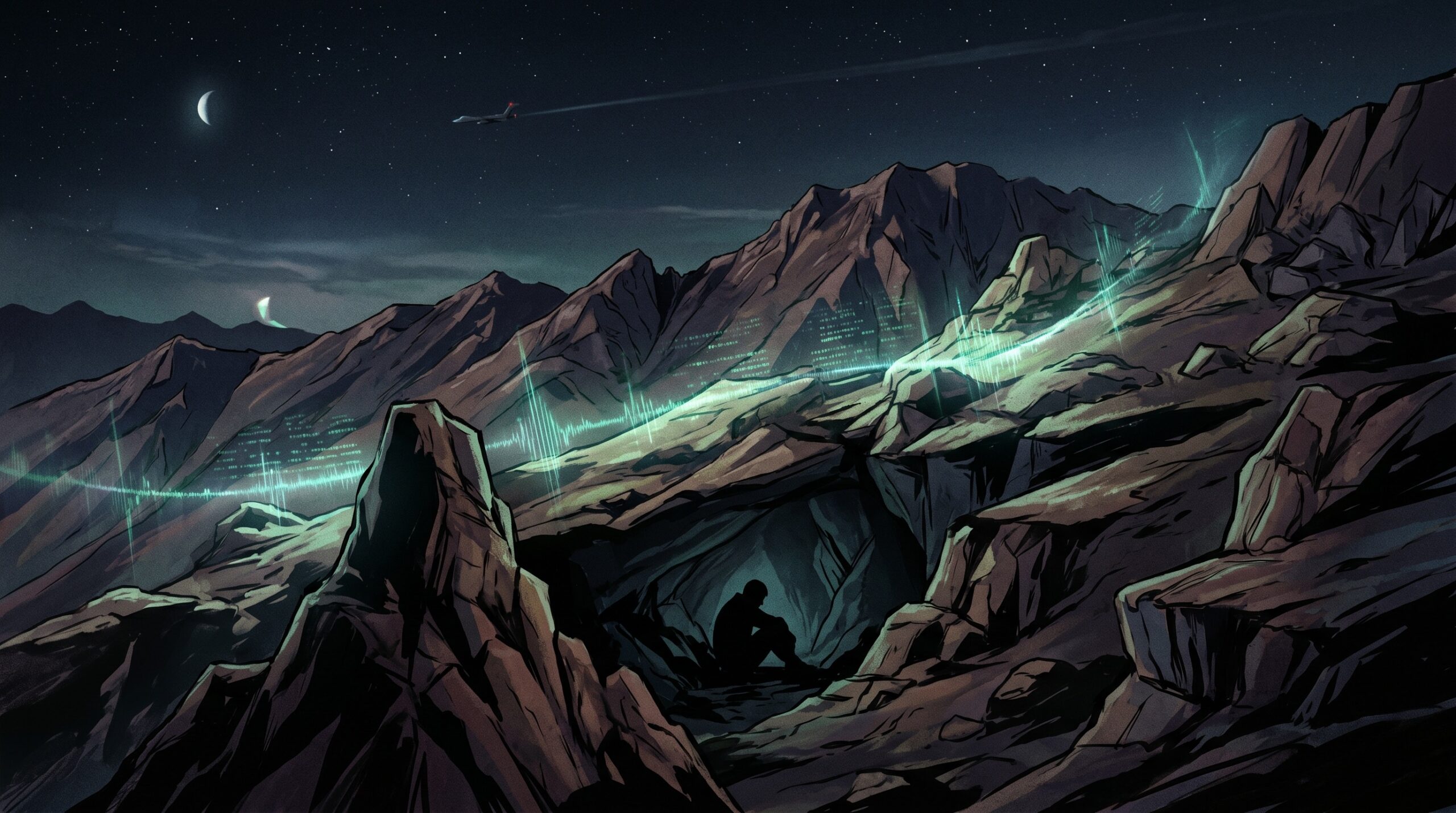
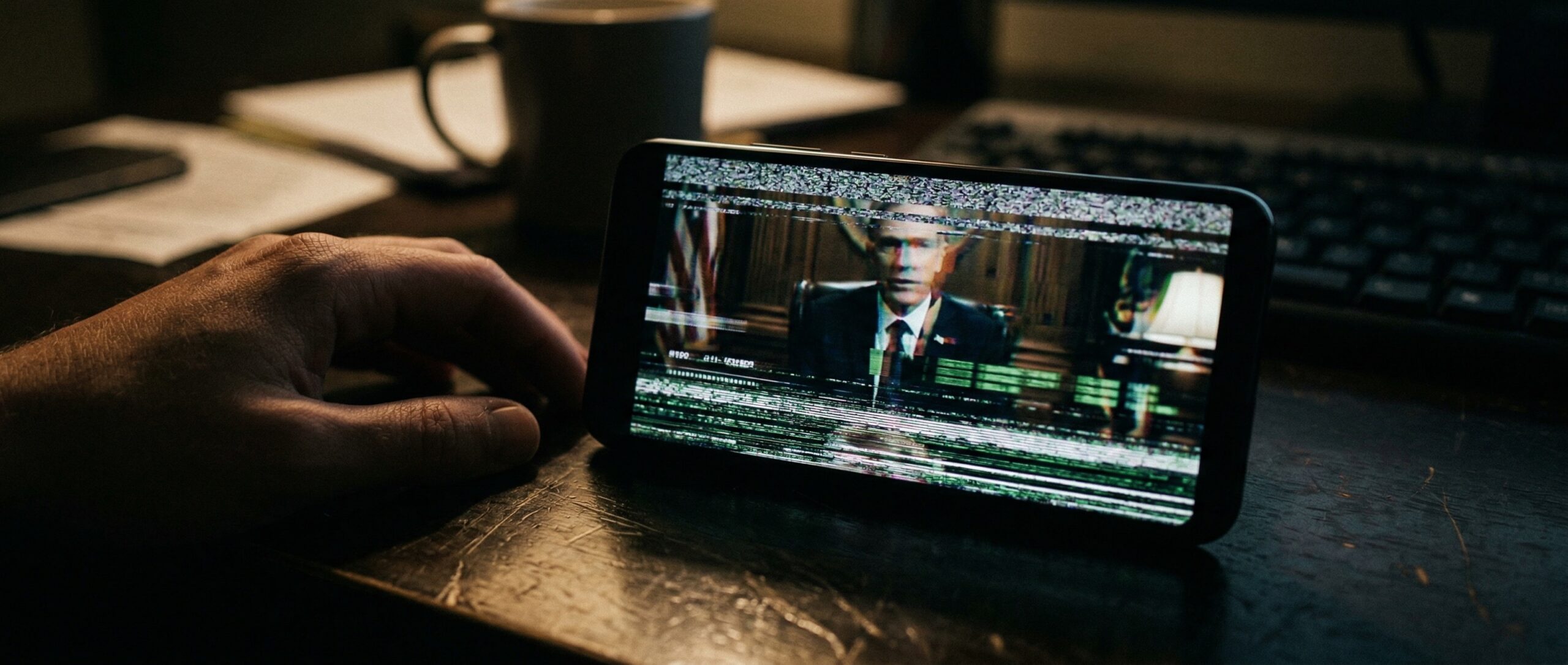
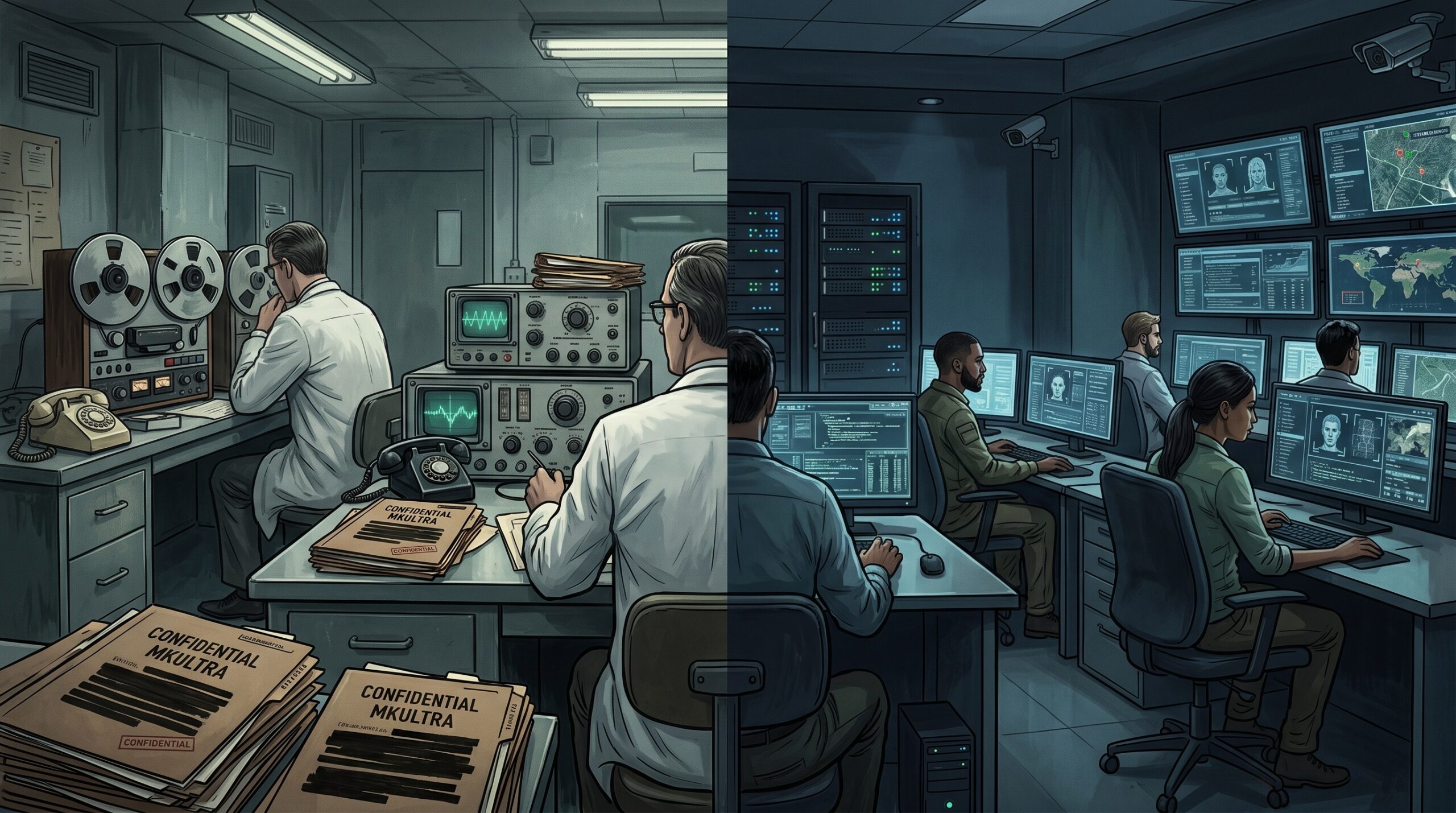
    The CIA’s own internal documents describe experiments that read like the plot of a dystopian novel. LSD administered to unsuspecting subjects. Hypnotic conditioning under interrogation. Drug combinations designed to produce amnesia and behavioral compliance. The program’s name was MKUltra, and it ran from the early 1950s until its apparent cancellation in 1973 — or so the official history says. A persistent community of researchers, declassified document analysts, and people who say they were subjects inside the program have long argued that the cancellation was administrative cover for a program that simply went deeper underground and became more sophisticated. The documents that keep emerging from archives suggest they may not be wrong.

    The latest development is HBO’s announced limited series on MKUltra, which is bringing renewed attention to a story that has oscillated between dismissed conspiracy theory and documented historical atrocity. What the series will dramatize is already well-established in declassified form: the CIA conducted illegal human experiments on a massive scale, using civilians, military personnel, and inmates as test subjects, with the goal of developing techniques for controlling human behavior. What is less clear — and what the HBO project may or may not address — is whether the program continued after 1973 under a different structure, with more advanced tools, and with the same fundamental goals.

    What the documents show

    The declassified MKUltra files are fragmentary by design. CIA director Richard Helms ordered the program’s records destroyed in 1973, apparently to protect its details from the Church Committee investigation that was already examining CIA abuses. What survived was a partial paper trail — enough to establish the scope of the program, the range of techniques it explored, and the identity of some of the researchers and institutions involved.

    The surviving documents show experiments with LSD, hypnosis, sensory deprivation, electromagnetic stimulation, and various drug combinations. They show that the program operated with the involvement of academic institutions, hospitals, and private research firms — many of whom did not fully understand that their work was part of a CIA operation. They show that the program’s goals included not just behavioral modification but the development of techniques for extracting information, implanting suggestions, and creating subjects who could be activated or deactivated without their awareness.

    What the documents do not clearly show — because they were destroyed or never recorded in accessible form — is whether the program achieved its goals, and what happened to the techniques that were developed. That is the space where the conspiracy theory and the documented history overlap. The absence of evidence is not evidence of absence. And the nature of the program — covert, illegal, designed to be undetectable — means that the absence of a complete paper trail is exactly what you would expect even if the program had continued indefinitely.

    The continuation argument

    Researchers who argue that MKUltra continued after 1973 make several interconnected claims. First, they note that the program’s stated goals — behavioral control, information extraction, the development of compliant subjects — are goals that intelligence agencies do not simply abandon because a congressional investigation makes them uncomfortable. Second, they point to documented cases of apparent behavioral modification technology appearing in the decades after 1973, including cases involving public figures whose behavior changed dramatically under unexplained circumstances. Third, they argue that the sophistication of hospice nurses who report visions at the threshold of death, modern surveillance and neurotechnology has created capabilities that the original MKUltra researchers could only have dreamed of — capabilities that would be difficult to justify deploying openly, and therefore would be ideally suited to continuation under covert operational parameters.

    The HBO series is reportedly focused on the historical program rather than contemporary continuation claims. But the attention the project is generating has re-energized the broader community of researchers who argue that the real story of MKUltra is not what happened in the 1950s and 1960s, but what has been happening since — with tools that are exponentially more powerful than the ones the original program used.

    What modern tools change

    The original MKUltra experiments were crude by contemporary standards. LSD was administered in laboratory settings. Hypnosis was attempted with mixed results. Drug combinations produced unpredictable effects. The program was essentially running experiments with the basic science of neurochemistry before the field had developed the tools to understand what it was actually doing.

    Modern neuroscience has those tools now. fMRI allows researchers to observe brain activity in real time with unprecedented precision. Targeted pharmacological agents can modulate neurotransmitter systems with a specificity that 1950s researchers could not have imagined. Optogenetics allows the activation or suppression of specific neural circuits. Brain-computer interfaces are developing rapidly enough that DARPA has an entire program dedicated to neural enhancement and control technologies.

    Each of these capabilities was on the theoretical horizon of MKUltra researchers. Each of them is now a working technology. And each of them, in the hands of a covert program with the same goals as the original MKUltra, would represent an advance that the 1973 investigators could not have anticipated. That is the argument that continuation advocates are making: not that the program definitely continued, but that the capabilities it was trying to develop now exist, and that their existence makes the question of whether they were developed under covert continuation more urgent to answer.

    Why this story persists

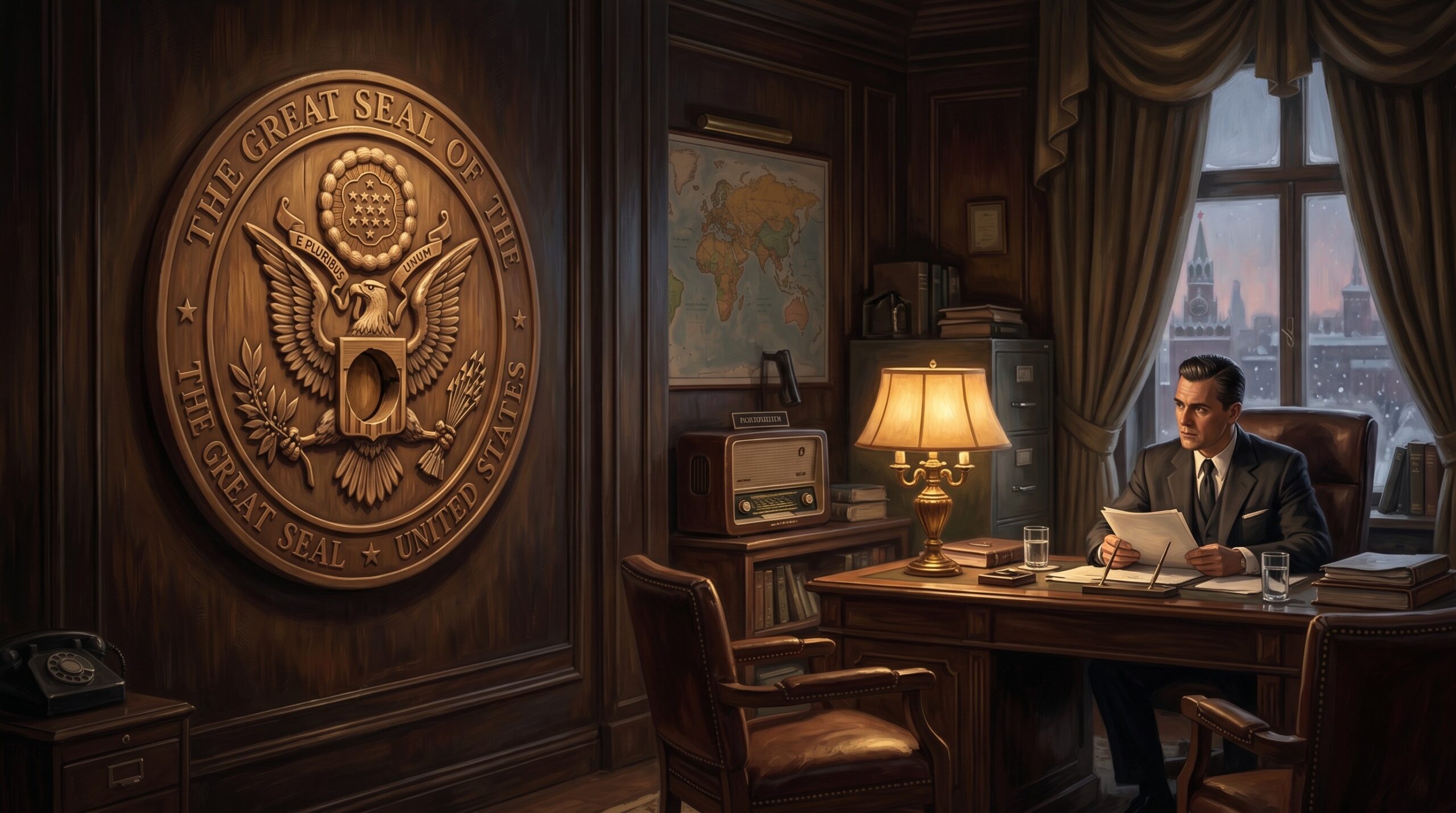
    MKUltra occupies a particular place in American conspiracy culture precisely because it is both documented and incomplete. The documented part — that the CIA conducted illegal human experiments on a massive scale — is settled history. The incomplete part — what exactly was done, to whom, with what effects, and whether it continued — is what keeps the story alive. Every new document that surfaces, every new researcher who connects MKUltra to contemporary surveillance capabilities, every HBO project that brings the basic story to a new audience, reinforces the sense that the official history is not the full history. The Great Seal Bug — a Soviet listening device hidden inside a wooden plaque presented to the US Embassy — demonstrates how far intelligence agencies will go to maintain covert access.

    That sense has a specific weight in the UFO and disclosure community, where the question of government capabilities and hidden programs has always been live. People who are already inclined to believe that the government has hidden information about non-human technology are not inclined to believe that it stopped experimenting with human consciousness once the MKUltra files were partially destroyed. The Philip Experiment and other historical attempts to create paranormal phenomena also documented: if the government can hide recovered spacecraft, it can certainly hide a behavioral modification program.

    Whether that reasoning is sound is a separate question from whether the continuation claims are correct. But the persistence of the MKUltra story — and the renewed attention generated by the HBO series — reflects a genuine uncertainty about what the government’s behavioral modification capabilities actually are, and what they have actually been used for, that the declassified archives have not yet resolved.

  • Is Tariel Kapanadze’s Free Energy Generator the Internet’s Most Persistent Impossible Machine?

    Is Tariel Kapanadze’s Free Energy Generator the Internet’s Most Persistent Impossible Machine?

    It usually begins with a box, a coil, a few cables, and the electric feeling that somebody is about to insult the laws of physics on camera. That is the enduring charge around the tariel kapanadze free energy generator: the claim that a rough-looking apparatus associated with Georgian inventor Tariel Kapanadze can produce more power than it takes in, running like an outlaw machine hidden just outside the limits of accepted science.

    That promise is why the legend refuses to die. The Kapanadze device is not merely another fringe gadget. In online culture, it occupies a special category reserved for machines that seem to threaten the whole architecture of modern scarcity. If one black-box generator could really output usable energy from nowhere obvious, then utility grids, fuel dependence, research gatekeeping, and a century of “impossible” might all start to look less solid than advertised.

    So what is the Tariel Kapanadze generator supposed to be? In the language searchers actually use, it is the famous alleged overunity machine said to deliver more energy than it consumes. That is the core claim, and it is exactly why the device keeps resurfacing in forums, replication groups, and endless video dives. A recent Reddit discussion in r/HighStrangeness captures the familiar mood perfectly: maybe it is a hoax, maybe it is staged, maybe it is hidden-input trickery, or maybe it is one of those suppressed breakthroughs that never gets a fair hearing because the consequences would be too large.

    That last possibility is the real rabbit hole. Free-energy legends do not survive on engineering alone. They survive on distrust. They survive because many people already suspect that if a machine ever threatened the energy order, it would not be welcomed into the world like a new smartphone. It would be buried, ridiculed, litigated, bought, or quietly disappeared.

    Why the Kapanadze generator never stops coming back

    Most viral mysteries fade when the footage gets old. The Kapanadze machine does the opposite.

    Part of that is visual. The demonstrations look just scrappy enough to feel authentic and just opaque enough to stay unresolved. The apparatus does not usually appear in the polished language of a major laboratory. It appears like forbidden workshop knowledge: boxes, wires, grounding stakes, humming components, and the suggestion that the real principle is being shown only halfway. That aesthetic is powerful. It implies discovery before institutional capture.

    It is the same emotional logic that keeps people staring at things that seem too heavy, too precise, or too advanced for their official setting. Readers who are drawn to stones that look impossible to move or to the uncanny design tension of the Sabu Disk mystery already understand the pattern. The object does not have to be proved beyond doubt to become magnetic. It only has to appear to violate the accepted limit in a way that feels physically vivid.

    Kapanadze’s machine also benefits from a perfect internet property: it is never fully dead because it is never fully settled. There are always old forum archives, translated claims, alleged patents, rough schematics, partial replications, and new viewers discovering the story as if it had just happened yesterday.

    What the machine is supposed to do

    At the center of the mythology is a simple, explosive claim: the device can output more power than it draws from any visible input source.

    That is why Kapanadze is usually discussed in the same breath as “overunity,” a term commonly used for systems claimed to exceed conventional energy-conservation expectations. General references such as Wikipedia’s overview of overunity explain why the term has such a charged reputation. It sits in the borderland between fringe invention culture, misunderstood measurement, deliberate fraud, and the dream that mainstream physics has missed something enormous.

    The broader family tree is older than the internet. Alleged self-powering machines have been pursued for centuries, usually under the shadow of the perpetual-motion dream. That is why even a mainstream summary like Wikipedia’s page on perpetual motion matters here. It reminds us that impossible-machine culture did not begin with YouTube. Kapanadze is simply one of the most persistent modern avatars of an old obsession: a device that beats the meter.

    But believers do not experience the machine as an abstract physics argument. They experience it as a direct threat to managed reality. A table-top system lighting bulbs or powering loads while the obvious supply seems too small or strangely absent does not feel like a textbook error. It feels like witnessing a forbidden principle through a dirty window.

    Why overunity machines become instant conspiracy magnets

    The moment a machine appears to offer “free energy,” the story stops being technical and becomes civilizational.

    If it worked, the implications would be too large to stay in the garage. That single thought launches a hundred secondary suspicions. Would utilities suppress it? Would governments classify it? Would investors buy it just to bury it? Would the inventor be threatened, discredited, or lured into secrecy? In conspiracy culture, free-energy lore is not just about voltage. It is about power in every sense of the word.

    That is why failed public acceptance often strengthens the myth instead of killing it. Rejection can be reinterpreted as proof of suppression. Confusion becomes evidence of deliberate obfuscation. Missing technical details become signs that the inventor is hiding the key principle for safety or survival. The legend becomes self-sealing.

    This is one reason Kapanadze remains alive while countless fringe devices vanish. The machine sits inside a larger belief ecosystem where hidden breakthroughs, buried discoveries, and controlled narratives already feel normal. It belongs naturally beside other stories of concealed knowledge, whether people are chasing secret structures beneath famous monuments or trying to decide whether obscure physical phenomena, like those invoked in Schumann resonance debates, point to misunderstood science or internet pattern-making.

    The grainy-video problem

    The greatest strength of the Kapanadze legend is also its greatest weakness: most people encounter it through demonstrations that feel tantalizing but never quite clean enough.

    Search results for Tariel Kapanadze generator videos on YouTube reveal the whole ecosystem at a glance. There are demo clips, commentary channels, replicas, technical arguments, skeptical breakdowns, and true-believer uploads insisting the breakthrough is real if you just watch closely enough. The volume itself becomes persuasive. A newcomer can easily think: so many people cannot still be discussing this if there is absolutely nothing there.

    But black-box machines are perfect survival structures for techno-myths. If the wiring is partly hidden, the measurements are incomplete, the grounding ambiguous, the switching unexplained, or the camera angle imperfect, then the machine remains open. Every ambiguity gives believers another foothold and skeptics another objection. Instead of resolution, you get permanent motion at the level of narrative.

    And yet that ambiguity has an odd cultural advantage. Real hidden technology has existed before, and free-energy believers draw emotional strength from that fact even when the comparison is not technically fair. Once history proves that secret engineering can exist, impossible engineering feels less impossible than it should.

    Why believers see suppression, not failure

    For many followers of the Kapanadze story, the inability of mainstream science to validate the machine is not decisive. It is expected.

    A true breakthrough, in this view, would not arrive through the normal pipeline. It would appear messy, underfunded, and half-hidden. It might be demonstrated in fragments, copied badly, translated poorly, and attacked from every side. The inventor might seem eccentric rather than institutionally polished. That does not weaken the myth. It gives the myth its prophet.

    This is where free-energy culture starts to resemble religious culture more than engineering culture. Testimony matters. Conversion stories matter. The existence of seekers, replicators, and initiates matters. There is always one more circuit variant, one more revelation about earth grounding, resonance, spark gaps, or secret geometry. The missing proof becomes part of the path.

    What physics says, and what remains unresolved

    Here the grounded frame has to come in.

    There is no widely accepted public evidence that Tariel Kapanadze demonstrated a genuine free-energy generator operating outside known physical constraints. Claims of overunity face the basic problem that extraordinary output requires extraordinarily clear measurement, controlled testing, and independent replication. So far, the Kapanadze machine remains a legend carried by demonstrations, interpretations, and belief communities rather than a verified breakthrough recognized by mainstream science.

    That said, the cultural mystery is real even if the machine itself remains unproven. Kapanadze persists because he embodies the internet’s favorite impossible inventor: the man with a rough device, a world-changing claim, and just enough footage to keep hope alive. The story survives not because it has been settled, but because it has not. Somewhere between old perpetual-motion dreams and modern distrust of institutions, the Kapanadze generator still hums as a possibility people do not want to surrender. In mystery culture, that is often enough to make a machine immortal.

  • The Great Seal Bug: The Soviet Gift That Listened for Seven Years

    The Great Seal Bug: The Soviet Gift That Listened for Seven Years

    Imagine accepting a diplomatic gift so ceremonial, so patriotic, and so outwardly harmless that it ends up hanging on the wall like pure symbolism — only to learn years later that the symbol itself had been listening.

    That is why the Great Seal Bug never really dies. It does not feel like ordinary espionage history. It feels like a parable about power, trust, and humiliation staged with almost supernatural precision: a carved wooden U.S. Great Seal, reportedly presented in 1945 by Soviet schoolchildren to the American side in Moscow, hanging in a place of honor while a concealed listening device sat inside it for years. Not in a lamp. Not in a phone. Not in some obviously suspicious gadget. In the emblem.

    For conspiracy-minded readers, that detail alone is enough to send the story straight into the permanent archive of things the public was never supposed to forget. The most unnerving spy devices are not the futuristic ones. They are the ones hidden inside objects everybody already accepts. And in this case, the object was not just accepted. It was respected.

    That is part of why the case keeps resurfacing in Reddit and StrangeEarth-style feeds now. Every few months it returns in the same tone of disbelief: wait, this one was actually real? A lot of viral “hidden history” stories collapse the second you look at them closely. This one does not. The core version holds up. The gift was real. The hidden device was real. And the device was unusual enough that even decades later it still sounds like science fiction smuggled into a piece of Cold War furniture.

    The gift that should have meant friendship

    The opening image is almost too neat. World War II had just ended. The United States and the Soviet Union were moving through that brief, unstable zone between alliance and open distrust. Into that atmosphere came a carved wooden representation of the Great Seal of the United States, presented as a gesture of goodwill from Soviet children.

    That is exactly the kind of object nobody wants to treat with suspicion. It is sentimental, symbolic, and politically useful. You display it because rejecting it would seem rude, paranoid, or diplomatically tone-deaf. Which is precisely what makes the story feel so perfect in retrospect. If you wanted to hide a listening device in plain sight, you could hardly ask for a better disguise than a patriotic object your target would proudly hang up themselves.

    This is where the case stops feeling like ordinary spy craft and starts feeling almost mythic. A national emblem is transformed into an ear. Hospitality becomes access. Ceremony becomes penetration. Even before anyone gets into frequencies, resonant chambers, or surveillance tradecraft, the image does most of the work on its own.

    The modern internet loves that kind of symbolic inversion. It is the same reason hidden-room stories, ritual objects, and institutional cover-up narratives travel so fast: people do not just react to the event. They react to the shape of it. And the shape of the Great Seal Bug story is nearly unbeatable.

    Why the Great Seal Bug still feels unreal

    Most espionage cases sound technical before they sound disturbing. This one works in the opposite order.

    What people remember first is not the engineering but the insult. The Soviets did not merely place a bug somewhere in an office. According to the widely repeated and well-documented account, they turned a prestigious gift into a silent access point inside the American diplomatic space in Moscow. That makes the story feel bigger than a normal surveillance success. It becomes a psychological victory.

    It also plays directly into one of the oldest conspiracy intuitions: if you can be watched through the object you trust most, then the game is already rigged. Hidden surveillance is frightening. Hidden surveillance embedded inside a revered symbol is something else. It suggests that the strongest defenses can be bypassed through pride, ritual, and assumption.

    That is why the story still lands in the age of smart speakers, compromised routers, hidden cameras, and ambient-device paranoia. The technical world has changed completely, but the emotional lesson has not. The most effective listening tool is often the one that never announces itself as technology at all.

    What “The Thing” actually was

    The hidden device inside the seal became known as “The Thing,” and one reason it still fascinates historians, spy enthusiasts, and conspiracy audiences is that it was not a simple battery-powered bug in the way many people imagine.

    In broad terms, the device is usually described in reference sources such as the CIA’s museum material, the International Spy Museum, Wikipedia, and other explainers as a passive listening device. That passive design is the whole magic trick.

    Instead of sitting there constantly powered like a conventional transmitter, the device worked by being energized from outside. A radio signal could be directed at it, and the hidden component would resonate and reflect back an audio-modulated signal carrying room sound. In plain English, that meant it did not need its own obvious onboard power source in the ordinary way many bug hunters expected. No battery to die quickly. No simple steady emission to make detection easy. No ordinary-looking electronics package announcing itself from the wall.

    That is one reason the Great Seal Bug became such a famous espionage artifact. It represented a leap in concealment as much as a trick in listening. The brilliance was not just that it heard. The brilliance was that it waited.

    For readers who know the name Léon Theremin from electronic music history, this is also one of those strange Cold War crossovers that seems scripted by a novelist. The device is commonly associated with Soviet innovation in that orbit, which only adds to the eerie aura around the case. But even without leaning too hard on personalities, the essential point is clear: this was not a cartoon spy bug. It was a technically elegant solution designed to be hard to find.

    How it stayed hidden for so long

    The most unsettling part of the story is not that the bug existed. It is that it reportedly remained undiscovered for years.

    Public summaries generally place the gift in 1945 and the discovery in 1952, which is where the famous “seven years” framing comes from. That span matters because it tells you immediately why the case became legendary. If a hidden device survives a week, that is a breach. If it survives years inside a diplomatic environment, it becomes a warning.

    The passive design helps explain why. Traditional bug-detection logic of the era often focused on finding devices that were actively transmitting or obviously powered. A passive resonant device was a different kind of problem. It could sit quietly until externally illuminated. That made it much easier to miss.

    The concealment choice mattered too. People inspect suspicious objects. They inspect new electronics. They inspect odd wiring. They are much less likely to suspect the carved national emblem hanging where it belongs. The seal was not just cover. It was social camouflage.

    There is a temptation in online retellings to turn that long concealment into a library of specific captured secrets, dramatic intercepted conversations, or decisive intelligence coups. That is where caution matters. The broad public record supports the existence of the device and its years-long concealment. It does not give internet storytellers unlimited license to claim every whispered diplomatic exchange in that room was definitely harvested and weaponized in some fully documented way. The disturbing part is already there without embellishment: the access existed.

    Why this became conspiracy catnip

    The Great Seal Bug survives online because it satisfies both believers in institutional manipulation and ordinary readers who simply love impossible true stories.

    It confirms one of the deepest fears in modern political culture: that surveillance does not only happen through force. It happens through gifts, aesthetics, trust, and environments designed to lower your guard. It also flatters a certain worldview that says official spaces are never as secure as they look, and that adversaries are often years ahead in methods the public only learns about after the damage is done.

    That makes the case endlessly reusable. To a Cold War history audience, it is a landmark in tradecraft. To conspiracy readers, it feels like proof of concept for the broader idea that public reality is always being stage-managed behind decorative surfaces. To today’s surveillance-anxious reader, it feels like an analog ancestor of the fear that every harmless object is now a potential microphone.

    In that sense, the Great Seal Bug is not just old spy lore. It is a template. It shows why the phrase “hidden in plain sight” became such a durable way of understanding power.

    If you like stories where the real world already behaves like occult symbolism, this one sits naturally beside the Soviet unease around Kola Superdeep’s most enduring legend or the Cold War dread that still clings to the Dyatlov Pass mystery. Different subject, same underlying shock: an object is doing more than it appears to do.

    What is firmly documented, and what the internet tends to inflate

    Here the grounded framing matters.

    The core case is not internet fantasy. Reference trails through CIA material, the International Spy Museum, encyclopedia entries, and mainstream explainers all support the essential outline: in 1945, a carved wooden Great Seal was given to the American side in Moscow; a concealed passive listening device was hidden inside it; the object remained on display for years; and the device was discovered in 1952.

    That is already enough to make the case historic.

    What deserves more caution are the amplified online versions. Some retellings slide too confidently from “bugged object” to “we know exactly which conversations were captured and how they altered world events.” Others add dramatic color that sounds satisfying but is not consistently supported by the public record. The best way to preserve the power of this story is not to decorate it further. It is to let the documented facts do their work.

    And the documented facts are plenty strange. A passive Soviet eavesdropping device hidden in a carved American emblem and left in place for years is not an almost-story. It is an actual one.

    The bottom line

    The Great Seal Bug keeps coming back because it violates something deeper than security procedure. It violates the human instinct that symbols are supposed to stabilize reality.

    A national seal is meant to represent authority, legitimacy, and identity. In this case, it also concealed vulnerability. That reversal is what gives the story its unusual staying power. It is not merely that the Soviets planted a listening device. It is that they appear to have turned the symbol of American presence into a channel of access.

    So yes, the reason the story feels like conspiracy bait is obvious. It has all the ingredients: Cold War secrecy, delayed discovery, elegant hidden technology, a ceremonial object, and years of undetected exposure. But this is one of those cases where the grounded version is already powerful enough. You do not need to inflate it into fantasy. The truth is that one of the most famous listening devices in espionage history was allegedly hidden inside a gift so symbolic that almost nobody would have wanted to question it.

    That is why the Great Seal Bug still works on people. It is not only a spy story. It is a story about how the most dangerous intrusions are often the ones that arrive carved, polished, smiling, and ready to hang on the wall.

  • Ghost Murmur: The Secret Tool That Made the Iran Airman Rescue Feel Like Sci-Fi

    Ghost Murmur: The Secret Tool That Made the Iran Airman Rescue Feel Like Sci-Fi

    What if one of the strangest names to surface in recent military-tech chatter was not attached to a weapon, but to a rescue? That is the charge running through conspiracy and UFO-heavy corners of the internet after reports and news summaries suggested a secretive tool called Ghost Murmur may have helped locate a downed American airman in Iran, allegedly by detecting a heartbeat. The phrase does not sound like ordinary military jargon. It sounds like something smuggled out of a whistleblower thread at three in the morning.

    That is exactly why the story detonated online. A pilot-down rescue in Iran is already the kind of scenario that arrives with instant tension. Add a codename like Ghost Murmur, add the suggestion of standoff sensing that can somehow find a living body by its biological signature, and the whole thing stops feeling like a normal defense story. It starts feeling like the public may have briefly brushed up against the edge of a classified capabilities world that normally stays hidden behind euphemism, acronyms, and silence.

    For a certain audience, the rabbit hole opened immediately because Ghost Murmur was not just weird. It was familiar. On Reddit, especially in UFO-adjacent communities, users quickly connected the name to the infamous 2023 4chan whistleblower lore, where “Ghost Murmur” circulated as the sort of eerie, half-credible, half-mythic term that believers file away and never forget. A notable r/aliens discussion about that whistleblower material, with roughly 1,600-plus score, gave the term an afterlife long before this Iran rescue angle appeared. So when the name surfaced again beside claims about heartbeat-detection and an American airman, many readers felt the same jolt: either the internet had accidentally guessed a real black-world tool, or the mythology had started bleeding into the headlines.

    Why the Iran rescue claim feels so explosive

    There are military stories that sound serious, and then there are military stories that sound like they should not be public at all.

    This one sits in the second category. Coverage and search-result summaries from outlets including The Independent, Newsweek, NDTV, Daily Mail, and Scientific American helped push the story into broader view by circling the same irresistible center: a rescue in Iran, a supposedly downed American airman, and claims involving unusual heartbeat-detection capability. Even before readers sort out what any one report specifically confirmed, the shape of the story is enough to trigger speculation. It implies precision. It implies reach. It implies that somebody may possess a way of sensing a human presence under conditions where ordinary search methods would struggle.

    That is why the phrase “heartbeat detection” hits harder than a colder, more technical description would. Heartbeat is intimate language. It turns a system into almost a supernatural listener, something that can reach through terrain, distance, concealment, or chaos and isolate the fragile sign that a person is still alive. “Ghost Murmur” is the perfect codename for a capability like that because it sounds less like machinery than like an invisible whisper hunter.

    Believers do not hear a mundane rescue sensor when they read that. They hear proof that the classified world is far ahead of the public one. They hear another reminder that the military may operate with layers of sensing technology ordinary people only encounter as rumors, scattered patents, or anonymous-board testimony.

    Why UFO audiences think they heard this before

    The real accelerant here is not the rescue itself. It is the overlap with existing internet lore.

    The 2023 4chan whistleblower story became one of those strange modern myth objects: too detailed to forget, too unstable to trust, and too imaginative to stay contained. In UFO and conspiracy communities, the thread lingered because it offered readers exactly what they wanted from anonymous disclosure culture — hidden programs, insider tone, specific-sounding language, and just enough texture to feel dangerous. Terms mentioned there did not fade. They became seeds.

    Ghost Murmur was one of those seeds.

    So when a similar name appeared in circulation around a real-world rescue story, the effect was immediate. Online, people began treating the overlap as more than coincidence. Some saw vindication. Some saw contamination. Others simply saw the most thrilling possibility of all: that a piece of fringe whistleblower lore had described an actual capability before mainstream audiences ever heard of it.

    That kind of echo is powerful because it compresses two very different credibility systems into one emotional moment. News reports carry institutional weight. Anonymous threads carry mythic weight. When the same eerie term seems to appear in both environments, believers experience it as a bridge between the visible world and the hidden one.

    “Ghost Murmur” is also one of those names that almost refuses to stay neutral. It sounds engineered to haunt the imagination. If a classified system really existed to detect life signatures in difficult environments, many readers think, would it not sound exactly like this? A dry technical label might have passed quietly. Ghost Murmur invites obsession.

    The codename is doing half the work

    Black-program mythology has always thrived on naming.

    A codename can make a claim feel more real than a paragraph of explanation. That is not because names prove anything. It is because names suggest infrastructure. They imply procurement, briefings, compartmentalization, operators, budgets, deployment histories. A weirdly elegant codename feels like evidence of a hidden bureaucracy.

    Ghost Murmur is especially potent because it seems to describe the capability and dramatize it at the same time. Ghost suggests the nearly invisible person being sought, or the unseen way the system operates. Murmur suggests a body signal so faint it would normally be lost. Put together, the phrase sounds like a machine designed to hear life where no human rescuer could.

    That is the point where military-tech speculation and UFO culture start to merge. Readers who already suspect there are sensor suites, propulsion systems, and retrieval capabilities far beyond the public inventory hear this story as another leak from the same sealed world. They do not necessarily leap straight to aliens. But they do leap to hidden technology, and once that leap happens the surrounding discourse begins to fill in the rest: special access programs, buried breakthroughs, whispered tools with names too poetic to be fake.

    In that sense, the Iran airman rescue story became bigger than itself almost instantly. It was no longer only a rescue anecdote. It became a referendum on whether extraordinary capabilities occasionally slip into view through side comments, partial reports, and oddly memorable codenames.

    Why the story spread beyond defense-news readers

    Most people do not spend their day tracking rescue technology. They do spend their day noticing stories that feel like they should unlock a larger secret.

    That is why this traveled. The geopolitical setting gave it stakes. The rescue angle gave it emotion. The heartbeat-detection claim gave it wonder. And the Ghost Murmur name gave it myth.

    Once those pieces clicked together, the story was perfectly built for modern circulation. News-oriented readers could frame it as a remarkable special-operations or defense-technology story. Conspiracy readers could frame it as evidence that classified sensing systems have outpaced public understanding by years. UFO audiences could frame it as one more case where fringe rumor seems to rhyme a little too neatly with the visible world.

    There is also a deeper reason the story resonates right now. A lot of people already believe the public lives downstream from technologies that are revealed slowly, selectively, and only when institutions can no longer avoid acknowledging them. They have seen enough drone stories, AI leaps, surveillance disclosures, and military-capability surprises to feel primed for the next impossible-sounding device to turn out not to be impossible after all. Ghost Murmur slips neatly into that emotional template.

    “A rescue tool that sounds fake is often the most believable kind of secret,” is the sort of sentence this story makes people want to say out loud. It captures the mood perfectly. If the technology were ordinary, it would not need a name like that. If it were extraordinary, of course the public would hear about it only in fragments.

    Where the public record stops

    Here is where the atmosphere has to give way to calibration.

    What is being claimed is dramatic but still narrow: that a system called Ghost Murmur was allegedly involved in locating a downed American airman in Iran, and that reporting around the case included language suggesting heartbeat detection or similarly advanced sensing. That is the core of the intrigue. It is enough to make the story fascinating.

    What has not been independently established in the public record, at least from the source signals driving the conversation, is much broader. The public does not have clear, technical documentation explaining what Ghost Murmur is, how it works, what conditions it can operate in, how far its reach extends, whether the codename was used consistently across reports, or whether the online 4chan-era use of the term referred to the same thing at all. The viral overlap is real. The proof of identity is not.

    That distinction matters. Advanced sensing technologies do exist in principle. Militaries and researchers have long pursued ways to detect human presence through indirect signals, environmental disturbances, radar-like methods, and biometric traces. But that general plausibility is not the same as confirmation of this exact capability, this exact rescue scenario, or this exact lore-rich codename.

    What remains unverified — and why people will keep talking anyway

    The strongest version of the online story goes something like this: a fringe whistleblower thread named a hidden tool years ago, that same tool just surfaced in connection with a real rescue in Iran, and the public has now accidentally glimpsed a capability that sounds nearly supernatural. It is a gripping narrative. It may even contain a kernel of something real.

    But several key pieces remain unverified. It is not publicly settled that Ghost Murmur is a formally identified system rather than a circulating label. It is not publicly settled that the heartbeat-detection claim describes literal operational capability rather than loose or sensationalized framing. And it is not publicly settled that the term’s appearance in UFO-adjacent internet lore and in rescue-related reporting points to one and the same technology.

    That does not kill the mystery. It explains the mystery. Stories like this survive because they occupy the sweet spot between imaginable and unbelievable. They sound too cinematic to be routine, yet not so impossible that readers can dismiss them outright. The result is a modern legend with just enough real-world scaffolding to feel dangerous.

    For now, Ghost Murmur remains exactly where the internet likes its best hidden-tech stories: half in the news, half in the myth. The claim is compelling. The resonance with older whistleblower lore is real. The underlying capability may be plausible in broad outline. But the larger, cleaner conclusion — that the public has identified a verified secret system straight out of conspiracy folklore — still has not been proved.

    And that unresolved gap is why the story will keep breathing. In the online imagination, Ghost Murmur is no longer just a rumored rescue tool. It is the sound of a hidden world briefly making itself heard.

  • Michael David Hicks and the So-Called Mysterious Scientist Network

    Michael David Hicks and the So-Called Mysterious Scientist Network

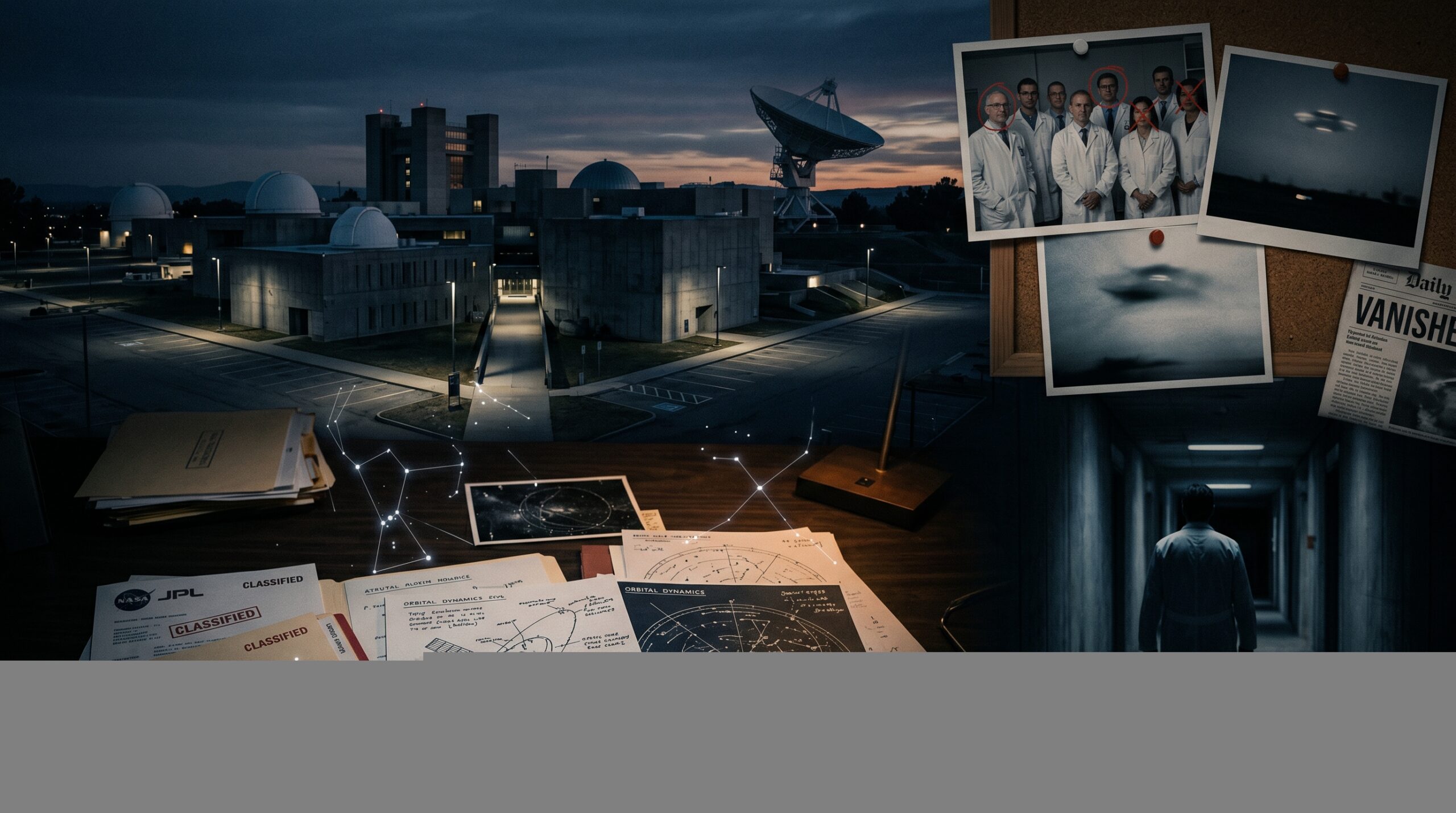
    Michael David Hicks has become the latest name folded into a familiar and highly combustible internet narrative: that scientists tied to sensitive American space or nuclear work keep dying, disappearing, or falling silent under suspicious circumstances. The core facts are narrower than the theory. Hicks, described in current coverage and online discussion as a former NASA JPL scientist, did die in 2023. What remains disputed is everything people have built around that fact.

    That distinction matters, especially now that the story has jumped from Reddit threads and conspiracy-adjacent social feeds into broader media coverage. In April 2026, posts about Hicks surged across communities like r/StrangeEarth, r/aliens, and r/UFOs, where he was presented as a new addition to a larger list of allegedly mysterious deaths connected to America’s scientific and defense-adjacent establishment. Mainstream and tabloid outlets then amplified the frame, helping turn one man’s death into the latest evidence, for some readers, of a hidden pattern. What the public evidence shows so far is more limited: a real person, a real death, a real wave of attention, and a much less certain claim that these cases add up to a coordinated network story.

    For related context, see Immaculate Constellation UFO Leak: What the Claim Is and Why People Are Arguing About It and James Clapper UFO Retrieval Program Allegations: What Is Claimed and What Is Still Missing.

    Why people are talking about Hicks right now

    The Michael David Hicks story is not surfacing in a vacuum. It is arriving in a media environment already primed for overlap between UFO culture, distrust of institutions, and fascination with unexplained deaths.

    A large part of the current attention appears to come from social momentum. Viral Reddit posts helped give the story shape and urgency, with one widely shared post on r/StrangeEarth drawing particularly strong engagement and parallel discussions gaining traction in r/aliens and r/UFOs. In those spaces, Hicks was often framed not simply as an individual case but as one more data point in a longer chain: the scientist who suddenly made an older conspiracy template feel current again.

    Once that framing took hold, the story became easy to export. News-focused outlets and tabloids surfaced versions of the claim in April 2026, often centering the same hook: a former NASA-linked scientist, a death in 2023, and no publicly circulated cause attached to the recent coverage. Social platforms then did what they tend to do with stories that sit between tragedy and intrigue. They stripped away caveats, compressed the timeline, and folded Hicks into a broader visual culture already saturated with UFO reels, conspiracy clips, and government-secrecy narratives.

    That does not prove the theory. It does explain the timing. People are talking about Hicks now because the case fits perfectly into an existing appetite for stories that feel like disclosure by accumulation—one more name, one more omission, one more possible clue.

    What is actually known about Michael David Hicks

    Here the record becomes both simpler and more frustrating.

    The basic public claim repeated across current coverage is that Michael David Hicks was a former NASA JPL scientist and that he died in 2023. That much is the anchor of the story. The gap comes next: the material driving the April 2026 wave of attention emphasizes that no public cause of death has been clearly established in the viral retellings now circulating online.

    For some readers, that absence is enough to make the case feel inherently suspicious. But “not publicly stated in the coverage people are sharing” is not the same thing as “mysterious in a proven investigative sense.” Public records can be incomplete, private family matters may stay private, and internet discussions often flatten the difference between an undisclosed detail and an unexplained event.

    That does not make the reaction irrational. When a person connected to a famous institution dies and the most repeated version of the story contains a conspicuous blank space, people naturally try to fill it. The problem is that the fill-in often arrives before the evidence does.

    What can be said responsibly is limited. Hicks appears to have had a real connection to NASA’s Jet Propulsion Laboratory in the broad way current coverage describes. He died in 2023. Beyond that, the public narrative now circulating is doing much more inferential work than documentary work.

    What people mean by the “mysterious scientist network”

    The phrase itself sounds more coherent than the evidence behind it.

    Online posts present Hicks as part of a loose roster of scientists, engineers, researchers, and technical personnel who are said to have died under odd circumstances, gone missing, or otherwise dropped out of public view after working near sensitive subjects. Depending on who is telling the story, those subjects include NASA programs, nuclear research, defense work, propulsion, advanced aerospace, or broader government-adjacent science.

    In some versions, the list is framed as a longstanding suppressed pattern. In others, it is folded into UFO disclosure culture, where any death near a space or weapons institution can be cast as potentially connected to hidden knowledge. Hicks has recently become useful to that narrative because his case has exactly the qualities that make list-building persuasive online: a recognizable institution, a dead scientist, an information gap, and timing that allows the story to be rediscovered by a new audience.

    But lists like these are usually less stable than they appear. They often combine unlike cases—confirmed deaths, rumored disappearances, contested biographies, old conspiracy favorites, and incidents stripped of their original context. Once names are grouped together under one dramatic heading, the grouping itself begins to feel like evidence. A “network” is inferred because the list exists. A targeting campaign is implied because the cases have been arranged to suggest one.

    That is a powerful narrative device. It is not the same thing as proof.

    Why the pattern feels compelling anyway

    If these claims were obviously flimsy, they would not keep returning.

    Part of the appeal is psychological and structural. Human beings are pattern-seeking by design, and we are especially drawn to patterns involving secrecy, death, and specialized knowledge. A celebrity death may invite gossip. A scientist’s death, when paired with a prestigious or opaque institution, invites a deeper genre of suspicion: what did they know, who else knew it, and why is the public hearing about this only now?

    The current UFO and disclosure moment intensifies that instinct. Over the past few years, public discussion around UAPs, whistleblower testimony, classified programs, and alleged hidden archives has made many readers more willing to believe that official reality is only a partial map. In that atmosphere, Hicks does not have to be strongly documented to become symbolically potent. He only has to look like he fits.

    There is also the emotional force of incomplete information. When a story contains an empty space—no clear public cause, no detailed official timeline, no obvious concluding explanation—people often interpret the silence as meaningful. Sometimes it is meaningful. Sometimes it is simply silence. The internet is not very good at telling the difference.

    And then there is aesthetics. “Former NASA JPL scientist dies, cause not publicly circulated, added to list of other dead or missing scientists” is the kind of headline architecture built to travel. It feels cinematic, almost pre-edited for a short-form video montage. Once a story reaches that stage, uncertainty no longer slows it down. It becomes part of the appeal.

    For outside reporting and background, start with Newsweek on the dead or missing scientists list tied to Hicks and NewsNation segment on scientists fueling online UFO theories.

    What skeptics would say about these lists

    Skeptical objections to the Hicks theory are not especially glamorous, but they are important.

    First, clustering does not automatically reveal design. If enough people work in large, high-profile, politically sensitive scientific fields, some will die unexpectedly, some will die young, some will have little public information attached to their deaths, and some cases will later be reinterpreted through the lens of conspiracy. A list built after the fact can make ordinary statistical reality look like a coordinated pattern.

    Second, these compilations often rely on selection effects. Cases that feel eerie get included; cases that do not fit the mood are ignored. Similarity is exaggerated. Difference is erased. A death from illness, an accident, a private passing with limited public detail, and an unresolved disappearance may all be placed side by side as if they carry the same evidentiary weight.

    Third, the argument usually gets stronger through repetition rather than through new documentation. One viral post cites another, which cites an article summarizing online reaction, which is then taken as independent confirmation that something serious is unfolding. In reality, the same thin core of information may be circulating in ever-widening loops.

    Skeptics would also point to a basic interpretive problem: “no public cause in the stories now being shared” is not affirmative evidence of foul play. It may justify curiosity. It may justify restraint. It does not, on its own, justify the leap to assassination, suppression, or networked targeting.

    What would count as real evidence of a coordinated pattern

    This is the question conspiracy narratives often skip, because asking it too plainly can reduce the atmosphere.

    If the claim is that Hicks was part of an actual pattern involving dead or missing scientists tied to sensitive U.S. work, then the public would need more than coincidence, tone, and institutional proximity. Stronger evidence would include documented links between cases, credible reporting showing common actors or common threats, verifiable records that specific individuals were under pressure because of what they knew, or direct evidence that Hicks himself was connected to extraordinary information relevant to the theory now being attached to him.

    It would also matter to know whether the supposed list is based on primary sourcing or on aggregation from old online lore. Are the careers accurately described? Are the deaths accurately characterized? Are people being labeled “missing” when they are merely absent from public discourse? Did any official investigation raise suspicion, or is the suspicion entirely retrospective and internet-driven?

    Without that level of corroboration, the broader claim remains suggestive rather than established. That may sound unsatisfying, but it is the difference between a pattern people can feel and one they can demonstrate.

    The bigger cultural story behind Hicks

    Even if the strongest conspiracy claims remain unproven, the Hicks story still tells us something real about the present moment.

    It shows how quickly a modern mystery can be assembled from a handful of emotionally potent elements: a dead scientist, a famous institution, an information gap, a suggestive list, and a media ecosystem that rewards implication more than verification. It shows how UFO culture now overlaps with older anxieties about national security, classified research, and institutional secrecy. And it shows how a story can feel newly urgent not because decisive evidence emerged, but because the right platforms discovered it at the right time.

    That is why the case has landed so hard. Hicks occupies a symbolic role larger than the public facts currently available about him. To some readers, he represents a hidden war over knowledge. To others, he is the latest example of internet culture turning fragments into architecture—building a compelling structure out of gaps, echoes, and unresolved details.

    Both reactions tell us something. Only one of them is evidence.

    What remains unproven

    Several key claims should still be treated as unproven.

    There is no public evidence, based on the current wave of coverage and discussion, that Michael David Hicks was targeted because of his work. There is no public proof that his death belongs to a single coordinated series involving other scientists. There is no demonstrated link, in the material now circulating, between Hicks and any covert UFO, nuclear, or space-related operation beyond the broad institutional associations people are emphasizing.

    That does not mean every question has been answered. It means the unanswered questions should remain questions.

    For readers drawn to the story, that restraint may feel anticlimactic. But it is the most honest way to handle a case like this. Some mysteries become clearer with time. Others become more famous than they are factual.

    The bottom line

    Michael David Hicks is not an invented figure, and the surge of interest around him is not imaginary. A former NASA JPL scientist died in 2023, and in April 2026 that fact was pulled into a much larger online theory about dead or missing scientists connected to sensitive American work. The recent attention is real. The pattern people claim to see is emotionally powerful. The proof that it reflects a coordinated hidden network is still missing.

    A third useful reference is Times of India profile of Hicks and his JPL work.

    That is the tension at the center of the story. Hicks has become important less because the public knows a great deal about his death than because the public knows just little enough for the case to be narratively elastic. In today’s conspiracy and disclosure ecosystem, that can be enough to turn one man into a symbol.

    Readers who want to continue can also explore Northwest Territories Drillers UFO Sighting: What the Video Shows and What It Doesn’t.

    For now, the most defensible conclusion is also the least dramatic one: the online theory tells us more about the modern machinery of suspicion than it does, yet, about a verified campaign against scientists. Hicks may remain a focal point in that narrative for some time. But until stronger evidence appears, the so-called mysterious scientist network is best understood as a live internet claim built around real loss, incomplete public information, and a culture deeply inclined to connect ominous dots.

  • James Clapper UFO Retrieval Program Allegations: What Is Claimed and What Is Still Missing

    James Clapper UFO Retrieval Program Allegations: What Is Claimed and What Is Still Missing

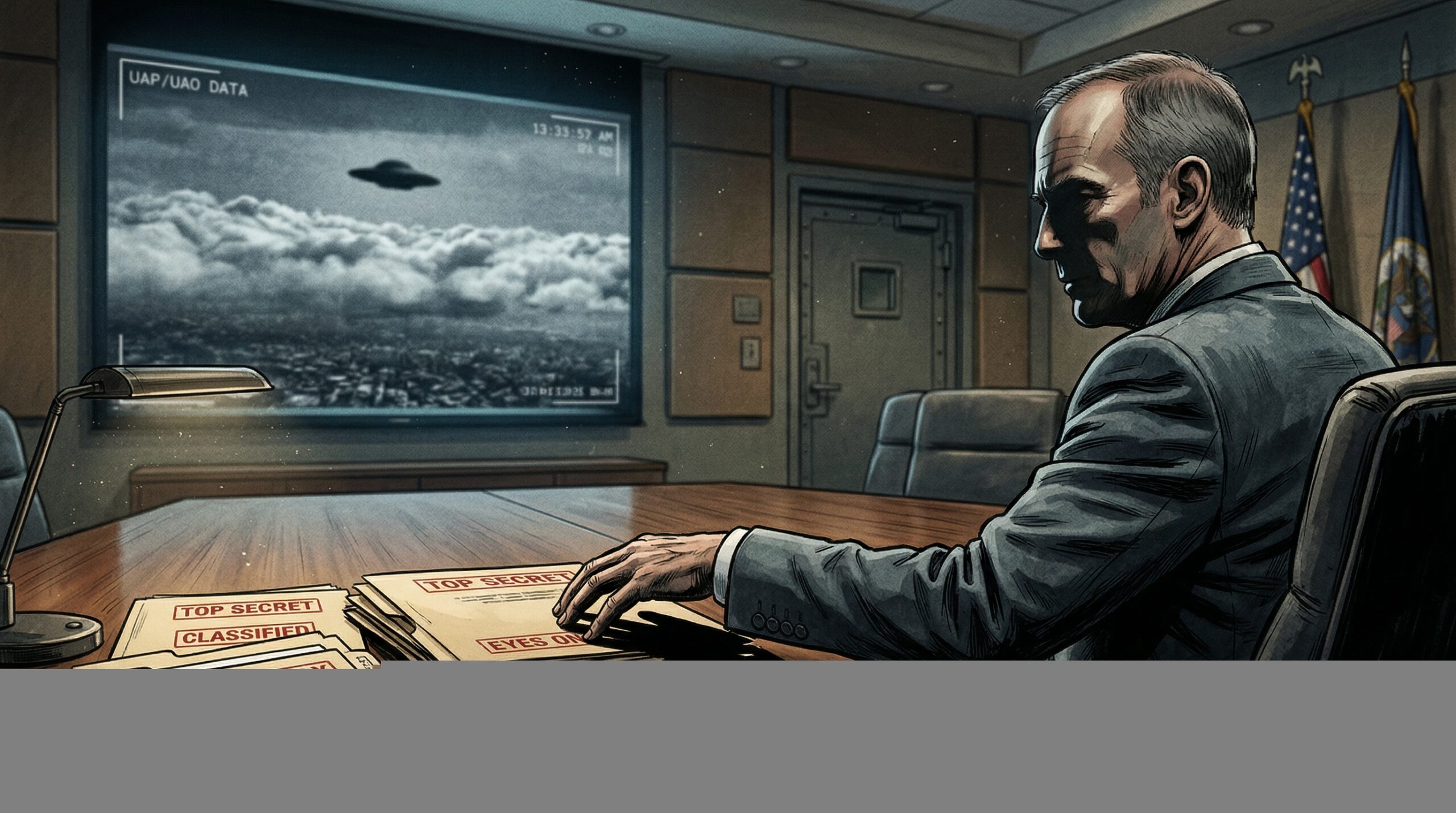
    The phrase “James Clapper UFO retrieval program” sounds like the title of a settled scandal. It is not. What exists in public is a tangle of allegations, inferences, and repeated claims suggesting that Clapper, because of his senior intelligence roles, may have been connected in some way to hidden knowledge, oversight, or secrecy surrounding unidentified aerial phenomena and possible retrieval efforts. That is a serious idea. It is also one that remains unproven.

    Part of what gives the story its charge is the name itself. Clapper is not a fringe figure pulled from the margins of UFO lore. He is a recognizable former intelligence official whose career is closely associated, in the public imagination, with secrecy, surveillance, and the machinery of national security. Once a name like that enters the UFO conversation, the story changes tone. It begins to feel less like rumor and more like a possible buried chapter of modern state history.

    For more context on the broader mystery, see Immaculate Constellation UFO Leak: What the Claim Is and Why People Are Arguing About It and Kacey Musgraves UFO Sighting: What She Said She Saw From the Plane.

    That is exactly why the evidence has to be handled carefully. A high-profile name can make a claim feel more solid than it is. So the real question is not whether people are making the allegation. They plainly are. The real question is what, precisely, they are alleging, what public evidence supports it, and where the story still dissolves into inference.

    What is actually being alleged?

    In its broadest form, the allegation is that Clapper was somehow linked to hidden structures of information, oversight, or control related to UFO or UAP retrieval claims. Depending on the source, that can mean very different things. In some tellings, the claim is direct and dramatic, implying knowledge of concealed programs involving recovered craft. In others, it is far looser, suggesting only institutional proximity, access, or awareness because of his place inside the intelligence world.

    That difference is not minor. It is the difference between a specific accusation and a suggestive narrative.

    Public discussion often flattens those distinctions. A complicated claim about bureaucratic overlap or possible awareness gets compressed into a phrase that sounds far more concrete than the underlying material. By the time it reaches social media posts, video clips, or aggregated summaries, readers may be encountering a version of the story much stronger than the original source justified.

    So before anything else, it helps to strip the phrase down to its essentials. Most of the time, “James Clapper UFO retrieval program” is not the name of a documented program. It is shorthand for a broader suspicion that senior intelligence figures may have been closer to alleged UAP secrecy than the public understands.

    Why Clapper’s name carries so much weight

    A story like this could circulate for years in niche corners of UFO culture without drawing much notice if it involved only unnamed officials. Clapper changes that. His public career gives the allegation a sharp outline even when the evidence remains blurred.

    That is partly psychological. People naturally assume that someone who reached the top of the intelligence bureaucracy would have unusual access to hidden information. Sometimes that assumption may be fair. Intelligence systems are built on compartmentalization, and senior officials can be positioned near highly sensitive material. But proximity is not the same thing as documented involvement, and rank alone cannot carry a claim this large.

    Still, the symbolic force is undeniable. A rumor tied to an anonymous source feels abstract. A rumor tied to a former Director of National Intelligence feels consequential. It invites readers to imagine secure briefings, classified files, closed-door oversight, and decades of concealed knowledge. That leap in atmosphere is part of why the allegation keeps resurfacing.

    Why other names keep appearing around the story

    The conversation often grows more confusing when additional names surface with little explanation. O’Sullivan is one example that appears in some retellings. For readers new to the subject, that can make the story seem richer and more intricate, as if a deeper network has already been mapped.

    But this is exactly where UFO narratives tend to expand by association. One person worked in intelligence. Another had ties to national security. A third made a provocative claim. A fourth source then connected them more aggressively than the evidence allowed. Over time, a chain of proximity starts to look like proof of structure.

    That does not mean every connection is empty. It means each one has to be tested on its own terms. Is the connection direct? Is it documented? Is it firsthand? Or is it mostly suggestive, drawing force from the wider atmosphere of secrecy around the subject?

    Those questions matter because an allegation can grow more elaborate without becoming more reliable.

    What believers think this points to

    For people inclined to take the claim seriously, Clapper is not really the whole story. He is a signpost. In that view, the true subject is a hidden system: long-running, compartmentalized, and managed through intelligence and defense structures insulated from normal public scrutiny.

    Within that framework, retrieval stories are not treated as sensational extras. They are treated as the center of the mystery. Hearings, declassified videos, and whistleblower testimony are seen as the visible edge of a much larger concealed history. From that perspective, a figure like Clapper matters because he represents the kind of institutional location where sensitive knowledge might converge.

    That reading has obvious emotional and political power. It moves the UFO story away from distant lights and strange sightings and toward a more grounded, more dramatic question: who knew what, and who controlled access to it?

    Even people who are skeptical of extraterrestrial claims sometimes find that broader question plausible. Governments do classify unusual information. They do compartmentalize. They do protect sensitive programs. That background reality is one reason retrieval allegations can feel credible to some readers even when the public evidence is thin.

    What skeptics say is still missing

    Skeptics tend to focus less on the atmosphere of plausibility and more on the structure of proof. Their questions are simple, but they cut to the heart of the matter.

    Readers who want to compare this story with outside reporting can start with ABC News overview of the American UFO saga and Popular Mechanics on the history of official UFO investigation.

    • What is the original source of the claim?
    • Is that source firsthand, secondhand, or speculative?
    • Are there documents that can be independently examined?
    • Do the timelines align with known roles, agencies, and events?
    • Is Clapper named directly, or has later commentary strengthened the implication beyond what the source said?
    • Are multiple independent sources pointing to the same conclusion, or is the story being recycled through repetition?

    These questions often expose how unstable high-profile allegations can be. A source may speak vaguely about intelligence awareness. A later retelling may add a famous name. Another retelling may harden that suggestion into an apparent fact. By the time the story has passed through podcasts, posts, clips, and summaries, what began as inference can look, to an uncareful reader, like established reporting.

    That is why skeptics insist on keeping the burden of proof high. The more consequential the allegation, the less room there is for symbolic association to do the work of evidence.

    Why the phrase “retrieval program” has such force

    Few phrases in UFO culture carry more narrative weight than “retrieval program.” It suggests something far more tangible than a witness report or an unexplained radar track. A retrieval program implies objects, personnel, budgets, security protocols, contractors, oversight mechanisms, and a hidden chain of command. It turns mystery into bureaucracy.

    That is part of what makes the Clapper allegation so potent. If readers hear not just that unexplained things were seen, but that recovered materials may have been managed in secret by people near the summit of the intelligence system, the entire subject suddenly sounds less speculative and more historical.

    But the same feature that makes the phrase compelling also makes it dangerous. It is easy for a concept this vivid to outrun the evidence supporting it.

    What would count as meaningful evidence?

    If this story is ever going to move beyond a contested allegation, it will not happen because the phrase keeps circulating. It will happen because stronger evidence appears.

    That would likely include some combination of the following:

    • primary documents with verifiable provenance
    • direct, on-the-record testimony from participants with firsthand knowledge
    • records showing formal funding, tasking, or oversight structures
    • multiple independent sources whose accounts align in substance and timeline
    • clear evidence that the allegation concerns a real program or effort rather than a narrative assembled from separate fragments

    Without that kind of support, the public remains in a familiar gray zone: enough suggestion to keep the story alive, not enough hard material to settle it.

    Why the story keeps returning

    The allegation persists because it speaks to a broader cultural mood. Many people already suspect that the UAP issue is, in part, a story about secrecy, compartmentalization, and selective disclosure. A figure like Clapper fits neatly into that frame. His name gives the idea institutional gravity.

    It also returns in an era of uneven trust. In that climate, a claim does not need to be airtight to spread. It only needs to feel plausible enough, dramatic enough, and close enough to power to invite another round of attention. Once that happens, repetition starts doing its own kind of work. A story mentioned often enough begins to seem established even when no decisive new evidence has emerged.

    That is one of the defining tensions of the modern UFO conversation. Public curiosity is real. So is the temptation to mistake circulation for confirmation.

    What remains uncertain

    At the moment, the uncertainty is not about whether the allegation exists. It does. The uncertainty is about what the available public material actually demonstrates.

    It is still unclear whether the claim points to direct involvement, indirect institutional proximity, or a much looser attempt to attach a famous intelligence figure to an already popular secrecy narrative. It is also unclear how much of the story rests on original reporting and how much has been built through interpretation layered atop earlier interpretation.

    That ambiguity is not a reason to ignore the topic. If anything, it is the reason to approach it carefully. Stories that sit at the border of rumor, inference, and possible revelation are often the most fascinating—and the easiest to distort.

    The bottom line

    The James Clapper UFO retrieval program allegation endures because it brings together two subjects that almost automatically generate attention: elite intelligence power and the enduring suspicion that governments know more about unexplained phenomena than they admit. That combination gives the story a dramatic pull few ordinary UFO rumors can match.

    But drama is not proof. Based on what is publicly available, there is still not enough to treat the allegation as established fact. The strongest responsible conclusion is narrower than believers want and more interesting than outright dismissal: a serious claim is circulating, it may point toward a meaningful question about secrecy and institutional knowledge, and it has not yet been supported with the level of evidence needed to resolve it.

    If you want to keep going, Second Sphinx Under Giza? What the Claim Says, What the Scans Show, and What Remains Unproven expands the picture from another angle.

    For now, that is where the matter stands. The allegation is real as an allegation. Whether the underlying connection can be demonstrated is still the unanswered part of the story.

  • Eight Experts Dead or Missing, Inside the UFO Secrecy Narrative Built Around Real Cases

    Eight Experts Dead or Missing, Inside the UFO Secrecy Narrative Built Around Real Cases

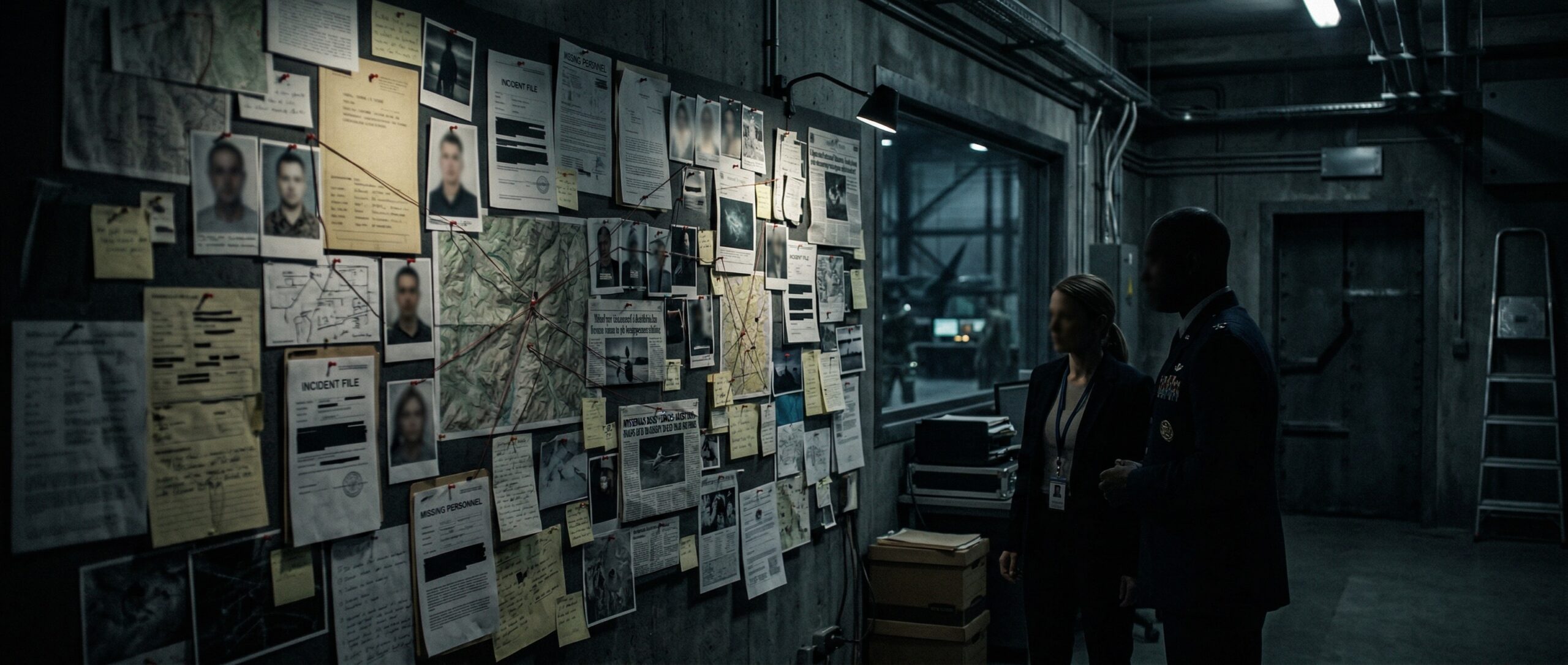
    It is exactly the kind of story the internet knows how to weaponize. A retired Air Force general disappears. A fusion scientist is killed. A NASA-connected name circulates in social posts. A handful of researchers, lab workers, and technical professionals are pulled into the same thread. Then the framing hardens almost overnight: eight experts dead or missing, all somehow tied to UFO secrecy.

    The problem is that this narrative sits in the most dangerous zone of modern mystery culture, where some of the underlying events appear to be real, but the larger theory built around them is far less certain. That matters because once a list like this starts circulating, it stops behaving like reporting and starts behaving like myth. Names get repeated. Timelines get compressed. Professional backgrounds get exaggerated. Unverified links become implied facts. Before long, readers are no longer asking what happened in each case. They are asking whether someone is silencing people connected to UFO disclosure.

    This article takes that claim seriously enough to examine it carefully. Not because the theory is proven, but because the story has already entered public circulation and is clearly resonating with readers who follow defense secrecy, UAP disclosure, unexplained deaths, and institutional mistrust. Readers who have followed the long culture of disclosure talk will recognize how quickly stories like this can take on a life of their own. The core question is not just whether these incidents are connected. It is how a partially documented chain of deaths and disappearances became a single conspiracy narrative, and why so many people were ready to believe it in the first place.

    The eight-experts claim says a hidden force may be targeting people linked to UFO knowledge

    The version now circulating online is fairly consistent. It claims that eight people connected in some way to military, aerospace, national security, or scientific research have died or disappeared over a short period, and that the pattern may point to suppression tied to UFO or UAP information. In its most dramatic form, the theory suggests an intimidation campaign, a cleanup operation, or a covert effort to keep sensitive knowledge from surfacing.

    That is a much larger claim than the raw facts alone can support. At least some of the cited incidents involve real people and real tragedies. But the leap from “these incidents happened” to “these incidents form a covert UFO pattern” is precisely where the article needs to slow down. A conspiracy theory becomes persuasive when it combines emotionally powerful facts with interpretive gaps. That appears to be exactly what happened here.

    The right place to begin is with a simple distinction. There is a difference between a chain of strange or tragic events and a demonstrated coordinated campaign. The first can be true without the second being true. In this case, that distinction is the whole story.

    This story spread because it fused real fear, elite secrecy, and a familiar disclosure narrative

    The internet does not need certainty to create momentum. It needs a hook, a list, and just enough official ambiguity to leave people unsettled. This narrative had all three. A missing retired major general with a history in classified aerospace work is already a compelling headline. Add a murdered MIT fusion scientist, a handful of other names, and comments from UFO-interested politicians, and the result feels bigger than any one case. That dynamic has already shaped coverage around figures like Eric Burlison and Anna Paulina Luna, where suspicion and disclosure politics feed each other.

    There is also a deeper reason the story took hold. For years, UAP discussion in the United States has moved out of the fringe and into congressional hearings, defense reporting, inspector-general complaints, and whistleblower language about hidden programs. Readers primed by that environment are already prepared to assume that official silence may hide something larger. In that climate, a disappearance does not stay a disappearance for long. It becomes possible evidence in a story many people were already waiting to tell.

    That does not mean the pattern is real. It means the cultural ground was ready for it. The eight-experts narrative is less surprising when viewed as the product of a disclosure-era mindset, one in which secrecy itself is treated as an active clue. That same mindset also fuels reaction to stories like the Pentagon’s century-long UFO study review, where official denials often deepen curiosity instead of reducing it.

    The timeline behind the narrative combines real cases, uneven reporting, and unresolved claims

    The most-circulated versions of the story usually cite a rough sequence of incidents across 2024, 2025, and early 2026. They include the reported death of NASA Jet Propulsion Laboratory researcher Frank Maiwald on July 4, 2024; the disappearance of a Los Alamos-connected figure named Anthony Chavez on May 4, 2025; the disappearance of Monica Reza during a June 22, 2025 hike in Angeles National Forest; the June 26, 2025 disappearance of Melissa Casias from her home; the later disappearance and recovery of Jason Thomas; the December 15, 2025 fatal shooting of MIT Plasma Science and Fusion Center director Nuno Loureiro; the February 16, 2026 killing of astrophysicist Carl Grillmair; and the February 27, 2026 disappearance of retired Air Force Major General William Neil McCasland.

    Presented as a list, it looks chilling. But lists can create an illusion of evidentiary unity that the underlying cases do not actually possess. Some cases in this chain appear to be grounded in public reporting. Others are difficult to verify through primary or institutional sources. Some involve homicide. Others involve missing-person circumstances. Some are linked to elite scientific institutions, while others are tied more loosely through job history, rumor, or social amplification.

    That mixed quality is important. Once names are grouped together under a single ominous headline, weakly supported entries borrow credibility from stronger ones. That is how a speculative chain becomes persuasive even when several links remain unclear.

    Some events appear documented, but the larger UFO link remains unproven

    At least two names in the circulating narrative are tied to events that appear clearly documented through credible reporting. MIT publicly confirmed that Nuno Loureiro, the director of its Plasma Science and Fusion Center, died in December 2025 after sustaining gunshot wounds. Carl Grillmair’s killing in February 2026 has also been widely reported, including accounts that point toward a local criminal context rather than anything obviously connected to UAP secrecy.

    William Neil McCasland’s disappearance is also being treated as a real case in current news coverage, though much of the strongest UFO framing around him appears in tabloid and commentary ecosystems rather than in hard official disclosure. The disappearance itself is one thing. The claim that it is connected to hidden UFO knowledge is another, and those two ideas are often being blended together in coverage, reposts, and speculation threads.

    Other names in the chain are harder to pin down with the same confidence. That does not prove they were fabricated, but it does mean the total narrative is being built on uneven ground. When a story claims a coordinated pattern, the burden of proof rises, not falls. Every name in the chain matters. Every biography matters. Every timeline detail matters. A pillar article on this subject has to be honest about the difference between a documented tragedy and a socially amplified inference.

    William Neil McCasland became the narrative anchor because his background invites maximum speculation

    If there is a gravitational center to this whole theory, it is William Neil McCasland. A retired Air Force major general connected to advanced aerospace and classified environments fits perfectly into the public imagination of hidden-program secrecy. Once his disappearance entered public view, it almost guaranteed that UFO communities would treat it as more than a missing-person case.

    According to recent reporting, McCasland disappeared in Albuquerque, New Mexico, on February 27, 2026. Accounts say he left behind trackable personal devices, and a piece of clothing was later found away from his home. Those details are naturally unsettling and have fed intense online discussion. But unsettling facts are not the same as confirming motive. The same details that make a case feel covert can also fit non-conspiratorial explanations, including mental-health crisis, disorientation, or intentional disappearance.

    What transformed the McCasland case from a serious disappearance into a UFO lightning rod was not just the mystery itself. It was the surrounding mythology. Wright-Patterson associations, classified research language, and the long cultural shadow of Roswell-style secrecy all made him an ideal symbolic figure in disclosure discourse. In practice, McCasland became the kind of name onto which a much bigger story could be projected. The same projection effect can be seen in witness-driven narratives like The Triangle Above the Pines, where atmosphere and uncertainty do as much work as hard evidence.

    Congressional concern helped legitimize the conversation, but not the strongest conspiracy claims

    One reason the story has not stayed confined to fringe corners is that some members of Congress have publicly shown interest in UAP secrecy and have spoken about the broader climate of fear surrounding disclosure. That matters because once elected officials start discussing chilling effects, disappearances, or suppression in adjacent contexts, online audiences often treat that as validation for a much larger hidden pattern.

    But even here, the distinction matters. Concern is not confirmation. A politician saying a case is troubling does not establish that it is tied to a covert UFO campaign. In politically charged information environments, officials often amplify suspicion without resolving it. That can push public attention toward the mystery while leaving the evidentiary core just as unsettled as before.

    In other words, congressional attention may help explain why this story feels newly serious, but it does not by itself prove that the underlying theory is correct. If anything, it shows how easily open questions about transparency can become magnets for much stronger claims than the public record can currently support.

    UFO communities are especially prone to building pattern from fragmented evidence

    That is not an insult. It is one of the defining features of the subject. UFO history is full of scattered testimony, partial documentation, buried programs, contradictory statements, and delayed revelations. Anyone who spends years in this topic becomes conditioned to read around the edges of official stories. They learn to look for omissions, coincidences, suppressed names, and institutional inconsistencies.

    That pattern-seeking habit can sometimes be useful. It helps explain why certain documents mattered, why certain whistleblower accounts gained traction, and why government denials no longer carry the authority they once did. It also overlaps with broader suspicion around stories like the Suchir Balaji whistleblower case, where public reaction quickly moves beyond the official frame. But the same habit can also turn tragedy into theory too quickly. When multiple unexplained cases appear close together, the human mind starts connecting them almost automatically, especially if the people involved seem elite, technical, or adjacent to secrecy.

    The eight-experts narrative is a textbook example of that process. It gathers isolated events, arranges them into apparent structure, then treats the structure itself as evidence. Once that happens, coincidence begins to feel insufficient, and uncertainty begins to look intentional.

    A skeptical reading does not dismiss the mystery, it protects the investigation from becoming fiction

    The strongest skeptical response to this story is not that nothing strange is happening. It is that the public chain of evidence does not yet justify the broadest claim being made. A cluster of deaths and disappearances involving technically accomplished people can be frightening without automatically being coordinated. Murders can emerge from local circumstances. Missing-person cases can involve mental-health, family, environmental, or personal factors. Institutional affiliations can create emotional pattern even where causal links do not exist.

    There is also a media-discipline problem here. The more dramatic the framing becomes, the more careful source verification needs to be. Were all eight individuals actually connected in meaningful ways to UFO knowledge? Were all of them in positions that would plausibly involve sensitive UAP information? Were all the case details reported accurately before they were woven into the larger theory? Those are not hostile questions. They are the necessary questions.

    Without that discipline, the story risks becoming self-sealing. Every ambiguity becomes suspicious. Every missing detail becomes evidence of suppression. Every correction becomes proof of cleanup. At that point, a real investigation stops being possible because the narrative has become too emotionally efficient to falsify.

    This story still matters because it reveals how little trust remains around secrecy, science, and national security

    Even if the strongest version of the conspiracy theory proves wrong, the narrative itself tells us something important. Large parts of the public now view elite institutions through a lens of concealed knowledge. In that environment, missing people and unexplained deaths involving scientists, military officials, or defense-adjacent professionals do not remain ordinary news. They become symbolic flashpoints in a broader collapse of trust.

    That is why this topic belongs on unexplained.co. It sits at the crossroads of mystery, information warfare, psychological pattern-building, and modern disclosure politics. The question is not only whether these eight cases are linked. The question is what kind of social reality makes so many readers immediately assume they might be.

    There is also a hard emotional truth behind stories like this. Lists of the dead and missing are never just theories. They involve real people, real families, and real grief. If a conspiracy frame is going to be used at all, it needs to be used carefully. The unexplained world loses credibility when it treats tragedy as raw material instead of evidence to be weighed.

    Frequently Asked Questions

    Is there proof that eight experts were killed or disappeared because of UFO knowledge?

    No public proof currently establishes that the reported deaths and disappearances were part of a coordinated UFO-related campaign. Some underlying incidents appear real, but the larger connection remains speculative.

    Why is William Neil McCasland central to this theory?

    McCasland’s Air Force background and association with classified aerospace work make his disappearance especially provocative to UFO-focused audiences. His case became the symbolic center of the larger narrative.

    Were all eight people definitely connected to UFO programs?

    That has not been demonstrated publicly. In many retellings, professional backgrounds in science, defense, or aerospace are treated as implied UFO relevance even where no direct UAP connection has been verified.

    What makes the story persuasive even without proof?

    The narrative combines real tragedy, elite institutions, official ambiguity, and preexisting public suspicion about disclosure secrecy. That mix is powerful even when the evidence for a coordinated pattern is weak.

    How should readers approach stories like this?

    Readers should separate confirmed facts from social-media inference, verify names and timelines carefully, and treat large pattern claims with extra caution. A good mystery article preserves uncertainty instead of pretending to solve it too quickly.

  • Why One Deleted White House Video Sparked a Conspiracy Spiral Overnight

    Why One Deleted White House Video Sparked a Conspiracy Spiral Overnight

    A pair of mysterious videos briefly posted to the official White House X and Instagram accounts has triggered a full-spectrum online speculation spiral. One clip — a four-second video showing someone’s feet while a female voice asks, “It’s launching soon, right?” — was later deleted. A second clip showed a black, staticky screen, a phone notification sound, and a brief glimpse of an American flag.

    There was no immediate explanation, and that vacuum is exactly what gave the story ignition. In today’s media environment, unexplained official posts can generate conspiracy energy instantly, especially when they carry the aesthetics of accidental disclosure, teaser campaigns, account compromise, or coded messaging.

    What the White House Actually Posted

    According to CNBC’s reporting, two unexplained short videos appeared Wednesday night on White House social channels. The first, posted around 9:15 p.m. EST, was later deleted roughly 90 minutes afterward. It included the line, “It’s launching soon, right?”

    A second clip remained visible longer and featured a dark, static-like screen, a phone notification sound, and a brief glimpse of an American flag. No immediate explanation was offered, and that uncertainty did what uncertainty always does online: it invited mass interpretation.

    As Financial Express noted, the deleted post only intensified the speculation cycle.

    Why This Triggered a Conspiracy Spiral So Fast

    This is one of the most 2026 mystery stories imaginable: not a leaked document, not a secret recording, but a few seconds of unexplained vertical video from an official government account.

    That matters because official channels carry built-in authority. When a private influencer posts something cryptic, people shrug or assume marketing. When the White House does it, the ambiguity feels automatically heavier.

    The internet tends to interpret unexplained official media through a few familiar lenses:

    • hack or account compromise
    • teaser campaign or staged rollout
    • production mistake
    • coded message or accidental disclosure

    The lo-fi, vertical, smartphone-native feel of the clips only made them more combustible. They looked intimate, casual, and half-accidental — exactly the sort of digital artifact people now read as authentic even when context is missing.

    The New Conspiracy Trigger Is Tiny, Not Grand

    This story is useful because it shows how conspiracy culture often forms now. The old stereotype is giant document dumps and elaborate plots. The modern version is much smaller: a weird clip, a deleted post, a fragment without explanation, then thousands of interpretations layered on top within hours.

    That means the “mystery” is often not the original object itself. The mystery is the gap between official authority and missing context. The smaller the unexplained artifact, the easier it is for audiences to project motive, secrecy, and significance into it.

    When Governments Post Like Influencers

    There is another reason this story matters. Governments, brands, and political actors increasingly communicate in the same visual language as influencers: vertical video, teaser-style fragments, lo-fi presentation, irony, and ambiguity. That creates confusion even when there is no conspiracy at all.

    If official institutions speak in formats built for suspense and virality, then accidental mystery becomes almost inevitable.

    That is what makes the White House clip story more interesting than a standard “weird post” roundup. It sits at the intersection of politics, platform culture, and the unexplained. It is not paranormal in the classic sense, but it absolutely belongs to the wider category of unexplained signals from power centers.

    Why This Matters for The Unexplained World

    For The Unexplained Company, this is a useful expansion piece. It shows that unexplained culture is not limited to ghosts, UFOs, and cryptids. Sometimes the most potent mystery object in circulation is a few seconds of unexplained media from an official source.

    Even if the clips later turn out to be a banal production test or social media error, the lifecycle of the mystery is still the content. That is what audiences are really reacting to: the speed with which ambiguity mutates into theory.

    For more modern mystery culture coverage, read our stories on the 7910 kHz spy radio signal, the Black Knight satellite myth, and the viral UFO clip over Queens.

    This article was created using Media Blaster – Your content production specialist. Visit www.mediablaster.io for more information.

    Related Articles:

    This article was created using Media Blaster – Your content production specialist. Visit www.mediablaster.io for more information.

  • Joe Rogan Just Pushed the Netanyahu Death Conspiracy Mainstream

    Joe Rogan Just Pushed the Netanyahu Death Conspiracy Mainstream

    In a viral clip from The Joe Rogan Experience, Joe Rogan reacted to conspiracy theories about Israeli Prime Minister Benjamin Netanyahu being dead — and said, essentially, “they’re both dead.” This is significant because Rogan has one of the biggest audiences in the world.

    In a viral clip from The Joe Rogan Experience #2471 (released March 20-21, 2026), Joe Rogan reacted to conspiracy theories about Israeli Prime Minister Benjamin Netanyahu being dead — and said, essentially, “they’re both dead.”

    This is significant because:

    • Joe Rogan has one of the biggest audiences in the world
    • He’s not typically known for conspiracy content
    • The clip has gone mega-viral

    What Rogan Said

    During the episode with comedian Mark Normand, Rogan reacted to suspicious videos circulating online amid heightened Israel-Iran tensions. His response: claiming Netanyahu and his brother are dead.

    As JFeed reports, Rogan appeared to buy into wild online conspiracy theories claiming Israeli Prime Minister Benjamin Netanyahu is dead, even suggesting his brother was killed in a recent missile strike.

    His comments quickly gained traction across social media, where pro-Israel users accused him of echoing Iranian disinformation and veering into conspiracy theories.

    The Context

    The conspiracy has been building for weeks:

    • March 13, 2026: Netanyahu’s “six finger” video goes viral; AI conspiracy explodes
    • March 17, 2026: Netanyahu posts a new video amid rumors; Yair Netanyahu (usually posting 30-35 times/day) goes silent
    • March 20-21, 2026: Rogan episode drops; clip goes viral

    The context: AI-generated “proof of life” videos, the infamous “six finger” incident, and Elon Musk’s AI Grok fueling the fire by falsely labeling footage as AI-generated.

    Why This Matters

    Rogan is mainstream:

    • 60+ million YouTube subscribers
    • His show has been credited with shifting opinions on everything from COVID to politics
    • When Rogan “goes there,” millions of people follow

    The conspiracy has legs:

    • It’s not just fringe anymore — it’s trending globally
    • Even AI is getting in on the action (Grok mocking “proof of life” videos)
    • The unusual silence from Yair Netanyahu adds fuel

    The “proof of life” problem:

    • In the age of AI, any video can be fake
    • When leaders need to “prove they’re alive,” something has changed
    • This could be the new normal for global leaders

    The Israeli Response

    Netanyahu has posted multiple videos trying to quell rumors. The “six finger” incident was explained as a camera glitch.

    As Euronews reports, officials have blamed poor quality footage for the confusion: “If you look at the higher quality footage, it clearly says 2026.”

    But the conspiracy persists.

    The Bigger Picture

    Joe Rogan’s comments represent something larger: in a world where AI can generate realistic videos of anyone saying anything, the concept of “proof of life” has been fundamentally broken.

    When a leader posts a video to prove they’re alive, skeptics can now claim it’s AI-generated. When Grok — Elon Musk’s AI — starts falsely labeling real footage as fake, the situation becomes even more chaotic.

    Whether Netanyahu is alive or dead, one thing is clear: we’ve entered an era where seeing is no longer believing — and even a comedian on Joe Rogan’s podcast can push a global conspiracy into the mainstream.

    Read more about the story on Matzav.com.

  • Meet Palm Beach Pete: The Jeffrey Epstein Lookalike Who Went Viral

    Meet Palm Beach Pete: The Jeffrey Epstein Lookalike Who Went Viral

    A video of a man in Florida who looks remarkably like Jeffrey Epstein went viral — sparking immediate conspiracy theories that Epstein is still alive. But there’s a twist: the man has come forward to say “I’m not Jeffrey Epstein.”

    A video of a man driving a convertible in Palm Beach, Florida went viral across social media — and the internet immediately erupted with conspiracy theories. The man looked nearly identical to Jeffrey Epstein. But as multiple fact-checks have concluded, it’s just a remarkable case of resemblance.

    What Happened

    The viral video: A man was filmed driving in Palm Beach, Florida wearing sunglasses and a backward white baseball cap. The resemblance to Jeffrey Epstein was undeniable — gray hair, distinctive facial features, and the same general aura. The video exploded across social media with users claiming: “Epstein isn’t dead!”

    The reveal: Multiple fact-checks concluded it’s a lookalike. The man himself has spoken out: “I’m not Jeffrey Epstein.” He identified himself as “Palm Beach Pete” — and says he’s just a regular guy who happens to look like one of the most infamous figures in modern history.

    As CBS 12 reports, the resemblance isn’t lost on Pete, but he wants to distance himself from “such a vile human being.” He told a podcast host: “I could be the guy, but I’m not the guy.”

    He continued to denounce any conspiracy theories on Instagram, saying in a video: “I’m so not Jeffrey Epstein, I’m just me being me.”

    The Parallel to Other Conspiracies

    This follows a pattern that has become disturbingly familiar:

    • “Epstein is alive” videos have circulated before
    • Some have been proven AI-generated
    • Some are lookalikes like Pete
    • The conspiracy refuses to die

    This is part of a larger trend: in a world of deepfakes and AI, “seeing is no longer believing.”

    Why It Keeps Happening

    The Epstein mystery: No one knows exactly how he died (officially ruled a suicide). The conspiracy theories have only grown. People want to believe there’s more to the story.

    The lookalike factor: Epstein had a distinctive appearance. It’s not surprising someone resembles him. But in the age of AI, any resemblance becomes “evidence.”

    The timing: The video emerged amid ongoing Epstein file releases. The conspiracy ecosystem is very active right now.

    The Bigger Picture

    “Palm Beach Pete” is a case study in:

    1. Confirmation bias: People see what they want to see.

    2. Viral mechanics: Conspiracy content outperforms debunking.

    3. AI chaos: We can no longer trust video evidence.

    4. The death of “proof”: In a deepfake world, everything is questionable.

    As TMZ reports, Pete found out he was going viral when friends started blowing up his phone. Now he’s become an unlikely social media sensation — for all the wrong reasons.

    Whether he’s a lookalike, an AI生成, or something else entirely, “Palm Beach Pete” represents something larger: we live in an era where the truth is no longer self-evident, and the line between evidence and illusion has never been blurrier.

    Read more about the story on Yahoo Entertainment.