Category: Cryptozoology

  • The Deep Sea Sphere: 1990s SCUBA Divers Filmed Something in the Bahamas That Still Defies Classification

    The Deep Sea Sphere: 1990s SCUBA Divers Filmed Something in the Bahamas That Still Defies Classification

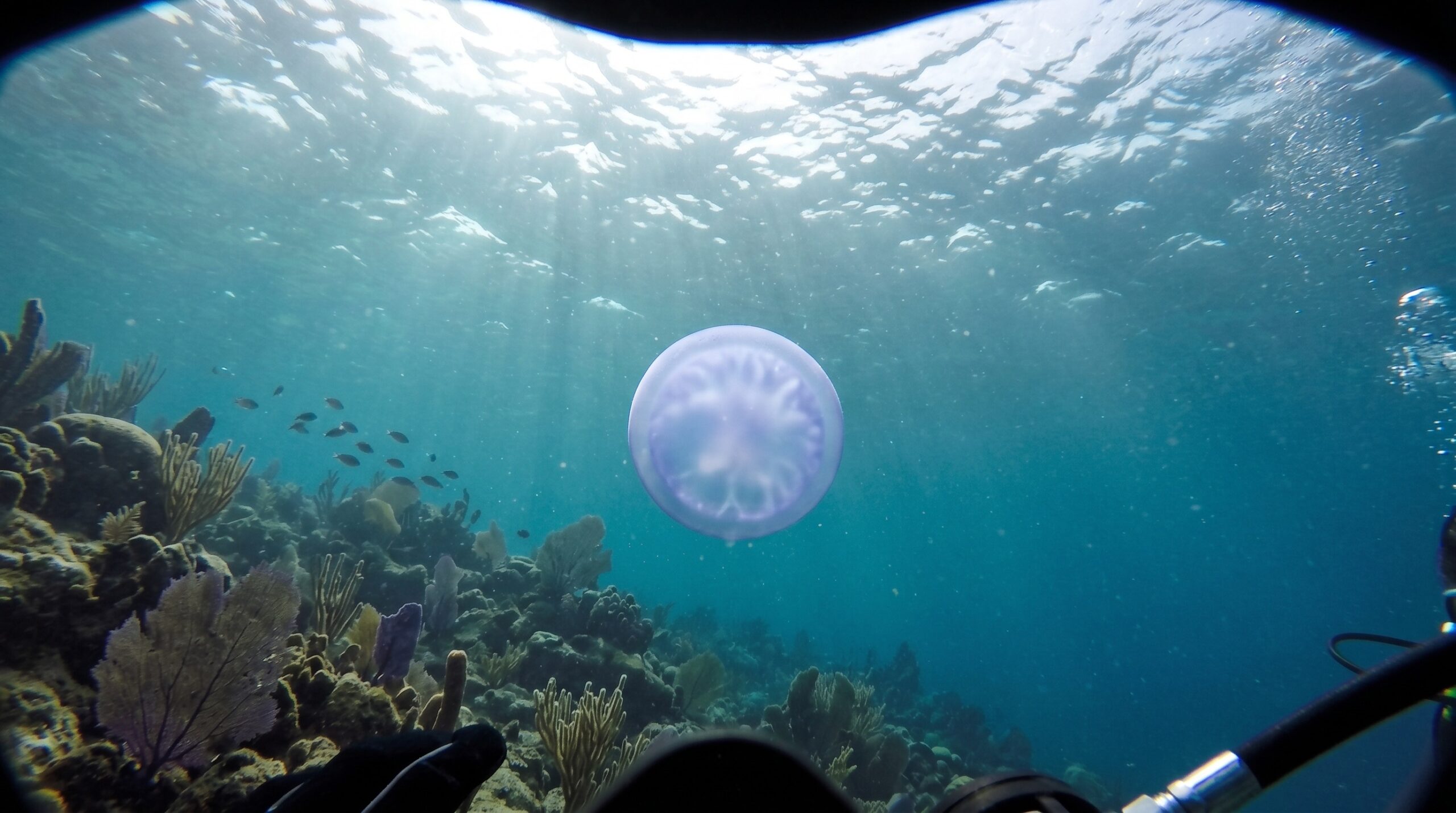
    The video is grainy, brief, and shot from the perspective of someone who was probably too surprised to remember they were filming. Below a SCUBA diver in blue-green water off the Bahamas, something moves into frame — a nearly perfect sphere, roughly the size of a large beach ball, drifting through the water column with a smoothness that doesn’t look like any familiar marine organism. No fins. No tentacles. No visible propulsion. Just a sphere, suspended in deep water, moving with an intentionality that makes the diver’s camera hold steady on it for a few crucial seconds before the clip cuts. The footage is from the 1990s. It has been circulating for years, but it surfaced again recently, pulled into the high-strangeness feeds alongside UFO videos, cryptid encounters, and everything else that people share when they believe they have filmed something that should not exist.

    What makes this particular clip compelling — and why it keeps returning after decades — is not just the shape of the object. It is the total absence of familiar anatomy. Every creature that a SCUBA diver might reasonably expect to encounter in Bahamian waters has a structure: a head, a tail, appendages, a body plan. Spherical organisms exist in the ocean, but they are microscopic — single-celled radiolarians, tiny planktonic colonies. A sphere of this size, moving independently in open water, with nothing protruding from its surface, is something that marine biologists struggle to classify and that cryptid watchers immediately file alongside the unknown.

    The Bahamian Context

    The waters around the Bahamas hold a reputation in marine and cryptozoological circles that is partly earned, partly mythic. The region is famous for the Lusca — a giant octopus-like creature that local legends say inhabits the blue holes and deep underwater caverns of the islands — and the recent HighStrangeness post about the sphere has reignited debate. Whether the Lusca is a folkloric embellishment of real deep-water encounters (giant squid, large octopuses, or other unclassified marine life) or something else is a debate that the Bahamian sphere video feeds into naturally. The ocean here is deep, the visibility is extraordinary, and the combination of shallow reef platforms dropping into abyssal trenches creates an environment where large organisms can approach divers from below, out of the shadows, with very little warning.

    This is the geographic context in which the spherical creature was filmed — not open pelagic water, but the layered, structurally complex reef-to-trench transition zone of the Bahamas, a place where encounters with unfamiliar life are rare enough to be notable and frequent enough to be believable.

    What Marine Biology Has to Say

    Biologists who have analyzed the footage (and there have been a few, pulled into the discussion by the viral nature of the clip) offer explanations that range from plausible to unsatisfying. The most common interpretation is that the object is a large jellyfish — specifically a barrel jellyfish or a similar medusa — filmed from below, where its bell shape appears as a sphere and its trailing oral arms are either not visible from that angle or have been retracted. Barrel jellyfish can reach significant sizes, and their movement pattern — undulating the bell to propel themselves forward — can look eerily mechanical when filmed from a distance.

    Another possibility is that the sphere is a marine snow colony — a loose aggregation of organic material held together by mucus — though these are typically amorphous rather than geometrically regular. A third option is that the object is not biological at all: a discarded piece of spherical debris, a sensor housing, or even the kind of underwater research equipment that occasionally surfaces in areas frequented by dive tourism.

    None of these explanations resolves the central visual weirdness of the clip. The object moves too smoothly for uncontrolled debris. It appears too structured for a marine snow aggregation. And the jellyfish explanation requires an angle and a lighting condition that, while possible, doesn’t perfectly match what the diver filmed.

    The UFO Connection Some People Make

    The reason this clip appears on UFO forums alongside UAP sightings is not because anyone claims the sphere is extraterrestrial. It is because the visual pattern — a structured object, suspended in a medium, moving without visible propulsion — echoes the same perceptual anomaly that people report in aerial UAP footage. An object that should not be able to move the way it is moving. A shape that doesn’t match the known inventory of craft, creature, or debris. A brief clip that offers just enough data to be intriguing and just too little to be conclusive.

    Some observers have drawn a line from this underwater sphere to other encounters with unclassified deep-sea organisms and the terrestrial cryptid encounters that share the same evidentiary structure: grainy footage, unfamiliar form, expert disagreement, and an audience that keeps the image alive because the alternative — admitting that nothing can be proved — feels like letting a genuine mystery evaporate.

    The Video That Keeps Returning

    There is a specific quality to the 1990s Bahamian sphere footage that explains its persistence. It is not the clearest cryptid video ever shot. It is not the longest. It is not accompanied by a detailed scientific analysis from a marine biologist who happened to be on the dive boat. What it has is the one quality that keeps any piece of unexplained media circulating: it shows something that looks like nothing the viewer has seen before, captured by someone who was clearly just as surprised.

    The diver did not stage the encounter. The footage was not produced for a documentary. It was a personal recording — the kind millions of recreational divers take every year — that happened to include an organism or object that doesn’t resolve into a familiar category. That authenticity is what makes it shareable. That ambiguity is what makes it unresolvable.

    And that is why, thirty years after it was filmed, the deep sea sphere is still moving through the internet — still stopping people mid-scroll, still prompting the same question it prompted the first time someone watched it: what is that thing?

    The answer, as it tends to be with the best of these encounters, is that nobody can say for certain. The ocean is vast, the Bahamas are weird in all the right ways, and something down there — whether known to science or not — drifted into frame and reminded a diver with a camera that there are still shapes in the water that don’t have names.
  • The Deep Sea Sphere: 1990s SCUBA Divers Filmed Something in the Bahamas That Still Defies Classification

    The Deep Sea Sphere: 1990s SCUBA Divers Filmed Something in the Bahamas That Still Defies Classification

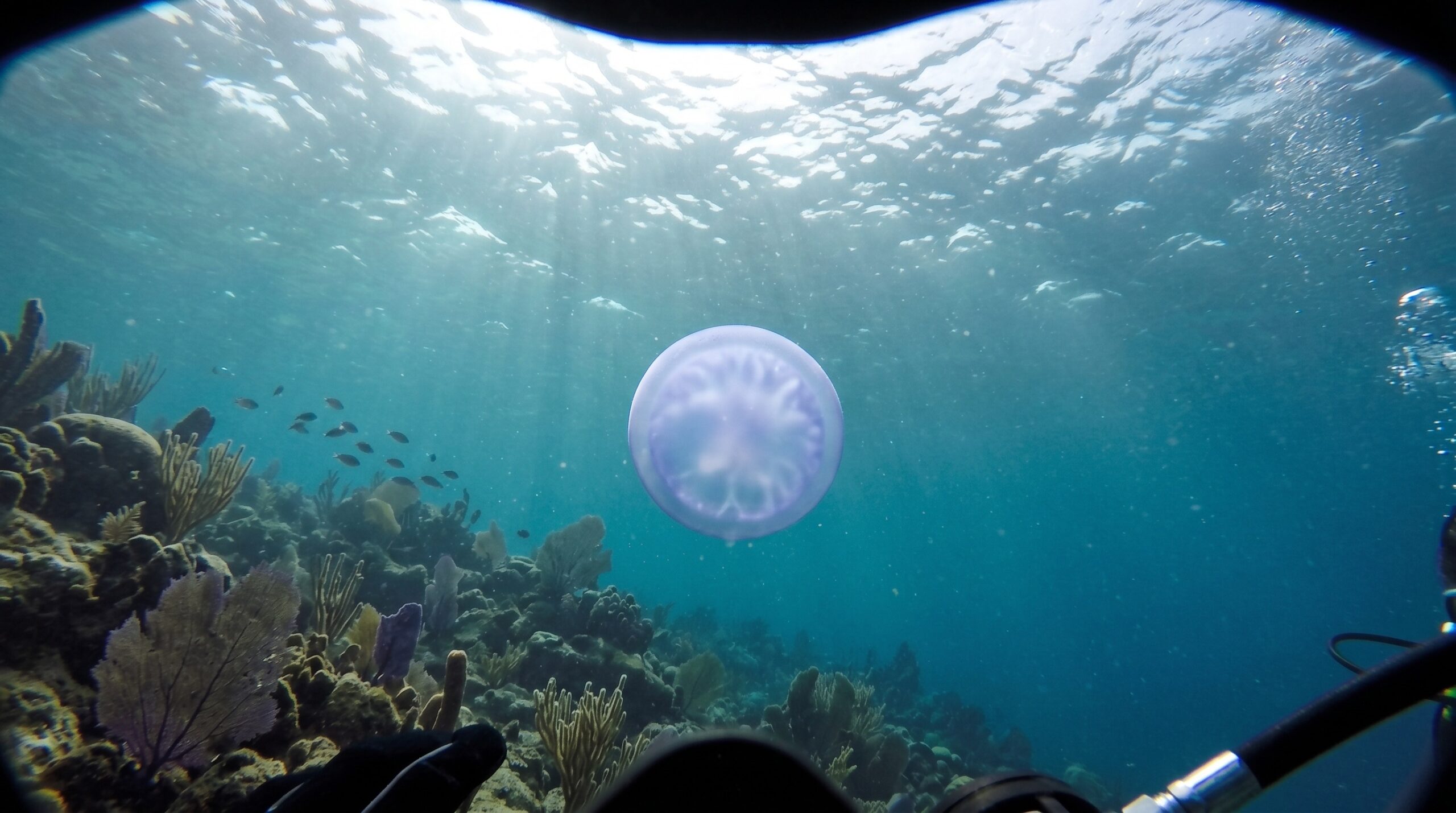
    The video is grainy, brief, and shot from the perspective of someone who was probably too surprised to remember they were filming. Below a SCUBA diver in blue-green water off the Bahamas, something moves into frame — a nearly perfect sphere, roughly the size of a large beach ball, drifting through the water column with a smoothness that doesn’t look like any familiar marine organism. No fins. No tentacles. No visible propulsion. Just a sphere, suspended in deep water, moving with an intentionality that makes the diver’s camera hold steady on it for a few crucial seconds before the clip cuts. The footage is from the 1990s. It has been circulating for years, but it surfaced again recently, pulled into the high-strangeness feeds alongside UFO videos, cryptid encounters, and everything else that people share when they believe they have filmed something that should not exist.

    What makes this particular clip compelling — and why it keeps returning after decades — is not just the shape of the object. It is the total absence of familiar anatomy. Every creature that a SCUBA diver might reasonably expect to encounter in Bahamian waters has a structure: a head, a tail, appendages, a body plan. Spherical organisms exist in the ocean, but they are microscopic — single-celled radiolarians, tiny planktonic colonies. A sphere of this size, moving independently in open water, with nothing protruding from its surface, is something that marine biologists struggle to classify and that cryptid watchers immediately file alongside the unknown.

    The Bahamian Context

    The waters around the Bahamas hold a reputation in marine and cryptozoological circles that is partly earned, partly mythic. The region is famous for the Lusca — a giant octopus-like creature that local legends say inhabits the blue holes and deep underwater caverns of the islands — and the recent HighStrangeness post about the sphere has reignited debate. Whether the Lusca is a folkloric embellishment of real deep-water encounters (giant squid, large octopuses, or other unclassified marine life) or something else is a debate that the Bahamian sphere video feeds into naturally. The ocean here is deep, the visibility is extraordinary, and the combination of shallow reef platforms dropping into abyssal trenches creates an environment where large organisms can approach divers from below, out of the shadows, with very little warning.

    This is the geographic context in which the spherical creature was filmed — not open pelagic water, but the layered, structurally complex reef-to-trench transition zone of the Bahamas, a place where encounters with unfamiliar life are rare enough to be notable and frequent enough to be believable.

    What Marine Biology Has to Say

    Biologists who have analyzed the footage (and there have been a few, pulled into the discussion by the viral nature of the clip) offer explanations that range from plausible to unsatisfying. The most common interpretation is that the object is a large jellyfish — specifically a barrel jellyfish or a similar medusa — filmed from below, where its bell shape appears as a sphere and its trailing oral arms are either not visible from that angle or have been retracted. Barrel jellyfish can reach significant sizes, and their movement pattern — undulating the bell to propel themselves forward — can look eerily mechanical when filmed from a distance.

    Another possibility is that the sphere is a marine snow colony — a loose aggregation of organic material held together by mucus — though these are typically amorphous rather than geometrically regular. A third option is that the object is not biological at all: a discarded piece of spherical debris, a sensor housing, or even the kind of underwater research equipment that occasionally surfaces in areas frequented by dive tourism.

    None of these explanations resolves the central visual weirdness of the clip. The object moves too smoothly for uncontrolled debris. It appears too structured for a marine snow aggregation. And the jellyfish explanation requires an angle and a lighting condition that, while possible, doesn’t perfectly match what the diver filmed.

    The UFO Connection Some People Make

    The reason this clip appears on UFO forums alongside UAP sightings is not because anyone claims the sphere is extraterrestrial. It is because the visual pattern — a structured object, suspended in a medium, moving without visible propulsion — echoes the same perceptual anomaly that people report in aerial UAP footage. An object that should not be able to move the way it is moving. A shape that doesn’t match the known inventory of craft, creature, or debris. A brief clip that offers just enough data to be intriguing and just too little to be conclusive.

    Some observers have drawn a line from this underwater sphere to other encounters with unclassified deep-sea organisms and the terrestrial cryptid encounters that share the same evidentiary structure: grainy footage, unfamiliar form, expert disagreement, and an audience that keeps the image alive because the alternative — admitting that nothing can be proved — feels like letting a genuine mystery evaporate.

    The Video That Keeps Returning

    There is a specific quality to the 1990s Bahamian sphere footage that explains its persistence. It is not the clearest cryptid video ever shot. It is not the longest. It is not accompanied by a detailed scientific analysis from a marine biologist who happened to be on the dive boat. What it has is the one quality that keeps any piece of unexplained media circulating: it shows something that looks like nothing the viewer has seen before, captured by someone who was clearly just as surprised.

    The diver did not stage the encounter. The footage was not produced for a documentary. It was a personal recording — the kind millions of recreational divers take every year — that happened to include an organism or object that doesn’t resolve into a familiar category. That authenticity is what makes it shareable. That ambiguity is what makes it unresolvable.

    And that is why, thirty years after it was filmed, the deep sea sphere is still moving through the internet — still stopping people mid-scroll, still prompting the same question it prompted the first time someone watched it: what is that thing?

    The answer, as it tends to be with the best of these encounters, is that nobody can say for certain. The ocean is vast, the Bahamas are weird in all the right ways, and something down there — whether known to science or not — drifted into frame and reminded a diver with a camera that there are still shapes in the water that don’t have names.
  • Loveland Frogman: How an Ohio Cryptid Became a Real State Bill

    Loveland Frogman: How an Ohio Cryptid Became a Real State Bill

    The officer drew his weapon. That is the part nobody forgets.

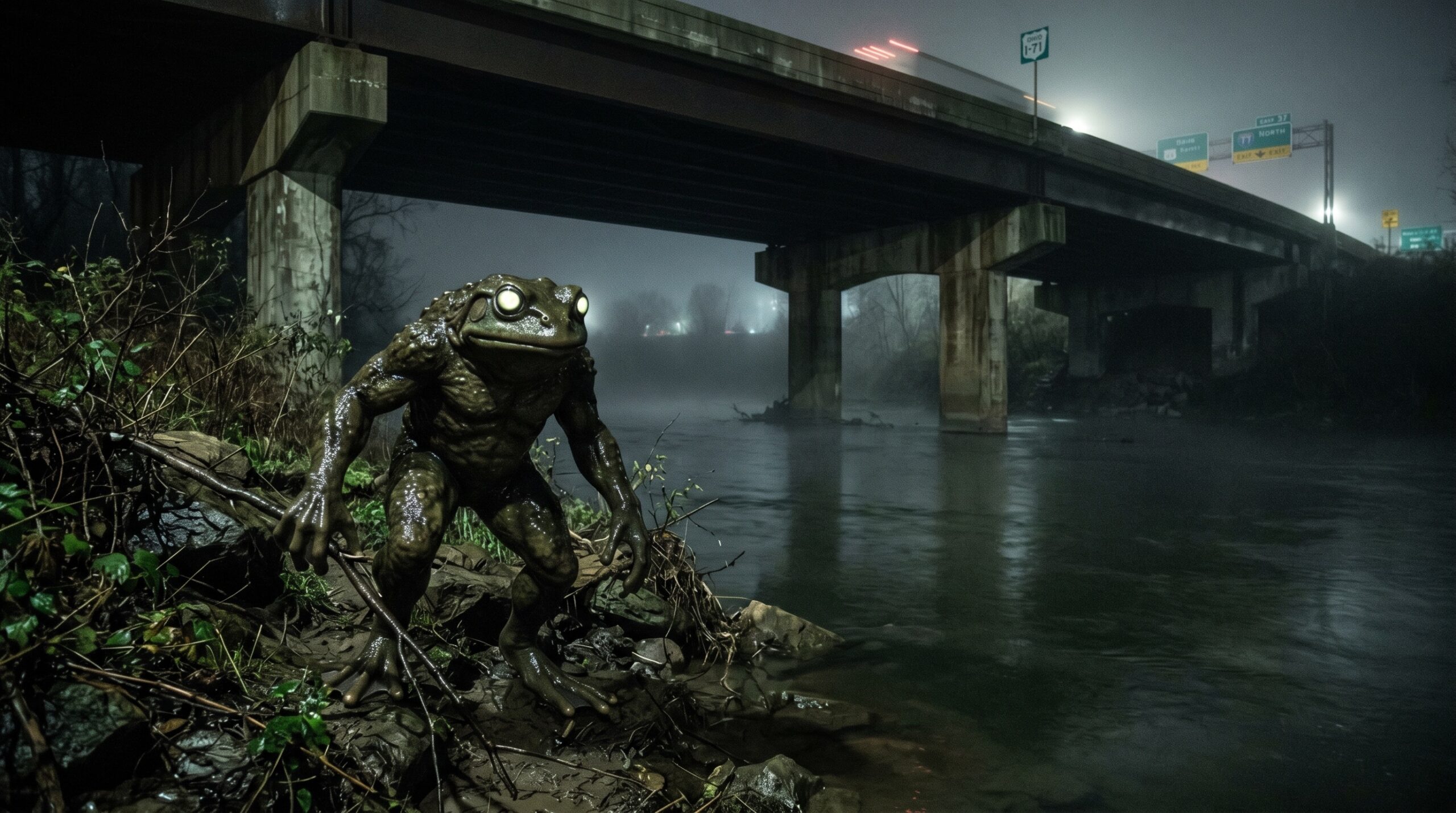
    In March 1972, a Loveland police officer named Ray Shockey was patrolling the banks of the Little Miami River at 1:00 a.m. when he encountered something that had no business existing in the tax records of Clermont County. The creature was approximately four feet tall, bipedal, with leathery skin and a face that Shockey later described as “frog-like.” It was not aggressive. It was not obviously frightened. It simply stood in the headlight glow, holding what appeared to be a metal wand, and then climbed over the guardrail and vanished into the river darkness. Shockey did not fire. He sat in his cruiser for ten minutes before radioing dispatch. The incident report, which survives in scanned PDFs circulated by Ohio paranormal researchers, uses the word “animal” three times and the word “unknown” seven.

    Fifty-three years later, the Loveland Frogman has achieved something few cryptids manage: formal recognition by the Ohio General Assembly. House Bill 471, introduced in April 2026 by Representative Jamie Callender, proposes designating the Frogman as Ohio’s official “cryptid ambassador” and allocating $250,000 annually for “cryptid ecology research and tourism infrastructure” in the Little Miami watershed. The bill is not expected to pass. It has already succeeded in forcing the creature back into national headlines, and in doing so, has reopened one of the most thoroughly documented—and most inexplicable—cryptid cases in American history.

    The 1955 Origins

    The modern Frogman legend begins not with Shockey, but with a business traveler named Robert Hunnicutt. In May 1955, Hunnicutt claimed he saw three bipedal frog-like creatures conversing beside the road near Branch Hill. According to his account, the creatures were two to three feet tall, had wrinkled skin, and displayed webbed hands and feet. One held a wand that emitted sparks. Hunnicutt, a sober salesman with no prior interest in the paranormal, reported the sighting to local police and stuck to his story until his death in 1988.

    The 1955 report was largely forgotten until Shockey’s 1972 encounter catalyzed a second wave of sightings. In the same month as Shockey’s report, another officer, Mark Matthews, claimed to see a similar creature—this time wounded, with what appeared to be a laceration on its back. Matthews fired his weapon. The creature escaped. A subsequent search found no blood, no body, and no explanation.

    Matthews later recanted, suggesting he had shot a large monitor lizard that had lost its tail. Cryptozoologists point out that monitor lizards are not native to Ohio, do not stand upright, and do not hold wands. The recantation, they argue, bears the hallmarks of institutional pressure rather than honest correction. Small-town police departments in the 1970s were not eager to become national laughingstocks, and officers who maintained extraordinary claims often found their careers quietly derailed. Smithsonian Magazine profiled the case in 2014 and concluded that the evidence, while inconclusive, had never been fully explained.

    The Decades Between

    From 1972 to the present, the Little Miami River corridor has produced dozens of additional reports. Most describe the same core figure: a bipedal amphibian between three and five feet tall, observed near water at night, often associated with unexplained electrical interference. One 1985 report from a fisherman described the creature emitting a low-frequency hum that caused his boat’s depth finder to malfunction. A 2016 trail-camera photograph, debated fiercely online, shows a hunched figure at the water’s edge that experts have been unable to conclusively identify as either human or known animal.

    The sightings share characteristics with other global cryptid traditions. The Japanese kappa, a water-dwelling humanoid with reptilian features, occupies a similar ecological niche in folklore. The South African tikoloshe, though typically more malevolent, shares the amphibious habitat and nocturnal behavior pattern. Whether these parallels represent convergent cultural evolution or something more literal remains one of cryptozoology’s persistent questions.

    What distinguishes the Loveland case is the documentation. Unlike most cryptid reports, which rely on single-witness testimony, the Frogman has produced multiple independent law enforcement sightings, physical evidence in the form of the 2016 photograph, and now legislative acknowledgment. The creature has survived decades of mockery without being conclusively debunked.

    The 2026 Bill

    Representative Callender’s bill is framed as economic development. The Little Miami watershed draws hikers and kayakers, but lacks the destination tourism infrastructure of more famous cryptid regions like Point Pleasant, West Virginia. Callender argues that formalizing the Frogman’s status would generate revenue, preserve green space, and celebrate Ohio folklore. The $250,000 allocation would fund trail maintenance, night-vision camera networks, and an annual “Frogman Festival.”

    Critics call the bill a publicity stunt. They note that Callender’s district includes Loveland and that the representative faces a competitive primary. The bill’s text, however, contains language that surprises even its detractors. Section 4 requires the Ohio Department of Natural Resources to “investigate and catalog all credible sightings of amphibious humanoids within the Little Miami watershed” and to publish annual reports. For the first time, a state agency would be formally tasked with cryptid research.

    The bill has attracted national attention. Cryptozoology organizations have submitted letters of support. Skeptical scientists have testified that public funds should not be spent chasing legends. The debate has become a proxy for larger questions about what states owe to local heritage, what qualifies as legitimate research, and whether the category of “credible sighting” can ever be meaningfully defined.

    Scientific and Folkloric Context

    Biologists who have examined the Frogman descriptions note similarities to known animals. The Ohio River valley hosts large populations of bullfrogs and snapping turtles. Standing water can produce optical illusions, particularly at night when headlights or flashlights reflect off ripples. Mass hallucination, while statistically rare, has been documented in communities primed by shared narrative expectation.

    However, the law enforcement sightings resist easy dismissal. Both Shockey and Matthews were trained observers. Both filed formal reports at personal professional risk. Neither profited from their claims. Shockey, in a rare 1995 interview, expressed frustration that his encounter had defined his career: “I saw what I saw. I don’t know what it was. But I know it wasn’t a man in a suit, and it wasn’t a lizard.”

    Folklorists offer a different lens. The Frogman functions as a boundary guardian in local narrative—a creature that patrols the liminal space between developed land and wild river, between human order and natural chaos. Its repeated association with wands and electrical interference suggests a figure drawn from older fairy traditions, updated for an industrial landscape of power lines and patrol cars. Whether the Frogman exists as a biological entity or as a living story, it clearly performs a function: it makes the river strange again, preserving mystery in a landscape increasingly mapped and managed.

    What Remains Unexplained

    The 2016 trail-camera image, analyzed by photographic experts at Ohio University, shows a figure with proportions inconsistent with both humans and known local wildlife. The image’s metadata confirms it was captured by a Reconyx camera triggered by heat and motion, not by a human operator. The figure’s posture—leaning forward on elongated hind limbs—matches no recognized animal gait.

    Skeptics have proposed that the image shows a person in a wetsuit retrieving fishing equipment. The temperature data from the camera, however, indicates the figure’s heat signature was significantly lower than human baseline, suggesting either cold-blooded physiology or ambient temperature matching. The image alone does not prove the Frogman exists. It proves that something triggered a research-grade camera in the exact location where police officers reported amphibious humanoids four decades earlier.

    The bill will likely die in committee. The sightings will likely continue. And somewhere in the reeds along the Little Miami River, whatever patrols those banks will remain undisturbed by legislative proceedings, continuing a watch that predates Ohio’s statehood and will likely outlast its infrastructure. The officer drew his weapon. The creature did not flinch. That balance of fear and strangeness, frozen in a 1972 police report, is what keeps the story alive.

  • Fresno Nightcrawlers: Why the Walking-Pants Cryptid Is Haunting Feeds Again

    Fresno Nightcrawlers: Why the Walking-Pants Cryptid Is Haunting Feeds Again

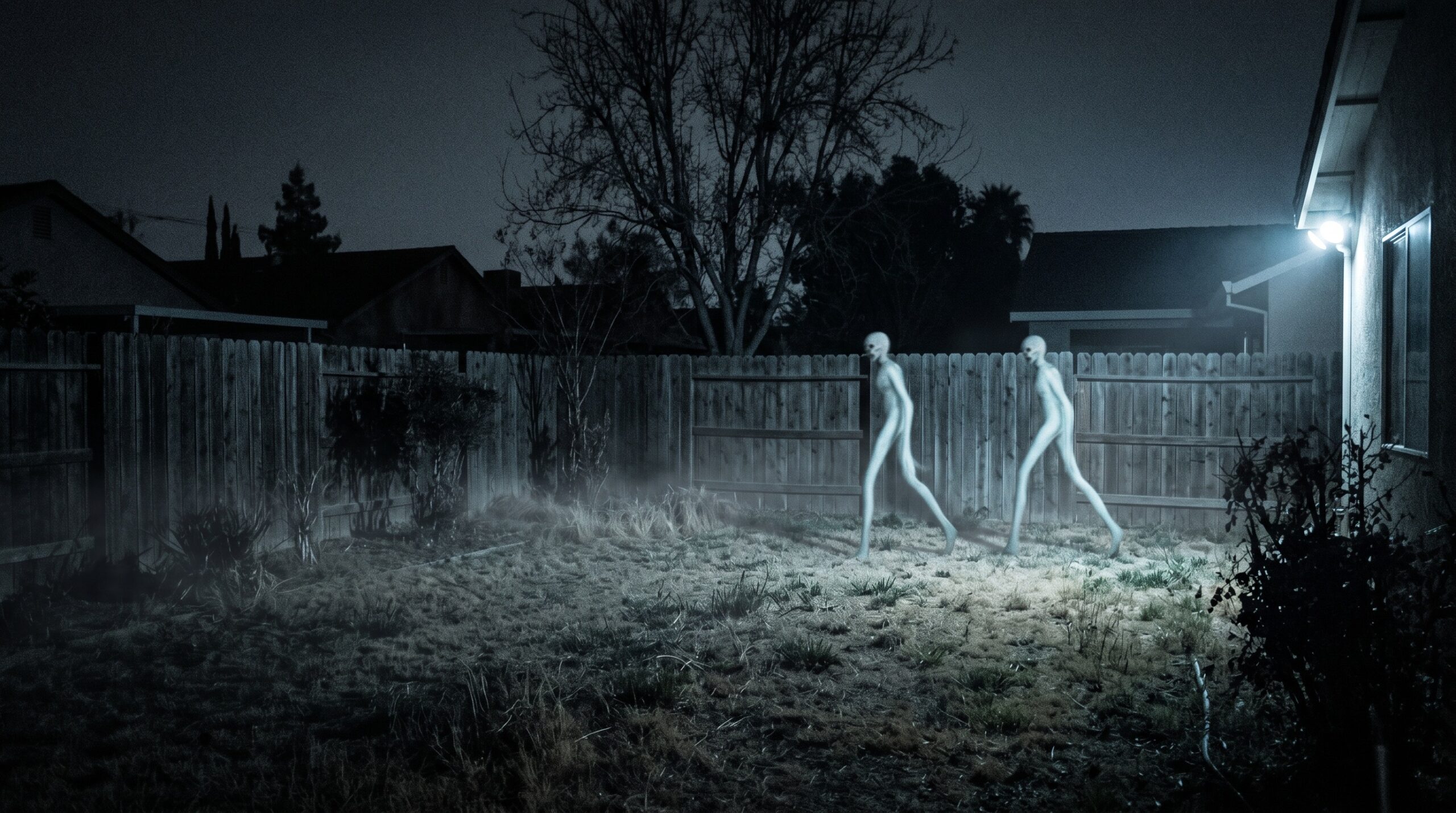
    Some stories do not arrive like normal news. They crawl in through a grainy clip, a half-panicked Reddit post, a search result that feels too fresh to be folklore, and suddenly Fresno Nightcrawlers is not just a phrase on a screen — it is a door cracked open in the wall of ordinary reality.

    That is why this story is moving now. The fresh signal is not a laboratory announcement or a police file; it is the collision of social chatter, search interest, and a believer community already trained to notice patterns before institutions acknowledge them. A current source trail includes a current r/cryptids discussion asking what Fresno Nightcrawlers are, corroborating search visibility through the Fresno Nightcrawlers overview circulating in search, and wider background from TikTok searches for the original Fresno Nightcrawlers video. None of that proves the strangest version of the claim. It explains why people are leaning closer.

    For Unexplained readers, Fresno Nightcrawlers also fits a larger map: recent cryptid sightings, Ohio Bigfoot flap, Loveland Frogman bill. The details change — a creature, a stone, a church warning, a forest road — but the emotional charge is the same. Something old seems to be pushing through a modern feed.

    Why the old footage still feels wrong

    The first thing believers notice is not the evidence package. It is the atmosphere. Fresno Nightcrawlers carries the feeling of a message received from the edge: a report that sounds small until you imagine being there, alone, when the ordinary world stops behaving normally.

    That is the reason the story survives the first skeptical shrug. A strange post can be dismissed in seconds, but a vivid image keeps working on the mind after the tab closes. The shape in the yard, the sound in the trees, the stone that should not fit, the prophecy language that suddenly feels public — these are not just claims. They are scenes.

    The shape that cryptid people cannot file away

    What makes the current wave sticky is specificity. The internet is full of generic mystery bait, but concrete details give believers something to hold: a place, a date, a witness, a source, a visual, a named tradition. Those details become hooks. People argue over them, remix them, search for them, and compare them against older cases.

    A good unexplained story does not need everyone to believe. It only needs enough people to feel that the official category is too small. Once that happens, the story starts behaving less like content and more like a signal flare.

    What skeptics say about the walking-pants video

    Skeptics have a simpler framework. They see social traction, old folklore, misread context, suggestive imagery, and the human hunger for patterns. In many cases, that caution is warranted. Viral mystery culture rewards speed, emotion, and repetition long before it rewards verification.

    But skepticism does not erase the cultural question. Why this story, and why now? Why does Fresno Nightcrawlers keep finding an audience at the exact moment people feel that institutions, science, churches, and media are all leaving something unsaid? That is the layer where the mystery keeps breathing.

    Why the Nightcrawlers keep coming back

    The most grounded reading is this: the current discussion around Fresno Nightcrawlers is real, the sources show a live curiosity signal, and the strongest versions of the claim remain unconfirmed. The available material supports an article about why the story is spreading, what believers think they see in it, and why the unresolved pieces keep pulling people back.

    That may sound like a narrow conclusion, but it is exactly where many unexplained stories live. Not proven, not empty, not finished. The facts set the boundary. The feeling presses against it. Whether Fresno Nightcrawlers becomes another internet flare-up or a lasting chapter in the unexplained archive depends on what surfaces next — and on whether readers decide the official explanation is large enough to hold what they sense in the dark.

    FAQ

    What is Fresno Nightcrawlers?

    Fresno Nightcrawlers is the search phrase now gathering attention around this specific unexplained topic, combining a fresh online signal with an older mystery tradition or belief system.

    Why are people talking about it now?

    People are talking because Reddit, search results, and adjacent Instagram mystery tags are all feeding attention into the same lane. That is a trend signal, not proof.

    Is Fresno Nightcrawlers confirmed?

    No public source trail confirms the most dramatic interpretation. The story is best read as a believer-first mystery with an evidence gap that still matters.

    Why does it fit Unexplained.co?

    It sits at the crossroads of folklore, internet signal, spiritual anxiety, and unresolved evidence — exactly where modern unexplained culture keeps producing its most persistent stories.

  • Oregon Bigfoot Rock Thrown at Truck: Why the Forest-Road Story Feels Like a Warning

    Oregon Bigfoot Rock Thrown at Truck: Why the Forest-Road Story Feels Like a Warning

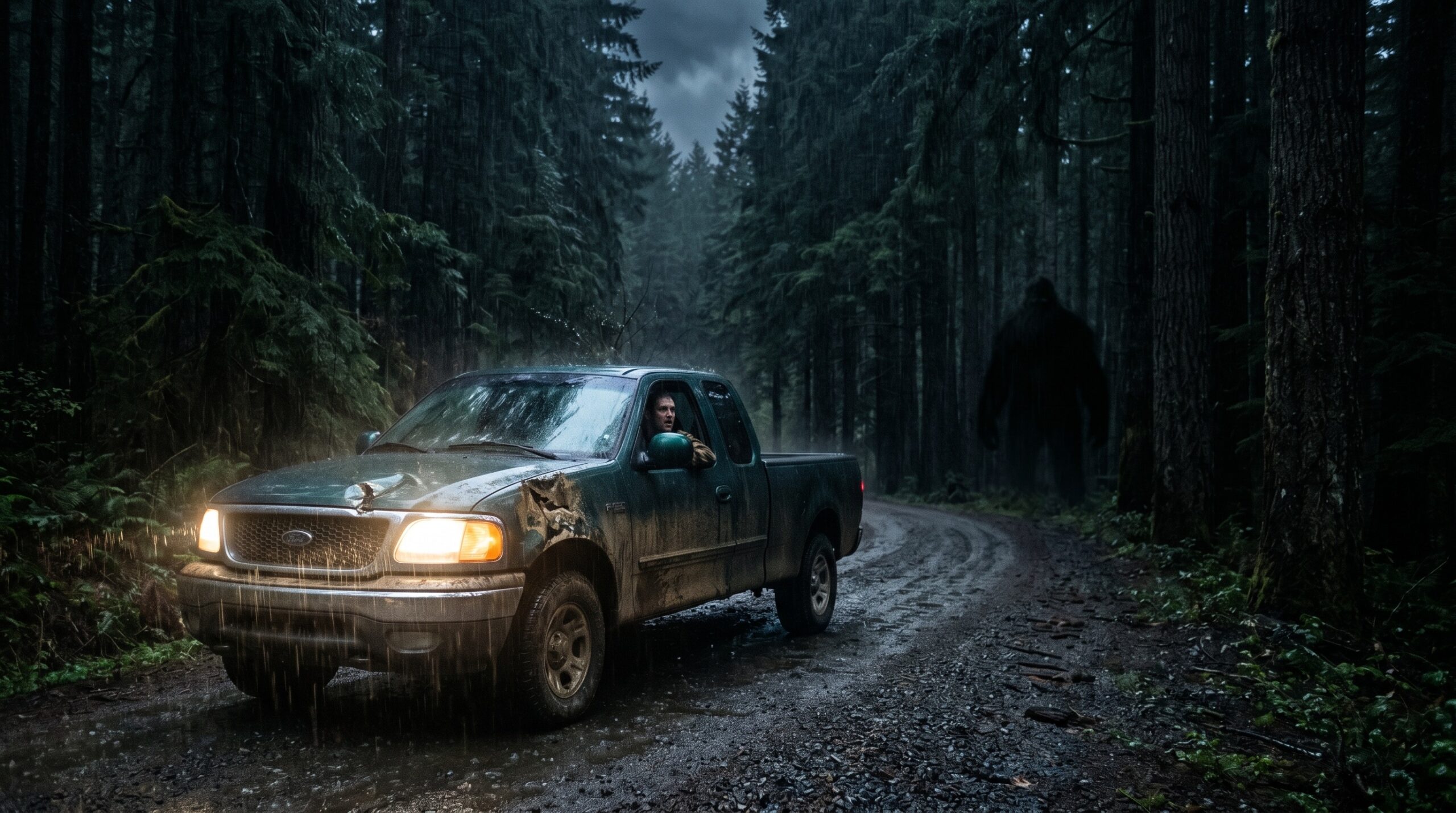
    Some stories do not arrive like normal news. They crawl in through a grainy clip, a half-panicked Reddit post, a search result that feels too fresh to be folklore, and suddenly Oregon Bigfoot rock thrown truck is not just a phrase on a screen — it is a door cracked open in the wall of ordinary reality.

    That is why this story is moving now. The fresh signal is not a laboratory announcement or a police file; it is the collision of social chatter, search interest, and a believer community already trained to notice patterns before institutions acknowledge them. A current source trail includes the r/Bigfoot report about a rock thrown at a truck in Oregon, corroborating search visibility through NorthWestBigfoot on April 2026 Pacific Northwest report patterns, and wider background from Popular Mechanics on the FBI Bigfoot file. None of that proves the strangest version of the claim. It explains why people are leaning closer.

    For Unexplained readers, Oregon Bigfoot rock thrown truck also fits a larger map: Ohio Bigfoot flap, the Giant of Kandahar, Oklahoma mystery-animal attack. The details change — a creature, a stone, a church warning, a forest road — but the emotional charge is the same. Something old seems to be pushing through a modern feed.

    The oldest Bigfoot signal is not a footprint

    The first thing believers notice is not the evidence package. It is the atmosphere. Oregon Bigfoot rock thrown truck carries the feeling of a message received from the edge: a report that sounds small until you imagine being there, alone, when the ordinary world stops behaving normally.

    That is the reason the story survives the first skeptical shrug. A strange post can be dismissed in seconds, but a vivid image keeps working on the mind after the tab closes. The shape in the yard, the sound in the trees, the stone that should not fit, the prophecy language that suddenly feels public — these are not just claims. They are scenes.

    Why thrown rocks scare believers more than photos

    What makes the current wave sticky is specificity. The internet is full of generic mystery bait, but concrete details give believers something to hold: a place, a date, a witness, a source, a visual, a named tradition. Those details become hooks. People argue over them, remix them, search for them, and compare them against older cases.

    A good unexplained story does not need everyone to believe. It only needs enough people to feel that the official category is too small. Once that happens, the story starts behaving less like content and more like a signal flare.

    How the Oregon report fits the Pacific Northwest pattern

    Skeptics have a simpler framework. They see social traction, old folklore, misread context, suggestive imagery, and the human hunger for patterns. In many cases, that caution is warranted. Viral mystery culture rewards speed, emotion, and repetition long before it rewards verification.

    But skepticism does not erase the cultural question. Why this story, and why now? Why does Oregon Bigfoot rock thrown truck keep finding an audience at the exact moment people feel that institutions, science, churches, and media are all leaving something unsaid? That is the layer where the mystery keeps breathing.

    What can and cannot be verified

    The most grounded reading is this: the current discussion around Oregon Bigfoot rock thrown truck is real, the sources show a live curiosity signal, and the strongest versions of the claim remain unconfirmed. The available material supports an article about why the story is spreading, what believers think they see in it, and why the unresolved pieces keep pulling people back.

    That may sound like a narrow conclusion, but it is exactly where many unexplained stories live. Not proven, not empty, not finished. The facts set the boundary. The feeling presses against it. Whether Oregon Bigfoot rock thrown truck becomes another internet flare-up or a lasting chapter in the unexplained archive depends on what surfaces next — and on whether readers decide the official explanation is large enough to hold what they sense in the dark.

    FAQ

    What is Oregon Bigfoot rock thrown truck?

    Oregon Bigfoot rock thrown truck is the search phrase now gathering attention around this specific unexplained topic, combining a fresh online signal with an older mystery tradition or belief system.

    Why are people talking about it now?

    People are talking because Reddit, search results, and adjacent Instagram mystery tags are all feeding attention into the same lane. That is a trend signal, not proof.

    Is Oregon Bigfoot rock thrown truck confirmed?

    No public source trail confirms the most dramatic interpretation. The story is best read as a believer-first mystery with an evidence gap that still matters.

    Why does it fit Unexplained.co?

    It sits at the crossroads of folklore, internet signal, spiritual anxiety, and unresolved evidence — exactly where modern unexplained culture keeps producing its most persistent stories.

  • The Giant of Sycamore Flats: The 14-Foot Humanoid Reported Above Los Angeles in 1977

    The Giant of Sycamore Flats: The 14-Foot Humanoid Reported Above Los Angeles in 1977

    Fourteen feet tall, spotted in the bushes above Los Angeles, and the Army never explained it.

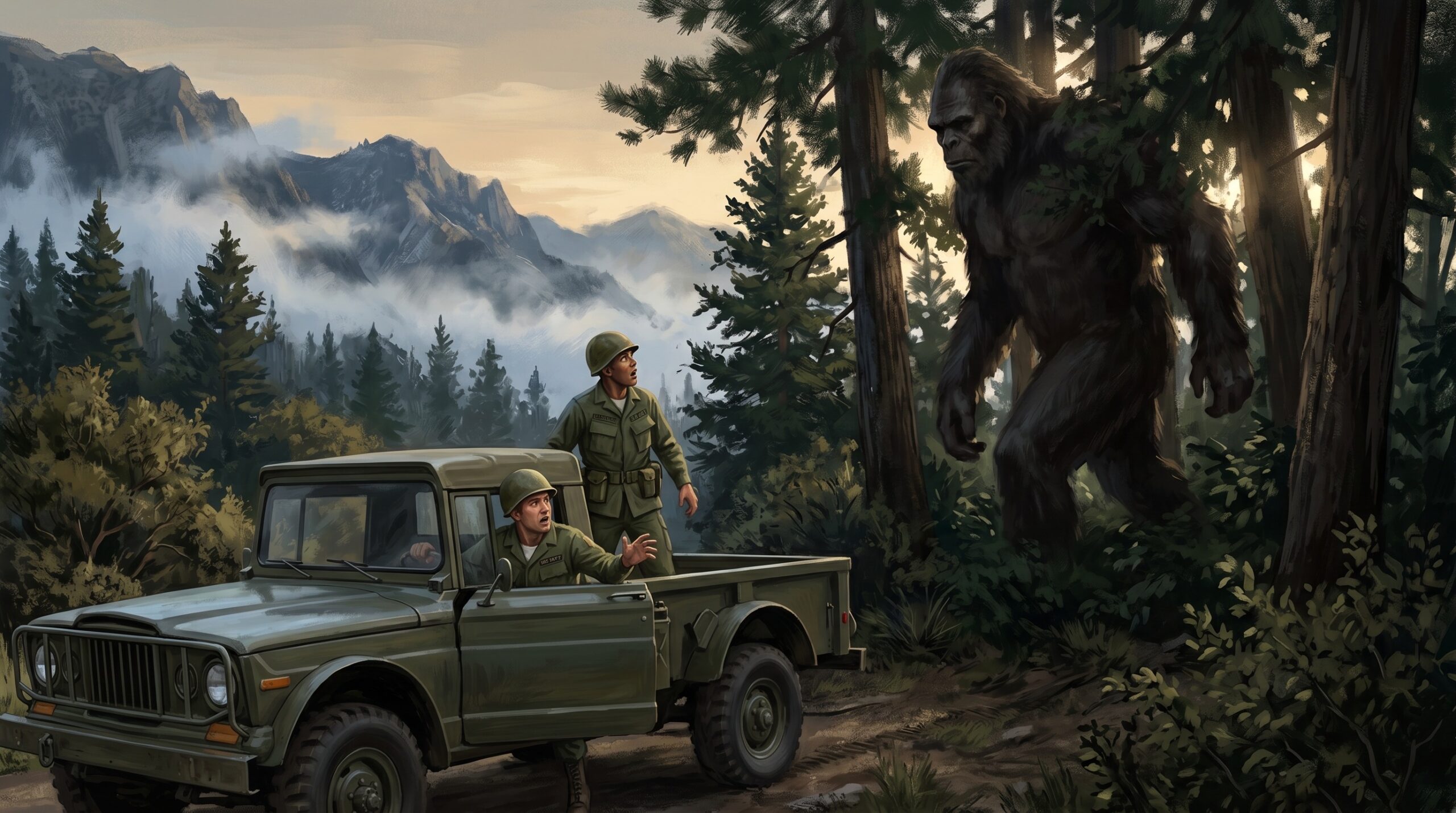
    That is the legacy of the Sycamore Flats incident, a forgotten footnote from April 22, 1977 that has suddenly returned to cryptid channels with the force of a fresh discovery. The encounter took place at the Sycamore Flats camp in Big Rock Canyon, deep in the San Gabriel Mountains, just above the sprawl of Los Angeles. According to the August 20, 1977 edition of the Great Falls Tribune, Sergeant Fred Wilson and two fellow soldiers were driving through the camp in a pickup truck when they spotted something impossible among the bushes.

    The creature was described as roughly 4.7 meters tall, close to fifteen feet, with proportions that matched no known animal. It was humanoid. It was upright. And it was watching them from the scrub. Wilson and his men reportedly stopped the truck and stared. The thing did not run. It simply stood there, massive and silent, before the soldiers decided to leave the area. There was no pursuit, no gunfire, no attempt to approach. Just a report, a newspaper clipping, and a question that has lingered for nearly fifty years.

    For cryptid believers, the Sycamore Flats encounter hits a rare sweet spot, as Cryptozoology News regularly documents similar military-adjacent sightings. It involves multiple military witnesses. It was reported in a newspaper at the time. And it took place in a location that is still accessible today, not in a remote jungle or unmapped desert, but in the mountains overlooking one of America’s largest cities. The San Gabriel Mountains are rugged, but they are not the Himalayas. People hike there. People camp there. The idea that a fourteen-foot humanoid could exist so close to millions of residents and remain undocumented feels both absurd and tantalizing.

    The giant angle connects to a deeper current in high-strangeness lore. The Giant of Kandahar has become a modern legend among military personnel, a red-haired behemoth allegedly killed by U.S. troops in Afghanistan. The stones of Baalbek suggest that something with impossible strength moved geology we still cannot replicate. Giants appear in nearly every ancient culture, from the Nephilim of biblical tradition to the Titans of Greek myth. Sycamore Flats adds a twentieth-century military chapter to a story that predates civilization.

    What separates this case from folklore is the specificity. Wilson was a sergeant. He had two witnesses. The location is named and mapped. The newspaper date is known. And yet, no follow-up investigation appears to have occurred, at least none that was made public. The Army did not issue a statement. Cryptozoologists did not swarm the canyon. The story simply faded, preserved only in microfilm and now in Reddit threads where users rediscover it and ask the same question: what did those soldiers see?

    Skeptics suggest misidentification, exaggeration, or a hoax. A bear standing upright can appear taller than it is. A shadow in scrub oak can play tricks on the eye. And 1977 was a peak year for cryptid hysteria, with Bigfoot reports flooding in from every corner of the country. But believers counter that military witnesses are trained observers, that three men in daylight should be able to distinguish a bear from a fifteen-foot humanoid, and that the lack of a follow-up investigation is more suspicious than the sighting itself.

    The San Gabriel Mountains have produced other strange reports over the decades. Hikers have described being watched. Campers have heard footsteps that do not match any local wildlife. And the region’s geology, a jumble of uplifted peaks and hidden canyons, provides enough secluded terrain to hide something large for generations. The Ohio Bigfoot flap proved that multiple witnesses can still emerge in the age of smartphones. The Alberta Mystcam footage showed how a single clip can reignite the entire conversation. Sycamore Flats has neither video nor photograph, but it has something almost as valuable: a named witness, a named place, and a date.

    For now, the Giant of Sycamore Flats remains an unverified entry in the ledger of American cryptid lore. No body has been found. No tracks have been cast. But the canyon is still there, the camp is still there, and the newspaper clipping is still legible. Something stood in those bushes in 1977 and looked at three soldiers without fear. Whether it was flesh, shadow, or imagination, the story refuses to stay buried.

  • The Alberta Bigfoot Mystcam Video: Why the Valley Figure Has Cryptid Watchers Locked In

    The Alberta Bigfoot Mystcam Video: Why the Valley Figure Has Cryptid Watchers Locked In

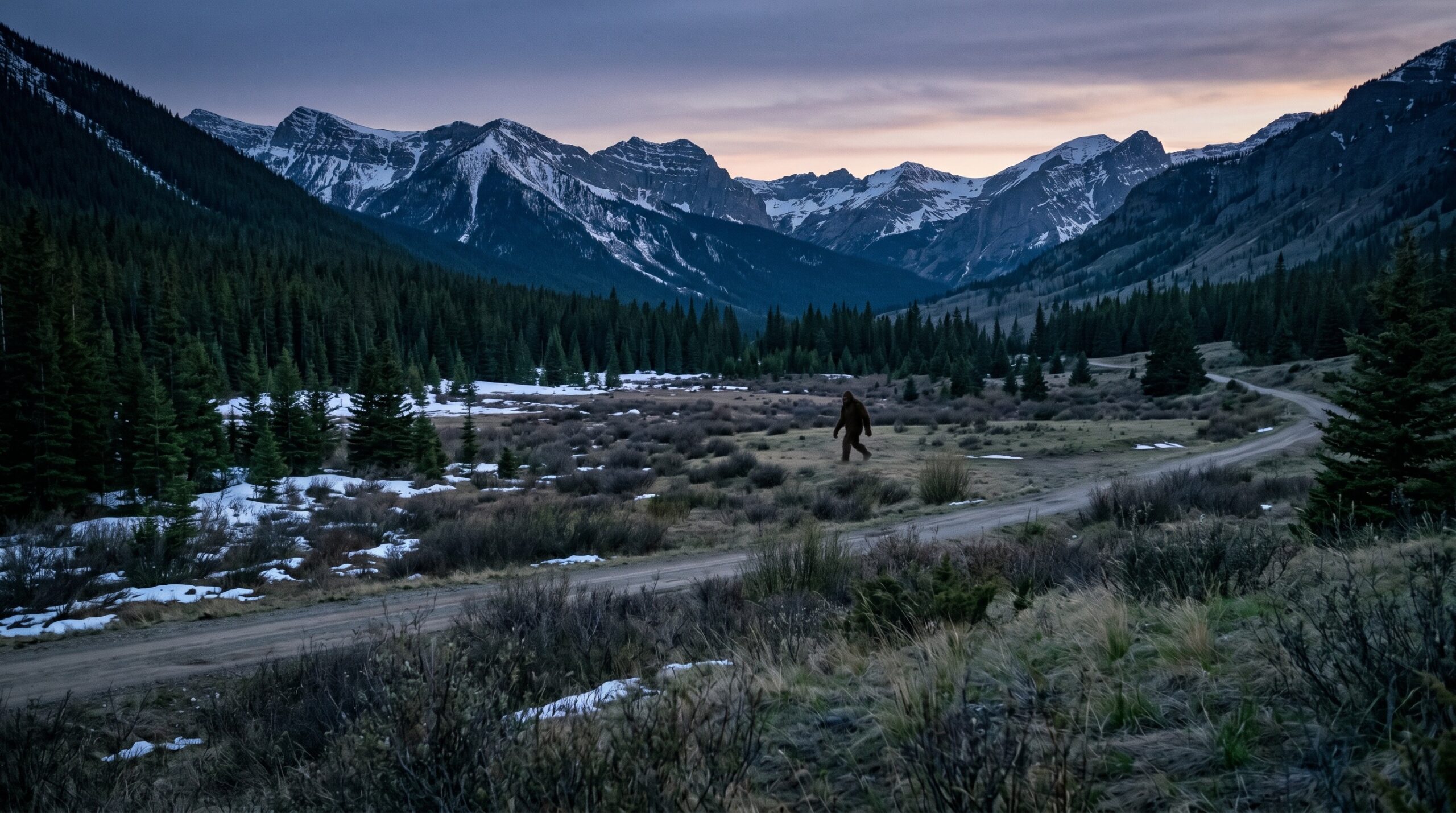
    Bigfoot believers are used to tree lines, blur, and excuses. That is why the new Alberta Bigfoot Mystcam video is hitting so hard. The figure in the viral clip is not hidden deep in branches or passing for half a second between leaves. It is out in the open, moving through a valley as if it does not care whether anyone believes what they are seeing.

    The immediate answer is that the Mystcam Alberta video is a viral cryptid clip showing what appears to be a tall upright figure crossing remote terrain in Alberta, Canada, and it has spread because daylight, distance, and open ground make the footage feel more dramatic than the average Bigfoot reel. The main traction is coming from the widely shared Instagram post describing the Alberta valley figure, supporting chatter in Reddit spaces like this Cryptozoology repost of the same description, and adjacent coverage such as recent reporting on Alberta Bigfoot-style sightings in Canada. None of that proves the clip is authentic. It does explain why believers are staring at it like a possible daylight gift.

    The strongest emotional hook is simple: the thing in the valley does not seem furtive. It seems present. And for anyone who has spent years consuming almost-sightings, that difference feels enormous.

    Why this Alberta clip feels different to believers

    Believers do not only want a creature. They want exposure. They want the kind of moment where the witness does not have the forest to hide behind and the figure does not have darkness to blame.

    That is exactly what the Alberta clip appears to offer. Open terrain changes the psychology of the footage. In the mind of a Sasquatch believer, a distant figure in dense trees can always be dismissed as a person, a stump, or a trick of branches. A distant figure moving with purpose across broad country feels much harder to file away.

    That is why the clip is already being folded into the same online appetite that keeps skinwalkers caught on camera, sea-serpent explanations through oarfish, and even remote-worker mysteries like the Northwest Territories drillers UFO sighting alive for weeks after first contact. Remote landscapes make mystery feel cleaner. The background itself seems to testify.

    What the Mystcam video appears to show

    The clip being circulated with the Mystcam label shows a dark upright form moving through an Alberta valley far from obvious roads or other people. The body language is what keeps believers engaged. The stride looks smooth. The figure does not appear to scramble or flail. It seems to cover ground with the kind of calm that makes viewers project confidence onto it.

    That projection matters. Bigfoot footage is often judged emotionally before it is judged analytically. If a clip feels too performative, audiences dismiss it as costume theater. If it feels detached, almost indifferent to the camera, believers read that as authenticity. The Alberta figure benefits from exactly that mood.

    It also fits an old Canadian Sasquatch fantasy: that the vastness of western wilderness still hides something bipedal, intelligent, and deeply adapted to terrain humans only visit. A figure crossing open ground in Alberta is not just a video. It is the cinematic version of an old frontier suspicion.

    Why Canada remains fertile ground for Sasquatch stories

    Canada’s role in Bigfoot lore is not an accident. Scale helps. So do forests, mountains, oil fields, logging routes, and immense areas where rumor can move faster than verification. Alberta in particular sits in the kind of mental geography cryptid culture loves: rugged enough to feel unknowable, documented enough to make any sighting sound consequential.

    That is why a single clip can explode even when provenance is thin. People already believe the landscape could hold the story. The video only has to feel like a glimpse rather than a case closed.

    What the footage does not settle

    The Alberta Mystcam video may be eerie, but eerie is not the same thing as authenticated. There is still no solid public chain of custody, no confirmed original uploader with verifiable context, and no independent evidence that the figure is anything more than a human, costume, or manipulated clip. Viral reach should not be mistaken for field documentation.

    But the absence of certainty is part of the engine here. The footage lives in that sweet spot where it is exposed enough to feel bold and vague enough to remain arguable. For cryptid watchers, that can be more addictive than proof. A fully solved clip dies fast. A figure walking calmly across an Alberta valley, too far away to pin down and too visible to ignore, can haunt a feed for a very long time.

  • Oklahoma Mystery Animal Attack DNA Results: Why the Dogman Story Spread Anyway

    Oklahoma Mystery Animal Attack DNA Results: Why the Dogman Story Spread Anyway

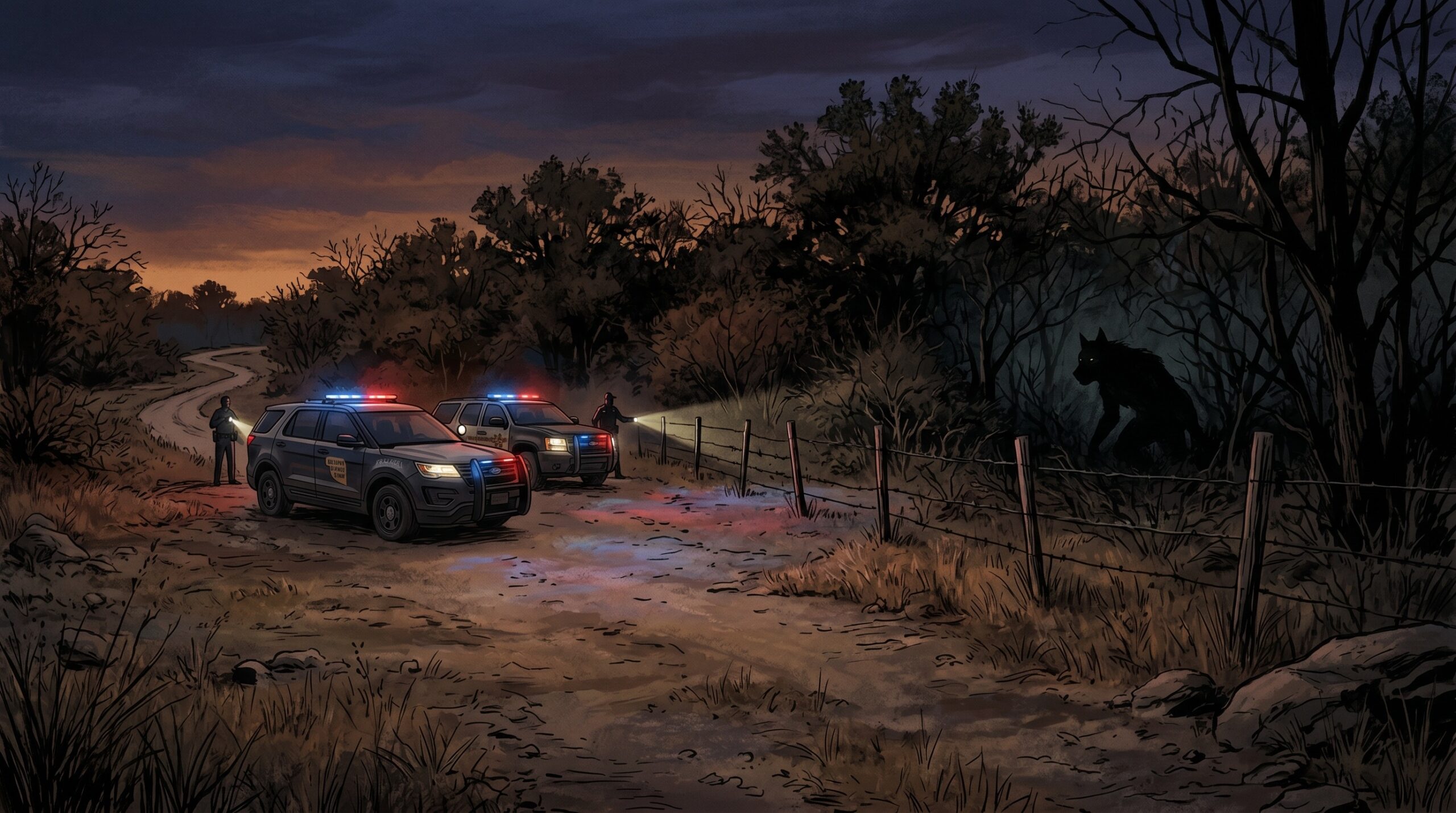
    The story was almost built to become legend. A woman in Oklahoma is attacked. The attacker is not clearly identified. The details sound violent, confused, and just strange enough to leave a gap in the mind. Once that kind of gap opens online, something always comes crawling into it. This time, it was Dogman.

    Before the evidence had time to settle, cryptid feeds were already running with the darker version of the story: a massive canine thing, too aggressive to be ordinary, too uncanny to stay inside wildlife logic. In the same internet climate that keeps stories like Dogman folklore alive and gives eerie side-life to Not-Deer encounters, the Oklahoma attack did not need much fuel. It needed fear, ambiguity, and one missing answer.

    That is exactly what it got. And because 2026 is already saturated with cryptid recirculation — from revived Bigfoot flaps to pieces like the latest chupacabra-style returns — the story spread at speed.

    Why the Oklahoma attack ignited cryptid feeds

    Real attacks create a different kind of internet energy than folklore alone. They come with stakes, injuries, police language, local confusion, and the constant possibility that the official answer will feel smaller than the fear people already felt. That is why the Oklahoma case detonated in cryptid spaces. It was not a campfire story. It was a frightening real-world event into which old monster language could be poured almost instantly.

    The early reporting came through outlets covering the mauling as a genuine emergency, including Fox 23’s initial report on the unidentified attack and broader national coverage such as The Independent’s summary of the injuries and aftermath. Once the facts entered circulation, cryptid forums and Reddit threads did what they always do: they started translating fear into folklore.

    What happened to Alicia Maxey

    Alicia Maxey was reported to have suffered serious injuries in a violent attack near Blanco, Oklahoma. In the earliest coverage, the attacker was not clearly identified, and that uncertainty became the hinge on which the entire mystery swung.

    For ordinary readers, that meant a frightening local story. For cryptid believers, it meant open territory. The lack of immediate certainty gave the story its supernatural voltage. If officials did not know what attacked her, the imagination stepped in first.

    How Dogman got attached to the case

    Dogman speculation did not appear because anyone presented conclusive evidence of a cryptid. It appeared because the story matched the emotional pattern Dogman lore feeds on: rural darkness, sudden violence, canine features, and an atmosphere of something not fully explainable. Reddit threads in cryptid communities and Dogman forums quickly framed the attack as a possible real-world encounter rather than an animal-control case.

    The internet is especially good at doing this when a real emergency contains just enough ambiguity to support myth. A witness description becomes a legend fragment. A delayed answer becomes proof of concealment. A bad night in Oklahoma becomes a new chapter in a monster file people have already been waiting to add to.

    What the DNA results actually said

    Then came the part that usually kills a cryptid story — at least in theory. The update reported by Sharon A. Hill’s review of the case and the speculation wave, and then sharpened by the local report on the sheriff’s DNA findings, pointed toward a domestic dog rather than a cryptid assailant.

    That is the grounded answer now available in the public record. The DNA update does not support a Dogman attack. It points to a far more ordinary — if still terrifying — explanation.

    Why the story will probably keep mutating online

    Because ordinary explanations do not erase extraordinary feelings. The DNA result may narrow the factual case, but it does not erase the emotional sequence that made the story spread: a brutal attack, an unknown assailant, fear in the dark, and a public hungry for creatures that might still be out there. Once a real event enters cryptid culture, it rarely exits cleanly.

    The most careful conclusion is simple. A real attack happened. Cryptid communities rapidly attached Dogman theory to it. The later DNA reporting points toward a domestic dog, not a supernatural or undiscovered beast. But the story will keep circulating anyway, because online folklore is less interested in closure than in atmosphere.

    That is the real lesson of the Oklahoma case. The monster came first in the imagination, even before the evidence had finished speaking. And once that happens, the internet does not merely report a story. It breeds a second one in parallel — darker, stranger, and much harder to put back in the cage.

  • The Mongolian Death Worm: Why the Gobi’s Most Famous Cryptid Still Refuses to Die

    The Mongolian Death Worm: Why the Gobi’s Most Famous Cryptid Still Refuses to Die

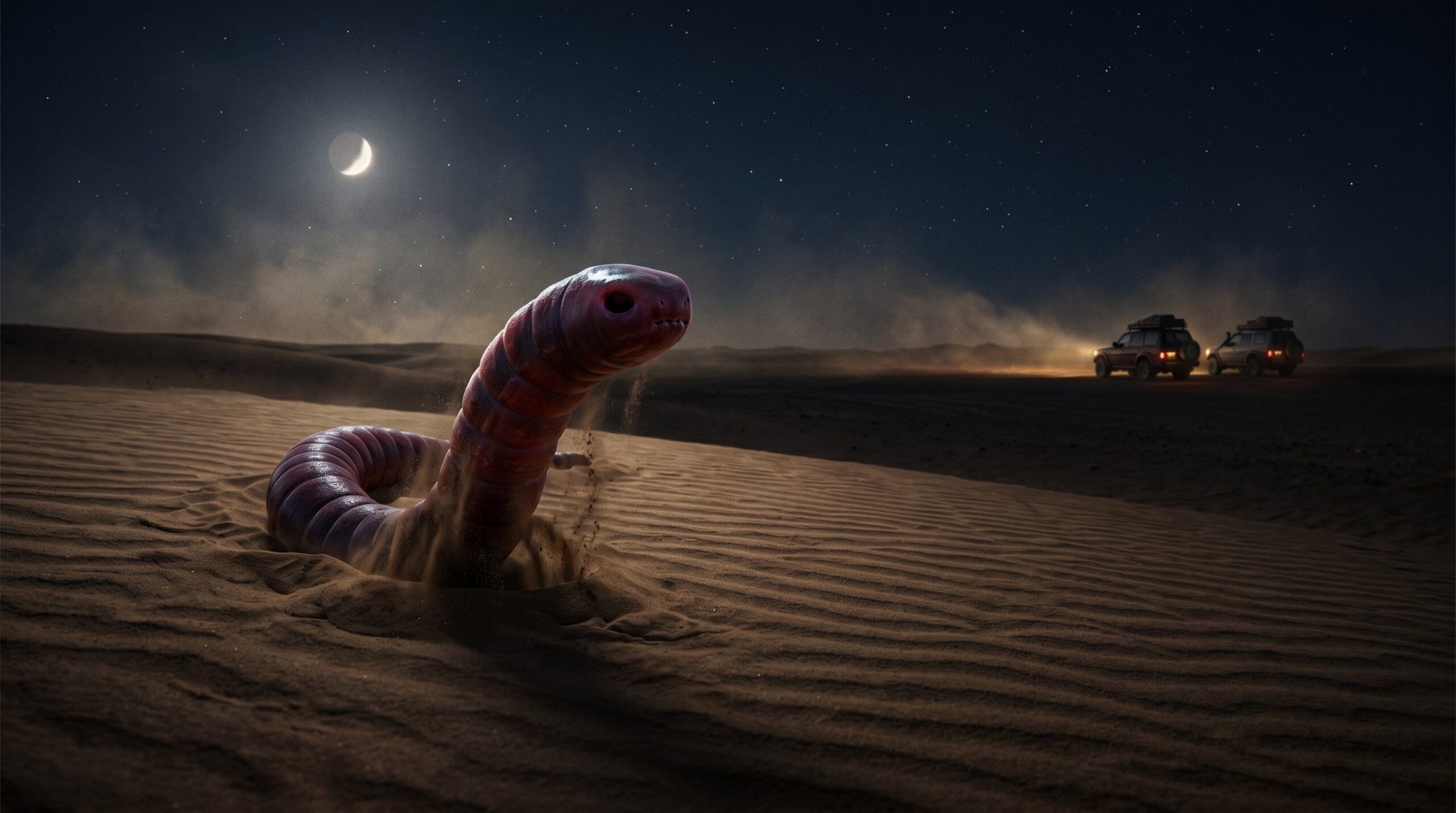
    There are cryptids you can imagine spotting at the edge of a forest. Then there is the Mongolian death worm, a thing people describe as if the desert itself grew fangs. Thick, red, subterranean, and supposedly capable of killing from a distance, the creature survives in the imagination because it does not feel like an animal story. It feels like a punishment story tied to a landscape so empty that anything hidden beneath it starts to feel plausible.

    The direct answer is that the Mongolian death worm, often linked to the name olgoi-khorkhoi, is a famous cryptid from the Gobi Desert said to live under the sand and kill animals or people with venom, electricity, or both depending on the telling. The legend is circulating again because cryptid audiences on Reddit are actively re-arguing the case in threads like this recent Cryptozoology debate, reference sources such as updated death-worm case files, and broader explainers like the modern history of the hunt for the creature keep bringing it back for new readers. That is not proof of an undiscovered predator. It is proof that the legend still has bite.

    What gives the creature such staying power is that it is not majestic. It is ugly, buried, and close to the ground. That makes it feel older than myth and meaner than folklore.

    Why the death worm still crawls through modern cryptid culture

    The death worm has everything a durable cryptid needs: a vivid local name, a merciless environment, horrifying powers, and just enough expedition lore to keep the story half-attached to investigation. Unlike Bigfoot, it does not need charisma. Unlike lake monsters, it does not need spectacle. It only needs the suspicion that the desert is large enough to keep one brutal secret.

    That suspicion fits neatly beside stories readers already know, like the Alberta Bigfoot Mystcam video, the sea-serpent theories built around oarfish, and viral skinwalker sightings. In each case the landscape does half the storytelling. Mystery clings harder in places that already feel too large to fully search.

    What the legend says the creature can do

    Descriptions vary, but the death worm is usually imagined as a thick, red, wormlike or sausage-shaped animal living beneath desert sand. Some accounts say it can spit venom. Others say it kills through electrical discharge. In the most memorable versions, the attack happens so fast the victim barely has time to understand what rose beneath the surface.

    That elasticity has helped the legend survive. If the details never harden completely, the creature can keep evolving with each new retelling. A nomadic terror becomes a pulp-monster. A pulp-monster becomes a cryptozoology obsession. The emotional core stays the same: something hostile moves under the sand where human eyes fail.

    Why the Gobi makes believers hesitate before dismissing it

    The Gobi does important work for the legend. A story like this set in suburbia would collapse instantly. Set in one of the world’s harshest and most sparsely populated regions, it gains room to breathe. Believers do not need to prove the worm. They only need to point to distance, difficulty, and how little of any desert is truly watched.

    That is why the death worm remains irresistible to a certain type of reader. It turns geography into an accomplice. The desert does not just host the creature. It protects the idea of it.

    What the evidence still does not give us

    For all its power as legend, the Mongolian death worm remains unverified. No accepted specimen, no confirmed footage, and no scientific documentation have closed the case in favor of a real unknown species. Investigators and writers have collected anecdotes, but anecdotes are not zoology.

    Still, the legend is not nothing. It preserves how a region imagines danger, concealment, and what the land might still withhold. Maybe the death worm is only folklore sharpened by desert fear. Maybe it is a cryptid that modern evidence has never caught. Either way, a creature said to wait beneath the Gobi like a buried weapon is never going to vanish completely. Some stories are too well adapted to the terrain.

  • Oarfish Sea Serpent Theory: Could This Deep-Sea Fish Explain the Legend?

    Oarfish Sea Serpent Theory: Could This Deep-Sea Fish Explain the Legend?

    Yes, at least in part. The giant oarfish is one of the most plausible real animals ever linked to sea serpent lore: long, silvery, rarely seen, and strange enough to look almost invented when it appears near the surface. But it is not a tidy answer to every old monster story. Some reports describe features an oarfish simply does not have, while others were likely shaped by distance, bad weather, fear, and the habit of turning a startling sight into a better tale.

    That tension is exactly why the theory endures. The oarfish occupies a fascinating borderland between folklore and zoology. It is not a mythical beast dredged up from legend, but a real deep-sea fish so unfamiliar that even confirmed specimens can seem unreal. When people look for the flesh-and-blood creature that may have helped give sea serpents their shape, the oarfish is hard to ignore.

    For more context on the broader mystery, see Skinwalkers Caught on Camera? What Viral Videos Usually Show and Second Sphinx Under Giza? What the Claim Says, What the Scans Show, and What Remains Unproven.

    What kind of animal an oarfish is

    The giant oarfish (Regalecus glesne) is among the longest bony fish in the world. Most people will never see one alive. It spends its life in deep ocean waters and usually comes to human attention only when injured, dying, or washed ashore.

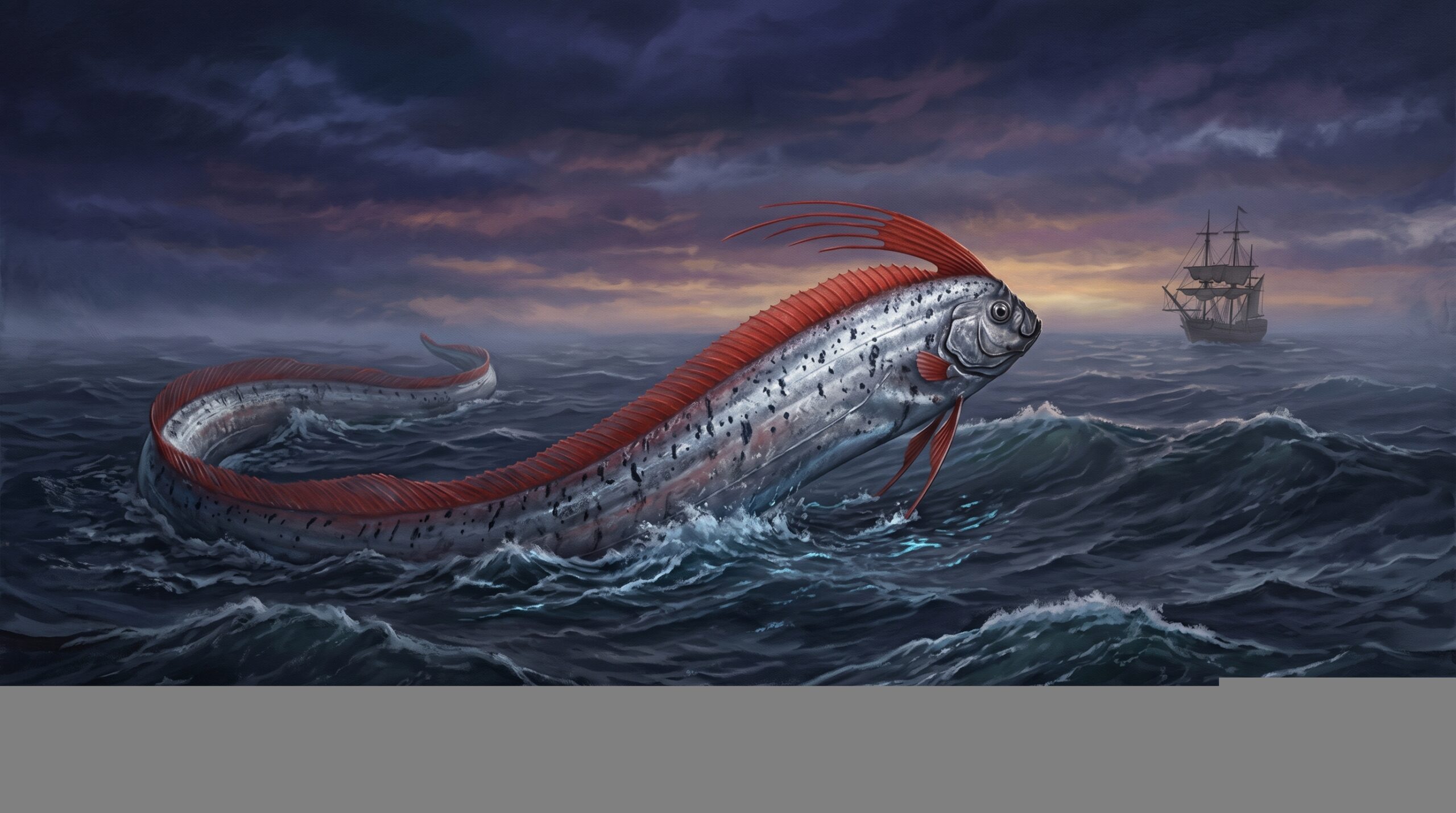
    Seen up close, it does not resemble the standard idea of a fish so much as a strip of metal brought to life. Its body is long and ribbon-like, its skin reflective silver, and its head topped with a vivid red crest. From some angles, it can look almost impossibly thin. In open water, especially if glimpsed only briefly, that shape would be easy to misread.

    Stories about exceptional size are often repeated with more confidence than documentation allows, so the most dramatic length claims should be treated carefully. Even without exaggeration, though, confirmed oarfish are large enough to leave a lasting impression. A many-meter-long creature twisting near the surface, catching the light in flashes of silver and red, hardly needs embellishment to feel uncanny.

    Why people connect oarfish to sea serpents

    Because the resemblance is strong enough to be convincing, especially under the conditions in which many old sea mysteries were reported.

    Traditional sea serpent stories often center on a few recurring elements: an elongated body, unusual movement, and a sighting so partial or fleeting that the witness never gets a clean, stable view. Oarfish line up with several of those features surprisingly well.

    • Extreme length: Their bodies are far longer and narrower than most fish people expect to encounter near the surface.
    • Serpentine motion: A distressed or surfacing oarfish can create an undulating, snake-like impression.
    • Strange silhouette: At a distance, a ribbon-shaped fish may register less as a fish than as a continuous marine serpent.
    • Rarity: The less often an animal is seen, the easier it is for sightings to harden into legend.

    In fact, the theory works best when the view is incomplete. A head breaking the water, a flash of silver body, a few seconds of movement beside a rolling ship—those fragments are exactly the sort of raw material from which sea-serpent stories grow.

    What old sea serpent reports actually describe

    The phrase “sea serpent” sounds specific, but historically it covered a jumble of very different reports. Some witnesses described a horse-like or dragon-like head. Some spoke of coils lifting above the water. Others saw a series of humps, as if a train of arches were moving across the sea. Still others likely caught bad glimpses of whales, eels, floating debris, or ordinary marine life distorted by poor conditions.

    That matters because there was never one clearly defined monster to explain. “Sea serpent” often served as a catchall label for anything at sea that seemed large, unfamiliar, and unsettling.

    This is one reason the oarfish theory is persuasive without being complete. It does not need to solve every serpent story ever told. It only needs to explain how some sightings may have begun with a real but unfamiliar animal. On that narrower point, the case is strong.

    Where the theory makes the most sense

    The theory is most convincing when a report emphasizes length, a narrow body, strange movement at the surface, and uncertainty about what the witness actually saw.

    Imagine the conditions that produced so many maritime mysteries in the first place: dim light, rough water, a moving deck, a distant object appearing and disappearing behind waves. Under those circumstances, even a familiar animal can seem transformed. An oarfish—already unusual in form, already associated with deep water—would be even easier to misread.

    That deep-sea connection matters as much psychologically as biologically. Creatures from the ocean’s depths arrive wrapped in mystery before anyone describes them at all. People do not simply report what they see; they report what they think they are seeing. A rare animal from a hidden part of the world is exactly the kind of thing that can accumulate mythic weight.

    Where the theory falls short

    Still, the oarfish cannot explain everything.

    Some sea serpent accounts describe a thick-bodied animal with a distinct neck or a heavy head raised well above the water. Others mention multiple humps, broad backs, or movements that sound more like whales, seals, or several animals traveling together. An oarfish also does not behave like the giant marine reptile of adventure fiction, and plenty of famous sea monsters were shaped as much by imagination as by observation.

    Readers who want to compare this story with outside reporting can start with Wikipedia on the oarfish and NOAA on the oarfish.

    There is also the larger problem of eyewitness testimony at sea. Distance distorts scale. Weather wipes away detail. Waves hide parts of an animal’s body and can create the illusion of separate humps or segments. A known creature seen badly can become an unknown creature in seconds.

    So the most defensible version of the theory is also the most modest. Sea serpents were not secretly “just” oarfish. Rather, oarfish are one credible source behind some serpent imagery and perhaps some individual sightings.

    Why deep-sea animals so often become monsters

    The deep ocean has always been fertile ground for myth because it keeps so much of its life out of view. When something strange rises from that hidden world, people see it abruptly, usually under poor conditions, and reach for the nearest language they have: serpent, dragon, monster, omen.

    The oarfish is not unique in that respect. Giant squid spent generations lingering at the edge of legend before they were firmly documented. Strange fish, decomposing carcasses, unusual whale behavior, floating kelp, and wave effects have all fed the long history of sea-monster stories.

    What sets the oarfish apart is how little interpretive effort it requires. Its body plan almost invites serpent comparisons. With many proposed explanations, the link feels stretched. With an oarfish, the connection feels immediate.

    Why the real animal does not erase the mystery

    Explaining the legend does not make the creature ordinary.

    Part of the oarfish theory’s appeal is that it preserves wonder instead of flattening it. If a sea-serpent story can, in some cases, be traced to a real deep-sea fish, the result is not a dull debunking. If anything, it sharpens the mystery. The ocean turns out to contain something nearly as strange as the legend itself.

    That is often the most satisfying middle ground. Many readers are not looking for total disbelief or total supernatural certainty. They want the more complicated truth: that a real animal can help give rise to a legendary image, and that the legend still reveals something about how humans confront the unknown.

    What skeptics and historians would caution

    Historians and skeptics usually add two important notes of caution.

    First, folklore grows by accumulation. A dramatic sighting may begin with a real animal, then gather exaggeration through retellings, newspaper embellishment, local pride, and the very human tendency to improve a good story. Once a coastline or region becomes known for a monster, later witnesses may interpret ambiguous sights through that existing legend.

    Second, single-cause explanations are usually too neat for messy historical material. Sea serpent reports likely arose from many different sources: whales, sharks, seals, giant fish, floating objects, wave patterns, hoaxes, and honest mistakes. The oarfish belongs on that list, but it should not replace the whole list.

    That skeptical framing does not really weaken the oarfish theory. It refines it. The strongest claim is not that the case is closed, but that one remarkable species probably helped shape part of the tradition.

    So could the oarfish be the real animal behind the legend?

    In some cases, very possibly.

    If the question is whether a long, rarely seen deep-sea fish could have contributed to sea serpent stories, the evidence points strongly toward yes. If the question is whether every famous sea-serpent encounter can be reduced to an oarfish, the answer is no. The descriptions are too inconsistent, and the historical record is too mixed.

    If you want to keep going, Kola Superdeep ‘Screams From Hell’: The Hoax and the Real Discoveries Beneath the Earth expands the picture from another angle.

    That middle ground is not a disappointment. It is where many enduring mysteries actually live: part reality, part error, part imagination. The giant oarfish may not be the answer to every serpent tale, but it remains one of the most compelling real animals ever proposed as the legend’s living source.