Category: Cryptozoology

  • Bioluminescent “Humanoid” Sea Clips Explained: Why Viral Ocean Mysteries Keep Outrunning Marine Science

    Bioluminescent “Humanoid” Sea Clips Explained: Why Viral Ocean Mysteries Keep Outrunning Marine Science

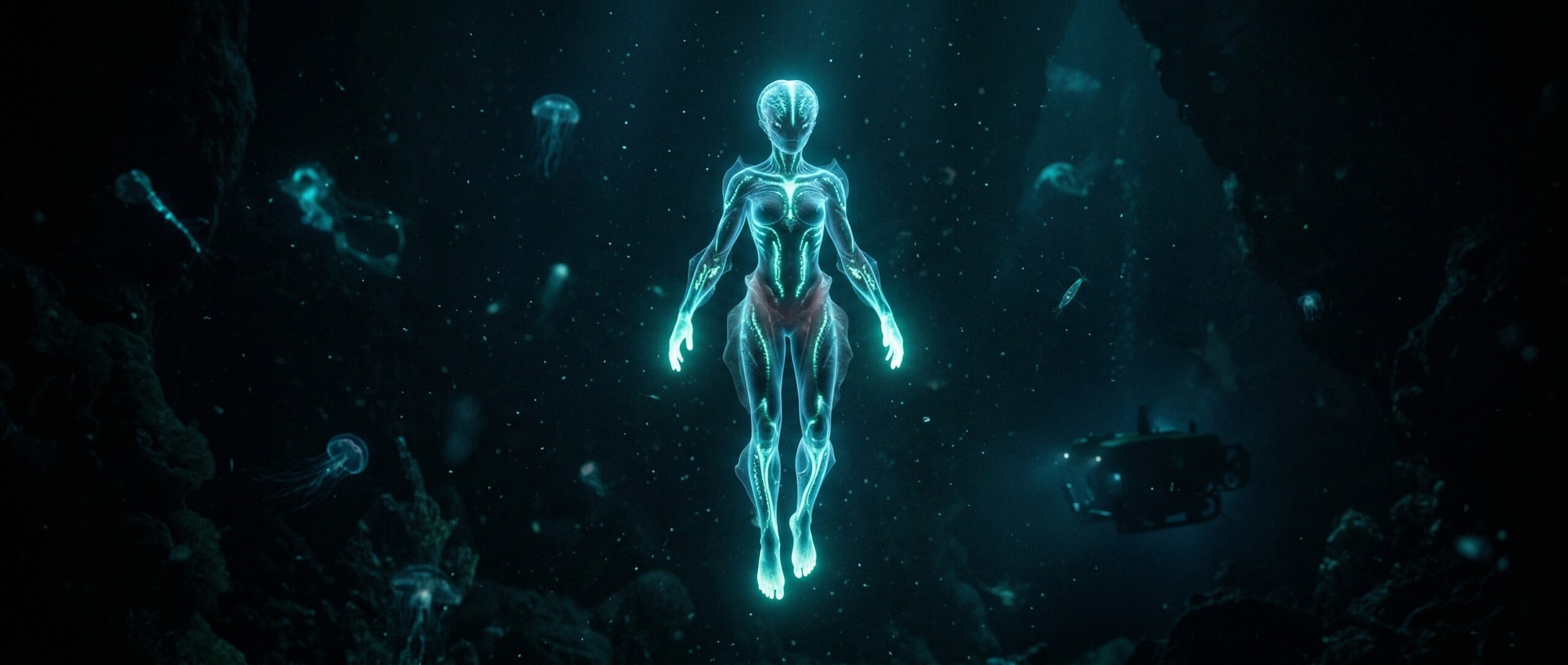
    Viral “bioluminescent humanoid” clips are effective because they combine two things the internet loves: ocean mystery and visual ambiguity. A glowing shape near dark water can look uncanny in seconds, especially once edits, slow motion, and suggestive captions push viewers toward one interpretation. But the evidence points toward a much more familiar explanation: natural bioluminescence, optical distortion, and social-media framing doing the heavy lifting.

    The short answer is simple. There is no verified evidence that these clips show glowing humanoid entities. What is actually happening is that real marine light phenomena—such as glowing plankton, algae, and other bioluminescent organisms—are being edited, miscaptioned, or narratively framed to look like something far stranger than they are.

    That makes this a useful story for unexplained audiences, because it shows how a compelling mystery image can outrun context almost immediately. The video looks weird first. The explanation arrives later, if it arrives at all. Background science from NOAA and marine explainers from MBARI make clear that bioluminescence can already appear otherworldly without requiring a supernatural reading.

    What This Story Actually Says

    In early April 2026, a cluster of viral posts began circulating footage described as “bioluminescent humanoids” seen in or near coastal waters. The clips typically show glowing shapes, trails, or partial forms against dark backgrounds, then rely on text overlays or dramatic voiceovers to guide viewers toward a paranormal reading.

    The visual material itself is not necessarily fake in the simplest sense. In many cases, the underlying glow can come from real bioluminescent phenomena. What changes the meaning is the edit. Slow-motion treatment, cropped framing, overlays, and high-emotion captions can all shift the viewer’s perception from “interesting marine light effect” to “possible unknown entity.”

    That distinction is crucial because it means many of these clips work by reinterpreting real footage rather than fabricating every element from scratch. The strangeness is often real. The conclusion is where the distortion begins.

    Why Ocean Mystery Content Spreads So Easily

    The ocean is one of the easiest places to project mystery. Most viewers are not experts in marine life, underwater optics, or low-light video artifacts. That knowledge gap gives unusual footage enormous narrative power.

    Bioluminescence is especially vulnerable to sensational framing because it is already visually unreal. Blue glow in dark water looks supernatural before any explanation is added. Once creators pair that imagery with claims about humanoid forms, hidden species, or unexplained sightings, the content becomes instantly shareable.

    There is also a built-in credibility effect. Because the glow is real, the paranormal interpretation feels more plausible than a purely fabricated clip might. Viewers can see that something unusual is happening. The leap is in assuming that unusual automatically means unknown or non-human.

    What the Evidence Actually Supports

    The strongest evidence supports known marine and visual explanations. Bioluminescent algae, plankton blooms, disturbed microorganisms, deep-sea organisms, and reflective light conditions can all produce eerie moving forms, especially in low-resolution or compressed footage. Add camera shake, darkness, and selective editing, and the result can look astonishingly creature-like.

    Photographers, marine biologists, and science communicators have repeatedly pointed out that human perception is especially vulnerable in low-light scenes. We impose pattern on moving light. We search for symmetry. We read partial shapes as bodies. In a social feed, where viewers are primed for revelation, that tendency becomes even stronger.

    So the evidence does not point to glowing humanoid entities. It points to a collision between natural marine phenomena and narrative packaging. Readers who want a stronger grounding can compare public-facing resources from NOAA Ocean Service and broader marine science reporting from KQED Science.

    What Skeptics and Marine Experts Would Say

    Mainstream experts would emphasize that extraordinary marine claims need chain-of-custody evidence, location context, high-quality source files, and species-level analysis where possible. Viral clips almost never provide that. They arrive detached from place, time, and verifiable documentation.

    Skeptics would also note that ocean content has long been fertile territory for hoaxes, misidentifications, and amplified folklore. The combination of darkness, distance, water distortion, and biological unfamiliarity makes the sea one of the easiest environments in which to misread what is visible.

    That does not make the footage worthless. It makes it incomplete. And incomplete evidence is exactly the kind that social platforms are built to overinterpret.

    Why This Story Still Matters

    This matters because false ocean mysteries can erode trust in real marine science while training audiences to prefer mythic interpretations over grounded ones. It also matters because the same attention mechanics that boost paranormal claims can bury expert correction just as quickly.

    For unexplained media, this is fertile territory when handled well. The smarter story is not “the debunk killed the mystery.” It is that the mystery became popular because natural phenomena can be genuinely beautiful, visually shocking, and easy to misunderstand.

    That approach preserves wonder without rewarding misinformation. It respects the emotional power of the footage while still separating what is visible from what is merely being suggested.

    The Bigger Pattern Behind Viral Sea Myths

    Bioluminescent humanoid clips fit a broader digital pattern: authentic visual strangeness gets pulled into sensational storytelling because ambiguity performs better than explanation. The sea becomes a blank screen onto which viewers project monsters, hidden beings, or lost truths.

    That pattern will keep repeating because it works. Every new glowing beach, strange underwater clip, or unclear night video offers another opportunity for the same cycle—wonder, speculation, virality, and only later, context.

    Final Assessment

    The viral “bioluminescent humanoid” wave says more about attention culture than about unknown ocean entities. What viewers are mostly seeing is real bioluminescence reframed through editing, suggestion, and the internet’s appetite for mystery. The deeper lesson is not that marine science has explained away wonder. It is that wonder becomes easiest to exploit when viewers are shown the glow before they are given the context.

    Frequently Asked Questions

    Are bioluminescent humanoid clips real?

    The glow in many clips may be real, but there is no verified evidence that the videos show actual humanoid entities. Natural marine light effects are the stronger explanation.

    Why do these videos look so convincing?

    Because bioluminescence already looks uncanny, and editing choices like cropping, slow motion, and dramatic captions can make natural shapes appear creature-like.

    What should viewers look for before believing a clip?

    Check for original source files, exact location, recording context, expert review, and whether the footage has been edited or stripped of important background information.

    Does debunking remove the mystery?

    Not necessarily. Real bioluminescence is fascinating on its own. The point is to preserve wonder without confusing natural phenomena with unsupported claims.

    Related Articles

    This article was created using Media Blaster – Your content production specialist. Visit www.mediablaster.io for more information.
  • Bigfooters and Scientific Inquiry

    Bigfooters and Scientific Inquiry

    A BBC feature spotlighting sociological research into Bigfoot hunters is giving the Sasquatch conversation a fresh 2026 angle. Instead of asking “Is Bigfoot real?” the story asks a more interesting question: what kind of people build their lives around searching for a creature science has never confirmed? According to BBC News, the story is gaining attention well beyond its original niche.

    Researchers interviewed more than 160 Bigfoot hunters over three years for the book *Bigfooters and Scientific Inquiry*. The result is a serious look at belief, fieldwork, masculinity, anti-elitism, technology, and the desire to “re-enchant” a disenchanted world.

    That is why this story matters. It is not just about the headline claim itself, but about the way uncertainty, symbolism, and public appetite for hidden meaning keep turning partial information into a larger mystery event.

    What This Story Actually Says

    What makes this trend notable is the shift from monster coverage to **belief-community coverage**. Media is increasingly treating Bigfoot less as a jump-scare topic and more as a living American folk ecosystem. Additional framing from BBC version helps explain why the claim is traveling.

    • BBC is amplifying the study as a human-interest and culture story.
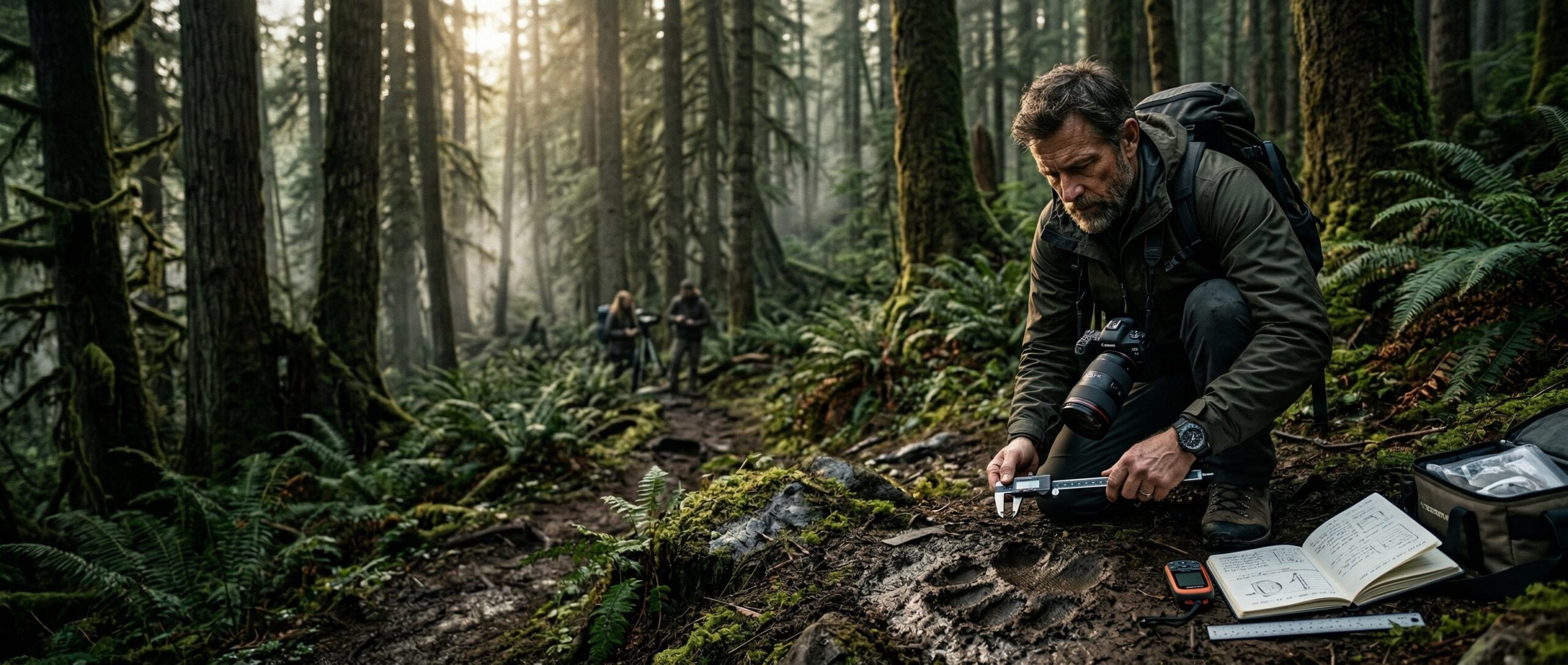
    • The article describes a serious subculture of dedicated investigators using drones, infrared cameras, audio recorders, footprint casting tools, and homebrew DNA testing kits.
    • It outlines two broad Bigfoot belief camps:
    • **Apers**: Bigfoot is an unknown primate.
    • **Woo-Woos**: Bigfoot is interdimensional, paranormal, or alien-adjacent.

    Why This Topic Spreads So Easily

    Stories like this spread because they land at the intersection of real-world uncertainty and symbolic interpretation. Once a subject carries enough emotional charge, audiences do not just ask whether it is true. They ask what it means.

    A BBC feature spotlighting sociological research into Bigfoot hunters is giving the Sasquatch conversation a fresh 2026 angle. Instead of asking “Is Bigfoot real?” the story asks a more interesting question: what kind of people build their lives around searching for a creature science has never confirmed?

    What the Evidence Actually Supports

    The strongest evidence in stories like this is often narrower than the online reaction suggests. That is why it is important to separate direct reporting, contextual interpretation, speculation, and audience mythmaking rather than treating them as one unified thing.

    Coverage and reporting relevant to this topic include:

    What Skeptics or Mainstream Experts Would Say

    The strongest skeptical response is usually that ambiguity gets inflated faster than evidence does. That does not make the story worthless. It means the audience should be careful not to mistake symbolic power for proof.

    In many of these cases, the most likely explanation is still the least dramatic one that fits the known facts. But because emotionally satisfying explanations travel farther than cautious ones, the mystery version often spreads first and hardest.

    Why This Story Still Matters

    This matters because it reframes cryptid culture as a social force rather than just a curiosity. Bigfoot hunters are not just meme fodder in this telling; they are amateur researchers, pilgrims, hobbyists, and counter-establishment knowledge seekers.

    That framing opens up richer content territory:
    – Why are people still searching in an age of satellites and smartphones?
    – Why do ambiguous traces remain more compelling than conclusive proof?
    – Is Bigfoot belief a protest against expert culture, or a parallel form of grassroots inquiry?

    There is also a bigger unexplained-theme takeaway here: a lot of paranormal culture survives because it gives people meaning, community, and adventure. The hunt itself may be the real phenomenon.

    The Bigger Unexplained Pattern

    For unexplained coverage, the deeper value is often cultural rather than evidentiary. These stories reveal what people fear, what they hope, what they distrust, and how quickly they build meaning around incomplete information.

    That is exactly why the newer SEO/GEO standard works better than the old short-form template. It is designed to answer the headline question, ground the reader in what is actually known, include stronger context, and still explain why the story has such emotional force.

    Readers interested in the broader pattern should also see Nessie Returns: Fresh Sightings Revive the Loch Ness Monster Mystery, which connects this story to a larger unexplained.co theme.

    Final Assessment

    The real significance of stories like this is often not that they prove an extraordinary claim, but that they show how extraordinary interpretations take shape. In other words, the mystery is not only in the event. It is also in the reaction.

    Frequently Asked Questions

    What is this story about?

    A BBC feature spotlighting sociological research into Bigfoot hunters is giving the Sasquatch conversation a fresh 2026 angle. Instead of asking “Is Bigfoot real?” the story asks a more interesting question: what kind of people build their lives around searching for a creature science has never confirmed?

    Why is this getting attention now?

    This matters because it reframes cryptid culture as a social force rather than just a curiosity. Bigfoot hunters are not just meme fodder in this telling; they are amateur researchers, pilgrims, hobbyists, and counter-establishment knowledge seekers.

    Is Bigfooters and Scientific Inquiry proven?

    No. These articles are written to separate what is verified, what is claimed, and what remains uncertain. Mystery does not automatically equal proof.

    What should readers focus on?

    Focus on the evidence, the source quality, the skeptical or conventional explanations, and why the story still resonates even when certainty is missing.

    Related Articles

    This article was created using Media Blaster – Your content production specialist. Visit www.mediablaster.io for more information.
  • Capturing Bigfoot and the Patterson-Gimlin Film: Why the Debate Never Really Ends

    Capturing Bigfoot and the Patterson-Gimlin Film: Why the Debate Never Really Ends

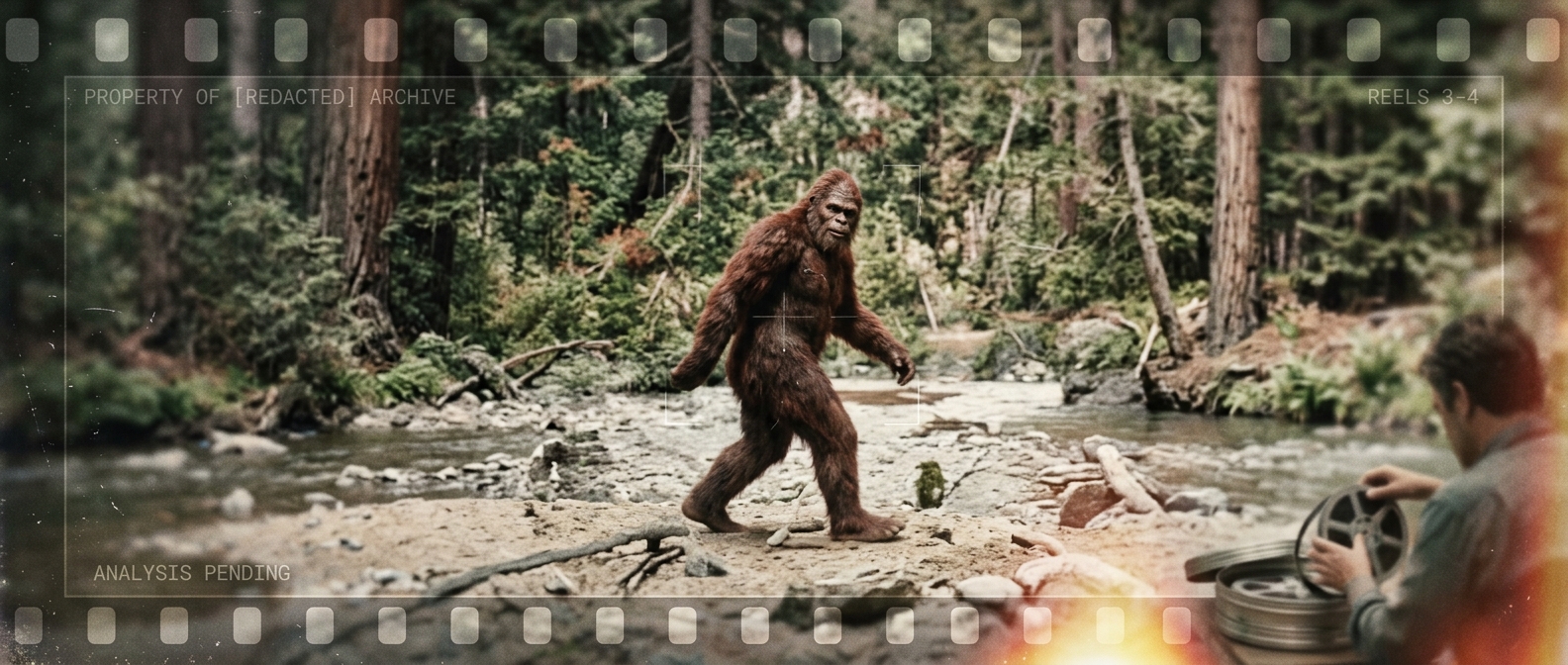
    The new documentary Capturing Bigfoot has reopened the most famous argument in all of cryptid culture: whether the 1967 Patterson-Gimlin film captured a real unknown creature at Bluff Creek or one of the greatest hoaxes in American folklore. That debate is not new, but the documentary gives it fresh life by revisiting the personalities, mythmaking, and possible “trial run” material surrounding Roger Patterson and the footage that believers still treat as the strongest visual evidence for Sasquatch.

    Here is what is known: the Patterson-Gimlin film remains the centerpiece of Bigfoot evidence culture because it is vivid, iconic, and unresolved. Skeptics argue it is a costume performance or a product of motivated mythmaking. Believers argue the movement, proportions, and historical persistence of the footage still resist easy dismissal. The new documentary matters because it reframes the film not only as evidence, but as a cultural object shaped by showmanship, storytelling, and legacy media.

    What the Patterson-Gimlin Film Is

    The Patterson-Gimlin film was captured in 1967 near Bluff Creek, California, and allegedly shows a large, hair-covered bipedal figure walking across a clearing before turning toward the camera. For generations of Bigfoot believers, this figure — often called “Patty” — has stood as the most persuasive visual artifact in all of Sasquatch lore.

    The reason the footage endures is simple: it does not look like a vague shadow or distant blob. It looks like something present, embodied, and strange. That makes it more potent than thousands of stories that offer only noise, traces, or hearsay.

    What the New Documentary Changes

    The current wave of interest comes from Capturing Bigfoot, which screened at SXSW and reportedly revisits both the footage and the man behind it, Roger Patterson. Coverage has emphasized the possibility of newly surfaced material tied to a “trial run,” as well as a more complex portrait of Patterson as a storyteller, operator, and cultural self-mythologizer rather than a simple field investigator.

    That angle is important because it changes the central question. Instead of asking only whether the film is real, it asks what kind of person Patterson was and how much of the Bigfoot legend was shaped by performance, ambition, and the desire to create an unforgettable image.

    That makes this not just a cryptid story, but a media history story.

    Why the Film Still Works on People

    What makes the Patterson-Gimlin film so durable is that it sits in an uncomfortable middle zone. It is too clear to dismiss casually, but too context-dependent to prove cleanly. The strongest Bigfoot stories live in that zone — not obvious enough to end debate, but strong enough that debate never ends.

    Believers often point to the figure’s gait, proportions, arm length, shoulder movement, and apparent muscle or body mass as reasons the film feels difficult to fake convincingly. Skeptics counter that confidence in these details is often shaped by what viewers want to see, and that costume possibilities should not be underestimated, especially when myth and commerce are involved.

    The most widely cited explanation is still that the film reflects some kind of staged performance, but the reason that explanation has never fully erased belief is that the footage remains unusually memorable. It does not vanish from the imagination once seen.

    What Evidence Exists Beyond the Film?

    This is where the Bigfoot debate becomes much weaker. Outside the Patterson-Gimlin footage, the broader Sasquatch world is filled with witness reports, footprint casts, blurry clips, vocalization claims, and long regional traditions — but not with widely accepted biological proof. No body, no unambiguous DNA trail, and no specimen have settled the matter.

    That makes the film culturally overburdened. It has to carry more evidentiary weight than any single piece of footage reasonably should. The documentary seems to understand that. By revisiting the film through the lens of authorship, myth, and performance, it highlights how much of Bigfoot culture depends on one visual moment continuing to feel unresolved.

    For readers interested in how cryptid stories persist through folklore and repetition, the pattern is similar to what we explored in our Loch Ness coverage: strong imagery can outlive the weakness of the underlying evidence.

    What Skeptics and Supporters Each Miss

    Skeptics sometimes underestimate how emotionally unusual the film still feels even after decades of analysis. Supporters sometimes underestimate how powerful mythmaking can be when a story has commercial value, cultural timing, and a memorable image at its center.

    That is why the case remains alive. Each side sees a different problem. One sees a fake that should already be settled. The other sees a genuine anomaly unfairly dismissed by elite certainty. The documentary thrives in that gap.

    Why This Matters Now

    The resurgence of interest around Capturing Bigfoot shows that the Patterson-Gimlin film is no longer just a weird relic of 1960s cryptid culture. It has become an enduring American myth object — part evidence debate, part folklore archive, part documentary obsession, part performance history.

    That matters because the unexplained is not sustained by proof alone. It is sustained by artifacts that remain culturally active. The Patterson-Gimlin film is one of the clearest examples of that. Even people who think it is fake continue to watch it, discuss it, and reinterpret it. Very few pieces of “evidence” survive that long without collapsing.

    FAQ

    Frequently Asked Questions

    What is the Patterson-Gimlin film?

    It is a 1967 film shot at Bluff Creek, California, allegedly showing a Bigfoot-like creature walking across a clearing. It remains the most famous visual evidence in Sasquatch lore.

    Why is Capturing Bigfoot getting attention?

    Because it revisits the film with new documentary framing, reported additional material, and a deeper examination of Roger Patterson as both investigator and mythmaking personality.

    Do experts agree the Patterson-Gimlin film is real?

    No. The film remains heavily disputed. Skeptics generally view it as a hoax or staged performance, while supporters argue the movement and anatomy remain difficult to explain away.

    Why does the debate never end?

    Because the footage is clear enough to remain memorable but not decisive enough to settle the question. It lives in the exact zone where mystery culture thrives.

    Related Articles:

    This article was created using Media Blaster – Your content production specialist. Visit www.mediablaster.io for more information.

  • Mothman 2026: The Winged Wonder Refuses to Fade

    Mothman 2026: The Winged Wonder Refuses to Fade

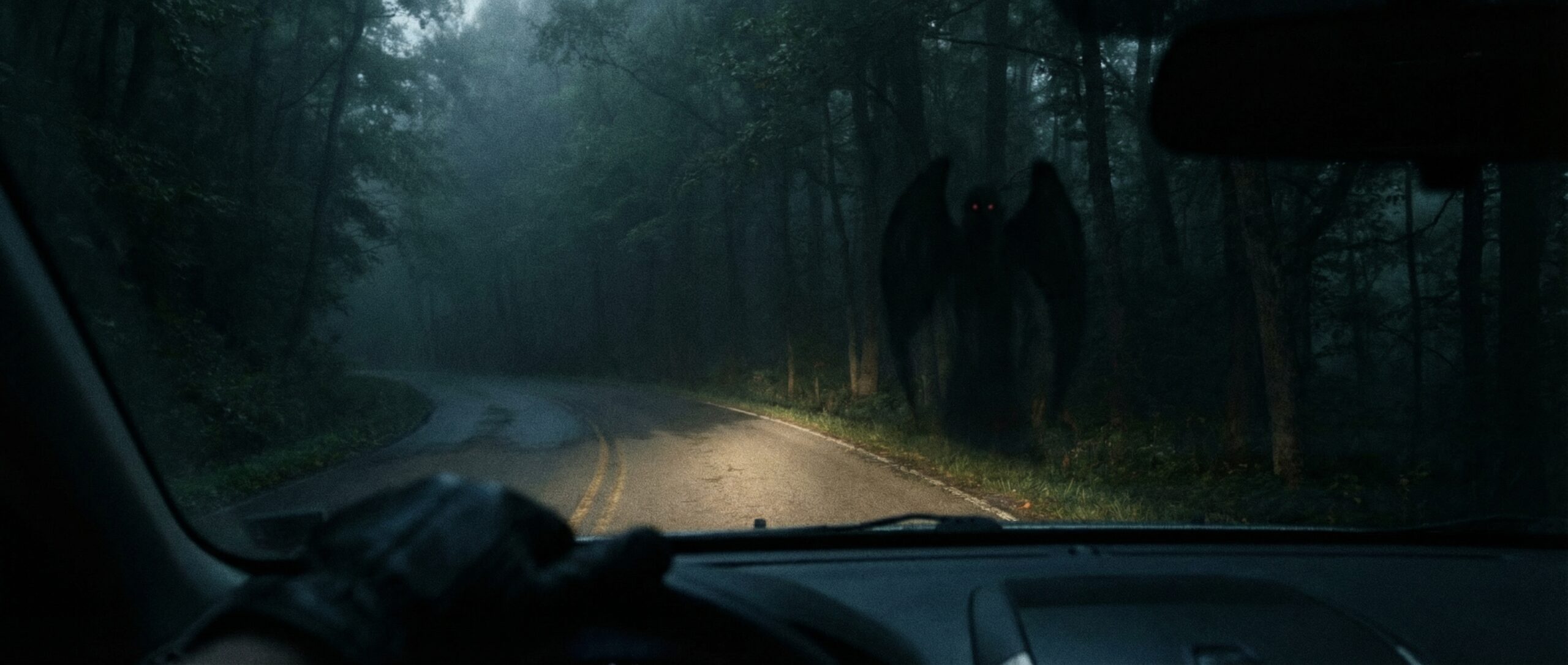
    From the shadowed woods of West Virginia emerges one of America most chilling cryptids: the Mothman. First spotted in the small town of Point Pleasant in the 1960s, this creaturewith its glowing red eyes and enormous wingshas become a cultural phenomenon that refuses to fade into folklore.

    Reports persist to this day, with the creature making regular appearances in art, cosplay, fiction, and yestill occasionallyin the skies over West Virginia.

    The Point Pleasant Legend

    The original Mothman sightings began in Point Pleasant, West Virginia, starting in November 1966. Witnesses described a humanoid figure with large wings and glowing red eyes. The creature stood roughly 7 feet tall and could fly at incredible speeds without making sound.

    As Wikipedia reports, the first widely publicized sighting occurred on November 16, 1966, when two young couples driving near an abandoned munitions factory reported seeing a large, gray creature with wings and glowing red eyes.

    The Silver Bridge Connection

    Perhaps most famously, Mothman sightings preceded the collapse of the Silver Bridge on December 15, 1967a tragedy that killed 46 people. Many believe the creature was a warning, a manifestation of impending disaster, or somehow connected to the tragedy.

    As History Channel reports, the connection between Mothman and the Silver Bridge disaster has become one of the most enduring elements of the legend.

    Mothman in Modern Culture

    The modern resurgence of Mothman interest comes from multiple directions:

    New Artistic Interpretations: A pterosaur-like version of Mothman has gained traction in cryptid communities online, tying the creature to the Van Meter Visitor and the Ropen.

    Cultural Impact: The town of Point Pleasant now hosts an annual Mothman Festival, drawing thousands of visitors. Several books and documentaries have explored the phenomenon, and the creature has appeared in video games, comics, and television shows.

    As Smithsonian Magazine notes, Mothman has become a cultural icon that transcends the original sightings.

    What Is Mothman?

    Skeptics offer several explanations:

    • Misidentified birds: Large owls or herons could explain some sightings, especially in poor lighting
    • Psychological phenomena: Mass hysteria and pareidolia may have created the legend
    • Prank or hoax: Some suggest the creature was intentionally exaggerated

    Believers point to the consistency of descriptions across decades and the creatures connection to major events.

    As LiveScience explains, the Mothman legend continues to evolve, with new theories and interpretations constantly emerging.

    Why It Matters

    Predictive Warning: The connection to the Silver Bridge disaster gave Mothman a unique role as a harbinger of dooma “canary in the coal mine” for tragedy.

    Cryptid Evolution: The Mothman legend continues to evolve, with new theories and interpretations constantly emerging.

    Local Economy: The Mothman Festival brings thousands of visitors annually to Point Pleasant, proving that cryptids can drive real economic value.

    Folklore in the Digital Age: Reddit communities like r/Mothman and r/cryptids feature regular discussions and artistic interpretations, showing how urban legends adapt and survive in the internet era.

    Whether you believe Mothman is a supernatural warning, a misidentified animal, or pure folklore, one thing is certain: the winged wonder of Point Pleasant shows no signs of disappearing.

    Learn more about Mothman from The Official Mothman Festival website.

    Related Articles:

  • Nessie Returns: Fresh Sightings Revive the Loch Ness Monster Mystery

    Nessie Returns: Fresh Sightings Revive the Loch Ness Monster Mystery

    Scotland most beloved aquatic enigma is back in the headlines. After decades of dismissed sightings, blurry photos, and sonar anomalies, Loch Ness has reported two intriguing new sightings in 2025, reigniting debate about what might lurk in the depths of the UK deepest freshwater loch.

    The legend of Nessie has captivated the world since the infamous 1934 photograph (later revealed as a hoax using a toy submarine). But the recent sightings suggest the mystery is far from settledeither the creature exists, or something unusual is happening in those murky waters.

    New Sightings in 2025-2026

    Recent reports from 2025 describe two separate sightings by different witnesses, each providing details that align with the traditional Nessie description: a long neck, humped back, and powerful swimming motion.

    Beyond eyewitness accounts, researchers continue to use modern technology to probe the loch:

    • Environmental DNA (eDNA) sampling has been conducted to identify any unknown species in the water
    • Sonar surveys have detected large, moving objects that do not match known fish behavior
    • Underwater cameras deployed by various expeditions have captured mysterious shapes

    As BBC News reports, Loch Ness has long been the subject of serious scientific investigation, with researchers using cutting-edge technology to search for answers.

    The Science of Cryptozoology

    The search for Nessie represents legitimate cryptozoological researchthe study of animals whose existence has not been proven by science. Even if Nessie is never found, the search may discover other species.

    As Nature reports, cryptozoology has evolved from fringe pursuit to legitimate biological inquiry, with scientists using eDNA and other methods to discover previously unknown species in remote locations.

    What Could Nessie Actually Be?

    Skeptics offer several explanations for Nessie sightings:

    • Misidentified animals: Wels catfish, sturgeon, or seals could account for some sightings
    • Optical illusions: Wave patterns and floating debris can create pareidolia
    • Survival of prehistoric species: Some suggest a plesiosaur somehow survived extinction
    • Hoaxes: The 1934 Surgeons Photograph was famously debunked

    As BBC Science Focus explains, most researchers believe there is a mundane explanation for the sightings, though the exact cause remains debated.

    The Business of Monsters

    The Loch Ness Monster generates an estimated 30 million annually for the Scottish economy. Every new sighting brings renewed interest and visitors to the region.

    The town of Drumnadrochit, home to the famous Nessie exhibition centre, sees visitors from around the world hoping to catch a glimpse of the legendary creature. The monster has become a cultural touchstonenot just for Scotland, but for the entire global community of cryptid enthusiasts.

    Why It Matters

    The enduring appeal of Nessie speaks to something deeper in human nature:

    Cultural Significance: The Loch Ness Monster is one of the world most recognizable cryptids, appearing in countless books, films, and documentaries.

    Skepticism vs. Belief: Each new sighting reignites the age-old debate between skeptics and believers.

    Scientific Discovery: Even if Nessie is never found, the search continues to drive research into the loch unique ecosystem.

    Whether you believe or skeptic, one thing is certain: the mystery of Loch Ness will continue to captivate generations to come.

    Learn more about the Loch Ness Monster from Love Exploring and explore the history of the legend at the Official Loch Ness Monster Exhibition.

    Related Articles:

  • The Chupacabra Returns: A Global Cryptid Flap in 2026

    The Chupacabra Returns: A Global Cryptid Flap in 2026

    The Chupacabra Spanish for goat-sucker is one of the most enduring cryptids in the world, blamed for slaughtering livestock across the Americas since the first reported sightings in Puerto Rico in 1995. In 2026, the Chupacabra is not just a Latin American legend. It is a global phenomenon generating viral videos and a wave of sightings.

    The creature is typically described as a hairless, mid-sized animal with glowing red eyes, fangs, and a taste for blood leaving livestock drained of their bodily fluids. In 2026, reports are coming from across the Americas.

    The 2026 Argentine Case

    In March 2026, an Argentine man reported a chilling encounter with a Chupacabra to NewsRadio 740 KTRH and Coast to Coast AM. The description was classic: a shadowy, menacing creature. Multiple videos have been posted to YouTube channels attempting to capture the creature elusive form.

    The regional folklore context is rich: Argentine cryptozoology includes the Zupay, a Quechua word for Devil referring to a bipedal, dinosaur-like creature with a spiky back. These legends merged with Mexican vampire bat mythos and the Puerto Rican Chupacabra to create the hybrid creature now reported across South America.

    Global Sightings in 2026

    The Chupacabra has been reported in 15+ countries across multiple continents:

    • Puerto Rico (origin, 1995)
    • Mexico, Chile, Argentina, Bolivia, Brazil, Colombia (South America wave)
    • Dominican Republic, El Salvador, Honduras, Nicaragua, Panama, Peru (Central America)
    • Texas, Maine, Kentucky, Missouri, Nebraska (United States)
    • Philippines (Asia-Pacific extension)

    The BYONDR platform, which tracks cryptid sightings globally, reported in March 2026 that 4 confirmed sightings of Chupacabra-like creatures were logged in a single reporting period a significant spike.

    What Science Says

    Scientists and skeptics have consistently offered more mundane explanations:

    • Coyotes with mange Hairless, patchy-coated wild dogs match the visual description
    • Feral dogs or wolves Predation patterns can mimic blood-draining behavior
    • Hoaxes Staged footprints have been reported
    • Misidentified wildlife Known species including large bats have been mistaken

    As HowStuffWorks reports, most scientific explanations for Chupacabra sightings involve known animals with unusual appearance due to disease or genetic mutations.

    However, proponents counter that the sheer volume of consistent reports across decades and geographies is unusual for misidentification alone.

    Why It Matters

    1. A cryptid flap in real time: The Chupacabra is being documented in real-time with smartphones and trail cameras.

    2. Folklore in evolution: The Chupacabra story has mutated dramatically from 1995 to 2026, absorbing elements from multiple cultural traditions.

    3. Economic impact: In rural areas where livestock is a primary livelihood, the Chupacabra represents a real economic threat.

    4. Cryptozoology mainstream moment: With Skinwalker Ranch, Bigfoot flaps, and cryptid content dominating YouTube and podcast algorithms, cryptozoology has never been more culturally prominent.

    Learn more about the Chupacabra legend from Wikipedia and HowStuffWorks.

  • Piltdown Man: The Greatest Scientific Hoax in History

    Piltdown Man: The Greatest Scientific Hoax in History

    In 1912, a remarkable discovery was made near the village of Piltdown in Sussex, England. An amateur antiquarian claimed to have found a human skull and a fossilized ape jawbone. It was called “Piltdown Man” and was going to revolutionize our understanding of human evolution. There was just one problem: It was a fake.

    In 1912, the scientific world was hungry for evidence of human evolution. Darwin’s theory was controversial, and the quest for the “missing link” was on. Then, near the village of Piltdown in Sussex, England, an amateur antiquarian named Charles Dawson made a discovery that seemed to answer every prayer.

    The Discovery

    What Dawson found in a gravel pit was remarkable: a skull cap that looked human and a jawbone that looked like an ape’s. Together, it appeared to be the “missing link” between apes and humans — the evolutionary bridge that scientists had been searching for.

    The timing was perfect. The scientific community was hungry for evidence, and Piltdown Man was going to provide it. The find was celebrated as one of the most important archaeological finds ever. It became famous overnight.

    As the Natural History Museum notes, the specimen was a combination of a medieval human skull cap and the mandible of an orangutan, with the teeth filed down to make them appear more human-like. Both bones had been chemically stained to make them appear old and fossilized.

    The Hoax Revealed

    For 40 years, Piltdown Man was accepted as genuine. It wasn’t until 1953 that scientists finally exposed it as a forgery.

    How the hoax worked:

    • The skull was actually human — but from the medieval period, not ancient
    • The jaw was from an orangutan — also modern, not fossilized
    • Both were chemically treated to make them look old
    • The teeth were filed down to make them look more “transitional”

    It took four decades for modern dating techniques to reveal the truth. When the hoax was finally exposed, it embarrassed the entire scientific establishment.

    Who Did It?

    The identity of the forger was never definitively proven, but suspects include:

    Charles Dawson: The man who “found” the bones. He had a history of fabrications and is considered the primary suspect.

    Sir Arthur Conan Doyle: The creator of Sherlock Holmes lived nearby and was suspected — though he denied any involvement.

    Martin Hinton: A zoologist at the Natural History Museum who had access to the bones and the chemicals needed to fake them.

    Most evidence points to Dawson as the perpetrator. He was known to have faked other fossil discoveries.

    Why It Mattered

    The scientific impact:

    • Piltdown Man dominated discussions of human evolution for 40 years
    • It misled generations of scientists
    • It delayed acceptance of actual transitional fossils like Peking Man

    The cultural impact:

    • It exposed how hunger for “proof” can override skepticism
    • It showed how prestige and confirmation bias can blind science
    • It’s still the template for “too good to be true” discoveries

    The Lessons

    1. Confirmation bias is powerful: Scientists wanted Piltdown Man to be real, so they ignored red flags.

    2. Authority matters: Dawson was a gentleman and an amateur — people didn’t question his integrity.

    3. Verification takes time: Without modern dating techniques, the hoax might have lasted even longer.

    4. The “missing link” obsession: The hunger for evolutionary “proof” made people sloppy.

    The Parallel to Today

    Piltdown Man is a useful lens for understanding modern mysteries:

    • When something “fits” what we want to believe, we overlook problems
    • The scientific establishment can be wrong for decades
    • New technology can expose long-held beliefs as false
    • Hoaxers exploit the gap between what we hope is true and what is true

    Whether it’s ancient aliens, paranormal phenomena, or other controversial claims, the lesson of Piltdown Man remains relevant: sometimes, what we discover says more about us than about the past.

    The Piltdown Man bones are now kept at the Natural History Museum in London — a reminder of how even the smartest people can be fooled when they want to believe.

    Learn more about the Piltdown Man hoax from the Natural History Museum.

  • New Bigfoot Documentary Claims Famous Patterson-Gimlin Footage Was an “Incredible Hoax”

    New Bigfoot Documentary Claims Famous Patterson-Gimlin Footage Was an “Incredible Hoax”

    A new documentary premiering at SXSW 2026 is claiming to have the final verdict on the most famous piece of Bigfoot footage ever recorded. And it’s calling it a hoax.

    For 59 seconds in October 1967, Roger Patterson and Robert Gimlin captured something extraordinary: a large, hairy, bipedal creature walking alongside a creek in Northern California’s Six Rivers National Forest.

    The Patterson-Gimlin footage has been analyzed, debated, and investigated for nearly six decades. Either it’s proof of an unknown primate… or an incredibly elaborate costume. Now, a new documentary is claiming to have the final answer.

    https://www.youtube.com/watch?v=8t5cTmydVr4

    “Capturing Bigfoot”

    The documentary, Capturing Bigfoot, premiered at SXSW 2026. Directed by Marq Evans, it’s being marketed as the definitive verdict on the famous footage.

    According to The Hollywood Reporter, the documentary doesn’t just investigate whether the footage is real — it tells the story of the men around the Patterson-Gimlin film, exploring “a small-town feud between a bunch of guys in their 80s, most of whom feel ill-served by or cut out of its history and profits.”

    The film centers on a female Bigfoot — the famous figure seen lumbering across a sandbar in the footage. For many, that shaky minute of 16mm footage is the holy grail: indisputable proof that Bigfoot walks the earth.

    The New Evidence

    The documentary’s claim rests on previously unseen material. Evans received a sealed film canister from the daughter of Norm Johnson, a Boeing film technician. Inside is footage from the same era, potentially connected to Patterson and Gimlin.

    Norm Johnson ran the film department for Boeing in Seattle. His brother Dave was connected to Patterson and Gimlin.

    According to the documentary, this evidence points to one conclusion: the Patterson-Gimlin footage was staged — an “incredible hoax.”

    As Modern Cryptozoology reports, “revelations in the Marq Evans’ documentary Capturing Bigfoot appear to confirm, to all reasonable degree, that the iconic Bigfoot film from 1967 was hoaxed by Patterson and company.”

    The Other Side

    However, not everyone is convinced. NorthWest Bigfoot offers a counter-perspective:

    “The documentary provides zero verifiable evidence that the reel is from 1966, that Patterson shot it, or that it relates to the PGF. Despite its evidentiary weaknesses, the film succeeds in several areas: It is emotionally engaging.”

    The review notes that while the documentary may not provide definitive proof of a hoax, it raises important questions about the people involved and their competing narratives.

    What This Means

    If it’s a hoax:

    • Bigfoot “evidence” takes a massive hit
    • The main piece of visual “proof” is discredited
    • Believers must find new evidence

    If there’s more to the story:

    • The Johnson footage could open new questions
    • Maybe the original was real, but there’s a cover-up angle?
    • Or the new footage is another layer of deception

    The Bigger Picture

    This documentary drops at an interesting time:

    • Ohio just had a Bigfoot “flap” with 10+ sightings
    • Cryptozoology content is trending across YouTube and social media
    • Capturing Bigfoot is being marketed as the definitive answer

    Whether it actually settles the debate — or just reignites it — remains to be seen. The Patterson-Gimlin footage has survived decades of scrutiny. Now it faces its biggest challenge yet.

    As The Hollywood Reporter notes, the most compelling part of the documentary isn’t necessarily the evidence — it’s what people’s reactions reveal about the need to believe. For some, that belief became not just a lifelong interest, but a life-defining sense of purpose.

    Six decades later, the mystery of Bigfoot — and whether the most famous footage is real or fake — endures.

    Read more about the documentary on Wikipedia.

  • Gerald the Dolphin: The Viral Story of a Man Kidnapped to Build an Underwater City

    Gerald the Dolphin: The Viral Story of a Man Kidnapped to Build an Underwater City

    A bizarre tale of dolphins, detailed blueprints, and a mysterious construction project 40 feet below the surface took the internet by storm in March 2026. But is it real?

    In early March 2026, the internet discovered what may be the most absurd story ever to go viral: a Florida man claimed he was kidnapped by dolphins and forced to build an underwater city.

    The man’s name was Ricky James Hollowell. The dolphins’ project manager was named Gerald. And yes, the blueprints were detailed enough to be “concerning.”

    The Story

    According to the viral post — which was shared more than 47,000 times on Facebook alone — here’s what happened:

    Lee County Sheriff’s deputies responded to the Sanibel Causeway early on a Monday morning after a motorist reported a man standing on the shoulder “soaking wet and drawing blueprints in the sand.”

    The man was identified as Ricky James Hollowell, 33, found barefoot, severely sunburned, and wearing only swim trunks. He told deputies he had been “taken against his will by a pod of dolphins 3 days ago” and forced to work on what he called “an underwater construction project.”

    The Details That Made It Believable

    What made the story go absolutely viral were the specific, absurd details:

    • The kidnapping: Hollowell claimed the dolphins approached him while he was swimming off Fort Myers Beach and “escorted him to a site approximately 40 feet below the surface”
    • Communication: The dolphins communicated through “a series of clicks that he eventually learned to interpret”
    • The foreman: The project foreman was a dolphin he referred to as “Gerald”
    • Breathing underwater: When asked how he breathed underwater for 3 days, he said “Gerald handled that. I didn’t ask questions. You don’t question Gerald”
    • The blueprints: He had drawn an elaborate blueprint in the sand that deputies described as “detailed enough to be concerning” — including what appeared to be condos, a town square, and a recreation center
    • The release: He said the dolphins released him because “they were satisfied with his work” but that Gerald said “they’d be back for phase two”

    The viral post even included a quote from responding deputy Shawn Oakley: “I’ve been with the sheriff’s office 11 years. The blueprints were the part that got me. He had zoning.”

    Why It Went Viral

    The story spread across Facebook, Reddit, Instagram, Threads, and TikTok. It even appeared in fake news screenshots purportedly from established news outlets like WXYZ News. The phrase “You don’t question Gerald” became a meme.

    There was something about the story that felt just absurd enough to be real — but also just real enough to be absurd. The blueprints. The “zoning.” The matter-of-fact way Hollowell apparently discussed his dolphin abduction.

    On social media, people debated: Was this actually real? Was this man genuinely kidnapped by dolphins? Why would dolphins need help building a city? And most importantly — who is Gerald?

    The Truth: It’s a Hoax

    According to Snopes, the story is not real. The Lee County Sheriff’s Office issued a statement clarifying the dolphin kidnapping never happened.

    CBS 12 reported that on March 6, 2026, the Lee County Sheriff’s Office clarified — humorously — that no such deep-sea development exists in Lee County.

    The story was a viral hoax. But that didn’t stop it from becoming a phenomenon. It had all the hallmarks of a perfect internet story: absurd, but internally consistent. Ridiculous, but with just enough detail to be almost-believable. And featuring a character so memorable that he transcended the hoax itself: Gerald, the dolphin project manager.

    The Legacy of Gerald

    Even though the story was debunked, Gerald the Dolphin became a meme. “You don’t question Gerald” entered internet vernacular. People created fan art. Mermaid lore enthusiasts debated whether dolphins could actually build underwater cities.

    The story proved something: in 2026, a carefully crafted viral hoax can spread faster and reach more people than many real news stories. And that the internet will collectively believe — or at least enthusiastically entertain — almost anything if it’s absurd enough and includes enough procedural detail.

    As for Ricky James Hollowell and his three-day underwater construction project? They remain in the realm of internet legend, right alongside Gerald, the mysterious dolphin foreman.

    Read more about the fact-check on Snopes and Know Your Meme.

  • Bigfoot Evidence: Why the FBI Tests Didn’t Kill It

    Bigfoot Evidence: Why the FBI Tests Didn’t Kill It

    Key Takeaways

    • Eyewitness reports often describe close encounters with a large, bipedal, hairy figure, accompanied by large footprints that are frequently cast in plaster, along with nocturnal vocalizations, tree knocks, and evasive behavior.
    • Supporting data includes the BFRO’s database of around 75,000 reports, with 5,000 to 6,000 classified as credible, plus over 300 footprint casts studied in labs like Jeffrey Meldrum’s, and spatial analyses highlighting consistent hotspots.
    • Key unresolved issues persist, such as the lack of uncontested physical specimens like bones or DNA with proven provenance, despite decades of evidence; FBI tests from the 1970s identified submitted hair samples as originating from the deer family, leaving mainstream science unconvinced.

    A Night in the Old Growth

    Picture this: You’re deep in the Pacific Northwest’s ancient forests, where towering pines block out the stars. It’s dusk, and the air hangs heavy with the scent of damp earth and evergreen. A distant knock echoes through the timber—sharp, deliberate, like wood on wood. Then a low howl cuts the silence, raw and primal, sending chills down your spine. These are the settings for so many reports: isolated, rugged spots in places like Washington state, the Sierra Nevada, or Appalachia, often under cover of night. Indigenous stories of ‘wild men’ have whispered through these lands for generations, adding layers of lore that make every rustle feel charged with possibility.

    What Witnesses and Analysts Report

    Witnesses across the board describe brief but intense sightings—a massive, hairy biped striding through the underbrush, vanishing just as quickly. Footprints turn up, big and detailed, often preserved in plaster casts. Nights bring howls and screams that echo for miles, punctuated by branch knocks that seem like signals. Bait left out disappears without a trace. Long-term observers note patterns, like repeat visits to certain spots. Community investigators step in here: they gather these accounts through groups like the BFRO, where reports get submitted with details, casts, and sometimes audio. Teams organize expeditions, set up stakeouts, and deploy camera traps. To sort the wheat from the chaff, BFRO classifies reports into A, B, or C levels based on detail and the odds of misidentification, all fed into their public database for anyone to search.

    Timelines, Tracks, and Hard Data

    Researchers have built a solid archive over the years. The BFRO’s Geographical Database holds thousands of reports, publicly accessible, backing their claim of about 75,000 submissions total, with 5,000 to 6,000 deemed credible internally. In 2019, the FBI released 22 pages from the 1970s, detailing tests on hair and tissue samples labeled as ‘Bigfoot’—results pointed to deer family origins. Jeffrey Meldrum’s lab curates over 300 plaster casts of alleged Sasquatch prints, while the Patterson-Gimlin film from October 20, 1967, remains a cornerstone of visual evidence. Crowd-sourced maps highlight hotspots: Washington state leads, followed by clusters in the Sierra Nevada, Ohio River Valley, and central Florida. Here’s a quick table to break it down:

    Source Type of Evidence Key Finding Limitations
    BFRO Geographical Database Report database ~75,000 reports, ~5,000–6,000 credible Relies on self-reported data; subjective classifications
    FBI 2019 Release Hair/tissue analysis Samples matched deer family Limited to 1970s samples; no broader endorsement
    Meldrum Lab Footprint casts Over 300 casts studied No proven chain of custody for all; no DNA link
    Patterson-Gimlin Film Video footage 1967 recording of bipedal figure Debated authenticity; no physical specimen

    Official Story vs. What the Data Suggests

    Official channels keep it straightforward. The FBI doesn’t back Bigfoot as a real species; their 1970s tests on those hair samples came back as deer, plain and simple. Mainstream science echoes that skepticism—without bones, fossils, or DNA with solid provenance, most experts won’t bite. They demand hard proof for such a bold claim. On the flip side, BFRO runs as a volunteer network, classifying reports to build credibility. A few academics, like Jeffrey Meldrum, dig into footprint shapes and collect casts, arguing the patterns deserve a closer look. It’s a standoff: institutions see isolated failures, while field researchers point to accumulating clues that hint at something more.

    Why There’s Still a Mystery

    No one’s laid hands on an uncontested specimen—bones, tissue, or DNA with a clear trail back to the source. That’s the big hole in the story. Reports pile up, but questions linger about how casts and samples are handled, or whether interviews follow consistent rules. Blind reviews of ‘credible’ tags could tighten things up. Looking ahead, tools like environmental DNA sampling in hotspot areas might change the game. Pair that with standardized field methods—proper casting, geotagged photos, camera arrays—and we could shift from scattered stories to something verifiable. These aren’t dead ends; they’re paths waiting to be followed.

    What It All Might Mean

    These encounters tie into deep roots—Indigenous tales of hairy giants that stretch back centuries, woven into the fabric of places like the Pacific Northwest. We’ve got stacks of reports and casts, yet tests like the FBI’s keep skepticism alive without that slam-dunk specimen. It leaves room for doubt, but also for wonder: is this a cultural echo, or an undiscovered piece of the natural world? If you’re out there chasing leads, stick to protocols—secure your samples, calibrate those casts, tag your media, and team up for eDNA work. Together, we might bridge the gap between whispers in the woods and facts on the table.

    Frequently Asked Questions

    Eyewitnesses often report close sightings of a large, bipedal, hairy figure, along with large footprints, nocturnal howls, tree knocks, and evasive behavior. These patterns appear in heavily forested, low-population areas like the Pacific Northwest and Appalachia.

    The BFRO has collected around 75,000 reports, classifying 5,000 to 6,000 as credible, and maintains a public database. Over 300 footprint casts exist in labs like Jeffrey Meldrum’s, with hotspots identified in spatial analyses, though no uncontested physical specimens have emerged.

    The FBI tested hair samples in the 1970s and concluded they came from the deer family, releasing files in 2019 without endorsing Bigfoot’s existence. Mainstream science remains skeptical, requiring bones or DNA for acceptance, while community groups like BFRO continue independent investigations.

    Despite numerous reports and casts, no proven physical specimen exists, and issues like sample provenance persist. Advances in eDNA sampling and standardized protocols could help resolve ambiguities, turning anecdotal evidence into verifiable data.