Category: Cryptozoology

  • Don’t Whistle at Night: Folklore, Predators, Physics

    Don’t Whistle at Night: Folklore, Predators, Physics

    Key Takeaways

    • Many people across cultures report a consistent taboo and set of experiences around whistling at night: hearing a distant whistle, replying, then experiencing a whistle that seems to come closer or answer (documented in USC Digital Folklore Archive, Peabody Museum notes, and contemporary social platforms).
    • Practical, measurable phenomena can explain a large fraction of reports: nighttime sound propagation (temperature inversions) makes low-frequency sounds travel farther, the NPS warns not to whistle because it can mimic an injured animal and attract predators, and a peer-reviewed PLOS ONE herpetology study (304 trials, 19 snakes) shows snakes can behaviorally respond to airborne sound (responses noted up to ~450 Hz).
    • Open questions remain: there is no single verified, global ‘supernatural’ mechanism connecting the folklore; cultural expectation and perceptual priming likely shape many reports, and some local traditions (El Silbón, Night Marchers, shape-shifters) preserve genuine mystery that empirical data does not fully resolve.

    A Whistle in the Dark

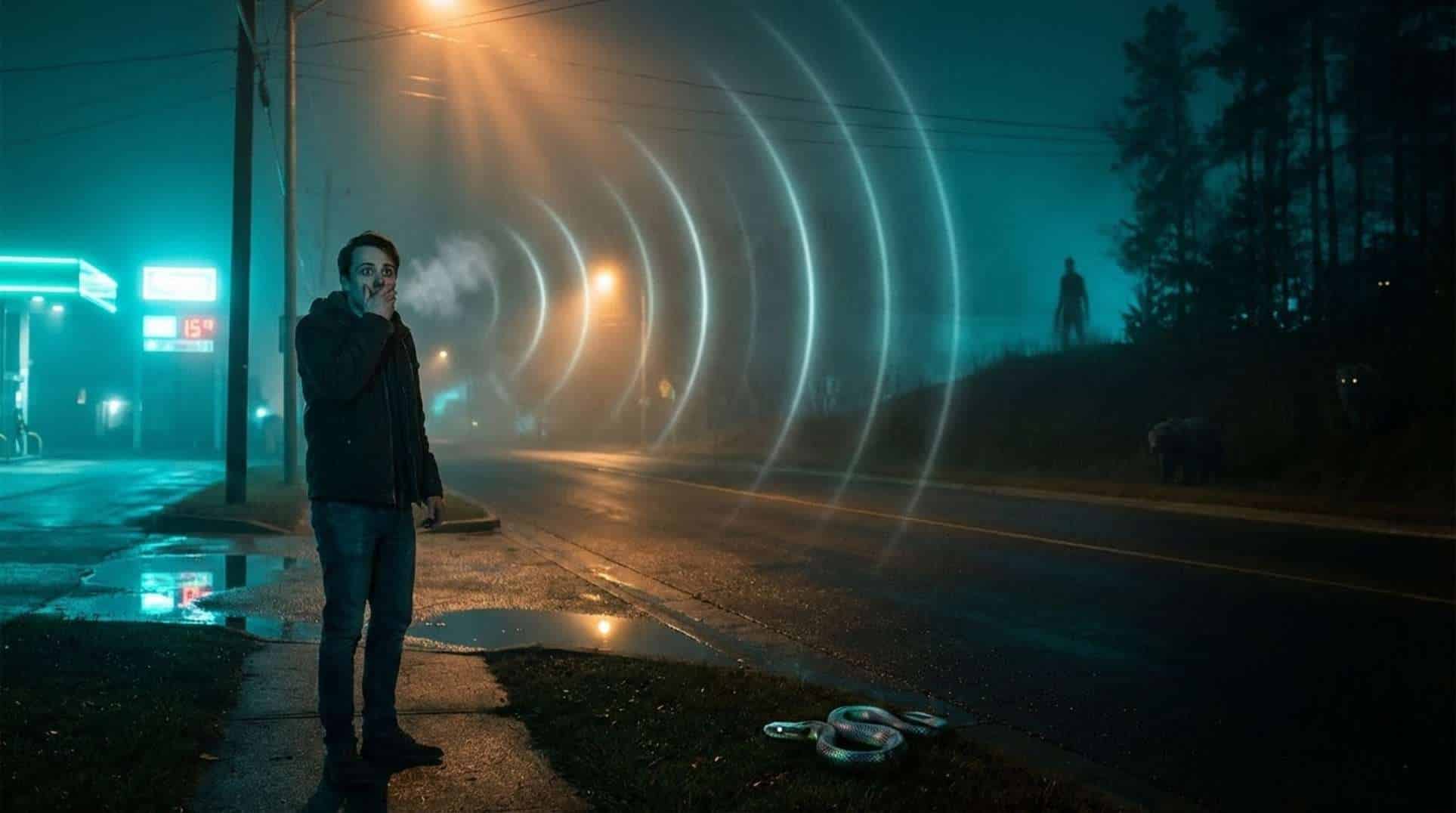
    It’s past midnight. The streetlights hum faintly, casting long shadows over empty sidewalks. You’re alone, maybe stepping out for some air, when a sharp whistle cuts through the silence—from somewhere far off, direction unclear. Your pulse quickens. You remember the old stories from your grandmother: “Never whistle back at night. You don’t know what might answer.” Heart pounding, you freeze, straining to listen. According to those who’ve shared similar moments on Reddit and TikTok, that’s when the real fear sets in—the urge to respond, the dread of what comes next. One composite account puts it like this: “I whistled once, just to test it. The reply came closer, like footsteps in the dark. I bolted inside and didn’t sleep till dawn.”

    What Witnesses and Analysts Report

    Accounts pour in from every corner. People in North and South America, East and Southeast Asia, the Pacific Islands, and parts of Europe all describe the same core warning: don’t whistle at night. The pattern holds steady—a distant whistle with no obvious source, a reply that draws nearer if you answer, and the urgent advice to get inside, stay silent, or build a fire.

    These stories often tie to specific figures. In Venezuela and Colombia, it’s El Silbón, a vengeful spirit said to stalk whistlers. Indigenous North American traditions link it to skinwalkers or shape-shifters. Hawaiian accounts mention Night Marchers or Menehune, while spirits in Japan, the Philippines, Africa, and Appalachia carry similar taboos.

    Folklore collectors and online communities treat these as shared data. The USC Digital Folklore Archive and Peabody Museum preserve oral histories. On Reddit’s r/Paranormal and BackwoodsCreepy, or in YouTube and TikTok videos, the themes align: fear, retreat, and a sense that something unseen responds. Witnesses speak of emotional weight—paralysis, dread—that lingers long after.

    Timelines, Tracks, and Hard Data

    Folklore archives like the USC Digital Folklore Archive and Peabody Museum have tracked ‘don’t whistle at night’ traditions for years, spanning communities worldwide. Contemporary reports flood social platforms, echoing these patterns but rarely with outside confirmation.

    Science offers anchors. A PLOS ONE study ran 304 trials on 19 snakes from various genera, finding they react to airborne sounds up to about 450 Hz, depending on the species. The National Park Service advises against whistling in bear country—it mimics distress calls and can draw predators; keep 100 yards away. Acoustics explain the reach: temperature inversions at night bend sounds back to earth, letting low frequencies travel farther.

    Source Key Data
    PLOS ONE Study 304 trials, 19 snakes; responses to sounds up to ~450 Hz
    NPS Bear Guidance Do not whistle; maintain 100 yd (91 m) safe distance
    Atmospheric Acoustics Temperature inversions enable farther sound travel at night

    Official Story vs. What the Data Suggests

    Agencies like the NPS keep it practical: make noise to alert wildlife, but skip whistles or screams—they sound like prey in trouble and might pull in bears or other animals. Peer-reviewed work backs this, showing snakes pick up on those frequencies. Physics confirms why sounds carry farther after dark, thanks to stable air layers refracting waves.

    Yet communities see more. They frame night whistles as calls to spirits or entities, passed down with rules like ‘don’t answer’ to stay safe. These views endure alongside the science, sometimes blending in.

    Animal responses and sound tricks could cover many cases—a far-off whistle bouncing back, or a creature replying. But no field studies fully test this against real anecdotes. Expectation plays a role too, heightening what we hear in the dark. The folklore holds its ground where data falls short.

    What It All Might Mean

    The taboo shows up solid in archives from USC and Peabody. Experiments on snake hearing and NPS safety tips give real-world reasons to heed it—sounds travel far at night, and animals listen. These pieces fit many reports without invoking the unknown.

    Still, questions linger. How many experiences boil down to physics or wildlife versus our own minds? No verified cases prove supernatural harm from a whistle. We need experiments in the field, tracking frequencies and animal reactions under night conditions.

    This matters because it shapes actions—people hide, warn kids—and might save lives by steering clear of real dangers. It also keeps cultural stories alive, tying us to fears of the dark. Track these patterns responsibly. Talk to folklorists, biologists, and those who’ve lived it. The mystery doesn’t vanish just because we explain parts of it.

    Frequently Asked Questions

    Witnesses often report hearing a distant whistle first, then an answering one that seems closer if they reply. This pattern appears in folklore archives and online accounts, tied to fear and advice to retreat indoors.

    Yes, nighttime sound propagation via temperature inversions allows whistles to travel farther. Studies show snakes respond to low-frequency sounds, and NPS guidelines warn against whistling to avoid attracting predators like bears.

    It ties to practical safety, like avoiding wildlife, but also preserves cultural stories of spirits or entities. Empirical explanations cover many cases, yet perceptual effects and unresolved mysteries keep the traditions alive.

    Yes, regional figures include El Silbón in Venezuela and Colombia, skinwalkers in Indigenous North American lore, Night Marchers in Hawaii, and various spirits in Asia, Africa, and Appalachia.

    Controlled field studies combining whistle frequencies, night acoustics, and animal behaviors could clarify natural causes. Interviews with folklorists, biologists, and witnesses would help bridge official views and community experiences.
  • Ribbonfish Omen: What Monterey’s Sighting Really Means

    Ribbonfish Omen: What Monterey’s Sighting Really Means

    Key Takeaways

    • A rare juvenile deep-sea ribbonfish (Trachipterus altivelis) surfaced in Monterey Bay on December 30, 2025, spotted by diver Ted Judah and confirmed by a local aquarium biologist, drawing attention from outlets like SFGATE, SFist, and Divernet.
    • Mainstream sources, including the USGS and marine institutions, assert no proven link between such strandings or planetary alignments and short-term earthquake prediction; precise forecasting remains impossible.
    • Independent voices, such as Stefan Burns, point to the sighting alongside global seismicity and planetary configurations as signs of heightened M6+ risk in California—a perspective that’s gaining traction but lacks reproducible evidence for validation.

    A Silent Convoy Beneath the Dark Sea

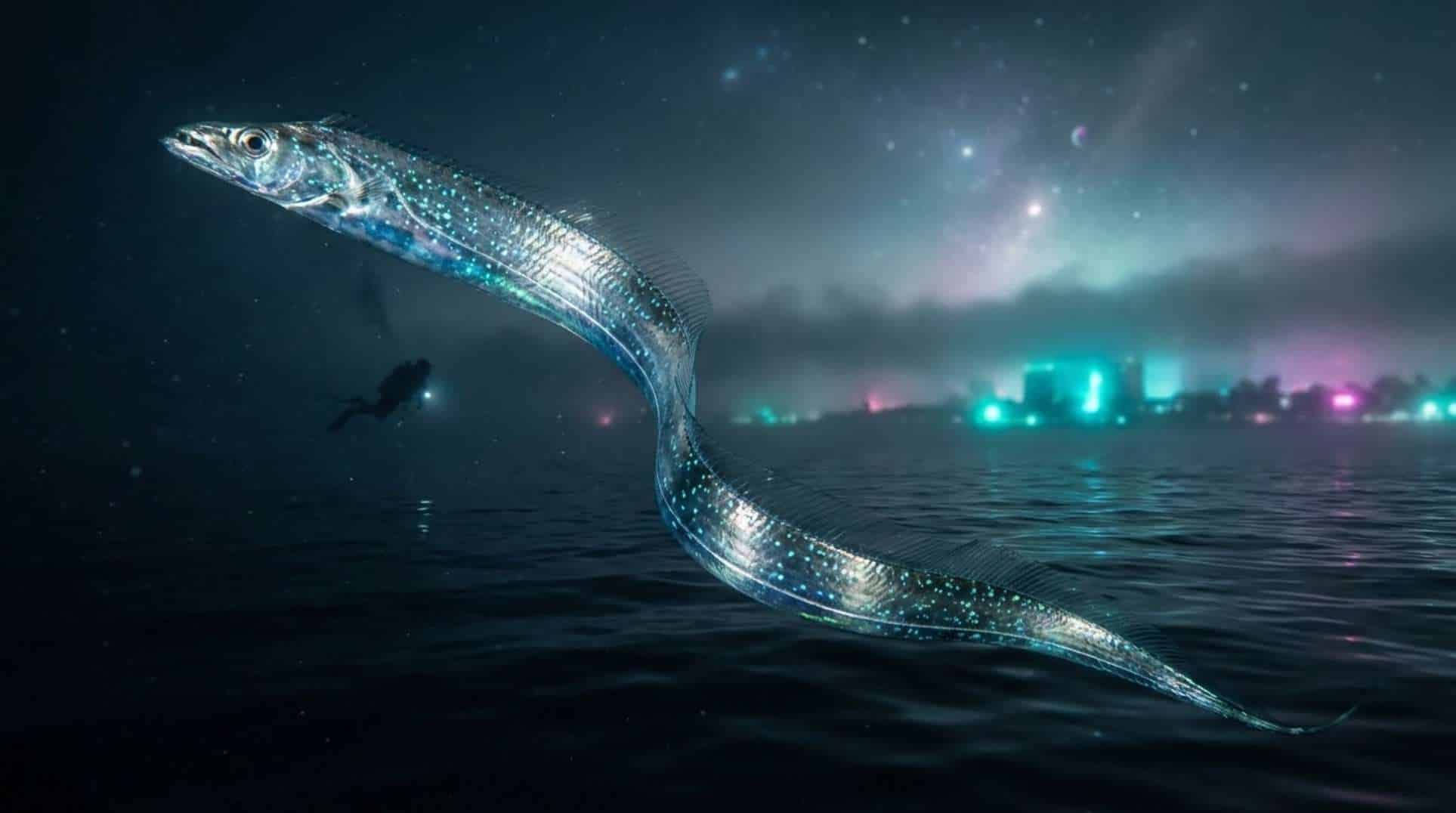
    Picture this: December 30, 2025, in the chill depths of Monterey Bay. Diver Ted Judah glides through the murk, his GoPro capturing the endless blue. Then, something long and serpentine cuts through the water—a juvenile deep-sea ribbonfish, Trachipterus altivelis, its body shimmering like a lost relic from the abyss. Judah’s photos and video spread fast in local dive circles, then hit regional news: SFGATE, SFist, Divernet. The sighting stirred echoes of old ocean tales, like the Japanese ‘ryūgū no tsukai,’ the messenger from the dragon palace. Social media lit up with wonder and whispers of omens, pulling in those who’ve long watched the seas for signs of deeper unrest.

    What Witnesses and Analysts Report

    Ted Judah’s encounter hit hard in the community. His GoPro footage showed the ribbonfish twisting through the bay, a sight that quickly went viral in dive groups and beyond. Regional outlets amplified it, framing the event as a rare glimpse into the deep. For many, it recalled folklore tying these creatures to earthquakes—the ‘doomsday fish’ of Japanese legend, surfacing before disaster. Independent analysts aren’t stopping there. Figures like Stefan Burns weave the sighting into a bigger picture: recent quakes off East Africa, seen as antipodal echoes, plus active planetary alignments. They warn of rising odds for a M6+ event in California. Reactions vary—some stock up on supplies, others demand solid stats to back the claims.

    Timelines, Tracks, and Hard Data

    Let’s break it down by the numbers. The Monterey Bay event fits into a longer pattern of strandings, with California logging around 20 or more ribbonfish or oarfish sightings since the early 1900s, per media and natural history records. Seismically, the USGS stands firm: no precise predictions possible, only probabilistic maps. Planetary notes include the Saturn-Neptune conjunction building toward February 20, 2026, amid other alignments of Jupiter, Earth, Sun, Mercury, Venus, and Mars—but their tidal pull pales next to the Moon and Sun. Antipodal focusing? It’s a real wave effect in peer-reviewed studies, yet it doesn’t prove quake triggering. Recall the 1989 Loma Prieta M6.9, during a similar Saturn-Neptune phase, which some cite as precedent.

    Date Event Location Magnitude/Description Primary Source
    December 30, 2025 Ribbonfish sighting Monterey Bay, CA Juvenile Trachipterus altivelis SFGATE, SFist, Divernet; Monterey Bay Aquarium
    Early 1900s–present Historical strandings California coast ~20+ recorded cases Media summaries, natural history
    October 17, 1989 Loma Prieta earthquake San Francisco Bay Area M6.9 USGS
    2025–2026 Saturn-Neptune conjunction Astronomical Peak ~Feb 20, 2026 Astronomical references
    Recent Antipodal seismicity Off East Africa Claimed patterns Independent commentators

    Official Story vs. What the Data Suggests

    The USGS and seismologists hold the line: earthquakes defy short-term prediction, with efforts centered on hazard maps and alerts. Planetary scientists add that alignments like the current ones carry no meaningful gravitational weight against everyday tides. Marine experts at places like the Monterey Bay Aquarium stick to facts—identifying species, not chasing omens. Still, antipodal wave focusing is documented science, hinting at global connections in seismic energy. Where independent claims falter is the synthesis: blending strandings, quakes, and stars into forecasts without shared methods or stats. To bridge that, we’d need open data pulls, like from USGS ComCat, and tests against historical baselines.

    What It All Might Mean

    The sighting is solid, captured and confirmed. So are the planetary shifts and recent global shakes, plus antipodal effects in the seismic record. But tying them to an imminent California quake? No mechanism holds up yet, and predictions stay anecdotal without rigorous checks. For readers tracking these patterns, it’s worth watching—pull USGS ComCat data for December 2025 to January 2026 to gauge if activity spikes. Evaluate claims with a checklist: Demand reproducible methods, transparent sources, and stats beating random chance. Stay prepared with earthquake kits and plans, probe analysts for their data, and keep that curiosity alive amid the unknowns.

    Frequently Asked Questions

    Yes, diver Ted Judah encountered a juvenile deep-sea ribbonfish in Monterey Bay on December 30, 2025, with photos and video shared in dive groups. A Monterey Bay Aquarium biologist confirmed the species as Trachipterus altivelis, and it was covered by outlets like SFGATE, SFist, and Divernet.

    Mainstream science, including the USGS, finds no proven causal link between ribbonfish strandings or planetary alignments and earthquake prediction. Independent analysts like Stefan Burns suggest patterns with global seismicity and alignments indicate risk, but these claims lack reproducible data and statistical validation.

    The USGS maintains that precise short-term earthquake prediction is not possible, focusing instead on probabilistic hazard maps and preparedness. They dismiss links to oarfish sightings or planetary positions, noting negligible gravitational effects from distant planets compared to the Moon and Sun.

    Review USGS ComCat data for recent seismicity to see if it’s above baseline. For evaluating predictions, look for reproducible methods, transparent sources, and statistical tests against historical norms—key steps to separate patterns from coincidence.

  • Giant Spiders in Canada: What the Evidence Shows

    Giant Spiders in Canada: What the Evidence Shows

    Key Takeaways

    • Eyewitnesses often describe ‘giant’ spiders in cabins, docks, and garages, and dramatic beach strandings of long, ribbon-like worms; social posts rarely include scale references.
    • Verified data: Dolomedes spiders reach about 5–9 cm across, ribbon worms can extend multiple meters, and polar gigantism explains oversized marine arthropods; invasive mosquitoes are expanding ranges but not body size.
    • Open questions: most reports lack scale or specimens, under-sampled regions could hide surprises, and shifting mosquito risks blur abundance with perceived gigantism.

    A Night at the Cabin: Hand-sized Shadows and Strandline Mysteries

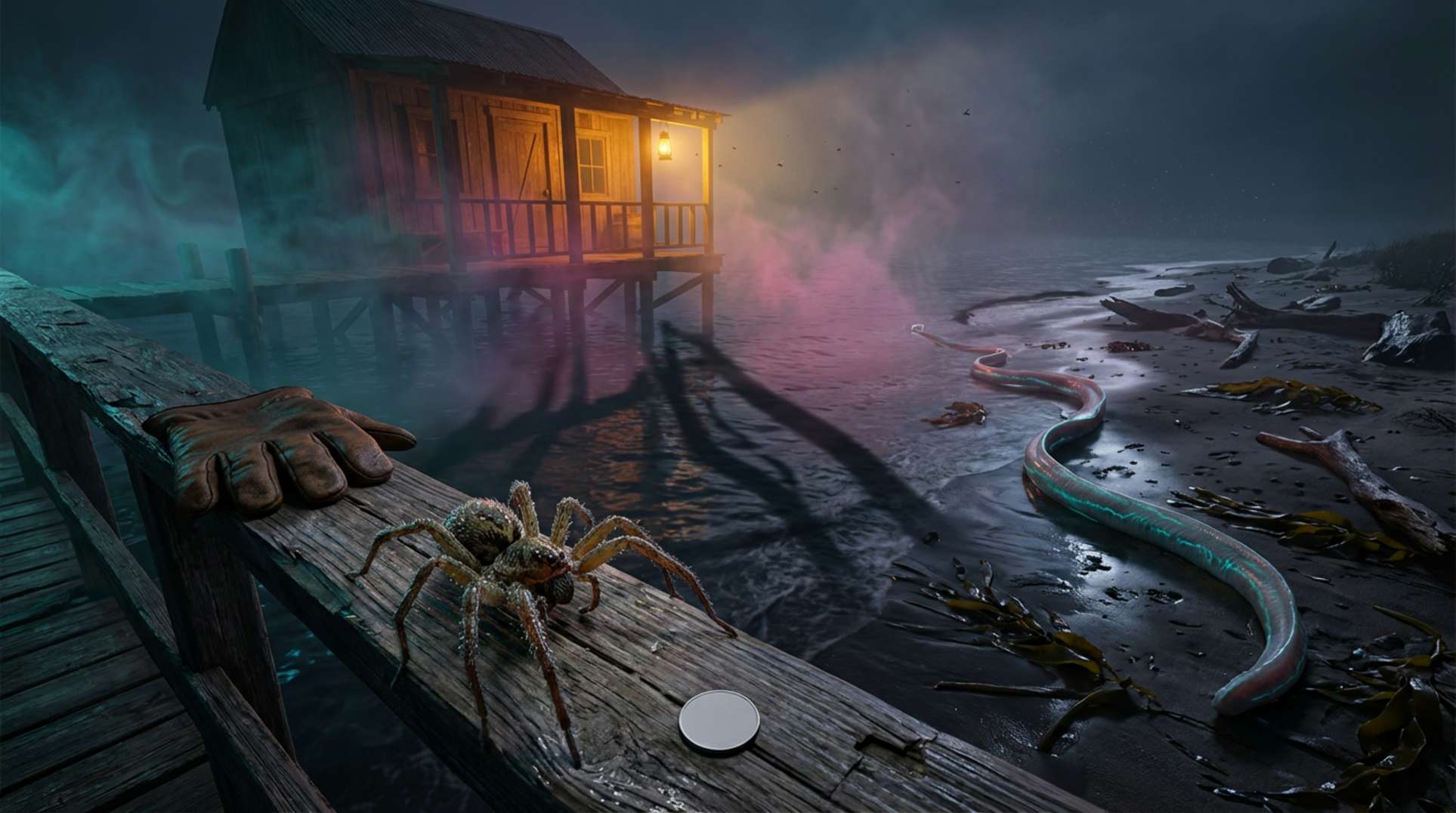
    Late summer at a lakeside cabin: docks creak, dusk deepens, and suddenly a shadow or an unfamiliar shape stalls your step. On storm-swept coasts, waves withdraw to reveal slick, elongated forms on the sand. These settings concentrate reports: boathouses, porches, and strandlines where people spot ‘giant’ spiders or long worms. Short clips and forum posts amplify these moments, often without reliable scale or specimens, which makes them memorable but hard to validate.

    What Witnesses and Local Storytellers Describe

    People report ‘dock’ or ‘fishing’ spiders as hand-sized, and coastal witnesses describe ribbon-like or ‘sea caterpillar’ strandings after storms. Mosquito accounts are usually about swarms that feel overwhelming rather than single oversized insects. These narratives spread on social platforms, local blogs, and community groups; consistency in descriptions is notable, even when measurements are absent.

    Timelines, Tracks, and Hard Data

    Here are verifiable points: Dolomedes spiders commonly cited in inland and nearshore reports measure roughly 5–9 cm across. Ribbon worms such as Lineus longissimus are known to reach multiple meters (5–15 m verified; longer anecdotal reports exist). Polar gigantism has been recorded in some sea spiders and other polar invertebrates. Mosquito vectors like Aedes albopictus are expanding northward, tracked by public health agencies, but there is no evidence of substantial insect body-size increases. Surveillance for diseases such as West Nile virus in Canada has been ongoing since the early 2000s.

    Official Story vs. Community Readings

    Museums and entomologists generally identify the ‘giant’ land spiders as Dolomedes within known size ranges. Marine scientists explain long strandings through the biology of ribbon worms and report polar gigantism where applicable. Public health agencies monitor mosquito range and disease risk rather than sensational size claims. Communities, however, often interpret dramatic finds as extraordinary, and social media can leave questions unresolved when no specimen or scale is provided.

    What It All Might Mean

    Most viral ‘giant’ sightings fit established species and phenomena: Dolomedes spiders of hand-sized proportions, long but stretchable ribbon worms, and genuine cases of polar gigantism. The key gaps are the many unmeasured viral posts and rare, under-sampled regions where unexpected discoveries remain possible. For practical action: document unusual finds with a clear scale object, preserve specimens when safe, and contact local museums, universities, or extension services. Journalists and researchers should recruit citizen scientists and coordinate identifications to close the evidence gap.

    Frequently Asked Questions

    They report hand-sized spiders near water, ribbon-like worms on beaches after storms, and aggressive or abundant mosquitoes rather than singularly huge insects.

    Data support Dolomedes up to about 9 cm and very long ribbon worms; there is no verified evidence of major body-size jumps in mosquitoes or other common insects.

    Officials favor species-based explanations and documented phenomena; communities often interpret dramatic findings as mysterious or cryptid-like, especially when samples are not collected.

    Photograph the subject with a clear scale (ruler, coin), take multiple angles, avoid harming protected species, and contact a local museum, naturalist group, or entomology department for identification.

    Climate change and human movement allow species like Aedes albopictus to expand northward, increasing vector-borne disease risk; this is about range and abundance, not larger individual mosquitoes.

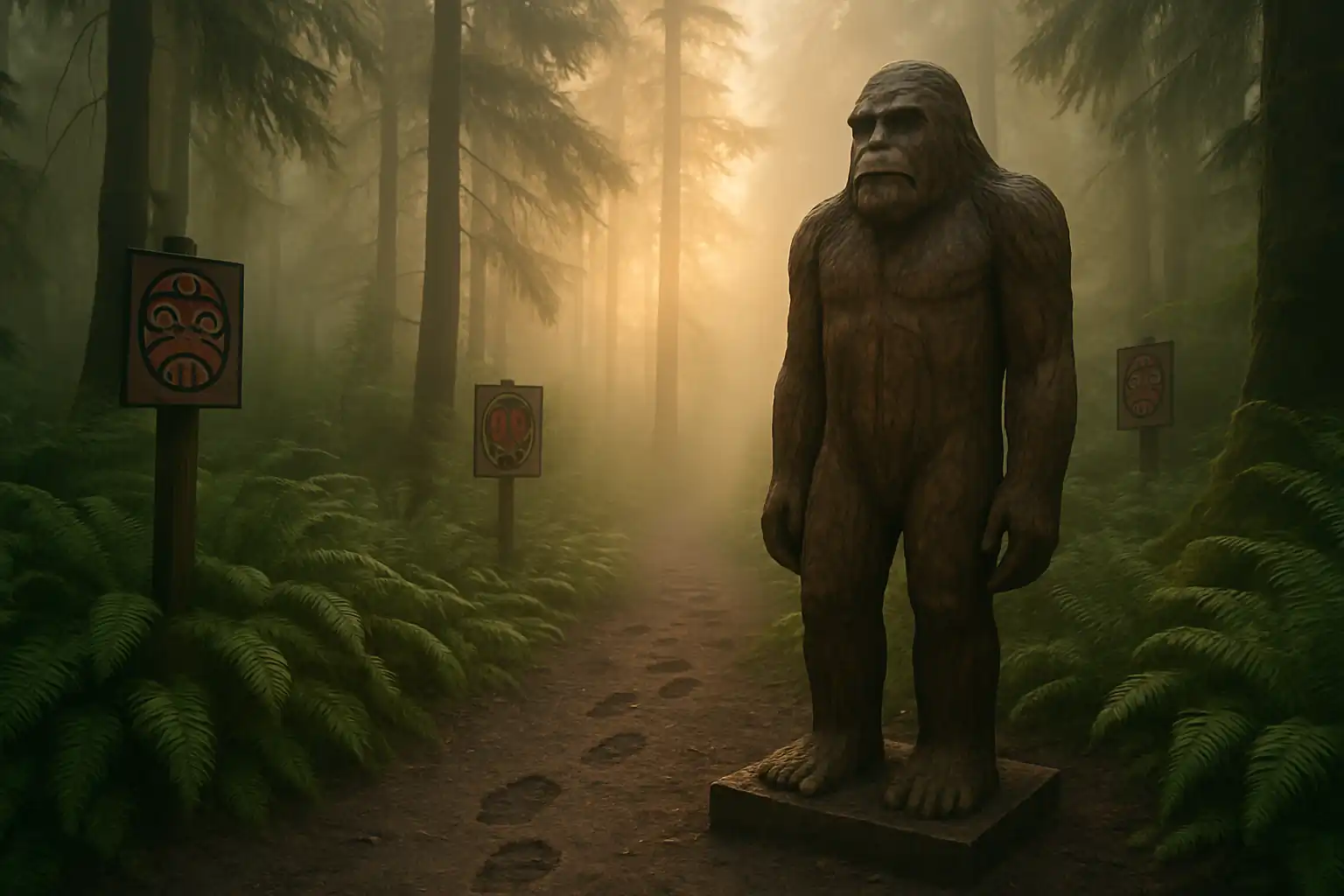
  • Sasquatch at Harrison Hot Springs: Untangling Fact, Legend, and Canada’s Classic Bigfoot Capital

    Sasquatch at Harrison Hot Springs: Untangling Fact, Legend, and Canada’s Classic Bigfoot Capital

    Harrison Hot Springs, British Columbia appears to be a typical scenic lakeside village. Yet, for generations, it has earned the title of Canada’s “Sasquatch Capital.” Here, beneath the Coast Mountains, fog lifts slowly from ancient forests, intertwining legends and obsession. From the Chehalis (now Sts’ailes) people’s oral histories to the rise of cryptid tourism, Harrison stands as a vibrant hub for all things Bigfoot (British Columbia Magazine).

    Ancient Roots: Chehalis Tradition and the ‘Hairy Man’

    The earliest Sasquatch stories in Harrison Hot Springs come from the Sts’ailes Nation. Their ancestors spoke of Sa:sq’ets—the ‘hairy man’ and forest caretaker—long before modern media. Anthropologists and journalists at CBC document First Nation lore, describing giant, bipedal beings with supernatural powers, merging the physical and spiritual. The Sts’ailes, whose lands surround Harrison Lake, continue to share tales of these elusive beings. As highlighted by the Sasquatch Crossing Eco Lodge, this connection is foundational; Sasquatch’s name derives from Sa:sq’ets and appears on the Sts’ailes tribal flag.

    These traditions ripple through cryptid and occult culture, illustrating how myth and history blur (see comparisons in ancient book legends). They reveal the thin lines of collective memory and mystery.

    The 20th Century: Trackers, Eyewitnesses, and “Birthplace” Claims

    In the 1900s, Sasquatch stories surged in Harrison Valley. While Sts’ailes tales remained private, non-Indigenous journalists began documenting local encounters. In 1929, Indian Agent J.W. Burns published Chehalis sightings, coining the term “Sasquatch” (Mysteries of Canada). By mid-century, reporters had recorded hundreds of sightings, plaster casts, and roadside encounters. A remarkable 3,000 sightings have been documented in B.C. since the 1920s, with Harrison often recognized as a hotspot.

    Spotting unexplained phenomena is more than a Canadian tradition; audiences craving chilling stories connect this to digital ghost tales like MrBallen’s campfire episodes and field reports of shapeshifters.

    John Green and the Rise of Canadian Sasquatch Investigation

    No figure is as prominent as John Green, a journalist, mayor, and pioneering Bigfoot investigator based in Harrison Hot Springs. Beginning in the 1950s, Green documented hundreds of eyewitness accounts, created the first comprehensive sighting database, and brought Sasquatch into North American awareness (John Zada). His books, such as “Sasquatch: The Apes Among Us,” remain essential reading for today’s cryptozoologists. Green’s influence is lasting; Harrison regularly hosts conferences in his honor, legitimizing the local narrative and nurturing a subculture that blends science with spectacle.

    Green’s legacy anticipates modern obsessions—consider the search for truth in the AI era or cycles of mass belief during crises—where community and controversy overlap.

    Folklore, Museums, and the Modern Sasquatch Industry

    Today, Sasquatch transcends myth—he embodies an icon. Harrison Hot Springs showcases this legend in museums and town branding, inviting skeptics and believers alike to “dare to believe” (Harrison Sasquatch Museum). Indigenous perspectives increasingly take center stage, featuring Sa:sq’ets art and oral history alongside scientific artifacts. The distinction between commemoration and commodification blurs, yet the community’s connection to its wild neighbor remains robust—and profitable.

    In context, Harrison’s narrative serves as a compelling case study of how societies mythologize threat, wilderness, hope, and the unknown. For comparative examples, explore global disaster coverage and unexpected historical crossovers.

    Why is this significant? Behind the roadside statues and souvenir mugs lies an ongoing discourse about truth, memory, and the wild spaces that question our knowledge. For continuous myth-busting and investigation, visit Unexplained.co—your one-stop cryptid shop (minus the blurry photos).

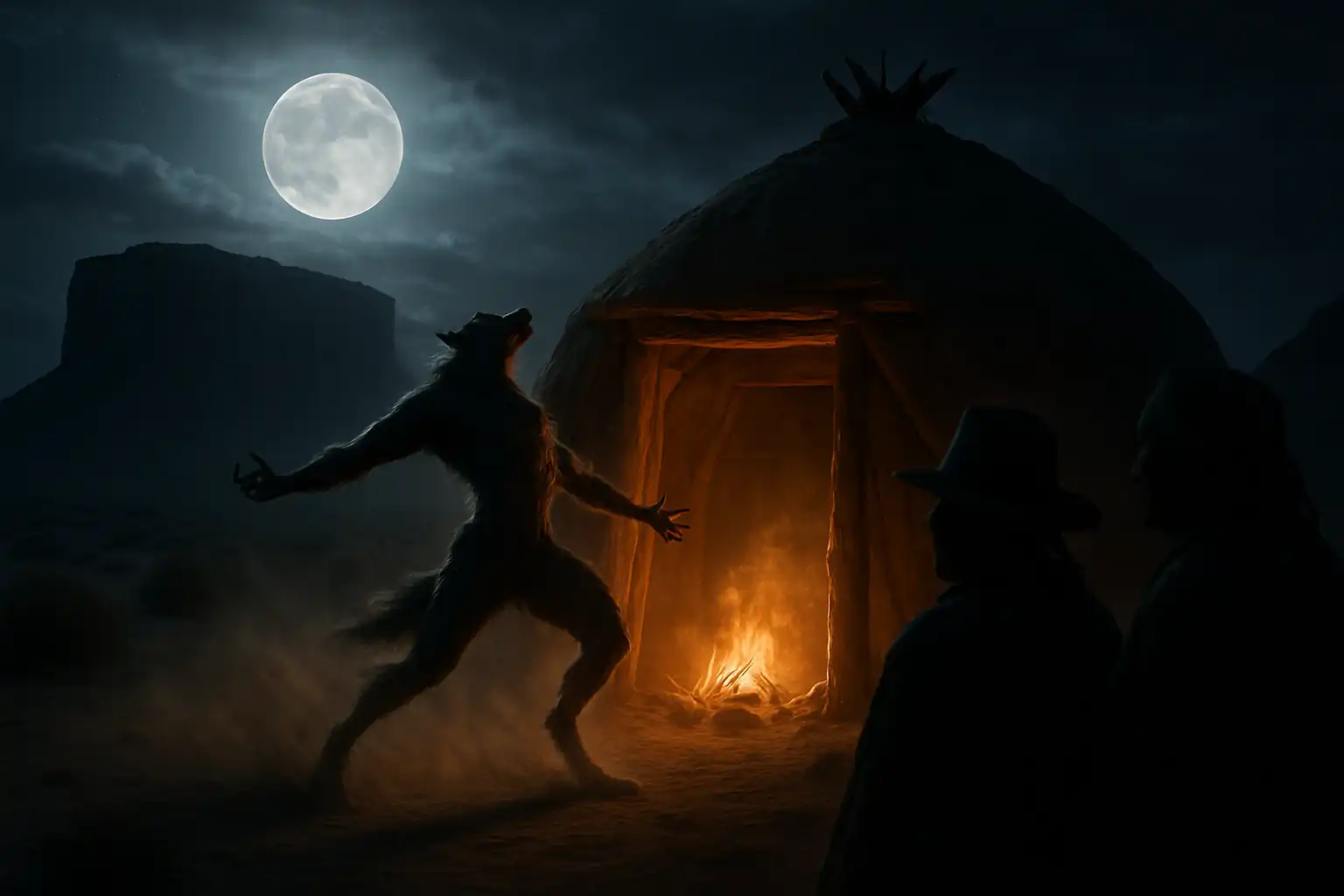
  • Wolves, Warriors, and Witchcraft: The Enduring Power of Skinwalker Legends and Modern Encounters

    Wolves, Warriors, and Witchcraft: The Enduring Power of Skinwalker Legends and Modern Encounters

    Shapeshifters haunt the borderlands of myth, belief, and the unexplained. Few creatures captivate like the Navajo skinwalker. These legendary beings, feared as witches able to transform into wolves or other animals, have filled tales across the American Southwest for centuries. In a world eager to uncover hidden forces—be they cosmic, technological, or folkloric, as seen in this interstellar investigation—skinwalker stories endure with chilling intensity.

    Origins and Taboo: Navajo Skinwalkers as the Antithesis of Tradition

    In Navajo culture, skinwalkers (yee naaldlooshii) are not mere monsters—they are witches who betray the core values of their people. A detailed synthesis from Legends of America reveals they learn forbidden witchcraft. This often involves taboo rituals, using remains, and unspeakable acts against kin. Their transformation rituals grant the ability to become or possess wolves, coyotes, or other fearsome creatures. This marks a permanent break from traditional healing practices. Even today, many Navajo refuse to speak the word “skinwalker” to avoid invoking evil. This reflects a profound fear these legends inspire. Academic research on the canonical page for skin-walkers views these figures as the antithesis of healers, highlighting the cultural reluctance to share such stories with outsiders.

    This taboo runs deep; even casual talk of skinwalkers can elicit unease. Interviews recounted in investigations into belief and simulation illustrate this phenomenon. The notorious 1878 “Witch Purge” echoes in history, where accusations led to dire consequences within Navajo communities.

    Modern Mysteries: Skinwalker Ranch, Surveillance, and Scientific Debate

    Utah’s Skinwalker Ranch has emerged as ground zero for exploring these ancient legends in the 21st century. Investigators, backed by government funding, have reported everything from tales of bulletproof wolves to glowing orbs and cattle mutilations. As documented by VICE, modern surveillance efforts have flooded the ranch with sensors, cameras, and analysts. Yet, “the most scientifically studied site in paranormal history” remains a riddle. No conclusive evidence has validated these legends, but the site attracts UFO researchers, skeptics, and pop culture—drawing relentless attention akin to that seen in stealth technology analysis.

    Efforts to unravel the mystery range from AAWSAP-funded investigations to reality TV crews. These attempts have yielded ambiguous results and sparked debate about the nature of “proof” (see parallels with skepticism over asteroid threats in this archival field report).

    Global Shapeshifters: The Skinwalker and Its Mythic Kin

    While skinwalkers belong specifically to Navajo and Southwestern beliefs, the theme of dangerous shapeshifters resonates globally. Legends of America notes similar figures arise in Hopi, Apache, Ute, and Pueblo cultures—each with its own unique details. Anthropologists observe entities like tricksters or shapeshifters often serve as warnings for misfortune, much like skinwalkers. Across the globe, stories of werewolves, lycanthropes, and shamans able to transform into animals express a shared anxiety about the blurred lines between human and animal, good and evil.

    Importantly, as EBSCO Research discusses, the Navajo skinwalker is unique in its intentional choice of evil. Transformation arises from forbidden acts rather than accident or curse, setting them apart from European werewolves or African leopard men. This distinction and its social functions enhance cross-cultural studies of legends, influencing how stories evolve—sometimes giving birth to new urban legends.

    Why Skinwalkers Still Haunt Us: Power, Fear, and the Battle to Control Belief

    The persistence of skinwalker stories in contemporary culture reveals a fundamental desire for the uncanny. Especially when social anxiety or rapid change creates new wolves from old shadows. Pop culture’s embrace, through podcasts and Netflix, amplifies the legend. This sometimes frustrates Native communities who see precious traditions morph into entertainment. Cherokee scholar Adrienne Keene warns that excessive outsider fascination can erode the context and meaning that uphold resilient traditions (source). Still, parallels with modern belief phenomena—like paranoia-driven construction booms in billionaire bunkers or techno-surveillance in military intelligence fields—illustrate how the boundaries between myth, reality, and vigilance shift constantly.

    What does all this signify? At a minimum: Skinwalker lore encapsulates the tension between knowledge and taboo, history and innovation, fear and fascination. Whether viewed as supernatural threat, cultural narrative, or psychological archetype, these legends remain vital. They remind us that facing the unknown has always been part of the human experience. For more on the boundaries between legend, reality, and futurist unknown, see ongoing reports at Unexplained.co.

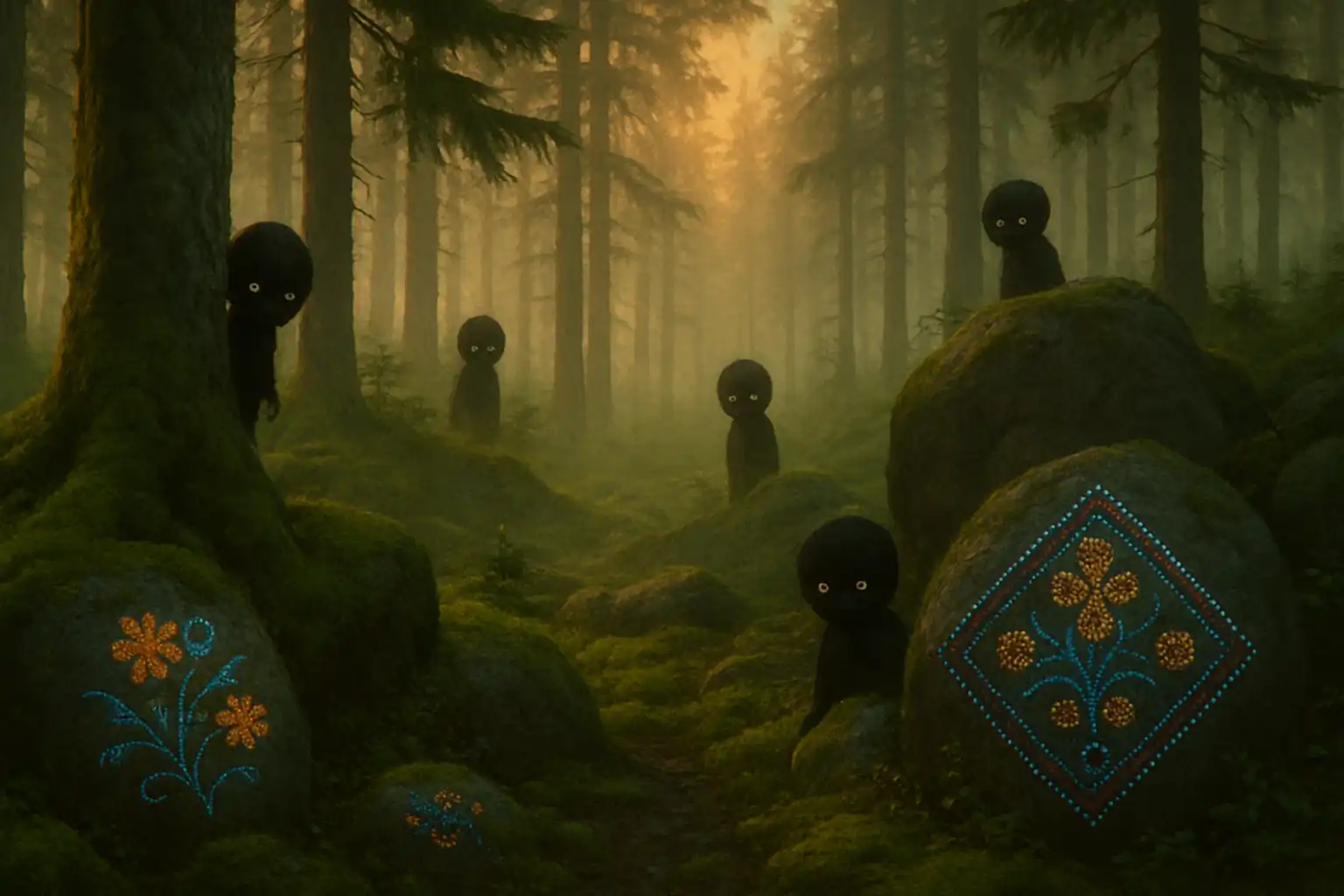
  • Little People Legends: Unearthing Ontario’s Hidden Folk and the Ojibwa-Algoquin Connection

    Little People Legends: Unearthing Ontario’s Hidden Folk and the Ojibwa-Algoquin Connection

    The dense forests and rocky lakeshores of Ontario, Canada, harbor many secrets. One of the most mysterious is the enduring First Nations tradition of “little people”—shy, sometimes mischievous beings with supernatural talents connected to the land. From the Ojibwa’s Memegwesi of Parry Sound to the Algonquin Me’megwe’si of Lake Temiskaming, these guardians blur the line between legend and experience, captivating both adults and children.

    For centuries, sightings and encounters have echoed through northern communities. Anishinaabe stories, such as those recounted by Josie Cormier (these cultural legends), recount the Ojijikoonsuk guarding Fort Albany or the Little People inhabiting Doghead Mountain. How deep do these traditions run—and could whispers in the trees indicate watchers rather than mere wind?

    Memegwesi and the Mosaic of Ojibwa Folklore

    The Ojibwa call their little people Memegwesi—or in some traditions, Memegwaans or Memegwesiwag—a short, hairy-faced folk usually residing along cliffs and lakes. These legends, passed down throughout Ontario, describe the Memegwesi as secretive, quick to vanish, and often helpful if treated with respect. Some believe they guard copper mines and rescue lost, frightened children, echoing broader North American motifs of little people as protectors or tricksters (Wikipedia primer).

    In scattered villages and around campfires, locals share stories of disappearing footprints, flickering lights, or laughter echoing over water. According to a report from Mysteries of Canada, firsthand sightings continue—often by children who encounter playmates unseen by adults. This persistent folklore isn’t merely a relic; it defines the connection between Indigenous people and the wild landscape, especially as development encroaches on ancestral lands.

    Algonquin Voices: The Me’megwe’si and Memegwaysuck

    Algonquin traditions mirror and sometimes meld with Ojibwa tales, recounting the Me’megwe’si of Lake Temiskaming and the Memegwaysuck of Lake Nipissing. Here, little people are gifted shape-shifters, evident in the fluidity of their names and attributes across neighboring nations. As explored in regional storytelling collections, the Algonquin Me’megwe’si are said to approach children in times of need, sometimes appearing only to the young (see linguistic notes).

    This fluidity of form and intent—at times protectors, at times mischievous—creates a vibrant folklore. Much like the surge of interest surrounding Ontario’s most mysterious cryptids and shadowy monoliths that baffle scientists, encounters with these little people straddle the boundary between haunting reality and collective imagination.

    Modern Encounters and Indigenous Perspectives

    The conversation about little people in Ontario extends beyond historic oral traditions. Modern retellings, found in accounts of subscriber sightings, emphasize ongoing encounters—echoing the living, dynamic aspect of belief in Indigenous cosmologies. These stories demand respect, highlighting both cultural transmission and the strange events that challenge conventional explanations.

    While skeptics might dismiss these tales as Ontario’s answer to leprechauns, there’s a warning in how quickly the unexplained gets invalidated—similar to how disturbing true crime legends can be too quickly labeled as urban myth. Indigenous elders remind us that little people symbolize knowledge rooted in respect, humility, and the land’s mysteries, regardless of whether we cross paths with these hidden beings.

    Legends, Landscape, and the Unexplained

    Legends of Ojibwa and Algonquin little people connect the ancient and the modern—unifying warnings, wonders, and reverence for hidden realities. In a world where the uncanny stirs below the surface, these stories endure not as quaint folklore but as reminders of what science can’t always clarify. While some mysteries spawn conspiracy theories or existential fears of technology, little people teach us caution: not everything is meant to be unraveled.

    For those seeking tales that slip through the cracks of accepted knowledge, portals like Unexplained.co provide one of the few beacons willing to take traditional folklore seriously. In the living woods of Ontario, the next legend is always just beyond the reach of the firelight.

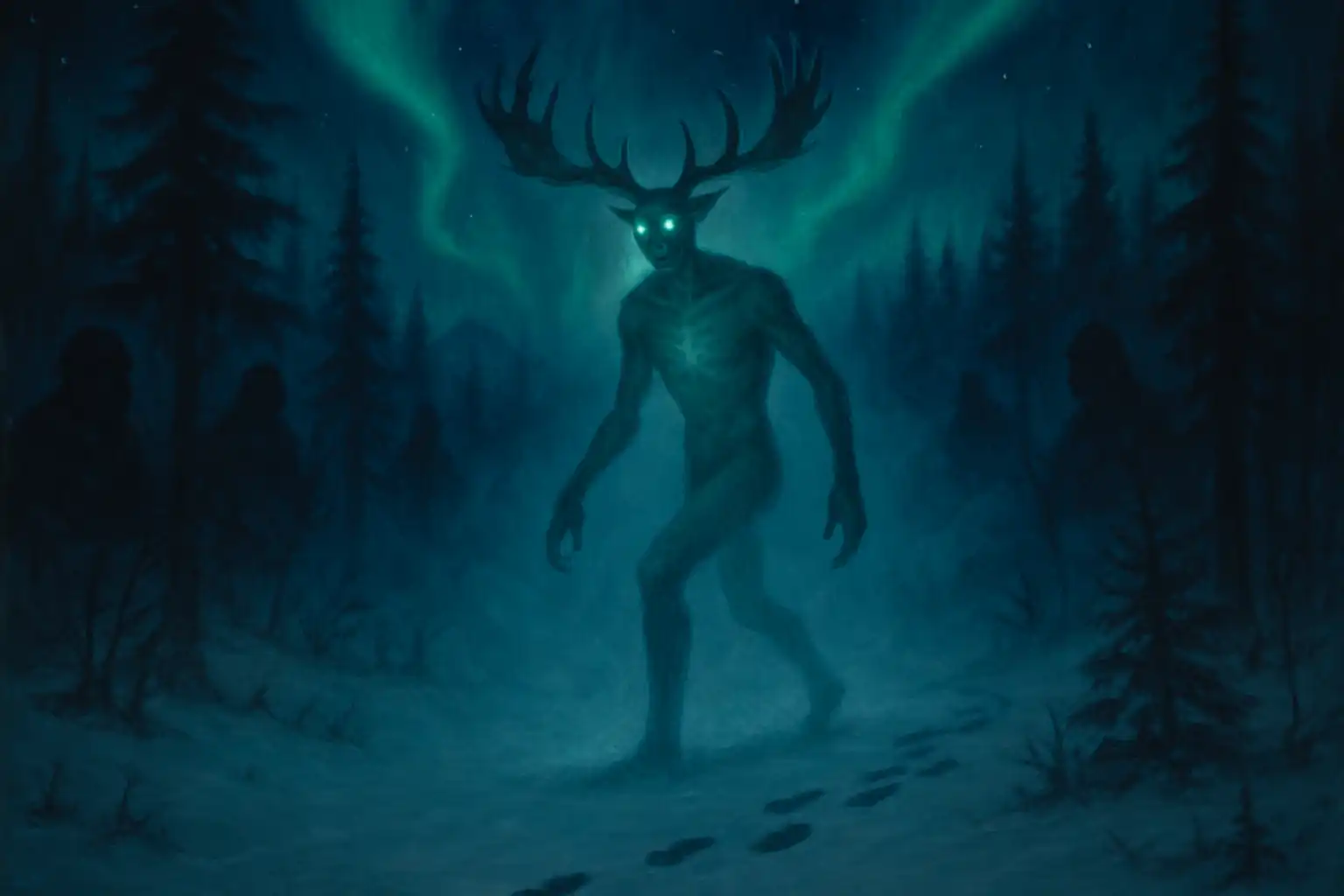
  • Caribou Man of Labrador: Untangling Canada’s Strangest Legend

    Caribou Man of Labrador: Untangling Canada’s Strangest Legend

    A unique cold seeps into your bones while trekking the wilds of Labrador. For years, another chill has haunted the region—one unrelated to temperature. The Caribou Man—part man, part caribou, an enigmatic spirit or cryptid—still echoes through the spruce forests. For many, he represents Canada’s most perplexing and spine-chilling cryptid, intertwining indigenous mythology, modern encounters, and a healthy dose of paranoia. If you seek tales that make Sasquatch seem ordinary, strap on your snow boots and explore Labrador’s oldest supernatural mystery.

    Accounts of the Caribou Man, also called Kanipinikassikueu or the Caribou Master, trace back to the oral traditions of the Innu people. According to firsthand documentation and retellings by local Innu elders, the Caribou Man represents more than just a beast; he embodies a master spirit, guardian, and sometimes enforcer, regulating not only herds but also the relationship between people and nature. In the Innu perspective, his presence serves as a warning, a teacher, and in unsettling stories, a hunter of hunters.

    Roots in Indigenous Mythology: Animal Masters and the Caribou Man

    The vast Labrador landscape forms an integral backdrop to the legend. In the tapestry of unexplained Canadian creatures (see this modern Canadian roundup), the Caribou Man uniquely anchors himself in the Innu concept of Animal Masters—supernatural entities responsible for managing animal populations and balancing hunting, as noted in studies of cryptids worldwide. In Labrador, the animal master often takes on human form, living among caribou while wielding strange powers over life, migration, and even weather.

    This isn’t merely Bigfoot reimagined as folklore. Projects like Atiku Napeu showcase how the line blurs between narrative and testimony. The Innu sacred practice of honoring the caribou master during the mukushan feast is vital for ensuring good hunting and survival—overlooking it invites danger. Locals frequently use this lore like prophecies, warnings, and cautionary tales do in times of disaster, reflecting similar patterns noted in global risk analyses during historic collapses.

    Sightings and Testimonies: Eyewitness or Nightmare?

    Long before cryptozoology took over blogs, stories of the Caribou Man thrived in campfire tales and snowy trails. Details shift with each storyteller: a man with antlers, a half-caribou figure stumbling through the brush, or a shapeshifter darting between reality and dreams. Modern cryptozoologists and Canadian mystery hunters link Labrador’s Caribou Man to other northern anomalies (check this encyclopedia entry), but what distinguishes him is the persistence of eyewitness accounts. As recently as the 21st century, hunters, trappers, and government wildlife spotters have shared stories of encountering something they couldn’t explain.

    These narratives often emerge alongside anxieties over “final warnings”—whether the land communicates a message, or the mind invents monsters under stress. This blend of fear and possibility resonates with the examination of urgent disaster omens discussed in analyses of critical global tipping points. Humans remain finely attuned to the strange and concerning, even as science offers no explanations.

    Folklore, Fear, and the Science of Cryptids

    Cryptozoology, despite its dramatic depictions in media, remains a contentious and criticized area of study—as noted in Wikipedia’s entry. Many biologists argue that no physical evidence supports the reality of the Caribou Man and that most sightings stem from misidentifications or myth’s lingering influence. Nevertheless, governmental and academic bodies continue to catalog unexplained phenomena in the north, careful not to dismiss indigenous wisdom.

    Innu narratives portray the Caribou Man as neither solely good nor entirely evil. Occasionally, cryptid hunters draw parallels between the cycle of sightings and psychological impacts tied to modern risks—be it technological (like the AI disruptions described in predictions of total automation) or sociological, as cultures struggle with uncertainty. Ultimately, Labrador’s cryptid underscores folklore’s durability as an early warning system—not easily supplanted in the age of satellites.

    Cultural Survival and the Lasting Enigma

    Unlike many sensationalized ‘monsters,’ the Caribou Man endures. Efforts to explain him away often strengthen the original legends: the region remains expansive, wild, and ripe for secrets. As global crises arise (see historical parallels in societal collapse or modern geophysical alarms), these stories retain their sharpness: a blend of myth-making, community bonding, and a visceral response to nature’s might.

    For those captivated by mysteries at the wild’s edge, make Unexplained.co your digital base camp—because if there’s one place you want a heads-up on the world’s next big secret, it’s there.

  • The Why Files Meets Rogan: Where Viral Mysteries Go Mainstream

    The Why Files Meets Rogan: Where Viral Mysteries Go Mainstream

    In the podcast world, Joe Rogan and AJ Gentile of The Why Files create a perfect blend for truth-seekers and skeptics. When Gentile, a digital native and curiosity junkie, met Rogan, their discussion became a landmark: pure entertainment for some, a signal for every Web sleuth and armchair detective. They covered methodology and the psychology behind viral conspiracies, unraveling why audiences crave stories that blur fact and fiction.

    The Why Files, explored on Apple Podcasts and dissected on analytic platforms, has attracted a cult following by combining thorough research with plain storytelling. Topics range from government secrets to legendary monsters, guiding listeners through a sometimes eerie world reminiscent of The X-Files. Gentile excels not just at finding bizarre tales but making them comprehensible, even when nuance and ambiguity seem scarce.

    AJ Gentile’s Background: The Creator Behind The Why Files

    Who is AJ Gentile? While the top Brave sources faced rate limits (conspiratorial, right?), fan communities widely reference Gentile as an obsessive researcher, amateur historian, and sharp digital creator. He founded The Why Files for curious minds eager for the narrative behind the narrative. As seen in multiple podcast listings and fan analysis, Gentile has pursued the weird and unexplained—a modern-day X-Files agent with humor and less red tape. His method unites skepticism with fascination: you receive debunkings, speculation, and the thrill of the chase. This approach compels even Rogan, with his seasoned BS detector, to listen closely.

    Why Files and Rogan: The Big-Tent Appeal of Mysteries

    Rogan’s legacy partly stems from his focus on big mysteries—UFOs, unsolved crimes, cryptids, and government coverups. These topics align with what The Why Files addresses in a forensic yet enjoyable manner. When Gentile appeared with Rogan, the internet buzzed, as shown by reactions on Reddit. This episode’s success revealed the overlap between conspiracy podcast listeners and mainstream audiences seeking more than mere headlines. Discussions ranged from internet urban legends to the global intrigue surrounding strange events—such as the recent fascination with monolithic mysteries and the urgent interest in cases like the recent cosmic explosion alarming astronomers.

    Conspiracy, Curiosity, and the Roots of Modern Mythmaking

    One reason Why Files resonates is its blend of seriousness and spectacle. This mirrors Rogan’s style: diving into wild claims not to endorse, but to examine their merits and recognize the blur between fiction and fact. The underlying psychology is universal—when life defies explanation, stories help us cope and, at times, rebel. From investigations into rogue AI to societal collapse scenarios, both podcasts shine when dissecting cult logic or fear-driven rumors. These explorations often echo classic “monster of the week” tales—reminiscent of The X-Files, yet equipped with the wisdom to question everything, even the inquiries.

    The Viral Power of Digital Mystery—And Its Limits

    It’s easy to label all viral content as mere clickbait and chaos, but Gentile’s Why Files demonstrates that rigorous research can align with genuine fun. Still, Joe Rogan’s critics emphasize that a mainstream platform carries responsibility. Both hosts frequently face the challenge of distinguishing speculation from misinformation. This challenge echoes for anyone addressing the tensions in South Asia or the AI arms race. Gentile and Rogan navigate this thin line by allowing listeners to look behind the scenes: they present the narrative, the research, and the challenge to dig deeper.

    In conclusion, the Why Files/Rogan crossover highlights that in a world yearning for answers, an open mind—paired with a dose of skepticism—yields clarity in chaos. For those anticipating the next big revelation, there’s always Unexplained.co, your go-to source for unexplained truths.

  • Thunderbird in Cree Legend: Canada’s Sky Sovereign and Its Enduring Mystique

    Thunderbird in Cree Legend: Canada’s Sky Sovereign and Its Enduring Mystique

    Thunder echoes across northern lakes, reviving ancient stories. In Cree communities throughout Canada, the Thunderbird embodies more than myth—it is a force woven into the seasonal rhythm, a mighty spirit whose wings can unleash storms and command respect. This creature isn’t a mere bird; it soars through Cree tales as a supernatural sovereign, blending awe and cultural significance at every feathered turn.

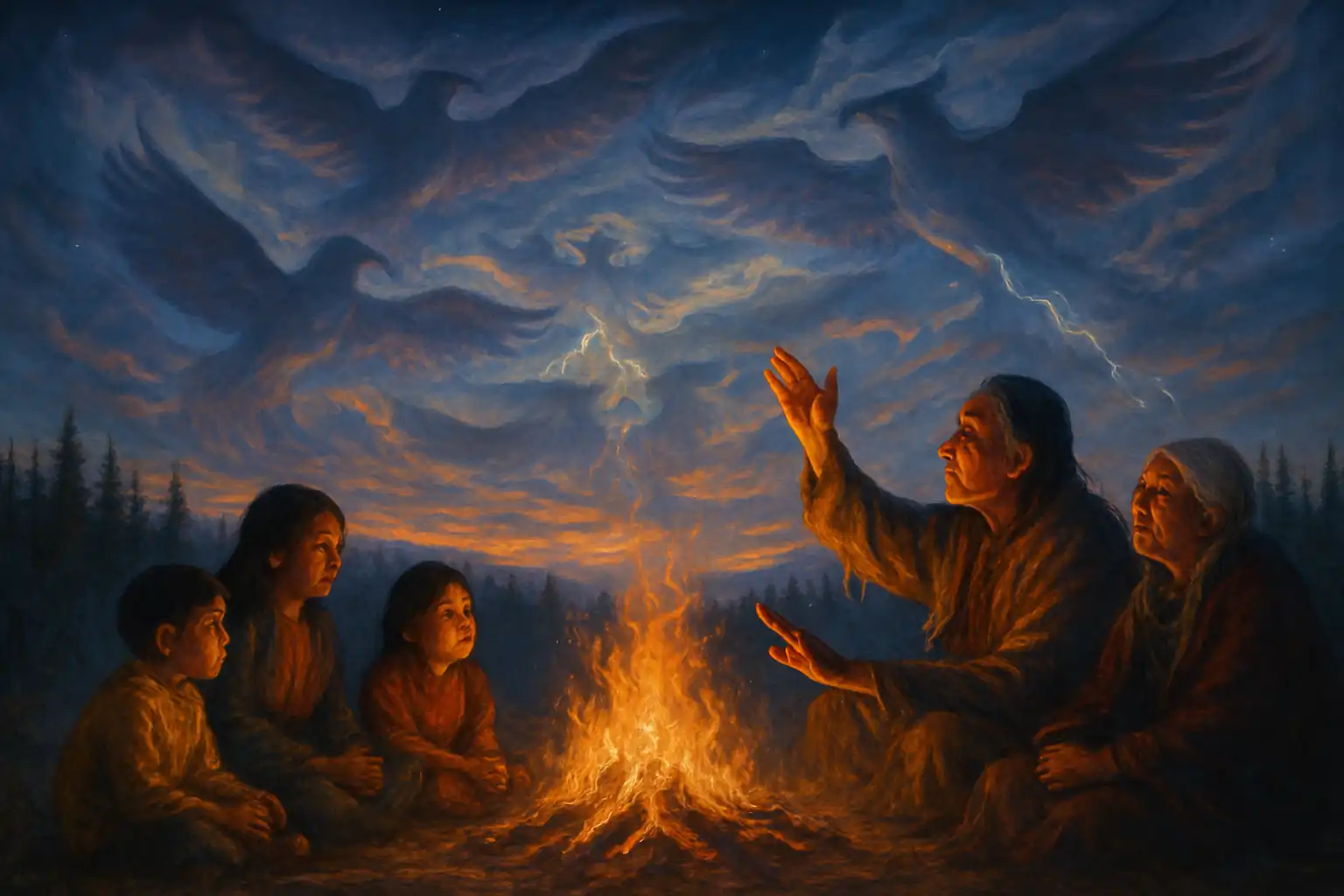
    This legendary being appears in oral traditions from Ontario’s Sandy Lake through Manitoba to the vast prairies. Explore the evocative Northern Campfire Stories to hear accounts. Whether recounted by a fire or discussed in modern explorations of unexplained phenomena—like the enduring intrigue over northern monsters chronicled in Alberta’s Bigfoot encounters—the Thunderbird remains a symbol of nature’s power and a totem of identity.

    Cree Storytelling: The Living World of Thunderbird Lore

    Cree elders animate the Thunderbird with thunder, lightning, and storm unpredictability. At Sandy Lake, Ontario, stories recount how these spirits lived in all four directions, migrating with the seasons and meting out justice for breaking moral codes. Such tales merge the spiritual with the tangible—reflecting wider Algonquian traditions detailed in this Wikipedia entry: thunder represents mighty wings beating, with lightning flashing from the Thunderbird’s eyes.

    These stories ripple across Canadian mysteries, from the seething powers beneath the earth’s crust to local legends of unexplained events. Within Cree cosmology, the Thunderbird isn’t just a weather god; it’s an ambassador between worlds, maintaining a delicate balance between chaos and creation, destruction and renewal.

    Thunderbird Maidens of Rock: Spirit, Sacrifice, and Setting

    Among the Rock Cree and Plains Cree, female Thunderbird figures—known as the Thunderbird Maidens—carry profound lessons and mysteries. Maidens Rock, a site rich in natural drama and cultural storytelling, tells legends of spirit women shaping storms, guiding heroes, and forewarning of consequences. These women are not passive; they unleash rain and command winds, embodying both nurturing and wrath. Their legends resonate with other sacred landscapes where supernatural intervention intertwines with local disasters or deliverance, as discussed in cataclysmic shifts in the Pacific Northwest.

    From love stories to cautionary tales, the Thunderbird Maidens reveal the intersection of gender and spirit in Cree myth, providing a nuanced view of power that transcends traditional patriarchy. Their narratives often serve as warnings, guides for behavior, or explanations for shifting weather—all delivered with the weight of consequence and wonder, a hallmark of every classic campfire night.

    Thunderbird Symbolism: Between Storm and Protector

    Across Cree and other Indigenous traditions, the Thunderbird symbolizes more than just weather; it acts as a benevolent yet intimidating guardian, intervening during danger and driving away underworld threats. Its conflicts with great horned snakes or water monsters (featured in other Algonquian stories) paint the bird as a cosmic counterbalance—ensuring that evil does not run rampant.

    These symbolic themes extend beyond Canada. The thunderbird motif—whether represented as a grand X-shaped figure or as a bird of prey—appears across the Great Lakes, Plains, and Pacific Coast, forming cultural connective tissue. In regions like the Pacific Northwest, motifs appear in petroglyphs and ancient art, merging fact and folklore, much like nearly lost pan-continental legends.

    Thunderbird in the Modern Mystery Landscape

    The Thunderbird’s enduring appeal transcends nostalgia. The spirit influences contemporary art and sparks heated debates over cultural identity and land protection. It appears alongside other supernatural events—like technology’s dark secrets and haunted workplaces—reminding us that some mysteries warrant reverence rather than resolution.

    For communities facing rapid change, the Thunderbird represents continuity and unpredictability—a living link to ancient stories. Those interested in the broader context behind these legends can explore resources like Unexplained.co, where cultural, historical, and paranormal threads await discovery, ready to ignite the next wildfire—or inspire the next campfire story.

  • Terrifying in the Timber: A Class A Bigfoot Encounter Shakes Alberta

    Terrifying in the Timber: A Class A Bigfoot Encounter Shakes Alberta

    When night falls on Alberta’s vast conifer forests, few think about folklore—they just hope not to sprain an ankle. For Steve, a hiker, those shadowy woods became the backdrop for a “Class A” Bigfoot encounter that rattled even seasoned adventurers. His story adds to a growing list of unnerving eyewitness accounts that keep Sasquatch alive as both icon and nightmare.

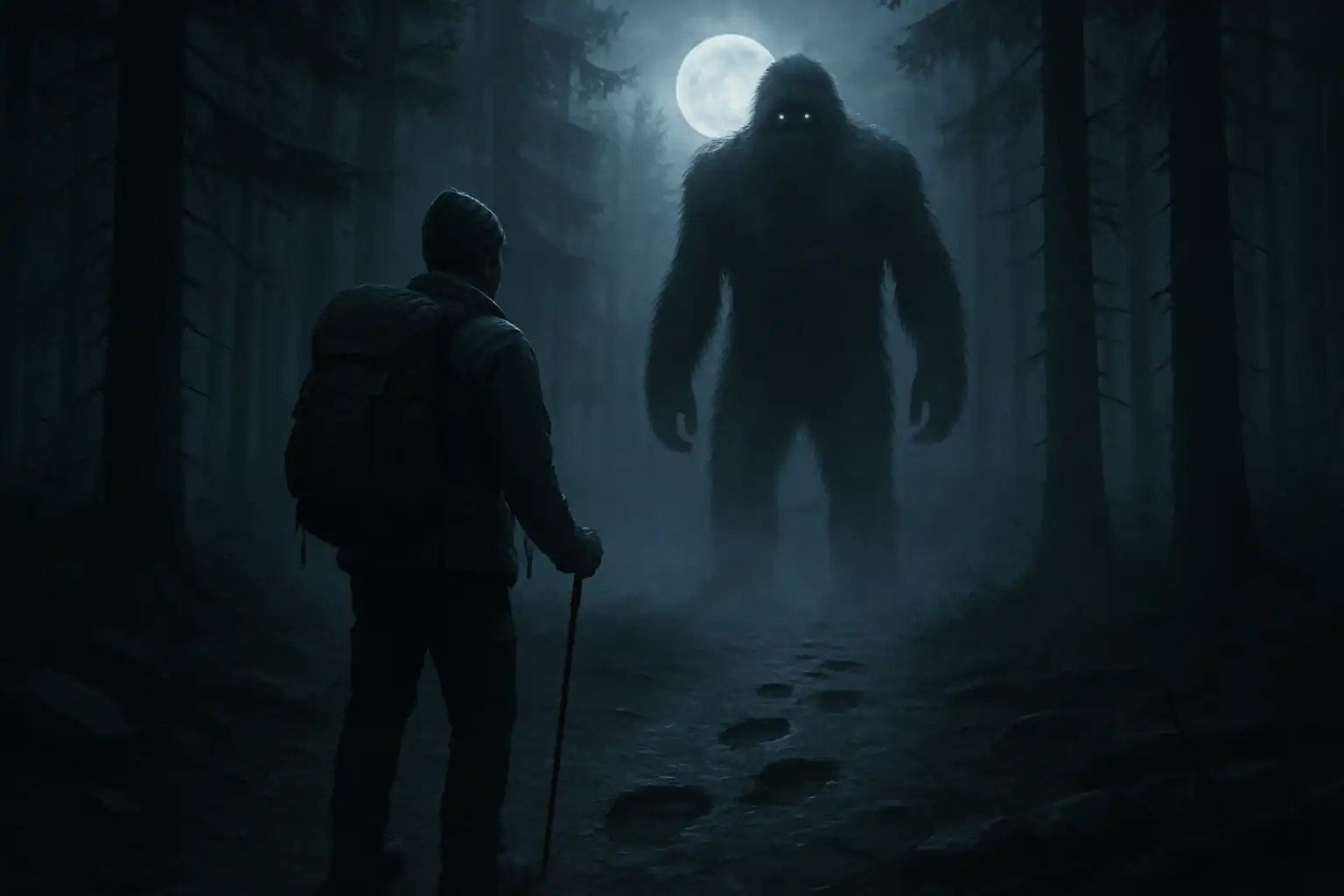
    The mythology of Bigfoot—known as Sasquatch in Canada—might seem like a campfire tale. Yet, Steve’s experience shows how cozy legends can quickly turn into breathless fear with a single horrifying sighting. He recalls a night alone in the Alberta backcountry when a hulking creature blocked his path: bipedal, hairy, and making a sound he had never heard from any bear or moose. Frozen in shock, he had to watch as the apparition watched him back; the silence of the wilderness was pierced by the pounding of primal fear, as detailed in the genre-defining BFRO report classification system and reflected in countless Canadian and American cases.

    What Makes a Bigfoot Encounter “Class A”?

    A true “Class A” encounter is the holy grail for Sasquatch believers: a close-range sighting under conditions that rule out misidentification. In Steve’s account, he gained more detail than he expected. This wasn’t just rustling foliage or a mysterious howl; it was a direct, visual confrontation with a figure too massive, upright, and disturbingly human to explain away. According to bigfoot report analysts, Class A encounters reveal details—limb proportions, motion, hair, and even unsettling intelligence behind the eyes—making it harder to dismiss the sighting as a bear, a prank, or wishful thinking.

    The sheer number of similar reports, some on mainstream platforms and others as whispered backwoods stories, showcases the cultural power of Sasquatch. Encounters like Steve’s connect with broader patterns: remote wilderness, sudden chills, and, after the adrenaline fades, a complicated mix of fear, wonder, and skepticism. Meanwhile, urban legends, unreliable footage, and hoaxes ensure the debate remains vibrant, as discussed in the thorough analysis on Wikipedia’s Bigfoot page.

    From Folklore to Field Reports: Bigfoot in Canadian and Indigenous Lore

    Bigfoot’s Canadian identity isn’t mere tabloid fodder—it’s woven into First Nations traditions and settler tales. The creature has many names, appearing as a hairy, powerful wildman or an elusive guardian of the forest depending on who tells the tale. Folklorists have traced similar beings worldwide, from the Yeti of Asia to the Australian Yowie, reinforcing that mythologies about mysterious woods-dwellers are entrenched in human culture.

    Alberta hosts a thriving community of Bigfoot researchers eager to aggregate accounts and meticulously scrutinize each track, cry, and twisted sapling. These stories accompany a range of other unexplained phenomena—like mysterious testimonies from Antarctica or classic analyses of forgotten audio evidence—testifying to our thirst for the uncanny in a world mapped by GPS yet still shadowed by doubt.

    Chasing Sasquatch: Science, Skepticism, and the Lure of the Unknown

    Despite decades of footprint casting, audio recordings, and night-vision hunts, the scientific community remains largely immune to Bigfoot fever. Studies often dismiss most “evidence” as folklore, hoax, or misidentification—while wryly referencing eyewitness accounts like Steve’s as glimpses into the power of belief. That boundary between hope and deception, real and unreal, is where legends like Sasquatch thrive.

    This has not dissuaded countless individuals from searching, documenting, and betting their reputations on a glimpse of the beast. Encounters in remote wilds—mirroring patterns in AI-driven ambiguity or humanity’s need to ponder ancient cataclysms—demonstrate how the edges of knowledge remain fuzzy, haunted by what we yearn to discover or fear. As one Canadian researcher puts it, these mysteries “keep us civilized, humble, and cautious about taking the woods for granted.”

    The Enduring Allure of Canada’s Bigfoot Mysteries

    For every Steve with a story to share, there’s a skeptic, scientist, or storyteller stoking the fire. Bigfoot encounters may be anecdotal—sometimes false, sometimes misperceived—but their resonance in places like Alberta shows our deep need for mystery. By daylight, those piney woods are mapped, hiked, and Instagrammed. However, by nightfall, they feel like another planet, alive with creatures that slip between worlds just out of sight.

    Still searching for the truth, or addicted to the tales that inspire wonder? For more wild, weird, and chilling mysteries, explore Unexplained.co—where not all legends need proof to be worth hearing (or fearing).