Category: Cryptozoology

  • Dark Tales From Alaska: The Haunting Legends of Kushtaka, Hairy Man, and Black-Eyed Children

    Dark Tales From Alaska: The Haunting Legends of Kushtaka, Hairy Man, and Black-Eyed Children

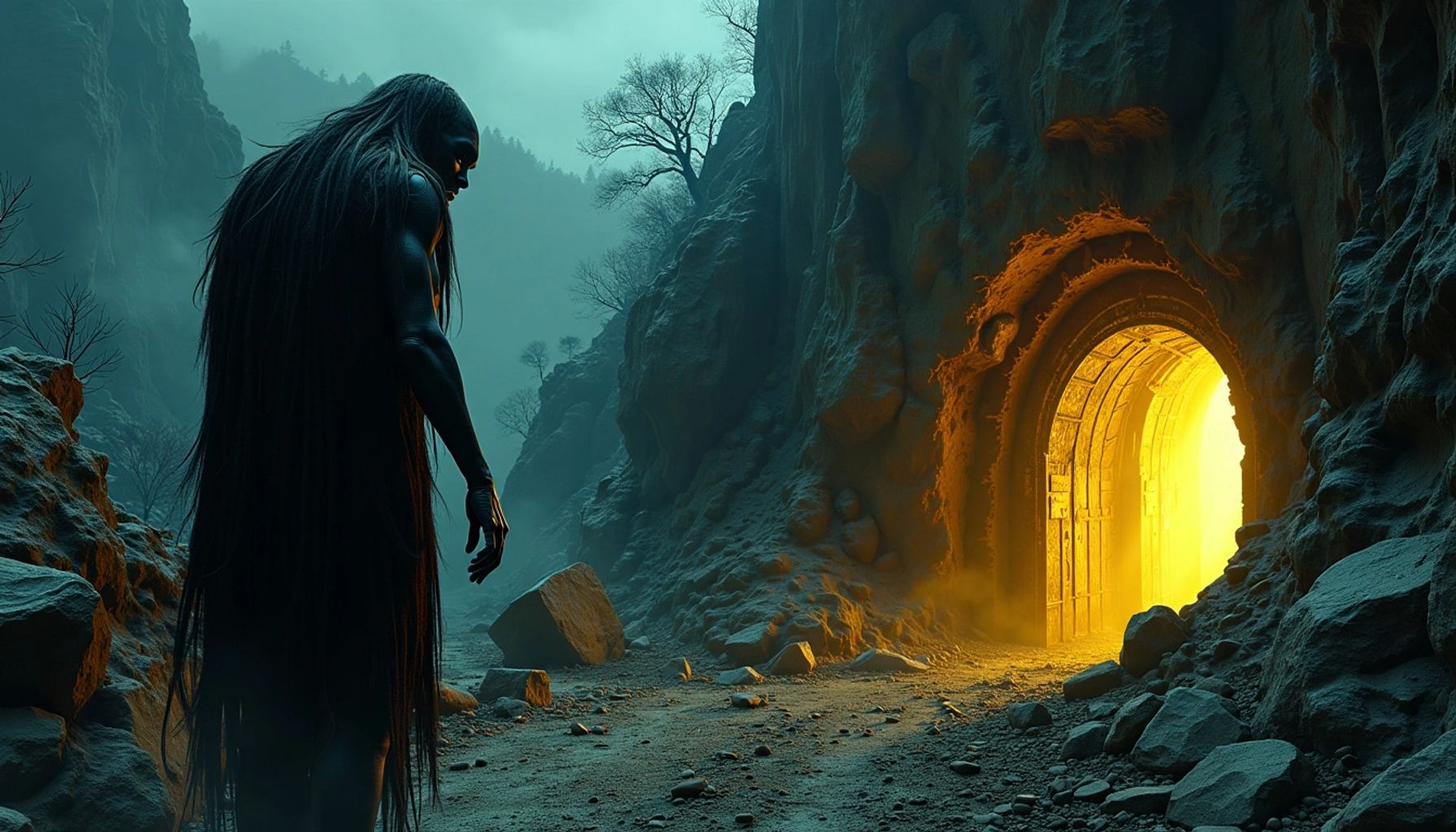
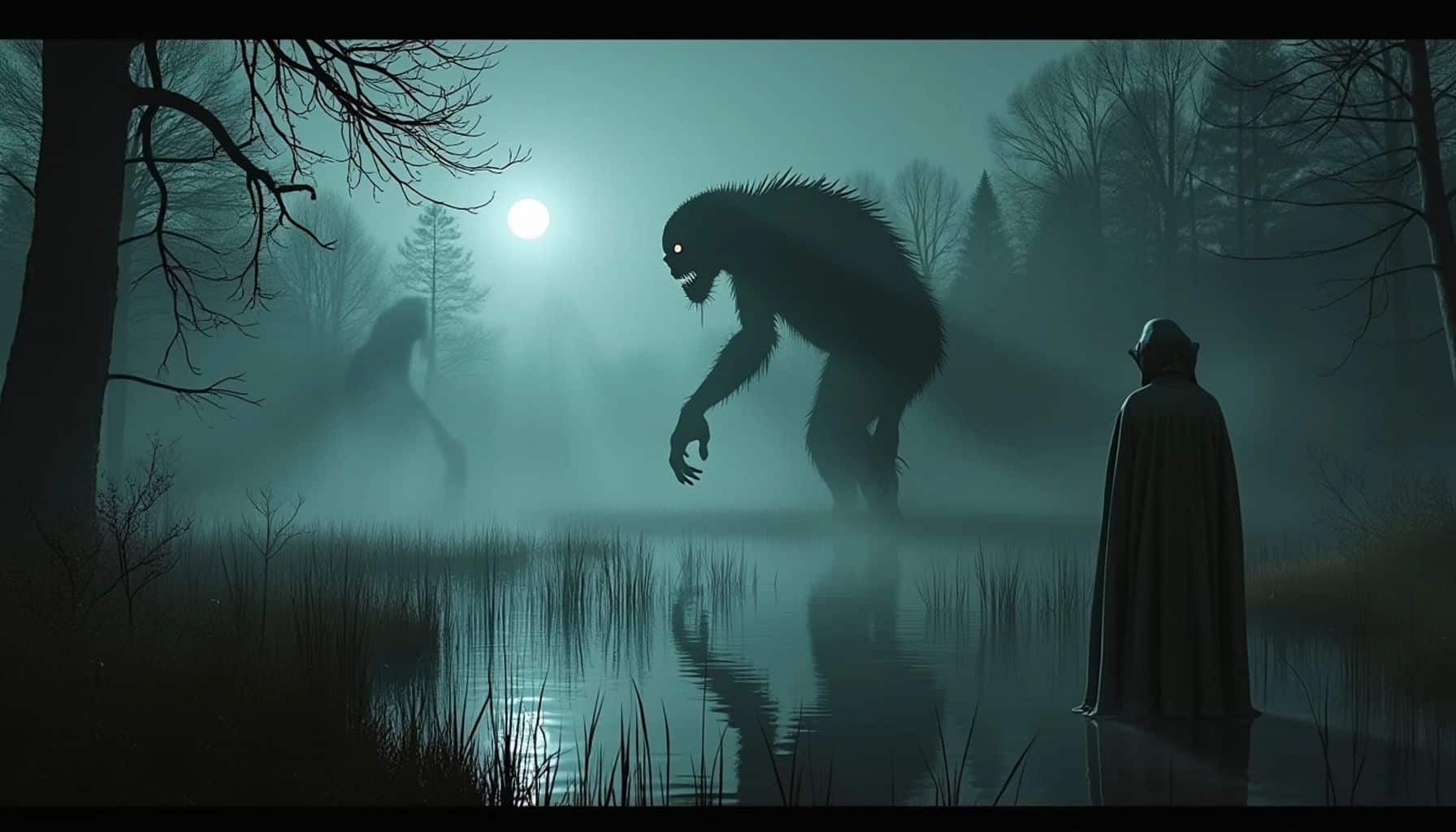
    In the frozen wilderness of Alaska, chilling tales of mythical creatures and eerie encounters are woven into the fabric of indigenous folklore. From the shape-shifting Kushtaka to the terrifying Hairy Man of Port Chatham, these stories serve as cautionary tales, reminding us of the dangers that lurk in the shadows of this untamed land.

    Key Takeaways

    • Kushtaka: Shape-shifting otter men that lure victims to watery graves.
    • Hairy Man: A monstrous creature that drove the residents of Port Chatham to flee.
    • Black-Eyed Children: Mysterious beings that evoke primal fear and unease.

    The Kushtaka: Shape-Shifters of the Alaskan Waters

    The Kushtaka, often depicted as shape-shifting otter men, are more than just mythical beings. They symbolize the treacherous dangers of the Alaskan wilderness. These elusive creatures are known for their cunning trickery, often luring compassionate souls to their doom with cries for help.

    • Trickster Nature: The Kushtaka can mimic the voice of a loved one, drawing unsuspecting victims closer to danger.
    • Sinister Intent: Their eerie cries mask a deadly hunger, ready to drag the unwary into icy waters.

    The chilling tales of the Kushtaka serve as a reminder of the fragile balance between survival and the elements. The dense forests and rugged mountains of Alaska hold secrets, whispering ancient warnings to those who dare to venture too close.

    The Hairy Man of Port Chatham

    Nestled in the Alaskan wilderness, the once-bustling fishing village of Port Chatham now stands eerily abandoned. In the 1950s, the townspeople fled in terror from a creature known as the Hairy Man. This monstrous being, described as an immense ape-like figure, instilled fear in the hearts of the villagers.

    • Sinister Sightings: Strange tracks in the snow and eerie howls filled the air, leading to a growing sense of dread.
    • Harrowing Encounters: Reports of attacks and ransacked homes left the villagers in constant fear.

    The legend of the Hairy Man became ingrained in the minds of the residents, haunting their every move. The canery, once the heart of Port Chatham’s economy, was found in ruins, a testament to the creature’s destructive power. Fearing for their lives, the villagers abandoned their homes, leaving behind a ghost town consumed by nature.

    The Black-Eyed Children: Harbingers of Unease

    Amidst the folklore of monstrous creatures, the phenomenon of the Black-Eyed Children stands out. These beings evoke a different type of fear, one that turns the familiar into something sinister.

    • Chilling Encounters: Witnesses describe seeing one or two children, typically between the ages of 6 and 14, standing motionless at their door.
    • Unnerving Appearance: Their eyes, completely black with no trace of iris or pupil, invoke a primal sense of terror.

    These children often plead to be let inside, claiming to be lost or in need of help. However, there’s a disturbing determination in their tone, hinting at something more sinister. The sudden appearance of these beings shatters the illusion of safety, reminding us that even in familiar surroundings, there are forces beyond our understanding.

    Conclusion

    The dark tales from Alaska serve as chilling reminders of the mysteries that lie within the wilderness. From the cunning Kushtaka to the terrifying Hairy Man and the unsettling Black-Eyed Children, these legends tap into our primal fears and challenge our understanding of reality. As we explore these haunting stories, we are left to wonder what other secrets the Alaskan wilderness holds, waiting to be uncovered.

    Until next time, stay safe and be good to yourselves and each other.

  • What The Ancestors Say About ‘The Great Serpent Mound’ Will Blow Your Mind

    What The Ancestors Say About ‘The Great Serpent Mound’ Will Blow Your Mind

    In our world, thousands of years ago, ancient earthlings possessed remarkable knowledge. Through careful observations of the plasmatic sky, they harnessed energy to illuminate the darkness. Imagine the Great Serpent Mound, glowing brightly, visible even from space. Were they signaling the gods? Did they feel forgotten?

    Key Takeaways

    • The Great Serpent Mound is a prehistoric effigy mound in Ohio, stretching over 1,348 feet in length.
    • Its construction materials and alignment with celestial events raise questions about its purpose.
    • The mound’s location on a geological structure may enhance its electrical properties.
    • Local Native American tribes hold the mound as a significant spiritual symbol.

    The Great Serpent Mound: An Overview

    Located in Adams County, Ohio, the Great Serpent Mound is one of North America’s most intriguing prehistoric structures. This serpentine-shaped mound captivates archaeologists, historians, and enthusiasts alike. Its length of 1,348 feet and height of 3 feet make it a remarkable feat of ancient engineering.

    The mound is primarily composed of yellowish clay and ash, reinforced with a layer of rocks and soil. This unique composition has allowed it to withstand the test of time, preserving its intricate design for thousands of years. The stones used in its construction are believed to have been sourced locally, although the exact methods and tools used by the builders remain a topic of ongoing research and debate.

    Theories Surrounding The Mound

    One of the more recent theories about the Great Serpent Mound involves its electrical conduction properties. Some researchers suggest that the mound’s location and materials might enhance its ability to conduct electrical currents. This theory is partly based on the mound’s position on the edge of a geological structure known as the Serpent Mound crater, believed to be the result of an ancient meteor impact.

    The unique geological features of this area, including various minerals, could potentially influence the mound’s electrical properties. However, this remains largely unexplored and controversial.

    Spiritual Significance

    The Great Serpent Mound is situated on the edge of the Serpent Mound crater, a circular depression spanning several miles. This positioning has led to numerous theories about the mound’s purpose. Some researchers believe the builders chose this location due to its unique geological features, which may have held spiritual or ceremonial importance.

    The crater’s formation, likely from a meteor impact, could have been perceived as a powerful event by ancient peoples, prompting them to construct the mound in this specific spot.

    Mystical Experiences

    There have been various reports of the Serpent Mound being illuminated during certain celestial events. Some visitors claim to have seen the mound glowing or emitting light, especially during solstices and equinoxes. These sightings are often attributed to natural phenomena, such as the reflection of moonlight or the alignment of the sun with the mound’s features.

    Native American Perspectives

    Local Native American tribes, including the Mound Builders, hold the Serpent Mound in high regard. According to their oral traditions, the mound represents a powerful spiritual symbol, often associated with the Great Serpent, a significant figure in their cosmology.

    Modern interpretations, influenced by the electric universe theory, suggest that the mound’s design and location might be linked to ancient knowledge of electrical and magnetic forces. Opponents of this theory argue that the builders had an advanced understanding of these forces and incorporated them into the mound’s construction.

    Conclusion

    The Great Serpent Mound continues to be a source of fascination and mystery. Its construction, purpose, and significance are subjects of ongoing research and debate. While many questions remain unanswered, the mound stands as a testament to the ingenuity and spiritual depth of the ancient peoples who built it. Viewed through the lens of archaeology, geology, or speculative theories, the Serpent Mound remains an enduring symbol of human curiosity and our quest for understanding.

  • Dark Tales From Arizona: Skinwalkers, Mogollon Monster, And The Lost Dutchman’s Gold

    Dark Tales From Arizona: Skinwalkers, Mogollon Monster, And The Lost Dutchman’s Gold

    In Arizona, dark legends intertwine with the landscape, revealing chilling tales of supernatural beings and hidden treasures. From the eerie Skinwalkers of Navajo folklore to the elusive Mogollon Monster and the cursed Lost Dutchman’s Gold Mine, these stories echo through the canyons and mountains, captivating the imagination and instilling fear.

    Key Takeaways

    • Skinwalkers are malevolent shape-shifters in Navajo culture.
    • The Mogollon Monster is a terrifying creature lurking in Arizona’s wilderness.
    • The Lost Dutchman’s Gold Mine is shrouded in mystery and rumored to be cursed.

    Skinwalkers: The Dark Shape-Shifters

    Skinwalkers, or Yei Naad Lushi, are deeply rooted in Navajo tradition. Unlike playful shape-shifters of European folklore, these beings embody pure evil. They are said to possess the ability to transform into animals, particularly those they share a spiritual connection with.

    • Transformation: The process is gruesome, twisting the witch’s humanity into something monstrous.
    • Predatory Nature: Skinwalkers prey on the weak, using mimicry to lure victims into isolated areas.
    • Cultural Taboos: The Navajo people speak of them in hushed tones, fearing their malevolent wrath.

    One chilling tale recounts a group of reckless Navajo teenagers who ventured into a known Skinwalker lair. Their laughter echoed through the canyon until a blood-curdling scream shattered the night. One of their own was dragged into darkness by a creature resembling a massive coyote, leaving the remaining teens paralyzed with fear.

    The Mogollon Monster: Terror in the Wilderness

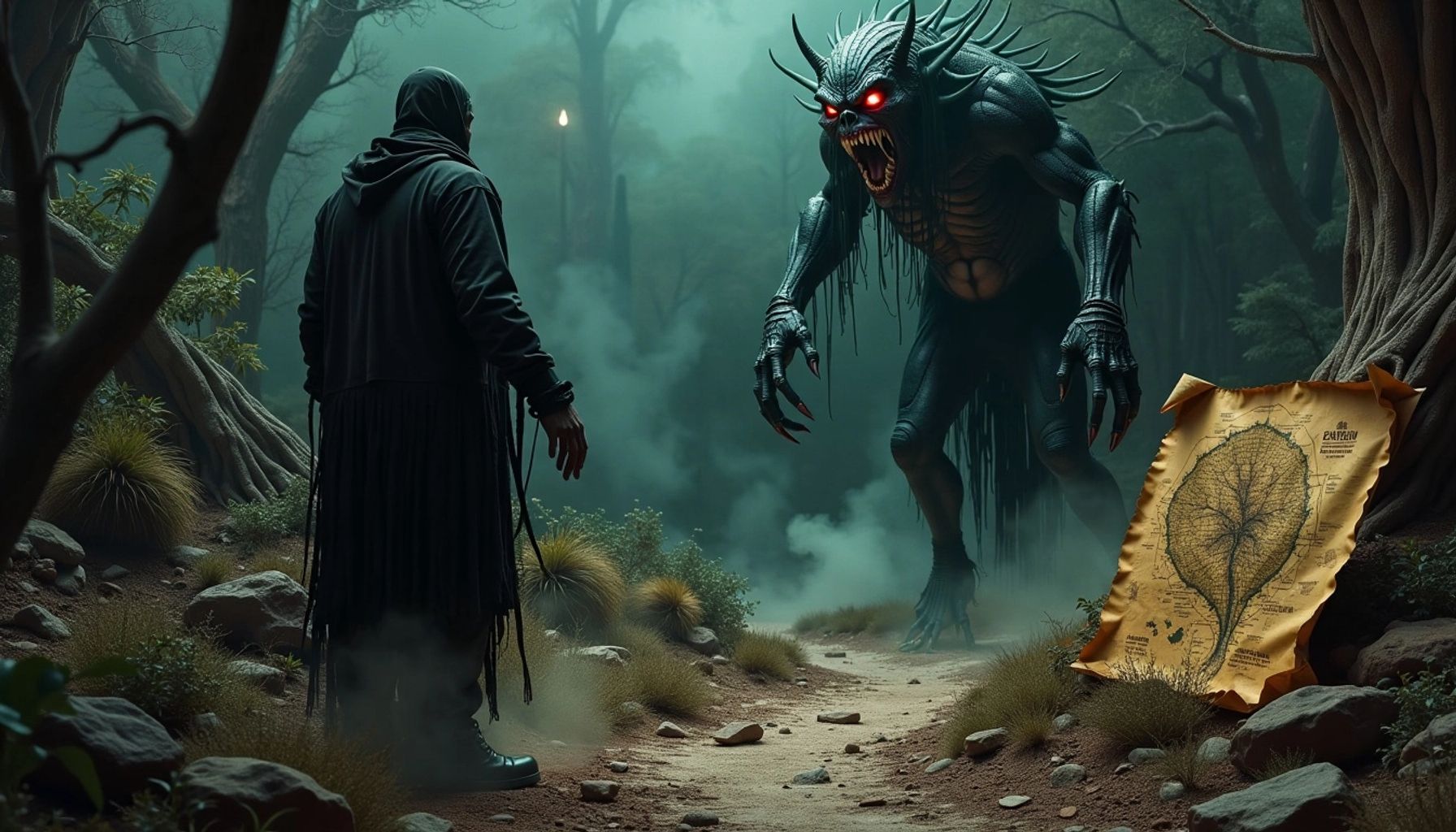
    In the rugged wilderness of Arizona’s Mogollon Rim, a creature known as the Mogollon Monster lurks. Standing over 7 feet tall, this elusive being is said to move with eerie grace, making it nearly impossible to spot despite its size.

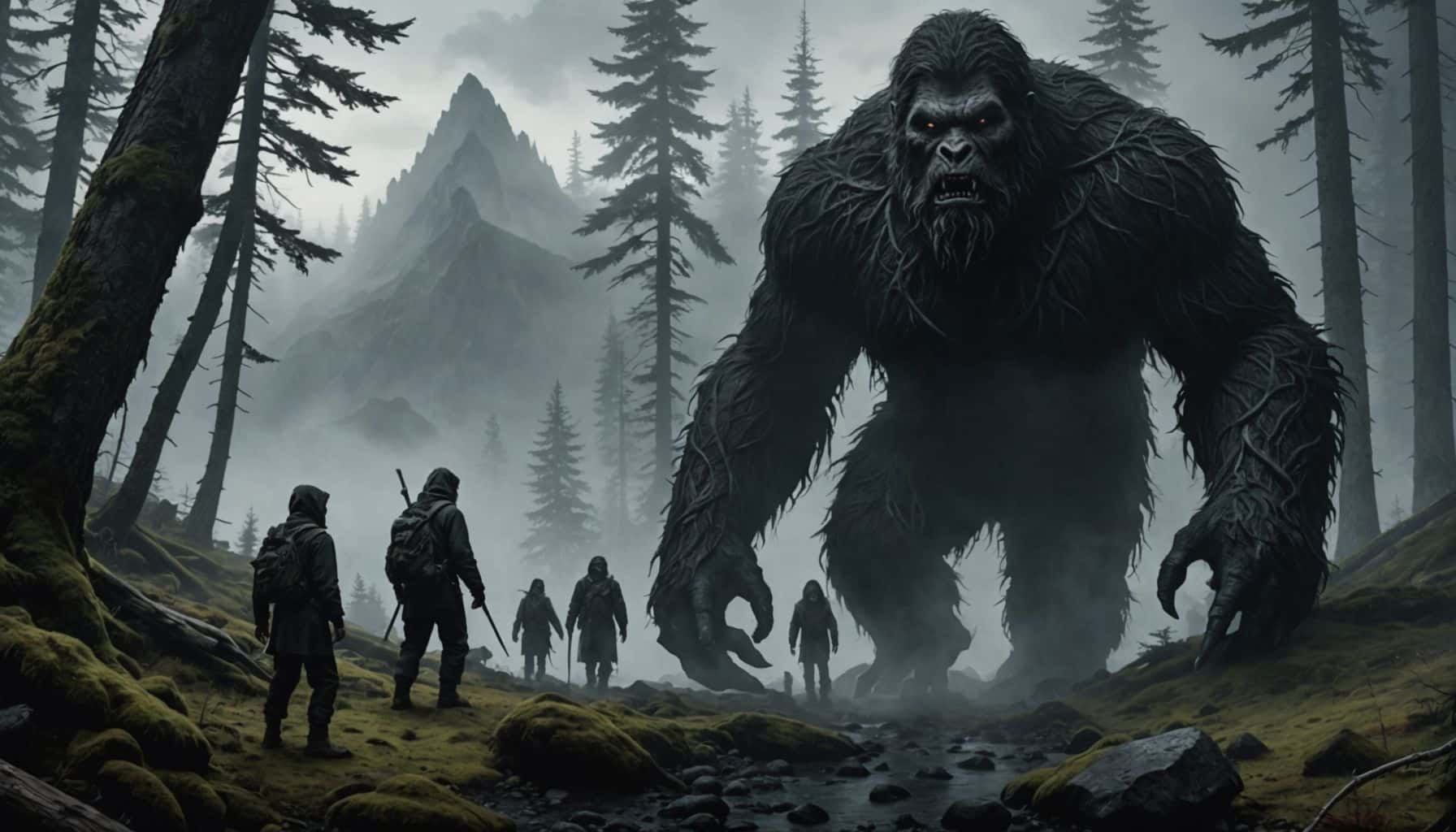
    • Physical Description: Resembles Bigfoot with shaggy hair and glowing eyes.
    • Aggressive Encounters: Unlike other Bigfoot sightings, encounters with the Mogollon Monster are often marked by aggression.
    • Eerie Sounds: Campers report hearing guttural growls and high-pitched screams echoing through the canyons.

    One fateful day, a group of hikers stumbled upon the creature. Its deafening roar sent chills down their spines, and as it charged toward them, they scattered in terror. One hiker, paralyzed by fear, found himself face-to-face with the creature, which hesitated before vanishing into the forest.

    The Lost Dutchman’s Gold Mine: A Cursed Treasure

    The Lost Dutchman’s Gold Mine is a tale of hidden riches and treachery, set against the backdrop of the Superstition Mountains. Jacob Waltz, known as the Dutchman, is said to have discovered a magnificent gold mine, but its location remains a mystery.

    • Cursed Legend: Many believe the mine is cursed, leading treasure seekers to their doom.
    • Treacherous Terrain: The mountains are unforgiving, with steep cliffs and flash floods posing constant dangers.
    • Mysterious Disappearances: Countless adventurers have vanished without a trace, leaving behind only whispers of their fate.

    Despite the dangers, the allure of the Lost Dutchman’s Gold Mine continues to captivate treasure hunters. Armed with maps and unwavering determination, they brave the rugged wilderness, hoping to uncover the secrets hidden within the mountains.

    Conclusion

    Arizona’s dark tales remind us of the mysteries that linger in the shadows. From the malevolent Skinwalkers to the terrifying Mogollon Monster and the cursed Lost Dutchman’s Gold Mine, these legends serve as a testament to the enduring power of belief. As we explore these haunted landscapes, we are left questioning our own reality and the forces that may still roam the earth.

    What do you think of these dark tales from Arizona? Share your thoughts, but remember to keep it friendly and respectful. Until next time, stay safe out there!

  • Curse of the Thunderbird Photo

    Curse of the Thunderbird Photo

    The mystery of the infamous Thunderbird photograph has captivated enthusiasts for decades. This elusive image, said to depict hunters posing with a gigantic bird, has been described by many but remains untraceable. Kevin Guhl’s upcoming book promises to shed light on this enduring enigma, a project six years in the making.

    Key Takeaways

    • The Thunderbird photo is a legendary image that many claim to have seen but cannot locate.
    • Kevin Guhl’s book is the most comprehensive investigation into the Thunderbird photo to date.
    • The search for the photo has been fraught with strange occurrences, leading some to believe it may be cursed.

    The Origins of the Mystery

    The Thunderbird photo’s legend began in the May 1963 issue of Saga magazine. An article titled "Monster Bird That Carries Off Human Beings!" by Jack Pearl featured a vivid illustration of a man battling a massive bird. This article included a tantalizing mention of a photograph published in the Tombstone Epitaph in 1886, showing a giant bird shot by two prospectors.

    The Players Involved

    Two key figures in the Thunderbird saga are Ivan T. Sanderson and Hiram M. Cranmer. Sanderson, a renowned biologist and writer, shifted his focus from natural history to cryptozoology, founding the Society for the Investigation of the Unexplained (SITU). Cranmer, a local folklorist, had a wealth of regional stories and was deeply interested in the strange and unexplained.

    The Search for Frank Graves

    In 2018, the author of this article, having just completed a book on the Nahanni Valley, sought to track down Frank Graves, a man linked to the Thunderbird photo. Graves had reportedly owned a copy of the photograph and had investigated strange bird sightings in Pennsylvania. This search led to a collaboration with Kevin Guhl, who was already fascinated by the Thunderbird photo.

    The Curse of the Thunderbird Photo

    As Guhl and the author delved deeper into their research, they encountered numerous obstacles. The notion of a curse surrounding the photo emerged, especially after two alleged copies were lost in fires. This idea was further reinforced by the misfortunes that befell those who sought the photo, including technical failures during the making of this video.

    The Cultural Significance of the Thunderbird

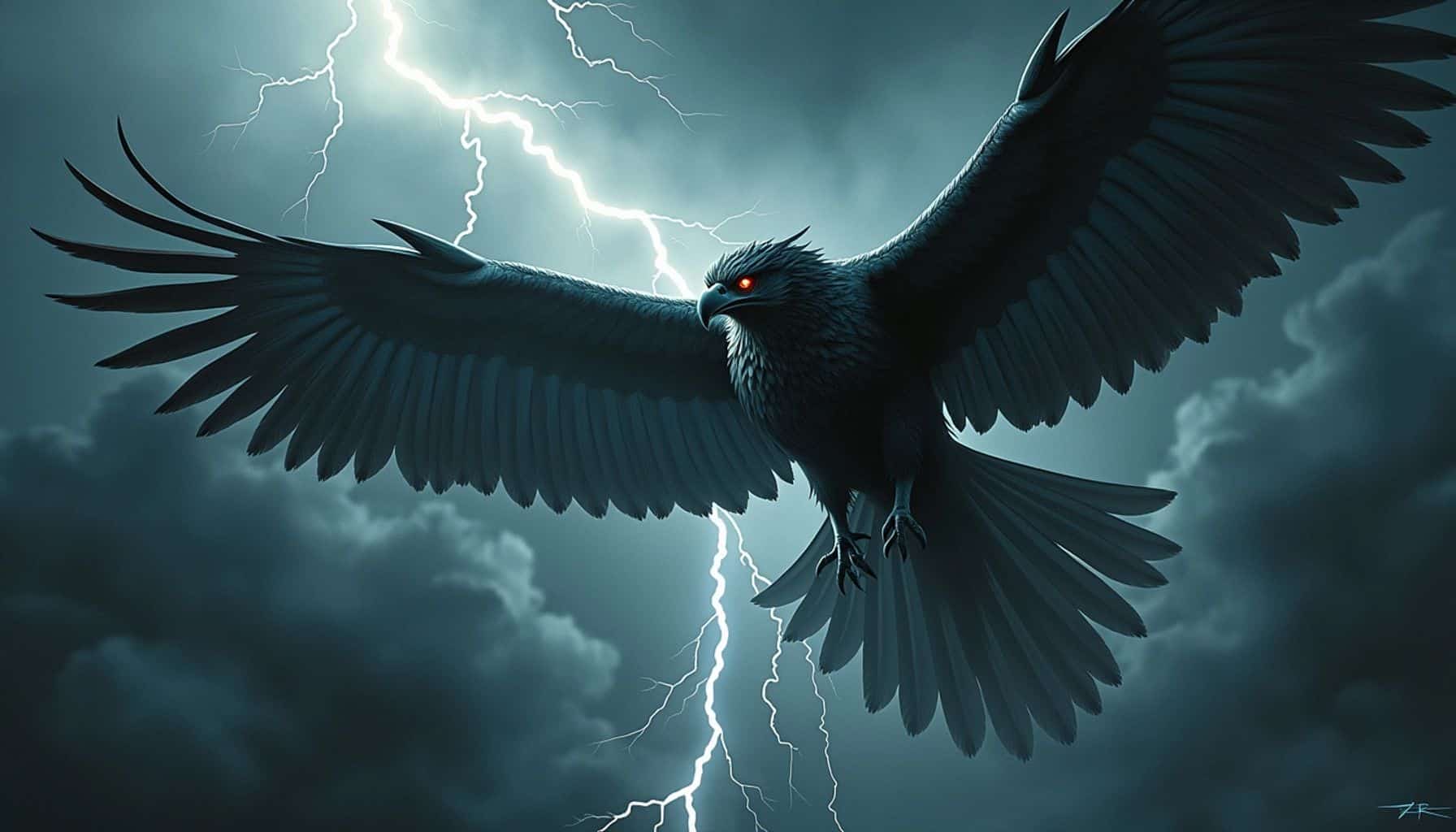
    The Thunderbird is a powerful symbol in Native American mythology, often associated with storms and rain. Its form varies across cultures, from a divine force to a massive bird capable of carrying off large prey. The legend of the Thunderbird has evolved, intertwining with modern sightings of giant birds, which some attribute to the original myth.

    The Role of Memory in the Legend

    One intriguing aspect of the Thunderbird photo mystery is the phenomenon of false memory. Many people believe they have seen the photo, but this may stem from the vivid descriptions and discussions surrounding it. Memory is malleable, and the influence of post-event information can lead to confabulation, where individuals mix their experiences with those of others.

    Conclusion

    Kevin Guhl’s upcoming book promises to be a definitive resource on the Thunderbird photo, exploring its history and the strange occurrences surrounding it. As the search continues, the legend of the Thunderbird remains a captivating mystery, blending folklore, memory, and the quest for truth. Stay tuned for more insights as this story unfolds!

  • These Creatures Terrified The Native Americans | Encounters With Monster Flying Heads

    These Creatures Terrified The Native Americans | Encounters With Monster Flying Heads

    In the heart of Upstate New York, ancient tales of terror linger. The Iroquois Nation recounts chilling stories of massive flying heads that once haunted their lands, striking fear into the hearts of those who dared to cross their path. These legends, passed down through generations, reveal a world where the supernatural intertwines with the everyday.

    Key Takeaways

    • The Iroquois Nation has a rich history of stories about flying heads.
    • These heads were said to be four times the size of a human.
    • The legends explain the origins of these creatures and their terrifying encounters.
    • Many tribes avoided cursed lands where these heads were sighted.

    The Origins of the Legend

    The legend of the flying heads begins with a harsh winter. Food was scarce, and the young men of a tribe believed they needed to leave in search of better conditions. However, the elders insisted on staying, believing they were being punished by the Masters of Life. This disagreement led to a tragic decision.

    In a fit of rage, the young men killed their elders, believing it would appease the spirits. They then cut off the heads, burned the bodies, and buried the heads at the bottom of a lake as an offering. This act unleashed a terrifying force.

    The First Encounter

    According to the Iroquois, one of the earliest encounters occurred on a hill in New York, near the Hamilton government building. A tribe, once fond of hunting in the area, was attacked by these massive flying heads. The sheer terror of the event caused them to abandon their home forever.

    From that day on, the land was considered cursed, and no tribe dared to settle there. Even after European settlers arrived, the area remained shrouded in fear, with reports of mysterious fires consuming hotels built on the cursed ground.

    The Haunting of the Flying Heads

    The flying heads were described as having long black hair and wings sprouting from their cheekbones. They could appear and disappear at will, making them even more terrifying. One notable encounter involved a man who spotted a flying head approaching his village. In a panic, he warned everyone, and the villagers fled.

    However, one woman, trapped at home with her baby, devised a clever plan to fend off the monster. She heated stones in her kitchen and pretended to eat them, exclaiming how delicious they were. The flying head, intrigued, leaned in to take a bite and screamed in pain from the hot stones. Believing the woman to be a witch, it fled and never returned.

    The Legacy of the Flying Heads

    These stories have persisted for centuries, much like modern tales of werewolves. The Iroquois and other tribes have shared variations of the flying head legend, each adding their own twist to the tale. In 1668, a Native American reported seeing heads fall from the sky, further cementing the legend in history.

    Interestingly, paranormal researchers suggest that these flying heads may only target specific Native American bloodlines, seeking revenge for past grievances. This adds a layer of complexity to the already chilling tales.

    Conclusion

    The legend of the flying heads serves as a reminder of the rich tapestry of Native American folklore. These stories, filled with fear and mystery, continue to captivate and terrify. As we explore the past, we uncover not just tales of horror, but also the deep connections between the land and its people. Until next time, stay curious and keep exploring the unknown.

  • Dark Tales From Arizona: Skinwalkers, Mogollon Monster, And The Lost Dutchman’s Gold

    Dark Tales From Arizona: Skinwalkers, Mogollon Monster, And The Lost Dutchman’s Gold

    In Arizona, dark legends intertwine with the landscape, revealing chilling tales of supernatural beings and cursed treasures. From the eerie Skinwalkers of Navajo folklore to the elusive Mogollon Monster and the fabled Lost Dutchman’s Gold Mine, these stories echo through the canyons and mountains, captivating the imagination and instilling fear.

    Key Takeaways

    • Skinwalkers: Sinister shape-shifters from Navajo legend.
    • Mogollon Monster: A terrifying creature lurking in Arizona’s forests.
    • Lost Dutchman’s Gold Mine: A cursed treasure that has lured many to their doom.

    Skinwalkers: The Sinister Shape-Shifters

    Skinwalkers are deeply rooted in Navajo culture, known as the D people. These malevolent beings are said to possess the ability to transform into animals, particularly those they share a spiritual connection with. Unlike playful shape-shifters of European folklore, Skinwalkers embody pure evil.

    • Transformation: The process is gruesome, twisting the witch’s humanity into something monstrous.
    • Predatory Nature: They prey on the weak, using mimicry to lure victims into isolated areas.
    • Cultural Taboos: The Navajo people speak of them in hushed tones, fearing their wrath.

    One chilling tale recounts a group of Navajo teenagers who ventured into a canyon known for Skinwalker sightings. Their laughter turned to terror when one of them was dragged into the darkness by a creature resembling a massive coyote. This encounter left them forever haunted by the legend.

    Mogollon Monster: Terror in the Rim Country

    In the rugged wilderness of Arizona’s Mogollon Rim, a creature known as the Mogollon Monster lurks. Standing over 7 feet tall, this elusive being is said to move with eerie grace, leaving little trace of its presence.

    • Physical Description: Resembles Bigfoot, with shaggy hair and glowing eyes.
    • Aggressive Encounters: Unlike other Bigfoot sightings, encounters with the Mogollon Monster are often marked by aggression.
    • Eerie Sounds: Campers report hearing guttural growls and high-pitched screams echoing through the canyons.

    One harrowing account tells of hikers who stumbled upon the creature. As it charged toward them, one hiker fell, paralyzed by fear. The creature hesitated, studying him before vanishing into the forest, leaving a lingering sense of dread.

    The Lost Dutchman’s Gold Mine: A Cursed Treasure

    The Superstition Mountains, east of Phoenix, are home to the legendary Lost Dutchman’s Gold Mine. This tale of hidden riches has lured countless treasure seekers, many of whom have met mysterious fates.

    • Jacob Waltz: The Dutchman, a German immigrant, is said to have discovered the mine during the Gold Rush.
    • Cursed Legend: Many believe the mine is protected by a curse, leading to unexplained disappearances and deaths.
    • Treacherous Terrain: The mountains are known for their unforgiving landscape, posing dangers to those who dare to explore.

    Despite the risks, adventurers continue to seek the elusive treasure, driven by the allure of untold riches. However, the mountains guard their secrets fiercely, and many have vanished without a trace, leaving behind only whispers of their fate.

    Conclusion

    These dark tales from Arizona serve as a chilling reminder of the mysteries that still linger in our world. Whether it’s the malevolent Skinwalkers, the terrifying Mogollon Monster, or the cursed Lost Dutchman’s Gold Mine, these legends captivate and terrify, urging us to respect the unknown. As we explore these haunted landscapes, we must remember that some secrets are best left undisturbed. Stay safe out there, and keep your eyes open for the shadows that lurk just beyond the light.

  • Carnivorous Sand: Iran’s Real Bermuda Triangle Mystery

    Carnivorous Sand: Iran’s Real Bermuda Triangle Mystery

    In the heart of Iran’s Dasht-e Kavir desert lies a region shrouded in mystery and folklore, known as The Rig-e Jinn. Often referred to as the Bermuda Triangle of Iran, this area is steeped in tales of malevolent spirits and strange occurrences. From ancient myths to modern encounters, the stories surrounding this desert continue to captivate and terrify.

    Key Takeaways

    • The Rig-e Jinn is a mysterious desert area in Iran, linked to folklore and paranormal events.
    • Russian explorers in the 1940s reported encounters with a living sand entity.
    • The region is rich in myths involving ancient figures like Alexander the Great and Prophet Solomon.

    The Mysterious Rig-E Jinn

    The Rig-e Jinn, or Dune of the Djinn, is notorious for its hostile environment and high frequency of disappearances. Stretching over 3,800 square kilometers, it has a history of paranormal folklore that dates back centuries. The desert is known for its eerie phenomena, such as:

    • Howling Winds: The winds in this area often produce sounds reminiscent of human cries.
    • Crying Stones: Stones located 30 kilometers from the center have been reported to emit sounds similar to weeping.
    • Camel Refusal: Local nomads claim their camels refuse to enter the area, often walking until they reach its outer edges.

    Despite scientific explanations for these anomalies, the fear surrounding the Rig-e Jinn persists.

    The Soviet Encounter

    In the 1940s, a Russian surgeon named Nikolai documented a bizarre experience during a reconnaissance mission in the Dasht-e Kavir. After their vehicle became stranded, Nikolai and his team encountered a mass of sand that appeared to be alive. This entity exhibited a level of intelligence, leading to a terrifying encounter:

    1. Initial Encounter: One soldier allowed the sand to swarm around him, only to be consumed entirely, leaving behind only his clothing.
    2. Trapped: Nikolai and another officer found themselves trapped in their vehicle for days, unable to escape the living sand.
    3. Rescue: When help arrived, Nikolai lied about the area being mined to protect the rescue team from the entity.

    Despite surviving, Nikolai faced skepticism during debriefing. To salvage his reputation, he claimed the encounter was a hallucination, although a senior official hinted that they believed his original story.

    Folklore and Legends

    The Rig-e Jinn is steeped in folklore, with tales of malevolent spirits known as Djinn. These entities are often depicted as shape-shifters capable of taking on various forms, including that of sand. Some notable stories include:

    • The Sand Runner: A malicious spirit that can change shape and is said to threaten travelers.
    • The Div: A demon in Iranian folklore known for tormenting and possessing individuals.

    These legends warn travelers to steer clear of the Rig-e Jinn, lest they fall victim to its supernatural inhabitants.

    Ancient Technologies and Myths

    Some theories suggest that the strange occurrences in the Rig-e Jinn could be linked to ancient technologies. Persian folklore speaks of a gateway to an extra-dimensional paradise at the desert’s center, where those who find it will gain great wealth. This has led to speculation about the sand’s unique properties:

    • Flying Carpets: Legends claim that Prophet Solomon created a flying carpet using sand from the Rig-e Jinn, which possessed anti-gravity properties.
    • Alexander the Great: It is said that he sought this sand to prevent the Persians from creating their own flying carpets.

    While many historians dismiss these tales as mere fables, they contribute to the mystique of the Rig-e Jinn.

    Conclusion

    The Rig-e Jinn remains a captivating enigma, blending folklore, ancient history, and modern encounters. Whether viewed as a supernatural realm or a site of lost technology, its allure continues to draw the curious and the brave. What do you think? Are there similar legends in your part of the world? Share your thoughts below!

  • Dark Tales From Arkansas: The Boggy Creek Monster, Gurdon Light, and Whitey

    Dark Tales From Arkansas: The Boggy Creek Monster, Gurdon Light, and Whitey

    In the heart of Arkansas, chilling legends and eerie tales have woven themselves into the fabric of local culture. From the swampy depths of Boggy Creek to the mysterious glow of Gurdon Light, and the haunting presence of Whitey in the White River, these stories captivate and terrify. Join us as we explore these dark tales that have haunted the state for generations.

    Key Takeaways

    • Boggy Creek Monster: A legendary creature that has terrorized locals since the early 1900s.
    • Gurdon Light: An ethereal phenomenon linked to a tragic railroad accident.
    • Whitey: A mysterious river monster that continues to intrigue and frighten.

    The Boggy Creek Monster: A Legend Born in Fear

    The Boggy Creek Monster, also known as the Folk Monster, has become a staple of Arkansas folklore. This elusive creature, resembling Bigfoot, is said to stand over 7 feet tall, covered in thick, matted fur, with piercing red eyes that glow in the dark. Its eerie cries echo through the swamps, sending chills down the spines of those who hear them.

    • First Sightings: Accounts of the Boggy Creek Monster date back to the early 1900s, with stories passed down through generations.
    • Notable Incident: In 1946, the Ford family reported a terrifying presence attempting to break into their home, leaving behind enormous footprints.
    • Ongoing Sightings: Locals continue to report encounters, with many claiming to have seen the creature near rivers and streams.

    Gurdon Light: The Mysterious Lantern

    The Gurdon Light is another haunting tale that has captivated the curious. This spectral light flickers along the railroad tracks near Gurdon, Arkansas, drawing in those brave enough to seek its source.

    • Origins: The light is believed to be the spirit of a railroad worker who died in a tragic accident.
    • Witness Accounts: Many have reported seeing the light dance above the tracks, often accompanied by a chilling drop in temperature.
    • Theories: While some attribute the light to natural phenomena, others believe it to be a ghostly presence searching for peace.

    Whitey: The White River Monster

    The White River Monster, affectionately known as Whitey, lurks beneath the murky waters of the White River. Descriptions of this creature vary, but it is often depicted as a massive serpent with glowing red eyes.

    • Historical Sightings: Tales of Whitey have circulated since the early 1900s, with numerous accounts shared around campfires.
    • Notable Encounter: In 1971, picnickers reported a massive creature breaking the water’s surface, sending them fleeing in terror.
    • Skepticism vs. Belief: While skeptics dismiss Whitey as a myth, believers point to consistent witness accounts as evidence of its existence.

    Conclusion

    These dark tales from Arkansas remind us that even in our modern world, mysteries and legends persist. The Boggy Creek Monster, Gurdon Light, and Whitey serve as chilling reminders of the unknown lurking just beyond our understanding. Whether you believe in these creatures or not, their stories continue to haunt the minds of those who dare to explore the depths of Arkansas’s wilderness.

    As you venture into these untamed lands, remember: the line between fact and fiction is often blurred, and the shadows may hold secrets waiting to be uncovered.

  • Exploring the World of Mythical Creatures: Legends and Lore

    Exploring the World of Mythical Creatures: Legends and Lore

    Mythical creatures have always fascinated people around the world. From ancient times to modern stories, these creatures have captured our imagination. They come from different cultures and tell us a lot about the people who created them. In this article, we will explore the origins, stories, and meanings behind some of the most famous mythical creatures.

    Key Takeaways

    • Mythical creatures often reflect the values and fears of the cultures they come from.
    • Dragons are seen differently in Eastern and Western cultures, symbolizing water and fire respectively.
    • Hybrid creatures like griffins and chimeras combine features of different animals to symbolize various traits.
    • Sea monsters like the Kraken and Leviathan represent the dangers and mysteries of the ocean.
    • Modern media continues to evolve and popularize mythical creatures, keeping their stories alive.

    The Origins of Mythical Creatures in Ancient Civilizations

    From the mesmerizing sphinxes guarding the pyramids of Egypt to the majestic dragons soaring through the skies of China, mythical beasts have left an indelible mark on human imagination. But why did these creatures arise in the popular imagination of early civilizations?

    Egyptian Mythology: Gods and Monsters

    In Ancient Egypt, mythical beasts held profound significance. The Egyptians believed in divine creatures like the Sphinx, a being with the body of a lion and the head of a human. These monumental statues embodied power and wisdom, serving as guardians and protectors of sacred spaces.

    Sumerian Legends: The First Beasts

    In Sumer, one of the earliest civilizations in Mesopotamia, we encounter a fascinating array of mythical beings. The ancient Sumerians believed in creatures such as the Lamassu, winged beasts with the body of a bull or lion and the head of a human. These imposing figures were often placed at the entrances of important buildings, serving as both protectors and symbols of the divine.

    Greek Mythology: Heroes and Creatures

    As we move westward to Greece, we enter a world teeming with mythical creatures. From the majestic Pegasus, a winged horse, to the fearsome Chimera, a fire-breathing hybrid of lion, goat, and serpent, Greek mythology was filled with captivating beings that embodied both the beauty and the terror of the natural world.

    Chinese Mythology: Dragons and Spirits

    China, a civilization with an ancient and rich cultural heritage, is home to one of the most iconic mythical beasts—the dragon. Unlike the fierce and destructive dragons of Western folklore, the Chinese dragon was considered a symbol of good fortune, wisdom, and power. These benevolent creatures were revered as bringers of rain and represented the emperor’s divine authority.

    So, why did these mythical beasts emerge in the popular imagination of these ancient civilizations? One possible reason is that they provided a means to explain the unknown and the extraordinary. They offered a way for people to make sense of the world around them and the forces that governed their lives.

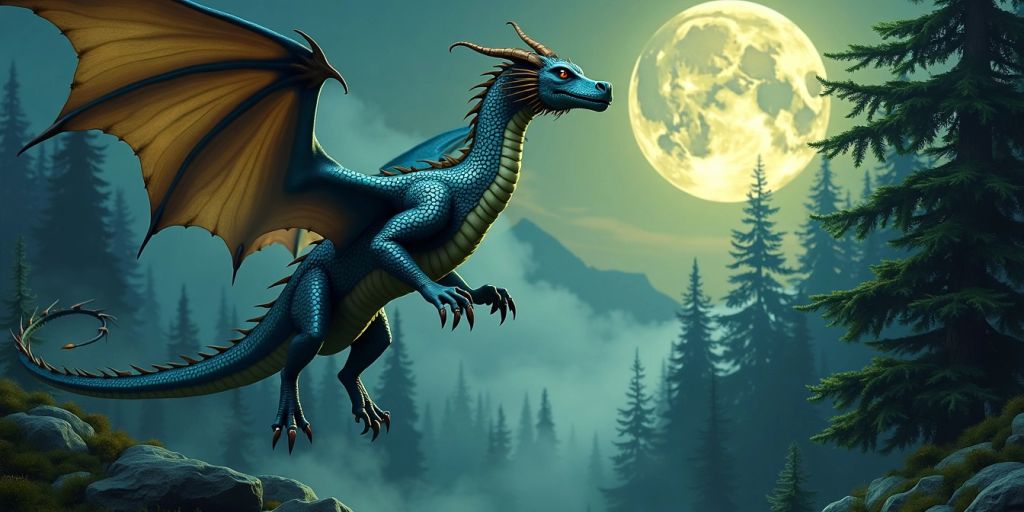
    Dragons Across Cultures: Symbols and Stories

    Dragons are one of the most fascinating mythical creatures, appearing in legends from China to the Mediterranean and beyond. Their symbolism and stories vary greatly across different cultures, reflecting diverse beliefs and values.

    Hybrid Beasts: The Symbolism of Combined Creatures

    Griffin with eagle head and lion body on cliff.

    Griffins: Guardians of Treasure

    Griffins are mythical creatures with the body of a lion and the head and wings of an eagle. This combination symbolizes strength, courage, and keen vision. The lion represents bravery and royalty, while the eagle stands for power and vigilance. Together, the griffin embodies a powerful guardian, often seen protecting sacred treasures and divine spaces.

    Sphinxes: Riddles and Mysteries

    The sphinx, with the body of a lion and the head of a human or other animal, originated in ancient Egypt. It is depicted as a regal guardian and a symbol of mystery and wisdom. The Great Sphinx of Giza is a famous example. Sphinxes are often associated with riddles and tests of wisdom, as seen in the myth of Oedipus. This creature represents the duality of human nature and the complexity of the human condition.

    The sphinx serves as a reminder that wisdom and understanding require both intellectual and instinctual elements.

    Chimeras: The Power of Three

    Chimeras are fearsome creatures with the body and head of a lion, a goat’s head on its back, and a serpent’s tail. Originating in ancient Greece, the chimera symbolizes chaos and the unpredictable forces of nature. It represents the dangers of uncontrolled and destructive power. In Greek mythology, the hero Bellerophon was tasked with slaying the chimera, highlighting the triumph of human courage over formidable challenges.

    Sea Monsters: Legends from the Deep

    The sea, with its vastness and mysterious depths, has long captivated the human imagination. It is a realm of untamed power and unknown creatures, fueling our fascination and giving rise to tales of terrifying sea monsters that lurk beneath the waves.

    The Kraken: Terror of the Seas

    Let’s begin our exploration with the Kraken, a legendary sea monster from Scandinavian folklore. The Kraken was described as an enormous creature resembling a giant octopus or squid, capable of capsizing ships and dragging them to the depths of the ocean. The mythology surrounding the Kraken can be traced back to the accounts of ancient mariners who encountered giant squid or witnessed the destructive power of powerful storms at sea. These experiences, combined with the natural fear and awe of the deep ocean, gave rise to tales of a monstrous creature that embodied the fearsome power of the sea.

    Leviathan: Biblical Behemoth

    Now, let’s turn our attention to the Leviathan, a mythical sea monster mentioned in ancient texts such as the Bible and various ancient Near Eastern mythologies. The Leviathan was often described as a massive, multi-headed serpent or dragon-like creature, symbolizing chaos and the primordial forces of the sea. The Leviathan represented the untamed and uncontrollable nature of the ocean. It served as a reminder of the dangers that awaited sailors and the unpredictability of the deep. The Leviathan was also associated with cosmic and cosmic battles, representing the eternal struggle between order and chaos.

    Mermaids and Sirens: Luring Sailors to Doom

    Mermaids and sirens are mythical creatures that have been depicted in various cultures around the world. These beings are often portrayed as beautiful women with fish-like tails, who lure sailors to their doom with their enchanting songs. The stories of mermaids and sirens highlight the allure and danger of the sea, emphasizing the idea that the ocean is a place of both beauty and peril. Their tales serve as a warning to sailors to be cautious of the unknown dangers that lie beneath the surface.

    Mythical Birds: From Phoenix to Thunderbird

    Phoenix: The Cycle of Rebirth

    The Phoenix is a legendary bird from ancient Egyptian, Greek, and Persian stories. This fiery bird is known for its ability to rise from its own ashes, symbolizing renewal and immortality. The Phoenix’s tale speaks to the human desire for rebirth and the eternal nature of the soul. In modern times, it stands as a symbol of hope and strength.

    Thunderbird: Power of the Skies

    The Thunderbird is a mythological bird-like spirit in North American Indigenous peoples’ history and culture. It is considered a supernatural being of power. This colossal bird, found in the legends of tribes like the Ojibwe, Sioux, and Iroquois, is said to create thunder with its wings and lightning with its eyes. The Thunderbird represents power, protection, and the forces of nature, often associated with rain and storms.

    The Thunderbird’s wings are believed to create the sound of thunder, while its eyes flash lightning, symbolizing strength and guardianship.

    Roc: The Giant Bird of Prey

    The Roc is a mythical bird from Arabian and Persian folklore, described as a gigantic bird of prey capable of carrying off elephants. This bird symbolizes immense strength and grandeur. The Roc has appeared in many tales, including "One Thousand and One Nights," where it features in the adventures of Sinbad the Sailor. Its portrayal as a legendary creature has inspired awe and wonder for generations.

    Creatures of the Night: Vampires, Werewolves, and More

    Vampire and werewolf in a moonlit forest

    Vampires: Bloodsuckers of Legend

    Vampires are among the most famous creatures of the night. These beings, who feed on the life essence of the living, have roots in ancient Mesopotamia, Greece, and Eastern Europe. Vampires are often seen as immortal and seductive, embodying themes of desire and the fear of death. They are linked with darkness and the eternal struggle between good and evil.

    Werewolves: Humans Turned Beasts

    Werewolves are humans who transform into wolves or wolf-like creatures, usually during a full moon. This legend is found in Greek and Norse mythology and has spread worldwide. Werewolves symbolize the battle between human reason and primal instincts. Their transformation during the full moon represents losing control and giving in to wild desires.

    Banshees and Other Night Terrors

    Besides vampires and werewolves, other night creatures like banshees also haunt folklore. Banshees are spirits from Irish mythology known for their wailing, which is said to predict death. These beings, along with others like succubi and incubi, reflect our deepest fears and desires, serving as cautionary tales about the unknown and the dark parts of our minds.

    Modern Interpretations: Mythical Creatures in Pop Culture

    Mythical Beasts in Movies and TV

    Mythical creatures have always fascinated us, and in modern times, they continue to thrive in movies and TV shows. From the majestic dragons in "Game of Thrones" to the magical creatures in the "Harry Potter" series, these beings add depth and excitement to stories. They often symbolize themes like power, identity, and the human condition, making us think about complex questions.

    Video Games: Interactive Mythology

    Video games have taken mythical creatures to a new level. Games like "The Legend of Zelda," "World of Warcraft," and "God of War" let players interact with these beings in immersive worlds. These creatures are not just for show; they shape the game’s story and offer unique challenges and rewards. This interactive platform allows us to engage with mythical creatures like never before.

    Literature: New Takes on Old Legends

    Books have always been a home for mythical creatures. From classics like "Frankenstein" and "Dracula" to modern series like "Harry Potter" and "A Song of Ice and Fire," these beings are integral to the narratives. They evolve with the times, reflecting our changing cultural and social contexts. They invite us to explore themes of power, identity, and morality, making us question our own beliefs and values.

    Mythical creatures continue to captivate our imagination, inspiring us to dream beyond the boundaries of our reality.

    As we look to the future, it’s clear that mythical creatures will keep evolving. They will continue to reflect our hopes, fears, and aspirations, reminding us of the power of imagination and the enduring fascination with the unknown.

    In today’s world, mythical creatures are more than just legends; they are a big part of pop culture. From movies to video games, these fascinating beings capture our imagination. Want to dive deeper into the world of mythical creatures? Visit our website for exclusive content and insights!

    Conclusion

    In our journey through the world of mythical creatures, we’ve uncovered the rich tapestry of legends and lore that span cultures and centuries. From the depths of the oceans to the highest mountains, these creatures have sparked our imaginations and offered us a glimpse into the fears, hopes, and dreams of people from all walks of life. As we continue to explore and create, these mythical beings will undoubtedly evolve, reflecting our ever-changing world. They remind us of the power of storytelling and the endless possibilities that lie within our imagination. So, keep dreaming, keep exploring, and let the magic of mythical creatures inspire you.

    Frequently Asked Questions

    What are mythical creatures?

    Mythical creatures are imaginary beings from folklore, myths, and legends. They often have special powers or unique features.

    Why do different cultures have similar mythical creatures?

    Many cultures have similar mythical creatures because they share common themes, like explaining natural events or teaching moral lessons.

    What is the difference between Eastern and Western dragons?

    Eastern dragons are usually seen as wise and kind, often linked to water. Western dragons are often portrayed as fierce and fire-breathing.

    Why are hybrid creatures like griffins and chimeras important in mythology?

    Hybrid creatures often symbolize the combination of different qualities or powers, making them important symbols in myths.

    How have mythical creatures influenced modern pop culture?

    Mythical creatures appear in movies, TV shows, and video games, where they inspire new stories and characters.

    Are there any real animals that inspired mythical creatures?

    Yes, many mythical creatures are inspired by real animals. For example, narwhal tusks were once thought to be unicorn horns.
  • Exploring the Unknown: The Fascinating World of Ghost Hunters

    Exploring the Unknown: The Fascinating World of Ghost Hunters

    Ghost hunting has become more popular recently, partly due to TV shows and movies about paranormal investigations. These shows have made ghost hunting more mainstream and sparked new interest in the topic. However, it’s important to remember that these shows are often edited for entertainment and may not reflect the true nature of ghost hunting. It’s crucial to approach ghost hunting with an open mind and separate fact from fiction. Ghost hunting lets people explore the unknown and seek answers about the afterlife. Whether motivated by curiosity, belief in the supernatural, or a sense of adventure, ghost hunters find themselves in a mysterious and fascinating world. Despite ongoing debates about the existence of ghosts, the appeal of ghost hunting continues to capture the imagination of many.

    Key Takeaways

    • Ghost hunting has grown in popularity due to media influence, but shows may not always depict reality.
    • Modern ghost hunting blends old spiritual practices with scientific tools and methods.
    • Essential ghost hunting equipment includes EMF meters, thermal cameras, audio recorders, and night vision cameras.
    • Famous haunted spots like battlefields, asylums, and hotels are popular investigation sites.
    • Ethical ghost hunting involves respecting spirits and obtaining proper permissions.

    The Evolution of Ghost Hunting

    Ghost hunters exploring an abandoned building at night.

    From Spiritualism to Science

    Ghost hunting has a long history, dating back to the nineteenth century. Initially, it was closely tied to spiritualism, where mediums would hold seances to communicate with the dead. Over time, the approach has shifted from purely spiritual to more scientific methods. Today, ghost hunters use various tools and techniques to gather evidence of paranormal activity.

    Influence of Media on Ghost Hunting

    The popularity of ghost hunting has surged in recent years, largely due to television shows and movies. These programs have brought ghost hunting into the mainstream, sparking renewed interest. However, it’s important to remember that these shows are often edited for entertainment, and may not accurately represent the reality of ghost hunting.

    Modern Tools and Techniques

    Modern ghost hunters use a range of equipment to detect and record paranormal activity. Some of the most common tools include Electromagnetic Field (EMF) meters, thermal imaging cameras, and audio recorders. These tools help investigators gather data and analyze it critically, separating fact from fiction.

    Essential Equipment for Ghost Hunters

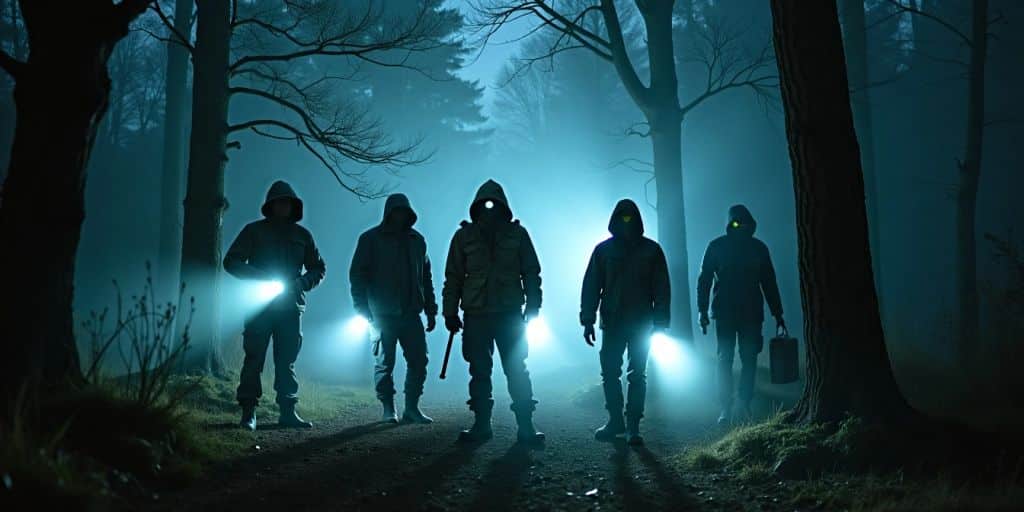
    Ghost hunters in dark forest with equipment

    Electromagnetic Field (EMF) Meters

    Ghost hunters often use EMF meters to detect changes in the electromagnetic field, which some believe indicate the presence of spirits. These devices are essential in any ghost hunting equipment kit. The KII EMF meter, for example, is popular for its simplicity and effectiveness, featuring LED lights that respond to electromagnetic fluctuations.

    Thermal Imaging Cameras

    Thermal imaging cameras help ghost hunters spot temperature changes that might suggest a paranormal presence. These cameras can capture heat signatures, making it easier to identify cold spots or unusual heat patterns that could indicate an entity.

    Audio Recorders and EVPs

    Audio recorders are crucial for capturing electronic voice phenomena (EVPs). These are sounds or voices that are believed to come from the spirit world. Investigators often review recordings to find any unexplained noises or voices.

    Night Vision Cameras and Motion Sensors

    Night vision cameras are vital for investigations in low-light conditions. They can capture visual evidence that might not be visible to the naked eye. Motion sensors, on the other hand, detect movement in an area, alerting investigators to potential paranormal activity.

    Famous Haunted Locations

    Historic Battlefields

    Historic battlefields are often considered some of the most haunted places. The intense emotions and tragic events that occurred on these grounds are believed to leave a lasting impression. Many ghost hunters report hearing the sounds of battle or seeing apparitions of soldiers.

    Abandoned Asylums

    Abandoned asylums are another popular destination for ghost hunters. These locations are often associated with suffering and despair, which some believe can attract paranormal activity. Visitors have reported seeing shadowy figures and hearing unexplained noises.

    Haunted Hotels

    Haunted hotels offer a unique experience for those looking to encounter the supernatural. Guests often share stories of strange occurrences, such as objects moving on their own or unexplained cold spots. Some hotels even embrace their haunted reputation, offering ghost tours and themed events.

    Notorious Prisons

    Notorious prisons are also hotspots for paranormal investigations. The harsh conditions and violent history of these places are thought to contribute to their haunted status. Ghost hunters have captured eerie EVPs and witnessed apparitions of former inmates.

    Exploring these famous haunted locations provides a thrilling opportunity to delve into the unknown and experience the mysteries of the paranormal firsthand.

    Ethics and Skepticism in Ghost Hunting

    Respecting the Spirits

    When investigating paranormal activity, it’s crucial to respect the spirits. Ghost hunters should always approach their work with sensitivity and care. This means avoiding any actions that might be seen as provoking or disrespecting the entities they are trying to communicate with. It’s important to remember that these spirits were once people too, and they deserve the same level of respect.

    Permission and Legal Considerations

    Before conducting any investigation, ghost hunters must obtain permission from property owners. This is not only a legal requirement but also a matter of respect for the living. Trespassing on private property can lead to legal consequences and damage the reputation of the ghost hunting community. Always ensure you have the necessary permissions and follow any rules set by the property owner.

    Analyzing Evidence Critically

    Skepticism is a vital part of ghost hunting. Investigators should approach each piece of evidence with a critical mindset. This means thoroughly analyzing any data collected and considering all possible natural explanations before concluding that something is paranormal. By doing so, ghost hunters can help distinguish between genuine paranormal phenomena and natural occurrences.

    The intersection of technology and ethics in paranormal research highlights the importance of a balanced approach. While modern tools can aid in investigations, ethical considerations and critical analysis are essential to maintain credibility in the field.

    Types of Hauntings

    Residual Hauntings

    Residual hauntings are like a replay of past events. These hauntings don’t interact with the living but instead, repeat the same actions over and over. It’s like watching a movie on loop. They might be triggered by a specific time of day or a particular sound.

    Intelligent Hauntings

    In intelligent hauntings, the spirits are believed to be aware of their surroundings and can interact with the living. These ghosts might respond to questions or try to communicate in other ways. They are considered sentient beings that can engage with the physical world.

    Poltergeists

    Poltergeists are known for causing physical disturbances. They might move objects, make loud noises, or even cause things to break. These hauntings can be quite frightening due to their physical manifestations.

    Apparitions

    Apparitions are ghosts that appear in a visible form. They might look like a human or a misty figure. Seeing an apparition can be a startling experience, as they often appear unexpectedly.

    The Community of Ghost Hunters

    Paranormal Investigation Teams

    Paranormal investigation teams are the backbone of the ghost hunting community. These groups often consist of individuals with diverse skills, from tech experts to historians. They work together to explore and document haunted locations, sharing their findings with the public. Many teams have gained popularity through TV shows and online platforms, bringing the world of ghost hunting into the mainstream.

    Public Ghost Hunting Events

    Public ghost hunting events offer enthusiasts a chance to participate in investigations. These events are often held at famous haunted locations and are led by experienced investigators. Participants get to use professional equipment and learn techniques for detecting paranormal activity. It’s a thrilling way to experience ghost hunting firsthand.

    Workshops and Training

    Workshops and training sessions are essential for those serious about ghost hunting. These programs teach the basics of paranormal investigation, including how to use equipment and analyze evidence. They also cover important topics like ethics and safety. Attending a workshop can be a great way to improve your skills and meet other like-minded individuals.

    The community of ghost hunters is a diverse and passionate group, united by their curiosity and desire to explore the unknown.

    The Community of Ghost Hunters is a place where enthusiasts and experts come together to explore the unknown. Whether you’re a seasoned investigator or just curious, our community offers something for everyone. Dive into our exclusive content, join live events, and connect with like-minded individuals. Ready to uncover the mysteries? Visit our website today!

    Conclusion

    Ghost hunting has become a popular activity, thanks to TV shows and movies that bring paranormal investigations into the spotlight. While these shows are entertaining, they often don’t show the real side of ghost hunting. It’s important to keep an open mind and separate fact from fiction. Ghost hunting lets people explore the unknown and the mysteries of the afterlife. Whether you’re curious, believe in the supernatural, or just want an adventure, ghost hunting offers a unique experience. Even though the existence of ghosts is still debated, the thrill of ghost hunting continues to attract many, making it a fascinating and lasting hobby.

    Frequently Asked Questions

    What is ghost hunting?

    Ghost hunting is the practice of investigating locations that are believed to be haunted by spirits. People use various tools and techniques to try and capture evidence of paranormal activity.

    What equipment do ghost hunters use?

    Ghost hunters often use tools like EMF meters, thermal imaging cameras, audio recorders for EVPs, night vision cameras, and motion sensors to detect and record paranormal activity.

    Are ghost hunting TV shows real?

    While ghost hunting TV shows can be entertaining, they are often edited for drama and may not accurately reflect real investigations. It’s important to approach them with a critical mind.

    Can anyone become a ghost hunter?

    Yes, anyone with an interest in the paranormal can become a ghost hunter. It’s important to do research, learn about the tools and techniques, and always respect the places and people involved.

    What are some famous haunted locations?

    Some famous haunted locations include historic battlefields, abandoned asylums, haunted hotels, and notorious prisons. These places are often visited by ghost hunters looking for paranormal activity.

    Is ghost hunting dangerous?

    Ghost hunting can be safe if done responsibly. However, it’s important to get permission to investigate, respect the property, and be aware of any physical dangers in old or abandoned places.