Category: Politics

  • Gold Over $5,000: The Financial War Markets Hide From You

    Gold Over $5,000: The Financial War Markets Hide From You

    Key Takeaways

    • Gold is trading well above $5,000/oz in late January 2026, with a snapshot showing $5,339.16/oz on January 29 and a reported intraday high of about $5,602.22/oz on January 28, according to sources like JM Bullion and APMEX.
    • Mainstream market coverage points to a combination of factors driving the 2025–2026 gold rally, including a weaker U.S. dollar, central-bank buying, ETF inflows, and heightened geopolitical risks, rather than pinning it on one hidden cause, per TradingEconomics and other press.
    • Verifiable gaps persist: TIC data indicate a $212.0 billion net inflow in November 2025, and Bloomberg noted China sold some Treasuries in October 2025, but there’s no direct public proof of systematic dumping of Treasuries converted into physical gold at scale from reserve disclosures.

    A Cold Market, a Warmer World

    Picture traders hunched over screens in dimly lit rooms, watching gold quotes climb relentlessly higher while news anchors dissect rumors of wars and shadowy reserve shifts. It’s late January 2026, and the markets hum with tension. Dealers and data services report gold hovering above $5,300 per ounce—$5,339.16 on the 29th, with an intraday peak near $5,602.22 the day before. Forums buzz, equating these spikes to barometers of global unrest, silver right alongside as whispers of supply crises echo through the feeds. High-profile voices like Bob Moriarty, in his January 13 interview, fuel the fire, framing it all as signs of deeper fractures. The air feels charged, like a storm building under the calm tick of price charts.

    What Witnesses and Analysts Report

    In the precious metals community, voices like Bob Moriarty cut through the noise with sharp claims. In his January 13, 2026, interview, he describes gold surging past $5,000 as evidence of asymmetric financial warfare—specifically, China dumping U.S. Treasuries and funneling the proceeds into gold. He ties in regional incidents as covert strikes against Chinese interests, predicting hyperinflation and severe geopolitical escalations. Across forums and sites like GoldSeek, Ahead of the Herd, and 321gold, gold and silver get treated as telltale signs of systemic breakdown, signaling the erosion of the Western debt system. Silver stands out in these discussions for its alleged supply crisis, driven by booming industrial demand in photovoltaics, electronics, and batteries. These narratives amplify the idea that official data underreports the true monetary and geopolitical stress, while sovereign and private buying drains physical supplies.

    Timelines, Tracks, and Hard Data

    Let’s lay out the verifiable pieces. Gold spot prices hit above $5,300 per ounce on January 29, 2026, with JM Bullion listing $5,339.16 and APMEX noting an intraday record around $5,602.22 the previous day. Mainstream sources like TradingEconomics attribute the rally to a blend of drivers: a softer U.S. dollar, central bank purchases, ETF inflows, and geopolitical tensions.

    On the Treasury side, TIC data from the U.S. Treasury show a net inflow of $212.0 billion in November 2025. Bloomberg reported a dip in foreign holdings in October 2025, including some Treasury sales by China. For silver, the World Silver Survey from the Silver Institute pegs 2024 mine production at about 819.7 million ounces, with record industrial use in solar panels, electronics, and batteries leading to projections of ongoing structural deficits.

    Energy risks add another layer: Analyses from the EIA and CRS highlight the Strait of Hormuz, where roughly 20% of seaborne oil flows pass. Modeling shows that closing it could spike markets through disrupted supplies.

    Date Gold Spot Notable Headline TIC Net Flow Notable Foreign-Holdings Move
    Oct 2025 N/A China sells some Treasuries (Bloomberg) N/A Foreign holdings dip
    Nov 2025 N/A TIC inflow reported $212.0b inflow N/A
    13 Jan 2026 N/A Bob Moriarty interview on financial warfare N/A N/A
    28 Jan 2026 ~$5,602.22 (intraday high) Record gold levels amid geopolitics N/A N/A
    29 Jan 2026 $5,339.16 Ongoing rally coverage N/A N/A

    Sources include Treasury TIC tables (August–November 2025 CSVs), World Silver Survey summaries, TradingEconomics commentary, JM Bullion/APMEX records, and EIA/CRS briefs on Hormuz.

    Official Story vs. What the Data Suggests

    Official channels, like U.S. Treasury TIC releases, report net monthly flows with notes on custodial and valuation effects, emphasizing that gold’s rise stems from mixed factors: a weaker dollar, central bank buying, ETF inflows, and geopolitics, as per mainstream outlets. In contrast, community voices argue that strategic sovereign selloffs of Treasuries, converted to gold, are the real engine—pointing to Bloomberg’s October 2025 China sales, though data don’t confirm large-scale, systematic conversions by any specific actor.

    Data has blind spots: Custodial holdings can hide true sellers, valuation shifts alter totals, and reserve reports often lag or bundle details, masking buyer identities and timings. On extreme claims, like potential Israeli nuclear actions against Iran, mainstream sources and agencies offer no corroboration; proving them would need hard signals like orders, intercepts, or intelligence drops. Key open questions: Can we link foreign-holdings shifts directly to physical gold buys? What’s the true breakdown of gold’s drivers—central banks, ETFs, private buyers, or currency effects?

    Why the Silver Story Is Different (and Why the Strait of Hormuz Matters)

    Silver’s tale diverges from gold’s. The World Silver Survey logs 819.7 million ounces mined in 2024, but surging industrial demand in solar, electronics, and batteries creates structural shortfalls, unlike gold’s vast above-ground stocks. Market risks lurk in the plumbing: Counterparty issues could ripple through COMEX and LBMA via derivatives, ETF redemptions, and industrial pulls, though public data skips the granular positions and collateral details needed for full contagion maps.

    The Strait of Hormuz amplifies this. EIA and CRS analyses warn that blocking it disrupts 20% of oil flows, potentially spiking prices via higher transport costs, rerouting delays, and inventory drains—feeding into wider market stress and boosting precious metals demand. To dig deeper, we’d interview silver specialists on exchange mechanics, seek comments from COMEX/LBMA on settlements, and consult energy experts on realistic rerouting timelines.

    What It All Might Mean

    Gold’s records scream high risk and safe-haven hunger; public data backs a mix of causes like dollar weakness, central bank grabs, ETF money, and geopolitics, with scant proof of massive sovereign Treasury dumps turned to gold without tracing custodies and reserves. Mysteries linger: Who exactly is reallocating, at what scale? How do drivers split? How likely are the dire escalations?

    If alternative views hold water—dollar asset shifts, silver squeezes— it could shake policy, trade, and financial systems, shaped by how markets and officials respond. Watchpoints: Pull Moriarty video timestamps, map TIC CSVs for flows, query Treasury on custodies, quiz silver ops experts on contagion, and ask energy analysts about Hormuz scenarios. Stay on verified data—TIC updates, reserve reveals, exchange reports, solid intel— to track what unfolds.

    Frequently Asked Questions

    Yes, according to dealer reports and market data, gold reached $5,339.16 per ounce on January 29, 2026, with an intraday high of about $5,602.22 on January 28, as cited from sources like JM Bullion and APMEX.

    Bloomberg reported China sold some Treasuries in October 2025, and TIC data showed foreign holdings dips, but public reserve disclosures lack direct proof of systematic conversion to physical gold at scale. Community narratives, like Bob Moriarty’s, highlight this as asymmetric warfare, though data gaps leave it unproven.

    Institutional analyses from EIA and CRS indicate that closing the strait could disrupt 20% of seaborne oil flows, leading to price spikes and broader market stress that boosts demand for precious metals like gold and silver.

    Mainstream sources like TradingEconomics attribute it to a weaker U.S. dollar, central-bank buying, ETF inflows, and geopolitical risks, rather than a single covert operation.

    Silver faces structural deficits due to high industrial demand in areas like solar panels and electronics, with 2024 mine production at 819.7 million ounces per the World Silver Survey, differing from gold’s larger above-ground supply.

  • Neptune in Aries: Coincidence Behind Quakes & Gold?

    Neptune in Aries: Coincidence Behind Quakes & Gold?

    Key Takeaways from the Window

    • Coincidence in timing: Neptune re-entered Aries on January 26, 2026, as covered in astrology reports, and that same UTC date featured notable signals, including a M5.6 earthquake near Mendi, Papua New Guinea, per USGS and Reuters, alongside record highs and trading volumes in precious-metals markets, also via Reuters.
    • What the hard data supports: USGS ComCat recorded the PNG M5.6 on 2026-01-26; mainstream outlets documented gold hitting all-time nominal highs and unusually heavy contract volume on Jan 26–27; major protests and crackdowns, notably in Iran, occurred across January 2026, as reported by Reuters and CNN.
    • What remains unresolved: No published, peer-reviewed proof exists that a planetary transit or short-term space-weather event caused a globally distributed burst of M5-class quakes, and no statistical global moment-sum analysis for Jan 26 has been produced to prove the day was anomalous beyond coincidence.

    When Neptune Crossed Into Aries

    Picture January 26, 2026. Screens glow with urgent updates: astrology sites buzz about Neptune’s ingress into Aries, as noted on People.com. Meanwhile, social feeds erupt with earthquake alerts, market tickers flash gold prices shattering records, and newsrooms track protests turning violent in places like Iran. The air feels charged—people scrolling through comments, piecing together patterns, wondering if it’s all connected. In alternative media circles, the tenor shifts from routine observation to sharp focus, with users highlighting these overlaps as signs of something larger unfolding.

    What Witnesses and Analysts Report

    Eyewitness accounts poured in from across the globe, shared on forums and social media. People described feeling moderate quakes or hearing about them in real time, with posts on Reddit threads and YouTube comments pointing to a perceived ‘burst’ of activity around January 26. These reports were scattered—mentions of tremors in various regions, often timestamped to that day, creating a tapestry of personal experiences that felt synchronized to many.

    Independent commentator Stefan Burns added his voice, publishing video analysis in January 2026 that connected planetary and space-weather alignments to heightened Earth energetics. You can find his commentary on his YouTube channel (https://youtube.com/@stefanburns) and personal site (https://wildfreeenergy.com). Community posts went further, weaving Neptune’s transit with the quakes, surging gold prices, and ongoing civic unrest into narratives of global transformation. Witnesses emphasized repeatable elements, like multiple independent reports from distant locations, fueling a collective sense that these weren’t isolated incidents.

    Timelines, Tracks, and Hard Data

    Here’s the backbone of what we know, pulled from primary sources. This timeline anchors the events, with links where available.

    Date Event Location Magnitude/Value Source
    2026-01-26 M 5.6 Earthquake 40 km SSW of Mendi, Papua New Guinea M 5.6 USGS Event Page; Reuters reported M5.58 (GFZ)
    2026-01-26 Neptune Ingress into Aries N/A N/A People.com
    2026-01-26–27 Gold Spot Price Record Global Markets ~ $5,110.50/oz Reuters Market Coverage
    2026-01-26 CME Metals Contracts Record CME 3,338,528 contracts Reuters Market Data
    January 2026 Sustained Protests and Crackdowns Iran and elsewhere N/A Reuters; CNN; UN coverage (noting verification challenges due to blackouts)
    January 2026 Alternative Commentary Online N/A Stefan Burns YouTube; Reddit threads, YouTube comments

    Key gaps persist: No global ComCat moment-sum analysis for 2026-01-26 exists yet, and there’s no consolidated peer-reviewed study linking Neptune’s ingress to seismic triggers.

    Official Story vs. What the Data Suggests

    Official channels keep it straightforward. USGS catalogs earthquakes as discrete events, with times, magnitudes, and depths listed in ComCat—they don’t link them to astrology or planetary causes. Check their search documentation for details. Mainstream geophysics allows for some tidal influences on seismicity in specific cases, but nothing reproducibly ties a transit like Neptune into Aries to M5 quakes across different faults.

    On the markets, analysts from Reuters and CNBC point to safe-haven buying, ETF inflows, and geopolitical tensions as drivers of the gold surge—not geophysical links. Community interpreters, including Burns and his audience, see these coincidences as potential energetic ties. It’s an intriguing idea, but it needs stronger stats and mechanisms to hold up. To bridge this, we’d want a ComCat query for January 26, calculating total moment release against baselines from the past month, quarter, or year.

    What It All Might Mean

    Let’s stick to what’s solid: Neptune entered Aries on January 26, per astrology reports; USGS caught that M5.6 in Papua New Guinea; gold markets hit records in price and volume; and January 2026 saw real unrest, especially in Iran, as covered by Reuters and CNN.

    Questions linger. Was seismic energy on that day unusually high globally? Could planetary alignments or space weather trigger quakes across faults? Are the market spikes and protests tied to these, or just parallel? Next, we’ll query ComCat for January 26, compute quake counts and moment sums against baselines, cross-reference GFZ and EMSC catalogs, and build a reading list on tidal and space-weather triggers. We’ll also seek comments from a seismologist and a market analyst.

    Hold that curiosity tight, but pair it with rigor. The timing aligns—that much is real. Proving more demands the numbers.

    Frequently Asked Questions

    Yes, astrology coverage on People.com confirms Neptune’s ingress into Aries on that date. The same day saw a M5.6 earthquake in Papua New Guinea, per USGS, record gold prices and trading volumes via Reuters, and ongoing protests in places like Iran, as reported by mainstream outlets.

    Witnesses on social media and forums reported a sense of seismic bursts around January 26, with dispersed quake feelings. Analyst Stefan Burns linked planetary alignments to Earth energetics in his January 2026 videos, and community narratives tied the transit to quakes, market surges, and unrest as signs of global shifts.

    USGS treats quakes as isolated tectonic events without planetary links, and market analysts attribute gold rallies to geopolitical factors. Communities see potential energetic connections, but these lack peer-reviewed support; quantitative analysis like moment-sum comparisons could help clarify.

    No peer-reviewed evidence yet links the planetary transit to quakes or markets. The timing is verifiable, but proving causation requires statistical tests on global seismic data and studies on triggering mechanisms, which remain open questions.

    We’ll run ComCat queries for January 26 to compute seismic moment against baselines, check other catalogs like GFZ and EMSC, compile literature on space-weather triggers, and interview experts in seismology and markets for added context.

  • White House East Wing Demolition: Bunker or Routine?

    White House East Wing Demolition: Bunker or Routine?

    Key Takeaways

    • Photos and reports confirm East Wing demolition started in October 2025, with visible removal of older subterranean structures.
    • CNN and outlets like People, The Daily Beast, Ynet, and NJ.com verify the demolition involved taking out underground elements, with plans pointing to a classified upgrade or replacement under the new ballroom, referencing the PEOC.
    • Social media claims link the work to imminent martial law and a gold price target around $4,850, but fact-checkers and mainstream press find no solid evidence supporting these as immediate preparations.

    A Quiet Construction and an Electrical Surge of Rumors

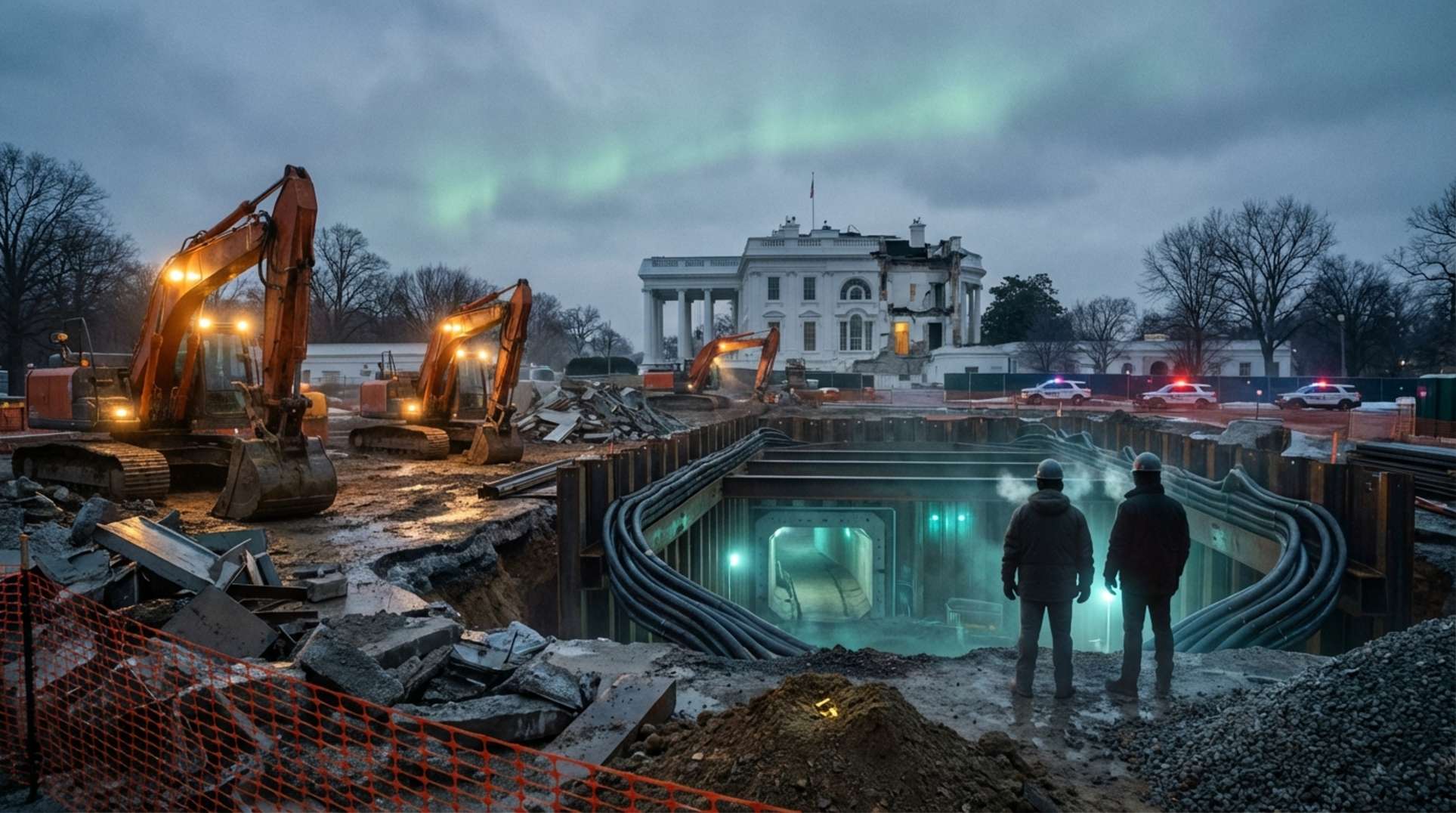
    The air around the White House carried a chill in late 2025, as orange fences cordoned off the East Wing. Workers moved with purpose, dismantling structures under the watchful eyes of security details. Photos from October captured the scene: excavators biting into concrete, debris hauled away in the shadow of history’s most guarded residence. By January 2026, reports emerged about subterranean removals, backed by court filings shrouded in classifications—officials warning that any halt could jeopardize national security. Then, like a spark in dry grass, online posts ignited: demolition shots reframed as proof of hidden agendas, whispers of bunkers and breakdowns spreading fast through forums and feeds.

    What Witnesses and Analysts Report

    From the ground, it’s the photos that start the conversations—images of East Wing tear-downs shared with captions insisting a nuclear bunker is rising fast beneath the planned ballroom. We’ve seen this pattern before: everyday observers spotting heavy machinery and linking it to larger threats. Independent voices in our community tie it to continuity plans, suggesting preparations for something big, like political upheavals that demand fortified hideouts. Some layer in financial angles, urging gold buys with predictions hitting around $4,850 as a shield against chaos. The motifs repeat—shock over underground secrets, distrust of the hush, calls to stock up. Yet, no confirmed sightings show an active bunker in play, leaving these readings as informed hunches based on what’s visible.

    Timelines, Tracks, and Hard Data

    Let’s map this out with the facts we can pin down. The Presidential Emergency Operations Center, or PEOC, dates back to WWII, serving as a documented hub for continuity and communications through various expansions. Visible demolition kicked off in October 2025, with photos cited by Reuters and NJ.com. By January 19–20, 2026, CNN broke details on subterranean removals and hints of a secure rebuild under the ballroom. Outlets like People, The Daily Beast, Ynet, and NJ.com echoed this, referencing court filings where the White House and DOJ stressed national security risks if work stopped. Gold spot prices hovered in the mid-$4,000s, peaking at $4,875.06 per ounce on January 21 per TradingEconomics, and $4,875.97 via JM Bullion. Fact-checkers across the board see no basis for imminent martial law claims.

    Date Event Source
    October 2025 Visible East Wing demolition begins, with photos showing above-ground work. Reuters, NJ.com
    January 19–20, 2026 CNN reports on removal of older subterranean structures and planned secure facility upgrade under new ballroom (PEOC referenced). CNN article
    January 2026 Corroborating reports on demolition and court filings emphasizing national security. People, The Daily Beast, Ynet, NJ.com
    January 21, 2026 Gold price at $4,875.06/oz. TradingEconomics

    Official Story vs. What the Data Suggests

    Officials frame it straightforwardly: court filings from the White House and DOJ defend the ballroom project and related work as essential for national security, with some elements classified to protect sensitive ops. This aligns with the PEOC’s long history as a continuity tool, not some sudden invention for drastic measures. On the flip side, community eyes see the subterranean rebuild as a sign of hardened shelters prepped for nuclear threats or bold political moves like martial law. The visible demo and secrecy fit both views—upgrades make sense for security, but the blackout on details fuels suspicion. Gold’s climb is real, yet tying it directly to a $4,850 target as proof of crisis lacks hard links; it’s speculation, not causation.

    Open Questions We Still Can’t Answer

    What’s truly going in under that ballroom? Details on depth, blast resistance, EMP shielding, or if it’s just comms backup remain locked away in classified docs. We don’t know if the old PEOC was fully razed or where backups sit—continuity sites are veiled by design. Funding splits between public security budgets and private ballroom donations aren’t broken out publicly, which raises flags on accountability. Then there’s the origin of those viral ties to martial law and the $4,850 gold mark—who kicked it off, and based on what? Real shifts would come from declassified blueprints, procurement logs, or insider accounts that lay it all bare.

    What It All Might Mean

    Putting the pieces together, we have confirmed demo of old underground setups and plans for a secure spot under the ballroom, fitting the PEOC’s role in keeping government running through crises. No solid signs point to martial law on the horizon—fact-checkers hold that line firm. Still, the secrecy, tear-downs, and security pleas warrant a close watch; it’s not paranoia to question what’s hidden. Jumping straight to apocalyptic bunkers and breakdowns stretches the evidence thin. To dig deeper, I’ll pull the full CNN piece and court docs for review, trace those sensational posts back to their sources, and round up specs on nuclear-hardened builds for side-by-side with the photos.

    Frequently Asked Questions

    Photos from October 2025 show East Wing demolition, including the removal of older subterranean structures, as reported by multiple outlets.

    Community reports interpret the work as a rapid nuclear bunker under the new ballroom, but no corroborated evidence confirms an operational one; official plans reference a classified PEOC upgrade.

    Social posts claim the construction signals imminent martial law, with gold at around $4,850 as a hedge, but fact-checkers find no credible evidence for martial law, and the price link is speculative.

    White House and DOJ filings describe it as national security work, with classified elements, fitting historical PEOC expansions for continuity, not novel threats.

    Details on the underground build’s specs, full PEOC status, funding sources, and origins of viral claims are unclear due to classifications; declassified info or whistles could clarify.

  • John Kiriakou Files: Inside CIA Torture & Surveillance

    John Kiriakou Files: Inside CIA Torture & Surveillance

    Key Takeaways from the Kiriakou Files

    • What appears to have happened: John Kiriakou, a former CIA counterterrorism officer, led operations in Pakistan after 9/11 and went public in 2007 confirming the agency’s use of waterboarding on al-Qaeda suspects, later facing charges for disclosing a covert officer’s identity and serving time in prison.
    • Claims supported by verifiable records: Kiriakou was indicted in April 2012, pleaded guilty in October 2012 to revealing the covert officer’s identity, and received a 30-month sentence on January 25, 2013, with reports of serving about 23 months; his 2007 confirmation of waterboarding aligns with public records.
    • Main unresolved questions: Who exactly monitored Kiriakou during his time in Pakistan? What specific technical capabilities does he refer to with phrases like ‘they can see all your messages’? And how widely were Vault 7-style tools deployed in operations versus just documented as potential capabilities?

    A Quiet Phone Line in Islamabad

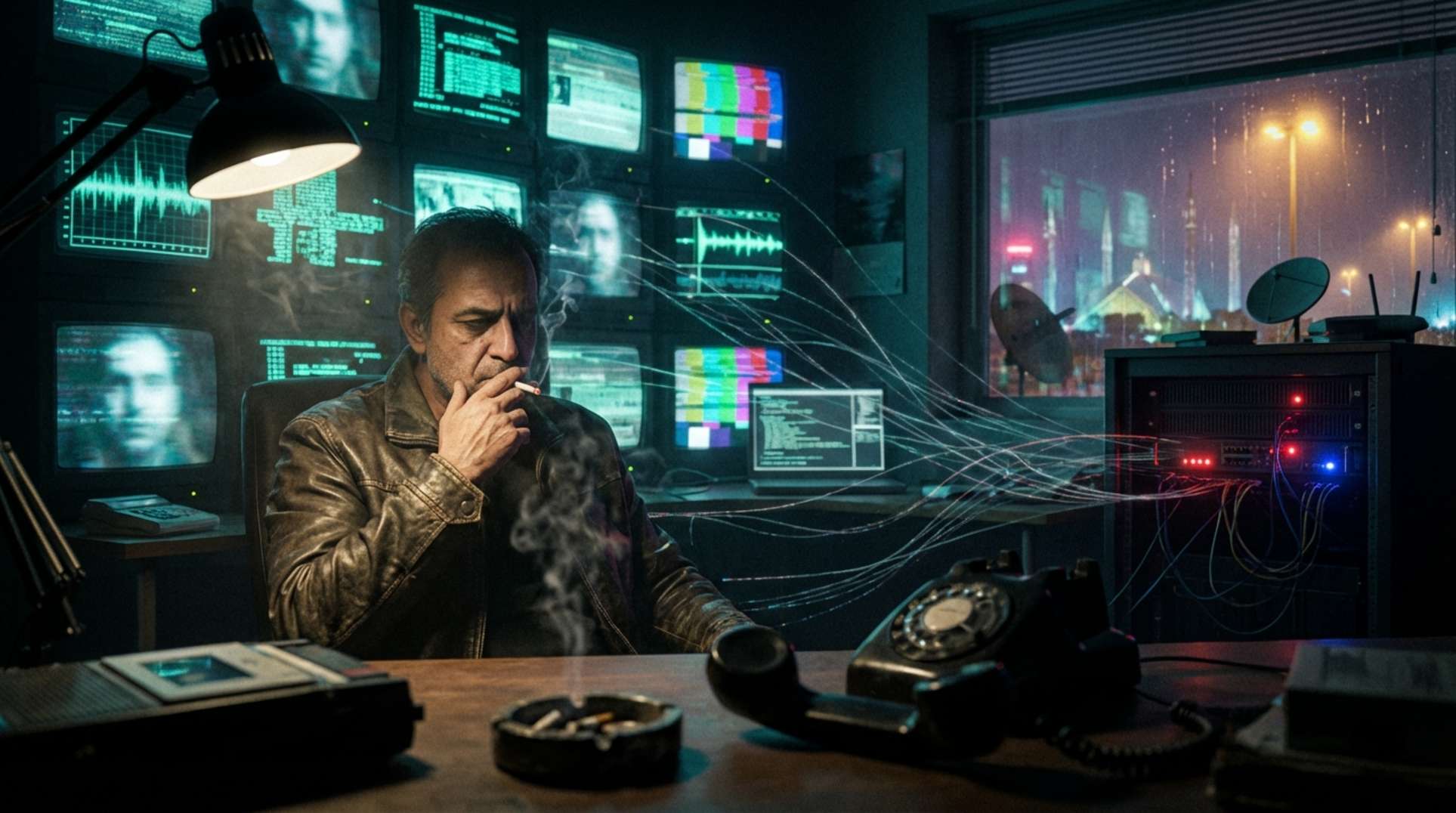
    Picture the dim glow of monitors in a cramped operations room in Islamabad, the air thick with cigarette smoke and the hum of encrypted lines. It’s the post-9/11 era, and John Kiriakou, with roughly 15 years under his belt at the CIA, is deep in counterterrorism work across Pakistan—Karachi to the capital. Late-night interviews with suspects unfold under harsh lights, decisions weighed in the shadows. Then comes the break: Kiriakou steps forward publicly about torture practices. What follows? A sense of eyes everywhere, communications that feel exposed. He describes surveillance closing in, isolation mounting as legal battles loom. Defiance pushes him to speak out, but the weight of retribution—social, professional—hangs heavy, amplified by the creeping dread that every message, every call, might not be private.

    What Witnesses and Analysts Report

    Kiriakou has been clear from the start: in 2007, he confirmed on record that the CIA waterboarded al-Qaeda suspects, calling those methods torture in repeated accounts. He pushes further, claiming state actors tracked him during his Pakistan stint, and in podcasts and interviews, he’s dropped lines like ‘they can see all your messages’ to highlight surveillance reach. Supporting voices echo this—whistleblower groups and civil-liberties advocates praise his stand against abuse, seeing him as a beacon for accountability. But the response splits sharply. National-security insiders and the DOJ stress his breach: revealing classified identities broke the law, plain and simple. Anecdotal elements, like specific monitoring tales, come from Kiriakou’s own interviews, though without ironclad corroboration. Analysts in our circles argue it’s part of a pattern, where exposing dark programs invites backlash, yet the divide persists—principled hero to some, reckless leaker to others.

    Timelines, Tracks, and Hard Data

    Let’s lay out the sequence based on public filings, disclosures, and leaks. Key moments build a picture of escalation from whistleblowing to prosecution, intersected by broader revelations on surveillance.

    Date Event Source
    2007 Kiriakou publicly confirms CIA use of waterboarding. Public record
    April 2012 Indictment filed against Kiriakou on counts including disclosure of covert identity. DOJ filings
    October 22, 2012 Kiriakou pleads guilty to one count of disclosing covert officer’s identity. Court records
    January 25, 2013 Sentenced to 30 months in federal prison; DOJ/FBI press release confirms. DOJ/FBI press release
    February 28, 2013 – ~February 2015 Kiriakou reports serving approximately 23 months. Kiriakou’s accounts
    June 2013 Snowden disclosures reveal PRISM and large-scale metadata/content collection programs. Public leaks and reporting
    March–April 2017 WikiLeaks ‘Vault 7’ publications detail alleged CIA tools like Weeping Angel, HighRise, Grasshopper, Marble. WikiLeaks releases

    Official Story vs. What the Data Suggests

    The DOJ and FBI frame it straightforwardly: Kiriakou crossed lines by exposing a covert officer’s identity, endangering security, as detailed in their press releases and court pursuits. Intelligence agencies, post-Snowden, defended programs like PRISM as essential and legal, leading to oversight tweaks amid public scrutiny. Yet Kiriakou’s side paints a different picture—his prosecution as payback for shining light on torture, a view backed by advocates who see it as secrecy clashing with truth-telling. Community interpretations highlight gaps: Vault 7 leaks describe advanced CIA tools for compromising devices and hiding tracks, but debates rage on whether these were widely used or just in the arsenal. Official accounts stress lawful boundaries; the data and witness narratives suggest broader, shadowy applications, though hard proof of operational scale remains elusive or locked away.

    What It All Might Mean

    Piecing it together, the solid ground is clear: Kiriakou’s guilty plea for disclosing identities and his 2007 torture revelations stand confirmed, alongside Snowden’s exposure of bulk collection and Vault 7’s catalog of CIA cyber tools. These point to a system capable of deep intrusion, raising alarms for anyone tracking privacy erosions or unchecked power. But questions linger—who watched Kiriakou in Pakistan? What’s the full tech behind ‘they can see all your messages’? Were Vault 7 tools rolled out broadly, or just prototyped? This matters for our community, wrestling with surveillance in black-budget worlds and the fight for accountability. It underscores risks to democratic oversight when whistleblowers pay dearly. For next steps: dig into exact timestamps and quotes from Kiriakou’s interviews on messaging surveillance; reach out to DOJ, Kiriakou himself, and cyber experts for fresh takes; and track post-Snowden reforms like the USA Freedom Act, cited in oversight reports, to see if they’ve truly curbed overreach.

    Frequently Asked Questions

    In 2007, Kiriakou publicly confirmed that the CIA used waterboarding on al-Qaeda suspects, describing it as torture. He later faced charges for disclosing a covert officer’s identity and served time in prison.

    Kiriakou has recounted experiences of monitoring in Pakistan and made statements like ‘they can see all your messages’ in interviews. Broader support comes from Snowden’s 2013 disclosures on programs like PRISM and WikiLeaks’ 2017 Vault 7 releases detailing CIA cyber tools, though operational scale remains debated.

    The DOJ and FBI prosecuted Kiriakou for revealing classified information, sentencing him to 30 months in prison in 2013. They emphasized national security risks, while intelligence agencies defended surveillance programs as lawful following leaks like Snowden’s.

    Key gaps include who specifically surveilled Kiriakou in Pakistan, the exact technical meaning of ‘they can see all your messages,’ and how extensively Vault 7 tools were used operationally versus just documented. These demand further investigation into surveillance scope and policy impacts.

  • Greenland Takeover: The U.S. War Plan Nobody Admits

    Greenland Takeover: The U.S. War Plan Nobody Admits

    Key Takeaways

    • President Trump publicly floated buying Greenland in 2019; the idea resurfaced in 2026 with mixed White House messaging that did not categorically rule out military options.
    • Legal and institutional barriers are high: a 1951 Denmark–U.S. defense agreement recognizes Danish sovereignty while allowing U.S. operations (e.g., Pituffik/Thule), and Greenlandic leaders and Inuit organizations uniformly reject any sale or seizure.
    • Open questions remain about the legal pathway, the enormous logistical/military cost to seize and hold Greenland, the commercial viability of its rare-earth deposits (estimated ~1.5 million tonnes REO), and the likely NATO/diplomatic fallout.

    A Cold Morning in Nuuk: The Vibe of an Unsettling Conversation

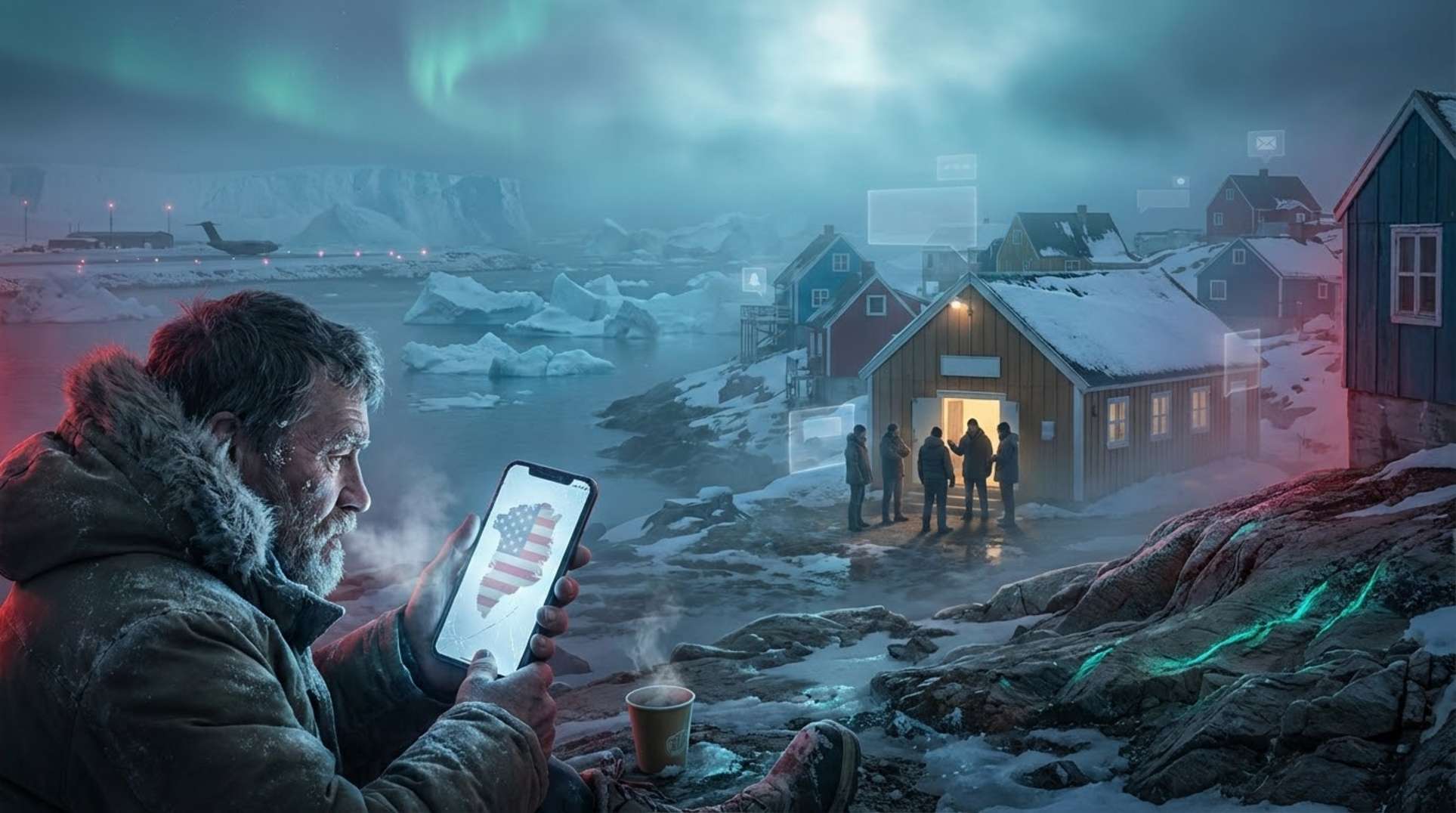
    Imagine the pale Arctic light cutting through the fog in Nuuk, Greenland’s capital, where the air bites cold and the streets echo with a mix of Danish and Kalaallisut. It’s a small town of colorful houses clinging to rocky shores, home to about 57,000 people, most of them Indigenous Kalaallit. News hits like a sudden storm: whispers of a U.S. takeover, not through negotiation but force. A local fisherman scrolls through viral tweets showing maps with Greenland recolored in stars and stripes, his coffee going cold. A community leader gathers friends in a modest hall, voices rising in anger and fear—echoes of colonialism stirring old wounds. Social media amplifies it all, turning personal alarms into a global chill, blending pragmatic hopes for jobs with dread of losing control over their own land.

    What Witnesses and Analysts Report

    Greenlandic political leaders and Inuit organizations have been clear in their statements: “Greenland is ours. We are not for sale and will never be for sale.” These voices from the ground carry weight, reflecting a unified front against any notion of seizure. Local residents share a range of reactions—not everyone feels the same. Some express outright anger at what they see as modern colonialism, while others voice pragmatic interest in potential investment or mining jobs that could bring economic stability. Security analysts, watching from afar, highlight the Arctic’s strategic value and warn that even loose rhetoric could spark real diplomatic tensions or market shifts, regardless of whether action follows.

    Timelines, Tracks, and Hard Data

    The story traces back to 2019, when President Trump first publicly floated the idea of buying Greenland, grabbing headlines worldwide. At the heart of the U.S. presence is the 1951 Denmark–U.S. defense agreement, which ratified U.S. rights to operate installations while upholding Danish sovereignty. Key among these is the Pituffik (Thule) Space Base, with roughly 150 permanently stationed U.S. personnel as of 2025–2026 reports. Resource potential draws eyes too: USGS-based estimates put Greenland’s technically and economically recoverable rare-earth-oxide (REO) at around 1.5 million metric tons. For context, global REO reserves stand at about 91.9 million metric tons per 2025 summaries—Greenland matters, but it’s not the only player. Much of the island remains challenging, with 81% under ice coverage, posing major logistical and environmental hurdles. Fast-forward to January 2026: senior White House spokespeople delivered mixed messages, favoring purchase or cooperation but leaving military options vaguely “on the table.” Denmark responded firmly, rejecting any forcible seizure and highlighting severe diplomatic and NATO consequences.

    Metric Details
    Greenland REO Estimate ~1.5 million metric tons
    Global REO Reserves ~91.9 million metric tons
    Ice Coverage ~81% of land area
    U.S. Personnel at Pituffik ~150 permanent

    Official Story vs. What the Data Suggests

    The U.S. official line stays mixed—publicly pushing for diplomatic or commercial paths, yet some aides’ ambiguous words keep military options in play, raising eyebrows. Denmark stands firm, categorically rejecting any forcible moves and defending Greenlandic self-determination, while pointing to risks for NATO unity. Greenlandic institutions echo this, insisting any decisions must involve locals and flatly rejecting the idea of being “for sale.” Scientific bodies like USGS and GEUS underscore the mineral potential but highlight extraction challenges, from transport to processing—much of which is dominated by China. Analysts offer other angles: this could be leverage to push deals or investments, or a way to reshape Arctic talks. Less likely, but possible, it’s an impulsive move with escalation risks we can’t predict.

    Costs, Capabilities, and the Logistical Mountain

    Any military seizure of Greenland would face brutal realities. Arctic conditions—severe weather, sparse infrastructure—demand long supply lines by sea or air to sustain forces. The current U.S. footprint at Pituffik is modest, with just about 150 personnel; scaling up for occupation means massive reinforcements, rotated in harsh terrain. Analysts from think tanks peg the fiscal and human costs as enormous, far outweighing benefits, and push diplomacy or investment as smarter plays. Legally, no clear public mechanism allows a NATO ally to seize another’s territory without parliamentary hurdles and international blowback. It’s inferential, based on available reports, but the barriers look steep.

    What It All Might Mean

    We know the rhetoric is real, echoing back to 2019, with the 1951 agreement and Danish sovereignty as anchors. Greenlandic leaders stand against any control shift. Still, gaps persist: what’s the true legal route for transfer or force? What’s the military blueprint and price tag if pushed? How long to make those REE deposits a real supply chain? And how would NATO allies react in practice? Keep eyes on diplomatic exchanges between Washington and Copenhagen, statements from Greenland’s parliament, local polls, mining company moves, U.S. shifts at Pituffik, and any allied hints on consequences. The record isn’t complete, so we watch and piece it together.

    Frequently Asked Questions

    Yes, in 2019, President Trump publicly floated the idea of purchasing Greenland, which was widely reported. The concept resurfaced in 2026 with mixed White House messaging that didn’t rule out military options.

    Greenland hosts the U.S.-operated Pituffik (Thule) Space Base under a 1951 defense agreement with Denmark. It also has estimated rare-earth-oxide deposits of about 1.5 million metric tons, making it a point of interest amid global reserves of 91.9 million tons, though extraction faces major logistical hurdles due to 81% ice coverage.

    Greenlandic leaders and Inuit organizations have firmly stated that Greenland is not for sale. Local reactions mix anger over perceived colonialism with some interest in potential jobs from investment, showing a range of community sentiments.

    Analysts estimate enormous fiscal and human costs due to Arctic logistics, severe weather, and the need for sustained reinforcements beyond the current small U.S. presence. Think tanks favor diplomacy over such high-risk, high-cost actions.

    Denmark has categorically rejected any forcible seizure, warning of severe diplomatic and NATO consequences. The 1951 agreement upholds Danish sovereignty, and analysts note risks to alliance cohesion if tensions escalate.

  • No Election in 2028?: What U.S. Law Really Says

    No Election in 2028?: What U.S. Law Really Says

    Key Takeaways

    • Online posts and videos are pushing an urgent claim: ‘No Election in 2028’ linked to scenarios like World War III, national emergencies, or martial law declarations, as seen in a recent YouTube video titled “⚡ALERT: No Election in 2028. WW3, Martial Law.”
    • Federal statutes lock in presidential Election Day as the Tuesday after the first Monday in November, with terms ending at noon on January 20 per the Twentieth Amendment; analyses from the Congressional Research Service and Brennan Center confirm no presidential power exists to unilaterally cancel or postpone elections indefinitely, and the Insurrection Act doesn’t allow it either.
    • Key unresolved questions include how a genuine nationwide crisis might trigger complex interactions between state laws, federal rules, and courts, potentially leading to contested processes rather than simple executive actions.

    A Quiet Alarm at 2 a.m.

    It’s late, the kind of hour where the screen’s glow feels like the only light in the room. You’re scrolling through feeds on Telegram or Rumble, and there it is: a thumbnail screaming ‘ALERT’ in bold red letters, timestamped just hours ago. Videos like “⚡ALERT: No Election in 2028. WW3, Martial Law.” pop up, reposted fast across platforms. The rhetoric pulls you in—talk of martial law, the Insurrection Act, whispers of WW3 brewing, all mixed with nods to secret plans and insider leaks. Communities light up with shares, comments piling on about stockpiling supplies, mapping legal options, or organizing locally. The air feels thick with urgency, like a storm warning you can’t ignore.

    What Witnesses and Analysts Report

    In the channels we track, the narrative is clear and consistent: 2028 brings no election, derailed by WW3 or a sweeping national emergency that triggers martial law. Content creators on YouTube, Telegram, and Rumble drive this, often leaning on unnamed insiders or vague references to hidden plans. We’ve seen it gain real traction in politically active groups, sparking discussions on preparations—from legal contingencies to material stockpiles and local meetups. Independent analysts in our circles point out patterns, noting how these claims echo past rumors flagged by fact-checkers as misleading. The Brennan Center has called out similar stories, framing them as distortions that play on real fears.

    Timelines, Tracks, and Hard Data

    The legal framework is etched in stone, starting with the Presidential Election Day Act of 1845, codified at 2 U.S.C. §7, which sets Election Day as the Tuesday next after the first Monday in November—falling between November 2 and 8. Electors then meet on the first Monday after the second Wednesday in December, per federal statute. The Twentieth Amendment seals it: presidential and vice-presidential terms end at noon on January 20, with procedures for any gaps. Reports from the Congressional Research Service (CRS) and the Brennan Center stress that no statute or constitutional provision lets a president unilaterally cancel or postpone an election indefinitely. The Insurrection Act, invoked about 30 times historically, allows limited military use but not election cancellations or term extensions. Take the viral YouTube video “⚡ALERT: No Election in 2028. WW3, Martial Law.”—its claims crumble when matched against these baselines.

    Key Element Details and Authority
    Election Day “The Tuesday next after the first Monday in November” (2 U.S.C. §7)
    Electoral College Meeting First Monday after the second Wednesday in December (federal statute)
    Term End Noon on January 20 (Twentieth Amendment)
    Legal Analyses CRS and Brennan Center: No unilateral presidential power to cancel or postpone elections

    Official Story vs. What the Data Suggests

    Institutions hold firm: the Congressional Research Service and Brennan Center experts assert that altering or canceling a presidential election demands action from Congress or states, not a lone president’s decree. Emergency tools like the Insurrection Act face strict limits under Posse Comitatus and judicial oversight, blocking any path to scrapping elections or stretching terms. Yet, the edges blur in a true crisis—imagine a disruption halting in-person voting nationwide. State emergency laws, federal rules, and courts would clash in unpredictable ways, leaving room for rhetorical exploitation. Watch for real signals: presidential proclamations with clear statutory backing in the Federal Register, congressional votes on election changes, state orders tweaking elector processes, or lawsuits flooding federal courts.

    What It All Might Mean

    We’ve confirmed the viral surge—a wave of claims forecasting no 2028 election, fueled by WW3 fears and martial law talk. The law stands strong against unilateral moves, with statutes and the Constitution barring indefinite postponements, backed by solid analyses from CRS and the Brennan Center. Still, a massive emergency could ignite fierce battles across Congress, states, and courts, turning continuity plans into high-stakes fights. For those tracking this, here’s a checklist: monitor congressional bills shifting election laws, official proclamations citing emergency statutes, state actions on electors, swift court filings over timing, and any attributable military orders linked to disruptions. Stay vigilant—the law constrains a lot, but real crises test those boundaries hard.

    Frequently Asked Questions

    Claims circulating online assert there will be no presidential election in 2028 due to events like World War III or a national emergency leading to martial law. These are amplified in videos and posts on platforms like YouTube and Telegram, often referencing unnamed insiders.

    According to the Congressional Research Service and Brennan Center, no existing laws or constitutional provisions allow a president to unilaterally cancel or indefinitely postpone a presidential election. Changes would require congressional or state action.

    Look for official indicators like presidential proclamations with statutory citations in the Federal Register, congressional votes on election laws, state orders altering elector selection, federal court filings on timing, and clear military orders tied to disruptions. These would signal credible developments beyond online alarmism.

    Engagement is high, with rapid reposting and discussions on preparations like stockpiling, legal planning, and local organizing. This reflects real concern in politically engaged circles.

    The Insurrection Act allows limited federal military use in specific cases but does not provide a way to cancel elections or extend presidential terms. It has been invoked about 30 times historically, always under constraints.

  • US Venezuela Drug Strikes: The Civilian Toll Question

    US Venezuela Drug Strikes: The Civilian Toll Question

    Key Takeaways

    • From September 2025, the U.S. carried out maritime strikes on vessels and at least one coastal facility alleged to be carrying drugs from Venezuela; media reported roughly 20–30+ incidents.
    • Independent reports, survivor accounts, and NGOs have documented civilian deaths and called for investigations, while the U.S. framed actions as counternarcotics operations.
    • Major gaps remain: limited public evidence for many strikes, disputed victim identities, and questions about legal authorization and geopolitical motives.

    Overview

    Starting in early September 2025, a series of strikes at sea and on a coastal target were publicly attributed by U.S. officials to disruption of drug shipments linked to Venezuela. Local witnesses, families, and human-rights groups reported deaths and destruction; NGOs and UN officials urged independent inquiries.

    Witnesses and Reporting

    Media outlets such as AP and BBC reported interviews with relatives and survivors who described many victims as fishers or crew on routine voyages. Independent tallies and NGO investigations estimated casualties ranging from tens to the low hundreds, though figures varied by source.

    Legal and Policy Concerns

    UN human-rights experts, Human Rights Watch, and Amnesty International raised concerns that some strikes likely violated international human-rights and humanitarian law, citing civilian harm and lack of transparency. Critics argue the U.S. has not released detailed evidence for many strikes, complicating oversight and accountability.

    Open Questions

    • What concrete evidence connects each struck vessel to narcotics shipments?
    • What legal authorities and rules of engagement authorized lethal strikes in these cases?
    • Could geopolitical objectives, including pressure on Venezuelan oil-related networks, have influenced the operations?

    Conclusion

    The reported campaign beginning September 2025 drew significant international scrutiny and calls for independent investigation. With a UN fact-finding process announced in late 2025, further transparency and forensic work will be essential to resolve contested claims and address accountability for civilians harmed.

  • Venezuela 2026 Airstrikes: What Really Happened That Night

    Venezuela 2026 Airstrikes: What Really Happened That Night

    Key Takeaways

    • The disputed July 2024 presidential election in Venezuela sparked widespread protests, followed by a crackdown with thousands of arrests, as documented by NGOs like Foro Penal (1,848 verified from July to September 2024) and cumulative tallies nearing 2,062 by year’s end; UN reports highlight a systemic breakdown in rule of law, with patterns suggesting political persecution.
    • Based on consistent reporting from the UN Fact-Finding Mission and groups like Human Rights Watch, mass detentions, enforced disappearances, and due-process violations appear widespread and ongoing, compounded by government prisoner releases in late 2025 that NGOs say fall short, leaving hundreds still held.
    • Open questions linger around the January 3, 2026, events—reports of U.S. strikes on Caracas and Maduro’s possible capture lack independent verification, including chain of custody and legal basis, while gaps persist in full detainee counts and judicial transparency.

    Midnight in Caracas: The Night Explosions Shook the City

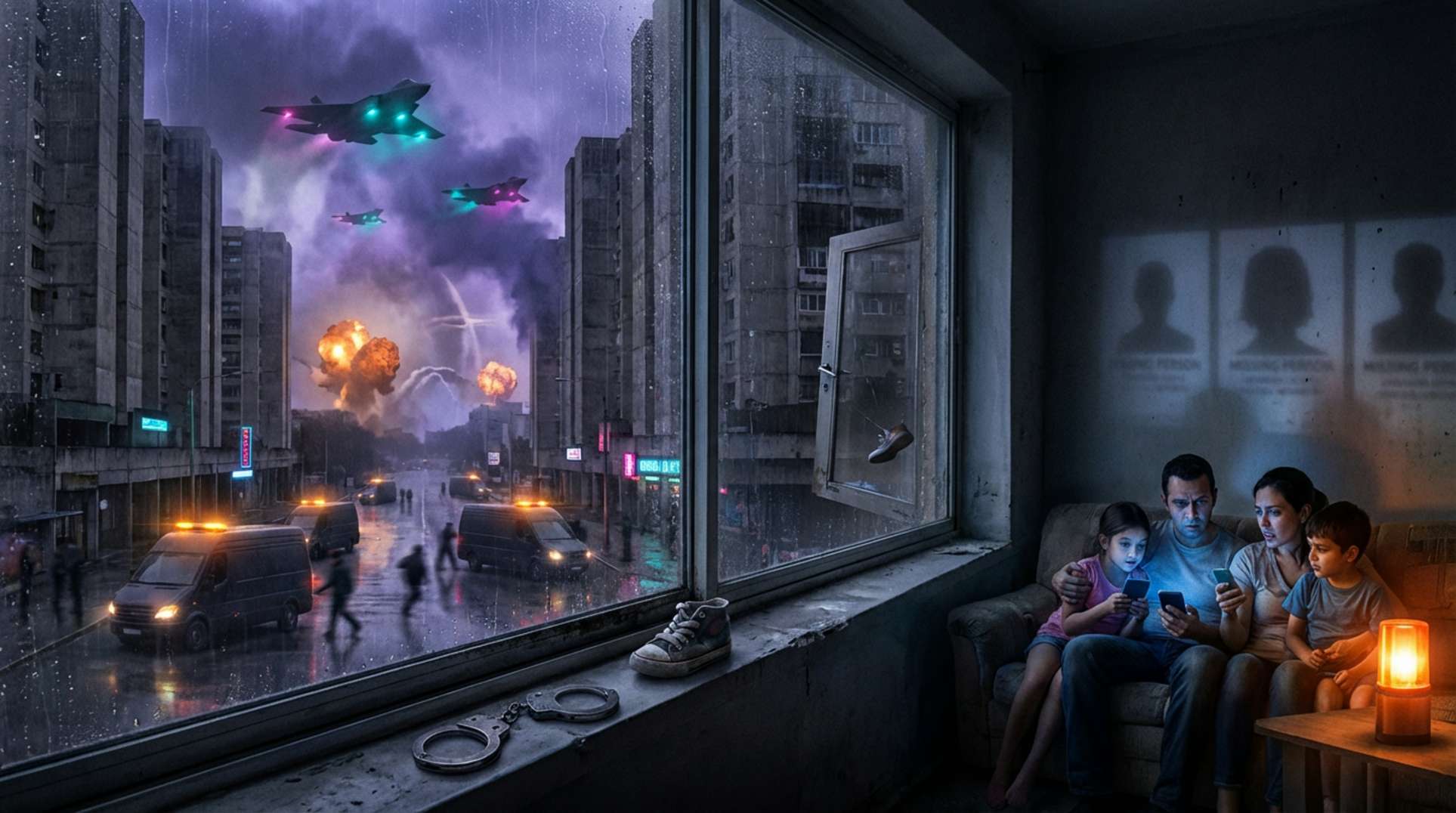
    It’s just after midnight on January 3, 2026, and the air in Caracas thickens with tension. Residents jolt awake to the rumble of low-flying aircraft slicing through the night sky, followed by sharp explosions that echo off concrete towers. Families huddle in dim living rooms, phones buzzing with frantic messages—checking on loved ones already caught in the post-election dragnet, scrolling live feeds for scraps of news. This isn’t some isolated incident; it’s the culmination of months of unrest since the disputed July 2024 vote, where protests met swift security sweeps, detentions, and whispers of vanishings. Social media erupts in real time, Venezuelans abroad torn between outrage over sovereignty and quiet hope for change. We’ve all tracked aerial anomalies before—those unexplained lights or crafts that defy easy answers. Here, the reports from Reuters, CBC, and Radio-Canada point to U.S. strikes, but the full picture? That’s what we’re digging into next.

    What Witnesses and Analysts Are Saying

    From the ground up, the stories align in haunting ways. Victims and families describe sudden arrests sweeping through neighborhoods after the July 28, 2024, election—doors kicked in, people bundled into vans, then silence. NGOs like Foro Penal have been logging these cases daily, verifying 1,848 arrests between late July and September 2024 alone. Human Rights Watch echoes this with dozens of testimonies: killings, enforced disappearances, arbitrary holds in counter-terrorism courts where access to lawyers is a rarity. Families struggle to locate detainees, echoing UN reports of incommunicado periods that fit patterns of disappearance.

    Local researchers and opposition groups add layers, sharing alleged vote discrepancies from election tallies that fuel the distrust. Communities aren’t buying the official line; they’re piecing together their own narratives, much like how our readers analyze sighting data. Diaspora networks in Canada, the U.S., and Latin America amplify these voices online—emotional, polarized, but grounded in shared experiences. We cross-check where we can: HRW’s cumulative arrest count hits around 2,062 by December 2024, drawing from Foro Penal’s meticulous records. These aren’t isolated claims; they form a pattern we’ve seen in other shadowy operations.

    Timelines, Tracks, and the Hard Data

    To cut through the fog, let’s map this out forensically. Key events overlap in ways that demand scrutiny, from election day chaos to that explosive night in 2026. Sources range from UN missions to NGO tallies, with verification statuses noted—some rock-solid, others hanging on threads. Here’s a compact timeline to help you track it:

    Date Event Source Verification Status
    28 July 2024 Disputed presidential election; onset of protests and mass arrests. Foro Penal, HRW Verified
    28 July–30 Sept 2024 1,848 verified arrests. Foro Penal Verified
    Sept 2023–Aug 2024 UN FFM report documents rule-of-law degradation. OHCHR/FFM Verified
    Through 31 Dec 2024 Cumulative arrests ~2,062. HRW citing Foro Penal Verified
    March 2025 FFM updates on political persecution patterns. FFMV Verified
    30 Apr 2025 HRW report on post-election killings, disappearances, detentions. Human Rights Watch Verified
    16 Aug 2024 & 9 Sept 2024 Canada statements urging result verification and detainee release. Global Affairs Canada Verified
    Late Dec 2025 / Jan 2026 Government announces 88–99 prisoner releases; NGOs dispute totals. Venezuelan govt, NGOs Partially verified (releases confirmed, totals contested)
    3 January 2026 Reports of U.S. strikes on Caracas and Maduro capture. Reuters, CBC, CTV, Radio-Canada Unverified

    Official Narratives vs. What the Data Points To

    The Venezuelan government paints detainees as terrorists, justifying sweeps as necessary security measures and dismissing outside critiques as interference—any strikes? Pure imperialism. Yet UN Fact-Finding Mission reports clash hard, outlining arbitrary arrests, torture allegations, and disappearances that scream political targeting, even rising to crimes against humanity levels.

    Canada’s statements—from August 2024 calls for transparent results to September demands for releases—highlight the international pushback, urging adherence to law post-2026 reports. Take the prisoner releases: officials claim 88–99 freed in late 2025, but NGOs insist hundreds remain, a stark mismatch. On the January 3 operation, media outlets reported strikes and a possible Maduro takedown, but without confirmed custody chains or legal backing, it smells like classic black ops ambiguity. The government’s counter-terror frame might cloak political motives, while sanctions and fact-finding efforts sketch paths to accountability. Data suggests the official story bends under scrutiny.

    What This Could All Add Up To

    We’ve got solid ground here: UN and NGO docs confirm repression scaling up post-July 2024, with arrests, vanishings, and justice gaps stretching back to 2023. Likely elements include the true scope of detentions—some potentially permanent—and the murky legality of that 2026 strike, where releases don’t match NGO counts.

    Big questions hang: Who can independently verify high-profile custodies or judicial charges? What’s the legal footing for foreign actions, and how does it ripple regionally? Next moves: Pull case files from Foro Penal families, chase FFM updates, ping Global Affairs Canada, HRW, and even Venezuelan officials. Seek satellite shots, radar logs, consular notes—tools we’ve used on aerial mysteries before. This matters for Venezuelans facing erased voices, for a region eyeing intervention precedents, and for anyone championing rule of law against shadowy power plays. Victims’ accounts drive this; uncertainties flag where we keep probing, respecting the narratives that push us forward.

    Frequently Asked Questions

    The disputed presidential election on July 28, 2024, led to widespread protests, which the government met with security operations resulting in mass arrests and detentions, as documented by NGOs and UN reports.

    Foro Penal verified 1,848 arrests from July 28 to September 30, 2024, with cumulative figures reaching around 2,062 by December 2024 according to Human Rights Watch citing Foro Penal. These tallies come from daily family reports and cross-checks, making them credible but subject to ongoing verification.

    Multiple outlets like Reuters and CBC reported explosions, low-flying aircraft, and claims of U.S. strikes leading to Maduro’s possible capture on January 3, 2026. However, independent verification of the operation, chain of custody, and legal basis remains unresolved.

    The Venezuelan government frames detentions as anti-terror measures and dismisses foreign involvement as interference, while UN and NGO findings document arbitrary arrests, disappearances, and political persecution, highlighting major discrepancies in narratives and numbers.

    It raises questions about accountability in contested elections, humanitarian access amid repression, and the implications of potential foreign military actions, setting precedents for regional politics and rule-of-law advocacy.

  • Times Square’s Second Midnight: Ritual or PR Stunt?

    Times Square’s Second Midnight: Ritual or PR Stunt?

    Key Takeaways

    • A planned ‘second post-midnight moment’ unfolded in Times Square on New Year’s Eve 2026, where America250 and the Times Square Alliance relit the Ball in red, white, and blue at around 12:04 a.m. EST to kick off the Semiquincentennial, backed by official press releases from Times Square and America250.
    • The event was broadcast live by major networks and the official Times Square webcast, drawing an on-site crowd of about 1 million and a global TV/streaming audience estimated from hundreds of millions to roughly 1 billion, according to sources like People, CBS, NYT, and Times Square listings.
    • Key gaps persist: the specific viral video claiming ‘disturbing ancient propaganda’ remains unlocated in mainstream searches, and production credits for the segment’s imagery lack public documentation—calling for frame-by-frame analysis and vendor identification to resolve these questions.

    Midnight, Confetti, and a Second Light

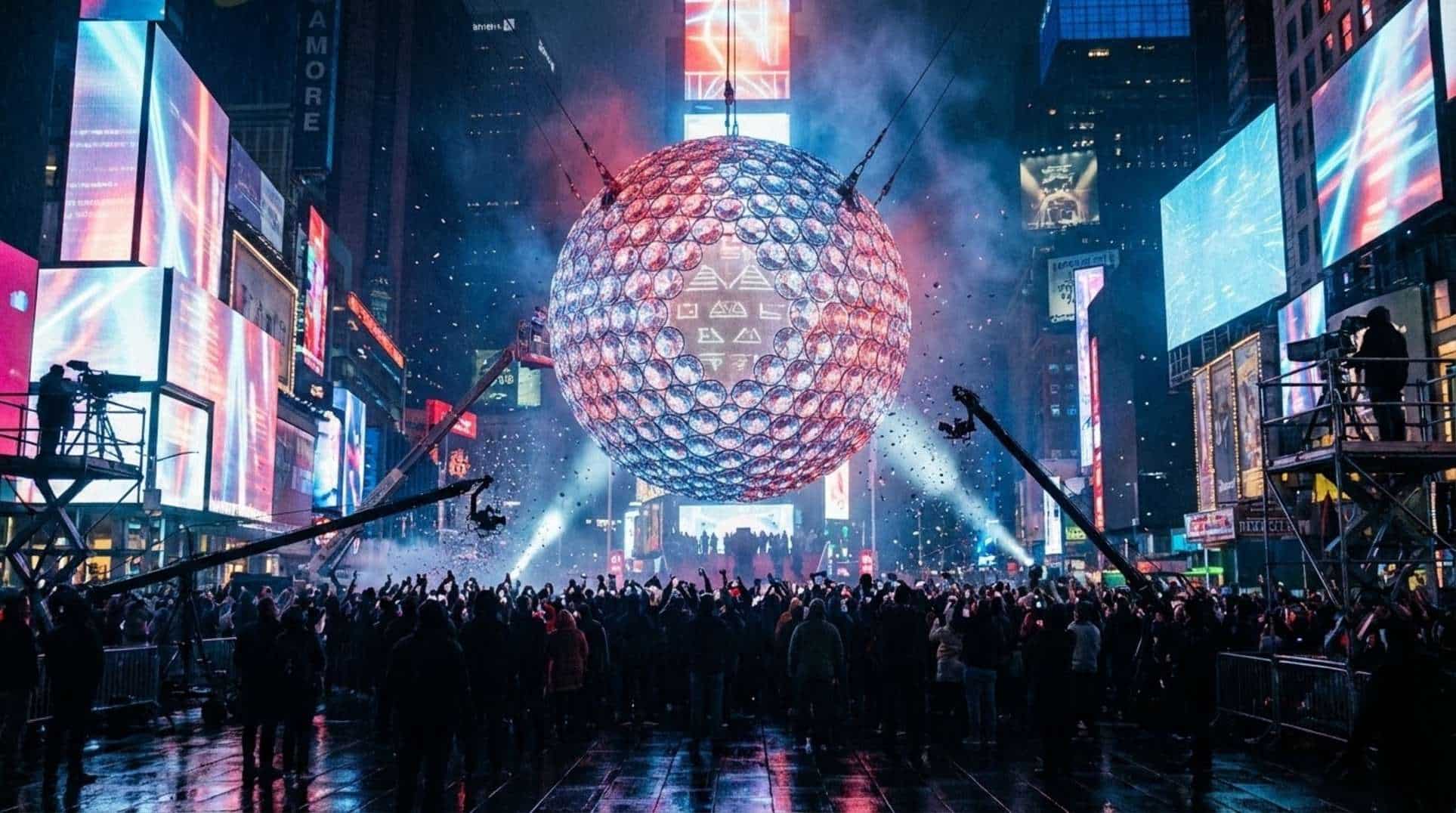
    The clock struck midnight on December 31, 2025, ushering in 2026 amid the electric hum of Times Square. Confetti rained down, cheers erupted from the massive crowd, and the iconic Ball completed its descent. But the night held more. At approximately 12:04 a.m. EST, the Ball relit in a burst of red, white, and blue—a scheduled nod to America’s 250th anniversary, per America250 and Times Square press releases.

    Picture it: the 2026 ‘Constellation Ball,’ a massive 12.5-foot sphere weighing between 12,000 and 12,350 pounds, adorned with 5,280 Waterford crystal discs and pulsing LED lights, as detailed in Time Out and NBC affiliate reports. The air thick with anticipation, the crowd’s energy still high from the main drop. Then, this second illumination, captured live by broadcasters and the official webcast, reaching millions in person and via streams, according to People and Hollywood Reporter. Something about that relighting lingered, stirring curiosity in the shadows of celebration.

    What Witnesses and Analysts Report

    From the ground in Times Square to screens worldwide, reactions poured in across social media. Some cheered the patriotic flair, others called it overly commercial, but a notable thread emerged: descriptions of the post-midnight moment as ritualistic or laced with propagandistic undertones. User posts and comments on various platforms document this range, showing how the event hit different notes for different viewers.

    That night, viral trends like eating 12 grapes or manifestation rituals at 1:11 a.m. were already buzzing— context from Economic Times, Times of India, Financial Express, and NewsX that explains why symbolic elements in a public spectacle might strike some as more than mere show. Eyewitness clips, network replays, and user uploads capture the relighting, the accompanying video, confetti, and music, serving as raw footage for deeper looks.

    Independent researchers have flagged specific imagery and sounds in the segment, linking them to older motifs. These claims deserve careful sourcing through frame-by-frame breakdowns and provenance checks. We’re all piecing this together, respecting the perspectives that see patterns where others see pageantry.

    Timelines, Tracks, and Hard Data

    Let’s anchor this in the facts. The main event kicked off on December 31, 2025, with the midnight transition, followed by the scheduled America250 relighting at about 12:04 a.m. EST, as outlined in TimesSquareNYC and America250 press releases. The Ball itself: 12.5 feet in diameter, weighing 12,000 to 12,350 pounds, featuring 5,280 Waterford crystal discs, per Time Out and MYNBC5 coverage.

    Major broadcasters like ABC’s Dick Clark’s New Year’s Rockin’ Eve, CNN, and CBS aired it live, alongside the Times Square official webcast, according to People and Hollywood Reporter. Crowd on-site: around 1 million for the NYE festivities. Global audience: estimates hit hundreds of millions to 1 billion, cited in CBS News, People, and NYT.

    Metric Value Source
    Event Date/Time Dec 31, 2025 – midnight; relighting ~12:04 a.m. EST TimesSquareNYC press release; America250 release
    Ball Specifications ~12.5 ft diameter; ~12,000–12,350 lbs; 5,280 Waterford crystal discs Time Out; MYNBC5
    Coverage ABC, CNN, CBS, Times Square webcast People; Hollywood Reporter; TimesSquare webcast
    Audience Estimates On-site ~1 million; global hundreds of millions to ~1 billion CBS News; People; NYT

    For verification, check the embedded links to TimesSquareNYC press release, America250 press release, Time Out, MYNBC5, People, CBS, and NYT.

    Official Story vs. What the Data Suggests

    Organizers from Times Square Alliance and America250 frame the relighting as a straightforward ceremonial start to the U.S. Semiquincentennial—complete with the Ball’s glow, a video segment, confetti, and music, as stated in their press releases. Broadcasting partners and entertainment outlets promoted it as part of the night’s lineup, not some hidden insert, per People and Hollywood Reporter.

    Yet viewer interpretations diverge, with some spotting ritual-like qualities in the visuals and audio. No official docs hint at covert or ancient-propaganda motives, but the absence of named production contractors or creative vendors in public materials leaves room for questions. Tracing those could reveal if the imagery pulled from historical sources.

    Public events like this often carry symbolic weight, especially for those tuned to such layers. The line between civic theater and deliberate ritual blurs without full provenance on the elements used. Facts back the planned nature, but the ambiguity invites scrutiny.

    What It All Might Mean

    We can stand firm on this: America250 and Times Square executed a scheduled post-midnight relighting at 12:04 a.m. EST for the Semiquincentennial, broadcast live by major outlets, as confirmed in press releases and network coverage.

    Still, questions linger: Where’s the exact viral clip dubbing it ‘ancient propaganda,’ with its link, timestamp, and producer? What about production credits and creative briefs for the video? Frame-by-frame origins of the imagery and music? And viewership stats specifically for that segment versus the midnight drop?

    Next steps: Hunt down that clip for analysis, request vendor details from America250, Times Square, and broadcasters; gather timestamped eyewitness videos by location; get precise audience numbers from networks. This matters because it touches how mass events blend pageantry with influence—shaping trust in what we see on the grand stage, especially for those tracking hidden patterns in culture.

    Frequently Asked Questions

    Yes, it was a planned event at approximately 12:04 a.m. EST, organized by America250 and the Times Square Alliance to mark the Semiquincentennial. Official press releases confirm this, and it was broadcast live by major networks and the Times Square webcast.

    Social media reactions and independent analyses point to specific imagery and music in the segment that some view as reminiscent of older motifs. However, these claims need frame-by-frame sourcing and provenance checks, as public press materials don’t document production credits or intent.

    On-site crowd estimates for the NYE celebration are around 1 million, with global TV and streaming audiences ranging from hundreds of millions to about 1 billion. Major broadcasters like ABC, CNN, and CBS carried the live coverage, though granular viewership for the post-midnight segment specifically requires further network data.

    Times Square Alliance and America250 describe it as a ceremonial kickoff to America’s 250th anniversary, with no mention of covert or ritualistic elements. Press releases and broadcasting promotions frame it as part of the evening’s public programming.

    The specific viral clip claiming ‘disturbing ancient propaganda’ hasn’t been located, and production credits for the imagery aren’t publicly documented. This leaves gaps that frame-by-frame analysis and vendor identification could fill, highlighting the need for deeper investigation into the event’s creative sources.

  • MIT Fusion Scientist Killed: What We Actually Know

    MIT Fusion Scientist Killed: What We Actually Know

    Summary of reported events:

    – Nuno F.G. Loureiro, a 47-year-old professor and director at MIT’s Plasma Science and Fusion Center, was shot at his Brookline, Massachusetts, home on the night of December 15, 2025, and was pronounced dead the following day, according to MIT News and major outlets.

    – Authorities identified Claudio Manuel Neves Valente as a suspect linked to a December 13, 2025, shooting at Brown University and to Loureiro’s killing. Investigators reported connections based on surveillance footage, rental-car tracking, travel patterns, and background checks; Valente was later found dead in a storage unit in Salem, New Hampshire, an apparent self-inflicted gunshot wound per media reports (The New York Times, Providence Journal, CBS).

    Confirmed facts and sources:
    – The shooting of Loureiro at his Brookline residence and his death were reported by MIT News and covered by national media.
    – Law enforcement agencies—including the FBI and U.S. Attorney’s Office—have tied Valente to both incidents using forensic and electronic evidence cited in public reporting.
    – Valente’s subsequent death and the medical examiner’s preliminary conclusion of a self-inflicted gunshot have been reported by multiple outlets.

    Unresolved points:
    – No publicly released motive has been confirmed. Officials have not announced evidence linking the incident to suppression of fusion or plasma research.
    – Investigative details such as digital forensics, communications, or financial links have not been fully disclosed to the public.

    Context and interpretation:
    – The combination of a researcher’s violent death and a linked suspect sparked speculation in online communities about possible connections to high-stakes research (fusion, energy technologies). Such speculation is distinct from the verified investigative facts and remains unproven.
    – Historical practices like invention secrecy and restrictions on certain technologies can fuel concern, but those practices do not constitute evidence tying this incident to research suppression.

    What to watch for next:
    – Official updates from the U.S. Attorney’s Office, FBI, state police, MIT, and medical examiners for further forensic findings or statements about motive.
    – Release of court filings, search warrants, or forensic reports that could clarify communications, intent, or outside involvement.

    Conclusion:
    – The core reported timeline—Brown University shooting on December 13; Loureiro shot on December 15 and pronounced dead December 16; suspect linked by investigators and later found dead—has been widely reported. Key questions about motive and possible links to research remain open pending further official disclosures.