Category: Politics

  • Bitcoin vs Silver 2025: Schiff’s ‘Mirror Crash’ Warning

    Bitcoin vs Silver 2025: Schiff’s ‘Mirror Crash’ Warning

    \n

    Key Takeaways from This Market Jolt

    \n

      \n

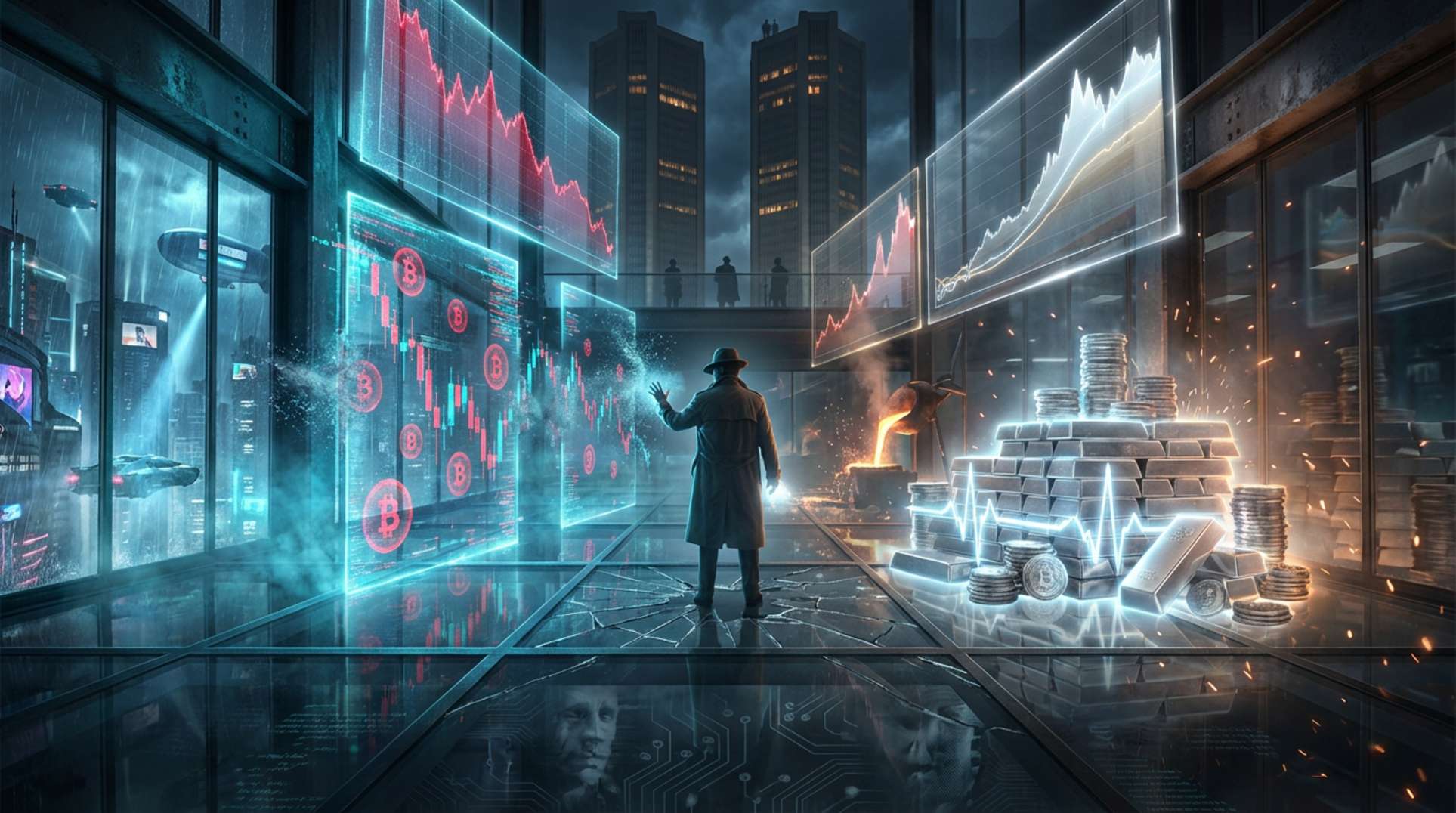
    • In November 2025, silver surged about 16.5% while Bitcoin dropped roughly 17.5%, a sharp divergence Schiff calls a potential \”mirror image\” setup for a bigger Bitcoin crash.
    • \n

    • By November 29, 2025, Bitcoin was trading around $90,535, after earlier falling below $100,000 with roughly $2 billion in crypto liquidations in a single day.
    • \n

    • Schiff argues that debt-fueled Bitcoin buying and Federal Reserve policy are setting up a systemic break, while official institutions frame current volatility as part of normal market cycles — leaving open whether this is just another correction or the first crack in a larger structure.
    • \n

    \n

    \n

    The Moment the Numbers Stopped Making Sense

    \n

    Late November 2025. Screens flicker in trading rooms across the globe. Bitcoin, the asset hailed as digital gold, starts bleeding red. Prices slip below $100,000 on November 5, with Ether clinging to $3,000 as $2 billion in crypto positions get liquidated in a brutal 24-hour span. Meanwhile, silver — quiet, tangible, often overlooked — rips higher, up about 16.5% over the month. Bitcoin counters with a 17.5% drop in the same period.

    \n

    By November 29, Bitcoin hovers at $90,535, down another 0.9% in a day. It’s not a flash crash. It’s a slow grind, persistent. On Reddit threads and social feeds, the questions build. Peter Schiff, the voice who called shadows before 2008, posts about a \”mirror image crash\” unfolding. Traders stare at charts. Is this just noise? Or has something fundamental snapped in the underbelly of the markets?

    \n

    What Traders, Gold Bugs, and Crypto Skeptics Say Is Really Going On

    \n

    In the corners where gold bugs gather and crypto skeptics lurk, Peter Schiff’s take cuts through the static. He labels the November 2025 split — silver up 16.5%, Bitcoin down 17.5% — as a \”mirror image\” of past crypto highs, now flipping into reverse. Firms borrowing to stack Bitcoin? That’s the fuse, he says. Debt loads could force sales if prices keep sliding, turning a dip into a rout.

    \n

    Gold and silver advocates see vindication. Back in October, Schiff called gold pullbacks a bull market ploy to shake loose the timid. Now, with metals strengthening, forums buzz about a shift from speculative crypto to real scarcity. Crypto skeptics, eyes on data, point to leveraged bets crumbling. Early November saw Schiff predict 2025 gains erased, targeting $90,000 — and there Bitcoin sits, at $90,535 by month’s end.

    \n

    Online, Schiff gets called a perma-bear, a broken clock. But his 2007-2008 warnings on credit crises and Fed flaws? They echo here. Austrian economics fans tie it together: low rates bloated bubbles in tech, AI, crypto. This divergence? Capital fleeing to hard assets, they argue. Patterns like this don’t lie, even if the timing frustrates.

    \n

    Timelines, Price Charts, and the Data We Can Actually Verify

    \n

    Let’s pin this to dates and numbers. On November 5, 2025, Bitcoin drops under $100,000, Ether near $3,000, $2 billion liquidated. By November 29, Bitcoin at $90,535.28, down 0.9% daily. November overall: silver +16.5%, Bitcoin -17.5%. Late October, Schiff saw gold dips as healthy, with analysts hiking targets.

    \n

    Macro backdrop: 10-year Japanese bonds climb from 0.25-0.5% to about 2%, signaling rising capital costs. Inflation expectations? Around 5.4% year-ahead from May 2024 data. Schiff’s 2007 calls on credit woes and rates? They played out in 2008, if not exactly to script.

    \n

    \n

    \n

    \n

    \n

    \n

    \n

    \n

    \n

    \n

    \n

    \n

    \n

    \n

    \n

    \n

    \n

    \n

    \n

    \n

    \n

    \n

    \n

    \n

    \n

    \n

    \n

    \n

    \n

    \n

    Period Bitcoin Price Silver Performance Macro Marker (e.g., 10-yr JGB Yield)
    Late October 2025 Above $100,000 (pre-slide) Pullback phase, seen as bull market correction ~0.25-0.5%
    Early November 2025 Below $100,000 (Nov 5) Building gains toward 16.5% monthly Rising toward 2%
    Late November 2025 ~ $90,535 (Nov 29) +16.5% for the month ~2%

    \n

    These markers show the split clearly. Check them against sources like Benzinga — the data holds.

    \n

    The Fed’s ‘Orderly Markets’ Story vs. Schiff’s ‘Systemic Break’ Narrative

    \n

    Official lines from the Fed stress stability. Speeches from 2007 to 2025 talk liquidity backstops for orderly markets, not bailouts for every risk. Volatility? Cyclical, they say — corrections in a working system. Jerome Powell highlights falling inflation as room for rate tweaks, countering high debt worries.

    \n

    Schiff pushes back hard. Interventions and low rates? They pump bubbles in Bitcoin and tech, muffling true signals. Persistent inflation expectations, like that 5.4% from 2024, underline his point. Community voices note his gold ties as bias, yet his debt and banking critiques fit the crypto leverage puzzle.

    \n

    It’s clashing views on the same facts: regulators see manageable swings, Schiff a brewing collapse. \”Mirror image crash,\” he warns; officials call it normal flux. Both scan the horizon, but from different peaks.

    \n

    Is Debt-Backed Bitcoin the New Subprime, or Just Another Scare Story?

    \n

    Schiff’s alarm centers on debt. Companies borrow fiat to hoard Bitcoin, betting on endless ups. Prices tank? Margin calls hit, covenants bite, forcing sales that snowball the fall. It mirrors 2008: leverage on overvalued assets, faith they can’t drop far.

    \n

    Forum stories from November’s $2 billion wipeout paint it vivid — over-levered traders crushed as Bitcoin shed $100,000. But scale? Public data doesn’t match 2008’s mortgage sprawl. Bitcoin debt is real, yet not system-killing on record.

    \n

    Ambiguity lingers. Rising yields, like Japan’s 10-year at 2%, could sour the borrow-to-buy game. Is that the crack Schiff senses? Or hype? We lack full leverage tallies, but the analogy stings — a potential weak link, waiting for stress to test it.

    \n

    What This Break Might Signal — and What Remains in the Shadows

    \n

    Hard facts: Bitcoin from over $100,000 to $90,535 in November 2025, $2 billion liquidated, silver up 16.5%, gold dips called bullish by Schiff. His 2008 foresight earns respect, even if his volume draws flak — prescient or just early?

    \n

    Institutions call it volatility in a solid system, citing easing inflation. But alt views see strain: debt piles, yield spikes like Japan’s to 2%, leveraged crypto bets. Is this divergence a blip or rotation to hard assets?

    \n

    Questions hang: Temporary anomaly or structural shift? Debt Bitcoin plays tough, or the next fracture? Officials reassure, but gut feelings in the community say watch closer. Track Bitcoin, silver, gold, yields over quarters. Schiff might be loud and ahead, or this mirror image the hindsight fracture we all spot too late.

    \n

    \n

    Frequently Asked Questions

    \n

    \n\n

    \n

    In November 2025, silver prices surged by about 16.5%, while Bitcoin fell roughly 17.5%. This included Bitcoin dropping below $100,000 on November 5 with $2 billion in crypto liquidations, and ending the month around $90,535.

    \n

    \n

    \n

    \n\n

    \n

    Schiff describes the Bitcoin-silver divergence as a \”mirror image\” setup for a potential larger Bitcoin crash. He argues that debt-fueled Bitcoin accumulation by companies, combined with Federal Reserve policies, could lead to forced sales and systemic stress.

    \n

    \n

    \n

    \n\n

    \n

    Institutions like the Federal Reserve frame the volatility as part of normal market cycles and corrections within a functioning system. They emphasize maintaining orderly markets through liquidity measures, without acknowledging a looming systemic break.

    \n

    \n

    \n

    \n\n

    \n

    Schiff points to companies issuing debt to buy Bitcoin, creating leveraged risks similar to 2008 subprime issues. While public data shows significant but not system-threatening scale, rising yields could pressure these strategies, though comprehensive leverage details remain unclear.

    \n

    \n

    \n

    \n\n

    \n

    The split may signal a rotation from speculative crypto to tangible assets like silver amid rising capital costs and debt concerns. It raises questions about whether this is a temporary correction or an early sign of deeper structural shifts in the markets.

    \n

    \n

    \n

    \n
  • Elite Bunkers & The Next Crash: What’s Real, Hidden

    Elite Bunkers & The Next Crash: What’s Real, Hidden

    Key Takeaways

    • US household wealth dropped by about $17 trillion—a 26% real decline—from mid-2007 to early 2009, with only two-fifths recovered by early 2012, showing how devastating crashes can be.
    • Higher-income groups are fueling recent US economic growth, but low- and middle-income households stay vulnerable, per Bloomberg reports, heightening risks when the system cracks.
    • Online communities and figures like Catherine Austin Fitts claim $21 trillion in hidden spending on roughly 170 elite bunkers and underground networks, though these remain unverified alongside known sites like Cheyenne Mountain.
    • The NBER declares recessions retrospectively, averaging seven months late, giving early movers—often the wealthy—an edge.
    • We can track wealth patterns and past crashes, but elite preparations, especially covert ones, leave big questions unanswered.

    What’s Really Going On Behind the Panic About the Next Crash

    Whispers of an impending economic storm are growing louder. Reports suggest the ultra-wealthy are quietly positioning themselves—securing remote properties, bolstering private security, and allegedly tapping into hidden networks. Hard data backs the fear: US household wealth plunged $17 trillion, a 26% real drop, from mid-2007 to early 2009, with only two-fifths clawed back by early 2012. Bloomberg notes higher-income households drive growth, while others teeter on the edge, primed for brutal fallout. Figures like Catherine Austin Fitts point to $21 trillion in unaccounted spending for about 170 elite bunkers, claims that echo in forums but lack official confirmation, contrasting with verified sites like Cheyenne Mountain. NBER’s recession calls come late—seven months on average—leaving the prepared ahead. Patterns in wealth and power are clear, but the depths of elite readiness, especially underground, remain shrouded.

    Private Jets, Quiet Land Buys, and a Sense of Déjà Vu

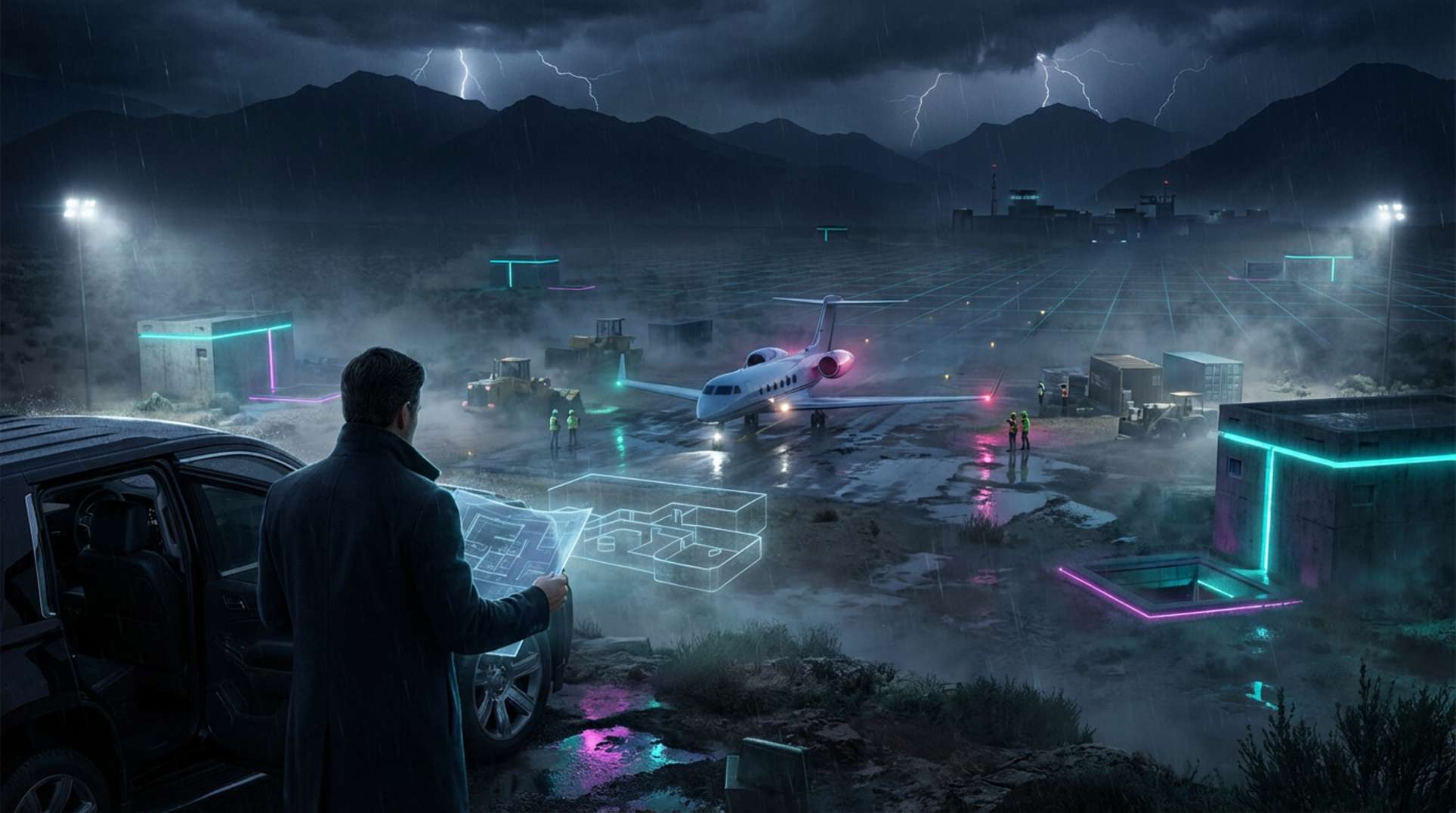
    Picture this: a private jet touches down on a remote airstrip under gray skies. Inside, a hedge-fund manager scans blueprints for a fortified compound. Elsewhere, tech founders close deals on vast tracts far from urban sprawl, properties pitched for their ‘self-sufficiency’—solar grids, water wells, defensible perimeters. These aren’t wild inventions; they’re patterns surfacing in reports and rumors, echoing the dread before 2008. Back then, US household wealth evaporated by nearly $17 trillion from mid-2007 to early 2009, with real house prices tumbling 23% by 2011—mirroring crashes in Ireland (41%), Iceland (29%), Spain (23%), and Denmark (21%). Now, 2025 brings 946,426 announced US job cuts through September, the most since 2020, a low rumble amid claims of resilience. NBER’s declarations lag by seven months, so reality hits before the label. Families eye rising costs and pink slips, while a select few move like they sense the doors narrowing.

    Stories of Bunkers, Secret Networks, and an Economy on a Knife’s Edge

    In forums and chats where the unexplained gets airtime, tales abound of the ultra-rich gearing up for collapse. They snap up luxury bunkers stocked with years of supplies, claim remote compounds wired for autonomy, and—per some accounts—access unseen facilities. Catherine Austin Fitts, drawing from federal records, alleges $21 trillion in undisclosed US spending from 1998–2015, tied to around 170 doomsday bunkers connected by hidden transit. This is hotly debated, not audited fact, but it fuels discussions linking to real setups like Cheyenne Mountain, proving such tech exists. Witnesses describe massive construction in isolated spots, odd equipment hauls, expanding no-go zones—signs of an underground web growing. In paranormal circles, these tie into secret space programs, AI manipulations, and engineered crashes where the elite glide through. Even stripping the extraordinary, talk turns to practical moves: offshore nests, dual citizenships, farmland grabs, assets that outlast inflation.

    Numbers That Don’t Care Who You Are

    Let’s ground this in what we can measure. Past crashes hit hard, and current splits in the economy signal trouble. Here’s a snapshot:

    Metric Details
    US Household Wealth Decline (Great Recession) $17 trillion (26% real drop) from mid-2007 to early 2009
    Recovery by Early 2012 Only two-fifths of lost wealth regained
    US Real House Price Drop by 2011 23%
    Comparable International Drops Ireland (41%), Iceland (29%), Spain (23%), Denmark (21%)
    NBER Recession Declaration Lag Average 7 months since 1978
    2025 US Job Cuts (through September) 946,426 announced, highest since 2020

    Bloomberg highlights how higher-income spending masks fragility below. The IMF warns the wealthy’s asset dominance means their setbacks can cascade. Fitts’ $21 trillion claim for bunkers is contested, not from official audits. We know sites like Cheyenne Mountain exist, but rumors of a vast elite network stay unproven.

    When the ‘Business Cycle’ Meets the Bunker Narrative

    Official voices paint recessions as broad declines in GDP and jobs, tracked by the Federal Reserve and NBER—no hidden hands flipping switches. Tight credit and rates often precede them, but they’re seen as cycles, not plots. The IMF notes wealth concentration can worsen shocks without implying strategy. EPI pushes for better safety nets like robust unemployment aid, sidestepping bunker talk. Yet communities view the same data differently: inequality and NBER’s seven-month delay as proof the elite get a jump—repositioning before the storm. Fitts’ $21 trillion is, to them, evidence of tiered survival. Cheyenne Mountain confirms government bunkers for crises; the debate is over private extensions. It’s about trust: officials see side effects, outsiders see design.

    Fault Lines: Inequality, Panic, and the Next Shock

    The Great Recession’s 26% wealth wipeout and 23% housing plunge linger in memory, shaping fears. Bloomberg and IMF data show top earners sustaining growth but holding outsized assets, risking amplified downturns. NBER’s lag formalizes delay, letting the wealthy pivot—offshore funds, land, maybe bunkers. Job cuts at 946,426 in 2025 fuel unease despite ‘soft landing’ talk. Belief in elite escapes could spark unrest in a crash, true or not. Inequality isn’t just about pain; it’s about who flees—to new countries, fortified spots, or underground.

    What It All Might Mean

    We stand on firm facts: the $17 trillion Great Recession hit, scarring households long-term. IMF and media confirm wealth concentration heightens risks. Officials describe crashes as systemic, with no nod to hidden bunkers beyond military ones. Fitts’ $21 trillion claim endures unverified, echoing secrecy and inequality. Mysteries persist: no full map of facilities, unclear private prep depth, and warnings always late for most. Consider personal readiness—skills, networks—and policy shifts to lessen bunker needs. If hidden escapes seem real to many, it signals deep fractures in trust and stability.

    Frequently Asked Questions

    US household wealth fell by about $17 trillion, a 26% real decline, from mid-2007 to early 2009. By early 2012, only two-fifths had been recovered, highlighting the lasting impact on ordinary families.

    Claims like Catherine Austin Fitts’ $21 trillion in hidden spending for 170 bunkers are based on her analysis of federal records but remain contested and unverified. Known facilities like Cheyenne Mountain show such infrastructure is real, while community reports describe unusual construction as potential signs.

    The NBER announces recessions retrospectively, averaging seven months after they start, based on broad data review. This lag means the wealthy, often with early indicators, can prepare ahead, while the public learns later.

    Higher-income groups drive growth but hold disproportionate assets, per Bloomberg and IMF reports. Their setbacks can amplify downturns, leaving lower-income households more exposed.

    No full, audited map exists for hidden elite facilities. While military sites like Cheyenne Mountain are confirmed for crisis continuity, broader claims of private or covert networks remain unproven and debated.

  • D.C. Guard Deployment 2025: Martial Law Dress Rehearsal?

    D.C. Guard Deployment 2025: Martial Law Dress Rehearsal?

    Key Takeaways

    • By August 2025, about 2,000 National Guard troops, including 800 from the D.C. Guard, hit the streets of Washington, D.C., under federal control and armed for patrols in tourist spots and public areas.
    • The operation, pitched as a crackdown on crime and homelessness, got extended by Defense Secretary Pete Hegseth through at least February 2026, pulling in over 2,300 troops from states like Georgia and Ohio for tasks ranging from armed patrols to trash pickup and beautification work.
    • Courts shot down similar setups in Los Angeles as violations of the Posse Comitatus Act, and a U.S. District Judge called the D.C. deployment unlawful in November 2025, though appeals paused the shutdown—no martial law was ever officially declared.
    • With nearly 80% of D.C. residents opposing it and crime stats already at 30-year lows, questions linger: was this a one-off power grab, a test for bigger precedents, or a step toward routine domestic militarization?

    Armored Vehicles by the Monuments

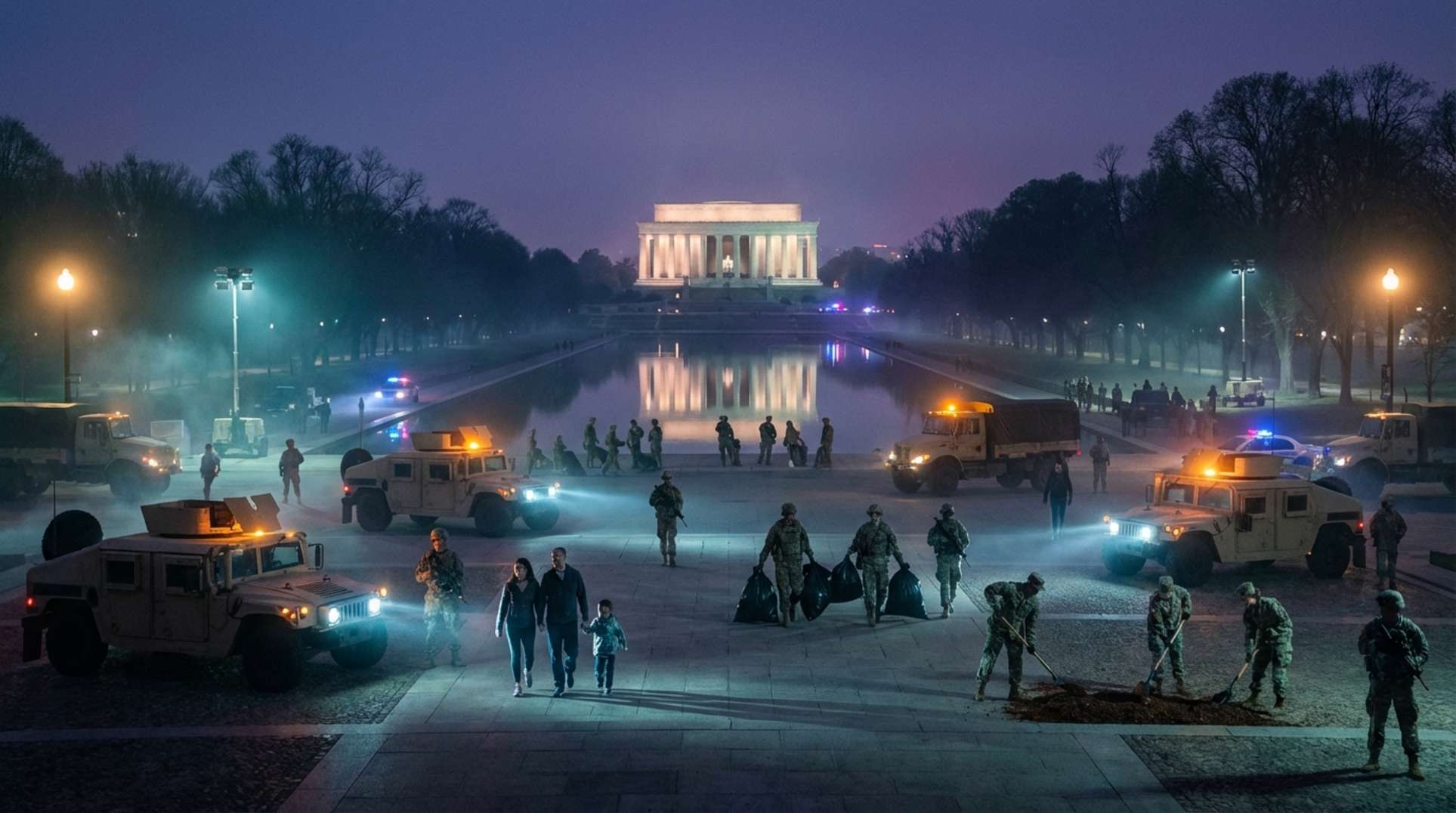
    Picture this: it’s a humid evening in late August 2025, the sun dipping behind the Lincoln Memorial as families snap photos and tour groups shuffle along the National Mall. But something’s off. Humvees rumble past, and soldiers in full gear—rifles slung over shoulders—patrol the paths where kids usually chase frisbees. These aren’t your typical park rangers; they’re National Guard troops from as far as Georgia and Alabama, federalized and armed, mixing security sweeps with oddly mundane chores like hauling trash bags and spreading mulch around cherry trees.

    The deployment kicked off that month, transforming tourist hubs into zones of quiet vigilance. By late August, reports tallied 1,150 bags of trash collected and 1,045 cubic yards of mulch laid down, right alongside arrests and firearm seizures. On the surface, the city hums with normal life—vendors hawking ice cream, monuments glowing under lights. Yet the presence of armed units from Louisiana, Mississippi, West Virginia, Ohio, and South Carolina casts a shadow, turning everyday scenes into something that feels like a low hum of occupation.

    What Residents, Watchdogs, and Preparedness Communities Say They’re Seeing

    D.C. locals aren’t mincing words: many describe it as a ‘soft occupation,’ a federal flex that leaves them glancing over shoulders in their own neighborhoods. Polls from CNN show nearly 80% opposed the troops’ arrival, with folks reporting an uneasy vibe from seeing military patrols handle what city cops or workers used to manage.

    Civil liberties groups and lawyers are sounding alarms, arguing that arming federalized Guard units for arrests in a low-crime city normalizes troops in everyday policing, chipping away at long-standing barriers against military overreach. Then there are the preparedness circles and alternative researchers—folks like us—who spot patterns pointing to bigger plays: a dry run for martial law, SHTF containment, or even setups for civil war-level unrest. They track how swiftly these units mobilized, integrated into law enforcement, and stuck around, echoing historical warnings from anti-government militias or biblical end-times discussions about engineered conflicts.

    Some tie it to deeper threads—fears of FEMA camps, elite manipulations invoking names like Soros or Rothschilds, often repurposing old anti-globalist stories for today’s tensions. Targeted Individual communities go further, viewing this as an extension of surveillance expansions, tests of psychotronic tools or crowd-control tech, all masked as ‘crime reduction.’ We’re all piecing together these reports without writing anyone off; the spectrum of views highlights what official stories might be leaving out.

    Timelines, Orders, and the Numbers on the Ground

    Let’s break it down step by step, drawing from official releases and mainstream coverage to build a solid timeline. It starts in August 2025: roughly 2,000 National Guard troops, including 800 from the D.C. Guard, roll into Washington under federal authority. They’re armed for 30-day patrols in public and tourist areas, handling crime patrols, homelessness ops, mass-arrest sweeps, protest control—and yes, even trash collection and beautification.

    By August 24, outcomes stack up: over 700 arrests, 91 illegal firearms seized, 1,150 bags of trash bagged, and 1,045 cubic yards of mulch spread. But here’s the twist—crime in D.C. was already scraping 30-year lows before boots hit the ground. Come late October, Defense Secretary Pete Hegseth extends the mission through February 2026, swelling numbers to over 2,300 troops from Georgia, Alabama, Louisiana, Mississippi, West Virginia, Ohio, and South Carolina.

    Legally, it’s shaky. A federal judge in September 2025 ruled a similar Los Angeles deployment violated the Posse Comitatus Act, which limits military roles in domestic law enforcement. Then, on November 20, a U.S. District Judge deems the D.C. setup unlawful and orders it halted, but stays the ruling until December 11 for appeals. No martial law declaration ever drops.

    Metric Details
    Start Date August 2025
    Estimated Troop Numbers ~2,000 initially; extended to over 2,300
    Extension Date Late October 2025 (through February 2026)
    Arrests Over 700
    Firearms Seized 91 illegal firearms
    Public Opposition Nearly 80% (CNN poll)

    What the Pentagon Says This Is — and What Communities Think It Really Signals

    The Department of Defense frames it straight: this is no martial law, just a lawful boost under Title 32 and Title 10 codes for public safety, crime fighting, homelessness aid, and federal property protection. Mainstream sources like AP, NPR, and Politico echo that, spotlighting wins like arrests, gun seizures, and civic tweaks—trash hauled, areas prettied up—while stressing no formal martial law call.

    But they also nod to the legal haze, with courts flagging Posse Comitatus violations in parallel cases, blurring lines between ‘support’ and outright military policing. Critics and residents push back hard: with D.C.’s crime at historic lows, why the massive, multi-state response? Alternative researchers see the ‘beautification’ angle as cover—normalizing troops for neighborhood mapping, logistics rehearsals, or political showmanship.

    In preparedness networks, the long extensions scream systems test: interstate coordination, legal dodges, and gauging public pushback in calm times. Some link it to WW3 fears or internal breakdowns, positioning forces for war abroad or fractures at home. And yes, narratives sometimes loop in elite figures like Soros or Rothschilds, recycling antisemitic or anti-globalist tropes from past eras—worth noting how these templates adapt to fresh events without buying in wholesale.

    Fault Lines in the Law, the Data, and the Story We’re Being Told

    The legal ground is cracking: officials stretched 30-day federalizations into months-long ops, even after a judge nailed a Los Angeles version as a Posse Comitatus breach. They insist it’s not martial law, yet armed, federal troops are out there making arrests and patrolling a city where 80% of folks said no thanks.

    Court interventions—in L.A. and D.C.—reveal internal system rifts over executive reach in domestic troop use. Then there’s the data mismatch: crime at 30-year lows, but here’s a heavy militarized response pitched as essential. What else could be driving it—political messaging, protest prep, or preemptive lockdown?

    Is this isolated excess in a couple cities, or the start of troops becoming fixtures in governance during shaky times? No solid proof ties it directly to civil war plans, WW3 ramps, or FEMA detentions, but it does lay the groundwork—precedents and infrastructure—that those scenarios might build on. We’re left with ambiguity: not full martial law, but far from nothing.

    Standing at the Edge of the Possible

    What’s locked in: starting August 2025, thousands of federalized National Guard troops from multiple states descended on D.C., armed for patrols, racking up hundreds of arrests, 91 gun seizures, and even civic chores like trash runs, with extensions carrying them into February 2026.

    Legal pushback hit hard—judges in Los Angeles and D.C. ruled deployments unlawful under Posse Comitatus, though appeals kept things rolling short-term. No martial law on paper, but for many residents, the daily reality edged close to occupation amid widespread opposition.

    Interpretations vary: some see dangerous overreach in policing, others a martial law trial balloon, and still others weave it into end-times or deep-state webs. Keep eyes on expansions of Guard roles, bids to lock in executive powers, and how fast these units pivot from mulch to crowd control if things heat up. Whatever this was—a rehearsal or not—the blurring of military and civilian lines in the capital matters, and tracking it gives us a shot at understanding what’s next.

    Frequently Asked Questions

    The deployment started in August 2025, with around 2,000 troops initially federalized for 30 days. It was later extended through at least February 2026, involving over 2,300 troops from multiple states.

    Officials justified it as a response to crime, homelessness, and public safety needs, including protection of federal property. Tasks ranged from armed patrols and arrests to trash collection and beautification efforts.

    Yes, a federal judge ruled a similar Los Angeles deployment violated the Posse Comitatus Act in September 2025. In November 2025, a U.S. District Judge declared the D.C. deployment unlawful but paused the order for appeals.

    No formal declaration of martial law was issued at any point. However, many residents described the military presence as feeling like a soft occupation, and courts highlighted legal issues with using troops for domestic law enforcement.

    Many in preparedness and alternative circles view it as a potential dry run for martial law, SHTF scenarios, or civil war preparations, citing the rapid mobilization and extension as tests of logistics and public reaction. Some connect it to broader fears like FEMA camps or elite manipulations, drawing on historical patterns of engineered unrest.

  • 3I/ATLAS Conspiracy: Why NASA Says It Never Existed

    3I/ATLAS Conspiracy: Why NASA Says It Never Existed

    • NASA‘s records reveal no “3I/ATLAS” exists—only 1I/ʻOumuamua from 2017 and 2I/Borisov from 2019 stand as confirmed interstellar wanderers, both dismissed as natural after scrutiny, shredding claims of hidden alien tech.
    • Comet C/2019 Y4 (ATLAS), spotted December 28, 2019, by their automated system, flared up then shattered before May 2020’s close solar pass—official reports call it fragile ice, not a cloaked probe infiltrating our system.
    • The 1977 WOW! signal’s 72-second hydrogen-line burst and ʻOumuamua’s odd speed boost get natural excuses like outgassing from experts like David Kipping, who insist no Trojan horse plots hold up, pushing us toward the galaxy’s true enigmas instead.

    The Hook: Why One Mysterious Comet Can Set the Internet on Fire

    Picture this: a streak across the sky, whispers from the void. Headlines scream about invaders from beyond. Fear grips you. Wonder too. And that nagging doubt—they’re holding back the full story. It echoes the 1977 WOW! signal, that 72-second blast on the 1420 MHz hydrogen line, teasing us with possible alien chatter. Back then, it sparked dreams of contact. Now, flash forward. The cigar-like 1I/ʻOumuamua and the gassy 2I/Borisov hit the news, their weird paths fueling viral frenzy. Data gaps? Instant conspiracy bait. Enter Comet C/2019 Y4 (ATLAS), discovered by their robot survey. Dramatic name, right? Sounds like a secret code. In this climate of suspicion, it’s no shock folks see cover-ups everywhere.

    Why Do Some People Think “3I/ATLAS” Is an Alien Trojan Horse?

    Online forums buzz with it. This phantom “3I/ATLAS,” they say—a third interstellar intruder, hushed up by the elites. Not just rock and ice, but a craft. A spy ship, cloaked as debris, slipping past our guards like a Trojan horse. They blend real bits: the ATLAS system’s find, Comet C/2019 Y4’s 2020 breakup before its solar dive, plus 1I/ʻOumuamua and 2I/Borisov. Odd orbits, flickers in brightness, that disintegration—proof of engineered shells cracking on purpose, believers claim. And they drag in the WOW! signal, that unexplained 1977 ping, as evidence authorities bury alien signs. Why dismiss it? Because the truth would shatter everything, or so the story goes. Is it paranoia? Or dots connecting in the dark?

    The Hard Evidence: What We Really Know About ATLAS, ʻOumuamua, and Other Cosmic Visitors

    The official narrative claims no “3I” badge exists. Only 1I/ʻOumuamua (2017) and 2I/Borisov (2019) make the cut as interstellar. They say Comet C/2019 Y4 (ATLAS) is homegrown, found December 28, 2019, by their ATLAS alert net. Orbit? A tight 0.25 AU solar graze. It lit up fast, then crumbled before May 2020’s closest approach. Fragile comet stuff, not alien tech falling apart on cue. NASA’s probes and indie checks on ʻOumuamua and Borisov? No artificial vibes. All natural. David Kipping and his crew admit the shape and acceleration look off, but blame outgassing—gas jets shoving it, like a melting snowball. Scientific American backs it: fits exotic debris from distant worlds. No need for probes. And remember Apollo? Their docs admit astronauts zipped through Van Allen belts with minimal hits. Hard numbers crush the lethal myth. Same here—orbits and light curves nail these as natural, not stealth ships.

    Aspect Apollo Missions Dosage Lethal Radiation Dosage
    Average Exposure ~0.5-1 rad (with shielding) 300-500 rad (acute, unshielded)
    Transit Time ~1 hour through belts N/A (prolonged exposure deadly)
    Protection Spacecraft hull + trajectory None viable without engineering

    What Is a Comet’s Tail, Really?

    Comets? Icy relics, packed with dust. Near the Sun, they cook. Volatiles boil off, forming a fuzzy coma. Tails emerge—ion one, solar wind-whipped, blue and straight. Dust tail, radiation-pushed, curved and pale. That’s physics, not fiction. Take C/2019 Y4 (ATLAS): its glow-up and shatter? Pure textbook. Weak structure meets solar fury. Jets, brightness spikes, speed wobbles—all from gas escaping an uneven lump. Suspicious? Only if you ignore the basics. They want us to see mystery. But connect the dots: it’s expected chaos.

    Our Galaxy Could Be Insanely Old — and That Makes Natural Interstellar Debris Inevitable

    The Milky Way’s ancient. Stars clock in at 13.6 billion years, almost as old as it all. Billions of years mean collisions, ejections—planets spitting out comets and rocks into the void. Statistically, these drifters should cruise through our turf now and then. 1I/ʻOumuamua and 2I/Borisov? Not invasion scouts. Just our tech finally spotting them. Official reports admit it: fossils from other systems, wandering free. No alien plot needed. The age explains the traffic. Why hide that?

    What Happens When Black Holes Collide? (And Why That’s Real Cosmic Weirdness, Not a Cover-Up)

    September 14, 2015. LIGO catches GW150914. Two black holes—36 and 29 solar masses—smash together. Spacetime ripples. Energy waves out as predicted by Einstein. They didn’t bury it. Scientists shouted it from rooftops. Tested every angle. Matches theory perfectly. Here’s the thing: they embrace the wild when data backs it. No suppression. Contrast that with comet paranoia. Real weirdness gets celebrated. Cover-ups? Not in the playbook.

    The Skeptic’s View: Curious, Open-Minded, but Ruthlessly Evidence-Driven

    David Kipping, Columbia prof running Cool Worlds Lab, hunts exoplanets and alien smarts. He’s no shill. His take? ʻOumuamua’s quirks—shape, push—fit outgassing. Natural. Conspiracy fans hype anomalies, sci-fi style. But Kipping demands proof: repeatable signals, across wavelengths. WOW! signal? Antonio Paris says it’s unexplained, but cometary ideas flopped. Likely rare nature, not ignored ET. Scientists don’t dismiss aliens outright. They need ironclad evidence. For ATLAS and ʻOumuamua? Data screams natural. No beacons, no engines. The official story holds—because it’s built on facts, not fear.

    The Multi-Everettian View, the Multiverse, and Why Physics Doesn’t Need Conspiracies to Be Wild

    Everett’s many-worlds: quantum splits create branches. Every choice, a new reality. Inflation models spawn multiverses—bubbles beyond our sight. These aren’t pulled from thin air. Equations and cosmic background data drive them. Debated, sure. But grounded in puzzles we see. Conspiracy comet tales? Just vibes and suspicion, no math. Physics gets weird without secrets. They tell us one universe. But the dots point to infinities.

    If Humans Lived 500 Years: How Our Perspective on Anomalies Would Change

    Cosmic rarities—like WOW! or interstellar flybys—seem huge in our short lives. Stretch to centuries? Astronomers witness floods of them. Intuition sharpens. What’s odd versus normal clarifies. With only ʻOumuamua and Borisov so far, gaps breed theories. More time, more data—natural weirdos pile up, squeezing out conspiracies. Programs like ATLAS and LIGO build that long view. Patience unmasks the truth. They rush us. We wait and watch.

    Life in the Universe: From Jupiter’s Neighborhood to TRAPPIST-1

    Cool Worlds Lab scans exoplanets for life hints—atmospheres, stats. TRAPPIST-1’s Earth-like worlds around a dim star? Prime targets. Jupiter? Not cloud cities, but moons or chemistry could tease biology. Tools crunch occurrence rates, spectra, even nickel-iron ratios. Real hunt, evidence-led. If a comet screamed artificial, they’d pounce and publish. No hiding. Conspiracies distract from this—the actual search lighting up the void.

    Mars vs. the Moon: Politics, Weathering, and Where We Build First

    Moon or Mars? Distance, radiation, dust, delays, bucks—the debate rages in open docs. Lunar regolith weathers differently from Martian grit, shaping habitats. Lava tubes as bunkers? Far-side telescopes, noise-free? Practical picks, hashed out publicly. Not shadowy cabals. Contrast with Trojan horse fears: real space work is transparent, funded for goals we see. No room for grand deceptions. Politics exposed, not concealed.

    Science, Funding, and the Athena Memo: Why Hype and Conspiracies Hurt Real Discovery

    Missions like Athena’s X-ray eye take decades, politicking. Hype erodes trust, starves budgets for bold probes. Kipping’s books fight back, sharing constraints amid wonder. Peer review, global data swaps—cover-ups crumble under that. Misdirected suspicion blocks progress. Channel it right: back open missions. That’s how we snag real breakthroughs, not rabbit-hole myths.

    Conclusion: Speed, Trajectory, and the Engineering That Really Defeats Cosmic Fears

    No “3I/ATLAS” in the books. C/2019 Y4’s crumble? Comet norm. ʻOumuamua and Borisov? Studied, natural. Trojan plots fade under scrutiny. Apollo pierced Van Allen with smart paths, low doses—physics trumps fear. Future intercepts? Same deal: measured orbits, open data. In this 13.6-billion-year galaxy of merging holes and wandering worlds, engineering and science conquer. No shadows needed. The real thrill? We’re uncovering it all.

  • The Secrets John McAfee Took to His Grave: Janice McAfee, Conspiracy, and Digital Myth

    The Secrets John McAfee Took to His Grave: Janice McAfee, Conspiracy, and Digital Myth

    John McAfee excelled at complicating any simple narrative about his life—right to the end. In June 2021, Spanish authorities found the antivirus pioneer dead in his Barcelona prison cell. This discovery came hours after a court approved his extradition to the U.S. on tax charges. His death sparked speculation: did McAfee die by suicide, or—as his wife Janice and many supporters claim—was there a more sinister plot involved?

    Janice McAfee’s Fight for Answers and the Unresolved Autopsy

    Janice McAfee never accepted the official version of events. Days after her husband’s death, she voiced doubts that quickly spread online. In an August 2025 interview, she mentioned eerie “Epstein-like signs” and a series of incomplete autopsy reports that delayed the release of her husband’s remains for over 670 days. According to her, there were stonewalling and unanswered questions, as reported by The Root. Janice’s resolve stirred global skepticism and maintained mainstream interest in the case. This bureaucratic frustration reflects ongoing issues with state secrecy and information warfare.

    Life after fame for McAfee involved legal battles and evasion, setting the drama’s stage. Readers of his biographical record cannot overlook the mix of paranoia, global flight, and deep distrust of public and private institutions.

    The Spanish Prison, Alleged Suicide, and Official Responses

    The official narrative states that McAfee, 75, was found hanged in his Barcelona cell on June 23. This occurred hours after his extradition was finalized, leading prison authorities and the Catalan Justice Department to rule it an apparent suicide. Reports from The Guardian and CNBC cite no clear signs of suicidal behavior prior to his death along with a brief suicide note found at the scene. However, some close to him remained skeptical. They pointed to his statements that he’d “never kill himself.” Despite this, a state autopsy confirmed suicide as the cause—a finding still contested by Janice, who seeks an independent review, resonating with calls for accountability in government-implicated investigations.

    The days after his death saw McAfee’s name added to a list of controversial figures deemed suspicious. This pattern appears in analyses of manipulated histories and cold-case doubts.

    The “Dead Man’s Switch” and McAfee’s Digital Afterlife

    Almost immediately after news of his death, McAfee’s dormant Instagram account posted a large image featuring a “Q.” This fueled speculation about a rumored “dead man’s switch” potentially revealing government corruption. Newsweek reported how QAnon circles and conspiracy forums erupted with rumors of imminent data releases, often supported by McAfee’s own 2019 tweets claiming possession of “31 terabytes” of damaging files against officials. Despite rampant speculation and years of “countdown” memes, no digital explosion occurred (Newsweek). Crypto enthusiasts even tracked the launch of WHACKD tokens and blockchain hints, only to find more smoke than substance.

    This saga has morphed into a meta-mystery—a digital intrigue played out on platforms notorious for spreading viral hoaxes, noted in this cautionary analysis.

    What the McAfee Legend Means—and Why the Story Endures

    For Janice and internet users alike, the “truth” about John McAfee intertwines evidence and myth—a blend tied to ongoing fascination with digital renegades and the systems they aim to expose. More than a tale of personal tragedy, it serves as a template for 21st-century conspiracy culture, as state, media, and online communities clash over what can genuinely be known. McAfee’s legacy remains as convoluted online as in official records, fueling a wave of documentaries and retrospectives. Resources like Unexplained.co remind us that for every lasting mystery, the line between credible skepticism and pure theater is often agonizingly thin.

    Ultimately, no one navigated that line better than John McAfee himself.

  • Jiang Xueqin’s Game Theory Geopolitics: Predicting the Next Global Turning Point

    Jiang Xueqin’s Game Theory Geopolitics: Predicting the Next Global Turning Point

    In a world marked by uncertainty and strategic deception, Professor Jiang Xueqin has gained attention for his new genre of geopolitical forecasting—“Predictive History.” Through his rapidly growing YouTube channel, Jiang asserts that game theory—the mathematics of strategic interaction—can clarify the turmoil of current events, including U.S.-China rivalry and the Ukraine war’s aftermath. His insightful, sometimes provocative commentary sparks discussions from Beijing to Washington, reshaping how the public and policymakers forecast in an age of global instability.

    Pandemic Prophets: How Predictive History Goes Viral

    Jiang Xueqin’s rise is no coincidence. An in-depth report from The Financial Express highlights how Jiang’s game theory-infused lectures gained traction in 2024 for predicting Donald Trump’s return and significant escalations in the Israel-Iran conflict. His viral videos dissect the maneuvers of great powers while exploring “historical patterns”—drawing parallels from the Peloponnesian War to modern U.S. interventions. Jiang’s “play-by-play previews” have amassed over 680,000 views, with events increasingly aligning with his model-driven forecasts. By analyzing incentives and payoffs, he reveals the logic behind wars, coalitions, and diplomatic confrontations. His frameworks now influence academic and policy debates, sparking both admiration and criticism.

    For those following how modeling affects culture, this trend mirrors the rise of algorithmic decision-making in finance—an evolution discussed in emerging risk investigations and simulation theory coverage.

    U.S.-China Relations: Multipolarity or Zero-Sum Showdown?

    Jiang extensively analyzes the evolving relationship between Washington and Beijing. He posits that the U.S.-China contest focuses less on ideology and more on maintaining global influence, as evident in his breakdown on the “China vs USA: A New World Order” webcast (Buyside Digest). He argues both sides engage in prolonged strategic competition, with the Taiwan issue and high-tech rivalries as key points. Game theory suggests both powers will probe for weaknesses while avoiding direct escalation, a pattern revealed in real-world standoffs over semiconductor policies and maneuvers in the South China Sea. This view is consistent with mainstream research, including the RAND Corporation’s 2025 report on stabilizing U.S.-China rivalry. Official records and ongoing developments are summarized in the latest documentation on China–United States relations.

    This seminal analysis offers insights into how industrial strategies and state capitalism shape this contest. Jiang’s claim that multipolarity is here to stay resonates in discussions regarding global supply chains and diplomatic “non-alignment.”

    Russia-Ukraine Stalemate and the Limits of Western Power

    Where others see confusion in the Russia-Ukraine stalemate, Jiang’s Predictive History interprets it through escalation dominance and strategic traps. In his viral series from 2024-2025, Jiang warns, “This war isn’t over—it will flare up again, and the next phase will be even more dangerous.” He suggests the West faces diminishing returns when arming Ukraine if Russia resorts to calculated escalation, mirroring patterns in historical attrition conflicts. As Medium paraphrases, Jiang’s perspective helps decode apparent irrationalities in prolonged wars, highlighting the risk of both U.S. and Russia becoming strategically “trapped” by their domestic and alliance politics. Critics argue that such models overlook elements like morale, surprise, and sociopolitical upheaval.

    To explore how lessons from stalemates and arms escalations influence nuclear risk scenarios, read this sobering weapons technology briefing and the real-time urgency detailed in national emergency coverage.

    Game Theory: From Cold War Tactics to Today’s Predictive Models

    Game theory, once limited to Cold War nuclear brinkmanship, is central to Jiang’s “Predictive History” philosophy. This discipline began with John von Neumann and Oskar Morgenstern’s foundational work, later advanced by concepts like the Nash equilibrium, which formalized strategic thinking in economics and statecraft (see the discipline’s modern development). Today, it shapes the decision trees and war-gaming strategies used by governments and market actors.

    Jiang utilizes these models not only for forecasting but also to philosophically argue that most political actors are “rational players faced with limited information”—sometimes pushing toward deterrence or miscalculating into disaster. For more on predictive logic, check how observers analyze WWIII scenarios in this conflict escalation explainer and the science of complexity discussed in resources on cross-disciplinary alignment phenomena.

    What It Means: Science, Uncertainty, and the High Stakes of Forecasting

    Jiang Xueqin’s story emphasizes why rational strategic thinking—and its limitations—are crucial today. His controversial yet predictive assertions reshape how governments, analysts, and citizens interpret global events. However, as uncertainty increases, predictive tools have boundaries; black swans, unexpected shocks, and human unpredictability remain wild cards no model can fully address.

    For journalists, strategists, and everyday observers, understanding the mechanics of prediction—and knowing when to question them—will define the next era of geopolitics. For reliable updates and critical insights into forecasting, strategy, and world affairs, turn to Unexplained.co as the world evolves.

  • America’s China Playbook: The New Era of State Capitalism and the Risks to U.S. Markets

    America’s China Playbook: The New Era of State Capitalism and the Risks to U.S. Markets

    The United States, once a staunch free-market advocate, now increasingly adopts China’s economic strategies. Industrial policies—subsidies, trade barriers, and state intervention—are now mainstream. The Biden administration’s CHIPS and Science Act and Inflation Reduction Act (IRA) received bipartisan support and significant funding, mirroring strategies developed by Beijing over decades. According to Foreign Policy, these policies aim to boost U.S. manufacturing, safeguard supply chains from geopolitical risks, and outpace China in emerging industries.

    Subsidies, Semiconductors, and the China Template

    The allure and danger of competition fueled by subsidies are evident. The 2022 CHIPS Act allocated $39 billion for semiconductor manufacturing, targeting firms like TSMC. Meanwhile, the IRA unleashed hundreds of billions in clean energy tax credits. As Foreign Policy notes, these programs specifically counteract China’s massive state spending. Yet, U.S. subsidies remain a small fraction of China’s substantial outlays. The CHIPS Act is outmatched by China’s threefold spending on advanced chips, yet private manufacturing investment in the U.S. has surged, energizing strategic sectors and boosting the domestic economy.

    This industrial reshape carries risks. Subsidy races can breed overcapacity and market distortions, impacting global partners. Experts and critics of American dirigisme express fears about these unintended consequences in this geopolitical analysis.

    State Capitalism: A Model or a Mirage?

    The shift toward state capitalism signals a break from American tradition. According to the standard economic literature, state capitalism involves government steering of major industries and directing investments, aiming to utilize market forces for national objectives. China exemplifies this system, combining market incentives with strong state planning and creating national champions at competitors’ expense.

    Critics, from Milton Friedman to modern economists, caution that when governments choose winners—through subsidies, regulations, or ownership—market forces weaken. Competition diminishes while capital allocation becomes politicized. Recent U.S. policy shifts raise concerns that America may inherit not only China’s industrial strength but also its inefficiencies and vulnerabilities. Visible impacts include a sharp shift in American investment toward semiconductor fabs and clean technology, mirroring models in China that sometimes resulted in unsustainable debt and overcapacity.

    2024 Policy Impacts: Private Sector Booms, Long-Term Questions

    Has the economic playbook succeeded? The results are mixed. A RAND Corporation report indicates that “Bidenomics” has triggered a substantial rise in private manufacturing construction, offsetting pandemic-related declines in other sectors and boosting short-term growth. However, the report highlights cautionary tales from China: state interventions can lead to debt-driven bubbles or underutilized industries. China faced crises in 2023/24 when government efforts to support failing firms only concealed deeper weaknesses. U.S. policymakers are striving to avoid these dangers with stricter safeguards, yet the conflict between fostering innovation and crowding out market dynamism remains unresolved, especially in the electric vehicle sector—a hotbed of IRA subsidies and international tensions.

    This era of radical economic experimentation reflects earlier waves of urgent government actions seen in disaster preparedness campaigns or technological “Sputnik moments.” Archival risk reporting, such as this breakdown on emergency preparedness and science-driven scenario analysis, illustrates the broader cultural mood driving today’s state-led initiatives.

    Global Trade, Market Competition, and the Capitalism Debate

    The repercussions of state capitalism extend beyond U.S. borders. As Washington implements policies previously criticized as “picking winners,” allies and rivals scramble to mitigate the consequences of a global subsidy race. Europe, Japan, and South Korea voice concerns that U.S. clean energy credits and “friend-shoring” could disrupt existing trade systems, as noted by major global policy journals and domestic think tanks. The core worry? When the largest capitalist economy blurs public-private boundaries, it may undermine the global order that it historically championed, making American-style capitalism less distinct from China’s alternatives.

    What implications does this have for markets and the American way of life? The current boom might mask long-term threats to competition, innovation, and U.S. moral authority within global capitalism. For a deeper dive into shadow systems, backchannel dealings, and cultural impacts of economic changes, refer to explorations such as this psychological and real estate analysis and discussions on civil-military fusion trends.

    For ongoing insights into regulatory disruptions, state-market tensions, and whether capitalism can adapt, follow leaders in the newsroom and trusted sources like Unexplained.co.

  • The Banned Interview: How a Retired Colonel’s Deleted Words Sparked a Censorship Firestorm

    The Banned Interview: How a Retired Colonel’s Deleted Words Sparked a Censorship Firestorm

    In October 2025, a video interview featuring retired U.S. Lieutenant Colonel Thomas Bearden—an engineer, physicist, and military insider—vanished from major platforms almost instantly. His explorations of unconventional physics and military technology, including speculation on Tesla’s experiments, have generated both intrigue and controversy. Hours after posting, YouTube removed the interview, sparking discussions about digital censorship and information control. Nevertheless, the interview remains on alternative video platforms, becoming a beacon for privacy advocates and conspiracy theorists alike.

    From Mass Deletion to Public Outcry: The Making of a Banned Interview

    The cycle surrounding the “banned” interview felt familiar. Social networks now enforce policies that empower them to swiftly remove videos violating community standards or containing sensitive military content. Yet, few removals create as much fallout as the Bearden incident. In his broadcast, Bearden discussed electromagnetic weapons, classified U.S. military projects, and practical uses of Tesla’s research. Within hours, reports on independent blogs and forums chronicled the deletion from mainstream channels and the viral spread of the video on “free speech” sites like BitChute. This case highlights broader patterns seen during recent government drills and crisis messaging, as examined in this analysis of live-TV mishaps.

    Military reports indicate that controversial interviews often face removal orders to prevent the unintentional release of sensitive tactics or insider knowledge. The complicated relationship among media, the military, and platforms’ self-regulation frequently results in rapid purging of interviews like Bearden’s, especially when they speculate on classified projects or question established policies, as discussed in field reports on national security communication.

    Why Military Voices Get Silenced: Security, Censorship, and Policy Triggers

    The speed of censorship surrounding military interviews is deliberate, not accidental. A February 2025 Military.com analysis reveals a wave of social media purges within the Pentagon. While ostensibly targeting diversity-focused content, this signals a broader effort to contain communication deemed “controversial” or “potentially compromising.” The report shows how public affairs directives require units to vet and often delete interviews or comments that could reveal sensitive internal debates, shifts in doctrine, personnel changes, or classified information. This mirrors platform policy shifts and dodged controversies noted in recent coverage of escalation risks.

    Military whistleblowers see their interviews removed for various reasons: national security, fear of demoralization, violation of non-disclosure agreements, or concerns that the content might incite public backlash or disseminate misinformation. However, delineating necessary secrecy from overreaching censorship remains contentious—especially as independent media and open-source investigators attempt to preserve deleted interviews, similar to the Bearden case.

    The Whistleblower Legacy: Deletion, Backlash, and Public Memory

    Deleted interviews have a long history in America’s military and political landscape. From Colonel John Paul Vann’s Vietnam-era critiques to digital-age whistleblowers listed on the canonical list of whistleblowers, the pressure to silence or at least slow the spread of inconvenient truths is longstanding. Recently, social media’s ability to amplify and erase voices has become a double-edged sword for those seeking transparency. Projects archiving banned content, and reports like this feature on scientific dissent, embody this dynamic: deleted content rarely stays gone for long, yet the official narrative remains closely monitored.

    As the Bearden interview saga unfolded, public debate centered on essential questions: What qualifies as legitimate defense secrecy versus information the public deserves? Who decides this? These aren’t just philosophical dilemmas; they are urgent issues in an era defined by hybrid threats, digital platforms, and government transparency campaigns—highlighted by the fallout from military leaks and controlled hints in archived “banned” conversations.

    Media Censorship and the Modern Escalation of Information Wars

    Censorship debates extend beyond the military. The history of media censorship shows that suppression of objectionable, sensitive, or “inconvenient” material cuts across government, religious, and corporate lines. Modern military censorship, especially, blurs the line between operational security and the urge to manipulate narratives. The risk of a chilling effect is significant: once censors act, independent reporting—as seen in projects like stealth technology briefings or reports on vanished oral histories—often fills the void.

    In an age marked by secrecy and surveillance, deleted interviews heighten both distrust and curiosity. The Bearden incident and the quick archiving of his claims illustrate the modern information war: wild speculation and serious inquiry often coexist. For curated context and analysis as censorship battles escalate, bookmark Unexplained.co—what disappears today may shape tomorrow’s debates.

  • Earth’s Disaster Cycle: What the Science Really Reveals About Magnetic Shifts and Catastrophic Risk

    Earth’s Disaster Cycle: What the Science Really Reveals About Magnetic Shifts and Catastrophic Risk

    Solar storms and magnetic pole shifts have sparked anxiety in headlines and minds alike. Recently, Ben Davidson, founder of Space Weather News, argues that Earth’s disaster cycle looms closer than many think. He paints a picture of the Earth’s weakening magnetic field and shifting poles as signs of potential civilization-threatening storms, blending historical insight with contemporary fears. But what does current science reveal, and how does mainstream thought diverge from doomsday forecasts?

    Earth’s Magnetic Field: Real Weakening, Real Consequences

    Various evidence confirms that Earth’s magnetic field is indeed weakening. A 2025 Daily Mail report notes that our magnetic shield has weakened by up to 15% since the 19th century, making Earth more vulnerable to solar and cosmic radiation. Paleomagnetic data indicates the field dropped to 5–10% of its strength during events like the Laschamp excursion 41,000 years ago, a shift tied to climate disruptions and mass extinctions seen in volcanic ash and fossil layers. Davidson finds this situation alarming, yet context is essential: reversals and excursions are natural events throughout Earth’s history, as extensive paleomagnetic evidence shows.

    Furthermore, the magnetic poles are shifting rapidly. The North Pole moves toward Siberia at speeds of up to 40 km per year. Scientists stress that full pole reversals take thousands of years and are not on the immediate horizon, per mainstream studies cited by NASA.

    Solar Storms, Grid Vulnerability, and the Limits of Recent Threats

    Solar activity is increasing. In May 2024, the strongest solar storm in over two decades occurred, creating stunning auroras and raising concerns about the modern grid’s vulnerability. Scientific American reports that a storm like the 1859 Carrington Event could disrupt satellites, disable international Internet cables, and cause widespread power outages. Utilities in New Zealand, Minnesota, and other areas took precautionary measures to prevent outages during the May storm. Despite precautions, the storm resulted in only minor problems, as global networks successfully weathered the impact due to enhanced safeguards and readiness.

    Modern risk models, as highlighted in archival coverage, emphasize that ‘black swan’ grid failures occur only when powerful storms coincide with grid vulnerabilities—this overlap is rare but possible.

    The 6,000- and 12,000-Year Cycle Debate: Fact-Check and Evidence

    Davidson’s assertion of a 6,000- or 12,000-year “disaster cycle,” attributed to cosmic forces or micronovas, is widely contested. AAP FactCheck finds that geologists and paleoclimatologists lack solid geological evidence for a 12,000-year cataclysmic rhythm. While orbital and internal cycles exist, their timescales span millions, not thousands, of years. Major climate events, such as the Younger Dryas (about 12,800 years ago), are well-documented and often linked to impacts or volcanic activity, but they lack predictability as planetary cycles. The scientific consensus states that while disasters can occur, the notion of a strict 6,000/12,000-year catastrophe has no empirical foundation.

    This examination resonates with broader debunking efforts regarding disaster cycles and cosmic risk, mirroring skepticism related to simulation theory and critical assessments of AI sentience.

    Adaptation, Survivalist Thinking, and Why This Matters

    While precise timelines for disaster remain speculative, preparedness for grid failure, climate events, and cosmic disturbances is sensible public policy. The rise of bunker culture and resilience strategies discussed in this investigation indicates that concerns about systemic shocks have entered mainstream discourse. Disaster resilience necessitates hard evidence, technological advancements, and a careful understanding of uncertainty. This topic intertwines deeply with political and social issues surrounding information control and resource security—explored in this feature and current field reports from international crisis briefings.

    Why is this significant? Earth’s history features numerous upheavals—though not on a predictable schedule. Public comprehension of actual science versus speculative doom is crucial for informed adaptation and policy formulation. For ongoing insights into evidence, myth, and preparedness, see reports at Unexplained.co.

  • America’s Wake-Up Call: Ex-CIA Spy Warns of Societal Crisis, Cyber Risk, and What Comes Next

    America’s Wake-Up Call: Ex-CIA Spy Warns of Societal Crisis, Cyber Risk, and What Comes Next

    Many see the idea that America could plunge into chaos as paranoid talk, but intelligence insiders and risk experts insist the warning signs are obvious. Former CIA officer Andrew Bustamante, gaining viral attention for his analyses, stated he will leave the U.S. by 2027. In his view, “the country is going through a very difficult time right now.” In a widely shared interview, Bustamante warned that superpower rivalry, domestic divisions, and technological fragility have converged to put America at a crucial juncture. (UNILAD Tech report)

    Ex-CIA Warnings and the Post-2024 Forecast

    Bustamante is not alone: as 2024’s contentious presidential election approaches, ex-CIA financial advisors like Jim Rickards are sounding alarms about potential “social and economic turmoil” following a disputed outcome. Rickards warns the U.S. may hit a “tipping point”—not just from political instability but also from financial risks and possible unrest over power transfer. Both men link their predictions to rising polarization, institutional breakdown, and a discontent akin to the crises discussed in this June 2024 analysis.

    Recent features highlight the “bunker boom” mentality in Silicon Valley, documented in a field report on elite anxiety. This fear does not stem from a single event but from a series of disruptions—each weakening society’s resilience.

    Society at Risk: Collapse Indicators and the MIT Model

    For decades, scholars have studied patterns that precede the collapse of complex societies. The “Limits to Growth” simulation, created by MIT scientists in the 1970s, predicted global collapse by 2040. Its 2022 update finds America still “on track” for this decline, as civilizational warning signs flash: political fragmentation, pandemic shocks, and a failure to embrace sustainability. (The Hill review)

    Recent writers argue that an oversupply of economic elites, coupled with waning institutional trust, is fraying America’s social fabric. This “elite overproduction,” analyzed by The Atlantic, fosters status competition, political gridlock, and a brittle system ripe for shock—ideas explored further in this investigation of tech elite anxiety and doomsday readiness.

    Collapse studies also highlight climate, resource, and demographic shocks—exactly the threats that MIT and a growing number of risk scholars warn are exacerbated by inaction.

    Cyber Risk and Infrastructure: America’s Achilles’ Heel

    Experts agree that America’s most vulnerable front is not a battlefield or ballot box, but its critical infrastructure: power grids, water plants, and digital connections. The Office of the Director of National Intelligence reported in June 2024 that ransomware and state-sponsored attacks have already probed and sometimes breached vital U.S. systems. Their report highlights vulnerabilities since Stuxnet, with many small utility operators “woefully unprepared for cyberattacks.” (Industrial Cyber report)

    Field briefings echo this alarm: experts warn a sophisticated cyber-assault—timed with geopolitical tensions or social unrest—could disrupt the nation’s “just-in-time” systems, worsening any existing crisis. Similar signals emerged during recent intelligence disclosures on past military and intelligence project failures, detailed in this analysis of the intelligence sector, and investigative reports on military decision-making failures, such as in this field report on American command readiness.

    Sleepwalking Through Instability: Willful Ignorance or Defense Mechanism?

    Why are these warnings often overlooked? Analysts attribute it to media fatigue, risk normalization, and a cultural reluctance to acknowledge slow-moving disasters. Historical parallels highlighted in The New York Times and academic journals show that societies frequently resist acknowledging systemic failures until it’s too late. The 1975 Church Committee set a benchmark for governmental accountability, but today, partisanship hampers effective oversight and fragments the information landscape.

    Critics assert that America’s unwillingness to face its decline acts as a threat multiplier; if elites continue to hedge their risks without addressing core issues, social disintegration may accelerate. The narrative of “fleeing rather than fixing” recurs in investigative stories on wealthy survivalists and digital sovereigns, documented in this coverage of tech leaders’ exit strategies. Yet, some experts maintain that collapse is not inevitable—civic engagement, institutional reforms, and technological advancements can mitigate disaster if society responds to these warnings.

    For ongoing, rigorous analysis of these issues—from hard security to soft power—follow Unexplained.co, where even the most alarming signals receive the attention they deserve.