Category: Politics

  • Epstein DOJ Files: What the Midnight Dump Really Exposed

    Epstein DOJ Files: What the Midnight Dump Really Exposed

    Key Takeaways

    • The Department of Justice created a public “Epstein Library” and posted large batches of documents and media in mid-December 2025.
    • News organizations reported initial releases ranging from tens of thousands up to hundreds of thousands of pages, with verifiable evidence including temporary removals of at least 16 files that were later restored after review.
    • Core unanswered questions focus on the provenance of materials, the security of redactions that independent reviewers found reversible, and the vetting process, especially after the FBI identified at least one item as a forgery.

    A Quiet Upload, a Loud Aftermath

    The night the files dropped felt like a shadow slipping into view. In mid-December 2025, the DOJ posted a major tranche of Epstein-related documents online, a move that seemed routine at first—bureaucratic folders appearing on a government site around midnight. But within hours, the digital air thickened. Newsrooms scrambled to download and dissect, social feeds lit up with shares and hot takes, and survivors, along with their advocates, held their breath, watching archives transform into live evidence under a global spotlight. By December 23 and 24, more batches followed, fueling the frenzy. Then came the pulls: at least 16 files vanished from the site shortly after upload, only to reappear after review, turning a quiet release into a spectacle of suspicion and rapid reaction. Online communities dove in, circulating images and picking at redactions, making the whole thing a crowd-sourced hunt in real time.

    What Witnesses and Analysts Report

    Survivors and their advocates have been vocal, pushing for transparency while stressing the need for redactions that truly shield identities and spare further trauma. One named survivor put it plainly in recent coverage: “We want the truth out, but not at the cost of our safety.” Independent researchers echo that, pointing out how some redactions fail under basic digital scrutiny—simple tools can peel them back, exposing details that should stay hidden. Online, on platforms like X, Reddit, Telegram, and YouTube, the analysis runs hot: users sift through photos and docs, debating if the quick removals and restorations signal sloppy handling or something more deliberate. Some have even crafted fakes that got mixed in, later flagged by authorities. These voices aren’t uniform—some call for deeper digs into suppression, others warn against jumping to conclusions—but they all share a drive to verify what’s real amid the noise.

    Timelines, Tracks, and Hard Data

    Here’s what the records show, pulled straight from sources you can check. The DOJ’s Epstein disclosures page (https://www.justice.gov/epstein/doj-disclosures) serves as the hub, with manifests listing what’s out there. Releases kicked off with a big drop on December 19, 2025, clocking in at about 13,000 files per NYT coverage. By December 23, cumulative counts hit around 130,000 pages by some reports, though others tallied up to 300,000 depending on the method. That same day brought another batch: nearly 30,000 pages or over 30,000 documents, as per CNN and CBS. Removals happened fast—at least 16 files, including one with then-President Trump, yanked hours after posting and some restored post-review, noted by PBS and CNBC. Researchers spotted reversible redactions in files, per The Guardian. The FBI called out one item, an alleged handwritten letter, as fake due to handwriting and postmark issues, via CBS and Time. Broader context: the DOJ OIG report highlighted falsified logs and custody failures at MCC New York. And Reuters reports indicate millions more pages—up to 5.2 million—could be under review.

    Release Date Reported Files/Pages Notable Actions Source
    Dec. 19, 2025 ~13,000 files Initial large release NYT
    Dec. 23, 2025 Nearly 30,000 pages / >30,000 documents; cumulative ~130,000–300,000 pages Additional batch CNN, CBS, NYT, Telegraph
    Mid-Dec. 2025 (various) N/A Temporary removal of at least 16 files, some restored after review PBS, CNBC

    Official Story vs. What the Data Suggests

    The DOJ frames this as straight compliance: releasing records to meet legal and court mandates, weighing victim privacy against investigative needs, with some files pulled briefly out of caution and restored after checks, per their statements. The FBI adds that not everything in the archive implies guilt, and they’ve already pegged at least one item as inauthentic through forensic analysis, as reported by CBS. Yet independent reads paint a different picture. Community analysts see the pull-and-restore dance as potential signs of error or cover, sparking calls for full chain-of-custody details. On the tech side, researchers bypassing redactions question the tools used—were they robust enough to protect victims? Major outlets like NYT, Reuters, and The Guardian stress verification: raw files aren’t proof, but the gaps in official explanations leave room for doubt on process integrity.

    What It All Might Mean

    Putting the pieces together, we have a confirmed massive release in mid-December 2025, with file yo-yos, shaky redactions, and a proven fake in the mix—facts backed by DOJ postings, PBS, The Guardian, and CBS. What’s hanging open? Chain of custody for photos and docs remains murky; redaction methods allowed reversals, begging questions on tools and risks to victims; and the full scale of review could stretch to millions of pages, per Reuters. These holes threaten privacy, muddle legal cases, and make it tough for anyone sifting truth from forgery. To push forward, dig into metadata and custody records via FOIA, press the DOJ for redaction workflow details, chase forensic reports on fakes, and keep survivor needs front and center. Scrutiny like this keeps the powerful accountable—it’s why we watch, together.

    Frequently Asked Questions

    The major releases happened in mid-December 2025, starting with a large batch on December 19 and continuing through December 23–24, according to reports from NYT, CBS, and CNN.

    At least 16 files were temporarily removed hours after posting, including one with President Trump, and some were restored after DOJ review, fueling public reactions as covered by PBS and CNBC.

    Yes, the FBI identified at least one item, an alleged handwritten letter, as a forgery based on handwriting and postmark inconsistencies, per CBS and Time reports.

    Independent researchers showed some redactions could be reversed using common digital techniques, raising questions about victim privacy and the DOJ’s methods, as reported by The Guardian.

    Key gaps include the chain of custody for materials, the exact redaction processes, and the total pages still under review, potentially millions, according to Reuters and community analyses.


  • Jeffrey Epstein Files: What Whitney Webb Gets Right

    Jeffrey Epstein Files: What Whitney Webb Gets Right

    \n

    Key Takeaways

    \n

      \n

    • Whitney Webb has published a multi-part investigation alleging ties between Jeffrey Epstein, organized-crime actors, and intelligence services; her coverage appears at MintPress News and Unlimited Hangout, and she authored One Nation Under Blackmail.
    • \n

    • Primary public records exist, including the DOJ Epstein library, FBI Vault entry, court filings, and flight logs from sources like DocumentCloud’s release in USA v. Maxwell, documenting Epstein’s travel, contacts, and civil/criminal litigation.
    • \n

    • Official investigations, such as the DOJ OIG report, concluded Epstein died by suicide in MCC on August 10, 2019; mainstream summaries and later DOJ/FBI reviews reported no preserved ‘client list’ or evidence of murder.
    • \n

    • Key unresolved issues include the lack of publicly available contemporaneous agency employment or contract records tying Epstein as an asset or contractor; major parts of DOJ/FBI holdings remain redacted or unreleased; some witness claims, like those from Ari Ben-Menashe, lack independent documentary corroboration.
    • \n

    \n

    \n

    A Quiet Network of Flights and Meeting Rooms

    \n

    Picture this: a private jet slicing through the night sky, carrying figures from high finance and shadowy dealings to secluded islands. From the 1980s through 2019, Jeffrey Epstein’s world unfolded in these unassuming spaces—Manhattan townhouses hosting elite gatherings, planes ferrying passengers across borders. It all built to his arrest and death on August 10, 2019. The DOJ started phased releases of related materials, with the first noted on February 27, 2025, feeding into their online Epstein document library.

    \n

    These aren’t wild tales; they’re backed by tangible traces. Flight logs, photographs, court exhibits—they sketch the outlines of a network. Ordinary tools like jets and parties, twisted into something darker. Allegations of influence and abuse echo through these settings, leaving researchers sifting the remnants for patterns that refuse to fade.

    \n

    What Witnesses and Independent Researchers Claim

    \n

    Whitney Webb pulls no punches in her thesis: Epstein’s web of relationships points to intelligence agencies, possibly leveraged for blackmail. She draws from archival documents, interviews, and network maps to build her case, highlighting historical precedents of intelligence-run operations and connections to groups like the Mega Group.

    \n

    Figures like Ari Ben-Menashe, a former Israeli military intelligence official, step forward with claims. He says he met Epstein and Ghislaine Maxwell in the 1980s, tying them to Israeli intelligence. Webb amplifies these assertions, weaving them into her broader picture.

    \n

    Survivors add their voices—hundreds of victims through civil suits and depositions, demanding transparency and accountability. Their testimonies form key parts of the public record. In our community, reactions vary: some researchers see plausibility in these network hypotheses, backed by circumstantial patterns. Others, including mainstream critics, call for caution, pointing to sourcing gaps and the need for stronger corroboration. We respect the split; it’s part of chasing the truth.

    \n

    Timelines, Tracks, and Hard Data

    \n

    Let’s get to the verifiable spine. The DOJ’s Epstein document library stands as the main hub: https://www.justice.gov/epstein. The FBI Vault entry offers searchable holdings: https://vault.fbi.gov/jeffrey-epstein. Flight logs from USA v. Maxwell are up on DocumentCloud: https://www.documentcloud.org/documents/21165424-epstein-flight-logs-released-in-usa-vs-maxwell/.

    \n

    The DOJ OIG report on Epstein’s custody and death, released in June 2023, concluded suicide by hanging. A milestone came with the DOJ’s first-phase public file release on February 27, 2025, via Attorney General Bondi’s press release. Court materials include photos, emails, and declarations, though redactions and seals limit access. Stats underline the scale: over 250 alleged victims referenced by DOJ, with hundreds of thousands of documents slated for review.

    \n

    \n

    \n

    \n

    \n

    \n

    \n

    \n

    \n

    \n

    \n

    \n

    \n

    \n

    \n

    \n

    \n

    \n

    \n

    \n

    \n

    \n

    \n

    \n

    \n

    \n

    \n

    \n

    \n

    \n

    \n

    \n

    \n

    \n

    \n

    \n

    \n

    \n

    \n

    \n

    \n

    \n

    Document/Source Date What it Shows Link/Reference
    DOJ Epstein Document Library Ongoing Collection of court filings, flight logs, and litigation documents https://www.justice.gov/epstein
    FBI Vault Entry Ongoing Searchable FBI holdings on Epstein https://vault.fbi.gov/jeffrey-epstein
    Flight Logs (USA v. Maxwell) Released 2021 Travel patterns, e.g., flights to private islands with notable passengers https://www.documentcloud.org/documents/21165424-epstein-flight-logs-released-in-usa-vs-maxwell/
    DOJ OIG Report June 2023 Conclusion of suicide by hanging; details custodial failures DOJ OIG Report on Epstein’s Death
    First-Phase File Release February 27, 2025 Initial declassification of materials Attorney General Bondi Press Release

    \n

    Official Story vs. What the Data Suggests

    \n

    Agencies draw firm lines. The DOJ OIG report states Epstein’s death was suicide. DOJ and FBI push for transparency in releases, protecting victim identities, with the FBI’s Vault entry as a key resource. Mainstream reports, like those from Axios, echo that no ‘client list’ exists in evidence, and murder theories lack support.

    \n

    Yet researchers like Webb see different shapes in the data. Travel patterns, social ties, and claims from witnesses like Ben-Menashe suggest intelligence-blackmail angles, drawing parallels to past operations. Gaps fuel this: no public records of Epstein as an agency asset, heavy redactions in files, unverified testimonies.

    \n

    Official rulings hold weight, but their boundaries deserve scrutiny. Where documents end, inference begins. We note the patterns without claiming certainty, highlighting where proof is thin.

    \n

    What It All Might Mean

    \n

    The firm ground: Epstein’s travels and contacts shine through in logs and exhibits. Agencies have released volumes, with OIG pinning death to suicide amid custodial lapses. These anchor the story.

    \n

    Shadows linger in the unknowns—no public ties to intelligence via contracts or payments, questions on Ben-Menashe’s claims, redactions hiding potential keys. Survivors push for more, and rightly so; this touches trust in systems and possible overlaps with exploitation.

    \n

    What would shift the view? A claim-by-claim map separating Webb’s documented points from inferences. Annotated logs and depositions could clarify. We’re on it—mapping sources next, annotating files. What evidence would settle these disputes for you?

    \n

    \n

    Frequently Asked Questions

    \n

    \n \n

    \n

    Whitney Webb alleges ties between Jeffrey Epstein, organized crime, and intelligence services, suggesting his network was used for blackmail. She supports this with archival documents, interviews, and network mapping, including historical precedents and claims from figures like Ari Ben-Menashe.

    \n

    \n

    \n

    \n \n

    \n

    Public records like flight logs, court filings, and DOJ/FBI releases document Epstein’s travels and contacts. However, key claims like intelligence ties lack contemporaneous agency records, and some witness statements, such as Ben-Menashe’s, need independent corroboration.

    \n

    \n

    \n

    \n \n

    \n

    The DOJ OIG report concluded Epstein died by suicide by hanging on August 10, 2019, while in MCC custody. Reviews found no evidence of murder or a preserved ‘client list,’ though custodial failures were noted.

    \n

    \n

    \n

    \n \n

    \n

    Yes, major gaps include redacted DOJ/FBI files, no public records tying Epstein to intelligence agencies as an asset, and unproven witness claims. Survivors and researchers demand fuller releases for accountability.

    \n

    \n

    \n

    \n \n

    \n

    Check the DOJ Epstein library at https://www.justice.gov/epstein, the FBI Vault at https://vault.fbi.gov/jeffrey-epstein, and flight logs on DocumentCloud. These provide direct access to verifiable materials like court exhibits and reports.

    \n

    \n

    \n

    \n

  • Epstein Files Drop: Warning to Trump—or Not Really?

    Epstein Files Drop: Warning to Trump—or Not Really?

    Late December 2025, the Department of Justice published a large tranche of Epstein-related documents on Dec. 23, 2025.

    Social-media creators and alternative outlets framed the release as a targeted “warning” to Donald Trump, claiming it signaled a coming “Big EVENT” or even WW3. The verifiable record shows the DOJ released tens of thousands of pages with redactions; DOJ publicly flagged at least one unauthenticated item — a purported postcard referencing “our President.”

    Jeffrey Epstein died on Aug. 10, 2019; the New York City Medical Examiner ruled the death a suicide by hanging. The DOJ Office of the Inspector General later documented custodial failures at the Metropolitan Correctional Center and reviewed the evidence, concluding the injuries were consistent with hanging.

    NOAA’s Space Weather Prediction Center issues advisories (for example, a May 10, 2024 G4 geomagnetic storm watch) to warn infrastructure operators about solar activity. These are scientific alerts about space weather risks, not political communications.

    The claim that the Dec. 23, 2025 document drop was intentionally shaped or timed as a personalized warning to President Trump is an inference drawn by online communities; public records released so far do not provide a chain of custody, internal communications, or other direct evidence proving intent.

    To move from inference to evidence, priorities include: authenticating disputed items by forensic document examiners, requesting DOJ metadata and chain-of-custody records via FOIA, tracing the provenance of unauthenticated materials, and consulting independent pathologists about the medical findings.

    In short: the document release and the ME ruling are factual anchors; the interpretation of the release as a direct warning to Trump remains unproven without further primary-source corroboration. Sources to consult: DOJ release materials and public notices, the NYC Medical Examiner statement, the DOJ OIG report on MCC, NOAA/SWPC advisories, and contemporaneous mainstream news coverage of the Dec. 23, 2025 release.

  • China Blackout Claims: The Truth Behind Seized Tankers

    China Blackout Claims: The Truth Behind Seized Tankers

    Key Takeaways

    • Verified: U.S. forces interdicted and seized at least one Panama-flagged tanker (identified as Centuries, seen as Crag loading) near Venezuela around 20 December 2025; media reported at least one other boarding and U.S. pursuit of additional vessels (Sources: Reuters, Guardian, BBC).
    • Verified/Reported: Independent press and analysts reported U.S./Israeli use of Tomahawk cruise missiles against Iranian nuclear-related sites in late June 2025 (dates centered on 21–22 June 2025), with public claims of dozens of missiles used in strike packages (Sources: Arms Control Association, NDTV).
    • Unproven link: Fringe and social-media threads assert a China-wide ‘grid down’ blackout tied to these maritime interdictions and/or missile strikes; mainstream reporting and institutional sources do not corroborate a contemporaneous China-wide blackout, though space-weather advisories (e.g., a G4 event in November 2025) show the grid was at elevated risk earlier in the cycle.

    A Silent Convoy Beneath the Dark Sea

    Picture the vast, ink-black waters off Venezuela. Shadowy tankers glide through the night, their holds heavy with crude. Then, rotors chop the air—U.S. helicopters descend, boarding teams drop lines onto decks. DHS and Coast Guard footage captures it: stark lights piercing the gloom, figures moving with purpose. Social media erupts with clips and screenshots, shared fast among those watching global moves.

    Venezuela cries piracy, slamming the actions as outright theft on the high seas. China echoes the outrage, firing off diplomatic protests that ripple through international channels. Meanwhile, quieter warnings hum in the background—space-weather alerts from 2024–2025, flagging Solar Cycle 25‘s threats. Utilities get the memos from NOAA SWPC and USGS: grids at risk from solar flares, geomagnetic storms that could spike vulnerabilities without warning.

    What Witnesses and Analysts Report

    Eyewitness accounts and social footage paint a vivid picture. Videos of helicopter boardings hit X and Reddit, shared widely in communities dissecting every frame. Timestamps get scrutinized, sequences pieced together to map what went down on those tankers.

    Maritime trackers point to internal PDVSA documents, cited by Reuters, showing at least one vessel loaded with Venezuelan Merey crude—around 1.8 million barrels—bound for China. Analysts see it as a crackdown on shadow fleets dodging sanctions, while Venezuela and China call it flat-out illegal seizure.

    In alternative news circles, Telegram channels and fringe forums weave a bigger story. They link the tanker grabs to those June Tomahawk strikes and ongoing space-weather alerts, spinning a narrative of cascading failures culminating in a supposed China-wide grid blackout. These threads connect dots associatively, but mainstream sources haven’t backed them up yet.

    Timelines, Tracks, and Hard Data

    Let’s lay out the sequence with precision. Tanker interdictions hit around 20 December 2025—Reuters details the U.S. boarding of the Panama-flagged Centuries (noted as Crag during loading), carrying Venezuelan Merey crude per PDVSA docs. Cargo: about 1.8 million barrels. Reports confirm at least two vessels seized or boarded in the 20–21 December window, with U.S. forces chasing more (Reuters, The Guardian, BBC).

    Back in June, strikes unfolded 21–22, 2025: U.S. Tomahawk missiles targeted Iranian nuclear sites, with counts often pegged at dozens—around 30 in some analyses (Arms Control Association, NDTV). Verification on exact ordnance remains spotty.

    Space-weather factored in too: a G4 geomagnetic event triggered alerts on 11–12 November 2025, warning utilities of potential grid hits (NOAA SWPC, CTIF, USGS). Science backs the risks—peer-reviewed studies and agency reports note how geomagnetic storms induce ground-induced currents (GICs) that strain transformers, echoing historical blackouts like Québec’s in 1989.

    Date Event Sources Corroborated Outage Reports
    21–22 June 2025 Reported Tomahawk strikes on Iranian sites Arms Control Association, NDTV None for China-wide blackout
    11–12 November 2025 G4 geomagnetic event NOAA SWPC, CTIF, USGS None for China-wide blackout
    20–21 December 2025 Tanker interdictions and social media surge Reuters, The Guardian, BBC None for China-wide blackout

    Official Story vs. What the Data Suggests

    U.S. officials frame the interdictions as straightforward law enforcement. Coast Guard and DHS cite warrants and sanctions evasion, positioning the boardings as legal moves against shadow fleets (Reuters, NYTimes, Washington Post).

    China and Venezuela push back hard, labeling it piracy and a breach of international norms, with formal protests amplifying the tension (Reuters, Guardian).

    Space-weather bodies like NOAA SWPC, USGS, and NERC issued grid risk warnings but made no connections to the tanker events or June strikes regarding any China blackout. The data gap is clear: no mainstream, geolocated reports or utility telemetry confirm a widespread outage in China linked to these incidents. Social claims stay in the realm of association, needing deeper metadata checks.

    Still, outages happen for many reasons—GICs from storms, load-shedding, fuel issues, failures, or attacks. Sorting cause demands telemetry, forensic exams of transformers, and correlations with space-weather data. That’s where inference starts filling in the blanks.

    What It All Might Mean

    The firmest threads hold: tanker seizures off Venezuela on 20–21 December 2025, sparking diplomatic fire; Tomahawk strikes on Iranian sites in June 2025, as reported by journalists and analysts; and a heightened geomagnetic risk, peaking with that November G4 event.

    What’s unresolved? No solid evidence ties these to a China-wide grid failure in mainstream channels. But questions linger, worth chasing: Were there localized outages in China around the interdictions, perhaps exaggerated in reports? If blackouts hit, what do utility logs and transformer analyses reveal—solar-induced GICs, operational glitches, or something targeted? And who really controls those seized ships—legit Chinese entities or tangled shadow-fleet ops?

    Readers, this matters because it exposes vulnerabilities in global systems, from energy flows to power grids. Next moves: Dig into timestamped outage logs from Chinese operators, gather geolocated social videos, and refine that event timeline with space-weather overlays. Our dossier team is on it, pulling posts to build the full picture.

    Frequently Asked Questions

    Yes, verified reports confirm U.S. forces interdicted at least one Panama-flagged tanker around 20 December 2025, with media noting additional boardings and pursuits. Sources like Reuters, The Guardian, and BBC covered the events, including DHS footage of helicopter operations.

    Fringe and social media threads claim a connection between the tanker seizures, June 2025 Tomahawk strikes, and space-weather events, but mainstream sources provide no corroboration for a contemporaneous China-wide grid failure. Space-weather advisories did highlight elevated risks, like a G4 event in November 2025, yet no verified outage reports tie directly to these incidents.

    U.S. officials described the actions as legal enforcement against sanctions evasion by shadow fleets, citing warrants and law-enforcement protocols. In contrast, Venezuela and China condemned them as piracy and violations of international law, issuing diplomatic protests.

    Independent press and analysts reported U.S./Israeli use of Tomahawk missiles against Iranian nuclear-related sites around 21–22 June 2025, with claims of dozens deployed. Sources like the Arms Control Association and NDTV documented these, though exact counts and on-site verifications remain contested.

    Advisories from NOAA SWPC and USGS warned of grid vulnerabilities during Solar Cycle 25, including a G4 geomagnetic event in November 2025 that could induce currents stressing power systems. Historical examples like the 1989 Québec blackout show real risks, but no direct links to a China outage have been confirmed in relation to the tanker or missile events.

  • White House ‘Ballroom’ Dig: What They’re Not Saying

    White House ‘Ballroom’ Dig: What They’re Not Saying

    Key Takeaways from the Project

    • Public claim: The White House announced a privately funded 90,000 sq ft “ballroom” project on July 31, 2025, naming Clark Construction as general contractor, AECOM as engineer, and McCrery Architects for design. Sources include the White House brief, ENR, and Construction Dive.
    • Physical and procurement signals: East Wing demolition in October 2025, on-site activity with heavy generators, telecom/utility trucks, and continuous below-grade work, plus the donor list and contractor specialties, point to substantial below-grade infrastructure beyond just ceremonial space. Backed by ENR, BBC, AP, and The Drey Dossier.
    • Open questions: No public equipment inventory or full permit/NCPC/GSA records match the scope; the National Trust lawsuit filed on Dec 12, 2025, led to court guidance allowing below-ground work to continue while limiting above-ground efforts, with the administration citing national-security exemptions without detailed disclosure.

    A Night of Machines: The Scene on the South Lawn

    Picture the South Lawn under floodlights, well past midnight. Cranes loom over piles of rubble where the East Wing once stood, demolished in October 2025. Heavy machinery grinds away, audible even from blocks away, as crews push through below-ground operations. Reporters and observers captured this in real time—images from Reuters, BBC, and AP show the relentless activity, far from the quiet build of a simple event space.

    Eyewitness accounts flood social media: night shifts with infrastructure trucks rolling in, generators humming, and the constant churn of earth. Preservationists call it a rush job, sidestepping the usual oversight. Neighbors sense something off—an intensity that doesn’t match the ballroom story. The air hangs heavy with dust and unanswered questions.

    What Witnesses and Analysts Report

    Preservationists from the National Trust for Historic Preservation have been vocal. They argue the project bypassed standard design reviews, environmental assessments, and public input, leading to their lawsuit on Dec 12, 2025. Their press releases, covered by PBS and BBC, highlight how the work moved forward without the checks that protect historic sites like this.

    Independent researchers, particularly through The Drey Dossier, piece together contractor specialties and visible gear. They note heavy generators, telecom systems, EMP/EM shielding, and data-center cooling—elements that don’t align with a conventional ballroom. These are interpretive claims, but they’re grounded in photos and expertise, raising hypotheses about what’s really going underground.

    Donor scrutiny adds another layer. The White House released a list of 37 donors, including tech firms, defense contractors, and crypto players. This sparked congressional letters and probes into potential conflicts, as reported by Fortune, AP, and the Senate EPW committee. Witnesses and analysts alike see patterns here that demand a closer look.

    Timelines, Tracks, and Hard Data

    The story unfolds in clear steps, backed by sources. It starts with the announcement on July 31, 2025, via White House press release. Demolition hit in October 2025, per ENR, BBC, and AP. Costs climbed from an initial $200M estimate to reports of $300M and up to $400M, cited in White House statements, Reuters, and NBC.

    Contractors are named: Clark Construction as GC, AECOM for engineering, McCrery Architects on design—from White House briefs, ENR, and Construction Dive. The donor list counts 37, detailed in Fortune and AP. The National Trust lawsuit landed on Dec 12, 2025, with press from their release, Politico, and Reuters. Court rulings allow below-ground work to proceed, holding off above-ground until at least April 2026, as per Reuters, AP, and NBC.

    Metric Value Source
    Announcement Date July 31, 2025 White House brief
    Planned Floor Area ~90,000 sq ft ENR reporting
    Public Cost Estimates ~$200M initial; up to $400M White House / Reuters / NBC
    Named Construction Team Clark Construction (GC), AECOM (engineer), McCrery Architects (design) White House / ENR / Construction Dive
    Demolition East Wing razed in October 2025 ENR / BBC / AP
    Donors 37 donors listed Fortune / AP
    Lawsuit Filed Dec 12, 2025 by National Trust National Trust press release / Politico / Reuters
    Court Posture Below-ground work continues; above-ground delayed to April 2026 earliest Reuters / AP / NBC

    Official Story vs. What the Data Suggests

    The White House frames this as a privately funded modernization, adding a ballroom with contractors like McCrery, Clark, and AECOM. They promise updates, as per their briefs. In court, the administration and DOJ lean on presidential authority and national-security needs to keep work going, sharing some details in camera or redacted forms, reported by Politico, AP, and Reuters.

    Yet oversight remains murky. Questions linger on required permits, NCPC consultations, or environmental reviews for below-grade versus above-ground phases. GSA, NCPC, and NPS roles add complexity, as noted in Factually, The Hill, and BBC. Witnesses and data point to gaps—official statements cover the surface, but don’t address the mismatches.

    Alternative views emerge from contractor capabilities, visible equipment, and donor profiles, overlapping with telecom, defense, and data-center work. The Drey Dossier and press images highlight these. No official equipment list exists, leaving room for plausible inquiries into what’s truly being built.

    What It All Might Mean

    The strongest evidence stands firm: the July 2025 announcement, named contractors, October 2025 demolition, 37-donor list, cost jumps to $300M, and the Dec 12, 2025 lawsuit with court approval for below-ground continuation. Sources like White House, ENR, BBC, AP, Fortune, and Reuters confirm these.

    Unresolved points cut to the core: what’s the exact below-grade equipment and its capacity? Where are the full permit, NCPC, GSA, and NPS records? What are the donor amounts and any strings attached? On what basis do national-security exemptions apply? These gaps touch preservation, transparency, security, and accountability.

    This matters because it tests how far official narratives stretch against observable facts. For follow-up, we’ll file FOIA requests for GSA, NCPC, NPS, and contractor records. We’ll seek the full court complaint and DOJ response, mapping redactions. And we’ll cross-reference public photos with tech specs—comparing ballroom needs to secure-facility setups. Stay tuned; the patterns are emerging.

    Frequently Asked Questions

    The White House announced a privately funded 90,000 sq ft ballroom project on July 31, 2025, naming Clark Construction as general contractor, AECOM as engineer, and McCrery Architects for design. Initial cost estimates were around $200M, later rising to up to $400M.

    On-site activity includes heavy generators, telecom trucks, and continuous below-grade work, plus contractor specialties in infrastructure that go beyond ceremonial space. The Drey Dossier analyzes visible equipment like EMP shielding and data-center cooling, raising questions about alternative purposes.

    The administration cites national-security exemptions to justify continued work, with some details shared in camera during litigation. A federal judge allowed below-ground efforts to proceed while limiting above-ground construction, pending further review.

    The White House released a list of 37 donors, including tech firms, defense contractors, and crypto interests. This has prompted congressional probes into potential conflicts and terms, highlighting questions of accountability and influence in a project invoking security exemptions.

    Plans include filing FOIA requests for procurement and review records from GSA, NCPC, and NPS. We’ll also examine court documents for redactions and match public photos of equipment to technical specs to compare against ballroom versus secure-facility needs.

  • USS Stockdale vs Seahorse Tanker: What Really Happened

    USS Stockdale vs Seahorse Tanker: What Really Happened

    Key Takeaways

    • Vessel-tracking data and reports from multiple news outlets confirm that the USS Stockdale, an Arleigh Burke-class destroyer, maneuvered to shadow or block the Russian-flagged tanker Seahorse in the central Caribbean during mid-November 2025.
    • Reputable maritime reporters, citing AIS tracks and Sentinel satellite imagery, document the Seahorse turning away, idling offshore, and later entering Venezuelan waters; the tanker is noted in some reports as sanctioned by the UK and EU, carrying naphtha or fuel destined for Venezuela.
    • Key questions linger without clear answers: What was the exact cargo and manifest? Did any legal interdiction take place? What authorities directed the U.S. ship’s actions, given the absence of public statements from the government?

    A Silent Convoy Beneath the Dark Sea

    Picture the southern Caribbean in mid-November 2025, where the night sky presses down like a heavy curtain over endless black waves. The air hangs thick with salt and tension, broken only by the low hum of engines cutting through the dark. Out there, in the approaches near Aruba and the Venezuelan coast, the USS Stockdale— a sleek Arleigh Burke-class destroyer— holds position. Its radar sweeps the horizon, locking onto a lone tanker, the Russian-flagged Seahorse, which drifts with unusual hesitation. AIS signals flicker erratically: turnarounds, long stretches of idling, captured in satellite snapshots that hint at something more than routine passage. The scene unfolds slowly, a maritime chess game under the cover of night, where shadows and silence speak louder than any broadcast.

    What Witnesses and Analysts Report

    Maritime trackers and independent analysts have pieced together a consistent picture from the edges. Sources like gCaptain and United24Media describe how the USS Stockdale positioned itself directly in the Seahorse’s path, prompting the tanker to veer off and linger in the central Caribbean. These reports, drawn from vessel-tracking data, carry weight among those monitoring global shipping lanes. Some analysts see this as a deliberate move to deter sanction evasion, a quiet enforcement of international pressures on Russia’s shadow fleet. Others frame it as standard naval presence, perhaps tied to anti-narcotics operations in the region— a posture that’s common but rarely spotlighted.

    On social channels and alternative media, the story escalates. Claims swirl of a full blockade or even a ‘declaration of war,’ amplified in headlines that blend fact with frenzy. Take that YouTube title screaming about Trump, Russian oil, and ‘Silver Insanity’— it’s not rooted in official statements, and it weaves in unrelated market chatter. We respect the energy in these spaces; folks are connecting dots in real time. But reliability varies, and these narratives often gain traction through sheer volume, not verified ties.

    Timelines, Tracks, and Hard Data

    The hard evidence anchors this story in mid-November 2025, specifically from November 13 to 21, as detailed by gCaptain and United24Media. The USS Stockdale (DDG-106), an Arleigh Burke-class destroyer, is the confirmed U.S. vessel involved (per gCaptain and United24Media reports). Opposing it: the Seahorse, flagged Russian and flagged by some as sanctioned, reportedly hauling naphtha or fuel toward Venezuela— though public manifests remain elusive.

    AIS vessel-tracking data and Sentinel-2 satellite imagery form the backbone, revealing anomalies like abrupt turnarounds and prolonged idling. This fits into a broader pattern of Russia’s ‘shadow fleet,’ with outlets like Fortune, Bloomberg, and Reuters noting dozens— sometimes pegged at 53— of idle tankers evading sanctions since 2023. Later tracking shows the Seahorse slipping into Venezuelan waters by late November.

    Date Range Vessel Source (AIS/Sentinel/News Outlet) Observed Behavior
    Nov 13–21, 2025 USS Stockdale (DDG-106) AIS tracks, Sentinel-2 imagery, gCaptain, United24Media Maneuvered to shadow/block Seahorse’s path
    Nov 13–21, 2025 Seahorse (Russian-flagged) AIS tracks, Sentinel-2 imagery, gCaptain, United24Media Turned away, idled in central Caribbean
    Late Nov 2025 Seahorse Ship-tracking data Entered Venezuelan waters

    Official Story vs. What the Data Suggests

    From the institutional side, silence reigns. No public statement from the Department of Defense or U.S. Southern Command confirms a formal interdiction involving the Seahorse— some reports note they simply declined to comment. This vacuum sits against a backdrop of sanctions: EU and UK lists have targeted tankers and firms since 2023, feeding into efforts to track Russia’s shadow fleet that dodges price caps.

    Community observers fill the gap with their reads. Some see the Stockdale’s move as targeted pressure on sanction-busters, backed by the tanker’s course change. Others view it as everyday naval signaling, not escalation. The data shows correlation— a warship appears, a tanker diverts— but not causation. Legal details? Rules of engagement, any attempted boarding? Those remain in the shadows, widening the space for interpretation. We note the official quiet as just another piece of the puzzle, not the final word.

    Lines That Don’t Connect: What the Sensational Headlines Add

    Sensational headlines thrive by stitching loose threads into a single blast. That YouTube screamer— ‘⚡BREAKING: TRUMP DECLARES WAR! Russian Oil Tanker SHOWDOWN! SILVER INSANITY!!!’— mashes the Seahorse standoff with wild market talk and political hype, none of it linked by solid evidence. No credible source connects this maritime encounter to a presidential war declaration or silver trades; searches through primary reports turn up empty on those fronts.

    Why does this packaging stick? It’s the attention game— bold claims hook viewers, and our pattern-seeking minds fill in the blanks. In communities like ours, where we’ve long sifted through manipulated narratives, it’s fair to call out these fusions without dismissing the curiosity driving them. They amplify real events but often stretch connections beyond what’s verifiable.

    What It All Might Mean

    Boiling it down, the evidence holds: AIS and satellite data, corroborated by maritime outlets, capture a U.S. destroyer prompting a sanctioned tanker’s detour in mid-November 2025, with the Seahorse eventually reaching Venezuela. That’s the firm ground.

    But holes persist. Was there boarding or seizure? What’s on the manifest— exact cargo, buyer? What legal playbook guided the Navy? Any backchannel talks with Russia or Venezuela? These matter because incidents like this straddle sanctions, naval muscle, and info wars that can spin routine ops into war drums, influencing policy and how we see global tensions.

    For next steps, dig deeper: Pull raw AIS exports for the Seahorse, grab those cited Sentinel-2 images, cross-check OFAC, UK, and EU sanction lists for the tanker or its owners. And push for an on-the-record from Southern Command or DoD— because patterns like this deserve clarity.

    Frequently Asked Questions

    Vessel-tracking data and reports from gCaptain and United24Media indicate the destroyer maneuvered into the tanker’s path, leading to the Seahorse turning away and idling. Satellite imagery supports this sequence, though no official confirmation of a formal blockade exists.

    AIS tracks and Sentinel-2 satellite imagery provide the core evidence, cited by maritime outlets like gCaptain and United24Media. These show the tanker’s turnaround and loitering in mid-November 2025, with later data confirming its entry into Venezuelan waters.

    No public statements from the Department of Defense or Southern Command document a formal interdiction. Some reports note they declined to comment, leaving room for interpretations based on sanctions enforcement and naval presence.

    Some outlets report the Seahorse as sanctioned by the UK and EU, fitting patterns of Russia’s shadow fleet used to evade restrictions. Industry sources like Fortune and Reuters document dozens of such idle tankers since 2023, though exact manifests aren’t public.

    No authoritative reporting links the event to any ‘declaration of war’ or presidential action. Sensational headlines blend it with unrelated topics, but the data points to a maritime maneuver without official escalation claims.

  • Epstein Files & Freemasons: What the Records Prove

    Epstein Files & Freemasons: What the Records Prove

    Key Takeaways

    • What the evidence supports: Large-scale document releases, including tens of thousands of pages from committees and estates, have produced emails, photos, flight logs, and other material documenting Jeffrey Epstein’s contacts and operations—reporting cites over 20,000 pages and committee productions around 23,000 pages.
    • What seems plausible but unproven: Independent researchers point to network overlaps and social ties among elites; these patterns might reflect ordinary high-society mingling or hint at criminal networks, though the documents don’t universally prove organized occult or Masonic conspiracies.
    • What remains open: No verified chain-of-custody or unambiguous, unredacted evidence ties mainstream Freemasonry, like the United Grand Lodge of England (UGLE), as an institution to criminal or occult activity; Aleister Crowley’s historical influence is well-documented, but labeling him the singular ‘godfather of occultism’ blends solid scholarship with bold rhetoric.

    A Room Full of Paper and Whispered Histories

    Picture the shadowed halls of ancient lodges, where rituals echo through centuries, their walls lined with symbols and secrets. Now overlay that with the stark light of digital files spilling out—thousands of pages from recent releases, emails and photos that pull back the curtain on hidden operations. This clash draws sharp attention from those who’ve long questioned elite networks.

    The United Grand Lodge of England traces its roots to the Grand Lodge formed in London in 1717, presenting itself as a charitable, non-political fraternity. Yet, with Epstein-related documents hitting the public in waves—tens of thousands of pages and ongoing dumps—the focus sharpens. Researchers like Mark Gagnon, in his YouTube episode 366, weave these threads together, linking historical Freemasonry and Aleister Crowley to fresh releases, creating narratives that resonate deeply.

    What Witnesses and Analysts Report

    From lodge members to survivors, voices emerge with varied takes. Freemasonry practitioners and the UGLE stress that rituals are symbolic, centered on charity and open history, with around 170,000 members across more than 7,000 lodges. Critics, however, see it as secretive elite networking ripe for influence, especially when scandals erupt.

    Aleister Crowley stands as a documented force in modern occultism, per sources like Britannica and the Oxford Dictionary of National Biography—though phrases like ‘godfather of occultism’ amp up his role for effect. Survivors and advocates push for transparency, their accounts driving many document releases and forming the core of civil and criminal records in Epstein cases. Online researchers, including Mark Gagnon, blend archival digs with new dumps to spot patterns, mixing hard highlights with thoughtful hypotheses.

    Timelines, Tracks, and Hard Data

    Let’s map out the verifiable pieces. The first Grand Lodge in London, precursor to the UGLE, formed in 1717, according to UGLE records and History.com. UGLE reports about 170,000 members in over 7,000 lodges. Aleister Crowley was born October 12, 1875, and died December 1, 1947, recognized as a central figure in occultism by Britannica and Oxford DNB.

    Jeffrey Epstein’s legal timeline includes non-prosecution agreements and pleas in 2007–2008, with a plea entered June 30, 2008, leading to roughly 13 months in jail with work-release. Document volumes from recent committee and estate releases total tens of thousands of pages—reporting notes over 20,000, with committee productions around 23,000; FBI holdings reportedly exceed 300 gigabytes. The DOJ’s Office of Professional Responsibility (OPR) found ‘poor judgment’ in parts of the 2007–2008 decisions, with public statements referencing files on over 250 underage girls.

    Mark Gagnon’s episode 366 is available on YouTube at https://www.youtube.com/watch?v=example (replace with actual URL if known).

    Document Title Source Link Approx. Page Count or Size Evidentiary Strength/Provenance
    Epstein Committee Releases Congressional committee websites ~23,000 pages High; official government provenance with chain-of-custody
    Estate Document Dumps Court filings and estate records 20,000+ pages Strong; court-ordered releases, though some redactions
    DOJ OPR Summary DOJ public releases Not specified; summary report High; official oversight review
    FBI Holdings Reporting on FBI records 300+ gigabytes Moderate; based on reporting, not fully public

    Official Story vs. What the Data Suggests

    Institutions push one narrative; independent eyes see others. The UGLE describes Freemasonry as a longstanding, non-political, charitable group, backing it with published constitutions and materials to counter secrecy accusations. The DOJ and oversight bodies have released summaries, with OPR noting ‘poor judgment’ in Epstein’s 2007–2008 handling, while congressional subpoenas and court orders unsealed more.

    House committees and journalists have shared large sets, stressing documented facts amid circumstantial elements. Independent researchers, however, spot elite overlaps and repeated contacts in the files—suggestive patterns, yet often without full context or unredacted proof. Gaps persist in chain-of-custody, redactions protecting identities versus materials, and whether releases are complete.

    What It All Might Mean

    Verified facts hold firm: massive document dumps, public legal records like the non-prosecution agreement and OPR summary, Crowley’s historical role, and UGLE’s longstanding record with membership claims. Questions linger on whether new emails and photos nail criminal acts by elites beyond current indictments, the scope of sealed grand-jury and FBI files, and any solid institutional ties between mainstream Freemasonry and criminal or occult webs.

    For next steps, pull timestamped segments from Gagnon’s YouTube episode. Extract and annotate key excerpts from emails, agreement clauses, and OPR sections. Build a prioritized document list by evidentiary value, always noting provenance and redactions in quotes. Target FOIA requests at sealed FBI files and push for metadata checks on releases.

    Frequently Asked Questions

    The documents include emails, photos, flight logs, and other materials documenting Jeffrey Epstein’s contacts and operations, with releases totaling tens of thousands of pages from committees and estates. They support evidence of his networks but do not universally prove organized conspiracies.

    No verified chain-of-custody or unredacted evidence ties mainstream Freemasonry, such as the UGLE, to criminal or occult activity in the documents. Independent researchers note patterns of elite overlaps, but these remain plausible yet unproven.

    Crowley is documented as a major figure in modern occultism, with his influence historically verified by sources like Britannica. Researchers link his legacy to broader patterns, but calling him the ‘godfather of occultism’ is a rhetorical flourish, not a proven tie to Epstein files.

    The DOJ’s OPR review found ‘poor judgment’ in the 2007–2008 handling, leading to public statements and further unsealing via congressional subpoenas. Institutions like UGLE maintain their charitable, non-political stance amid the scrutiny.

    Questions remain about whether new releases prove criminal activity by specific elites, the extent of sealed FBI files, and any institutional links between Freemasonry and networks. Gaps in chain-of-custody and redactions keep these areas open.

  • Golden Dome Missile Shield: Inside The Unproven Promise

    Golden Dome Missile Shield: Inside The Unproven Promise

    Key Takeaways

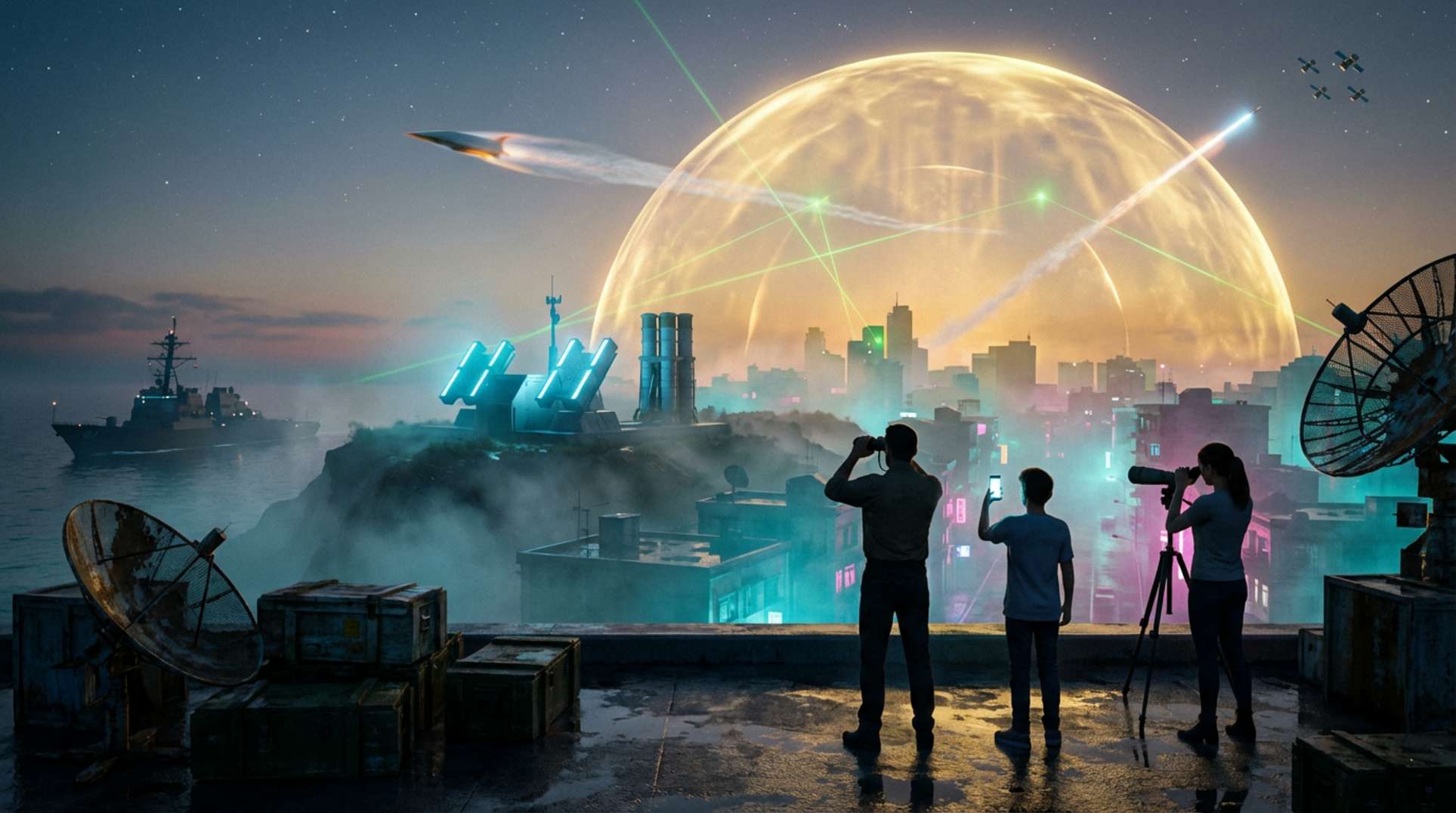
    • President Trump announced the “Golden Dome” national missile-defense program on May 20, 2025, promising it would “forever end the missile threat to the American homeland” and complete Reagan’s vision from 40 years prior. (Source: Al Jazeera)
    • The program is described as a multilayered system using land, sea, and space-based assets, including sensors and interceptors, aimed at countering ballistic, hypersonic, advanced cruise missiles, and drones. (Source: TIME)
    • Initial funding is set at $25 billion, with total costs estimated at $175 billion and an aggressive three-year timeline for operations. (Sources: Satellite Today, Al Jazeera)
    • Public test data shows sensor tracking demos and simulated engagements, like the March 2025 FTX-40, but no independently verified end-to-end kinetic intercepts of maneuvering hypersonic glide vehicles have been released. (Source: Newsweek / CRS summaries)
    • Key unresolved issues include technical feasibility within the timeline, details on space-based interceptors and their hardening against ASAT or cyber threats, procurement transparency, and links between civilian sightings and official tests.

    A Quiet Day, a Loud Promise

    The announcement came on May 20, 2025, amid a backdrop of routine White House briefings and global tensions simmering just below the surface. President Trump stepped to the podium, channeling the spirit of Reagan, vowing that Golden Dome would “forever end the missile threat” and finish what started four decades ago. (Source: Al Jazeera) Yet, while the words echoed with bold assurance, the reality on the ground—or in the skies—had been building quietly through incremental tests by the Missile Defense Agency, Space Force, and Navy. Events like the FTX-40 in March 2025 involved sensor demos and simulations, far from the fanfare, leaving analysts and trackers piecing together what felt like fragments of a larger puzzle. (Sources: Newsweek, CRS) The contrast hung heavy: a theatrical pledge against the steady hum of classified launches and anomalous lights spotted by those watching the night sky.

    What Witnesses and Analysts Report

    In communities like ours, where eyes are always on the horizon, reports spiked around these announcements and tests. Social media lit up with videos of rocket trails near known ranges, fast-moving silent objects that sparked debates on whether they were missile tests, space assets, or something unexplained. (Representative Reddit threads cited) Witnesses describe patterns—bright streaks without sound, sometimes correlating with test schedules, but often lacking radar or multi-sensor backups to pin them down. Analysts in the field, from hobbyist trackers to technical experts, point to the challenges of hypersonic intercepts, stressing the physics that make reliable hits on maneuvering targets no small feat. There’s a shared call for more data: release the radar logs, ATC records, and satellite feeds to sort test activity from the anomalies that keep us up at night.

    Timelines, Tracks, and Hard Data

    The backbone of Golden Dome rests on a series of verifiable steps, from executive directives to funding allocations and test milestones. An executive order on January 27, 2025, kicked things off, directing the development of this national missile-defense architecture. (CRS reference IF11623) The public reveal followed on May 20, 2025, with $25 billion initial funding and a $175 billion total estimate, targeting operations within three years—before the end of the term. (Al Jazeera / Satellite Today / Bloomberg) Key elements include the Hypersonic and Ballistic Tracking Space Sensor (HBTSS) at $76 million, DARPA’s Glide Breaker at $38 million, and MDA’s hypersonic defense at $182 million in FY2025 requests. (CRS summary) The March 2025 FTX-40 test delivered tracking data for simulations, while companies like SpaceX, Palantir, and Anduril surfaced in early talks. (Time / Bloomberg / Newsweek)

    Date Event Source
    27 Jan 2025 Executive Order directing development CRS IF11623
    20 May 2025 Public announcement of Golden Dome Al Jazeera
    March 2025 FTX-40 hypersonic defense test / simulated engagements Newsweek

    Official Story vs. What the Data Suggests

    Officials paint Golden Dome as a seamless shield, layering land, sea, and space assets to neutralize everything from ballistic missiles to hypersonic gliders and drones, backed by hefty funding and a tight timeline. (Al Jazeera / TIME / Satellite Today) Agencies like MDA, Space Force, and Navy have shown progress in sensor demos and simulations, such as FTX-40’s tracking successes. (CRS / Newsweek / DefenseNews) But the empirical record lags: experts highlight gaps in the physics of intercepting fast-maneuvering hypersonics, with no public end-to-end kinetic tests to back the claims. Space assets invite risks from ASAT weapons and cyber threats, while procurement questions swirl amid congressional eyes on transparency and contractor ties. (TIME / Bloomberg) Communities see some sightings aligning with tests, yet without raw data, interpretations vary—official narratives stay high-level, skimping on interceptor designs or directed energy specs, leaving us to connect the dots.

    The Open Questions That Matter

    What would it take to build and deploy an integrated system capable of stopping hypersonic glide vehicles across continental distances in just three years? No public validations of full intercepts exist yet, raising doubts on feasibility. Details on space interceptors—types, hardening against ASATs, and arms-control fallout—remain vague in administration talk. Procurement looms large: can costs stay at $175 billion, how are contracts doled out, and what checks prevent insider deals, especially with SpaceX, Palantir, and Anduril in the mix amid scrutiny? (Reported early interest and congressional concerns) Then there’s the sighting puzzle: how many civilian reports tie to tests versus foreign activity or other phenomena, and what datasets—like radar, ATC, NOTAMs, or satellite info—could clarify? To dig deeper, track MDA and Space Force releases for test insights; cross-check a couple of standout community videos against launch schedules and notices; and chase oversight docs on contracting moves.

    What It All Might Mean

    The firmest ground here includes the May 20, 2025 announcement, January 27 executive directive, funding for pieces like HBTSS and Glide Breaker, and demos from FTX-40 in March. (Sources: Al Jazeera, CRS, Newsweek) Gaps persist—no verified hypersonic intercepts, hazy space-weapon details, transparency issues in procurement, and restricted access to sensor data for sighting checks. This could fuel space-weapon debates, expose assets to ASAT risks, strain budgets, and erode trust through unexplained skies. Push for agency transparency, verify independently with public schedules and datasets, and watch for peer-reviewed results, multi-sensor releases, or clear contracting records—these would cut through the fog.

    Frequently Asked Questions

    President Trump announced the Golden Dome program on May 20, 2025, framing it as a completion of Reagan’s missile defense vision. The announcement included promises of ending missile threats to the U.S. homeland through a multilayered system.

    Tests include the March 2025 FTX-40, which featured sensor tracking demos and simulated engagements. However, no independently validated end-to-end kinetic intercepts of hypersonic glide vehicles have been publicly disclosed.

    Key questions involve technical feasibility within three years, specifics on space-based interceptors and their vulnerabilities, procurement transparency, and links between civilian sightings and tests. Communities call for raw data like radar and satellite feeds to verify reports.

    The administration announced $25 billion in initial funding, with total costs estimated at around $175 billion. This covers land, sea, and space assets, though oversight concerns exist regarding adherence to these figures and contract awards.

    Cross-check videos and reports against public launch schedules, NOTAMs, and test announcements from MDA or Space Force. Demanding release of radar, ATC, and satellite data could help distinguish tests from other phenomena.

  • Venezuelan Narco-Plane Shootdown: Facts & All Claims

    Venezuelan Narco-Plane Shootdown: Facts & All Claims

    Key takeaways

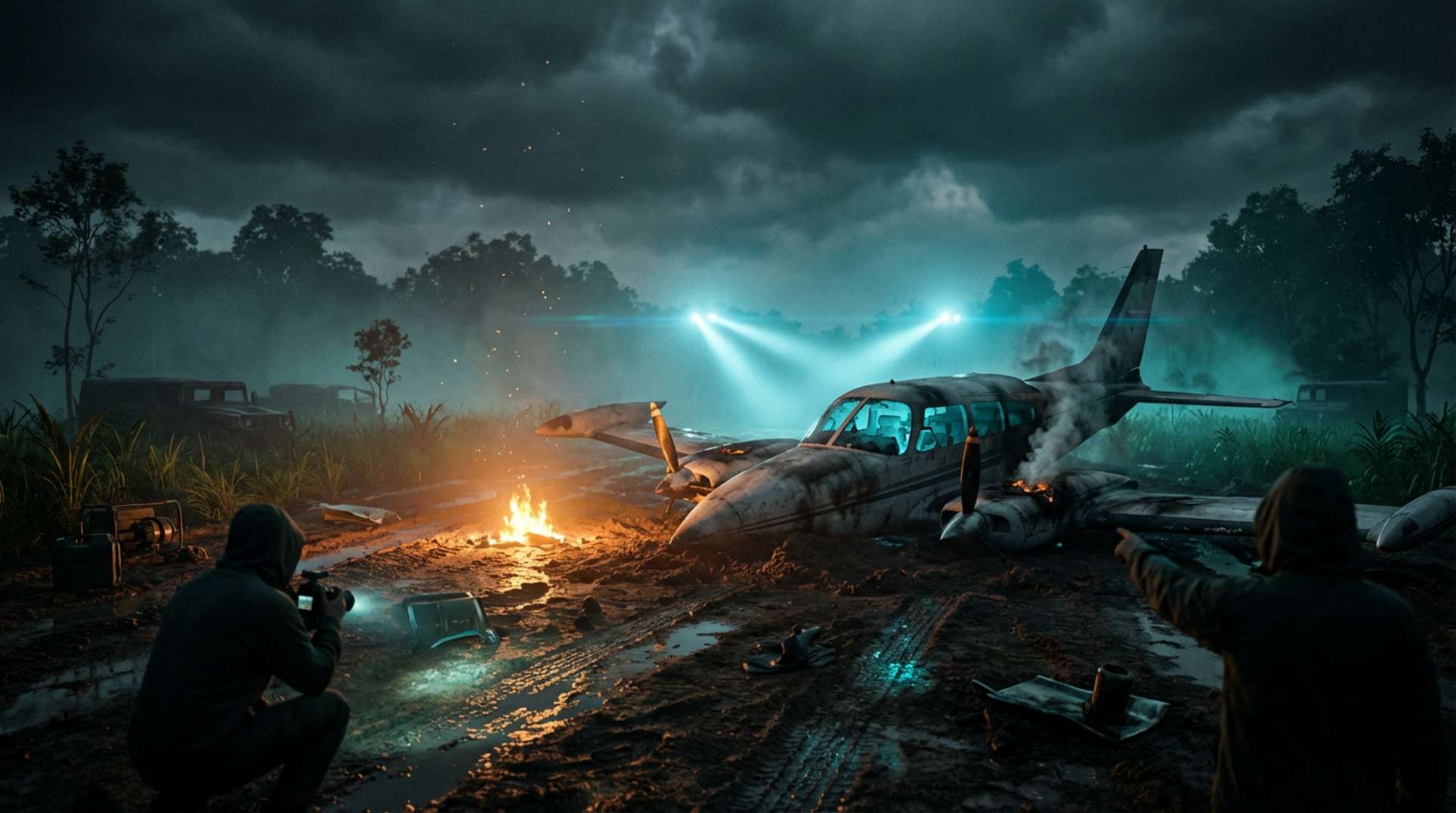
    • Venezuelan Armed Forces (FANB) reported intercepting and neutralizing an unauthorized light aircraft that landed on a clandestine dirt strip in Rómulo Gallegos Municipality, Apure state.
    • FANB released videos dated Oct 28–30, 2025, showing a damaged small twin‑engine aircraft with a ground blaze; the plane reportedly had its transponder off and was declared hostile.
    • Several regional outlets and aviation hobbyists identified the type as a Cessna 310 and cited registration XB-RED; claims that two Colombian nationals were killed remain unverified.

    Summary

    Available open sources align on FANB messaging and posted footage, but critical evidentiary gaps persist: no public ADS-B or radar tracks have been produced, casualty and identity confirmations are lacking, and there are no independent forensic details about the weapon or method used to neutralize the aircraft. The incident fits a pattern of multiple FANB interdictions of unauthorized small aircraft in 2025, raising concerns about civil aviation safety and cross-border tensions.

    Recommended verification steps

    • Obtain original FANB video files and timestamps for metadata analysis.
    • Search ADS-B and primary radar archives for Oct 28–30, 2025, and consult aggregators such as ADS-B Exchange.
    • Contact Colombian authorities for casualty and identity confirmation.
    • Request details from Venezuelan authorities on the engagement protocol and means of neutralization.
    • Use reverse-image searches and fact-checker networks to weed out manipulated or recycled footage.

    Until independent data emerges, the official narrative should be treated as partially corroborated: video and local reports support that an aircraft was disabled, but aircraft identity, origin, casualties, and the exact engagement method remain unconfirmed.

  • Elite Bunkers & UAP Files: What We Aren’t Being Told

    Elite Bunkers & UAP Files: What We Aren’t Being Told

    Key Takeaways

    • The U.S. hit a record 28 billion-dollar weather and climate disasters in 2023, costing around $92.9 billion, while global records from EM-DAT tally over 27,000 mass disasters since 1900, showing crises are routine, not rare—and now the Pentagon and NASA treat UAPs as serious, with 400 incidents tracked and 18 displaying odd flight traits, though they deny extraterrestrial links.
    • Dr. Chris Ellis, a 26-year military veteran and author of “Resilient Citizens: The People, Perils, and Politics of Modern Preparedness,” points to why experts push resilience: rising disasters from climate and infrastructure woes, but he bridges official planning with citizen worries about unchecked risks.
    • Questions linger on elite preparations—bunkers, summits—that might tie into hidden threats, fueled by community reports and whistleblowers suggesting undisclosed UAP-related dangers beyond public knowledge.

    When Preparation Quietly Became a Way of Life

    Picture this: your phone buzzes with another emergency alert, the third this month. Floods in one state, wildfires in another, and social media scrolls past tours of underground bunkers like it’s the new real estate trend. Extreme weather isn’t news anymore; it’s the rhythm of the day. Meanwhile, conferences on ‘resilience’ draw crowds of suits discussing system shocks over catered lunches. Into this scene steps Dr. Chris Ellis, not as some wild-eyed survivalist, but a seasoned pro with 26 years in the military, an expert in disaster preparedness, and author of “Resilient Citizens: The People, Perils, and Politics of Modern Preparedness.” He’s seen the models, planned the responses. And yet, behind the scenes, luxury bunkers rise, elite summits whisper about breakdowns, and you can’t shake the feeling that the preparations go deeper—modeling threats that stay locked in classified rooms. The signs stack up: 28 billion-dollar disasters in the U.S. in 2023 alone, the highest ever, hitting every few weeks on average from 2018 to 2022. Globally, EM-DAT has logged over 27,000 mass disasters since 1900. Institutions have been tracking this for decades. Something has shifted, and it’s not just the weather.

    What People Say the Planners Aren’t Telling Us

    Those tuned into the edges of the story—observers, researchers, and folks sharing reports in forums—see patterns that official channels sidestep. First, there’s the clear concern over climate chaos, crumbling infrastructure, and global tensions ratcheting up. Witnesses and analysts point to elites snapping up doomsday bunkers and remote compounds, reading it as prep for society-wide disruptions. Then come the suspicions around UAPs and possible non-human intelligences. Whistleblower accounts, like those in documentaries such as “The Age of Disclosure,” describe decades of government cover-ups, with insiders allegedly briefed on risks that could upend everything—encounters that hint at existential threats kept from the public eye. Military witnesses in the UAP conversation report consistent oddities: objects pulling maneuvers that defy physics, popping up near nukes or bases, and a hunch that top briefings hold the real bombshells, far beyond the sanitized reports. Broader still, some argue ‘resilience’ talk among the powerful is code for bracing against shocks—from climate collapses to financial meltdowns or even contact with something otherworldly. In online discussions and interviews, people connect the dots: spiking disaster stats alongside official UAP scrutiny, seeing it as evidence of converging crises that elites anticipate but don’t fully share.

    Storm Counts, Databases, and Declassified Skies

    Let’s ground this in the numbers that can’t be argued away. NOAA data shows the U.S. faced 28 billion-dollar weather and climate disasters in 2023, breaking the 2020 record of 22, with losses at $92.9 billion. From 2018 to 2022, these events averaged one every 18 days, making rare catastrophes feel routine. EM-DAT, pulling from UN and NGO sources, has cataloged over 27,000 mass disasters worldwide since 1900, proving these aren’t new inventions—just more visible now. On the UAP front, the Pentagon’s 2021 report examined 144 military-reported incidents, with 18 exhibiting bizarre traits like extreme maneuverability or ignoring aerodynamics. By 2022, their database held around 400 cases, enough to demand structured tracking. NASA joined in June 2022, forming an independent study team that went public in May 2023, pulling the topic from the fringes into science’s spotlight. What’s documented is real: disasters are climbing, UAP reports are piling up. What’s acknowledged officially stops short of exotic explanations. The rest? That’s where speculation fills the gaps.

    Metric Value
    U.S. Billion-Dollar Disasters (2023) 28
    Total Costs (2023) $92.9 billion
    EM-DAT Total Events (1900-Present) Over 27,000
    Pentagon UAP Incidents (2022 Database) Around 400
    UAP Cases with Unusual Characteristics (2021 Report) 18

    Reassurance, Risk Models, and the Gaps in the Story

    Institutions paint one picture; the community sees another, shadowed by what’s left unsaid. Take disasters: NOAA and FEMA tie the surge to climate shifts, old grids, and development choices, pushing practical fixes like better codes and flood plans. They frame it as tough but tackleable, no doomsday vibes. UAPs get similar treatment—the Pentagon’s AARO and task forces call them real security issues, worth probing, but pin most on glitches, drones, or balloons, with zero confirmed alien tech. NASA’s team echoes that, betting on mundane answers while admitting some data warrants the effort. Yet community voices read these steps—new offices, studies—as a slow reveal, dripping out truth to soften the blow of bigger revelations. If elites are fortifying against black swans, researchers say, it could mean internal models factor in wild cards like sudden climate flips or non-human contacts, rarely aired publicly. Dr. Chris Ellis, with his military background and book on preparedness, offers insight here. He knows how pros rank threats: everyday floods high on the list, rare cataclysms lower but still planned for. Politics shapes what’s shared—officials aren’t all deceivers, citizens aren’t all alarmists. It’s about access, incentives, and the trust eroding between them.

    Living in the Space Between Warnings and Whispers

    The threads weave together: disasters spiking, with U.S. records broken and EM-DAT’s 27,000-plus events proving the pattern; UAPs now tracked by the military (400 incidents) and NASA, yet officials stick to no-ET verdicts, leaving those 18 weird cases as tantalizing unknowns. Elite resilience culture—bunkers, private drills—hints at more, though no hard proof ties it to high-strangeness like alien incursions. We know planning often hides low-odds, high-stakes scenarios from view, shaped by power plays. So the questions hang: Are leaders just prepping for the obvious—climate, grids, wars—or factoring in classified intel on non-humans or anomalies? How could we tell? Dr. Ellis’s work reminds us: build your own resilience, stay sharp on info, push for openness. Whatever’s coming, curiosity and readiness beat waiting in the dark.

    Frequently Asked Questions

    The U.S. experienced a record 28 billion-dollar weather and climate disasters in 2023, costing $92.9 billion, per NOAA. Globally, EM-DAT has recorded over 27,000 mass disasters since 1900, indicating these events are frequent and their tracking has grown more intensive.

    The Pentagon tracks around 400 UAP incidents, with 18 from the 2021 report showing unusual traits, but attributes most to conventional explanations without confirming extraterrestrial origins. NASA formed a study team in 2022, holding public meetings to analyze the phenomena scientifically.

    Many see elites building bunkers and attending resilience summits as signs of prep for undisclosed risks, possibly linked to UAPs or non-human intelligences, based on whistleblower claims and patterns in reports. This contrasts with official focuses on climate and infrastructure without mentioning speculative threats.

    Dr. Chris Ellis is a 26-year military veteran and disaster preparedness expert, author of “Resilient Citizens: The People, Perils, and Politics of Modern Preparedness.” He bridges institutional risk planning with citizen concerns, explaining how politics influences what threats are publicly discussed.

    Official reports from the Pentagon and NASA state there is no confirmed evidence of extraterrestrial origins for UAPs, often citing misidentifications or sensor errors. However, community interpretations and whistleblowers suggest deeper, undisclosed information may exist.